



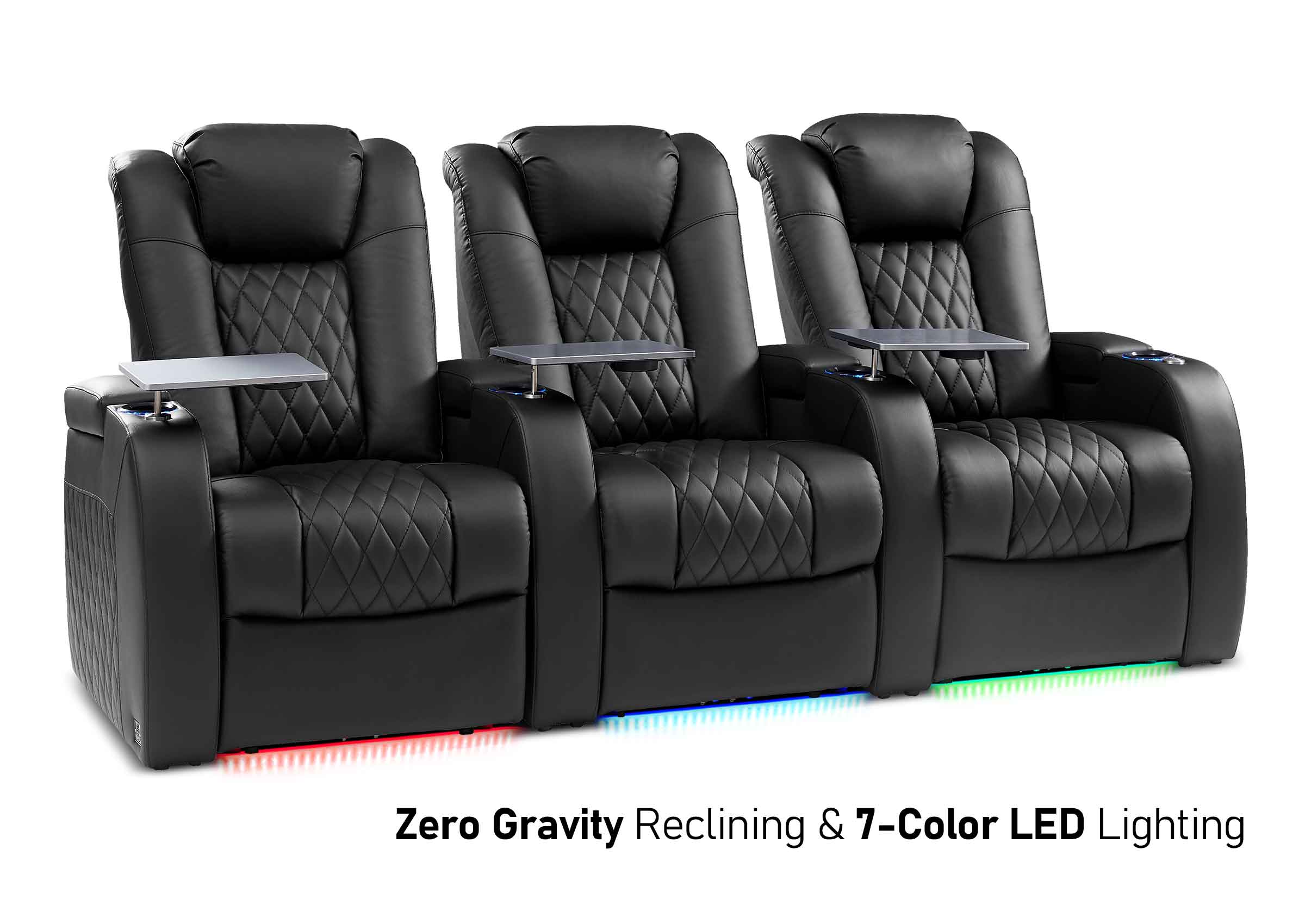
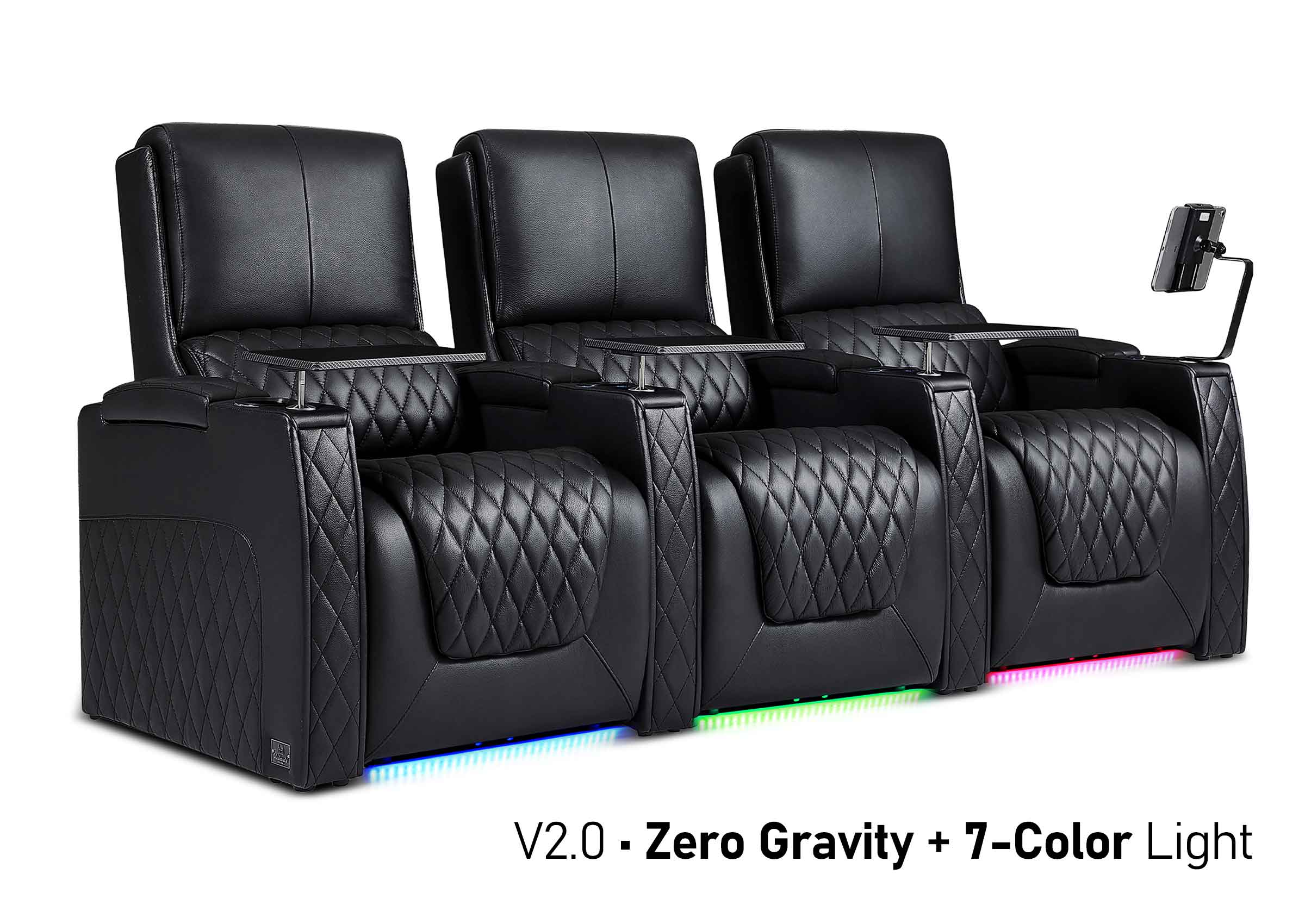
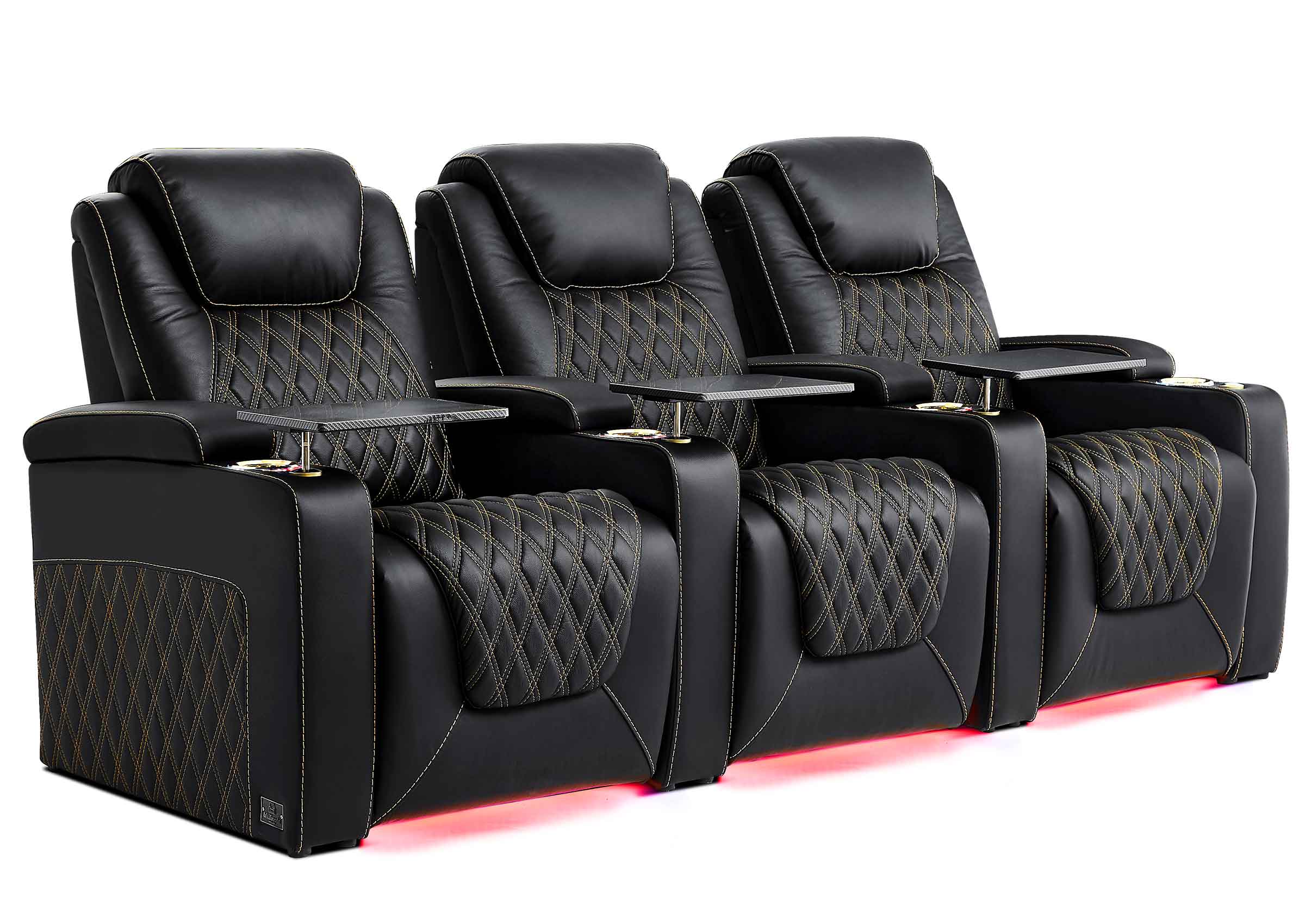
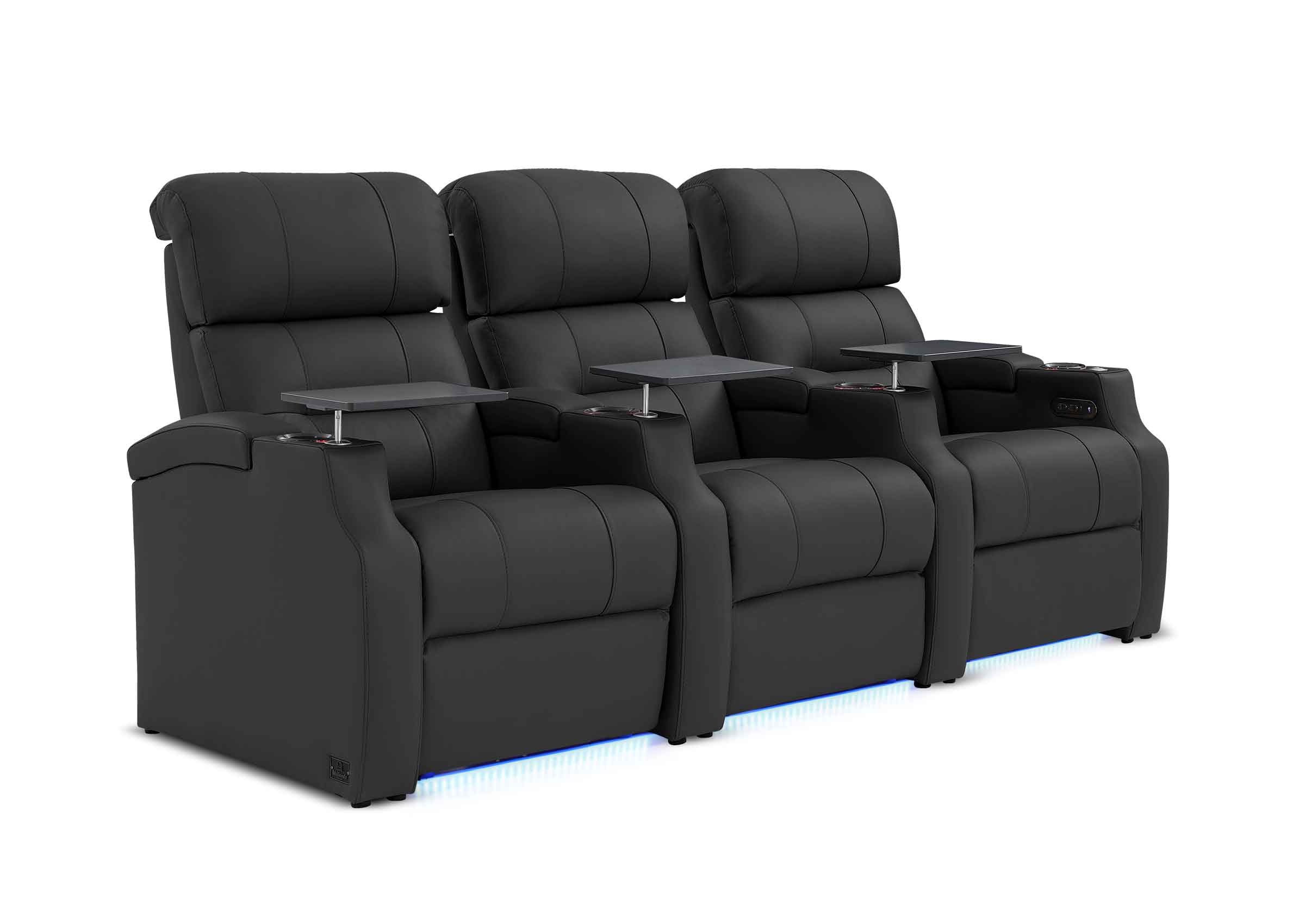
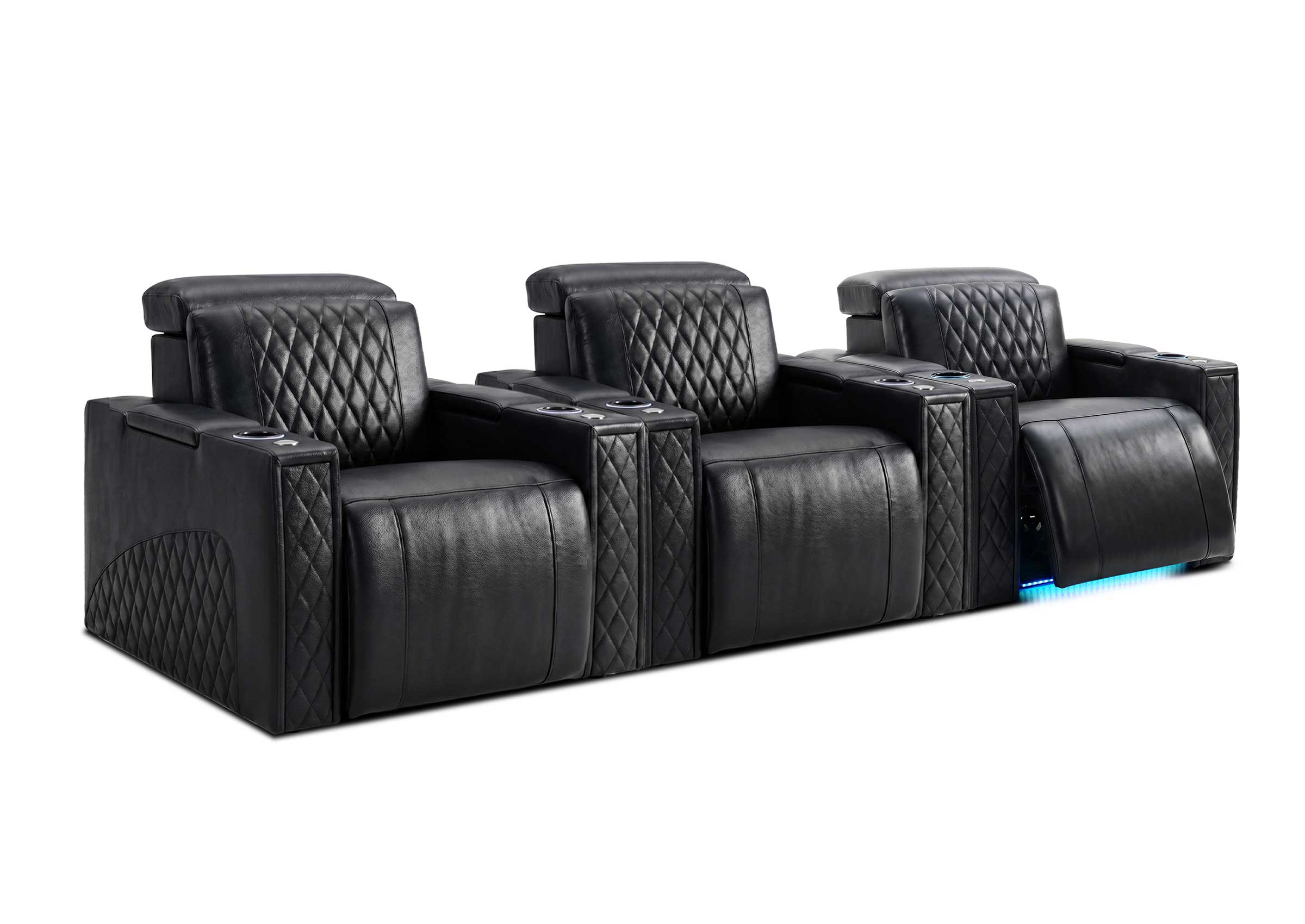

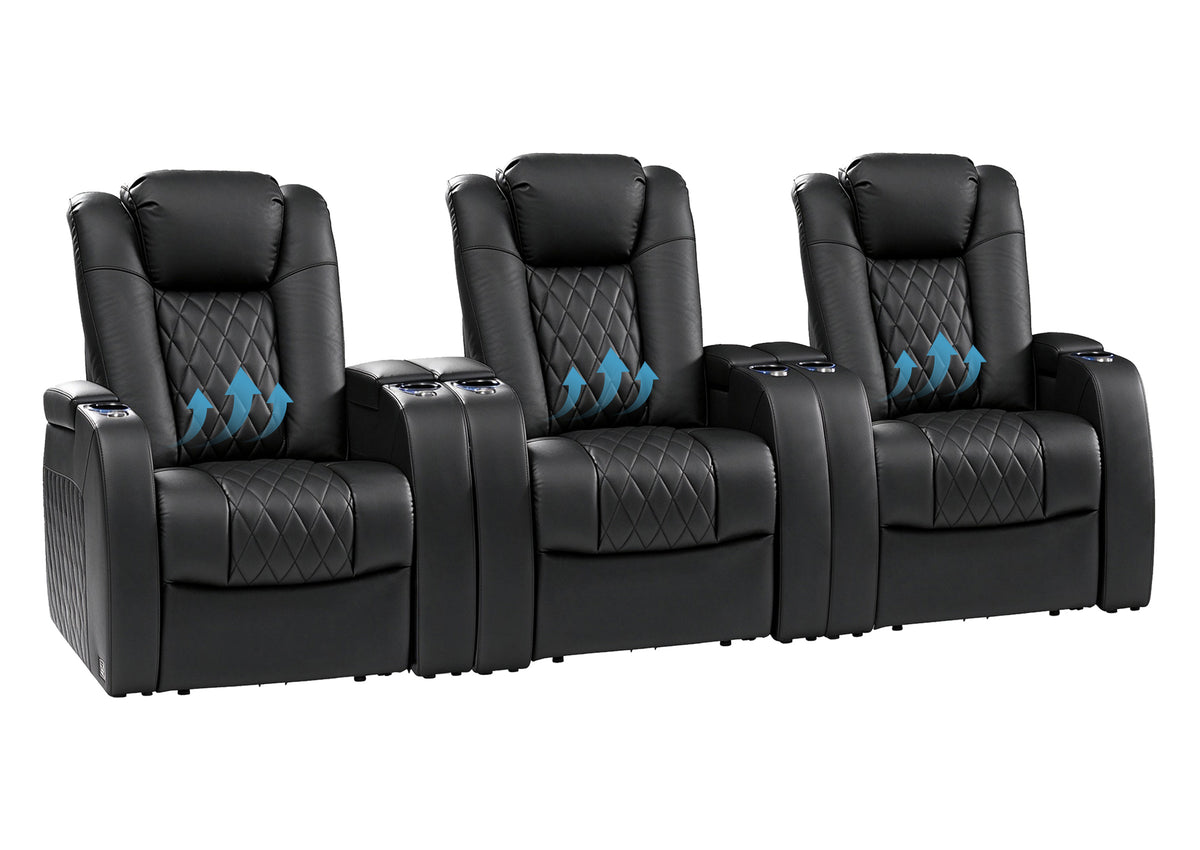
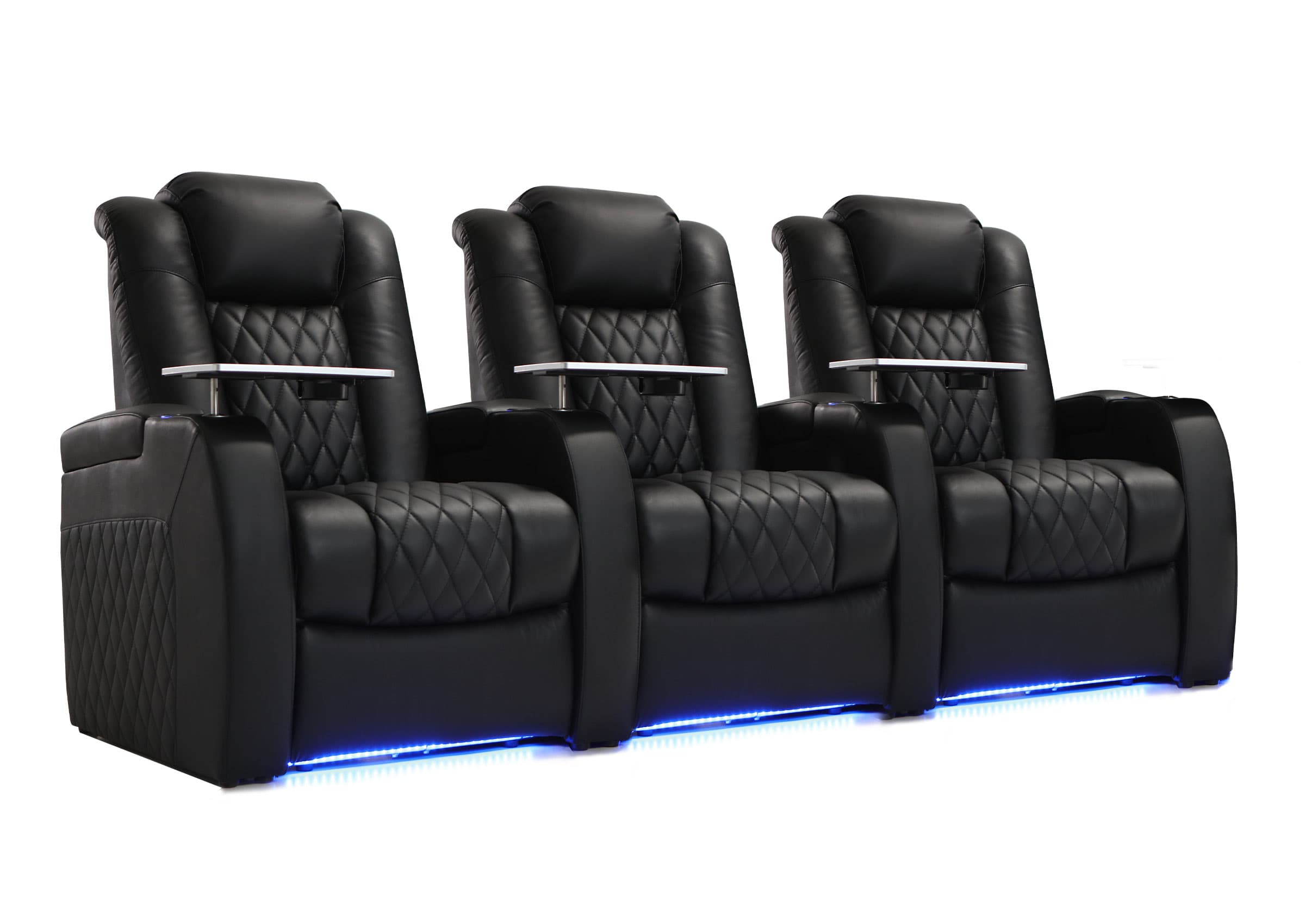
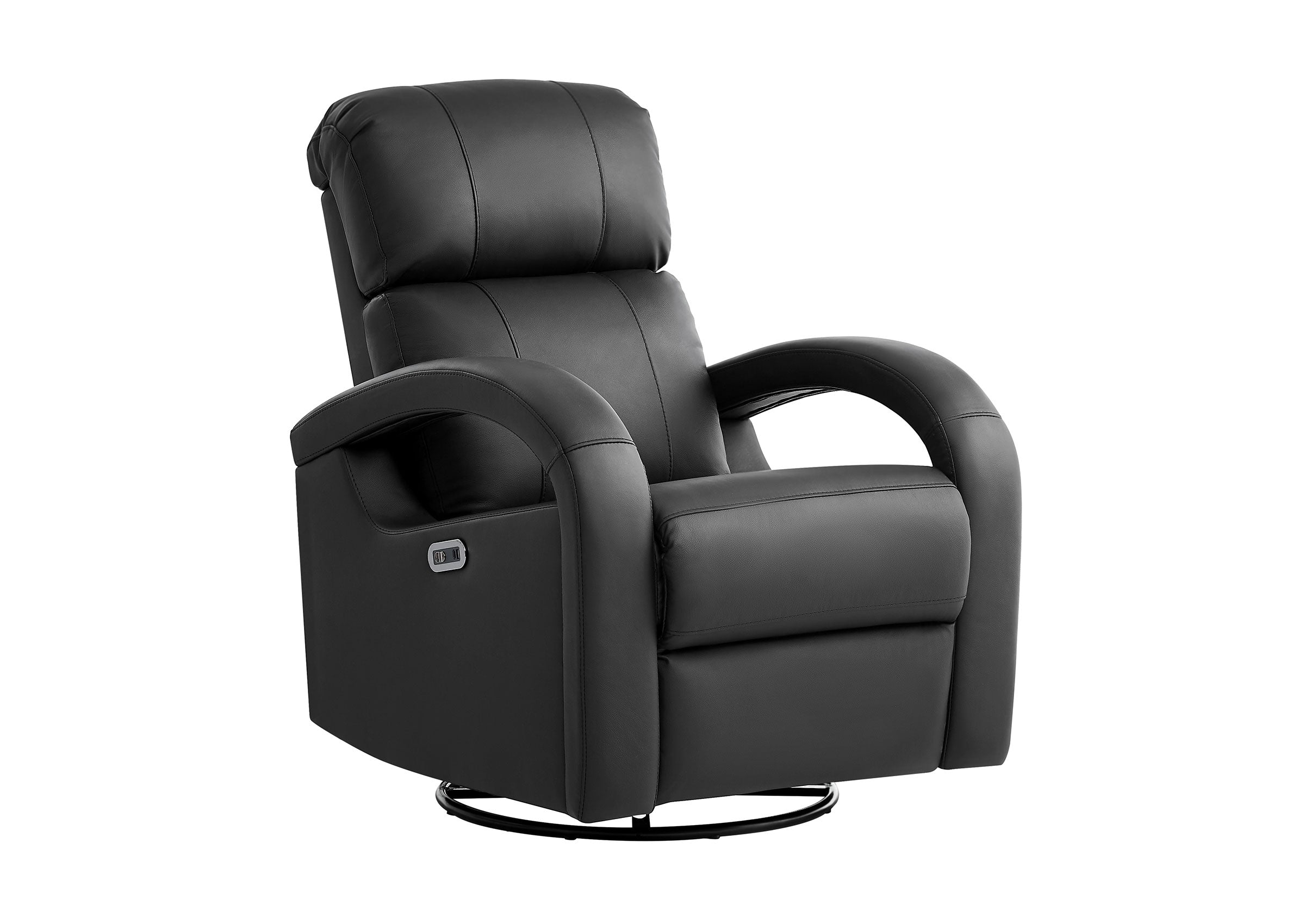

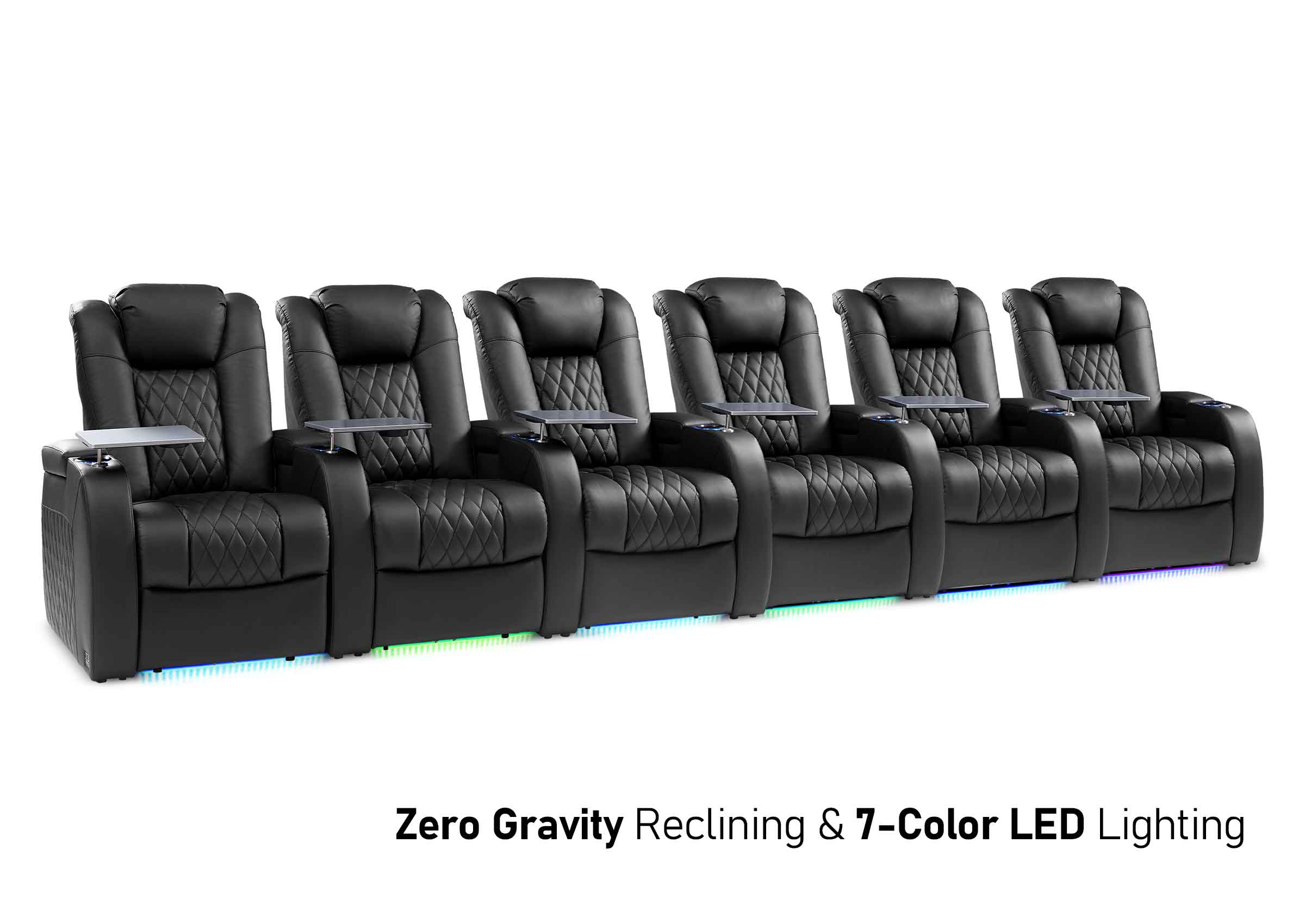
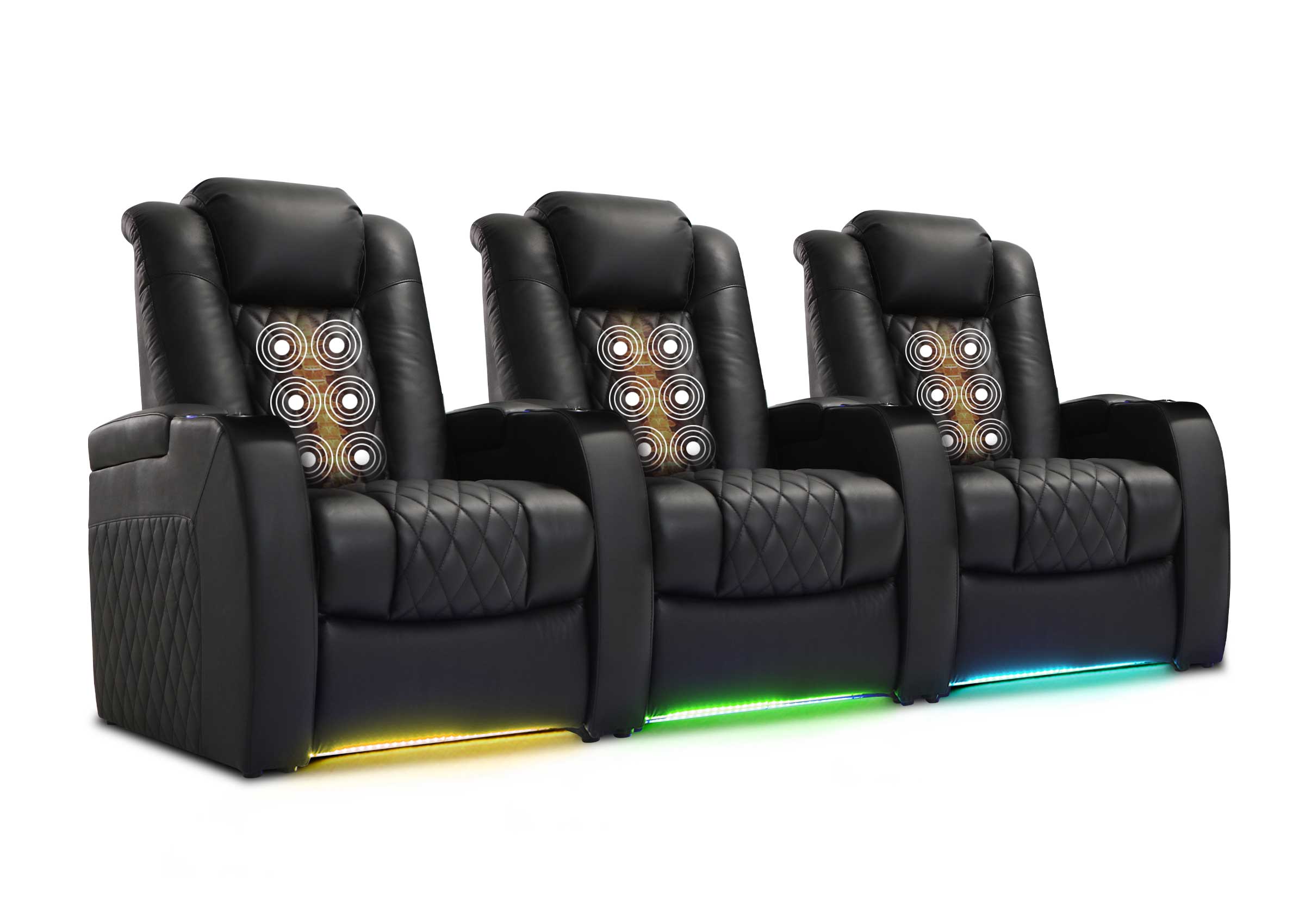
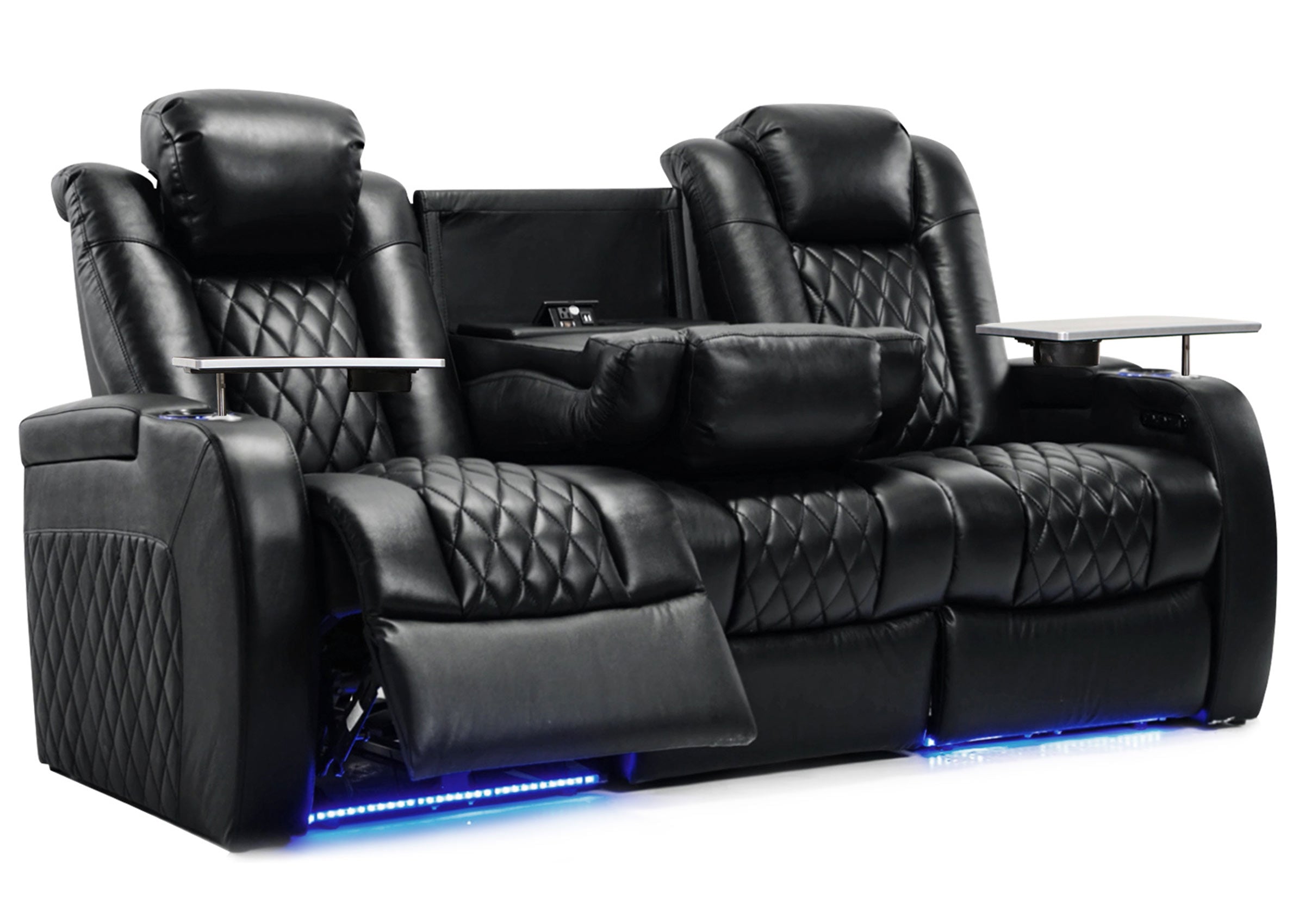
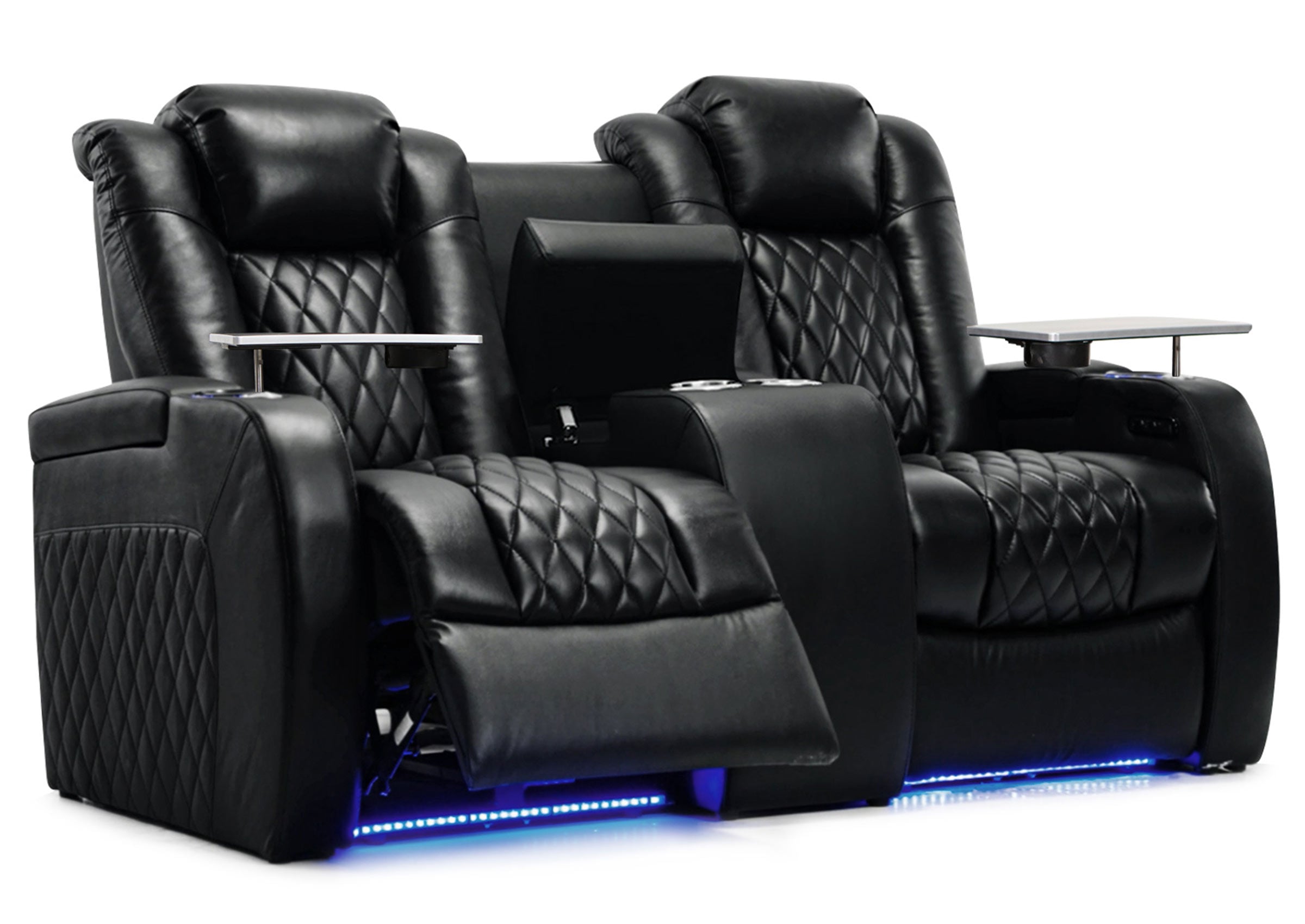


Ergonomic seating is seating designed around the relationship between the person, the seat, and the activity being performed. A seat is not ergonomic simply because it has lumbar support, a headrest, thick padding, or several adjustment buttons. Those features matter only when they help the seat fit the person using it and support the positions that person actually needs.
That distinction is important because two people can sit in the same chair and have very different experiences. The seat has not changed. The relationship between the body and the seat has.
The most useful question, then, is not simply, “Is this an ergonomic seat?”
Does this seat fit the person, the position, and the way it will actually be used?
What Is Ergonomic Seating?
Ergonomic seating applies the principles of ergonomics to sitting.
The International Ergonomics Association defines ergonomics, or human factors, around understanding interactions between people and other elements of a system and applying that knowledge to design. Physical ergonomics specifically includes human anatomy, anthropometry, physiology, biomechanics, and working posture.
Applied to seating, that makes ergonomics broader than posture alone.
An ergonomic seat should account for factors such as:
- the user's body dimensions;
- where the seat supports the body;
- seat height, depth, and usable width;
- the position and shape of the backrest;
- whether arm, head, leg, or lumbar support reaches a useful location;
- how the body can move or change position;
- the activity taking place while seated;
- the relationship between the seat and the surrounding setup.
This is also why ergonomic seating should not automatically be treated as another name for an ergonomic office chair.
Office chairs are one application of ergonomic seating. Dining chairs, task seating, vehicle seats, sofas, recliners, and other forms of seating can involve ergonomic design principles too, but they do different jobs. For the broader furniture-level idea, our guide to ergonomic furniture explains how the same principles extend beyond seating.
A seat designed for typing at a desk should not be evaluated in exactly the same way as a seat intended for dining, relaxing, reading, watching a movie, or reclining.
What Actually Makes a Seat Ergonomic?
A useful way to evaluate ergonomic seating is to stop counting features and examine five relationships instead:
body fit, support location, movement, activity, and surrounding setup.
1. The Seat Has to Fit the Body
Body dimensions affect how a person interacts with nearly every part of a seat.
Consider seat depth.
A deeper seat may provide useful thigh support for one person. Put someone with shorter upper legs in the same seat, however, and they may have to choose between sitting against the backrest and keeping comfortable clearance behind the knees.
If they slide forward to solve that problem, the lumbar area may no longer contact the backrest as intended.
Nothing is necessarily wrong with the seat.
It may simply be the wrong proportion for that user.
OSHA's workstation guidance makes the same basic point: seat width and depth should accommodate the specific user. A seat should be deep enough to support the thigh without being so deep that the user cannot make effective use of the back support.
Seat height, width, backrest height, arm position, and other dimensions create similar relationships. When evaluating a recliner specifically, these relationships can be checked in more detail using recliner measurements such as seat depth, width, height, and overall clearance.
This is why the word ergonomic should never replace actual dimensions.

2. Support Has to Reach the Right Place
A seat can have a support feature without that feature providing useful support to a particular person.
Lumbar support is an obvious example.
The meaningful question is not:
Does this seat have lumbar support?
It is:
Where does that support contact your body when you sit normally?
The same logic applies to a headrest. A headrest that adjusts but still sits below or above the useful contact area may add little value for a particular user.
Armrests can also exist without being well positioned. If they are too high, too low, too far apart, or poorly aligned with the activity, the user may simply avoid using them or alter their posture to reach them.
For reclining seating, leg and foot support create another fit question. The existence of a footrest does not tell you whether its length and position work well with the user's legs.
A feature becomes useful only when its location and range match the person using it.
3. Ergonomic Seating Should Allow Useful Movement
Ergonomics does not require the body to remain frozen in one supposedly perfect posture.
People shift their weight. They lean back. They reposition their feet. They change what their arms are doing. The position that works during one part of an activity may not be the position they want later.
A good seating setup should therefore make reasonable movement possible rather than forcing the person to continually fight the seat.
This does not mean every ergonomic seat needs a complex tilt mechanism.
It means movement should be considered as part of fit.
For a task chair, that may involve seat and backrest adjustments.
For a recliner, it may involve what happens to back, head, thigh, and leg support as the seat moves from upright toward a reclined position.
For a simple fixed chair, the relevant question may be whether the dimensions and shape allow the user to sit and shift naturally without being constrained by the seat.
Movement is not evidence that a seat has failed. Constant compensation can be.
4. The Activity Changes What “Ergonomic” Means
The Canadian Centre for Occupational Health and Safety notes that there is no single chair suitable for every activity and that an ergonomic chair must suit the user's body dimensions, workstation, and tasks.
That principle extends beyond the office.
A dining chair needs to work with a table.
A task chair needs to work with a desk, keyboard, and screen.
A lounge seat may prioritize different body positions.
A recliner needs to remain usable as the relationship between the seat, backrest, legs, head, and surrounding room changes.
A movie seat also has an external target: the screen.
So asking whether seating is ergonomic without asking what someone will do while sitting in it leaves out part of the problem.
This is one reason universal ergonomic checklists have limits. A feature that matters greatly in one activity may matter less in another.

Does Ergonomic Seating Have to Be Adjustable?
No—not in every situation.
Adjustability is extremely useful because people vary in body size and because one seat may need to serve different users or positions. It is particularly important in shared office environments, where a fixed seat is unlikely to match everyone.
But adjustability is a means of improving fit. It is not the definition of ergonomic fit.
A fixed seat can work very well for a specific person and activity when its dimensions and support already match that use.
An adjustable seat can still fit poorly if its adjustment range never reaches the positions that person needs.
This distinction matters when comparing products.
More adjustment controls do not automatically mean better ergonomics.
Instead, ask:
What changes?
How far does it change?
Does that range solve an actual fit problem for the intended user?
A small but useful range can matter more than several adjustments that never get used.
APPLY THE FIT PRINCIPLES
Ready to Compare Ergonomic Fit With Real Seating?
Use body fit, seat dimensions, support location, and room clearance as practical filters when you move from understanding ergonomics to evaluating a recliner.
Why Body Fit Matters More Than an “Ergonomic” Label
Human bodies do not scale perfectly from short to tall.
People of similar overall height can have different leg lengths, torso lengths, shoulder widths, hip widths, and proportions. NIOSH uses anthropometry—the study of human body dimensions and characteristics—to understand how equipment and environments fit populations with varied body shapes and sizes.
For seating, that makes body-to-seat relationships more useful than relying on a single height recommendation.
Research on seat depth illustrates the point. One controlled study had participants use several seat depths over 90 minutes and found meaningful differences in reported comfort and discomfort. The researchers connected appropriate seat depth with anthropometric measurements rather than treating one arbitrary dimension as ideal for everyone.
The important takeaway is not the specific dimension tested in that study; its population and experimental conditions were limited.
The transferable lesson is simpler:
Seat dimensions and human dimensions need to be considered together.
That is why a seat that receives excellent reviews from taller users may still feel excessively deep to a shorter user—or the reverse.
Both experiences can be genuine.
Is Ergonomic Seating the Same as Comfortable Seating?
Not exactly.
Comfort is an experience. Ergonomic fit is a relationship.
The two often overlap, but they are not interchangeable.
A very soft, deep seat might feel immediately comfortable because the cushioning creates a relaxed first impression. Later, the user may notice that sitting upright requires moving forward away from the backrest.
A firmer seat might initially feel less plush but fit that person's preferred position more naturally.
Neither softness nor firmness alone tells you which seat is more ergonomic.
Time matters too.
The first few minutes tend to reveal obvious pressure, cushioning, and shape. Longer use can reveal different issues: support that falls in the wrong place, a seat that feels too deep, a headrest that becomes distracting, or a repeated need to reposition the body.
That is one reason evaluating seating only by the first sit can be misleading.
How Can You Tell Whether a Seat Actually Fits You?
Instead of looking for one perfect ergonomic specification, use a short sequence of observations.
Sit Back Without Forcing Yourself Into Position
Can you use the backrest naturally?
If reaching it requires deliberately sliding your hips backward every few minutes, look at the seat depth and the way the seat and backrest relate to your body.
You should not need to continually perform a small correction just to remain in contact with the main support surfaces.
Check Where Your Legs End Up
Notice where the seat edge meets your thighs and the area behind your knees.
Also look at your feet or leg support.
The goal is not to reproduce one universal posture rule. The goal is to identify whether the seat dimensions force an awkward compromise somewhere else.
Find the Actual Support Points
Ignore the product names for a moment.
Where does the backrest touch you?
Where does the lumbar area meet your back?
If there is a headrest, where does it make contact?
If there are armrests, can your arms use them without lifting the shoulders or leaning sideways?
If there is a footrest, what part of the legs does it support?
These observations usually tell you more than the number of features listed on a specification sheet.
Change Position
Do not evaluate only one pose.
Sit upright.
Lean back if the seat is designed for it.
Shift your weight.
Use the position you would realistically choose while reading, talking, working, gaming, or watching something.
Support that feels correct in one position can move relative to the body in another.
That change is particularly important with reclining seating.
Watch for Compensation
This is one of the most useful checks because it focuses on behavior rather than product claims.
Do you repeatedly:
- slide forward;
- push yourself higher in the seat;
- avoid the headrest;
- shrug your shoulders to reach the armrests;
- add cushions just to reach the backrest;
- change position because one contact point keeps becoming uncomfortable?
Occasional movement is normal.
Repeatedly making the same correction is different.
It may indicate that the seat, the adjustment, or the surrounding setup does not match the way you are trying to use it.

Give the Seat More Than a First Impression
A seat does not need to be tested for an exact universal number of minutes.
The more useful principle is to give enough time for your normal sitting habits to appear.
Once you stop consciously “testing the chair,” notice where your body naturally goes.
That is often when fit becomes easier to judge.
What Ergonomic Seating Does Not Automatically Mean
The word ergonomic should not be read as a guarantee.
It does not automatically mean that a seat:
- fits every body size;
- is more comfortable for every person;
- has to be soft;
- needs the maximum number of adjustments;
- creates one permanently “correct” posture;
- works equally well for every activity;
- prevents back, neck, or joint problems;
- remains comfortable indefinitely.
It also does not mean the seat can be judged separately from everything around it.
OSHA's workstation guidance, for example, treats the chair, monitor, keyboard, and desk as parts of the same setup rather than assuming a good chair can correct a poorly arranged workstation by itself.
The same broader principle is useful at home.
A good seat can still feel wrong if its height conflicts with a table, its reclined position changes the viewing angle to a screen, or the user has to reach awkwardly for something used repeatedly.
Ergonomics is about the interaction.
FAQ
Is ergonomic seating only for office chairs?
No. Office seating is one of the most developed applications of ergonomics because people often spend long periods performing repeated tasks at workstations. The underlying principles—body fit, support, movement, activity, and interaction with the surrounding environment—can also apply to other forms of seating.
Can a Sofa or Recliner Be Ergonomic?
Yes. A sofa or recliner can apply ergonomic principles when its dimensions, support, movement, and intended positions work well with the user. Reclining alone does not make a seat ergonomic, just as a fixed seat is not automatically non-ergonomic.
Does Ergonomic Seating Need Lumbar Support?
Back and lumbar support can be important, but simply adding a lumbar feature does not guarantee good fit. Its shape, location, and available adjustment need to work with the person using the seat.
Is an Adjustable Seat Always More Ergonomic Than a Fixed Seat?
Not necessarily. Adjustability increases the range of people or positions a seat may accommodate, which is especially valuable in shared seating. But a fixed seat can fit a particular user and activity well, while an adjustable seat can still have the wrong dimensions or insufficient adjustment range.
How Do I Know If a Seat Is Too Deep?
One warning sign is that you cannot comfortably use the backrest while maintaining a reasonable position for your legs. If you repeatedly slide forward because sitting fully back makes the seat edge interfere with the area behind your knees, seat depth may be part of the mismatch. Exact fit depends on the individual rather than one universal seat-depth number.
Judge the Relationship, Not the Label
The clearest way to understand ergonomic seating is to stop looking for a single feature that makes a seat “ergonomic.”
Look at the relationship instead.
Does the seat fit the body using it?
Does the support reach useful locations?
Can the person move and change position naturally?
Does the seat still work for the activity it was chosen for?
And perhaps most revealingly:
Does the person use the seat naturally, or do they keep compensating for it?
A seat with fewer features can fit extremely well. A highly adjustable seat can still be a poor match.
That is why ergonomic seating is ultimately less about what a product is called and more about how successfully body, seat, position, movement, and purpose work together.