



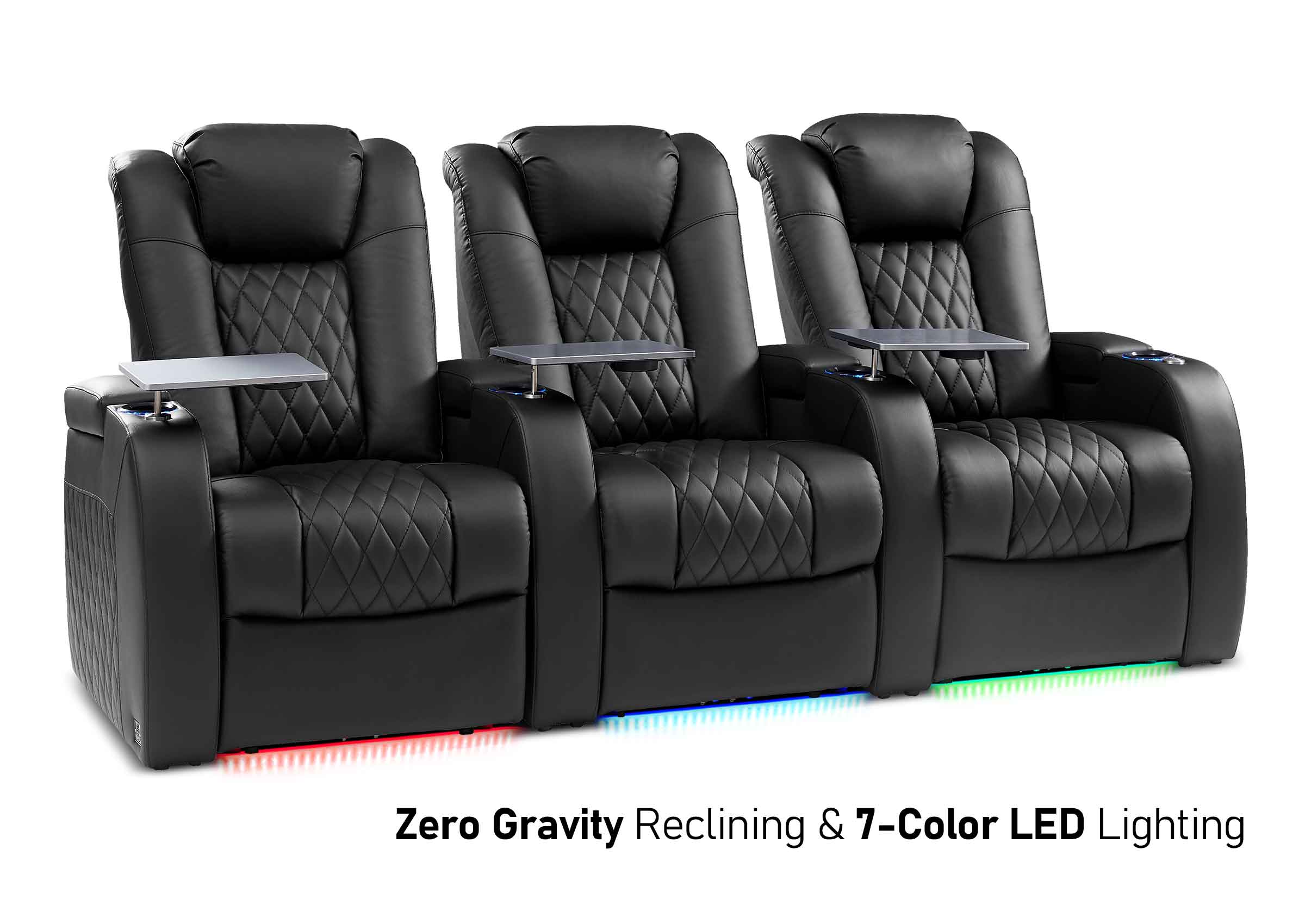
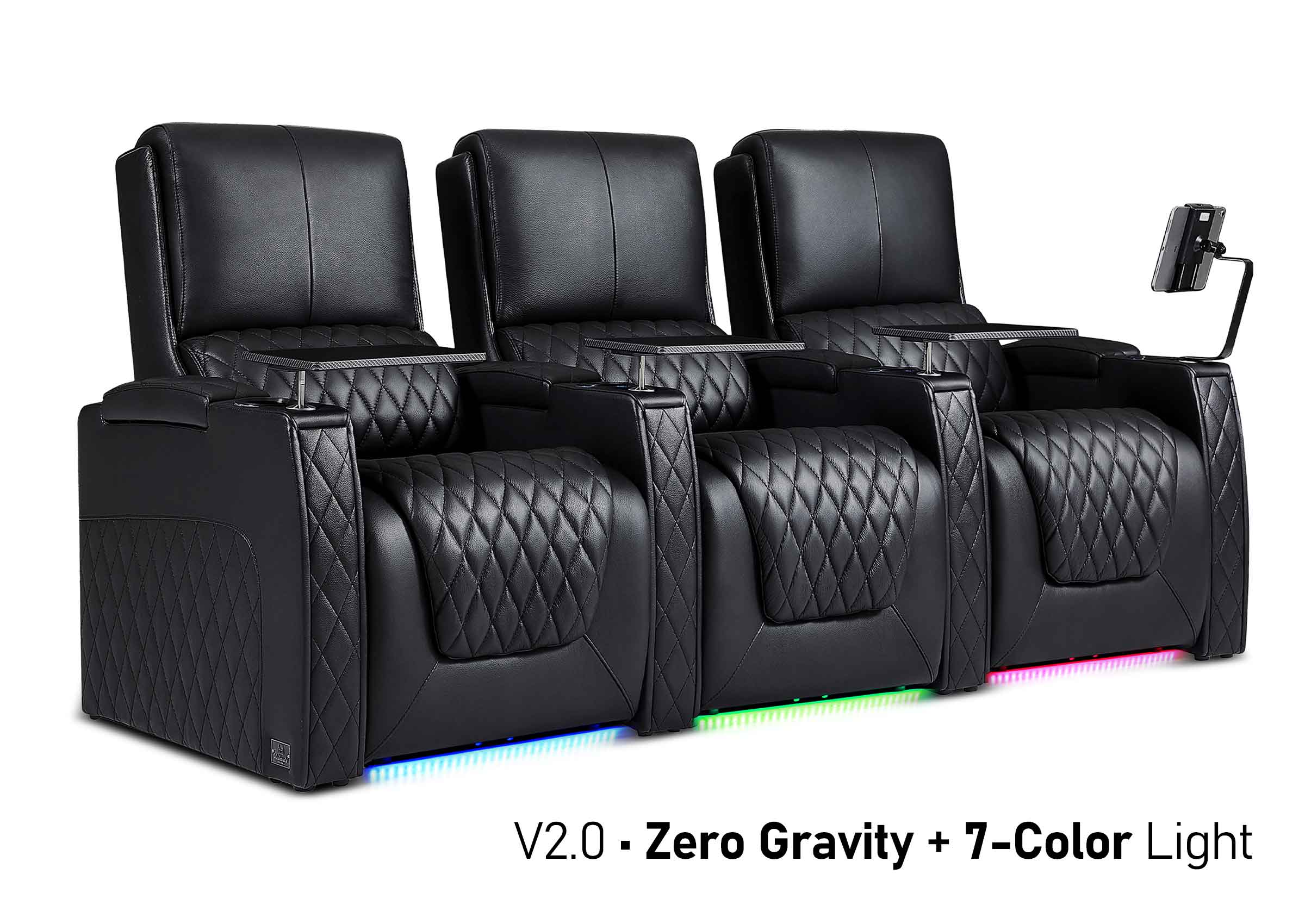
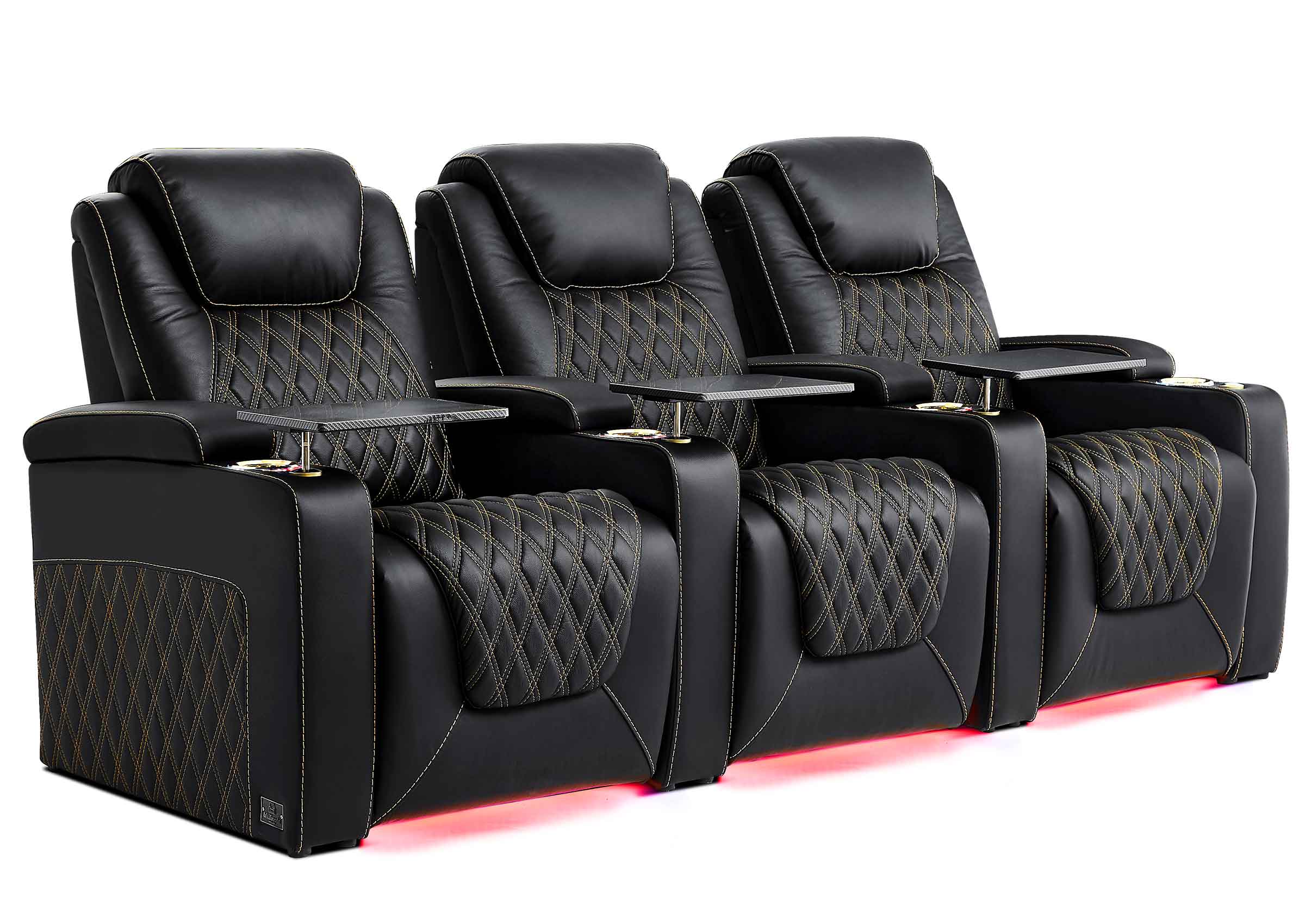
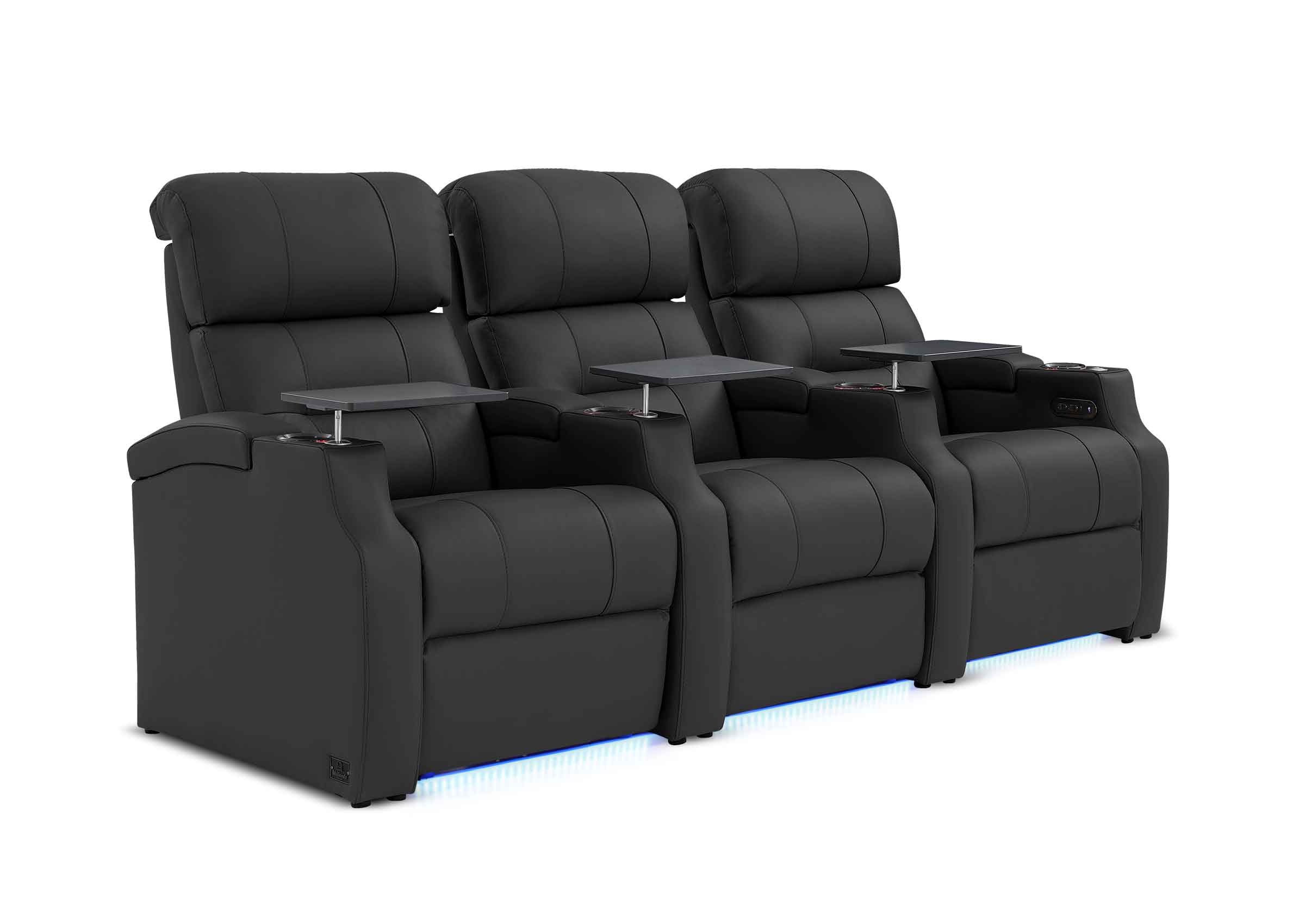

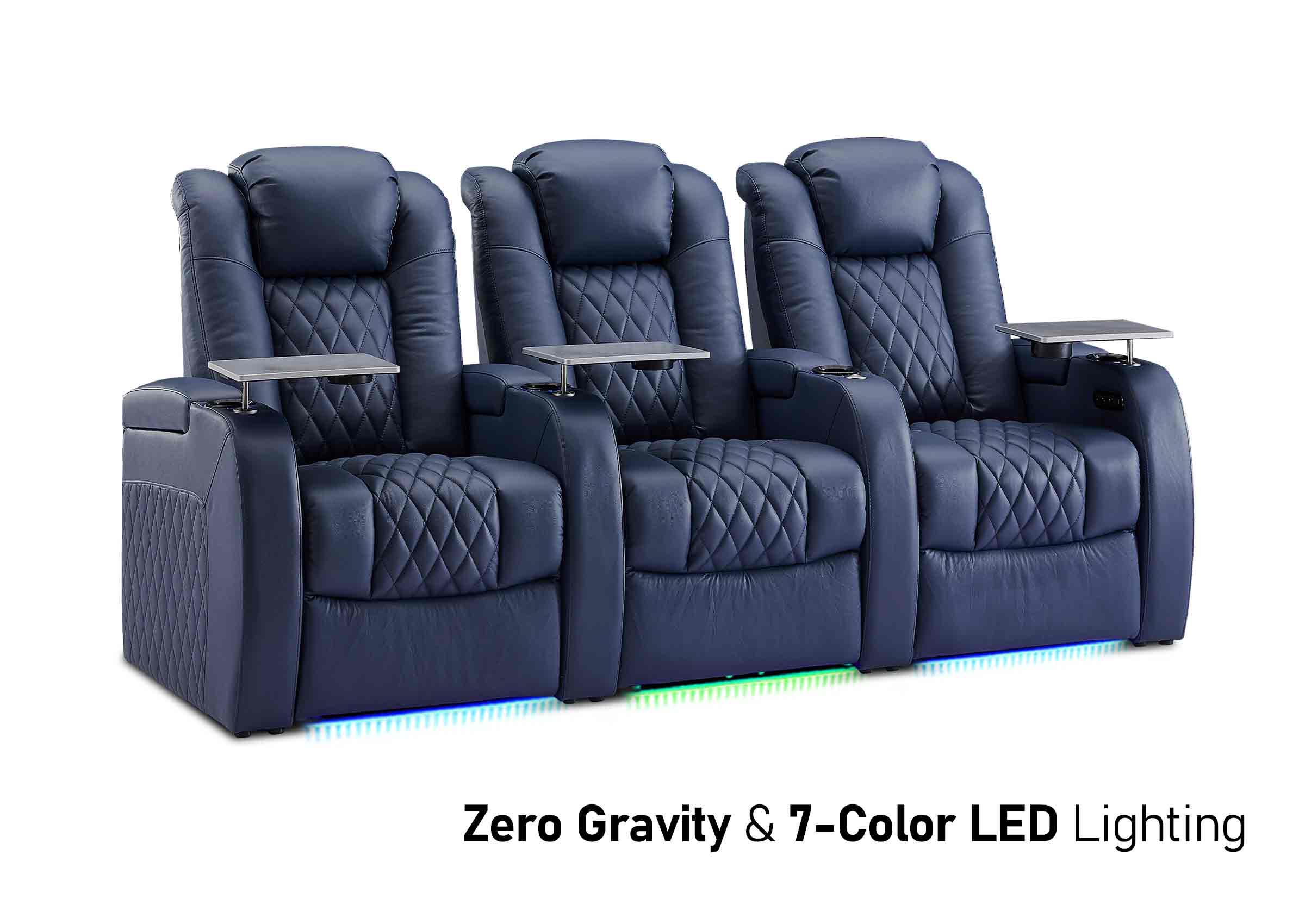
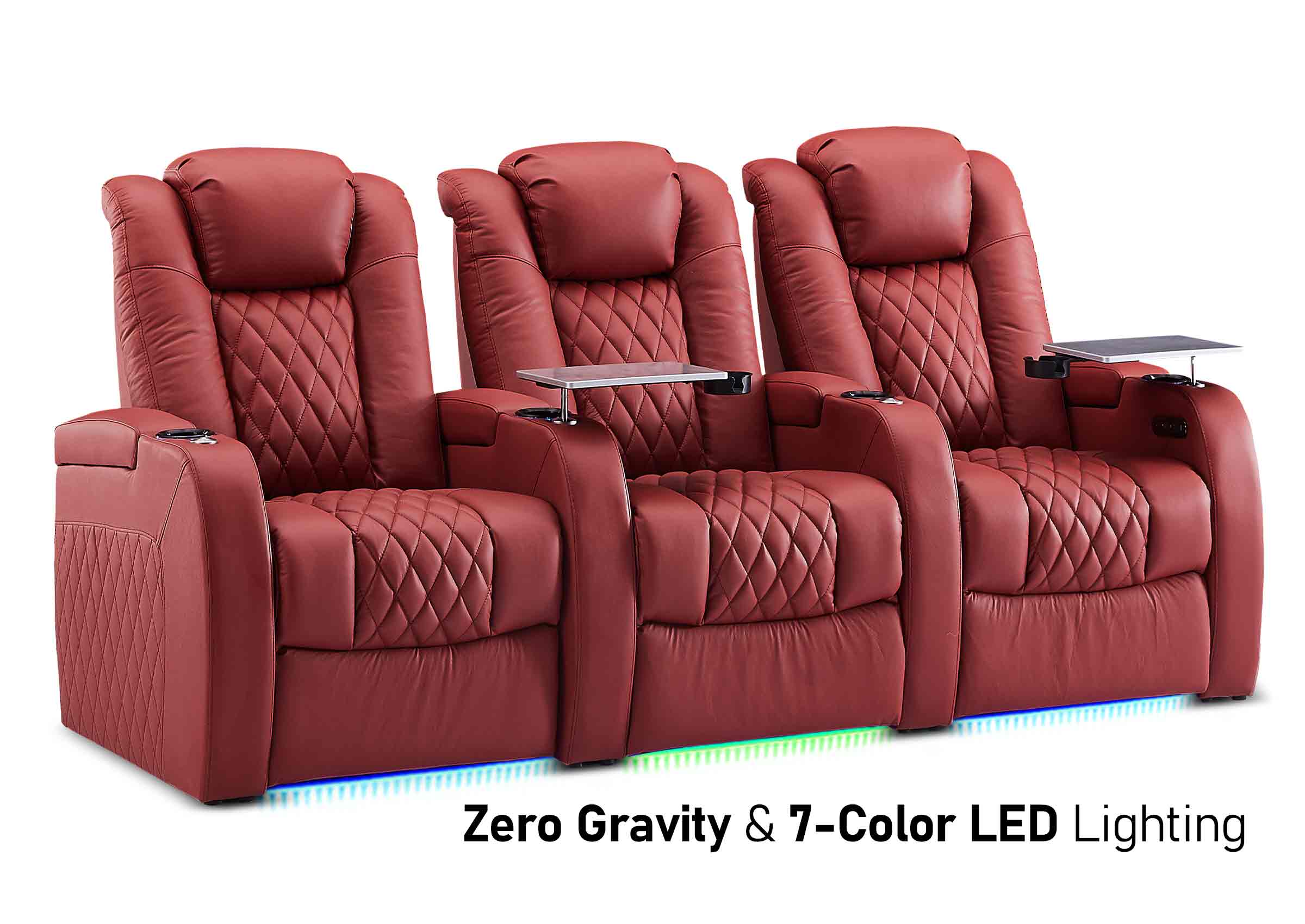
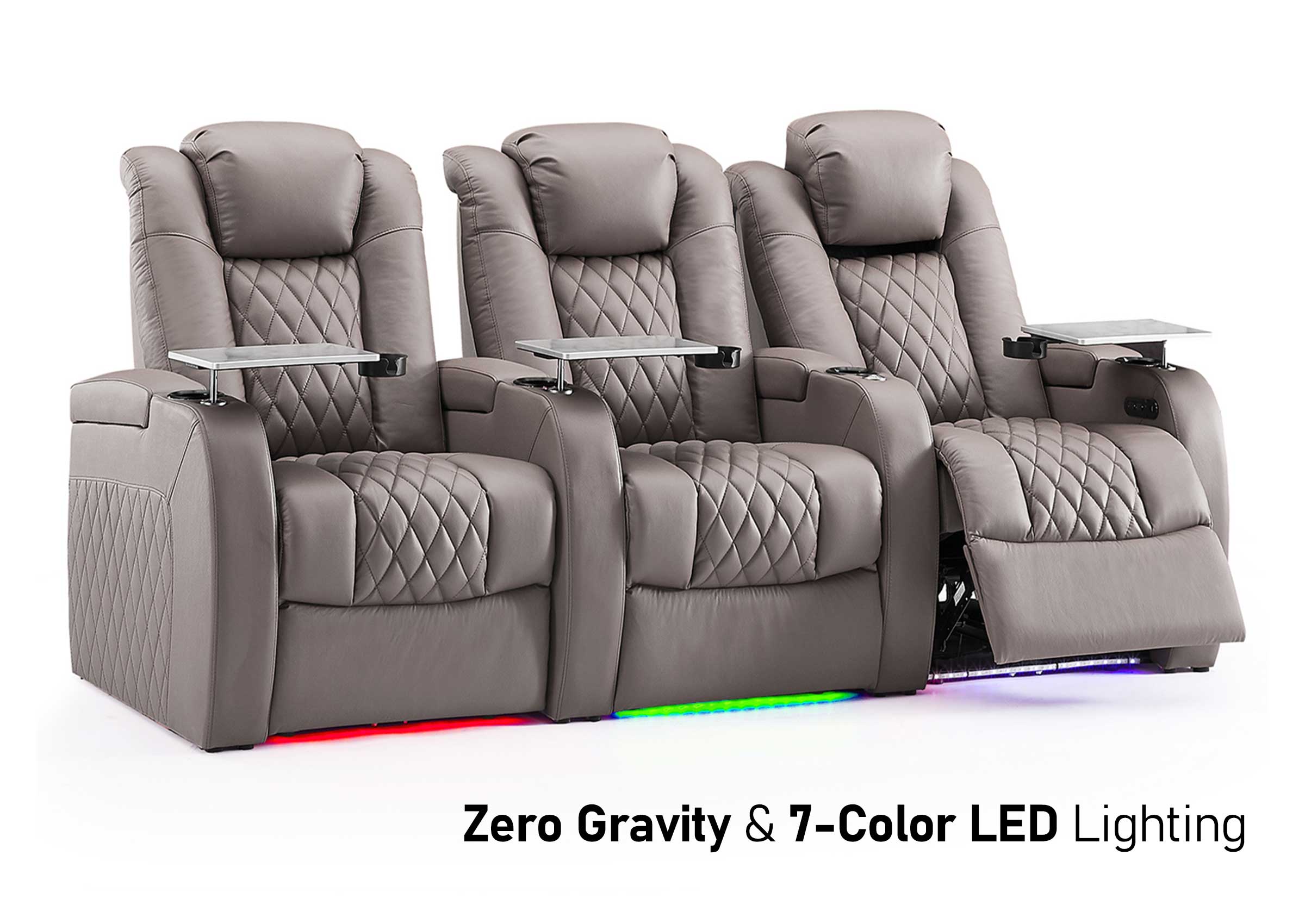
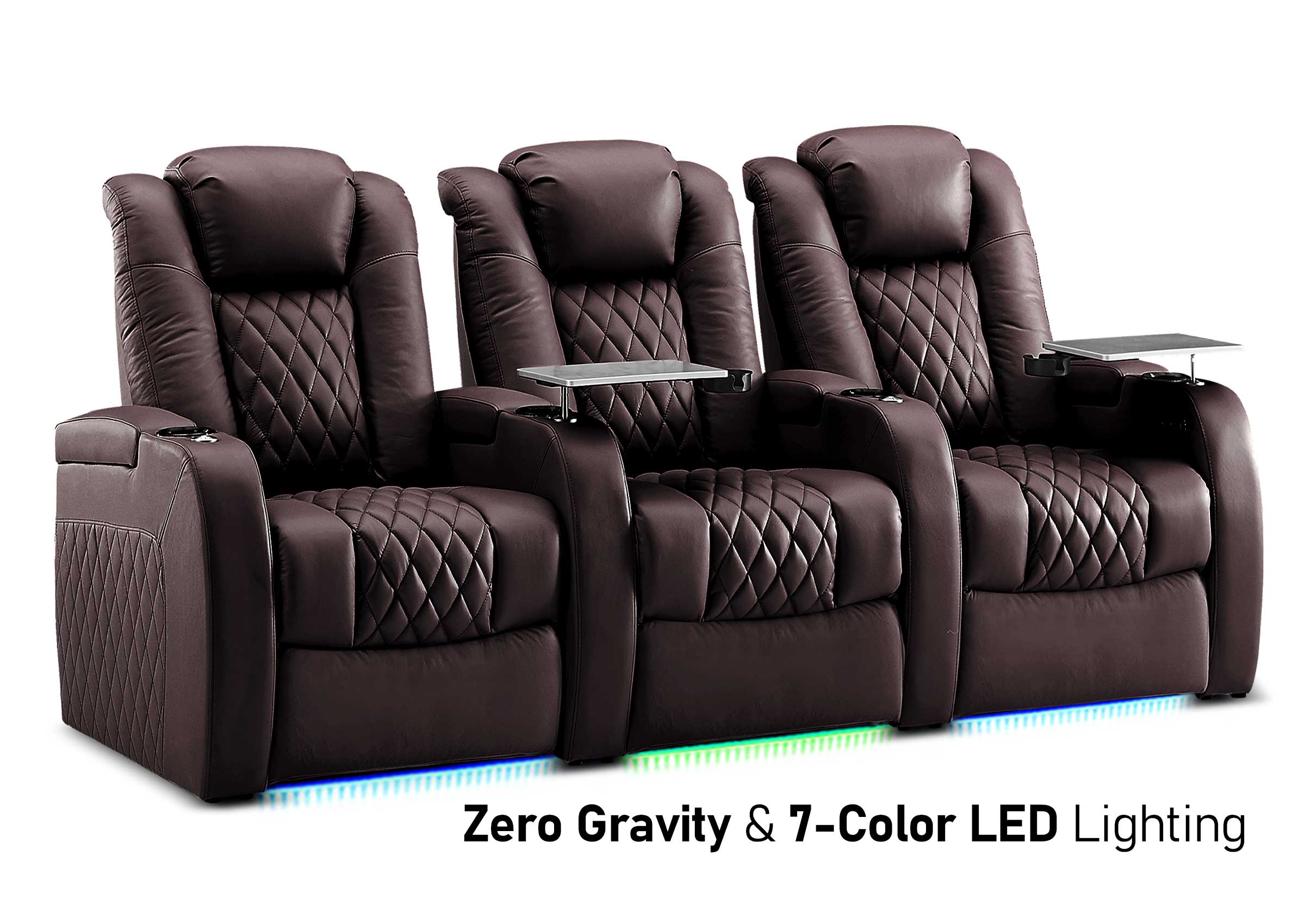

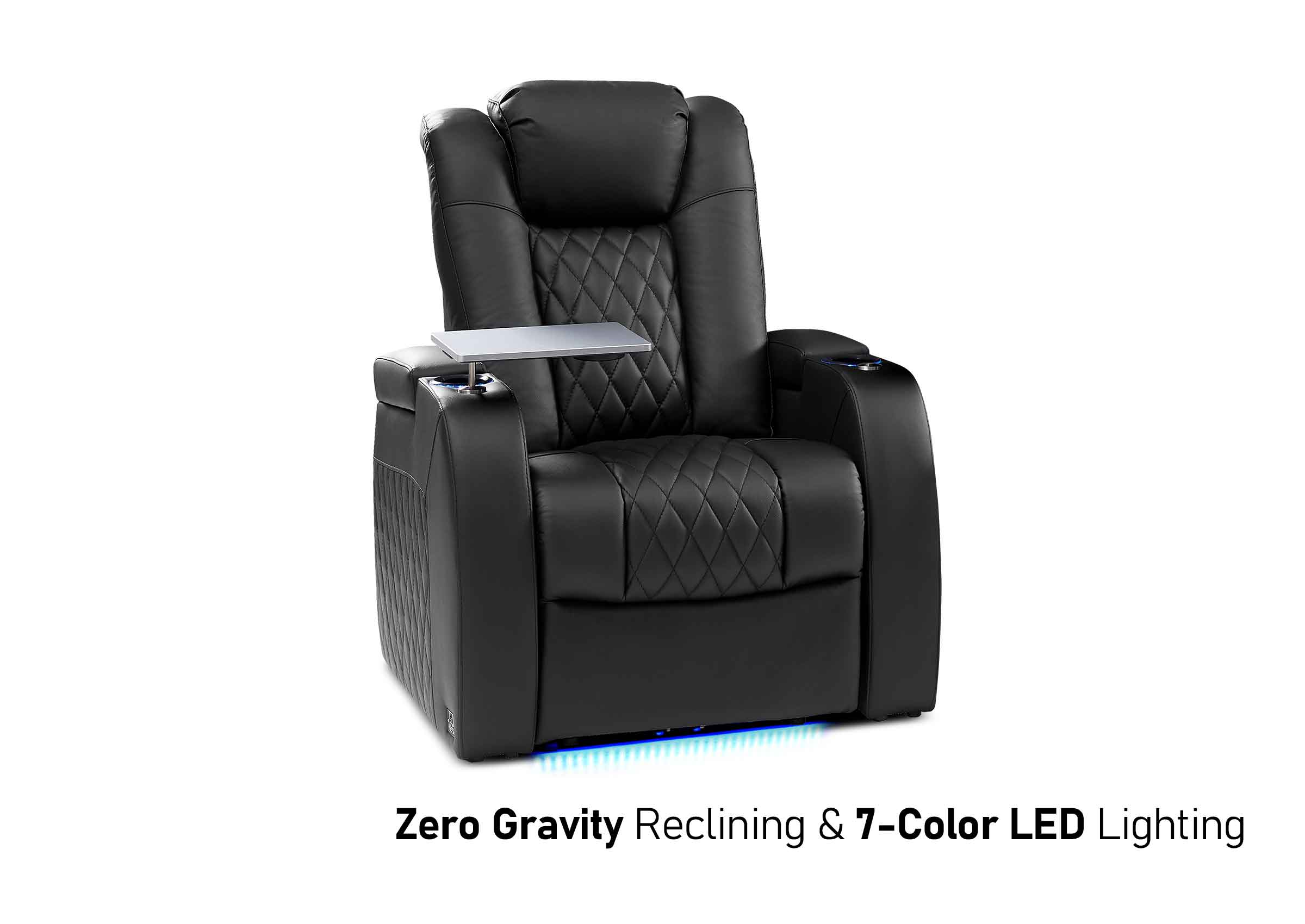
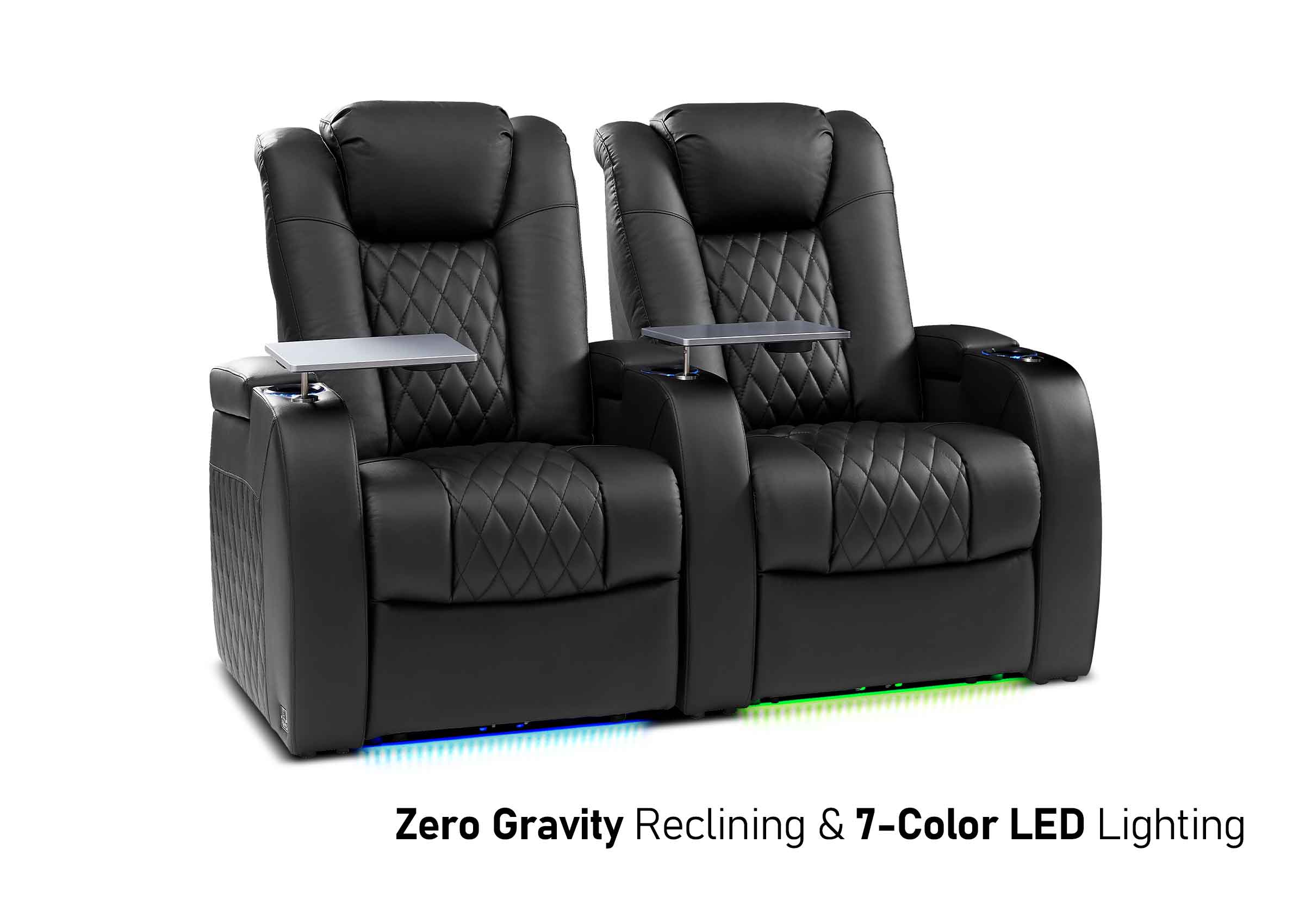
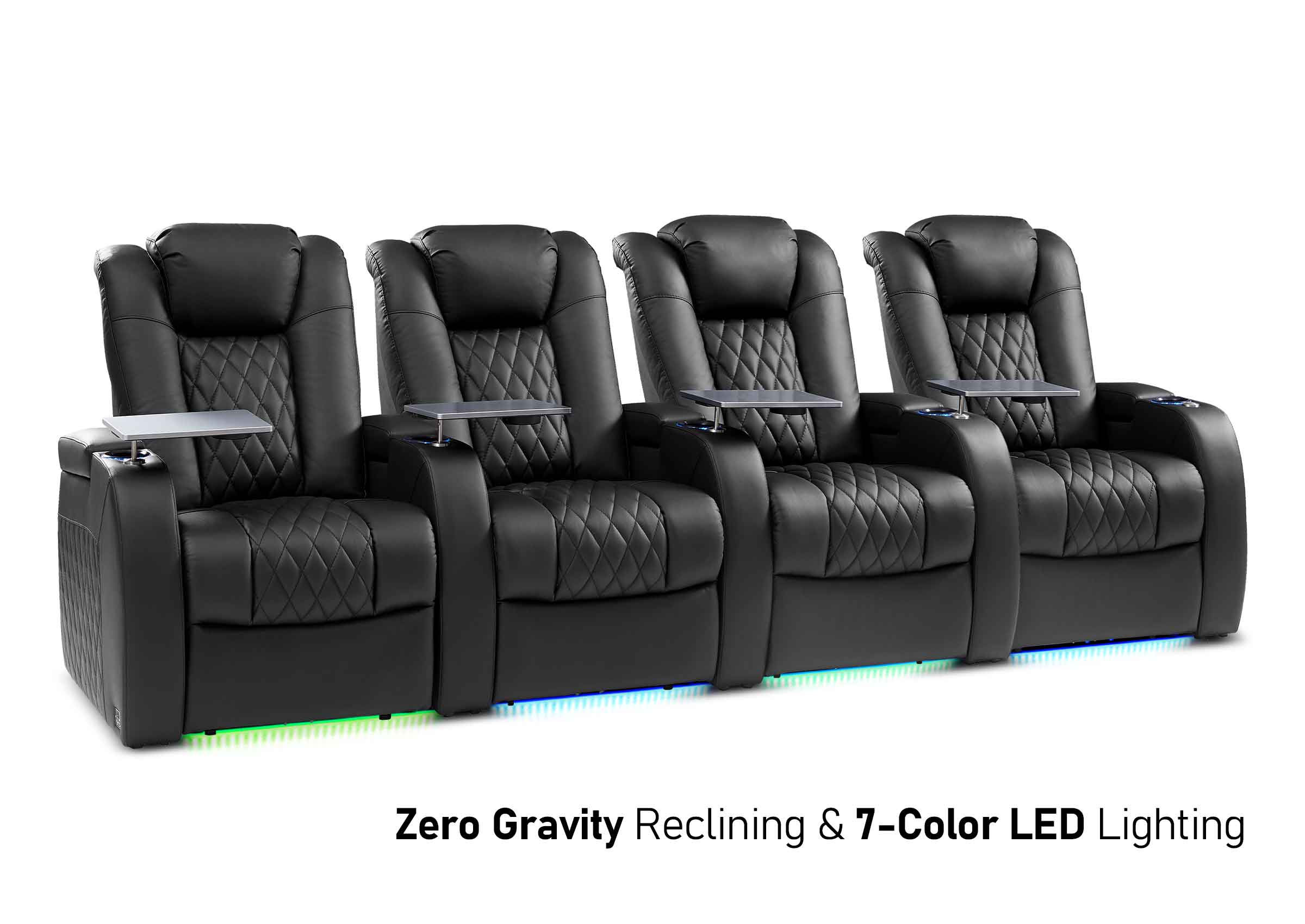
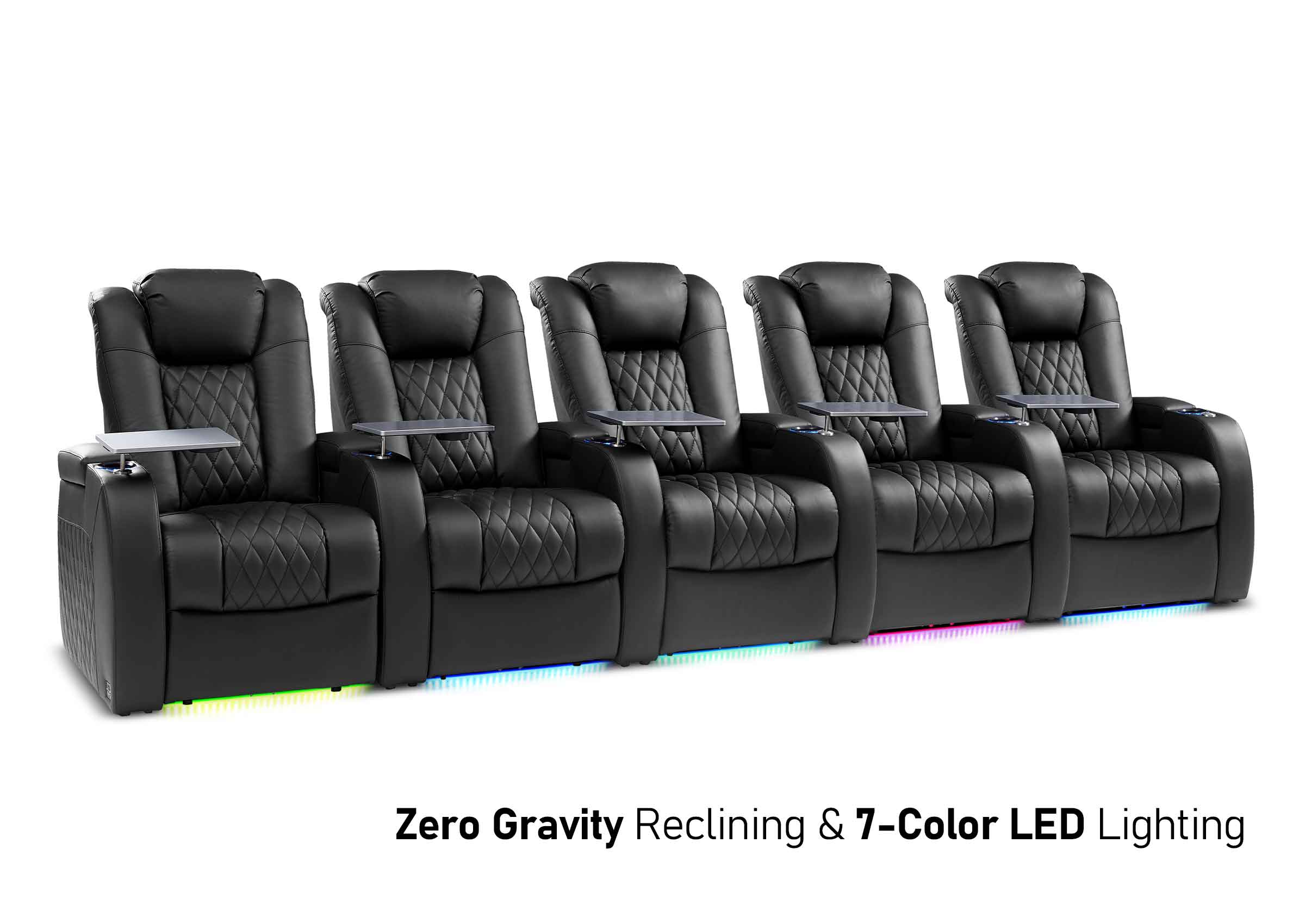
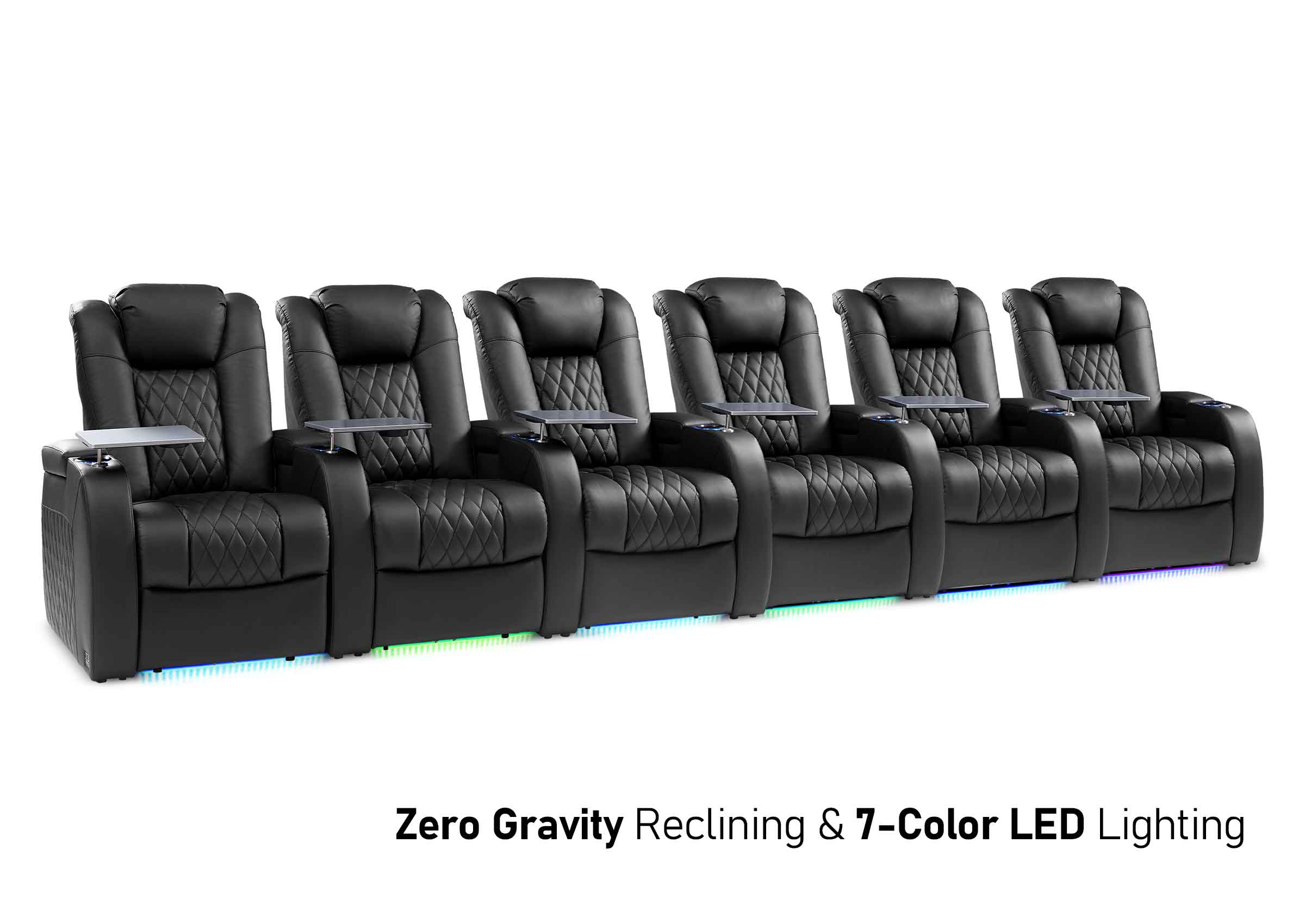
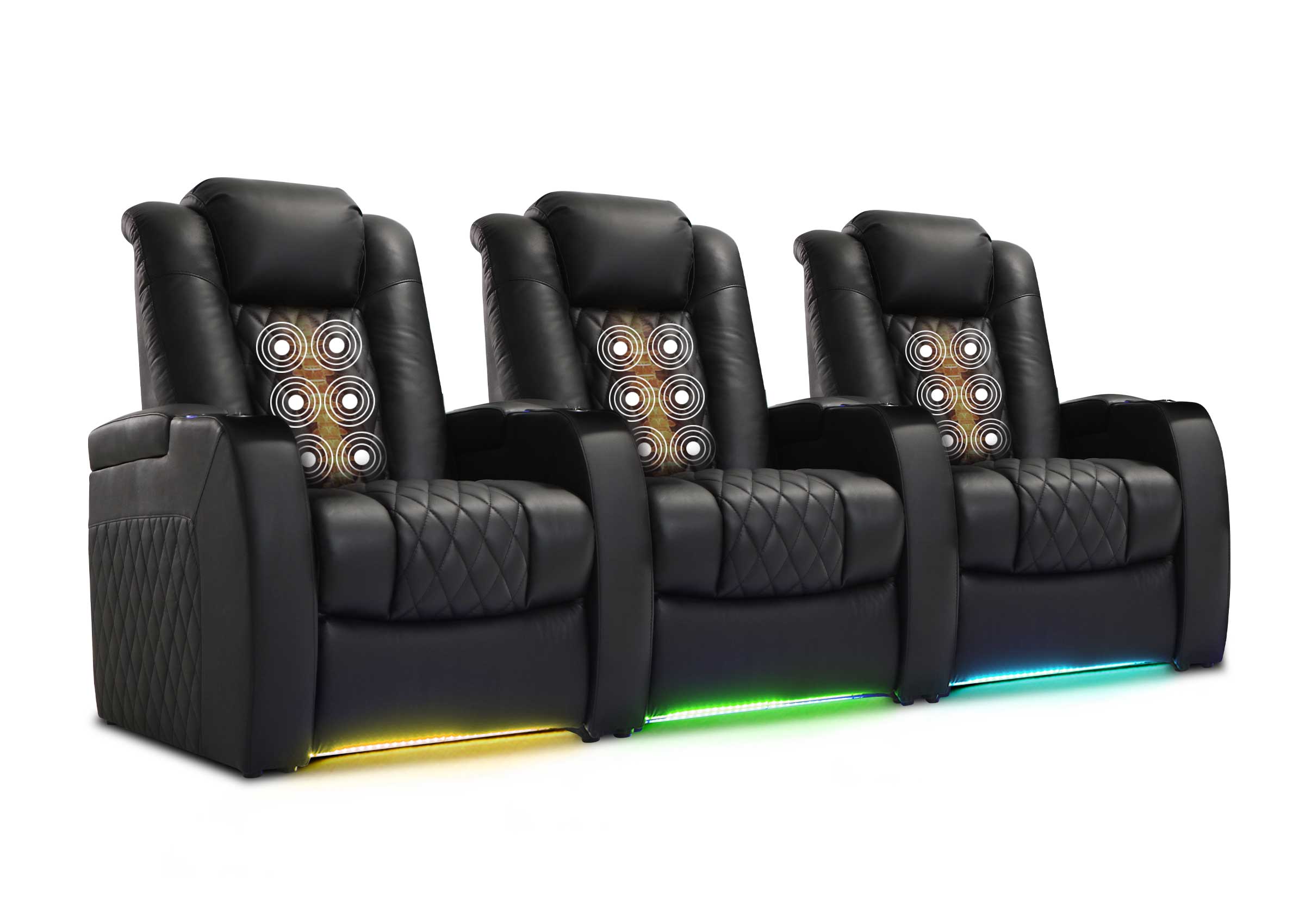
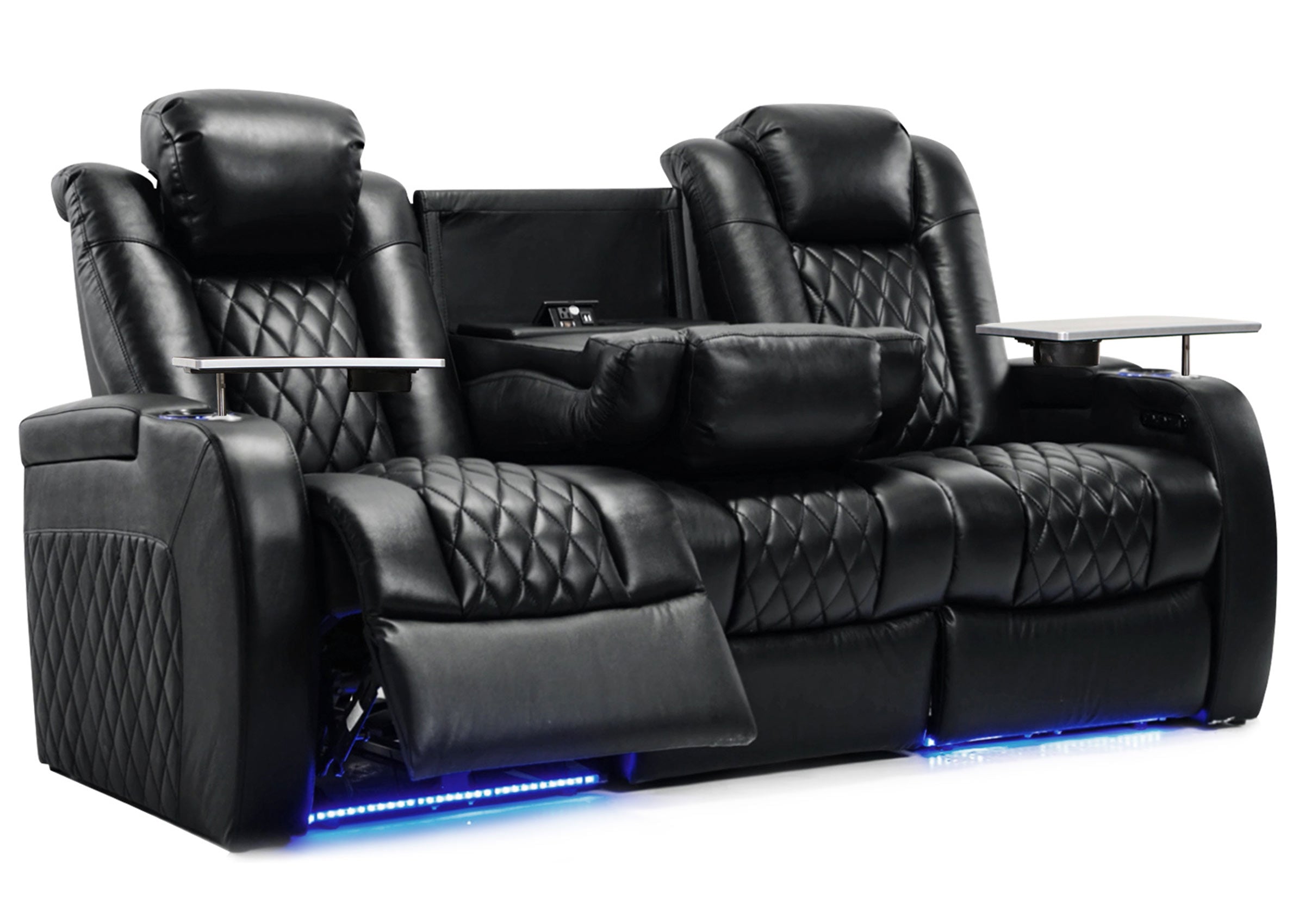
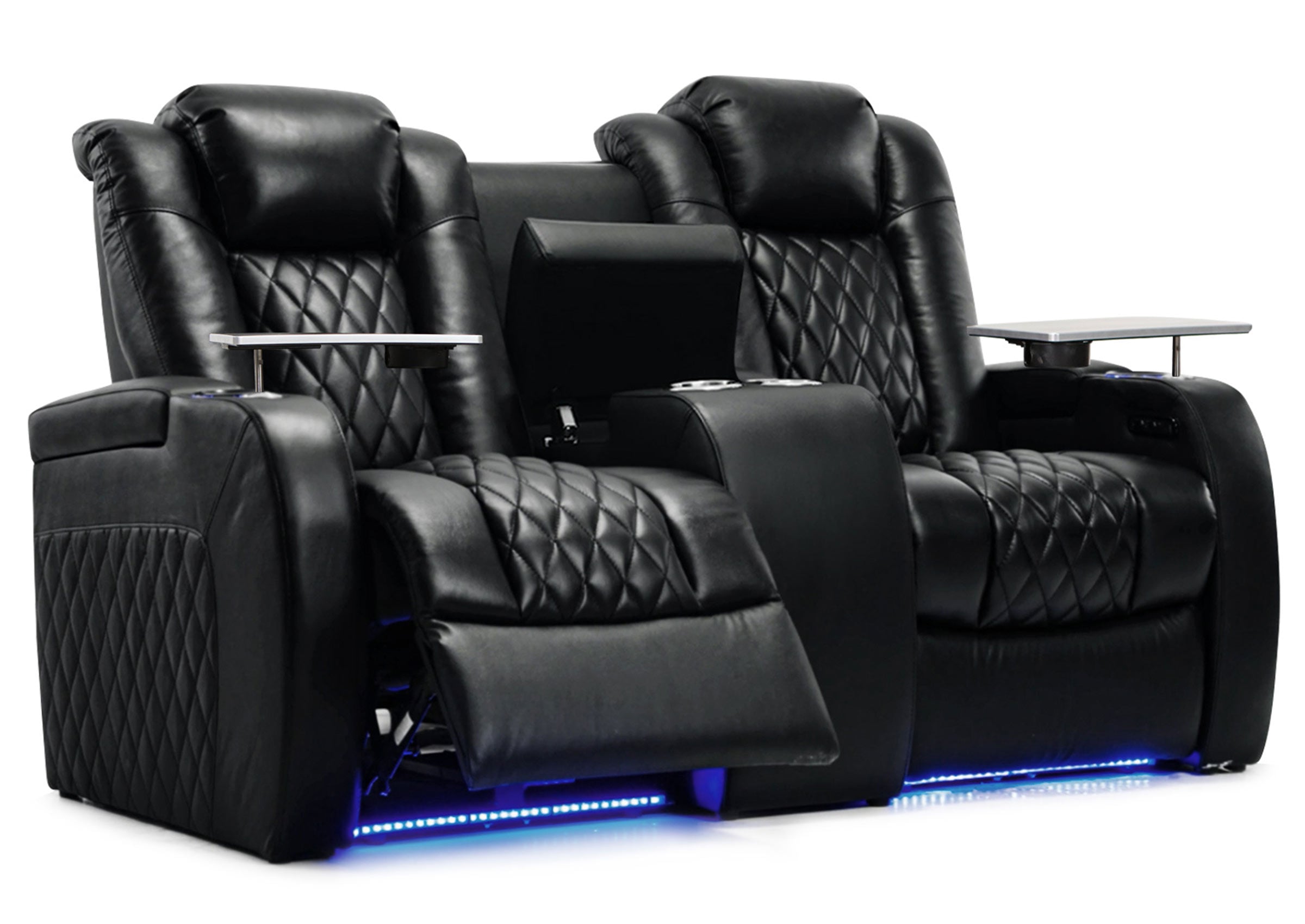


Choosing a recliner is easier when you stop comparing feature lists and start eliminating chairs that fail the basics.
A recliner should pass three tests before price, upholstery color, USB ports, massage, lighting, or other extras deserve much attention:
- Does it fit the person who will use it?
- Does it work in the room when it is actually reclining?
- Is it a product you are comfortable owning, maintaining, and relying on over time?
Only after those questions are answered should extra features decide between the remaining chairs.
That order matters. A power headrest can improve a recliner that already fits you. It cannot fix a seat that is fundamentally too deep. Premium upholstery cannot fix a chair that blocks the only walkway whenever the footrest opens. And a long feature list does not tell you whether the reclining mechanism, upholstery description, warranty, or service path has been clearly explained.
A useful buying sequence is:
Use → Body Fit → Operating Space → Mechanism → Build & Ownership Quality → Upholstery → Features → Value
The goal is not to find the recliner with the most impressive specification sheet. It is to find one with the fewest meaningful compromises for the way you actually live.
Start With the Job the Recliner Needs to Do
Before comparing recliners, define what the chair will do during a normal week.
A chair used for short evening reading sessions should not be evaluated exactly like one used for two-hour movies, daily gaming, afternoon naps, or several hours of television.
Ask yourself:
- Who will use the recliner most often?
- How long is a typical sitting session?
- Will you stay mostly upright, partially reclined, or fully reclined?
- How often will you change position?
- Will several people with different body sizes share the chair?
- Will you read, watch TV, game, eat, or use a laptop from it?
- Are children or pets regularly around the moving footrest?
- Is this a personal chair, a living-room seat, or part of a home theater?
These questions prevent a common buying mistake: paying for a feature because it sounds useful rather than because it solves something you actually do.
Someone who reads upright may care more about arm position and fixed head support than maximum recline.
Someone watching movies may care much more about what happens to head position after reclining. A chair can feel excellent when upright but become irritating if you have to lift your chin or repeatedly reposition your head to see the screen.
And if several people regularly share the same recliner, adjustability may matter more because one fixed seat geometry rarely feels identical to different bodies.
Does the Recliner Actually Fit Your Body?
Do not judge a recliner from one quick sit.
A better test is to use it in the positions you would actually use at home. Seat depth, height, usable width, back support, head position, and leg support should work together rather than being judged as separate numbers.

Test It Upright
Sit fully against the backrest rather than perching near the front.
Notice:
- whether your feet have comfortable support;
- whether the front edge presses uncomfortably behind your knees;
- whether your hips feel crowded between the arms;
- where the lower-back support actually contacts your body;
- whether your shoulders can remain relaxed;
- whether the headrest supports you without noticeably pushing your head forward;
- whether the armrests are useful at the height where your arms naturally rest.
Do not reduce this to a rule such as “bigger people need bigger chairs.”
Two users of similar height can have different leg, torso, and hip proportions. Seat geometry matters more than a broad size label.
Test It Partially Reclined
This position deserves more attention because it is where many people actually watch television.
Ask what changes when the chair starts moving.
Do your hips slide forward?
Does the lower back lose contact with the support?
Does the headrest suddenly change your viewing angle?
Do the armrests still feel usable?
Can you reach the controls without twisting?
A recliner is not really comfortable if its best position is one you rarely use.
Test It Fully Reclined
Now check the entire support chain:
Head → back → hips → thighs → lower legs → feet
Look for where the chair stops supporting you and your body starts compensating.
Repeatedly pulling yourself higher in the seat, shifting your hips, moving one leg away from the footrest, adding a pillow to correct the backrest, or holding your head away from the headrest are all more informative than the first impression of softness.
A recliner can feel comfortable for five minutes and still be the wrong chair for a full movie.
Overall Chair Size Is Not the Same as Usable Seat Size
This is one of the easiest specifications to misread.
The outside width tells you how much floor space the chair occupies. It does not tell you how much room your body has between the armrests.
Two chairs with similar exterior widths can still offer different usable seat widths and depths, so compare the dimensions that affect your body separately from the dimensions that affect the room.
When comparing recliners, check:
- overall width;
- usable seat width;
- seat depth;
- seat height;
- back and head support position;
- fully reclined length.
For a measurement-by-measurement process, use the Recliner Size Guide. It covers the detailed sizing task without turning this buying guide into another dimension chart.
Will the Recliner Still Fit When You Use It?
A recliner has at least two footprints.
One is the space it occupies while closed.
The other is the space it occupies while someone is actually using it.
The second footprint should drive the purchase.

Before ordering, check:
- upright width and depth;
- fully reclined length;
- required rear clearance;
- footrest movement in front;
- nearby side tables or coffee tables;
- walking space while the recliner is open;
- swivel, rocking, or gliding movement where applicable;
- outlet and cord location for a powered recliner.
Use Painter's Tape, Then Test the Room
Mark the fully open footprint on the floor with painter's tape.
Do not stop there.
Put the side table where it will really sit. Open the nearby door. Walk through the room. Imagine another person trying to pass while the chair is reclined. Check whether a pet bed, coffee table, cabinet, or other seat conflicts with the footrest.
This test exposes a problem that dimensions alone can hide:
A recliner can technically fit in a room and still make the room worse to use.
If the coffee table has to be moved every evening, the main walkway disappears, or a door cannot open when someone reclines, the problem is not simply square footage. It is the relationship between the chair's movement and the room's routine.
The same applies to wall-hugger recliners. Reduced rear clearance can solve one constraint, but it does not make the occupant and footrest disappear. Front circulation and total reclined length still matter. If rear clearance is one of your main constraints, see the wall-hugger and zero-clearance layout guide for a deeper comparison.
Do Not Forget the Delivery Route
Room fit and delivery fit are separate questions.
Check:
- entrance doors;
- hallways;
- tight turns;
- stair landings;
- elevators;
- basement access;
- the path into the final room.
If the recliner ships in separate components, confirm the relevant package or module dimensions rather than assuming the fully assembled chair determines delivery access.
Choose a Reclining Mechanism for Your Routine
Once a chair passes the body-fit and space tests, the mechanism becomes worth comparing.
The right mechanism is not necessarily the one with the greatest range of motion. It is the one that makes your normal positions easy to reach and easy to live with.
Manual Recliners
A manual recliner may make sense if you want:
- straightforward operation;
- no dependence on an electrical outlet;
- fewer electrical components;
- basic reclining rather than frequent fine adjustment.
Do not test only how easily the chair opens.
Close it several times too.
Something that feels acceptable once in a showroom may become irritating if you repeat the action several times every evening.
Power Recliners
Power adjustment becomes more useful when:
- you change positions often;
- small changes in angle noticeably affect comfort;
- push-button operation is preferable;
- an adjustable headrest or lumbar section solves a real positioning problem;
- the chair will be used for long movie, television, or gaming sessions.
The tradeoff is additional electrical hardware and the need for a practical power route.
Also confirm what “power recliner” actually means for the model you are considering. Backrest, footrest, headrest, and lumbar functions do not necessarily operate independently on every product.
If manual versus powered operation is becoming a major part of your decision, the Power vs. Manual Recliners comparison goes deeper into that specific choice.
Rocking, Gliding, and Swiveling
Extra movement should solve a real use case.
A swivel can make sense when the chair needs to turn between a television and a conversation area. Rocking or gliding may matter when that motion is genuinely part of how someone relaxes.
If the extra movement will barely be used, it should not outweigh better body fit or a more practical footprint.
FIND THE RIGHT FIT
Ready to Compare Recliners That Pass the Basics?
Once body fit, operating space, and the reclining mechanism make sense, compare real seating options against those priorities instead of starting with the longest feature list.
How Can You Tell Whether a Recliner Is Well Made?
This is where many buying guides become less useful.
They often reduce quality to one material or one claim: hardwood is good, one foam type is good, one leather label is good, or a heavier chair must be better.
Real buying decisions are rarely that simple.
A more reliable approach is to ask:
What can I actually verify about this chair?

Look for Construction Information, Not Just Quality Adjectives
Words such as “premium,” “luxury,” “durable,” and “high quality” tell you very little by themselves.
Useful information is more specific.
Depending on the product, look for details about:
- frame or structural construction;
- reclining mechanism;
- seat and support construction;
- upholstery composition;
- which surfaces use which material;
- powered adjustment functions;
- weight or use limitations where provided;
- replaceable or serviceable components;
- warranty coverage by component.
Not every brand publishes every detail. Missing information does not automatically make a product poor, but it may create a question worth answering before purchase.
Pay Attention to How the Recliner Moves
If you can test the chair, operate it more than once.
Watch and listen while it opens and closes.
You are not trying to diagnose the mechanism in the store. You are simply looking for obvious reasons to investigate further:
- unusual grinding;
- repeated binding or hesitation;
- visible misalignment;
- excessive side-to-side movement;
- a footrest that requires unexpectedly awkward force;
- controls that are difficult to reach or inconsistent.
For an online purchase, current model information and detailed demonstrations are more useful than assuming every recliner with the same mechanism label behaves the same way.
Upholstery Descriptions Should Be Specific Enough to Understand
“Leather recliner” is not a complete material description.
Ask what the upholstery actually is and whether different surfaces use different materials.
The same applies to fabric. Cleaning behavior, texture, heat, pet hair, stain resistance, and long-term appearance depend on the specific textile and construction, not simply the word “fabric.”
A useful product description should reduce uncertainty rather than require you to infer material quality from photography.
For Power Recliners, Think About Ownership as Well as Adjustment
Electrical features can add meaningful convenience, but they also add components.
That does not mean a power recliner is automatically less reliable than a manual one. It means a careful buyer should ask different questions.
For example:
- Which sections are powered?
- Is adjustment independent or linked?
- What power supply does the chair use?
- Where will the cord run?
- If something stops working, how is the model or component identified?
- What support or replacement path is available?
- What does the applicable warranty actually cover?
This is a more useful durability conversation than simply counting motors or assuming that fewer parts automatically guarantees longer life.
Read the Warranty for Coverage, Not Just the Largest Number
A warranty headline may sound reassuring without telling you the part that matters.
Look for:
- which components are covered;
- whether coverage differs by component;
- exclusions;
- what evidence may be required for a claim;
- whether labor, parts, or other support are treated differently;
- the current return terms.
The longest number on the page is not necessarily the most useful part of the policy.
Choose Upholstery and Cushioning for the Life Around the Chair
Material choice should reflect the household around the recliner.
Think about:
- frequency of use;
- children;
- pets;
- food and drinks;
- direct sunlight;
- nearby heat sources;
- cleaning habits;
- room temperature;
- how much maintenance you realistically want to do.
Do not choose upholstery only from a showroom photo.
And do not confuse softness with long-session comfort.
A soft chair can feel impressive during the first few seconds. That does not tell you what happens after an entire movie.
Cushioning interacts with:
- seat depth;
- support beneath the cushion;
- body proportions;
- backrest shape;
- recline position.
If you can test the chair, stay in it long enough for the first impression to fade.
Then notice what you are doing without thinking:
Are you sliding forward?
Shifting your hips?
Looking for a pillow?
Moving one leg?
Holding your head away from the backrest?
Those small corrections often tell you more than whether the chair feels “plush.”
Which Recliner Features Are Actually Worth Paying For?
Features become useful only after the chair passes the harder tests.
A simple rule helps:
Do not pay extra for a feature until you can describe the job it will perform during a normal week.
Power Headrest
Useful when reclining changes your head or viewing position and you regularly want to look forward at a television or screen.
Less important if you spend most of your time upright and the fixed back already fits well.
Adjustable Lumbar
Potentially useful when several people share the chair or when the amount of lower-back support you prefer changes between positions.
It should refine a reasonable fit, not be used to justify a seat that is fundamentally too deep or poorly proportioned.
Zero-Gravity Positioning
Judge the actual position rather than the label.
Try to determine what the position does to:
- head support;
- viewing angle;
- leg support;
- comfort;
- operating footprint.
Do not buy the phrase. Buy the position.
Storage, Cup Holders, Charging, and Tray Tables
These features can solve frequent small annoyances.
Someone who watches sports or movies with drinks, remotes, controllers, and a phone nearby may use them constantly.
Someone with a good side table may hardly use them.
A feature earns its value when it removes friction from something you already do.
Think About “Ownership Comfort,” Not Just Sitting Comfort
A recliner has more than one kind of comfort.
There is first-sit comfort: how it feels the moment you sit down.
There is position comfort: whether upright, TV-viewing, and fully reclined positions all work.
There is long-session comfort: whether you remain comfortable after the novelty wears off.
And there is ownership comfort:
- Is it easy to operate every day?
- Does it fit the room without constant rearranging?
- Can you keep the upholstery reasonably clean?
- Does the power cord have a sensible route?
- Can you understand the warranty?
- Do you know who to contact if a component develops a problem?
- Will you actually use the functions you paid for?
A chair can score highly on the first kind of comfort and poorly on the fourth.
That is why a five-minute showroom test should not make the entire decision.
What Makes a Recliner Good Value?
Price matters, but it works better as a final comparison than as the first filter.
Start by separating your requirements into three groups.
Must Work
These are reasons to reject a chair if they fail:
- body fit;
- usable support;
- operating footprint;
- accessible controls;
- required motion;
- delivery access.
Worth Paying More For
These depend on your routine:
- adjustment you use frequently;
- upholstery that better fits your household;
- a headrest or lumbar function that solves a real position problem;
- features that remove repeated daily inconvenience;
- clearer service or warranty support where it matters to you.
Nice but Optional
These are features you like but cannot connect to an important use case.
This framework prevents two opposite mistakes.
The first is buying the cheapest chair even though its proportions make you avoid using it.
The second is assuming a more expensive recliner must fit better simply because it includes more technology or higher-end finishes.
Value is the relationship between what you pay for and what you will actually use—not the number of features attached to the chair.
Know When to Walk Away
A useful buying guide should make it easier to reject a recliner.
Consider another chair when:
- the seat fit is obviously wrong;
- you need cushions or awkward posture changes just to make the basic position acceptable;
- the full reclined footprint blocks essential circulation;
- the chair technically fits but makes the room frustrating to use;
- an important material or configuration detail cannot be confirmed;
- controls are inconvenient for the person who will use them;
- a feature list is persuading you to overlook a basic fit problem;
- you cannot explain why you are paying extra for several major features.
Sometimes the best conclusion is not “choose another recliner.”
If you rarely recline, value easy furniture movement, or prioritize conversation and shared seating over individual adjustment, a fixed chair, loveseat, sofa, or another seating format may suit the room better.
The purpose of the decision is not to prove that you need a recliner.
It is to determine whether reclining actually improves the way you use the space.
Use This Recliner Decision Card Before You Buy
| PASS | VERIFY | WALK AWAY |
|---|---|---|
| Body fit works in your normal positions | Exact seat and reclined dimensions | Seat is obviously too deep, narrow, short, or otherwise uncomfortable |
| Full reclined footprint works in the room | Upholstery composition and care | Footrest or chair movement blocks essential circulation |
| Mechanism matches your routine | Exact powered functions | You dislike the operation but are trying to “get used to it” |
| Material suits the household | Warranty and current return terms | Important product information cannot be confirmed |
| Important features have a clear purpose | Delivery access and package dimensions | Extra features are compensating for poor basic fit |
| Price makes sense after the above checks | Service and support path | The chair only works if the room is constantly rearranged |
A recliner in the PASS column deserves further comparison.
An item in VERIFY means you still need information.
A problem in WALK AWAY usually deserves more weight than an attractive feature somewhere else on the specification sheet.
FAQ
What should I look for when buying a recliner?
Start with body fit, the fully reclined footprint, and the way the mechanism fits your routine. Then evaluate construction and material information, upholstery, useful features, warranty or service considerations, and price. Features should help distinguish recliners that already pass the basic fit tests.
How can I tell if a recliner is good quality?
Look for specific, verifiable information instead of relying only on words such as “premium” or “luxury.” Check the available construction and material details, operate the mechanism if possible, confirm exactly what powered functions are included, read the applicable warranty, and understand what support is available if a component develops a problem.
How should a recliner fit?
You should be able to sit against the backrest without the front edge of the seat creating uncomfortable pressure behind your knees. Check head, back, hip, thigh, leg, and foot support in the positions you actually use. The exact fit depends on individual body proportions, which is why usable seat dimensions are more useful than a broad “standard” or “oversized” label.
Is a power recliner better than a manual recliner?
Neither is automatically better. Power adjustment can make frequent position changes and fine adjustment easier, while manual recliners avoid the need for electrical power and may suit people who prefer simpler operation. Choose based on the way the chair will actually be used.
Is a wall-hugger recliner best for a small room?
Not automatically. A wall-hugger can reduce the rear clearance needed, but the occupant and footrest still require space in front. Compare the full operating footprint rather than looking only at the distance between the backrest and the wall.
Which recliner features are worth paying for?
Features are worth paying for when they solve a repeated problem. A headrest that improves your viewing position, lumbar adjustment that helps different users find comfortable support, or storage that replaces daily clutter may have real value. A feature that sounds impressive but has no clear role in your normal routine should carry less weight.
Choose the Recliner With the Fewest Important Compromises
The right recliner is not necessarily the softest, largest, most expensive, or most heavily equipped chair.
It is the one that passes the important tests in the right order:
It fits your body.
It works in the room while fully in use.
Its mechanism suits your routine.
You can verify the product details that matter to you.
Its material and features make sense for the way you live.
Once those conditions are clear, price becomes much easier to evaluate.
Ready to Compare Recliners With Your Priorities in Mind?
If you are choosing seating for a movie room, media room, or dedicated home theater, you can explore current home theater seating options using the fit, clearance, mechanism, and feature priorities above rather than starting with the longest specification list.
If you still need to confirm a product detail, configuration, fit question, or service consideration before moving forward, visit Weilianda Support or email leon@weiliandahome.com.