
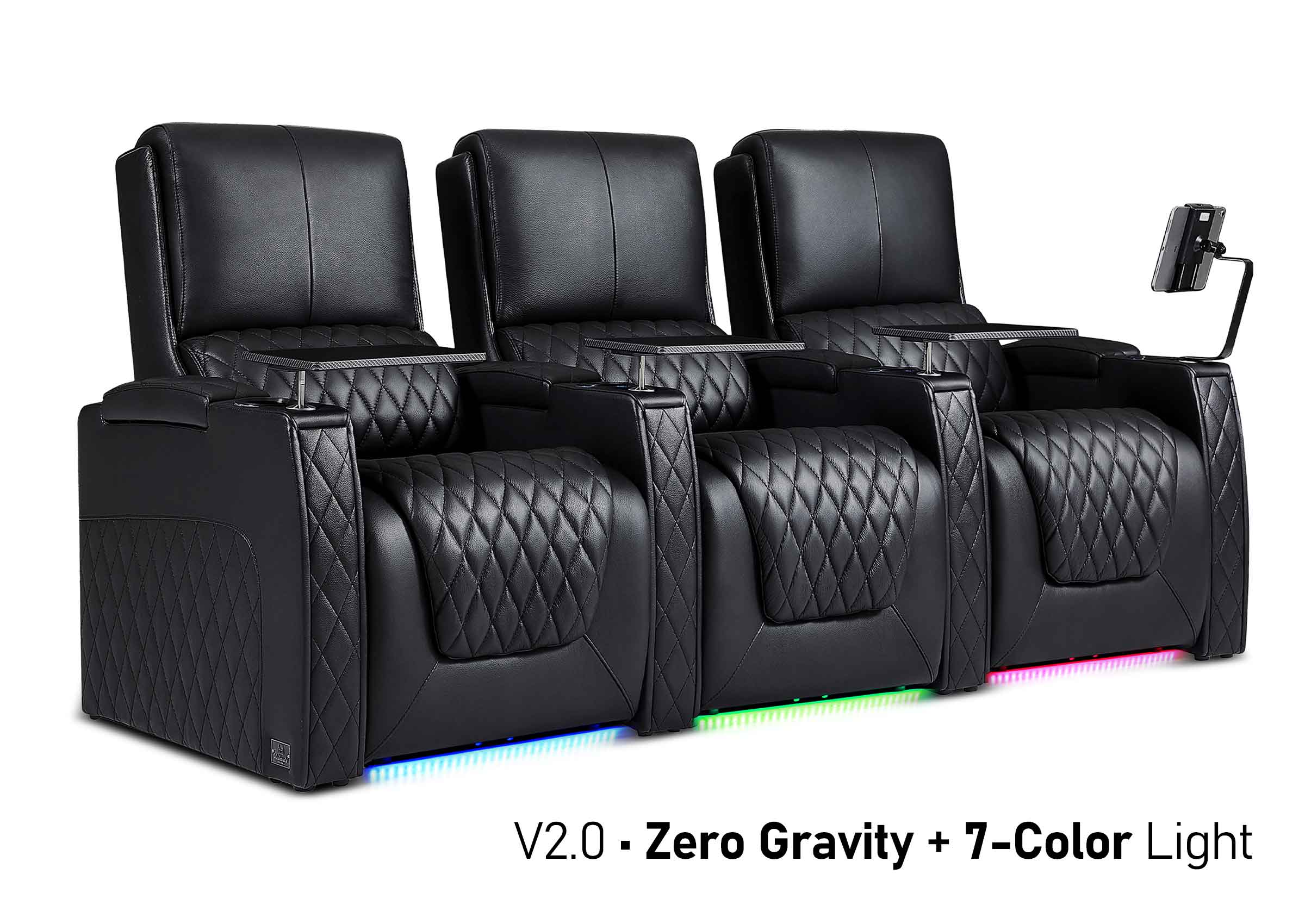
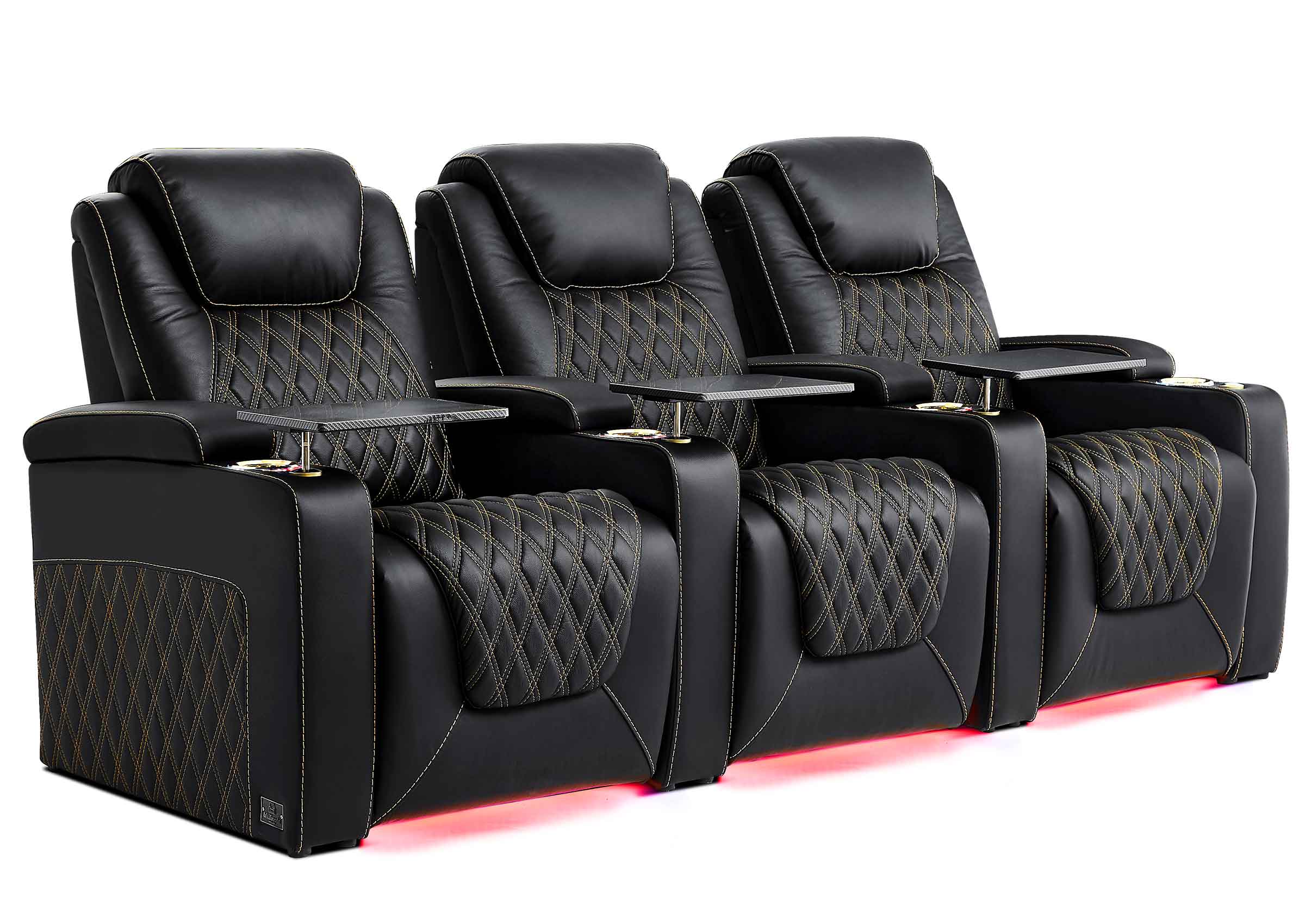
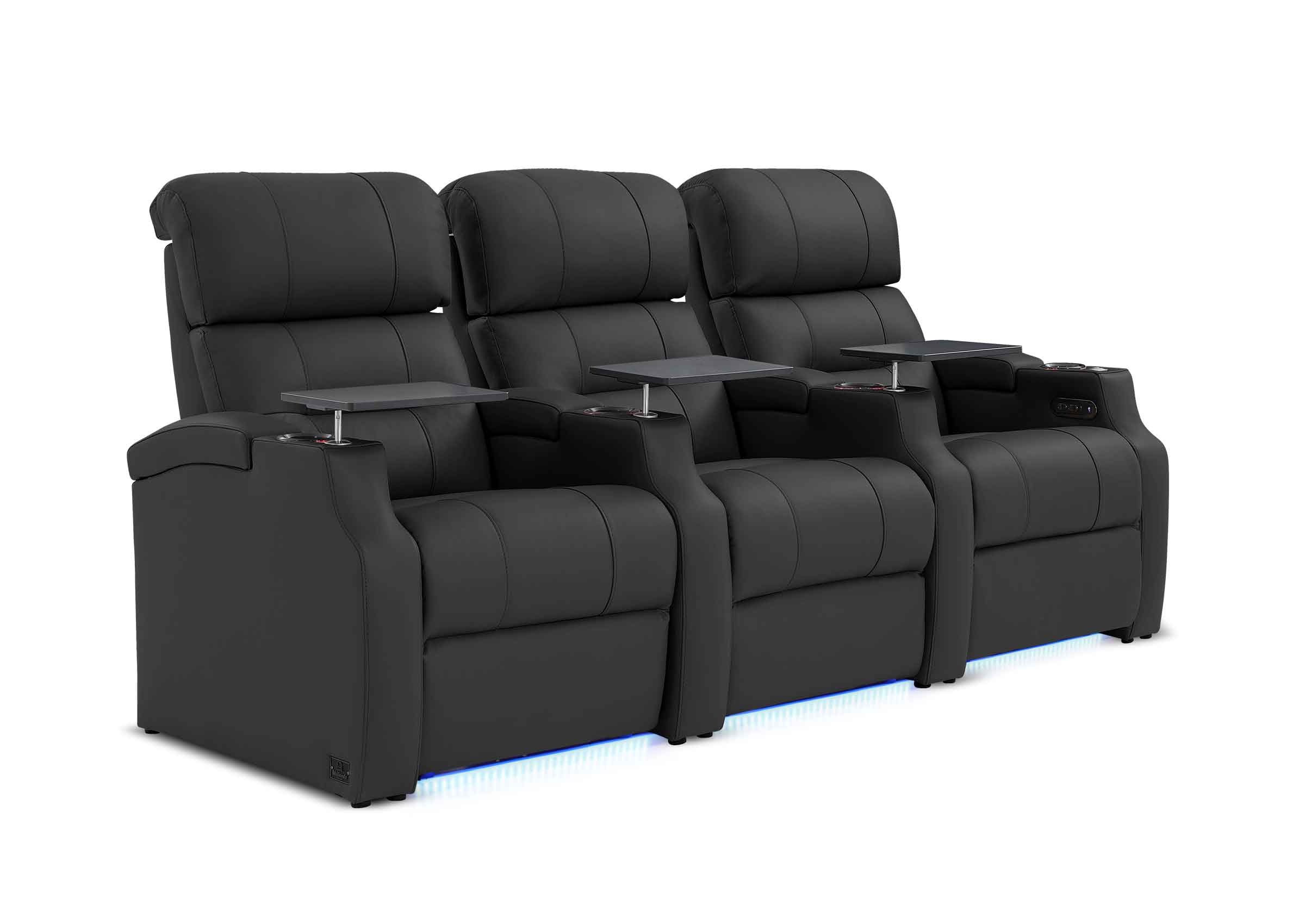
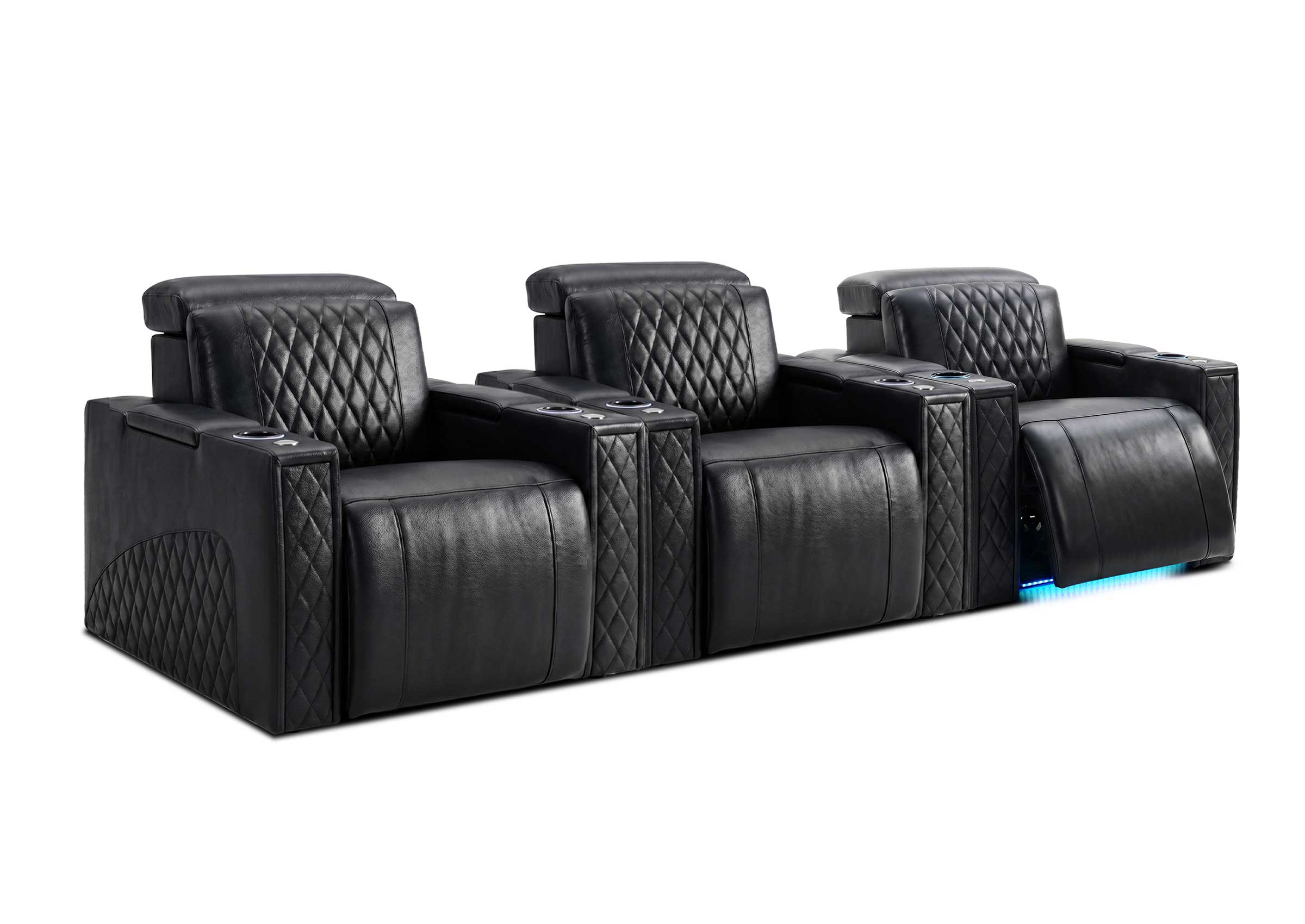

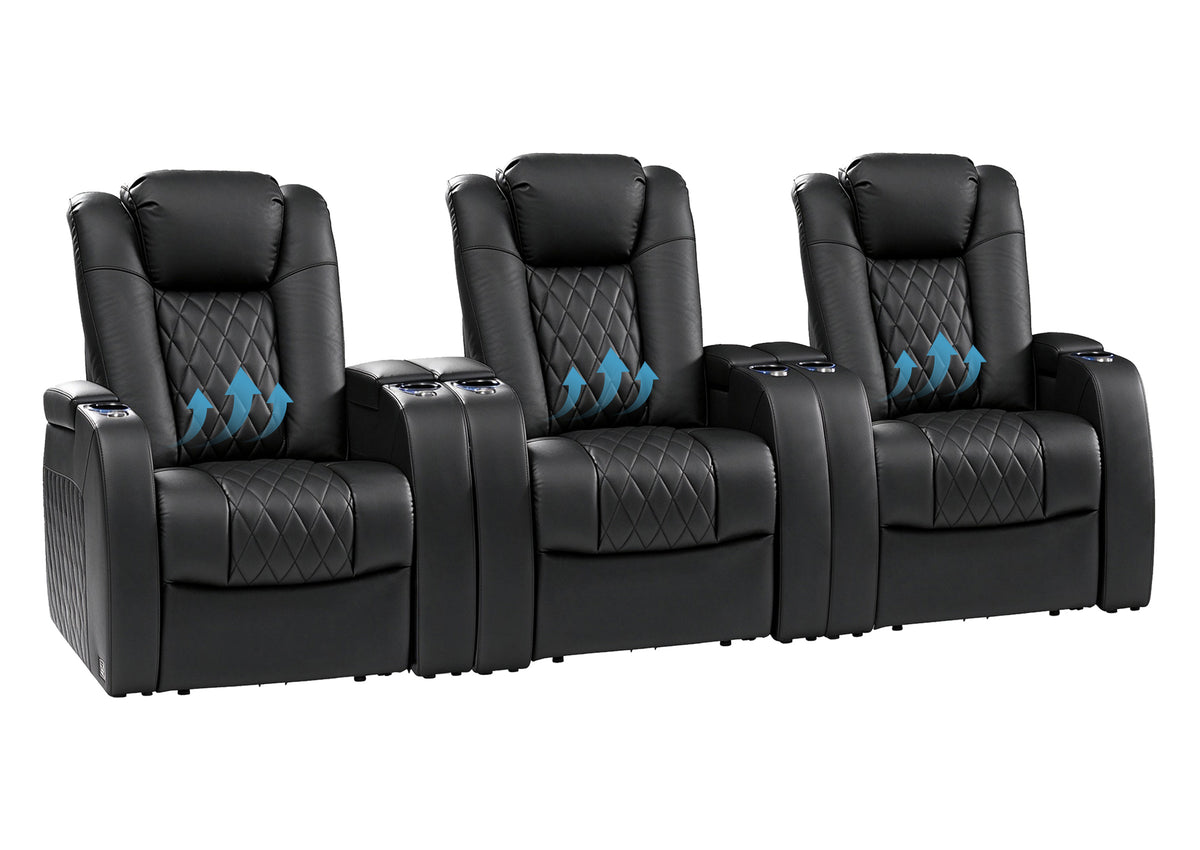
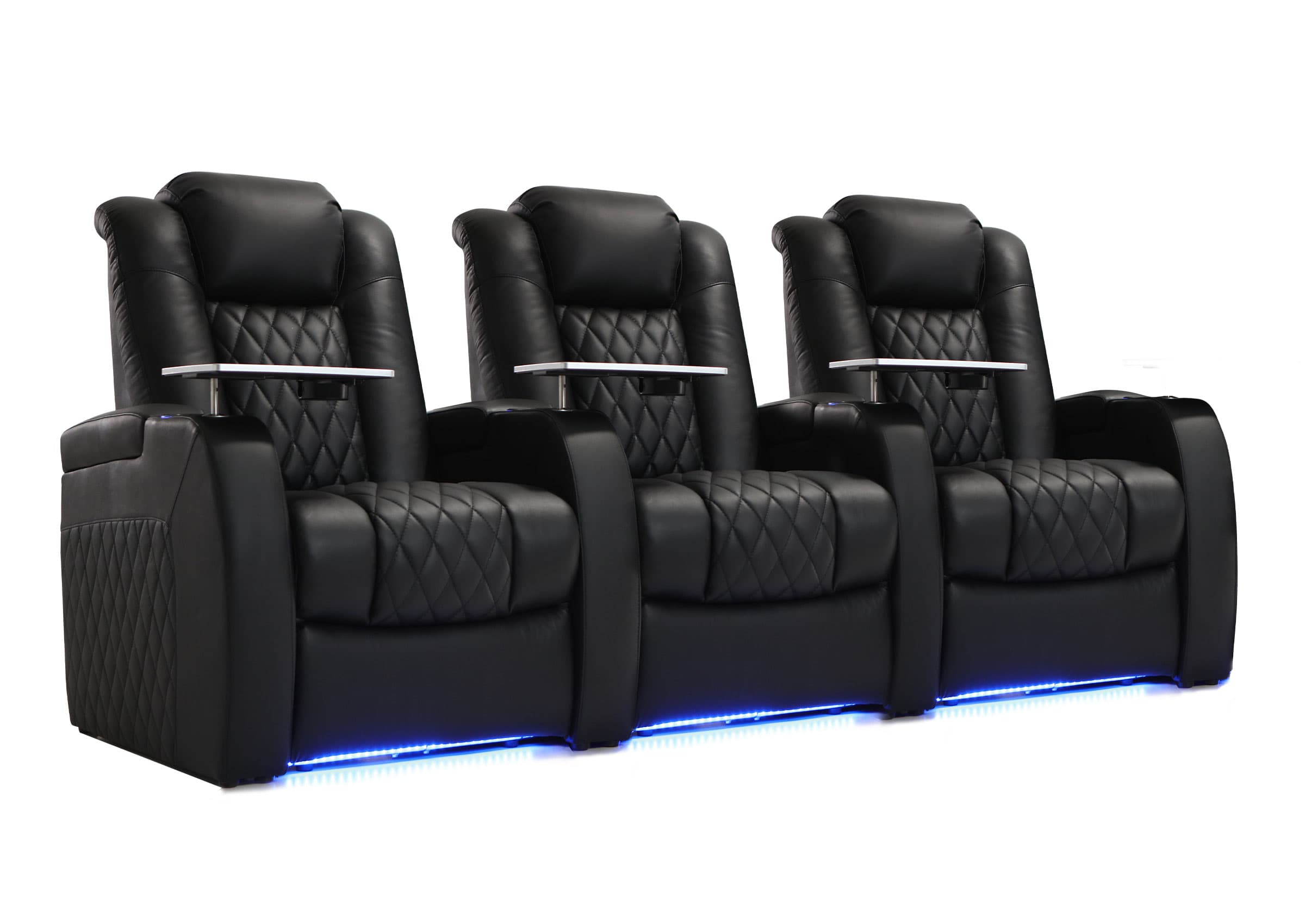
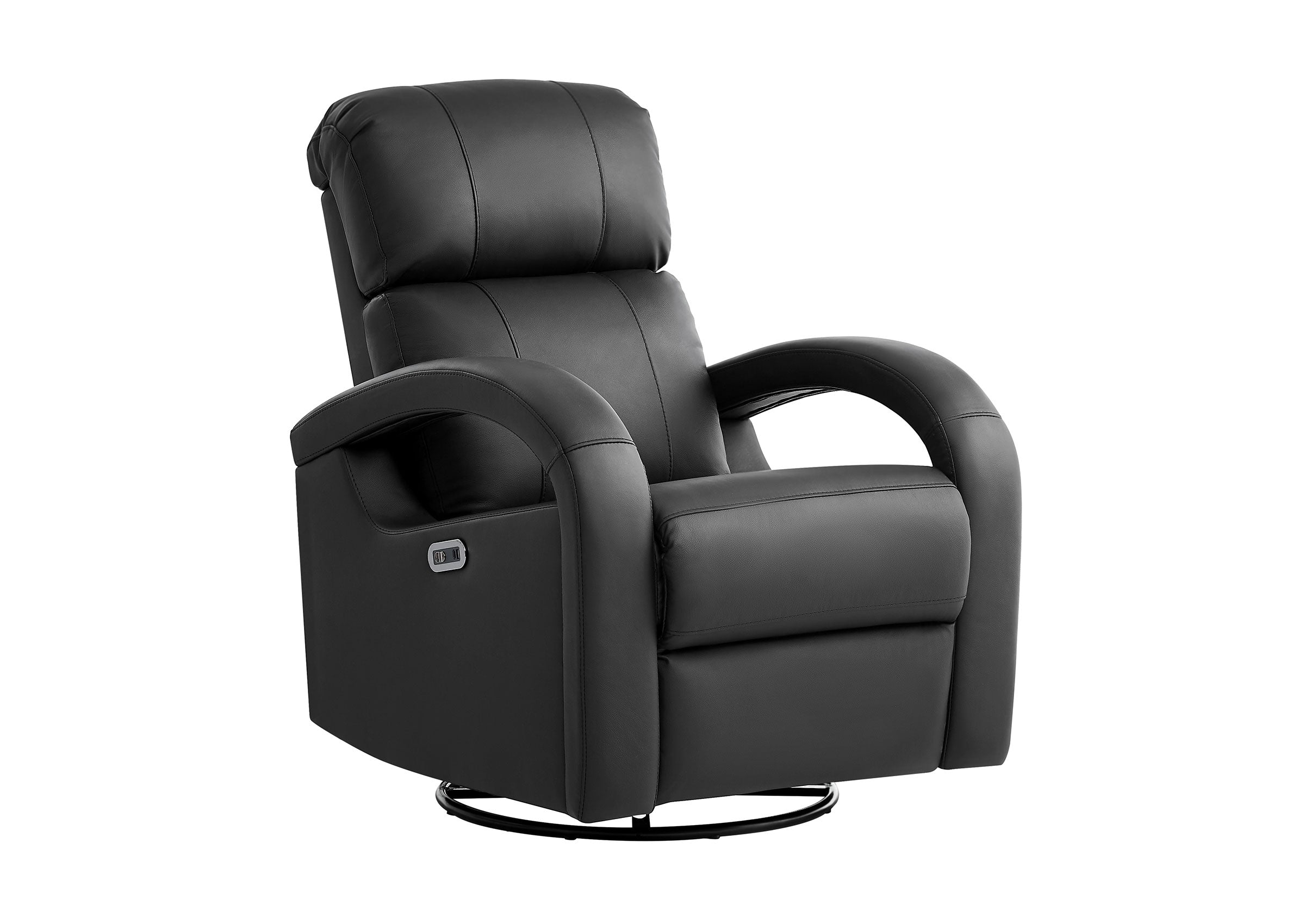
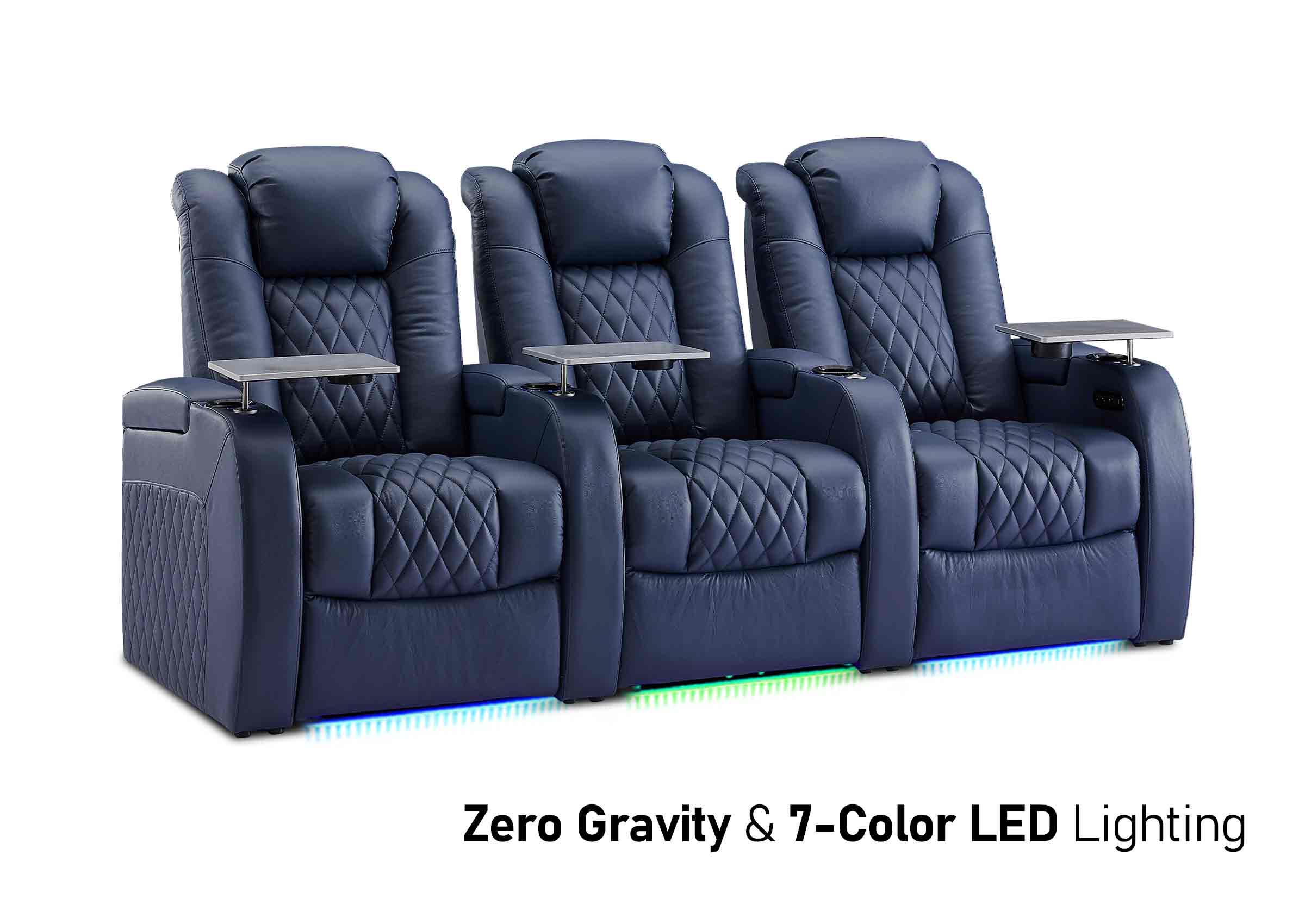
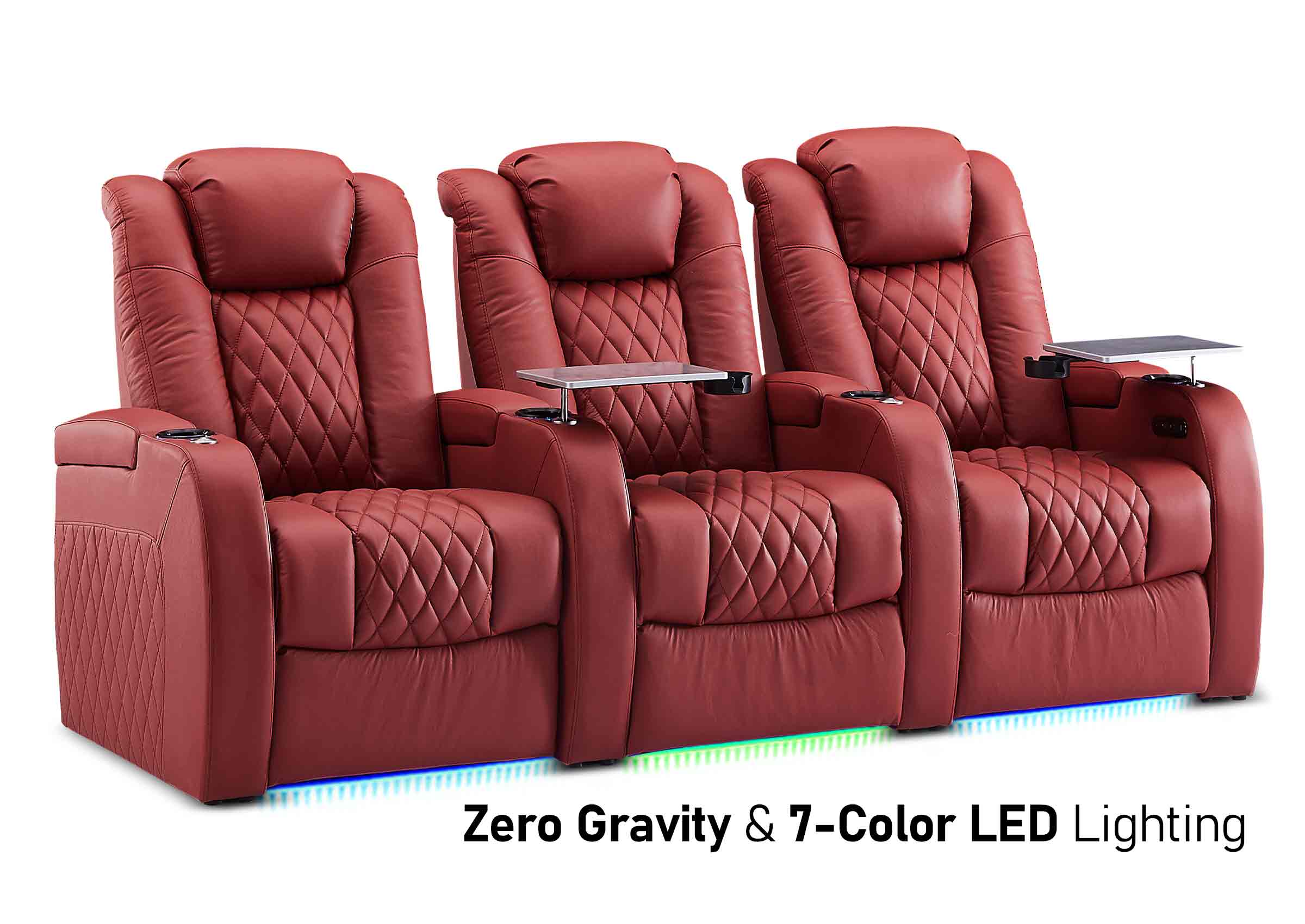
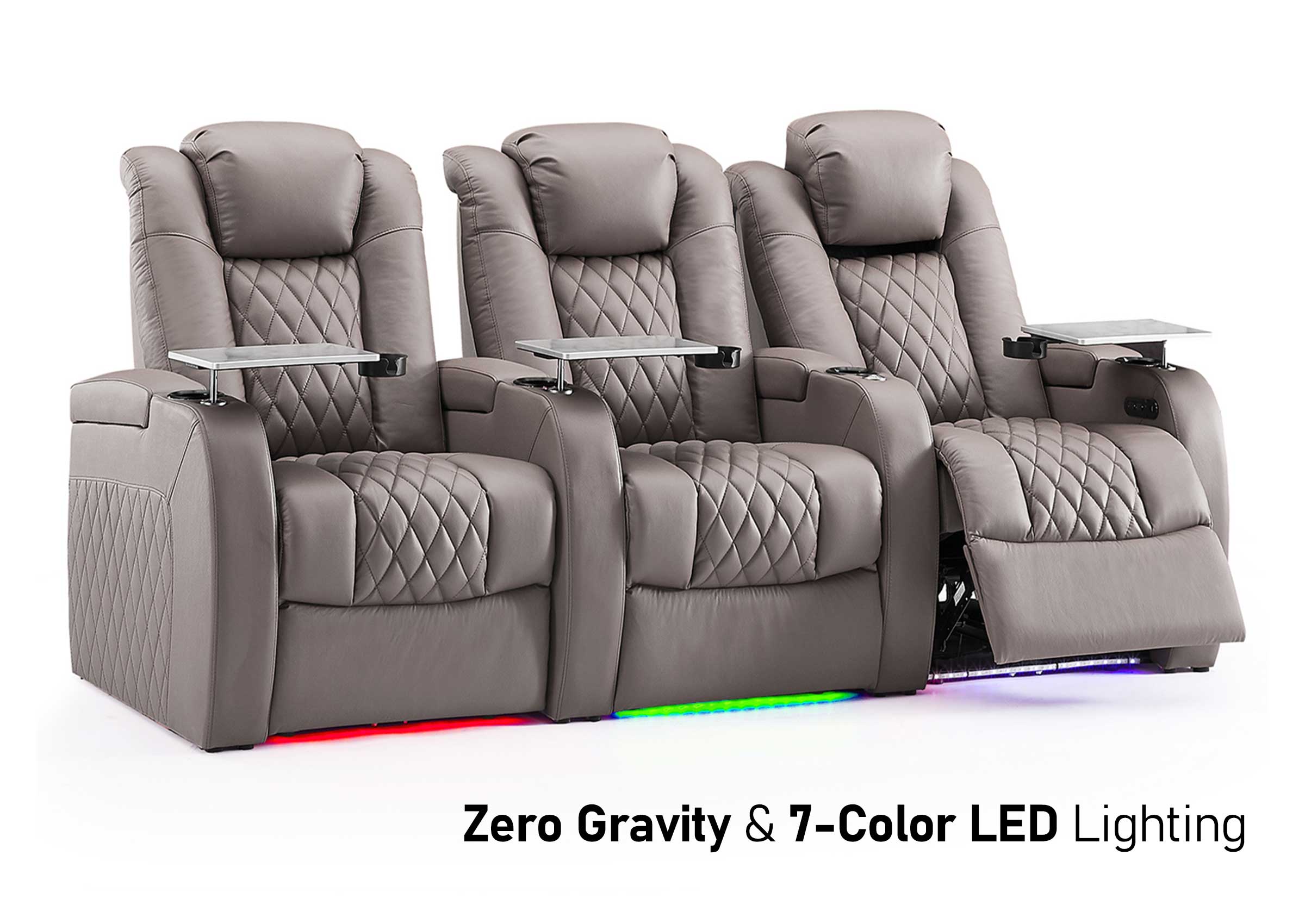
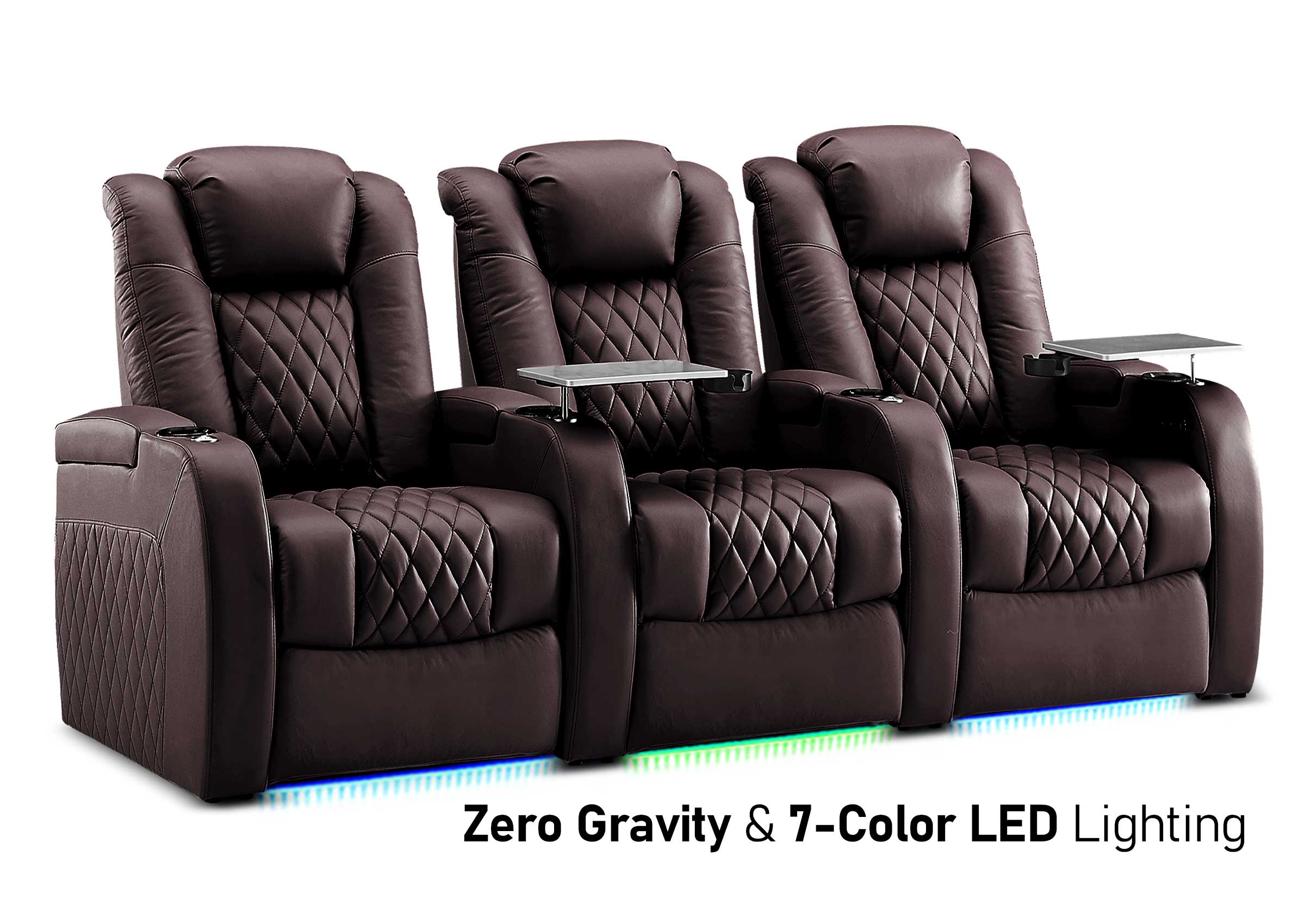

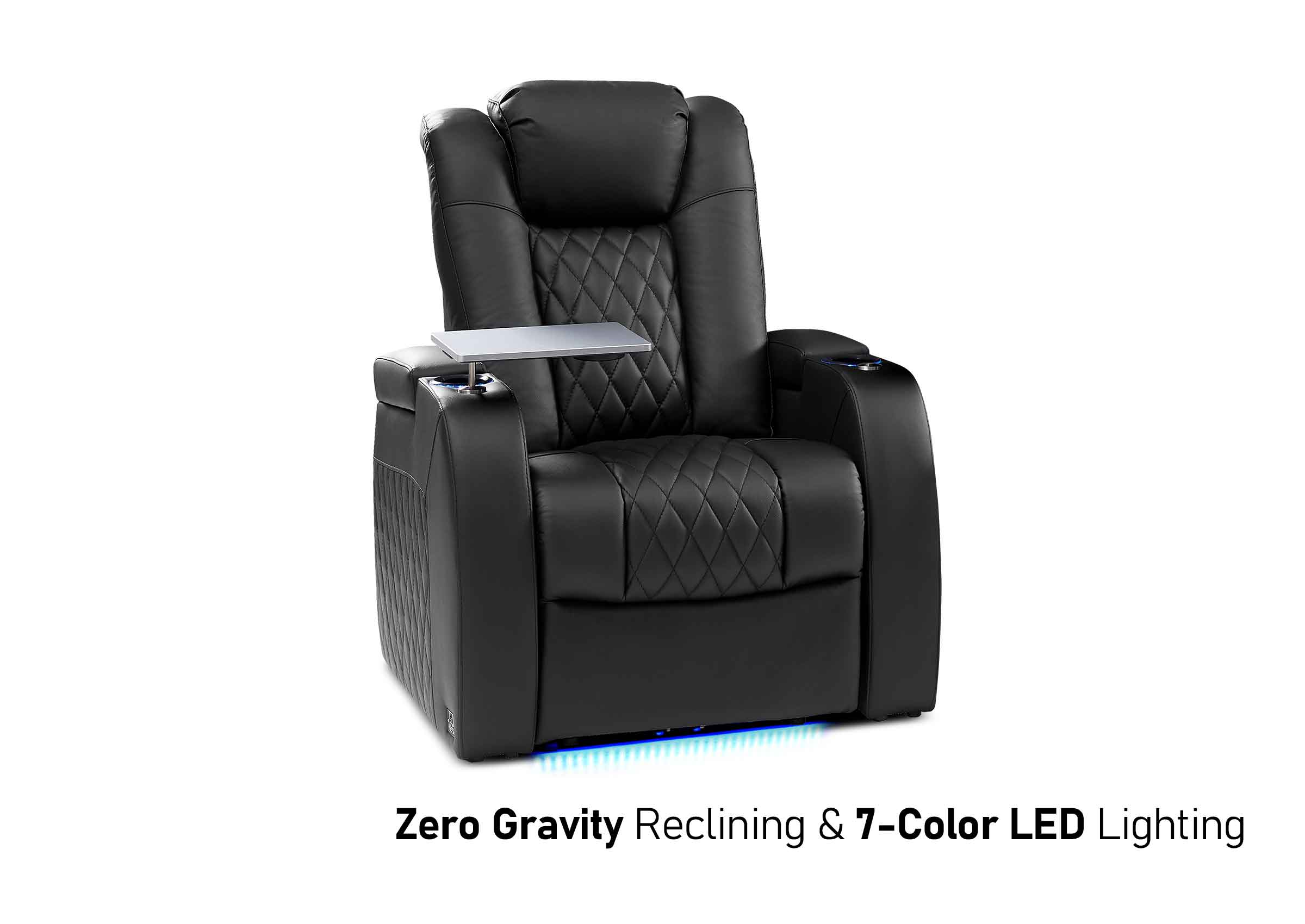
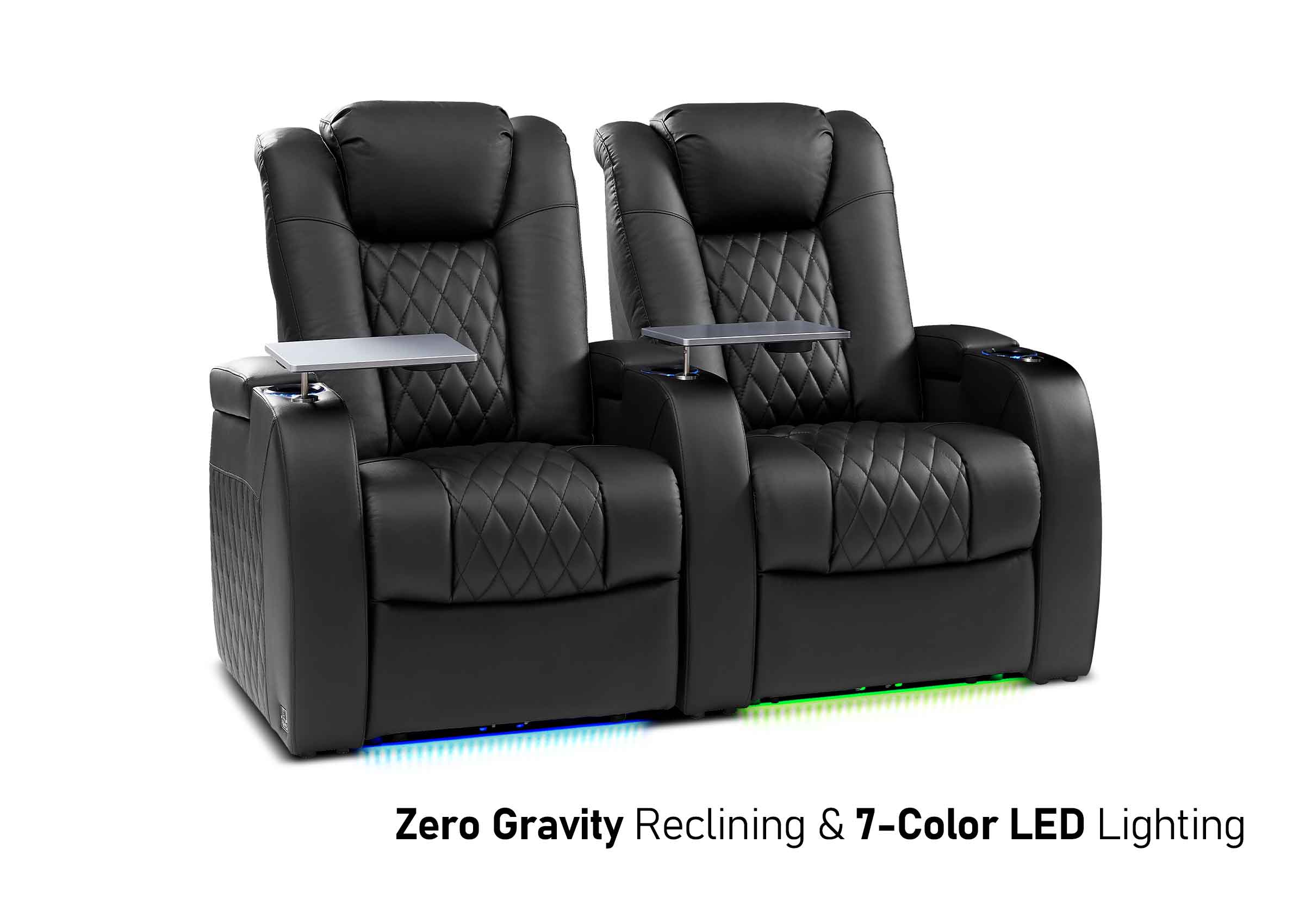
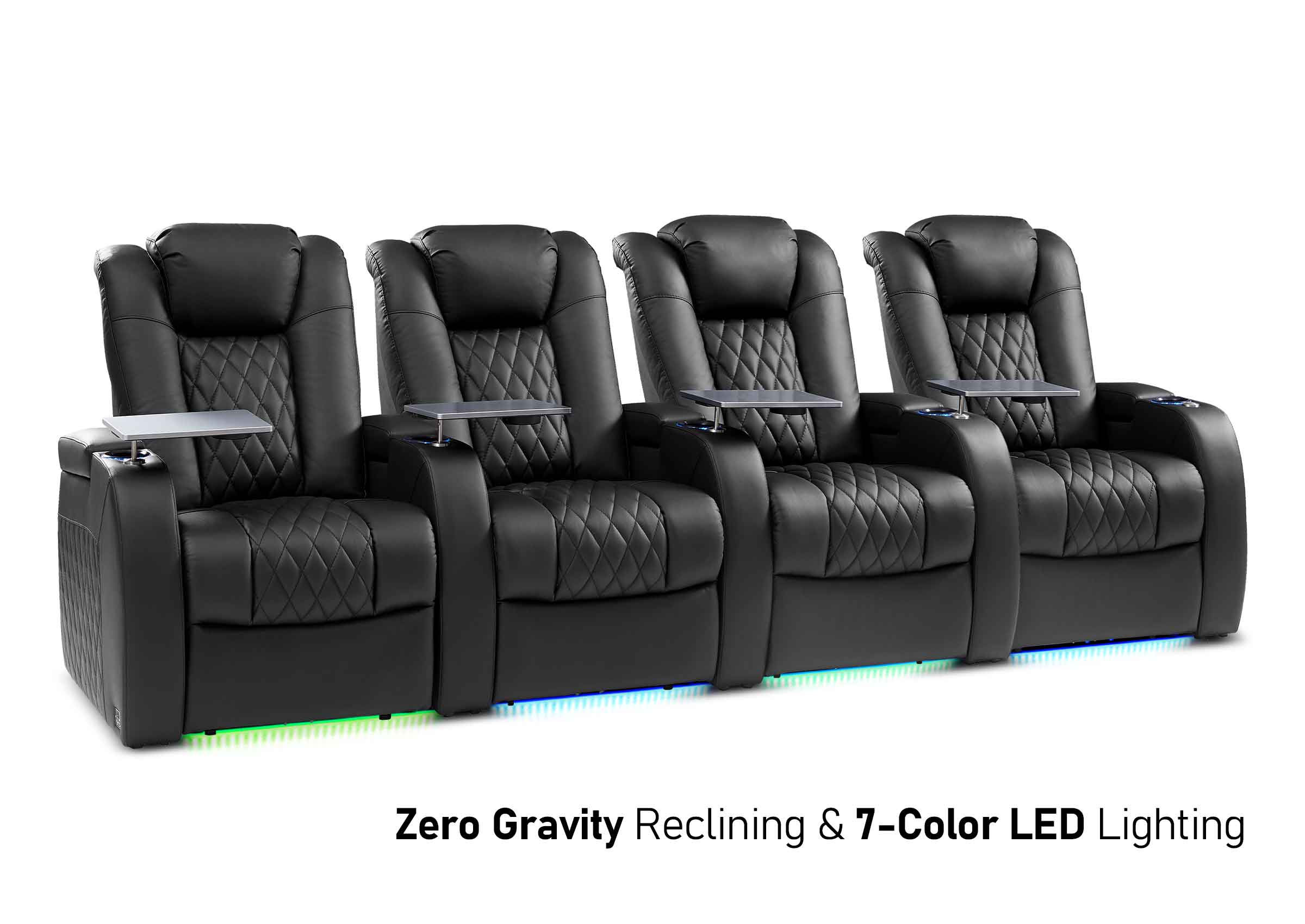
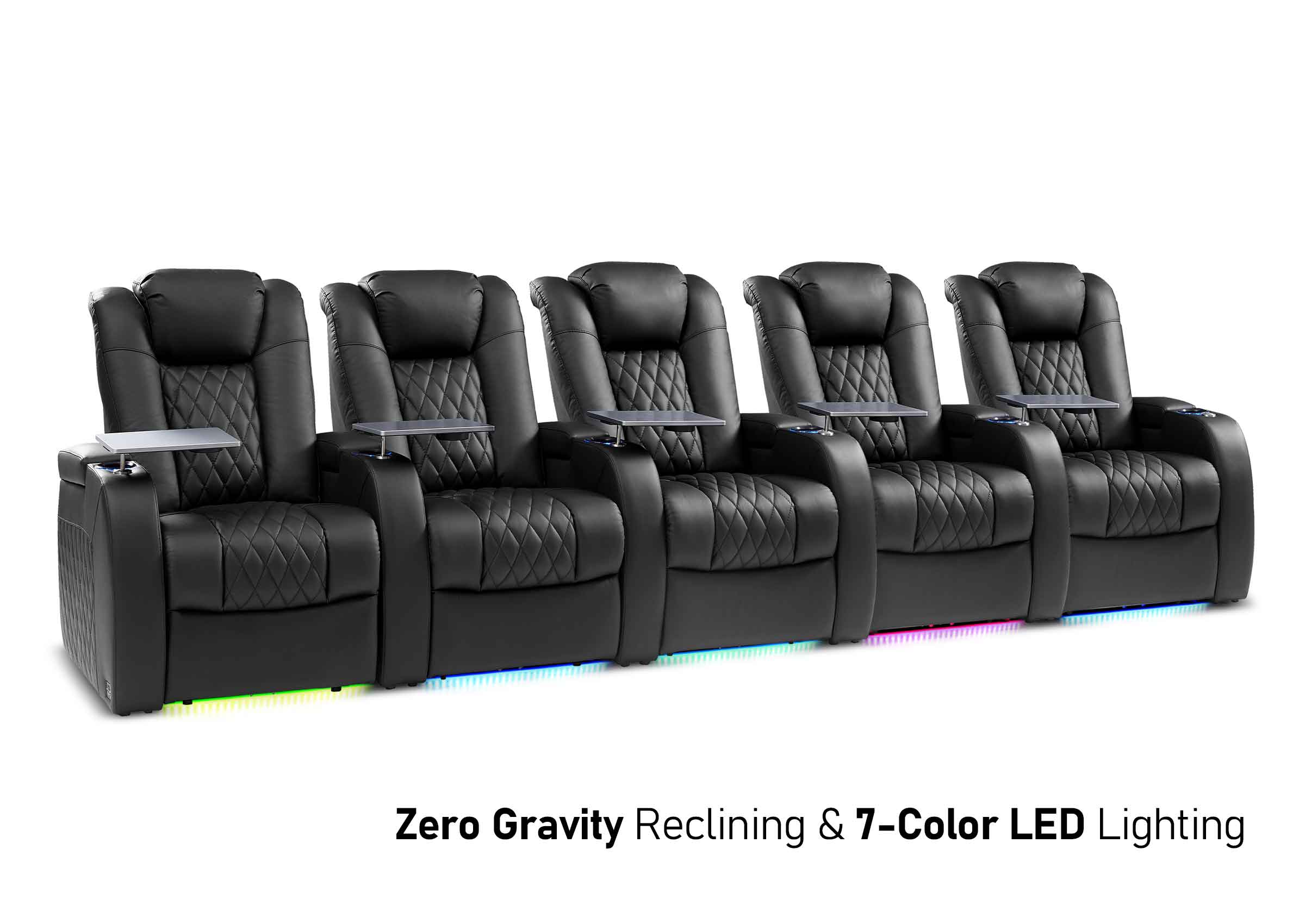
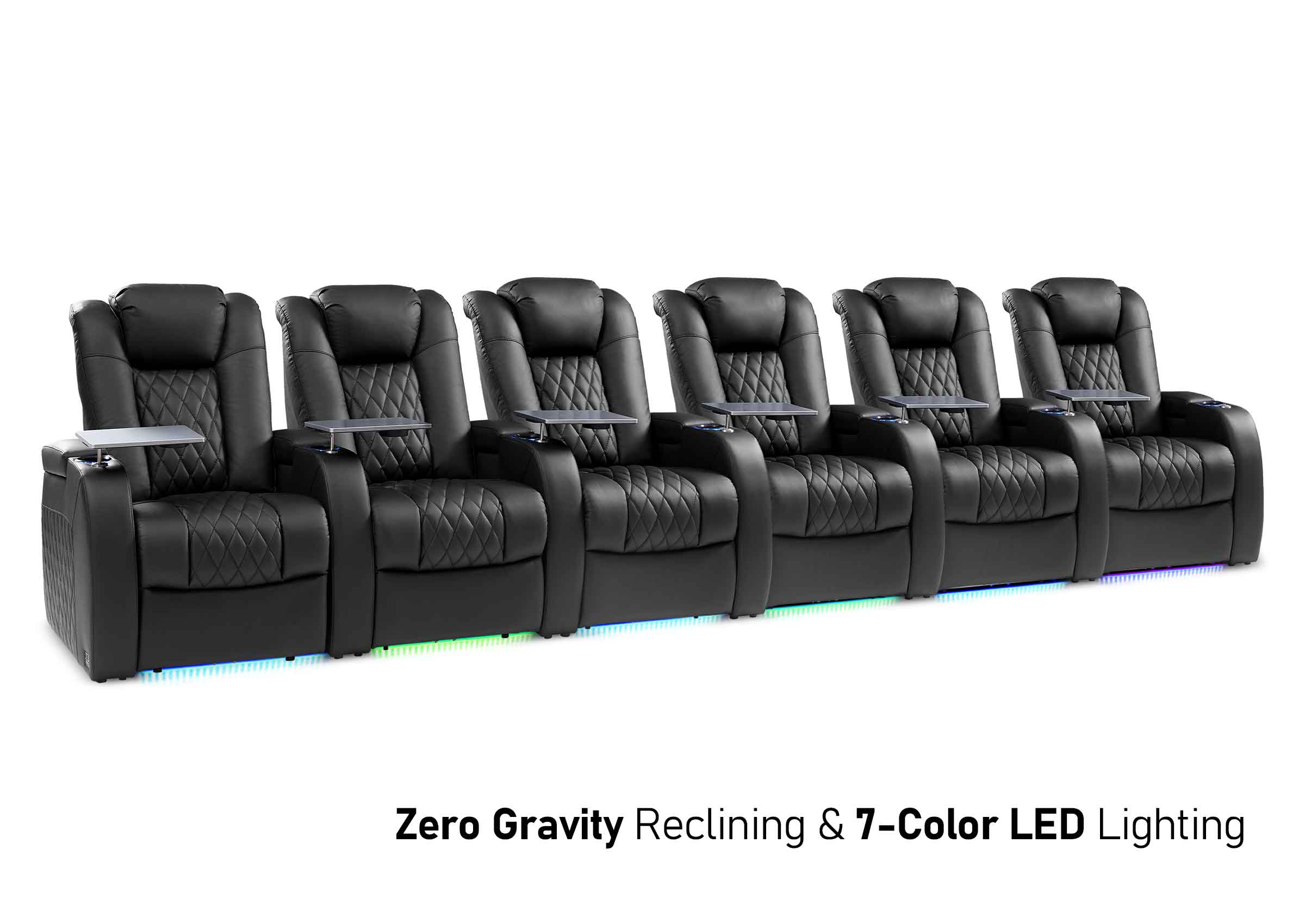
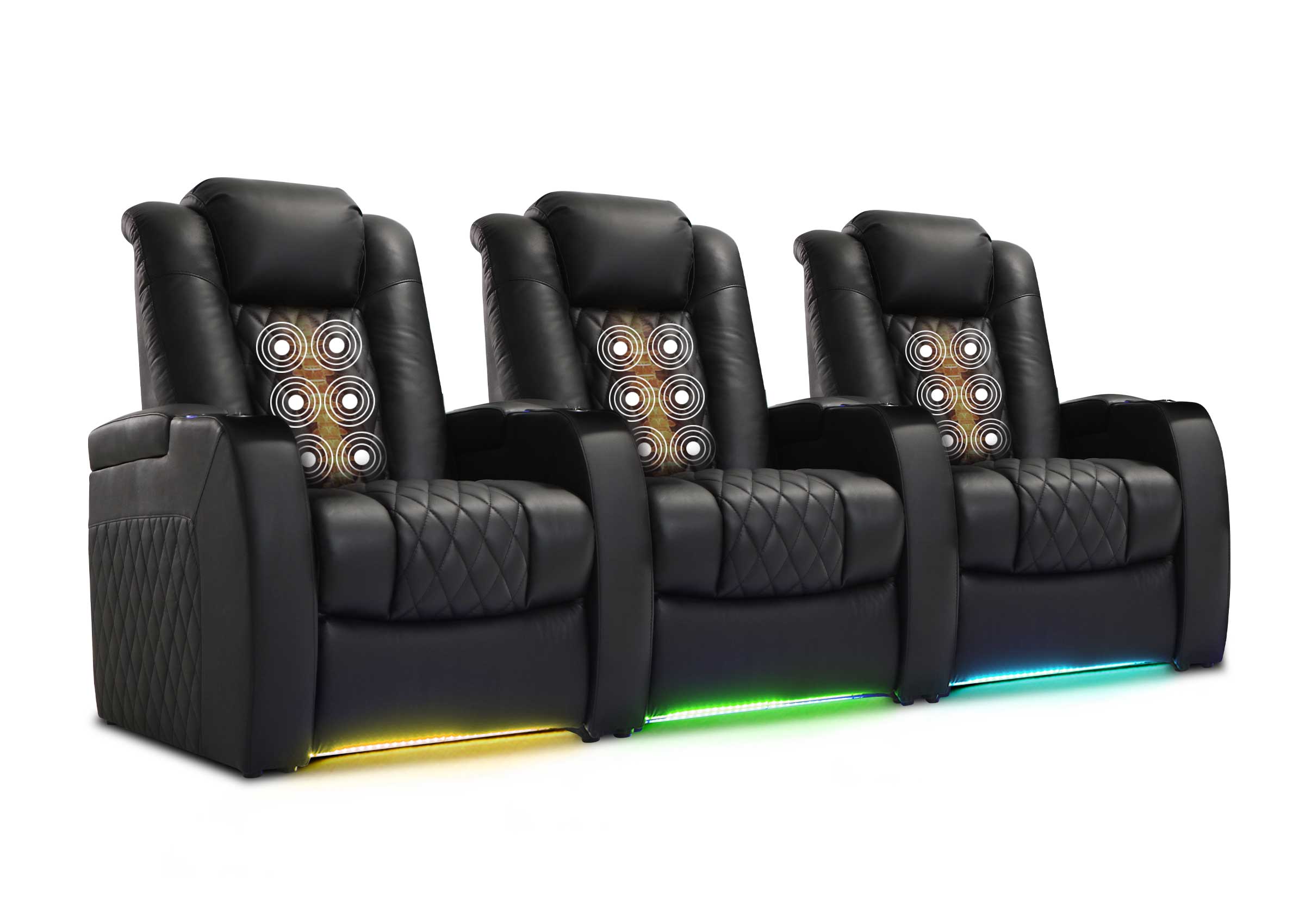

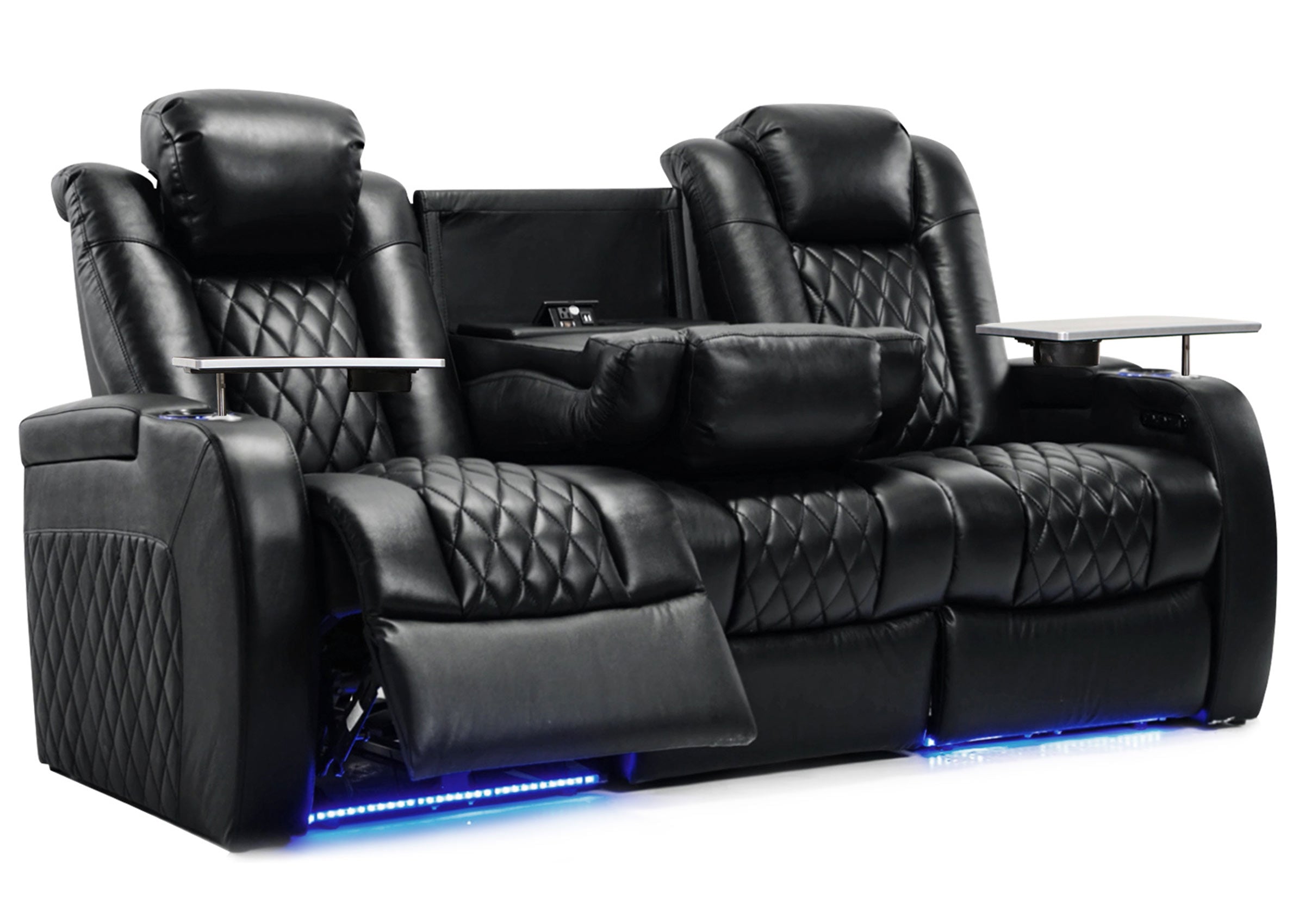
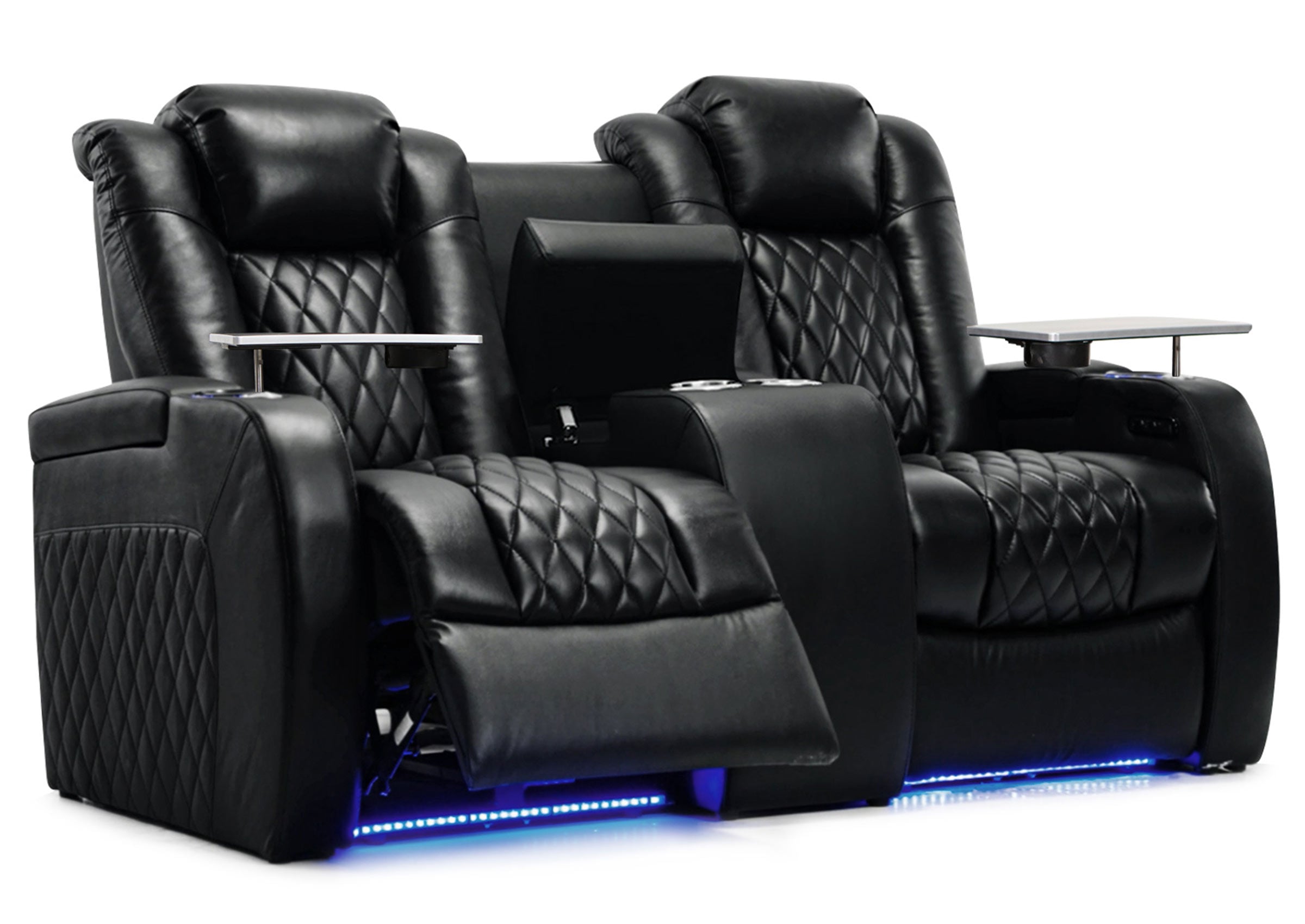

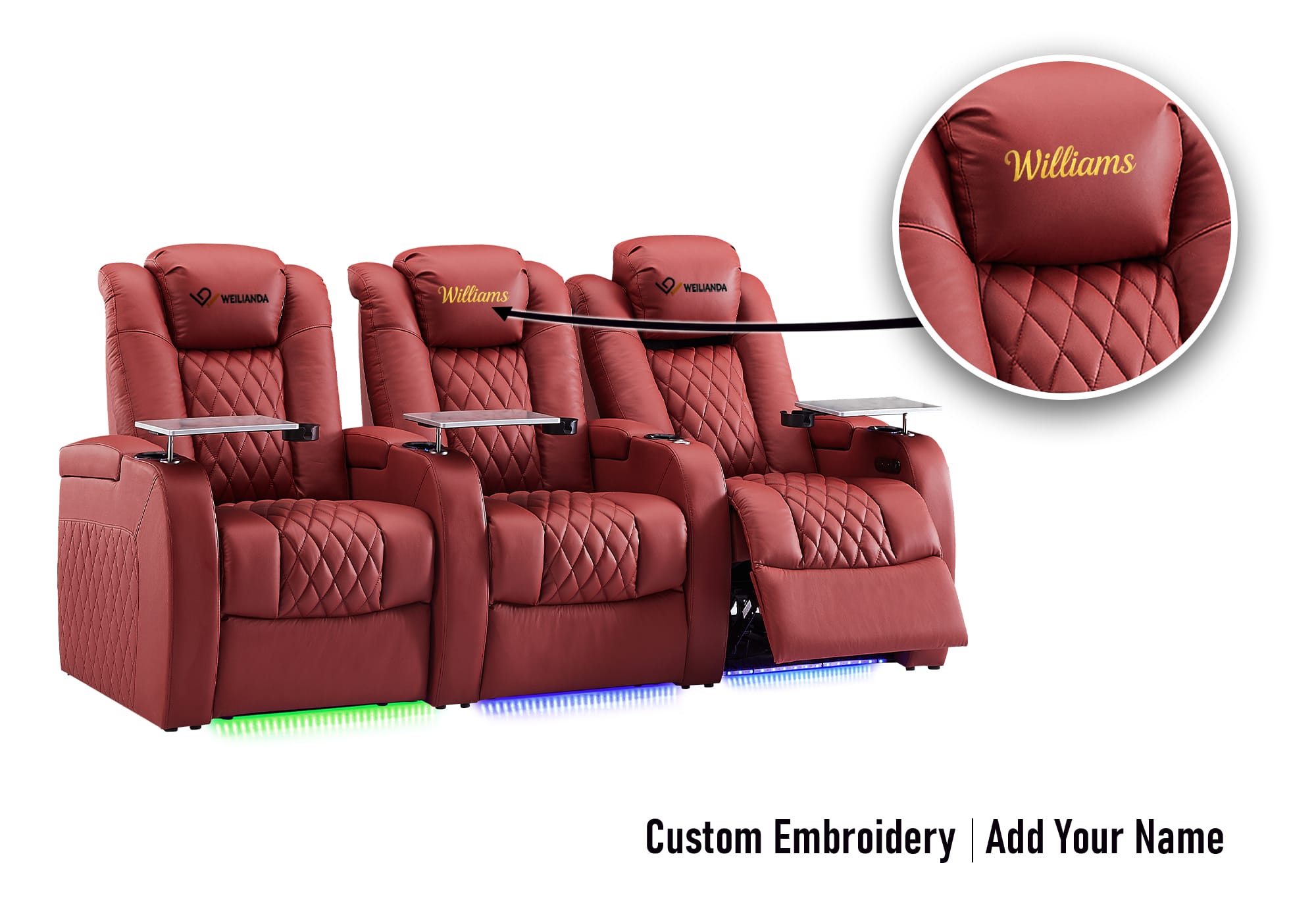

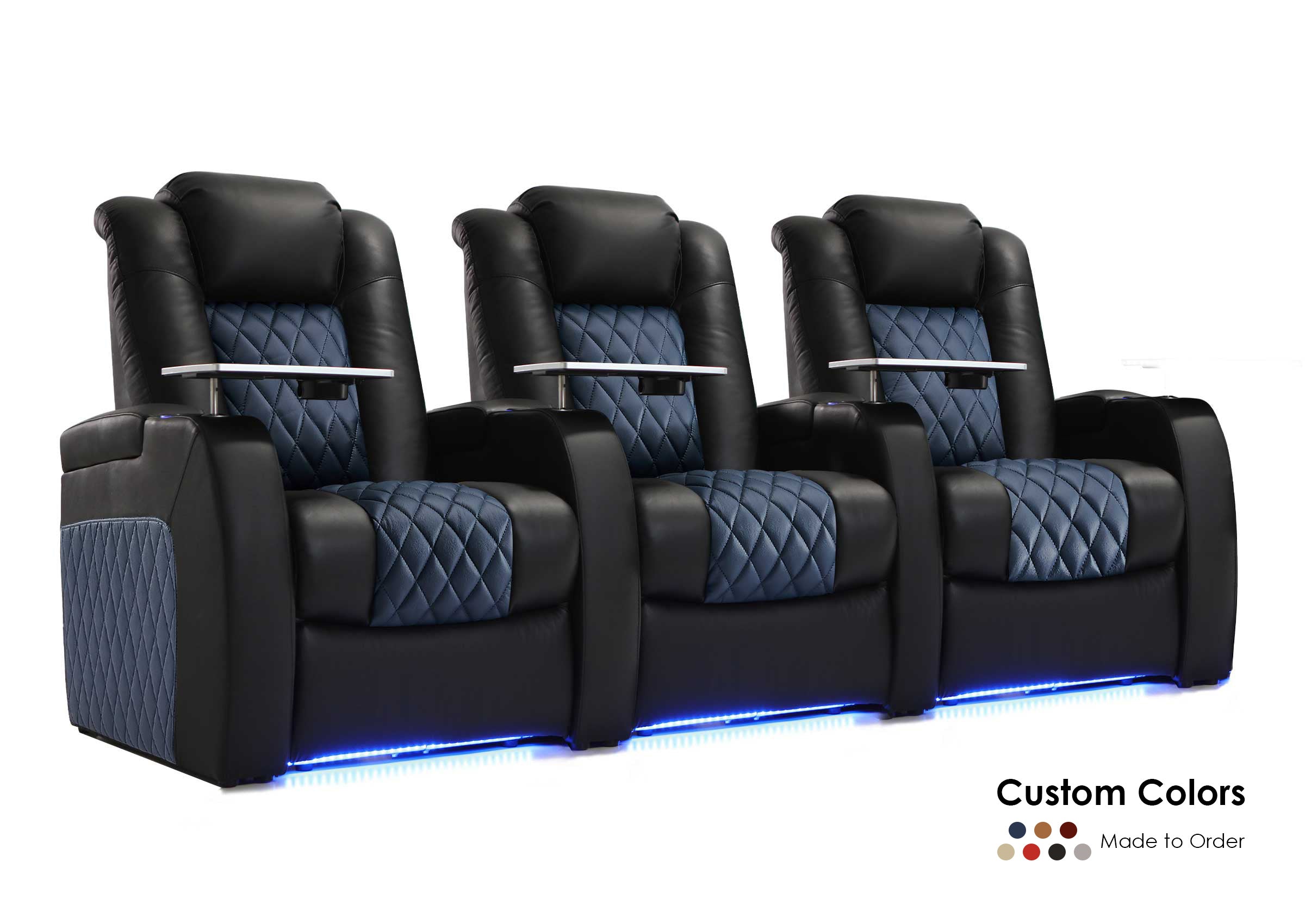

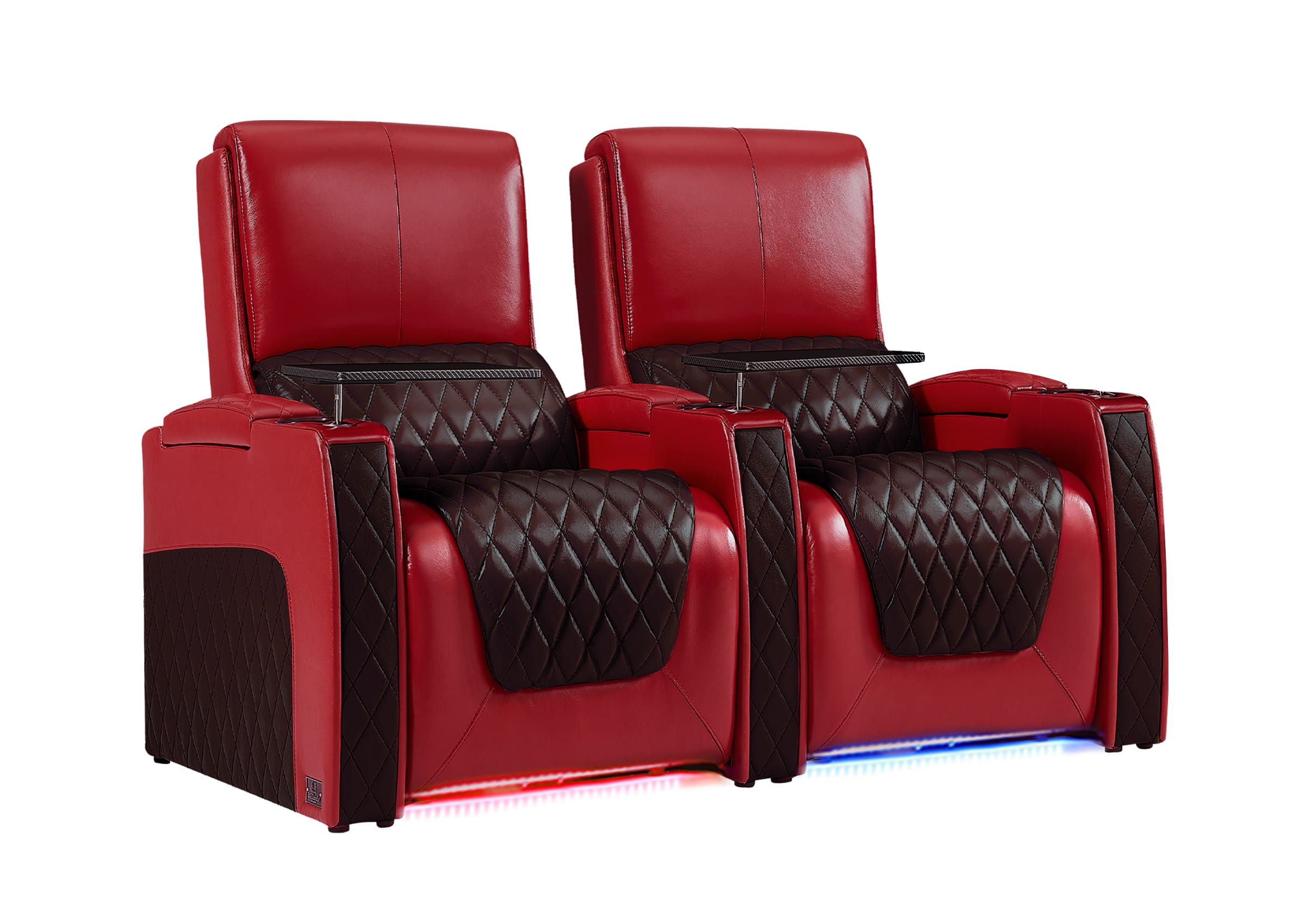
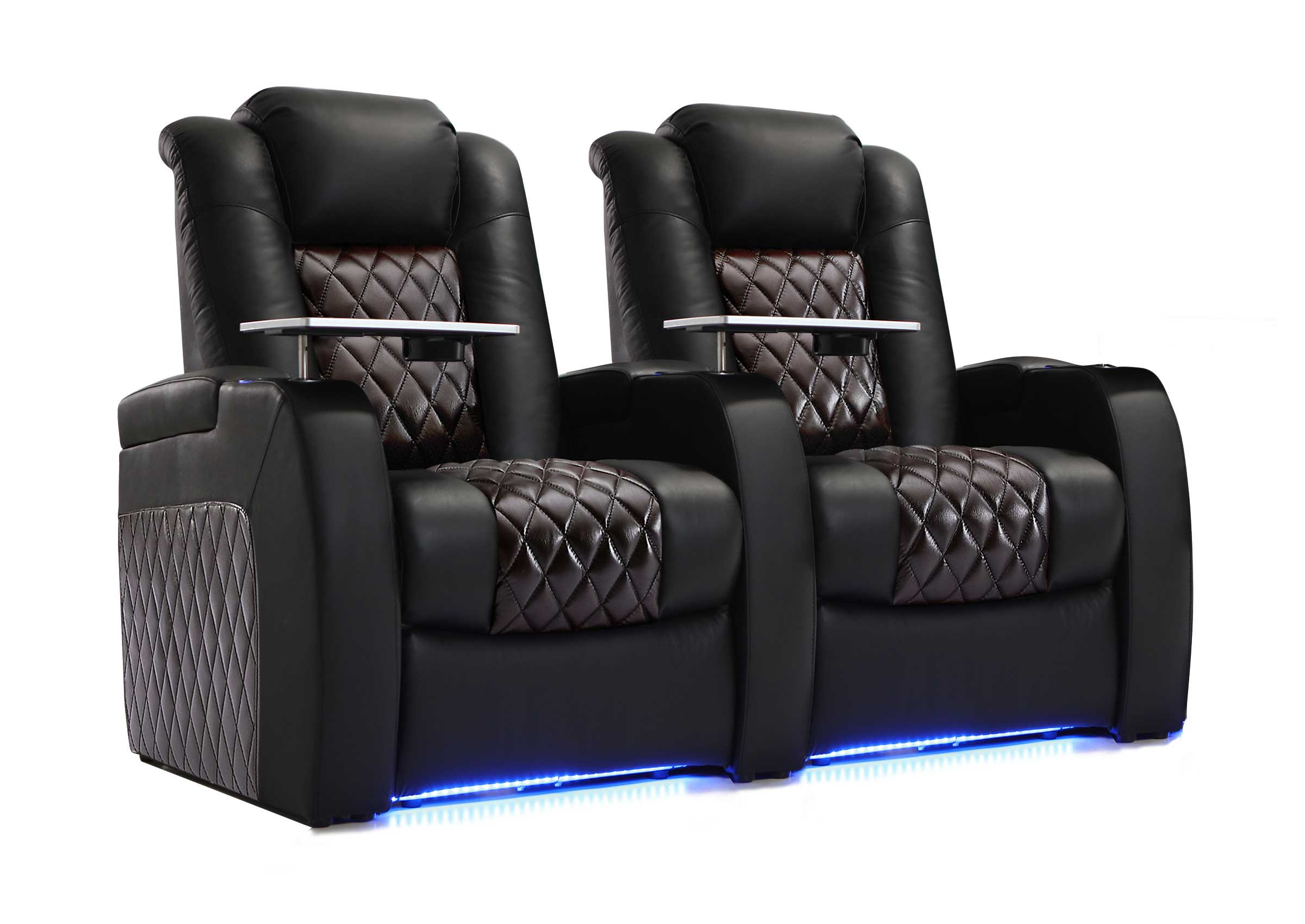
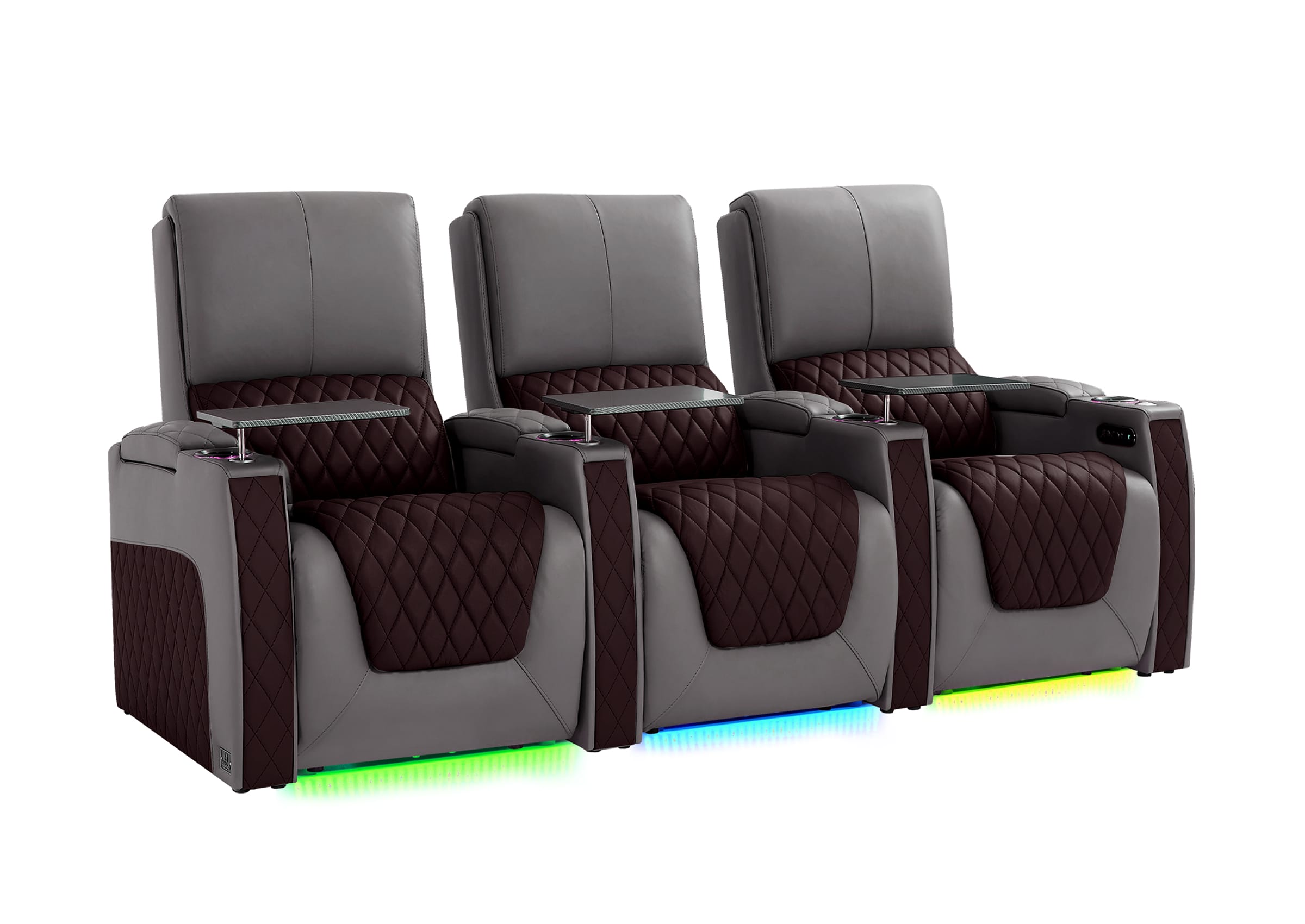
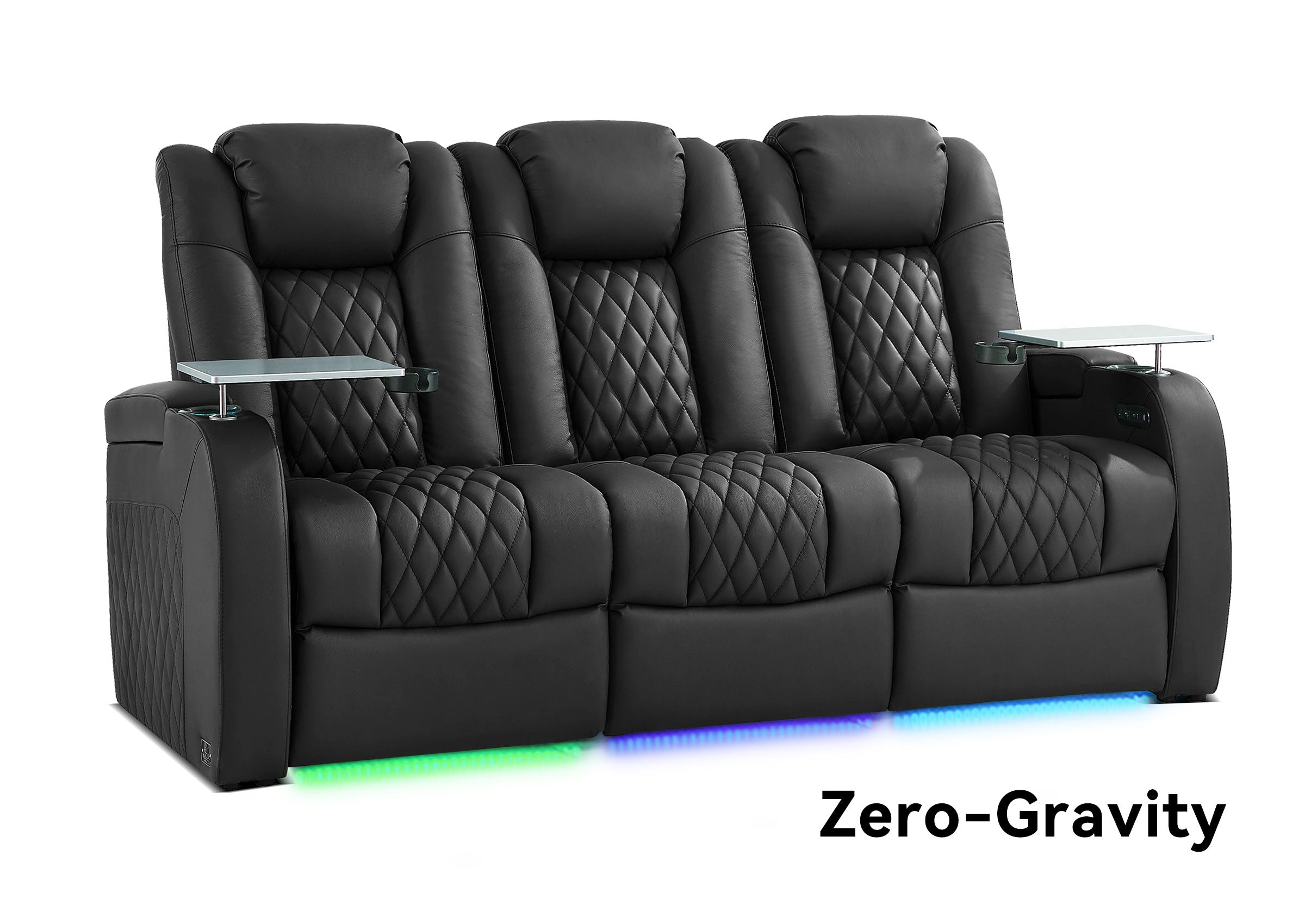


Choosing a recliner is not only about comfort. The right size determines whether the chair supports your body, fits your room, and works well for everyday activities like movie nights, gaming, reading, or relaxing.
The best recliner size depends on three things: your body size, your available space, and how you plan to use the chair. This guide explains standard recliner dimensions, oversized recliner options, space requirements, and what to measure before buying so you can choose a recliner that truly fits your home.
How Big Is a Standard Recliner?
Recliners come in different sizes depending on the design, reclining mechanism, and comfort level. While dimensions vary by model, most home recliners fall into a few common categories.
| Recliner Type | Typical Width | Typical Depth | Best For |
|---|---|---|---|
| Small Recliner | About 29–34 inches | Compact footprint | Apartments, bedrooms, smaller rooms |
| Standard Recliner | About 35–42 inches | Balanced comfort and space | Living rooms, family rooms, media spaces |
| Oversized Recliner | About 42 inches or wider | Deeper, more spacious seating | Larger users, luxury lounging, entertainment rooms |
A standard recliner works well for many households because it provides a comfortable balance between personal space and room efficiency.
However, the outside dimensions are only part of the decision. A recliner that fits your floor space may still feel uncomfortable if the seat depth, back height, or recline position does not match your body.

Recliner Measurements You Should Check Before Buying
Many buyers only look at width, but several measurements affect both comfort and placement.
Overall Width
The overall width determines how much space the recliner takes up.
Before buying, consider:
-
How much space is available between furniture
-
Whether doors or drawers can still open
-
How much walking space remains
-
Whether multiple recliners can fit together
For home theater seating, width becomes even more important because several inches per seat can significantly change the entire room layout.
The goal is not to fit the most seats possible. The goal is to create enough personal space for comfortable everyday use.
Seat Width
Seat width affects how spacious the recliner feels.
A wider seat can provide:
-
More shoulder room
-
Easier movement
-
A more relaxed sitting position
-
Better comfort during longer sessions
For families, movie lovers, and gamers, seat width often matters more than simply adding extra seating capacity.
Seat Depth
Seat depth affects how your body rests in the chair.
A deeper seat may be better for:
-
Taller users
-
People who prefer a lounge-style sitting position
-
Long movie or gaming sessions
However, a seat that is too deep may feel less comfortable for shorter users because their feet may not sit naturally on the floor.
The right seat depth should support your legs without forcing your body into an awkward position.
Back Height
Back height influences head and neck support.
A taller back can be beneficial for:
-
Taller users
-
Reclined viewing
-
Long entertainment sessions
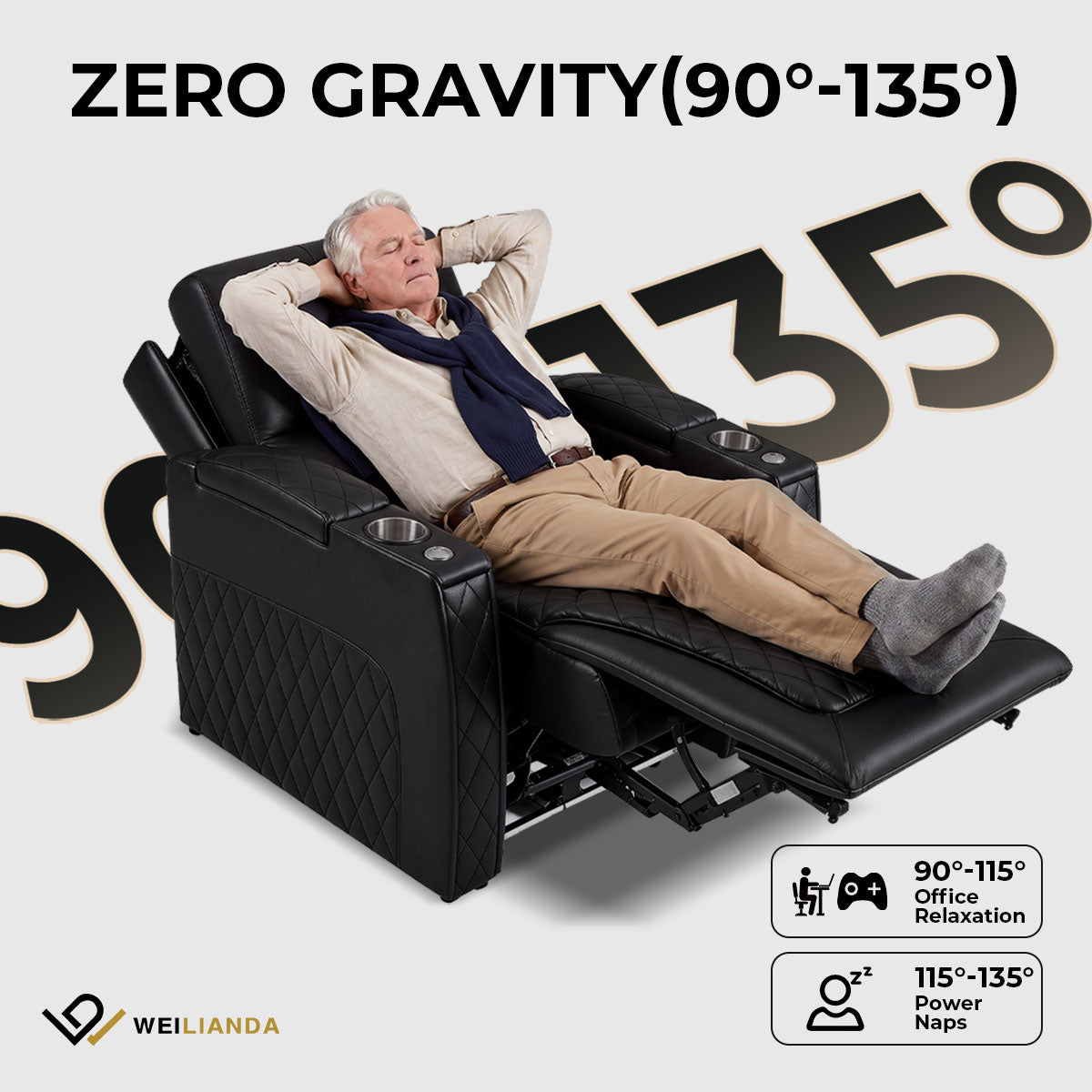
Adjustable headrests can provide additional flexibility by helping maintain a comfortable viewing angle while reclining.
Reclined Depth
The most commonly overlooked measurement is the fully reclined depth.
A recliner that fits when closed may not work when fully opened. Always measure the complete reclined footprint before buying.
This measurement determines whether the chair will:
-
Hit the wall
-
Block walkways
-
Interfere with tables
-
Reduce space between seating rows
For power recliners, this is especially important because users expect to enjoy the full range of movement.

Which Recliner Size Should You Choose?
The best recliner size depends on your body, room, and lifestyle.
Choose a Standard Recliner If You Want:
-
A balanced size for most rooms
-
Comfortable everyday seating
-
Easier furniture placement
-
More flexibility in smaller spaces
Standard recliners are often a practical choice for:
-
Living rooms
-
Family rooms
-
Apartments
-
Multi-purpose spaces
Choose an Oversized Recliner If You Want:
-
More personal space
-
A deeper lounging experience
-
Extra room for larger body types
-
A more relaxed entertainment setup
Oversized recliners are often a good match for:
-
Taller users
-
Wider shoulders
-
Long movie sessions
-
Large media rooms
-
Spacious basements
However, oversized comfort requires oversized planning.
A larger recliner may provide more comfort, but it can also:
-
Take up more floor space
-
Reduce walking room
-
Limit furniture arrangement options
-
Make smaller rooms feel crowded
Bigger is not always better. The best recliner is the one that fits both your body and your room.
Choose a Wall-Hugger Recliner If Space Is Limited
A wall-hugger recliner is designed for rooms where every inch matters.
It can be a good option for:
-
Apartments
-
Small living rooms
-
Compact media rooms
-
Furniture layouts close to walls
Instead of moving the entire backrest backward, wall-hugger designs allow reclining with less space behind the chair.
Standard vs Oversized Recliner: Which One Fits Your Lifestyle?
| Standard Recliner | Oversized Recliner | |
|---|---|---|
| Best For | Everyday comfort and flexible layouts | Maximum lounging comfort |
| Room Requirement | Works in more spaces | Needs more open space |
| Seat Feel | Balanced support | Deeper and more spacious |
| Ideal Users | Most households | Taller users or those wanting extra room |
| Best Locations | Living rooms, family rooms | Media rooms, basements, entertainment spaces |
When choosing between the two, consider how often the chair will be used.
A smaller recliner may be enough for occasional relaxation, while a larger recliner can be worthwhile if the chair becomes the main place for movies, sports, gaming, or daily lounging.

Does Recliner Size Change With Power Recliners?
Power recliners are not always larger than manual recliners, but they require similar space planning.
Before choosing a power recliner, consider:
-
Full recline movement
-
Electrical outlet location
-
Cable placement
-
Space around moving parts
-
Daily adjustment convenience
Power reclining is especially useful for users who spend several hours in the chair because it allows easier position changes for different activities.
The important question is not only “How large is the chair?” but also “How will the chair move and function in my room?”
How Much Space Does a Recliner Need?
A recliner needs more planning than a standard chair because the seating position changes when it opens.
Wall Clearance
The required clearance depends on the recliner design.
General planning guidelines:
-
Standard recliners may need around 8–12 inches behind the backrest
-
Wall-hugger recliners may need only a few inches depending on the design
Always check the specific model requirements before placement.
Walking Space
A comfortable room needs more than enough space for the recliner itself.
Leave room for:
-
Walking around the chair
-
Cleaning
-
Children or pets moving through the room
-
Side tables
-
Storage access
A chair that technically fits may still make the room uncomfortable if movement becomes restricted.
Multiple Recliner Layouts
When placing multiple recliners together, measure:
-
Combined seat width
-
Armrest spacing
-
Side access
-
Walking paths
-
Reclining clearance
This is especially important for home theaters where several seats are arranged in rows.
Choosing Recliner Size for Different Rooms
The ideal recliner size changes depending on where it will be used.
Small Living Rooms and Apartments
Smaller spaces usually benefit from:
-
Compact recliners
-
Wall-hugger designs
-
Flexible furniture layouts
Avoid choosing a large recliner simply because it feels comfortable in isolation. A chair should improve the room, not overwhelm it.
Family Rooms
Family rooms need seating that works for different activities.
Consider:
-
Easy daily maintenance
-
Comfortable viewing positions
-
Storage for remotes and devices
-
Charging convenience
-
Enough space for family members
A good family recliner should support movie nights, conversations, gaming, and everyday relaxation.
Basement Home Theaters
Basement theaters often allow larger seating arrangements, but planning is still important.
Consider:
-
Recline depth
-
Row spacing
-
Screen viewing angle
-
Walking paths
-
Number of seats
A well-planned theater with fewer comfortable seats often feels better than a crowded room filled with oversized furniture.
Media Rooms and Entertainment Spaces
Modern media rooms are used for more than movies.
They may include:
-
Gaming
-
Sports viewing
-
Streaming
-
Family gatherings
In these spaces, comfort over several hours becomes a priority.
Features such as power reclining, adjustable headrests, lumbar support, storage, USB charging, and cup holders can improve everyday usability.
Recliner Size Mistakes Buyers Often Make
Measuring Only the Upright Size
A recliner changes position when opened.
A chair that fits against the wall when closed may not have enough room to recline comfortably.
Choosing the Largest Recliner Available
An oversized recliner can feel luxurious, but it may not be the right choice for every room.
Always balance:
-
Comfort
-
Floor space
-
Walking room
-
Furniture arrangement
Ignoring Room Traffic
Do not place recliners where they block:
-
Doors
-
Drawers
-
Main walkways
-
Heating vents
-
Other furniture
Forgetting Delivery Measurements
Before ordering, check:
-
Door width
-
Hallway width
-
Stair access
-
Elevator dimensions
A recliner that fits your room may still be difficult to bring inside.
How Recliner Size Affects Home Theater Seating Layout
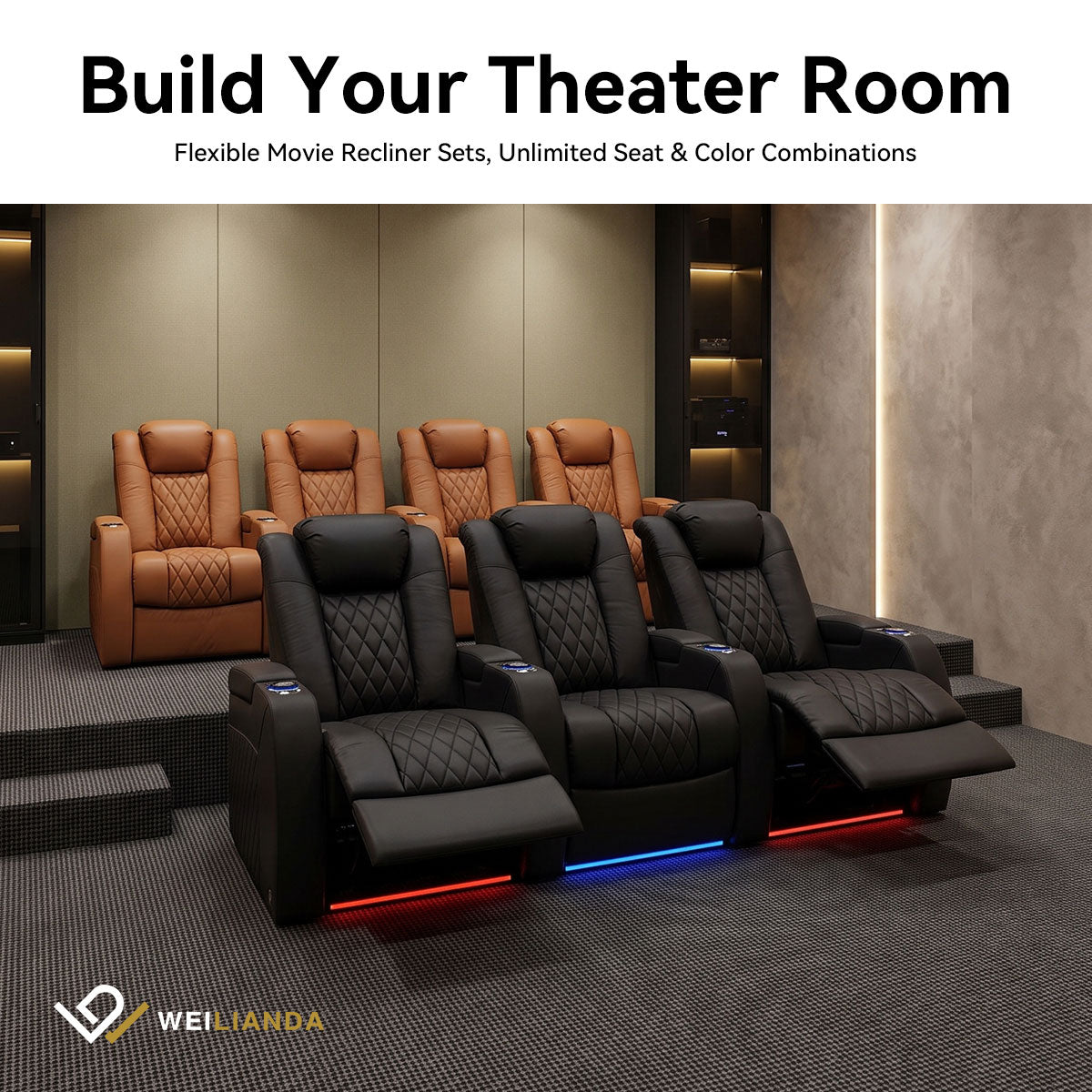
For a dedicated home theater, recliner size becomes part of the entire entertainment experience.
A comfortable layout should consider:
-
Seat width
-
Recline depth
-
Screen distance
-
Speaker placement
-
Walking space
The best home theater seating layout is not about adding the maximum number of chairs. It is about creating enough space for everyone to enjoy long viewing sessions comfortably.
General planning references:
-
Individual seats often start around 24–26 inches wide for comfortable planning
-
Reclining rows may need around 60–70 inches between rows
-
Premium media rooms often benefit from 30–36 inches of aisle space where possible
These measurements are planning guidelines. The ideal setup depends on the room shape, seating style, and how you use the space.

Recliner Size Buying Checklist
Before choosing a recliner, check:
☐ Measure available floor space
☐ Check the fully reclined footprint
☐ Confirm wall clearance requirements
☐ Compare seat width and depth
☐ Consider who will use the chair most often
☐ Leave enough walking space
☐ Measure doors and delivery paths
☐ Choose features based on daily use, not appearance alone
The right recliner size should match your lifestyle, not just your room dimensions.
Frequently Asked Questions
What is the standard size of a recliner?
Most standard recliners are around 35–42 inches wide, although dimensions vary by model. The best size depends on your body, room layout, and intended use. A standard recliner works well for most living rooms, while smaller rooms may benefit from compact or wall-hugger designs.
How wide is an oversized recliner?
Oversized recliners are typically around 42 inches wide or more. They provide extra space for users who prefer deeper seating and more room to relax. However, they require additional floor space, so they should be chosen based on both comfort needs and room size.
Are oversized recliners better?
Oversized recliners are not automatically better. They are a great choice for users who want more space, deeper seating, or a larger lounging experience. However, standard recliners may be better for smaller rooms where flexibility and efficient use of space are more important.
How much space does a recliner need behind it?
Traditional recliners may need around 8–12 inches behind the backrest, while wall-hugger recliners are designed for tighter spaces. The exact requirement depends on the design, so always check the manufacturer’s clearance recommendations before installation.
What size recliner is best for tall people?
Taller users often benefit from recliners with greater seat depth, higher back support, and wider seating areas. An oversized recliner can be a good option, but the overall proportions should match the user’s body rather than simply choosing the largest available chair.
Can a recliner fit in a small room?
Yes. A recliner can work in a small room when the size and layout are planned carefully. Compact recliners, wall-hugger designs, and multi-functional seating options can provide comfort without making the space feel crowded.
What size recliner is best for a home theater?
The best home theater recliner size depends on the room layout and number of seats needed. Buyers should consider seat width, recline depth, viewing distance, and walking space together instead of focusing only on the chair size.
Should I choose a power recliner based on size?
Size is only one factor. Power recliners are worth considering if you want easier adjustment and more control during long viewing sessions. Before buying, make sure your room can support the chair’s movement and electrical requirements.
Find a Recliner Size That Fits Your Space
Choosing the right recliner starts with understanding how the chair will fit into your daily life. A comfortable recliner should support your body, match your room layout, and make entertainment more enjoyable.
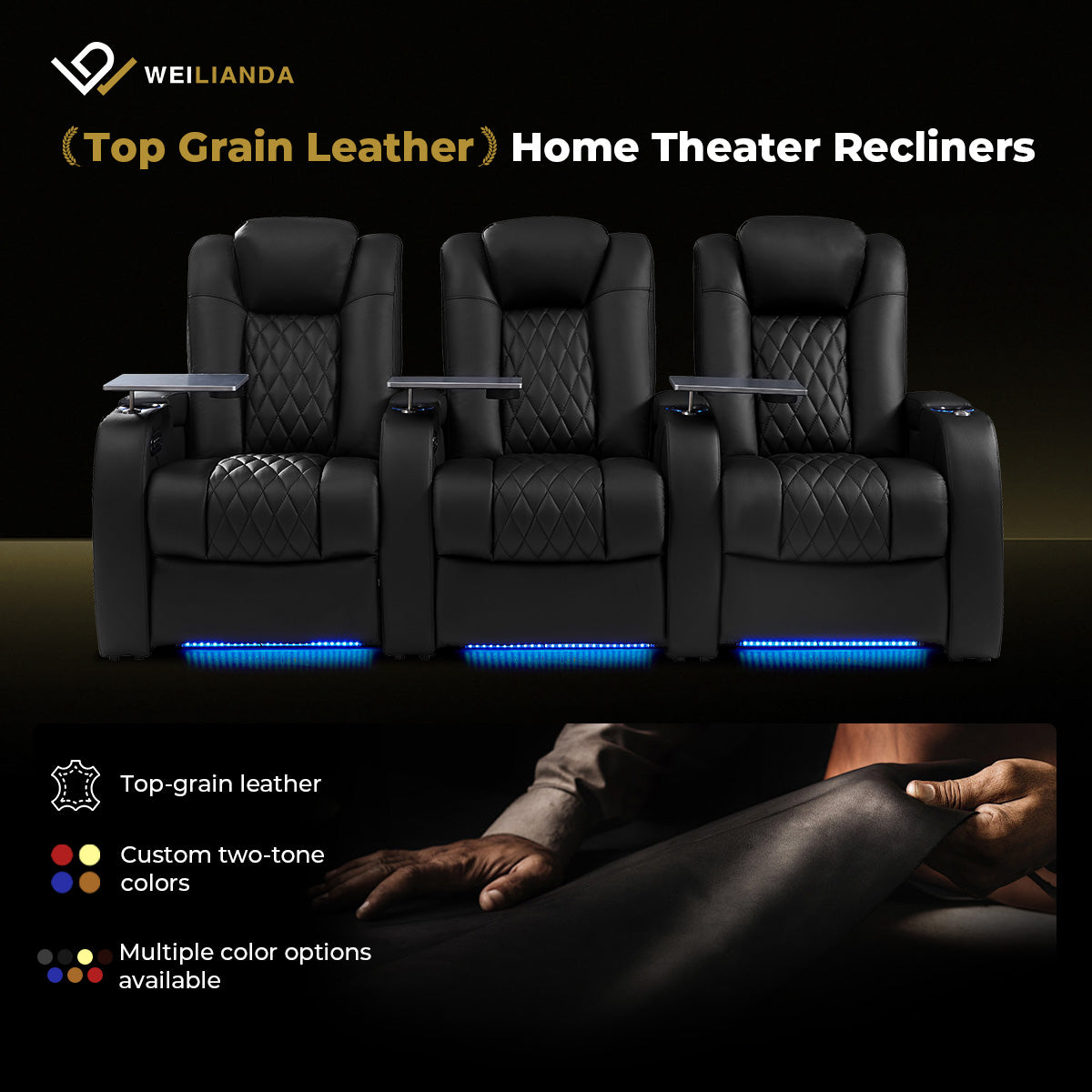
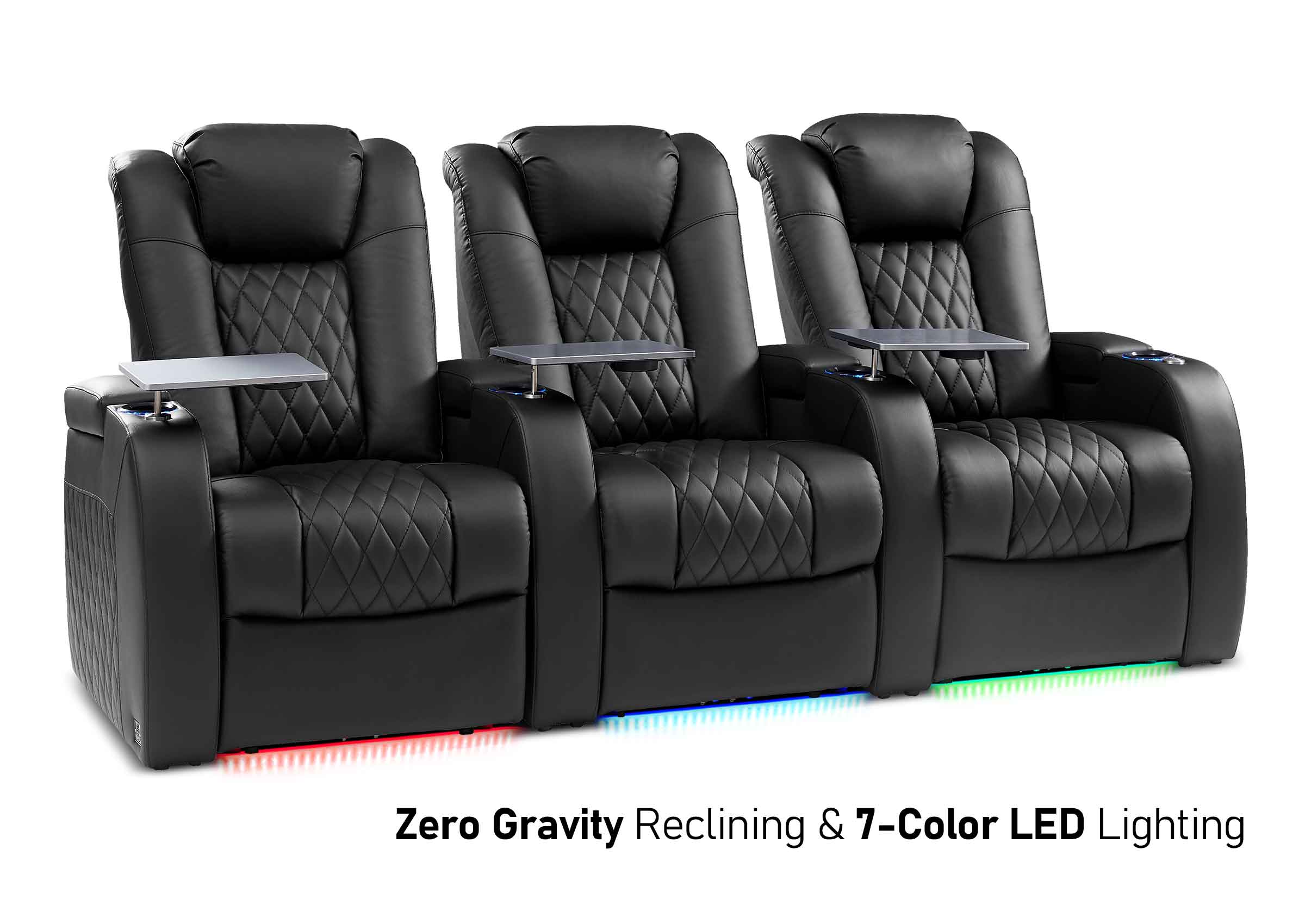
Whether you are upgrading a living room, creating a media room, or planning a home theater setup, Weilianda offers home theater seating solutions with options such as power reclining, adjustable headrests, storage features, and different seating configurations designed for real home spaces.
If you need help choosing the right recliner size or seating layout for your room, contact our team at leon@weiliandahome.com for guidance.