



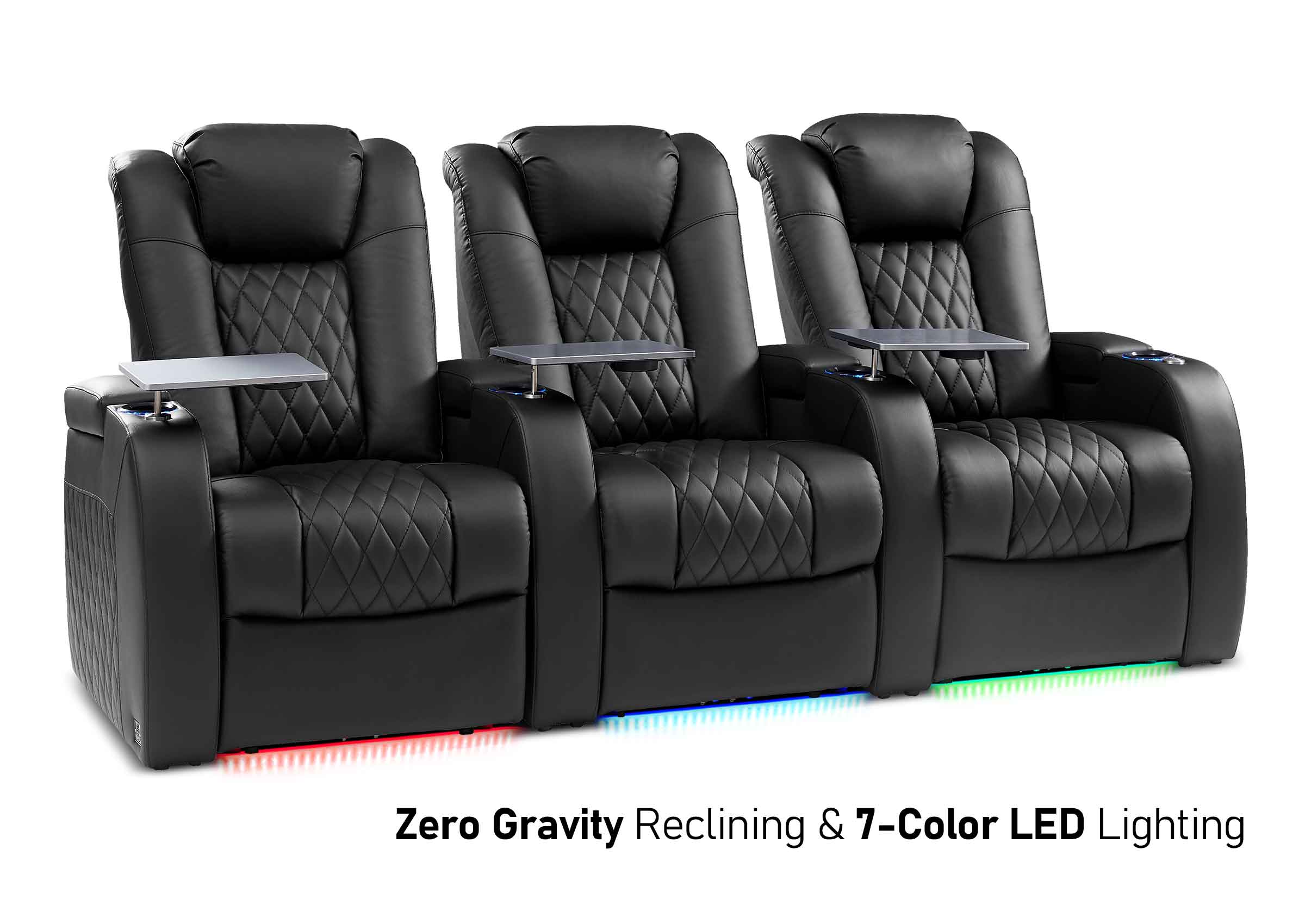
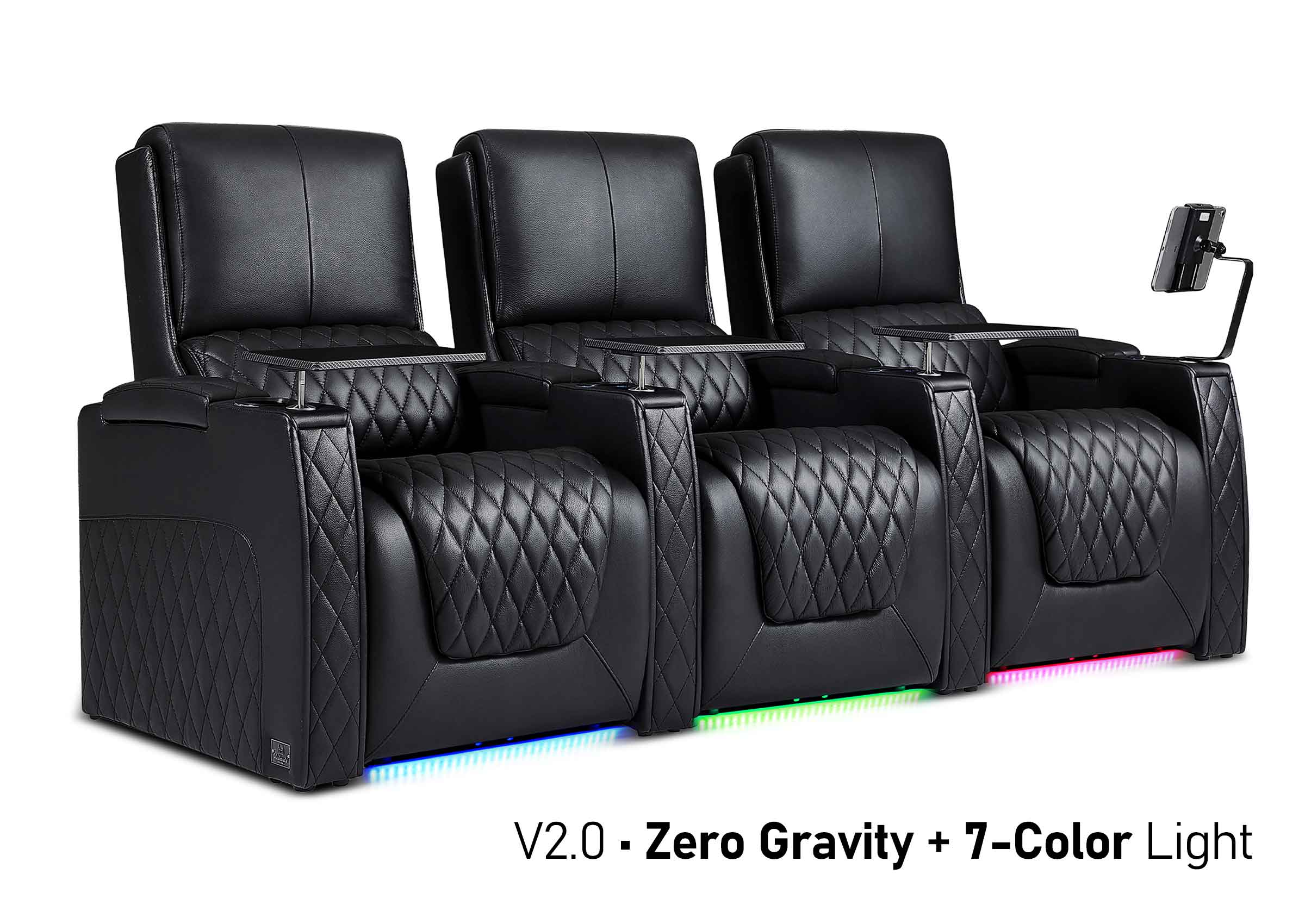
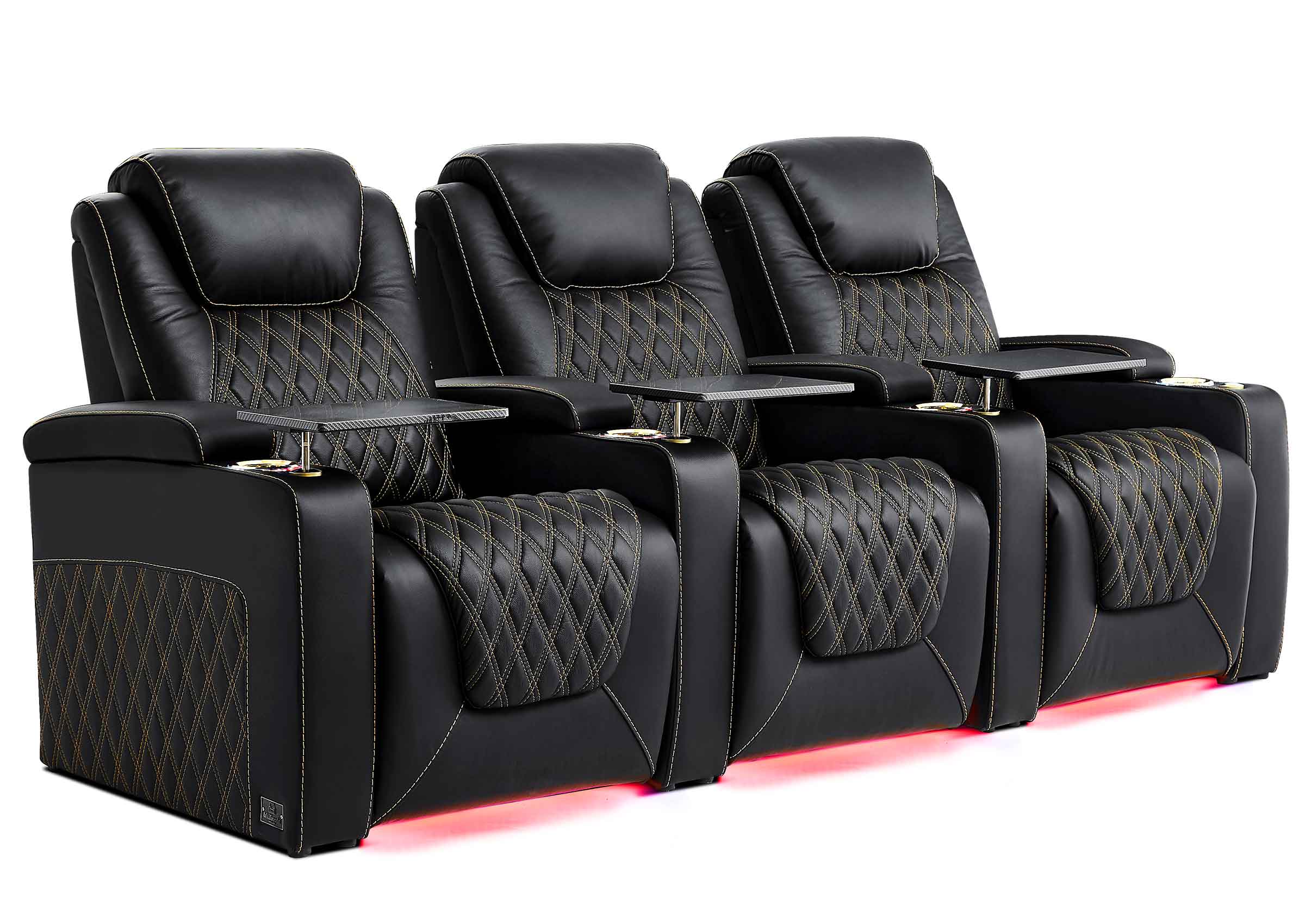
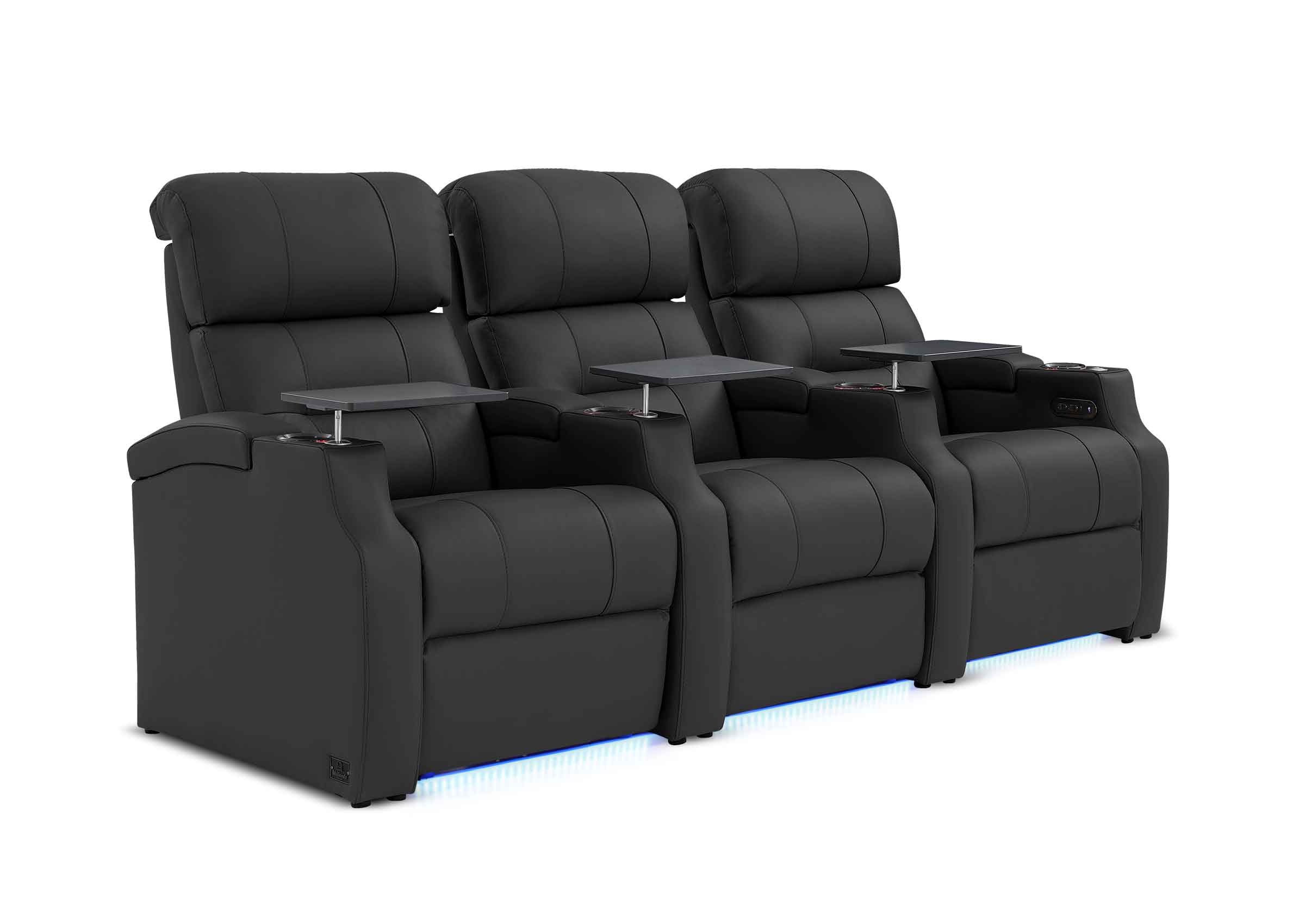
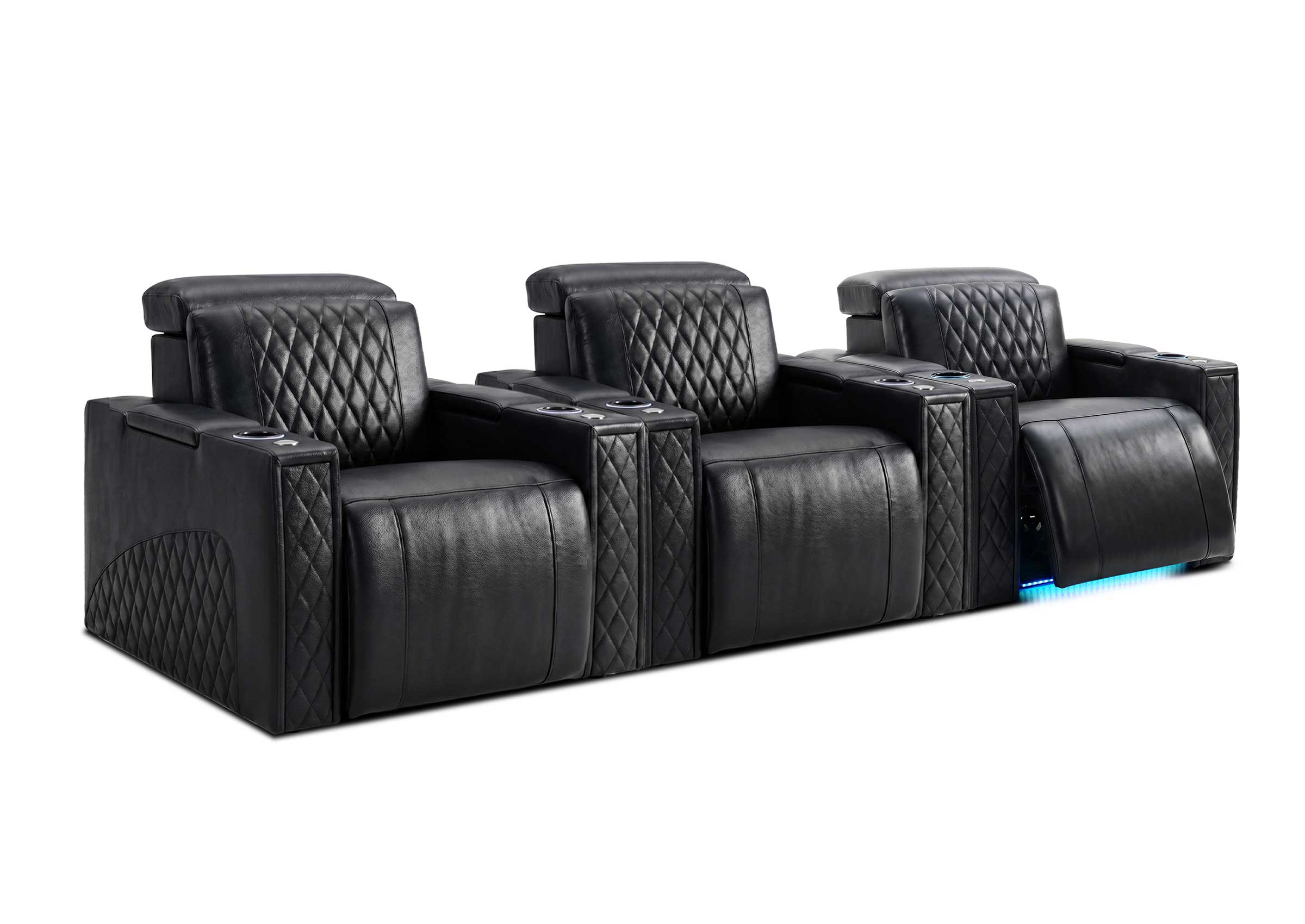

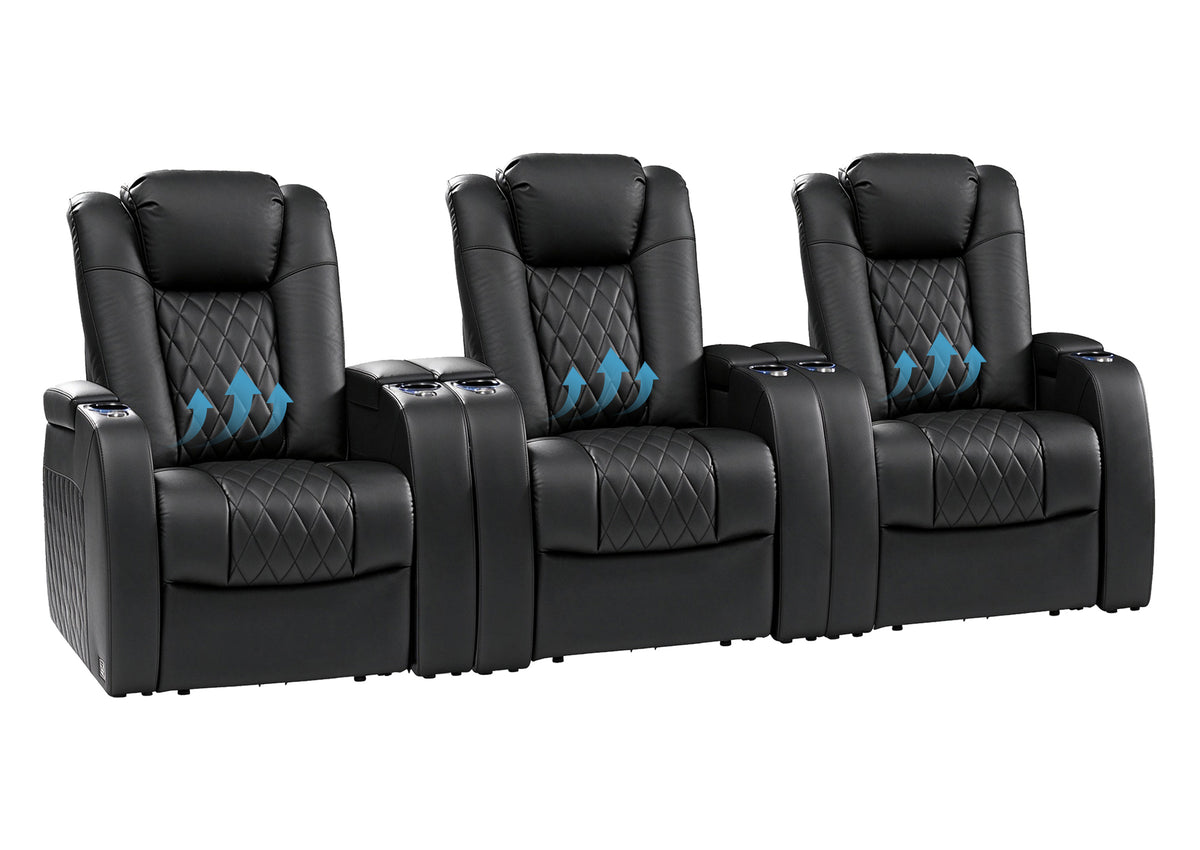
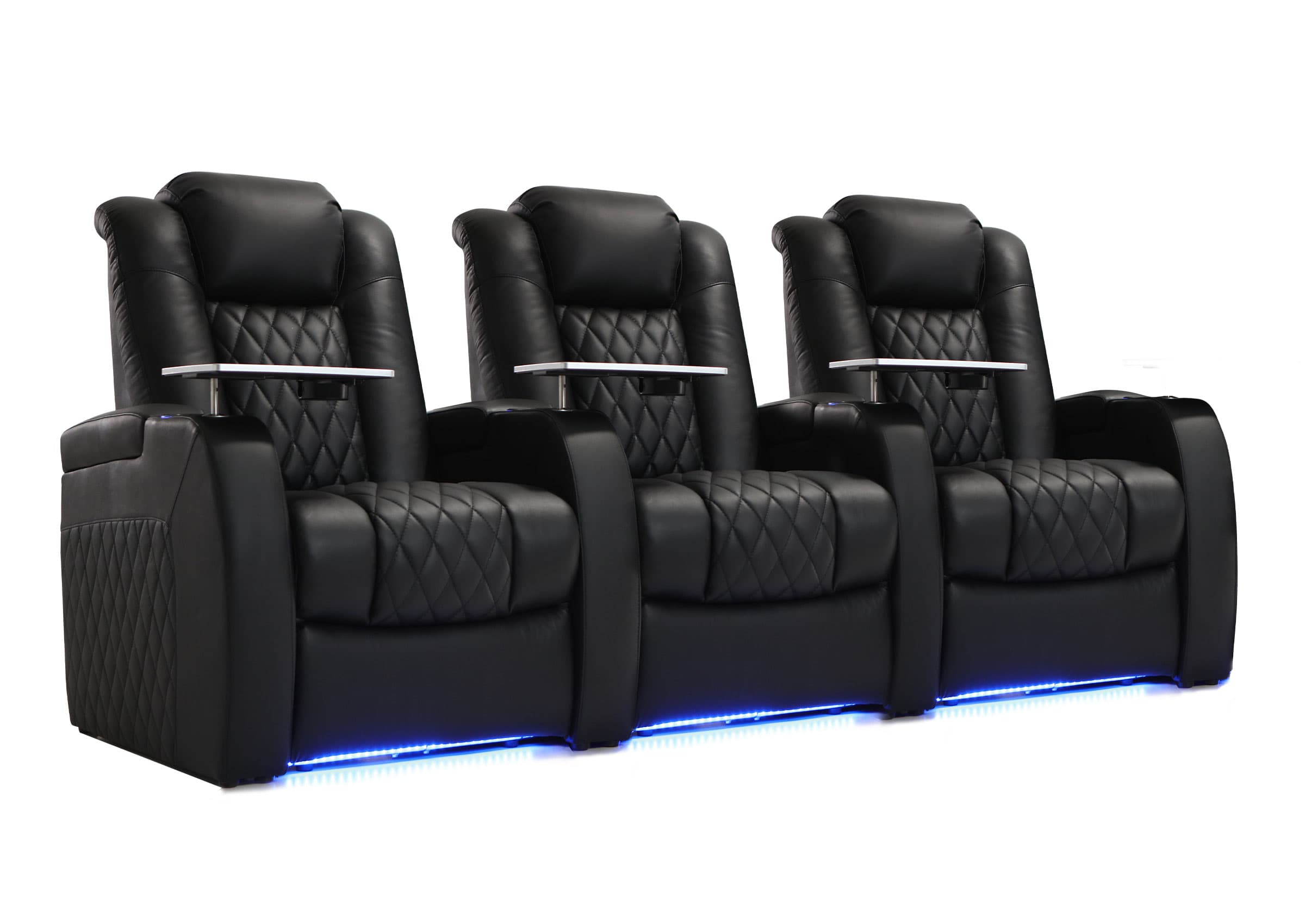
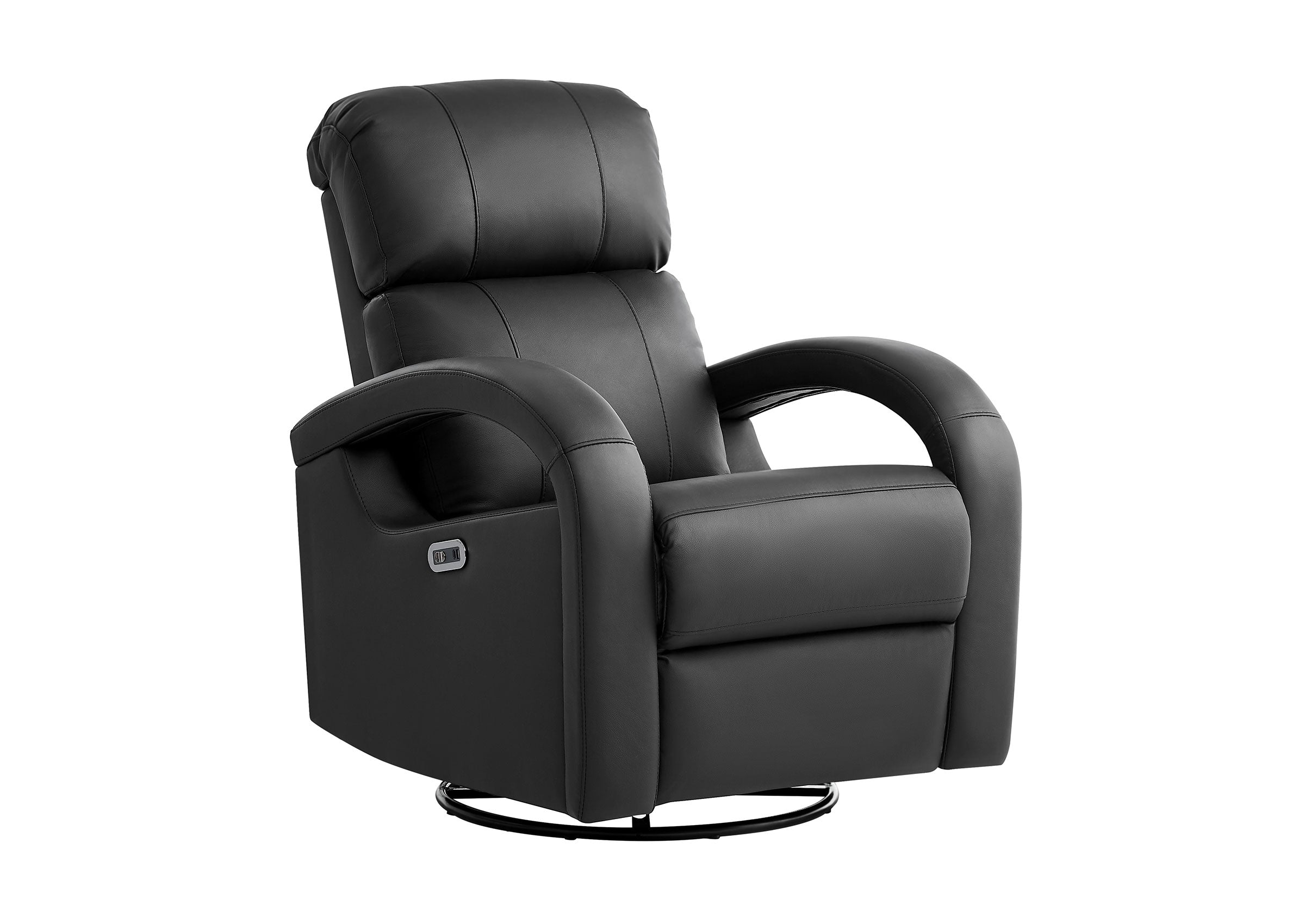
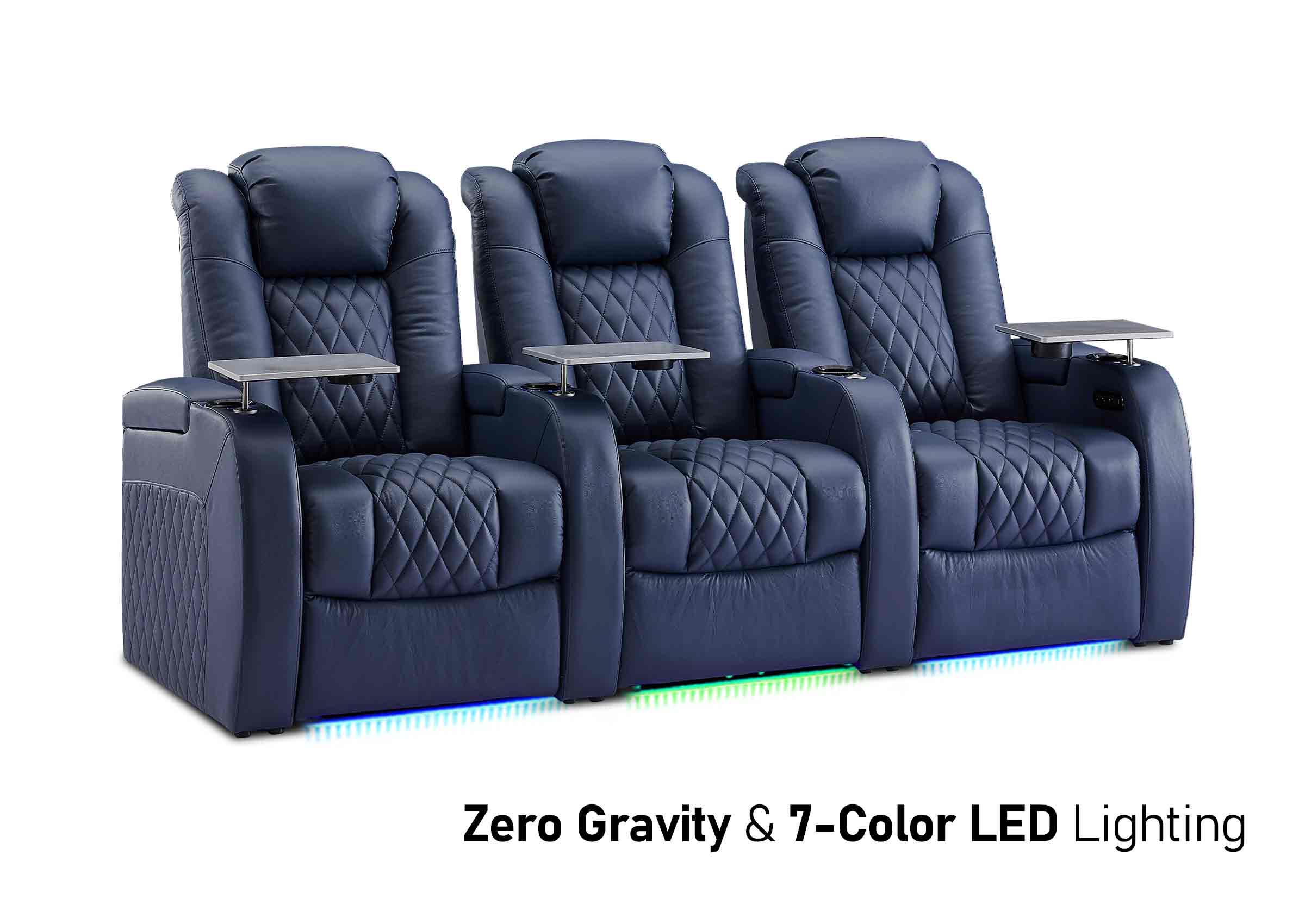
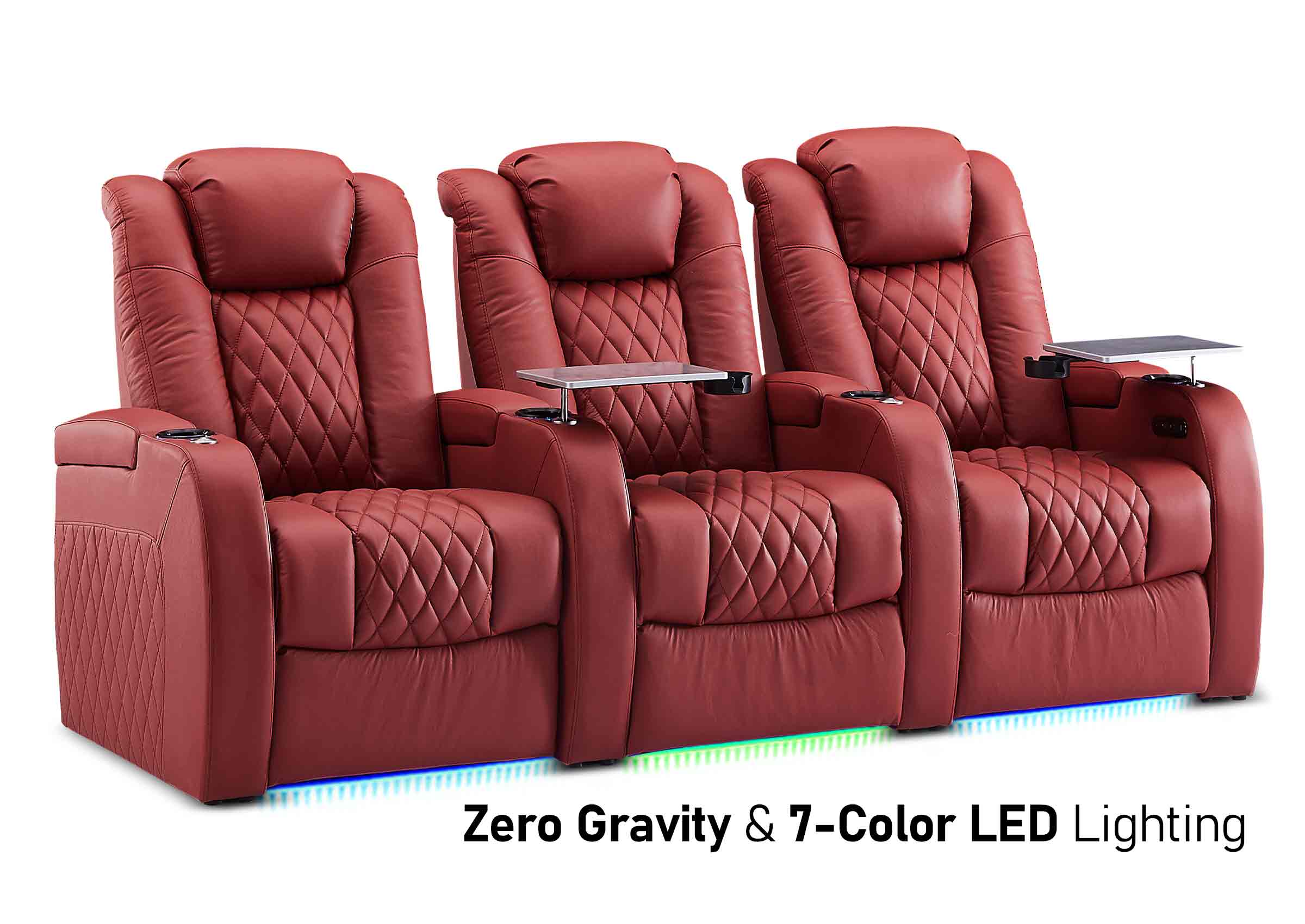
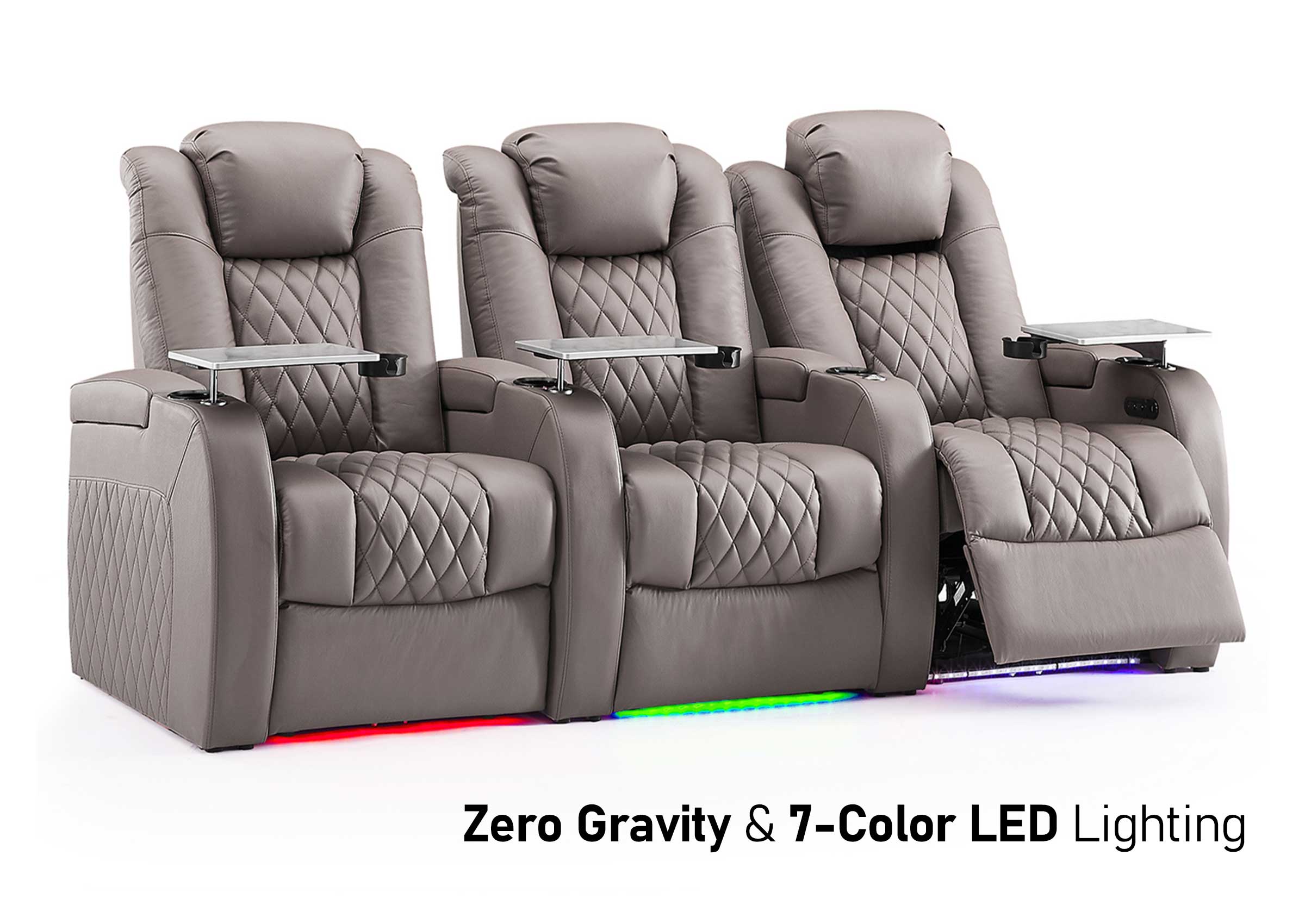
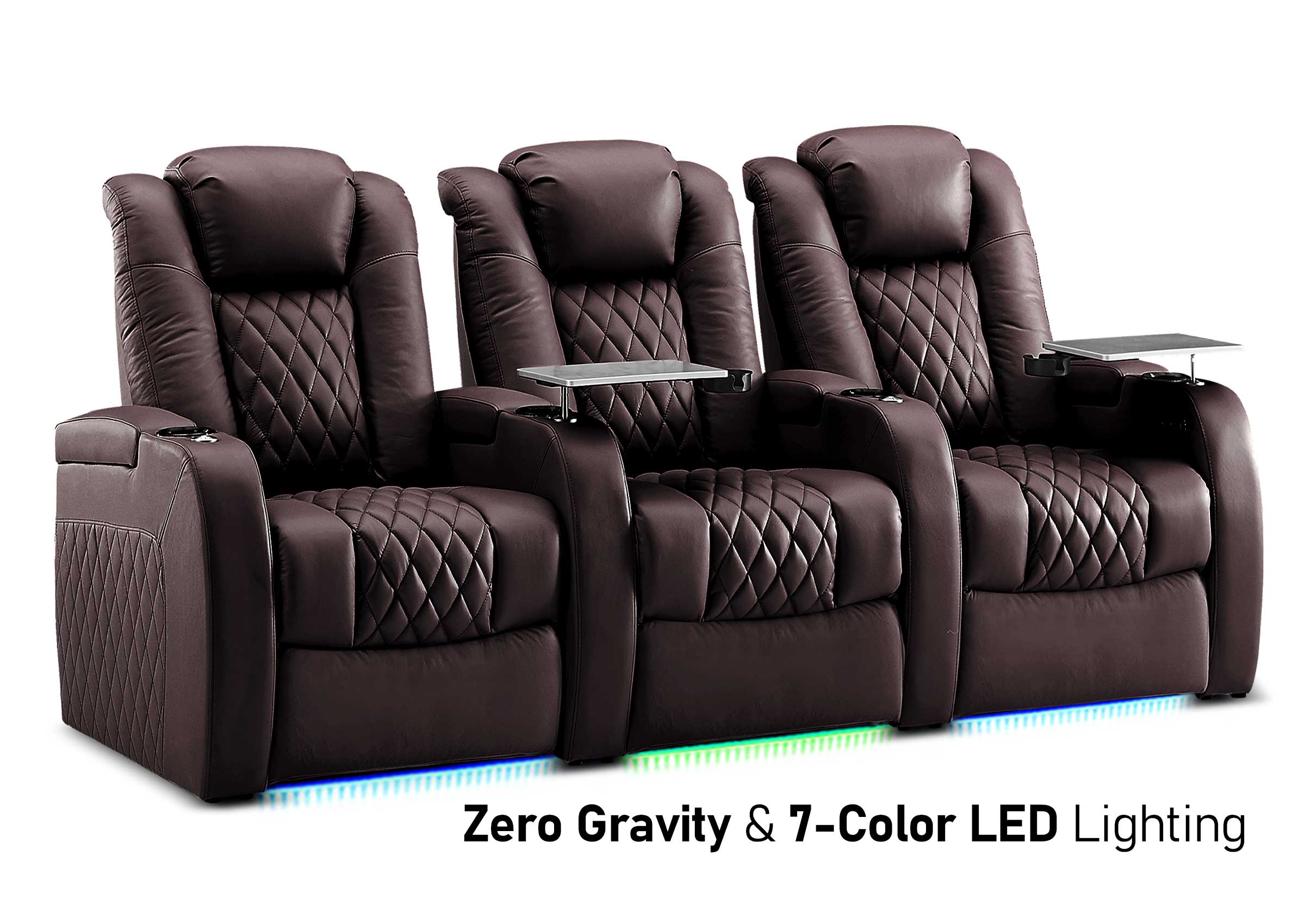



Ergonomic furniture is furniture designed around the way people actually sit, move, reach, rest, and use a space. Instead of asking the user to continually adapt to the furniture, ergonomic design tries to make the furniture better suited to the person's body, the activity, and the positions they use.
That does not mean ergonomic furniture has to look technical, come with dozens of adjustments, or belong in an office.
A dining chair can use ergonomic principles. So can a sofa, recliner, desk, footrest, or other piece of furniture.
The harder—and more useful—question is not simply whether furniture is labeled ergonomic.
It is:
Does the furniture actually fit the person and the way it will be used?
What Is Ergonomic Furniture?
Ergonomic furniture applies principles of ergonomics to the design and use of furniture.
The International Ergonomics Association describes ergonomics, or human factors, as a discipline concerned with interactions between people and other elements of a system. Its EQUID guidance goes a step further: for a product to be legitimately described as ergonomically designed, ergonomic principles should be incorporated into the design process rather than added as a marketing label afterward.
Applied to furniture, this means looking beyond appearance.
A piece may need to account for:
- the dimensions of the person using it;
- where the body contacts the furniture;
- how support is distributed;
- whether the user can move or change position naturally;
- how the furniture works with another surface, screen, or object;
- what the person is actually doing while using it.
That is why an office chair, dining chair, sofa, and recliner should not all be judged by the same checklist.
They perform different jobs.
What Actually Makes Furniture Ergonomic?
There is no single feature that turns ordinary furniture into ergonomic furniture.
An adjustable lever does not do it.
Extra cushioning does not do it.
A curved backrest does not do it by itself.
A better way to judge furniture is to look at where the body meets the furniture and what happens at those contact points during real use.
The Furniture Has to Fit the Body
For seating, proportions matter.
Seat height affects where the feet and legs end up. Seat depth affects whether the thighs receive useful support and whether the user can comfortably reach the backrest. Width affects usable movement space. Back height and arm position affect where support actually reaches the body.
These relationships change from person to person.
The CDC's National Institute for Occupational Safety and Health defines anthropometry as the measurement of human size, form, and functional capacities. Its guidance emphasizes that substantial variation exists among people and that body-size information matters when designing workplaces, tools, vehicles, and other systems.
The same basic principle is useful when thinking about furniture:
A measurement that works for an “average” person does not automatically fit the person who will actually use the piece.
That becomes especially obvious with seating.
A deep seat may give a taller person useful thigh support while making a shorter person sit forward because their back cannot comfortably reach the backrest.
The furniture has not physically changed.
The body-to-furniture relationship has.
Support Has to Reach the Right Place
A feature can exist without being useful.
That distinction matters with:
- back support;
- lumbar support;
- armrests;
- headrests;
- footrests;
- leg support.
For example, an adjustable headrest is not automatically useful simply because it moves. Its available range still has to place support where the user needs it.
The same is true of lumbar support.
A visible curve in a backrest may look supportive, but the user still has to make contact with it in a position that works for their body and activity.
OSHA's office-chair guidance illustrates this principle clearly. It recommends that seat width and depth accommodate the specific user and notes that a seat that is too deep can interfere with use of the back support, while a seat that is too short may fail to support enough of the thighs.
Those recommendations were developed for computer workstations, not as universal dimensions for sofas or recliners. But the underlying lesson transfers well:
Support should be judged by where it actually meets the user—not by the name of the feature.

The Furniture Should Allow Appropriate Movement
Ergonomic does not mean holding the body in one “perfect” pose.
People shift.
They lean back, sit forward, cross and uncross their legs, turn toward another person, stand up, recline, reach for something, or change position because they have been sitting for a while.
Furniture that makes every position change feel like a fight may be a poor match even if the first position feels comfortable.
This is one reason movement matters differently across furniture types.
A dining chair may mainly need to let someone sit, eat, converse, and leave the table easily.
A desk chair may need to work with a work surface and permit frequent position changes during longer periods of focused work.
A recliner intentionally changes the relationship between the torso, legs, head, and support surfaces as the seat moves.
The relevant question is not:
How many moving parts does it have?
It is:
Does the movement help the furniture continue to work with the person?
Does Ergonomic Furniture Have to Be Adjustable?
No. Adjustability can improve fit, but furniture does not need a long feature list to use ergonomic design principles.
Consider a dining chair made for a particular table height and typical sitting task.
It may have no motors, sliders, or adjustable lumbar controls. Yet its height, depth, back angle, edge shape, and proportions may work very well for its intended use.
Now consider a highly adjustable chair.
It may offer adjustable height, depth, armrests, back angle, and lumbar support, but the available adjustment ranges could still fail to fit a particular person's proportions.
So the important distinction is:
Adjustability increases the opportunity to create a good fit. It does not guarantee one.
This is particularly useful when furniture is shared by different people. A larger adjustment range may allow one piece to accommodate more body sizes or activities.
For furniture primarily used by one person, appropriate fixed dimensions can sometimes be just as important.
Why Can the Same Furniture Fit One Person Better Than Another?
Furniture is manufactured to fixed dimensions. People are not.
Consider two people using exactly the same seat.
One person may sit back comfortably with their feet supported and their knees near the front of the seat.
Another may find that when their back reaches the backrest, their feet no longer rest naturally.
A taller user may find the same seat supportive through the back and hips but too short through the legs.
Armrests can create a similar mismatch. The height that lets one person's shoulders remain relaxed may feel too high or too low for someone with different torso and arm proportions.
None of these differences can be understood from a label such as “ergonomic” alone.
You have to look at the actual furniture dimensions and compare them with the actual user.
For recliners, that often means checking measurements such as usable seat depth, seat height, width, back height, and how the leg support meets the body. Those measurements are better handled in a dedicated recliner size and body-fit evaluation rather than trying to reduce ergonomic furniture to a universal size chart.

Why Can the Same Furniture Feel Different During Different Activities?
This is where furniture ergonomics becomes more interesting than a list of specifications.
Imagine a deep sofa.
On Saturday night, you curl up in one corner and watch a movie. The extra depth gives you room to lounge and may feel ideal.
The next morning, you sit upright on the same sofa with a laptop. Now you may find yourself leaning forward because the backrest is too far away for that position.
Later, you sit sideways talking with someone. The seat works differently again.
Same sofa. Same person. Different task. Different fit.
This is why “comfortable furniture” and “ergonomic furniture” are not perfect synonyms.
Comfort can change with position and activity.
A piece may be excellent for lounging and poorly suited to focused upright work without being badly designed. It may simply be designed for a different use.
That leads to a useful rule:
Judge furniture in the activity you actually expect it to support.
If you are buying a chair for reading, read in it.
If you are considering a recliner for movies, test the positions in which you would actually watch a movie.
If a sofa will be used for both conversation and lounging, think about both—not just the position that looks best in a showroom photo.
Furniture Works as Part of a Setup, Not by Itself
Another common mistake is judging a piece of furniture in isolation.
A chair can fit your body well and still work poorly with the things around it.
Consider a dining chair.
Its seat may fit perfectly, but if the table surface is too high relative to the seated user, the overall setup may still require an awkward arm or shoulder position.
A desk chair may provide excellent back support but still be a poor workstation match if the desk prevents the chair from getting close enough to the work surface.
A recliner may fit a person's body but interact differently with a television or screen as the viewing position changes.
This is an important part of ergonomic thinking.
The International Ergonomics Association describes ergonomics in terms of interactions within systems, not isolated objects.
For furniture, that means the useful unit of evaluation is sometimes not just:
person + chair
but:
person + chair + activity + surrounding setup
You do not need to turn every furniture purchase into an engineering project.
But when something feels “almost right,” the problem may not be the furniture alone.
APPLY THE FIT PRINCIPLES
Want to Turn Ergonomic Fit Into a Practical Seating Check?
Use seat dimensions and body-fit checks to see how depth, height, width, back support, and room clearance work together before comparing a recliner.
What Are Examples of Ergonomic Furniture?
Many kinds of furniture can incorporate ergonomic principles. The relevant design considerations depend on what each piece is supposed to do.
Office Chairs
Office chairs are probably the most familiar example because they often need to accommodate long periods of sitting and interact with desks, keyboards, monitors, and other equipment.
Common considerations include:
- seat height and depth;
- back support;
- arm support;
- ability to change position;
- relationship to the work surface.
This is also why office-chair ergonomics should not automatically become the standard for every other chair in the home.
A dining chair and a recliner solve different problems.
Height-Adjustable Desks
A height-adjustable desk lets users change the relationship between the work surface and their body.
Its value is not simply that the desk moves.
The useful question is whether its range allows the person to position the work surface appropriately for the task, whether seated or standing.
Dining Chairs
Dining chairs are usually less adjustable, but their proportions still matter.
Seat height has to work reasonably with the table.
Seat depth has to allow usable sitting space.
Back support and chair geometry influence whether someone can sit, eat, converse, and get in and out without constantly repositioning.
A fixed chair can still be thoughtfully designed around those interactions.
Sofas
A sofa introduces a different challenge because people rarely use it in only one standardized posture.
They may:
- sit upright;
- lean into an arm;
- curl up;
- watch television;
- talk with family;
- read;
- occasionally work on a laptop.
That flexibility is part of what makes a sofa useful, but it also means “ergonomic sofa” should not be interpreted as one ideal sitting posture.
Fit depends heavily on the sofa's depth, back support, cushion behavior, height, and intended use.
Recliners
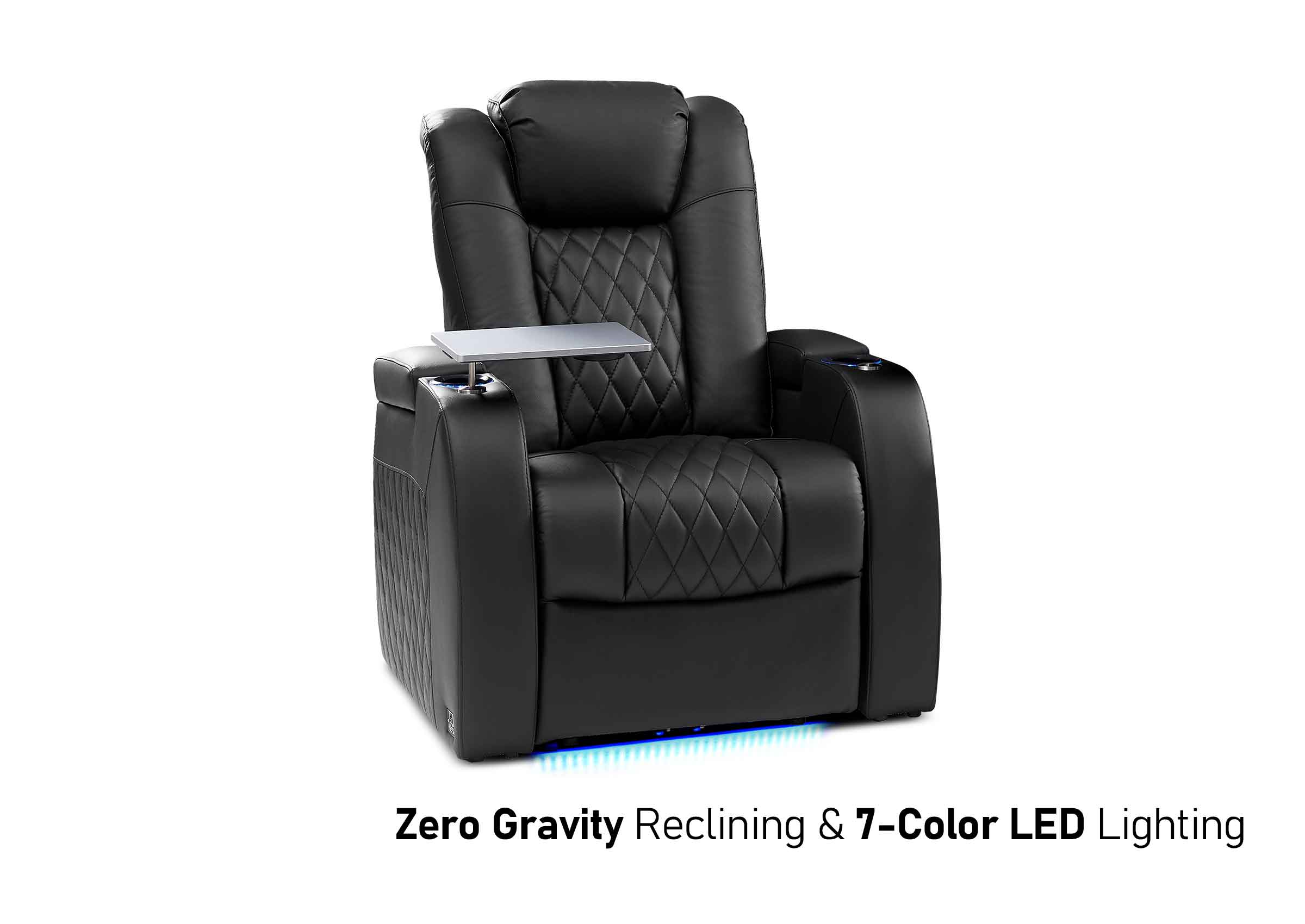
Recliners add movement to the equation.
As the backrest moves and the leg support extends, the body-to-seat relationship changes.
A person who fits the chair well upright may notice different head, back, or leg support after reclining.
Features such as adjustable headrests or lumbar support can help users adapt the seat, but the relevant question remains the same:
Does the support reach the user appropriately in the positions they actually use?

Can a Sofa or Recliner Really Be Ergonomic?
Yes—but not merely because it is soft, powered, or reclining.
A sofa or recliner can apply ergonomic principles when its design considers the relationship between body dimensions, support, movement, and intended use.
For a recliner, useful questions might include:
- Can you sit back without sliding forward to reach the floor?
- Does the seat depth work with your thighs and lower legs?
- Does the backrest support you in the positions you actually use?
- If there is a headrest, does it meet your head rather than simply existing above the backrest?
- When the seat reclines, does leg and head support still feel appropriately positioned?
- Can you change position without repeatedly fighting the furniture?
Notice what is missing from that list:
There is no rule saying a recliner needs the maximum number of motors or features.
Features matter when they solve a fit or use problem.
That is a much more useful way to evaluate seating than counting controls.
How Can You Tell Whether Furniture Actually Fits You?
Product descriptions can tell you dimensions and features.
Your body tells you whether those details work together.
When possible, evaluate furniture in the way you intend to use it.
A useful starting point is to notice whether you are constantly compensating for the furniture.
1. Can You Reach the Support?
Can you comfortably use the backrest without moving to an unnatural position?
Does the headrest reach where you expect it to?
Are the armrests usable without lifting your shoulders?
2. Are Your Legs Naturally Supported?
For seating, notice the relationship between the seat edge, thighs, knees, lower legs, and floor or foot support.
Do not apply a single office-chair posture rule to every sofa or recliner.
Instead, ask whether the position makes sense for that piece and the activity.
3. Are You Constantly Compensating?
This is one of the most useful real-world checks.
Watch for behaviors such as:
- repeatedly sliding forward;
- perching on the front edge;
- stacking several pillows behind your back just to reach support;
- lifting your shoulders to use the armrests;
- stretching to reach a table or control;
- continually repositioning because one area loses support.
Occasional movement is normal and desirable.
Constant compensation is different.
It may indicate that the furniture, the surrounding setup, or the current activity is a poor match.
4. Can You Change Position Naturally?
Furniture does not need to keep you perfectly still.
Ask whether it gives you enough room or adjustment to shift naturally when needed.
For reclining furniture, test more than the fully closed and fully open positions. The way support changes between those points may matter during actual use.
5. Does It Work With the Rest of the Room?
Check the relationship to:
- tables;
- desks;
- screens;
- footrests;
- nearby furniture;
- controls you need to reach.
A good piece in the wrong setup can still produce a poor experience.
6. Does It Still Feel Right After the First Few Minutes?
First impressions often emphasize softness and cushioning.
Longer sitting reveals other factors.
You may notice that the seat is deeper than expected, the back support sits differently, the headrest becomes more noticeable, or you keep shifting to maintain a comfortable position.
OSHA's chair purchasing guidance similarly recommends trying a chair for comfort and fit over an extended period before purchase and notes that general criteria may not accommodate all body types.
That advice comes from workplace seating, but the broader purchasing lesson is useful for home furniture too:
Do not judge fit only from the first sit.
What Ergonomic Furniture Does Not Automatically Promise
“Ergonomic” is a useful design concept, but it should not be treated as a guarantee.
The label does not automatically mean that a piece of furniture:
- fits every person;
- works for every activity;
- feels comfortable in every position;
- is better because it has more adjustments;
- corrects someone's posture;
- prevents or treats back, neck, or joint problems;
- remains comfortable for unlimited periods of sitting.
This is one reason specific, observable details are more useful than broad claims.
Look for:
- actual dimensions;
- usable adjustment range;
- support locations;
- how the furniture moves;
- what the piece is designed to be used for;
- whether it works with the person and surrounding setup.
The more specific the information, the easier it becomes to make your own judgment.
FAQ
What Is Ergonomic Furniture in Simple Terms?
Ergonomic furniture is furniture designed to work with the people using it and the activities they perform. Fit can involve dimensions, support, movement, adjustability, and how the furniture interacts with the surrounding setup.
What Makes Furniture Ergonomic?
There is no single required feature. Ergonomic furniture considers how a person's body interacts with the furniture, whether support reaches useful locations, whether dimensions suit the user, whether appropriate movement is possible, and whether the piece works for its intended activity.
Does Ergonomic Furniture Have to Be Adjustable?
No. Adjustability can help one product fit more people or different positions, but fixed furniture can also apply ergonomic principles when its dimensions and design suit the intended user and task.
Is Ergonomic Furniture Only for Offices?
No. Office furniture is one common application because computer work creates specific ergonomic demands, but ergonomic principles can also be applied to dining chairs, sofas, recliners, desks, and other furniture.
Can a Sofa or Recliner Be Ergonomic?
Yes. A sofa or recliner can use ergonomic principles when its proportions, support, movement, and intended use work appropriately with the user. Reclining or softness alone does not make a seat ergonomic.
Is Ergonomic Furniture the Same as Comfortable Furniture?
Not exactly. Comfort describes how furniture feels, while ergonomic fit considers how well the furniture works with a particular person and activity. A very soft or deep seat may feel comfortable in one position yet fit poorly for another task.
Look at the Fit, Not Just the Label
Ergonomic furniture is easiest to understand when you stop looking for one special feature.
Look instead at the interaction.
Where does your body contact the furniture?
Do the dimensions make sense for you?
Does the support reach the places it is meant to support?
Can you change position naturally?
Does the furniture still work when you use it for the activity you actually bought it for?
A piece can be beautifully made, highly adjustable, and comfortable at first while still being a poor match for a particular person or purpose.
The opposite is also true: simple furniture with few adjustable parts can work extremely well when its proportions, support, and intended use line up with the user.
That is why “ergonomic furniture” is more useful as a way to evaluate the relationship between body, furniture, movement, and daily use than as a product category or marketing label.
And once the question narrows from furniture in general to the place where the body spends the most time in contact with it, the next subject becomes much more specific:
What actually makes seating ergonomic?