



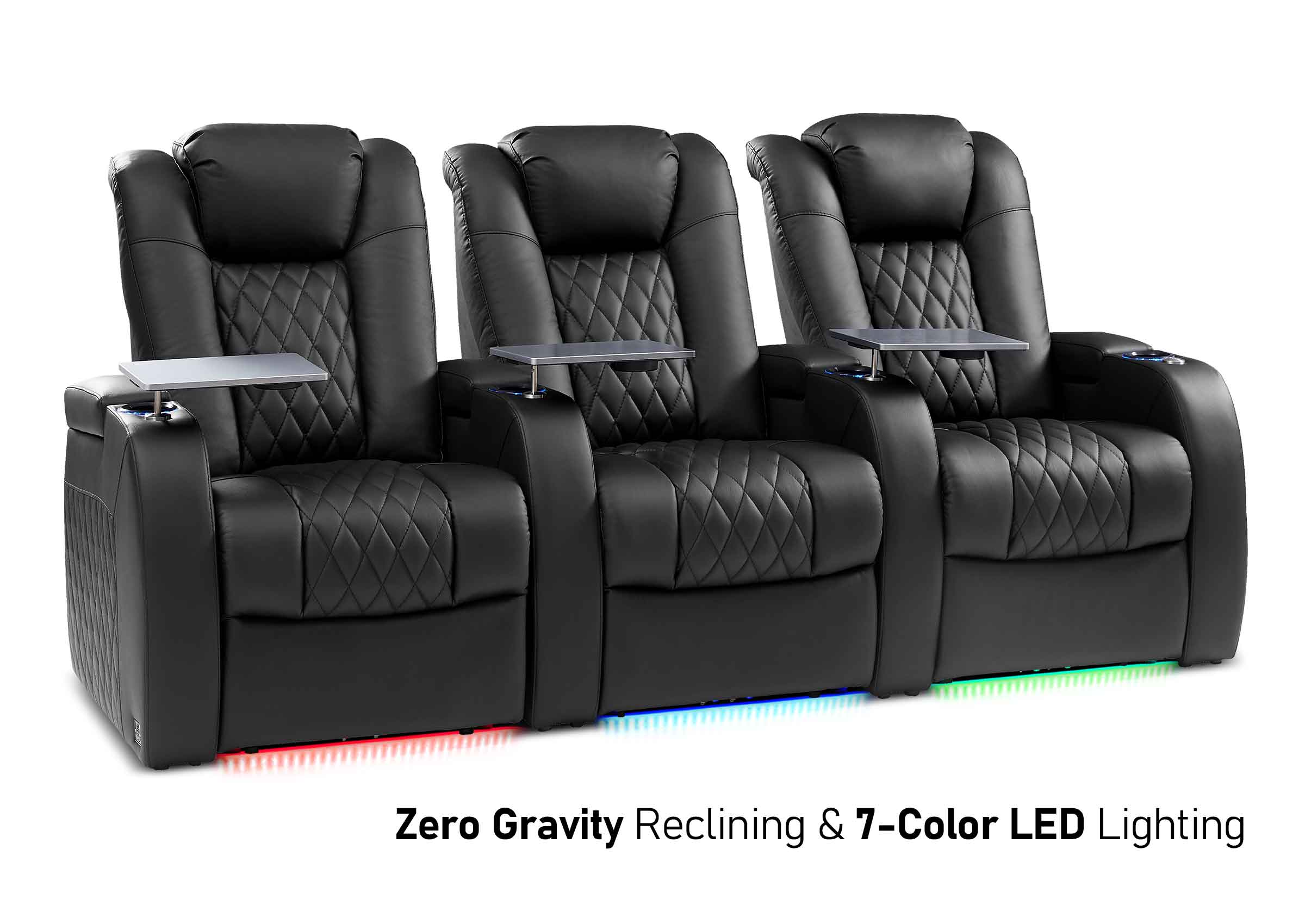
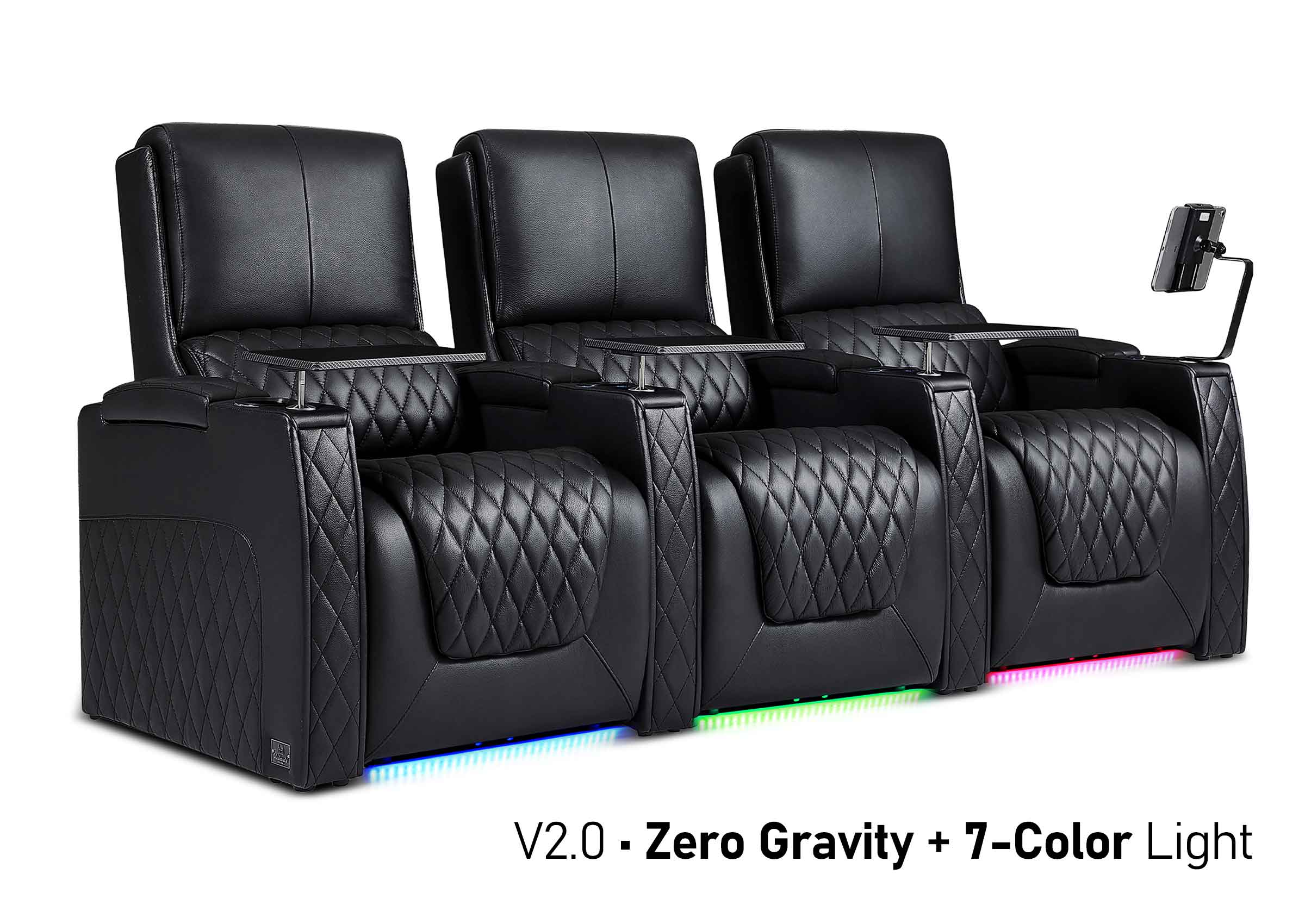
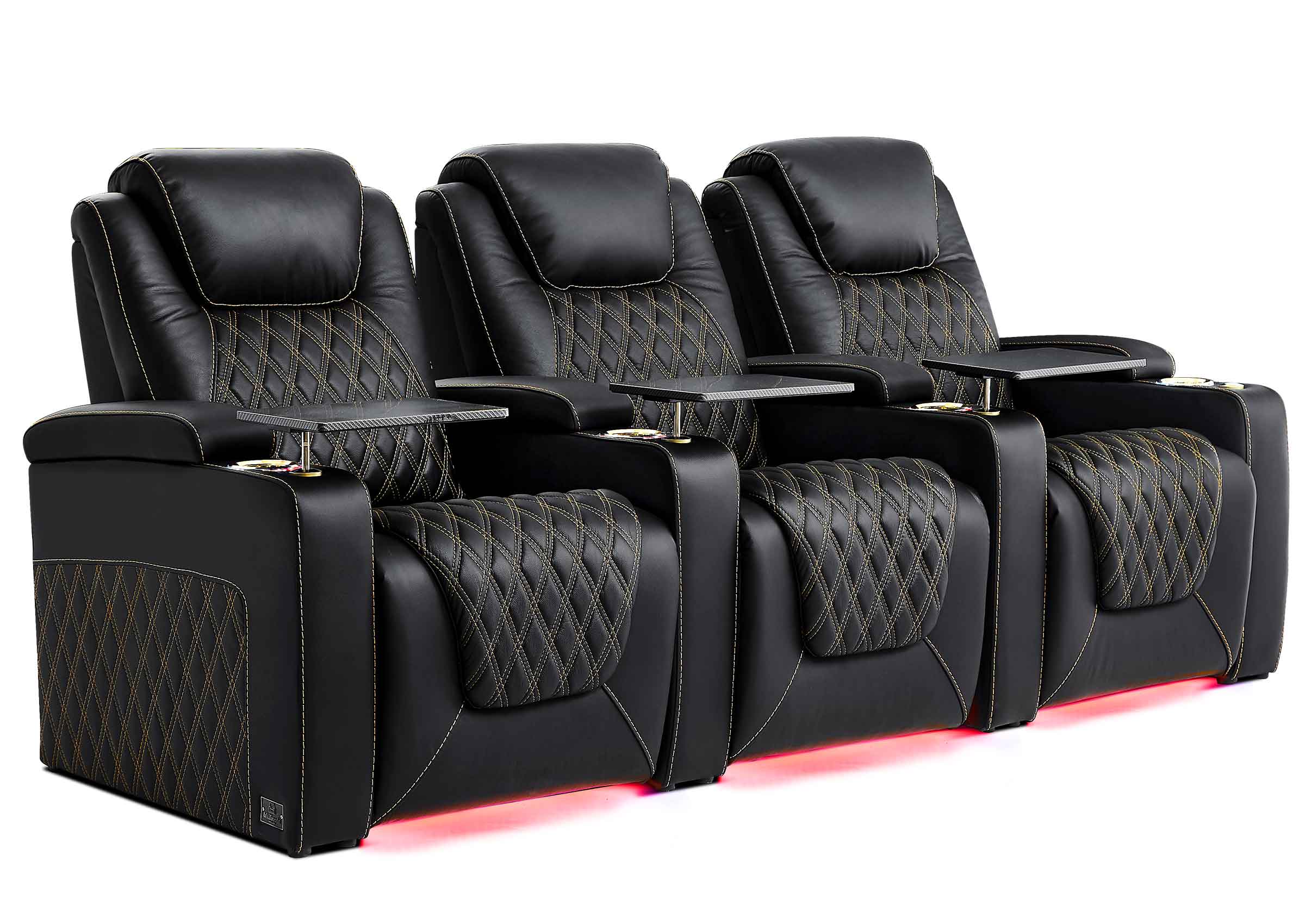
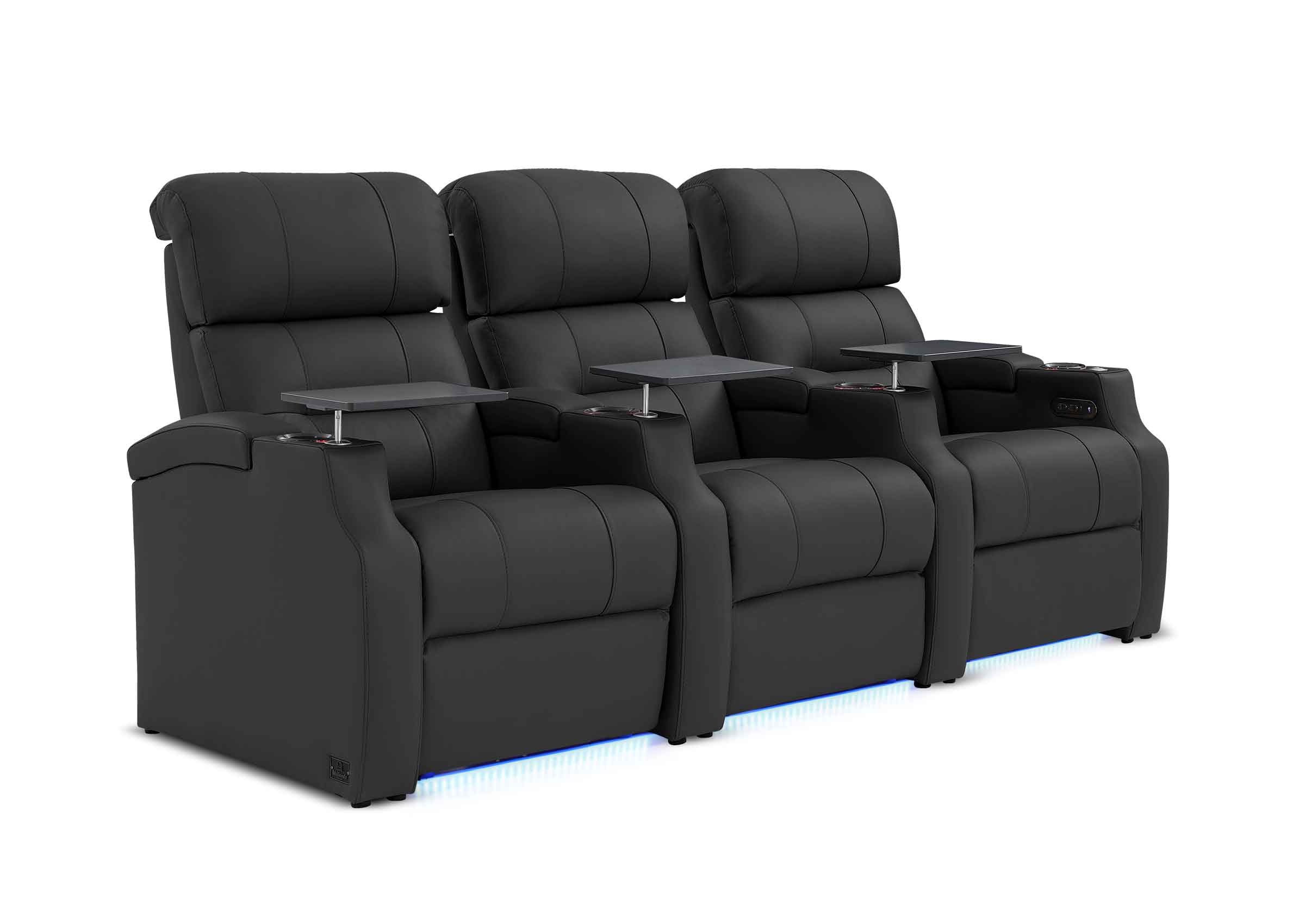
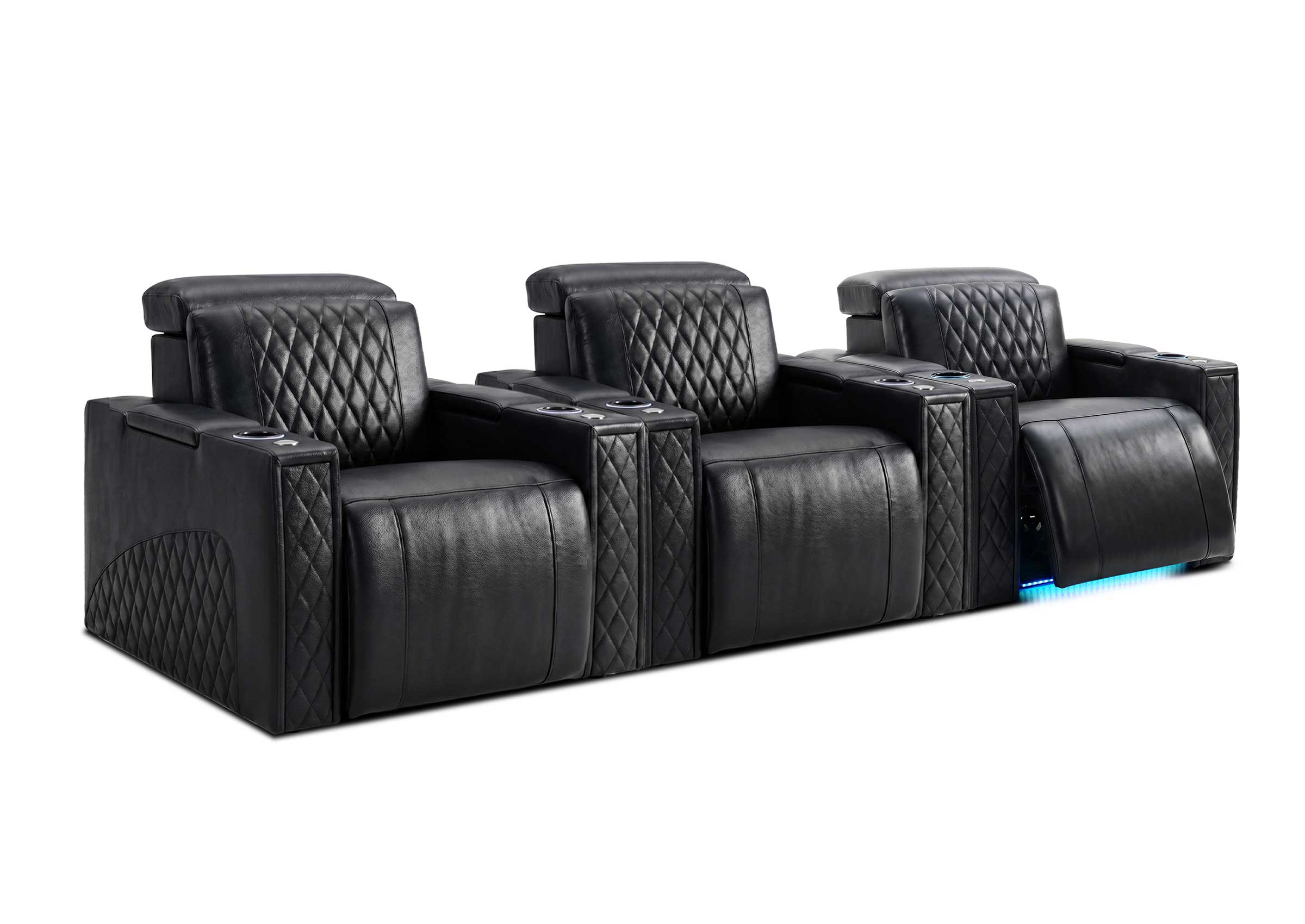

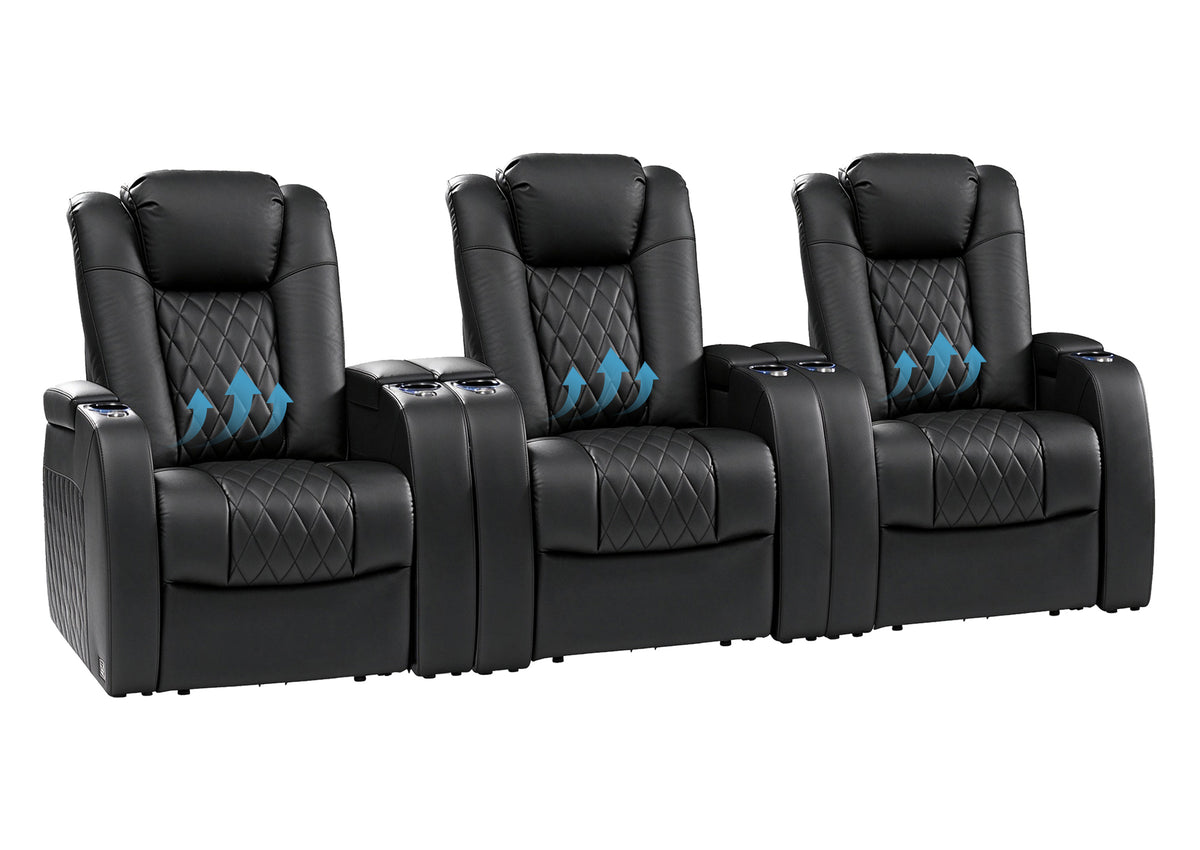
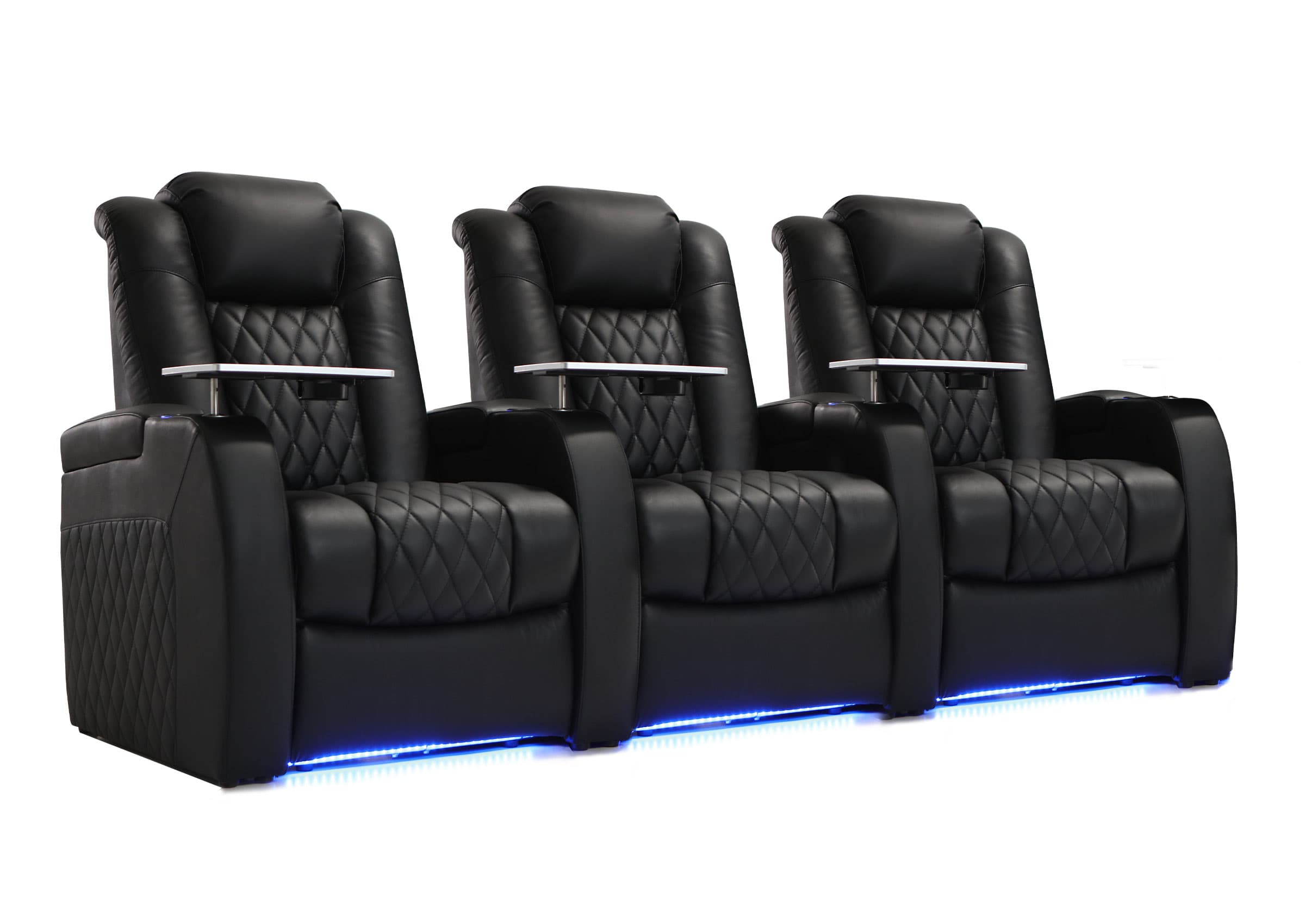
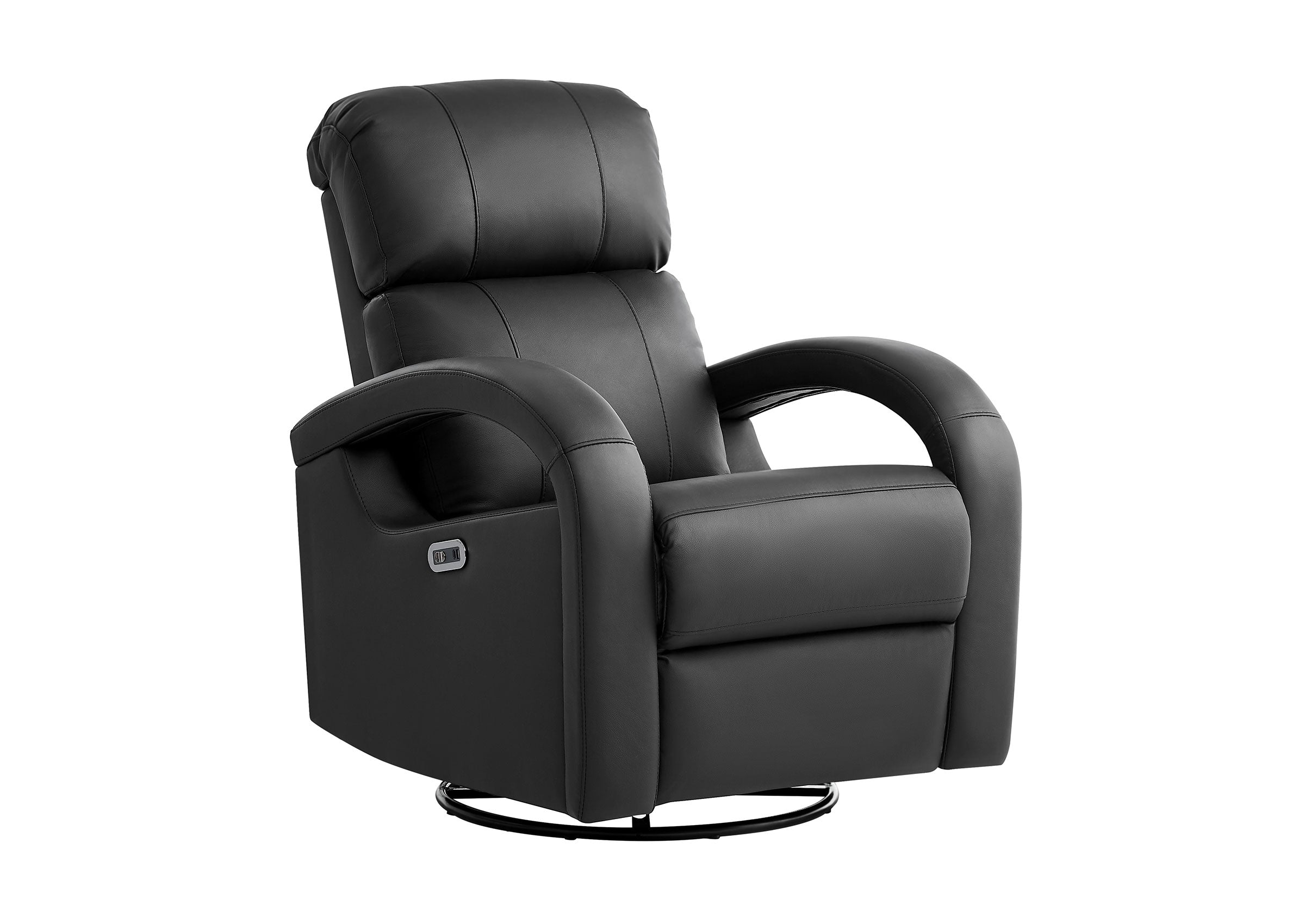
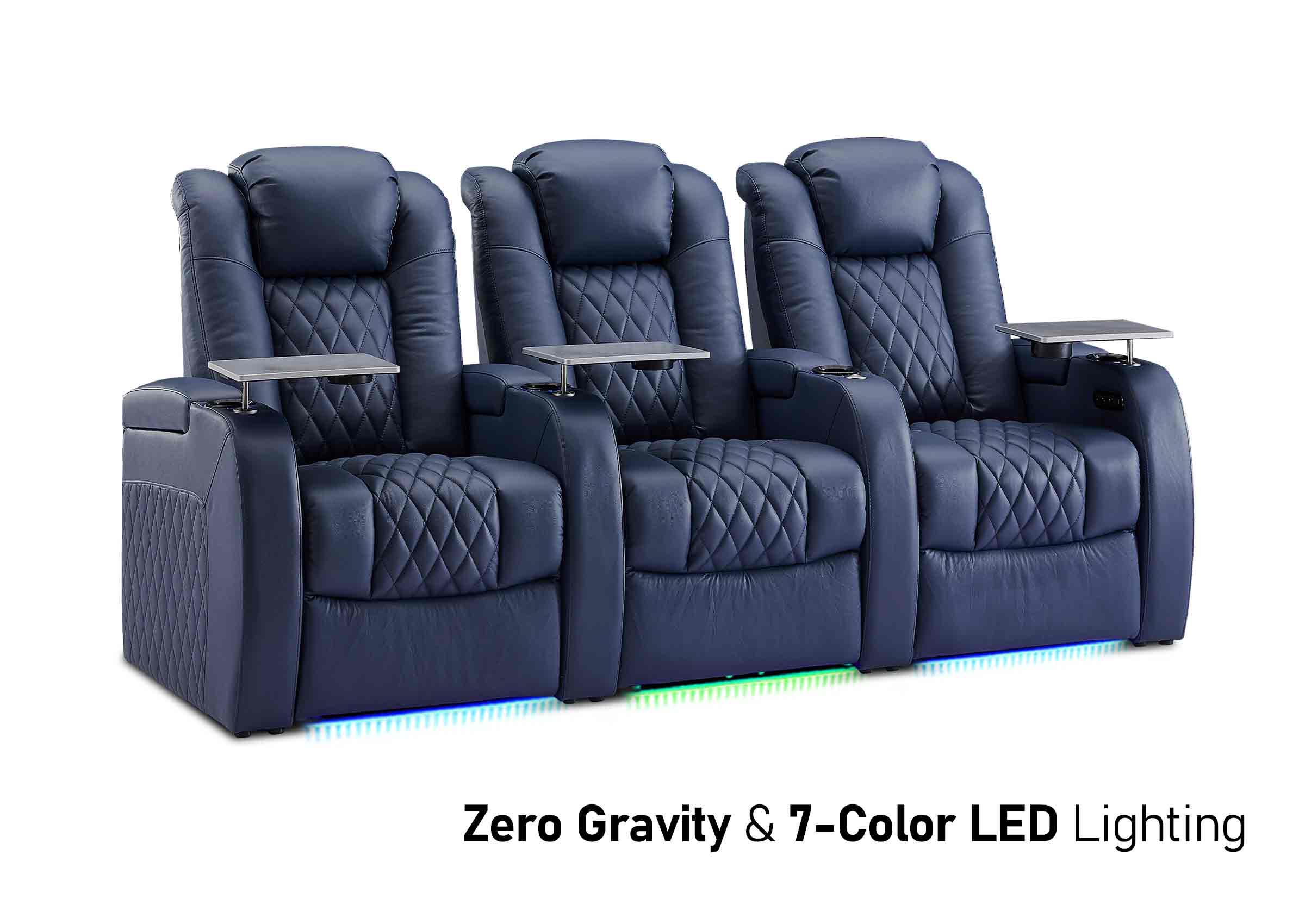
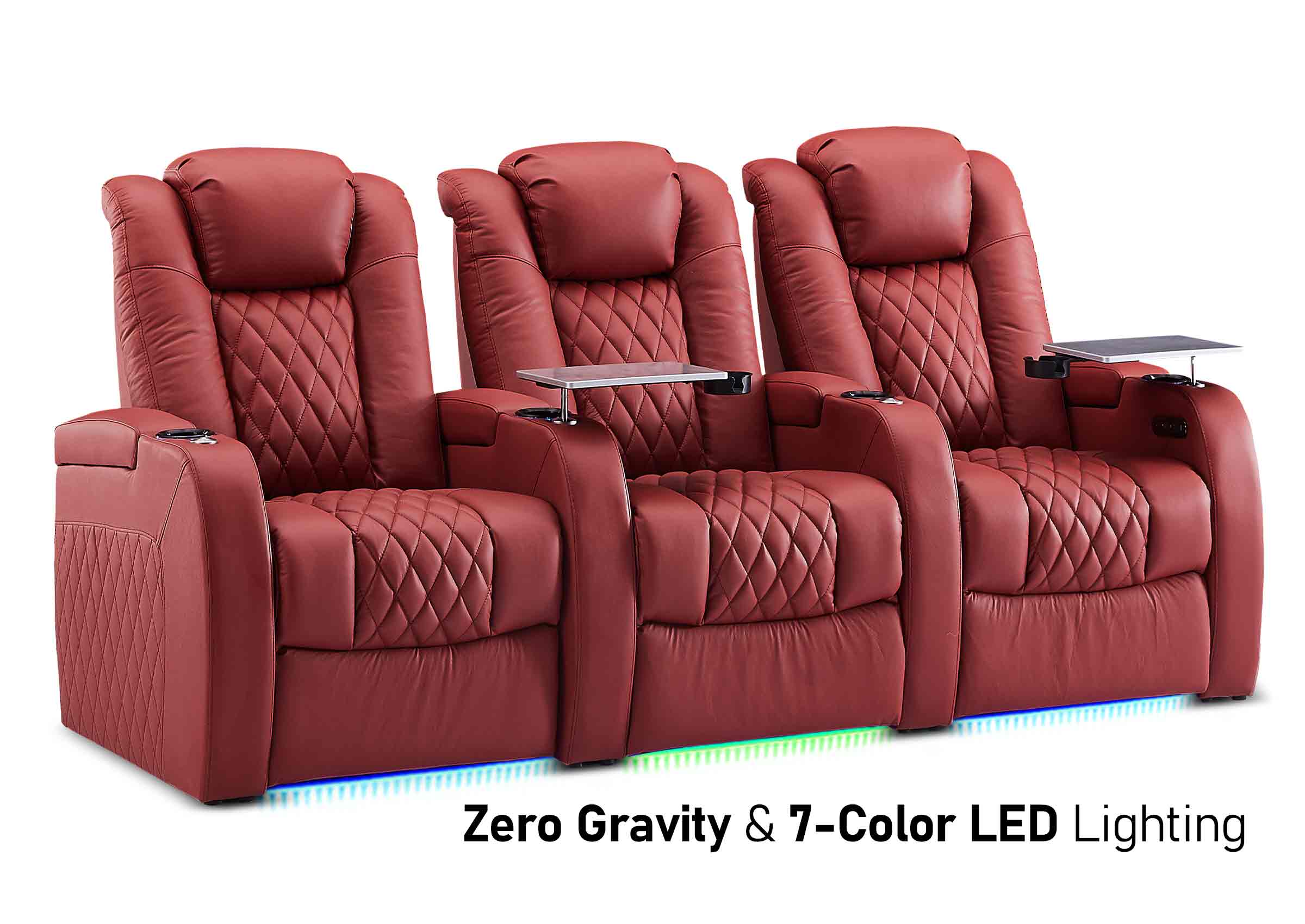
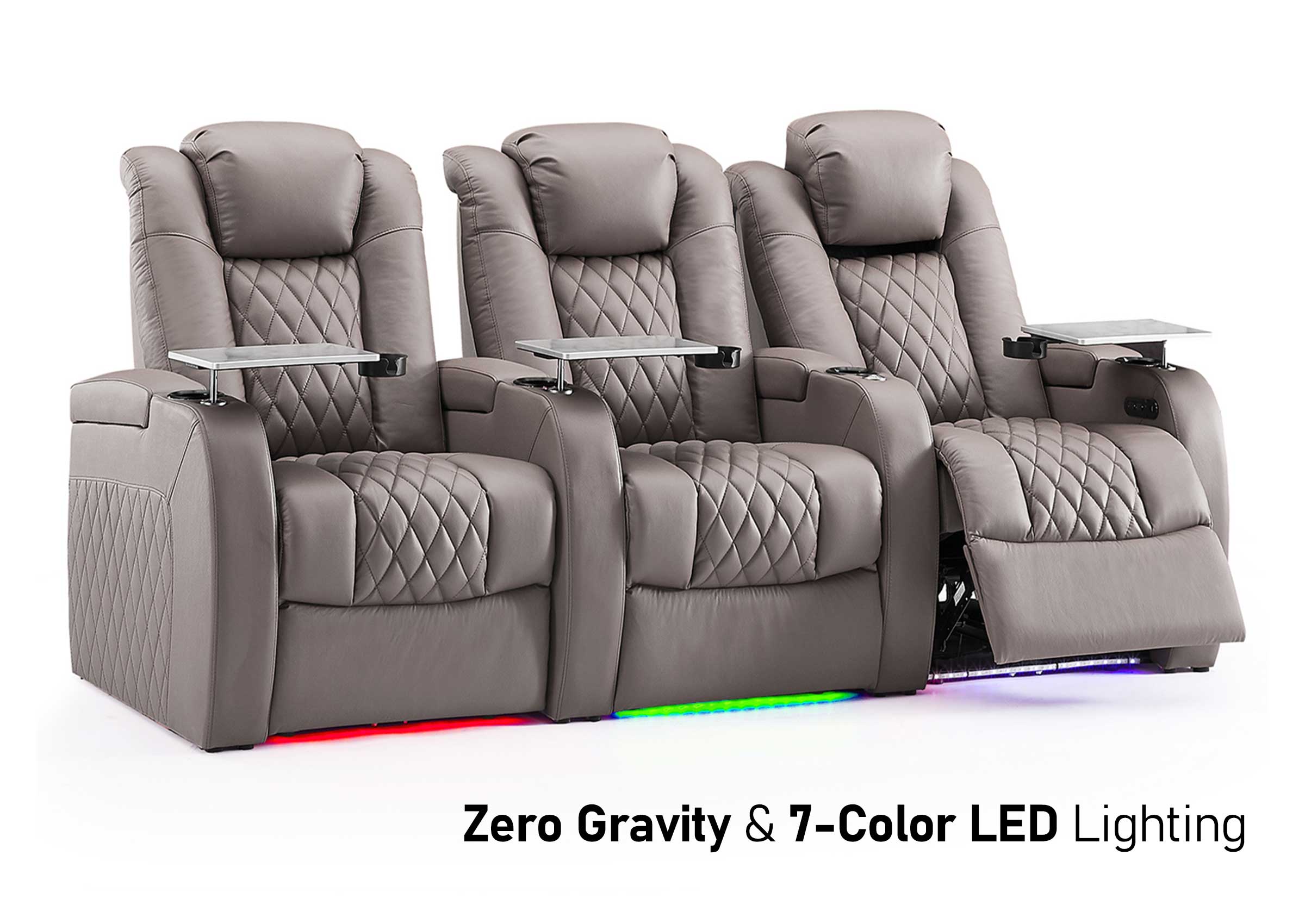
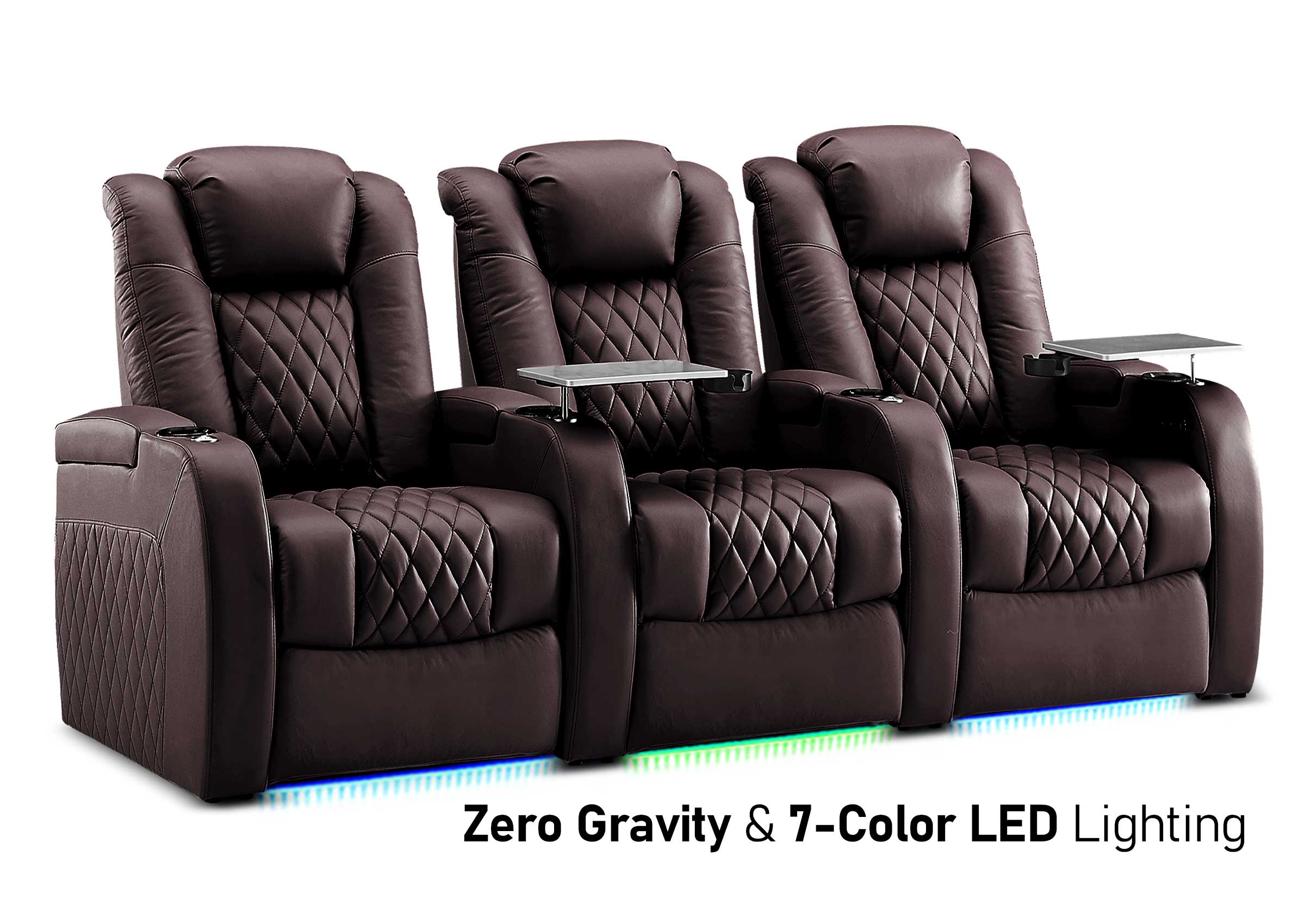

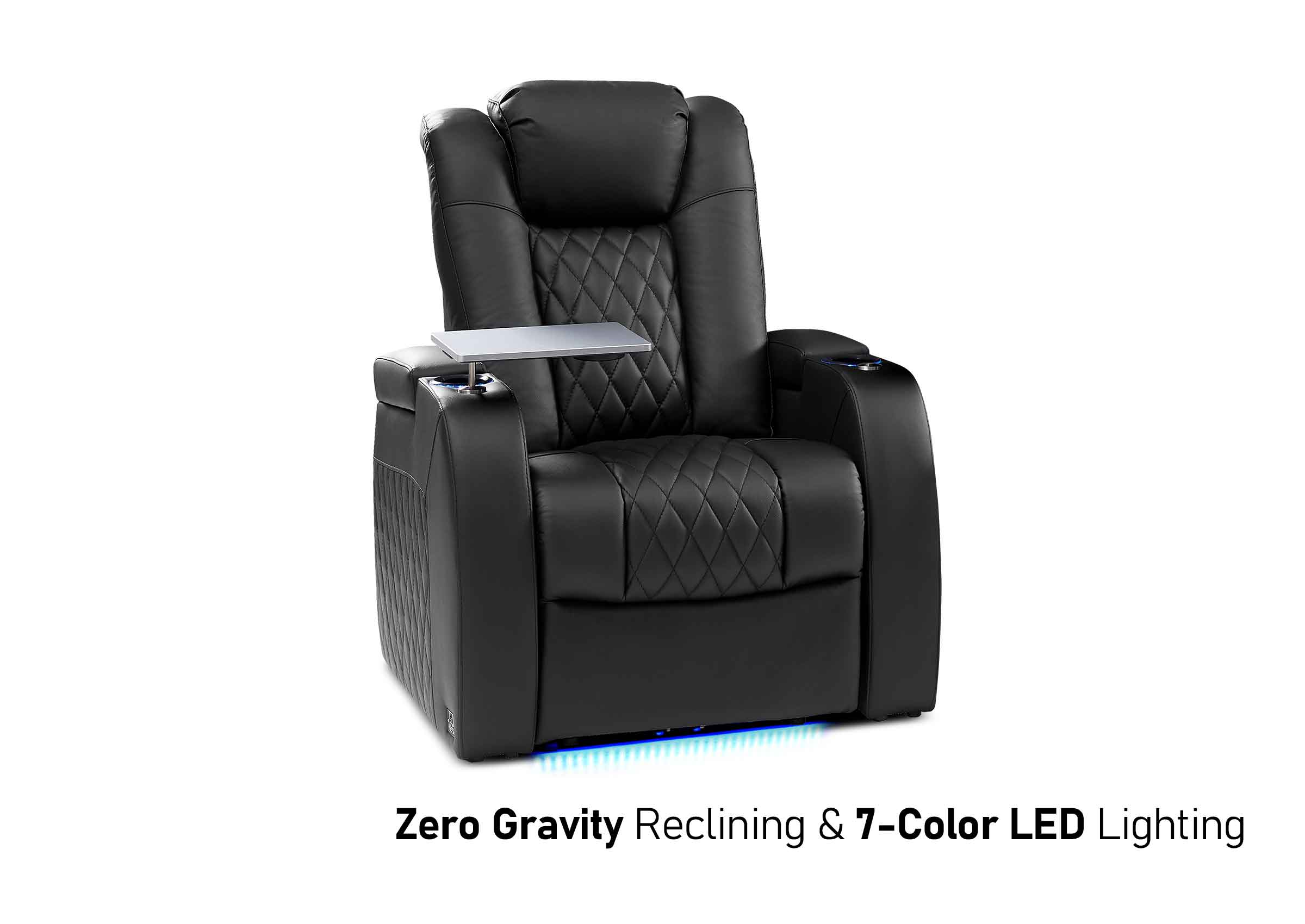
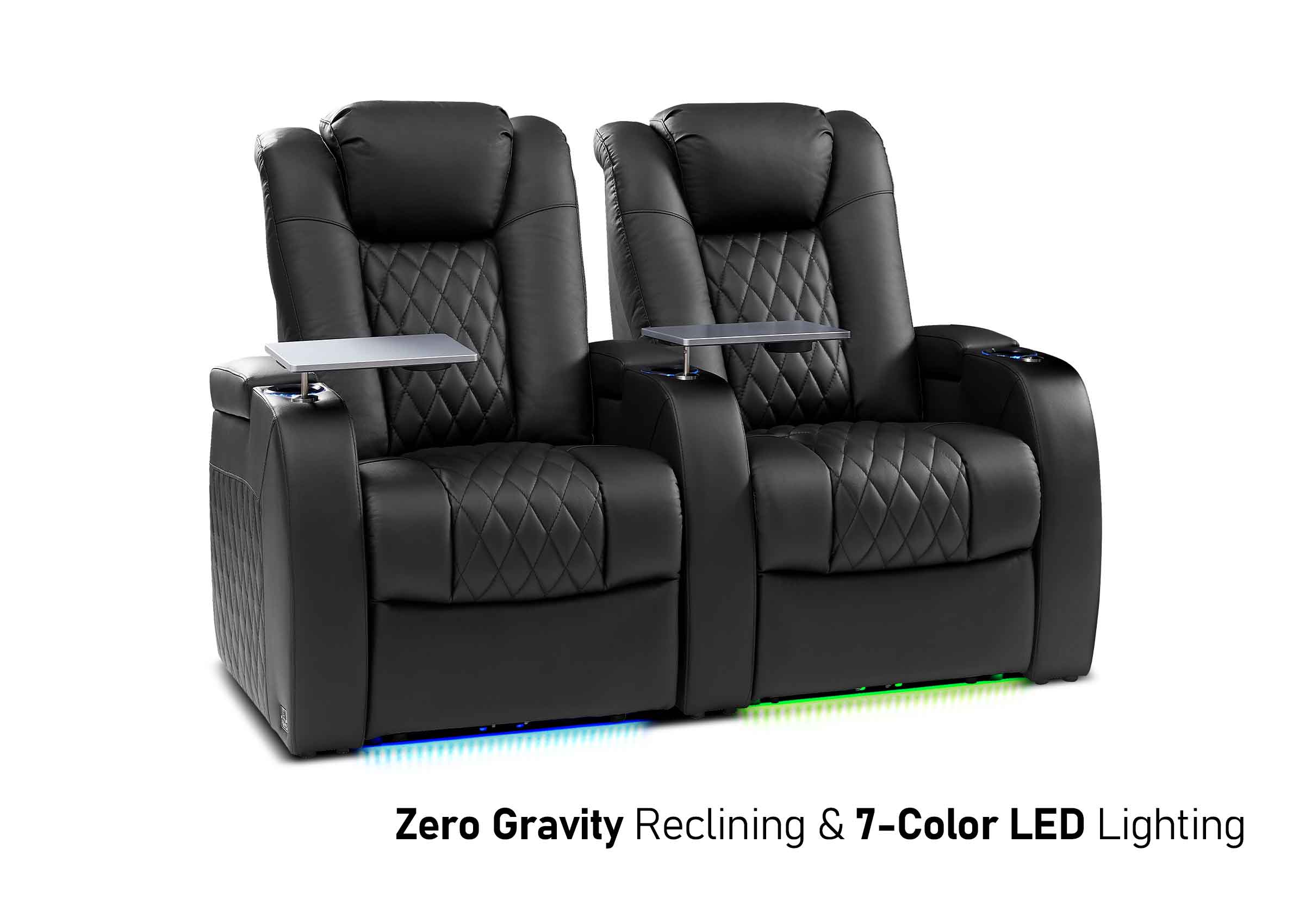
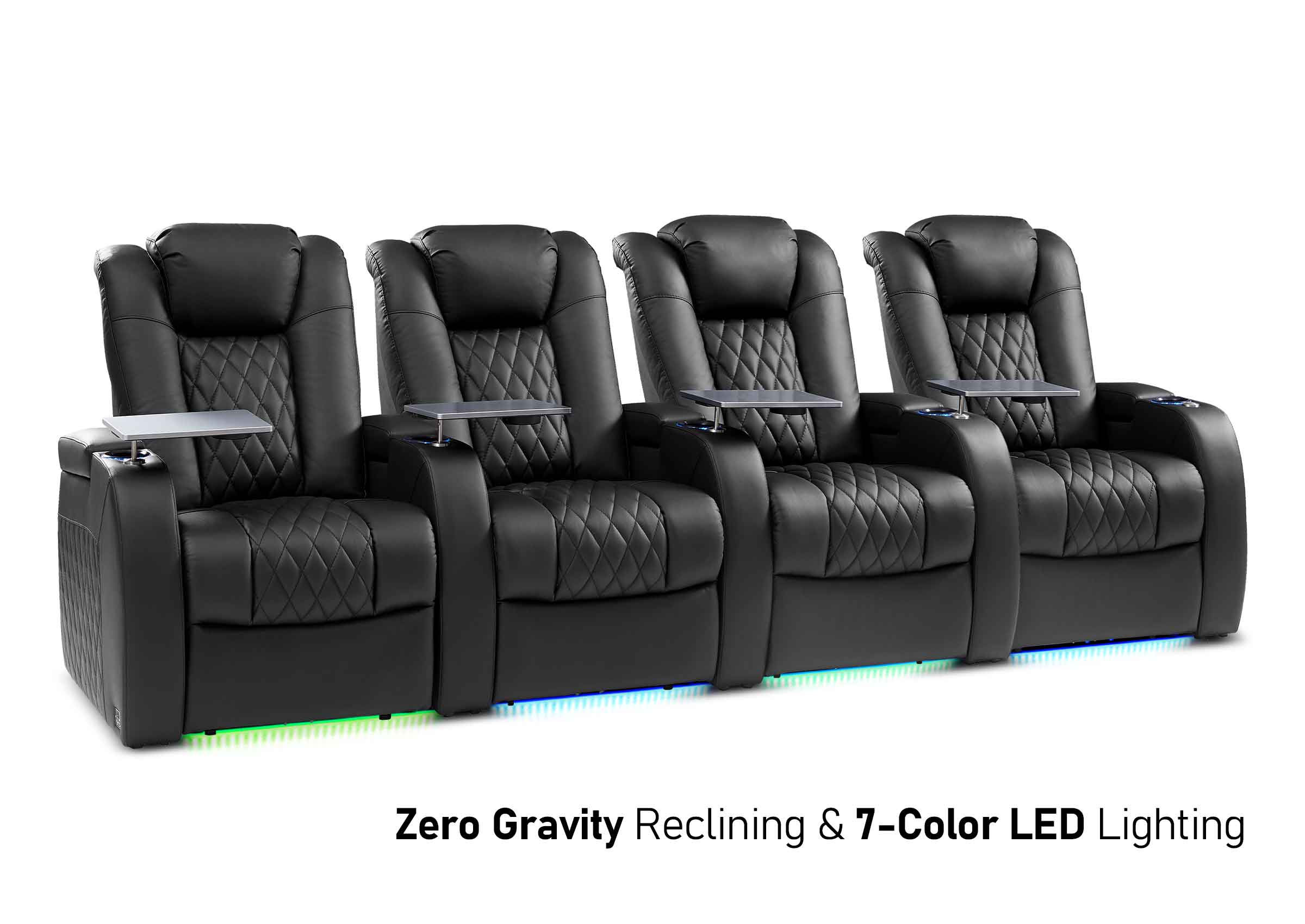
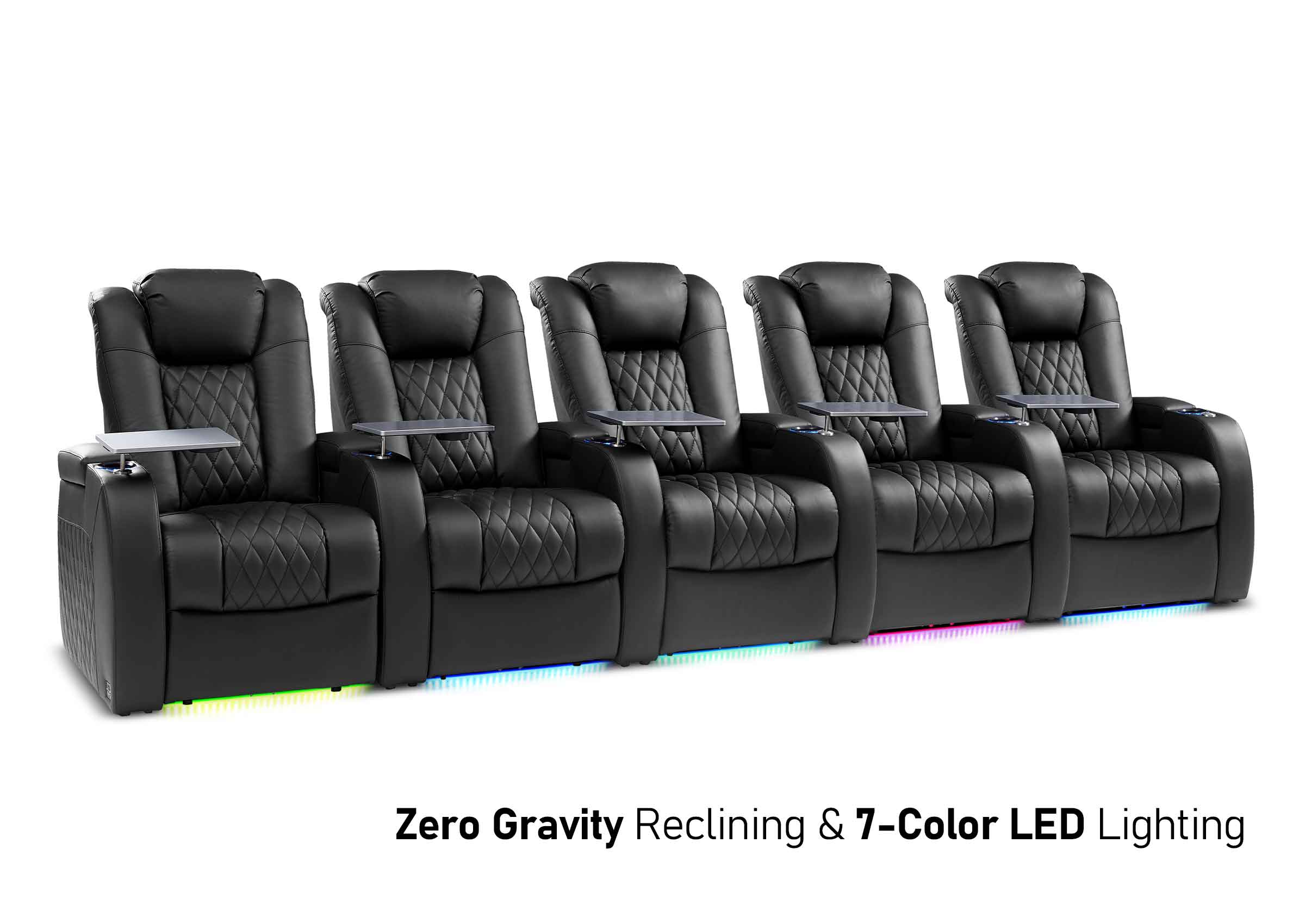
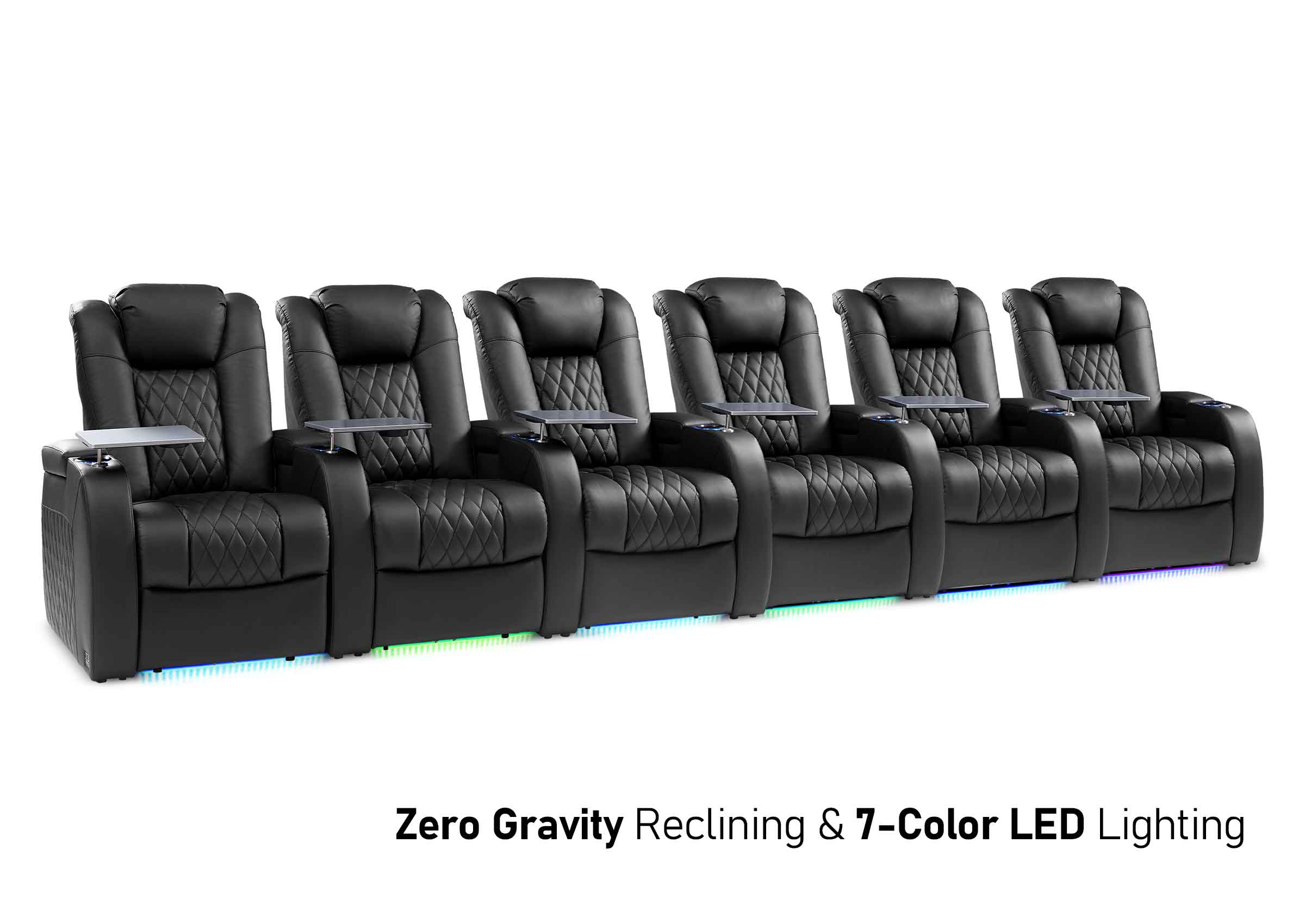
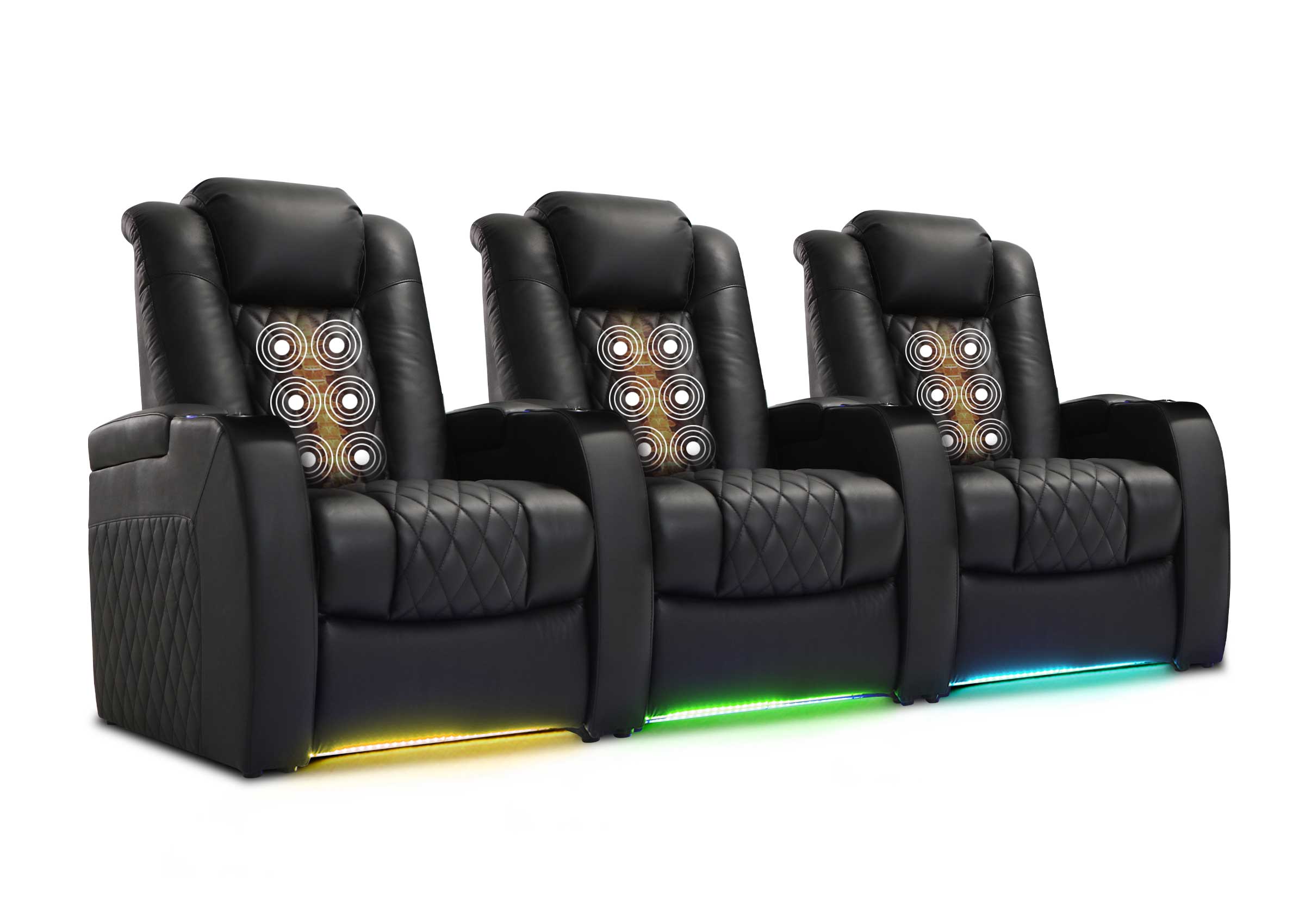
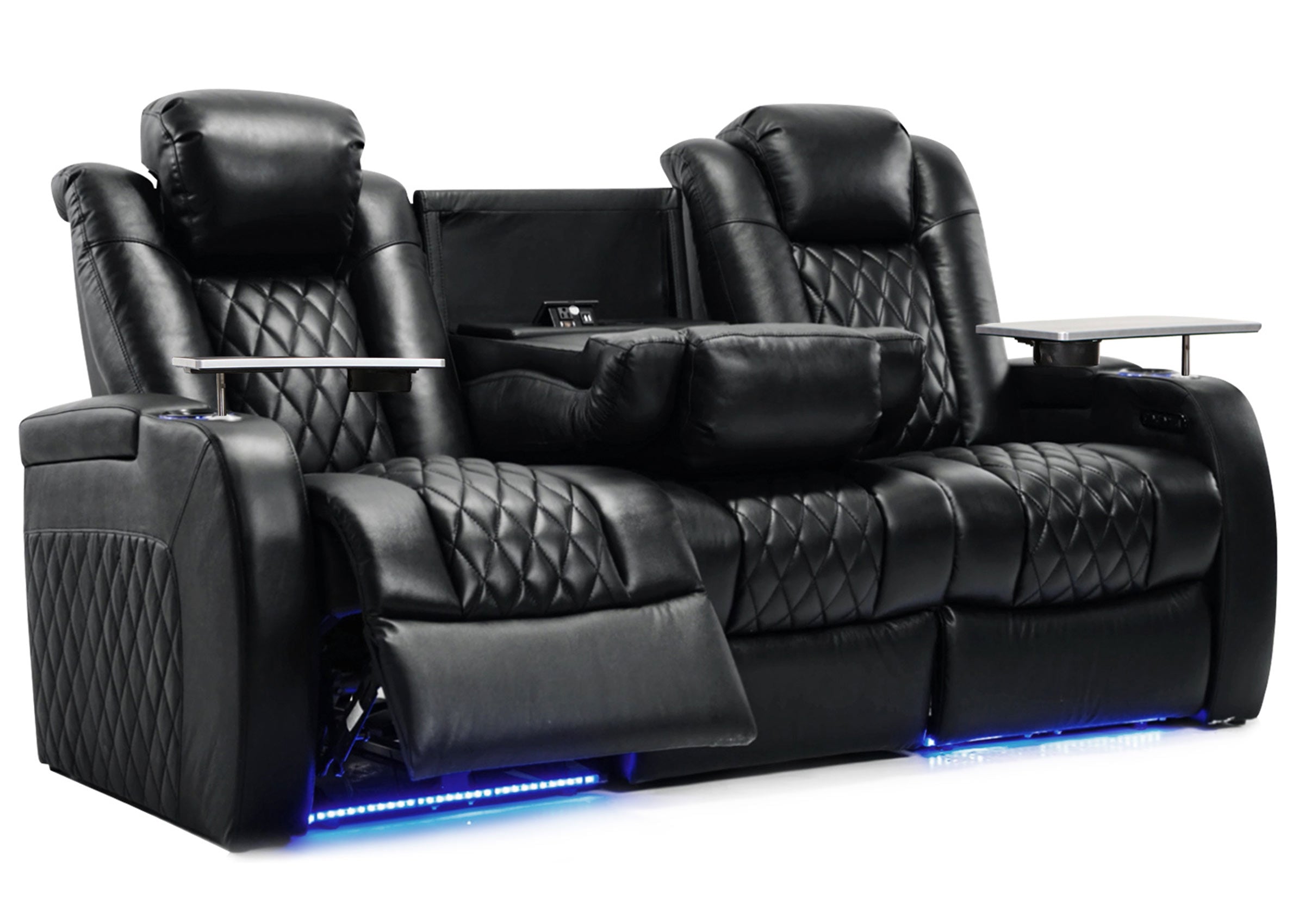
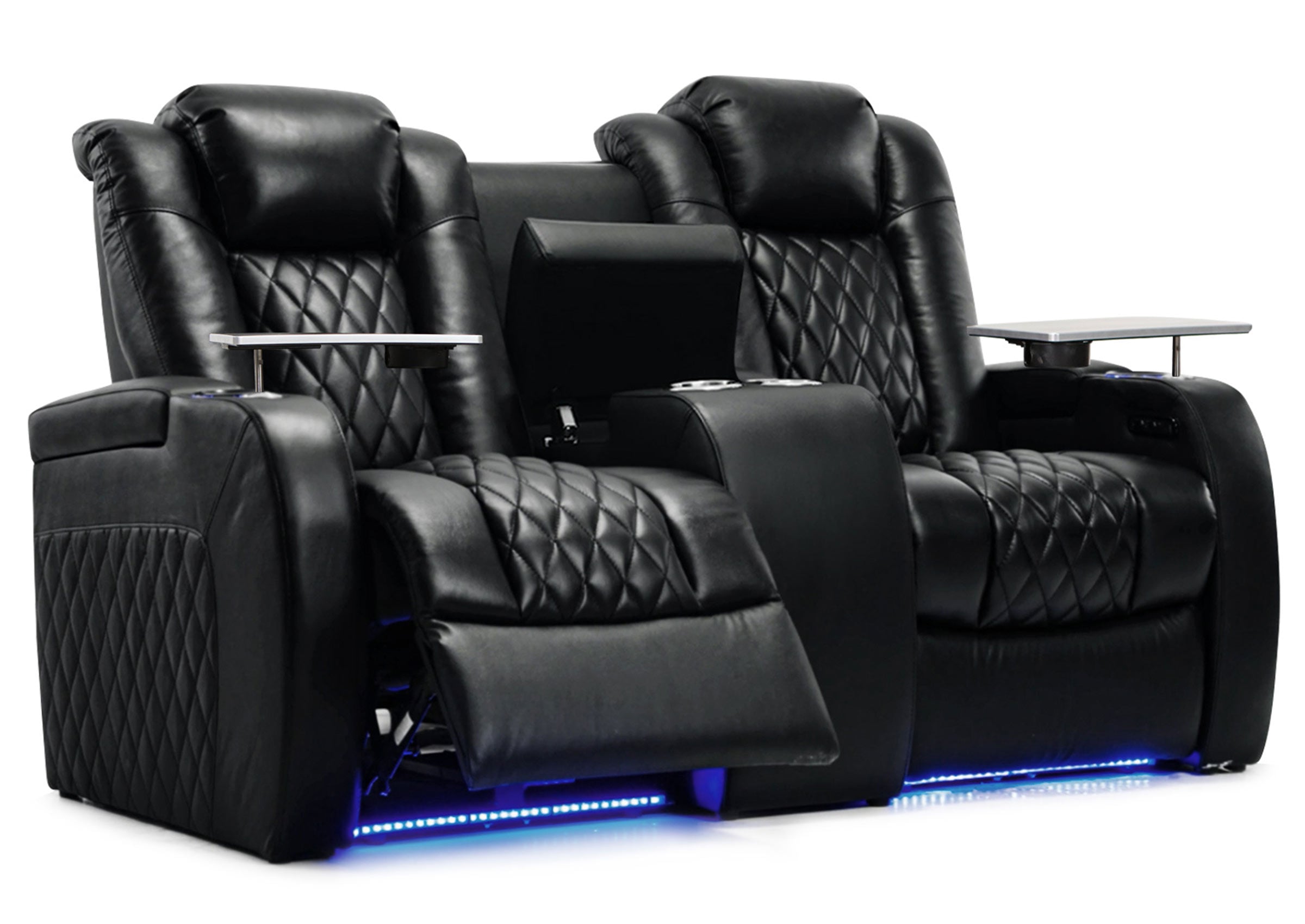


A zero gravity recliner is designed to support a reclined seating position that distributes body weight more evenly, reduces pressure on the lower back, and improves long-session comfort during movies, gaming, or daily relaxation.
The real value of a zero gravity recliner is not the recline itself, but how well it supports your body during long, uninterrupted sitting sessions.
However, many buyers only realize the limitations after delivery—especially when it comes to space, layout, and full recline footprint.
Why Zero Gravity Recliners Feel Different From Regular Recliners
The key difference is how your body is positioned under load, not just how far the chair reclines.
A standard recliner mainly leans back. A zero gravity recliner adjusts your legs, back, and hips into a more balanced posture where pressure is distributed more evenly.
This reduces strain during long viewing sessions like movies, sports nights, or gaming marathons.
In real usage, users report the biggest difference after 1–2 hours of continuous sitting—not the first 10 minutes.
The Hidden Problem Most Buyers Don’t Expect (Space Miscalculation)
One of the most common issues in real-world usage is not comfort—but space planning.
Many users underestimate how much room a recliner occupies when fully extended.
What actually happens in real rooms:
- The recliner extends forward more than expected
- Footrest requires additional clearance
- Walking space becomes narrower
- Coffee tables or consoles suddenly feel “too close”
- TV distance feels different when fully reclined
The biggest mistake buyers make is measuring only the upright chair size instead of the full recline footprint.
This is the #1 reason people feel their room becomes “smaller after setup.”
Zero Gravity Recliner vs Regular Recliner (Real Decision Factors)
| Factor | Zero Gravity Recliner | Regular Recliner |
|---|---|---|
| Comfort over time | Higher (long sessions) | Medium |
| Body pressure distribution | Balanced | Back-heavy |
| Space requirement | Larger footprint | Smaller footprint |
| Best use | Media rooms, home theaters | Casual living rooms |
| Viewing posture | More immersive | More relaxed/neutral |
If your room is used for movies, gaming, or extended sitting, zero gravity recliners are usually the better long-term choice.

Who Actually Benefits From a Zero Gravity Recliner
Not every home needs one. The value depends heavily on usage patterns.
Best fit users:
- Families with weekly movie nights
- Gamers with long sessions
- Home theater or media room owners
- Users prioritizing comfort over compact layout
- Basement or dedicated entertainment room setups
Not ideal for:
- Very small apartments with tight circulation paths
- Formal living rooms focused on conversation
- Multi-purpose rooms with strict furniture limits
The more time you spend seated, the more value a zero gravity recliner provides.
Features That Actually Impact Comfort (Not Marketing Features)
Many recliners look similar on product pages, but feel very different in daily use.
High-impact features:
- Adjustable headrest (critical for screen alignment)
- Proper lumbar support (reduces fatigue after 1–2 hours)
- Power recline system (smooth positioning control)
- Full leg support (avoids knee pressure)
Secondary but useful features:
- USB charging ports
- Cup holders
- Storage consoles
- LED ambient lighting
- Tray tables
Convenience features matter most in rooms used for long entertainment sessions—not occasional sitting.

Buying Mistakes That Lead to Regret (Most Common in Real Homes)
Based on common furniture buying behavior patterns, most dissatisfaction comes from planning gaps, not product quality.
Top mistakes:
- Not measuring full recline depth
- Overfilling the room with too many seats
- Ignoring walking paths between furniture
- Misaligning seat height with screen position
- Choosing features based on appearance instead of usage
The most expensive mistake is designing the room after buying the furniture instead of before.
Where Zero Gravity Recliners Work Best in Modern Homes
Home entertainment spaces are shifting from single-purpose theaters to flexible media environments.
Best environments:
- Dedicated home theaters
- Multi-use media rooms
- Living room entertainment setups
- Basement cinema spaces
- Gaming-focused rooms
A major 2026 trend is multi-use entertainment rooms, where seating must support movies, gaming, sports, and casual lounging in one layout.
This is where zero gravity recliners fit especially well.
Quick Buying Checklist (Before You Decide)
Before choosing a zero gravity recliner, check:
- Full recline footprint (most important)
- Wall clearance behind seating
- Walking space between furniture
- Screen height vs seated eye level
- Seat width vs body type
- Frequency of use (daily vs occasional)
If you cannot visualize the fully reclined position in your room, you are not ready to choose yet.
FAQ: Zero Gravity Recliner (Real Buyer Questions)
Are zero gravity recliners actually worth it?
Yes, if you regularly spend long hours watching movies, gaming, or relaxing. The main benefit is reduced pressure during extended sitting, not short-term comfort.
Do zero gravity recliners take up more space?
Yes. When fully reclined, they require significantly more depth than upright size suggests. This is the most commonly underestimated factor.
Can I use a zero gravity recliner in a small room?
It depends on layout. Small rooms can work, but wall-hugger or compact versions are usually more suitable for limited spaces.
What is the biggest mistake people make when buying one?
Not measuring the full recline position. Most buyers only measure upright dimensions, which leads to layout issues after delivery.
Is it better than a normal recliner for watching movies?
For long movie sessions, yes. The improved body support and posture balance make extended viewing more comfortable.
Choosing the Right Zero Gravity Recliner for Your Space

A zero gravity recliner is not just a comfort upgrade—it changes how a room functions. When properly planned, it can significantly improve long-session viewing comfort, reduce fatigue, and enhance the overall entertainment experience.
However, its value depends heavily on correct space planning and matching the chair to how the room is actually used.
If you are planning a media room or home theater, choosing the right seating early in the design process will always lead to better long-term comfort and usability.
If you are currently planning a more comfortable home space, you can choose seating solutions based on your layout and daily usage needs.
If you still have questions about space planning, seating selection, or room setup, we’re happy to help you think through the details in a simple and practical way.