





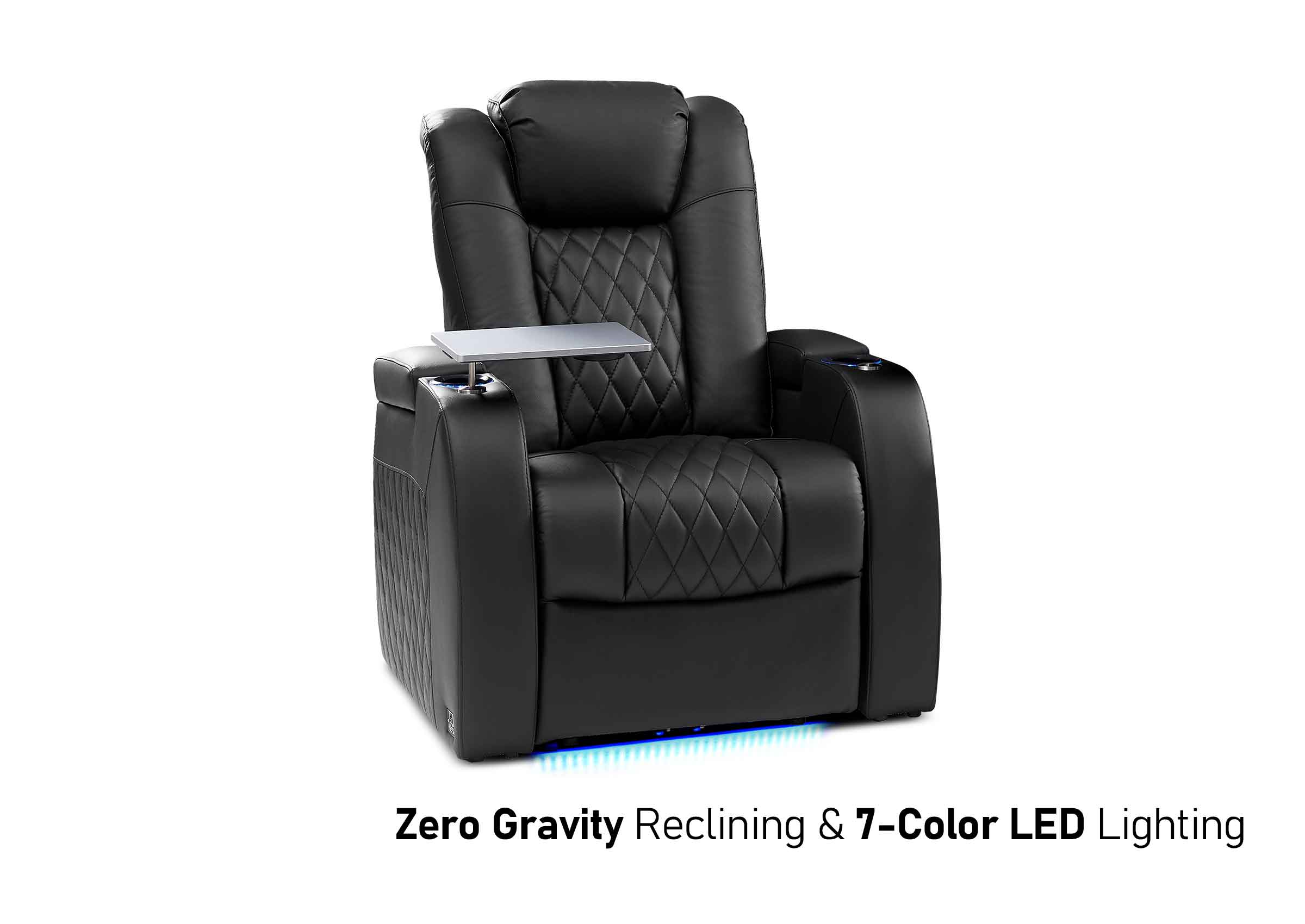
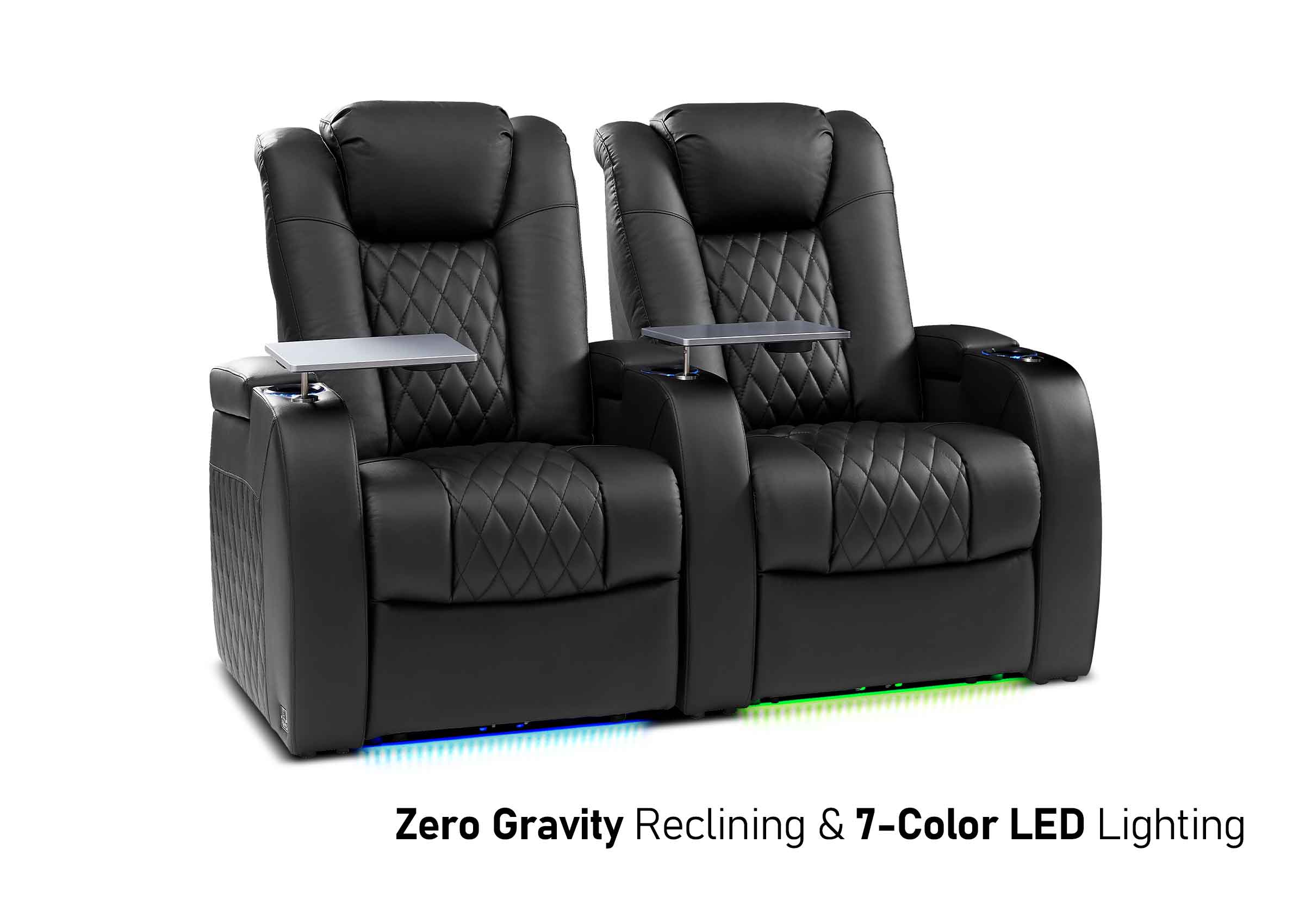
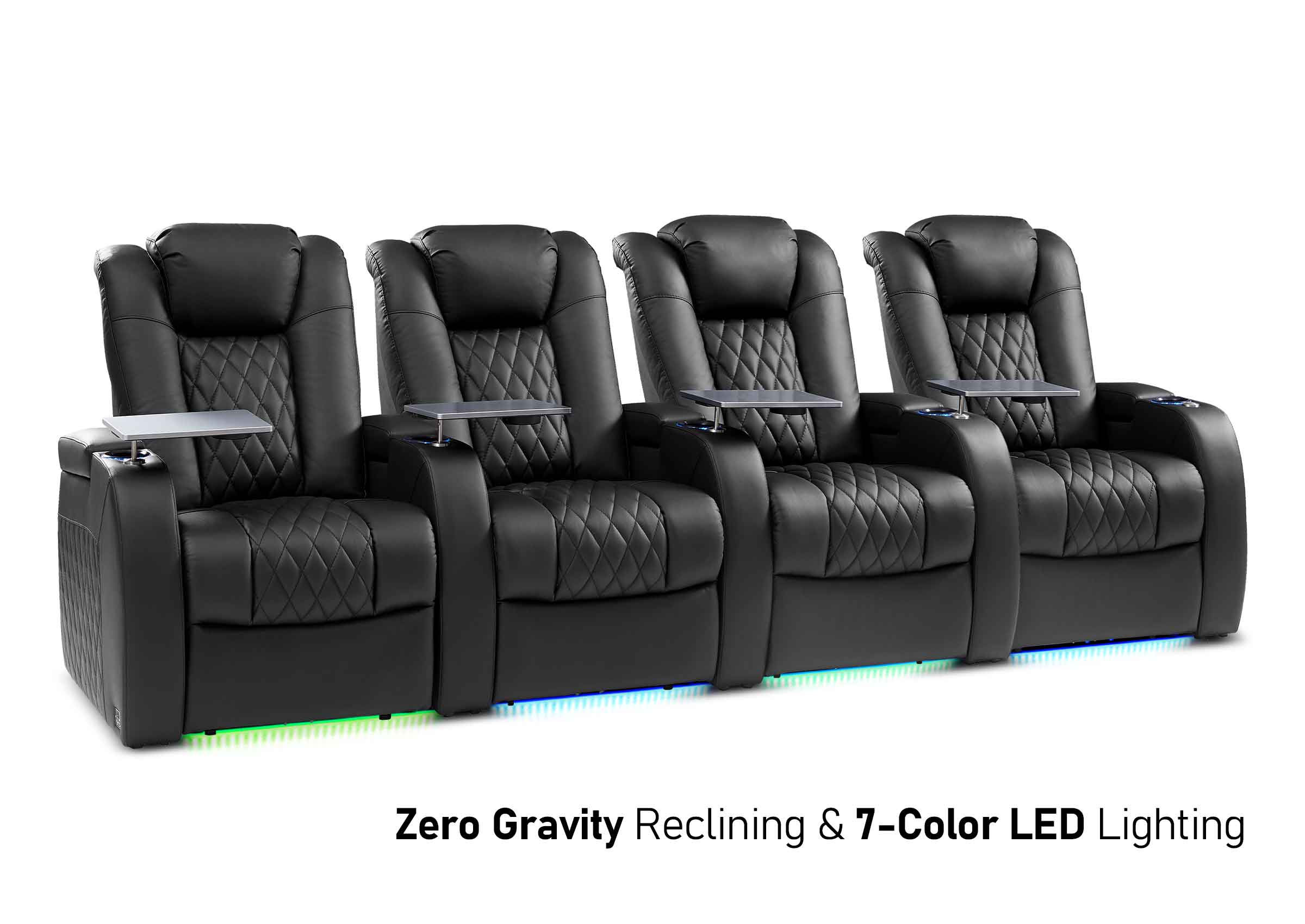
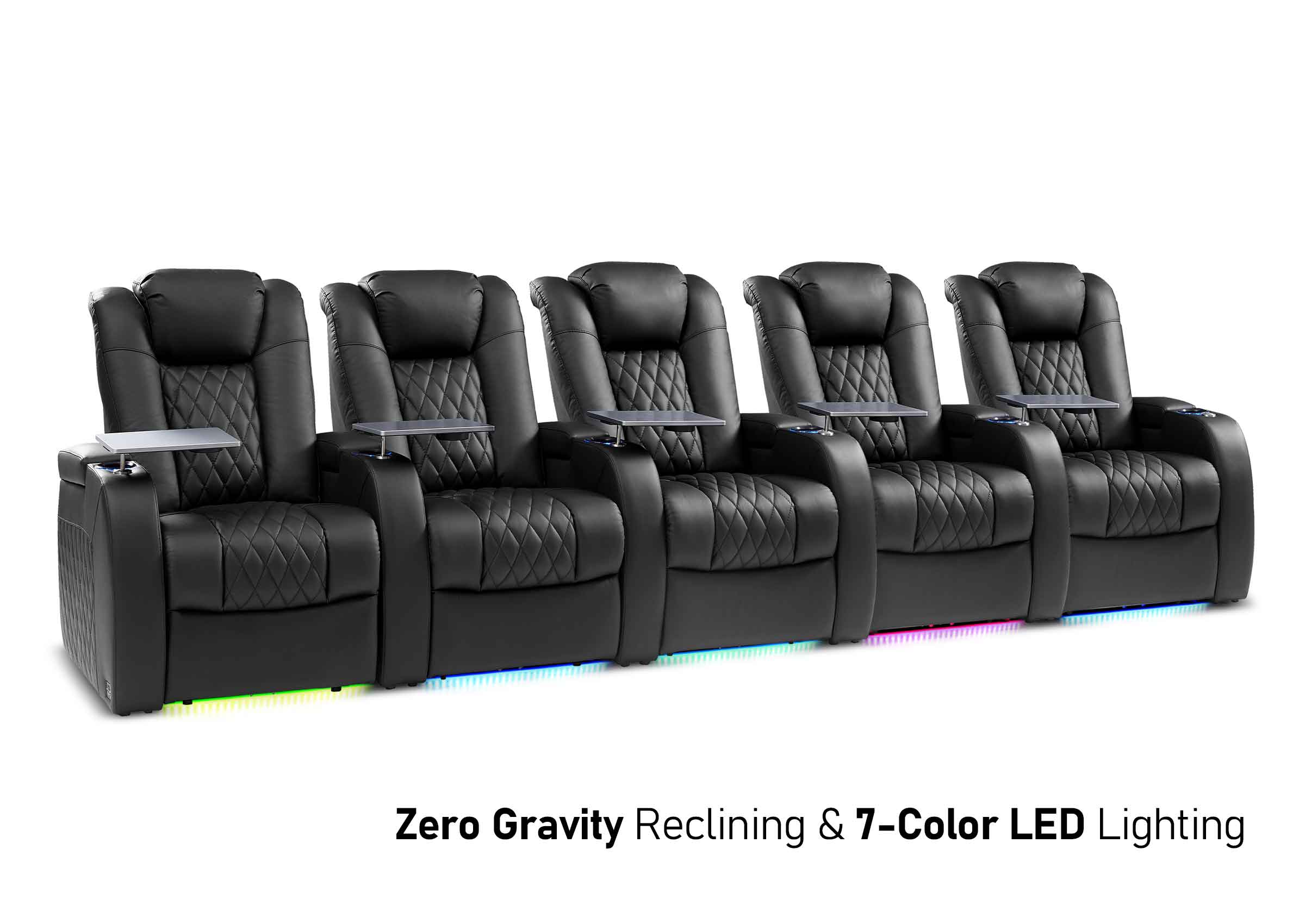


Ergonomic design is the process of designing products, environments, tasks, and systems around the people who will actually use them. Instead of starting with a feature and asking users to adapt to it, ergonomic design starts by asking who the users are, what they need to do, what varies between them, and where the design will be used.
That makes ergonomic design broader than adding a curved backrest, adjustable control, padded handle, or other feature commonly described as “ergonomic.” If you want the broader meaning behind the term first, see what ergonomic means and how it relates to fit, comfort, and design.
The more useful question is:
What information about people and real use changed the design?
That question helps separate genuine ergonomic thinking from an ergonomic label added after the product is already finished.
What Is Ergonomic Design?
Ergonomic design applies knowledge about human abilities, characteristics, limitations, and behavior to design decisions.
The International Ergonomics Association defines ergonomics, or human factors, around understanding interactions between people and other elements of a system, then applying theory, principles, data, and methods to design. It includes physical factors such as anthropometry and biomechanics, but also cognitive and organizational factors.
ISO 26800 takes a similarly broad view. Its general ergonomics principles apply not only to products, but also to tasks, jobs, tools, equipment, systems, services, facilities, and environments. The goal is compatibility with people's characteristics, needs, abilities, and limitations.
So ergonomic design is not a special style of chair or workstation.
It is a way of making design decisions.
A tool handle, vehicle control, piece of furniture, digital interface, workspace, or machine can all involve ergonomic design, but the relevant human factors will be different in each case.
What Makes Ergonomic Design Human-Centered?
Ergonomic design is human-centered because the intended user is treated as a design input rather than an afterthought.
That sounds obvious, but it changes the order of the process.
A feature-first approach might begin with:
We want this product to have an adjustable control.
A human-centered ergonomic approach asks first:
Who needs to use it, what needs to change, and why?
Only then does adjustability become one possible solution.
The intended users matter. So does the task they are performing and the environment in which the design will operate.
Those three factors can change the answer completely.
A control that is easy to reach while standing may be poorly positioned for someone seated.
A seat that works well for short upright tasks may not work the same way when someone reclines.
A handle that fits one hand size may require excessive grip effort from another user.
A display that is visually clear in a quiet indoor environment may need a different design in a moving vehicle or high-attention setting.
This is why human-centered ergonomic design is better understood as designing around an interaction, not simply designing an object.
The term human-centered design also has a more specific formal use in fields such as interactive-system and UX design. ISO 9241-210, for example, addresses human-centered design throughout the life cycle of computer-based interactive systems. Ergonomic design overlaps with that philosophy, but the two terms should not automatically be treated as identical in every context.
How Does Ergonomic Design Actually Work?
Many explanations of ergonomic design stop at a list of principles: support good posture, reduce force, allow adjustment, improve reach.
Those principles can be useful, but they do not explain how a design decision is actually made.
A more practical sequence is:
people → task → context → human data → design requirement → design choice → evaluation → revision

Start With the People
The first question is not “What should the product look like?”
It is:
Who is expected to use it?
A design intended for a narrow, defined user group can make different choices from one intended for a large household, public environment, or shared workplace.
Age, body dimensions, strength, mobility, sensory abilities, experience, and other characteristics may matter—but not every characteristic matters equally to every design.
The job is to identify the differences that actually affect use.
Understand the Task
Next comes what the person is trying to accomplish.
Are they sitting, reaching, gripping, reading, lifting, controlling, watching, entering, exiting, or changing position?
The task determines which human characteristics become relevant.
For example, hand dimensions matter greatly when sizing a handle. Seated eye position matters more when designing around a viewing target. Reach range becomes important when a person must repeatedly operate a control.
A useful ergonomic requirement should therefore connect a human factor to an actual task.
Include the Context
Products are rarely used in isolation.
Lighting, surrounding furniture, work surfaces, screens, other equipment, available space, noise, clothing, and frequency of use can all change how a design performs.
This is one reason a product can seem ergonomic when evaluated alone but work poorly after being placed into a real environment.
The surrounding setup is part of the interaction.
What Human Information Do Designers Need?
Ergonomic design does not mean collecting every possible piece of human data.
It means collecting the information that can materially change the design.
Anthropometry
Anthropometry deals with human body dimensions and physical characteristics.
NIOSH defines anthropometry as the science of defining physical measures of a person's size, form, and functional capacities. Its research uses those measurements to study how people interact with tools, machines, vehicles, workspaces, and protective equipment.
For designers, anthropometric data can help answer questions such as:
- How high should something be?
- How much clearance is required?
- How far can intended users reasonably reach?
- How large or small must an opening or contact surface be?
- What range of body sizes needs to be accommodated?
But anthropometry is not a universal answer by itself.
A body measurement becomes useful only when it is connected to the design task.
Movement and Physical Interaction
Static dimensions do not explain everything.
People bend, rotate, reach, lean, grip, recline, and change position. A design may fit someone in one position and become less suitable once movement begins.
That makes the path of movement important, not just the starting position.
Perception and Cognition
Ergonomics also extends beyond physical fit.
The IEA includes perception, memory, reasoning, decision-making, and human-computer interaction within cognitive ergonomics.
Controls should therefore not only be reachable. Their purpose should also be understandable.
Information should not only be visible. It should be presented in a way that users can interpret under the conditions in which they need it.
A design can fit the body and still create unnecessary confusion.
Why Designing for the “Average Person” Can Fail
A common shortcut is to imagine an average user and design around that person.
The problem is that real people do not scale neatly around one average body.
Two people with similar overall height can have different leg lengths, torso lengths, shoulder widths, hand dimensions, and reach capabilities.
NIOSH has repeatedly found meaningful anthropometric variation between different worker populations, and older datasets may not represent the people using modern equipment today.

That does not mean every design has to fit every person.
It means the intended population has to be defined.
It also means designers need to identify which dimension controls which decision.
For clearance, a larger body dimension may be especially important.
For reach, smaller users may become the limiting case.
For a contact surface or support area, several dimensions may interact.
This is why a blanket rule such as “design for the average person” or even a single percentile range can be misleading when separated from the actual task.
The better question is:
Which users need to be accommodated, and which human differences determine whether this particular design works?
Does Ergonomic Design Always Mean More Adjustability?
No.
Adjustability is useful when user variation or task variation cannot be handled well by one fixed configuration.
But adjustment is a design solution, not the definition of ergonomic design.
A fixed design can work extremely well when the target users, task, and dimensions are sufficiently consistent.
An adjustable design can still work poorly when its range is too small, the controls are difficult to understand, or the user has no clear way to find an appropriate position.
This creates an important distinction:
More adjustment is not automatically better ergonomic design. Useful adjustment solves a defined variation problem.
For example, if users vary meaningfully in the position where support needs to reach them, an adjustable support may make sense.
If the adjustment moves through a range that does not actually cover the intended population, the presence of the mechanism adds complexity without fully solving the fit problem.
Good ergonomic design therefore asks not only whether something adjusts, but:
What user difference is this adjustment intended to accommodate?
APPLY THE PRINCIPLES
See How Ergonomic Design Applies to Everyday Furniture
The same design principles become more concrete when body dimensions, support, movement, and daily activities meet real furniture.
See How Body Fit Becomes Measurable
What Are Examples of Ergonomic Design?
The most useful examples are not products that simply carry an ergonomic label. They are examples where information about people clearly changes the design.
A Hand Tool
A tool handle may need to account for hand dimensions, grip position, required force, movement, and the duration of the task.
The design question is not simply whether the handle is padded.
It is whether the shape, dimensions, surface, and operating method work with the intended hands and task.
A Vehicle Interior
Vehicle design has to coordinate body dimensions with entry, visibility, seat position, control reach, and available space.
NIOSH anthropometric research with truck drivers, for example, has been used to inform truck-cab design because the dimensions of the actual workforce differed from older datasets.
Here the ergonomic problem is a system of relationships—not one feature.
Furniture
Furniture introduces questions of body dimensions, support, contact points, movement, task, and surrounding surfaces.
But the answer changes by furniture type.
A dining chair has to work with a table.
A desk has to work with seated or standing reach.
A sofa may support several informal positions.
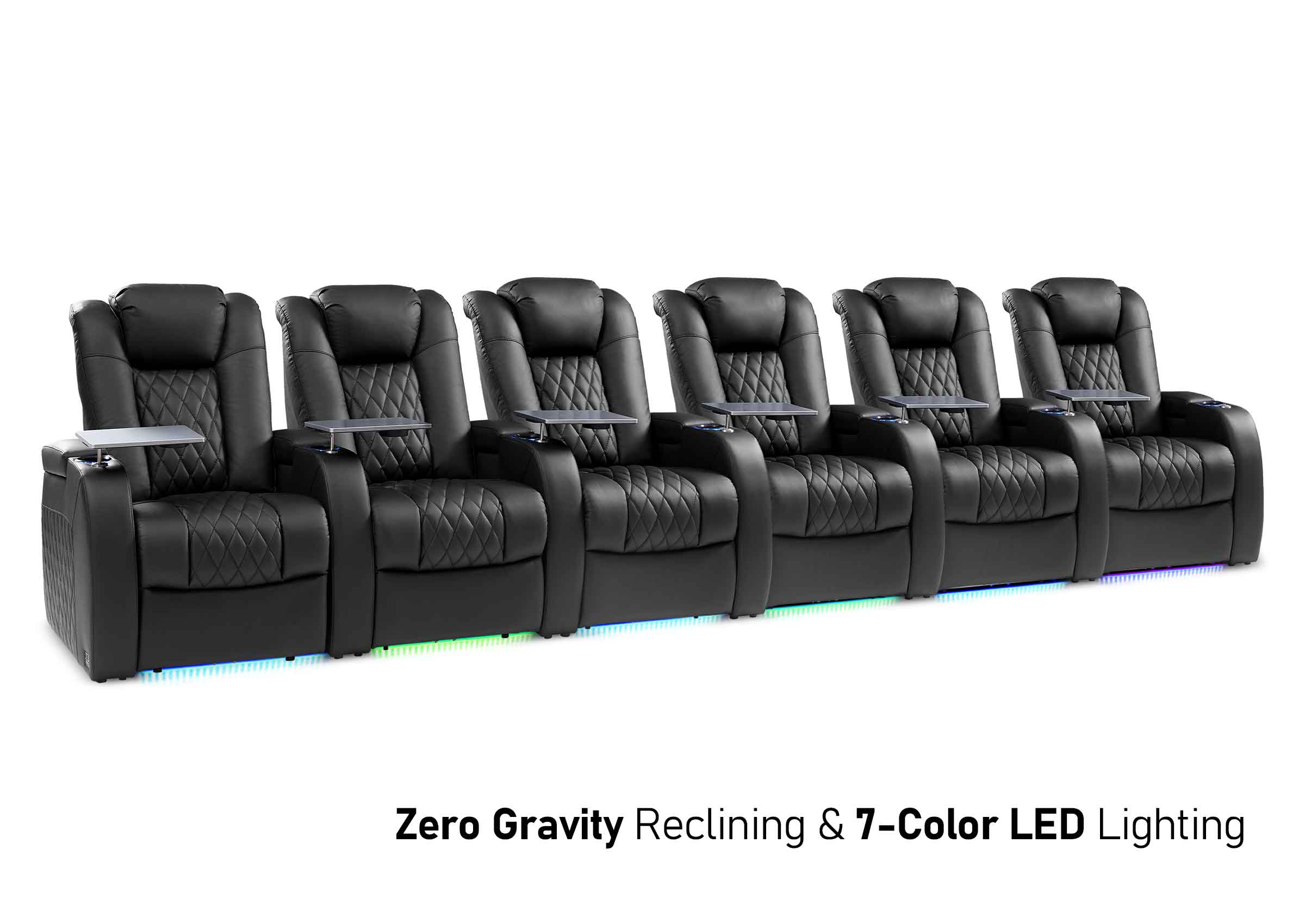
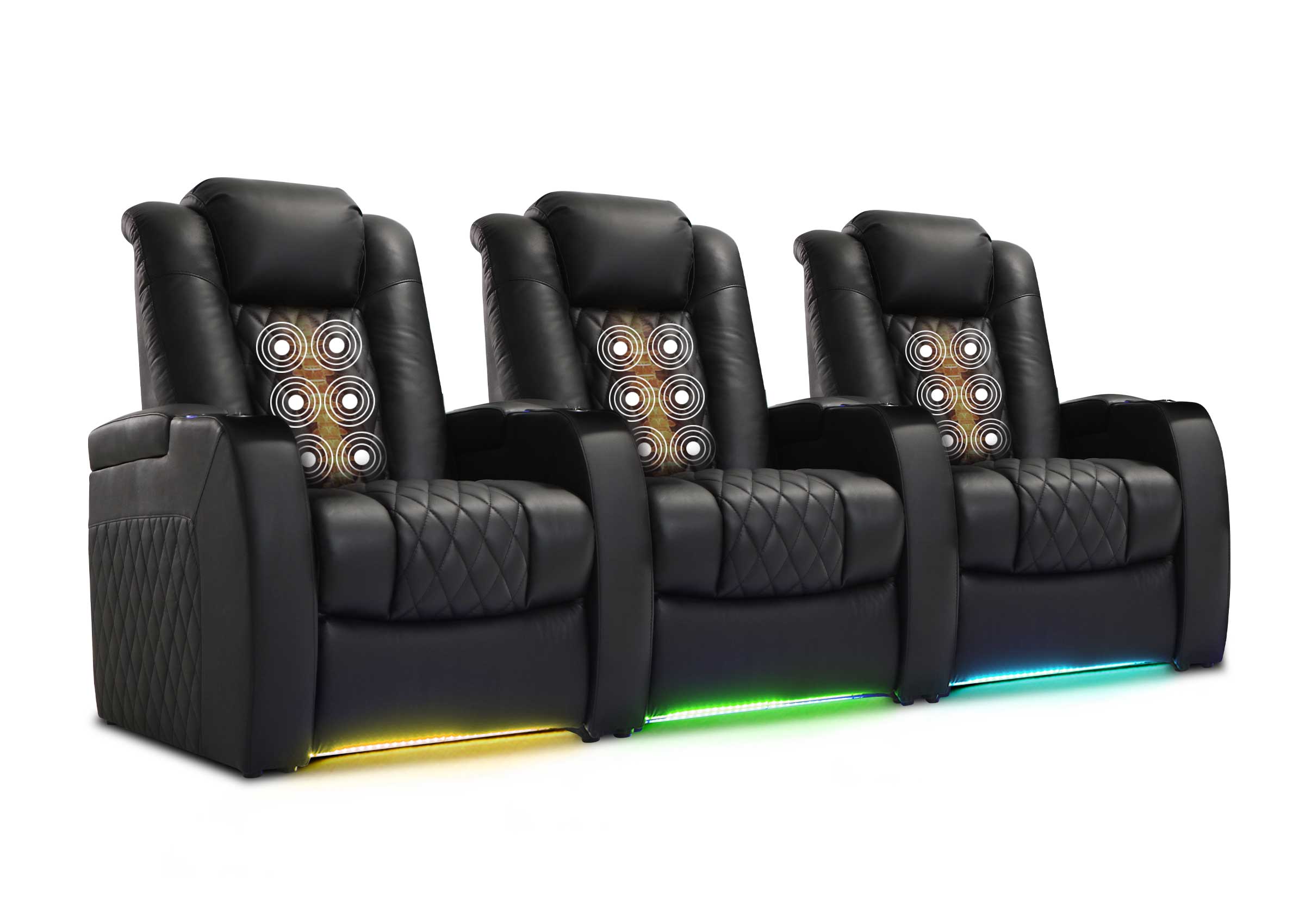
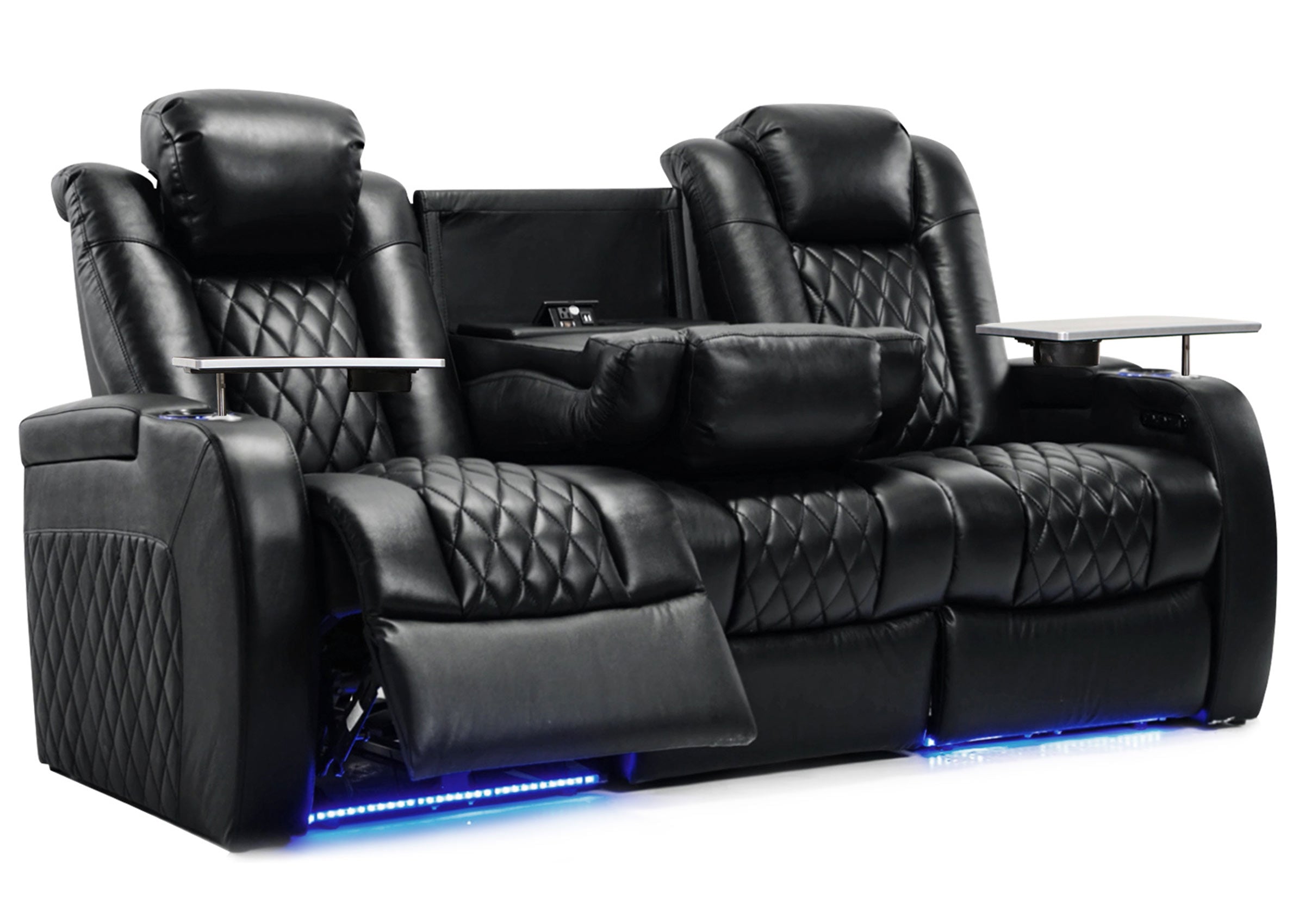
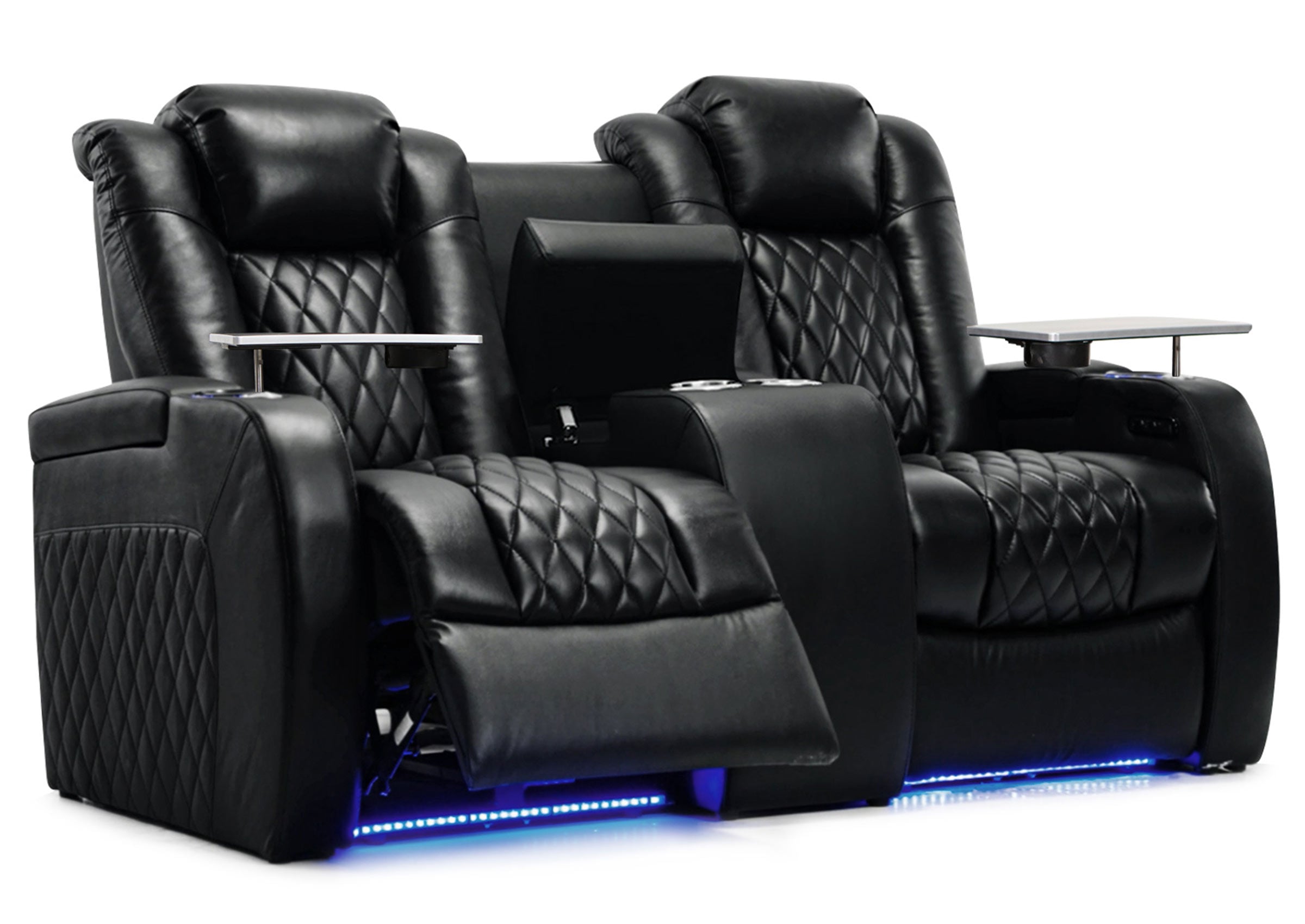
A recliner changes geometry while the user is sitting in it.
That is why applying one office-chair checklist to every kind of furniture is not especially useful. The broader furniture-level application is covered in more detail in our guide to how ergonomic principles apply to furniture.
Seating
Seating makes the importance of human variation especially visible because the body remains in sustained contact with several surfaces.
Seat depth, height, back support, arm position, head support, and movement can all affect how the person interacts with the seat.
But those are seating-level questions. The broader ergonomic-design question comes one step earlier:
What did designers need to know about the user and activity before choosing those dimensions and features?
For recliners, those design decisions eventually become measurable dimensions such as usable seat depth, width, height, backrest proportions, and available room clearance. Those fit relationships are covered separately in the recliner size and body-fit guide.
When the question expands from a single seat to a designer-led theater room, those product-level decisions also have to work with the room plan, seating configuration, finishes, power requirements, and other project constraints. If those details need to be coordinated as part of a custom project, you can discuss a custom theater seating project with Weilianda.
How Can You Tell Whether Something Was Designed Ergonomically?
Consumers usually cannot see a manufacturer's entire design process.
But they can still look for evidence that a product has been designed around real use rather than an ergonomic label.

Start with five questions.
Who Was It Designed For?
Does the product provide enough information to understand the intended user or range of users?
A product does not need to fit everyone, but its intended fit should be clear enough to evaluate.
What Task Is the Design Solving?
Can you identify why the shape, position, control, support, or adjustment exists?
Features are more meaningful when their purpose is clear.
Does the Design Account for Human Variation?
Look at usable dimensions and adjustment ranges rather than simply counting adjustments.
Ask whether meaningful differences between users can actually be accommodated.
Does It Still Work in Real Use?
Consider the product together with the environment.
Where will it sit?
What will the user look at, reach for, interact with, or move around?
What changes during use?
Can the Design Be Evaluated Rather Than Simply Claimed?
The IEA's EQUID Design Process guidance is especially useful here. It says that for a product to legitimately be described as ergonomically designed, ergonomics principles should be incorporated into the design process itself rather than simply attached as a description afterward.
That is a stronger standard than the presence of a particular feature.
What Ergonomic Design Does Not Automatically Mean
Ergonomic design does not automatically mean:
- soft;
- highly adjustable;
- expensive;
- suitable for every person;
- suitable for every activity;
- capable of keeping someone in one perfect posture;
- limited to office products;
- guaranteed to improve health.
It also does not mean that the user disappears from the process once measurements have been collected.
Measurements can narrow the problem.
Design principles can guide decisions.
But actual use can reveal interactions that were not obvious on paper.
That is why evaluation and revision matter.
FAQ
Is Ergonomic Design the Same as Human-Centered Design?
They overlap strongly because both place people and real use at the center of design decisions. However, human-centered design is also a formal discipline used extensively in interactive-system and UX design, while ergonomics covers physical, cognitive, organizational, environmental, and system interactions more broadly.
Is Ergonomic Design Only About Physical Comfort?
No. Physical fit is one part of ergonomics, but cognitive factors such as perception, reasoning, workload, and interaction with controls or information can also affect design.
Does an Ergonomic Product Have to Be Adjustable?
No. Adjustment is one way to accommodate differences between users or tasks. A fixed design can also be ergonomic when it fits its intended users and use conditions appropriately.
What Is Anthropometry in Ergonomic Design?
Anthropometry is the measurement of human body size, form, and related physical capacities. Designers use relevant anthropometric information to help determine dimensions, clearances, reach, fit, and other physical relationships.
Can Furniture Be Ergonomically Designed?
Yes. Furniture can apply ergonomic principles when dimensions, support, movement, and intended use are developed around the people and activities the furniture is meant to serve.
Ergonomic Design Starts Before the Features
The simplest way to recognize ergonomic design is to look earlier in the process.
Not:
What ergonomic features were added?
But:
What did designers need to know about the users before they decided what to build?
A strong ergonomic design process connects:
people → task → context → human data → design requirement → design choice → evaluation
That sequence matters because the same feature can be useful in one situation and unnecessary in another.
The same dimension can fit one population and exclude another.
And the same product can work well in isolation but become awkward once the real task and surrounding environment are introduced.
Ergonomic design is therefore not about finding one universal shape, posture, feature, or specification.
It is about making design decisions from a clearer understanding of who will use something, what they need to do, how people differ, and whether the finished design actually works under those conditions.