







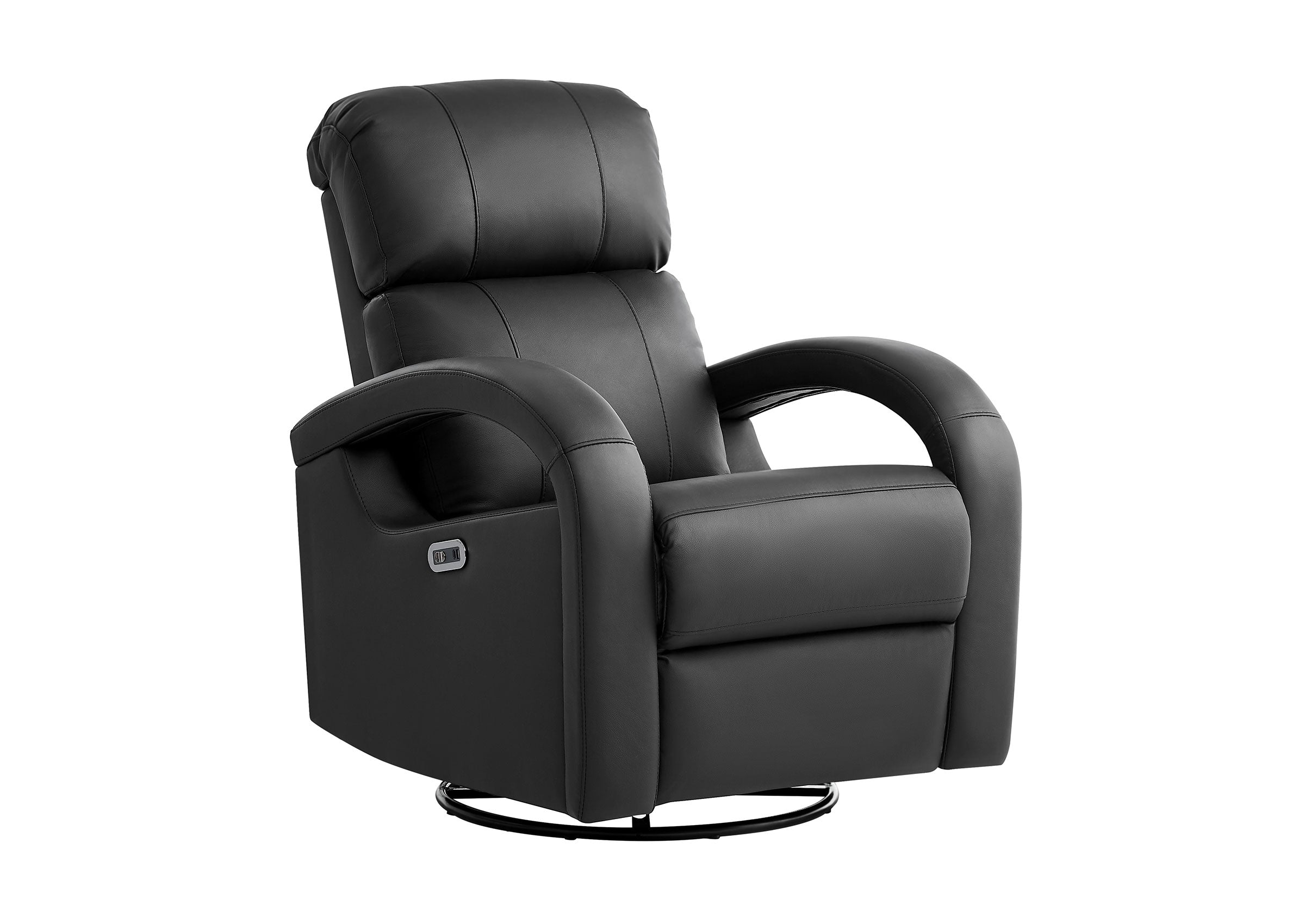





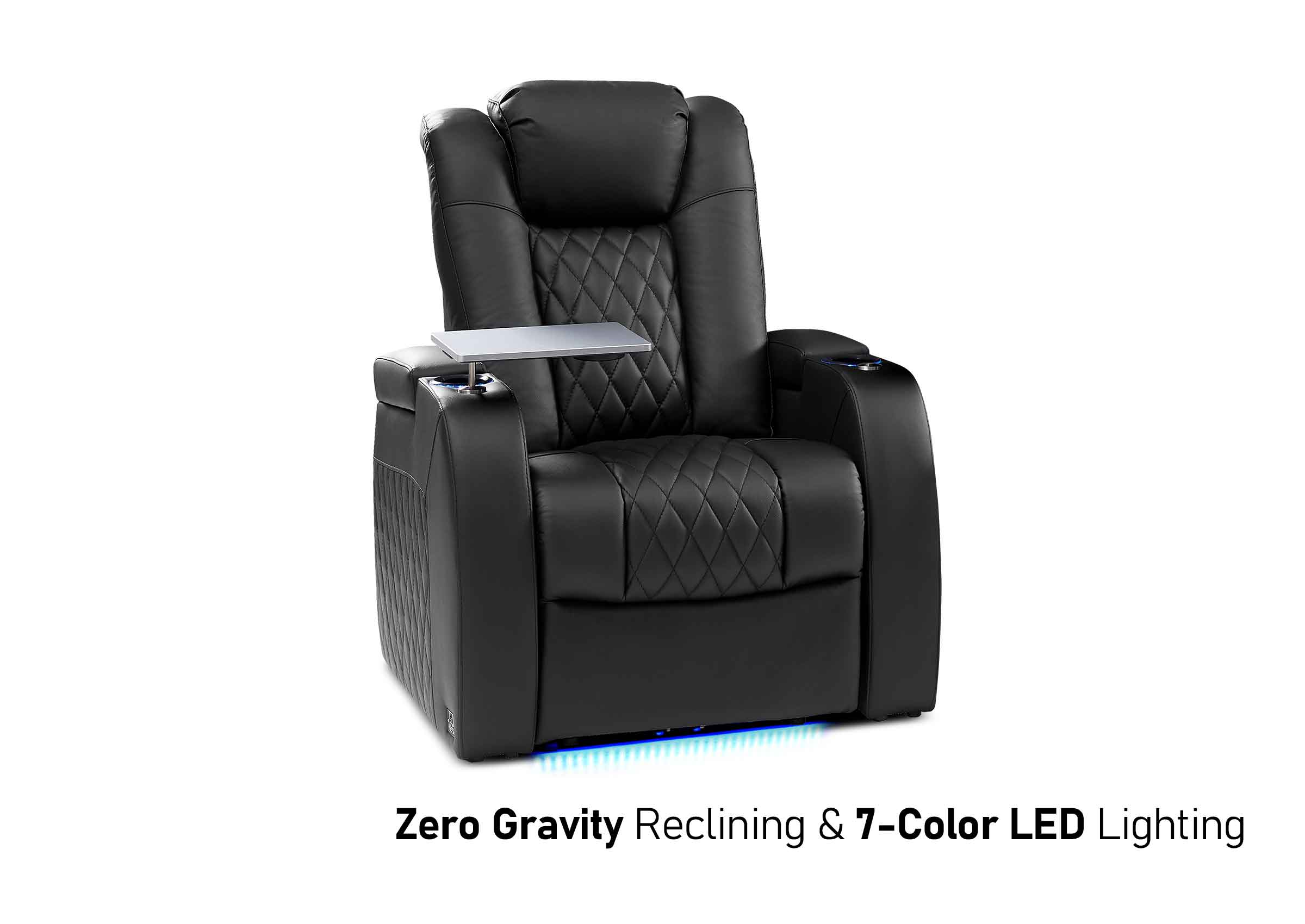



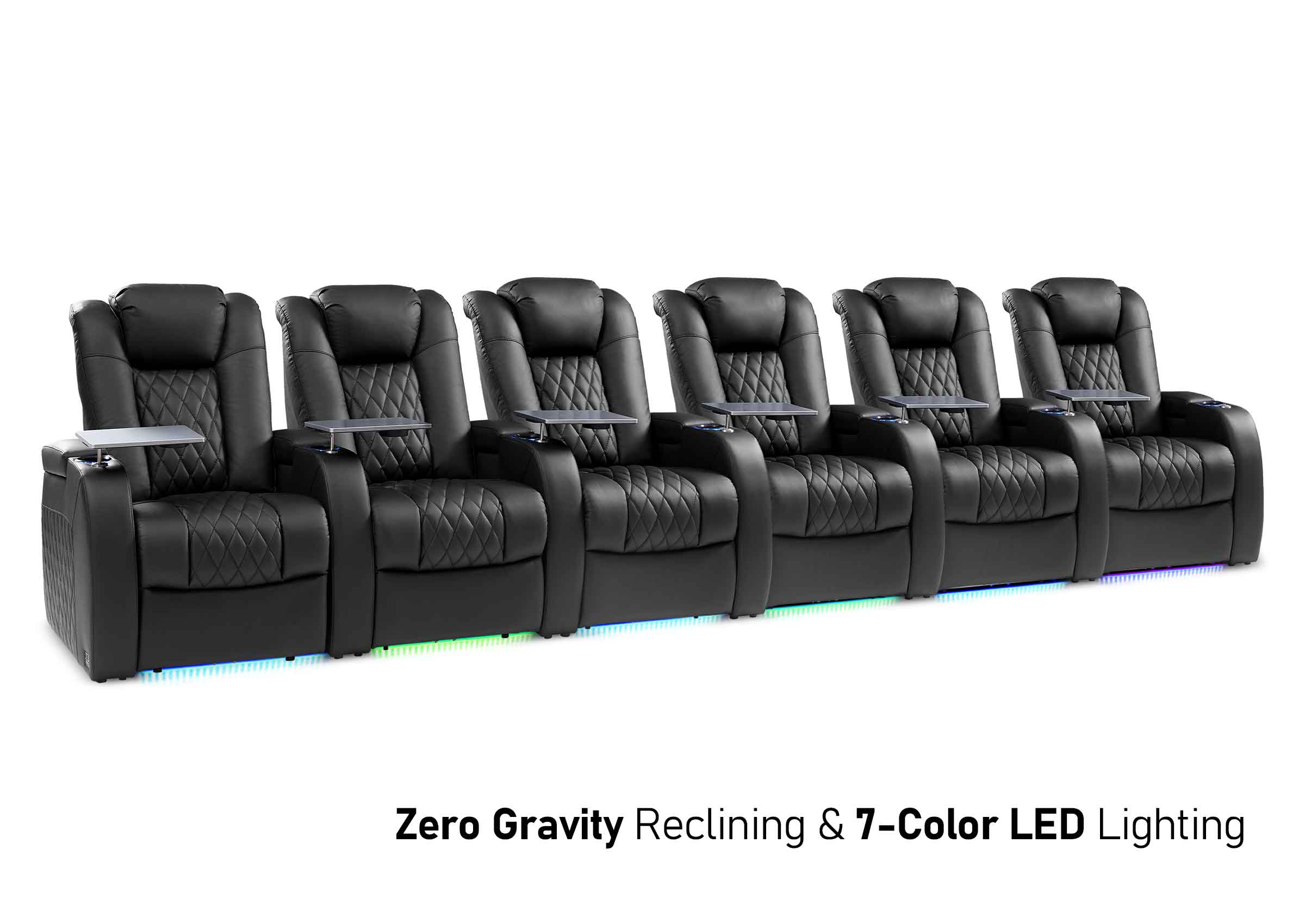
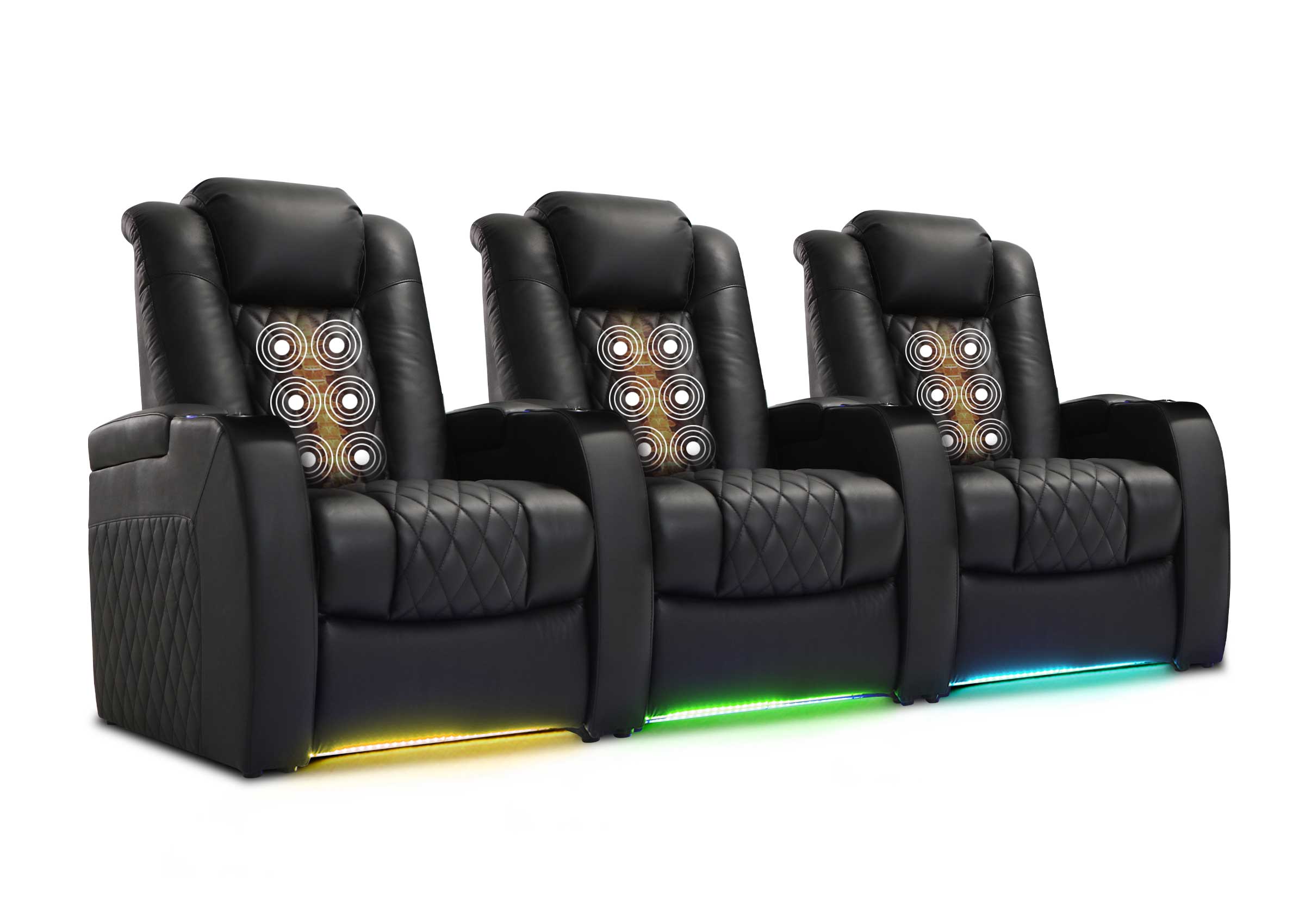

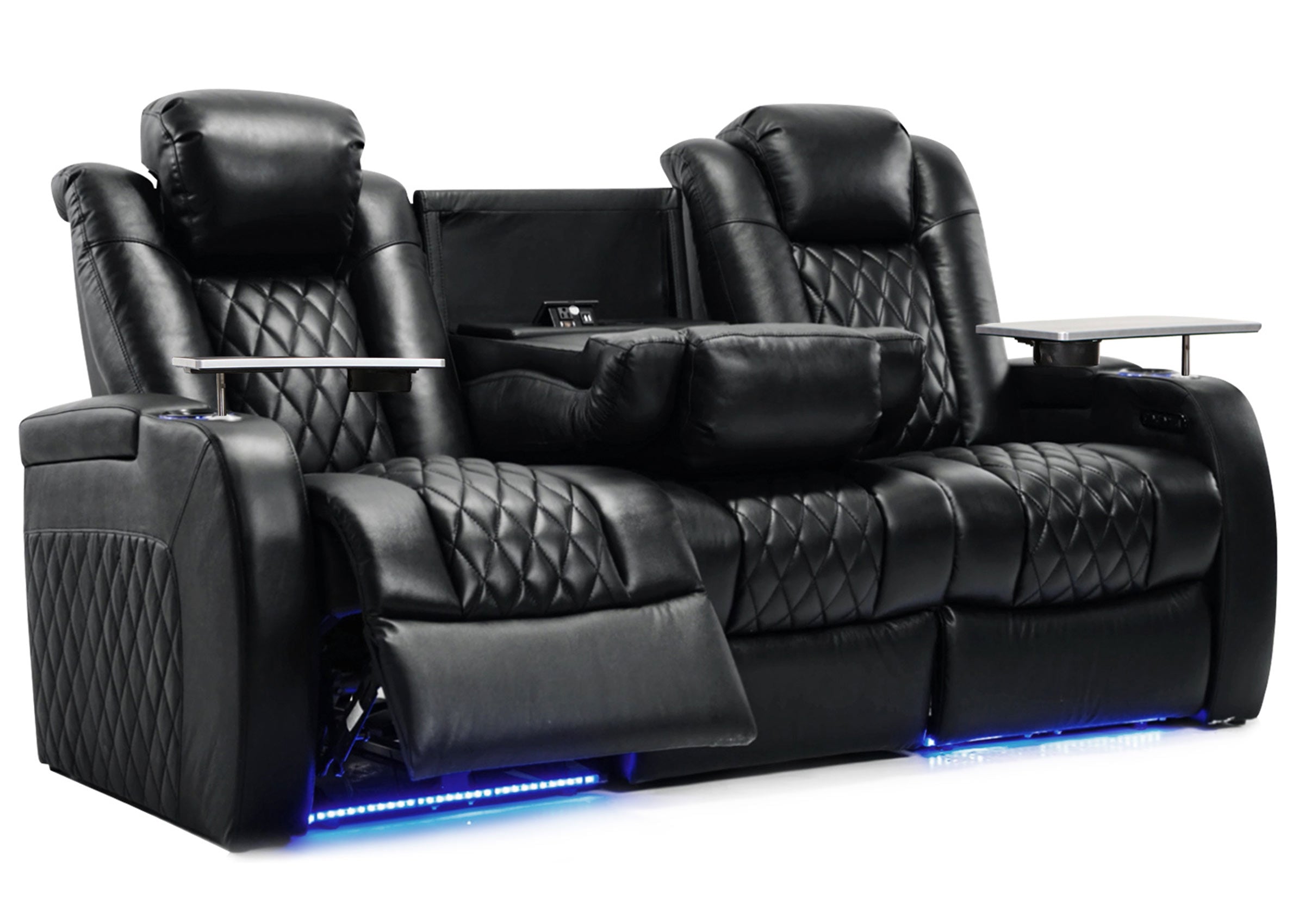
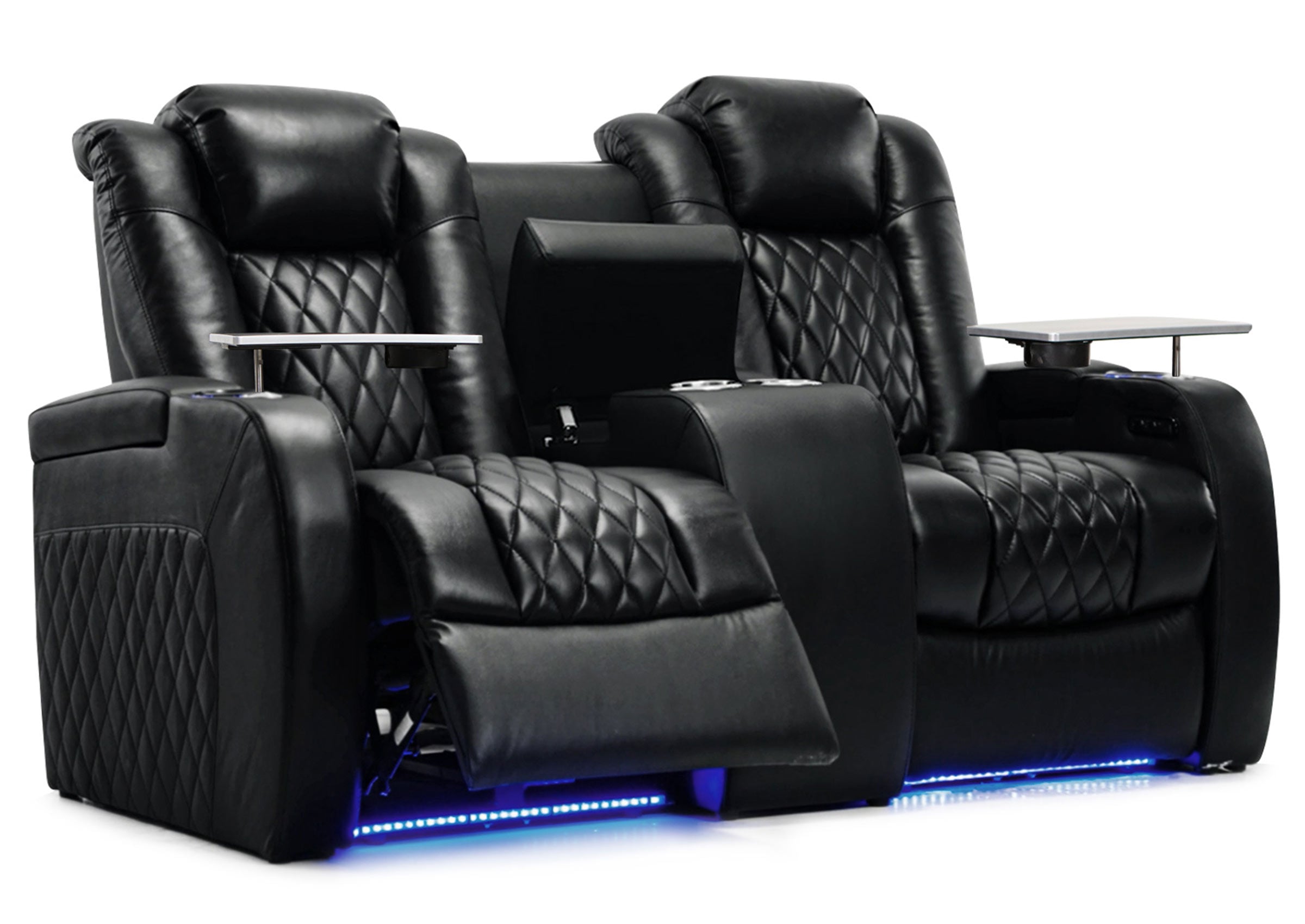



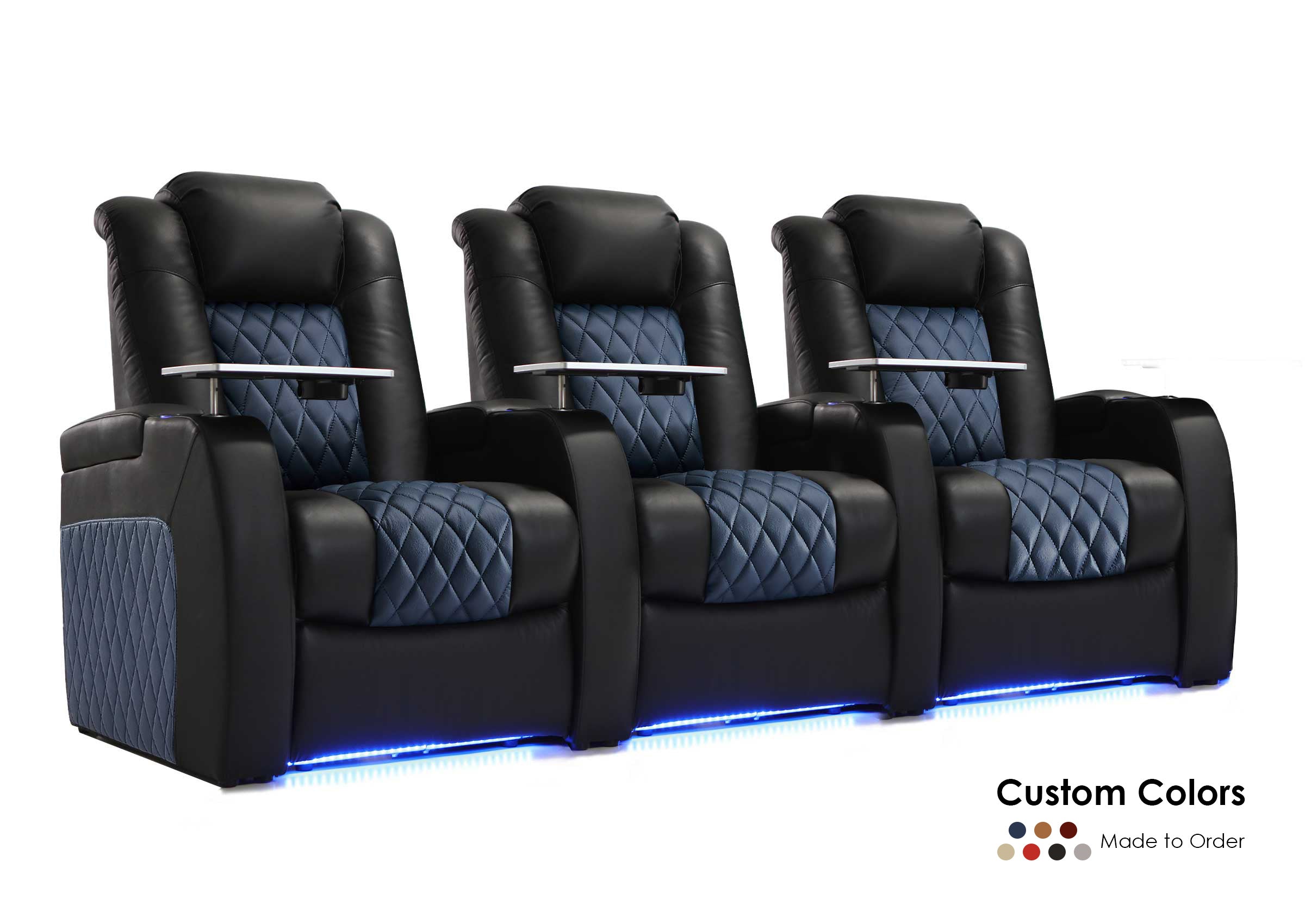

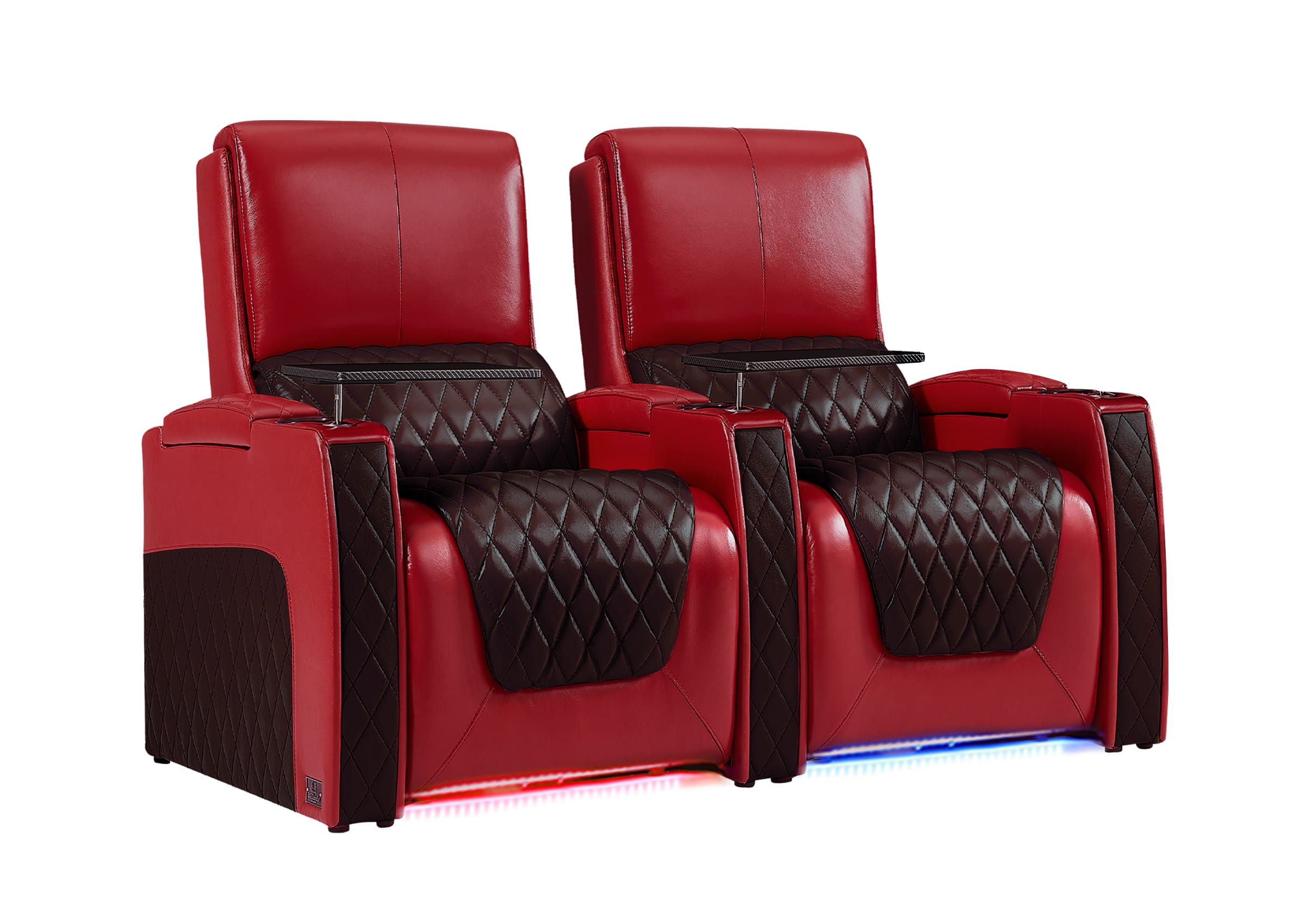
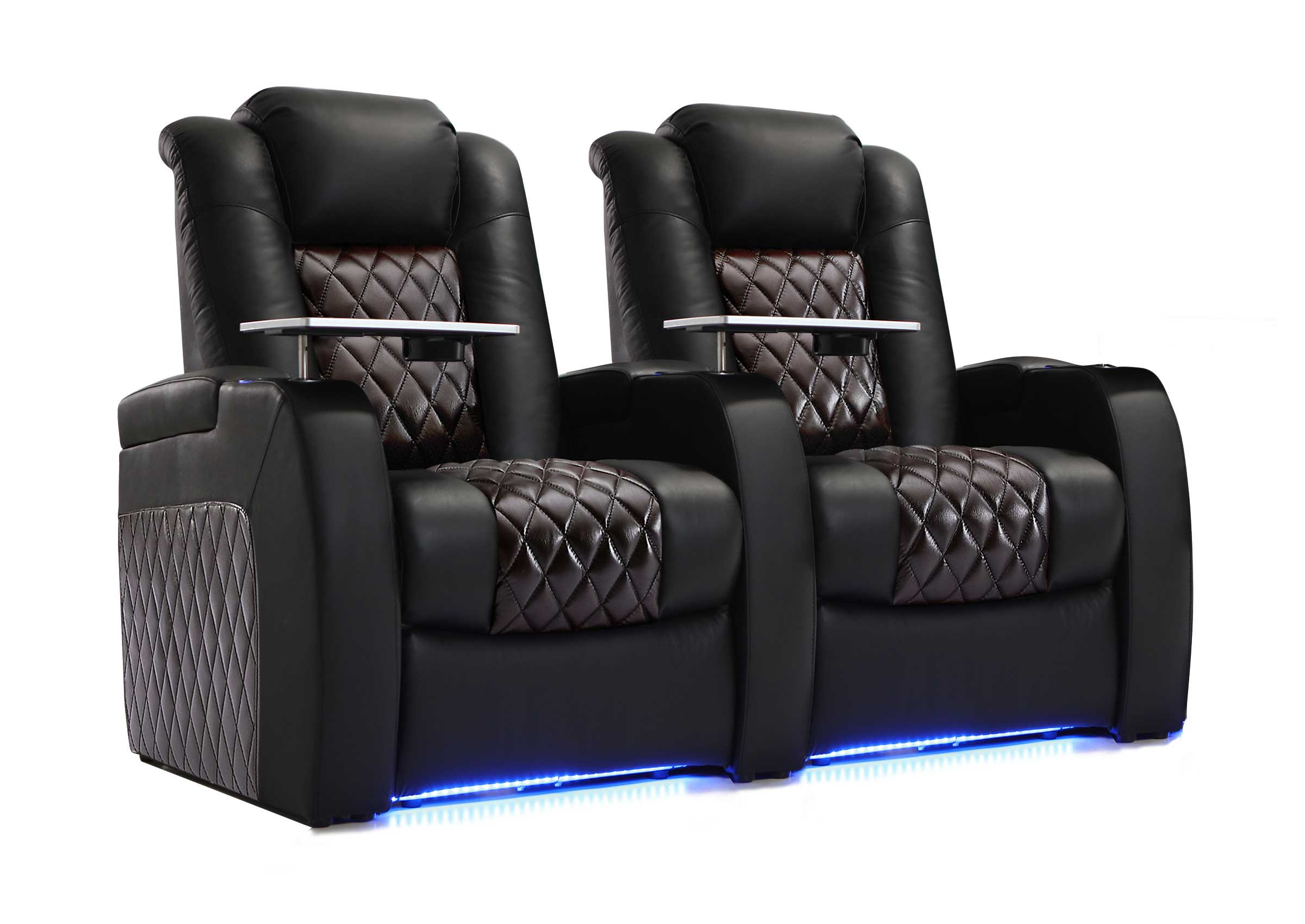
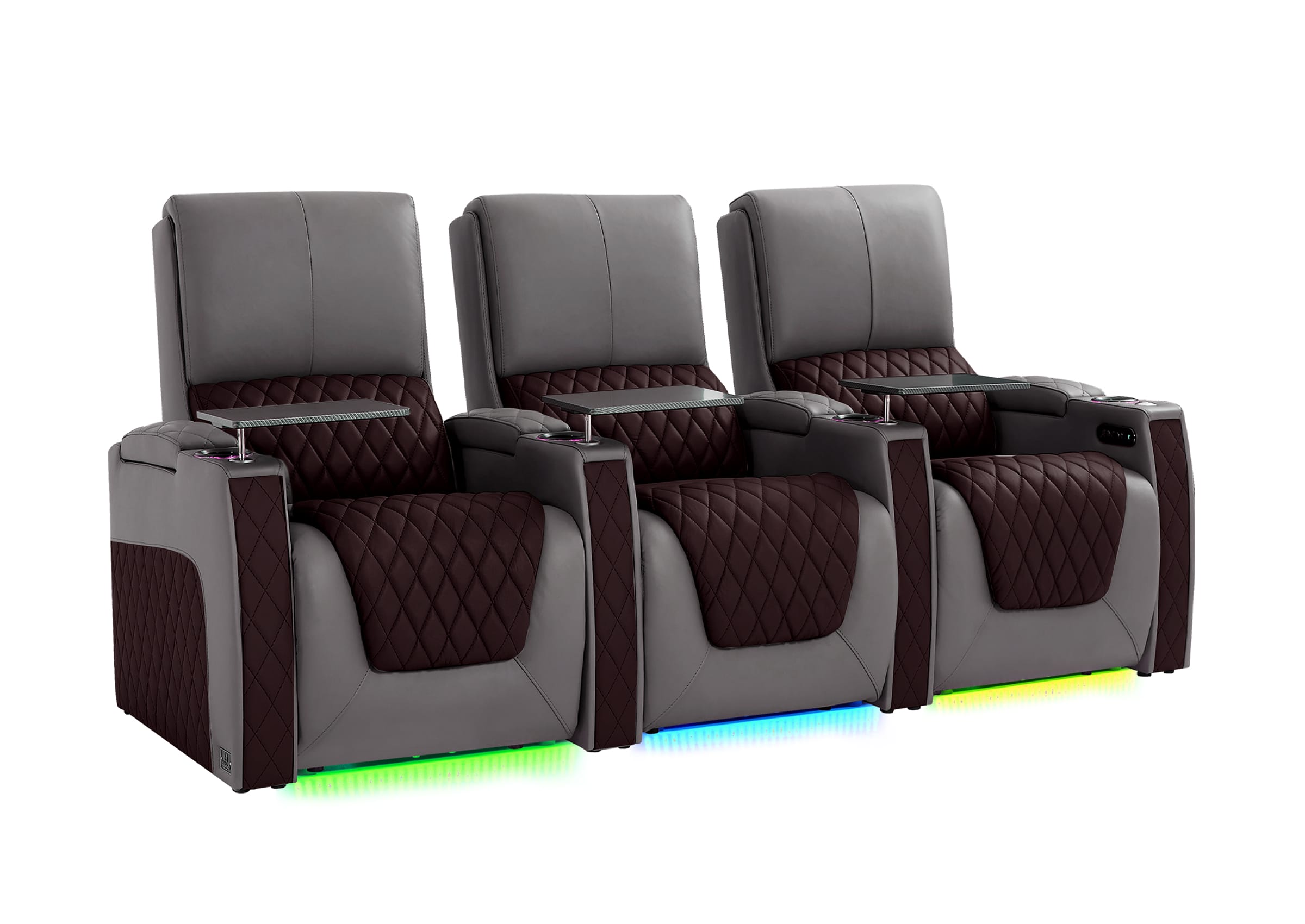
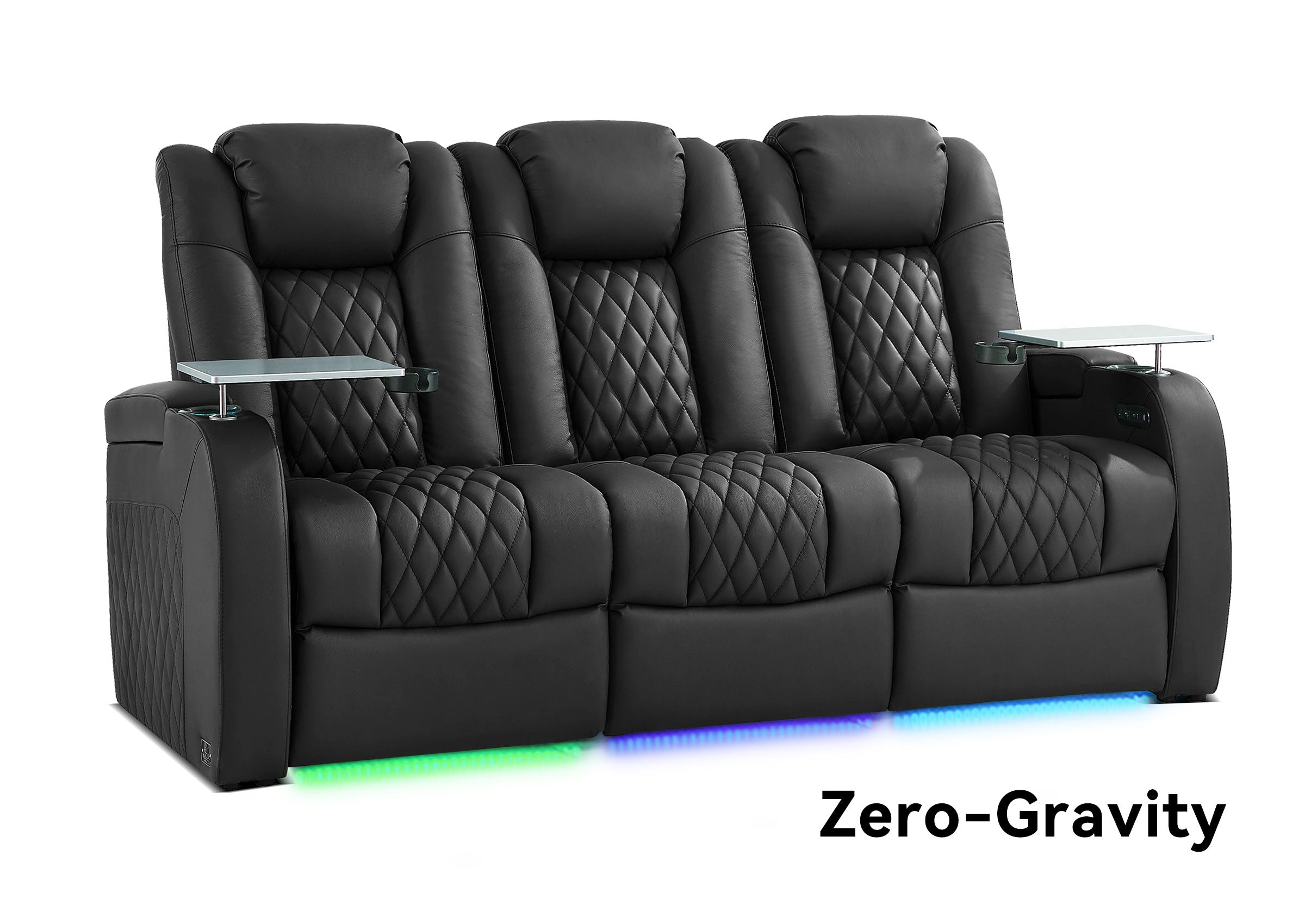


A classic row in theatre usually means a traditional line of seats arranged side by side, with every seat facing the same stage or screen. The phrase describes a seating arrangement, not a universally recognized ticket section or a guaranteed “best row.” Depending on the venue, it may refer to a straight row of fixed auditorium chairs, a familiar cinema-style row, or a connected row of seats in a home theater.
The word “classic” can make the term sound more official than it is. Most theatres identify tickets by established section names such as Stalls, Orchestra, Dress Circle, Mezzanine, Balcony, or Gallery. “Classic row” is more often descriptive language used to distinguish conventional forward-facing rows from tables, lounge seating, standing areas, cabaret arrangements, or seating placed around a stage.
Understanding that distinction makes theatre plans easier to read and helps homeowners interpret the same phrase when it appears in home theater seating descriptions.
The spelling changes by region, but the concept does not: “theatre” is common in British English, while “theater” is the usual American spelling.
What Does a Classic Row in Theatre Look Like?
A classic theatre row places several individual seats next to one another along a shared horizontal line. The audience faces one primary viewing direction, and people normally enter the row from an aisle at one or both ends.
Typical characteristics include:
- Seats facing a stage or screen rather than one another
- Repeated seat spacing across the row
- Seat numbers used to identify individual positions
- One or more aisles dividing the room into seating blocks
- Additional rows arranged behind the first
- A straight, gently curved, staggered, or elevated arrangement depending on the venue
The seats do not have to be visually old-fashioned. A modern auditorium with contemporary chairs may still use a classic row layout because the defining feature is the forward-facing arrangement, not the upholstery style or the age of the building.
Is “Classic Row” an Official Theatre Seating Term?
Not usually. It is better understood as a practical description than as a standardized theatre category.
Official seating plans tend to name the part of the auditorium first. In a live theatre, that might be the Stalls on the main floor or a raised Circle above it. Inside each section, letters usually identify rows and numbers identify seats. Row A in the Dress Circle and Row A in the Stalls are different locations even though both are front rows within their respective sections.
By contrast, a venue may use “classic row seating” when describing how a room will be arranged for an event. In that context, it often means rows of chairs facing a presentation area, as opposed to classroom seating with tables, banquet seating around round tables, or informal lounge furniture.
A home theater retailer may use similar wording for a connected group of two, three, four, or more cinema-style seats. Here, “classic row” describes the familiar visual effect of a private screening room rather than a public-theatre ticket category.
Is a Classic Row the Same as the Stalls or Orchestra?
No. A row is a line of seats; the Stalls or Orchestra is a larger seating section.
The Stalls, commonly used in British theatre terminology, normally occupy the main floor closest to the stage. In many American theatres, the comparable section is called the Orchestra. Either section can contain many rows, and those rows may be flat, gradually raked, curved, or divided by aisles.
This distinction matters when someone asks whether a “classic row” offers a good view. The arrangement alone does not reveal how close the row is to the stage, how steeply it is elevated, whether a balcony overhang blocks part of the view, or whether the seat is centered. You still need the venue’s seating plan and the exact section, row letter, and seat number.
For a broader explanation of public-space seating sections, circulation, spacing, and sightlines, review this auditorium seating layout guide.
How Is a Classic Row Different From a Curved Row?
A classic straight row keeps the seats aligned across a relatively direct horizontal line. It is simple to understand, efficient to plan, and familiar in theatres, cinemas, lecture halls, and private screening rooms.
A curved row turns the outer seats slightly toward the center of the stage or screen. The curve may improve the viewing orientation of seats near the sides, but it can also require more room depth and create a wider or less predictable footprint.
Neither layout is automatically better. A straight row often works well when:
- The room is rectangular
- The screen is centered
- Space efficiency is important
- The row is not excessively wide
- Simple alignment with walls and aisles is preferred
A curved row may be useful when:
- A wide row places the outside seats at noticeable viewing angles
- The room has enough depth for the curve
- A more immersive, cinema-like presentation is desired
- The seating design and connectors support the intended arc
In a small room with two or three seats, a dramatic curve may offer little practical benefit. In a wider room, a gentle curve can make the outside positions feel more naturally directed toward the screen.

Does Classic Row Seating Have to Be Flat?
No. “Row” describes how seats are grouped across the room, while “rake” describes how seating rises from front to back.
A flat-floor room can use classic rows, but people in the back may have to look between those seated in front. A raked auditorium gradually raises successive rows to improve sightlines. A home theater may use a platform or riser beneath a rear row for a similar reason.
Rows may also be staggered so that one seat is positioned behind the gap between two seats in front. This can reduce direct head-to-head obstruction without changing the basic forward-facing row concept.
These elements solve different problems:
| Seating feature | What it describes | Main purpose |
|---|---|---|
| Straight row | Side-to-side seat alignment | Simple, efficient arrangement |
| Curved row | Seats angled toward the viewing center | Better orientation from wider positions |
| Raked rows | Increasing floor height from front to back | Improved sightlines |
| Staggered rows | Offset positions between successive rows | Reduced direct visual obstruction |
| Tiered rows | Separate raised levels or platforms | Clearer elevation between rows |
A theatre can combine several of these features. For example, it may have curved rows on a raked floor, with seats staggered between one row and the next. For residential multi-row planning, see how home theater riser height affects sightlines.
Why Do Theatres Use Traditional Rows?
Traditional rows remain common because they organize a large audience around one shared focal point. They can provide an efficient balance of capacity, visibility, circulation, ticket identification, and audience attention.
Rows also make it easier to:
- Divide seating into numbered sections
- Maintain defined aisles and entry routes
- Direct most viewers toward the performance
- Coordinate repeated seat spacing
- Organize different ticket locations and price levels
- Plan accessible positions and companion seating within the venue
However, the familiar appearance of row seating does not guarantee a good experience. Comfort and visibility still depend on seat width, legroom, row spacing, floor elevation, aisle access, stage height, and the position of the individual seat.
Is the Front Row a Classic Row?
It can be, but “classic row” and “front row” do not mean the same thing.
The front row is simply the first row within a particular section. A theatre may have a front row in the Stalls, another at the Dress Circle, and another at the Upper Circle. Each creates a different relationship to the stage.
Being closer is not always better. A very close seat may feel immersive but require the viewer to look upward or make it harder to take in the full stage. A raised front row in a Circle may offer a broader view, although rails, limited legroom, or distance can affect the experience. The best choice depends on the venue, production, viewer height, mobility needs, and preference for detail versus a complete stage picture.
What Does a Classic Row Mean in a Cinema?
In a cinema, the phrase usually points to the conventional arrangement of seats facing one screen in repeated rows. It may be used to contrast standard seating with recliner auditoriums, dine-in tables, paired loveseats, premium pods, beds, or other specialty formats.
The term does not tell you whether the cinema seats recline, how much legroom they provide, or whether the row is considered standard or premium. Those details must be confirmed through the cinema’s seating map and ticket description.
The same rule applies when selecting a seat: row position is only part of the decision. Horizontal position relative to the screen, screen size, auditorium slope, speaker placement, and personal viewing preference can all change which seat feels best.
What Does a Classic Row Mean in a Home Theater?

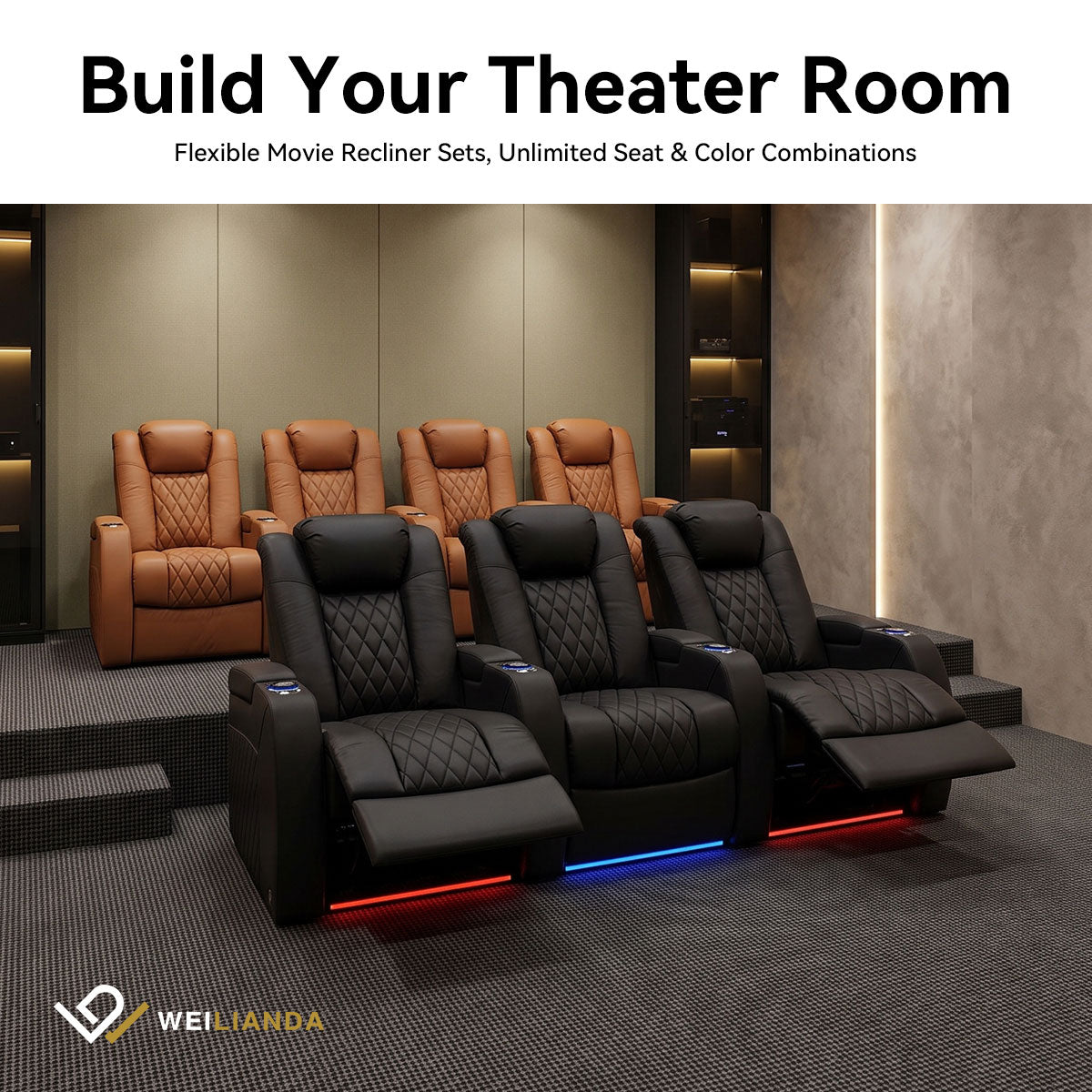
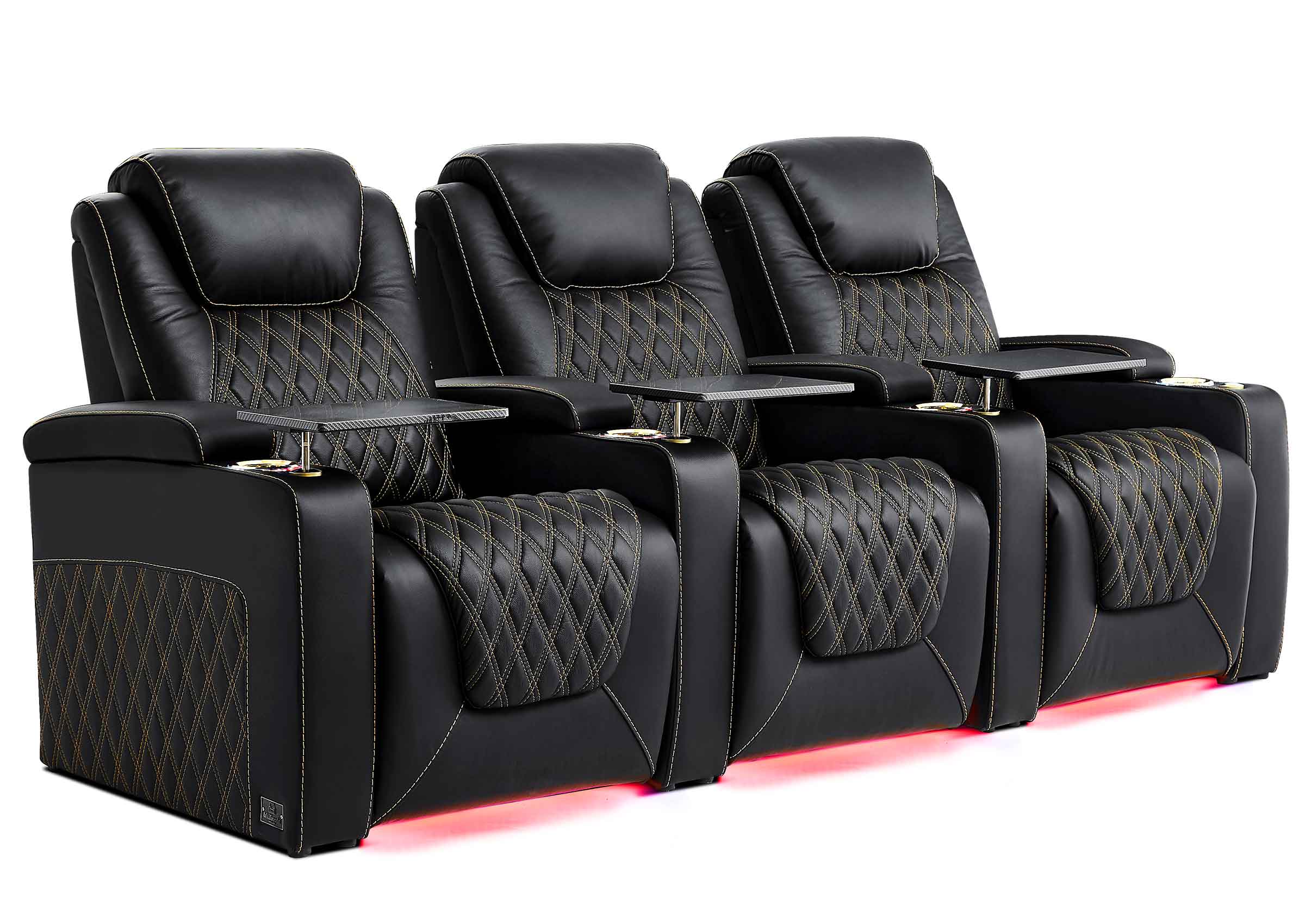
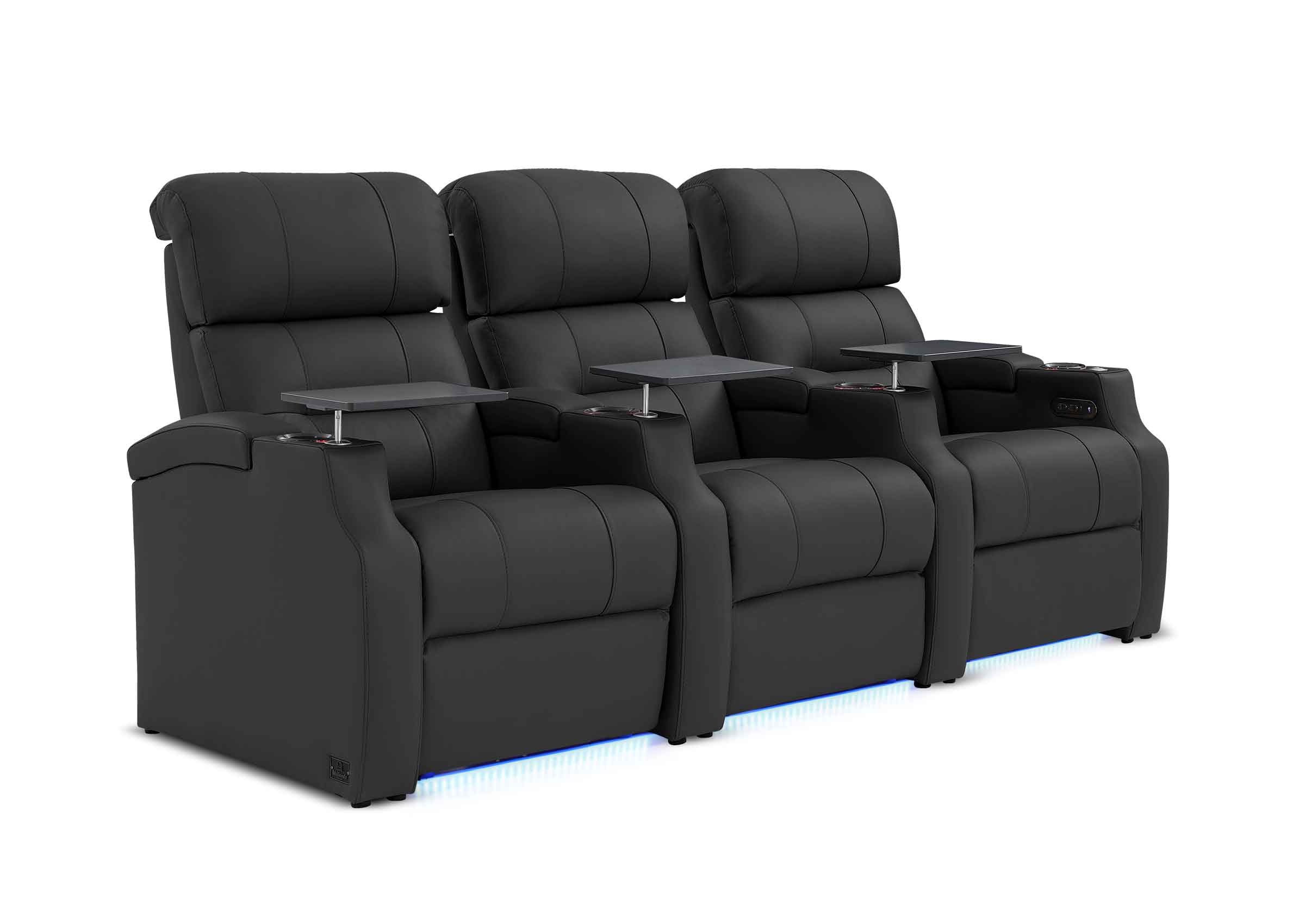
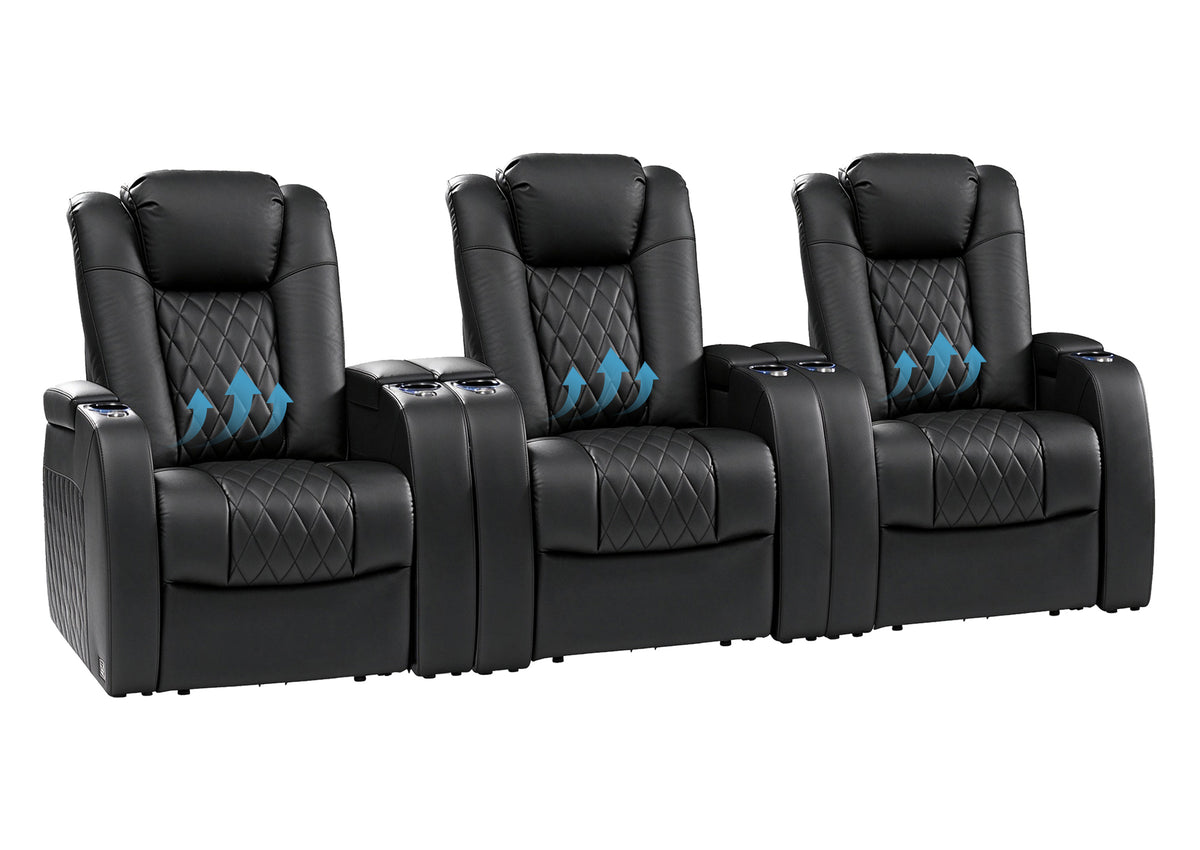
In a home theater, a classic row usually describes a coordinated group of seats placed side by side and directed toward the screen. The seats may be separate recliners, connected theater chairs, a loveseat-style pair, or a modular combination that visually reads as one row.
Common examples include:
- A row of two for a compact private cinema
- A row of three centered on the screen
- A row of four with shared or individual armrests
- Two rows separated by sufficient reclining and walking space
- A straight front row with a raised rear row
The phrase alone should not determine the layout. Before choosing a row, homeowners need to confirm the room’s usable width, the complete width of the selected configuration, the space required when seats recline, aisle access, doorway clearance, and the viewing position relative to the screen.
One practical mistake is planning only around the number of people. Four seats may technically fit across a wall while leaving no comfortable route into the room. A slightly smaller row, a loveseat configuration, or two shorter rows may work better once circulation and recline space are considered. A complete home theater dimensions guide can help you evaluate those room-level constraints.
EXPLORE YOUR OPTIONS
Could a Classic Seating Row Work in Your Home Theater?
Compare seating configurations with your room width, viewing direction, recline space, and everyday use before deciding how many seats belong in the row.
How Many Seats Are Usually in a Classic Home Theater Row?
There is no required number. Two-, three-, and four-seat rows are common residential configurations, but the right count depends on the room and the way it is used.
A row of two can suit a compact room or a couple who values generous personal space. A row of three often creates a natural center seat while keeping the overall configuration manageable. A row of four increases capacity, but it also increases total width and may place the outside seats farther from the screen’s centerline.
Larger rooms can use longer rows or multiple shorter rows. More seats are not automatically better if they reduce aisle access, force the outer positions into poor viewing angles, or require a rear row without adequate sightline planning.
How Should You Choose Between a Classic Row and a Sofa?
Choose according to the room’s purpose rather than the theatre look alone.
A classic row of individual or connected recliners supports screen-focused viewing. Each person can have a defined position, and some configurations may provide individual armrests or independent reclining. This can work well in a dedicated home theater where movies are the main activity.
A sofa or reclining couch can feel more natural in a mixed-use media room. It supports casual lounging, conversation, children, pets, and sitting closer together. It may also make the space feel less formal when the room serves as a family room, gaming area, or everyday television space.
The better question is not “Which looks more like a real theatre?” It is “How will people use this room when they are not watching a feature-length movie?” That answer often reveals whether a formal row or a more flexible sofa-style arrangement will be more satisfying over time.
What Should You Check Before Planning a Theatre-Style Row at Home?
Start with the actual room and the actual seating configuration. Product labels such as “row of three” or “row of four” are not substitutes for dimensions.
Confirm:
- Usable room width after accounting for doors, trim, columns, and equipment
- Total configuration width, including every armrest and console
- Upright depth and fully reclined depth
- Clearance behind and in front of the seats
- A practical walking route into and through the room
- Delivery access through exterior doors, hallways, stairs, and turns
- Screen position and the viewing angle from the outer seats
- Power access if the selected seating uses powered functions
- Sightlines if another row will sit behind the first
Measure the selected model rather than relying on a generic theatre-seat estimate. Dimensions, connection methods, reclining movement, and feature availability can vary substantially between designs.
What Are the Most Common Misunderstandings About Classic Theatre Rows?
Does “classic” mean vintage seating?
Not necessarily. The word may refer to a familiar arrangement even when the chairs are modern.
Is it the best row in the theatre?
No. It describes a layout, not a quality ranking or ideal viewing location.
Does it mean the first row?
No. Any forward-facing row may be described this way. The front row is a specific position within a section.
Is every classic row straight?
Many are straight, but venues and home theaters may use gentle curves while retaining a traditional row-based layout.
Will a row of four fit any four-person room?
No. Seat count does not reveal total width, recline clearance, aisle needs, or delivery access. The complete configuration must be measured.
FAQ
What is a classic row in theatre?
A classic row in theatre is a conventional line of seats arranged side by side and facing one stage or screen. It describes the seating format rather than an official ticket section.
Is classic row seating the same as theatre-style seating?
The phrases can overlap. Theatre-style seating usually refers more broadly to forward-facing audience seating, while classic row seating emphasizes the familiar side-by-side row arrangement.
Is a classic row always in the Stalls?
No. Traditional rows can appear in the Stalls, Orchestra, Circle, Balcony, cinema auditorium, or private home theater. The section name and the row arrangement describe different things.
What is the difference between a row and a seating section?
A row is one horizontal line of seats. A seating section is a larger area containing multiple rows, such as the Orchestra, Stalls, Mezzanine, or Dress Circle.
Are straight or curved theatre rows better?
Straight rows are simple and space-efficient, while curved rows can orient outside seats more directly toward the screen or stage. The better option depends on room width, depth, viewing angles, and the selected seating system.
Can recliners be arranged in a classic row?
Yes. Home theater recliners can be placed or connected side by side to create a traditional row. The room must still allow for the seats’ full reclining movement and a usable walking path.
How many seats should a home theater row have?
There is no universal number. Choose the seat count only after checking total configuration width, aisle space, viewing angles, recline clearance, and how many people regularly use the room.
Does a classic row provide the best view?
Not by itself. View quality depends on the row’s distance, elevation, horizontal position, nearby obstructions, stage or screen height, and the viewer’s preferences.
A Familiar Layout With More Than One Meaning
A classic row in theatre is best understood as a familiar forward-facing line of seats, not as a formal ticket category. In a public theatre, it may describe the conventional audience arrangement within the Stalls, Circle, or another section. In an event venue, it may distinguish rows from tables or lounge seating. In a home theater, it often describes a connected or coordinated row of seats facing the screen.
The term becomes useful once the context is clear. If you are booking a performance, check the exact section, row, seat number, sightline, and access information. If you are planning a home theater, look beyond the phrase and confirm the full seating dimensions, viewing orientation, recline space, walking route, and delivery path. The classic appearance matters, but the row works only when it fits the way the room will actually be used.
If you need help comparing a seating configuration with your room and intended use, contact Weilianda Support or email leon@weiliandahome.com.