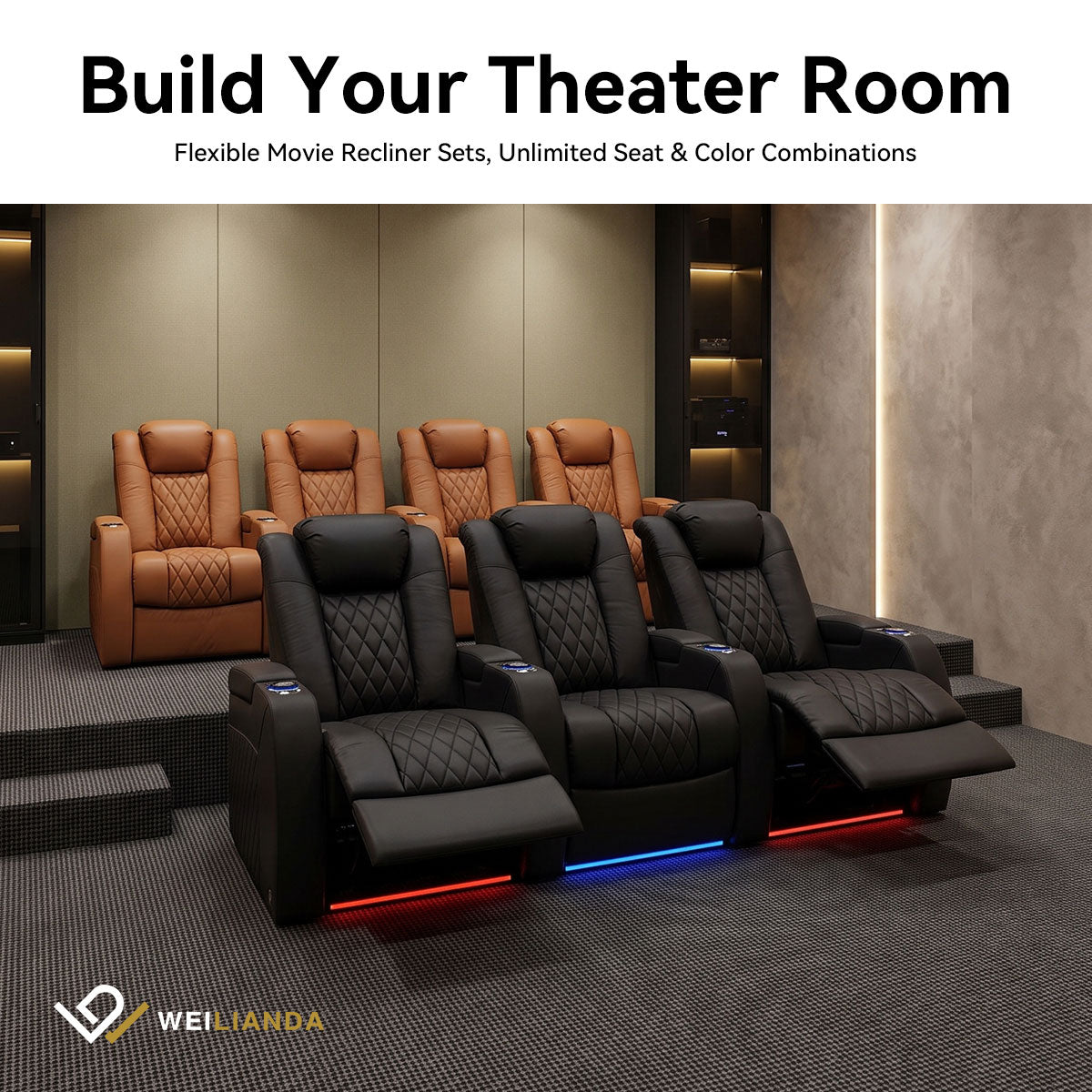



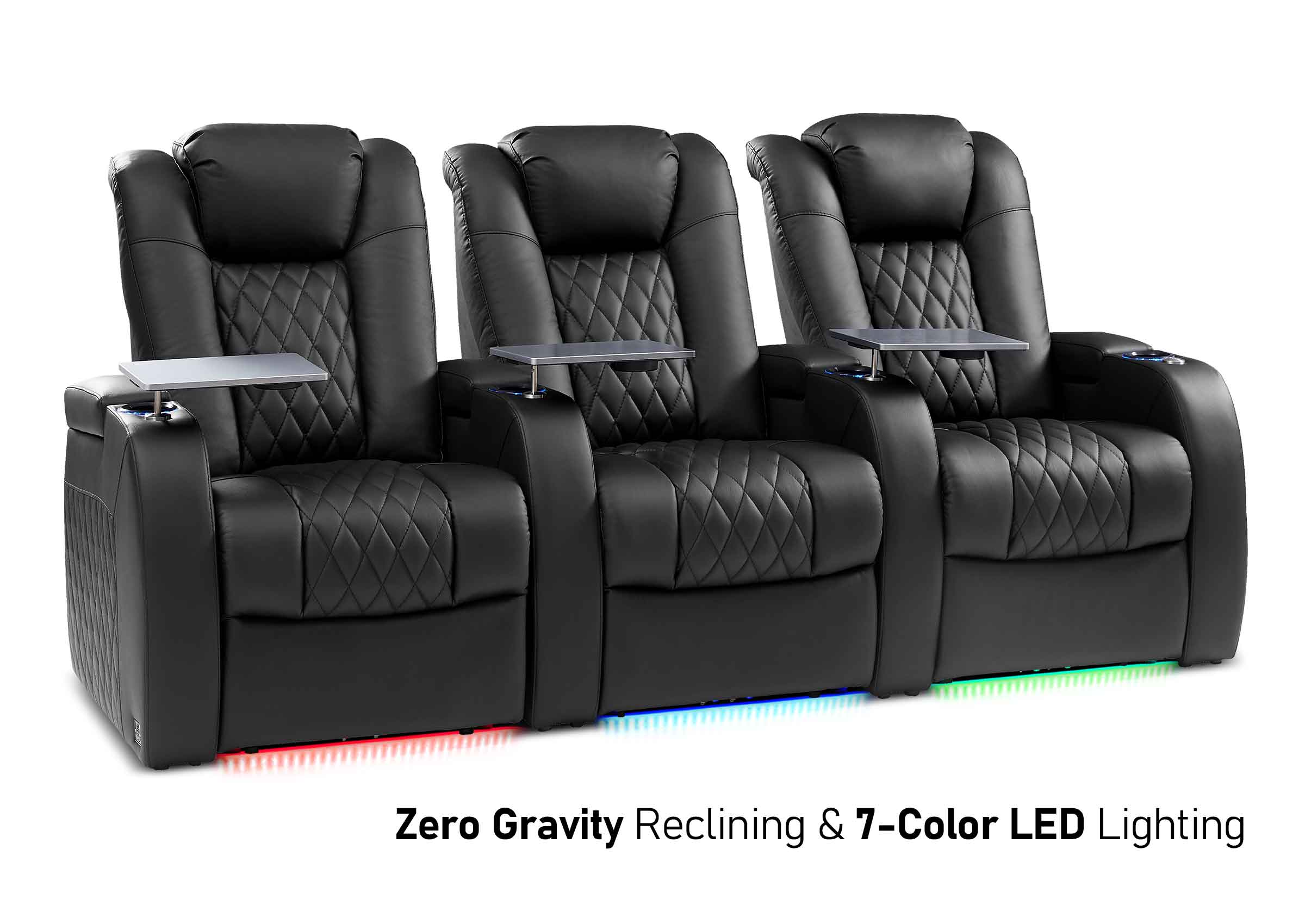
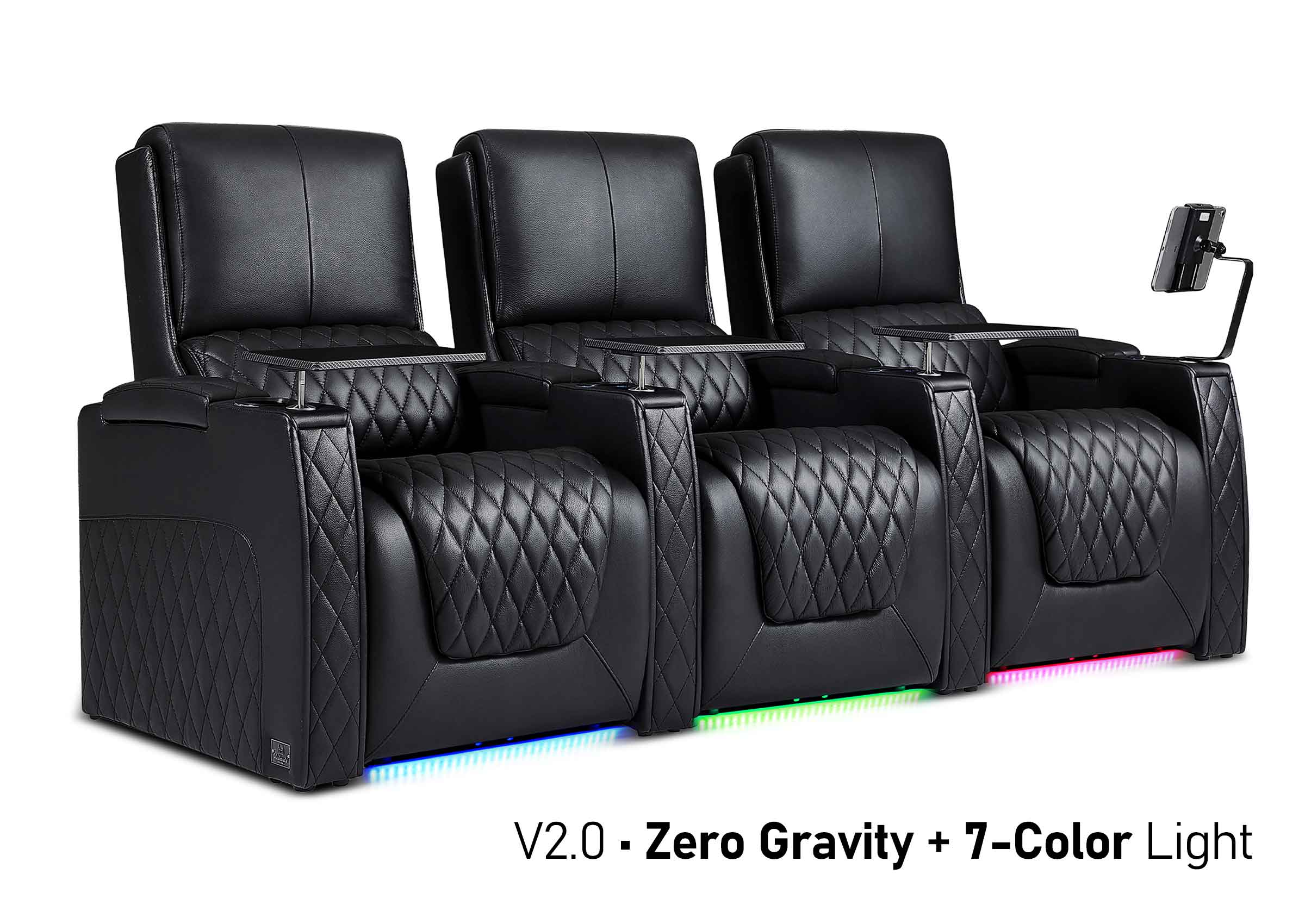
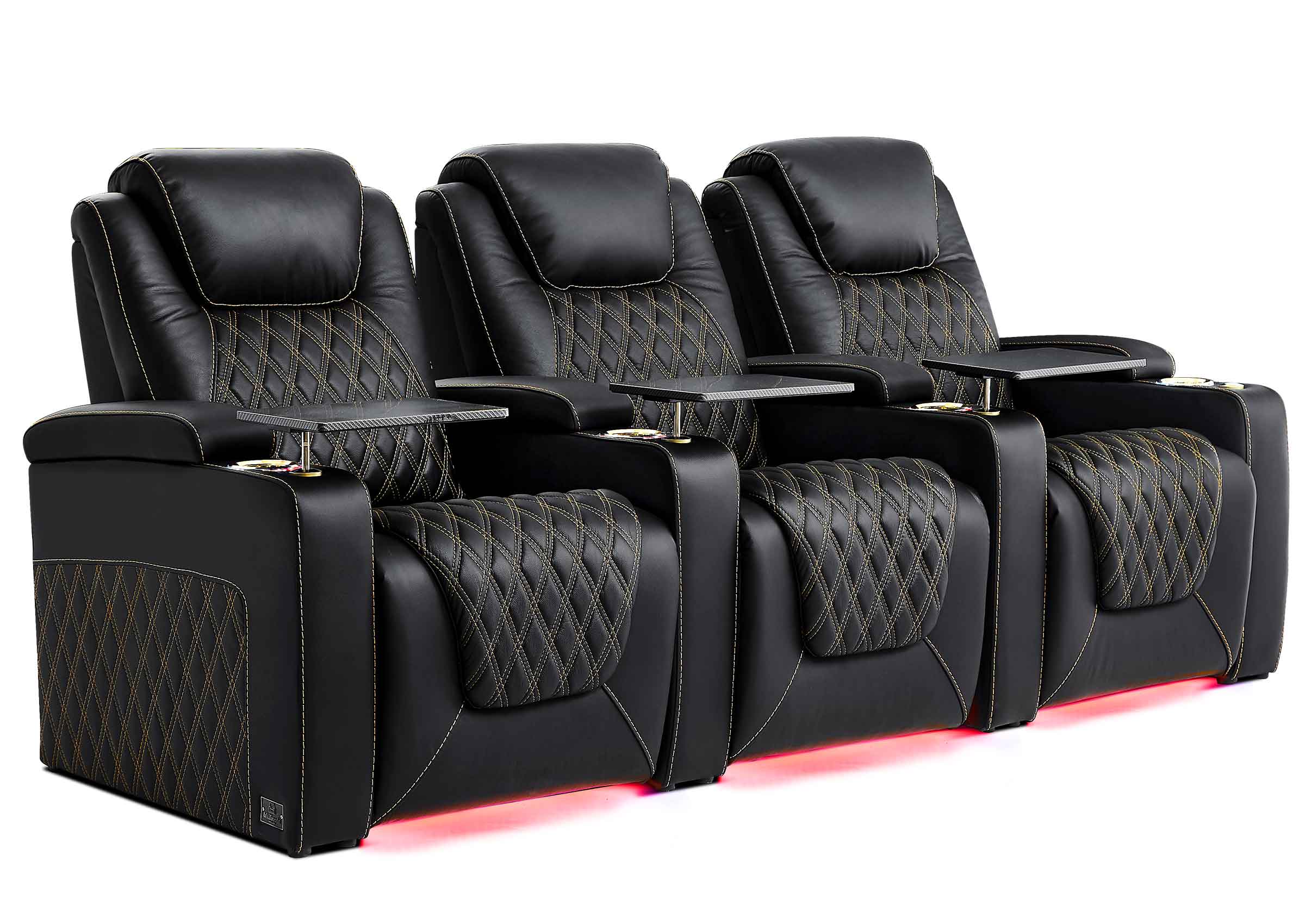
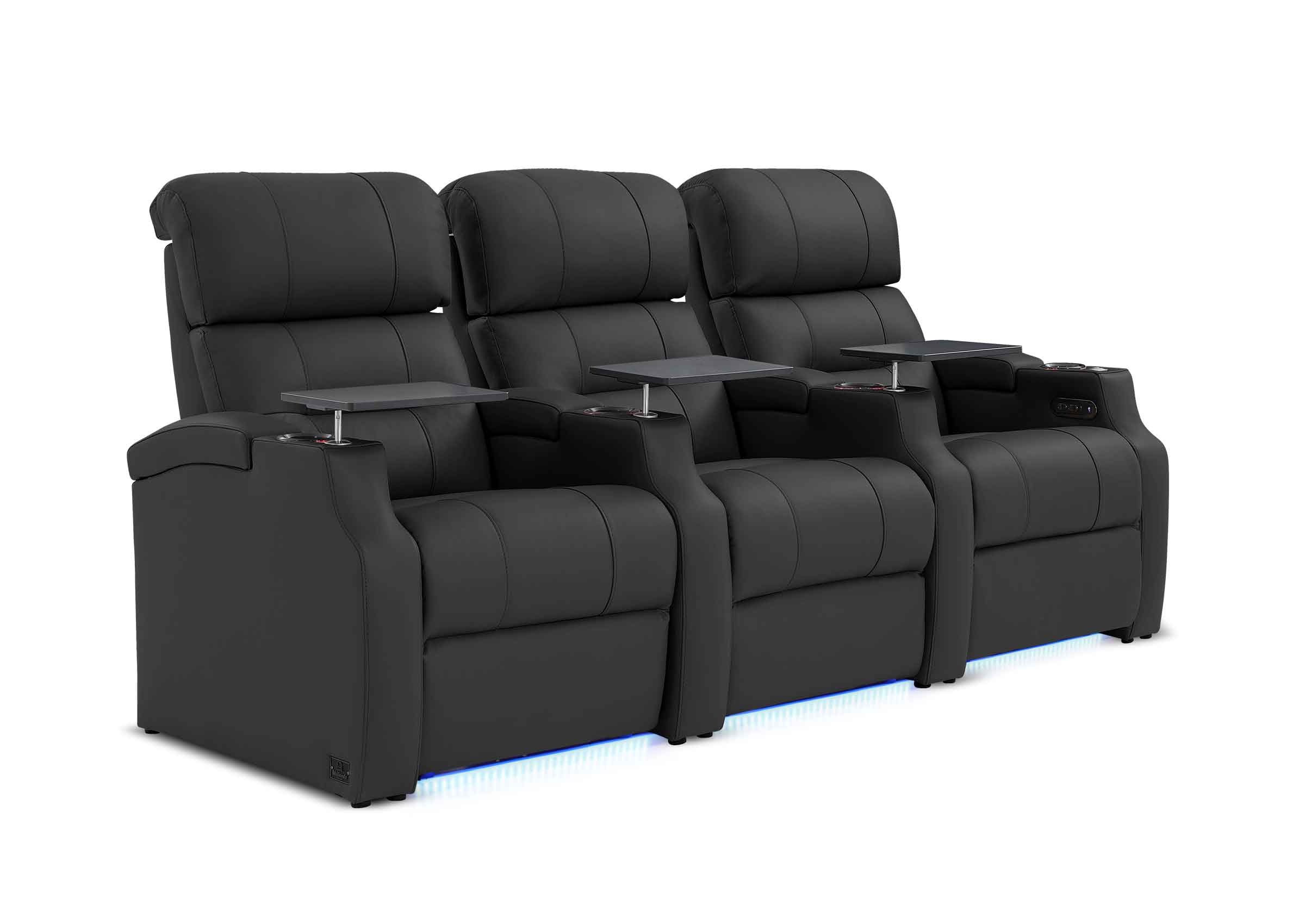


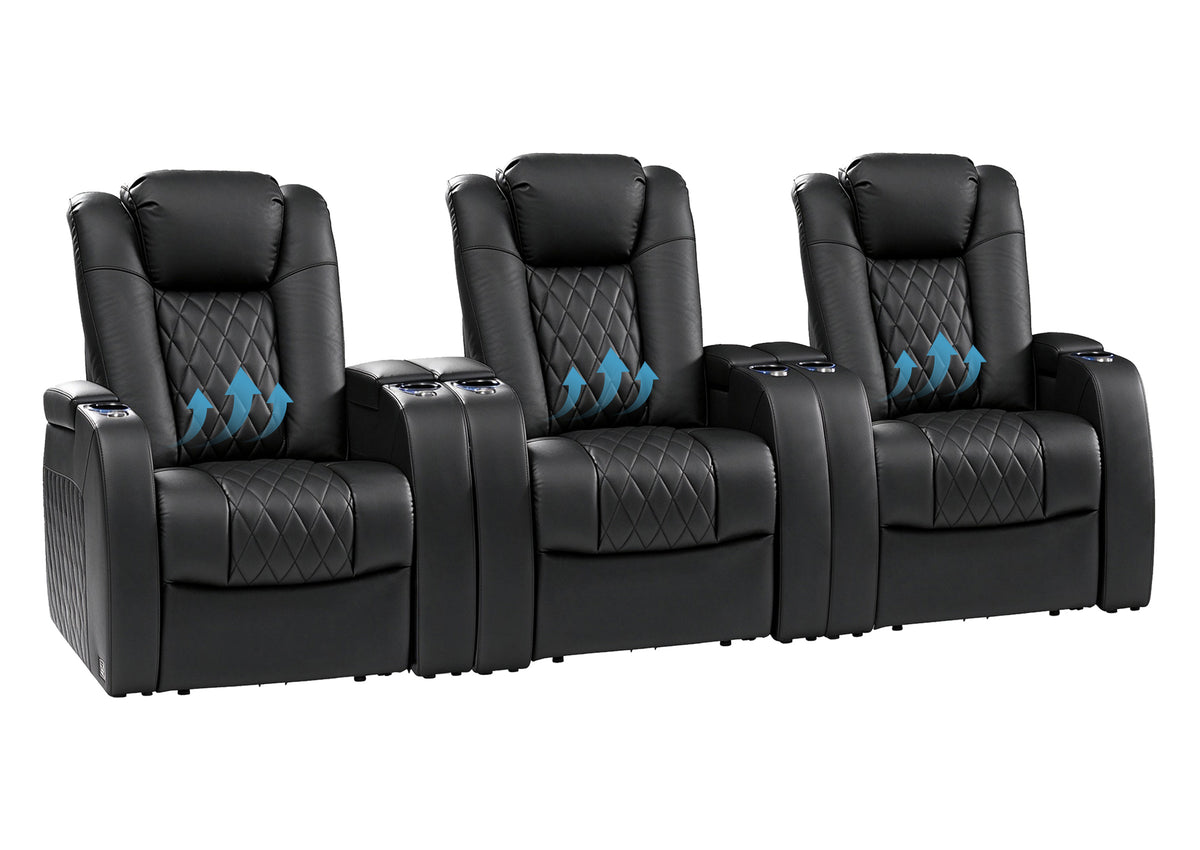
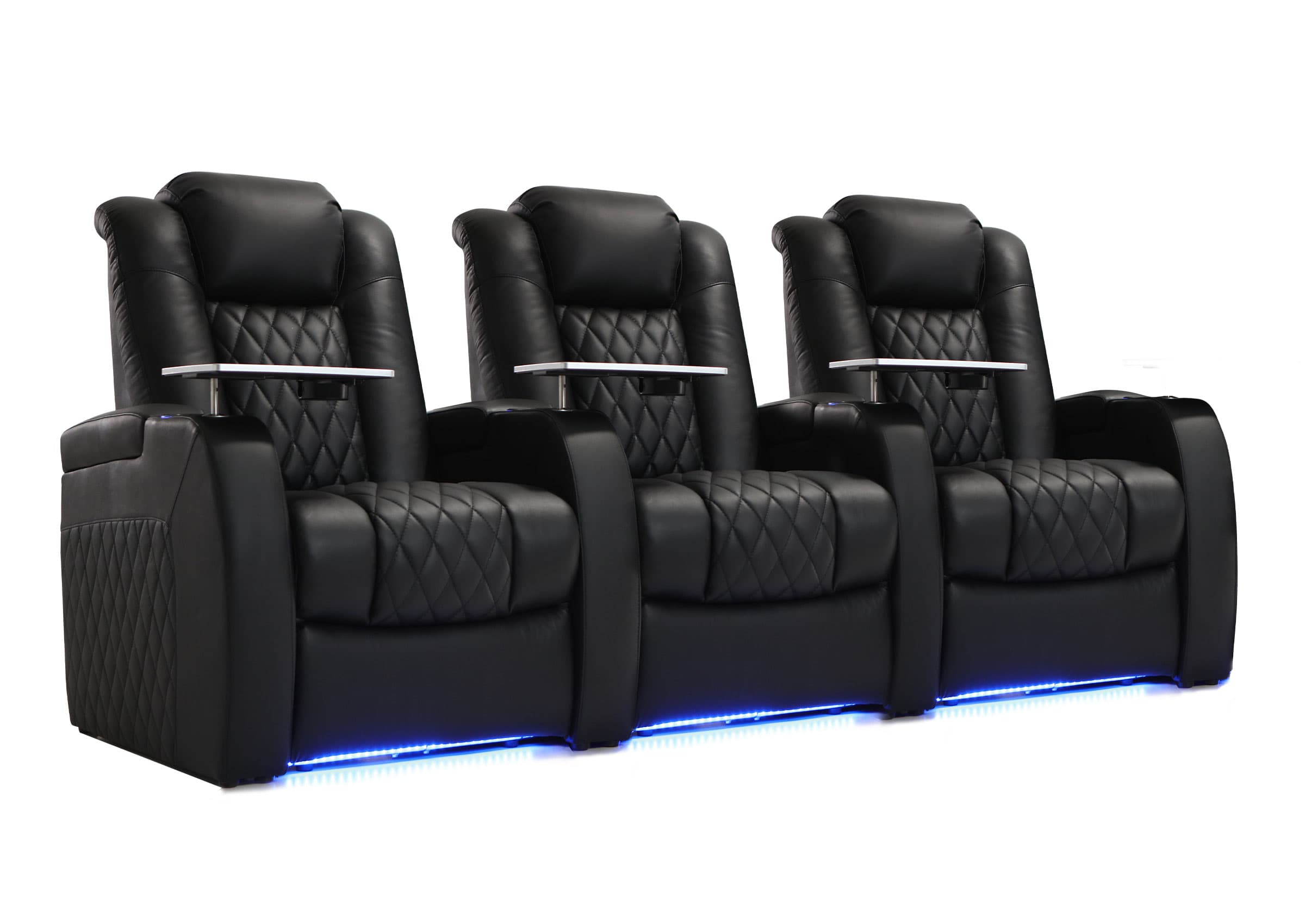
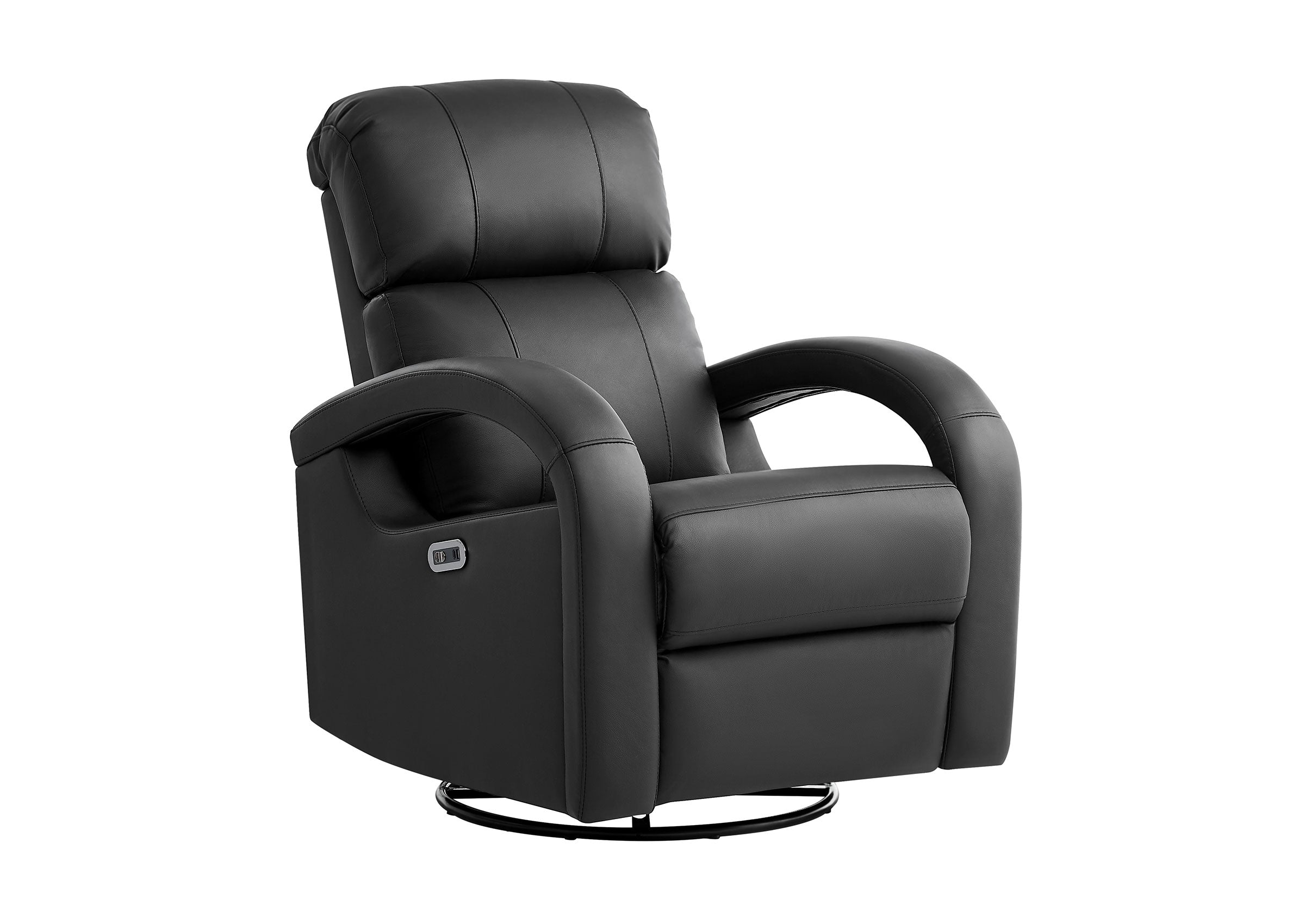

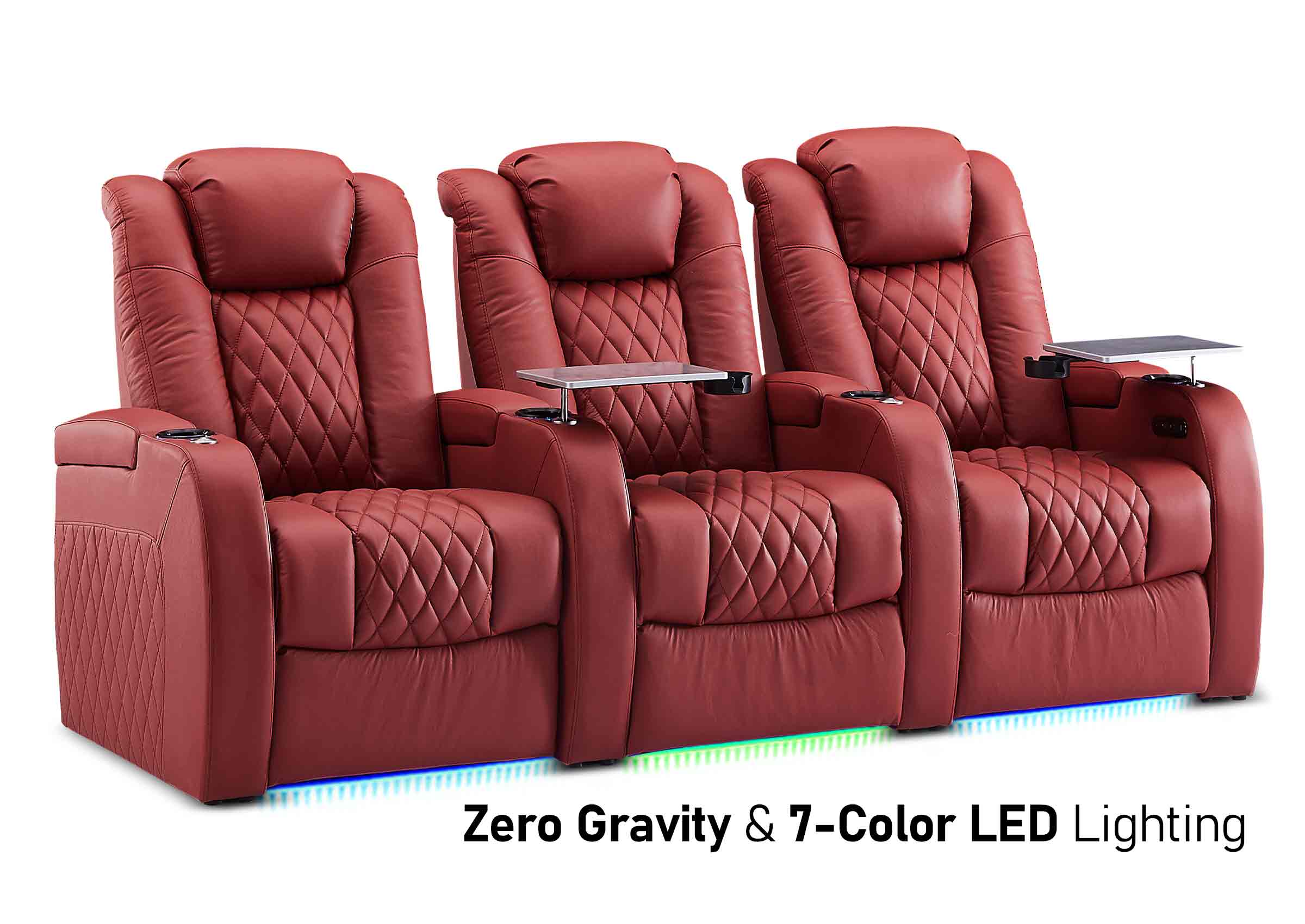

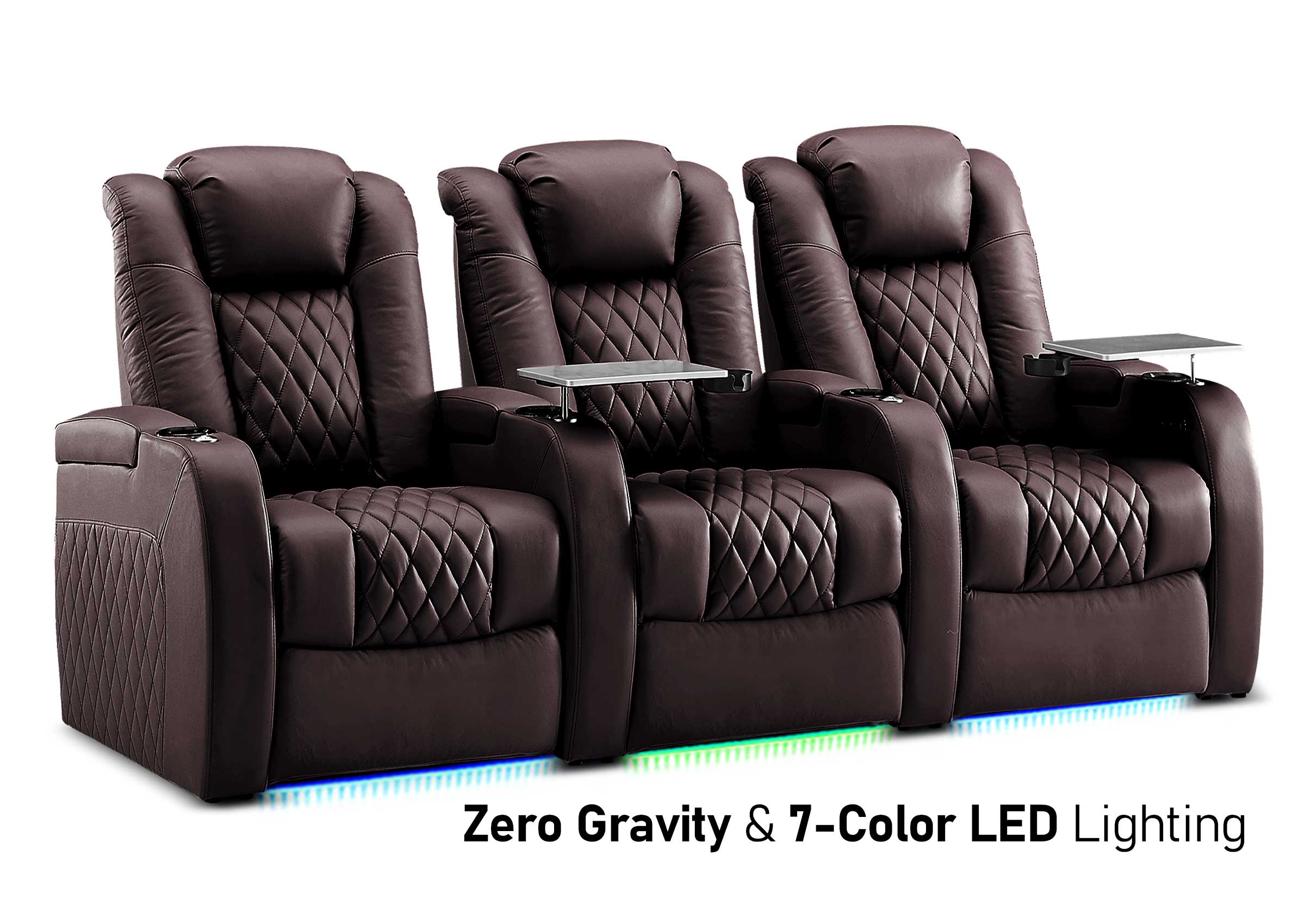

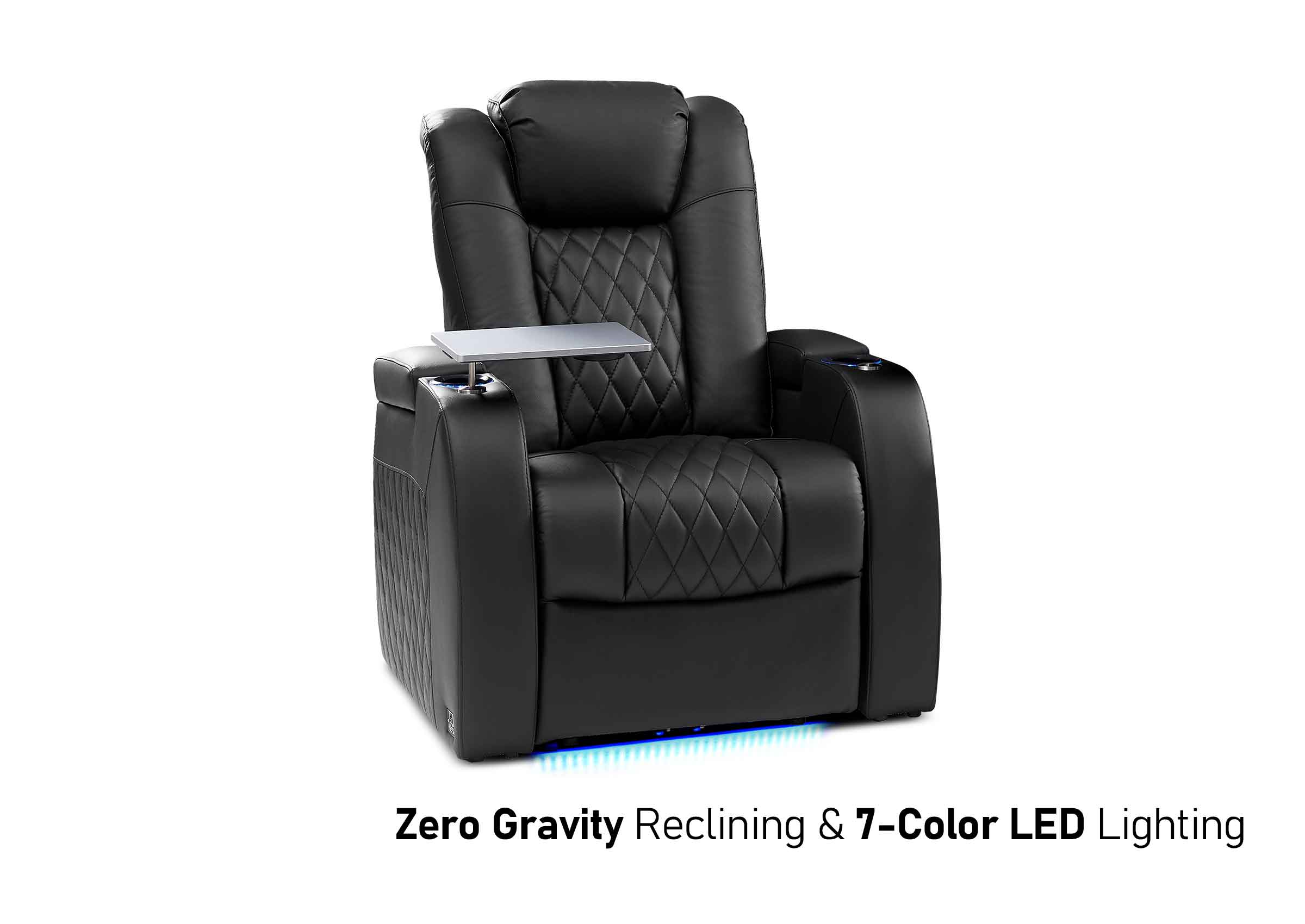
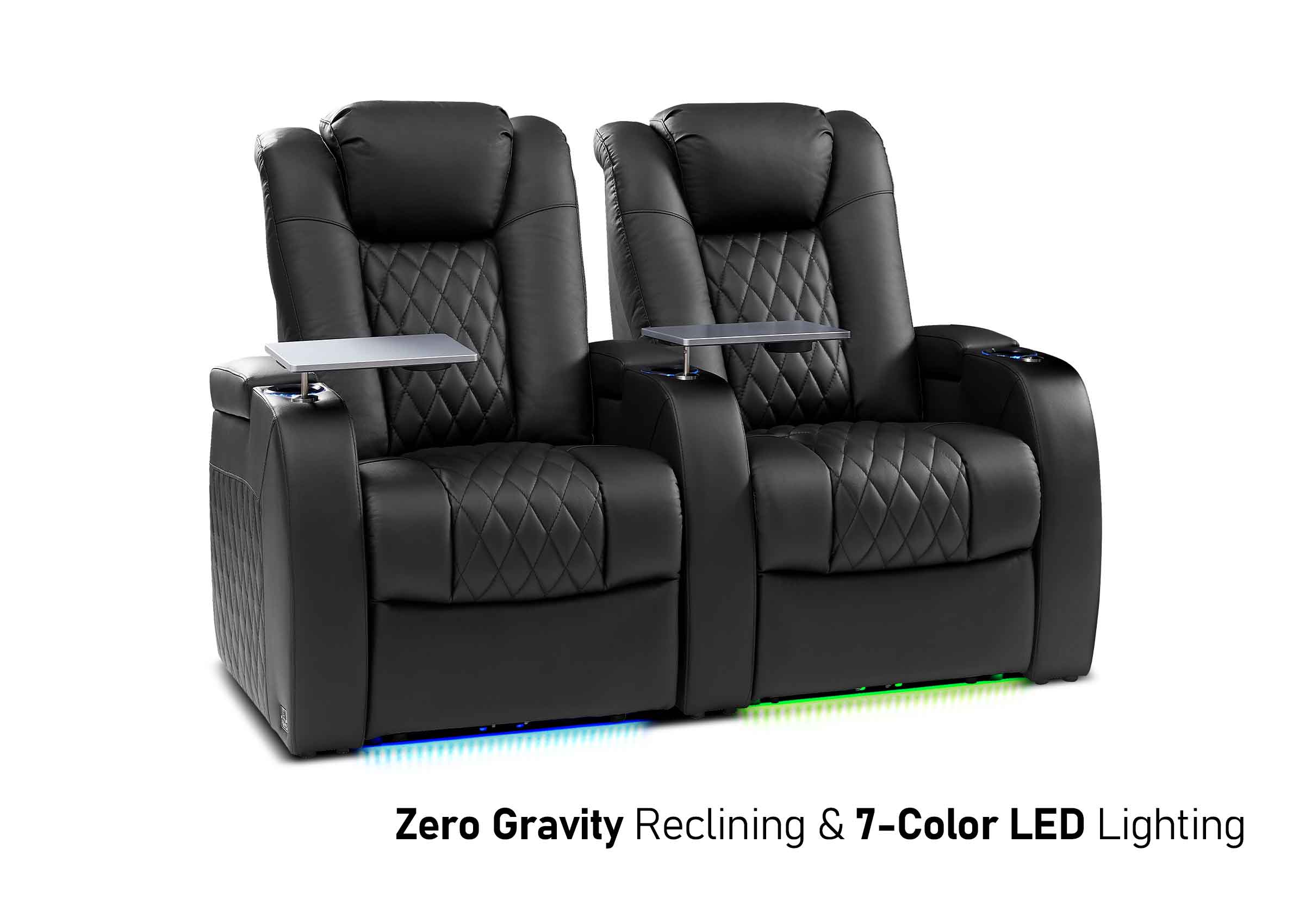
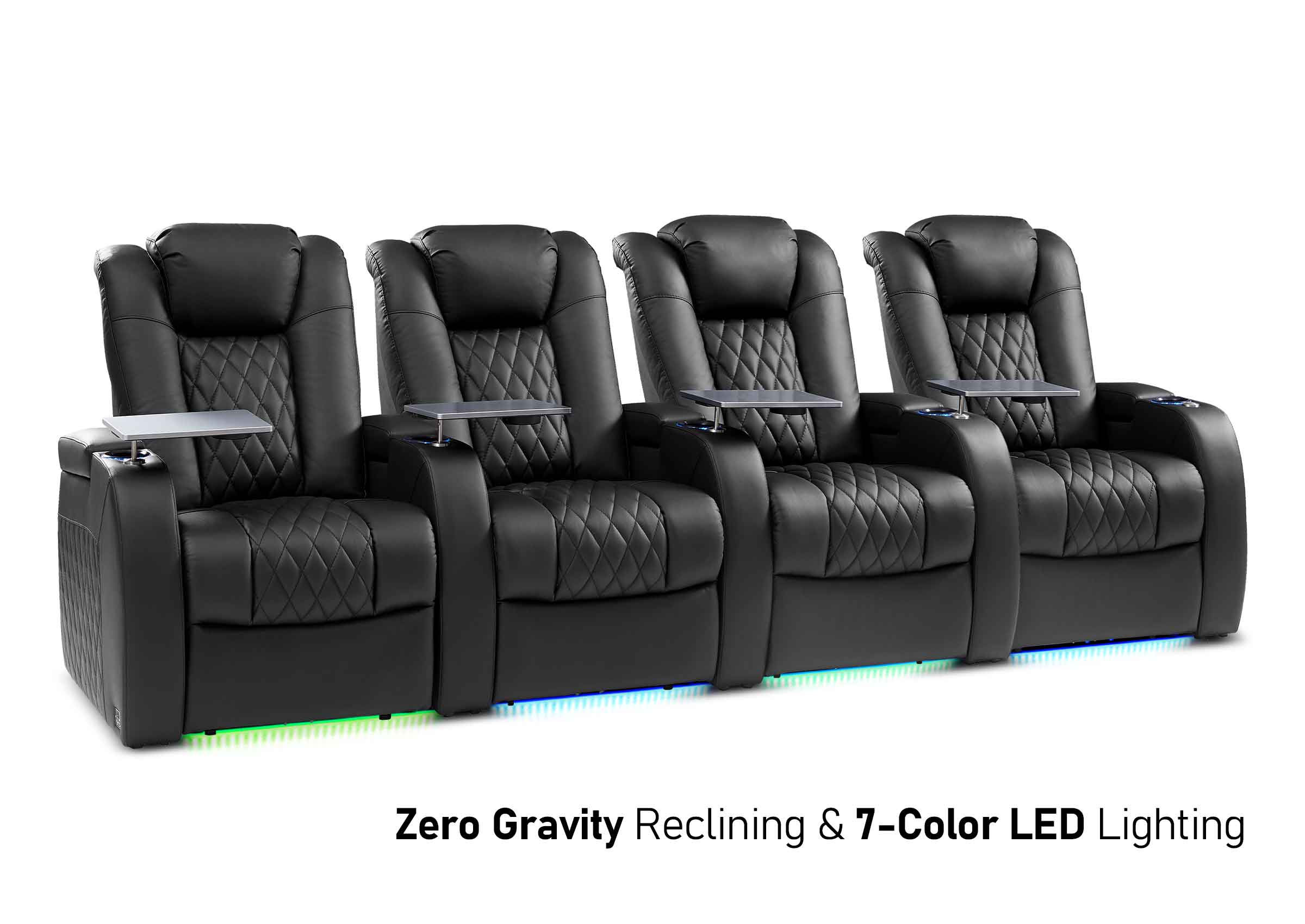
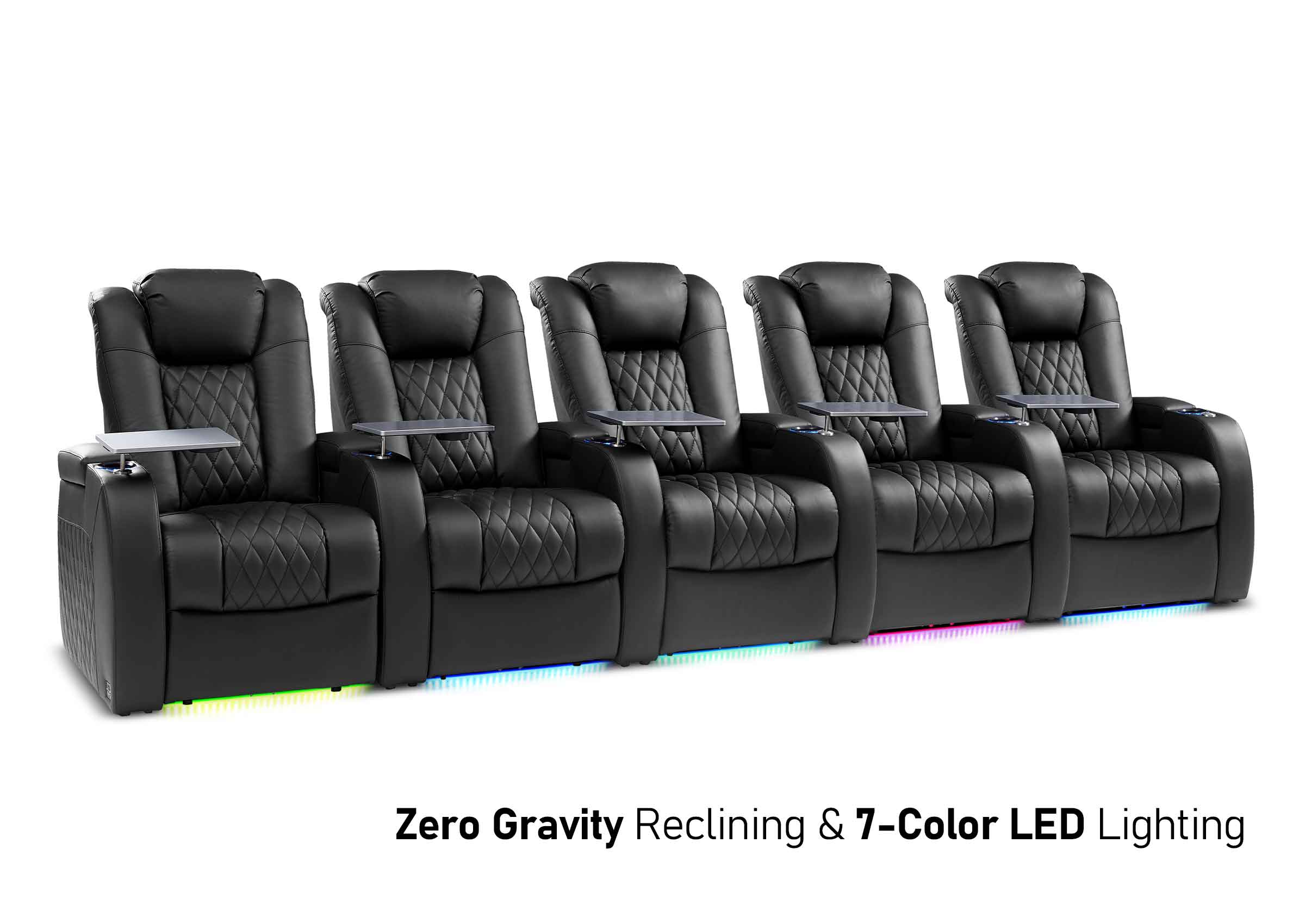
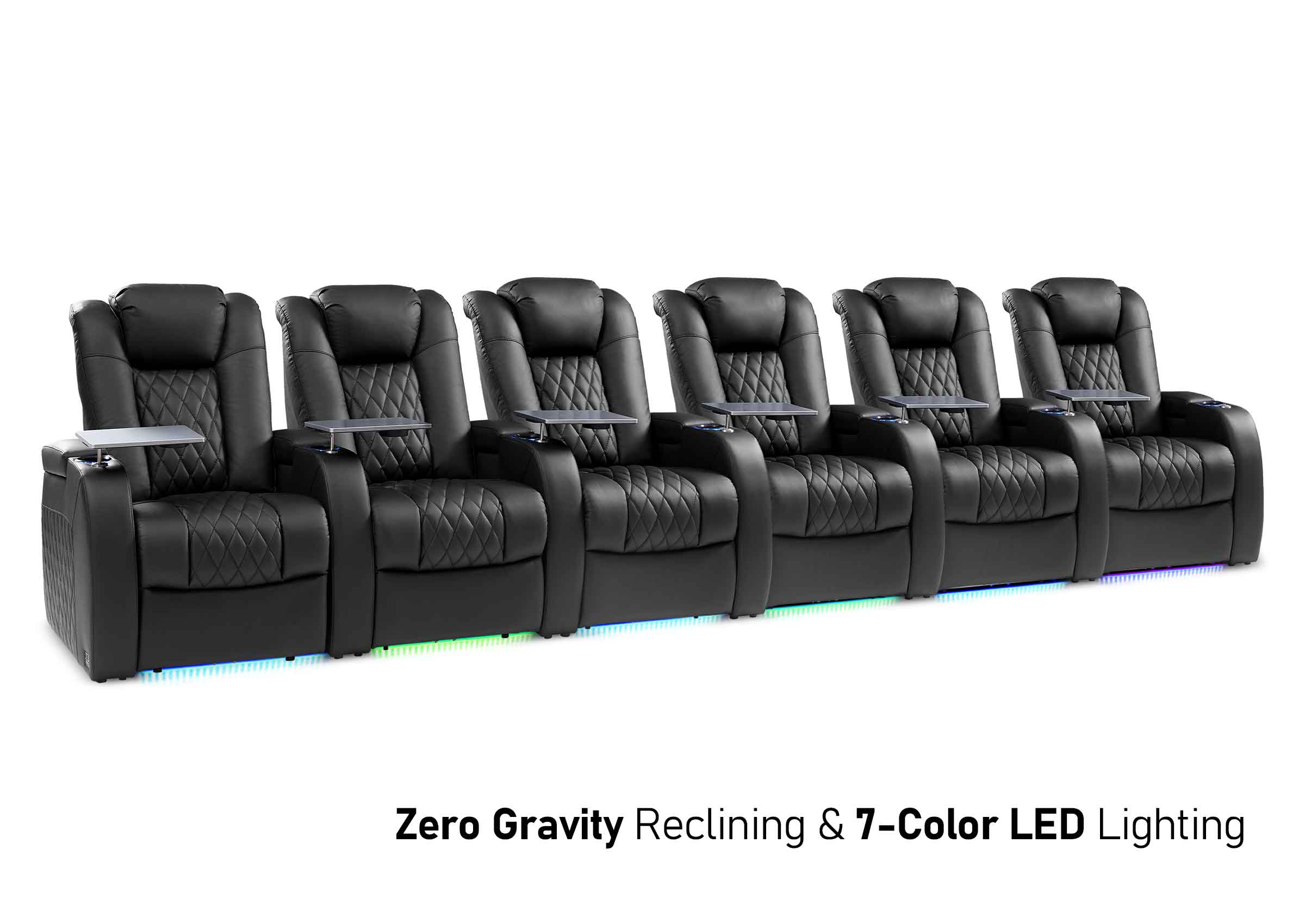
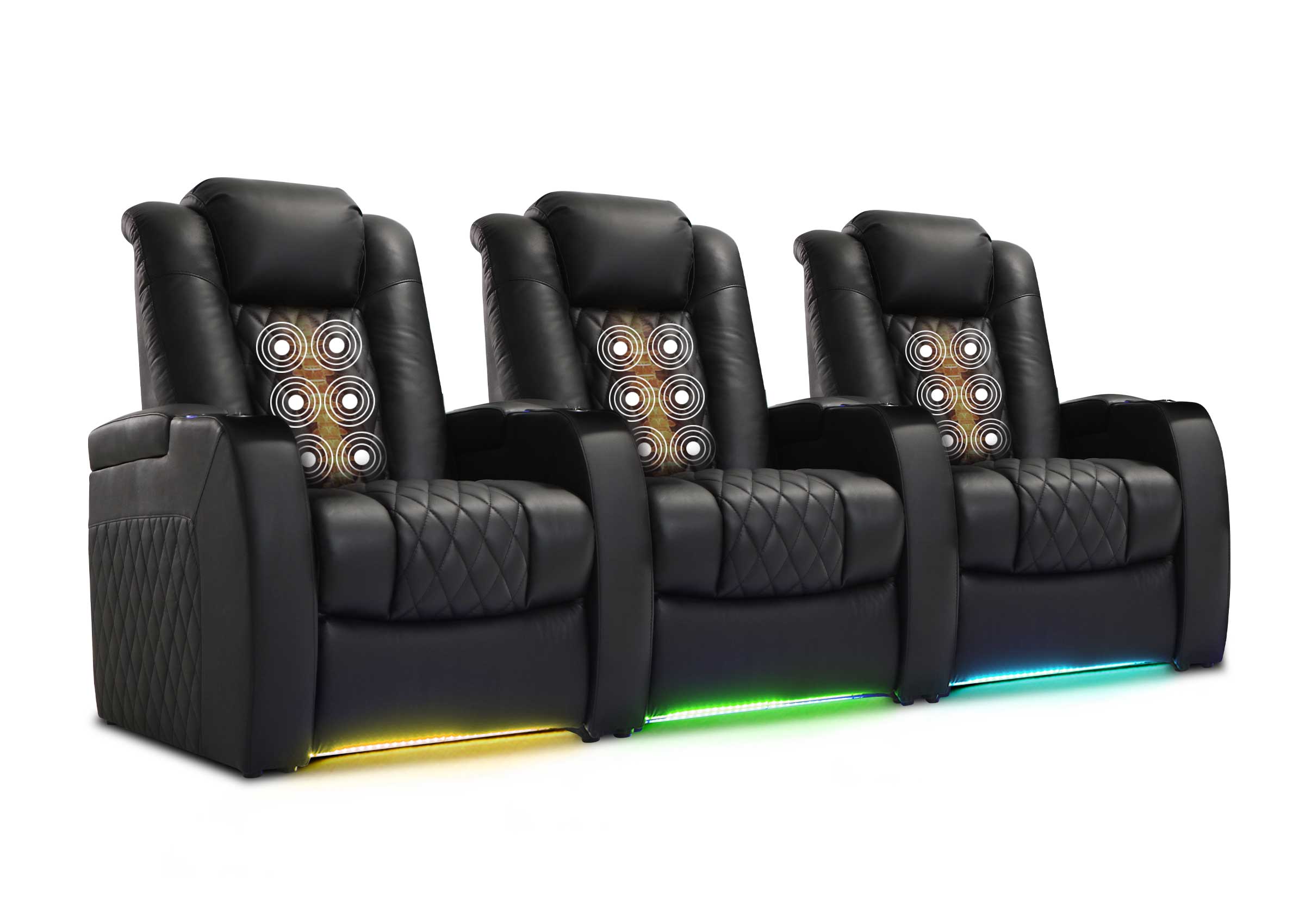




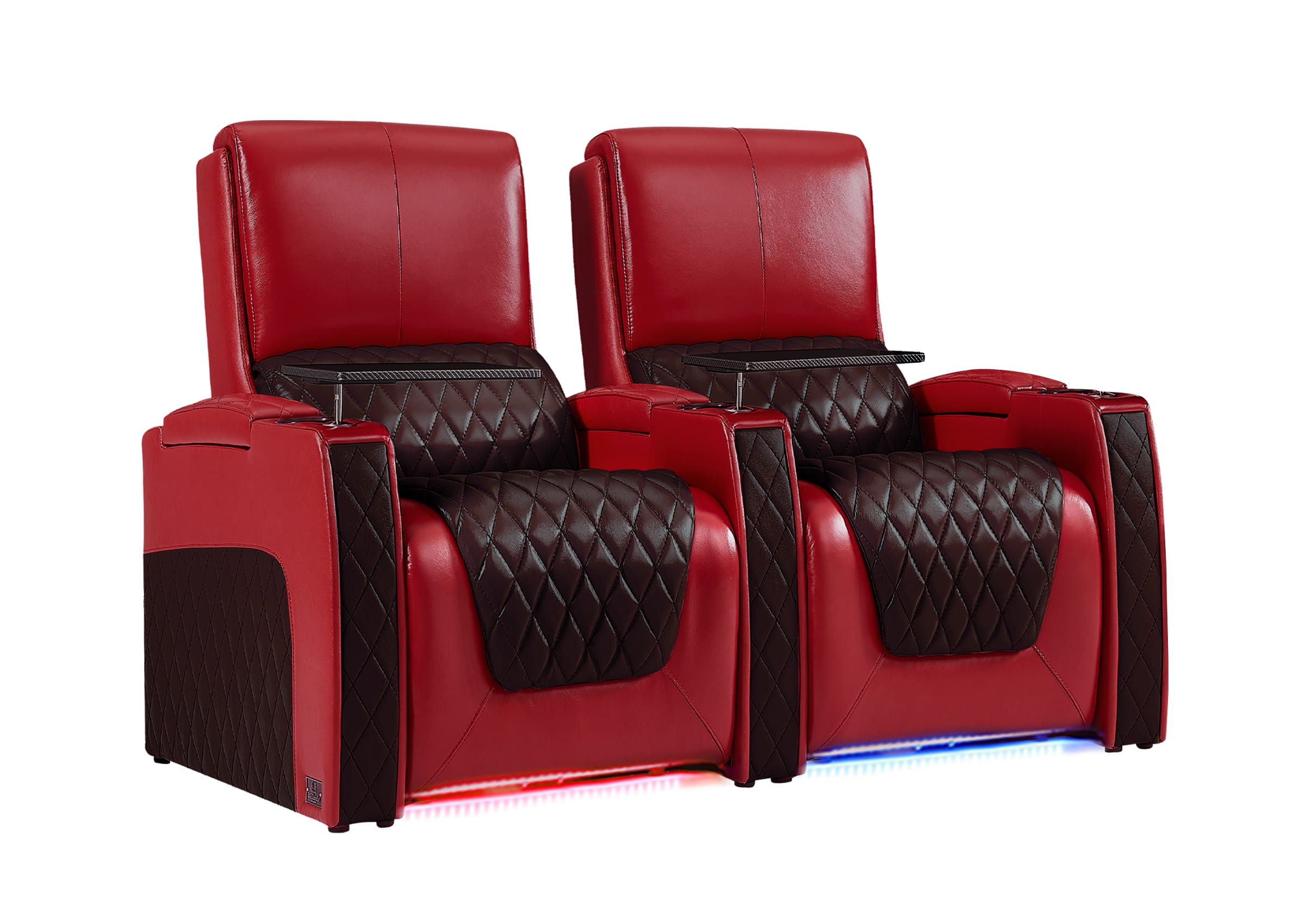
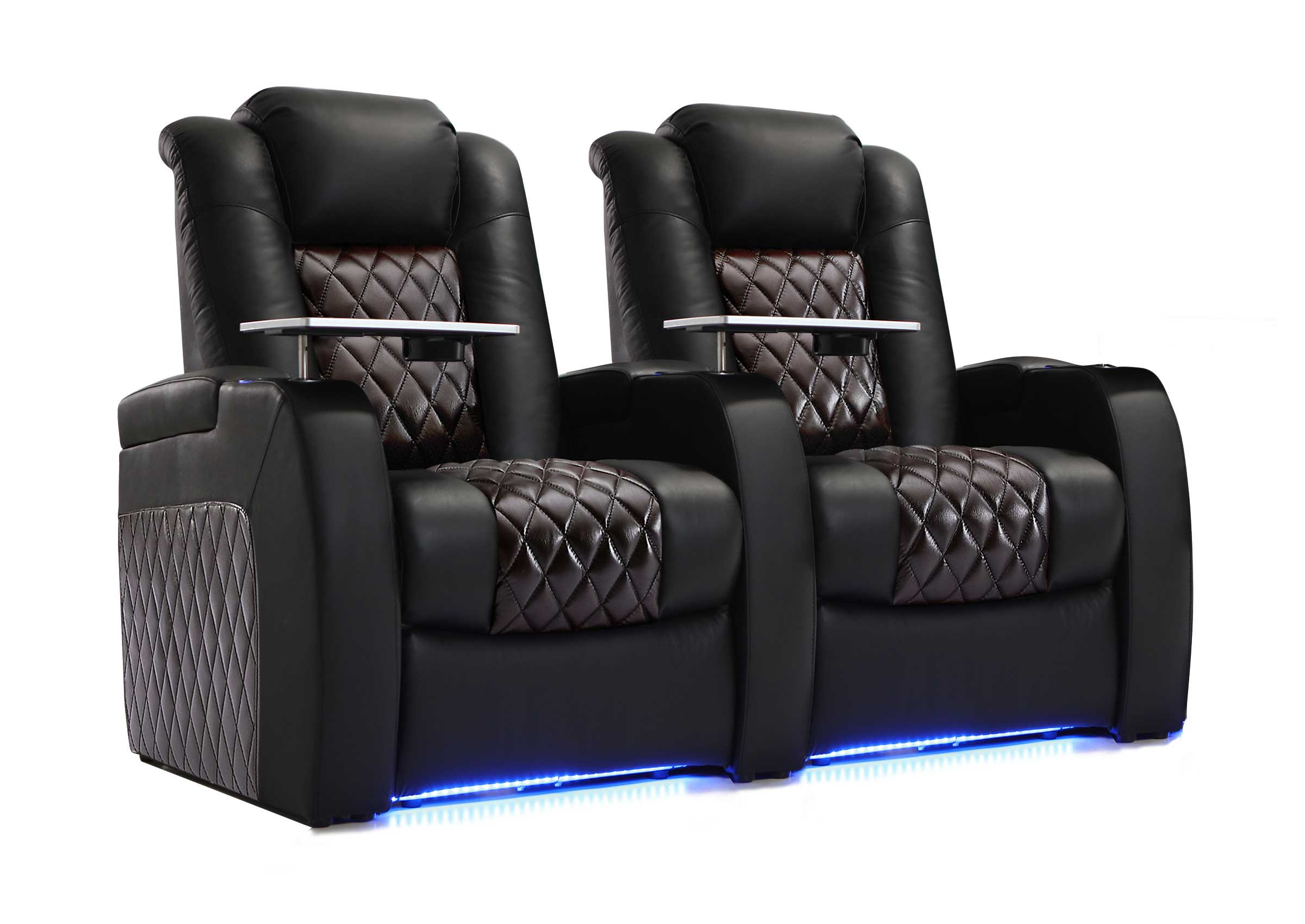
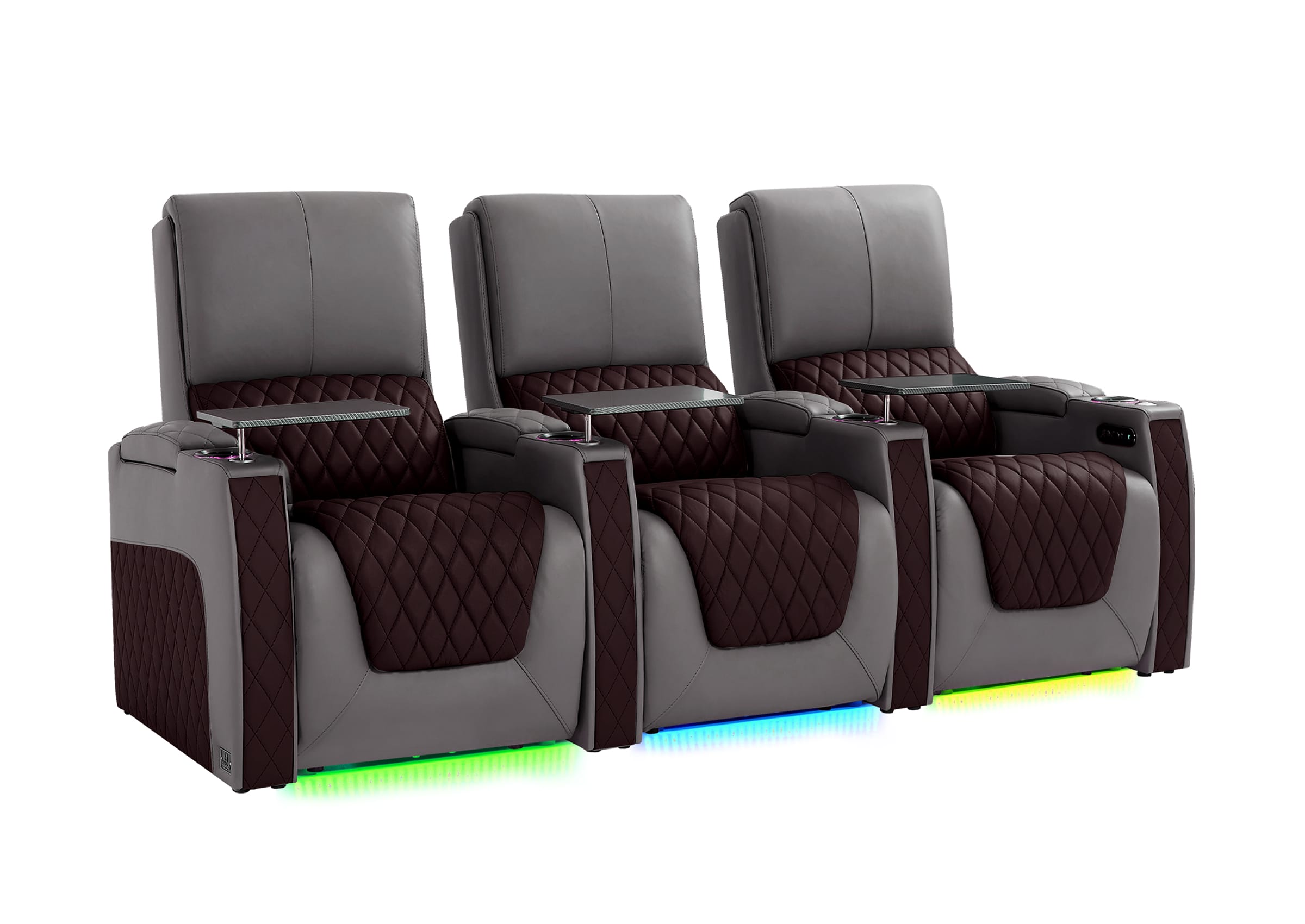
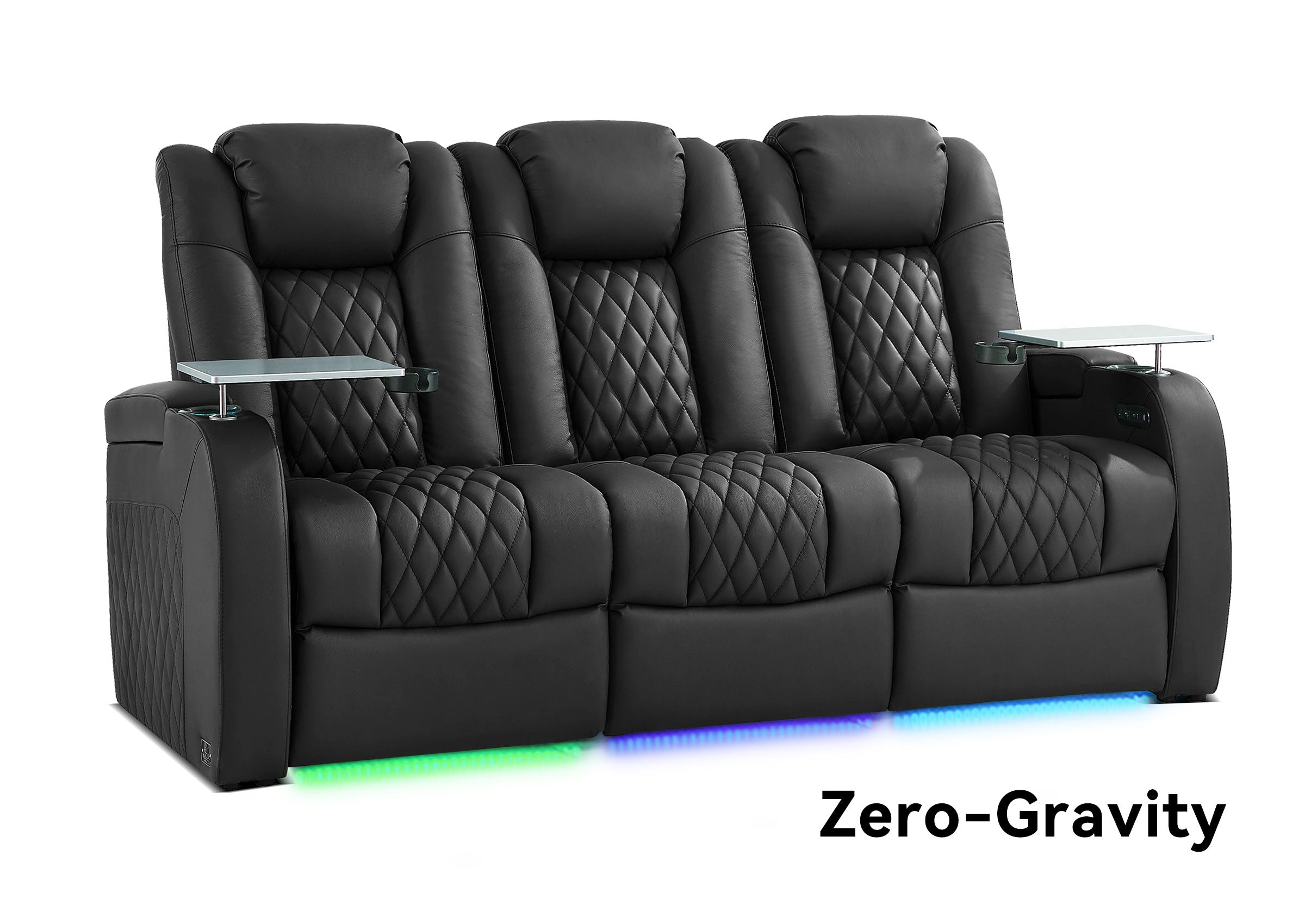


Theater seating and auditorium seating are not always two completely separate product categories. Theater seating is a broad term that may describe anything from fixed chairs in a performing arts venue to reclining seats in a private home theater. Auditorium seating usually refers more specifically to audience seating planned for a public or shared assembly space.
The practical difference comes from the space and how it operates. Public auditoriums usually prioritize capacity, sightlines, circulation, accessibility, repeated use, and consistent rows. Home theaters and private screening rooms are more likely to prioritize reclining comfort, personal space, adjustable support, and features that improve everyday entertainment.
Before comparing upholstery, mechanisms, or accessories, decide which operating model your room actually follows. For a project team, this means classifying the space before specifying the chair: public or private, fixed or flexible, capacity-led or comfort-led. That decision will tell you more than the label on the chair.
What Is the Quick Difference Between Theater Seating and Auditorium Seating?
The simplest answer is:
- Choose a public auditorium seating direction when the room serves larger groups, needs organized fixed rows, and must coordinate closely with circulation, accessibility, and venue operations.
- Choose a residential or reclining theater seating direction when the space is private, comfort is more important than maximum capacity, and viewers want adjustable positions or personal entertainment features.
The distinction is useful, but it is not absolute. A commercial movie theater is an auditorium, and its chairs can also be called theater seating. A performing arts venue may use auditorium chairs, theater chairs, or both terms for the same product. A home theater recliner is also theater seating, but it is not what most architects mean when specifying fixed auditorium seating.
For that reason, a project should never be approved from the category name alone. The actual chair dimensions, mounting method, movement, clearances, power needs, maintenance requirements, and intended use matter more.
What Does “Theater Seating” Actually Mean?
Theater seating is an umbrella term. Its meaning changes with context.
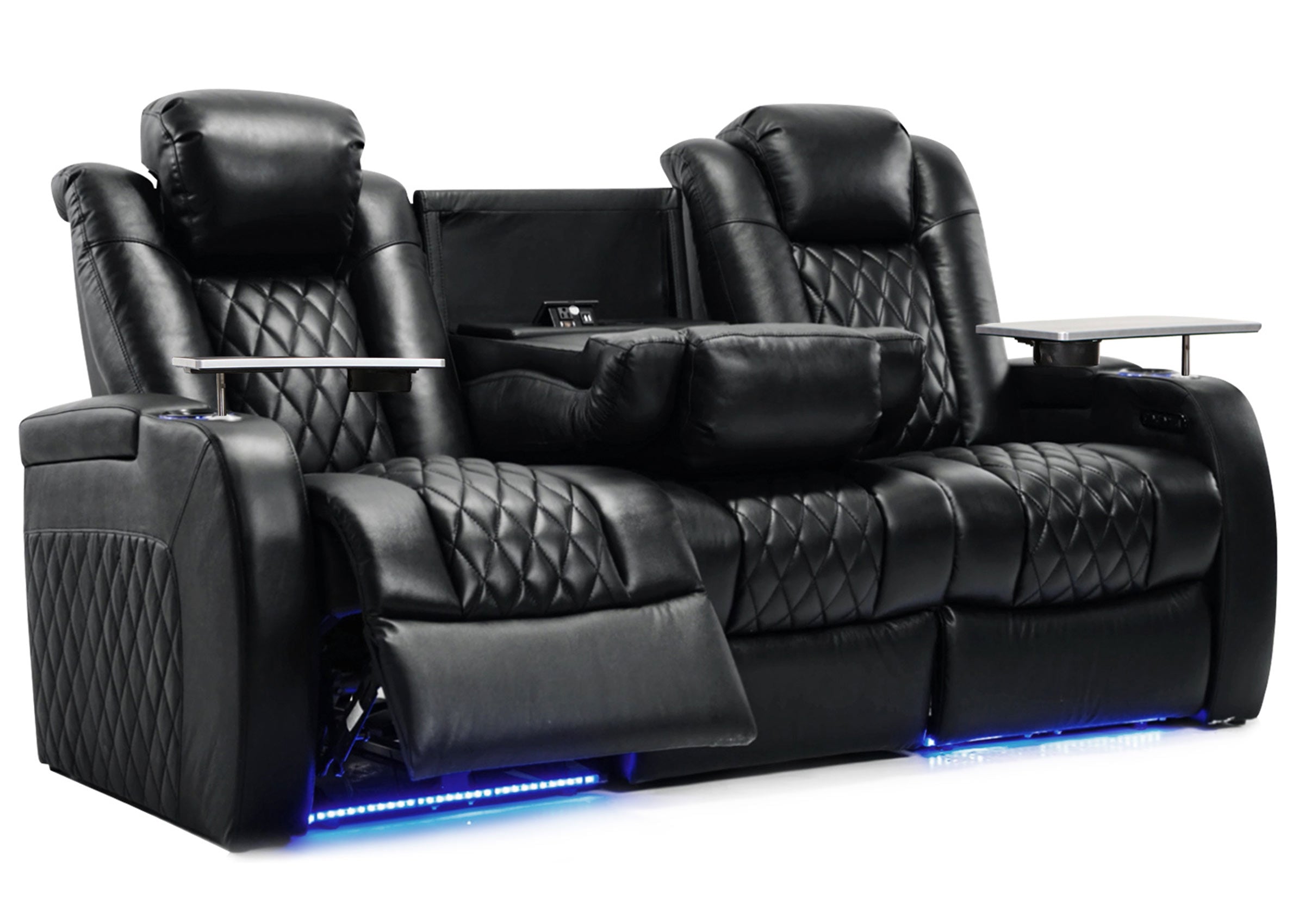
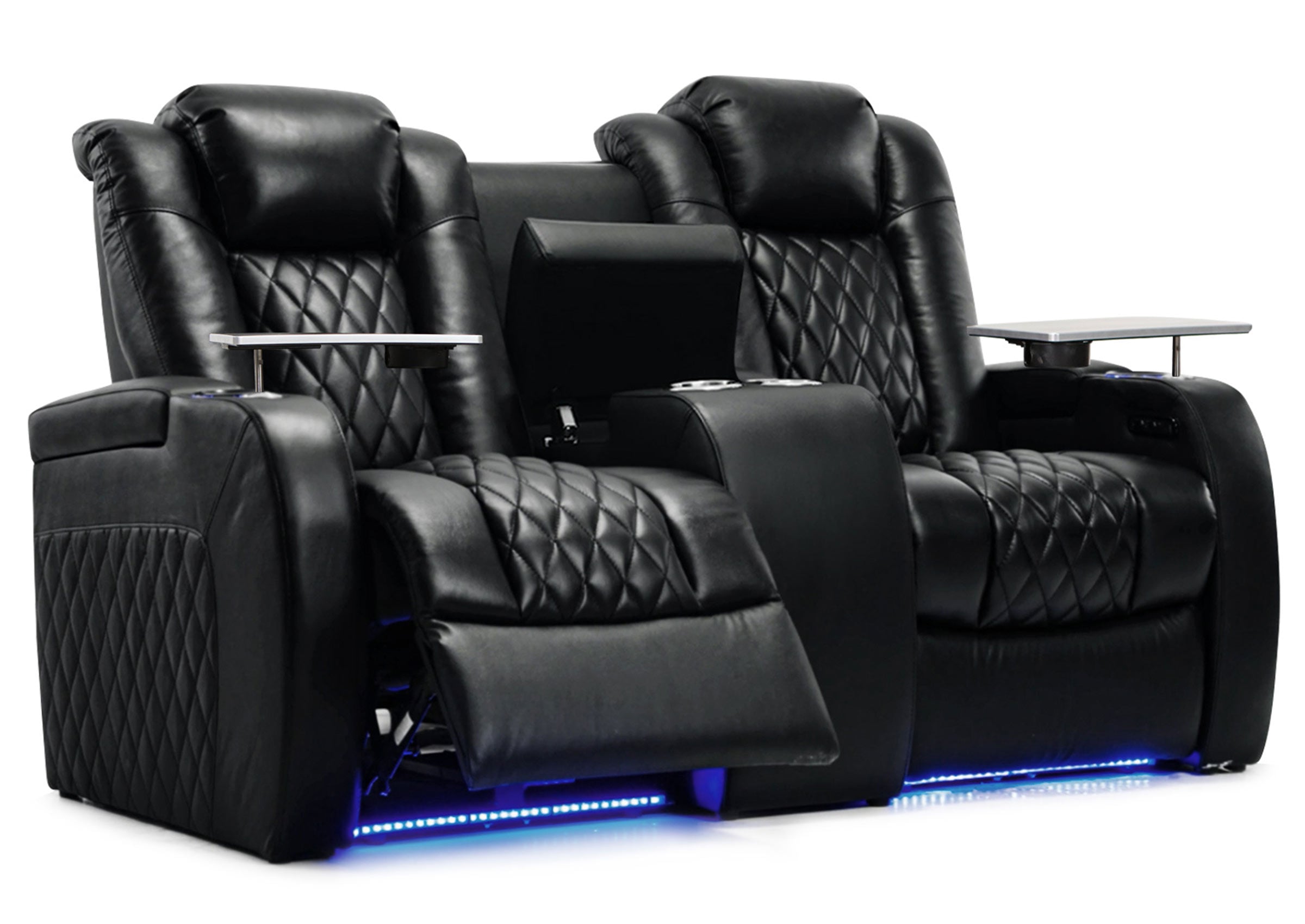
In a performing arts theater, it may refer to fixed upholstered chairs arranged toward a stage. In a commercial cinema, it may describe padded movie seats, rockers, loungers, or recliners. In a home, it often means individual recliners or connected seating rows designed for movies, sports, gaming, and everyday entertainment.
Common forms of theater seating include:
- Fixed performing arts theater chairs
- Commercial cinema seats
- Premium cinema loungers
- Power home theater recliners
- Manual reclining chairs
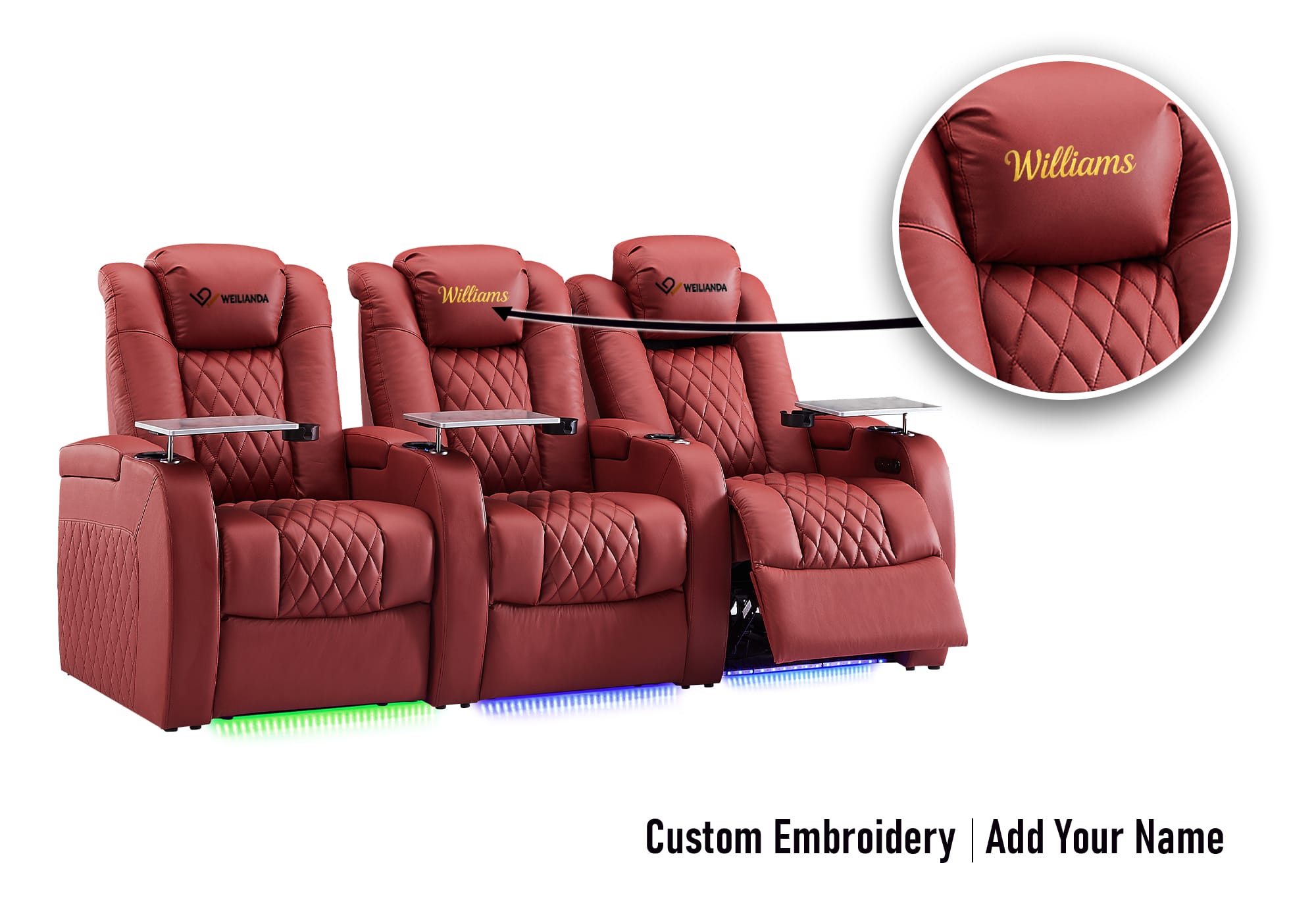
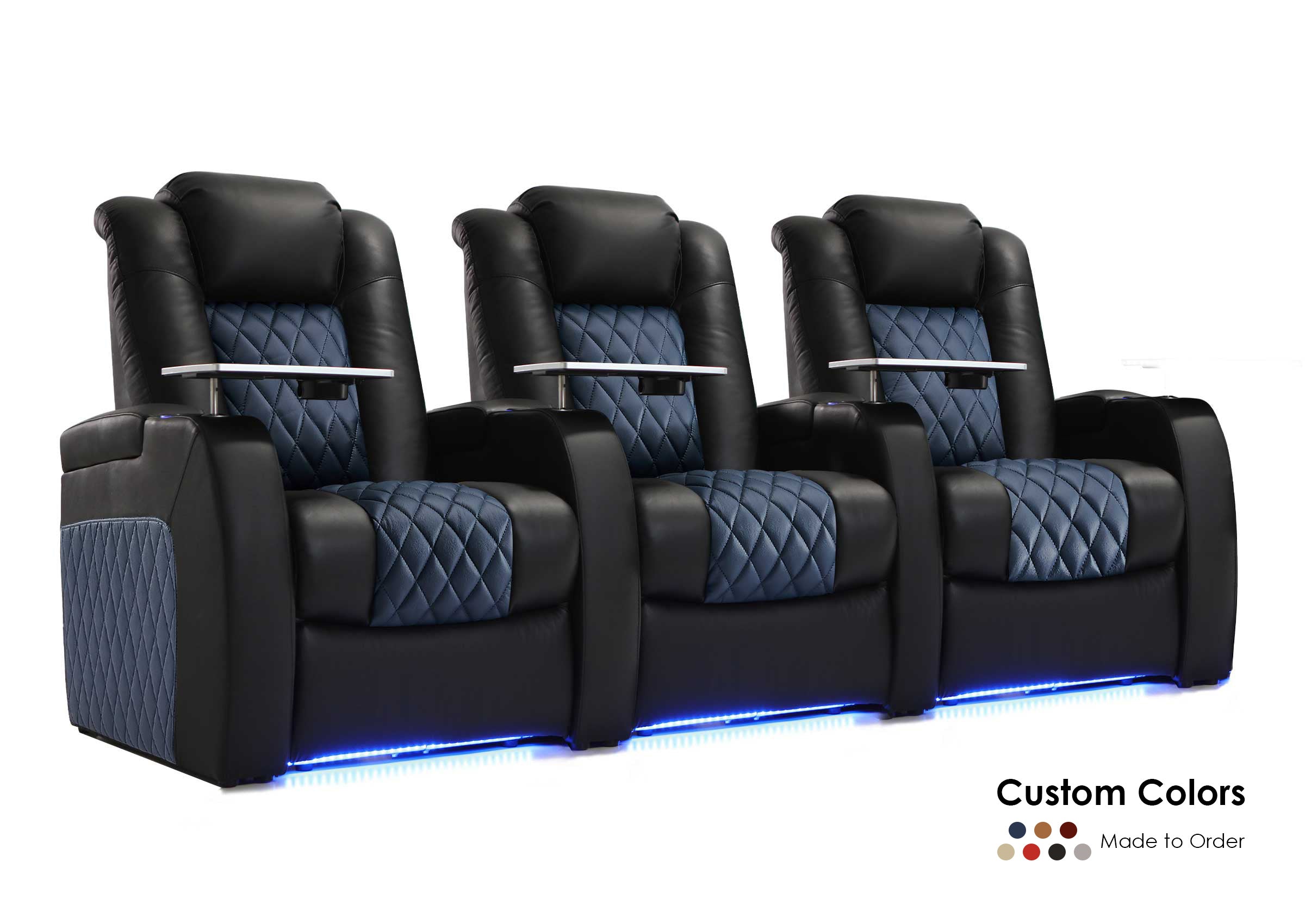
- Connected rows of two or more seats
- Theater sofas and loveseats
- Seating installed on risers for multiple viewing rows
This range explains why “theater seating” by itself does not identify a specific construction, use case, or level of comfort.
What Does “Auditorium Seating” Usually Mean?
Auditorium seating usually describes the audience seating system in a public, educational, civic, religious, performance, or presentation space.
Common settings include:
- School and university auditoriums
- Lecture halls
- Performing arts centers
- Churches and worship spaces
- Civic and government meeting rooms
- Conference venues
- Public cinemas
- Multipurpose halls
The seating is frequently fixed to the floor or integrated with a tiered structure, although retractable and removable systems are also used. Tip-up seat pans are common because they can create more passage space when a chair is not occupied.
An auditorium project is rarely just a furniture decision. The seating plan interacts with entrances, exits, aisles, accessible routes, wheelchair spaces, companion seating, sightlines, floor slope, railings, lighting, acoustics, audiovisual equipment, cleaning, and seat numbering.
How Do Theater Seating and Auditorium Seating Compare?
| Decision factor | Residential or reclining theater seating | Public auditorium seating |
|---|---|---|
| Typical setting | Home theater, media room, private screening room, VIP entertainment space | School, lecture hall, church, performing arts venue, civic hall, public assembly space |
| Primary priority | Personal comfort and viewing experience | Capacity, circulation, sightlines, accessibility, and repeatable public use |
| Common seat form | Recliner, connected row, loveseat, or theater sofa | Fixed tip-up chair, retractable system, or removable row seating |
| Installation | Freestanding, connected, modular, or occasionally anchored | Commonly floor-mounted or integrated with a seating platform |
| Reclining movement | Common in residential and premium cinema seating | Less common in capacity-focused auditoriums |
| Personal space | Often more generous | Balanced against capacity and row access |
| Power | May be required for recline, charging, lighting, or other functions | Traditional fixed chairs may not need power; powered options require project coordination |
| Circulation | Planned around the room, recline envelope, and household use | Closely coordinated with aisles, exits, accessible routes, and applicable requirements |
| Maintenance | Upholstery care, mechanisms, controls, wiring, and household cleaning | High-frequency cleaning, numbering, mounting, component replacement, and venue operations |
| Configuration goal | Comfort for known users and recurring activities | Consistent experience for changing audiences |

These are common tendencies, not universal rules. Some premium commercial auditoriums use powered recliners, while some private screening rooms use compact fixed cinema chairs.
Which Seating Works Better in a Home Theater?
Reclining theater seating is usually the more natural choice for a dedicated home theater because the room serves a small, known group rather than a changing public audience.
Homeowners often care about:
- Comfortable positions for long movies
- Adjustable head, back, leg, or lumbar support
- Individual armrests
- Cup holders and storage
- Charging access
- Easy control of the seating position
- Leather or other residential upholstery choices
- Rows that fit the screen, speakers, and room dimensions
The main planning challenge is not public seating capacity. It is whether the seats fit comfortably when upright and reclined, whether people can move around them, and whether each viewing position works with the screen.
A home theater should not copy a public auditorium simply because both rooms face a screen. Public-style fixed chairs may fit more people, but they may not provide the posture, personal space, or everyday comfort the household expects.
Which Seating Works Better in a Private Screening Room?
A private screening room sits between a home theater and a small cinema. The best direction depends on who uses it and how formal the room needs to be.
Reclining theater seats often make sense when:
- The room serves a family, client, club, or limited guest group
- Events involve long films or extended entertainment
- Comfort is part of the room’s premium experience
- The capacity target is flexible
- The room can support the additional seat depth
- Power and maintenance access can be planned
Compact fixed or non-reclining cinema seats may be preferable when:
- The room needs more seats
- Turnover is frequent
- The design calls for consistent upright rows
- Cleaning between events is important
- The available room depth limits recline clearance
- The project operates more like a small public venue
The phrase “private screening room” does not automatically mean recliners. The answer still depends on capacity, operations, room depth, audience expectations, and who will approve, maintain, and operate the finished space.
Which Seating Works Better in a Public Auditorium?
Fixed or purpose-designed auditorium seating is generally the more appropriate starting point for a public assembly space.
These projects often need to coordinate:
- A defined capacity
- Organized rows and seat numbering
- Aisles and cross-aisles
- Entrance and exit locations
- Accessible routes
- Wheelchair spaces and companion seating
- Views toward a stage, screen, or speaker
- Floor slope, risers, stairs, and railings
- Cleaning between events
- Replacement of damaged components
- Repeated use by different audiences
In the United States, assembly areas with fixed seating can be subject to specific accessibility requirements for wheelchair spaces, companion seats, designated aisle seats, integration, dispersion, and lines of sight. Public projects should be reviewed against the applicable standards and local requirements rather than relying on residential spacing advice. The U.S. Access Board provides the relevant ADA material at U.S. Access Board ADA guidance.
Weilianda’s residential theater recliners should not be presented as substitutes for a fixed public auditorium system without a project-specific review. The two directions solve different operational and planning problems.
How Does Comfort Differ?
Residential theater seating typically gives each viewer more control over posture. Reclining movement, adjustable support, wider arm areas, storage, and charging features can make a private room feel more personal and relaxed.
Auditorium seating must balance comfort with other priorities. A public chair still needs to support the audience for the expected event duration, but it may also need to:
- Return to a compact position when unoccupied
- Keep rows visually consistent
- Support efficient entry and exit
- Work with seat and row numbering
- Withstand repeated public use
- Allow components to be maintained or replaced
- Fit an approved capacity and circulation plan
Neither approach is automatically more comfortable for every project. A plush recliner can feel inappropriate in a short lecture setting, while a compact fixed chair may feel restrictive during a long private movie marathon.
Comfort should be defined by the event, expected posture, audience, duration, and space—not by cushioning alone.
How Do Capacity and Personal Space Change the Decision?
Capacity is one of the clearest differences between the two planning directions.
Reclining seats generally require more room because the backrest and footrest move, personal arm areas may be wider, and a usable passage must remain around the occupied seating. A room that fits two compact fixed rows may not support the same number of full-size recliners.
Public auditorium chairs are often selected as part of a coordinated row system. Their compact unoccupied position can help with passage and cleaning, but the final capacity still depends on the actual chair, row spacing, aisles, accessibility, sightlines, exits, and local requirements.
Do not compare capacity using upright chair width alone. For reclining seating, evaluate the full movement envelope. For fixed auditorium seating, evaluate the complete seating plan rather than multiplying room width by a nominal chair dimension.
The better question is not “How many seats can fit?” It is “How many usable seats can the room support without weakening the viewing, circulation, comfort, or operating plan?”
FIND THE RIGHT CONFIGURATION
Planning a Private Theater Rather Than a Public Auditorium?
Once the room type, capacity goal, recline clearance, and preferred comfort are clear, you can compare residential seating configurations without asking one chair to solve the wrong problem.
What Is the Difference Between Fixed and Freestanding Seating?
Many auditorium chairs are mounted to the floor, riser, or structural seating system. Fixed installation helps preserve row alignment and makes the approved arrangement repeatable.
Residential theater seating may be freestanding, connected in rows, modular, or positioned on a home theater riser. This gives the owner more flexibility, but the furniture still needs a deliberate location. Moving one seat can change the sightline, speaker relationship, walkway, or recline clearance.
Before choosing between fixed and freestanding seating, ask:
- Must the layout remain identical for every event?
- Will the room ever need an open floor?
- Who is responsible for resetting removable seats?
- Does the floor support the proposed mounting method?
- Are there power or signal connections beneath the seating?
- Does the room need future flexibility?
- How will the seating reach the room and be installed?
Flexibility has value only when the room has a reliable way to preserve safe and functional arrangements.
Can Recliners Be Used in an Auditorium?
Yes, but the word “auditorium” covers many different spaces.
Recliners may work in:
- Premium commercial cinema auditoriums
- VIP screening areas
- Private clubs
- Small hospitality screening rooms
- Executive presentation rooms
- Residential private theaters
They are less likely to suit a capacity-focused lecture hall, school assembly space, performing arts auditorium, or room that changes configurations frequently.
Using recliners changes more than comfort. The project may need to reconsider:
- Row depth
- Clear passage
- Fully extended seat position
- Electrical service
- Controls and wiring
- Cleaning access
- Maintenance access
- Seat count
- Emergency and accessibility coordination
A drawing created for compact fixed chairs should not be reused for reclining seating without recalculating the layout.
How Do Cleaning and Maintenance Needs Differ?
A private home theater normally has a known group of users and a residential cleaning routine. Maintenance may focus on upholstery care, reclining mechanisms, power controls, charging ports, cup holders, and occasional adjustments.
A public auditorium serves more people and may need frequent inspection and cleaning. Operators may care about:
- Fast access beneath and between rows
- Replaceable upholstery or components
- Reliable tip-up mechanisms
- Secure floor mounting
- Seat and row identification
- Resistance to repeated public use
- Consistent replacement parts
- Efficient reporting of damaged seats
Premium powered seating introduces another maintenance layer in either setting. Electrical components, cables, controls, and moving parts must remain accessible without creating hazards or disrupting neighboring seats.
The right product is not only the one that performs well when new. It is the one the owner can realistically clean, inspect, repair, and operate over time.
Which Seating Direction Fits Each Type of Space?
Home Theater
Start with reclining theater seating, connected rows, loveseats, or theater sofas. Prioritize room fit, viewing comfort, recline clearance, and the household’s preferred features.
Media Room
Choose based on whether the room is mainly for screen-focused viewing or also supports conversation, gaming, reading, and everyday family use. A reclining sofa or flexible seating arrangement may work better than formal rows.
Private Screening Room
Compare custom theater seating configurations with compact cinema-style seating. The decision usually depends on capacity, client expectations, room depth, event frequency, and the desired level of formality.
Commercial Cinema
Use purpose-designed cinema or commercial theater seating. Standard chairs, rockers, loungers, and recliners may all be possible, but the final choice must coordinate with capacity, circulation, accessibility, maintenance, and the commercial operating model.
School or Lecture Hall
Fixed auditorium seating or seating designed for educational use is usually the more logical direction. Writing tablets, upright posture, row access, sightlines, and repeated daily use may matter more than reclining comfort.
Performing Arts Venue
Use seating designed for the performance environment. The project must consider sightlines to the relevant part of the stage, acoustics, audience circulation, accessible viewing choices, and the relationship between the seating and architecture.
Church or Civic Auditorium
The seating direction depends on capacity, event types, service duration, room flexibility, accessibility, and maintenance. Fixed, retractable, removable, or pew-style solutions may be considered according to the venue.
Multipurpose Room
Do not assume permanent auditorium rows are the best answer. If the floor regularly supports exhibitions, dining, sports, meetings, or community events, retractable or removable seating may provide more practical value.
What Should You Ask Before Choosing?
Use these questions to identify the correct seating direction:
- Is the room private, commercial, educational, religious, civic, or public?
- Who uses the space, and does the audience change every event?
- Is maximum capacity more important than individual comfort?
- Will viewers remain upright, recline, write, eat, or use devices?
- How long does a typical event last?
- Must the chairs be fixed in an approved arrangement?
- Will the room change configurations?
- How much space is available when every seat is occupied or fully reclined?
- How will users enter, leave, and reach their seats?
- Which accessibility and life-safety requirements apply?
- Is power available where the seats will be placed?
- Who will clean, inspect, and repair the seating?
- Can the seating components reach the room through the delivery path?
- Have actual product dimensions replaced the assumptions in the concept drawing?
If these questions point toward public circulation, repeatable fixed rows, and code-coordinated capacity, follow an auditorium seating process. If they point toward a private group, adjustable comfort, and a residential viewing experience, reclining theater seating is likely the more relevant direction.
Who Should Confirm Each Part of a Seating Project?
A comparison is more useful when it leads to clear responsibilities. Before a final seating direction is approved, the project team should identify who confirms each decision rather than assuming the chair supplier controls the entire room.
| Project responsibility | What should be confirmed |
|---|---|
| Owner or venue operator | Primary use, audience, capacity range, event duration, cleaning expectations, and operational priorities |
| Architect or qualified design professional | Room layout, circulation, accessible routes, exits, floor conditions, and applicable project requirements |
| Audiovisual and acoustic team | Screen or stage relationship, speaker locations, viewing conditions, equipment conflicts, and technical sightlines |
| Seating supplier | Actual product dimensions, seat movement, mounting direction, available finishes, power requirements, and product-specific documentation |
| Installer and electrical trades | Delivery access, floor preparation, installation sequence, power locations, cable management, and service access |
The exact team will vary by project, but the division of responsibility should be visible. A residential recliner specification cannot approve a public auditorium layout, and an architectural concept drawing cannot confirm the final movement or dimensions of a seat that has not yet been selected.
This responsibility check is especially important when a project moves from compact fixed chairs to powered recliners. That change may affect several drawings and trades at the same time, not just the furniture schedule.

What Are the Most Common Comparison Mistakes?
Assuming All Theater Seating Reclines
Theater seating can include fixed performing arts chairs, commercial cinema seats, residential recliners, and other formats. Confirm the actual design instead of relying on the name.
Assuming Auditorium Seating Is Always Uncomfortable
Auditorium chairs can be designed for long performances and high-quality venues. Their comfort priorities are simply balanced with capacity, circulation, and public operations.
Comparing Only the Upright Dimensions
Recliners must be evaluated through their entire movement. Fixed seats must be evaluated as part of a row, aisle, and circulation plan.
Choosing Features Before Defining the Space
Cup holders, power recline, writing tablets, lighting, and charging features are useful only when they support the venue’s actual use.
Using Residential Advice for a Public Venue
Home theater recommendations do not replace architectural, accessibility, fire, or life-safety requirements for public assembly spaces.
Forcing a Public Seating System Into a Private Room
A home theater does not need to maximize capacity like a public auditorium. Fewer comfortable seats may create a better long-term experience.
Frequently Asked Questions
Is Theater Seating the Same as Auditorium Seating?
Sometimes. Theater seating is a broad term, and fixed auditorium chairs may also be called theater seats. In residential use, however, theater seating often refers to reclining chairs, connected rows, loveseats, or sofas designed for home entertainment.
What Is the Main Difference Between Auditorium Chairs and Home Theater Recliners?
Auditorium chairs are commonly planned around public capacity, fixed rows, circulation, and repeated use. Home theater recliners generally prioritize adjustable comfort, personal space, and private viewing.
Which Seating Is Better for Long Movies?
Reclining theater seating often provides more posture adjustment and personal space for a private movie environment. A commercial cinema may also use premium loungers or recliners, but the layout and operating requirements remain different from a home.
Which Seating Fits More People?
Compact fixed auditorium seating can often support a higher capacity than full-size recliners in the same room. The actual result depends on chair dimensions, row spacing, aisles, exits, accessible routes, and the complete layout.
Can Home Theater Recliners Be Installed in Multiple Rows?
Yes, if the room supports the necessary width, depth, recline clearance, walkways, screen relationship, sightlines, and riser planning. The back row should not be added until these conditions have been checked.
Are Auditorium Seats Always Fixed to the Floor?
No. Many are fixed, but auditoriums may also use retractable, removable, or other flexible seating systems. The appropriate choice depends on how the venue operates.
Do Powered Theater Seats Need Special Planning?
Yes. Power recline, charging, lighting, and other powered features require suitable electrical access, cable management, operating clearance, and maintenance access. Availability and requirements vary by the selected seating.
Should a Private Screening Room Use Auditorium Seats or Recliners?
Use auditorium-style or compact cinema seating when capacity, formal rows, and frequent turnover are the priorities. Use recliners when personal comfort, adjustable posture, and a premium private experience matter more.
Choose the Room Model Before the Chair Label
Theater seating and auditorium seating overlap, so the name alone cannot determine the right product.
Start with how the room operates. A public auditorium must coordinate changing audiences, capacity, circulation, accessibility, maintenance, and consistent rows. A home theater or private screening room can focus more closely on the comfort, posture, habits, and preferences of a smaller group.
Once that operating model is clear, the product questions become easier. You can compare fixed or freestanding installation, compact or reclining designs, capacity or personal space, and simple or powered features without asking one chair to solve the wrong problem.
If you are planning a home theater or private screening room and need help comparing residential seating configurations, contact Weilianda through our Support page or email leon@weiliandahome.com. Share your room dimensions, intended capacity, preferred seating type, and any access or power questions so the relevant details can be confirmed before you move forward.