



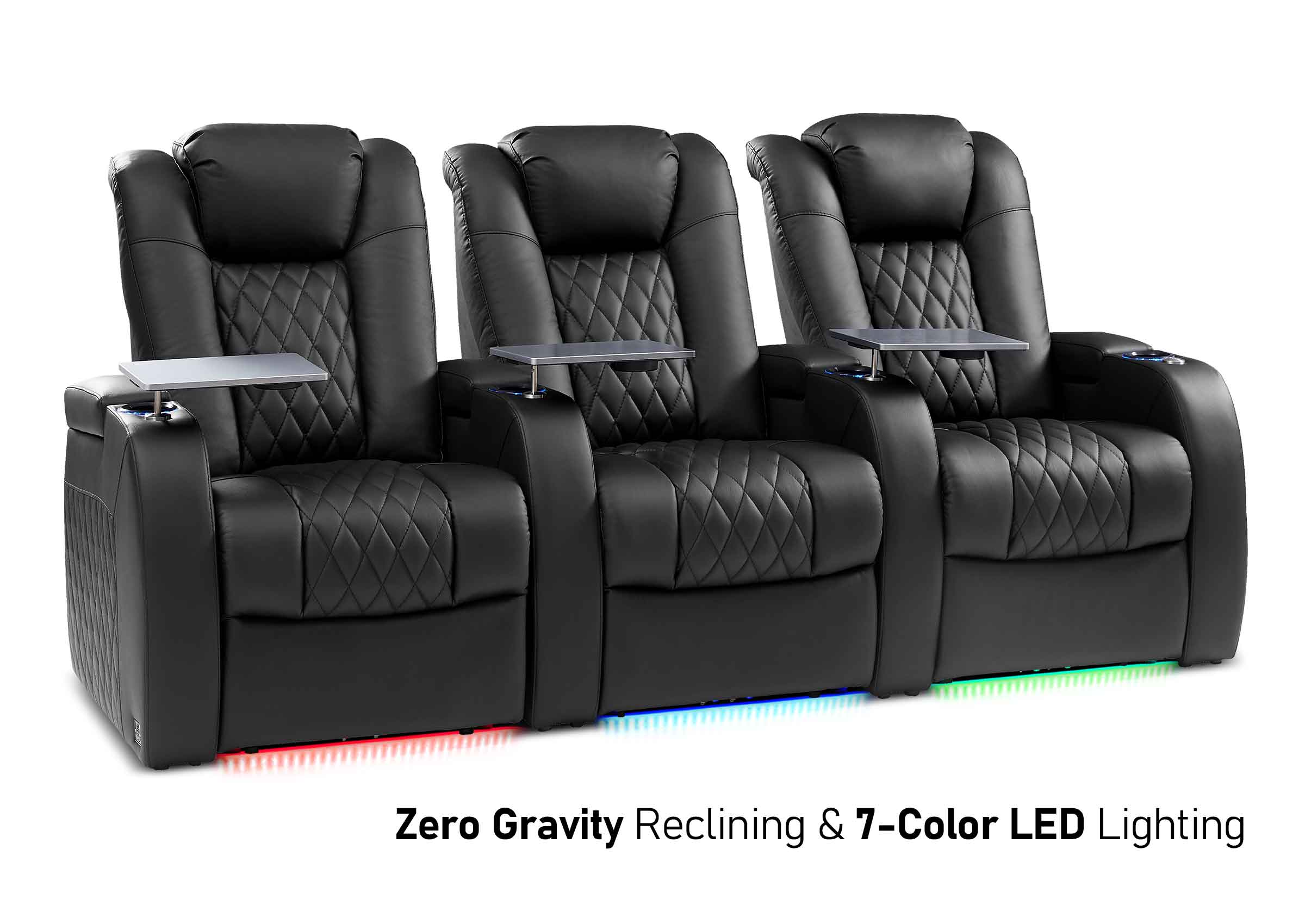
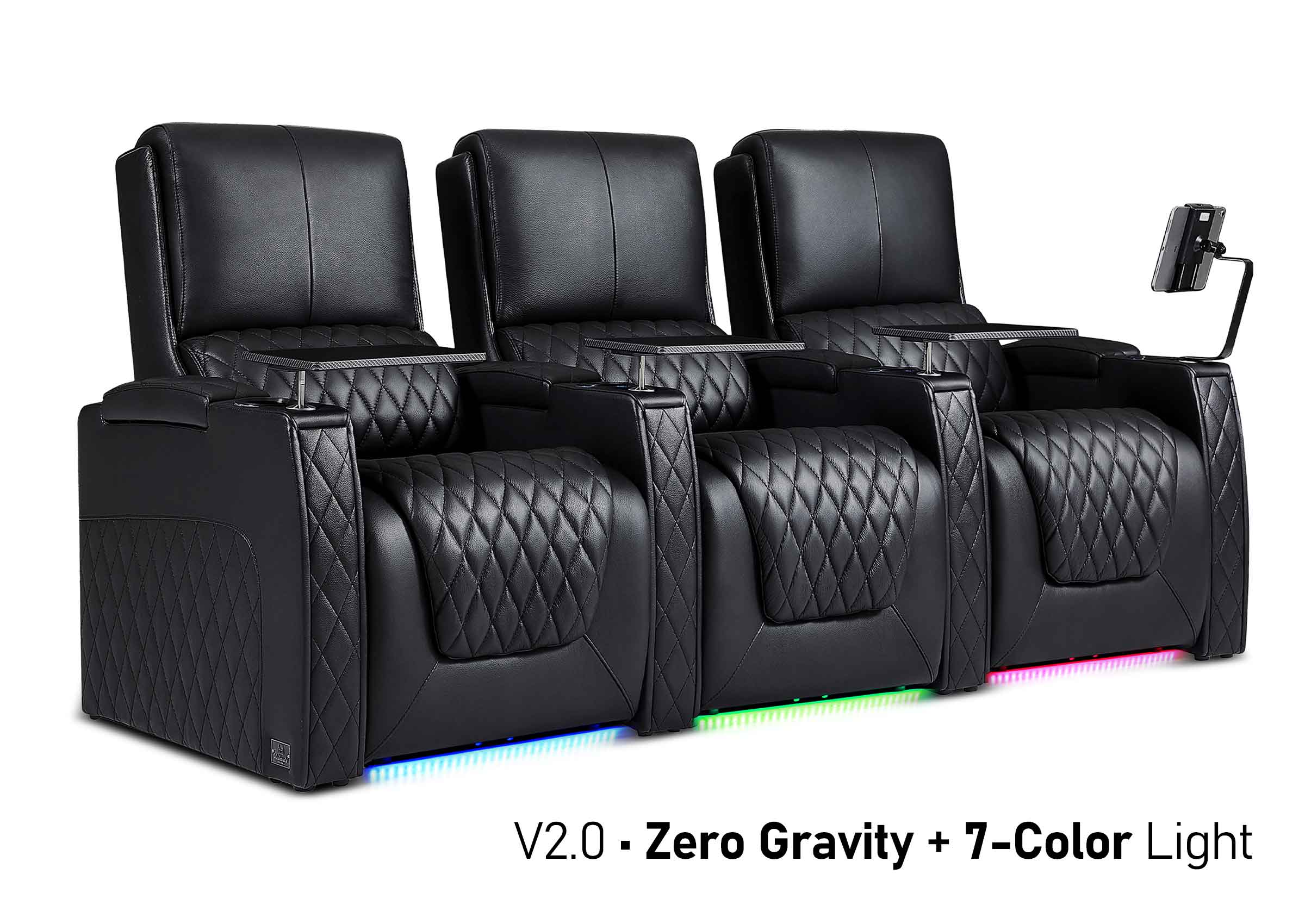
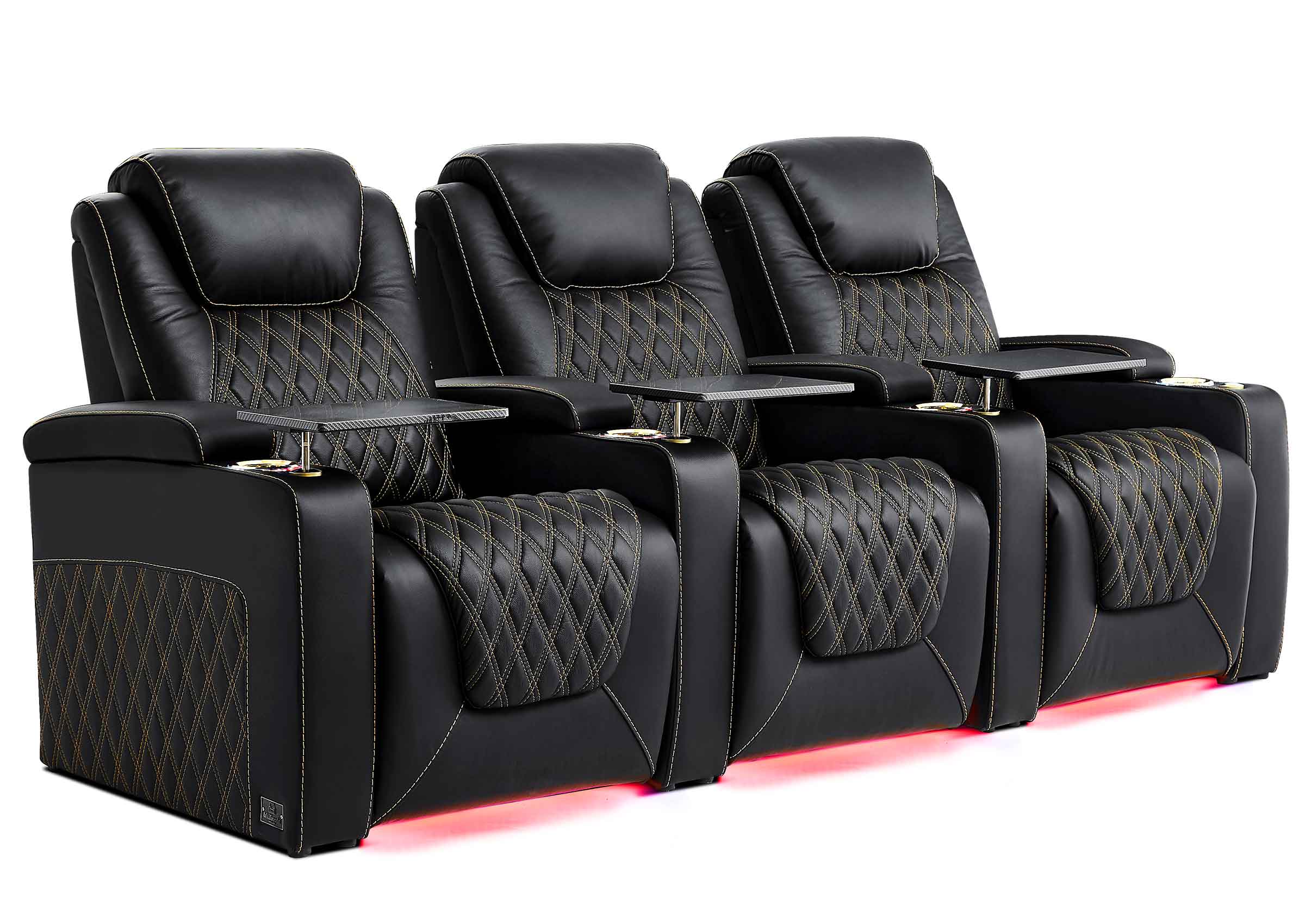
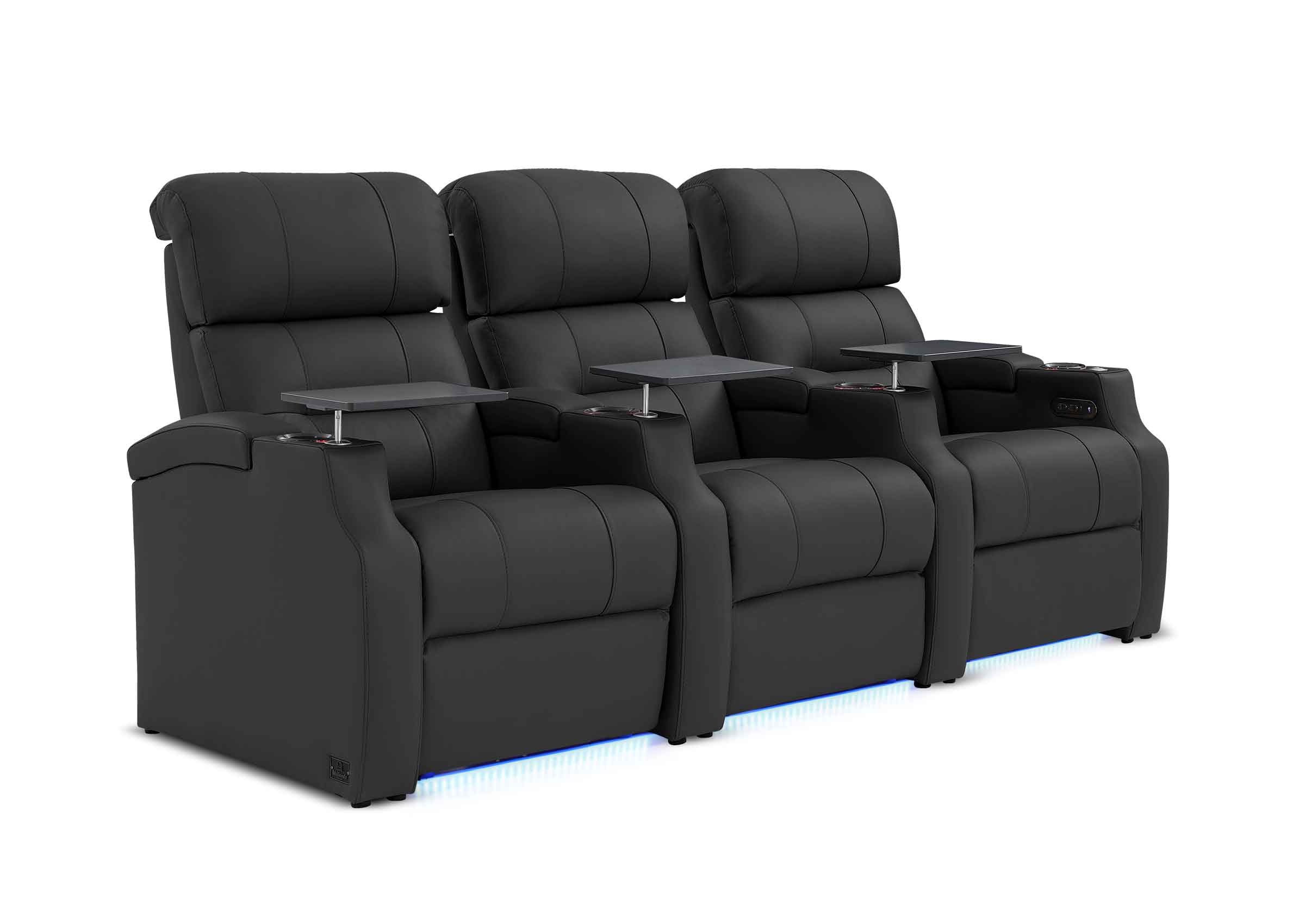
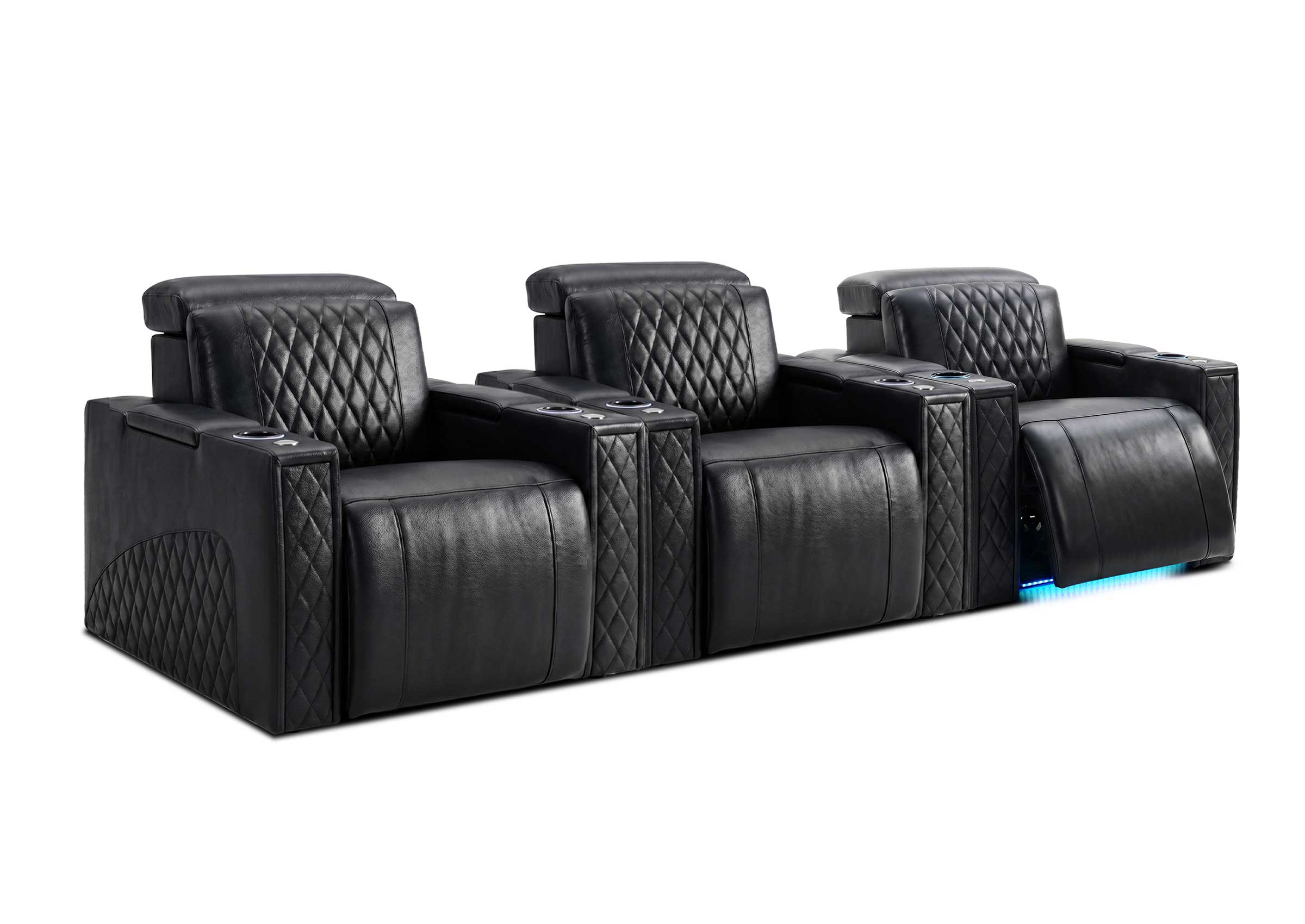

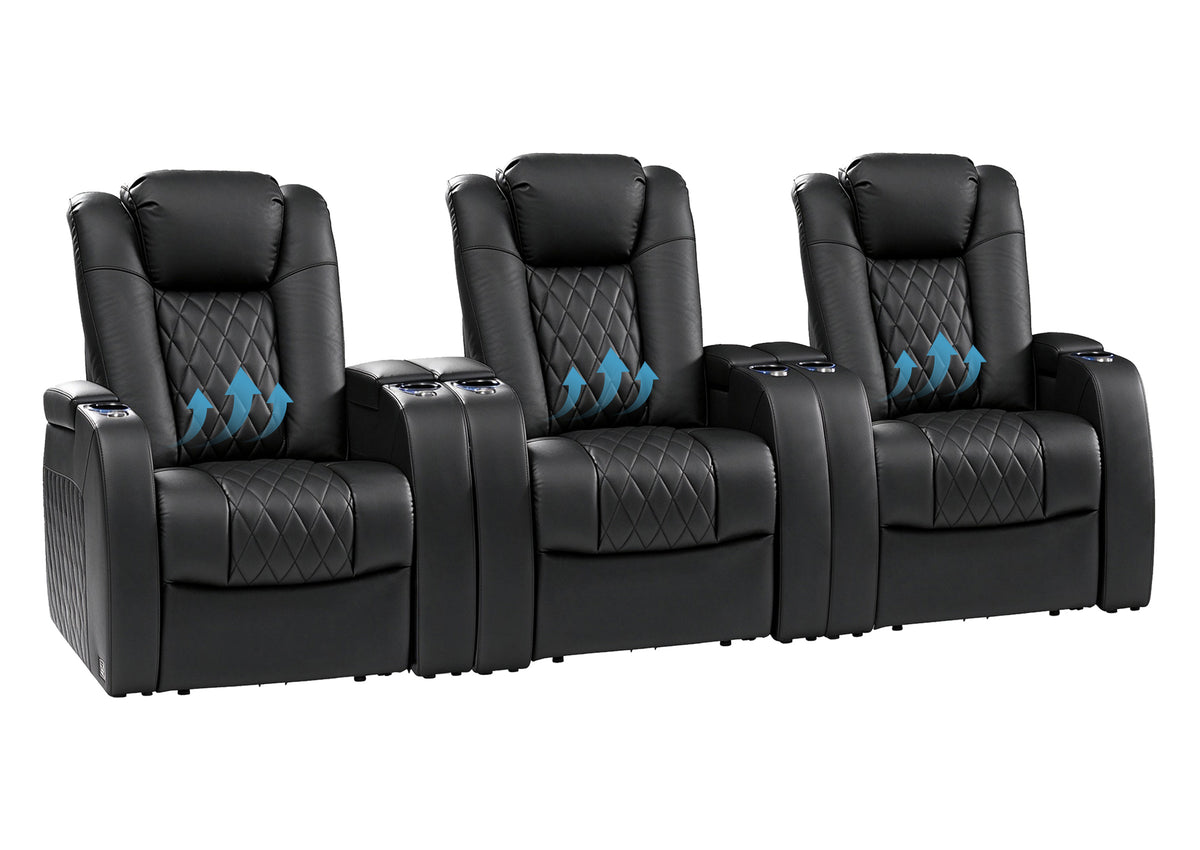
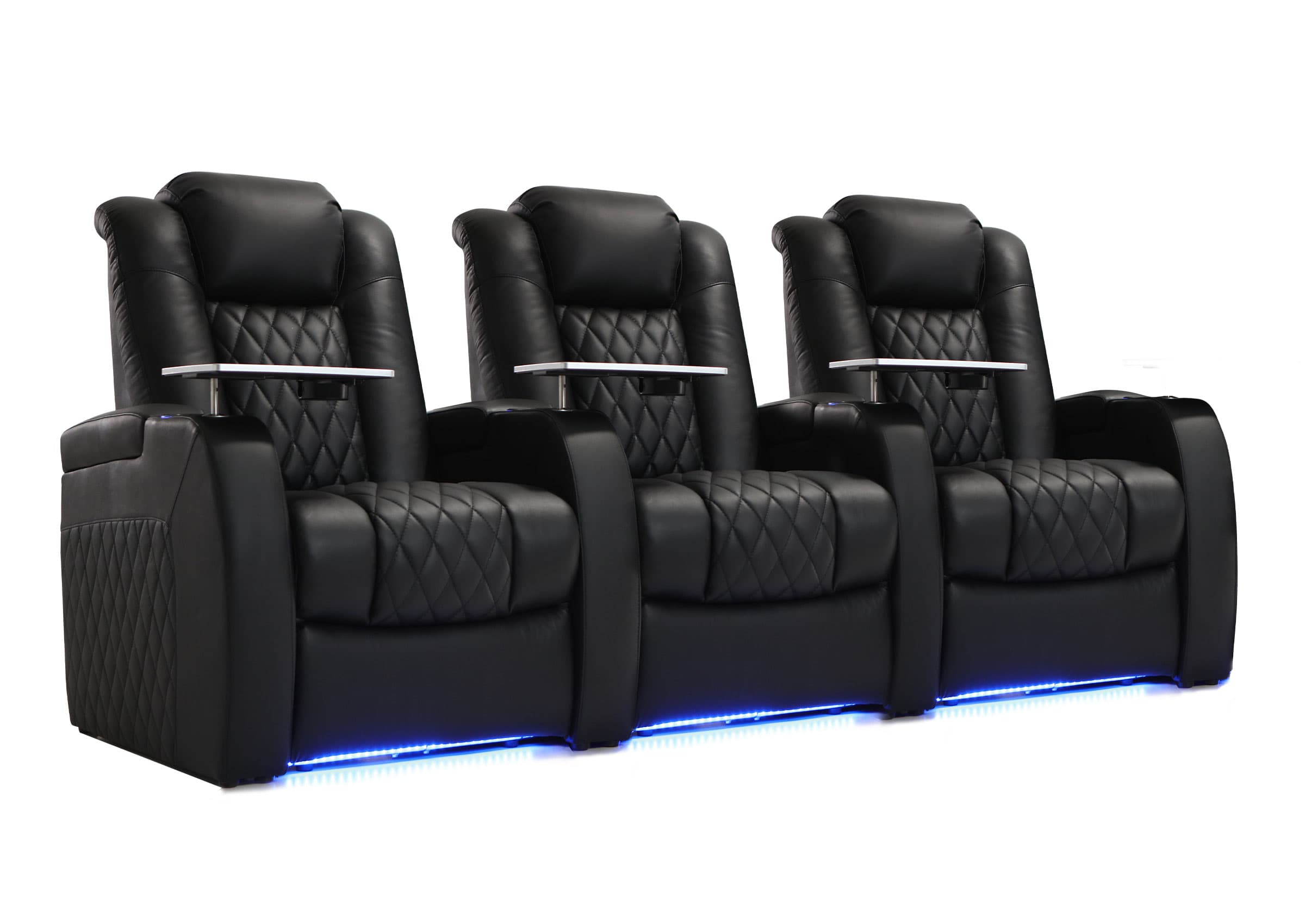
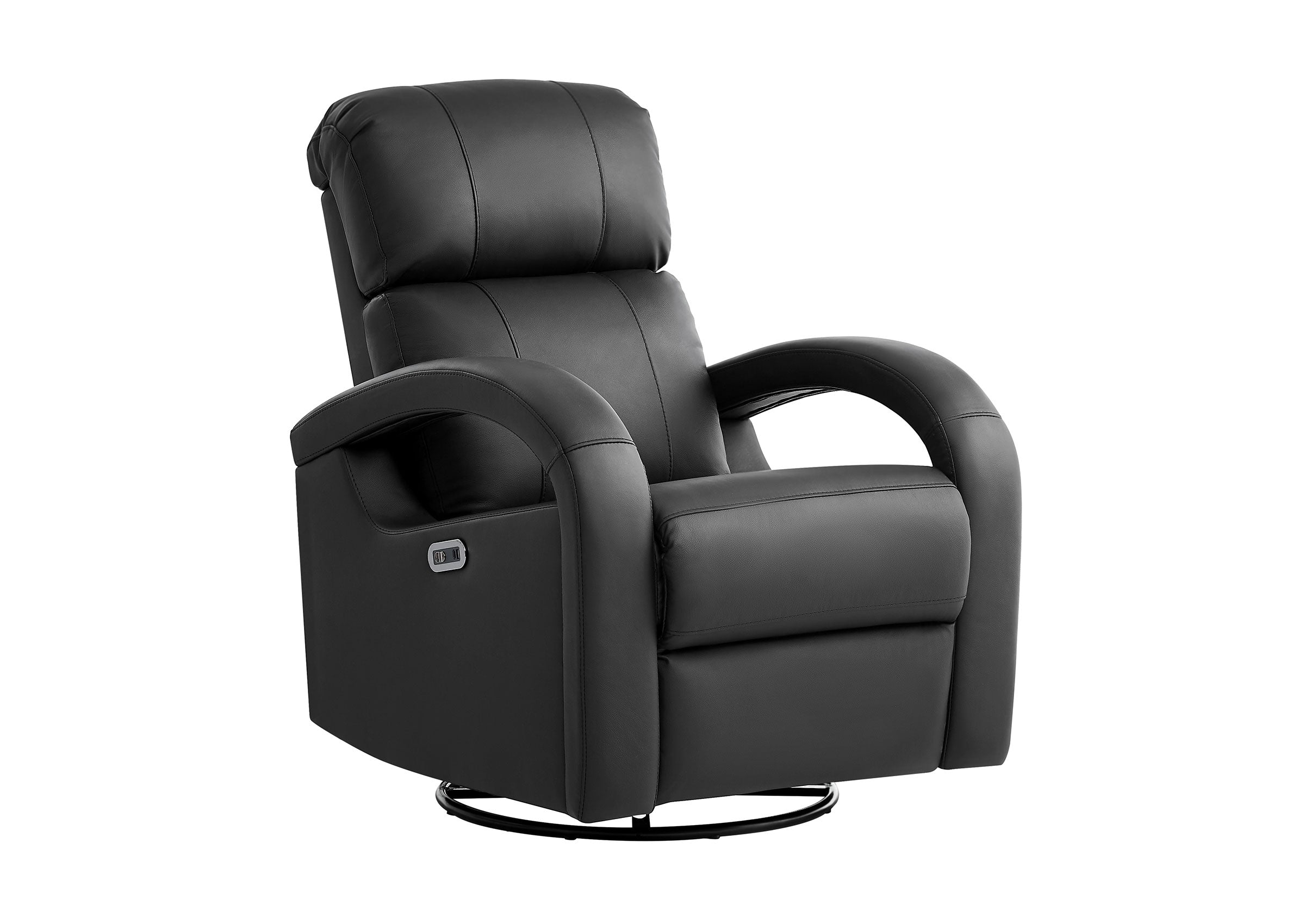

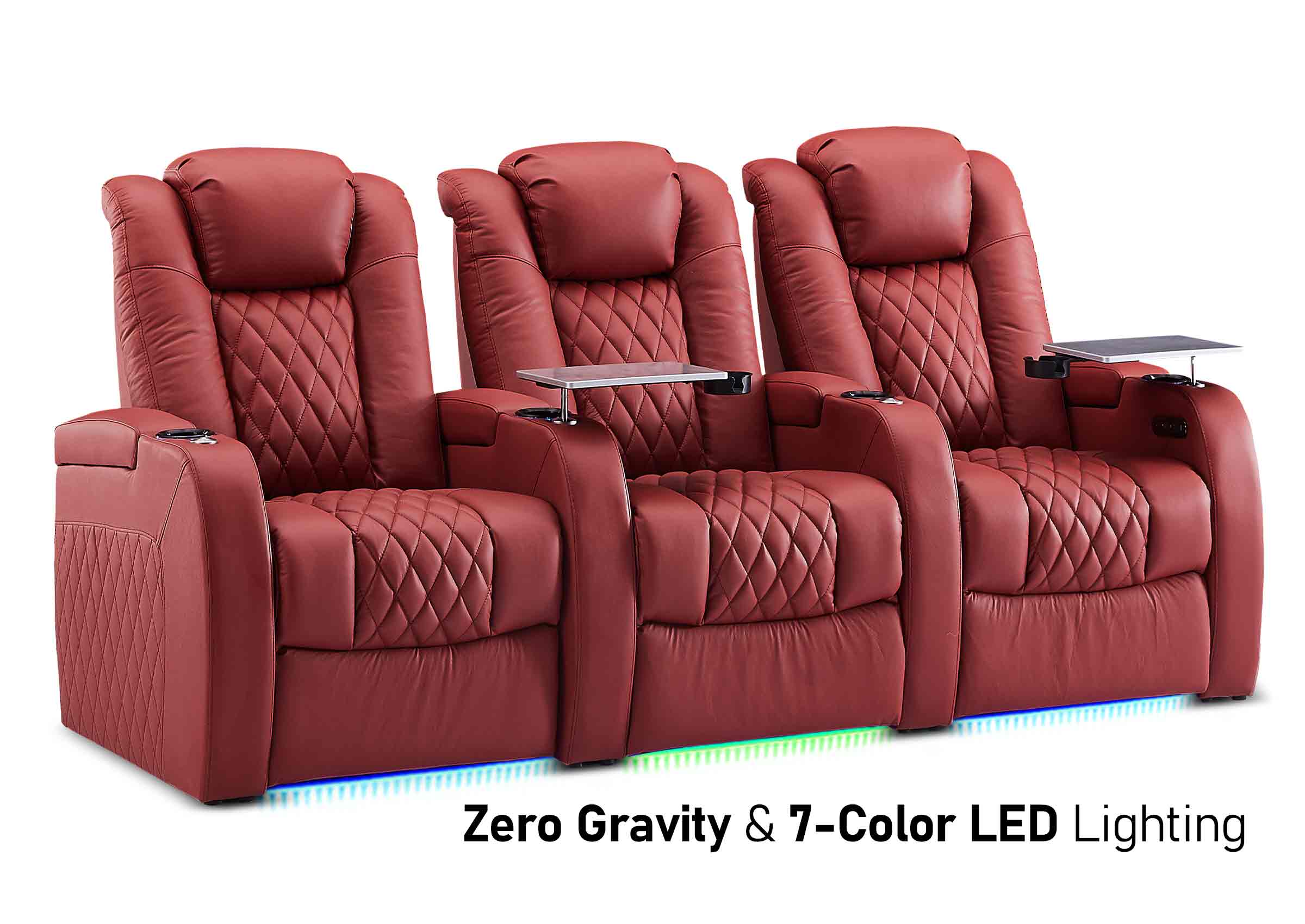

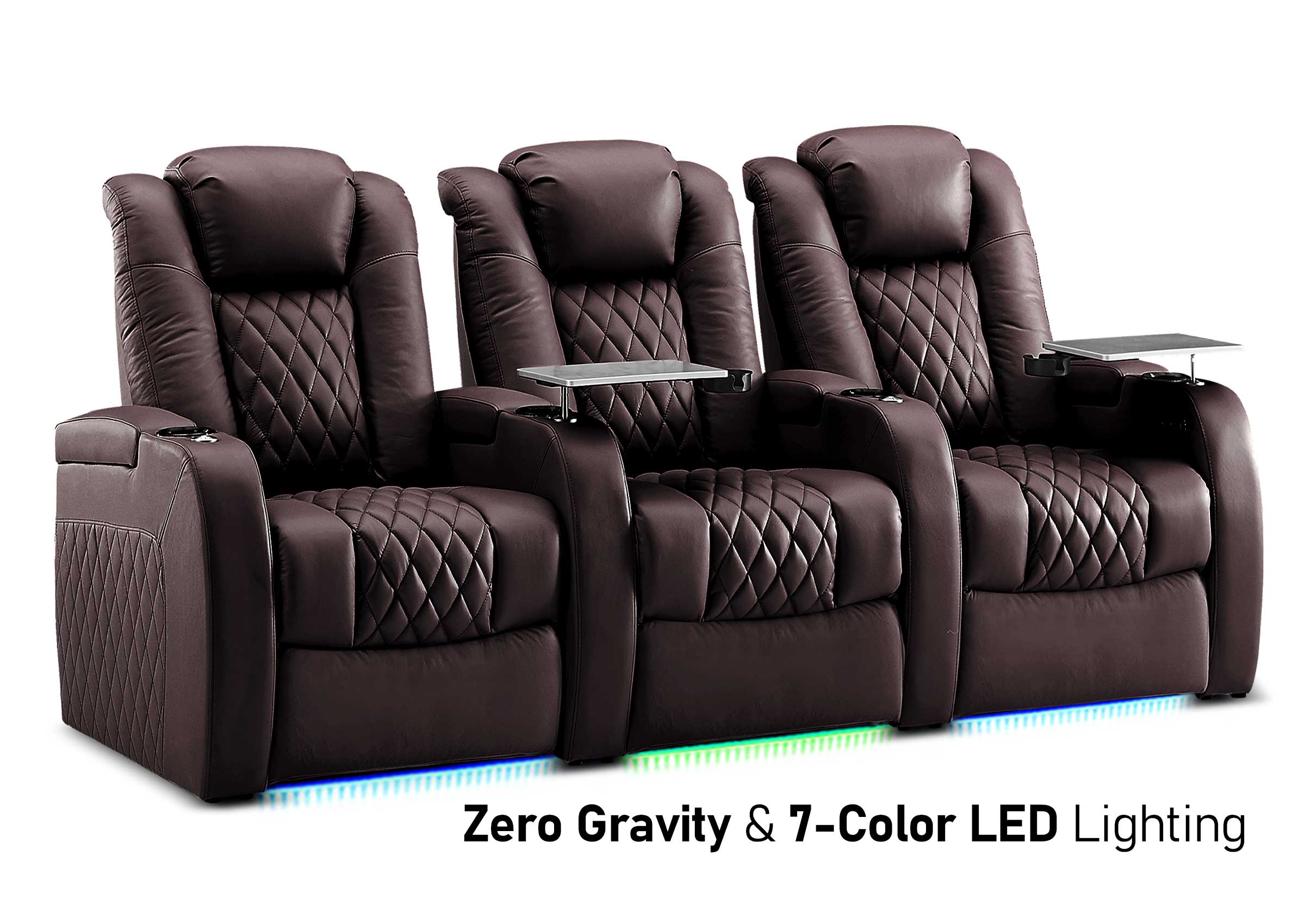

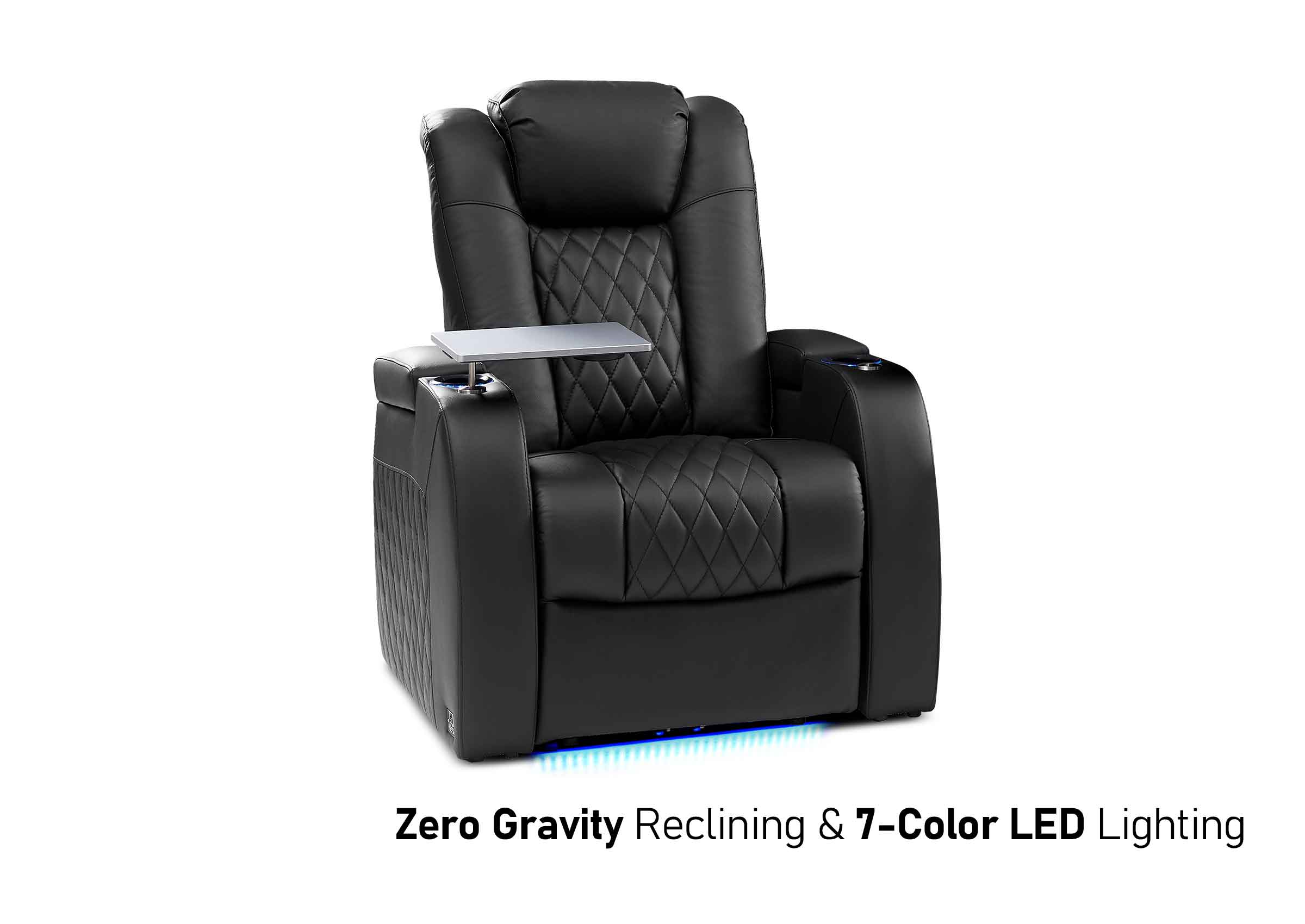
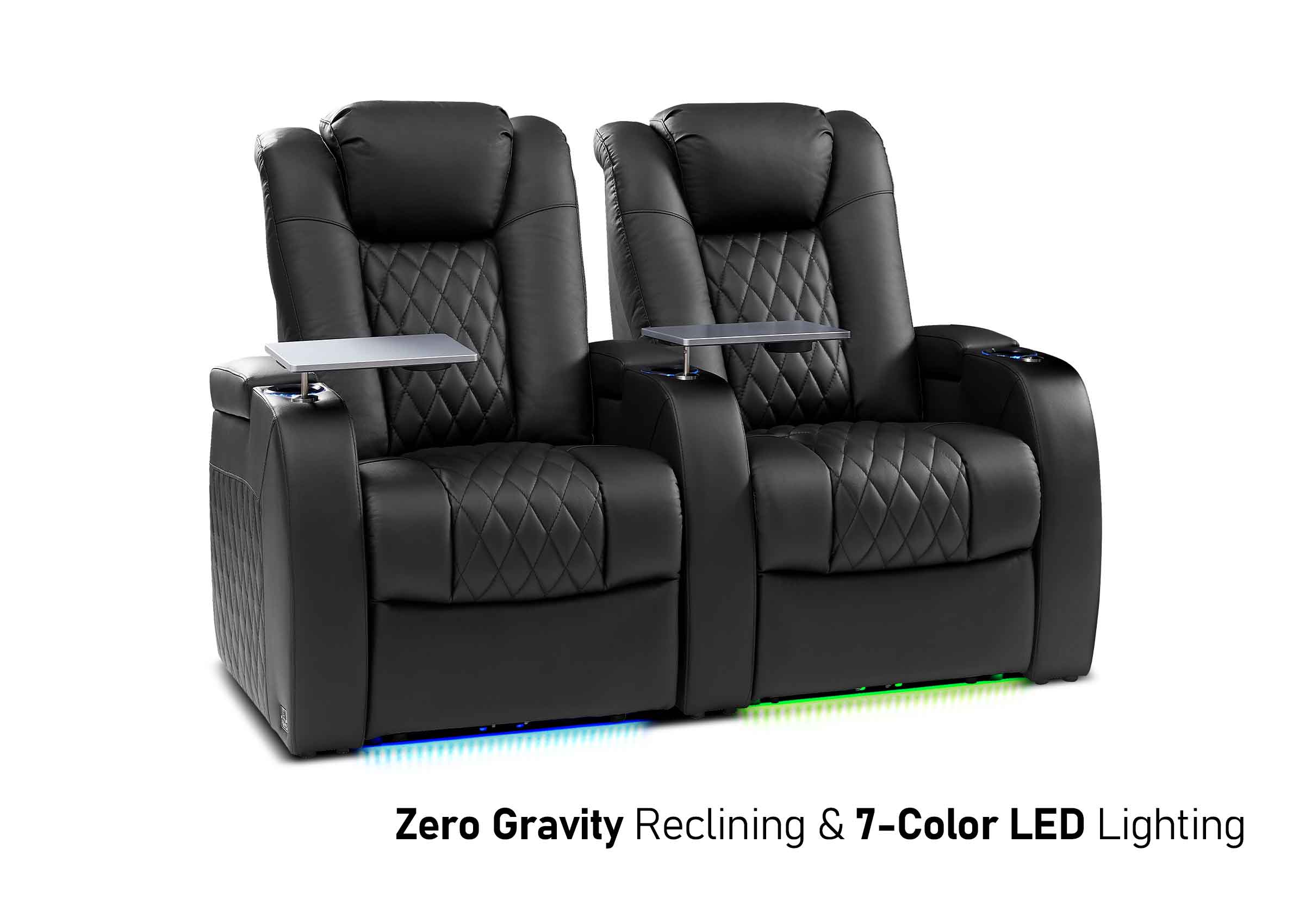
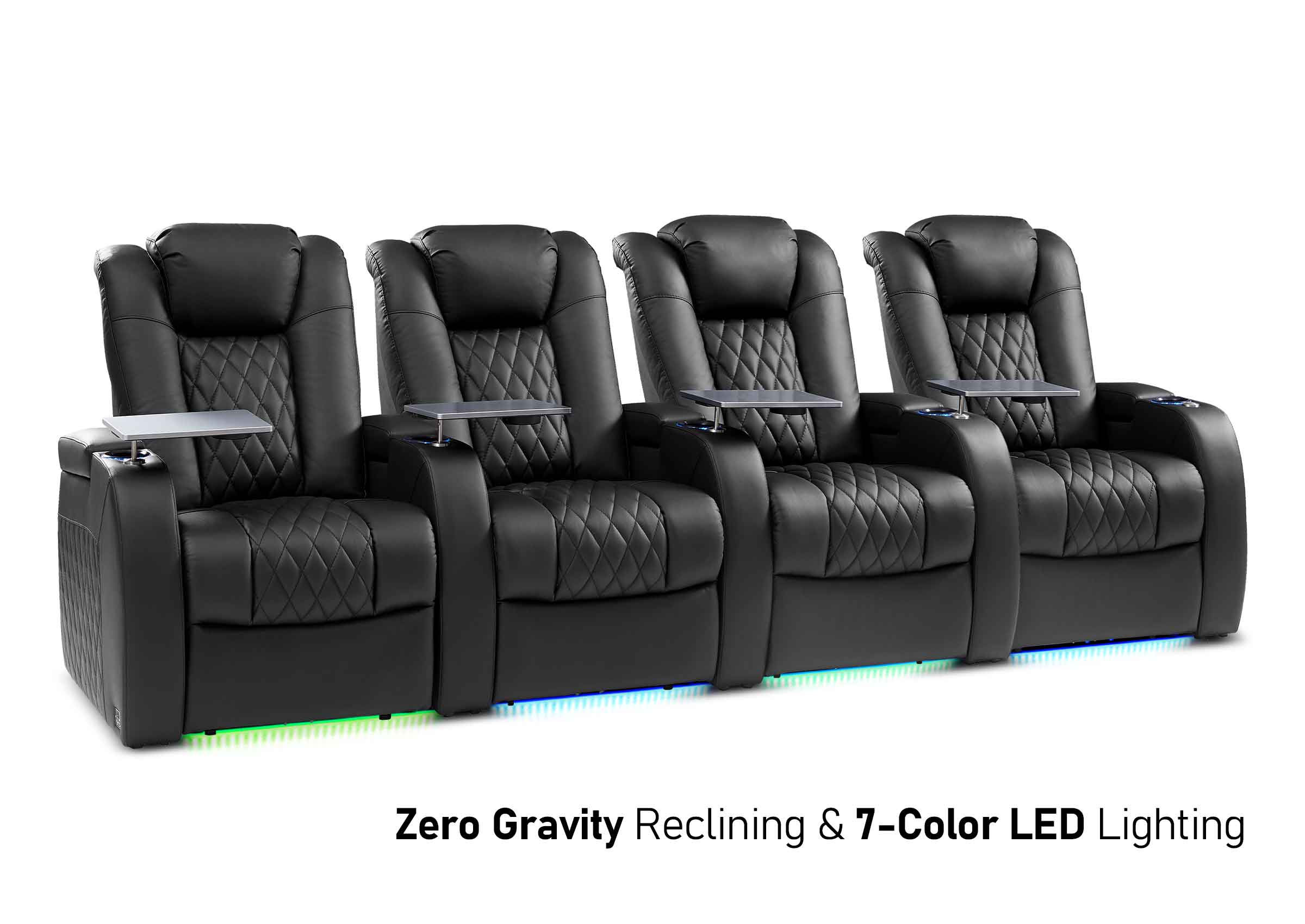
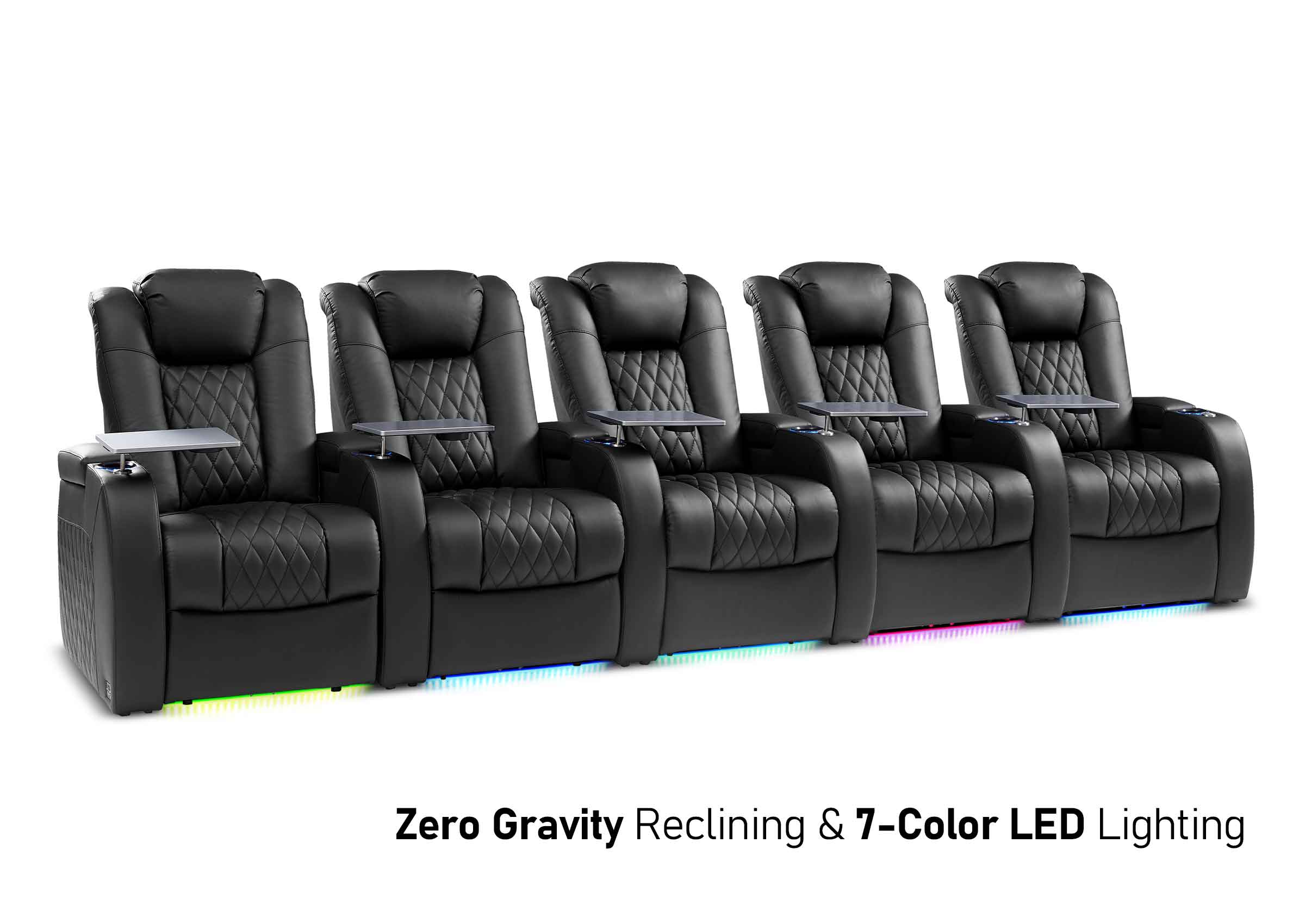
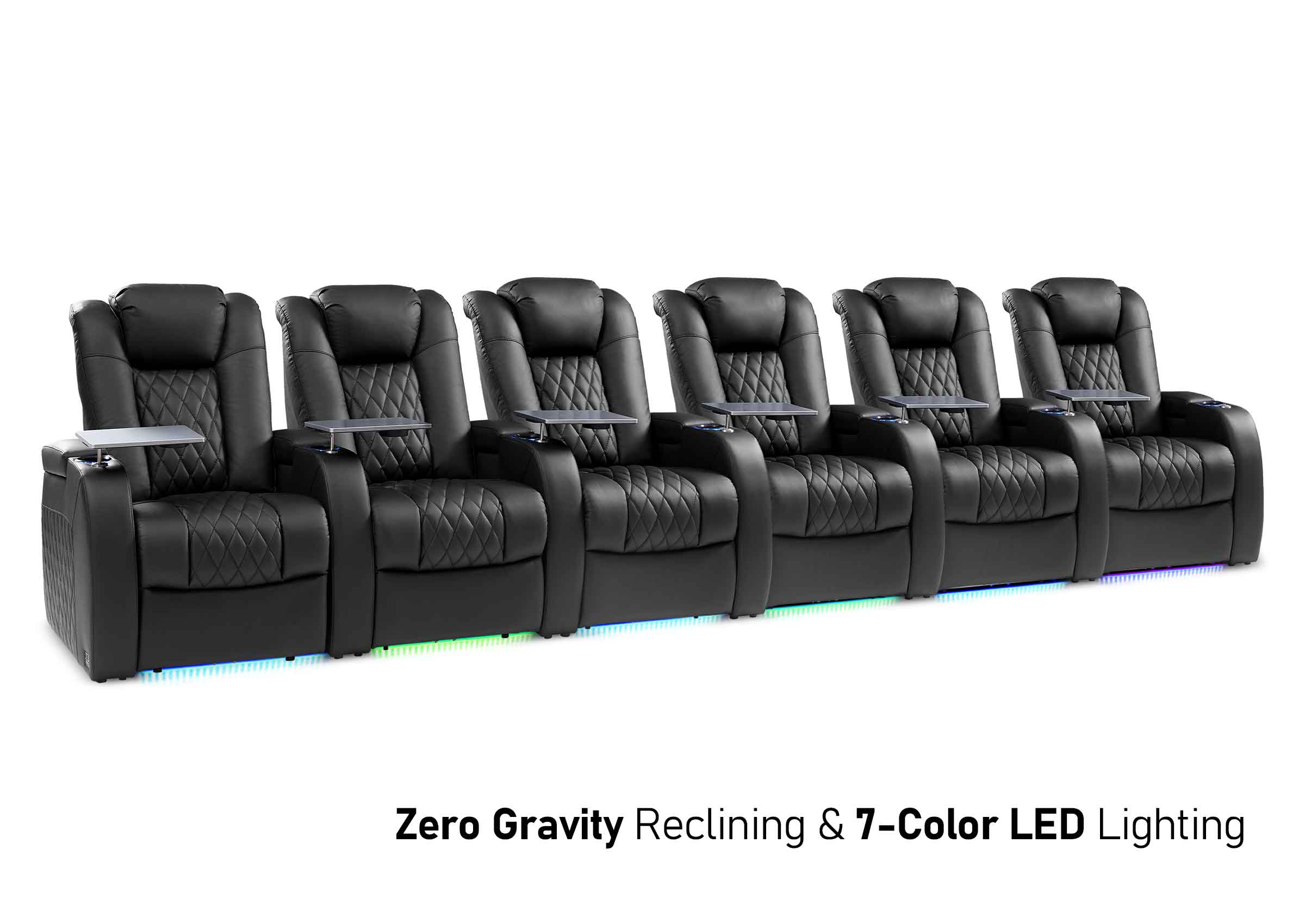
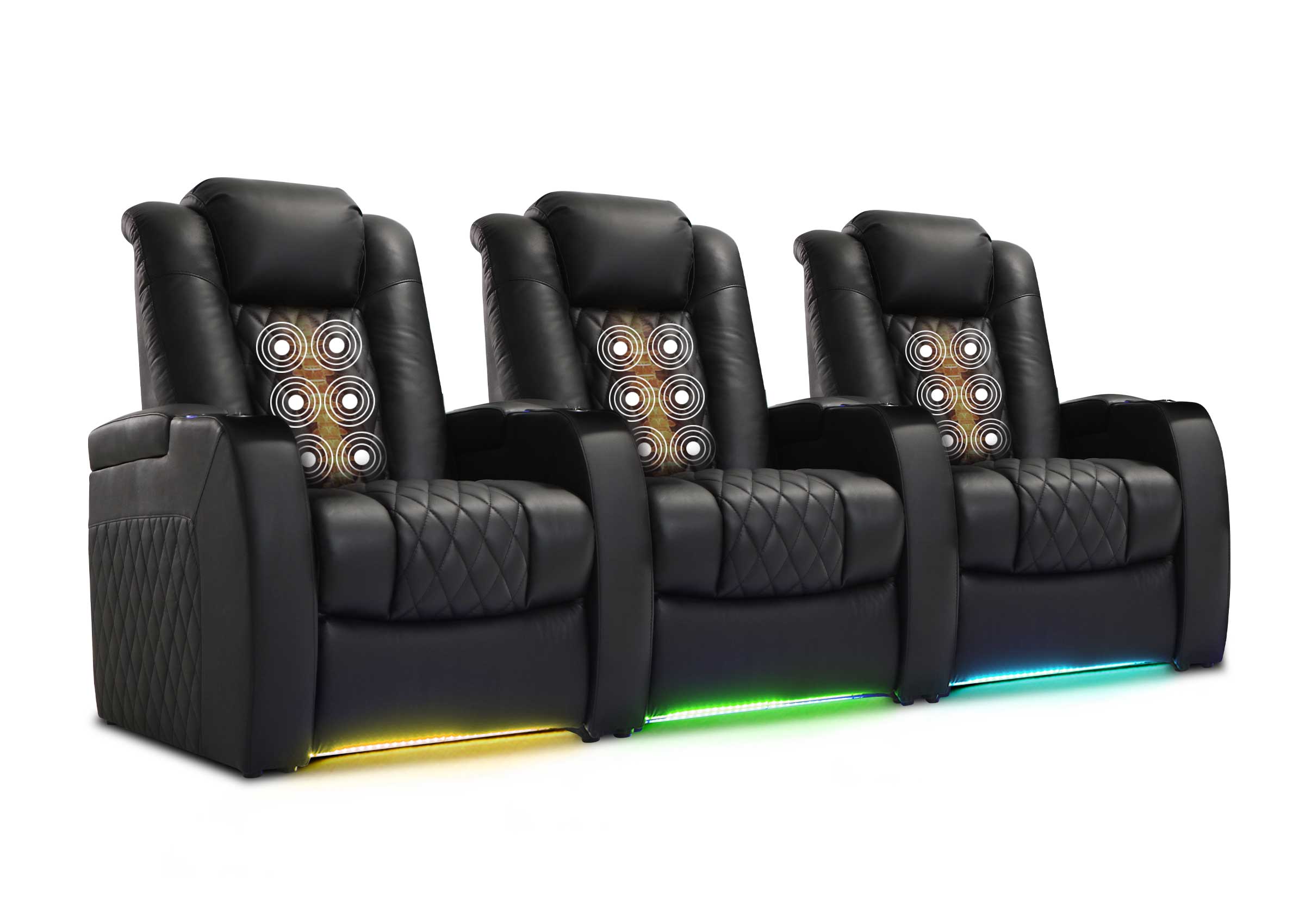




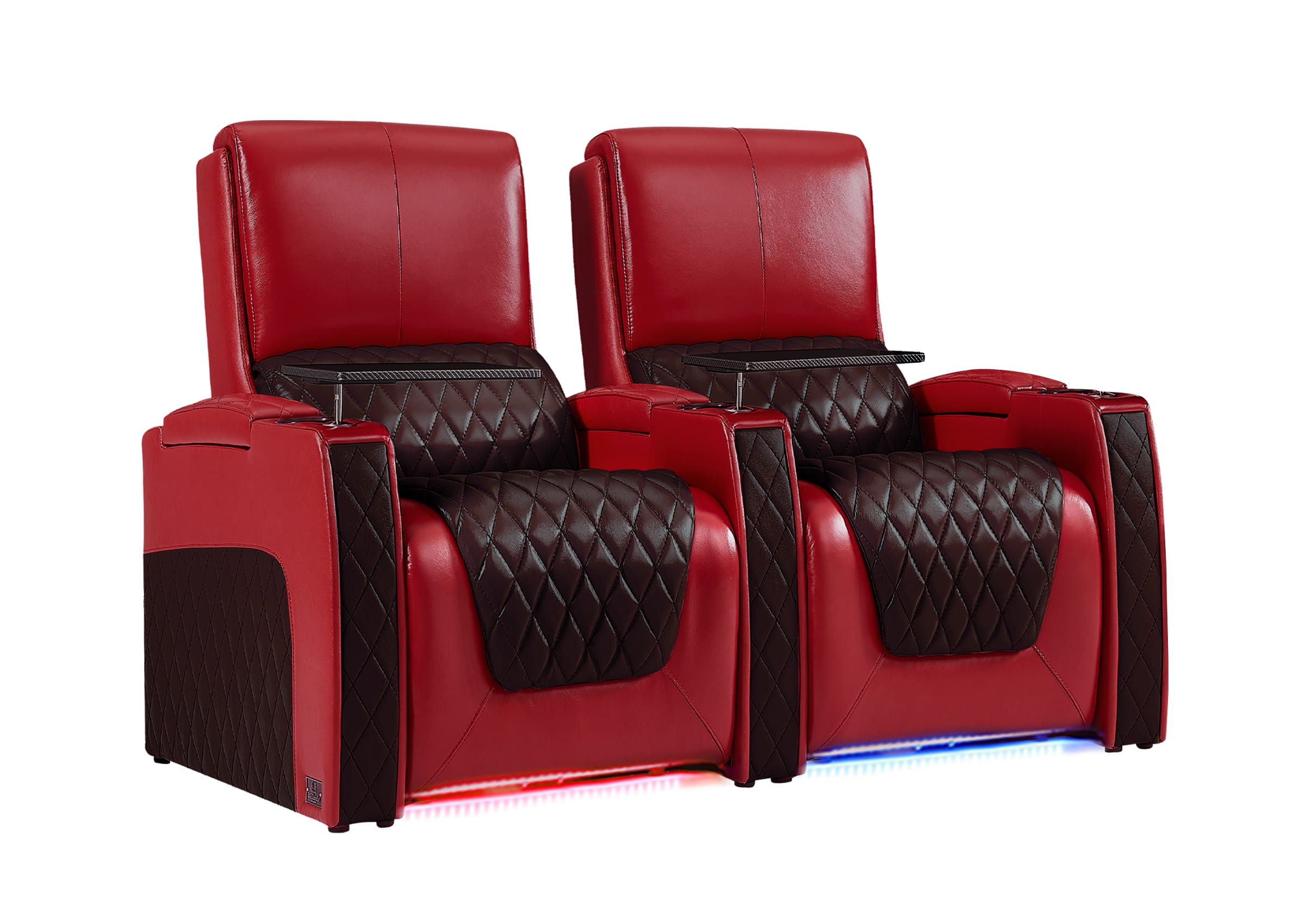
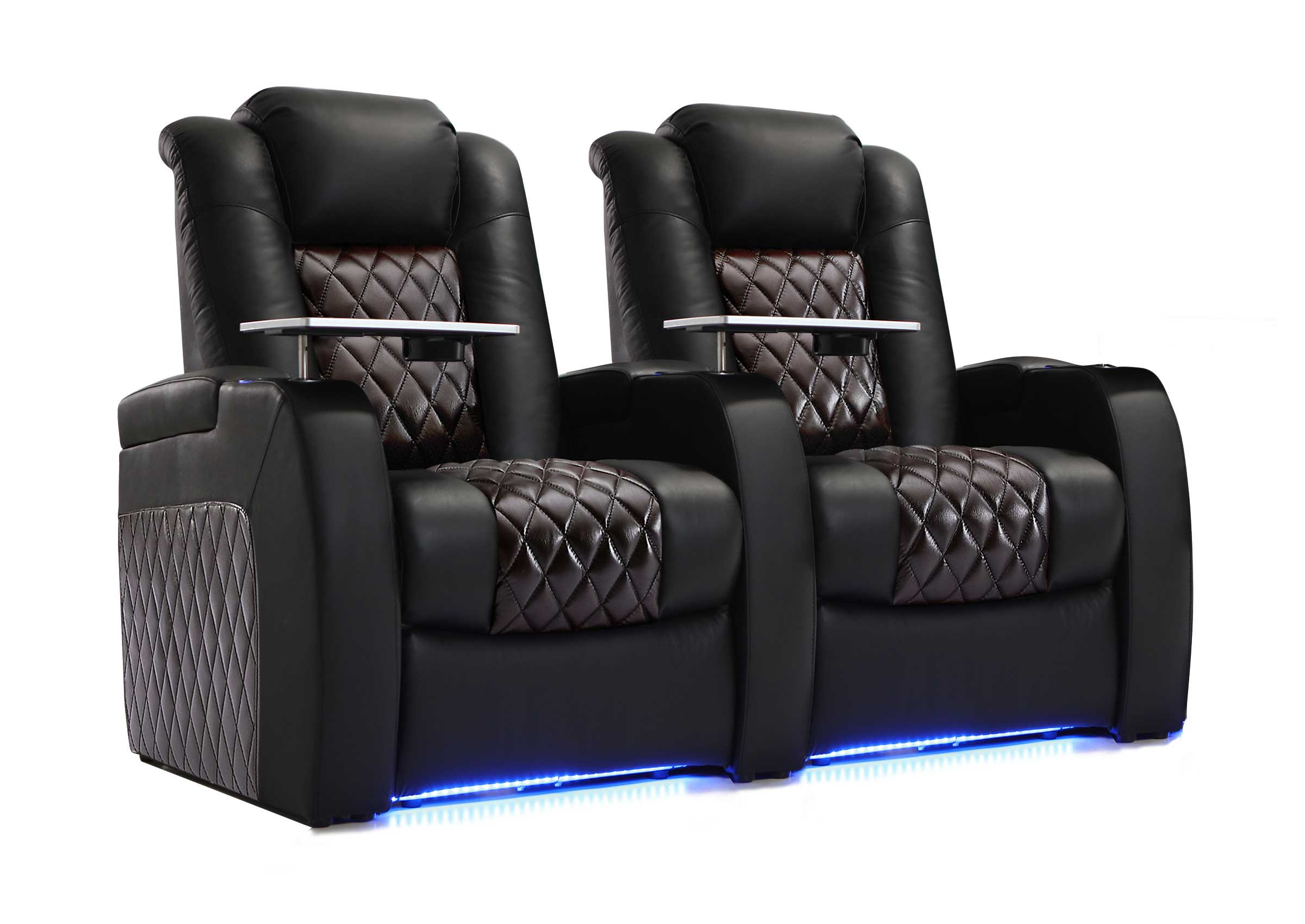
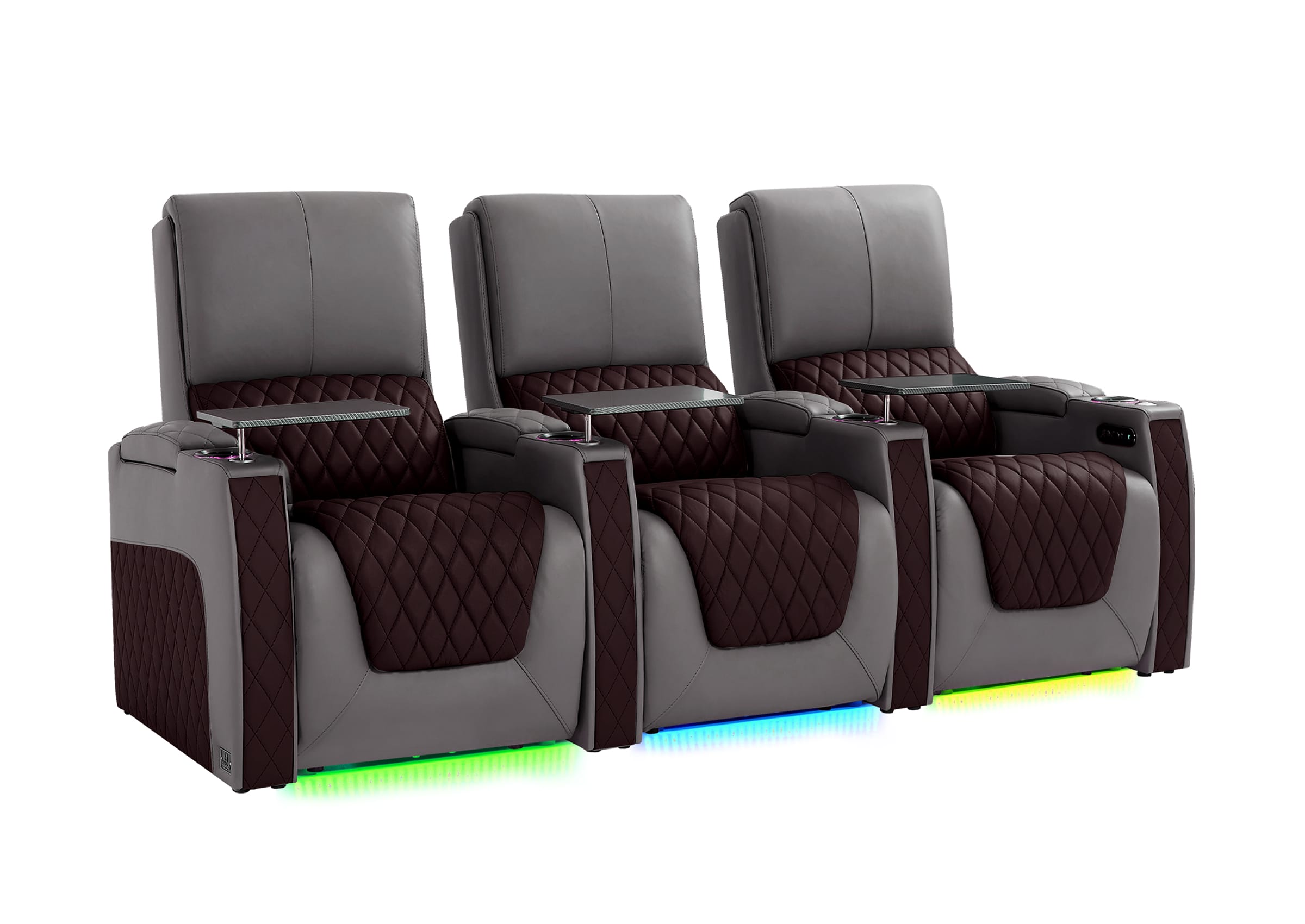
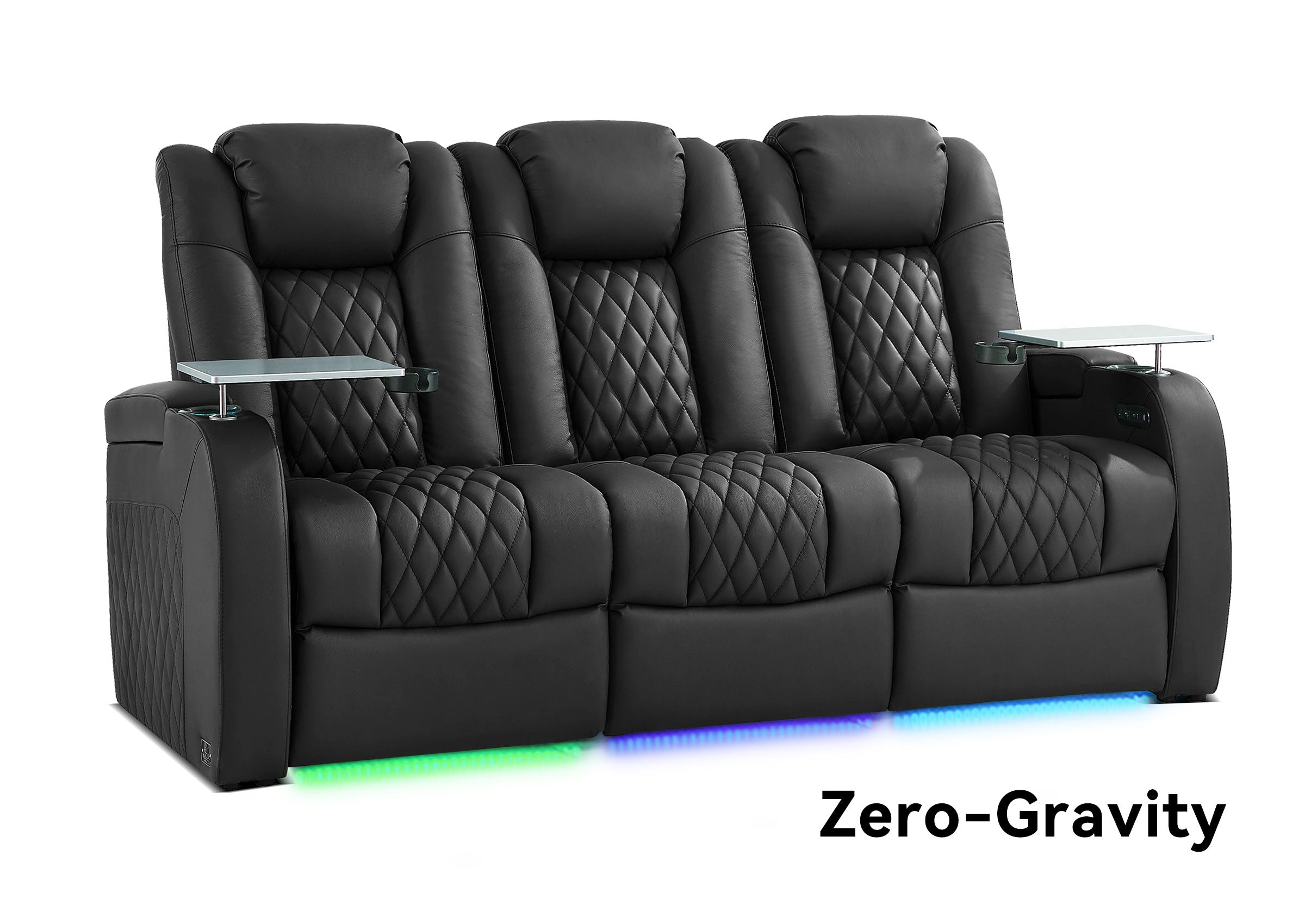


Yes, you can put a subwoofer behind the couch.
In some rooms, it can be an excellent position—especially when the front wall is crowded, the room has limited floor space, or you want stronger low-frequency impact close to the listening position.
But “it fits behind the couch” and “it is a good subwoofer location” are two different conclusions.
There is no universal best subwoofer position. Dolby notes that there are no hard rules for cabinet placement and recommends testing how the subwoofer performs in the actual room. SVS makes the same practical point: bass response can change significantly as either the subwoofer or listener moves because the room itself shapes low-frequency behavior. See Dolby's subwoofer placement guidance.
So treat the space behind your couch as a candidate location, not a default location.
Before you make it permanent, it should pass three tests:
Does it sound right? Does it work with the seat? Does the complete setup still work safely and practically?
Why Put a Subwoofer Behind the Couch in the First Place?
For many homeowners, the answer is simply space.
The front wall may already contain the screen, speakers, media console, doors, cabinetry, or walkways. A large subwoofer can be difficult to place there without making the room feel crowded.
The area behind a couch may be unused, visually discreet, and closer to a power source or planned cable route.
There is also an acoustic reason people like the position: near-field bass can feel more immediate.
When a subwoofer sits relatively close to the listening position, more of its direct low-frequency energy reaches the listener before traveling across the room. Arendal, for example, includes a front-corner plus behind-the-listener configuration as one possible dual-subwoofer arrangement and notes the stronger tactile character of the nearby subwoofer. See Arendal's dual-subwoofer placement guide.
That can make movie effects feel more physical without automatically requiring higher playback levels throughout the entire room.
But this creates the first important distinction:
More vibration at the couch does not automatically mean better bass at the couch.
A nearby subwoofer can feel impressive while still producing uneven frequency response, drawing attention to its location, overpowering the closest seat, or causing furniture to rattle.
The goal is not to find the location that shakes the couch the most.
It is to find a location that produces balanced bass and useful physical impact without creating new problems.
First Test: Does It Actually Sound Better?
Start with sound before worrying about how neatly the subwoofer disappears behind the furniture.
A good behind-the-couch position should make bass feel integrated with the movie or music rather than making you constantly aware that a large speaker is operating a few feet behind you.
Listen for Balance, Not Just Loudness
Moving a subwoofer closer to the couch often makes the bass seem stronger.
That alone tells you very little.
Use familiar material containing several types of bass—not only one explosion or one deep test tone. Listen for whether different bass notes remain reasonably balanced.
If one narrow range suddenly dominates everything else, the new position may simply be exciting a strong room response.
SVS recommends judging candidate locations by the most accurate and balanced bass rather than the loudest bass, because moving either the subwoofer or listening position changes the way standing waves combine in the room. Read the SVS subwoofer placement guide.
That distinction becomes especially important with near-field placement because the immediate physical sensation can make a position seem better before you have actually judged its tonal balance.
Can You Tell the Bass Is Coming From Behind You?
Deep bass is difficult to localize, which is why subwoofers have much more placement flexibility than conventional speakers.
That does not mean placement becomes irrelevant.
SVS notes that front placement is common partly because it often blends well with the front speakers and minimizes localization. If a rear subwoofer starts pulling your attention backward during dialogue, music, impacts, or effects, the system may need better integration—or the position may simply not be ideal for that setup.
Crossover settings, the main speakers, room reflections, distortion, and the actual subwoofer all influence whether the source becomes noticeable.
The useful test is simple:
Close your eyes during a familiar scene. Does the bass still belong to the screen and the room, or does it repeatedly point toward the cabinet behind you?
If you keep hearing “the subwoofer” rather than the soundtrack, proximity has stopped being an advantage.
One Good Seat Is Not the Same as a Good Couch
This is one of the biggest weaknesses in generic behind-the-couch placement advice.
A near-field subwoofer may be fantastic for the seat directly in front of it.
That does not guarantee the same result three feet to the left or right.
If the sub sits behind one end of a three- or four-seat row, the nearest listener may receive a noticeably different combination of direct bass and room response than someone at the opposite end.

For one primary listening position, that tradeoff may be perfectly acceptable.
For a family that regularly fills the entire couch, it matters much more.
SVS specifically notes that a single subwoofer cannot normally produce an optimal frequency response at every listening position, which is why larger theaters and multiple rows often benefit from approaches designed around the entire listening area rather than one seat.
So test the actual seats people use.
Do not sit only in the middle, hear impressive bass, and declare the position finished.
Listen from the center seat, both ends of the couch, and any second row that matters.
If the rear placement solves one seat by making another much worse, the problem has moved rather than disappeared.
If several seats matter and you need to decide how much consistency to prioritize across the row, continue with our guide to getting better bass across your home theater seats.
That broader multi-seat optimization is a separate task from deciding whether the space behind the couch is physically viable. Here, the important question is simply:
Does the position remain acceptable across the listening area you actually care about?
Second Test: Does the Subwoofer Work With the Couch?
This is where an ordinary placement guide and a real theater room begin to diverge.
For a fixed sofa, measuring the open floor space behind it may be enough to determine whether the cabinet physically fits.
For a power recliner, it is not.
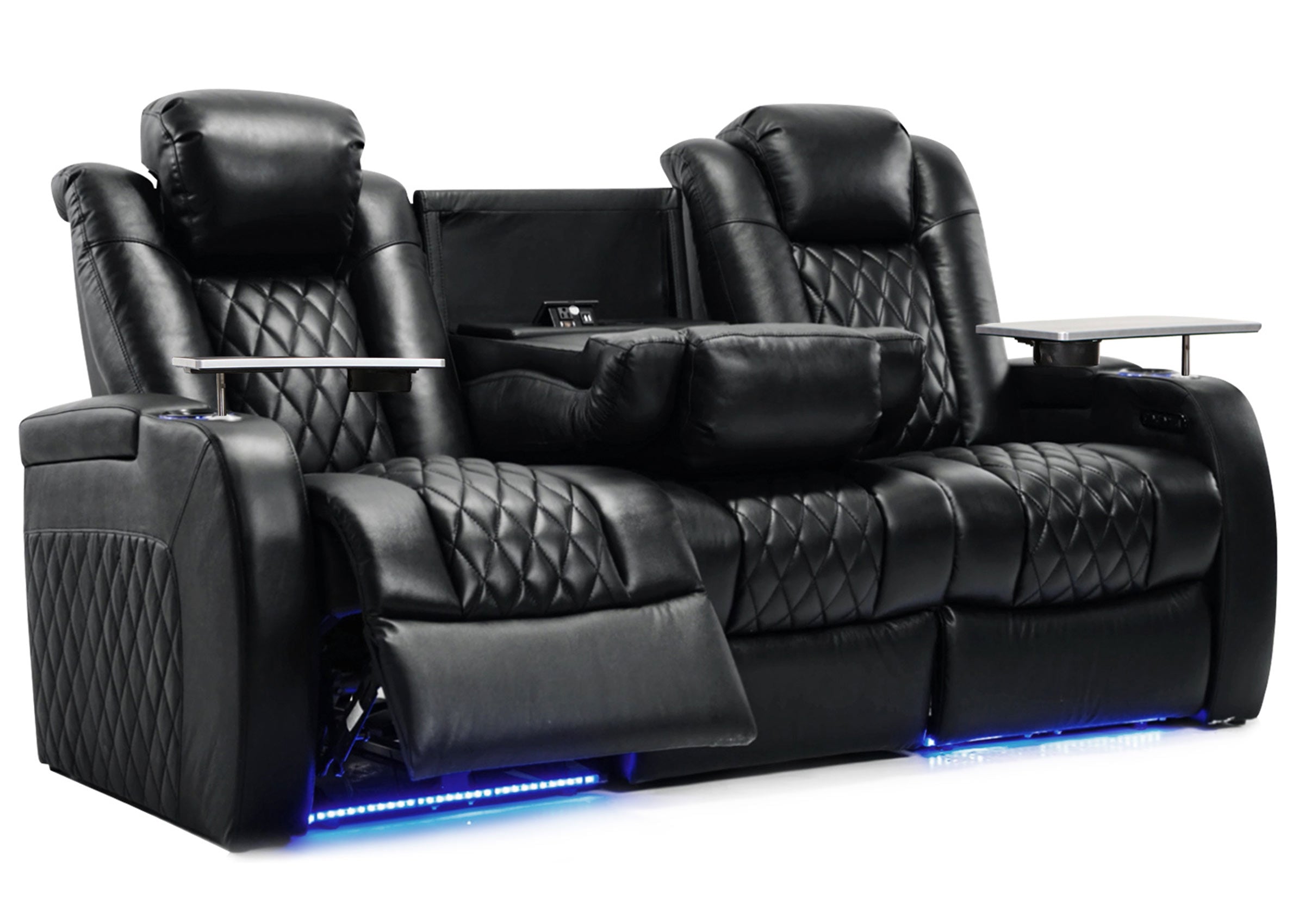
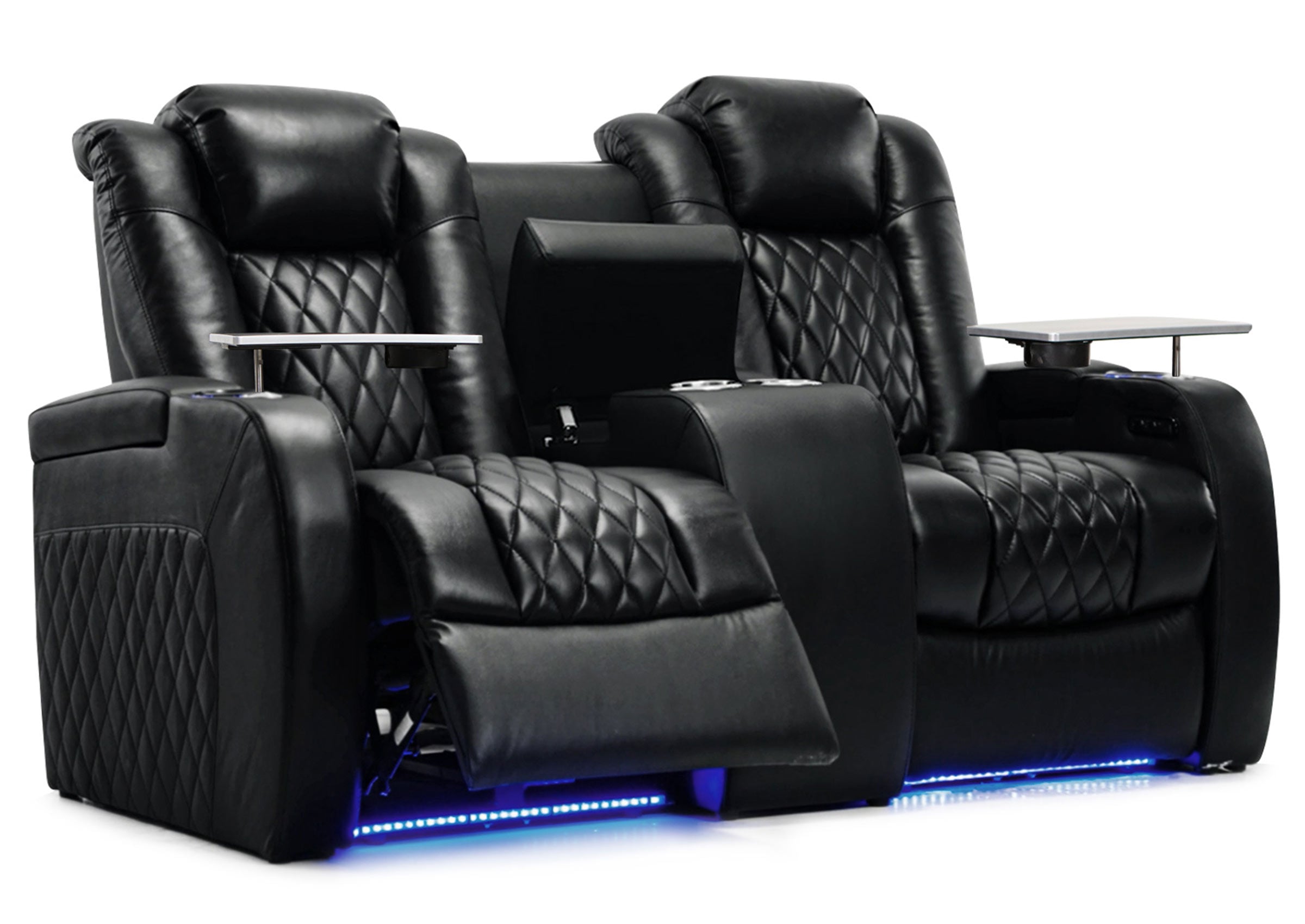
A reclining theater seat has both a static footprint and a moving footprint.
The backrest may move rearward. The footrest opens. Linkages move beneath the seat. Power cables shift slightly as the mechanism operates. Depending on the design, the user's head and upper body may also move noticeably closer to whatever sits behind the chair.
That means the relevant question is not:
“How much space is behind my recliner while it is upright?”
It is:
“What space does the recliner occupy through its full motion?”
Check the Position With the Recliner Fully Operated
Temporarily place the subwoofer where you want it, then operate every nearby recliner through the positions people normally use.
Do this with someone sitting in the seat.
A cabinet that looks safely separated from an empty upright chair can feel very different after the backrest moves and the listener settles into a normal movie posture.

Check the cabinet itself, but also look at everything attached to it.
The driver, grille, port, passive radiator, amplifier plate, controls, connectors, and ventilation openings may need usable space even when the outer cabinet does not physically touch the sofa.
There is no responsible universal answer such as “every subwoofer needs four inches behind a couch.”
Different designs have different requirements.
For example, Arendal specifies a minimum nearby-surface clearance in its own near-field placement guidance, but that number belongs to that particular guidance and should not be generalized to every subwoofer design.
The better rule is:
Start with the subwoofer manufacturer's clearance requirements, then add the full moving envelope of the seat.
If the two overlap, the position fails before any acoustic testing matters.
If moving the row to make room for the subwoofer also changes your viewing distance, aisle space, or recline clearance, recheck the room against your home theater seating layout before making the change permanent.
Do Not Forget the Person Inside the Recliner
Furniture clearance is only half the problem.
Reclining changes where the listener actually is.
If the subwoofer sits directly behind the primary seat, the user's ears and upper body may move closer to it when reclined.
That can change the perceived balance and tactile intensity even though the subwoofer never moved.
So evaluate the system in the posture you actually use.
If movie night normally means reclining halfway with the headrest adjusted, that is the listening position that matters—not the bolt-upright position used while configuring the room.
A rear-subwoofer placement that works beautifully upright but becomes distracting when reclined has not really passed the test.
CHECK THE ROOM BEFORE YOU COMMIT
Will the Rear Subwoofer Still Work When the Seats Recline?
If making room for the subwoofer changes where the seating row sits, confirm the full recline footprint, walkway, and room layout before you hide cables or make the position permanent.
Verify Recline Clearance • Plan Multi-Seat Sound
Third Test: Does the Complete Setup Still Work?
A good acoustic location can still be a poor permanent installation.
The area behind a couch is often where several systems compete for the same space:
power cords, LFE cables, wireless adapters, seat power supplies, recliner wiring, wall outlets, walking paths, and sometimes rear speakers or other furniture.
Look at the whole area rather than only the subwoofer cabinet.
Keep Cables Away From Moving Seat Parts
A cable should not run through a recliner mechanism simply because that creates the shortest path to the receiver.
Operate the seat while watching the entire cable route.
Nothing should be pinched, pulled, rubbed by moving hardware, trapped beneath a seat base, or stretched tight when the recliner changes position.
Wireless audio can remove a long signal cable, but it does not remove the need for power.
“Wireless subwoofer” therefore does not mean “no cable-planning problem.”
Leave Access for Controls and Service
A subwoofer pushed tightly behind a heavy row of theater seats can become difficult to reach.
Think about what happens later if you need to adjust a control, disconnect power, replace a cable, reset a wireless connection, inspect a port, clean the area, or move the cabinet.

A location that requires disassembling half the room every time something needs attention is technically possible but not particularly good.
Permanent placement should work during ownership, not only on installation day.
Will the Couch Block the Bass?
Usually, the useful answer is not simply “yes” or “no.”
Low-frequency sound does not behave like a narrow beam of high-frequency sound that must have a clear visual path to the listener. That gives subwoofers considerable flexibility, and even manufacturer guidance may include behind-the-sofa locations among workable options. Roku, for example, lists an out-of-the-way position behind a couch as one possible placement while also noting that front placement can provide better blending in some systems. See Roku's subwoofer placement guidance.
But that does not mean you should bury the cabinet against upholstery.
The couch may interfere with the practical needs of the specific subwoofer if it blocks a driver, port, passive radiator, amplifier ventilation, or required clearance.
Furniture can also become part of the vibration problem.
So instead of asking:
“Can bass travel through a couch?”
ask:
“Is this particular subwoofer still operating the way its design requires when the couch is in front of it?”
That question leads to a much more reliable answer.
Near-Field Impact and Furniture Rattle Are Not the Same Thing
A subwoofer behind the couch can make low-frequency effects feel more immediate.
Ideally, that sensation follows the soundtrack: an engine has weight, an impact feels heavier, and deep effects create physical presence without calling attention to the furniture.
Unwanted vibration behaves differently.
A cup holder buzzes.
A tray table chatters.
A storage lid resonates at one frequency.
A cable taps the frame.
A loose component begins making noise only during certain scenes.
A reclining mechanism or nearby décor may also reveal noises that were not obvious when the subwoofer sat across the room.
The correct response is not automatically to turn down the subwoofer until the entire experience becomes weaker.
First determine whether the extra sound is part of the intended bass or a nearby object reacting to it.
For this placement decision, you only need to answer:
Did the behind-the-couch location introduce a distracting rattle?
If yes, find the source before making the location permanent.
A complete room- and seat-rattle diagnosis is a separate problem because the sound may originate from the subwoofer cabinet, furniture, floor, wall, riser, or seat mechanism.
Test the Location Before You Hide Any Wires
One of the most useful things you can do is also one of the easiest:
live with the position temporarily before treating it as permanent.
Do not cut holes, route cable through walls, move electrical work, or build furniture around the subwoofer just because the cabinet fits.
Use a temporary setup first.
- Place the subwoofer in the realistic behind-the-couch position without permanently hiding the cables.
- Use a familiar movie scene, music track, or repeatable bass sample at the same playback level for every comparison.
- Listen from the primary seat in the posture you normally use, including reclined if appropriate.
- Compare the other important seats without changing subwoofer gain.
- Listen for balance, localization, excessive near-seat output, and new furniture rattles.
- Operate every nearby power recliner through its normal range and inspect the cabinet, ports, connectors, power cords, and signal cables.
- Once the physical position is settled, rerun the receiver or processor's calibration according to its own instructions and evaluate the position again.
If several people regularly use the room, the final calibration should reflect the listening area you actually care about rather than an arbitrary microphone pattern. Our guide to home theater sound across multiple seats explains how to define that area before calibration.
This is deliberately different from turning the article into a complete subwoofer-crawl tutorial.
If bass is specifically weak at one seat and returns when you move your head or change seats, that is a listening-position diagnosis. Use our bass null listening-position guide before assuming behind-the-couch placement is automatically the answer.
How to Read the Results
| What you notice | What it tells you | What to do next |
|---|---|---|
| Bass is smoother and still feels integrated | Rear placement is a strong candidate | Continue the physical and calibration checks |
| Bass is much louder but not more balanced | Proximity or a room peak may be dominating the result | Compare another practical location |
| Bass feels excellent only in the nearest seat | The position may suit one MLP but not a shared couch | Test the whole row or reconsider the location |
| Bass clearly seems to come from behind you | Integration or localization needs attention | Review placement, crossover, and calibration |
| Bass disappears only at one seat | The main issue may be a position-related null | Diagnose the listening position separately |
| Reclining moves the seat too close to the cabinet | The static floor plan is misleading | Increase clearance or choose another position |
| A cup holder, frame, storage lid, or nearby object buzzes | You have a vibration problem in addition to a placement decision | Locate the rattle before making the position permanent |
| Cable routing crosses moving hardware or a walkway | The location is not installation-ready | Redesign the cable path |
| Everything works upright and reclined, across important seats | The location has passed the practical test | Finalize placement and recalibrate |
The value of this table is not to declare one result “correct.”
It is to stop different problems from being confused with each other.

When Behind the Couch Is a Strong Choice
Behind-the-couch placement becomes especially convincing when several things are true at once.
The front of the room has legitimate space constraints.
The rear location produces balanced bass rather than simply more bass.
The subwoofer does not become distractingly localizable.
The important seats remain reasonably consistent.
A power recliner can move through its normal range without approaching the cabinet or cables.
The subwoofer's driver, port, ventilation, amplifier panel, and connectors remain usable.
And the new position does not create rattles that distract from the soundtrack.
In that situation, there is no reason to reject the position simply because a diagram says the subwoofer “belongs” at the front.
Dolby's own professional guidance avoids such universal cabinet-placement rules and emphasizes testing performance in the actual room.
When You Should Test Another Position
Rear placement becomes much less attractive when the advantage exists mostly because the closest seat gets hit with more direct energy.
It is also a weak choice if bass consistently pulls toward the back of the room, one end of the couch overwhelms the other, the subwoofer crowds the recliner's moving space, or permanent cable routing becomes awkward.
The same applies when the only way to make the cabinet fit is to block a port, ventilation opening, amplifier panel, or service access.
In those cases, the theoretically convenient location is no longer practical.
A useful home theater position has to survive more than an acoustic test.
It has to survive movie night.
What If the Behind-the-Couch Position Is Great for One Seat but Poor for the Others?
That is no longer primarily a behind-the-couch question.
It is a multi-seat bass problem.
Once more than one seat matters, the goal may shift from making the main listening position as impressive as possible to reducing large differences across the couch or multiple rows.
SVS notes that multiple subwoofers can improve response across more listening positions because separate bass sources interact with the room differently. Arendal similarly describes configurations that combine front and rear or near-field subwoofers rather than assuming the rear position must operate alone.
That does not mean you automatically need a second subwoofer.
It means the correct success criterion has changed.
For one seat:
Does this position work well here?
For a shared row:
Does this position work well enough everywhere that matters?
Those are different optimization problems.
What If You Mostly Want the Couch to Shake More?
Then stop before moving the subwoofer again.
If the acoustic bass already sounds balanced but you simply want stronger physical impact in the seat, you may be trying to solve a tactile problem with an acoustic device.
Near-field subwoofer placement can increase physical sensation, but it still changes the sound field in the room.
A tactile transducer works differently by transferring low-frequency energy into the seating structure.
Neither approach is automatically better.
The important distinction is whether you are trying to improve what you hear or what you feel.
Making that distinction before changing equipment prevents a lot of unnecessary experimentation.
If the acoustic bass is already working and the missing piece is seat-level physical impact, our bass shaker installation guide for theater seats explains the separate tactile approach.
Frequently Asked Questions
How far should a subwoofer be behind the couch?
There is no universal distance that works for every subwoofer and every recliner. Follow the clearance requirements for your specific subwoofer's driver, port, passive radiator, amplifier panel, and ventilation, then verify the couch or recliner's full moving footprint. The acoustic result still needs to be tested from the actual listening positions.
Should the subwoofer driver face the couch?
Do not assume there is one correct orientation for every model. Subwoofers may use front-, side-, or downward-firing drivers, different port locations, passive radiators, and different cabinet designs. Start with the manufacturer's installation guidance, then compare practical orientations if the design allows it.
Can a couch block a subwoofer?
A couch does not block deep bass in the same way it would block a tweeter or other directional high-frequency source. However, it can physically interfere with a driver, port, ventilation opening, or required clearance, and it can introduce rattles. Treat those as equipment- and furniture-specific checks.
Can a wireless subwoofer go behind the couch?
Yes, if wireless connectivity remains reliable and the location sounds good. Remember that a wireless audio connection does not eliminate the power cable, so outlet location and cable safety still matter.
Will a subwoofer behind the couch be too loud?
It can feel stronger because the listener is closer to the source, but distance alone does not determine whether the result is correct. Judge balance across multiple bass notes and important seats before adjusting the level simply because the near-field position feels powerful.
Why does the seat closest to the subwoofer get more bass?
The listener is receiving a different combination of direct subwoofer energy and room response at that location. If several seats matter, compare the entire couch rather than optimizing only the seat nearest the cabinet.
Should I rerun room correction after moving the subwoofer behind the couch?
Yes. Once the final physical position is chosen, rerun the calibration process recommended for your receiver or processor. Placement changes the relationship among the subwoofer, room, speakers, and listening position, so a calibration performed for the old location no longer represents the final setup.
Is behind the couch better than a front-corner subwoofer?
Neither location is universally better. Front placement often makes integration and localization easier, while a rear near-field position can provide useful tactile impact and solve difficult space constraints. The better location is the one that performs well at the seats that matter and also passes the room's practical clearance and installation checks.
A Good Rear Subwoofer Position Should Disappear Into the Theater
A subwoofer behind the couch can absolutely work.
But the best result is not the one that constantly reminds you there is a powerful box sitting behind the seat.
It is the one where the explosions have weight, music remains controlled, the important seats still work, the recliner can move normally, nothing rattles, and nobody thinks about where the bass is coming from.
That leads to a simple final rule:
Test the sound. Test the seat. Test the setup.
If all three work together, the space behind your couch may be more than a convenient place to hide a subwoofer.
It may be the right place for your room.
If your rear-subwoofer plan also changes the seating position, row spacing, or full recline clearance, you can contact Weilianda Support or email leon@weiliandahome.com to confirm the seating-side questions before you finalize the room.