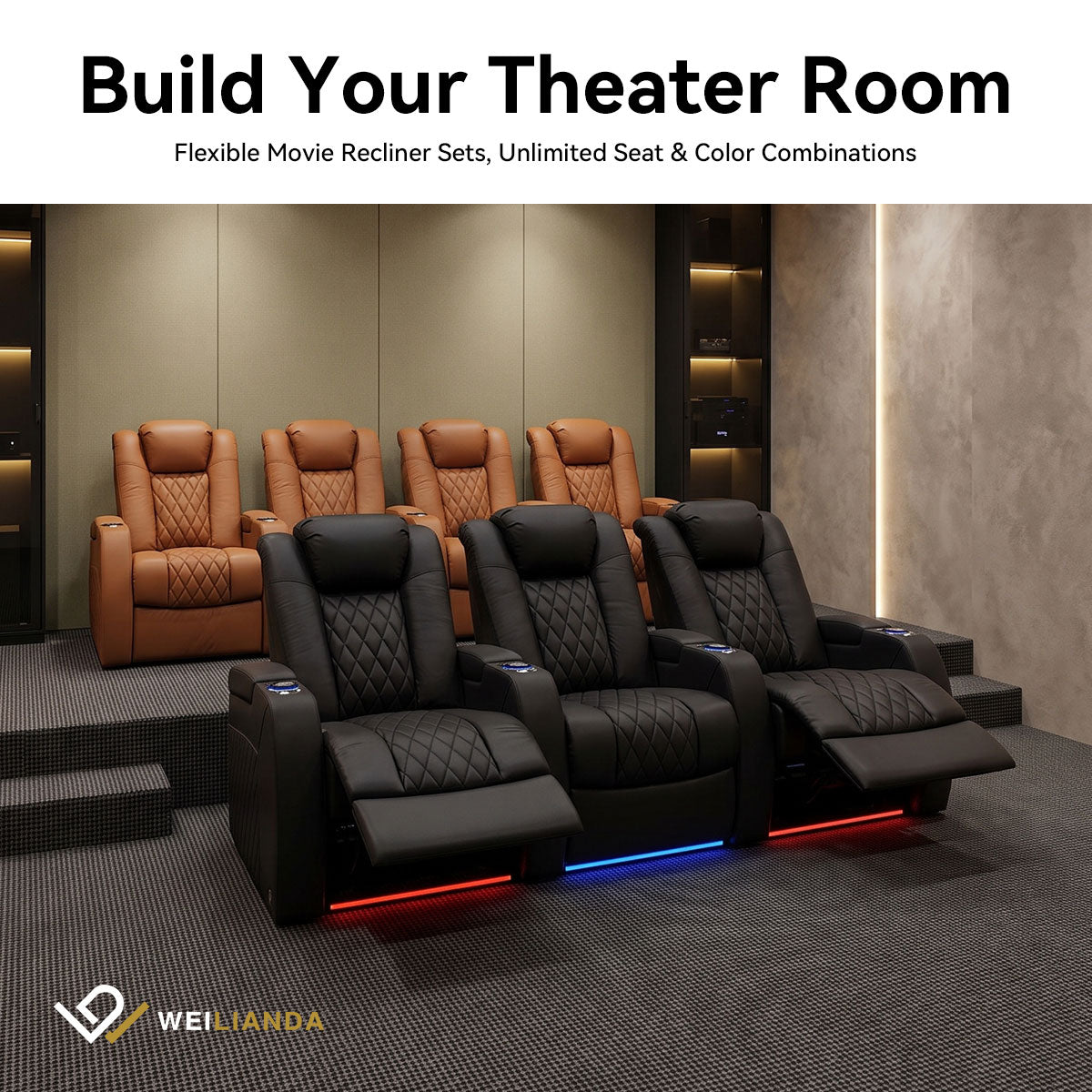













A well-designed home cinema is not only about the screen and seating—flooring plays a major role in comfort, sound quality, and the overall movie-night atmosphere. Movie theater carpet is one of the most overlooked design elements, yet it directly affects acoustics, safety, and how “cinematic” your space feels.
This guide walks through practical carpet ideas that improve comfort, reduce echo, and help you create a more immersive home theater layout without overcomplicating the design.
Why Carpet Matters in a Home Theater Room
Carpet does more than decorate the floor—it shapes how your room sounds and feels.
A proper theater carpet helps reduce echo, absorb sound reflections, and create a more focused listening environment. Hard flooring like tile or wood often causes sound bounce, which can make dialogue feel sharp or unclear during movies.
Beyond acoustics, carpet also improves comfort underfoot and makes the space feel more relaxed and intentional, especially in dark viewing environments.
Best Carpet Colors for a Cinema-Like Atmosphere
Color choice is one of the most important decisions for movie theater flooring.
Dark tones are the most common choice because they reduce light reflection and help keep focus on the screen.
Popular options include:
- Deep charcoal gray
- Matte black
- Dark navy blue
- Rich burgundy or wine red
Darker carpets help maintain visual immersion by minimizing distractions from floor reflections or ambient light.
If your room is small or lacks natural light control, darker carpet becomes even more important for creating a true theater feel.

Carpet Texture and Pile Height: What Works Best
Texture affects both comfort and acoustics.
Low to medium pile carpets are typically the best fit for home theaters because they balance softness with durability.
- Low pile carpet: Easier to clean, more modern, less sound absorption but still effective
- Medium pile carpet: Softer underfoot, better acoustic dampening, ideal for movie rooms
- High pile or shag carpets are usually not recommended because they can be harder to maintain and may affect furniture stability
The goal is to choose a carpet that improves comfort without interfering with seating balance or movement in the room.
Wall-to-Wall Carpet vs Area Rugs
Both options can work, but they create different experiences.
Wall-to-Wall Carpet
Best for dedicated home theaters. It creates a fully immersive environment and helps control sound across the entire room.
Area Rugs
Better for multi-use media rooms or living rooms. They provide flexibility and are easier to replace or update.
If your room is dedicated to movie watching, wall-to-wall carpet usually delivers a more consistent cinematic feel.
Acoustic Benefits: Reducing Echo and Improving Sound
Sound quality is a major part of the home theater experience.
Carpet helps by:
- Absorbing high-frequency reflections
- Reducing echo in empty or large rooms
- Improving dialogue clarity
- Supporting surround sound balance
In rooms with hard flooring, sound often “bounces,” which can make audio feel less controlled. Adding carpet helps stabilize the acoustic environment and makes long viewing sessions more enjoyable.

Comfort and Safety in a Dark Viewing Space
Home theaters are often used in low-light conditions, so flooring needs to support both comfort and safety.
Carpet helps by:
- Softening foot traffic noise when entering or leaving the room
- Reducing slip risk compared to hard flooring
- Making it safer for kids or guests moving around in the dark
A properly chosen carpet improves both comfort and safety during long movie nights.
Matching Carpet with Theater Seating Layout
Carpet and seating should work together, not separately.
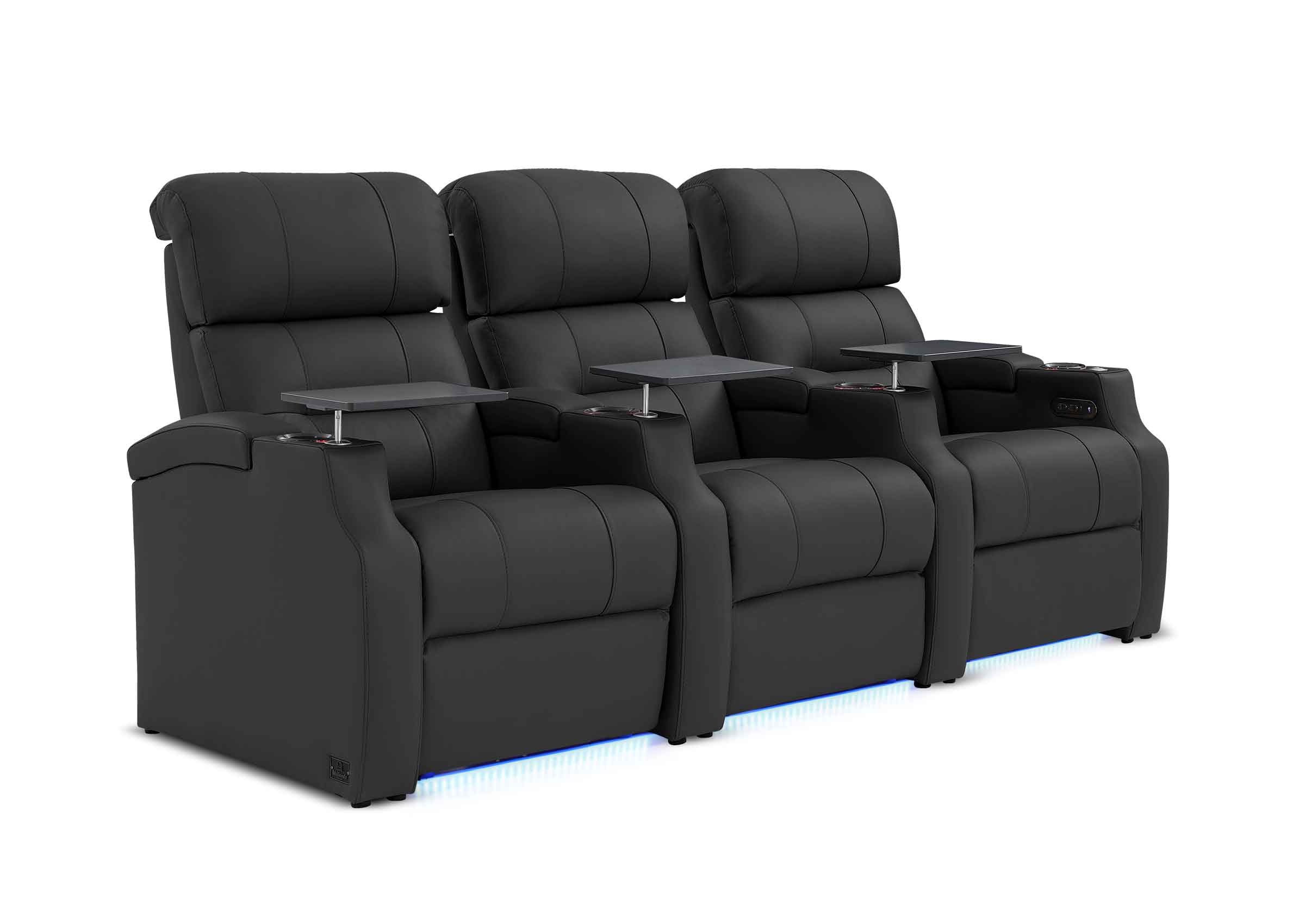
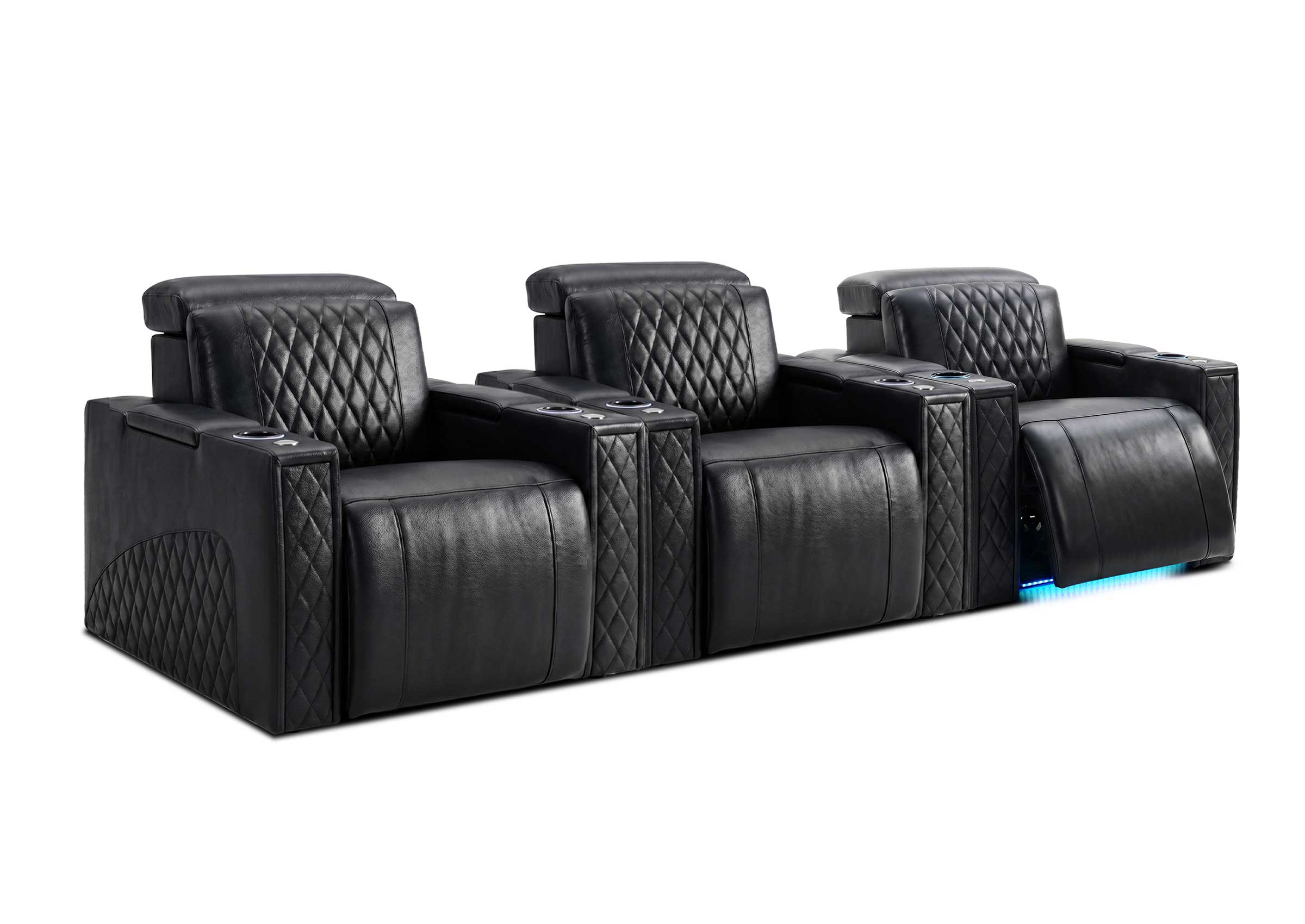
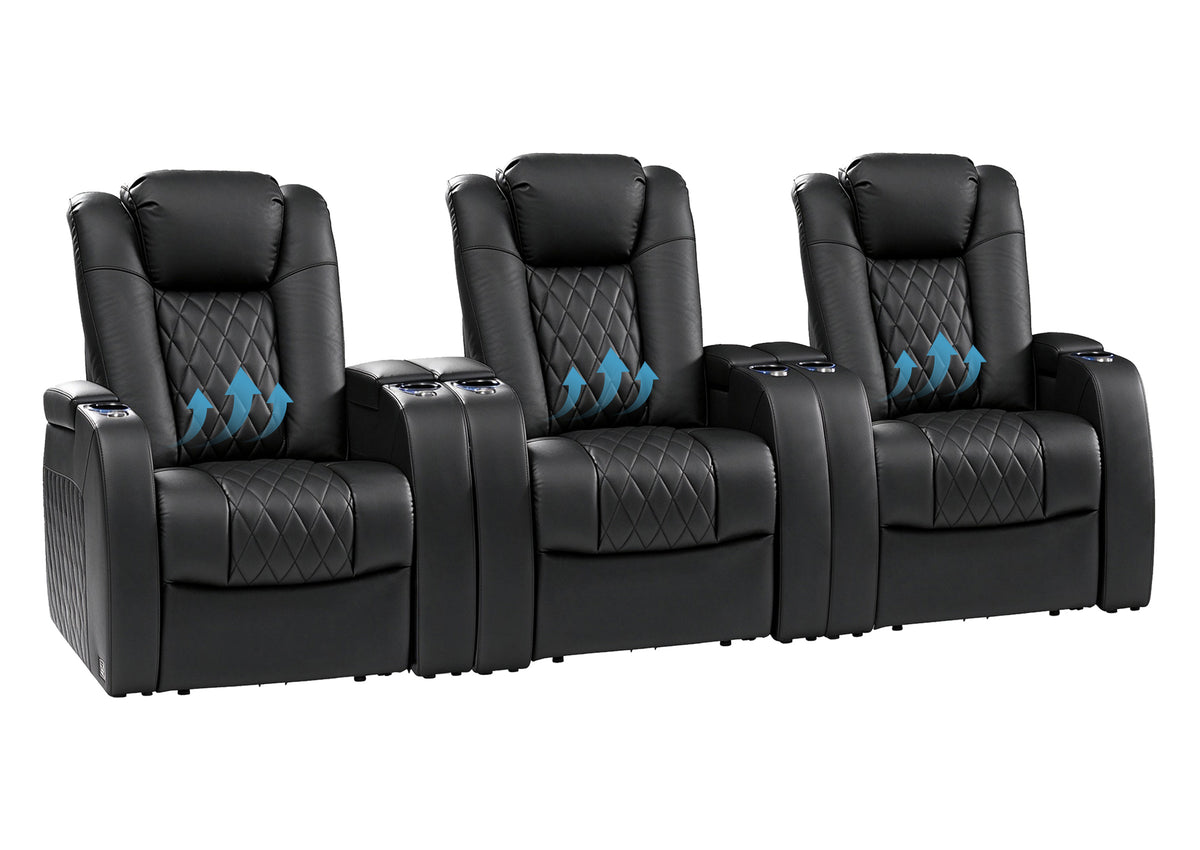
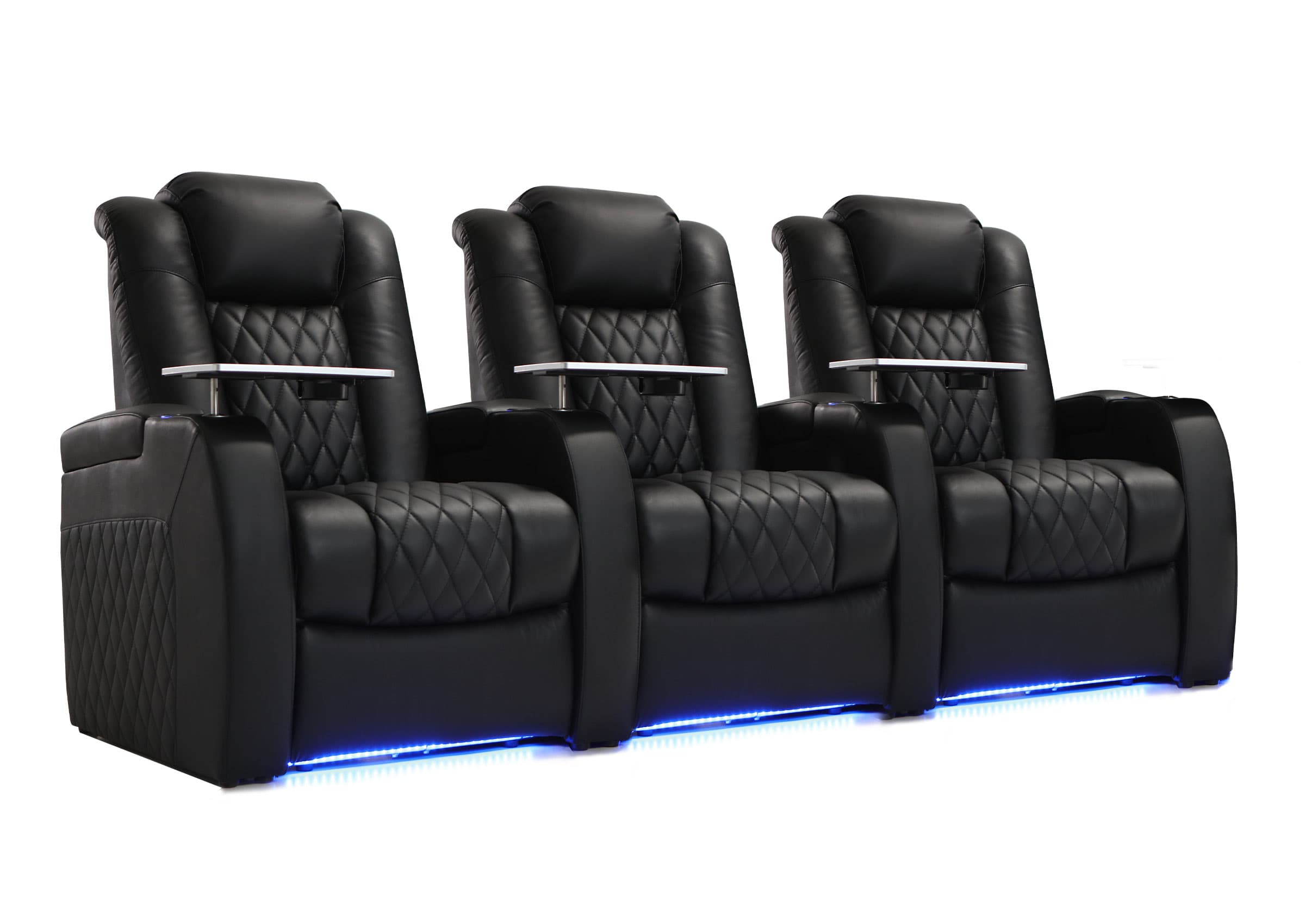
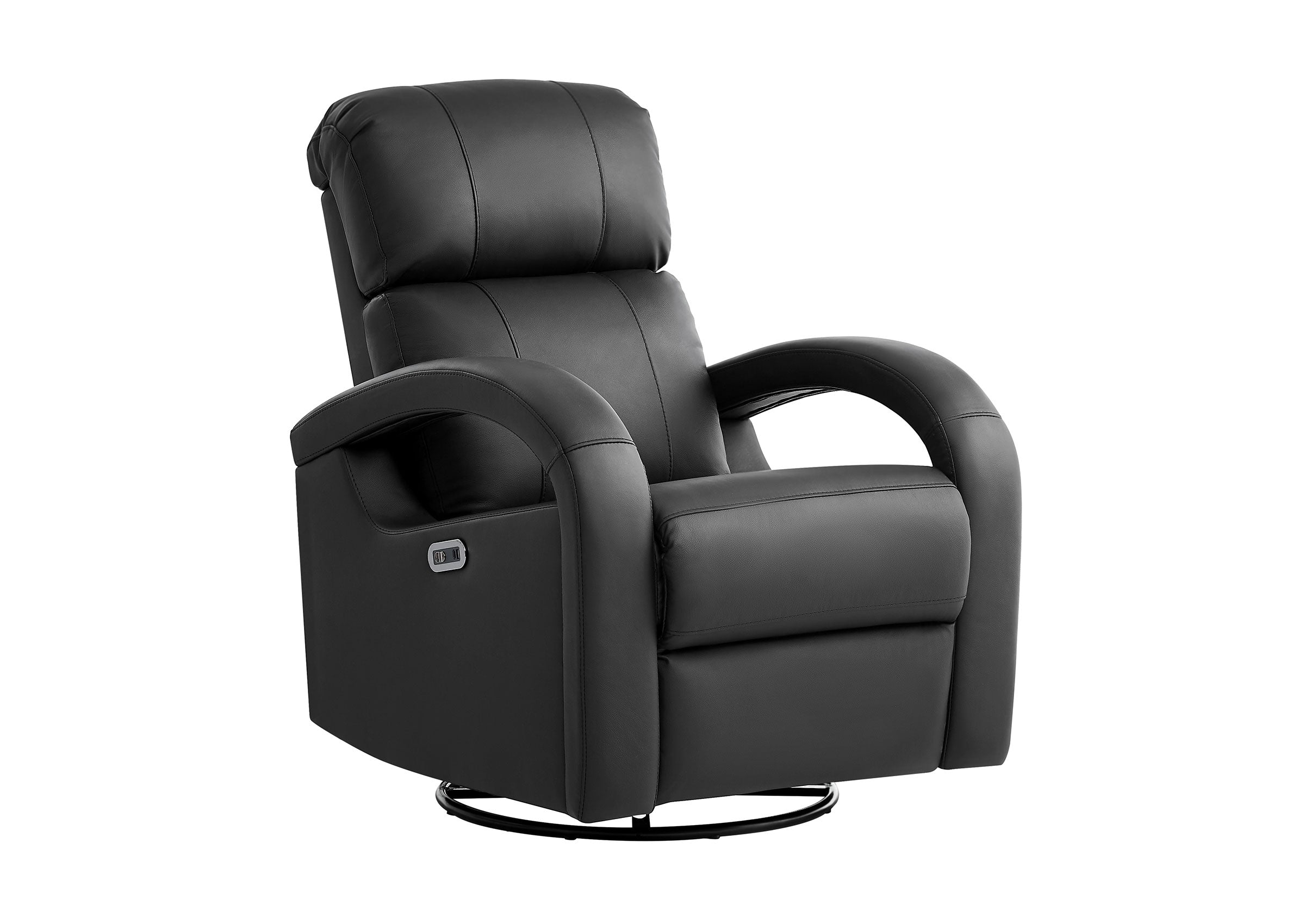
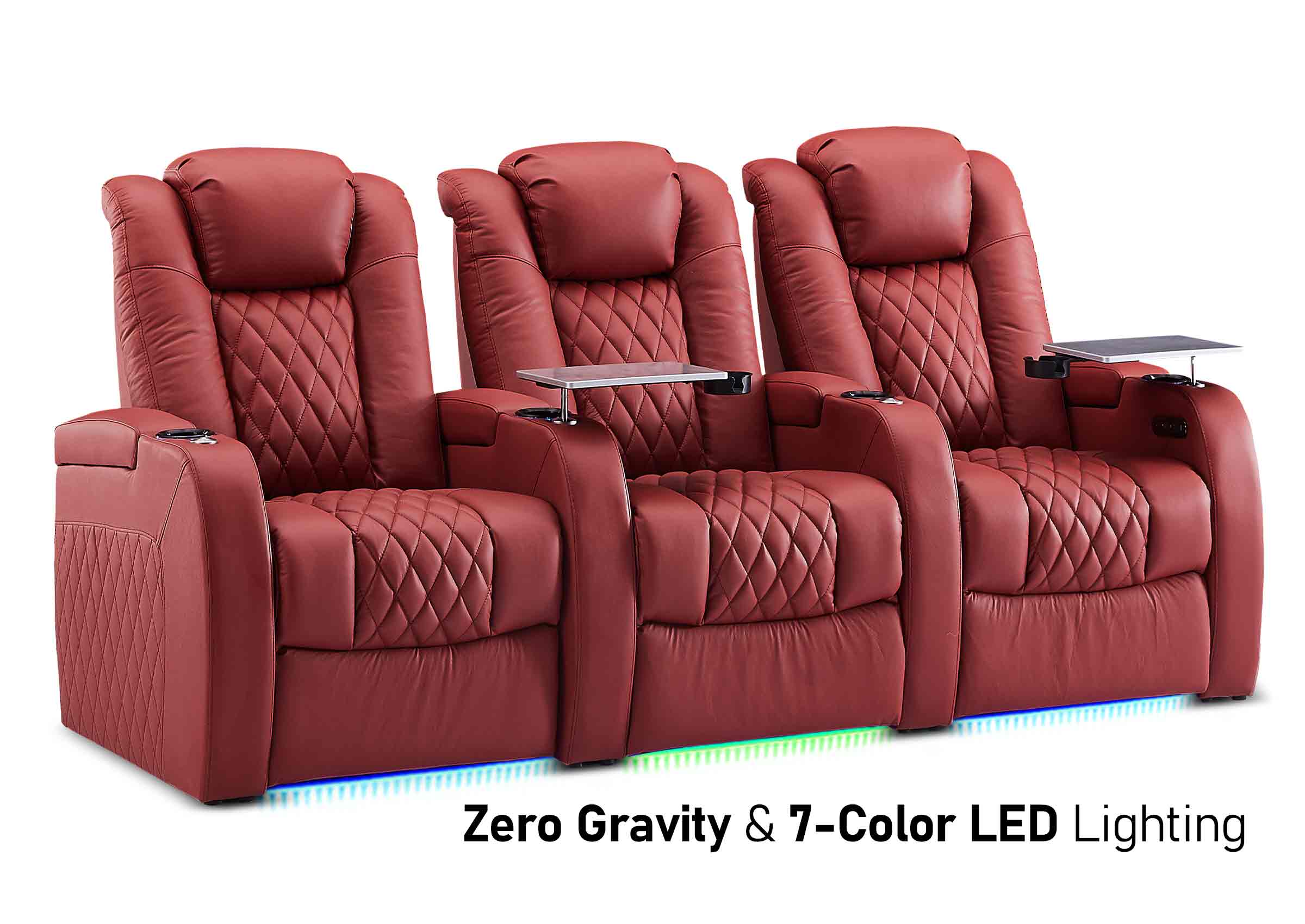
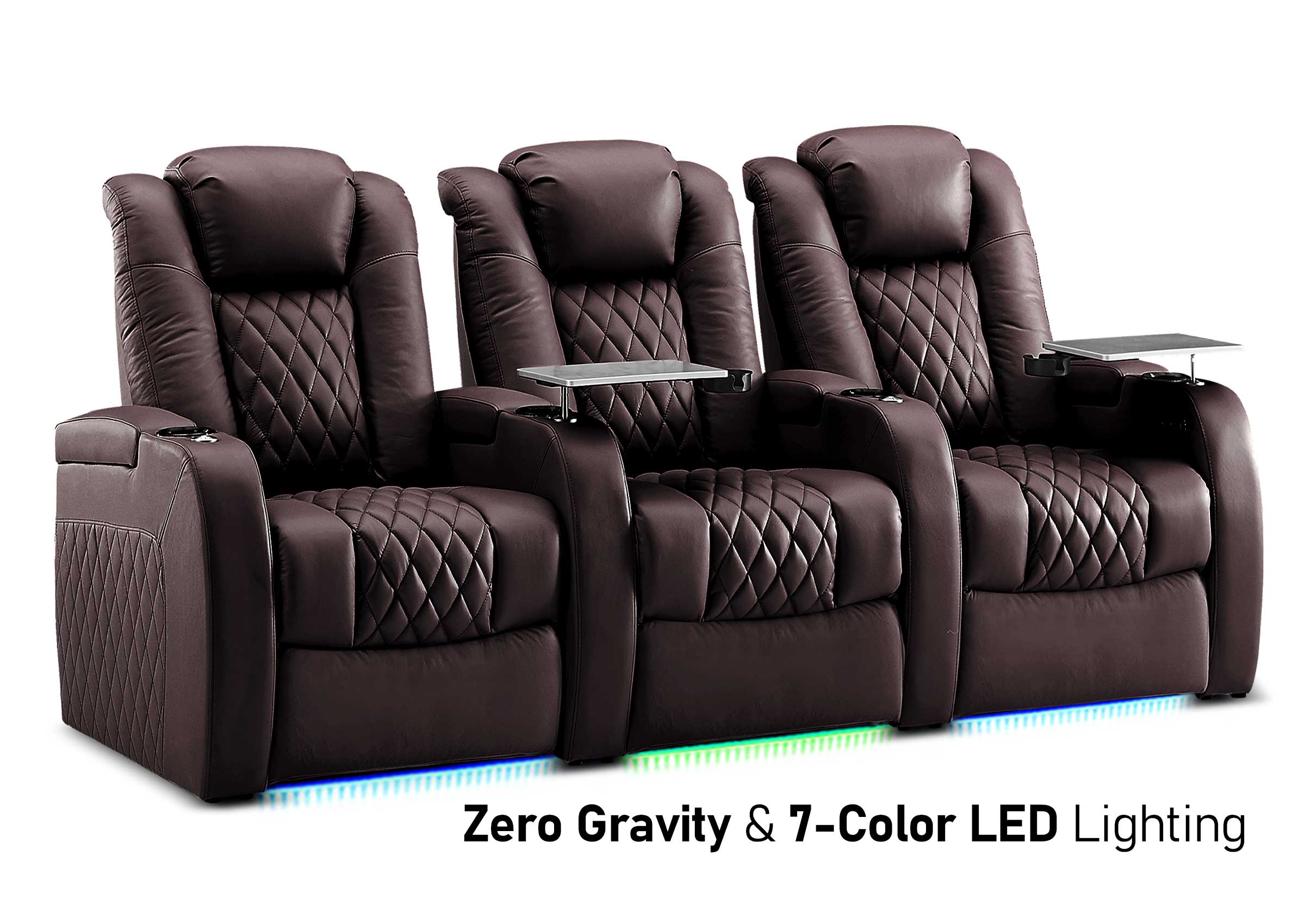
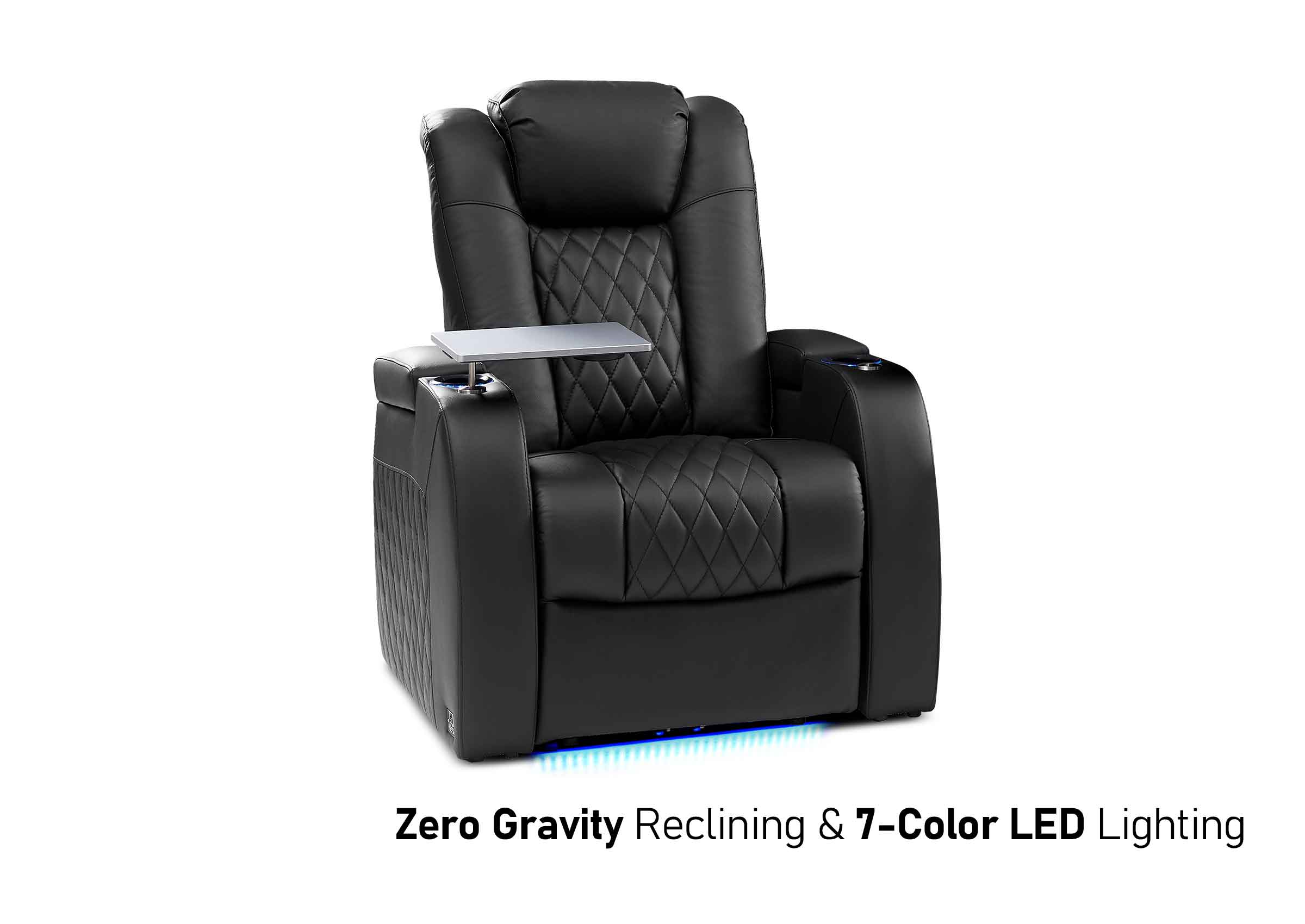
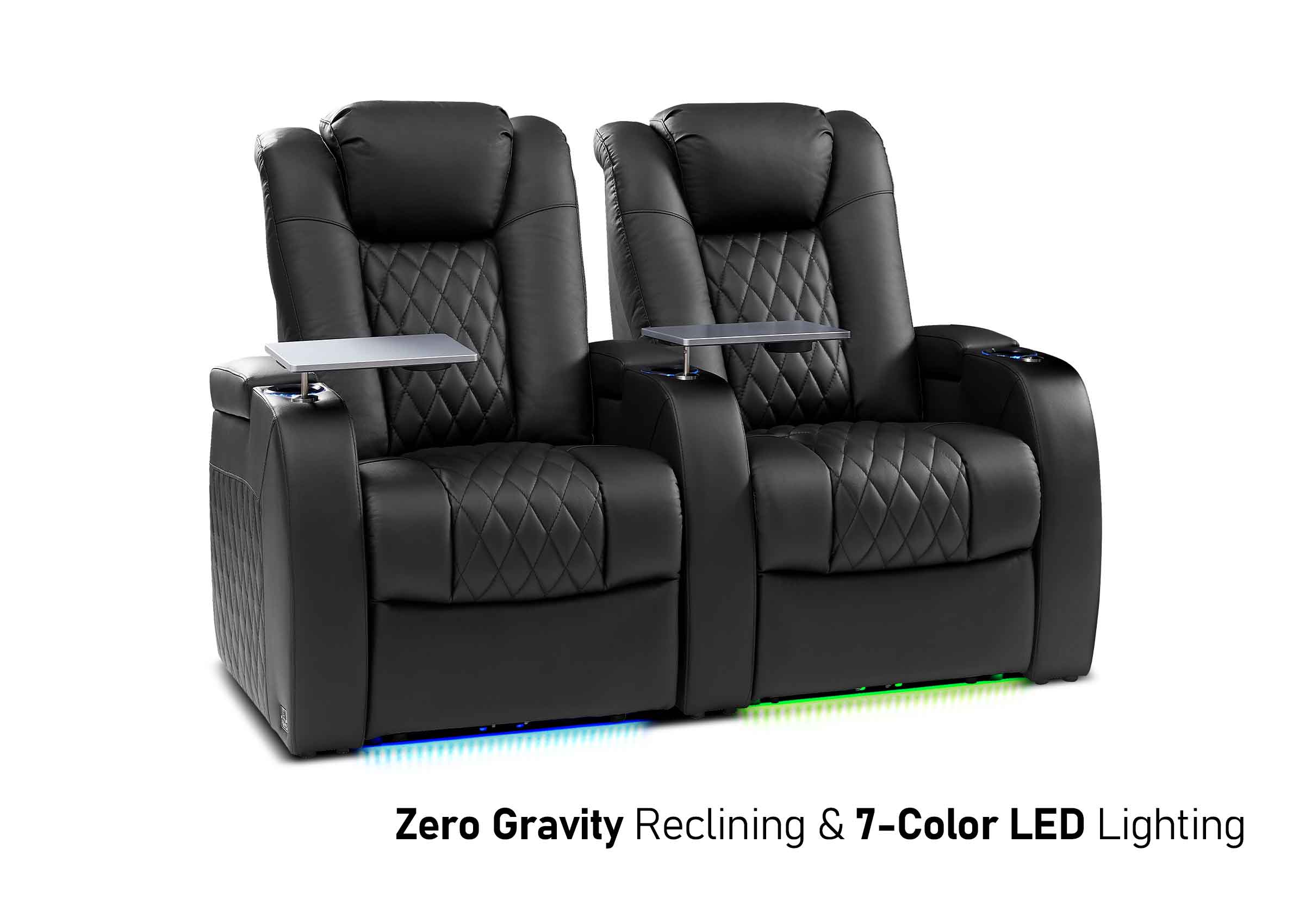
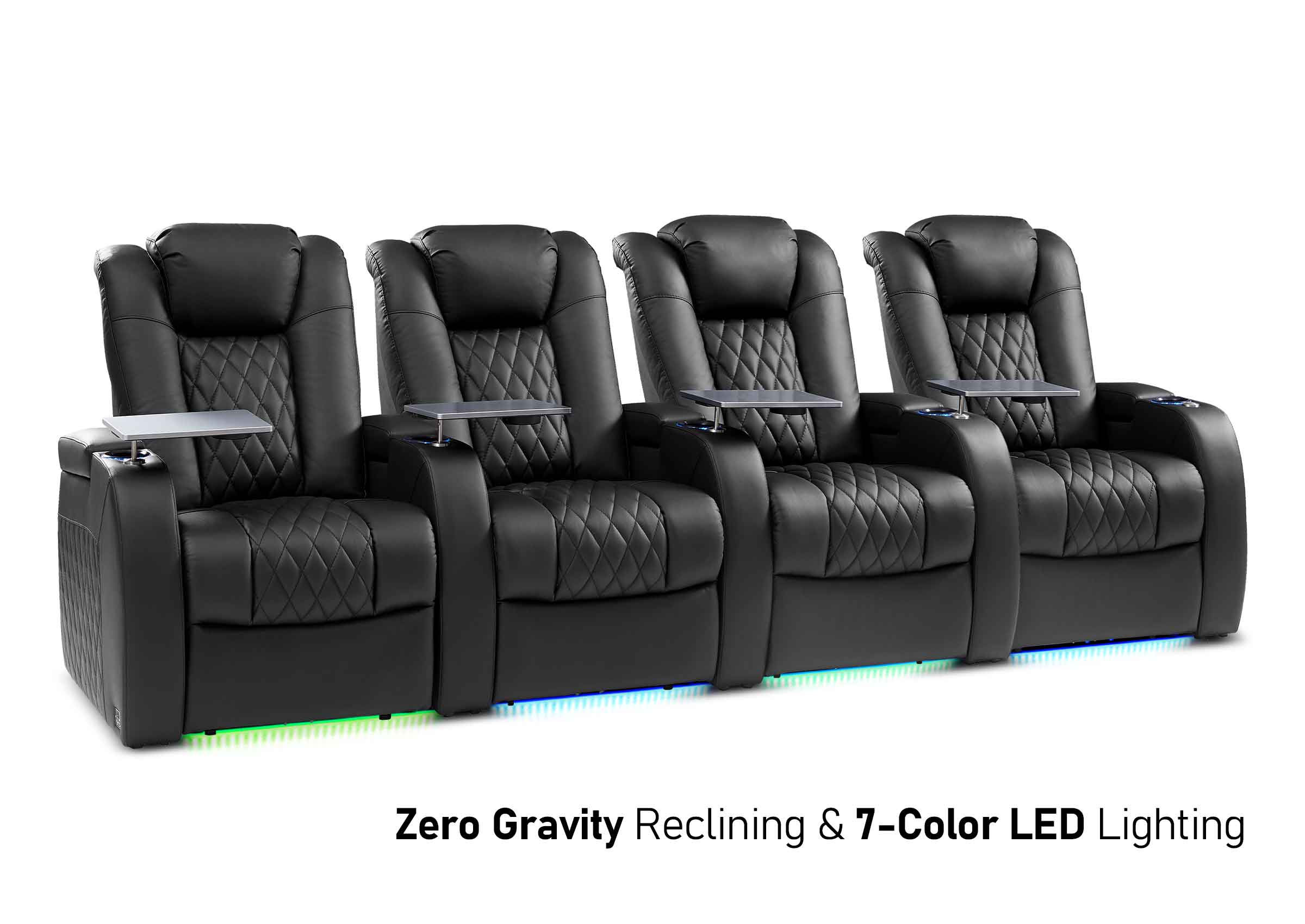
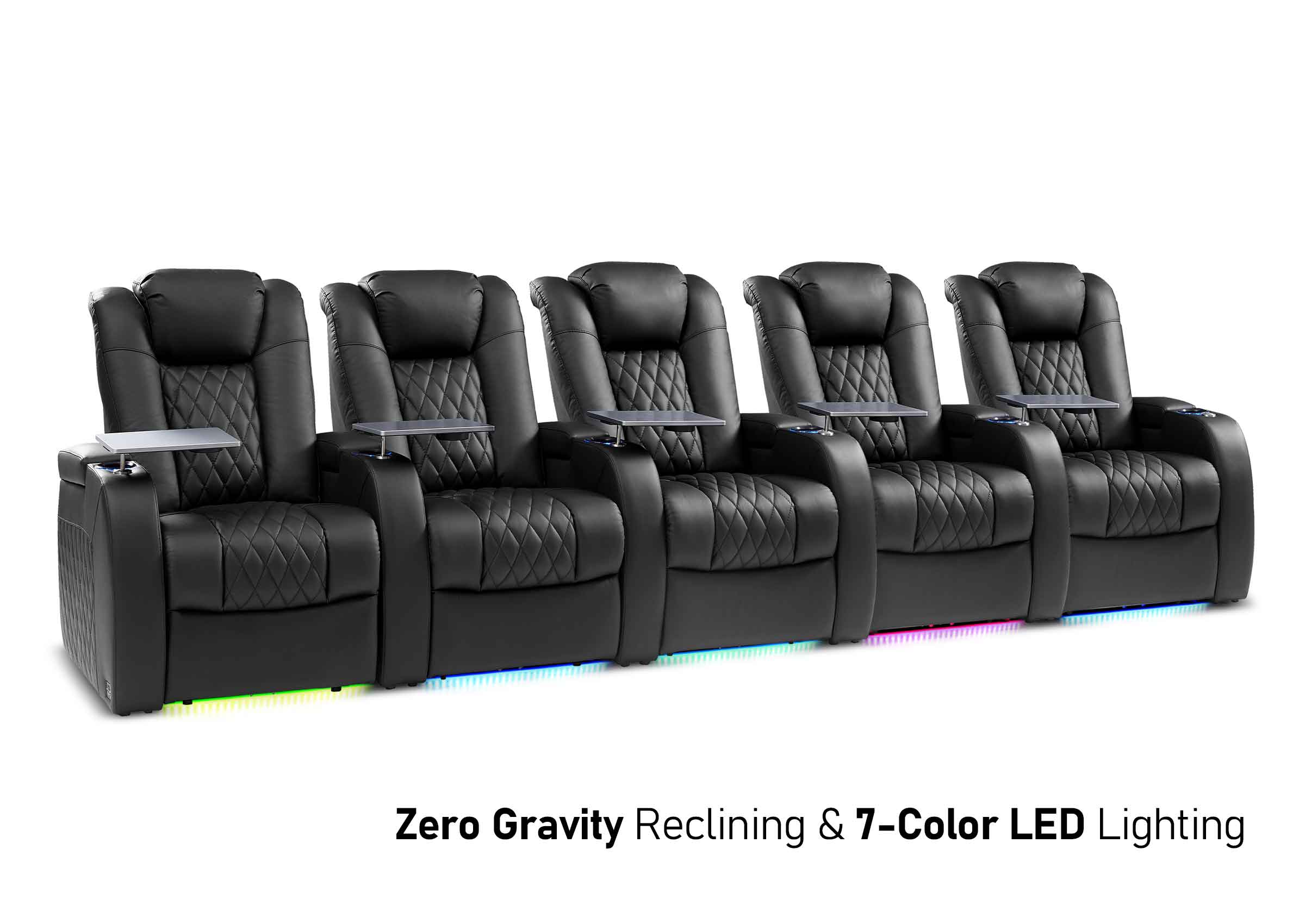
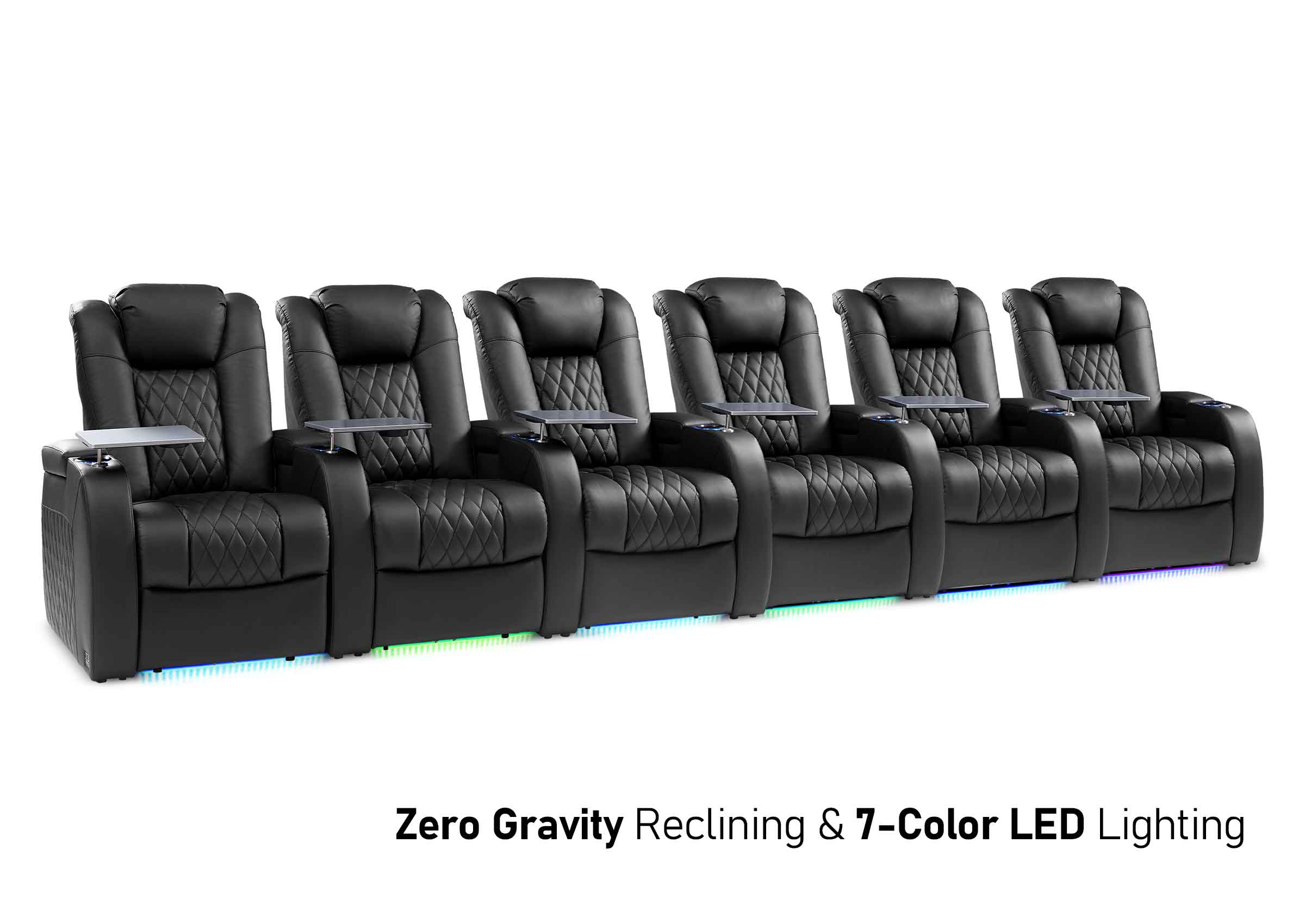
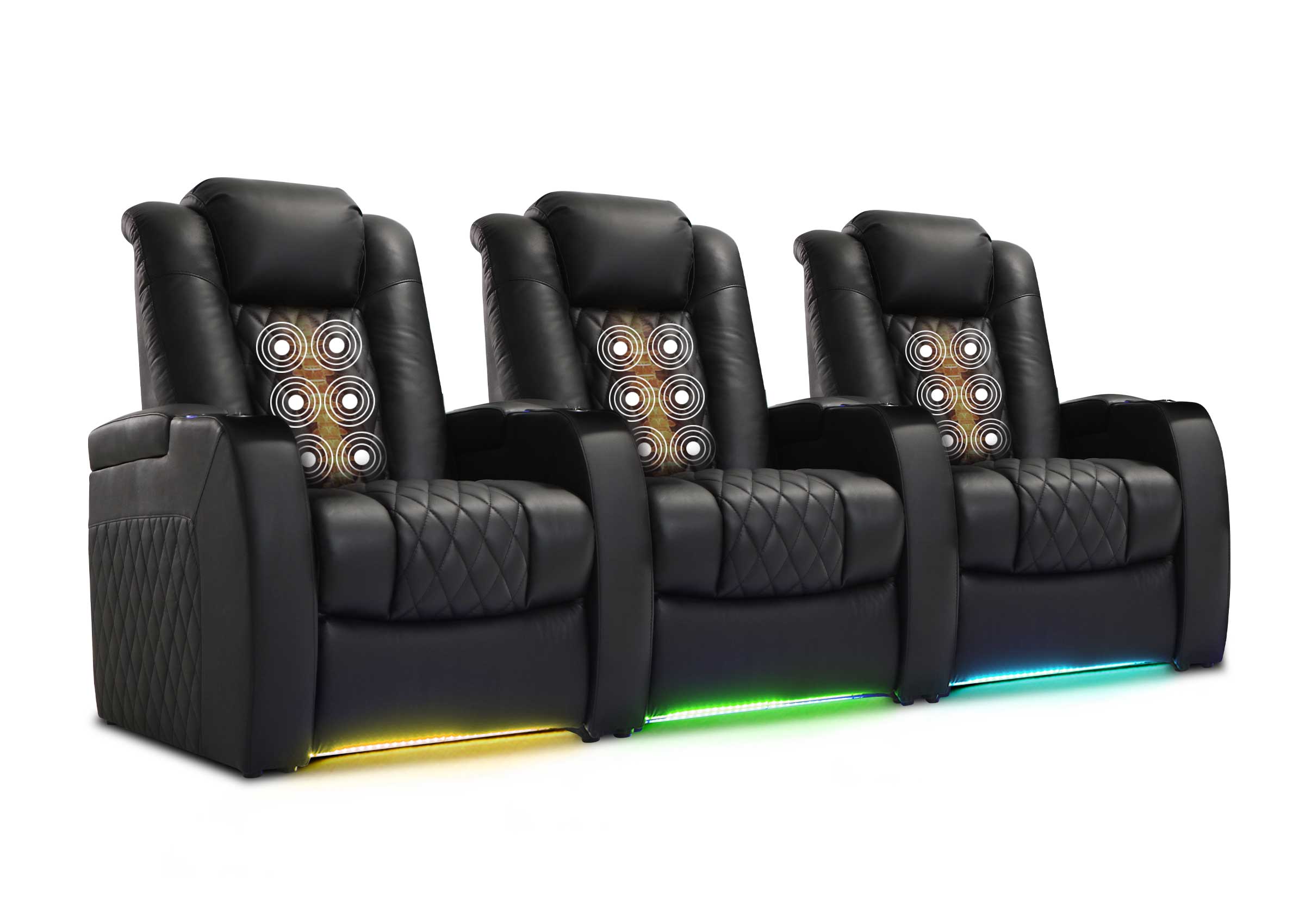
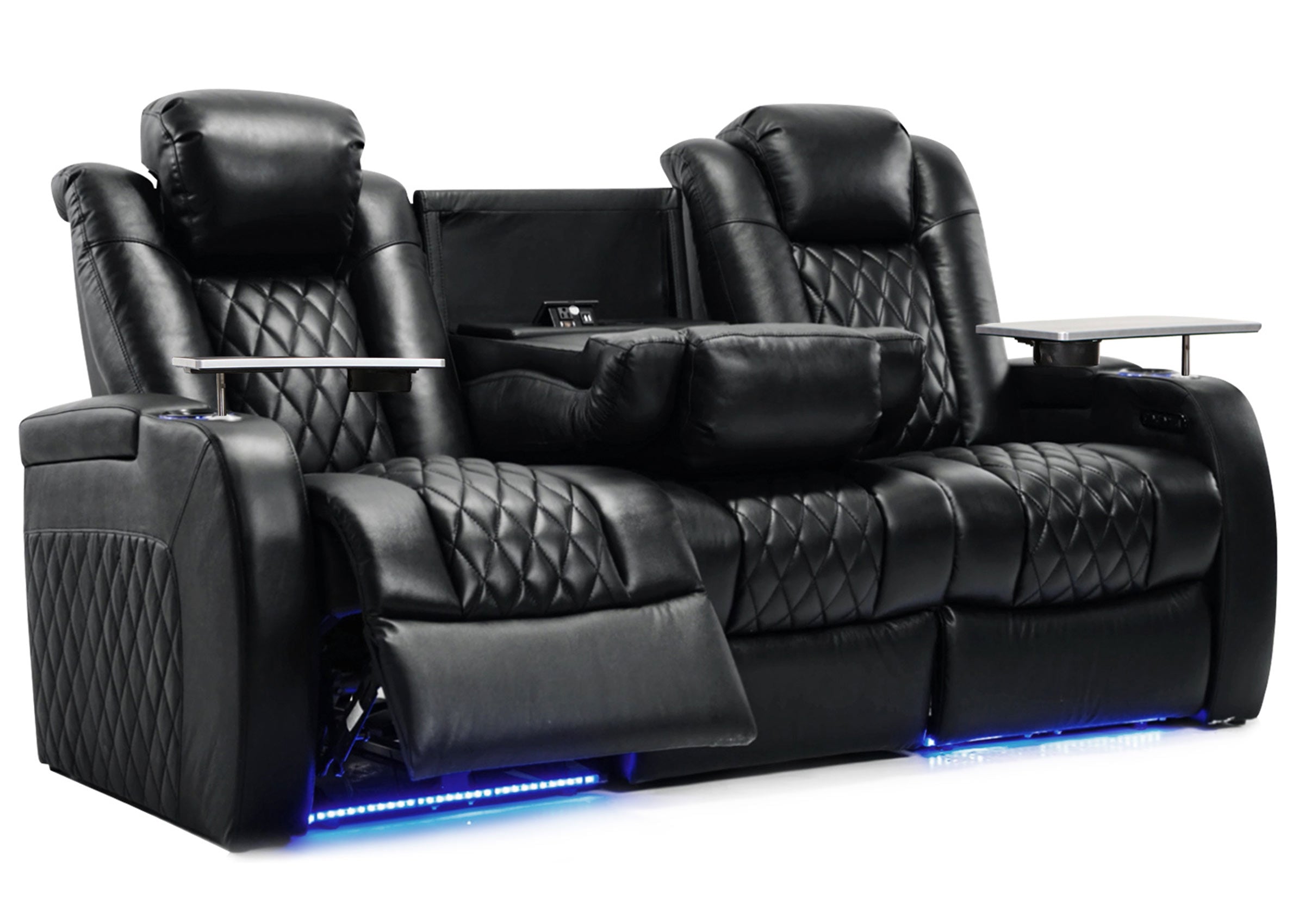
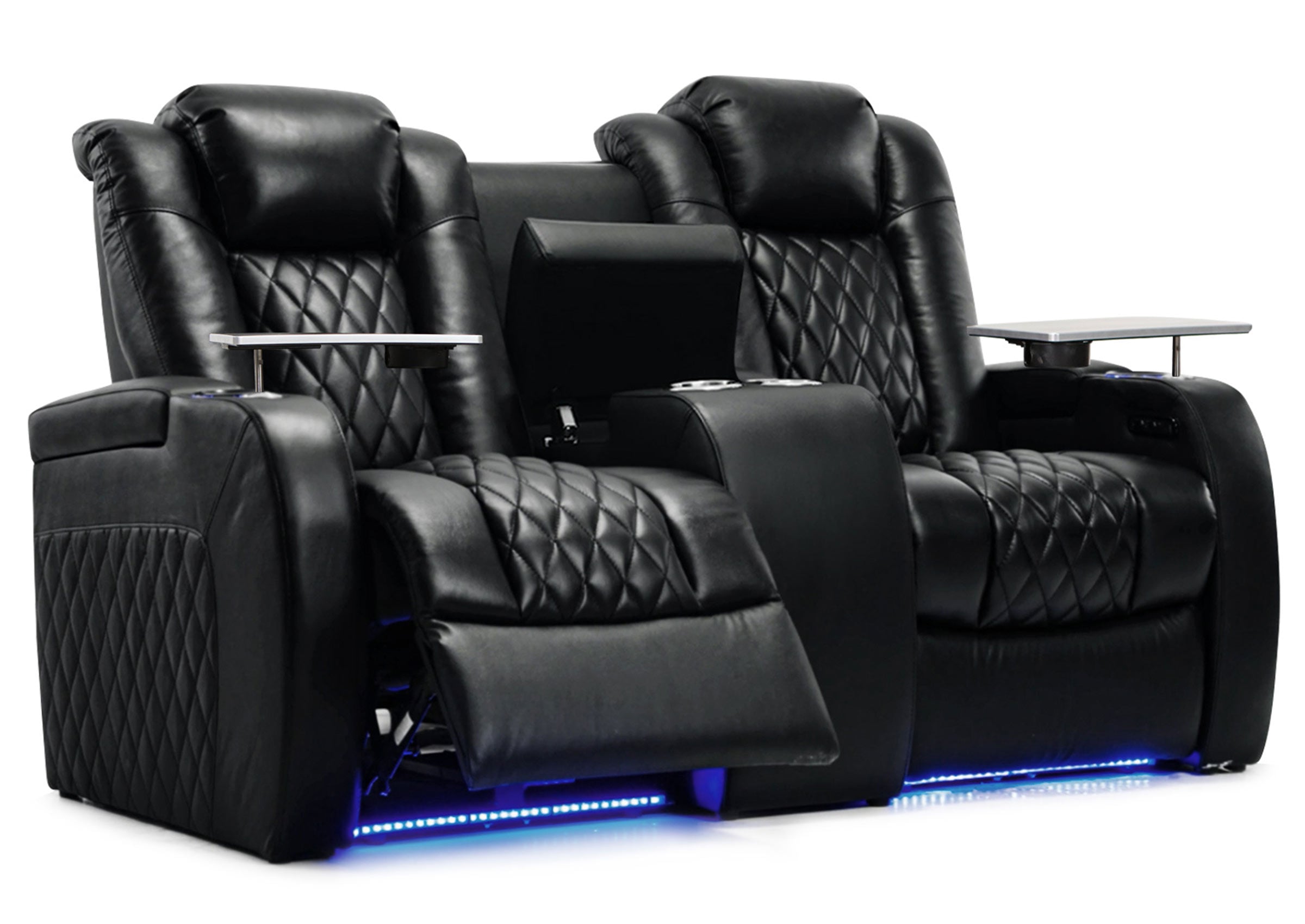
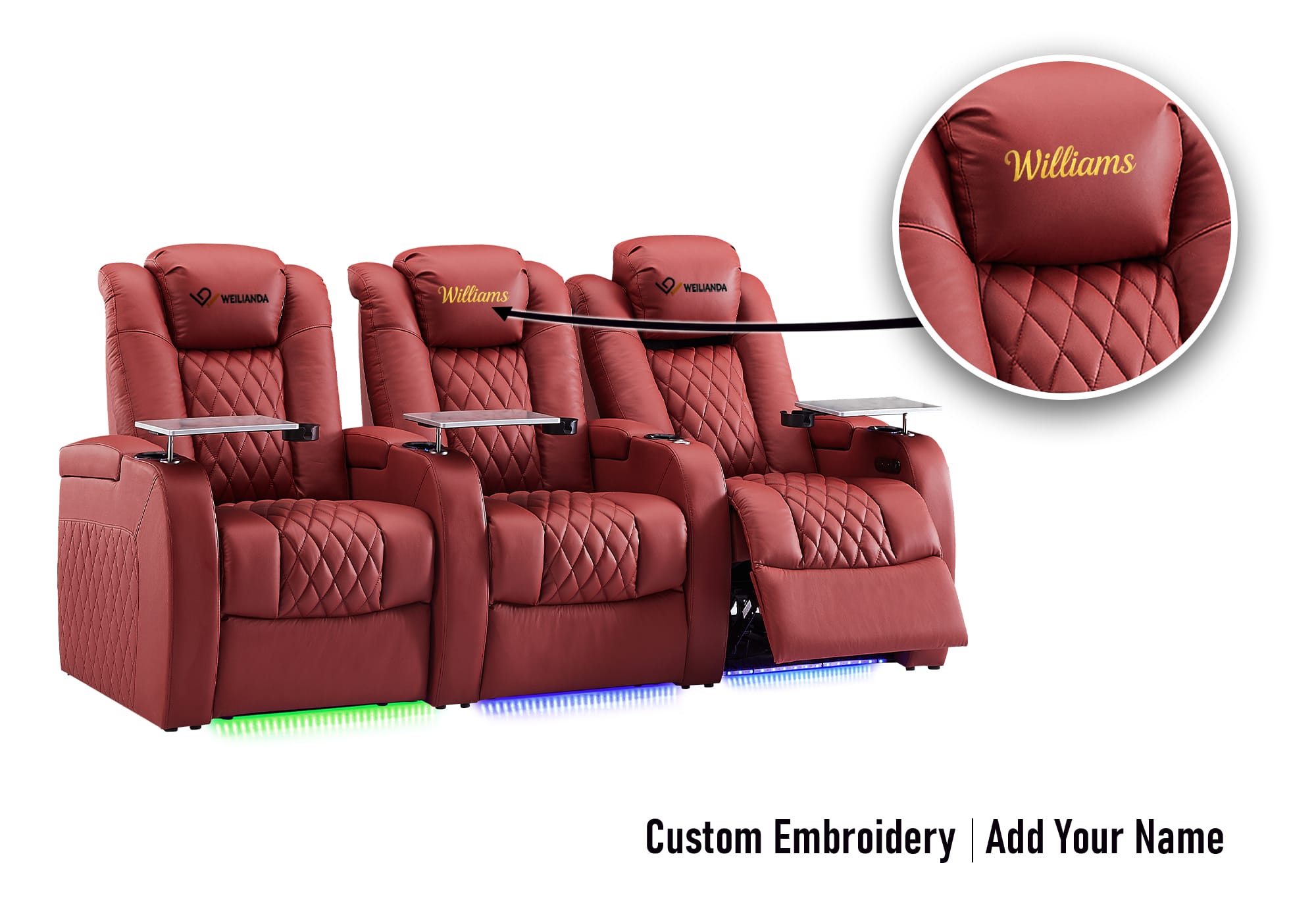
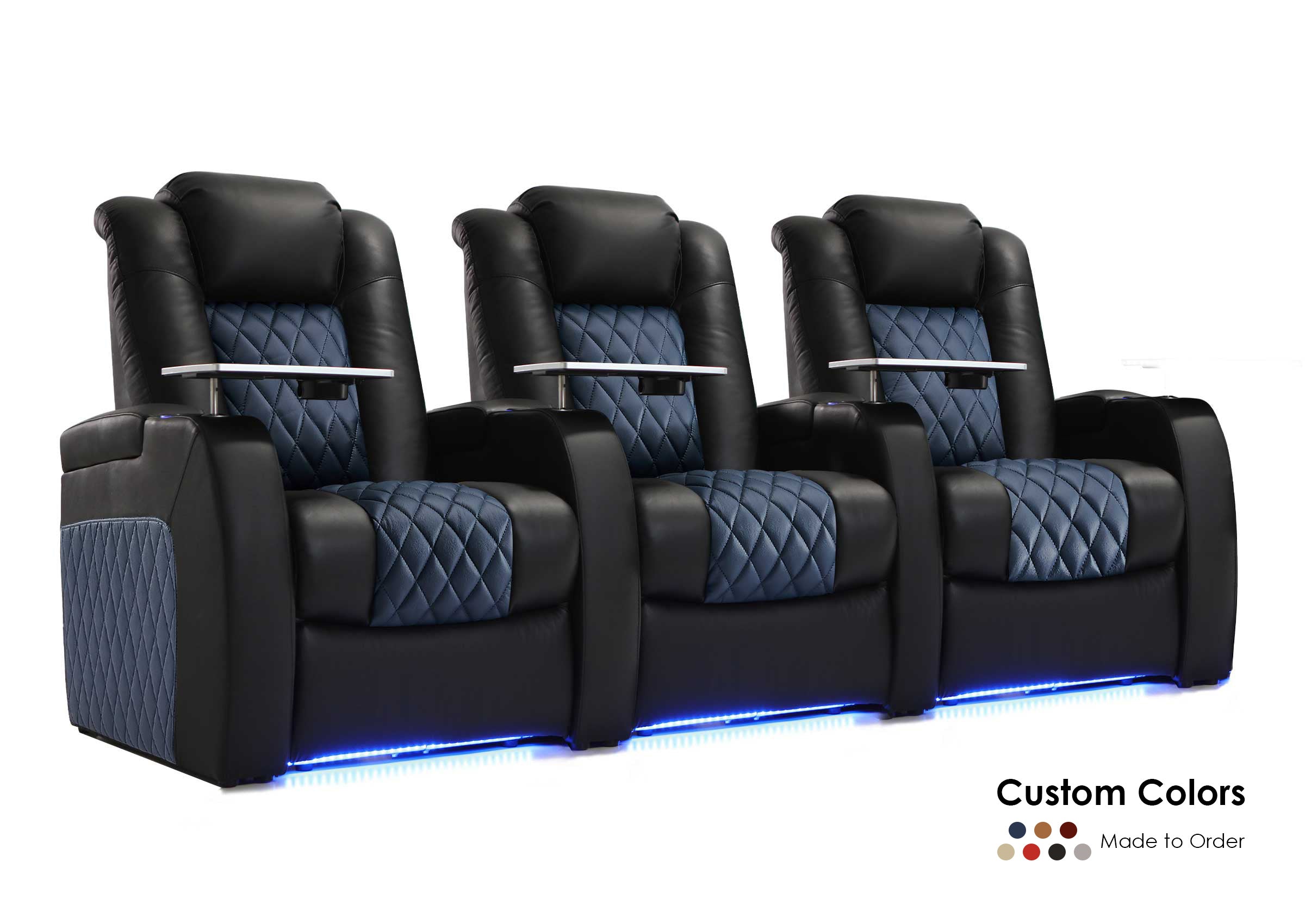
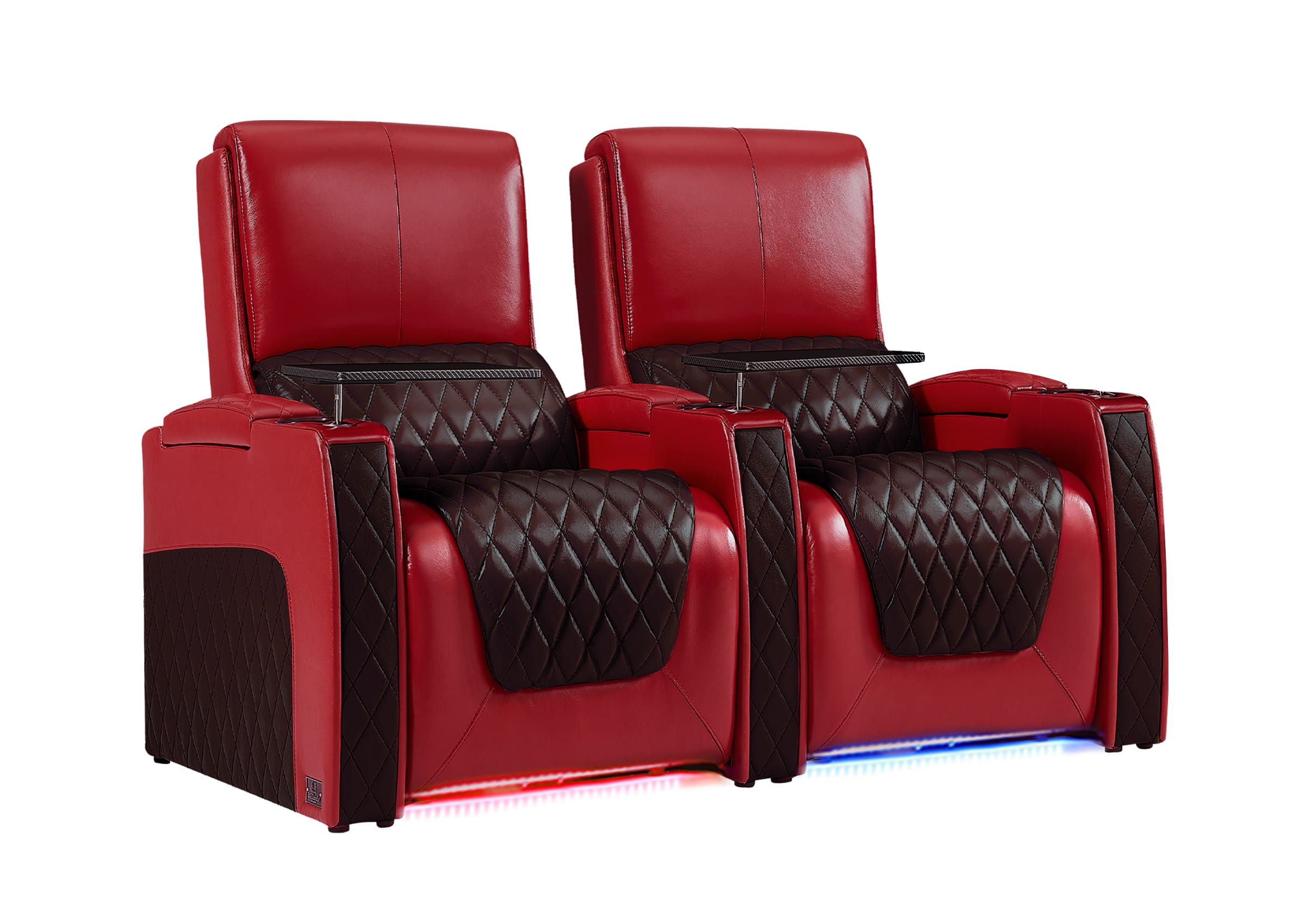
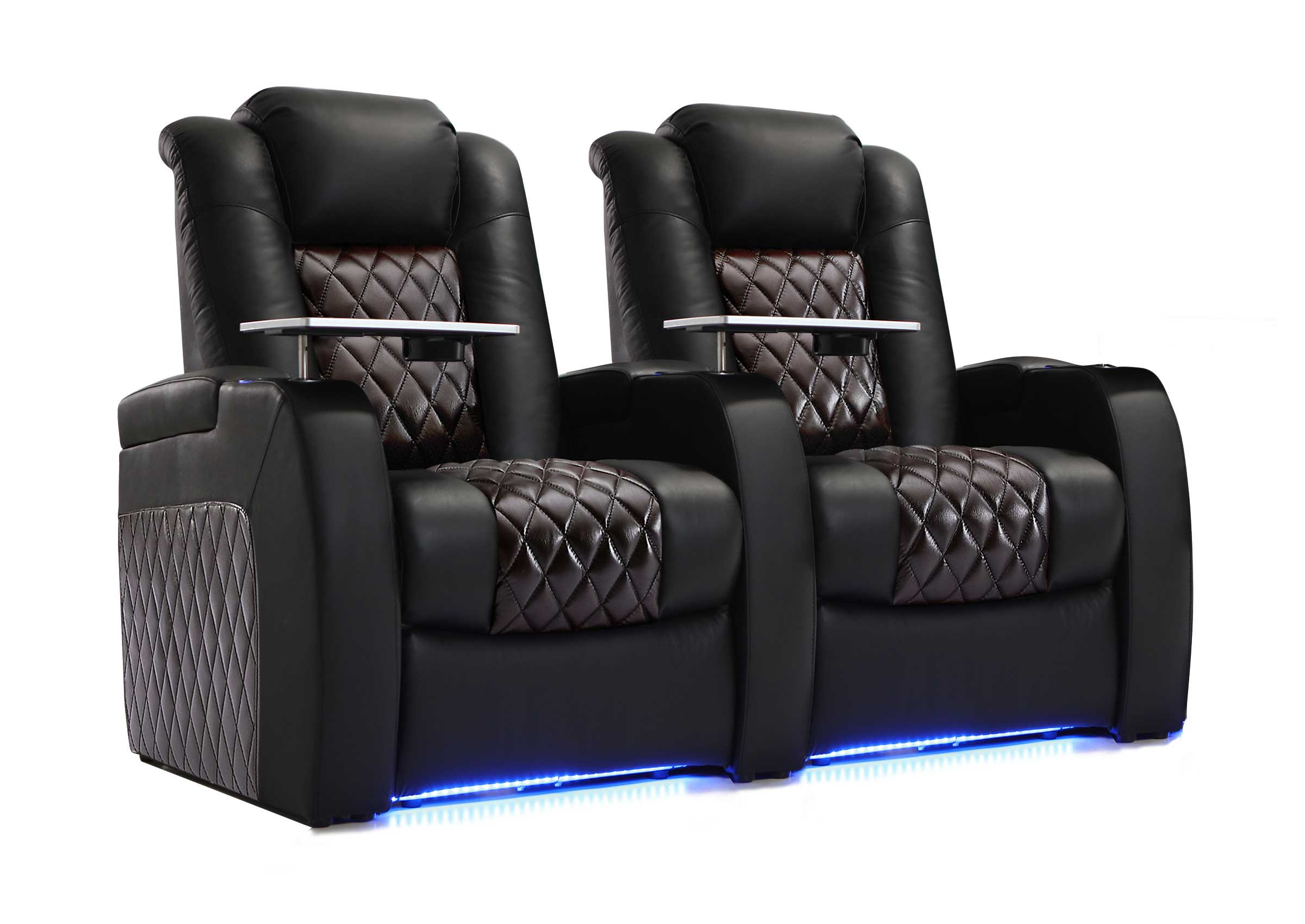
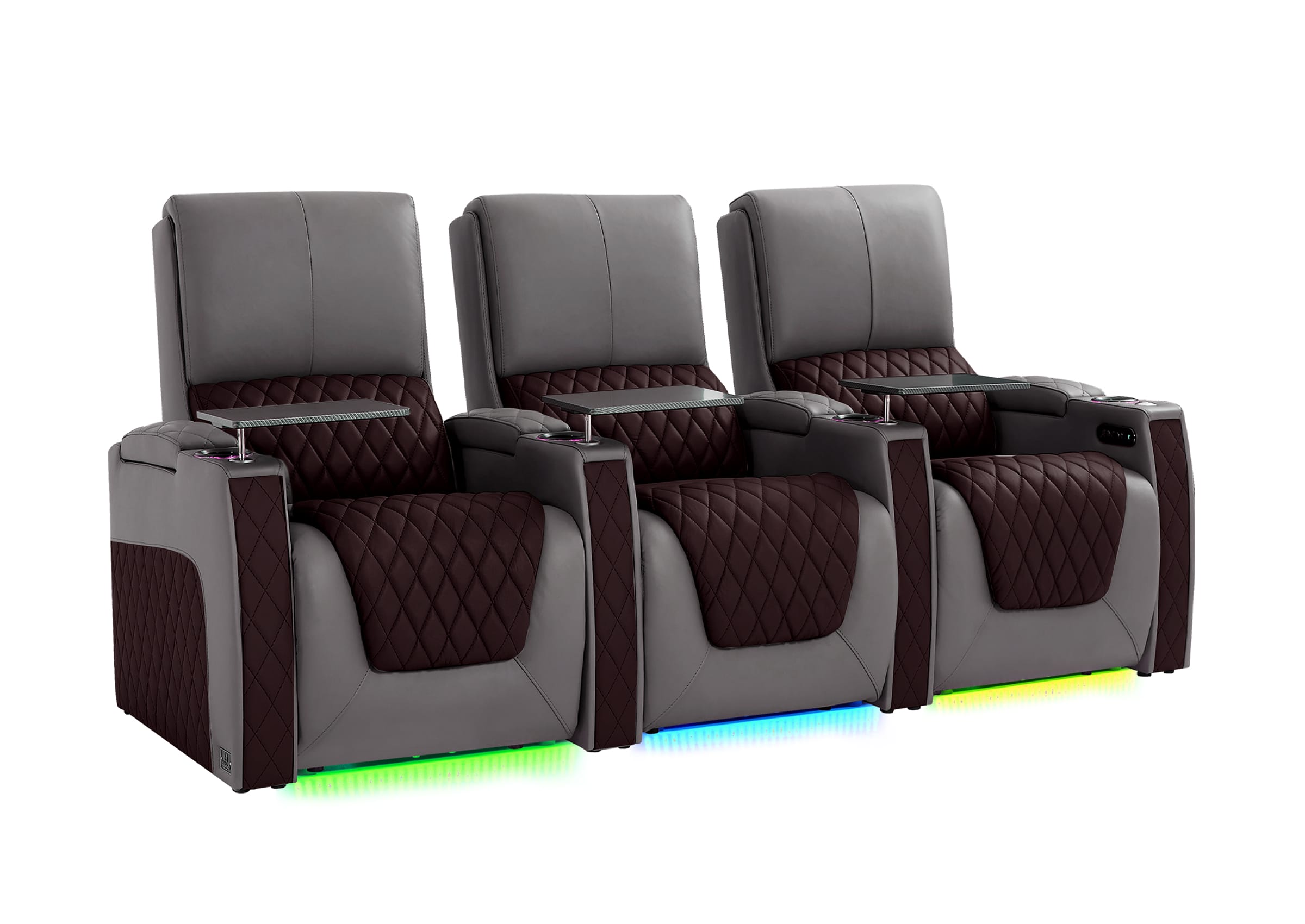
For example, recliner seating or home theater chairs benefit from:
- Stable flooring for recline movement
- Smooth transitions between rows
- Enough grip so chairs don’t shift during use
If you are planning a full media room setup, consider how seating depth and recline position interact with carpet thickness.
Heavier recliners and theater seating perform better on stable, medium-density carpet rather than overly soft flooring.
Common Mistakes to Avoid When Choosing Theater Carpet
Many homeowners focus only on appearance and overlook functional details.
Here are common mistakes:
- Choosing overly light colors that reflect screen light
- Picking thick carpet that makes furniture unstable
- Ignoring cleaning and stain resistance in snack-heavy rooms
- Using multiple mismatched rugs that break visual immersion
- Forgetting to consider acoustics when selecting flooring
The biggest mistake is choosing style over function in a space designed for long viewing sessions.

Best Carpet Ideas for Different Home Theater Styles
Different setups require different carpet approaches:
- Dedicated home theater rooms: Wall-to-wall dark carpet for full immersion
- Living room theaters: Neutral carpet with darker area rugs
- Basement theaters: Moisture-resistant, low pile carpet for durability
- Luxury cinema rooms: Deep-tone carpet with subtle texture patterns for a premium look
Each style should support how the room is actually used—not just how it looks in photos.
How Carpet Works with Seating Comfort and Layout
Flooring and seating are closely connected in real home theaters.
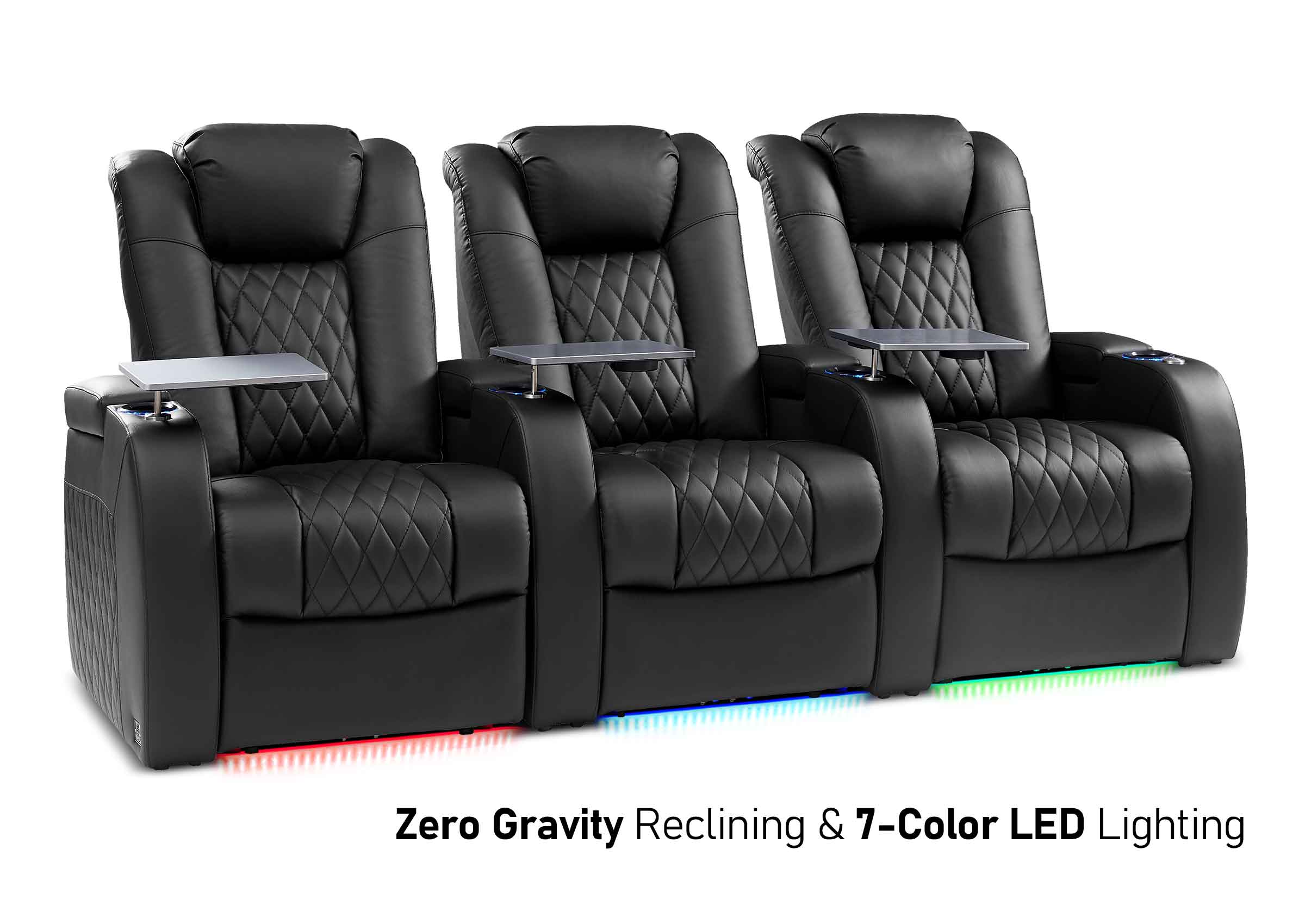
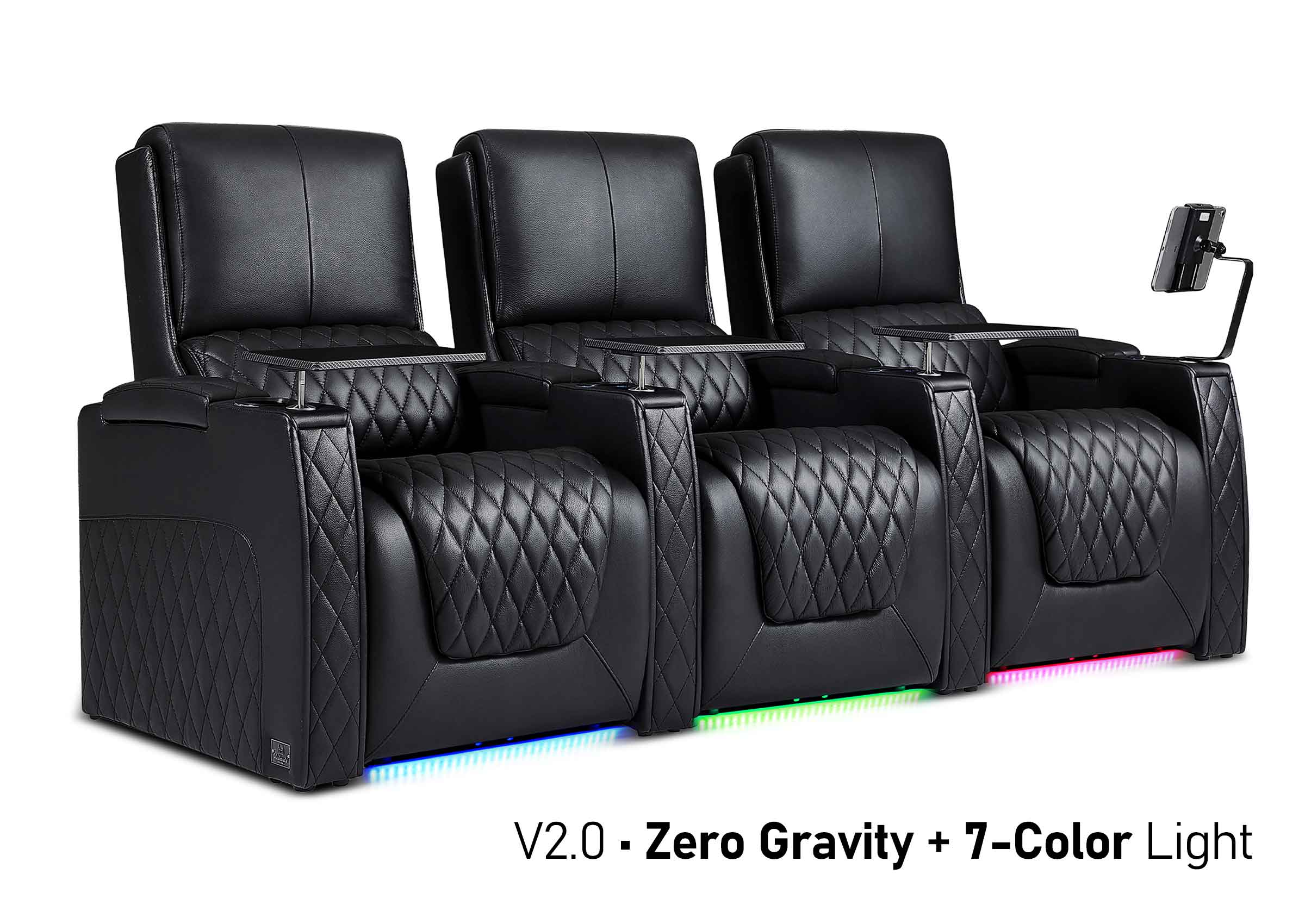
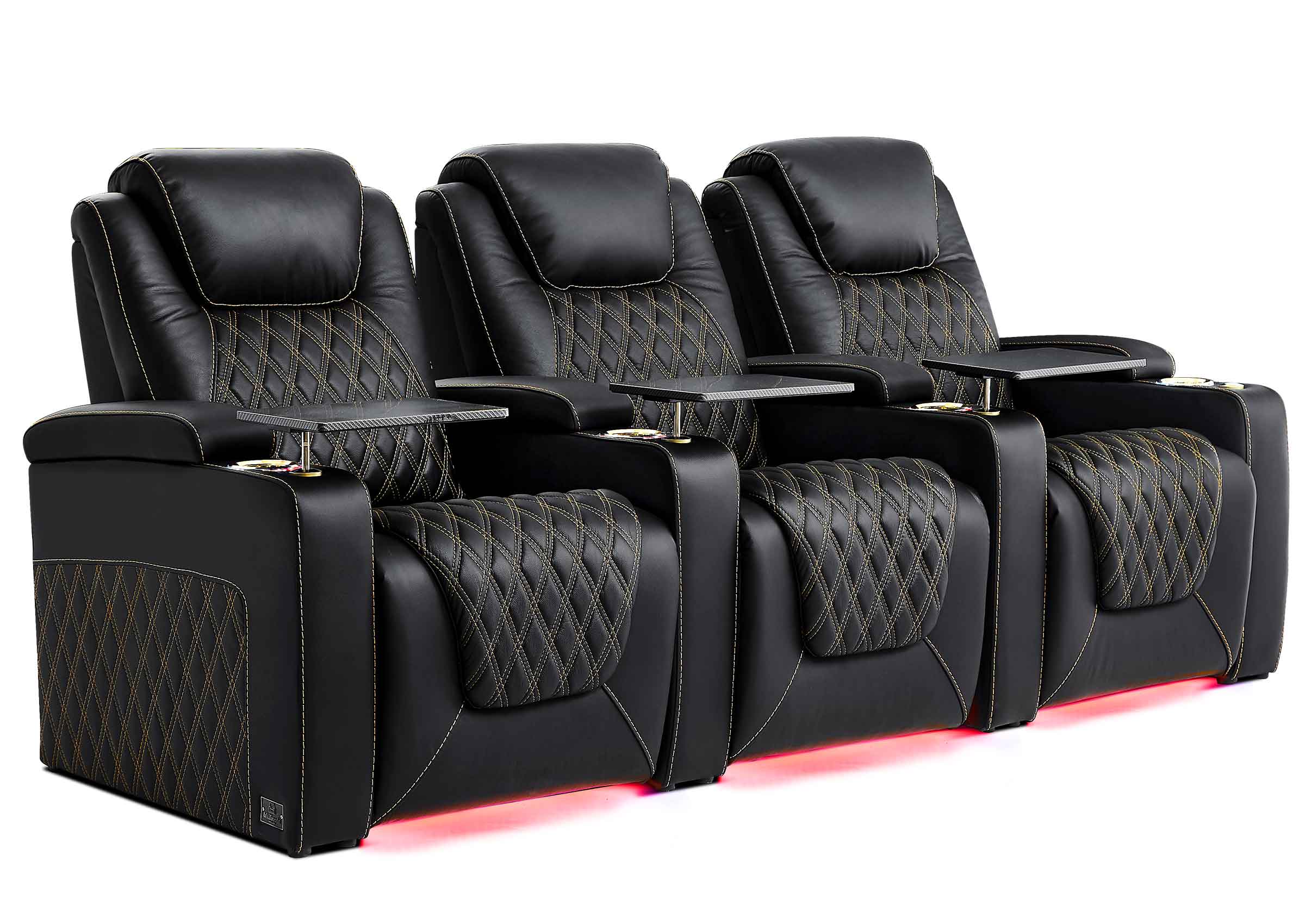
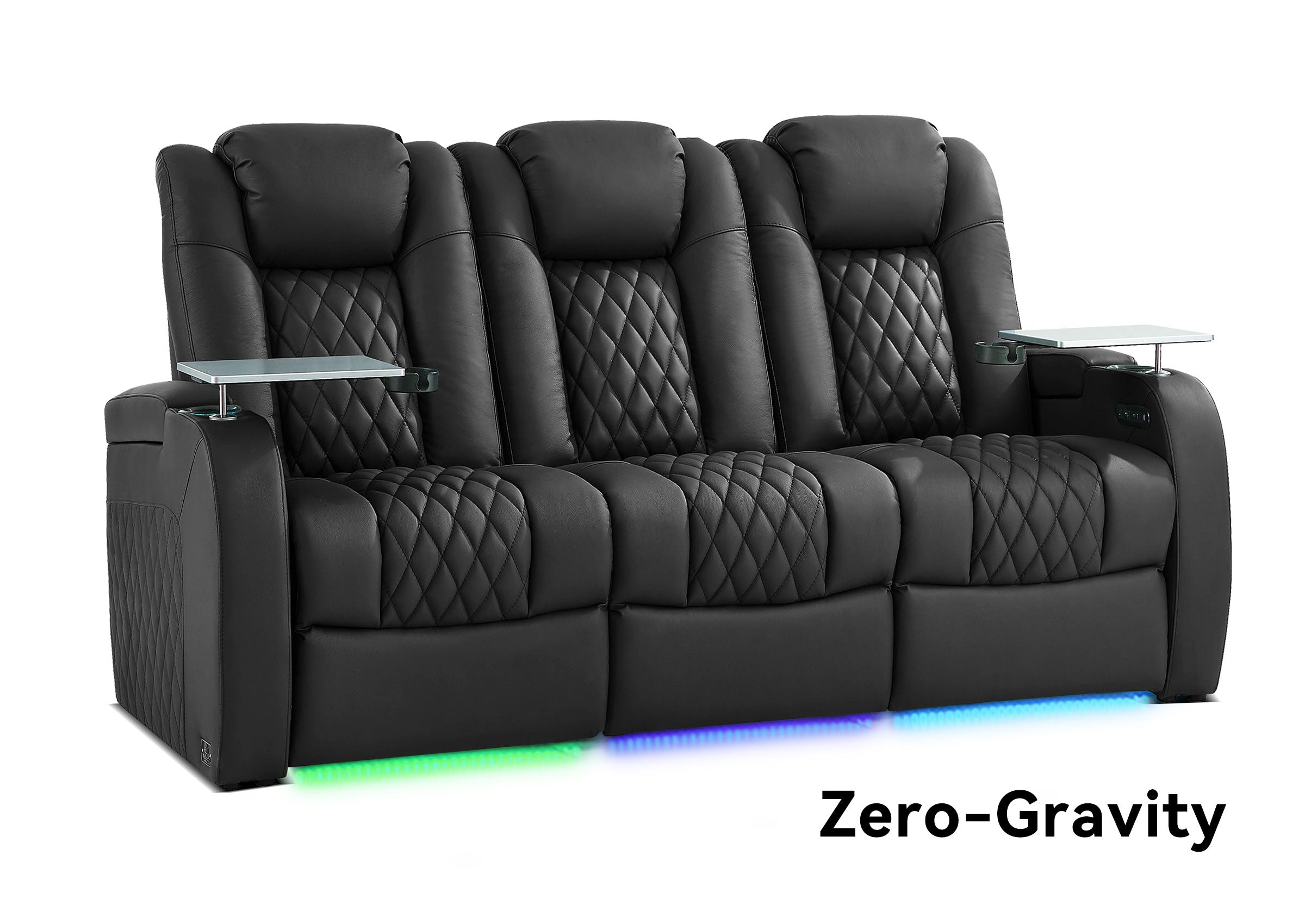
Comfortable seating setups—such as reclining theater chairs or media room sofas—benefit from carpet because it:
- Reduces noise from seat movement
- Improves room acoustics during long movies
- Creates a more relaxed visual environment
- Enhances the feeling of a dedicated entertainment zone
If your space includes power recliners or home theater seating, carpet helps complete the immersive experience by supporting both sound and comfort balance.
FAQ: Movie Theater Carpet Ideas
What is the best carpet for a home theater room?
The best carpet for a home theater is usually a low to medium pile carpet in a dark color. It helps reduce light reflection, improves acoustics, and creates a more immersive movie-watching environment.
Should home theater carpet be dark or light?
Dark colors are generally better because they reduce screen glare and help maintain focus on the movie. Light carpets can reflect ambient light and reduce immersion.
Does carpet really improve sound in a theater room?
Yes. Carpet absorbs sound reflections, reduces echo, and helps improve dialogue clarity. It is one of the simplest ways to improve room acoustics without adding complex sound treatment.
Is wall-to-wall carpet better than rugs for a media room?
Wall-to-wall carpet is better for dedicated home theaters because it creates consistent sound absorption and visual immersion. Rugs are better for flexible living spaces.
What carpet pile is best for theater seating areas?
Low to medium pile is ideal. It provides comfort without making furniture unstable or difficult to move, especially in rooms with recliner seating.
Can carpet make a small theater room feel better?
Yes. Dark, soft carpet can make a small room feel more focused and immersive by reducing visual distractions and improving sound balance.
Do I need special carpet for recliner seating?
You don’t need special carpet, but you should choose stable, medium-density carpet so recliners stay balanced and move smoothly without sinking too much.
Create a More Comfortable Home Cinema from the Ground Up
A great home theater is built layer by layer—screen, seating, sound, lighting, and flooring all work together. Carpet may seem like a background detail, but it plays a key role in shaping comfort and immersion.
If you are planning a media room or home theater, start with flooring and seating together so the entire space feels balanced and easy to enjoy.
If you’re exploring seating options for your setup—whether it’s recliners, modular theater seating, or a full media room layout—Weilianda Home provides practical home theater seating designed to work well in real living spaces with comfort-focused design and long-session support. For questions or layout ideas, you can also reach out at: leon@weiliandahome.com