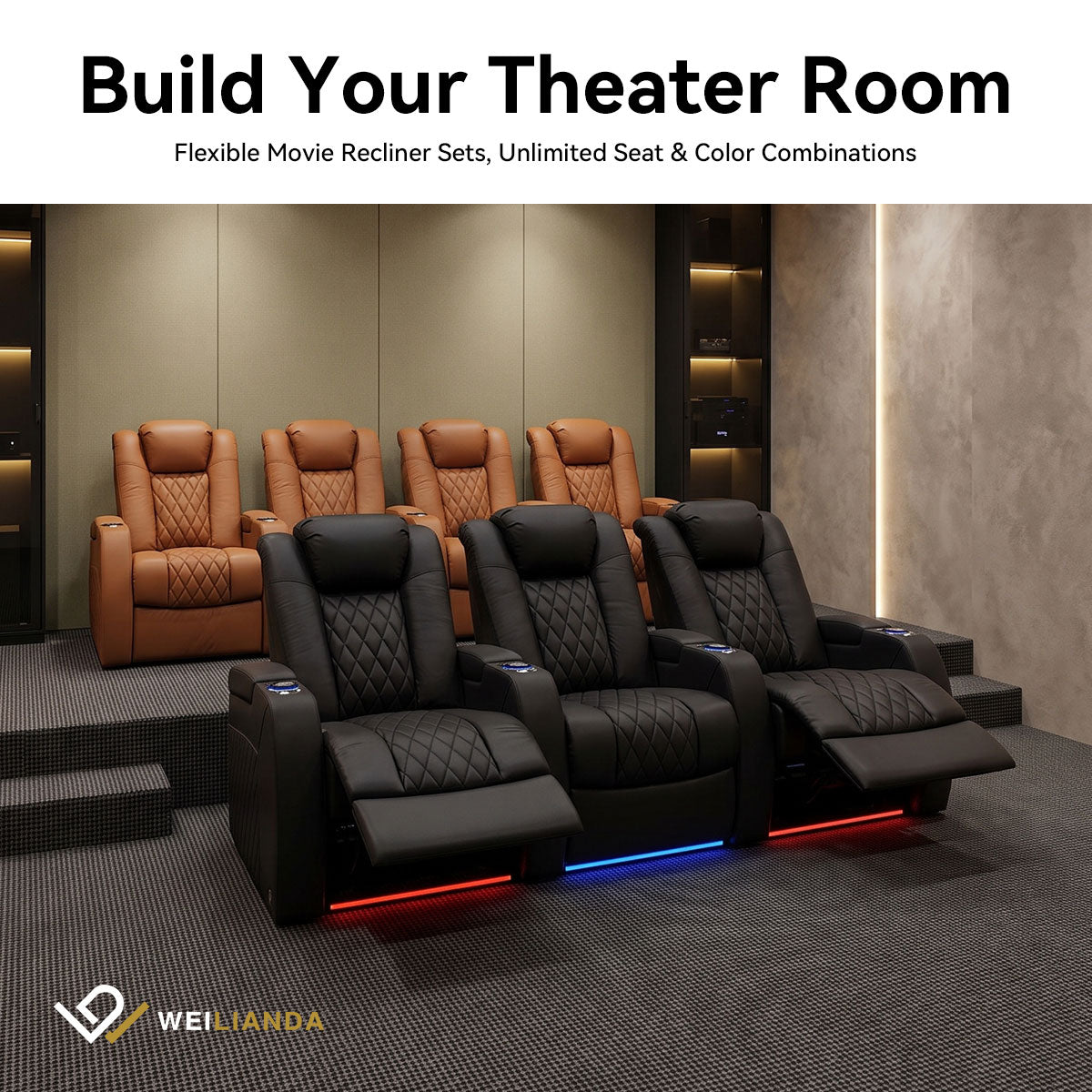

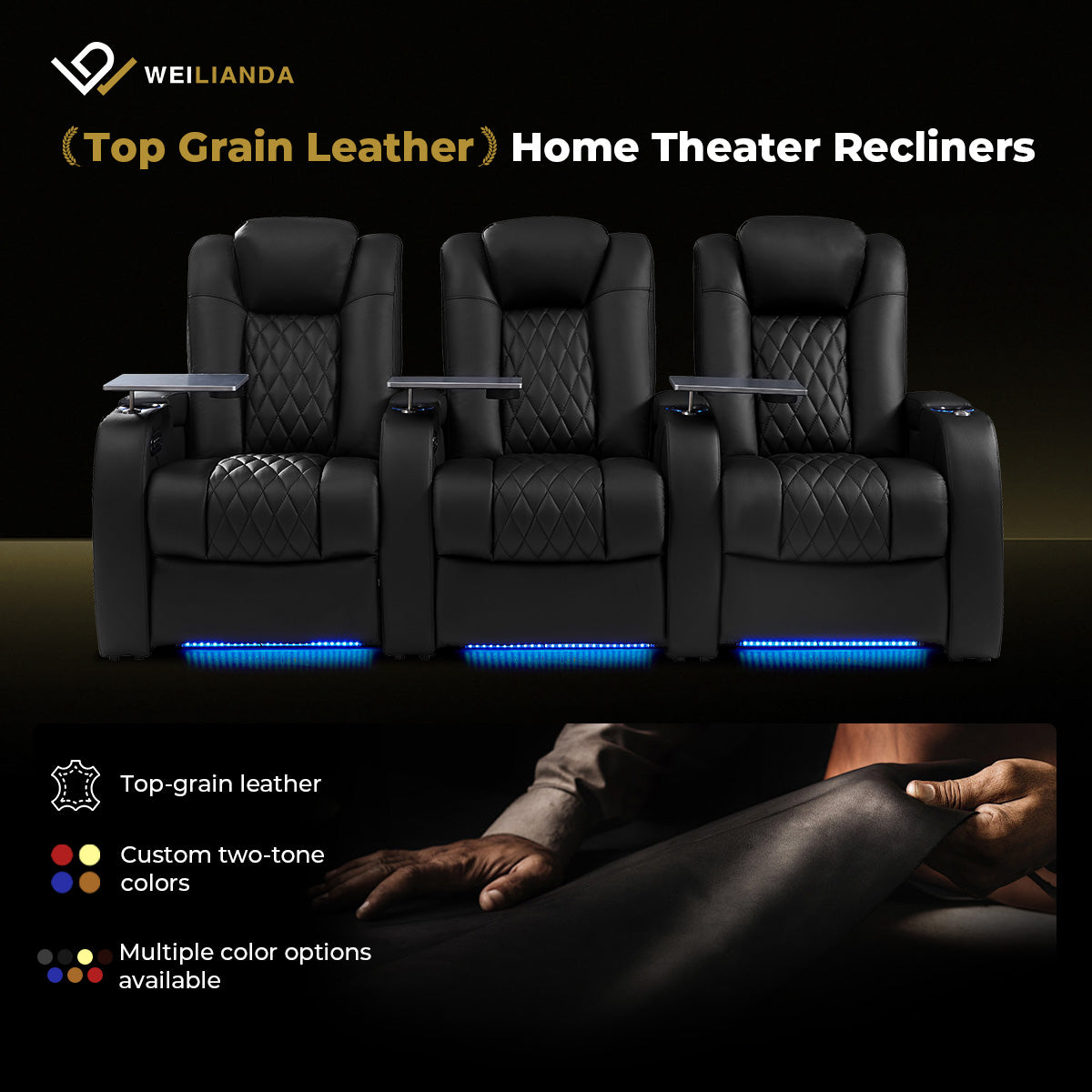

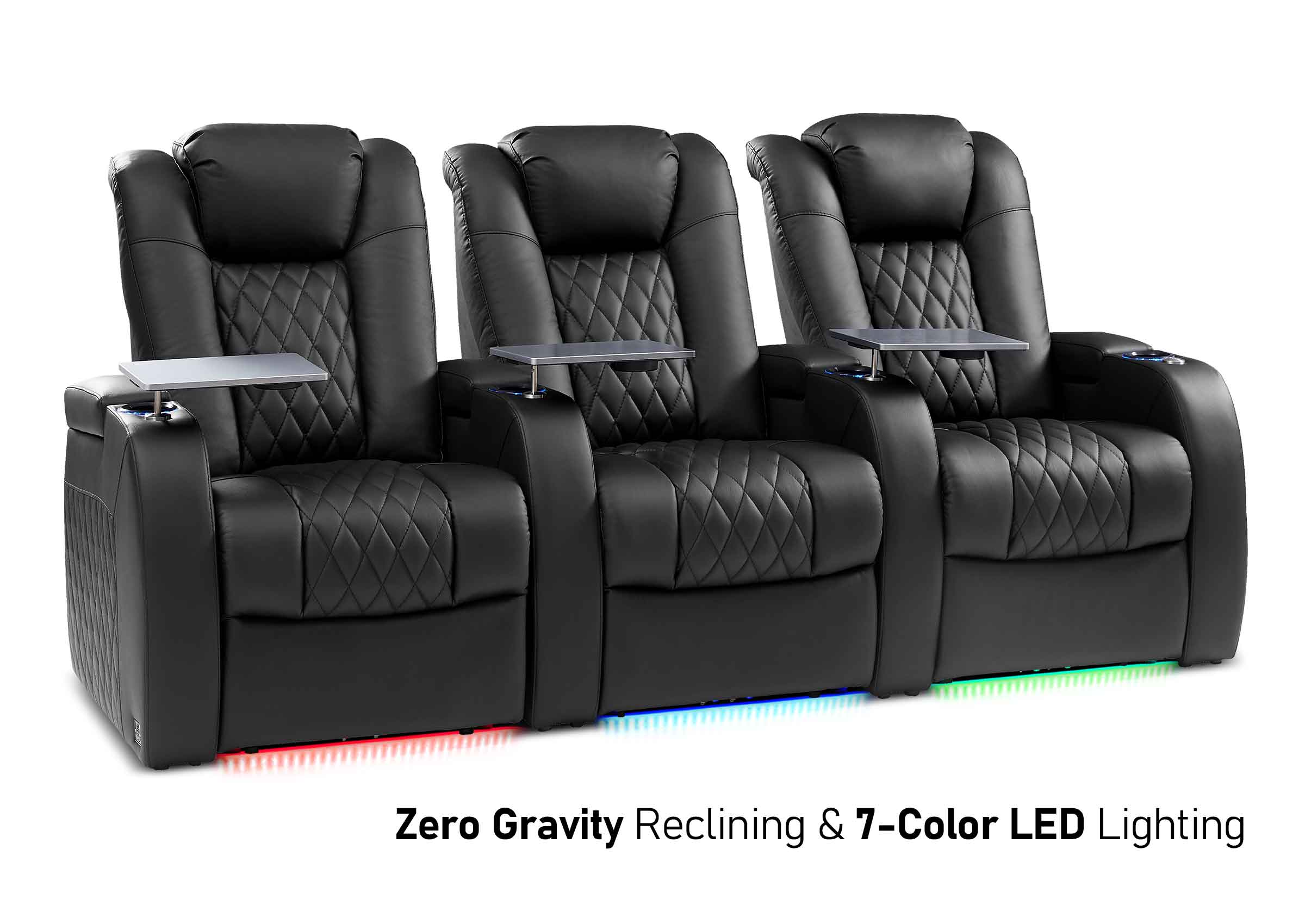
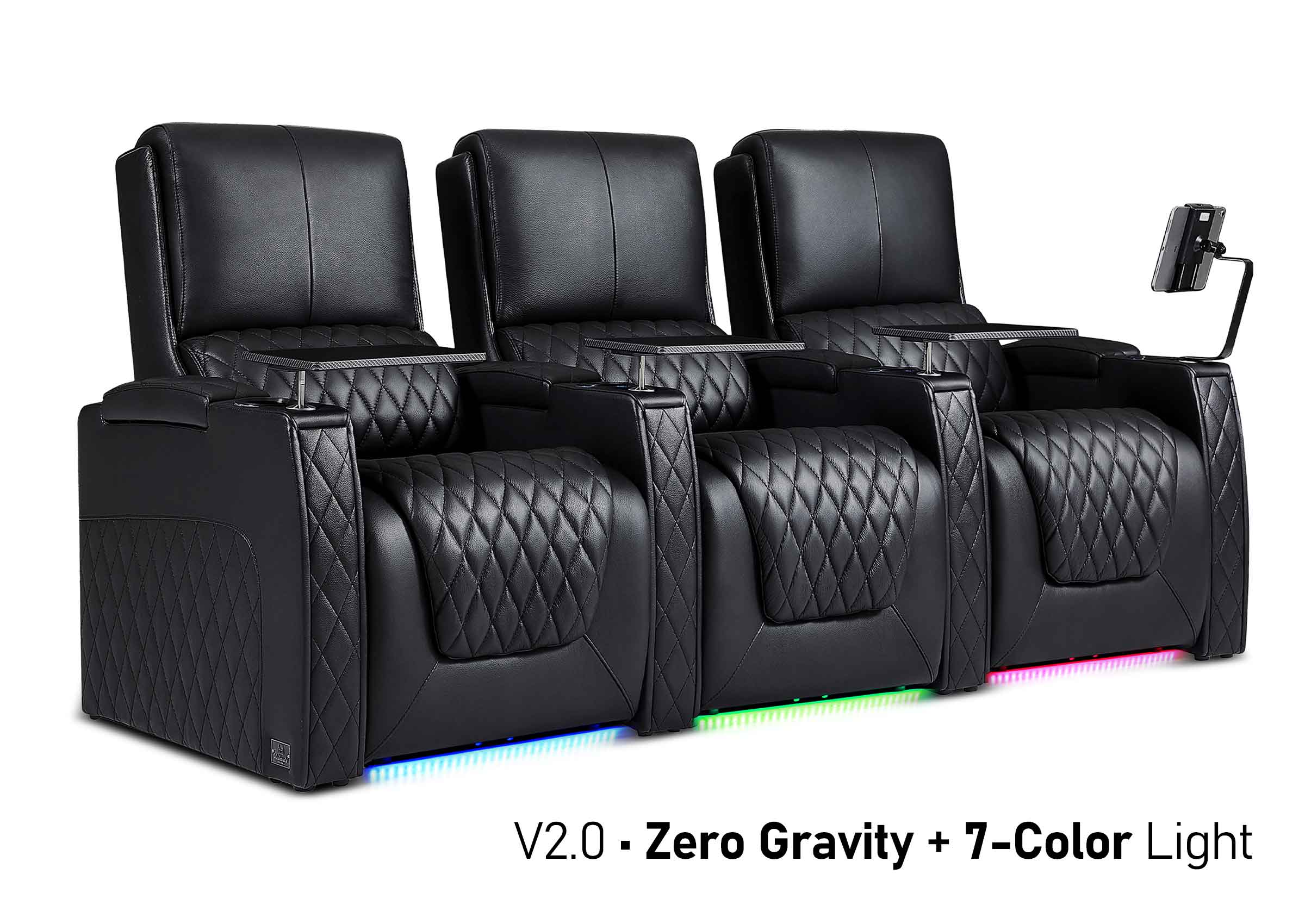
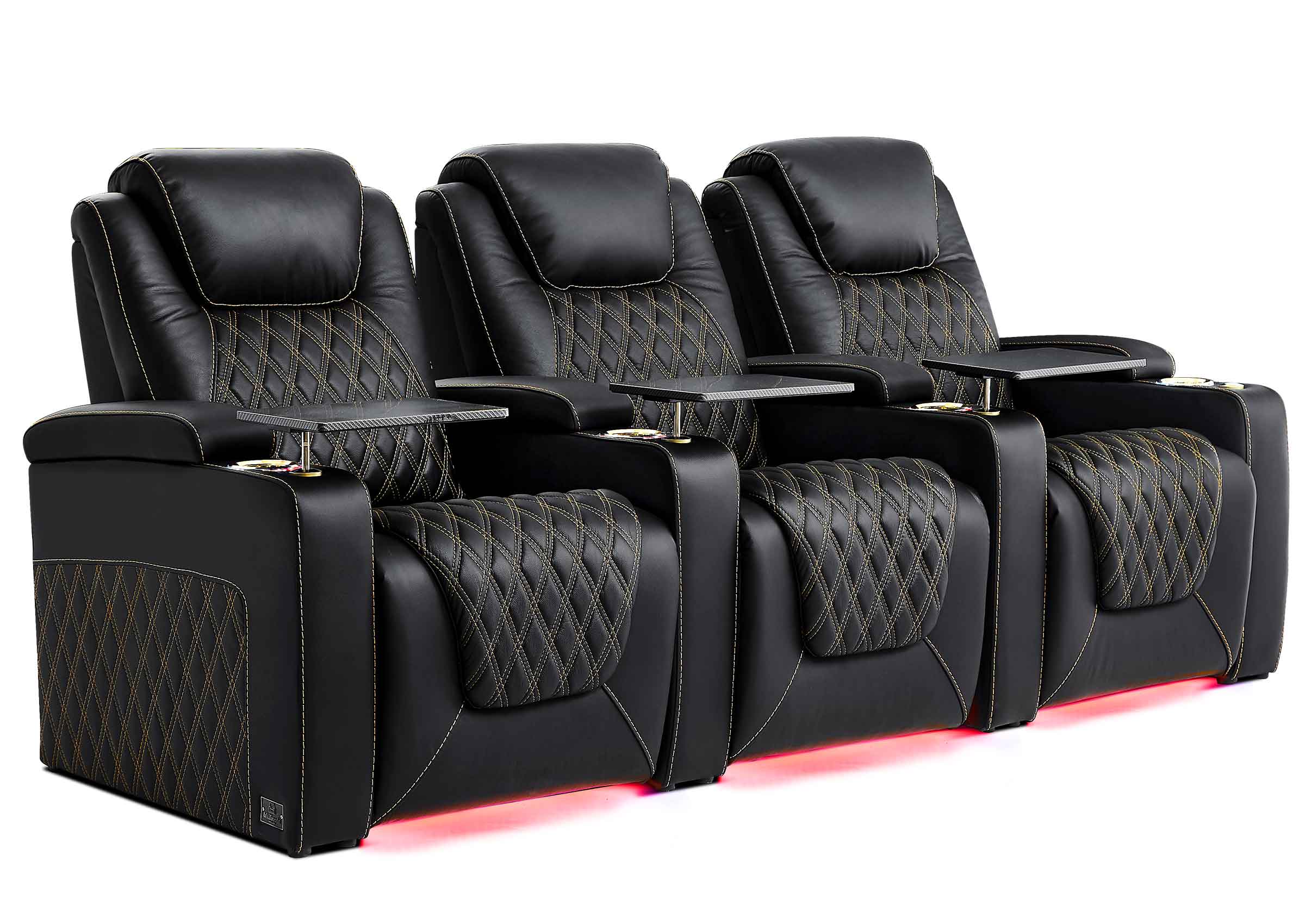
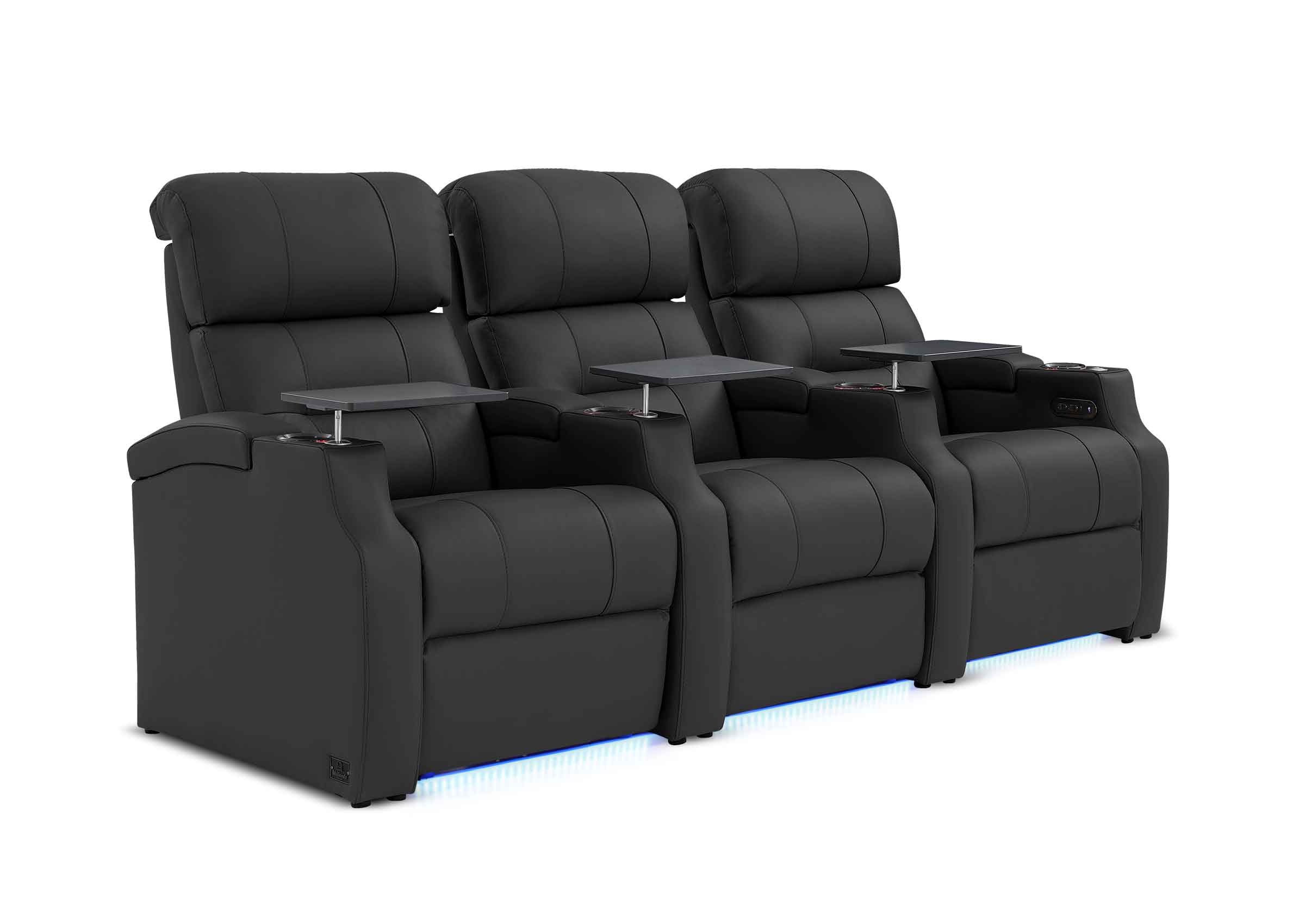
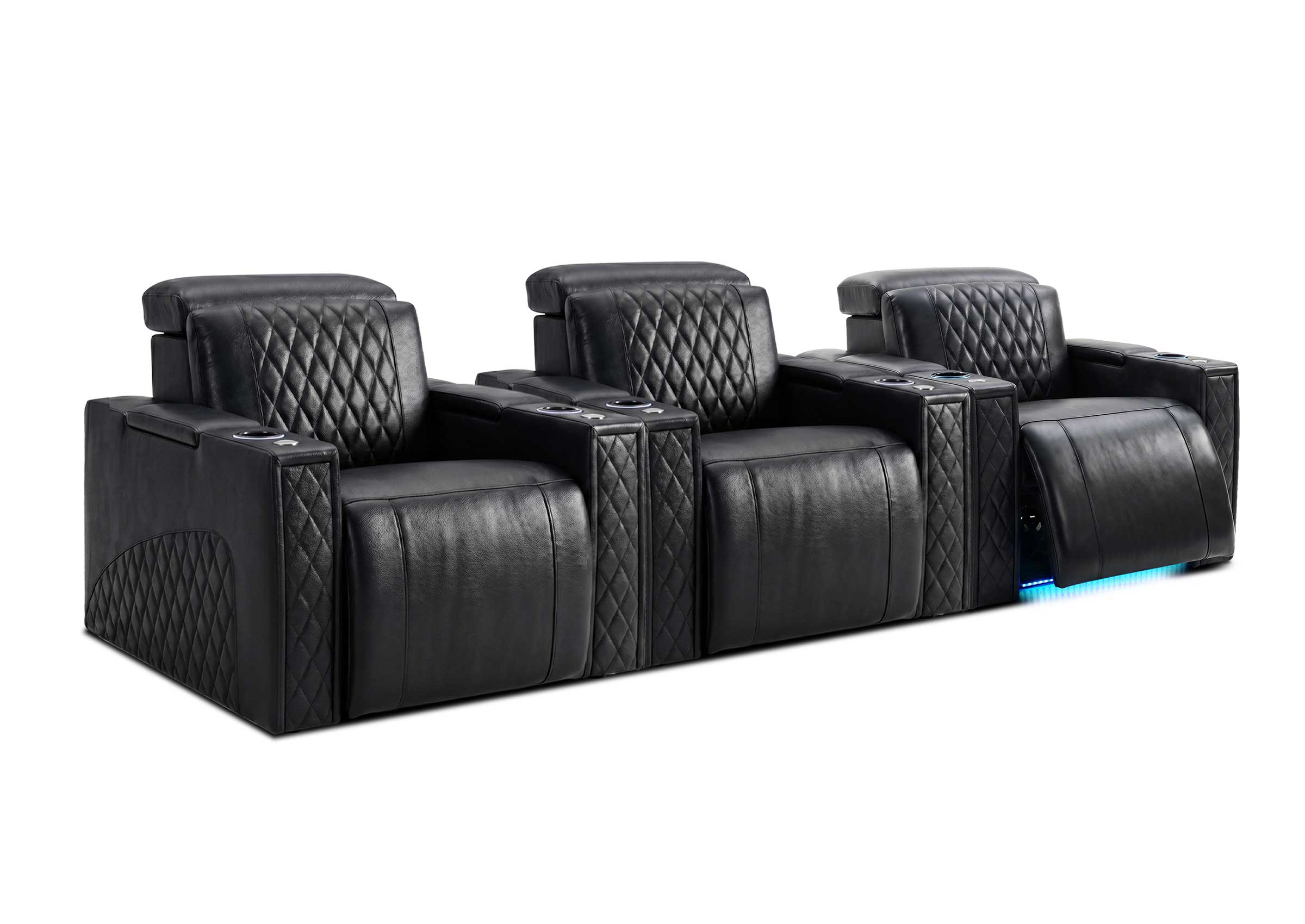

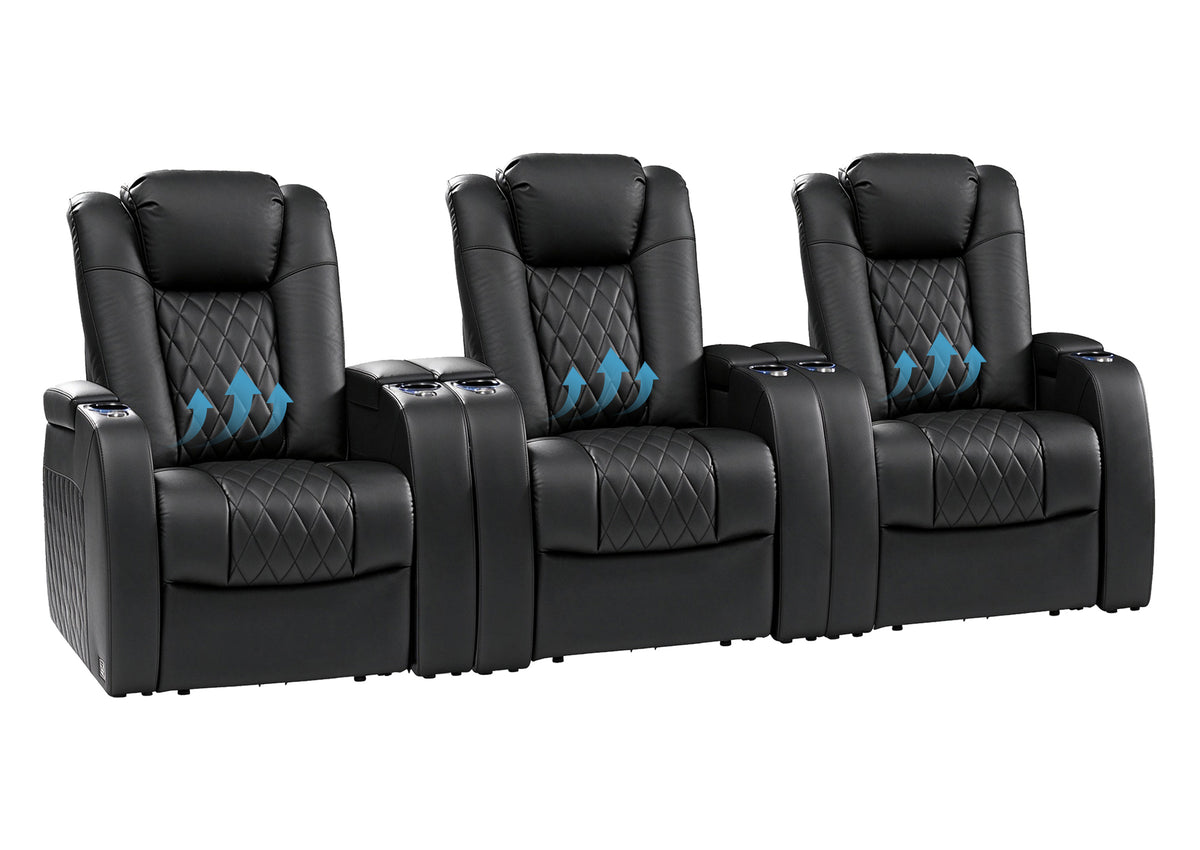
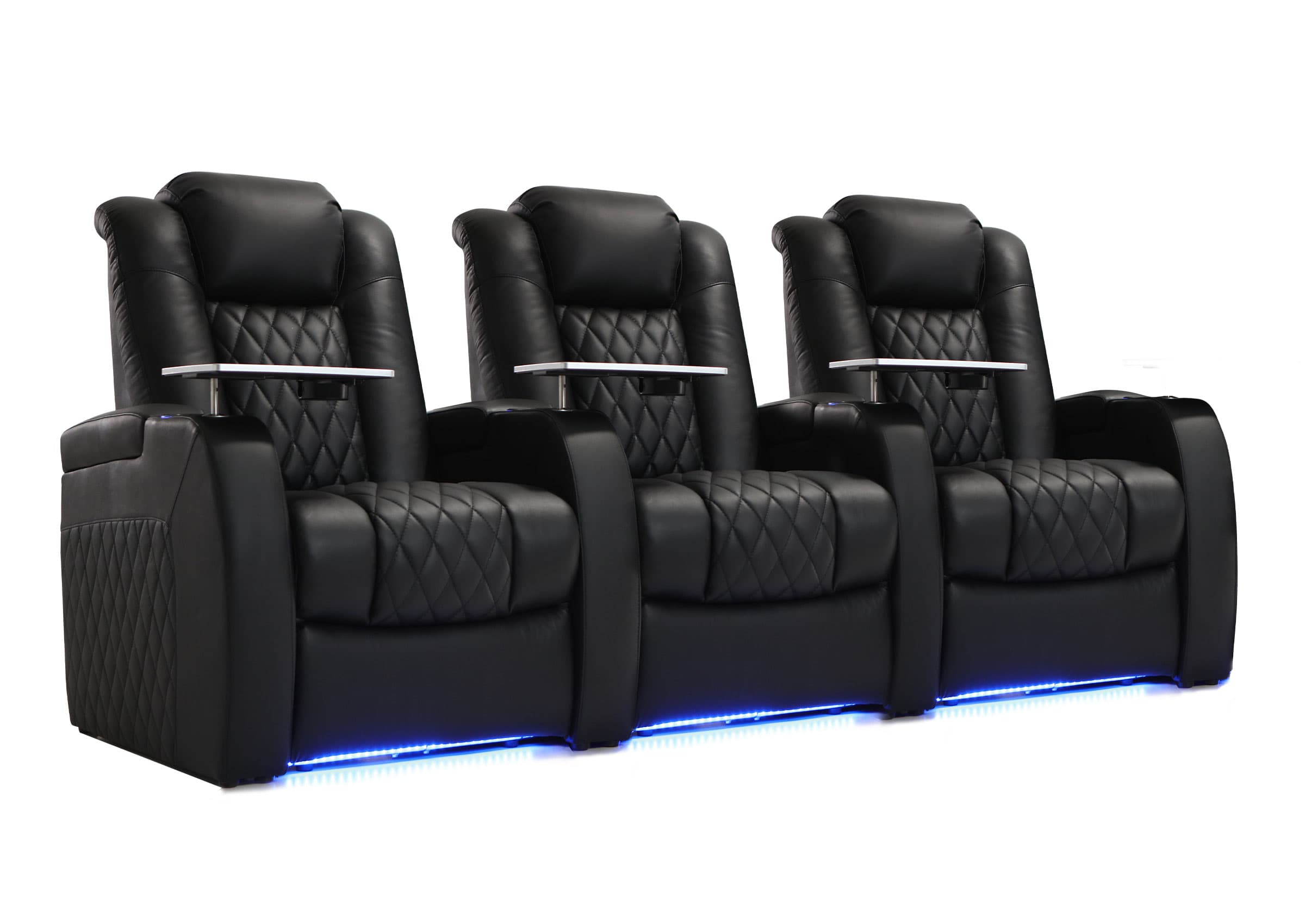
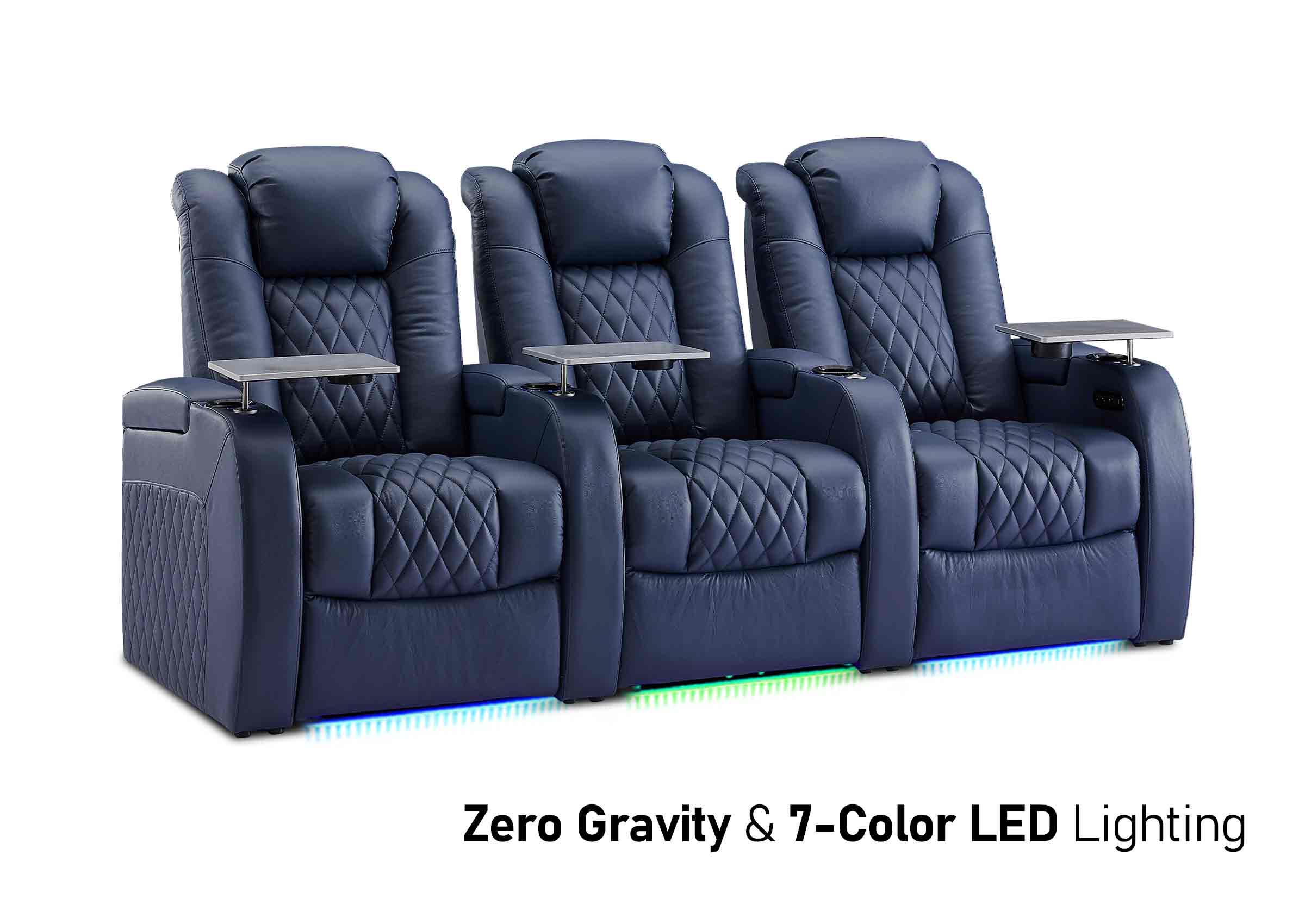
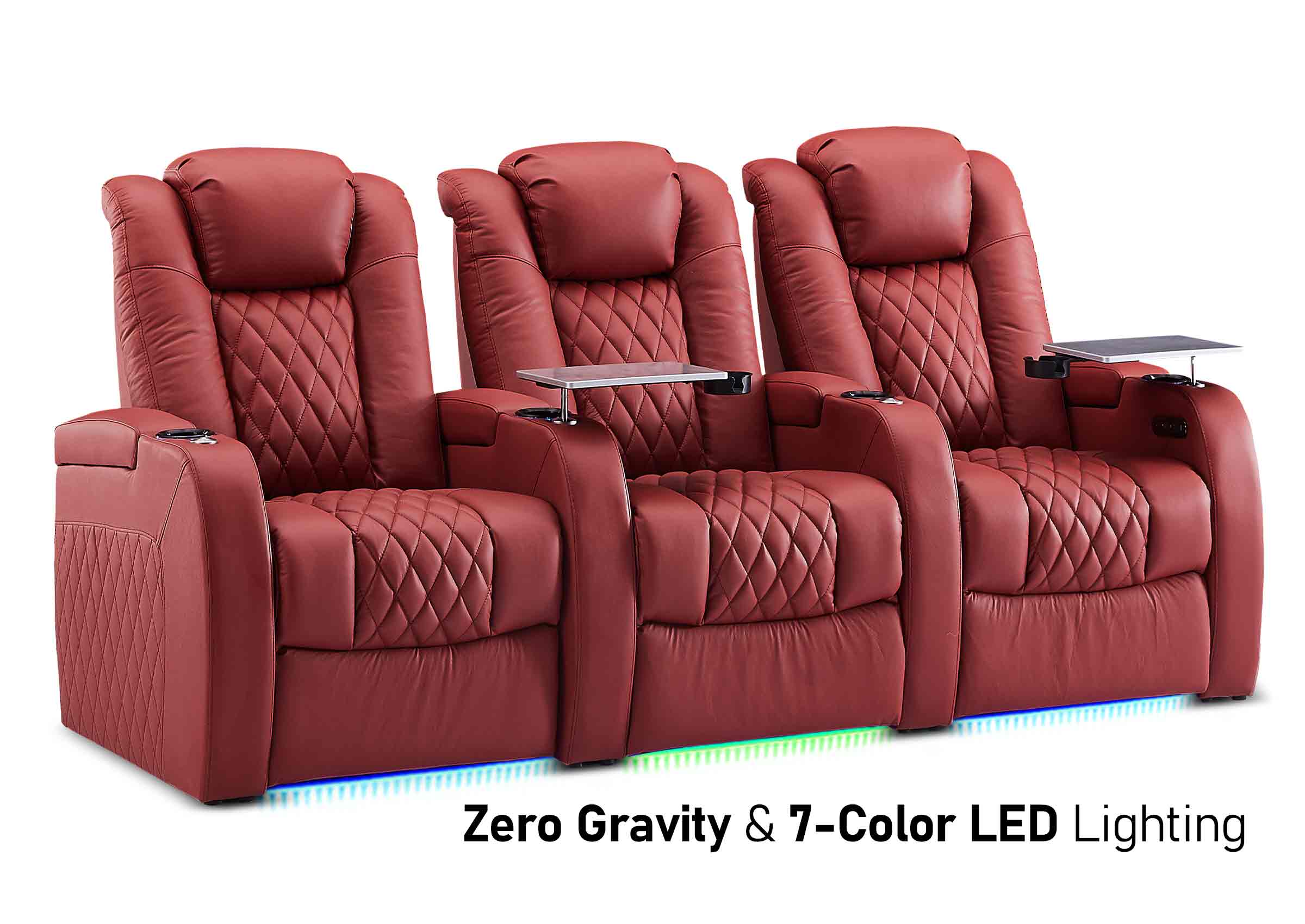
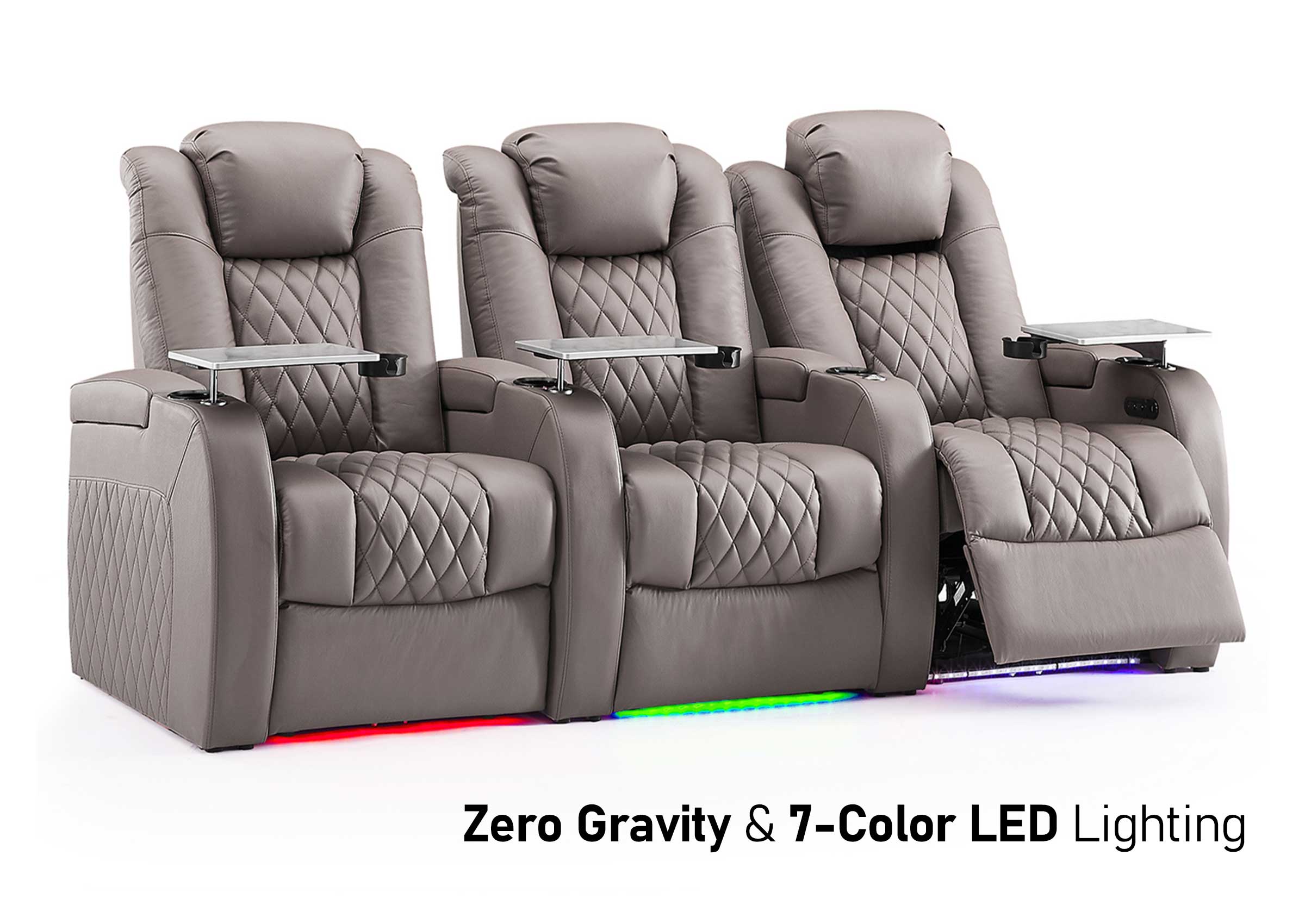
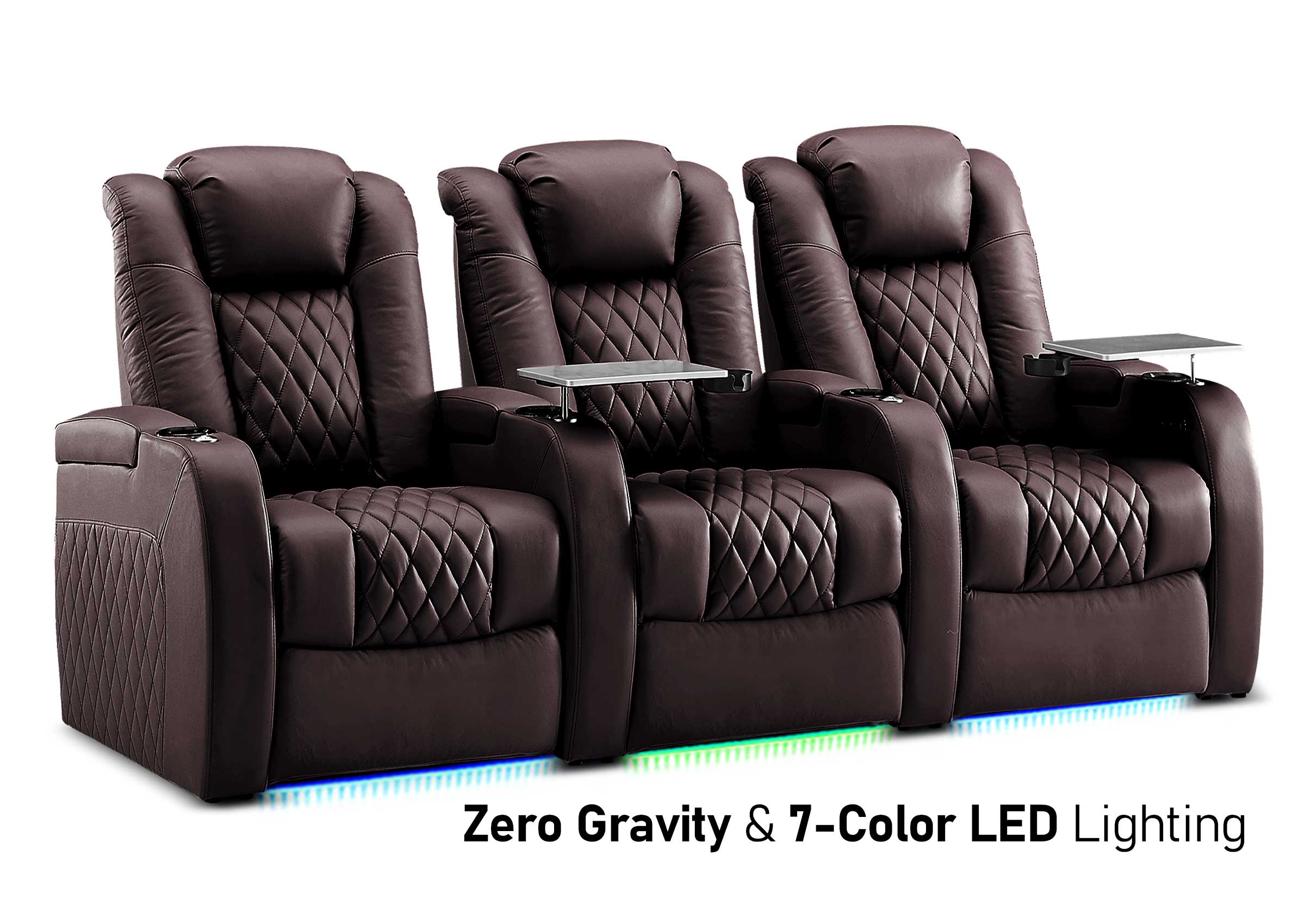

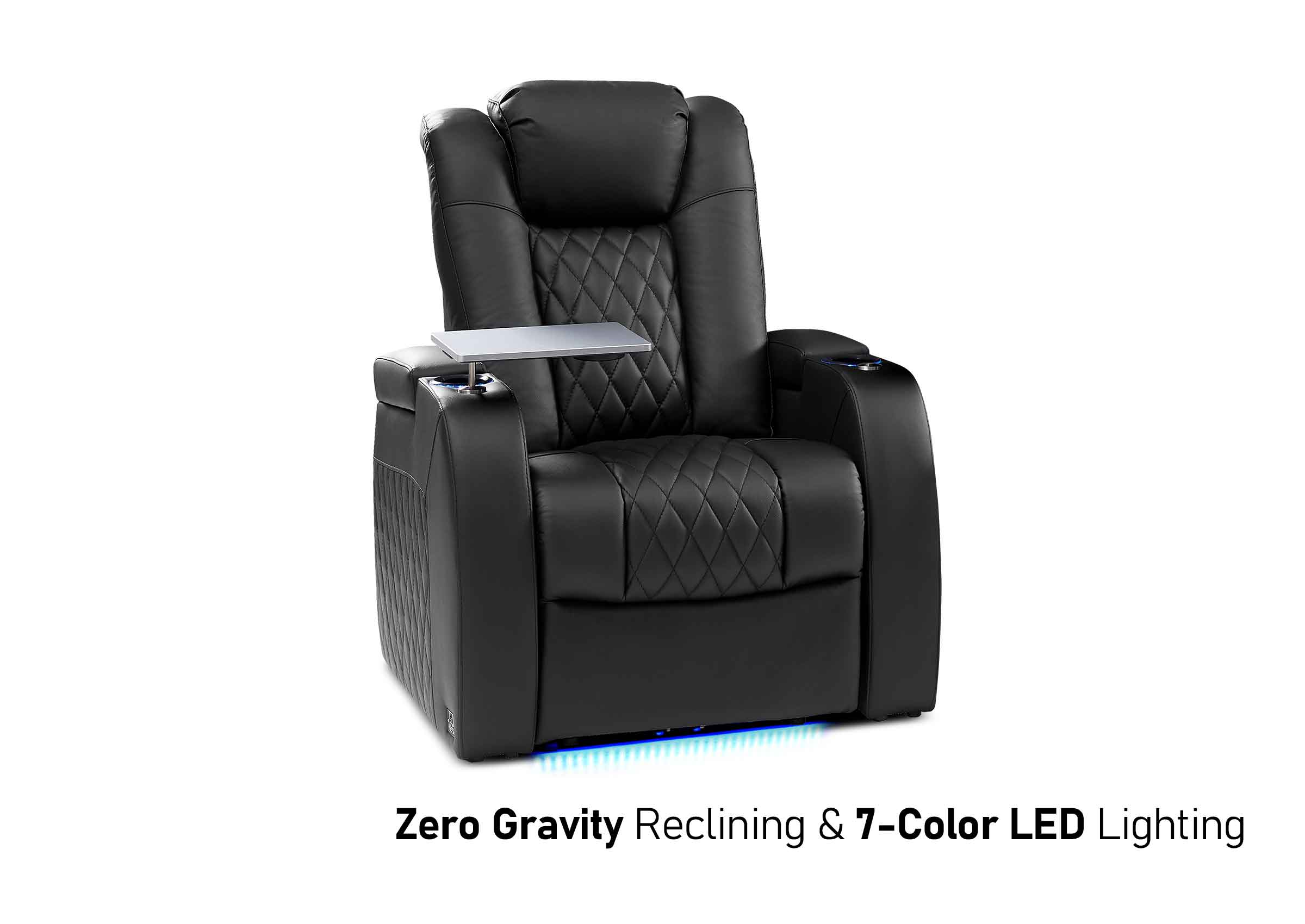
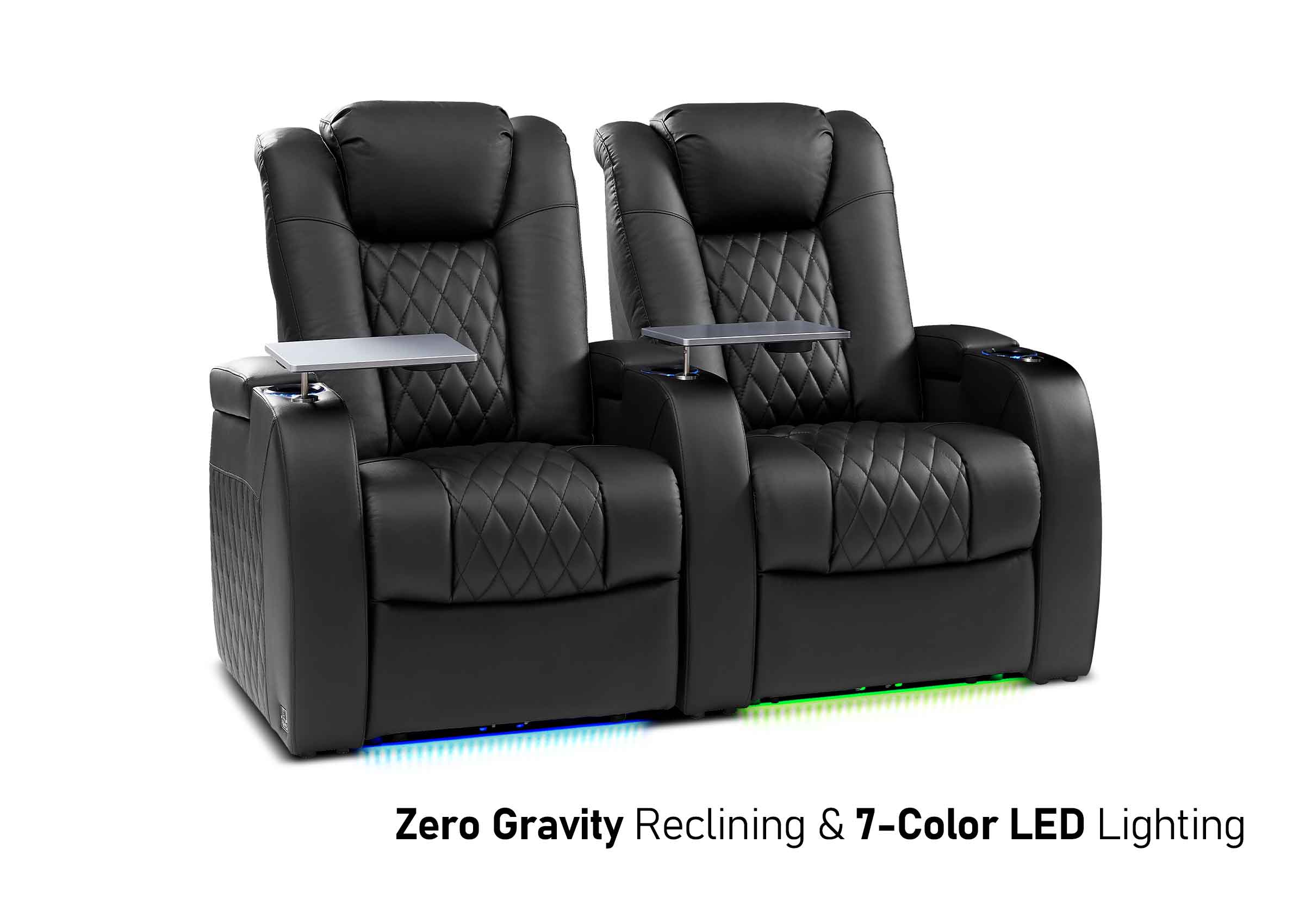
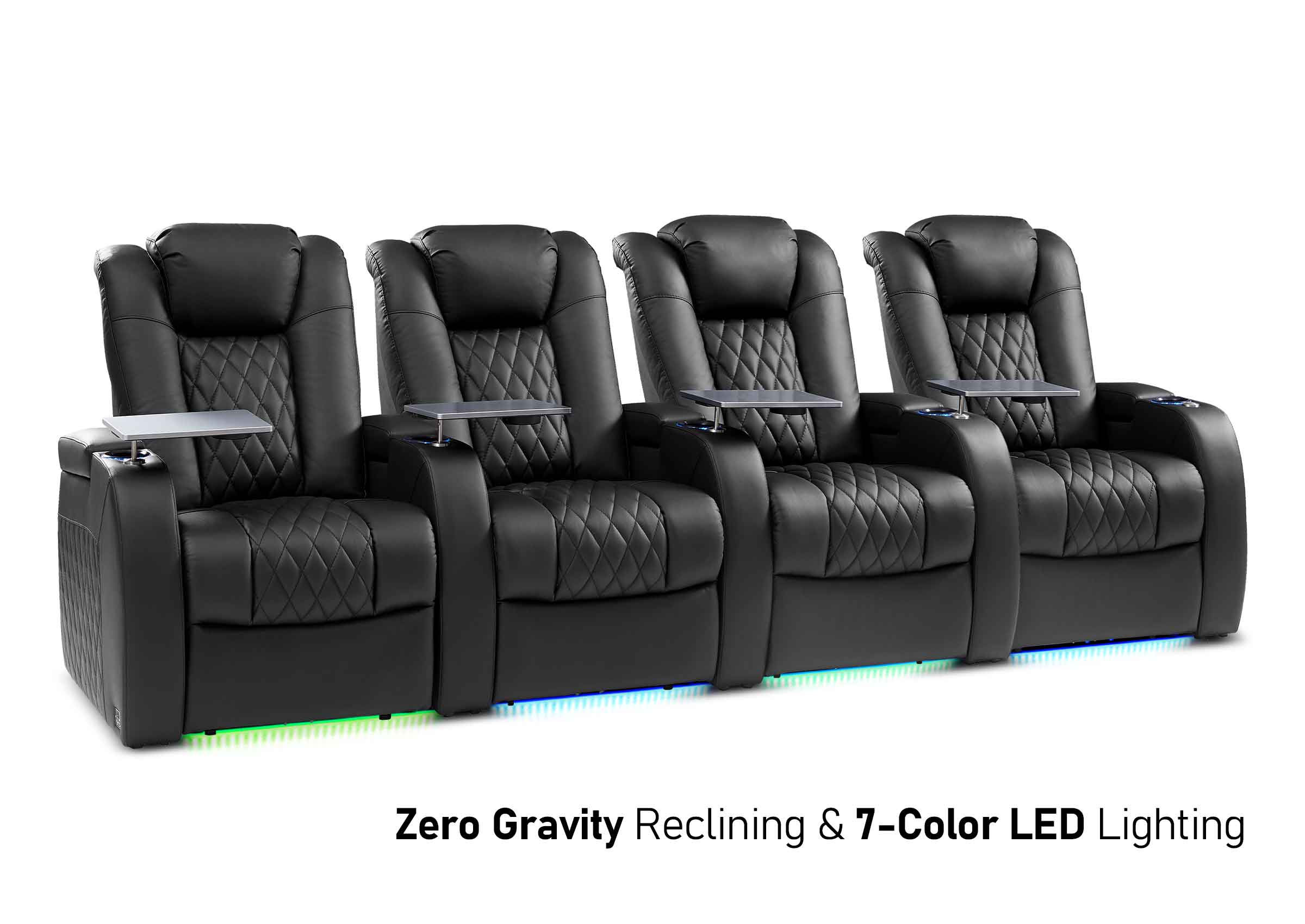
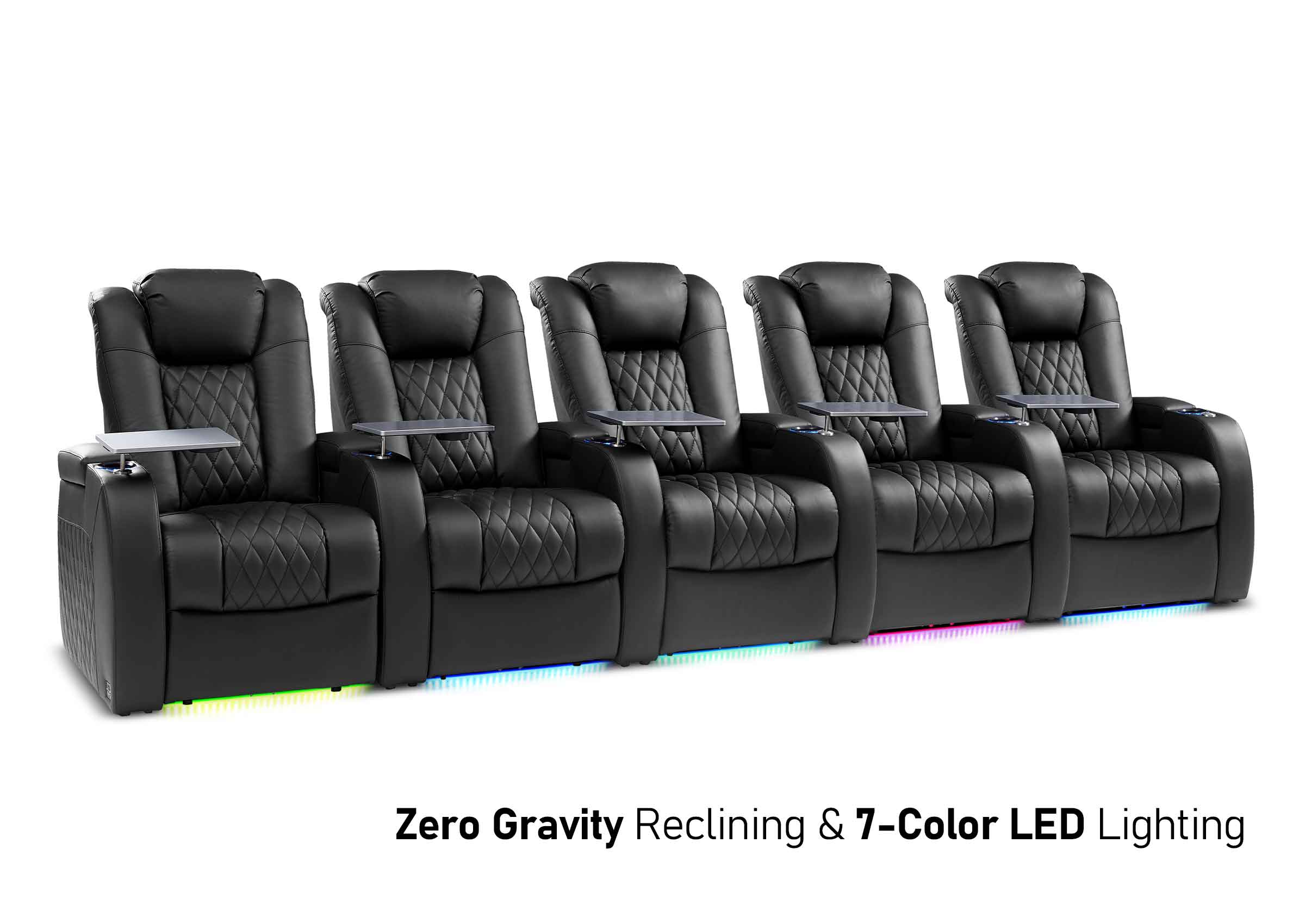
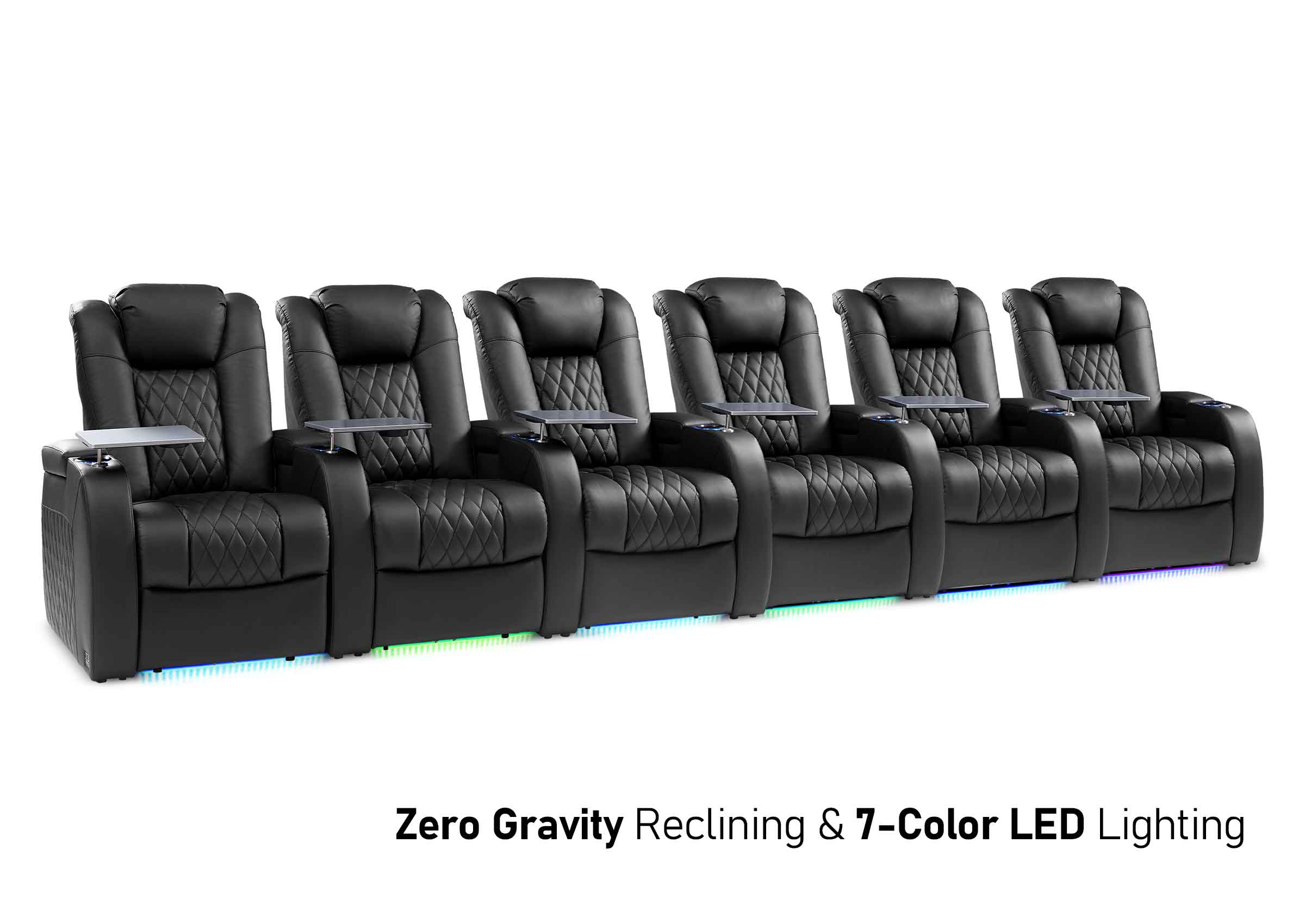
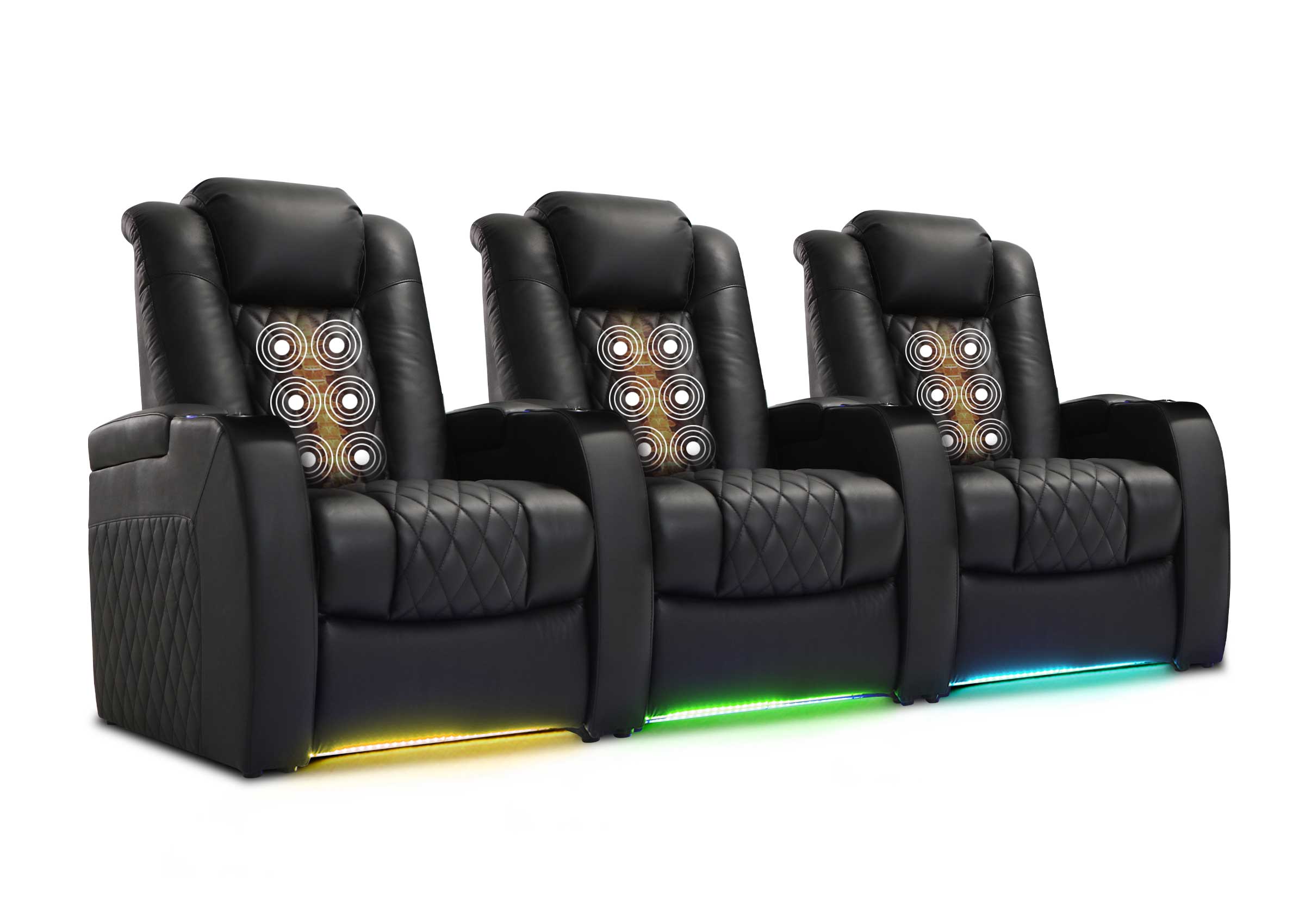

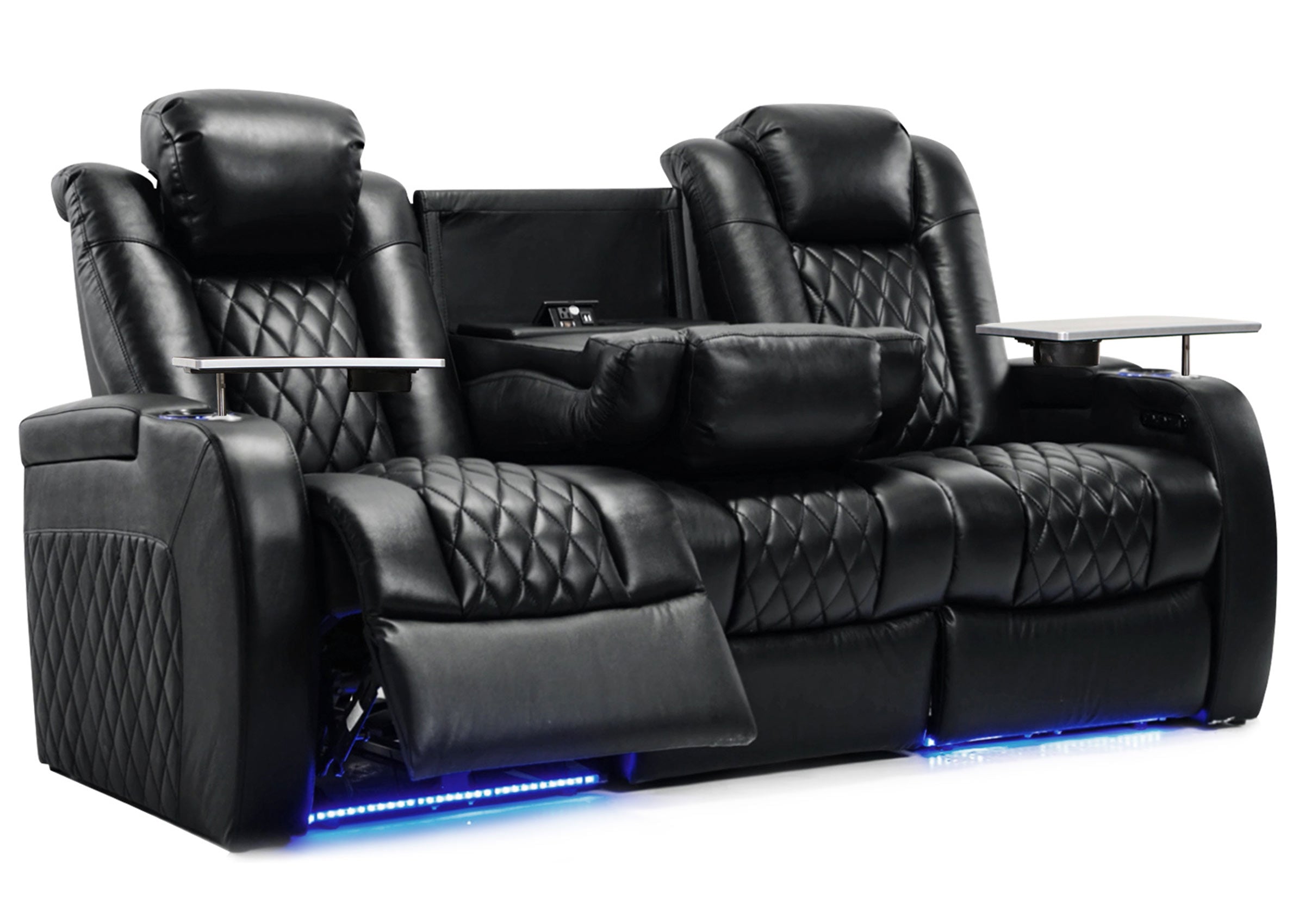
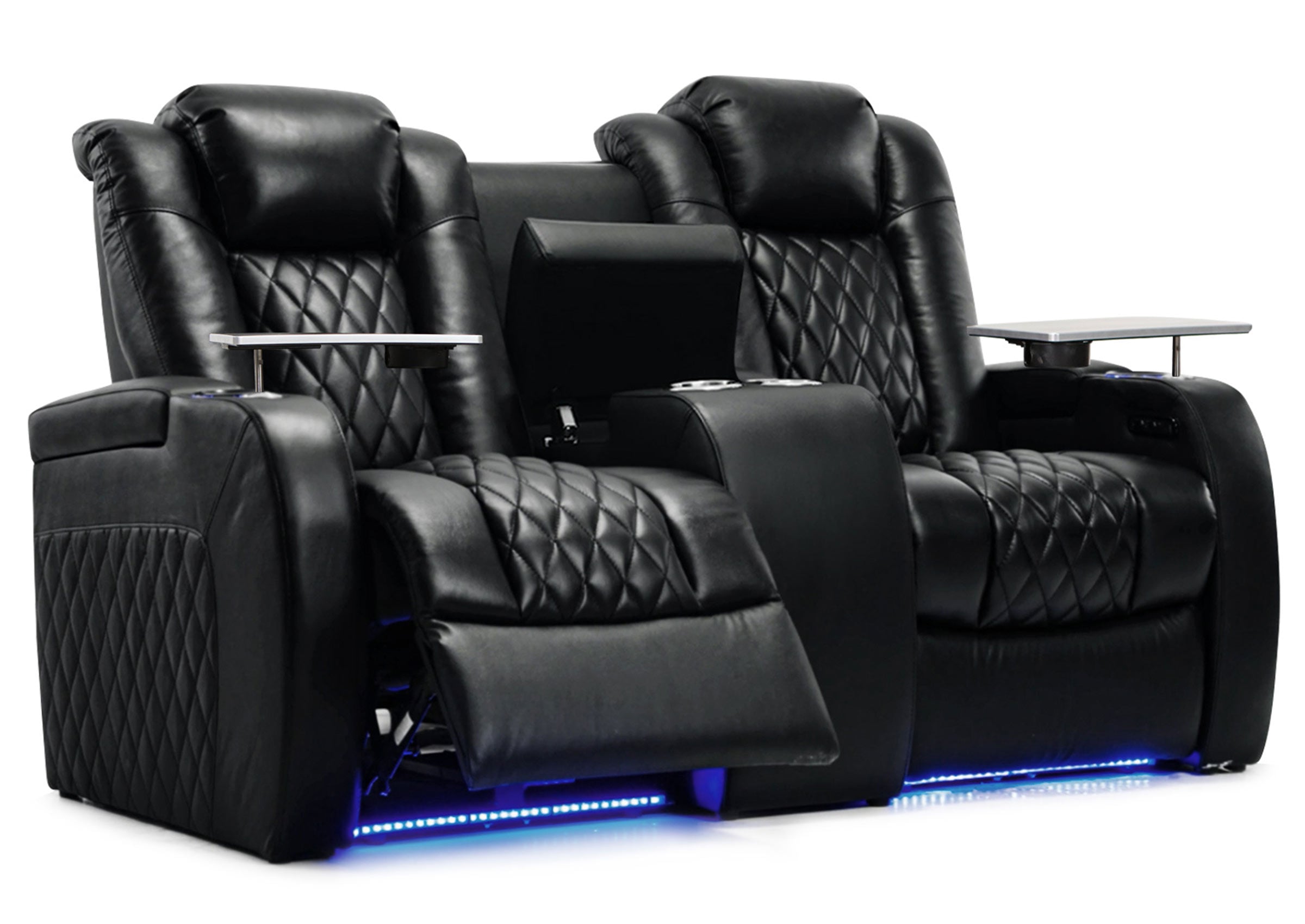

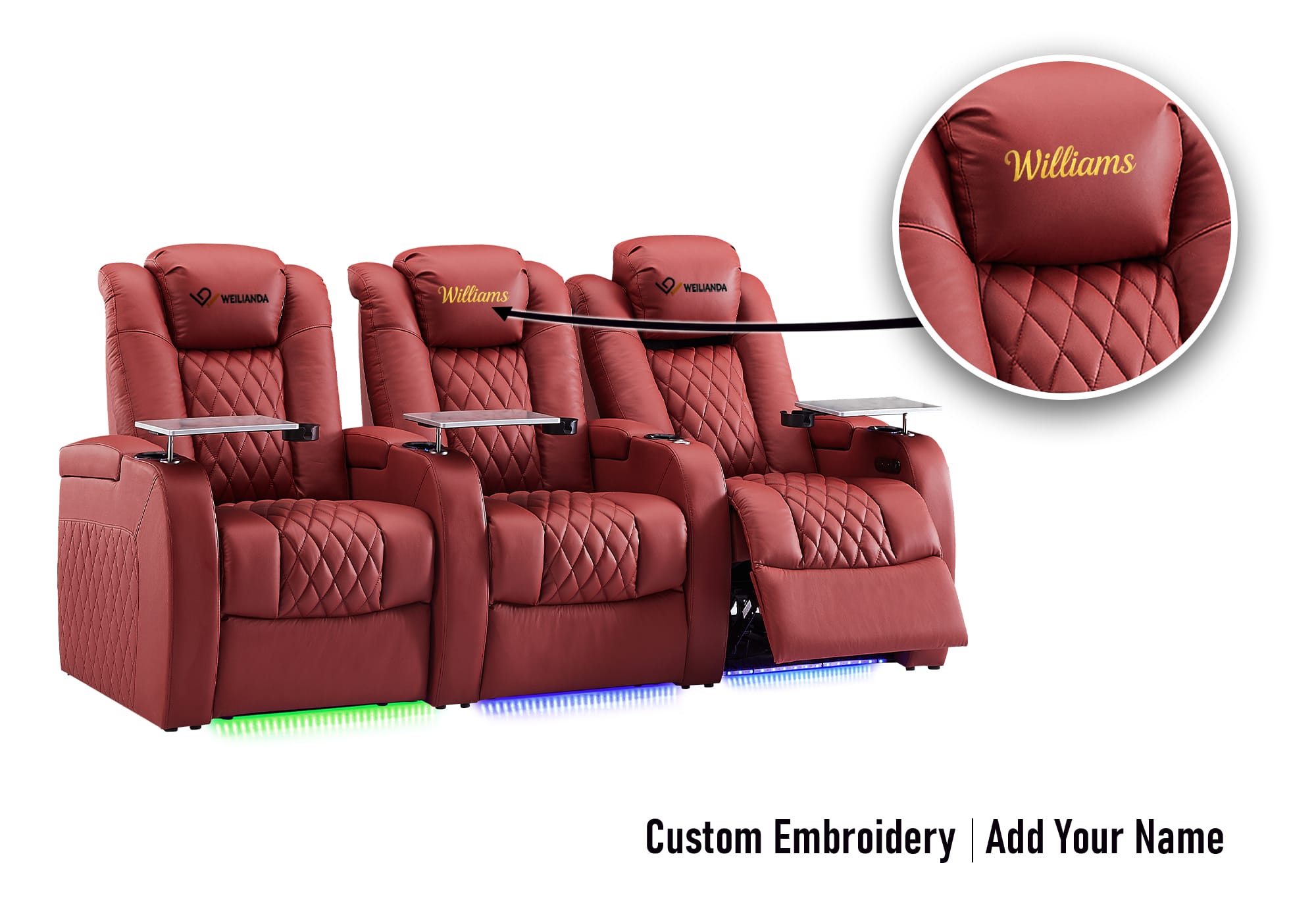

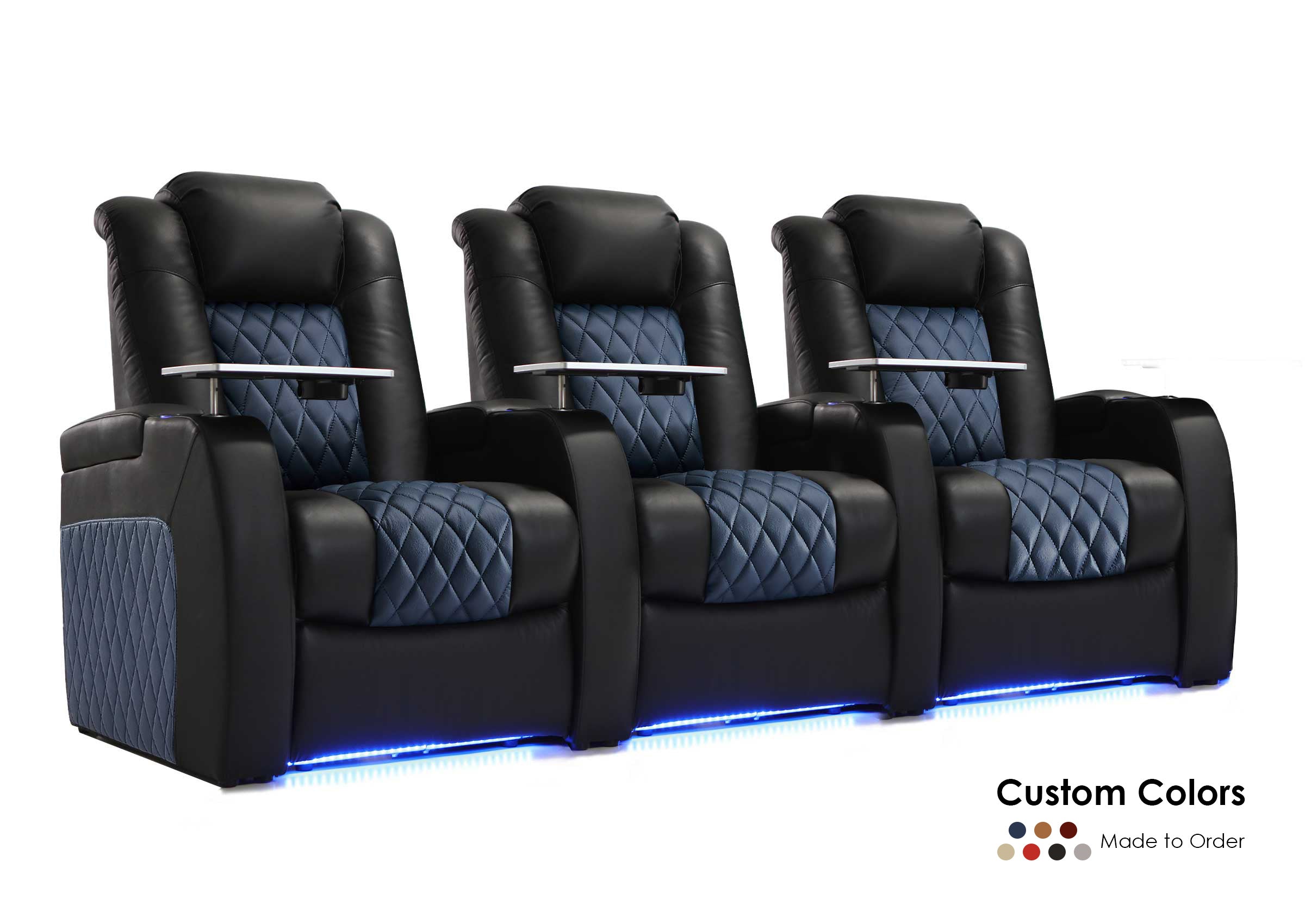

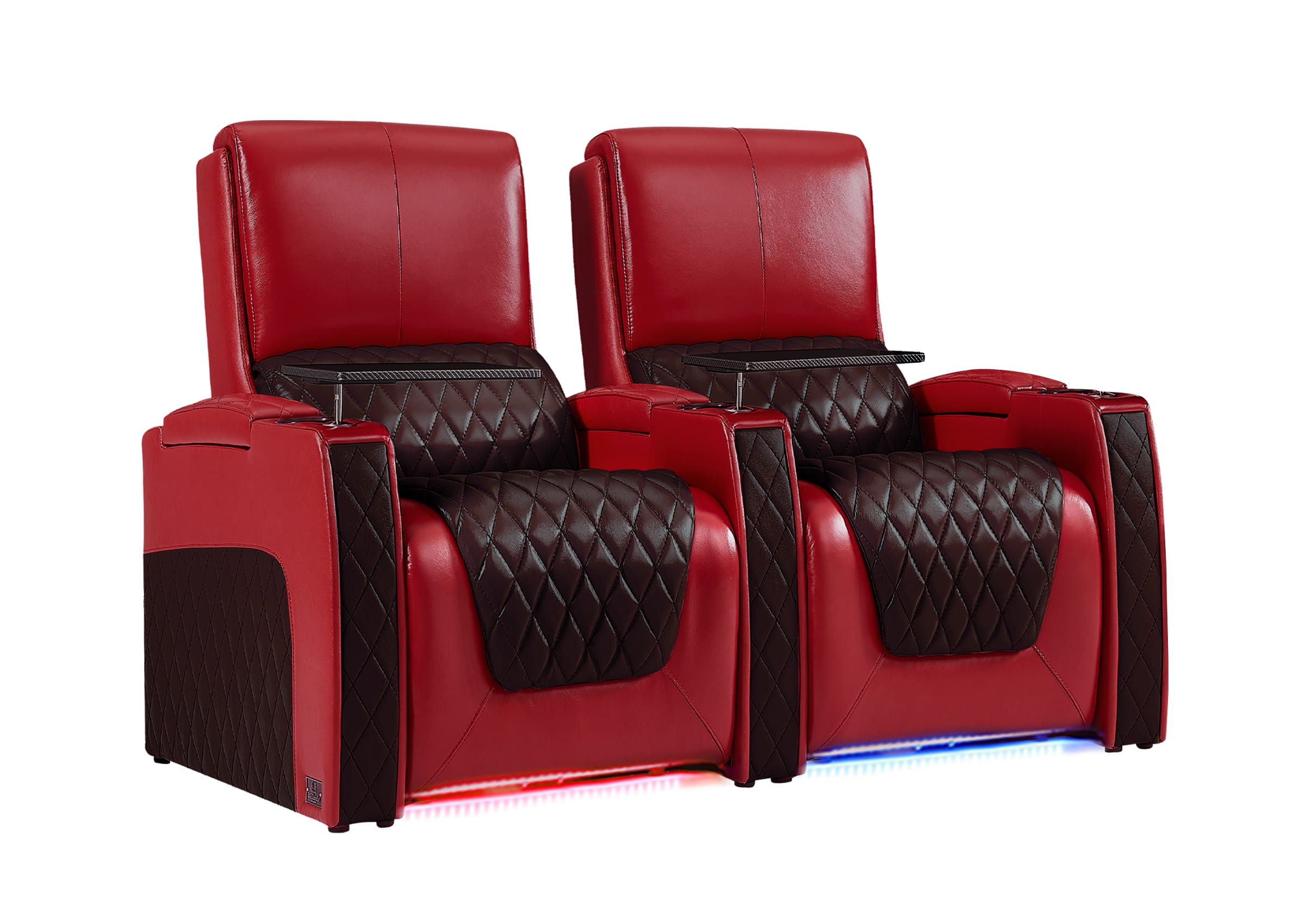
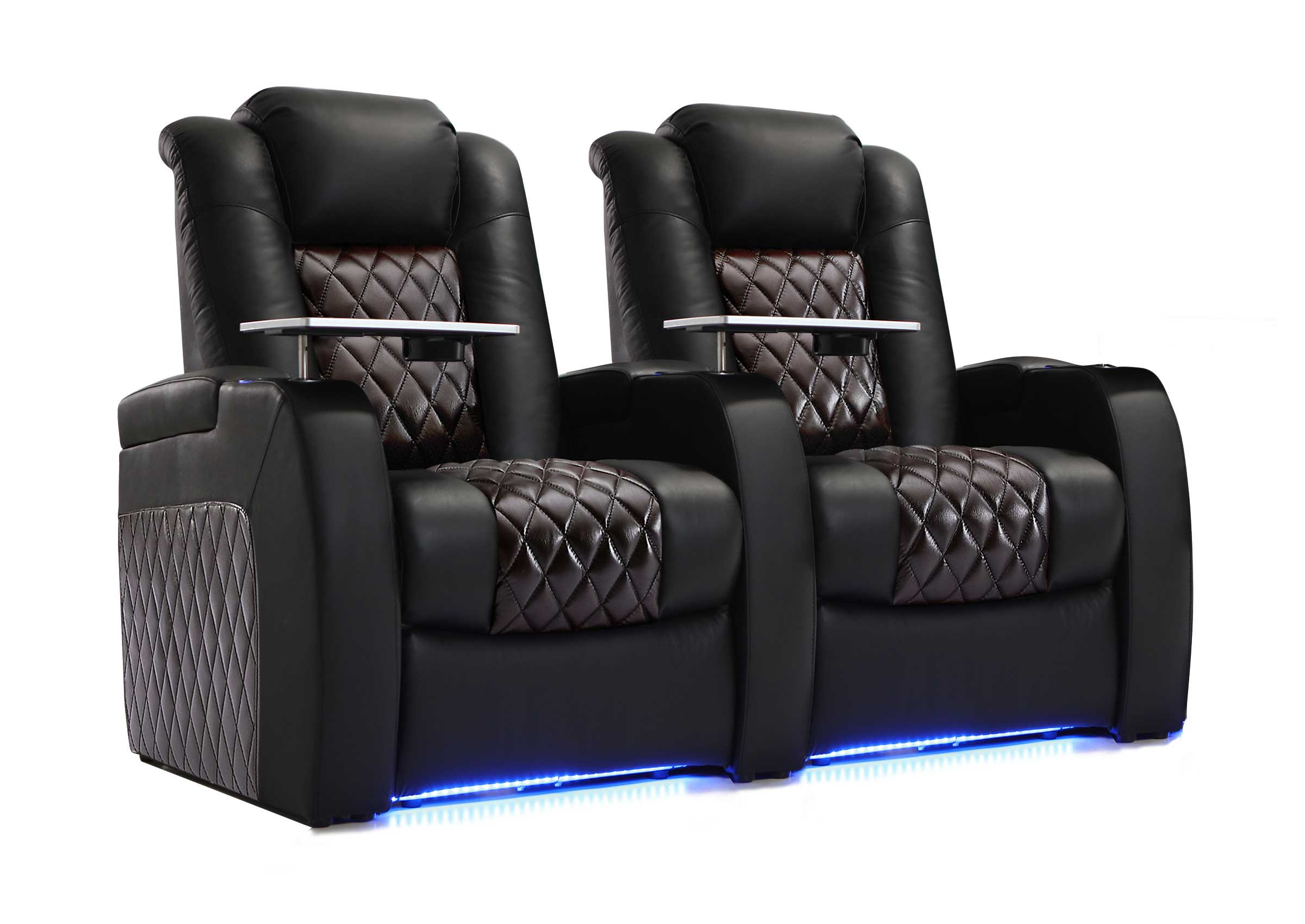
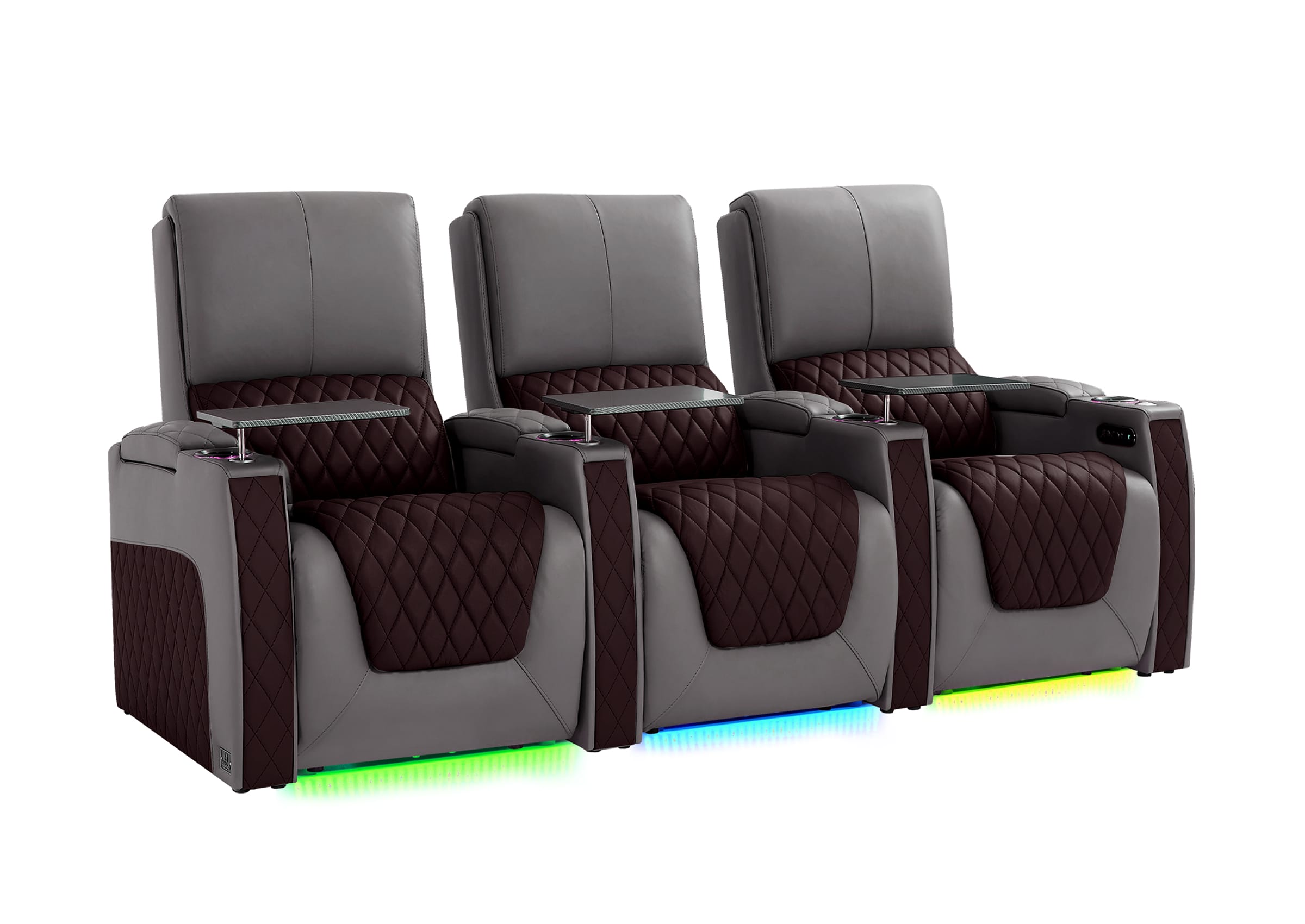
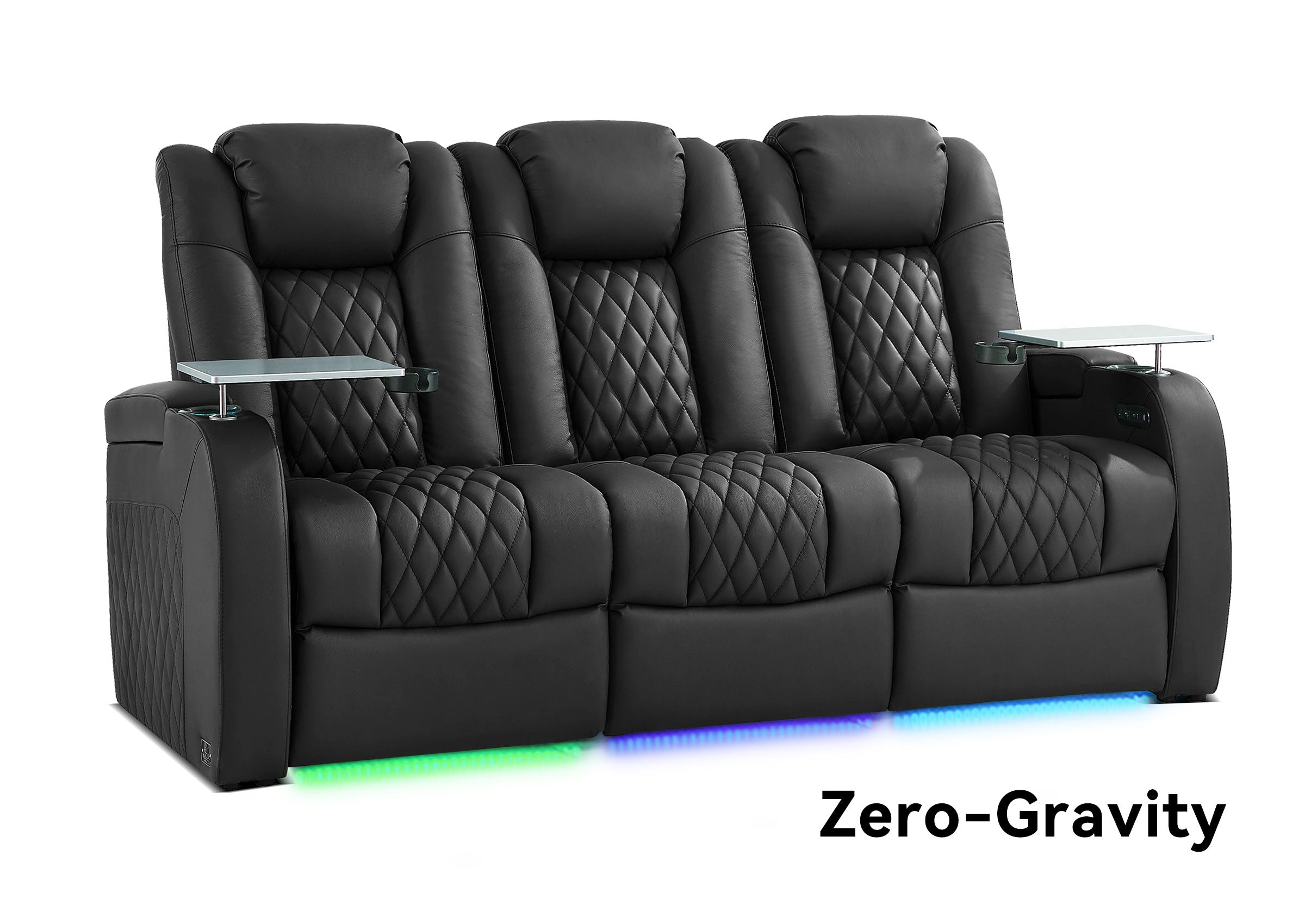


Home theater seats are worth it when they make the way you actually watch more comfortable, organized, and repeatable—not simply because they make a room look like a theater. They tend to work best for people who value an individual seat, an adjustable viewing position, and a dedicated place for drinks or controls. They are less convincing when the room is mainly used for shared lounging, naps, pets, or frequent furniture rearrangement.
The useful question is not whether theater seating looks impressive on delivery day. It is whether the seats will still fit your body, your household, and your room after the novelty wears off.
When Are Home Theater Seats Worth It?
For a dedicated movie room, home theater seating can be a worthwhile upgrade because it gives each viewer a defined place and a more consistent position relative to the screen. Reclining adjustment can also make it easier for people with different comfort preferences to share a row without rearranging cushions or taking over the sofa.
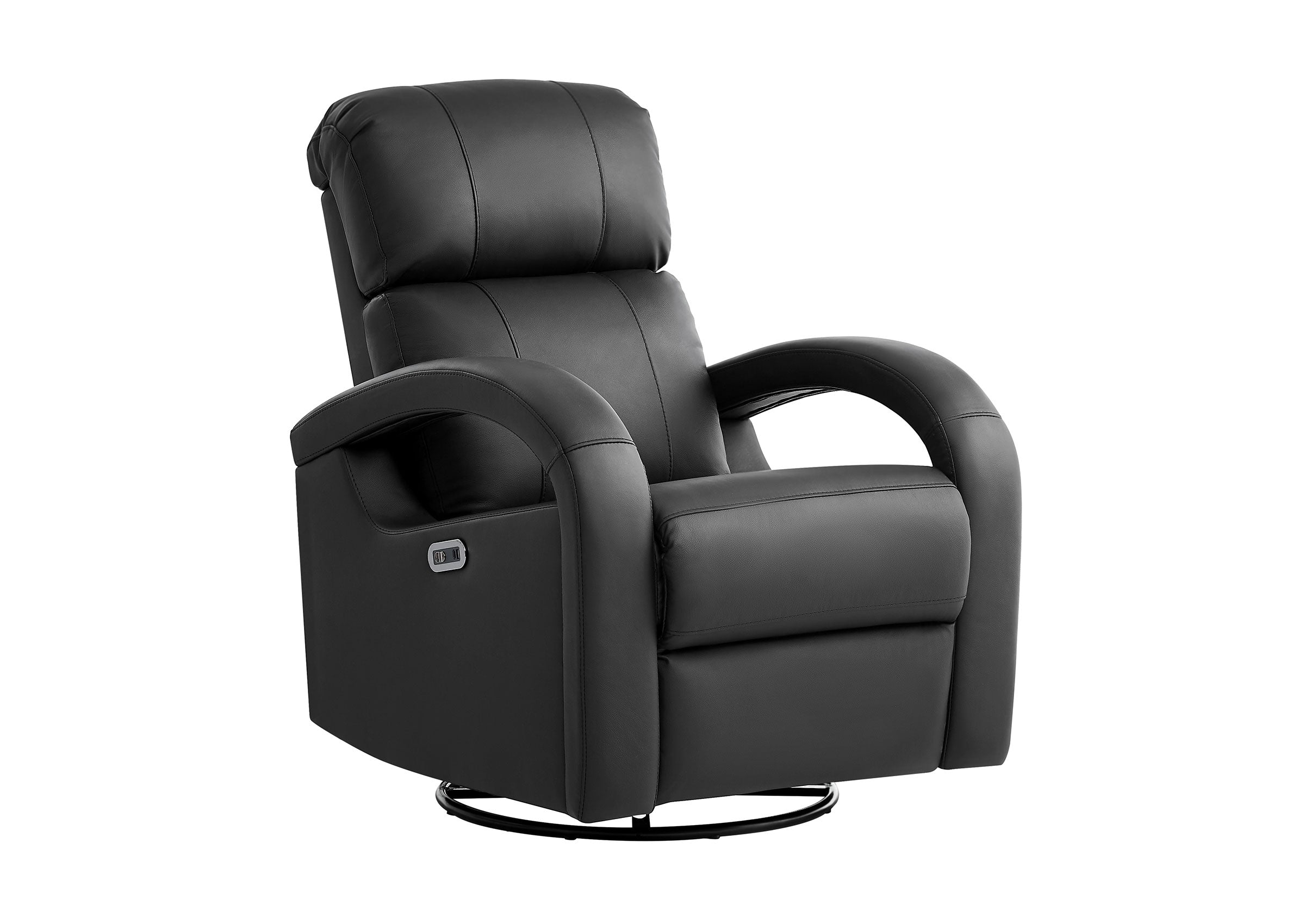
That does not make theater seating the automatic best choice for every entertainment space. In a family room, a sofa or sectional may support more ways of sitting: curling up, lying across the cushions, sharing space with a child, or letting a pet settle beside you. A row of individual recliners is more structured. That structure is a benefit only when it matches how the room is used.
Before comparing features, decide what you want the furniture to improve. If the answer is “a better seated viewing experience,” theater seats deserve serious consideration. If the answer is “a flexible place where everyone can lounge in different ways,” a sofa, loveseat, or mixed seating plan may be the better investment. That single distinction eliminates much of the confusion around whether theater seating is worth the cost.
What Still Matters After the Theater Look Feels Normal?
The cinematic appearance is easy to notice during the first week. Long-term satisfaction usually comes from quieter details: whether you can change position without fighting the chair, whether your feet and lower back stay supported, whether the controls are easy to reach, and whether the room remains comfortable when every seat is occupied.
This is why a longer feature list does not necessarily create a better seat. Cup holders, lighting, charging ports, storage, powered adjustments, and tray tables can all be useful. Their value depends on whether they remove a repeated inconvenience. A storage console may matter in a room that is always collecting remotes. A power headrest may matter when reclining changes your sightline. Decorative lighting may add atmosphere, but it cannot correct a seat that is too deep or a row that restricts the walkway.
A good way to judge value is to imagine the fiftieth movie night rather than the first. Which parts of the experience would still make the room easier to use? Those are the features worth prioritizing; anything else should earn its place after fit and comfort are settled.
Do You Want Personal Recline or Shared Comfort?
Individual theater recliners give each person control over posture and personal space. One viewer can sit upright while another reclines, and built-in armrests help keep drinks and small items contained. This arrangement often suits adults who watch full movies, sports, or series from a consistent forward-facing position.
The tradeoff is that fixed armrests and separate seats reduce shared lounging space. Couples who prefer to sit close together may find a loveseat configuration more natural. Families who regularly pile onto one piece of furniture may prefer a reclining sofa. Some rooms benefit from a hybrid plan, such as a sofa in front and individual seats in a second row, but only if the room has enough depth and circulation space. For a closer look at this tradeoff, compare a movie room sofa with individual recliners.
Do not choose by household size alone. Ask how people sit when they are relaxed. Four family members who each want their own position may appreciate four individual seats. Two people who usually stretch out together may get more value from a loveseat or sofa than from a row designed for separation.

Will the Seat Still Feel Comfortable Two Hours Later?
A recliner can feel soft for five minutes and still become tiring during a long movie. Lasting comfort depends less on the first impression of softness and more on how the seat supports your body in the positions you actually use.
Check whether your lower back remains supported without forcing you to slouch. Notice whether the headrest pushes your head forward when you are upright or leaves your neck unsupported when you recline. Seat depth also matters: if it is too deep, shorter users may slide forward or lose contact with the backrest; if it is too shallow, taller users may feel limited through the thighs.
The footrest should support the legs without creating an uncomfortable pressure point, and the seat should allow small posture changes during a long session. When fully reclined, confirm that you can still see the screen comfortably rather than lifting your head or looking down your nose for the rest of the movie.
If possible, test the chair in both an upright viewing position and the reclined position you expect to use. Sit long enough for the initial softness to stop being the main thing you notice. If more than one person will use the seat, ask the shortest and tallest regular viewers to try it. A seat that fits one body very well can feel noticeably different to another.

What Should You Confirm About Upholstery, Cushions, and Support?
The material you touch is only one part of durability and comfort. The upholstery, cushioning, support beneath the cushion, frame, and reclining mechanism work as a system. A premium-looking surface cannot compensate for weak support, and a durable frame cannot make an unsuitable seat depth comfortable.
If a product is described as leather, ask what type of leather is used and which seating surfaces or panels it covers. Terms can be confusing, and the material on high-contact areas may not always be the same as the material on the sides or back. The practical goal is not to chase the most impressive label; it is to understand what you are buying, how it should be cleaned, and how it is likely to respond to your household's use.
For cushioning, ask about both the foam and the structure supporting it. Foam density, layering, fiber wraps, springs, webbing, and seat construction can all affect how a cushion feels and how evenly it carries weight. A very soft cushion may feel inviting at first but may not suit someone who wants easier movement or firmer posture support. A firmer cushion may feel less plush in a brief test yet remain more supportive during a long viewing session. Our guide to memory foam and high-density foam explains how the materials differ without treating foam type as the only measure of comfort.
Also confirm what happens if a powered or moving component develops a problem. Availability of replacement controls, power supplies, motors, or other service parts can matter more over time than a minor decorative upgrade. This does not mean every mechanism will fail; it means repairability is part of the purchase value.
Can Theater Seats Affect Sightlines and Sound?
Yes, particularly when the room was planned before the final seat dimensions were known. A tall back or raised headrest can change the listener's relationship to surround speakers. A deeply reclined position can change eye height and screen angle. A second row can lose visibility if the first row, riser height, or screen position was planned with rough estimates instead of actual dimensions.
These effects depend on the room and speaker layout, so there is no single seat height that is right for every theater. The better approach is to evaluate the fully occupied room: seated ear height, eye height in the normal viewing position, headrest position, speaker locations, and the sightline from the rear row. A complete home theater seating layout should account for these relationships before the final configuration is ordered.
This check is especially important for adjustable headrests. An adjustment that improves neck support may also place more material behind or beside the ears. That is not automatically a reason to avoid the feature, but it is a reason to consider the seat and audio plan together rather than as separate purchases.
Who Is Most Likely to Regret Home Theater Seating?
Regret usually comes from a mismatch between the furniture and daily behavior, not from the category itself. Theater seating may disappoint if:
- The room needs to switch frequently between movies, conversation, play, and overnight guests.
- Most viewers prefer to lie sideways, cuddle, or share cushions.
- Pets regularly occupy the furniture and fixed armrests make the available space feel restrictive.
- The maximum number of seats was chosen at the expense of walkways, recline clearance, or easy entry.
- The purchase was based on appearance and accessories without checking body fit.
- Upholstery and internal construction were described vaguely and never confirmed.
- A tall back, headrest, or second row was added without checking screen and speaker relationships.
- Future moves or room changes are likely, but the configuration has little flexibility.
None of these points means a recliner row cannot work. They indicate where a sofa, loveseat, modular configuration, or smaller number of better-spaced seats may create a more satisfying room.
Use a Long-Term Satisfaction Check Before You Buy
The following questions are more useful than counting features because they connect the purchase to repeat use.
| Decision | What to Ask | A Strong Sign Theater Seating Fits | A Sign to Compare Another Option |
|---|---|---|---|
| Room role | Is this primarily a forward-facing viewing room? | Movies and screen-based entertainment dominate | The space changes roles throughout the day |
| Social comfort | How do people naturally sit together? | Viewers prefer personal space and individual adjustment | People often cuddle, nap, or lie across the furniture |
| Long-session fit | Does the seat support regular viewers after the first few minutes? | Head, back, thighs, and legs remain supported | Users slide forward, feel pressure, or keep repositioning |
| Space | Can every seat recline without harming circulation? | Walkways and doors remain usable when occupied | Full recline blocks movement or access |
| Product clarity | Can you confirm materials, construction, controls, and service parts? | Important specifications and support expectations are clear | The decision depends mainly on vague labels or appearance |
| Flexibility | Is the room likely to stay arranged this way? | The layout and viewing direction are stable | Moving or frequent rearrangement is likely |
You do not need a perfect answer in every row. The pattern matters. If most of the strong-fit conditions describe your household, theater seating is more likely to feel valuable after the excitement of a new room fades. If the same two or three tradeoffs keep appearing—usually shared lounging, limited clearance, or uncertain body fit—resolve those before committing.
CHOOSE FOR THE LONG TERM
Ready to Compare Seating That Fits the Way You Watch?
Explore seating options after considering your room, preferred viewing position, and whether your household values individual adjustment or shared lounging.
Which Features Remain Useful After the Novelty Wears Off?
The features with the best long-term value tend to solve frequent, specific problems.
Power recline can be valuable when users want precise adjustment or find a manual mechanism difficult to operate. An adjustable headrest or lumbar system can help when different viewers need different support, provided the range actually fits them. Storage can keep remotes, controllers, and charging cables from spreading around the room. Cup holders may reduce the need for side tables in a compact row.
USB charging, tray tables, ambient lighting, and other conveniences can be worthwhile, but they should remain secondary to fit, support, movement, and room clearance. A practical order of decisions is:
- Confirm that the configuration fits the room in both upright and reclined positions.
- Confirm that the seat fits the people who will use it most.
- Understand the upholstery, cushion support, mechanism, and service options.
- Add convenience features that solve a real household need.
- Treat purely visual upgrades as the final layer, not the foundation.
This order protects the parts of the experience that cannot be corrected easily after delivery.
How Can You Test the Decision Before Ordering?
Start by marking the complete footprint on the floor, including the reclined depth—not just the upright width. Walk through the room as if every seat were occupied. Open nearby doors and cabinets, approach each seating position, and check whether anyone would need to squeeze past extended footrests.
Next, simulate a normal viewing session. Think about where drinks, remotes, blankets, controllers, and pets usually go. Consider whether people talk and turn toward one another before a movie, or whether everyone stays focused on the screen. This simple rehearsal often reveals more than a showroom-style feature comparison.
Then confirm the details that are hard to judge from a photograph:
- Upright and fully reclined dimensions
- Seat width and depth
- Back and headrest relationship to the user
- Upholstery type and coverage
- Cushion and underlying support construction
- Required power access and cord routing
- Replacement-part and service process
- Delivery path and assembly requirements
- Return terms for the selected configuration
Finally, review the room from the screen and speaker perspective. Use the expected seated position, not an empty-room estimate. If the room has multiple rows, check the rear sightline with the front seats occupied and the headrests in a realistic position.
Make the Choice for the Way You Actually Watch
Home theater seats are not a gimmick when their structure solves a real viewing need. Personal adjustment, consistent screen orientation, and organized rows can make a dedicated room more comfortable and easier to use. But the same structure can feel limiting in a space built around shared lounging and flexible everyday activities.
The best decision comes from looking beyond the first impression. Match the seat to the people, the room, the length of a normal viewing session, and the way your household spends time together. If those pieces fit, theater seating can continue to feel worthwhile long after the room stops feeling new.
If you want help comparing seating options against your room and viewing habits, contact Weilianda or email leon@weiliandahome.com. Confirm the dimensions, materials, features, availability, and support terms of the model you are considering before ordering.