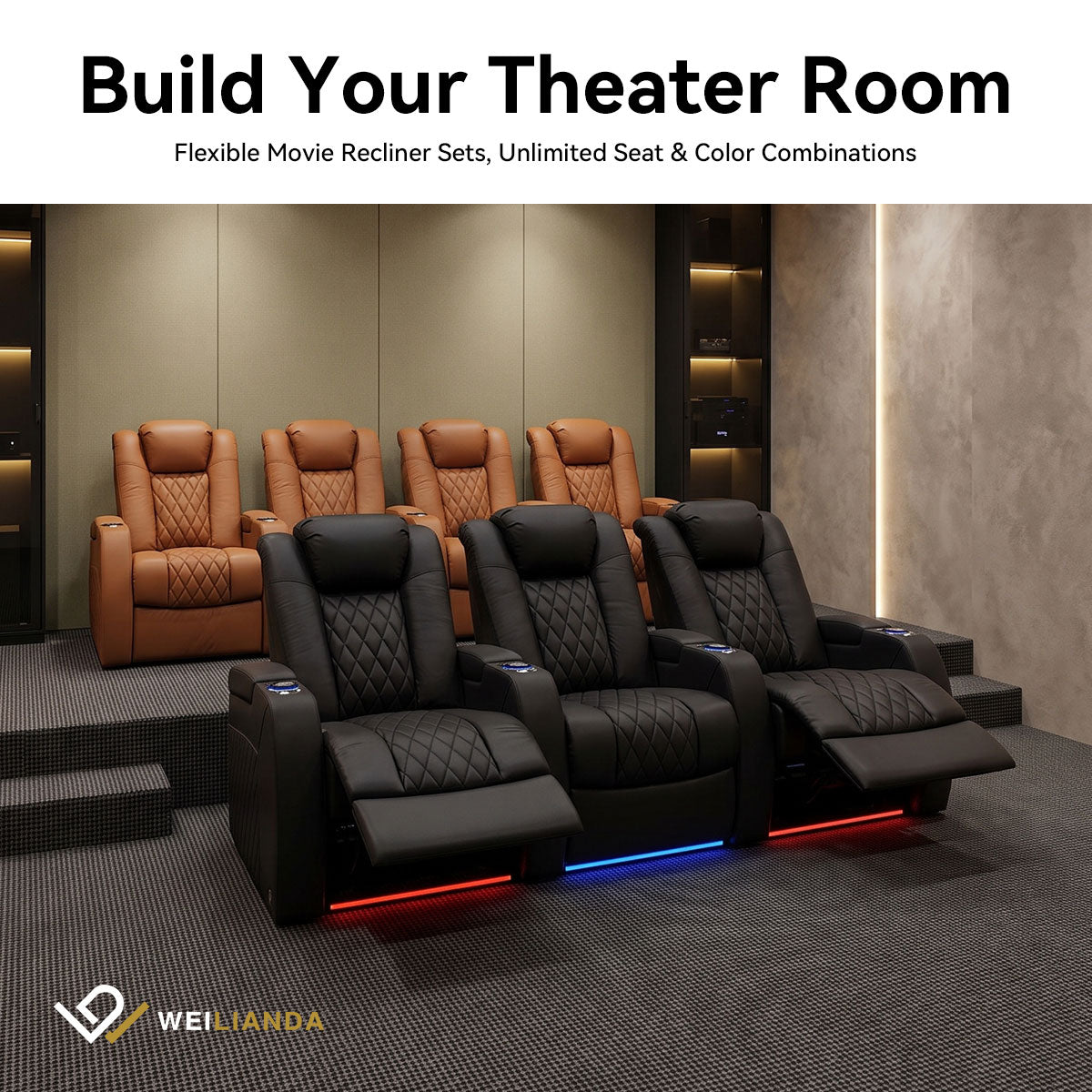
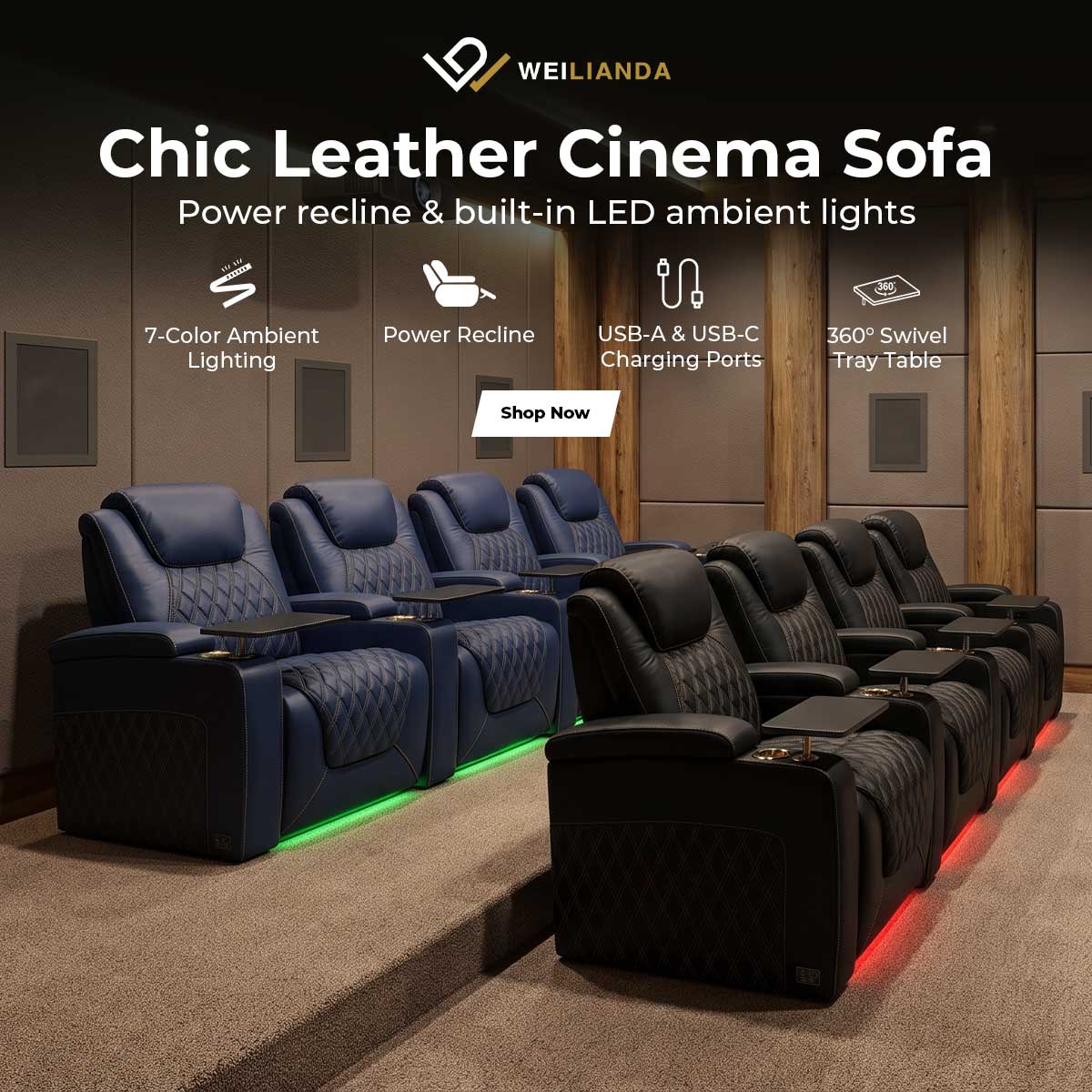
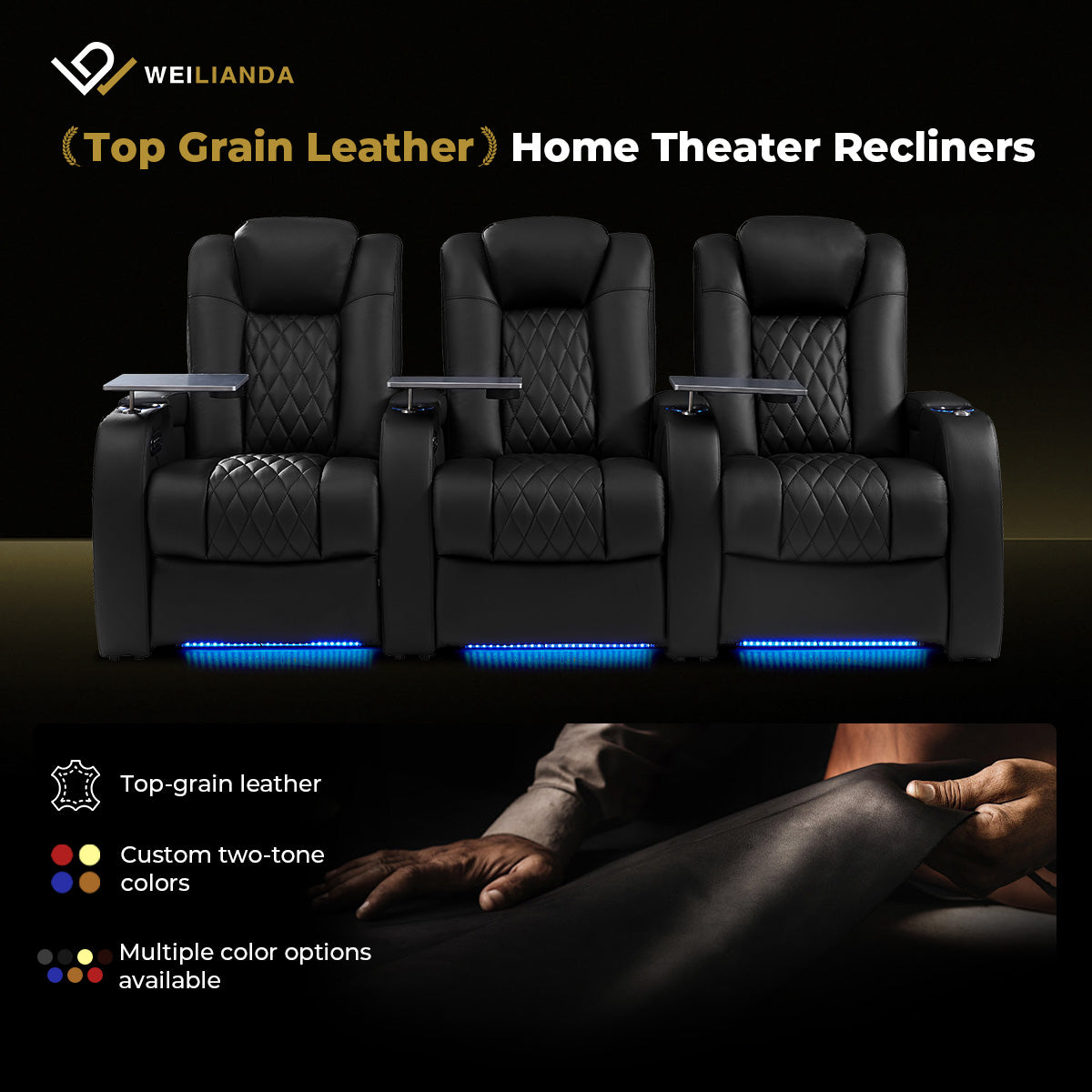
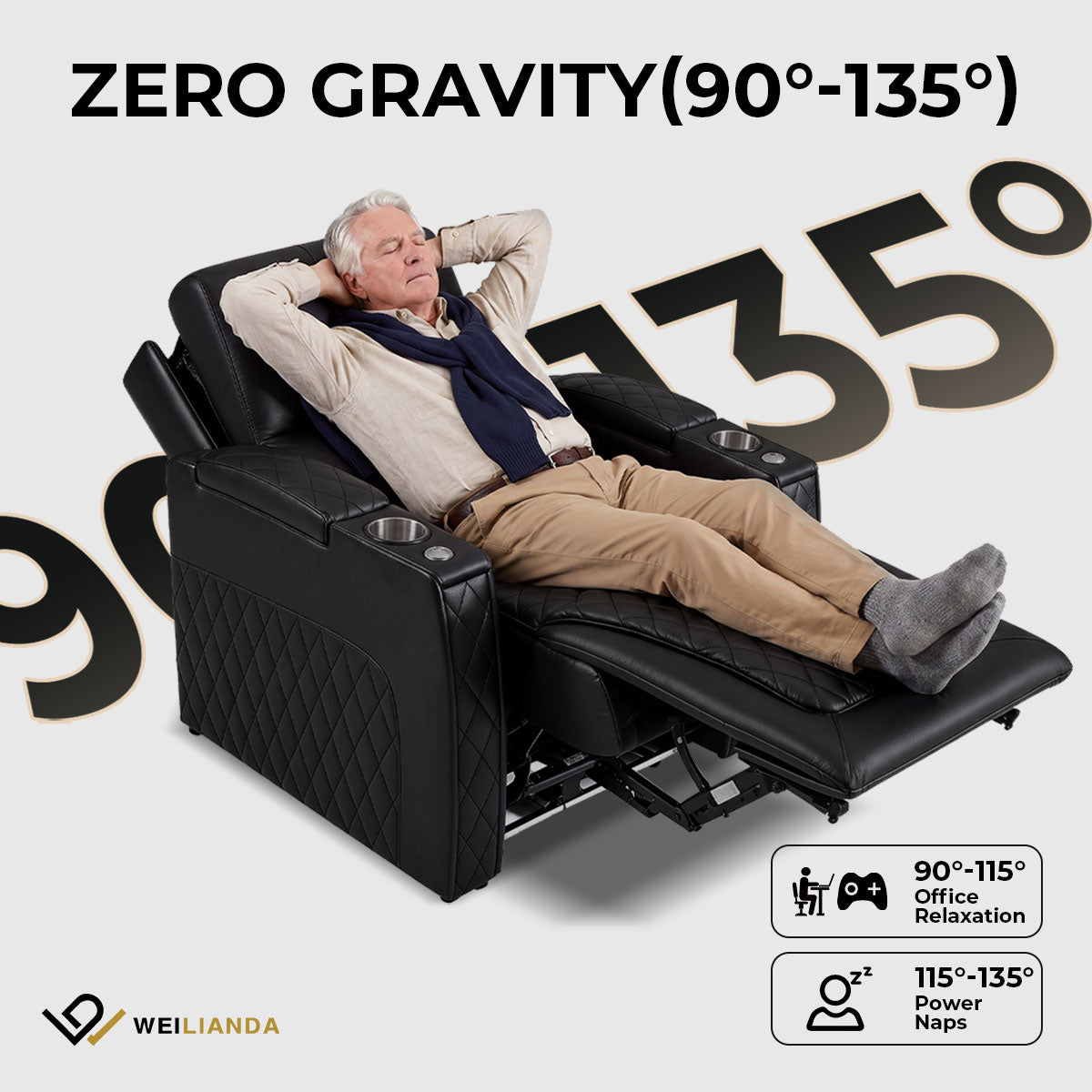
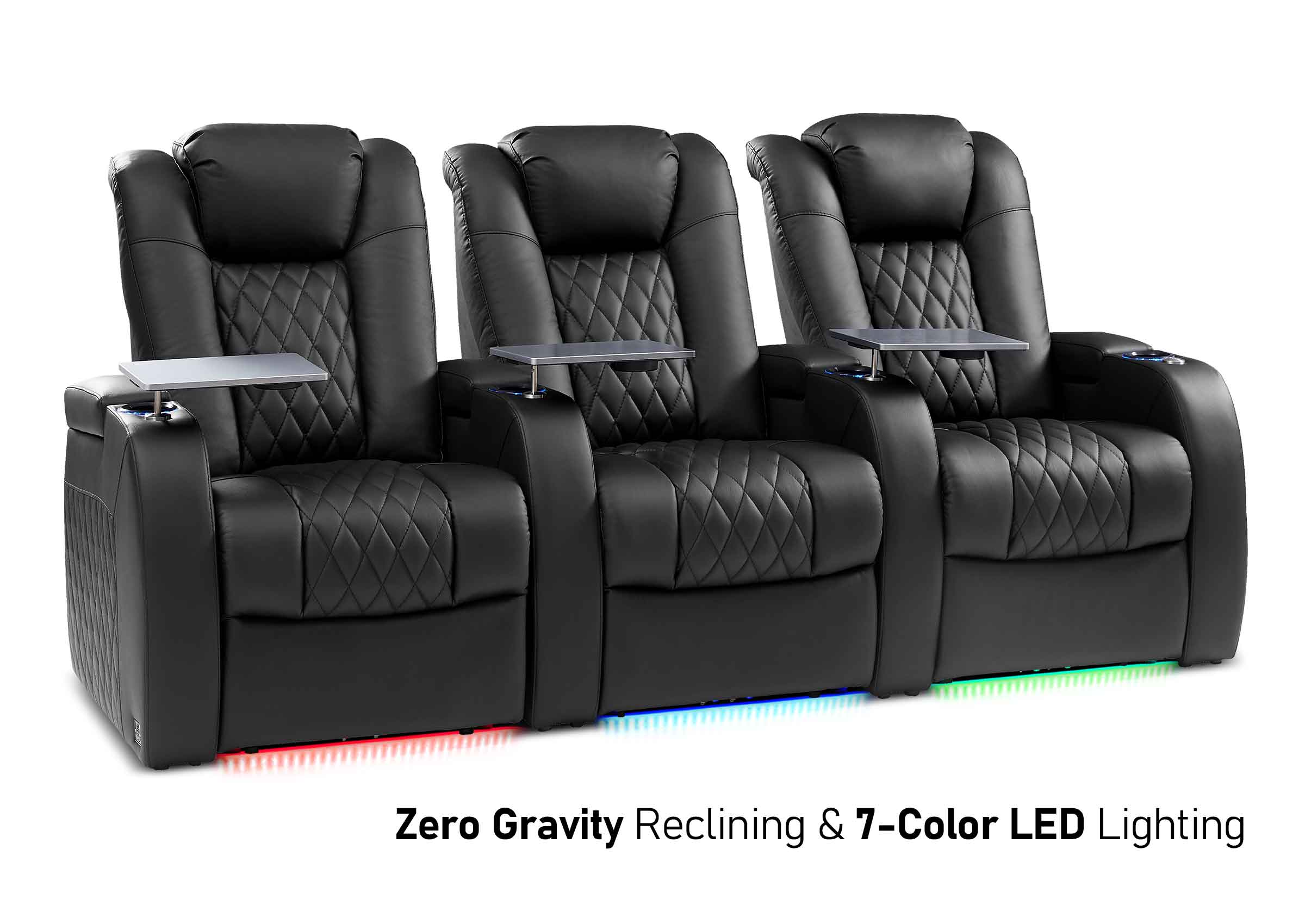
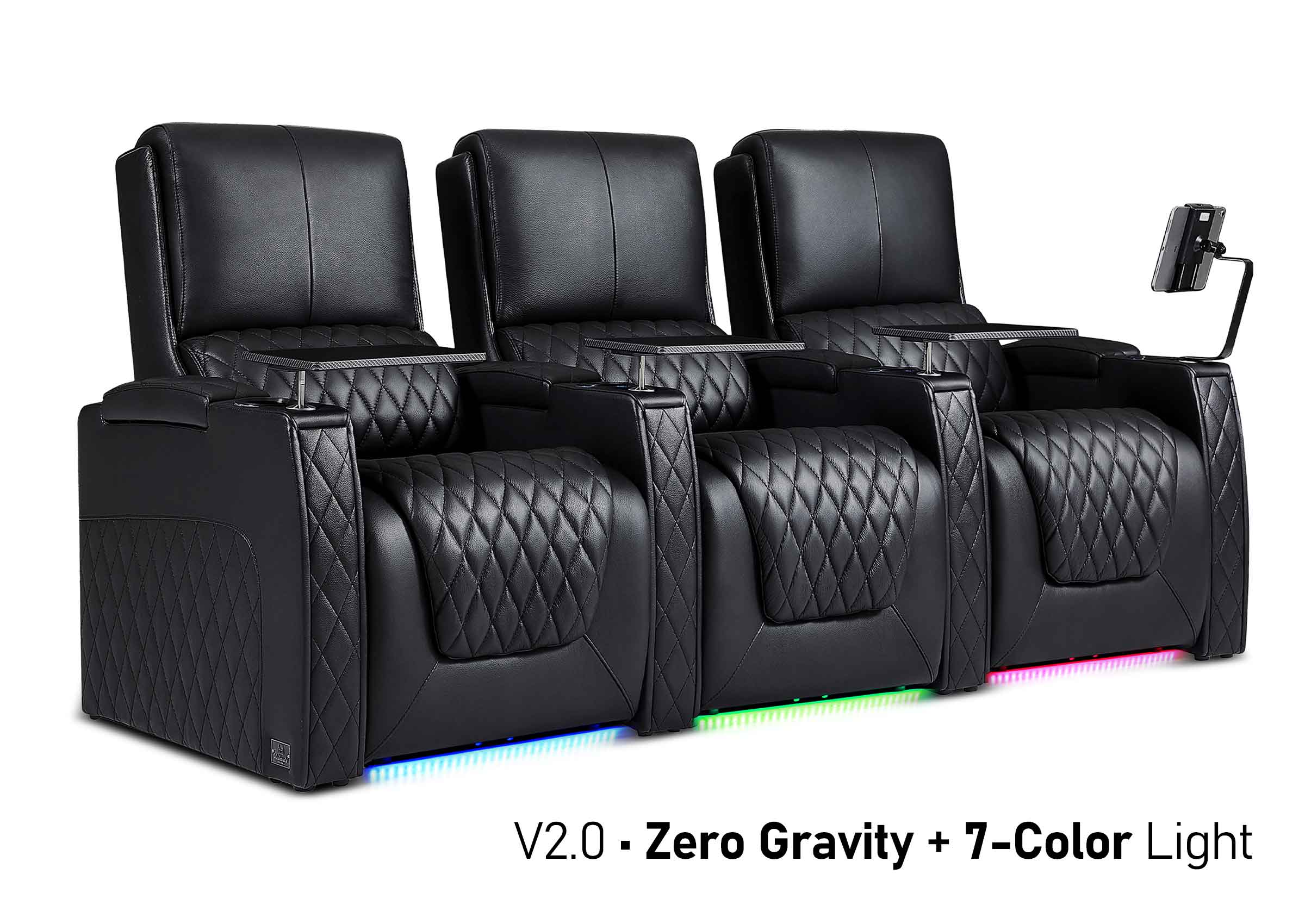
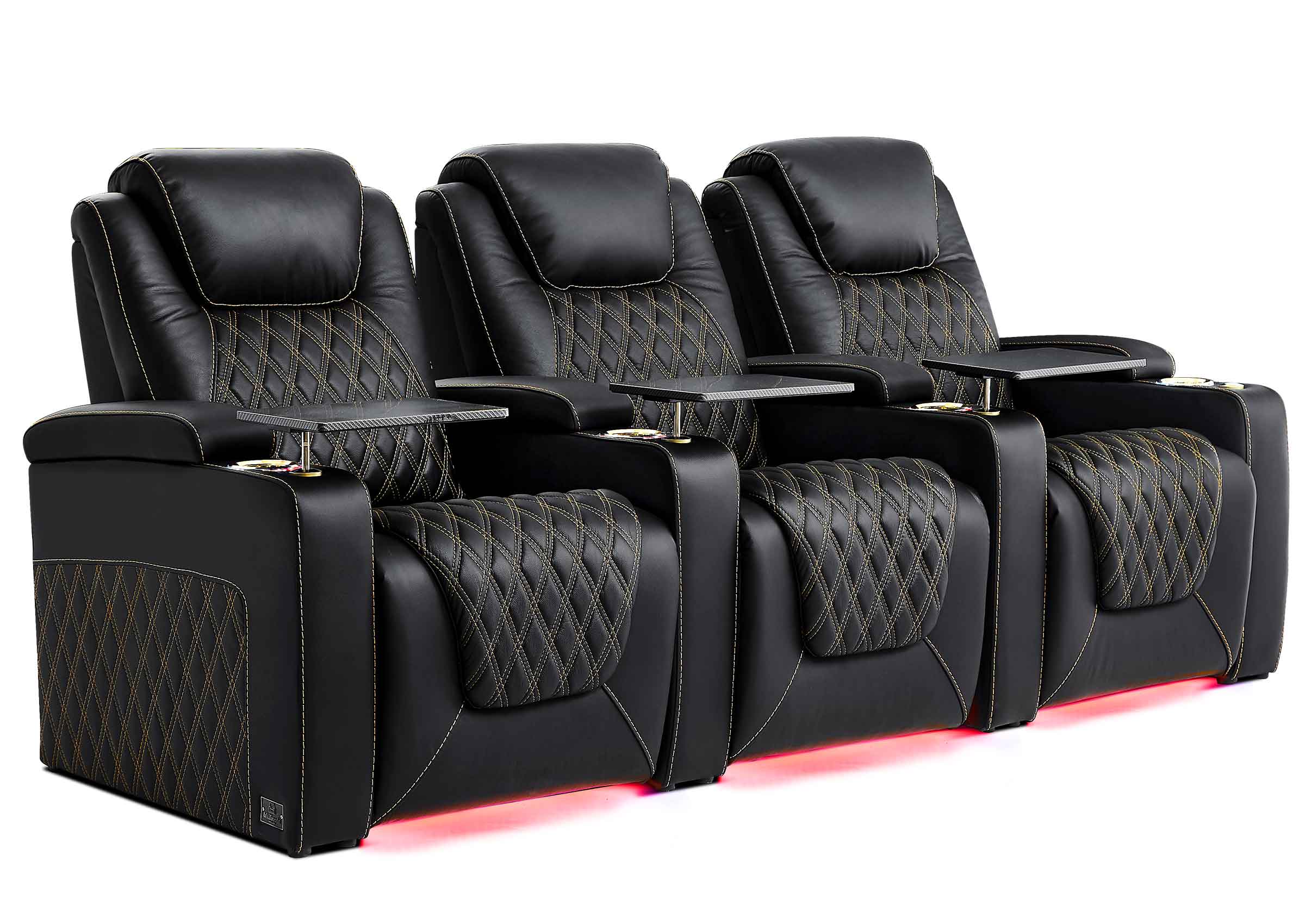
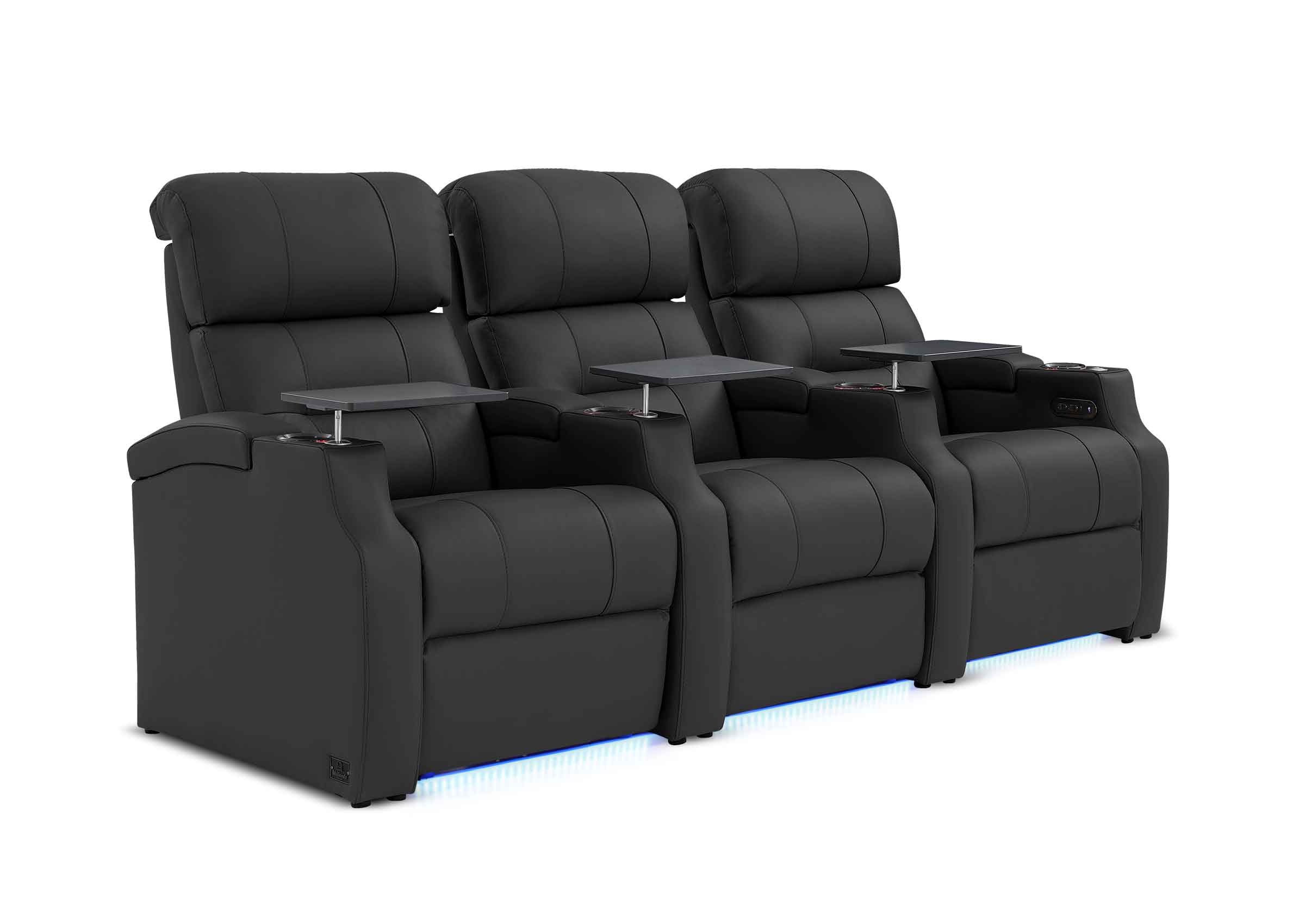
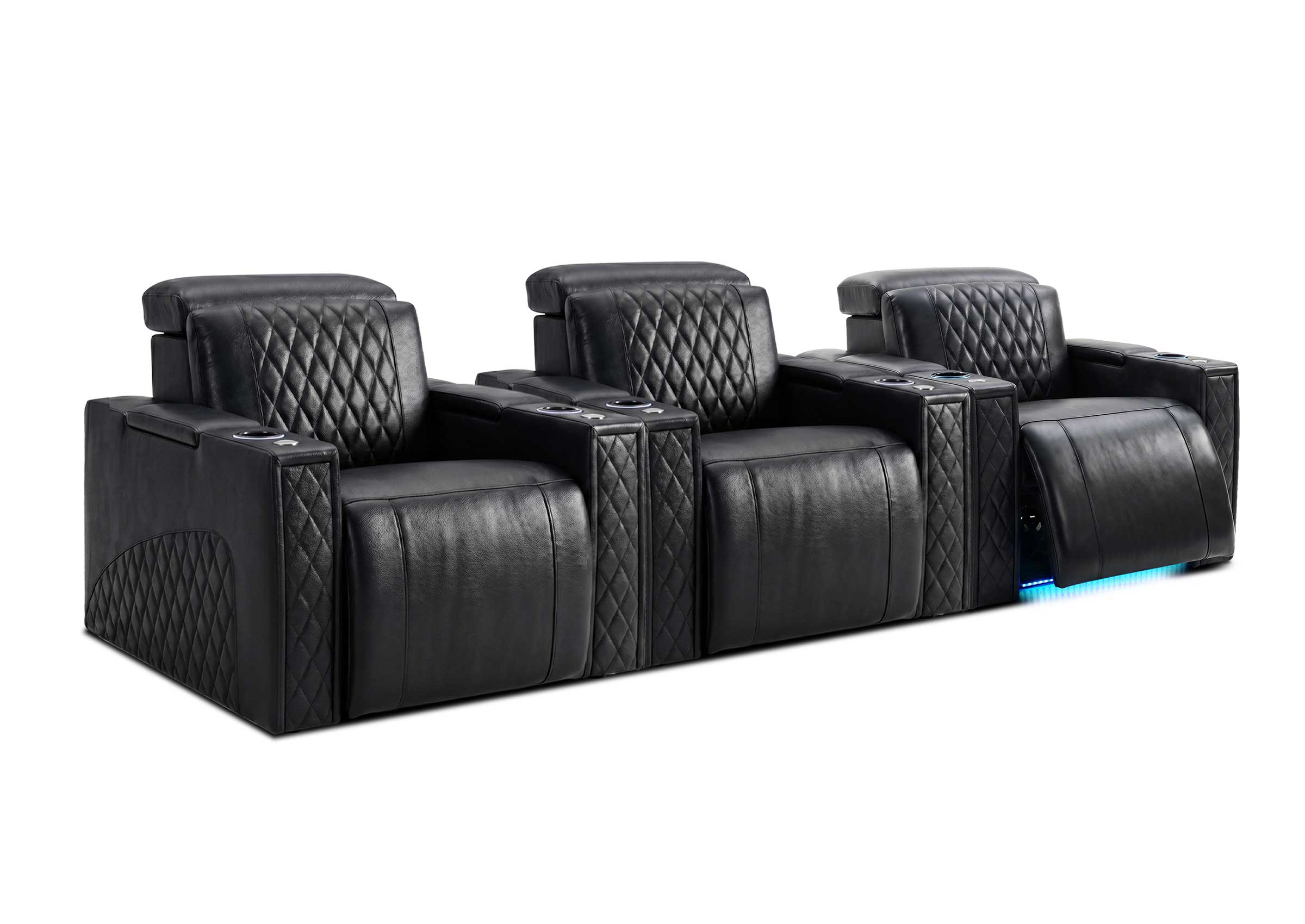

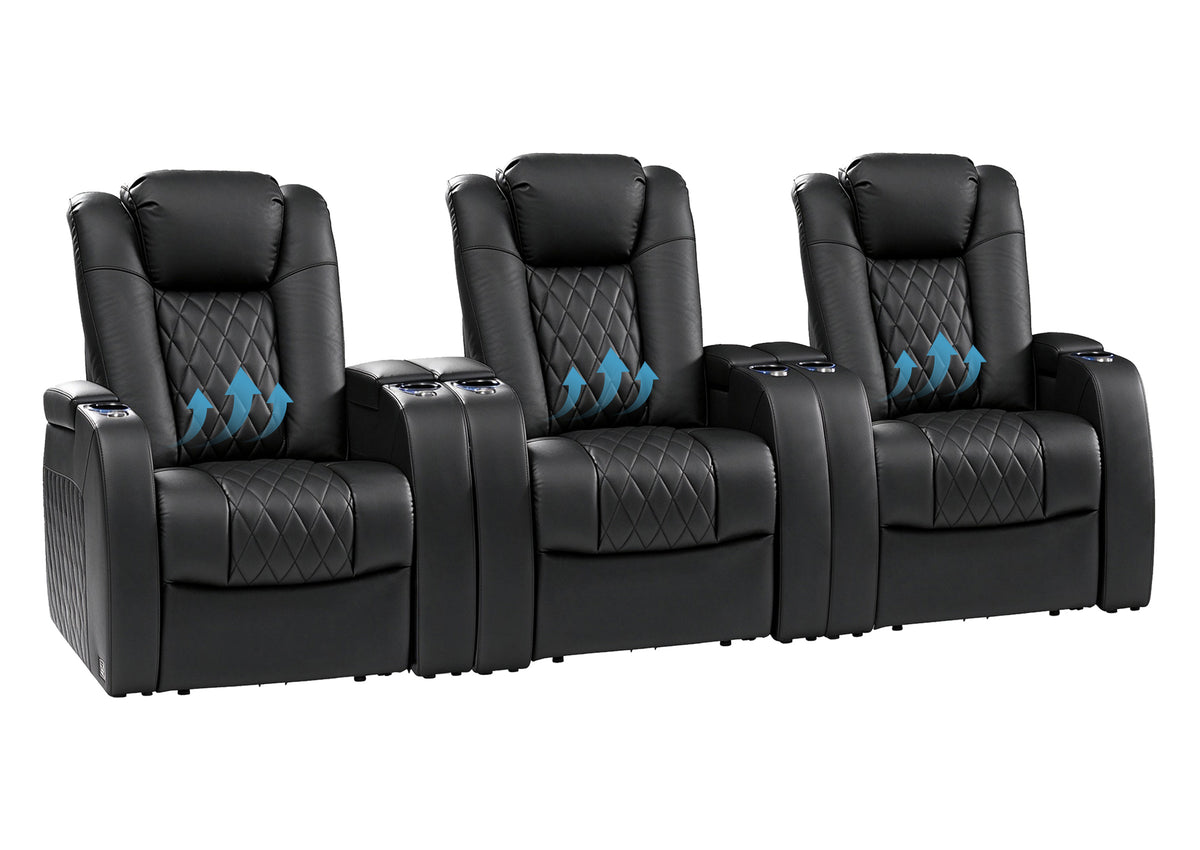
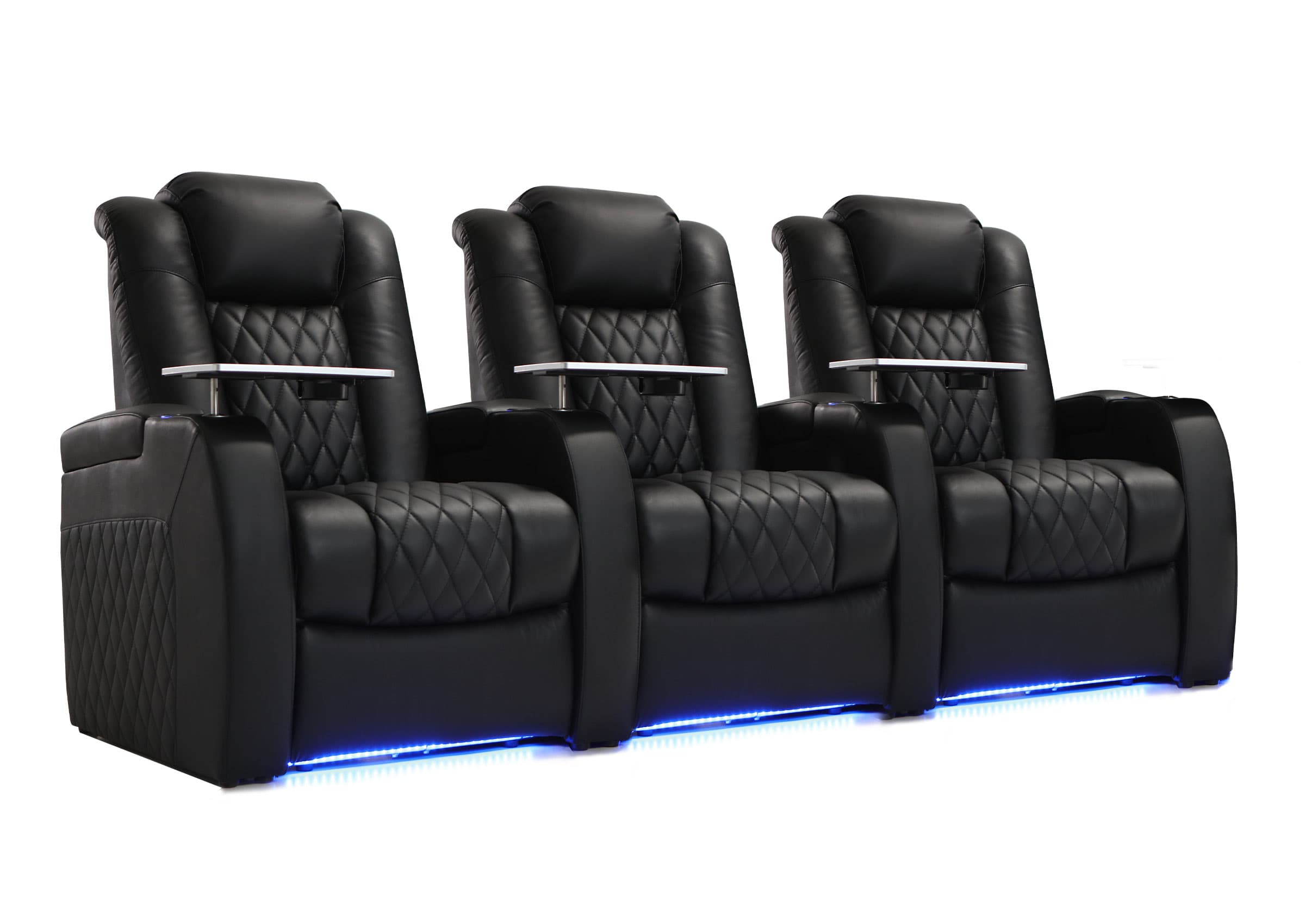
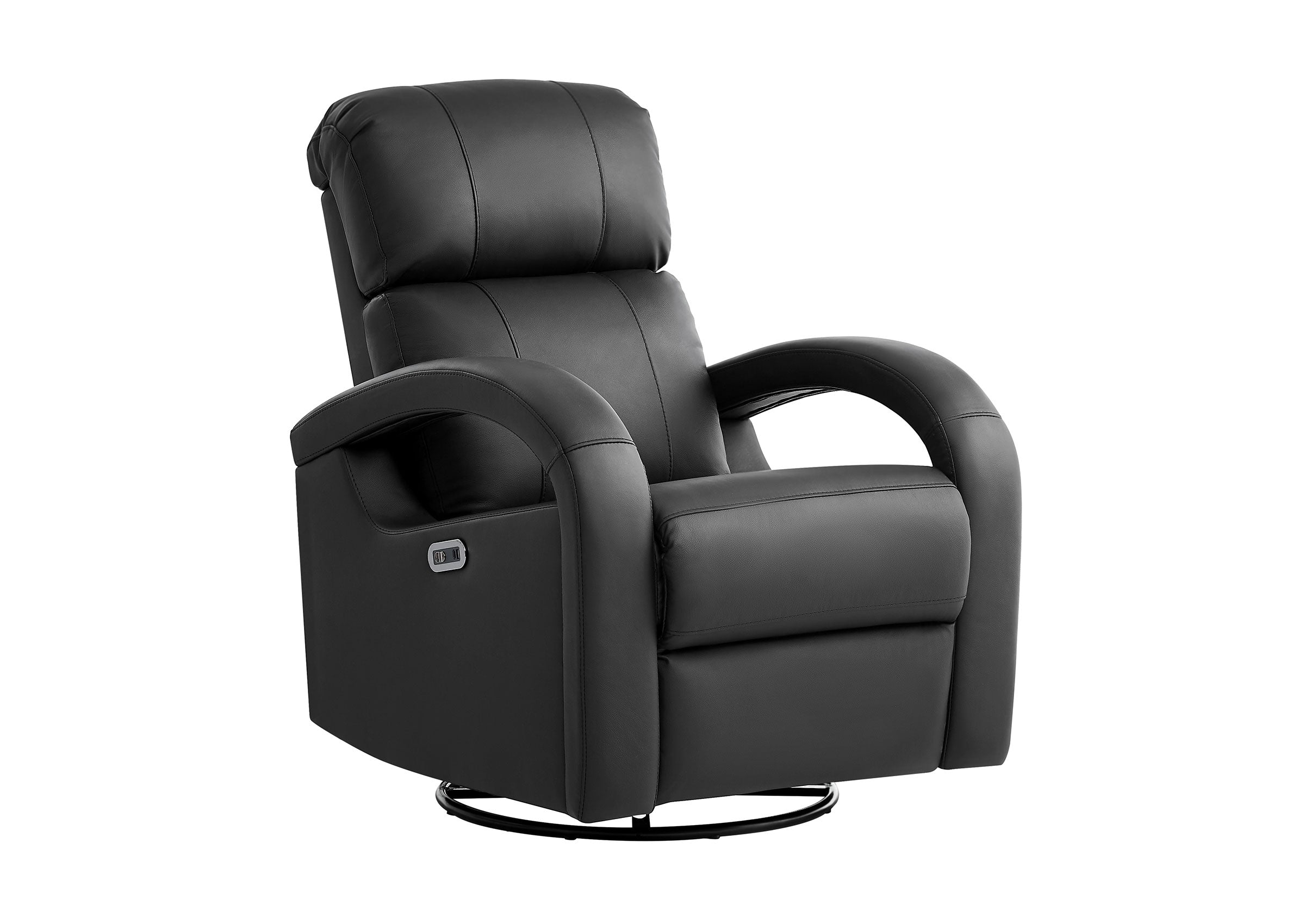

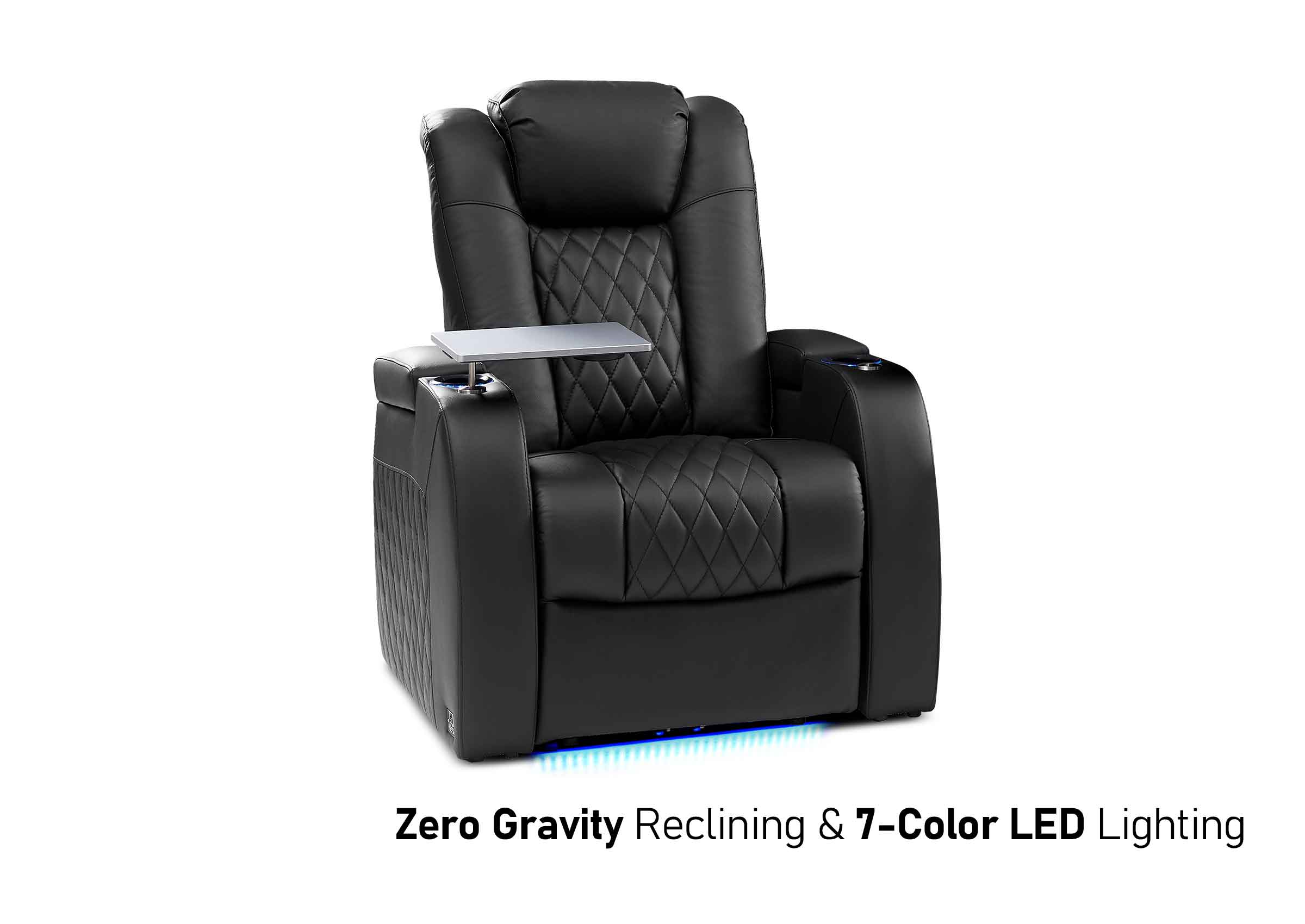
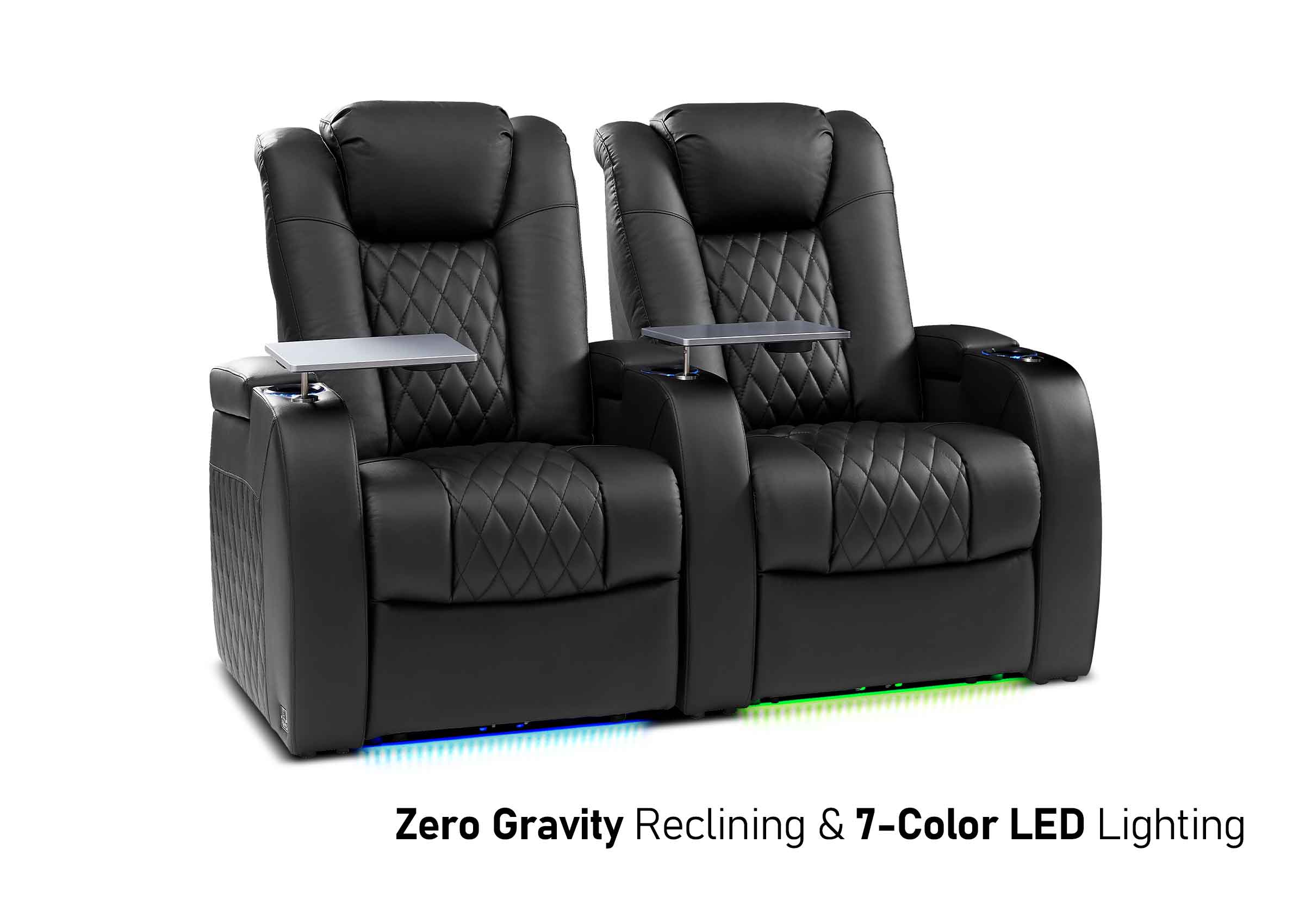
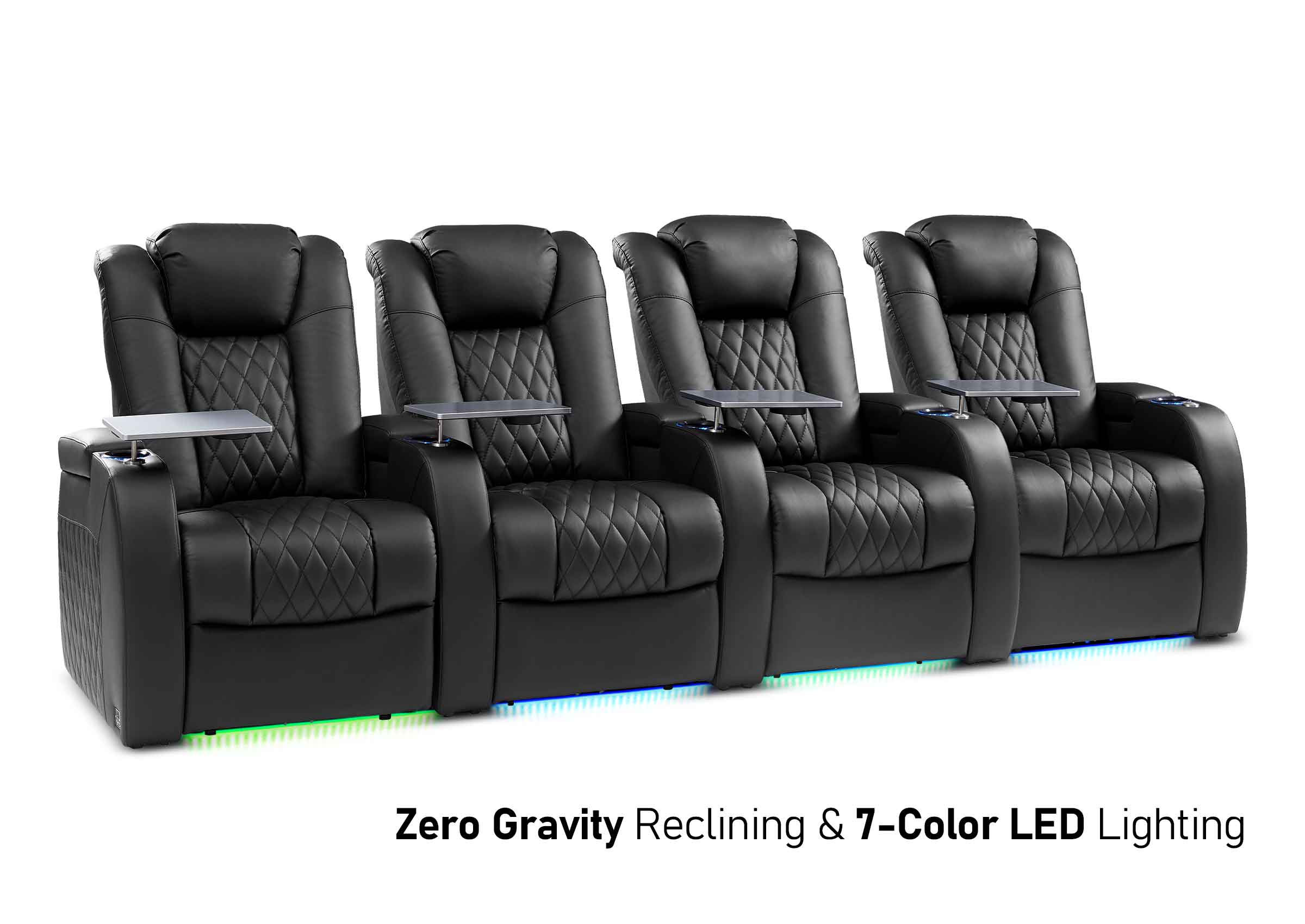
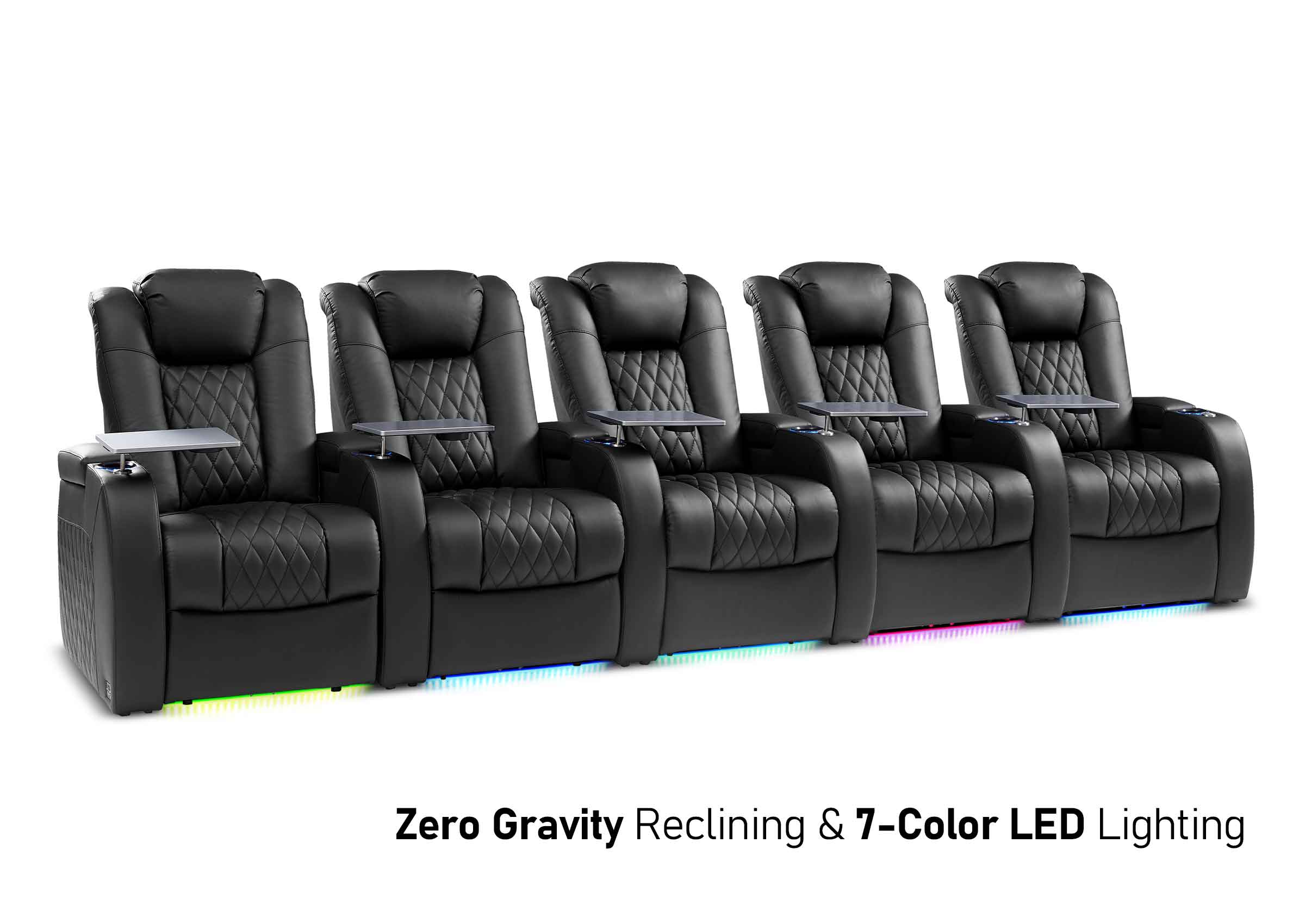
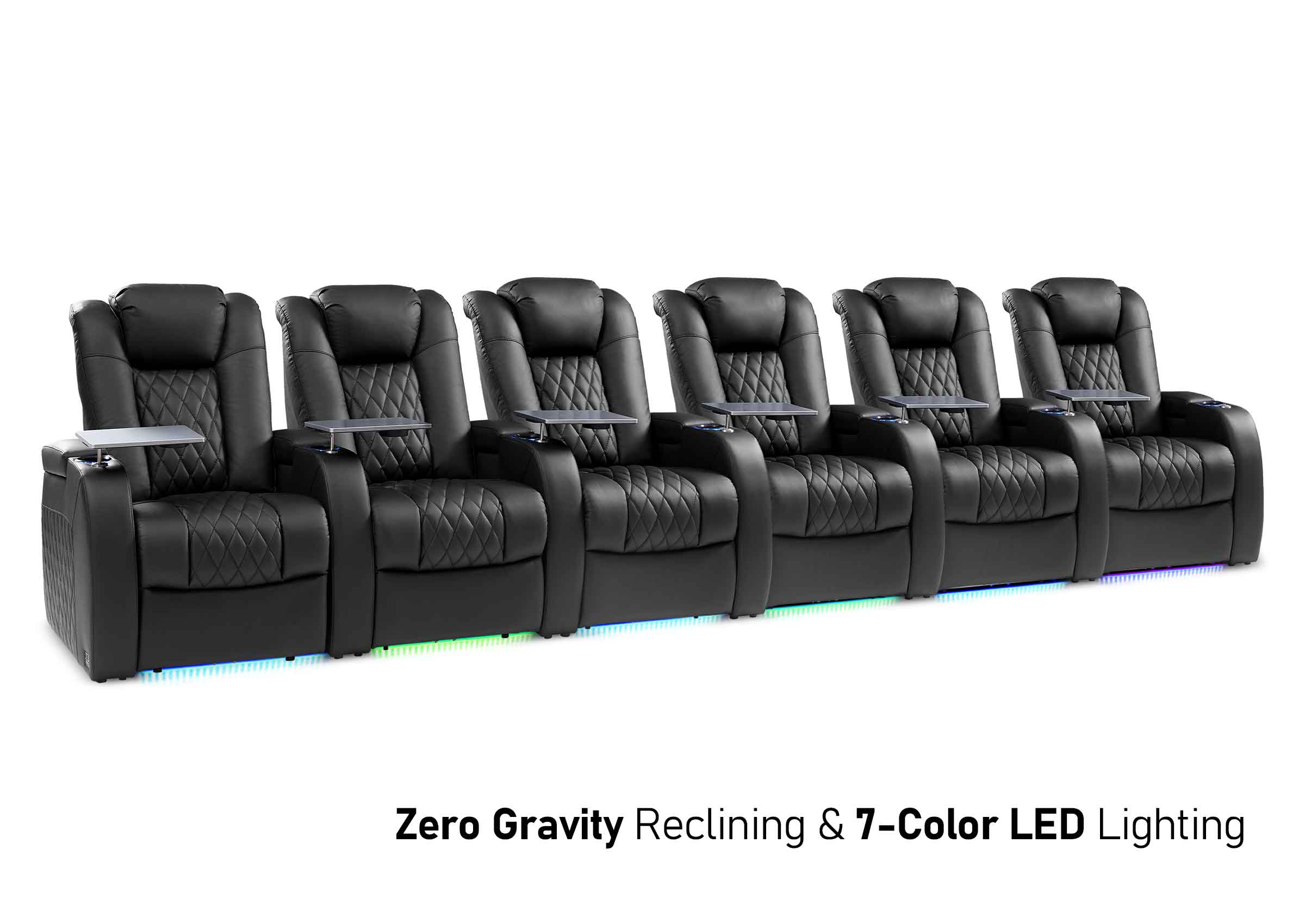
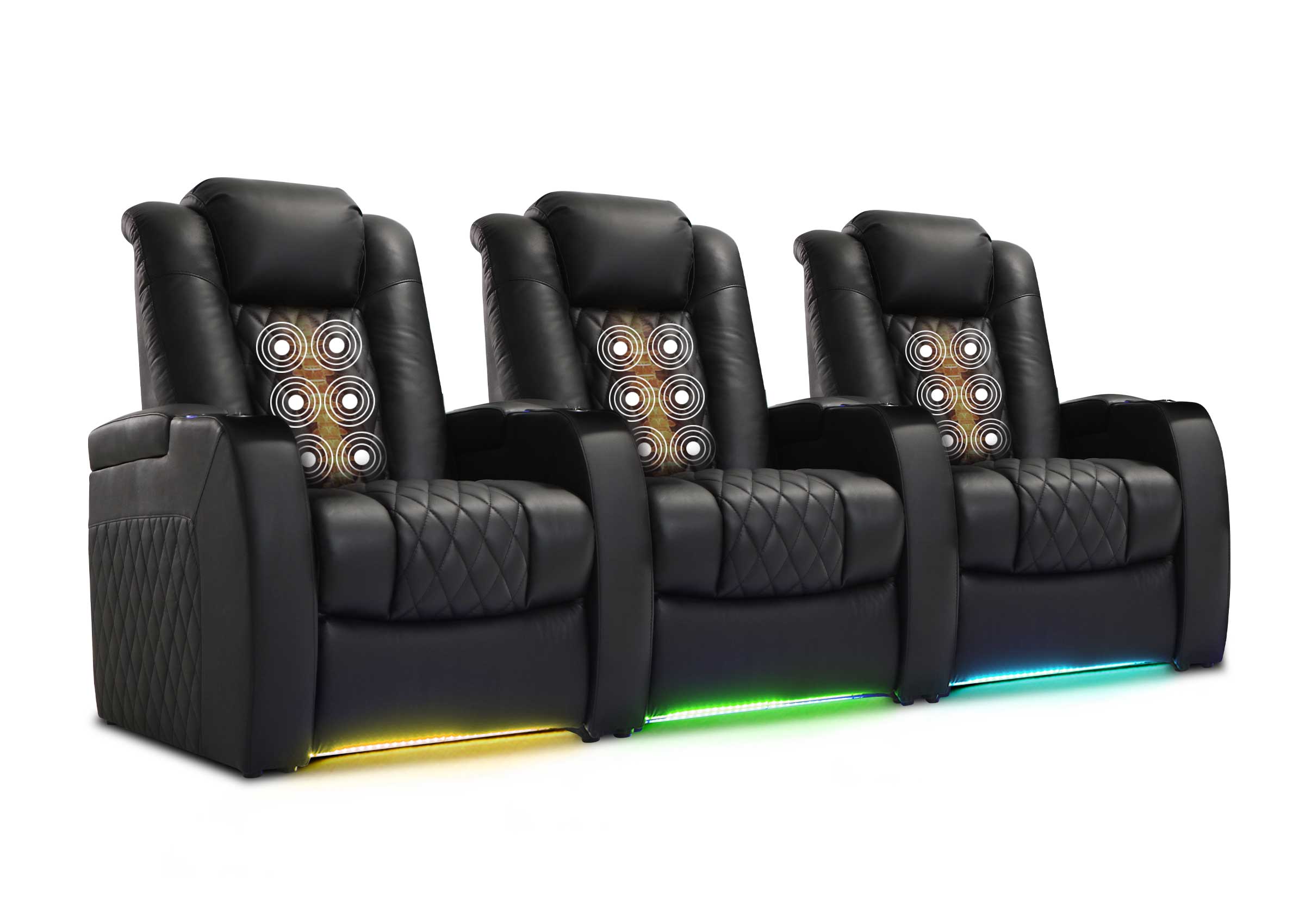

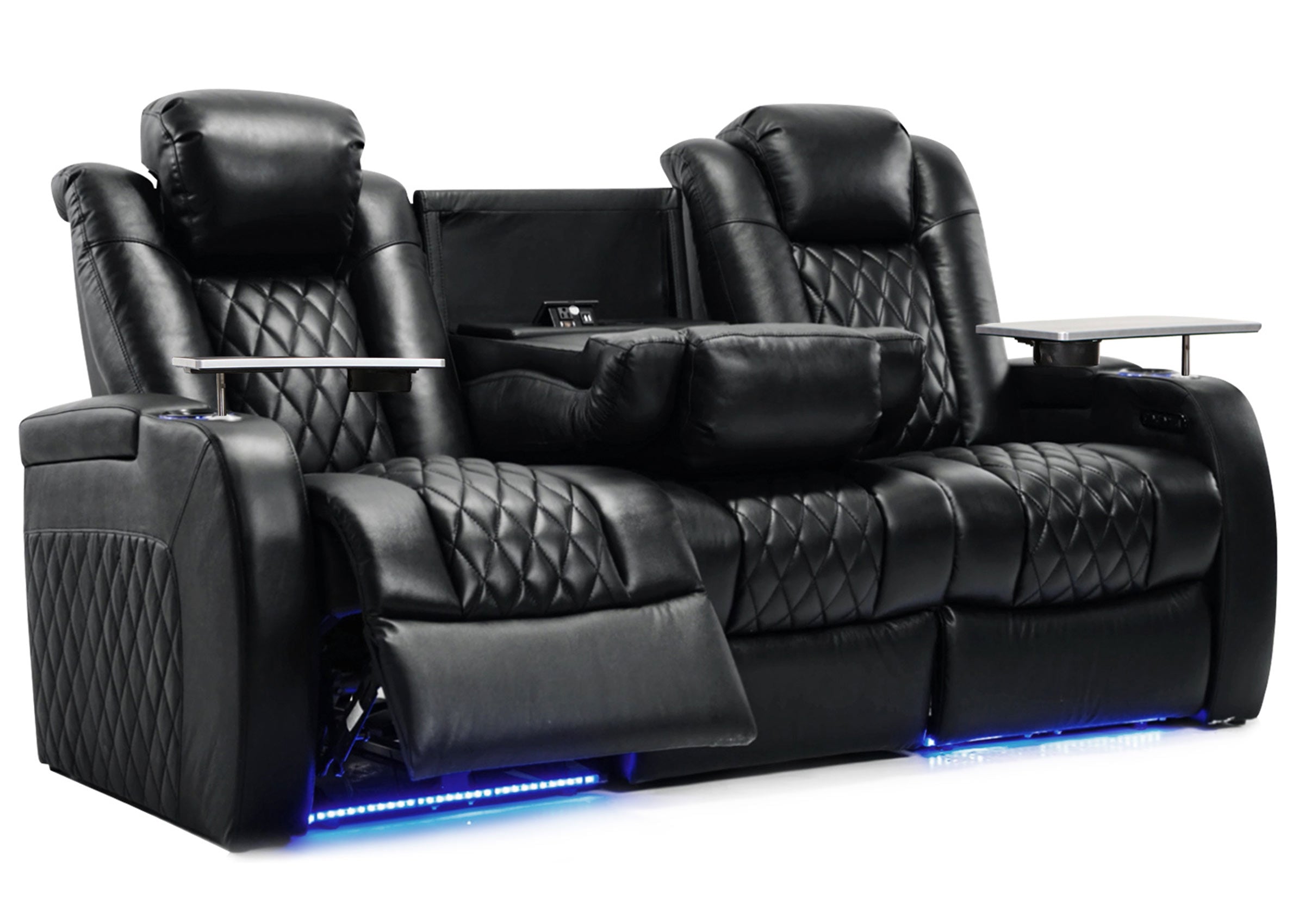
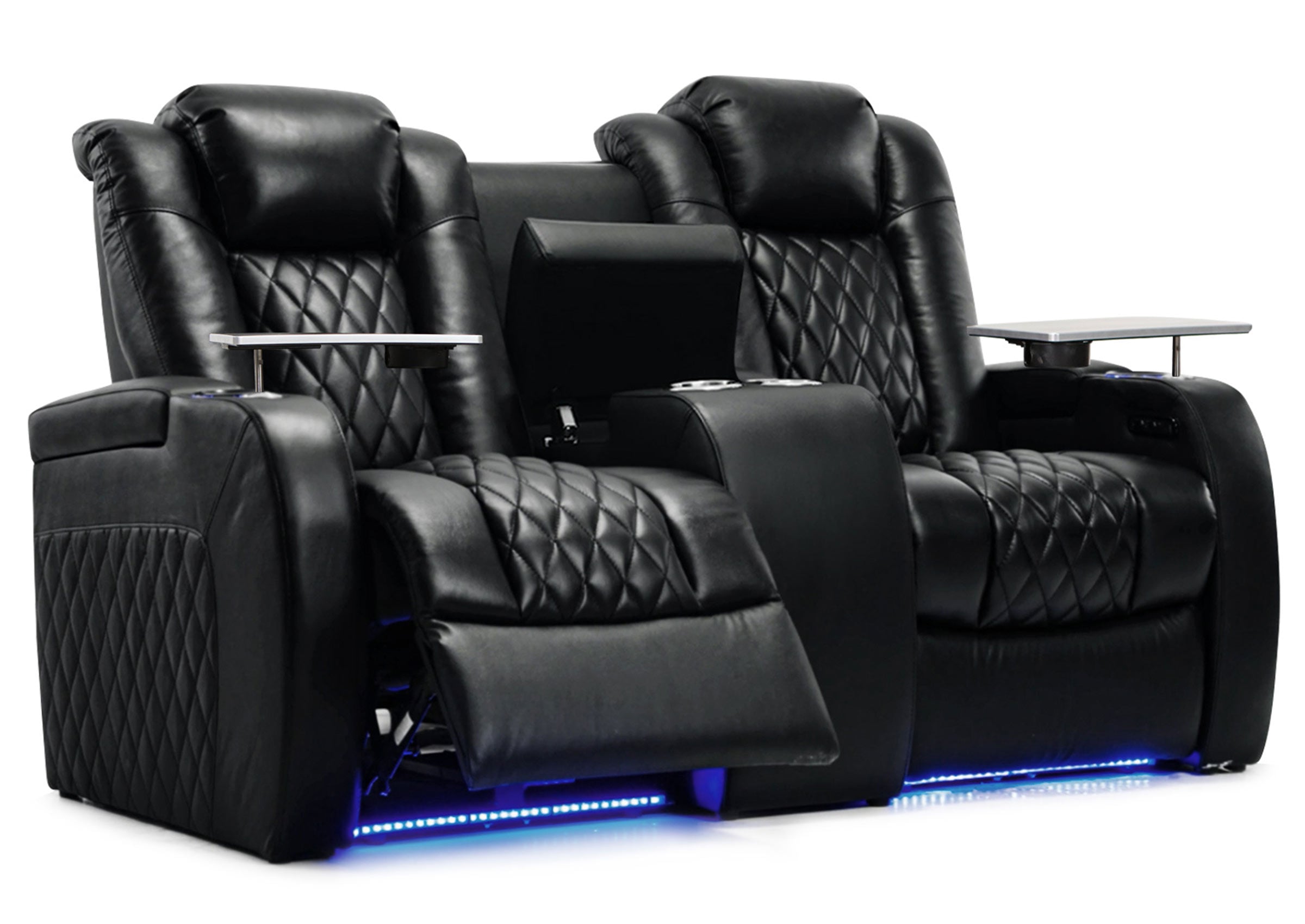



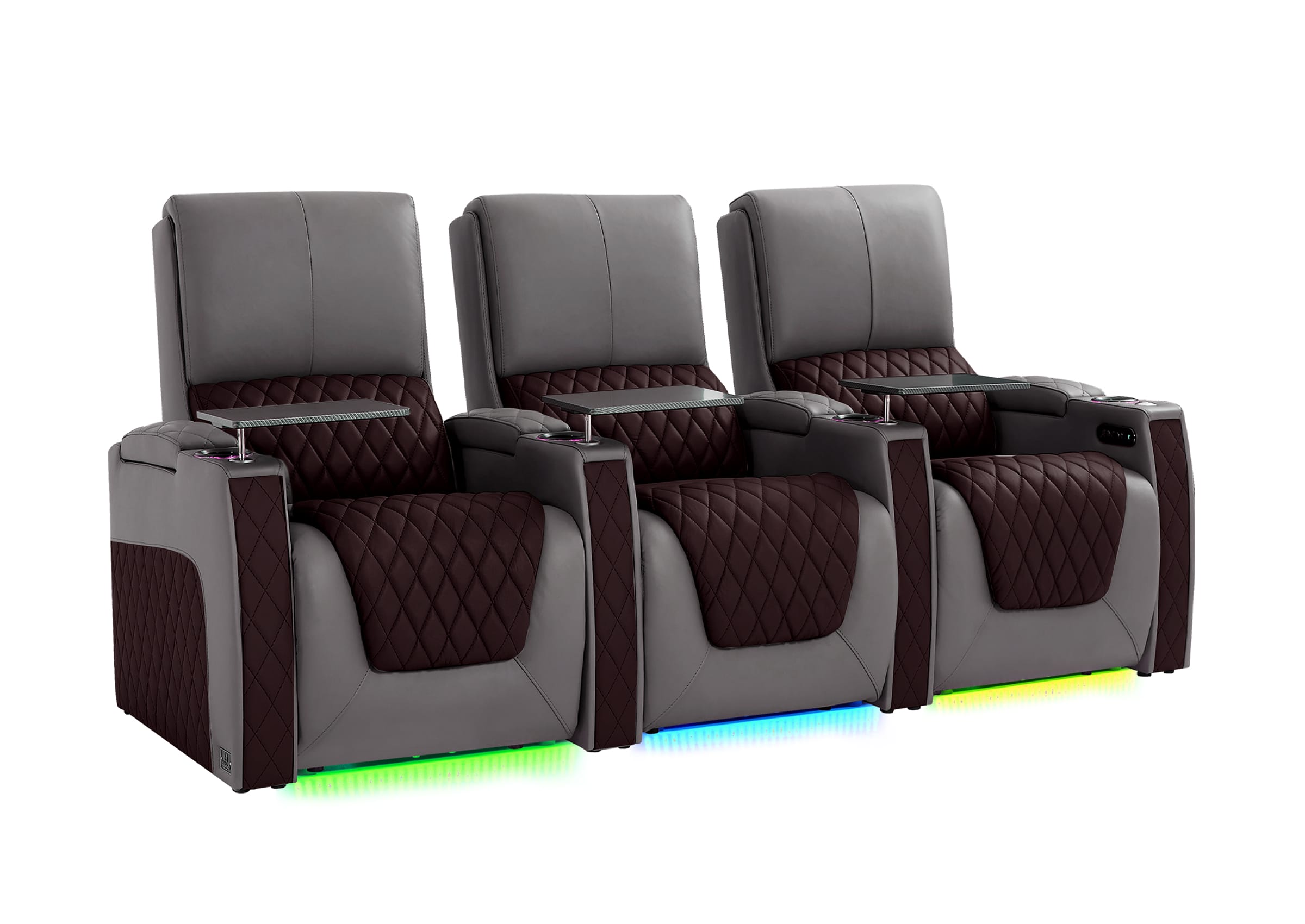
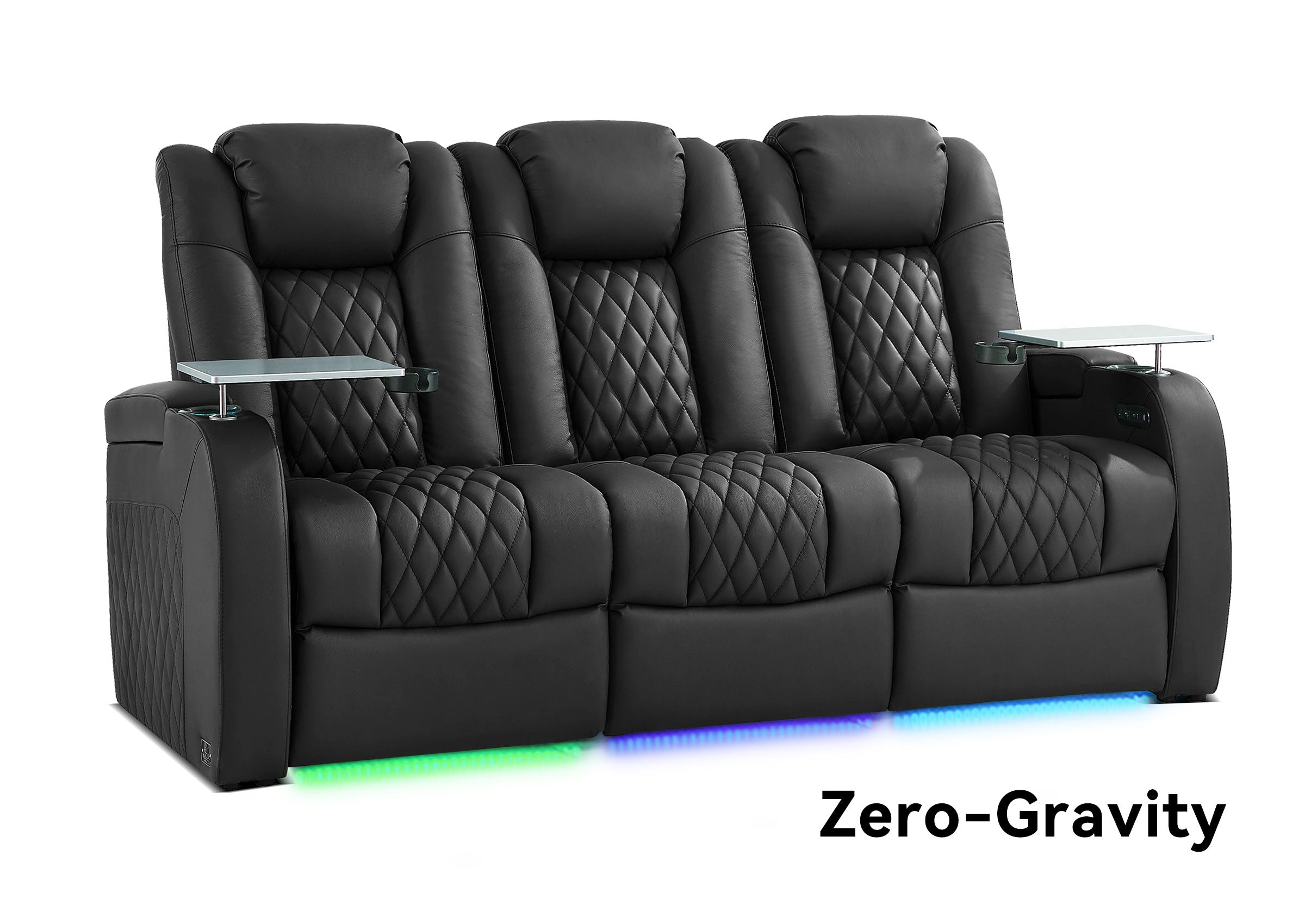


Memory foam and high-density foam both show up in cushions, mattresses, and seating, yet they feel very different in daily use. One tends to mold closely to the body. The other leans on steady structure and resilience. If you are choosing cushions for a sofa, theater seating, or home theater seating, the right pick depends on comfort style, heat, durability, and budget.
Key Differences Between Memory Foam and High-Density Foam
Memory foam is known for a slow response. Pressure makes it contour. When you stand up, it gradually returns.
High-density foam is defined more by how much material is packed into each cubic foot. Density is not the same as firmness, but higher density foams often feel more substantial and keep their shape longer than lower density options.
Here is the simple way to picture it. Memory foam hugs. High-density foam holds.
What Memory Foam Feels Like
Memory foam tends to create a “cradled” sensation. It spreads pressure over a wider area. Many people notice less peak pressure at the hips and shoulders.
It can feel very cozy in home cinema seating where you want to settle in for a long feature. Some people also like the quiet, stable feel when shifting positions.
What High-Density Foam Feels Like
High-density foam usually feels more buoyant. It pushes back faster. It can feel easier to move on, which some people prefer for sofa cushions and multi-use rooms.
In movie theater chairs, this quicker response can support a more upright posture, especially when the seat base is designed for frequent sitting and standing.

Memory Foam vs. High-Density Foam Comfort and Support
Comfort can be personal. Still, a few patterns show up across common use cases.
Pressure Relief and Body Contour
Memory foam often suits people who want pressure relief and close contouring. It can reduce the sense of “bottoming out” when the foam is thick enough and paired with a supportive base.
High-density foam can feel better for those who prefer a flatter surface with less sink. It may support a more neutral sitting posture, especially in the seat pan of home theater seating where alignment matters over a long session.

Support Over Time During Long Sessions
A long movie highlights small issues fast.
Memory foam can feel great at first, then warmer and slightly deeper as it softens with body heat. High-density foam usually stays more consistent through the length of a film, with less change in feel.
A blended approach is common in quality home theater seating. A responsive high-density foam base layer with a thinner comfort layer on top can balance contour and structure.
Motion and Ease of Movement
Memory foam dampens movement. That can feel calm and stable, especially if you share a couch.
High-density foam responds quicker. Standing up feels easier. That matters for movie theater chairs in family rooms where people grab snacks, check on kids, or pause the film often.
Durability and Lifespan Comparison
Foam durability depends on density, how the cushion is built, body weight, frequency of use, and cushion thickness.

What Tends to Last Longer
High-density polyfoam frequently holds its shape well, especially in seat cushions that take daily load. For the best foam for sofa cushions, many people lean toward higher density foam because the seat takes more stress than the back.
Memory foam can last well too, yet it may develop softer spots depending on formulation and how hot it runs. It is also more sensitive to being compressed in the same spot for long hours.
Early Signs of Wear to Watch For
- A “hammock” feeling in the center of the seat
- Edges that collapse when you sit near the side
- Slow recovery that turns into staying dented too long
- A seat that feels fine at first, then sinks deeper each month
These signs can appear in both materials, but they often show up sooner in lower density foams.
Price Comparison Which Offers Better Value
Price swings with thickness, density, and construction. Still, a few value cues help.
Memory foam cushions can cost more than basic polyfoam because the material is designed to react to heat and pressure. High-density foam often provides strong value in seat bases because it is straightforward, durable, and widely used in upholstery.
Value is not only about the tag. A cushion that keeps its shape can feel “cheaper” over time even if it costs more upfront.
Quick Comparison Table
Below is a practical snapshot for common seating needs.
| Feature | Memory Foam | High-Density Foam |
| Feel | Contouring and slower response | Supportive and quicker rebound |
| Best fit | Pressure relief, cozy lounging | Upright support, frequent use |
| Heat | Can feel warmer | Often sleeps and sits cooler |
| Durability in seat bases | Varies by density and build | Often strong when density is high |
| Typical use | Top comfort layer | Core support layer |
The main takeaway from the table is simple. Memory foam tends to shine in comfort layers. High-density foam tends to shine as the workhorse core.

Temperature Regulation Which Foam Sleeps Cooler
Heat can decide whether a cushion feels relaxing or distracting.
Memory foam can retain warmth because it molds closely and reduces airflow around the body. Some versions add gels or channels, but the “hug” can still feel warmer for some people.
High-density foam often allows a bit more airflow at the surface because it does not wrap as tightly. It also tends to respond less to body heat, so the feel stays more consistent.
For home cinema seating in a smaller room, temperature can build during a long movie. Breathable upholstery and a room fan can help either foam feel better.
Simple Ways to Reduce Heat Buildup
- Choose breathable fabric rather than slick, non-porous covers
- Add a thin, breathable topper layer instead of extra memory foam thickness
- Keep some space behind the seating for airflow, especially for theater seating
Choose the Right Foam for Your Needs
The best choice depends on where the cushion lives and how you sit.

For Sofa Cushions in Busy Homes
In the case of cushions for a sofa, high-density foam can work quite well since a sofa has to facilitate different positions, rapid seated movement, and corner-sitting. Slightly softer foam on top can be added for greater comfort.
A love of plush full contact can be satisfied by a thin layer of memory foam on top of a high-density foam core, which prevents the mattress from being a deep sink.
For Theater Seating and Home Theater Seating
Theater seating usually benefits from consistent support, especially in the seat base. High density foam vs memory foam becomes a question of priorities.
High-density foam can keep posture stable during a long film. Memory foam can feel luxurious, especially in the headrest, armrest pads, or as a comfort layer that softens pressure points.
For home theater seating that aims to mimic movie theater chairs, consider how often guests use the seats. Frequent turnover often pairs well with resilient support.
For People Who Want Deep Plush Comfort
Memory foam can suit people who like to “melt in” a bit. It may feel especially good for reclining positions where pressure spreads out, and the body stays relatively still.
It can feel less ideal for those who dislike being held in place or who change positions often.
For People Who Prefer Easy Movement
High-density foam can make it simpler to shift, stand, and sit without effort. That can be a quiet quality-of-life win, especially in multi-purpose media rooms.
A Practical Buying Checklist
- Decide the seat base first, since that takes the most load.
- Check thickness. Thin cushions often feel firm regardless of foam type.
- Consider a layered build for balance.
- Plan for heat if your room runs warm.
- Match the foam feel to your typical posture, not your occasional posture.
This approach keeps the decision grounded in daily use, whether you are outfitting a sofa or upgrading home cinema seating.

Bring Comfort Home
Choose foam like you choose a seat in a cinema. Think about how you sit, how long you stay there, and how warm the room gets. Memory foam can feel plush and pressure-relieving. High-density foam can feel supportive and consistent. For theater seating and home theater seating, many setups benefit from a supportive base with a softer top layer. Pick what suits your body and room.
FAQs
Q1: What Is The Main Difference Between Memory Foam And High-Density Foam?
Memory foam tends to contour closely and recover slowly. High-density foam tends to rebound faster and feel more supportive. Density describes how much material is in the foam, which can influence durability and overall “substance,” especially in seat cushions.
Q2: Which Foam Works Better For Movie Theater Chairs At Home?
Many people would prefer having a dense foam base in their theater seats since this material maintains its consistency and is quite easy to get in and out of. The thinner memory foam could act as a softer layer for longer films.
Q3: Is High-Density Foam Always Firmer Than Memory Foam?
Not necessarily. Firmness depends on the foam’s formulation and design, not density alone. High density foam vs memory foam comparisons often mix up density with firmness. You can find high-density foam that feels medium, and memory foam that feels fairly firm.
Q4: What Is Often Considered The Best Foam For Sofa Cushions?
High-density foam is commonly chosen for sofa seat cushions because it can hold shape well under frequent use. Many sofas feel best with a supportive core and a slightly softer top layer for comfort.
Q5: Which Foam Tends To Sleep Or Sit Cooler In Home Cinema Seating?
High-density foam often feels cooler because it does not hug as tightly, which can allow more airflow. Memory foam may feel warmer for some people, especially in thicker layers and in smaller rooms with limited ventilation.