


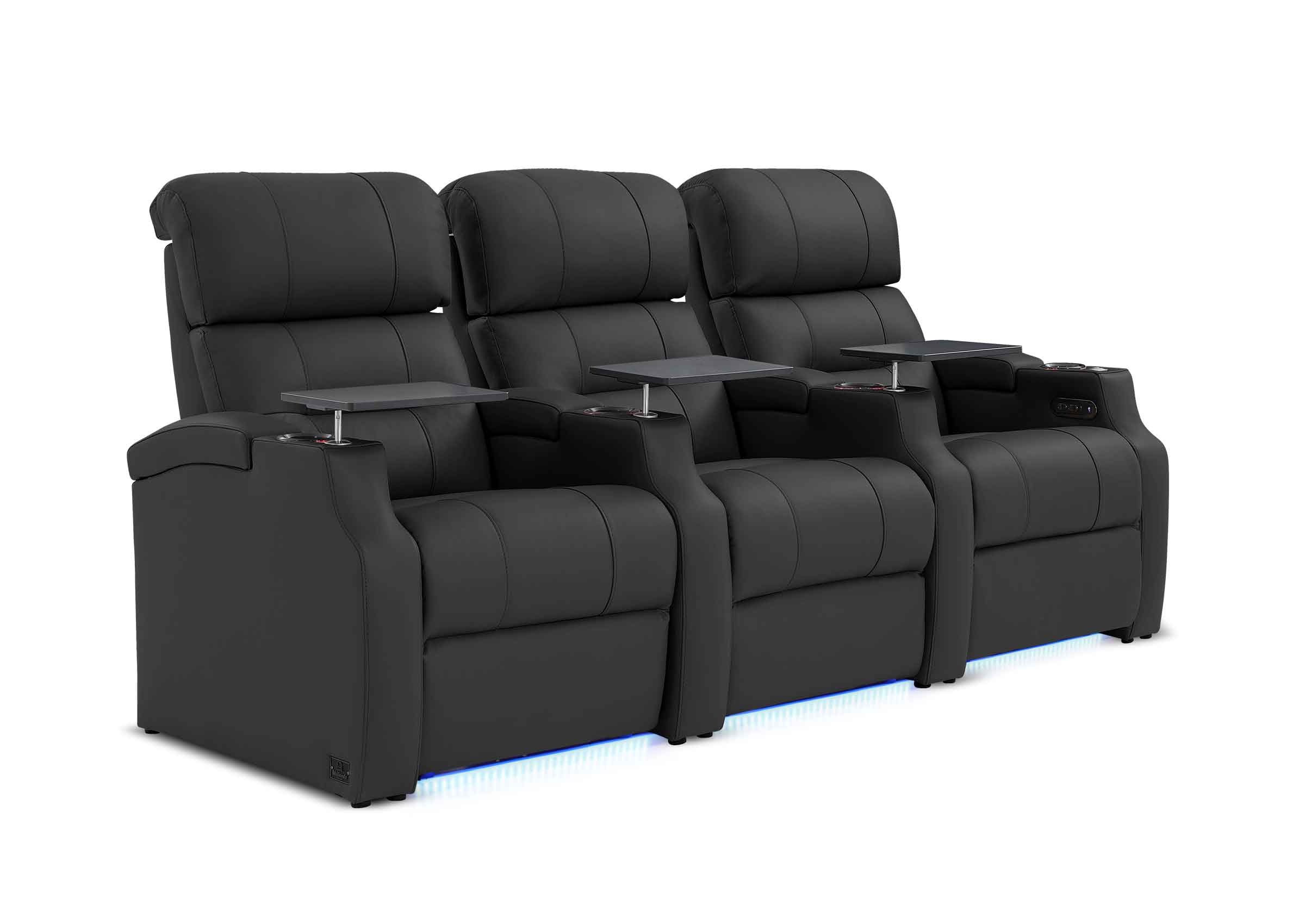
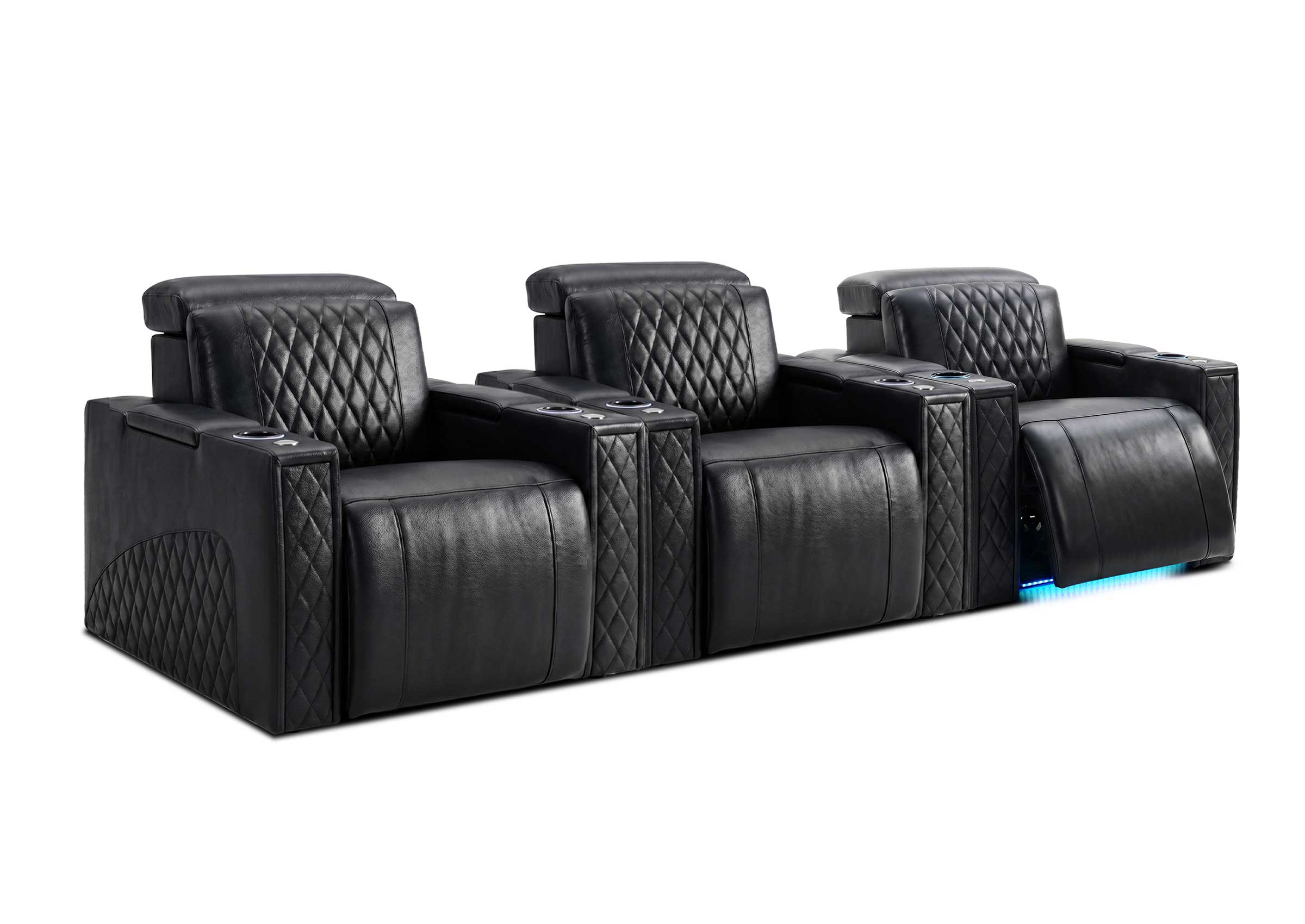

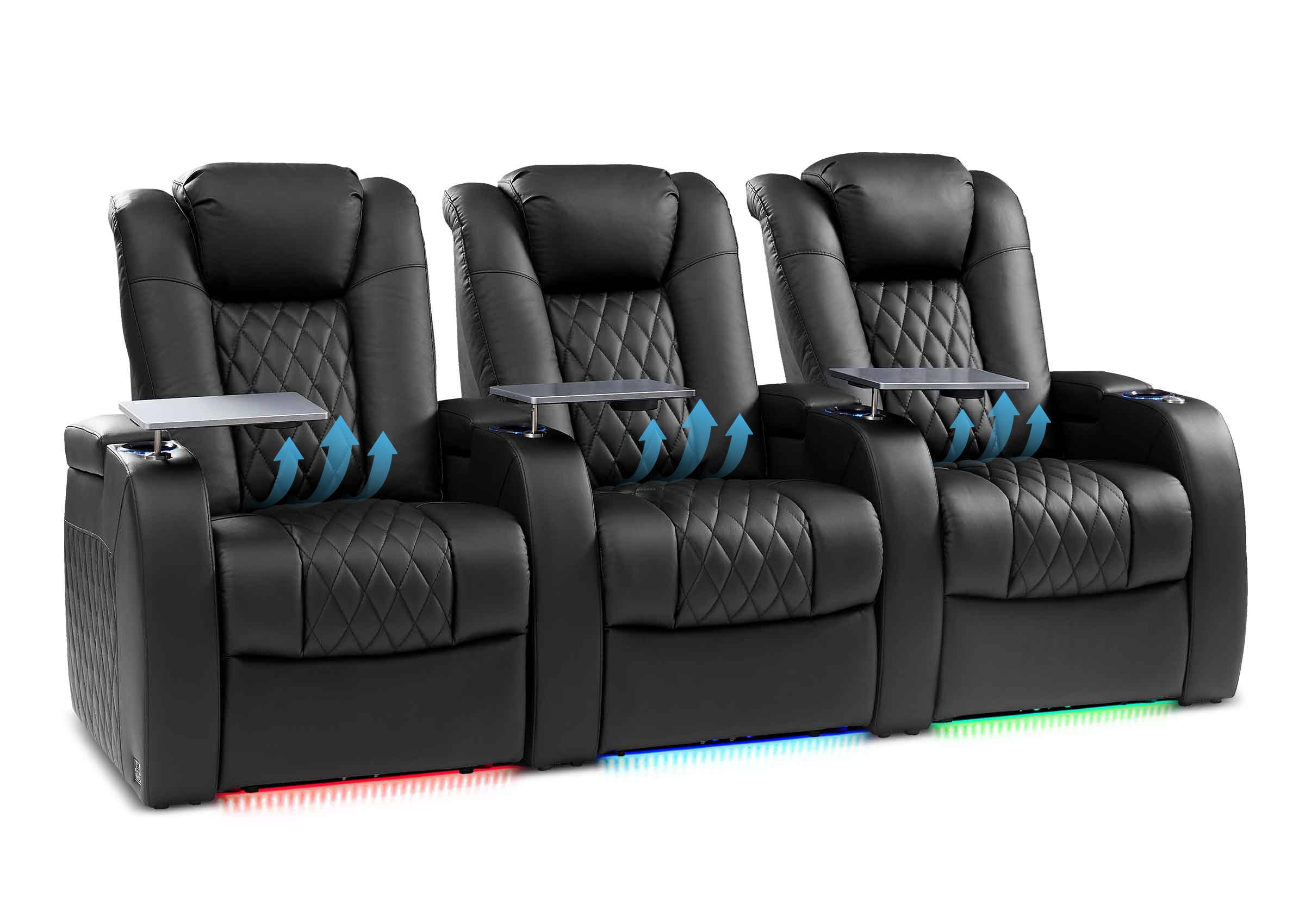
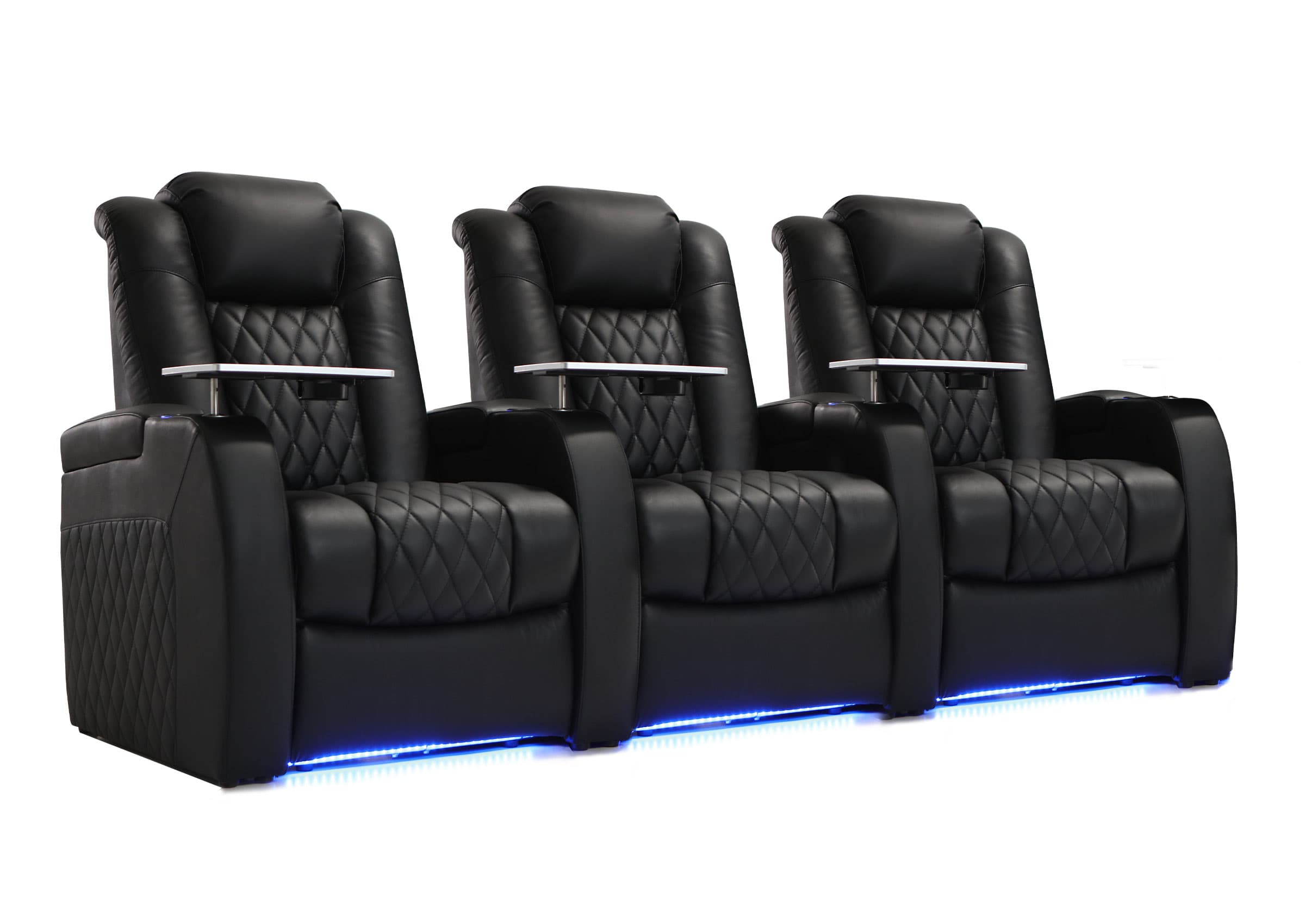
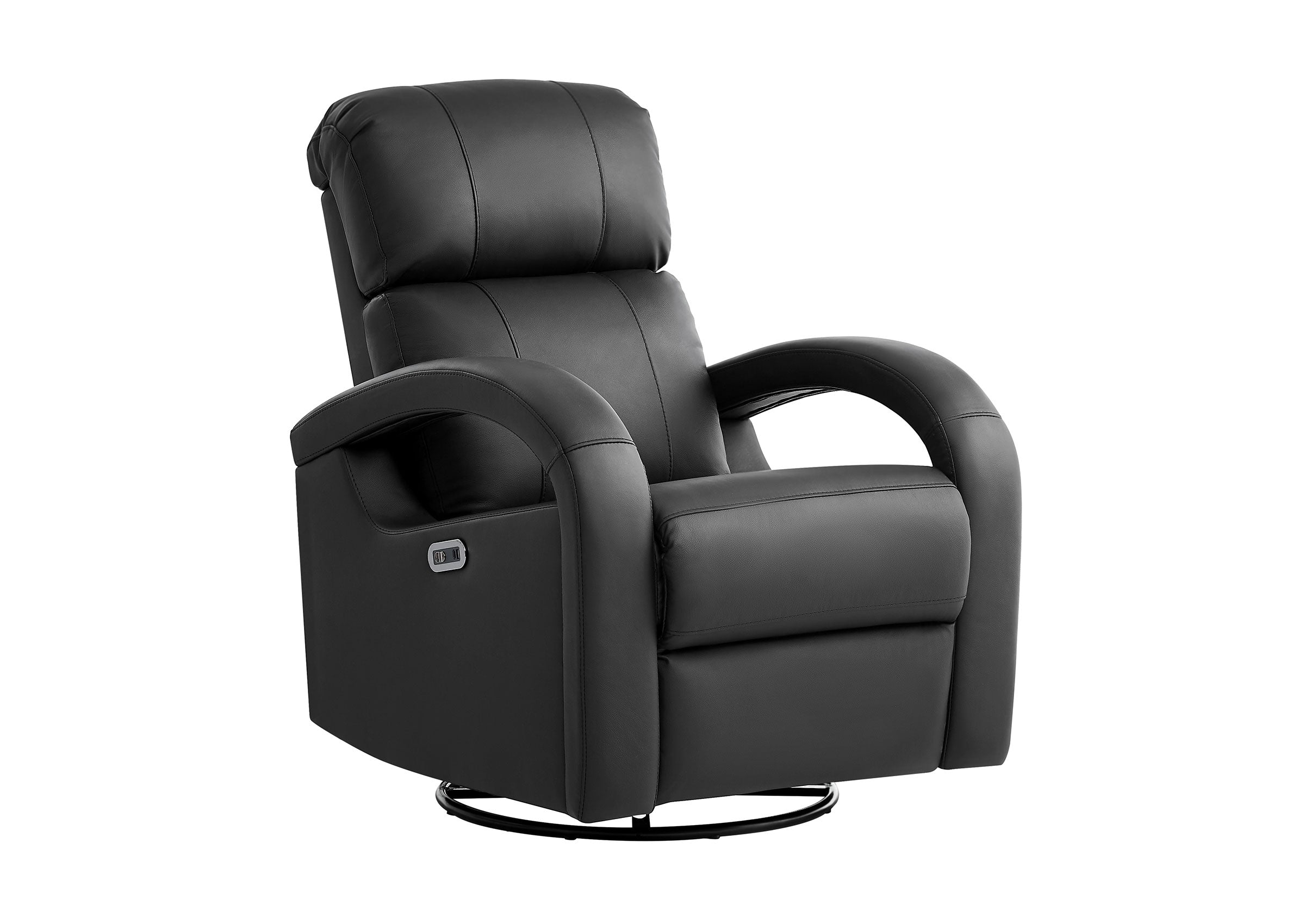

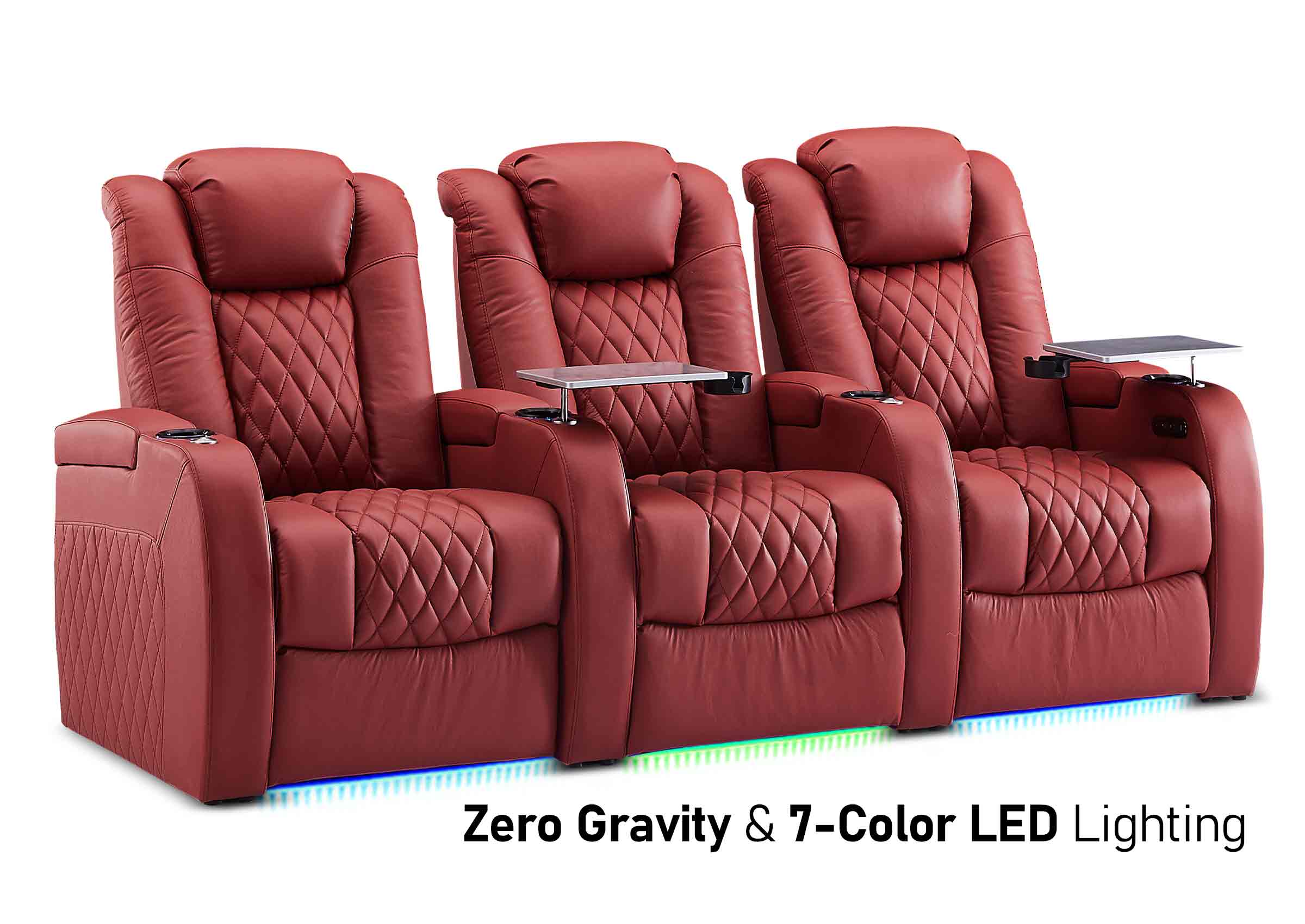
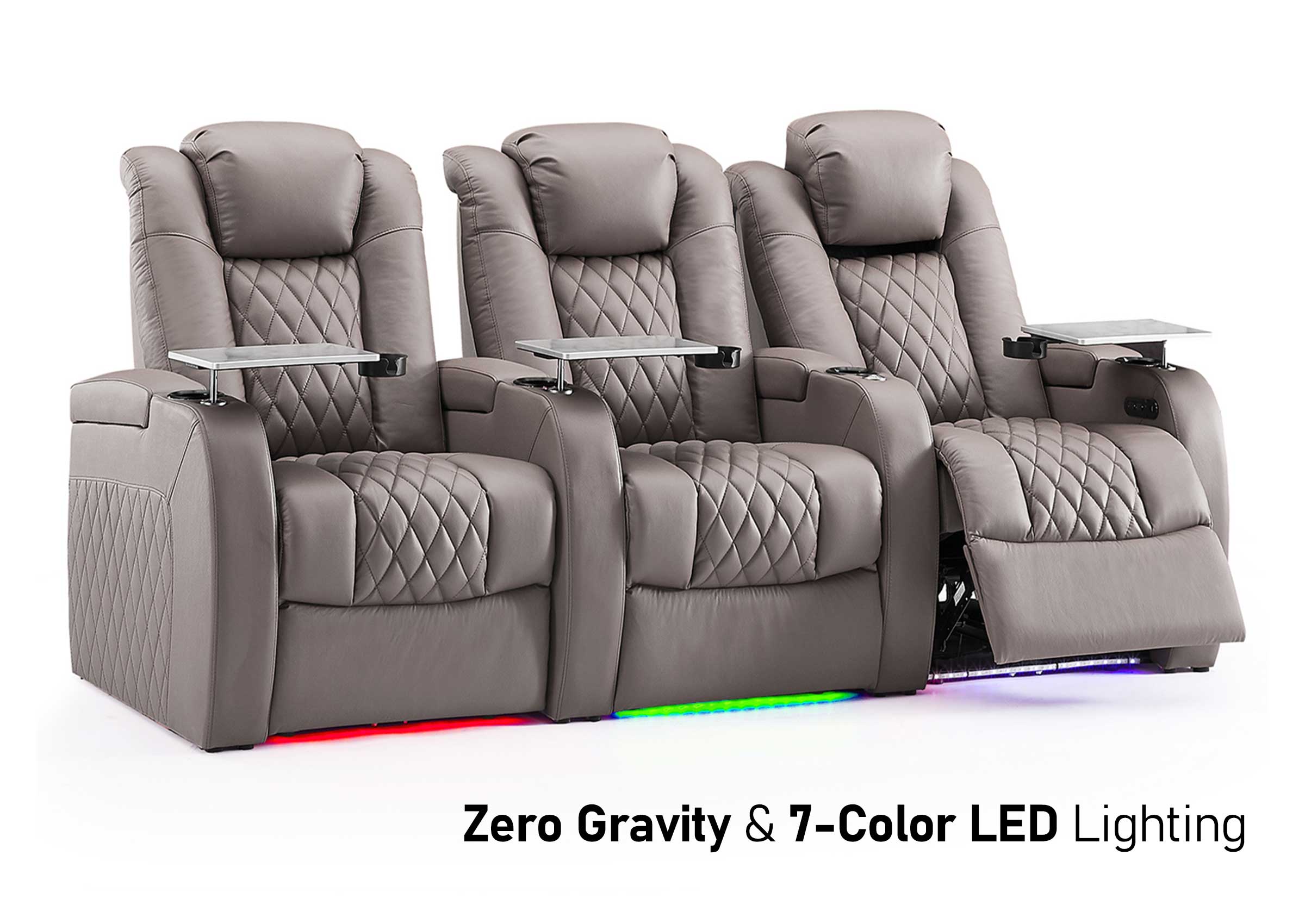
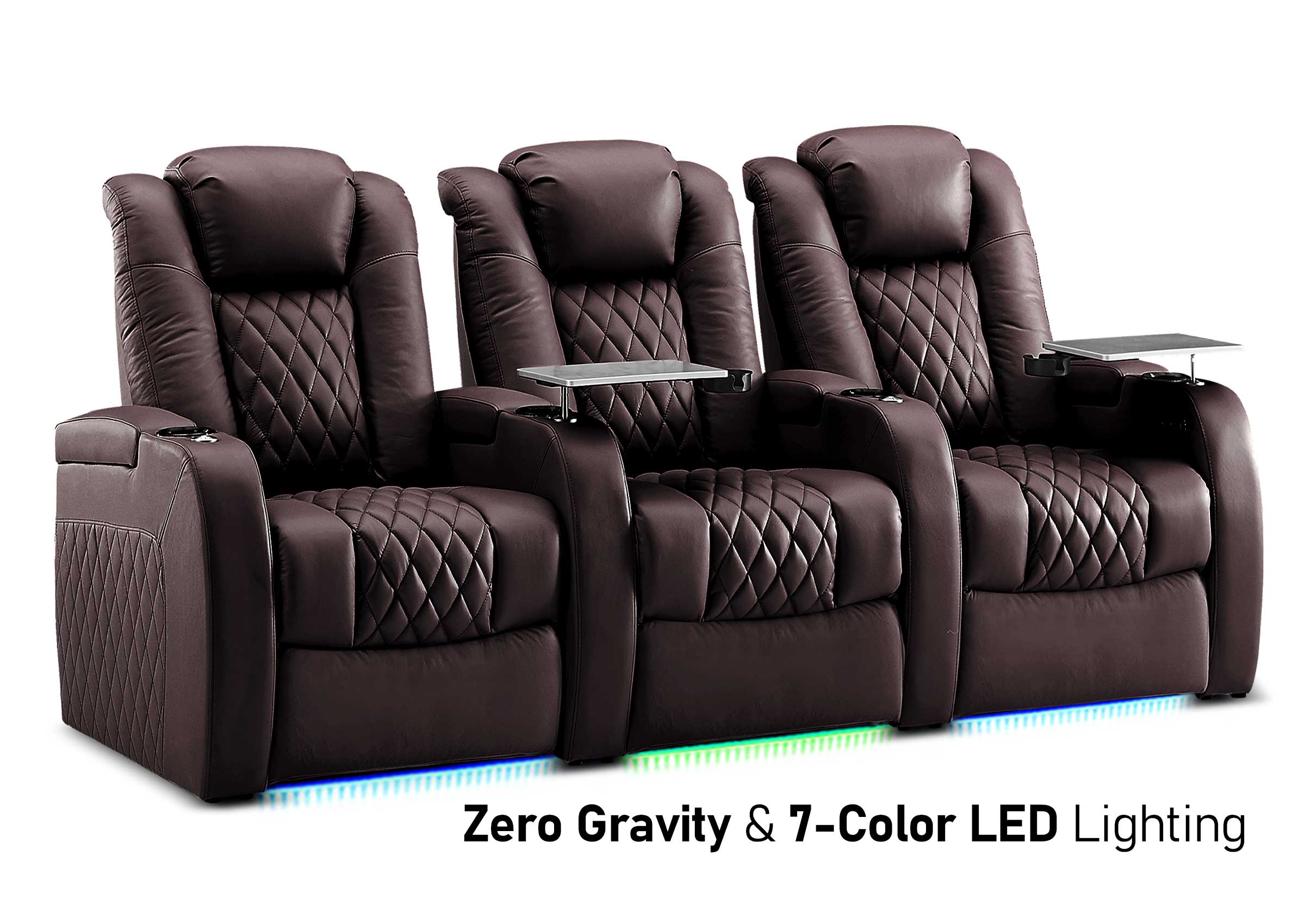

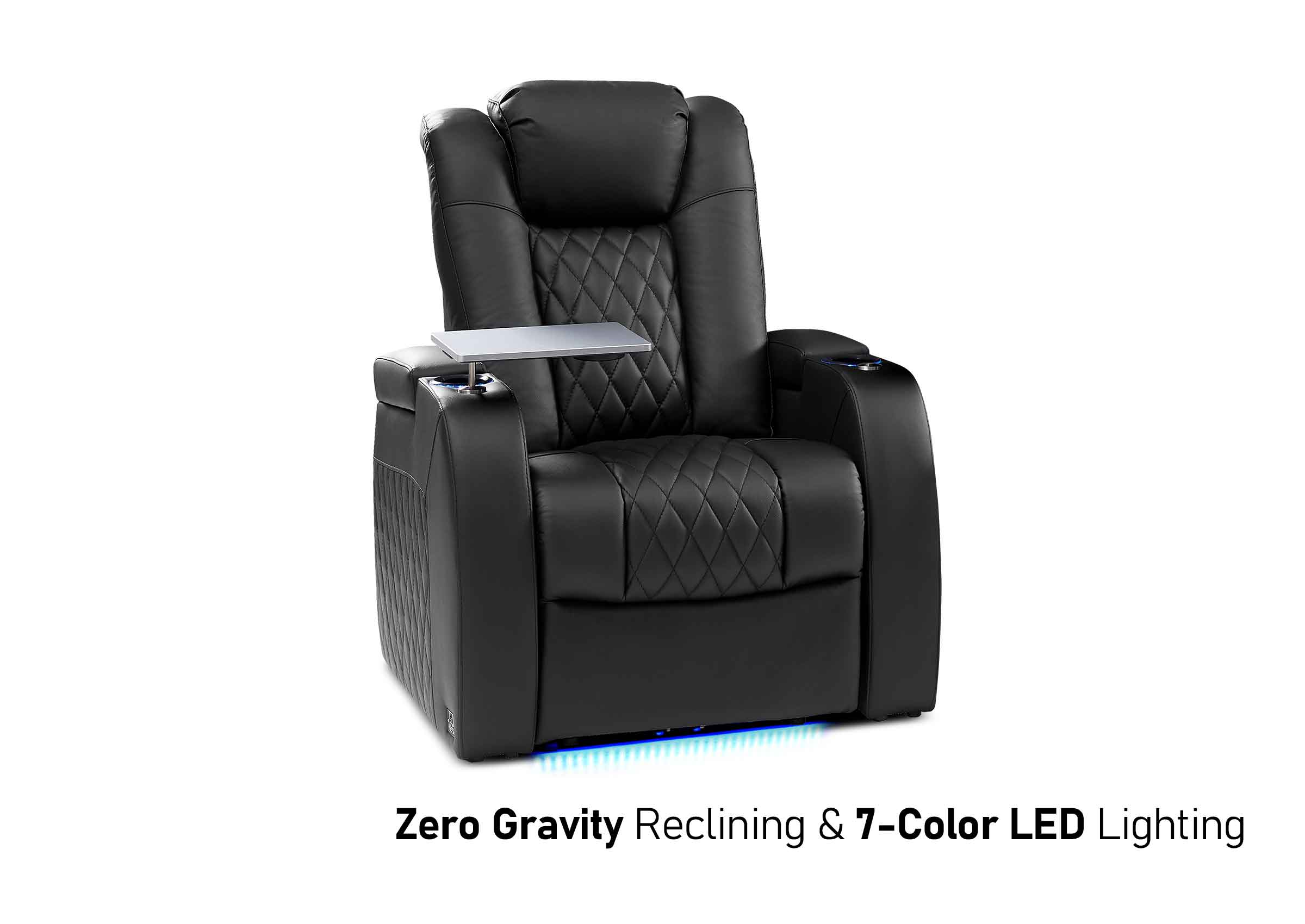
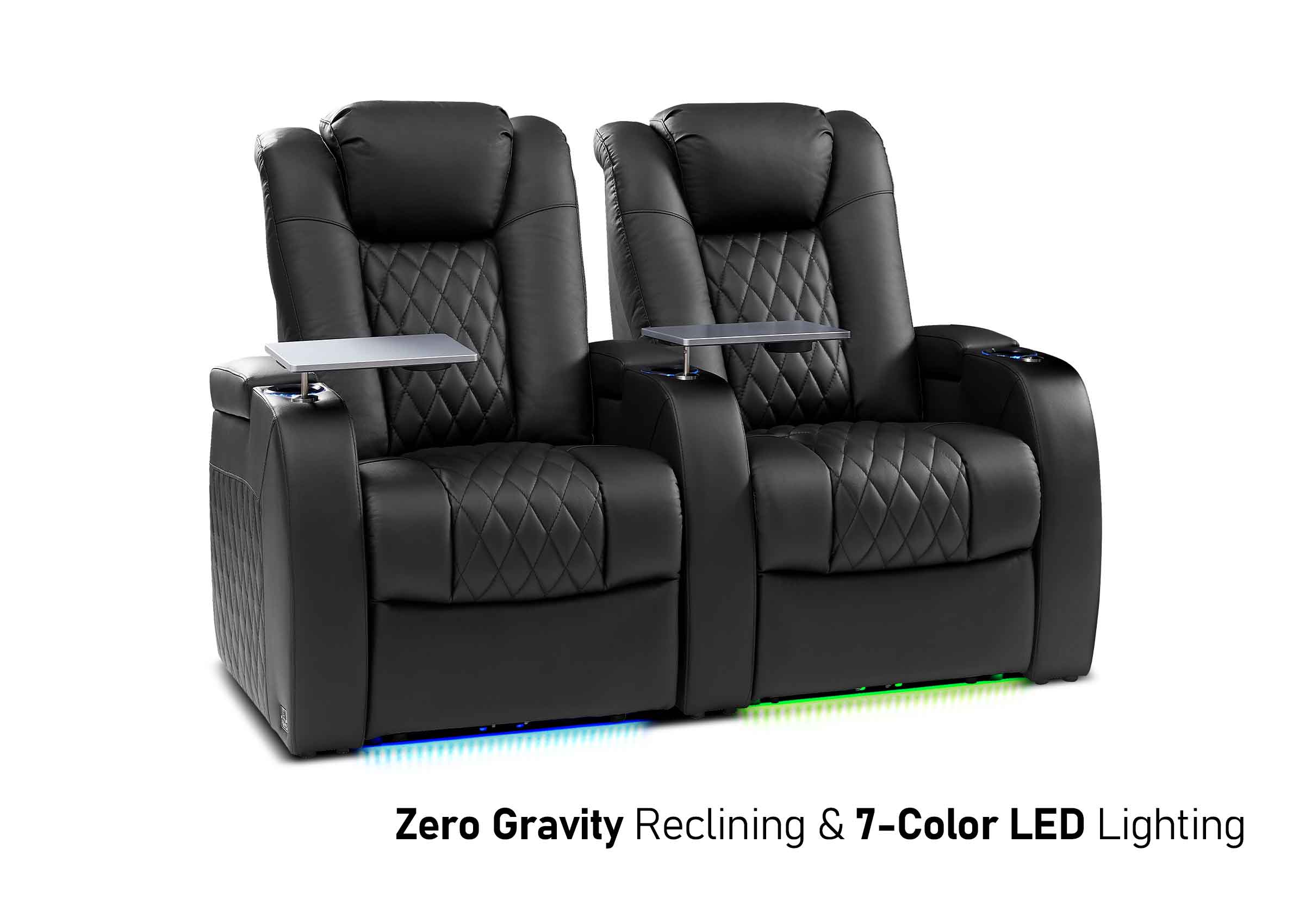
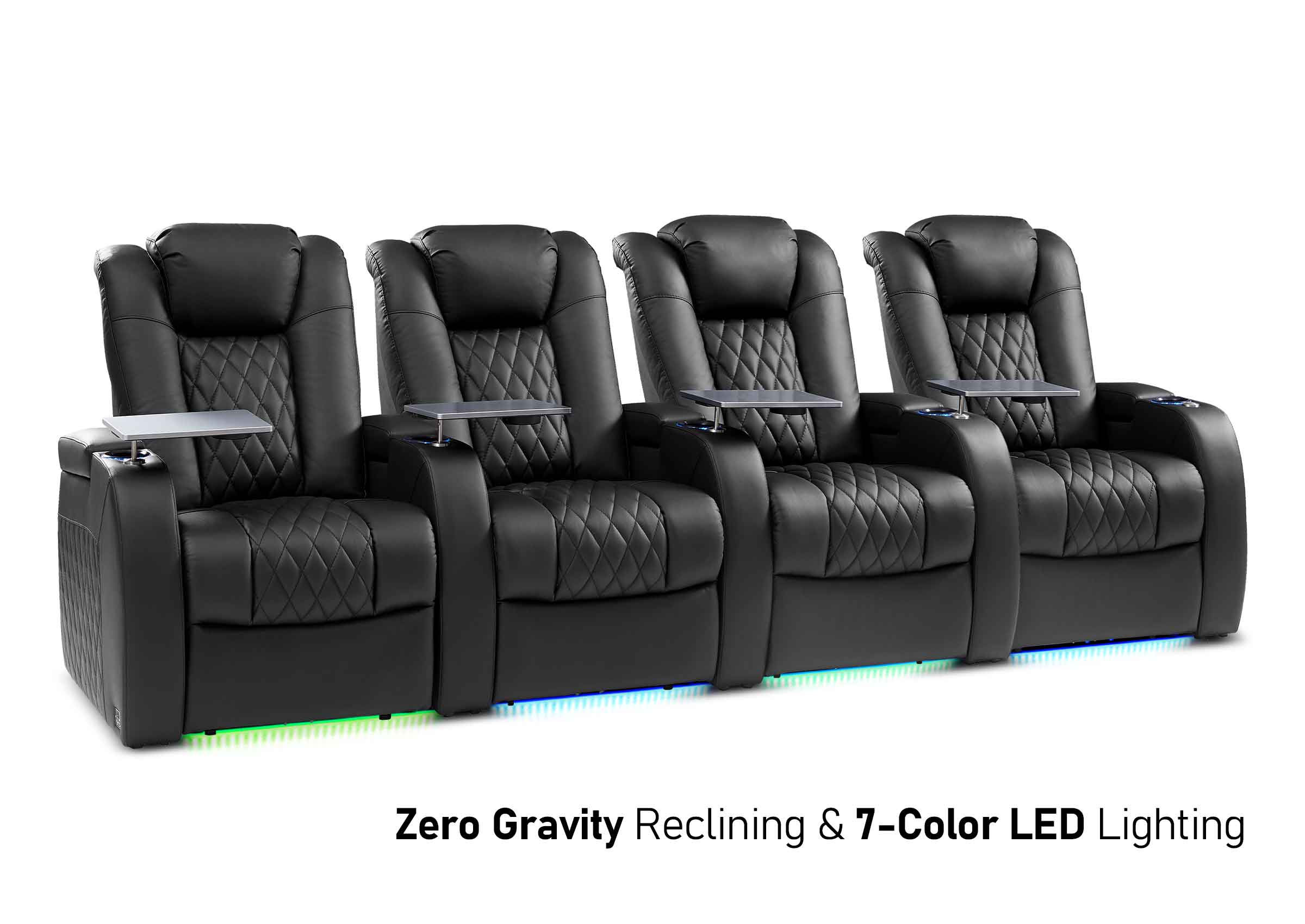
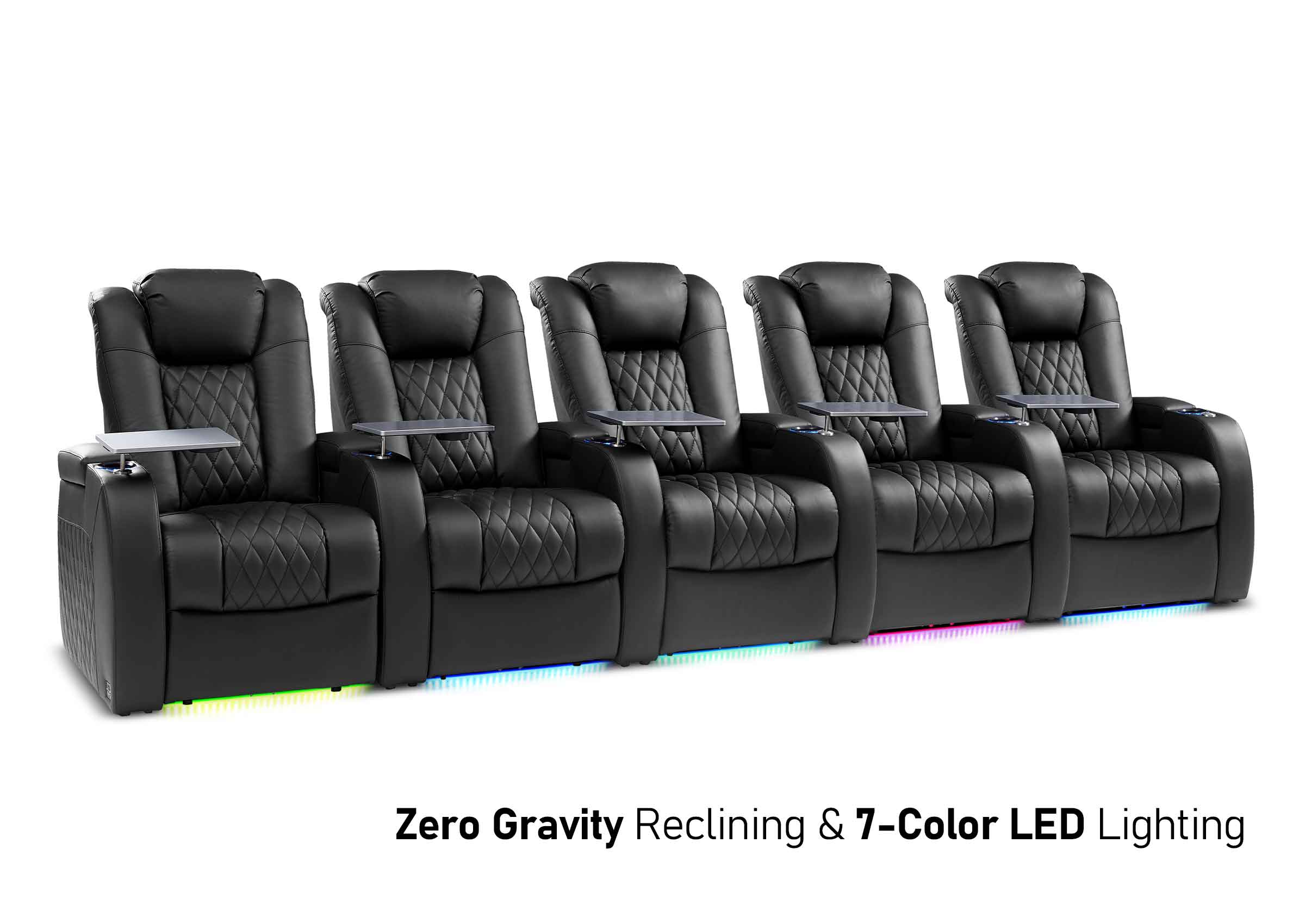
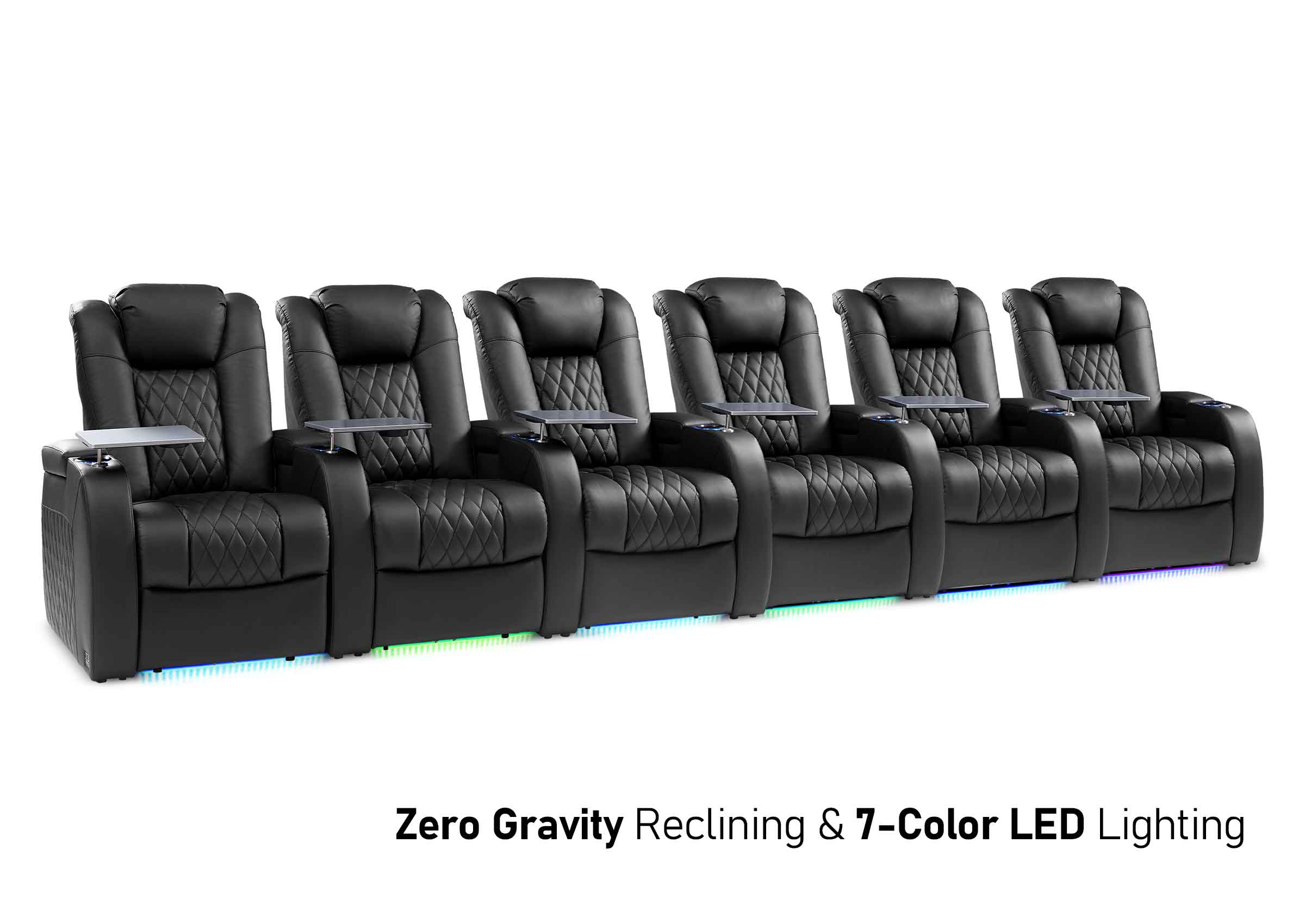
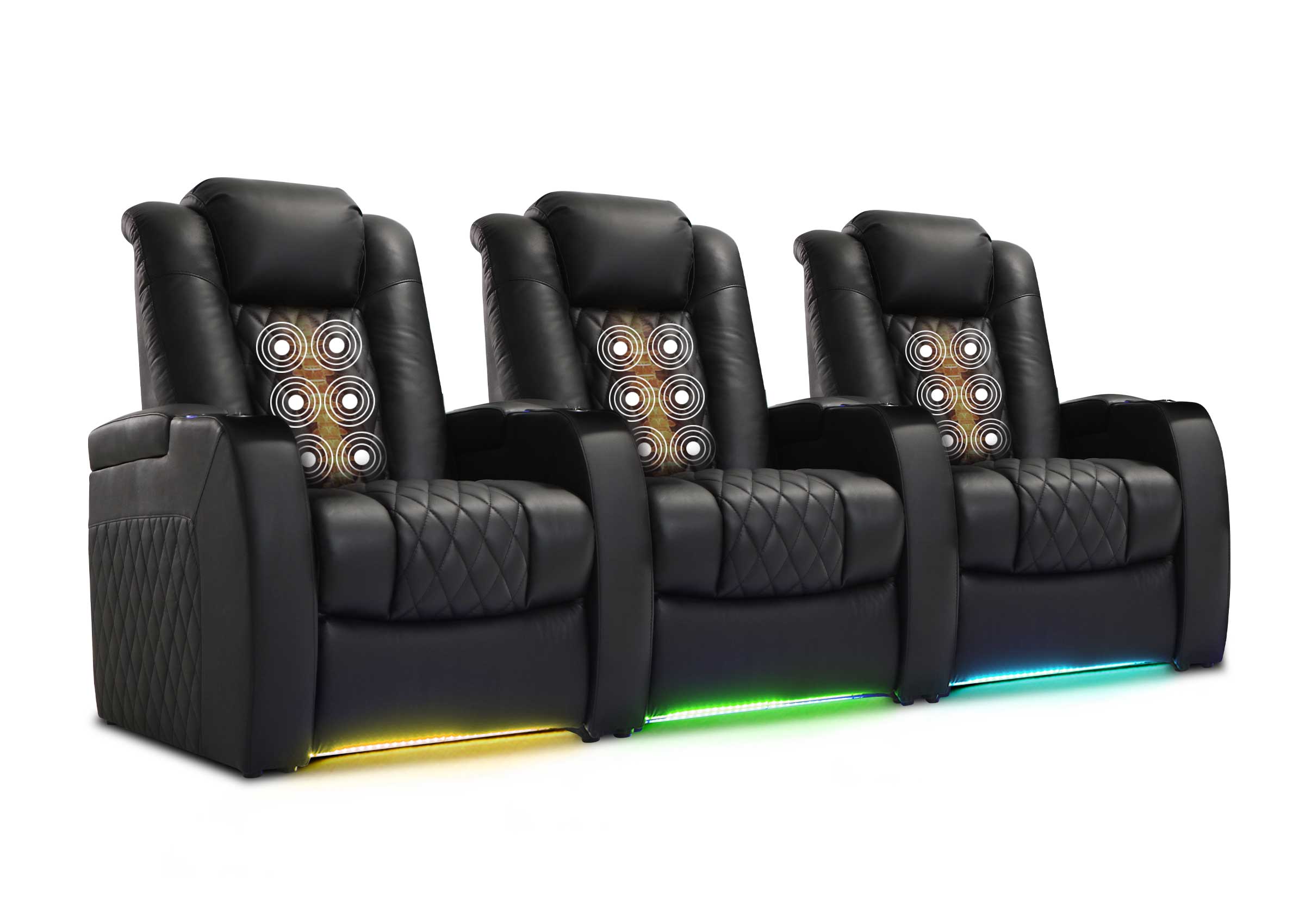

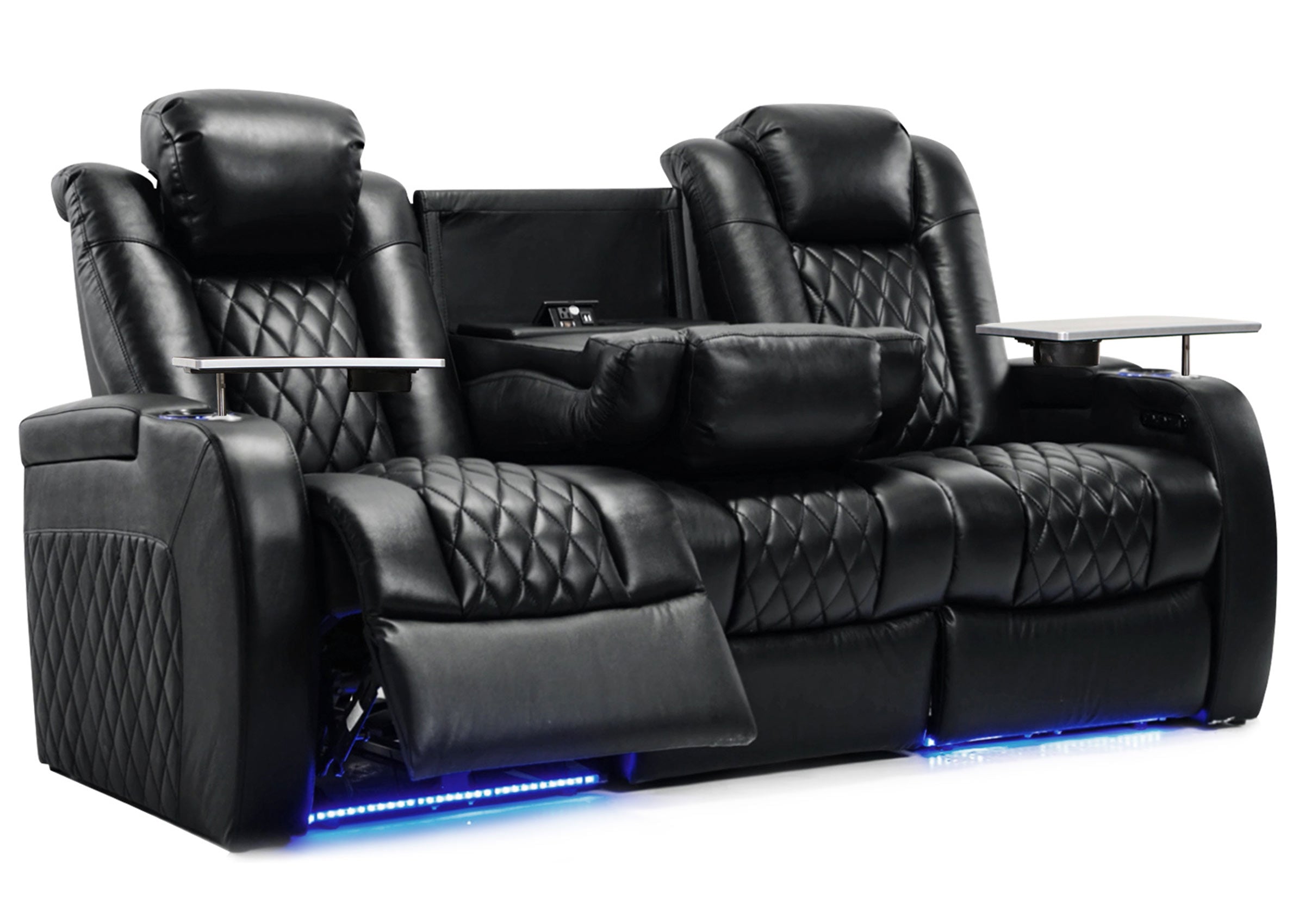
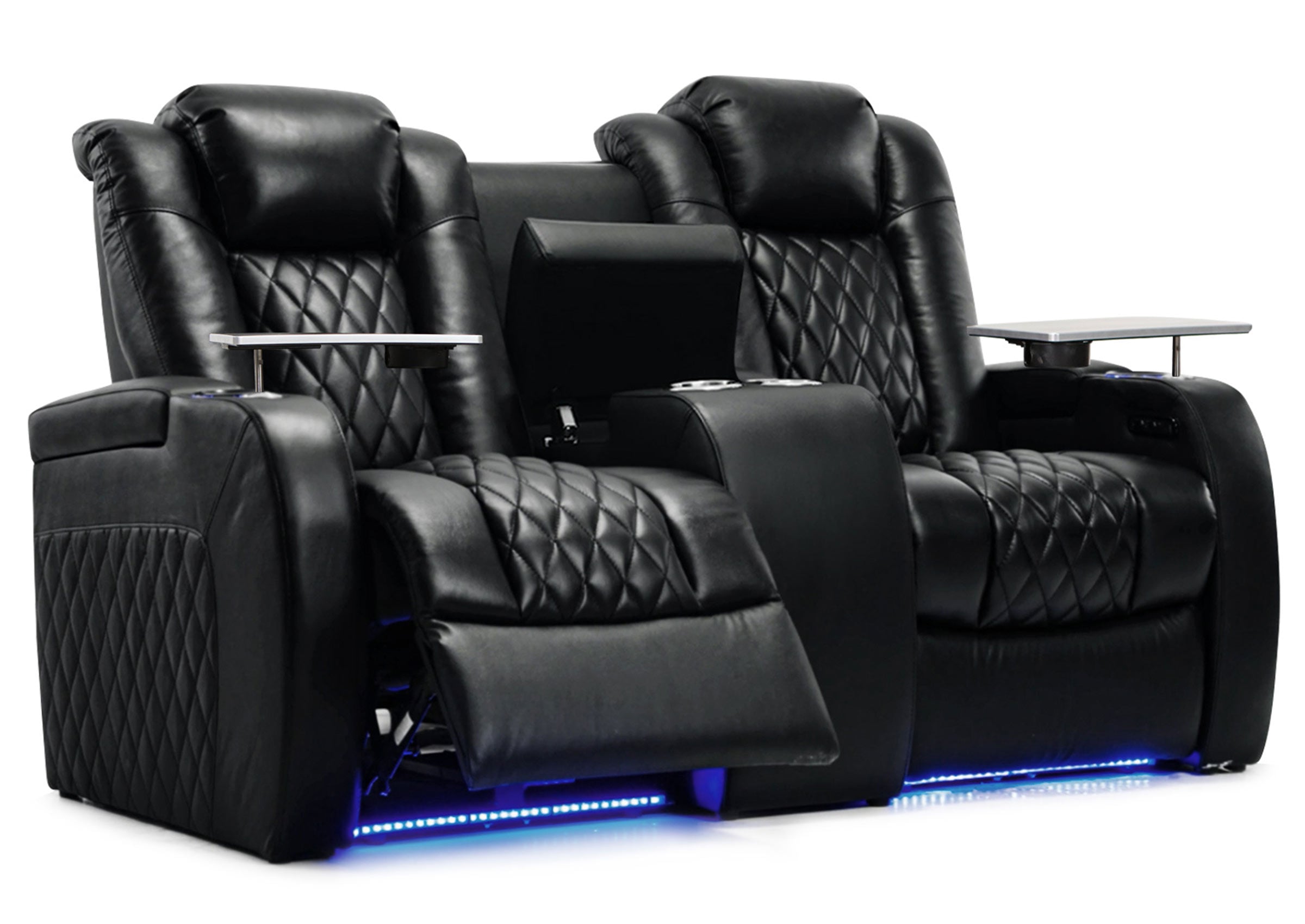

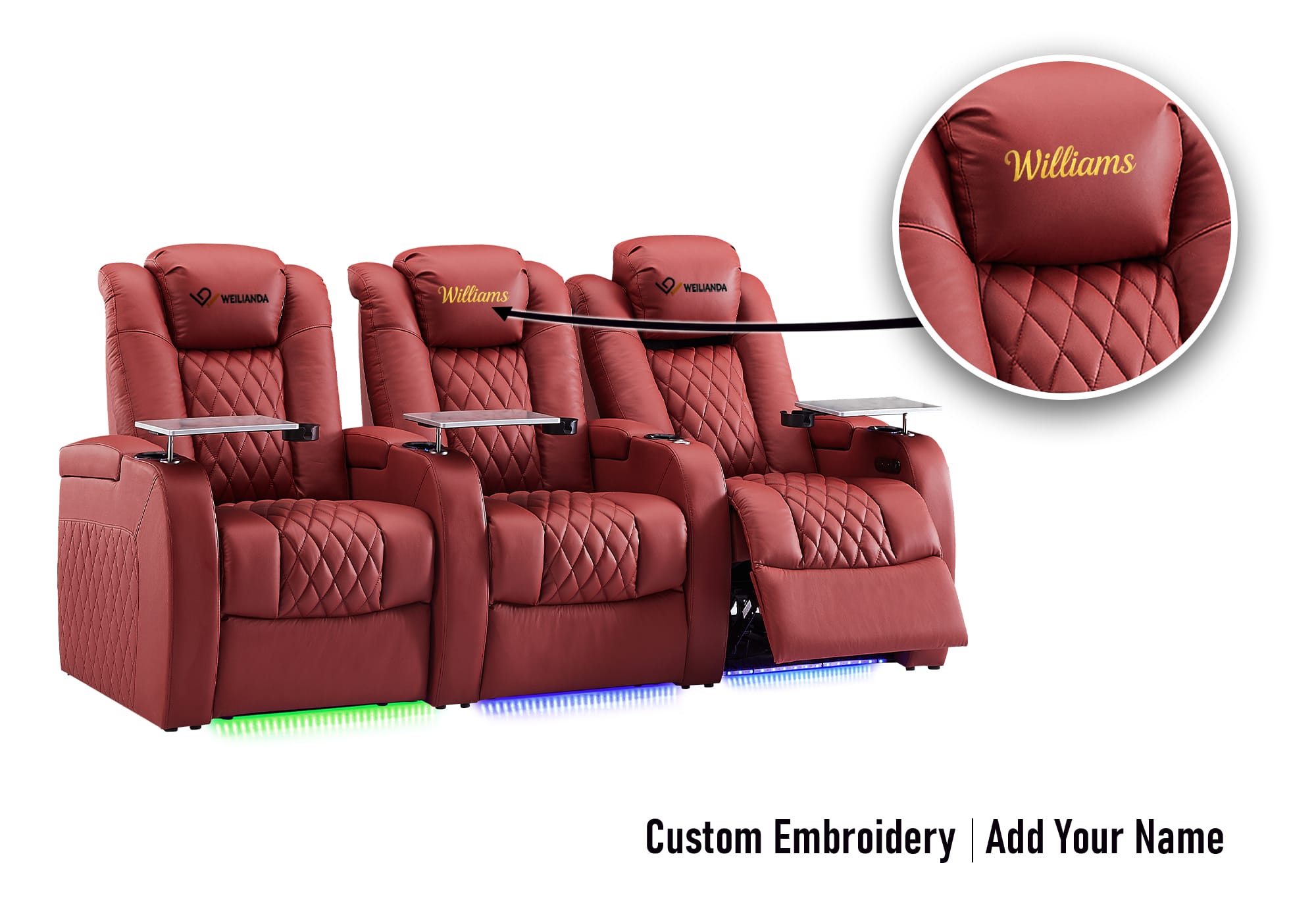

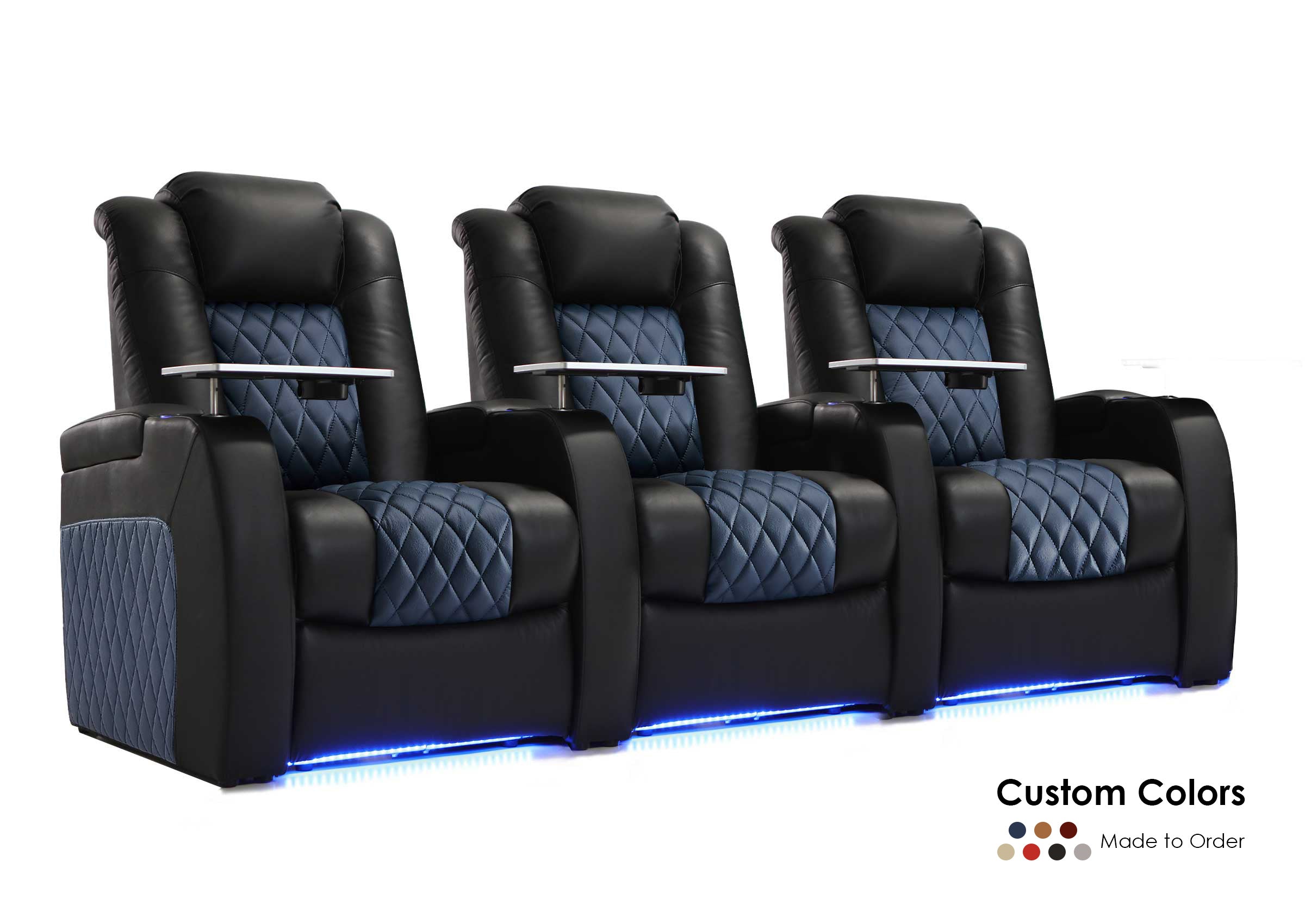

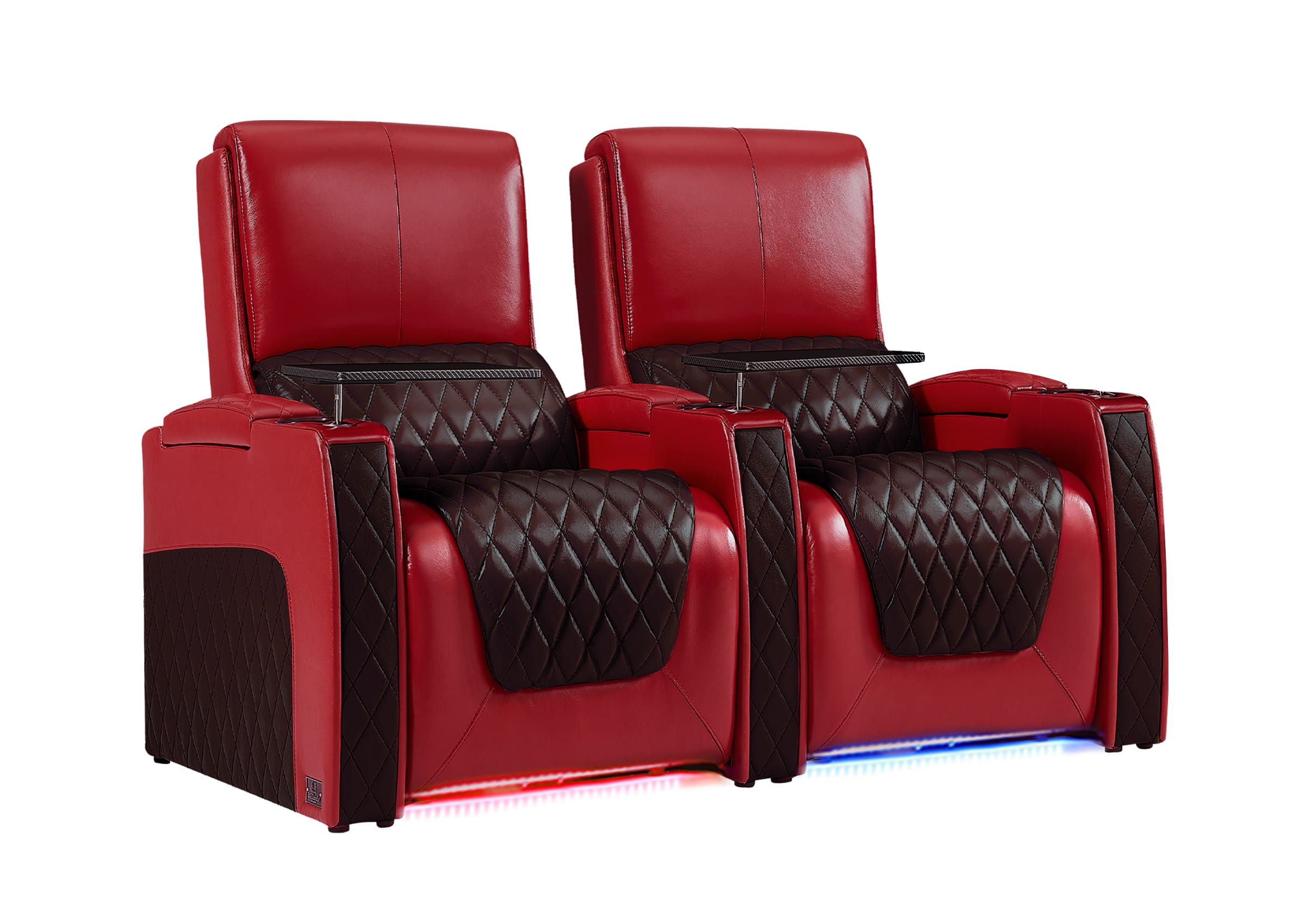
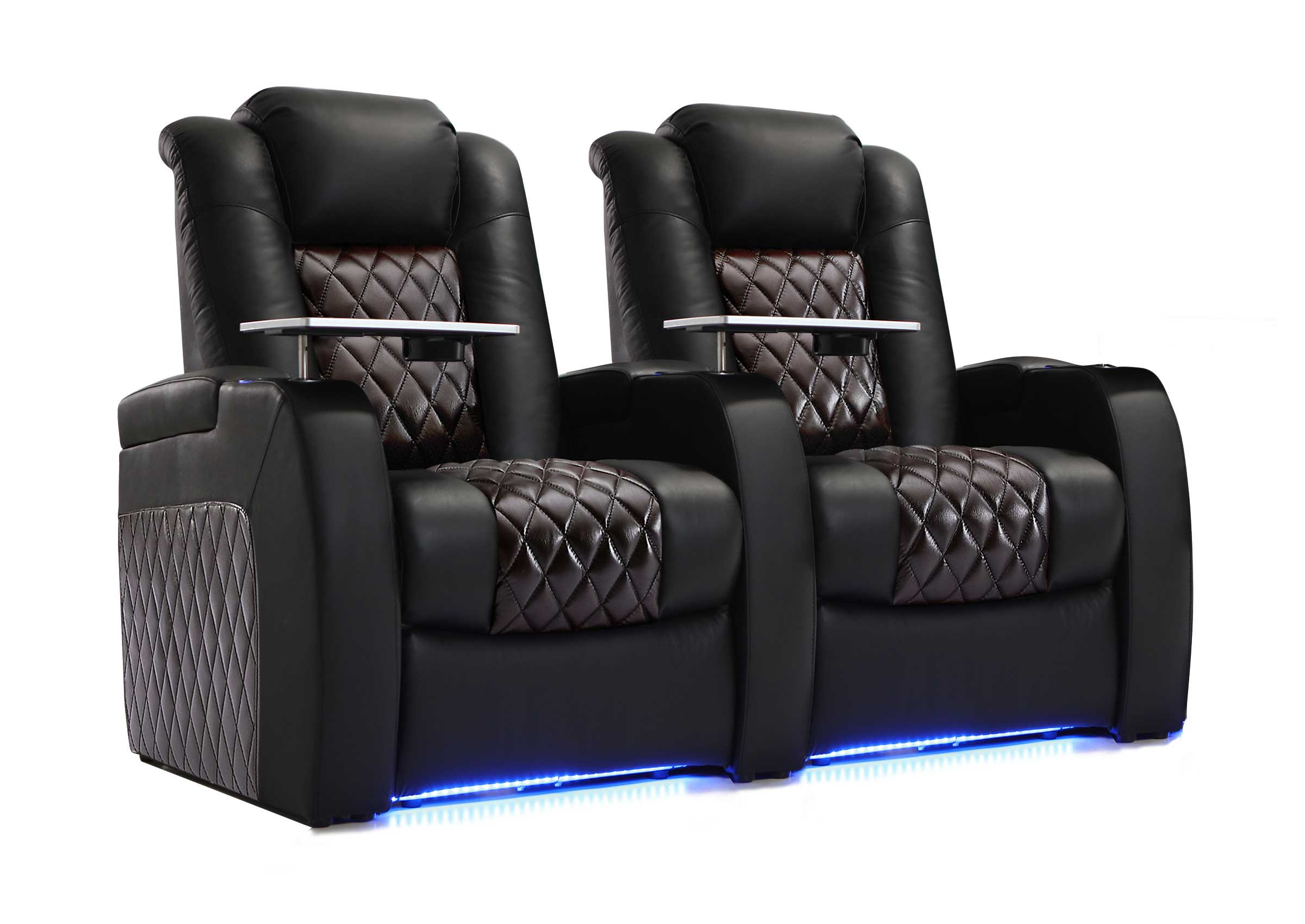
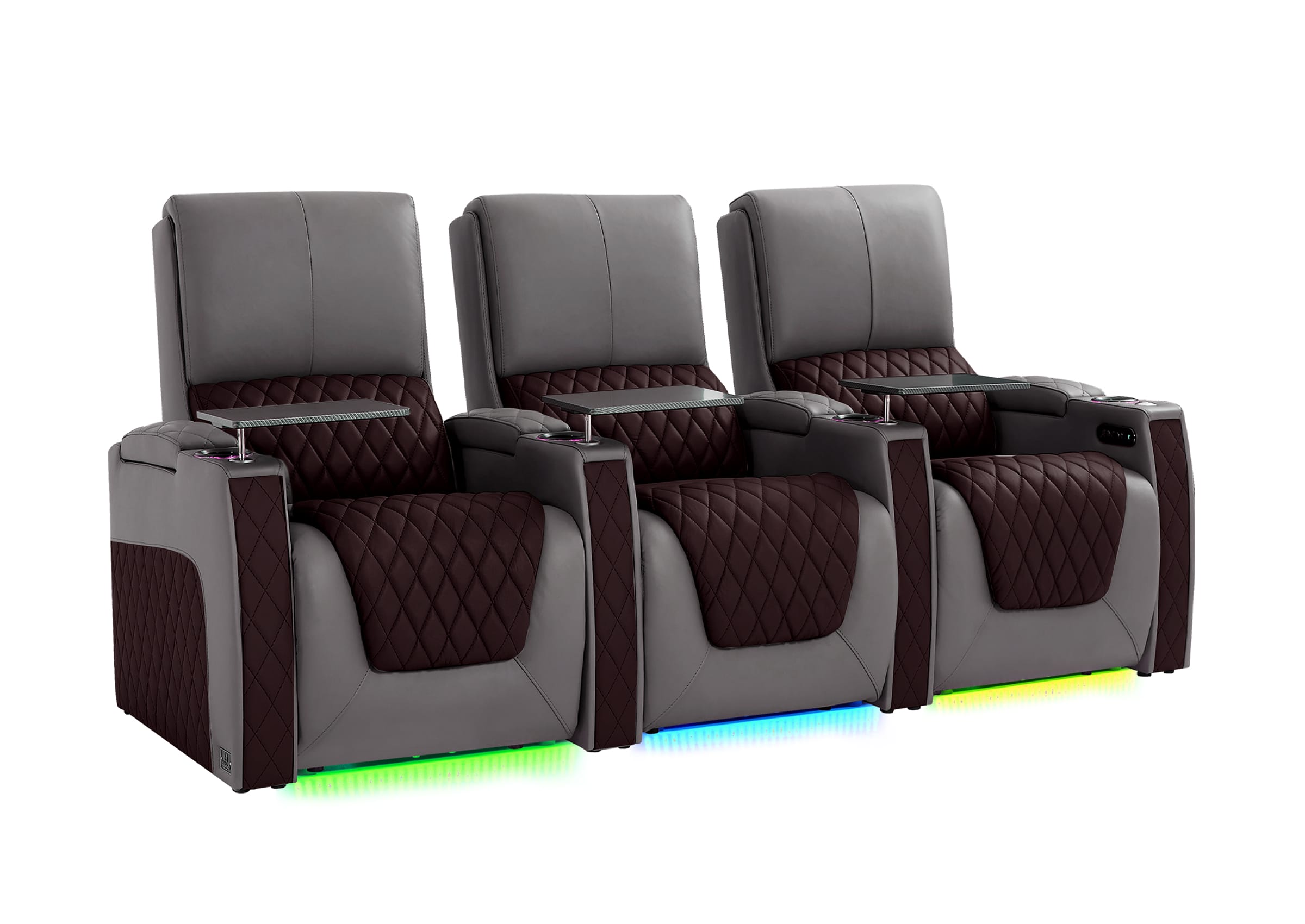
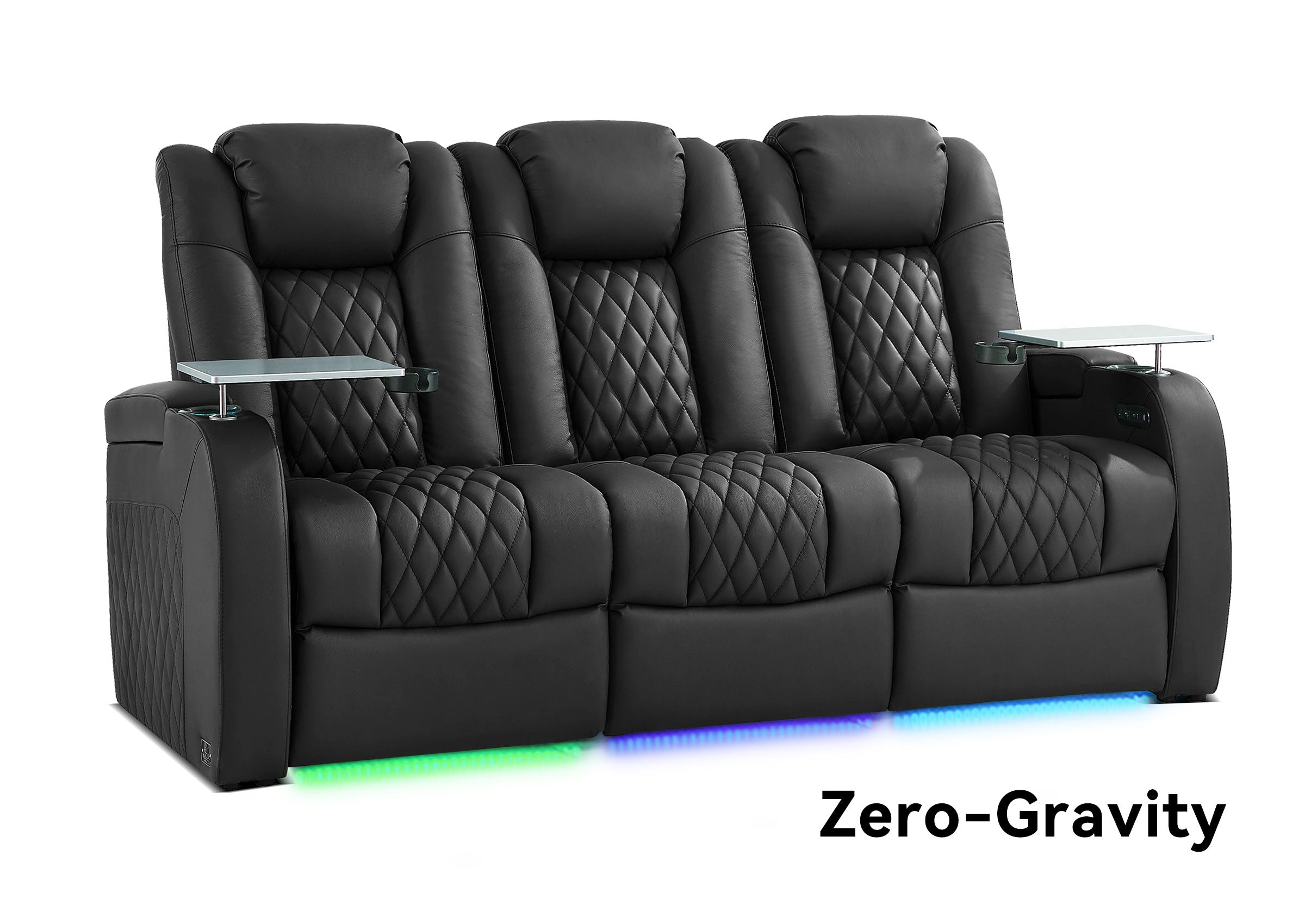


A recliner cushion can soften without actually failing. Normal break-in tends to happen gradually and fairly evenly. True sagging is more persistent: the seat may stay visibly low, recover slowly after you stand, feel like a hole under one hip, or allow you to feel a hard structure beneath the padding.
So the important question is not simply, “Do I need new foam?” A recliner seat works as a system. Foam rests on springs, webbing, a platform, or another support structure, and those parts connect to a moving frame. New foam will not fix a broken support underneath it. In the same way, reinforcing the base will not restore foam that has permanently lost its shape.
Before opening the upholstery or ordering replacement material, use the checks below to narrow the problem to the most likely layer.
Is the Cushion Sagging or Just Breaking In?
New cushioning often relaxes as it is used. The surface may become less crisp, and a frequently used seat may feel slightly softer than it did on the first day. That change alone does not mean the cushion has collapsed.
Normal break-in is more likely when:
- The change developed gradually during early use
- The seat still returns close to its original shape
- The softness feels broad and reasonably even
- You do not feel a hard edge, spring, or deep unsupported pocket
- The seat remains level and stable when you recline
Actual sagging is more likely when:
- A depression remains after the chair has been empty
- The cushion rebounds much more slowly than another seat
- One side drops lower than the other
- You feel as though you are sitting through the padding
- The seat forms a deep hammock rather than compressing evenly
- The problem continues to worsen instead of settling at a stable comfort level
- The sag is accompanied by leaning, clicking, or a sudden change in support
Age alone does not settle the question. What matters more is whether the seat still distributes your weight, returns toward its original form, and supports you consistently in both upright and reclined positions.
What Parts Under a Recliner Seat Can Cause Sagging?
Several working layers sit beneath the upholstery. Although designs vary, a recliner seat may include foam, fiber or batting, springs or webbing, a seat deck or platform, and a frame connected to the reclining mechanism.
Each layer creates a different type of problem.
| What You Notice | More Likely Area | What It Suggests |
|---|---|---|
| A broad, soft depression that recovers slowly | Foam or cushion fill | The cushioning may have lost resilience |
| One deep spot that feels like a hammock | Spring, webbing, or local support | The layer below the foam may no longer carry weight evenly |
| A hard ridge, edge, or pressure point | Displaced foam or exposed support | Padding may have shifted, or a support component may be pressing upward |
| The entire seat feels lower but still level | Cushion compression or widespread support fatigue | Compare recovery and support before choosing a repair |
| One side sits lower or moves differently | Support, frame, or mechanism alignment | Stop repeated testing if the chair feels unstable |
| Sagging appears with cracking, grinding, or visible metal movement | Structural or mechanism area | Professional inspection is safer than adding more padding |

Getting this distinction right matters. A new foam insert can temporarily disguise a weak base: the seat feels firmer at first, while the same unsupported area continues to load the new material unevenly.
To avoid that mistake, separate the diagnosis into two tests. The recovery test looks at what the empty cushion does after pressure is removed. The load test looks at how the complete seat behaves when someone sits in it. Slow recovery while empty points more toward the cushioning. A normal-looking cushion that drops sharply only under load shifts attention to the support below it. Neither test proves the cause on its own, but together they reveal far more than appearance alone.
How Can You Tell Whether the Foam Is the Problem?
If the chair is powered, unplug it first. Keep it stable and upright, with children and pets out of the area. Do not reach into the reclining mechanism or place your hands near moving linkages.
Once the chair is safe to inspect, use a simple comparison.
Look at the seat while it is empty
View the cushion from the front and side. A visible dip can suggest foam compression, but it can also reflect a weak support layer. Surface wrinkles alone do not prove that the foam has collapsed. Check whether the upholstery is merely creased or whether the entire sitting surface has dropped.
Press several areas, not only the center
Press the front, center, rear, left, and right portions of the seat with similar force. Foam-related wear often shows up as slower recovery or noticeably less resistance in the most-used area.
A sharp change between two nearby spots may point to a local support issue rather than uniform foam wear.
Compare the seat with another matching seat
If you have a reclining sofa or a row of similar seats, compare the least-used position with the problem seat. Check surface height, recovery speed, side-to-side stability, and how far each seat compresses under the same person.
This comparison has limits. Reclining and non-reclining modules can be built differently, so two seats may not feel identical even when neither is damaged. Look for a clear change over time or a substantial difference between equivalent modules.
Notice what happens after you stand up
Foam that remains deeply compressed, rises only partway, or leaves a persistent body-shaped depression may have lost support. Fiber-filled areas may need redistribution rather than replacement, but only when the design allows that maintenance.
Pay attention to what you feel beneath the softness
Foam wear usually feels like reduced cushioning across an area. A failed spring, webbing section, or deck can feel more abrupt: a deep drop, a hard boundary, a tilted seat, or a sensation that the base gives way beneath you.
Do not keep sitting on a seat if you can feel a sharp component, the chair rocks unexpectedly, or the mechanism appears out of alignment.

Why Does Only One Recliner Seat Feel Softer?
One soft position in a reclining sofa does not automatically mean it was built with different materials. Use is rarely distributed evenly. The seat closest to the room entrance, center of the screen, side table, or power outlet may get far more use than the others.
Other possible reasons include:
- One person regularly uses the same position
- The user tends to sit toward one side rather than in the center
- A single cushion has compressed more than neighboring cushions
- One spring, webbing section, or attachment point carries load differently
- The problem seat is a different module, such as an end recliner rather than a fixed center seat
- Upholstery or batting has shifted and changed the surface feel
Compare equivalent seats before reaching a conclusion. If only one seat has a deep local dip, an uneven edge, or new mechanical noise, inspect the support system rather than assuming that adding softer material will help.
Can Recliner Seat Foam Be Replaced?
Sometimes. Whether replacement is practical depends more on access and construction than on the fact that the seat reclines.
A loose or removable cushion with a zipper is generally easier to assess than an attached seat upholstered directly over the frame. Some attached cushions have service access; others require upholstery tools, partial disassembly, or work close to the reclining mechanism. A seat may also use multiple foam shapes, batting, molded contours, or an internal spring unit rather than one rectangular block.
Before opening anything, confirm:
- Whether the cushion is removable or attached
- Whether a zipper is intended for normal access
- Whether opening the seat could affect warranty or service eligibility
- Whether wiring, controls, or moving mechanism parts are below the cushion
- Whether the original insert uses one foam layer or a layered construction
- Whether the sag actually comes from the cushion rather than the support deck
Do not cut upholstery simply because the cover has no visible zipper. An upholsterer or the product support team may be able to identify a safer access method from the model information and photos.
What Should You Measure Before Replacing Recliner Foam?
If the cushion is designed to be serviced and foam replacement is appropriate, record more than length and width.
Measure or document:
- Usable cushion width
- Front-to-back depth
- Thickness at the front, center, and rear
- Any crown, slope, taper, notch, or curved edge
- The location of seams and attachment points
- Batting or wrap around the foam
- The internal cover dimensions when accessible
- How the insert meets the backrest and footrest padding
Photograph the cushion from above, from the side, and inside the cover before removing layers. Mark orientation so the front, rear, top, and bottom are not confused during reassembly.
An old foam piece may no longer show its original thickness. Measuring only the deepest part of a collapsed insert can produce a replacement that is too thin. At the same time, forcing an oversized or overly firm block into the original cover can distort seams, change seat height, interfere with adjacent upholstery, or make the footrest transition uncomfortable.
The goal is not to install the firmest foam that will fit. It is to restore the intended shape and support without changing how the seat works with the backrest, arms, and reclining motion.
Before choosing replacement material, compare how memory foam and high-density foam differ in response, support, and everyday feel.
CHOOSE THE RIGHT NEXT STEP
Is It Time to Repair the Cushion—or Reconsider the Chair?
Once you know whether the problem is in the foam, support layer, or frame, you can choose the next step without covering up the real cause.
Which Quick Fixes Can Create New Problems?
Temporary support products can change how a tired seat feels, but they do not identify what failed.
Be cautious with:
- Hard boards placed under or inside a reclining seat
- Loose foam pushed near moving linkages
- Zip ties, wire, or improvised spring repairs
- Thick toppers that raise the sitting position substantially
- Cutting the cover before checking service access
- Adding fill without inspecting the support underneath
A rigid board may reduce the sensation of sinking, but it also changes pressure distribution and can hide a damaged spring or deck. Loose material can migrate toward a mechanism. An overfilled cushion can push the user forward, raise the knees, alter lumbar contact, or prevent upholstery panels from moving as designed.
If the seat is still under warranty, document the condition before changing it. Take photos of the empty cushion, a side-by-side comparison with another seat, and any visible change after the seat has recovered overnight. Keep the model and purchase information available when contacting support.
When Is Repair More Sensible Than Replacement?
A cushion-focused repair may make sense when:
- The frame and reclining mechanism remain stable
- The upholstery is in serviceable condition
- The problem is limited to one cushion or support component
- The correct construction and access method can be identified
- A suitable replacement can restore the original proportions
A broader evaluation is more appropriate when:
- The frame is loose, bent, or unstable
- Multiple seats and support layers are failing
- Upholstery, cushioning, and mechanism problems are happening together
- A spring or metal component is pushing toward the upholstery
- Repair access requires major disassembly near powered or moving parts
- Previous temporary fixes have changed the seat shape without solving the cause
Do not make the decision from the visible dip alone. Consider the whole chair: cushion recovery, support underneath, upholstery condition, reclining motion, stability, and the availability of compatible service parts.
What Mistakes Should You Avoid When Diagnosing a Sagging Recliner?
The most common mistake is treating “soft” and “broken” as the same thing. A comfortable cushion can be soft and still recover well, while a firm cushion may still have poor support underneath.
Also avoid:
- Ordering foam before checking the support layer
- Comparing different seat modules as though they must feel identical
- Testing a visibly unstable chair repeatedly
- Assuming every attached cushion is meant to be opened at home
- Choosing replacement foam by thickness alone
- Ignoring the way a changed seat height affects headrest, lumbar, and footrest fit
- Making a permanent modification before checking warranty or support options
A lasting repair starts at the failed layer. Diagnose first, then choose the least invasive solution that addresses the actual problem.
Frequently Asked Questions
How do I know if recliner foam has collapsed?
Collapsed foam may stay visibly compressed, recover slowly, feel substantially softer in one area, or allow you to sense the support structure beneath it. Compare the problem area with a less-used equivalent seat, but also check for weak springs, webbing, or a damaged seat deck.
Can I add more foam instead of replacing the cushion?
Adding material may change the feel, but it will not repair a failed support layer. Extra foam can also raise the seat, distort the cover, or affect how the seat meets the backrest and footrest. Confirm the cause and construction before adding material.
Why does my recliner sag only when I sit in it?
If the seat looks normal while empty but drops deeply under weight, the support layer may be stretching or giving way. Foam can also lose load-bearing ability without showing a dramatic empty-seat depression. The location and feel of the drop help distinguish the two.
Is one softer seat in a reclining sofa normal?
A frequently used seat may soften faster, and different modules may not feel perfectly identical. A major difference, sudden change, deep local dip, tilt, or noise deserves closer inspection.
Can a sagging recliner damage the reclining mechanism?
Sagging foam alone does not necessarily damage the mechanism. However, broken supports, displaced components, loose material, or an unstable frame can interfere with movement or load the chair unevenly. Stop using the chair if the motion changes or moving parts appear misaligned.
Should I replace the foam with the highest density available?
Not automatically. Density, firmness, thickness, layering, contour, and cover size all affect the result. The replacement should match the seat design and intended support rather than simply being the firmest option.
Should I open the bottom of the recliner to inspect the springs?
Only if the design permits safe service access and you understand what is below the cover. Unplug powered seating first, keep clear of linkages and pinch points, and do not remove upholstery or mechanism parts when the access method is uncertain.
Diagnose the Layer Before You Choose the Fix
A sagging recliner cushion is not always a foam problem. The cause could be normal break-in, worn cushioning, weakened springs or webbing, a damaged support deck, or a structural issue that changes how the entire seat carries weight.
Begin with the least invasive checks. Observe the empty seat, compare recovery, test equivalent positions, and notice whether the problem feels broad, local, hard, tilted, or unstable. Before ordering materials or opening the upholstery, confirm the cushion construction, service access, warranty conditions, and support layer.
That extra diagnosis can prevent the most frustrating outcome: replacing the part you can see while leaving the real cause untouched.
Need Help Identifying the Next Step?
If you own a Weilianda seat and are unsure whether the issue involves the cushion, support layer, or another component, prepare your model or order information and clear photos of the problem. Contact Weilianda Support or email leon@weiliandahome.com for product-specific guidance before making permanent changes.