



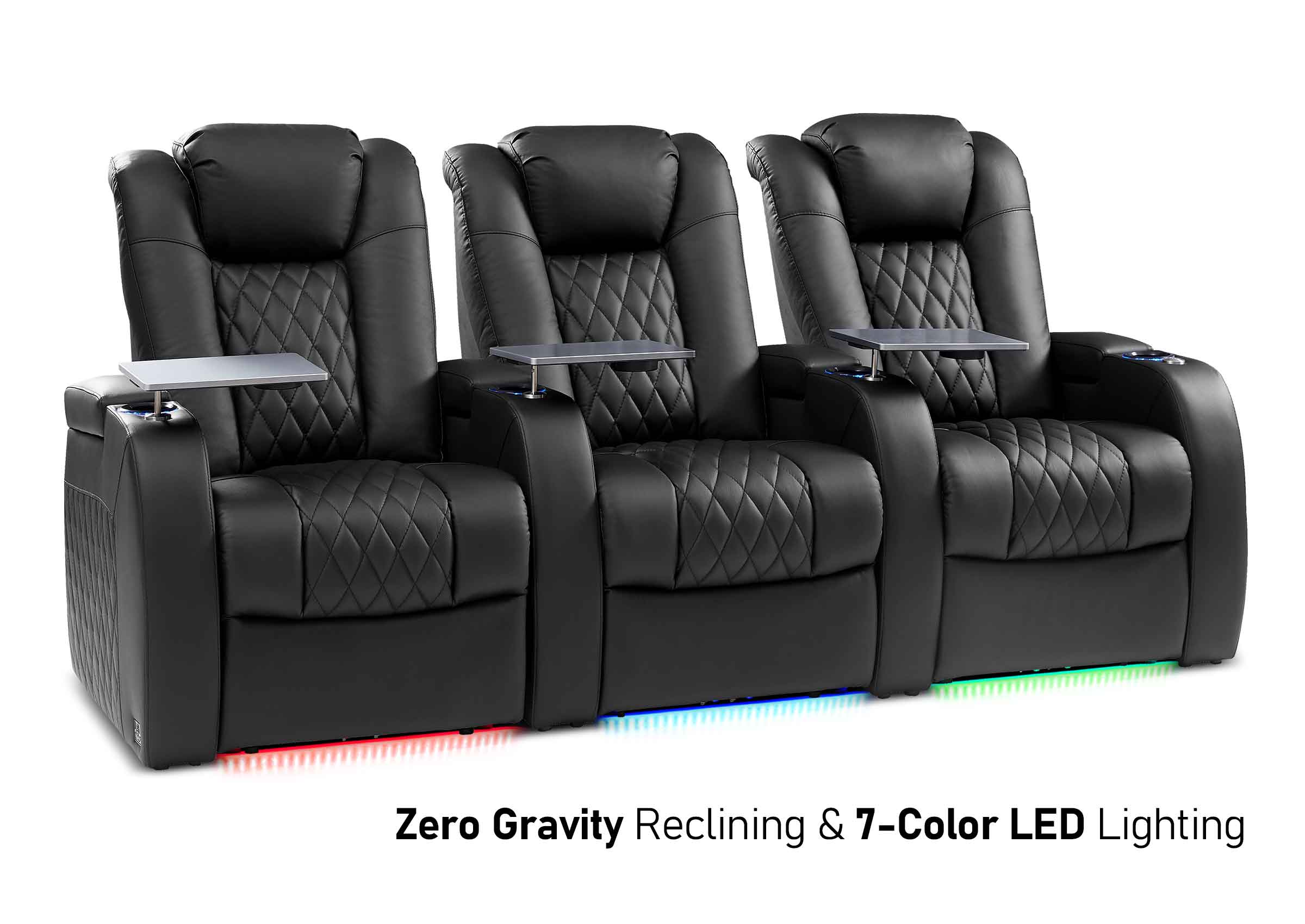
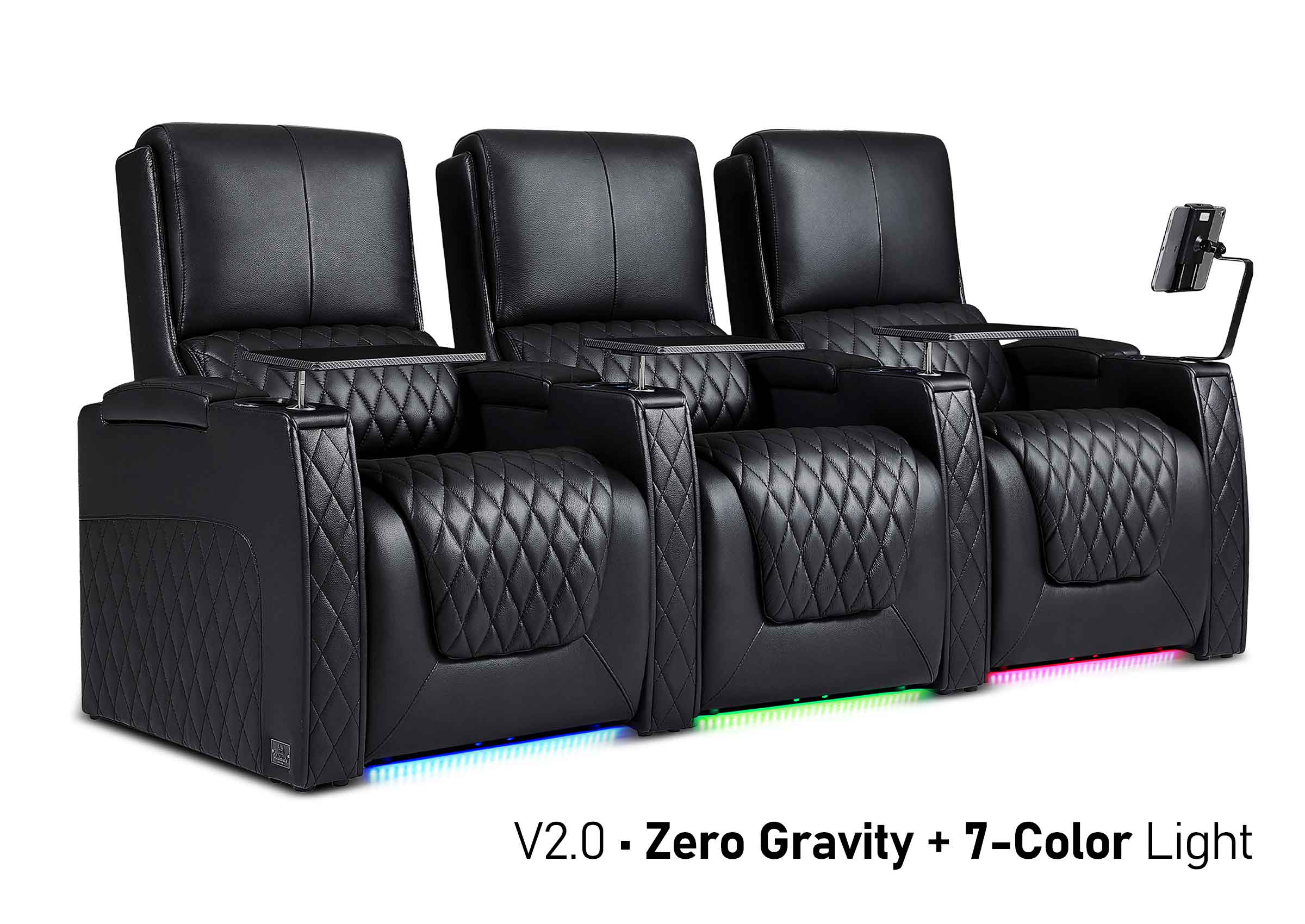
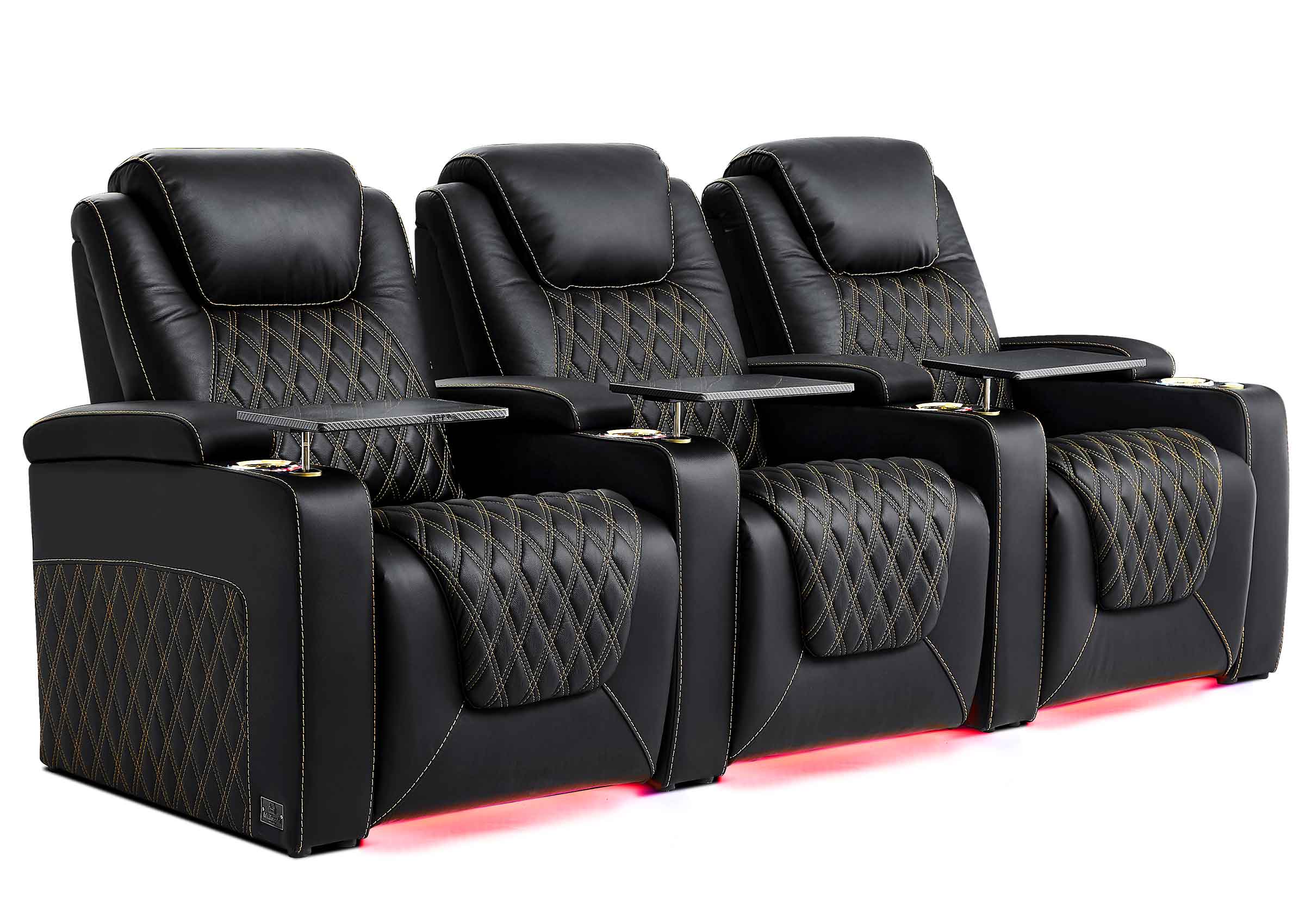
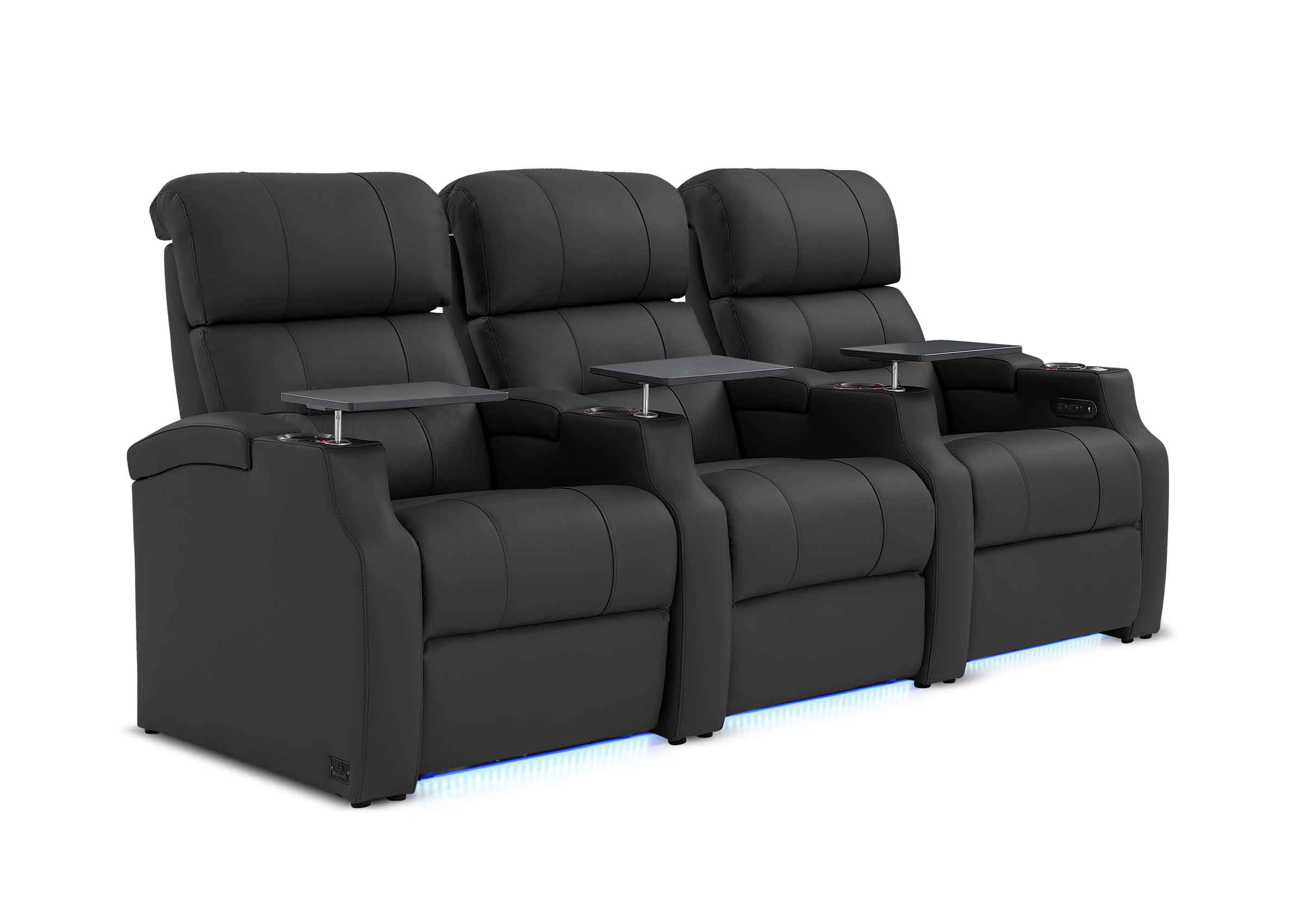
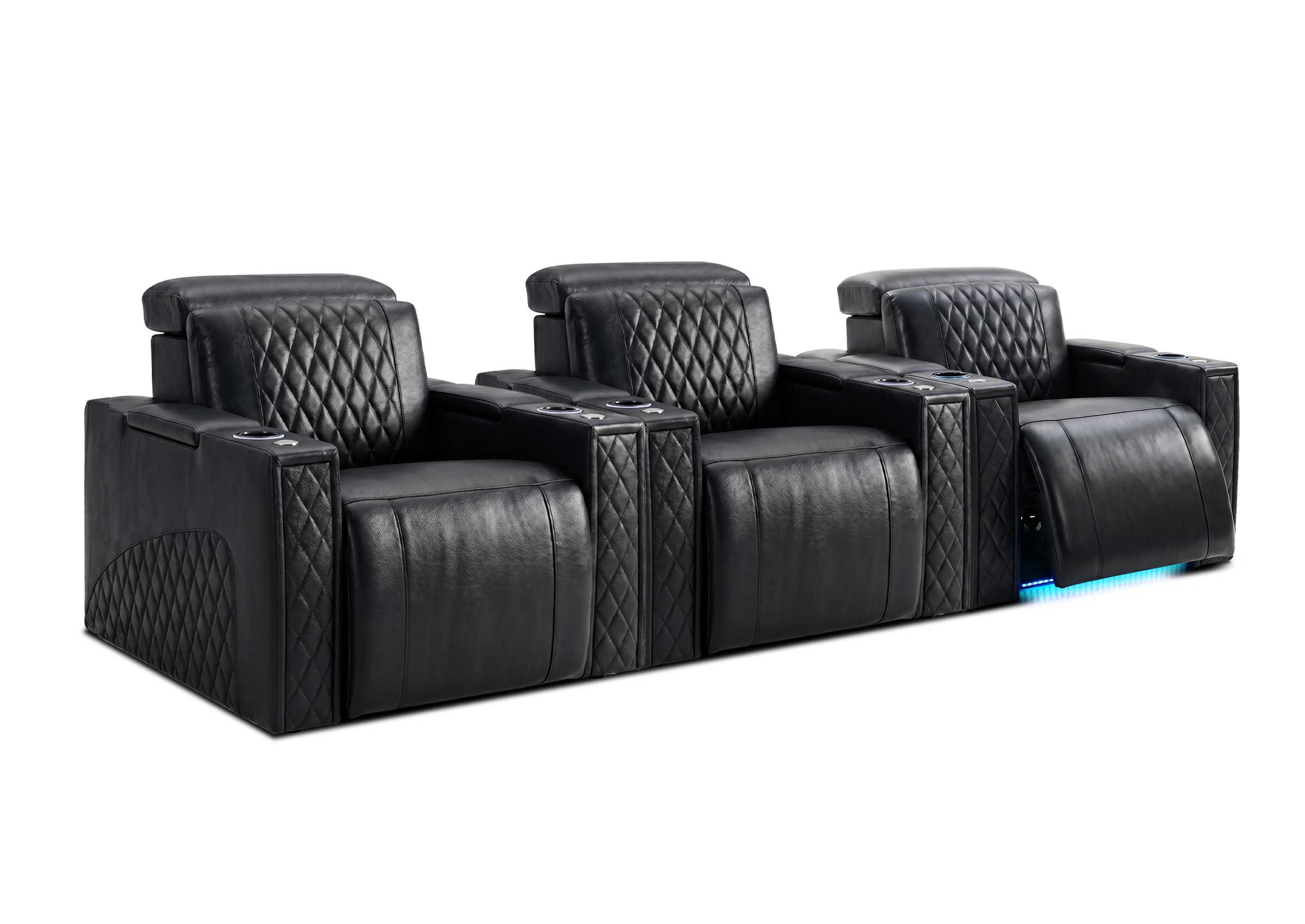

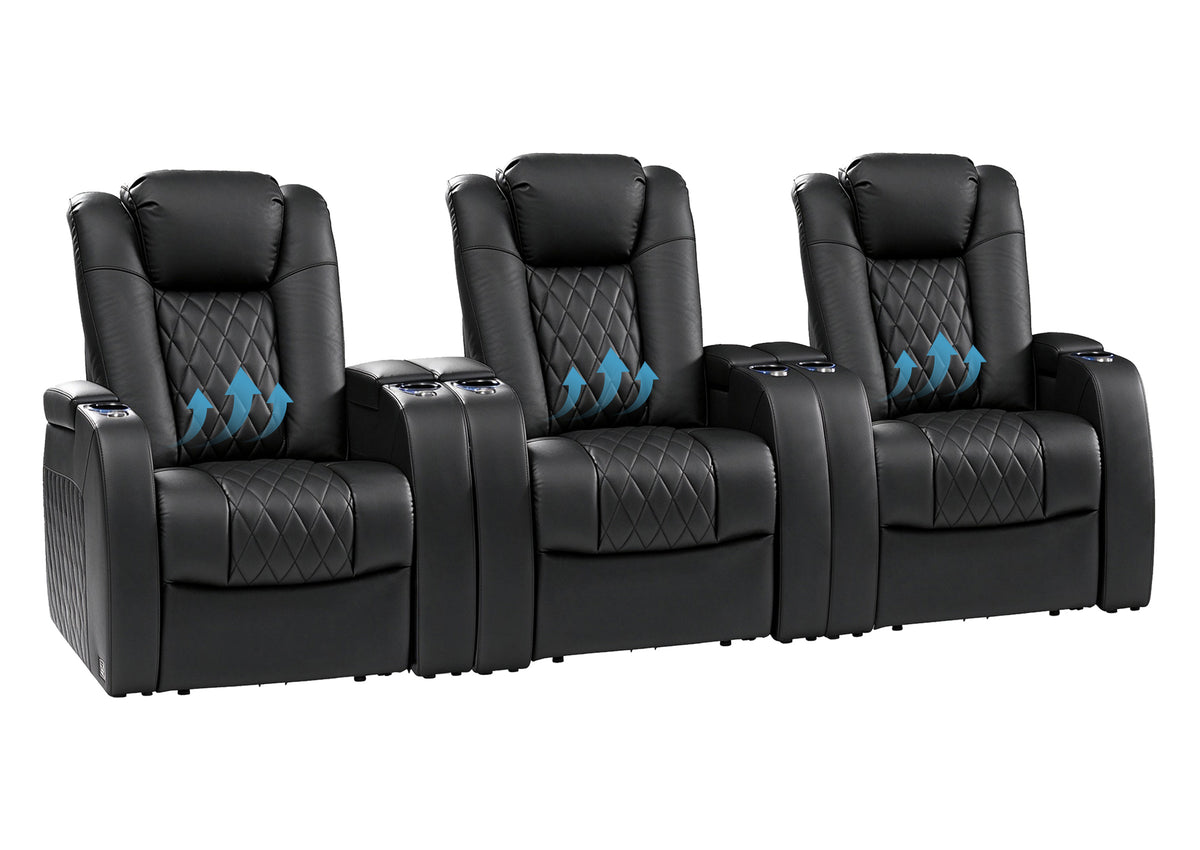
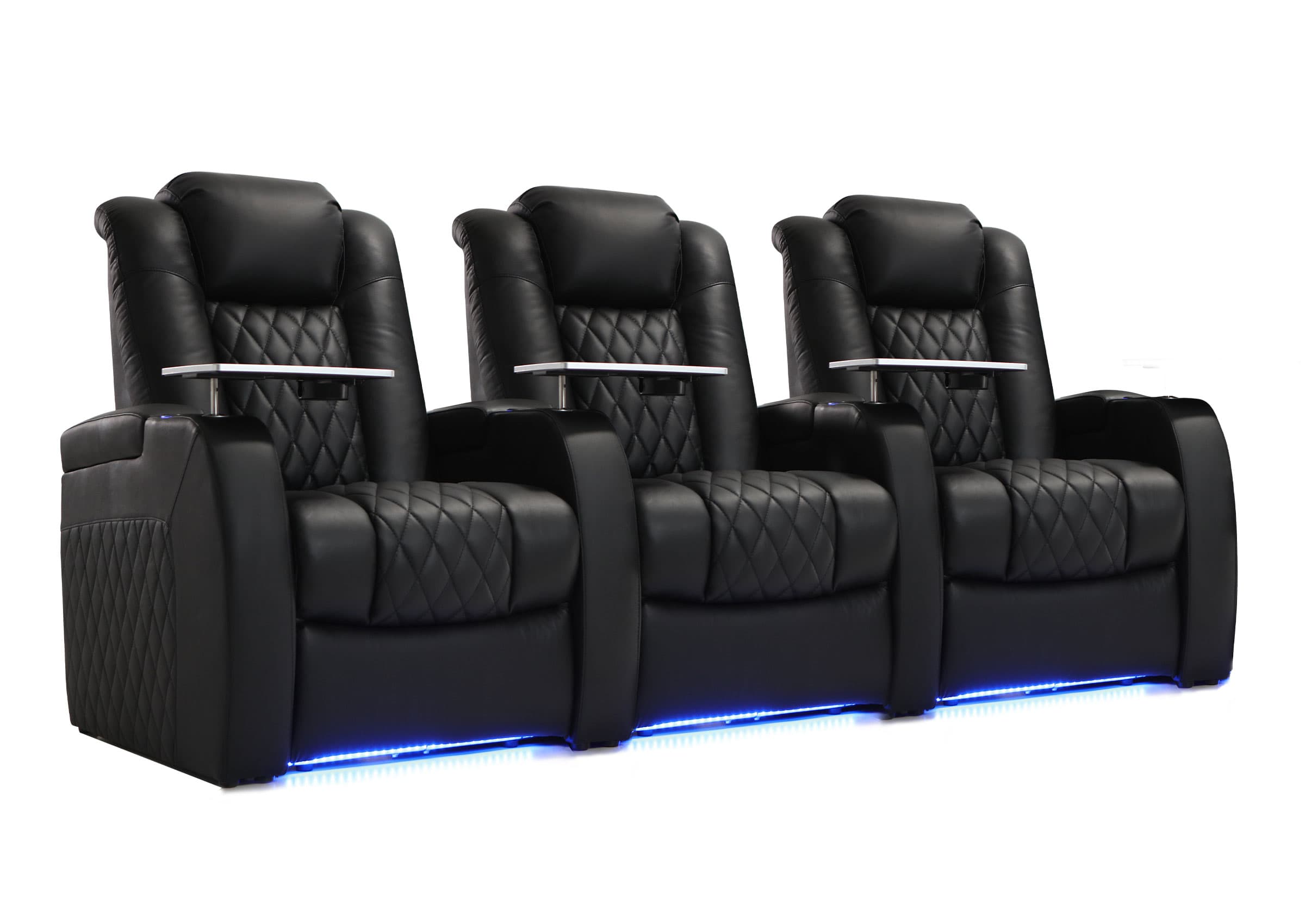
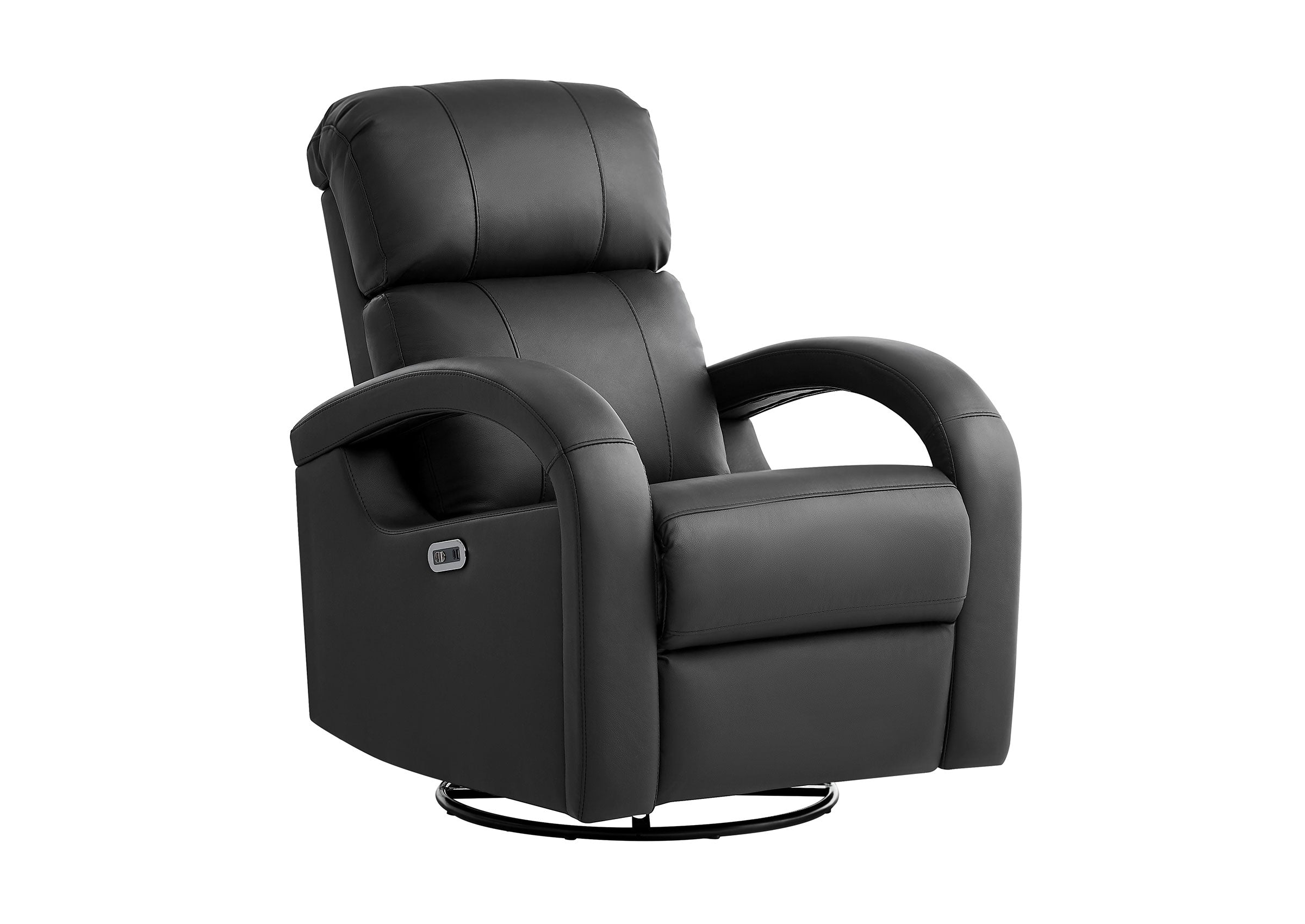
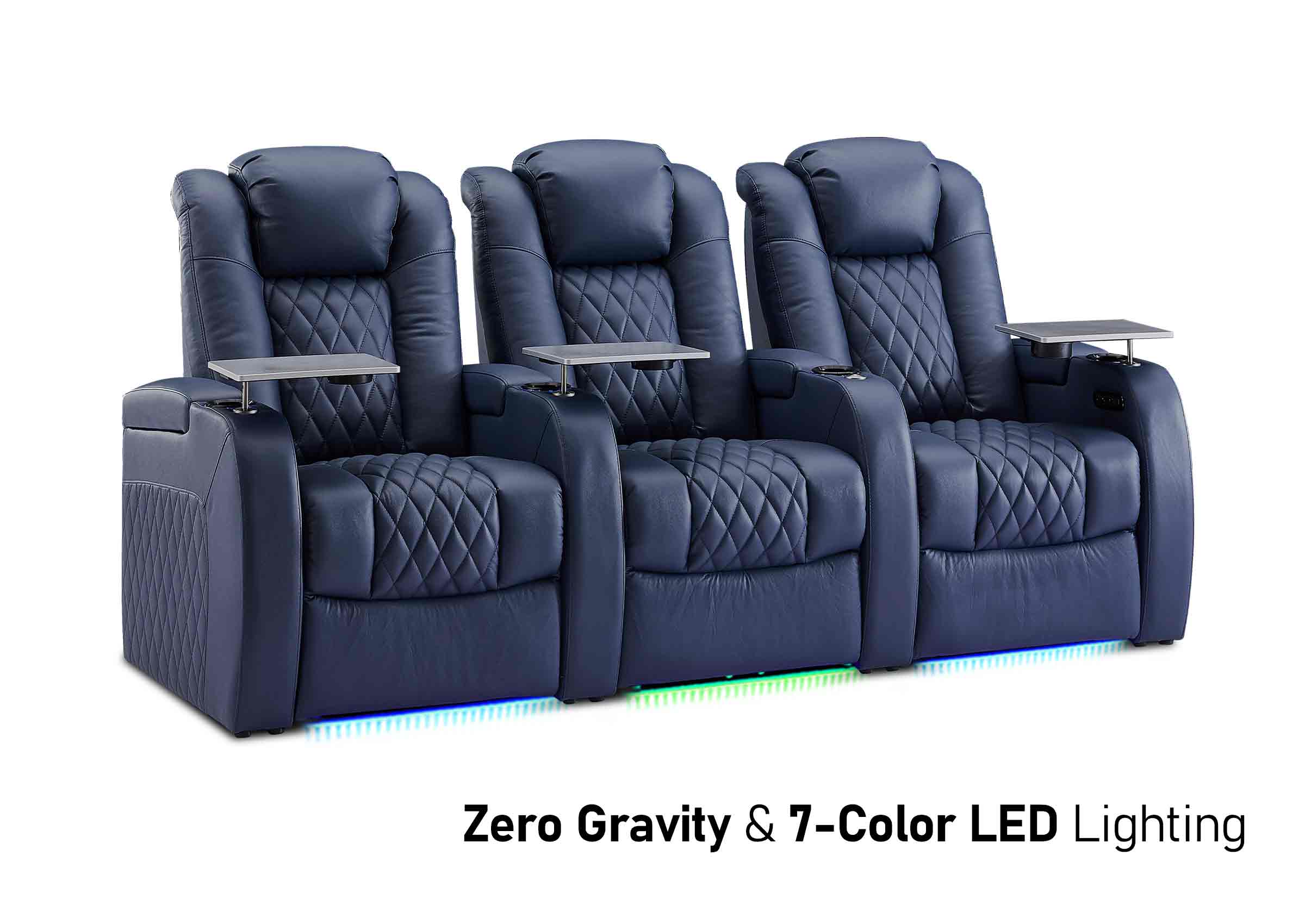
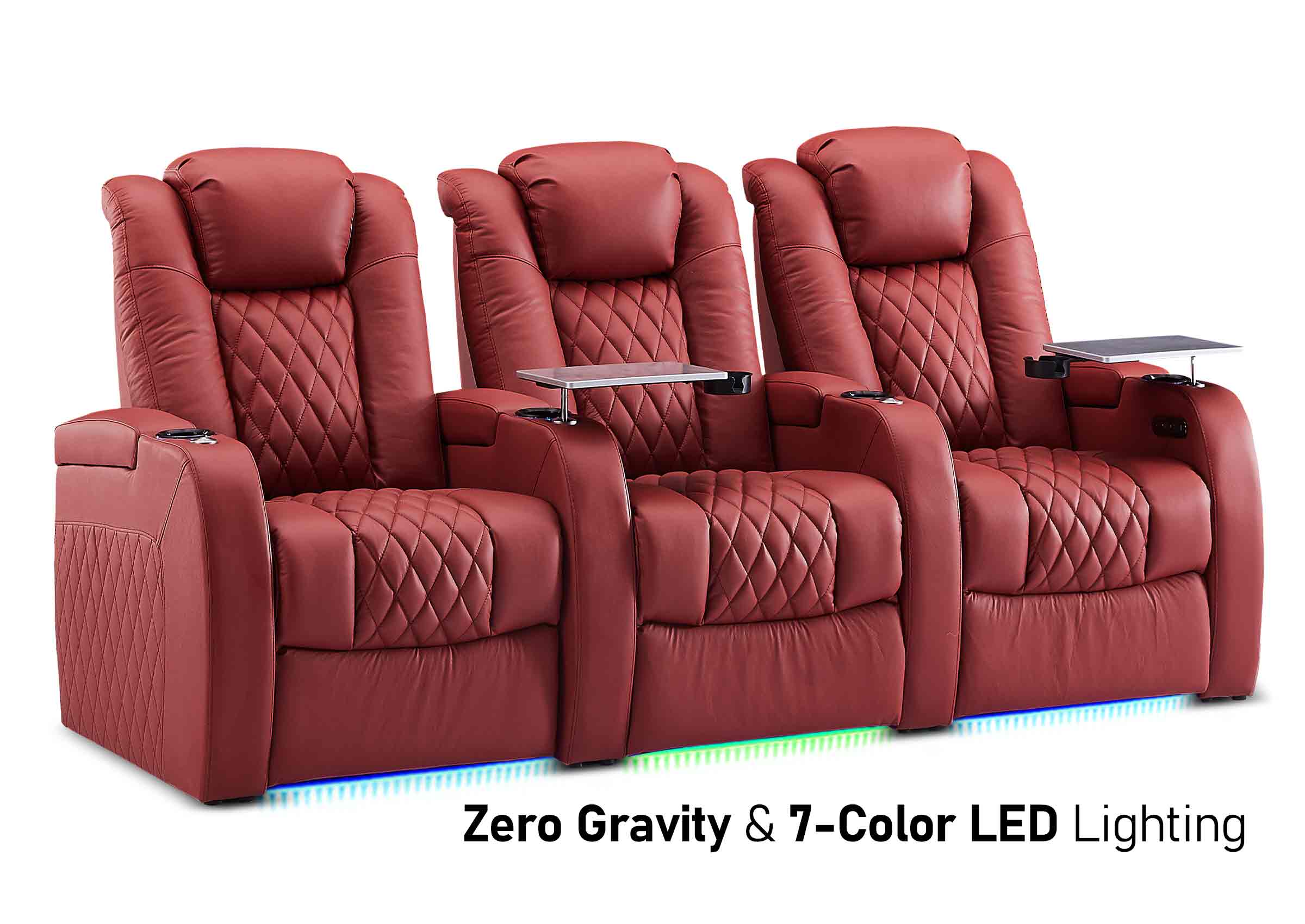
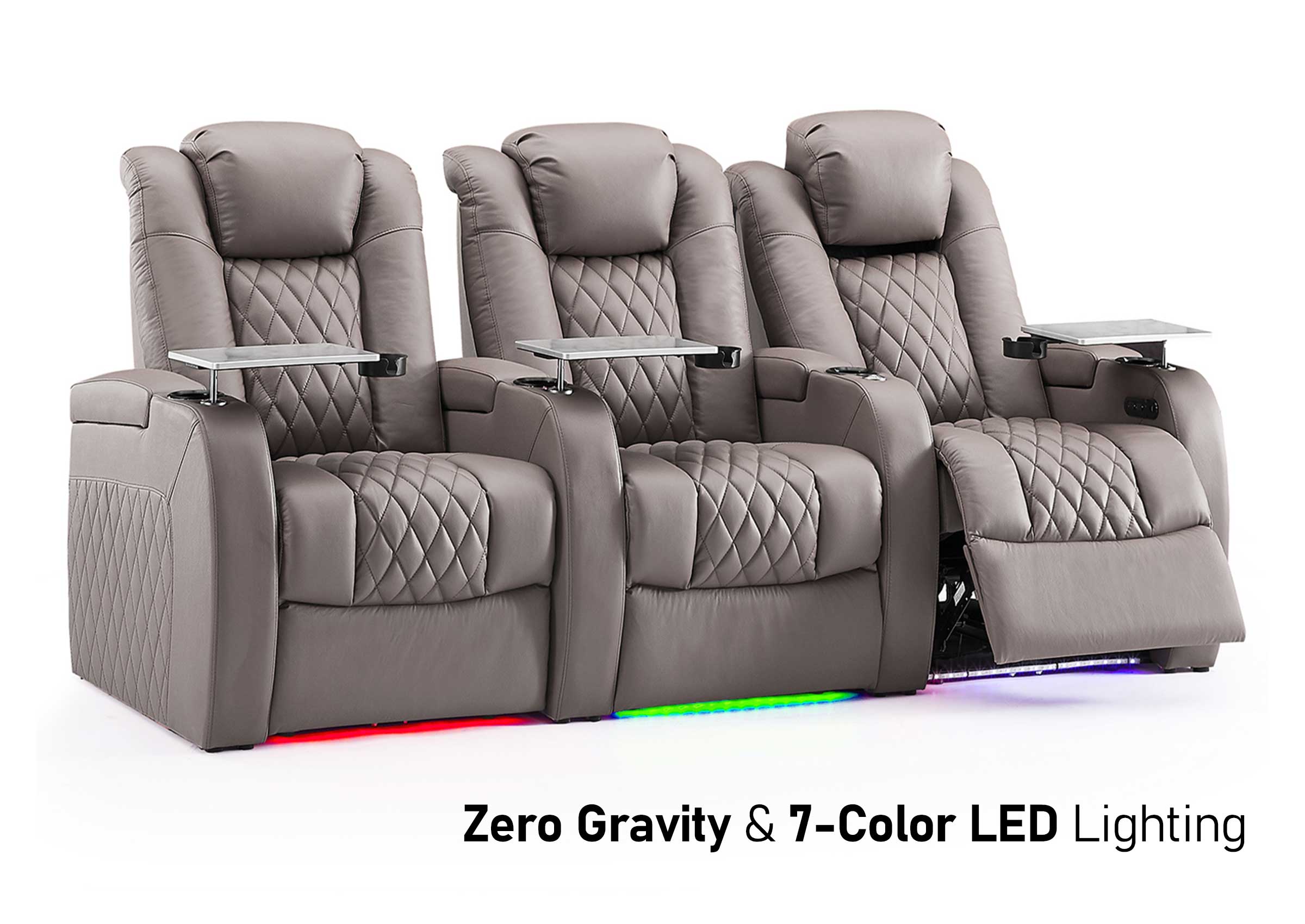
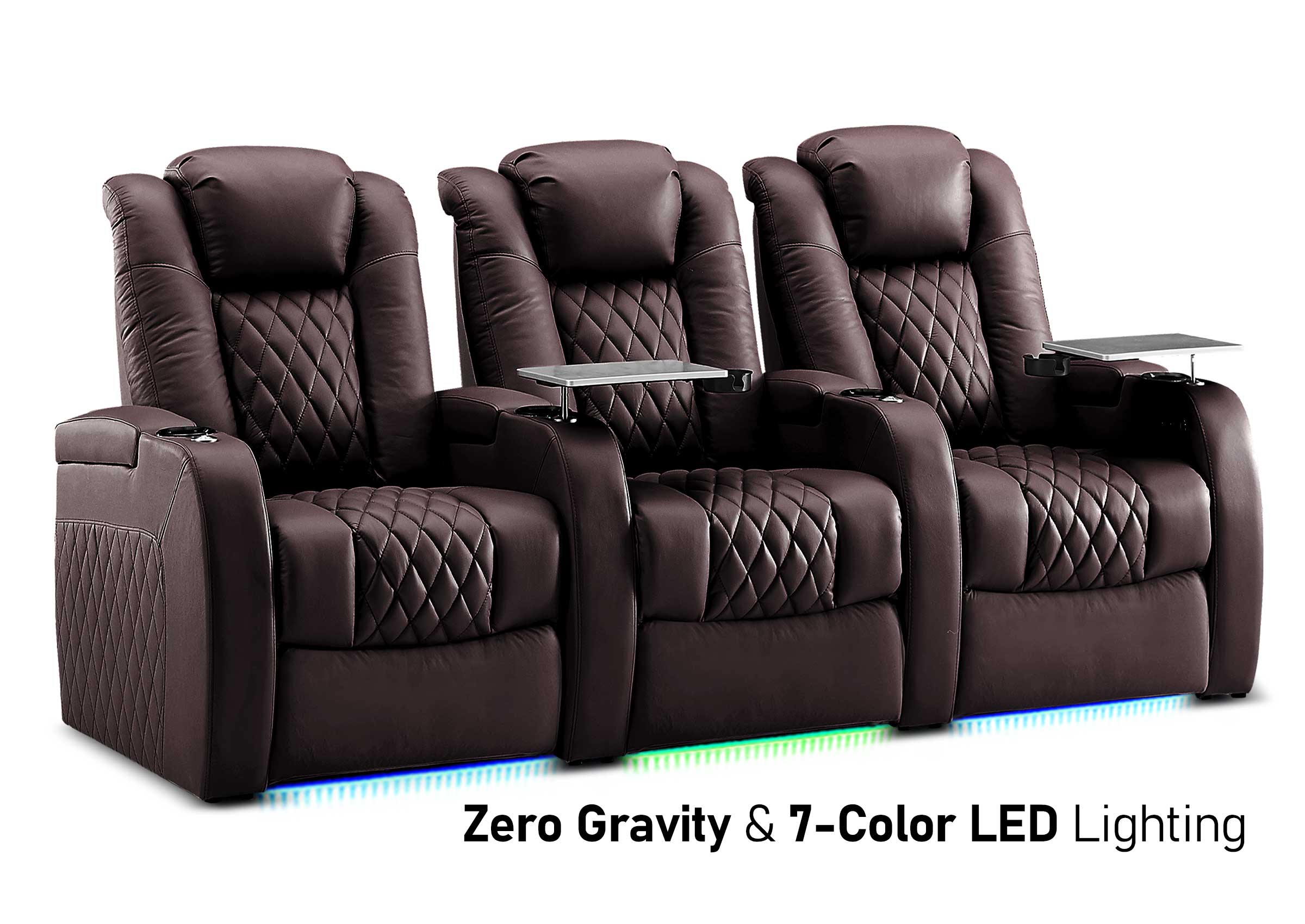

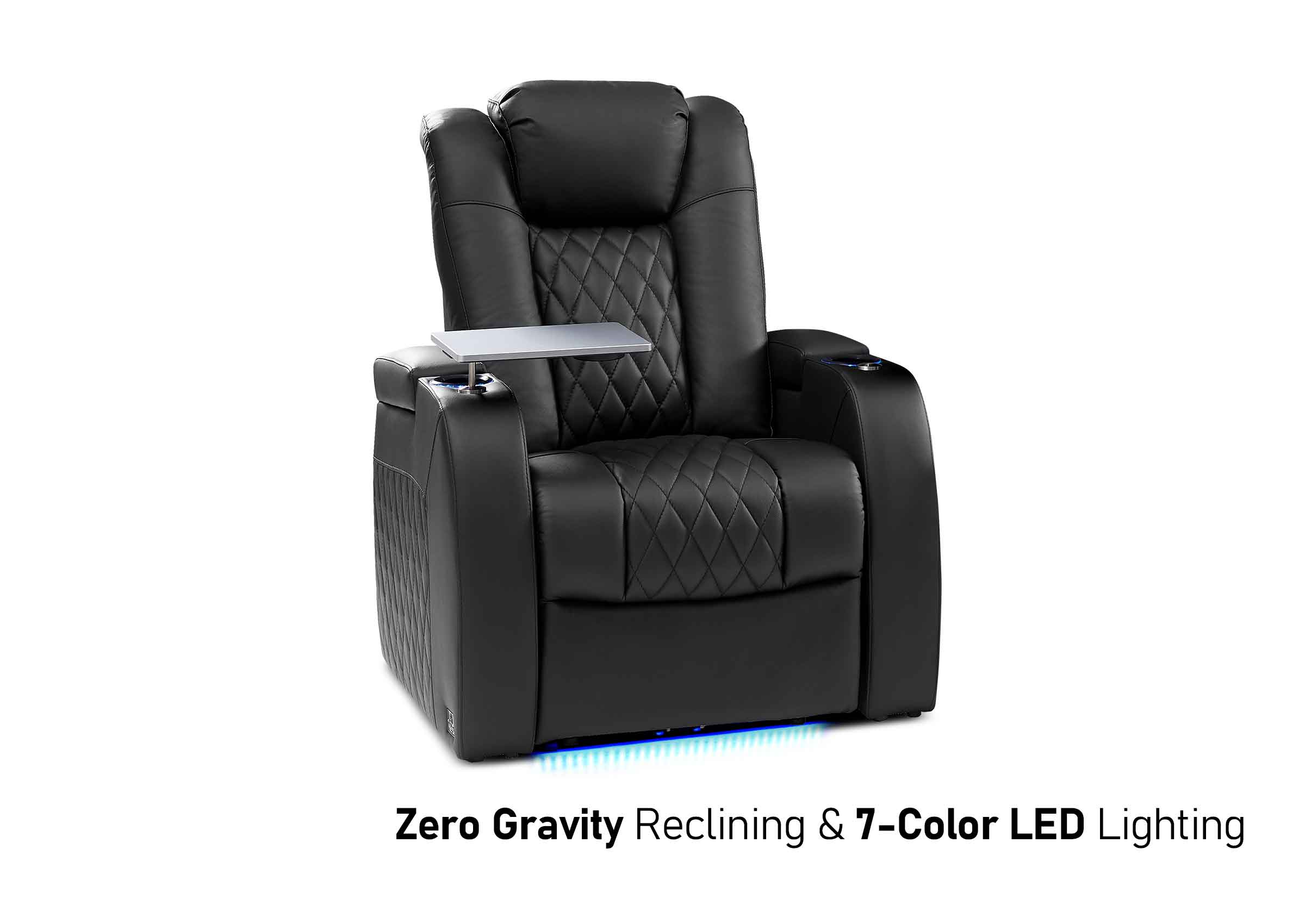
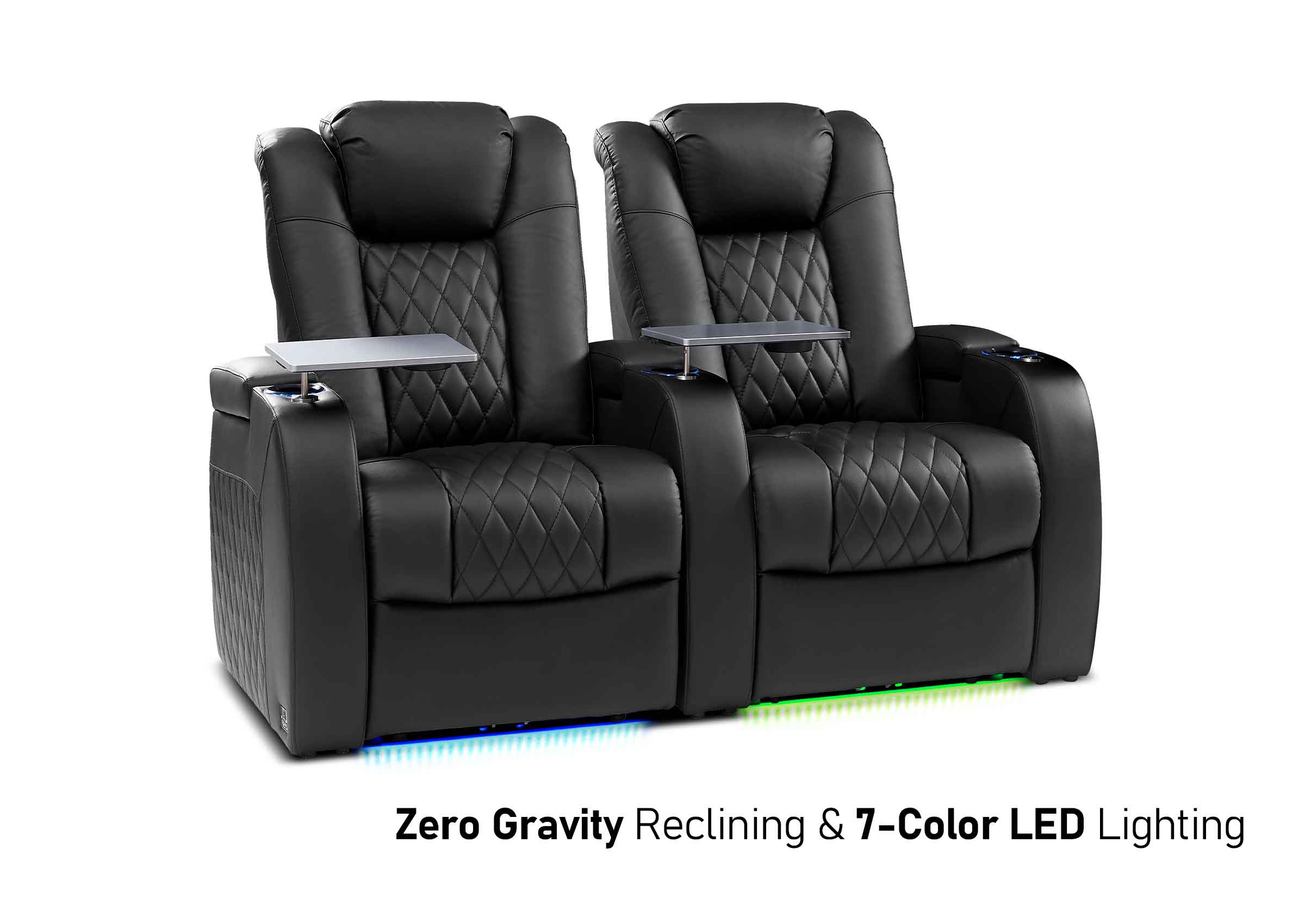
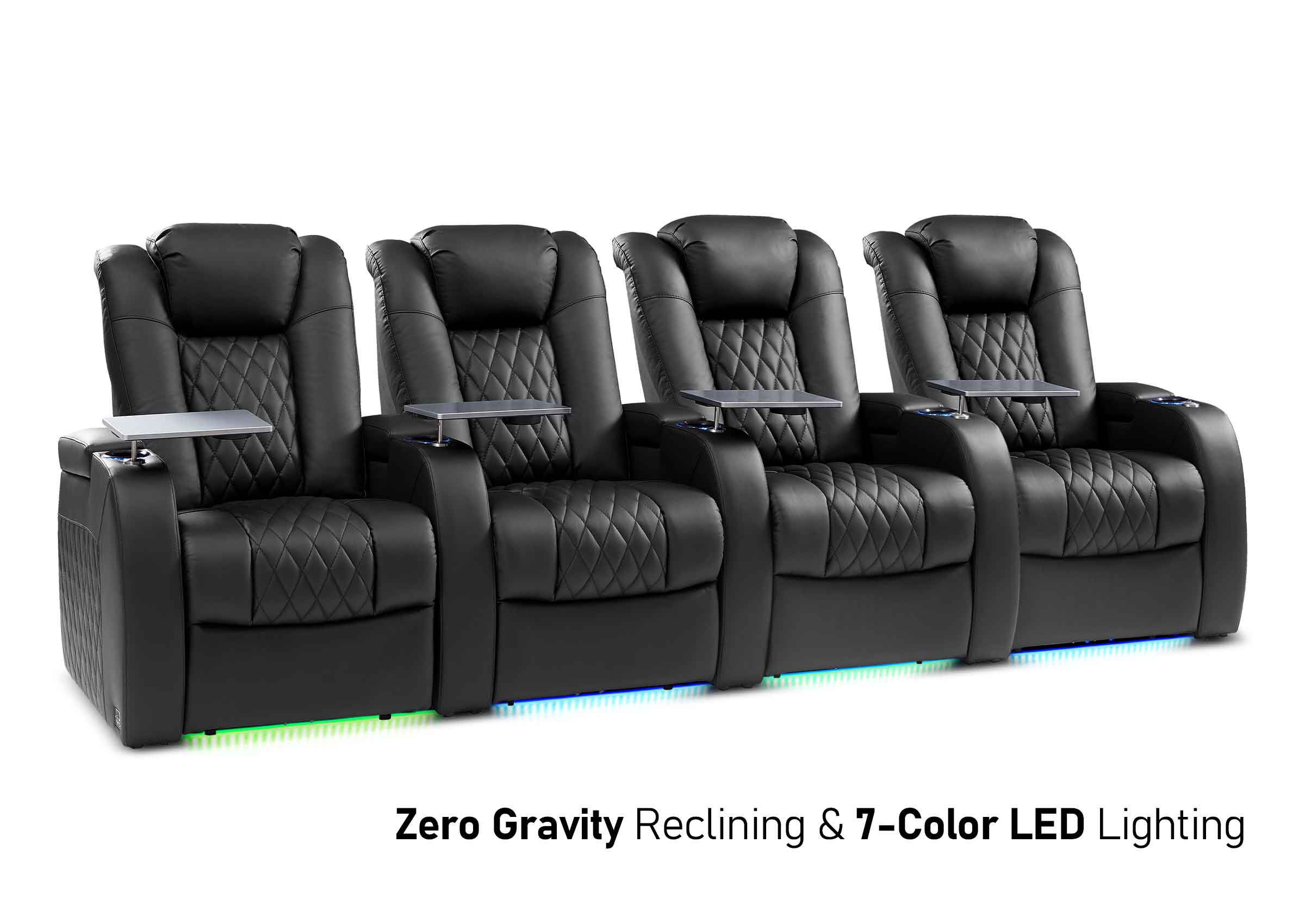
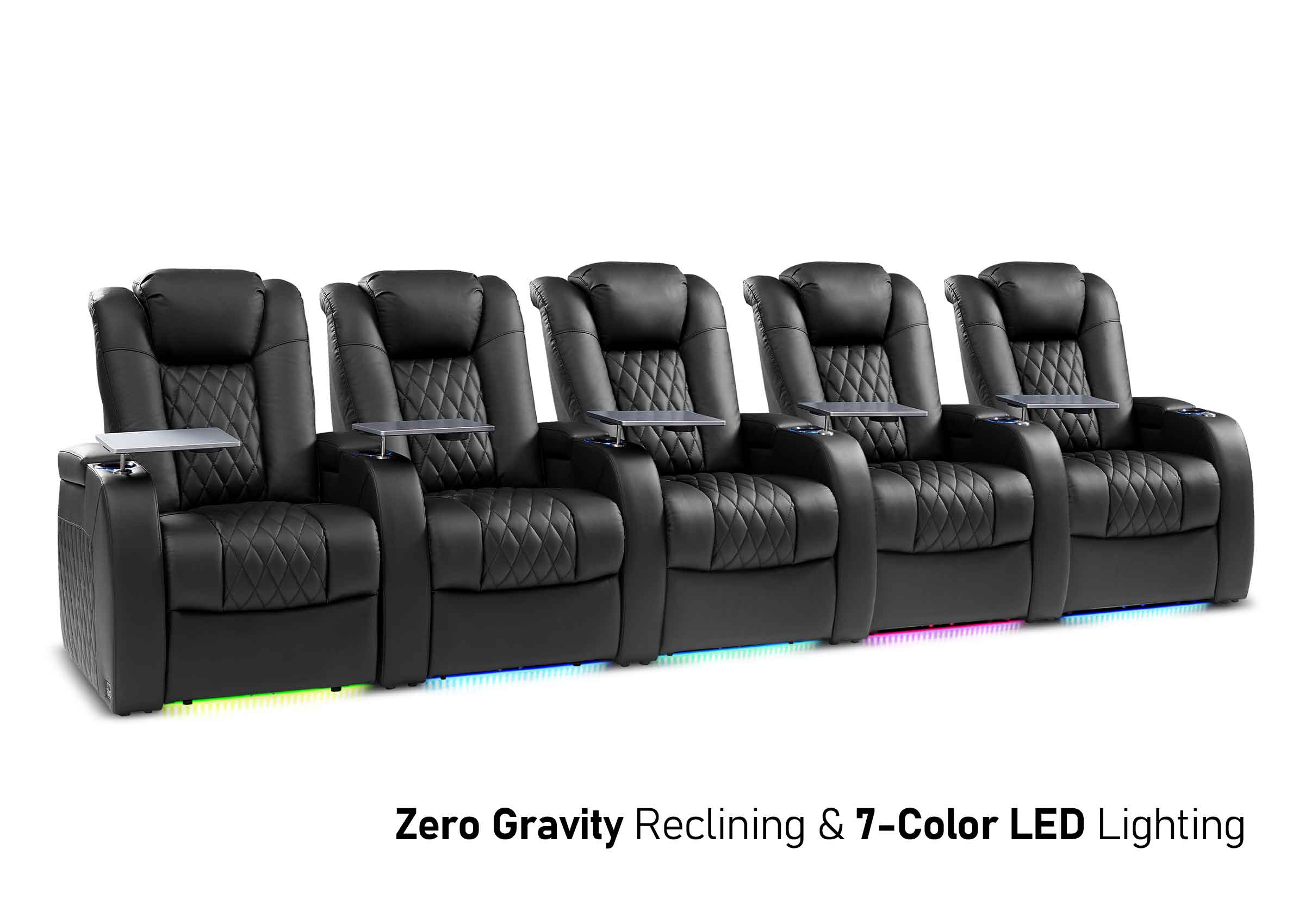
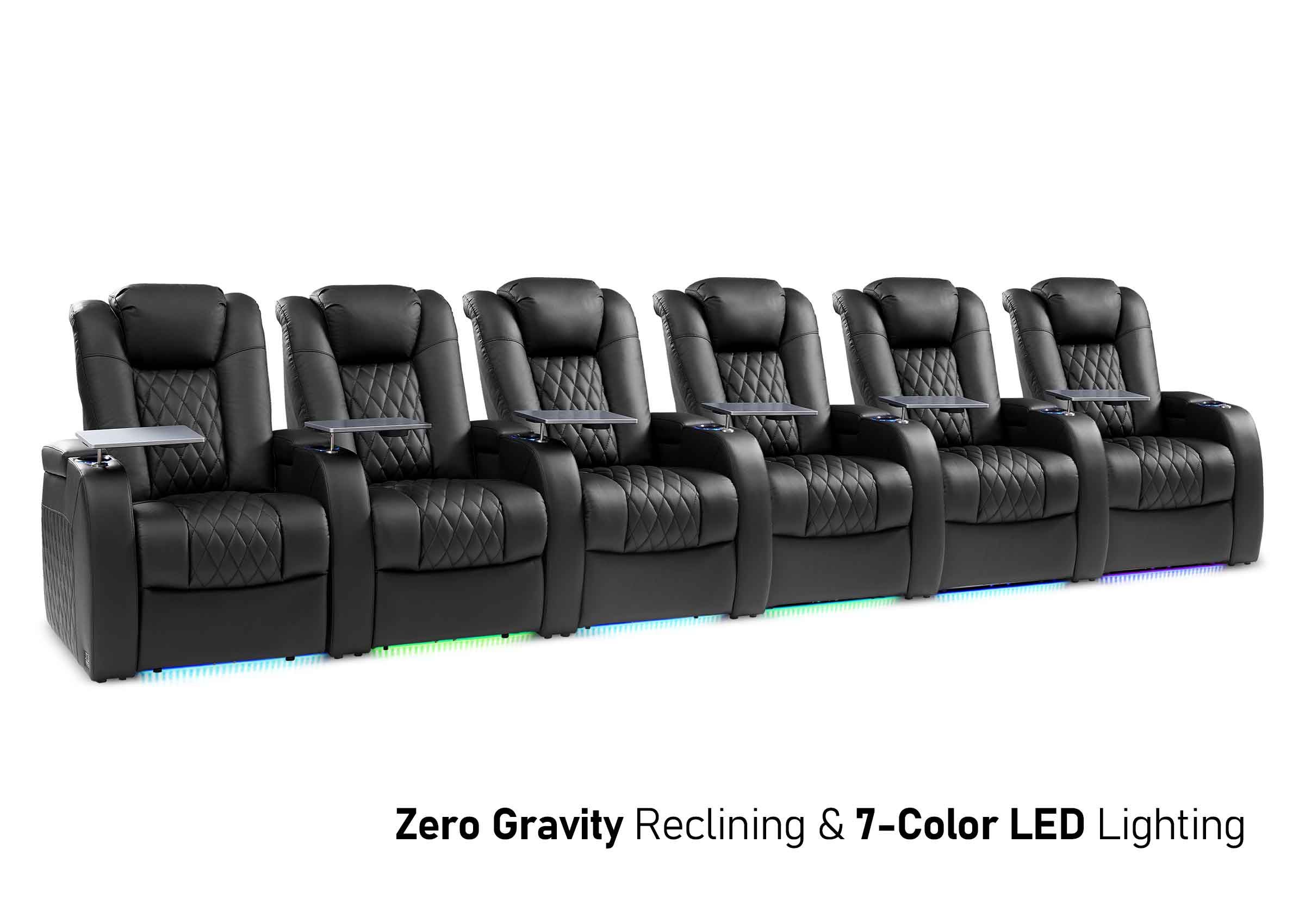
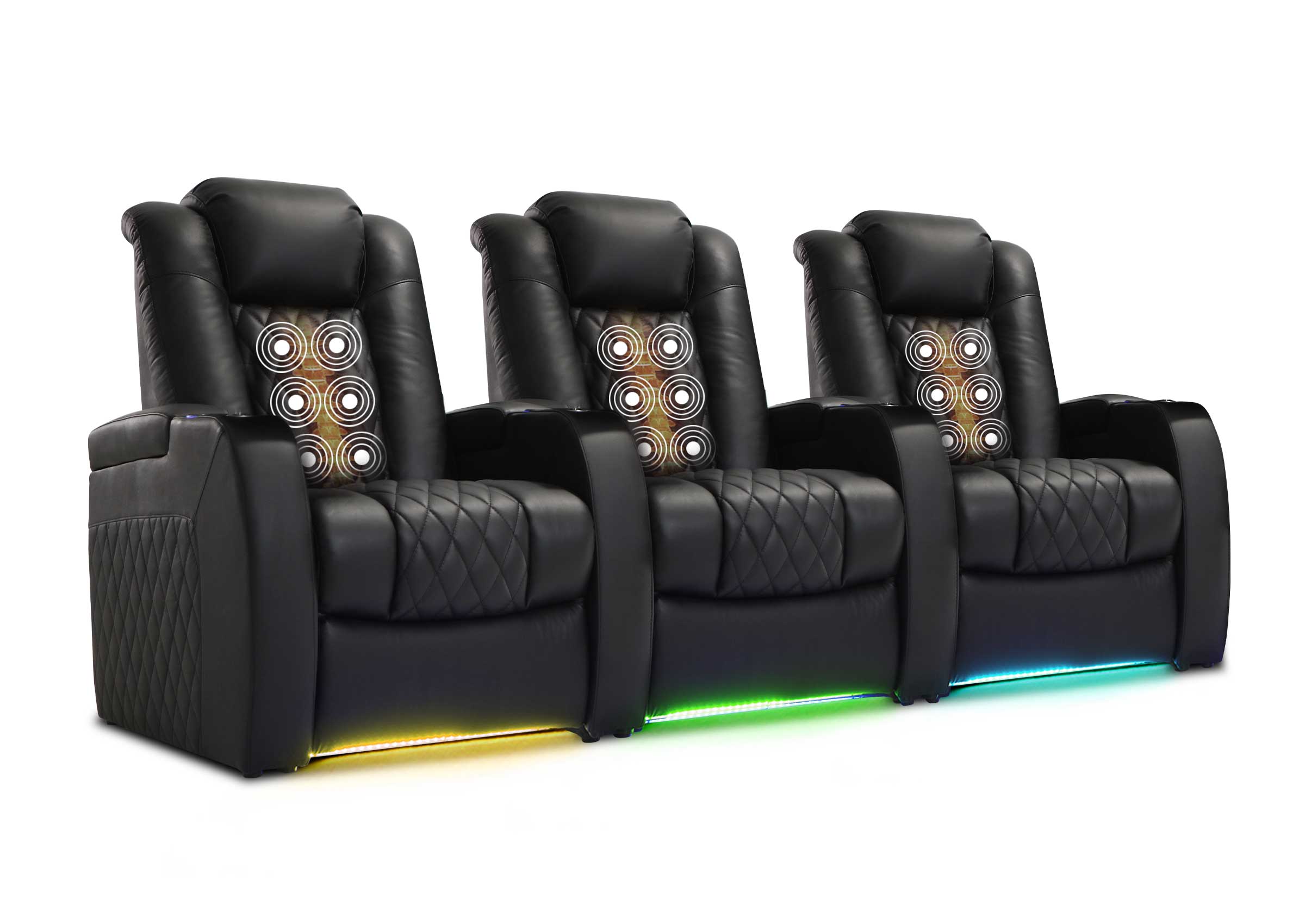
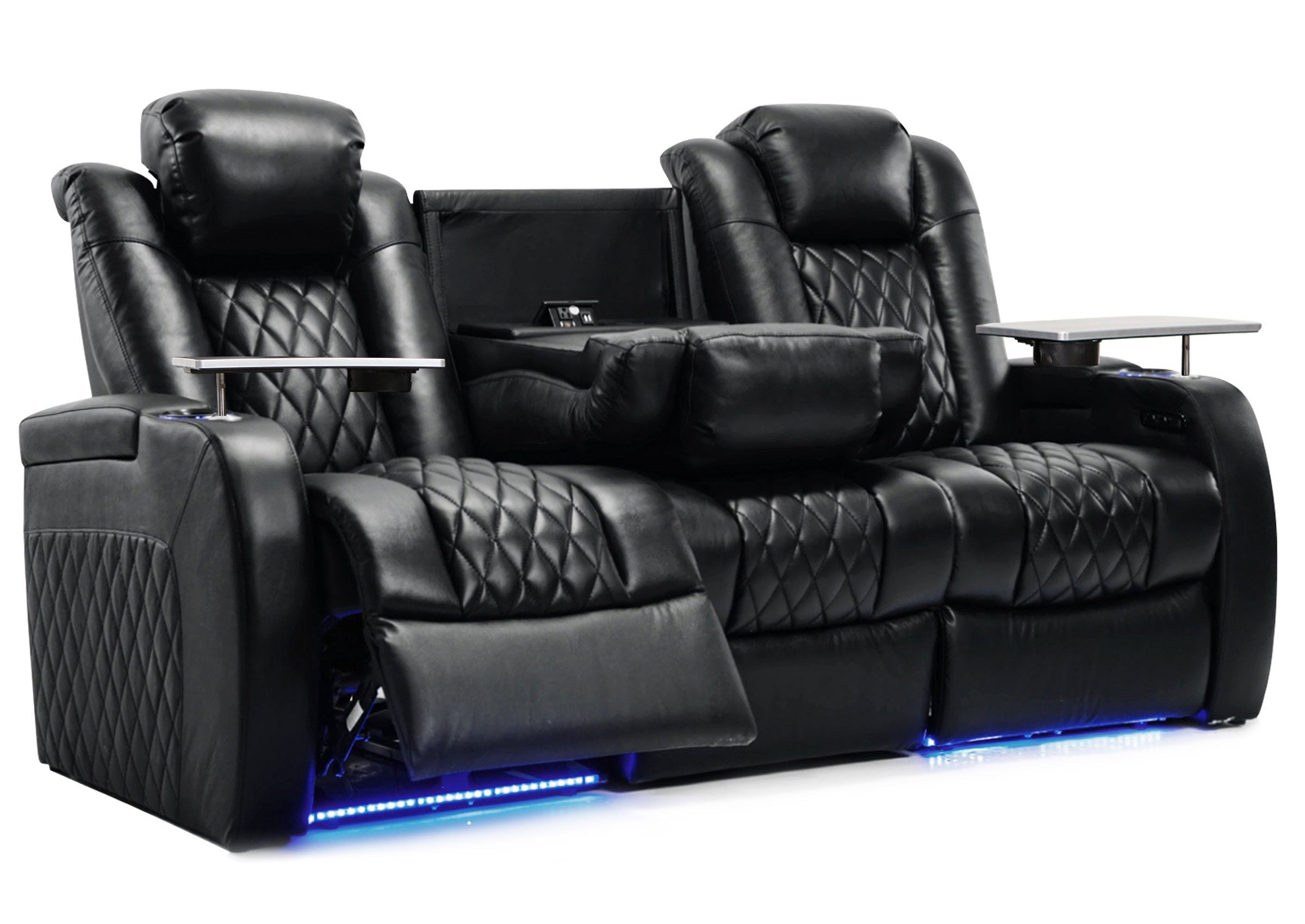
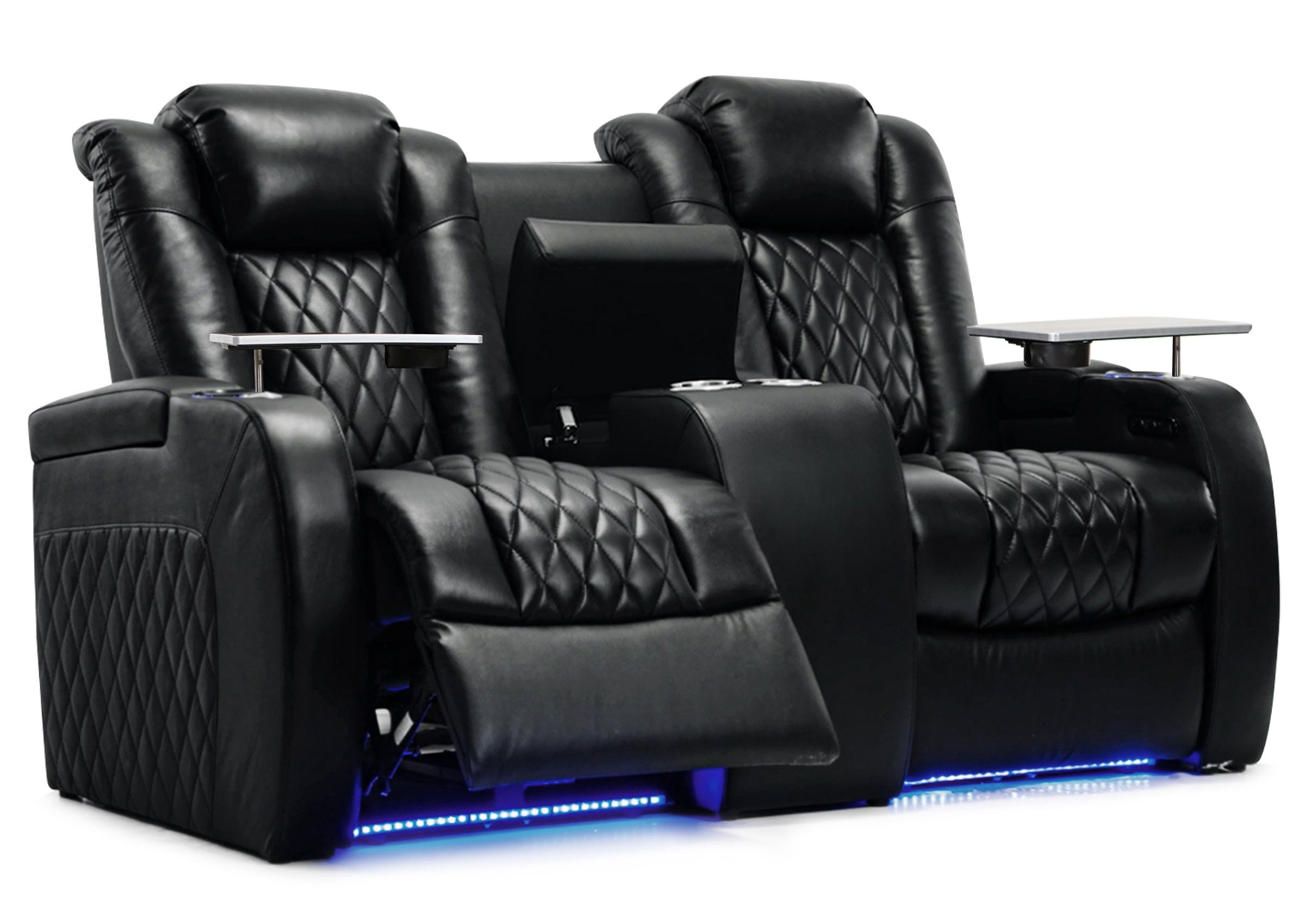


A loveseat is a sofa intended for two people. Choose one when its usable seating space meets your household's needs and its smaller footprint improves the room. Choose a larger sofa when the extra sitting or lounging space is something you will use regularly.
The name is a starting point, not a size guarantee. A loveseat can have narrow arms, deep cushions, reclining seats, or a substantial center console. Before replacing a larger couch with one, compare where people will actually sit and what else must fit around it.
Know What the Word Loveseat Describes
In everyday U.S. furniture shopping, “loveseat” usually describes a two-person seating size. It does not identify a particular upholstery, frame, or operating mechanism. A loveseat is a kind of sofa; when retailers compare “loveseat vs. sofa,” they generally mean the smaller two-person piece versus a larger sofa.
The cushion count does not settle the definition. A loveseat may have one continuous bench cushion or two separate cushions. A larger sofa may also have two cushions. Check the intended seating configuration and the clear sitting surface rather than counting cushion seams.
Size and function can overlap. A reclining loveseat is still a loveseat, and a sleeper version adds a sleeping function to the seating. Some modular systems can form a two-person arrangement. None of those names tells you that a particular feature, dimension, or configuration is included.
If several labels appear in one listing, our guide to sofa types explains how size, layout, and function describe different aspects of the same piece.
Compare a Loveseat With the Sofa You Would Actually Buy
A loveseat often saves width compared with a larger sofa in the same range. The practical question is whether that saved space is more valuable than the seating you give up. Compare specific candidates that could do the same job in your home.
| Your everyday requirement | A loveseat can work when | A larger sofa may work better when |
|---|---|---|
| Main seating for the household | One or two people have comfortable positions at the same time. | More people need regular seats together. |
| Stretching out sideways | The usable span suits your own lounging position. | A shorter span leaves you curled up when you want to lie out. |
| A narrow wall or room zone | Its actual width and depth free space you need. | A slim larger sofa fits without disrupting the room. |
| Extra seating beside an existing sofa | It creates a useful second seating position or conversation group. | You need more continuous seats along one wall. |
| Occasional visitors | Other seats are available without blocking the room. | Hosting regularly would mean repeatedly bringing in temporary chairs. |
Start with an ordinary evening, then test your most common guest arrangement. You do not have to furnish for the largest gathering you could ever imagine. But if a third person joins you most nights, treating that person as an occasional guest will leave the main seating undersized.
Also compare usable sitting space, not just the labels on two listings. A compact sofa with restrained arms may compete closely with a generously proportioned loveseat. The larger category name does not tell you how much space either candidate consumes.
Read the Overall Width, Sitting Width, and Depth Separately
Overall width measures how much of the room the piece takes from side to side. Seat width describes the sitting space, using the manufacturer's measuring convention. Depth adds a separate front-to-back requirement. You need all three before deciding that a loveseat is compact enough.
Current U.S. listings illustrate how much the name can vary:
| Listed loveseat | Overall width | Listed seat width |
|---|---|---|
| IKEA GLOSTAD | 47 5/8 inches | 44 7/8 inches |
| IKEA LÅNGARYD | 78 inches | 64 5/8 inches |
These are model-specific measurements checked on October 22, 2026, not a recommended loveseat range or a comparison of comfort. They show why a single “standard loveseat width” cannot tell you what every product will occupy or how it will fit two people.
Arms can make the difference between outside size and sitting space especially noticeable. For a simple hypothetical rectangular design, a 66-inch outside width with two 9-inch arms leaves 48 inches between the arms. With two 4-inch arms, the same outside width leaves 58 inches, assuming nothing else intrudes into the seat. That calculation illustrates a tradeoff; it does not replace the manufacturer's seat measurement.

Look at what the listed sitting width includes. A fixed center console separates two positions even if the overall piece is wide. Curved arms, side bolsters, or a shaped cushion may change where you can comfortably sit. Dividing a total seat width by two does not prove that both people have usable shoulder and arm space. Ask for the measuring points when the listing is unclear, then test both positions together.
Finally, check overall depth and seat depth separately. A short loveseat can still project well into a narrow room, while a deep seat may require a different sitting position than you prefer. Width alone answers neither question.
PLAN YOUR ROOM
Measure the Whole Seating Area Before You Choose
Have the overall width, sitting width, and depth of your shortlisted seat ready. Use the room-measuring guide to check the surrounding layout and delivery route before deciding whether the smaller piece solves your space problem.
Give Both Regular Users a Real Sitting Position
A two-person label describes the intended arrangement, not a promise that any two adults will enjoy sitting there together. Test the two people who will use it, with the normal back cushions in place and any planned pillows included.
Sit together in your usual positions. Can each person lean back, rest an arm, read, or turn toward the other without taking over the other seat? If one person needs a pillow to sit comfortably upright, include that pillow while the second person tests their position.
Then try the activities that take more space. Curling up, keeping a pet beside you, or sitting with a child can use space that looked available during an upright trial. If those activities happen daily, they belong in the comparison rather than being treated as exceptions.
For sideways lounging, measure the span you can actually use between the arms or other obstructions. Compare it with a sofa you already find comfortable, then try the proposed position. Overall width includes the arms and cannot tell you how much room your legs will have. Seat seams and a console can matter as much as length.
A useful note is specific: “We can both read upright, but only one of us can curl up,” or “The console separates the seats, so lying across them does not work.” That makes it easier to decide whether the compromise fits your routine.
Check the Whole Room and the Delivery Route
A loveseat helps a small room only if it solves the room's actual constraint. If the problem is a short wall, a narrower piece may help. If the problem is a route across the front of the seating, reducing depth may matter more than reducing width. A wall-length problem and a room-depth problem can therefore lead you to different candidates.
Mark the candidate's full footprint on the floor. Add the side table, coffee table, lamp, and any ottoman where you intend to use them. Walk between the entry, seating, and other frequently used areas. Open nearby doors, drawers, and cabinets before accepting the layout.
Check how people enter and leave the seats, too. A loveseat tucked into an alcove may fit neatly, yet leave the inside person waiting for someone else to move. A side table placed to serve both seats may be awkward to reach from one end.
A reclining or sleeper model needs another outline for its open position. Obtain its actual operating dimensions rather than assuming that every two-seat piece has the same clearance. For a sleeper, account for the opened bed and access around it, not just the closed sofa.
Delivery is a separate check. Compare the packaged or delivery configuration with door openings, stairs, elevator dimensions, and turns along the route. Confirm any approved disassembly with the seller. “Smaller than a sofa” does not establish that a particular loveseat will pass through your building.
Decide Whether You Need Fixed, Reclining, or Sleeper Seating
The loveseat name tells you the intended seating scale. Choose the function by what you want to do there.
A stationary loveseat can suit conversation, reading, or shared lounging without a built-in reclining mechanism. Whether you can stretch across it depends on the actual surface. A small piece with thick arms may offer less usable length than you expect.
A reclining loveseat adds movement to one or more equipped seats. Confirm which positions recline, how you operate them, and whether the controls and return movement suit each user. Do not assume that every version has independent headrests, a center console, or two reclining seats. Our reclining loveseat guide covers the more detailed shortlist once you know that function matters to you.
A sleeper loveseat needs its own sleeping measurements. Ask for the opened dimensions and sleeping surface; the closed two-person seating size does not establish the bed size. A standard loveseat does not become a suitable guest bed simply because someone can curl up on it.
For modular seating, confirm the exact components and approved connections. Two neighboring modules are not automatically a complete freestanding loveseat with finished sides and the right support. The configuration needs to work as the manufacturer intends.
Make the Loveseat Work as Main or Additional Seating
As the main seat in a small apartment, a loveseat can give one or two people what they need while leaving room for other activities. That works especially well when the household prefers sitting together and does not depend on the sofa for full-length lounging or frequent extra guests.
In a larger room, it can serve a different job: a second conversation seat, a reading area, or seating opposite a larger sofa. Check the orientation from both positions. A piece that looks balanced in a floor plan may leave someone facing away from the television or turning constantly to join a conversation.
You do not need to buy a full matching set to make that arrangement coherent. Choose pieces with a compatible scale and a deliberate relationship in color, texture, or shape. For example, a neutral sofa and a loveseat in a related warm color can feel connected through a repeated wood finish. Exact matching is one option, not a functional requirement.
Before choosing the smaller piece, run three checks:
- Identify who needs a regular seat and which activities must work there.
- Compare the complete loveseat arrangement with the larger-sofa alternative, including any extra chair or ottoman.
- Keep the option that meets those everyday needs while leaving the room usable.
Choose the larger sofa if the loveseat repeatedly asks you to give up a position you use, move other furniture, or send a regular user to a temporary chair. Choose the loveseat if the saved space has a clear purpose and the seating compromise is one your household is happy to make.
If neither option works, revise the arrangement before buying. Try a different wall, a shallower or slimmer-arm candidate, or a loveseat with a properly planned separate chair. Check that alternative as a complete layout. Adding a chair later only helps if there is already somewhere useful to put it.
Frequently Asked Questions
Is a loveseat the same as a two-seater sofa?
The terms commonly describe the same general two-person seating idea. Retailers may use them differently across ranges, so compare the specific layout and dimensions. Neither term tells you whether the seats recline, whether a console separates them, or how much clear sitting width is available.
Can three people sit on a loveseat?
Do not count on a loveseat as three regular seats. It is intended for two-person seating, and fitting extra people onto the cushions does not establish an approved capacity or comfortable arrangement. If three people regularly use the room together, compare a sofa or another arrangement designed to provide those seats.
Can you lie down or sleep on a loveseat?
You may be able to lounge sideways if the usable span and surface suit your position, but overall width includes the arms. Test the actual space rather than relying on the label. For planned overnight use, choose a suitable sleeper design and verify its opened sleeping dimensions instead of treating an ordinary loveseat as a bed.
Is a loveseat cheaper than a sofa?
A smaller piece may cost less than a larger version in the same range, but the name alone does not establish a saving. Compare the same covering, construction, and functions. Include a separate chair or ottoman if you need one to replace the seating or lounging space you would otherwise get from the larger sofa.
Would two armchairs work better than a loveseat?
Two armchairs can offer separate positions and more freedom to angle the seats. A loveseat gives people a shared surface and may use the available width differently. Compare the full layout, including both chairs' arms, the gap or table between them, and any moving space. Two smaller pieces do not automatically occupy less room.
Does a loveseat have to match the sofa?
No. A loveseat can work with a different sofa when their proportions and finishes have an intentional relationship. Start with a shared element, such as a color family or leg finish, then check the actual seat heights and overall scale together. A matching name or upholstery alone will not make two poorly sized pieces fit the room.
Can a modular sofa be arranged as a loveseat?
Some systems support a two-person configuration, but the required components vary. Verify the arms, end panels, connectors, and support for the exact arrangement. Do not assume you can remove pieces from a larger sectional and use the remainder as freestanding seating without checking the manufacturer's configuration instructions.
Choose the Seats Your Household Will Actually Use
A loveseat is a good choice when two-person seating matches your routine and its actual dimensions give the room something useful back. A larger sofa is worth keeping in the comparison when extra sitting space or a longer lounging surface matters most.
Take your shortlist forward with the overall width, clear sitting width, depth, normal activities, and full room layout recorded. For a Weilianda configuration you are considering, contact Support or email leon@weiliandahome.com to confirm the seating arrangement and relevant operating dimensions before ordering.