
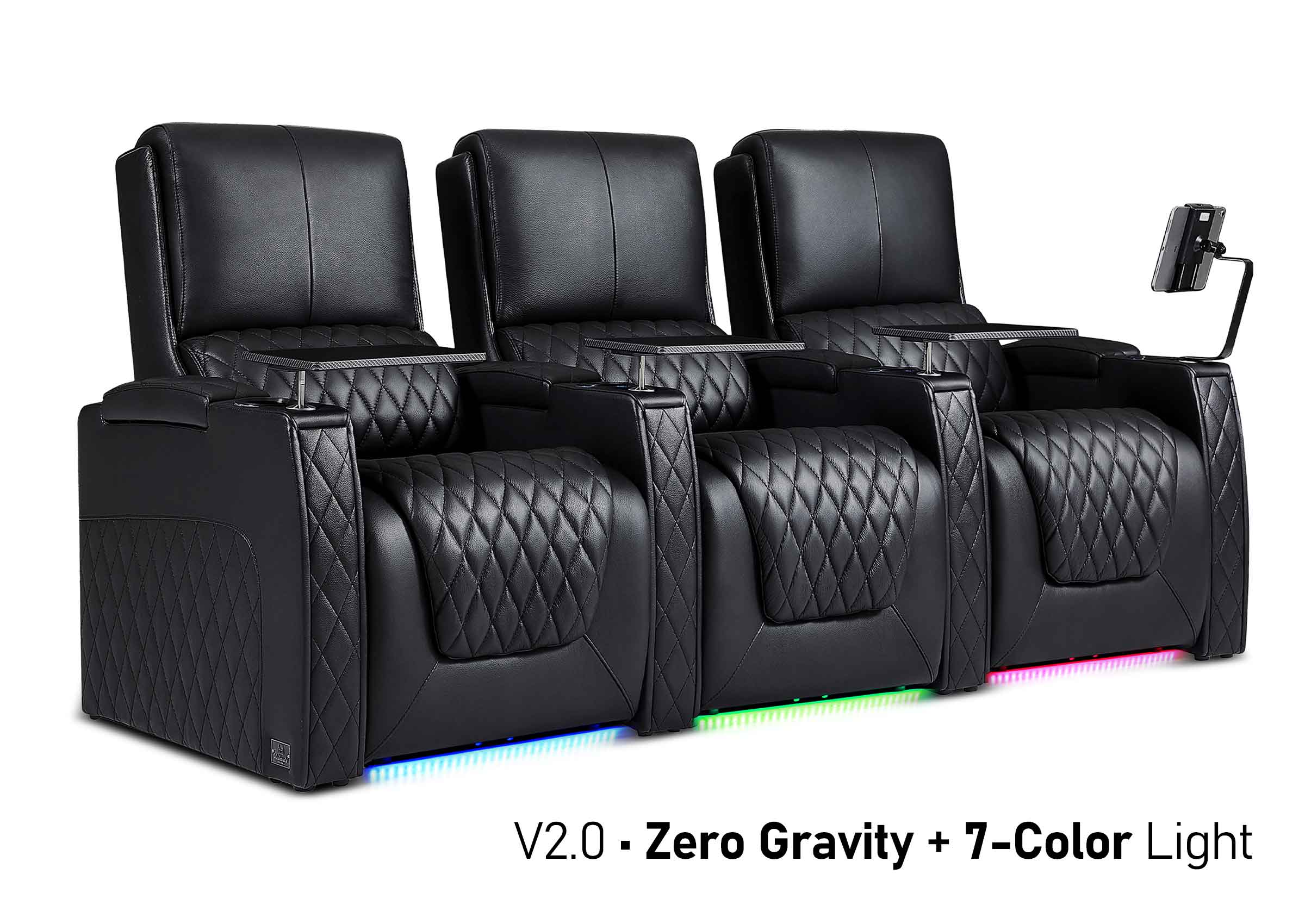
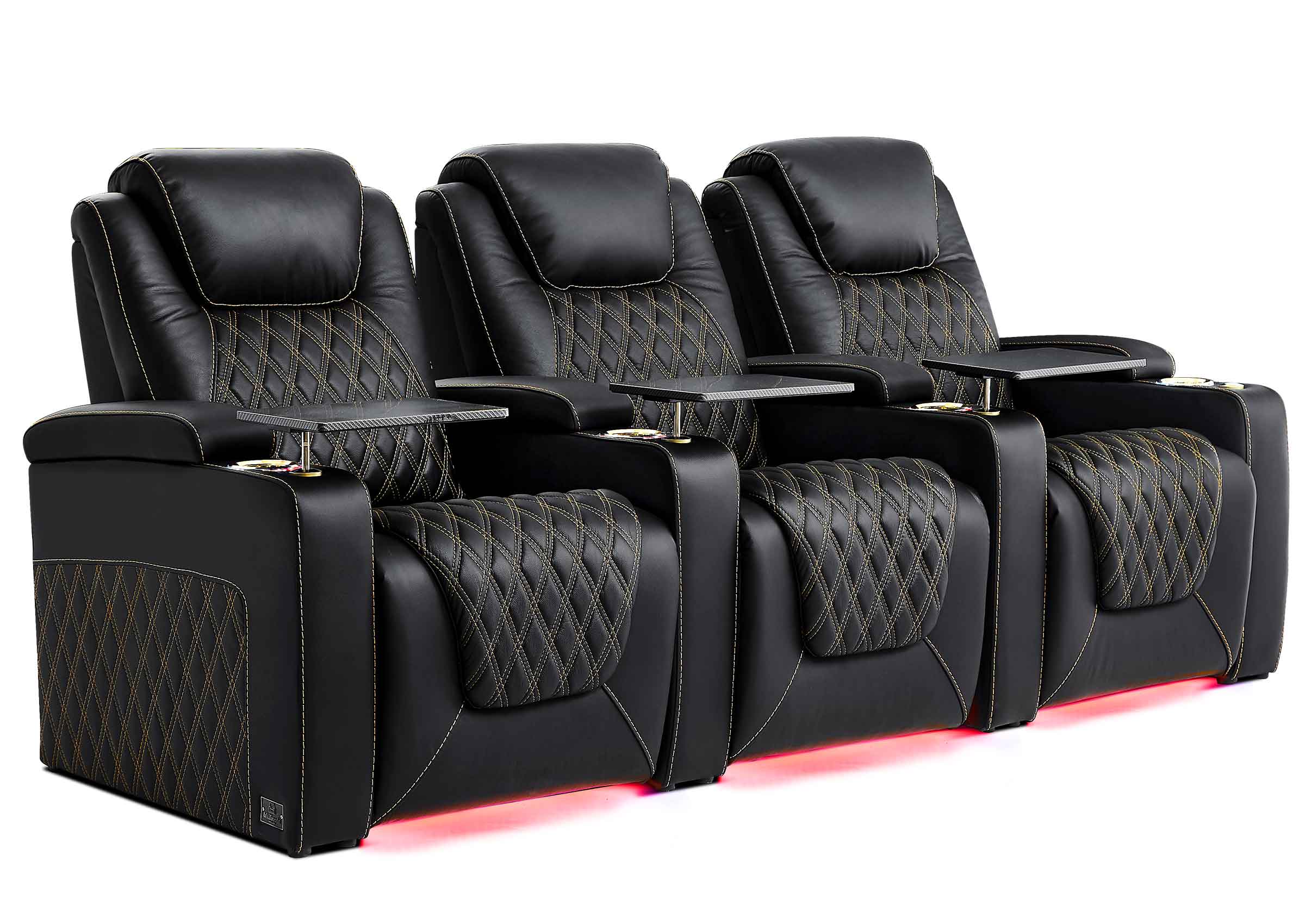
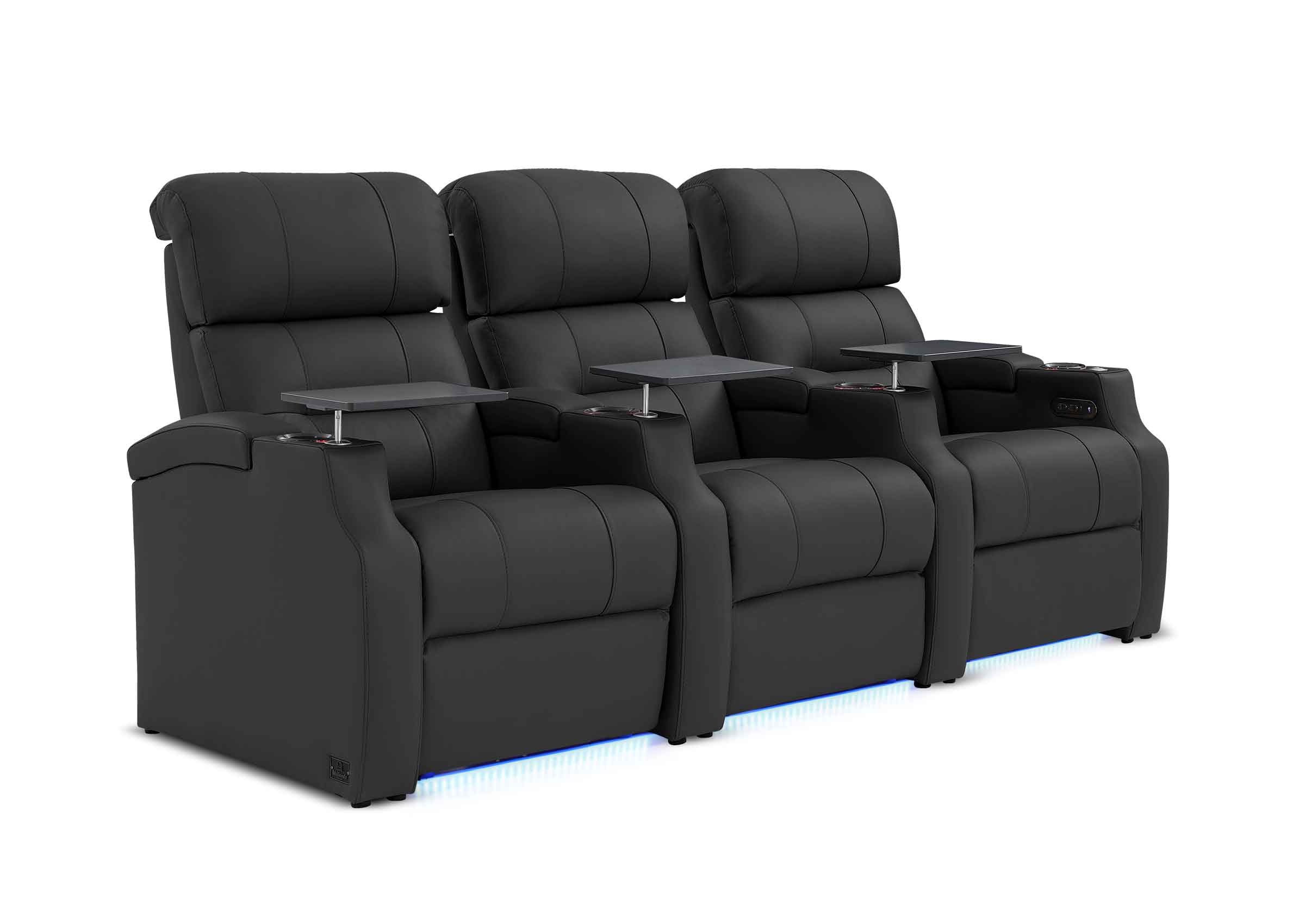
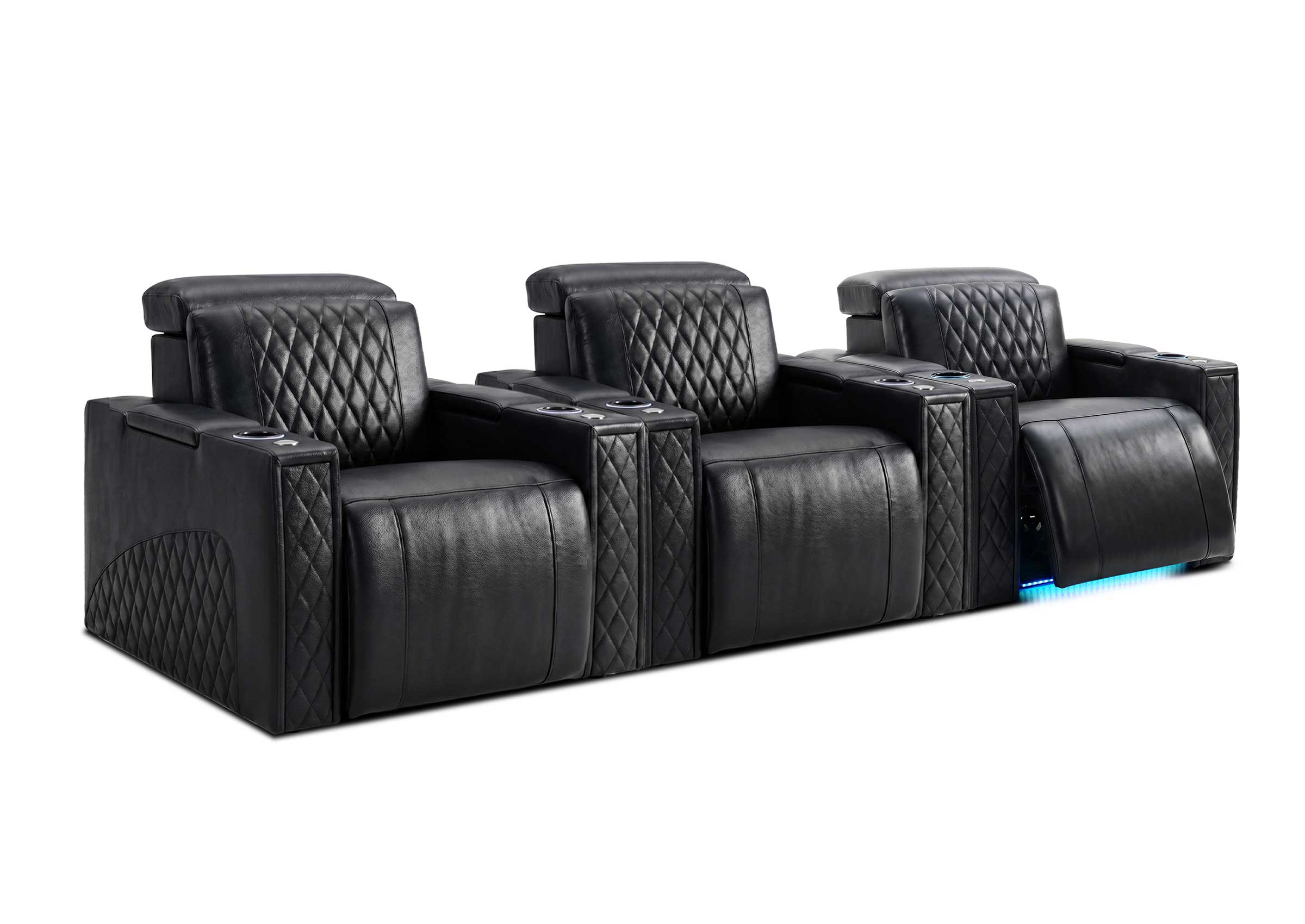


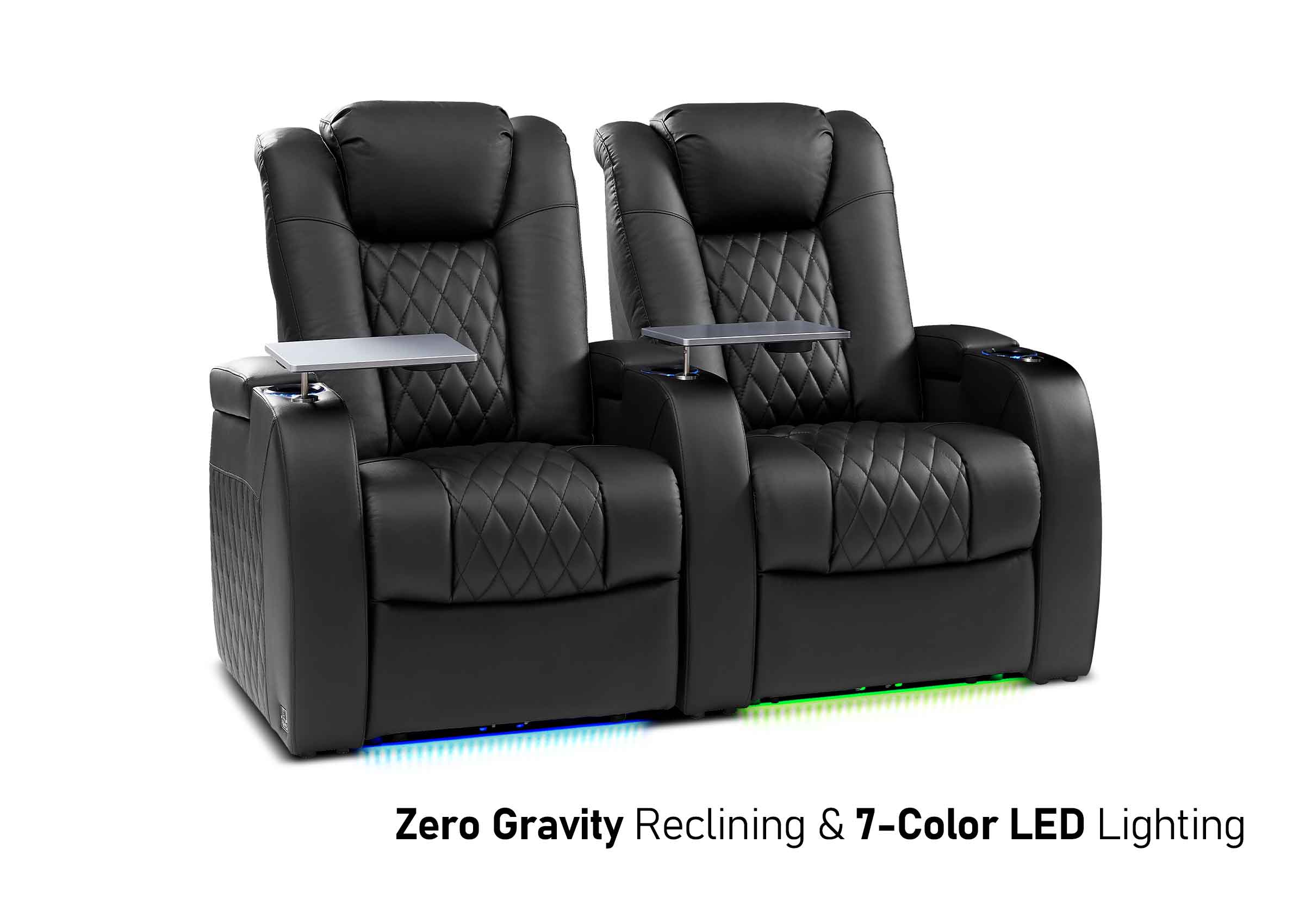
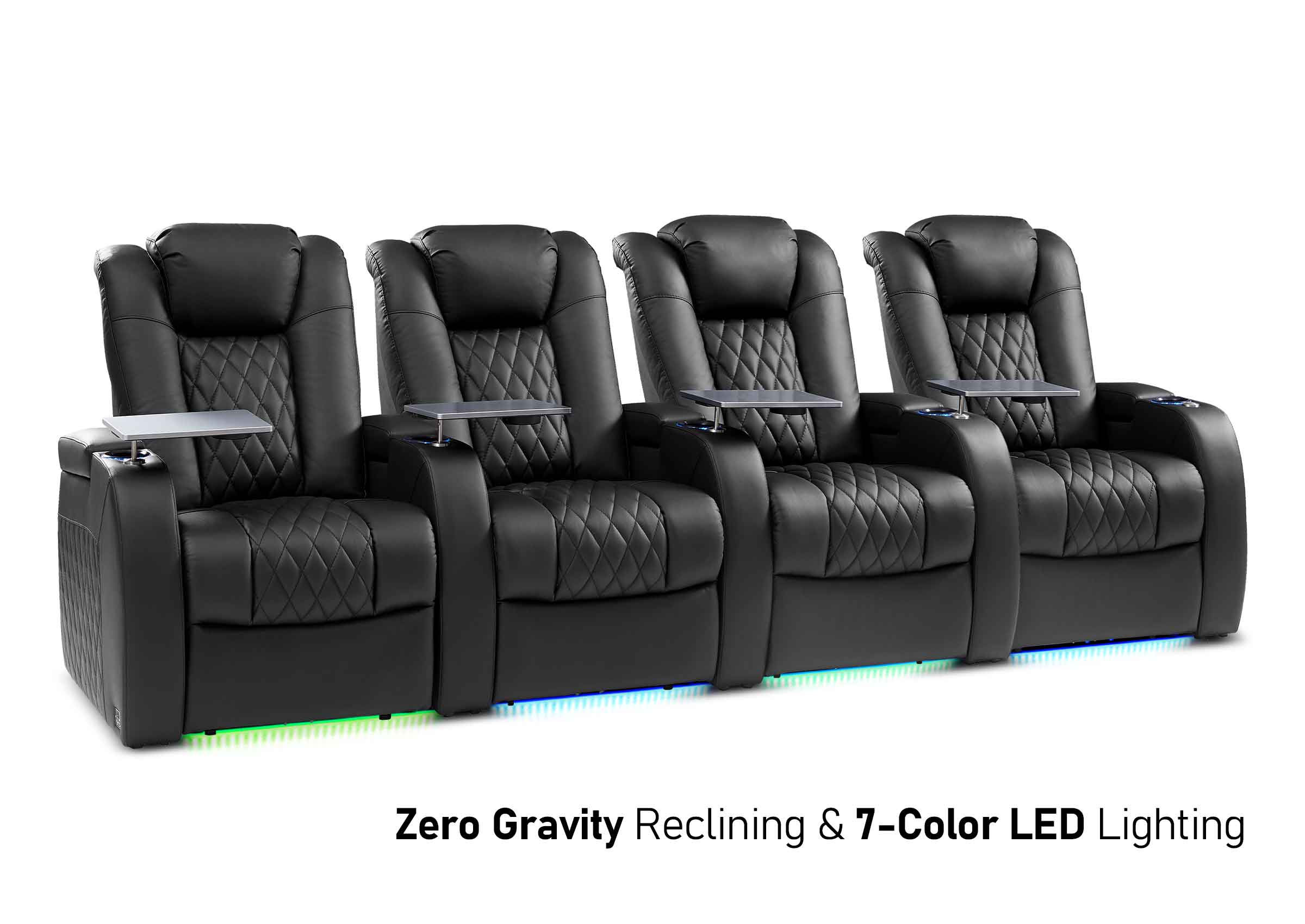
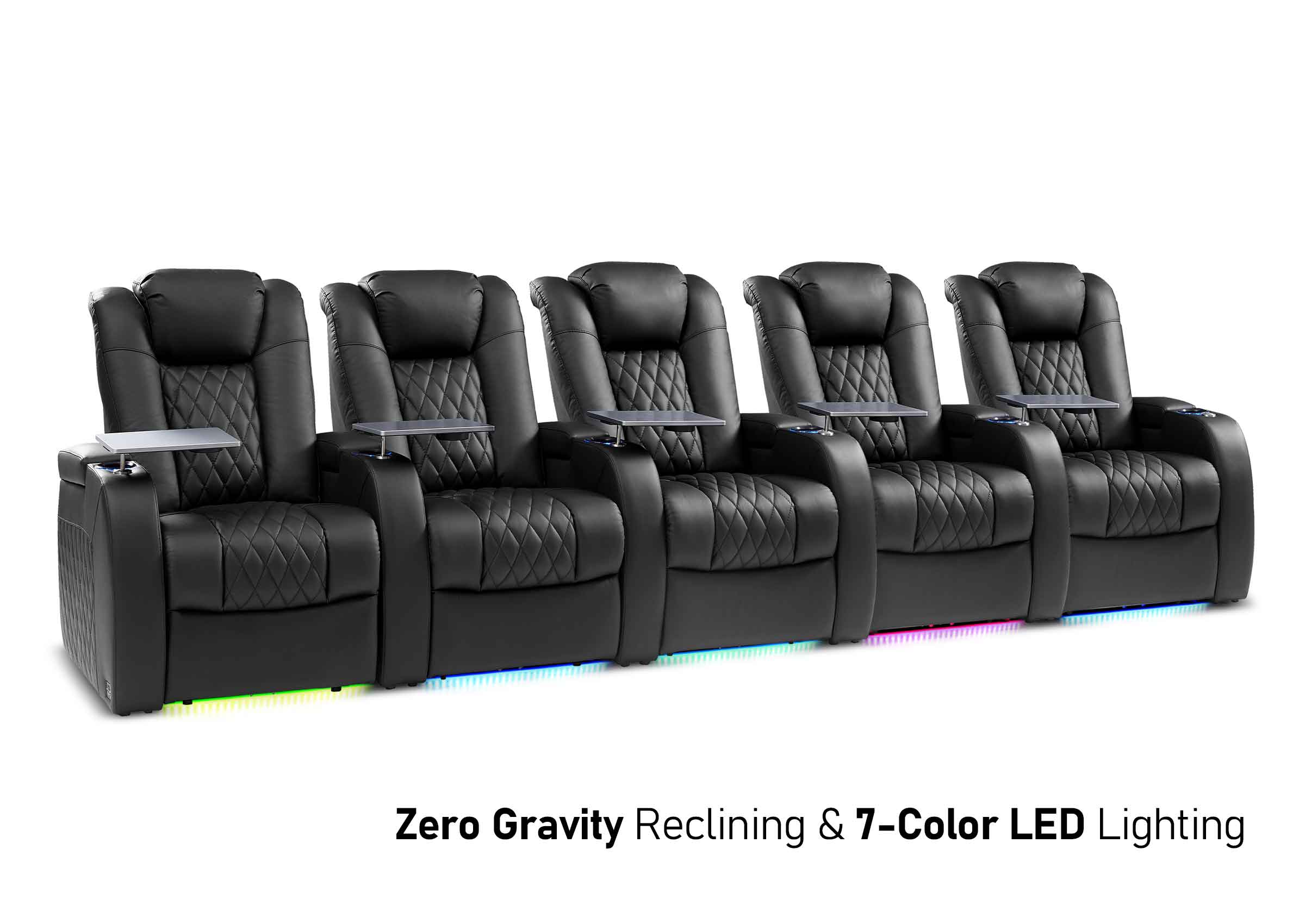
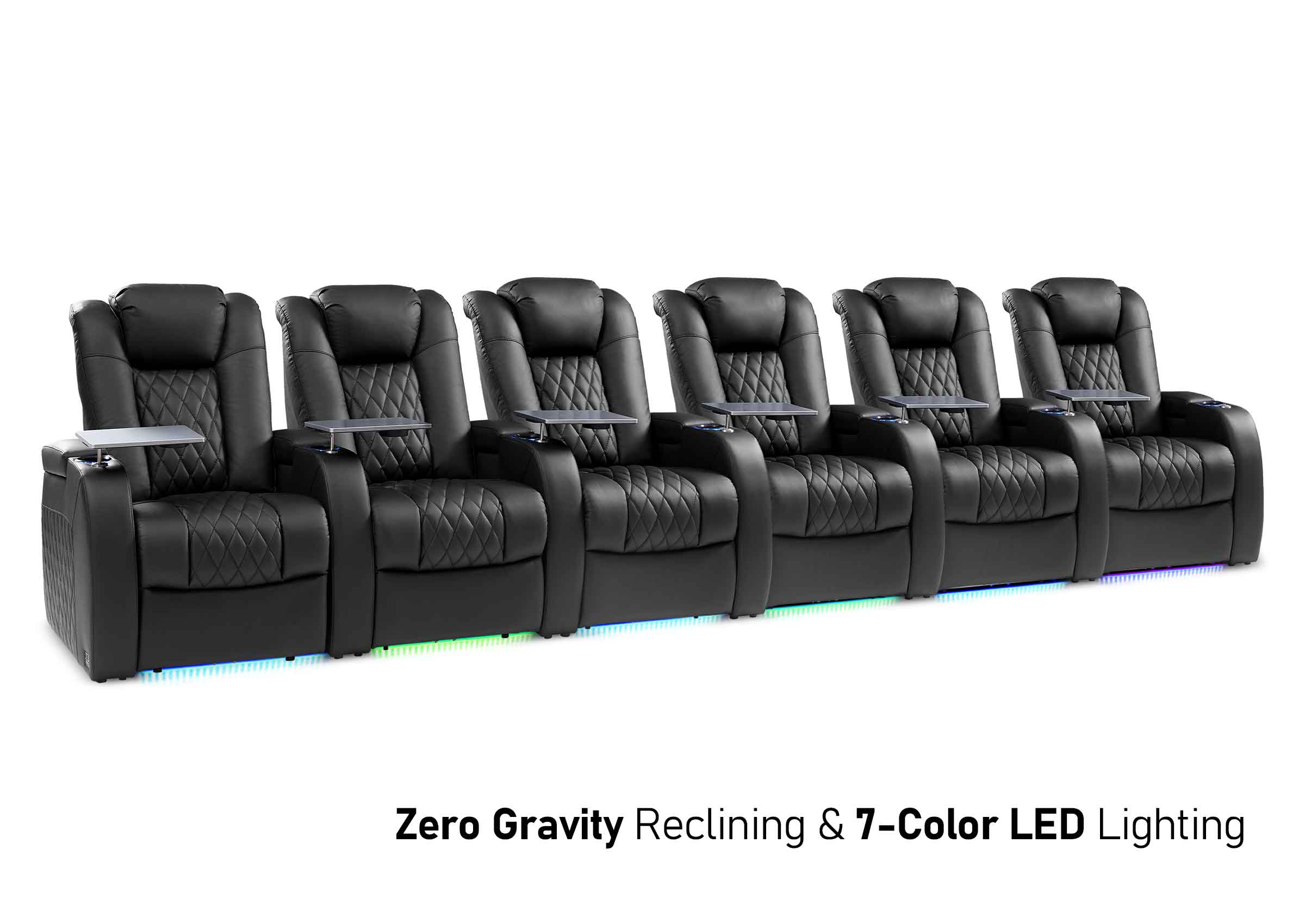




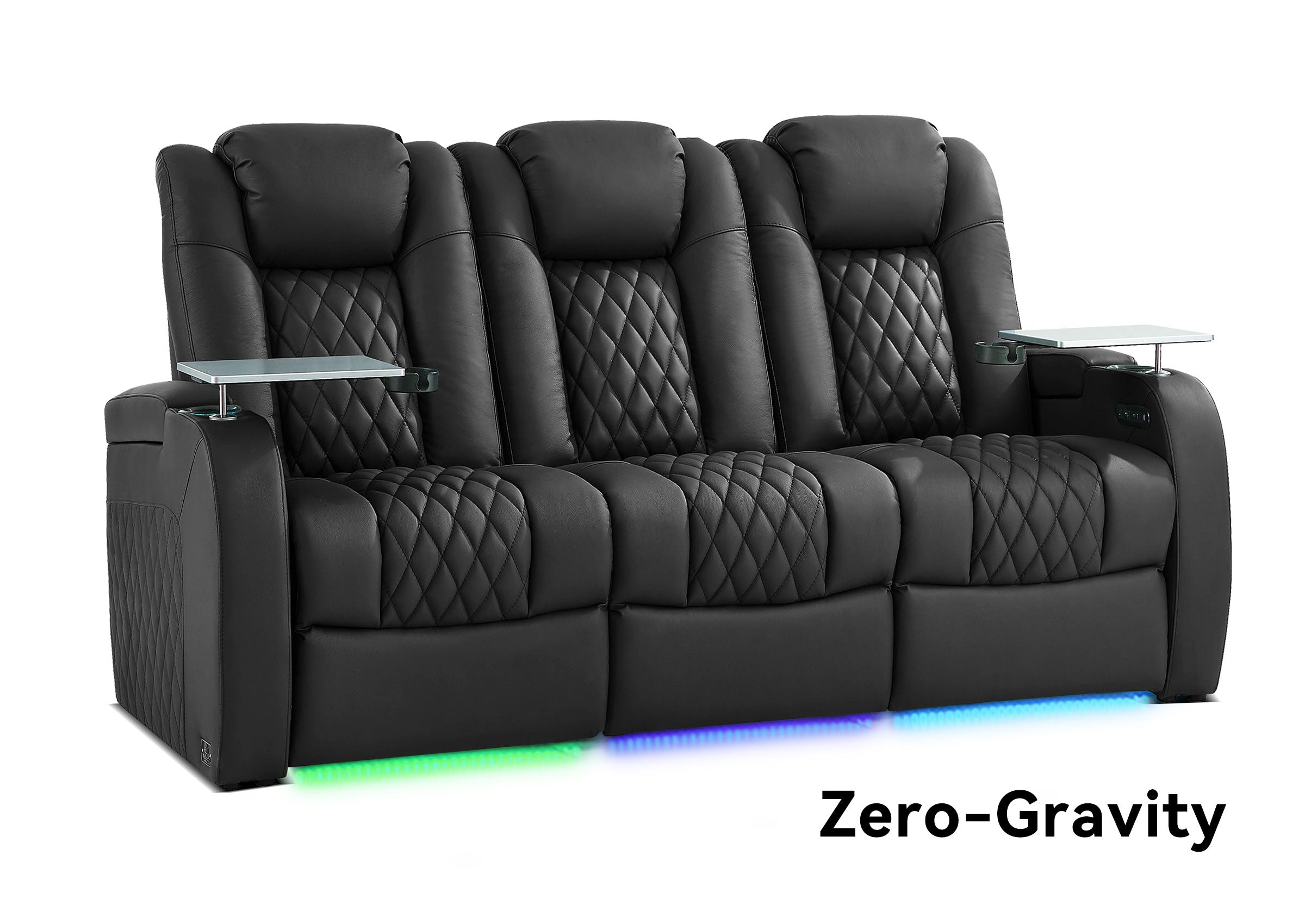


Common types of sofas include standard sofas, loveseats, sectionals, sofas with chaises, modular sofas, reclining sofas, sleepers, and futons. These names describe different features, so one sofa can belong to several categories. This guide explains how to recognize each type, understand popular style names, and check which options fit the way you use your room.
A sofa’s name helps you start your search. Its seating space, layout, and footprint help you decide whether it belongs in your home.
What Are the Main Types of Sofas?
Sofa names commonly describe size, layout, construction, or function. Use this quick guide to identify the feature each name refers to.
| Sofa name | What the name describes | Main identifying feature |
|---|---|---|
| Standard sofa | Basic seating form | A straight seating arrangement |
| Loveseat | Seating size | A shorter sofa intended for two people |
| Sectional | Connected sections | Multiple pieces forming one arrangement |
| Sofa with chaise | Lounging layout | An extended seat for stretching your legs |
| Modular sofa | Component system | Separate units designed for supported combinations |
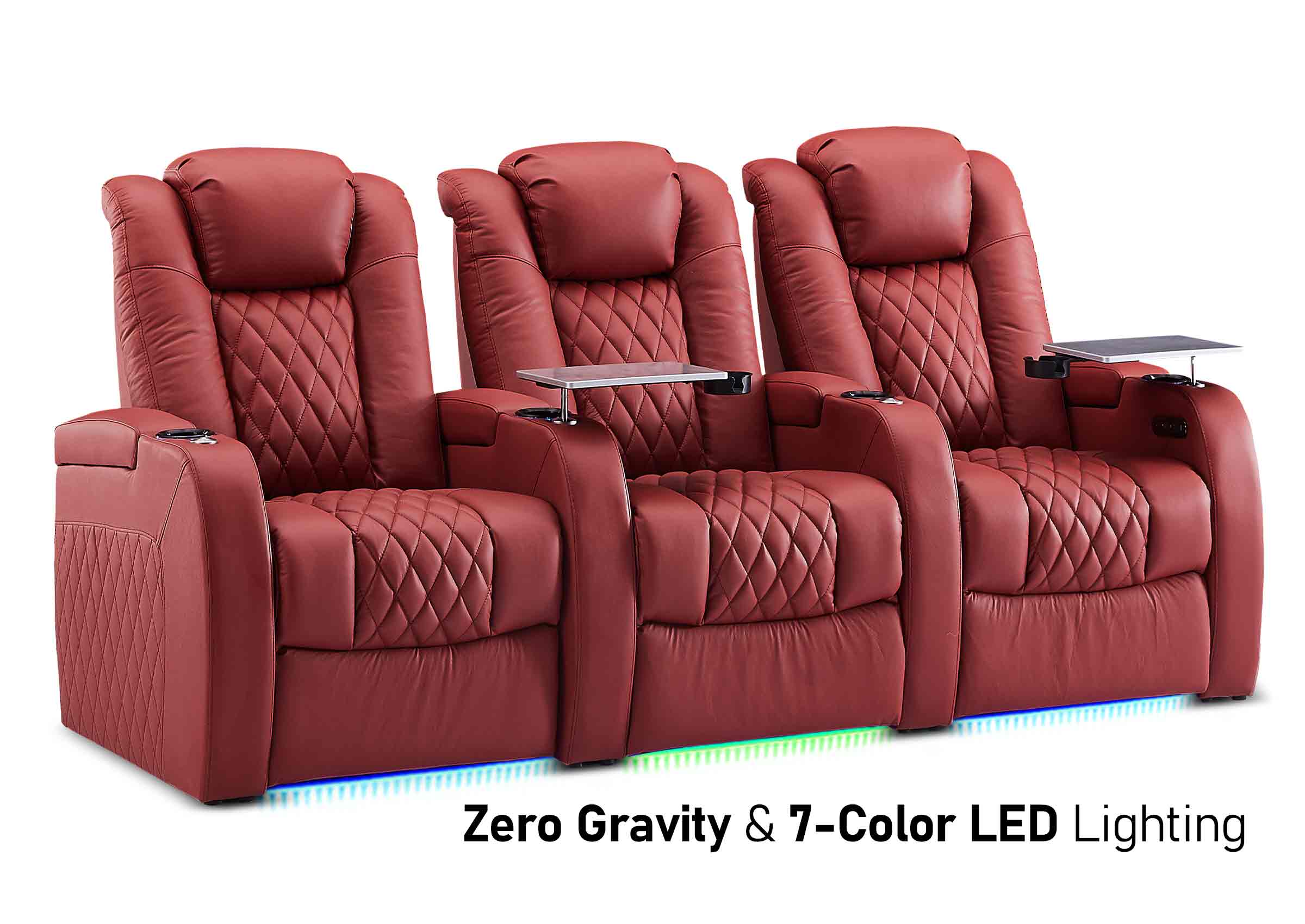
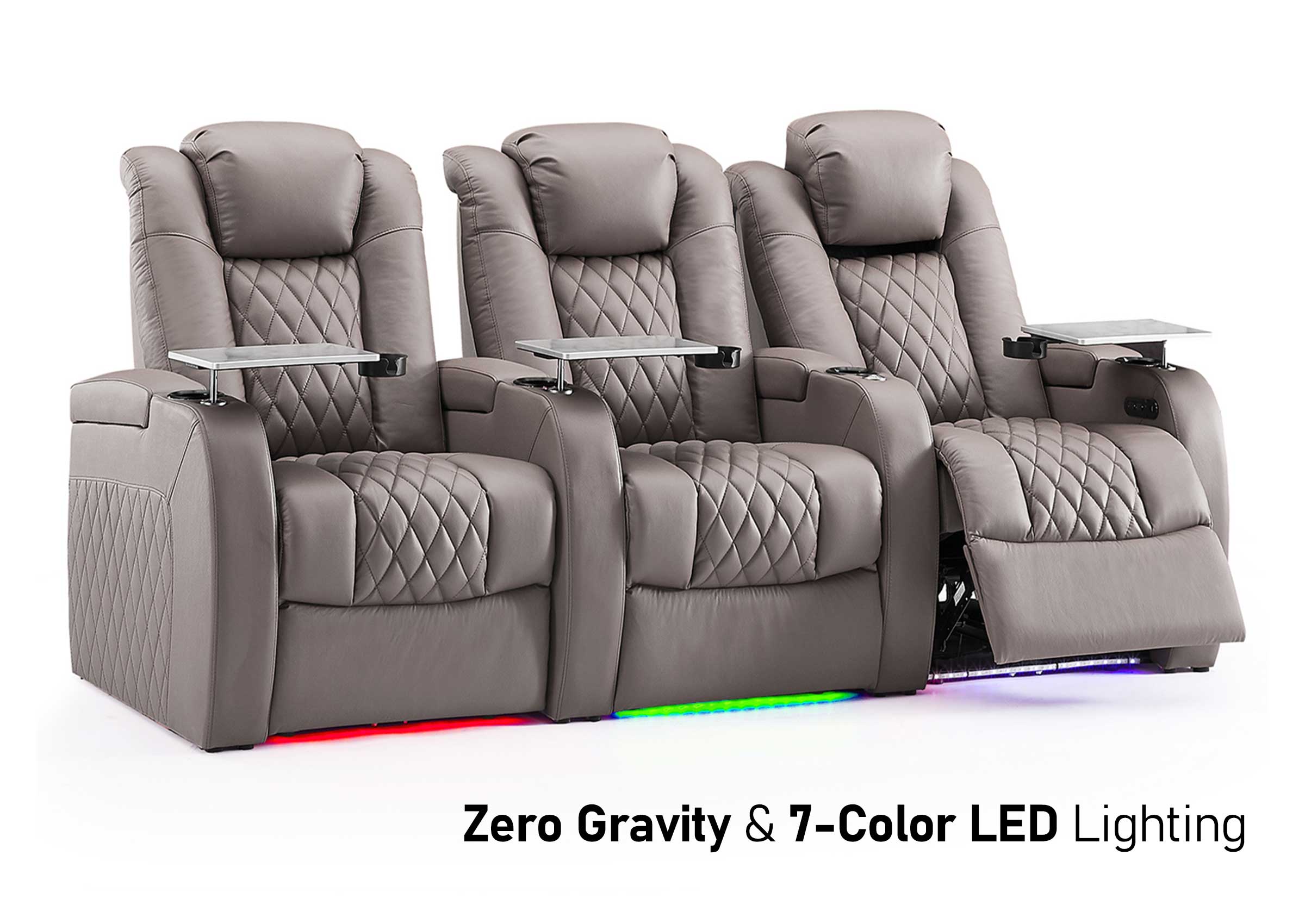
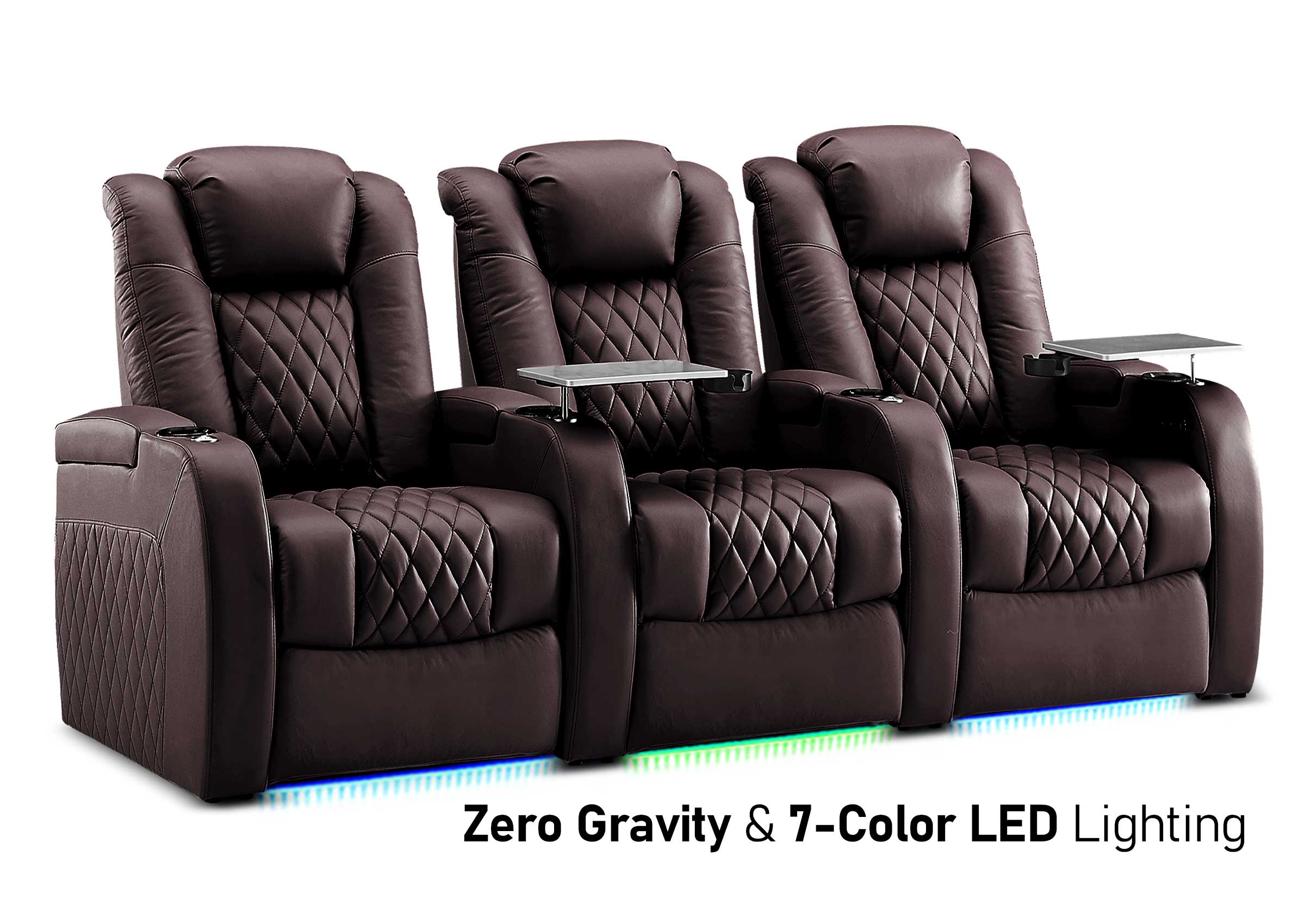
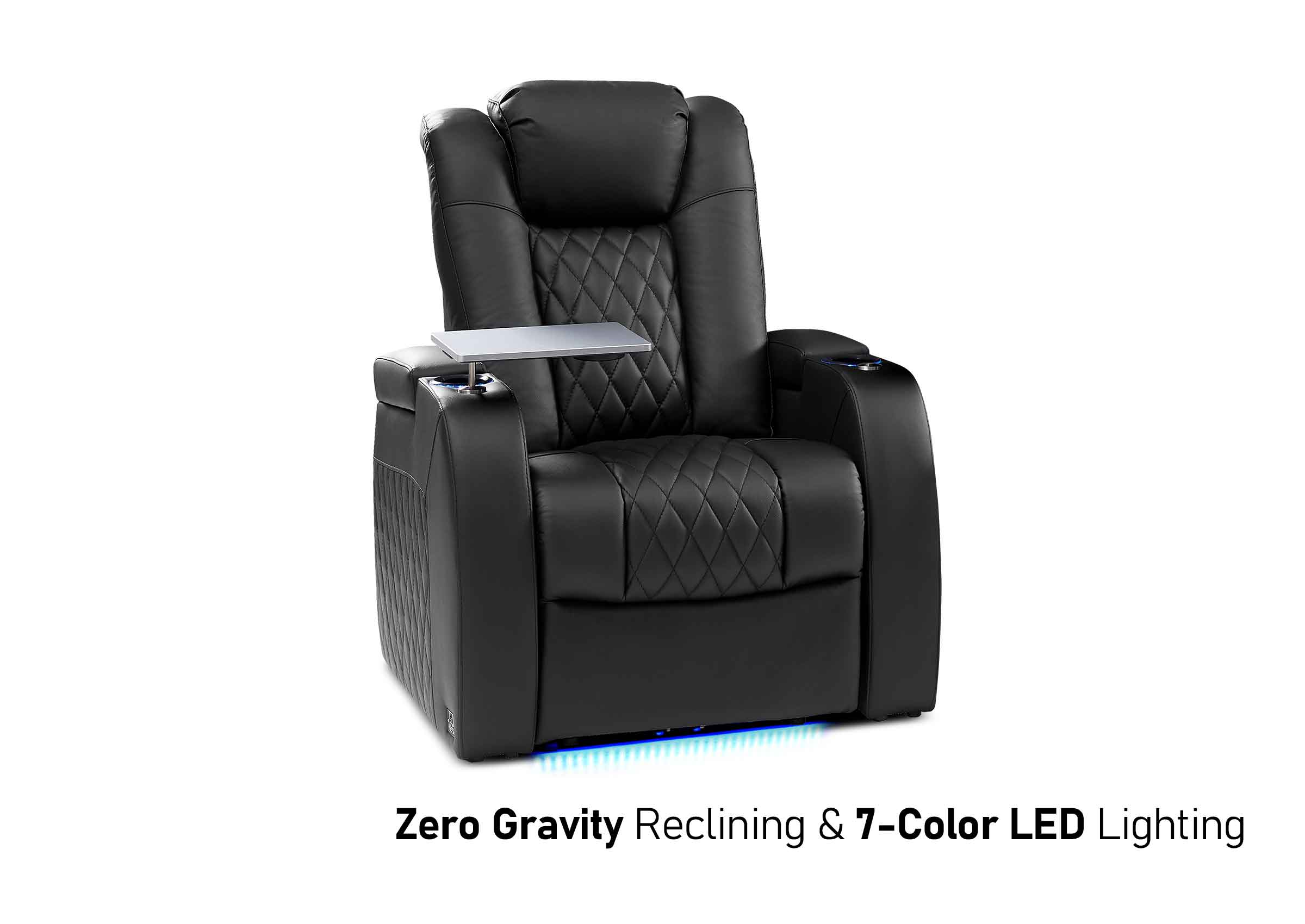
| Reclining sofa | Adjustable function | Seats with reclining mechanisms |
| Sleeper sofa | Sleeping function | A sofa that converts into a bed |
| Futon | Convertible form | In common U.S. usage, a folding frame and mattress or a similar convertible design |
These are common shopping categories, not a universal list of mutually exclusive sofa types.
Standard Sofa
A standard sofa provides a straight arrangement of seats, usually within one main frame. It can work as the central seating piece or pair with chairs placed across from it.
The straight shape makes the layout easy to understand, but it does not tell you how the sofa feels. A deep sofa with soft cushions supports a different sitting position from a shallower sofa with a more upright back.
“Apartment sofa” generally describes a smaller sofa rather than a separate construction type. Compare the actual dimensions instead of relying on the label.
Loveseat
A loveseat is a shorter sofa intended for two people. It can provide the main seating for a smaller household or supplement a larger sofa.
A loveseat is not automatically the most space-efficient choice. Thick arms can take up a substantial part of its outside width. Compare the clear sitting space between the arms, especially if two adults will use it regularly.
Also check the depth. A short but deep loveseat may project farther into a narrow room than expected.
Sectional Sofa
A sectional combines multiple connected sections into one seating arrangement. Common layouts include L shapes, U shapes, and arrangements with a chaise.
Sectionals can bring several people together, but their usefulness depends on where those people actually sit. A corner position, an upright seat, and a chaise do not provide identical sitting experiences.
Sketch the arrangement with the seats your household expects to use. This is more useful than assuming every cushion represents an equally comfortable place.
Sofa with Chaise
A sofa with chaise has an extended seating area for resting your legs. The extension may be fixed, reversible, or created with a movable ottoman, depending on the design.
A chaise is useful when someone regularly stretches out. It may be less useful when the same space needs to accommodate another person sitting upright with back support.
Check the manufacturer’s layout diagram before choosing the chaise side. Retailers may describe left and right orientations from different viewpoints.
Modular Sofa
A modular sofa uses separate components designed to connect in supported arrangements. Depending on the system, those components may include armless seats, corners, arms, chaises, and ottomans.
Modular describes how the sofa is assembled; sectional describes a connected seating arrangement. A sofa can be both.
Before buying for future flexibility, identify the rearrangement you want to make. Detachable pieces do not guarantee that a chaise can switch sides or that additional modules will remain available. Confirm the connectors, arm positions, and compatible configurations.
Reclining Sofa
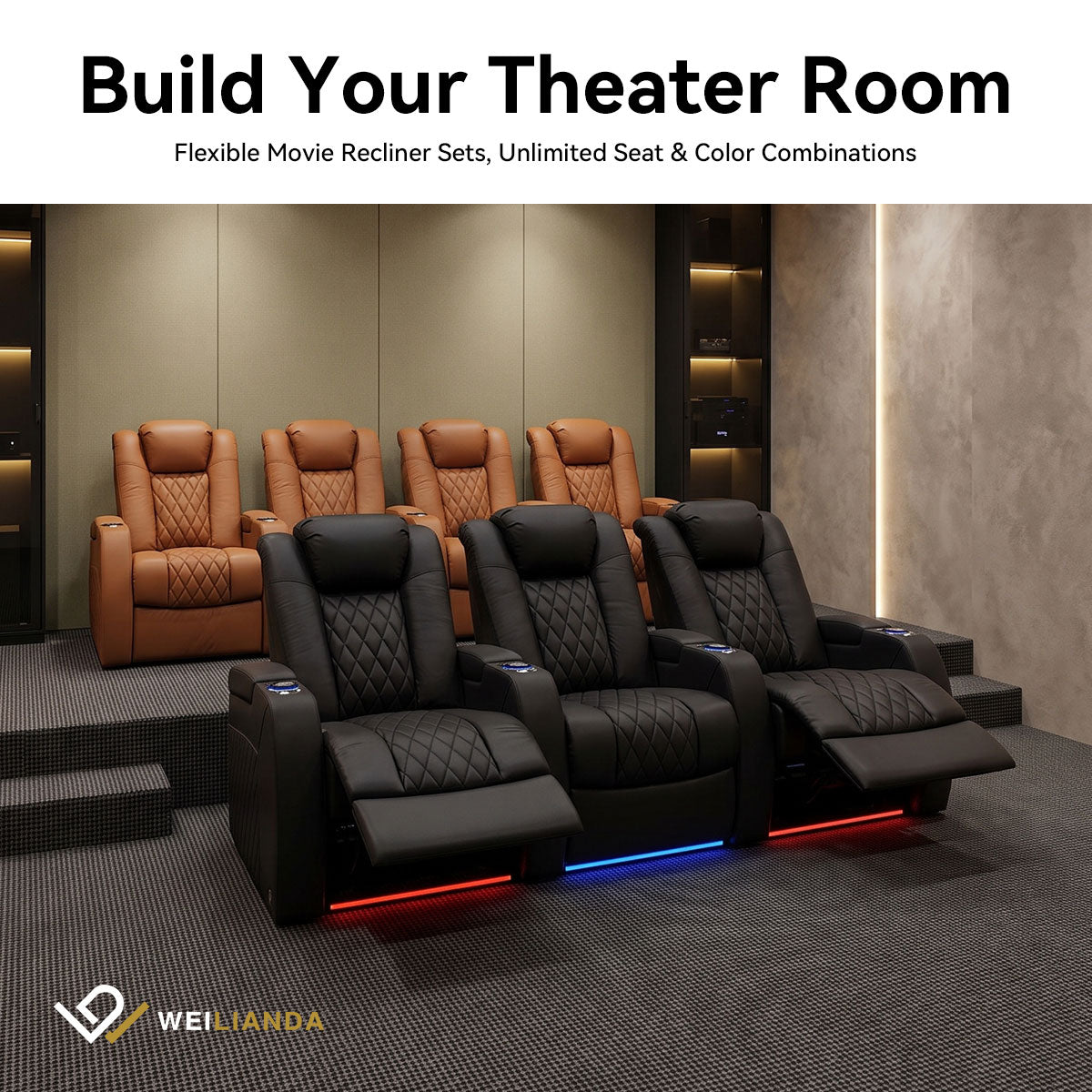
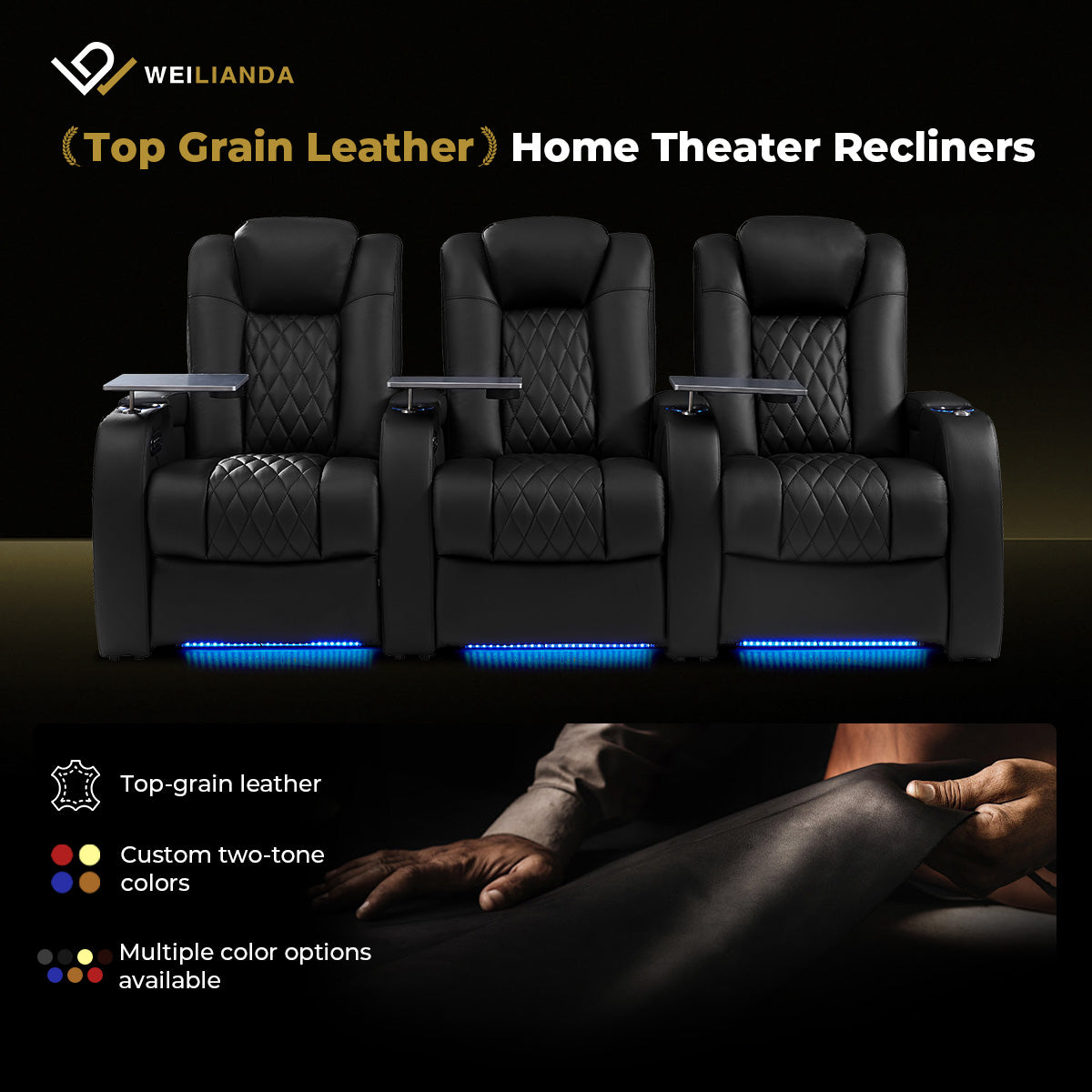
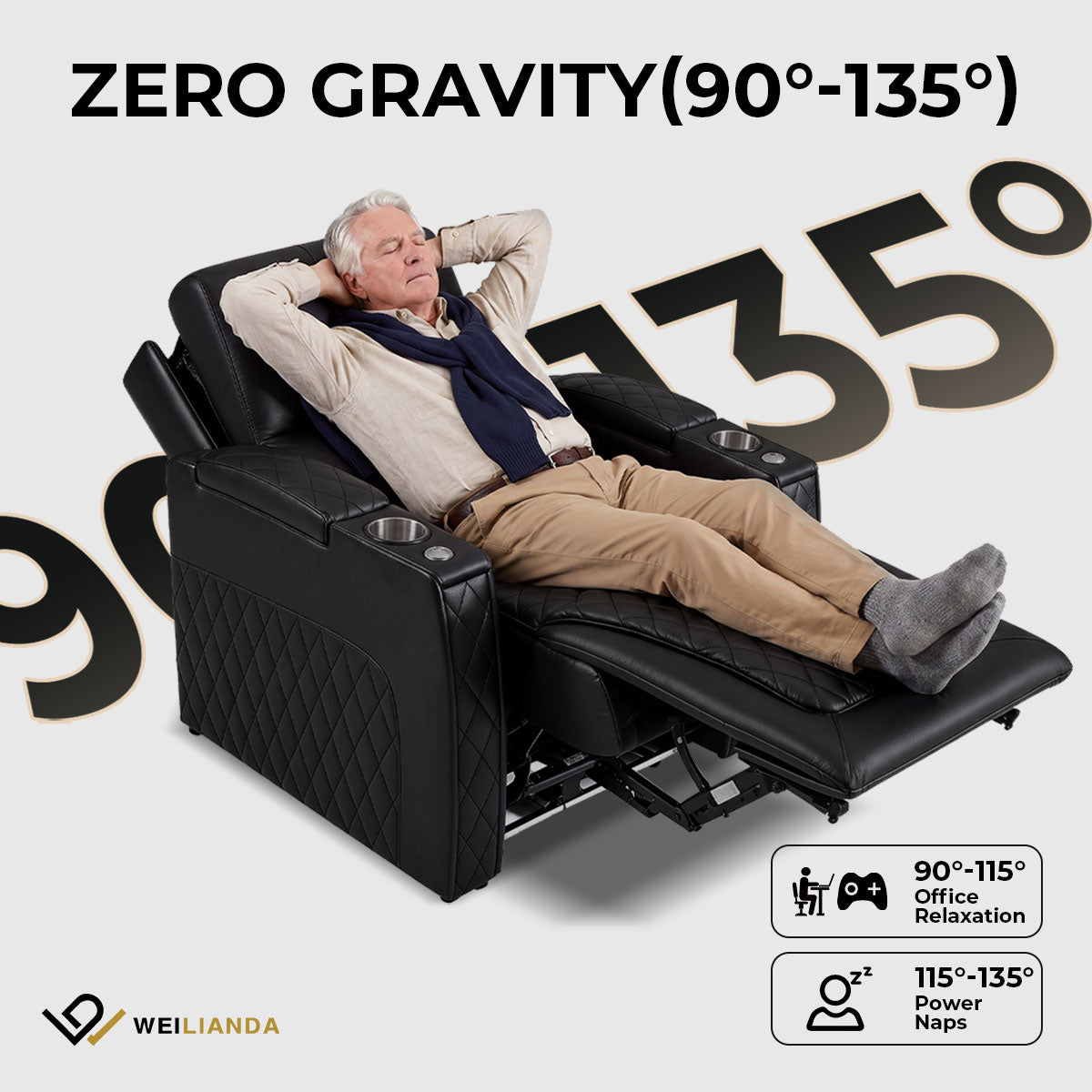
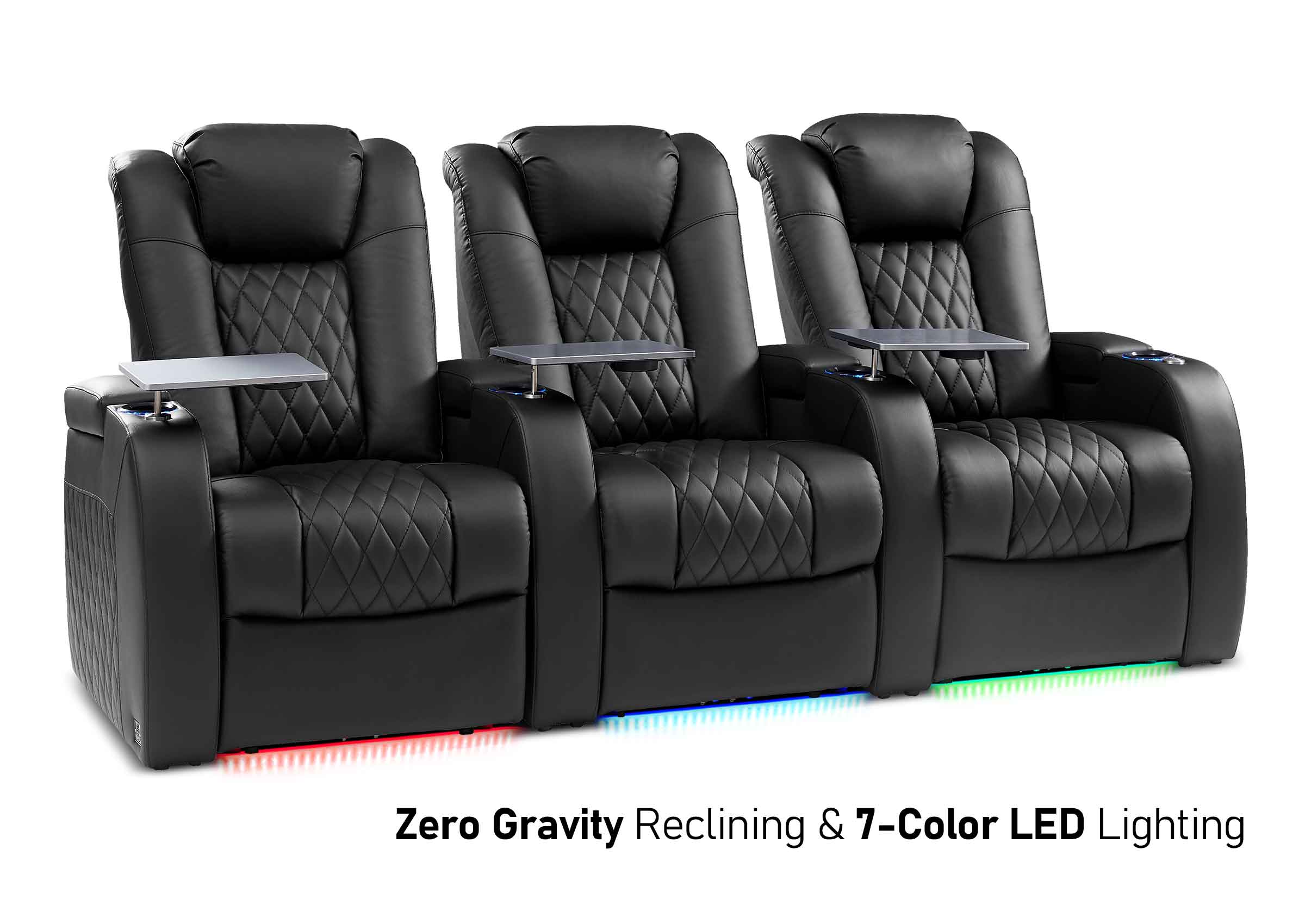
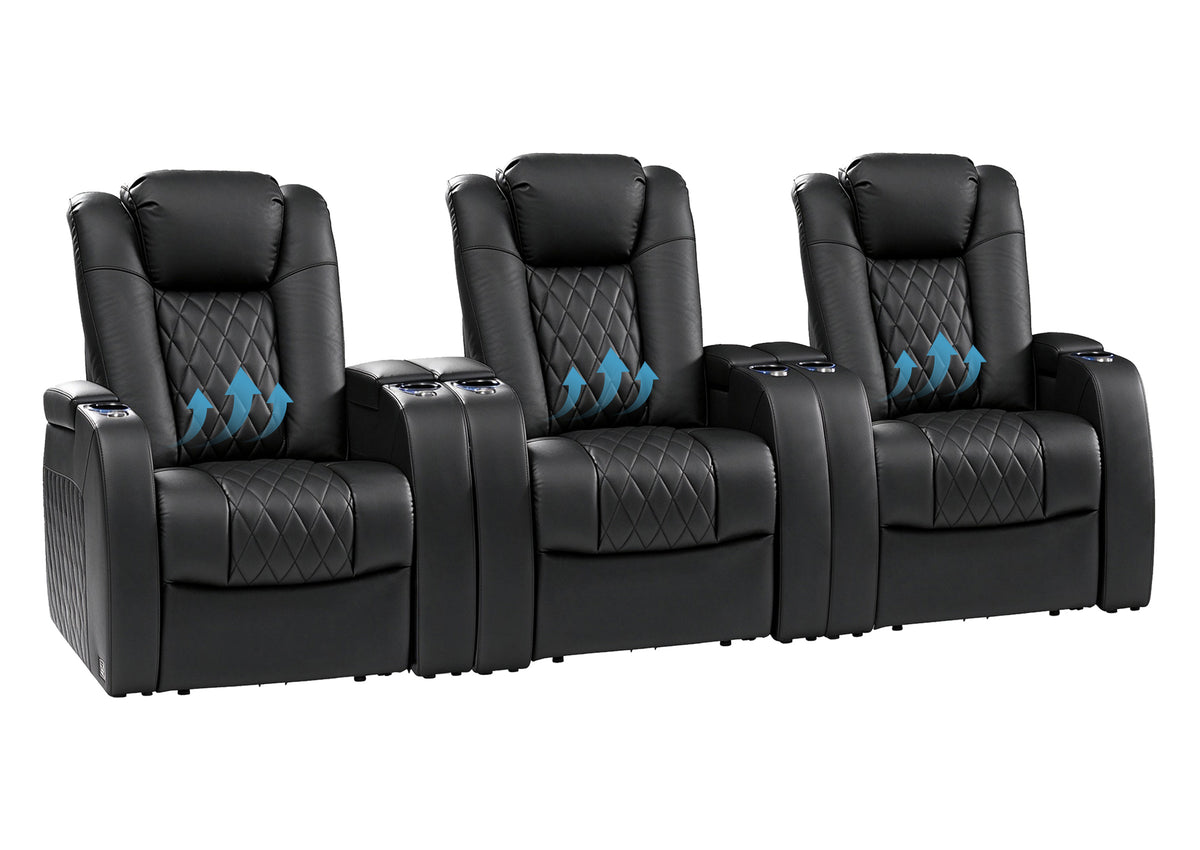
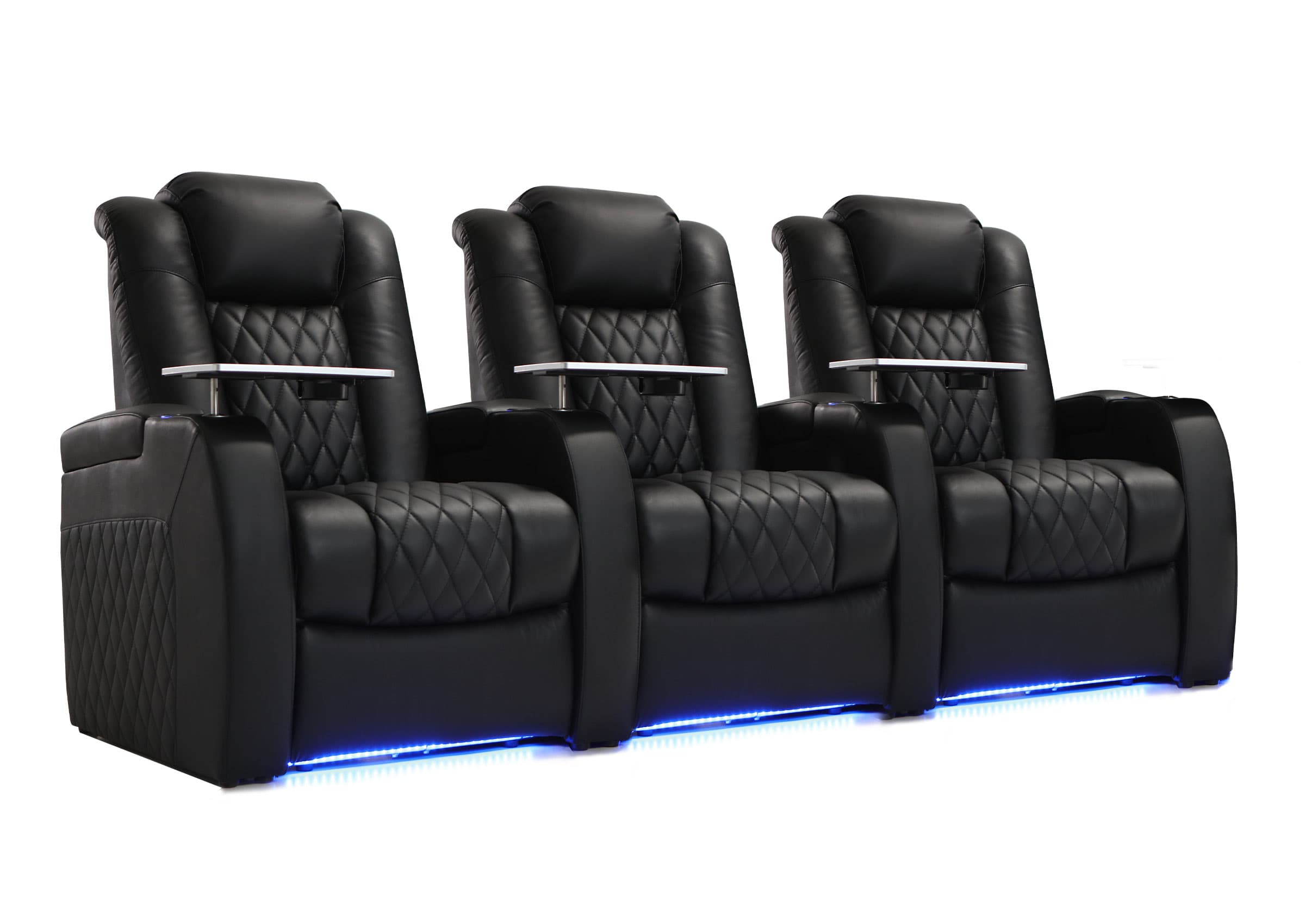
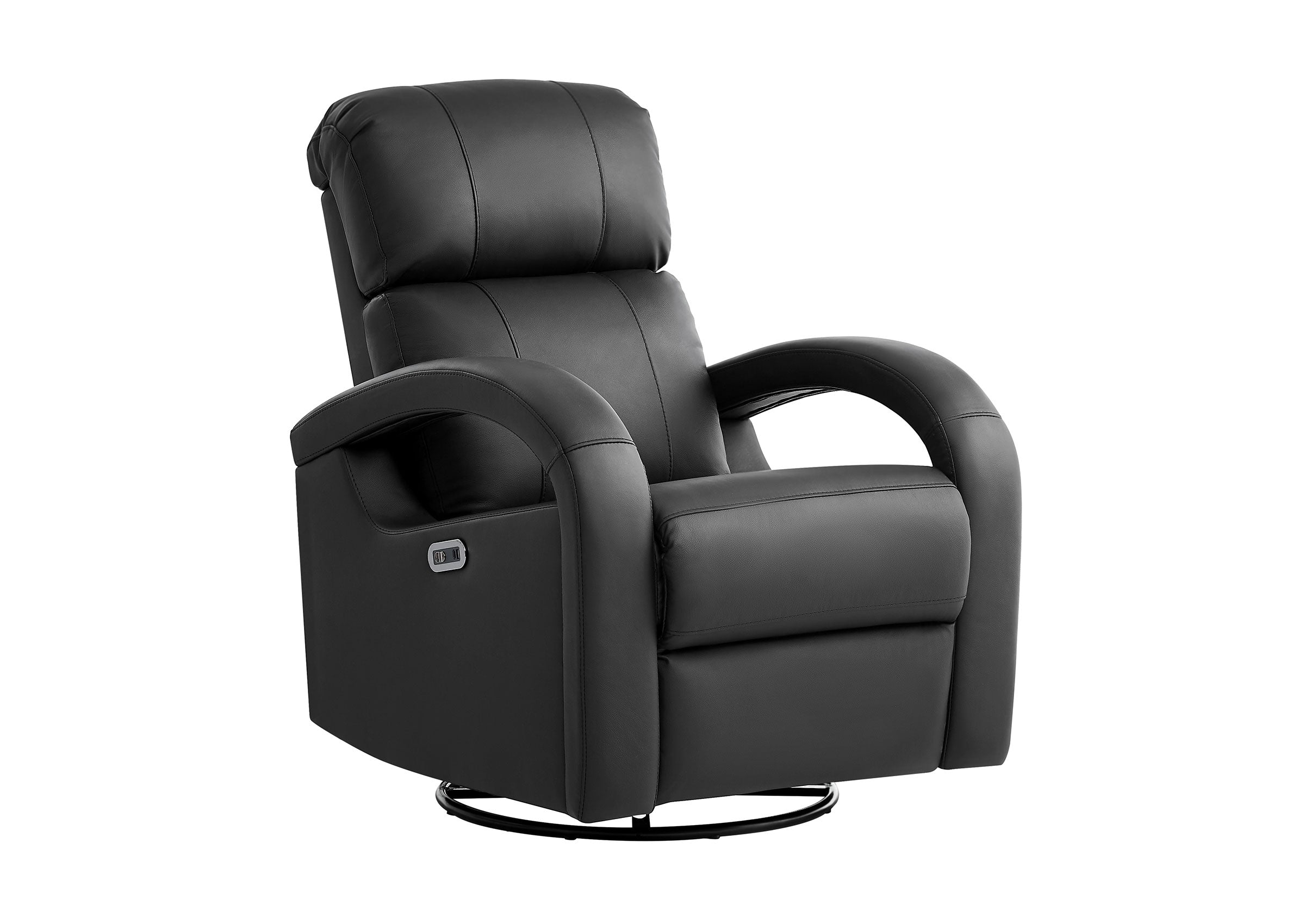
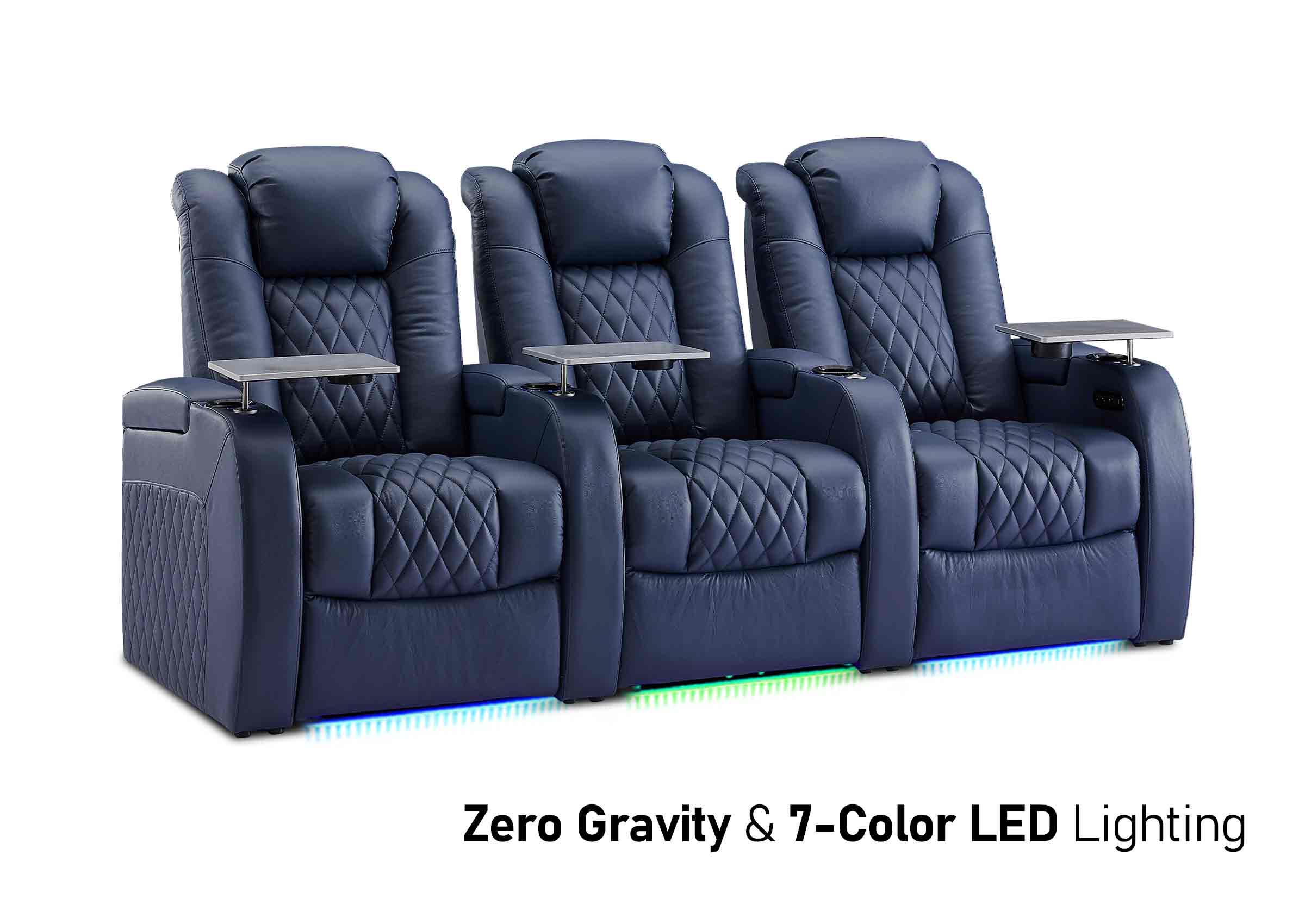
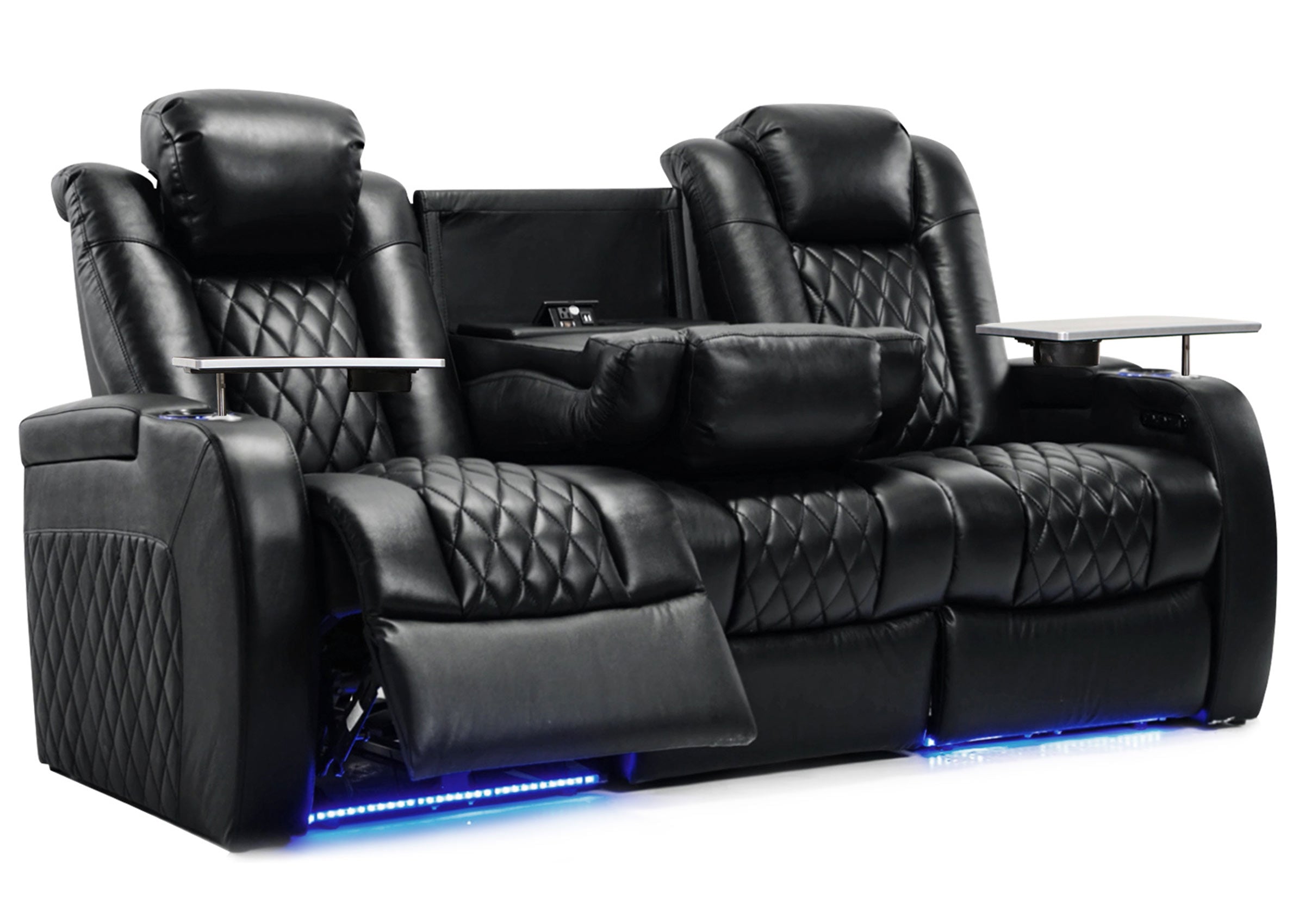
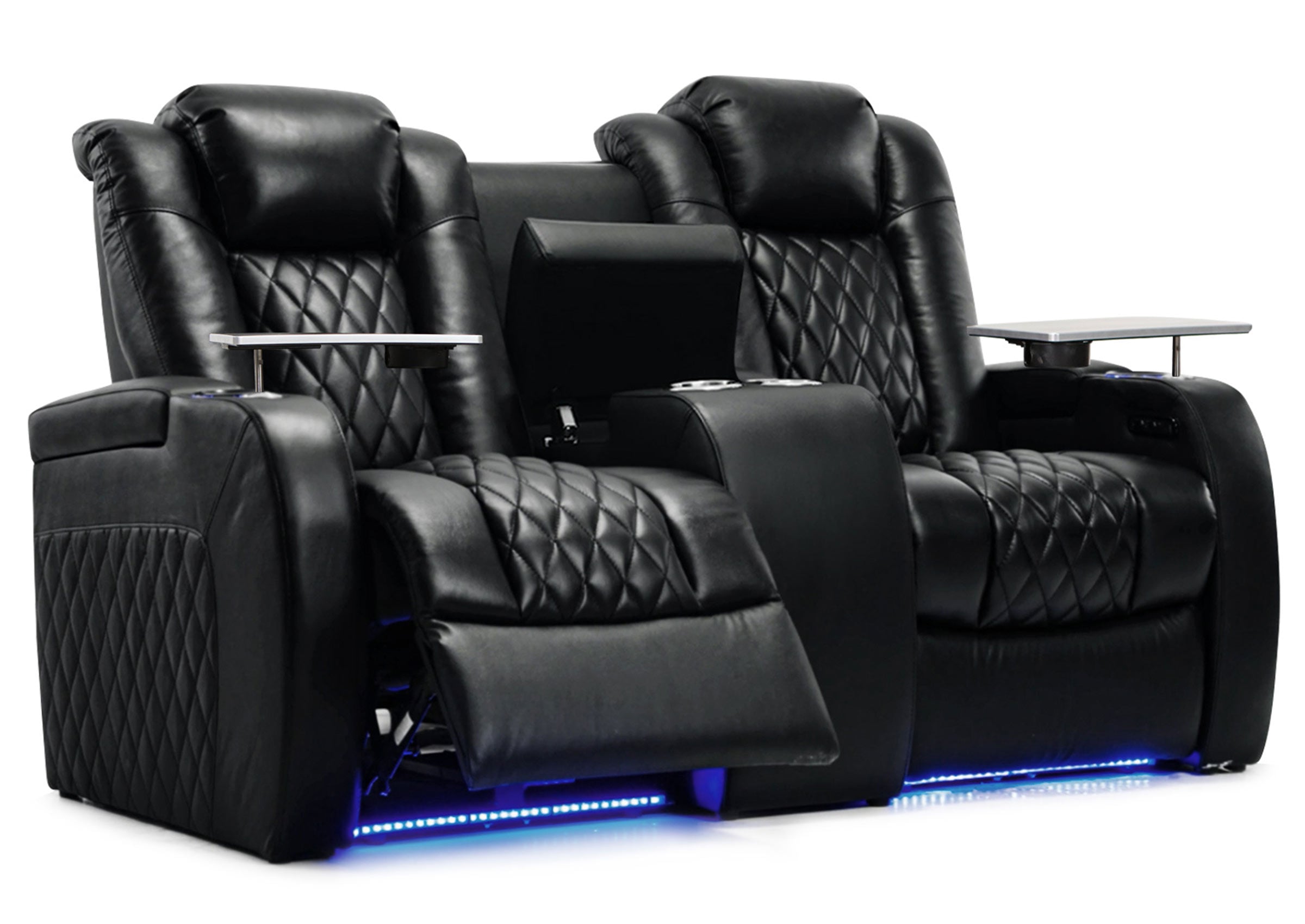
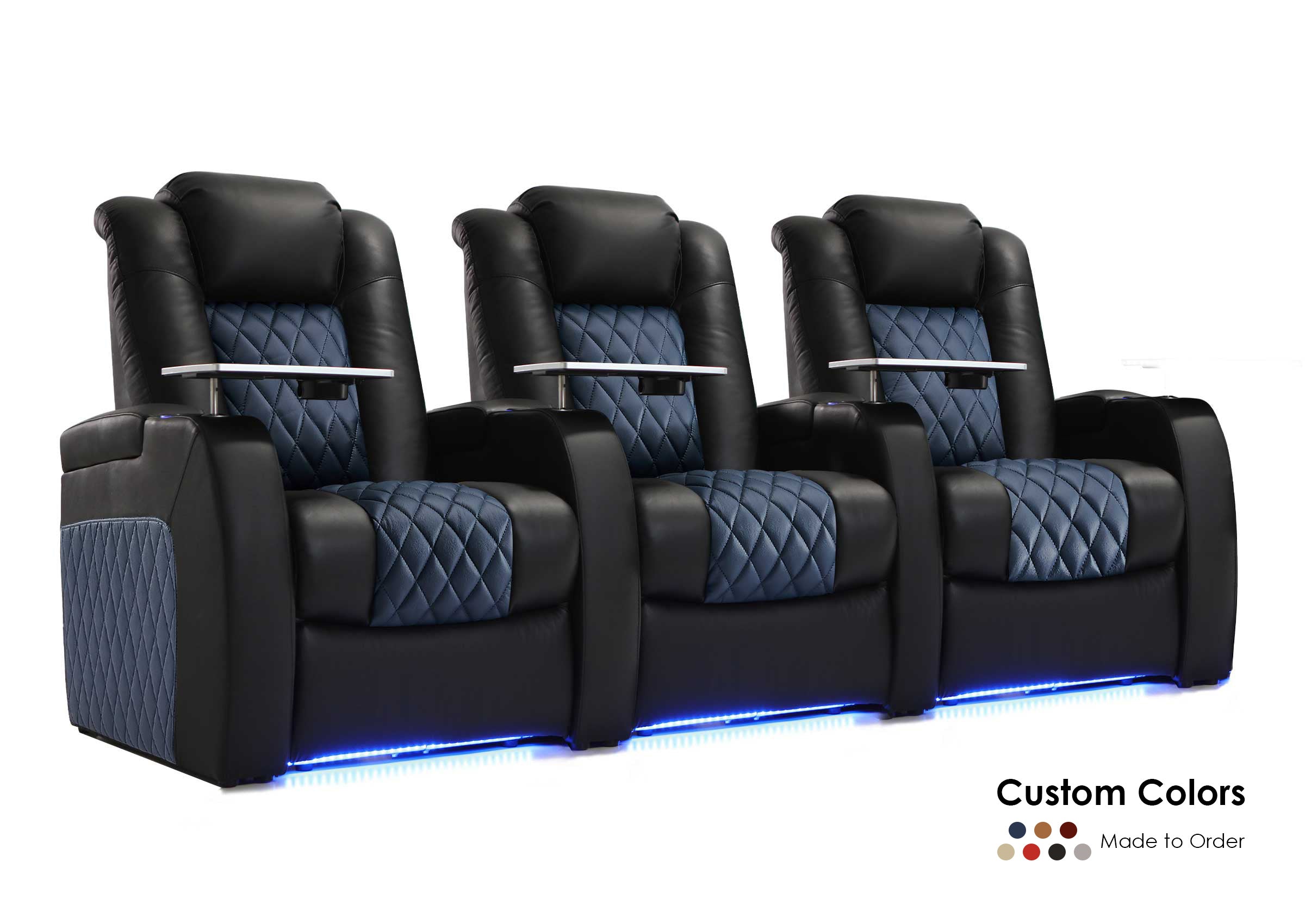
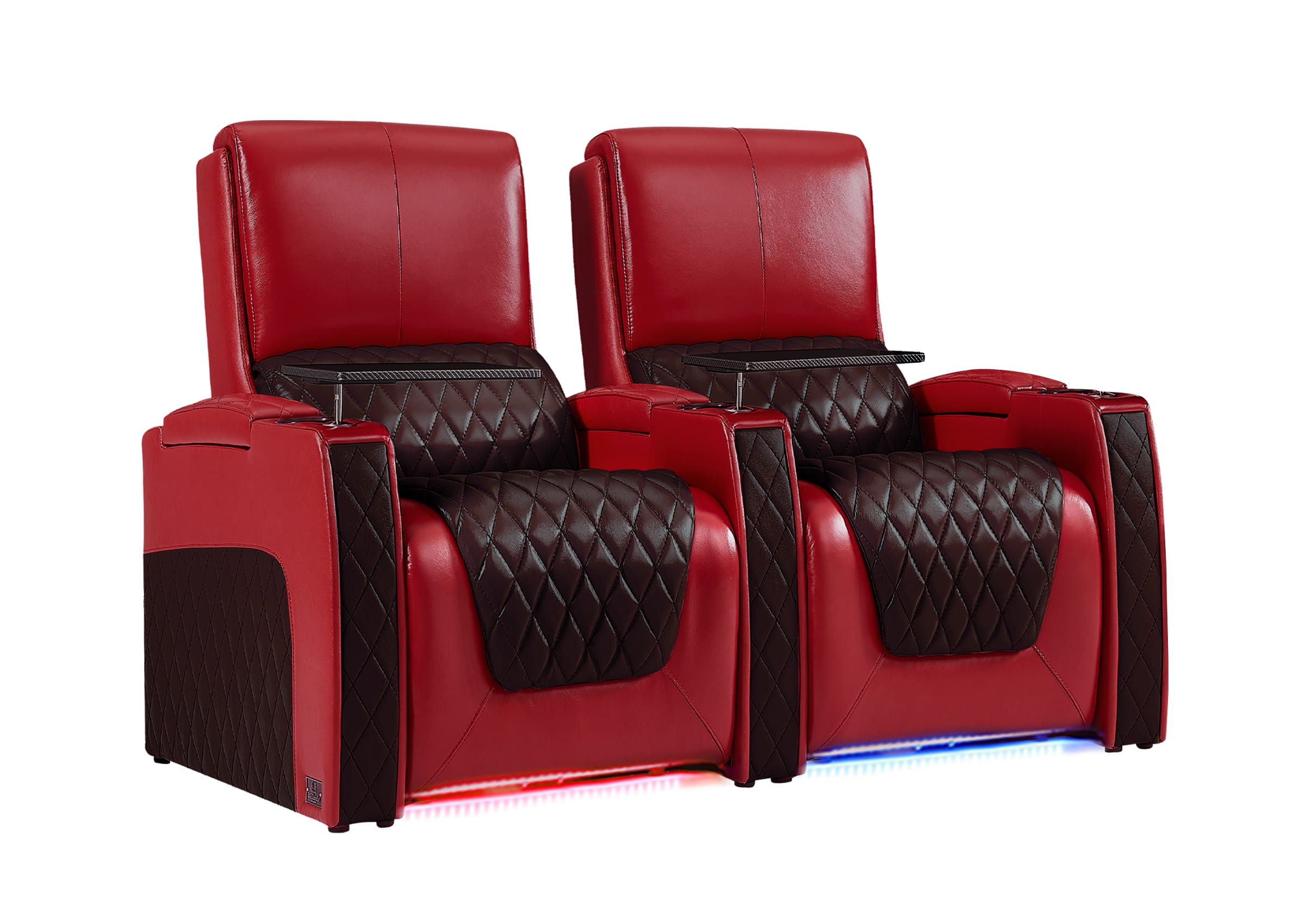
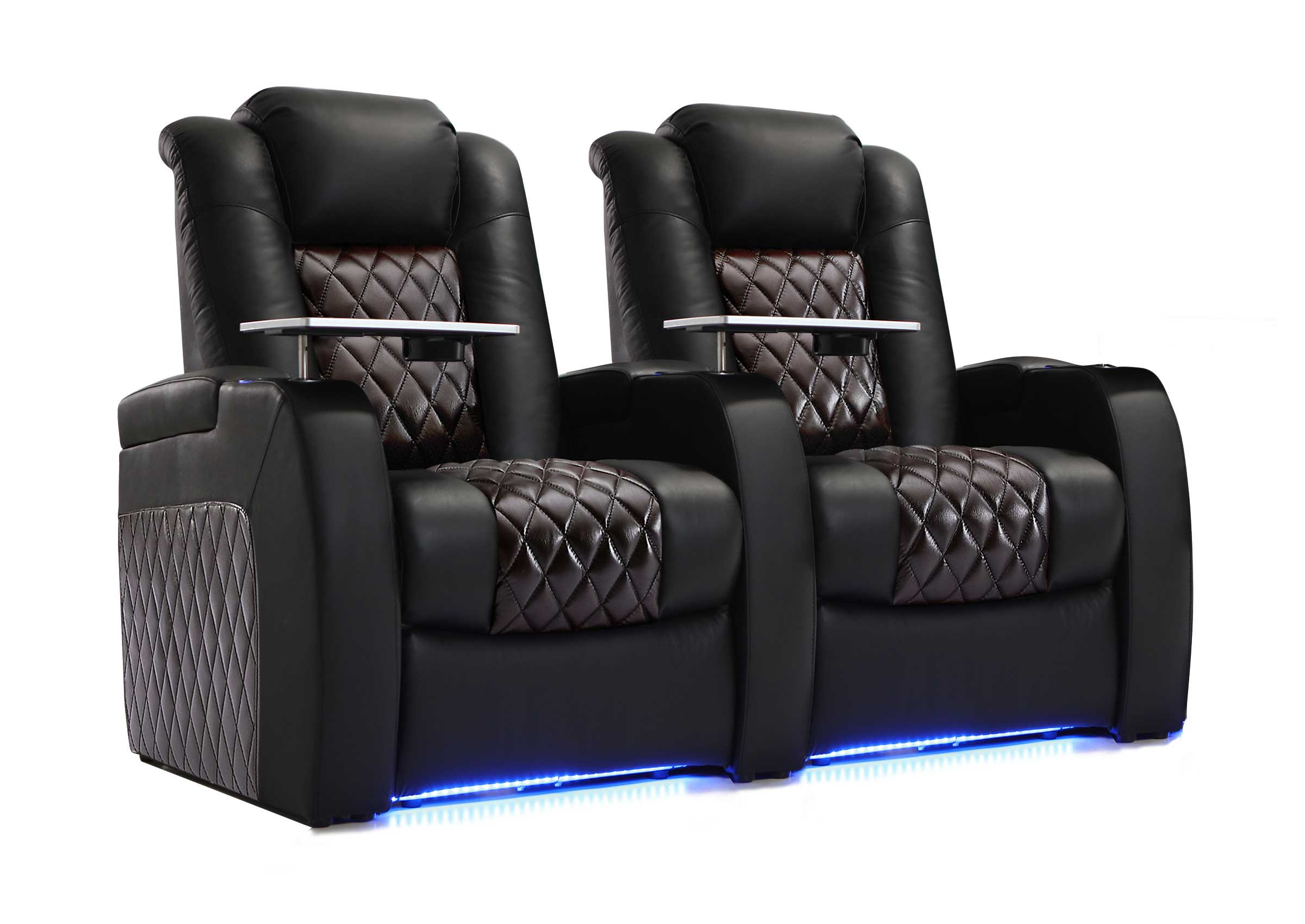
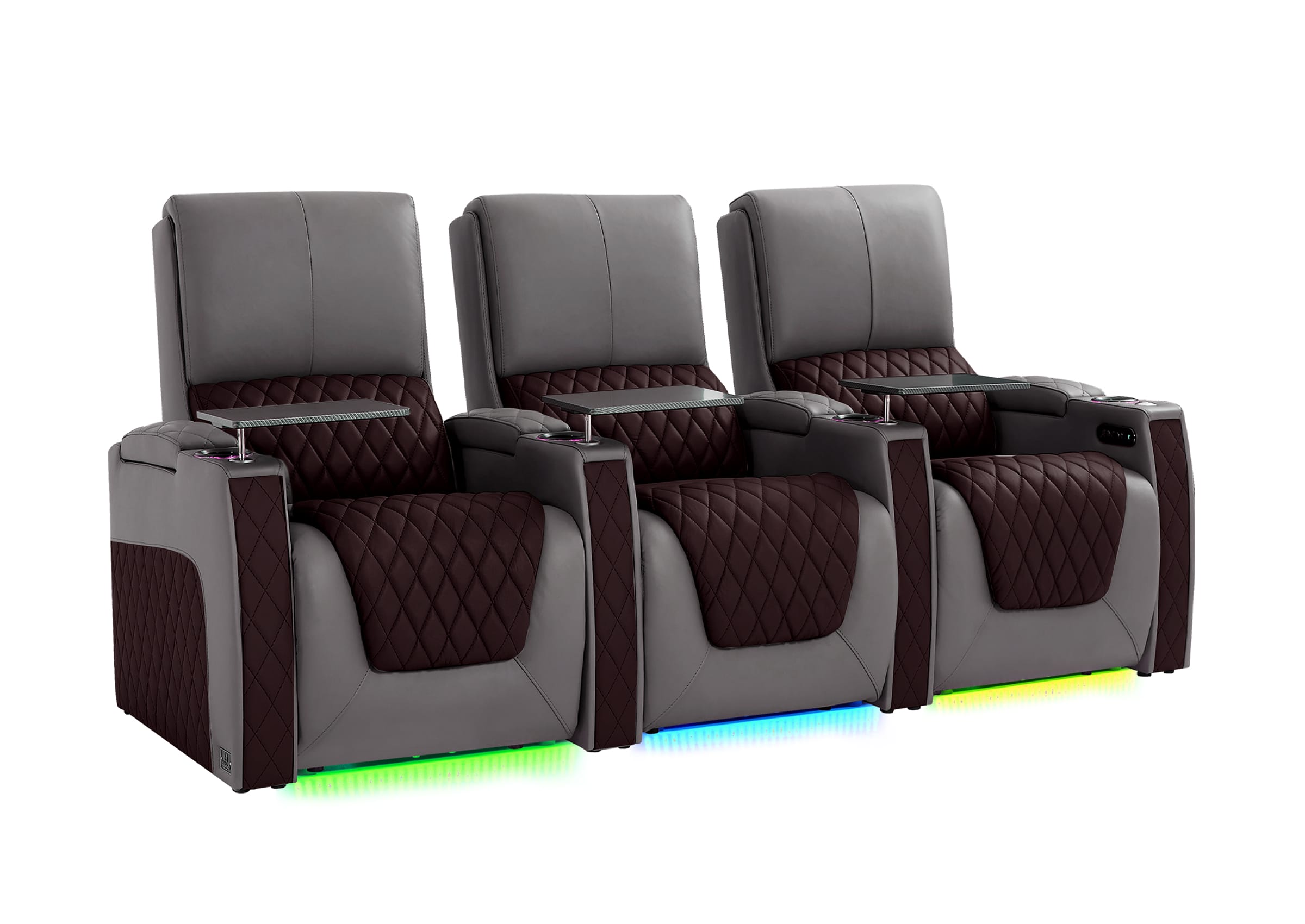
A reclining sofa includes seats with mechanisms that adjust the back, leg support, or both. Operation may be manual or powered, and some positions may remain stationary.
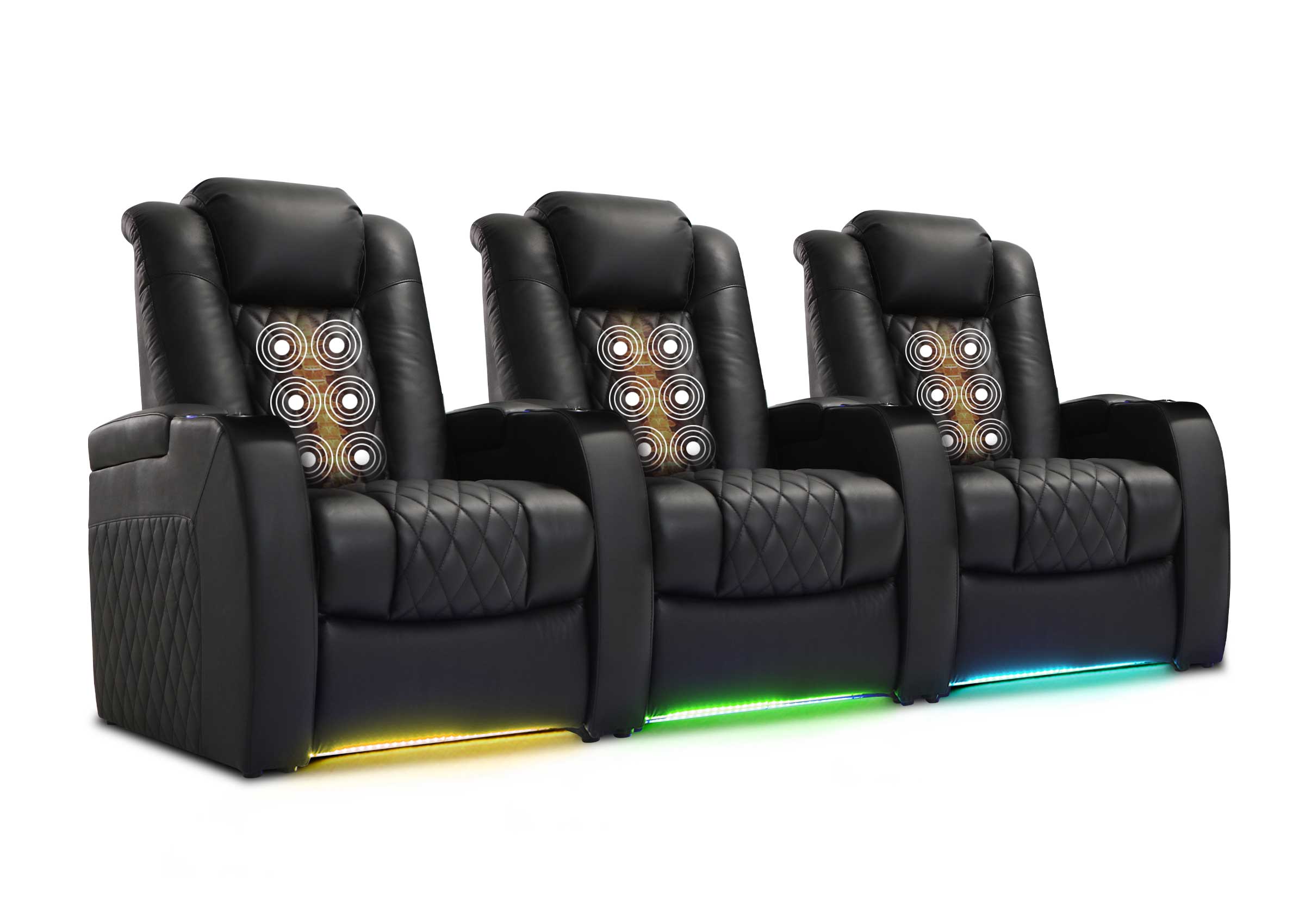
For TV watching, check which seats recline and whether those positions face the screen comfortably. A center console or fixed middle seat also changes the shared sitting space.
Reclining and sectional are overlapping categories.
Sleeper Sofa
A sleeper sofa converts from seating into a sleeping surface. Some designs contain a separate pull-out mattress; others use folding backs, sliding platforms, or convertible cushions.
Inspect both configurations. The closed sofa needs to suit everyday sitting, while the opened bed needs adequate access and usable sleeping dimensions.
For frequent overnight use, evaluate the actual sleeping surface and conversion process. The word “sleeper” alone does not establish comfort or suitability for nightly use.
Futon
In common U.S. furniture usage, a futon often has a folding frame and a mattress that serves as both the seat and sleeping surface. Some upholstered convertible sofas are also marketed as futons, so inspect the mechanism rather than assuming one construction.
Look at the surface when it is fully opened. Seams, hinges, and changes in support may affect where someone can sleep comfortably.
EXPLORE YOUR OPTIONS
Choosing Between a Reclining Sofa and a Sectional?
If you are deciding between a straight reclining sofa and a connected layout, compare the practical trade-offs, then check how each configuration fits your room.
Which Sofa Names Describe a Style?
Style names describe the sofa’s appearance rather than its complete layout or function. Retailers may interpret them differently, and contemporary designs often combine features.
The most useful identifying details are the arms, back, cushions, and overall silhouette.

- Chesterfield: Typically has deep button tufting and rolled arms approximately level with the back.
- Lawson: Commonly combines loose back cushions with arms lower than the back.
- English roll-arm: Recognizable by low, rounded arms that are recessed from the front of the seat.
- Tuxedo: Usually has straight arms approximately level with the back, creating a more rectangular outline.
- Camelback: Has a raised curve or hump along the top of the back.
- Cabriole: Typically features a curved back and arms that continue the rounded outline.
Mid-century modern is a broader design description. Exposed legs, relatively clean lines, and restrained forms are common cues, but the term does not specify seat depth, cushion firmness, or construction.
Use these names to recognize a look. Check the individual sofa before drawing conclusions about comfort.
Can One Sofa Belong to Several Types?
Yes. Different sofa labels can describe different aspects of the same product.
Consider a leather modular reclining sectional:
- Leather describes the upholstery.
- Modular describes the component system.
- Reclining describes an adjustable function.
- Sectional describes the connected seating arrangement.
A loveseat can also be a sleeper. A Chesterfield can be upholstered in fabric. A sectional may include both reclining seats and stationary sections.
When a product name contains several descriptors, separate them into appearance, layout, construction, and function. Then verify the features that matter to your household.
Which Sofa Type Fits How You Use the Room?
Start with the activity that happens most often, then compare the configurations that support it.
For conversation and entertaining, consider where people will face one another. A straight sofa with separate chairs can provide flexible positioning; a sectional can create connected seating if its usable positions suit the group.
For stretching out, a chaise or sufficiently long sofa may work well. Check whether another person can still sit comfortably while someone is lounging.
For watching TV, identify the regularly occupied seats first. Compare their screen direction and sitting position. Reclining functions may be useful, but a stationary sofa can also work well when its depth and support suit the viewers.
For overnight guests, compare the sleeping surface and the opened footprint. Include space to reach the bed and manage bedding.
If you expect to change the room layout, evaluate specific modular arrangements or a sofa paired with movable chairs. Flexibility should be demonstrated by a workable plan.
What Should You Check Beyond the Sofa’s Name?
Three checks can reveal differences that a category label or product photo does not show.

Compare Usable Sitting Space
Overall width includes the arms. Two sofas with the same outside width can provide different amounts of room between them.
Look for an inside seating-width measurement. If it is unavailable, ask the retailer for the clear distance between the arms and check for consoles or other divisions.
Cushion count is only a visual clue. A bench cushion does not necessarily seat fewer people than three separate cushions, and three cushions do not establish comfort for three adults.
Map the Seats People Will Actually Use
An L-shaped outline can contain a chaise, a corner seat, or another arrangement. Mark the backrests and the positions where people expect to sit.
A chaise extension should not automatically count as another equivalent upright seat. Its usefulness depends on the back support, dimensions, and intended sitting direction.
For a shared TV room, add the screen position to the sketch. This makes it easier to identify which seats suit regular viewing and which mainly provide extra lounging space.
Check the Sofa in Its Working Position
A sofa that fits while closed may occupy important circulation space when opened.
For reclining seating, check the fully extended dimensions and the selected model’s rear-clearance requirements. For a sleeper, check the opened bed dimensions and the space needed to operate its mechanism.
Use removable floor tape to mark the relevant footprints. Include the coffee table and the route people use to enter, leave, or pass through the room. Keep required clearance separate from a walkway you want to remain usable.
Before ordering, also verify delivery access: doors, turns, stairs, and the largest rigid component or packaged section.
A Few Other Sofa Terms Explained
Are “Sofa” and “Couch” Different?
In everyday U.S. shopping language, sofa and couch are generally interchangeable. Retailers may prefer one term, but neither establishes a particular size, style, or level of quality.
Is a Daybed a Sofa?
A daybed is primarily a bed that can also provide daytime seating, often with support along one or more sides. It may work in a guest room or multipurpose space, but check its mattress depth and back arrangement if comfortable sitting is the main requirement.
Narrow Your Search to Two Real Options
Choose the form that supports your main activity, then compare two actual configurations by usable sitting space and working footprint. After those checks, evaluate the style and upholstery you prefer.
For questions about a Weilianda seating configuration, contact Weilianda Support or email leon@weiliandahome.com with the product link, room dimensions, and intended arrangement.