



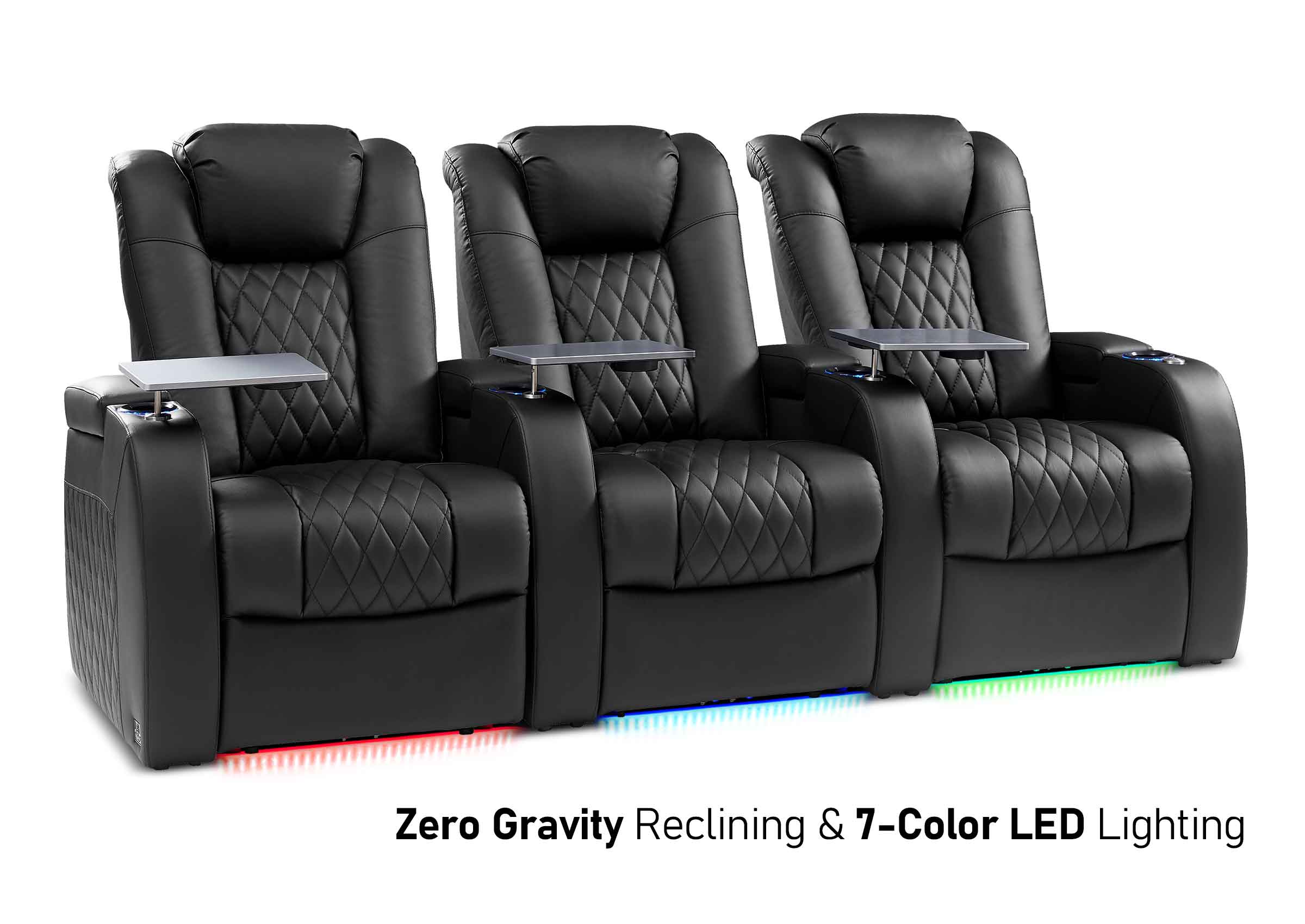
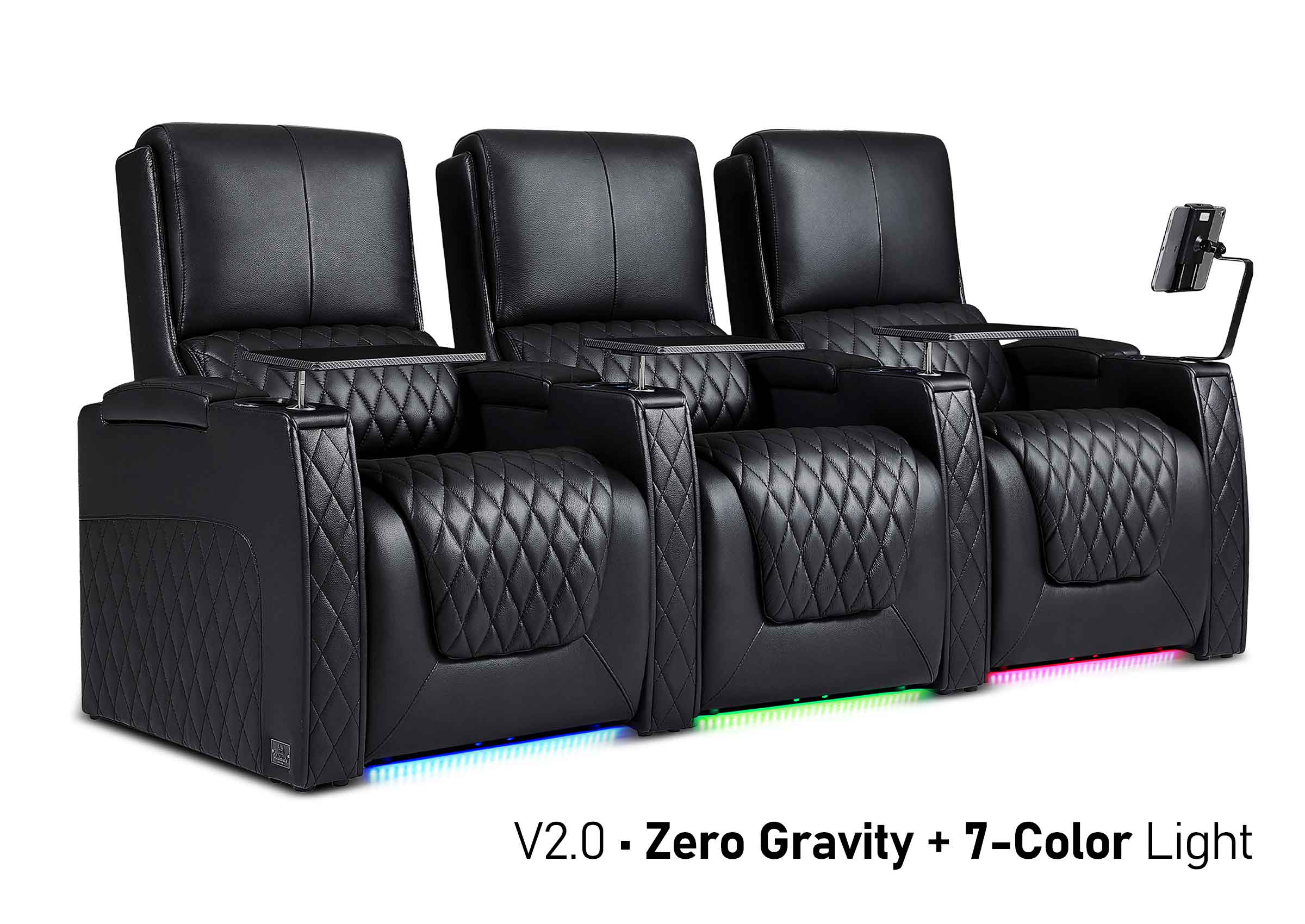
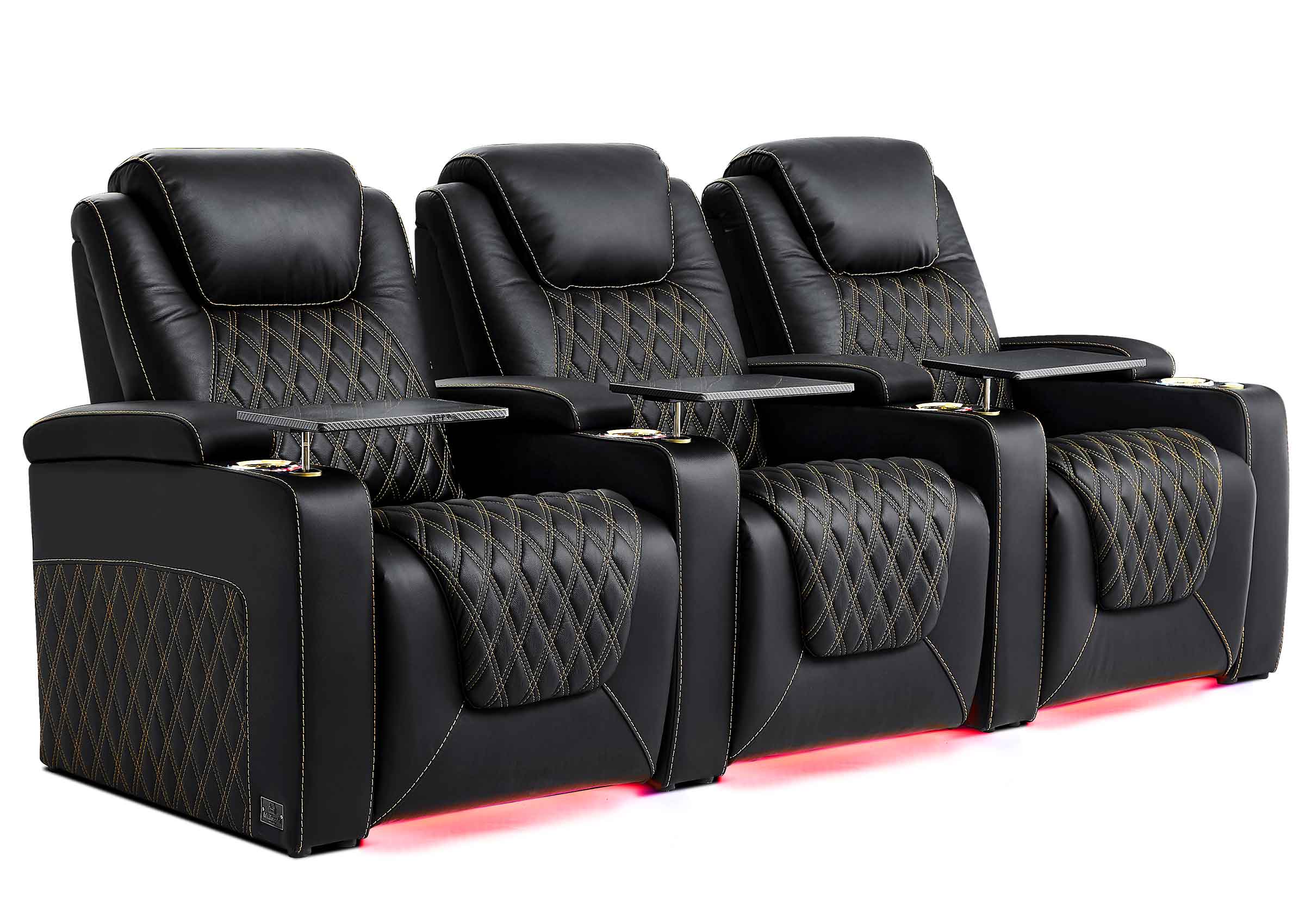
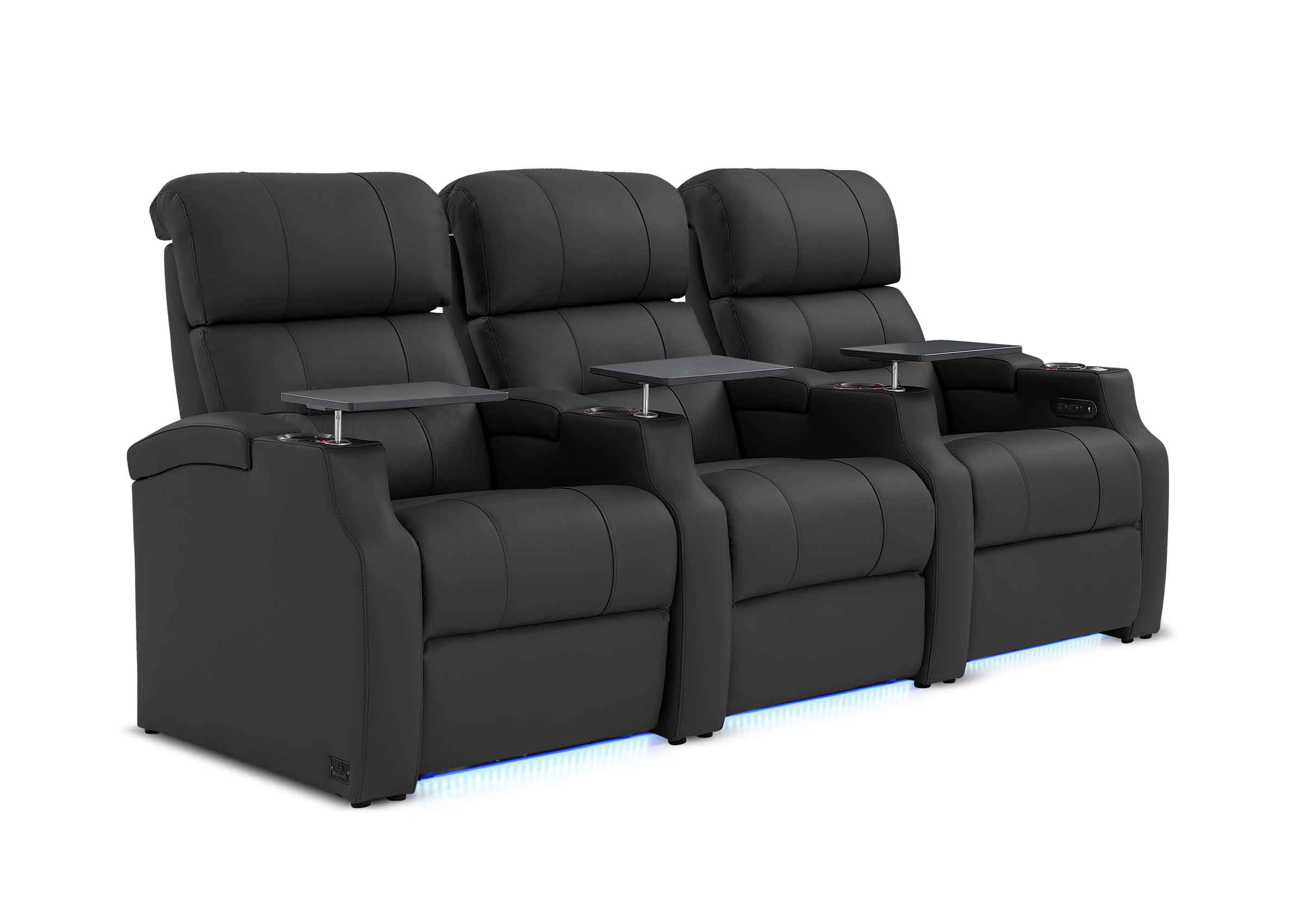

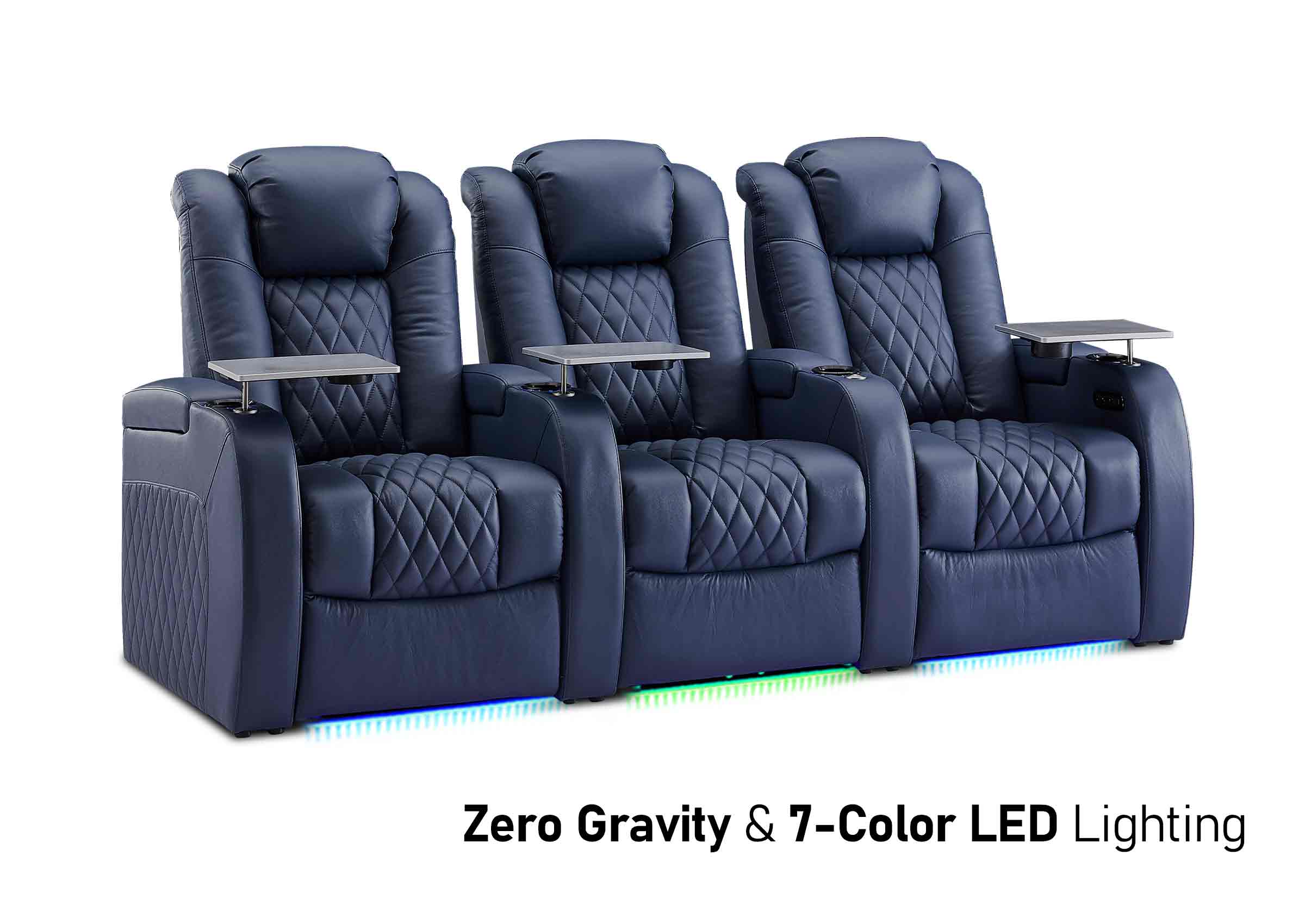
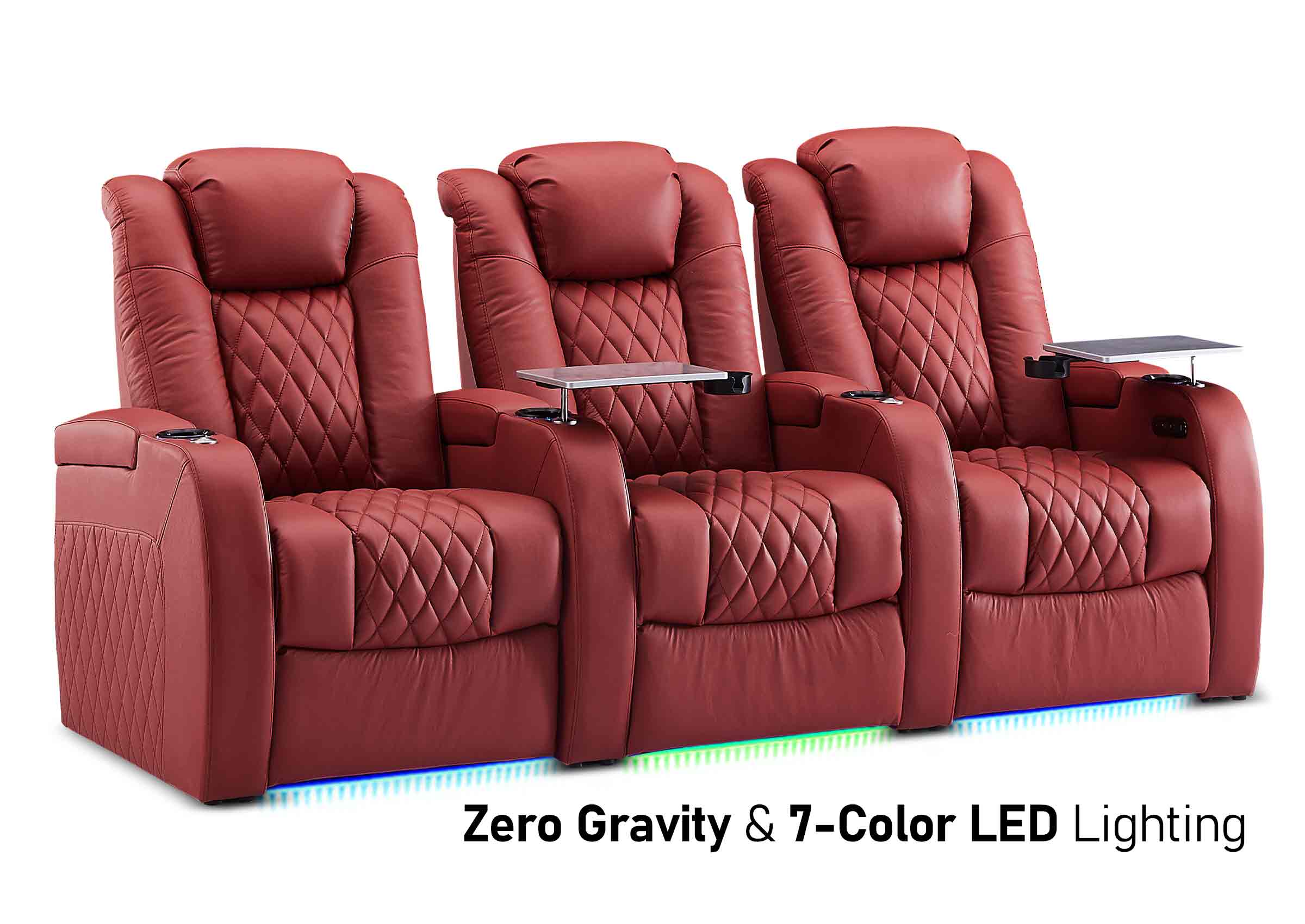
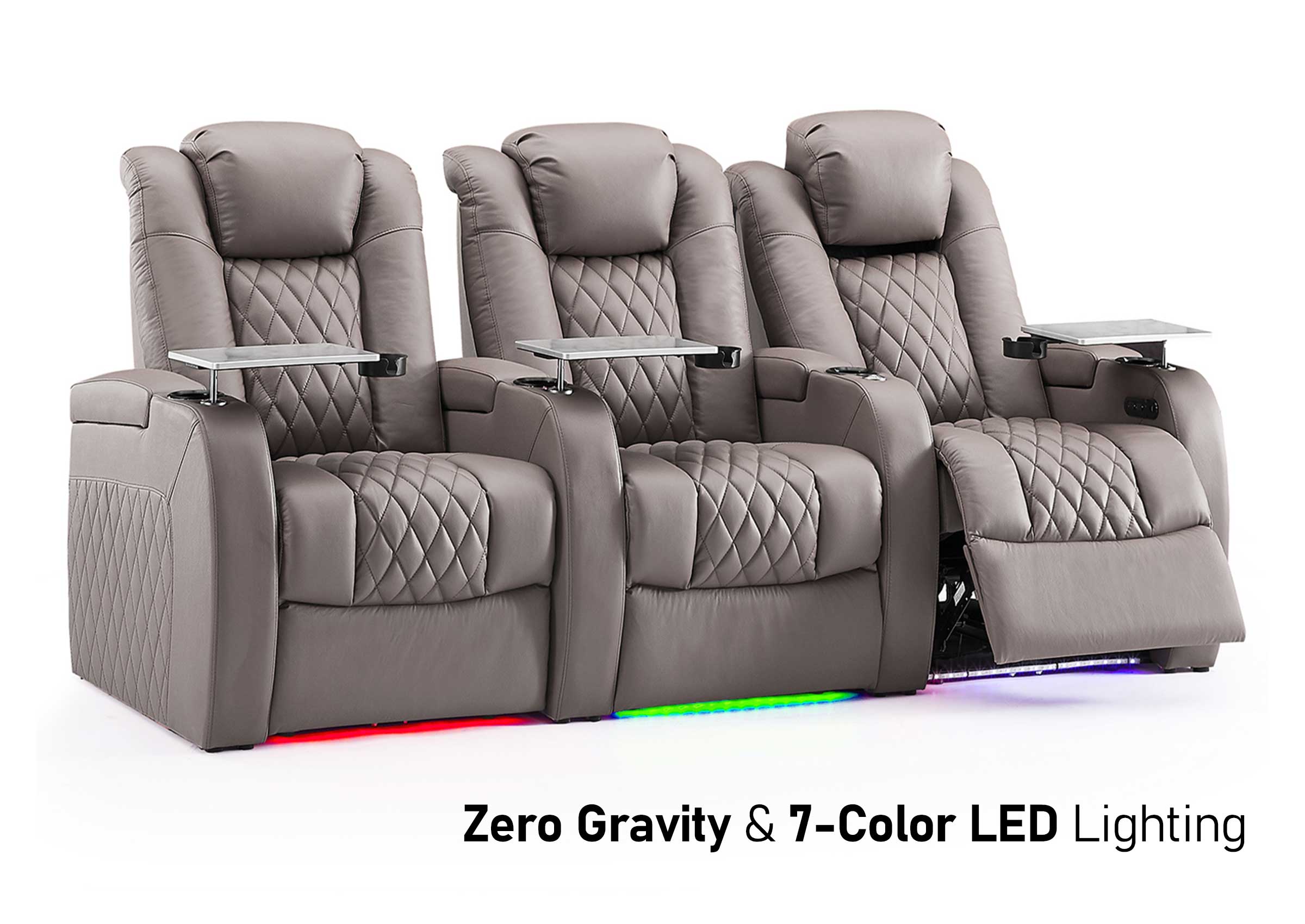
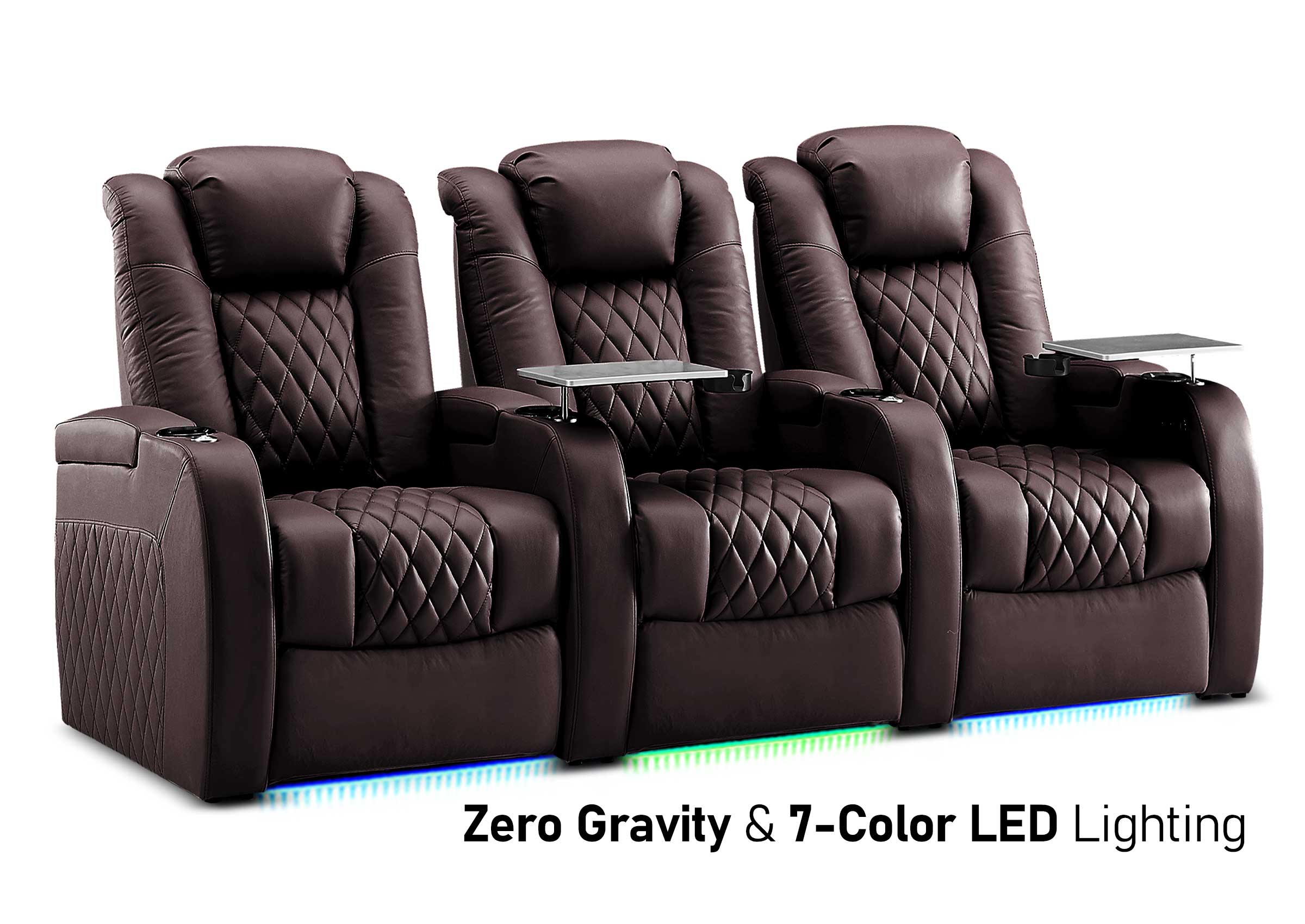

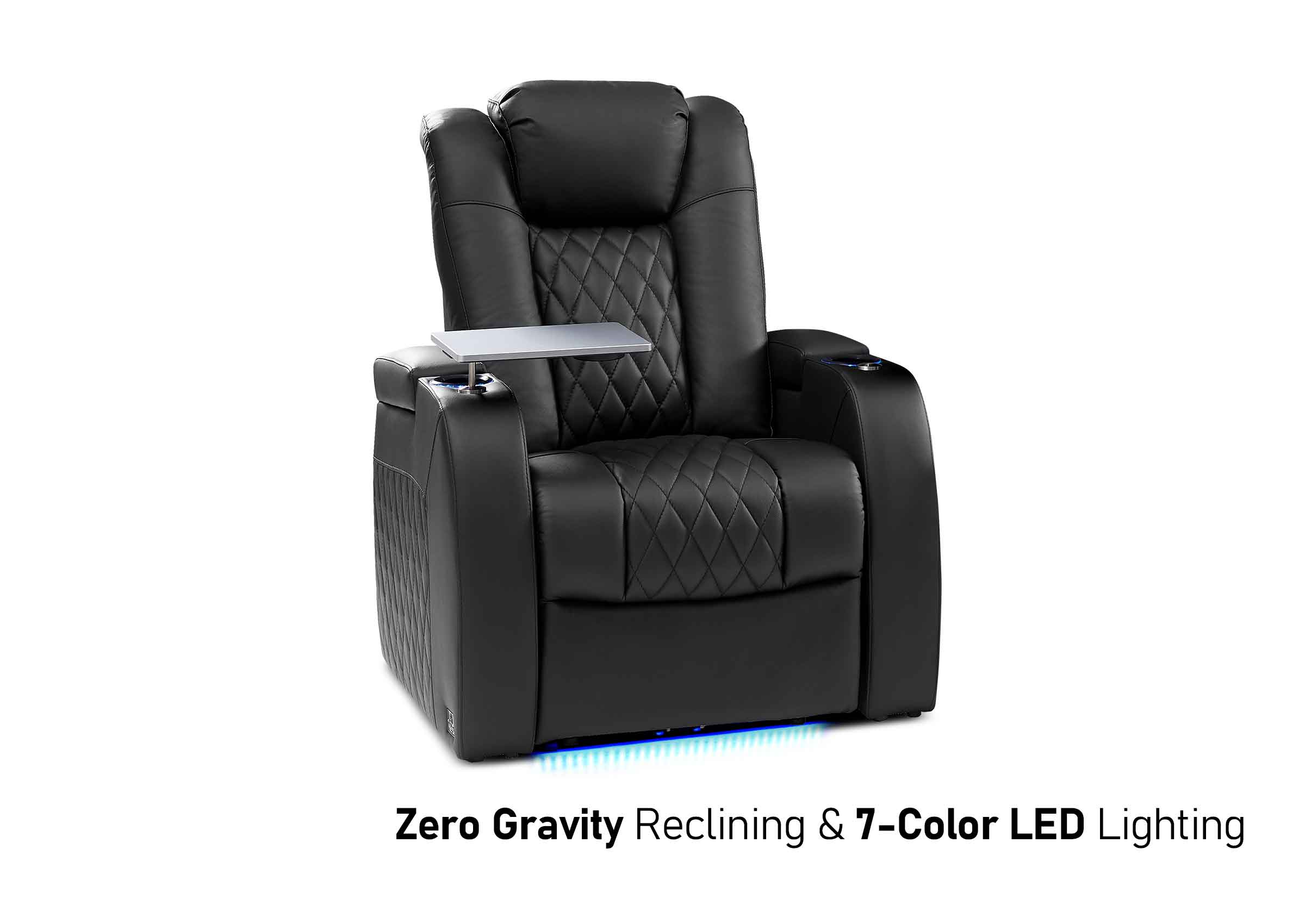
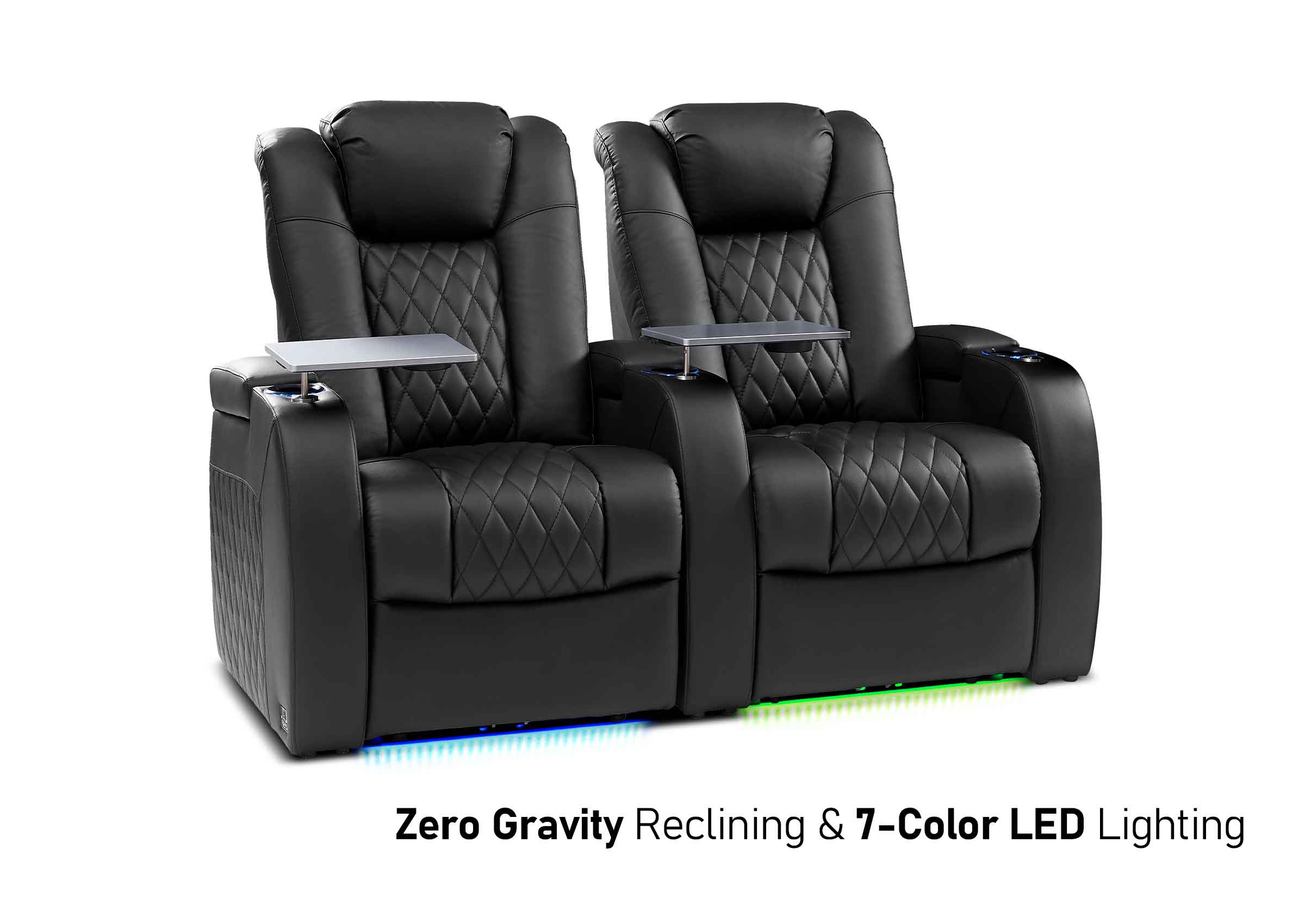
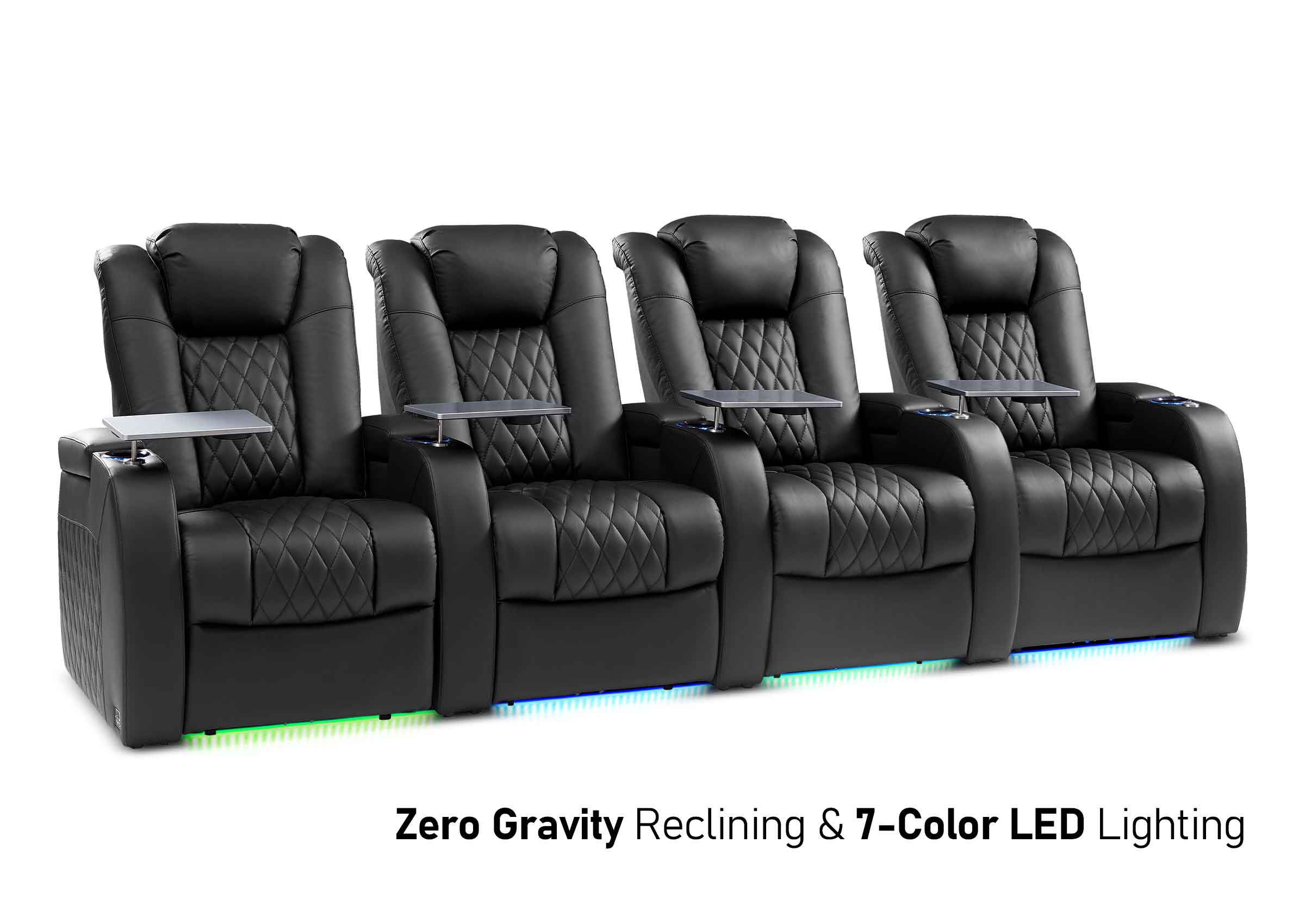
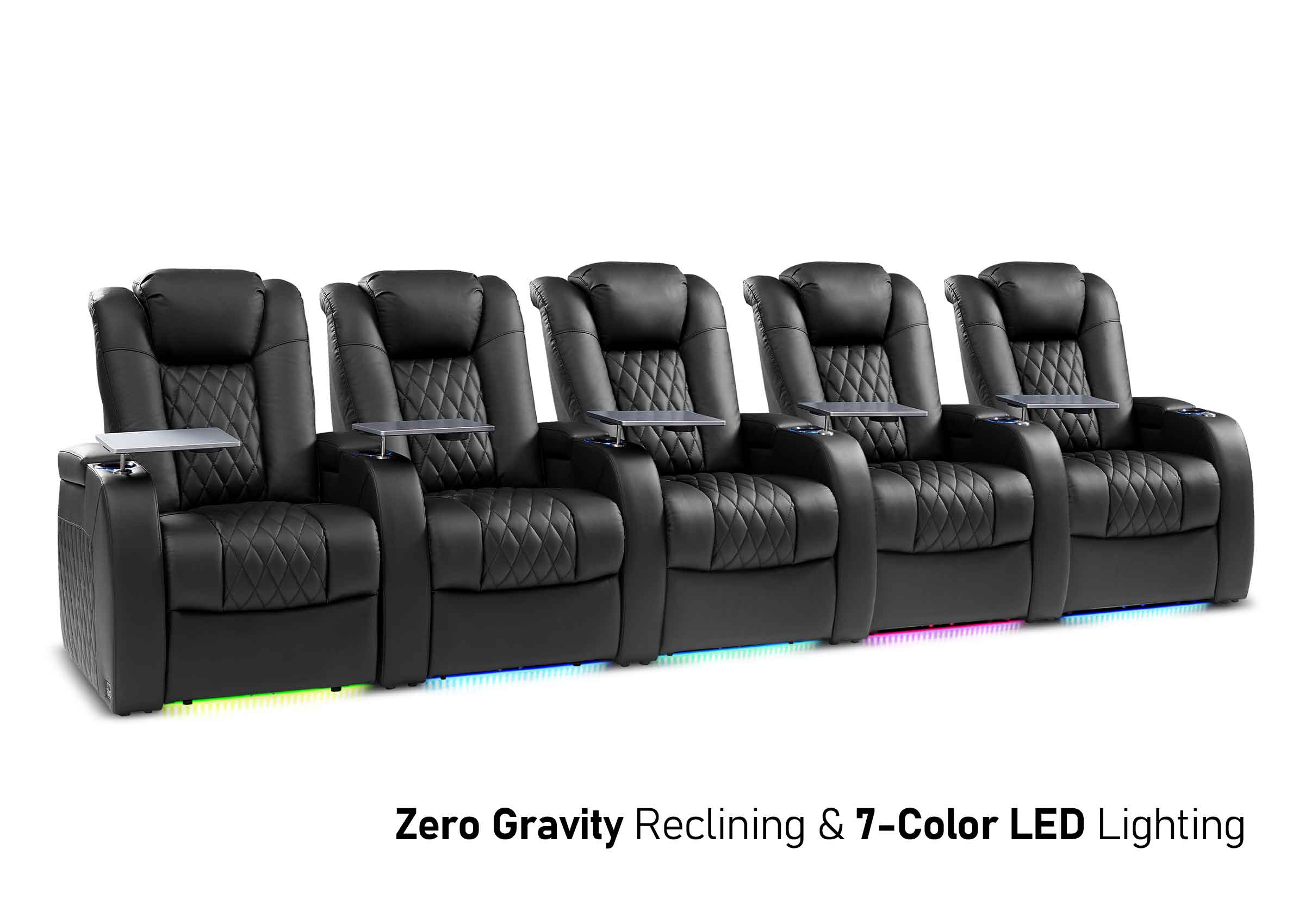
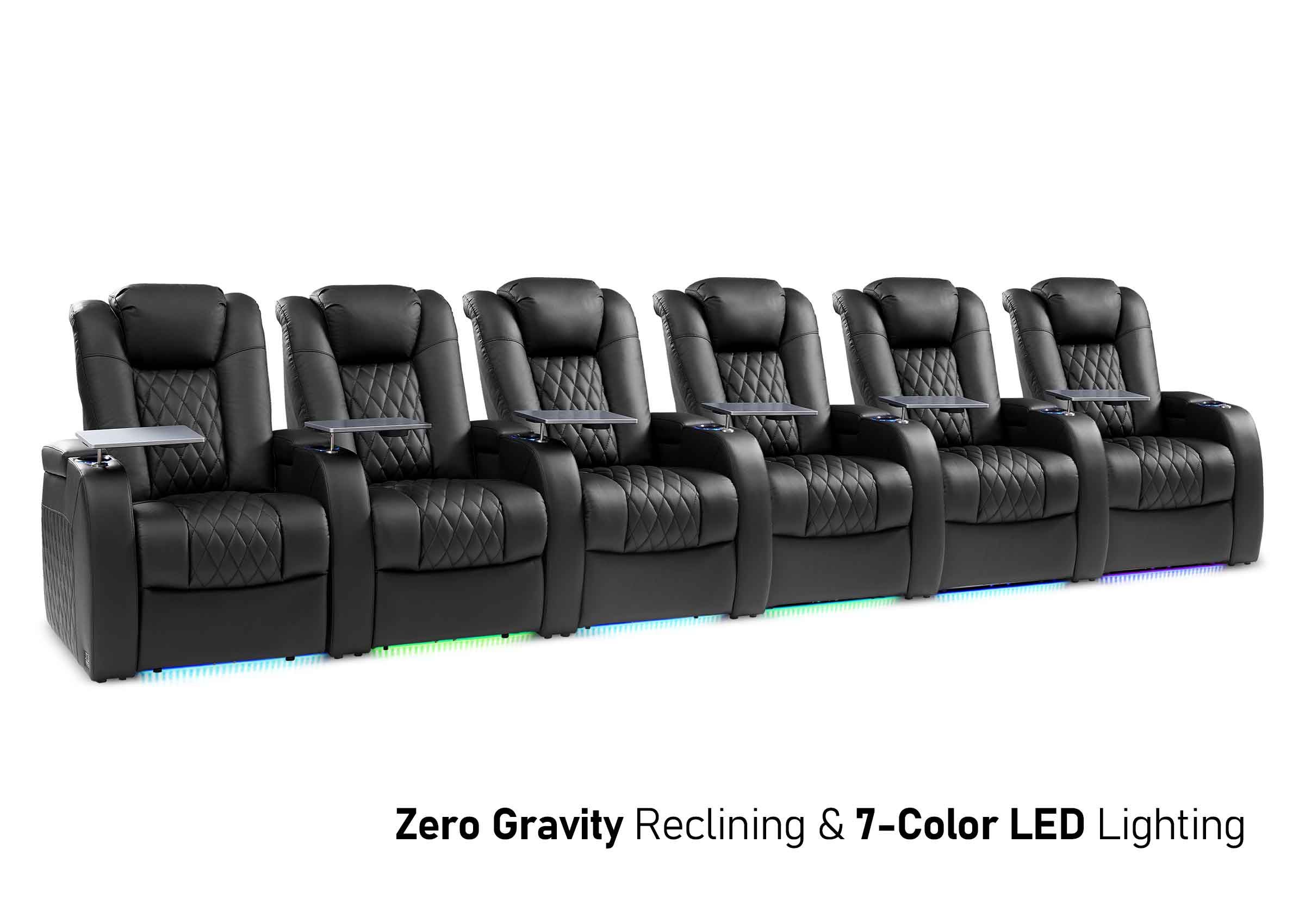
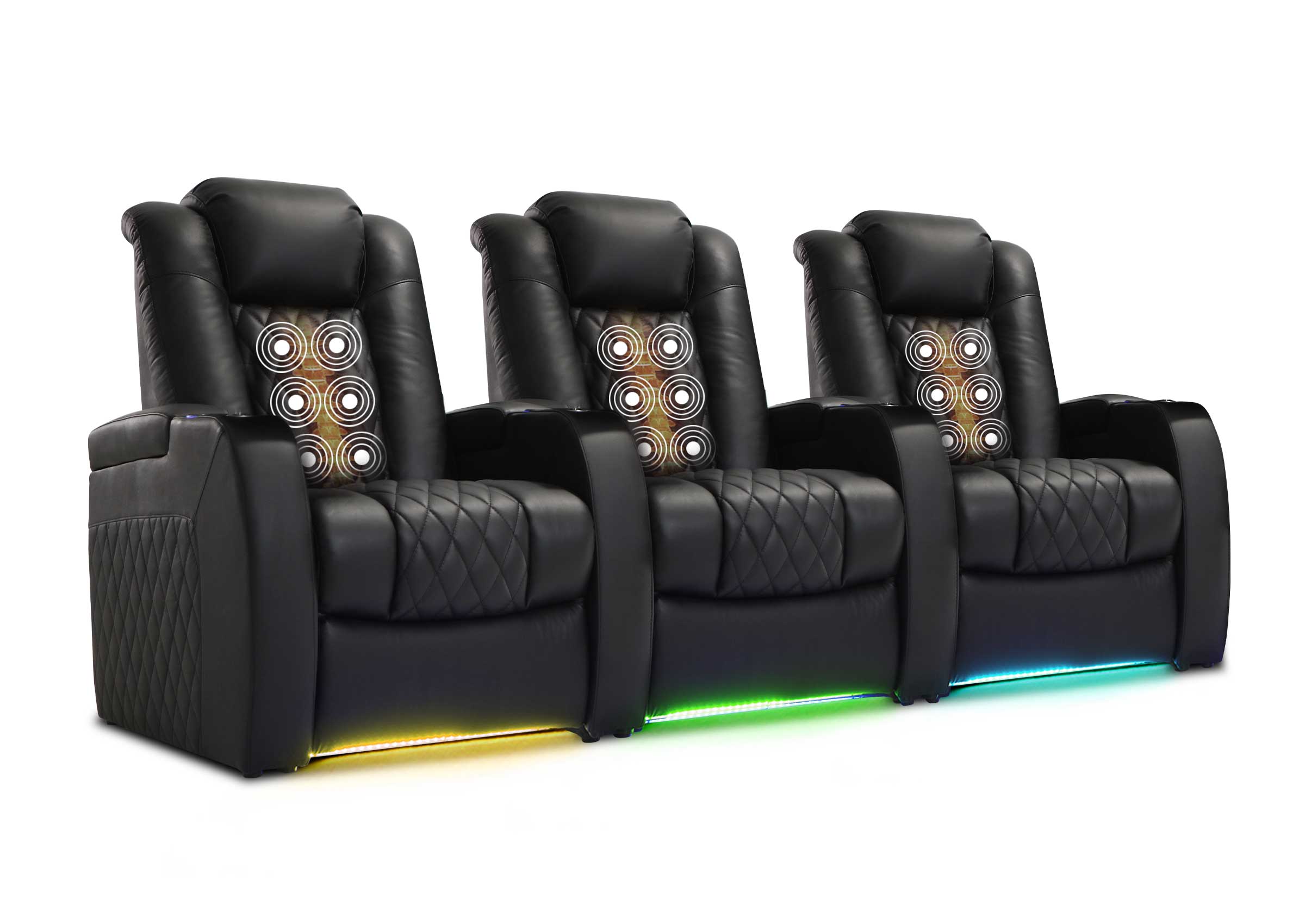
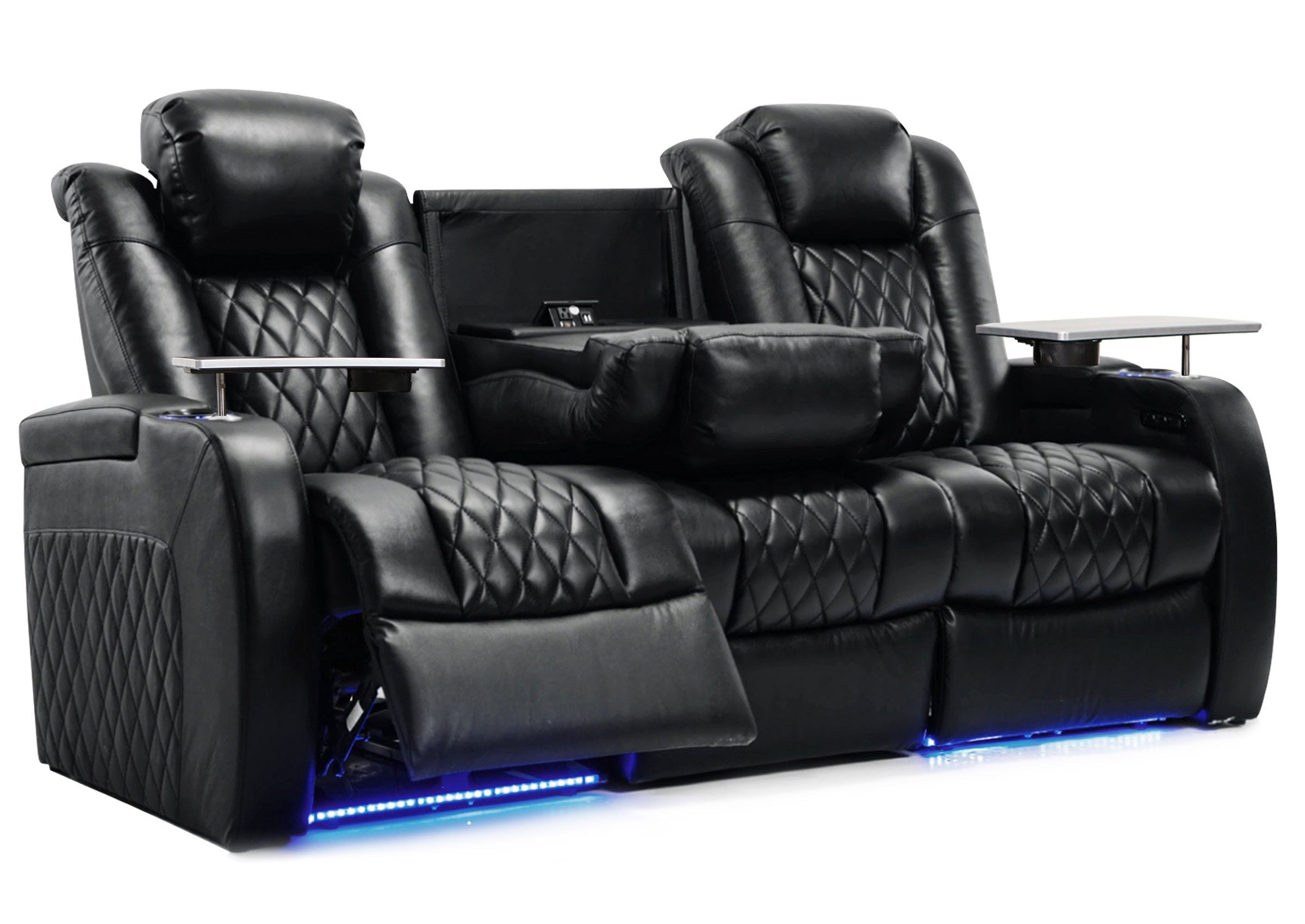
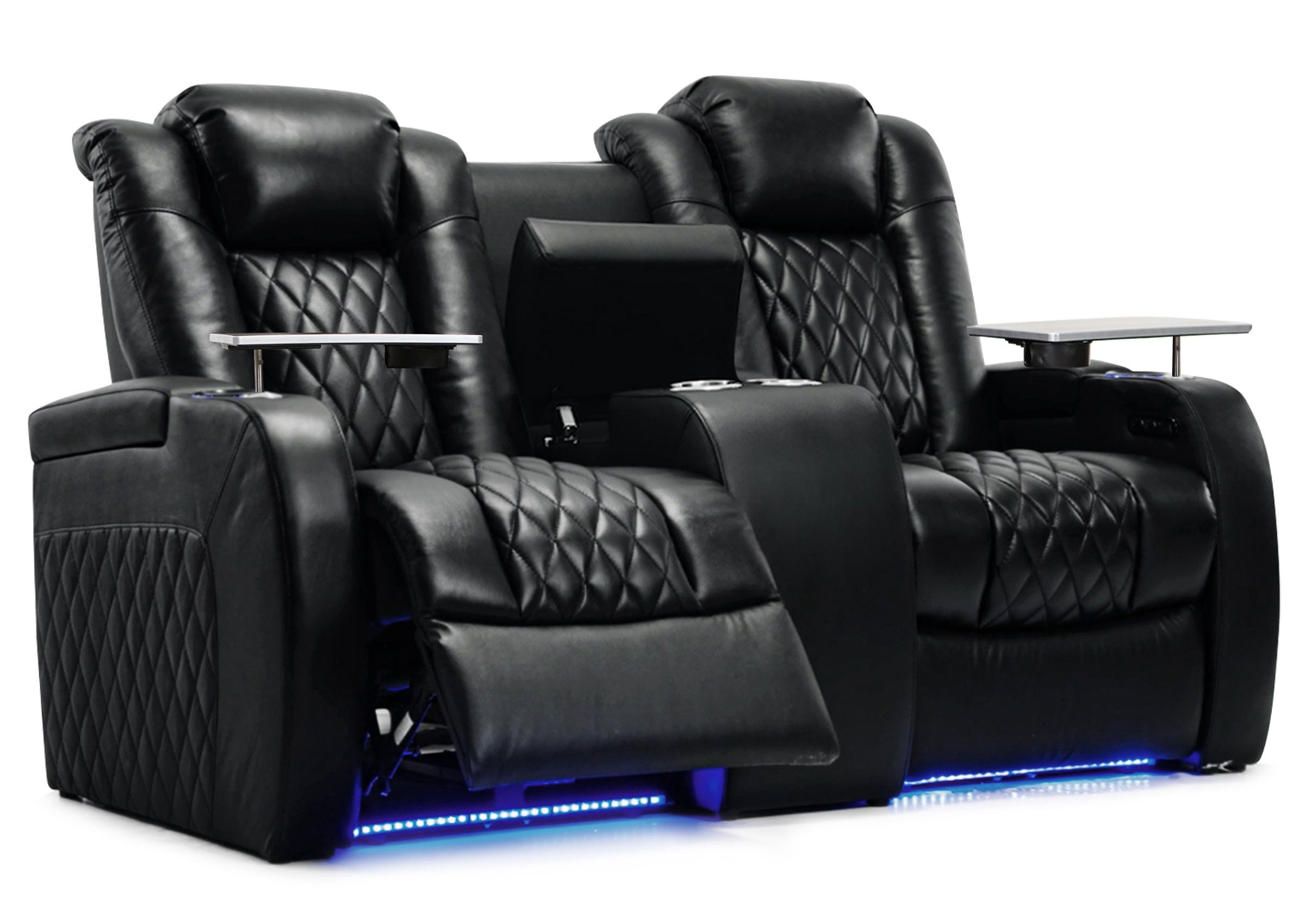


A sofa with a built-in refrigerator can make movie nights, gaming sessions, and everyday relaxation more convenient by keeping cold drinks within reach. But not every built-in cooling unit works like a kitchen refrigerator, and the difference matters more than the feature's name.
The real value of a sofa with a built-in refrigerator depends on its cooling performance, usable storage, noise, maintenance needs, and how often you actually use it. For some households, it is a practical entertainment upgrade. For others, a conventional storage console or separate mini fridge makes more sense.
Before choosing one, it helps to understand what these cooling systems can do, where their limitations begin, and how they affect the sofa over time.
What Does a Built-In Refrigerator in a Sofa Actually Mean?
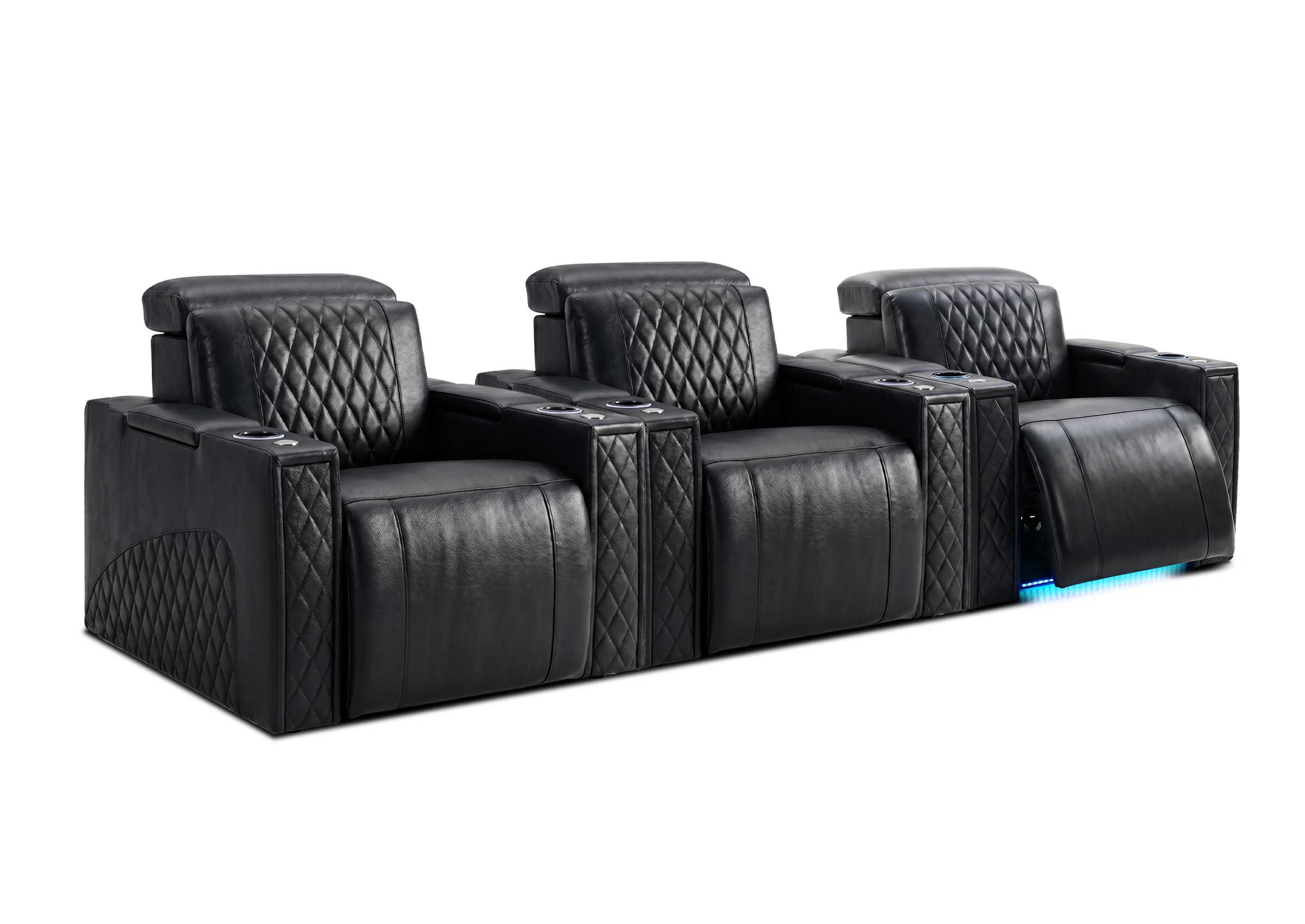
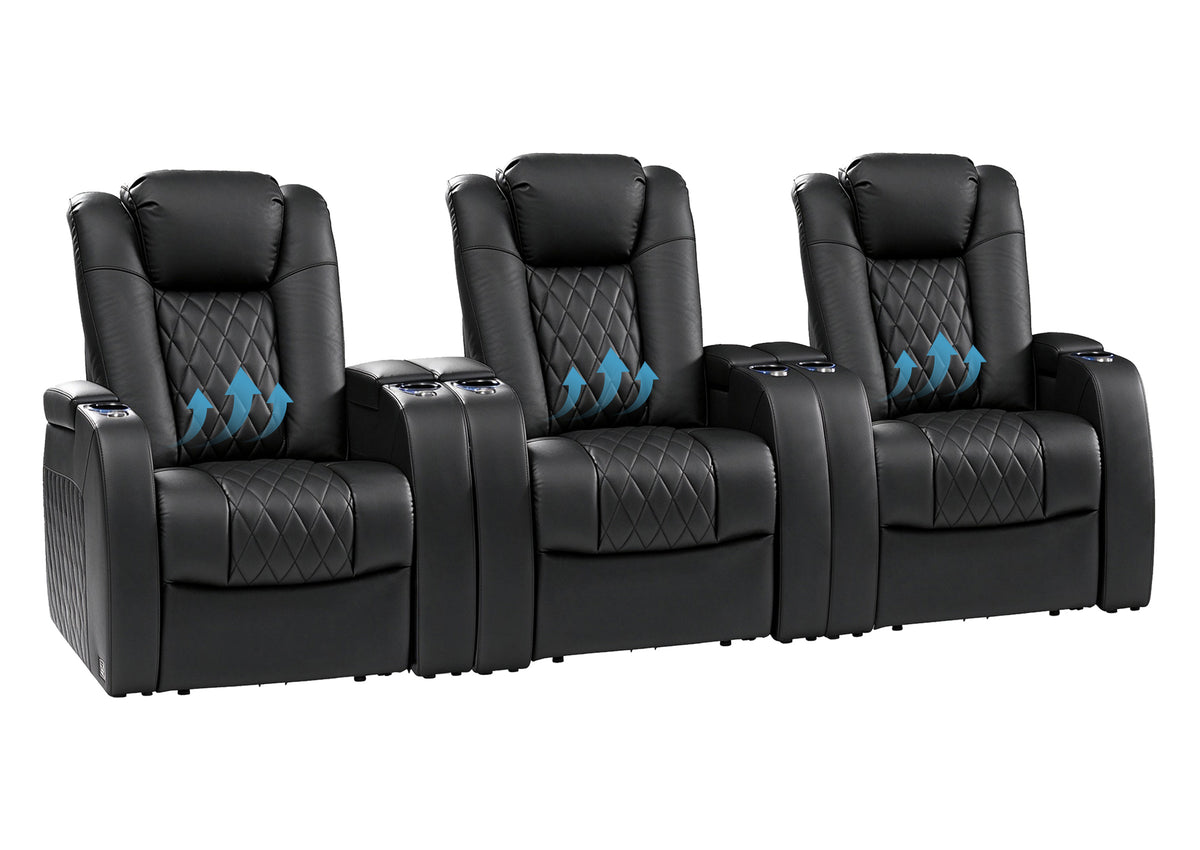
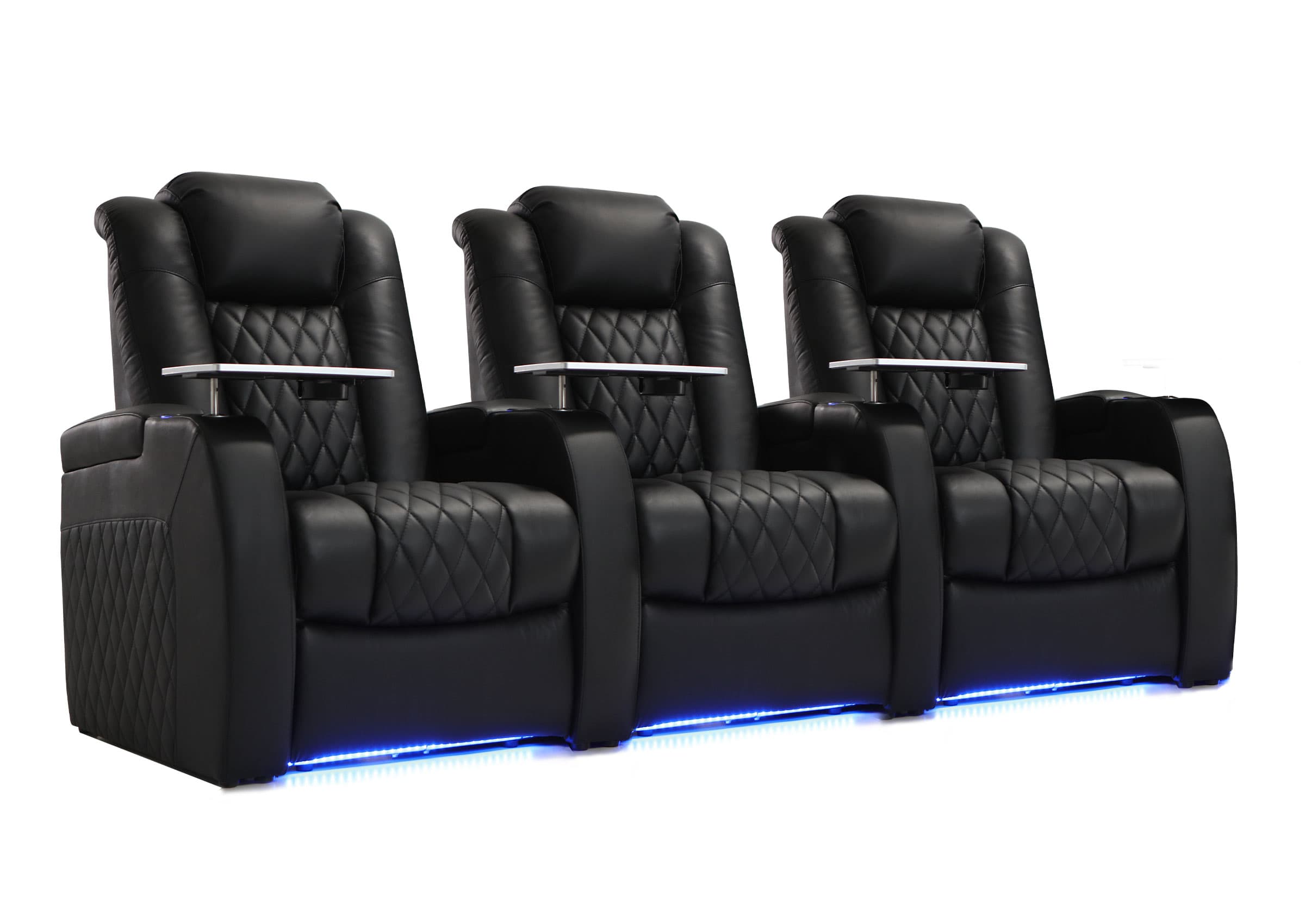
A sofa with a built-in refrigerator typically features a compact cooling compartment integrated into a center console, armrest, or dedicated seating module. It is designed to keep beverages close to the person sitting on the sofa without requiring a separate appliance beside the furniture.
These features are most commonly found in power-reclining sofas, theater seating, and entertainment-focused furniture.
However, product names can be misleading.
For example, Costco lists its Alton Leather Power Reclining Sofa as having a multifunction console with a Cooling Unit. Valencia Theater Seating offers a Tuscany configuration with an integrated refrigerated center console. Both incorporate cooling into furniture, but the names alone do not establish that their refrigeration performance is identical.
There are three common descriptions worth understanding:
| Feature | What It Provides | What to Verify |
|---|---|---|
| Refrigerated center console | A powered compartment designed to chill stored items | Temperature range, cooling method, food-storage suitability |
| Beverage cooler or cooling unit | Cooling primarily intended for drinks | Actual cooling performance and ambient-temperature limitations |
| Storage console | Accessible space for drinks, snacks, remotes, or accessories | Whether it includes any active cooling at all |

These names are not universal technical classifications. Two products described differently may use similar cooling systems, while products with similar names may perform quite differently.
A compartment that makes drinks cooler is not automatically suitable for storing perishable food.
The useful question is not simply whether the sofa has a fridge. It is what temperature the compartment can maintain under normal household conditions.
How Does a Built-In Sofa Cooling System Work?
Compact cooling systems can use different refrigeration technologies. Understanding the basics helps explain why some models chill beverages more effectively, operate differently, or require particular installation conditions.
Compressor Cooling
Compressor-based systems use a refrigeration cycle similar to that of a conventional household refrigerator.
They can generally achieve lower temperatures and handle changing room conditions more effectively than many small thermoelectric systems.
However, they may produce audible compressor cycling or vibration. Their performance also depends on suitable ventilation and proper installation.
For someone watching movies in a quiet media room, the sound of a cooling unit starting or stopping may be more noticeable than it would be in a busy kitchen.
Thermoelectric Cooling
Thermoelectric systems use a Peltier device that transfers heat when an electrical current passes through it.
These systems do not use a conventional compressor, but they may still require fans to remove heat.
They are often used in compact beverage-cooling appliances. Their cooling capability can be more sensitive to the surrounding room temperature.
For example, a cooler that works adequately in an air-conditioned living room may perform differently in a warmer upstairs entertainment room.
ENERGY STAR's research on residential refrigeration technologies identifies vapor-compression, thermoelectric, and absorption cooling as distinct approaches, noting the more limited cooling capacity associated with thermoelectric systems.
What Matters More Than the Technology Name?
Neither system should be judged by technology alone.
A buyer should look for the manufacturer's actual temperature specifications, operating conditions, noise information, ventilation requirements, and cleaning instructions.
Not every sofa manufacturer discloses the cooling technology in the main product description. If that information is missing, request the appliance specifications before assuming how the system works.
The important distinction is between a feature that keeps already-chilled drinks cool and a unit that can reliably reach and maintain a specified refrigeration temperature.
What Can You Actually Store in a Sofa's Built-In Refrigerator?
Most built-in sofa cooling compartments are designed around beverages rather than general grocery storage.
Canned soda, bottled water, and other sealed drinks are the most natural fit. However, the available space and cooling temperature determine what the compartment can safely hold.
Beverage Storage and Usable Capacity
A cooling compartment may look spacious in product photos but hold fewer drinks than expected.
Internal shelves, cooling components, door design, and the shape of the containers all affect usable capacity.
Before buying, consider what you normally drink during a movie night.
A compartment that accommodates several standard cans might not fit taller water bottles. A narrow opening can also make it difficult to reach items stored toward the back.
Check the internal dimensions rather than relying only on the stated capacity.
For households that regularly entertain guests, remember that a small console may need frequent refilling. Keeping beverages cool within arm's reach is convenient, but it does not eliminate the need for larger refrigerated storage elsewhere.
Beverage Cooling Is Not the Same as Food Refrigeration
This distinction is especially important.
El Dorado Furniture's Venus Home Theater Seating, for example, lists a built-in beverage cooler with temperature control from 41°F to 58°F. This is an actual product specification, not a universal range for sofa cooling systems.
The U.S. Food and Drug Administration recommends maintaining refrigerators at 40°F (4°C) or below for safe refrigerated food storage.
A cooler that cannot maintain that temperature should not be treated as a substitute for a food-safe refrigerator.
For practical use:
- Sealed, shelf-stable beverages are generally a suitable starting point when the compartment is approved for them.
- Milk, dairy products, leftovers, and other perishable foods require appropriate refrigeration.
- Temperature-sensitive medication should not be stored in a sofa cooler unless the device is specifically suitable for the medication's storage requirements.
- The actual compartment temperature matters more than a digital control setting.
If you need reliable food refrigeration, verify the actual operating temperature and the manufacturer's intended use before storing perishables.

When Does Built-In Cooling Make Everyday Life Easier?
A refrigerated sofa is most appealing when it fits a routine you already have.
It is easy to imagine using a built-in cooler every evening, but the convenience depends on how often you reach for drinks and how your entertainment space is arranged.
Family Movie Nights
Built-in cooling can be useful when the family regularly settles in for long movies.
Having drinks nearby means fewer interruptions, particularly if the media room is on another floor or away from the kitchen.
However, a small compartment may not hold enough beverages for everyone. Families that frequently host larger movie nights may still prefer a separate refrigerator.
Sports Watching and Entertaining
For people who regularly invite friends over for football, basketball, or other events, convenient access to chilled drinks can make the entertainment space more comfortable.
A center console that combines cooling, cup holders, and storage can also help reduce the number of loose items around the seating.
The limitation is capacity. If several guests are sharing one cooling compartment, frequent refilling may reduce the convenience.
Gaming Sessions
During longer gaming sessions, easy access to water or another drink can be useful.
The bigger consideration is whether the console remains easy to reach while seated and whether the cooling unit creates noticeable noise.
A quiet room with little background sound may make fan or compressor operation more apparent.
Everyday Living Room Use
For someone who watches television for an hour after dinner, a built-in refrigerator may be less valuable.
If you usually bring one drink from the kitchen and rarely need another, an ordinary cup holder may already solve the problem.
This leads to a useful test before buying:
Think about your last five evenings on the couch. How often would a built-in cooler have saved you a trip to the kitchen?
If the answer is rarely, the feature may be more attractive than necessary. If your household regularly spends several hours in a dedicated entertainment space, the convenience may be easier to justify.
Built-In Refrigerator vs. Separate Mini Fridge: Which Is More Practical?
A sofa with integrated cooling saves you from finding a separate location for a refrigerator, but it also combines two products that have different maintenance needs.
A separate mini fridge may offer more storage flexibility, while an integrated cooling console keeps beverages closer to the seating.
| Consideration | Built-In Cooling Console | Separate Mini Fridge |
|---|---|---|
| Drink access | Usually within arm's reach | Depends on placement |
| Storage capacity | Often compact | More size options |
| Floor space | Integrated into furniture | Requires additional space |
| Room layout | Tied to sofa configuration | Can be repositioned |
| Maintenance | May require access through furniture | Usually serviced independently |
| Replacement | Depends on component availability | Appliance can usually be replaced separately |

When Built-In Cooling Makes Sense
Integrated cooling is particularly appealing in a dedicated media room where the seating arrangement is unlikely to change.
It can reduce the need for another appliance beside the sofa and help maintain a coordinated interior appearance.
The convenience is strongest when the cooling compartment is easily accessible from the seat you normally use.
When a Separate Mini Fridge Is Better
A standalone mini fridge may be more practical if you want additional beverage capacity, flexible placement, or easier replacement.
It also gives you more freedom to choose a refrigerator based on its own performance rather than the sofa model.
For example, if you already own a comfortable sectional or reclining sofa, adding a separate mini fridge might provide the same beverage convenience without replacing your furniture.
The trade-off is that the appliance requires its own space, suitable ventilation, and an accessible power connection.
Choose integrated cooling for convenient access and a coordinated furniture design. Choose a separate refrigerator when capacity, flexibility, and independent maintenance matter more.
What to Check Before Buying a Sofa With a Built-In Refrigerator
The cooling compartment should not be evaluated separately from the sofa.
You are purchasing furniture and an electrical cooling system together. Both should work reliably in the room where they will be used.
Before choosing a model, review these details.
Cooling Performance
Check the actual temperature range and whether the manufacturer specifies conditions under which that performance is achieved.
If the product uses thermoelectric cooling, ask how room temperature affects its cooling capability.
Do not assume that an adjustable temperature display guarantees the compartment will reach that temperature in every environment.
Usable Storage
Look beyond the advertised capacity.
Check whether the compartment accommodates the cans or bottles you normally use. Consider the height of the opening, internal obstructions, and how easily drinks can be removed.
A small compartment that holds your preferred beverages may be more useful than a larger one with an awkward opening.
Noise and Vibration
Ask whether the unit uses a compressor, fan, or another cooling system.
If the manufacturer publishes operating noise in decibels, use it as a reference, but remember that real-world audibility also depends on room acoustics and where the console is installed.
For a dedicated home theater, low operating noise may matter more than it would in a busy family room.
Ventilation and Heat
Cooling systems remove heat from the compartment and release it elsewhere.
That heat needs somewhere to go.
Keep the manufacturer's required ventilation openings unobstructed. Avoid covering vents with blankets, cushions, or decorative accessories.
Do not assume that because the appliance is built into the sofa, it needs no airflow.
Sofa Dimensions and Accessibility
Check the sofa's overall dimensions, including its reclining footprint if applicable.
Also consider how the cooling compartment opens.
A console lid that opens upward may need clearance above it. A front-opening design may require space between the sofa and a nearby table.
Try to picture yourself opening the compartment while fully reclined.
If you must sit upright, move a tray, or reposition an armrest every time you want a drink, the feature may be less convenient than expected.
Power Supply and Cord Placement
Check whether the cooling system and power-reclining mechanism share a power arrangement or require separate connections.
The cord should be routed according to the manufacturer's instructions, away from moving mechanisms and areas where it might be pinched or damaged.
Do not assume a furniture charging port can power the refrigeration system.
Cleaning and Component Replacement
Find out whether the interior shelves, trays, or other components can be removed for cleaning.
Ask what happens if the cooling system stops working.
Can the cooling unit be serviced or replaced independently? Are replacement components available? Is the refrigeration system covered by the same warranty as the sofa?
These questions may be more important over several years of ownership than another decorative lighting feature.
Seating Comfort
A built-in refrigerator should never compensate for uncomfortable seating.
Check the seat depth, back support, upholstery, reclining movement, and available legroom.
A sofa may include an impressive cooling console but still be unsuitable for long viewing sessions.
If you would not choose the sofa without the refrigerator, think carefully before paying extra for the integrated feature.
How to Clean and Maintain a Sofa's Cooling Console
A built-in refrigerator adds maintenance requirements that ordinary sofas do not have.
Most routine care is straightforward, but cleaning must account for both the cooling appliance and the surrounding furniture.
Clean Spills Promptly
Drinks can leak or spill inside a cooling compartment, particularly when cans or bottles are frequently moved.
Follow the manufacturer's instructions for switching off and disconnecting the cooling system before cleaning.
Use an approved cleaning method and avoid allowing water to enter electrical controls, vents, or other sensitive components.
Clean spills promptly and dry accessible surfaces thoroughly.
Keep Ventilation Areas Clear
Dust, fabric fibers, and household debris can accumulate around ventilation openings.
Inspect accessible vents periodically and clean them according to the product instructions.
Never insert tools into concealed electrical or refrigeration components.
Dometic's mini-fridge operating instructions emphasize keeping ventilation openings clear, preventing moisture-related damage, and disconnecting electrical power before cleaning or maintenance. These are relevant appliance-care principles, although the instructions for the specific sofa cooling unit must take priority.

Check the Door and Seals
A poorly closing door can reduce cooling performance.
Check that the door closes properly and that its seal is clean and undamaged.
Avoid overfilling the compartment in a way that prevents complete closure.
If the unit has a condensate drain or removable moisture tray, follow the manufacturer's cleaning instructions for that component.
Prepare the Unit for Long Periods of Nonuse
If you will not use the cooling feature for an extended period, follow the manufacturer's shutdown procedure.
Depending on the appliance, that may involve removing stored items, switching off the cooling system, cleaning and drying the interior, and leaving the compartment ventilated to prevent odors or mold.
Do not assume every built-in cooling unit has the same defrosting, drainage, or shutdown requirements.
The manufacturer's manual is the final authority.
Frequently Asked Questions
Are sofas with built-in refrigerators real refrigerators?
Some sofas contain genuine refrigerated compartments, while others use beverage-cooling units designed primarily to chill drinks. The name alone does not establish whether the appliance can maintain food-safe temperatures. Check the manufacturer's temperature specifications, cooling technology, and intended uses. A compartment described as a mini fridge may function differently from a conventional household refrigerator.
How cold does a built-in sofa refrigerator get?
The temperature depends on the cooling technology and model. Some products provide an adjustable temperature range, while others have cooling performance that varies with room conditions. For example, some home theater seating products advertise beverage cooling between 41°F and 58°F. Always verify the specifications of the exact model rather than assuming that all sofa refrigerators provide the same cooling performance.
Can you store food in a sofa with a built-in fridge?
Only if the cooling compartment is designed for food storage and can consistently maintain the required temperature. The FDA recommends keeping refrigerators at 40°F or below. A beverage cooler that operates above that temperature is not suitable for storing foods that require refrigeration. When in doubt, use a conventional refrigerator for dairy products, leftovers, and other perishables.
Does a built-in refrigerator sofa make noise?
It can. Compressor-based cooling systems may produce periodic operating sounds, while thermoelectric systems may use fans that remain audible. The level and character of the noise depend on the specific unit and its installation. If you plan to use the sofa in a quiet home theater, check the manufacturer's noise information and, if possible, experience the cooling system while it is running.
How much can a sofa refrigerator hold?
Capacity varies considerably between models. Some integrated compartments are intended for only a few beverages, while larger console designs may provide more space. The most useful measurement is the actual internal compartment size rather than its external appearance. Check whether it fits your usual cans, water bottles, or other approved containers without blocking airflow or preventing the lid from closing.
Does a built-in sofa cooler need ventilation?
Yes, powered cooling equipment generally needs a way to release heat, although the specific airflow requirements depend on the appliance's design. Some systems use concealed ventilation channels or dedicated openings. Do not obstruct these areas with blankets or other items, and never modify the furniture enclosure without manufacturer approval. Follow the ventilation and clearance instructions for the exact cooling unit.
How do you clean a built-in refrigerator console?
Follow the manufacturer's shutdown and cleaning instructions. Typically, this involves removing stored items, disconnecting power when instructed, wiping accessible surfaces with an approved cleaner, and drying the compartment thoroughly. Keep ventilation areas clear and check seals or drainage components if present. Avoid spraying liquids near controls, immersing electrical components, or attempting to disassemble the cooling mechanism.
Is a sofa with a built-in refrigerator worth it?
A sofa with a built-in refrigerator can be worth considering if your household regularly enjoys long movie nights, gaming sessions, or sports events and frequently wants chilled drinks nearby. It is less compelling if the cooling feature will be used occasionally. Compare its practical convenience with the additional purchase cost, maintenance requirements, cooling performance, and potential repair expenses before deciding.
Choose the Cooling Setup That Fits Your Entertainment Habits
A sofa with a built-in refrigerator can be a convenient addition to a dedicated entertainment space, but the cooling compartment should support the way you actually use the room.
If you regularly host movie nights or watch sports for hours, having drinks close at hand may be genuinely useful. If you want larger storage capacity or easier appliance replacement, a separate mini fridge may offer better long-term flexibility.
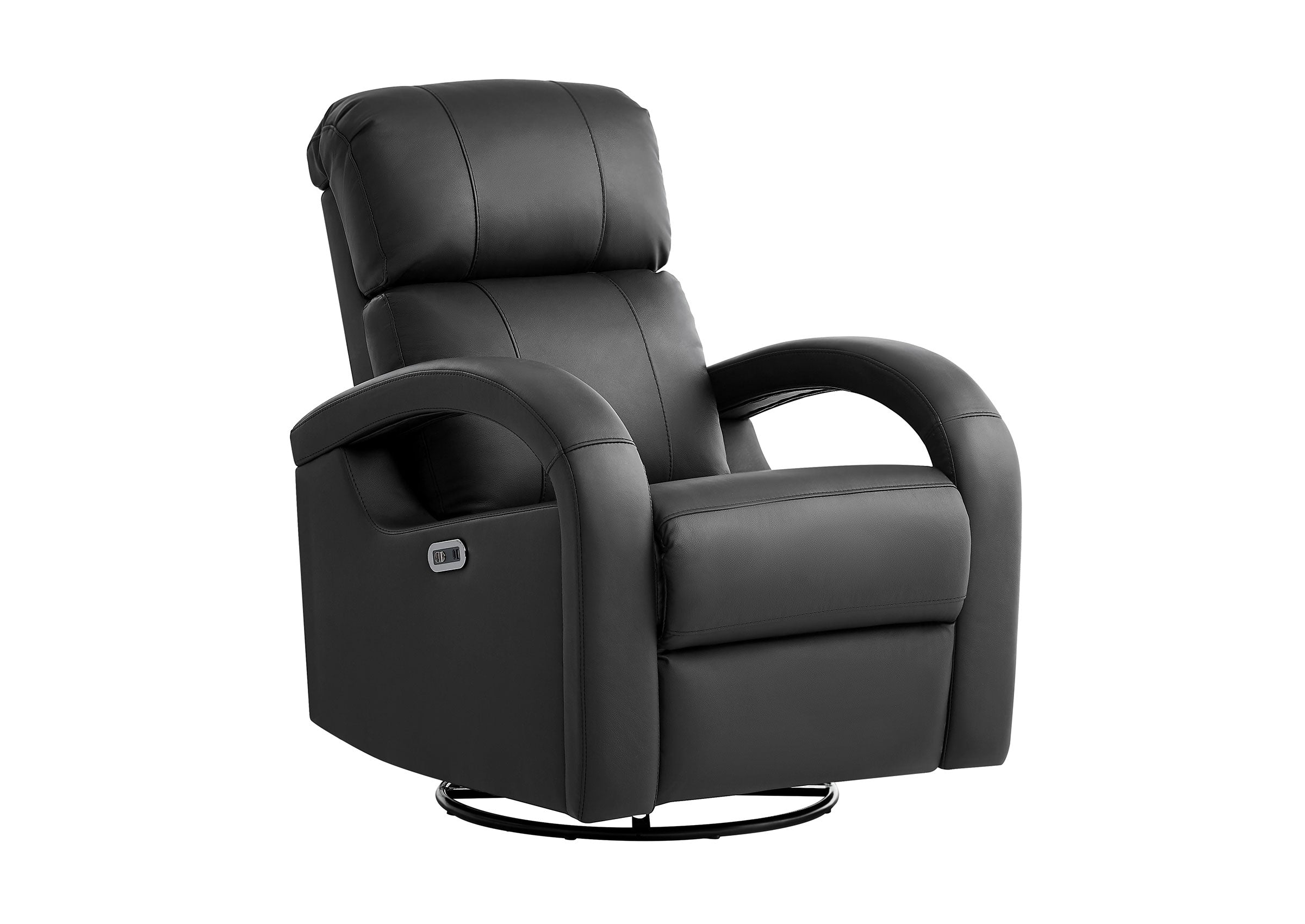
And if cooling is not a priority, a comfortable reclining sofa with cup holders, accessible storage, and charging options may already provide the convenience you need.
Weilianda offers home theater seating with practical features such as power reclining, storage consoles, cup holders, and charging options, depending on the model. These are alternatives to consider when integrated refrigeration is not essential.
The right entertainment sofa is one you would still enjoy using even if its most eye-catching extra feature were switched off.
If you are planning a more comfortable media room and want help comparing seating features for your space, contact Weilianda at leon@weiliandahome.com.