

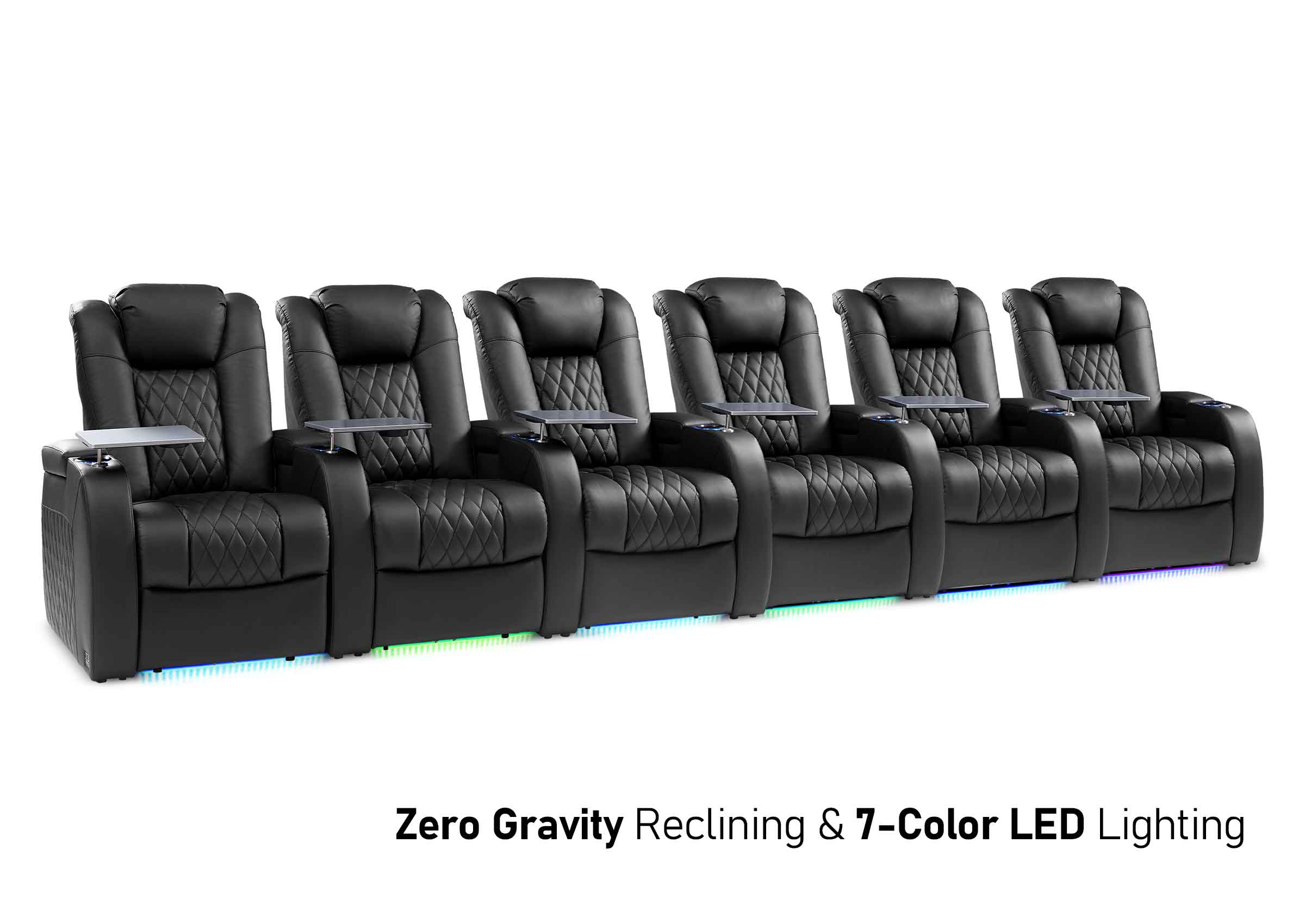
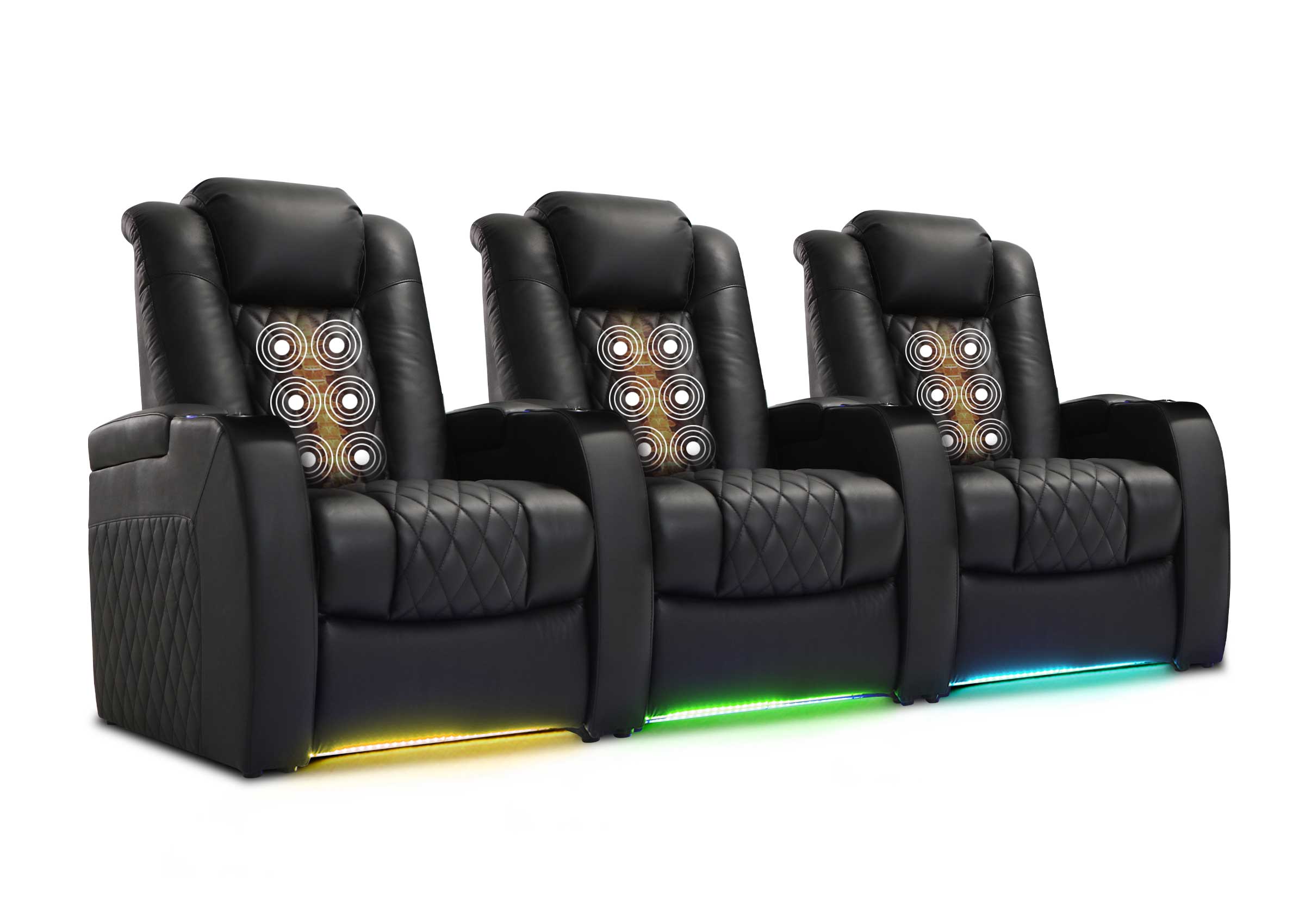

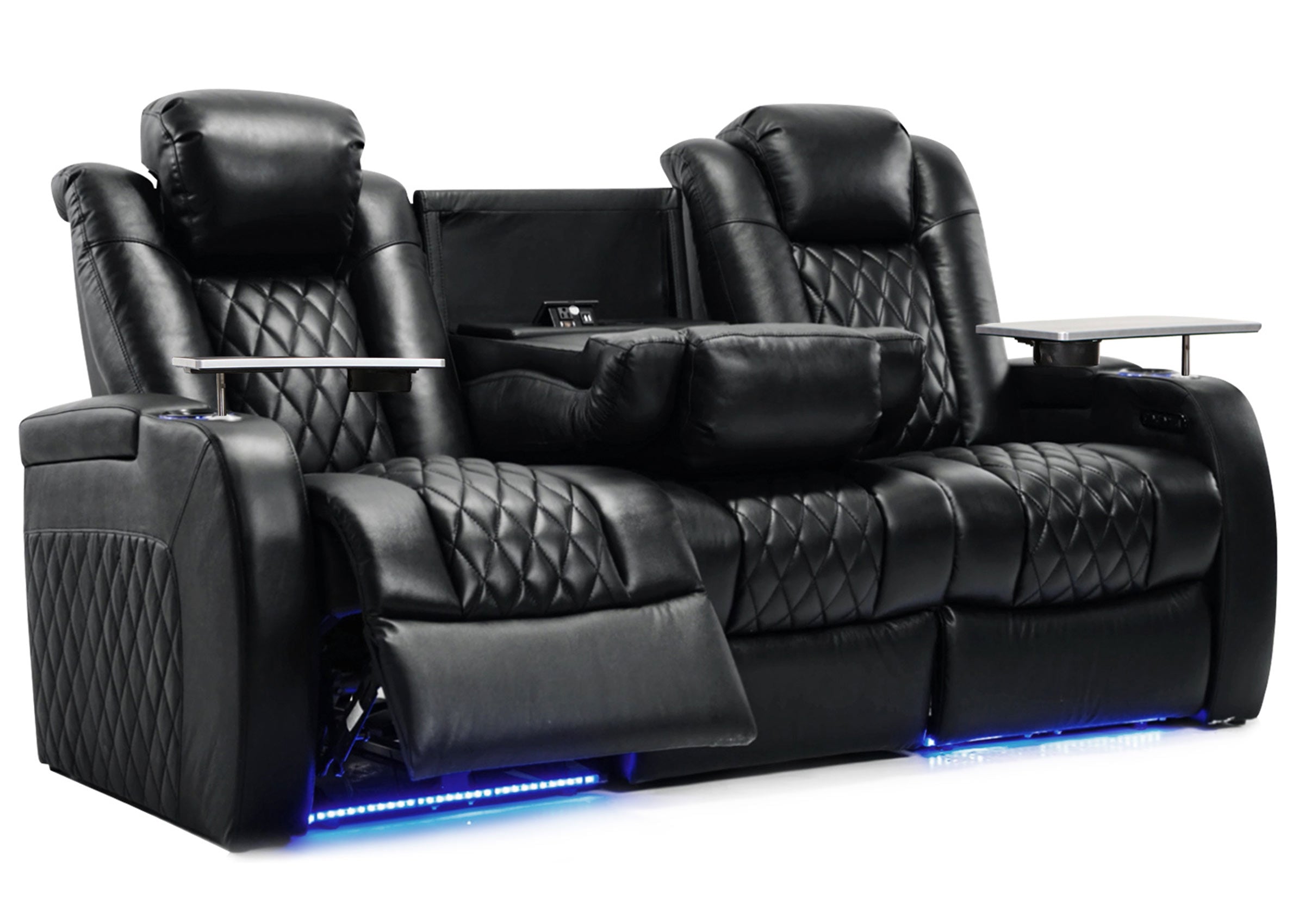
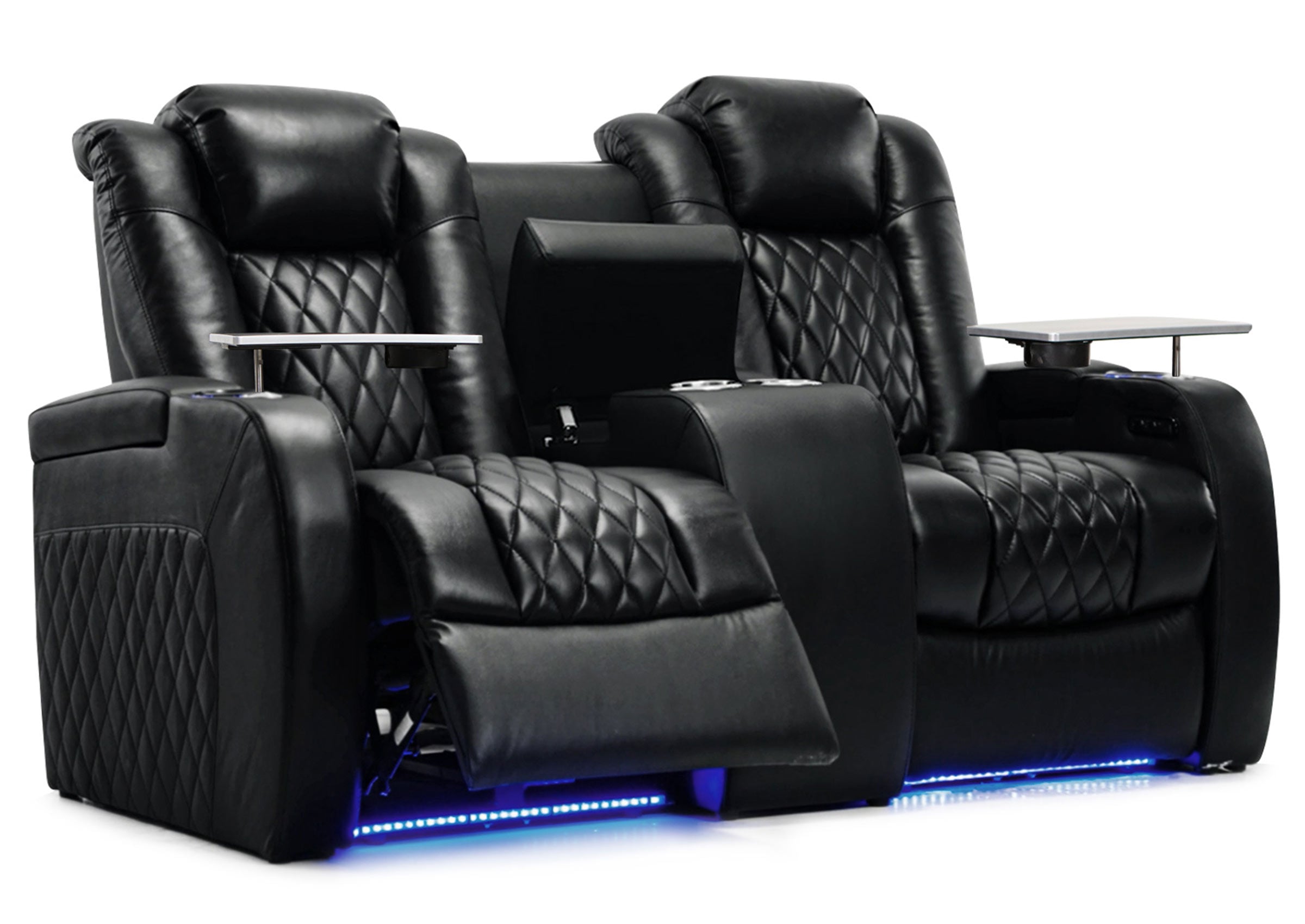




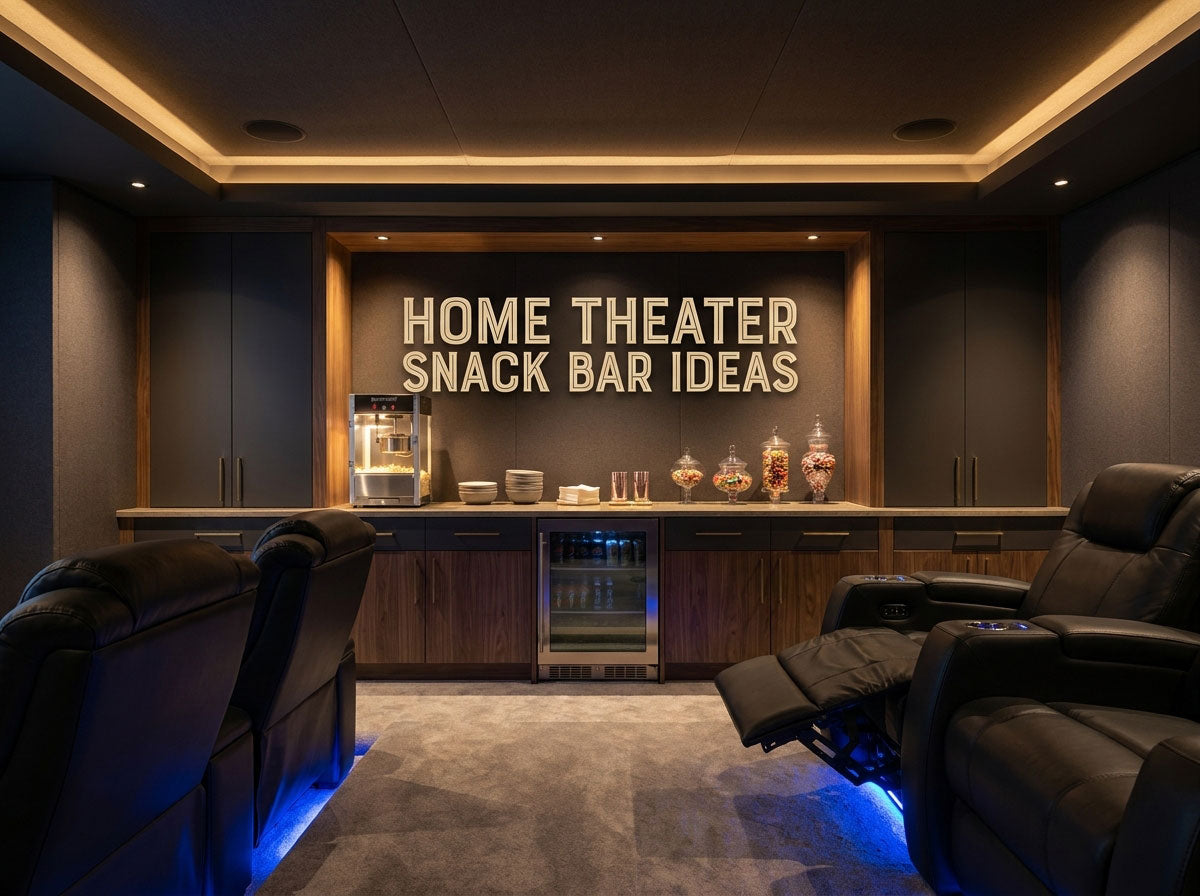
A home theater snack bar can be as simple as a rolling cart or as permanent as a full wall of cabinetry. The best setup is not necessarily the biggest or most theatrical one. It is the one that makes snacks easier to reach without blocking a walkway, distracting from the screen, or creating more cleanup than convenience.
The best home theater snack bar ideas start with how the room is actually used. How many people watch together? Is the kitchen nearby? Does anyone get up for refills during a movie? Do you really need cold storage in the room? And when the movie ends, where do the cups, bowls, wrappers, and crumbs go?
Those questions usually tell you more about the right snack bar than the size of your candy collection.
Start With the Snack Bar Type, Not the Decorations
Before choosing signs, jars, countertops, or popcorn machines, decide how much space and commitment the snack area deserves.
| Snack Bar Setup | Best For | Commitment | Main Tradeoff |
|---|---|---|---|
| Rolling cart | Small or multipurpose rooms | Low | Limited storage |
| Narrow console | One available wall | Low | Little appliance space |
| Freestanding cabinet | Regular family movie nights | Medium | Needs door and drawer clearance |
| Back-wall built-in | Dedicated theaters | High | Permanent footprint |
| Beverage and popcorn station | Frequent entertaining | Medium to high | More power, noise, and cleanup |
| Full concession wall | Large, frequently used theaters | Very high | Cost, maintenance, and space |
If you are unsure, start smaller. A movable setup can show you where people naturally walk, what snacks actually get used, and which features sound useful but rarely matter. That is valuable information before you commit to permanent cabinetry.
1. Test the Room With a Rolling Snack Cart
For a small movie room, apartment, game room, or multipurpose media room, a rolling cart may be the smartest starting point.
The top can hold bowls, napkins, drinks, and the snacks people want during the movie, while lower shelves handle backup supplies. More importantly, the cart lets you test your assumptions.
Put it where you think a permanent snack bar should go and use it for several movie nights. If people constantly move it out of the way, walk around it awkwardly, or ignore it and head to the kitchen anyway, a built-in counter in the same location will not suddenly make the spot better.
A temporary cart is not a compromise if it helps you learn the room before spending more.

2. Use a Narrow Console When You Want the Snack Bar to Disappear
Not every theater needs to look like a commercial cinema. A narrow console against a side or rear wall can create a calmer snack station, especially in a media room that also handles gaming, sports, or everyday relaxation.
Keep the active movie-night items on top and store candy boxes, bowls, napkins, and unopened snacks behind closed doors. When the movie ends, the room can return to looking like an entertainment space rather than a permanent concession stand.
This is one place where closed storage often beats a large open display. A few visible items can create the movie-night mood; the cabinet can do the practical work. If you are coordinating the snack station with posters, finishes, shelving, or lighting, treat it as part of the broader home theater wall design rather than as a separate themed display.
3. Build a Popcorn Station Instead of a Full Concession Area
Sometimes one strong ritual is more useful than an entire wall of snacks.
If popcorn is what your household consistently enjoys, build around that. Give the serving bowl or popcorn maker a clear surface, then keep kernels, seasonings, scoops, napkins, and containers close by.
You get much of the classic movie-theater feeling without dedicating a large section of the room to food that may rarely get used.
If you use an electric popcorn maker, treat it as an appliance rather than decoration. Follow the manufacturer’s instructions for operation, cleaning, ventilation, and clearances, and avoid surrounding hot equipment with paper packaging or decorative clutter.
A popcorn station should simplify the ritual, not turn every movie night into appliance maintenance.
4. Add a Mini Fridge Only If It Solves a Real Problem
A mini fridge sounds like an obvious upgrade, but it changes the design problem. Once refrigeration enters the room, you also need to think about power, ventilation, door swing, condensation, operating noise, and service access.
Do not assume a compact refrigerator can simply be enclosed inside cabinetry. Installation requirements vary, so the appliance manufacturer’s instructions should determine its airflow and clearance needs.
It can help to separate the station into two zones:
- Dry zone: popcorn supplies, candy, napkins, bowls, packaged snacks.
- Cold zone: bottled drinks and refrigerated items.
But ask one question before buying the refrigerator: How far away is the kitchen?
If the kitchen is only a few steps away, in-room refrigeration may solve a problem you do not actually have. You may be trading a short walk for permanent appliance noise, cleaning, power use, and lost storage.
That is not automatically an upgrade.

Where Should a Home Theater Snack Bar Go?
After choosing the general format, location matters more than styling. The best spot is usually the place people can reach without crossing the viewing path or disturbing someone who is already seated.
Start by evaluating:
- near the entrance;
- behind the final seating row;
- along a side wall with enough passage space;
- inside an alcove or nearby hallway;
- immediately outside the theater.
A rear-wall bar can work well in a deep theater, but only if the aisle still works when the seats recline and doors or drawers are open. Near the entrance can be even more practical because people can collect snacks before sitting down and return used items on the way out. A side wall works only if a person standing at the bar does not turn the aisle into a squeeze point.
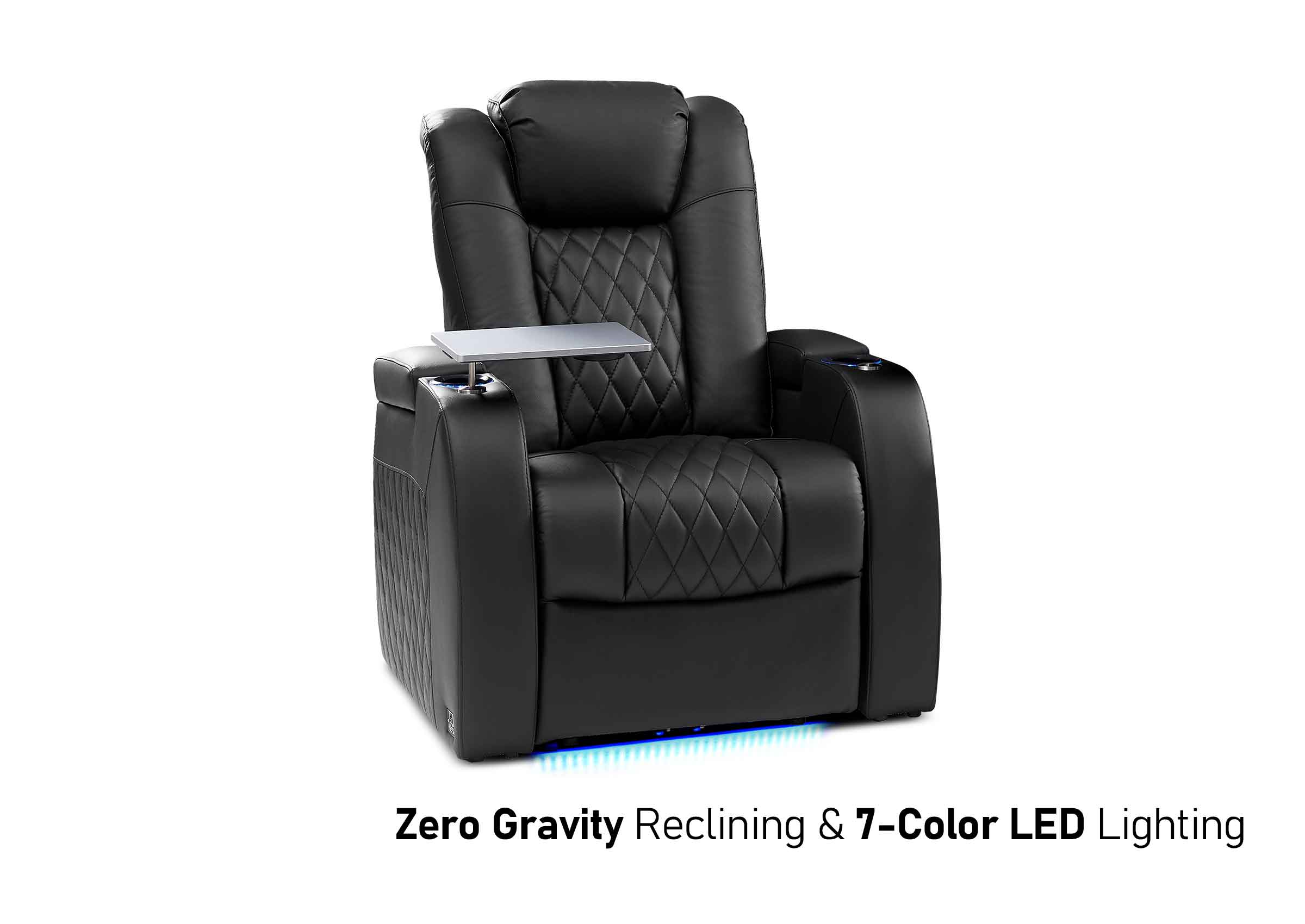
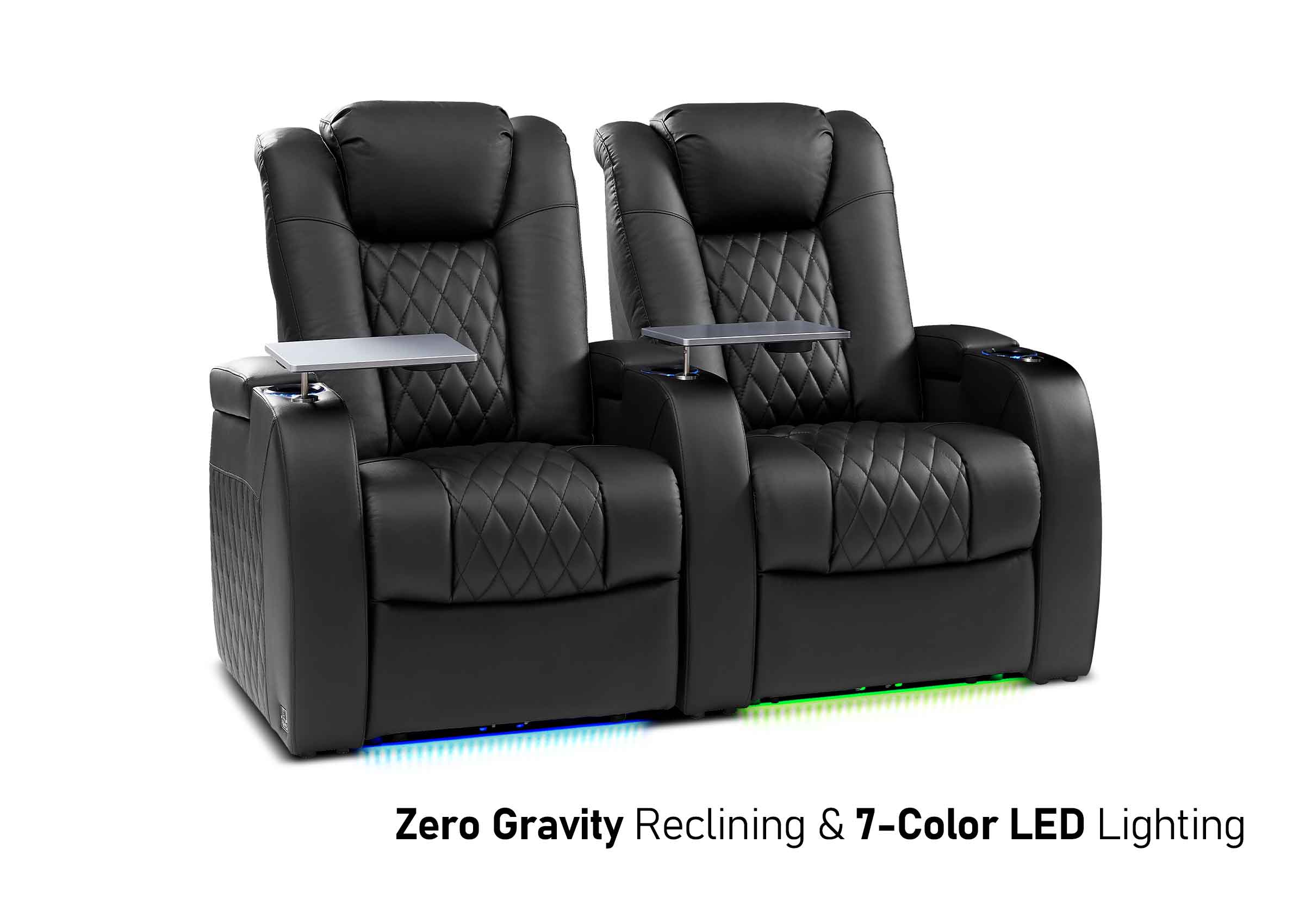
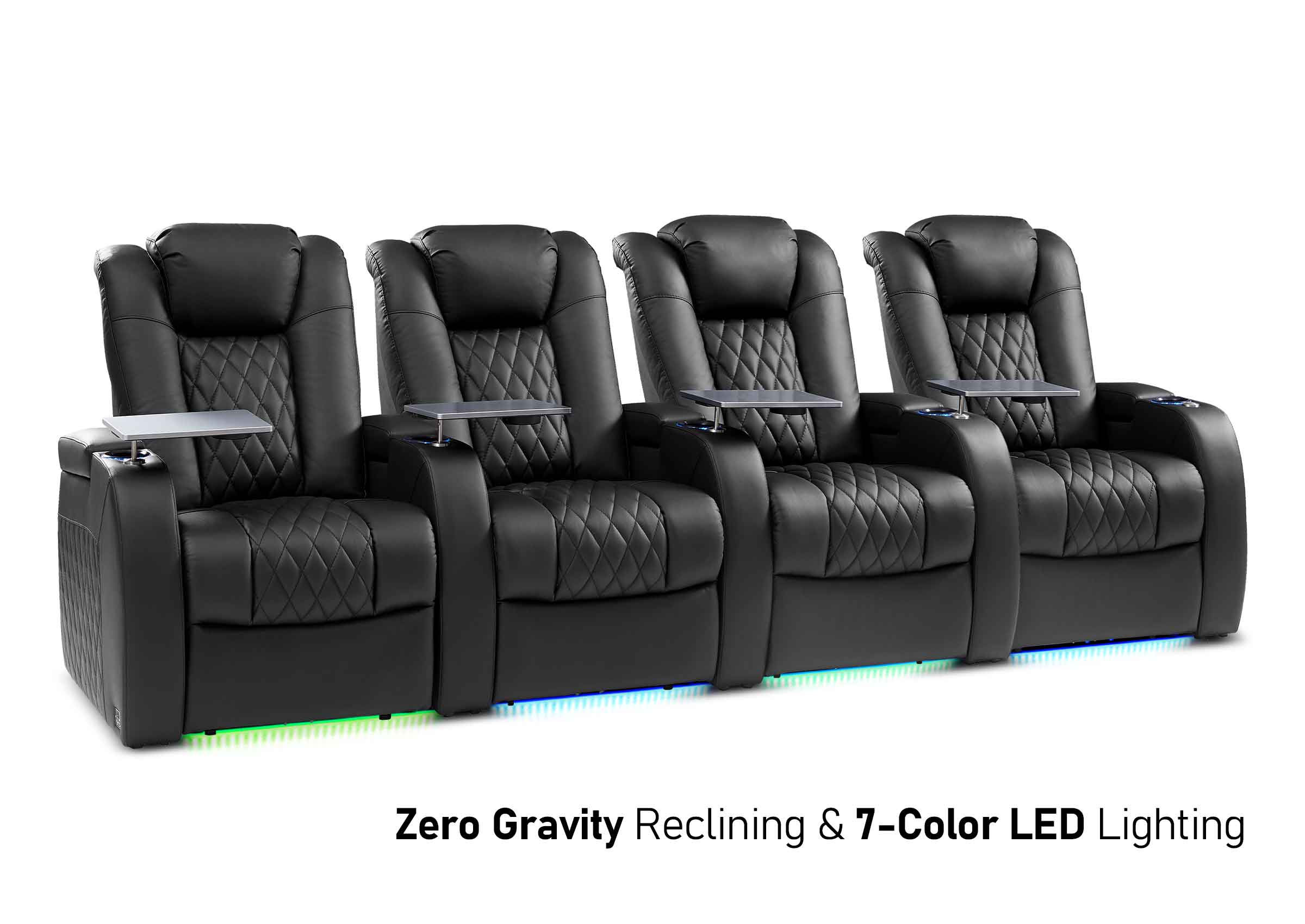
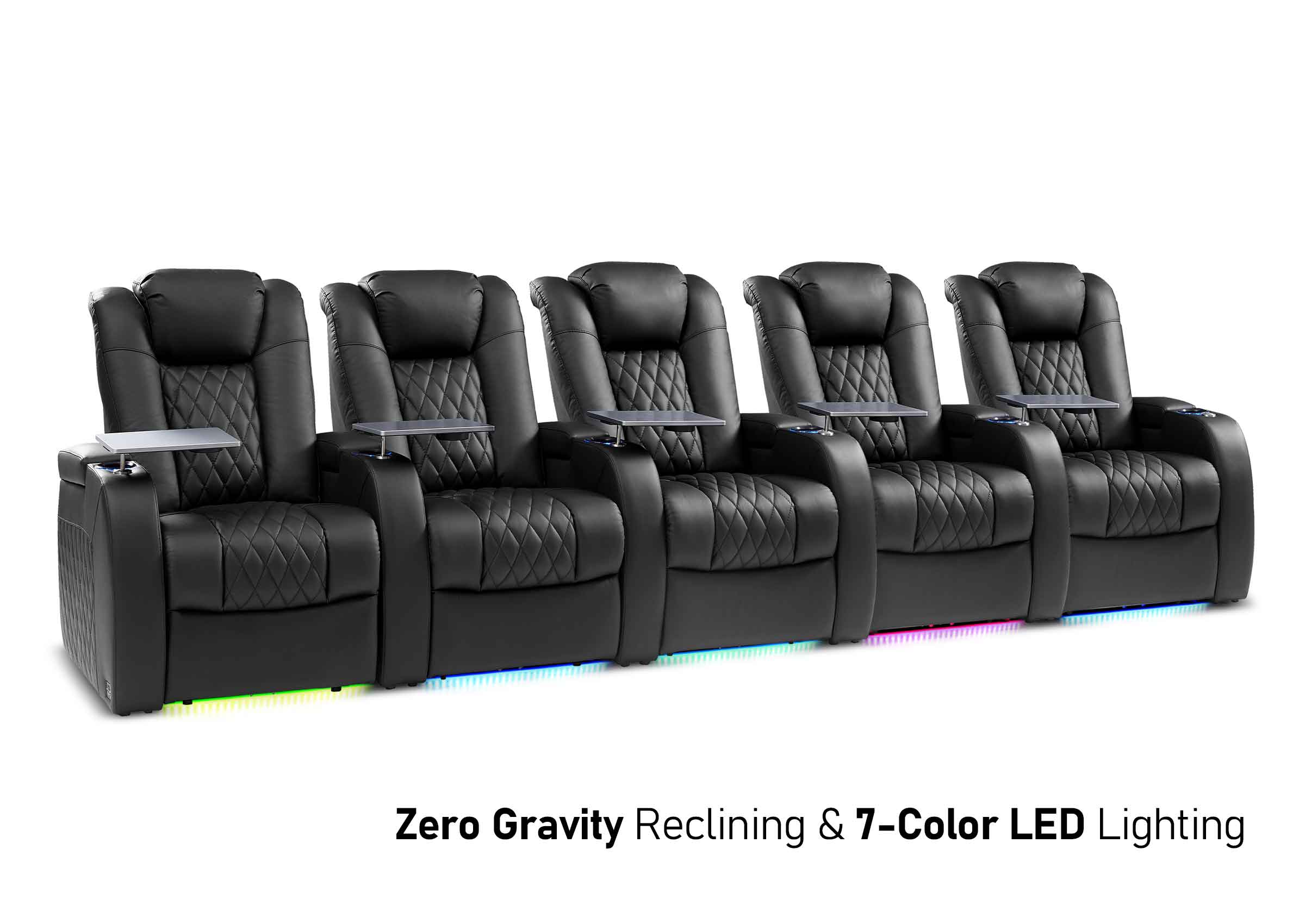
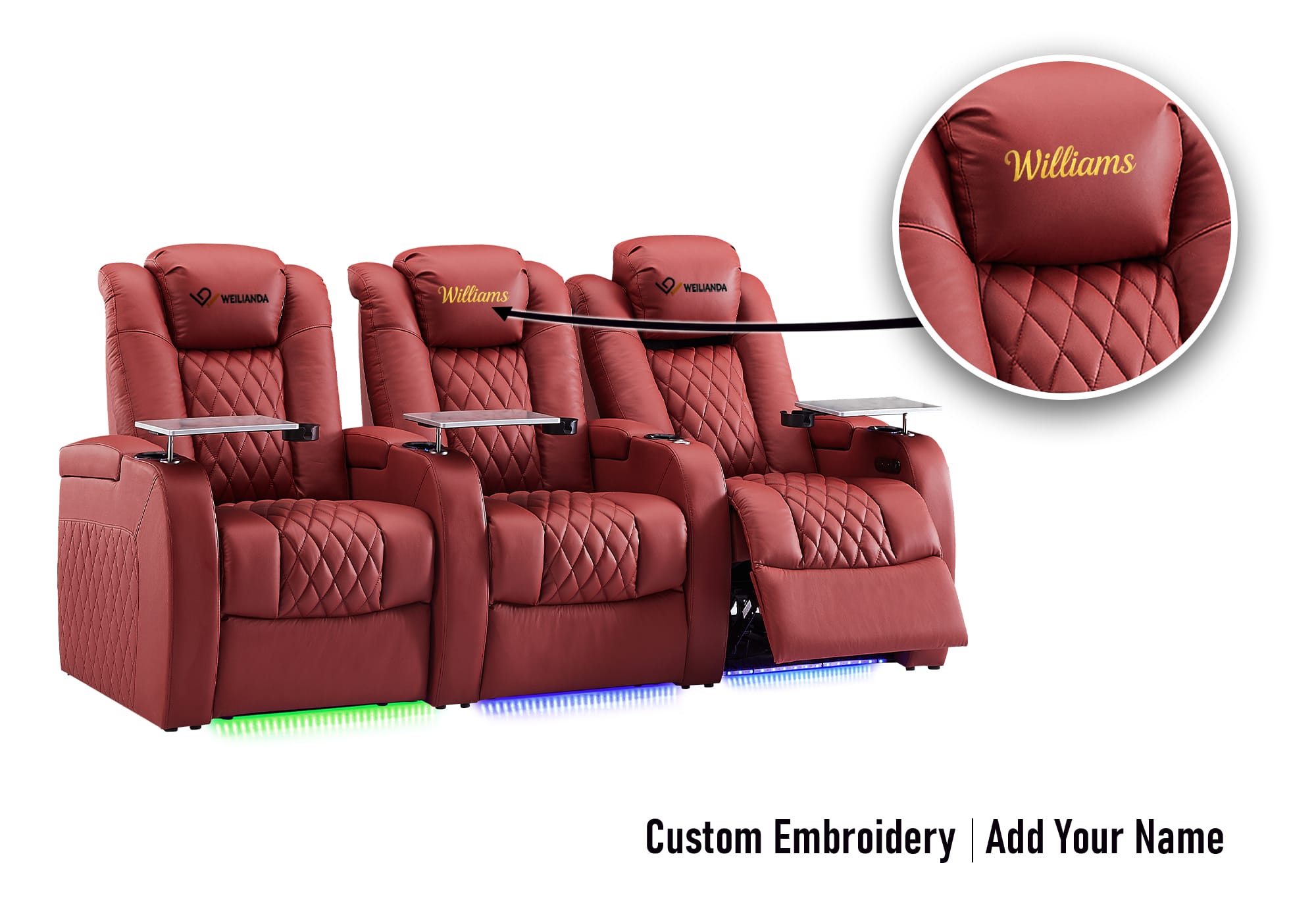
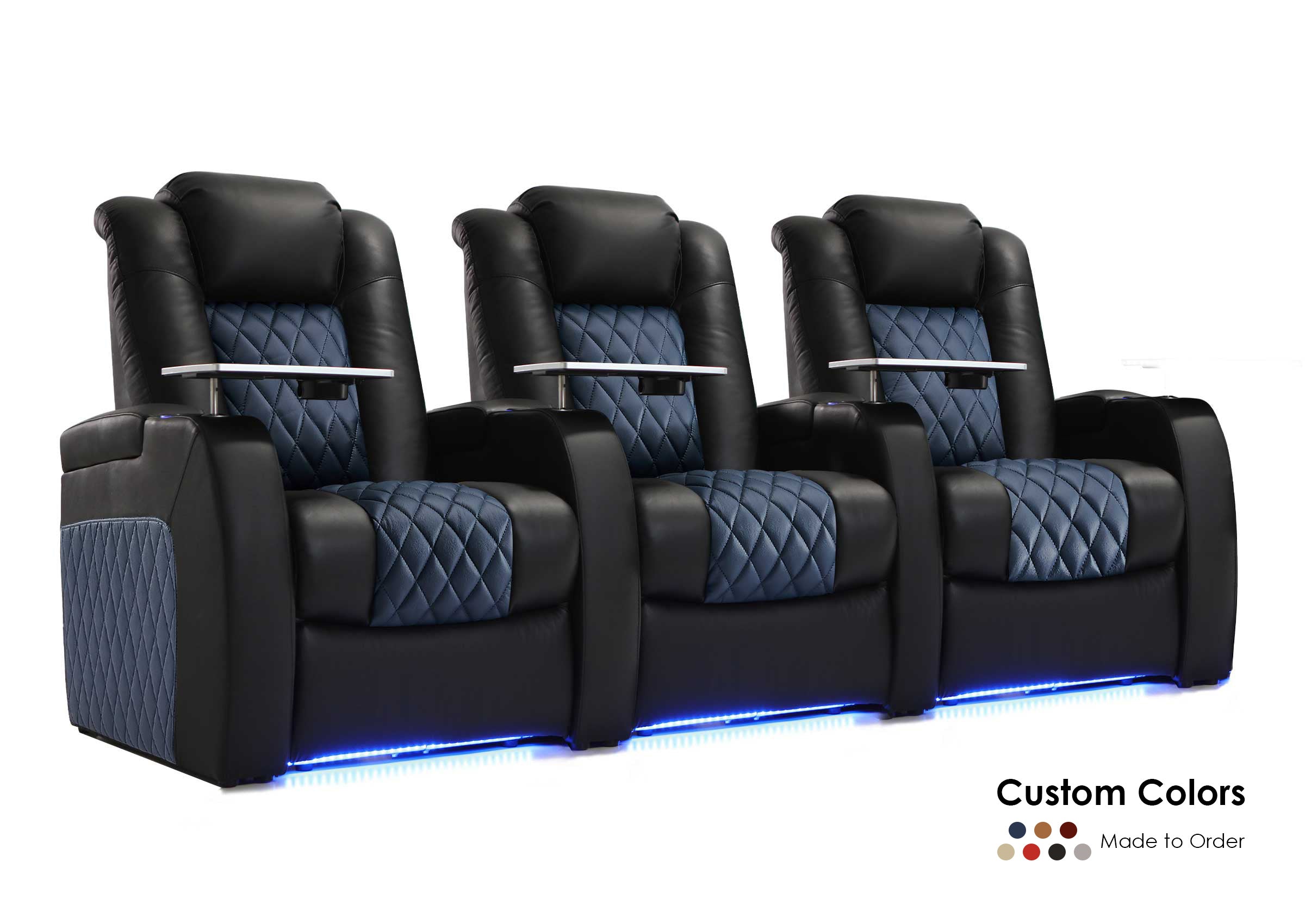
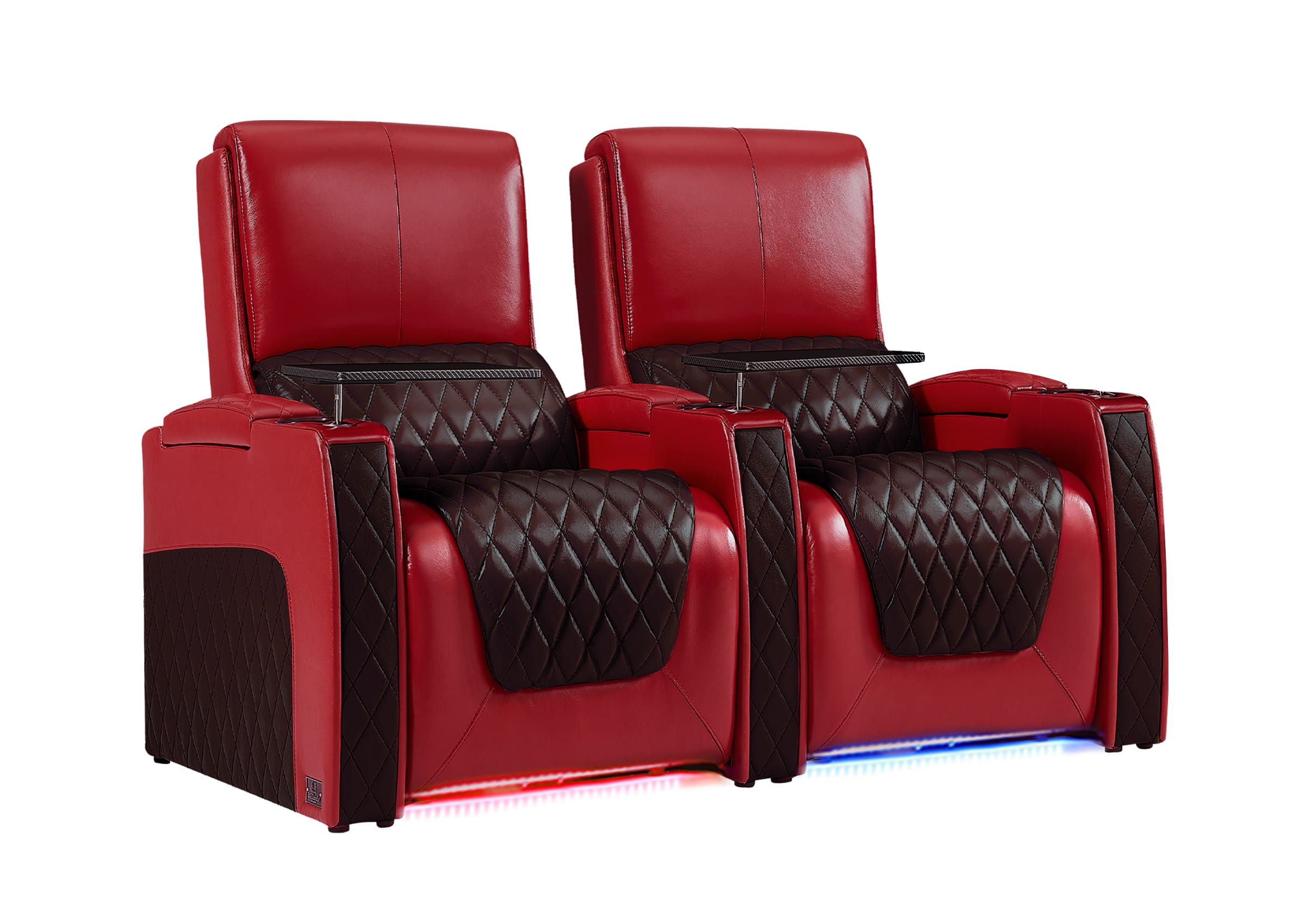
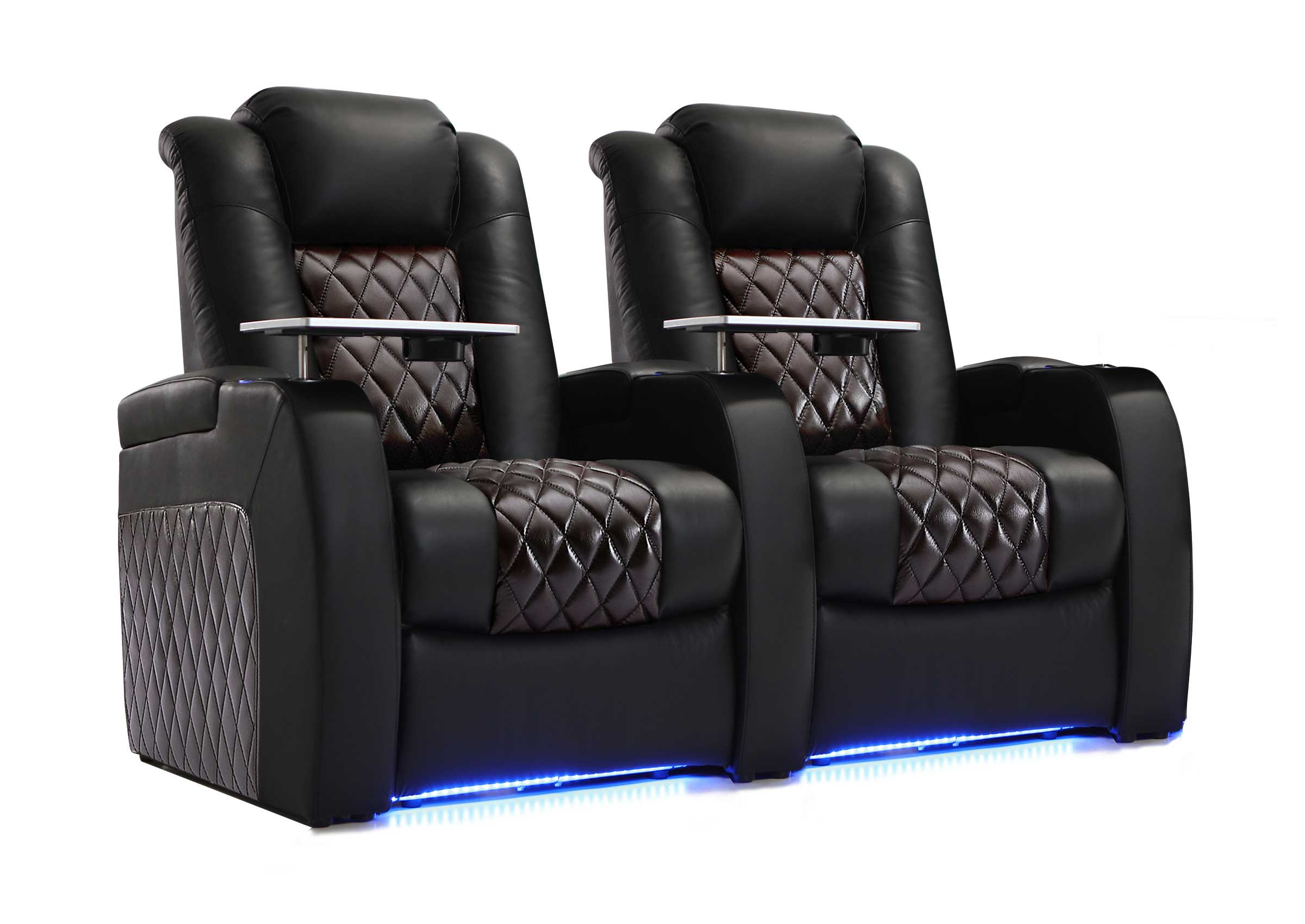
If your seating positions are not finalized yet, confirm the home theater seating layout before committing to permanent snack-bar cabinetry. For tighter rooms, the broader home theater dimensions guide can help you separate seating, circulation, and room-clearance decisions.
Instead of asking, “Where is the empty wall?” ask:
What route will someone take from the seat to the snack bar and back while the movie is playing?
Design that route first.

PLAN THE ROOM AROUND THE EXPERIENCE
Will the Snack Bar Still Fit When the Seats Recline?
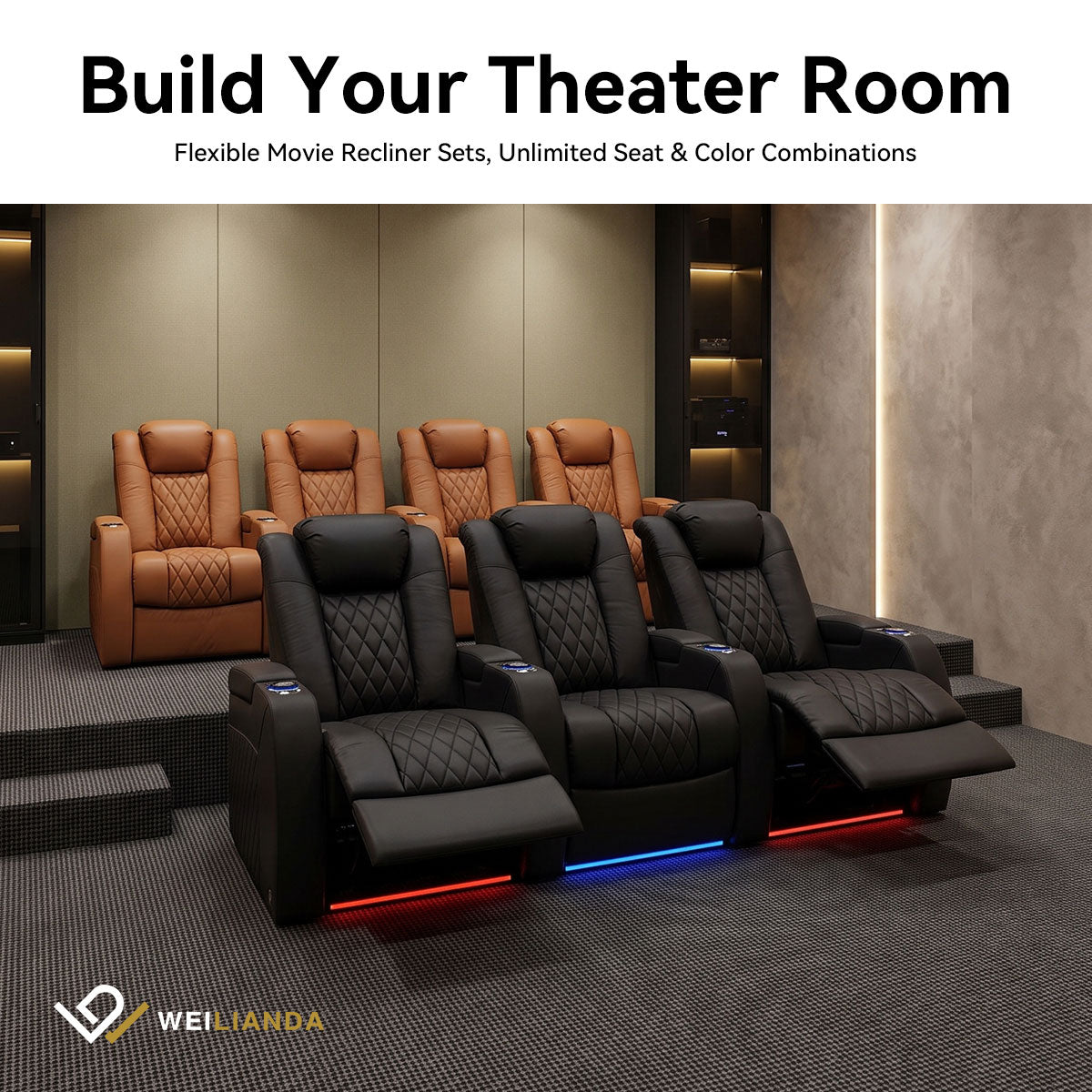
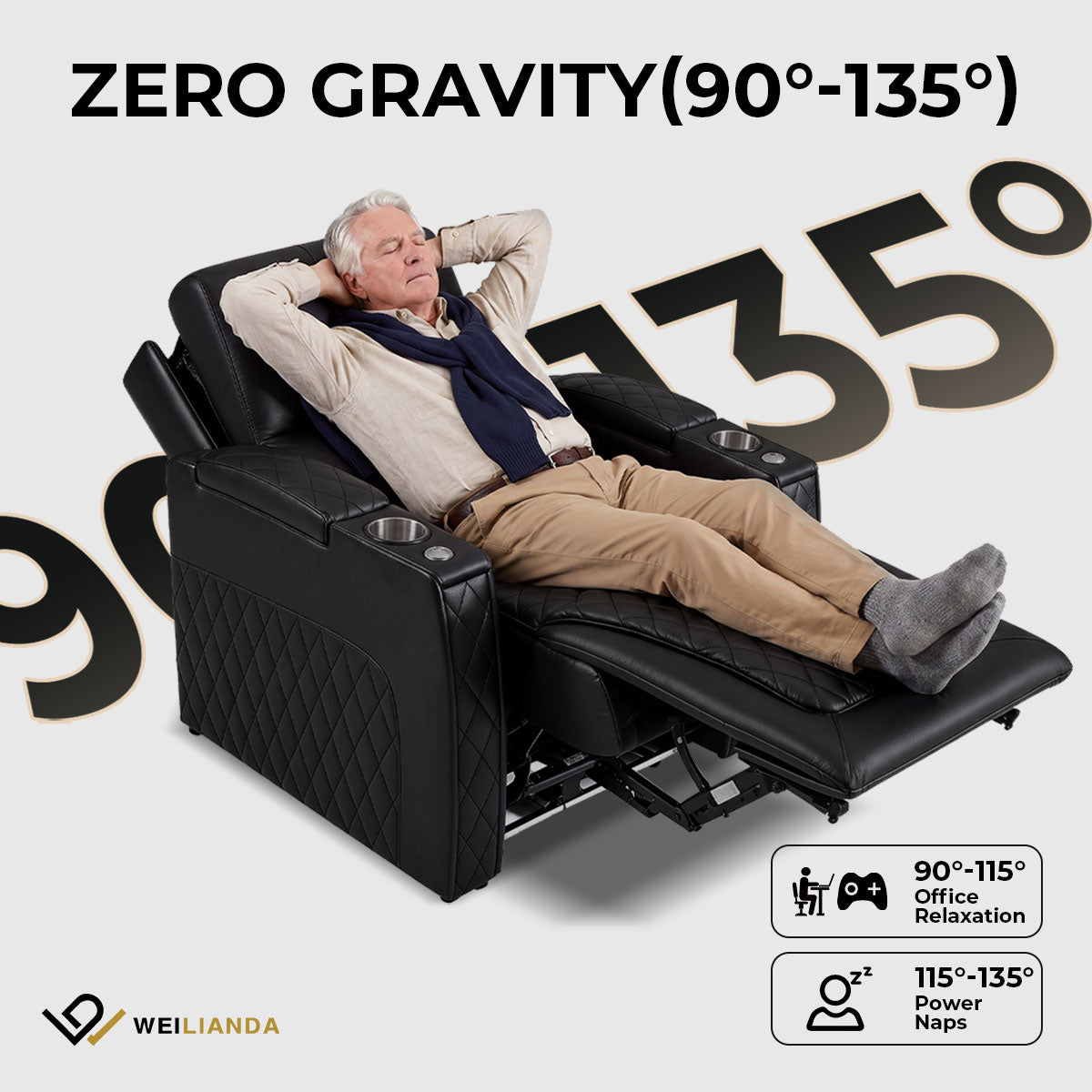
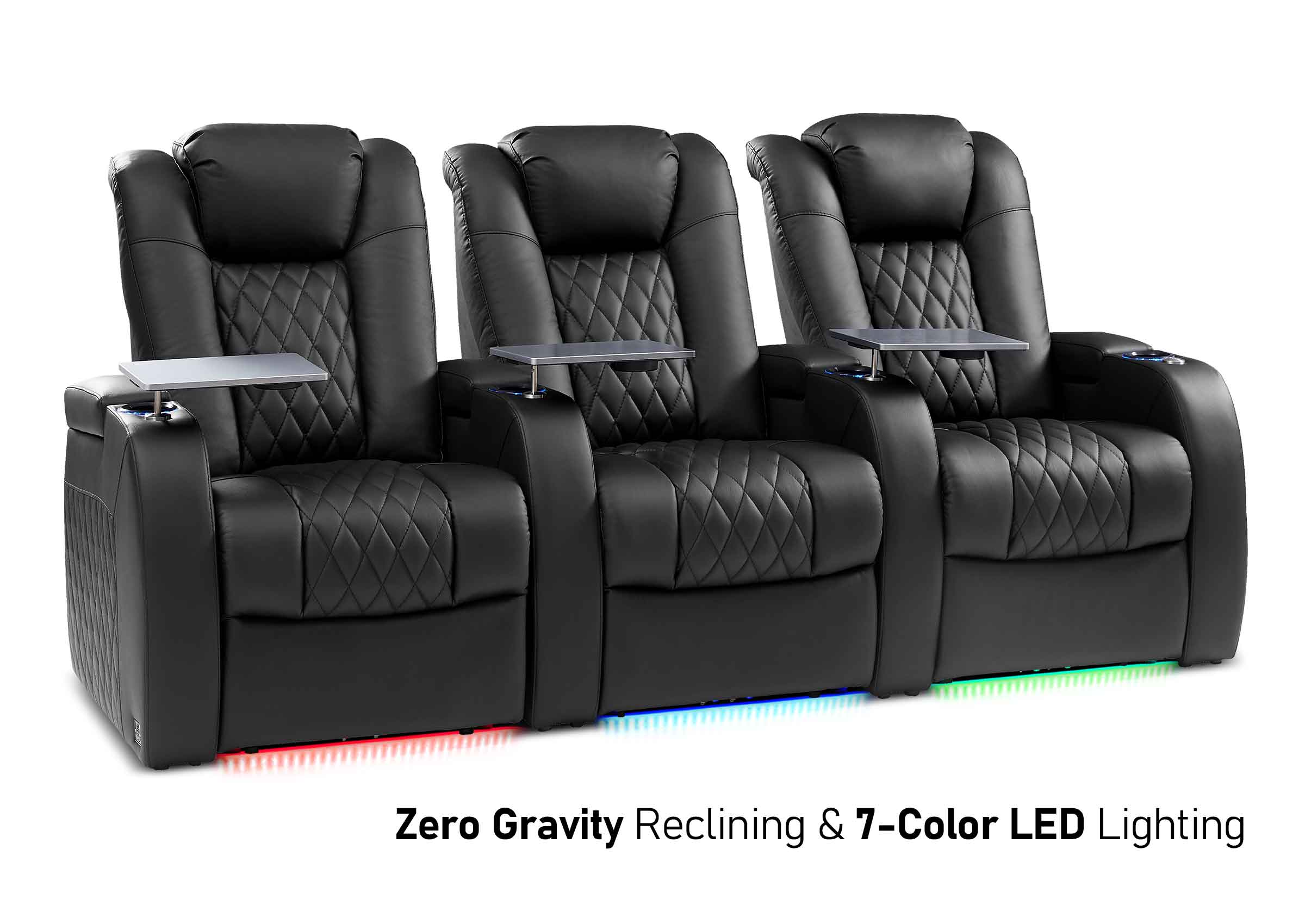
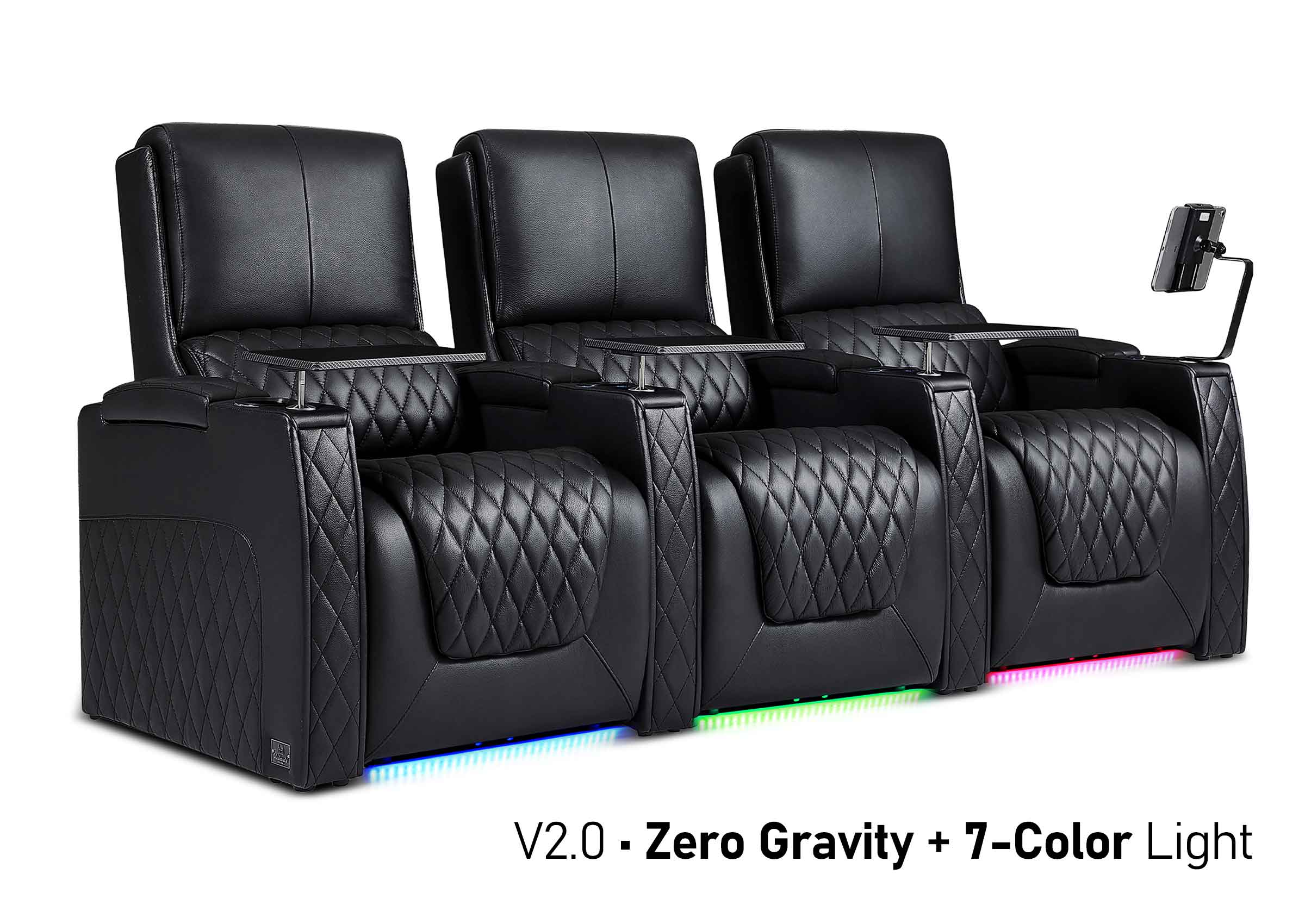
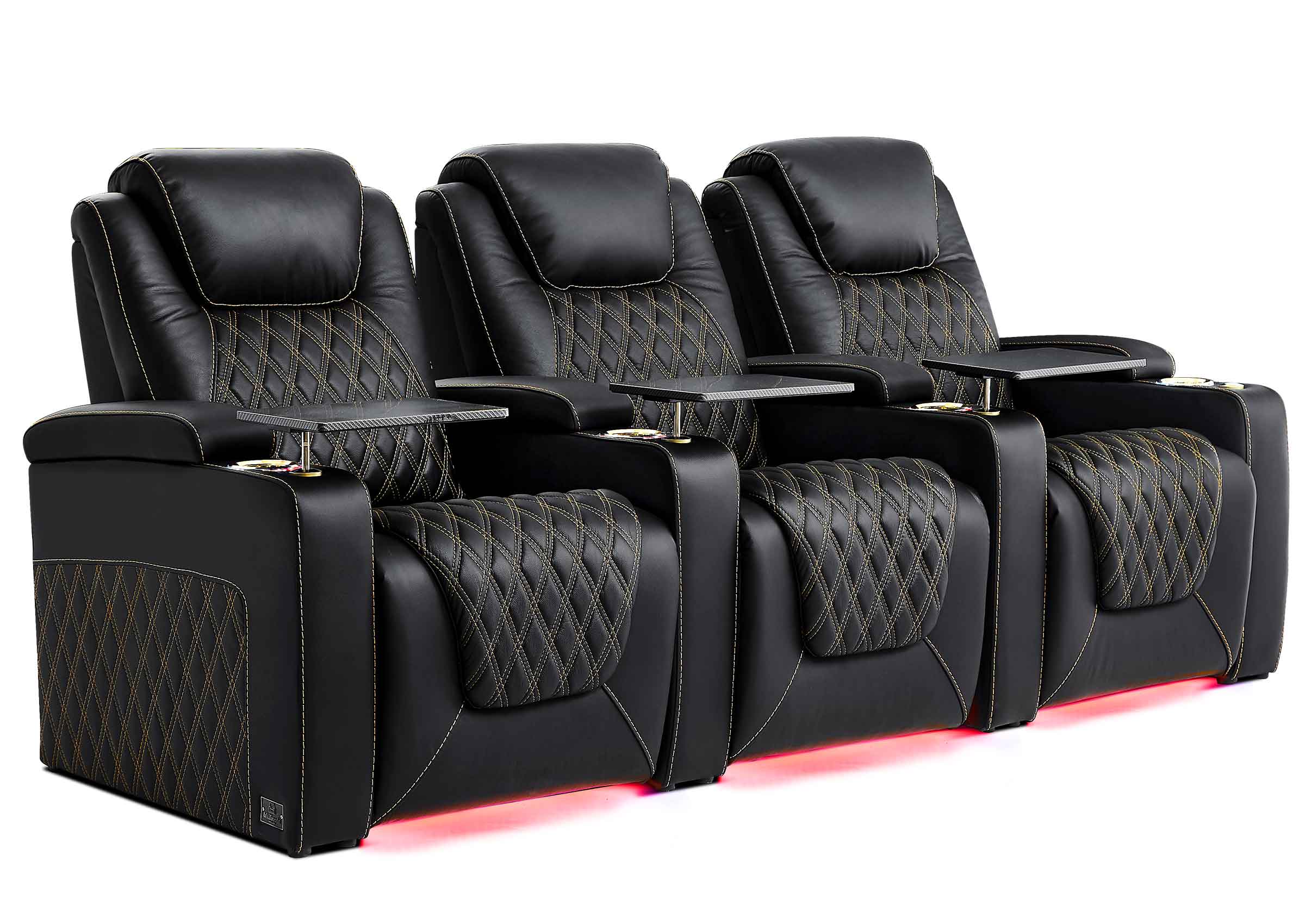
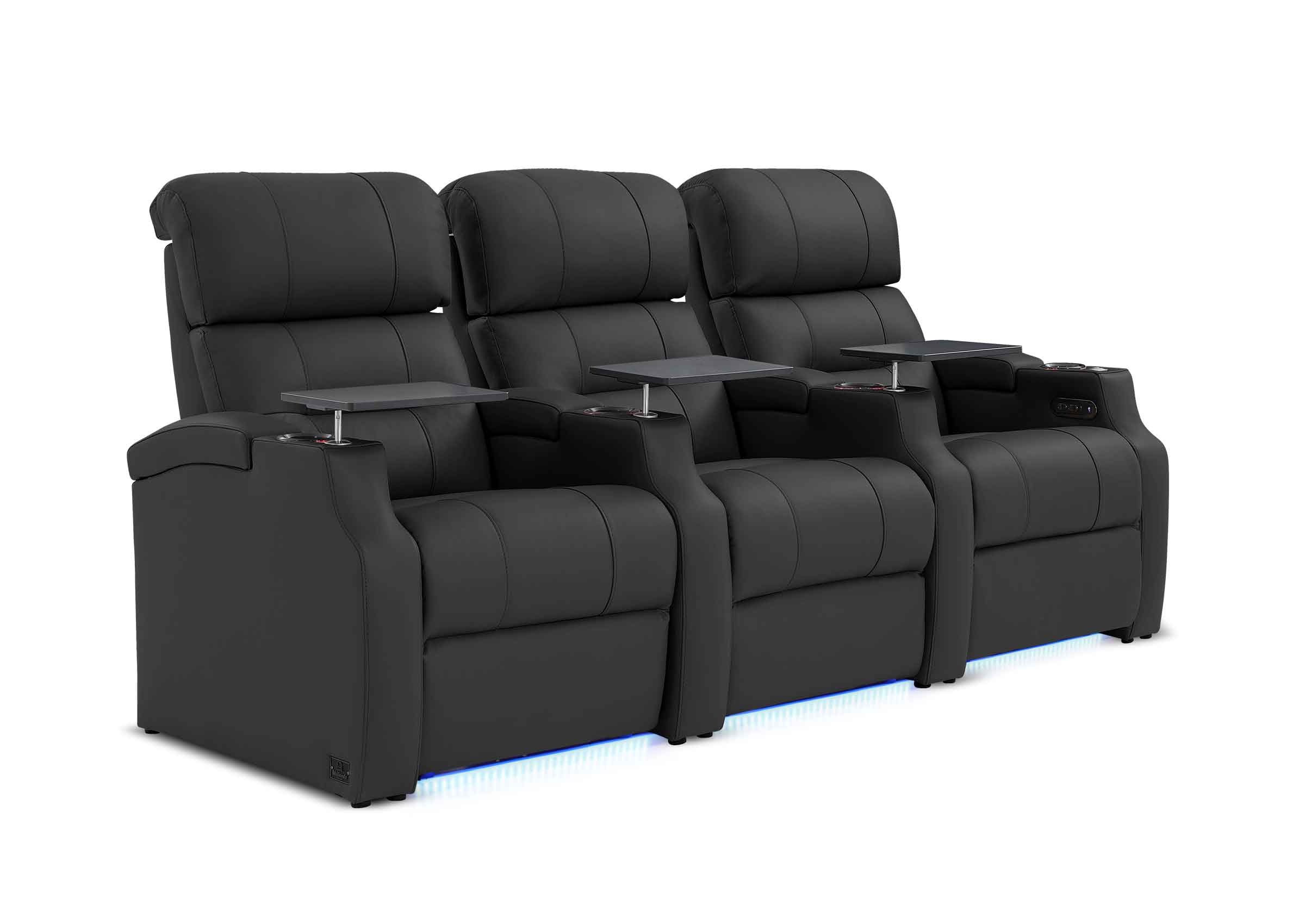
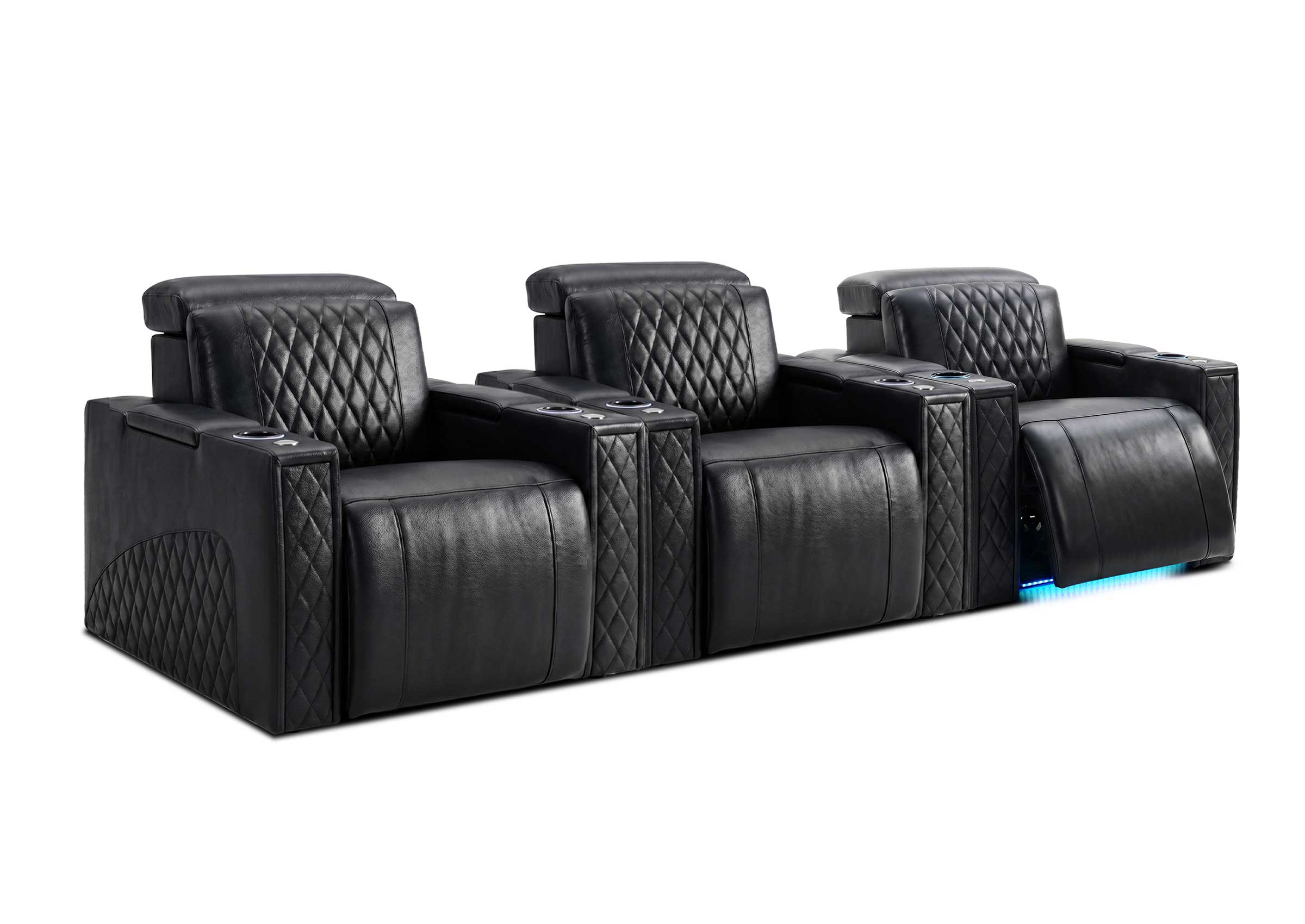
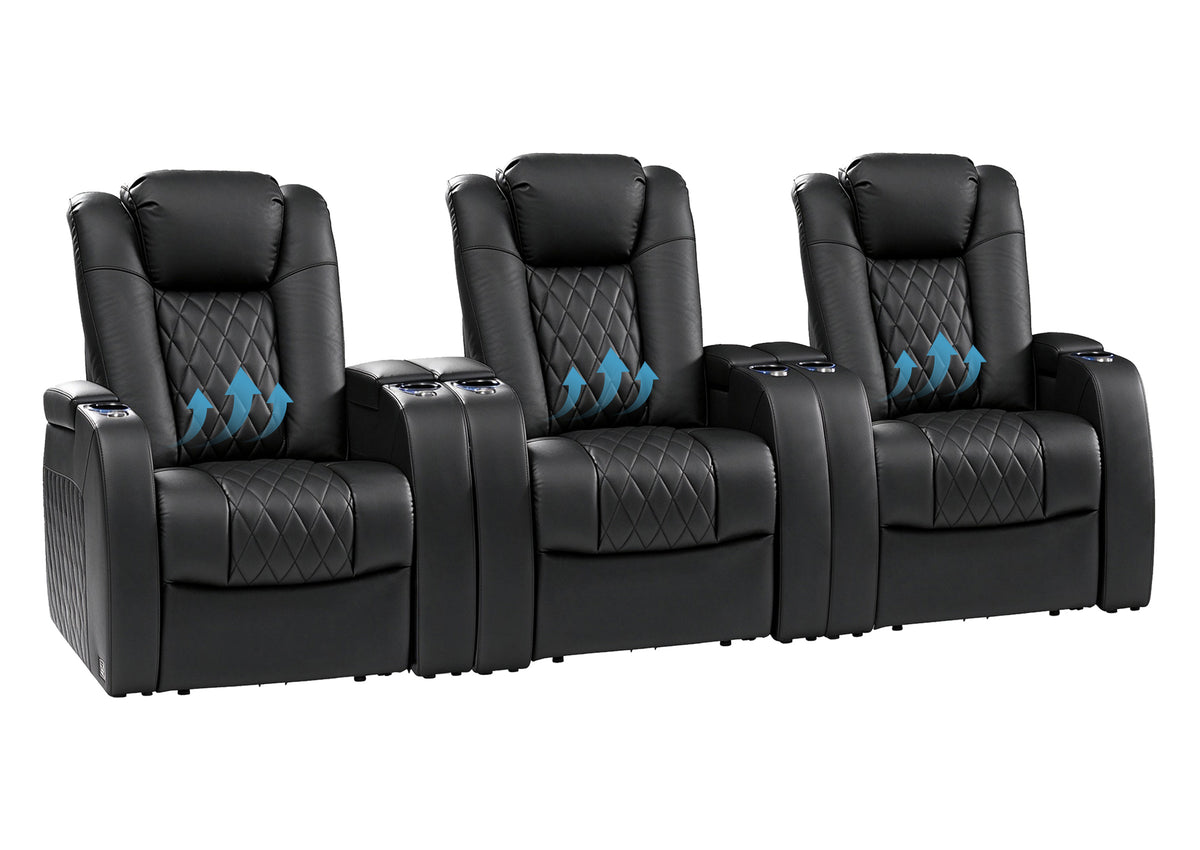
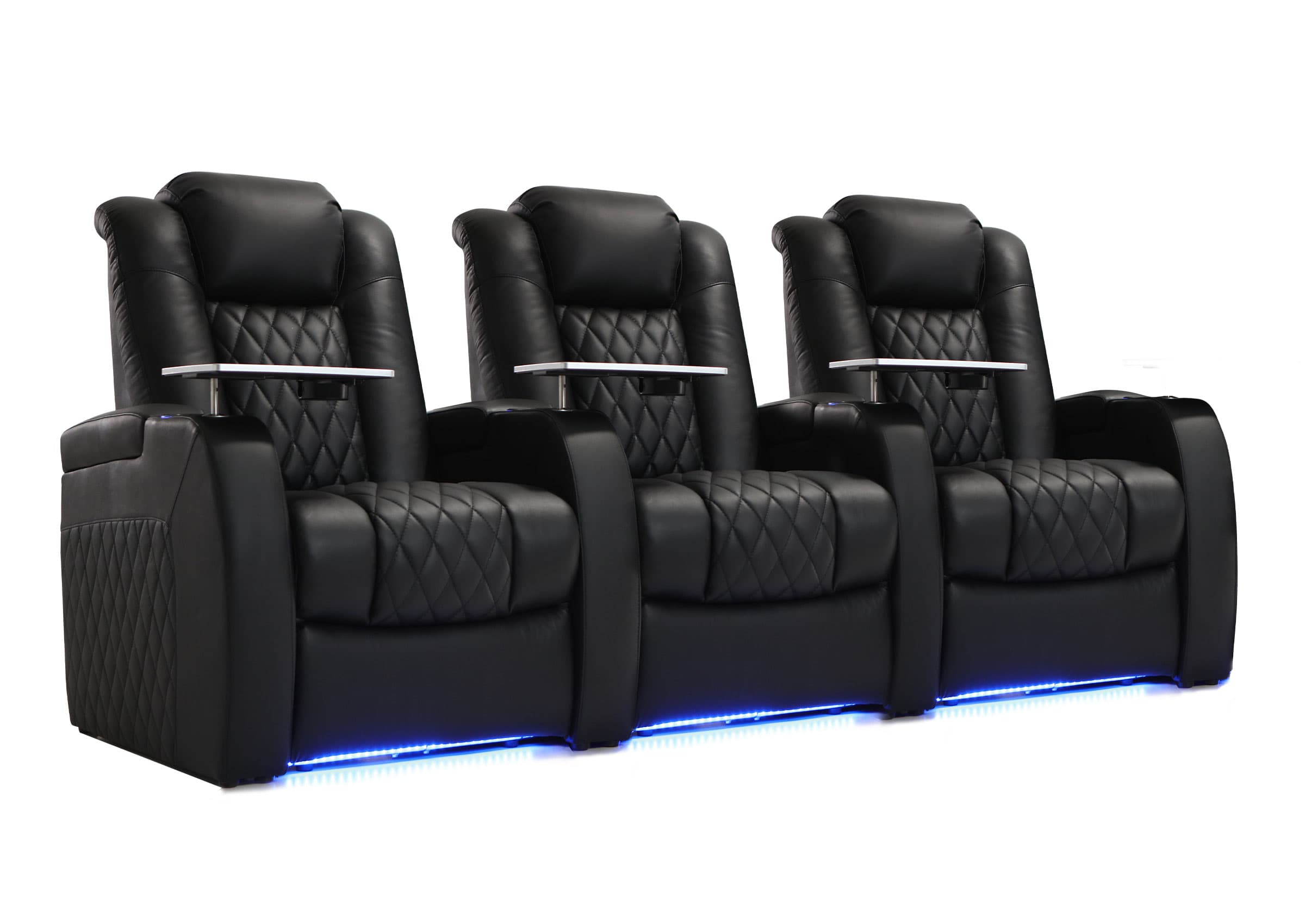
Before committing to cabinetry, compare the snack-bar footprint with your seating, aisle, and fully reclined space. Planning them together can reveal conflicts that are easy to miss in an empty room.
5. Use an Alcove or Under-Stair Area Only If It Keeps Traffic Clear
Basement theaters often have awkward spaces that are poor candidates for another seat but useful for storage. An under-stair area or shallow alcove can become a compact snack station, especially near the entrance.
The test is circulation: if someone standing there blocks the doorway or aisle, the clever use of space becomes an everyday annoyance.
6. Use Closed Storage for a Family-Friendly Snack Bar
For families or multipurpose media rooms, closed storage usually ages better than a large permanent candy display. Keep the active movie-night selection visible, but use drawers, bins, or cabinets for backup snacks, bowls, napkins, and cleanup supplies.
This makes the room easier to reset and lets the snack station change as household habits change. One playful cinema element can create the mood without turning every package into décor.
7. Build a Full Concession Wall Only When the Room Earns It
A large dedicated theater can support counters, cabinetry, refrigeration, popcorn equipment, display shelves, and waste storage. But more features do not automatically create a better theater.
Before committing, ask: What will this station actually do every week? If it regularly serves a large family or frequent gatherings, the larger setup may make sense. If the main benefit is that it looks like a real cinema, start smaller.
The Five Things a Snack Bar Has to Get Right
Regardless of style, a useful snack bar should solve five kinds of friction.
Traffic
People should be able to get snacks without walking in front of the screen or repeatedly disturbing seated viewers.
Clearance
Recliners, people, drawers, cabinet doors, and refrigerator doors all use more space when they are open. Plan around the room in use, not the room while everything is closed.
Light
A glowing candy display may look great before the movie and become distracting once the lights go down. Snack-bar lighting should help someone find what they need without becoming one of the brightest objects in the room.
Mess
Movie nights create condensation, wrappers, seasoning, used bowls, and empty cups—not just crumbs. If the design ignores where those items go afterward, the seating and floor become the cleanup system.
Equipment
Refrigerators, popcorn makers, and other appliances can add convenience, but they also add power, airflow, heat, noise, and maintenance requirements. Follow the appliance manufacturer’s instructions, and plan permanent power needs properly rather than designing around temporary extension-cord use.
These decisions work best when they are considered as part of the room rather than as isolated snack-bar features. The same principle applies when you organize the rest of the home theater around seating, circulation, lighting, equipment access, and everyday use.
Design for What Leaves the Snack Bar, Not Just What Sits on It
Most snack-bar inspiration focuses on what goes onto the shelves. A more useful design also considers what comes back.
Think through a complete movie night:
Serve → Carry → Eat → Return → Reset
Someone takes popcorn and a drink to the seat. Later, the snack area receives an empty bowl, a damp cup, wrappers, and used napkins.
Where do they go?
A practical station needs an obvious place for trash, somewhere to return used bowls and cups, and enough empty counter space to set things down. Cleaning supplies and backup snacks are usually better behind closed doors.
Empty counter space is functional space. It gives you somewhere to pour drinks, collect dishes, serve food, or deal with a spill.
Small Movie Room? Give the Snack Bar Fewer Jobs
A small home theater does not need a miniature version of a large concession stand.
Choose the job that matters most. If the kitchen is nearby, you may only need a place to serve and store snacks. You probably do not also need food prep, refrigeration, bulk storage, a popcorn machine, and a full candy display inside the room.
If the kitchen is far away, cold drinks may deserve priority. If the theater doubles as a gaming or living space, hiding everything afterward may matter more than creating a dramatic display.
Every additional function has a spatial cost. A good small-room snack bar often succeeds because it does fewer things well.
Before Building Anything Permanent, Run a Movie-Night Test
Use a temporary table, cart, or existing cabinet for several movie nights and put it where you think the permanent bar belongs. Watch where people enter, whether anyone refills during the movie, where empty cups end up, whether a light stays on to find things, and whether the station actually reduces kitchen trips.
You may discover that the built-in belongs somewhere else, the refrigerator is unnecessary, or the cart already solves the problem. That is useful information gathered before making a permanent decision.
Which Snack Bar Setup Makes the Most Sense?
For occasional movie nights or a small room, start with a rolling cart or narrow console. For regular family use, a cabinet, popcorn station, or compact beverage area usually offers more storage without consuming the room. In a frequently used dedicated theater, a rear-wall built-in can make sense once traffic and reclining clearances have been tested. A full concession wall is most defensible when the room regularly hosts enough people to use it.
The pattern is simple: increase permanence only when the way you use the room justifies it.
Frequently Asked Questions About Home Theater Snack Bars
What should a home theater snack bar include?
Start with what your household actually uses: a serving surface, a few snacks, napkins, bowls or trays, and a clear place for trash or used items. Add refrigeration, popcorn equipment, or display storage only when those features solve a recurring need.
Where is the best place for a home theater snack bar?
Usually near the entrance, behind the final row, or along a side wall where people can reach it without crossing the viewing path. The best location depends on the room’s aisle, reclined seating footprint, and how cabinet or appliance doors open.
Can you put a mini fridge in a home theater?
Yes, but first confirm the refrigerator’s installation requirements, ventilation, power, door clearance, and expected noise. If the kitchen is very close, a refrigerator inside the theater may add more complexity than convenience.
Is a rolling cart or built-in snack bar better for a small movie room?
A rolling cart is usually the safer first choice because it uses less permanent space and can be moved as you learn the room. A built-in becomes more attractive when the location and storage needs have already been proven through regular use.
Does a home theater snack bar need a sink?
Not necessarily. A sink makes more sense when the area is used for food preparation or frequent drink service and the room can support the required plumbing. If snacks are prepared elsewhere, a serving-and-storage station may be simpler and easier to maintain.
How do you keep a movie-room snack bar from looking cluttered?
Use closed storage for backup snacks, bowls, napkins, and cleaning supplies. Keep only a small active selection visible and leave part of the countertop empty. This is especially useful when the room also functions as a game room or everyday media room.
Is a popcorn machine worth adding to a home theater?
It can be if popcorn is a frequent part of your movie routine. If it is used only occasionally, consider whether the cleaning, storage, heat, noise, and counter space are worth dedicating permanently to one appliance.
How much room should you leave around a snack bar?
There is no single clearance that works for every theater. Check the actual depth of the bar, open doors and drawers, appliance door swings, the fully reclined seating footprint, and enough passage space for someone to move through while another person is using the station.
Ready to Plan the Snack Bar Around the Rest of the Room?
Before buying cabinetry or appliances, mark the snack-bar footprint on the floor and test it with your seating fully reclined. If the path still feels easy and the station solves a real movie-night need, you have a much stronger starting point.
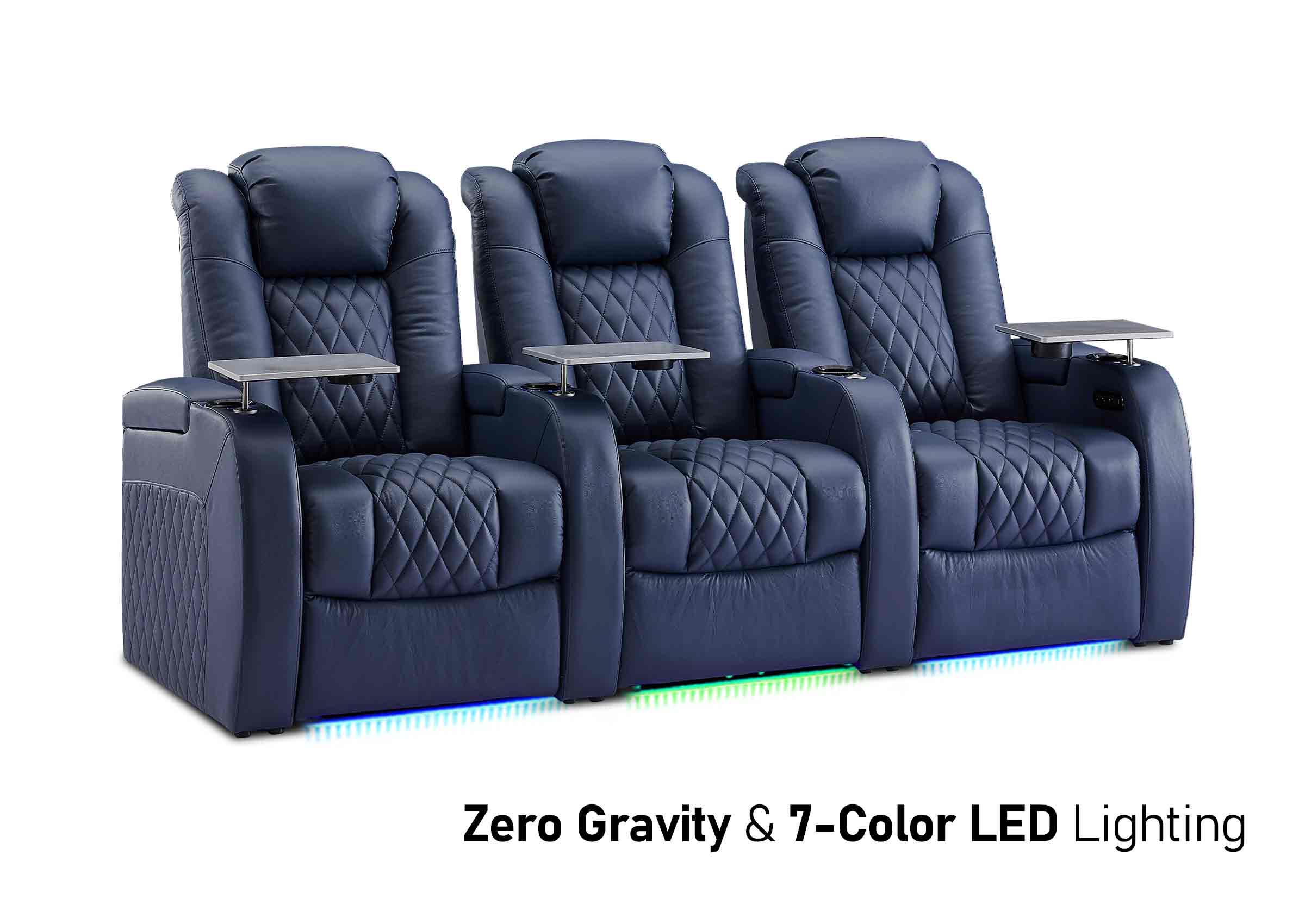
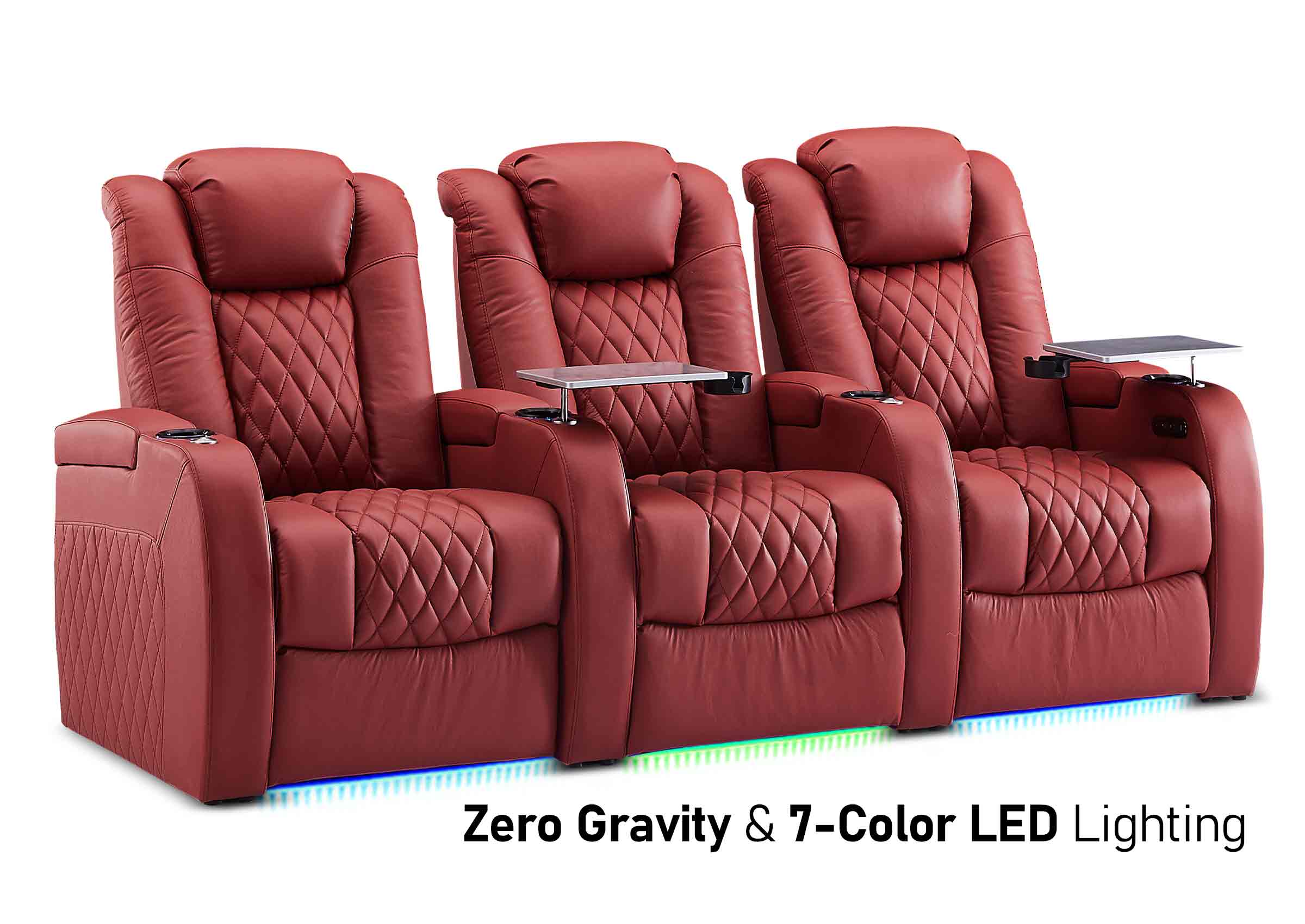
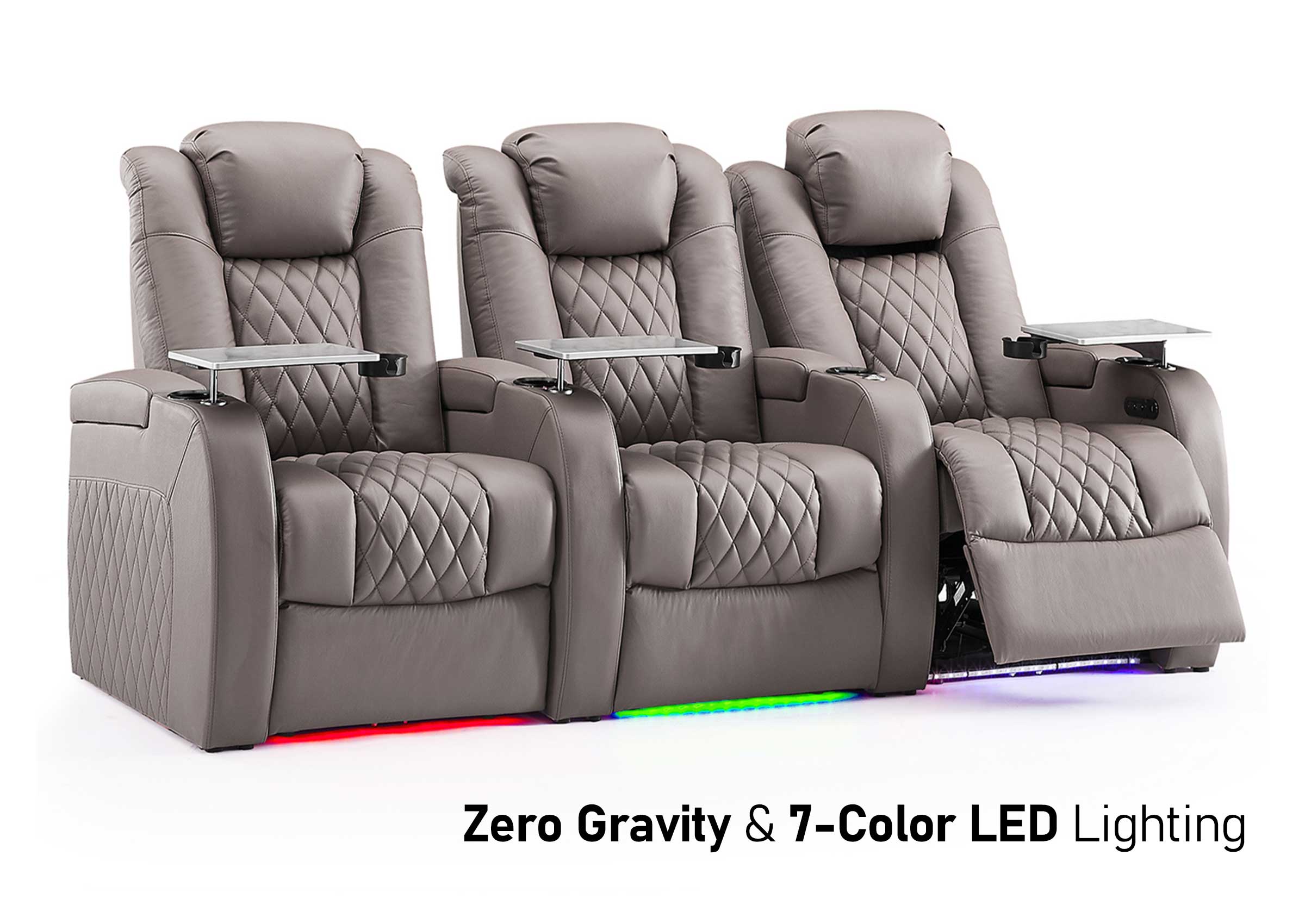
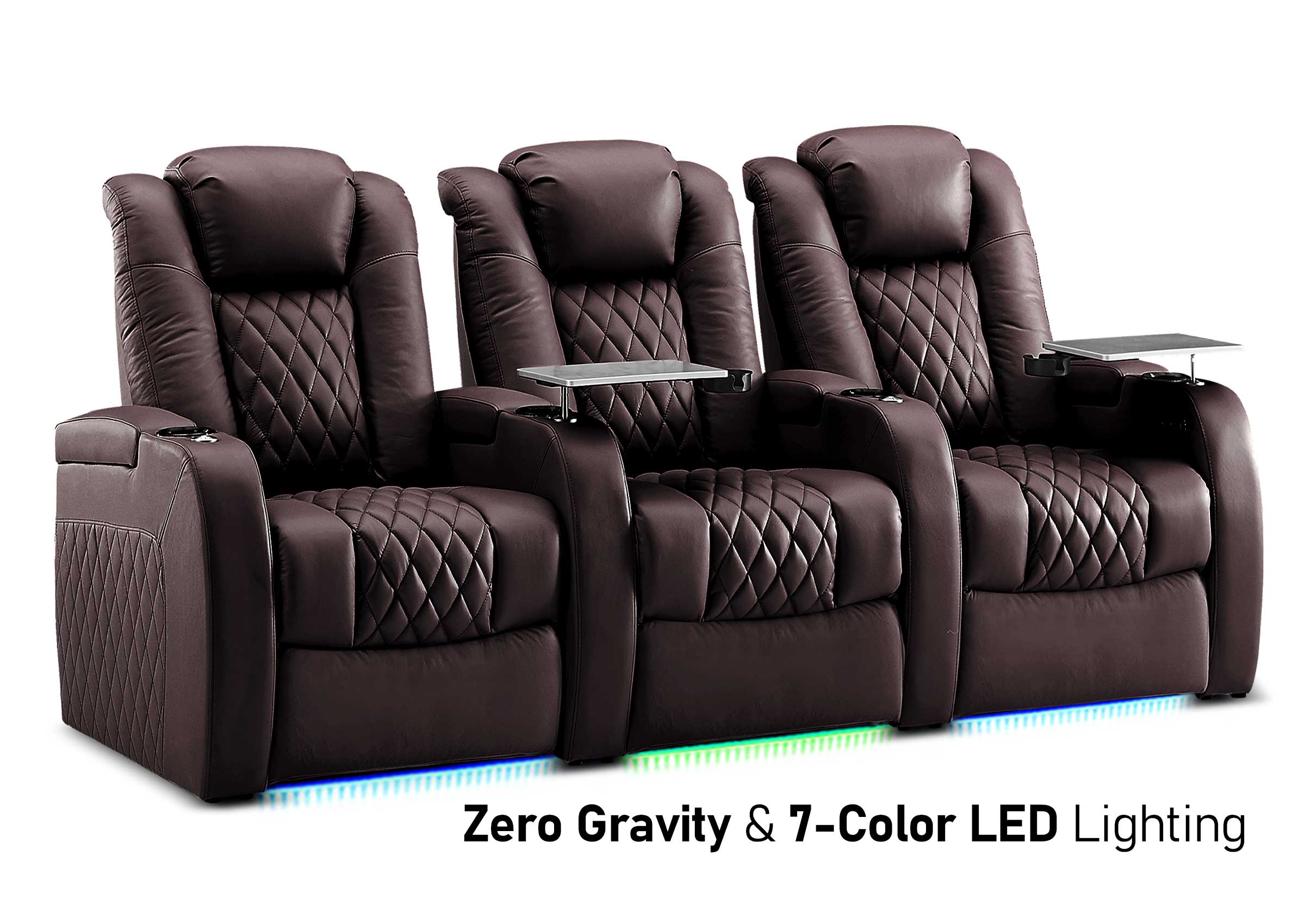
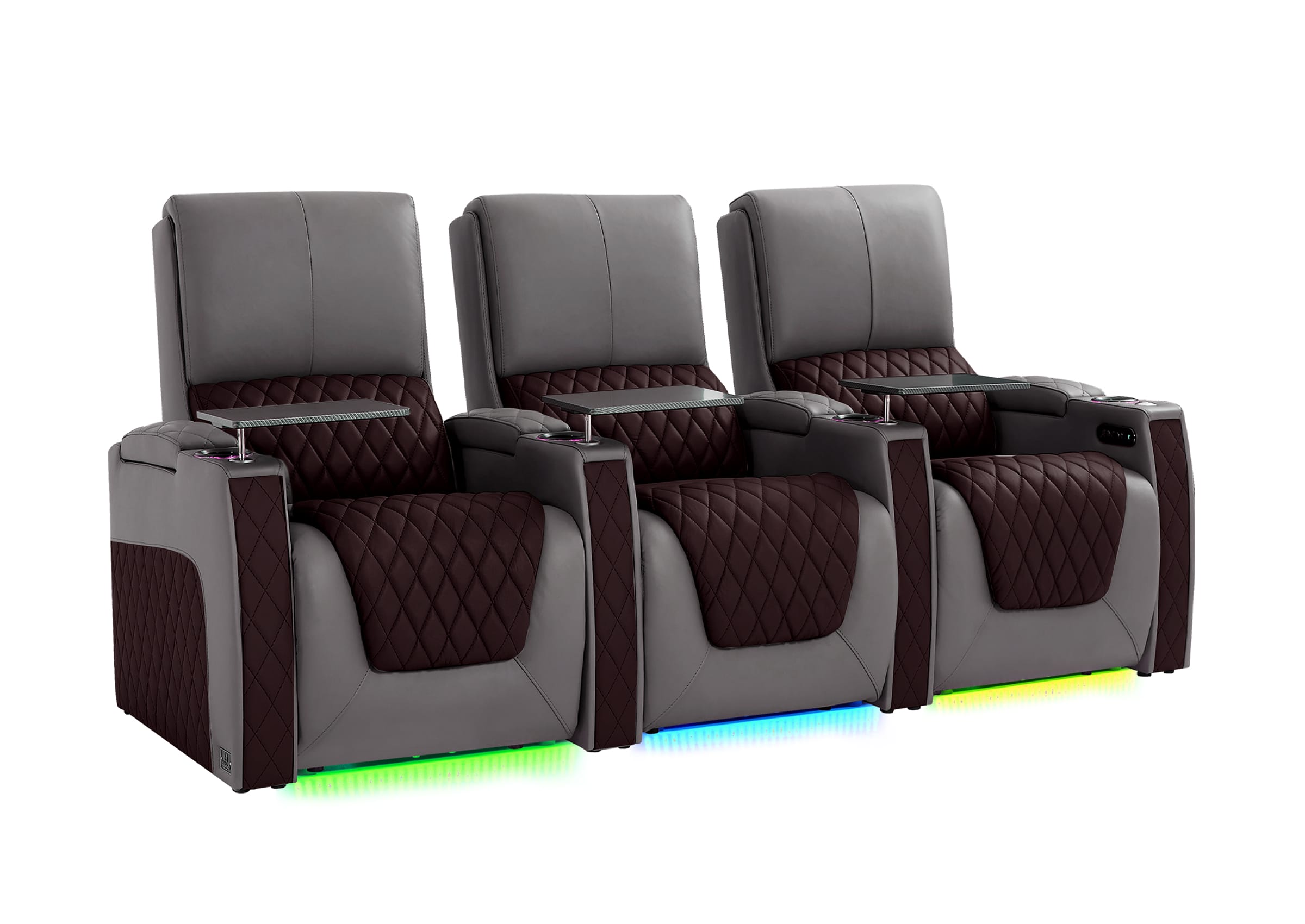
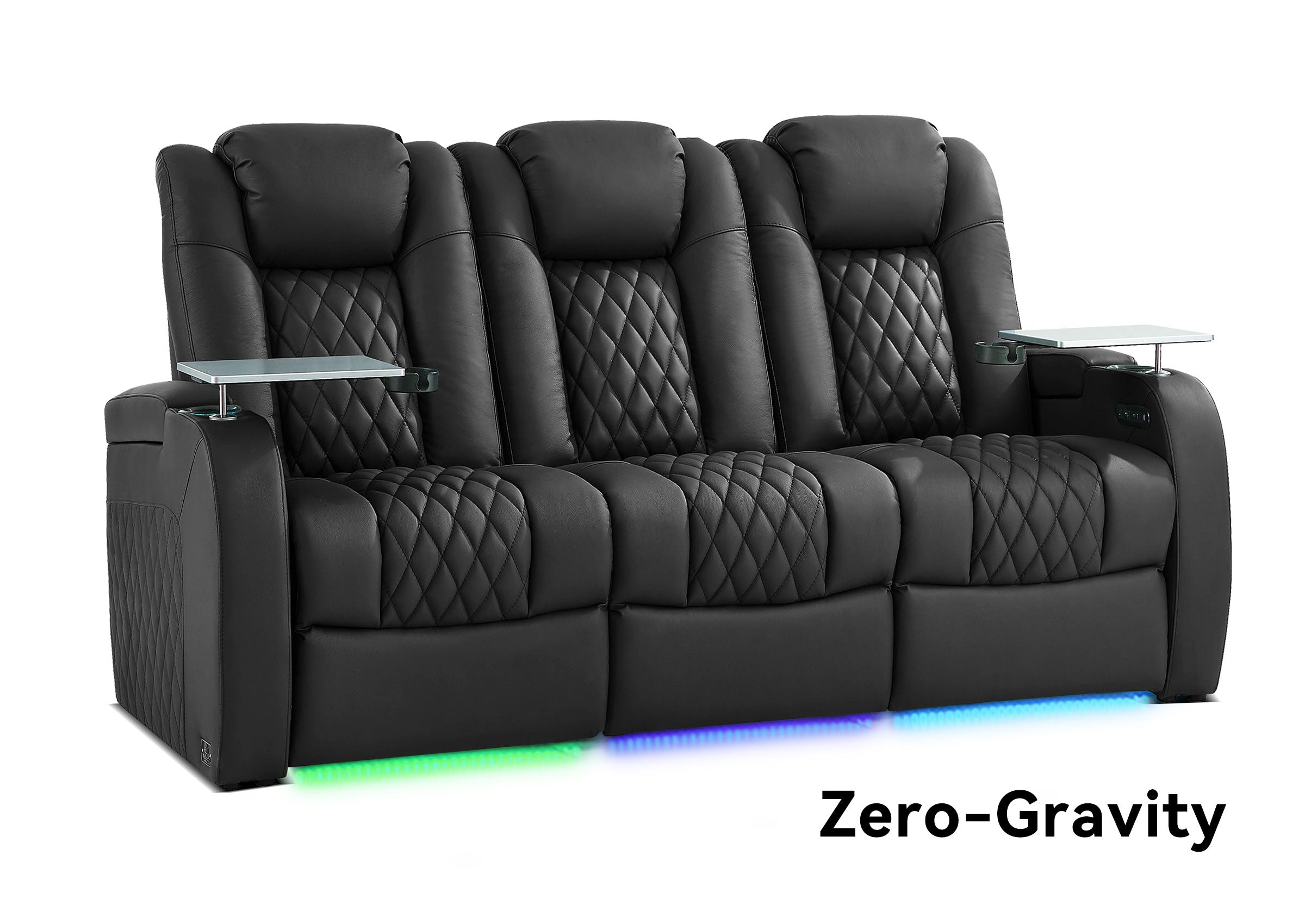
If you are also planning your theater seating, compare the snack-bar footprint, aisle, and reclining space together rather than treating them as separate decisions. You can explore home theater seating options after you know how much of the room the snack area truly needs.
If you need help confirming a seating configuration or identifying the room details worth checking before you move forward, visit Weilianda Support or email leon@weiliandahome.com.