







A small media room can feel just as inviting and visually impressive as a dedicated home theater. The difference often comes down to how you use color, lighting, wall treatments, and soft furnishings rather than how much space you have.
The best small media room decor ideas balance cinematic atmosphere with the warmth of a comfortable home. Whether you prefer a dramatic movie-room look, a warm modern interior, or a relaxed family entertainment space, thoughtful decorating can make a compact room feel more complete without making it look crowded.
If you are still exploring the overall look of your entertainment space, take a look at our media room ideas for more inspiration.
Start With the Mood You Want to Create
Before choosing paint colors or buying decorations, decide how you want the room to feel. A dedicated movie room has different decorating needs from a family room that also serves as a place to watch TV, play games, and relax.
For example, a basement movie room may benefit from darker colors and layered lighting, while a small media area connected to a living room might look better with warm neutrals and natural materials.
Consider these three decorating directions:
- Cinematic and dramatic: Deep blue, charcoal, warm lighting, and understated movie-inspired details.
- Warm and contemporary: Taupe, beige, natural wood, textured fabrics, and soft accent lighting.
- Relaxed and family-friendly: Light neutral walls, comfortable textiles, personal artwork, and practical decorative storage.
You do not need to follow one style throughout the entire room. A contemporary media room can include vintage movie posters, while a traditional family room can incorporate subtle cinematic details.
The important thing is to establish a consistent visual direction before adding individual decorations.
Choose a Color Palette That Works in a Small Media Room
Color is one of the most noticeable elements in a small media room. It influences how spacious, cozy, bright, or dramatic the room feels.
However, a small media room does not automatically need light-colored walls. Darker colors can create an intimate atmosphere, while lighter shades can help a multipurpose room feel more open.
The right choice depends on natural light, existing furniture, ceiling height, and how you use the room.
Moody Colors for a More Cinematic Feel
Deep navy, charcoal, dark olive, and warm brown can create a sophisticated movie-room atmosphere.
These colors work particularly well in dedicated viewing spaces where the goal is to make the screen the visual focus.
To prevent the room from feeling flat, introduce different materials:
- Dark painted walls with walnut or oak accents.
- Charcoal upholstery with warm brown cushions.
- Deep blue walls with subtle brass details.
- Matte finishes combined with textured rugs and curtains.
Dark colors are not necessarily a mistake in a small room. The problem usually comes from combining dark surfaces with insufficient lighting and no variation in texture.
Warm Neutrals for Everyday Entertainment Spaces
If your media room also functions as a family room, consider warmer neutral colors.
Greige, taupe, warm white, and soft beige create a relaxed appearance that blends naturally with the rest of the home.
This approach is especially useful when the room receives natural daylight or connects to an open living area.
You can introduce darker colors through the television wall, furniture, or decorative accessories without making the entire room feel heavy.
Add Color Without Overwhelming the Room
An accent color can make a small media room feel more personal without requiring a complete redesign.
Consider:
- Sage green with warm white and natural wood.
- Muted blue with light gray and walnut.
- Terracotta with beige and cream.
- Burgundy with charcoal and brushed brass.
A useful approach is to choose one dominant color, one supporting material or complementary tone, and one accent color.
Before painting, test samples on the actual wall. Colors can look noticeably different under daylight, ceiling lights, and evening accent lighting. For more detailed guidance, see our article on home theater wall colors.

Make the Screen Wall a Decorative Feature
The screen wall is often the most visually important wall in a media room. Rather than filling it with decorations, use a few carefully selected details to make it feel intentional.
Several approaches work particularly well.
Wood paneling adds warmth and texture. Vertical wood slats can create visual rhythm, while larger wood panels offer a cleaner, more contemporary appearance.
Textured wallpaper introduces depth without requiring extensive construction. Subtle geometric patterns, linen-inspired textures, and understated designs are often easier to live with than highly repetitive patterns.
A painted accent wall is a relatively simple way to establish a focal point. Deep blue, charcoal, and muted green can work particularly well behind a television.
Floating shelves provide room for a few books, framed photographs, or decorative objects. Keep the arrangement selective rather than filling every available space.
One detail worth remembering is screen reflection. Glossy paint, glass decorations, and highly reflective finishes can create unwanted visual distractions. Matte or low-sheen finishes are generally easier to work with around the viewing area.
The screen should remain the main visual focus, while the surrounding wall provides the design character.
For more ideas specifically focused on television walls, explore our home theater wall decor ideas.

Use Layered Lighting to Create a Cinematic Atmosphere
Lighting can completely change the appearance of a small media room. A single bright ceiling fixture may provide enough illumination for everyday activities, but it rarely creates the atmosphere people want for movie nights.
A better approach is to combine several lighting sources.
Ambient Lighting
Ambient lighting provides the room's general illumination.
Options include recessed ceiling lights, indirect ceiling lighting, and softly diffused wall fixtures.
Choose dimmable options whenever possible so the room can transition from everyday use to evening entertainment.
Accent Lighting
Accent lighting highlights specific design elements.
Consider:
- LED strips behind shelves or furniture.
- Subtle lighting along architectural features.
- Picture lights above framed artwork.
- Indirect lighting behind decorative wall panels.
- Low-level lighting around the seating area.
The goal is to create depth rather than illuminate every corner equally.
Task Lighting
A small reading lamp or adjustable wall light can make a multipurpose media room more practical.
It is particularly useful when someone wants to read, use a tablet, or find something without turning on all the ceiling lights.
For a comfortable residential atmosphere, warm lighting around 2700K–3000K is a useful starting point. Combining ambient, task, and accent lighting creates more flexibility than relying on a single overhead fixture.
A good lighting plan should work when the screen is on and when the room is being used for everyday activities.

Add Warmth With Rugs, Curtains, and Soft Furnishings
Soft furnishings are among the easiest ways to make a small media room feel more comfortable and visually complete.
They also help balance the harder surfaces commonly found around televisions, cabinets, and entertainment equipment.
Choose an Area Rug That Defines the Space
A rug can visually anchor the entertainment area, particularly when the media room shares space with a living room or family room.
Consider:
- Neutral rugs with subtle patterns for contemporary interiors.
- Darker patterned rugs for dramatic movie-room designs.
- Textured wool-look or woven rugs for a warmer appearance.
- Low-contrast patterns that complement the wall and furniture colors.
Avoid choosing a rug with a pattern that competes with heavily decorated walls or upholstery.
Use Curtains to Control Light and Add Texture
Curtains can make a room feel more finished while helping manage daylight.
For a dedicated viewing area, lined or blackout curtains can help reduce incoming light. In a multipurpose room, layered curtains offer more flexibility: lighter panels for daytime and heavier curtains when you want a darker viewing environment.
Choose curtain colors that relate to the wall or furniture palette rather than introducing another unrelated color.
Use Cushions and Throws Selectively
A few cushions and a soft throw can make seating feel more inviting.
Mix materials such as velvet, woven fabric, linen, and soft knits to create visual depth.
However, avoid filling every seat with oversized cushions. In a smaller room, decorative accessories should improve comfort without taking away usable seating space.

DESIGNED FOR COMFORT & STYLE
Let Your Seating Complete the Look
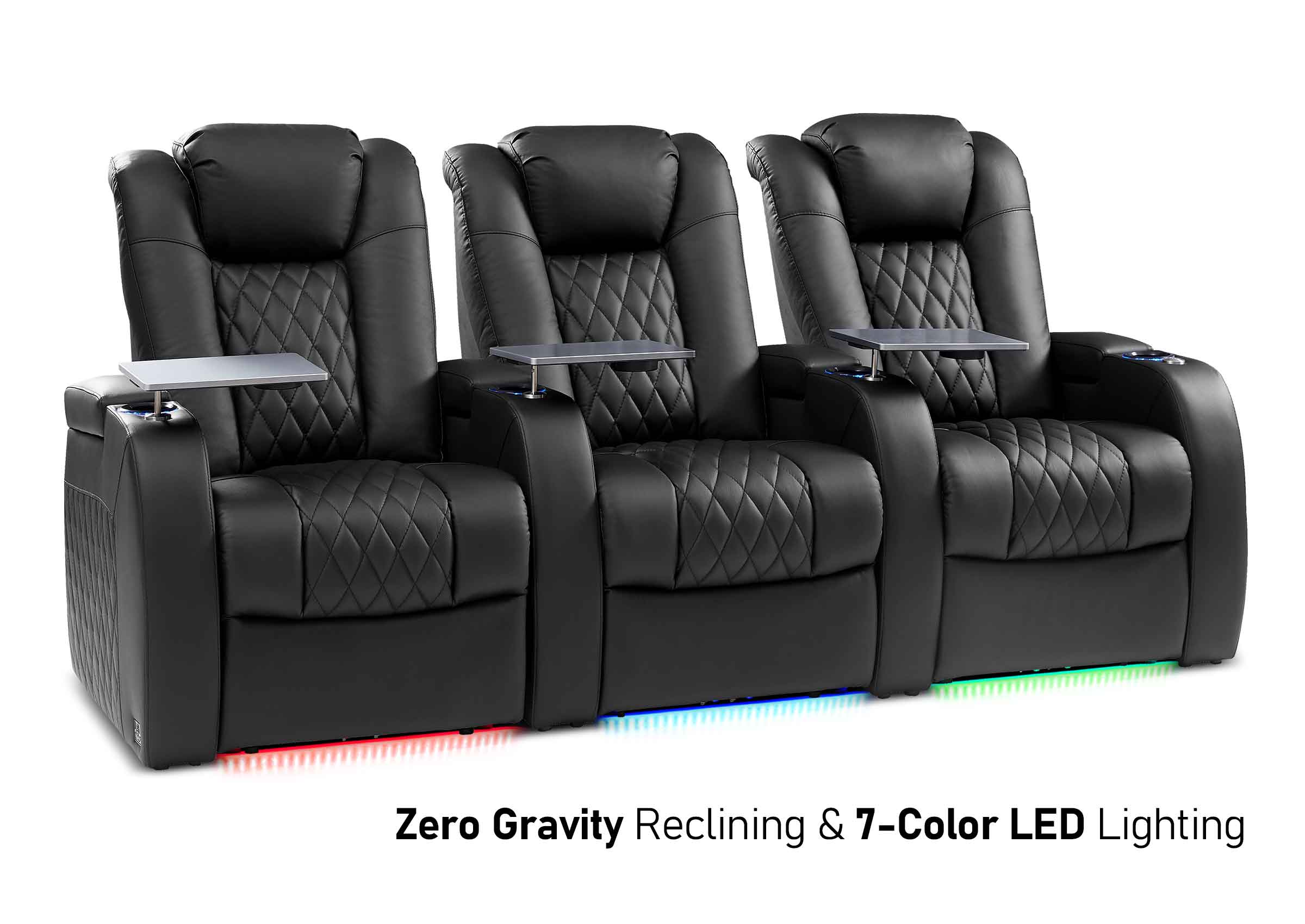
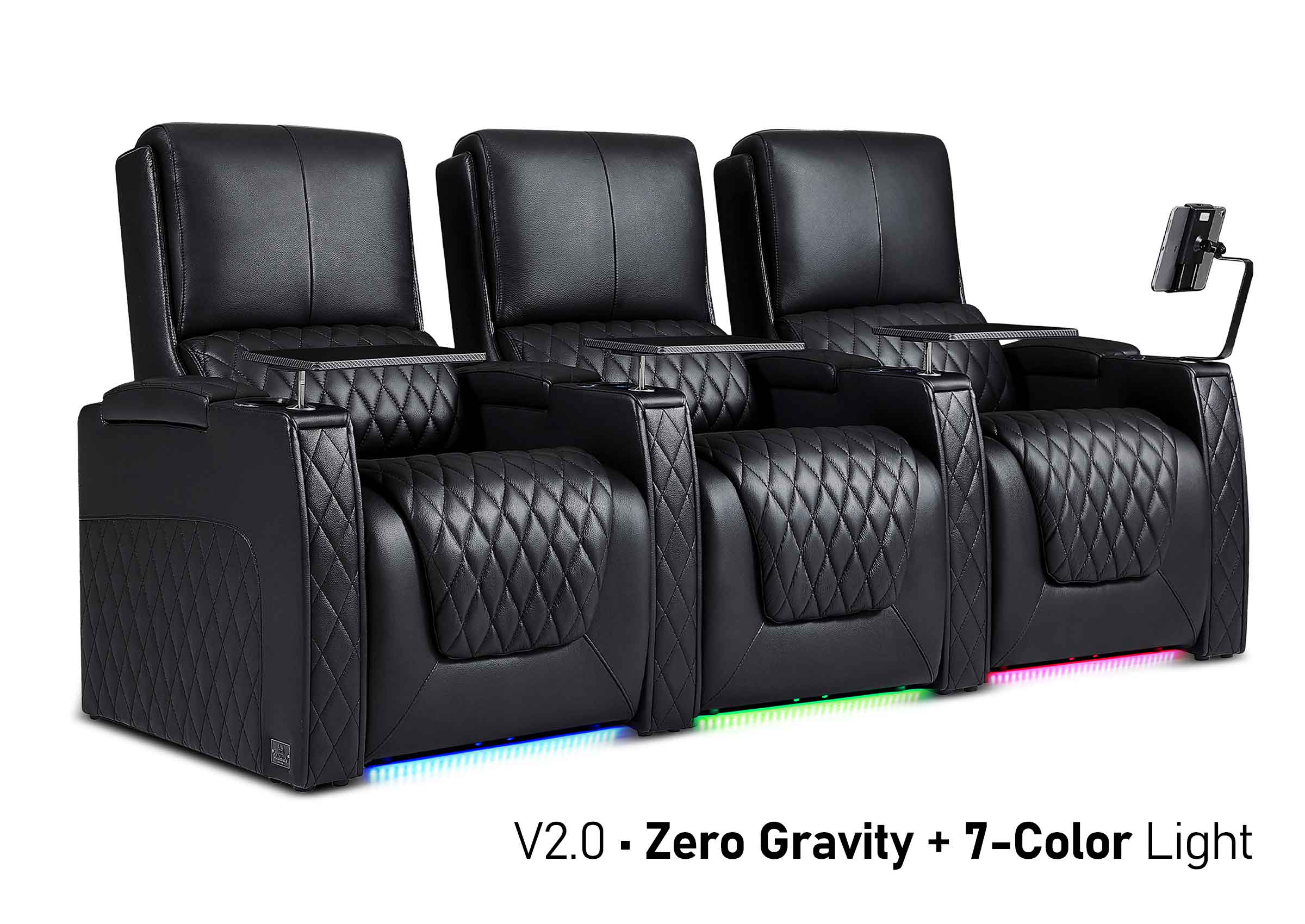
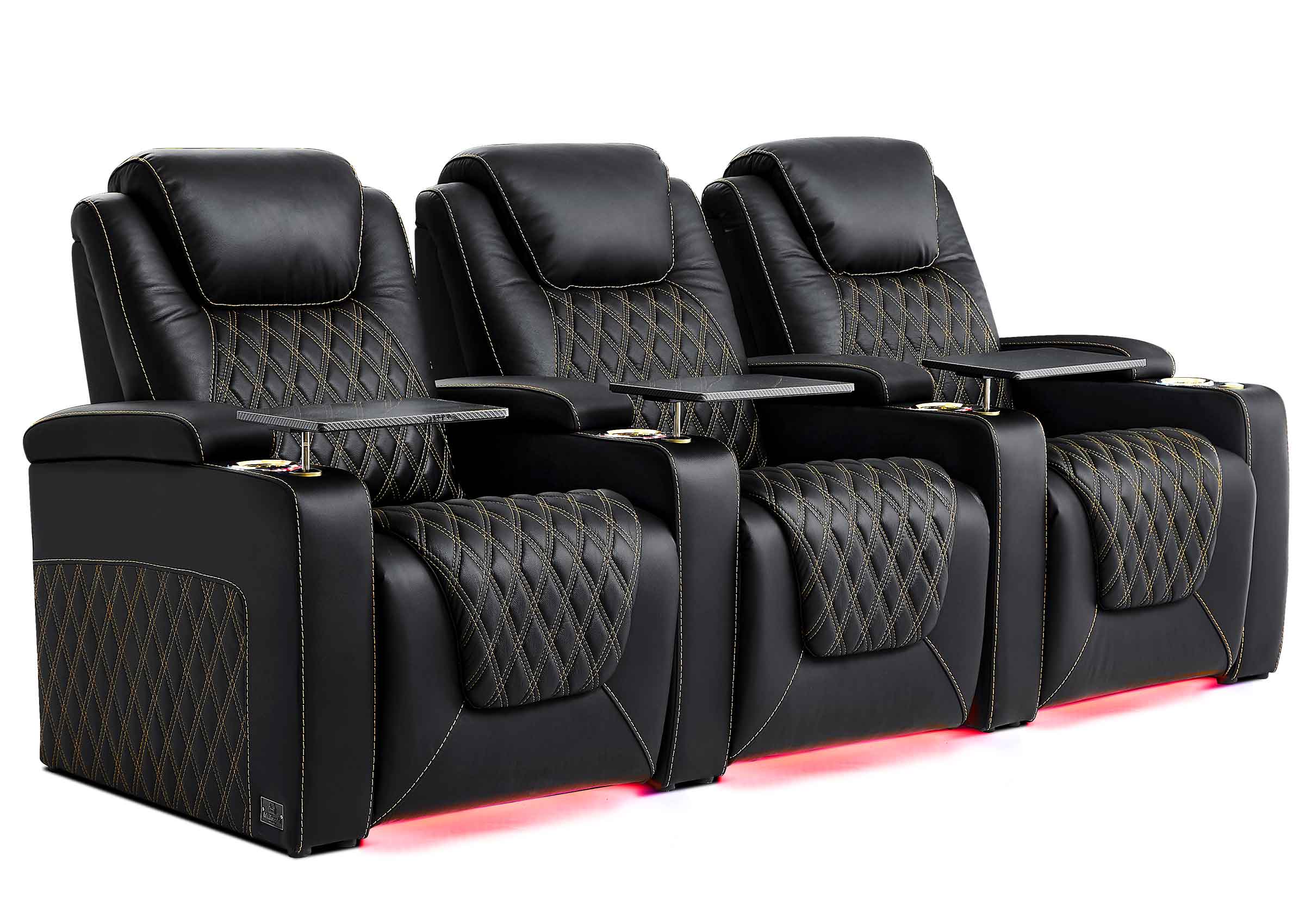
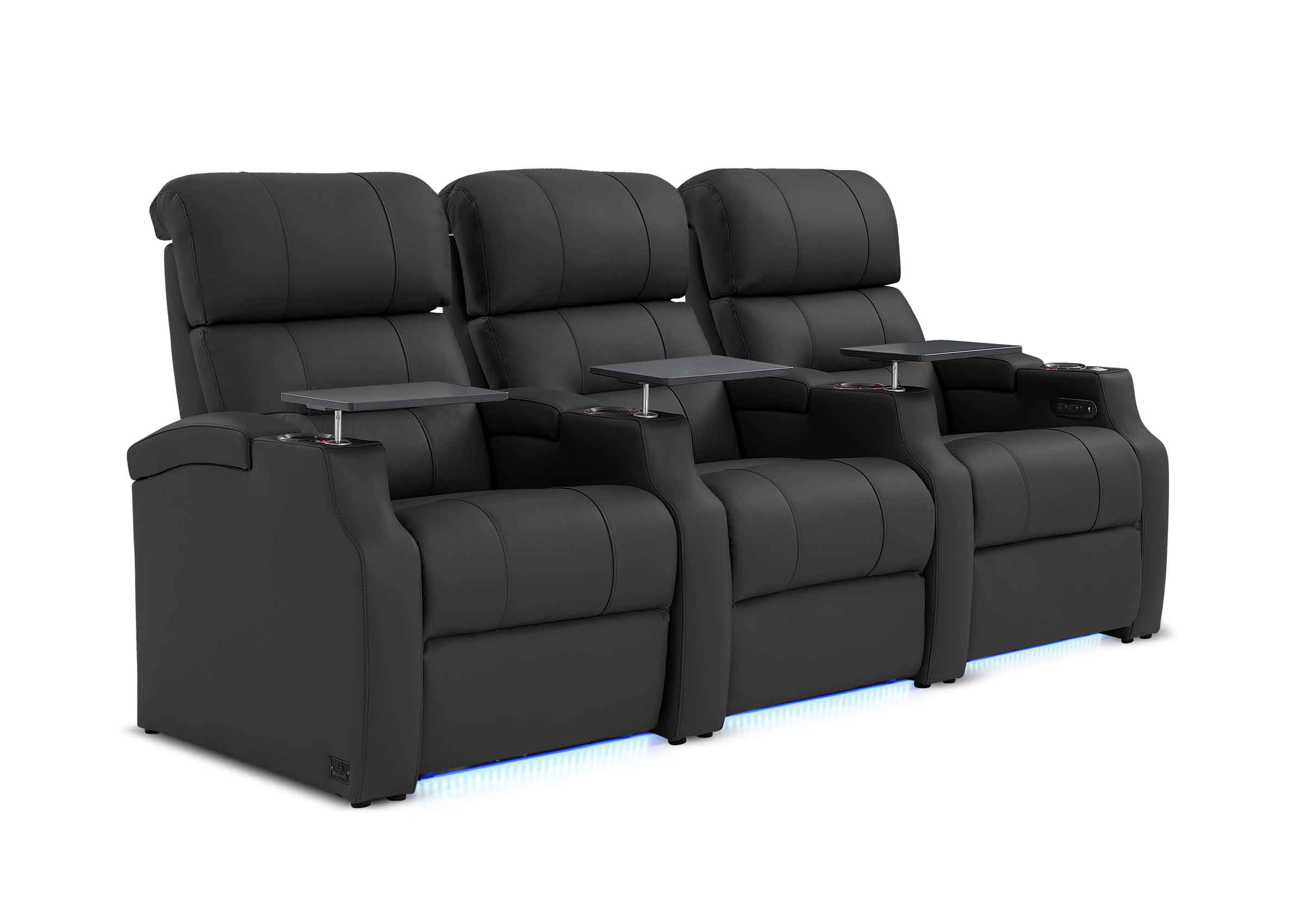
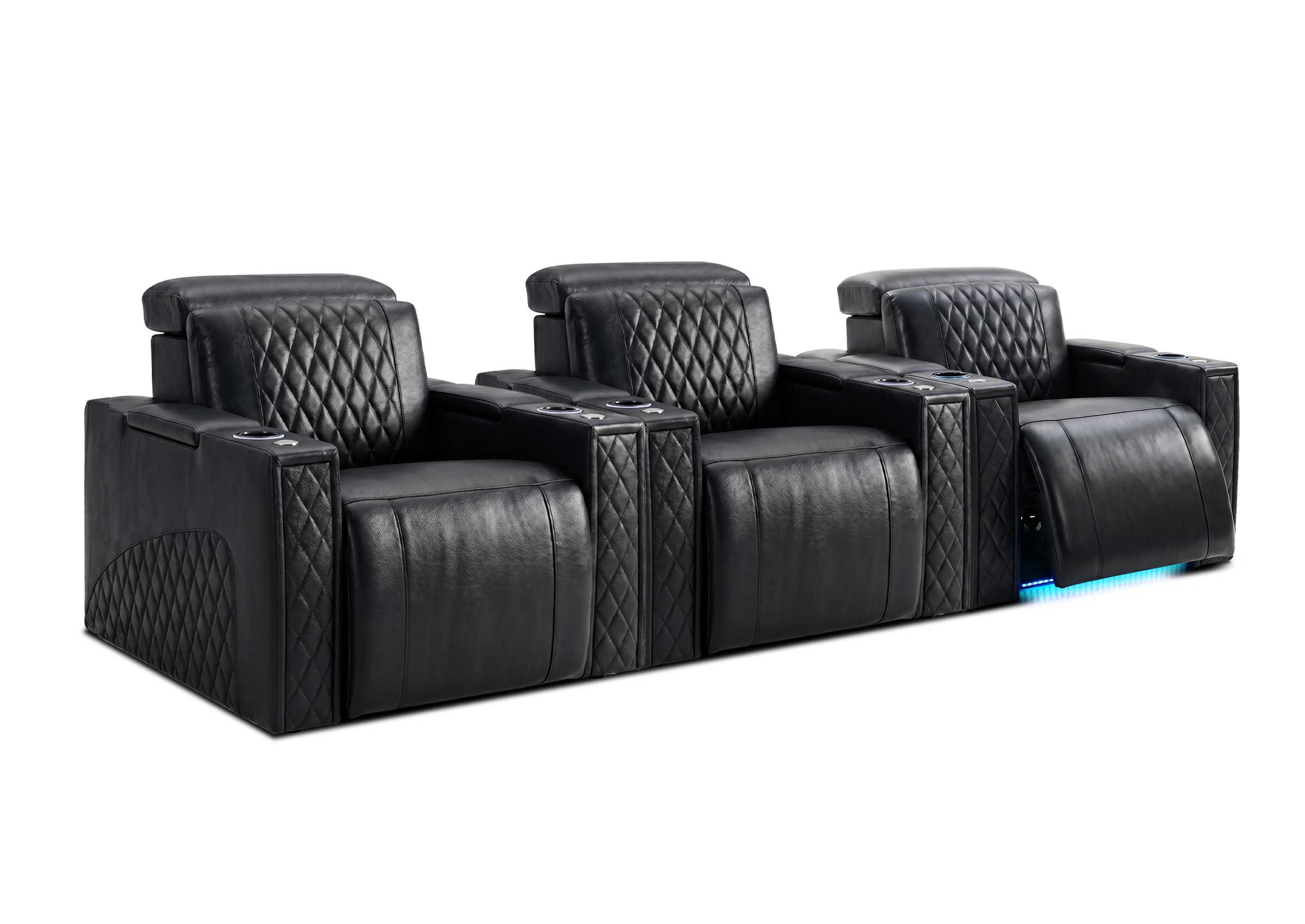
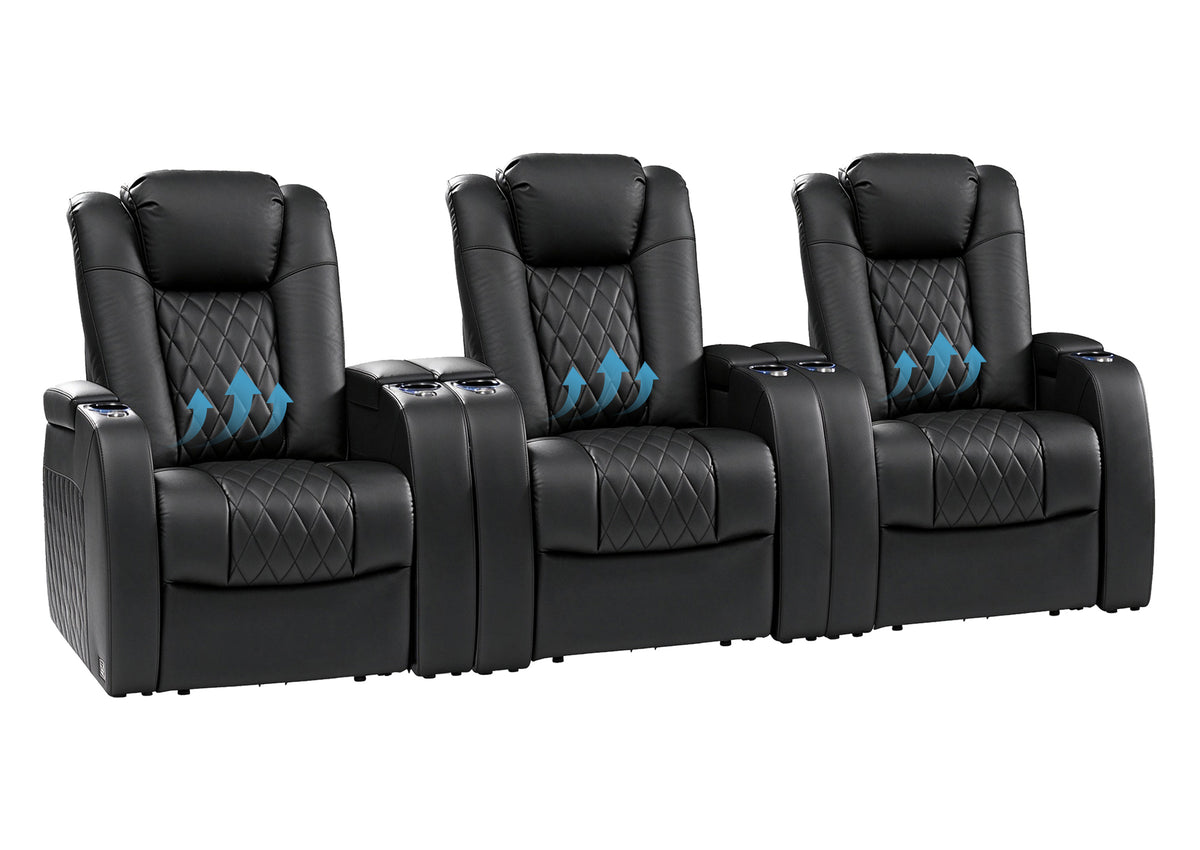
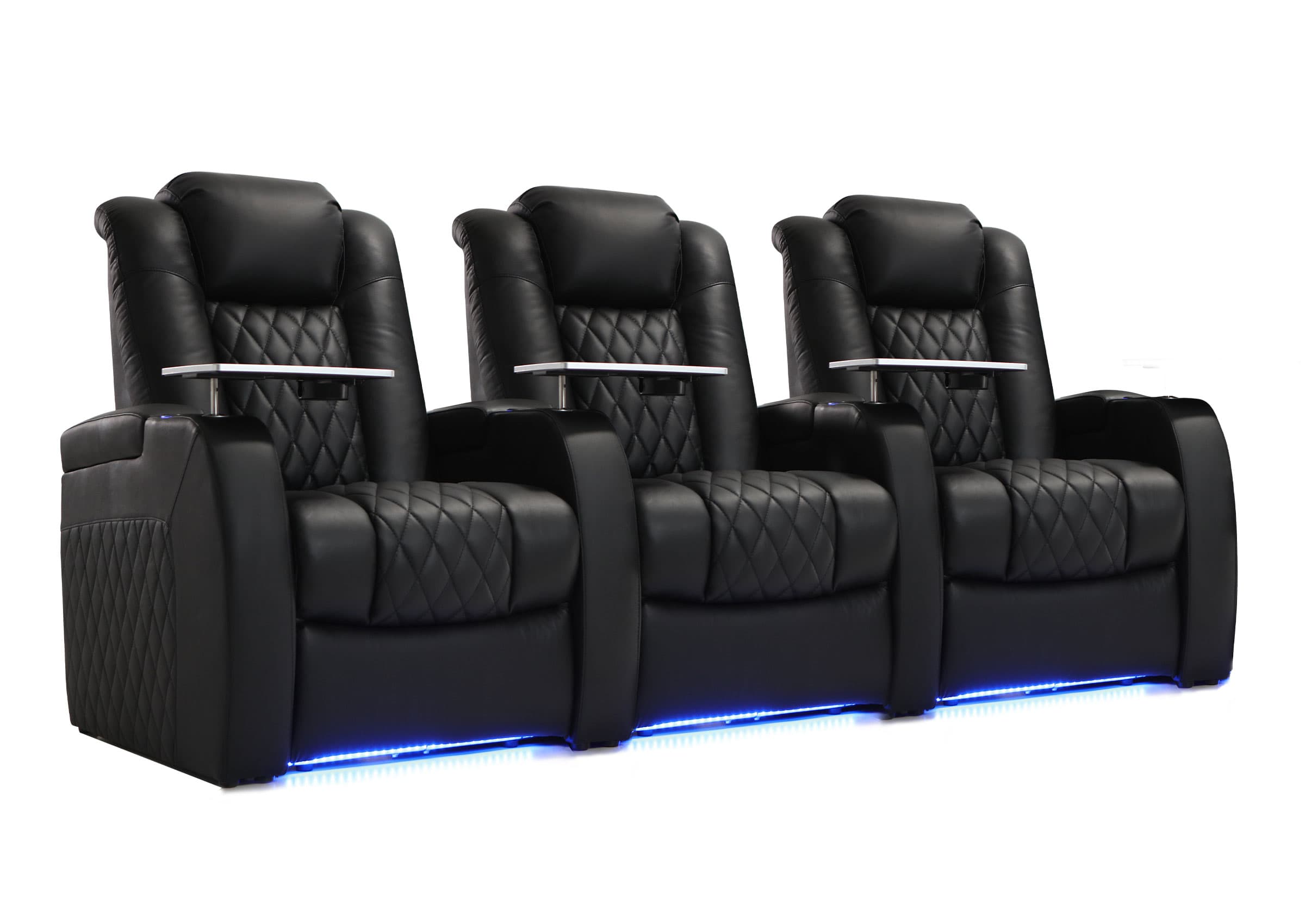
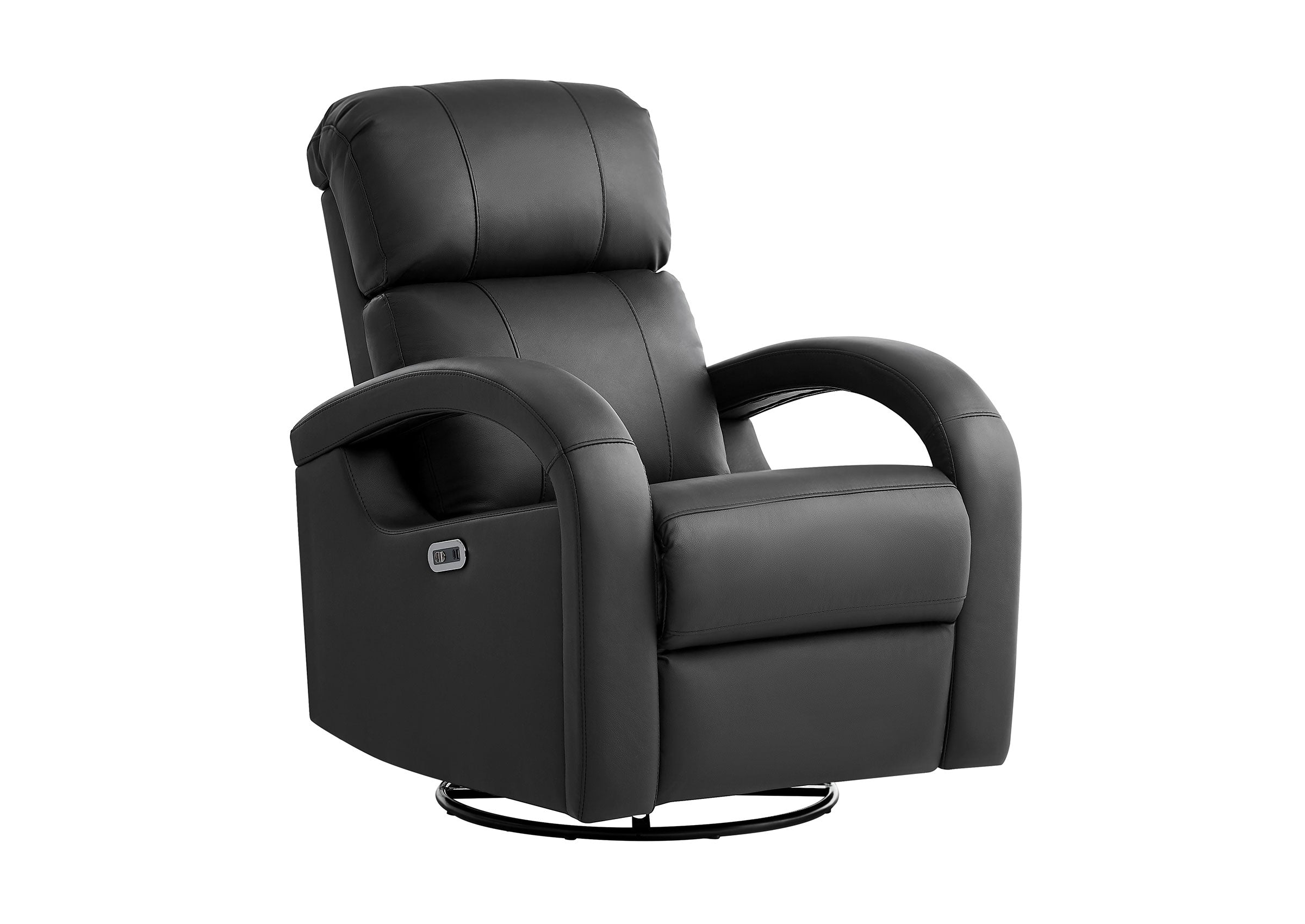
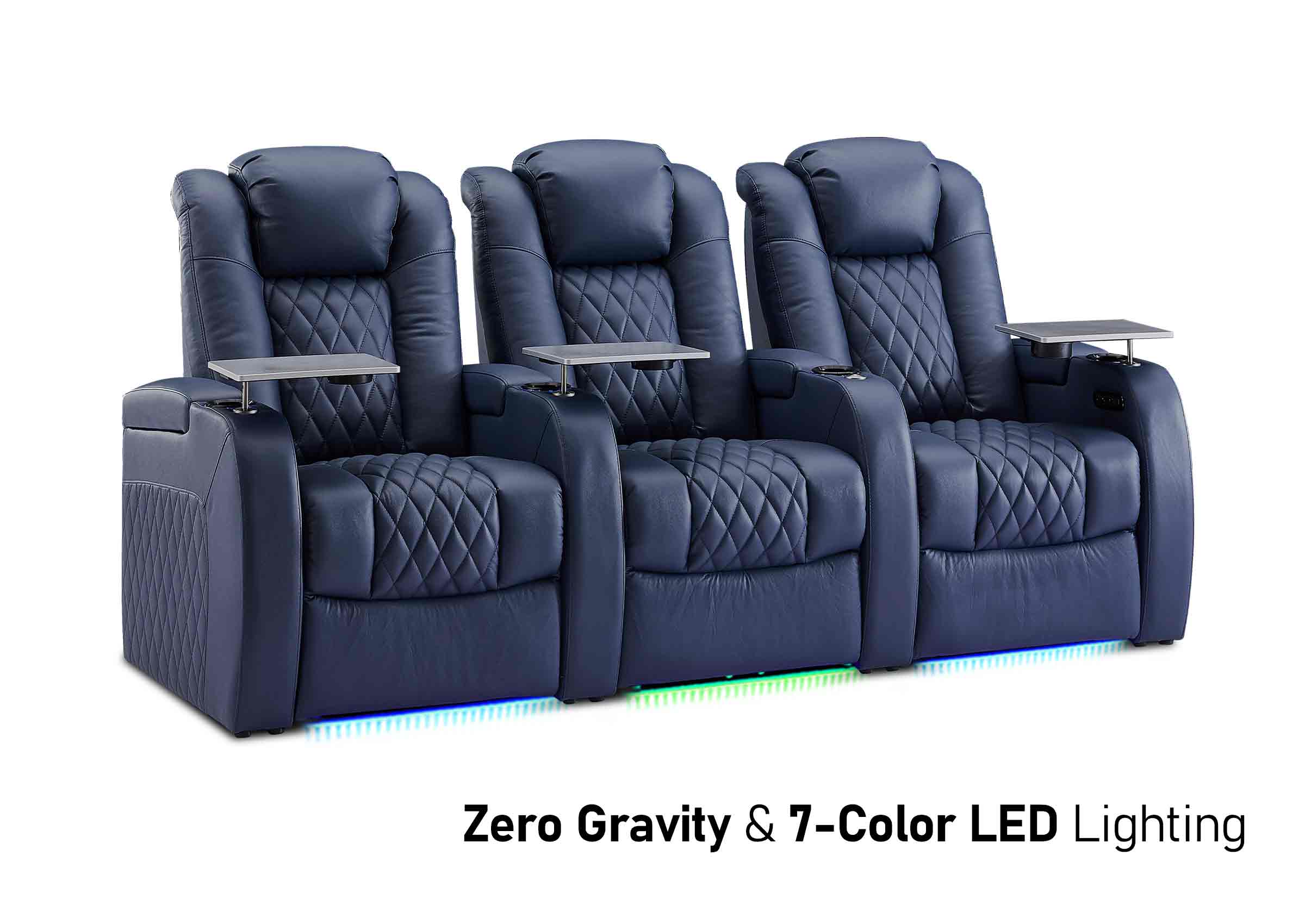
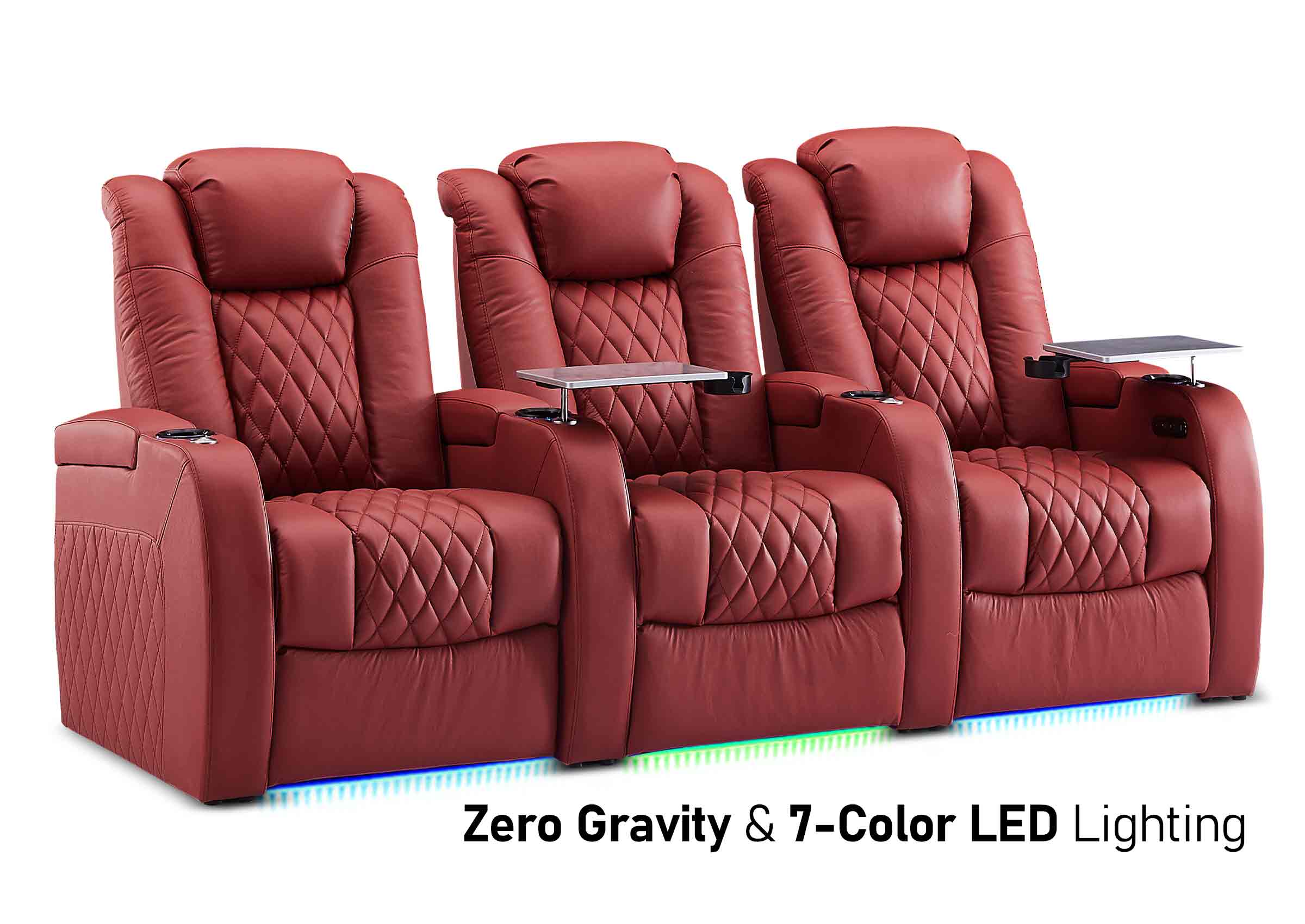
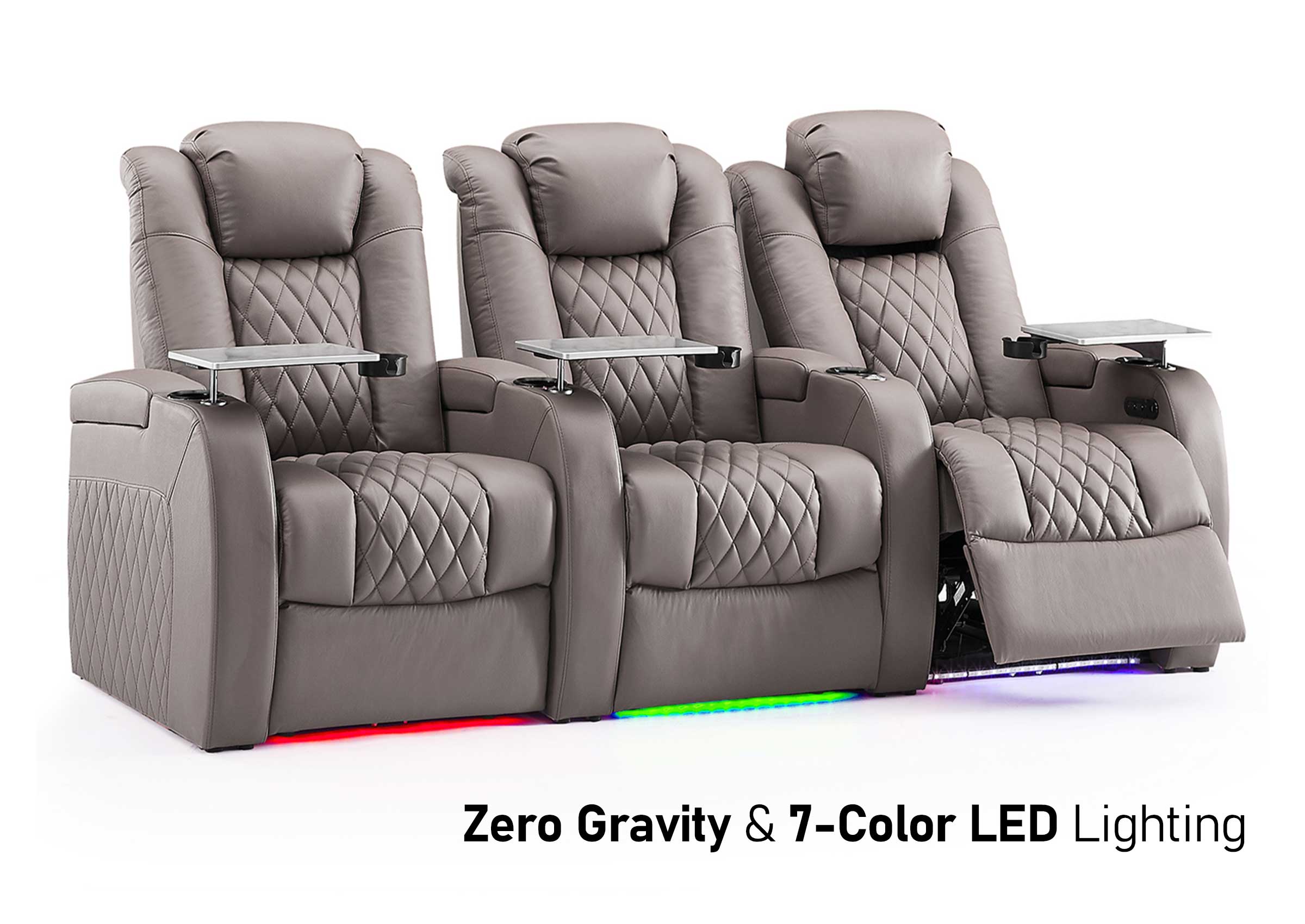
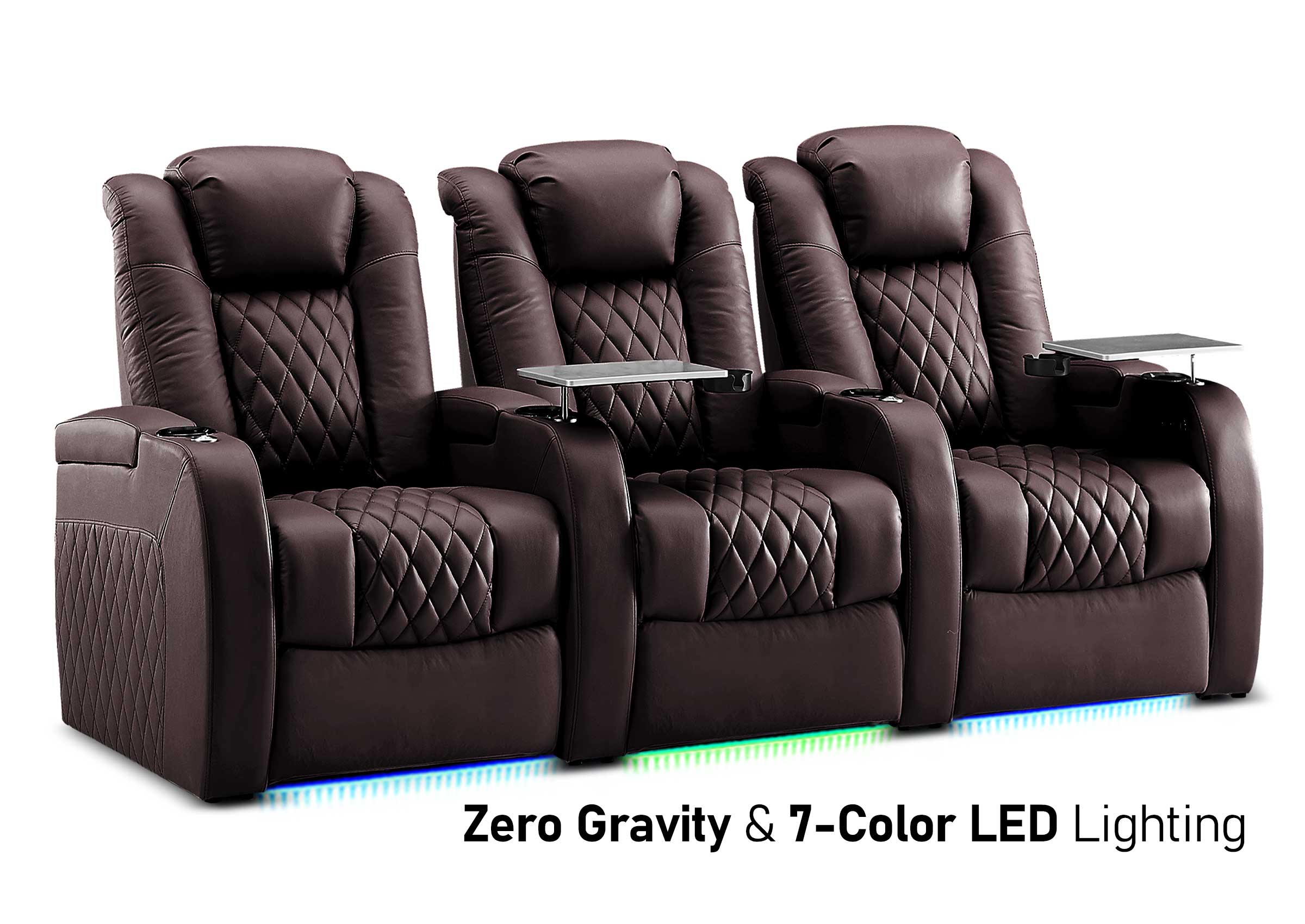
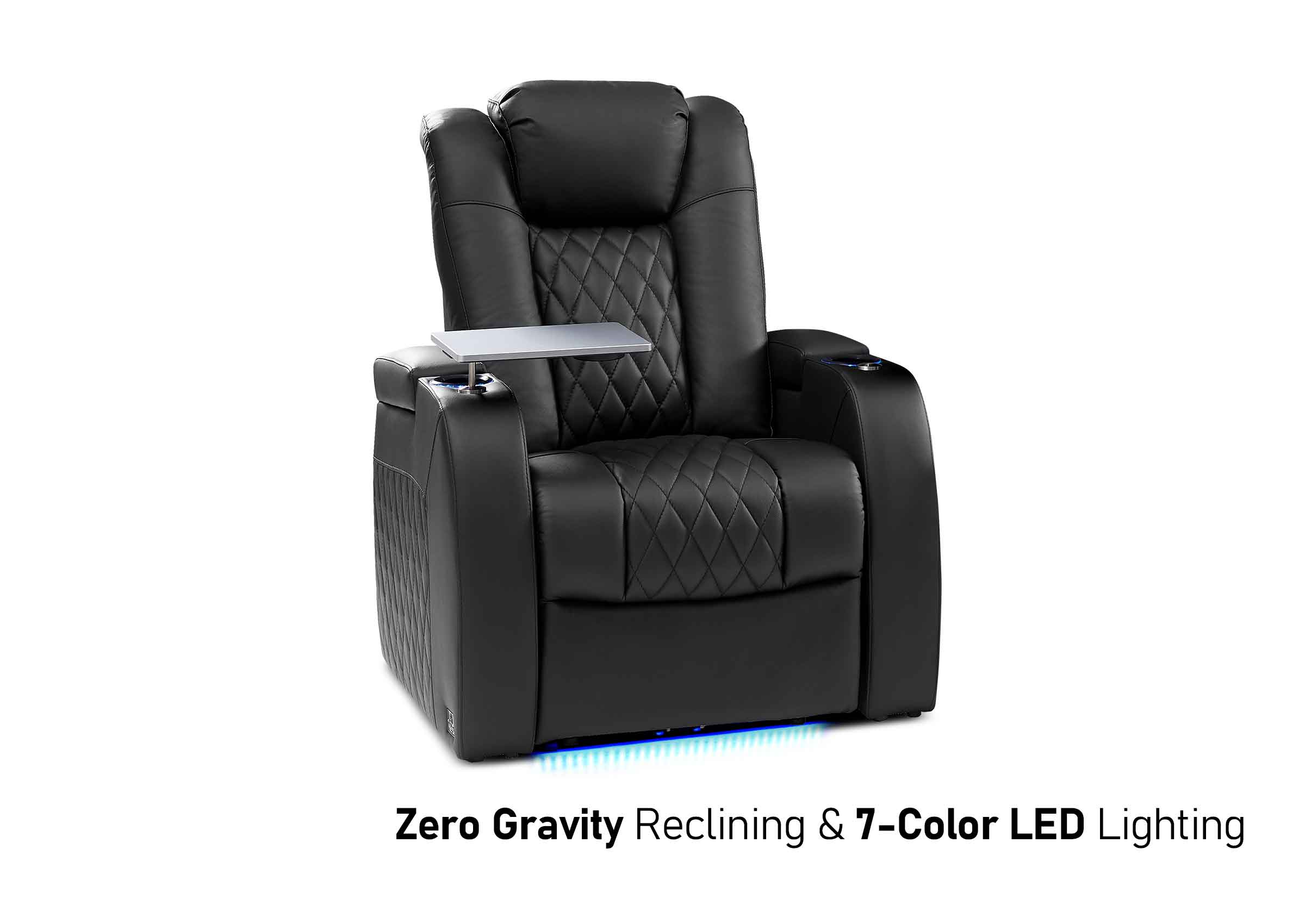
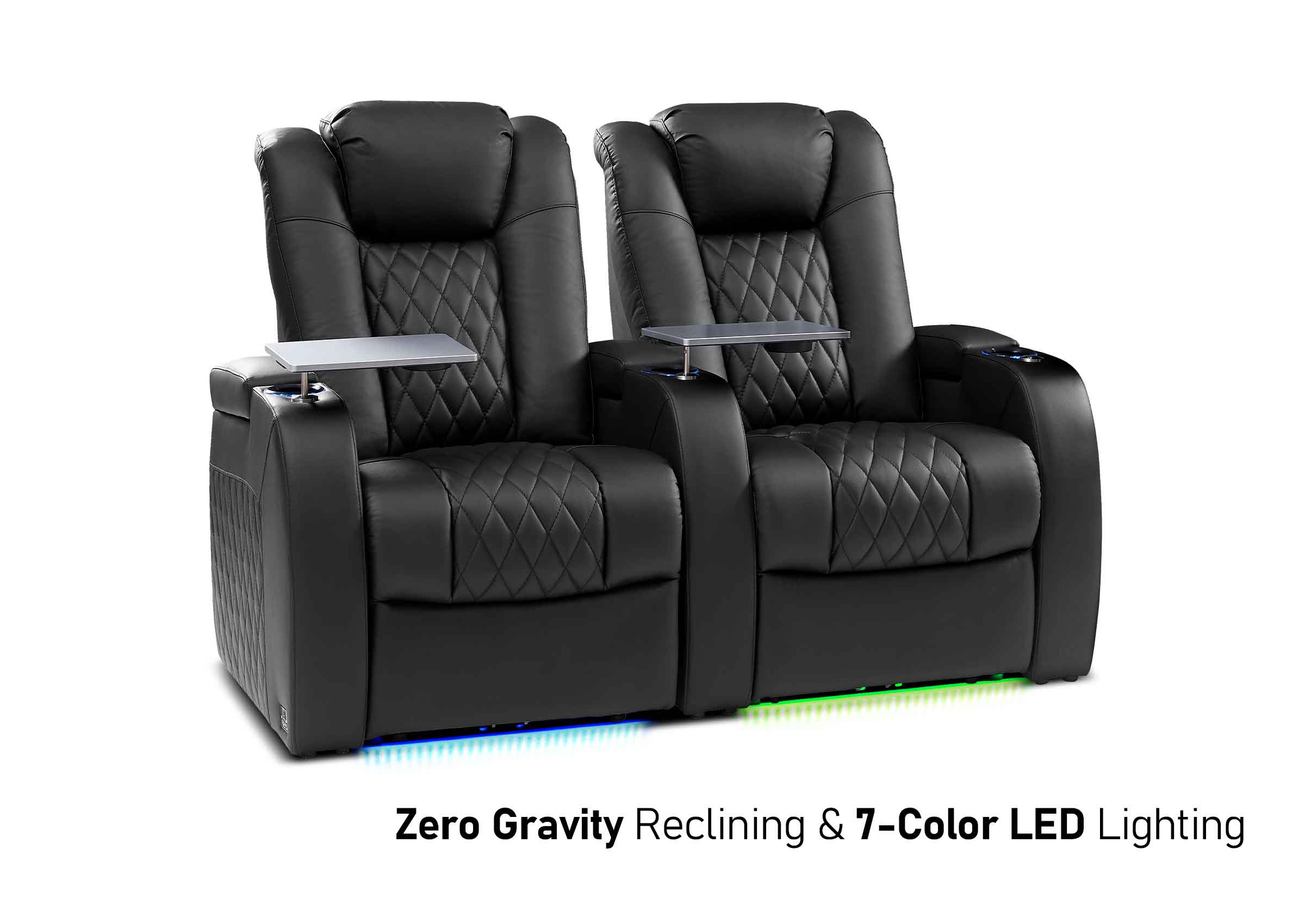
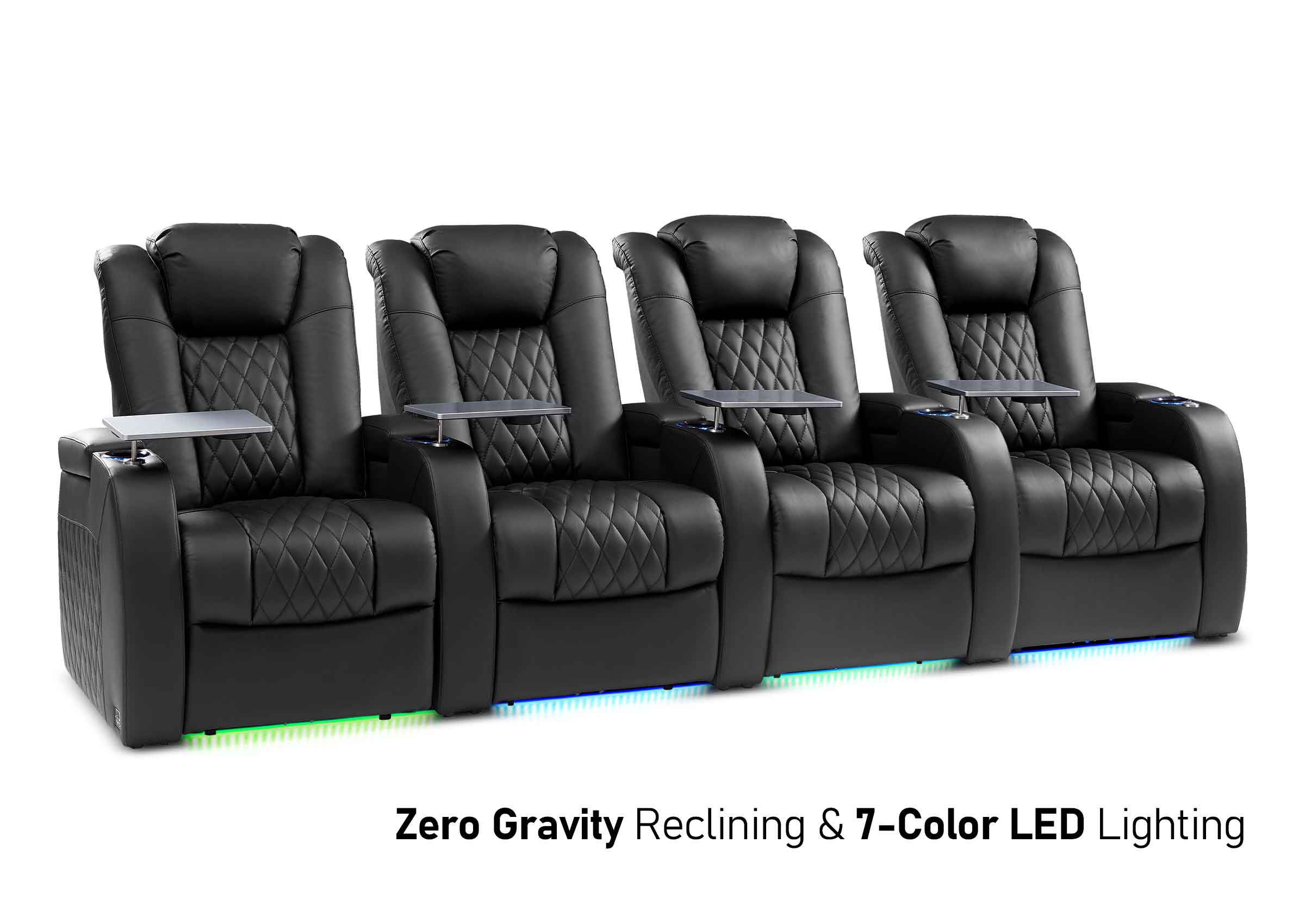
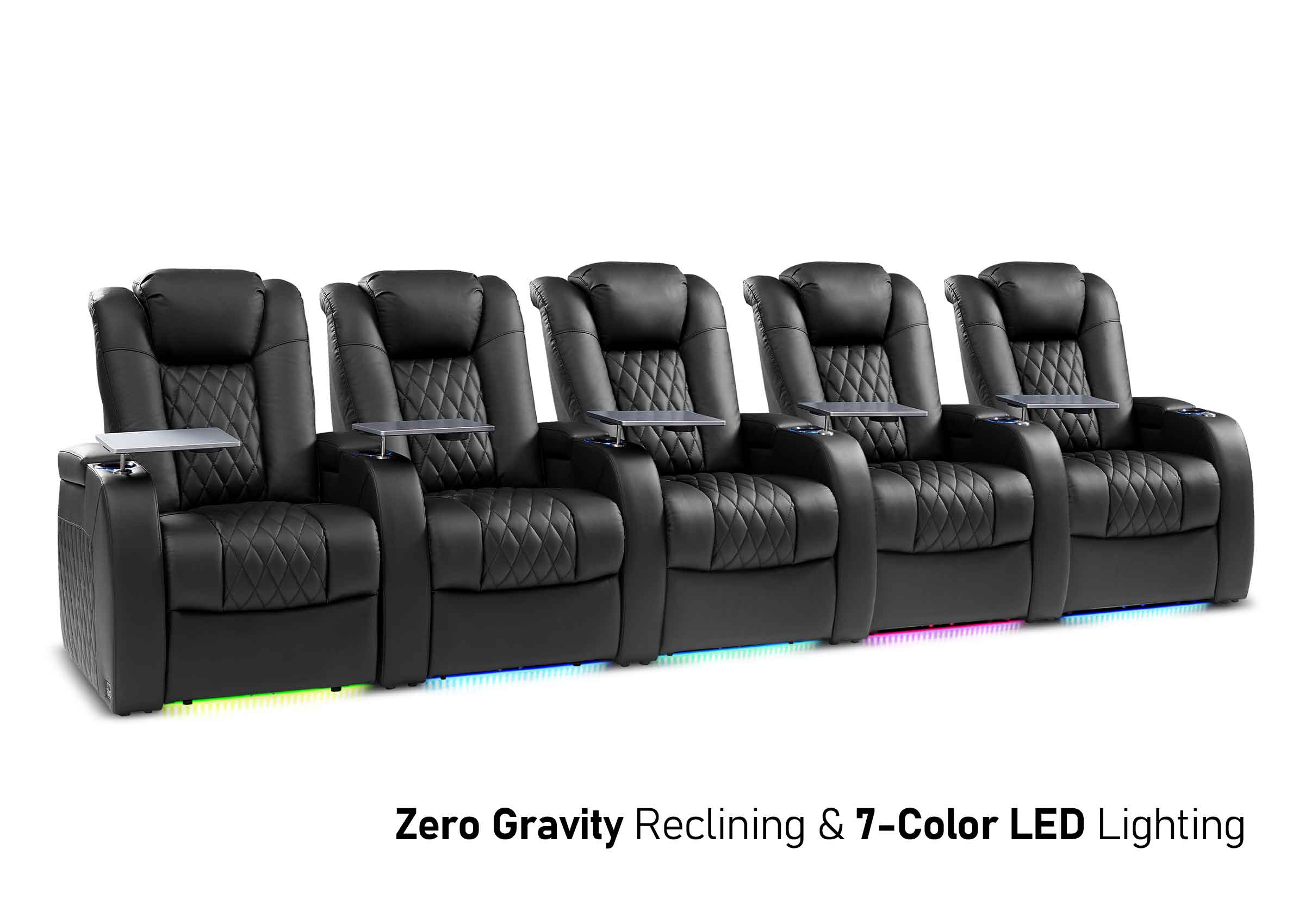
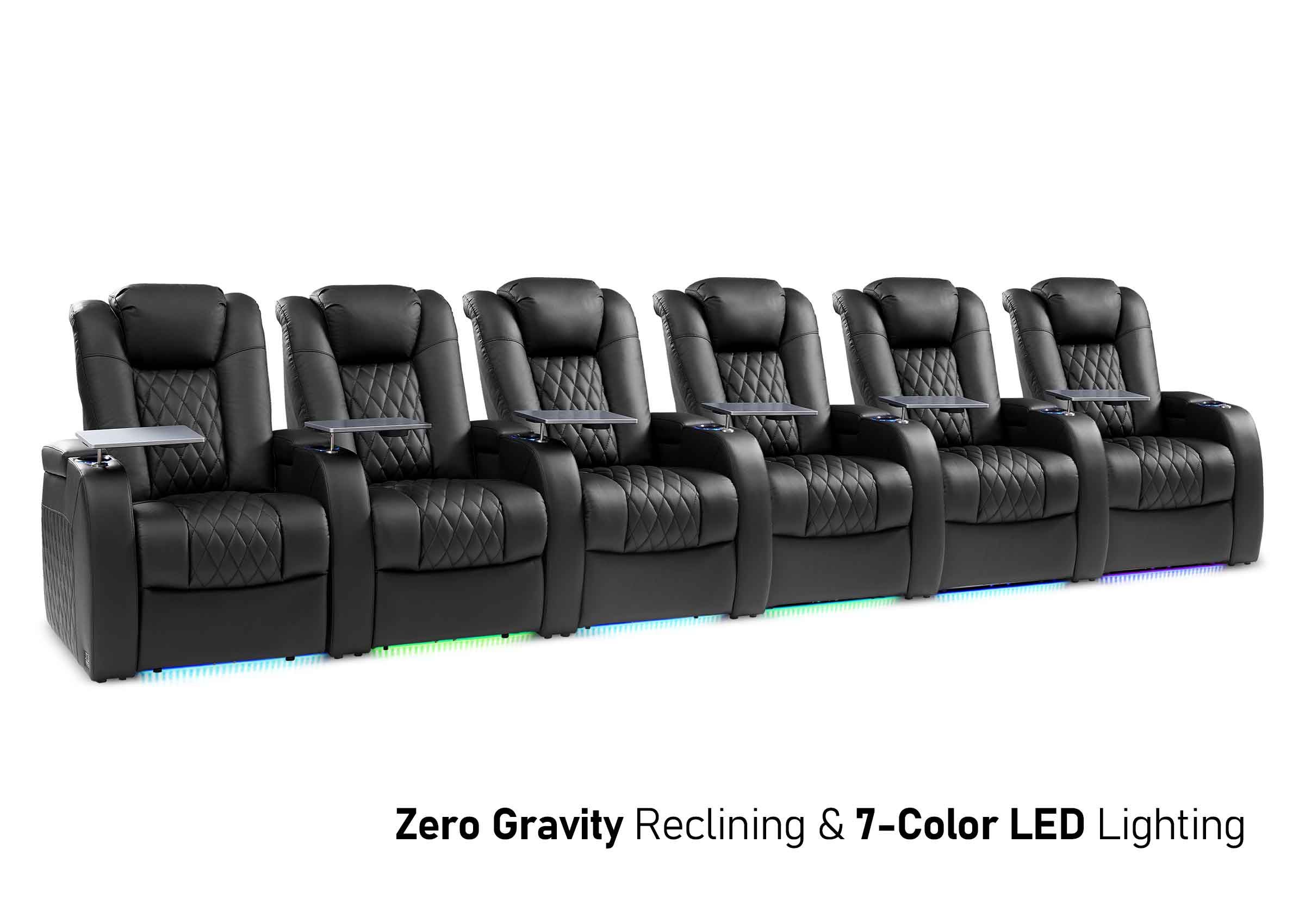
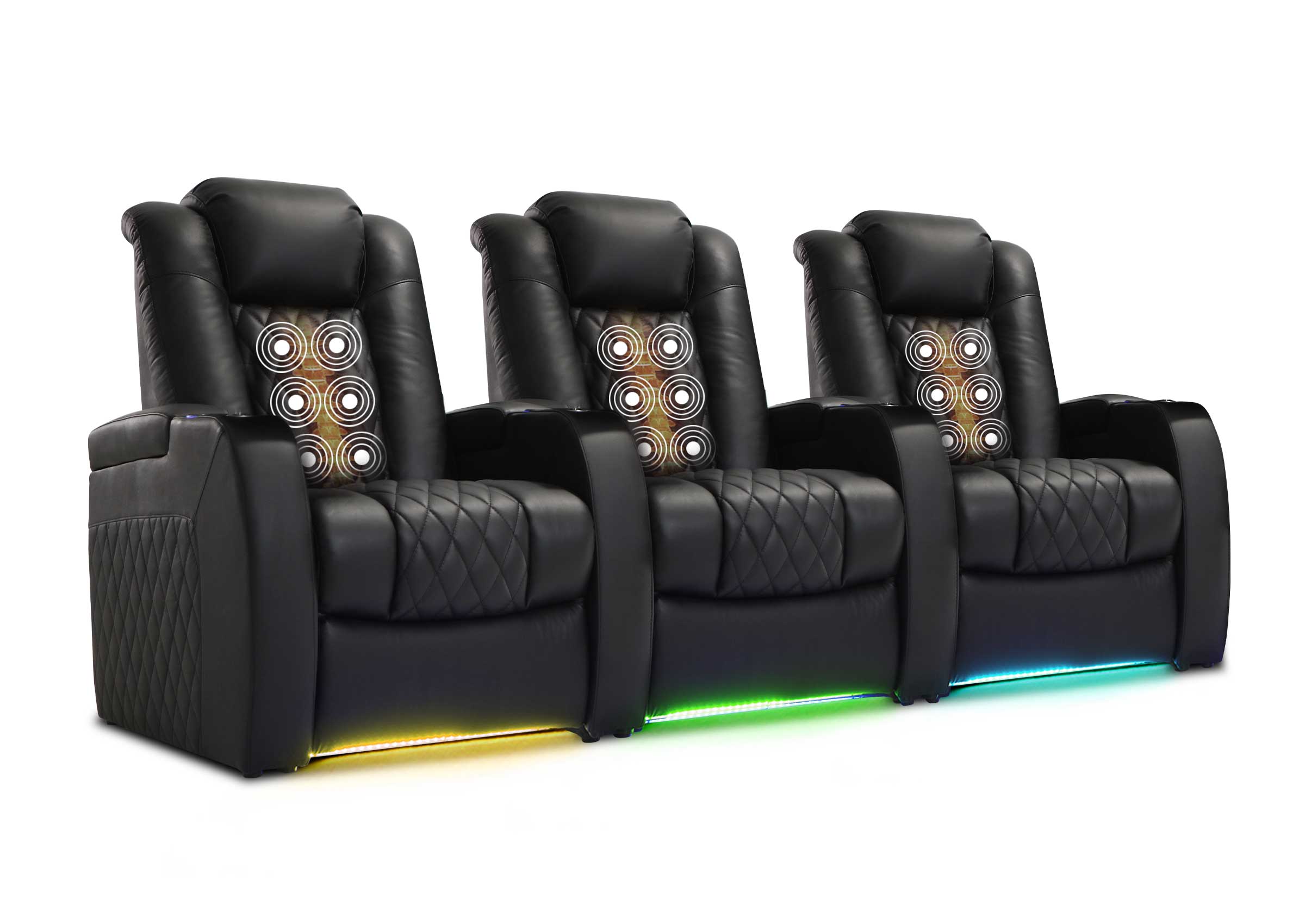
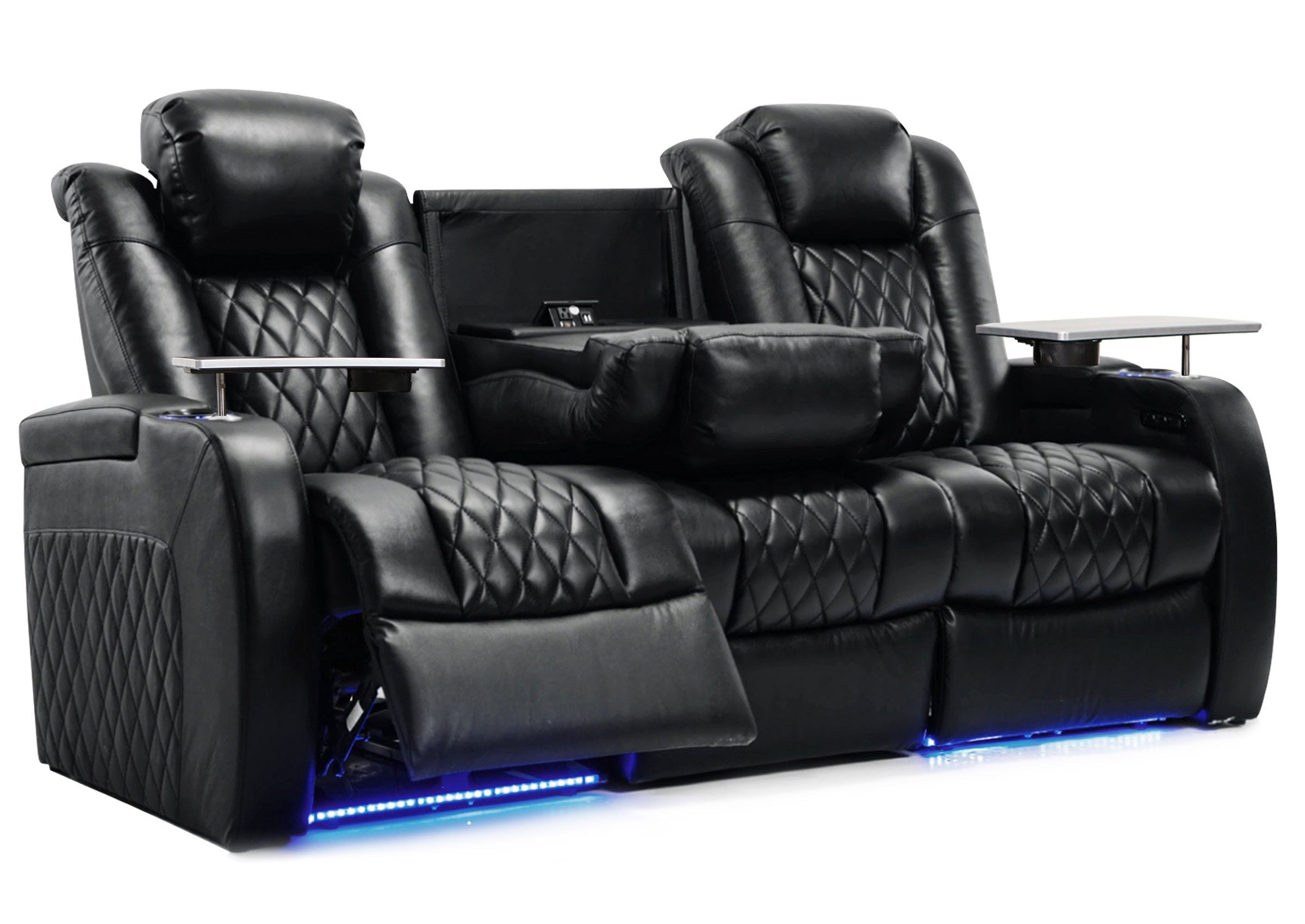
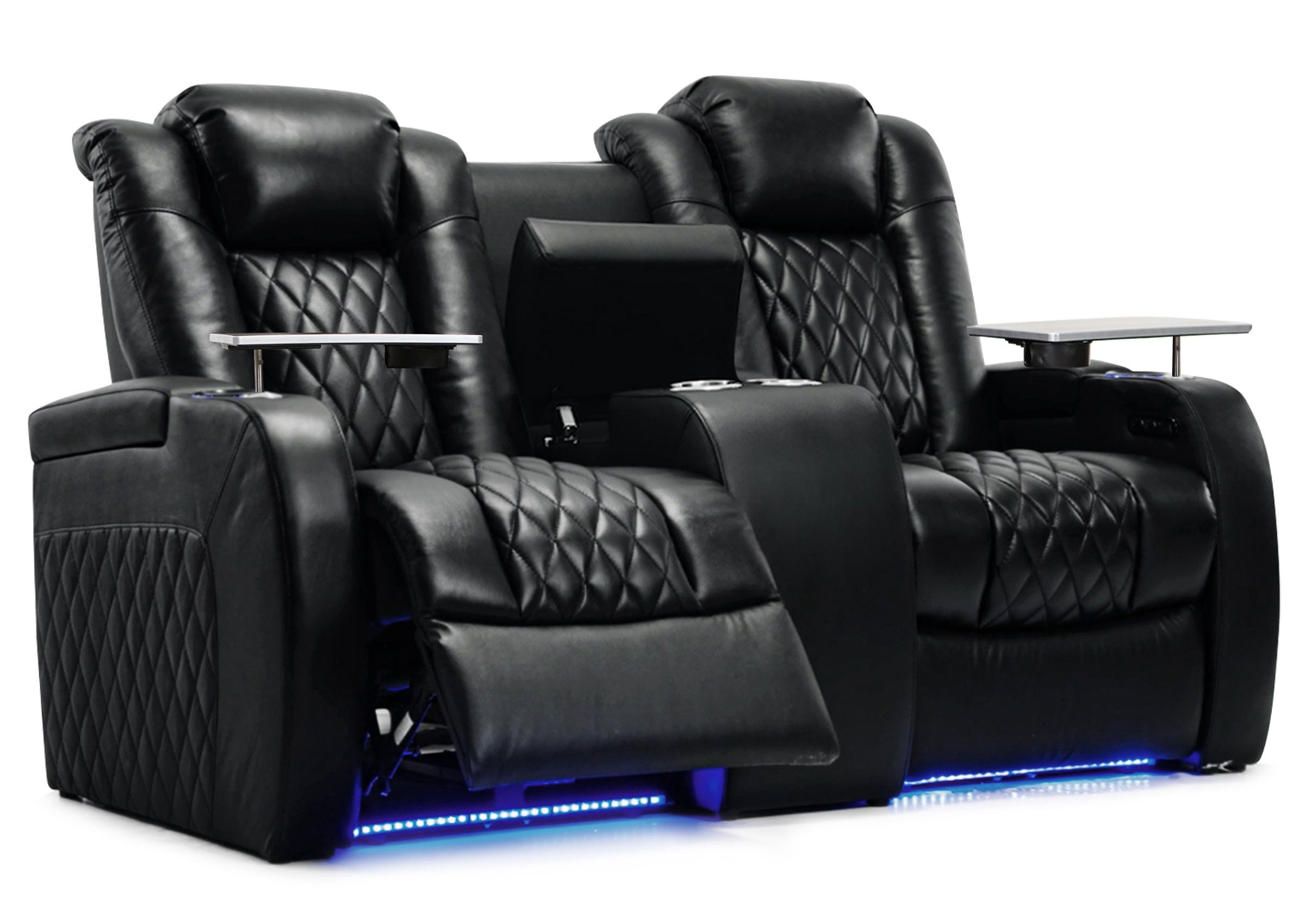
Seating is one of the largest visual elements in a media room. Explore Weilianda home theater seating in different upholstery options and reclining styles, with ambient lighting available on selected models.
Explore Home Theater SeatingPersonalize Your Media Room With Artwork and Decorative Details
A media room should reflect the people who use it. Personal decorations can make the space feel less like a showroom and more like a natural part of the home.
You do not need expensive movie memorabilia or elaborate themed decorations to achieve this.
Framed movie posters: Choose artwork from favorite films, classic cinema posters, or minimalist movie-inspired prints. A consistent frame color can help different designs feel coordinated.
Personal photography: Family photographs, travel pictures, and personal artwork can make a multipurpose entertainment room feel more connected to the rest of the home.
Floating display shelves: Display a small selection of books, collectibles, or decorative objects. Leaving some empty space between items often creates a more polished appearance.
Subtle cinema details: Vintage-style signs, a small marquee light, or a decorative film-inspired accessory can introduce personality without making the room feel overly themed.
Natural decorative elements: Small plants, wooden accessories, and woven materials can soften a room dominated by screens and electronic equipment.
A useful design test is to look at the room with the television turned off. If the space still feels attractive and inviting, the decorations are contributing to the overall interior rather than relying entirely on the screen for visual interest.

Four Small Media Room Decorating Styles to Inspire You
If you are unsure which direction to take, these four styles offer different ways to decorate a compact entertainment space.
| Decorating Style | Colors and Materials | Best Suited For |
|---|---|---|
| Cozy Cinema | Navy, charcoal, warm wood, soft lighting | Dedicated movie rooms |
| Modern Warm | Taupe, beige, walnut, textured fabrics | Contemporary homes |
| Family Lounge | Warm white, sage green, natural wood | Multipurpose media rooms |
| Retro Movie Room | Burgundy, mustard, brass, vintage artwork | Personal entertainment spaces |
The best style is not necessarily the most dramatic one.
For example, a basement with limited natural light might benefit from warm neutrals and carefully placed accent lighting rather than an entirely black interior. A dedicated viewing room with good light control may be more suitable for deeper colors.
Choose a decorating style that complements the room's existing conditions instead of trying to recreate a photograph exactly.
Small Media Room Decorating Mistakes to Avoid
Even attractive decorating ideas can become less effective when too many are used together.
Watch out for these common mistakes:
- Using too many colors: Too many competing colors can make a compact room feel visually fragmented. Establish a main palette first.
- Decorating every wall: Leave some surfaces relatively quiet so the room has visual breathing space.
- Relying on one ceiling light: A single bright source can make the room feel flat. Add lower-level and indirect lighting.
- Using reflective decorations near the screen: Glossy finishes and glass accessories can create distracting reflections.
- Choosing oversized artwork: Large pieces can work, but their scale should suit the wall and surrounding furniture.
- Overusing movie-themed accessories: A few personal details usually create a more sophisticated look than covering the entire room in cinema signs and posters.
- Ignoring daytime appearance: A room that looks attractive only with all the lights off may not work well as an everyday family space.
The most successful small media rooms are usually selective. They use a few strong design elements rather than trying to include every decorating idea.
If storage and everyday organization are also part of your room refresh, our guide on how to organize a media room covers practical ways to keep the space functional without unnecessary clutter.
Frequently Asked Questions
How do you decorate a small media room?
Start with a consistent color palette, then choose one visual focal point such as a television feature wall. Add layered lighting, a suitable area rug, curtains, and a few personal decorations. Avoid filling every wall and shelf. The goal is to create visual depth and a welcoming atmosphere while keeping the room comfortable for everyday use.
What colors work best in a small media room?
Deep navy, charcoal, warm beige, greige, muted green, and soft gray can all work well. Dark colors create a more intimate cinema atmosphere, while lighter neutrals make multipurpose spaces feel brighter. Consider the room's natural light, existing furniture, and preferred atmosphere before choosing a palette.
Should a small media room have dark walls?
Not necessarily. Dark walls can create a cozy, immersive appearance, particularly in a dedicated movie room with controlled lighting. However, they may feel heavy in a room that receives little natural light and is used throughout the day. Warm neutral or mid-tone colors are good alternatives.
How can I make a small media room look more expensive?
Focus on coordination rather than adding expensive decorations. Consistent finishes, textured materials, warm layered lighting, carefully selected artwork, and a clean focal wall can make a room feel more refined. Matching decorative details to the furniture and existing interior style often has a greater impact than buying more accessories.
What lighting is best for a small media room?
A combination of dimmable ambient lighting, soft accent lighting, and practical task lighting works well. Wall sconces, concealed LED strips, floor lamps, and recessed lights can create different atmospheres. Warm white lighting around 2700K–3000K is a useful starting point for a comfortable residential setting.
How do you make a media room feel cozy without clutter?
Use a limited color palette, introduce different textures, and choose decorations that serve a clear visual purpose. A textured rug, coordinated curtains, a few cushions, and selected artwork can make the room feel warmer without occupying much space. Keep shelves selective and leave enough open surfaces for the overall design to breathe.
Create a Media Room That Feels Comfortable Beyond Movie Night
A well-decorated media room should do more than look like a cinema. It should feel like a comfortable part of your home, whether you are watching a movie, enjoying a sports game, playing video games, or relaxing with family.
Start with the atmosphere you want to create. Build your color palette around the room's natural light, use layered lighting to create different moods, and introduce textures and personal details that make the space feel complete.
If you are also updating the seating, consider how its color, upholstery, and design will work with the rest of the room. Weilianda offers home theater seating options with different upholstery colors, reclining designs, and ambient lighting features depending on the model.
The best small media room is not the one with the most decorations, but the one where every detail contributes to a space you genuinely enjoy using.
For questions about seating options or your entertainment space, contact Weilianda at leon@weiliandahome.com.