



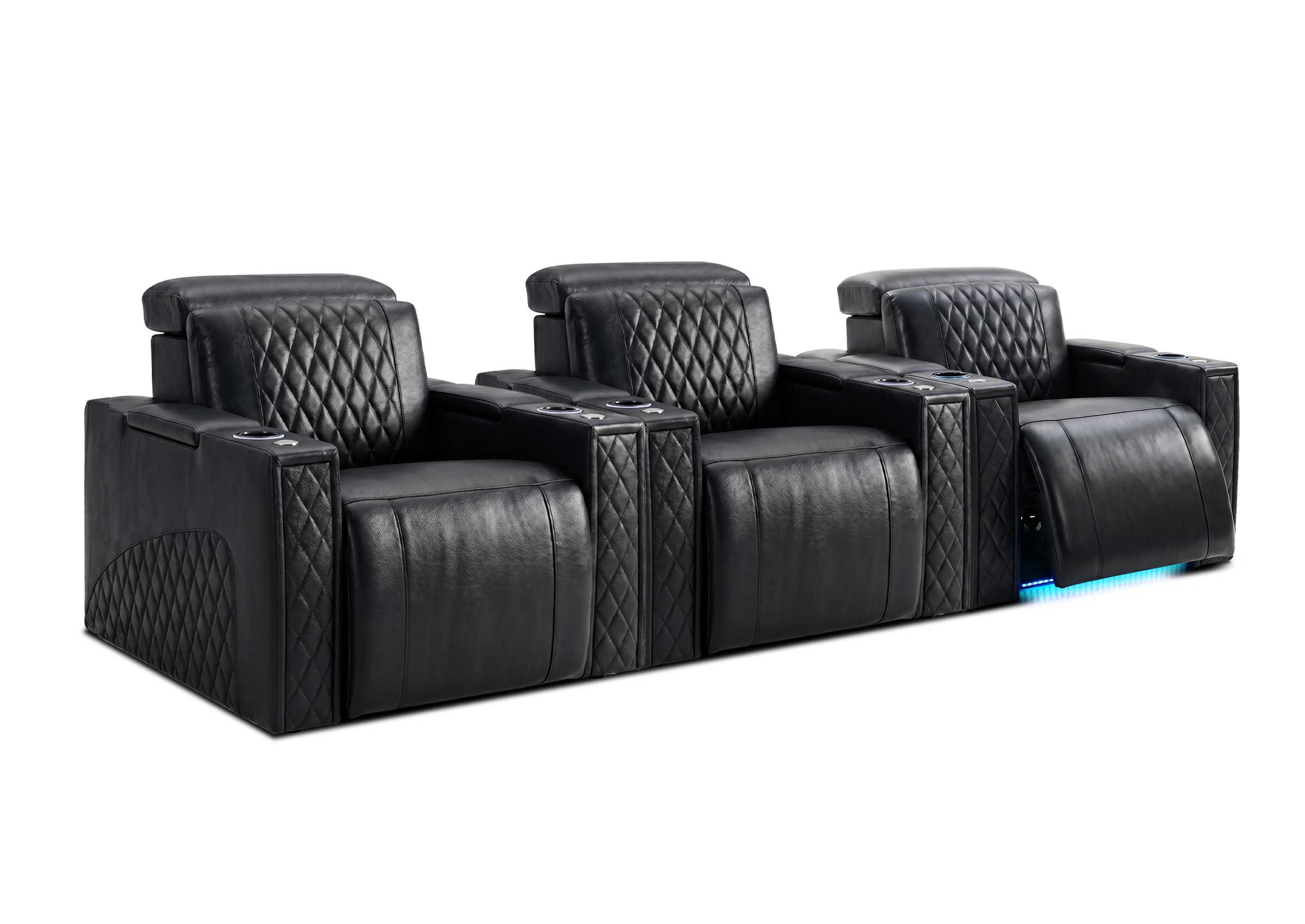

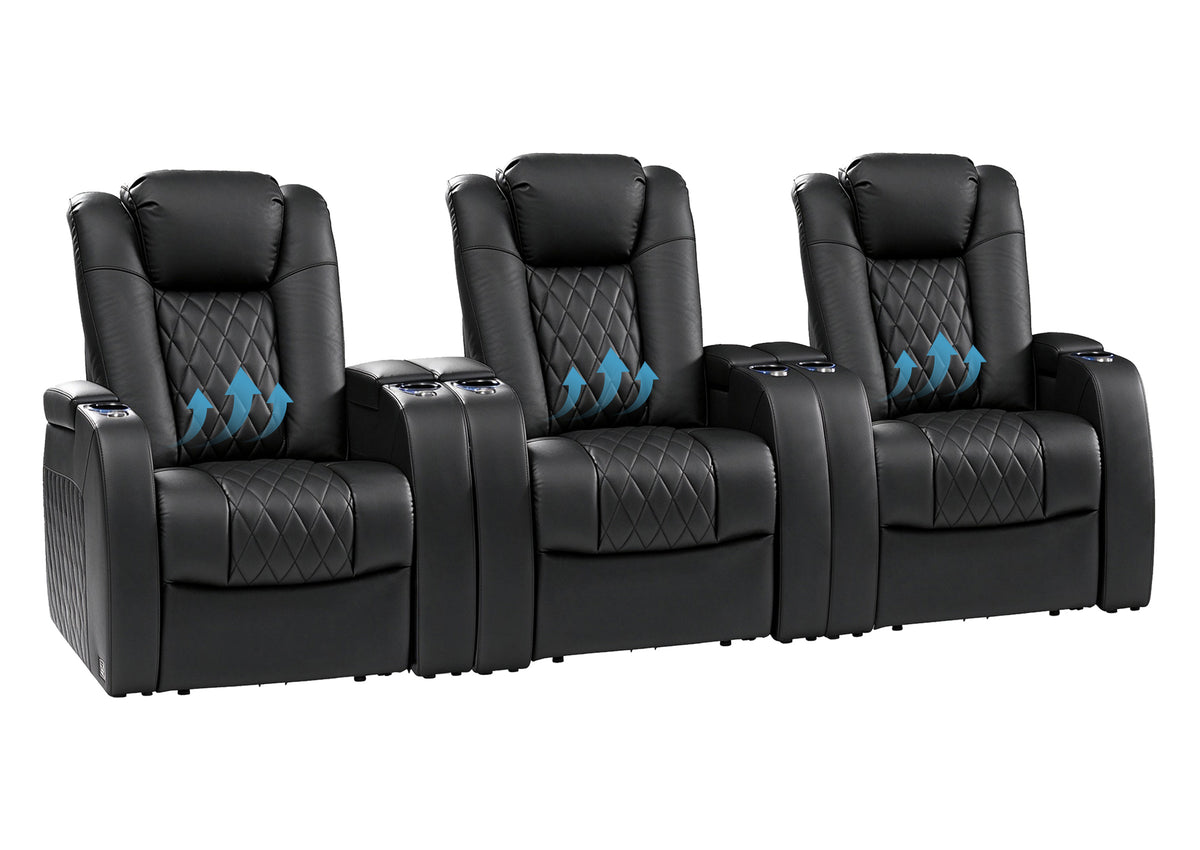
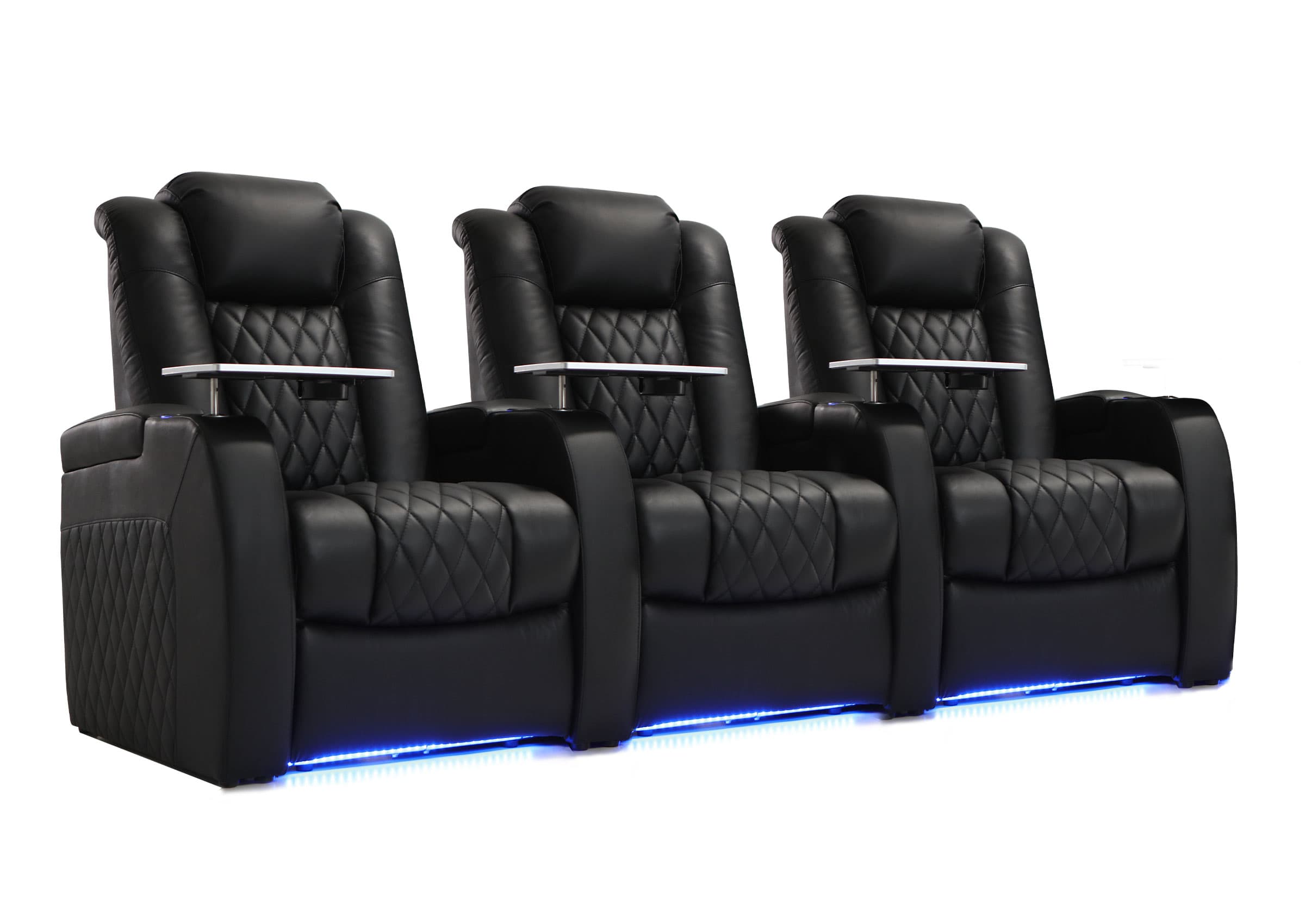
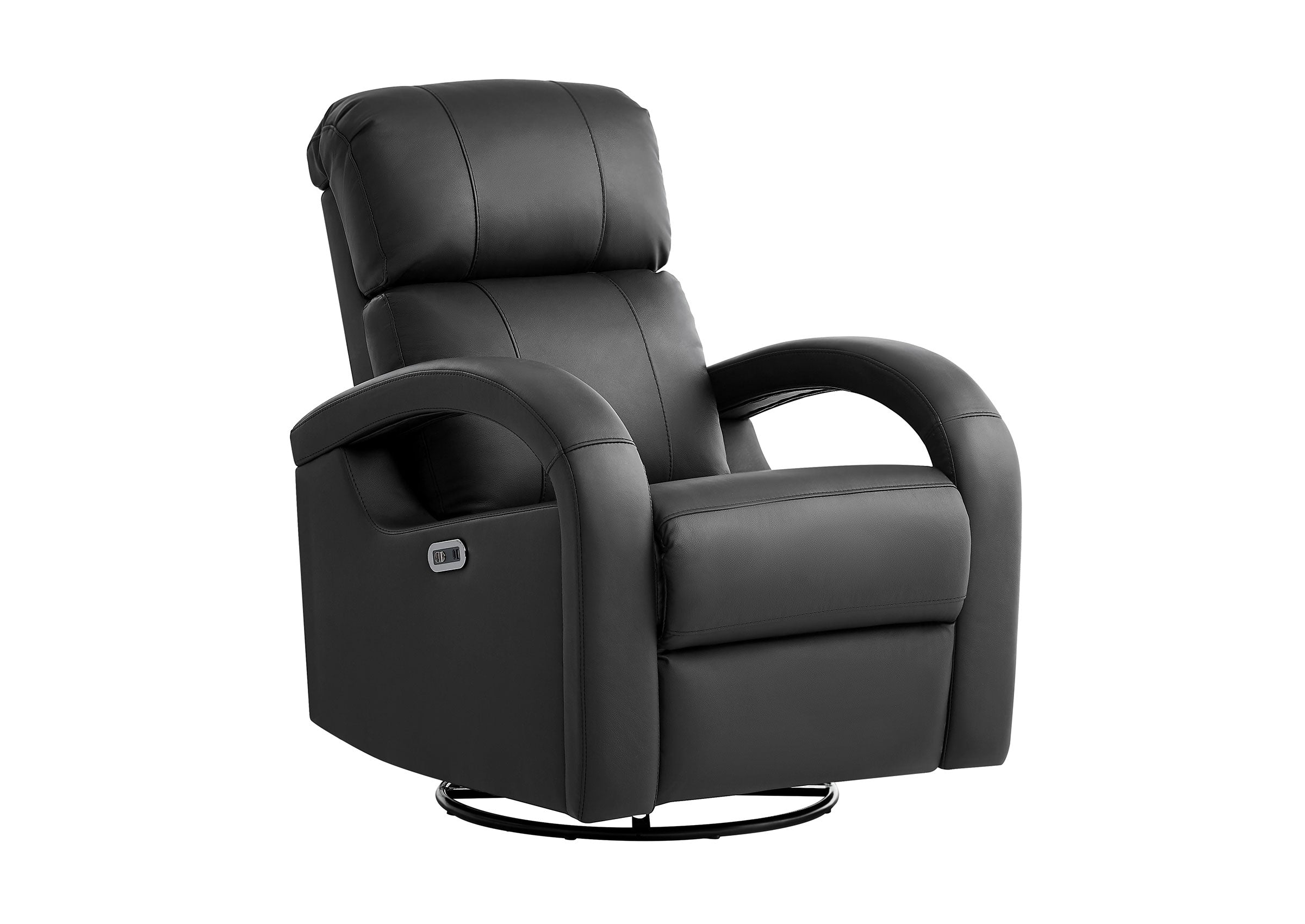

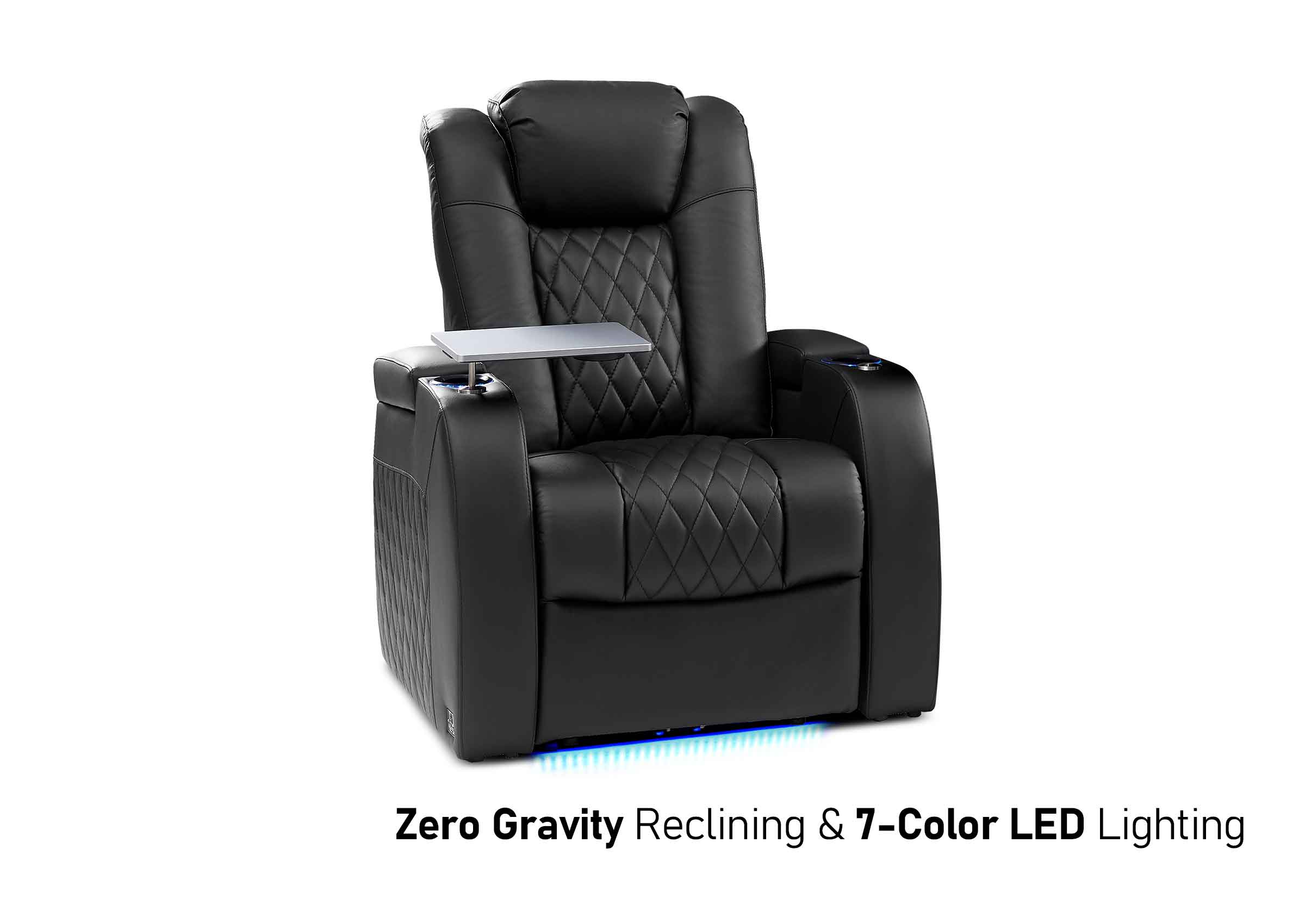
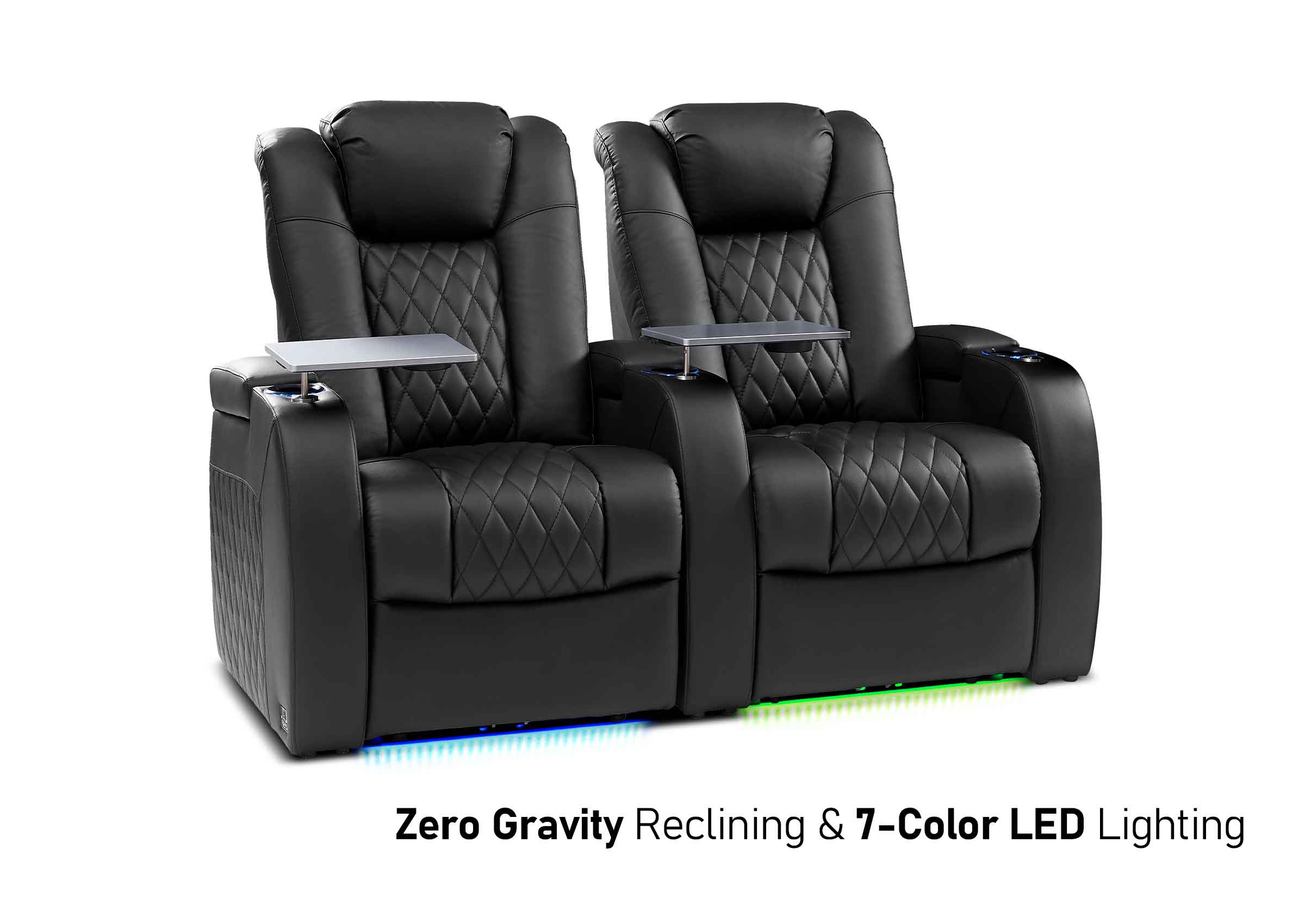
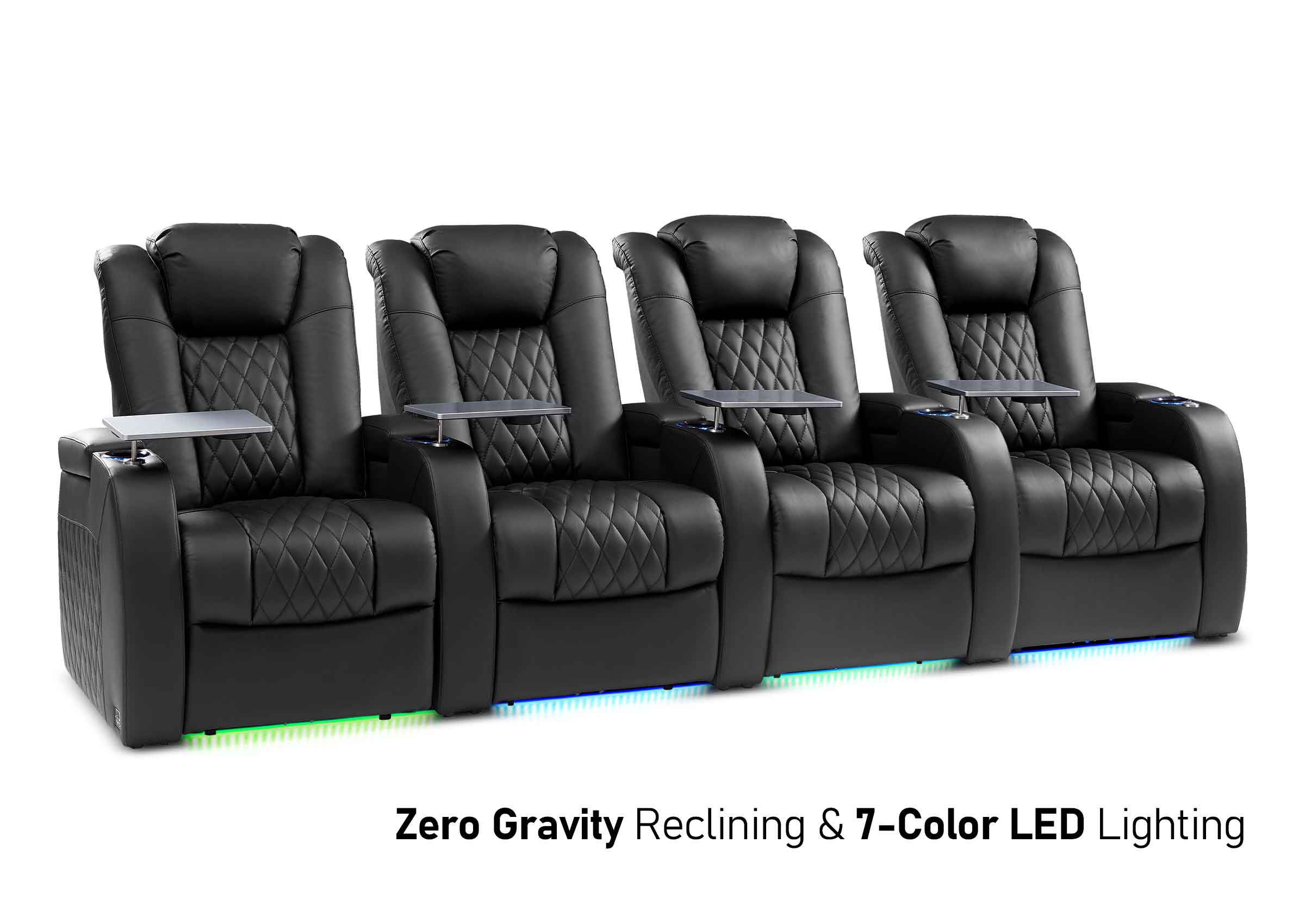
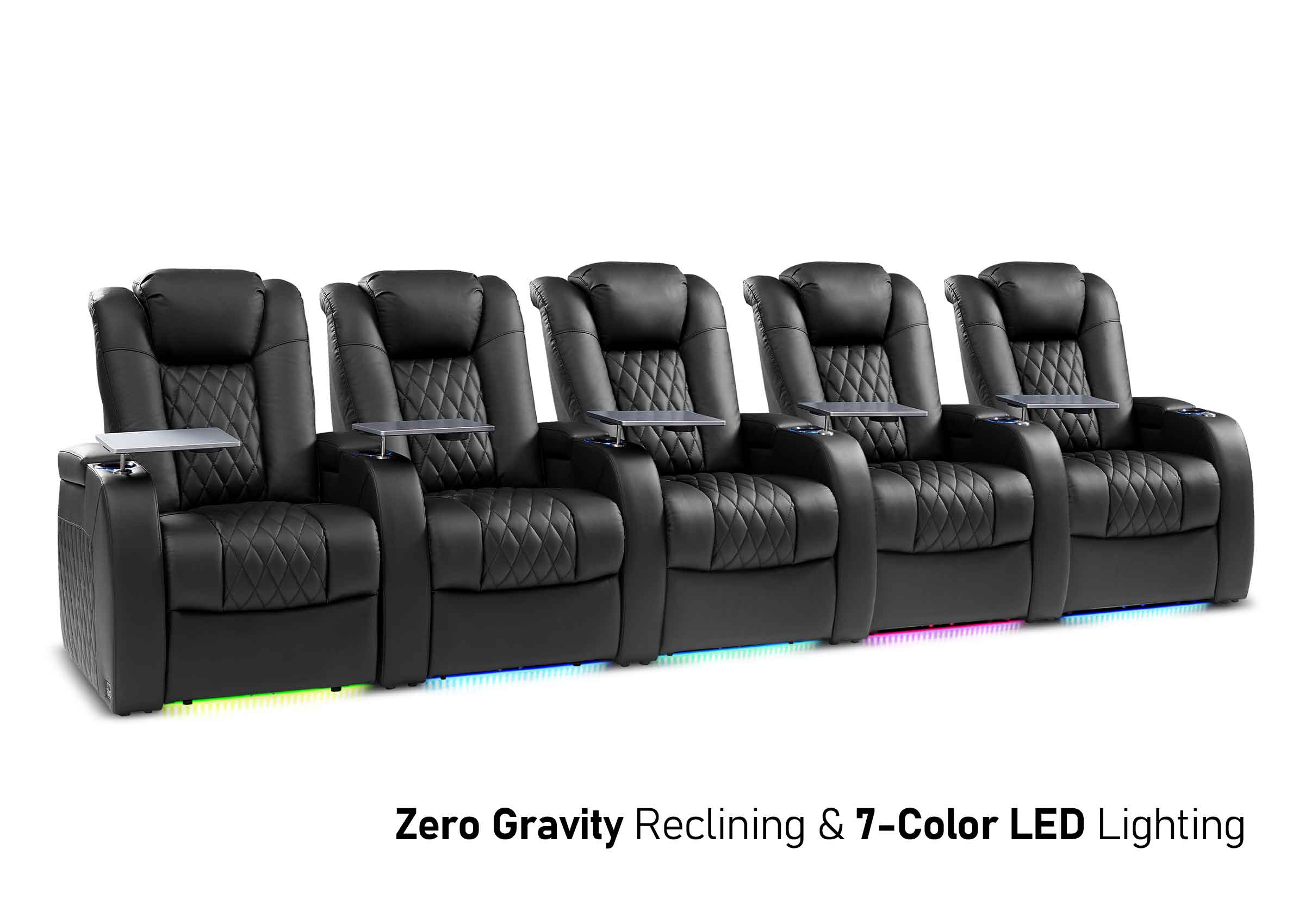
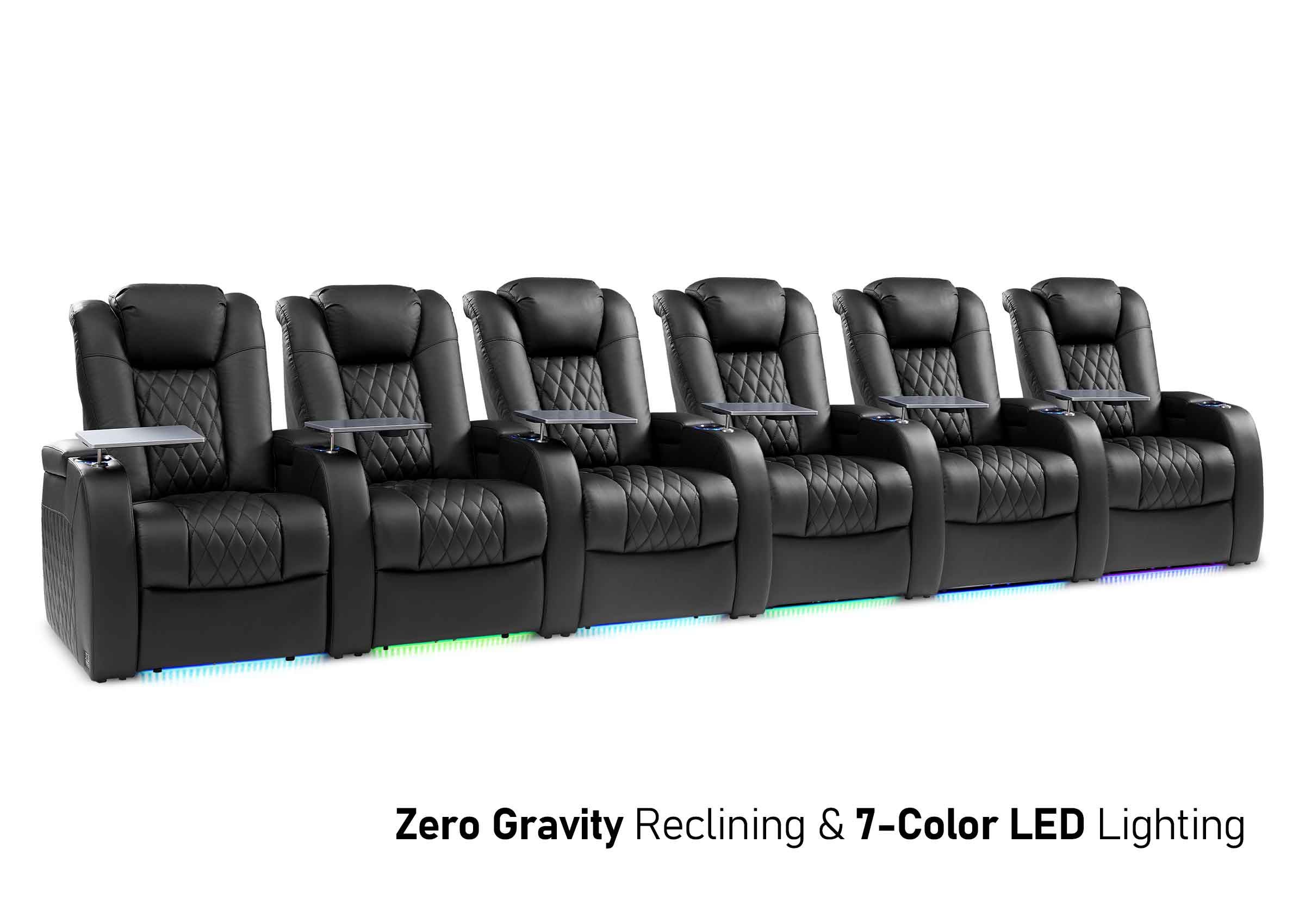
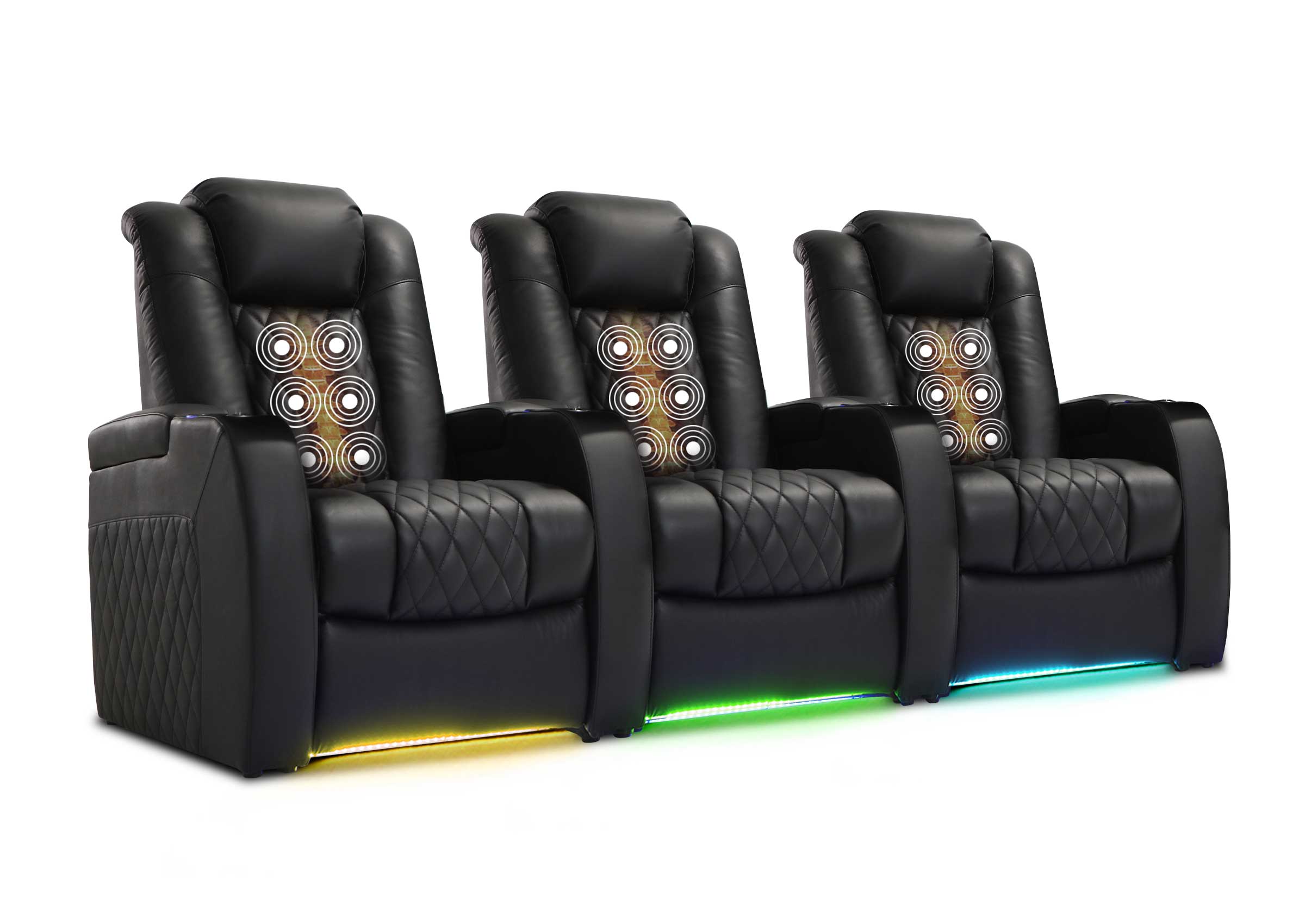
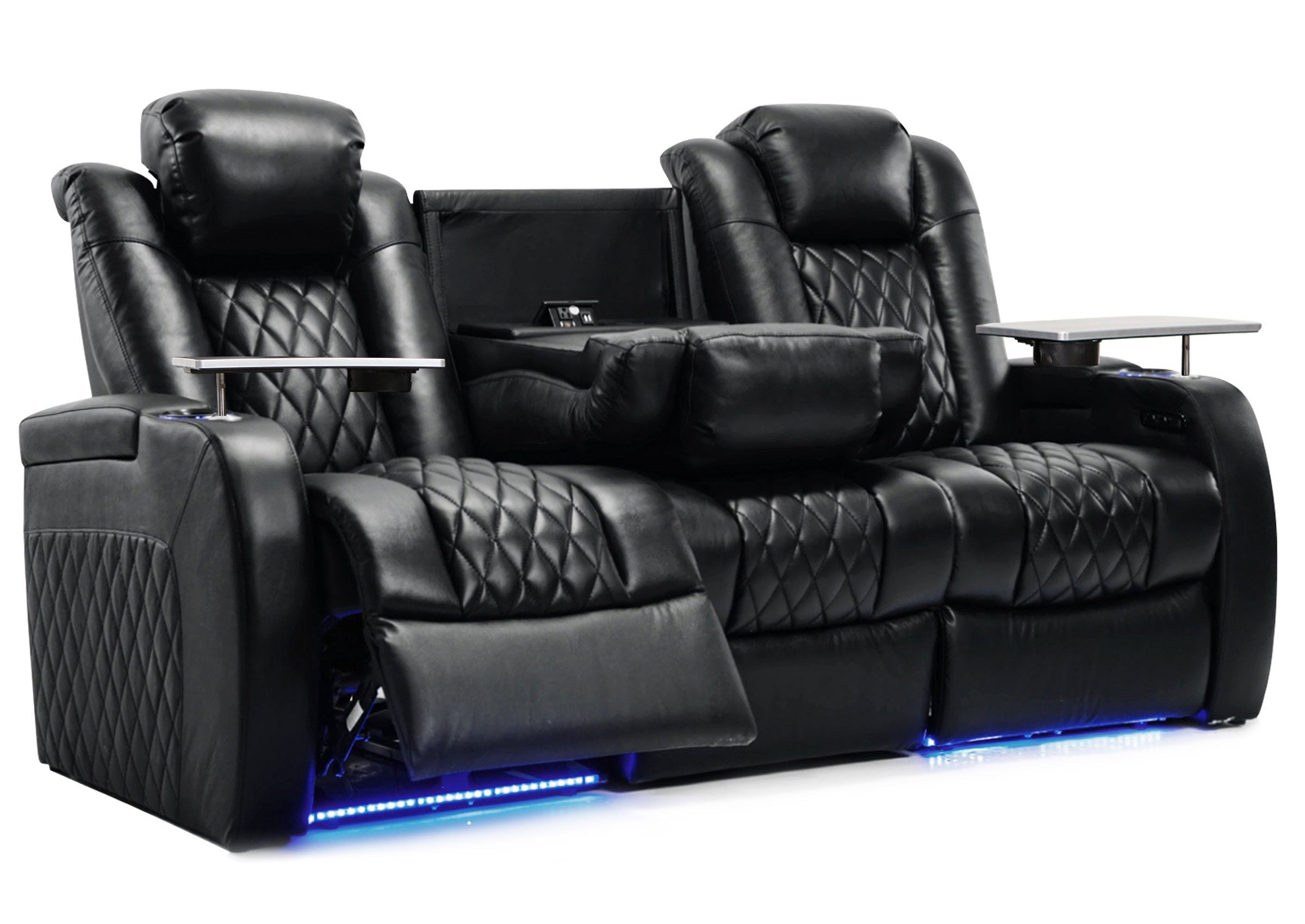
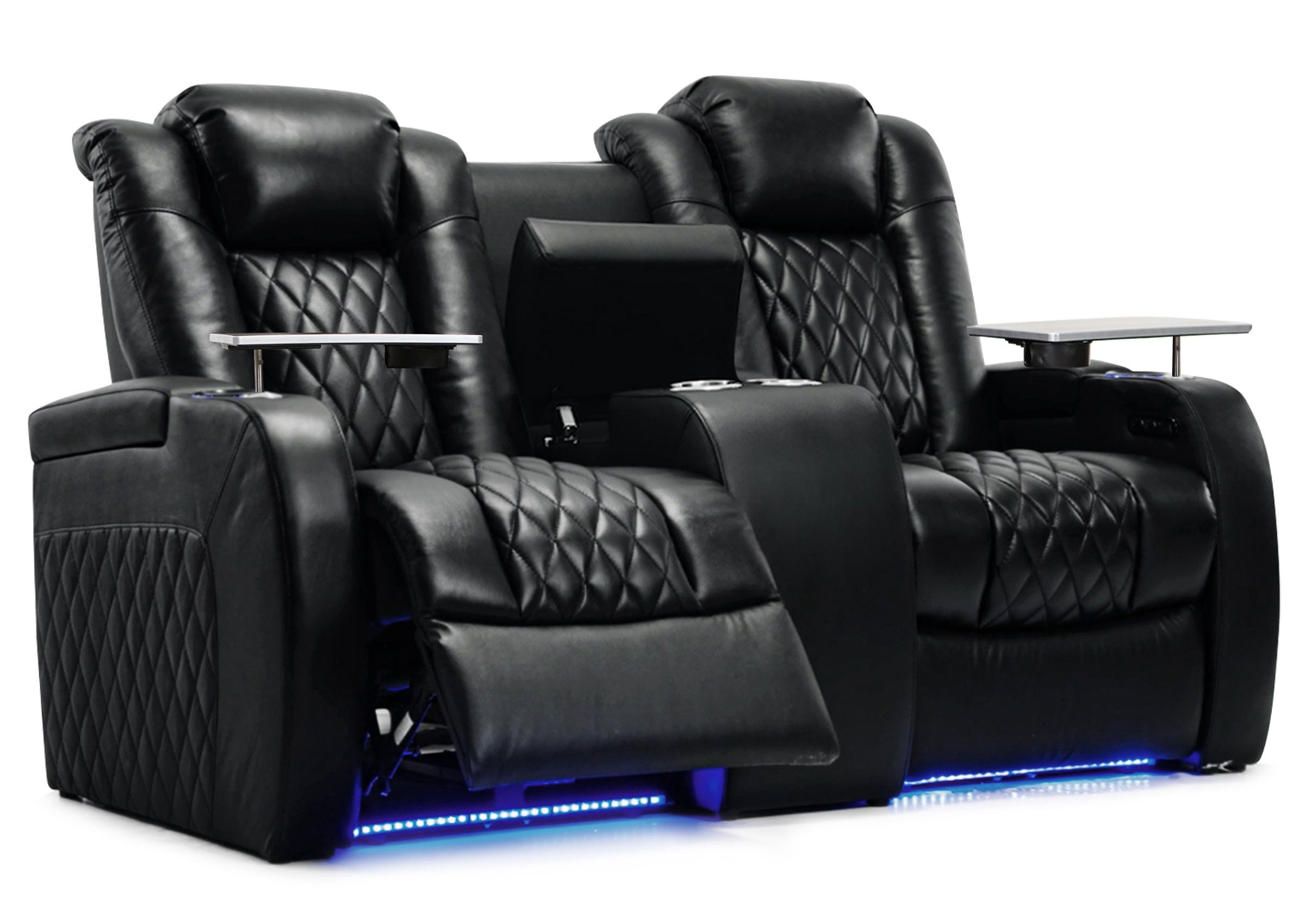


Choose a sleeper sofa when you need this piece of furniture to provide a usable overnight bed. Choose a reclining sofa when you already have a workable sleeping arrangement and want adjustable sitting and lounging positions for daily use. If you need both, first rule out models that fail either essential job, then compare comfort, open space, and the effort of changing the room.
A sleeper sofa can be your everyday couch, and a recliner can be a comfortable place to rest. The important difference is what happens when someone needs to sleep overnight: a raised footrest and a reclining back do not establish that a sofa is designed to serve as a bed.
What Each Sofa Actually Does
A sleeper sofa converts from seating into a sleeping arrangement. Depending on its design, that may involve a separate folding mattress, a pull-out platform, or seat and back cushions that form the bed. Names such as “sofa bed,” “convertible,” and “sleeper” are used differently by sellers, so inspect the actual conversion and sleeping dimensions.
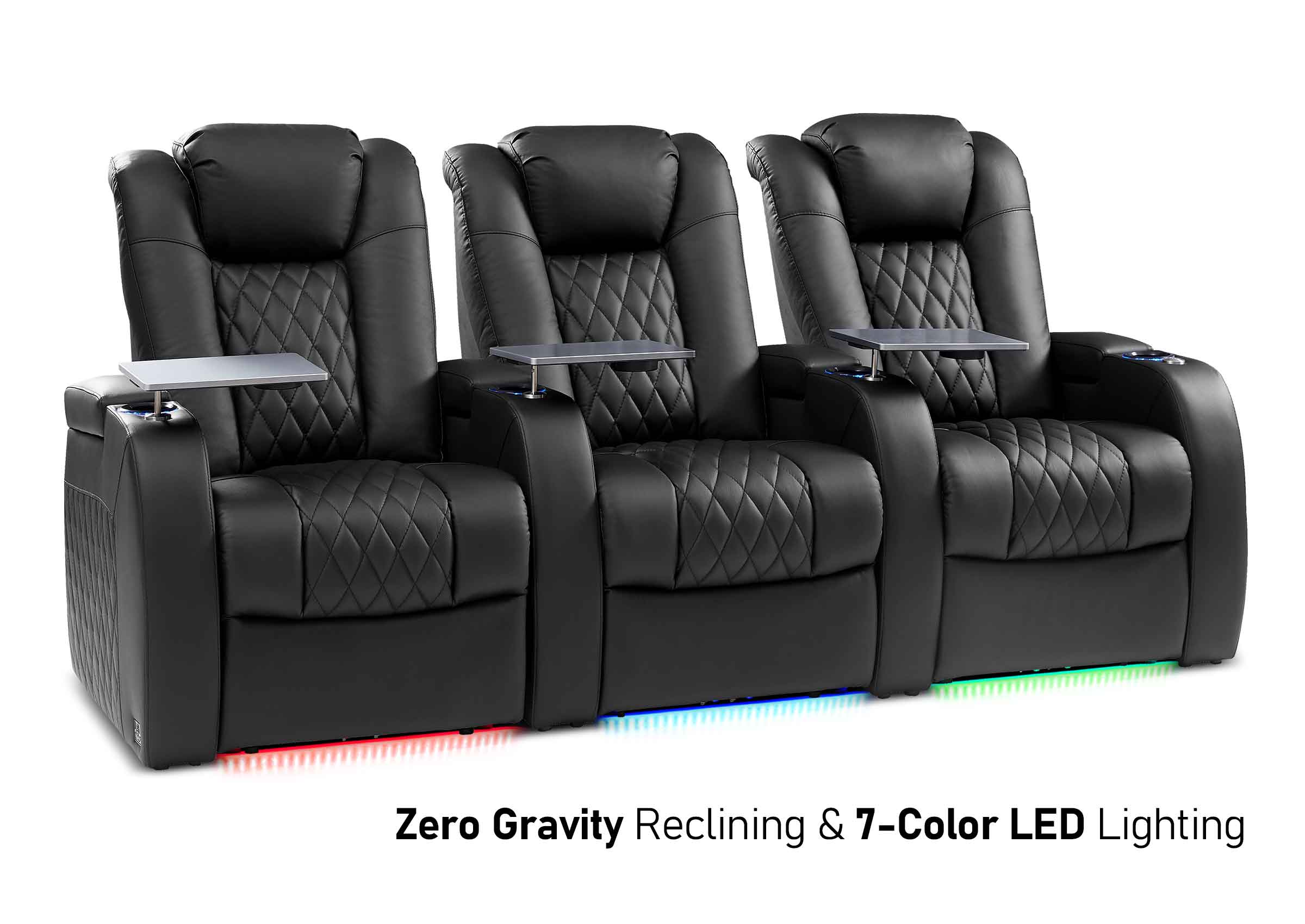
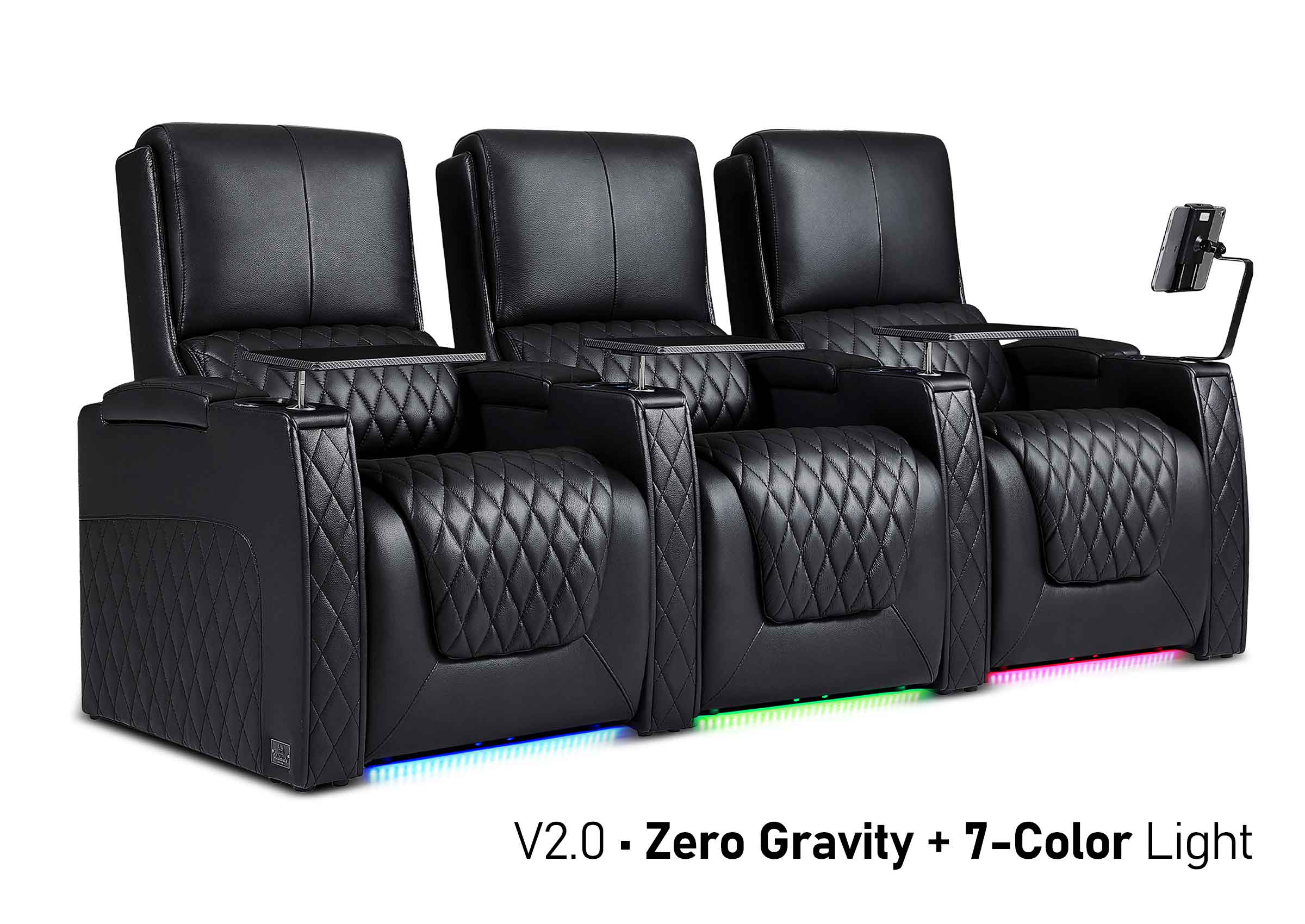
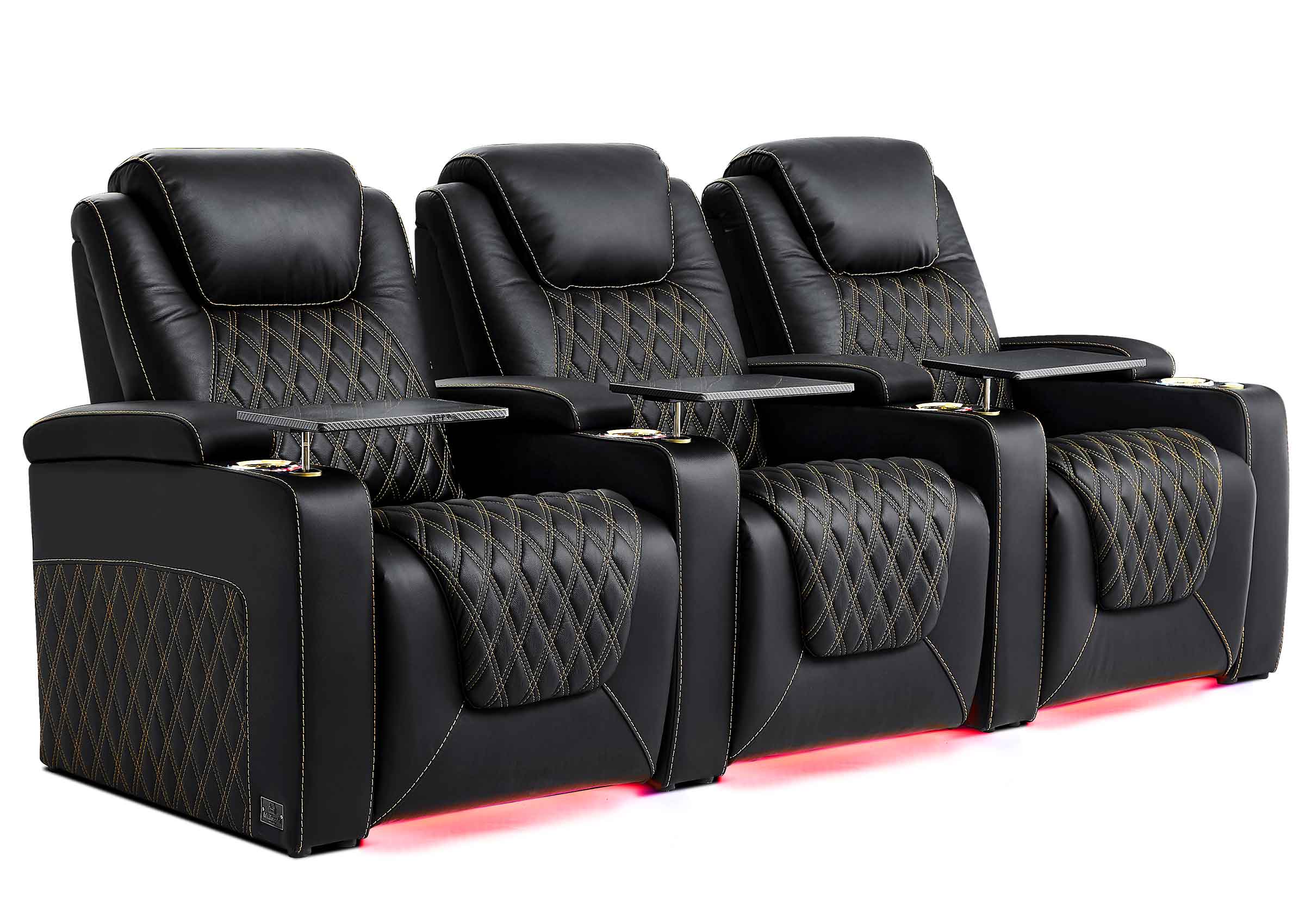
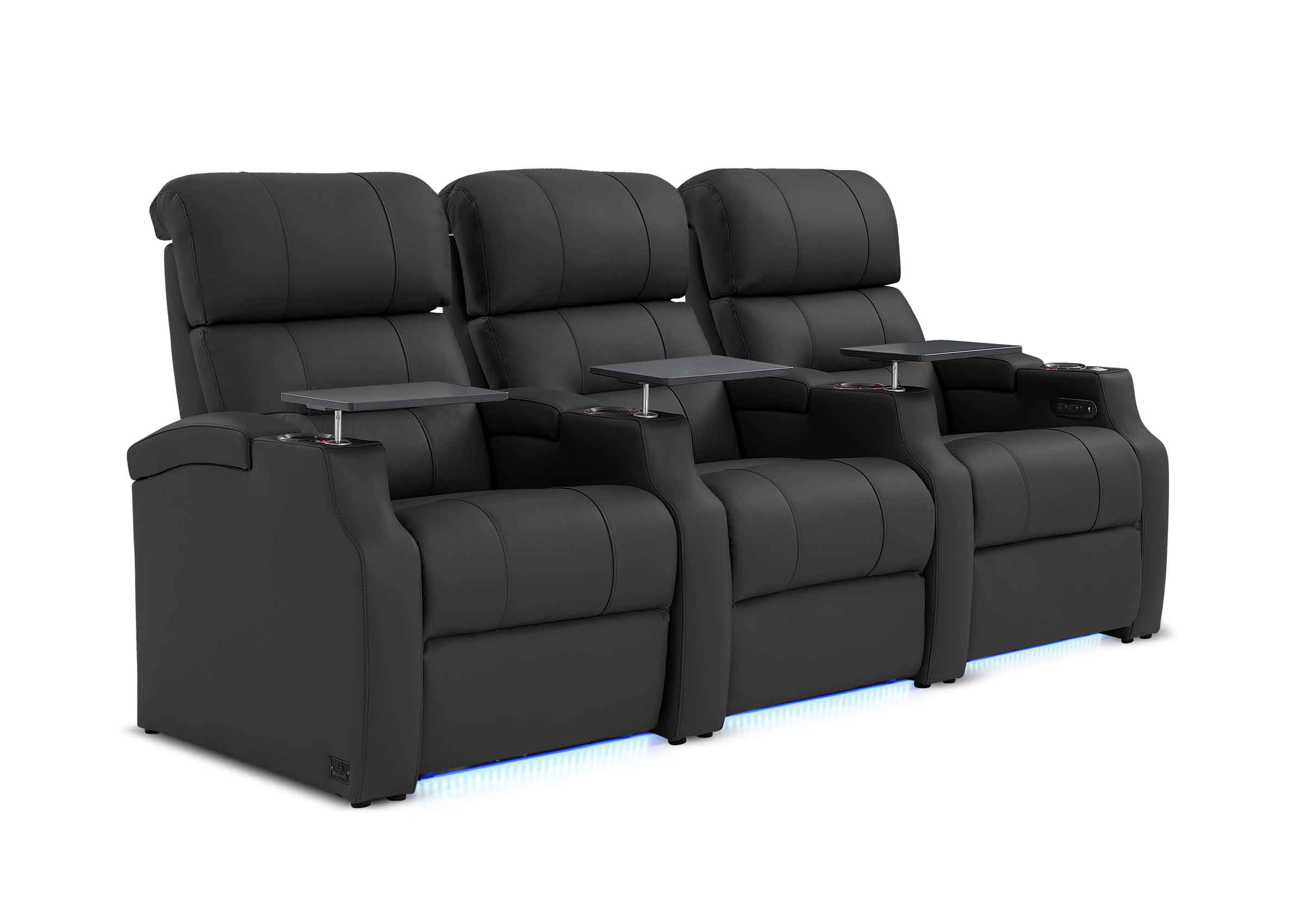
A reclining sofa changes the occupant's sitting position through a movable back, footrest, or both. It may have manual or powered operation, and individual seats may have different functions. A three-seat sofa does not necessarily provide three reclining positions.
| What you need to compare | Sleeper sofa | Reclining sofa |
|---|---|---|
| Overnight accommodation | Check the intended sleeping surface, dimensions, and use guidance | Do not assume reclining seats provide a bed |
| Everyday comfort | Test normal sitting as well as the converted bed | Test upright sitting, your preferred recline, and getting out |
| Working space | Allow for conversion, the open bed, and guest access | Allow for the moving back and footrests, controls, and access |
| Shared use | Check who loses a seat or access when the bed opens | Confirm which seats recline and whether everyone can operate them |
| Resetting the room | Account for cushions, bedding, and displaced furniture | Account for returning seats upright and keeping the motion path clear |
| Buying costs | Include any necessary mattress, bedding, storage, and delivery costs | Include the selected motion features, power arrangements, and delivery costs |
Neither column proves that one category is universally softer, smaller, cheaper, or easier to maintain. Compare the specific configurations you could actually buy.
Decide Whether an Overnight Bed Is Essential
Start with the question that frequency alone cannot answer: Does this sofa have to provide an overnight sleeping place?
If a relative stays only occasionally but there is nowhere else suitable for them to sleep, the bed function may still be essential. A reclining sofa used every evening does not solve that accommodation problem simply because its main feature gets more use.
On the other hand, you may already have a guest room, or a separate guest-bed arrangement that the intended visitor can comfortably use. In that case, buying a sleeper adds a second sleeping option. Decide whether that extra option is worth its particular seating feel, setup process, and space demands.
For example, a couple with a separate guest room can give daily reclining comfort more weight. A household whose only spare sleeping space is the living room needs a viable guest bed first, even if visits are infrequent.
Think about the actual visit rather than an abstract “guest”:
- How many people need to sleep, and do they need separate surfaces?
- Will the room be available at bedtime and while they are resting the next morning?
- Can the visitor get in and out of the proposed bed and reach the bathroom?
- Can the household manage without that sofa's normal seating while the bed is open?
A usable bed in the living room still occupies a shared room. If someone works there early or needs the television late, privacy and scheduling can matter as much as the furniture.
When both functions are important, use two stages. First, require every candidate to meet your essential sitting and sleeping needs. Then use frequency, convenience, appearance, and cost to choose among the candidates that remain. This avoids accepting an uncomfortable daily couch merely because it converts, or choosing a favorite recliner that leaves your visitor without a bed.
Test Everyday Sitting and Lounging Separately
Sit on a sleeper sofa with the bed completely stowed and the normal cushions in place. Check whether you can use the backrest, where your feet land, and whether the seat depth suits conversation, reading, or television. Then try the position you naturally adopt when relaxing. Comfortable upright sitting and comfortable stretching out are separate checks.
A mattress hidden under the seat does not, by itself, tell you how the seat will feel. Likewise, a thick-looking cushion does not establish that the whole sofa is supportive or comfortable for you. Try the actual model and cushion option whenever possible.
For a reclining sofa, start upright before operating anything. Check your usual reclined position rather than only the maximum angle: can you see the screen, use the armrest, and reach the control without twisting? Independent headrest or back-and-footrest adjustment can change the result, but those features must be confirmed for the selected model.
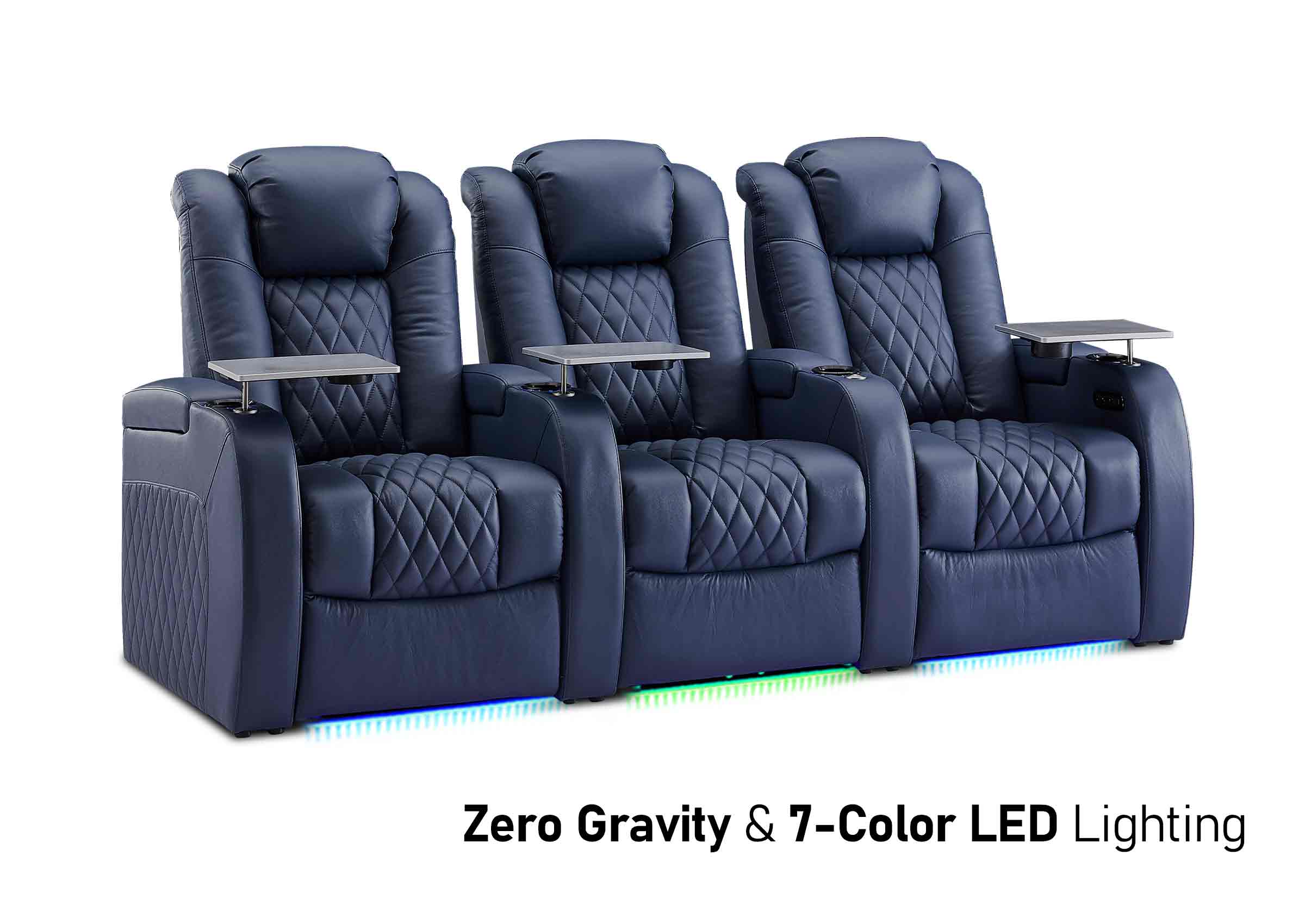
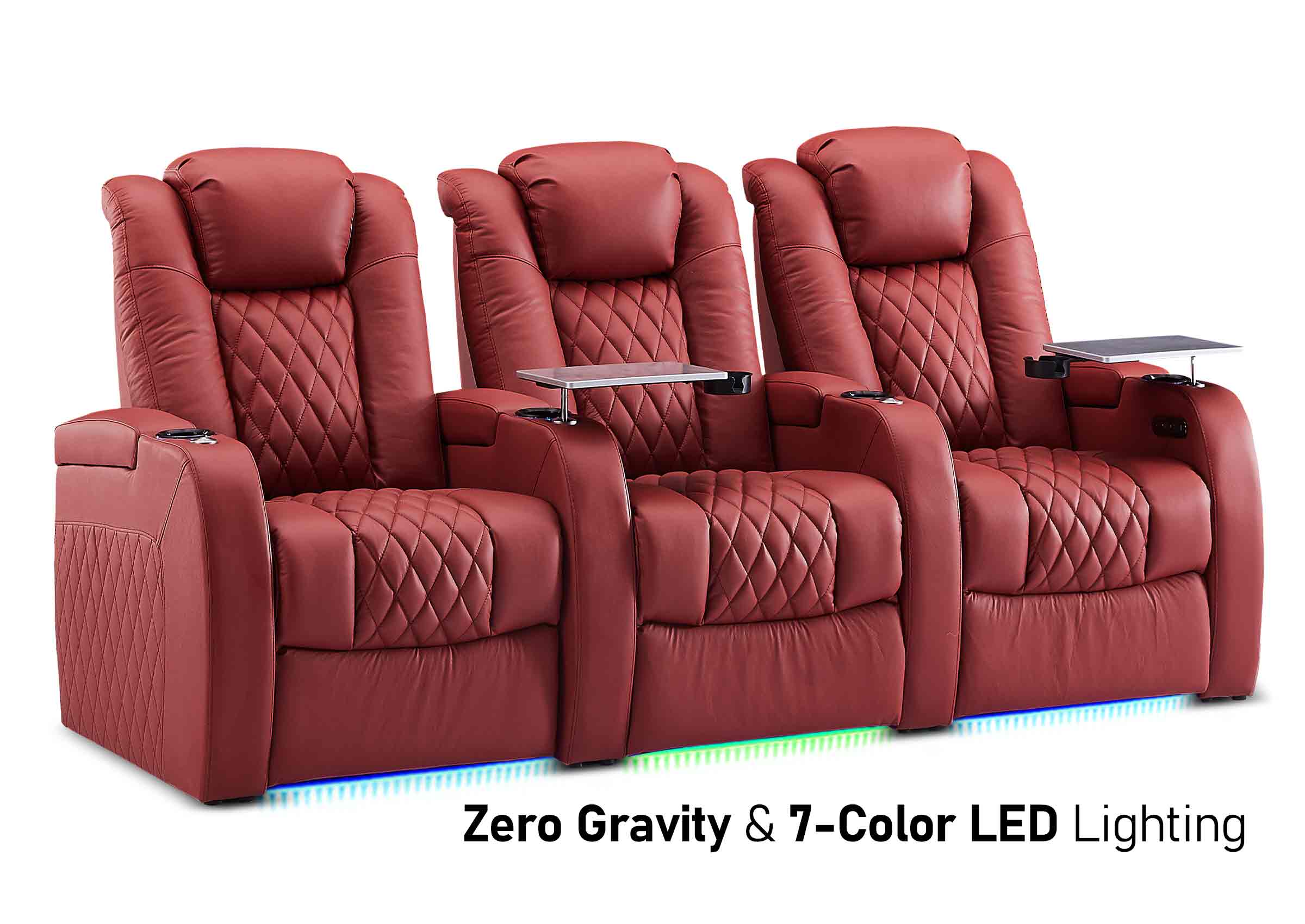
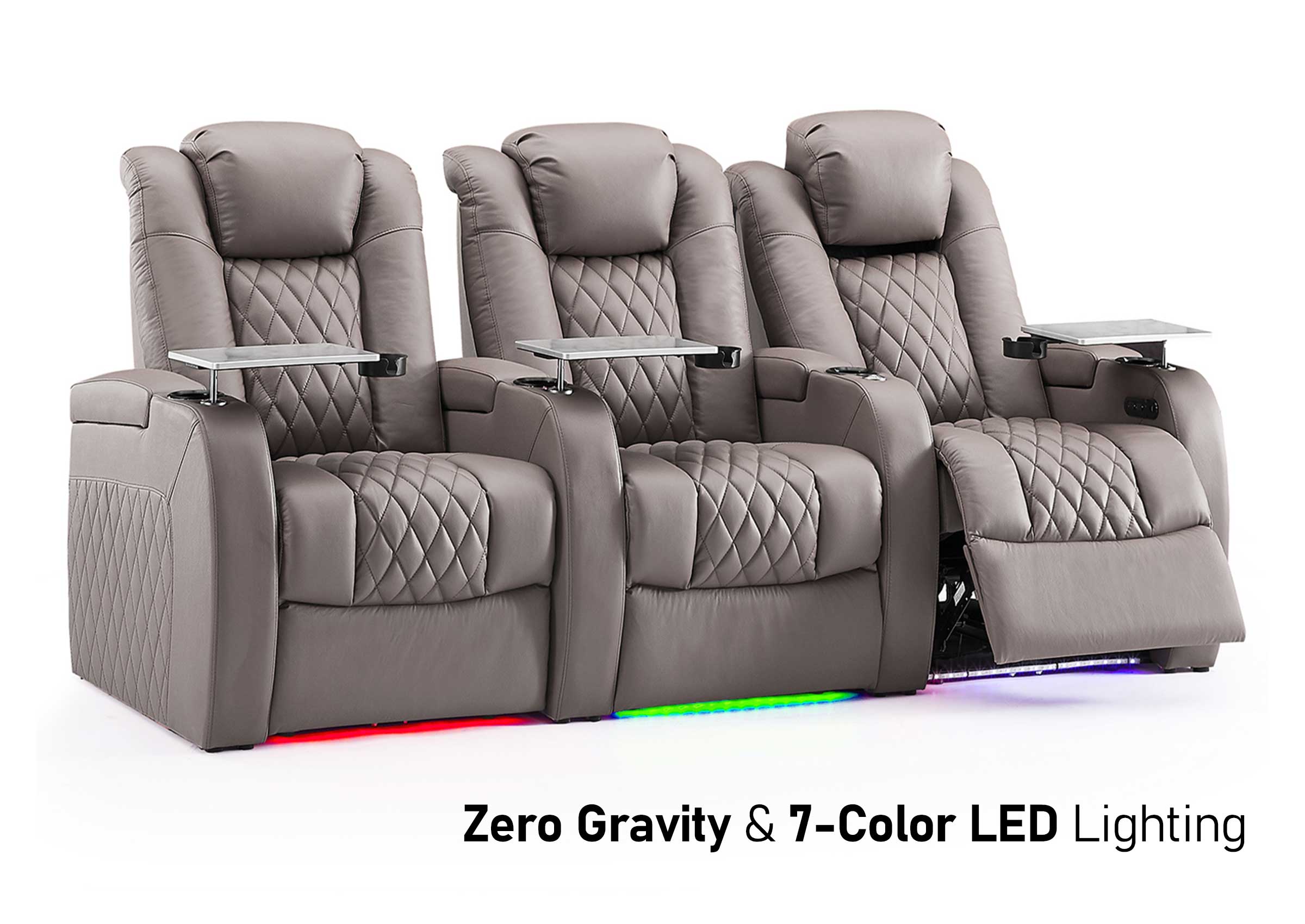
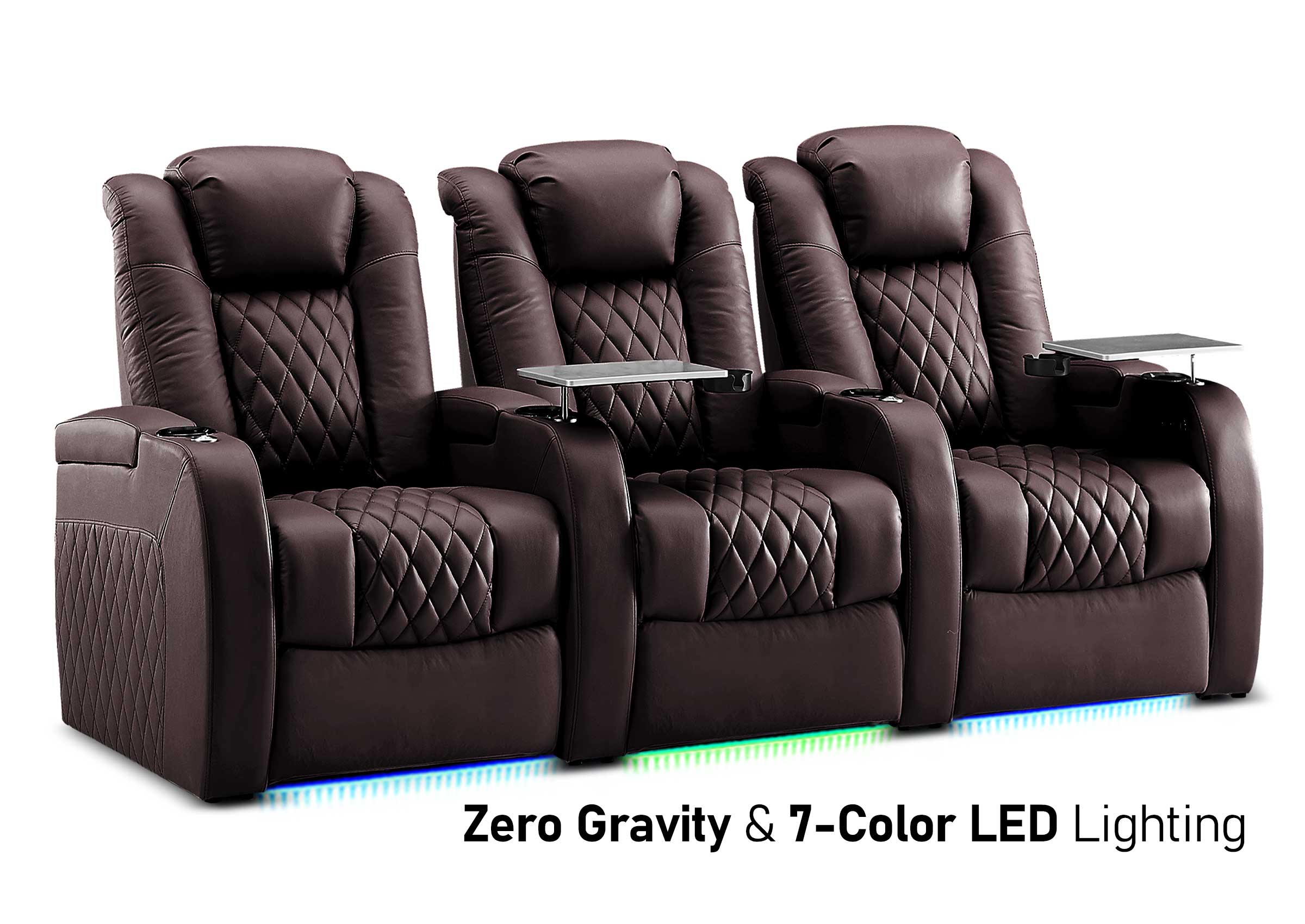
For a concrete example, the Axis Series reclining sofa with chaise pairs electric reclining with manually adjustable headrests. That distinction matters when comparing controls: powered reclining does not automatically mean a powered headrest. Check the selected chaise orientation, seat layout, and operating instructions rather than treating this configuration as a sleeper.
Test the route back to standing, too. Can the person using that seat return it upright and close the footrest using the intended control or movement? An easy-to-open manual mechanism may require an effort to close that the intended user does not find comfortable.
Shared use needs its own trial. Ask everyone who will sit there to use their normal places. A fixed center seat, a console, or an individual armrest may affect lying across the sofa or sitting close together. These are configuration choices, not automatic disadvantages of every recliner. For a sleeper, consider whether one person converting the bed prevents someone else from continuing to sit nearby.
Measure the Room in Every Working Position
The closed sofa's width and depth describe only one arrangement. To compare the two functions fairly, sketch the room with the sleeper fully open and with the reclining seats in the positions you intend to use.
For the sleeper, mark the full open footprint, the space needed to perform the conversion, and the route a guest will use to get in and out. The person pulling or lifting the mechanism needs working room during conversion, even if that area is outside the final bed outline. A fold-down back may need room behind it; a pull-out platform may extend forward. Neither “compact” nor “fold-flat” tells you which area must remain clear.
For the recliner, get the specified wall clearance and full reclined depth. Confirm how the manufacturer measures each. If a listed full depth already includes the extended footrest, adding the footrest length again overstates the footprint. A wall-hugger design can reduce rear clearance while still occupying floor space in front.
Use our recliner size and measurement guide to check seat width, seat depth, back height, and reclined depth alongside the room plan. Apply the dimensions for your selected sofa configuration.
Keep a place for the coffee table when the bed opens. Moving it into the doorway or the guest's route does not solve the space problem. Do the same check for loose cushions, a floor lamp, and bedding storage. During reclining, tables, cords, and rugs must also stay outside the mechanism's operating path.

A simple calculation can expose a problem before delivery. Suppose, purely as an example, you have 120 inches from the wall behind the sofa to the opposite cabinet. A candidate needs a full open depth of 88 inches, plus 4 inches of separately required rear clearance. That leaves 28 inches of space at the foot: 120 minus 88 minus 4.
Those are hypothetical measurements, not recommended product dimensions or a prescribed aisle width. The result means you still need to check whether that remaining area works for the actual users, doors, and route. If the manufacturer's 88-inch measurement already starts at the required wall position, do not add the 4 inches again. Draw where each measurement begins and ends.
Once both layouts work on paper, our media room seating guide can help you compare the daily viewing side of the choice, including seat fit, seating types, and room layout. Keep the overnight-bed requirement on your own shortlist while you do that comparison.
EXPLORE YOUR SOFA OPTIONS
Find a Sofa for Your Everyday Room
Once you know the bed function and floor space you need, explore our living room sofas to compare available layouts and reclining options. Check the selected model's functions and dimensions against your shortlist; a reclining position alone does not make a sofa an overnight bed.
Check the Actual Sleeping Surface
Overall sofa width is not bed width. Arms, a console, or the orientation of the converted bed can make that assumption misleading.
For a concrete example, IKEA's US FRIHETEN buying guide, valid from October 2025, lists one sleeper sofa as 88⅝ inches wide, with a sleeping surface 56¾ inches wide by 78⅜ inches long. Its sectional configuration has different bed dimensions and a different conversion sequence. These are examples from that guide, not measurements to apply to other sofas.
Record the usable bed width and length for the exact configuration you are considering. Check the guest's preferred sleeping position, space to turn, and whether arms or a raised edge intrude. If two people will share, assess the actual shared surface rather than assuming the number of daytime seats equals sleeping capacity.
Try the open bed with its supplied mattress or cushions correctly positioned. Notice joins, gaps, changes in firmness, and any frame you can feel. Check the open bed's height, too: being comfortable once lying down does not tell you whether getting into and out of it works for your visitor. A brief showroom trial can reveal obvious problems, but it cannot establish overnight comfort; review any home-trial and return conditions if that remains uncertain. A thicker mattress is not a universal solution: a folding mechanism may accept only specified replacements, and a cushion-based sleeper may not use a separate mattress at all.
Ask what bedding fits the published dimensions. A familiar size name can be a useful starting point, but length, width, and mattress depth determine whether your existing sheets fit. If a removable topper is needed for your preferred feel, include its setup and storage in the decision.
A reclining sofa should enter this sleeping comparison only if the exact product also has a documented bed function. “Fully reclines,” “lay-flat,” a wide seat, or a photo of someone napping does not establish an approved overnight sleeping surface.
Compare Setup, Upkeep, and the Total Purchase
Have the person who will normally operate the furniture perform the demonstration. For a sleeper, that includes moving the table, removing the required cushions, opening the bed, arranging bedding, and reversing the process. A quick mechanism demonstration can leave most of the household's actual work out of view.
A storage compartment helps only if it is included in the selected configuration, holds what you need, and remains accessible when you need it. Test that sequence. A drawer or lid that becomes awkward to reach after opening the bed may change where you store the sheets and pillows.
For a reclining sofa, compare manual effort with powered controls, available adjustment, and the room's power arrangement. Confirm the selected model's supply and any approved battery option rather than assuming USB ports, a nearby outlet, or a rechargeable accessory will power the recline mechanism. Keep cables away from moving parts and walking routes.
Both types can contain moving mechanisms. That fact alone does not establish which will fail sooner or cost more to own. Ask about the actual warranty terms, what service involves, and the availability of the relevant parts. For a sleeper with a separate mattress, check approved replacement dimensions and attachment requirements. For powered reclining, ask how controls and power components are serviced.
The La-Z-Boy reclining-sofa operating manual illustrates why product instructions matter: it addresses furniture and rug interference with legrests and requires the illustrated sleep-sofa mattress to be fully extended before use. Follow your own model's instructions rather than transferring that manual's clearances or operating steps to another sofa.
Compare the actual delivered configurations and necessary extras. Include a mattress if separate, sheets, any approved topper, bedding storage, assembly or delivery services, and any selected power accessory. Count only the items your particular choice requires. Without matched quotes, there is no useful universal price winner between these two categories.
Try the Complete Routine Before You Buy
Use the same sequence for your final candidates so an attractive feature does not hide a failed requirement.
- Use it as the normal couch. Sit, read, or watch from the positions your household uses. Check the center as well as the end seats, and have the intended users operate any reclining controls.
- Set up its second function. Fully open the sleeper or recline the seats you expect to use together. Follow the supplied instructions and note any assistance or furniture moving required.
- Check people and objects together. Include the guest's entry route, door swings, table parking, loose cushions, bedding, and access to controls. Judge the occupied arrangement, not an empty showroom.
- Return the room to normal. Close the mechanism correctly and put everything away. If that routine depends on someone who will not usually be there, reconsider the model or arrangement.
- Confirm the order details. Match the tested configuration to the quote, dimensions, included components, instructions, delivery route, and applicable return terms. Do not assume another size or layout works identically.
If the sleeper meets the bed requirement and feels good as your everyday couch, its occasional conversion can be worthwhile. If sleeping is already covered elsewhere and reclining improves the way you use the room each evening, the reclining sofa has a clearer role. If neither candidate passes both essential jobs, change the configuration or split the functions instead of accepting a compromise you already know will cause trouble.
FAQ: Sleeper Sofa or Reclining Sofa?
Can a reclining sofa replace a sleeper sofa for overnight guests?
Only when the exact product is also designed and documented to provide the sleeping arrangement your guest needs. Reclining angle alone is not enough. Separate footrests, armrests, consoles, and gaps can remain even when the backs are lowered. Compare the intended sleeping surface and instructions; if there is no bed function, keep a separate guest-bed plan rather than counting reclining positions as sleeping capacity.
Can you sleep on a sleeper sofa every night?
Some models are intended to accommodate frequent sleeping, but the category name does not settle suitability for nightly use. Check the manufacturer's use guidance, actual sleep dimensions, comfort, conversion effort, and replacement options. If this will be your primary bed, assess it as a bed purchase as well as a couch purchase. An occasional-guest recommendation or a pleasant seated trial does not answer the nightly-use question.
Does a three-seat reclining sofa have three reclining seats?
Not necessarily. The middle position may be fixed, contain a console, or have different adjustment from the ends. Request a seat-by-seat feature list for the exact layout and test it with the people who will use it. Also check whether adjacent seats can operate together without blocking controls or access. A three-seat product name describes the layout, not a guarantee of three equivalent motion mechanisms.
Does a wall-hugger recliner need less space than a sleeper sofa?
It may need less space behind it, but that does not establish which option leaves more usable room. Compare its full reclining footprint with the sleeper's full open footprint, including any separate rear-clearance requirement. Then place the table and check the walking route. The better fit is the arrangement that works during use, not necessarily the sofa with the smaller wall-clearance figure.
Can a mattress topper stay inside a sleeper sofa when it closes?
Do not assume it can. Plan to remove and store it unless the sofa manufacturer explicitly permits that topper and bedding arrangement to remain during closing. A topper being suitable for a sofa bed while open does not establish folding compatibility. Check the instructions before buying one, allow storage space, and stop if the mechanism resists rather than forcing extra material inside. An approved mattress replacement is a separate question.
Can one sofa provide both reclining and sleeping functions?
Yes, products can combine functions, but verify what the selected configuration actually does. A listing may use “reclining” for a back that folds down as part of bed conversion, rather than providing the individual reclining seats you expected. Ask to see normal sitting, the desired lounging position, the full bed, and the return sequence. Confirm which modes can operate at the same time: a deployed bed may occupy the space a reclining seat needs. The quote should include the modules and mechanisms shown in the demonstration.
How can I compare them if I am buying online?
Request a dimension drawing and a continuous demonstration of the exact model moving from normal seating through its other function and back. Ask where each open-depth measurement starts, which seats operate, what must be removed, and what is included. Tape the footprint in your room and review applicable return costs and restrictions before ordering. Video and measurements can verify operation and space; they cannot prove how the cushions or mattress will feel to you.
Choose a Sofa That Fits Both Your Routine and Your Room
Write down the nonnegotiable job first: a guest bed, daily adjustable lounging, or both. Then shortlist the models that meet that job without losing the seating comfort, operating space, and reset routine your household needs.
For a Weilianda option you are considering, send the product or configuration link, room sketch, available open space, and intended sitting or sleeping use through Weilianda Support, or email the pre-sales team at leon@weiliandahome.com. Ask for the relevant dimensions, included functions, and instructions for that configuration before ordering.