


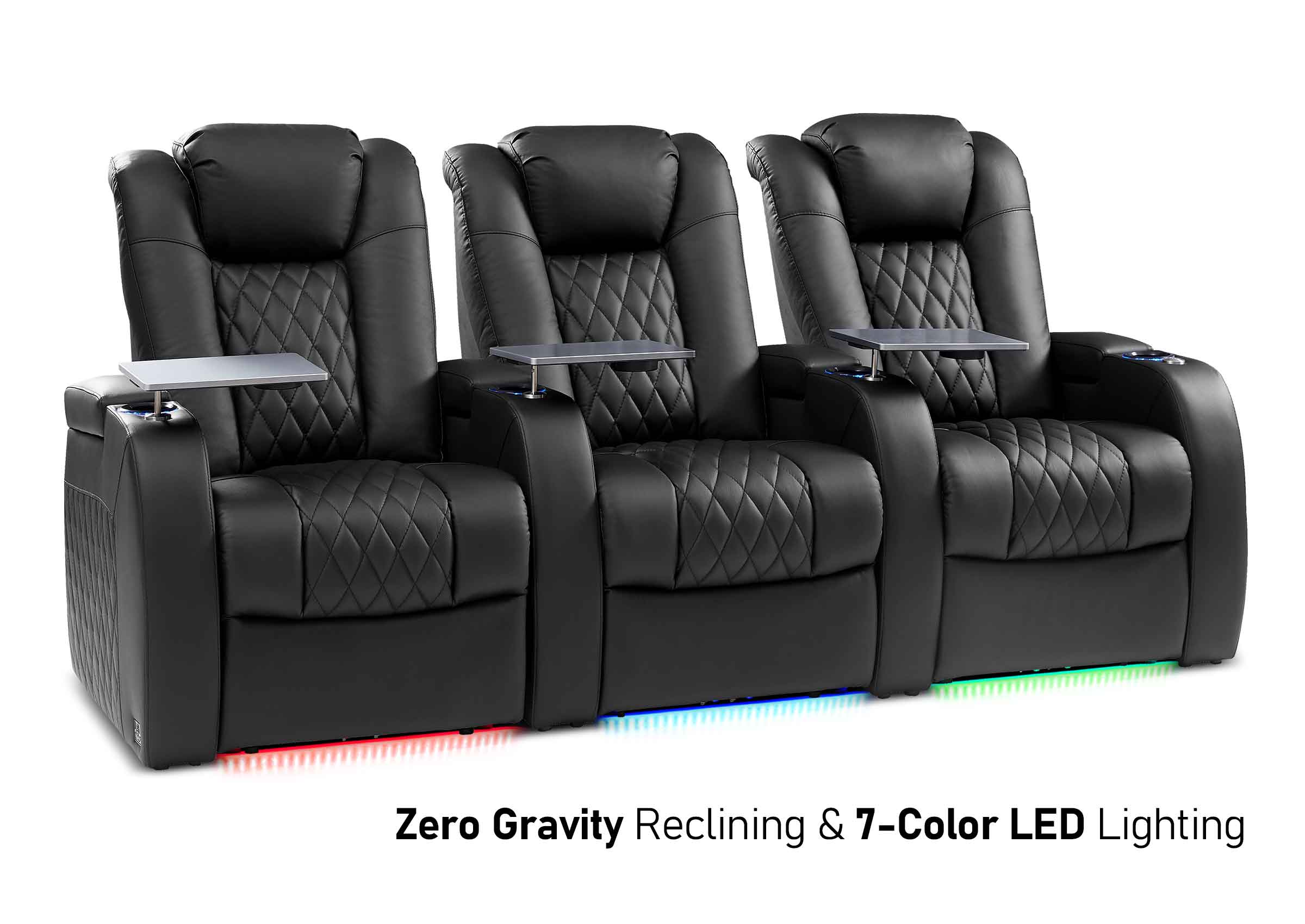
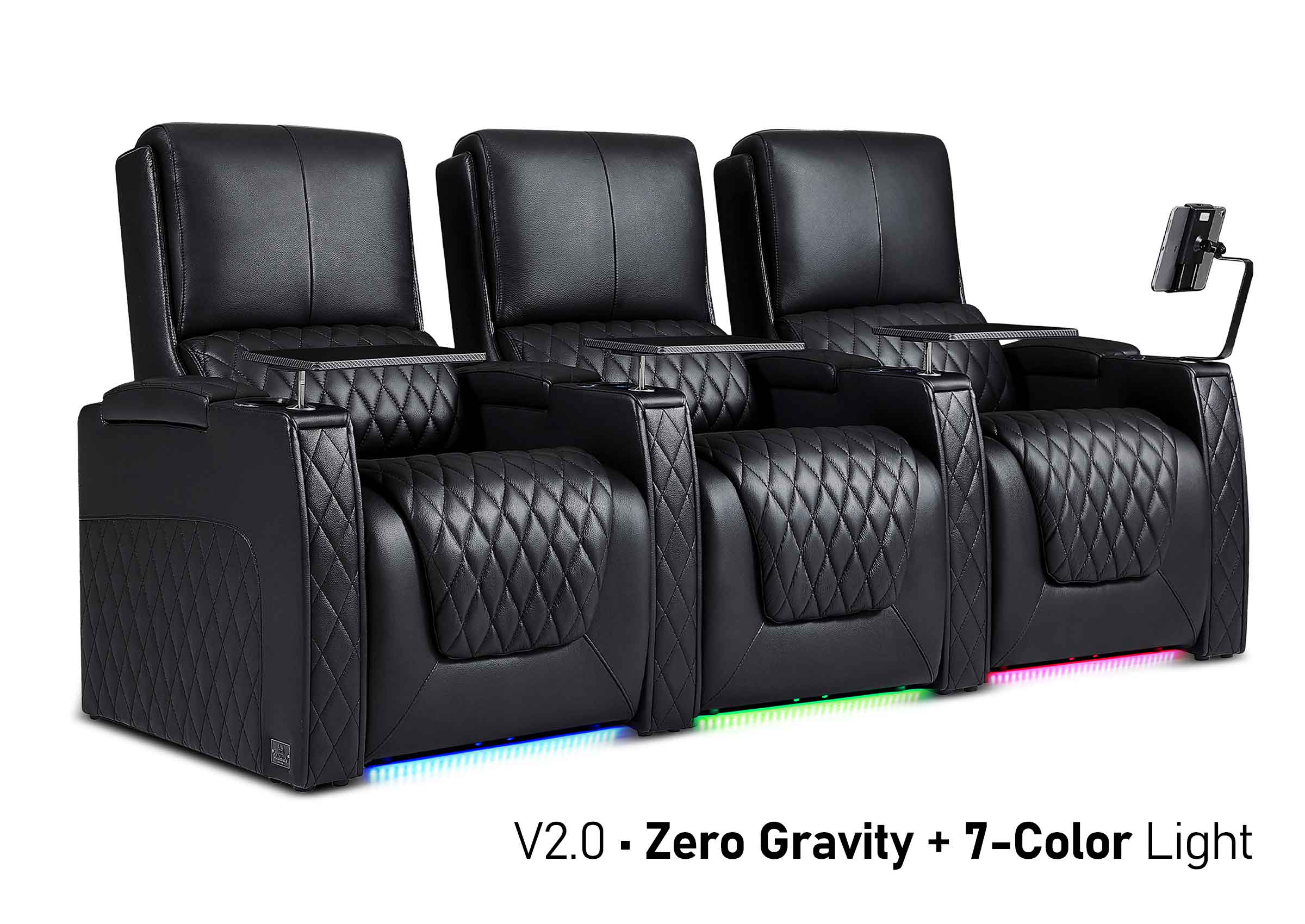
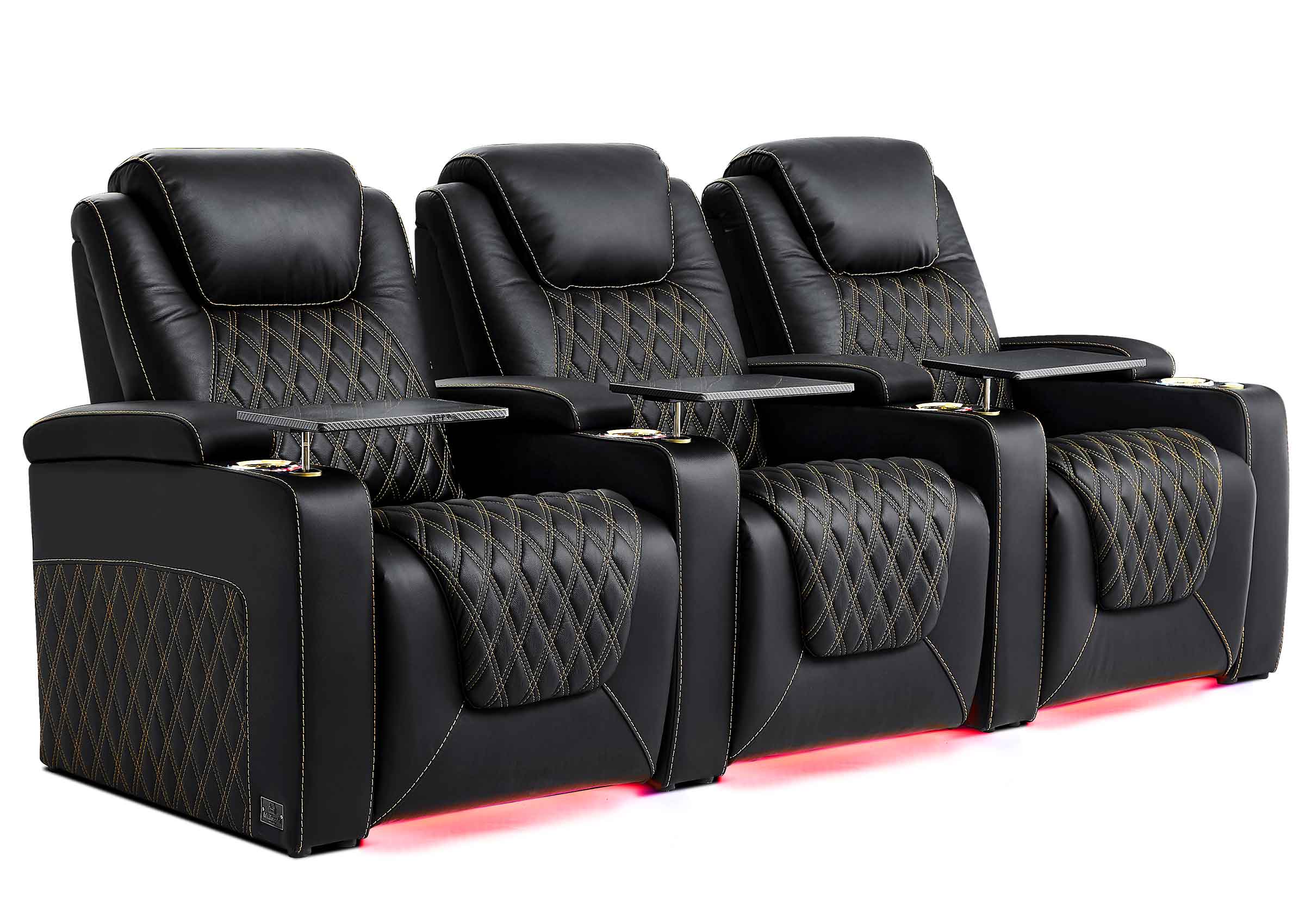
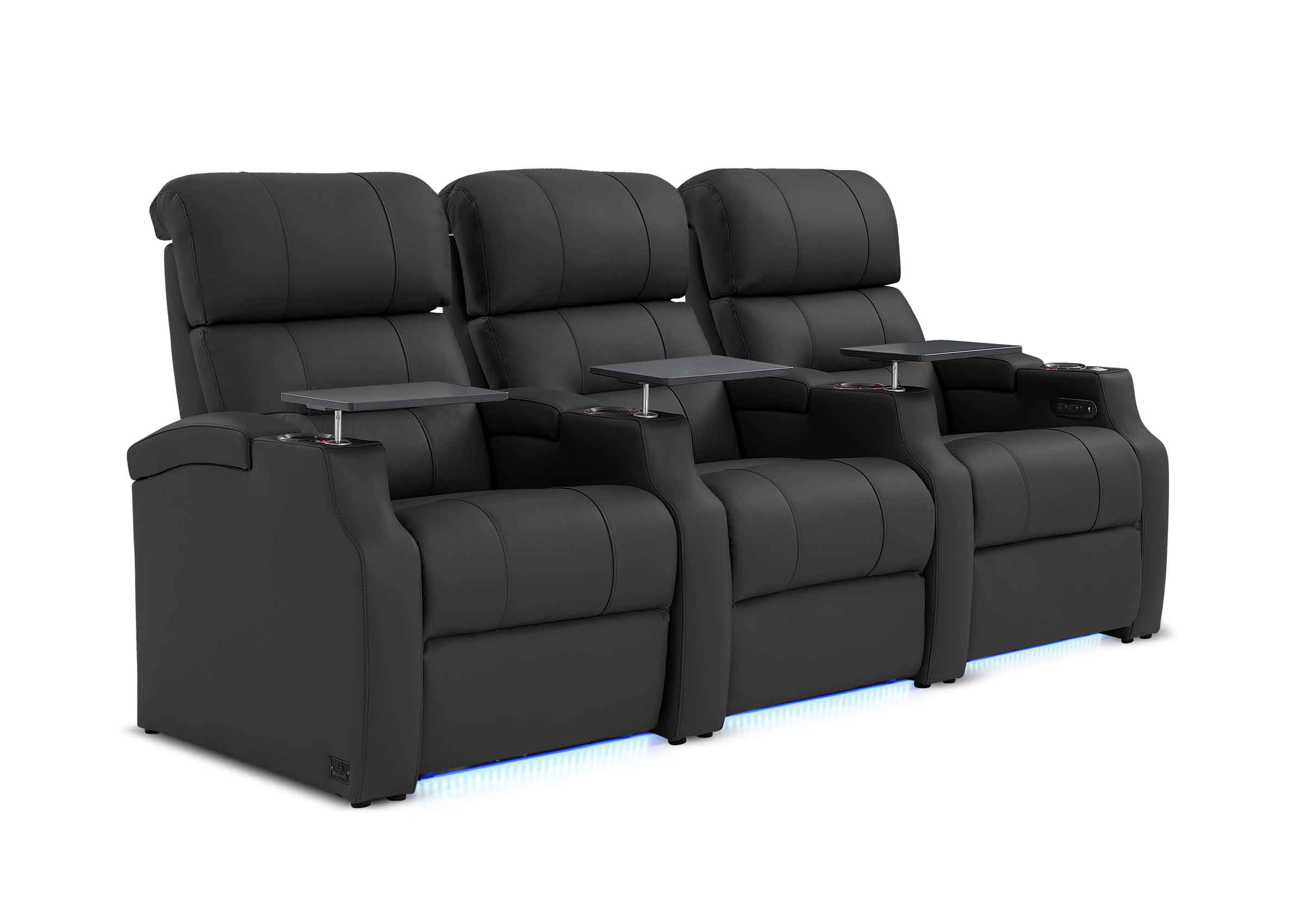
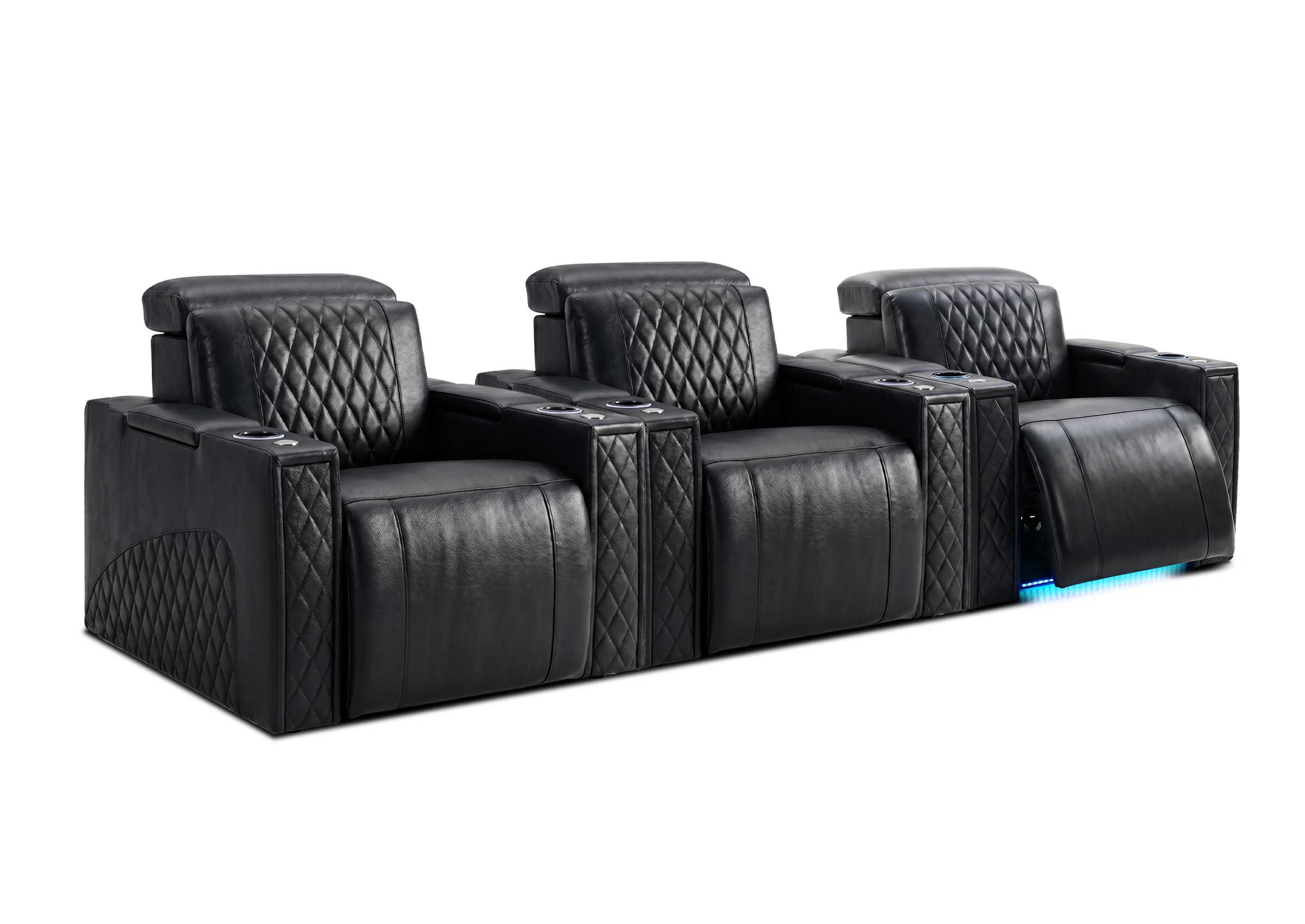

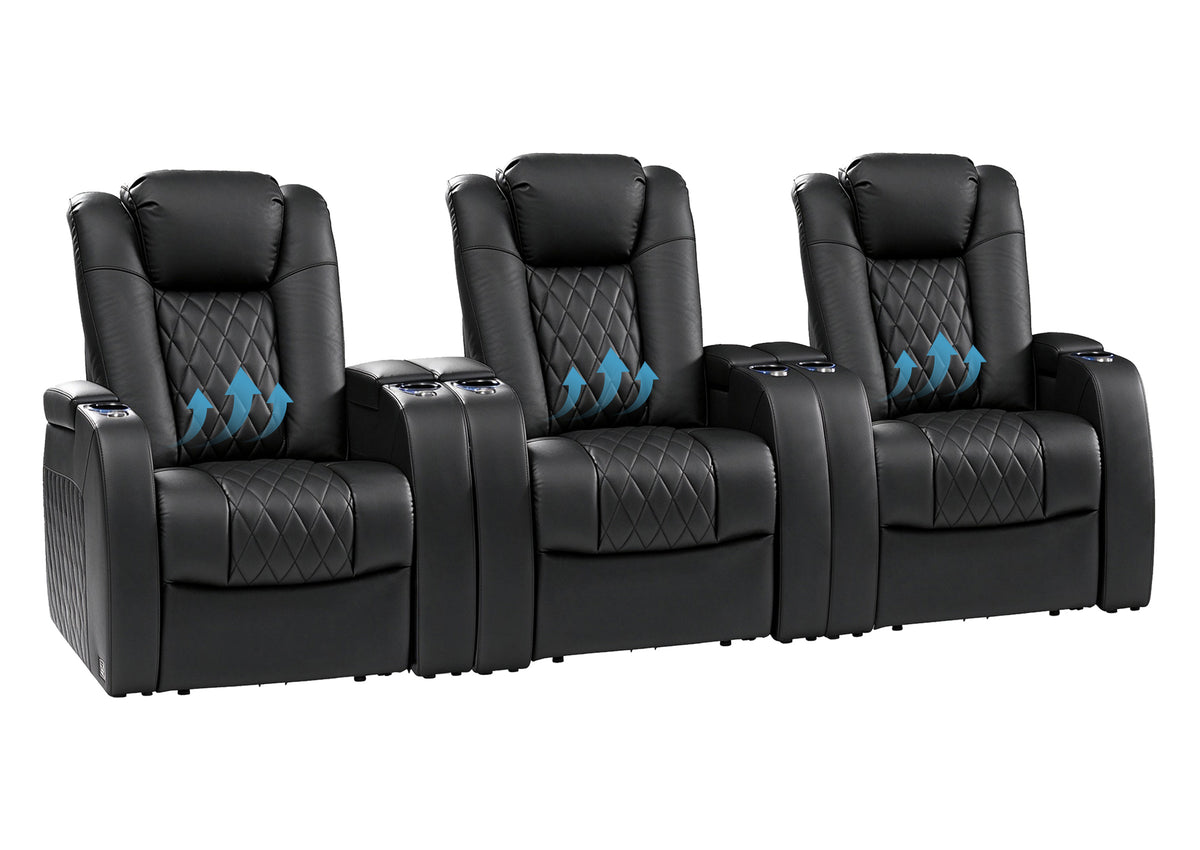
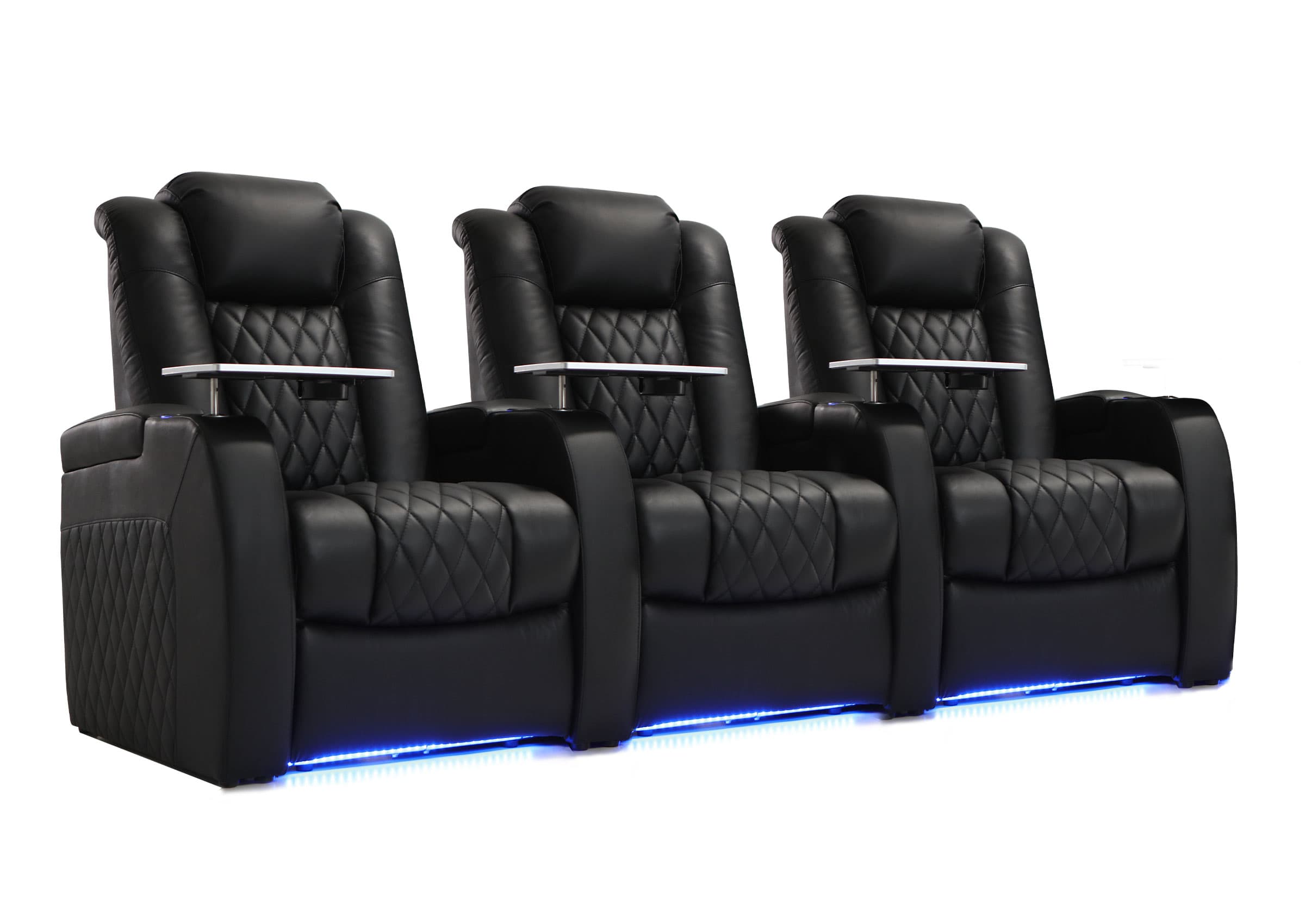
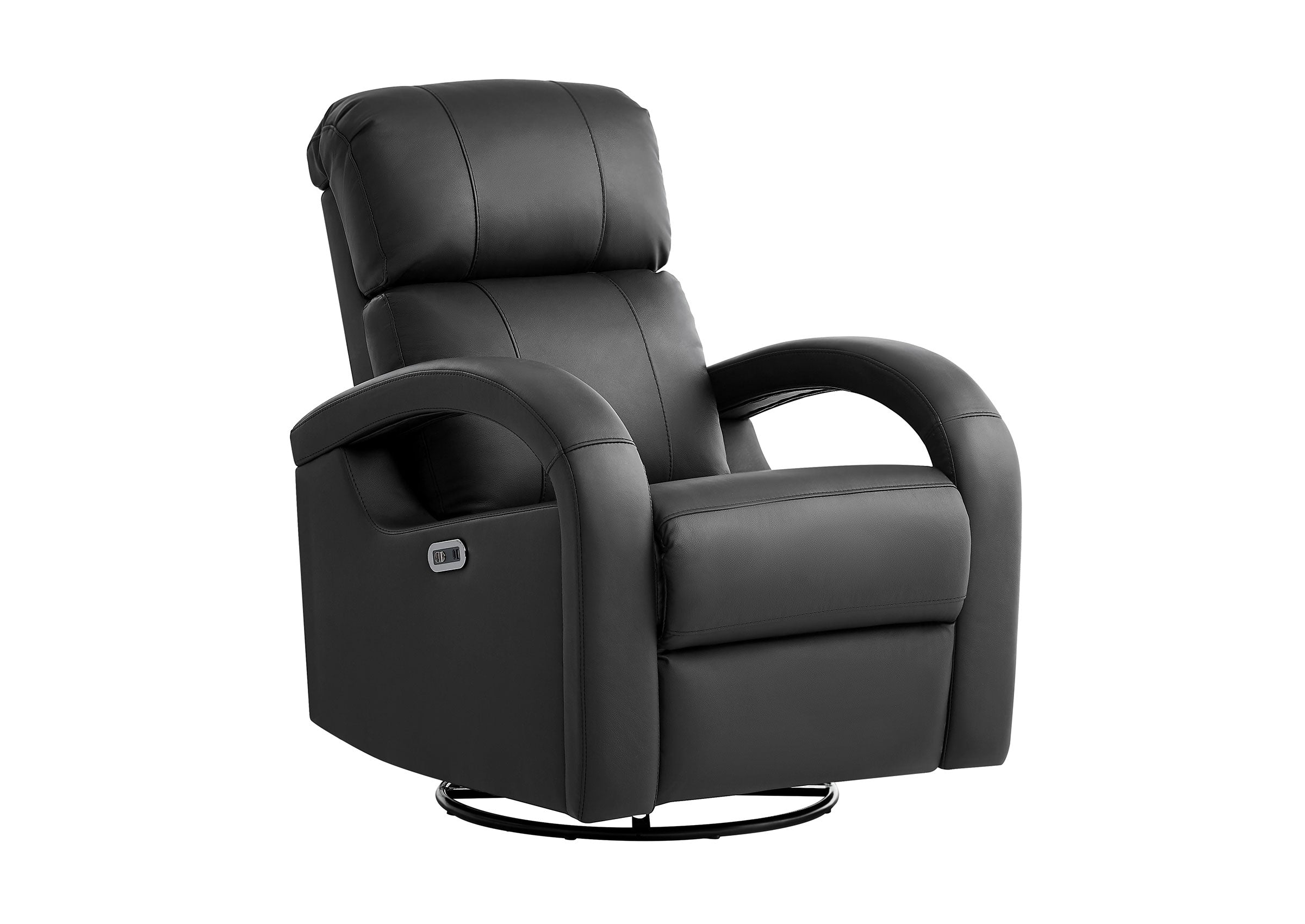
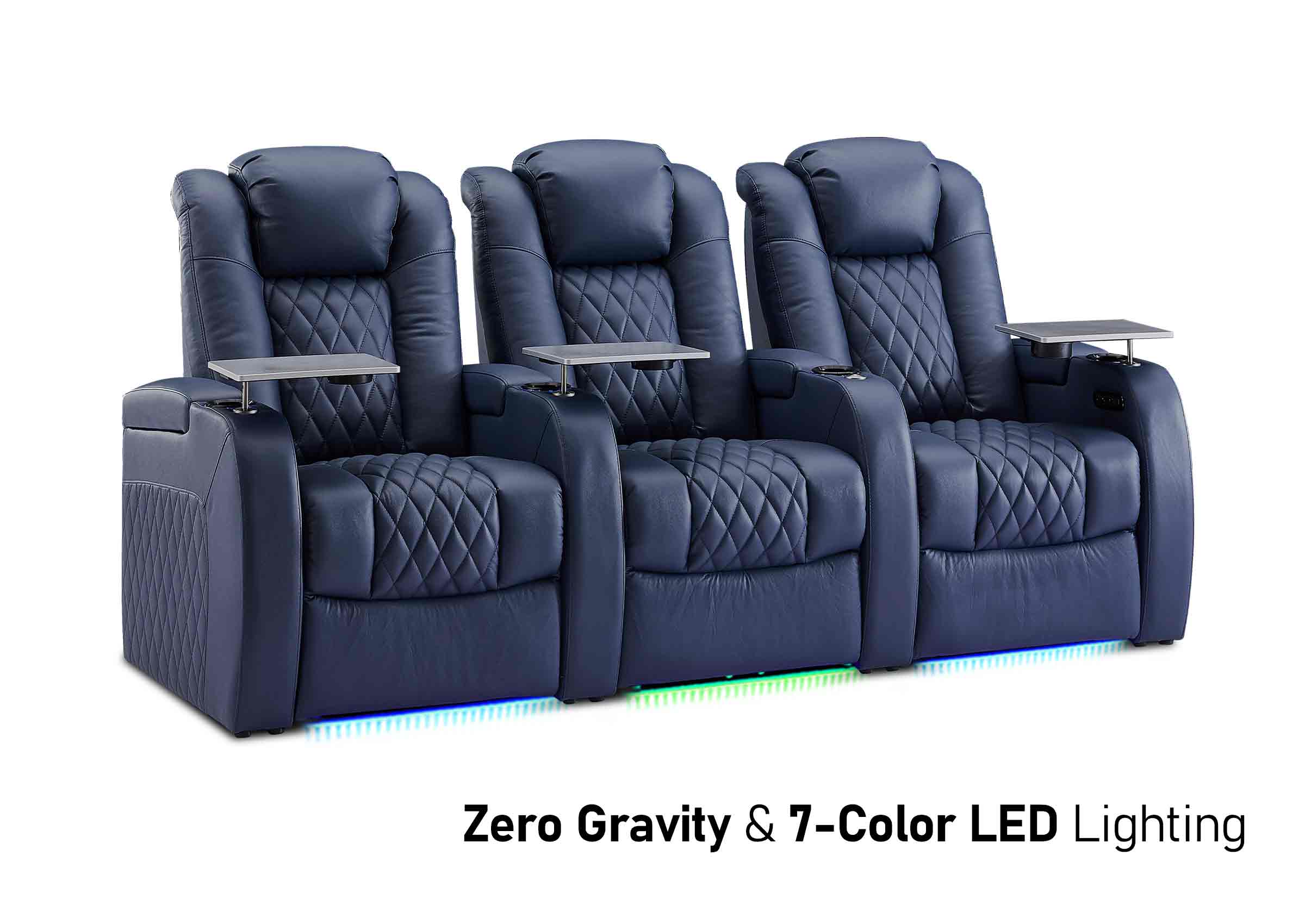
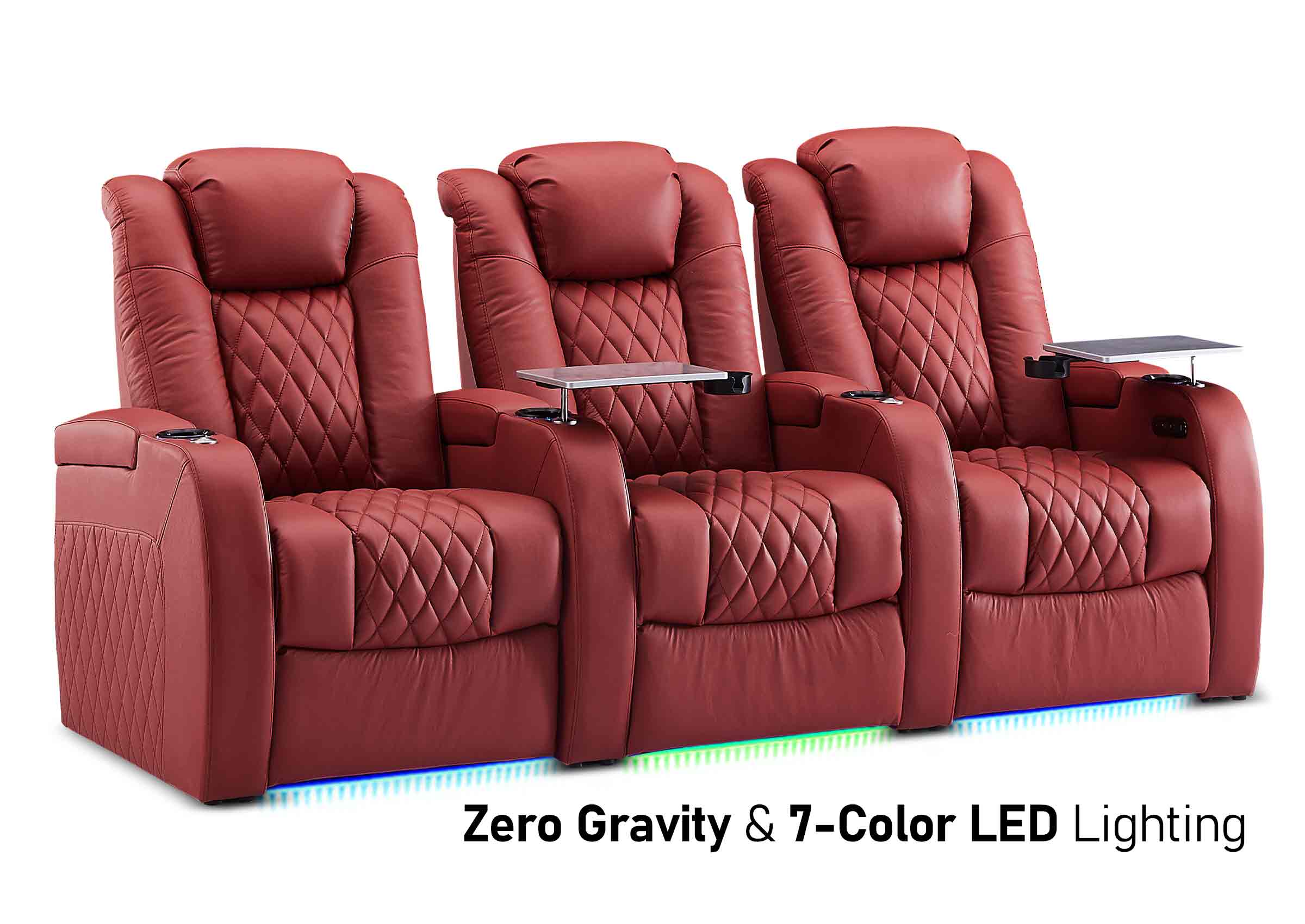
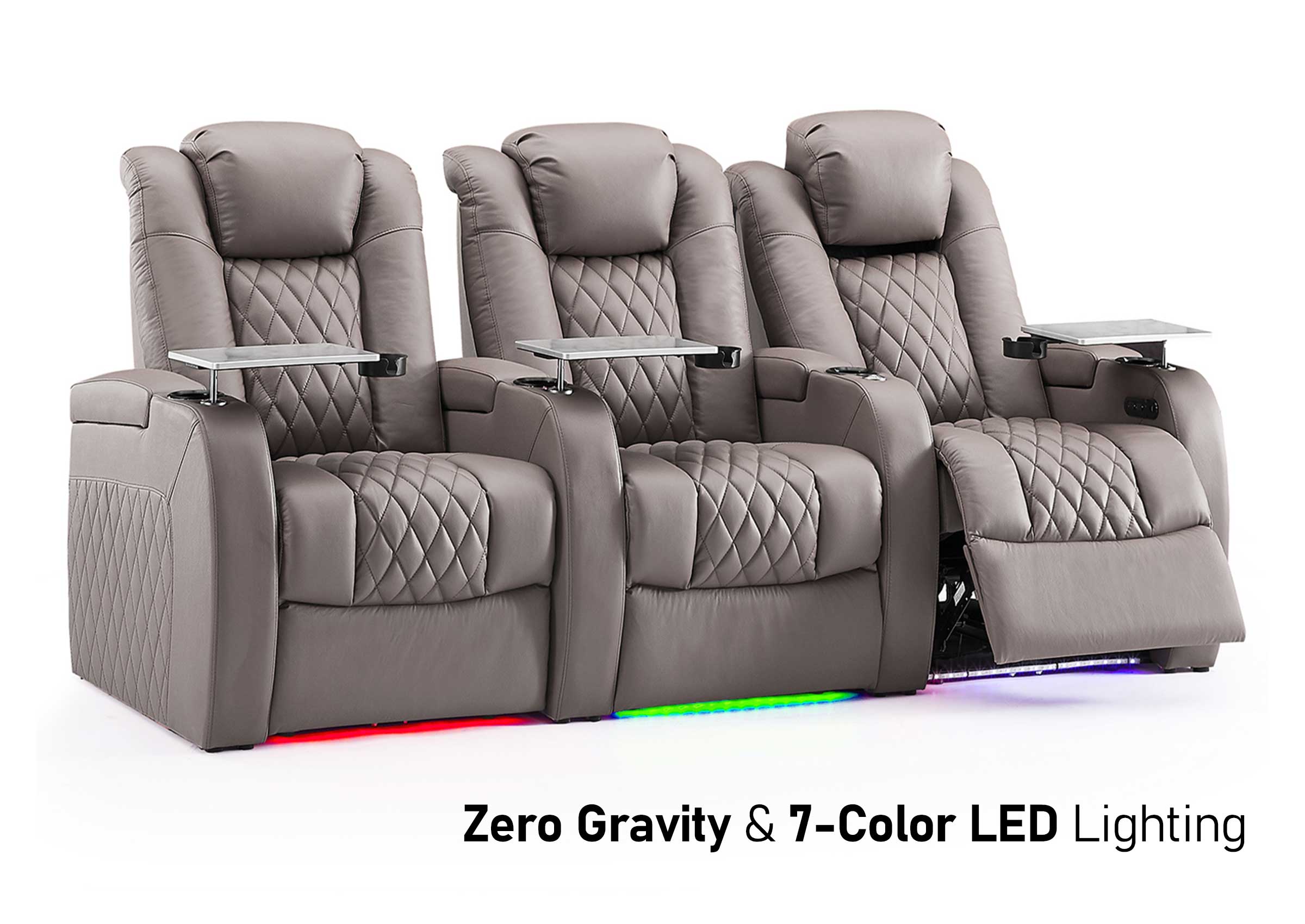
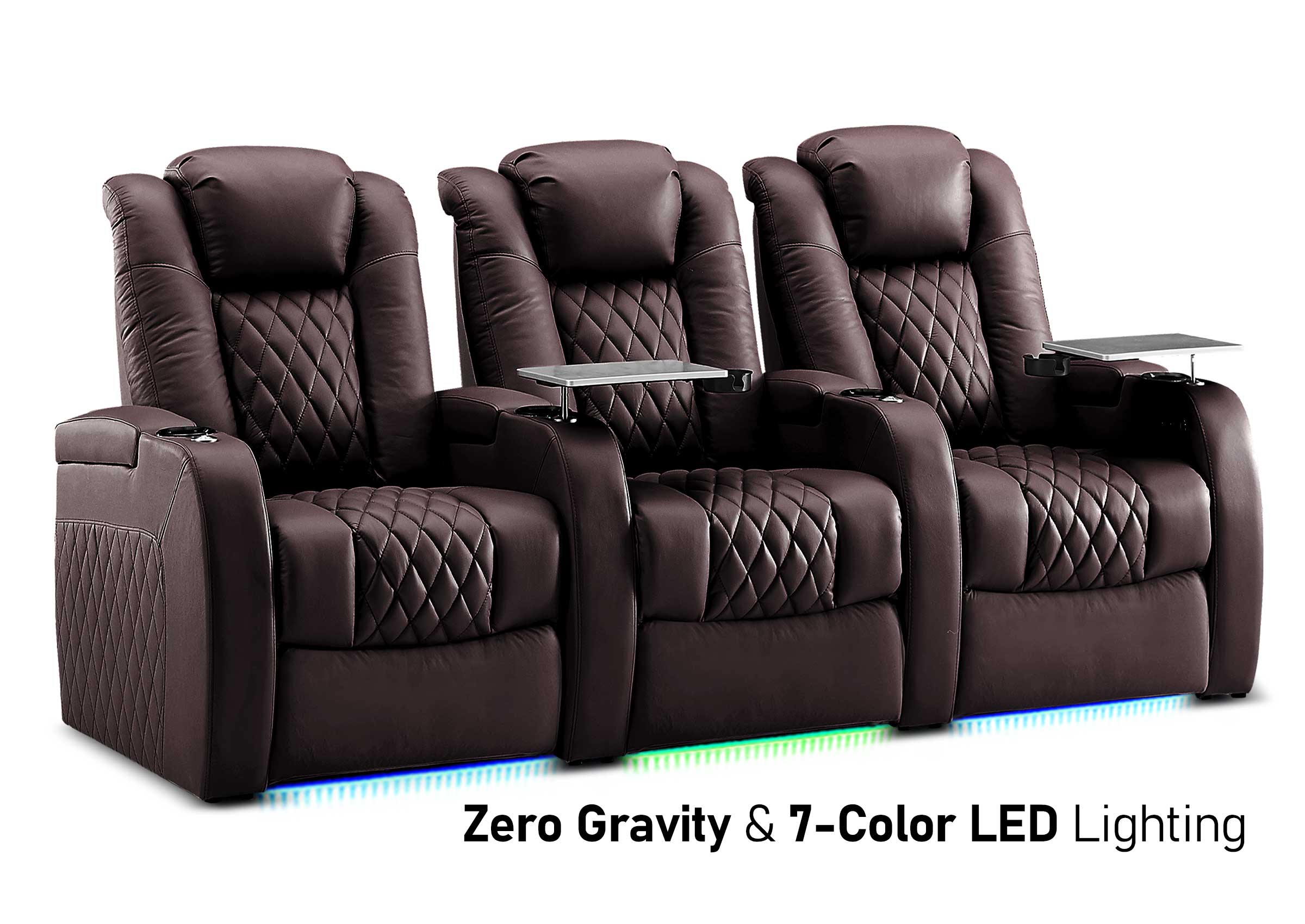

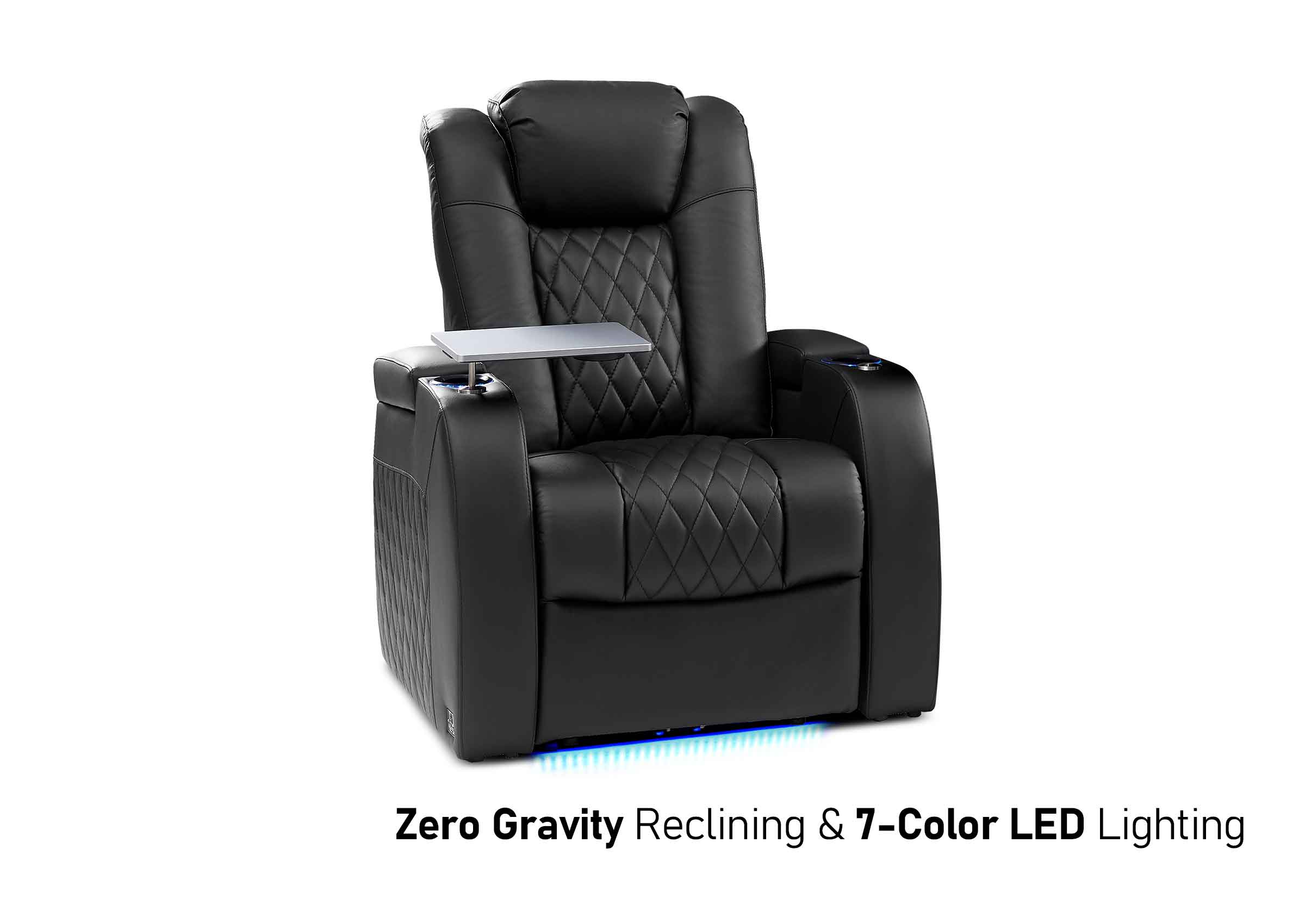
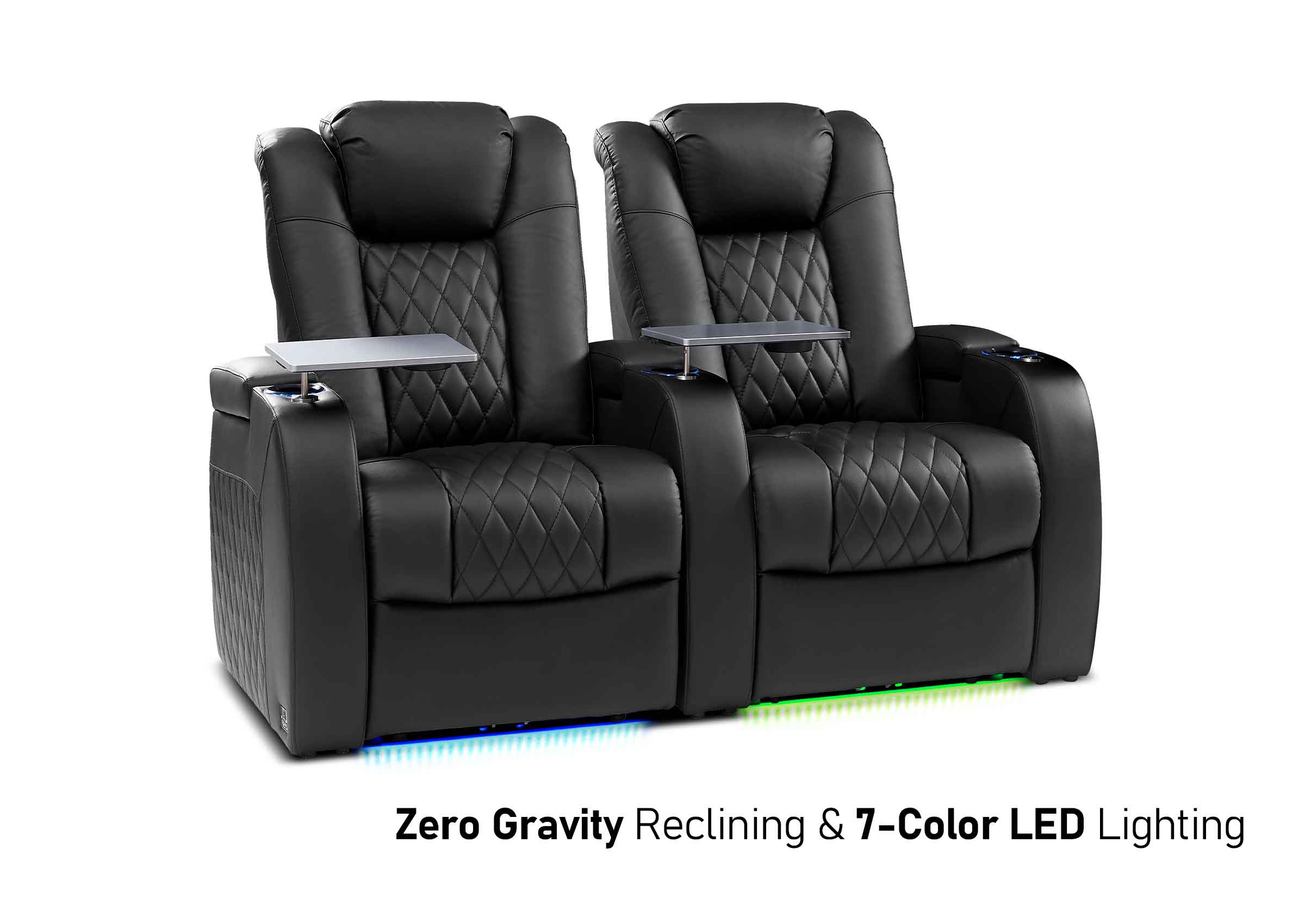
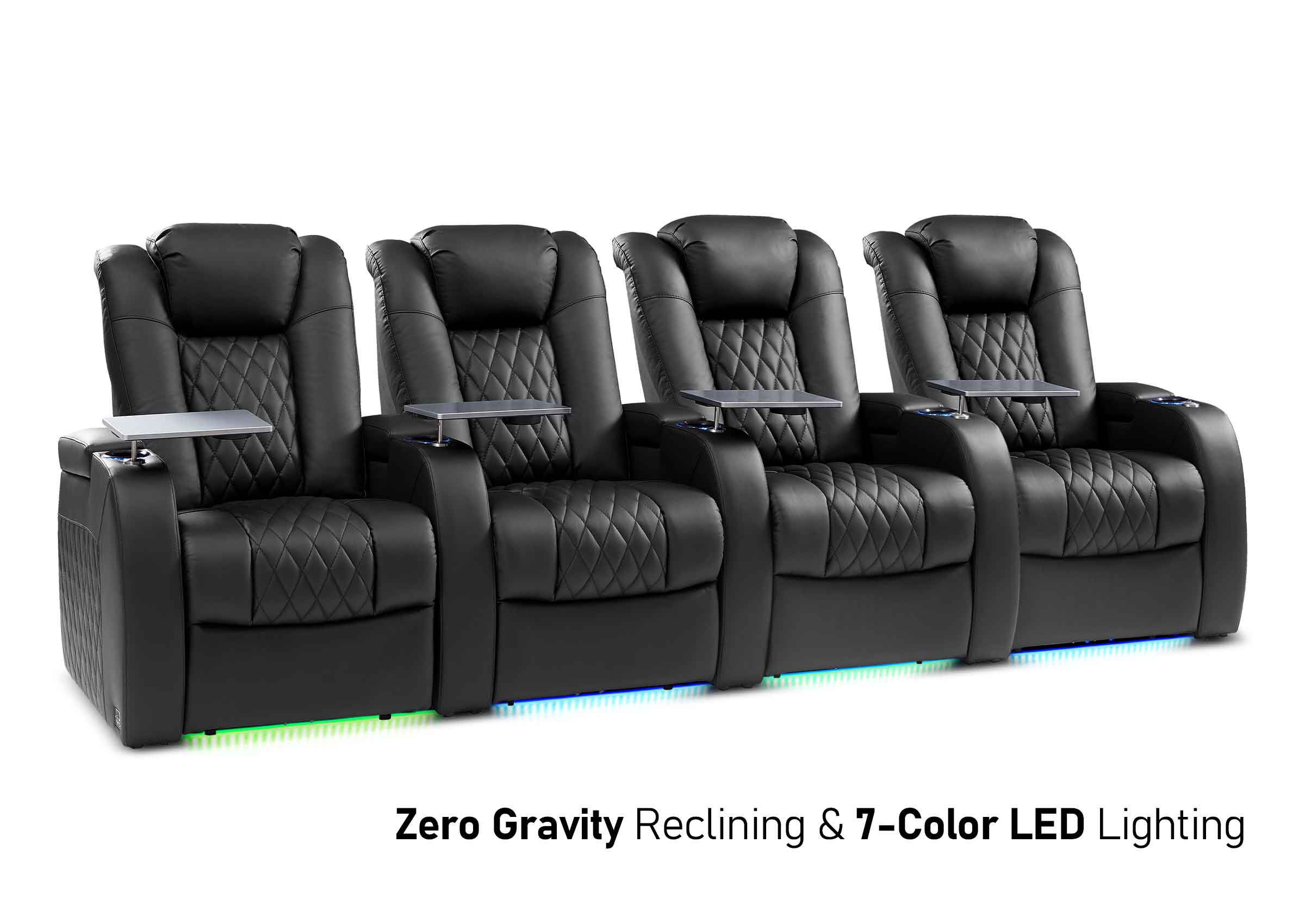
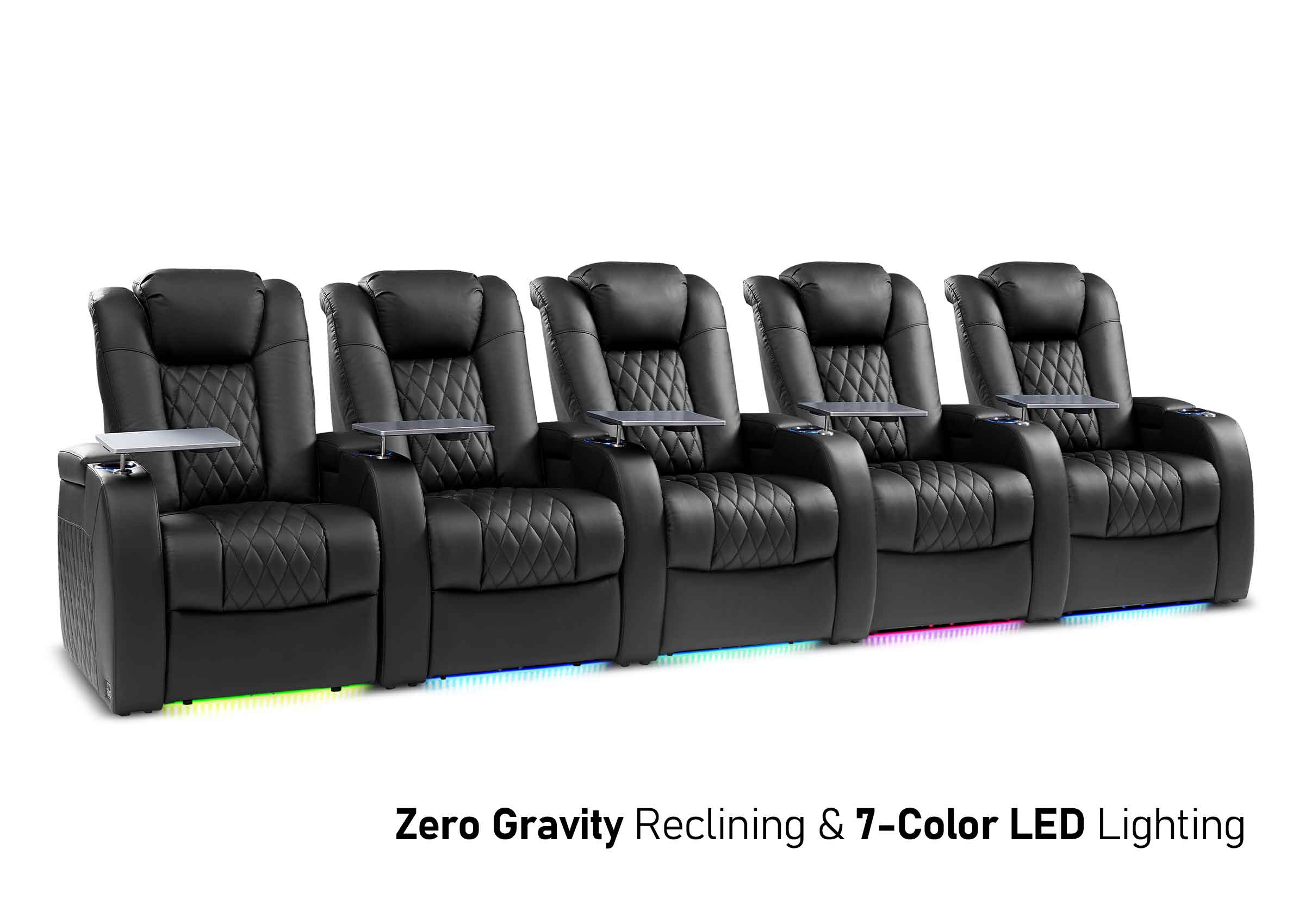
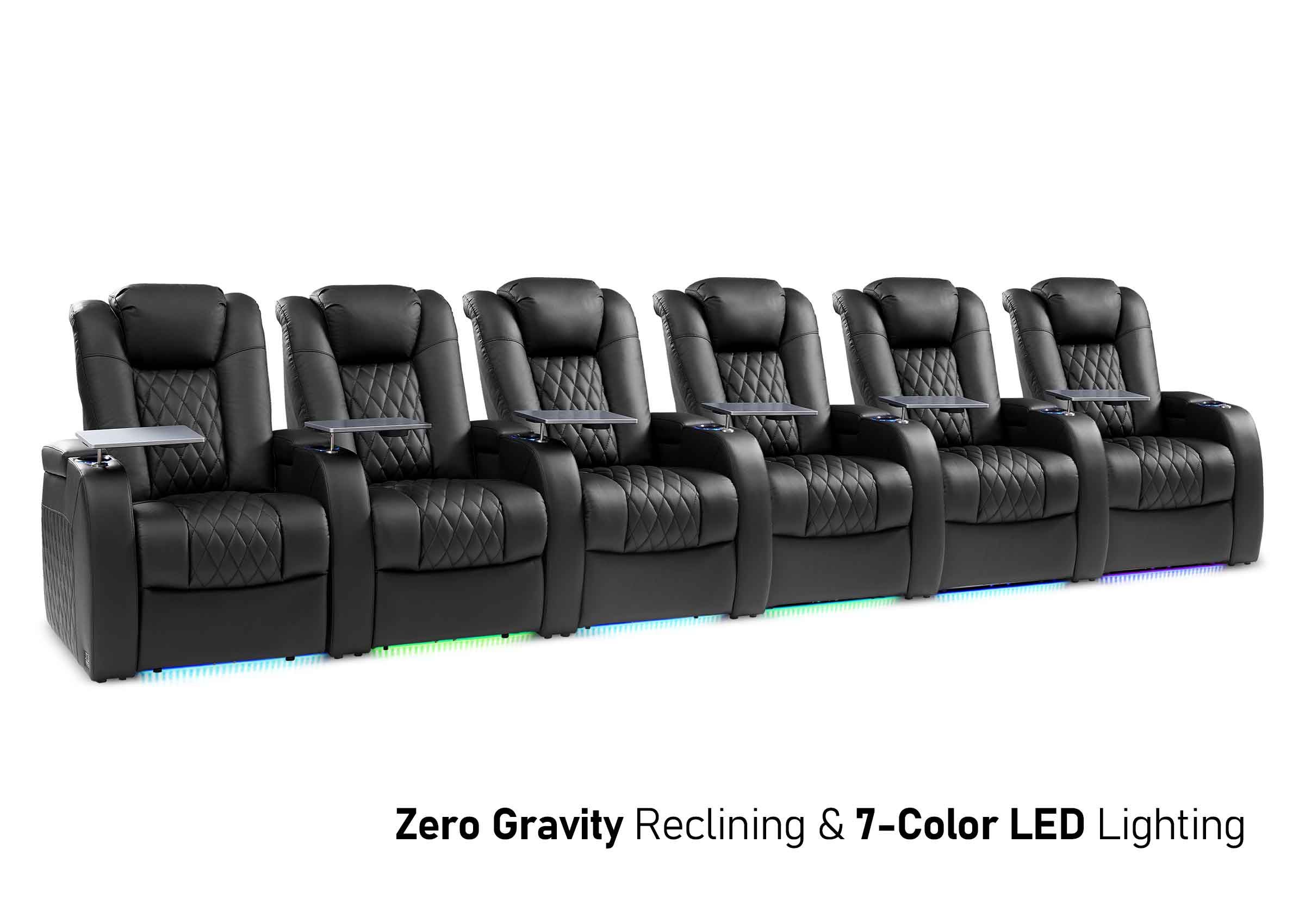
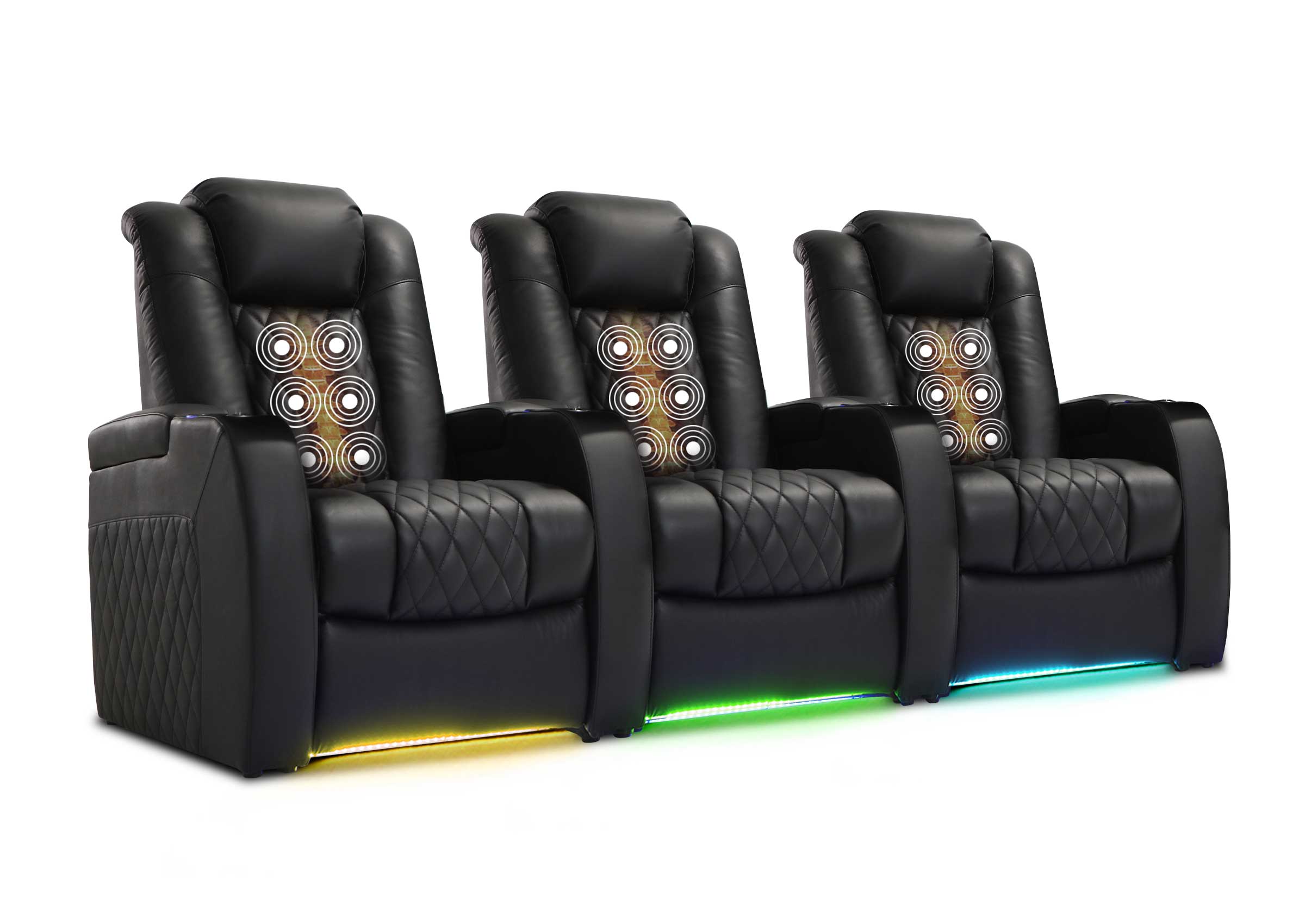
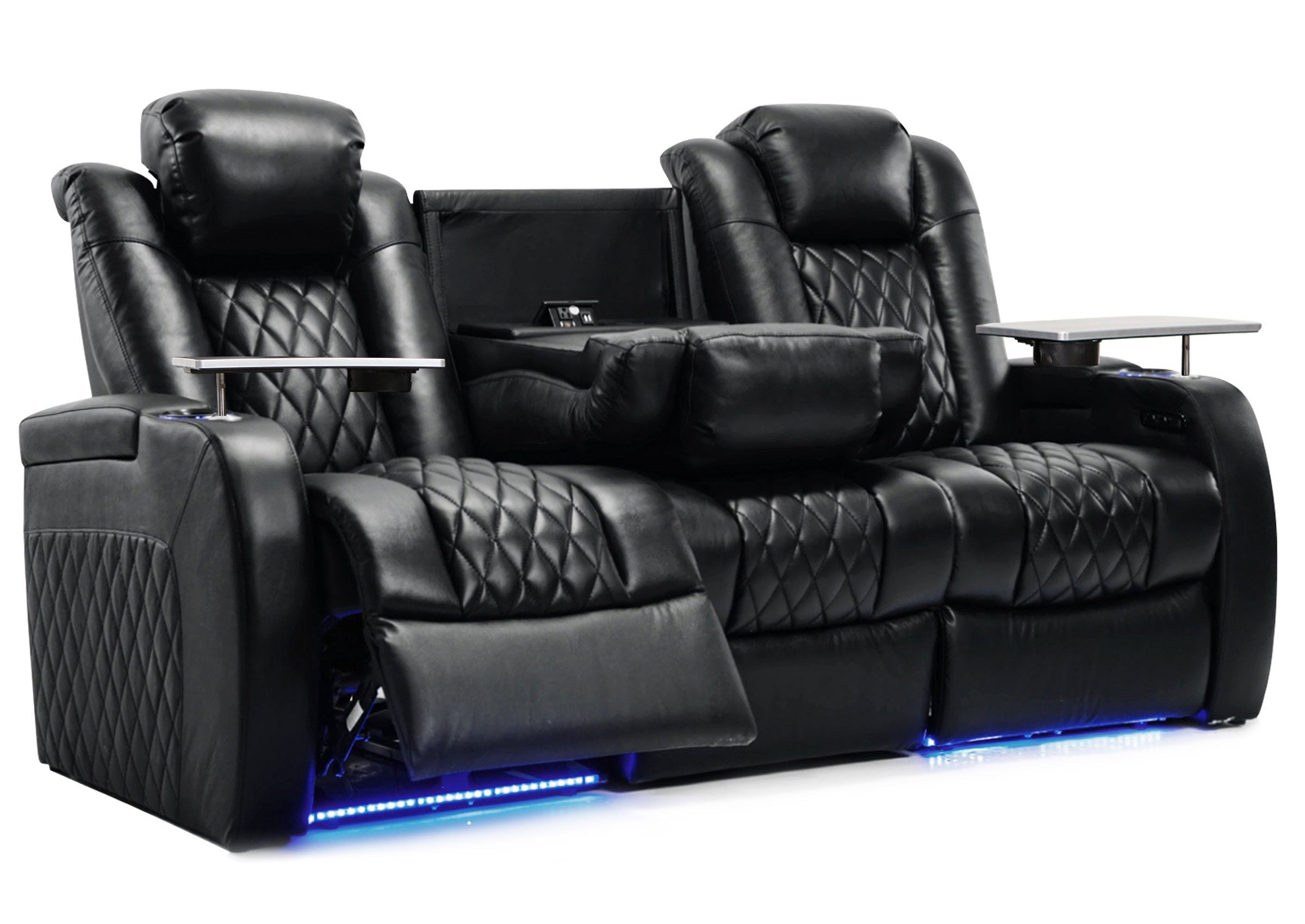
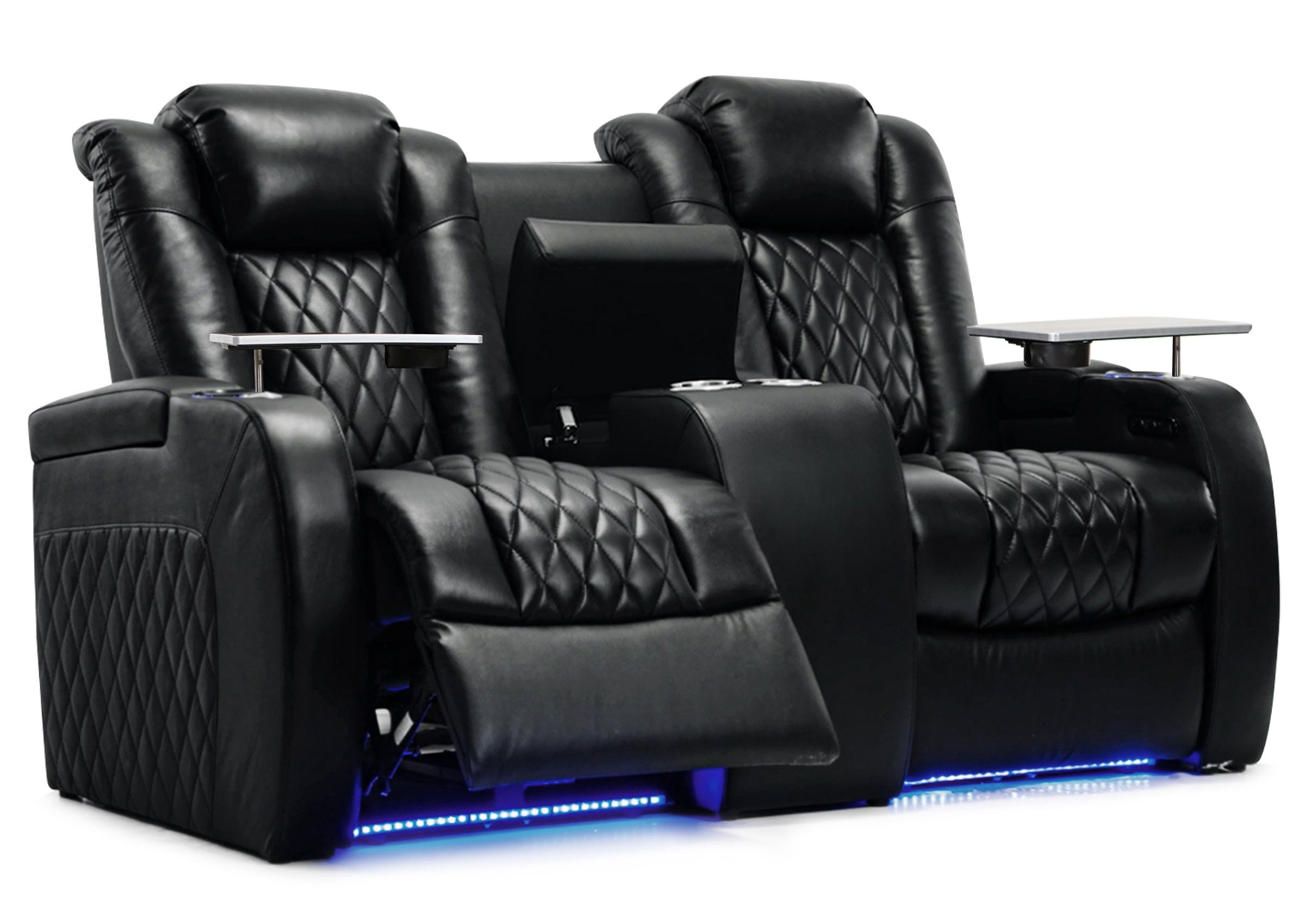


Yes, a reclining sofa can work in the middle of a room when its full movement stays clear of furniture, people can get around it during use, and any powered functions have a suitable connection. This arrangement, often called floating the sofa, can separate a living area from dining or work space. Plan it around the seats in use, the view from behind, and the available power source before choosing the exact spot.
Choose a Useful Position, Even if It Is Off-Center
Floating means placing the sofa away from a wall. It does not require equal distances on every side or a position at the room's geometric center.
Start with the main activity. Face the sofa toward the TV, fireplace, or conversation area, then look at the routes connecting the room's doors. In an open-plan room, its back can establish the edge of the living zone while leaving access to the dining area behind it.
An offset position may work better than a centered one. Bringing one end closer to a side wall can create a more useful route along the other end. Check the viewing position from each seat before deciding: a tidy floor plan can still leave an end seat facing the screen at an awkward angle.
Allow for the Entire Reclining Movement
The upright footprint is only the starting point. Ask for the selected sofa's overall width, upright depth, fully reclined dimensions, and required clearances. Confirm the reference points used for each measurement.
Fully reclined depth and rearward travel are different measurements. Subtracting upright depth from reclined depth does not necessarily tell you how far the footrest extends forward. The back may move as well. Ask for a dimensioned side view if the product information leaves that unclear.
For an existing sofa, follow its instructions and observe the complete movement from outside the moving area. Check intermediate positions as well as the upright and fully open endpoints. Keep hands, objects, children, and pets away from the mechanism throughout the check.
Map the furthest reach of the back and footrest against fixed points in the room. Include nearby tables, lamp bases, curtains, and the front of a console behind the sofa. Test each moving seat and the combinations your household will actually use.
A wall-hugger design may reduce the room needed behind a particular model. It still needs its specified operating space and clear floor in front. For a broader list of body and room measurements, use the recliner size guide; use your chosen sofa's own specifications for placement.
Keep a Walking Route Available During Movie Night
A floating sofa often becomes a room divider. That makes the route around it part of the layout, especially when it sits between the kitchen and TV area.
Trace the trips people actually make: entering the room, going to the kitchen, opening a nearby cabinet, and leaving each seat. Check these with the relevant footrests open and with dining chairs pulled out where applicable. The person using the middle seat needs a practical way out, too.
The floor needed for reclining should not double as the room's only through-route. If someone must step over a footrest or ask everyone to sit upright to get through, reconsider the position. A path behind the sofa or along one end may work better. Try that before filling both sides with tables.
Choose passage space for the people and activities the room must accommodate. A generic furniture-spacing number cannot confirm that a particular household's route works.
Check the Back Before Adding a Console Table
When a sofa floats, you see its back from the doorway, kitchen, or dining table. Ask for rear photographs of the actual model upright and reclined, rather than relying on a styled front view.
Look at upholstery coverage, seams between sections, any visible fasteners or access flaps, and where cables leave the furniture. A back you find attractive upright may look different when one seat reclines and the next stays closed. Check the back height against the view you want to preserve between rooms.
A console table can finish the arrangement, but it consumes additional depth. Start at the sofa's furthest rearward position, allow the specified clearance to the table's nearest surface, then account for the table's depth and the passage beyond it. Check drawer openings and anything placed on the tabletop as well.
For example, a console that fits behind the closed sofa may crowd the kitchen route once a seat reclines. Moving the console farther back could solve the contact problem while making that passage worse. In that room, leaving the back open may be the better choice.
Do not use a console to support or stop a reclining back. You can define the seating group with a rug or side table instead, provided those pieces stay clear of the operating area. Keep any connection or access panel you may need to reach usable.

Resolve Power Before Committing to the Layout
For a power reclining sofa, check where the supplied cable exits, its usable reach, the power supply's position, and the manufacturer's connection instructions. A cable that reaches the outlet in a straight line may be too short for the actual route around furniture.
There are three situations to consider:
- An existing wall outlet is within reach. Confirm a permitted route that avoids walking paths, furniture pressure, and moving components. Do not stretch the cable tight to make the position work.
- An existing floor outlet is nearby. Check the outlet cover, inserted plug, and power supply against the actual frame and its movement. A socket hidden under the sofa is not automatically usable; consider how you would reach the connection when needed.
- The position needs new fixed wiring. Have a qualified electrician assess the proposed location before ordering or installing seating. Share the sofa's dimensions and connection details so the electrical and furniture plans agree.
Do not preserve a floating layout by running an extension cord under a rug. The U.S. Consumer Product Safety Commission warns that rugs prevent heat from escaping. The Electrical Safety Foundation International also states that extension cords are temporary solutions, not substitutes for permanent wiring.
Follow the sofa's instructions before adding a power strip, extension, or other accessory. A general electrical rating does not establish that the sofa manufacturer permits the connection. If the power route does not work, change the location or resolve the supply before operating the sofa there.
Try the Room in Its Everyday Arrangements
Before buying, mark the upright footprint and the confirmed operating area on the floor with a suitable removable marker. Add the actual outlines of tables and the space used by open doors and cabinets. This mock-up helps you reject an unsuitable location; it does not replace checking the delivered sofa's real movement.
Walk through the room as if someone were watching a movie. Then try the dining or work arrangement behind it. Check whether the living zone still feels connected to the rest of the room and whether people can reach the seats they use.
If possible, see the selected sofa operate before purchase. After delivery, repeat the checks with the assembled configuration and its actual connections, following the manufacturer's instructions.
If the position fails, try shifting the sofa sideways, rotating the seating group, removing the rear console, or choosing a smaller reclining loveseat. A stationary sofa with a separate recliner may also suit a room where only one person regularly reclines. Each alternative changes the space needed, so test the revised arrangement rather than assuming it will fit.
FAQ: Floating a Reclining Sofa
Can one end of a reclining sofa stay near a wall?
Yes, if the chosen model's movement, controls, and required clearances still work. This can leave a useful route along the opposite end. Check room features beside the sofa, including curtains and door swings, and make sure everyone can reach and leave their seat.
Does a manual reclining sofa need an outlet?
The manual reclining mechanism does not need electricity to move. Separate features, such as powered headrests or charging ports, may still need a connection. Check the functions you intend to use before treating the entire sofa as cordless.
Can a rechargeable battery remove the need for a nearby outlet?
Only when the manufacturer supports that battery with the specific sofa and configuration. Confirm its intended use, charging arrangements, and which functions it supports. Do not assume a battery provided for emergency return is suitable for everyday reclining, or that a third-party pack is compatible.
Confirm the Position Before Choosing the Sofa
Take a room sketch and photographs of the proposed position when asking for product details. Confirm the actual configuration's movement dimensions, rear appearance, and supported power connection. Choose the spot where people can relax and move around comfortably throughout ordinary use, even if it sits a little off-center.
For Weilianda seating, use Support or email leon@weiliandahome.com to confirm the selected configuration's movement dimensions, rear appearance, and supported power connection. Resolve any fixed-wiring questions with a qualified electrician before making the position permanent.