











Building the ultimate home theater starts with one critical decision: should you invest in a massive flat-screen TV or a traditional projector setup? Both deliver excellent 4K visuals in 2026, but the right choice hinges on your room size, ambient light control, seating distance, content habits, and comfort priorities. The 98-inch mark has become the new pivot point—below it, TVs often win for convenience and brightness; above it, projectors deliver greater immersion and value for dedicated spaces.
The 98-Inch Threshold: How Room Size Dictates Your Best Home Theater Display

Room dimensions set the foundation for your display decision. In 2026, 98-inch and larger TVs have dropped significantly in price, challenging the long-held assumption that only projectors can deliver true cinematic scale. A 120-inch screen still provides roughly 44% more surface area than a 100-inch TV, creating noticeably greater immersion for group viewing.
Large TVs bring trade-offs. They are heavy, require reinforced wall mounts or sturdy stands, and become permanent fixtures. Projectors, by contrast, often use retractable screens that preserve your room's everyday appearance. This makes projectors particularly attractive in multi-purpose living rooms where you want flexibility.
Screen Size Comparison Table
| Screen Size | Typical Technology | Best Use Case | Approx. Cost-per-Inch Advantage |
| 85" | OLED or Mini-LED TV | Bright living rooms, gaming | TV favored |
| 98-100" | Mini-LED TV or UST Projector | Balanced living-room theaters | Near parity |
| 120" | Laser Projector + ALR Screen | Dedicated media rooms, movie nights | Projector favored |
| 150" | Laser Projector | Large dedicated theaters, multi-row | Strong projector advantage |
The sweet spot for many buyers is around 100 inches. At this size, high-end TVs and ultra-short-throw (UST) projectors become equally viable depending on your room's light and layout. Measure your available wall space and typical seating depth before committing—many regret choosing a projector in a space that cannot comfortably support a 120-inch+ image.
2. Ambient Light Challenges: Is a 4K Projector or 4K TV Better for Bright Rooms?
Ambient light remains one of the biggest differentiators. TVs, especially Mini-LED models reaching 2000+ nits of peak brightness, maintain strong contrast and color even with windows or lamps on. Projectors rely on lumens (light output) rather than nits and traditionally struggle in lit rooms unless paired with specialized gear.

Ambient Light Performance Comparison
- Bright rooms (multiple windows, daytime use): Mini-LED or OLED TVs deliver superior contrast and visibility for sports or casual viewing.
- Dark dedicated rooms: Projectors excel with deeper blacks, larger scale, and a more film-like experience.
- Mixed-use spaces: Ultra-short-throw projectors combined with high-quality Ambient Light Rejecting (ALR) screens can block 85-95% of stray light, making them highly usable though still slightly behind TVs in peak contrast.
Brightness Checklist for Your Room
- Count the number of windows and their direction (south-facing is toughest).
- Note overhead lighting strength and whether it can be fully controlled.
- Measure typical daytime light levels—projectors need under 10-15 foot-candles for best results without ALR.
- Consider your primary viewing time: daytime sports favor TVs; evening movies favor projectors.
If your room has significant daylight and you cannot control it, a TV is usually the safer, lower-friction choice.
3. Calculating Projector vs TV Viewing Distance for Maximum Immersion
Seating distance directly influences which display technology feels best. Two established standards help you calculate the ideal range.

As THX officially explains, a 40-degree viewing angle delivers cinematic immersion. You can estimate this distance by dividing the screen's diagonal size (in inches) by 0.84. For a 120-inch screen, this yields roughly 10 feet for the immersive sweet spot.
For more relaxed daily viewing, the Society of Motion Picture and Television Engineers (SMPTE) recommends a 30-degree angle. This typically places you farther back and works better for mixed content or longer sessions.
Viewing Distance vs. Screen Size: THX and SMPTE Decision Bands
Compare common screen sizes against THX 40° and SMPTE 30° viewing-distance guidance. Use the bands to judge whether a room is TV-friendly, balanced, or more projector-cinematic.

| Category | THX 40° | SMPTE 30° | TV-friendly (<10 ft) | Balanced (10-14 ft) | Projector-cinematic (>14 ft) |
| 85 in | 8.5 | 11.4 | 10 | 4 | 0 |
| 98 in | 9.8 | 13.2 | 10 | 4 | 0 |
| 100 in | 10 | 13.4 | 10 | 4 | 0 |
| 120 in | 12 | 16.1 | 0 | 4 | 14 |
| 150 in | 15 | 20.1 | 0 | 0 | 14 |
Ideal Viewing Distance Ranges
- 85-inch TV: 6–9 feet (THX) or 8–12 feet (SMPTE)
- 100-inch TV/Projector: 8–11 feet (THX) or 11–14 feet (SMPTE)
- 120-inch Projector: 10–13 feet (THX) or 13–17 feet (SMPTE)
- 150-inch Projector: 12–16 feet (THX) or 16–21 feet (SMPTE)
If your seating is fixed under 10 feet from the wall, a large TV often feels more natural. At 14 feet or more, a projector screen becomes the better way to fill your field of view comfortably. Our home theater seating layout guide offers practical measurement tips to refine these numbers for your specific room.
4. Content Performance: Choosing Displays for Gaming, Sports, and Cinema
Your primary content type should heavily influence the final pick.

- Gaming: High-end laser projectors in 2026 support 4K at 120Hz with input lag as low as 4.2ms, making them viable for casual and semi-competitive play. However, premium TVs still hold advantages in 144Hz+ refresh rates, variable refresh rate (VRR) support, and instant-on convenience.
- Live Sports: Motion handling and brightness matter most. TVs generally deliver sharper motion and better visibility in brighter environments, reducing blur during fast action.
- Movies and Series: Projectors maintain their reputation for a film-like, immersive experience thanks to larger scale and softer reflected light. This makes them the enthusiast favorite for dedicated cinema rooms.
Usage Comparison Matrix
| Content Type | Projector Strengths | TV Strengths | Winner for Most Users |
| Gaming | Large scale, low lag on 2026 models | Higher refresh, VRR, instant-on | TV |
| Live Sports | Cinematic scale in dark rooms | Superior brightness and motion | TV |
| HDR Movies | Immersive size, deep blacks | Consistent contrast in any light | Projector (dark room) |
| Casual Viewing | Flexible retractable setup | Plug-and-play simplicity | TV |
Consider your household's dominant activity. Mixed-use families often land on a high-quality TV, while dedicated movie enthusiasts lean toward projectors.
Ergonomics and Eye Health: How Screen Choice Impacts Seating Comfort

Screen technology affects more than picture quality—it influences how long and comfortably you can watch. Projectors use reflected light, which many viewers find gentler on the eyes during long sessions compared with the direct emission from LED or OLED panels. This can reduce sensations of digital eye strain, though individual sensitivity varies.
Layout requirements also differ. TVs need strong wall support or wide stands, especially at 98 inches and above. Projectors demand clear throw distance and proper screen height for multi-row seating. This is where seating design becomes critical.
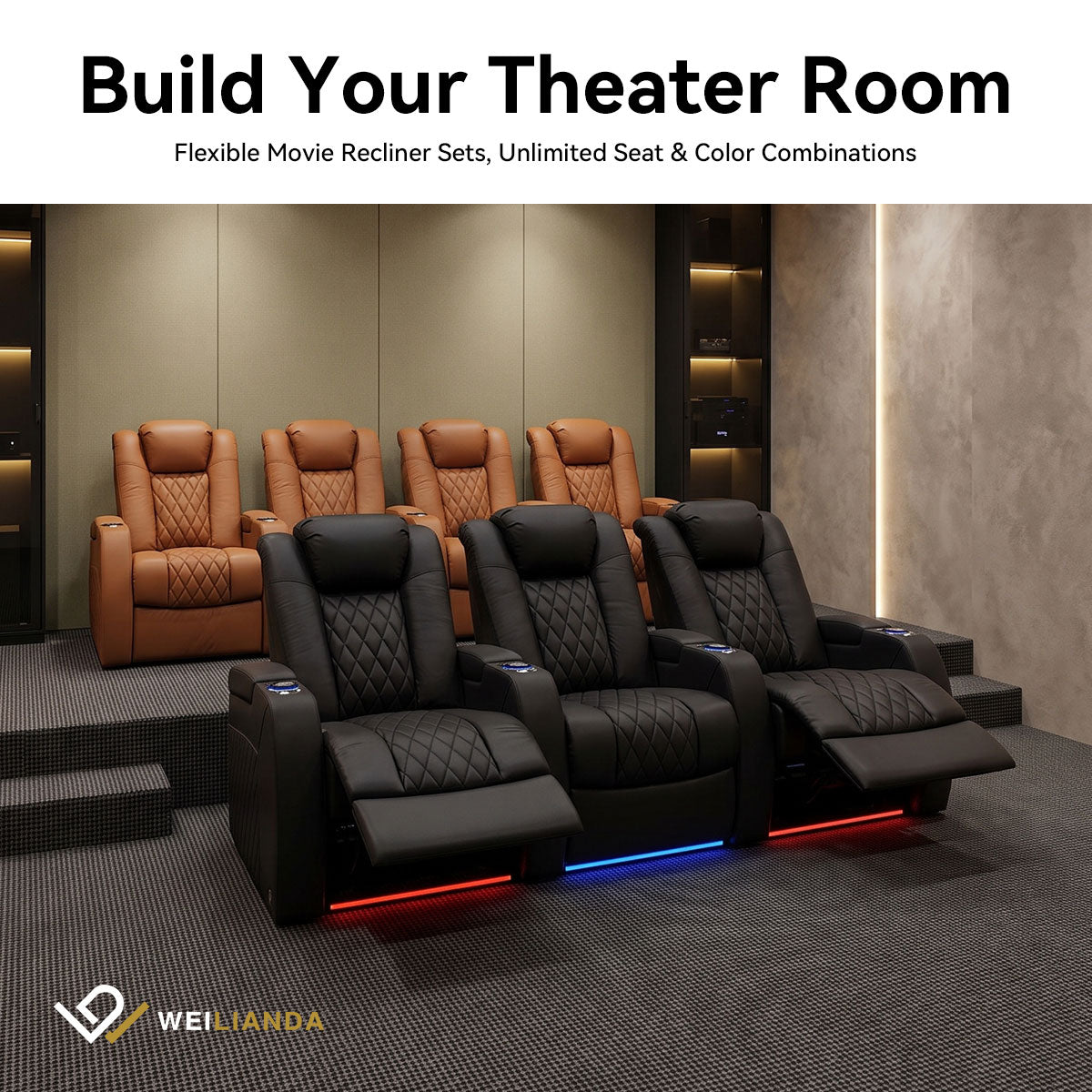
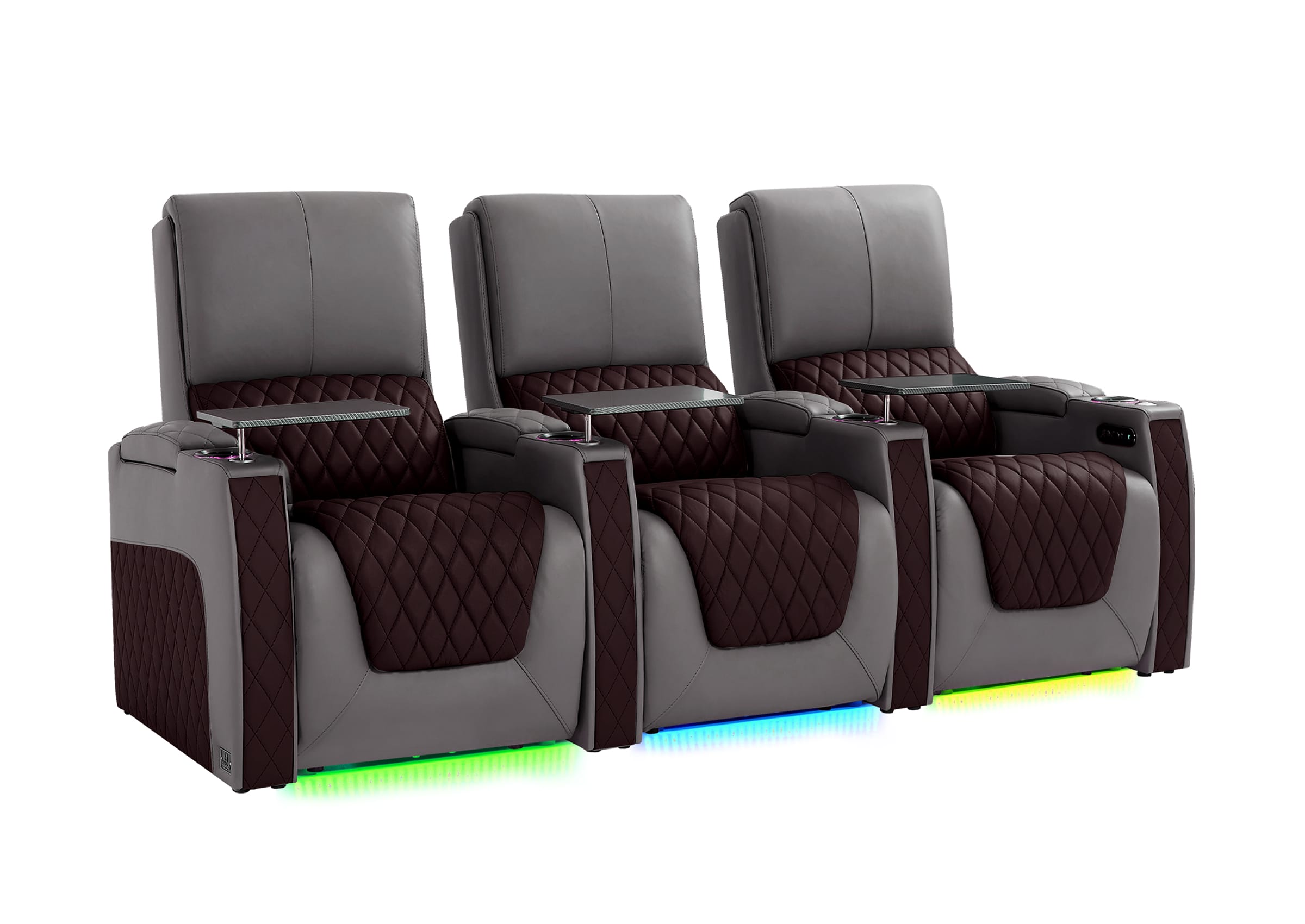
Built-in riser recliners solve many sightline problems in projector setups by elevating the back row. Zero-wall or wall-hugger mechanisms are particularly valuable because they require only 3–6 inches of rear clearance instead of 12–18 inches, preserving precious room depth for proper projector placement.
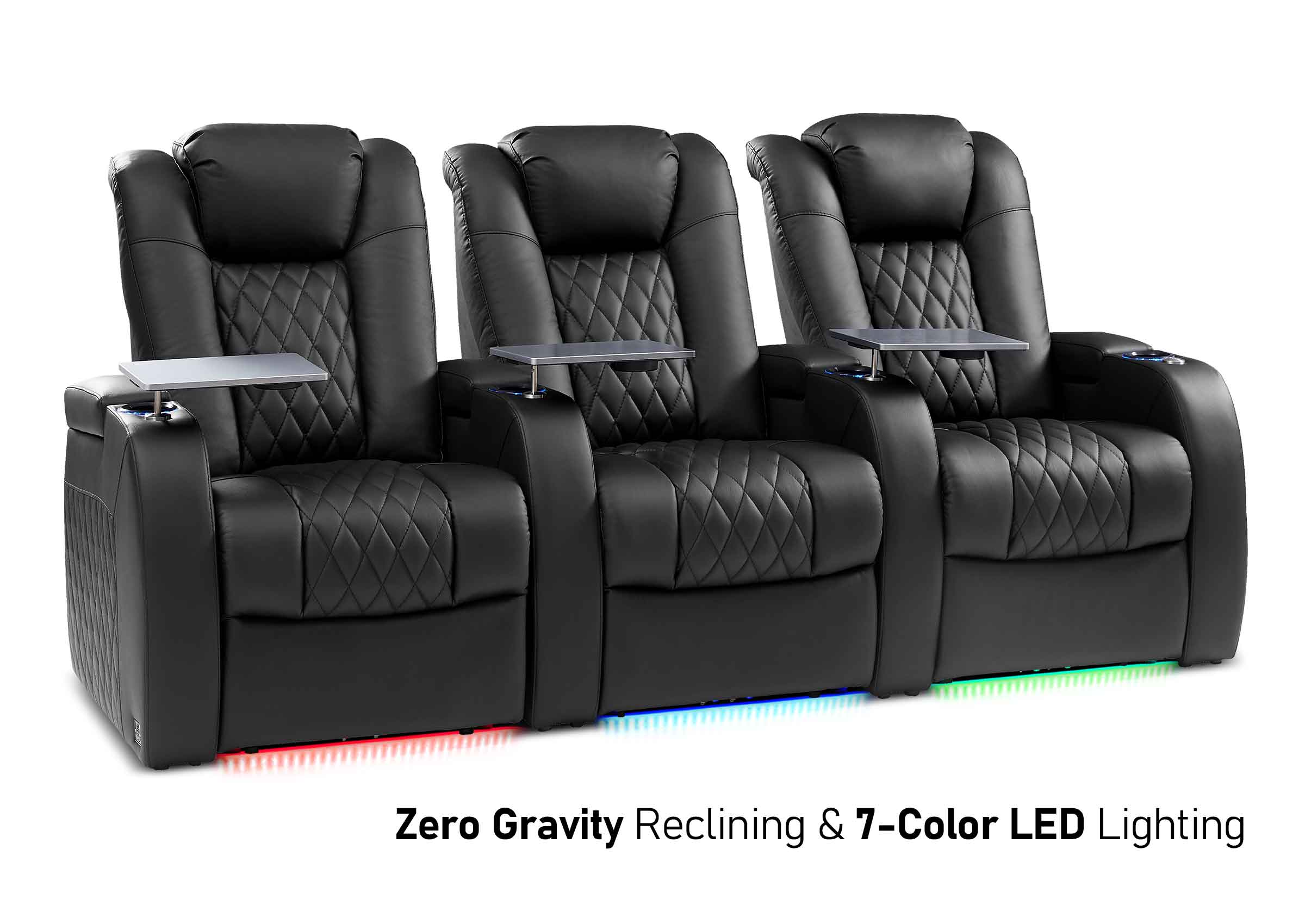
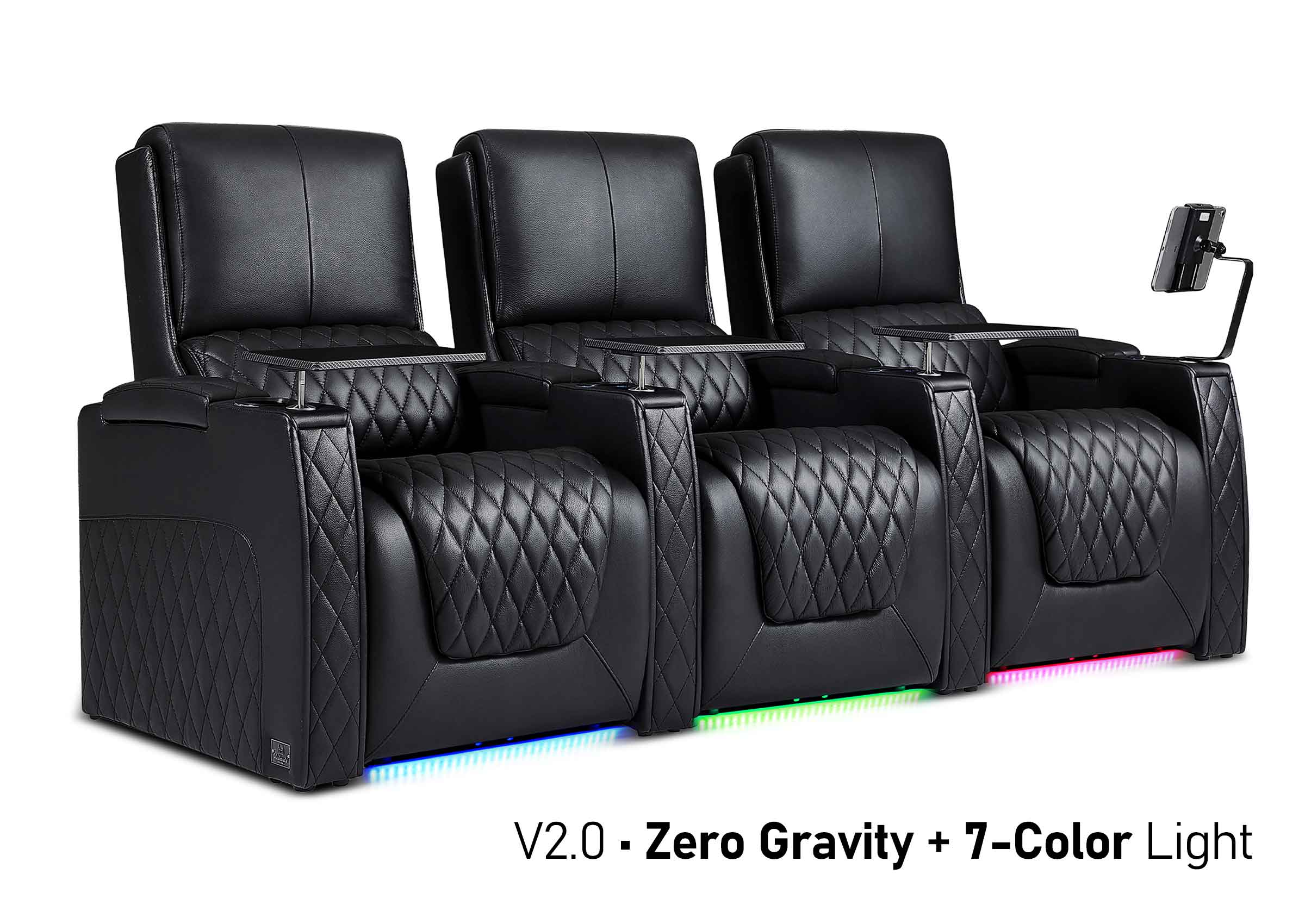
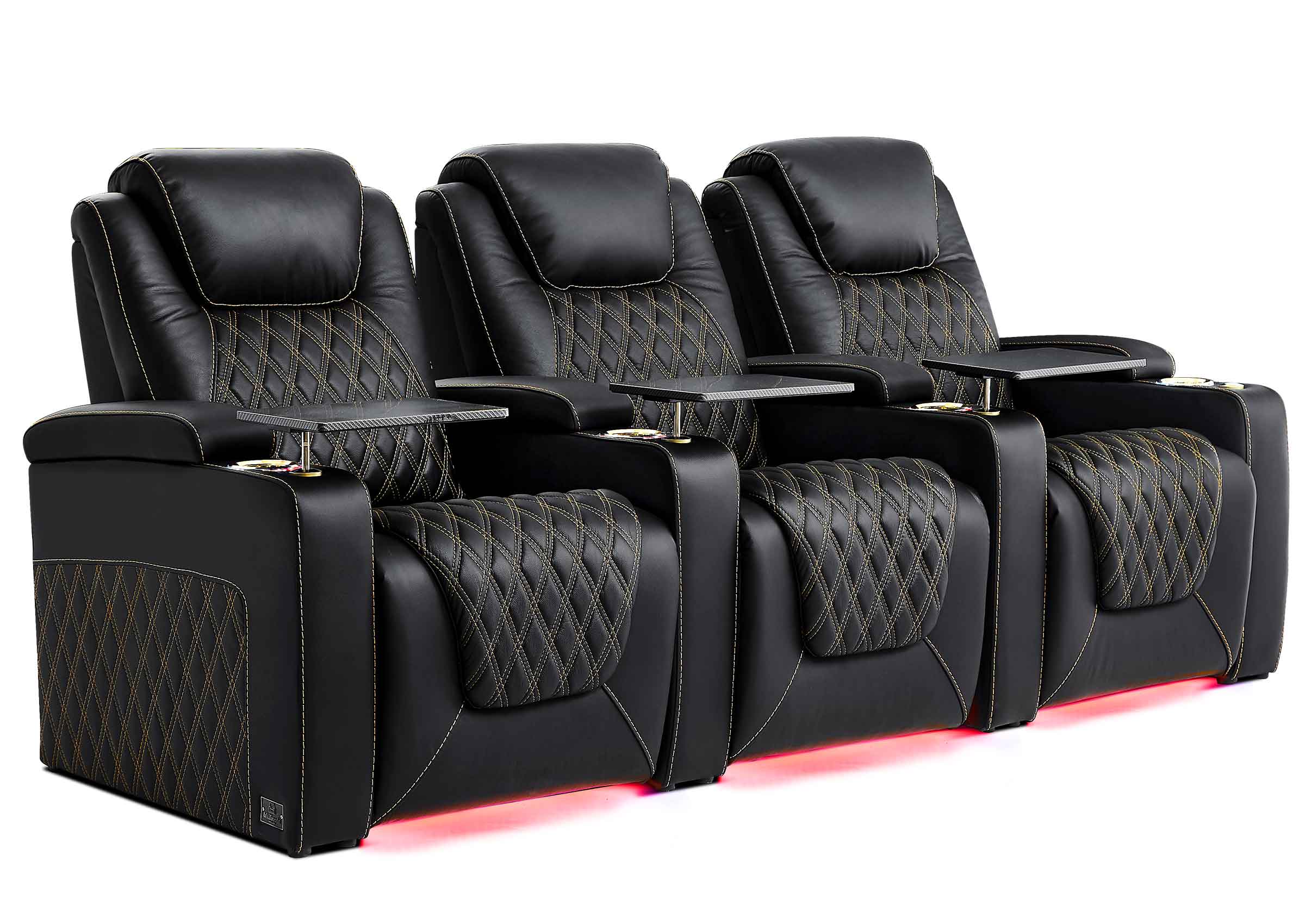
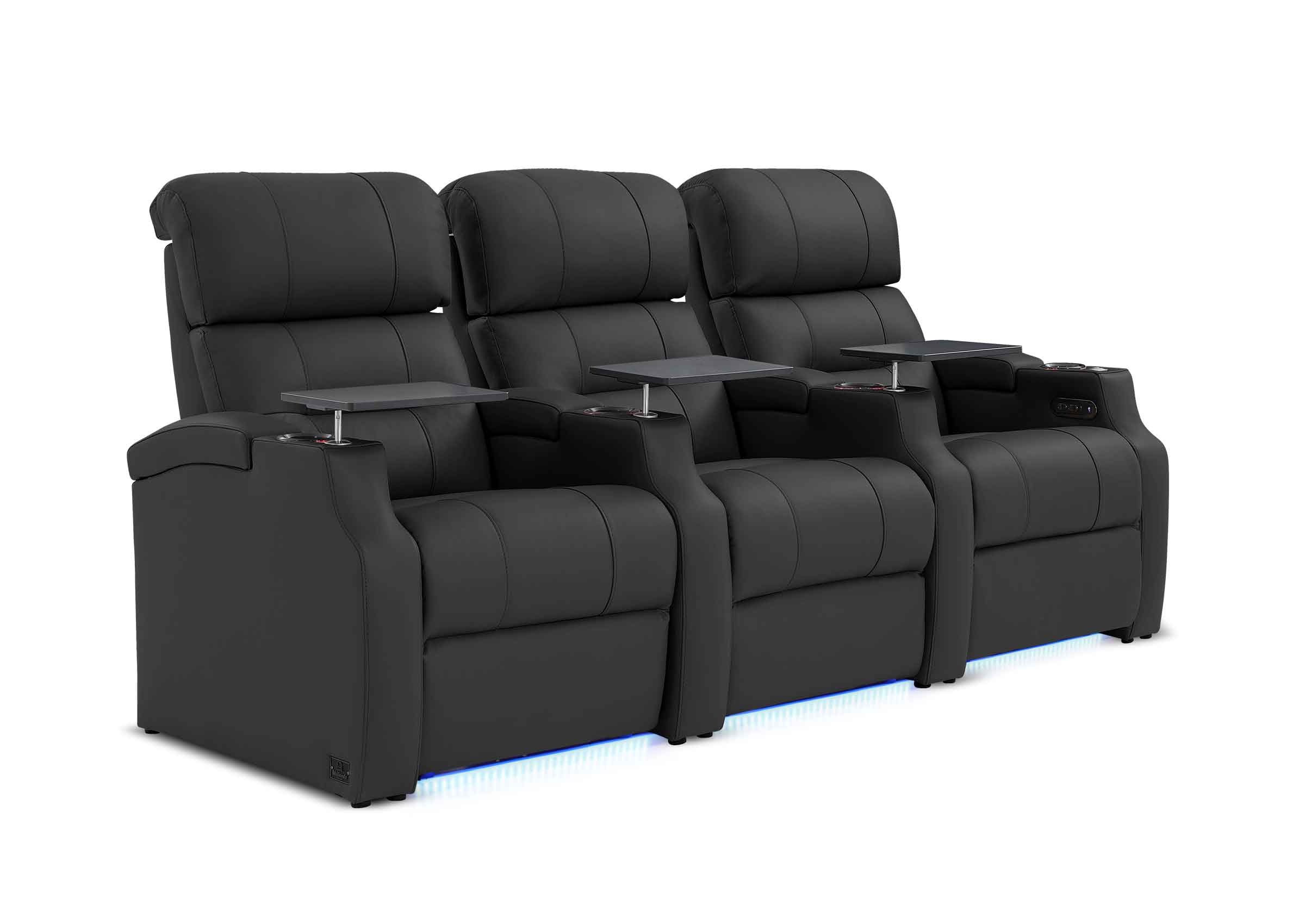
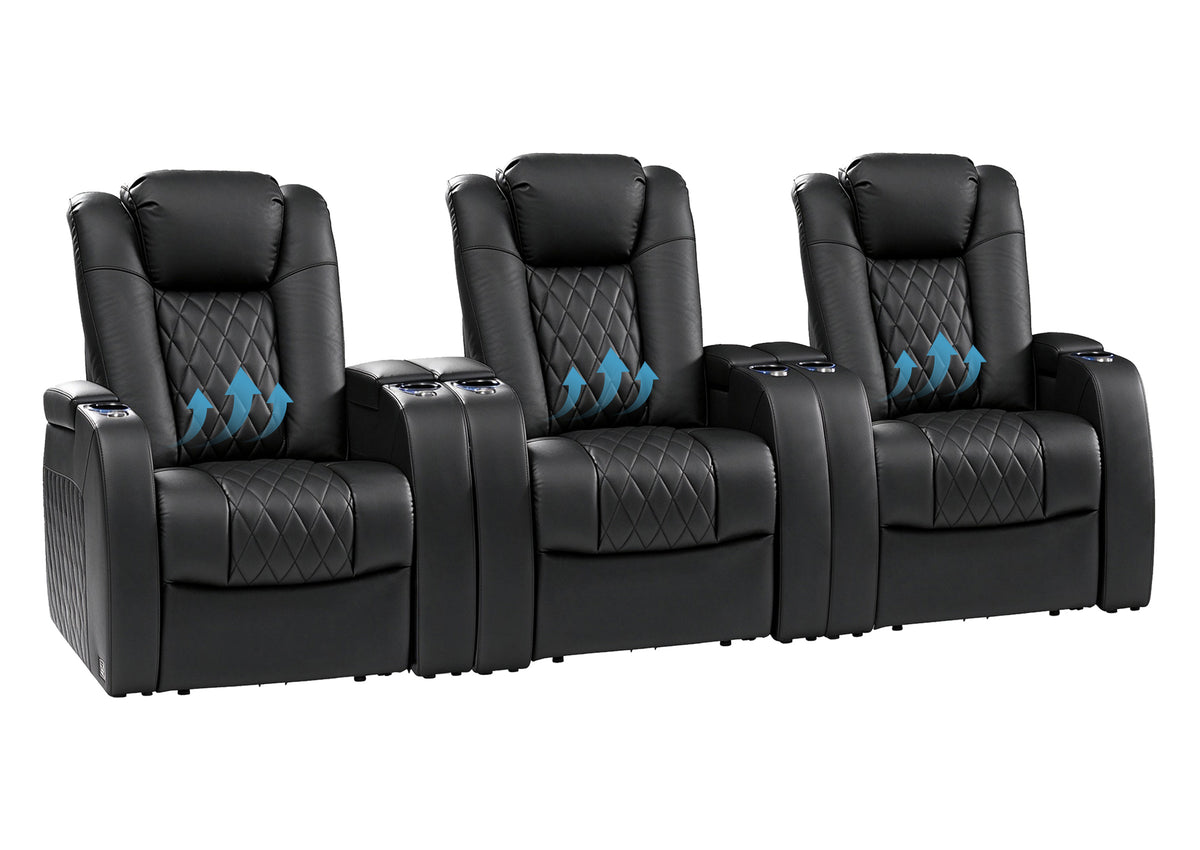
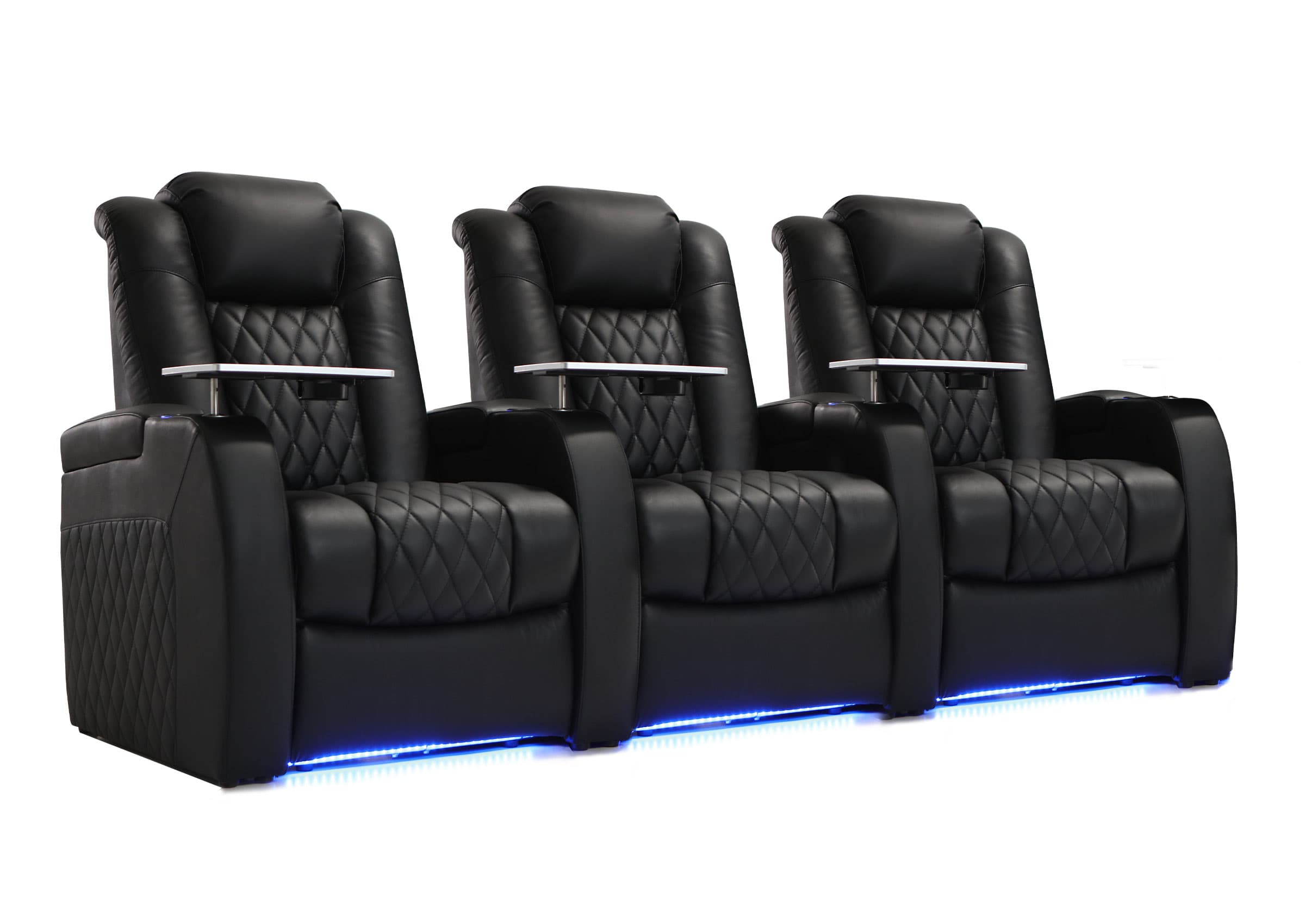
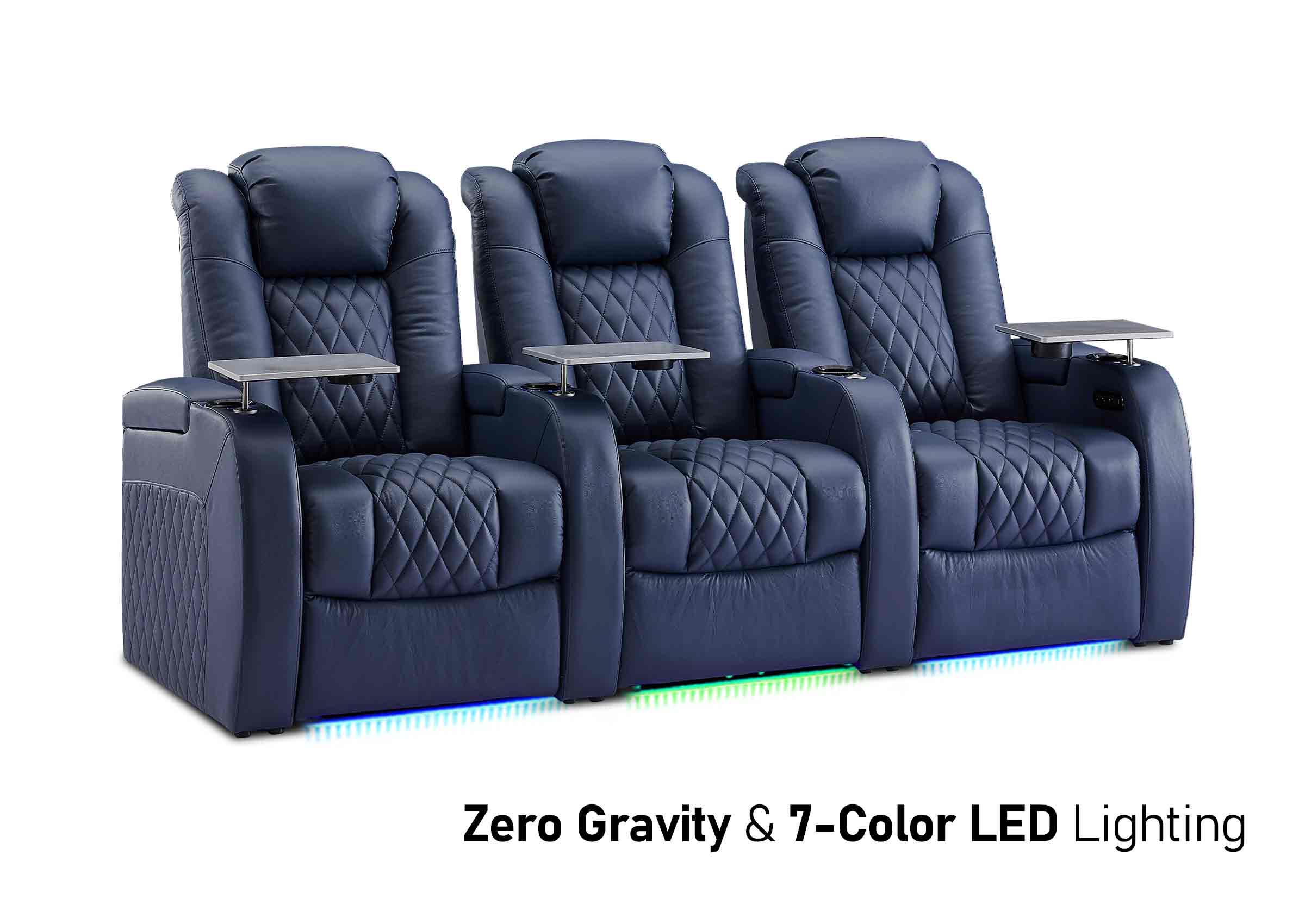
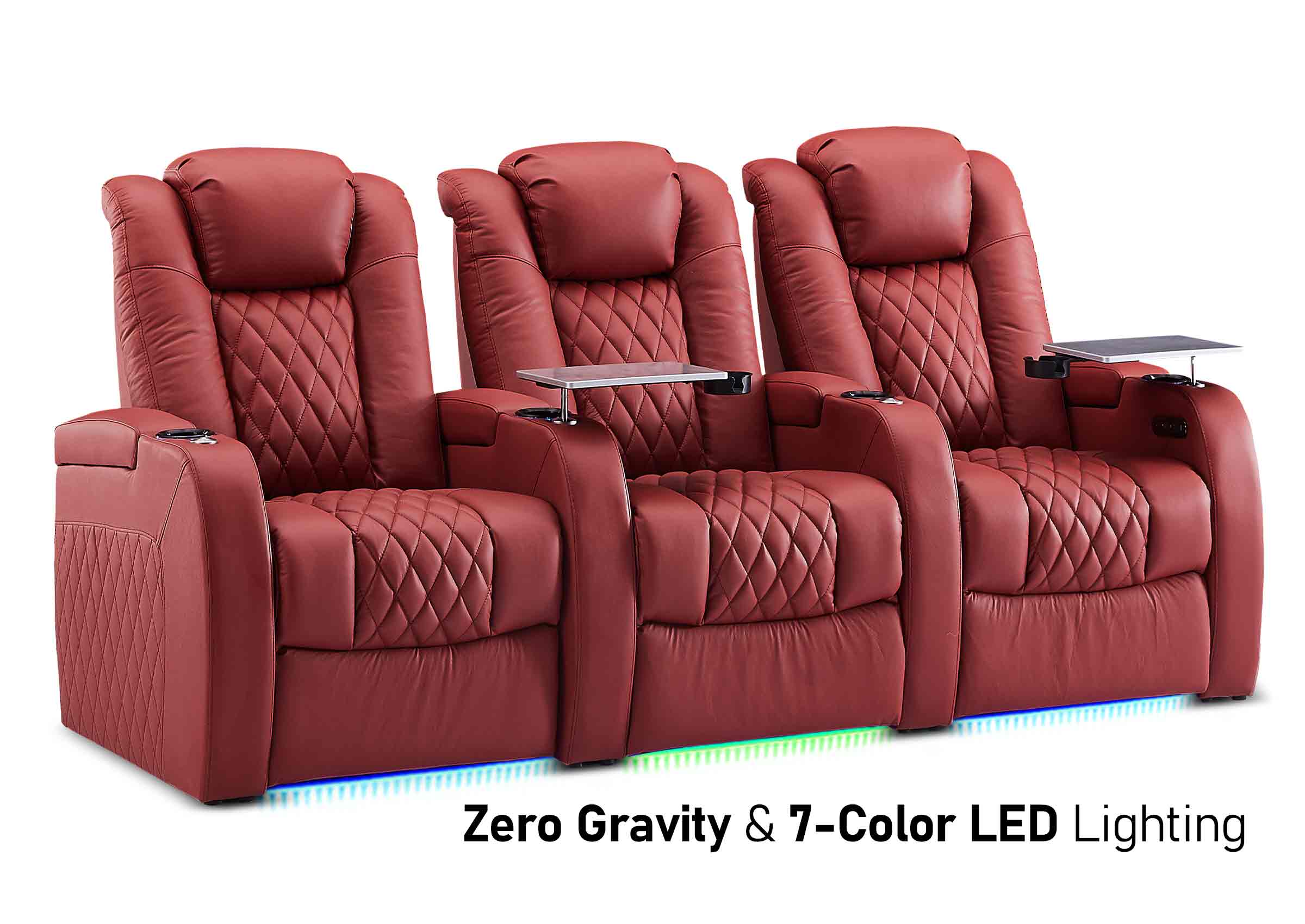
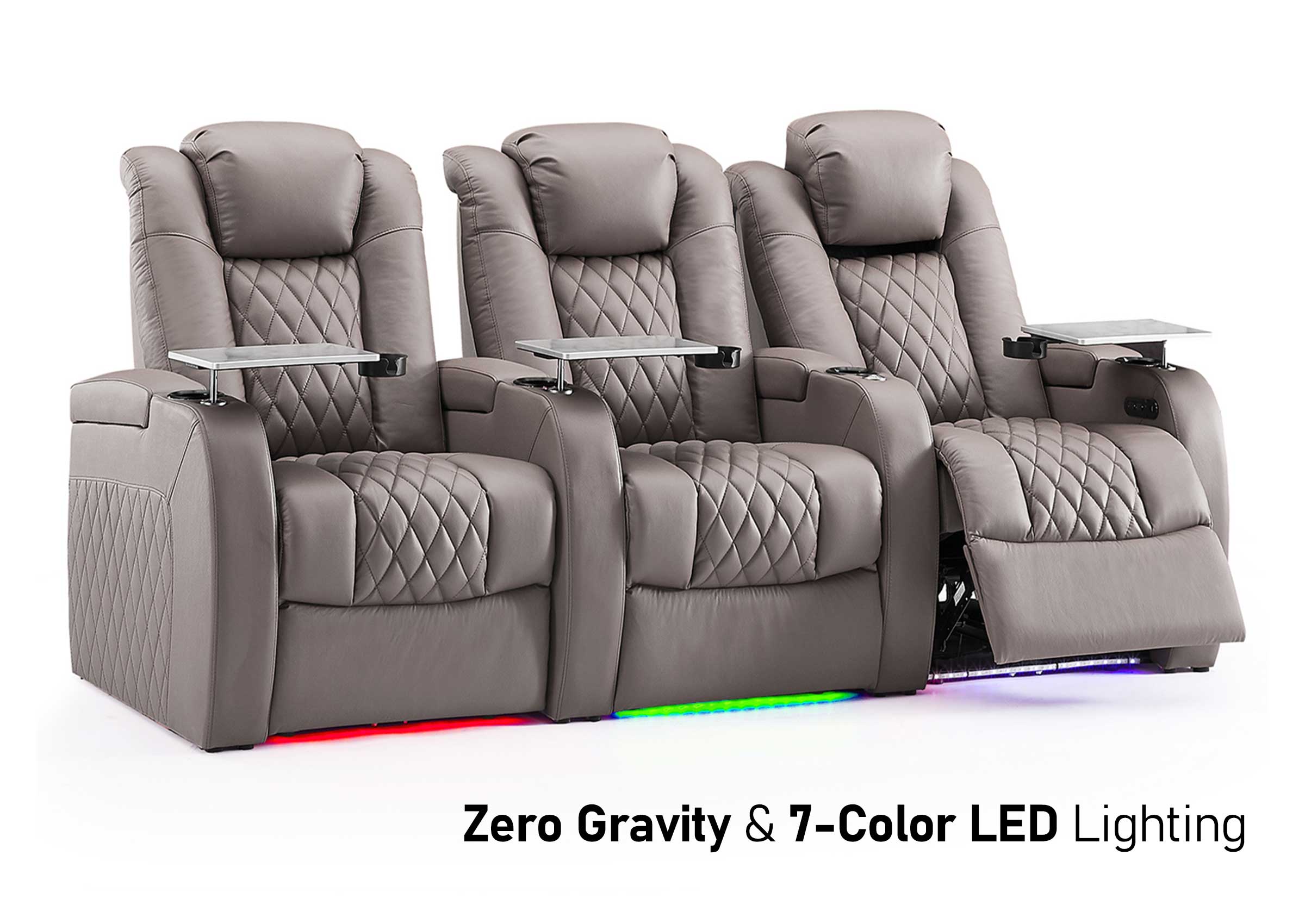
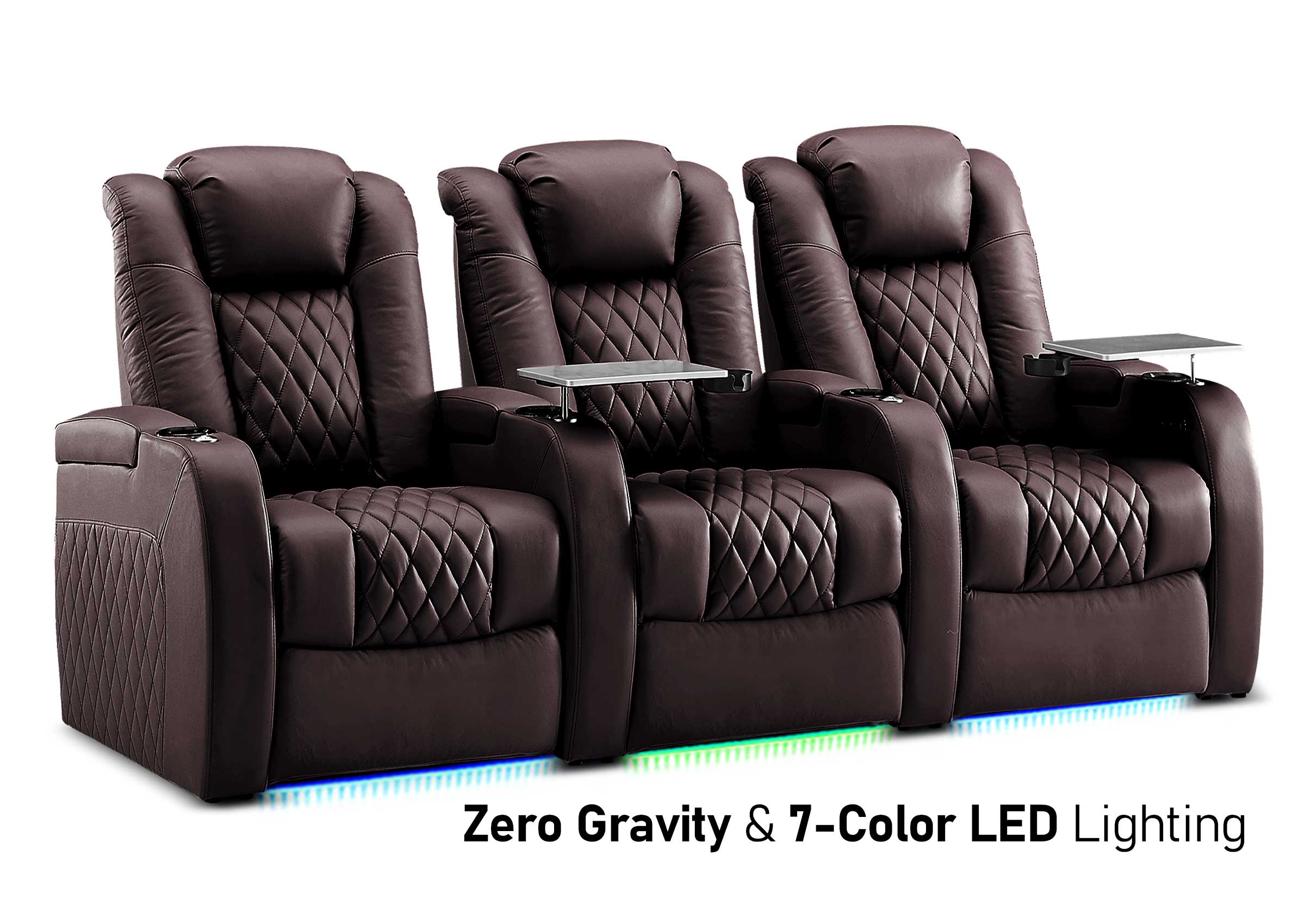
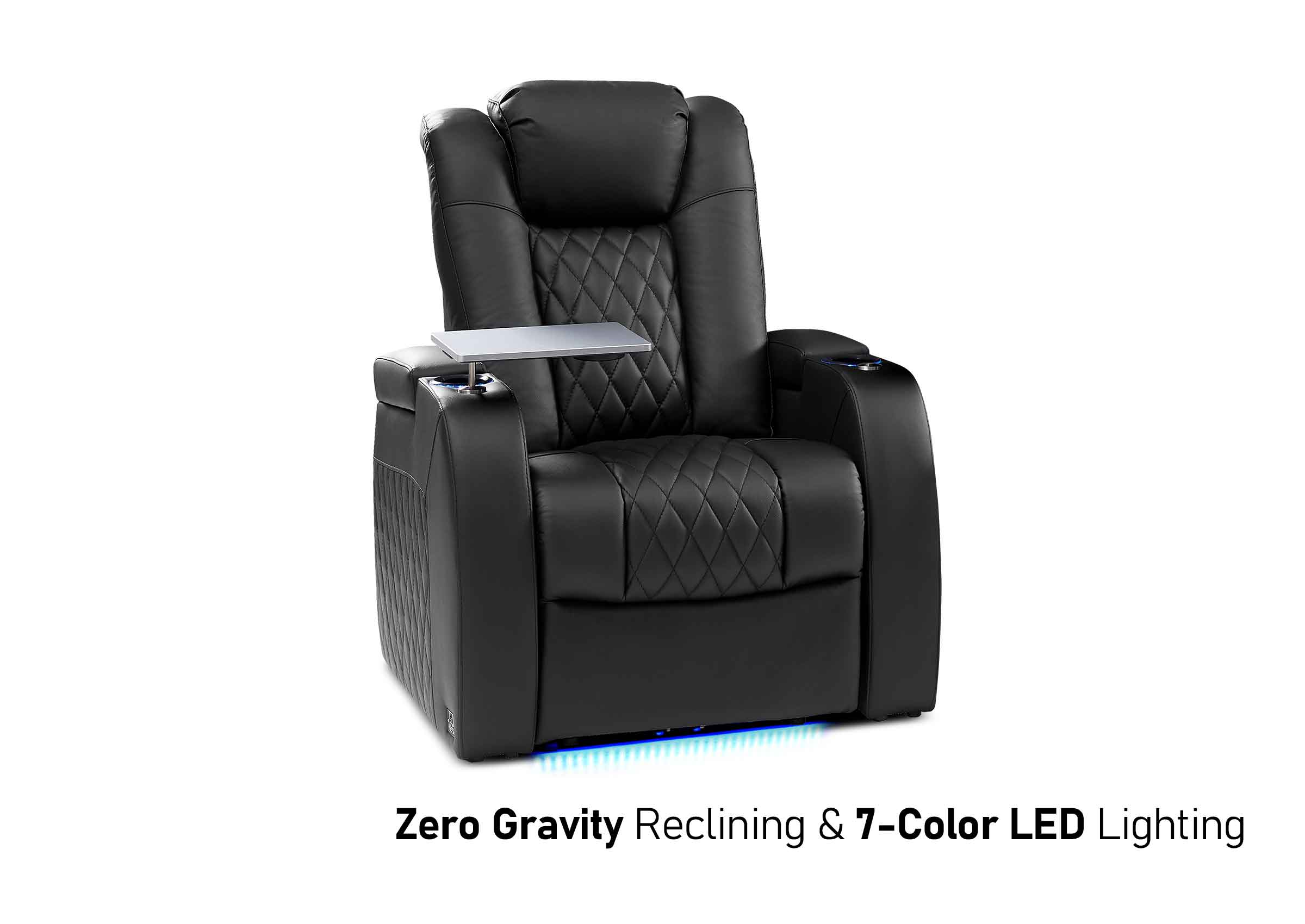
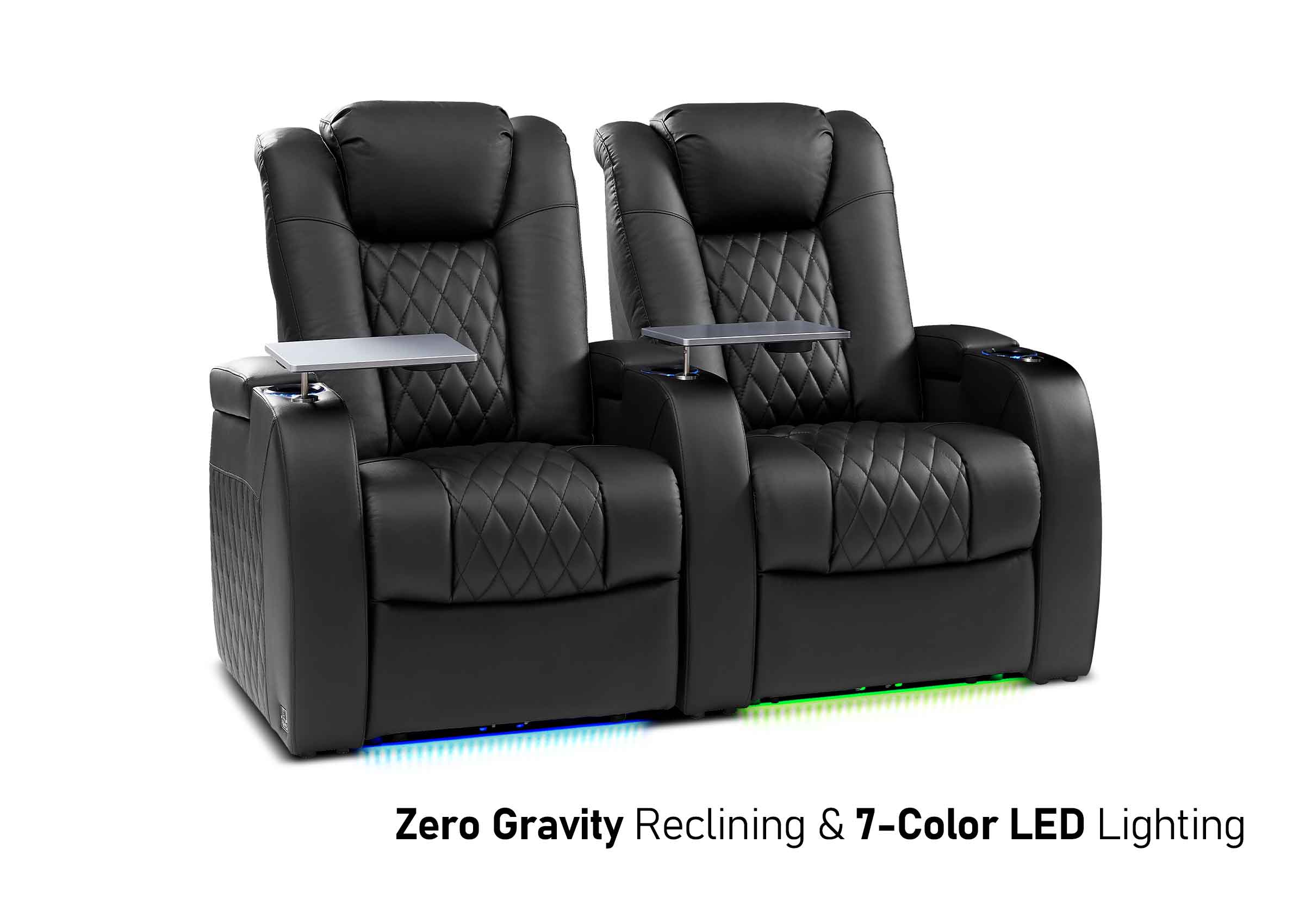
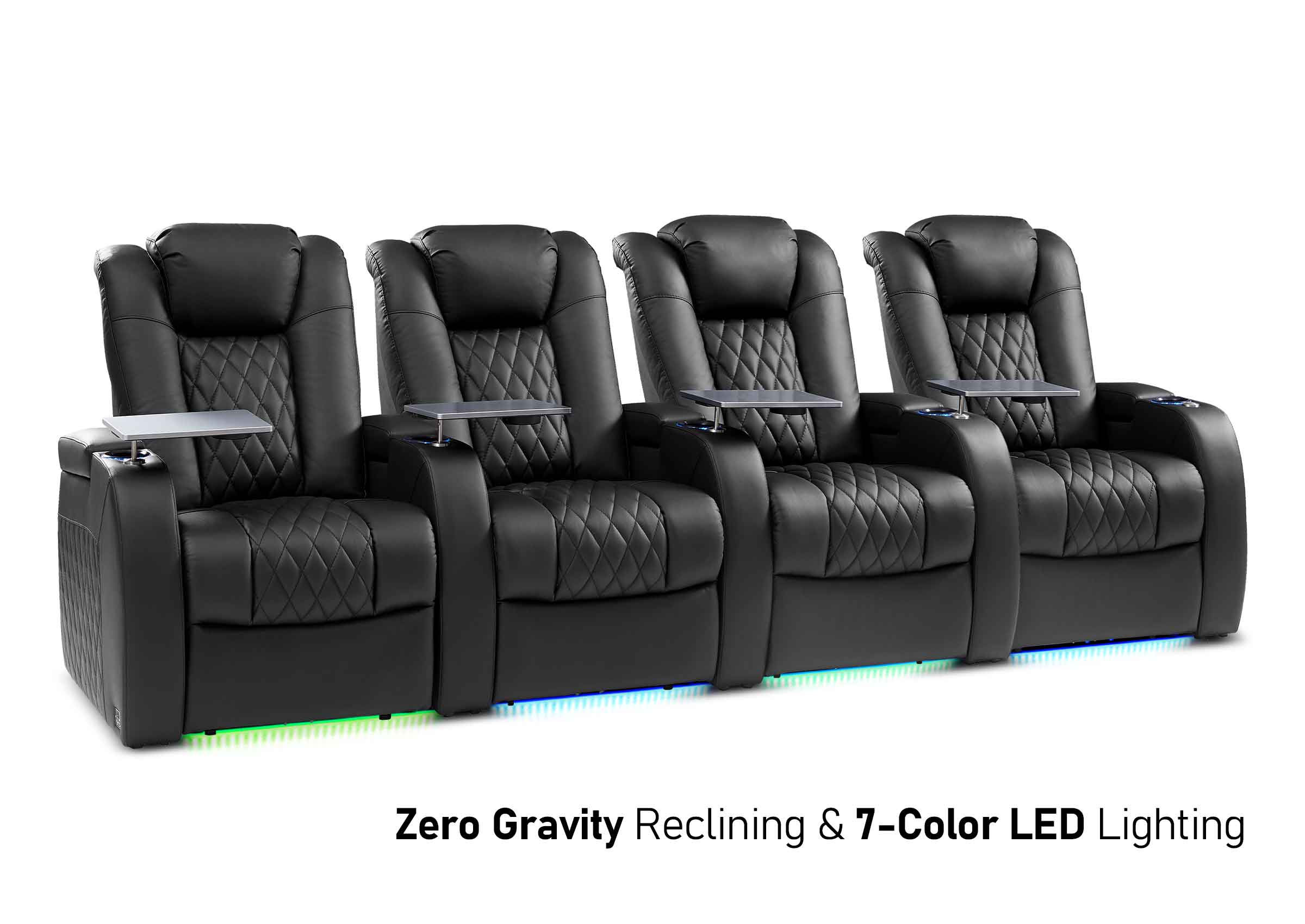
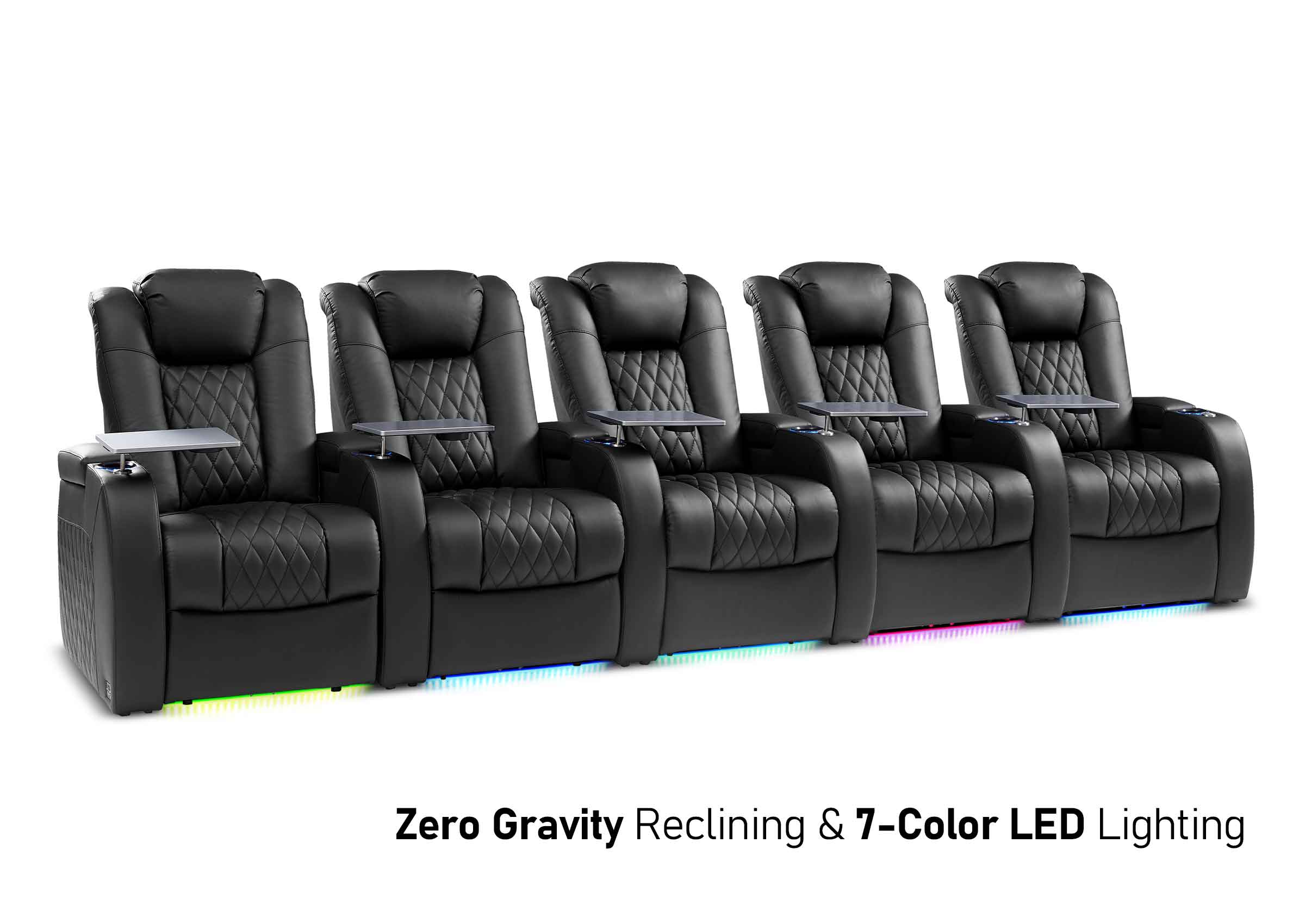
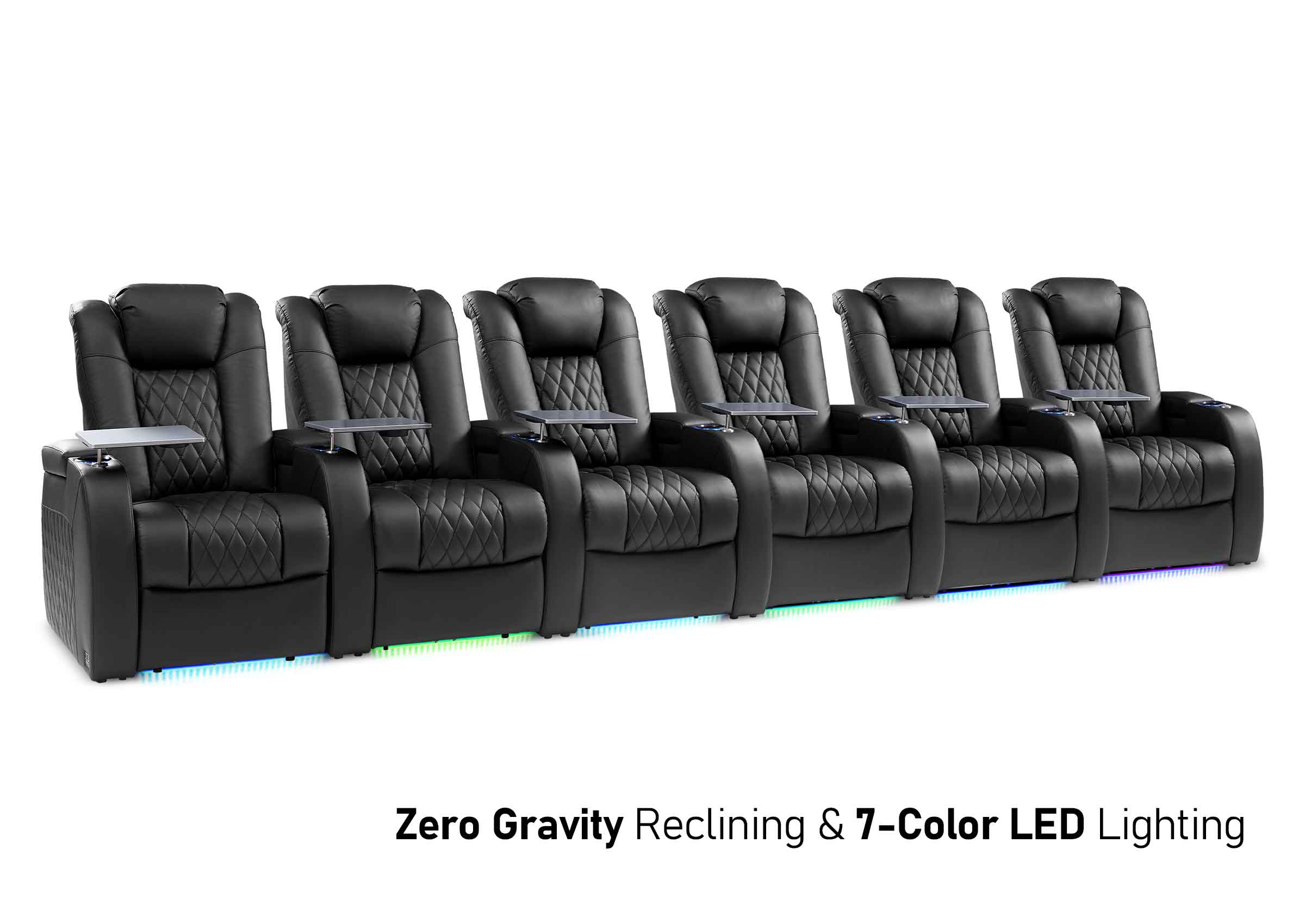
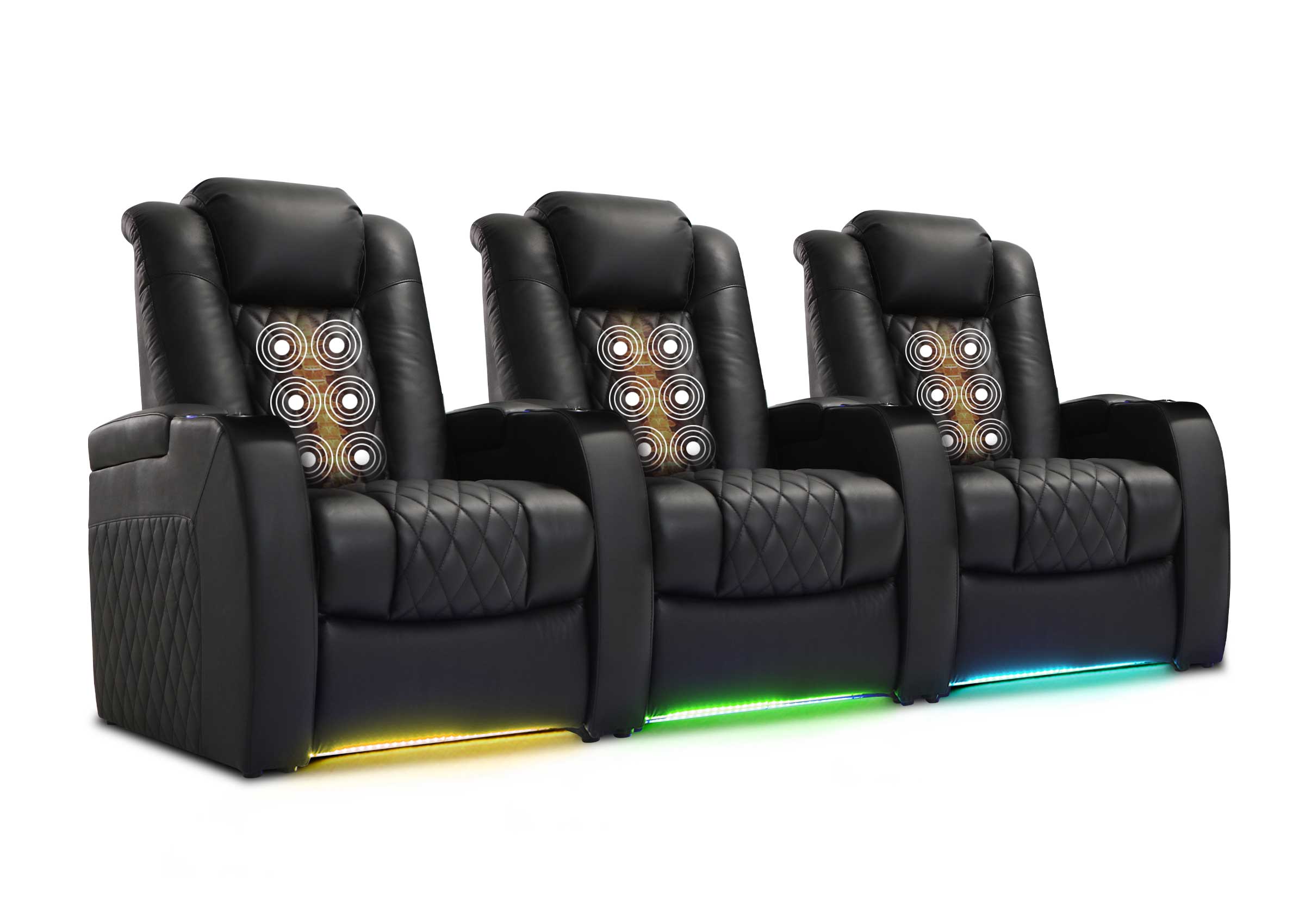
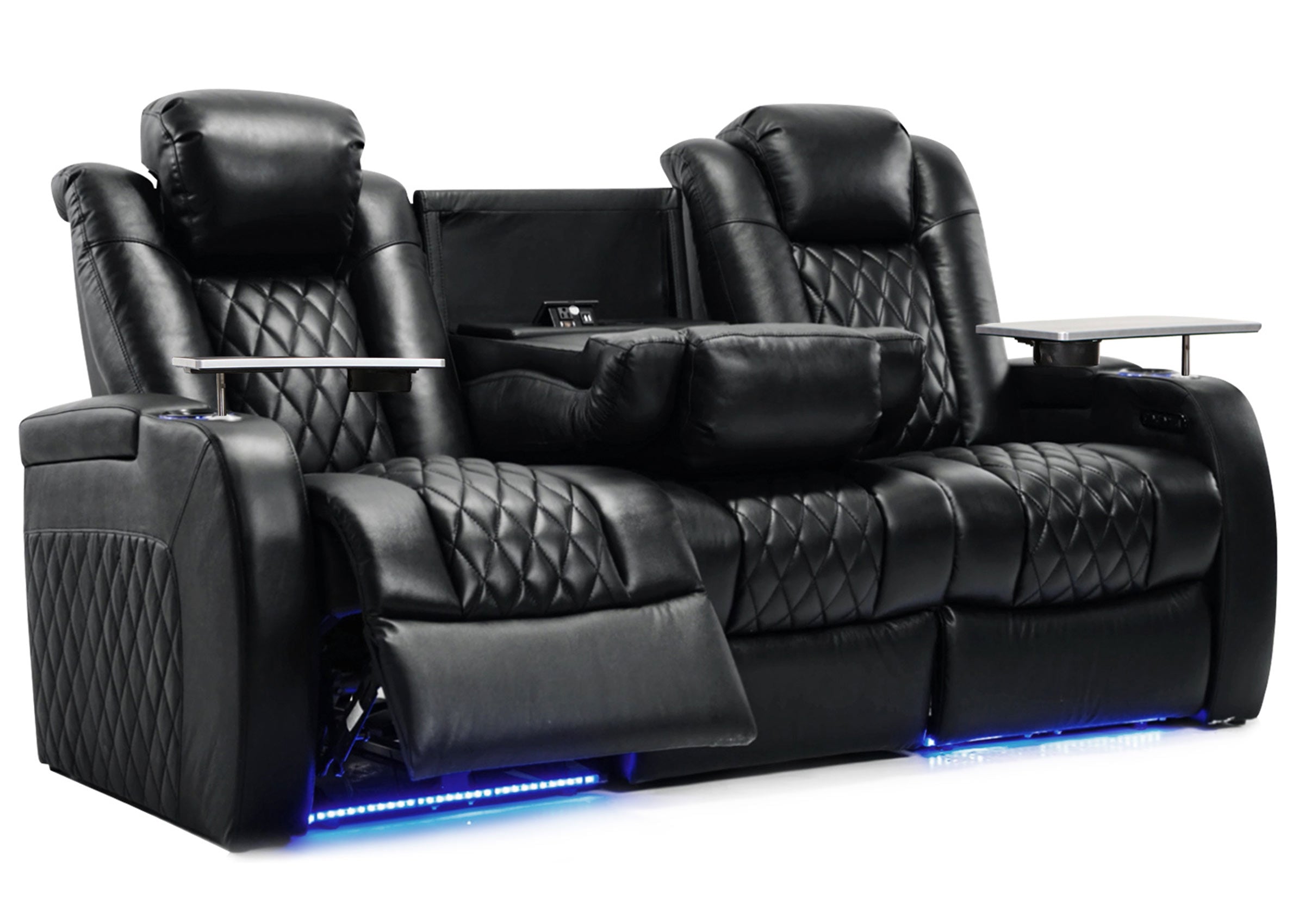
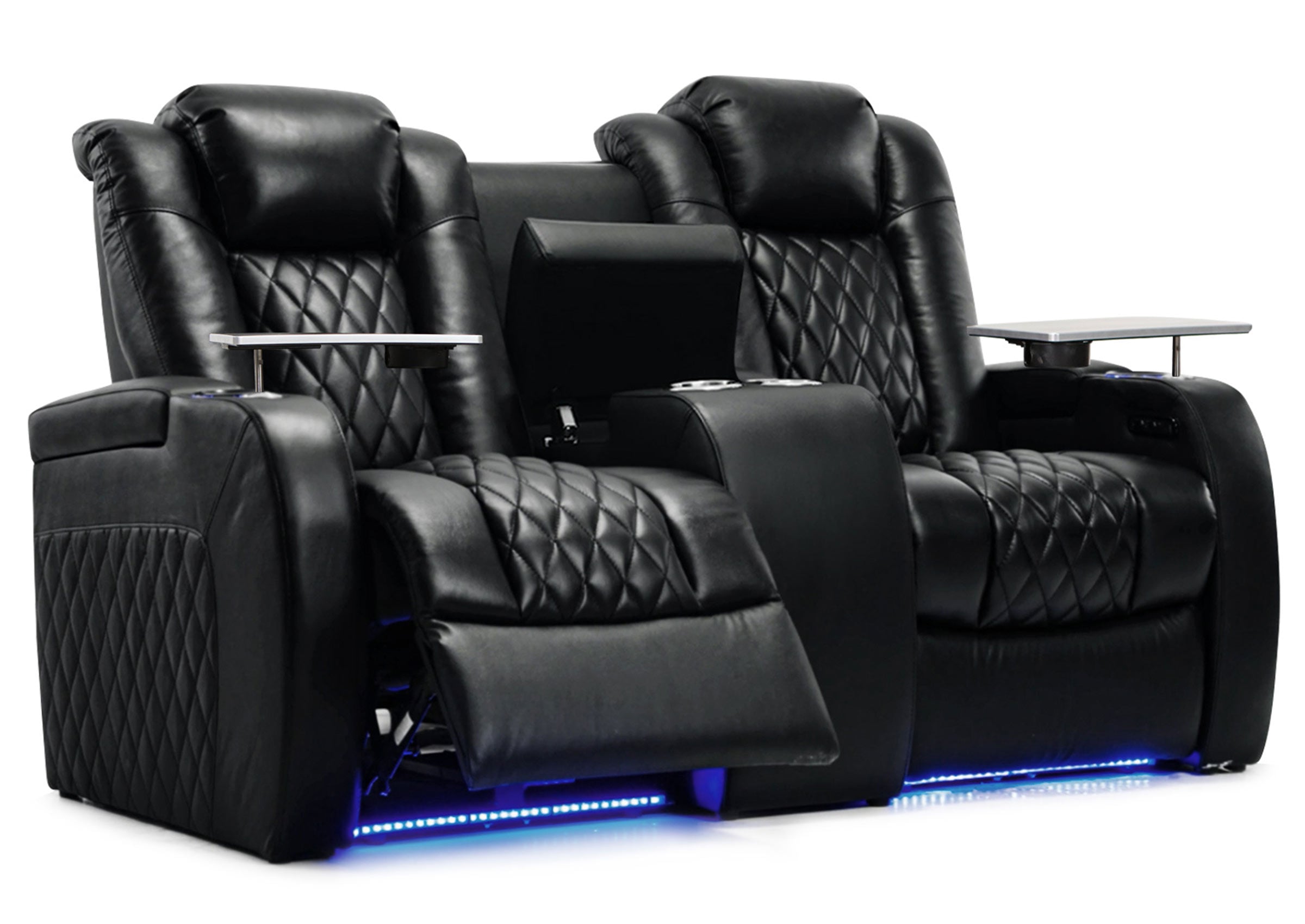
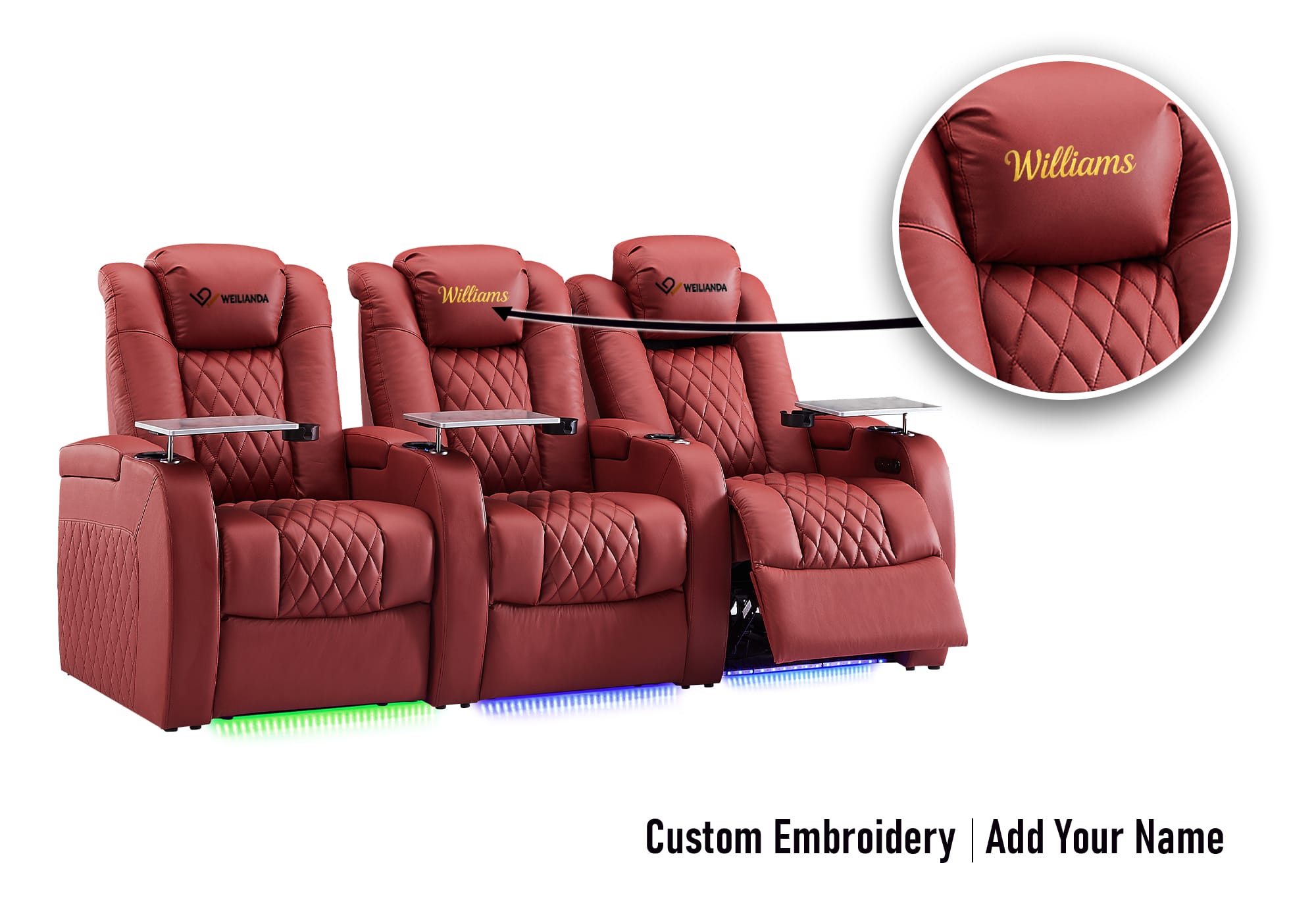
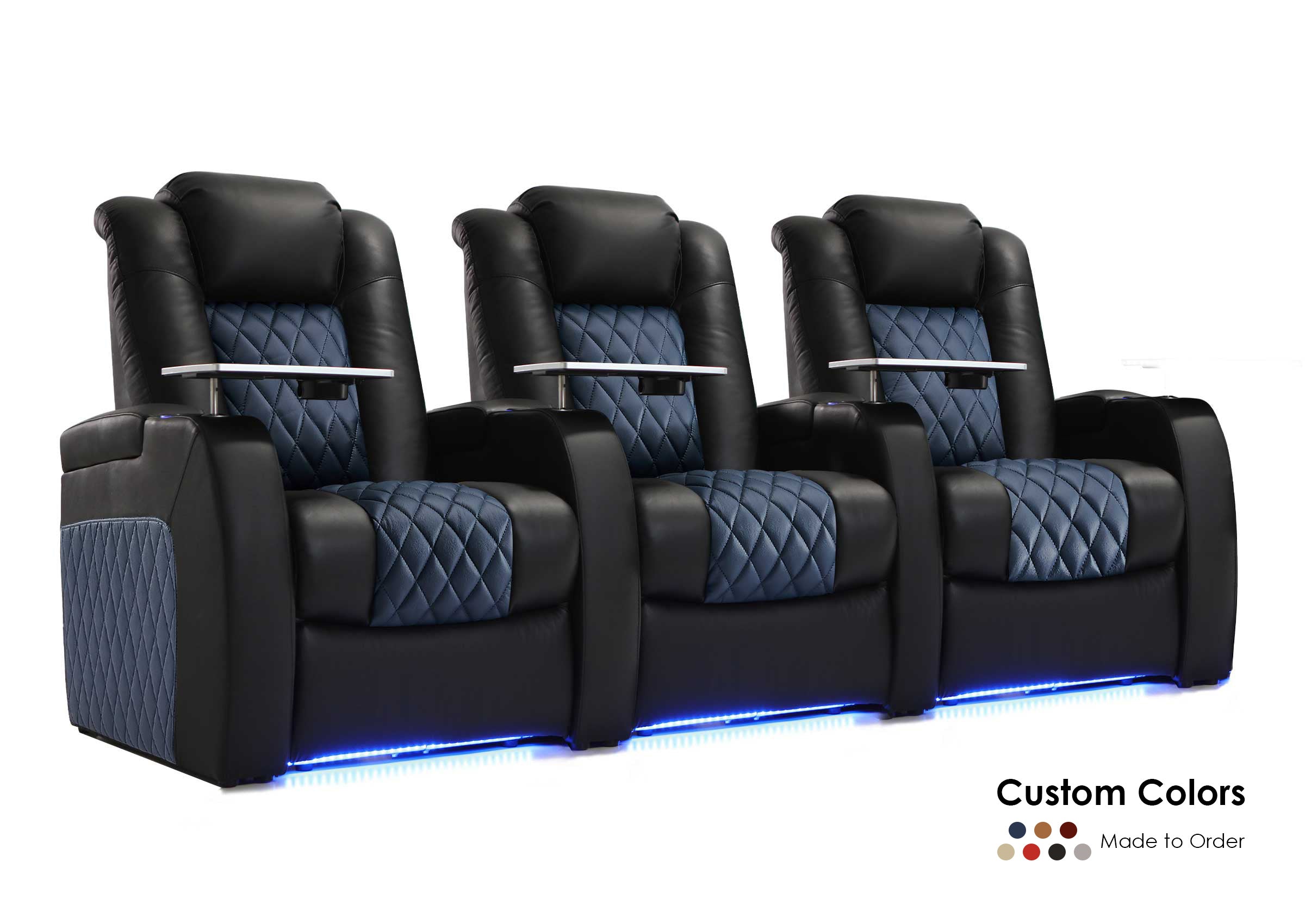
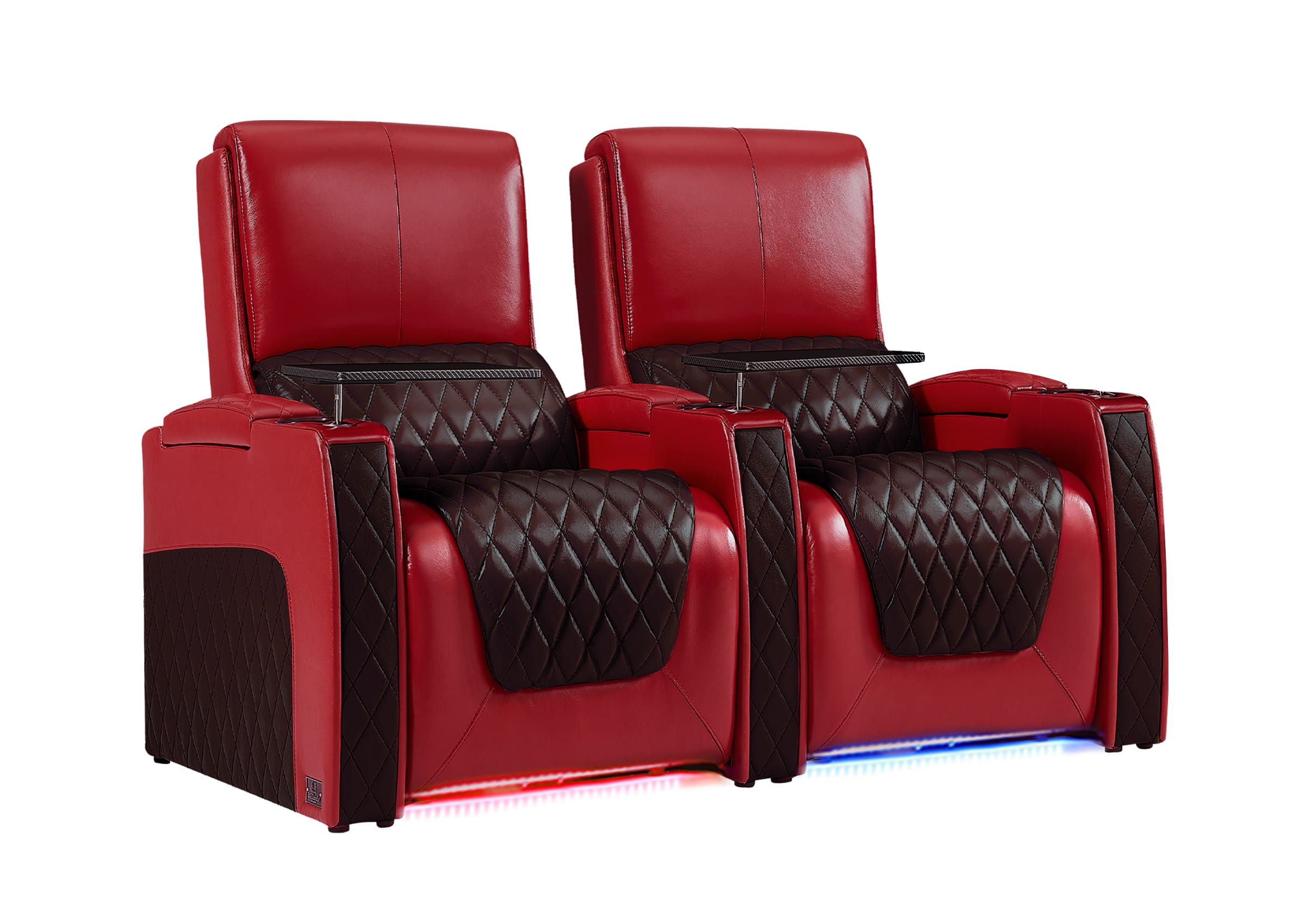
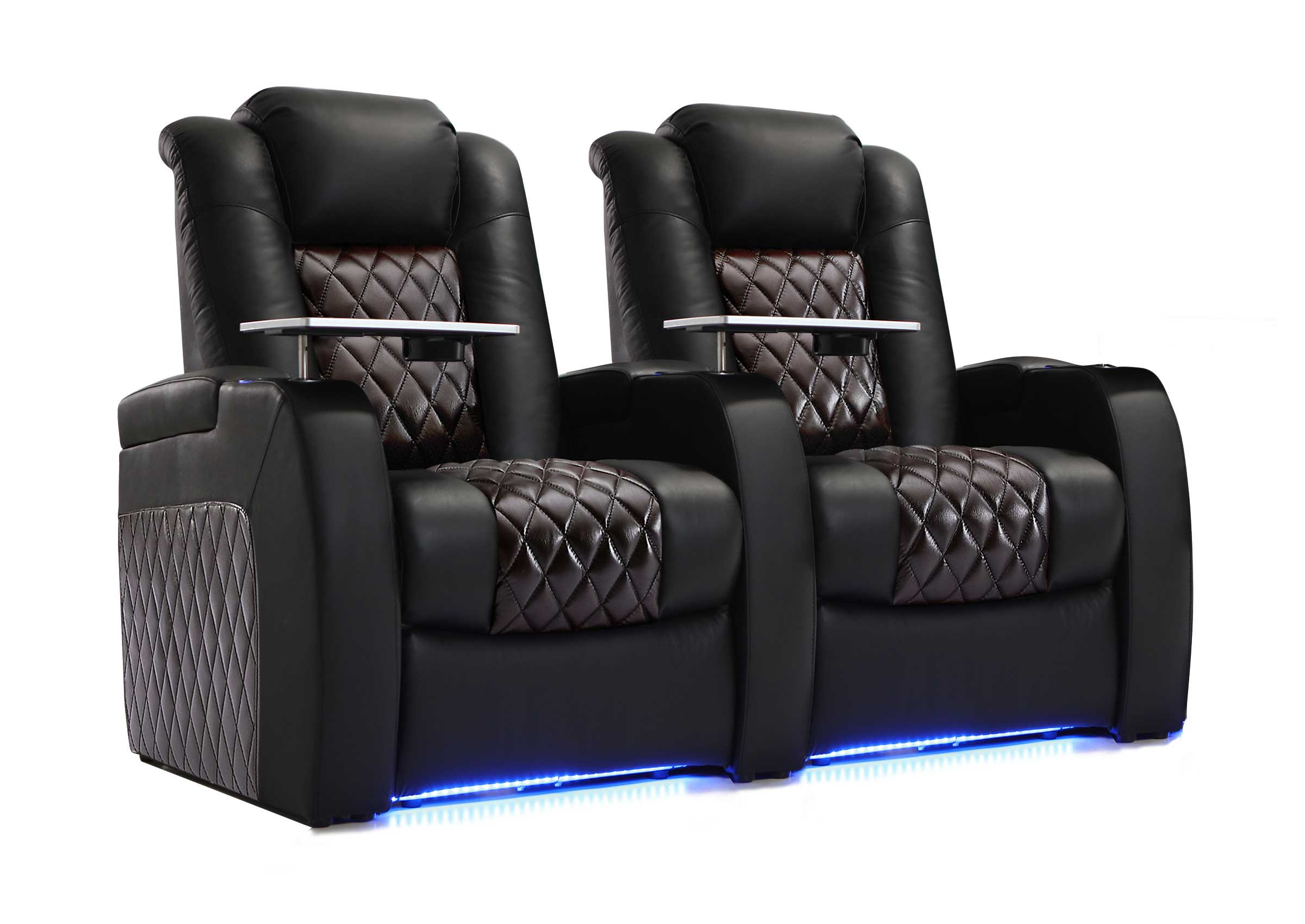
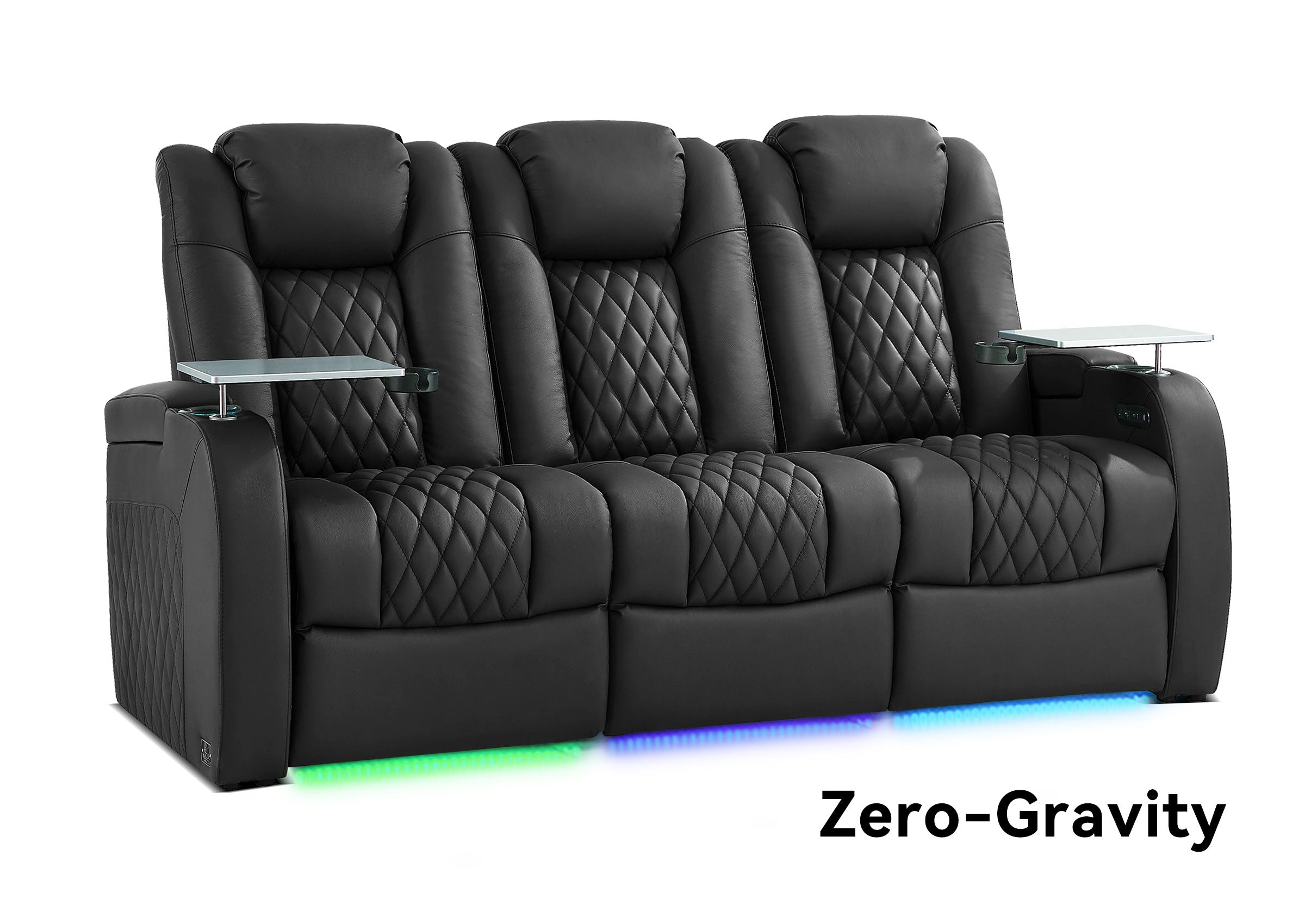
To help you maximize that space effortlessly, Our LumiChic Riser Series was designed specifically for these multi-row projector theaters, offering clear views without sacrificing comfort. And since long cinematic sessions demand ultimate support, you can elevate the experience further with the zero-gravity relaxation of our AstroUltra Series Zero Gravity Recliners or set the perfect mood with the customizable ambient lighting of our FortLux Series.
FAQs
Is a Projector or TV Better for a Bright Room?
TVs are generally better in bright rooms because their higher peak brightness (often 2000+ nits on Mini-LED models) maintains contrast where projectors can appear washed out. However, pairing a modern laser projector with a premium ALR screen can make the setup highly usable for mixed-light living rooms, though contrast will still trail a good TV.
How Far Should I Sit From a 120-Inch Projector Screen?
For a 120-inch screen, the THX 40-degree immersive distance is approximately 10 feet, while the SMPTE 30-degree relaxed distance is around 16 feet. Choose based on whether you prioritize cinematic wow-factor or comfortable everyday viewing without neck strain. Always verify your room depth can accommodate the chosen screen size plus proper recliner clearance.
Does a Projector Cause Less Eye Strain Than a TV?
Many viewers report less fatigue with projectors because reflected light is softer than the direct light emitted by TV panels. This benefit is most noticeable during extended movie marathons in controlled lighting. Pairing the projector with zero-gravity recliners that support proper posture further improves long-term comfort.
Is a Projector Worth It for a Multi-Purpose Living Room?
It depends on your priorities. If you value maximum screen size and a cinematic feel and can control light reasonably well (or invest in an ALR screen), a UST projector can work beautifully. However, most multi-purpose rooms with high ambient light and frequent casual viewing are better served by a large TV for simplicity, brightness, and lower setup friction.
How Does Screen Choice Affect Home Theater Recliner Placement?
Projector setups often require elevated rear seating for clear sightlines over front-row heads, making built-in riser recliners or platforms essential. TV setups are more forgiving but still benefit from zero-wall recliners to maintain optimal viewing distance in smaller rooms. Always plan seating and display together rather than purchasing sequentially.