












The movie theater has long been a cornerstone of entertainment culture. But as we move through 2026, many people are asking the same question: is going to movies worth it when streaming services like Netflix, Amazon Prime, and Disney+ make home viewing so convenient?
The Evolution of Movie-Going in 2026
The landscape of film consumption has transformed dramatically in recent years.
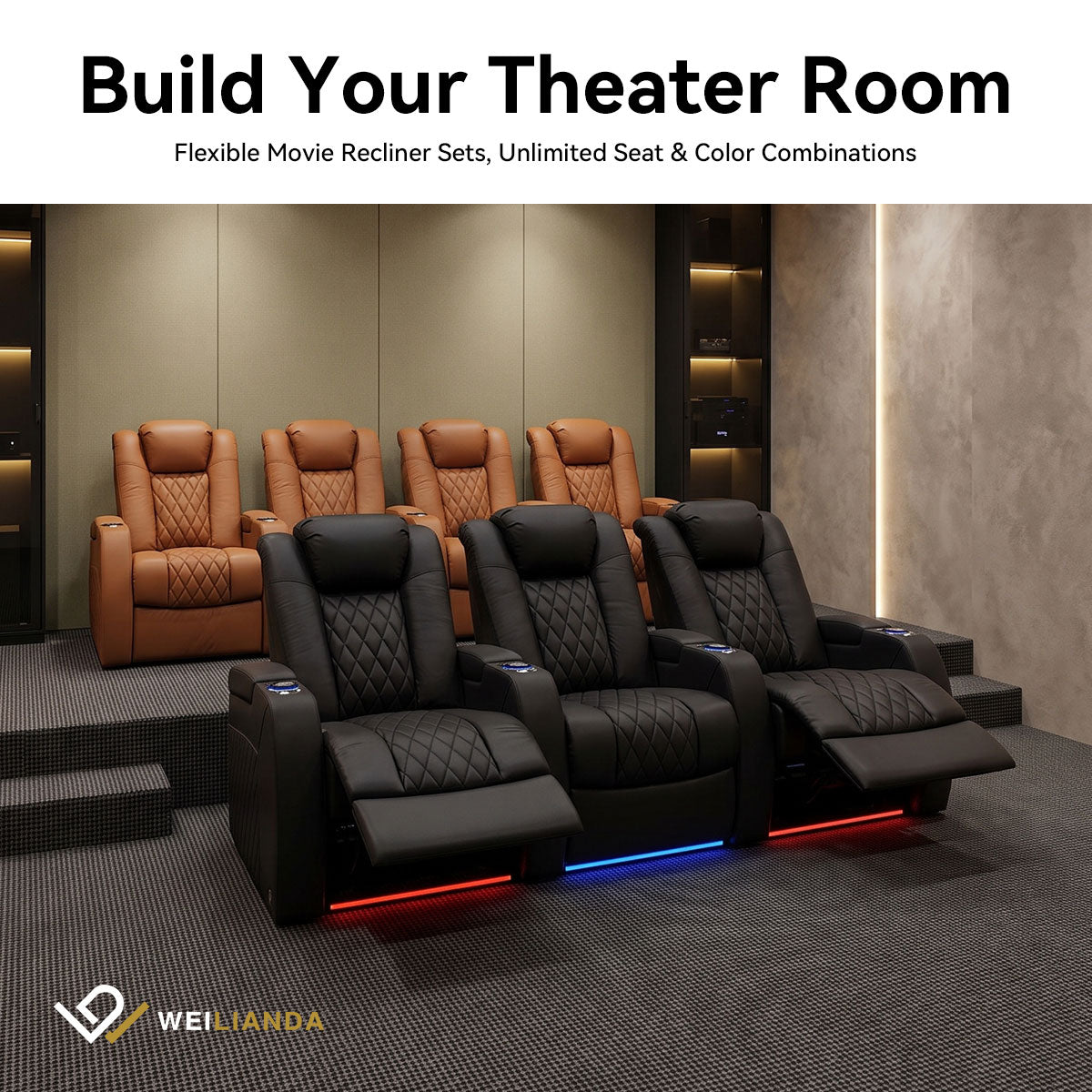
Movie theaters have evolved with premium seating, gourmet food options, and advanced sound systems. Many venues now offer reclining chairs and reserved seating to enhance comfort. Some locations provide full dining experiences with servers bringing meals to your seat.
Despite these improvements, significant challenges persist. Ticket prices have climbed steadily over the past decade. A single outing for a family of four can easily exceed $100 when factoring in tickets, snacks, and parking. Premium formats like IMAX or 3D add even more to the cost.
Theater attendance patterns reveal changing consumer preferences. Opening weekends still draw crowds for blockbuster releases. Mid-week showings often sit nearly empty. The pandemic accelerated a trend that was already underway. People discovered they could enjoy quality entertainment without leaving their living rooms.
The convenience factor weighs heavily on viewing decisions. Finding time to drive to a theater, navigate crowds, and sit through previews feels less appealing to many viewers. Schedule flexibility matters more than ever in our busy lives.
Cost Analysis: Theater Tickets vs Home Theater Investment
The financial implications help clarify which option provides better value.
Annual Theater Expenses Add Up Quickly
Average movie tickets now cost between $12 and $20 per person, depending on location and format. A couple going to the movies twice monthly spends roughly $500 to $800 annually on tickets alone. This doesn't include the high additional costs.
Concessions carry substantial markups. A soda and popcorn combo costs $15 or more at most venues. Transportation expenses, whether gas or rideshare fees, increase the total cost of each outing. For families, these expenses multiply rapidly.
Initial Investment in Home Entertainment

Home theater investment initially seems expensive. Quality equipment requires upfront capital. However, the long-term value proposition becomes clear when you calculate usage over time.
A good setup serves you for years, providing entertainment whenever you want it. The equation changes dramatically when you factor in family size. Larger households see the value proposition shift in favor of home viewing. One-time equipment purchases serve multiple people indefinitely with no per-person charges.
Streaming subscriptions add monthly costs to home viewing. However, multiple services combined typically cost less than two theater trips per month. The content library available at home dwarfs what's currently showing in theaters.
Theater Seats vs Home Theater Seating Comfort
Physical comfort significantly impacts your overall enjoyment of any film.
Limitations of Traditional Theater Seating
Traditional theater seats come with inherent constraints. You're locked into a fixed position for two hours or more. The person in front might lean back into your space. Someone behind you might kick your seat.
Theater seating improvements have helped, but fundamental issues remain. You share armrests with strangers. Temperature controls aren't in your hands. The ambient noise from other patrons can disrupt immersion.

Personal Space and Control at Home
Home viewing offers fundamentally different advantages. You control everything about your environment. Pause the movie when needed. Adjust the temperature to your preference. Choose your own snacks without paying premium prices.
Personal space matters more to viewers than many realize. Having your own dedicated area eliminates the anxiety of crowded theaters. You won't worry about noisy neighbors or bright phone screens disrupting your experience.
The seating experience at home has transformed significantly. Modern furniture designed specifically for movie watching provides comfort that rivals or exceeds theater options. You can stretch out fully and position yourself exactly how you want

Benefits of Home Theater Recliners
Specialized seating has brought about a great transformation in home viewing.

Advanced Comfort Features
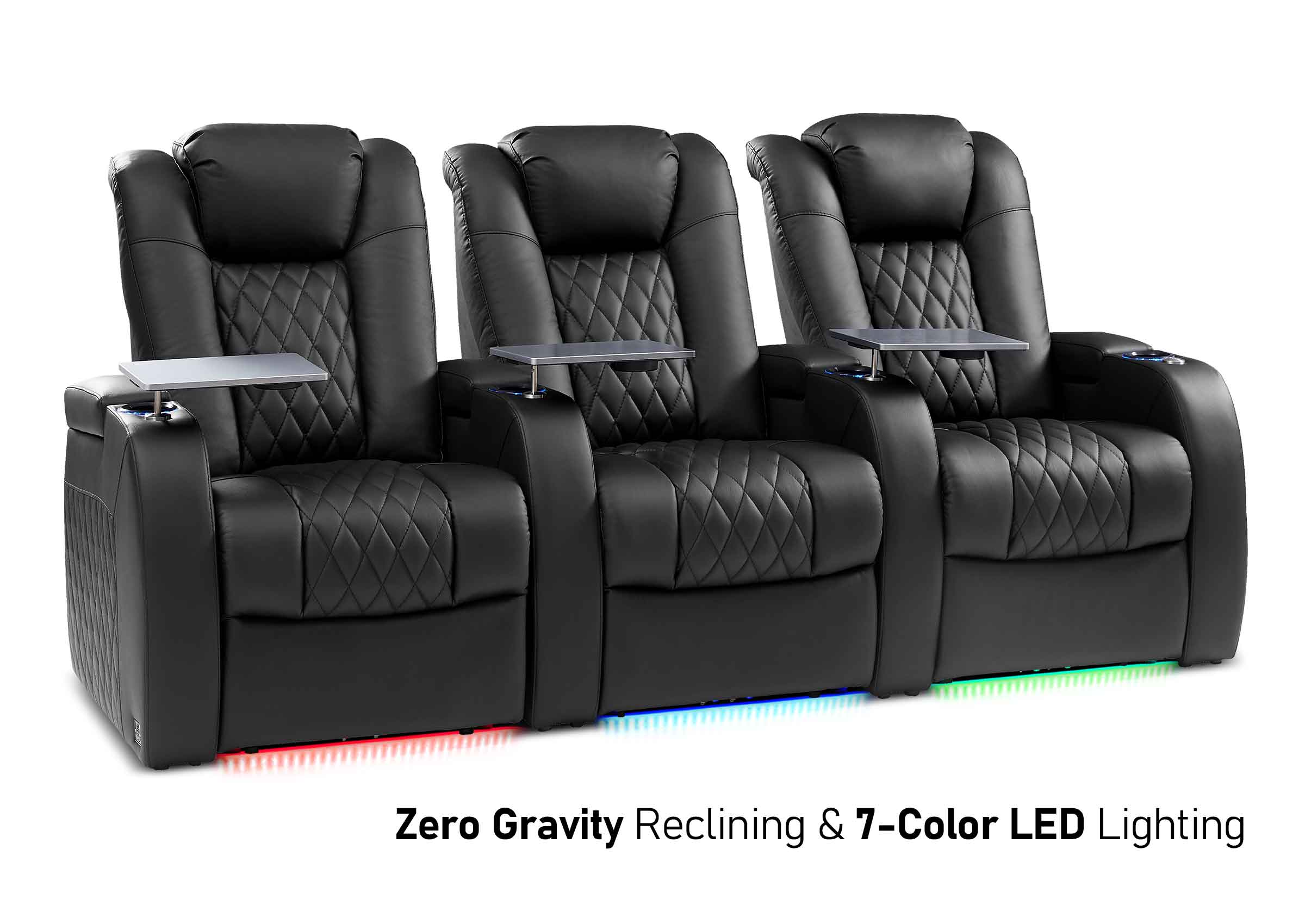
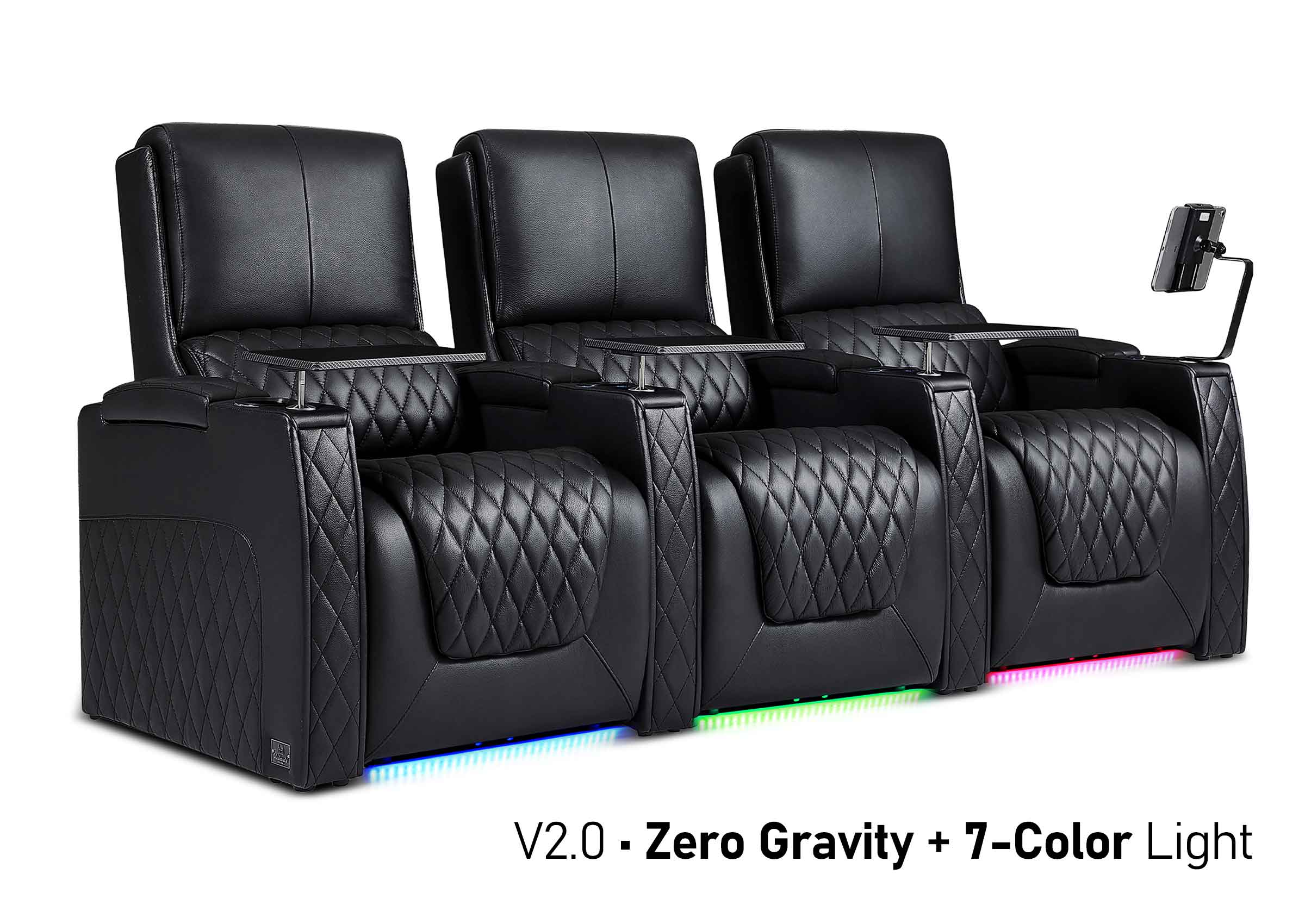
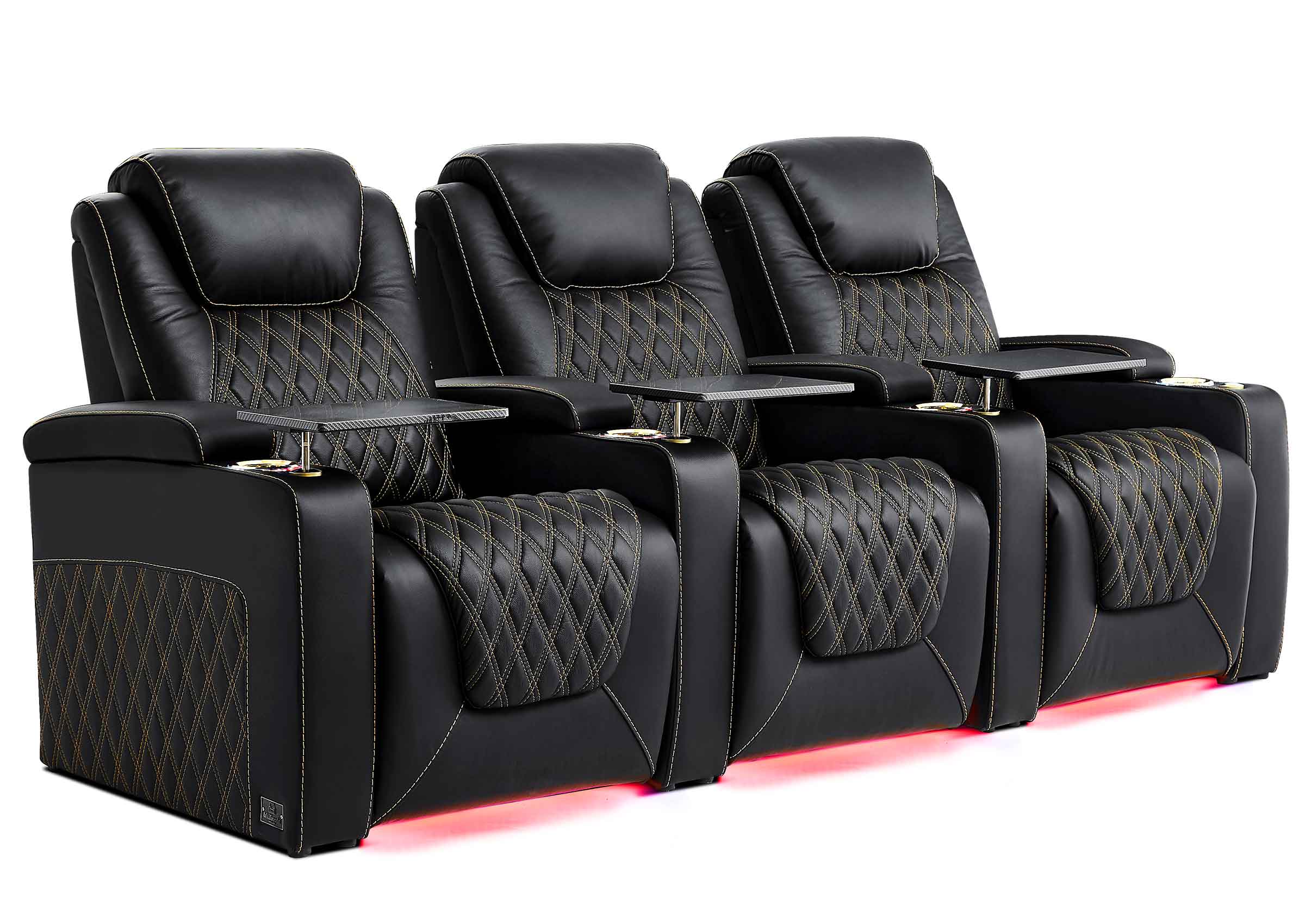
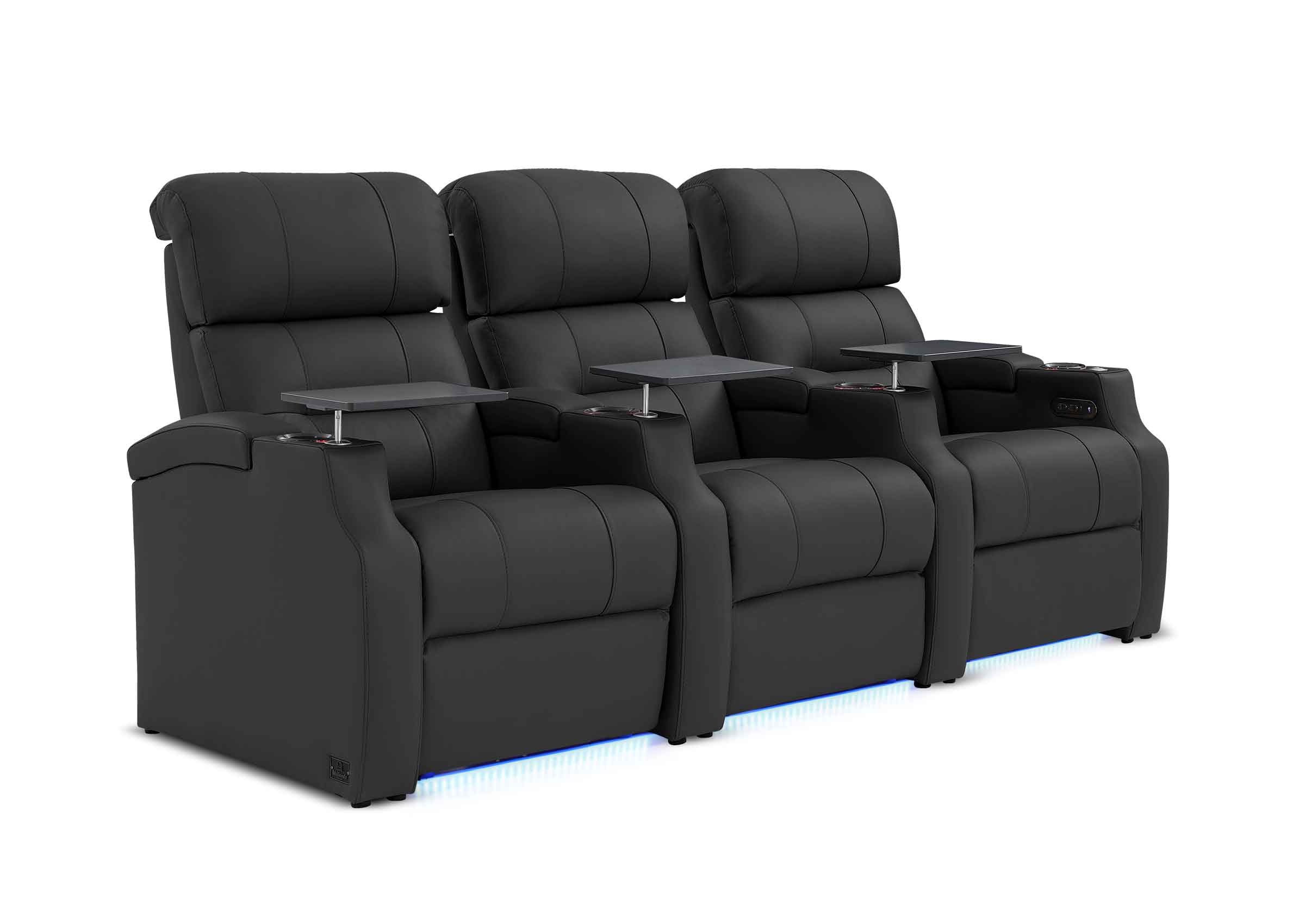
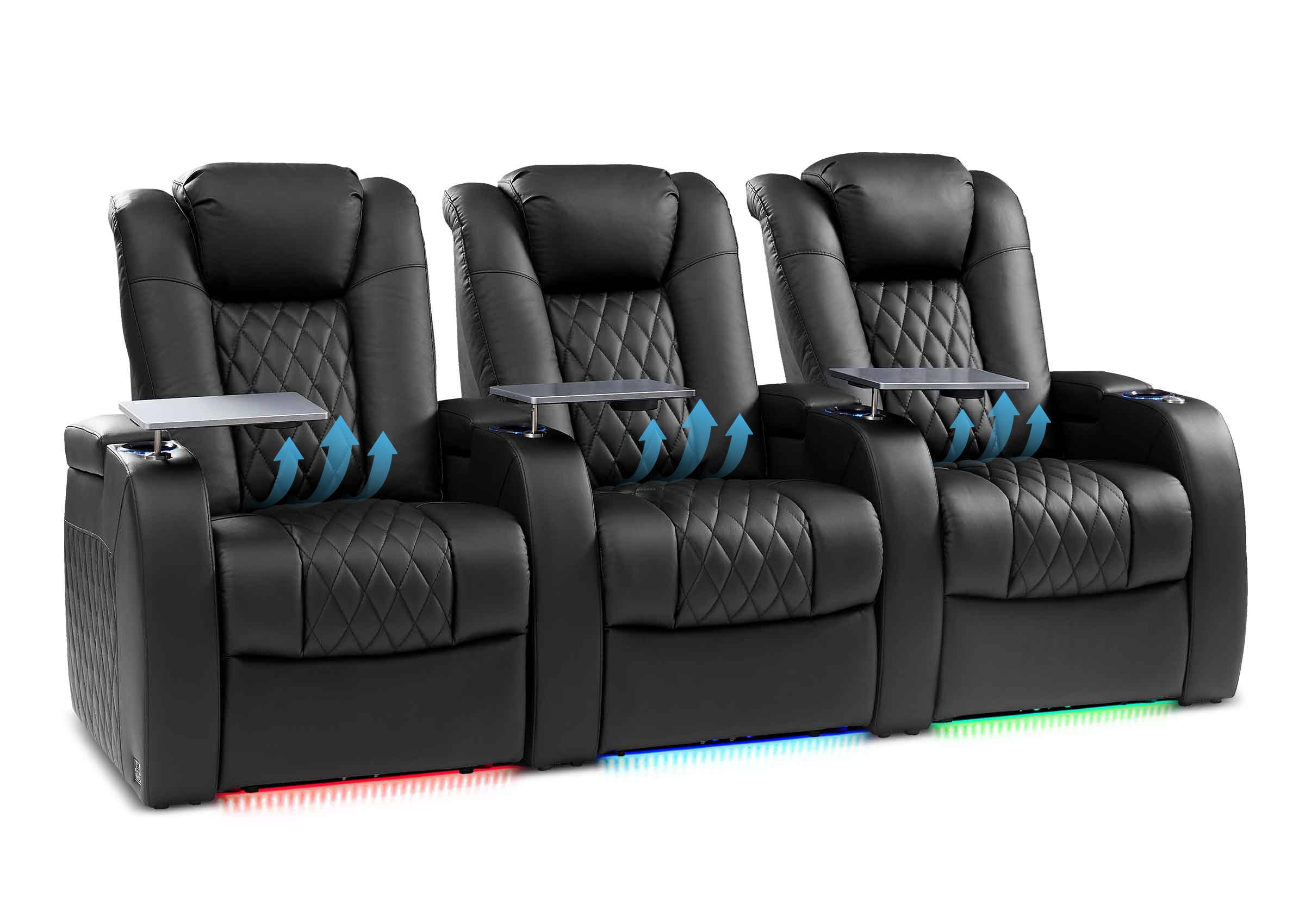
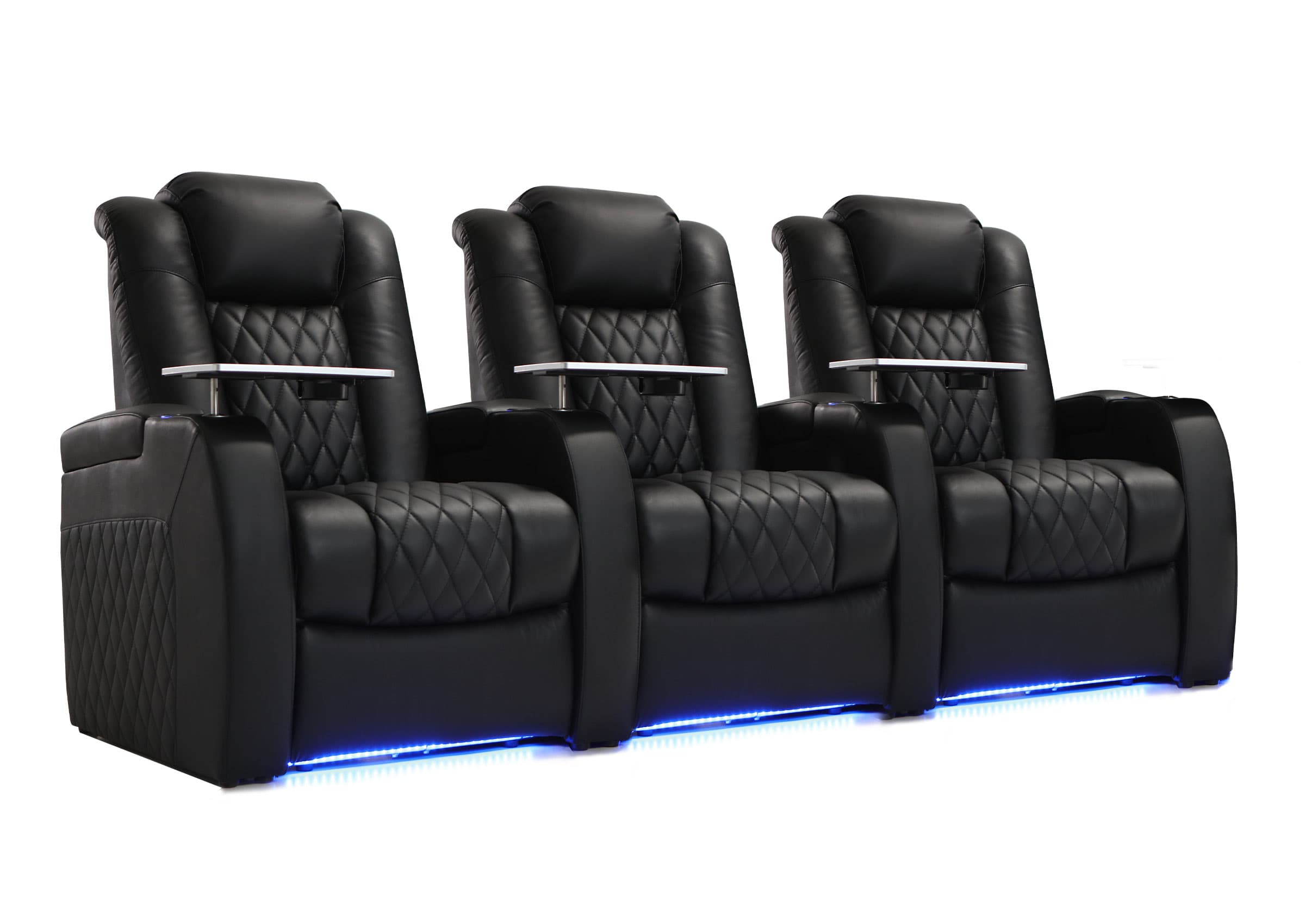
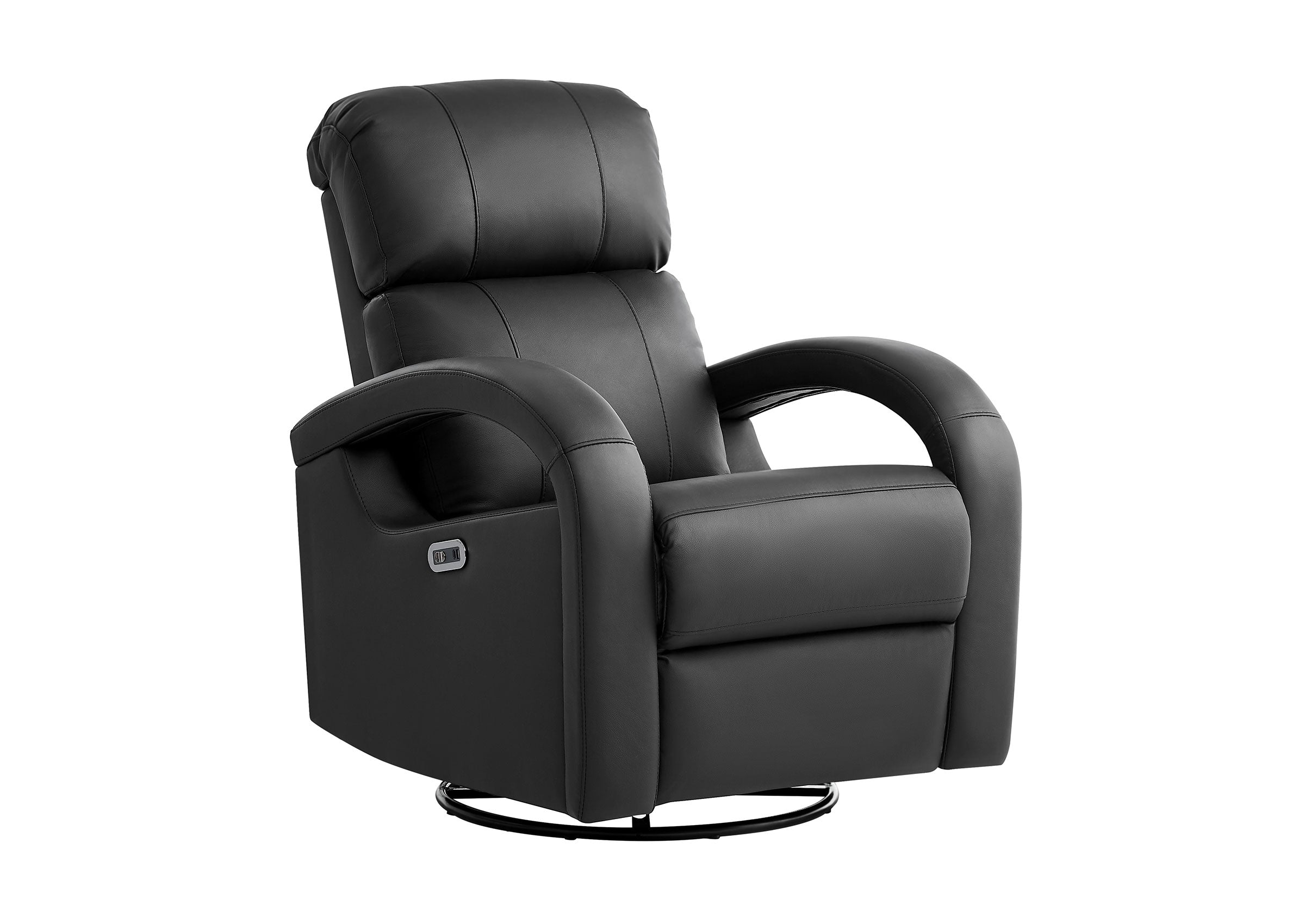
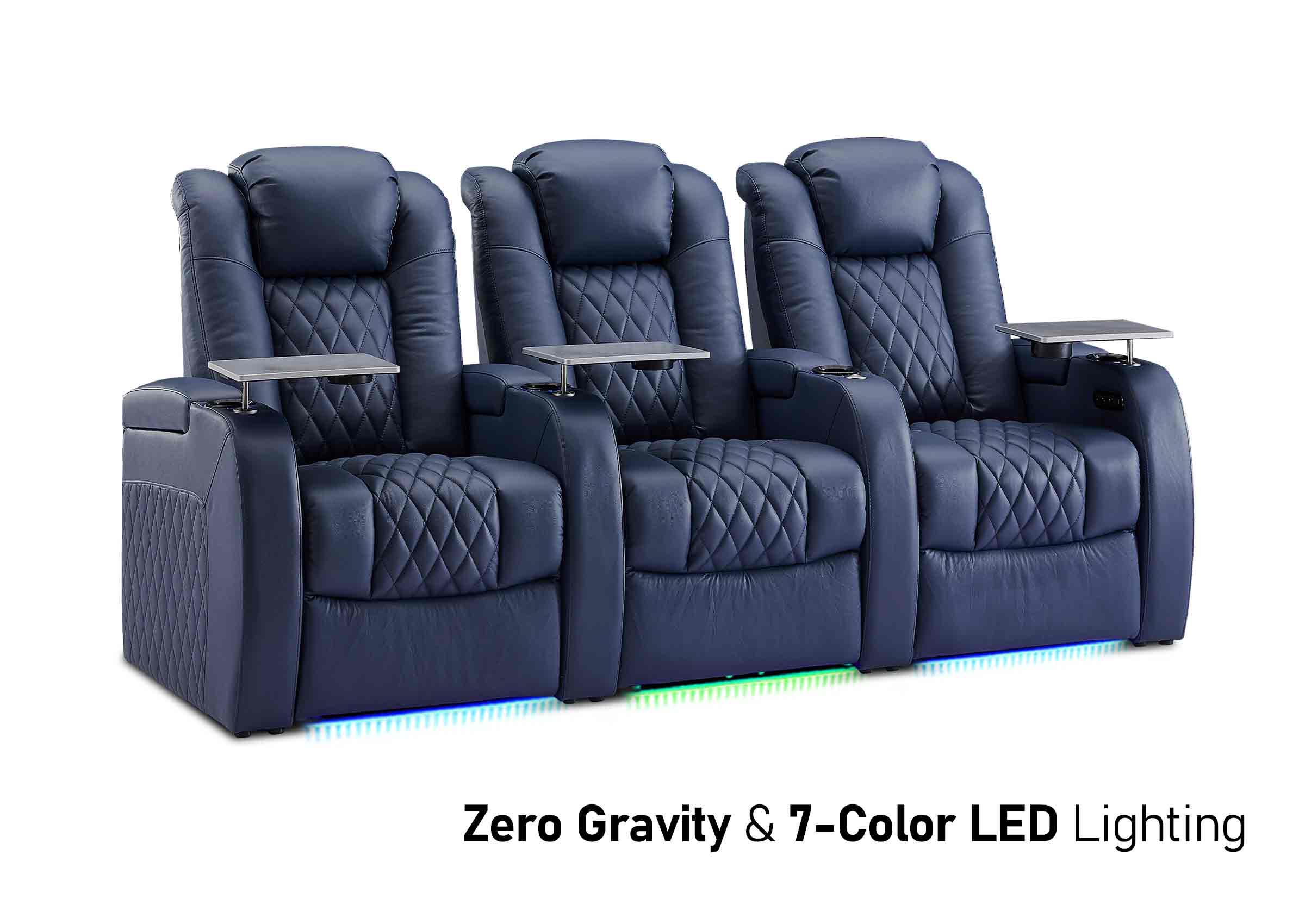
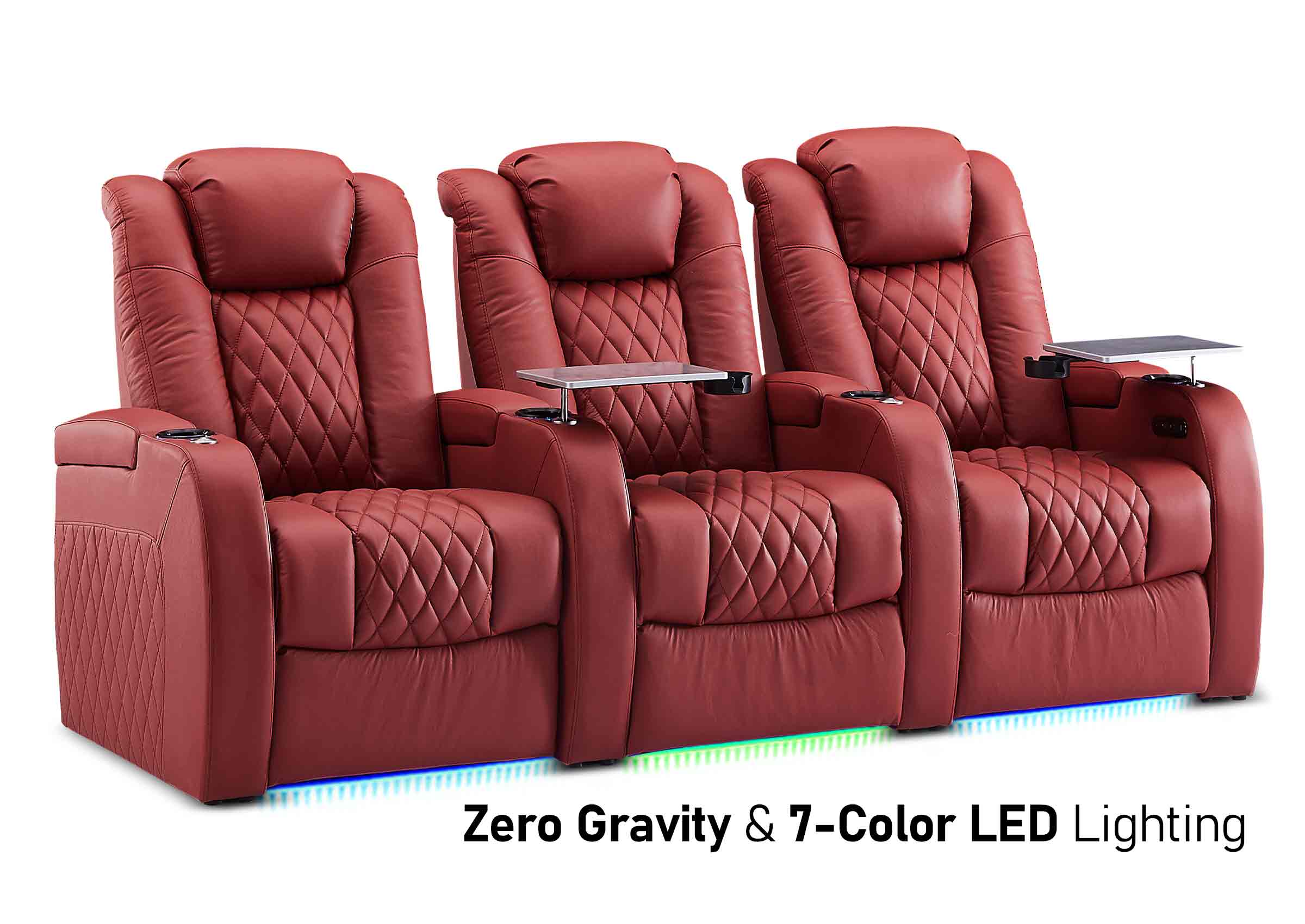
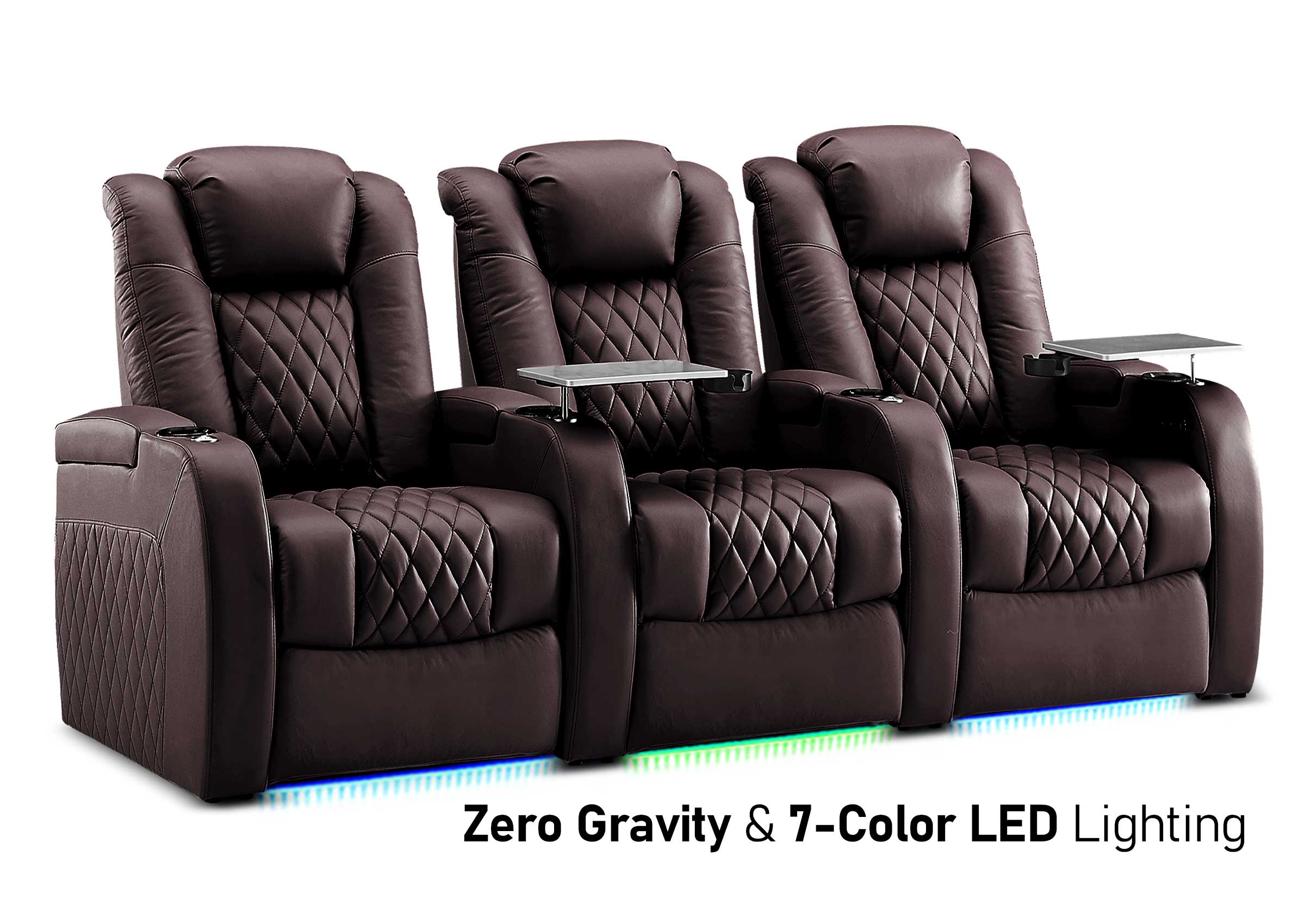
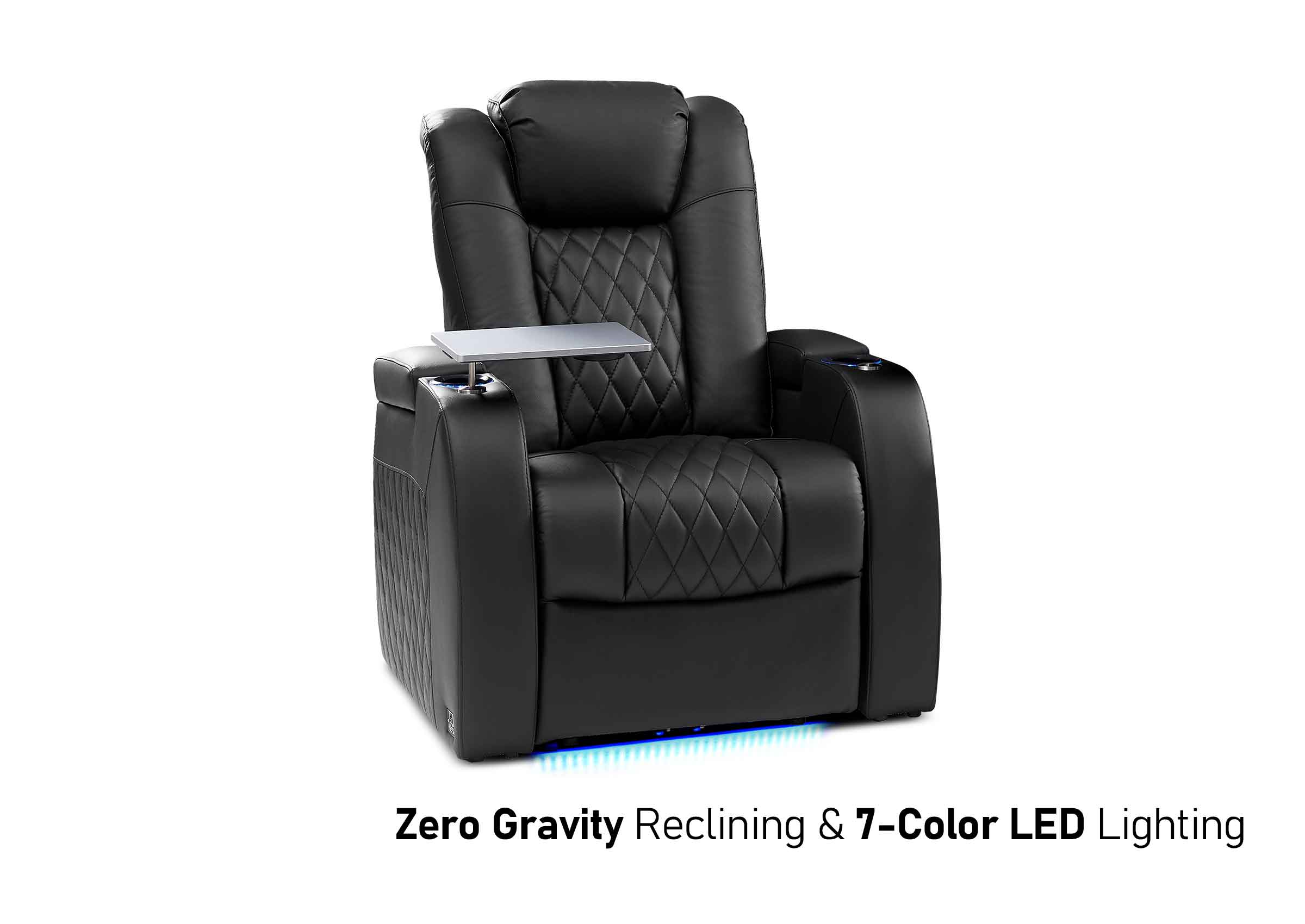
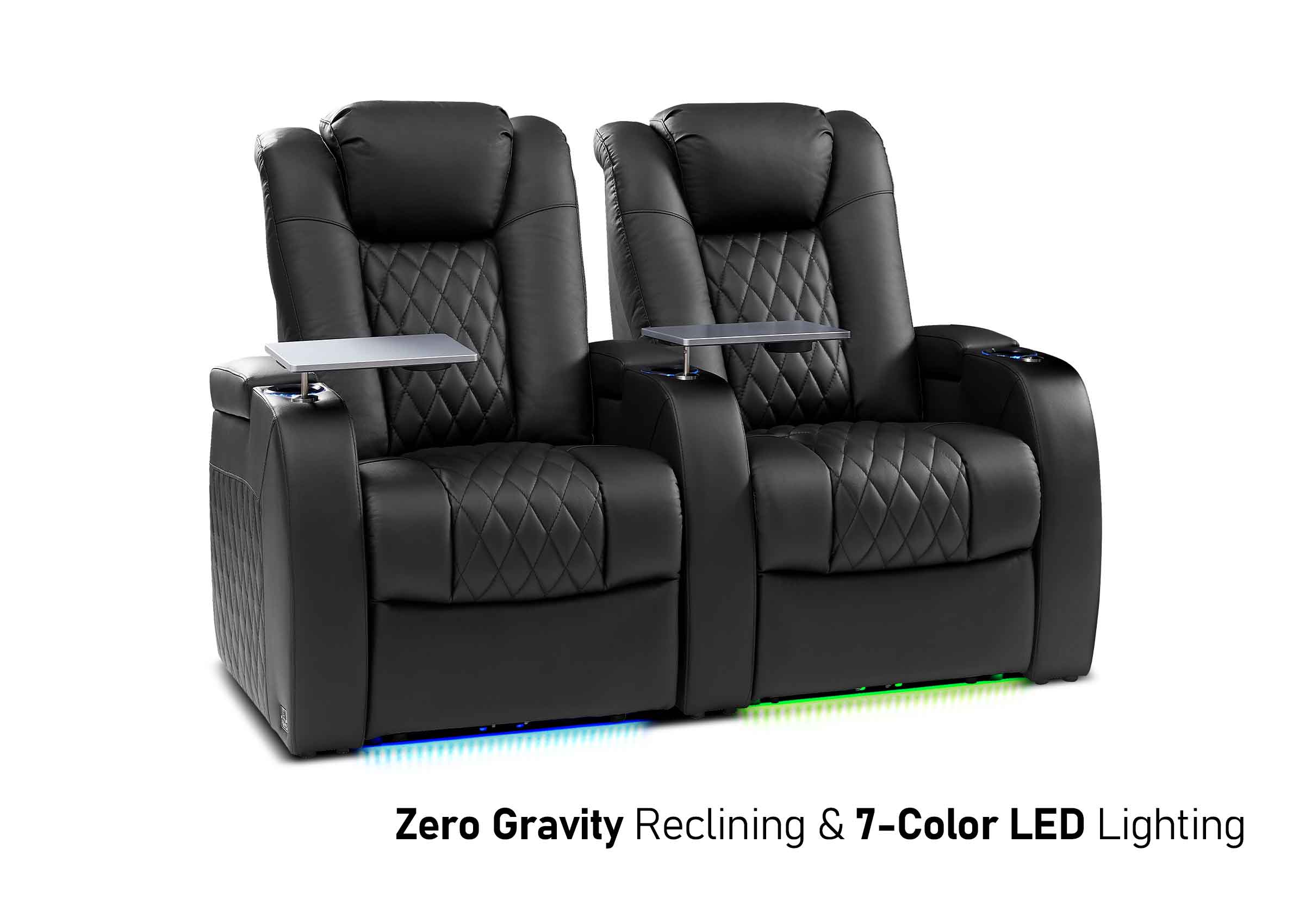
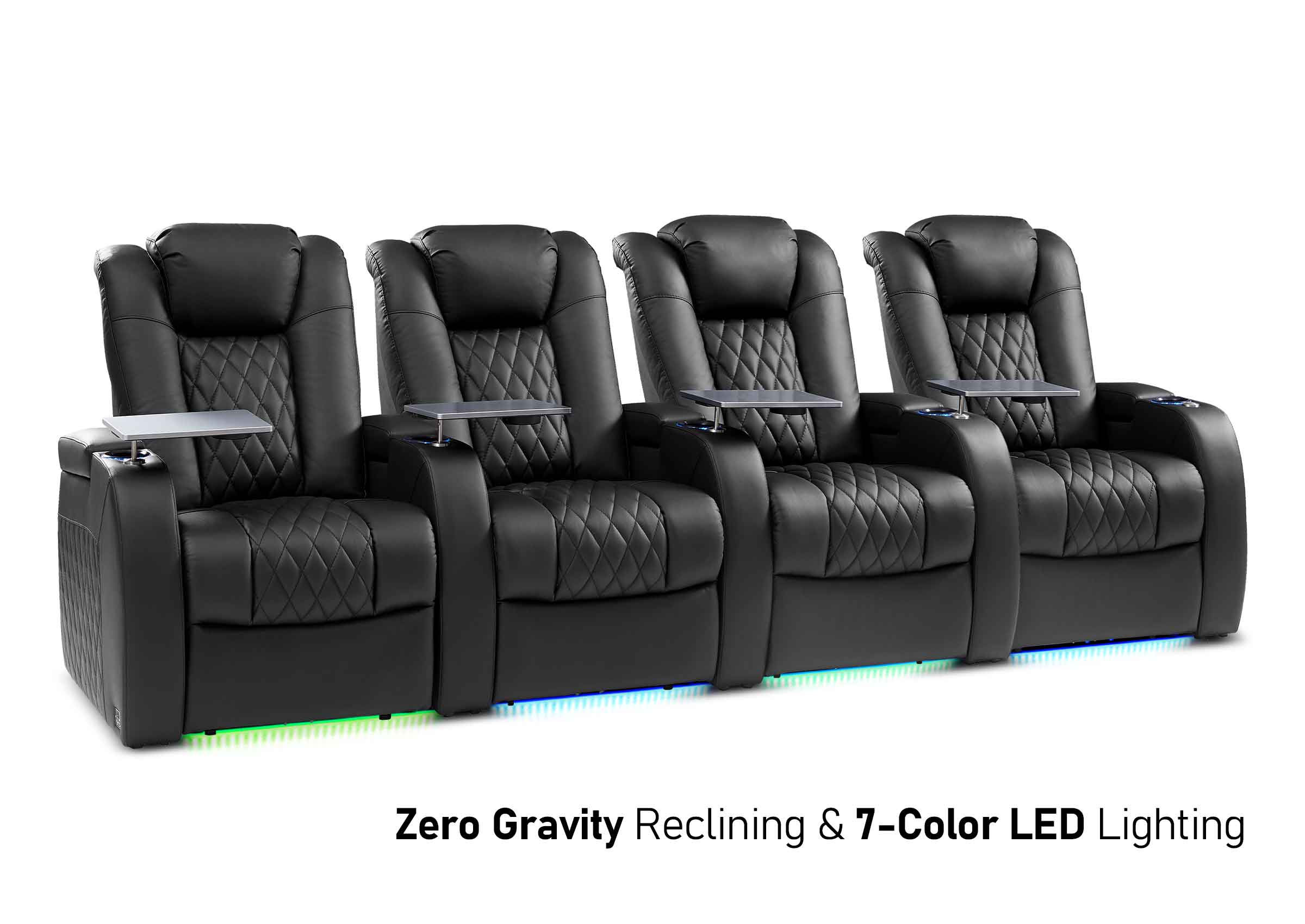
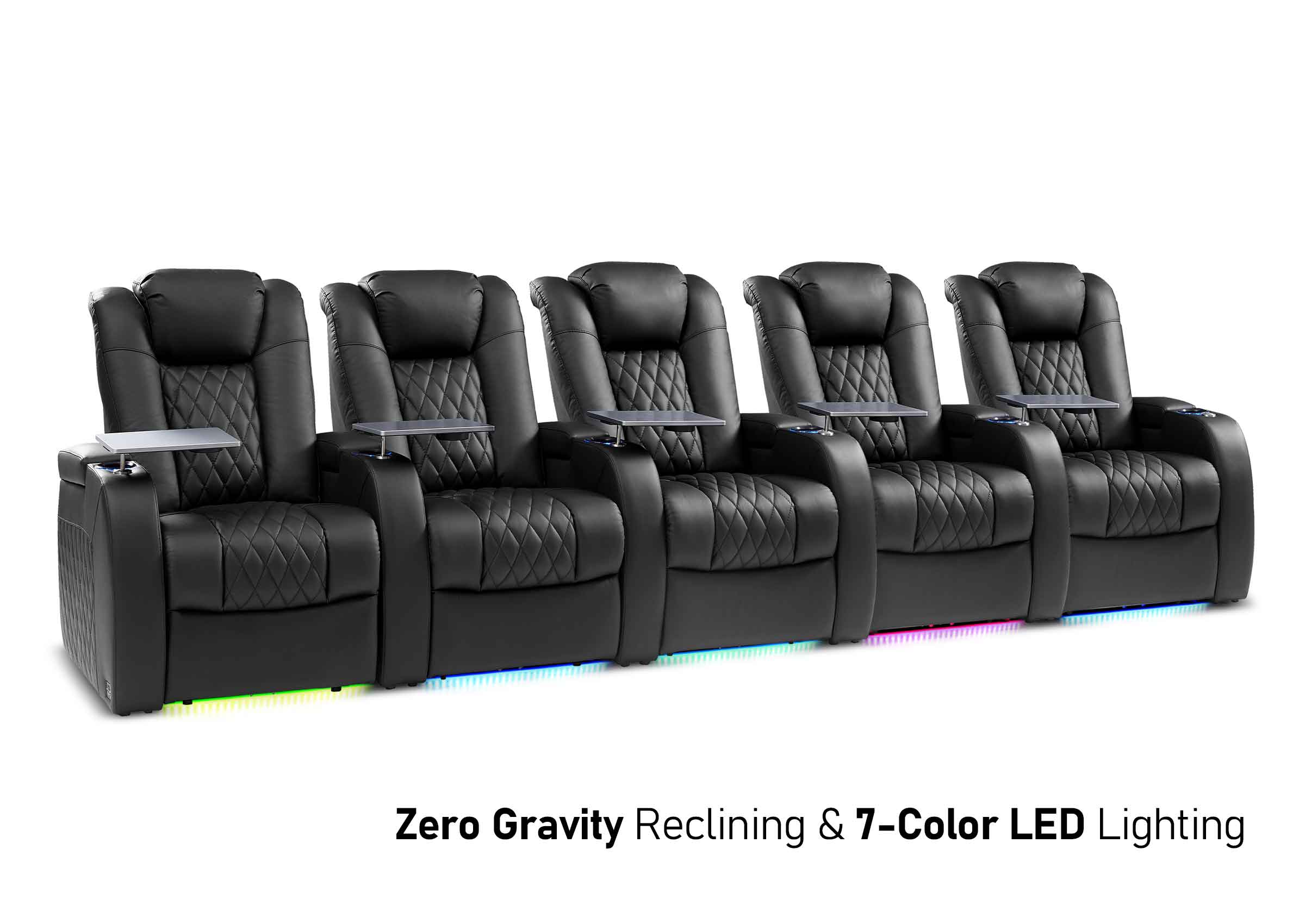
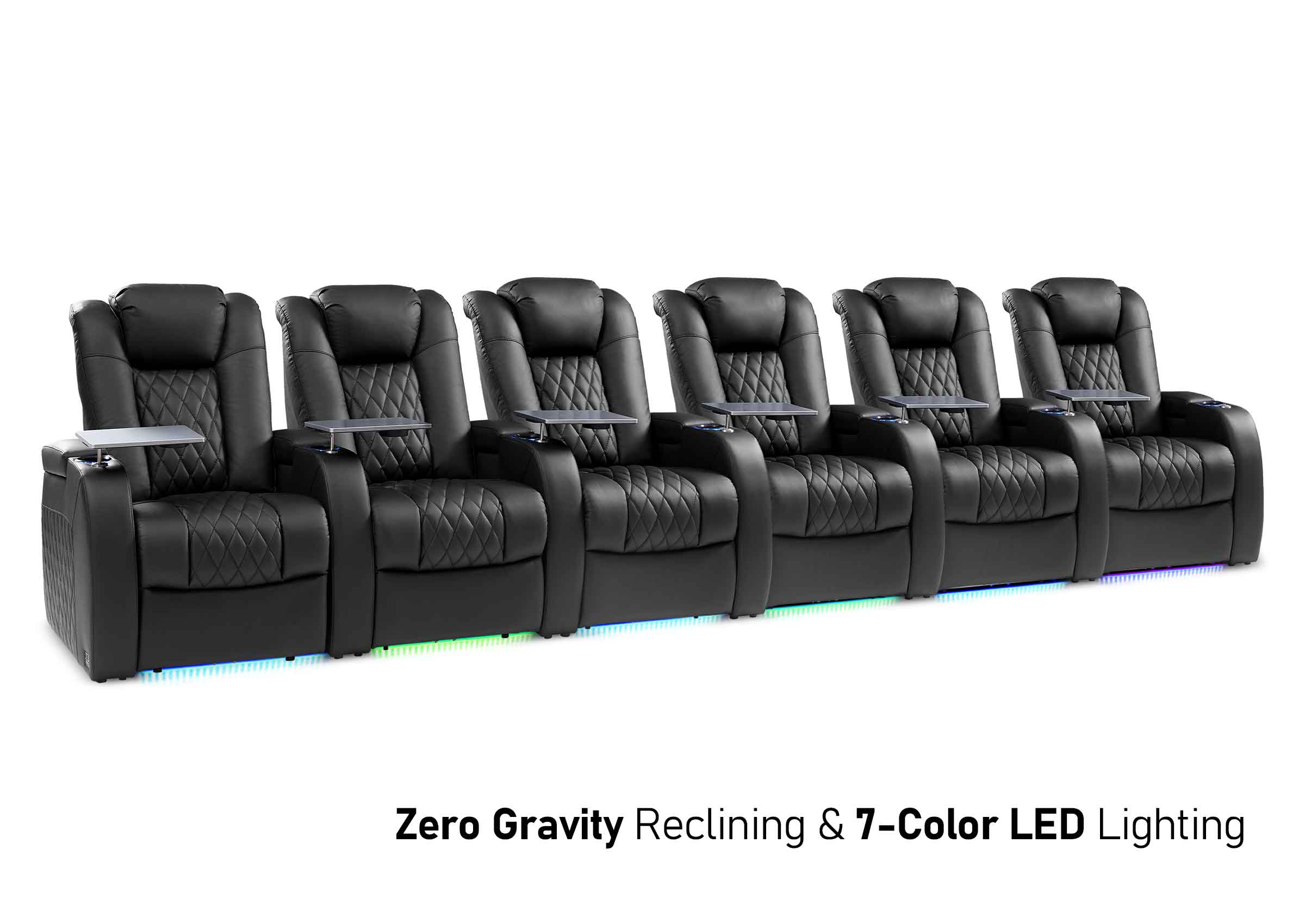
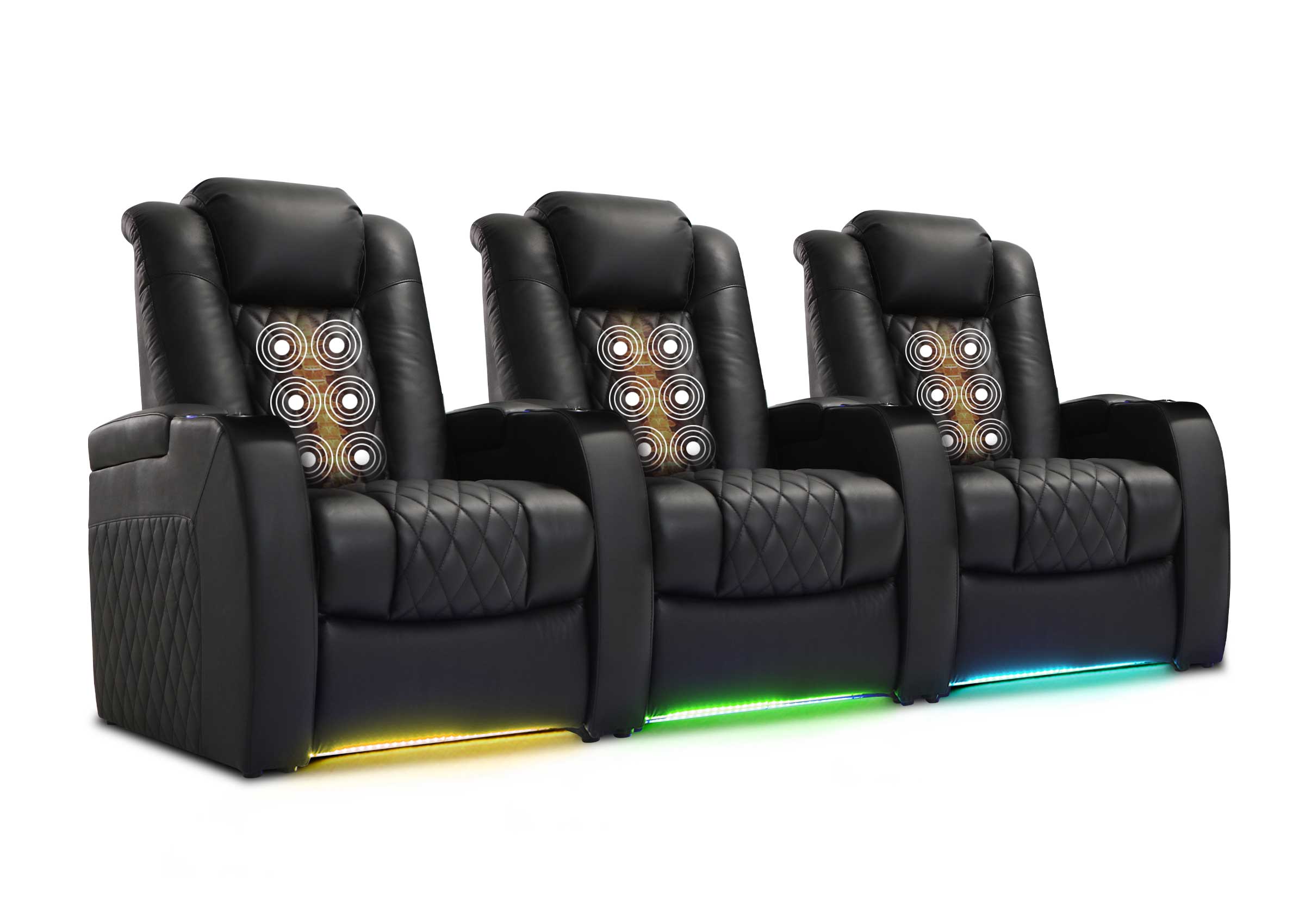
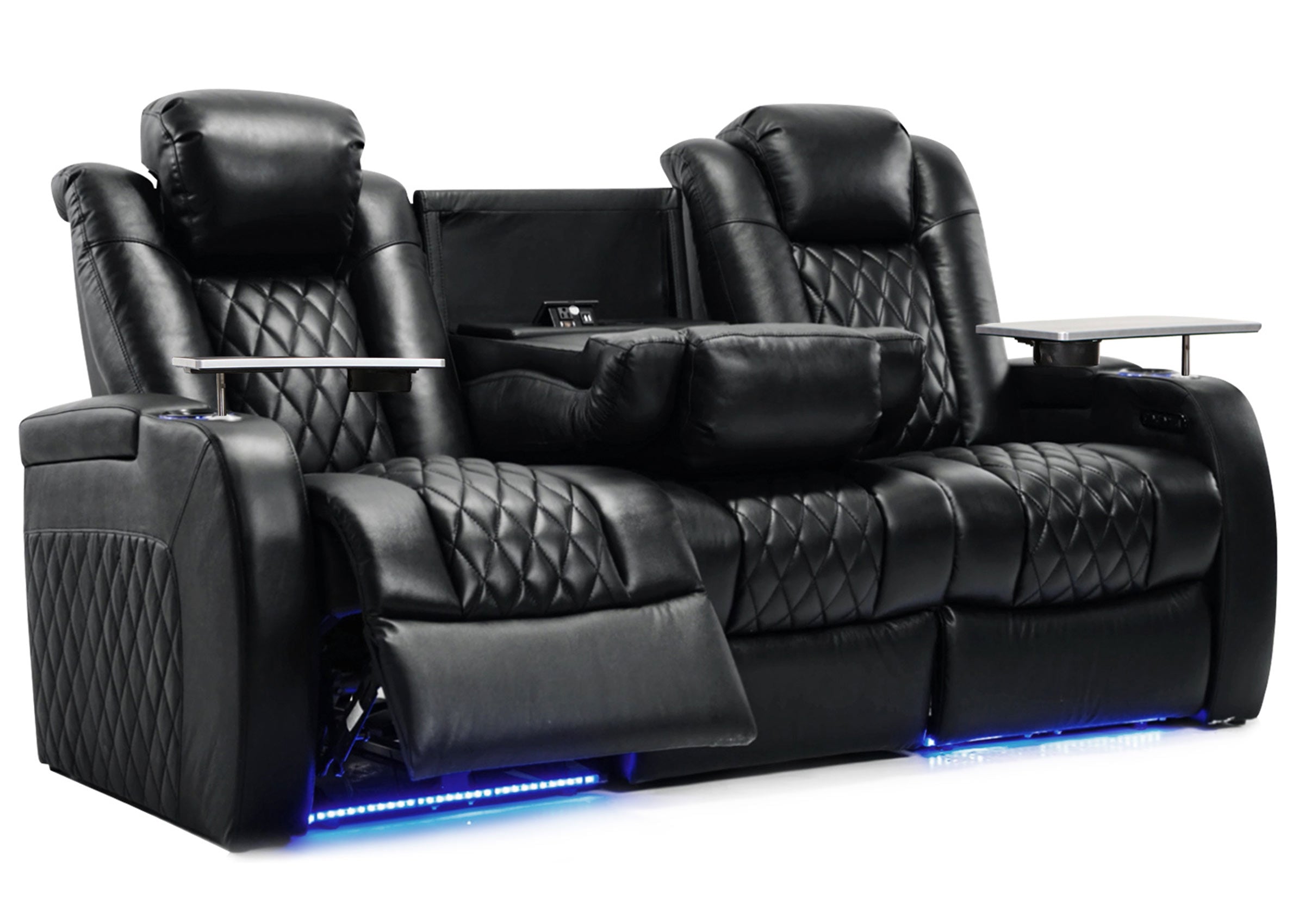
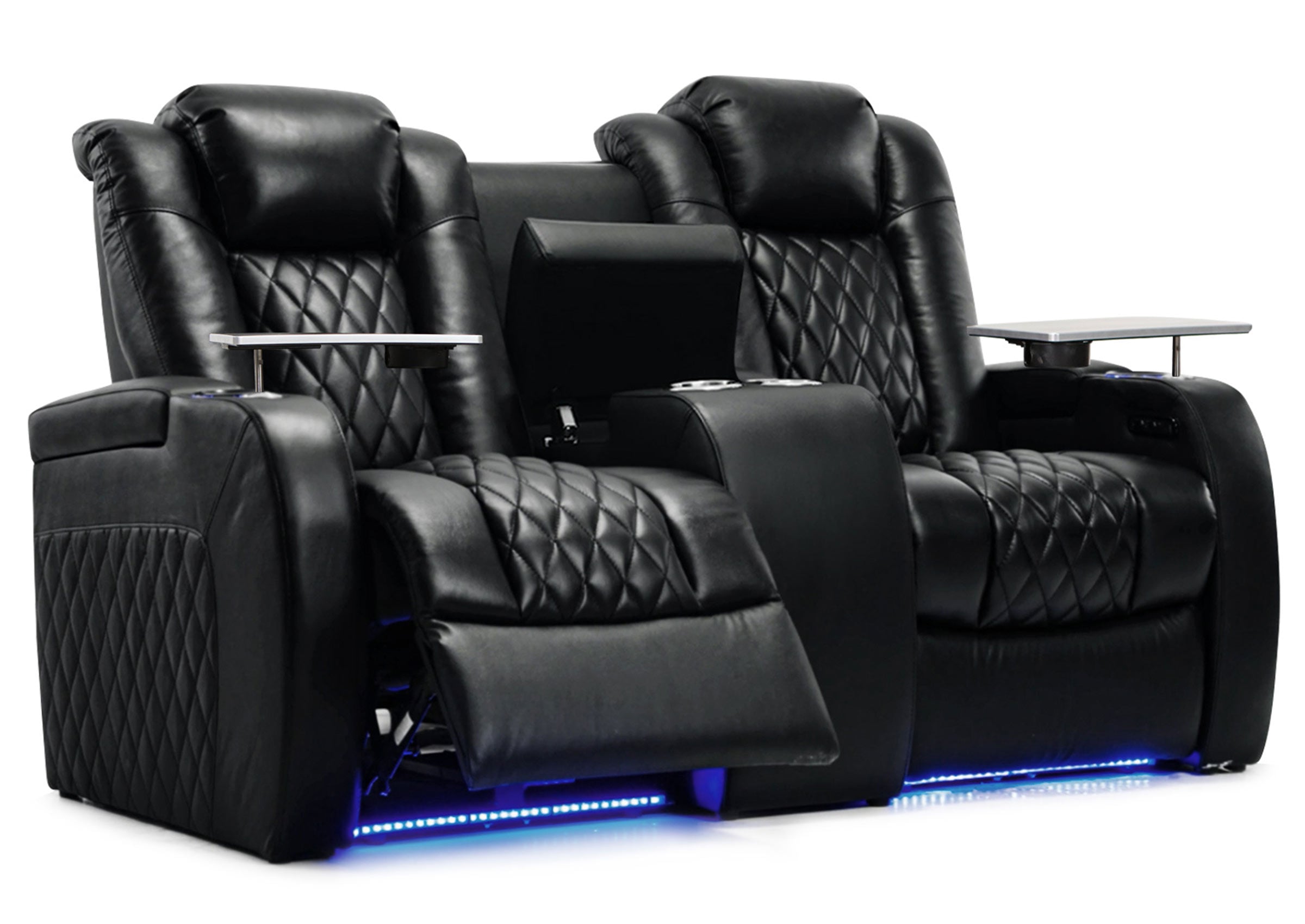
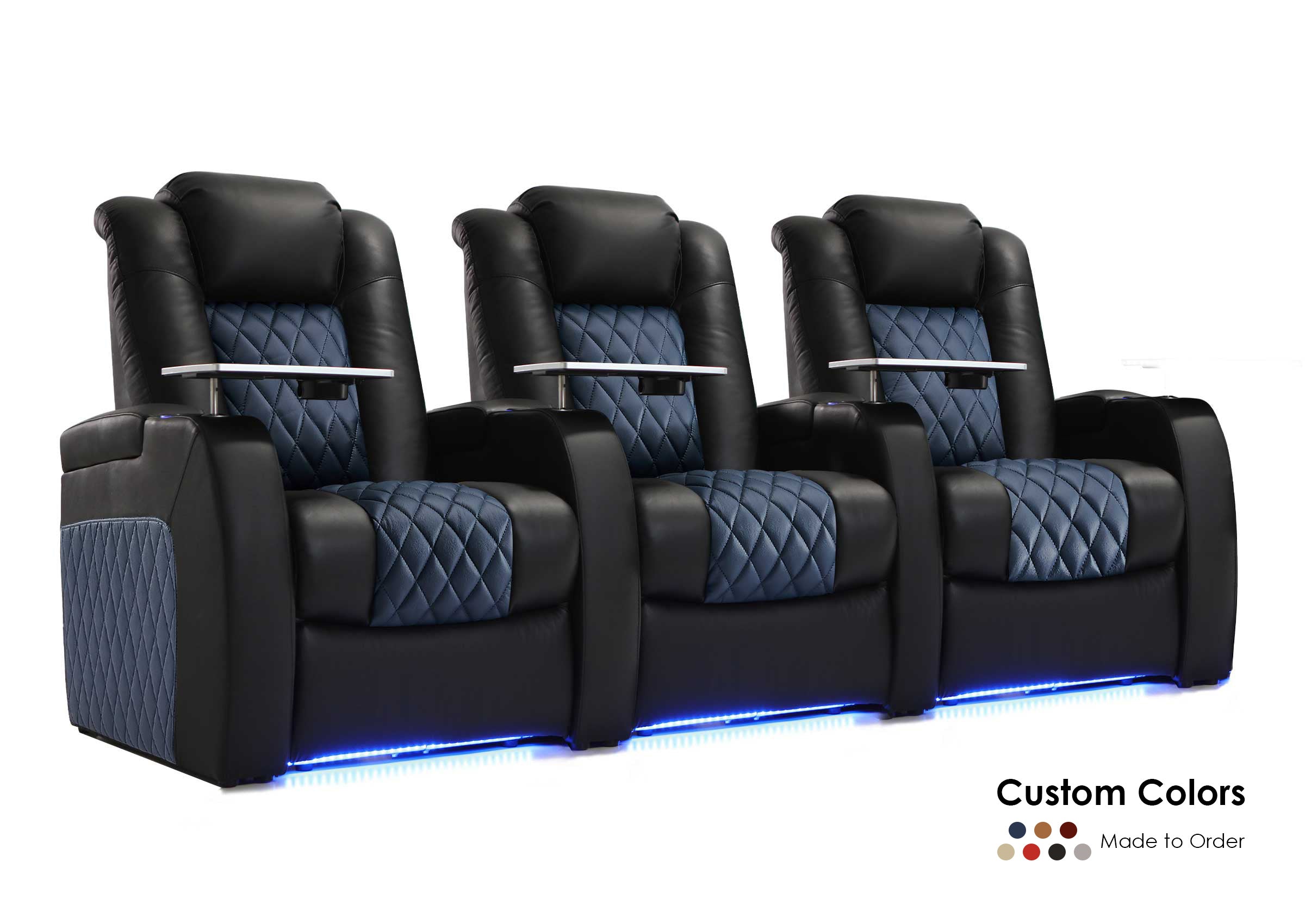
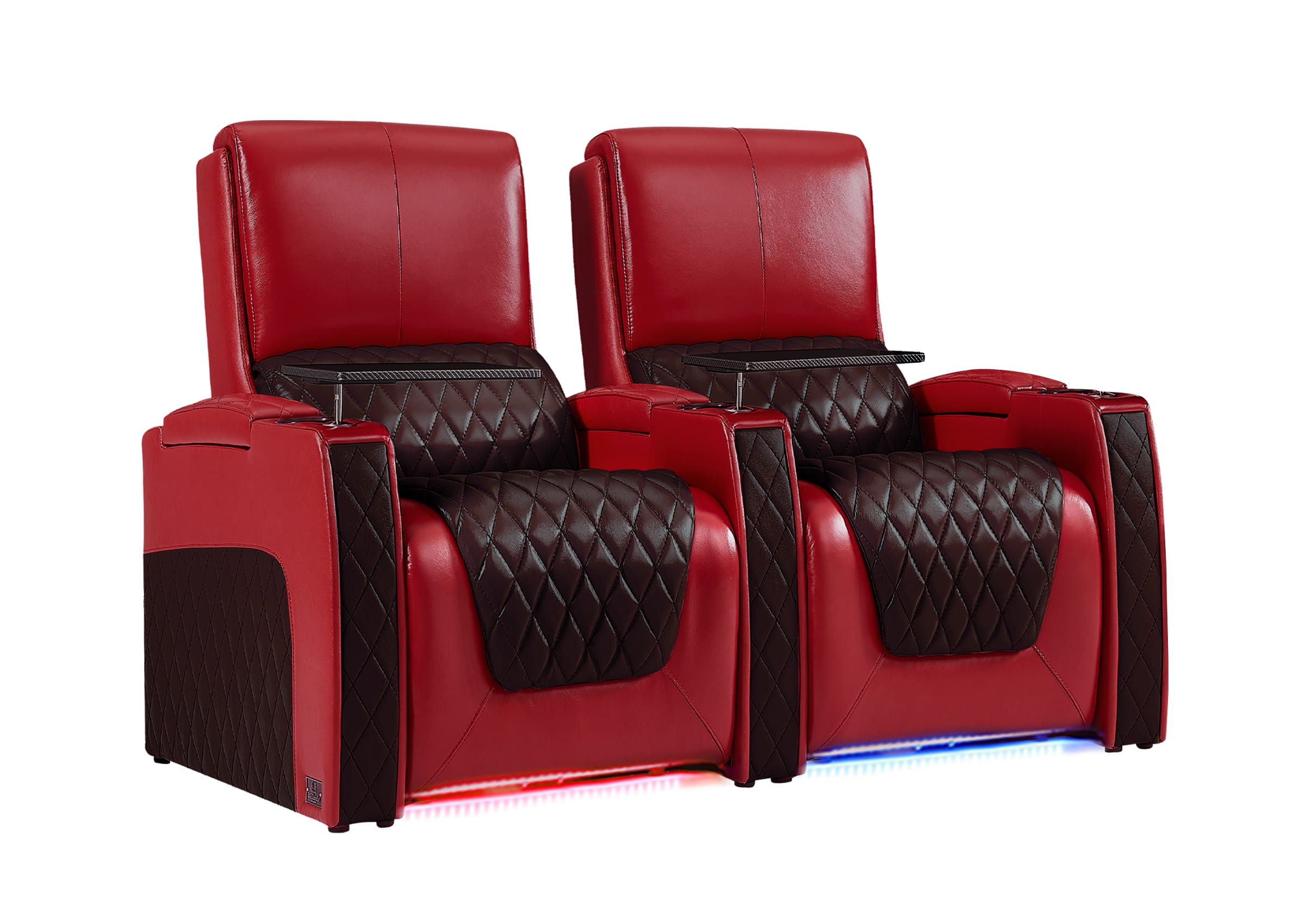
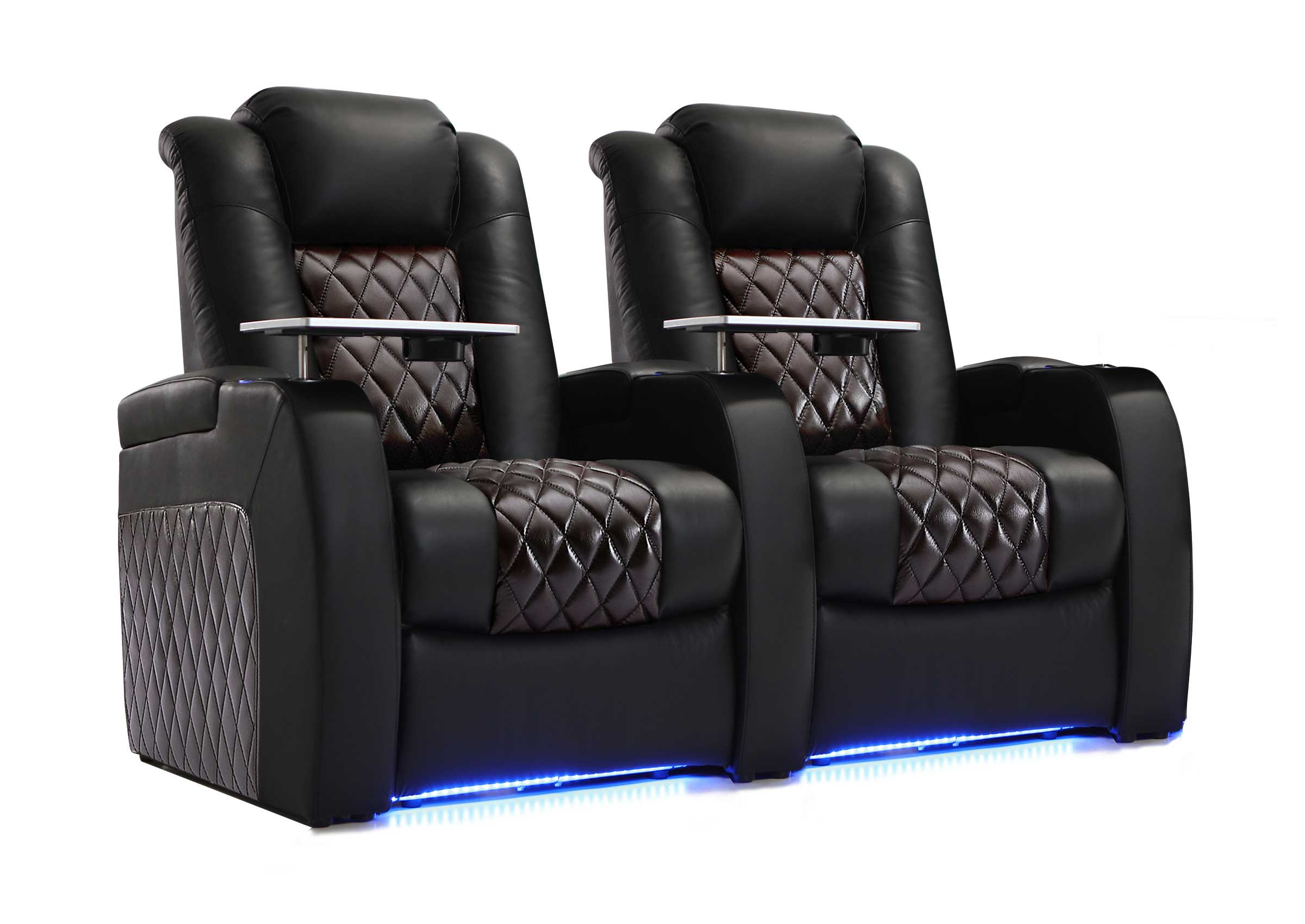
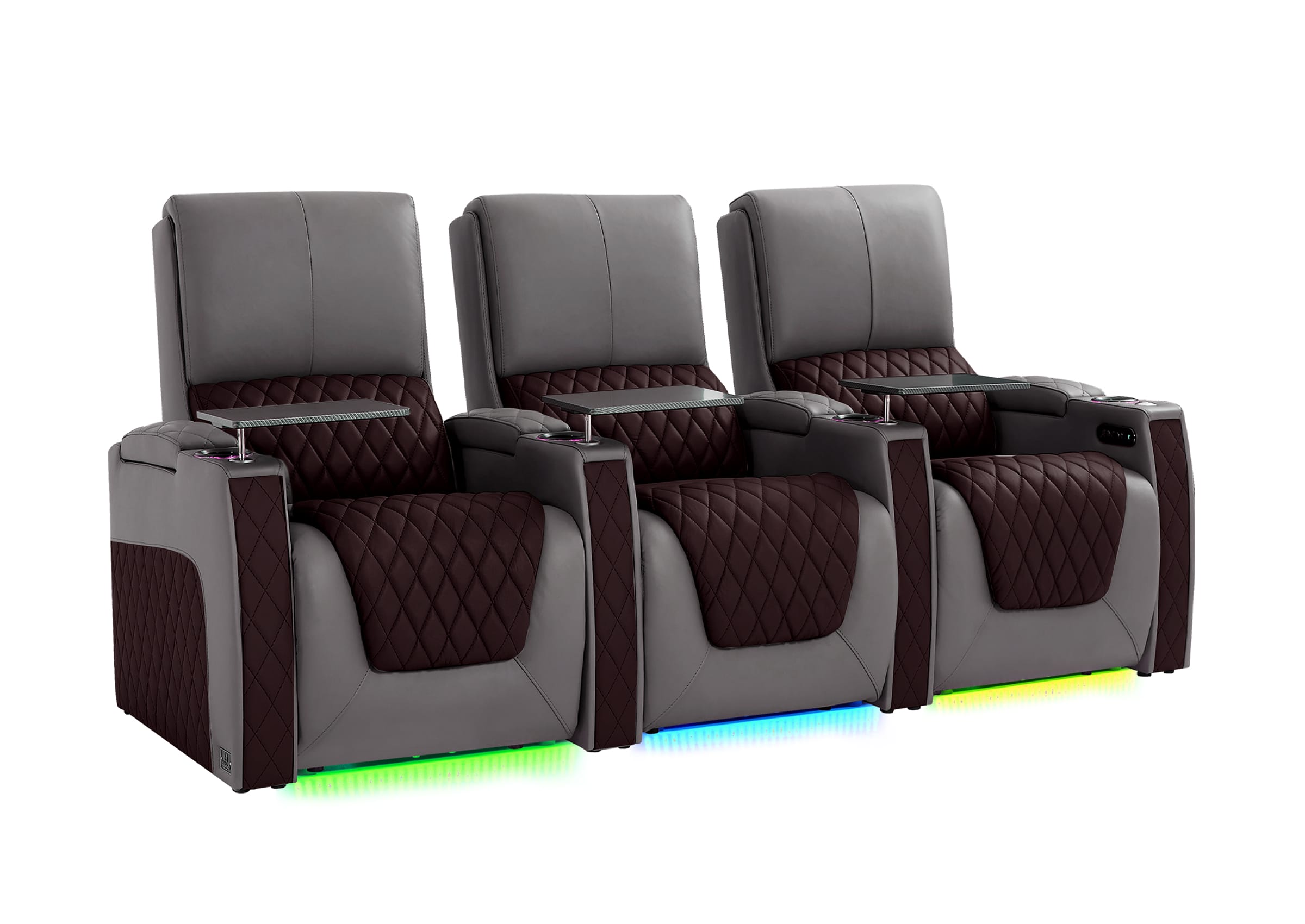
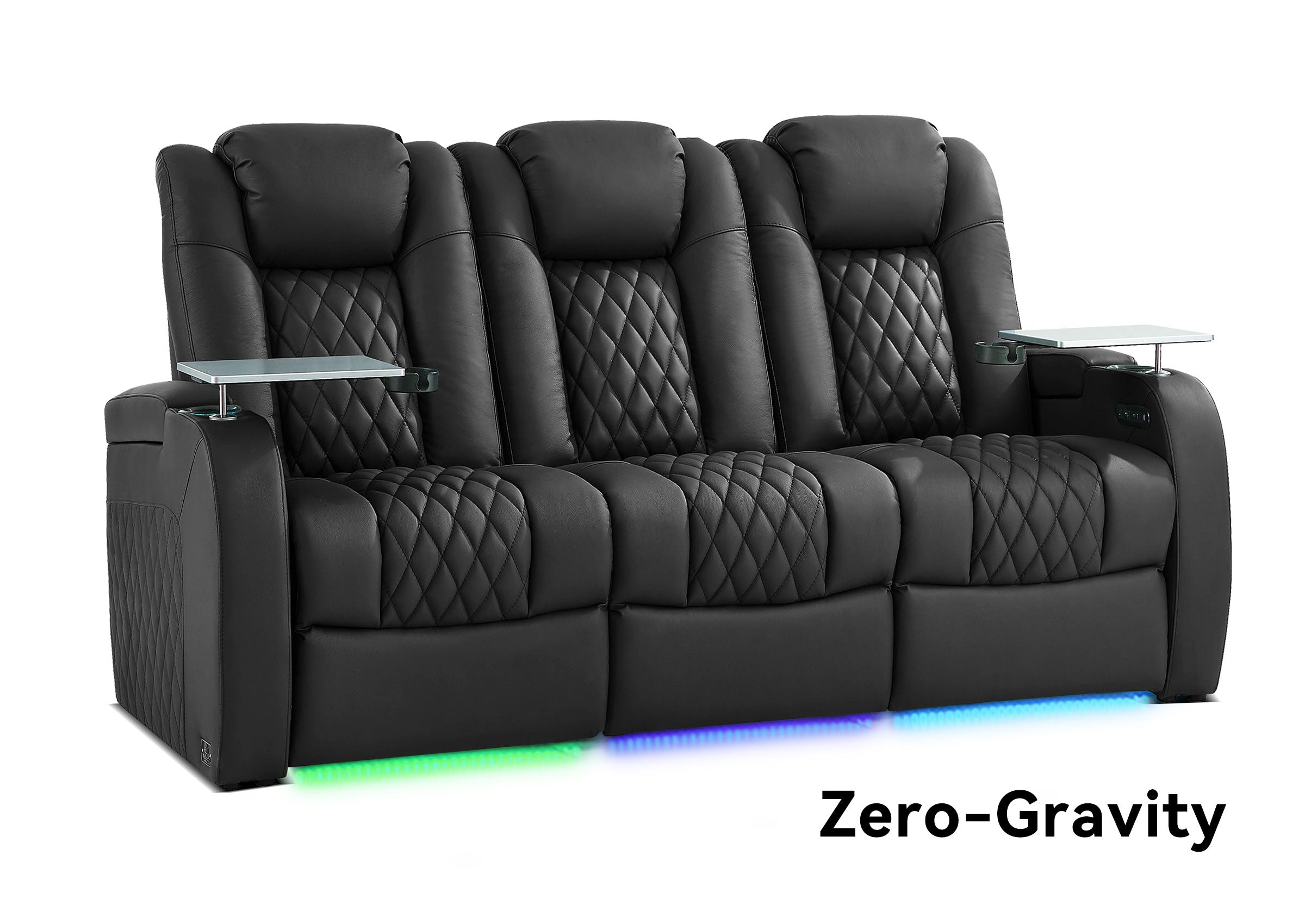
Power recline mechanisms let you adjust positioning with button presses. Find your perfect angle without manual effort. Some models include independent footrests and backrests for customized positioning. Built-in USB ports keep devices charged during long viewing sessions.
Materials matter significantly for comfort during extended use. Premium upholstery options provide breathability and durability. Memory foam cushioning conforms to your body shape. Lumbar support prevents the back pain that often follows theater visits.

Practical Design Elements
Cup holders and storage compartments integrate seamlessly into modern designs. Keep drinks secure without worrying about spills. Store remotes, snacks, and other items within easy reach. These practical features enhance convenience substantially.
The ability to fully recline transforms the viewing experience. You're not fighting stiff theater seats that lock you into uncomfortable angles. Adjust freely throughout the movie. Shift positions whenever you want. This freedom eliminates the restlessness that comes from sitting rigidly for hours.

Ways Home Theater Seating Enhances Your Movie Experience
The right furniture choices create viewing conditions that surpass commercial theaters in multiple ways.
Optimal Positioning and Setup
A good chair can help you see the screen clearly and hear better. Sit at a correct distance from your screen. Plan a configuration depending on your room and preferences. You can customize this in your homes but when in a theater environment, be prepared to settle for any available chair.
There are various seating configurations for various viewing approaches. Some individuals would prefer to sit up straight for action movies. Others would prefer to lie back fully for a comfortable viewing. This would lead to a comfortable viewing for each movie.

Psychological and Social Benefits
Either being comfortable or uncomfortable influences how you feel about a movie. Being comfortable makes you more involved with a movie because when you are comfortable, your mind focuses more on the movie.
Watching movies together in a home environment might be more comfortable than in a theater. You pick and choose who wants to watch with you. Talking can be done without bothering others. This social feature appeals much to viewers who love to spend their leisure time with familiar individuals. Lighting control is a big advantage. You can dim the lighting to any level that you prefer. You can have blackout lighting conditions or a dim ambient lighting effect. Theater lighting conditions are the same for everybody. This is certainly not appropriate for all individuals.
The Transition from Movie Theaters to Home Entertainment
Switching needs proper planning but leads to great benefits.
Space and Equipment Planning
Be truthful about your space before choosing items. Identify what equipment and furnishings are suitable for your space and budget. People often begin with simple designs and expand later based on personal values. A larger screen is always more immersive. However, room sizes restrict bigger screen sizes. Too large a screen may lead to eye fatigue. This can be determined based on your viewing distances.

Audio and Seating Configuration
Better audio adds to movies. Good audio enhances scenes more than TV audio. You no longer need to go for the most expensive equipment to be great. A mid-range system would be ideal.
Seating should be comfortable and provide a clear view for each participant. Arrange seating to give a good view for each participant. Do not put a participant in a position with a strained neck. You may have several seating designs before deciding.
Today, most home theater equipment is easy to operate. Modern home theater systems are easy to install. They connect fast. Instructions for assembly have improved. Today, most individuals can install everything with no assistance.
Make Your Movie Nights Better
In the end, movie theaters still offer a unique experience for special occasions. However, home entertainment systems provide a more comfortable, cost-effective, and flexible way to enjoy movies every day. The evolution of home theaters ensures that you don’t have to compromise on quality or comfort. Your own living room can now offer everything you love about the cinema, and more.
Frequently Asked Questions
Q1: How Much Should I Budget for a Basic Home Theater Setup?
A simple configuration with quality television, audio equipment, and a comfortable seating arrangement begins around $2,000-$3,000. You can begin with a simple configuration and build more later. Better audio equipment would be costlier, but a simple home theater system would suffice.
Q2: Do Home Theater Recliners Really Make a Difference?
Yes. Special seating definitely enhances comfort when watching for a prolonged period. This seating provides comfort and adjustable features that a normal chair does not. The price tag may be a little costly, but it is definitely justified for enhanced viewing and reduced discomfort.
Q3: Can Home Viewing Match the Theater Experience?
Contemporary home equipment can be practically theater-quality. A big screen with surround sound and optimal room design give a very immersive effect. The only thing that would be missing would be the larger screen. This would be negligible depending on whether one has a properly proportioned room.
Q4: What Size Screen Works Best for Home Viewing?
screen size would vary depending on how far back your seating position is. A rough guide would be to divide your seating distance in inches by 1.5 for a maximum screen size. This rule of thumb helps you avoid eye strain and provides optimal viewing angles. So a seating position of 10 feet would translate to a 70 to 80-inch screen.
Q5: Are Movie Theaters Becoming Obsolete?
Theaters are still useful for those who want a shared viewing experience and a current showing. Their role has shifted towards special screenings and no longer pertains to daily viewing. Both will likely exist for differing purposes.