



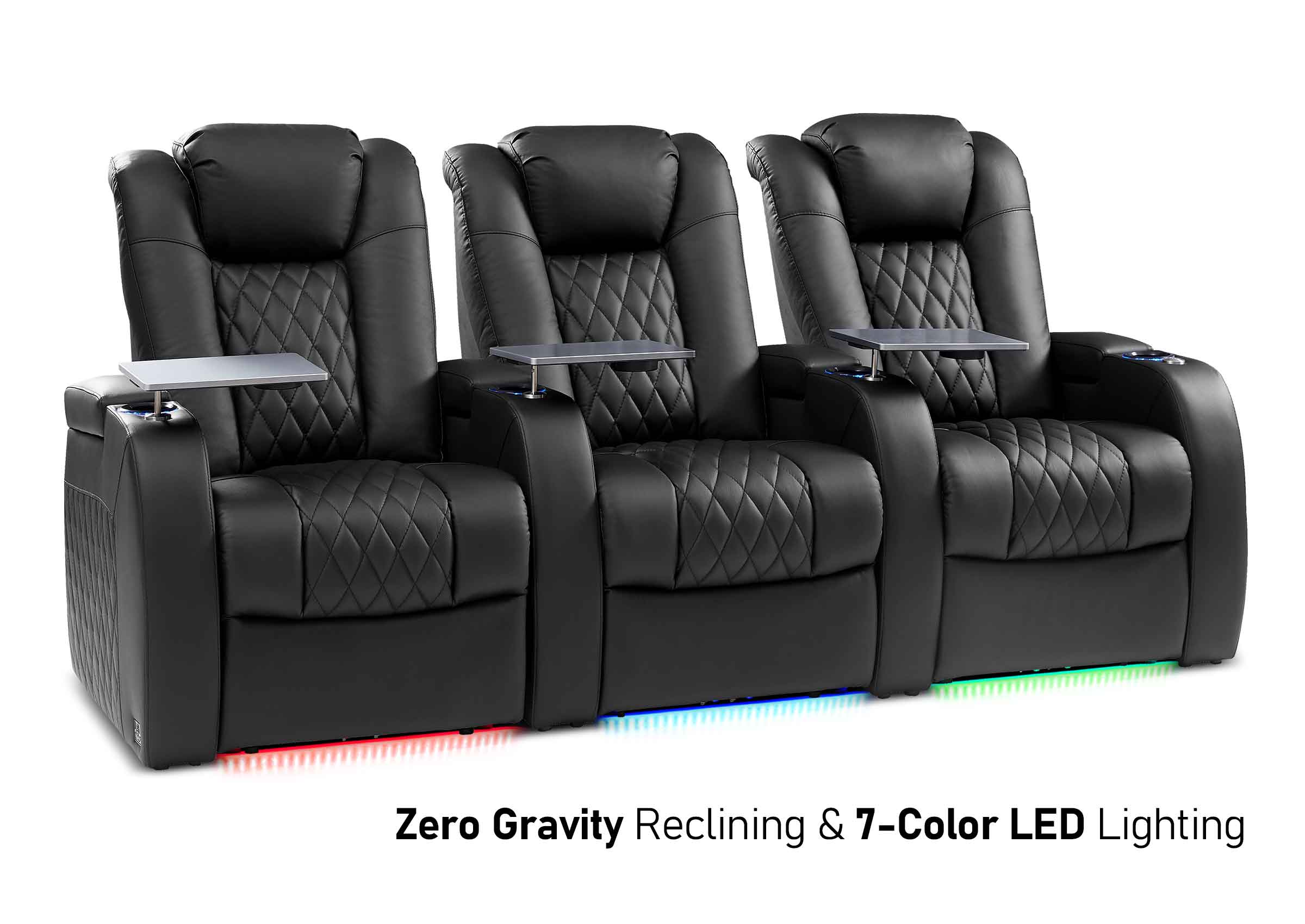
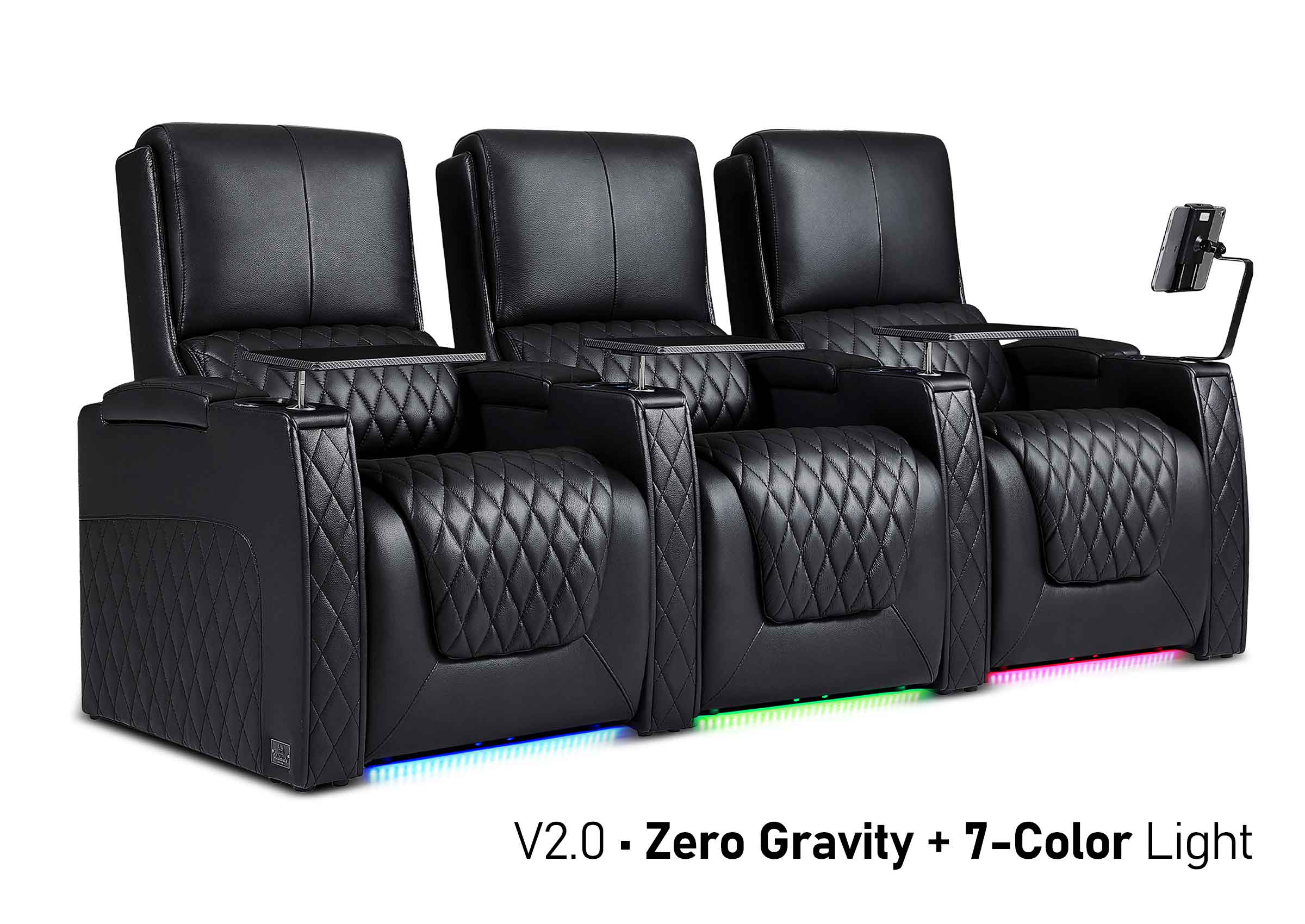
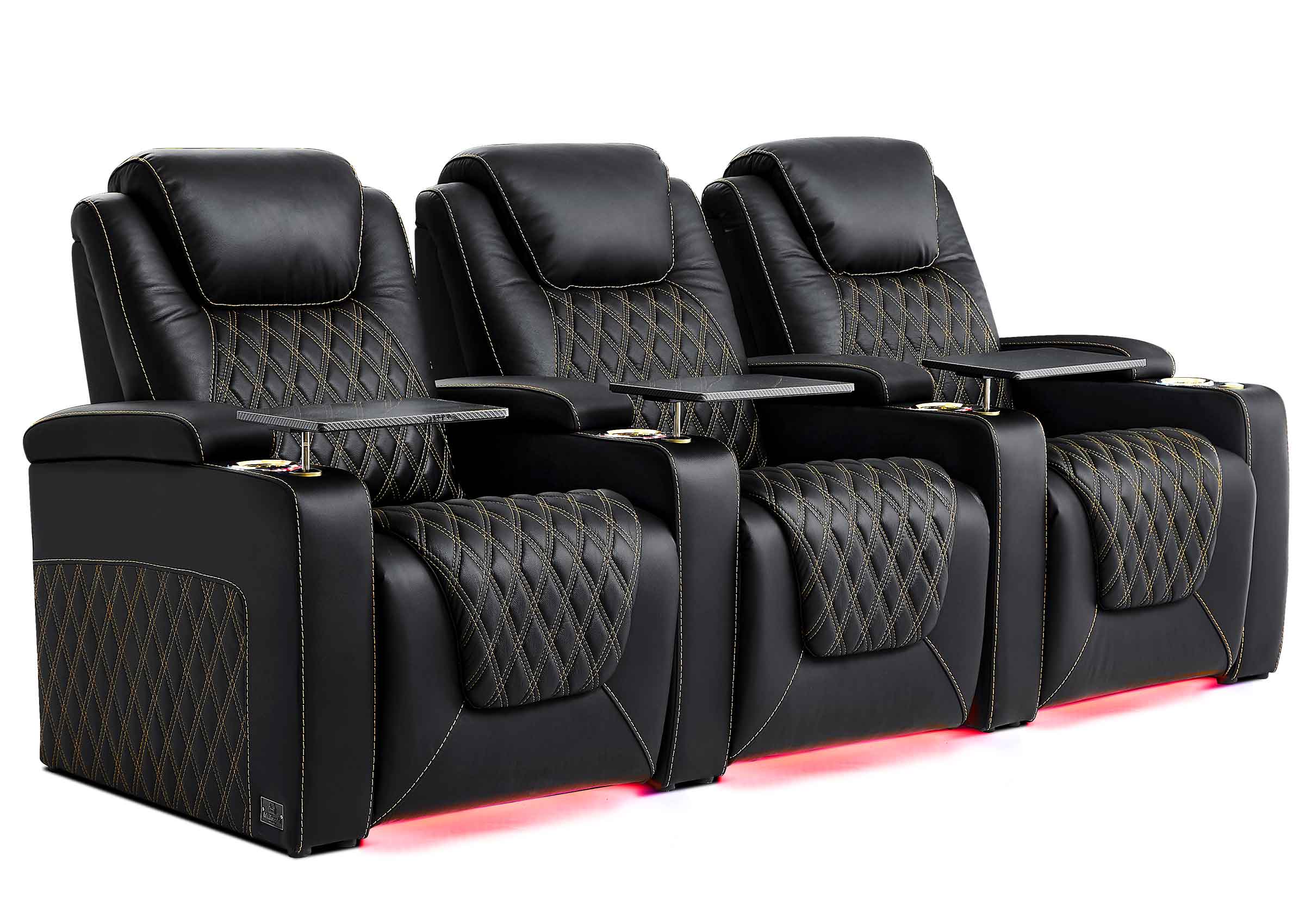
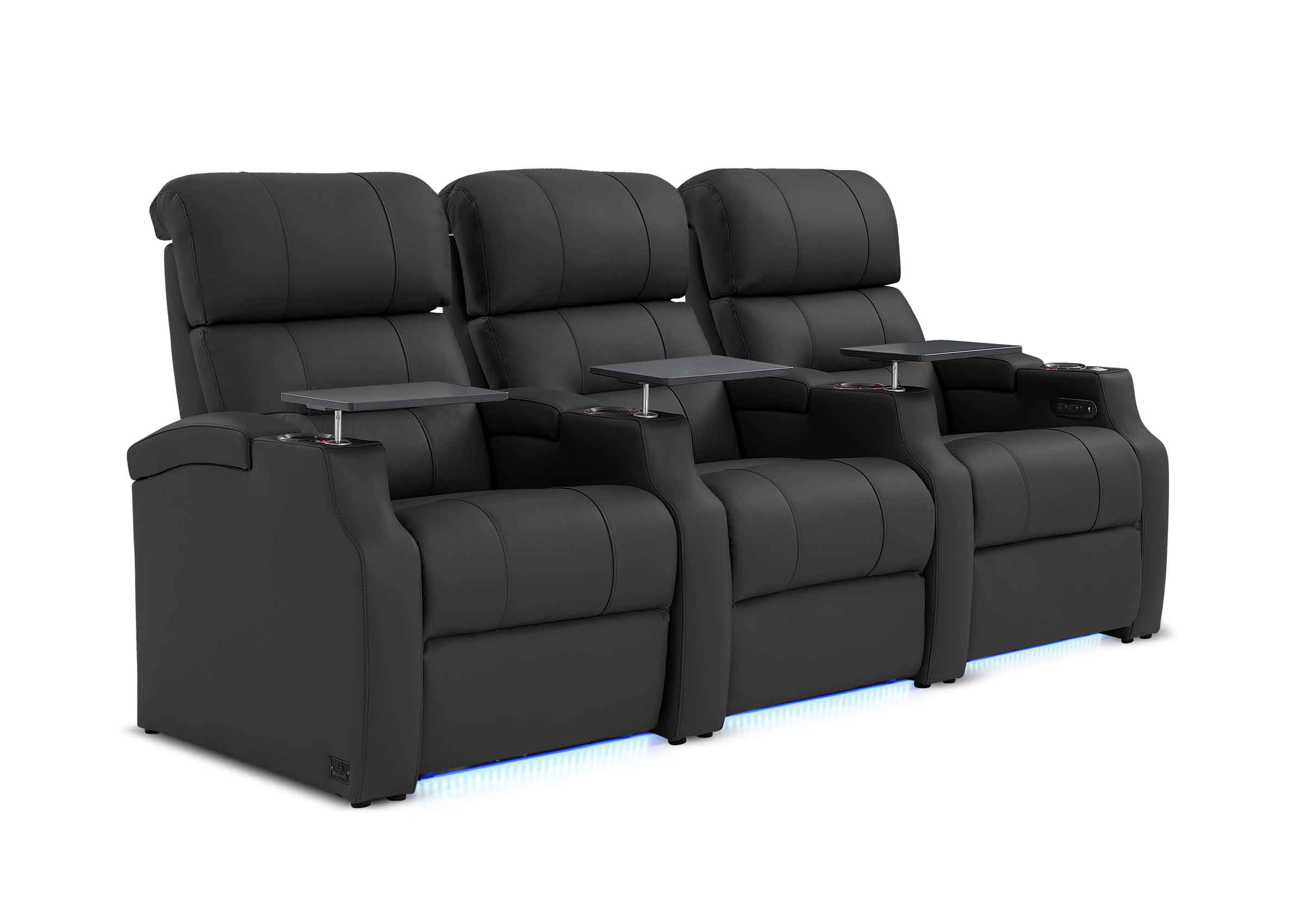
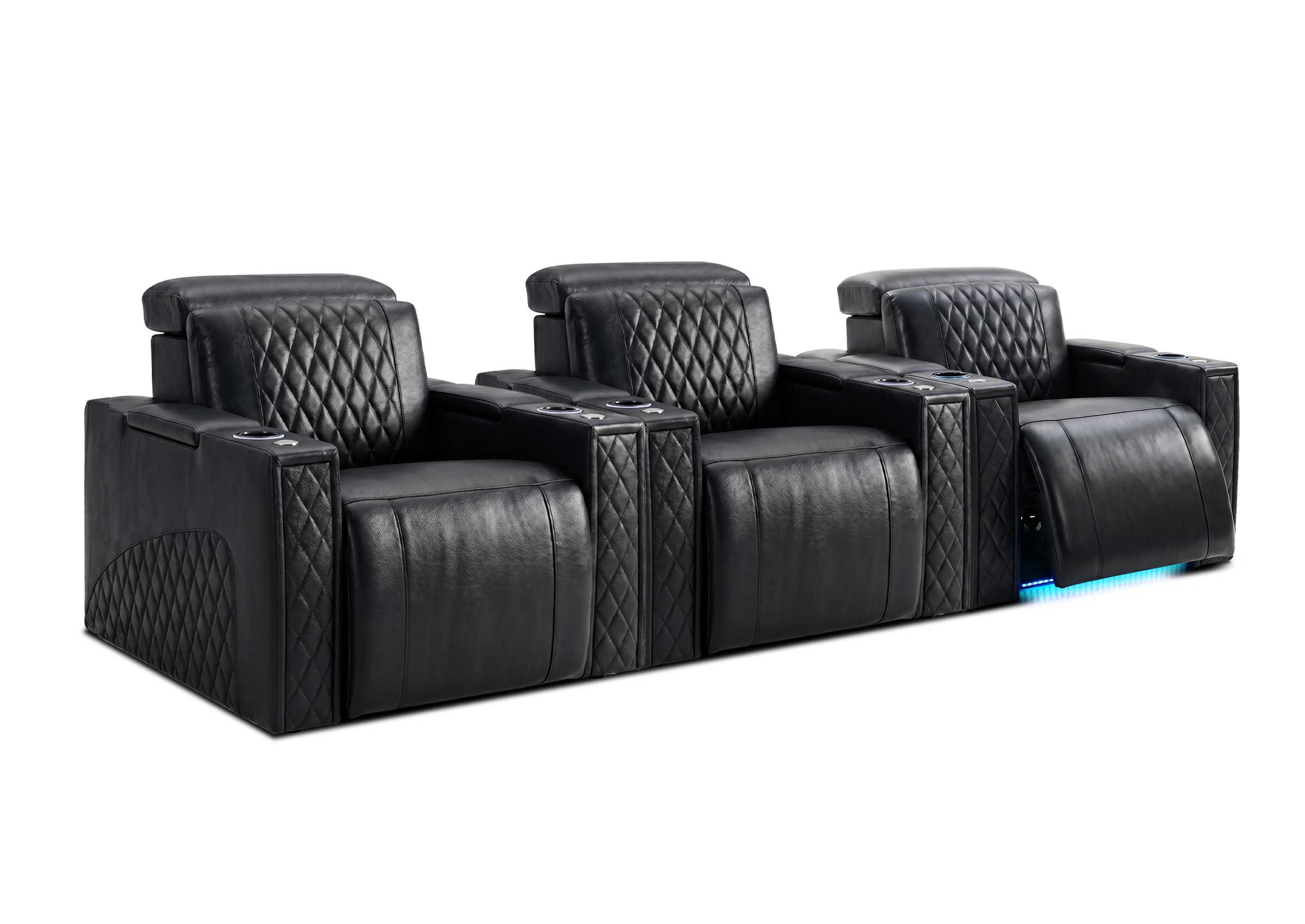

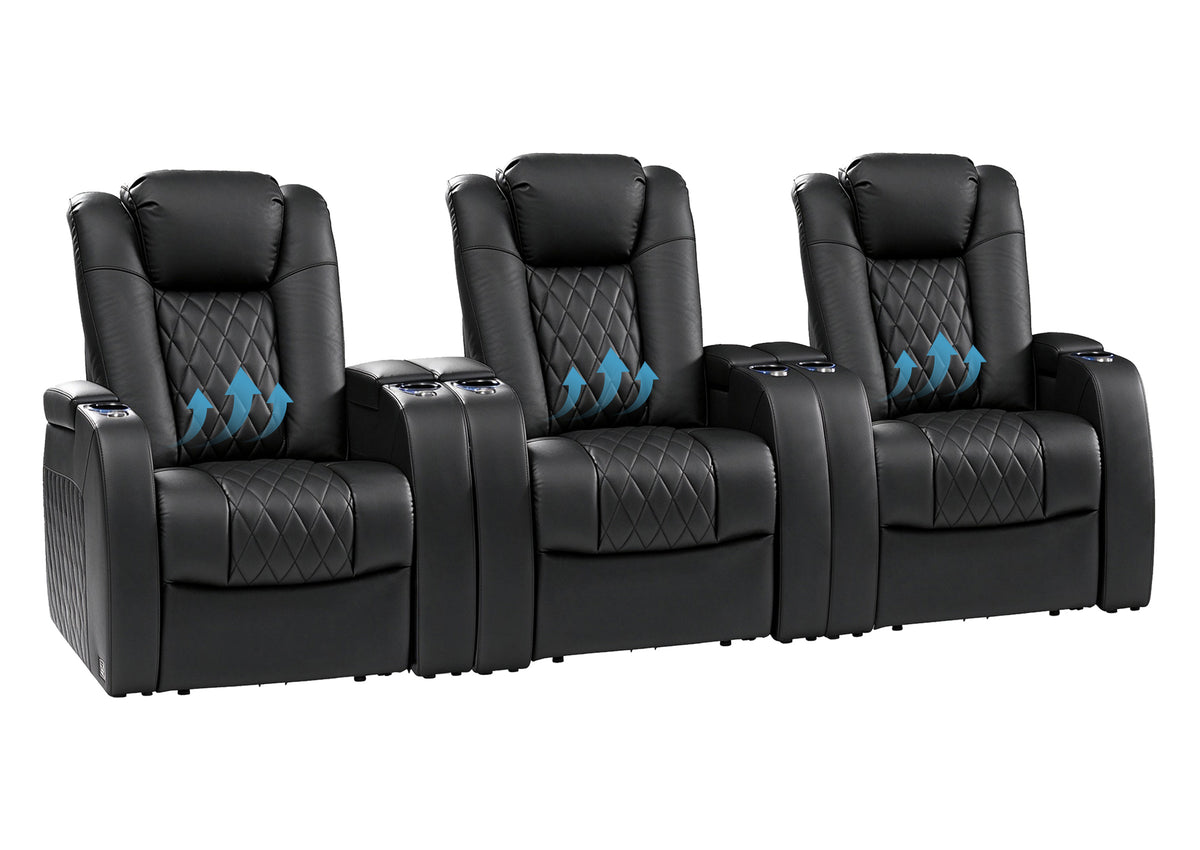
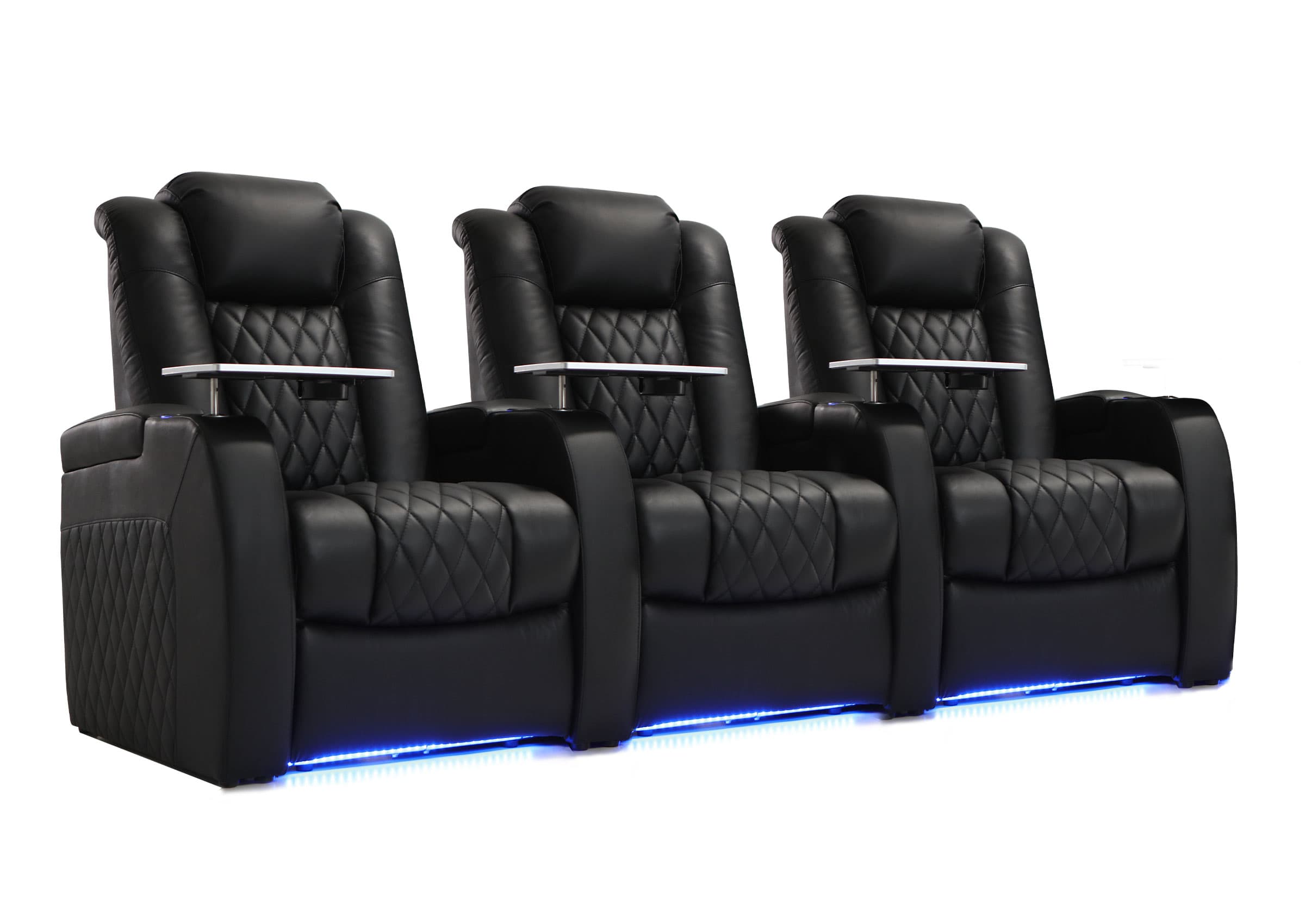
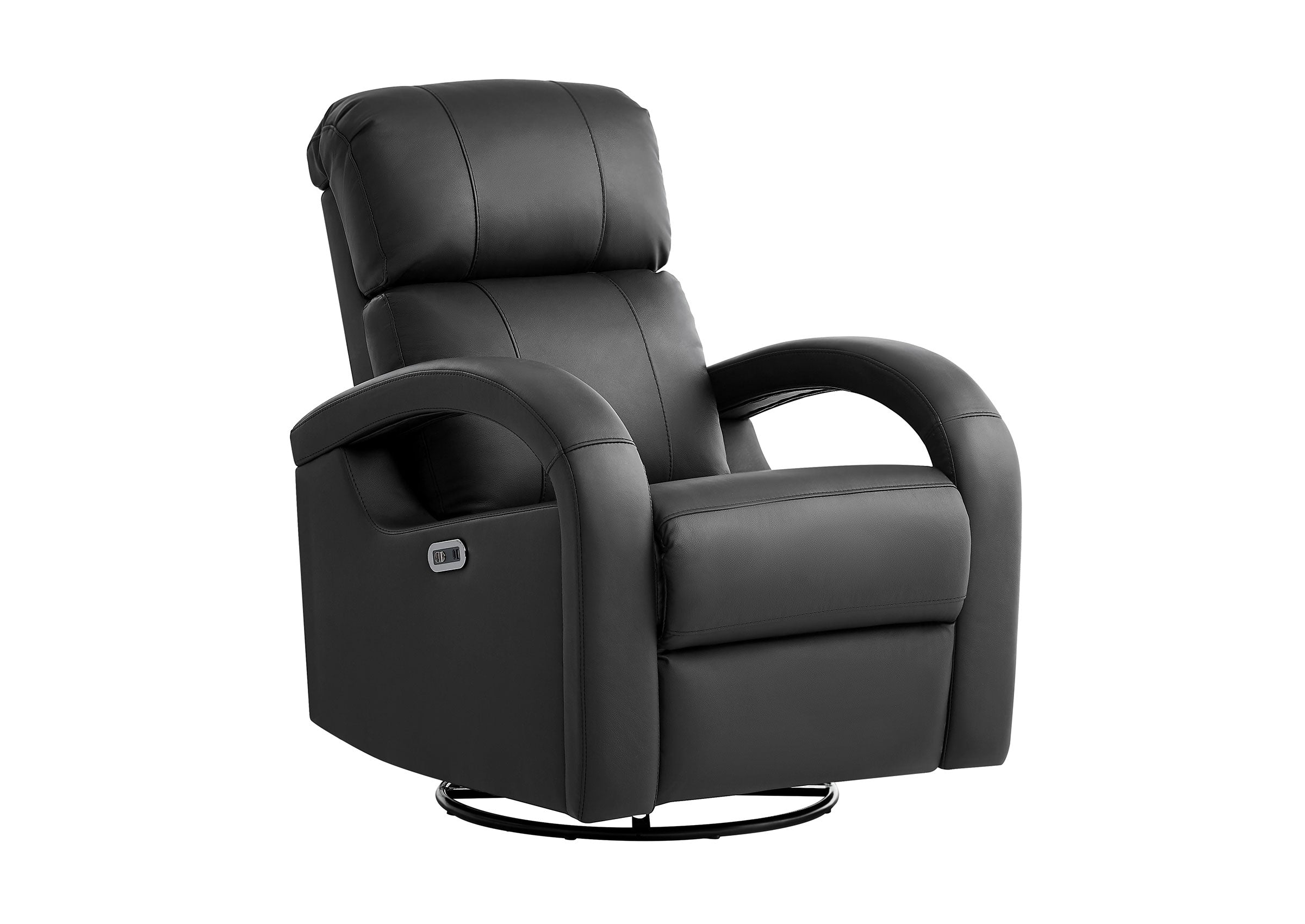


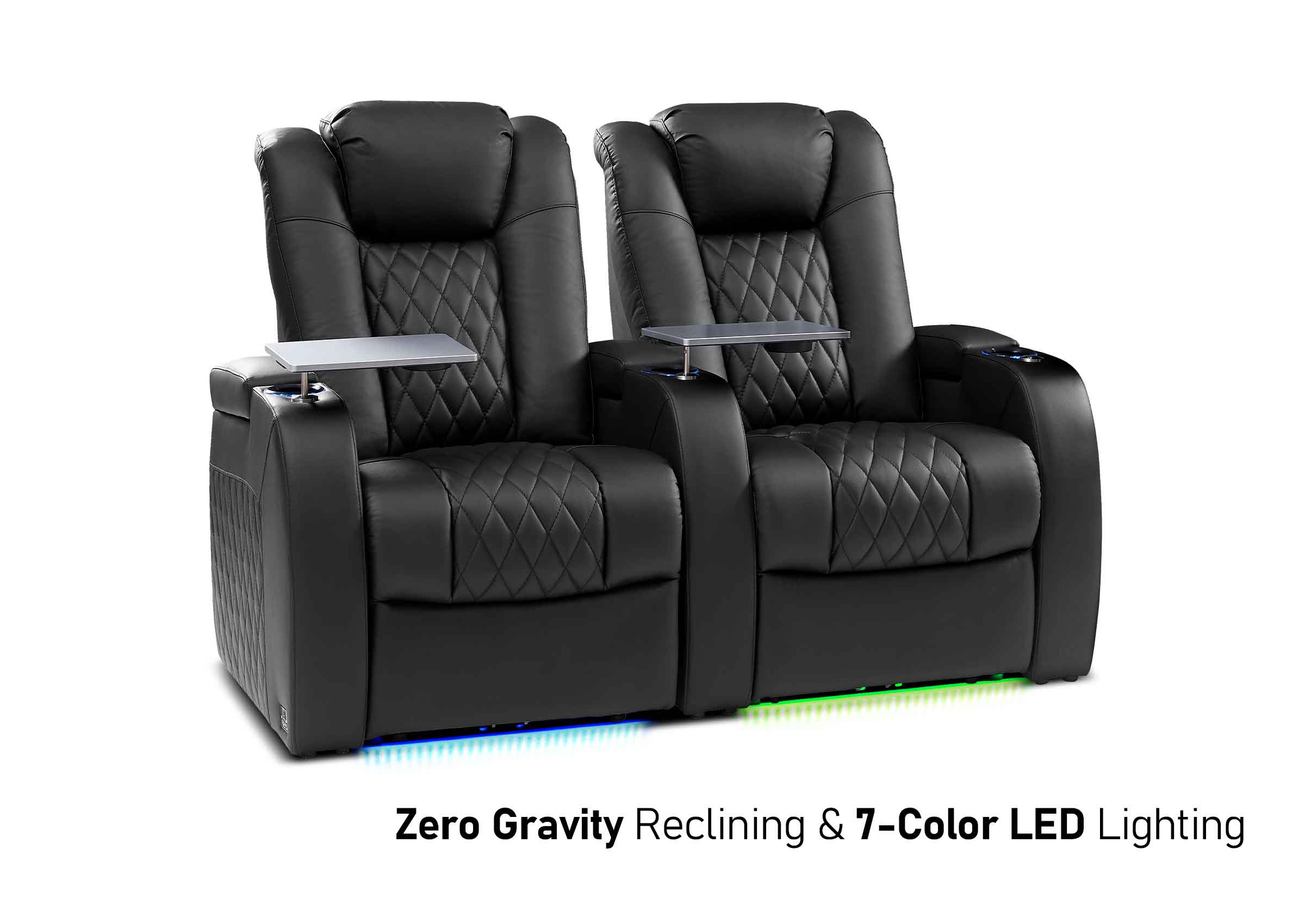
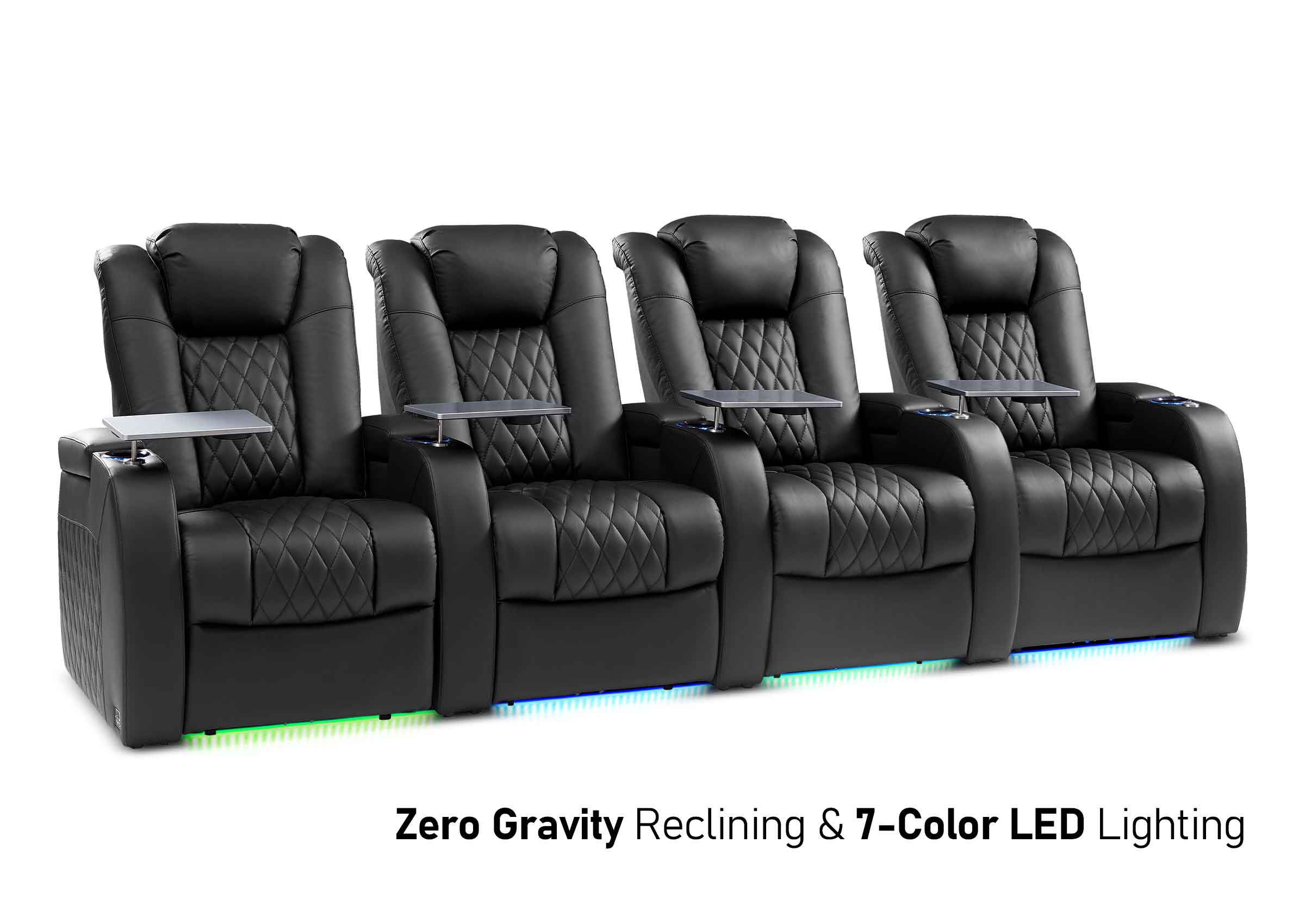
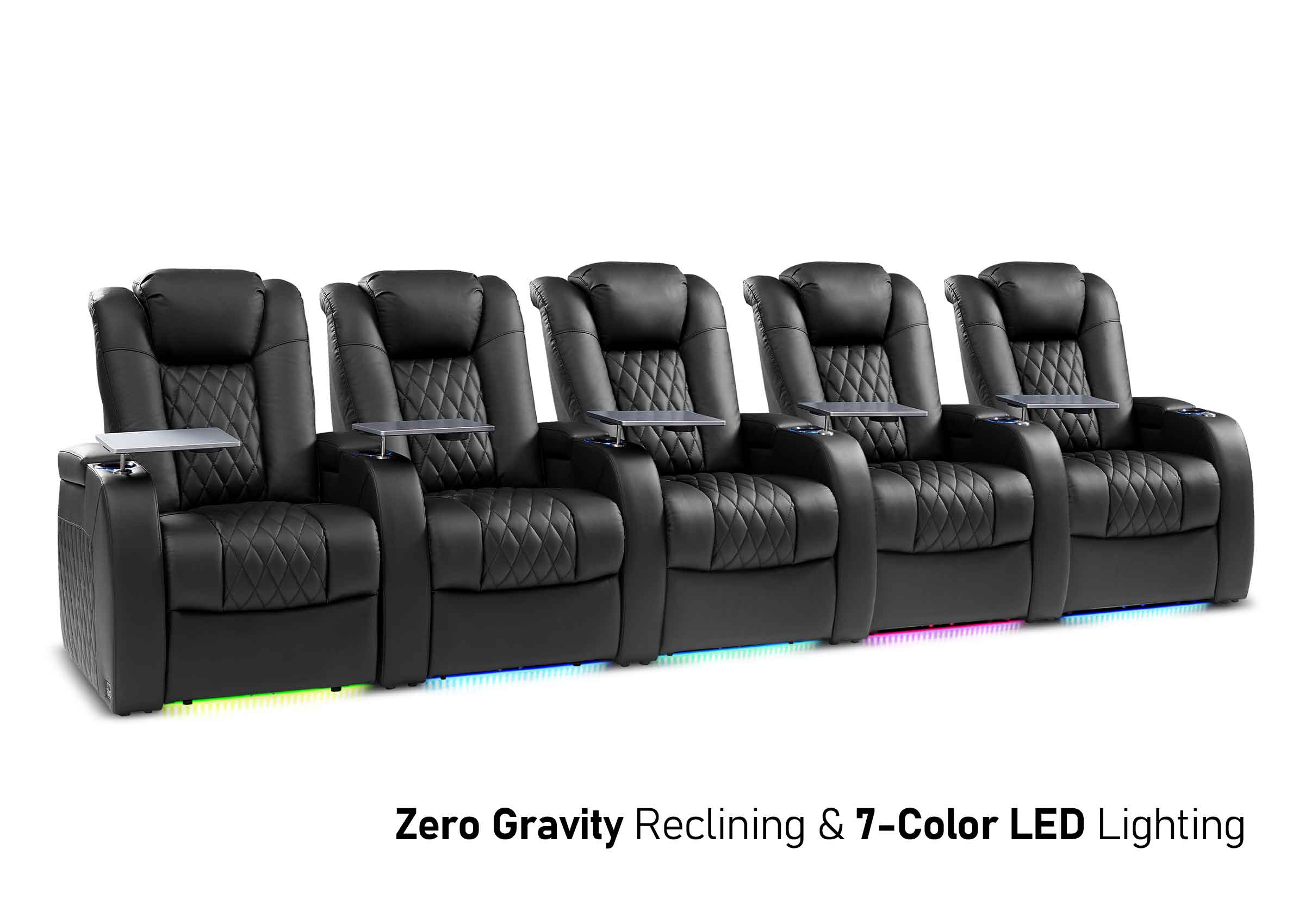
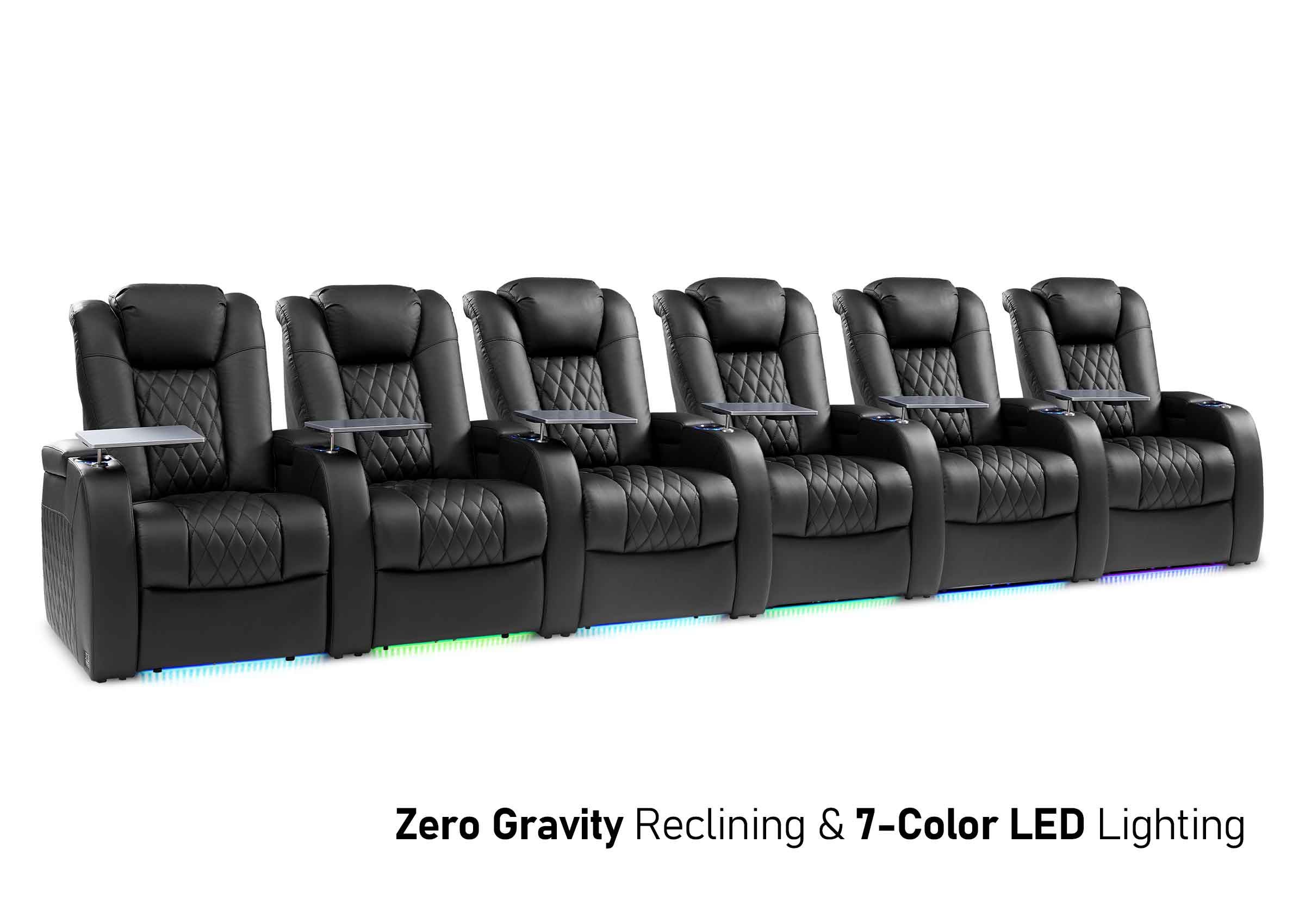


Luxury media room ideas work best when the whole space feels considered: comfortable seats, materials that belong together, lighting you can change, and somewhere for the things you use every evening. For a Black Friday makeover, choose the room you want to create first. Then use the offers to buy the pieces that make that room work.
That room might be a warm leather lounge, a bright family space, or a darker retreat for movies and music. The five concepts below show what to combine, what you can keep, and where an upgrade makes the biggest difference. They are design proposals, not completed customer projects or quoted room packages.
Start With the Evening You Want the Room to Support
Think about the people who use the room most often. Do you watch a film together and then stay to talk? Does one person stretch out while another reads? Are sports, games, and holiday visitors as important as movies?
Choose the two activities you most want to accommodate. That gives the room a clear purpose without asking it to do everything. A shared sofa may suit a family that likes curling up together. Independently adjustable seats may suit viewers who want different positions. A mixed arrangement can serve both preferences if the room has enough space.
Before choosing a new finish, identify an existing piece worth keeping. A comfortable sofa, a useful media cabinet, or a television that still suits your viewing can anchor the makeover. Photograph it in daylight and with the evening lights on. Use those pictures when comparing upholstery, wood tones, rugs, and wall samples.
If you are still exploring the room's purpose, our broader media room ideas guide covers different ways to combine movies, gaming, and everyday living. Here, the focus is on building a coordinated, more luxurious version of the space you already want.
Create a Warm Leather Lounge With Walnut and Soft Light
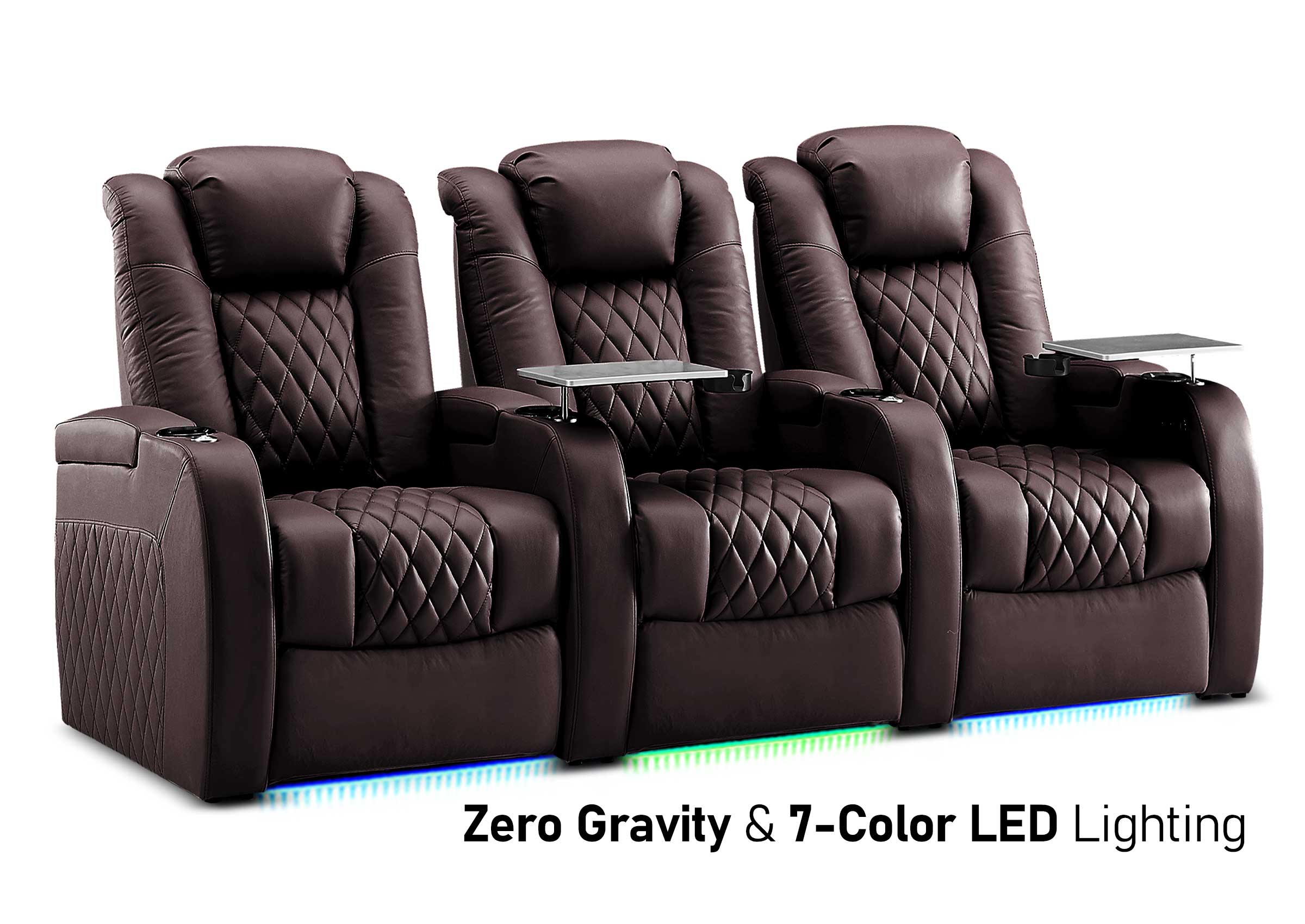
For a room that feels inviting before the screen comes on, combine cognac or warm brown seating, walnut-toned cabinetry, an oatmeal rug, and a small amount of aged brass or bronze. Let the leather and wood provide the depth; keep the surrounding textiles quieter.
Picture a low media cabinet facing the main seats, a softly shaded lamp beside the lounge, and a small table within reach of each regular viewer. A woven throw or textured cushion softens the leather without covering every surface. Repeat the metal finish in two or three details, such as cabinet pulls and a lamp base, rather than buying a matching version of everything.
This is a good direction when you already own brown seating. Keep it if you enjoy sitting there, and test the makeover around it: a larger-looking rug composition, a calmer cabinet front, coordinated side tables, and warmer evening light. New seating becomes more worthwhile when the existing piece is uncomfortable or leaves everyone looking sideways at the television.
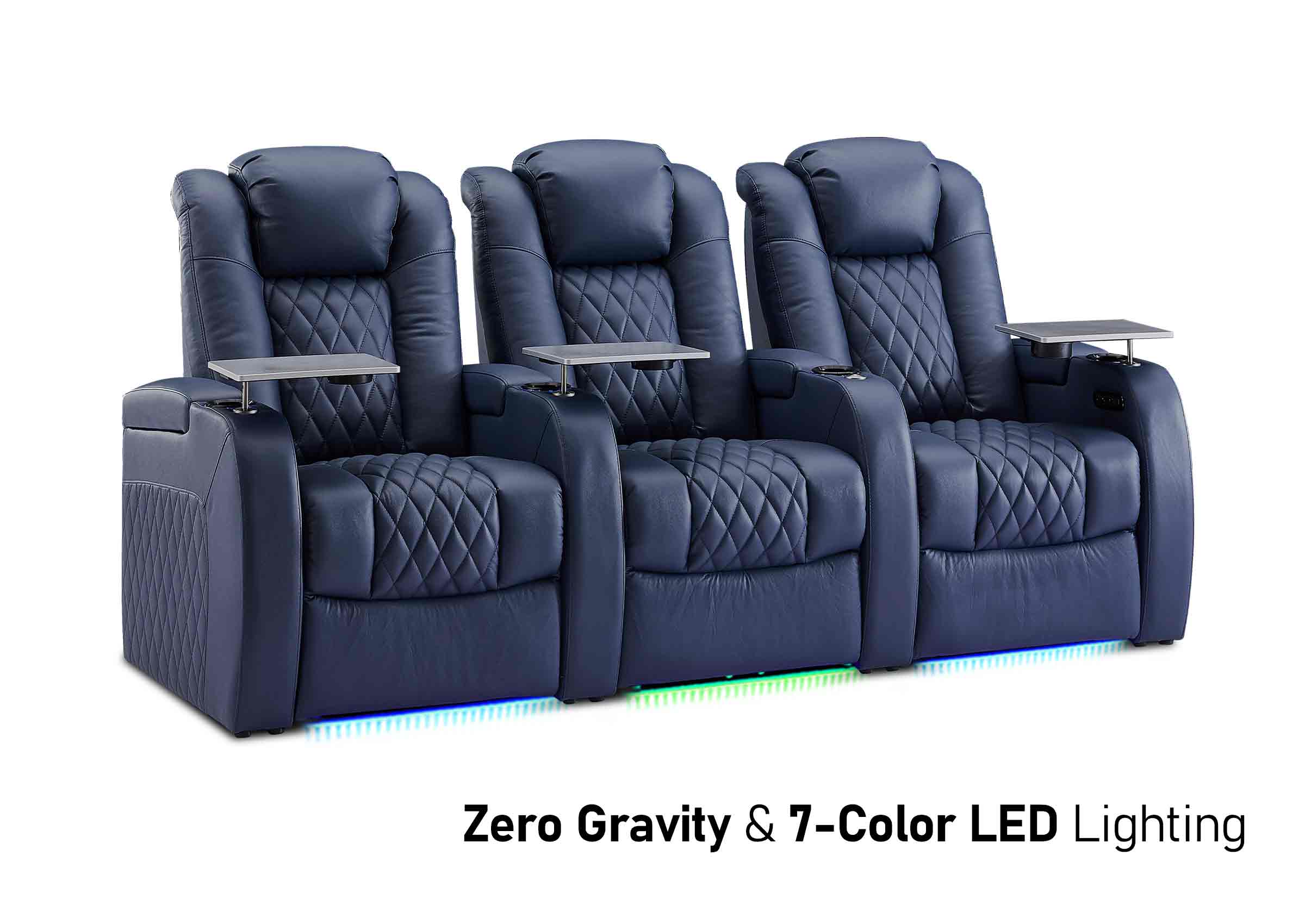
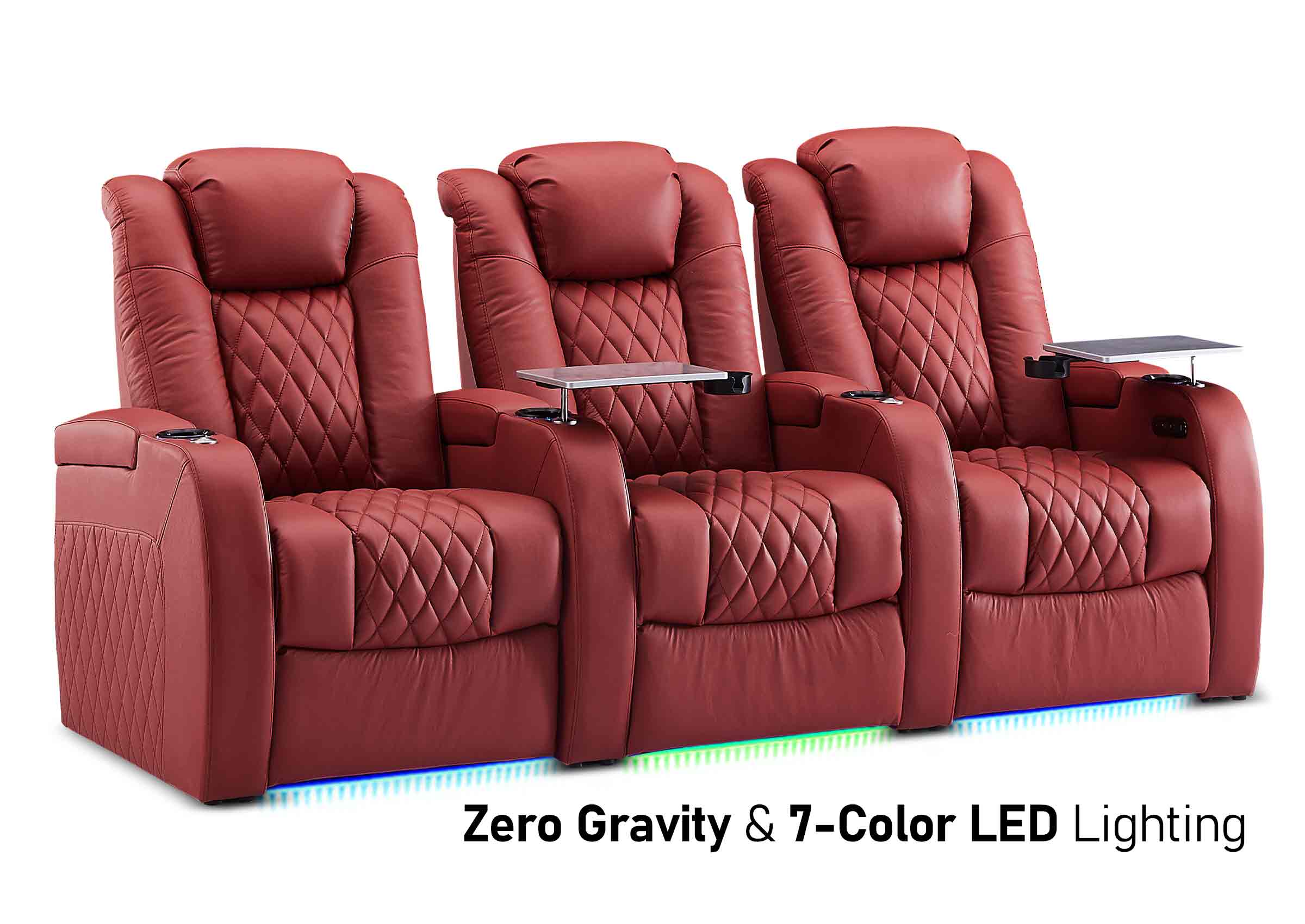
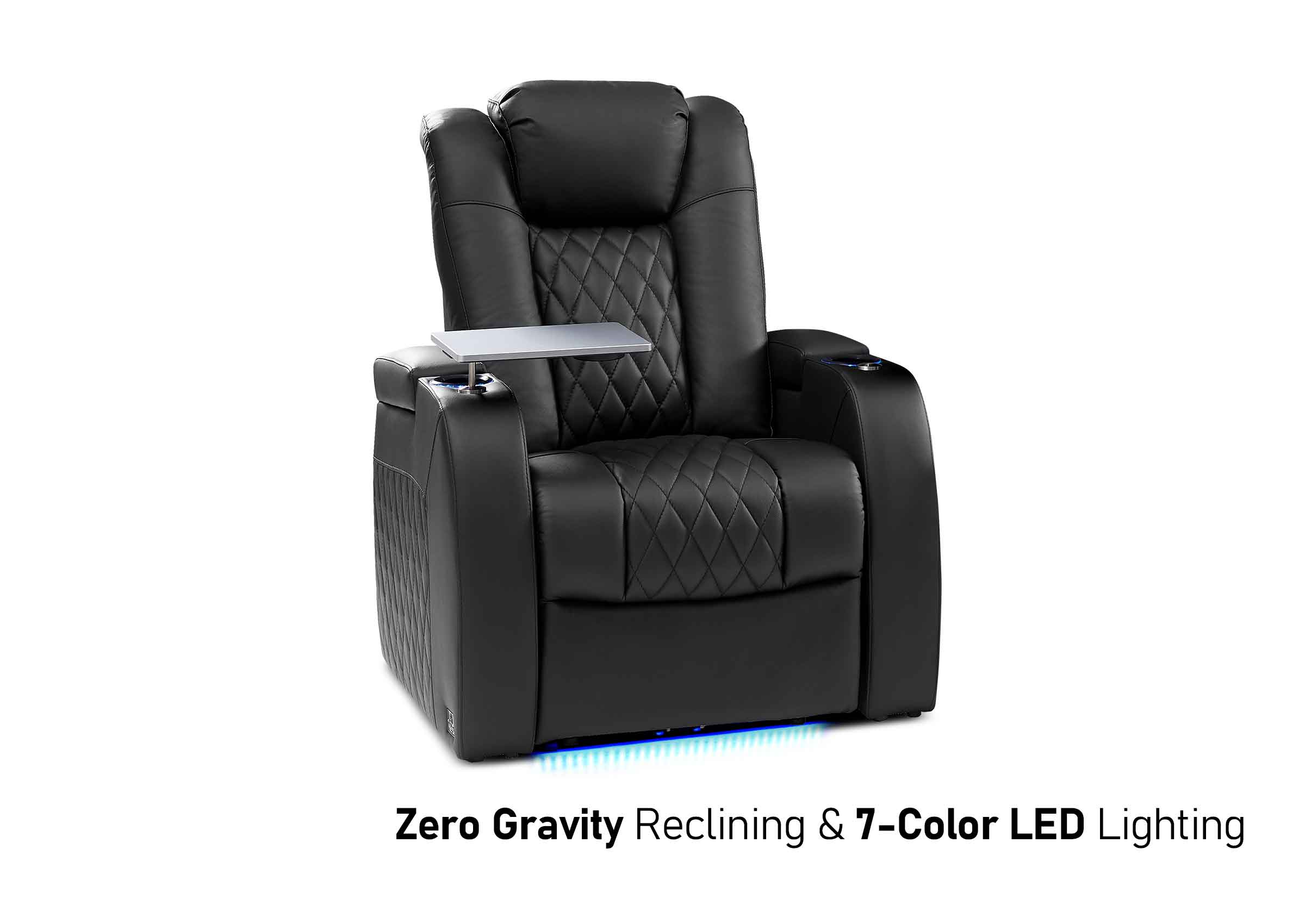
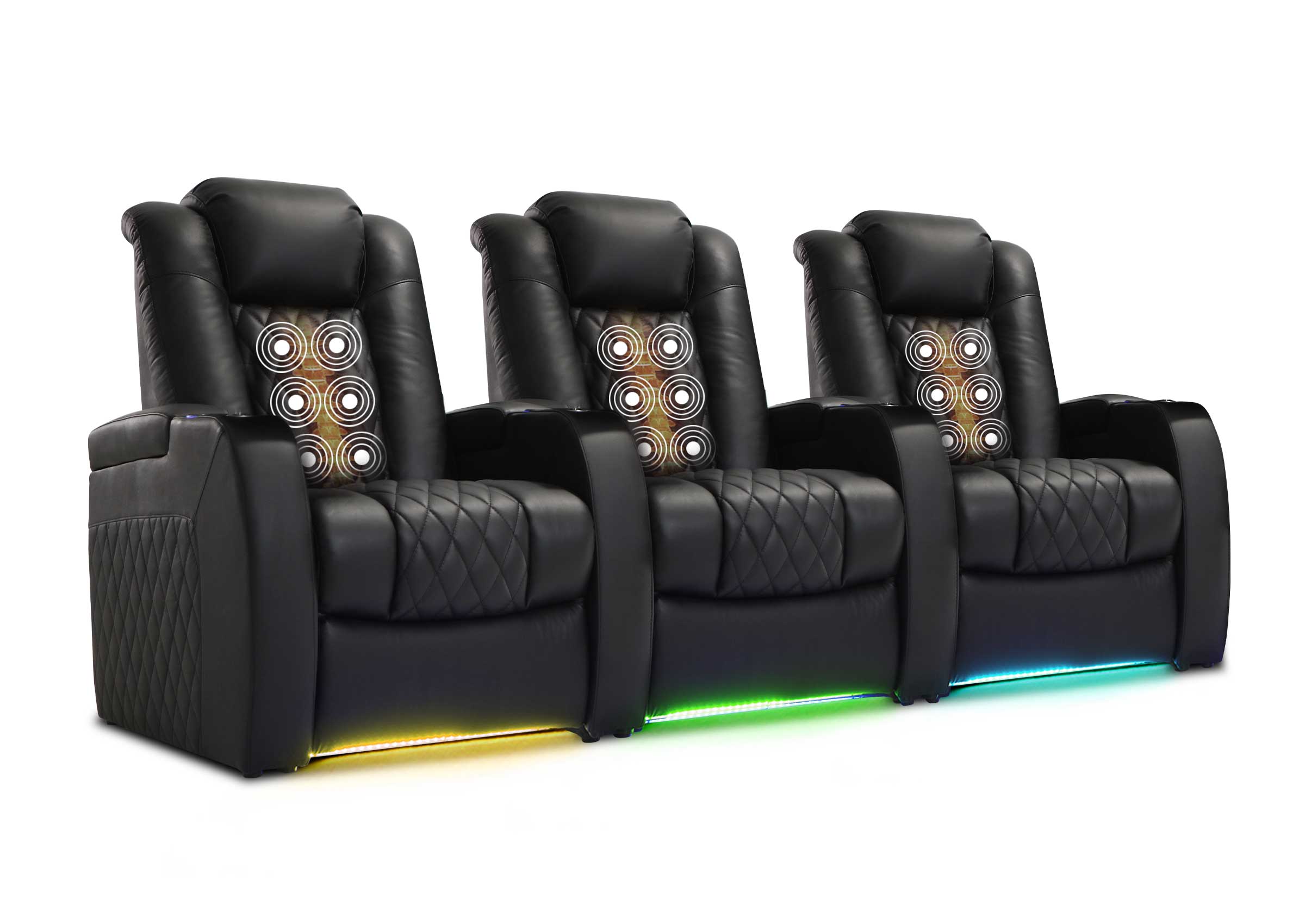
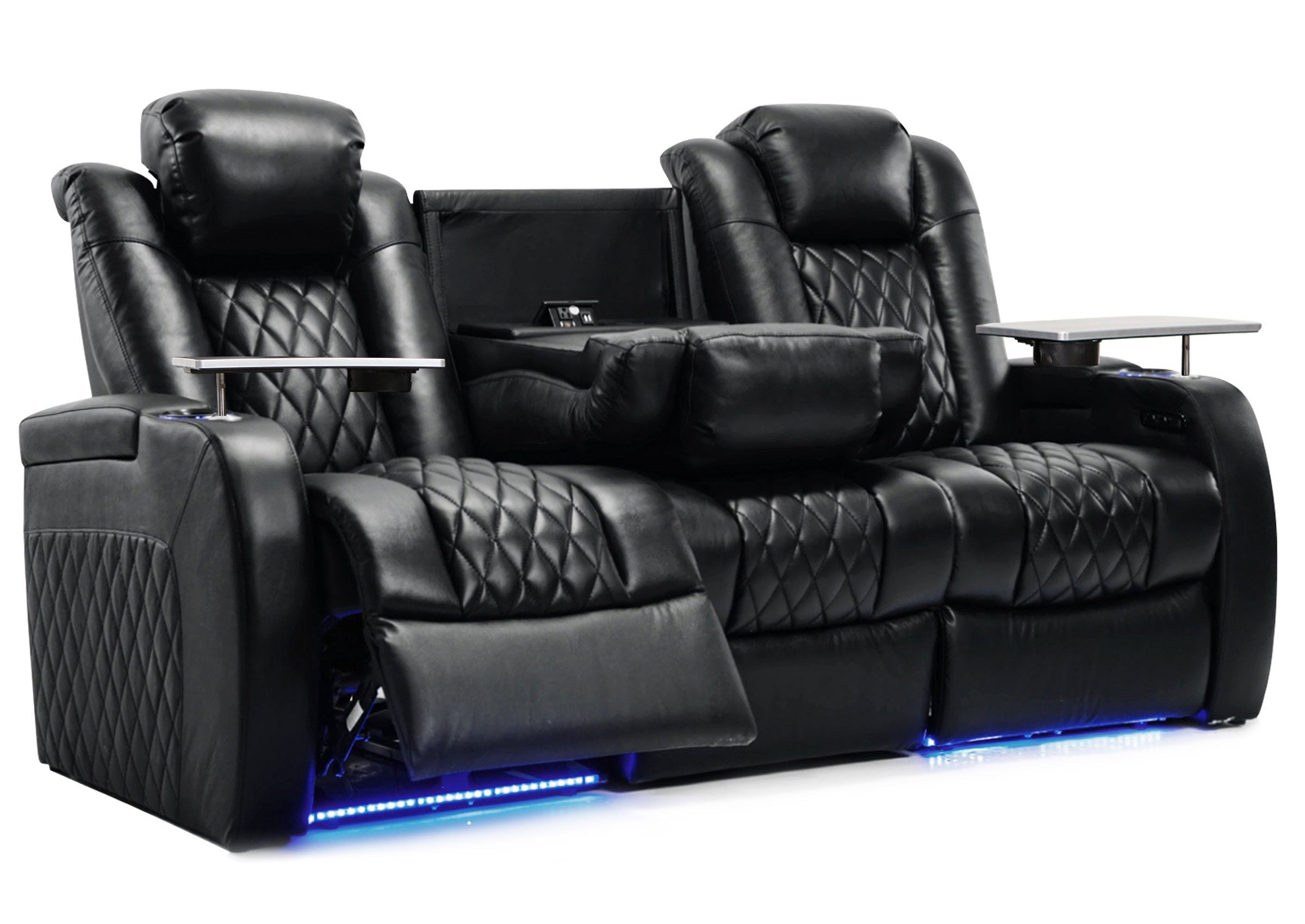
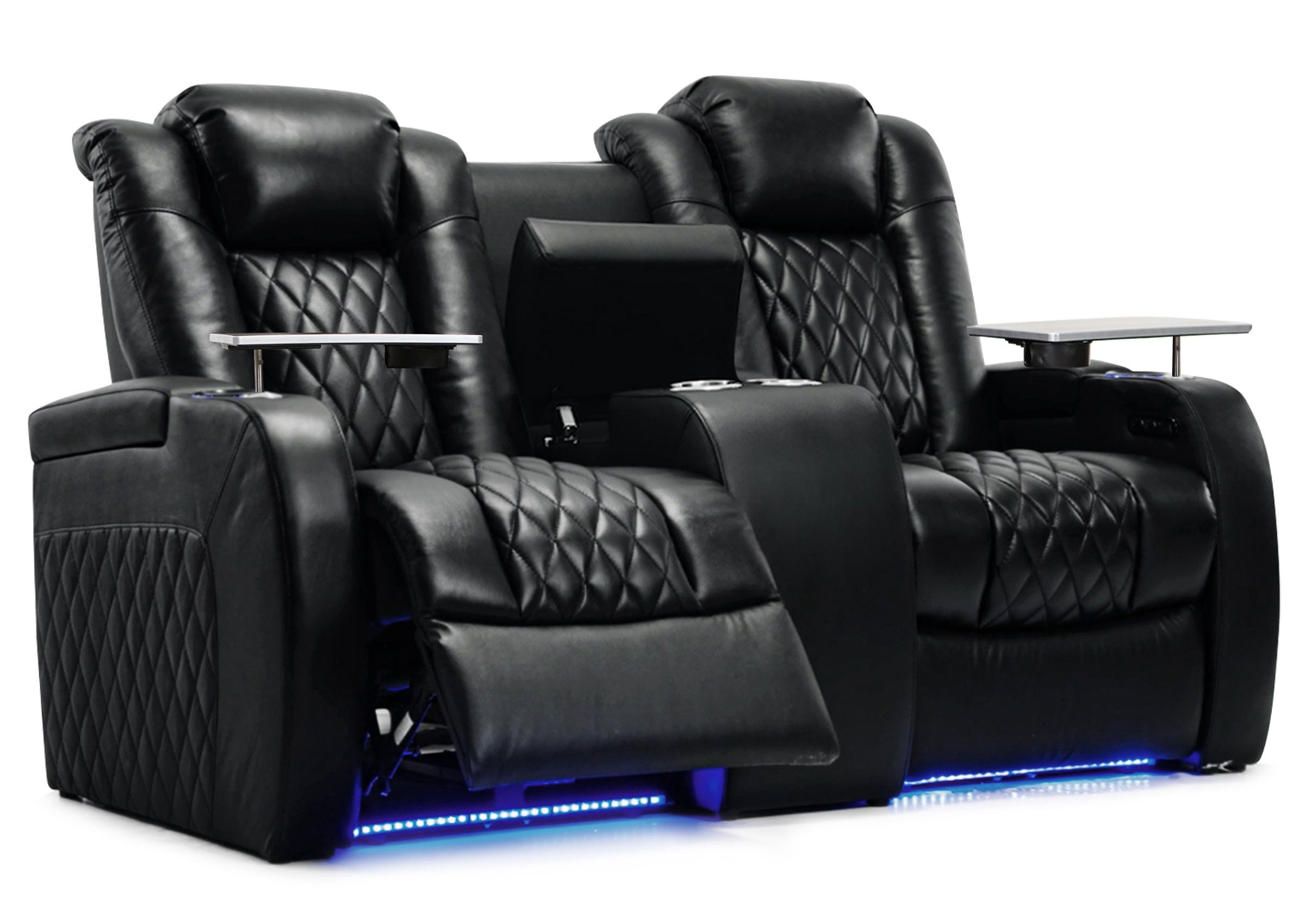
For viewers who want independent adjustments, a product such as the Weilianda FortLux Lumbar three-seat configuration offers headrest, reclining, and lumbar adjustments. Treat it as a seating candidate to compare with your room and preferences; it is not a complete room package or a promise of therapeutic benefit.
The trade-off is that substantial leather seating and dark wood can make a room feel visually heavy. Balance them with a lighter rug, a restrained wall color, and some open space around the furniture. Check physical upholstery samples where available: an online brown can look quite different beside your existing floor. If the leather and walnut appear too similar, introduce a clear difference in tone or texture rather than trying to make two almost-matching browns disappear into one another.

Keep a Modern Family Media Room Bright and Relaxed
A luxury media room can remain light enough for an ordinary afternoon. Try warm white walls, a pale oak cabinet, a large textured rug, and upholstery in cream, mushroom, or soft gray. Use black or charcoal in a few deliberate places—the screen, a lamp, or a narrow table frame—to give the room definition.
Build the furniture around how the family spends time together. A sofa with separate foot support favors shared lounging. A sofa plus two individual chairs creates more choice for conversation and viewing. If one person wants a recliner, connect it visually to the sofa through a related color or wood tone rather than assuming every seat must match.
Keep an existing TV if the picture and size still suit the room. Make the wall around it look intentional with a well-proportioned cabinet and a limited display of books, ceramics, or framed work. Avoid filling every shelf; closed storage can handle the game controllers and chargers that do not need to be on show.
For windows, consider a layered treatment that gives you different levels of light control. The exact fabric and construction matter more than the label alone. Check reflections from the actual seats at the time you normally watch, and try samples against the wall color before committing to a full set of curtains.
This scheme works well when you want the room to remain part of everyday family life. Its compromise is that a pale, daylight-filled setting will not behave like a fully darkened cinema. Decide whether you want an easy daytime lounge, a darker movie environment, or a workable balance. Do not replace a comfortable family arrangement solely to make it resemble theater seating.

Make a Jewel-Toned Retreat for Movies, Music, and Reading
Deep blue, forest green, or muted aubergine can give a room a more enveloping character. Pair one dominant color with warm wood, a textured rug, and upholstery that has some tonal variation. A small amount of brushed metal adds contrast without turning every surface into a focal point.
The room needs a reason to be enjoyable when the screen is off. Put a reading light beside a comfortable chair, display a few records or books, and give the main sofa a side surface that can hold a drink. A room built around only the television can feel unfinished during the rest of the day.
Separate the lighting by activity. A low, soft setting can suit a film; reading needs useful light at the seat; getting ready or cleaning needs a brighter room. Check the lamp's reflection from the seats before deciding its position. Put the reading light where it serves the reader without shining into someone else's eyes. You can create distinct settings with suitable individual lights and controls. A coordinated control system is an additional choice, not a prerequisite for the look.
For a real example of designing around changing activities, CEDIA's cinema, gaming, and karaoke project uses coordinated scenes to change the room's atmosphere. Borrow the idea of making activities easy to switch between, rather than assuming that its custom systems or moving furniture belong in every home.
Keep favorite artwork or a good existing cabinet, but be selective about what surrounds it. If you want a display wall, leave the screen wall simpler. If the upholstery has a strong texture, choose quieter curtains and a rug with a less busy pattern.
Test large paint samples through the day. If the darker palette feels oppressive, use it on the screen wall or cabinet fronts and keep the other walls lighter. Paint and decorative textiles can change the mood; they should not be presented as soundproofing. A rug or soft furnishing also does not replace a properly specified acoustic or isolation solution when noise is the actual problem.

Design a Social Lounge for Sports and Holiday Guests
If people come over as much to spend time together as to watch, give conversation and hospitality their own place. A main viewing group, a small drinks cabinet, and a secondary chair or game table can create a more useful room than adding another full row of seats.
Try navy or charcoal on the cabinetry, warm neutral seating, and one repeated metal finish. Use a small pool of light at the drinks area so someone can pour a drink without brightening the screen wall. Store glasses and serving items where they will be used, with fragile pieces away from moving furniture.
The seating arrangement should accommodate two moments: facing the screen during the game and facing one another during a break. A sofa and appropriately placed swivel chairs may help with that change. If you choose reclining seats, check whether their open positions leave a usable route to the drinks area and the door.
Keep a usable sideboard instead of building a bar immediately. A dry drinks station may provide the storage and serving surface you need. Plumbing, refrigeration, custom joinery, and new electrical work add cost and complexity; include them only when they improve the way you actually host.
There is a practical compromise here: more social seats will not all be equally good viewing seats. Prioritize a comfortable view for the regular watchers, then make the occasional seats useful for conversation and short visits. Tell yourself honestly which seats are for a whole film and which are for joining the room. Before adding bar stools behind the main group, check their actual screen view and whether someone serving drinks would continually cross the picture or projector beam.
For the everyday storage behind this look, the media room organization guide offers a deeper planning route. The point of concealment is to keep things accessible, not to hide equipment behind doors that make every source change difficult.

Give a Small Room the Feel of a Private Boutique Lounge
In a smaller room, concentrate the finish budget around a few pieces you use constantly. Two comfortable seats, a generous-looking rug, a useful low cabinet, and well-placed lighting can feel more complete than an overcrowded arrangement of expensive furniture.
One option is a pair of recliners with a shared table, dark olive walls, warm wood, and a softly shaded wall light. Another is a compact sofa with a movable ottoman, pale textured walls, and a closed media cabinet. The first favors independent sitting positions; the second favors shared lounging and a floor area that can change while the room is in use.
Use one standout material and let the rest support it. For example, a walnut cabinet can be the visual centerpiece while the seating remains a quiet neutral. Or let richly colored upholstery lead and keep the cabinet and walls simple. Repeating a small number of finishes gives the room continuity without demanding a large furniture set.
Retain the existing screen and usable cabinet when they fit the room. Replace an awkward oversized table before assuming the seats are the problem. Test access to drawers, doorways, and footrests with the proposed furniture in its actual positions; the empty floor plan is only the starting point.
Built-in storage can be attractive, but compare its cost and flexibility with a well-sized freestanding cabinet. Leave equipment ventilation and service access available. A small room feels more luxurious when using it is easy, including putting things away afterward.
COMPLETE YOUR ROOM
Find Seating for Your Room Scheme
Once you know which seating arrangement you want, explore the Black Friday seating configurations. Compare the complete arrangement for your room—seat count, color, armrests, and functions—before deciding whether a particular offer advances your makeover.
Plan the Whole Room Around Your $10,000–$25,000 Budget
Use the budget to finish the room you chose, rather than letting one discounted purchase decide everything else. A retained display might release money for seating and curtains. An existing sofa you love might let you invest in lighting, cabinetry, and a more considered finish.
The following are hypothetical planning allocations in USD, not market averages, contractor estimates, or purchasable packages. They assume an existing usable room. Structural work, major sound-isolation construction, extensive rewiring, or a new plumbed bar would need their own scope and quotes.
| Planning category | $10,000 refresh | $17,500 lounge makeover | $25,000 broader makeover |
|---|---|---|---|
| Seating | $3,500 | $5,000 | $7,000 |
| Display, audio, or controls | $1,500 | $3,000 | $5,000 |
| Rugs, curtains, wall finish, and textiles | $2,000 | $3,000 | $4,000 |
| Lighting and related installation | $1,000 | $1,500 | $2,000 |
| Tables, cabinetry, and storage | $1,000 | $2,000 | $3,000 |
| Allowance for tax, delivery, other installation, and contingency | $1,000 | $3,000 | $4,000 |
| Total | $10,000 | $17,500 | $25,000 |
For the $10,000 example, retaining a working screen and usable cabinet keeps the emphasis on what you see and feel. It could serve the warm lounge or compact boutique concept. At $17,500, you might combine new main seating with better light control and a more useful storage arrangement for the bright family room or jewel-toned retreat. The $25,000 version could accommodate a broader social-lounge makeover, with more furniture and equipment changes, but it still does not guarantee that custom construction will fit. Any of the five looks can be adapted; these are ways to use the allowances, not minimum prices for the styles.
Replace the allowances with quotes as the plan develops. Specify whether a lighting quote includes fixtures, dimmers, labor, and finishing; whether a cabinet price includes installation; and which existing devices will remain. If confirmed tax, delivery, or labor uses up the reserve, reduce the scope or increase the total before ordering. Do not treat the reserve as money automatically available for another accessory.
Turn the allocation into an itemized list before purchasing. As a dated reference, the public FortLux Lumbar product page checked November 4, 2026 displayed $3,599 for the black three-seat configuration. That is a published product price, not a verified checkout total, a per-seat offer, or a promise of future pricing. It already exceeds the first example's $3,500 seating allowance by $99 before any applicable tax or other costs. Confirm the current eligible offer, then choose a different configuration or move money deliberately from another category.
For a wider comparison of row costs and layouts, use the three-seat Black Friday comparison, paying attention to its stated pricing date and assumptions. If you are planning a dedicated screening room with a larger equipment and installation scope, the advanced home theater renovation guide addresses that different starting point.
Buy the Pieces That Complete the Scheme
Before opening the sale page again, make a short keep, replace, and later list. A room can be finished in stages if each purchase works with the intended result. An unplanned discounted cabinet can be expensive if it forces you to change the rug, tables, and wall finish around it.
Check five things for every major purchase:
- The actual configuration. Compare the same seat count, layout, color, and included features. A per-seat figure is not the complete furniture cost.
- The material in your room. Compare available samples with the floor, wall, and retained furniture in daytime and evening light. Confirm the selected upholstery specification rather than assuming every visible surface uses the same material.
- The space in use. Check delivery access, upright and open furniture dimensions, reachable controls, and the route through the room.
- The final order terms. Review applicable discounts, tax, shipping or handling, return conditions, coverage, and any optional accessories. Confirm whether a price already reflects an offer before applying another percentage yourself.
- The practical timing. Distinguish stock status, estimated dispatch, transit, delivery appointment, and installation. A holiday gathering needs a usable room, not just an order confirmation.
Keep the feature list tied to the scheme. Adjustable head support may help a regular viewer find a preferred screen-watching position. A tray might be useful for a drink or controller. Lighting built into a chair is worth comparing if you will use it, but it should work with the room lighting rather than becoming the only design idea.
When the room looks right, try a complete evening: start the movie, find the remote, reach a drink, let someone walk past, and switch back to conversation. That reveals whether the makeover delivers the ease you were buying.
Luxury Media Room Makeover FAQ
Does a luxury media room need dark walls?
No. Dark walls can create an enveloping movie setting, while warm pale colors can suit a room used throughout the day. Choose around the effect you want and the actual window light. Test samples from the seats with the screen on; a color that looks attractive in a small swatch may feel different across the whole room.
Can I keep my sofa and still create a more luxurious room?
Yes, if you like its comfort, size, and condition. Use it as the reference for the rug, wood tones, tables, and wall treatment. Replace surrounding pieces selectively. If the sofa prevents comfortable viewing or takes away the room's useful floor area, styling alone will not solve that underlying problem.
Should I choose theater recliners or a sofa for shared lounging?
Choose individual recliners when separate sitting positions and personal support are priorities. Choose a sofa or suitable sectional when leaning together or lying across the seats matters more. A mixed arrangement can work, but check that the secondary seats have a real use and do not crowd the room. Try the way you actually sit, not only an upright showroom pose.
Do I need custom cabinetry or a complete smart-home system?
Neither is required for a coordinated room. A well-sized freestanding cabinet and straightforward lighting controls can provide the appearance and convenience you need. Custom work becomes more useful when it solves a specific storage, equipment, or architectural problem. Compare ventilation, service access, cost, and flexibility before deciding to conceal more technology.
What should I buy first during Black Friday?
Start with the item whose comfort, dimensions, or finish determines the rest of your chosen scheme. That may be the main seats, but it may also be curtains or a cabinet if the seating is staying. Check the full-room budget and final order terms first. A gift threshold or larger discount is not a reason to buy an extra piece that the plan does not need.
What if the furniture cannot arrive before the holidays?
Keep a usable version of the room while the makeover is in progress. Avoid removing your existing seats before replacement delivery and setup are confirmed. Separate changes you can finish now—such as decluttering or arranging existing lights—from work dependent on a contractor or furniture shipment. Ask about the selected configuration and destination; a general shipping message does not establish your delivery date.
Bring Your Room Scheme and Seating Plan Together
Choose one of the five directions, save the finishes you want to combine, and list the furniture you are keeping. Add your room dimensions, regular viewer count, and the ways you want to sit. You will have a clearer basis for comparing both the look and the complete cost.
For help matching Weilianda seating to that plan, share those details through Weilianda Support or email leon@weiliandahome.com. Ask about the exact configuration, available finishes, open dimensions, and current offer. The goal is a room you enjoy using after the Black Friday purchase is over.