


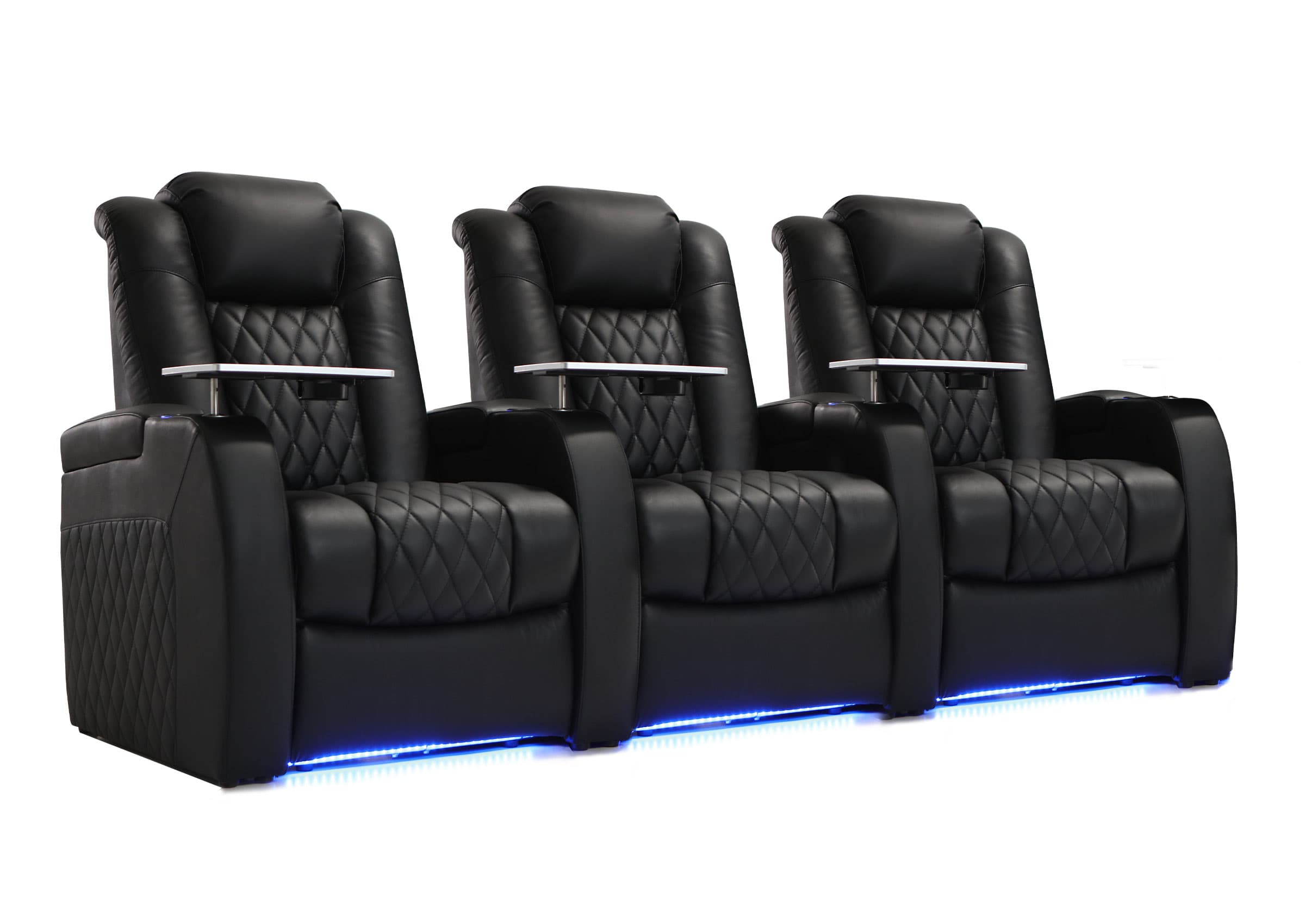
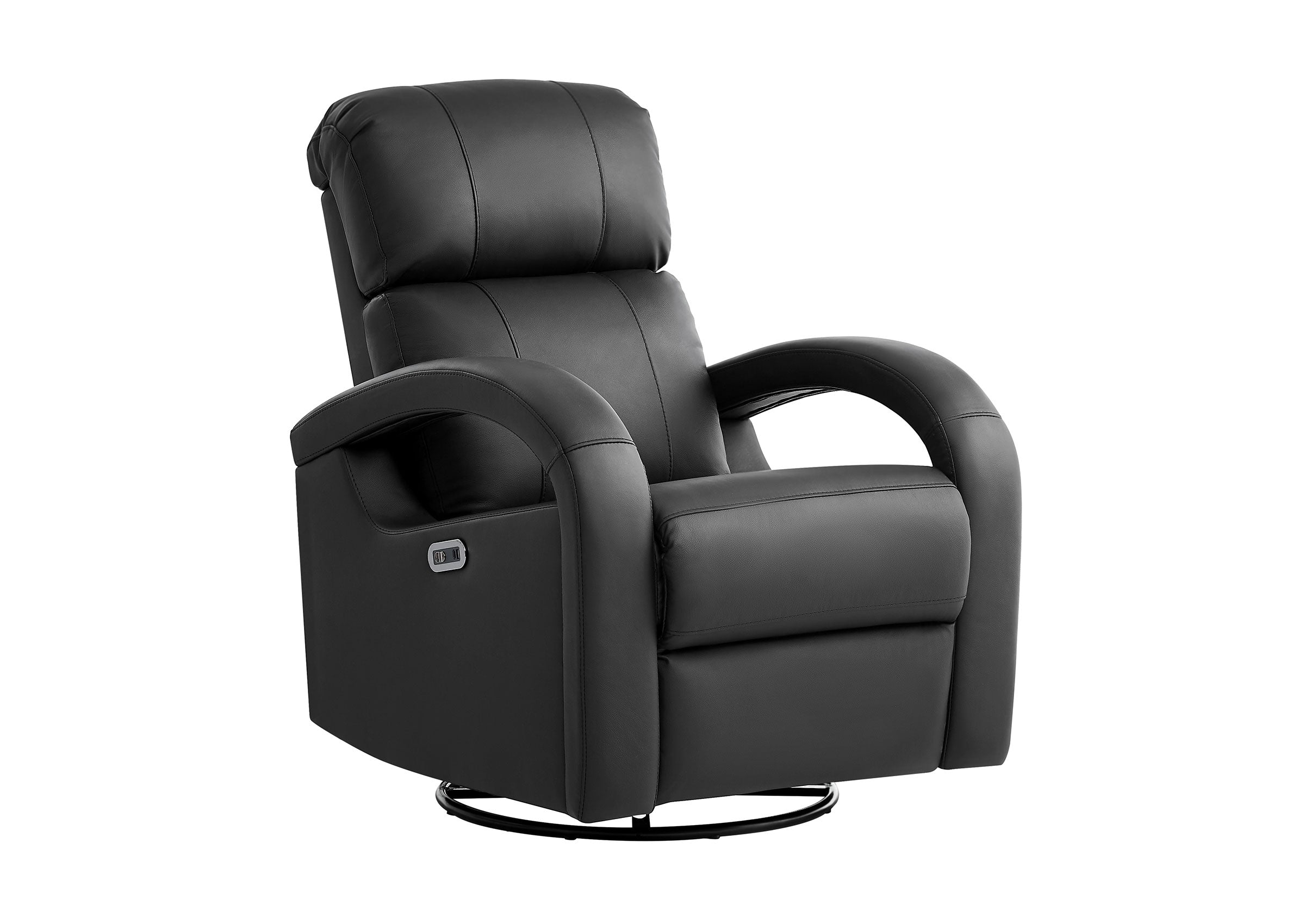
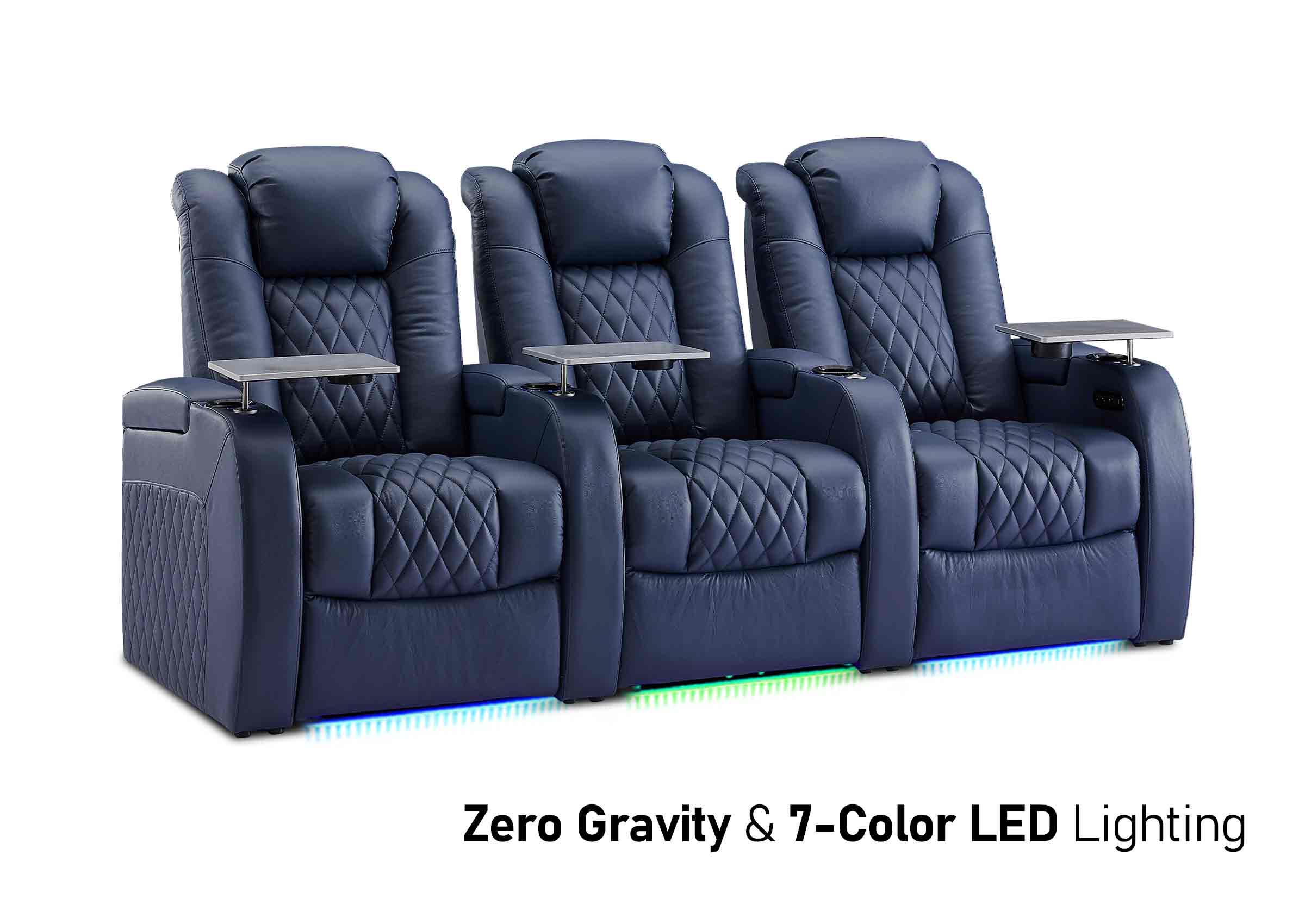
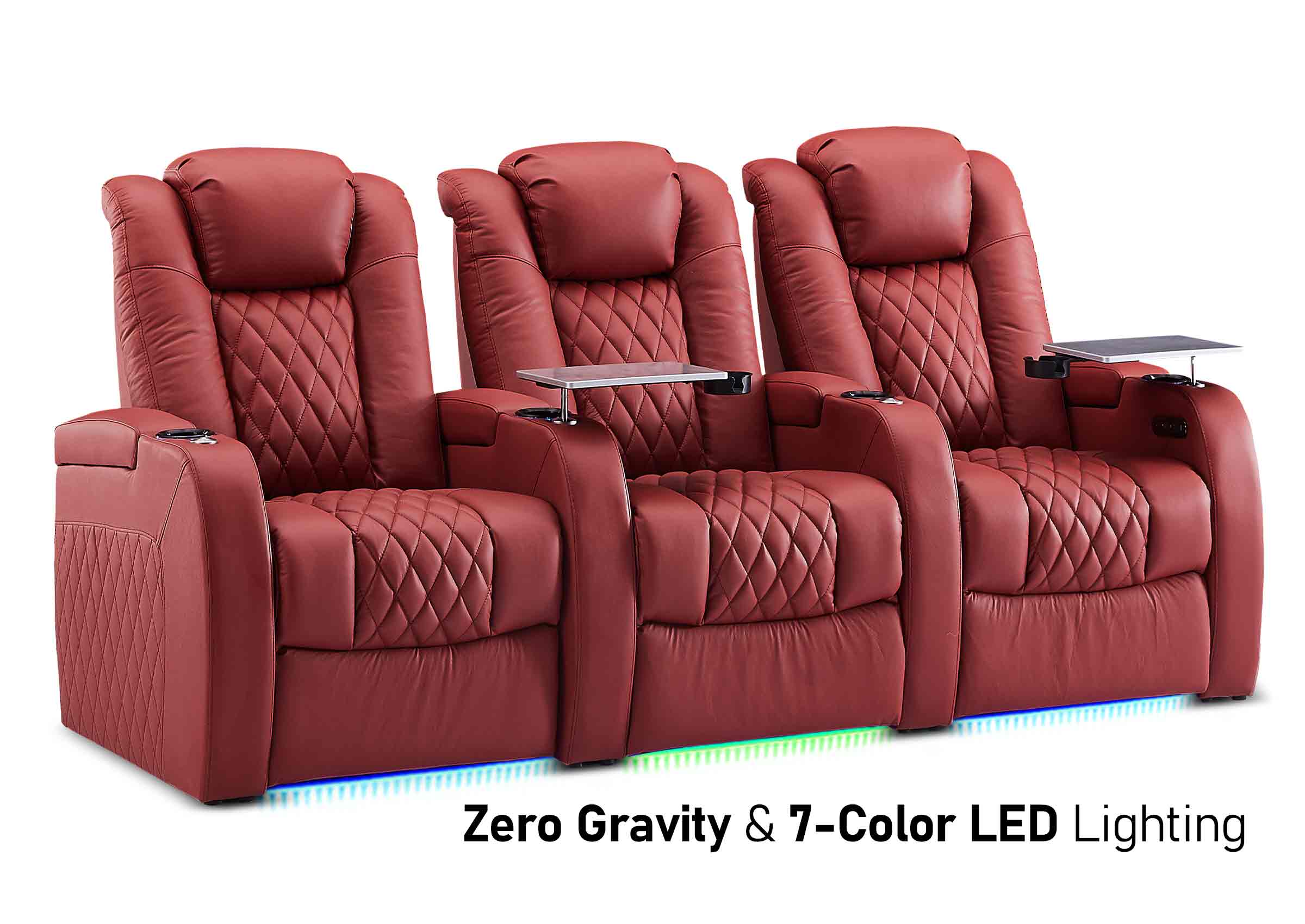







That unused attic space could become your private cinema retreat. Low ceilings and sloped roofs create unique challenges, but they're far from deal-breakers. With smart design choices, you can transform even cramped attic areas into a comfortable low ceiling home theater that feels intentional rather than compromised. These five practical solutions help you work with your attic's natural architecture instead of fighting against it.
Attic Home Theater Challenges: What You're Working With
Before diving into solutions, take stock of your space limitations.
The Reality of Sloped Ceilings
Most attics feature angled rooflines that reduce usable height as you move toward the walls. The center might offer adequate clearance, while the sides barely allow crawling space. This creates an irregular footprint that demands creative planning.
Your home theater's sloped ceiling presents both obstacles and opportunities. The angles can actually enhance acoustics by preventing sound waves from bouncing in predictable patterns. But they also limit where you can place equipment and seating.
Common Structural Constraints
Attic floors weren't always designed to support heavy furniture and multiple people. You'll need to verify load-bearing capacity before adding theater seating and equipment. Electrical access might be limited, requiring new wiring runs for power and lighting.
Insulation and climate control deserve attention, too. Attics tend to run hot in summer and cold in winter. Proper HVAC ensures year-round comfort without astronomical energy bills.
Minimum Ceiling Height Requirements for Attic Conversions
Local building codes set specific standards for livable space conversions.
Most jurisdictions require at least 7 feet of ceiling height across 50% of the floor area. Some areas specify 7.5 feet. These regulations exist for safety and livability. Verify your local requirements before investing in construction.
The good news? Creating a home theater in an attic space doesn't always trigger the same requirements as bedrooms or living areas. Entertainment spaces often receive more lenient treatment. However, you'll still need proper egress routes and adequate headroom for safe movement.
Measure carefully from finished floor to finished ceiling. Account for new flooring, acoustic treatments, and ceiling materials. What starts as 7 feet might shrink to 6.5 feet after improvements.
Solution 1: Strategic Seating Placement Under Slopes
Working with your attic's natural contours starts with smart furniture positioning.
Positioning for Maximum Comfort
Place theater seating where ceiling height matters least. The back row sits where the roof slopes lowest since viewers remain seated. This allows taller clearance zones for walking paths and the screen wall.
Stadium-style arrangement works beautifully here. Each row sits slightly lower than the one behind, creating clear sightlines without requiring excessive overhead space. The front row occupies the tallest section, where you need room to walk and install equipment.

Creating Natural Zones
Use the sloped areas intentionally. Lower ceiling sections work perfectly for storage, equipment racks, or even concession counters. You don't stand in these spots, so reduced height becomes less problematic.
Consider the traffic flow, too. People enter, find seats, and stay put during movies. Design your layout so the entry path uses the highest ceiling sections while viewing positions can occupy lower areas.
Solution 2: Tiered Platform Design to Maximize Headroom
Building up from the floor creates height where you need it most.
Raised platforms for rear seating accomplish two goals simultaneously. They improve viewing angles while lowering the effective ceiling height above those seats. A 12-inch platform means viewers sit 12 inches closer to the sloped ceiling without losing comfort.
| Platform Height | Seated Head Clearance | Walking Clearance |
| 6 inches | -6 inches headroom | Minimal impact |
| 12 inches | -12 inches headroom | Requires careful planning |
| 18 inches | -18 inches headroom | Needs steps/railing |
Building Safe, Comfortable Tiers
Single-step risers are good for small height differences. For heights above 8 inches, install handrails. Platforms should be sufficiently wide to allow for seated space and elbow room.
Secure the stands to the floor joists and not just the flooring surface. This will eliminate any wobbling and is compliant with safety regulations. You can install carpeting or acoustic underlayment to prevent sound from traveling into the next room.

Solution 3: Short-Throw Projectors and Screen Positioning
Equipment selection dramatically impacts space requirements.
The Short-Throw Advantage
Traditional projectors need 12-15 feet of throw distance for a decent image size. Short-throw models cut that to 6-8 feet. Ultra-short-throw units sit just inches from the screen.
This flexibility lets you position the projector where ceiling height allows. Mount it lower without sacrificing image quality or size. Some ultra-short-throw projectors work from a low shelf or specialized console.
Screen Placement Strategies
Install the screen on the gable wall where the ceiling peaks highest. This maximizes headroom in front of the screen for movement and equipment. Angled side walls create natural acoustic dampening, too.
Consider motorized screens that retract when not in use. This keeps the space flexible for other activities. Fixed screens work fine, but commit the room to theater-only use.
Solution 4: Low-Profile Furniture and Recliner Selection
Standard home theater seating often sits 40-42 inches tall when upright.
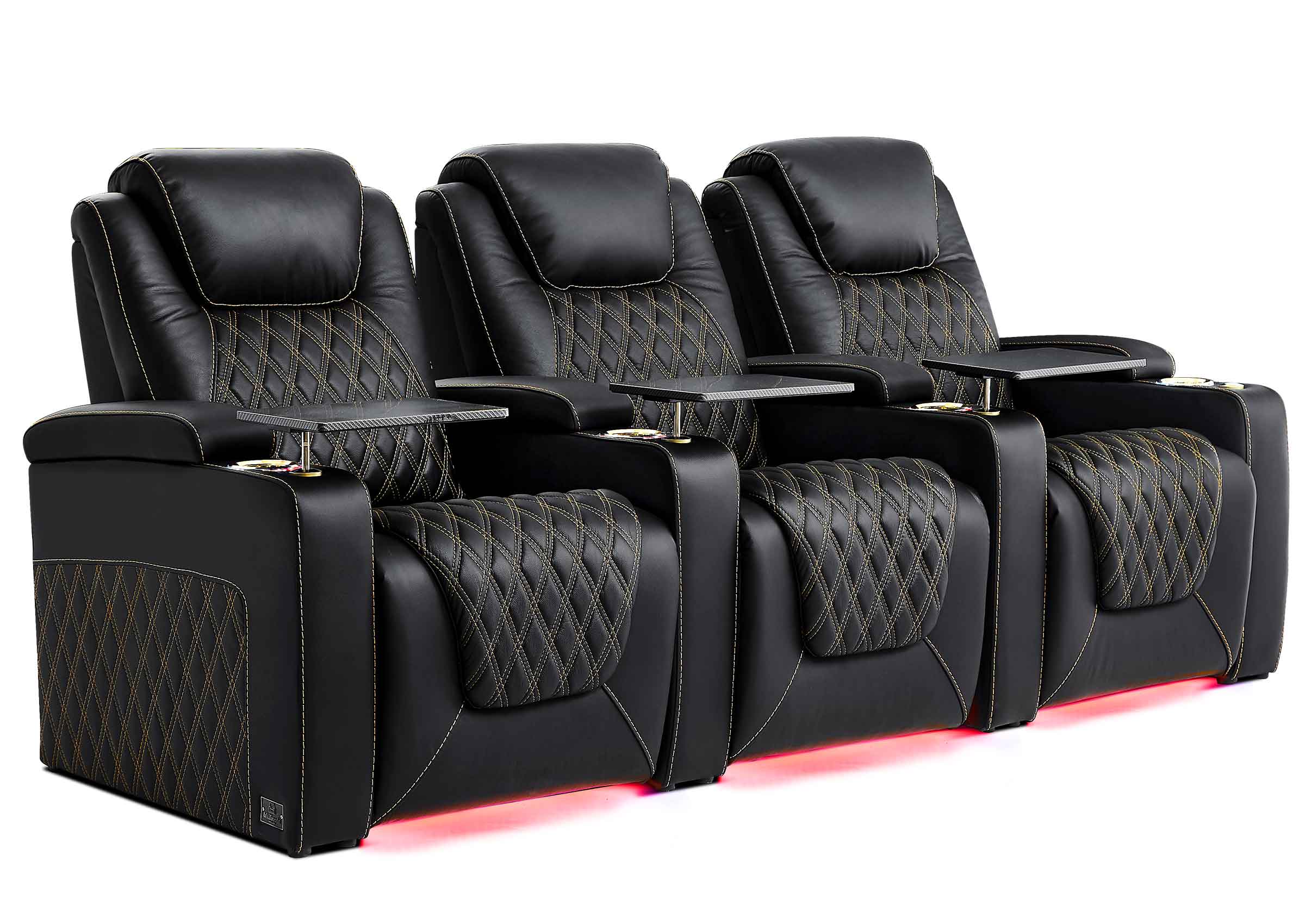
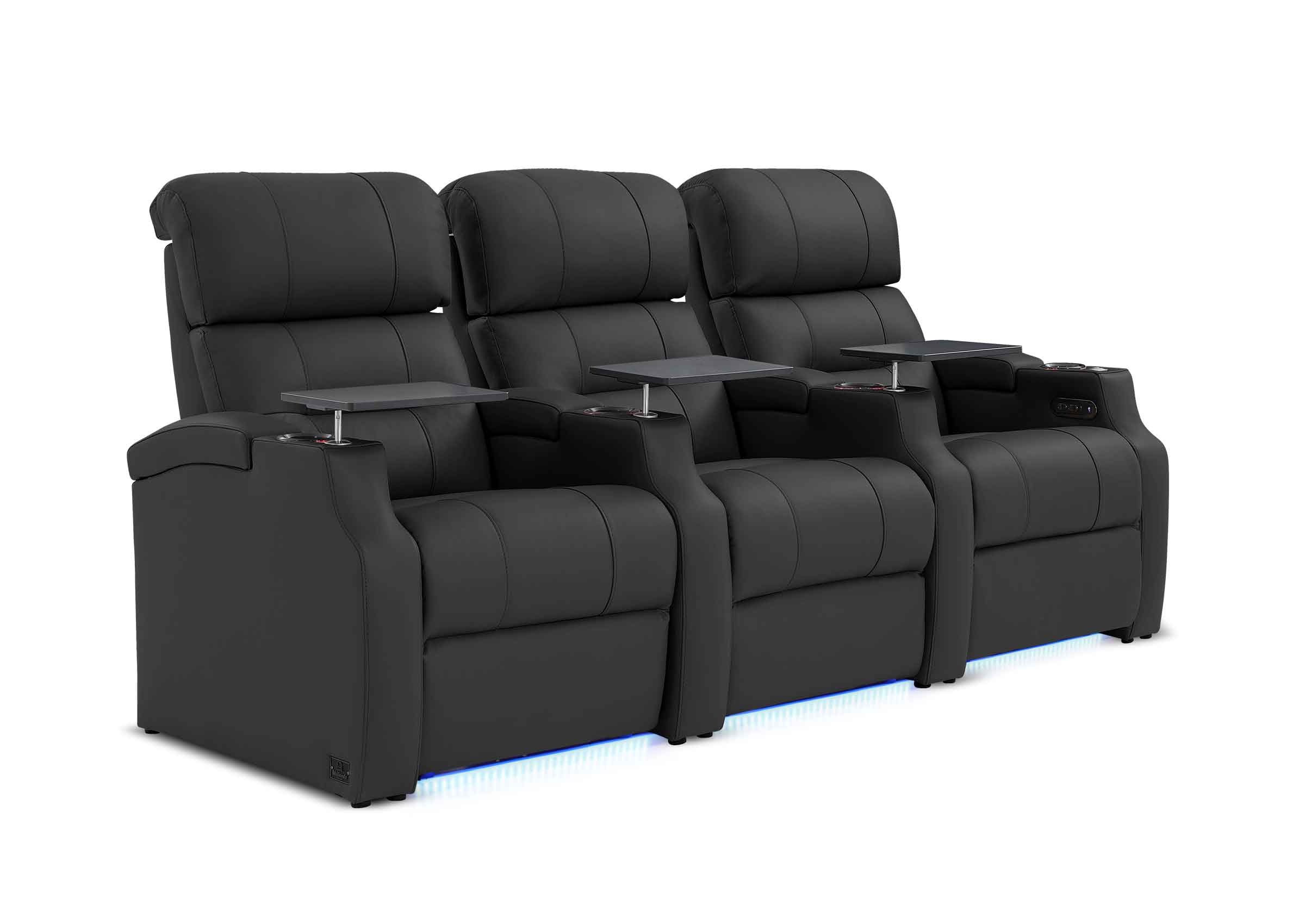
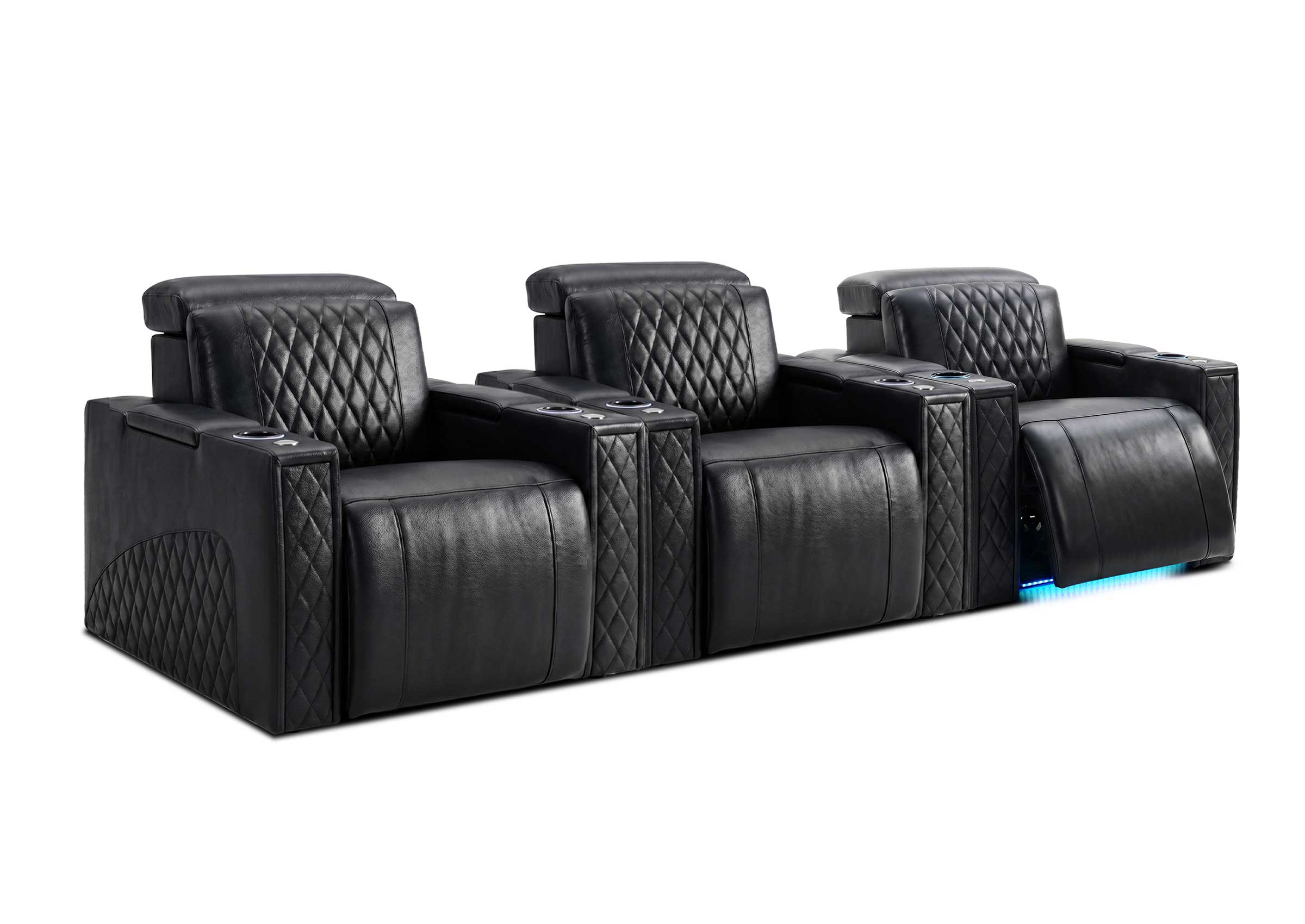
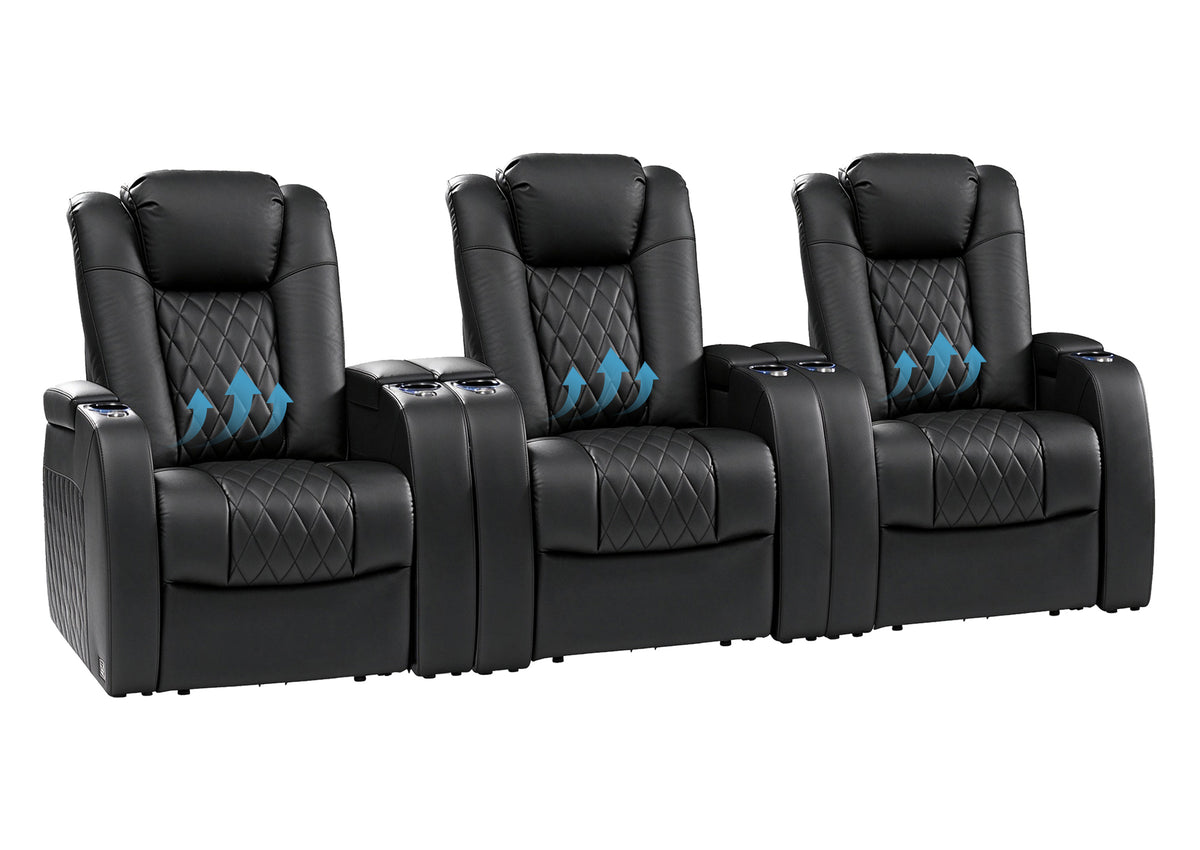
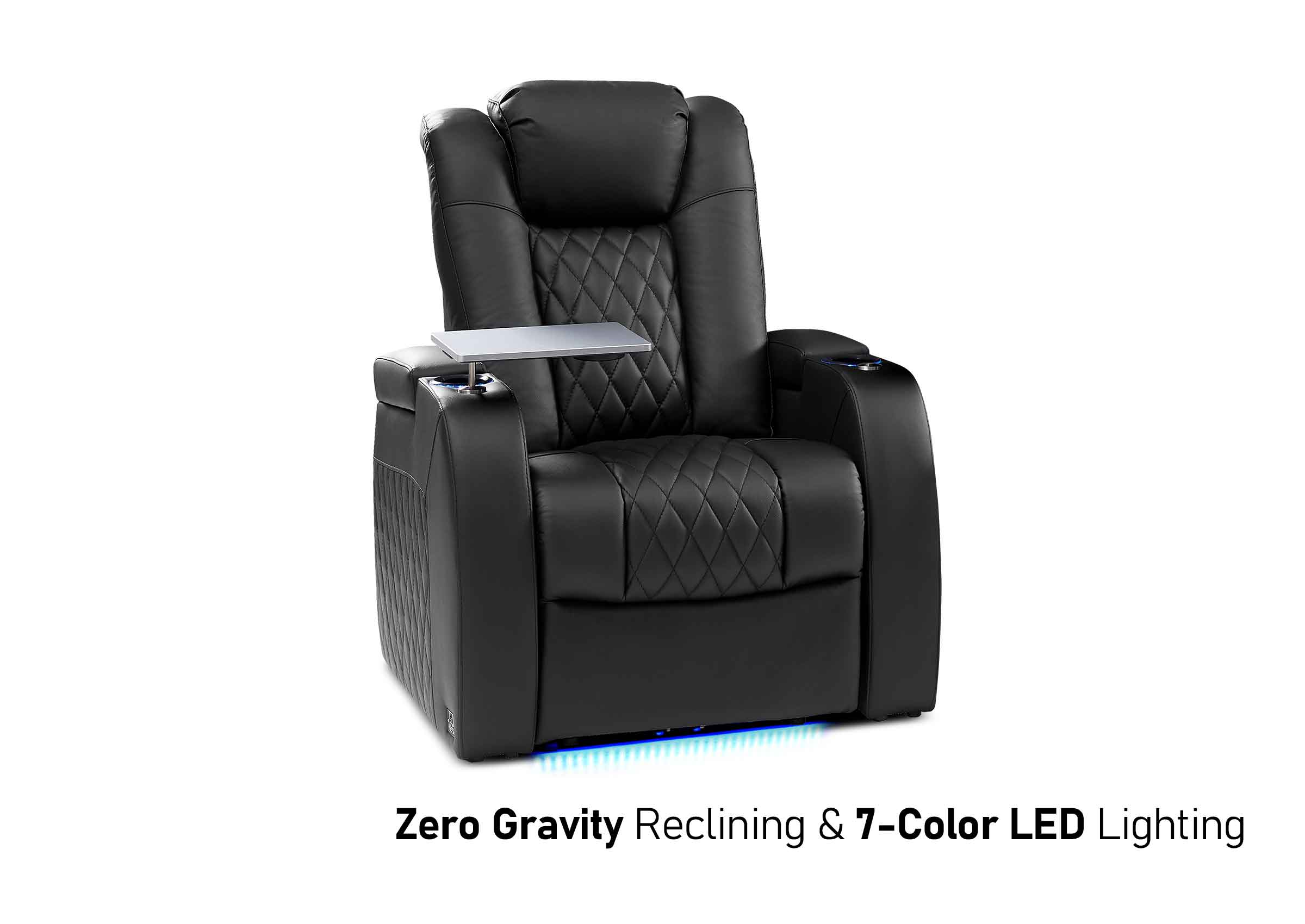
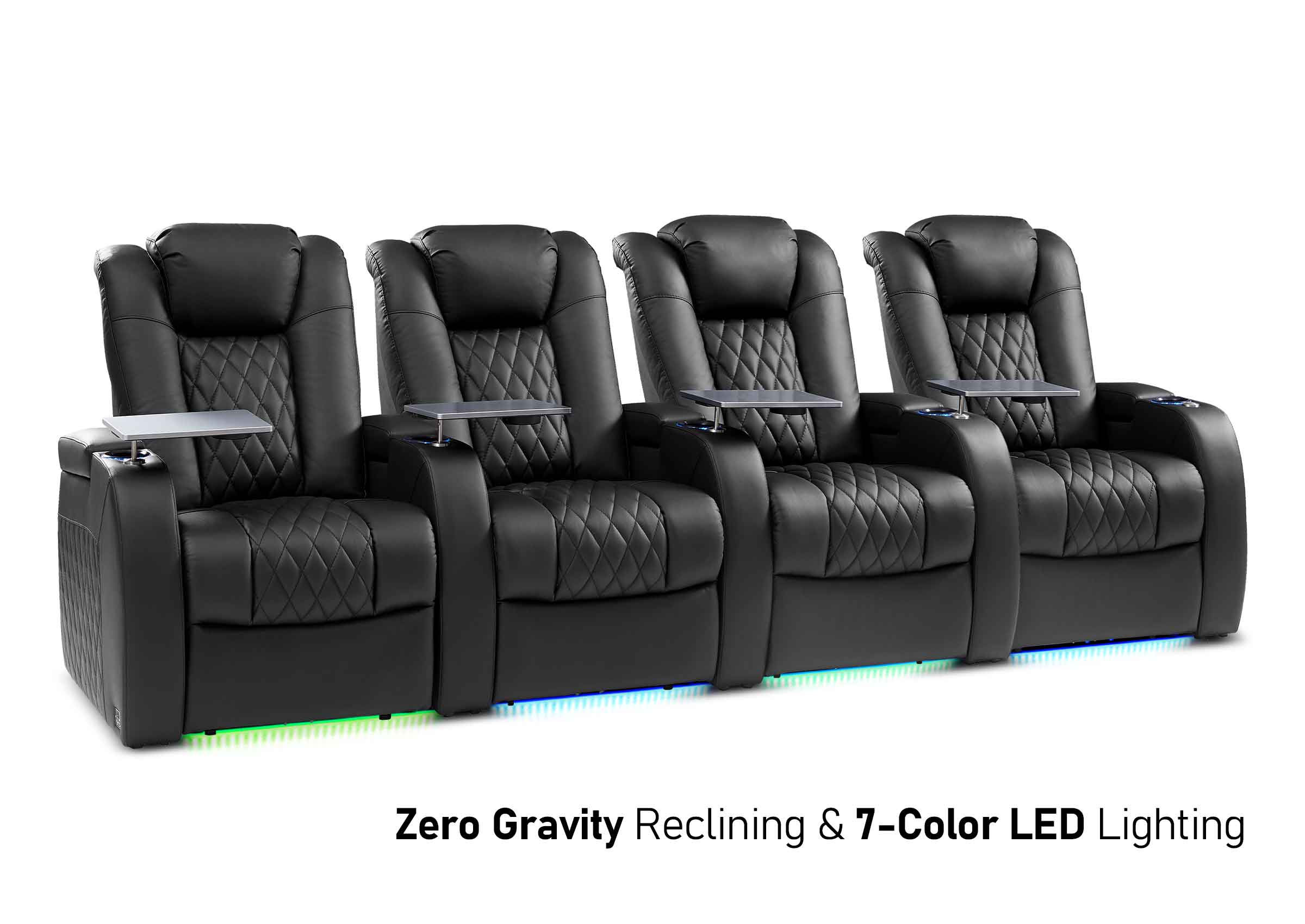
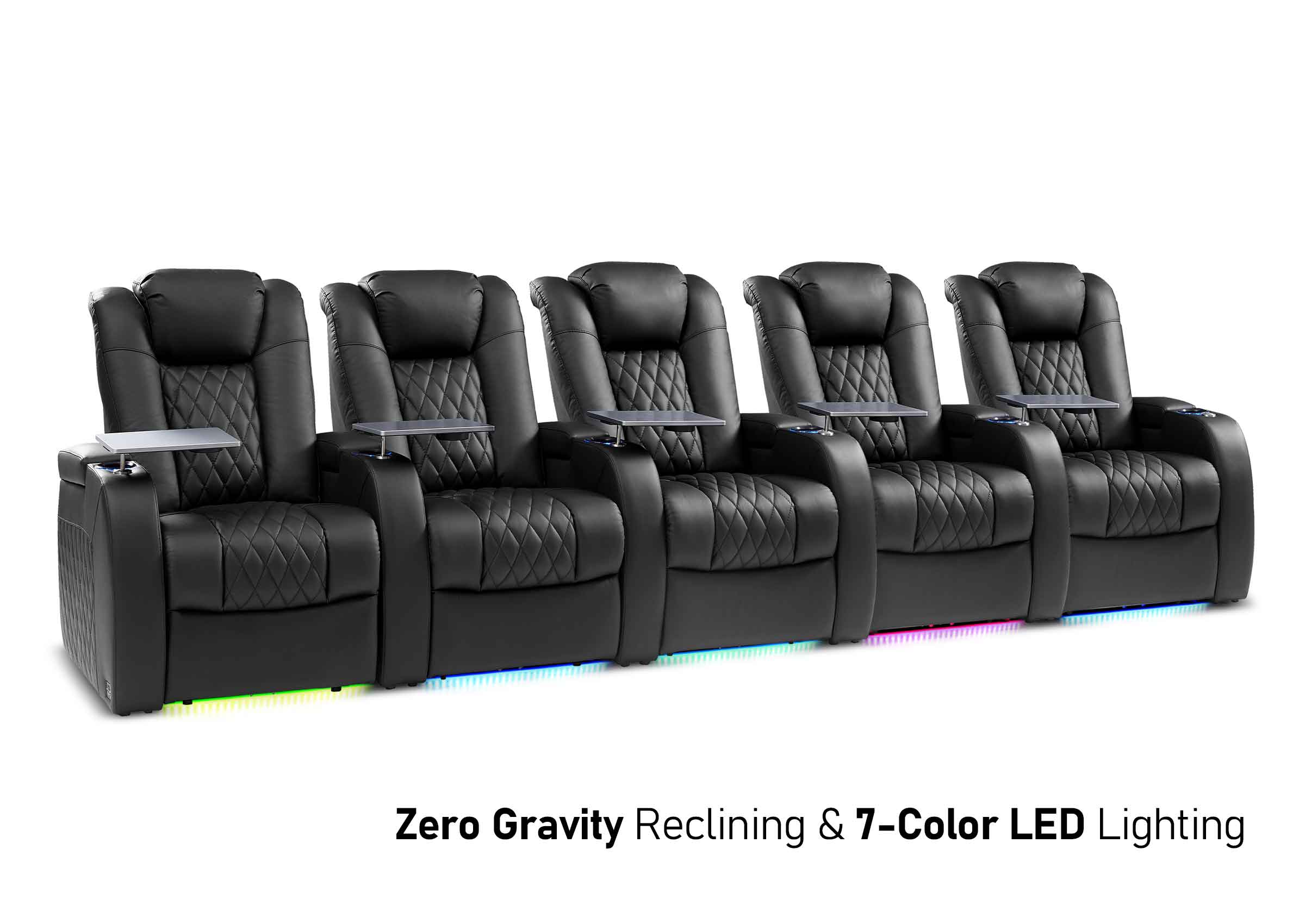
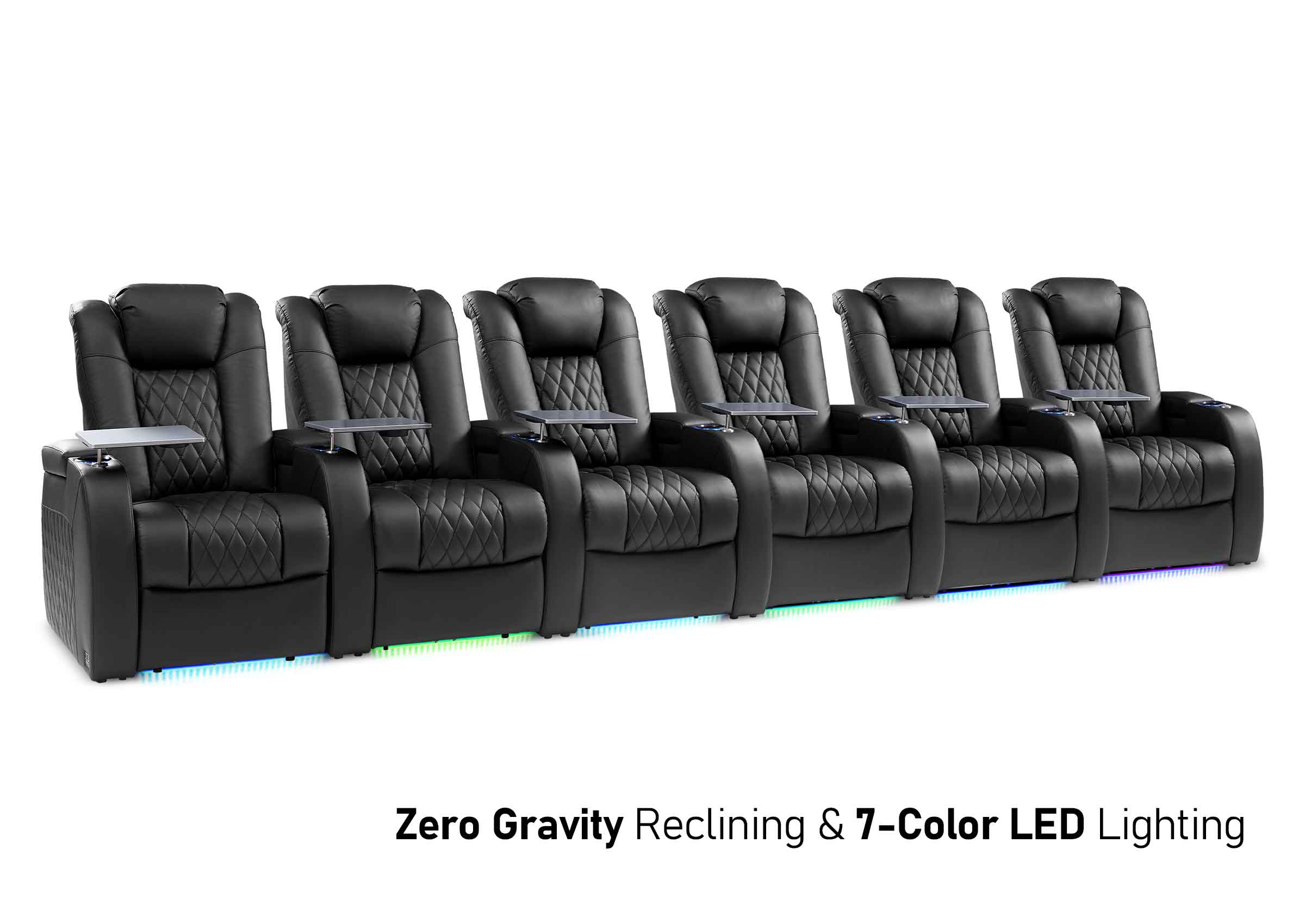
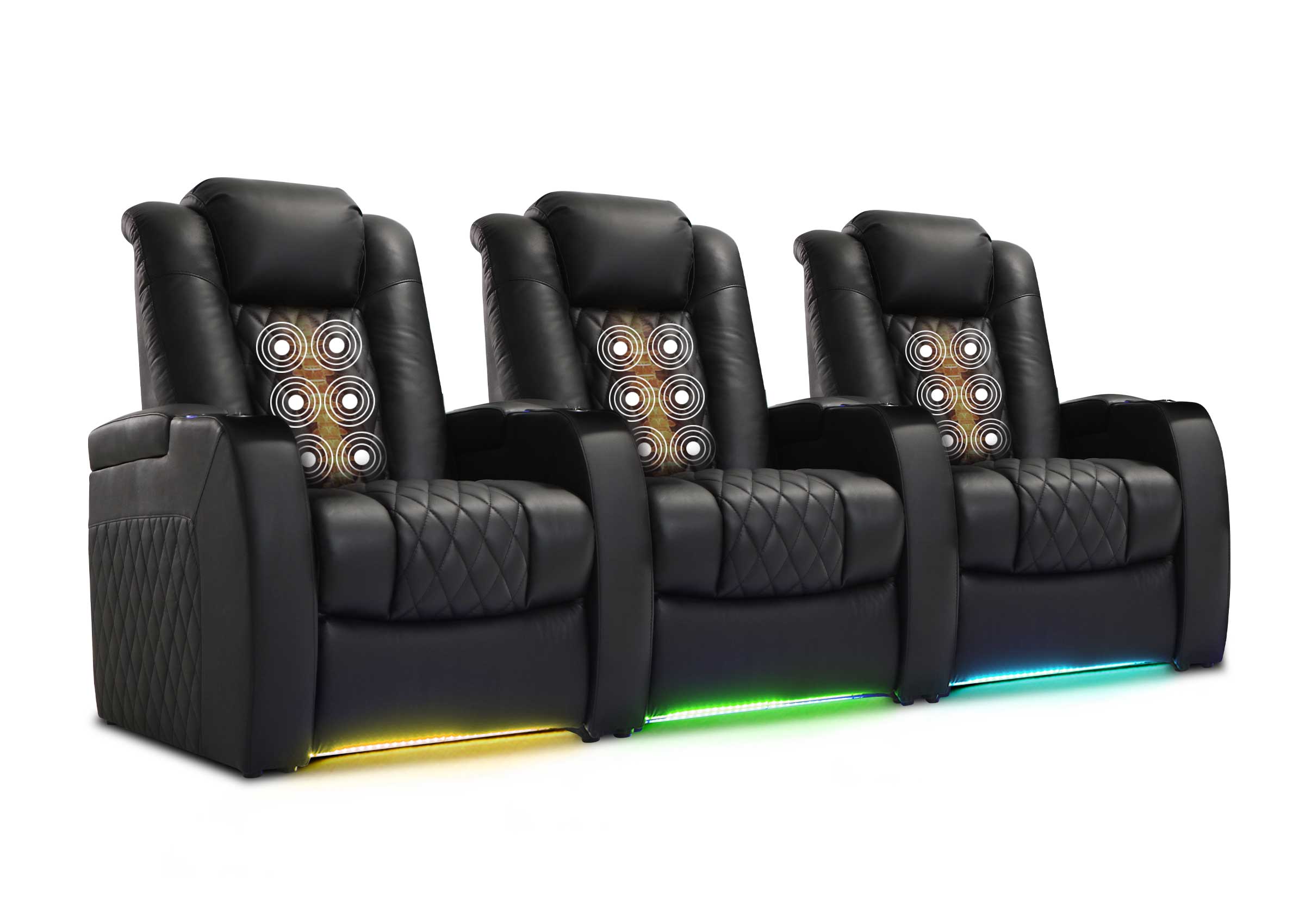
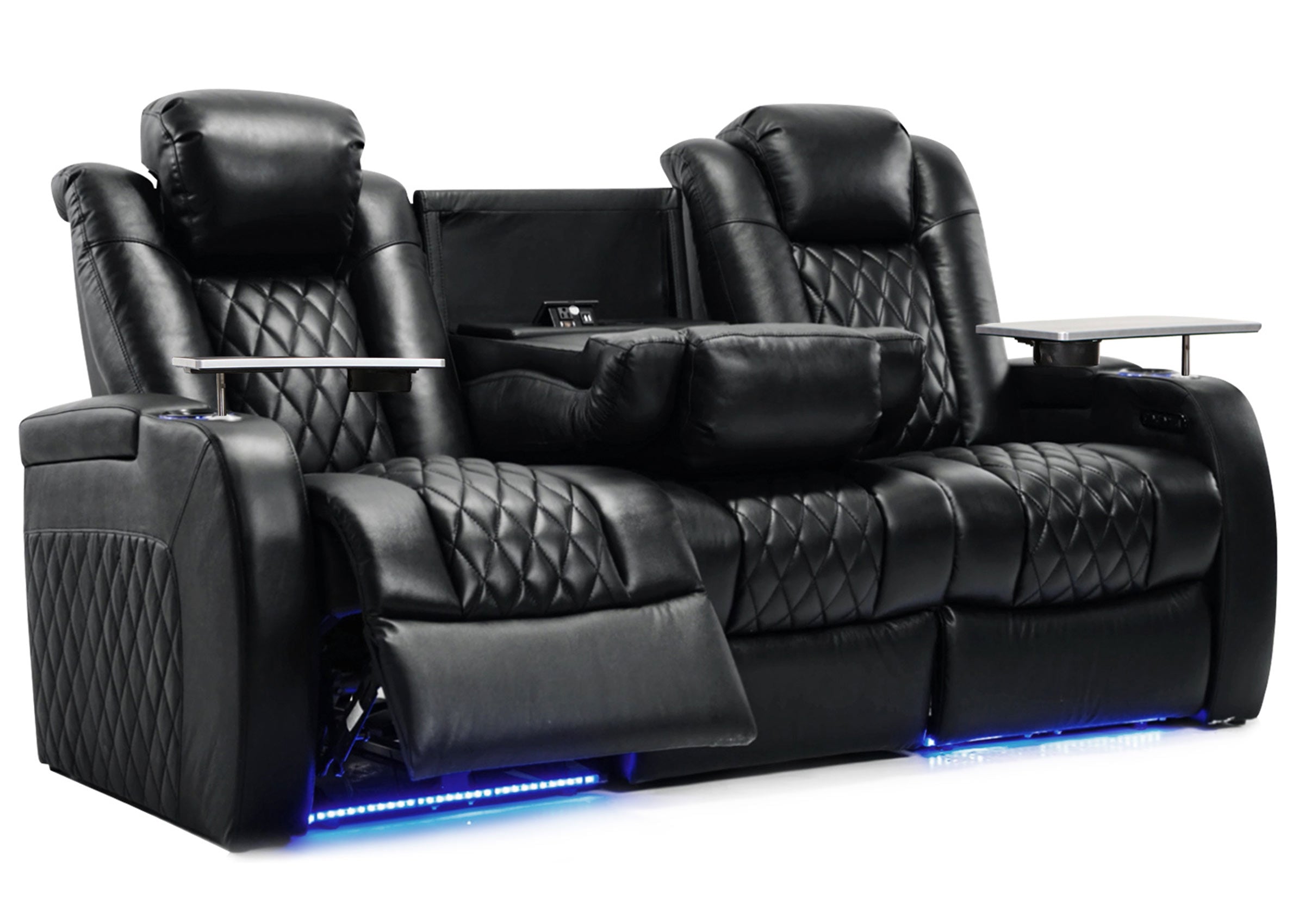
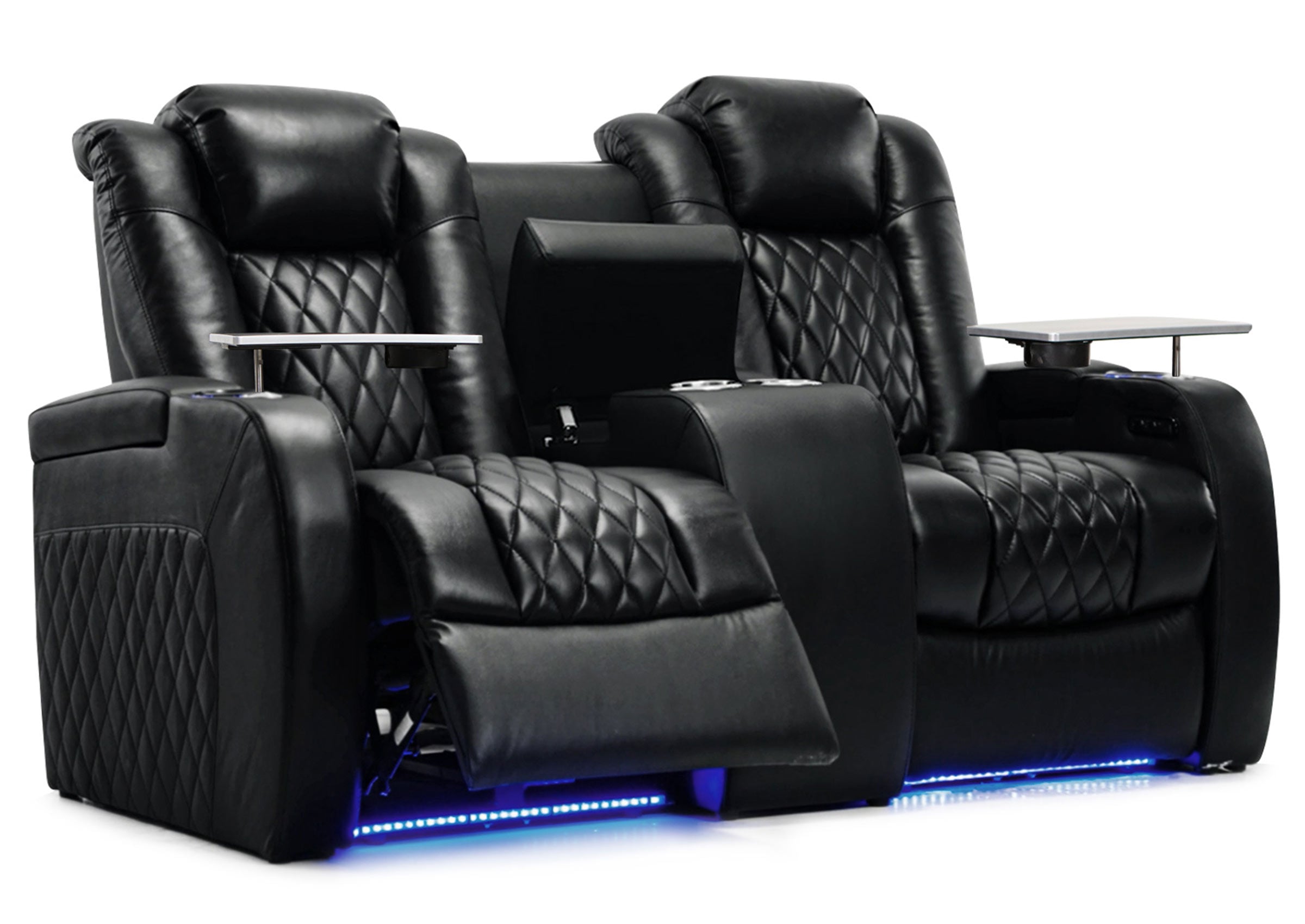
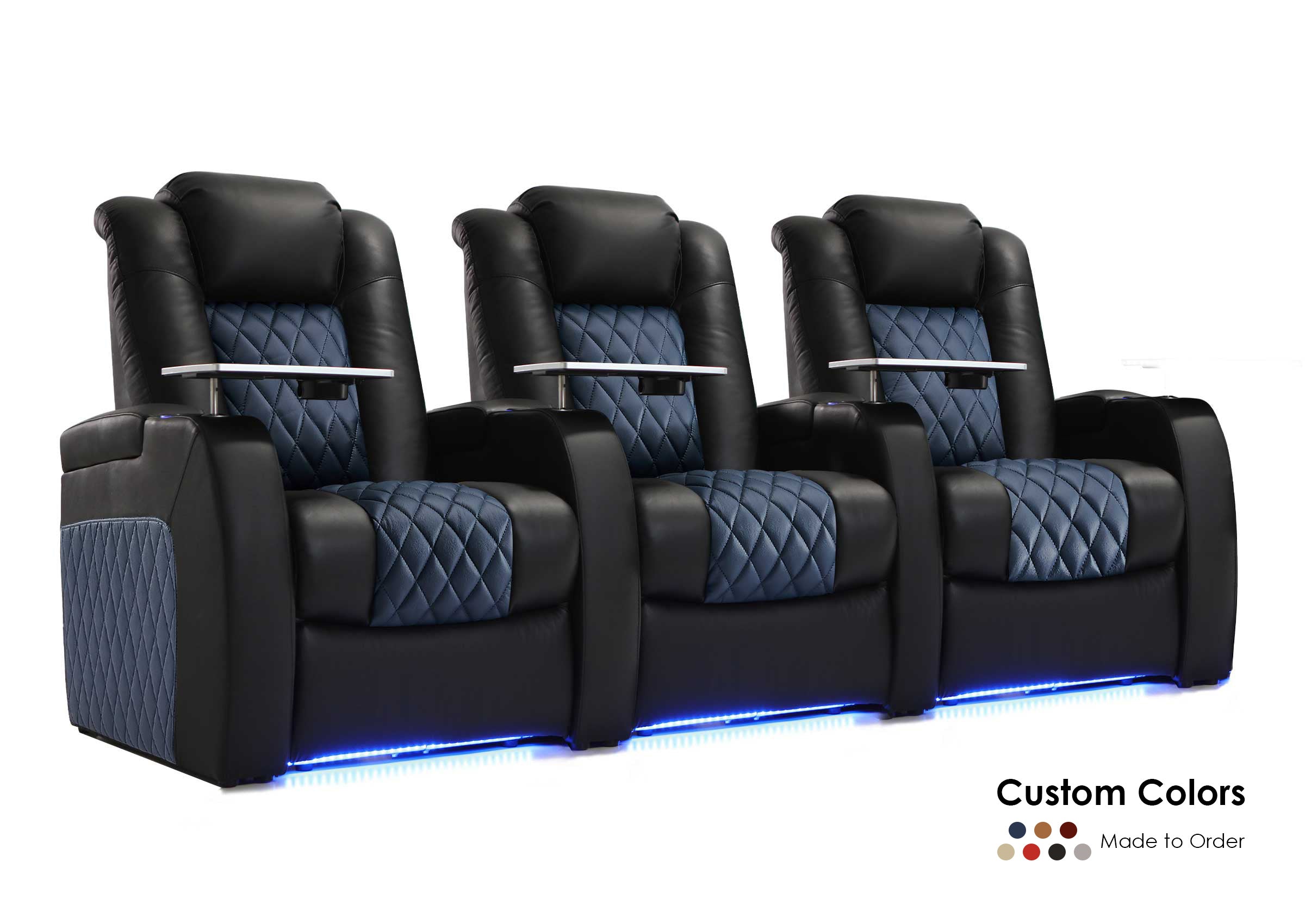
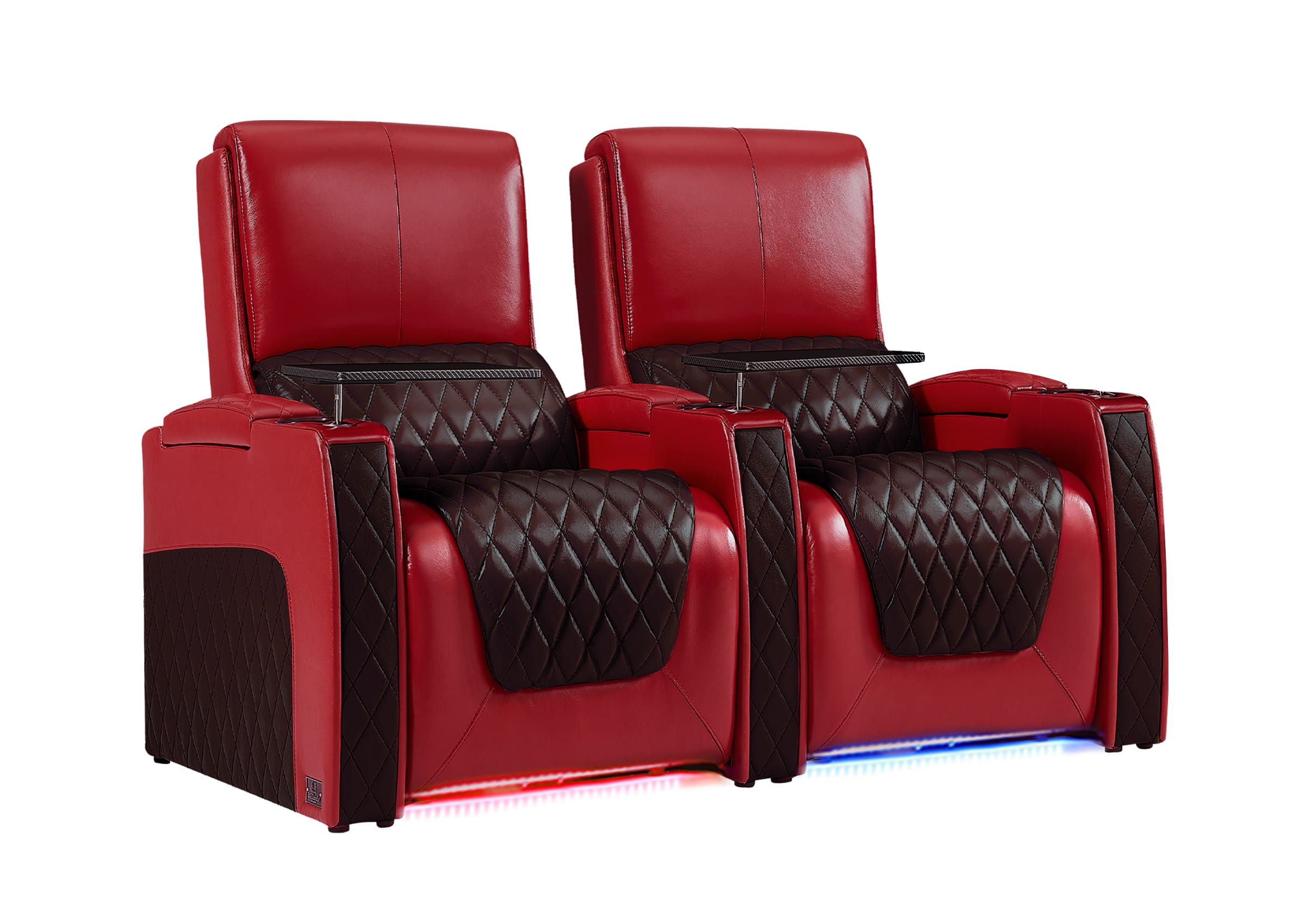
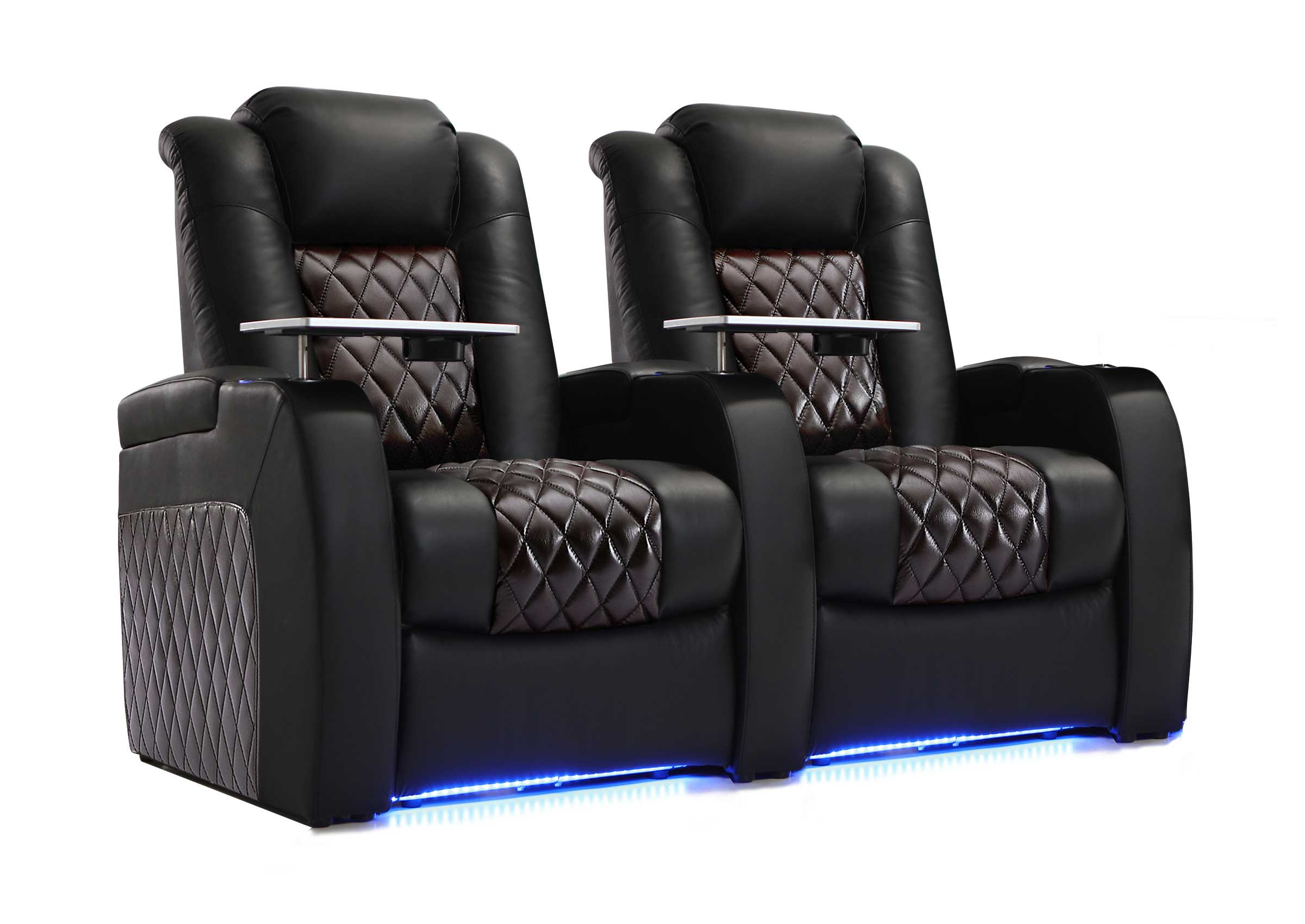
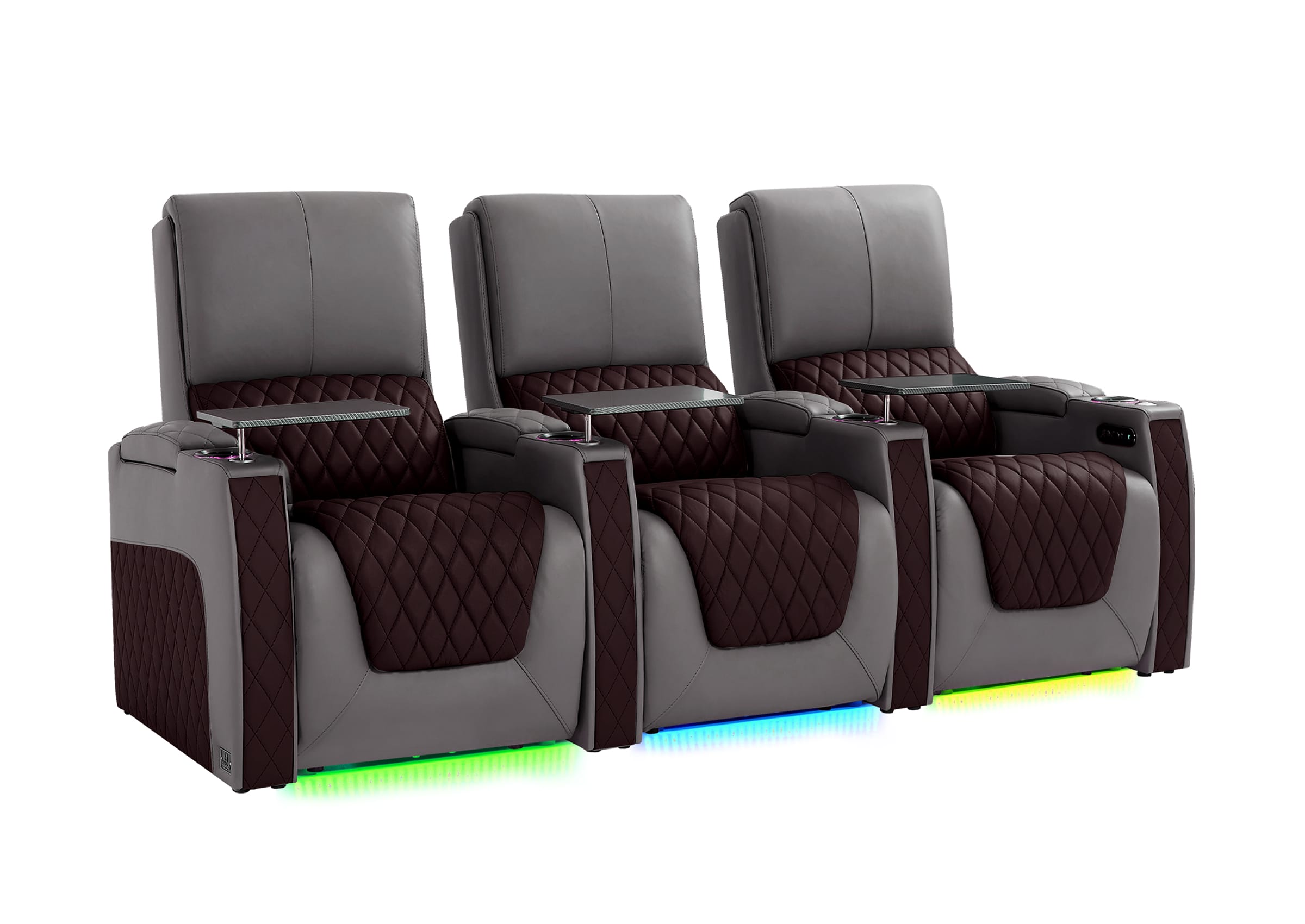
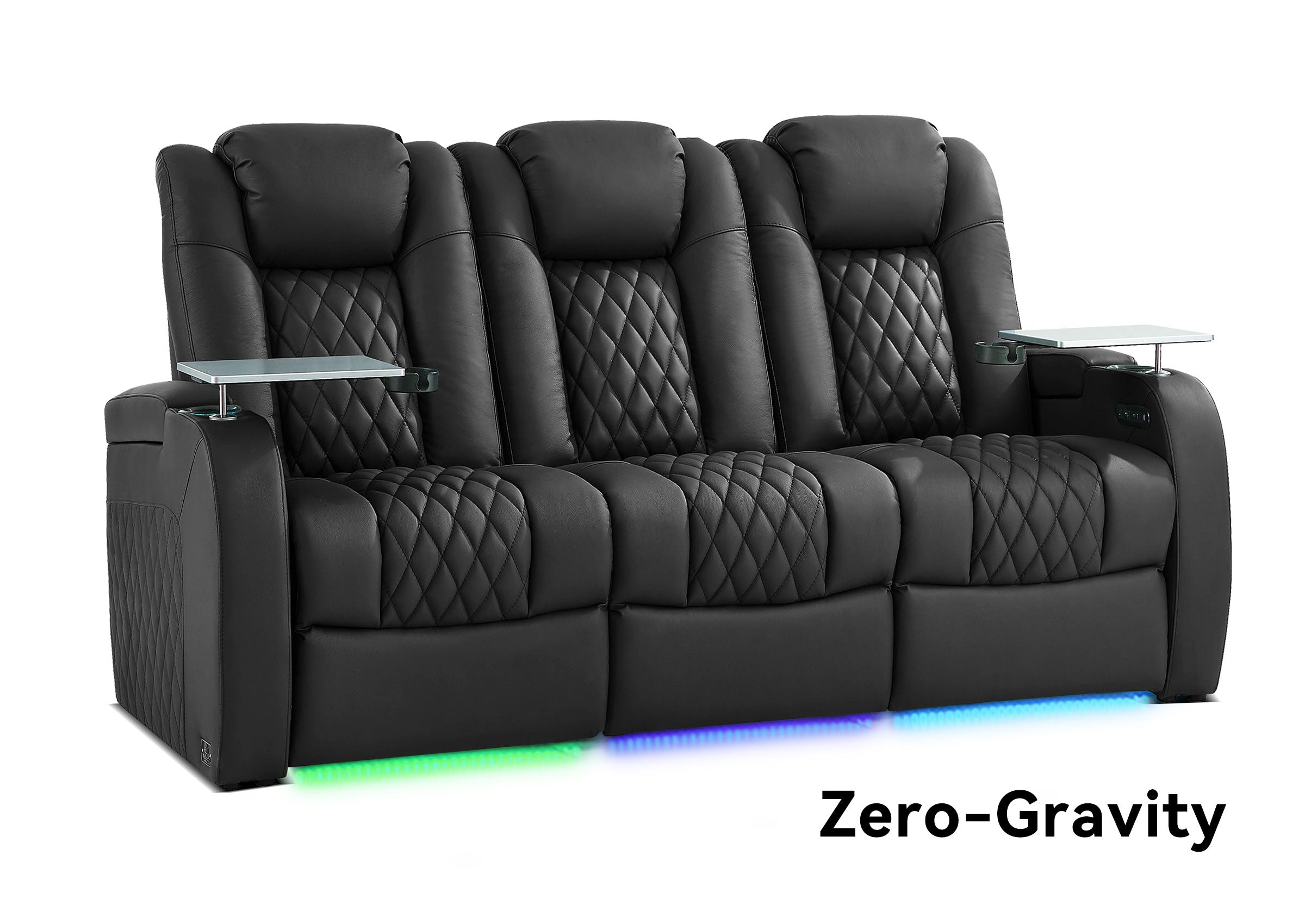
That height works against you in low-ceiling spaces. Look for recliners and theater chairs with compressed profiles. Some models measure just 36-38 inches tall, giving you several crucial inches of clearance.

Compact Seating Options
Floor cushions or bean bags offer ultimate low-profile seating. They're not ideal for serious movie watching, but work for casual viewing. Japanese-style floor seating with back support splits the difference.
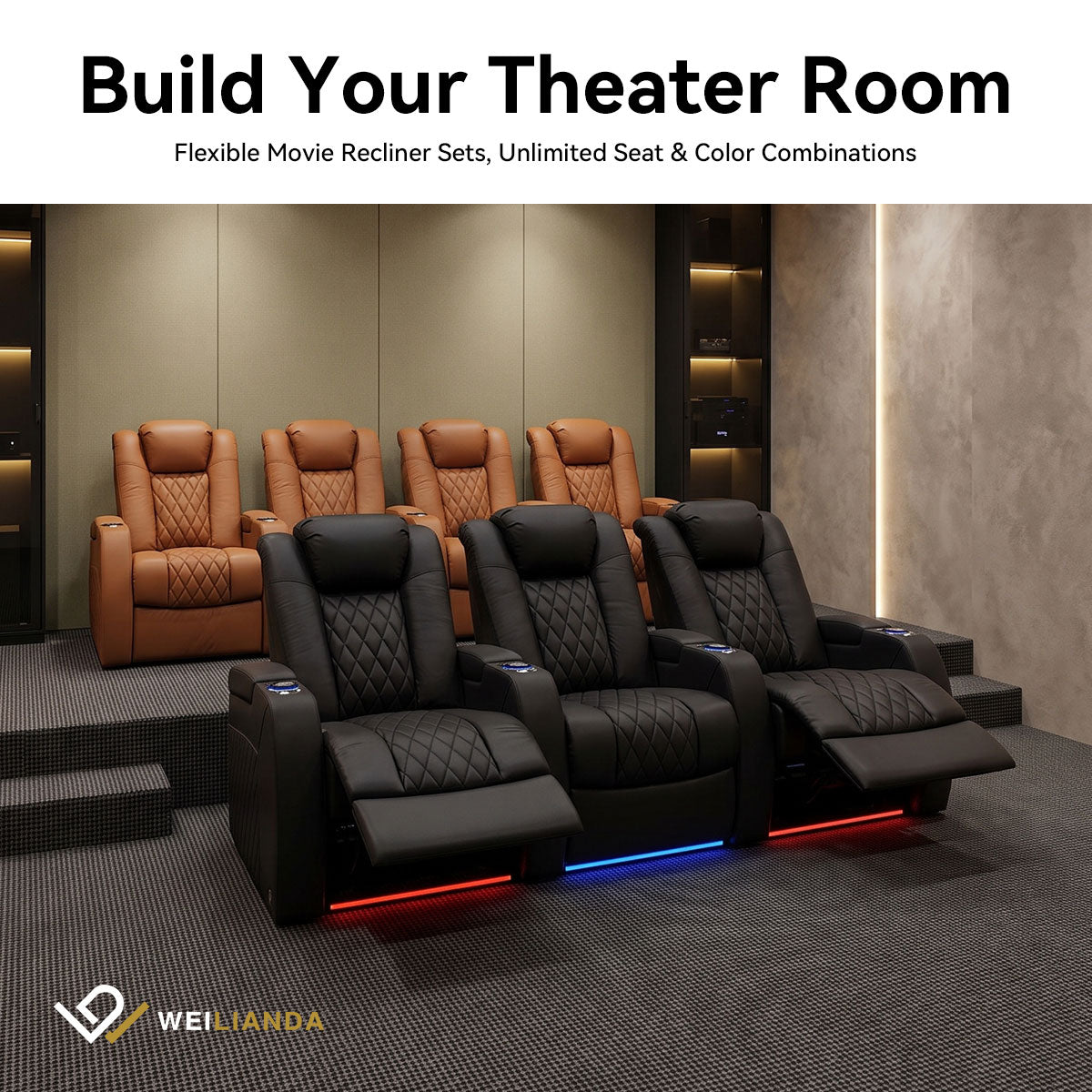
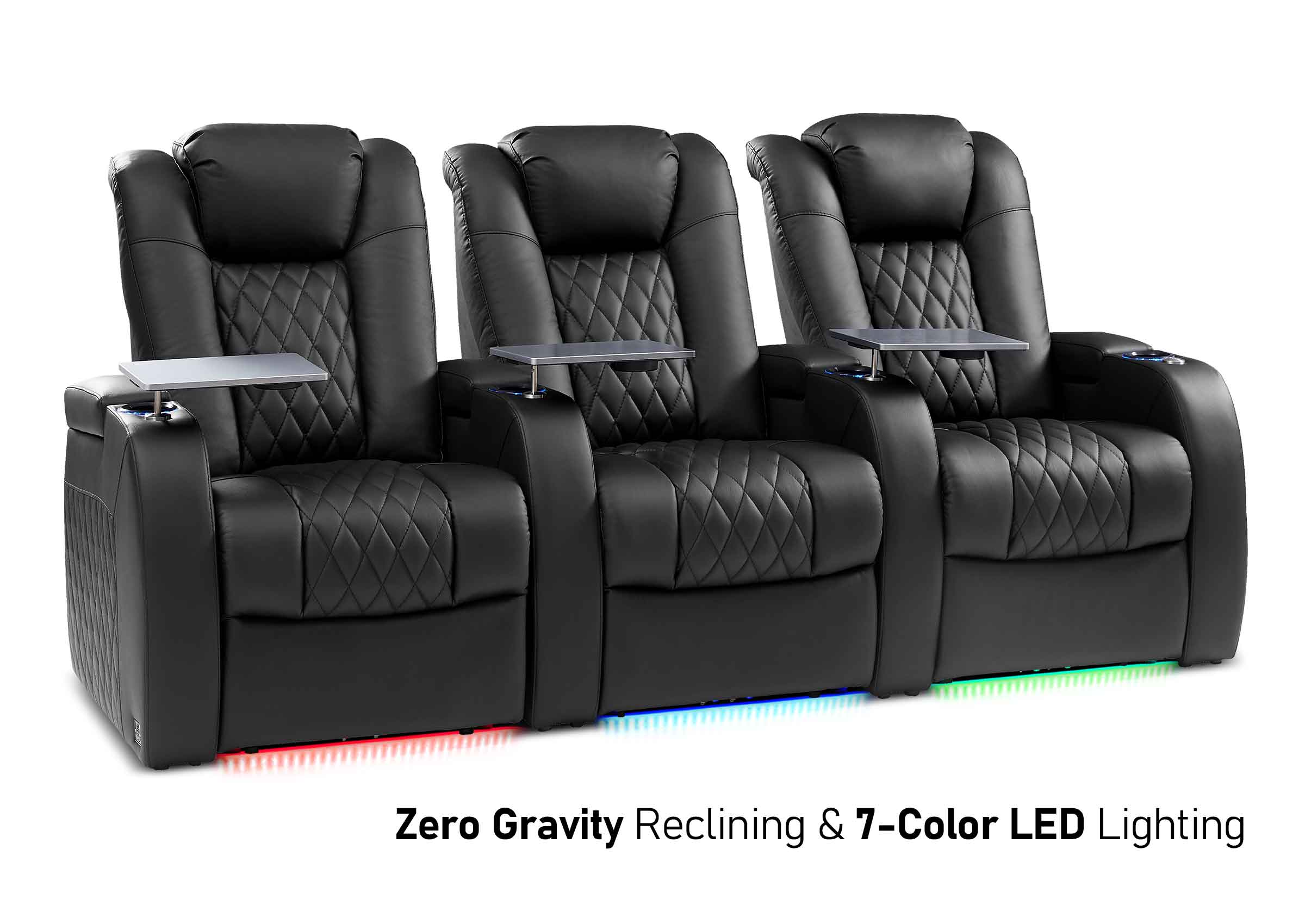
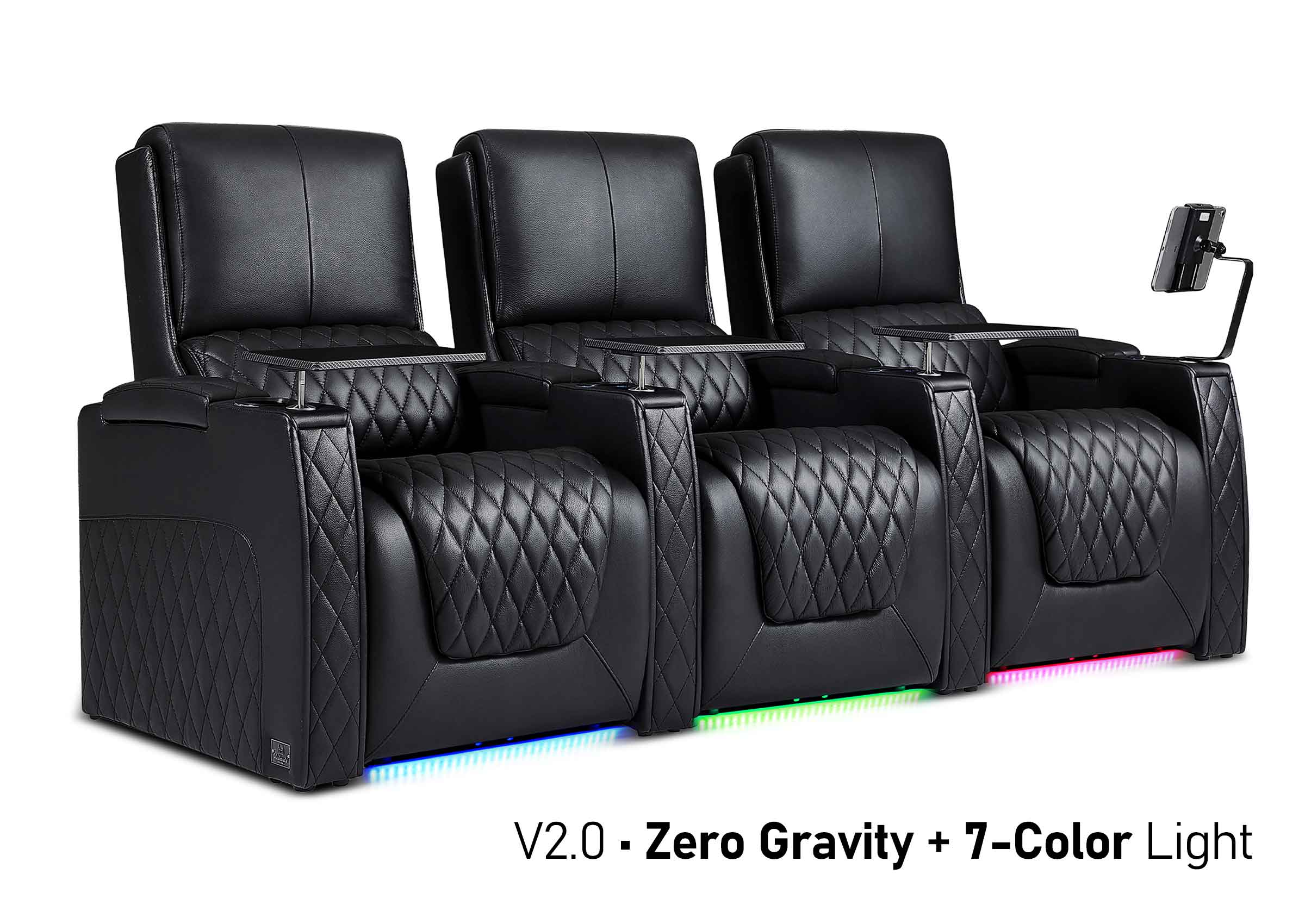
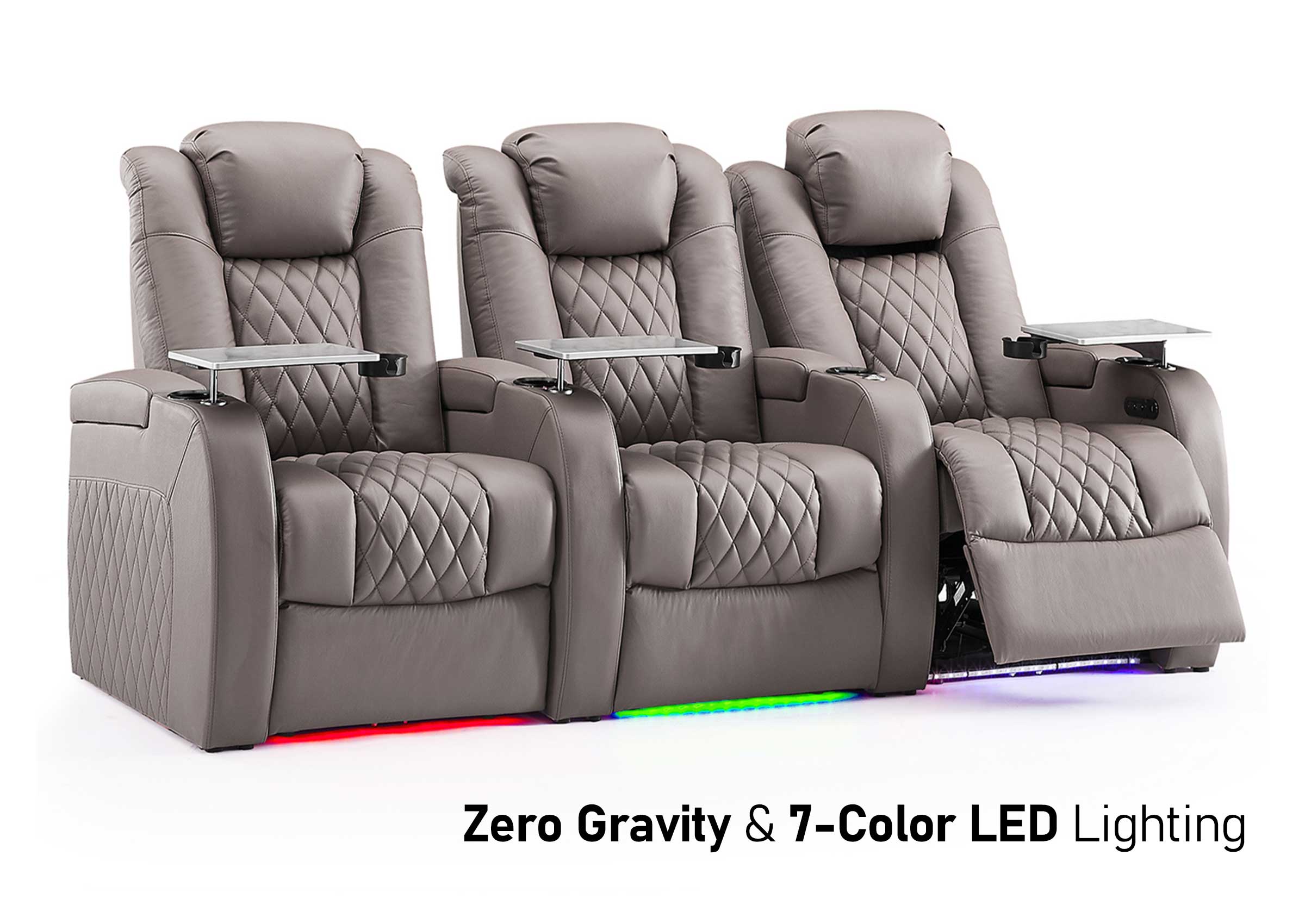
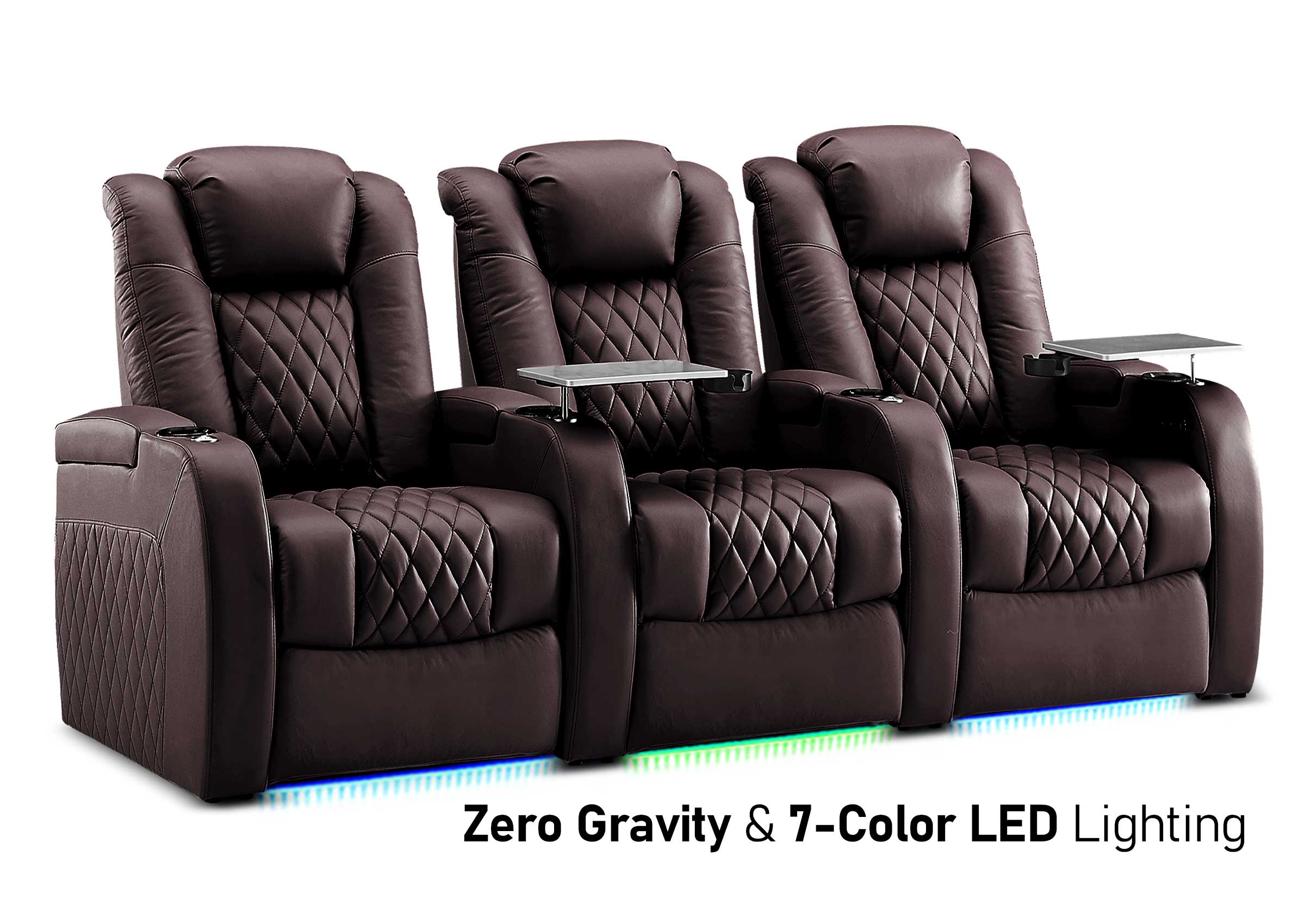
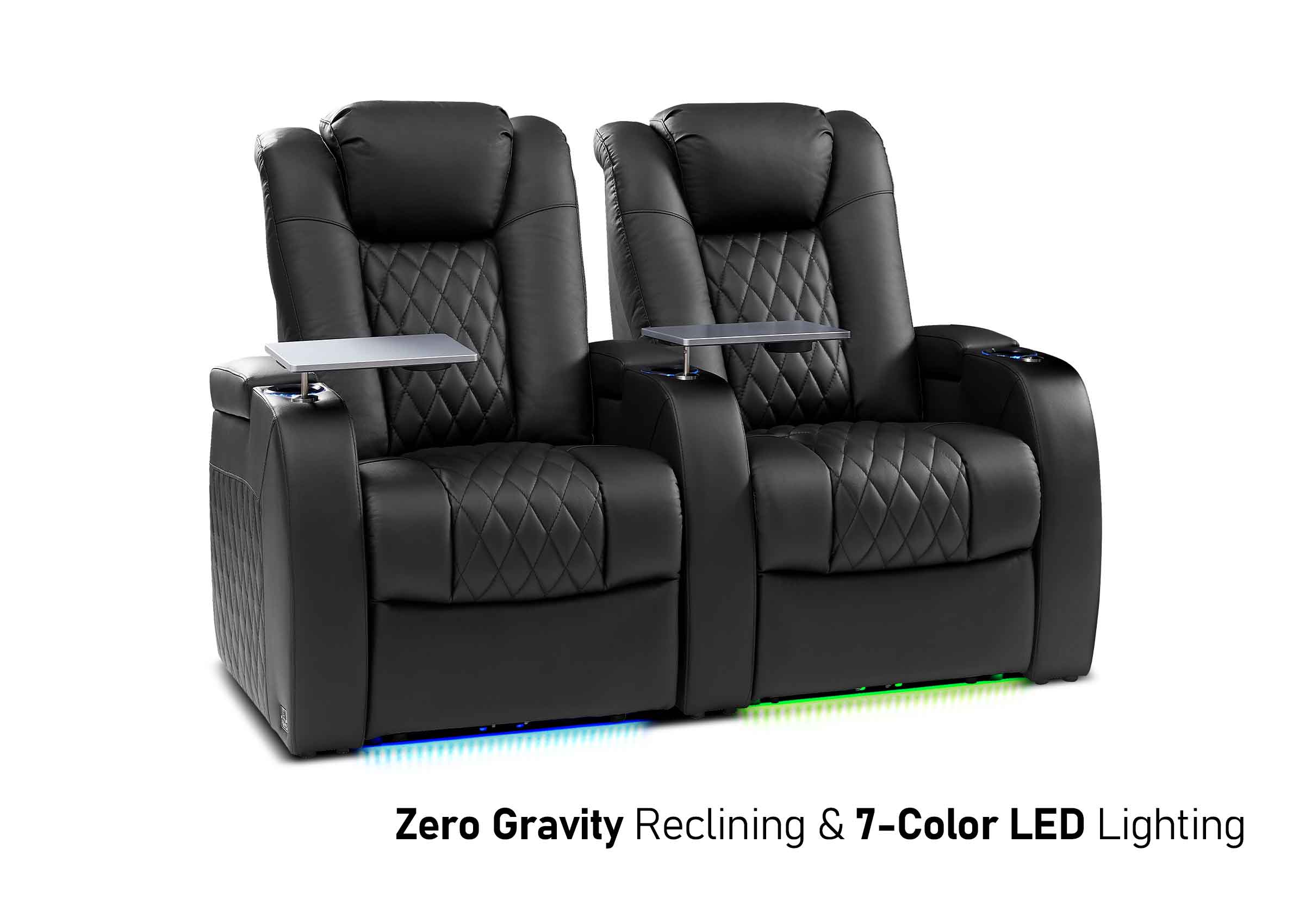
For proper theater chairs, prioritize models with lower backs and slim headrests. Overstuffed padding and tall wingbacks eat up vertical space. Sleek designs provide comfort without bulk.
Measuring for Fit
Sit in potential seating with your shoes off. Add 6-8 inches above your head for comfort. This combined height determines your minimum ceiling clearance in seated positions.
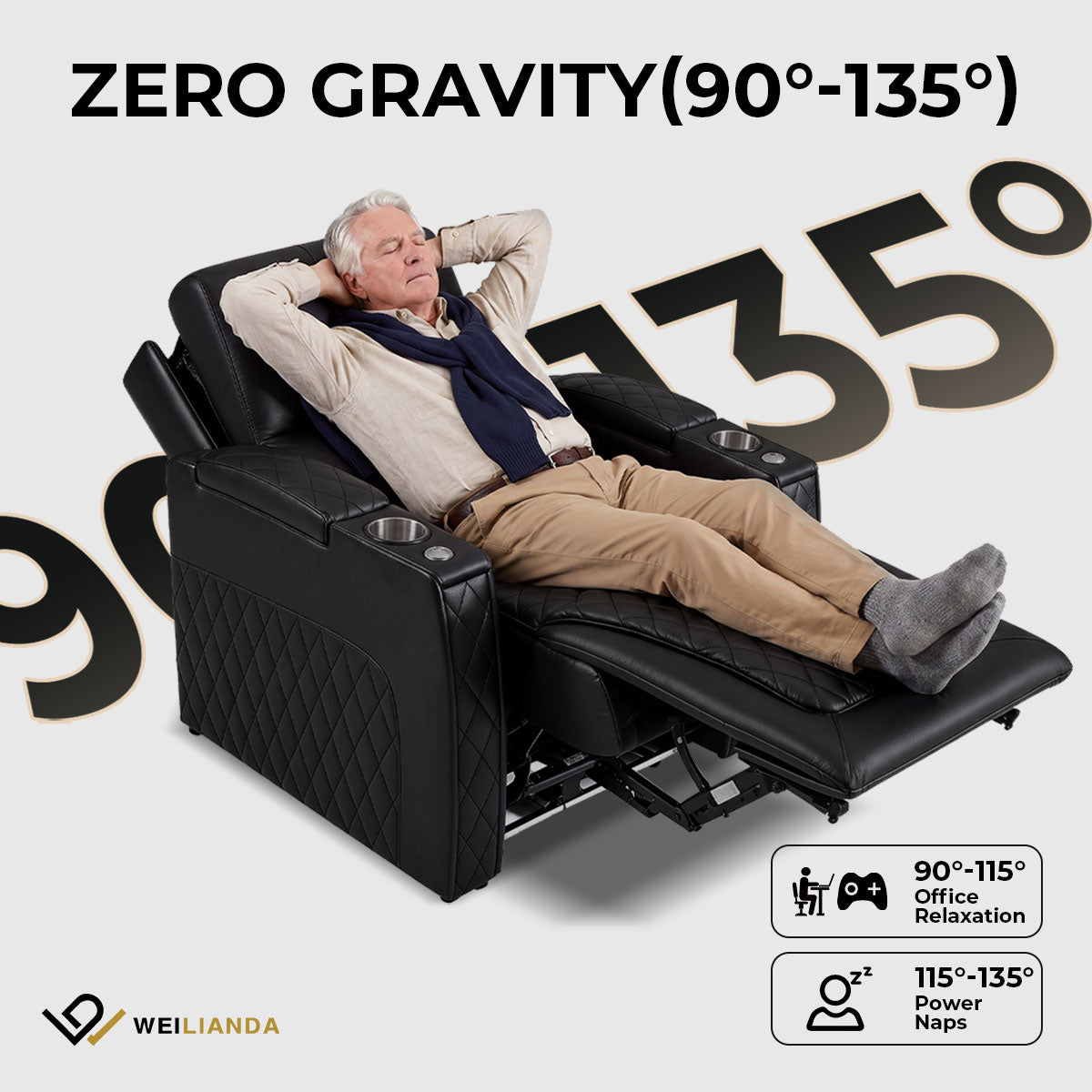
Remember that recliners change height when extended. Test the fully reclined position to ensure adequate clearance. Some seats angle back rather than extending forward, which can help in tight spaces.
Solution 5: Creative Use of Knee Walls and Dormers
Existing architectural features can solve problems instead of creating them.
Leveraging Knee Walls
Knee walls are the short vertical walls where sloped ceilings meet the floor. They're typically 3-4 feet tall. This creates dead space behind them that's useless for seating but perfect for equipment.
Build shallow cabinets into knee walls for components, storage, and cable management. Install ventilation to prevent heat buildup. This concentrates your gear in areas you couldn't use anyway.
Maximizing Dormer Windows
Dormers add vertical wall space and natural light. Position seating to take advantage of the dormer height. These become prime spots for taller viewers or walking areas.
Block light from dormer windows with blackout treatments for proper viewing conditions. Cellular shades or custom-fit panels work better than standard curtains in these odd-shaped openings.

Building Codes and Safety Considerations for Attic Conversions
Beyond ceiling height, several safety factors demand attention.
Fire egress requirements typically mandate two escape routes from habitable spaces. Attics often have only stairway access. You might need to add an egress window or external stairs. These aren't small projects, so factor them into your budget.
Electrical codes specify outlet spacing and circuit requirements. Home theaters draw significant power for projectors, amplifiers, and lighting. Dedicated circuits prevent tripped breakers during movie night. GFCI protection may be required depending on your location.
Insulation and vapor barriers prevent moisture problems and improve energy efficiency. Proper ventilation stops heat buildup that damages equipment and makes the space uncomfortable. These systems work together to create a stable environment.
Check permit requirements early in your planning. Some jurisdictions require approved plans before any work begins. Others allow owner-occupied modifications with minimal oversight. Knowing the rules prevents expensive mistakes.
Transform Your Space Today
Your attic doesn't need cathedral ceilings to become an amazing home theater. Strategic planning turns limitations into advantages. Start by measuring your space accurately and identifying the highest clearance zones. Choose equipment and furniture that work with your dimensions rather than against them.
Focus on solutions that address your specific layout challenges. Not every attic needs all five approaches. Pick the strategies that solve your particular problems and fit your budget.
FAQs about Attic Theater Setup
Q1: What Is the Absolute Minimum Ceiling Height for an Attic Home Theater?
A usable theater with some 6 feet of usable height in the viewing area can be achieved as long as the seating remains low and the audience does not feel a constant need to stand. Walkways and the entrance should remain at least 6.5 to 7 feet high.
Q2: Can I Install Traditional Theater Seating in a Low-Ceiling Attic?
Yes, but select low-profile seating. Regular theater recliners stand at 40-42 inches. This would be quite cramped under 7-foot ceilings. Consider space-saving seating at 38 inches or less. Another alternative would be floor seating.
Q3: How Do I Handle Projector Placement With Sloped Ceilings?
Use short throw projectors, or ultra short throw projectors, which are prove to be quite effective because of their smaller throw distance. It is best to position the projector at the highest point of the ceiling or at the lowest point of a shelf near the screen. It should not be placed in an area where the angle of the ceiling causes installation and ventilation difficulties.
Q4: Do Sloped Ceilings Affect Sound Quality in Home Theaters?
Yes, sloped ceilings can affect sound quality in a home theater system. But in fact, angles can be beneficial to sound, helping to scatter waves and eliminate echoes. However, you still need acoustic treatment on your walls and ceilings. Use absorption panels on reflection points and bass traps in the corners.
Q5: What Building Permits Do I Need for an Attic Theater Conversion?
Requirements differ depending on the location. Most require permits for electrical, structural, and areas that should be habitable. Areas for entertainment purposes only may have less stringent requirements. Check with the local building authority before proceeding.