








Choosing between an LED and laser projector is not only about comparing brightness, lifespan, or specifications. The better option depends on how you use your room, how large your screen is, and what kind of viewing experience you want to create.
A laser projector is often the better choice for dedicated home theaters, larger screens, and users who want a more cinematic experience. An LED projector can still be an excellent option for smaller media rooms, family entertainment spaces, and buyers who want reliable performance without the higher upfront cost.
Before choosing a projector, it helps to understand one important thing: the projector creates the image, but your room determines how good that image actually feels.
LED vs Laser Projector: What Is the Real Difference?
LED and laser projectors both use solid-state light sources, which means they have replaced traditional lamp-based projectors in many modern home theater setups.
The main difference is how they produce light.
LED Projectors
LED projectors use light-emitting diodes to create the projected image.
Common advantages include:
-
Long operating life
-
Lower power consumption
-
Compact designs
-
Reliable everyday performance
-
More affordable pricing
LED projectors are often a practical choice for:
-
Small media rooms
-
Bedrooms
-
Apartments
-
Casual movie setups
-
Family entertainment spaces
Laser Projectors
Laser projectors use laser diodes as the light source.
Their advantages usually include:
-
Higher brightness
-
Better performance on larger screens
-
More consistent light output over time
-
Stronger premium home theater performance
Laser projectors are commonly used for:
-
Dedicated theater rooms
-
Large projection screens
-
High-end entertainment spaces
-
Users who watch movies frequently
However, laser is not automatically the right choice for everyone.
A premium projector only creates value when your room, screen size, and viewing habits allow you to take advantage of it.

LED vs Laser Projector Comparison
| Feature | LED Projector | Laser Projector |
|---|---|---|
| Light source | LED | Laser diode |
| Brightness | Suitable for many home setups | Better for large screens and brighter environments |
| Lifespan | Very long | Very long |
| Image consistency | Stable performance | Usually stronger long-term consistency |
| Color performance | Good on quality models | Often better on premium models |
| Maintenance | Low | Low |
| Initial investment | Usually lower | Usually higher |
| Best match | Small rooms and casual viewing | Dedicated theaters and large-screen experiences |
Brightness Is Important, but It Is Not the Whole Story
One of the biggest mistakes buyers make is assuming:
“More brightness always means a better projector.”
That is not always true.
Brightness matters because it affects:
-
How large you can make the image
-
How well the picture performs with ambient light
-
How impactful HDR scenes look
-
Whether the image feels cinematic or washed out
But brightness works together with other factors:
-
Room darkness
-
Screen material
-
Contrast performance
-
Projector placement
-
Viewing distance
For example:
A dark basement theater with a 120-inch screen may benefit significantly from a laser projector.
A smaller living room with an 80–100 inch screen may not need the additional brightness.

The Room Matters More Than Most Buyers Expect
A projector purchase should start with your room, not the projector model.
Before choosing LED or laser, consider:
How Large Is Your Screen?
Large screens require more light output.
A projector that looks impressive on an 80-inch screen may feel less powerful on a 120-inch screen.
General examples:
80–100 Inch Screen
Often suitable for:
-
Living rooms
-
Family rooms
-
Smaller media spaces
LED can provide an enjoyable experience, especially in controlled lighting.
100–120 Inch Screen
Often preferred for:
-
Dedicated home theaters
-
Basement cinemas
-
Movie-focused rooms
Laser usually has a stronger advantage because maintaining brightness becomes more important.
How Much Ambient Light Does Your Room Have?
A completely dark theater room and a bright living room have very different requirements.
Dark Room
Advantages:
-
Better contrast
-
More cinematic feeling
-
Easier to achieve immersive viewing
Bright Room
Challenges:
-
Washed-out images
-
Reduced contrast
-
Less impactful dark scenes
In brighter spaces, a brighter projector may help, but controlling room lighting can sometimes make a bigger difference.
LED vs Laser Projector for Real Home Theater Scenarios
Instead of asking which technology is “better,” consider which one fits your situation.

Scenario 1: Dedicated Basement Home Theater
Example setup:
-
Dark room
-
Large projection screen
-
Weekly movie nights
-
Surround sound system
-
Long viewing sessions
Recommended:
Laser projector
Why:
-
Better large-screen performance
-
More premium cinema feel
-
Better match for frequent use
Scenario 2: Family Media Room
Example setup:
-
Multi-purpose room
-
Movies, sports, gaming, streaming
-
Moderate screen size
-
Different family members using the space
Recommended:
LED or mid-range laser depending on budget
Why:
-
Everyday convenience matters more than maximum specifications
-
A balanced entertainment setup often provides better value
Scenario 3: Gaming and Entertainment Room
For gaming, the light source is only one consideration.
Important factors include:
-
Input lag
-
Refresh rate
-
Resolution
-
Motion performance
A fast LED projector can outperform a slower laser projector for certain gaming situations.
For casual gaming with friends and family, both can create a more immersive experience than a standard television.
LED vs Laser Projector: Is Laser Worth the Extra Money?
Laser projectors usually require a higher upfront investment.
The question is whether you will actually benefit from the upgrade.
A laser projector is often worth considering if you:
-
Watch movies several times a week
-
Want a dedicated theater room
-
Prefer a large screen experience
-
Care about long-term image consistency
-
Want a premium cinema atmosphere
An LED projector may be the better value if you:
-
Watch occasionally
-
Have a smaller room
-
Use the projector for general entertainment
-
Want to keep more budget available for other parts of the room
A common mistake is spending most of the budget on the projector while ignoring:
-
Audio quality
-
Seating comfort
-
Lighting
A complete home theater experience comes from how all components work together.
What Home Theater Enthusiasts Often Overlook: Contrast and Viewing Experience
Many comparison articles focus heavily on brightness but overlook contrast.
Brightness helps make images more visible.
Contrast helps create:
-
Deeper blacks
-
More realistic shadows
-
Better movie atmosphere
This is especially important for dark movie scenes.
For example:
A laser projector with excellent brightness can still disappoint if the room has poor light control.
A well-planned dark room with a quality LED projector can sometimes create a surprisingly immersive experience.
This is why experienced home theater builders usually evaluate:
-
Projector
-
Screen
-
Seating position
-
Audio placement
as one complete system.
Common LED vs Laser Projector Buying Mistakes
Choosing Based Only on Specifications
A projector specification sheet cannot tell you everything.
A better approach:
-
Measure your room
-
Decide your screen size
-
Understand your viewing habits
-
Compare projectors that fit those conditions
Buying Too Much Projector for the Room
A premium projector is not always a better experience.
A smaller room may benefit more from:
-
Better seating
-
Improved sound
-
Better lighting control
-
A more comfortable layout
than simply upgrading projector brightness.
Forgetting the Rest of the Home Theater
People often focus on the screen and projector because they are visible upgrades.
But comfort determines whether people actually enjoy the room for hours.
A complete entertainment space should consider:
-
Viewing angle
-
Seating position
-
Speaker placement
-
Walking space
-
Storage for remotes and devices
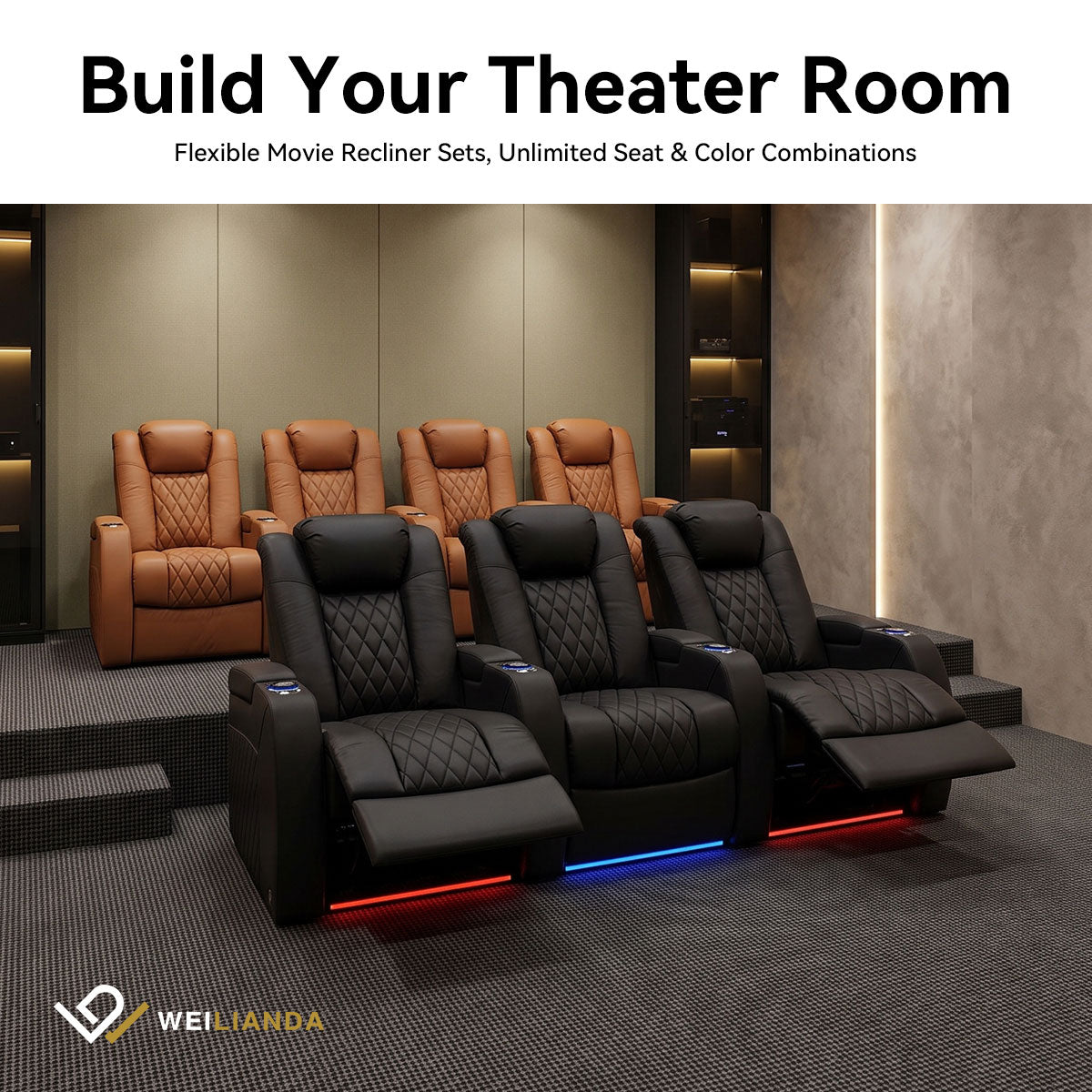
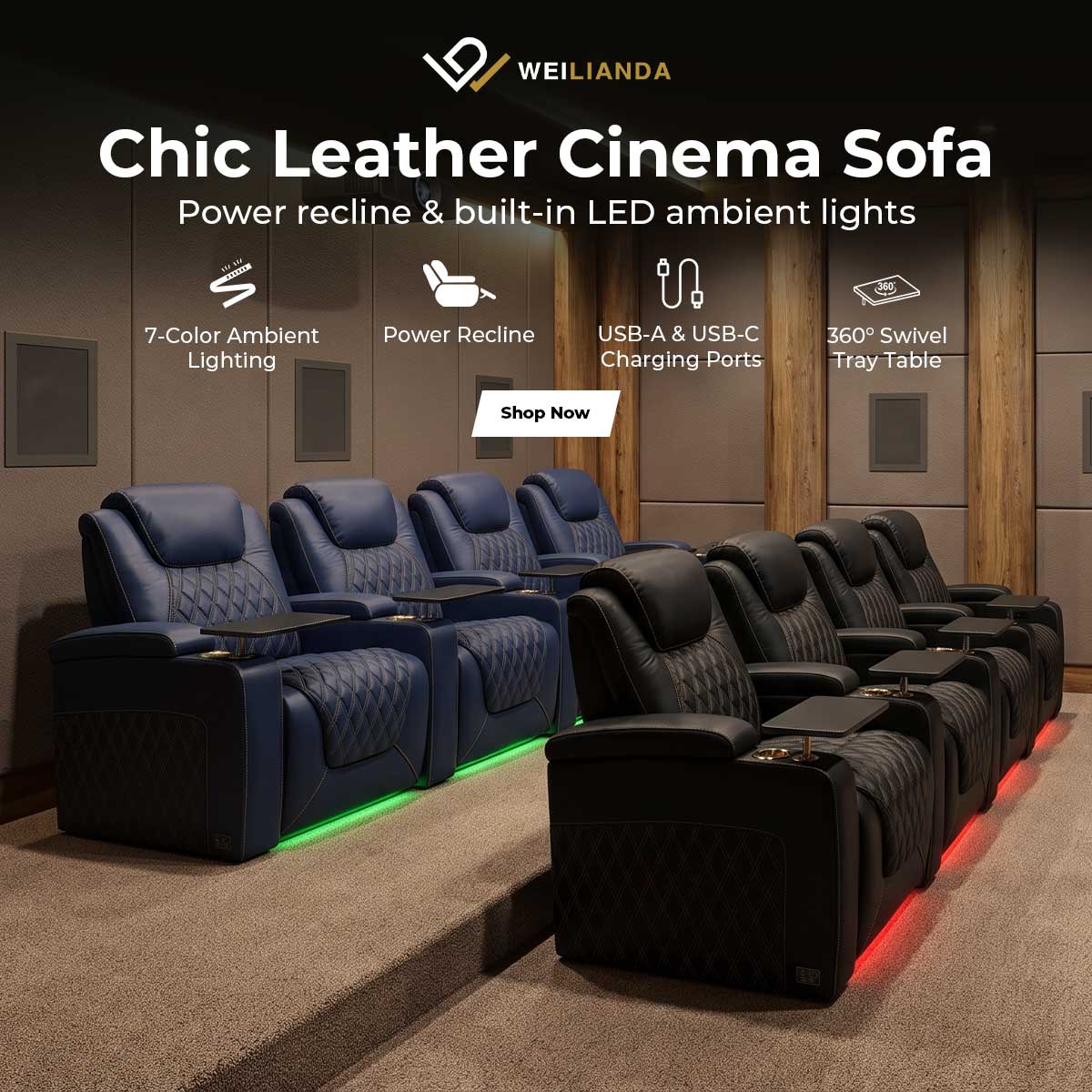
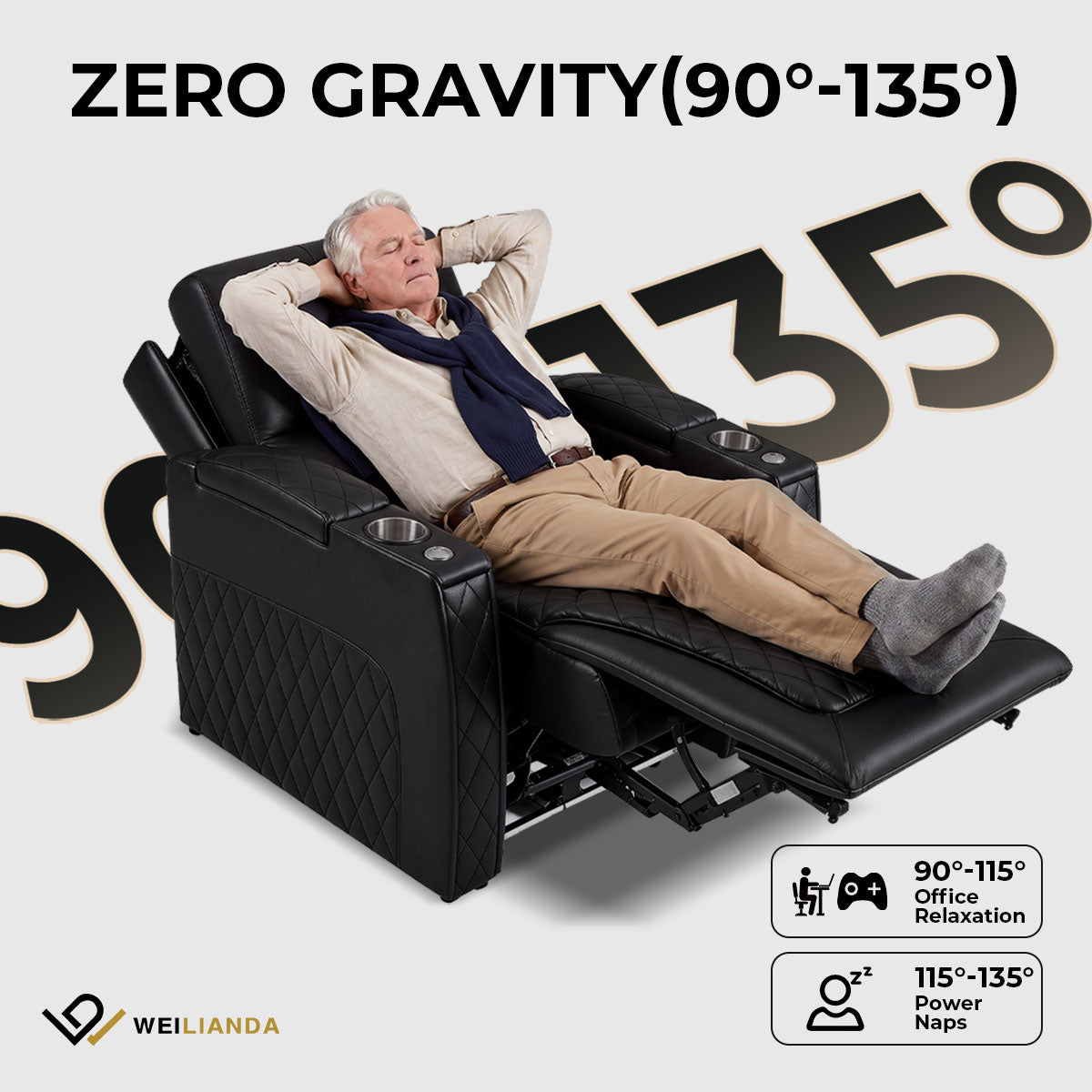
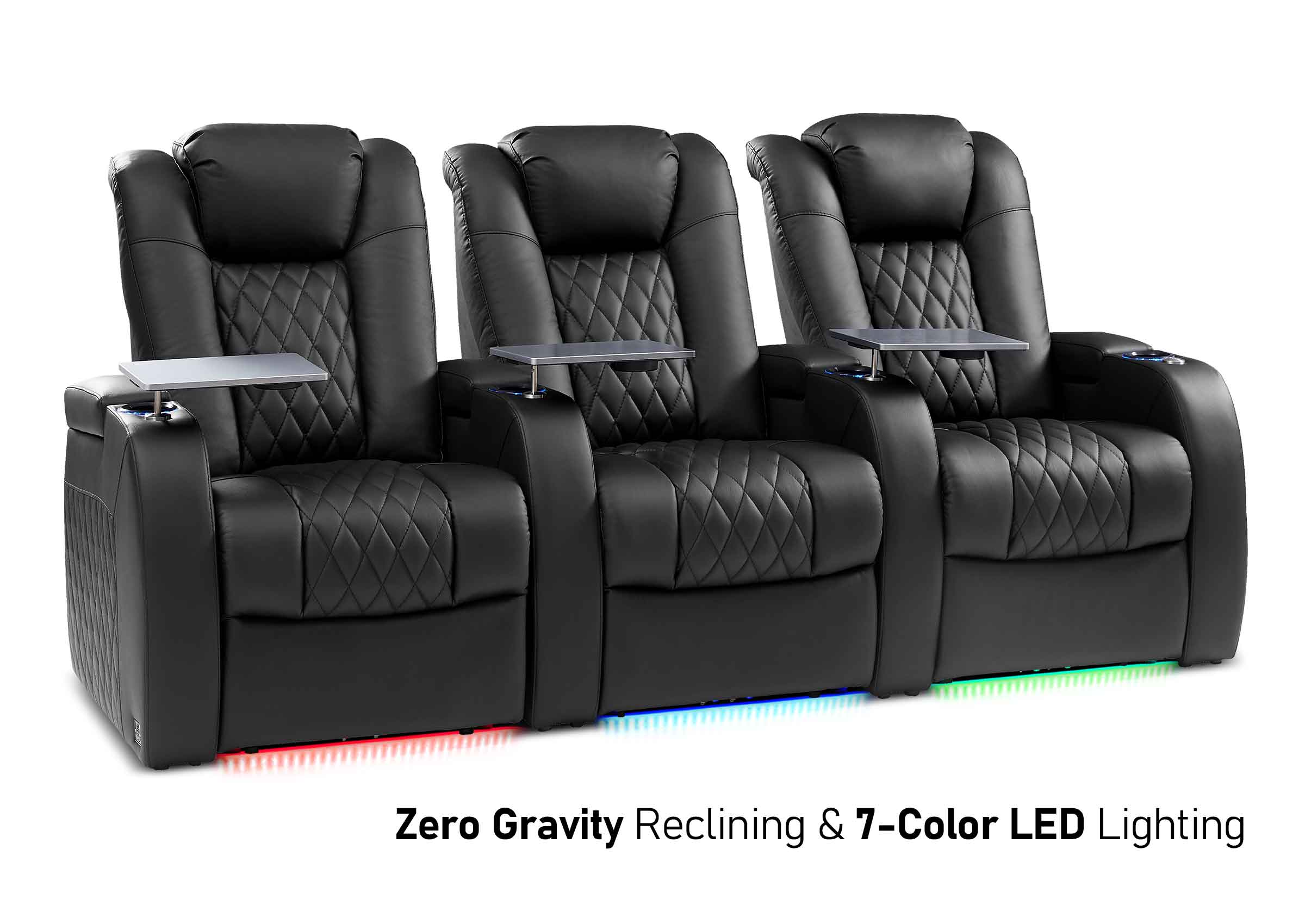
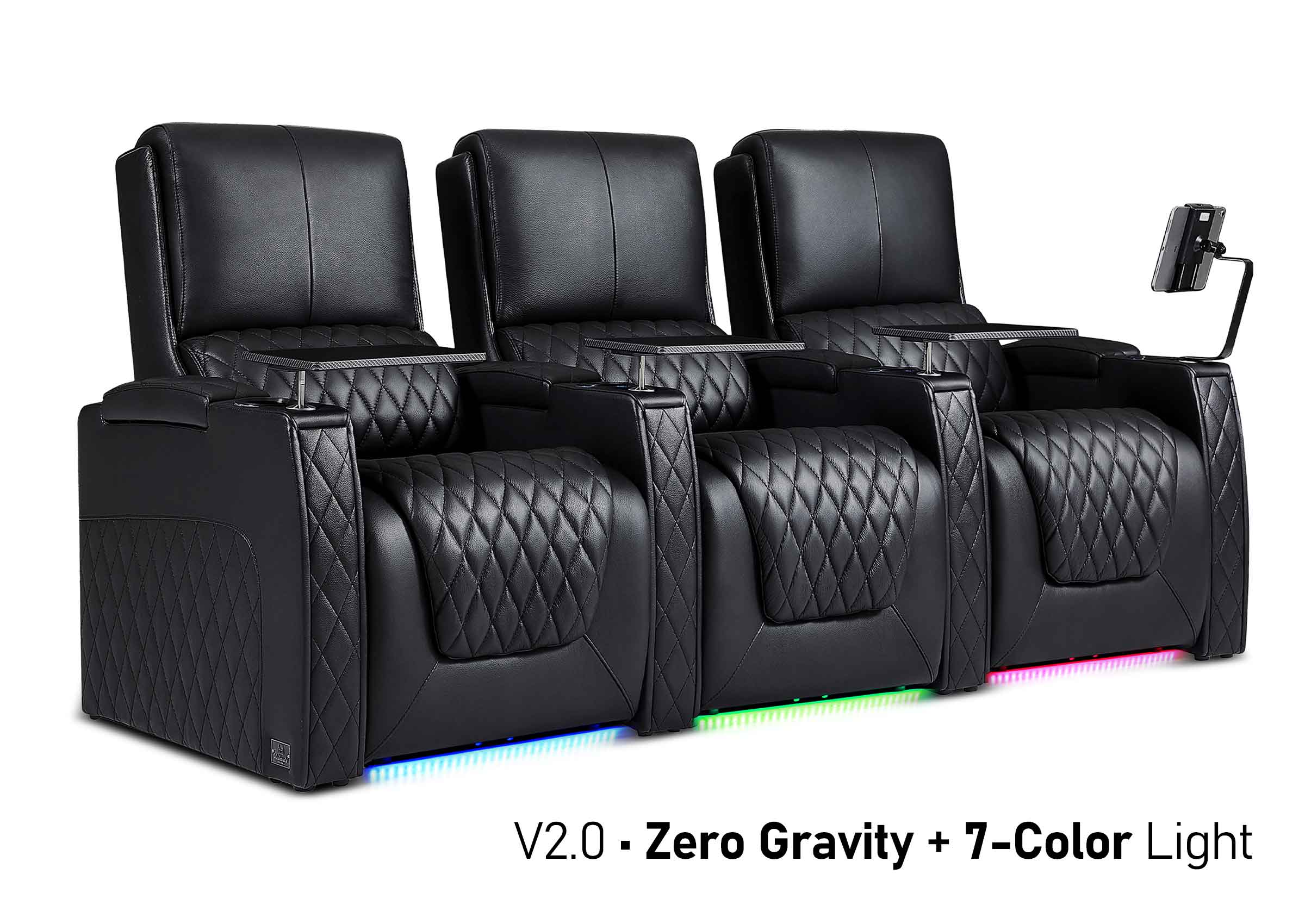
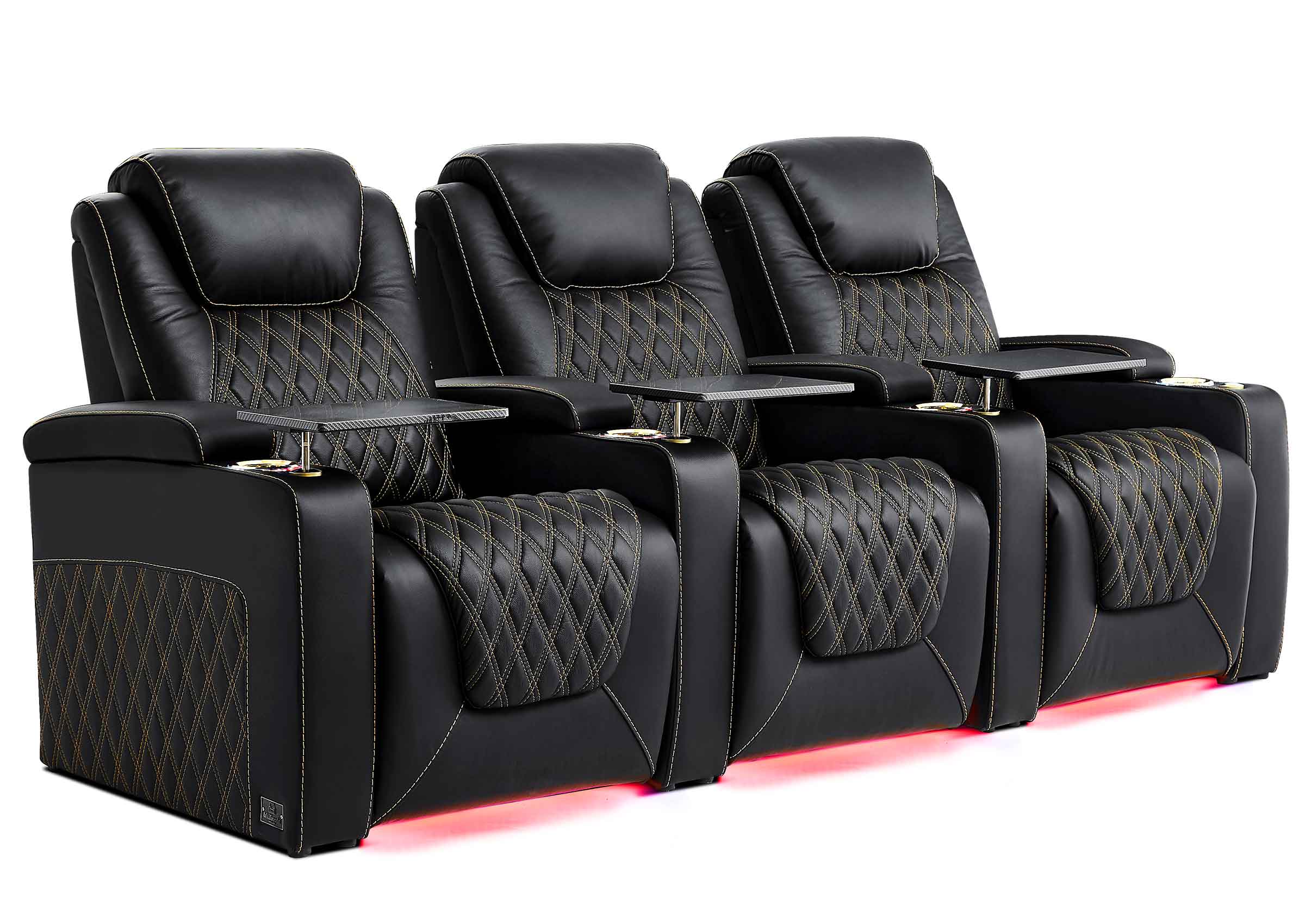
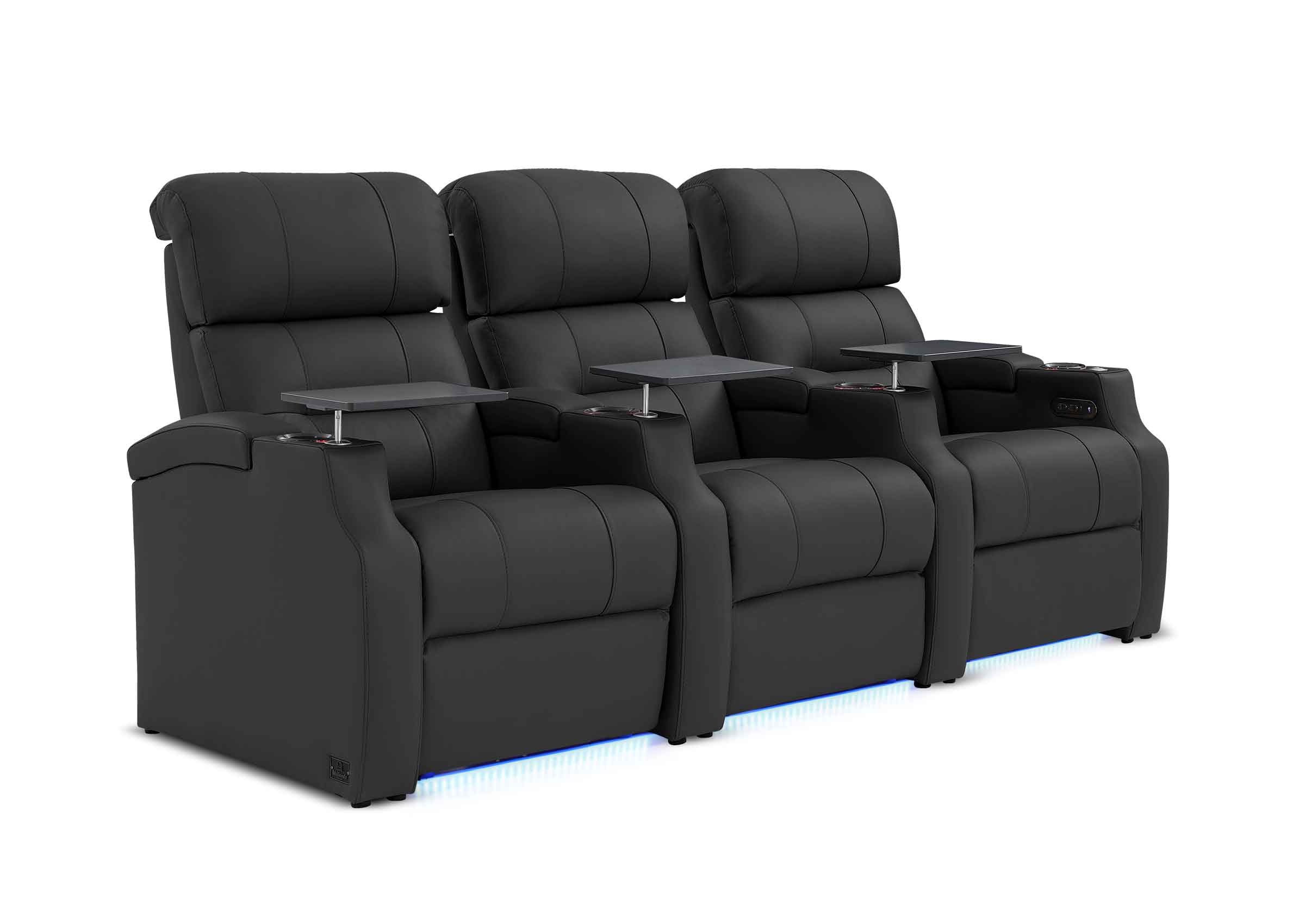
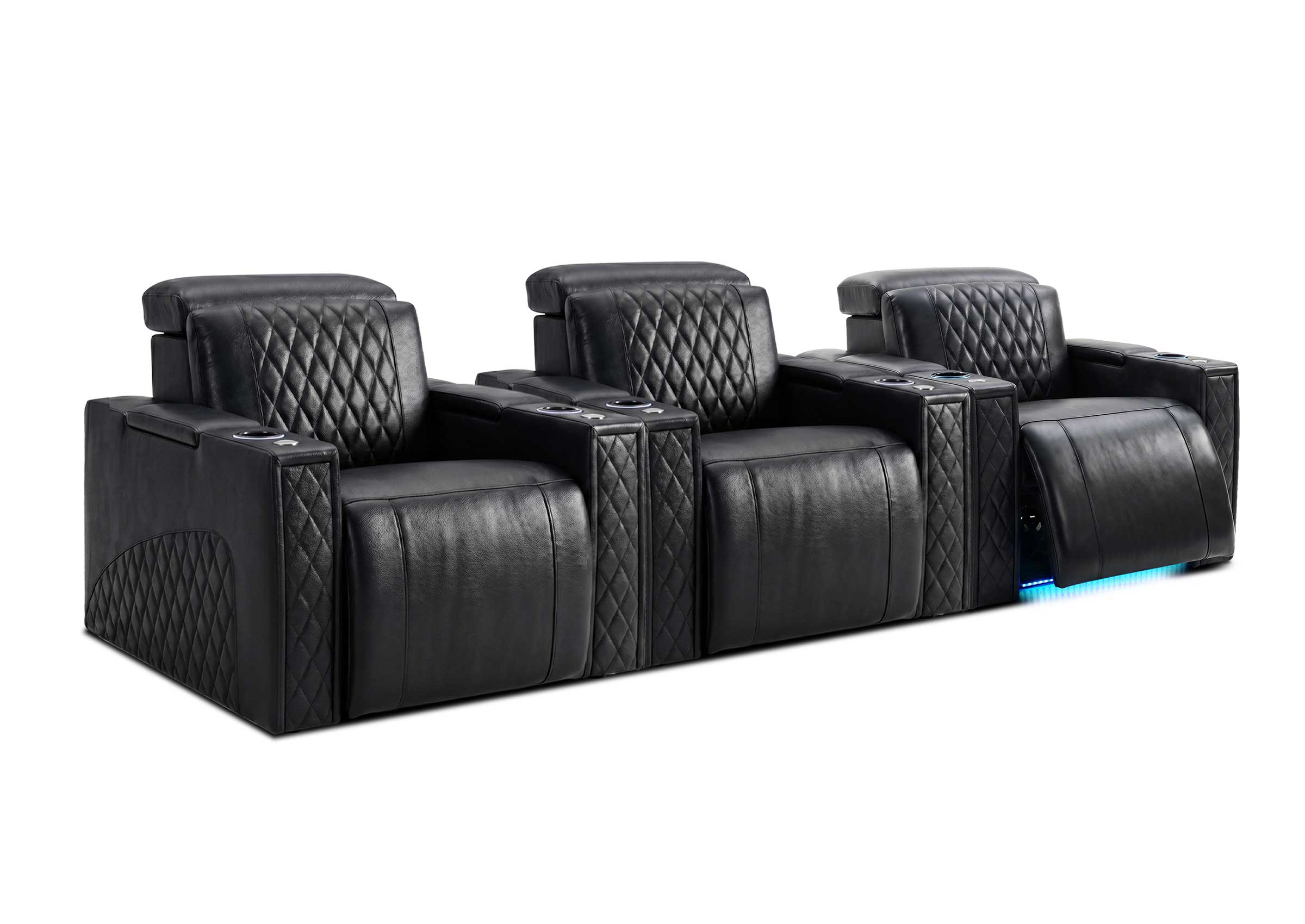
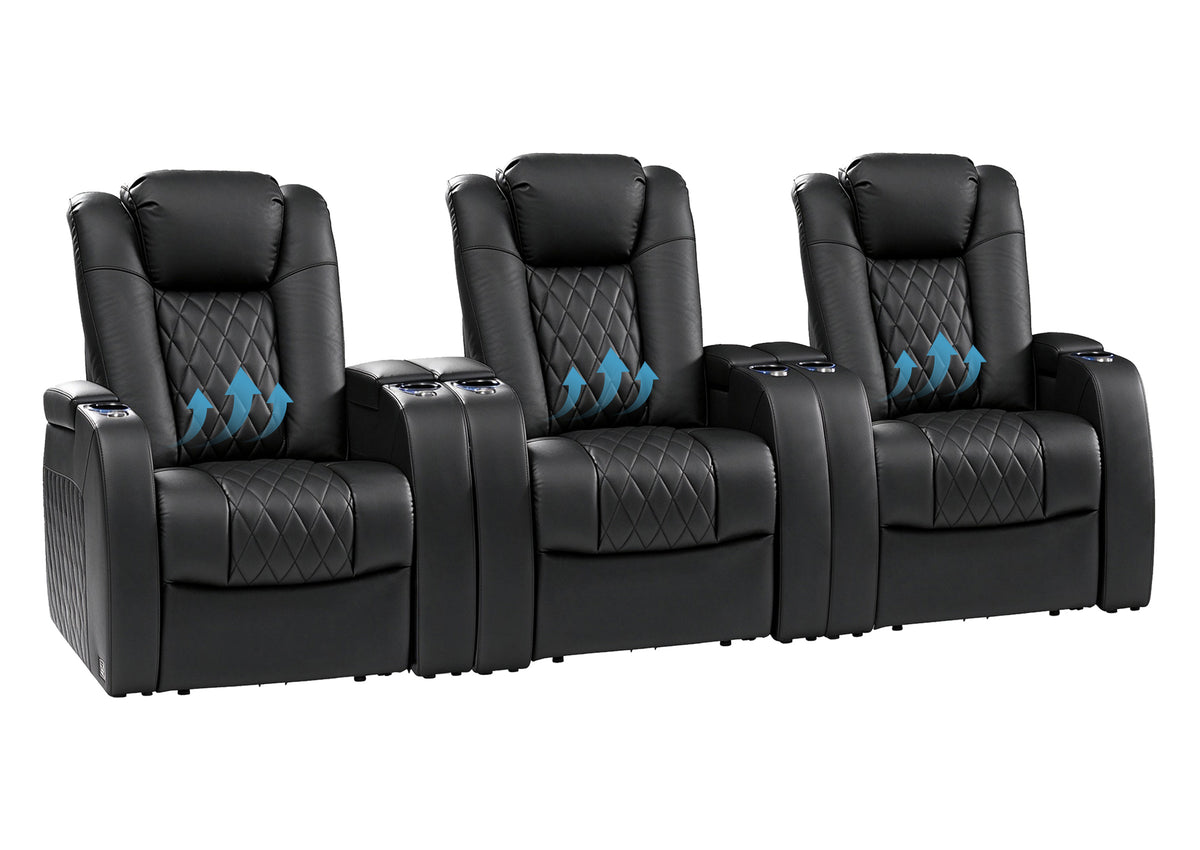
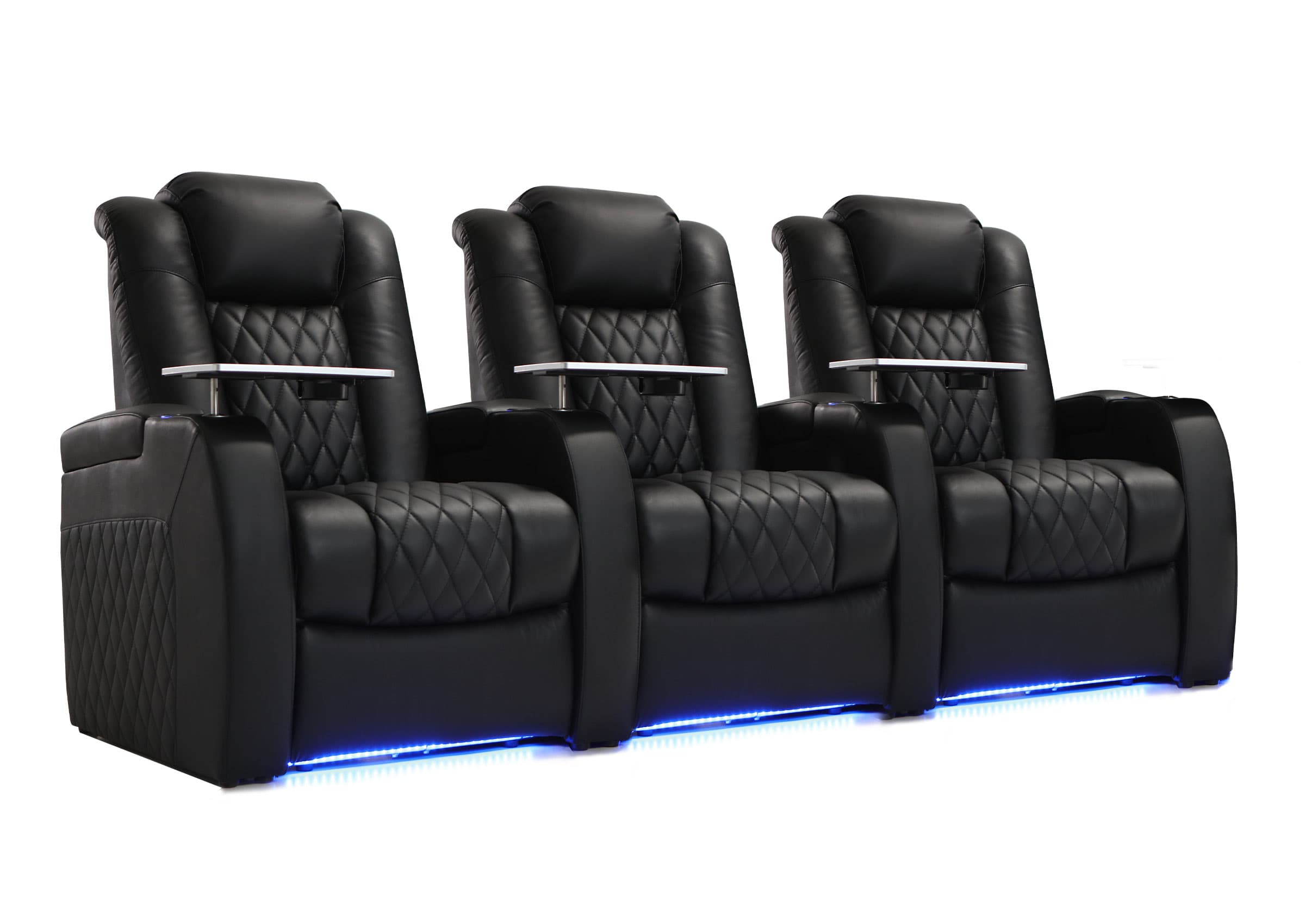
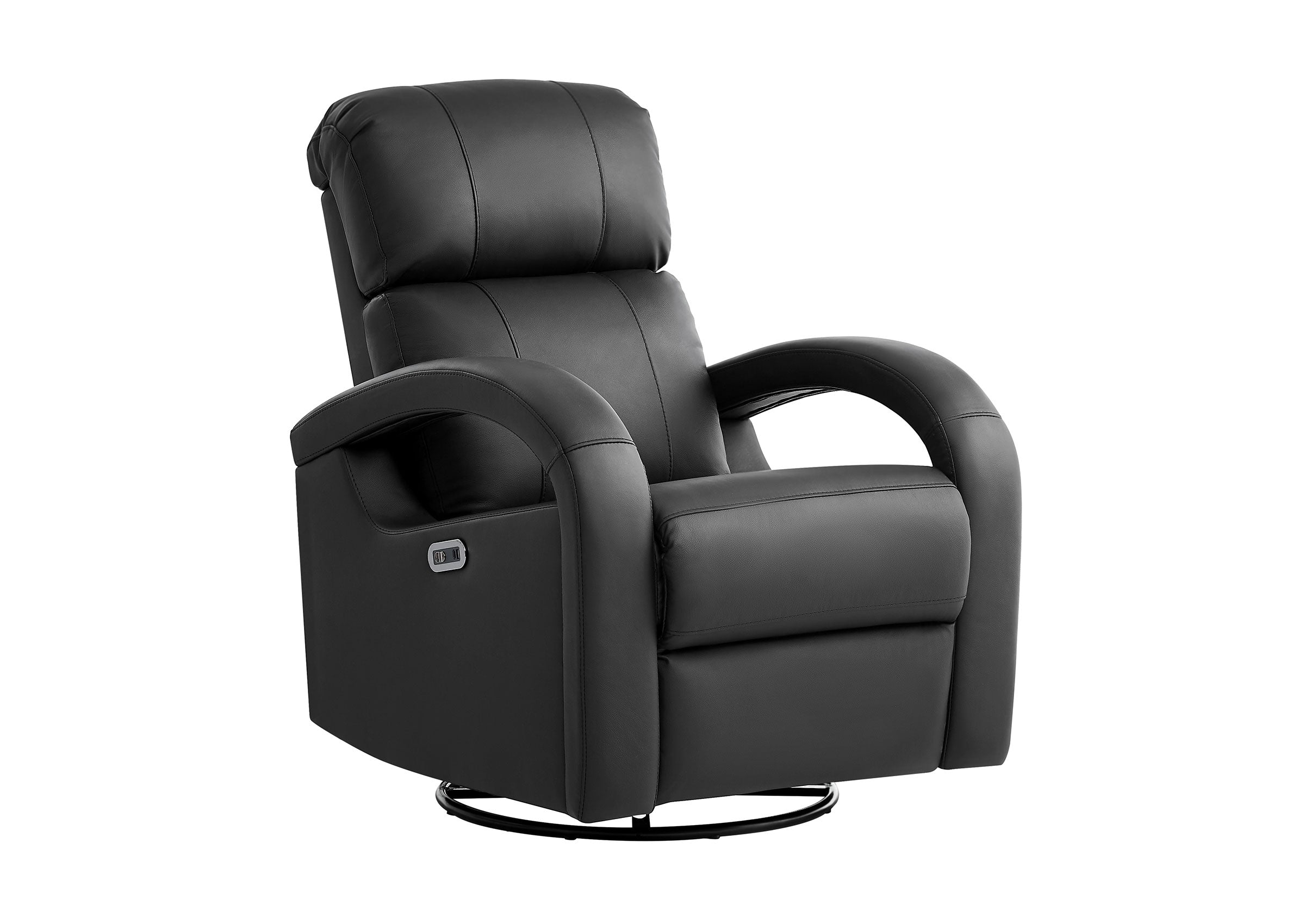
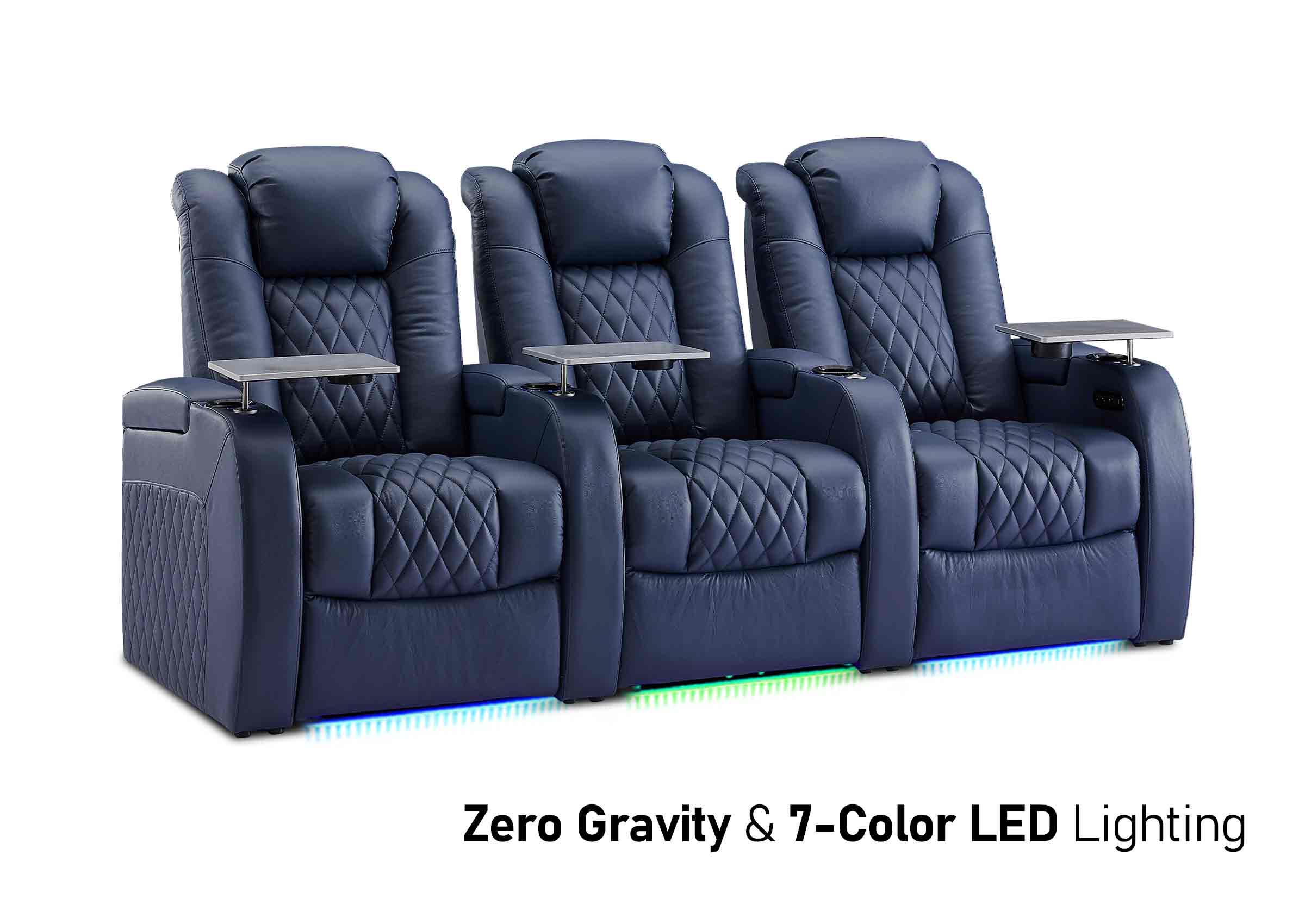
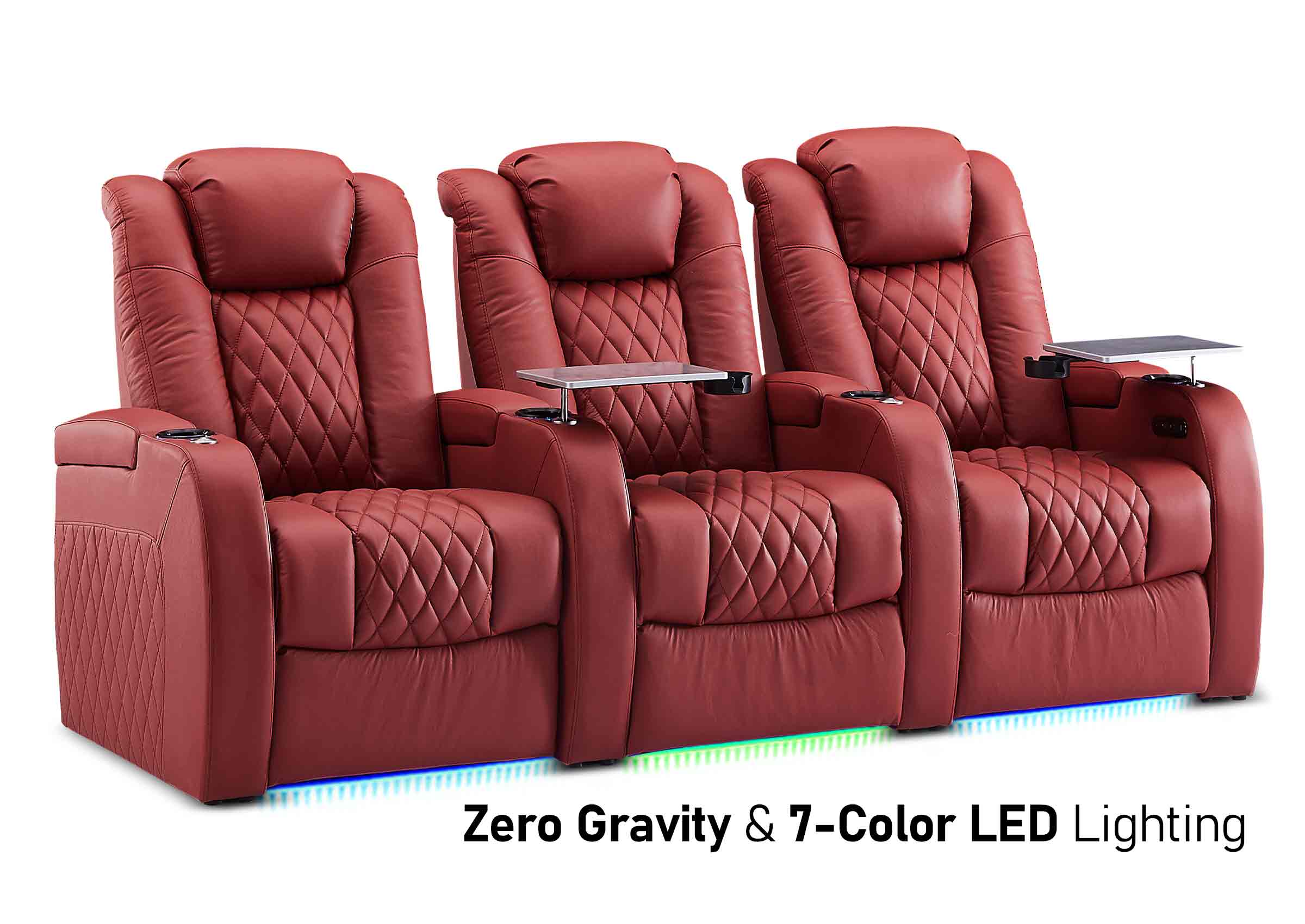
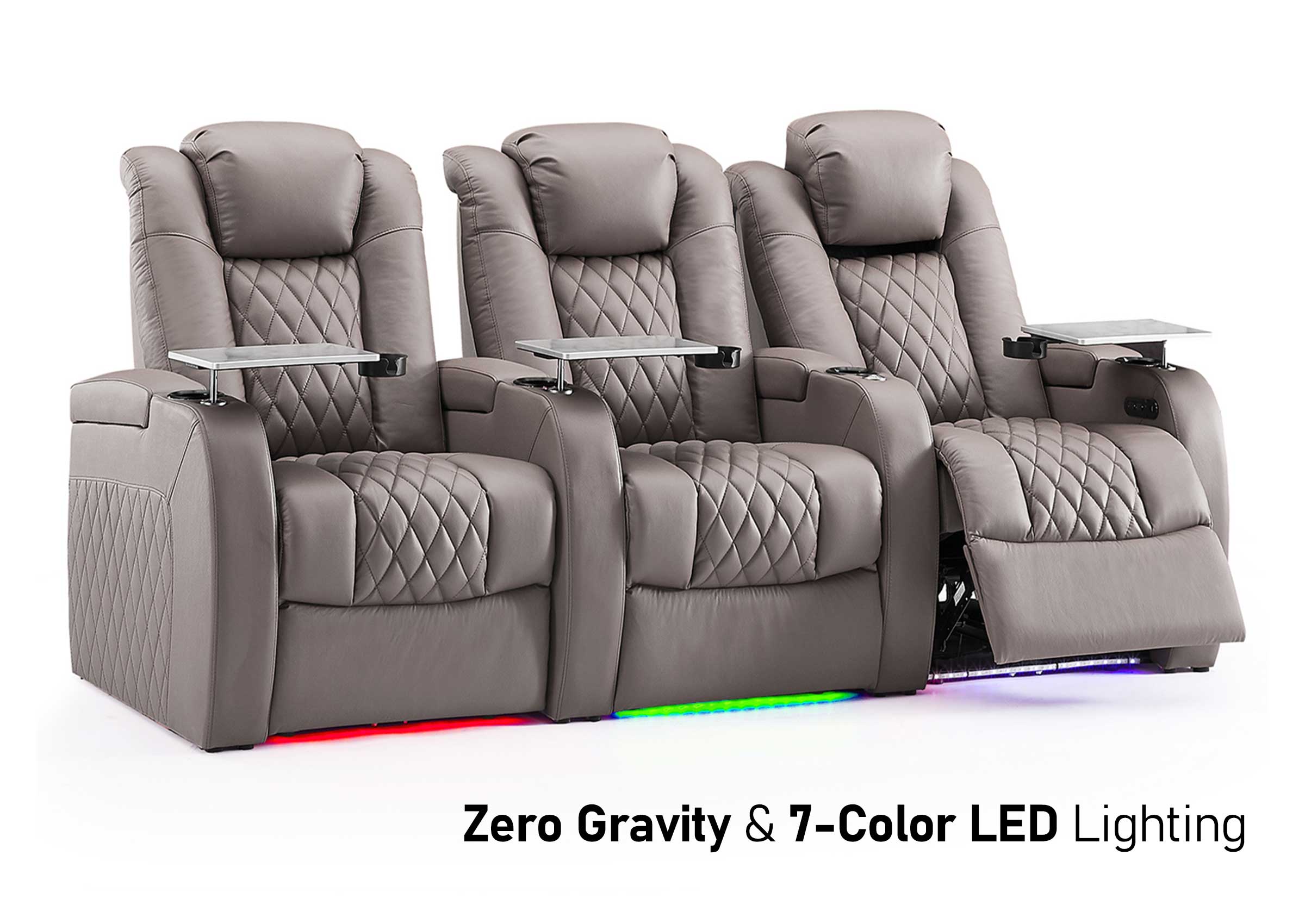
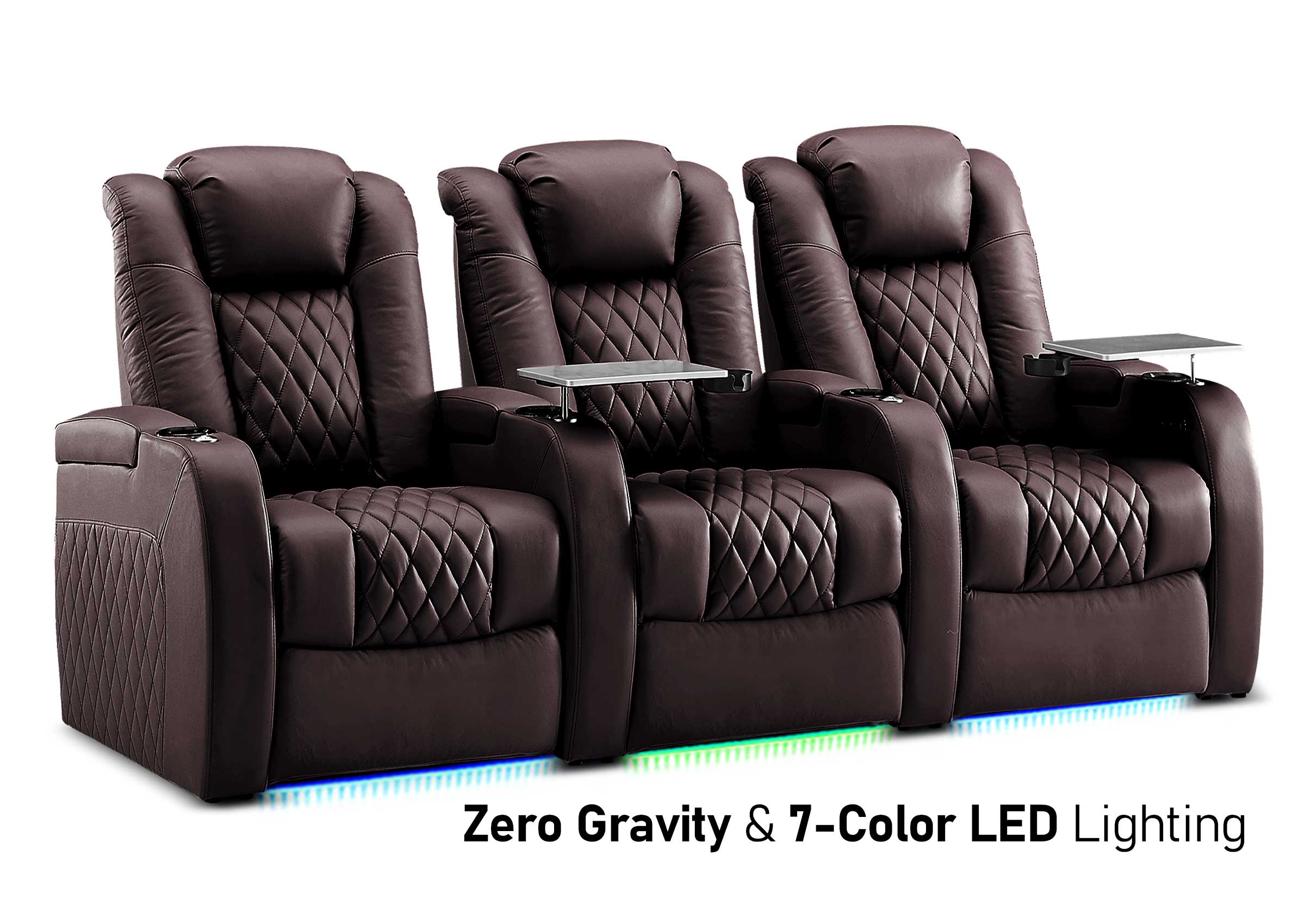
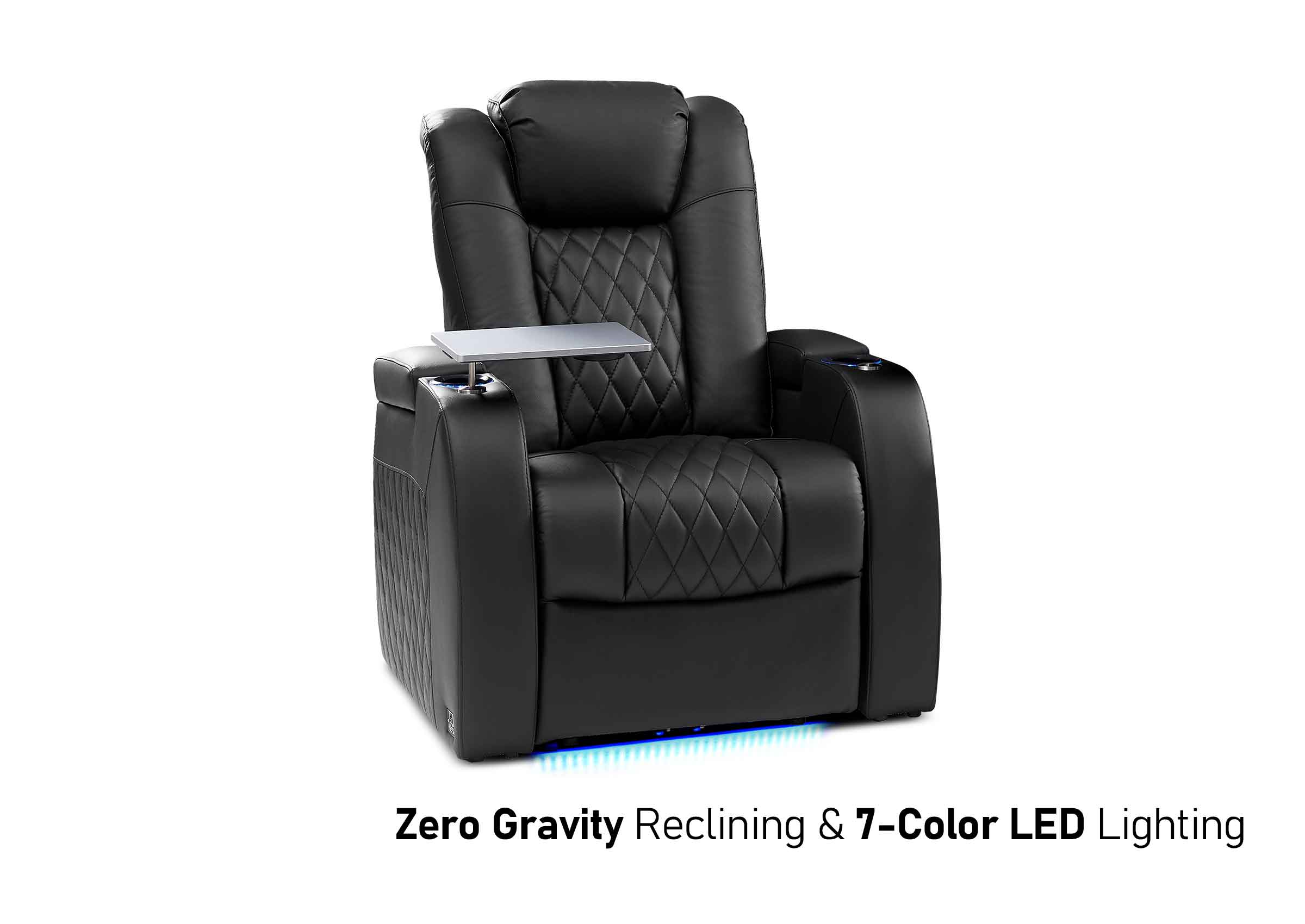
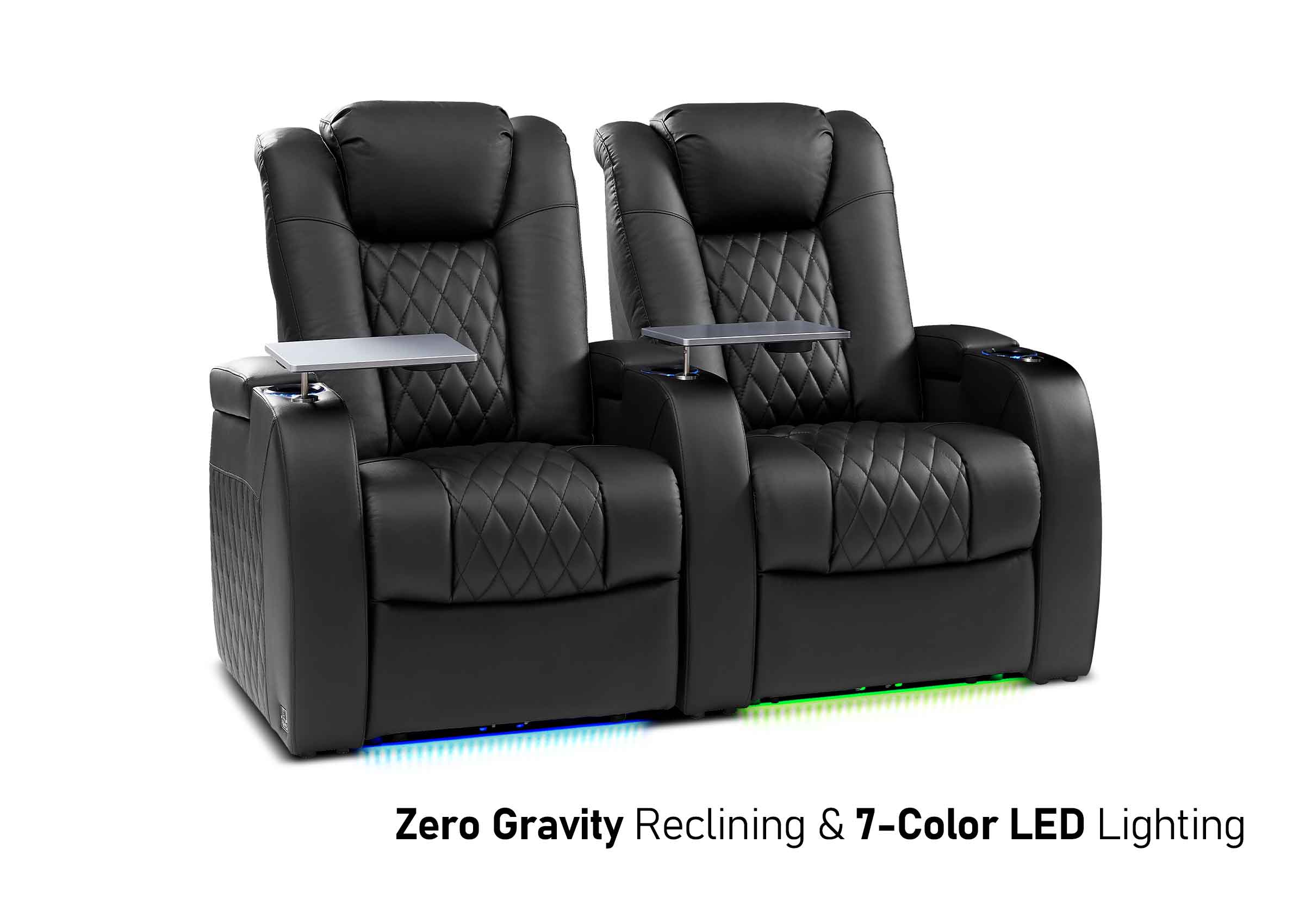
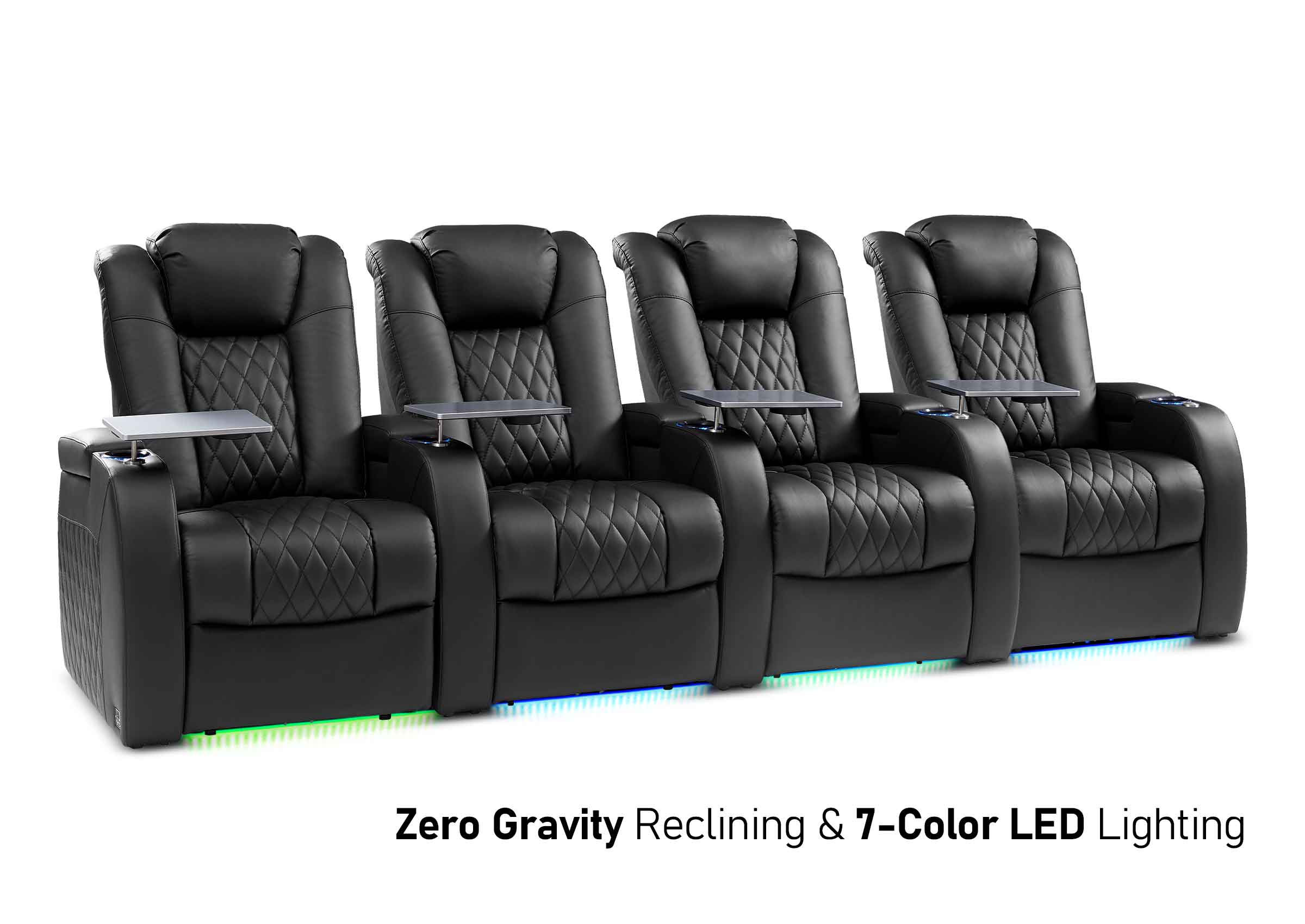
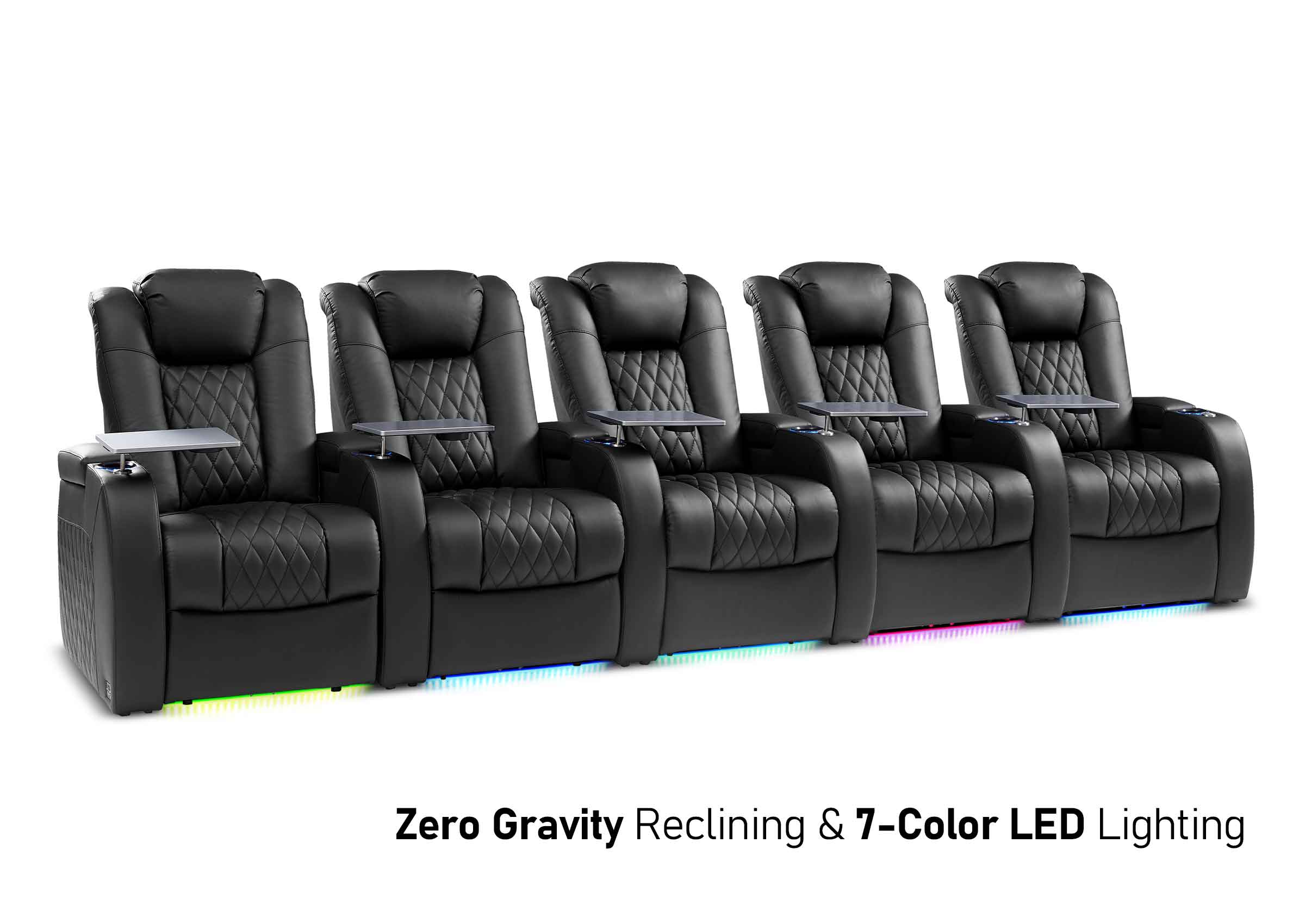
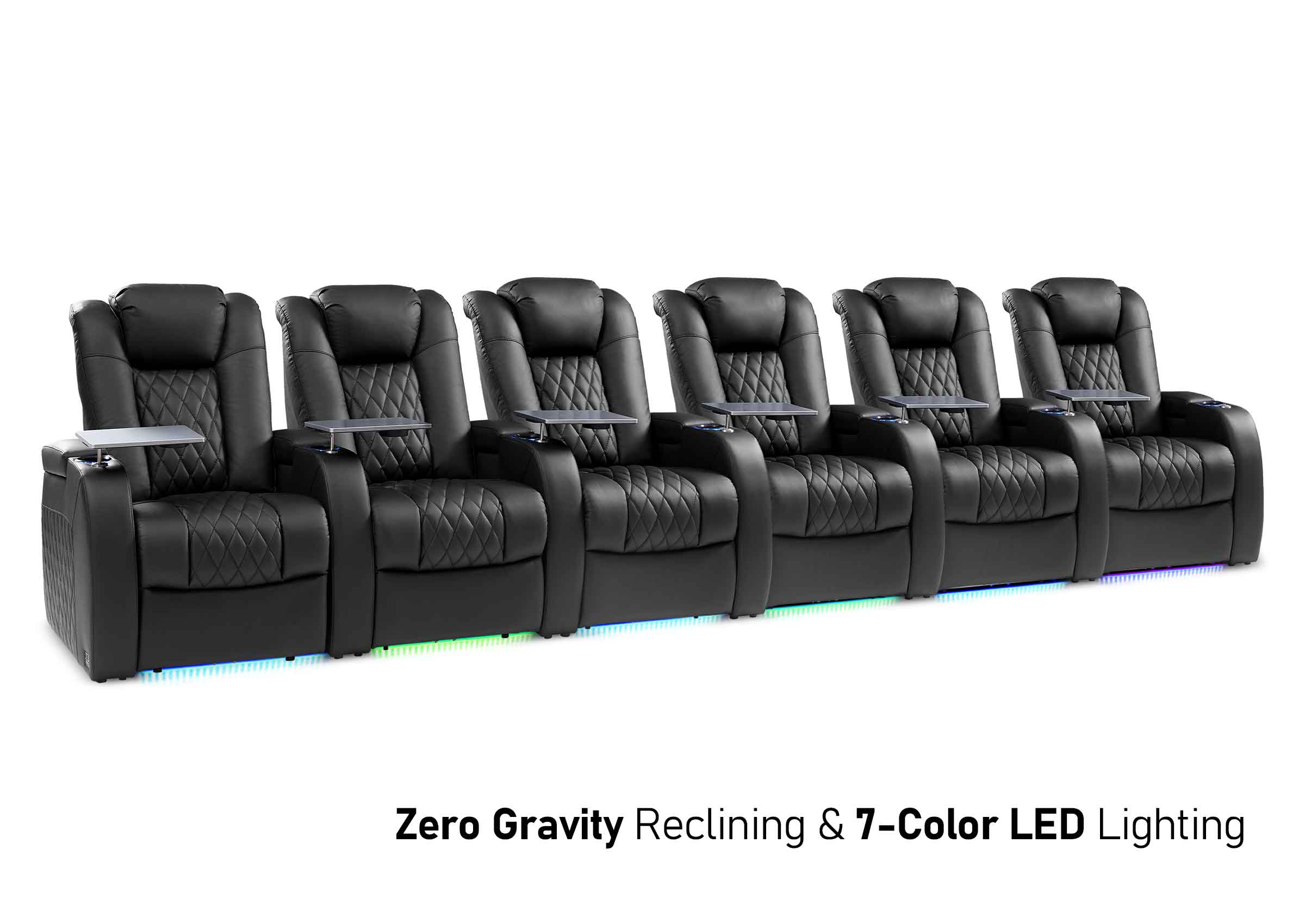
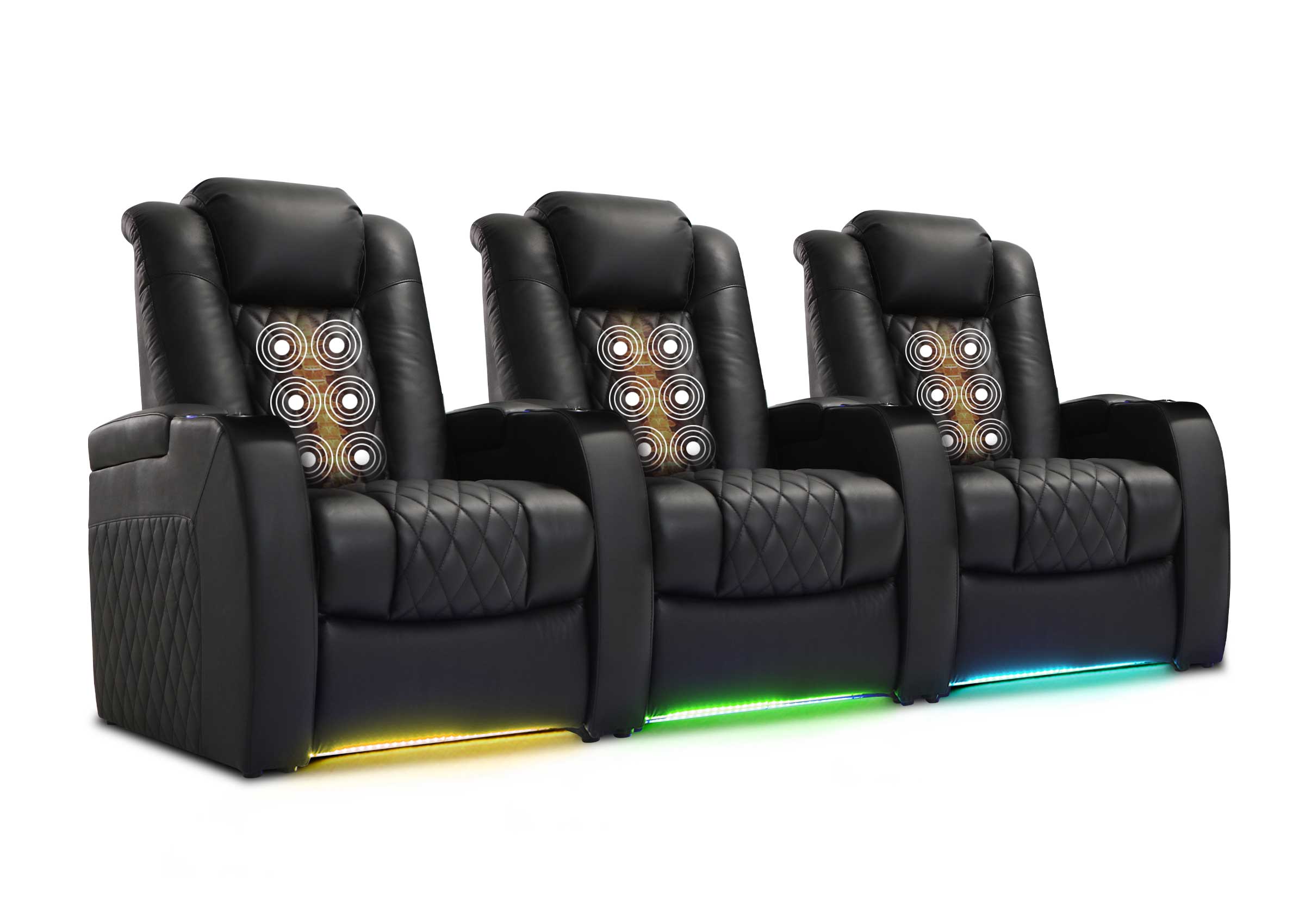
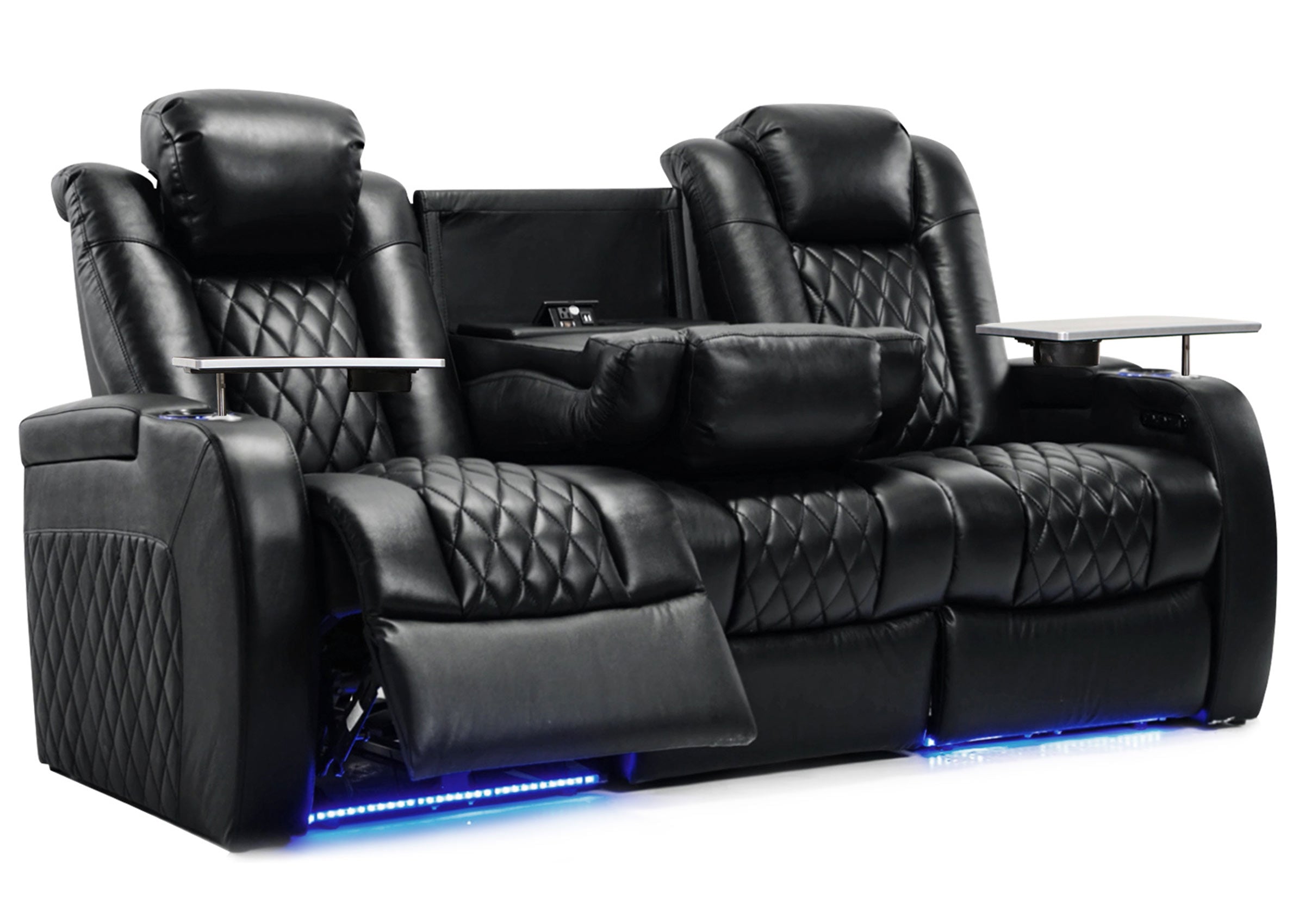
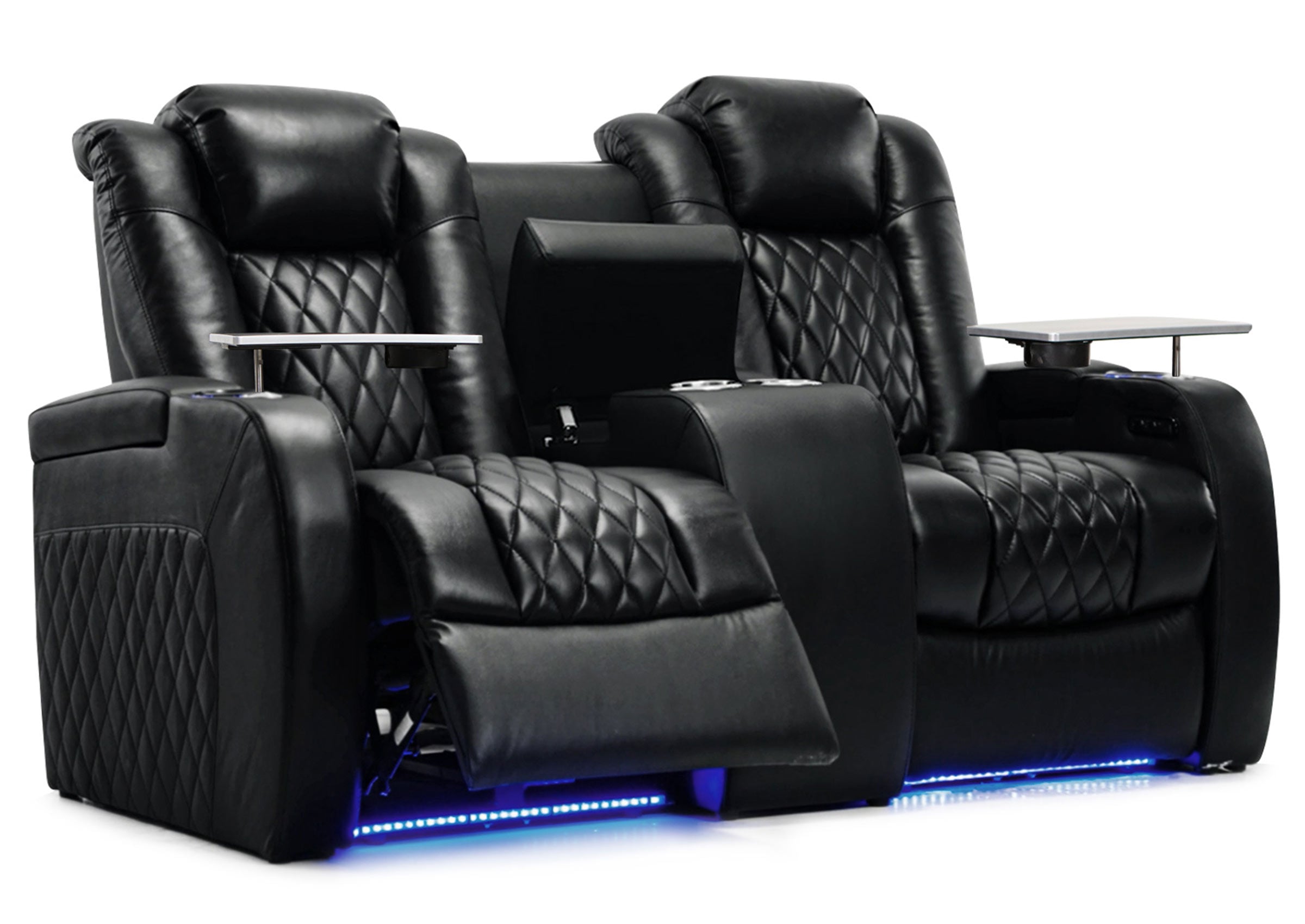
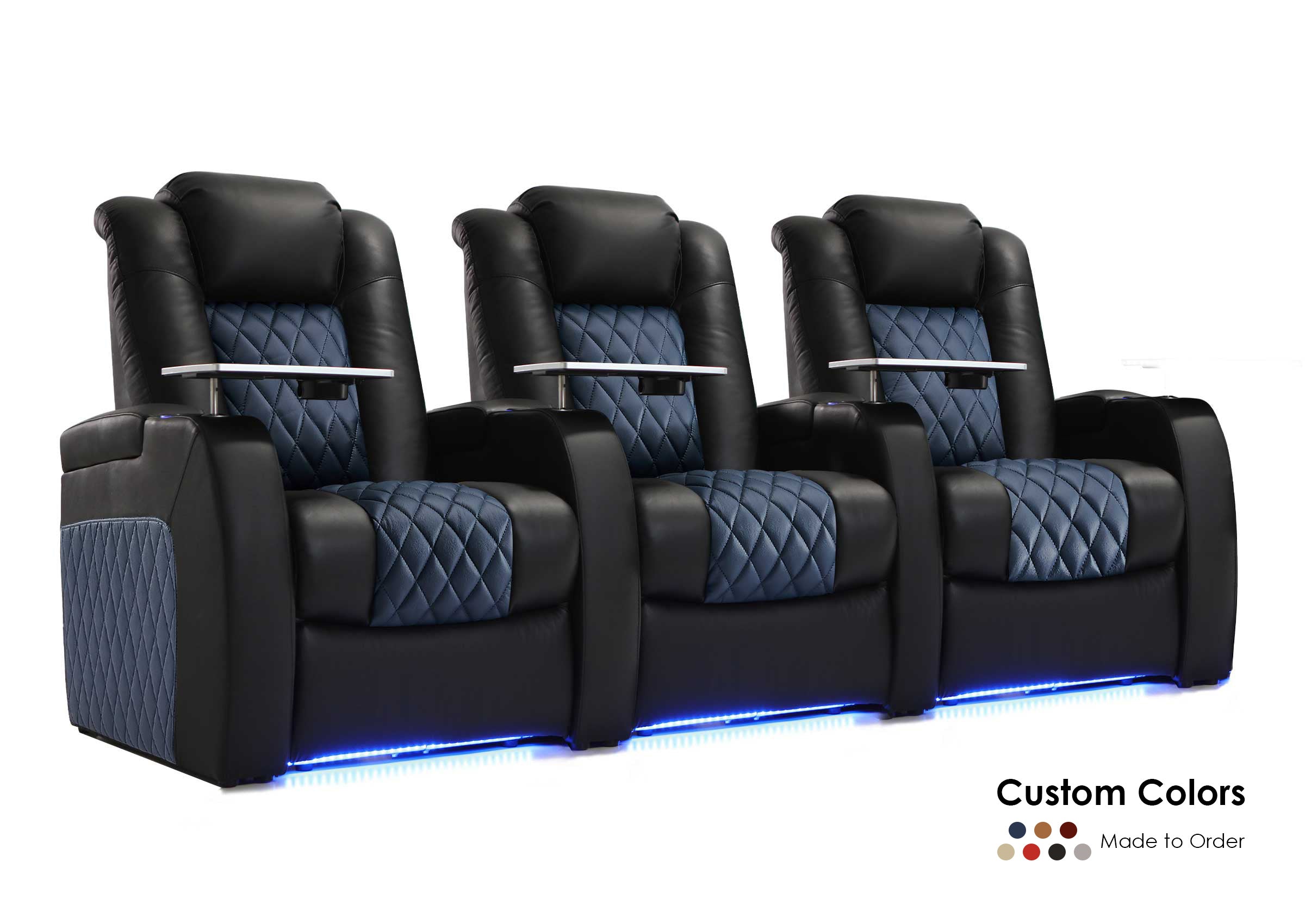
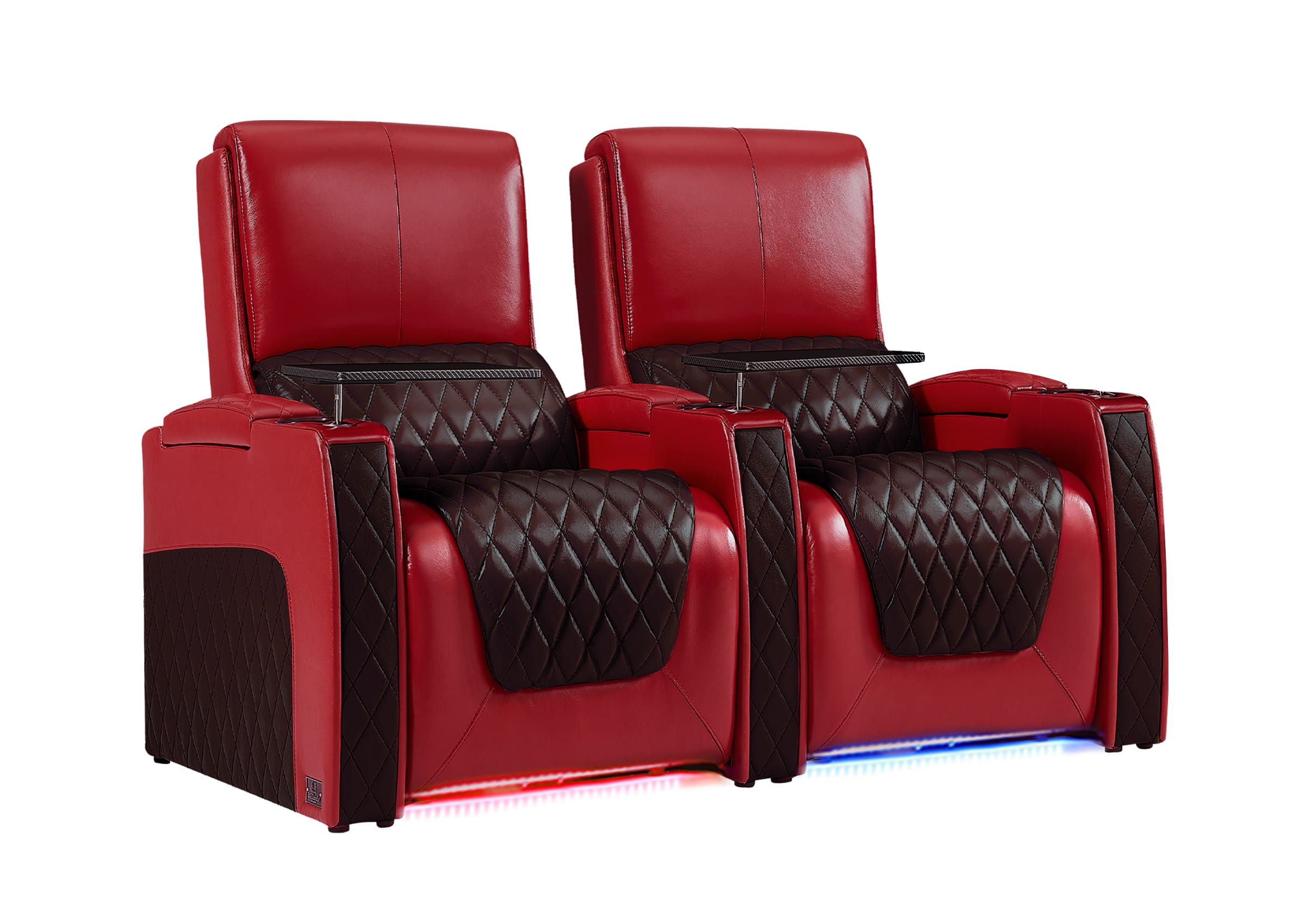
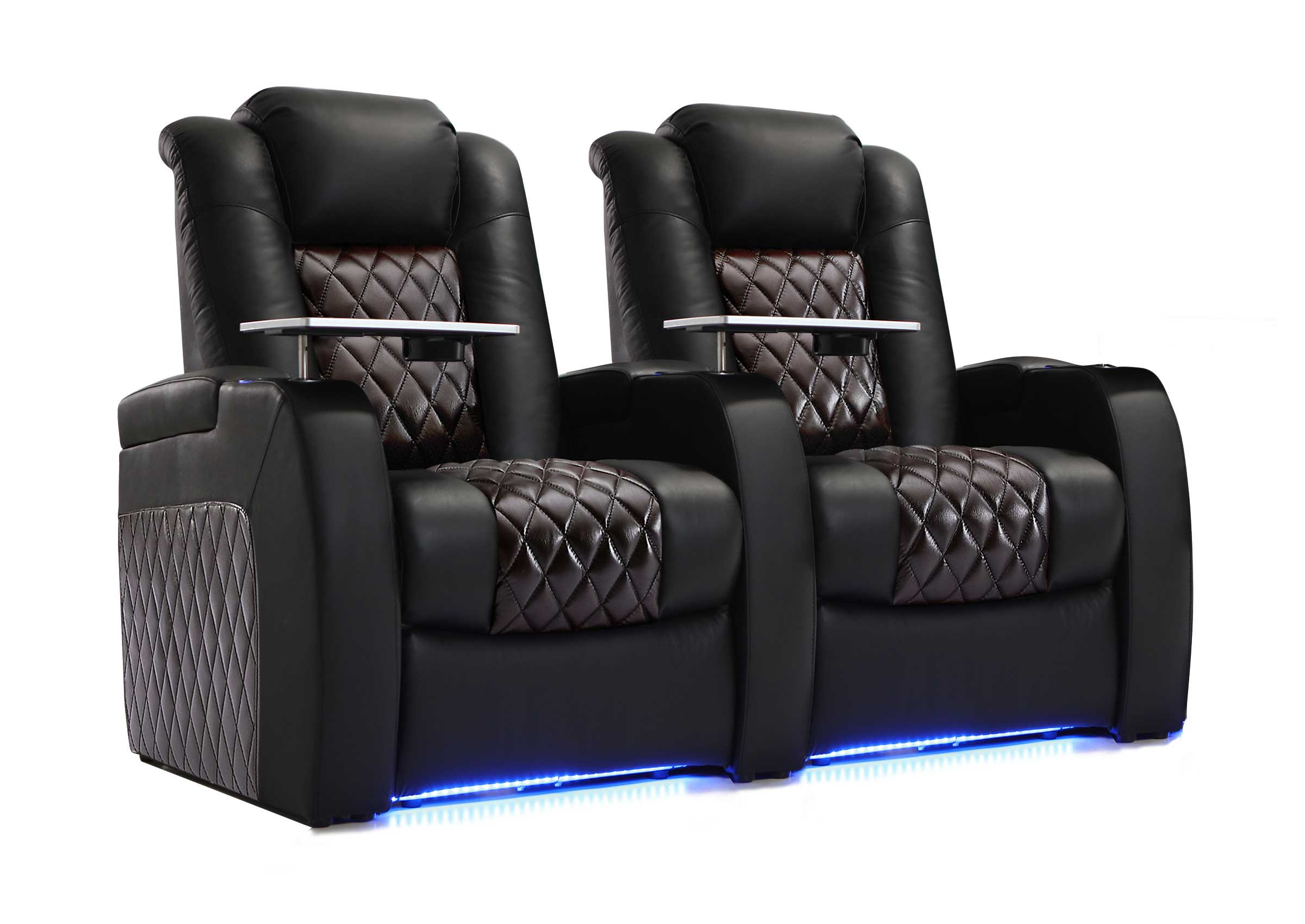
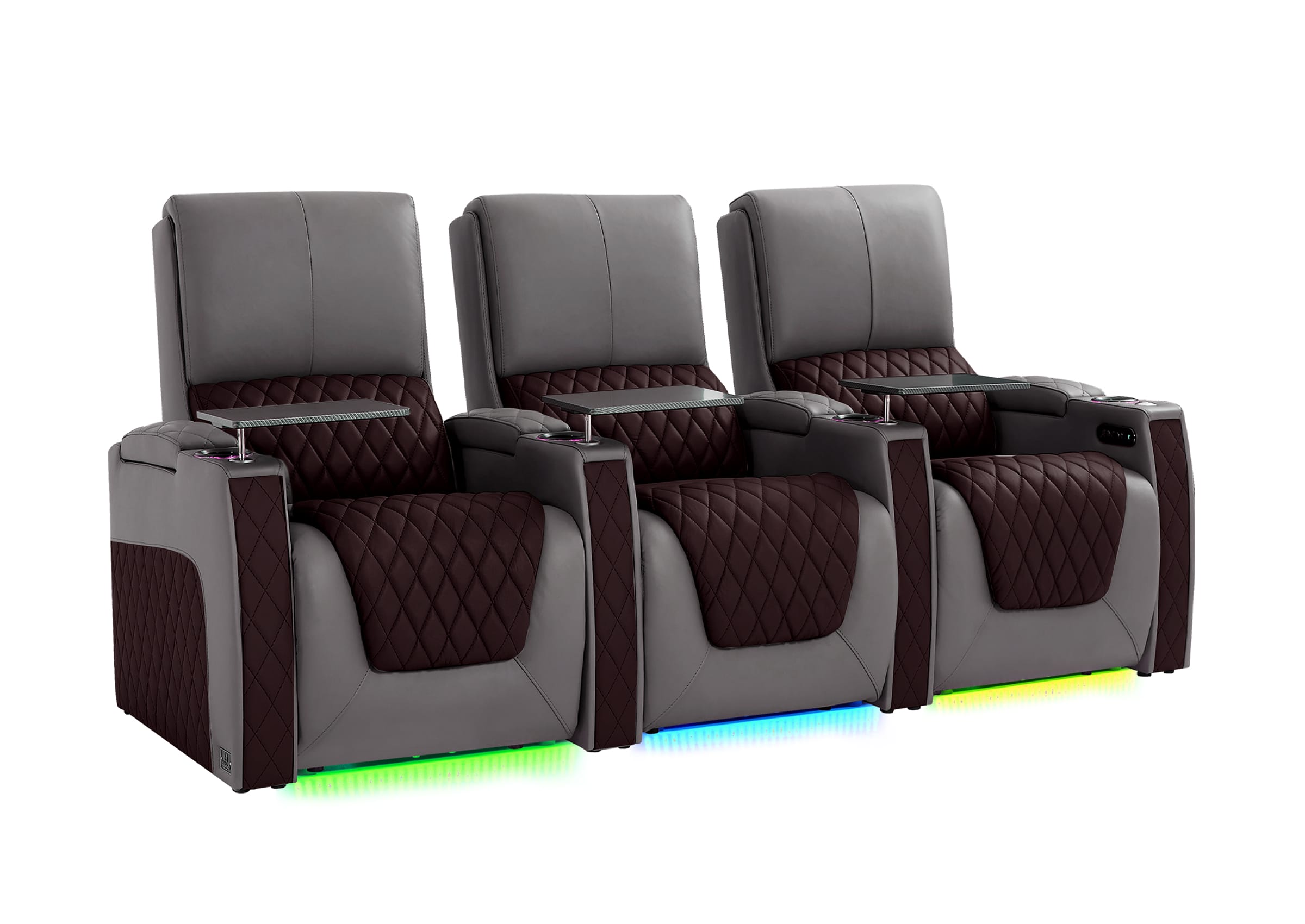
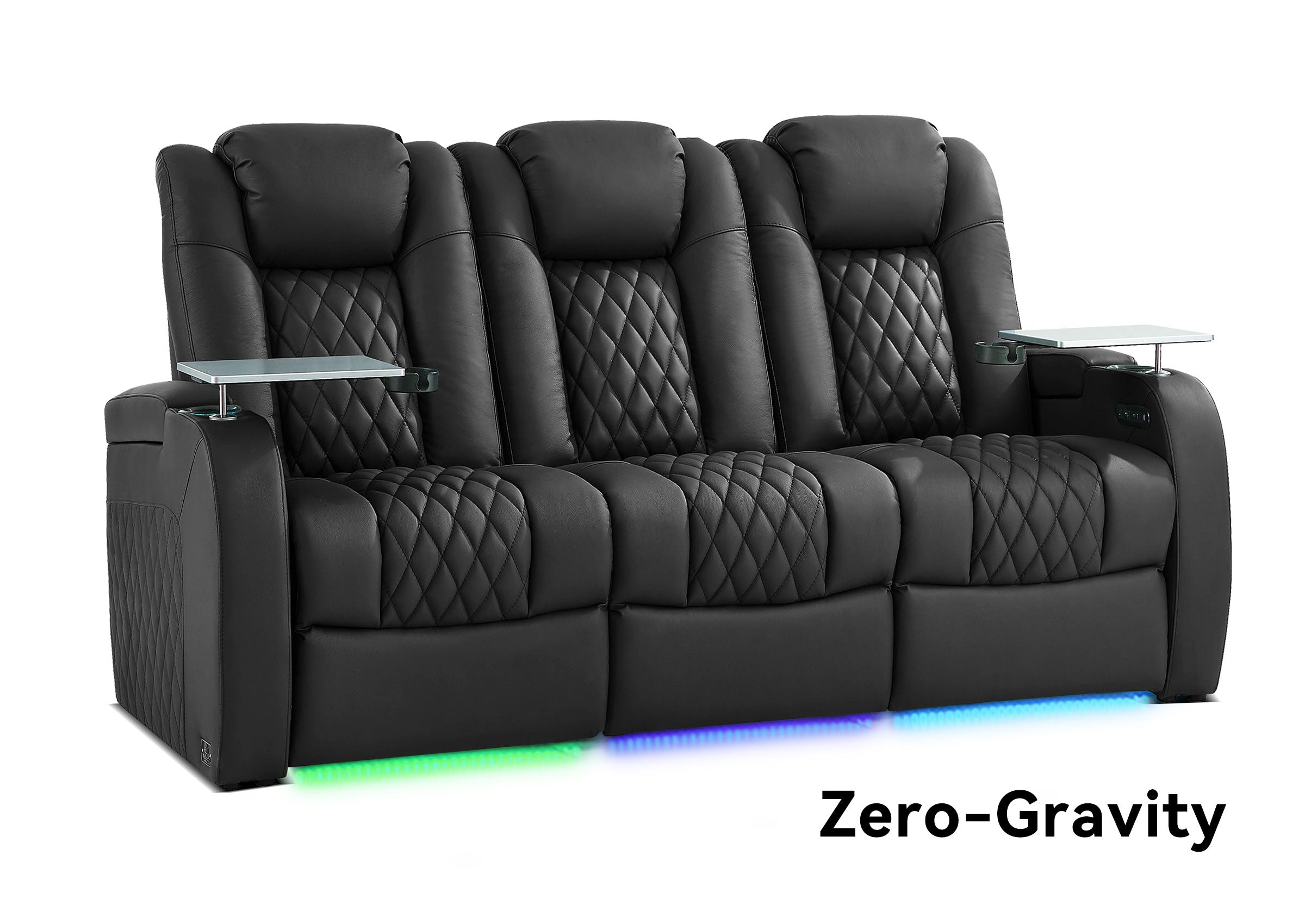
Features such as reclining support, adjustable headrests, storage, cup holders, and charging options can make a media room easier to use during long movies, sports nights, and gaming sessions.
Which Projector Should You Choose?
| Your Situation | Better Choice |
|---|---|
| Small media room | LED |
| Occasional movie watching | LED |
| Portable entertainment | LED |
| Large projection screen | Laser |
| Dedicated home theater | Laser |
| Frequent movie nights | Laser |
| Premium cinema experience | Laser |
The best projector is the one that matches your space, not necessarily the most expensive option.
How to Build a Better Home Theater Experience After Choosing Your Projector
A projector is only one part of the room.
The most enjoyable home theaters combine:
-
The right screen size
-
Proper viewing distance
-
Comfortable seating
-
Good sound
-
Lighting control
-
Easy everyday use
For many homeowners, the goal is not creating a showroom that looks impressive for five minutes. It is creating a room where family members actually want to spend time.
Comfortable seating becomes especially important when movies last two or three hours, when watching sports with friends, or during long gaming sessions. Practical features such as power reclining, lumbar support, storage, USB charging, and modular layouts can help create a more complete entertainment space.
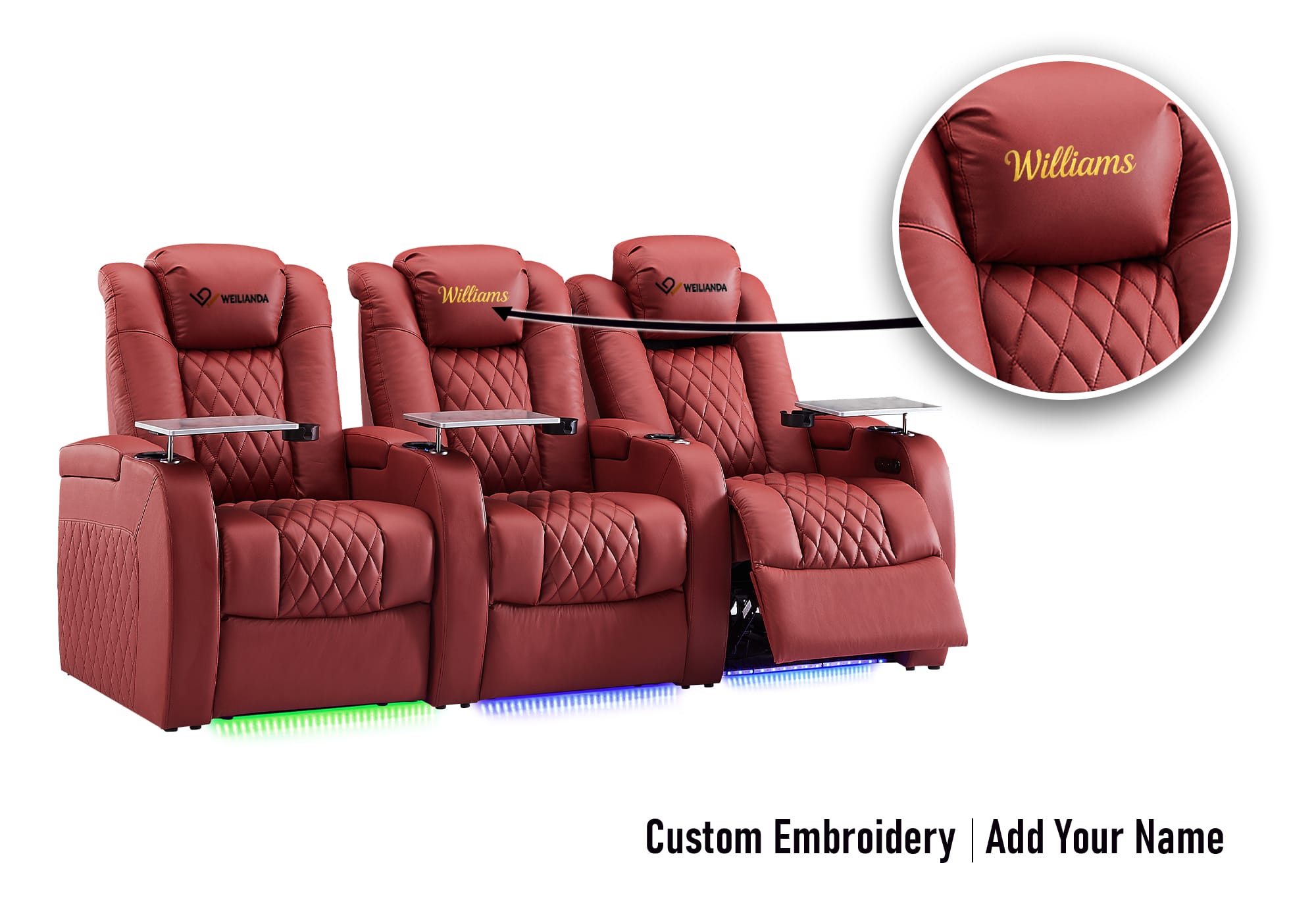
Weilianda focuses on practical home theater seating designed for real homes, offering options such as power reclining comfort, leather choices, storage features, and configurations suitable for different entertainment spaces.

Frequently Asked Questions
Is a laser projector always better than LED?
No. Laser projectors usually provide advantages for larger screens and premium home theaters, but LED projectors can be a better choice for smaller rooms, casual viewing, and buyers who want strong value.
Are LED projectors good enough for a home theater?
Yes. A quality LED projector can provide an excellent home theater experience, especially in smaller rooms with controlled lighting and reasonable screen sizes.
Is laser worth it for a 120-inch screen?
A laser projector often makes more sense for a 120-inch screen because larger images require stronger brightness to maintain an impressive viewing experience.
Does a brighter projector always look better?
Not necessarily. Brightness is important, but contrast, room lighting, screen quality, and projector placement also affect the final image.
Which projector is better for gaming?
Neither technology automatically wins. Gaming performance depends more on input lag, refresh rate, resolution, and motion handling.
Should I spend more on the projector or the room?
A balanced setup usually creates a better experience. A slightly less expensive projector in a well-designed room can feel more enjoyable than an expensive projector in an uncomfortable space.
Do laser projectors last longer than LED projectors?
Both LED and laser projectors generally have long lifespans compared with traditional lamp projectors. Actual performance depends on the model and usage conditions.
What should I upgrade first in a home theater?
Start with the component that limits your current experience. For some users it may be the projector, while others may notice bigger improvements from better sound, seating, or room design.
Create a Home Theater Designed Around How You Live
Choosing between an LED and laser projector is an important decision, but it is only one step in creating a better entertainment space.
The best home theaters are designed around real usage: movie nights, gaming sessions, sports events, and everyday relaxation.
When the image, sound, comfort, and room layout work together, a home theater becomes more than a place to watch movies—it becomes a space people actually enjoy using.
If you are planning a media room or home theater upgrade, choosing seating that matches your room size, viewing habits, and comfort needs can help complete the experience. Weilianda can provide seating solutions and product guidance based on different home entertainment spaces.