











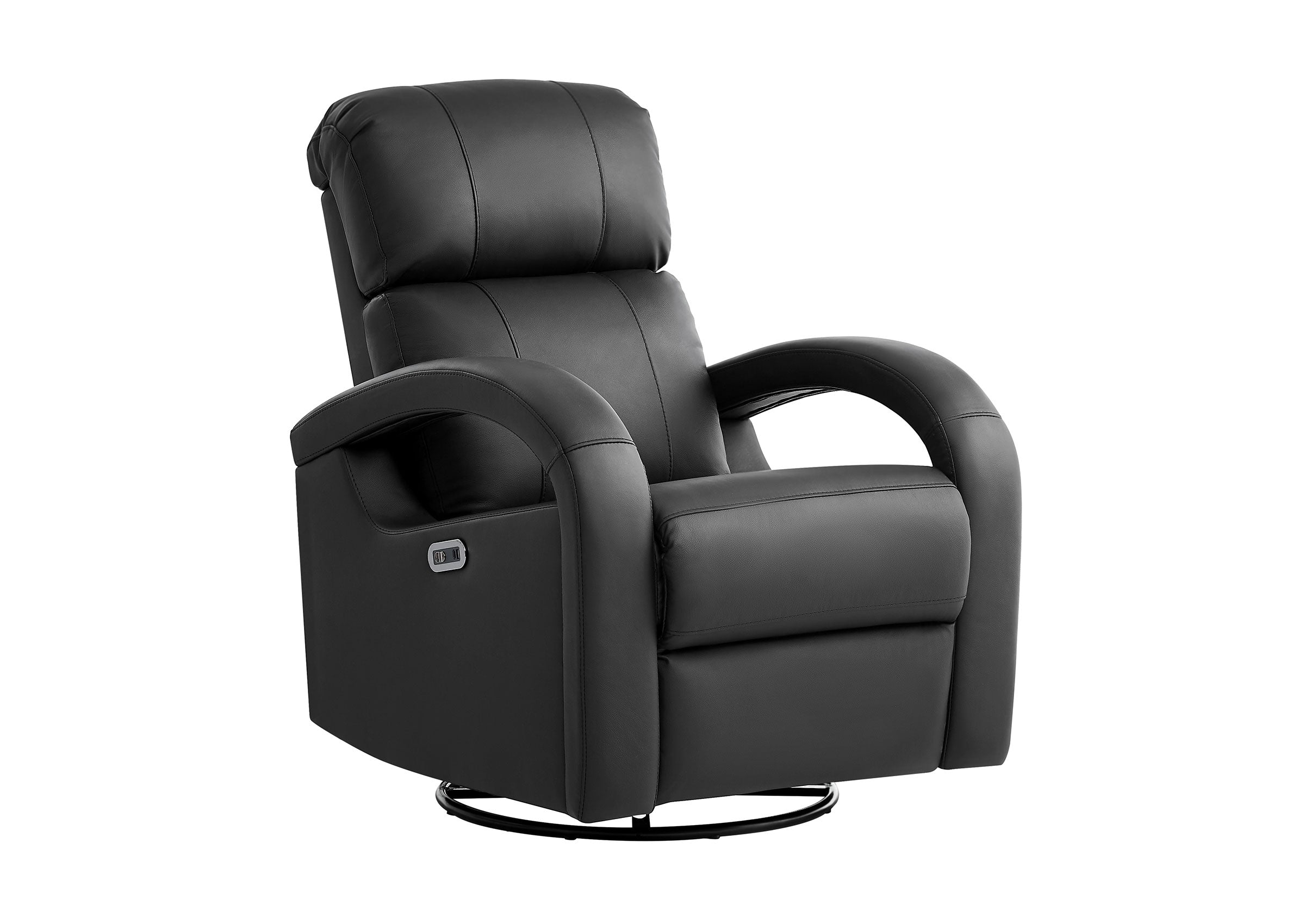

























Leather is often easier to wipe clean than many fabric upholsteries, but it still needs the right cleaning routine to stay clean, comfortable, and in good condition. The safest approach is not to start with a cleaner—it is to first check what type of leather you have and what its care instructions allow.
Different leather finishes can react differently to moisture and cleaning products. Once you know what your couch can safely tolerate, a gentle routine of removing dry debris, using as little moisture as necessary, and responding quickly to spills can handle most everyday maintenance without over-cleaning the surface.
Before You Clean a Leather Couch, Check What You're Cleaning
Leather couches should not all be cleaned with the same household recipe. Protected or pigmented leather generally has a more protective surface finish, while aniline, semi-aniline, suede, and nubuck can respond differently to moisture and cleaning products.
Before applying anything wet, check the couch's care label, product manual, or manufacturer's cleaning instructions. If a cleaning product is permitted, test it on a small hidden area first and check for color transfer, darkening, texture changes, or unusual stickiness before continuing.
If you cannot identify the leather or find reliable care instructions, dry dusting and careful vacuuming are safer first steps than experimenting with a household cleaner. Manufacturer and cleaning-industry guidance similarly distinguishes between leather finishes rather than treating every leather surface the same way.
What Do You Need Before Cleaning a Leather Couch?
For routine care, you usually only need a few simple tools:
-
Soft, clean microfiber cloths
-
Vacuum with a soft brush or suitable crevice attachment
-
A leather-safe cleaner approved for your upholstery, if needed
-
Distilled water, only when the care instructions allow damp cleaning
-
A clean, dry towel
A mild soap solution may be appropriate for some finished leather, but it should not be treated as a universal leather-cleaning recipe. Follow the instructions for your specific couch whenever they are available.
Avoid bleach, ammonia, alcohol-based cleaners, harsh chemicals, abrasive pads, and excessive moisture as general-purpose leather cleaning methods.
How to Clean a Leather Couch Step by Step
1. Vacuum the Surface First
Start by removing dust, crumbs, pet hair, and other loose debris from the couch.
Use a soft attachment and work carefully around seams, cushion edges, armrests, and other areas where debris collects. Avoid pressing a hard vacuum nozzle directly against the leather surface.
2. Wipe with a Dry Microfiber Cloth
Before applying moisture, gently wipe the entire surface with a clean microfiber cloth.
This removes finer dust and surface debris that the vacuum may have missed and prevents you from dragging loose particles across the leather during wet cleaning.
3. Use the Least Aggressive Cleaner That the Leather Allows
If routine dry cleaning is not enough, use the cleaning method recommended for your couch. For leather that allows damp cleaning, lightly dampen a microfiber cloth with the approved solution rather than applying liquid directly to the upholstery.
Work in small sections using light, even pressure. The cloth should be damp, not wet.
Avoid over-wetting the surface. More cleaner does not mean a better clean, and repeated aggressive cleaning can create a new problem while trying to solve the original one.

4. Remove Any Cleaner Residue as Directed
If the cleaning method calls for residue removal, use a second clean cloth that is only lightly dampened with the appropriate water or rinse method.
Do not repeatedly soak the same area. If the surface begins to feel sticky, looks noticeably darker, or transfers color to the cloth, stop rather than adding more product.
5. Let the Couch Dry Naturally
Gently blot away excess moisture with a clean, dry towel and allow the leather to air dry naturally.
Do not try to speed up drying with a hair dryer, heater, or other concentrated heat source. Direct sunlight and strong heat can also contribute to leather drying and fading over time.
Can You Use Vinegar, Dish Soap, Baking Soda, or Alcohol on Leather?
This is where many leather-cleaning guides become confusing. One source may recommend a household ingredient while another warns against it because the answer depends heavily on the leather finish and the manufacturer's care instructions.
A useful rule is simple: do not choose a cleaner just because it is already in your kitchen or bathroom.
| Household Product | Best Approach for Leather |
|---|---|
| Vinegar | Do not treat it as a universal leather cleaner. Use it only if the care instructions for the specific upholstery allow that method. |
| Dish soap | Some finished leather can tolerate a mild soap solution, but confirm the manufacturer's guidance and test a hidden area first. |
| Baking soda | Avoid using abrasive pastes or rubbing powders into leather unless the specific care instructions recommend the method. |
| Alcohol | Avoid alcohol-based cleaners as a general leather-care method unless the manufacturer provides specific instructions for that exact upholstery. |
| Leather cleaner | Choose one compatible with the leather type, follow its directions, and spot-test before treating a visible area. |
The important point is not that every household remedy is always harmful. It is that there is no single DIY cleaning recipe that is the safest choice for every leather couch. Even furniture manufacturers use different care instructions for different leather finishes.
EXPLORE YOUR OPTIONS
Choosing Leather Seating for a High-Use Entertainment Space?
If movie nights, snacks, kids, pets, or daily use make easy maintenance important, consider the upholstery and its care requirements alongside comfort and seating features.
Prevent Leather Cracking • Ask About Seating Care
What Should You Do When Something Spills on Leather?
The first response to most fresh spills is simple: blot first and do not rub. Rubbing can spread the spill across a larger area or work it further into a vulnerable finish.
Food and Drink Spills
Blot the spill immediately with a clean, dry cloth. Once the excess liquid is removed, follow the cleaning method approved for your leather rather than automatically applying more water or soap.
Grease or Oil Marks
Start with a clean, dry cloth and lift as much surface grease as possible without rubbing it into the leather. Do not automatically add water to an oily stain: some manufacturer leather-care instructions specifically recommend leaving remaining oil to dissipate rather than wet-cleaning the spot.
Ink, Dye Transfer, or Deep Stains
These stains are easier to make worse by repeatedly experimenting with cleaners. Use a product specifically approved for the leather and stain type, or stop and consult a leather-care professional when the stain is set, large, or the finish is unknown.
If you need stain-specific guidance for theater seating, see our leather theater seat stain removal guide. The important first step remains the same: identify the surface and test the method before treating a visible area.
What Are the Most Common Leather Cleaning Mistakes?
Many leather couch problems come from using a cleaning method that is stronger than the problem requires.
Avoid these common mistakes:
-
Cleaning before checking the leather type or care instructions
-
Using harsh chemical or alcohol-based cleaners as a default
-
Scrubbing aggressively
-
Soaking the leather with water or cleaner
-
Trying several DIY remedies on the same stain
-
Letting spills sit when they could be blotted immediately
-
Using direct heat to dry a cleaned area
-
Leaving the couch in strong direct sunlight for long periods
If a gentle method does not solve the problem, the next step should usually be better identification of the stain or material—not simply a stronger cleaner.
How Often Should You Clean and Condition a Leather Couch?
A useful leather-care routine should respond to how the couch is actually used rather than following a rigid deep-cleaning calendar.
-
Routine care: Remove visible dust, crumbs, pet hair, and debris regularly, especially from seams and high-contact areas.
-
Spills: Blot them as soon as possible rather than waiting for the next scheduled cleaning.
-
Deeper cleaning: Clean when routine dry wiping no longer removes visible buildup, using only the method appropriate for the leather.
-
Conditioning: Use a compatible leather conditioner only when recommended for the upholstery, following the manufacturer's product and frequency guidance.
High-use family sofas may need more frequent dry cleaning around headrests, armrests, seats, seams, and snack areas. That does not necessarily mean they need more frequent wet cleaning. Furniture and cleaning manufacturers similarly emphasize routine dust removal, fast spill response, and leather-specific care rather than treating every couch with the same schedule.
How Can You Keep a Leather Couch Cleaner Between Deep Cleans?

Leather stays easier to maintain when small messes are prevented from becoming cleaning projects.
-
Keep drinks in stable cups, trays, or cup holders when possible
-
Blot spills as soon as they happen
-
Vacuum crumbs from seams instead of pushing them deeper between cushions
-
Avoid placing sharp objects directly on the upholstery
-
Rotate removable cushions when the manufacturer allows it
-
Limit prolonged exposure to direct sunlight and concentrated heat
The goal is not to clean leather as often as possible. It is to prevent dirt and spills from reaching the point where aggressive cleaning feels necessary.
When Should You Stop Cleaning a Leather Couch Yourself?
Knowing when not to keep cleaning is part of good leather care.
Stop and reassess the method if you notice:
-
Color transferring onto your cleaning cloth
-
A cleaned area becoming noticeably darker or lighter
-
The surface becoming sticky or tacky
-
A change in texture after a hidden-area test
-
A large grease, ink, or dye-transfer stain that does not respond to gentle treatment
-
An unknown or highly absorbent leather finish
-
Peeling, widespread cracking, or damage that cleaning cannot repair
Large soiled areas, persistent stains, and sensitive or unidentified leather can justify professional leather cleaning rather than repeated DIY attempts.
If the issue is dryness or cracking rather than dirt, cleaning alone will not solve the underlying surface damage. Our guide to why leather sofas crack and how to stop it covers that separate care problem in more detail.
FAQ: Cleaning a Leather Couch
How do you clean a leather couch without damaging it?
First check the leather type and manufacturer's care instructions. Remove loose dirt with a soft cloth or suitable vacuum attachment, then use only the cleaning method approved for the leather. Test any new product on a hidden area and use as little moisture as necessary.
Can I use water to clean leather furniture?
It depends on the leather and its finish. Some protected leather can tolerate a lightly damp cloth, while other leather types are more sensitive to moisture. Check the care instructions before wet cleaning rather than assuming water is safe for every couch.
What is the best cleaner for a leather couch?
The best choice is a cleaner that is compatible with your specific leather and permitted by the furniture manufacturer's care guidance. A leather-specific or pH-balanced product may be appropriate for many finished leathers, but it should still be tested on a hidden area first.
Can I use vinegar or dish soap on a leather couch?
Do not treat either one as a universal leather-cleaning method. Mild soap may be permitted for some finished leather, while other surfaces require different care. Check the manufacturer's instructions before using a household mixture.
Can I use baking soda or rubbing alcohol on leather?
Avoid using baking-soda pastes, abrasive powders, or alcohol-based cleaners as general-purpose leather treatments. If a difficult stain requires a specialized method, use instructions written for the specific leather and stain rather than experimenting on a visible area.
How often should I clean my leather sofa?
Remove surface dust and debris regularly and handle spills immediately. Deeper cleaning should be based on visible buildup, how heavily the couch is used, and the manufacturer's care instructions rather than an automatic monthly schedule.
How do you keep a leather couch from cracking?
Avoid harsh cleaners, excessive moisture, prolonged direct sunlight, and strong heat. If your leather type requires conditioning, use a compatible product at the interval recommended by the manufacturer.
Should suede or nubuck be cleaned the same way as a regular leather couch?
No. Suede, nubuck, aniline, and other less-protected leather surfaces can require different cleaning methods. Do not apply a generic wet-cleaning routine unless the care instructions specifically allow it.
Keep Your Leather Couch Clean Without Guessing
Cleaning a leather couch is usually simple when you use a gentle, consistent routine. The goal is not heavy scrubbing or finding the strongest cleaner. It is to remove what is actually on the surface while disturbing the leather as little as possible.
Check the leather first, use the least aggressive method that solves the problem, and stop when the surface tells you the method is not working.
That approach is more useful than relying on a single cleaning recipe for every couch—and it makes routine care easier whether the leather seating is in a living room, media room, or dedicated home theater.
If you own Weilianda seating and are unsure which care method applies to your upholstery, contact Weilianda Support or email leon@weiliandahome.com. Sharing the product information and a photo of the surface can help clarify what should be confirmed before applying a new cleaning product.