











A great home theater experience is not created by buying the most expensive TV. The right home theater TV should match your room size, viewing distance, lighting conditions, and how you actually use the space.
Whether you are upgrading a living room, designing a basement theater, or creating a dedicated media room, choosing the right screen size, resolution, and display technology will have a bigger impact than simply choosing the newest model.
This guide will help you understand what matters most when choosing a home theater TV, including screen size, 4K vs. 8K, OLED vs. Mini LED, TV vs. projector, and how your seating position affects the final viewing experience.
What Makes a TV Good for a Home Theater?
A home theater TV needs to do more than display a sharp image. It should work together with your room, seating, and entertainment habits.
The most important factors include:
-
Screen size
-
Viewing distance
-
Display technology
-
Room lighting
-
HDR performance
-
Motion handling
-
Gaming features
-
Seating position
A premium TV placed in the wrong environment may not feel as impressive as expected. A screen that is too small can reduce immersion, while a screen that is too large for the room may become uncomfortable during longer viewing sessions.
The best home theater TV is the one that creates the right balance between image quality, room size, and everyday comfort.
Start With Screen Size and Viewing Distance
Many buyers choose a TV size based only on available wall space. However, the distance between your seat and the screen usually matters more.
A larger screen can create a more cinematic experience, but only when it matches your viewing distance.
Home Theater TV Size Guide
| TV Size | Approximate Viewing Distance |
|---|---|
| 55-inch | About 6.5–9 feet |
| 65-inch | About 8–10.5 feet |
| 75-inch | About 9.5–12.5 feet |
| 85-inch | About 10.5–14 feet |
| 100-inch projection screen | About 10–15 feet |
| 120-inch projection screen | About 12–18 feet |
These ranges are general planning references, not fixed rules. Some viewers prefer a closer, more immersive cinema-style experience, while others prefer a more relaxed viewing angle.
Before choosing a large TV, consider:
-
How far your main seating position is from the screen
-
Whether you watch mostly movies, sports, gaming, or everyday content
-
Whether your seats recline backward during use
Why Seating Position Matters When Choosing a Home Theater TV
Most TV buying guides focus only on the display. However, the way you sit can change how the screen feels.
This is especially important for home theater seating and recliners.
A reclining seat can:
-
Move your viewing position farther from the screen
-
Change your eye level
-
Affect your ideal screen height
-
Change your preferred viewing angle
For example, a person sitting upright on a standard sofa and someone relaxing in a fully reclined theater seat may experience the same TV differently.
Your TV, seating position, and viewing distance should be planned together for the best experience.
This is one reason dedicated home theater rooms often consider seating layout before finalizing screen placement.

4K vs. 8K vs. 1080p: What Resolution Does Your Home Theater Need?
Resolution affects image detail, but higher numbers do not always mean a better viewing experience.
The right choice depends on:
-
Screen size
-
Viewing distance
-
Content availability
-
Budget priorities
Resolution Comparison
| Resolution | Best For | What to Know |
|---|---|---|
| 1080p | Smaller screens and budget setups | Still usable, but less ideal for large displays |
| 4K UHD | Most modern home theaters | Best balance of detail, content, and value |
| 8K | Large premium installations | Limited content and higher cost |
1080p: Suitable for Smaller Setups
Full HD can still work well for:
-
Secondary entertainment rooms
-
Smaller TVs
-
Budget-friendly setups
However, on larger screens, especially when sitting closer, the lack of detail becomes easier to notice.
4K: The Practical Choice for Most Home Theaters
For most homeowners, 4K offers the best combination of image quality, screen size flexibility, and available content.
4K works especially well for:
-
75-inch and 85-inch TVs
-
Movie watching
-
Streaming platforms
-
Gaming
-
Sports
For most home theater projects today, improving room setup, seating comfort, and sound quality may create a bigger upgrade than moving beyond 4K.
8K: Impressive, But Not Necessary for Everyone
8K provides more pixels, but many viewers will not notice a major improvement unless they have:
-
Very large screens
-
Short viewing distances
-
Premium theater installations
For many homes, investing in a better display technology, larger screen size, or improved room design can provide more noticeable benefits.
OLED vs. Mini LED vs. QLED: Which Display Technology Fits Your Room?
Different display technologies are designed for different environments.
The best option depends on how your room is used.
| Display Type | Best For | Considerations |
|---|---|---|
| OLED | Dark movie rooms | Excellent contrast and deep blacks |
| Mini LED | Bright rooms and mixed use | Strong brightness with improved contrast |
| QLED | Everyday entertainment | Good color performance and value |
OLED: Great for Movie-Focused Rooms
OLED is popular among movie enthusiasts because it delivers:
-
Deep blacks
-
Strong contrast
-
Cinematic image quality
It works especially well in:
-
Basement theaters
-
Dedicated media rooms
-
Rooms with controlled lighting
Mini LED: Better for Bright Living Spaces
Mini LED can be a better choice when your room includes:
-
Large windows
-
Daytime viewing
-
Mixed family entertainment
Its brightness performance makes it practical for spaces that are not always dark.
QLED: A Flexible Family Entertainment Option
QLED can be a good fit for users who want one TV for:
-
Movies
-
Sports
-
Gaming
-
Streaming
It offers a balanced experience without focusing on only one type of content.
TV vs. Projector: Which Is Better for a Home Theater?
A common question is whether a TV or projector creates a better home theater.
The answer depends on your room and priorities.
| TV | Projector | |
|---|---|---|
| Picture consistency | Excellent | Depends on room conditions |
| Large screen sizes | Higher cost at very large sizes | Excellent |
| Bright rooms | Better choice | More challenging |
| Dedicated theaters | Very good | Excellent |
| Daily convenience | Very convenient | Requires more planning |
Choose a TV if:
-
Your room has multiple uses
-
You watch during the day
-
You want simple operation
-
You prefer consistent picture quality
Choose a projector if:
-
You have a dedicated theater room
-
You want a very large screen
-
Creating a cinema atmosphere is the priority
For many living rooms, a large TV is the practical choice. For dedicated basement theaters, a projector can create a more traditional cinema feeling.

TV Features Worth Paying Attention To
Modern TVs offer many specifications, but the most useful features depend on your lifestyle.
For Movie Watching
Focus on:
-
Contrast
-
HDR performance
-
Color accuracy
-
Motion handling
For Sports
Consider:
-
High refresh rate
-
Motion processing
-
Brightness
For Gaming
Useful features include:
-
HDMI 2.1
-
120Hz refresh rate
-
Variable refresh rate (VRR)
-
Low input lag
The goal is not to buy every available feature. It is to choose features that improve the way you actually use your room.
Home Theater TV Buying Checklist
Before purchasing, check these important points:
✓ Measure your actual viewing distance
✓ Decide whether you need a TV or projector
✓ Choose a screen size that fits your room
✓ Consider lighting conditions
✓ Think about how your seating affects viewing angle
✓ Match the TV with your sound system
✓ Choose features based on your real usage
A well-planned setup usually feels better than simply choosing the most expensive equipment.
Common Home Theater TV Buying Mistakes
Buying the biggest TV without checking distance
A larger screen does not always mean a better experience.
If the screen dominates your field of view, long movies may become uncomfortable.
Ignoring room lighting
A TV designed for dark movie rooms may not perform well in a bright family room.
Consider your actual environment before choosing display technology.
Spending too much on specifications you will not use
Higher specifications can look impressive, but they may not improve your daily experience.
A balanced setup with comfortable seating, good sound, and proper screen placement often creates a better home theater.
Forgetting about seating comfort
People often spend most of their budget on the TV and underestimate the importance of seating.
However, home theaters are designed for time spent in the room.
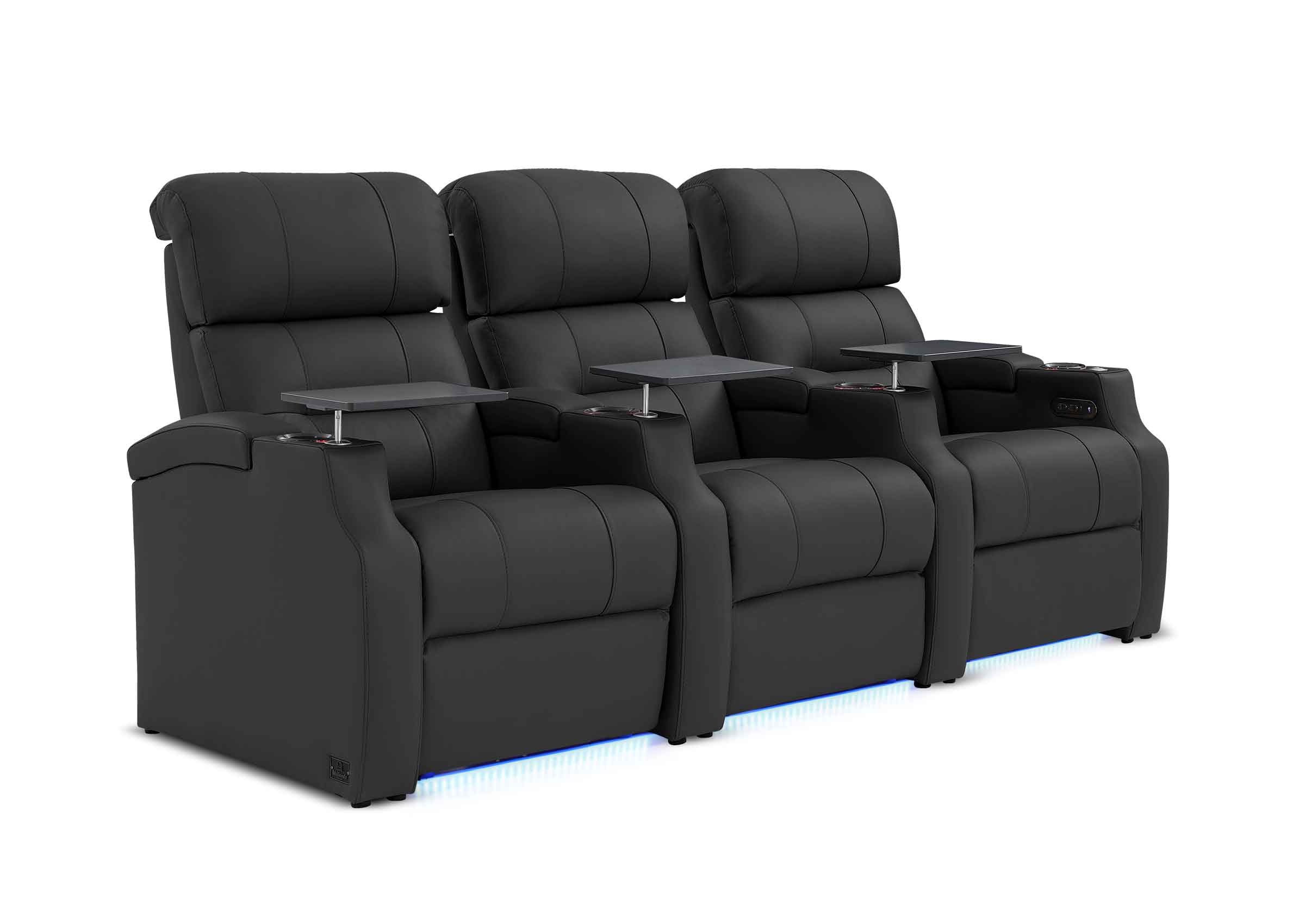
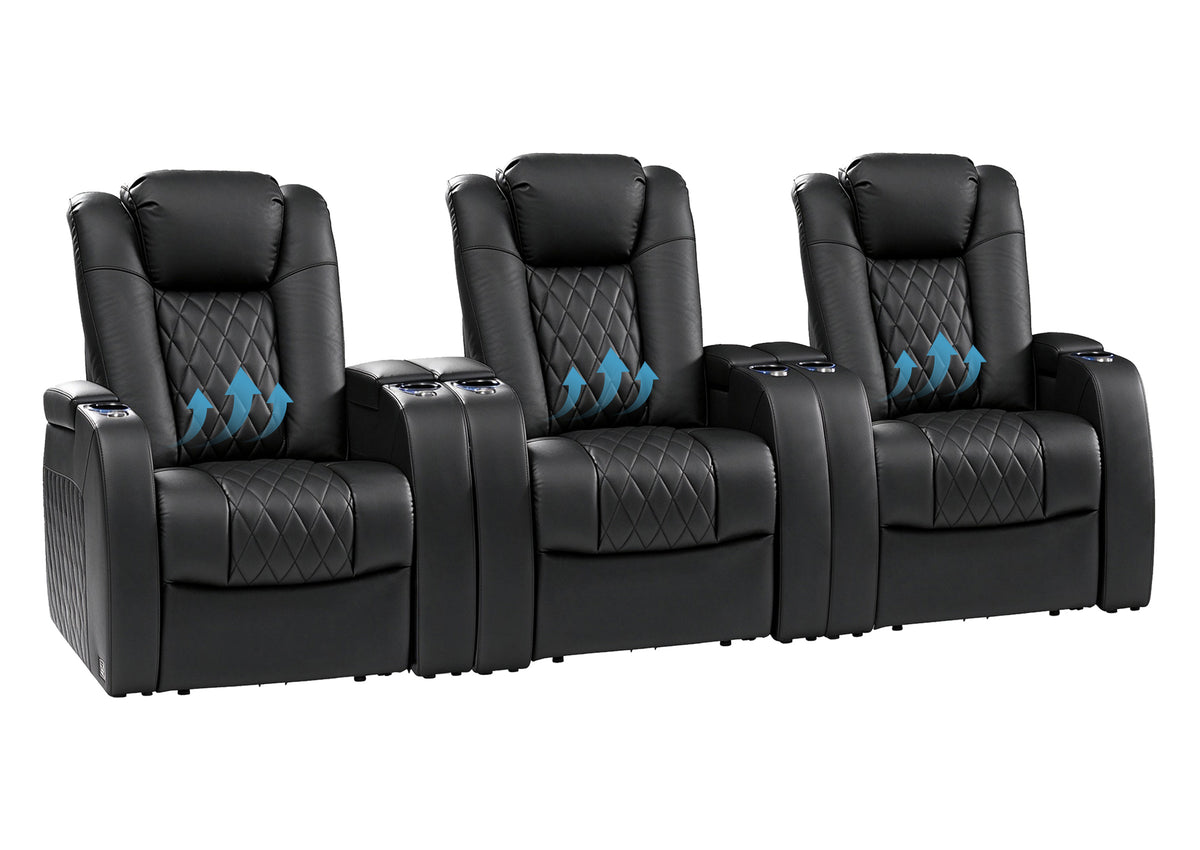
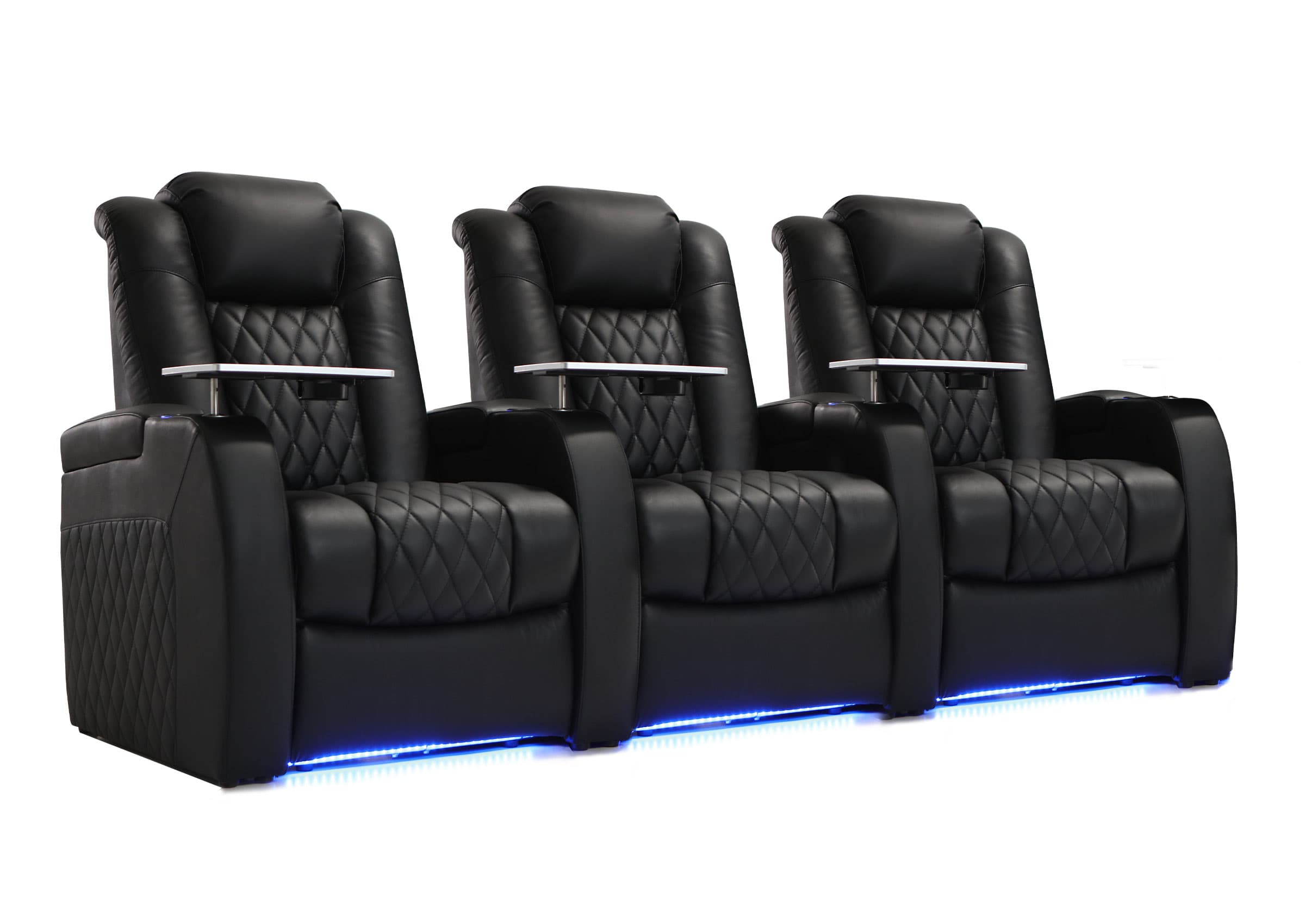
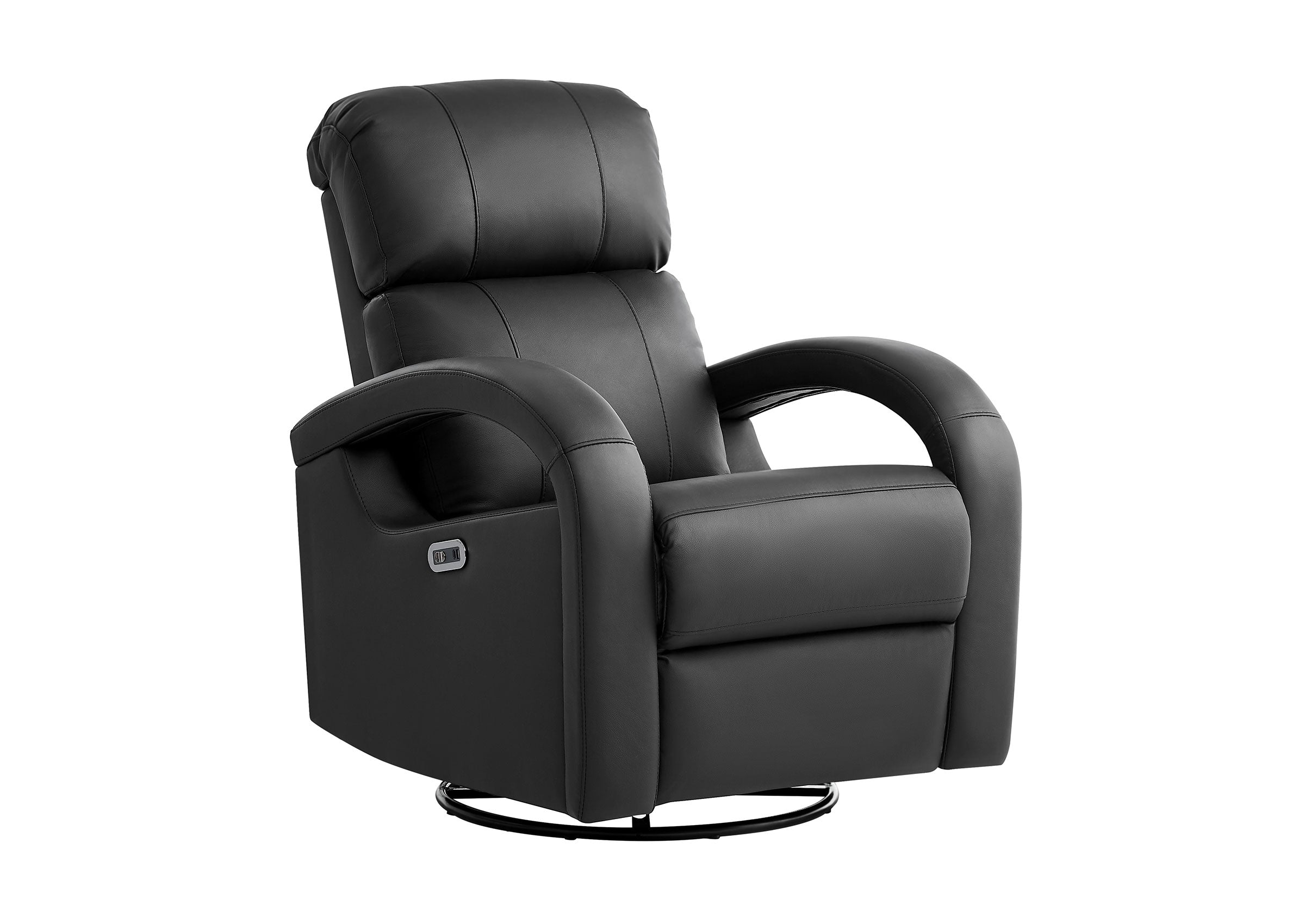
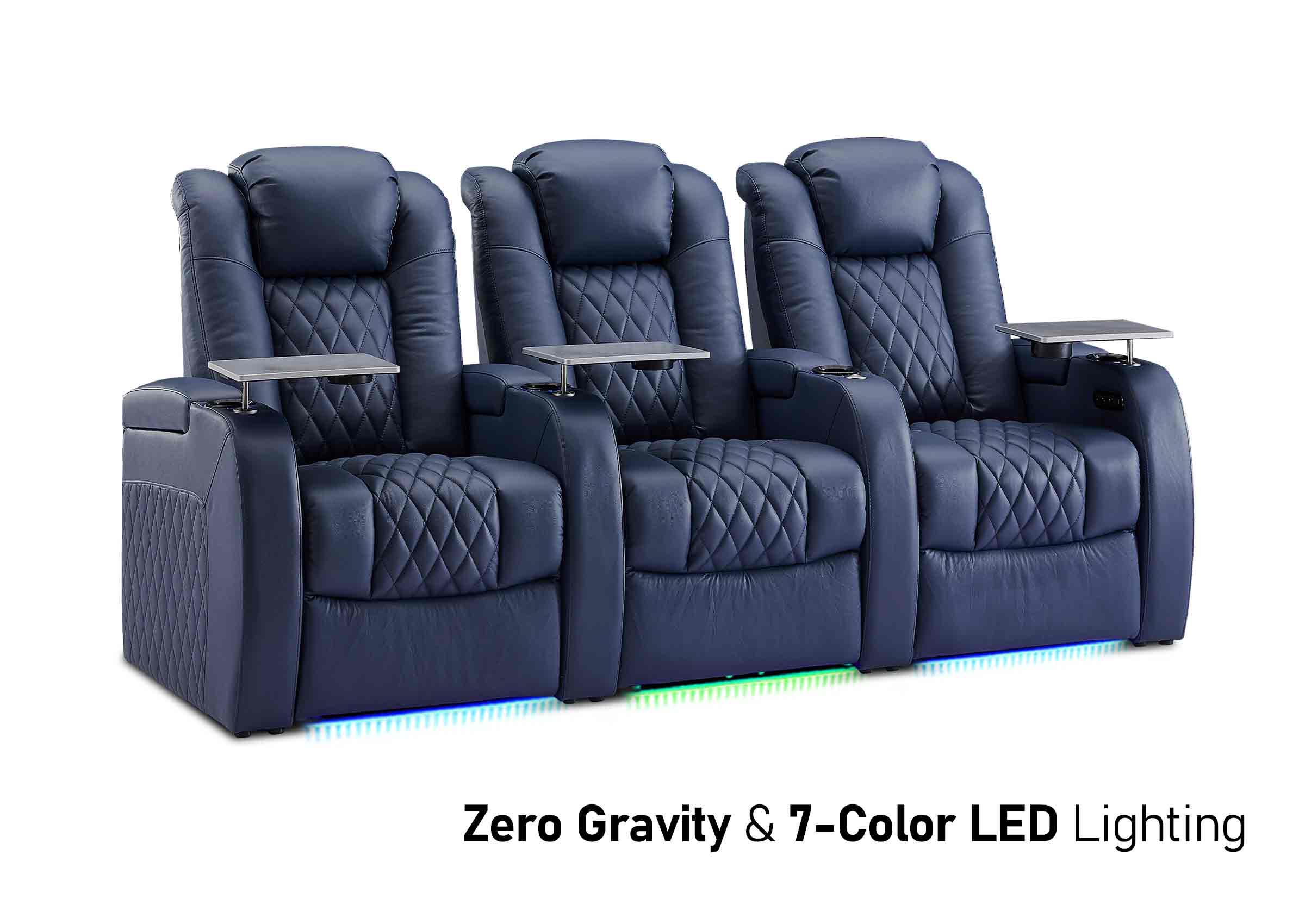
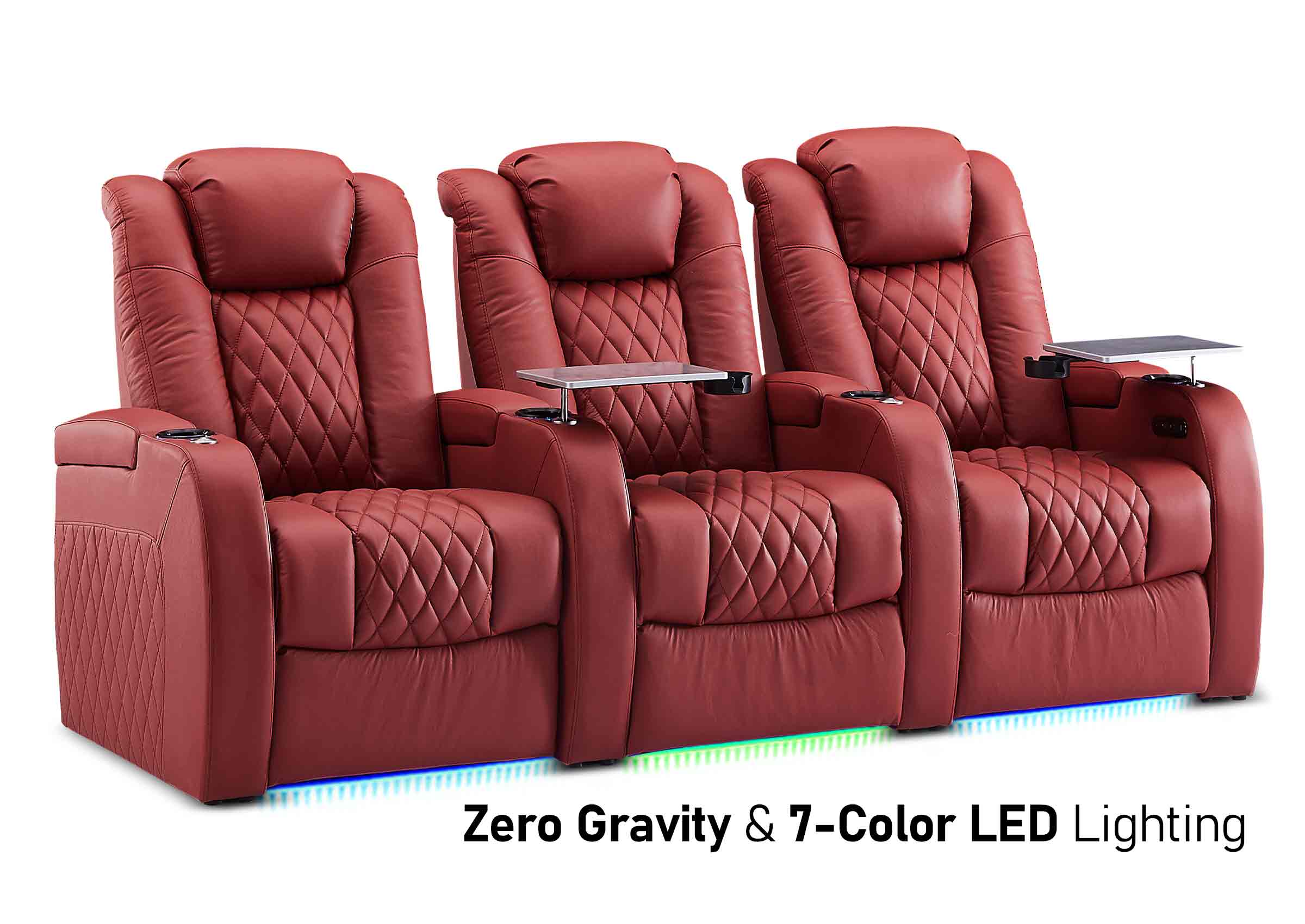
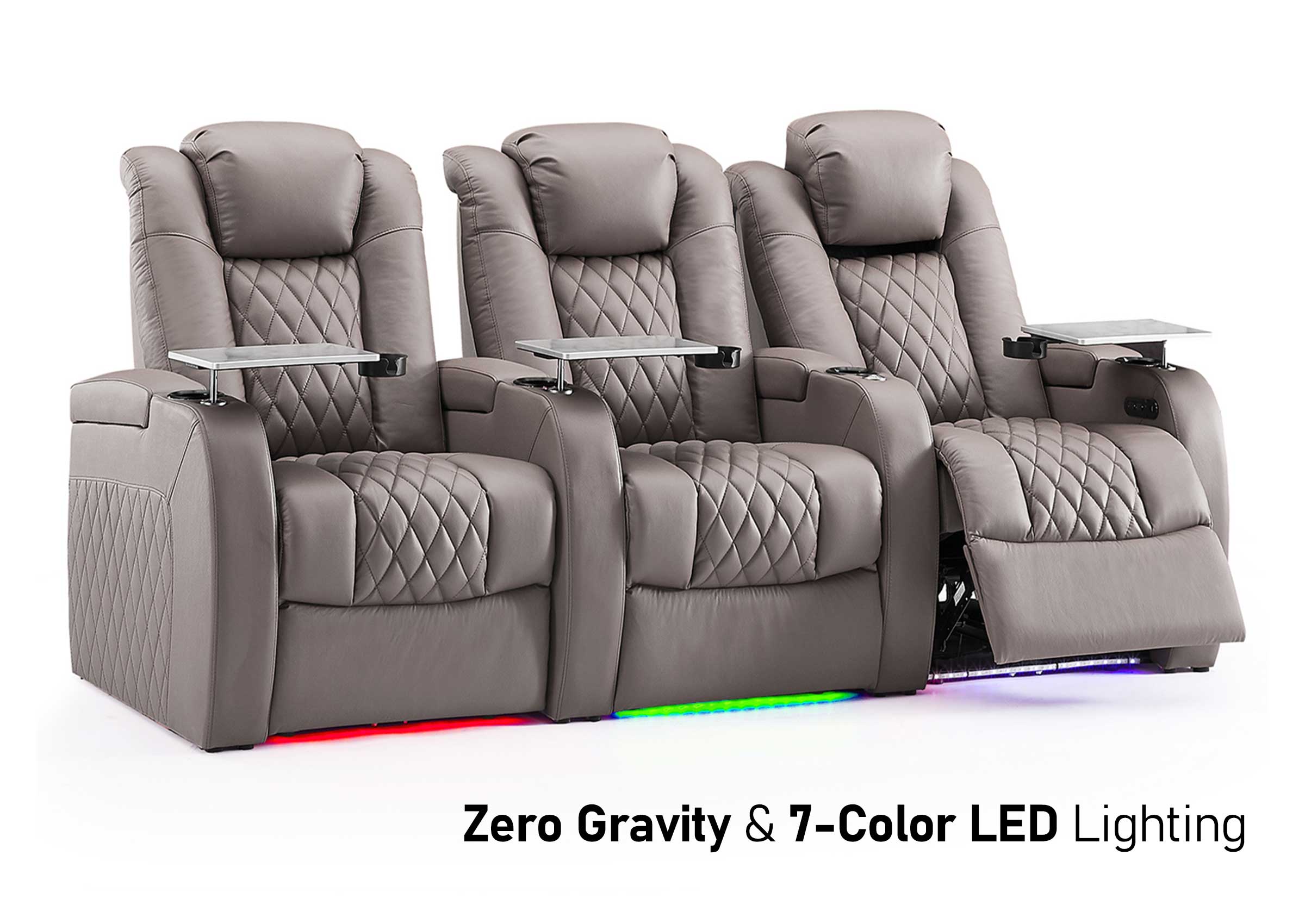
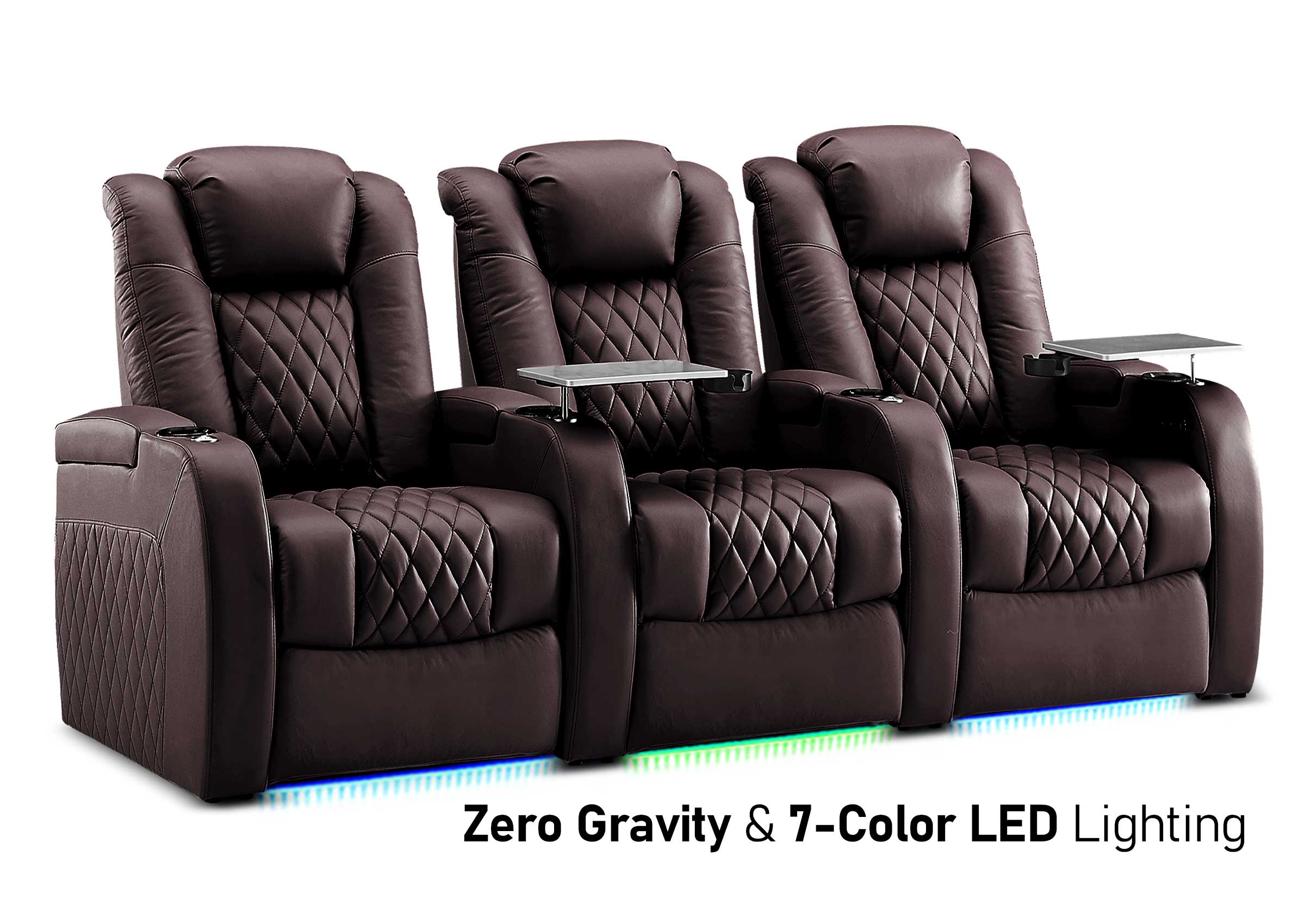
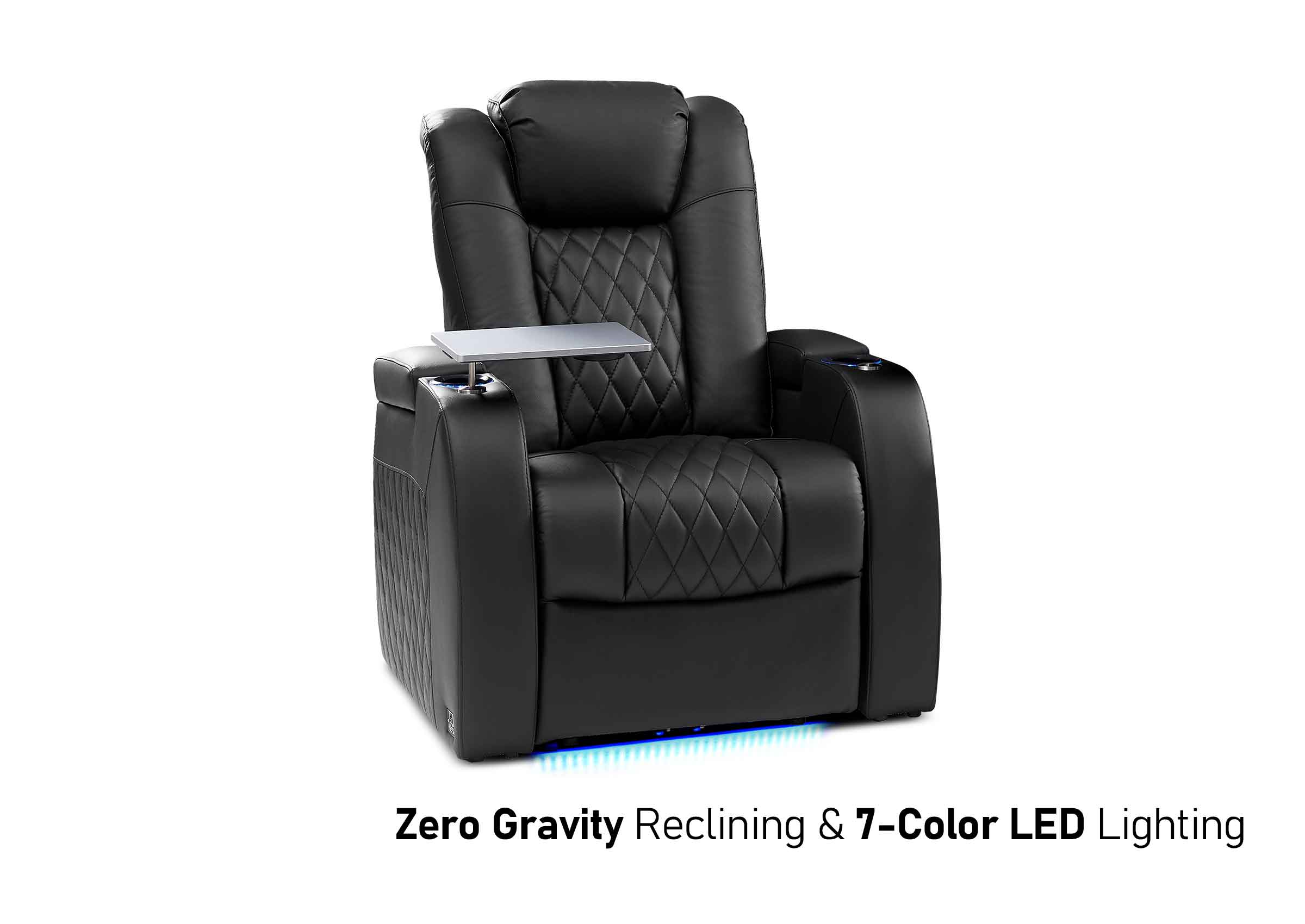
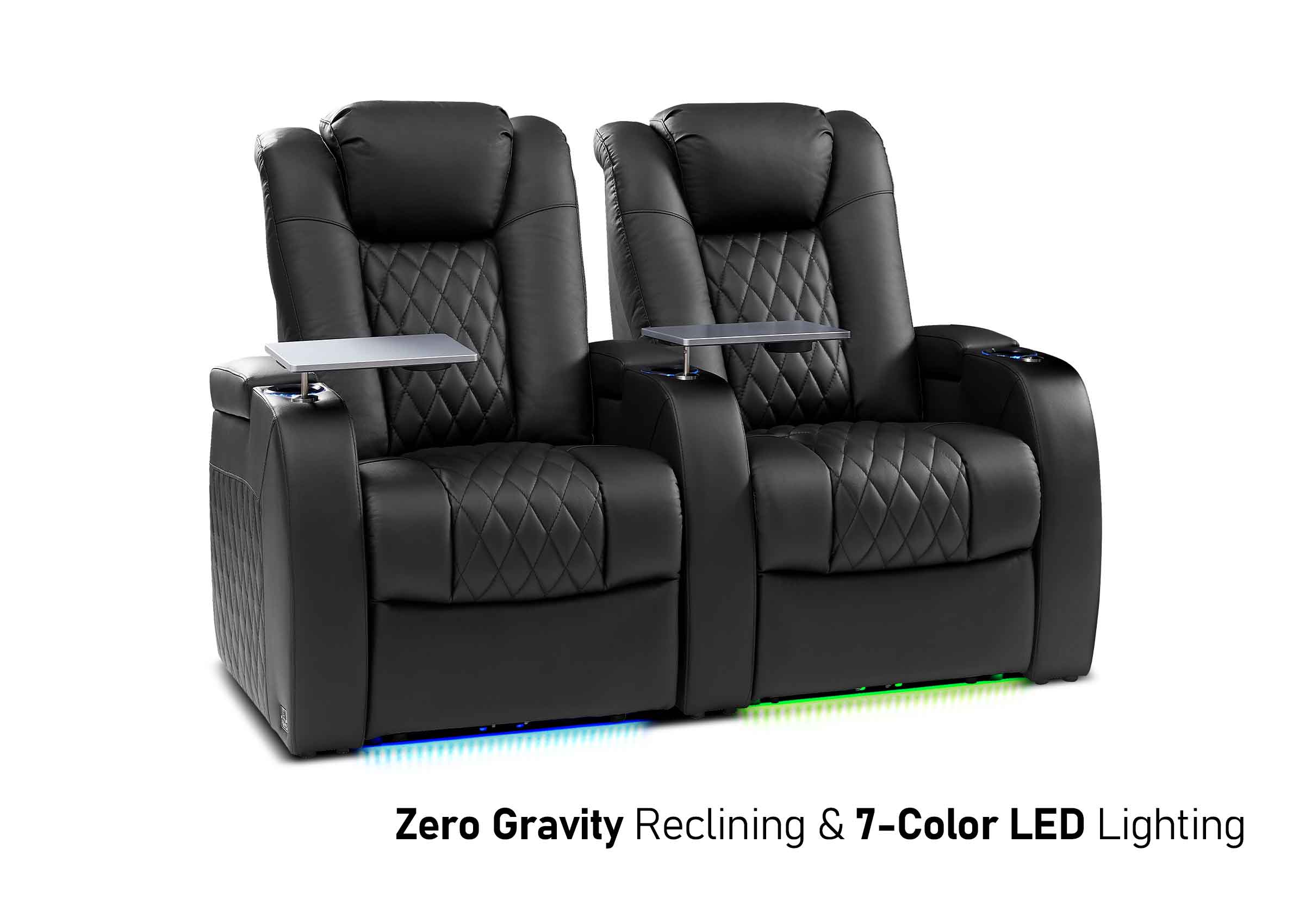
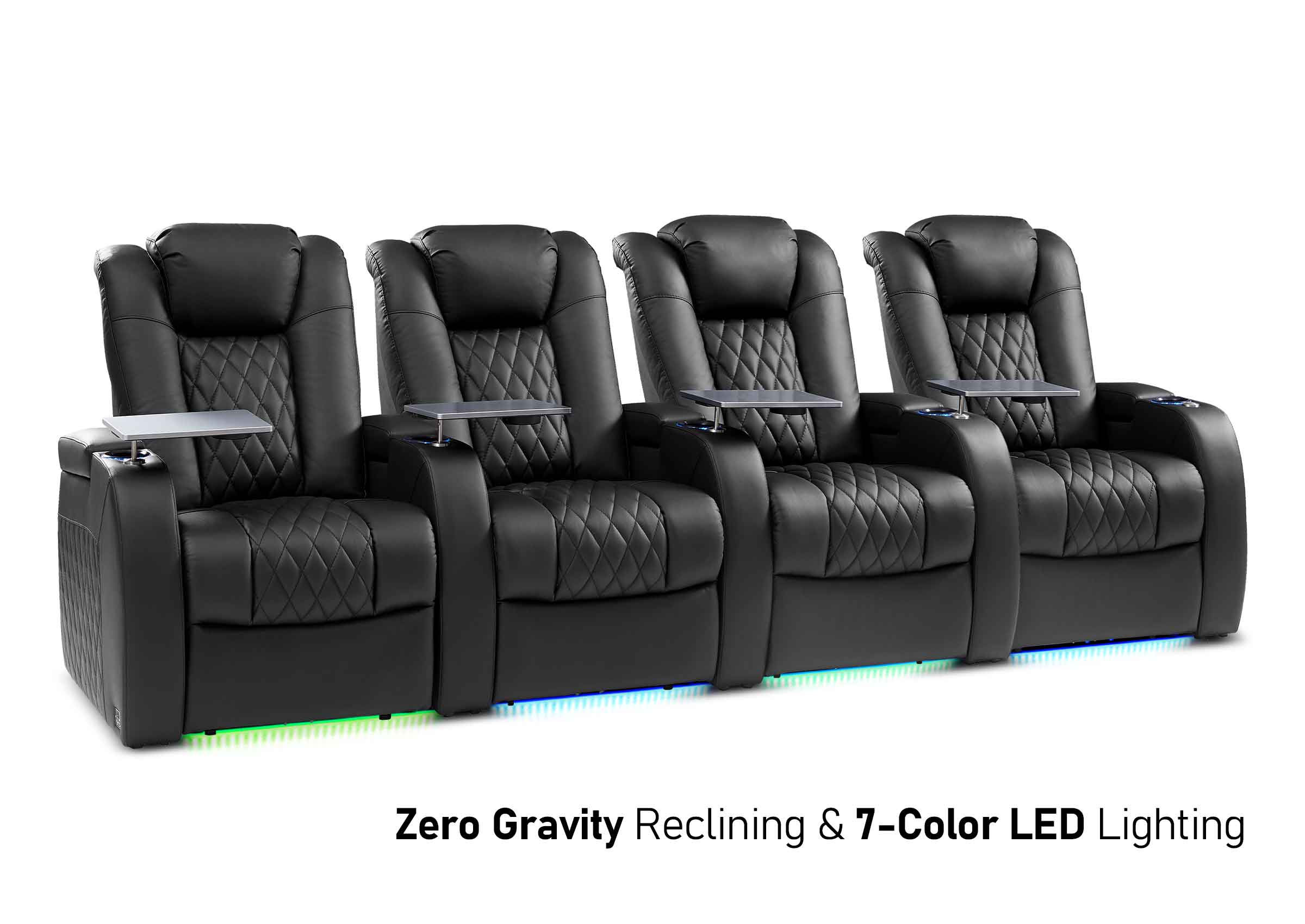
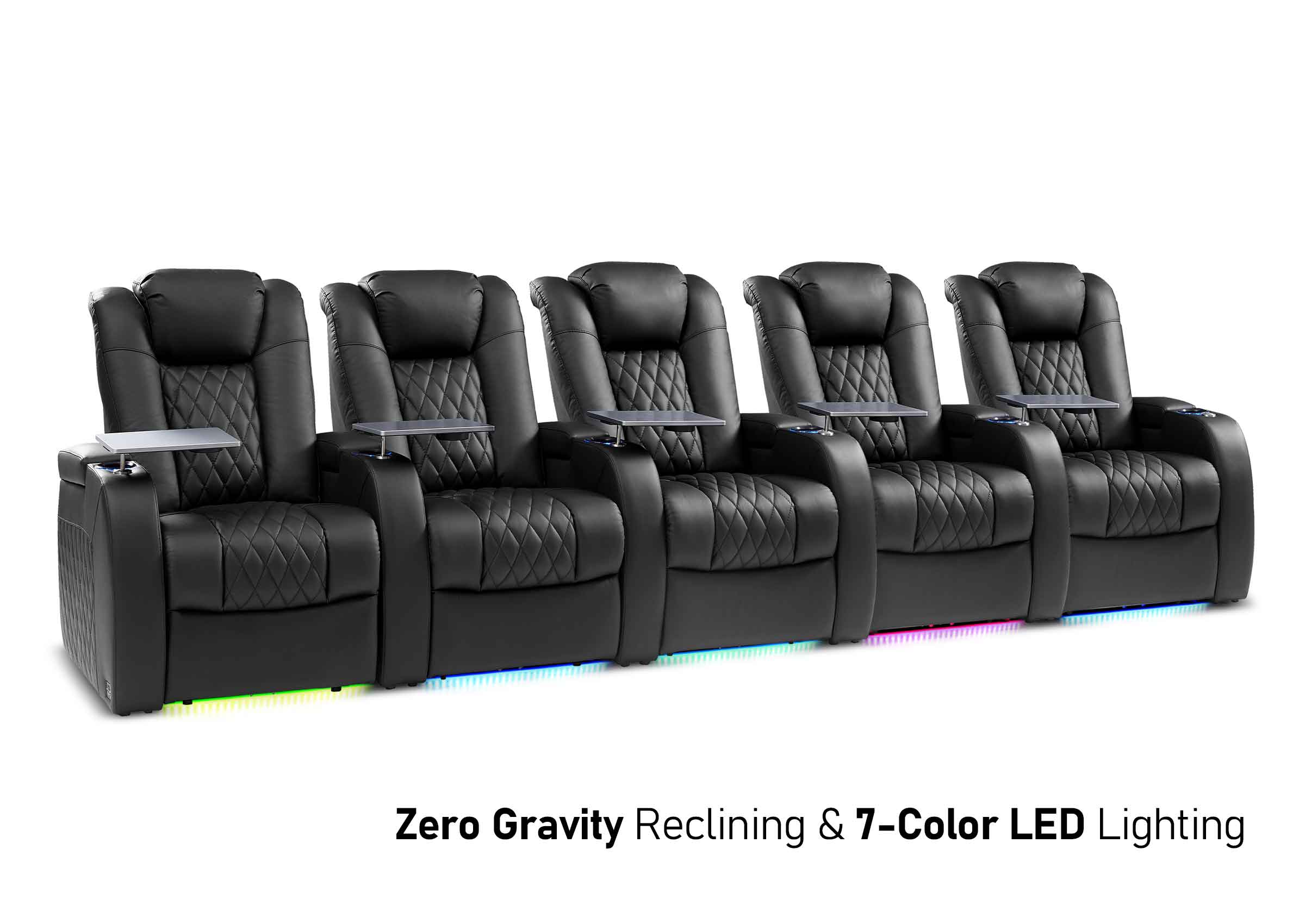
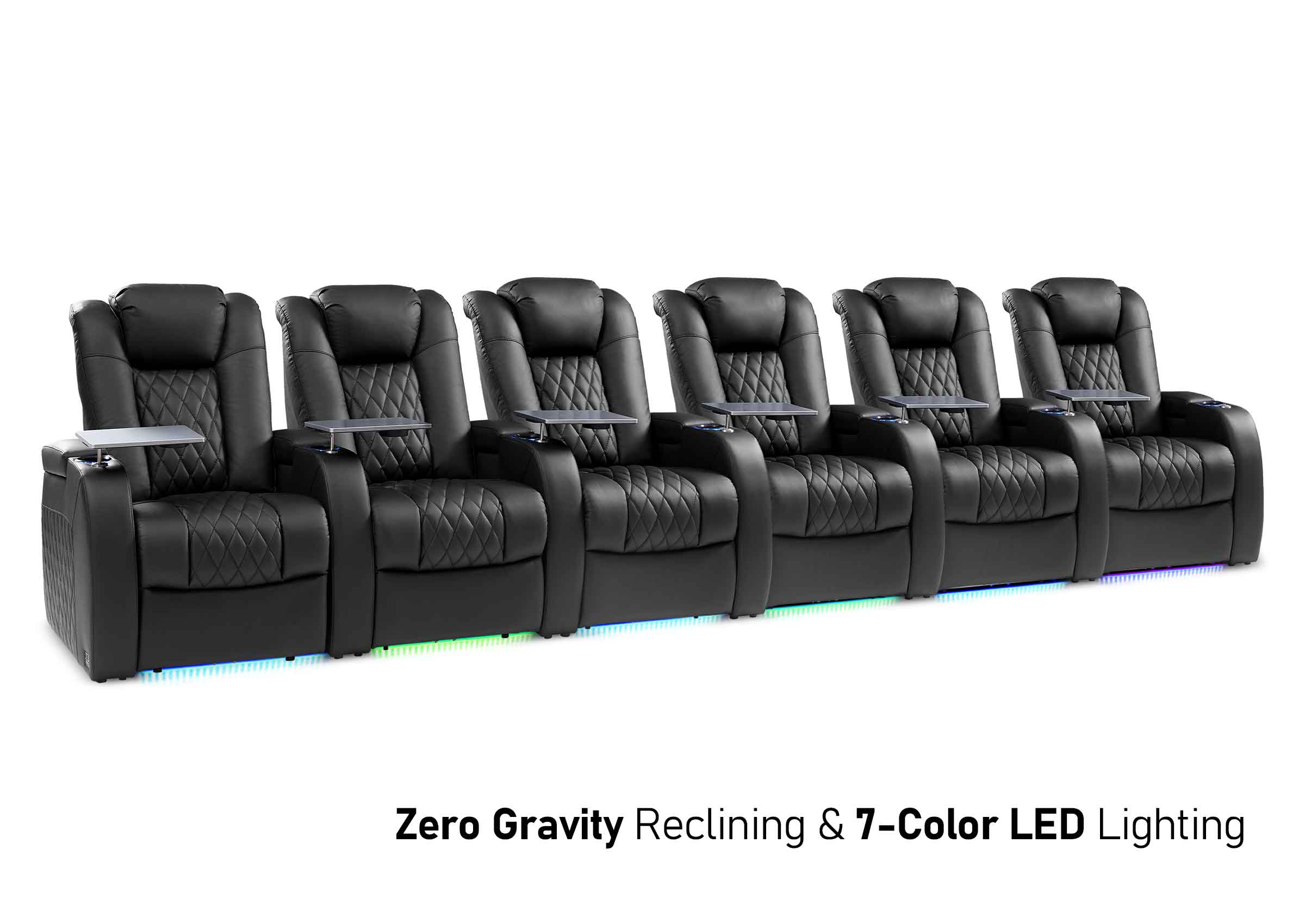
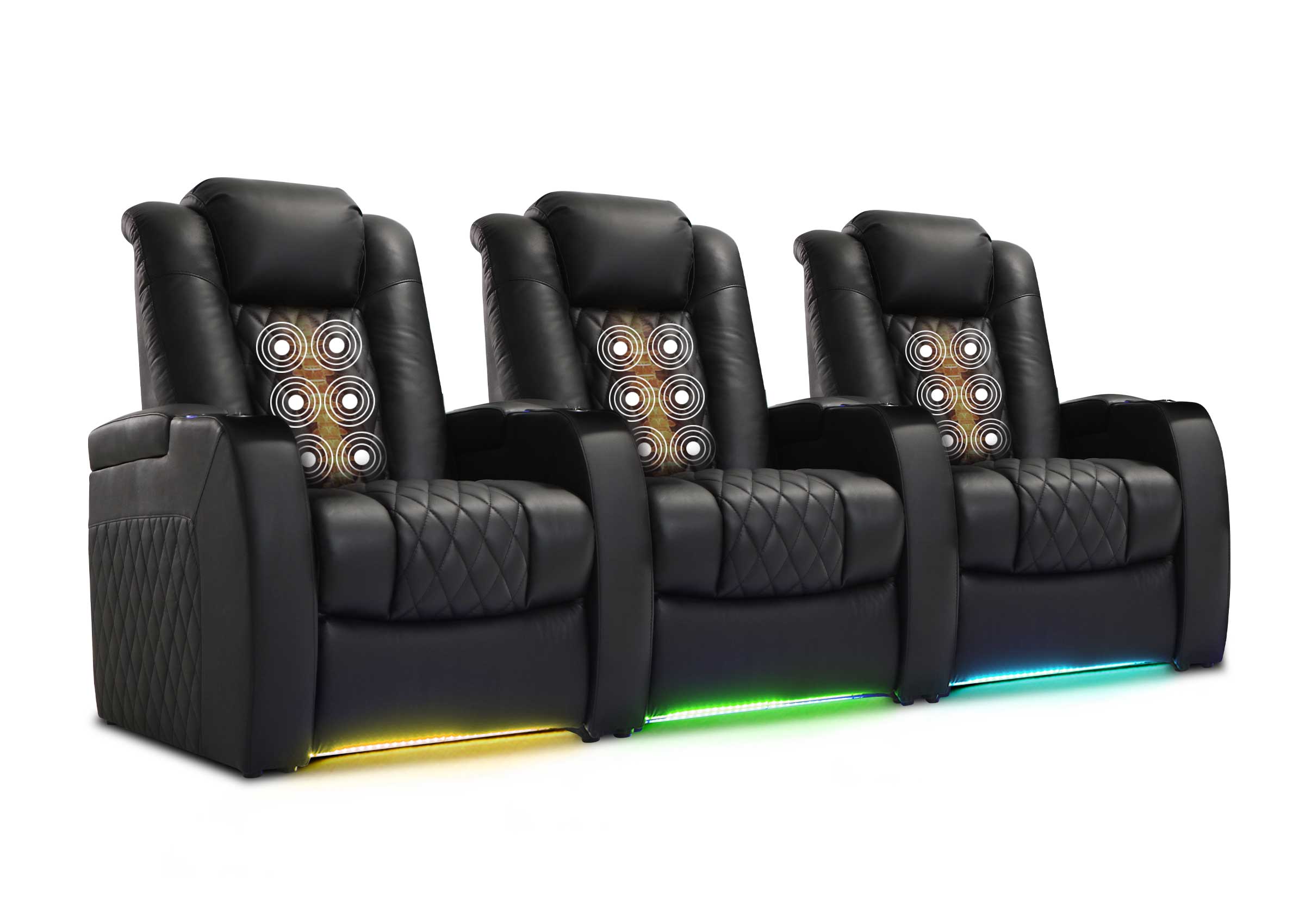
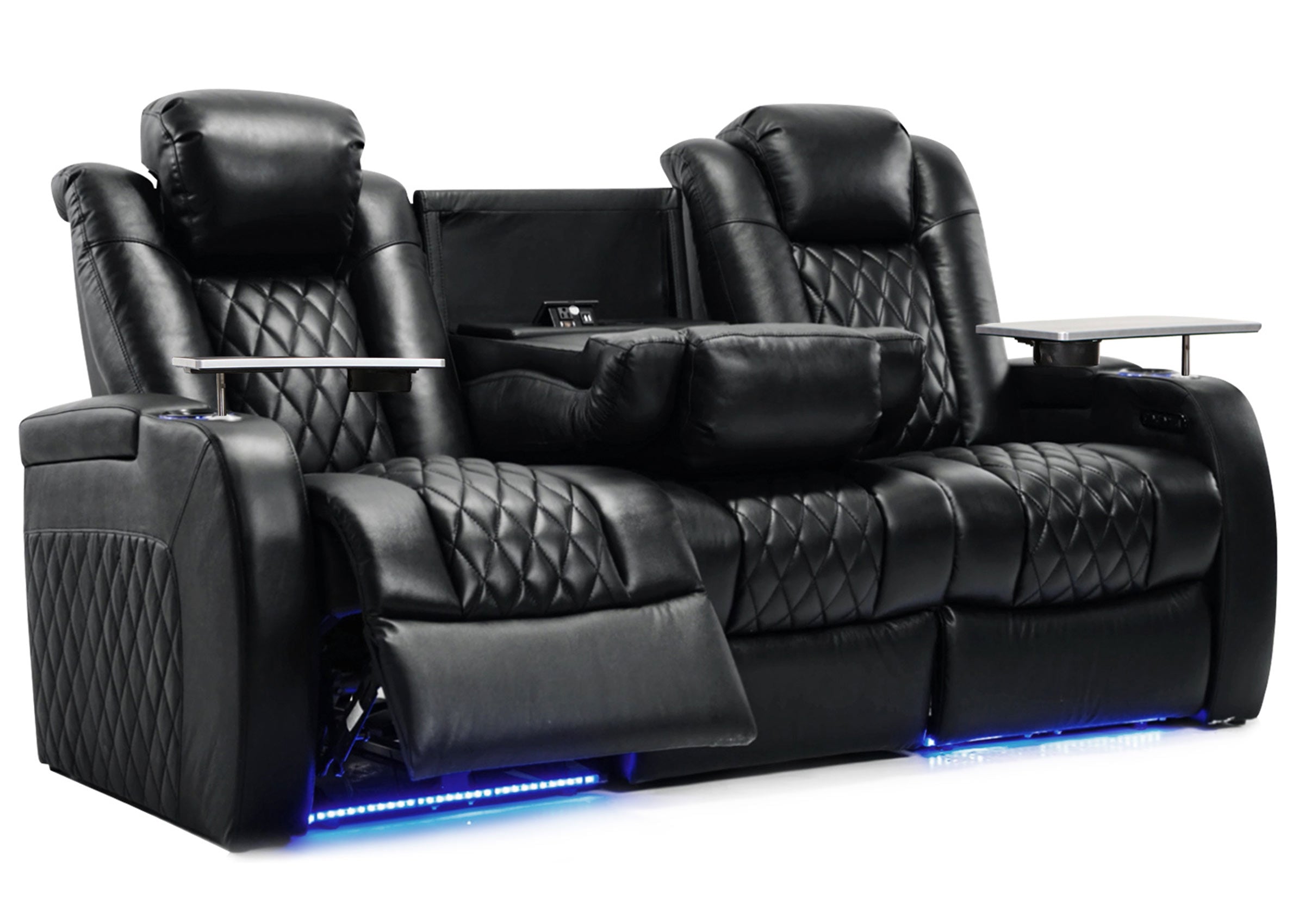
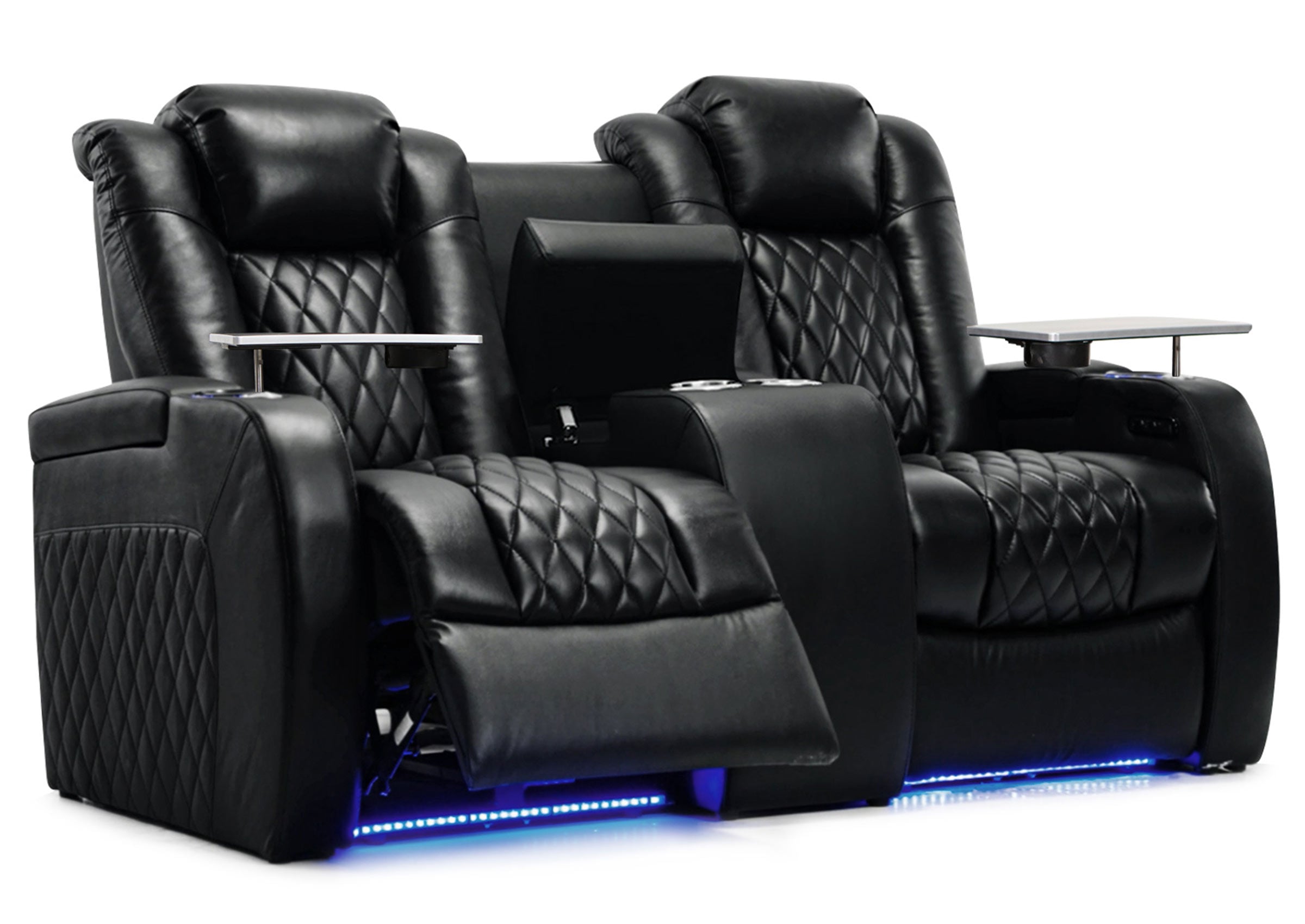
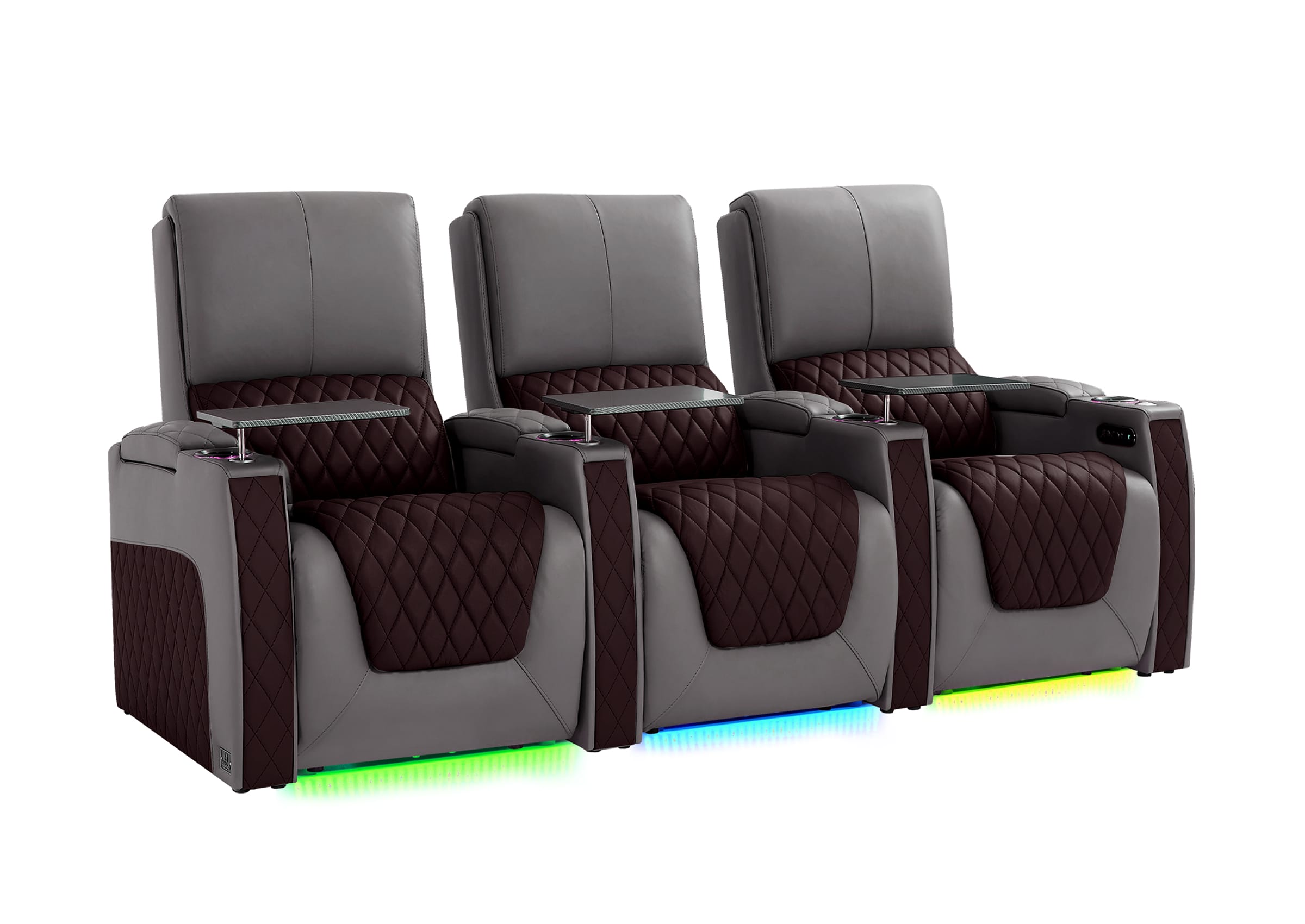
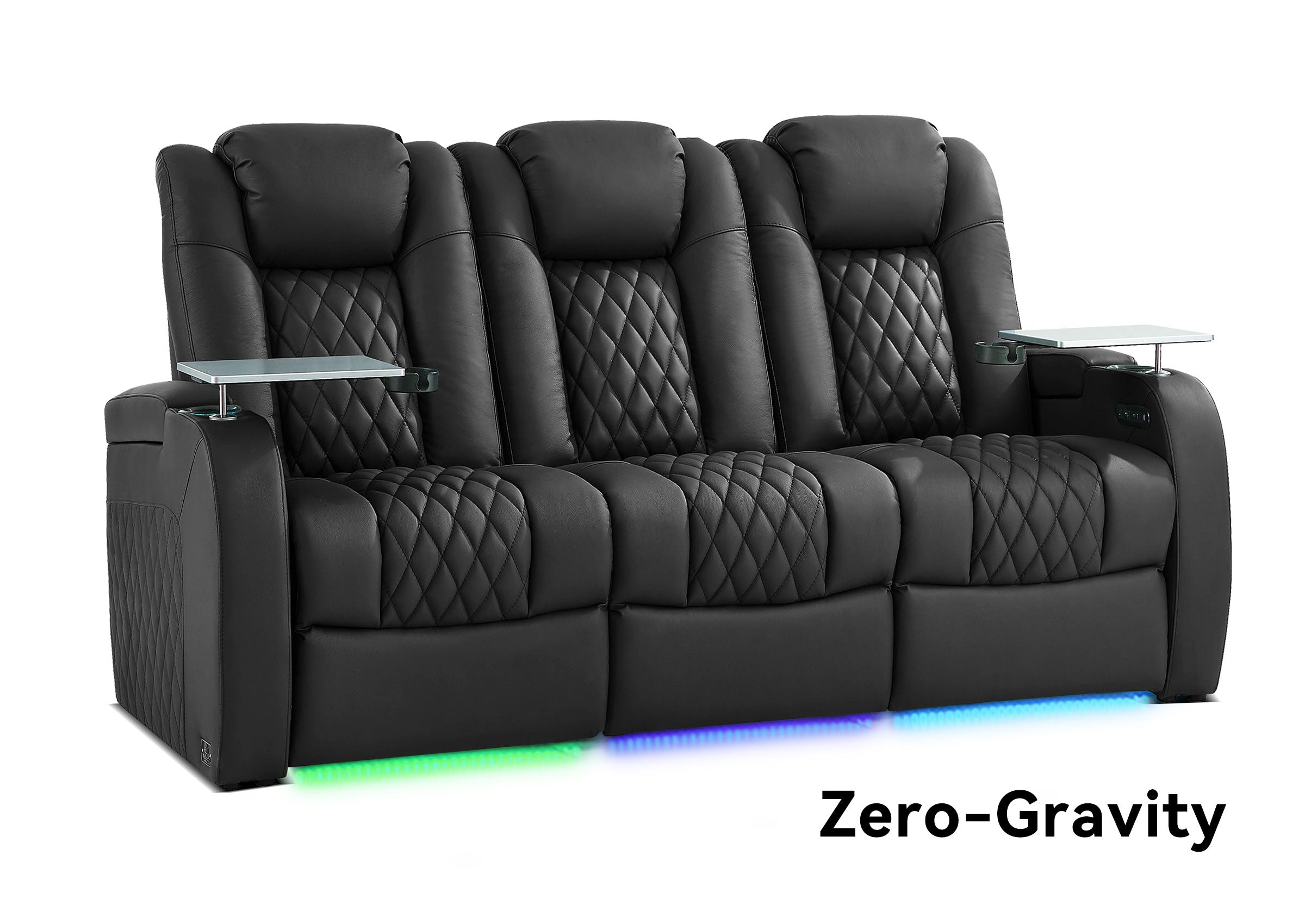
Features such as power reclining, adjustable headrests, lumbar support, storage, cup holders, and charging options can improve long movie nights, gaming sessions, and family entertainment.
Choosing a Home Theater TV for Different Rooms
Living Room Home Theater
A living room usually needs flexibility.
A good setup often includes:
-
Large 4K TV
-
Bright display technology
-
Comfortable seating for multiple activities
The goal is creating an entertainment space that works every day.
Basement Theater Room
Basements are often better suited for:
-
Larger screens
-
Projectors
-
Dedicated seating layouts
-
Controlled lighting
This type of room allows a more cinematic experience.
Gaming and Entertainment Room
For gaming-focused spaces, consider:
-
High refresh rate displays
-
Low latency performance
-
Flexible seating arrangements
A great entertainment room should support gaming, movies, sports, and social time.
Build the Complete Home Theater Experience
A great home theater is not created by the screen alone.
The most enjoyable spaces combine:
-
The right TV size
-
Comfortable seating
-
Proper viewing distance
-
Balanced lighting
-
Quality sound
-
Convenient features
Many homeowners focus on choosing the perfect TV but overlook how the entire room works together.
The best home theater setup is designed around how people actually spend time in the space.
Whether you are watching a movie, following a sports game, gaming with friends, or relaxing with family, the right combination of screen and seating creates a more enjoyable experience.
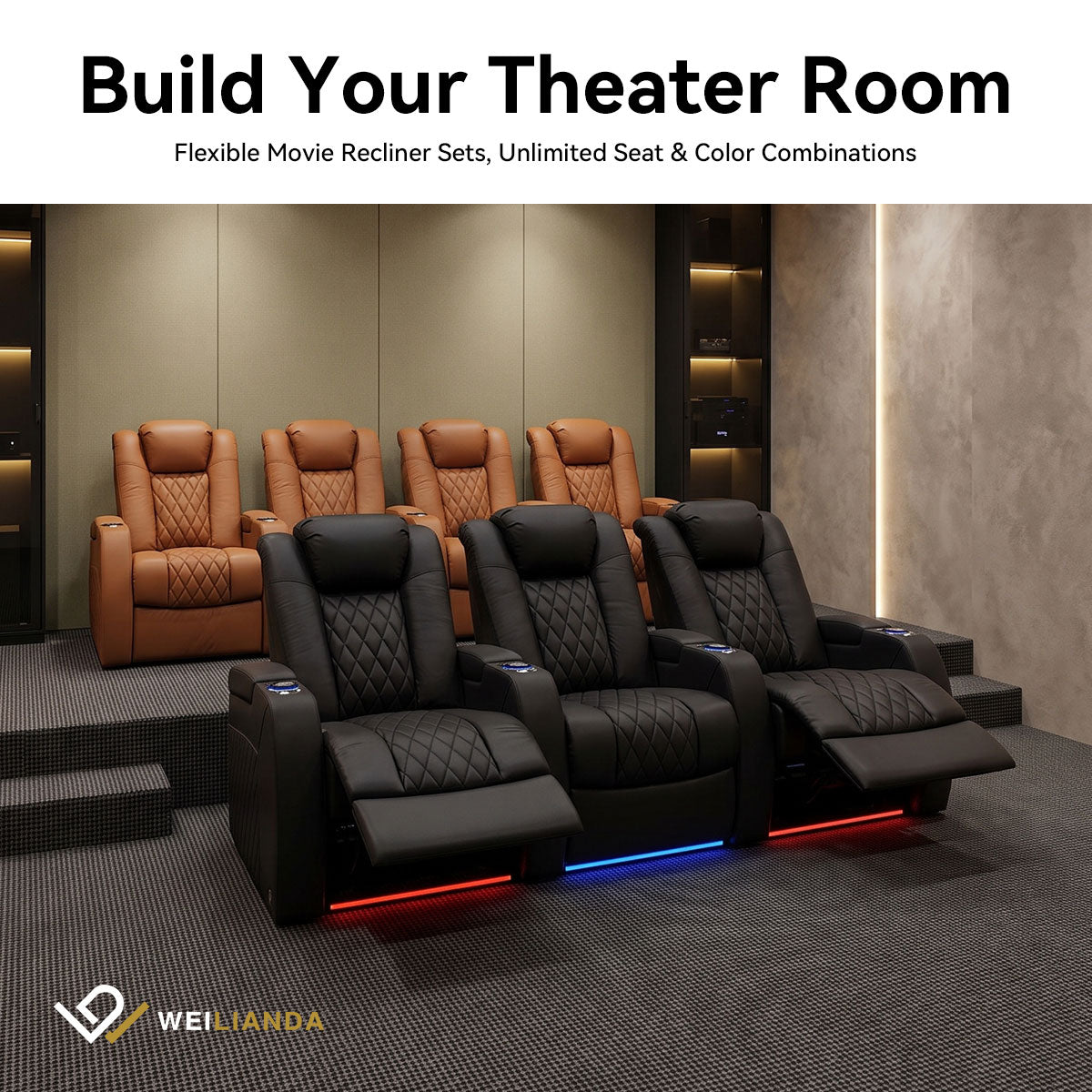
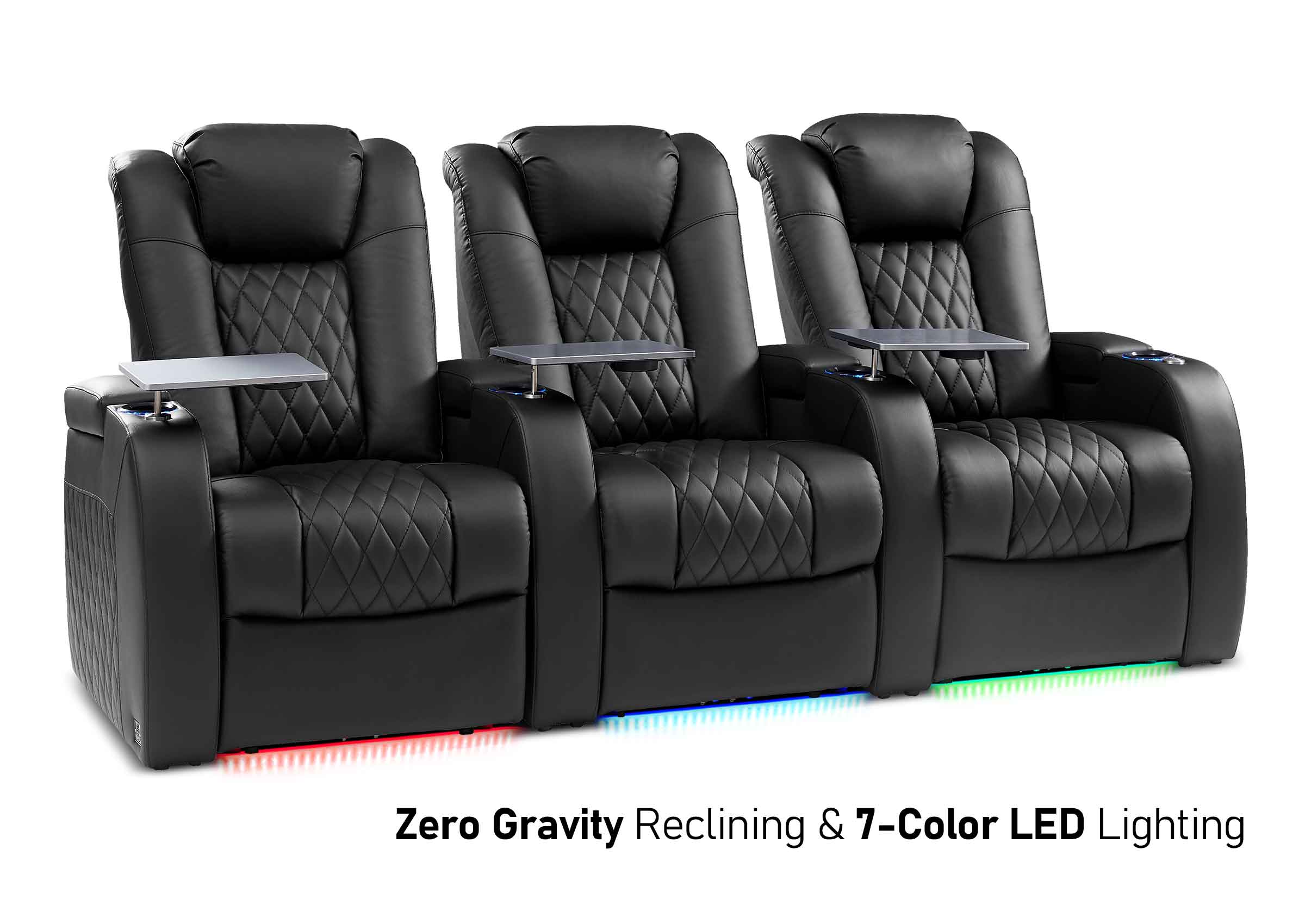
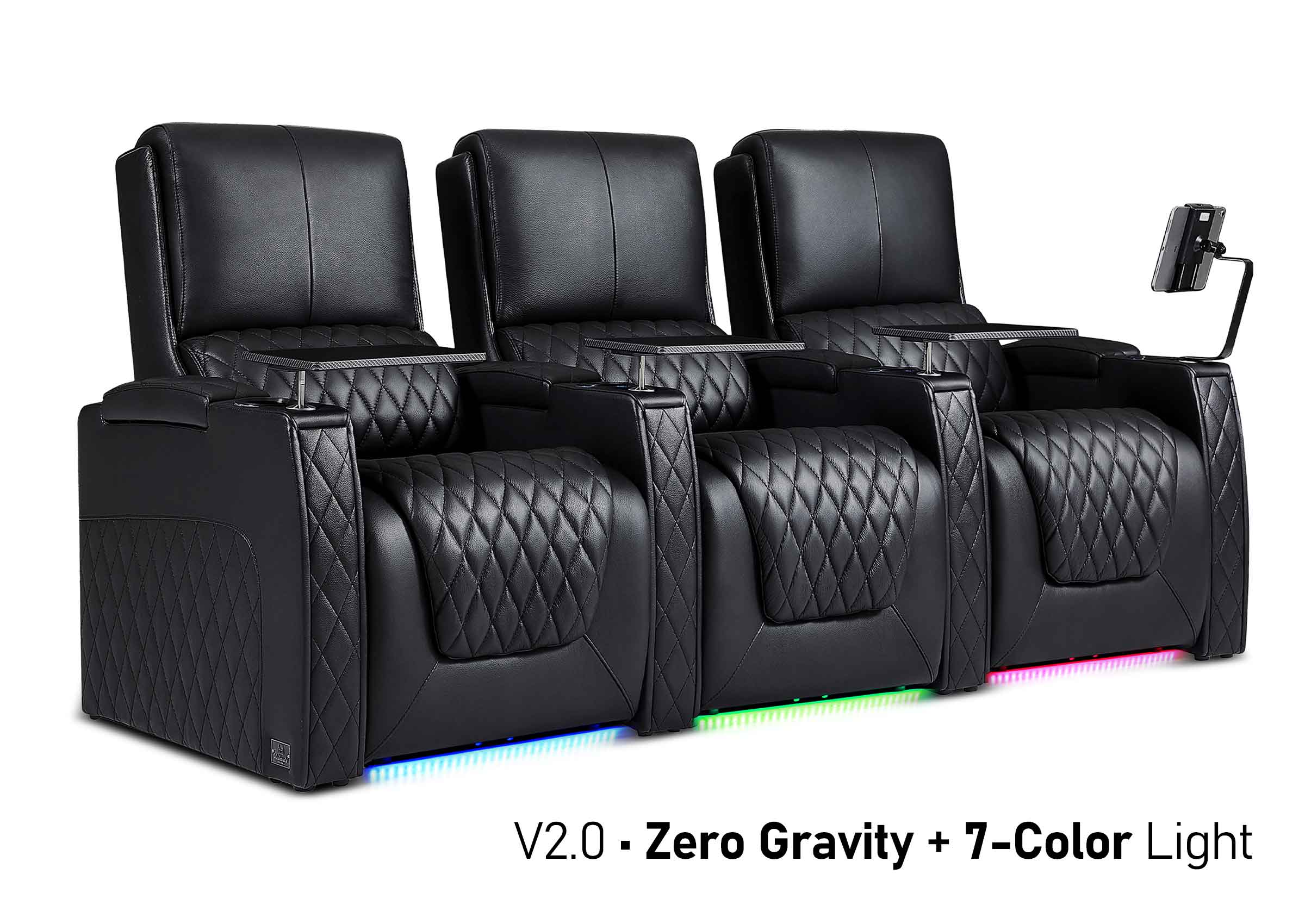
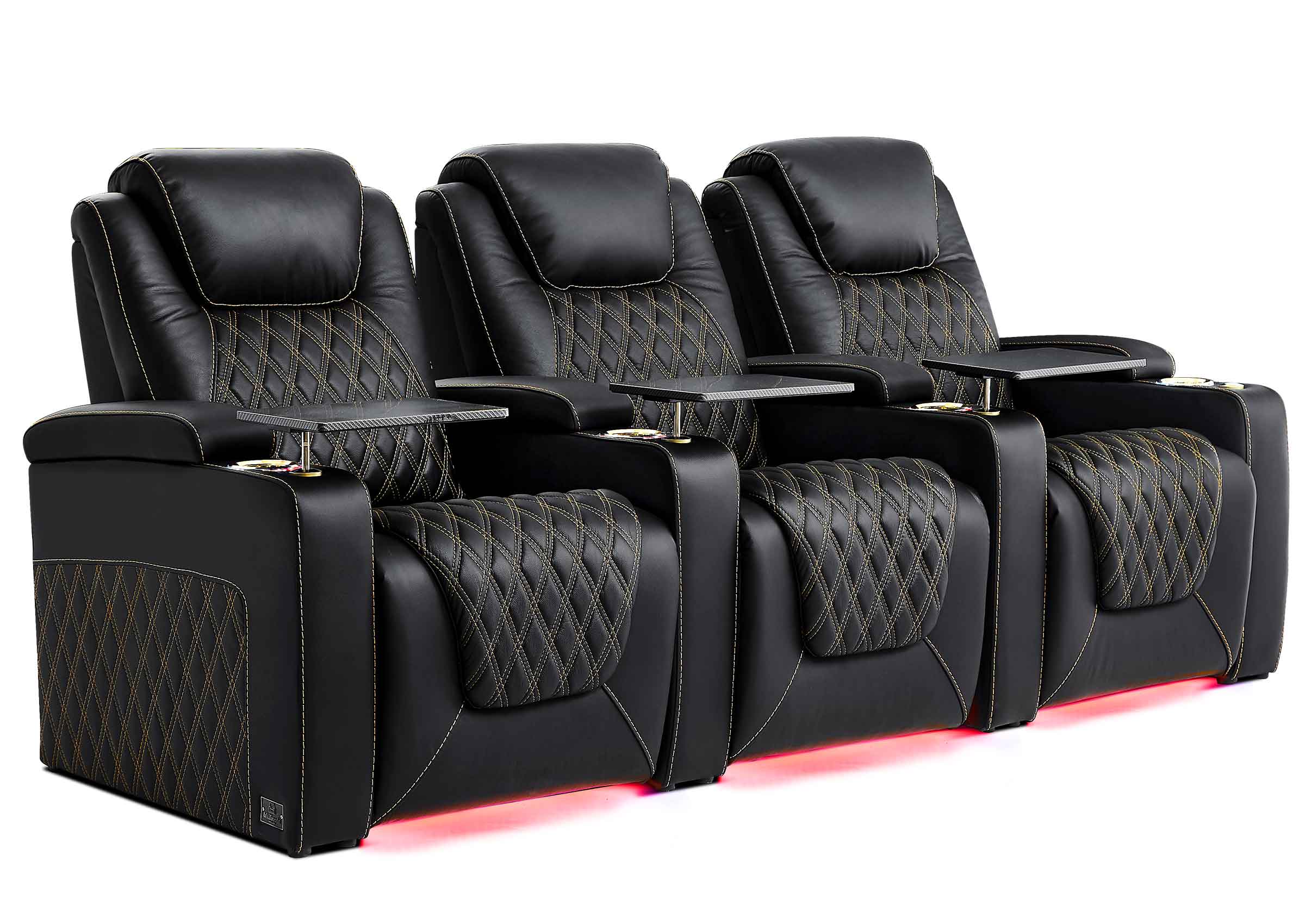
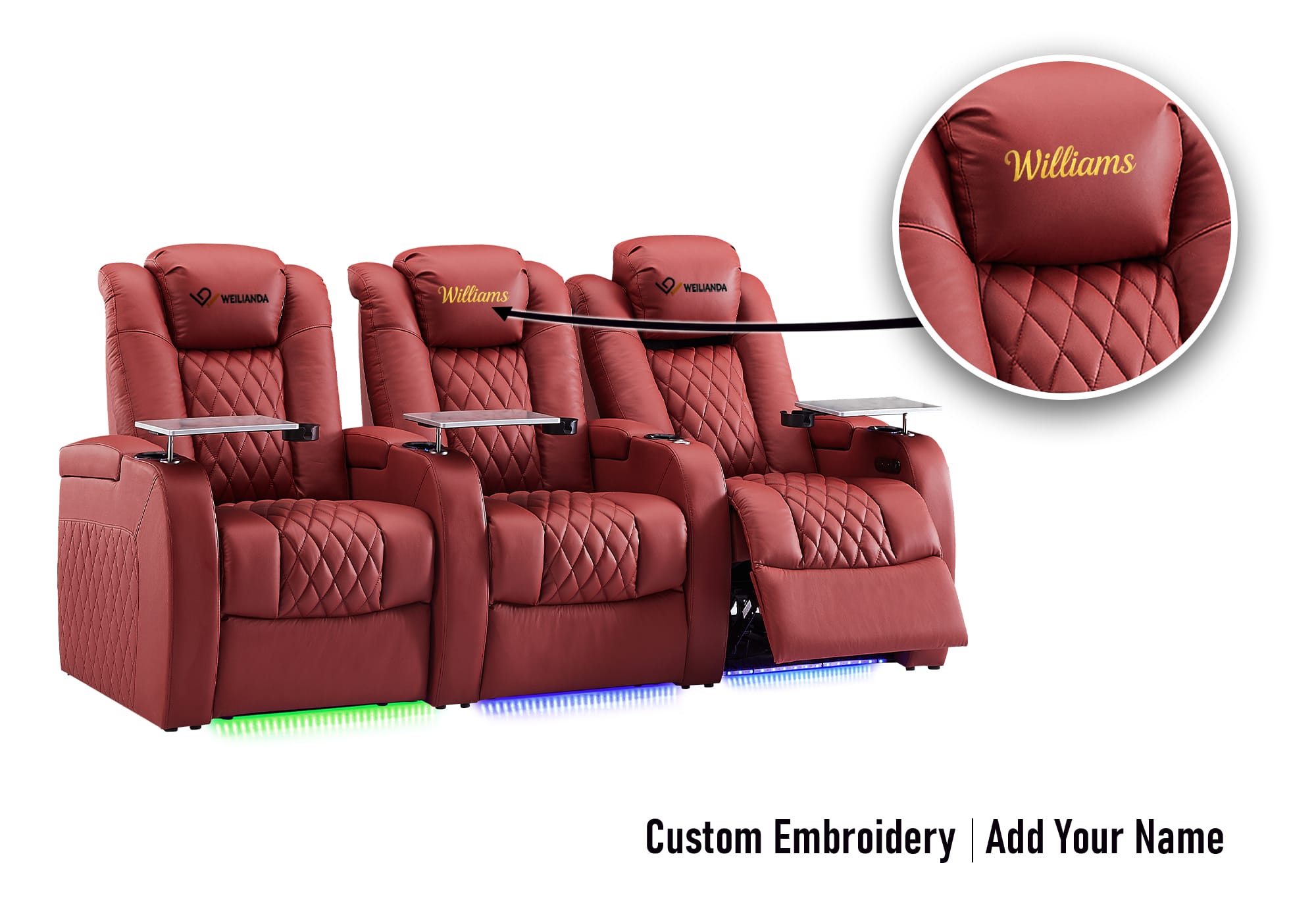
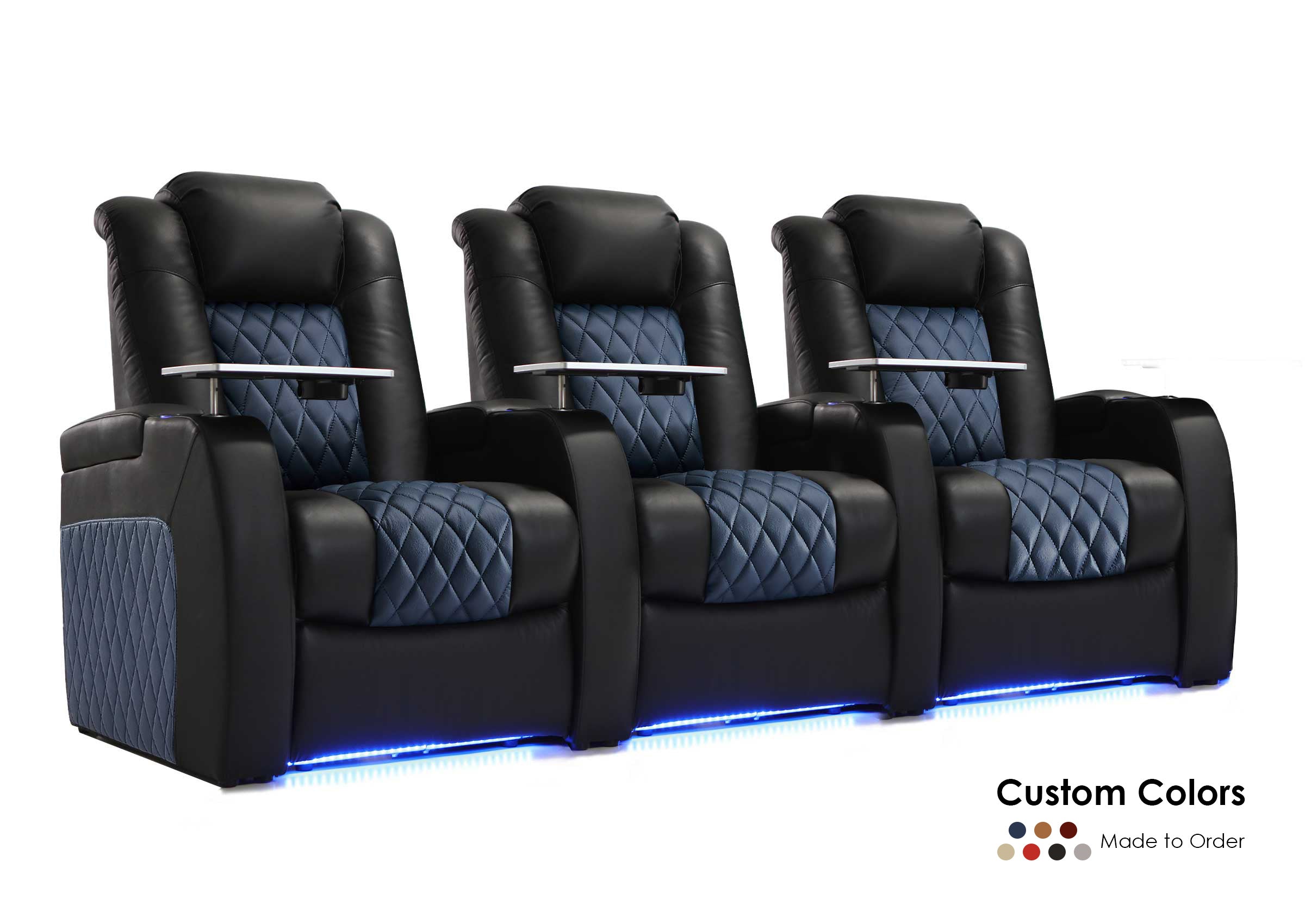
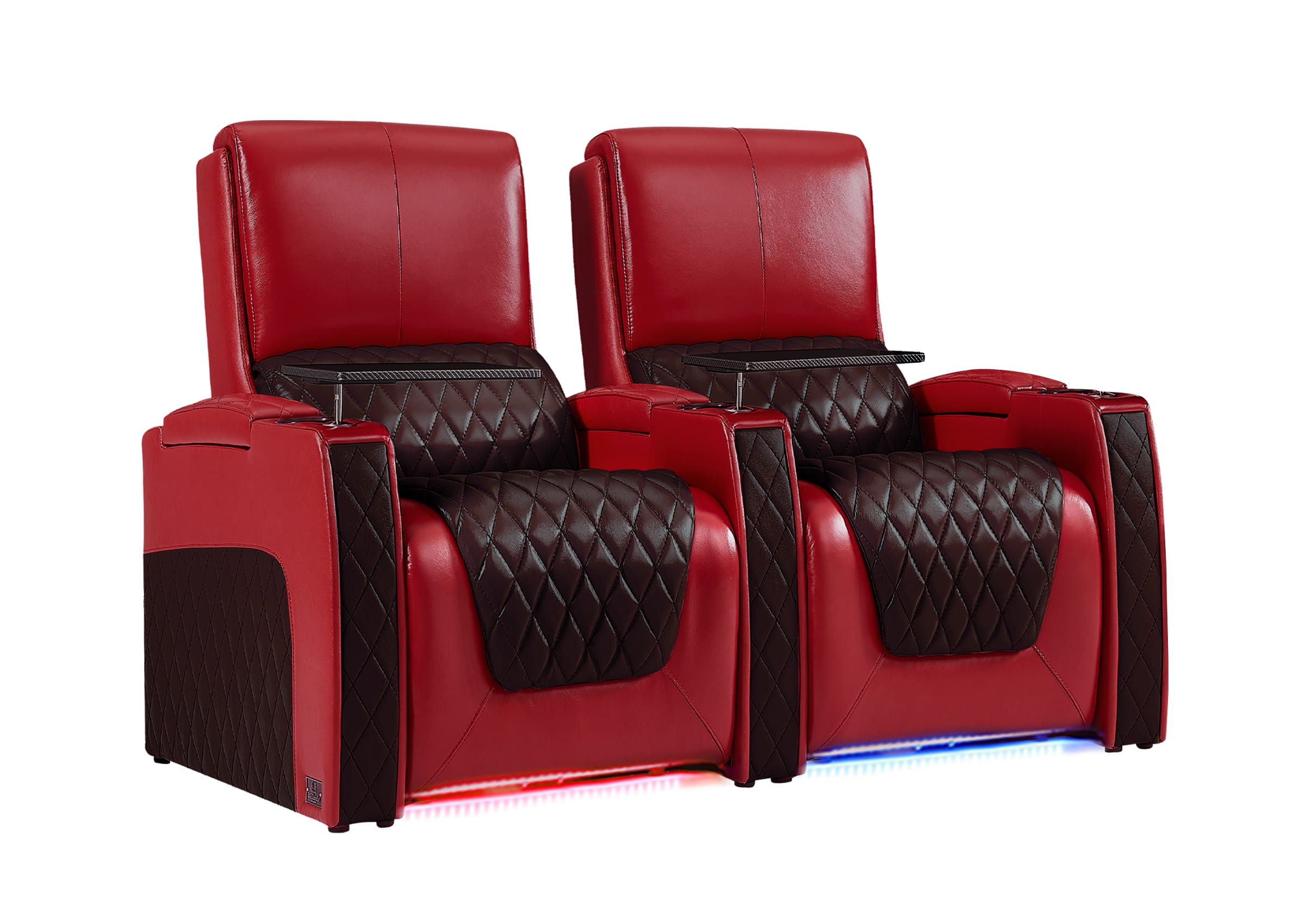
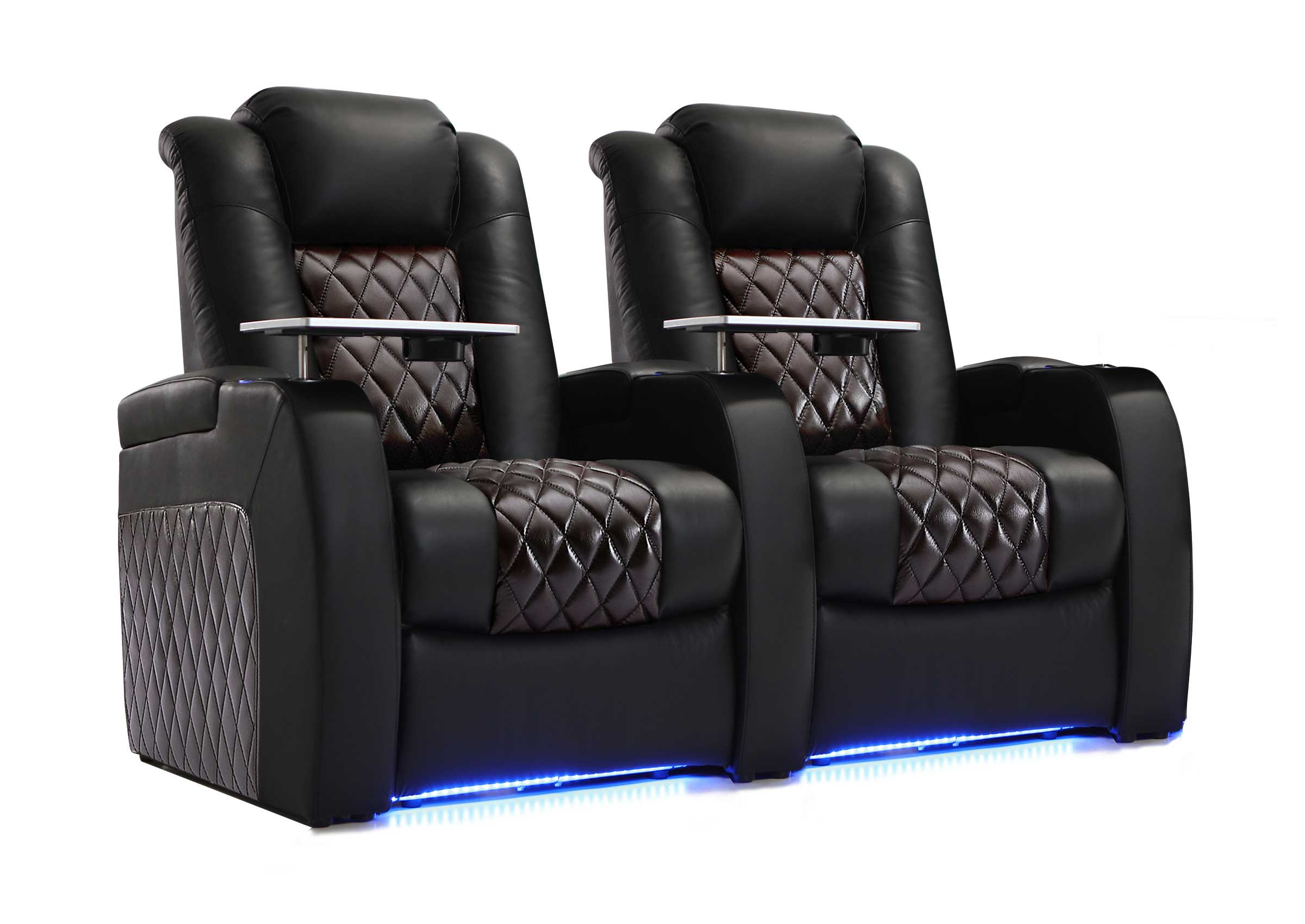
If you are planning a media room or upgrading an entertainment space, choosing seating that matches your screen size, layout, and viewing habits can make the room more comfortable and functional. Weilianda provides practical home theater seating solutions designed for real homes, including power reclining options, adjustable comfort features, storage solutions, and everyday entertainment convenience.

FAQ
What size TV is best for a home theater?
The best size depends on your room and viewing distance. Many home theater setups use 75-inch or larger TVs because they provide a more immersive experience, but the ideal size should match how far you sit from the screen.
Is 4K enough for a home theater?
Yes. For most homeowners, 4K is the best balance of image quality, content availability, and value. A properly sized screen and well-planned room often improve the experience more than upgrading beyond 4K.
Is 8K worth buying for a home theater?
8K can be useful for very large premium installations, but most users will not notice a major difference compared with a high-quality 4K TV. Room setup and viewing distance usually matter more.
Is OLED better than Mini LED for home theater?
OLED is often preferred for dark movie rooms because of its excellent contrast. Mini LED can be better for brighter rooms because of its higher brightness. The right choice depends on your environment.
Is a projector better than a TV for a home theater?
A projector can provide a larger cinema-style image, especially in dedicated theater rooms. A TV is usually easier to use and performs better in bright rooms or multi-purpose spaces.
How far should I sit from a 75-inch TV?
A 75-inch TV is commonly comfortable at around 9.5–12.5 feet away, although personal preference and room design can change the ideal distance.
Does seating affect home theater viewing quality?
Yes. Seating affects viewing angle, comfort, and immersion. Reclining seats can change your head position and should be considered when planning screen height and placement.
Can a living room become a home theater?
Yes. Many homeowners create effective home theaters in living rooms by combining the right TV size, comfortable seating, improved sound, and better lighting control.
What is the most important thing to consider when buying a home theater TV?
The most important factor is choosing a screen that matches your room. Screen size, viewing distance, lighting, and seating position should work together before you compare advanced specifications.
Create a Home Theater Designed Around Your Space
A home theater should not only look impressive — it should feel comfortable every time you use it.
Before choosing equipment, think about how your family actually spends time in the room. The right screen, seating arrangement, and comfort features can turn a simple entertainment area into a space people enjoy returning to.
For homeowners planning a media room or home theater upgrade, Weilianda offers seating solutions designed around real-world comfort, flexible layouts, and everyday entertainment needs.