Modern Home Theater Seating Upgrades for Comfort, Homes, and Custom Projects

Otto Author: Otto
Published: June 18, 2026 Updated: June 18, 2026

A comfortable space should fit the way you actually live, not just the way a product looks in a showroom. Some people want a better movie room, some want a quiet den for reading, some want a basement lounge for sports nights, and others want seating that helps them relax, listen to music, play games, or host guests more comfortably.

That is why modern home theater seating is no longer only about reclining. The right seating can support comfort, room size, storage, charging, lighting, sound, air comfort, drinks, reading, and custom feature ideas. The goal is not to add every possible function, but to create a seating experience that feels right for your room and lifestyle.

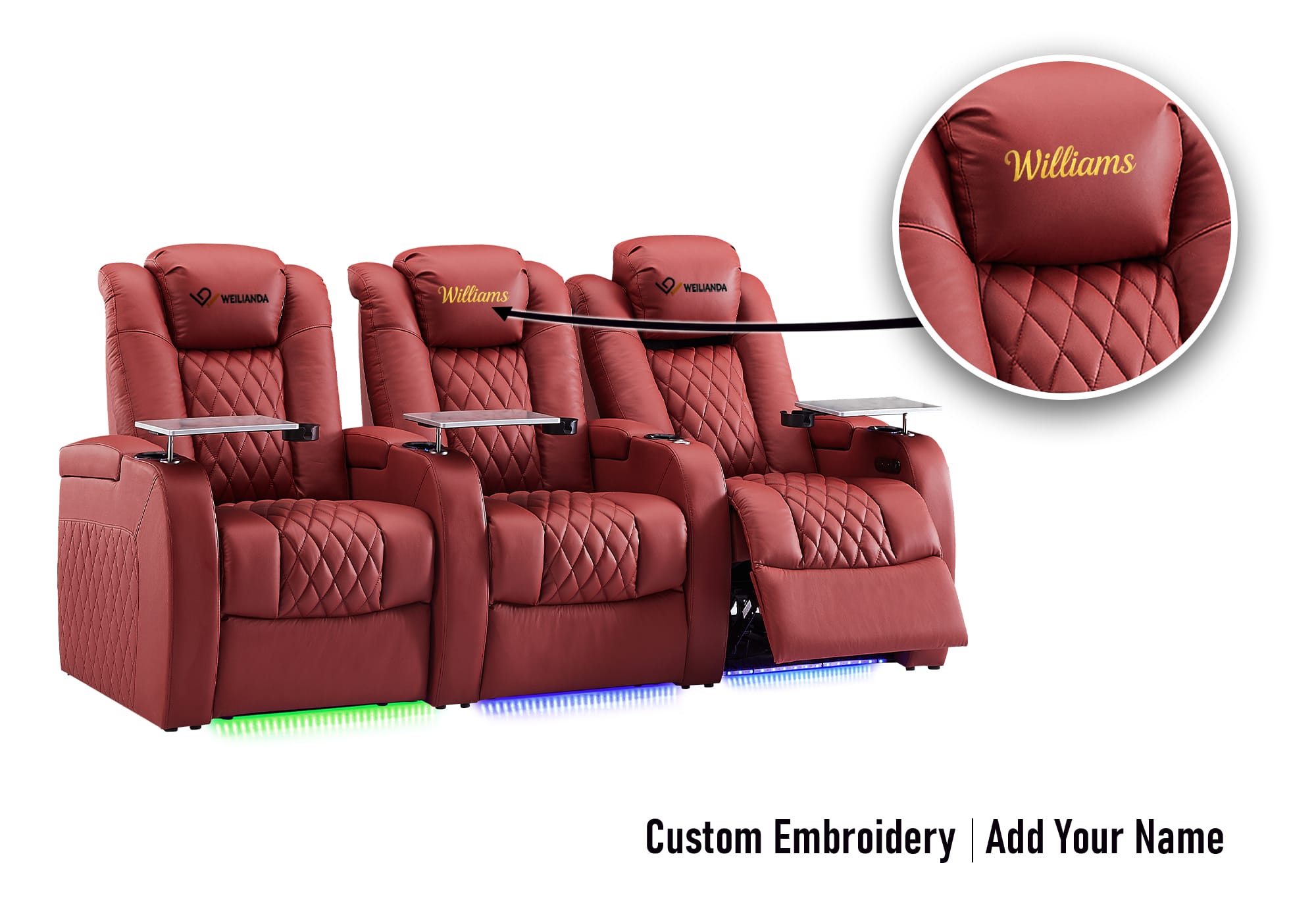
Weilianda works with home theater seating, recliner sofas, modular layouts, and custom feature discussions for real homes and selected project spaces. If you have a special room size, a new function idea, or a comfort need that standard seating does not fully solve, this guide can help you think through what may be worth discussing.

Start with the Space You Want to Create

Before choosing features, think about the kind of space you want to build.

Do you want a dedicated home theater for movies? A media room that also works for gaming and sports? A living room where the sofa still feels stylish? A den where you can read, listen to music, and relax quietly? A basement lounge where friends can watch games without going upstairs for drinks?

Different rooms need different seating priorities. A home theater may need viewing comfort, head support, LED atmosphere, and cup holders. A den may need a reading light, soft recline, lumbar support, and built-in audio. A basement lounge may benefit from a mini fridge, storage, lighting, and air comfort ideas.

The right seating should support the way you use the room, not force your room to fit a standard product.

Built on Practical Home Theater Seating Features

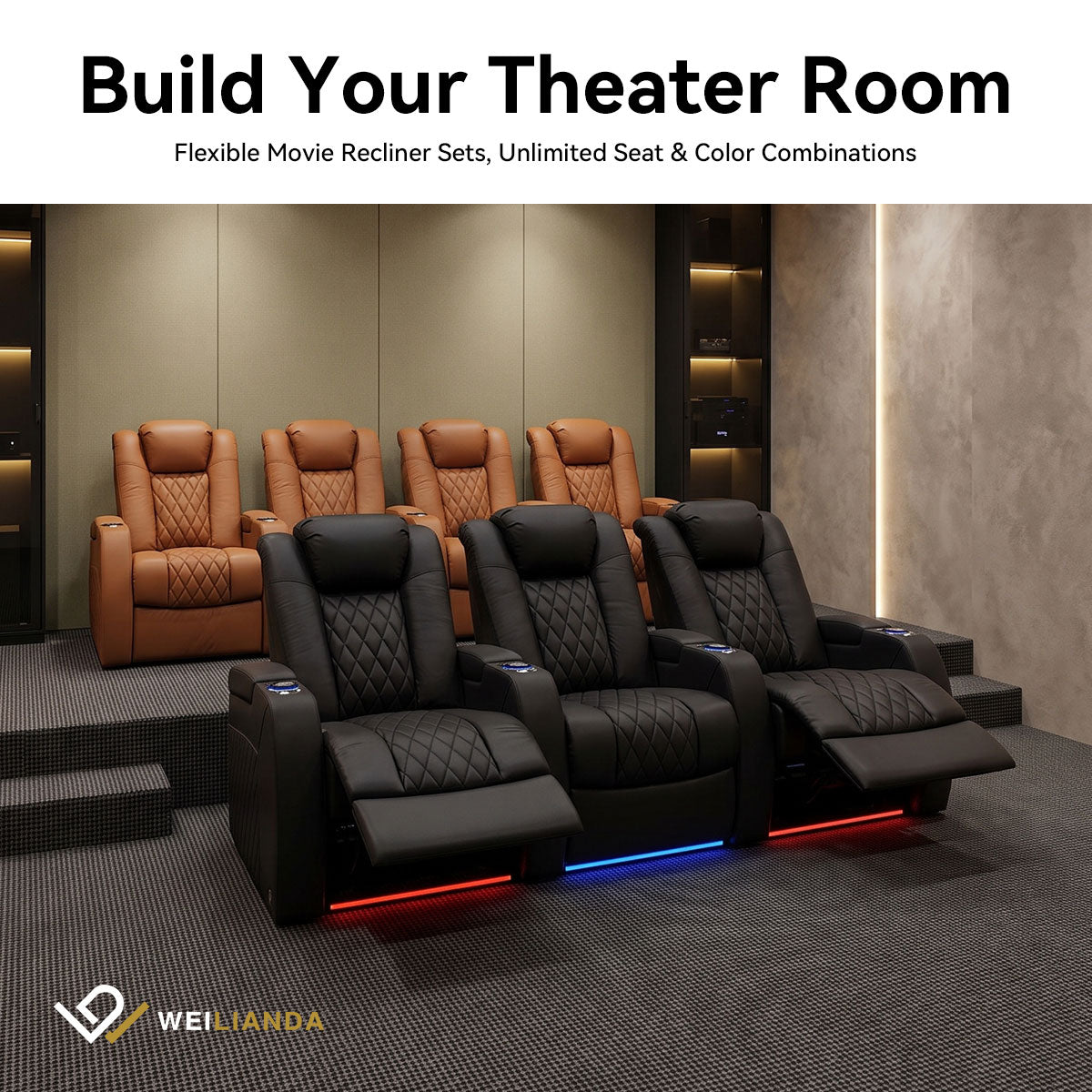
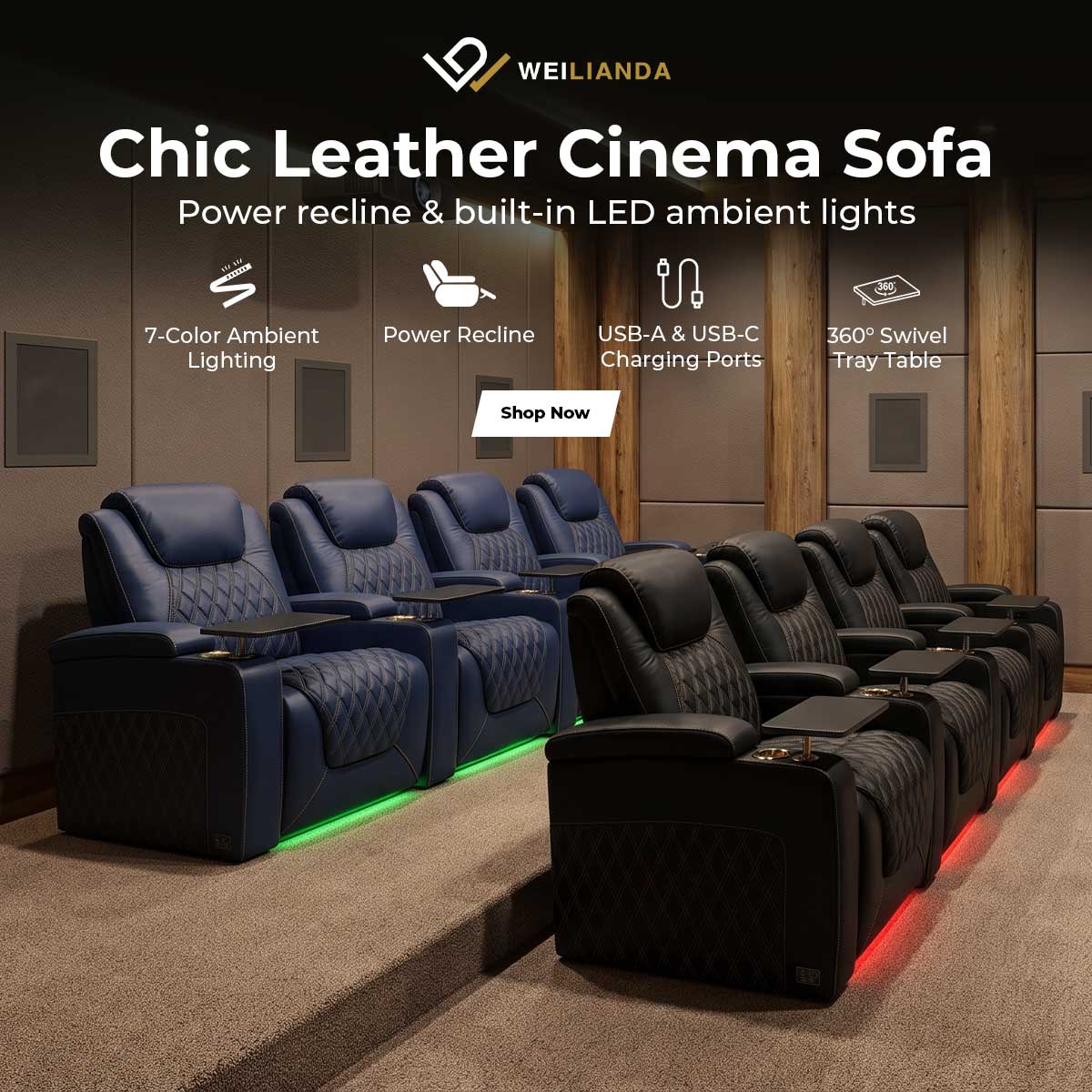
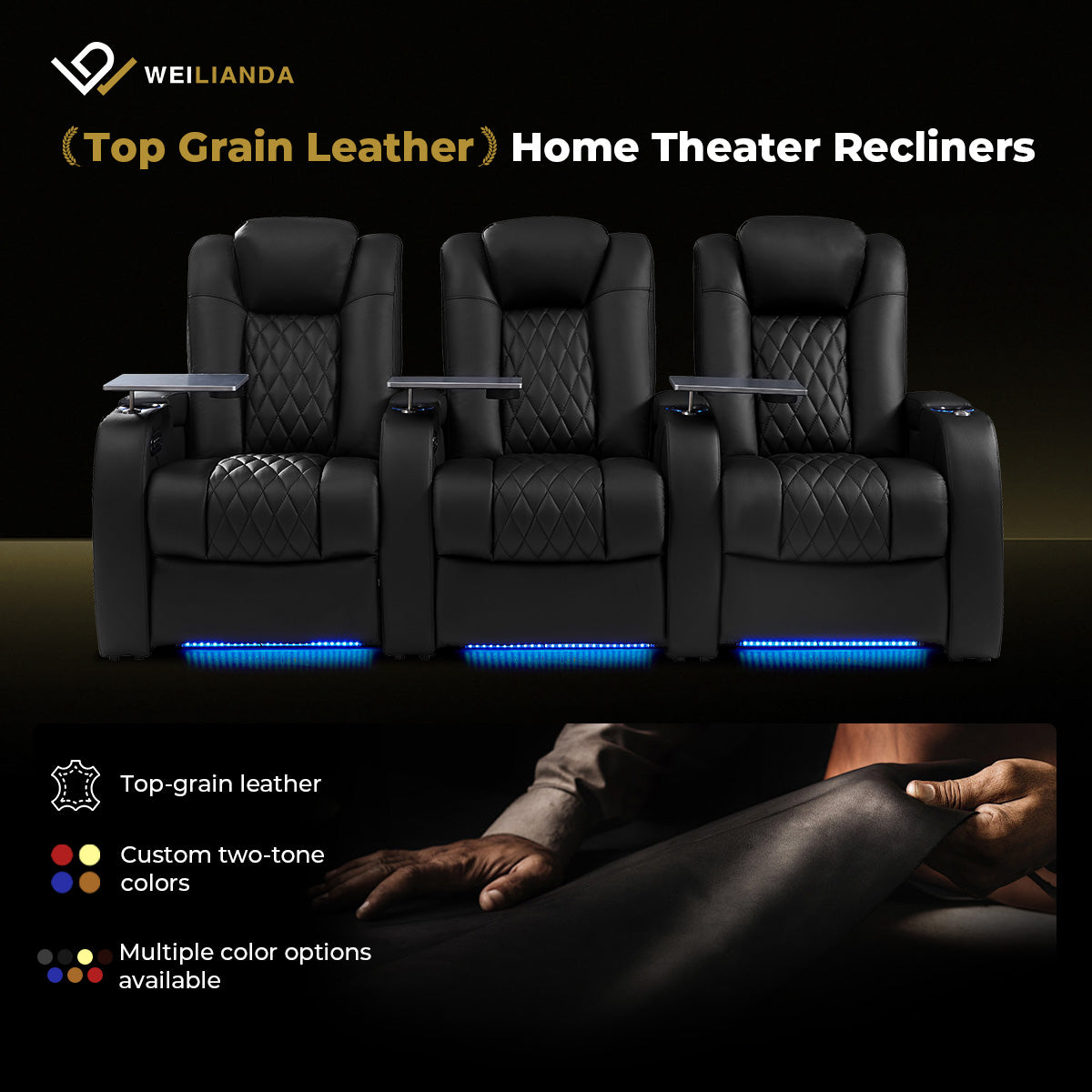
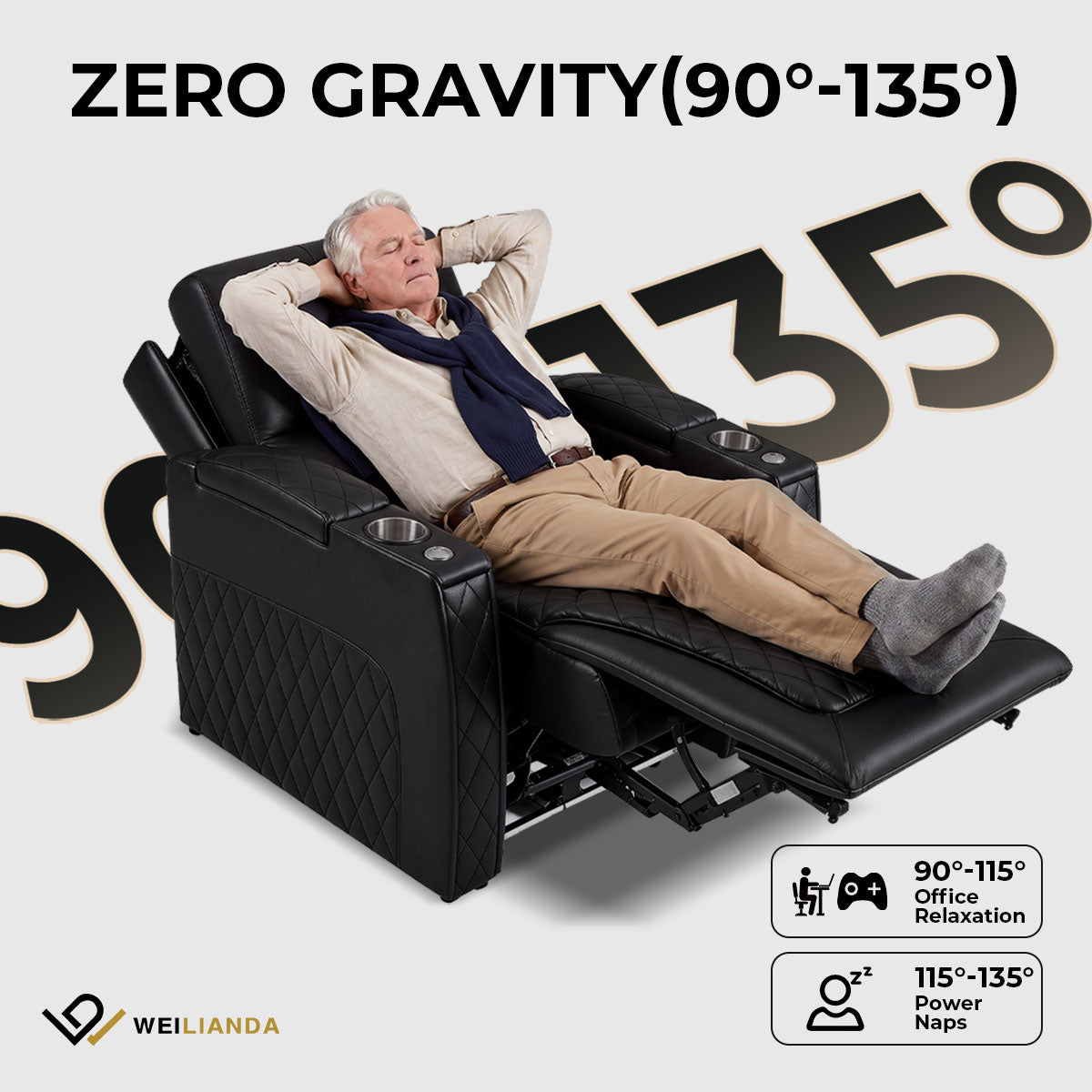
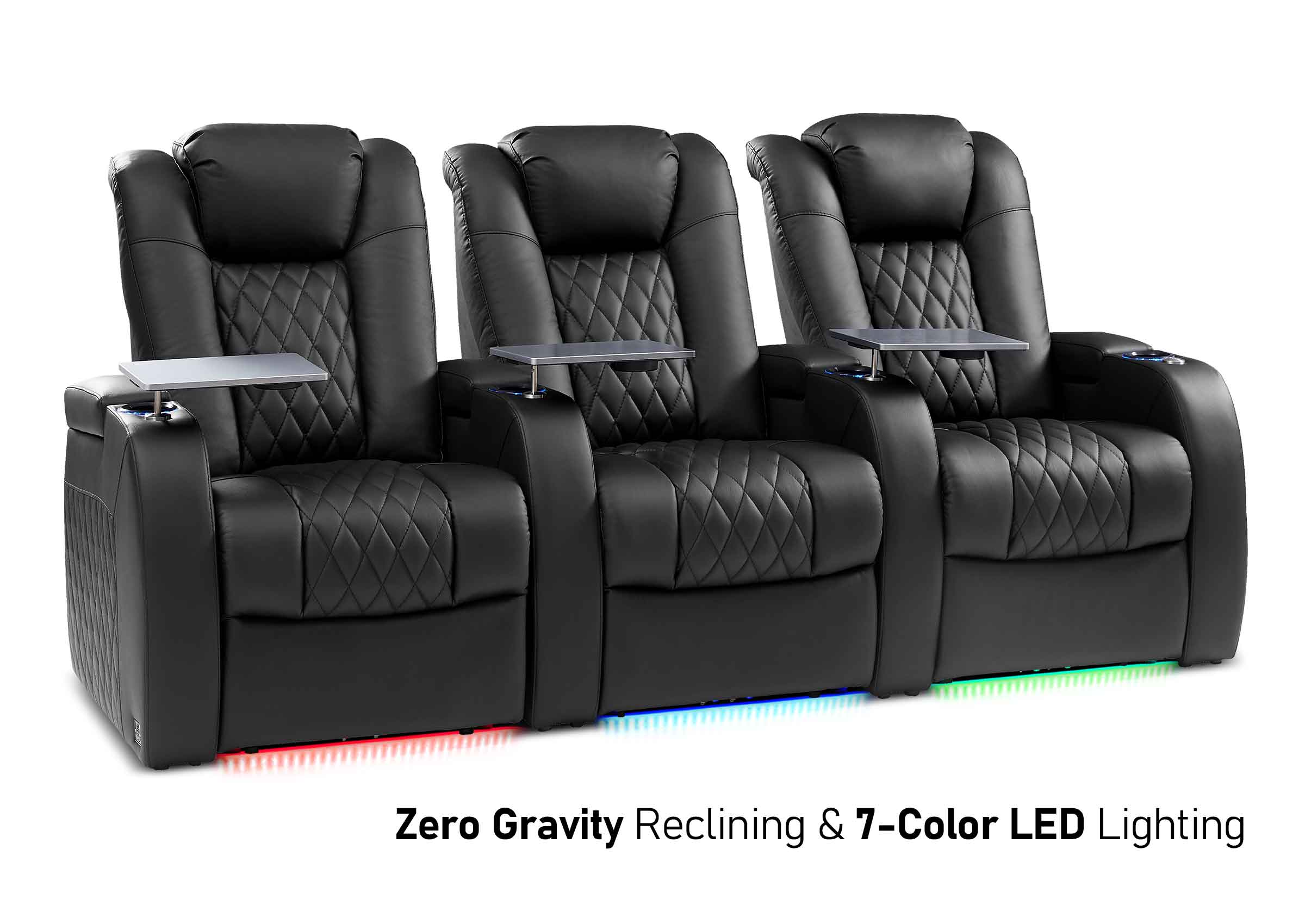
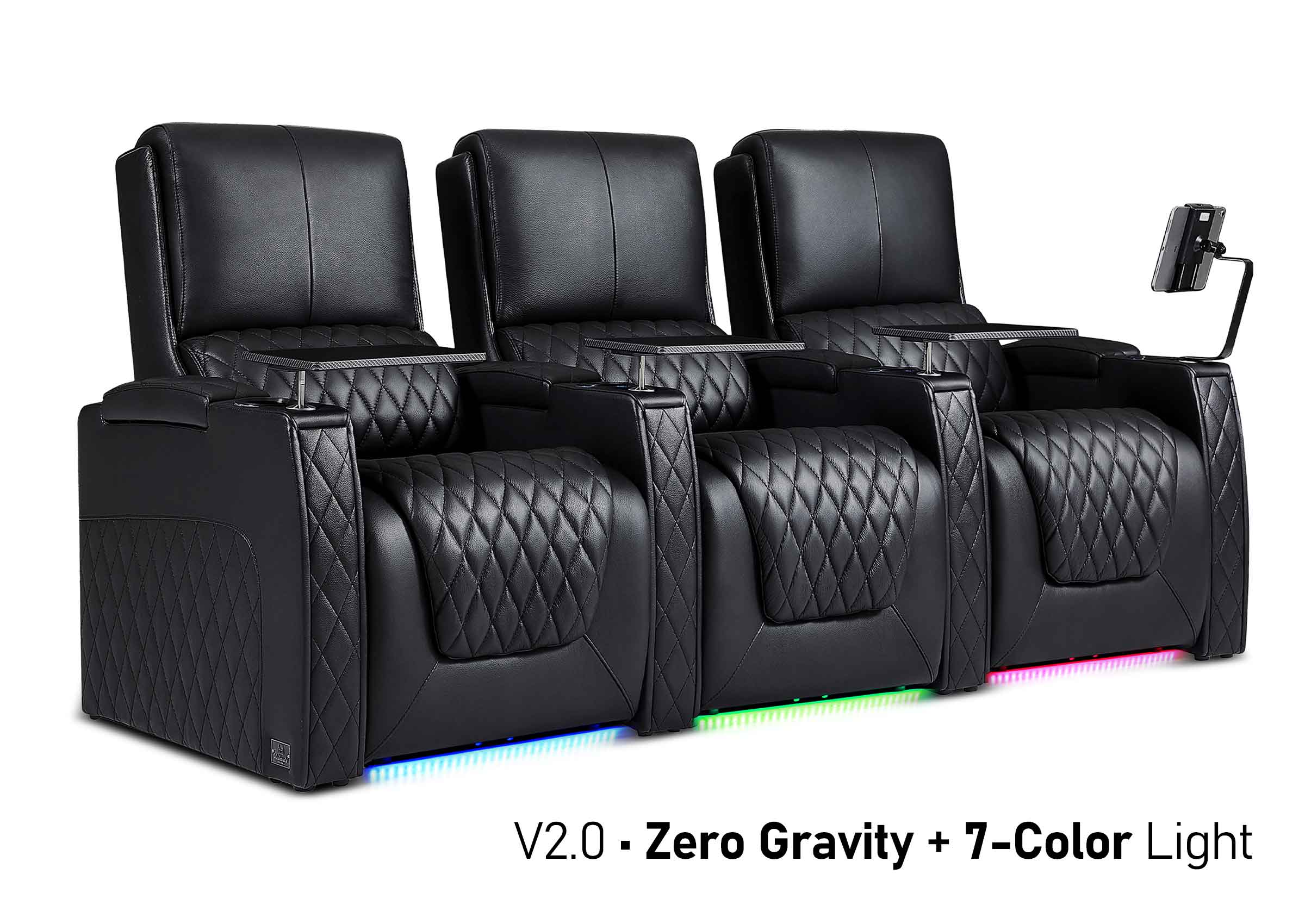
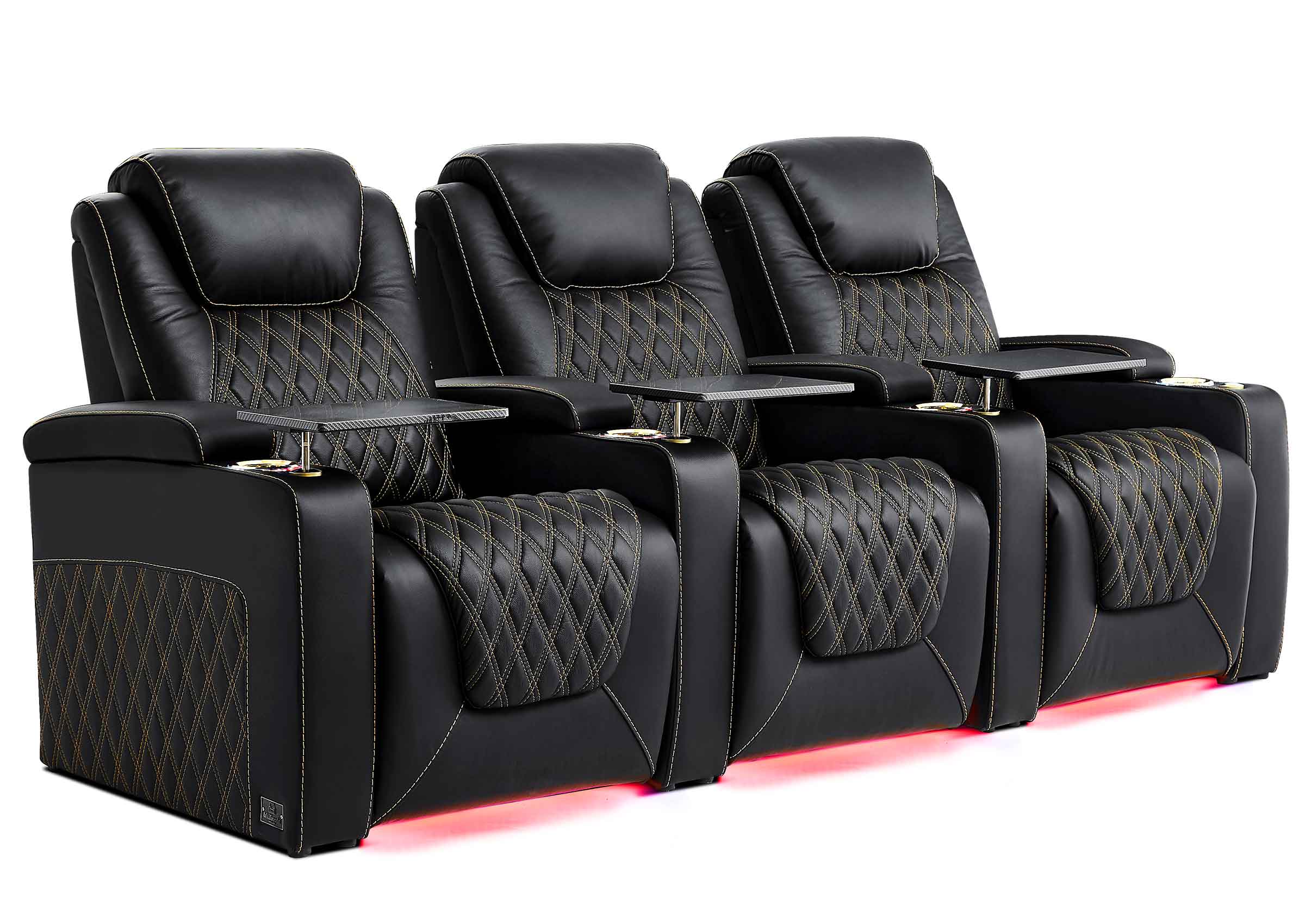
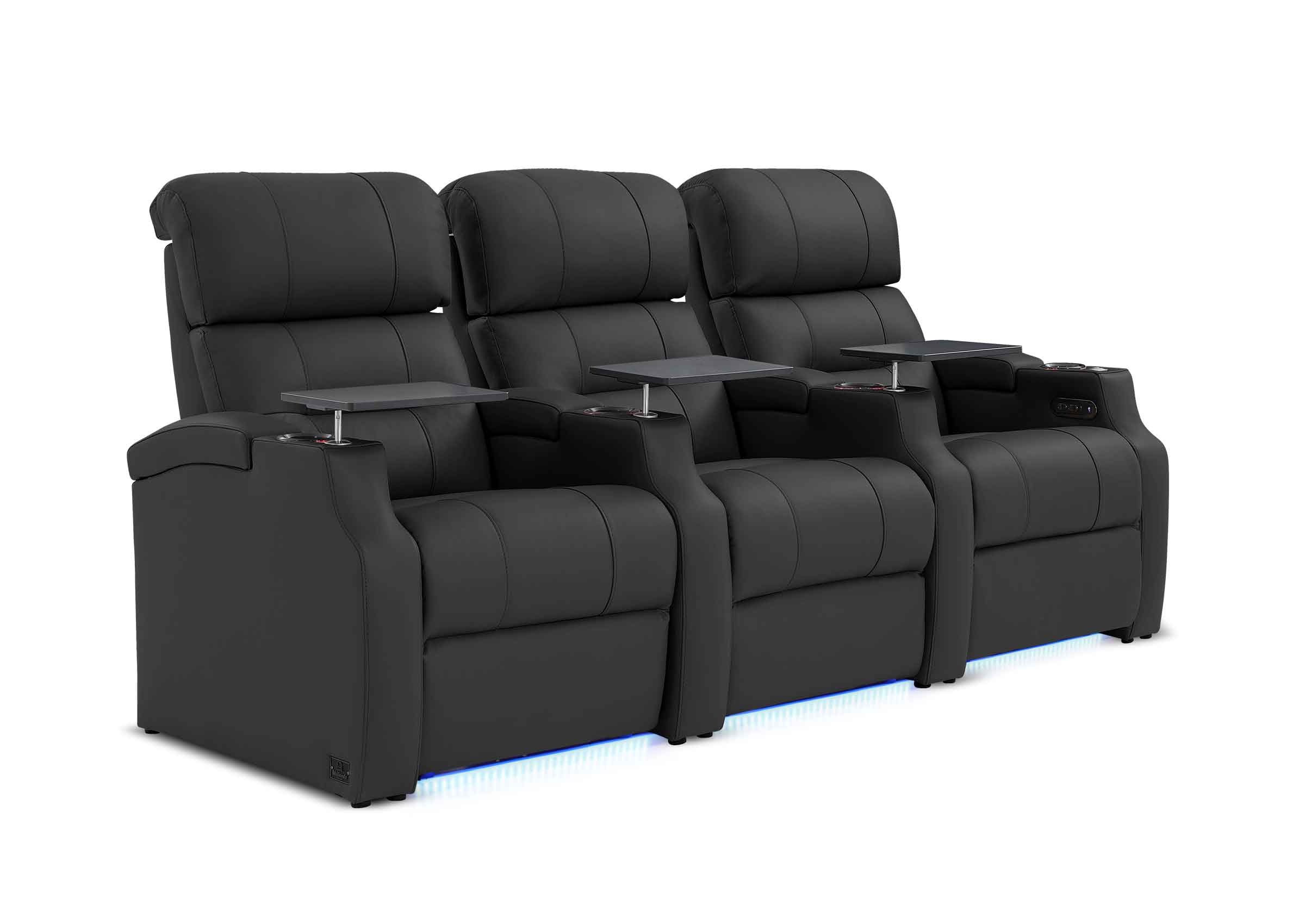
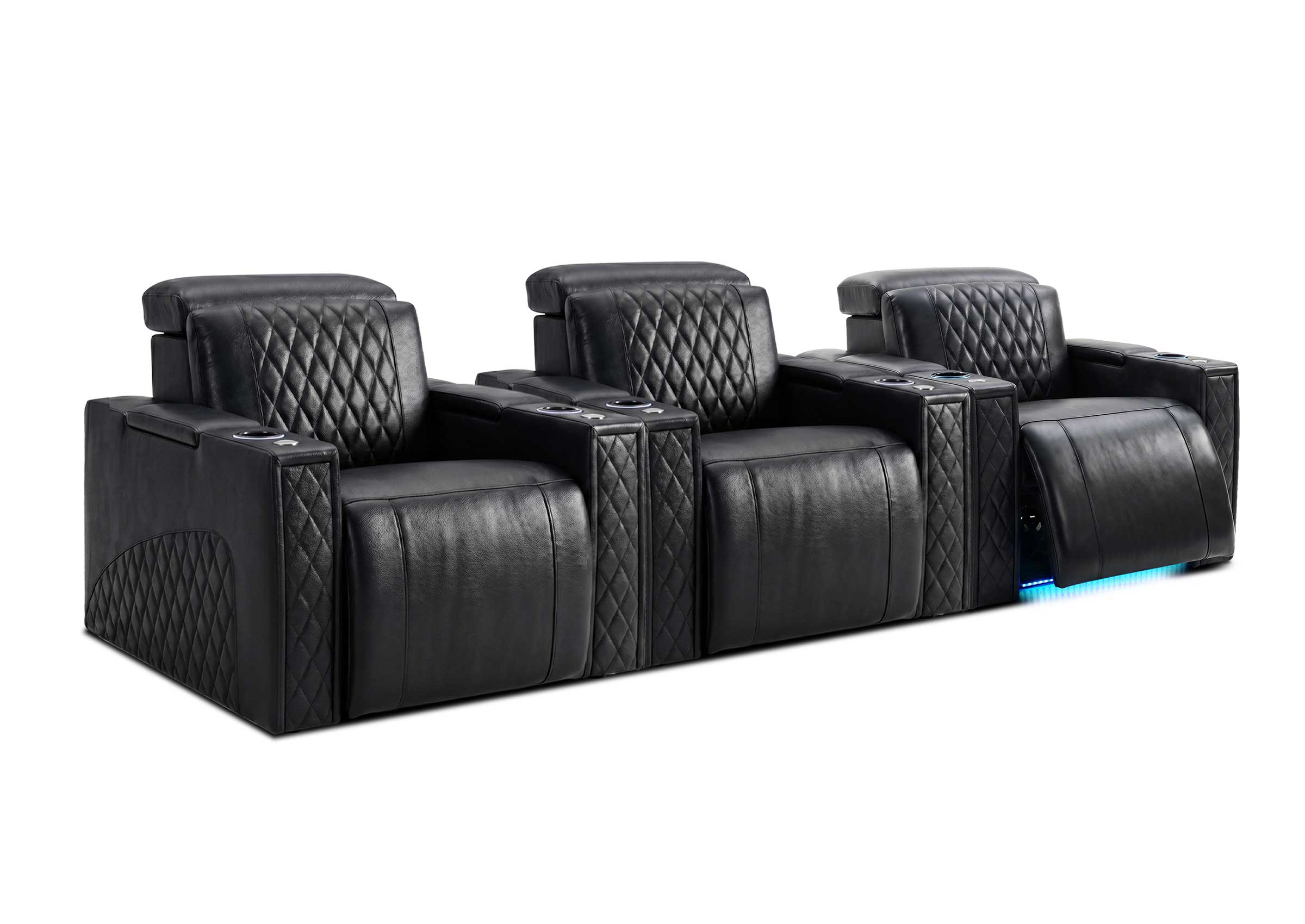
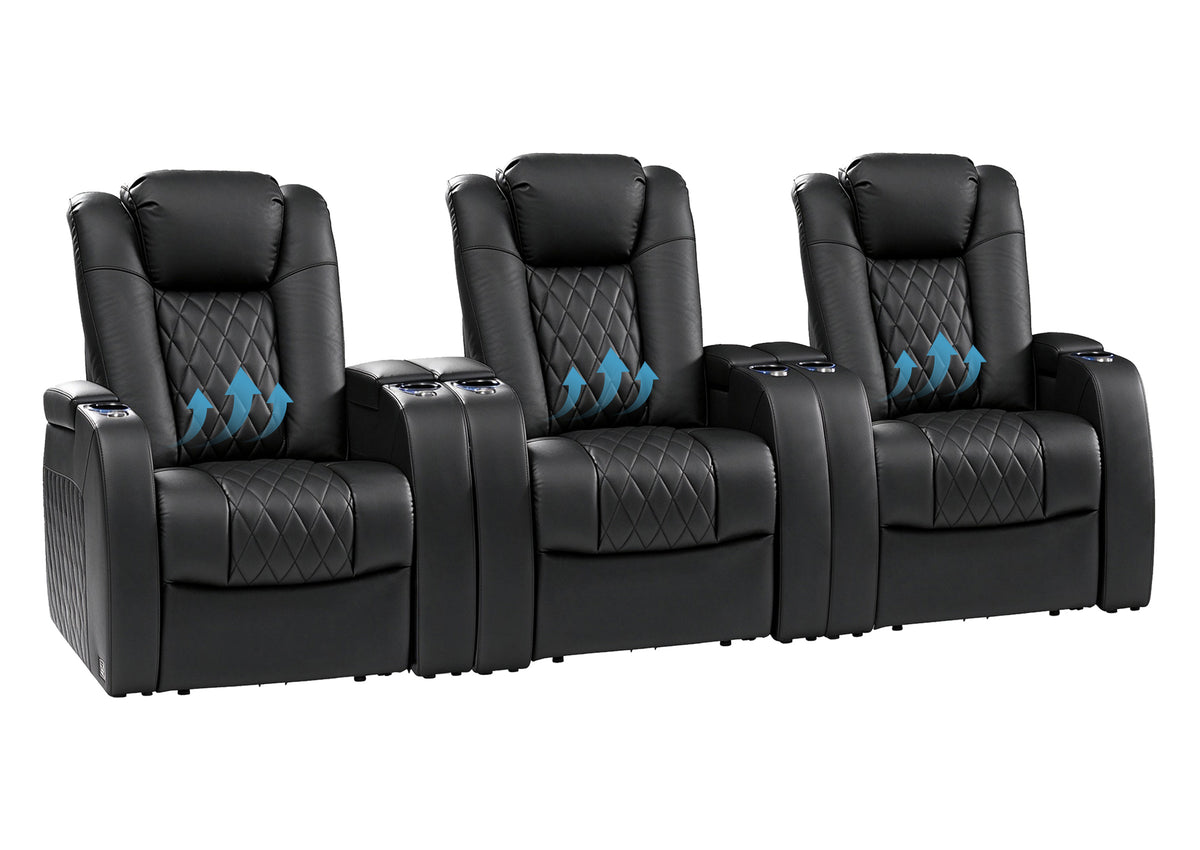
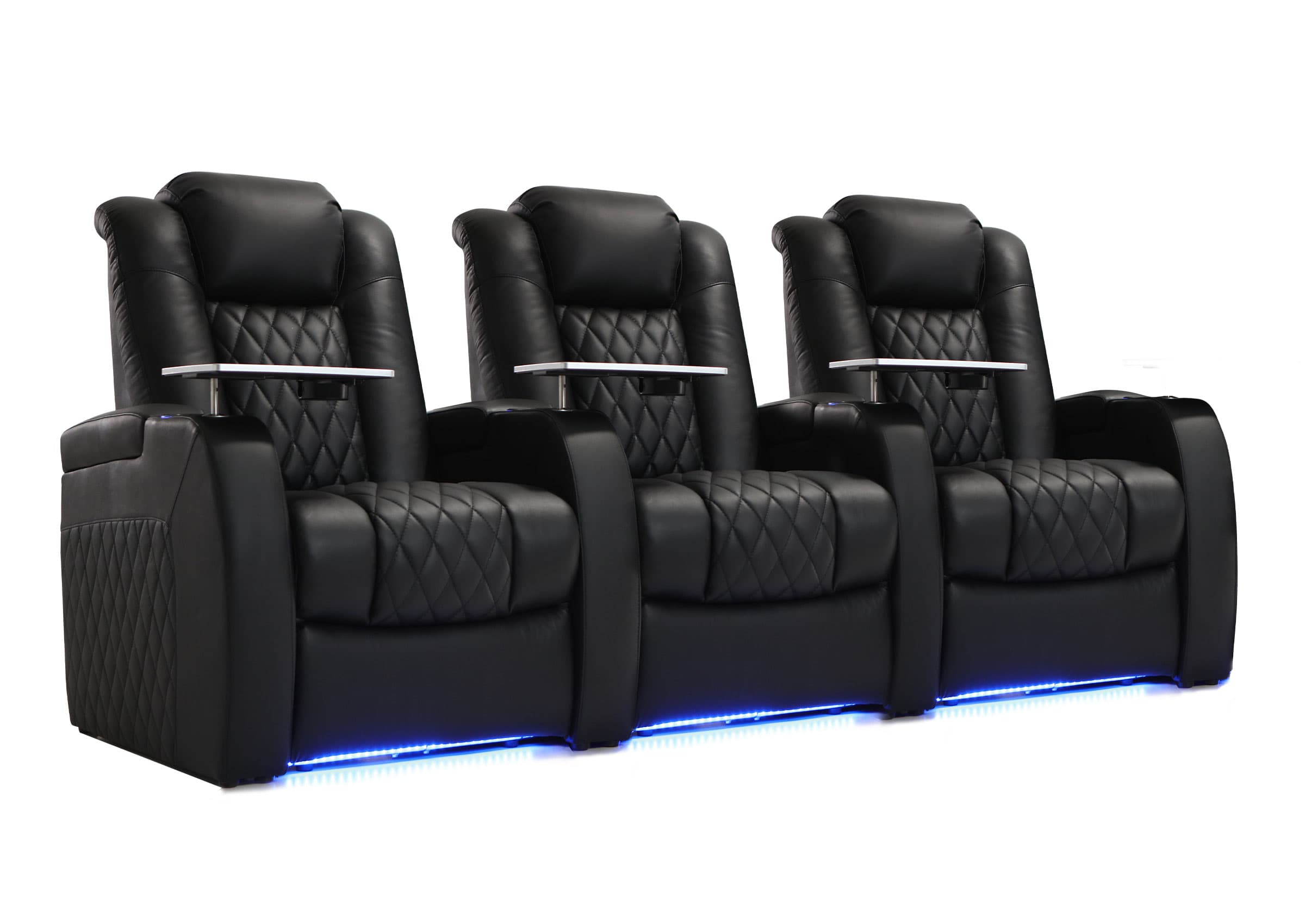
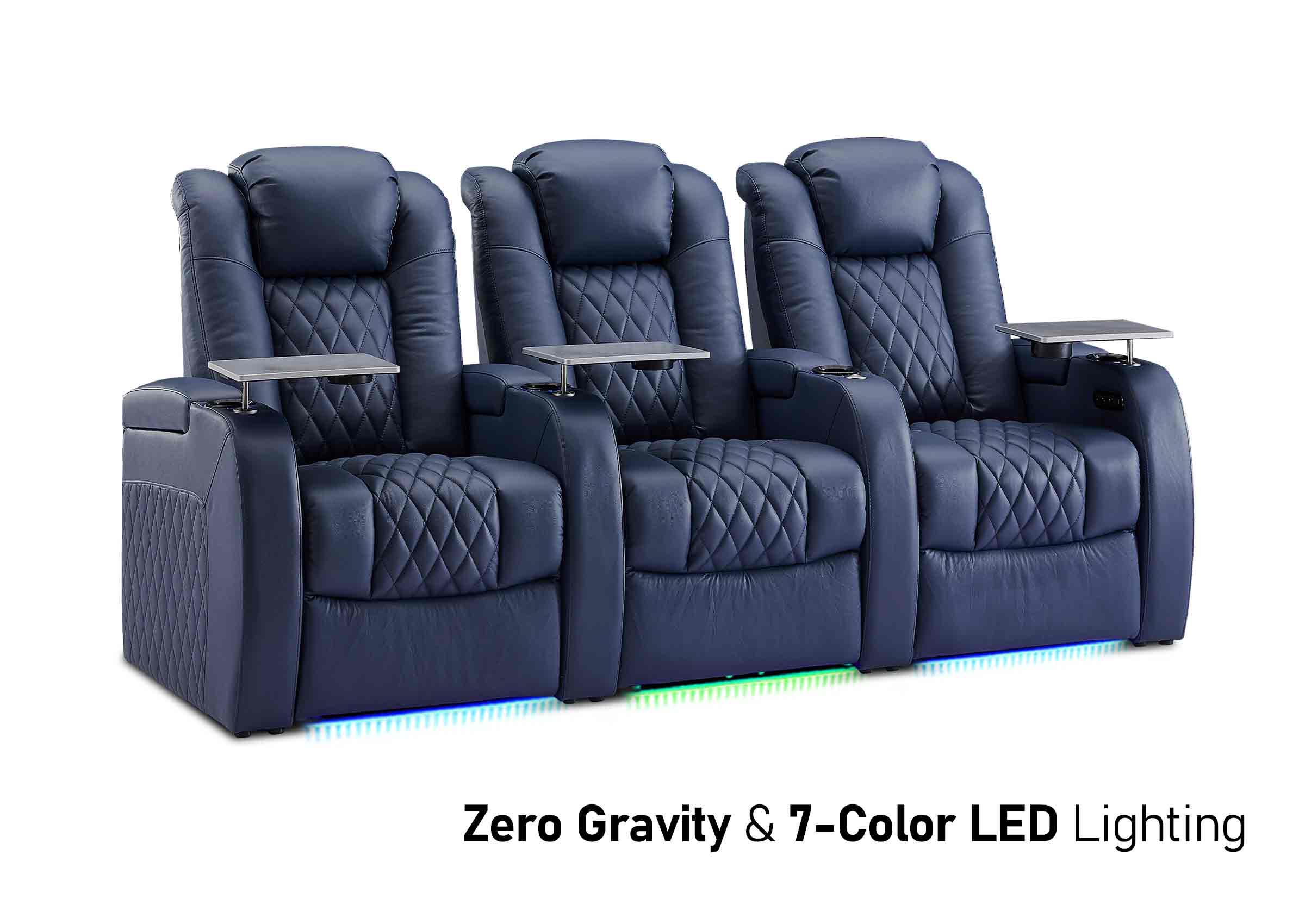
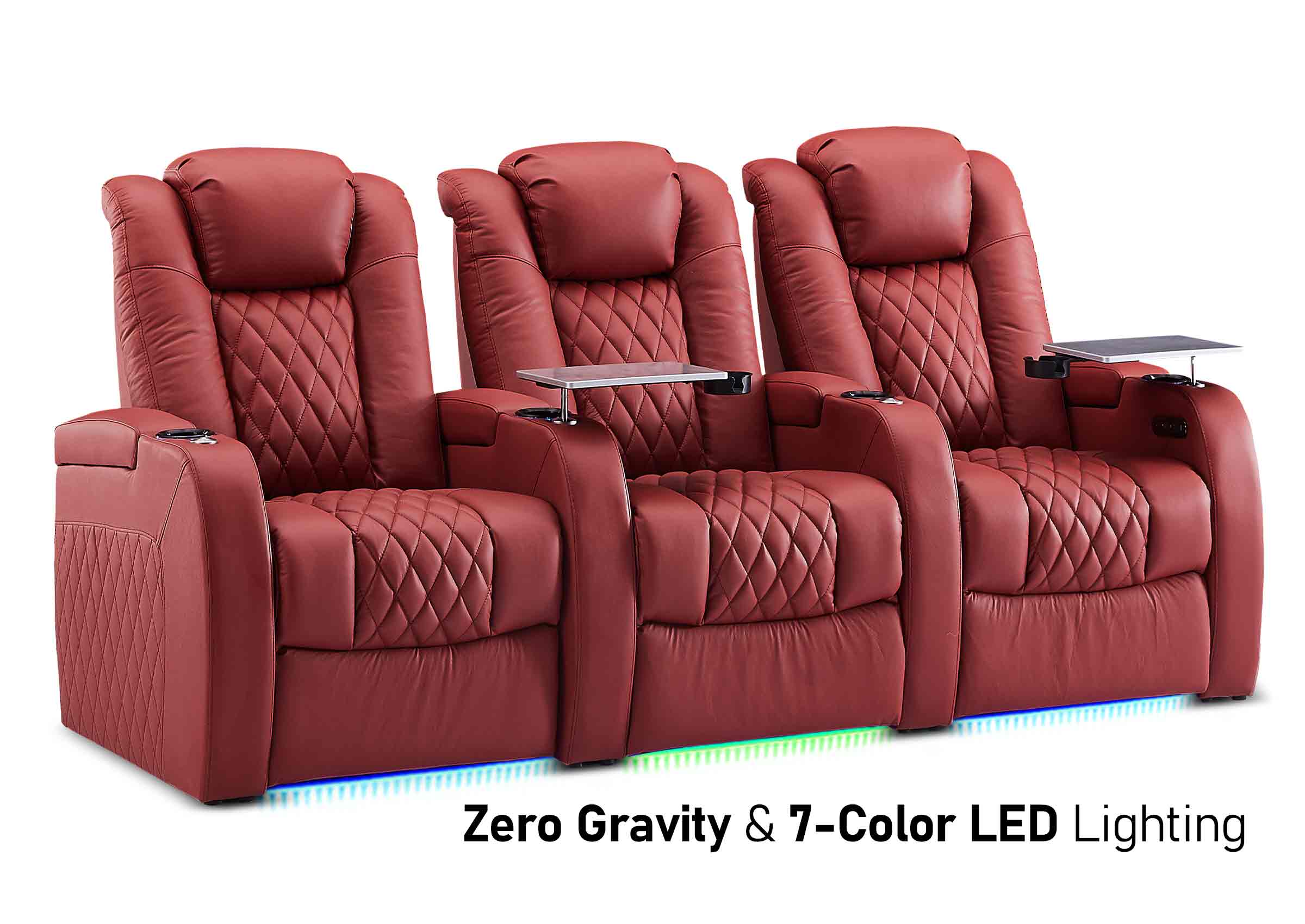
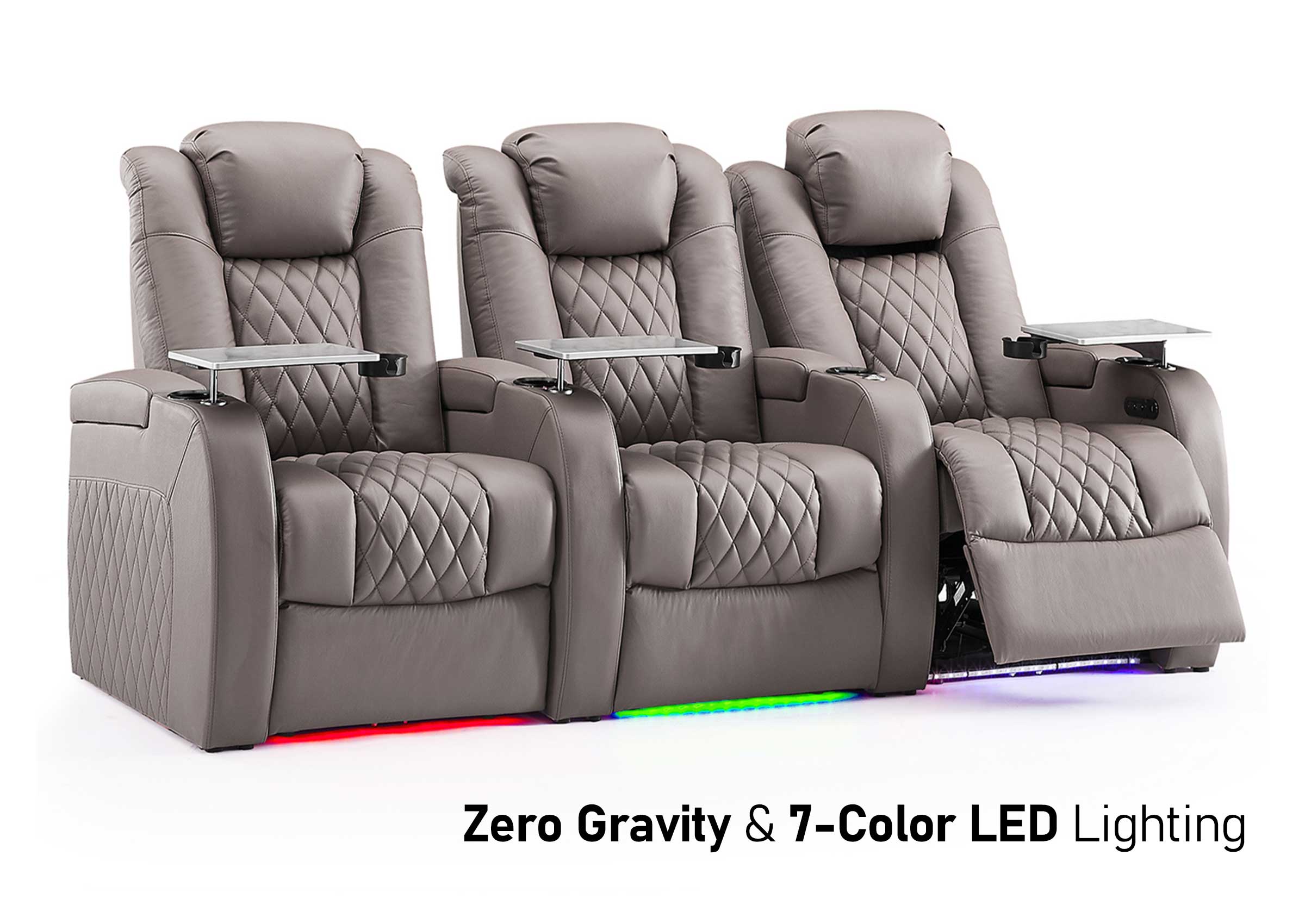
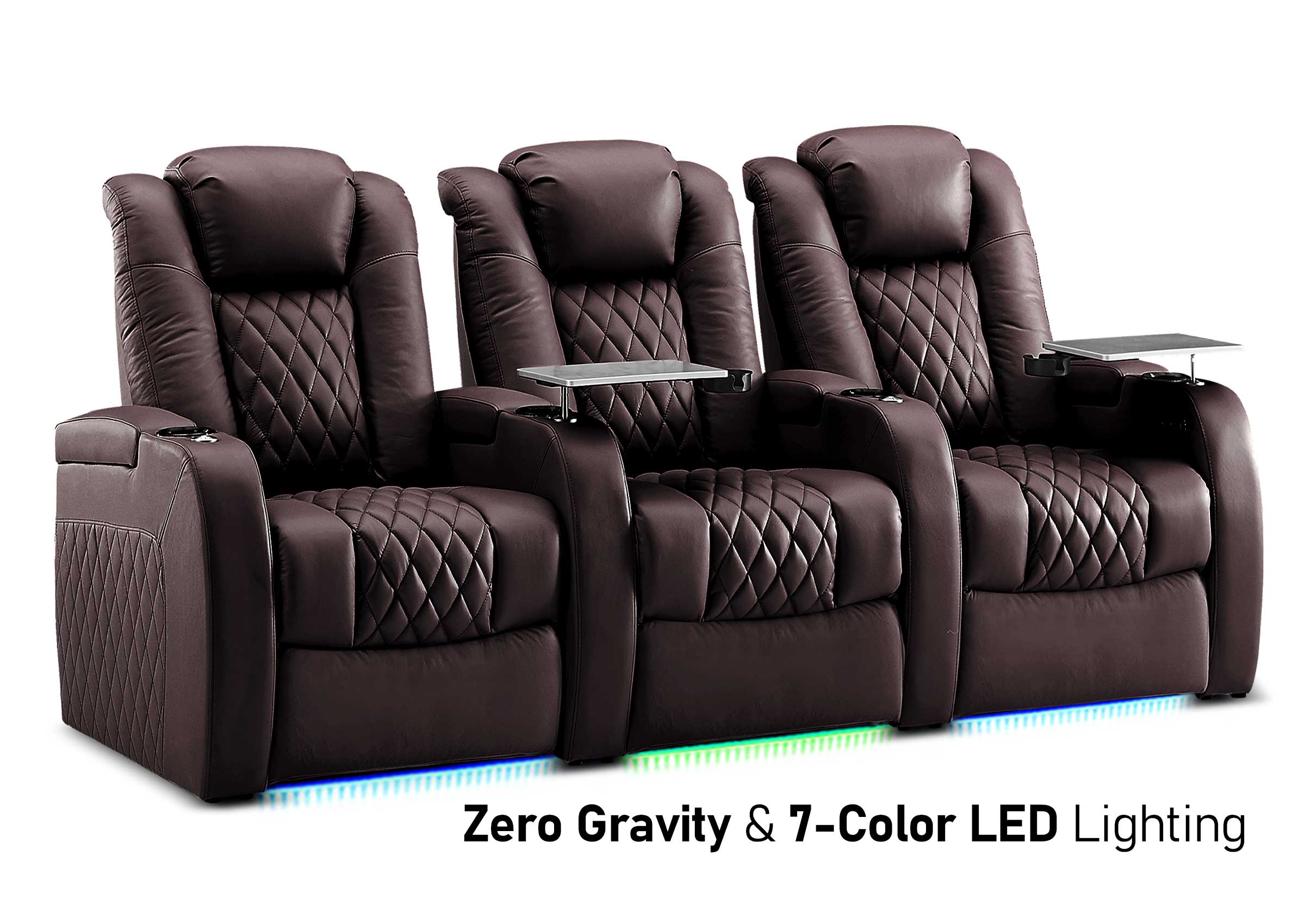
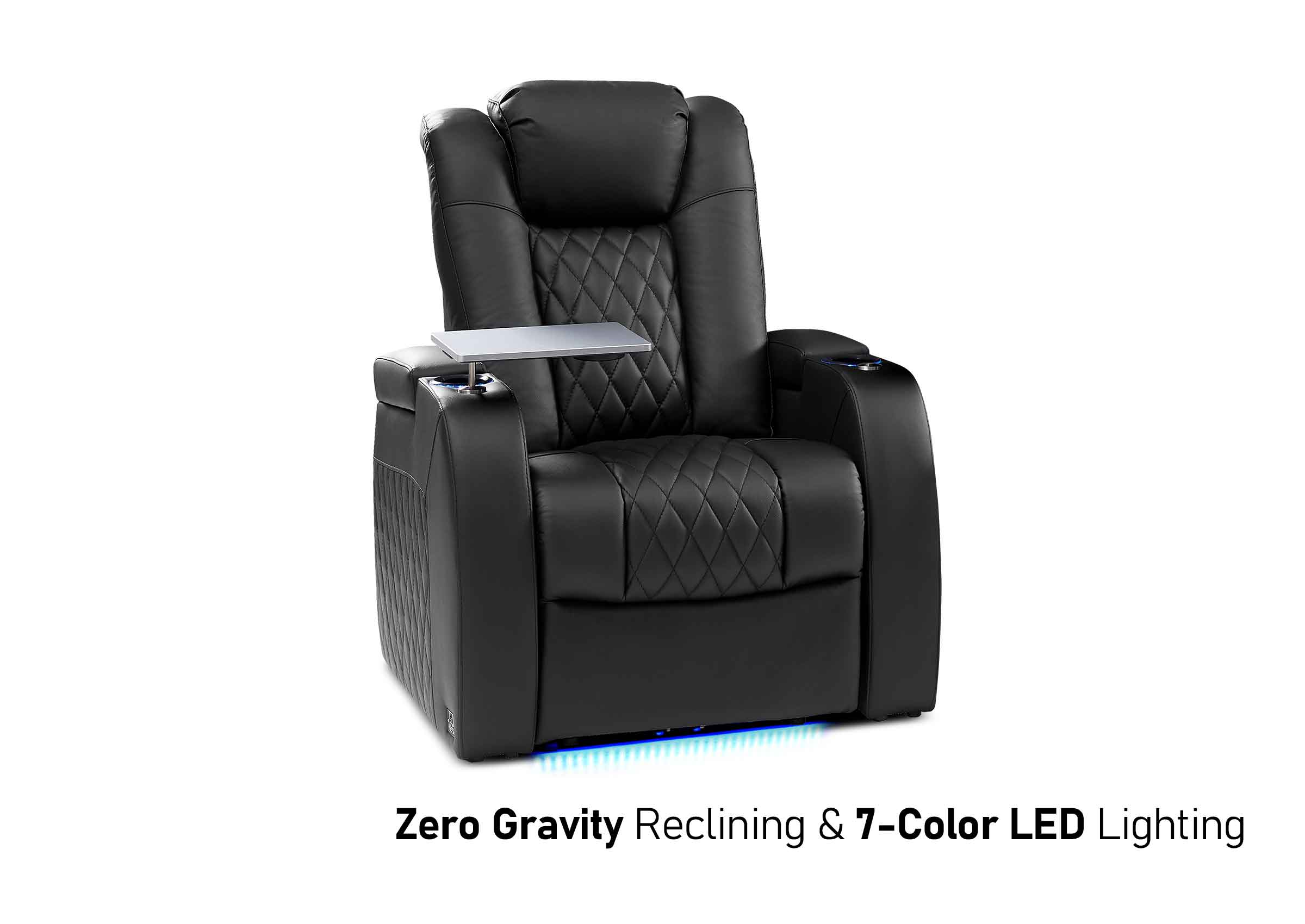
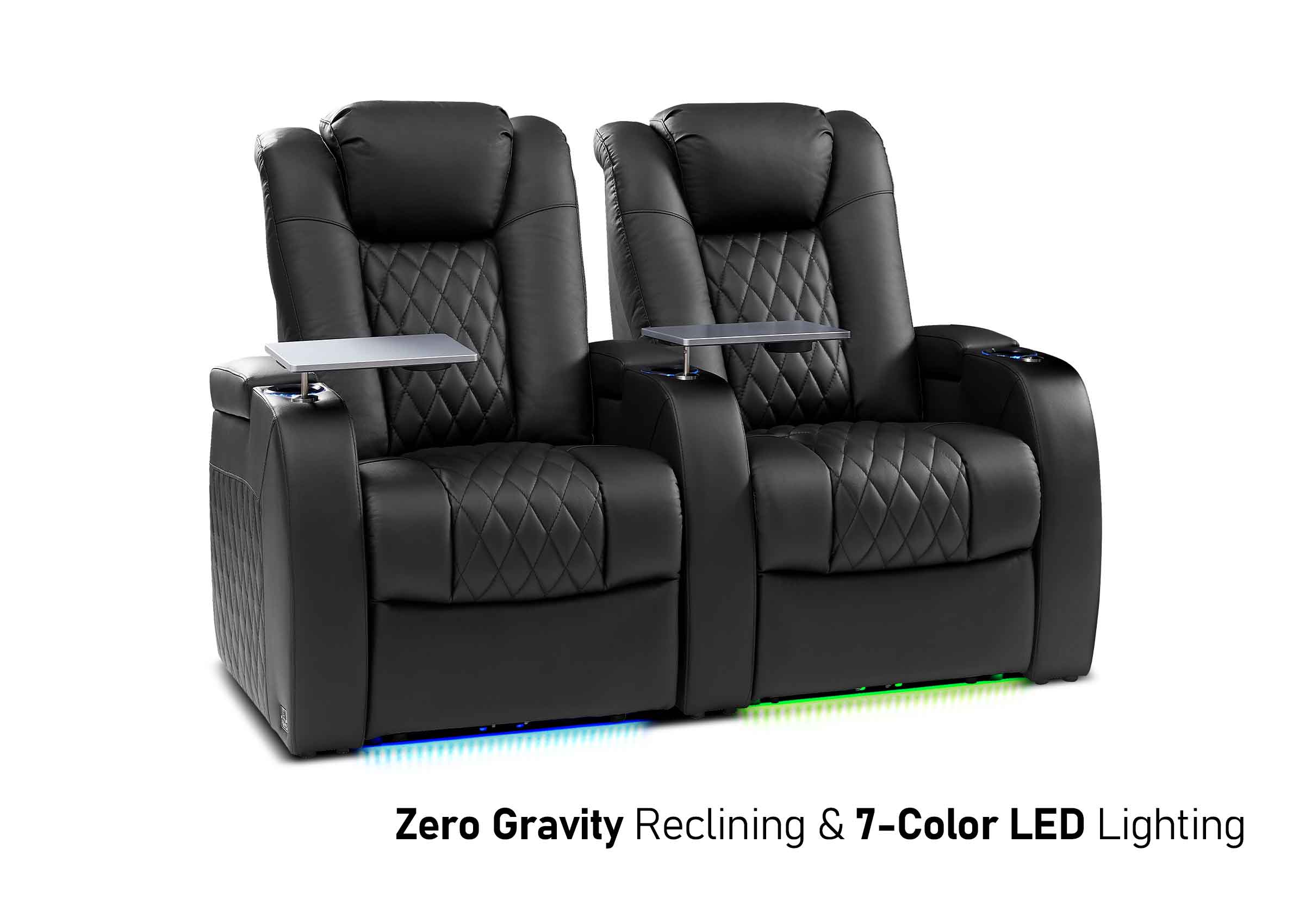
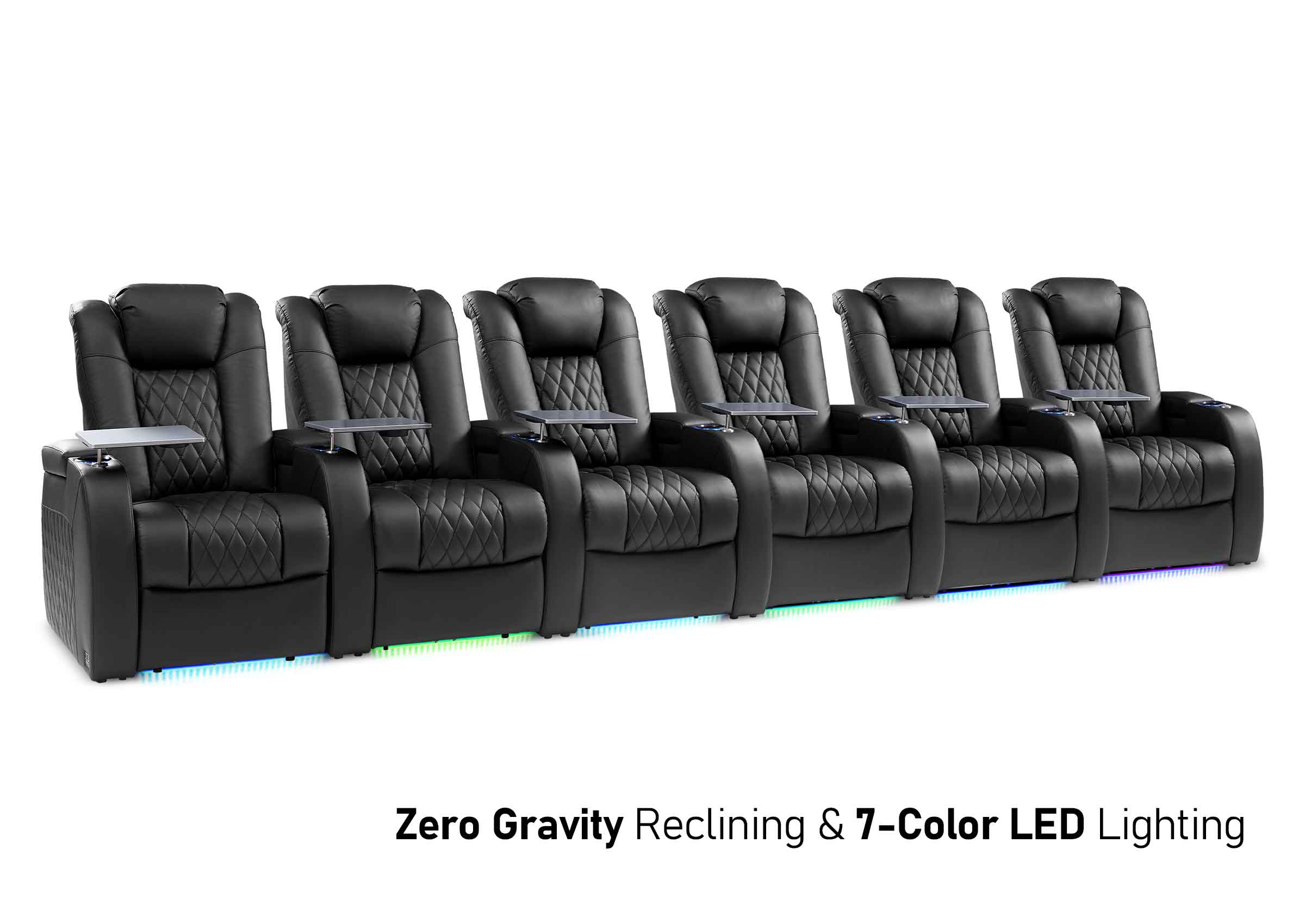
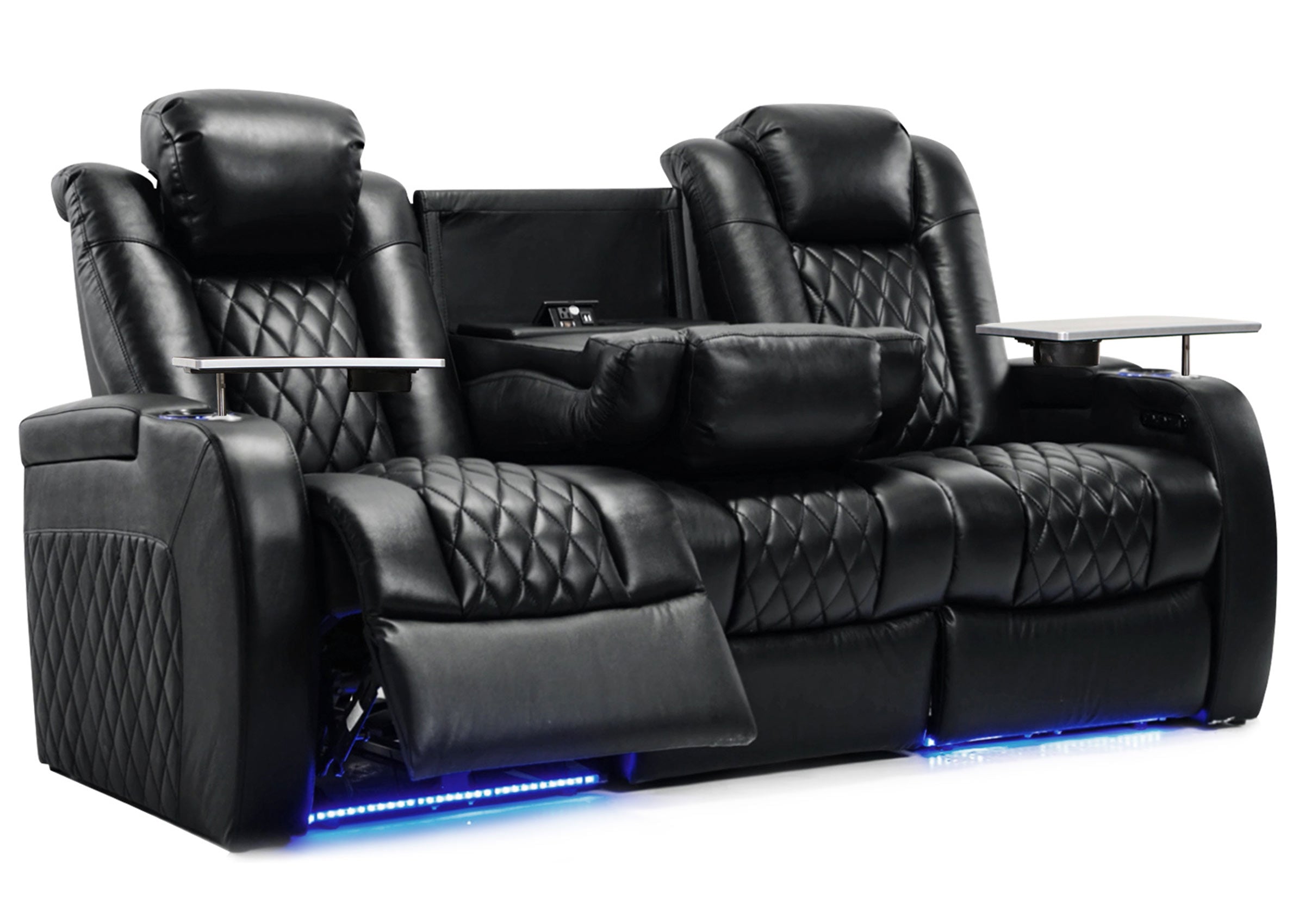
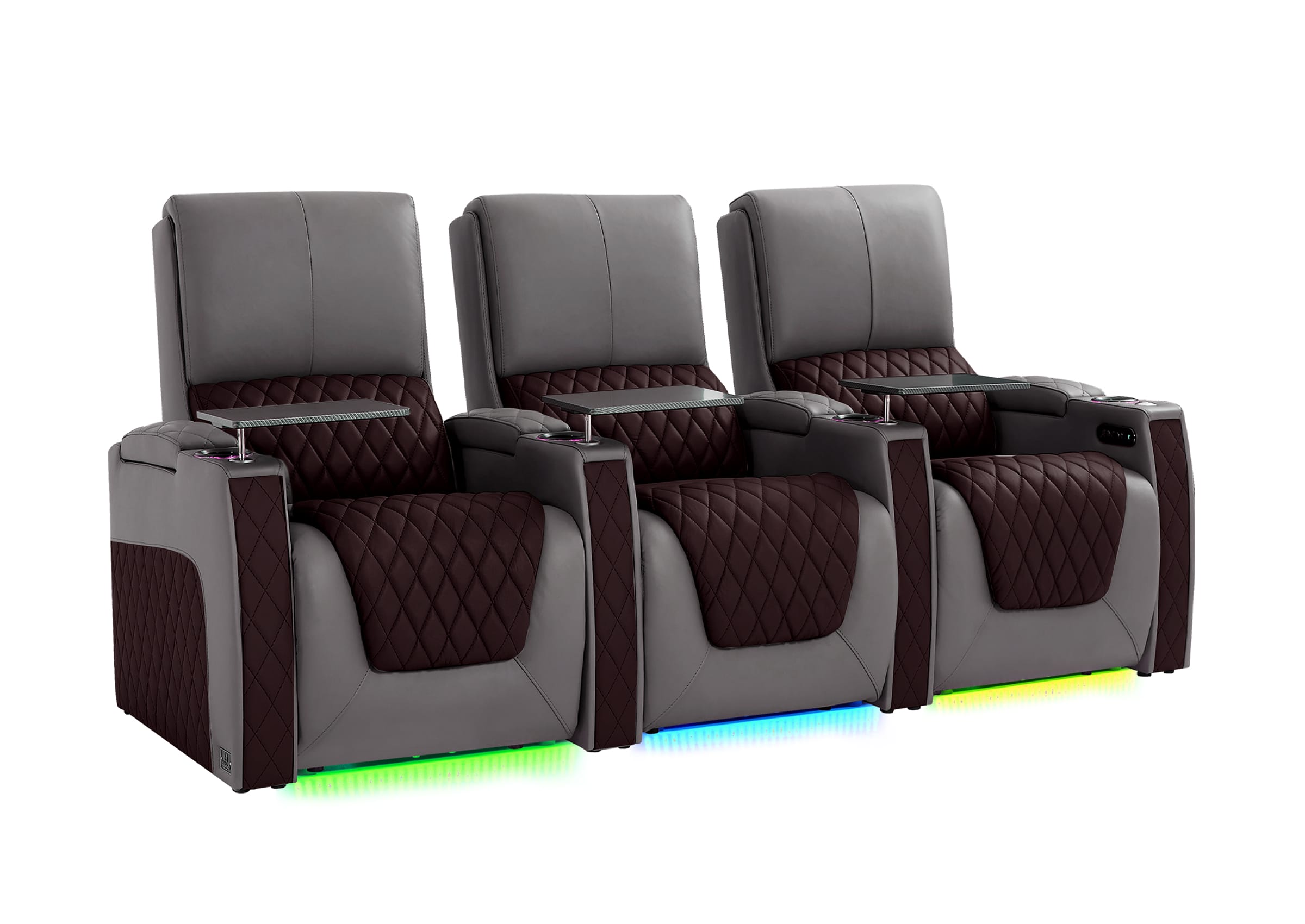
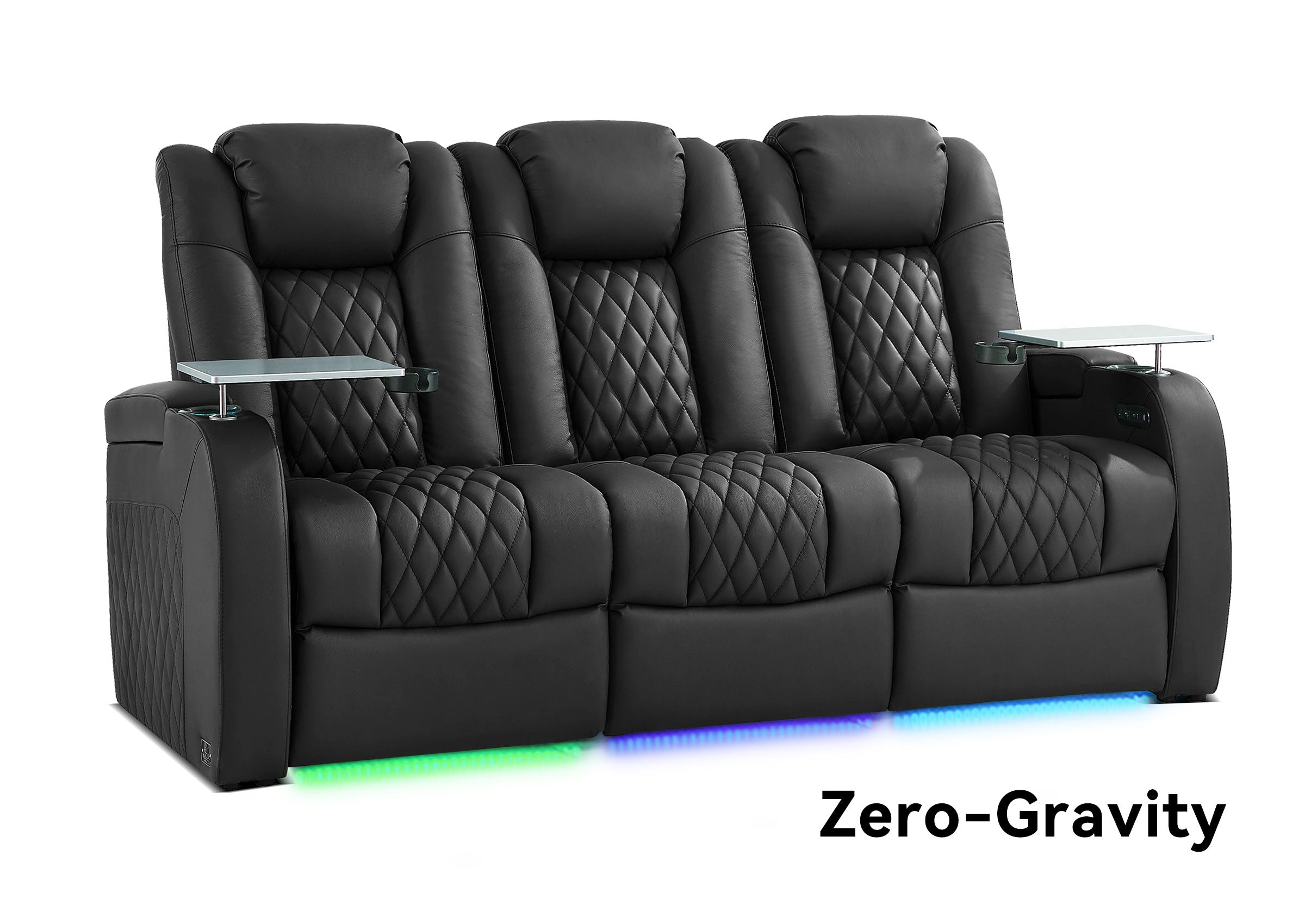
For home theater users, the core comfort features still matter. Power recline, adjustable headrests, power footrests, lumbar support, zero gravity-style comfort, cup holders, storage consoles, USB charging, tray tables, and LED ambient lighting can all make long movies, sports nights, and family entertainment easier to enjoy.

But modern seating can go beyond a traditional theater room. These same features can also support living rooms, media rooms, gaming rooms, dens, reading corners, basement lounges, guest spaces, and custom projects.

For example, an adjustable headrest is useful in a theater because it helps keep the screen angle more natural while reclining. In a den, the same feature may support reading or music listening. USB-C charging may support gaming devices in one room and everyday phone charging in another.

For Small Rooms: Comfort Without Crowding the Space

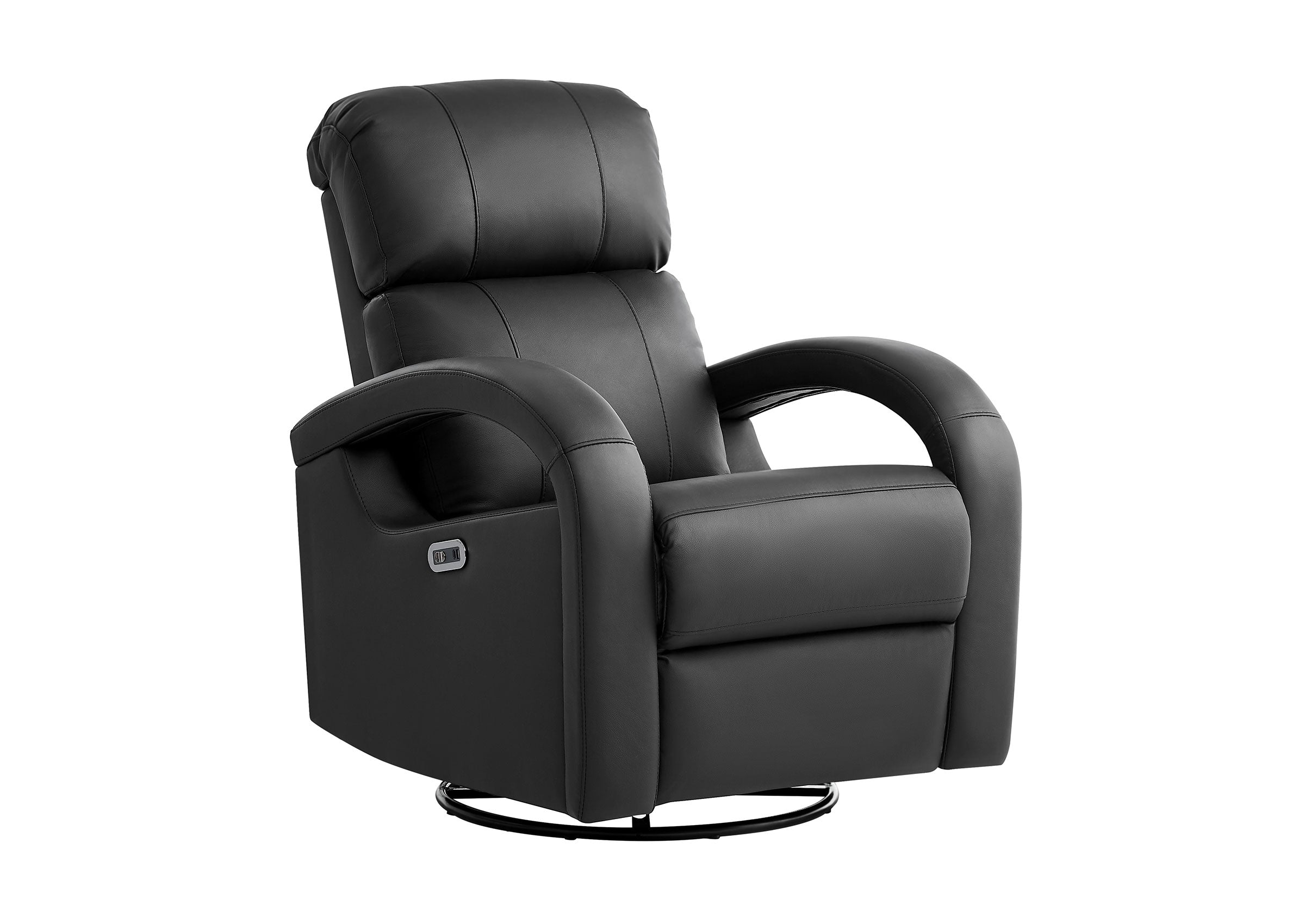
Small rooms need careful planning. Many buyers focus only on seat width, but recliners also need space when fully opened. A chair that looks compact when upright may block a walkway, door, drawer, vent, or wall when reclined.

For smaller home theaters, media rooms, apartments, dens, or compact basement spaces, custom planning may focus on:

  • Wall-hugger recliner options

  • Compact modular layouts

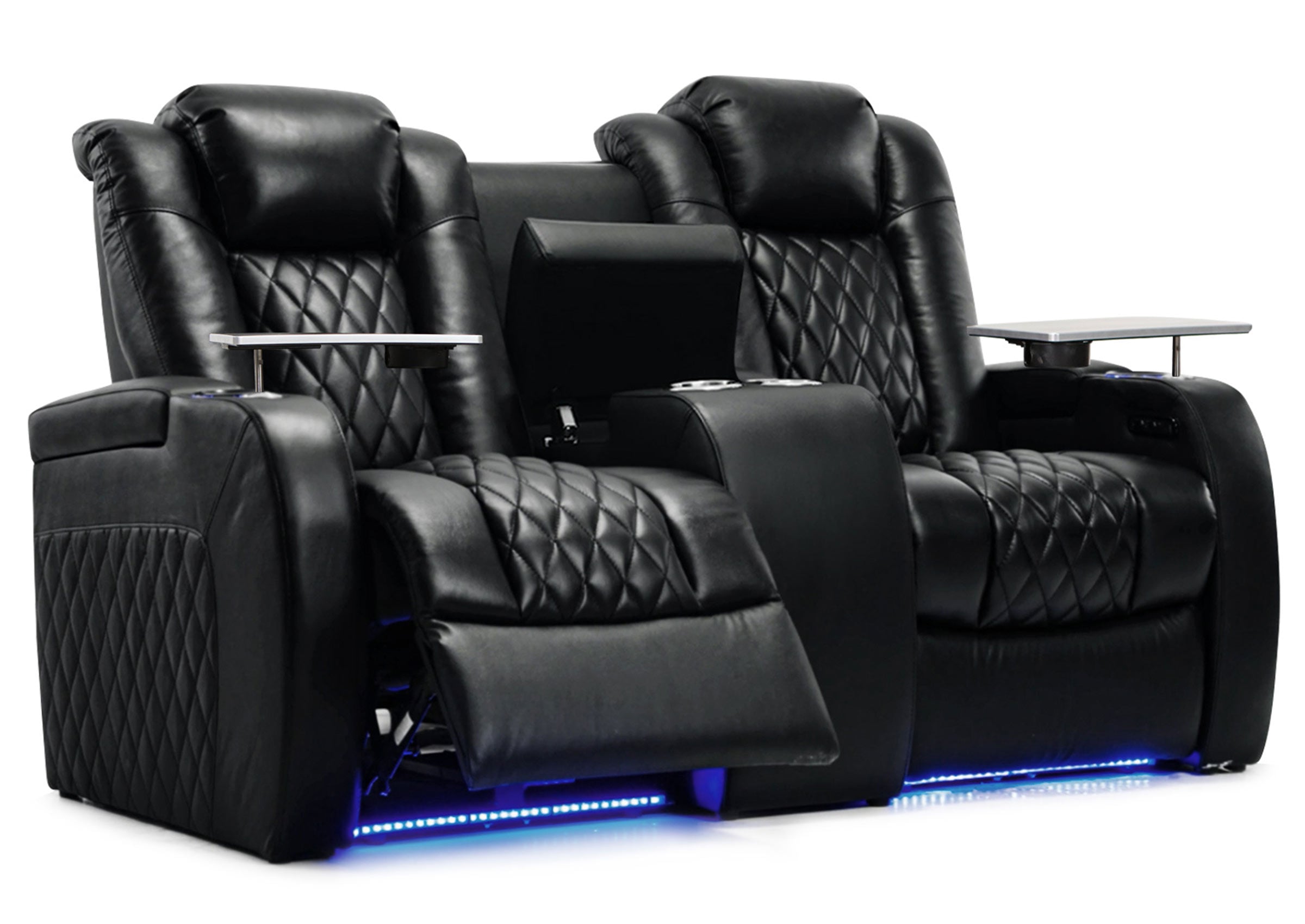
  • Loveseat-style seating

  • Single-arm recliner arrangements

  • Low-profile seat designs

  • Fewer seats with better comfort

  • Recline clearance based on the real room size

For small rooms, the best upgrade is often a smarter layout, not simply more features.

If the room is narrow, a slimmer arm design or modular layout may be more useful than adding too many seats. If the sofa must sit close to a wall, wall-hugger-style planning may help preserve comfort without taking over the room.

Room-Size-Based Customization for Different Spaces

Different room sizes create different seating problems. A large theater room may need row spacing and guest comfort. A small den may need quiet relaxation. A basement lounge may need drinks, air comfort, and storage. A gaming room may need device support and long-session comfort.

Space Type Common User Need Useful Custom Feature Ideas
Small media room Comfort without crowding Wall-hugger design, compact modules, loveseat layout
Narrow room Better aisle and seat fit Single-arm seats, slimmer arms, fewer wider seats
Dedicated home theater Long viewing comfort Power recline, headrest, LED lighting, cup holders
Basement lounge Drinks, guests, long sessions Mini fridge, storage, air comfort, modular seating
Living room Daily relaxation and clean appearance Sofa-style layout, hidden storage, subtle lighting
Den or reading corner Quiet personal comfort Reading light, audio, aroma, lumbar support
Gaming room Devices and long sitting USB-C, tray tables, LED, independent adjustment
B2B project space Consistent guest experience Layout planning, color matching, feature customization

This is where custom seating becomes more useful. The same feature does not matter equally in every room. A mini fridge may be ideal for a basement lounge, while a reading light may be more valuable in a den. Built-in audio may fit a music corner or gaming room, while wall-hugger seating may be more important in a small media room.

Independent Motor Control for More Personal Comfort

One reason users look for upgraded recliner seating is that different people relax in different ways. One person may want the footrest raised. Another may want the backrest deeper. Someone else may need more head or lumbar support.

Depending on the final seat configuration, independent motor control can allow different comfort zones, such as the backrest, footrest, headrest, or lumbar support, to be adjusted more separately. This can be especially useful for shared rooms, family seating, gaming spaces, reading corners, and project lounges.

Independent adjustment makes seating feel more personal, especially when the same room is used by different people in different ways.

For families, this helps each person find a better position. For older users, easier adjustment may reduce the need to manually shift posture. For B2B spaces such as lounges, hotel suites, or private entertainment rooms, more flexible adjustment can help support a wider range of guests.

For Movie Lovers: Viewing Comfort and Atmosphere

A movie room needs more than a large screen. Seat position, recline angle, head support, lighting, storage, and drink access all affect the experience.

Useful seating features may include:

  • Power recline for easier position control

  • Adjustable headrests for better screen viewing while reclining

  • Lumbar support for long movies

  • Zero gravity-style comfort for a more relaxed posture

  • Cup holders and tray tables for snacks

  • Storage consoles for remotes and small items

  • LED ambient lighting for low-level atmosphere

  • Mini fridge options for long sessions

Lighting should support the room without distracting from the screen. A soft glow around the seating can help with night use, but overly bright lighting can reduce the movie experience.

For Living Rooms: Everyday Relaxation with Less Clutter

Many customers do not have a dedicated theater room. They may want a living room sofa that works for movies, TV, family time, and daily relaxation without making the space look too commercial or crowded.

For this kind of room, useful features may include sofa-style layouts, hidden storage, USB-A and USB-C charging, wireless charging ideas, cup holders, tray tables, subtle LED lighting, easy-to-clean material options, and modular arrangements that fit the room shape.

The goal is practical comfort. A living room seat should help people relax after work, charge devices, keep remotes organized, and enjoy movies or shows without turning the entire room into a theater.

For Dens and Reading Corners: Quiet Comfort and Personal Time

A den, study, bedroom lounge, or reading corner may need a different kind of seating. The user may not want a full theater setup. They may want a quiet seat for reading, music, rest, or private relaxation.

Feature ideas may include a reading light, built-in audio, aroma diffuser ideas, humidifier ideas, lumbar support, independent motor control, soft recline positions, and side storage for books, glasses, remotes, or tablets.

This is where comfort seating becomes broader than home theater seating. A seat can support entertainment, but it can also support quiet time, reading, and everyday recovery.

For Gaming Rooms: Support, Devices, and Long-Session Comfort

Gaming rooms need seating that supports long sessions, devices, controllers, drinks, and posture. Many gaming setups also need charging and storage close to the seat.

Useful upgrades may include USB-C charging, wireless charging ideas, phone or tablet holders, tray tables, cup holders, storage consoles, LED lighting, built-in audio, lumbar support, and independent adjustment.

For gaming users, comfort and organization matter together. A seat that looks impressive but has no device support, storage, or posture control may become frustrating during long use.

For Basement Lounges and Sports Rooms: Drinks, Guests, and Long Sessions

Basement lounges and sports rooms often become gathering spaces. People watch games, invite friends, play music, relax, and stay in the room for long periods.

This is where features like a mini fridge can make practical sense. A built-in or integrated fridge idea may reduce the need to leave the room for drinks during movies, games, or sports nights. Cup holders, storage, tray tables, and modular seating can also make the space easier to use with guests.

Air comfort features may also be worth discussing for closed basement spaces. Air purifier, aroma, or humidifier ideas should be viewed as comfort and atmosphere upgrades, not medical solutions. They may help create a fresher or more pleasant room feeling during long sessions.

Home theater seating arranged for live sports viewing and entertainment

Built-In Audio, Voice Control, and Smart Comfort Ideas

Modern seating can also support more personal entertainment and easier control.

Built-in audio may be useful for music listening, casual viewing, gaming, or relaxation in a den or lounge. It should be planned carefully and should not be described as a replacement for a full surround sound system unless the final setup is designed that way.

Voice-control ideas may help when the room is dark, when hands are full, or when older users want simpler seat control. Depending on configuration, voice control may support recline adjustment, lighting control ideas, audio control ideas, or convenience settings.

These features are most useful when they make the seating easier to enjoy, not when they add complexity for the sake of technology.

Air Comfort, Aroma, Humidifier, and Reading Light Ideas

Some users want their seating area to feel more relaxing, especially in closed media rooms, basements, dens, or lounge spaces.

Air comfort features may include purifier ideas, aroma diffuser ideas, or humidifier ideas. These features should be positioned as comfort and atmosphere upgrades, not medical or health-treatment solutions.

A reading light is another simple but useful feature. It can make seating more practical for dens, bedroom lounges, living room corners, study rooms, senior-friendly relaxation spaces, hotel suites, and premium guest lounges. A focused reading light can make the seat feel more personal without turning on the whole room.

Storage, Charging, and Everyday Convenience

Some of the most useful seating features are not dramatic. They are the features people use every day.

USB-A charging, USB-C charging, wireless charging ideas, phone holders, tablet holders, cup holders, storage consoles, extra-wide armrests, and tray tables can help reduce clutter from drinks, phones, tablets, controllers, snacks, remotes, and books.

A good feature should make the room easier to use, not just make the product look more advanced.

home theater seating with USB cup holder and armrest storage

Modular Layouts for Homes and Project Spaces

Modern seating should also fit the room layout. Modular seating can support different seat counts, room widths, and use cases. A small media room may need a compact loveseat-style setup. A larger theater may need multi-row seating. A B2B project may need a consistent layout across several rooms or guest spaces.

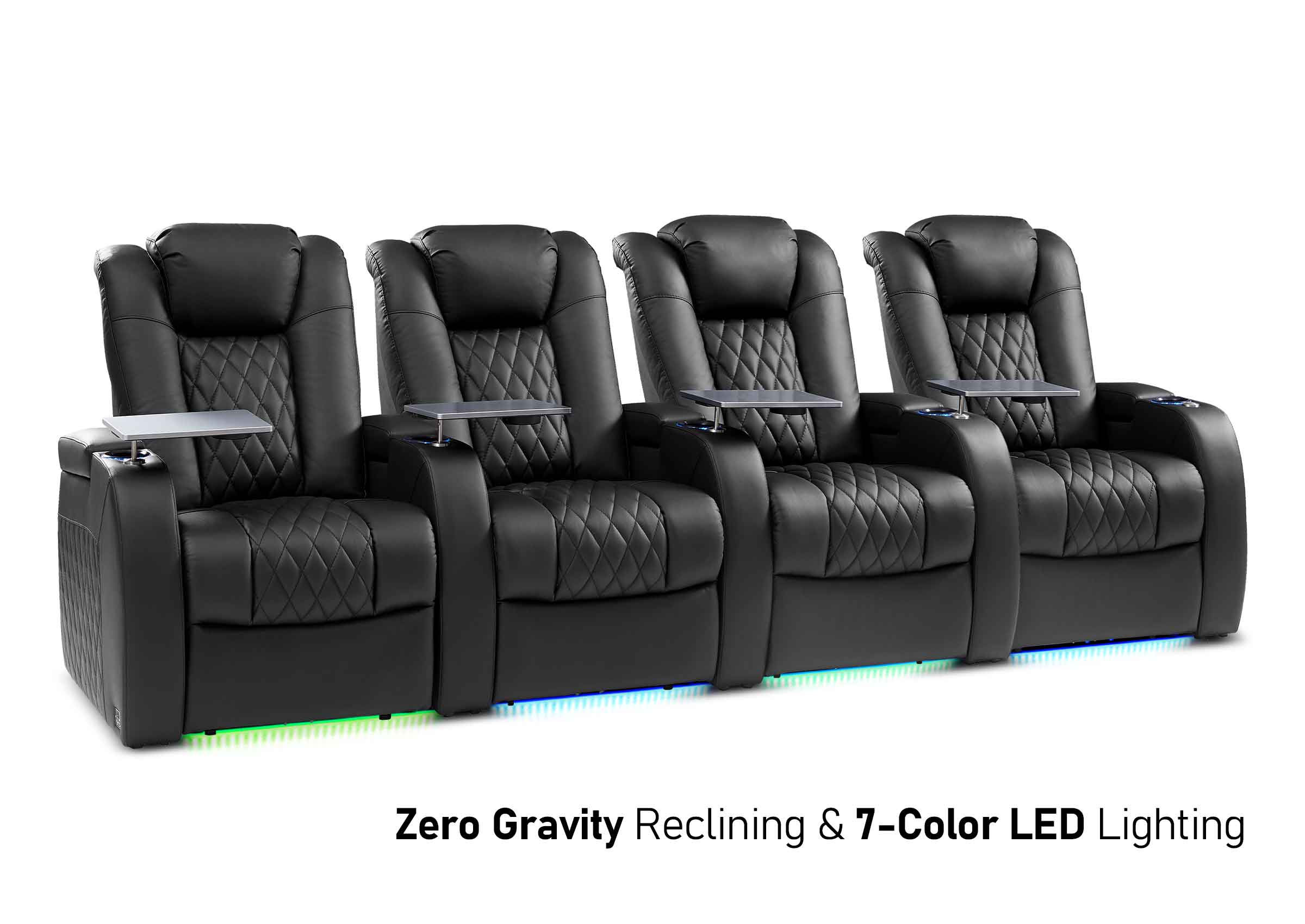
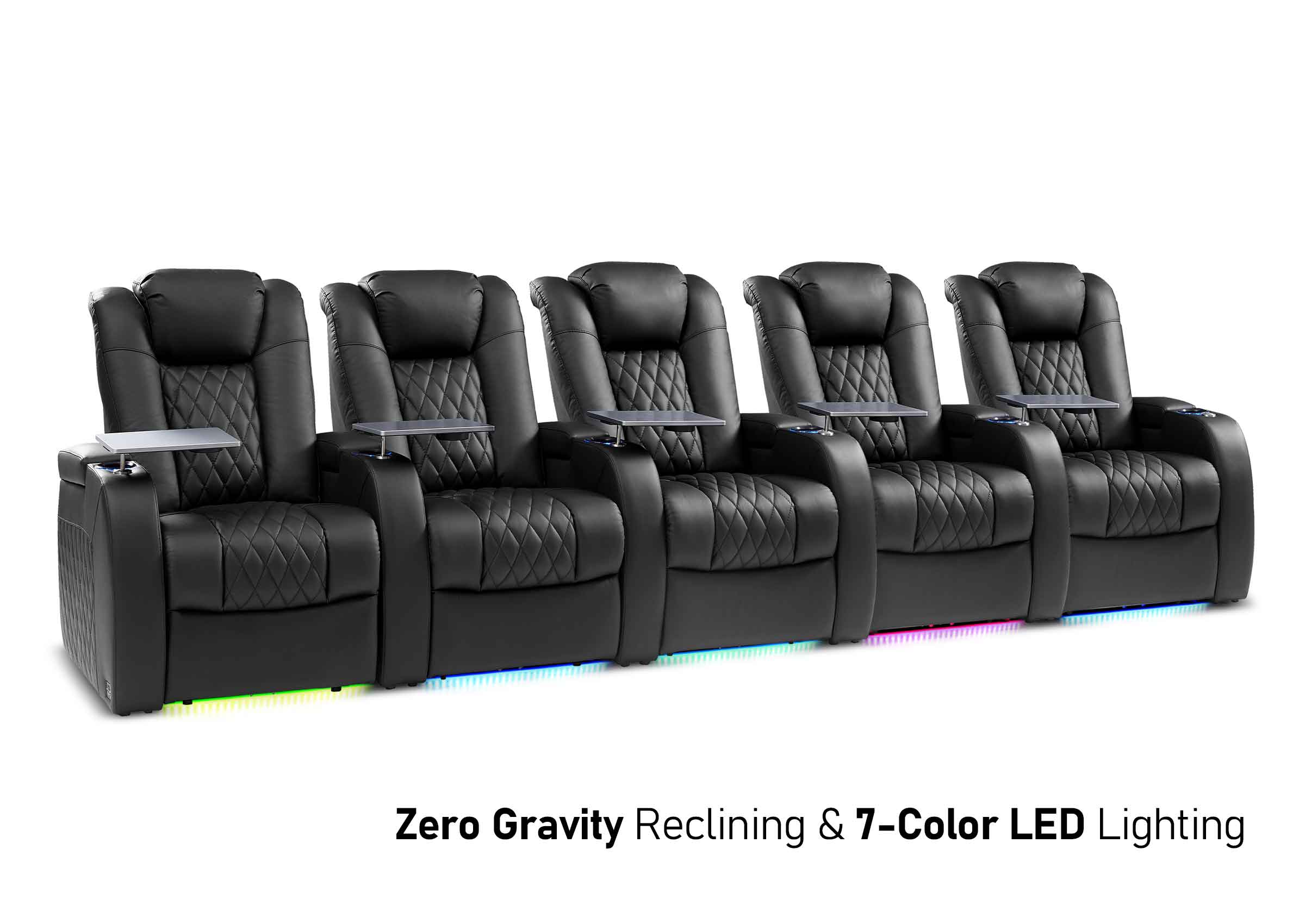
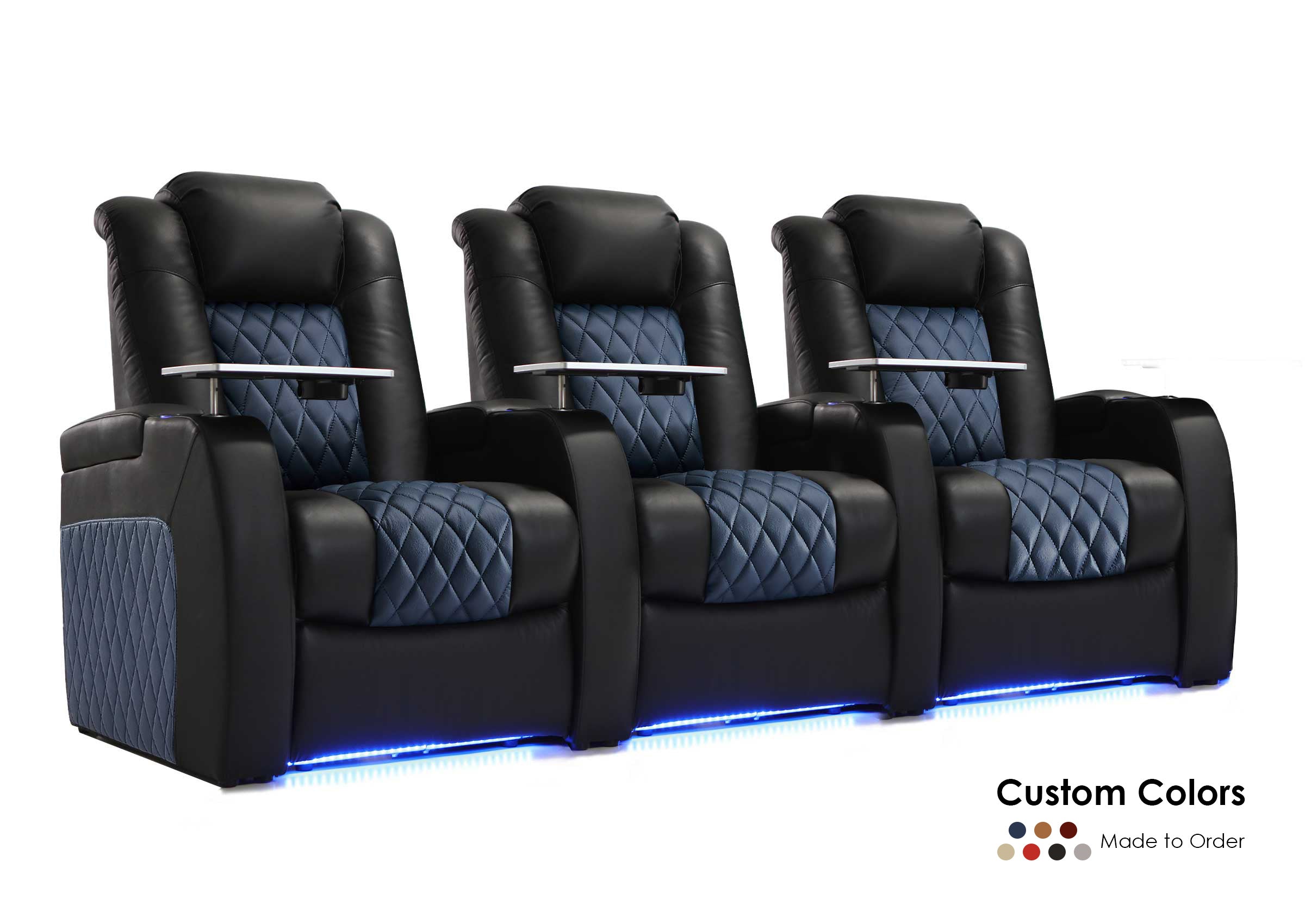
Customization ideas may include modular theater seating, wall-hugger recliners, loveseat layouts, sofa-style layouts, multi-row seating, low-profile seats, Big & Tall options, built-in riser seating ideas, color choices, and accessory customization.

The layout should be planned around the room first. After that, the features can be matched to the way people will actually use the space.

B2C Homes and B2B Projects Can Have Different Needs

Homeowners may care most about comfort, daily use, room fit, and family convenience. A family media room may need storage, charging, cup holders, and a layout that works for kids and guests.

B2B clients may look at seating differently. Interior designers, furniture dealers, homestay owners, hotel buyers, premium lounges, commercial screening rooms, villa cinema projects, yacht theater projects, and entertainment spaces may care about guest experience, layout consistency, color matching, durability, and feature integration.

Weilianda can discuss seating ideas for both home users and project clients. The conversation should start with the room, the users, and the purpose of the space.

What to Prepare Before Sharing a Custom Seating Idea

If you have a custom feature idea, the most helpful starting point is not a long product list. It is a clear understanding of your space.

Before discussing seating options, prepare:

  • Room size

  • Room photos or layout sketch

  • Screen or TV location

  • Number of seats needed

  • One-row or multi-row plan

  • Wall clearance

  • Main use: movies, music, gaming, reading, sports, relaxation, or guests

  • Must-have features

  • Nice-to-have features

  • Preferred color or material direction

  • User body size or comfort needs

  • Power outlet location

  • Whether the project is for a home or commercial space

For B2B projects, it may also help to share the project type, estimated quantity, room style, target users, and any special guest-experience requirements.

FAQ (Comfort, Ergonomic & Smart Seating Upgrades)

What are home theater seating upgrades?

Home theater seating upgrades are features that improve comfort, support, and everyday usability. They often include better ergonomic design, improved reclining systems, and optional smart features that enhance long sitting sessions such as watching movies or gaming.


What makes ergonomic seating different from regular seating?

Ergonomic seating is designed to support the natural posture of your body. It helps align the spine, reduce pressure on the lower back, and support the neck and shoulders more effectively than standard seating, especially during long periods of use.


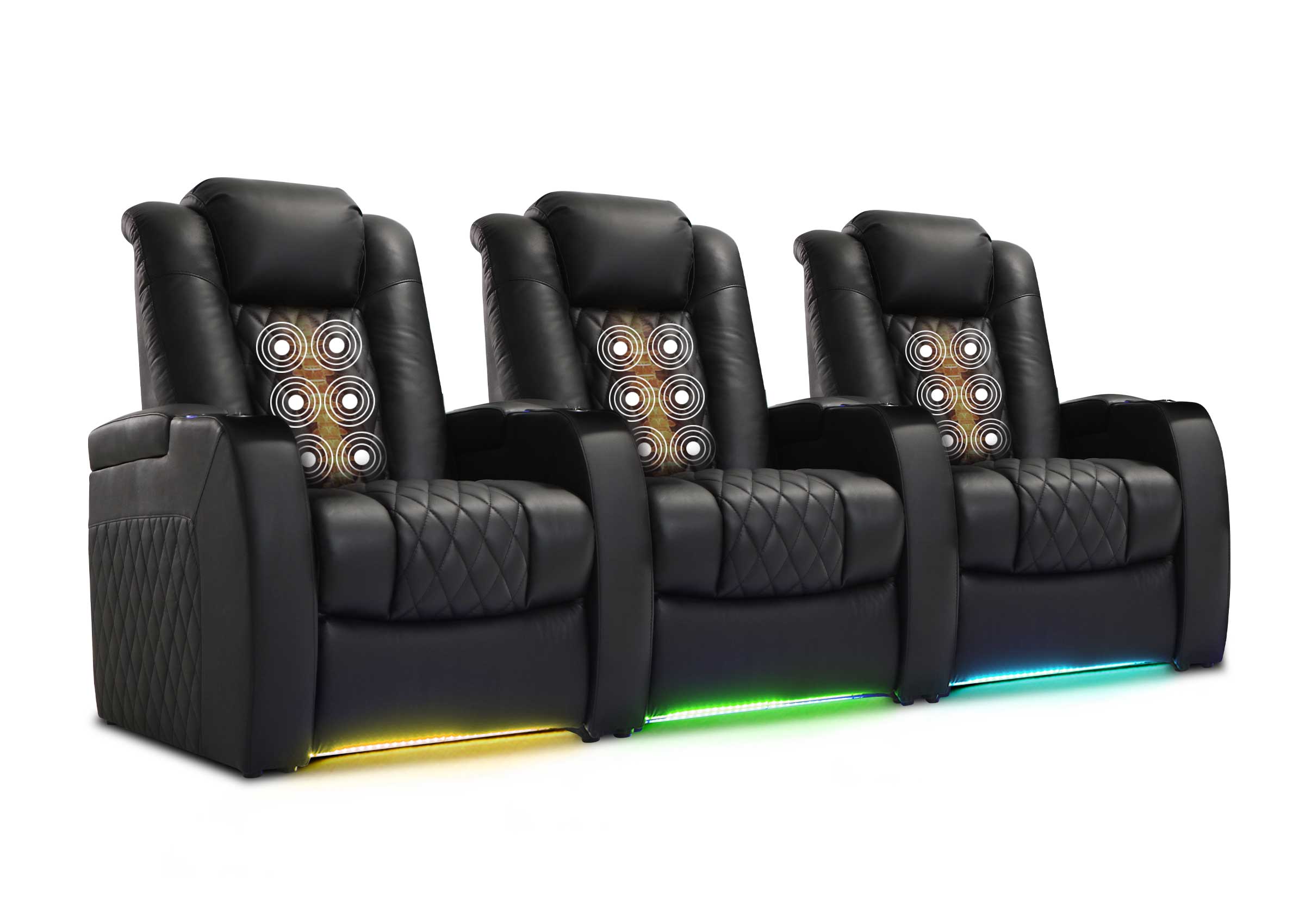
Is massage functionality useful for long sitting sessions?

Yes, massage functionality can help relax muscles and reduce stiffness caused by extended sitting. It is most useful for users who watch long movies, game for hours, or use their seating for daily relaxation.


What features help reduce discomfort during long sitting?

The most helpful features include lumbar support, ergonomic back design, pressure-relief cushioning, and adjustable recline positions. Together, these features help reduce fatigue and improve comfort during extended use.


Can seating be customized for different rooms and uses?

Yes. Seating can be adapted based on room size, layout, and lifestyle needs. Smaller rooms often benefit from compact or wall-hugger designs, while larger or commercial spaces may use modular or multi-row seating layouts.


What smart features can be added to modern seating?

Modern seating can include optional features such as USB charging, built-in audio, LED lighting, reading lights, voice control, and storage options. These features improve convenience and make the seating area more functional for daily use.


How do I choose the right seating features for my space?

Start with how you use the room. For movies, prioritize comfort and viewing support. For gaming or long sitting, ergonomic support matters more. For shared or commercial spaces, flexibility, durability, and layout efficiency become the most important factors.


Can I discuss custom seating ideas with Weilianda?

Yes. You can share your room size, layout, and feature needs to explore suitable seating options. This helps match comfort, space planning, and usage requirements for both home and project-based environments.

Family enjoying movie night in home theater seating

Create a Comfortable Space That Feels Like Yours

Your seating should not feel like a standard product placed into your room. It should feel like part of the way you relax, watch, read, play, listen, host, and spend time every day.

Weilianda has focused on home theater seating manufacturing since 2008 and works with practical seating solutions for real home entertainment spaces. From power reclining comfort and storage-focused designs to modular layouts and custom feature discussions, Weilianda can help explore seating ideas based on your room, lifestyle, comfort needs, and project goals.

If you have a special room size, a new feature idea, or a project that needs more than standard recliner seating, you are welcome to contact Weilianda and share your ideas. Homeowners, designers, dealers, homestay owners, hotel buyers, and entertainment-space project clients can all discuss possible seating directions based on their space and user experience needs.

For custom seating ideas, feature discussions, or project inquiries, contact Weilianda at leon@weiliandahome.com.

Otto

Otto

Otto is the passionate voice behind the Weilianda Home blog, where he shares his expertise in creating the ultimate home entertainment experience.

As a dedicated member of the Weilianda Home team, Otto brings over a decade of knowledge in home theater seating and recliner design, helping customers transform their living spaces into cozy, stylish, and tech-savvy havens for movie nights and gaming marathons. With a keen eye for ergonomic comfort and modern aesthetics, Otto provides insights on choosing the perfect seating solutions, from luxurious leather recliners to customizable theater setups. When he’s not writing about the latest in home comfort innovation, Otto enjoys binge-watching classic films, testing out new tech gadgets, and exploring sustainable design trends. Follow his posts for tips, tricks, and inspiration to elevate your home entertainment game with Weilianda Home.