


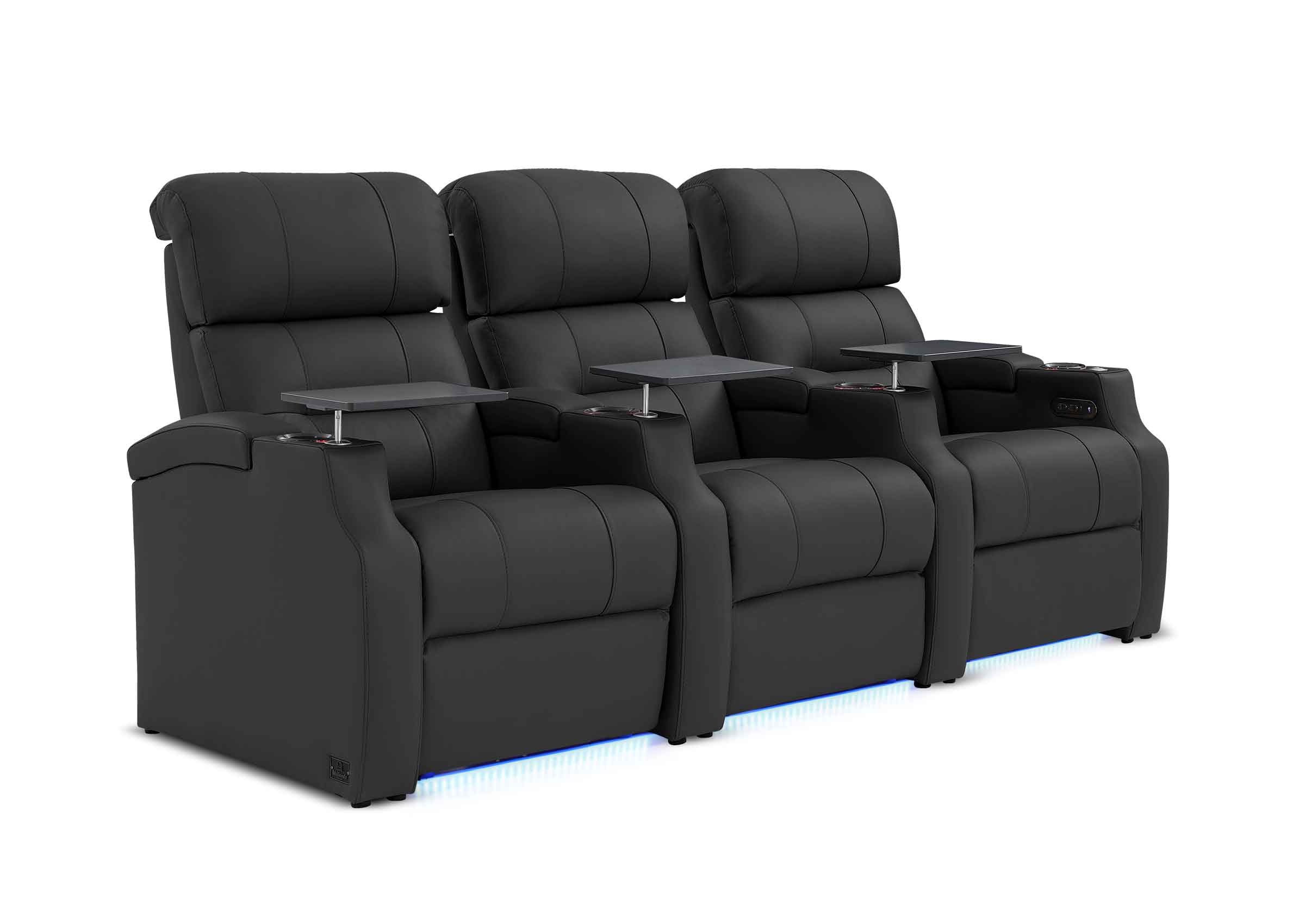
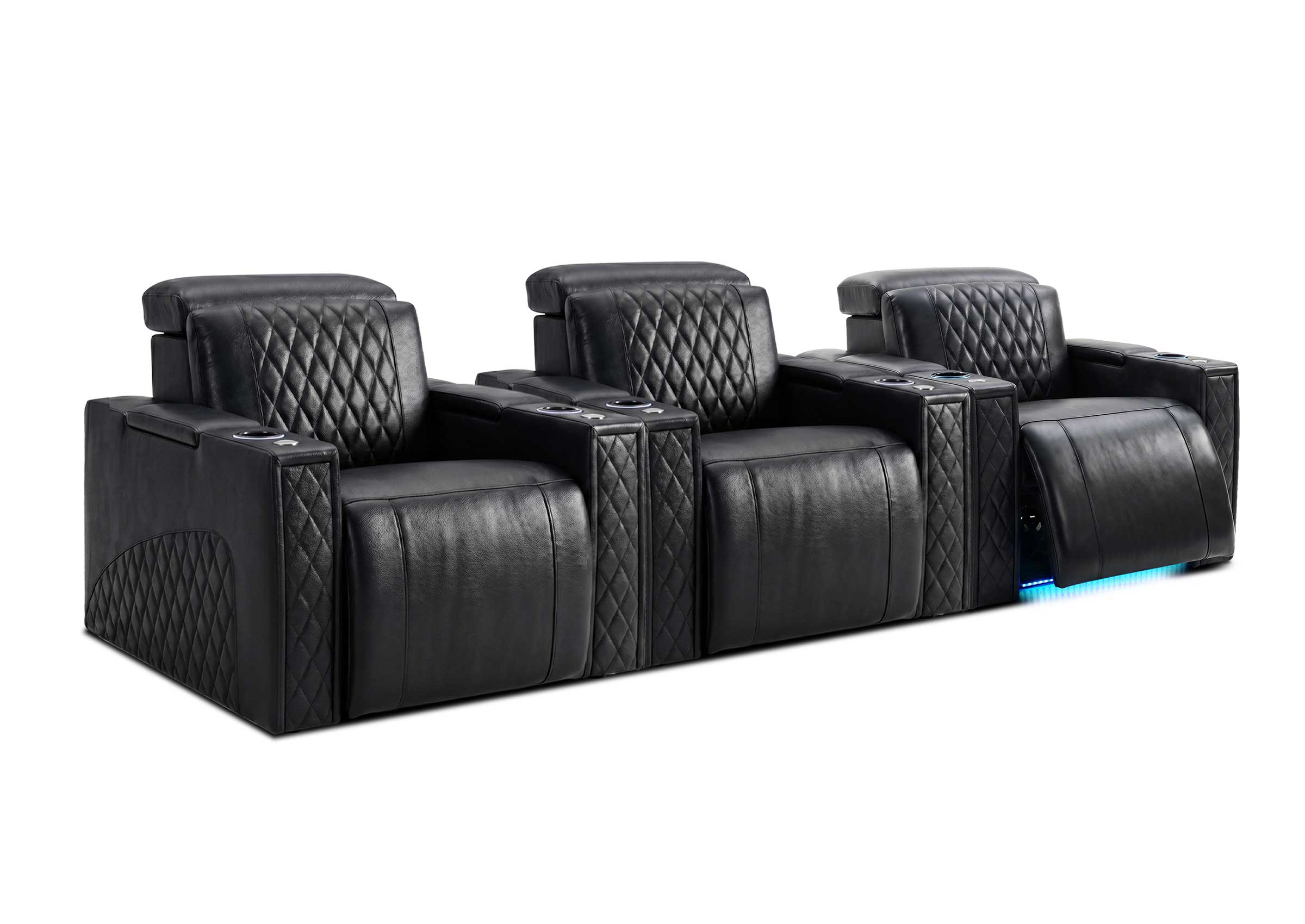

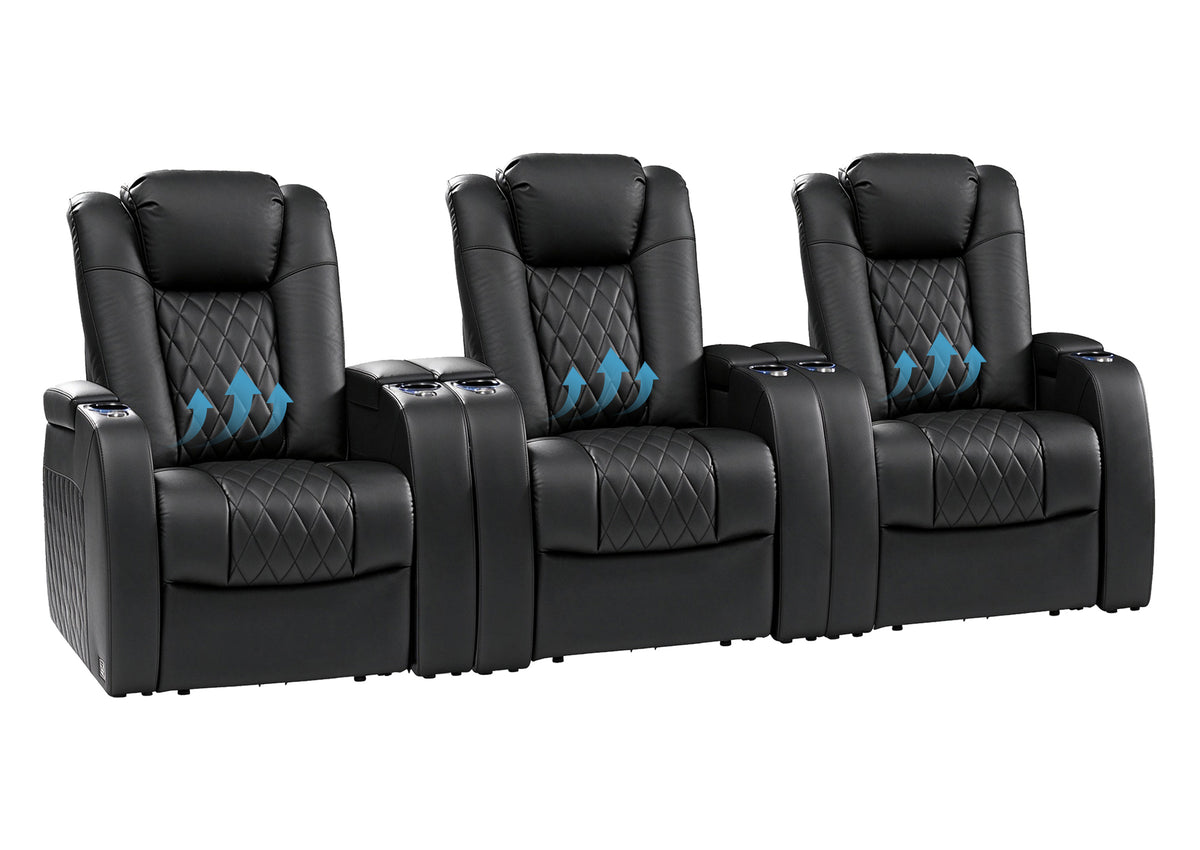
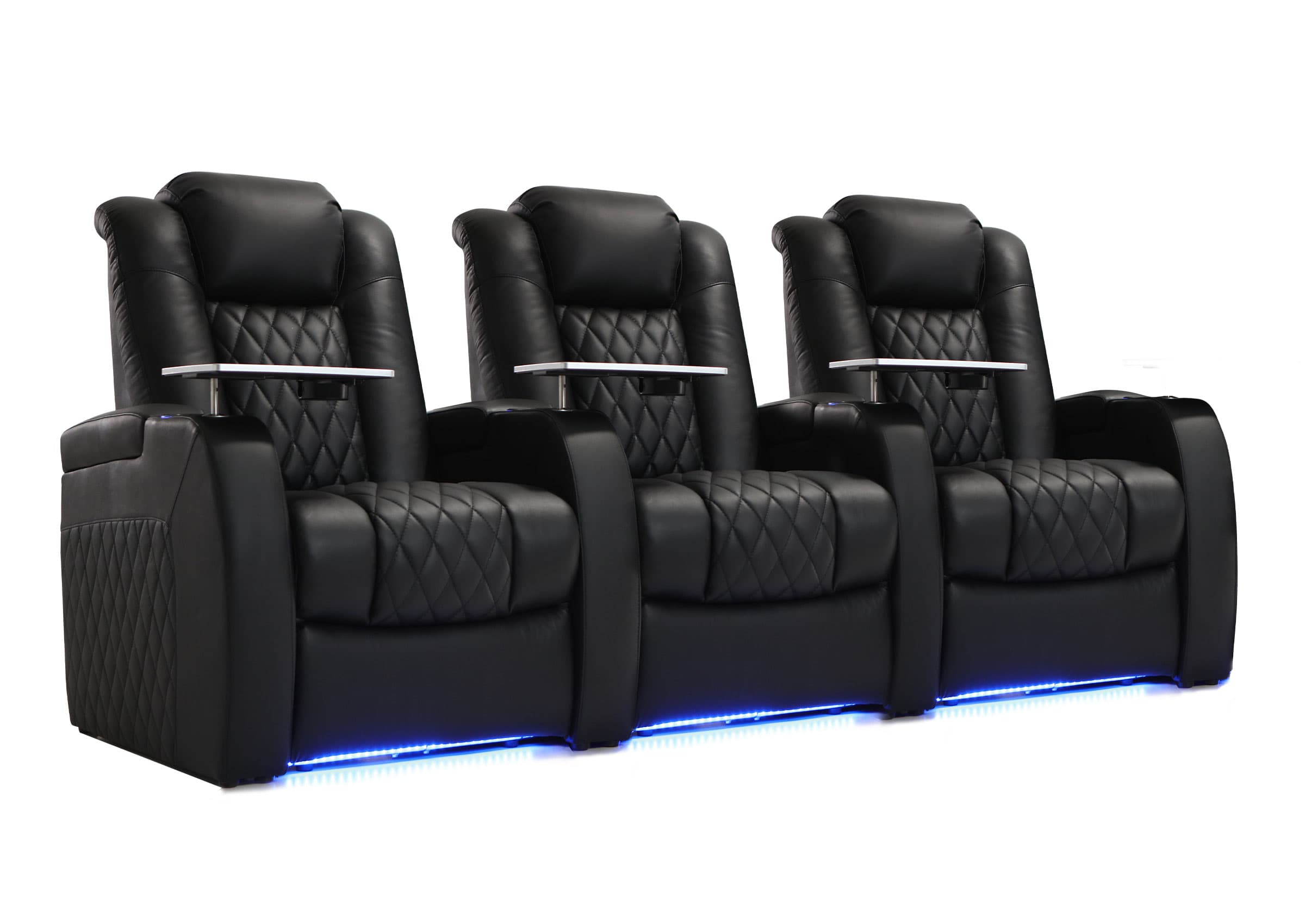

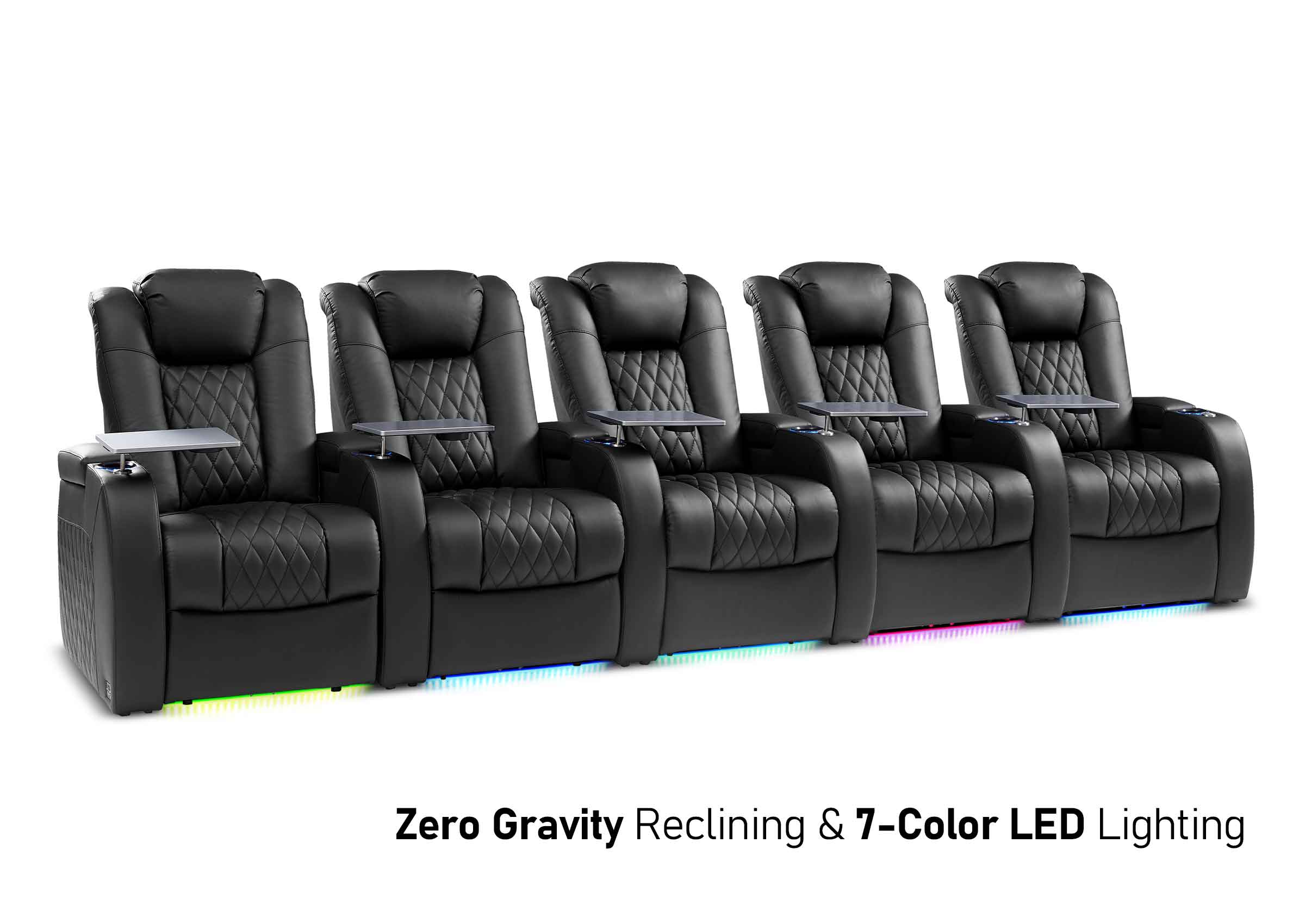
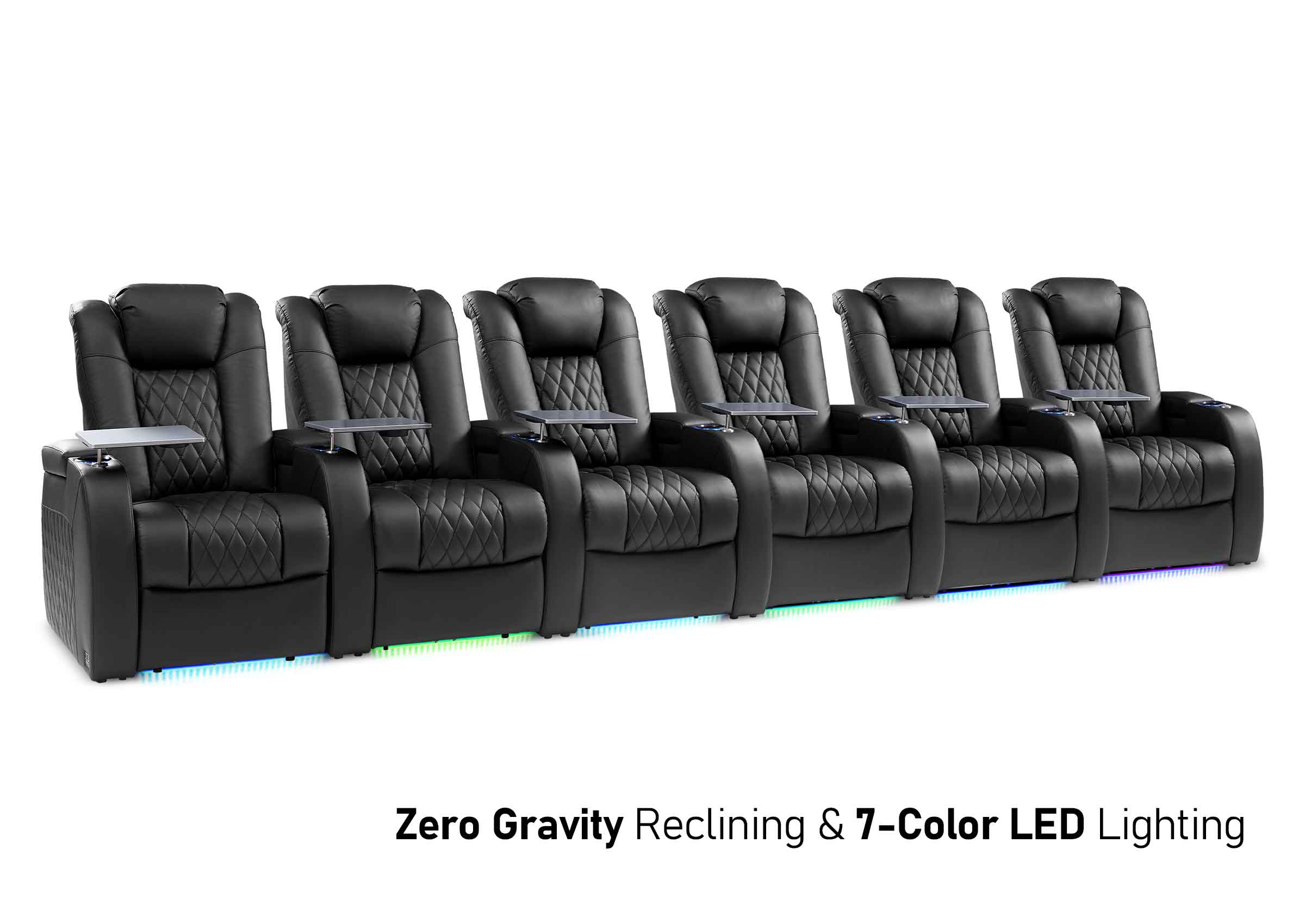
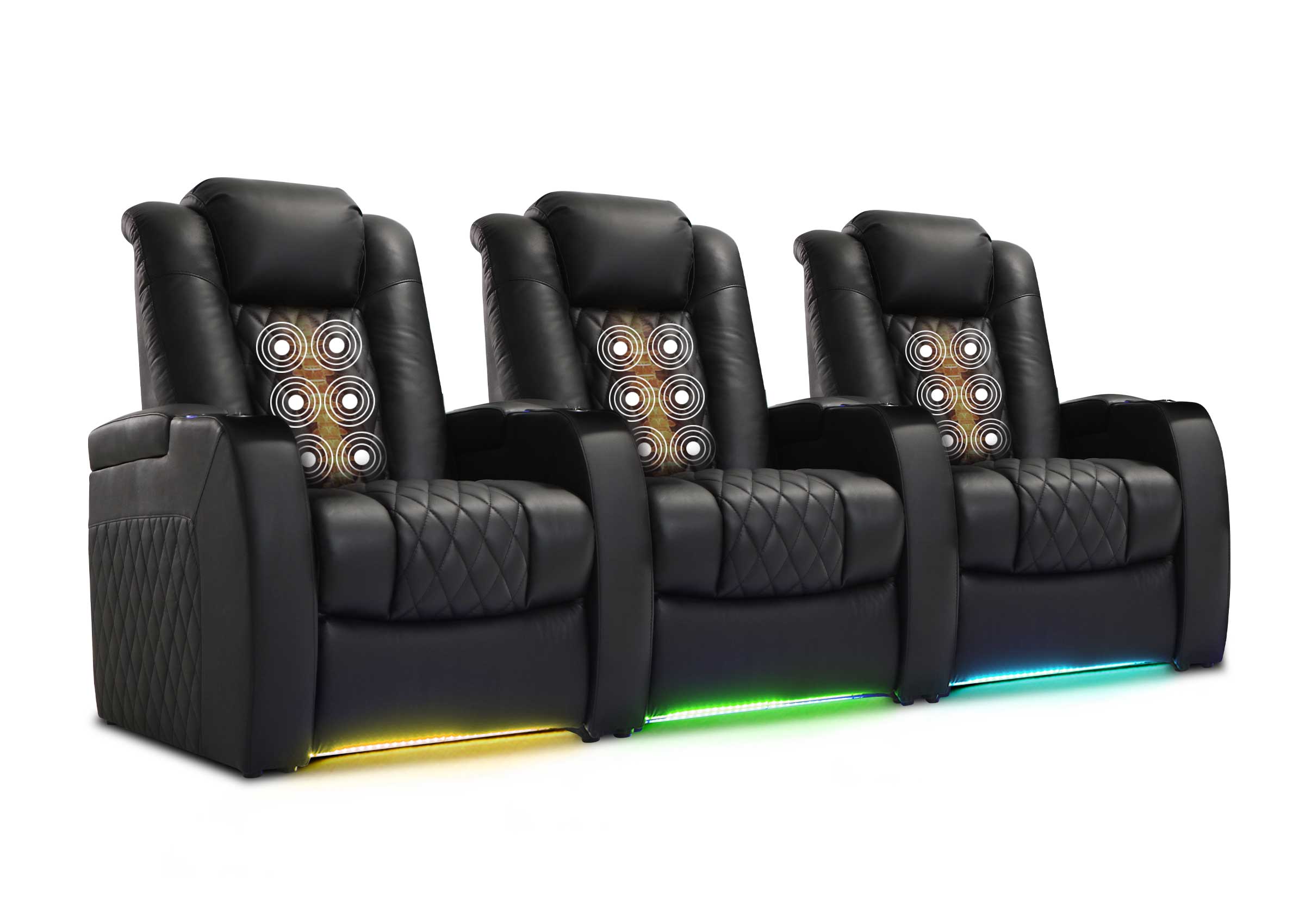

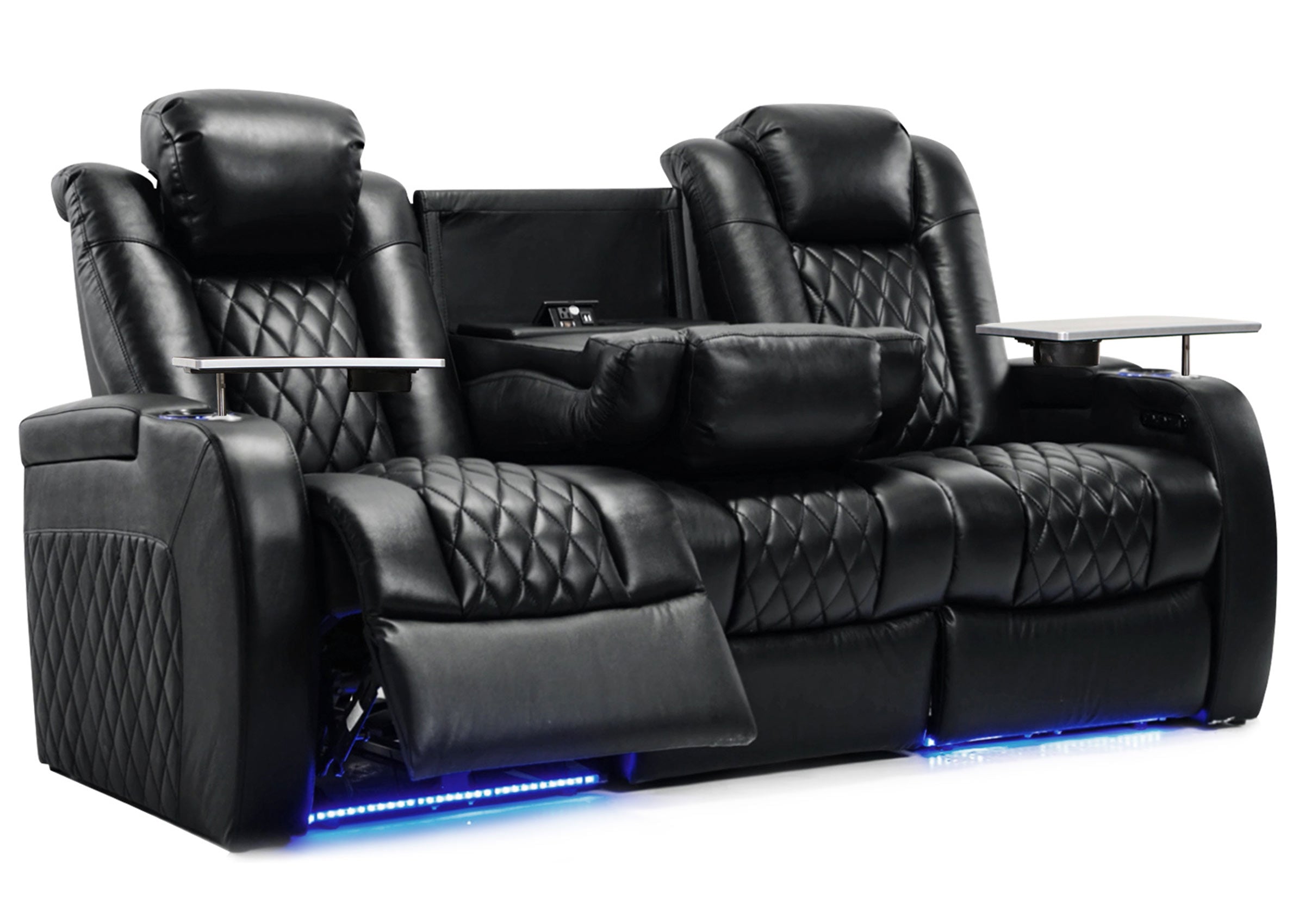



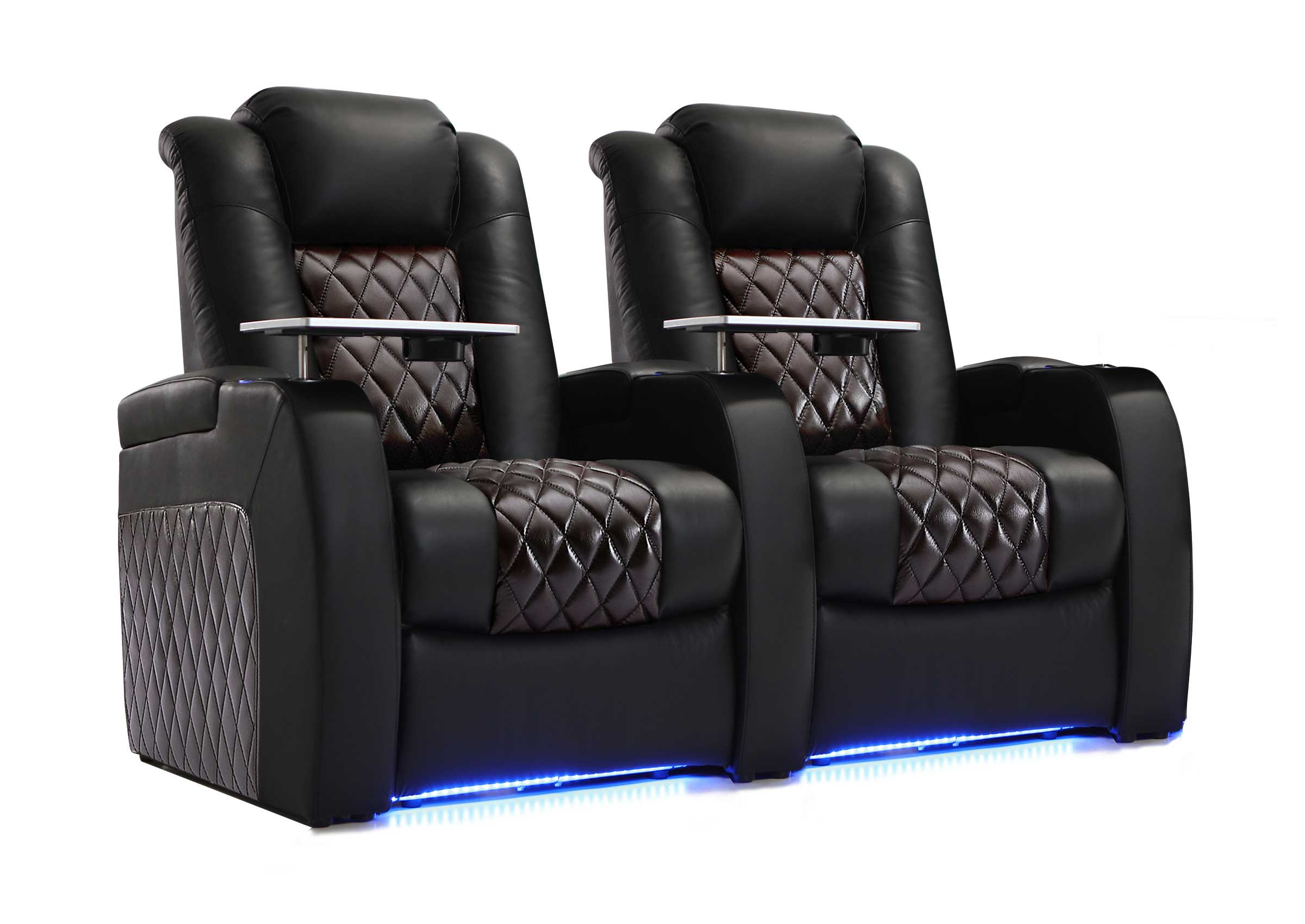
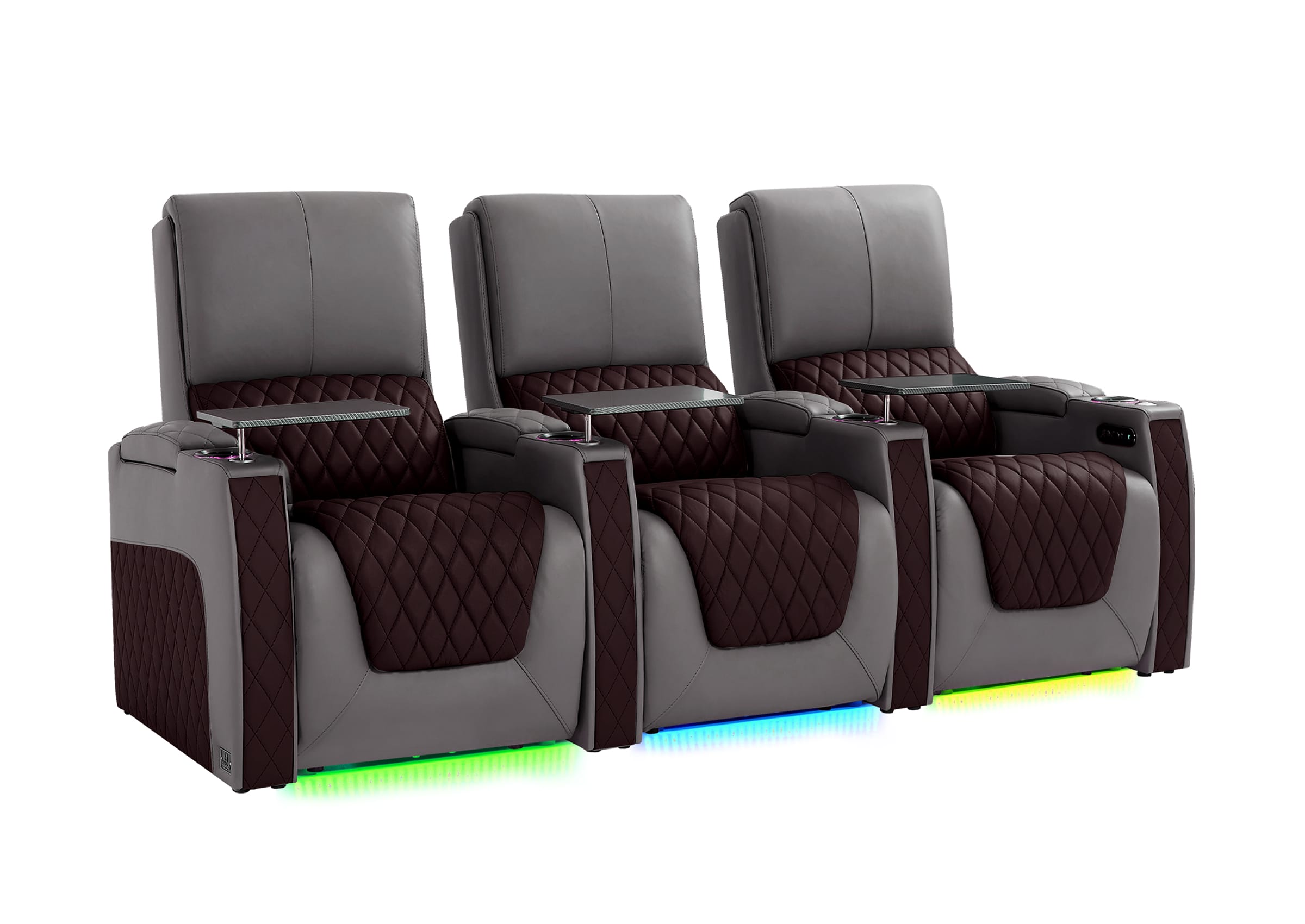
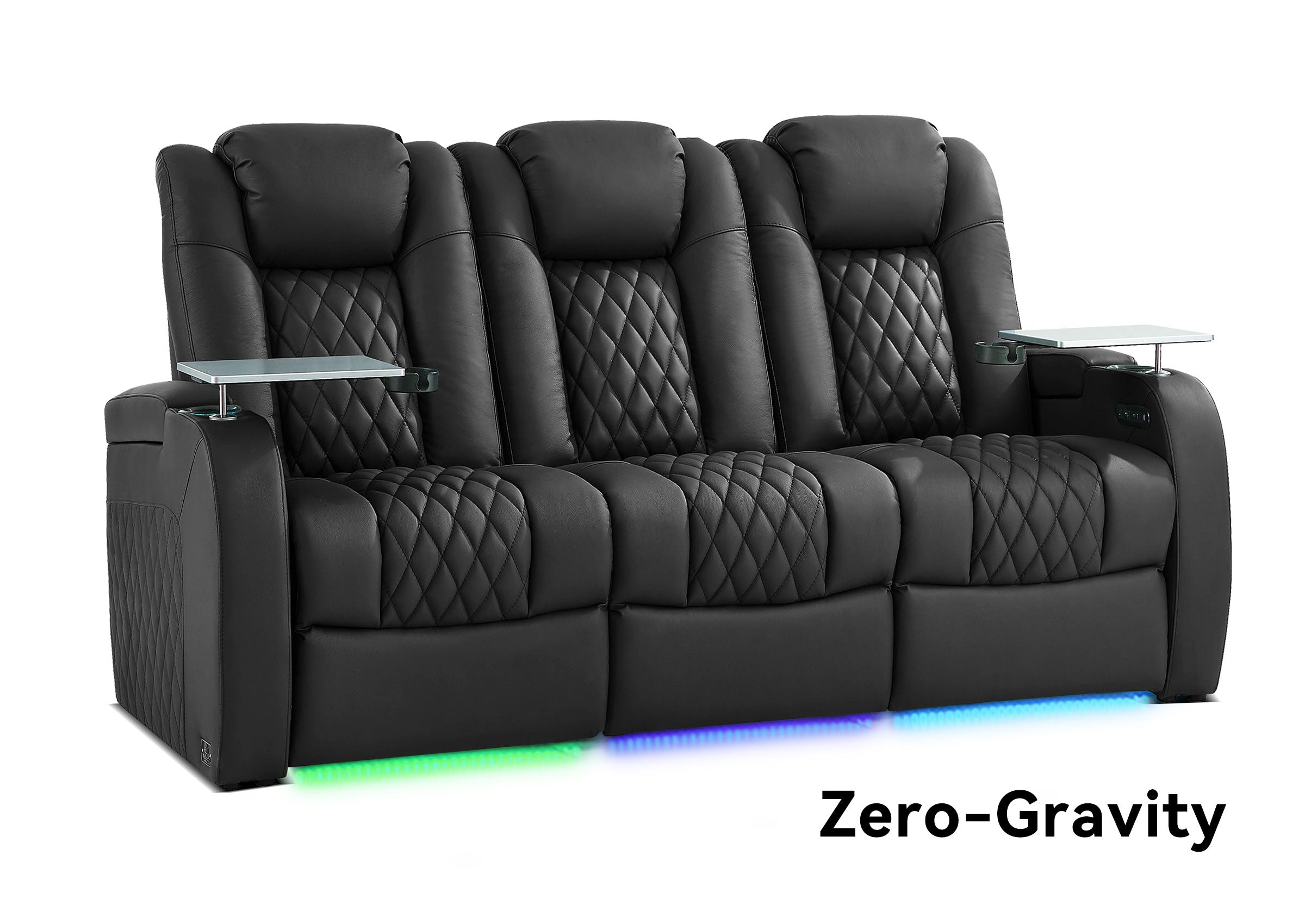


A five-star home theater seating review can still tell you almost nothing.
“Great chair. Very comfortable. Love it.”
That reviewer may be completely sincere. But before you spend thousands of dollars on a row of seats, the review leaves out almost everything you need to know: the reviewer’s height, the exact model, how long they have owned it, whether they sit upright or fully reclined, how long they watch at a time, and whether “five stars” reflects the chair itself or simply a smooth delivery.
Stars tell you how satisfied someone was. Context tells you whether that experience applies to you.
That distinction matters more with home theater seating than with many smaller purchases. Comfort is personal. Room fit is unforgiving. Different configurations can behave differently. And some problems appear on delivery day while others take months or years to become visible.
So the goal is not to find the review with the strongest opinion.
It is to decide whether the review contains the right kind of evidence for the question you are trying to answer.
Why Are Home Theater Seating Reviews So Easy to Misread?
Home theater seating reviews often collapse several completely different experiences into one star rating.
A buyer might be rating:
- how comfortable the seat felt during the first movie;
- whether the row fit the room;
- whether the leather looked good on arrival;
- how smoothly the recliner operated;
- whether all the boxes arrived;
- whether assembly was simple;
- how quickly customer service responded;
- or how the cushioning and upholstery held up after years of use.
Those are not the same question.
A one-star shipping review does not automatically prove the chair is poorly built. A five-star delivery review does not prove the cushion will still feel supportive two years later.
Even the word comfortable becomes difficult to interpret without context. A seat that works well for a 5'7" viewer who normally sits upright may feel completely different to a 6'4" viewer who reclines through three-hour movies.
That is why a useful review should be treated as evidence, not a verdict.
Before trusting it, ask four questions.
Before You Trust a Review, Check Context, Time, Specificity, and Separation
A simple way to read home theater seating reviews more intelligently is to evaluate four things:
Context → Time → Specificity → Separation
You do not need every review to score perfectly in all four areas. You do need to understand what is missing before you let that review influence a purchase.

Context: Who Had This Experience, and Under What Conditions?
“Very comfortable” is a weak piece of buying evidence.
Something like this is much more useful:
6'2", replacing an older theater recliner, uses the seat every evening, usually watches two- to three-hour movies, and prefers a firmer seat.
Now you can compare the reviewer’s situation with your own.
Useful context may include:
- reviewer height or general body size;
- previous seating they can compare against;
- exact seat or configuration;
- one chair versus a connected row;
- dedicated theater versus multipurpose media room;
- upright versus reclined use;
- movie, gaming, sports, reading, or everyday use;
- frequency and length of use;
- children, pets, or other household conditions.
You do not need a reviewer to provide a complete biography.
You are looking for the variables that could change the result.
This is especially important for comfort. Someone saying that a seat is “too firm” may be giving you excellent information—but only if you know enough to decide whether their definition of firm is relevant to you.
The same applies to head support, seat depth, footrest position, lumbar feel, arm width, and ease of getting in and out. If body fit is one of your main concerns, a recliner size and fit guide can help you compare subjective owner feedback with the measurements that actually affect your sitting position.
The more subjective the question, the more important reviewer context becomes.
How Long Has the Reviewer Actually Owned the Seating?
A review should only be trusted for conclusions that its observation period can support.
This sounds obvious, but it is one of the most common mistakes people make when reading furniture reviews.
A review written on delivery day can tell you useful things about:
- packaging;
- visible condition;
- assembly;
- first impressions;
- controls;
- immediate firmness;
- obvious defects;
- initial fit.
It cannot establish:
- long-term cushion support;
- upholstery wear;
- stitching durability;
- repeated mechanism reliability;
- changes in noise;
- how the controls behave after heavy use;
- whether the seat remains comfortable over time.
That does not make first-impression reviews bad.
It simply gives them a different job.
A day-one review can describe delivery and first impressions. It cannot prove durability.
Several weeks or months of ownership may reveal more about regular comfort, feature usefulness, cleaning, small annoyances, and repeated operation.
Long-term owner updates become more valuable when you are researching cushion compression, upholstery changes, recurring mechanism problems, or other issues that need time to appear.
The important question is therefore not:
Is this a recent review?
It is:
Has the reviewer owned the product long enough to support the claim being made?
A three-day review can be excellent evidence about setup.
A three-year review can be excellent evidence about aging.
Neither automatically replaces the other.
Specific Observations Matter More Than Positive Adjectives
Compare these two reviews:
Excellent quality. Extremely comfortable. Highly recommended.
And:
The seat is firmer than my previous recliner, the headrest supports me well upright but feels more noticeable when fully reclined, and the motor has remained quiet during daily use.
The second review gives you far more information even if both reviewers leave five stars.

Words such as:
- amazing;
- premium;
- comfortable;
- sturdy;
- high-quality;
- luxurious;
can describe genuine satisfaction, but they are difficult for another buyer to use.
Specific observations are different.
Look for details such as:
- firmer or softer than a previous seat;
- headrest position at different recline angles;
- how far the footrest supports the legs;
- whether a commonly used cup fits the holder;
- whether the controls are easy to reach;
- whether accessories are actually used;
- whether a motor remains quiet;
- whether one cushion is softening faster than the others;
- whether seams or upholstery are changing in specific areas;
- whether a row feels wider or narrower than expected.
A detailed criticism can therefore be more useful than enthusiastic praise.
In fact, a thoughtful three- or four-star review is sometimes more valuable than a vague five-star review, because the reviewer is explaining both what worked and what did not.
Separate the Product From Fit, Fulfillment, and Service
A star rating often combines four different categories:
| Review Category | What It Can Help You Judge |
|---|---|
| Product | Materials, controls, features, construction, immediate function |
| Fit | Body comfort, head support, seat depth, room compatibility |
| Fulfillment | Packaging, missing parts, shipping, incorrect items, delivery |
| Service | Communication, troubleshooting, replacement support, follow-up |
This separation prevents two common mistakes.
The first is dismissing every negative review as irrelevant because “it was only a shipping problem.”
Shipping and missing-part experiences still matter. They tell you something about the ownership process.
They just do not necessarily tell you whether the seat itself is comfortable or durable.
The second mistake is treating every five-star review as product validation.
Someone can give five stars because the order arrived quickly and the delivery team was helpful without providing meaningful evidence about long-term seating quality.
Ask what the stars are actually rating before you let the stars influence your decision.
“Verified” Does Not Mean “Useful for Every Question”
Verified-purchase indicators can be helpful. At minimum, they may give you more confidence that a real transaction occurred.
But verification does not answer the bigger questions.
A verified buyer can still write:
Great chair!
while an owner in a forum can write three paragraphs explaining body size, room dimensions, recline behavior, five years of wear, and exactly which part eventually failed.
Verification and evidence quality are not the same thing.
Likewise, a professional video review may let you see controls, upholstery, motion, storage, and seat proportions in much greater detail than a short customer comment—but if the reviewer only had the chair briefly, that video still cannot establish long-term durability.
Each source has strengths and limits.
The better question is:
What is this source actually capable of proving?
“Comfortable” Is Not Useful Until You Know Who Was Sitting There
Comfort reviews deserve extra skepticism because two people can sit in the same chair and reach opposite conclusions without either person being wrong.
Seat depth may feel supportive to a taller viewer and excessive to a shorter one.
A headrest may land naturally behind one person’s neck and push another person’s head forward.
A firm cushion may feel supportive to someone replacing a soft, sagging sofa but uncomfortably hard to someone who prefers a deep lounge seat.
Recline changes the equation again.
A chair that feels excellent upright may create a different neck angle once the backrest moves. Footrest length becomes more noticeable when fully extended. Screen height may influence whether a viewer wants more or less head support while reclined.
So when comfort is one of your major buying concerns, prioritize reviews that tell you at least some of the following:
- the reviewer’s approximate height or build;
- what seating they previously used;
- whether they prefer firm or soft support;
- how long they normally sit;
- whether they tested upright and reclined positions;
- which area of the body feels supported or unsupported.
Do not ask whether strangers find the chair comfortable.
Ask whether people who use seating the way you do describe the experience you want.
A Same-Person Comparison Can Be More Valuable Than Dozens of Separate Ratings
One of the strongest types of subjective review evidence is an imperfect but controlled comparison.
Suppose one owner has two different seating models in the same theater.
The same person is evaluating both. The room is the same. The screen is the same. The viewing habits are similar. Many variables that normally make comfort reviews hard to compare have been reduced.
That makes statements such as:
Model A feels more comfortable, while Model B gives me better neck support.
more useful than comparing an unrelated five-star Model A review with an unrelated three-star Model B review.
But the time limit still matters.
A real Weilianda customer who installed both Chic and Astronaut seating in the same theater reported after a couple of days that the Astronaut felt more comfortable while the Chic provided better neck support. That is useful relative comfort evidence because the same owner experienced both models in the same environment. But a couple of days of use cannot establish long-term durability. You can see the full setup in the Chic and Astronaut mixed-series customer review.
This distinction is important.
Good evidence does not have to answer every question to be valuable. It only needs to be used for the question it can actually answer.
What Can a Detailed Five-Star Review Really Tell You?
Consider another real Weilianda owner review.
The customer replaced older theater seating with a five-seat Astronaut Series setup and specifically noted that the new seats felt smaller than the previous chairs, that the cushioning felt fairly firm, that zero-gravity reclining was useful, that USB charging was faster than expected, and that setup was straightforward.
That review is useful because it contains comparison points and tradeoffs rather than generic praise.
It provides evidence about:
- relative seat size;
- initial firmness;
- whether specific features were actually used;
- assembly experience;
- immediate ownership impressions.
It does not prove:
- how the cushioning will feel after several years;
- how the upholstery will age;
- whether every buyer will find the same seat comfortable;
- whether the configuration will fit your room.
The review remains valuable precisely because you do not ask it to prove more than it can.
A Negative Review May Answer a Completely Different Buying Question
The same principle should be applied to negative feedback—including reviews of our own products.
Current Weilianda reviews include complaints involving issues such as missing hardware, incorrect or incomplete deliveries, shipping problems, and difficulties contacting support, alongside reviews focused primarily on the seating itself.
Those experiences should not be ignored.
But they should be classified correctly.
A complaint about missing installation hardware may be important evidence about fulfillment and follow-up.
It is not direct evidence that the cushion is uncomfortable.
A delivery problem tells you something about delivery risk.
It cannot tell you whether the recline mechanism will remain quiet.
A customer-service problem tells you something about the support experience at that point in time.
It does not give you the seat depth.
Negative reviews matter most when you identify exactly what failed.
This is also why reading only one-star reviews can be misleading. You may accidentally combine unrelated problems into a vague impression that “the product is bad” without determining which risks actually repeat.
Look for Repeated Specific Problems, Not Just Repeated Negative Sentiment
Patterns matter, but only if the pattern is specific.
Ten reviewers saying:
Not worth it.
are less useful than several independent owners describing the same identifiable problem under similar conditions.
For example, a meaningful pattern might look like this:
- several owners of the same model;
- similar ownership duration;
- similar area of the seat;
- same type of noise, wear, movement, or fit problem.
That is much stronger evidence than simply finding several low-star ratings.
The same applies to positive patterns.
Repeated reports that a chair is “awesome” are pleasant to read.
Repeated reports from owners with similar use cases that the controls remain easy to reach, the headrest works well for their height range, or the seating remains supportive during long sessions are more actionable.
Look for repeated observations, not repeated adjectives.
And check whether they are actually independent observations. One creator review reposted across several pages is still one experience, not several owners confirming the same result.
Do Not Read More Reviews Than You Need
Most buying advice tells you to read as many reviews as possible.
That is not always useful.
Once you have read enough reviews, the next twenty comments may simply repeat information you already have.
A better goal is evidence saturation.
You have reached evidence saturation when additional reviews stop changing your understanding of the risks that matter to you.
Suppose your main concerns are:
- whether the chair fits taller users;
- whether it remains comfortable through long movies;
- whether the power functions are reliable;
- whether the upholstery ages well;
- how problems are handled after delivery.
If you have already found strong, relevant evidence for the first three but very little meaningful long-term ownership information, reading another dozen first-impression five-star reviews does not solve your remaining uncertainty.
You need a different type of evidence.
That may mean searching specifically for:
- long-term owner updates;
- photos after extended use;
- repeated mechanism complaints;
- updated reviews;
- warranty information;
- material specifications.
The goal is not to read more reviews. It is to stop reading when the remaining reviews stop adding new evidence.
Use the Right Evidence for the Right Question
Reviews should not be your highest authority for every buying decision.
Sometimes the product documentation is the better source.
Sometimes an owner is.
Sometimes you need both.

| What You Need to Confirm | Evidence to Prioritize |
|---|---|
| Exact chair dimensions | Current official product specifications |
| Row width and reclined footprint | Official dimensions plus your own room measurements |
| Material description | Current product information or verified material documentation |
| Warranty coverage | Current official warranty terms |
| How firm a seat feels | Owner feedback with useful body or comparison context |
| Comfort through a full movie | Owners who describe session length, posture, and recline use |
| Headrest fit for a tall or short viewer | Similar-body-size owner feedback plus relevant seat dimensions |
| Long-term cushion or upholstery changes | Long-term owner feedback, updates, and useful photos |
| Delivery experience | Multiple recent customer experiences relevant to similar orders |
| Customer service experience | Recent cases describing the actual issue and resolution process |
| Two models compared for comfort | Ideally the same person using both, plus official specifications |
This prevents an easy mistake:
“A 6'4" reviewer says it fits perfectly, so it must be good for tall people.”
That is useful experience evidence.
It is not a universal size specification.
Likewise:
“The product page says the chair is X inches deep, so it must be comfortable.”
That is measurement evidence.
It does not tell you how your body will experience the seat.
Specifications tell you what something measures. Reviews help tell you what those measurements feel like in real use.
Strong buying decisions usually use both.
COMPARE WITH BETTER EVIDENCE
Ready to Compare Seating With Better Questions?
Use owner reviews to understand real-life experience, then verify dimensions, features, and configuration details before deciding which seating fits your room and priorities.
``` ```What Home Theater Seating Reviews Still Cannot Tell You
Even excellent reviews have limits.
They cannot know your exact body proportions.
They cannot measure your doorway, aisle, riser, or reclined clearance.
They cannot guarantee that a material will age in your household exactly the way it aged in someone else’s.
They cannot tell you what current warranty terms apply unless those terms are checked directly.
They cannot guarantee future durability simply because the reviewer has had no problem so far.
And they cannot determine how much you personally value a feature.
One owner may use a tray table every day.
Another may remove it after the first week.
One household may love individual armrests and separate controls.
Another may eventually wish they had chosen a more social sofa-style configuration.
That is why reviews work best as decision evidence, not outsourced decision-making.
Build a Risk List Before You Start Reading Reviews
Instead of opening the review page and scrolling randomly, decide what could actually make you regret the purchase.
For one buyer, that list might be:
- seat feels too firm;
- headrest does not fit a taller viewer;
- row is too wide for the room;
- LED lighting is distracting;
- upholstery does not hold up to everyday use.
Another buyer may care much more about:
- easy assembly;
- quiet power adjustment;
- cup-holder size;
- storage;
- delivery to a difficult room;
- support if one seat arrives with a problem.
Now read reviews specifically to reduce those uncertainties.
This changes reviews from entertainment into research.
It also makes contradictory opinions easier to understand. A reviewer complaining about something outside your risk list may still be telling the truth—it simply may not change your decision.
The Eight-Question Review Check Before You Buy
Before letting any individual home theater seating review influence your purchase, ask:
- Is the exact model or configuration clear?
- Is the reviewer’s body size or use case relevant to mine when comfort is being discussed?
- How long had they owned the seating when they wrote the review?
- Are they describing observable details or mostly using adjectives?
- Is the issue about the product, personal fit, fulfillment, or customer service?
- Does the same specific observation appear in other independent reviews?
- Am I asking the review to prove something it cannot prove?
- Have I verified measurable facts and policies against the appropriate official source?
You do not have to reject a review because one piece of context is missing.
The checklist simply tells you how much weight that review deserves.
Read Fewer Reviews, but Read Them Better
Home theater seating is difficult to judge online because comfort, body fit, configuration, room constraints, delivery, and long-term ownership all get mixed into the same rating system.
The solution is not to find a perfect review.
There probably is not one.
Instead:
Use context before stars.
Match the ownership period to the claim.
Trust specific observations more than broad adjectives.
Separate the chair from body fit, delivery, and service.
Use official information for questions that reviews cannot answer.
And once new reviews stop adding useful evidence, stop counting them.
A review is most valuable when you understand both what it tells you and what it cannot tell you.
That is a much safer foundation for choosing home theater seating than any average star rating.
Still Not Sure Which Review Details Matter for Your Setup?
If you are comparing a specific Weilianda model or configuration and want to confirm dimensions, features, room fit, or other product details that reviews cannot settle, visit Weilianda Support or email leon@weiliandahome.com. Bring the questions your review research could not answer, and confirm the product information that matters before you decide.