



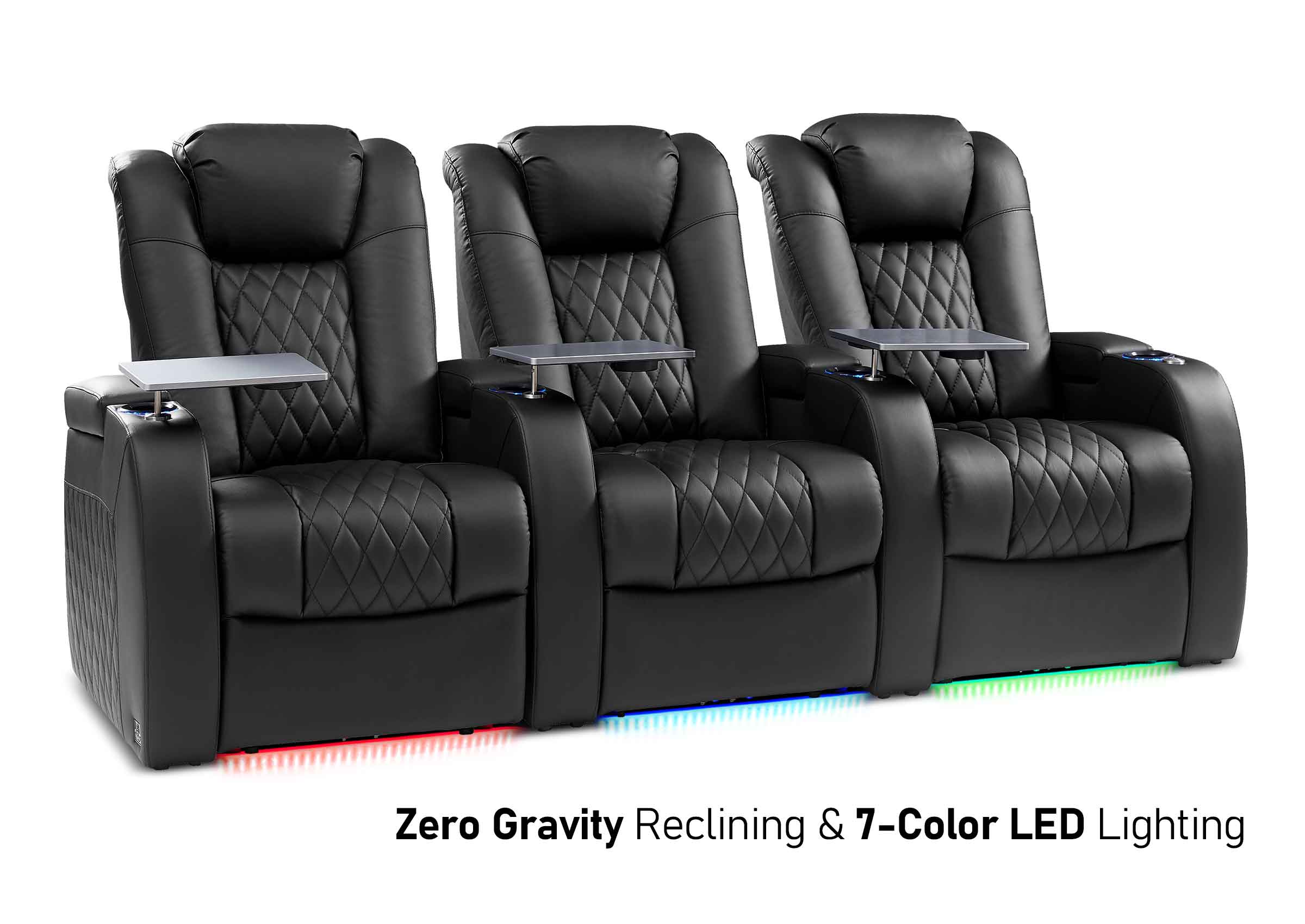
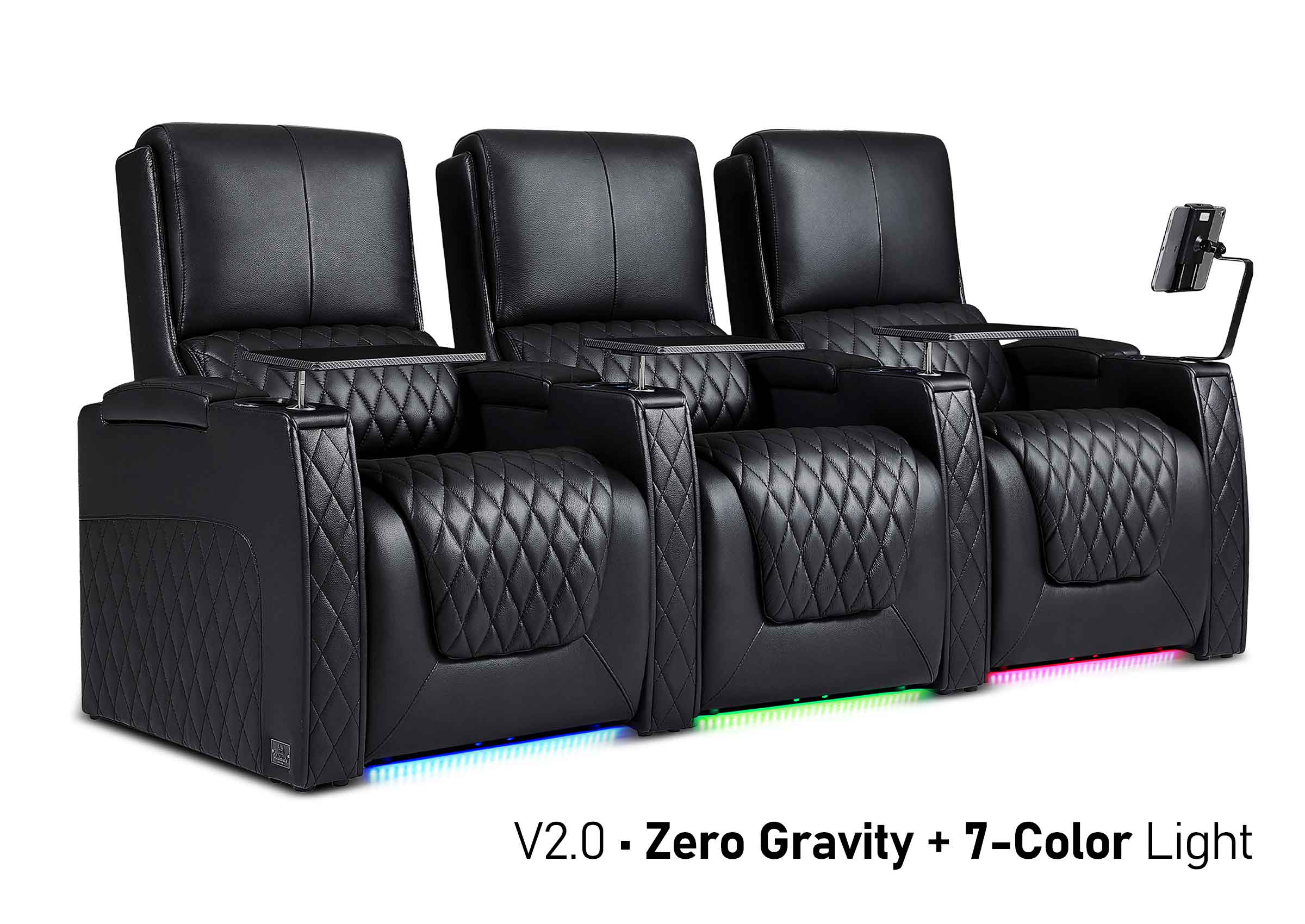
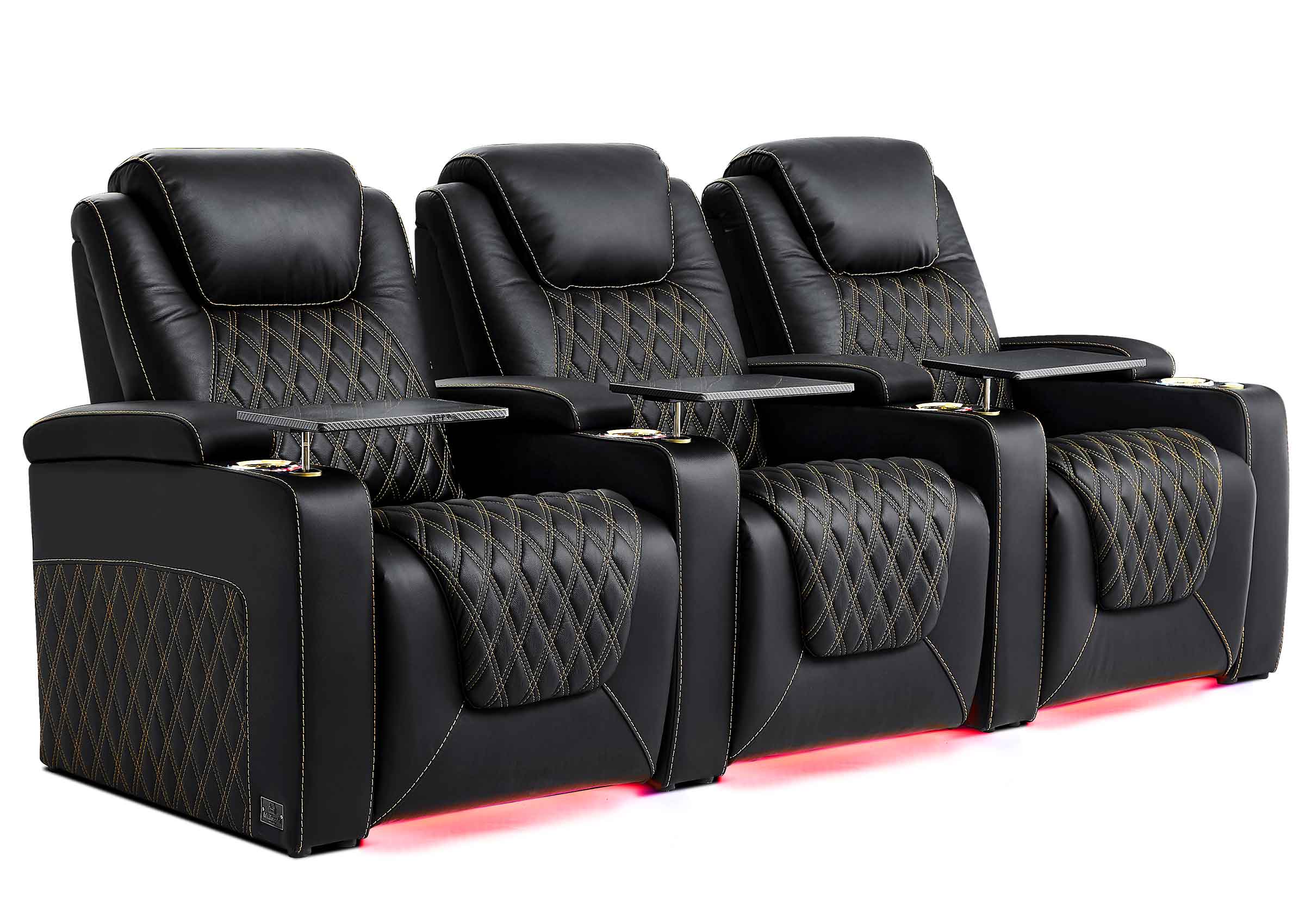
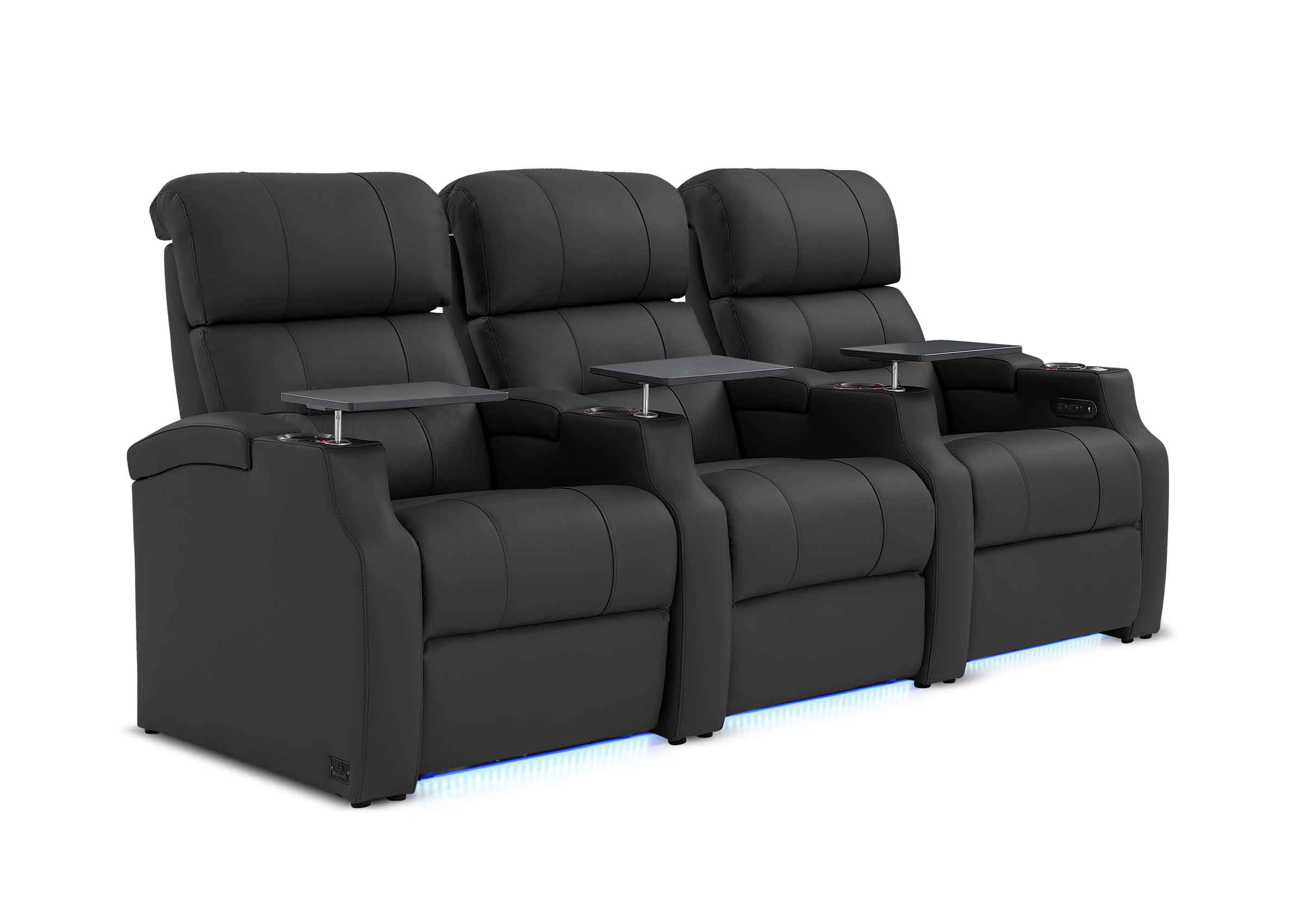
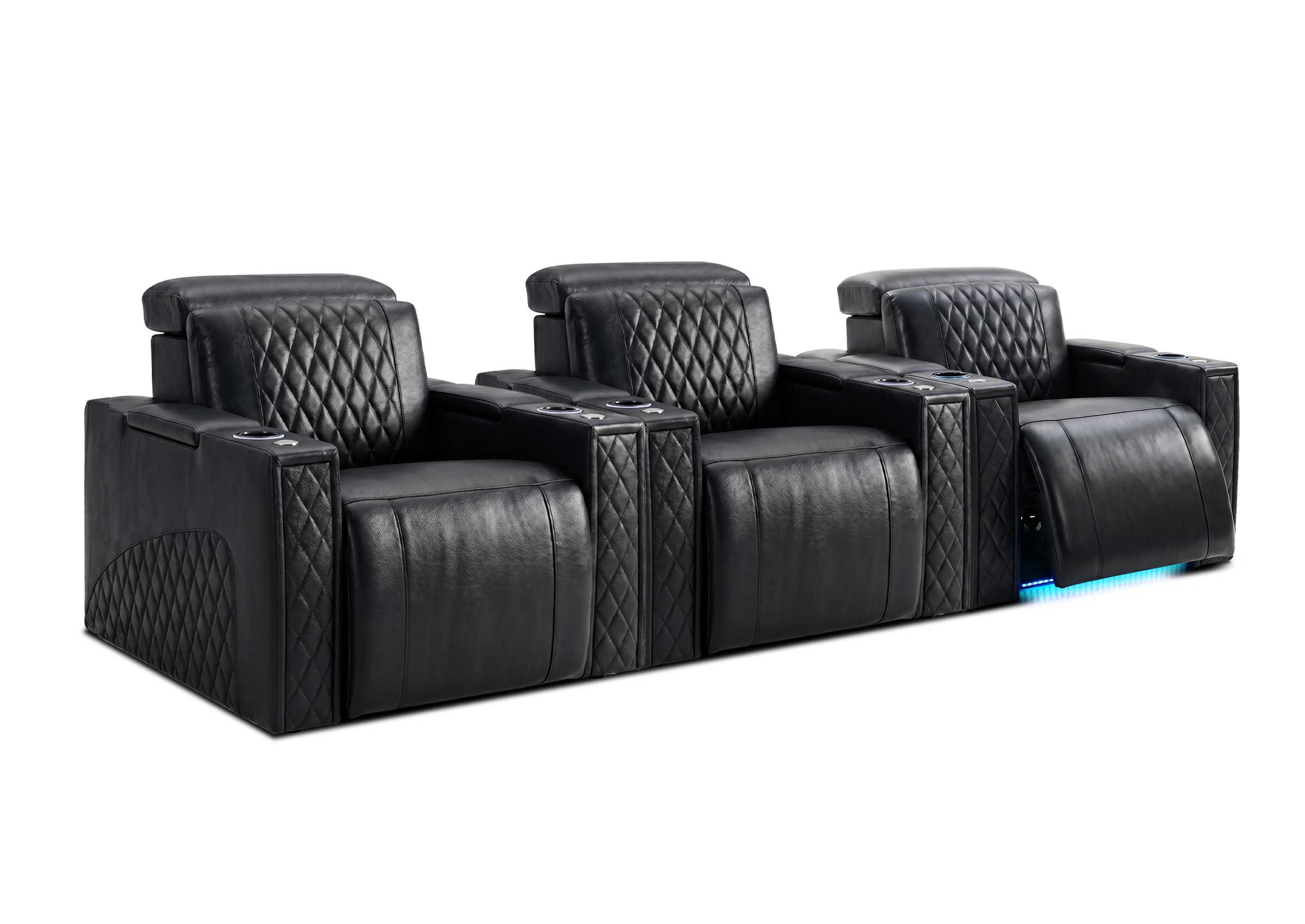

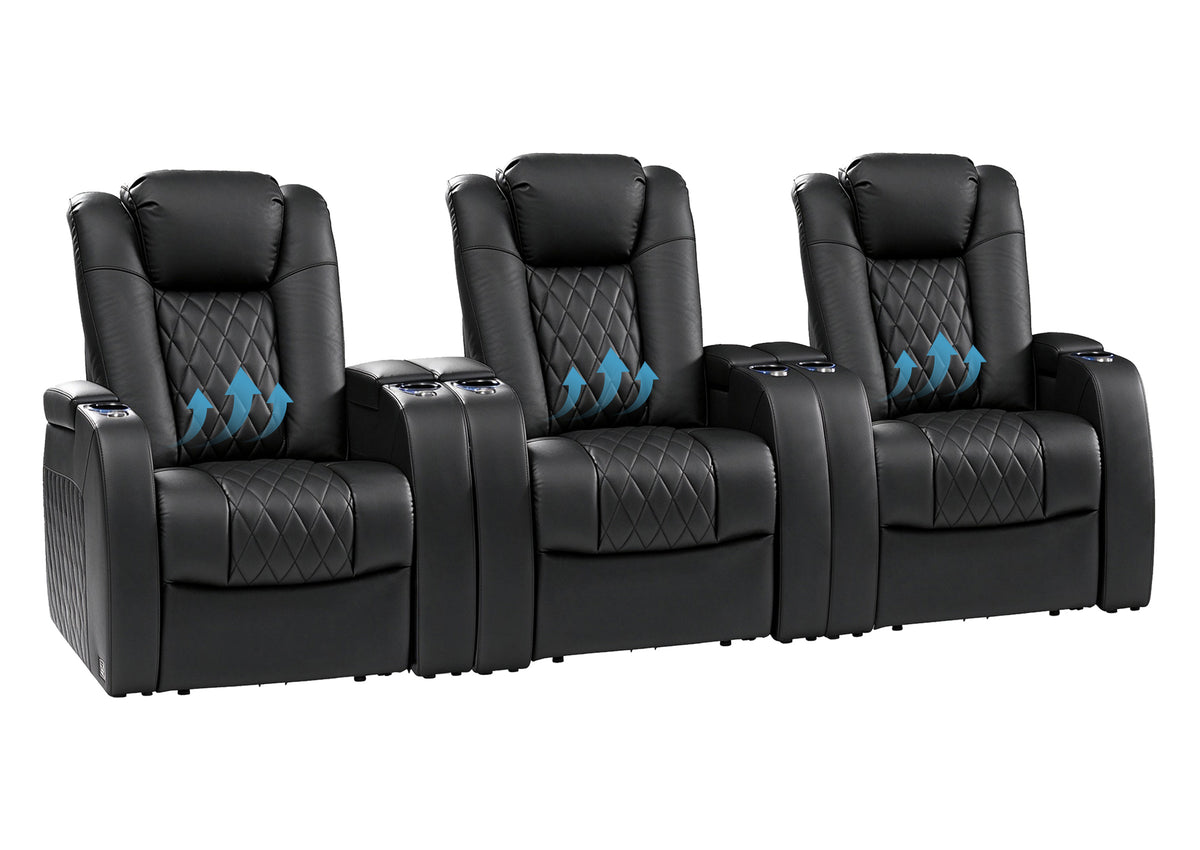
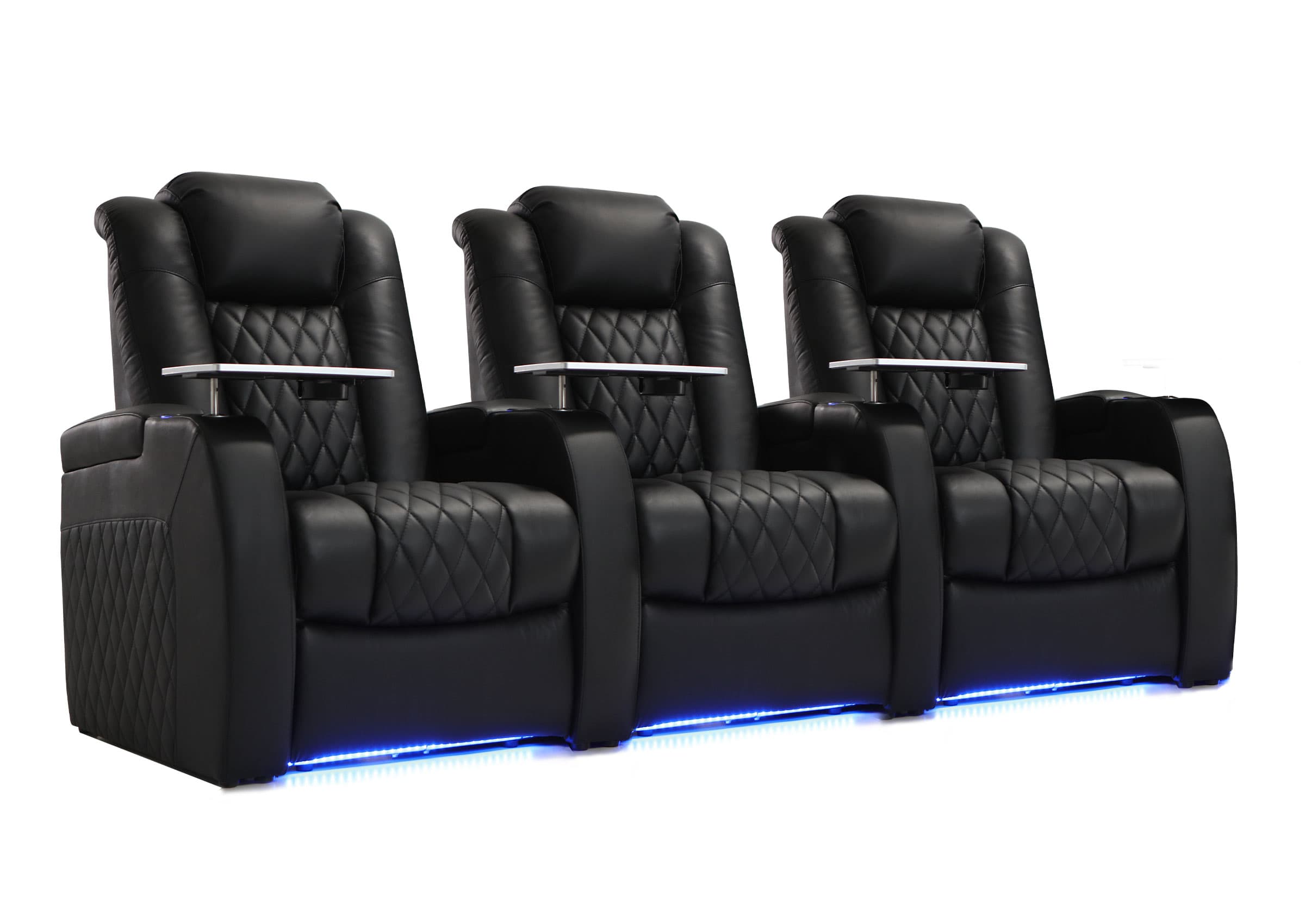
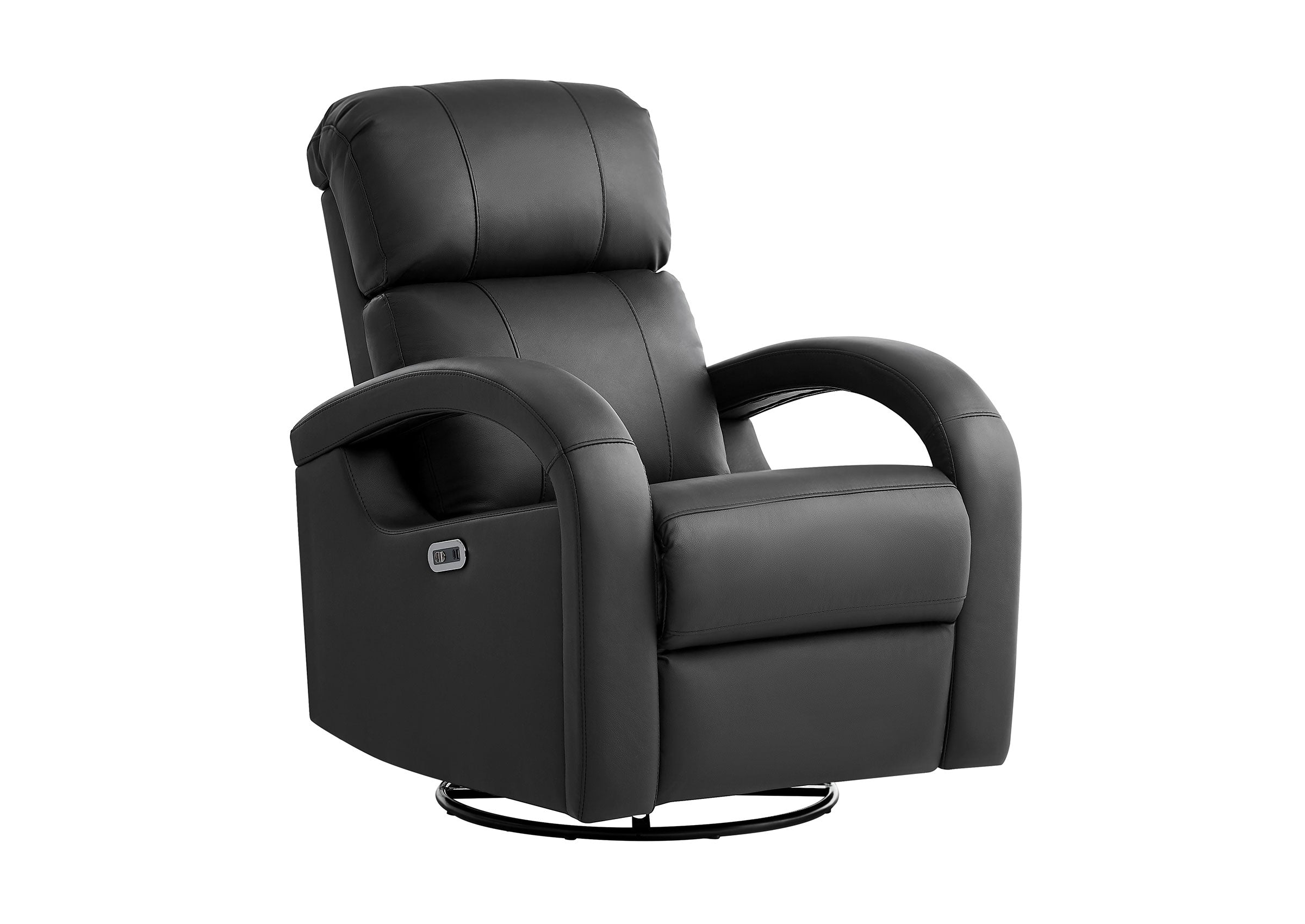
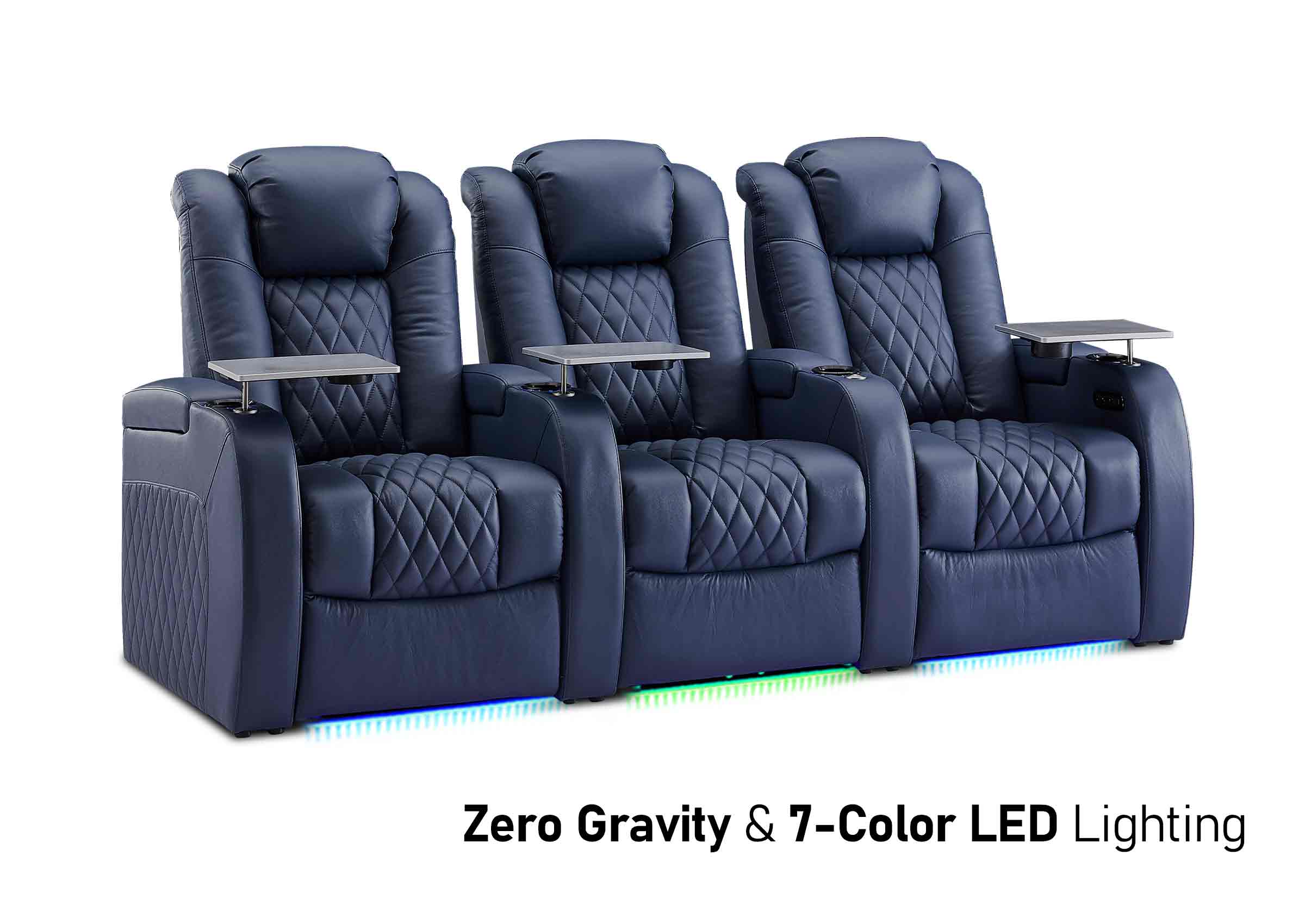
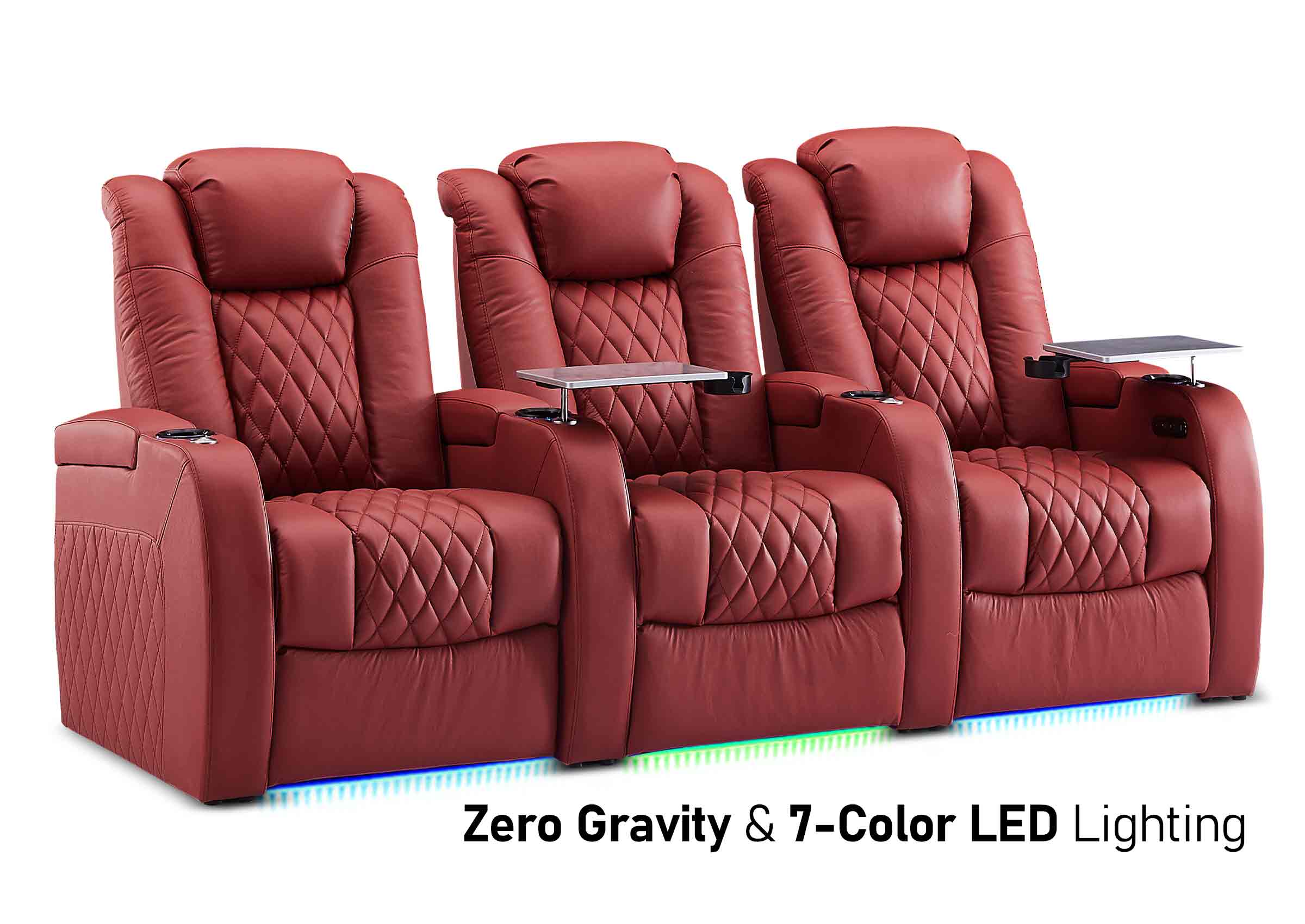
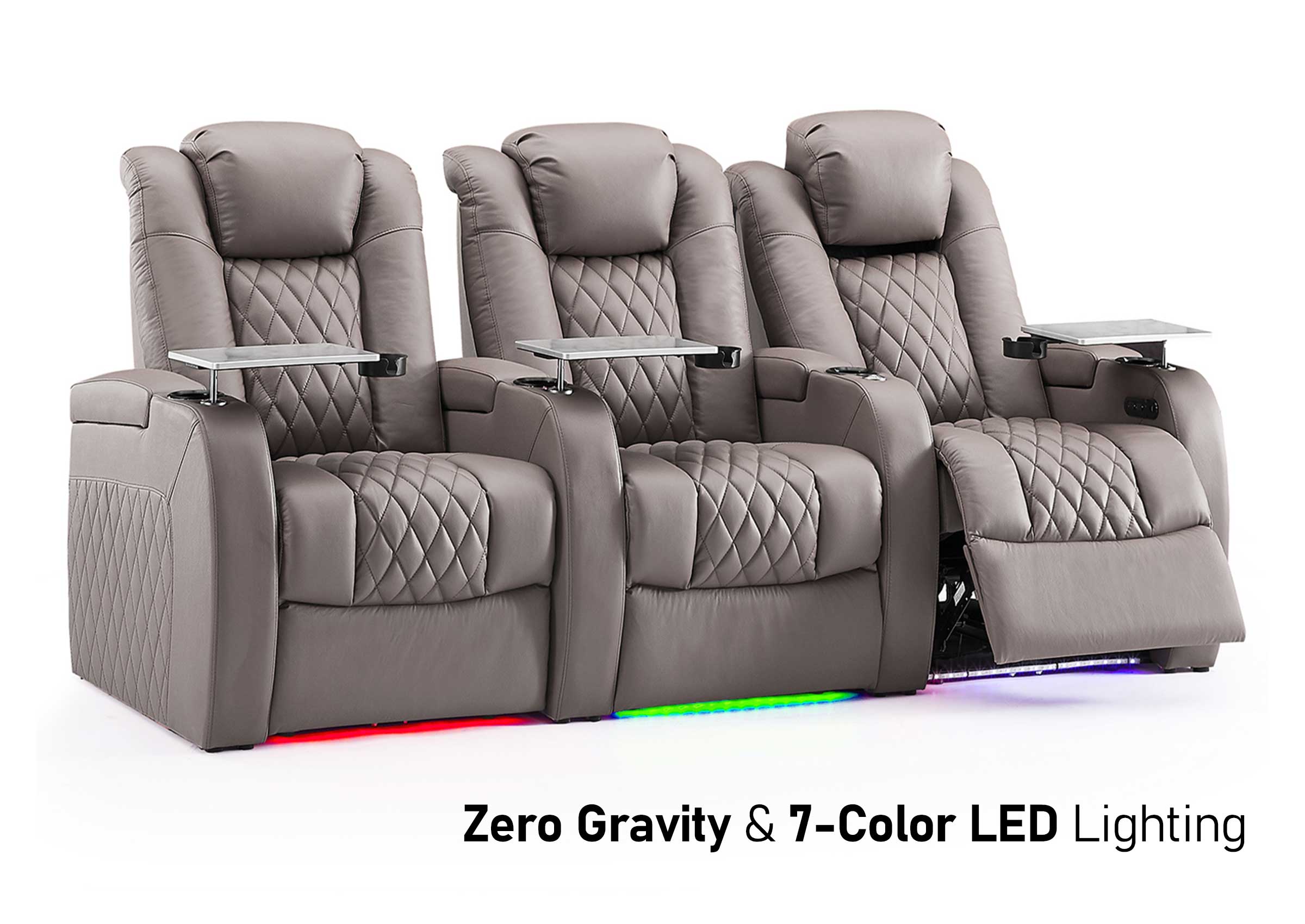
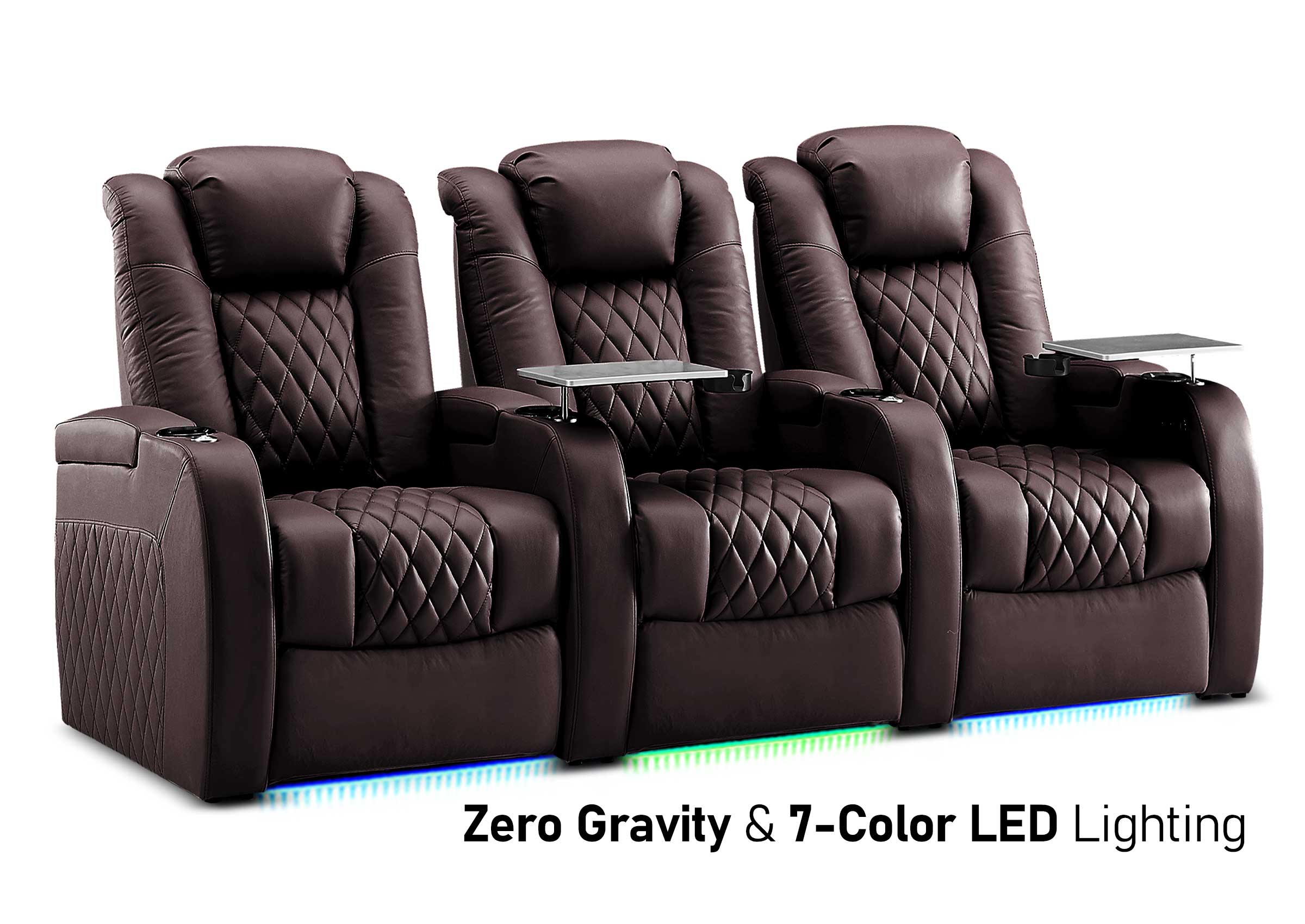

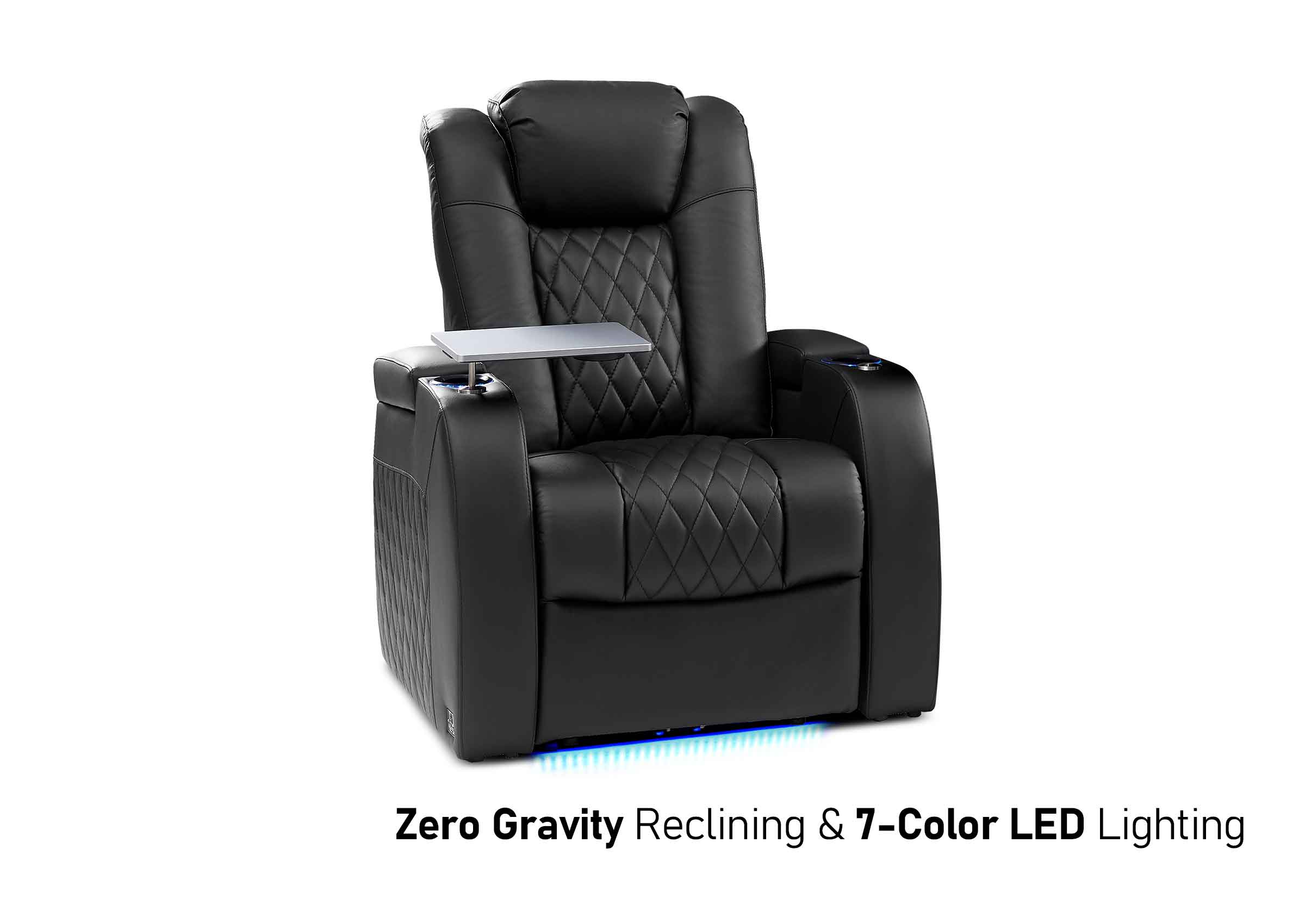
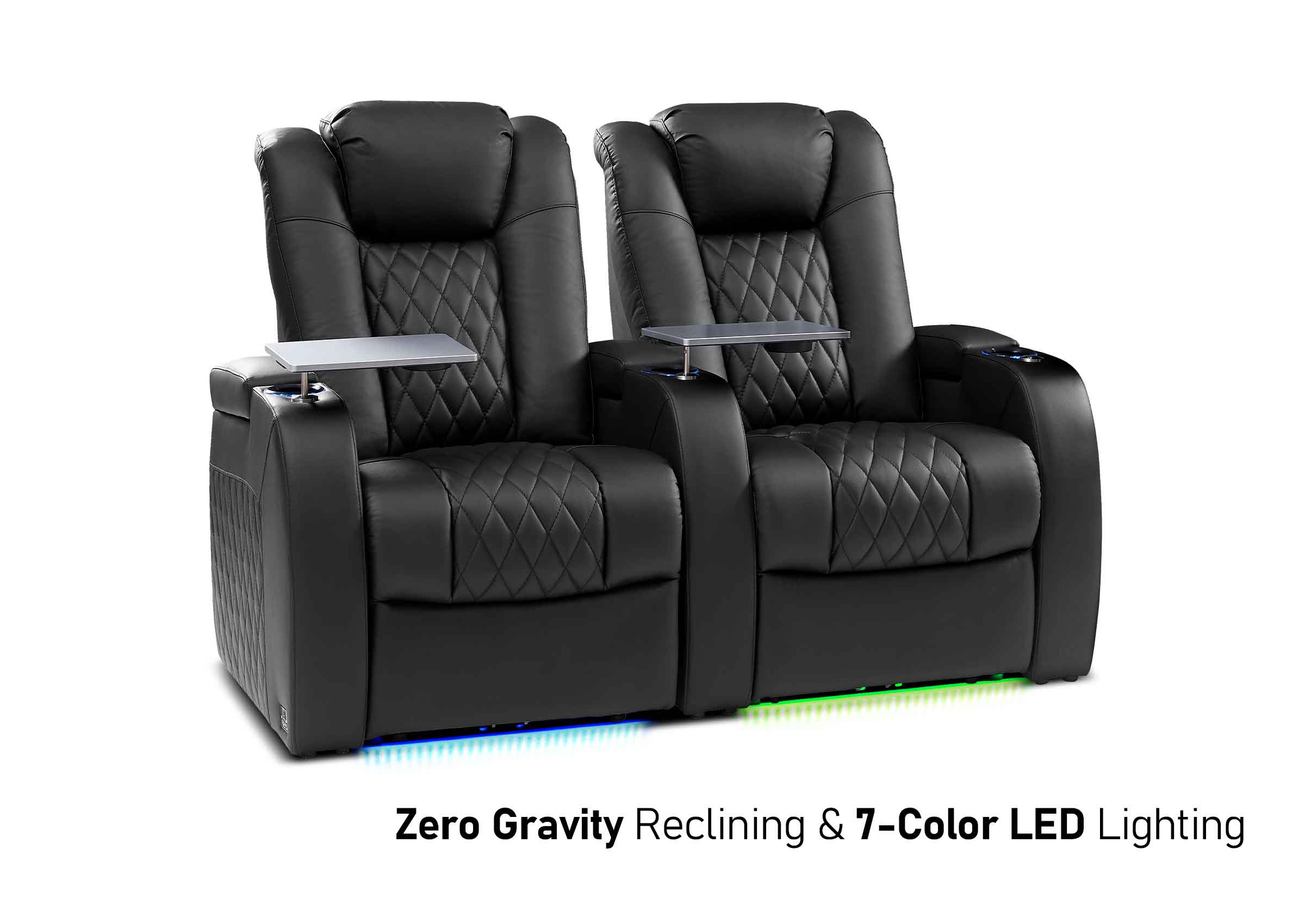
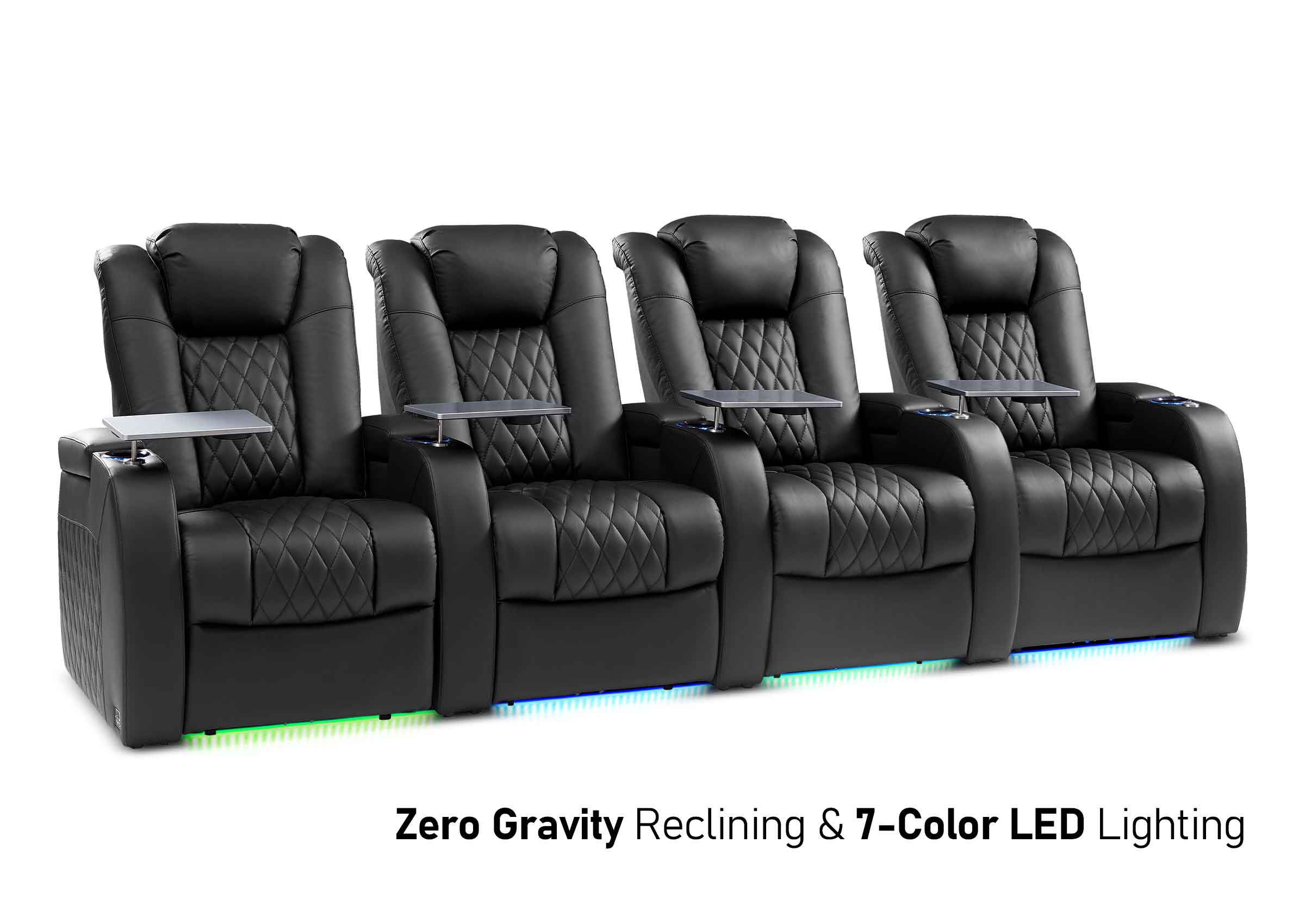
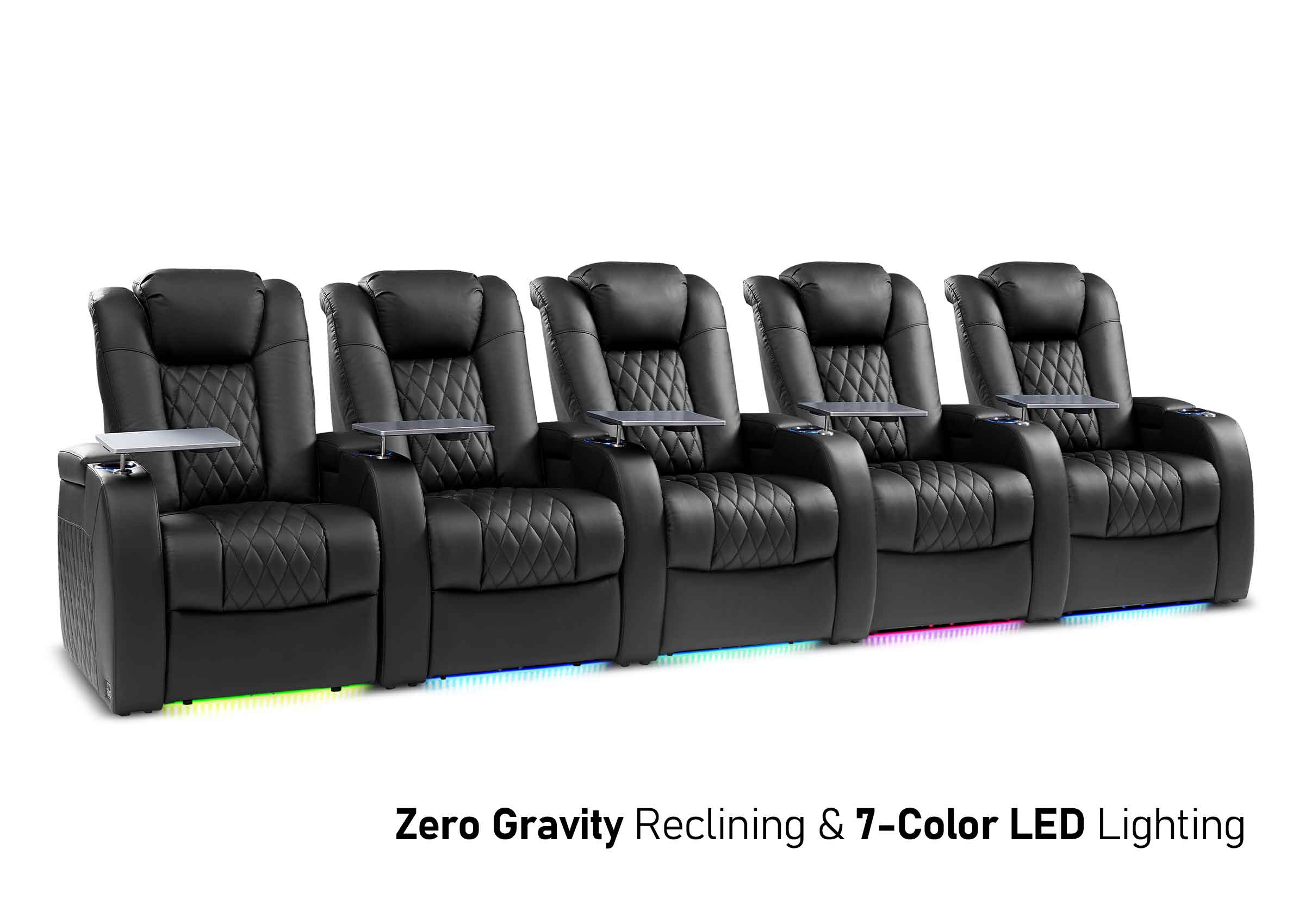


Buying home theater seating without trying it first is more manageable when you separate three questions: Will the exact configuration fit? Does its movement match the way you watch? And what would it cost to return if the comfort disappoints?
Dimensions, a useful demonstration, and written order terms can answer much of that. They cannot tell you exactly how a cushion will feel halfway through a movie. Make the purchase only when the remaining uncertainty is acceptable to you.
Separate What You Can Verify From What You Still Have to Feel
A photograph can show a reclining position without showing how easily your body reaches it. A review can describe a soft seat without telling you whether its author likes the same support you do.
Use different evidence for different questions:
| What you need to know | Evidence to request | What remains uncertain |
|---|---|---|
| Whether the seating fits the room | Dimensions for the selected row, full recline, and required clearance | Whether you enjoy the amount of space left around it |
| Whether the seat proportions suit you | Usable seat measurements compared with a chair you know | How padding compresses and where you settle |
| Whether the controls provide your preferred position | A continuous demonstration of the exact model and version | How the controls and support feel to you |
| Whether the upholstery suits your room | An available sample of the selected material and color | Whole-seat feel and variation between sample and finished upholstery |
| Whether you can tolerate a return | Written eligibility, costs, deadlines, packaging, and pickup requirements | Your eventual comfort preference |
Start with your deal breakers. A headrest that cannot move as you need is a reason to reject a chair before you weigh its cupholders or lighting. Uncertain cushion firmness calls for a different decision: how much evidence, trial access, or return flexibility you need.
Compare the Seat With Your Body, Room, and Entry Route
Use a Familiar Chair as a Reference
Sit in a chair you already use comfortably, in your normal movie-watching clothes and posture. Note what works: your feet reach the floor when upright, the front edge supports your thighs without pressing behind your knees, and your head rests where you want it.
Compare usable seat width between the arms, seat depth, seat height, armrest height, and the back or headrest contact point. Ask how the seller measures each dimension. An overall chair height is not the height of the back above the cushion, and an outside width includes space occupied by the arms.
If your current chair only feels right with a pillow behind your back, record that too. Its published depth alone does not describe the sitting space you actually use.
A familiar chair gives you a reference, not an exact formula. Its cushion is already compressed under you; a product diagram may show an unloaded seat. Two people of the same height can have different leg and torso proportions. Compare the dimensions and contact points rather than assuming a height recommendation guarantees a fit.

For a fuller explanation of the measurements, use our recliner size guide.
Check the Complete Configuration
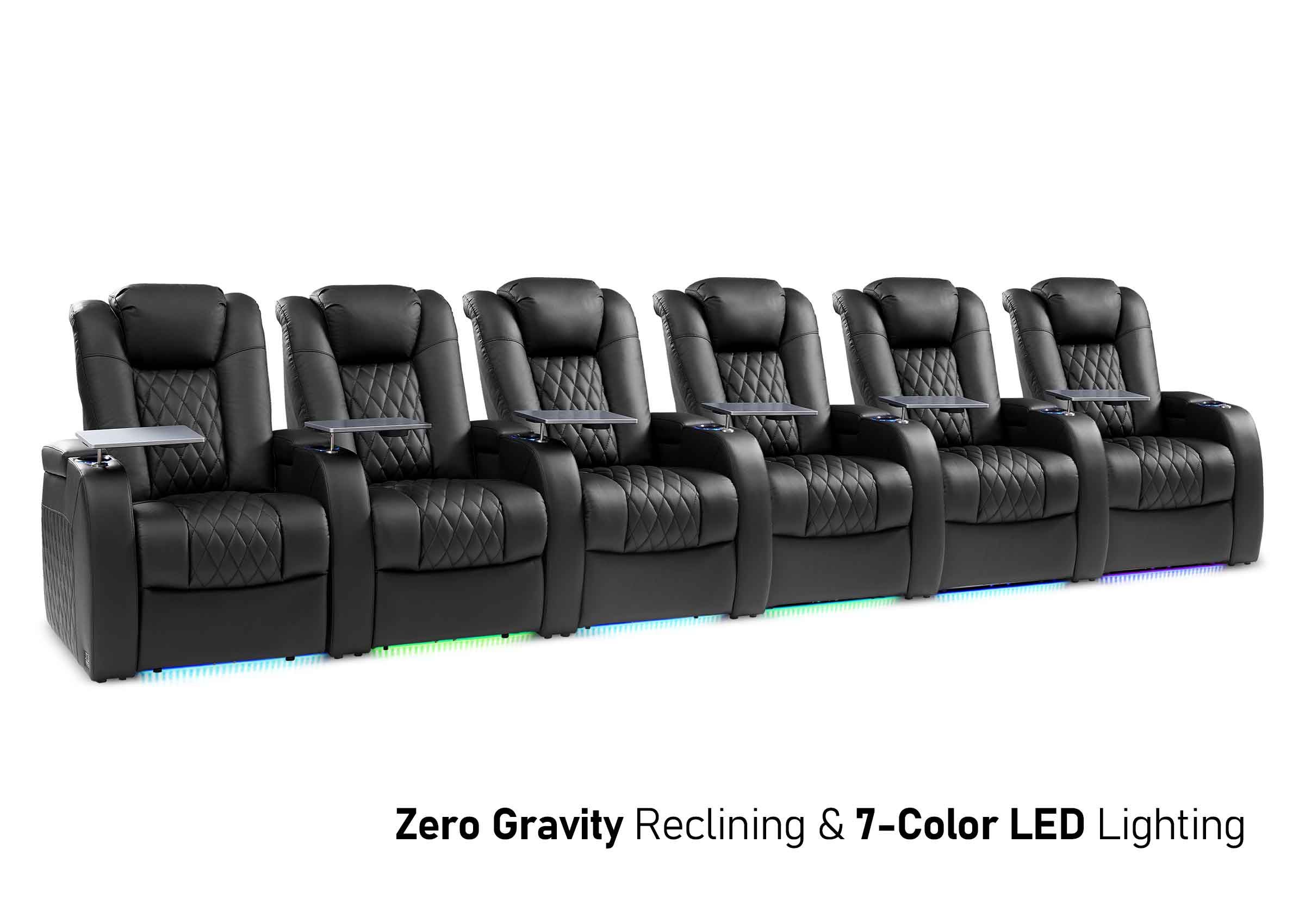
Get the width of the row you are actually considering, including shared arms, end arms, and any console. Multiplying a single chair's width by three can produce the wrong answer for a connected row.
Mark the proposed seating area on the floor. Include the fully extended footrests, required rear clearance, nearby furniture, and a usable route past occupied seats. Keep electrical connections and moving parts clear according to the model's instructions. A wall-hugger description does not remove the need to check the full forward extension.
For example, a row that fits between two walls when closed may leave no comfortable way out once everyone reclines. Reducing the seat count or changing the arrangement may solve that problem more effectively than choosing a feature-packed chair with the same footprint.
Measure the route into the room separately. Door openings, turns, stairs, and carton dimensions can rule out a configuration even when the final room is large enough.
Ask for a Demonstration of the Exact Model and Version
“Power headrest” and “multiple motors” do not fully describe how a chair moves. Confirm the model name, version, upholstery option, and configuration before using a video as evidence.
Ask for one continuous demonstration that shows:
- The chair upright, with the demonstrator seated and feet visible.
- The normal viewing position, rather than only the deepest recline.
- The headrest moving through its range while the main recline position stays fixed, if independent adjustment is a feature you need.
- How the backrest and footrest move together or separately.
- The controls being reached, the chair returning upright, and the user getting out.
A side view helps reveal where the headrest contacts the head and how the footrest supports the lower legs. The demonstrator's height provides context, but their proportions and preferences may differ from yours. A video also cannot establish long-session comfort.
Prioritize the motion that solves your actual problem. If you like sitting nearly upright with your legs elevated, a video of someone lying far back is not enough. If you need different support while gaming and watching movies, ask to see both positions. Stop short of treating a feature name as proof that your preferred position is possible.

Once those requirements are clear, compare available home theater seating configurations and shortlist the versions that deserve a closer check. A collection is a starting point for comparison; confirm dimensions and features on each selected product.
BUILD YOUR SHORTLIST
Compare Configurations With Your Requirements in Hand
Use your seat count, fit priorities, and required adjustments to build a shortlist. Confirm the dimensions and features of each selected version before ordering.
Use Samples and Reviews to Answer Specific Questions
An upholstery sample is useful for checking color and surface texture in your own lighting. Ask whether a sample is available for the material and color you are considering, and confirm which parts of the finished chair use that material.
A small swatch cannot reproduce cushion firmness, the shape of the backrest, or how warm the complete chair feels during a movie. Screen photos and a swatch can also differ from the finished upholstery, so avoid treating either as a promise of an identical appearance in every light.
Read reviews for explanations that resemble your use. Someone who watches a full movie in a partly reclined position may offer more relevant detail than someone who only comments on delivery or appearance. Check the model version, how long the reviewer has owned it, the positions they use, and any disclosed incentive.
Look for repeated, specific descriptions across sources. “The headrest pushes my head forward when I sit upright” is a more useful lead to investigate than “uncomfortable.” It still describes that person's experience, not a verdict for every body.
The FTC's online shopping guidance recommends checking multiple review sources, looking beyond star ratings, and keeping purchase records. Use reviews to decide what to verify next rather than allowing a high average rating to settle your comfort decision.
Read the Return Terms Before You Treat the Order as a Trial
A return window describes a deadline. It does not, by itself, promise a free at-home trial.
Confirm the Seller and Order Category
Check the policy for the seller you will actually pay, the destination country, and your exact order. A marketplace listing, a direct brand order, a clearance purchase, and a custom configuration may have different terms.
Get answers to these questions before checkout:
| Return question | What the answer should make clear |
|---|---|
| Is this order eligible? | Standard, custom, altered, special-order, or final-sale classification |
| When does the clock start? | Order, shipment, or receipt date; deadline to request or complete the return |
| Which costs are deducted? | Restocking, applicable freight, collection, or other stated charges |
| What condition is required? | Use, damage, accessories, cartons, and packing requirements |
| Who organizes the return? | Authorization, carrier, pickup location, and responsibility for repacking |
Save the policy and any written clarification with the exact model and configuration. A general chat response about “our chairs” leaves more room for confusion than an answer tied to your order.
Work Out the Cost of Changing Your Mind
As checked on October 28, 2026, Weilianda's published return policy states that returns must be initiated within 30 days of receipt and that preference-based returns carry a 30% restocking fee. It also requires prior authorization and original cartons.
The page has separate custom/altered-item terms and nonreturnable categories, including special-order items. Confirm which category and charges apply to your chosen order before paying; a general return window does not settle that question.
For an illustrative $2,400 eligible purchase, a 30% restocking deduction alone would be $720. That is arithmetic, not a return quote. Ask what amount the percentage applies to and whether any other costs apply. Compare the total amount you could lose with the amount you are willing to spend resolving a comfort mismatch.
Keep Preference Returns Separate From Damage Claims
An undamaged seat that feels too firm is a different issue from missing parts, transit damage, or a malfunction. Follow the applicable reporting and evidence requirements for the actual issue. Do not assume the preference-return deadline also applies to a damage report.
Check packaging before disposal, document any issue promptly, and contact the seller through the appropriate process. Returning a large chair also involves physical work and storage, even when the policy allows it. Before agreeing to packaging removal, decide where you can keep the required cartons and protective pieces. Ask who would repack the chair, carry it back out, and arrange pickup. If those tasks cannot be managed at your home, an eligible return may still be impractical.
Confirm Delivery and Setup Before You Commit
Get carton or component dimensions, handling information, and the model's assembly instructions. Confirm what the purchased delivery service includes: the drop-off point, stairs, room placement, assembly, and packaging removal are separate details worth checking.
Do not plan around the words “white glove” alone. Ask which tasks are included for your address and whether packaging can be retained when the return policy requires it. Our delivery access checklist explains the measurements and photos to prepare for doors, turns, stairs, and the final room.
Before payment, keep a copy of the selected configuration, itemized price, confirmed features, delivery scope, and applicable terms. A photo of a different row or an older model's assembly video should not substitute for the order details.
Decide Whether to Buy, Wait, or Change the Shortlist
You do not need certainty about every small detail. You do need a clear answer for each requirement that would make the chair unusable or the return unacceptable.
| Your situation | A reasonable next step |
|---|---|
| Dimensions and required movement are confirmed; remaining comfort uncertainty and return cost are acceptable | Proceed with the documented configuration and terms |
| A required measurement or function remains unknown | Wait for an answer or demonstration tied to the exact version |
| The row fits, but entry or handling remains unresolved | Resolve the route and delivery responsibilities before ordering |
| You cannot accept the potential return cost | Find a way to try the model or choose an option with terms you can accept |
| A verified feature or fit conflicts with a deal breaker | Change the model, configuration, or requirement before paying |
For two regular viewers, compare each person's priorities separately. If one needs a shallower seat and the other needs a different headrest contact point, a wider row alone will not resolve the conflict. Consider separately selected seats or a different arrangement, then check whether the proposed units can form the layout you want.
Before checkout, make a short record you can share with the seller and anyone else choosing the seats:
- Exact model, version, seat count, upholstery, and itemized quote.
- Confirmed row and entry measurements, plus the viewing position demonstrated.
- Unresolved comfort questions and each viewer's nonnegotiable requirement.
- Return eligibility, possible charges, packaging and pickup responsibilities, and the terms saved with your order.
Mark each unresolved requirement as something you can accept, something that needs an answer, or a reason to change the shortlist. This makes a vague reassurance easier to distinguish from a useful confirmation.
A sale ending soon does not answer a missing fit question. If the purchase only makes sense when an unverified feature turns out to be present, it is not ready to order.
Frequently Asked Questions
Should I Buy One Chair First Before Ordering a Whole Row?
It can be useful if the single chair has the same seat construction, upholstery, and controls as the row you intend to buy. Confirm those details first. A single unit may have different arms or dimensions, and testing it will not establish the complete row's width, connections, or layout.
Also confirm the cost and eligibility of returning that first chair and the terms of a later order. Future availability, pricing, matching color, and compatibility should not be assumed.
Will a Firm Theater Seat Become Comfortable After It Breaks In?
Do not base the purchase on that promise. Upholstery and cushioning can change with use, but you cannot infer how much or whether the change will suit you. Break-in will not add a missing adjustment or turn the wrong proportions into the right ones.
If firmness is a major concern, seek a relevant demonstration or trial opportunity and compare the return conditions before buying.
How Do We Choose Seating for Two People With Different Body Sizes?
Use a familiar-chair comparison for each person and agree on the requirements neither can give up. Overall height alone is insufficient; usable seat depth, headrest contact, control reach, and preferred viewing posture can differ.
If one shared model cannot meet both sets of requirements, consider individual seats or a different configuration. Verify the layout, connections, and total dimensions rather than assuming all seats can be mixed into one row.
Does a Power Headrest Mean I Can Sit Upright With My Feet Raised?
No. The headrest adjustment does not establish how the footrest and backrest interact. Ask for the exact model to be shown in the position you want, including how the controls reach it. Separate adjustment on an older or different model is not evidence for the version you are ordering.
Does a Review Saying “Free Returns” Apply to My Order?
Only the terms applicable to your own seller, channel, location, product, and purchase determine that. A reviewer may have bought through a marketplace, during a different offer, or under an older policy.
Save the current terms and resolve any conflict between the listing and the seller's explanation before paying. A review is not return authorization.
Does the Warranty Cover a Seat I Simply Find Uncomfortable?
Do not assume so. Review the actual warranty's covered defects, exclusions, remedies, and claim process. A preference return and a warranty claim answer different questions.
If you believe the chair is damaged or not operating as described, document the issue and use the relevant support process. If it works correctly but does not suit you, check the applicable preference-return terms.
Should I Order First and Ask About Fit or Returns Later?
Resolve anything that could change your decision before payment. Cancellation terms and return terms may differ, and an unanswered question does not reserve a right to cancel without cost.
Keep your shortlist while waiting for written confirmation of the exact feature, measurement, or policy. If you cannot get a clear answer to a deal breaker, choose another option or wait.
Check Your Shortlist Before You Order
Choose the seat count and models you are considering, then gather your room and entry measurements, preferred viewing posture, familiar-chair measurements, and any return-policy questions. These details make it easier to identify what is confirmed and what still needs an answer.
For help checking a Weilianda configuration, contact Weilianda or email leon@weiliandahome.com. Ask for confirmation tied to the exact version and order terms so you can make your decision with a clearer picture of the remaining uncertainty.