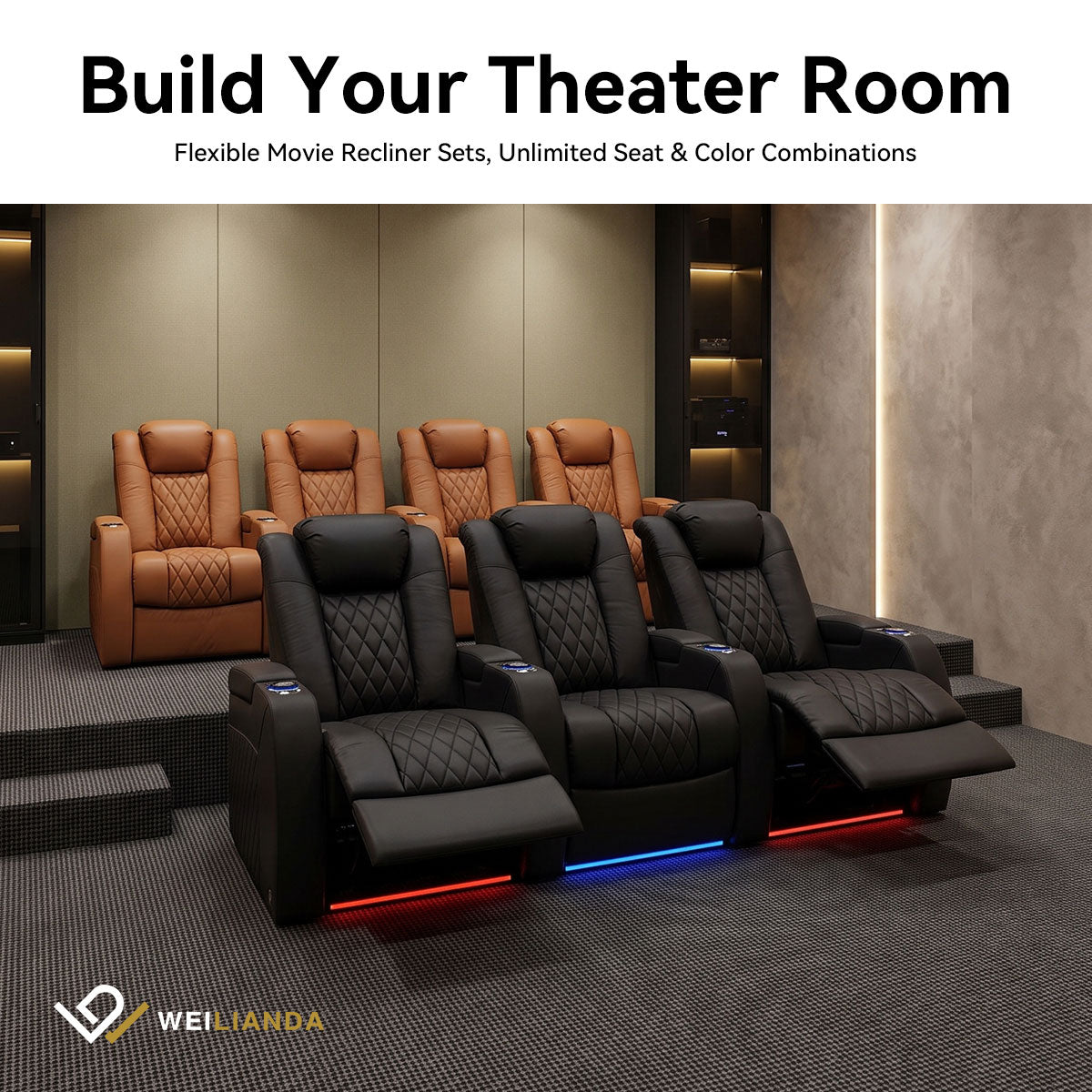

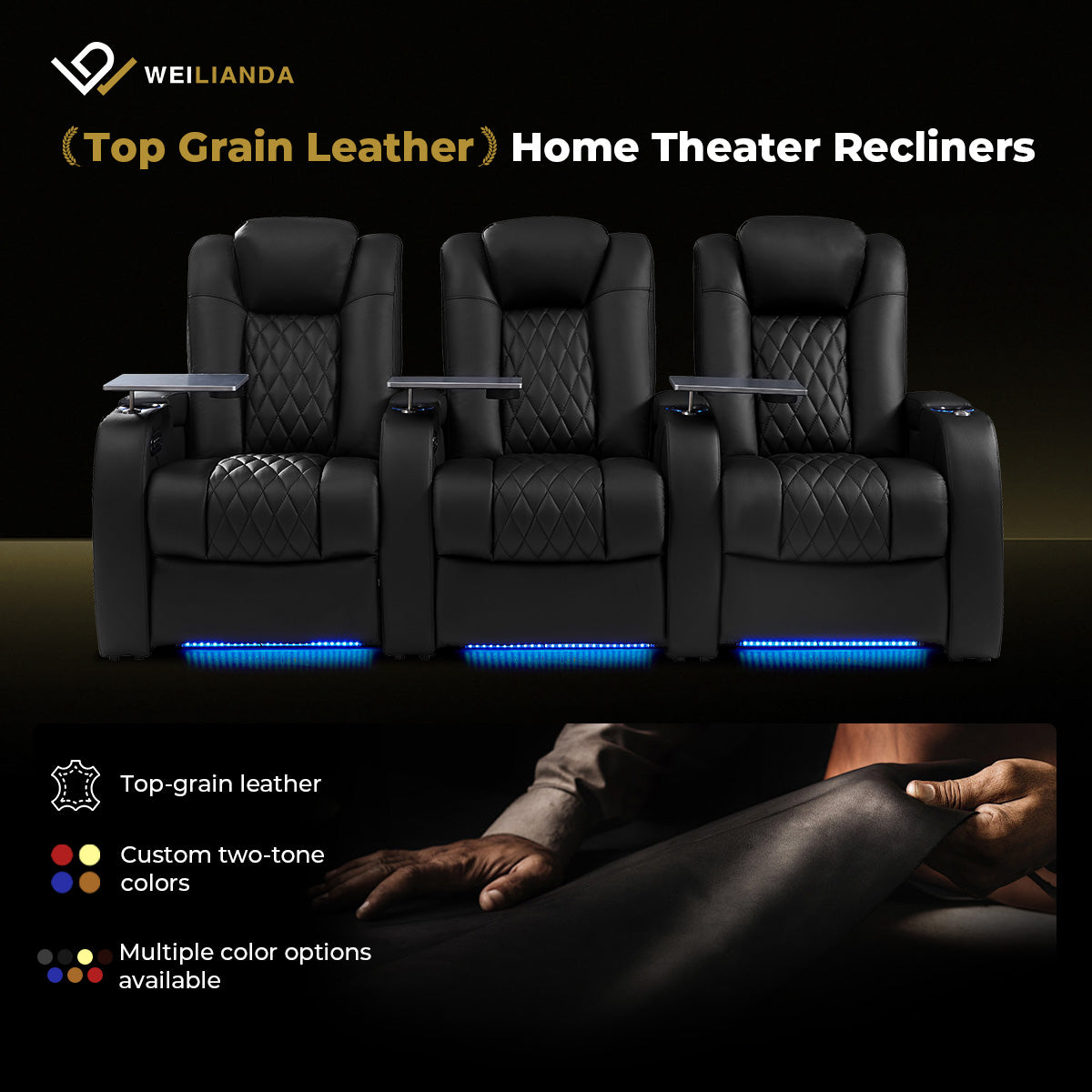

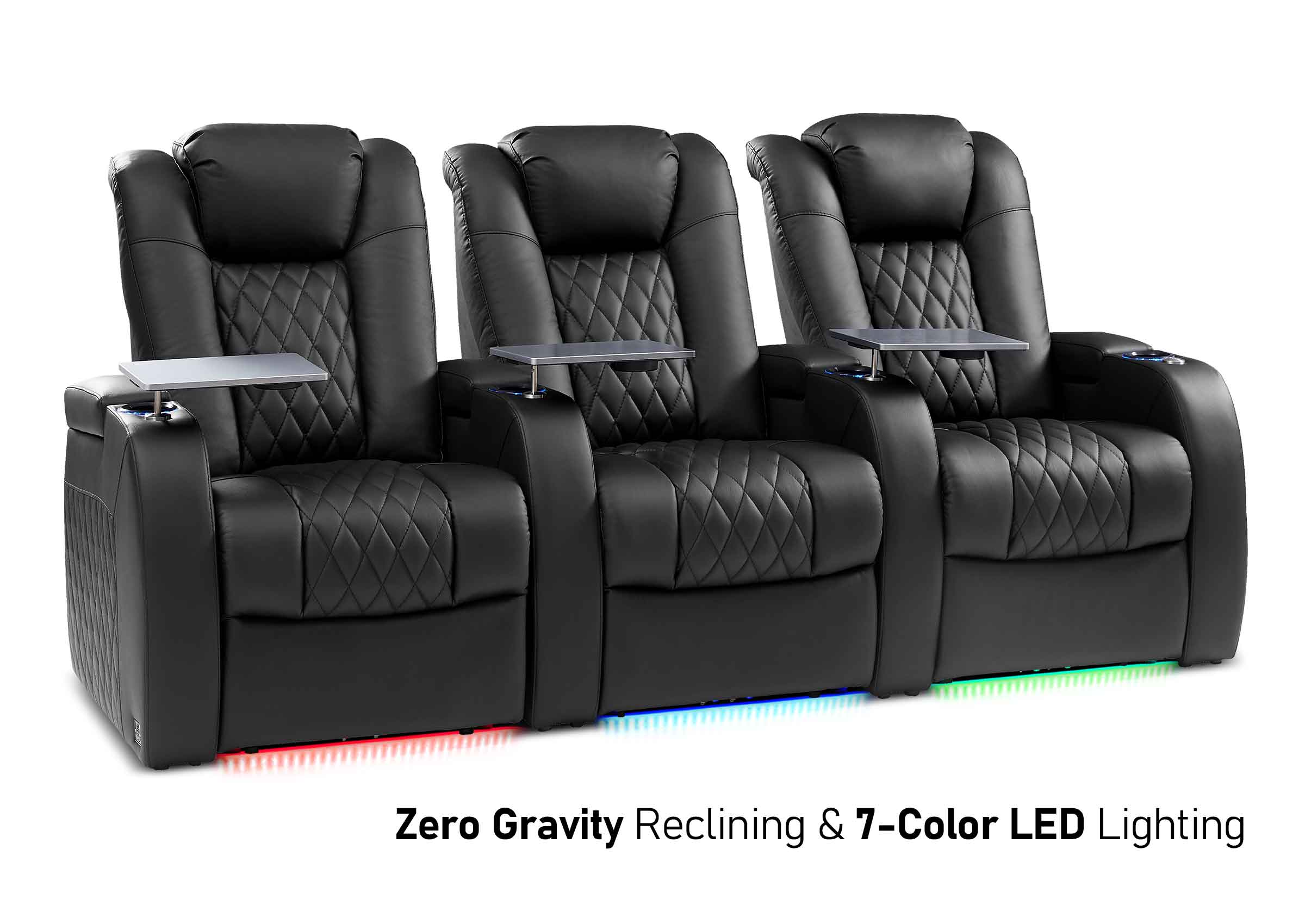
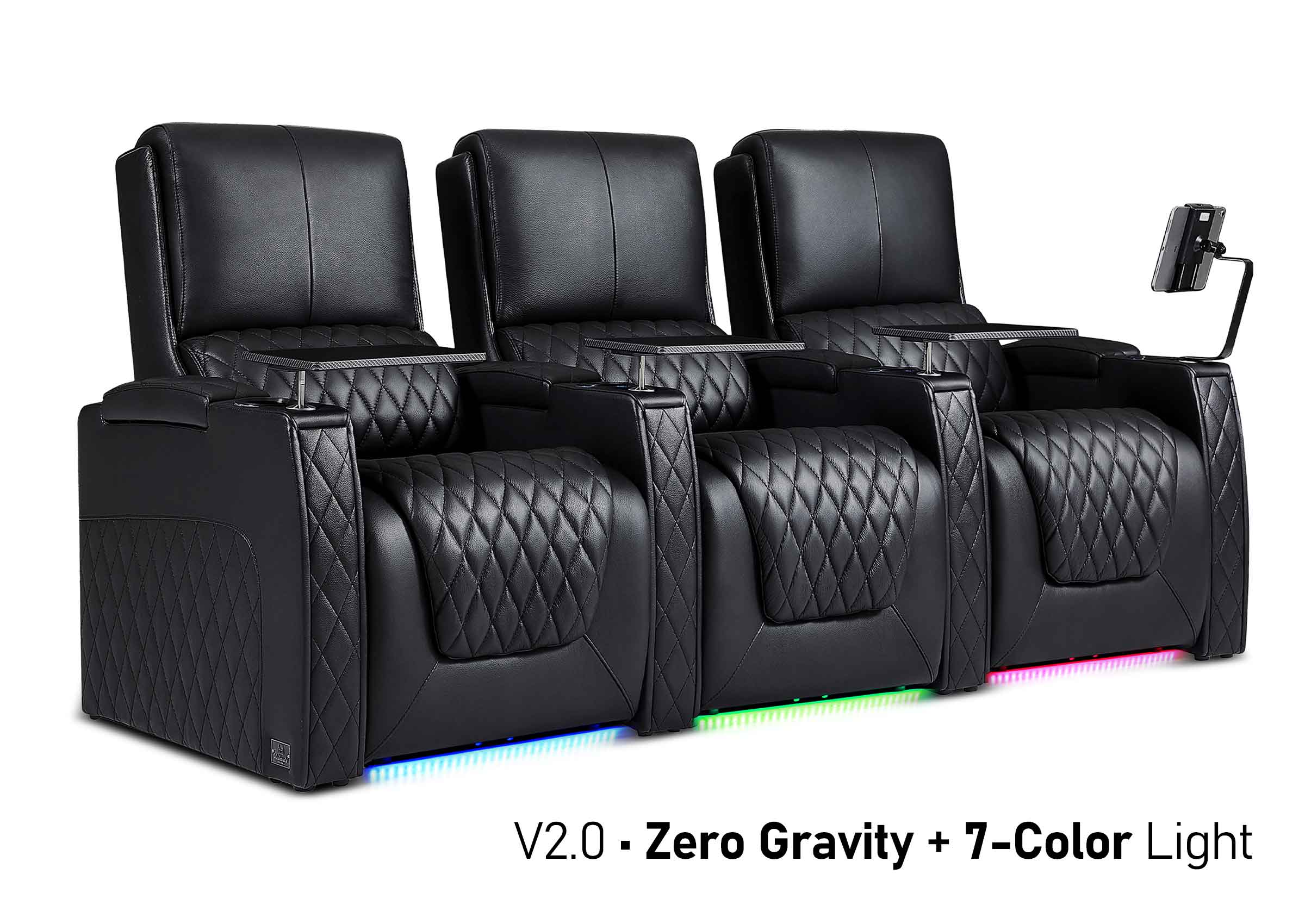
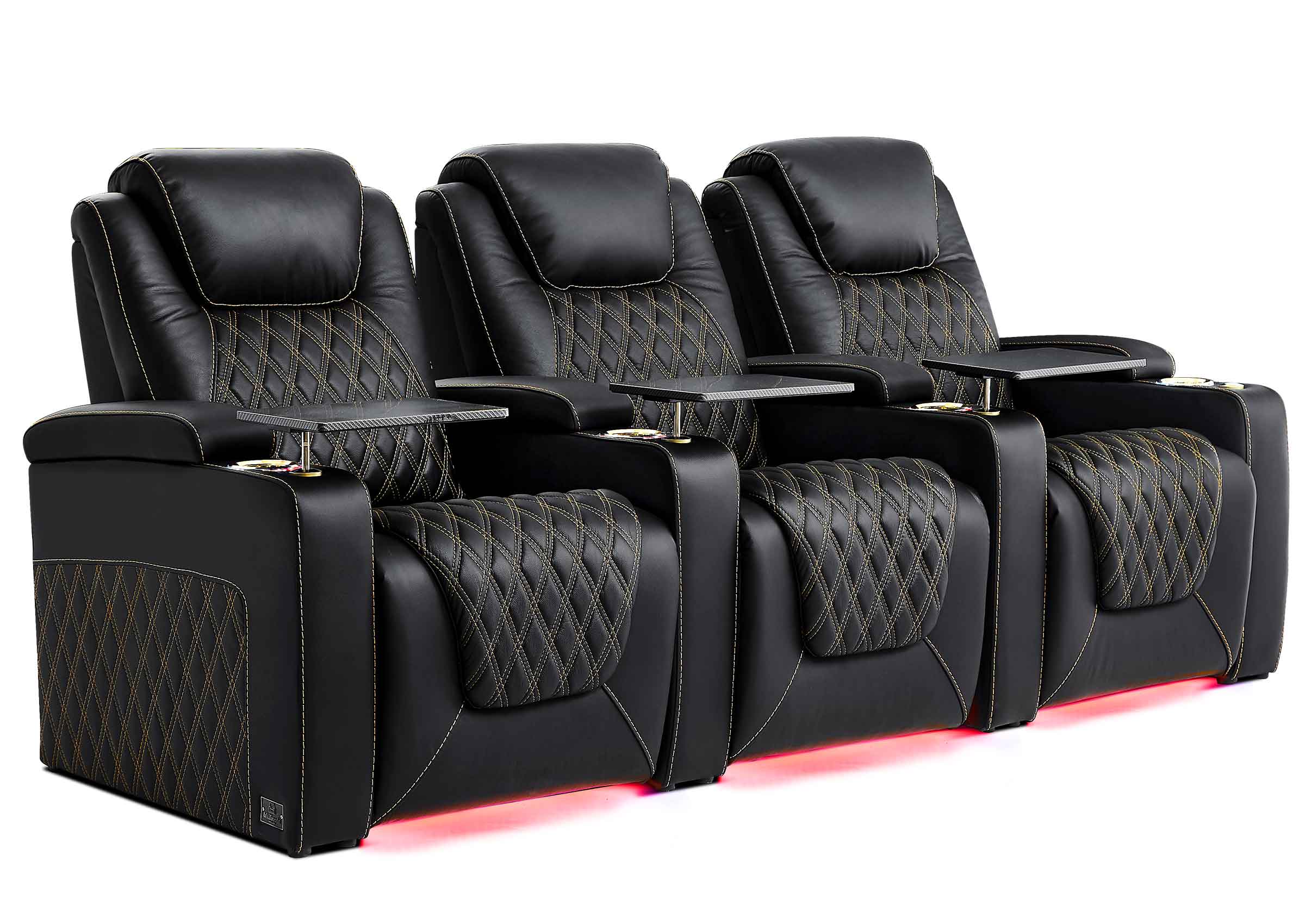
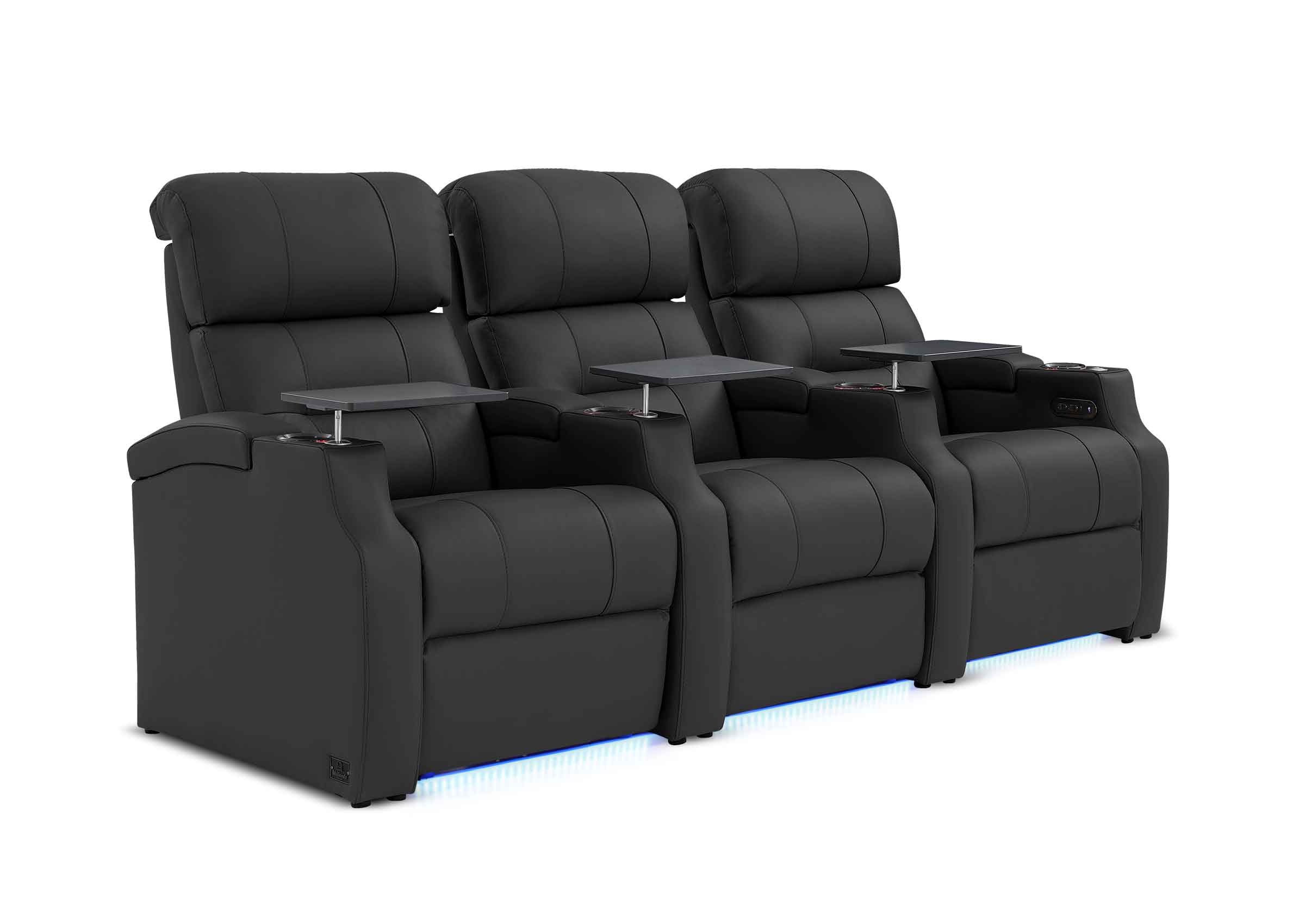
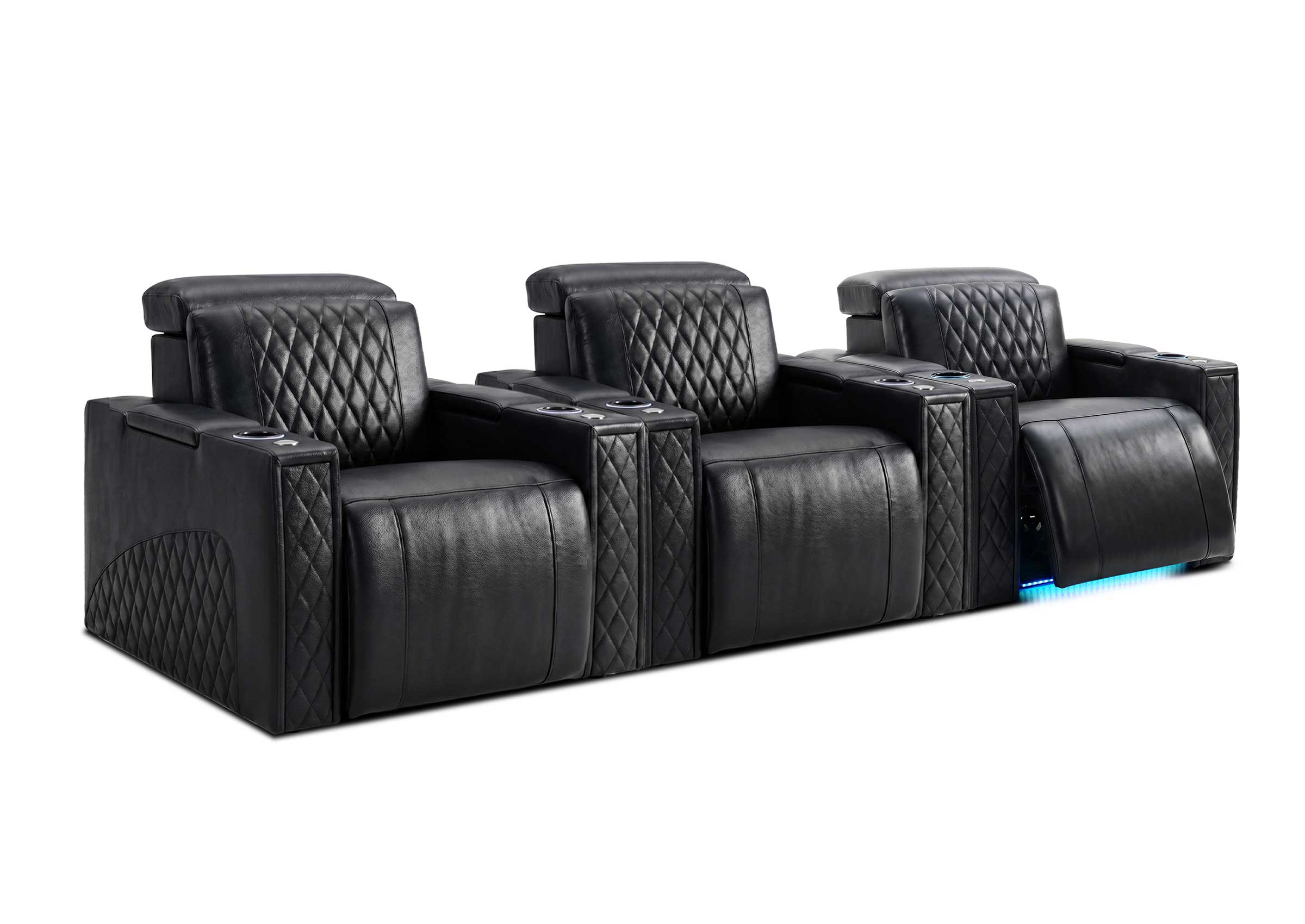

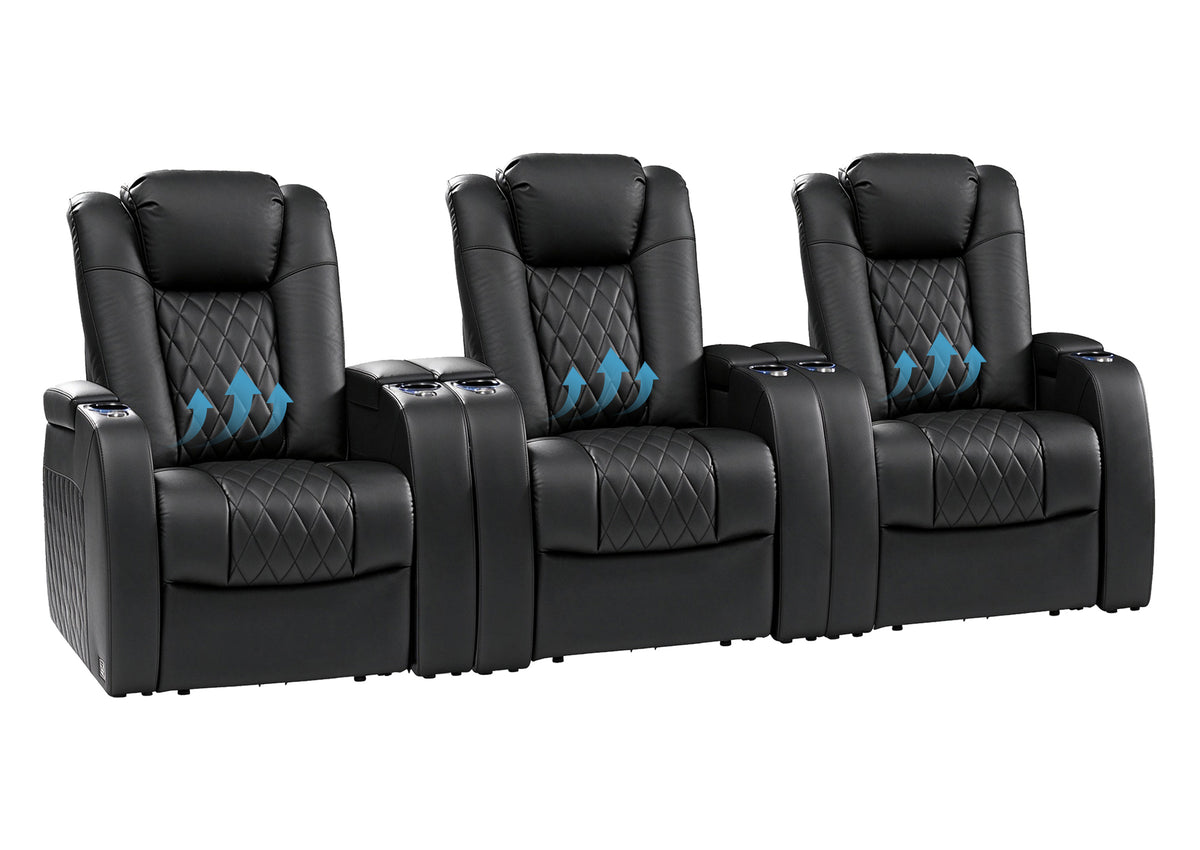
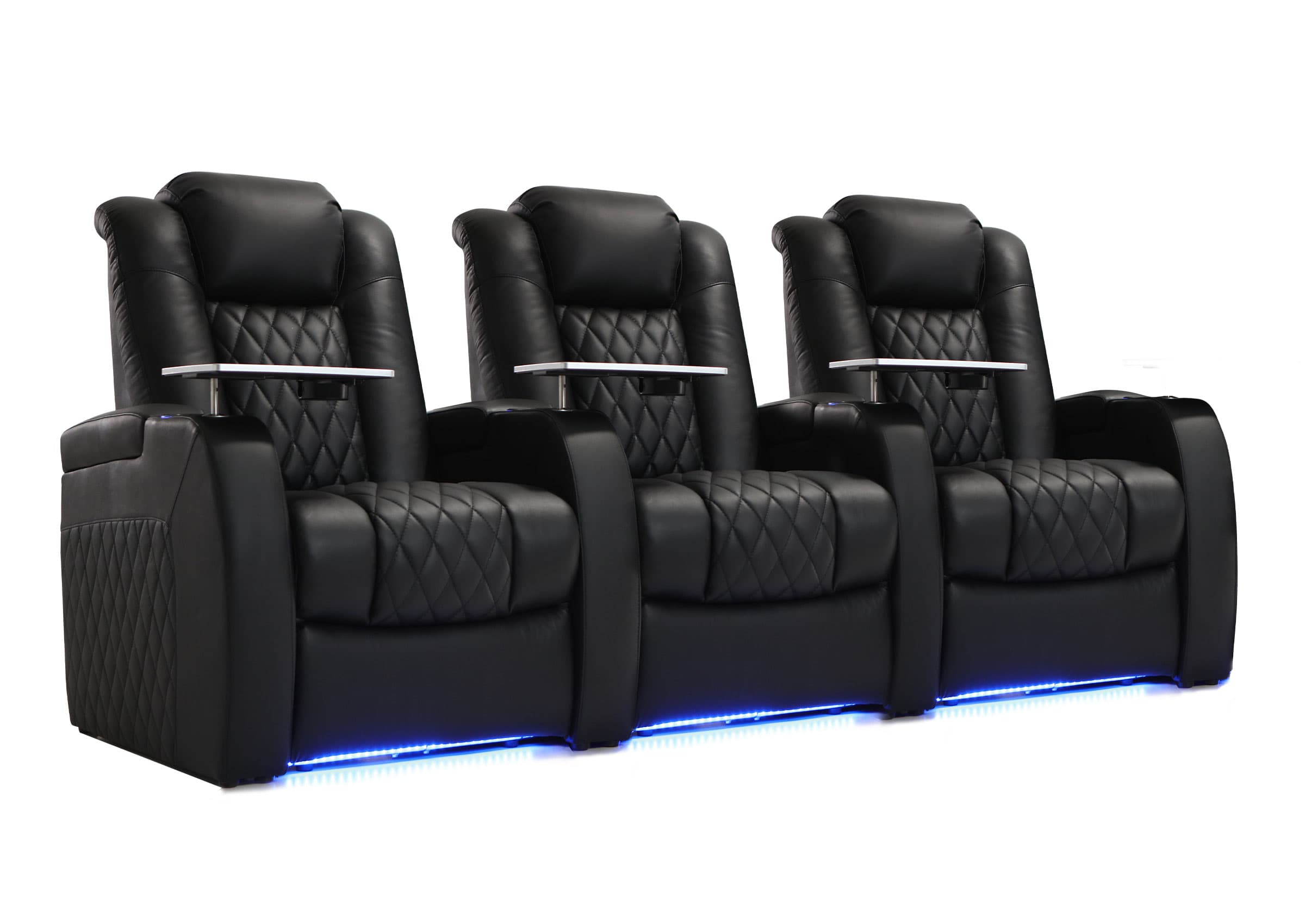
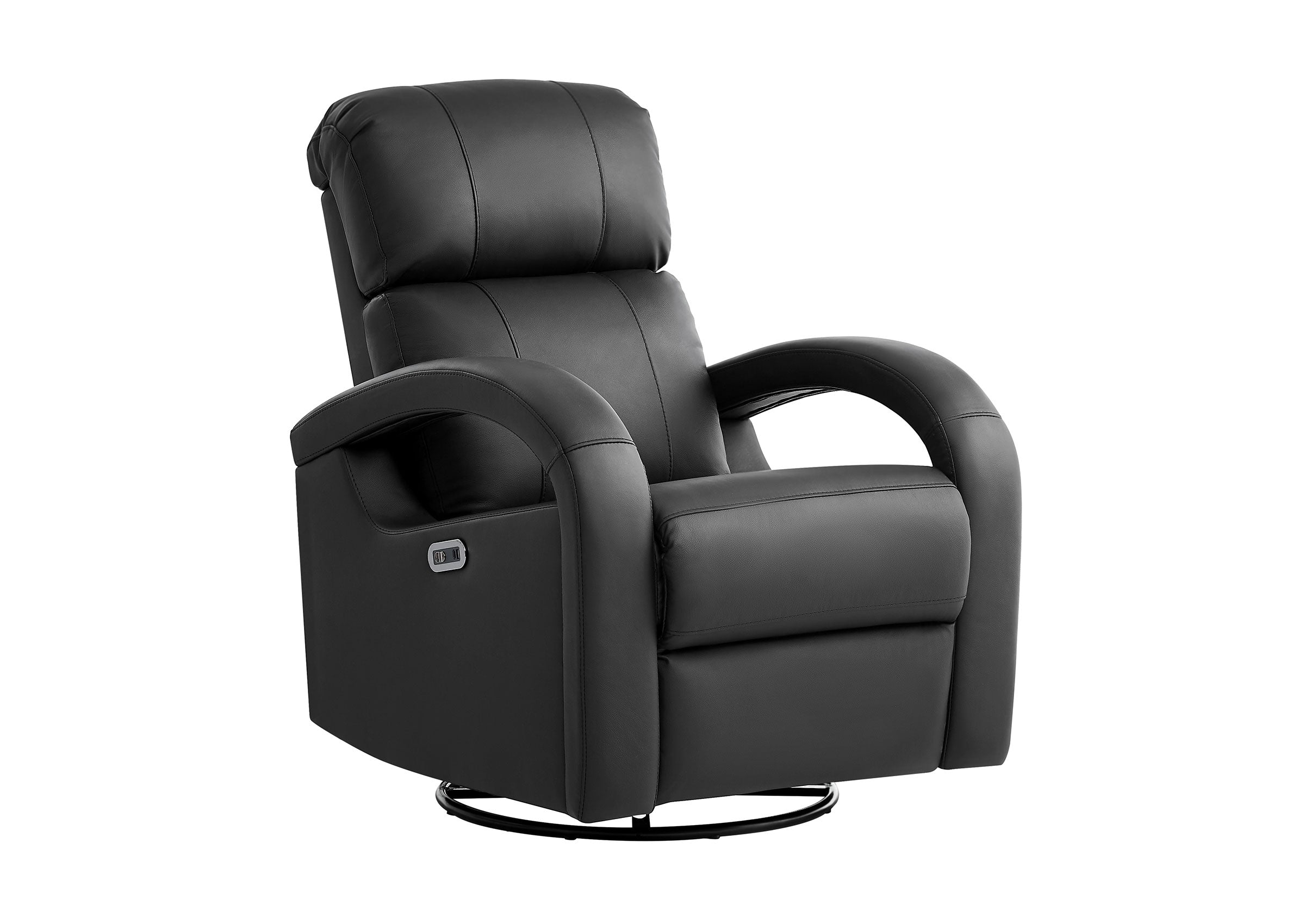
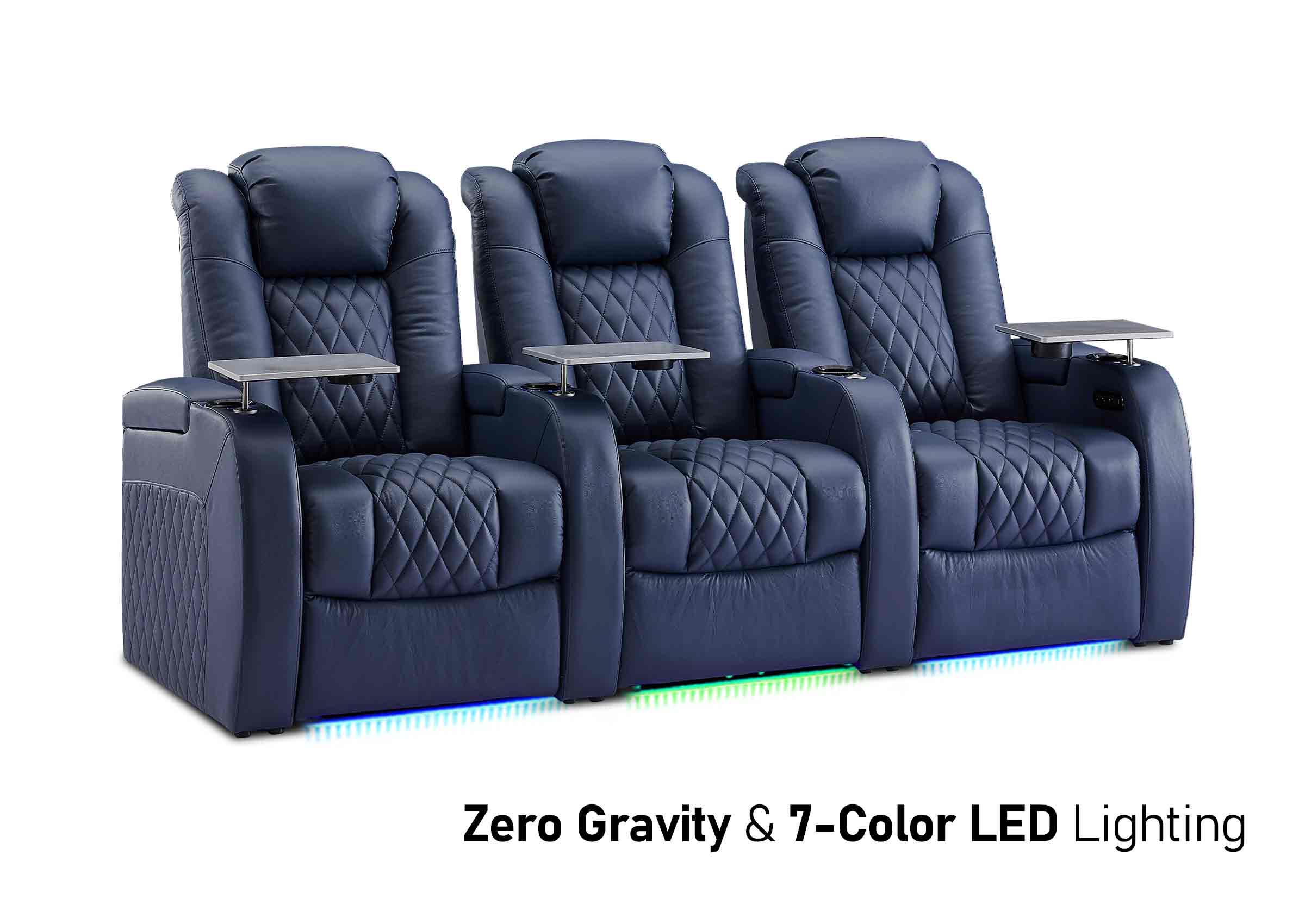
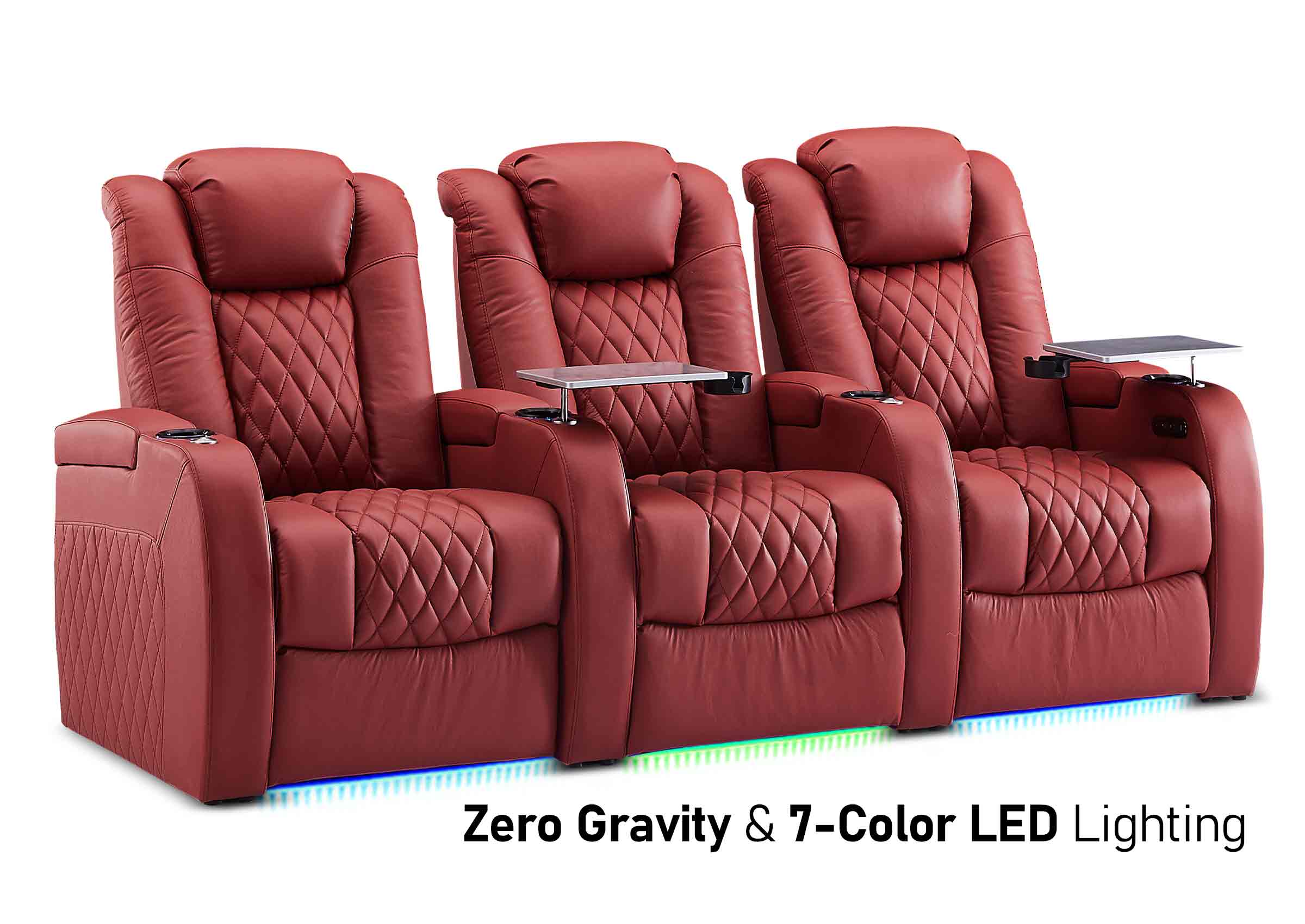
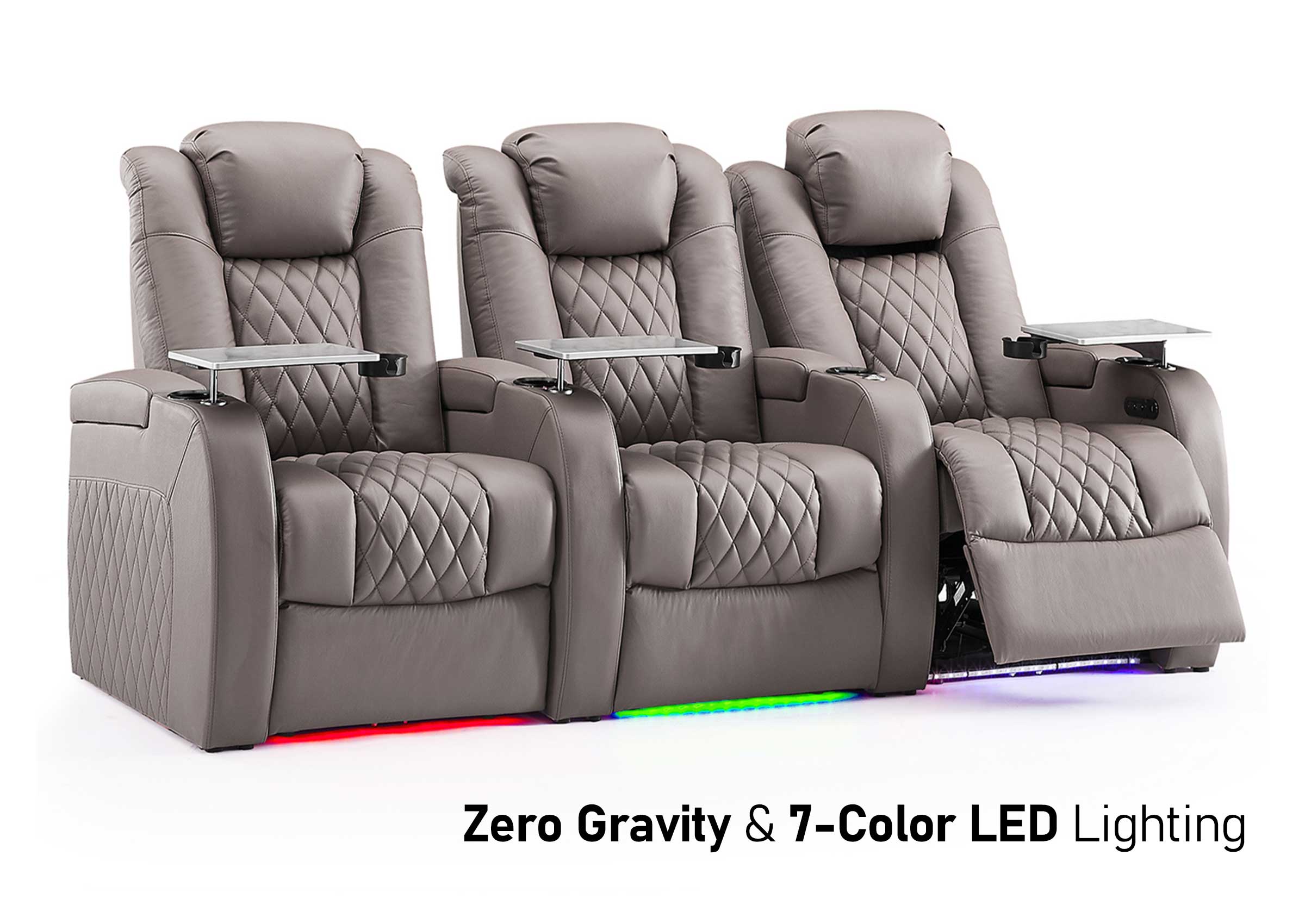
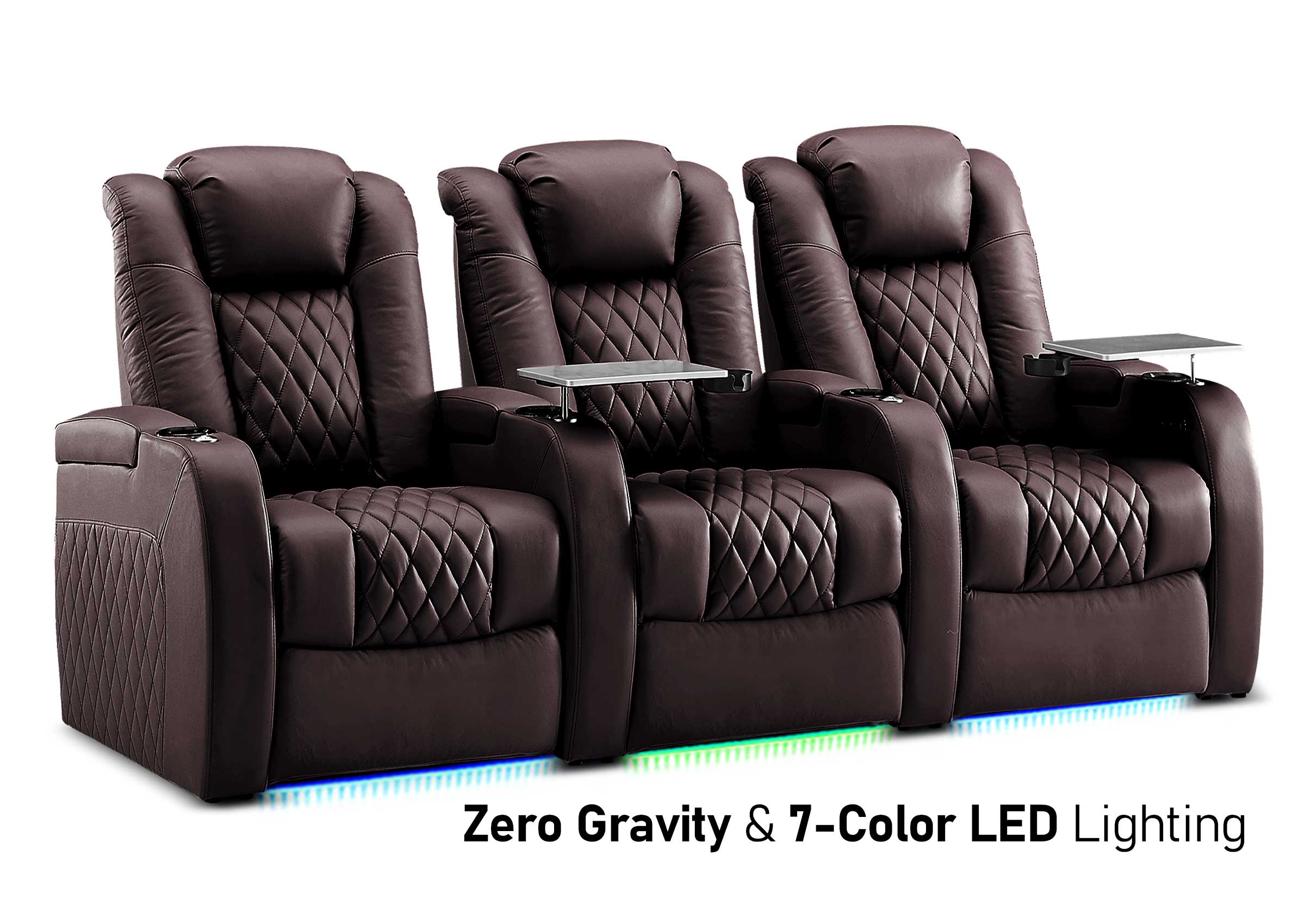

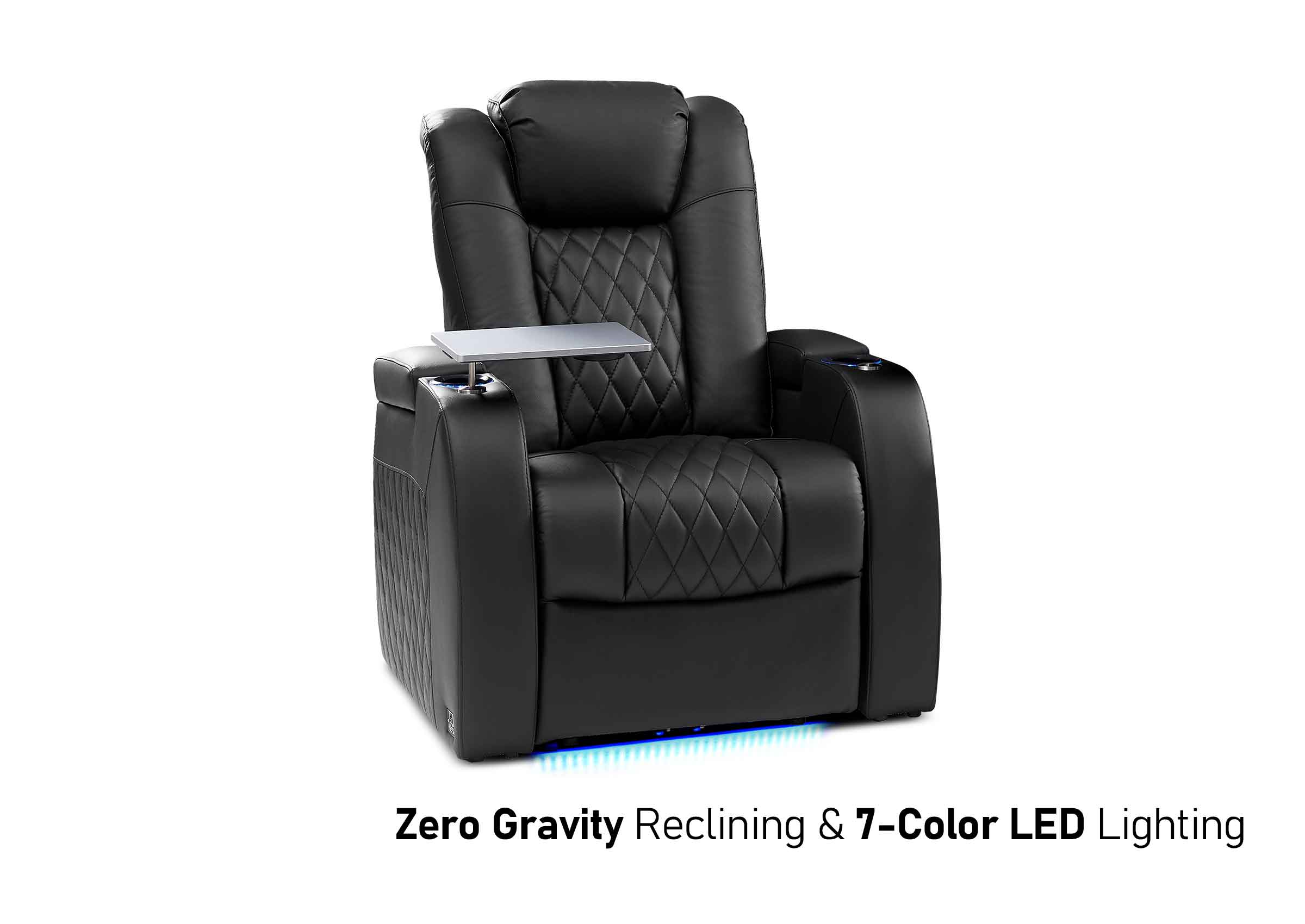
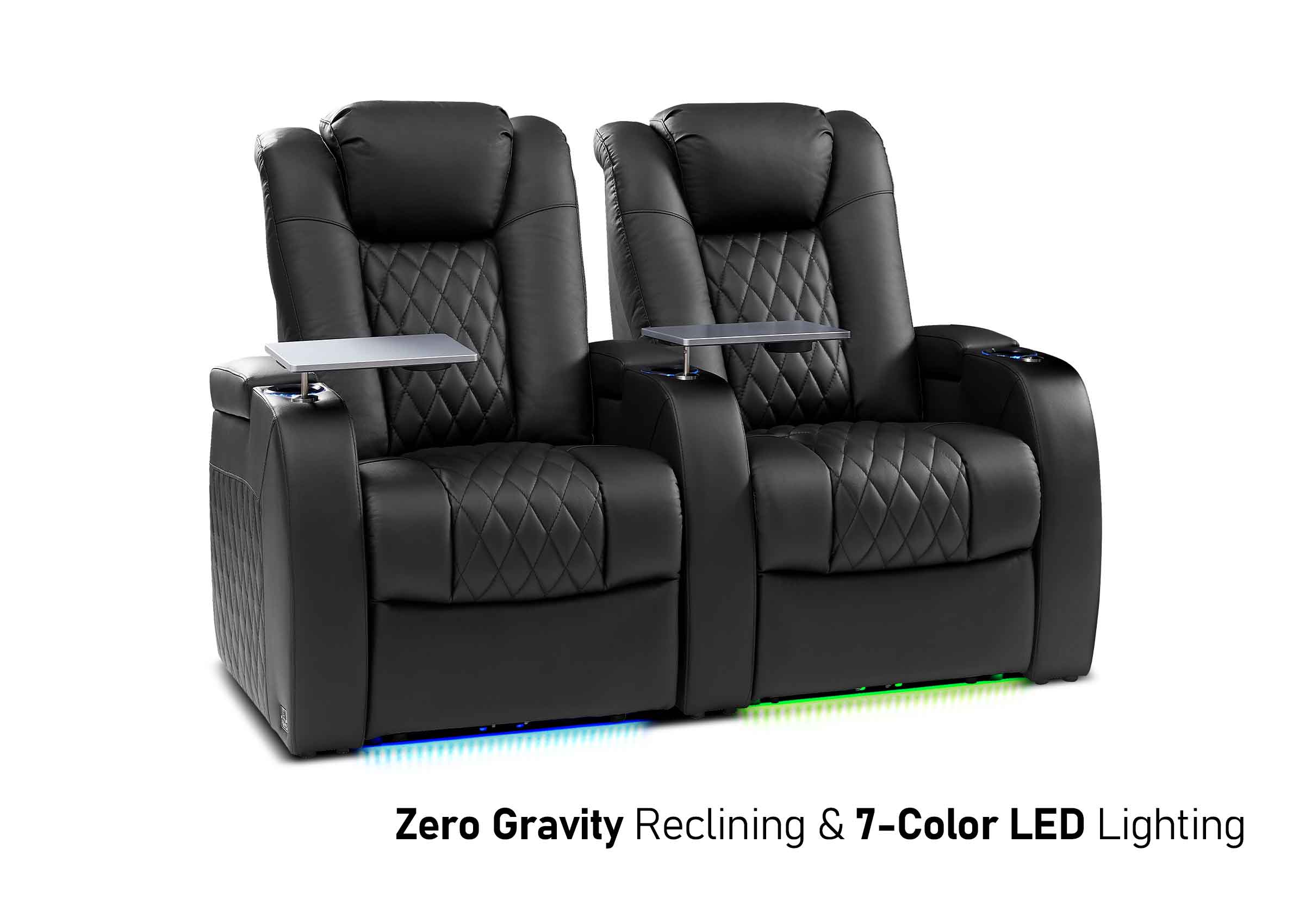
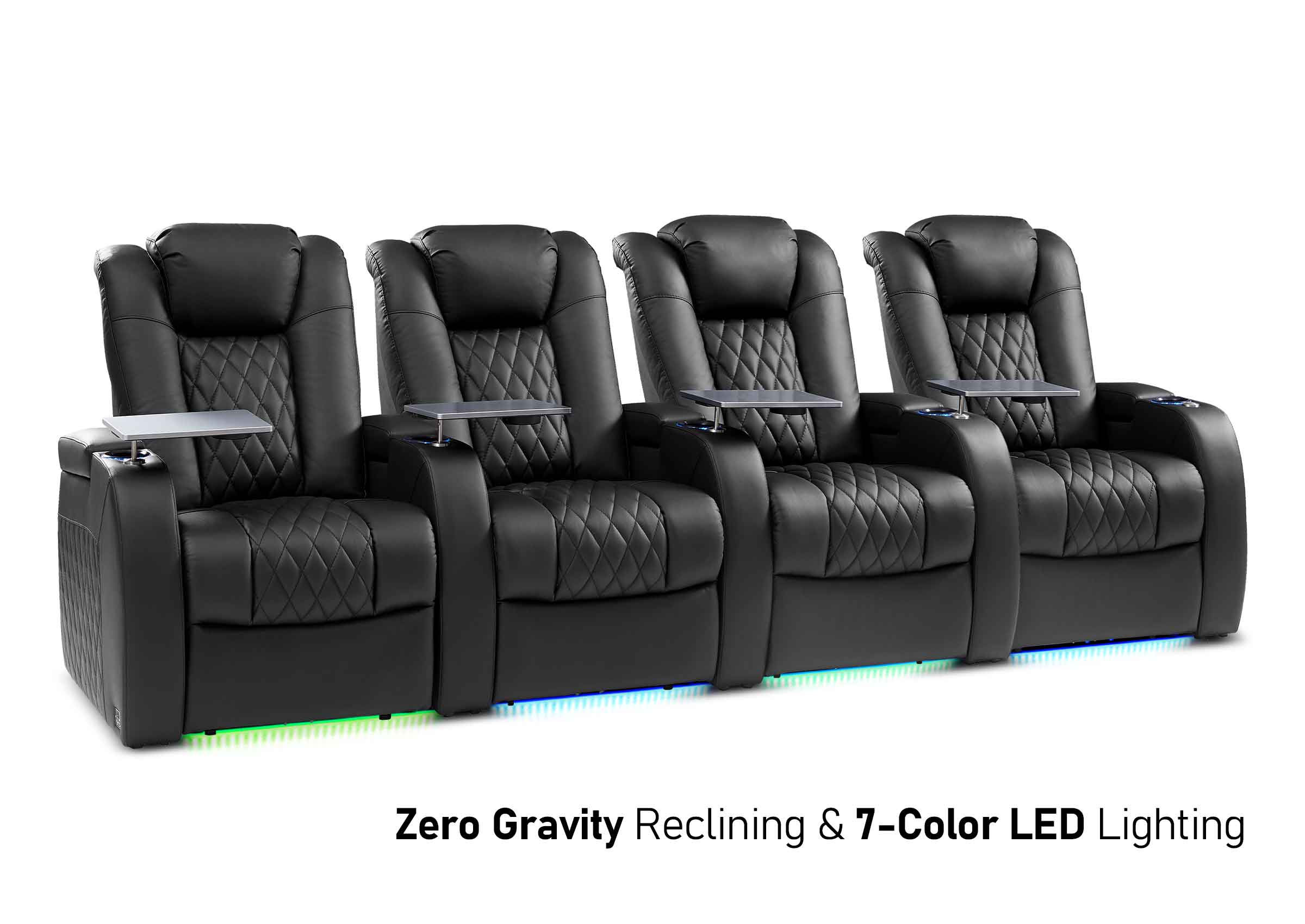
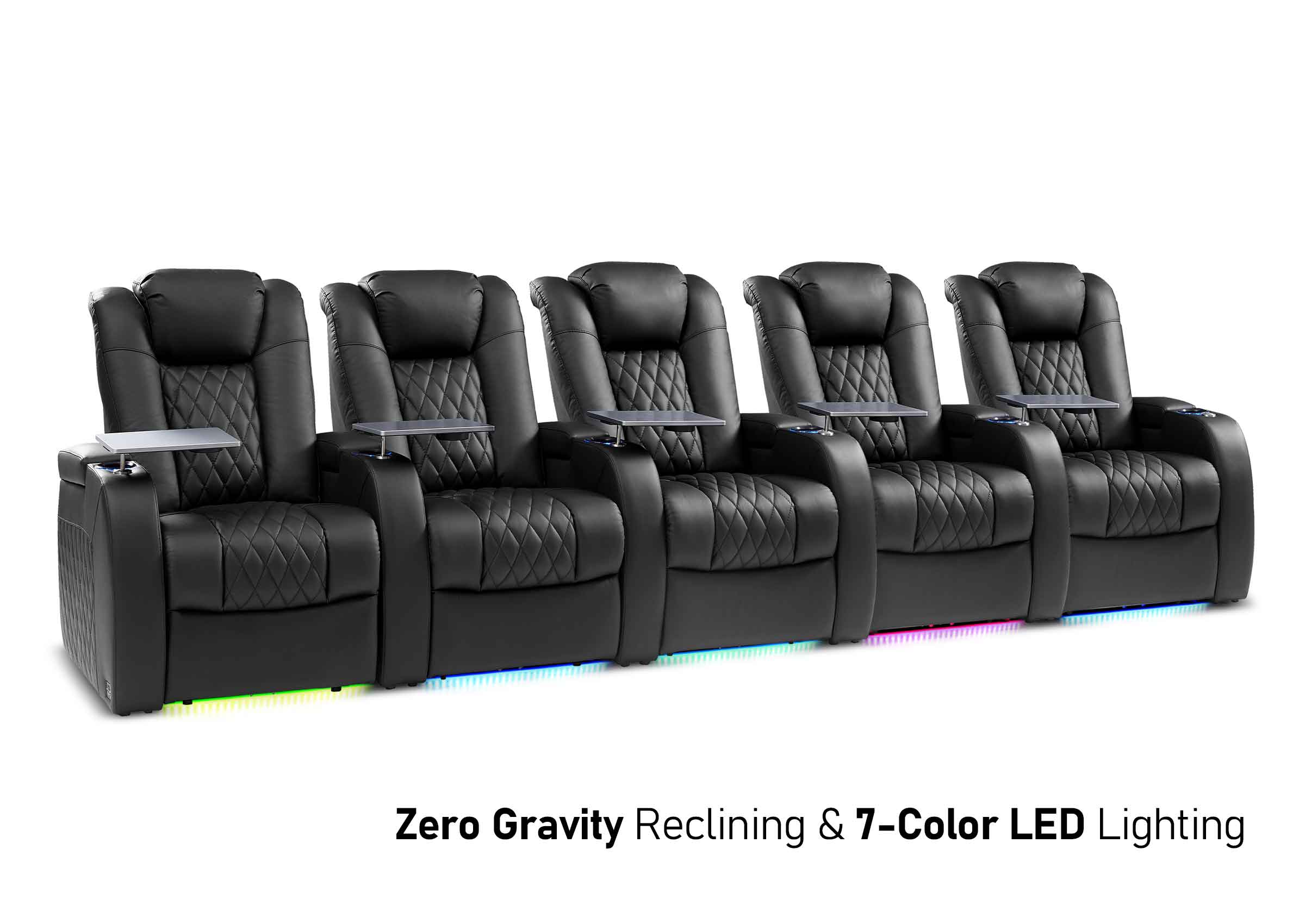
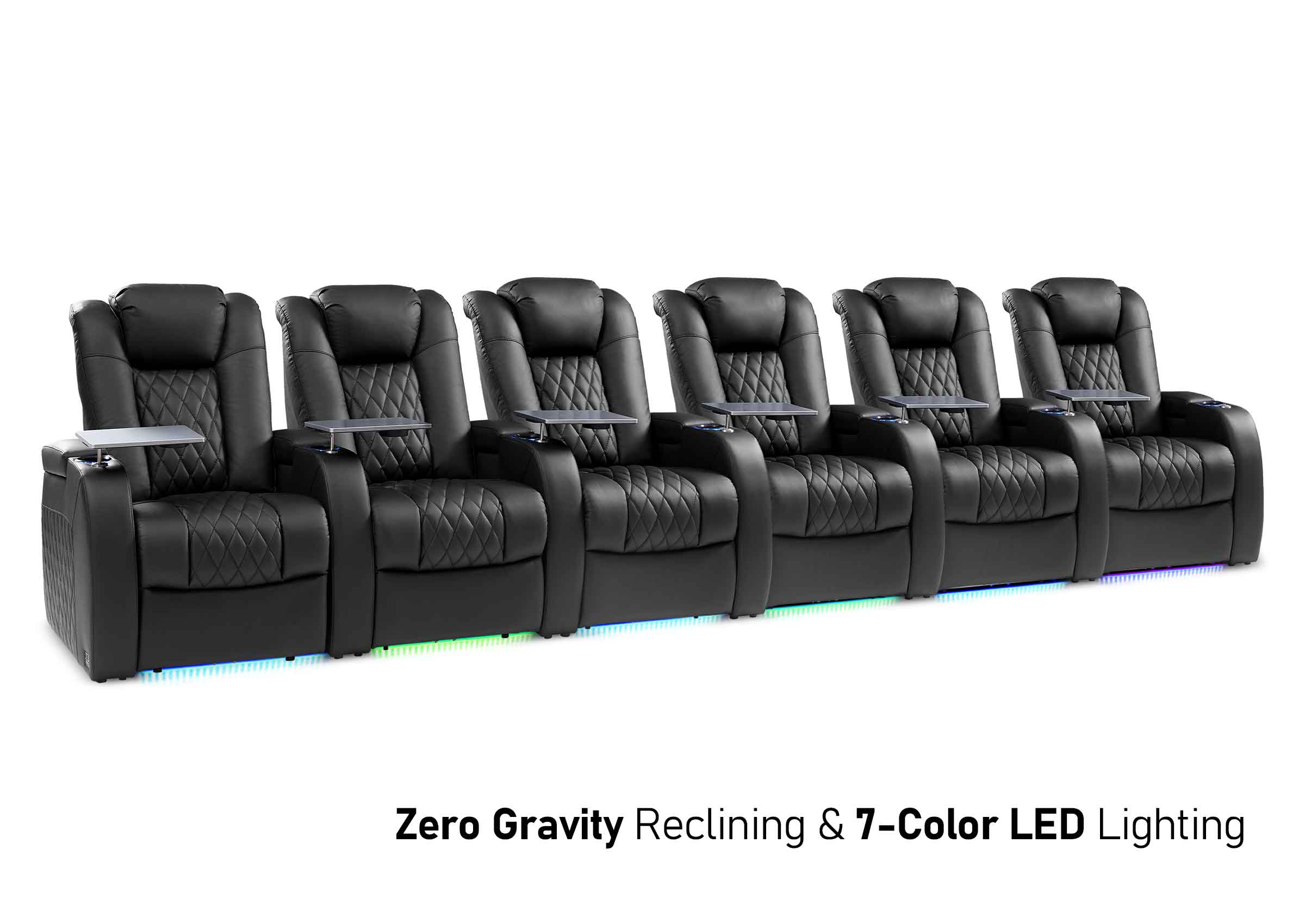
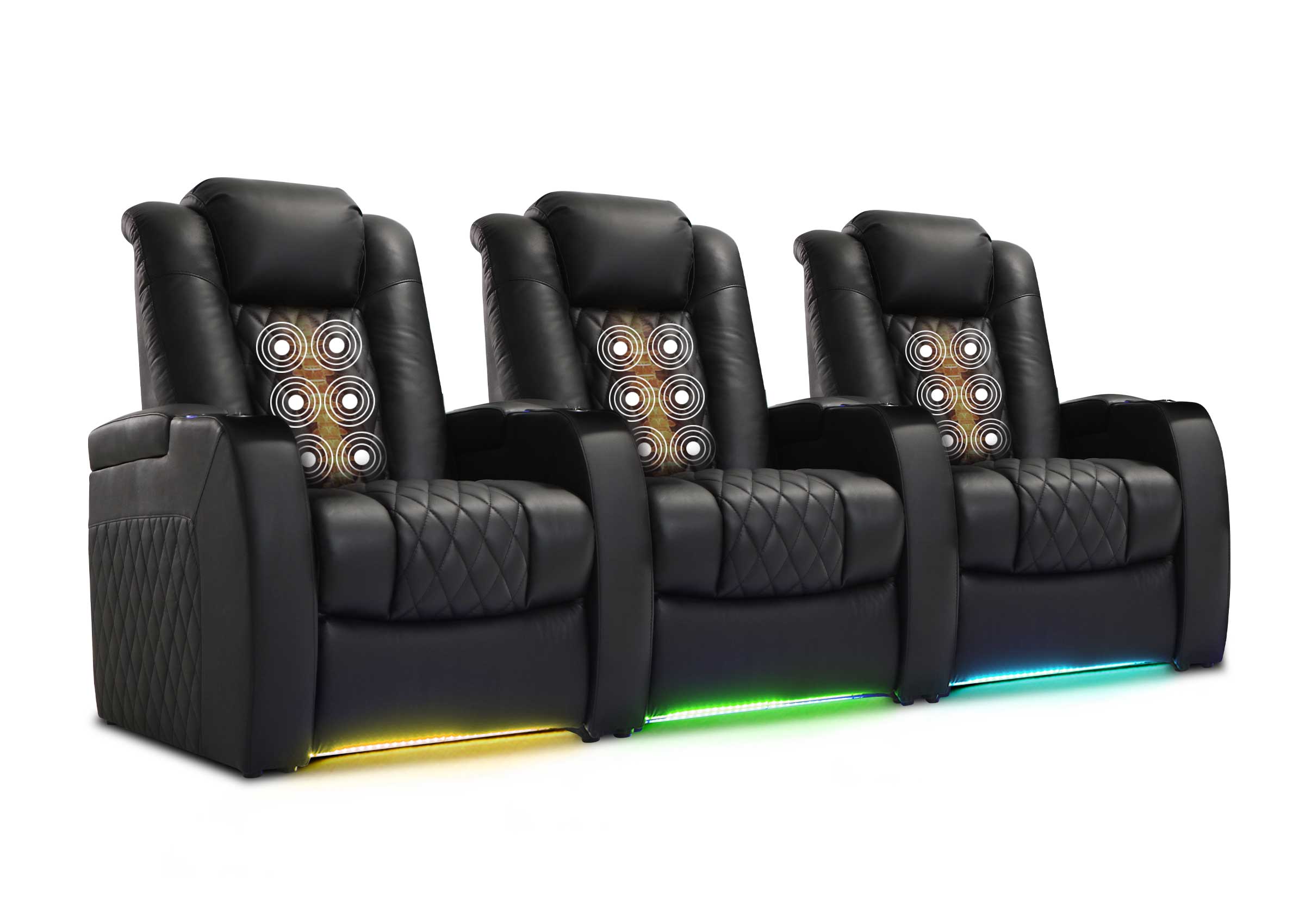




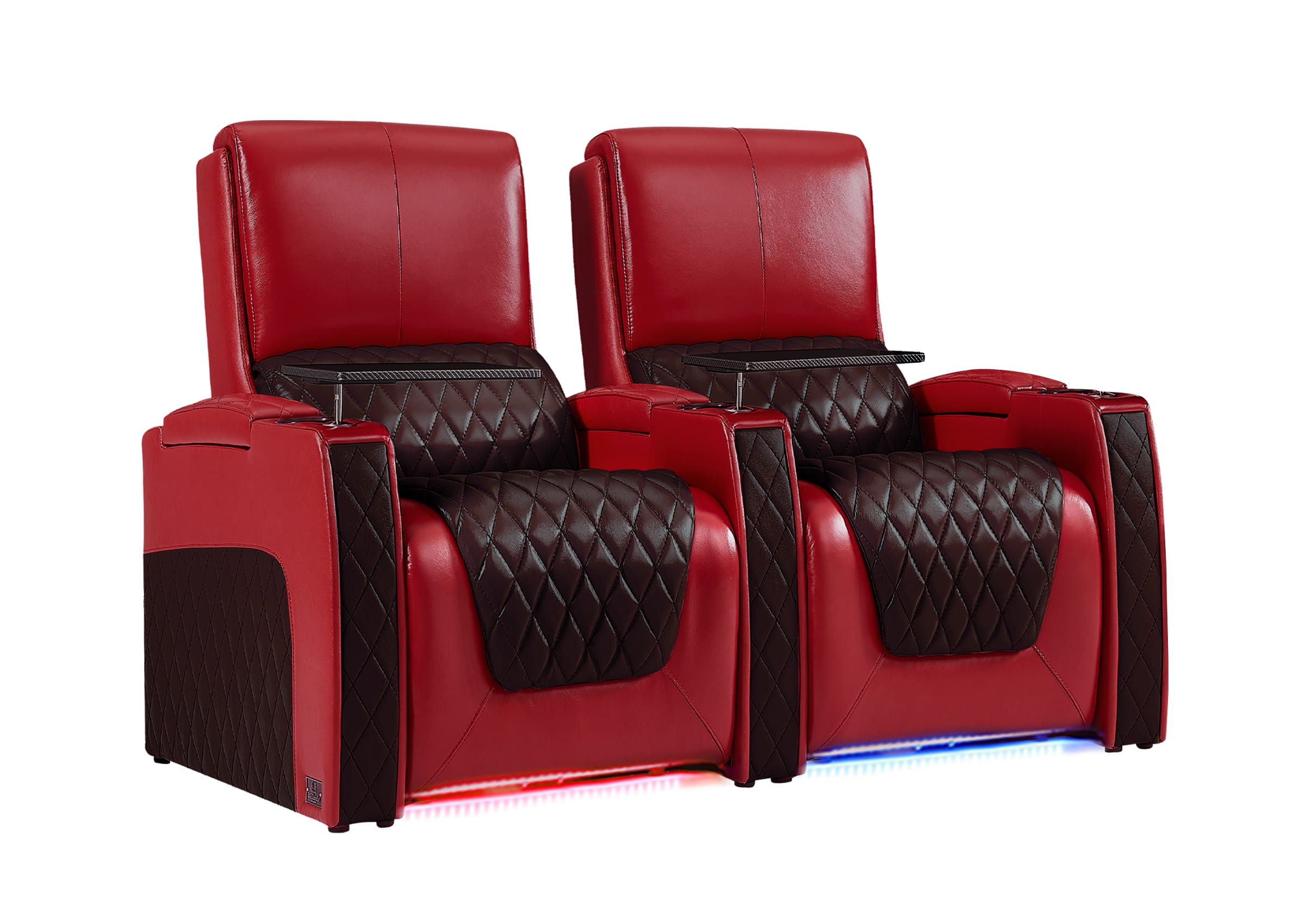
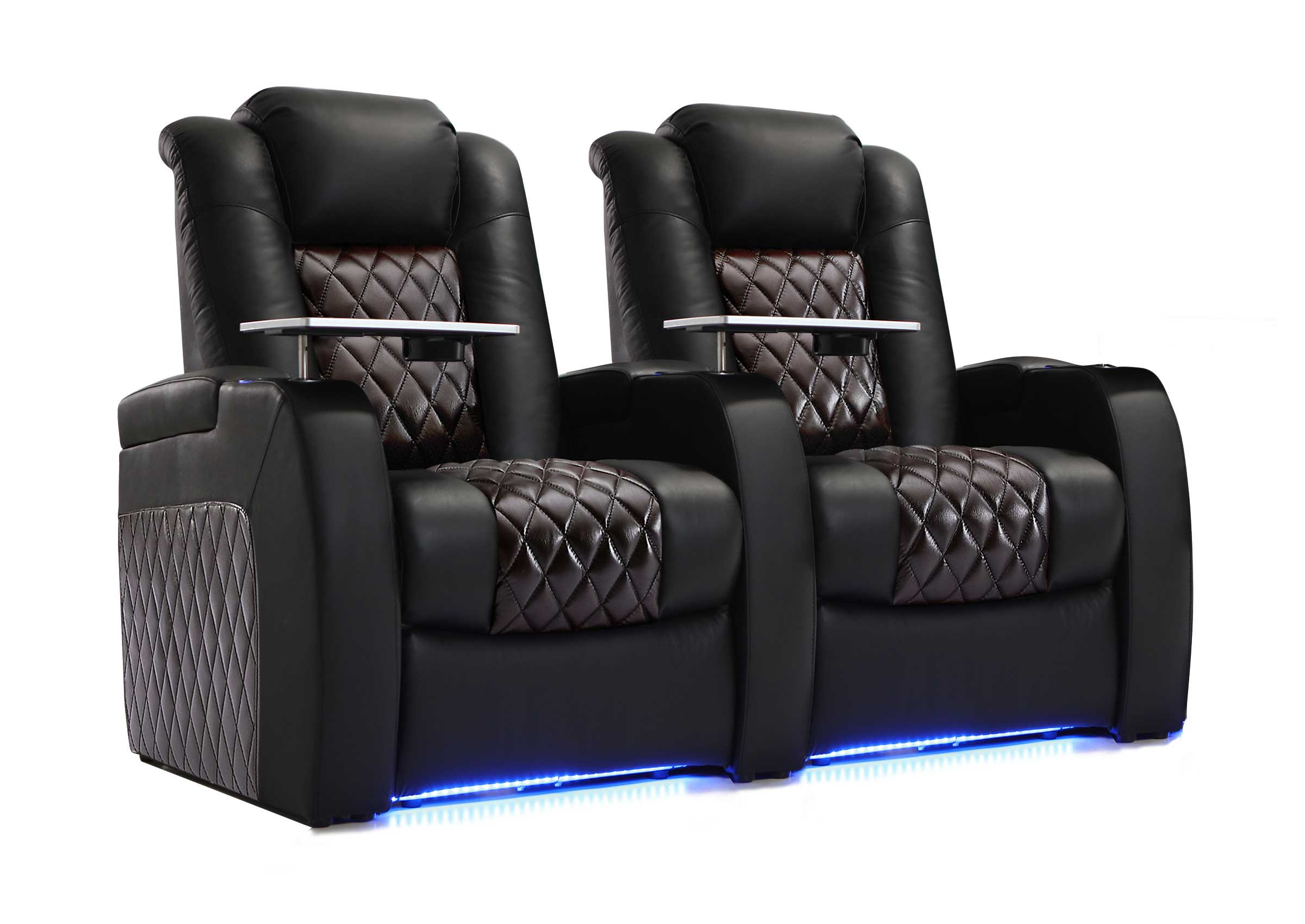
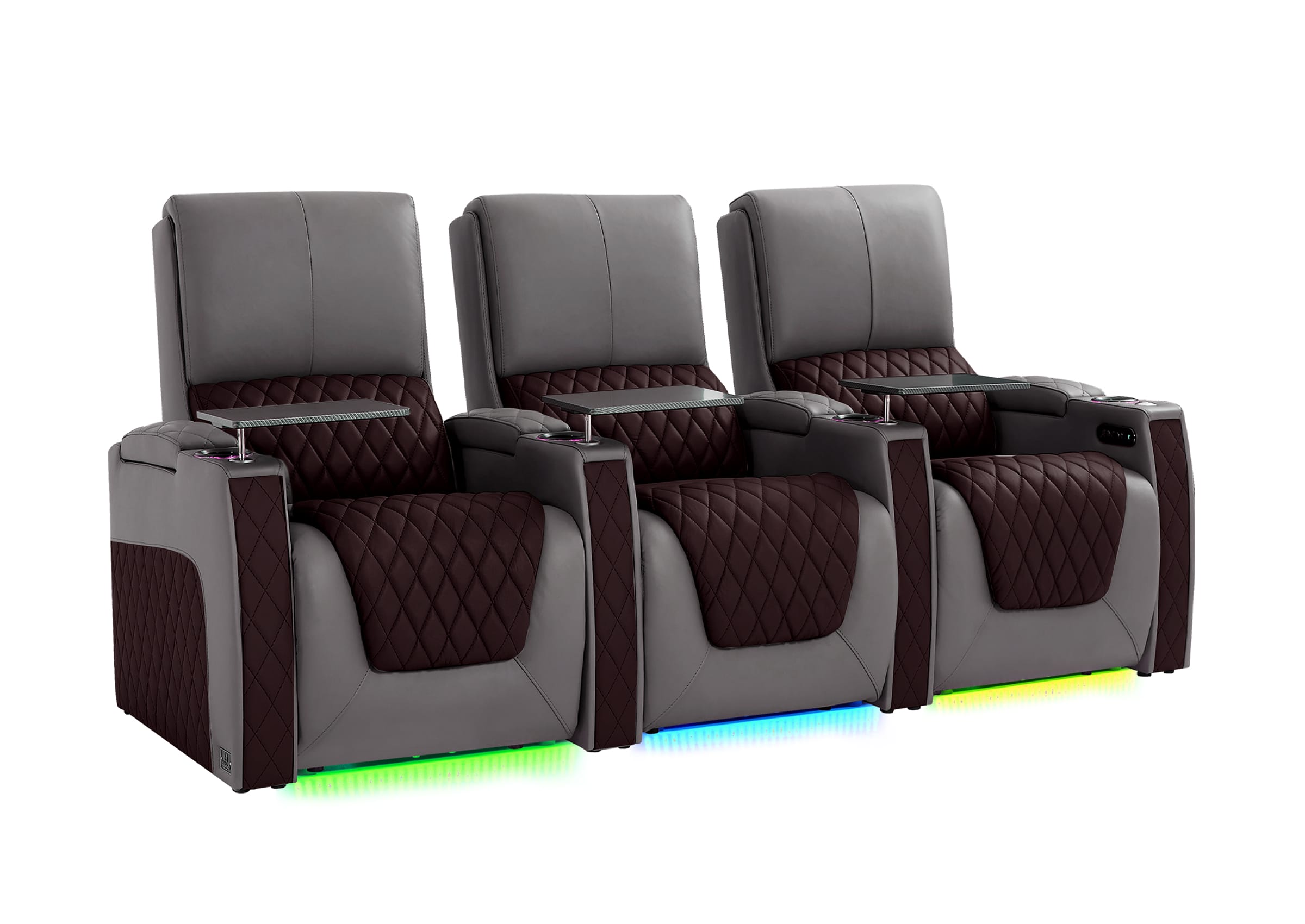
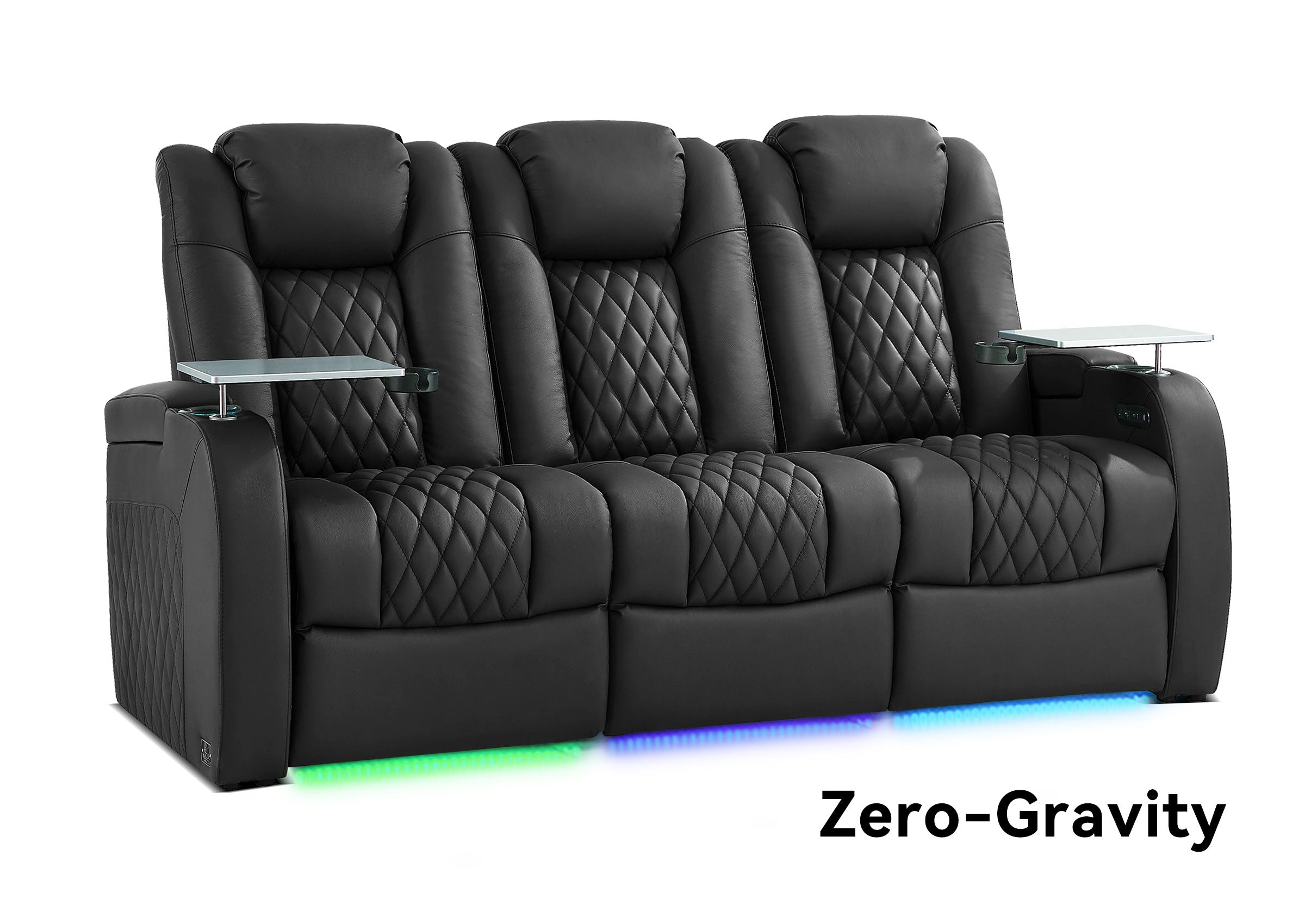


Home theater seating can make a room feel less social, but separate recliners are not the real problem. A room starts to feel disconnected when wide armrests, consoles, and rigid rows keep apart people who would rather lean together, share a blanket, or talk between scenes. The best configuration is the one that supports how your household already enjoys time together—not the one that looks most like a commercial cinema.
That distinction matters because the same row can feel completely different to two families. One may appreciate having a comfortable position for every person and finally finish movies without anyone leaving early. Another may miss the easy closeness of a sofa almost immediately.
This is not simply a choice between a “social sofa” and “antisocial recliners.” It is a decision about where your room should provide personal comfort, where it should preserve shared space, and which of those needs matters most on an ordinary evening.
What Does “Social” Mean in Your Home Theater?
People gather around a screen in different ways. Some families talk through a casual show, pass snacks back and forth, and let children move between the furniture and the floor. Others prefer to settle into their own positions and give a movie their full attention. Both are shared experiences, even though they look different.
The tension appears when the furniture supports the wrong version of togetherness.
A couple who normally curls up under one blanket may feel separated by a fixed center console. A family of adults may enjoy the opposite: nobody competes for a cushion, adjusts someone else’s footrest, or loses an armrest halfway through the movie. Personal space can create distance, but it can also remove the small discomforts that make people leave the room.
Before comparing products, decide which behavior you want the seating to make easier. If you are still choosing between broad furniture types, first review how to choose the best seating for a home theater.
- Sitting close enough to touch or share a blanket
- Reclining independently without disturbing another person
- Talking and moving around while the screen is on
- Giving each family member a consistent viewing position
- Changing the room between movies, games, conversation, and everyday lounging
Once that priority is clear, the furniture decision becomes less emotional and much more practical.
Why Can Theater Rows Feel More Separate Than a Sofa?
A sofa makes closeness effortless. People can slide toward one another, lie across the cushions, make room for a child, or change positions without feeling assigned to a numbered seat. Even when nobody is talking, the shared surface creates a relaxed sense of being together.
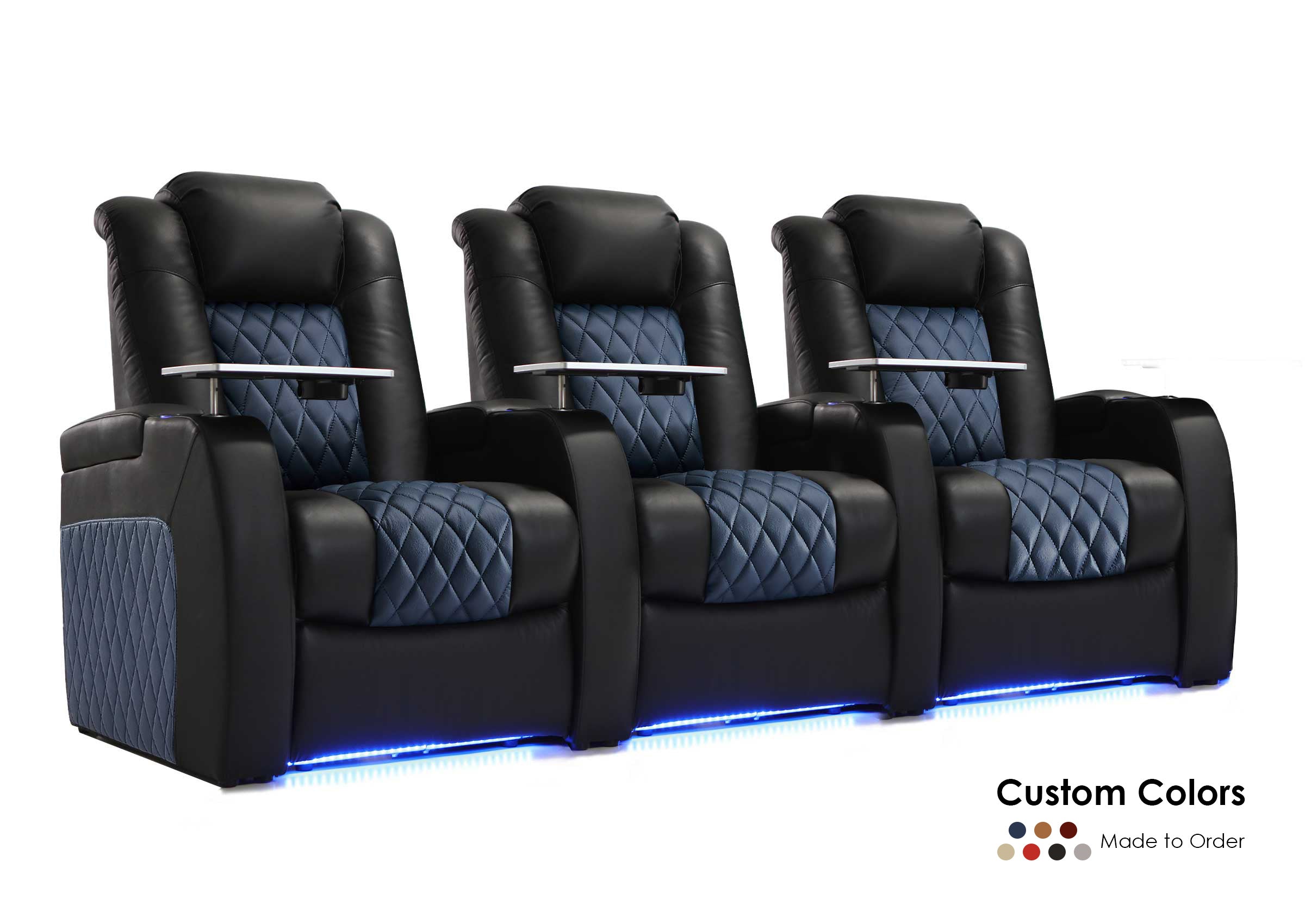
Theater seating organizes the same group differently. Each person gets a defined position facing one focal point. That is excellent for uninterrupted viewing, yet it leaves less room for spontaneous movement and physical closeness.
The effect becomes stronger when every seat has substantial armrests, every pair is divided by a console, or family members spread across a row larger than they normally need. Multiple straight rows can add another layer of separation because people behind one another have little visual contact.
None of those choices is inherently poor design. They simply optimize the room for a shared program rather than shared conversation. Problems arise when a multipurpose family room is planned as though focused viewing were its only job.
Can Personal Space Bring a Family Closer Together?
Yes. Comfort has a social consequence that is easy to overlook: people stay where they feel good.
Picture a long movie on a deep sofa. One person wants to sit upright, another adds pillows behind the lower back, and someone else cannot support their legs comfortably. The family is technically close, but the experience becomes a series of small adjustments. Eventually, one person moves to another chair or leaves the room.
Individual recliners can remove that friction. A taller viewer and a shorter viewer do not need the same leg position. One person can remain upright while another reclines. Adults and teenagers gain defined space without negotiating the same cushion and armrest.
For households with different comfort preferences, dedicated seats may make movie night more dependable. The row looks more formal, but the family may use it more often and remain together longer. Social value comes from participation, not only physical proximity. If comfort and long-term use are still open questions, consider whether home theater seats are worth it for your room and household habits.
Should Couples Choose a Loveseat or Separate Recliners?
For two people, the most important detail may be the space between the seats.
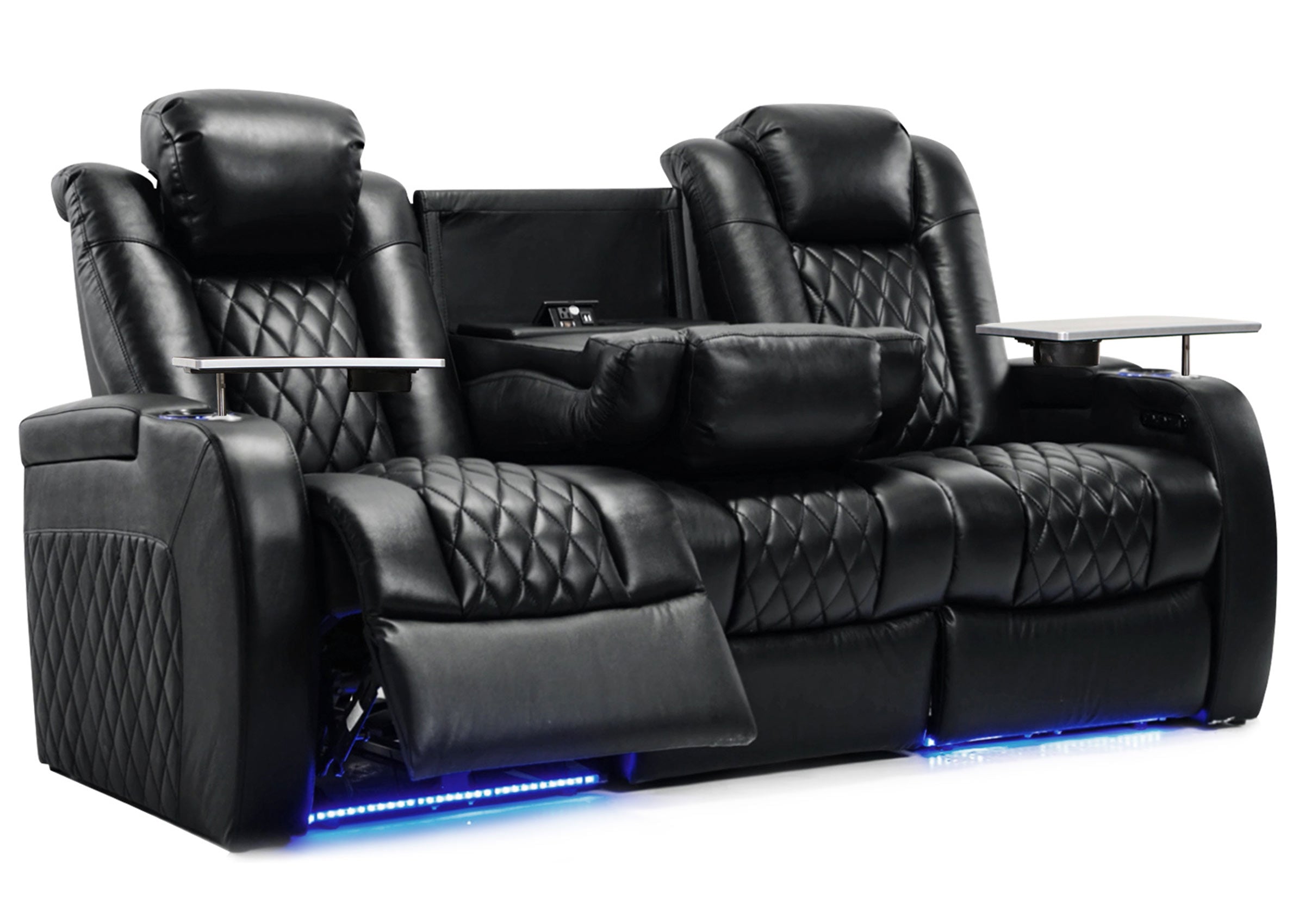
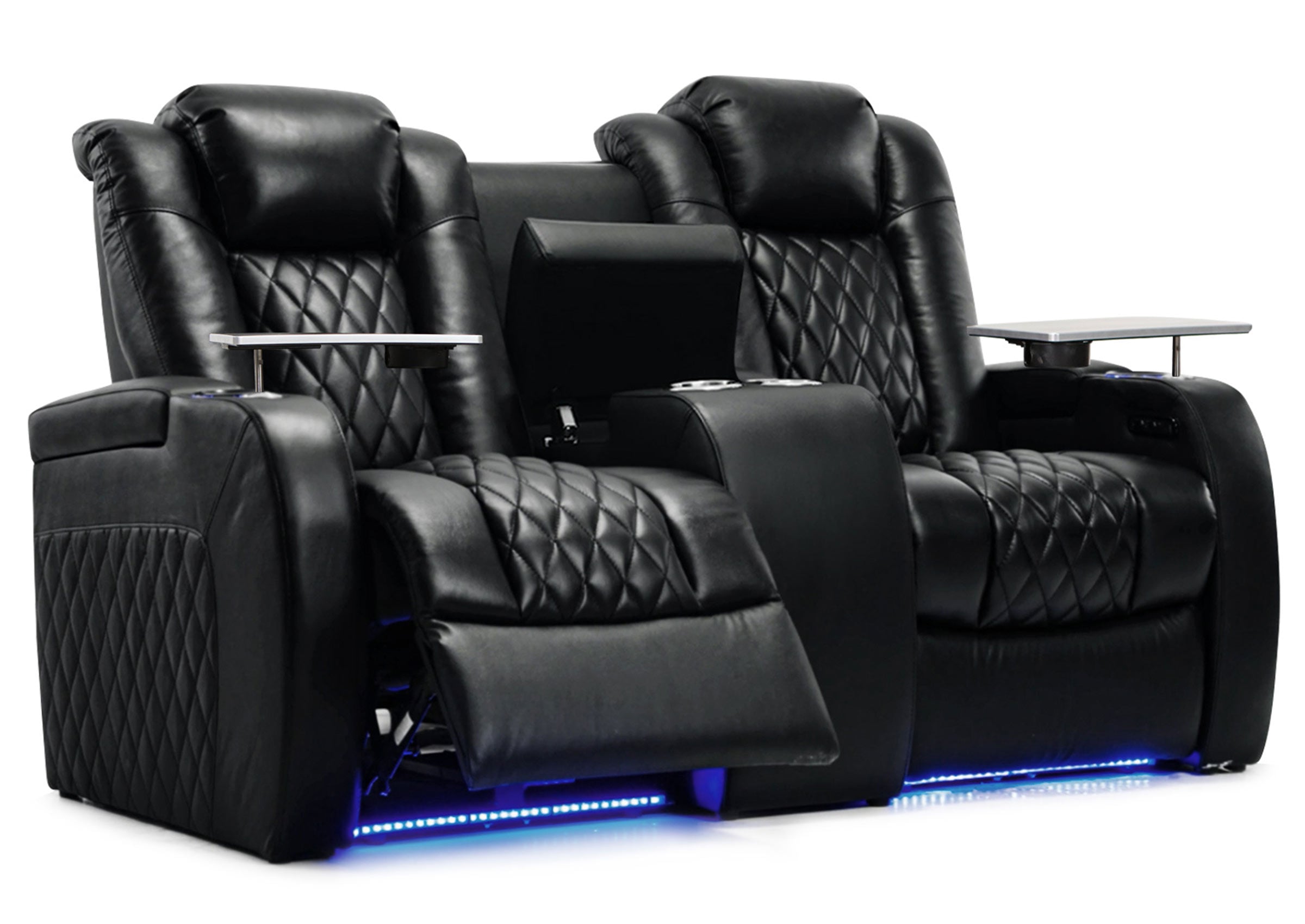
A home theater loveseat or a two-seat configuration without a fixed center divider keeps the relationship closer to a sofa. It suits couples who routinely lean toward one another, share pillows, or want movie night to feel intimate. The appeal is not just extra width; it is the absence of a permanent boundary.
Separate recliners serve a different need. They are often the better fit when each person prefers a different reclining angle, when body sizes make one shared cushion uncomfortable, or when uninterrupted personal support matters more than cuddling.
Instead of imagining an ideal date night, think about the last five times you watched something together. Did you naturally move closer, or did each person settle into a separate position? Did either of you become uncomfortable because the other person moved? Your repeated habits offer a better answer than a staged room photo.
A center console deserves the same honest evaluation. Storage and cup holders are convenient, but convenience is not free: the console adds width and prevents two people from closing the gap. Choose it because you will use what it provides, not because a complete theater row seems expected to have one.
If closeness is the priority, compare the construction of two-seat home theater seating and confirm whether the selected arrangement has an open shared center or a fixed divider.

How Can One Room Work for Children, Teenagers, and Adults?
Children, teenagers, adults, and pets do not use a media room in identical ways. A younger child may want to sit beside a parent, then move to the floor before the movie ends. A teenager may prefer a clearly defined seat. Adults may need more reliable back and leg support for a long viewing session.
An all-sofa room asks everyone to share. An all-recliner room asks everyone to separate. Neither extreme automatically serves a household with several ages and habits.
A mixed configuration can resolve that tension. One shared two-seat section may preserve closeness for a parent and child or a couple, while individual reclining positions give others control over their comfort. Flexible overflow seating can accommodate an occasional friend without making empty permanent chairs dictate the family’s everyday arrangement. A sectional in a home theater can also be considered when shared lounging and flexible positions matter more than a formal row.
Plan around a normal week before planning for the largest party you might host. A family of four that installs seating for eight may end up scattering across the room every evening. Keeping the regularly used seats within one social zone often matters more than maximizing the number on a floor plan.
Pets belong in this conversation as well. If a dog normally lies beside someone or a cat claims the middle cushion, fully divided seating changes a familiar routine. That may not appear on a product specification, but it can strongly influence whether the new room feels like home.
How Many Consoles Does a Theater Row Really Need?
Built-in storage, cup holders, charging access, and controls can make a media room easier to use. Still, repeating a console between every person may solve more storage problems than the household actually has while creating several new boundaries.
Selective placement is often more thoughtful. A console between guest seats can provide welcome personal space. Storage at the end of a row may keep everyday items close without separating a couple. A nearby table can sometimes do the same job while remaining movable.
Armrests have a similar effect. Wide fixed arms create a clear one-person zone; a shared arm or a loveseat section feels more open. Designs vary, so confirm the actual module arrangement rather than assuming that every two-seat or multi-seat product offers the same relationship between seats.
If this divider disappeared, would you miss its function or enjoy the extra closeness more?
Does Curved Theater Seating Feel More Social?
A gently curved row may feel less rigid than a straight line because people are not sitting perfectly parallel. It can improve peripheral awareness and make a wider group feel more connected. However, the curve does not reproduce the shared surface of a sofa, and it may require additional room.
Choose a curved configuration when it also works with the screen, walkways, and available width. If conversation is central to the room, an adaptable side chair, a loveseat section, or a mixed seating zone may have more impact than changing the row shape alone.
Should Dedicated Theaters and Media Rooms Use the Same Seating?
Usually not. In a dedicated home theater, forward-facing individual seats make sense because the room has a clear main purpose. People enter to watch something together. Conversation happens before the lights dim, during a pause, or after the movie.
A media room, living room, or open basement usually carries more responsibilities. It may host gaming one evening, a movie the next, and a long family conversation over the weekend. Someone may read there while another person watches television. Children may use the floor; guests may turn away from the screen. Understanding what makes a media room different can help clarify how flexible the seating needs to be.
When the screen is not always the center of attention, a permanent audience layout can feel restrictive. Mixed seating is not an inferior compromise in this setting. It can be the more deliberate solution: strong viewing positions for people who want individual support, a shared area for lounging, and at least one seat that can participate in conversation when the television is off.
Which Seating Configuration Fits the Way People Gather?
| Everyday behavior | Where distance may appear | A more connected direction |
|---|---|---|
| A couple watches together most nights | A permanent console divides the two primary seats | Consider a shared-arm or loveseat-style configuration if it still provides suitable support |
| Parents watch with younger children | Every position is fully separated | Preserve at least one shared area for leaning together, blankets, and supervision |
| Adults or teenagers prefer different positions | One sofa forces everyone to compromise on posture | Place individual reclining positions close enough to remain one group |
| Friends gather for sports or gaming | Long straight rows make side conversation awkward | Consider a modest curve, mixed seating, or flexible side seats where the room permits |
| The room doubles as a lounge | Every piece permanently faces the screen | Combine focused viewing seats with at least one adaptable social position |
| Extra guests visit occasionally | Permanent seating is planned for the maximum possible crowd | Optimize daily seats first and use movable overflow seating when needed |
This is not a universal product prescription. It is a way for everyone who uses the room to discuss the same trade-offs before the furniture becomes difficult to change.
FIND THE RIGHT CONFIGURATION
Which Seating Configuration Fits the Way Your Family Gathers?
Compare individual seats, open loveseats, consoles, and mixed rows based on who wants to sit together and who prefers independent support.
How Can You Test Whether the Room Still Feels Social?
Shopping photos almost always show a movie playing. Your room will spend many hours between movies, so imagine it with the screen off.
Would the family still choose to sit there and talk? Could two people comfortably turn toward one another? Is there a natural place for a child to join a parent? Would the room feel welcoming when only two of six seats are occupied?
Then make the test physical. Mark the proposed row on the floor and place temporary chairs inside the outline. Invite the people who will use the room to sit down. Pass a bowl of snacks, share a blanket, get up from a middle position, and hold a normal conversation. Temporary chairs cannot reproduce the comfort of the final furniture, but they reveal whether the spacing and barriers feel natural.

Before ordering, answer these questions together:
- Who uses the room on a normal evening?
- Who wants to sit close, and who values personal space?
- Would independent reclining solve a real comfort conflict?
- Which consoles or dividers provide functions the household will regularly use?
- Are occasional guests controlling a layout meant for everyday family life?
- Can the room support both focused viewing and at least one relaxed way to gather?
This checklist has value beyond choosing a sofa or recliner. It helps prevent one person’s picture of the perfect theater from becoming everyone else’s daily compromise.
When Does a Traditional Theater Row Make Sense?
Choose a conventional row of individual seats when the room is primarily for focused viewing, several people genuinely want different reclining positions, and defined personal space improves comfort. It is especially logical when clear sightlines and an organized audience arrangement matter more than lying across a shared surface.
Look beyond a full row when the space is the household’s everyday social center, couples strongly prefer sitting together, children frequently share seats with adults, or the room must move easily between movies and conversation.
There is plenty of room between those two decisions. Loveseat sections, selective consoles, modular combinations, reclining sofas, and mixed rows can preserve individual support without turning every person into a separate island.
How Do You Design a Home Theater Around Relationships?
Theater seating becomes less social only when its configuration ignores how people naturally gather. A supportive row may bring a family together more often because everyone remains comfortable. A beautiful sofa may fail if several people cannot settle into it for a full movie.
Start with the people who use the room every week. Notice where closeness matters, where personal control prevents frustration, and which barriers genuinely earn their place. Once those relationships are clear, choosing individual seats, a loveseat section, a reclining sofa, or a mixed arrangement becomes easier.
The finished room should not merely seat everyone. It should make them want to stay.
If you are comparing individual seats, an open loveseat, or a mixed row, Weilianda can help you identify the configuration details worth confirming for the selected model. Visit Weilianda Support or email leon@weiliandahome.com to discuss your room, seating relationships, and open questions.