











To hide TV wires without cutting into the wall, use a surface-mounted cord cover for the exposed run or route the cables behind furniture that already blocks the view. For a wall-mounted TV above a console, a paintable cord cover is a practical starting point, provided it suits the cables and wall surface.
Choose the method based on where the cables end, how the TV moves, and what you may attach to the wall. Keep plugs accessible and allow the equipment to work normally.
Choose a Method That Fits Your Wall Restrictions
“No wall cutting” does not automatically mean “no drilling” or “no paint damage.” A surface raceway, also called a cord cover, sits on the wall instead of inside it. Depending on the product, it may attach with adhesive, screws, or both.
Use your actual restriction to narrow the options:
| Your situation | Method to consider | Main trade-off |
|---|---|---|
| A visible cable drop between a mounted TV and console | A surface cord cover | The cover remains visible, even when painted |
| Screw holes are not permitted | A cover or clips designed for adhesive-only mounting on your surface | Adhesive removal may affect the finish |
| Nothing may stick to the wall | Routing behind existing furniture or a suitable freestanding TV stand with cable guides | Furniture must conceal enough of the route |
| Only a short bundle is exposed beside furniture | A removable cable sleeve | It tidies the bundle but remains visible |
If you rent, check permission for the specific attachment method, even if the TV is already mounted.
Plan the Route From the TV to Each Destination
Power, HDMI, antenna, and soundbar cables may leave from different ports and travel to different places. Check them before positioning the cover.
For a console beneath the screen, position the vertical cover so its upper end is concealed behind the TV and its lower end reaches behind the console. Check from the main seat and from the side of the room before fixing it in place.
Plan power and signal destinations separately when they do not share an endpoint. If the outlet is beside the console, the power cord may need a permitted horizontal surface route while HDMI cables enter the cabinet. Forcing everything into one straight drop can leave the power connection stretched or exposed.
Measure the route, including turns and movement allowance. If the power cord cannot reach through a suitable setup, reconsider furniture placement or have an electrician assess outlet placement.
For a full-motion mount, follow its cable-routing instructions and check the TV throughout its normal movement. SANUS’s on-wall cable guidance specifically calls for enough slack to extend and return the screen without straining the cables.

Check the Cord Cover Before You Buy
Choose a cover that accepts the cable types you intend to conceal. Do not assume a channel advertised for low-voltage signal cables is also suitable for an electrical power cord. Check the exact product instructions, capacity, mounting requirements, and permitted use.
A narrow cover looks less prominent, but it needs room for the complete bundle and any required clearance. The lid should close without squeezing cables. A removable or hinged front makes later changes easier.
Inspect the ends and bends as well as the straight section. Cables need to enter and leave without sharp bends or pressure against their connectors. If a closed tube requires threading cables through it, check whether their connectors will fit.
Check whether adhesive alone is sufficient. For example, D-Line’s U.S. raceway guidance recommends additional screw fixings for its larger TV cable hider. A product with that requirement may not fit a strictly no-drill project.
Fit the Cover Before Fixing It Permanently
Turn off the equipment and unplug it before handling the cords. Get help if accessing the route requires moving a heavy TV or furniture.
Then follow this sequence alongside the cover’s installation instructions:
- Check the unfastened layout. Hold the cover sections and bends in position to confirm the route, endpoints, and appearance.
- Prepare and size the cover. Cut only the empty cover, away from the cables, using the tools and method its manufacturer specifies. Check any cut edges before inserting cords.
- Prepare the mounting surface. Follow the product’s cleaning, paint-curing, and attachment instructions. Allow any required waiting time before loading it.
- Install and route the cables. Keep cords clear of mount hinges, vents, and connector strain. Close the cover without forcing the lid.
- Recheck movement and access. Confirm that the screen can move as intended and that you can still reach the plugs and reopen the cover.
If the cover peels away or will not close, change the fit or mounting approach rather than compressing cables or using an unapproved attachment.
What If Adhesive Could Damage the Wall?
Adhesive suitability depends on the product, wall surface, and condition of the finish.
Command’s manufacturer guidance explains that weak, damaged, or uncured paint and incorrect removal can lead to paint coming off. Removable adhesive still requires the correct surface and removal procedure.
If keeping adhesive off the wall is the priority, start with furniture-based concealment. Use cable guides built into a suitable TV stand or route cords behind the existing console with supports approved for that furniture surface. Keep cables clear of pressure points, ventilation openings, and walking paths.
Furniture may leave part of a long cable drop visible. That trade-off can be worthwhile when wall attachment is unsuitable.
If you are considering a different console, our TV stand size guide explains how to check TV support, equipment space, and room fit before choosing furniture.

Make the Surface Route Blend In
If the selected cover is paintable, follow its preparation and painting instructions. Match the surrounding wall rather than automatically choosing white. Keep paint away from cables, plugs, and openings that need to remain usable.
From your usual seat, compare a straight vertical drop and an orderly run along a permitted wall edge with a diagonal shortcut. Choose the least distracting route that still accommodates the cables.
Check the Finished Setup
Before restoring power, check that:
- The cover closes without crushing cables.
- TV movement does not pull on connectors or pinch cords.
- Plugs remain reachable and fully seated.
- Equipment vents and needed access points stay clear.
- The cover is secure and can reopen for maintenance.
- No cord crosses a normal walking route.
Do not use a rug to hide an extension cord. The U.S. Consumer Product Safety Commission warns against running extension cords under carpets, through doorways, or under furniture, and says they should be used only temporarily.
Reconnect power and test your devices. Check from the seating area and room entrance. The finished route should reduce visible wires while keeping connections, movement, and future changes straightforward.
Keep Seating Power Connections Clear, Too
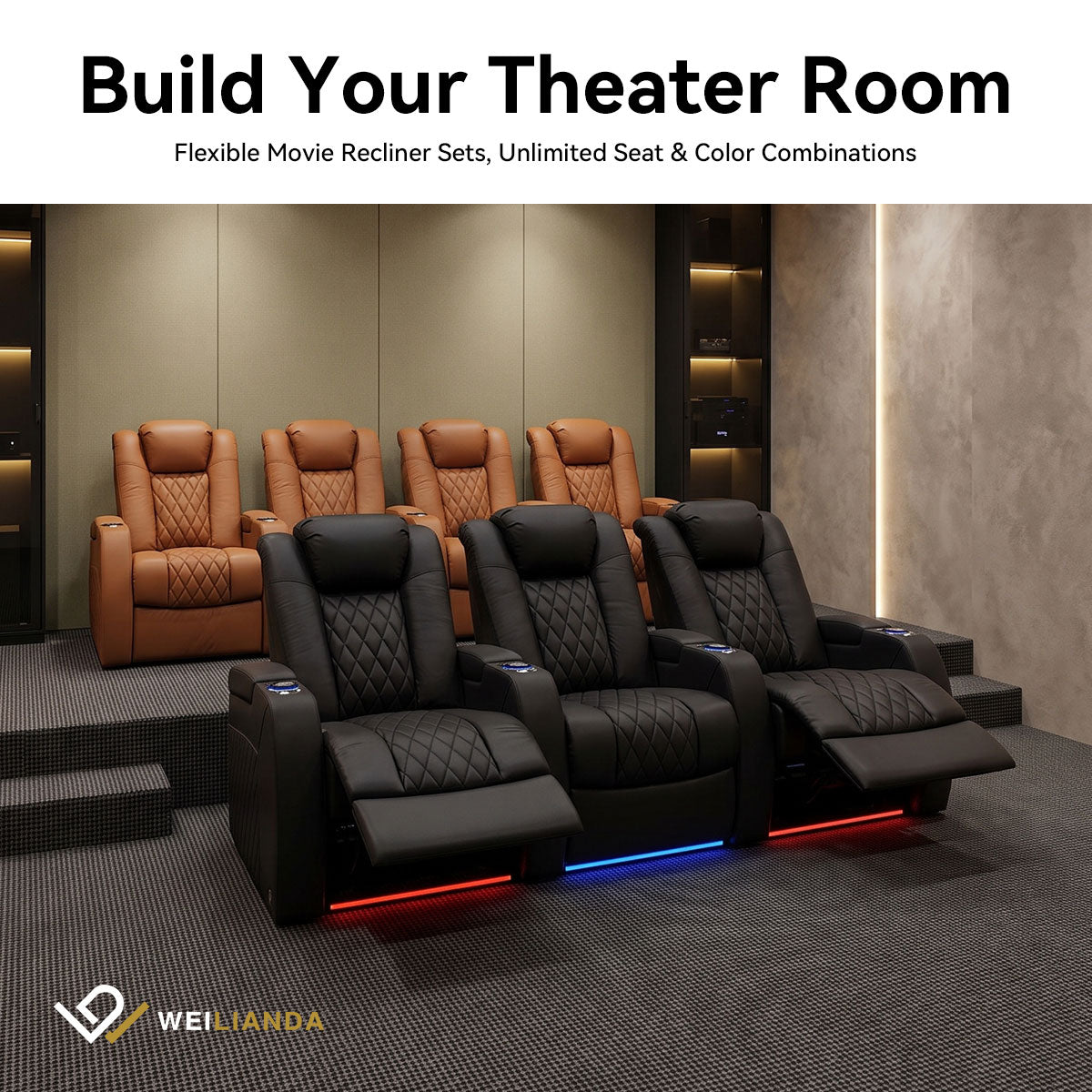
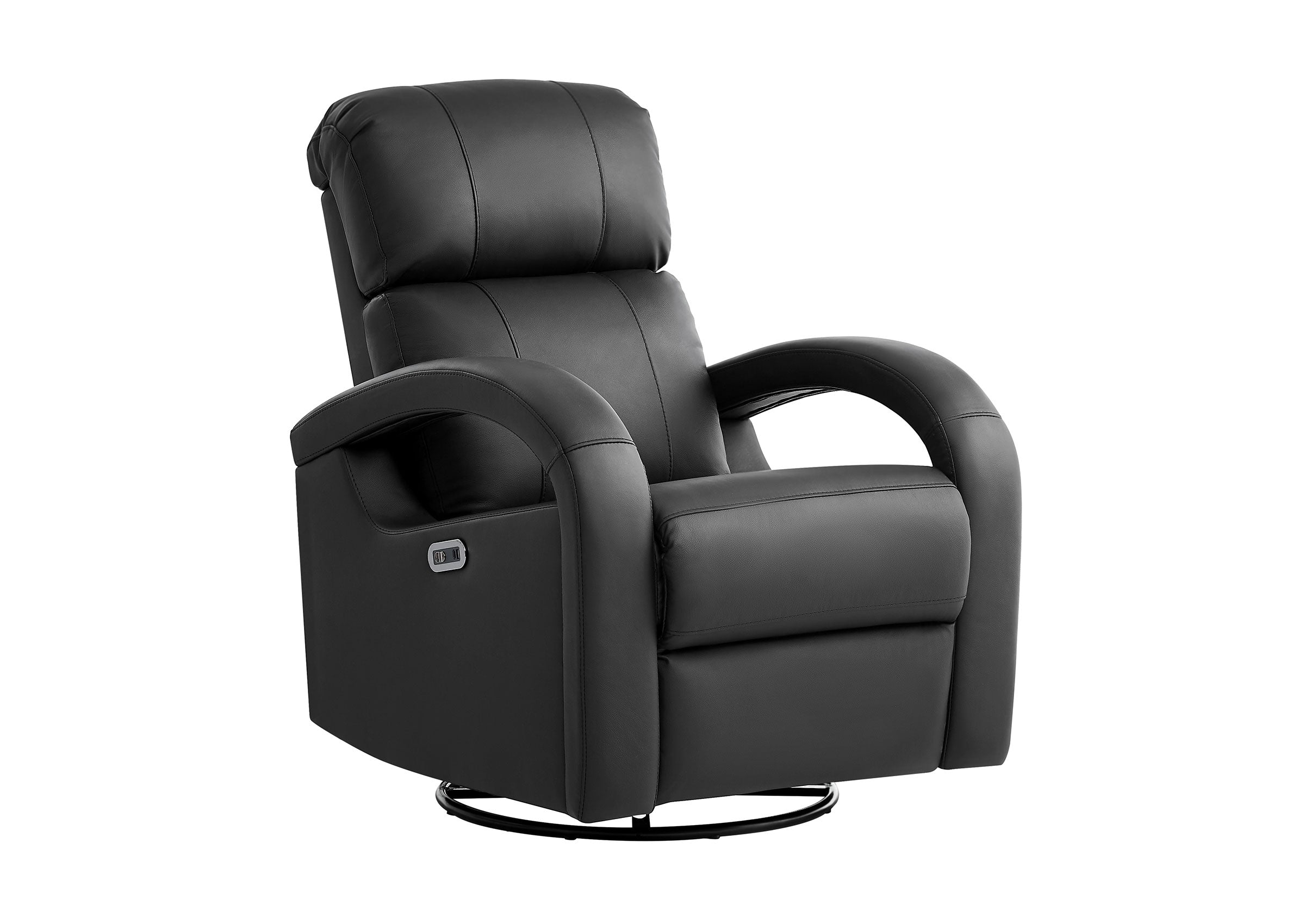
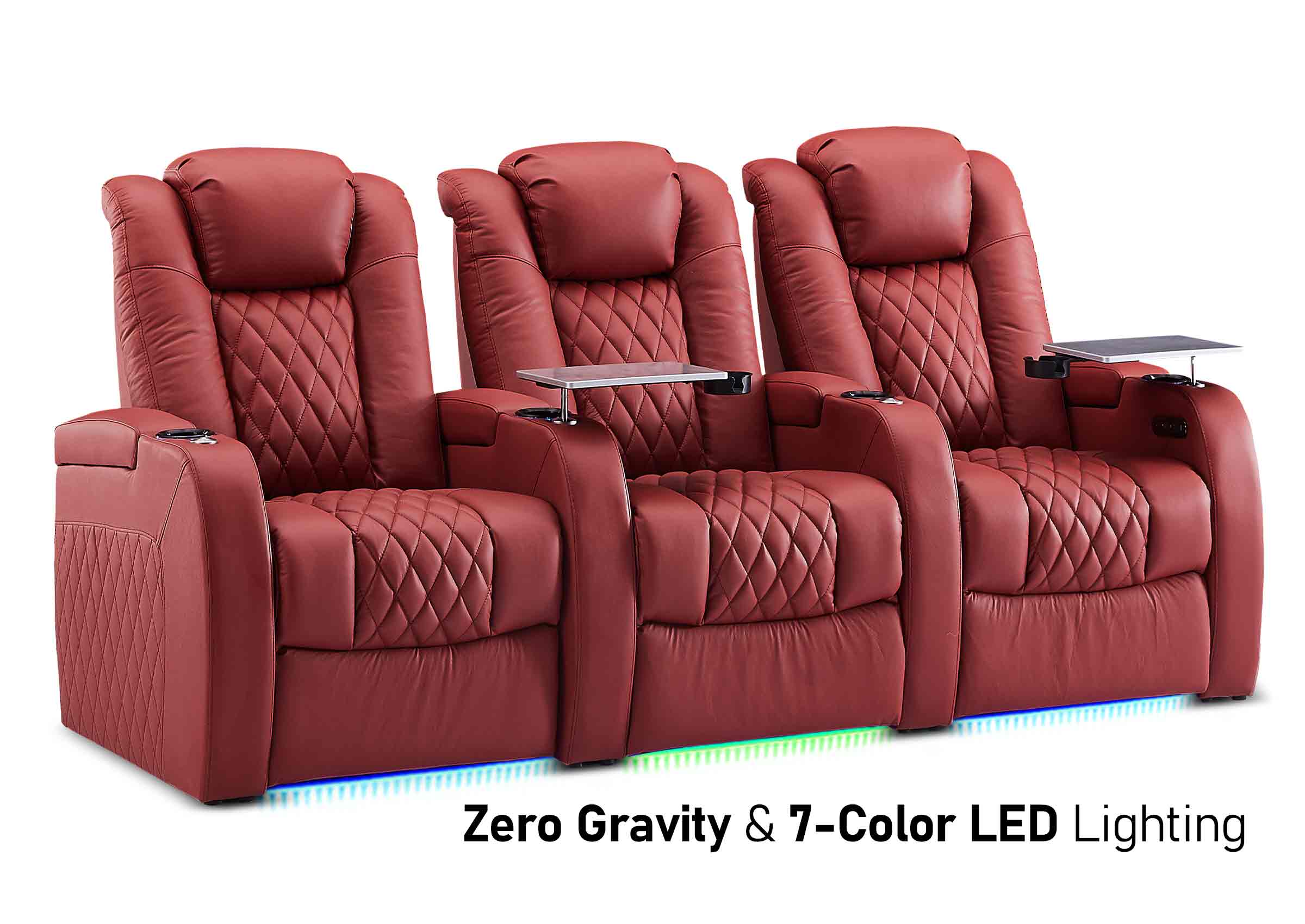
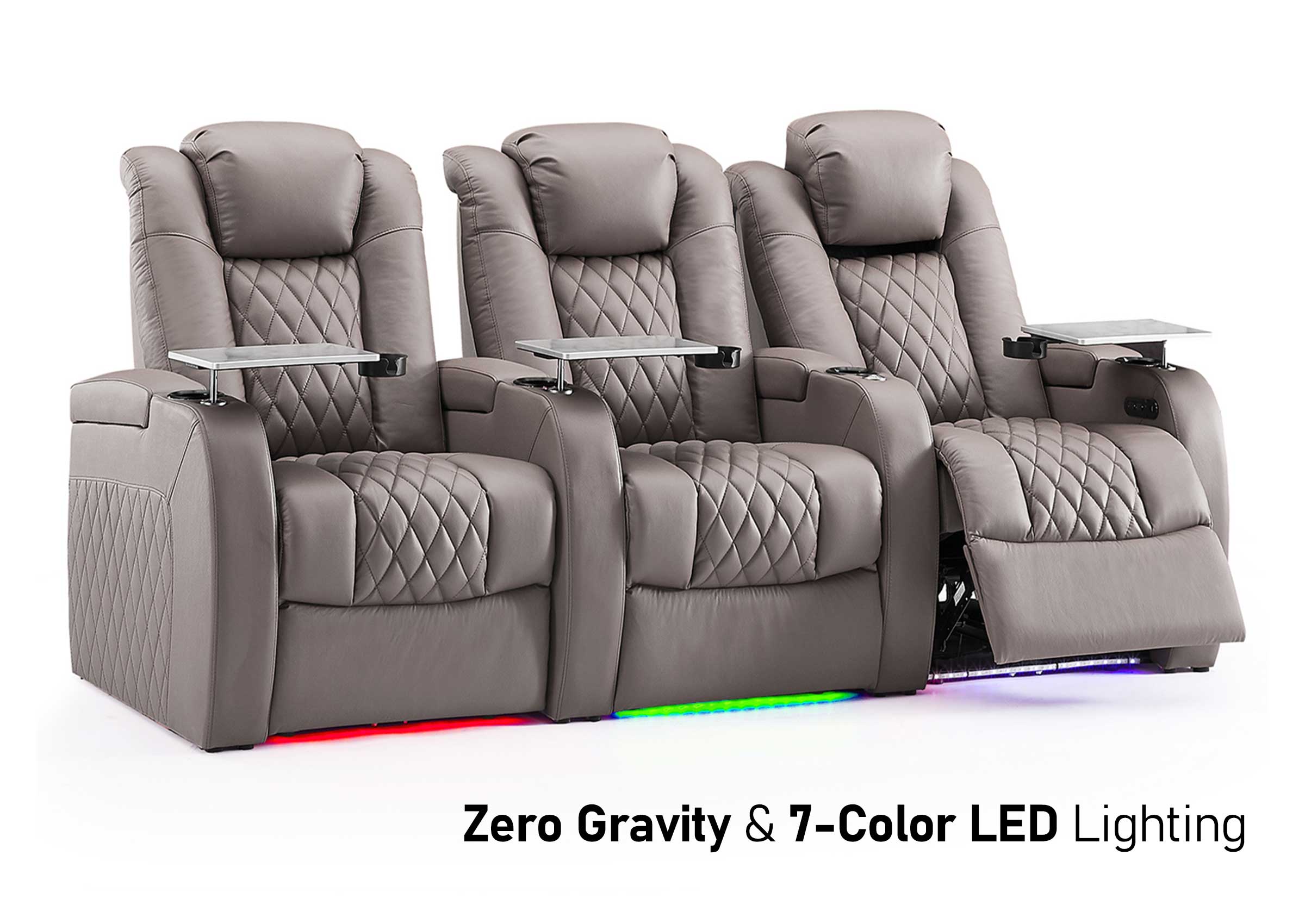
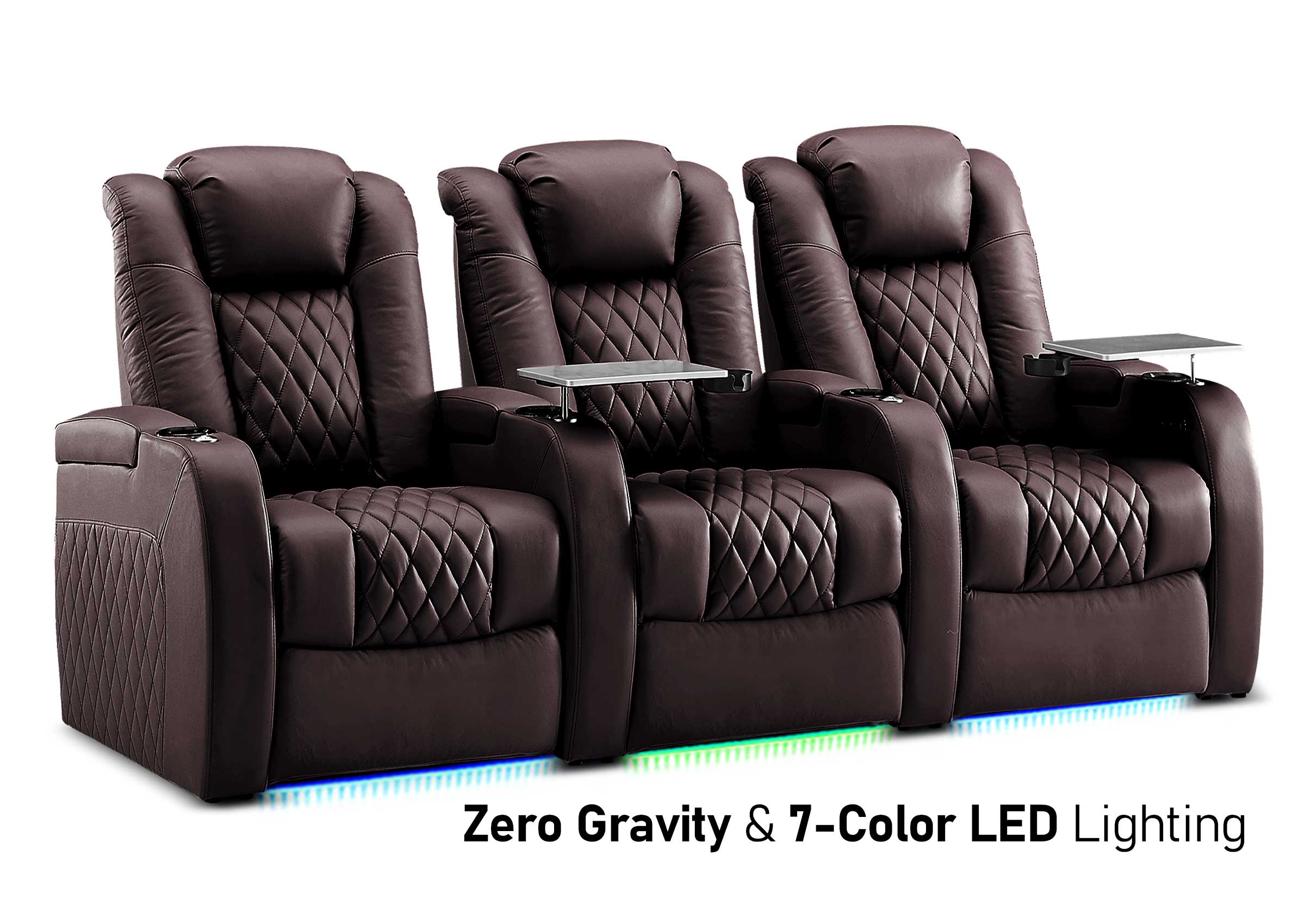
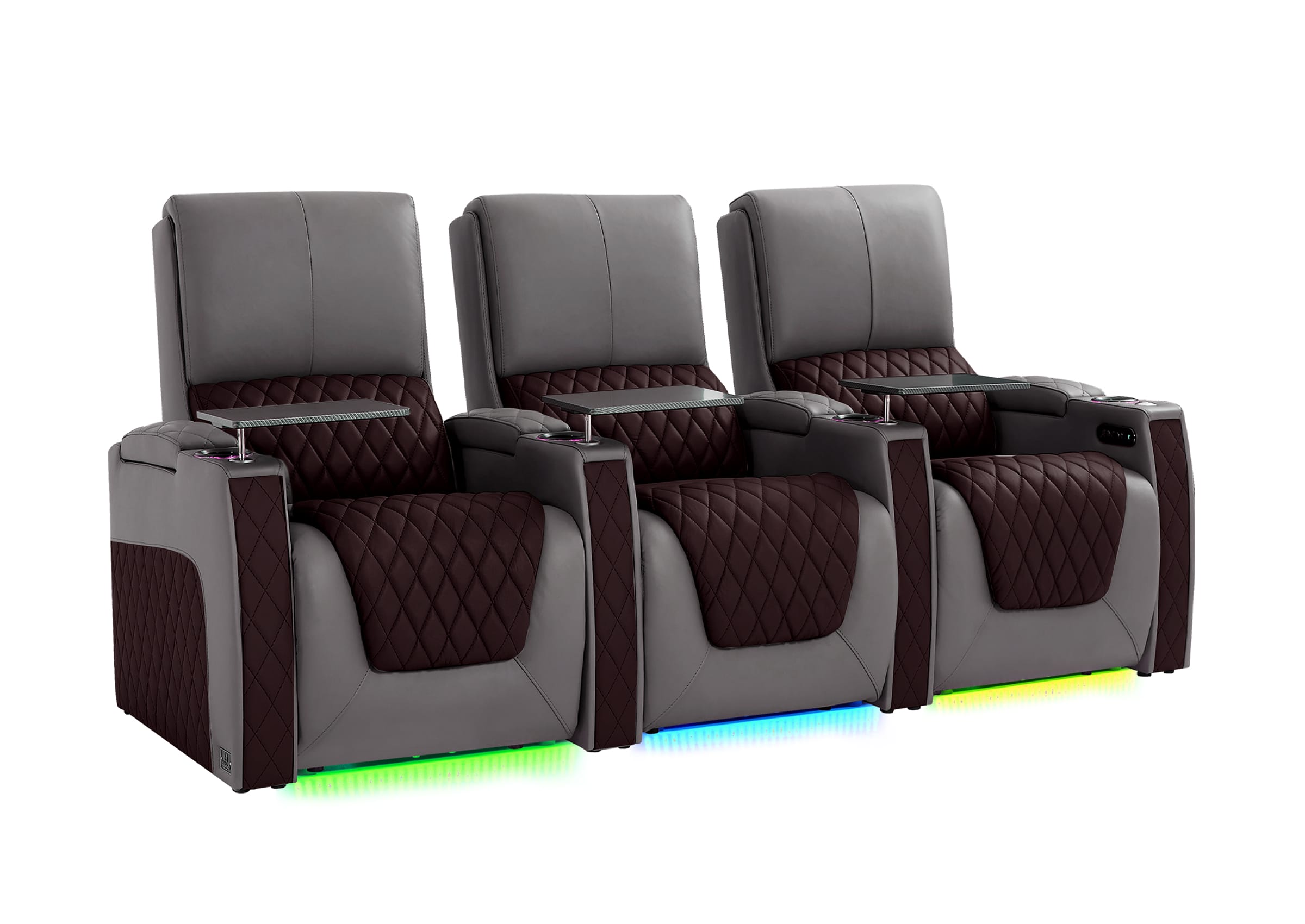
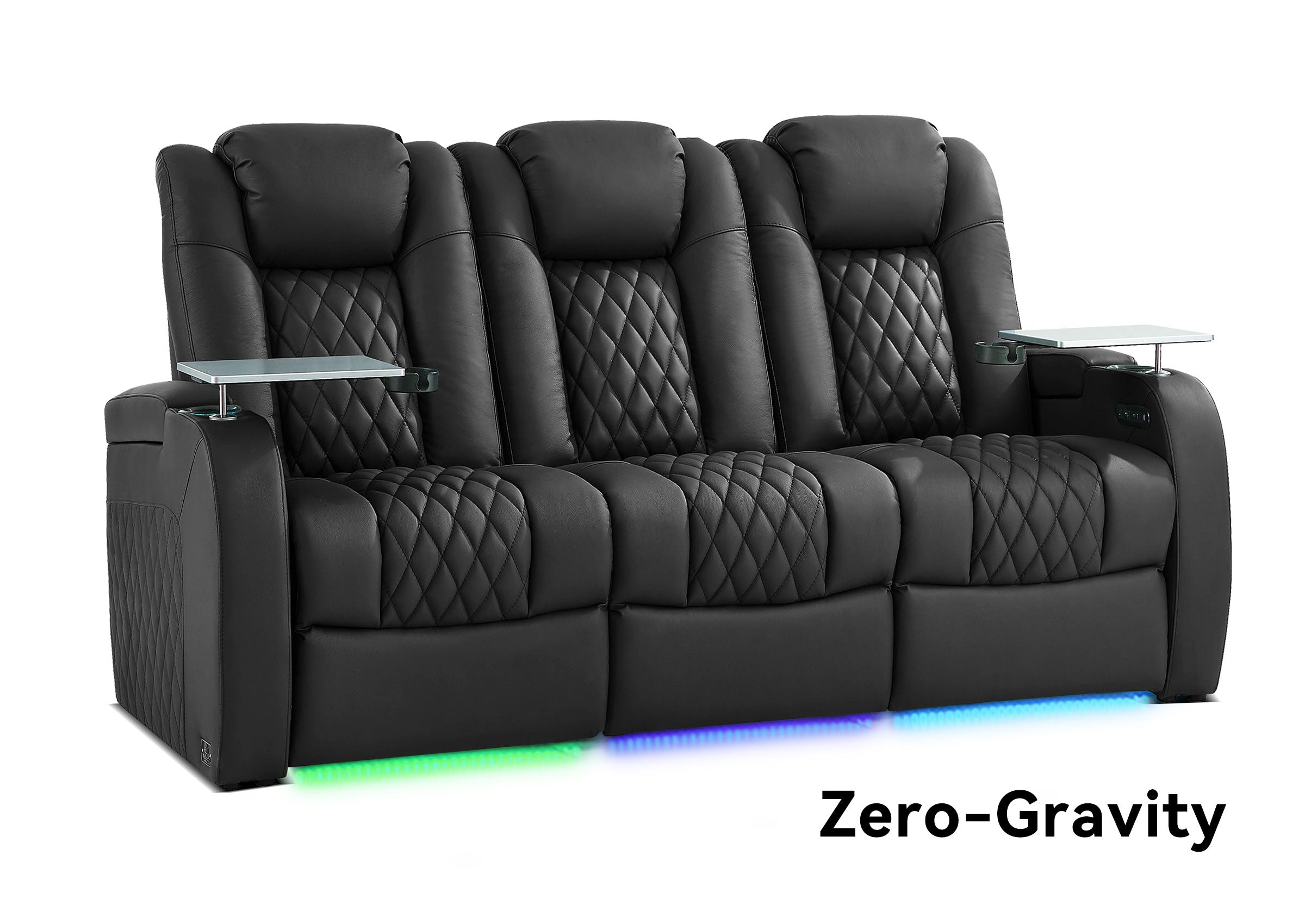
If the room also includes Weilianda powered seating, check its cord routing separately using the instructions for the exact model. Keep cords clear of moving parts and normal walking paths.
For model-specific questions about Weilianda seating connections or supplied electrical components, visit Weilianda Support. For pre-purchase seating questions, email leon@weiliandahome.com.