


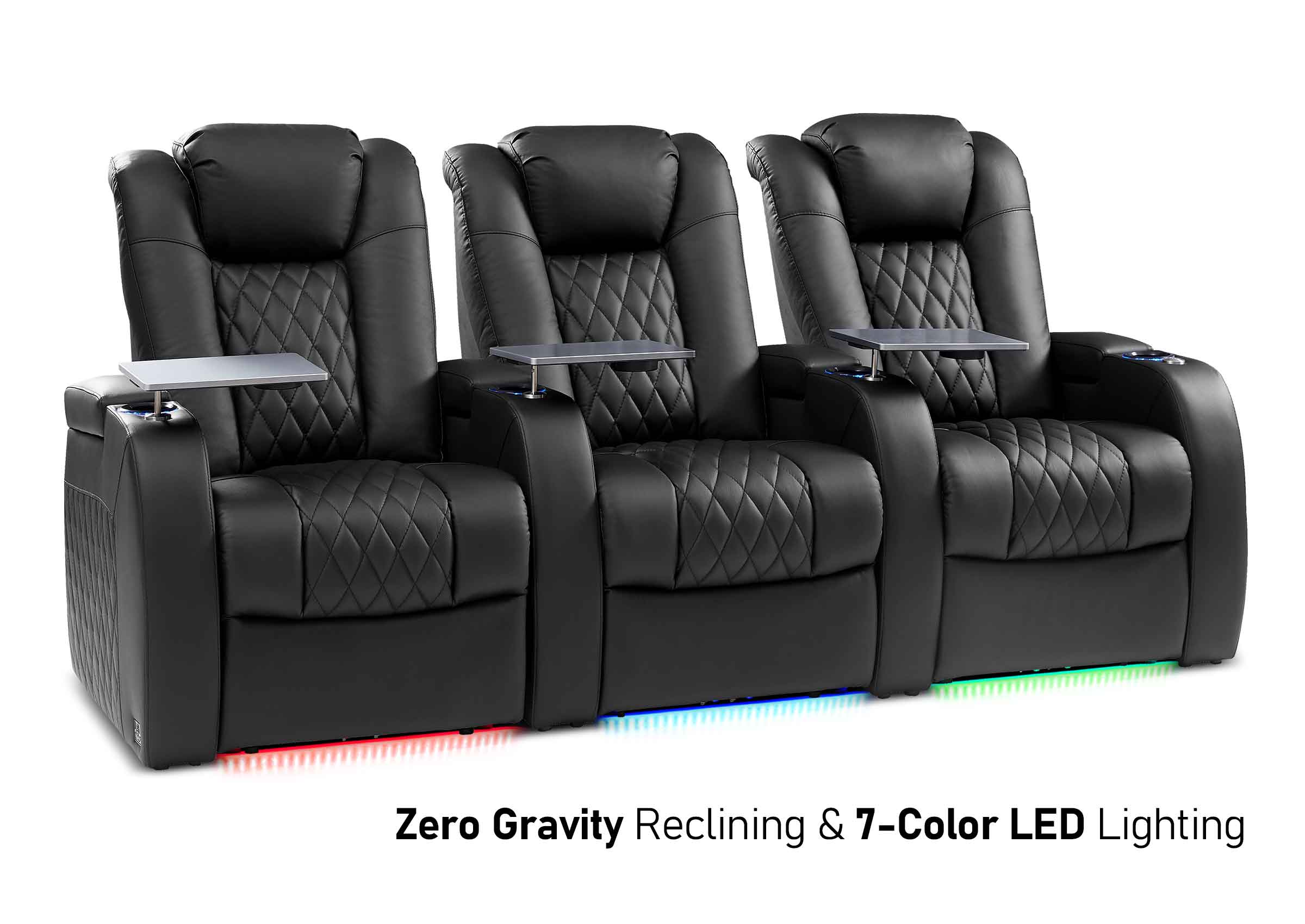
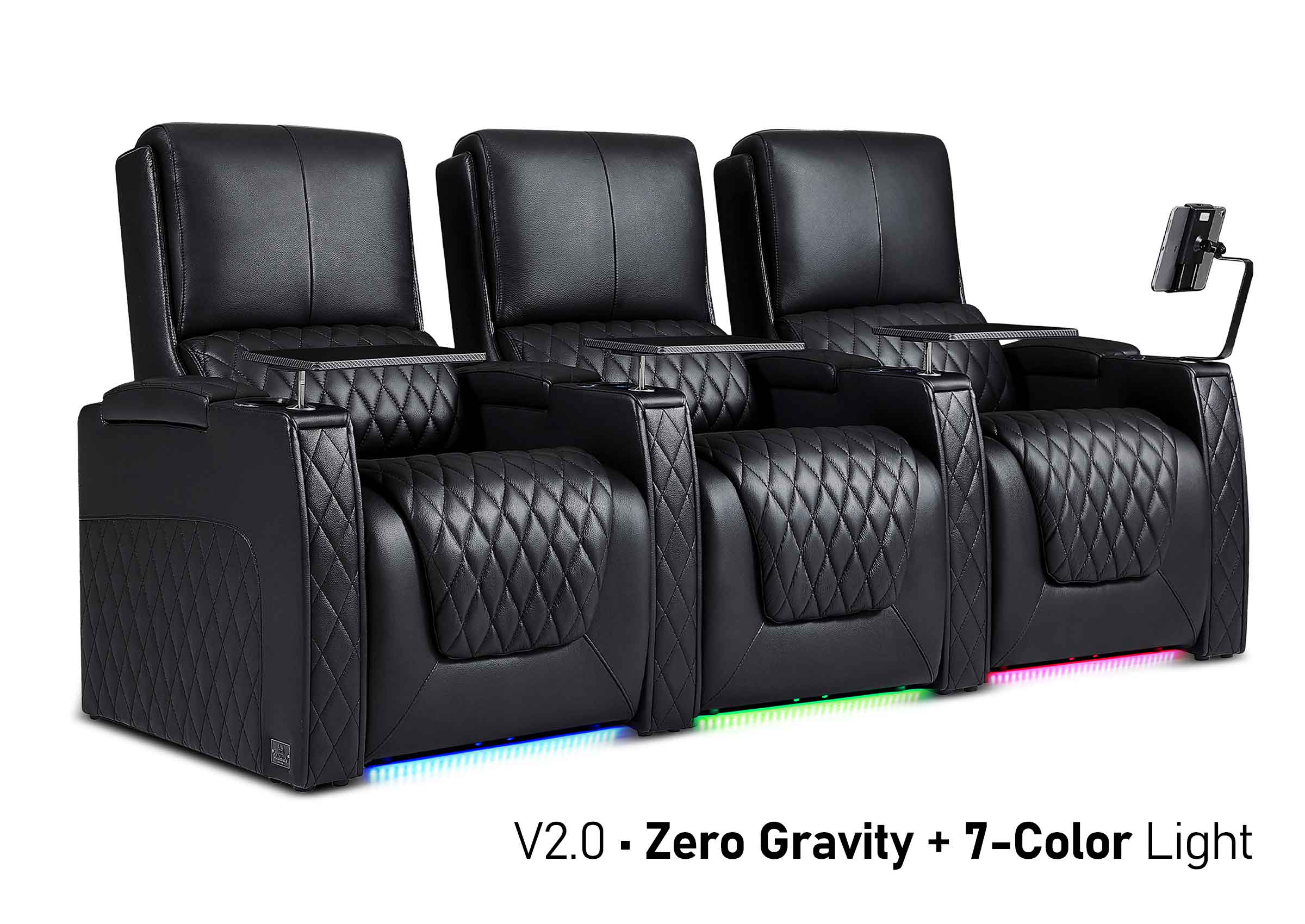
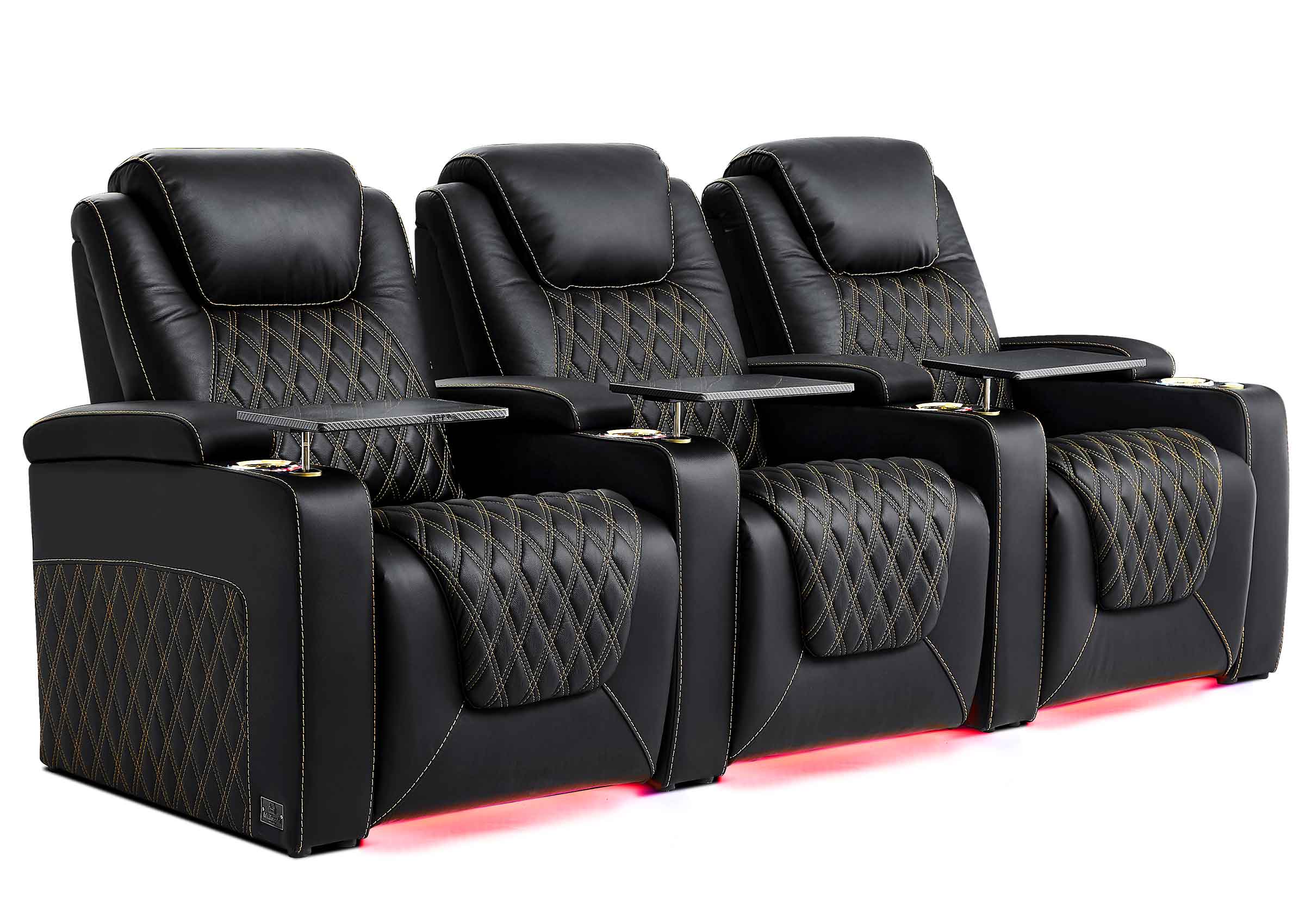
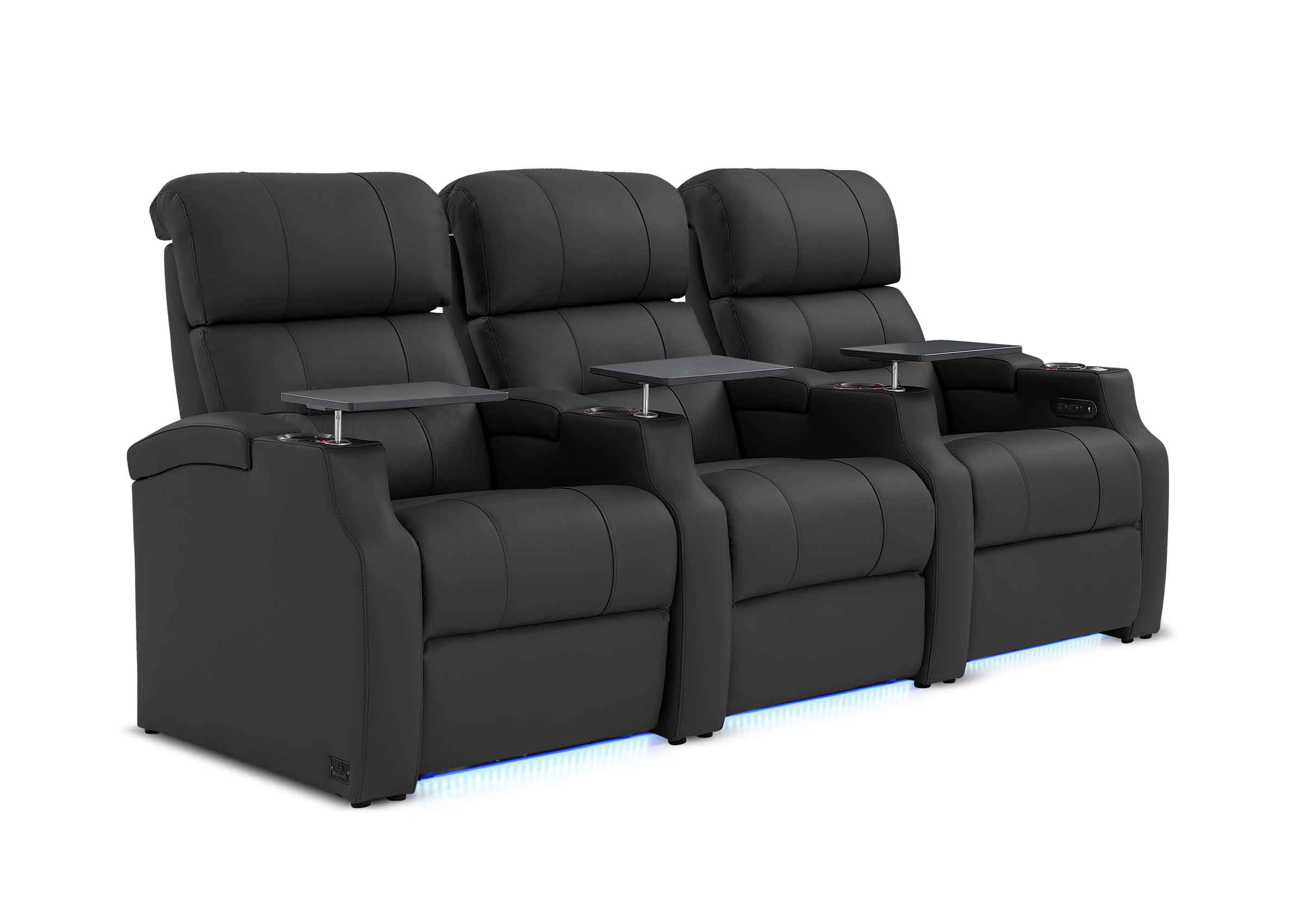
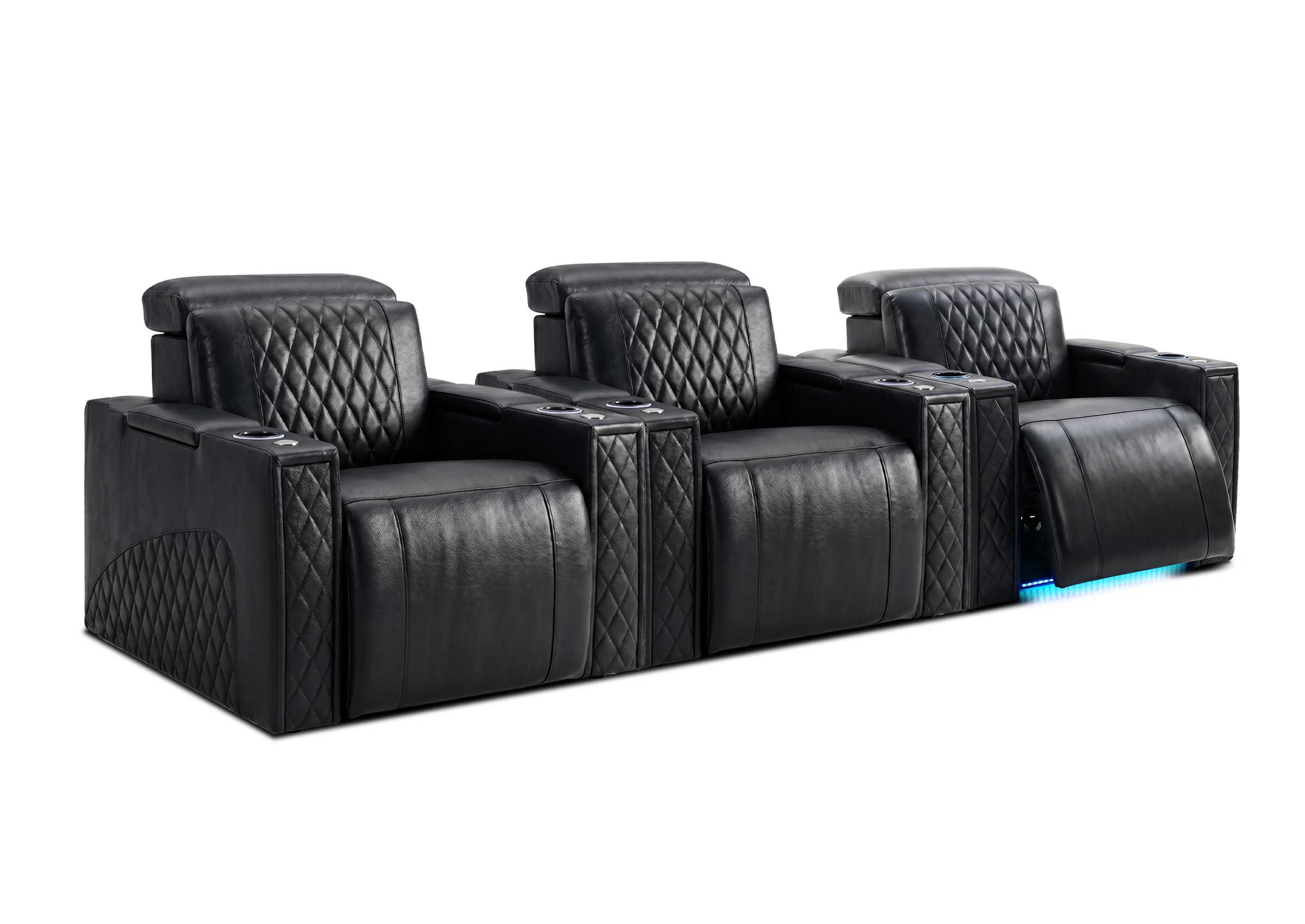

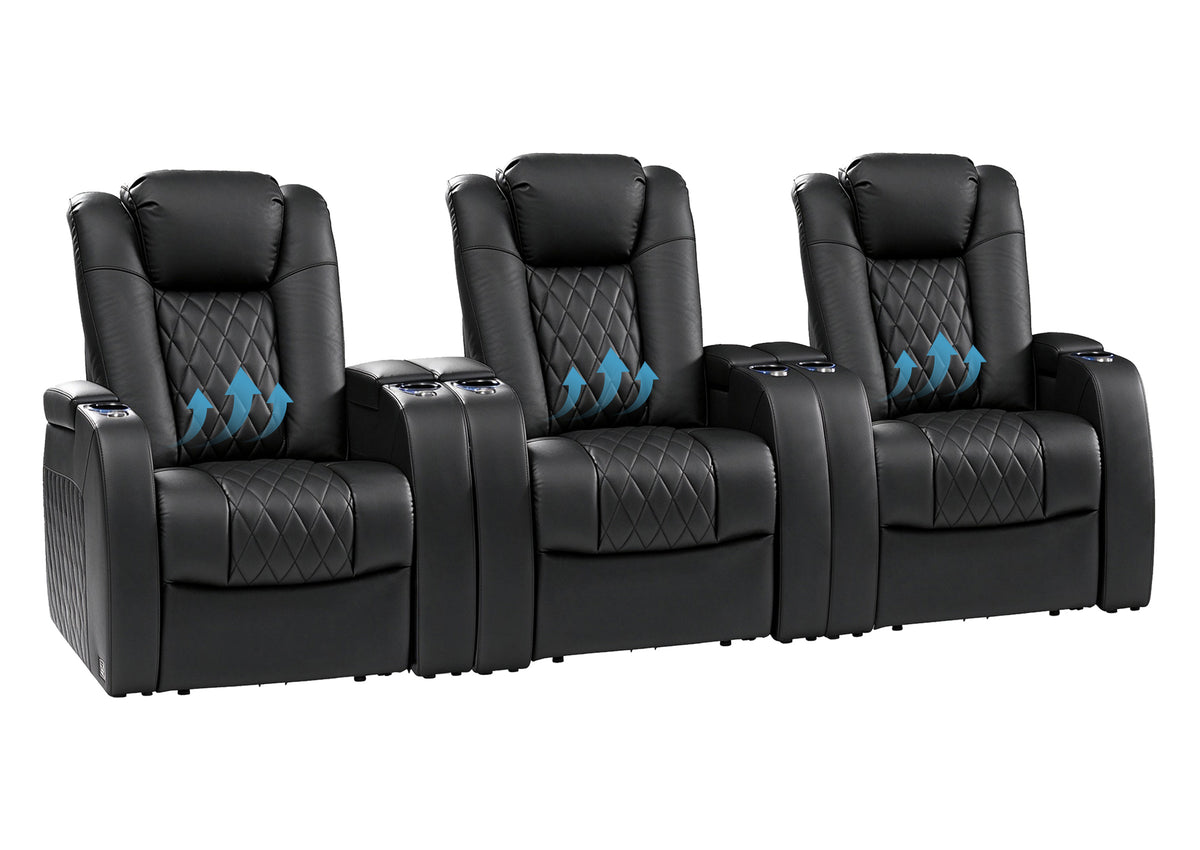
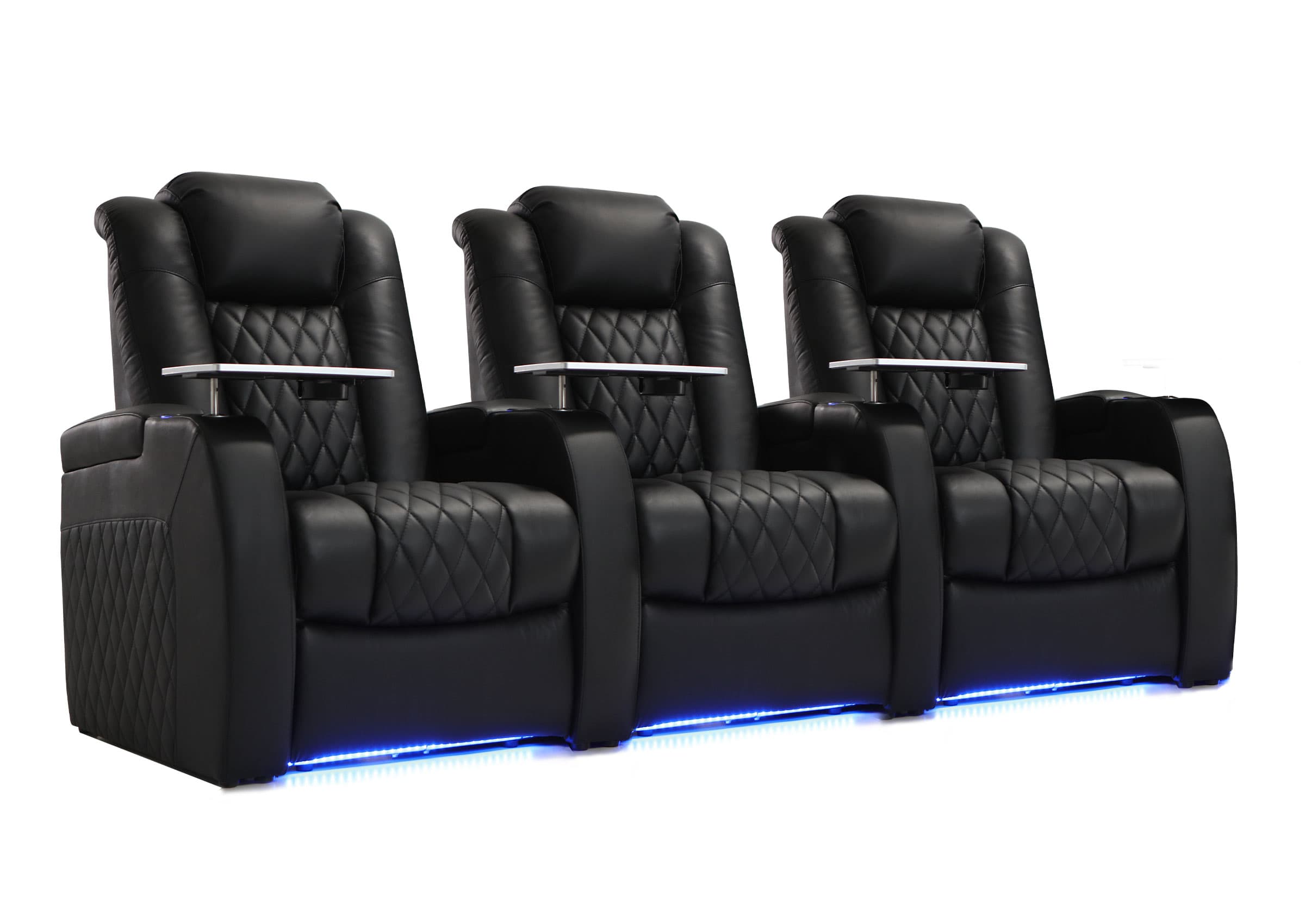
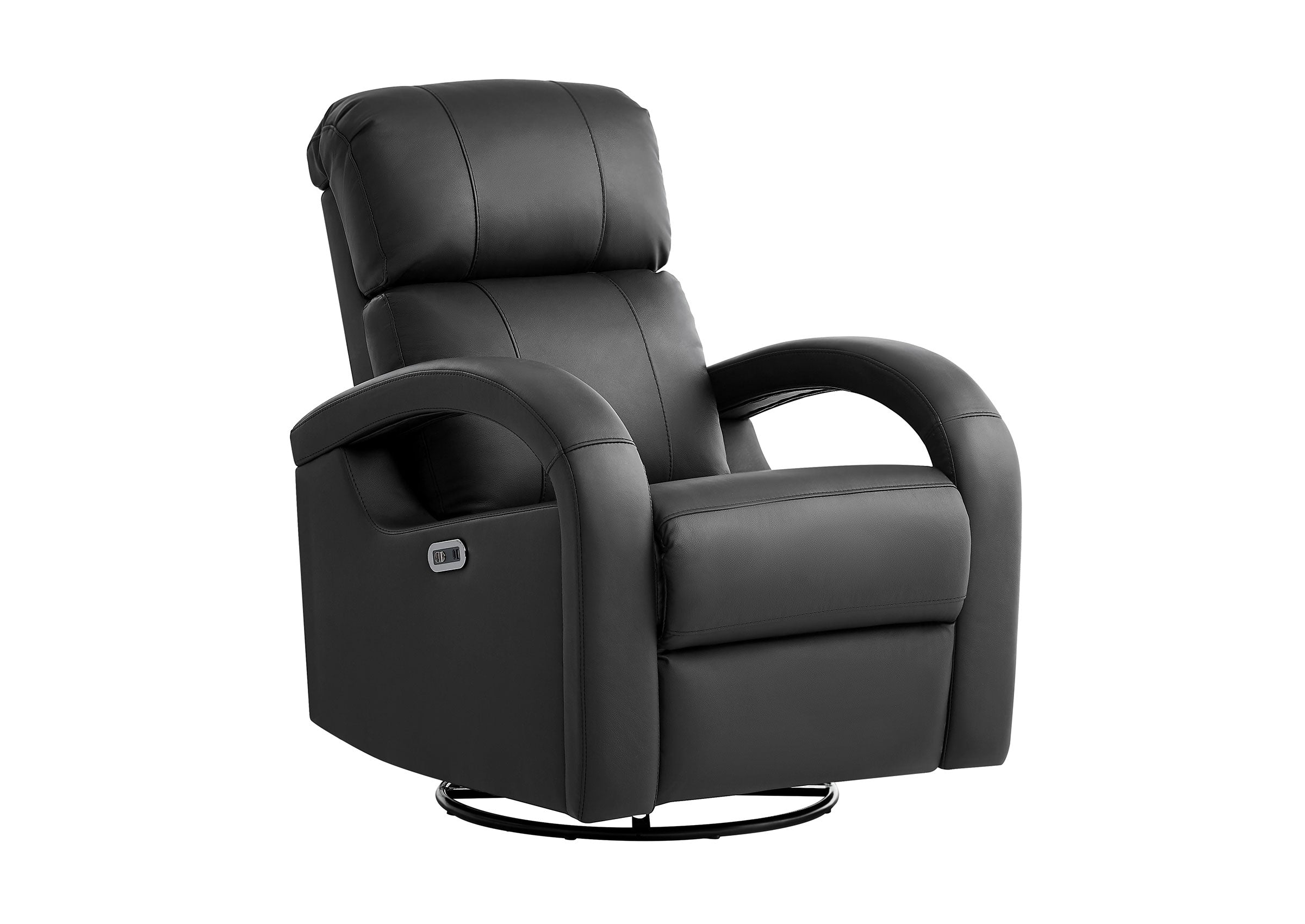
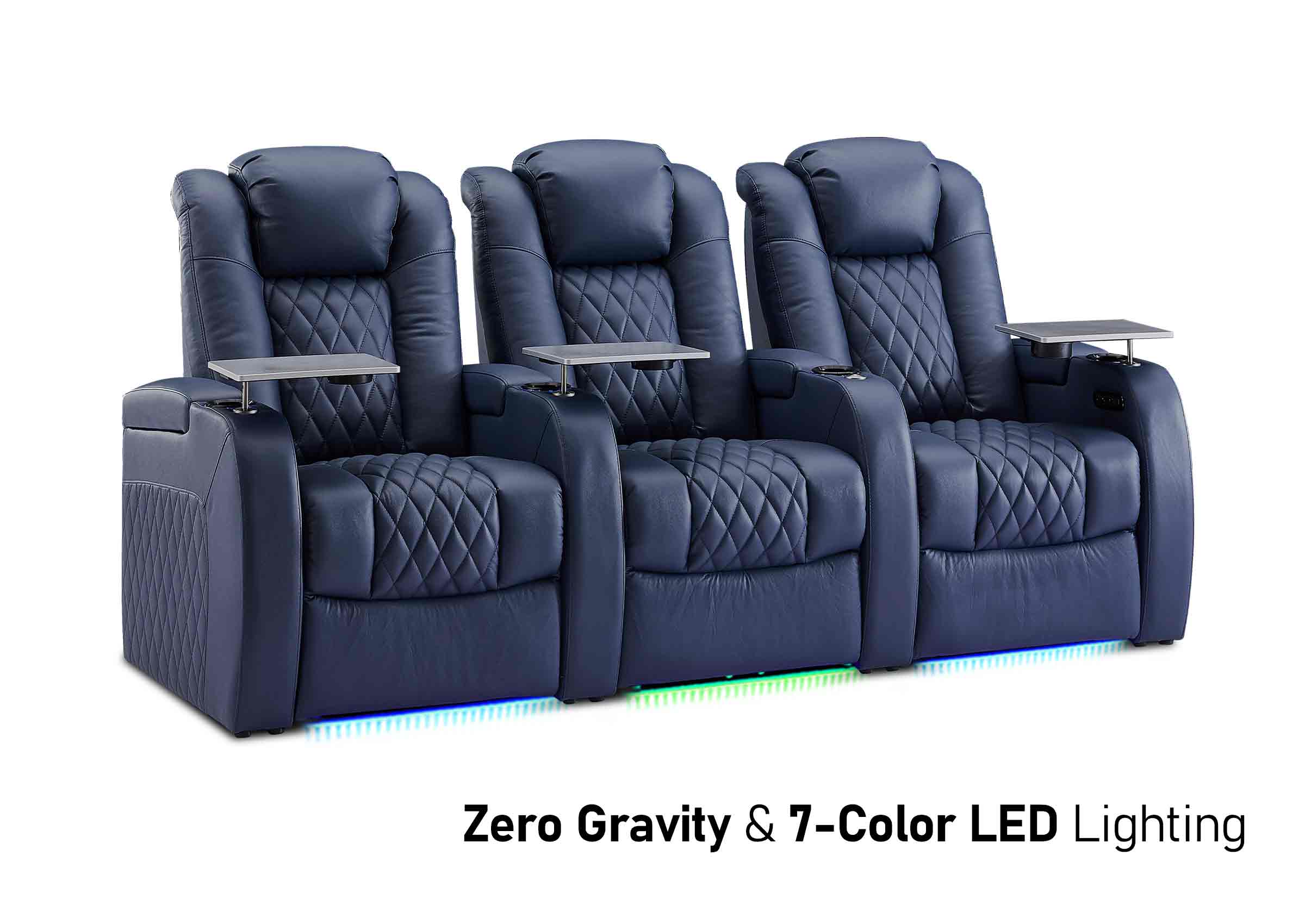
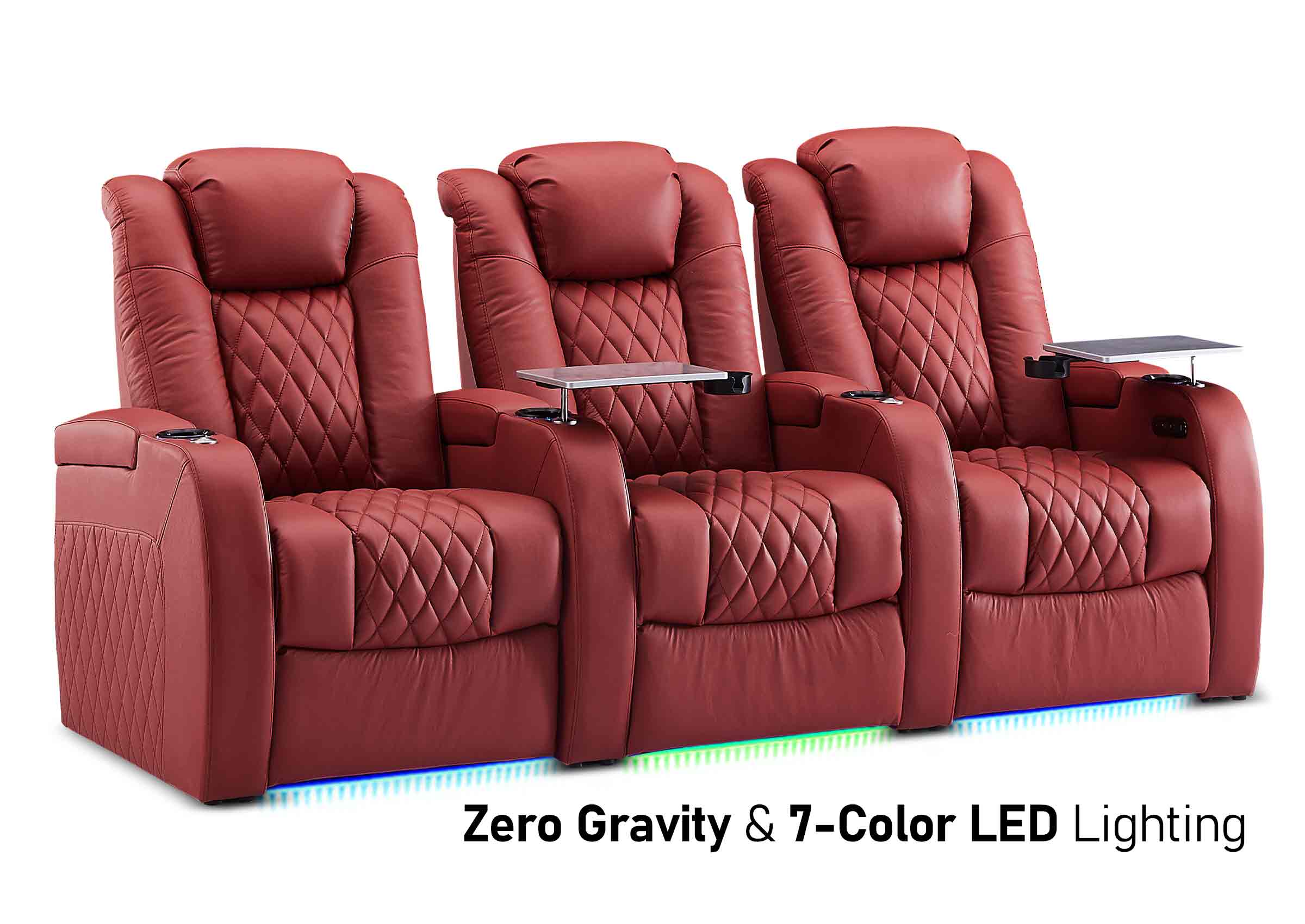
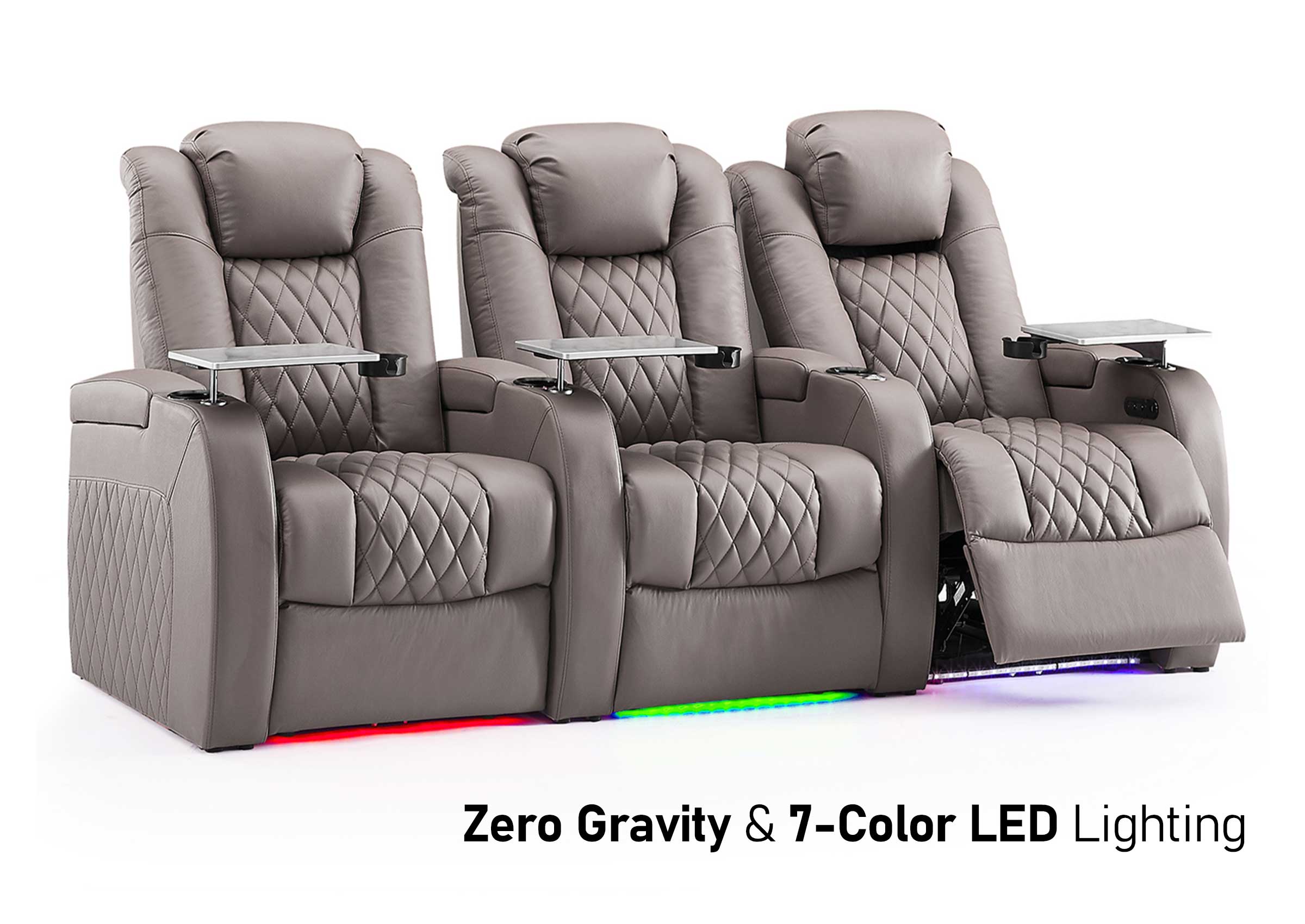
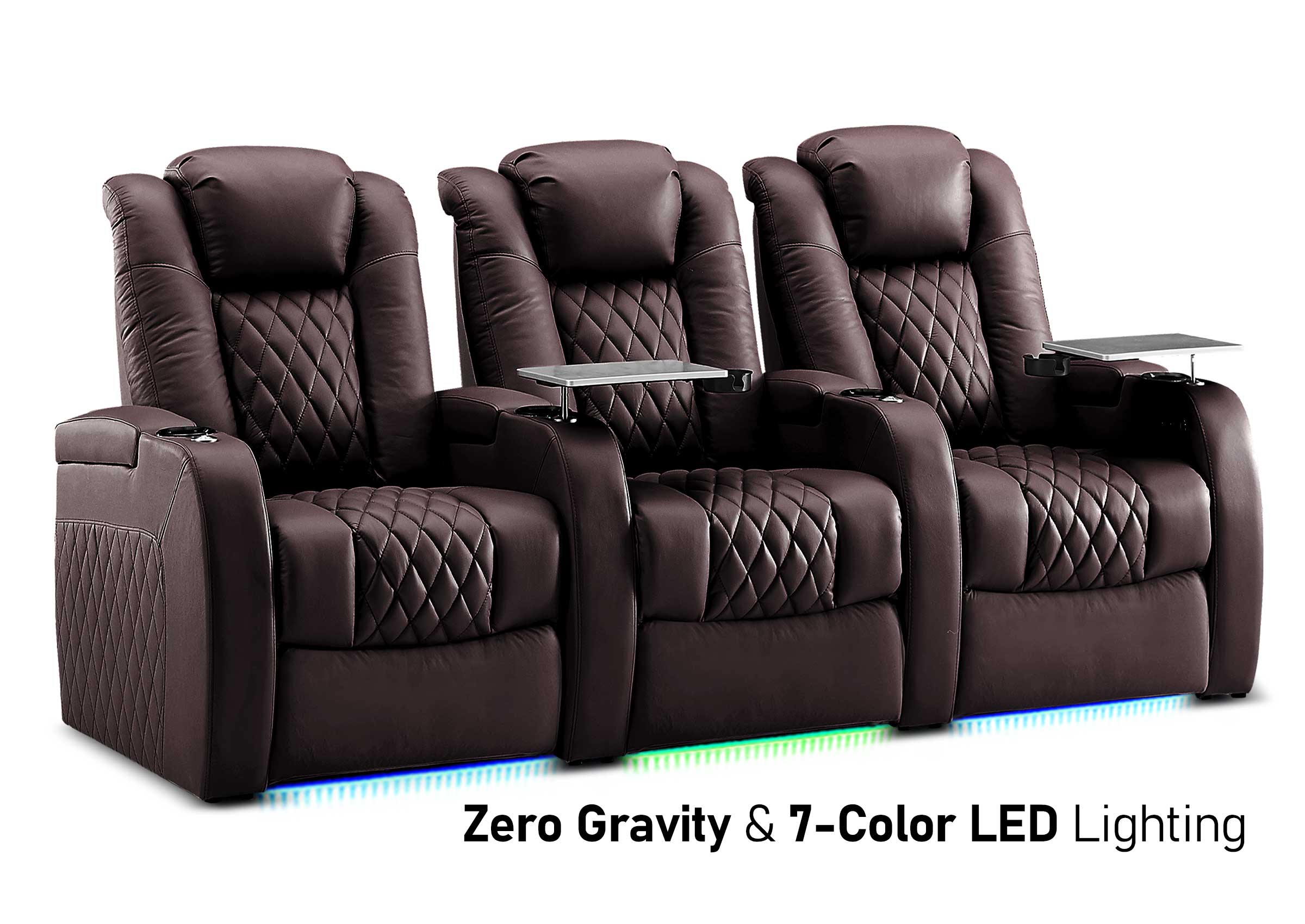

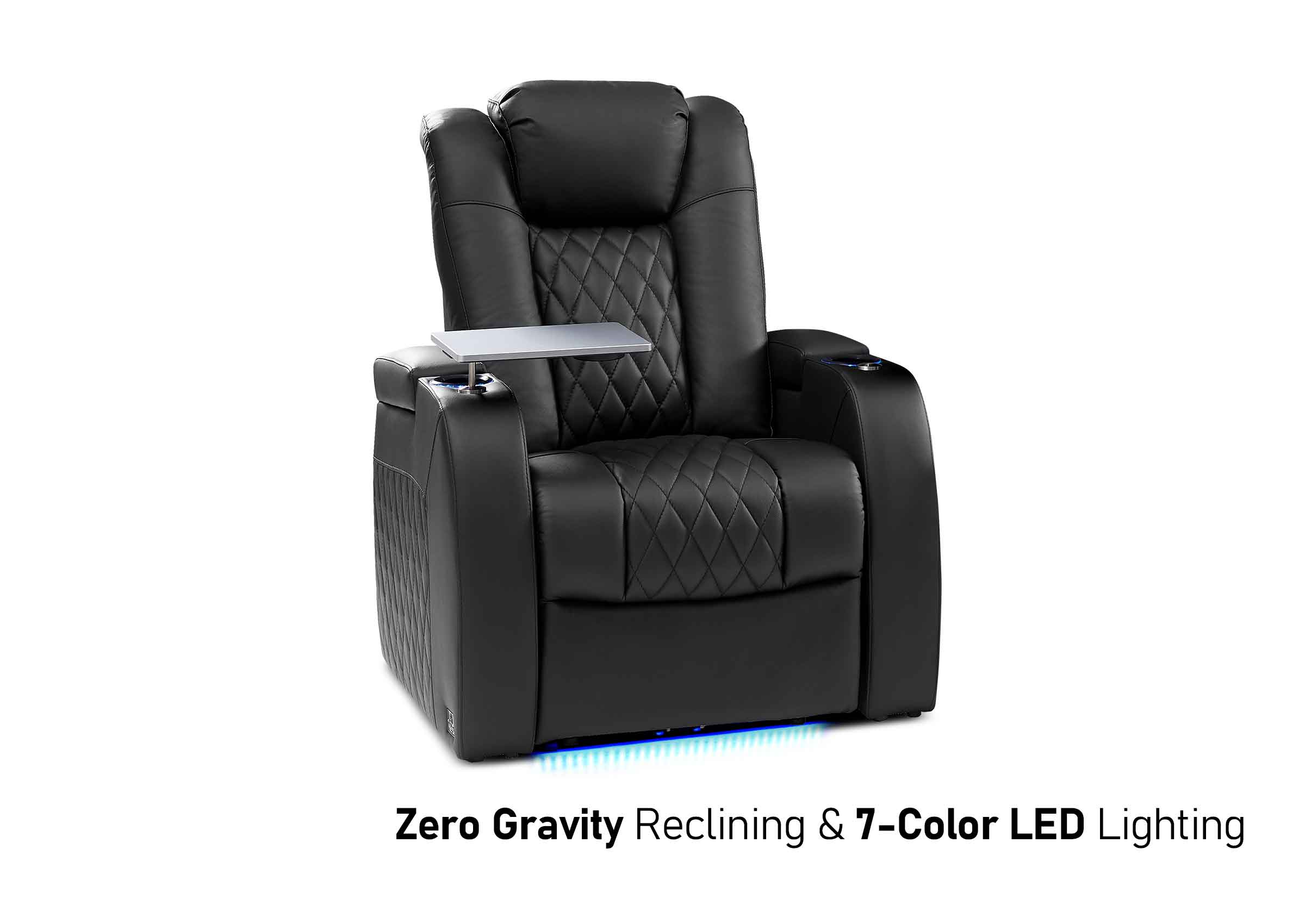
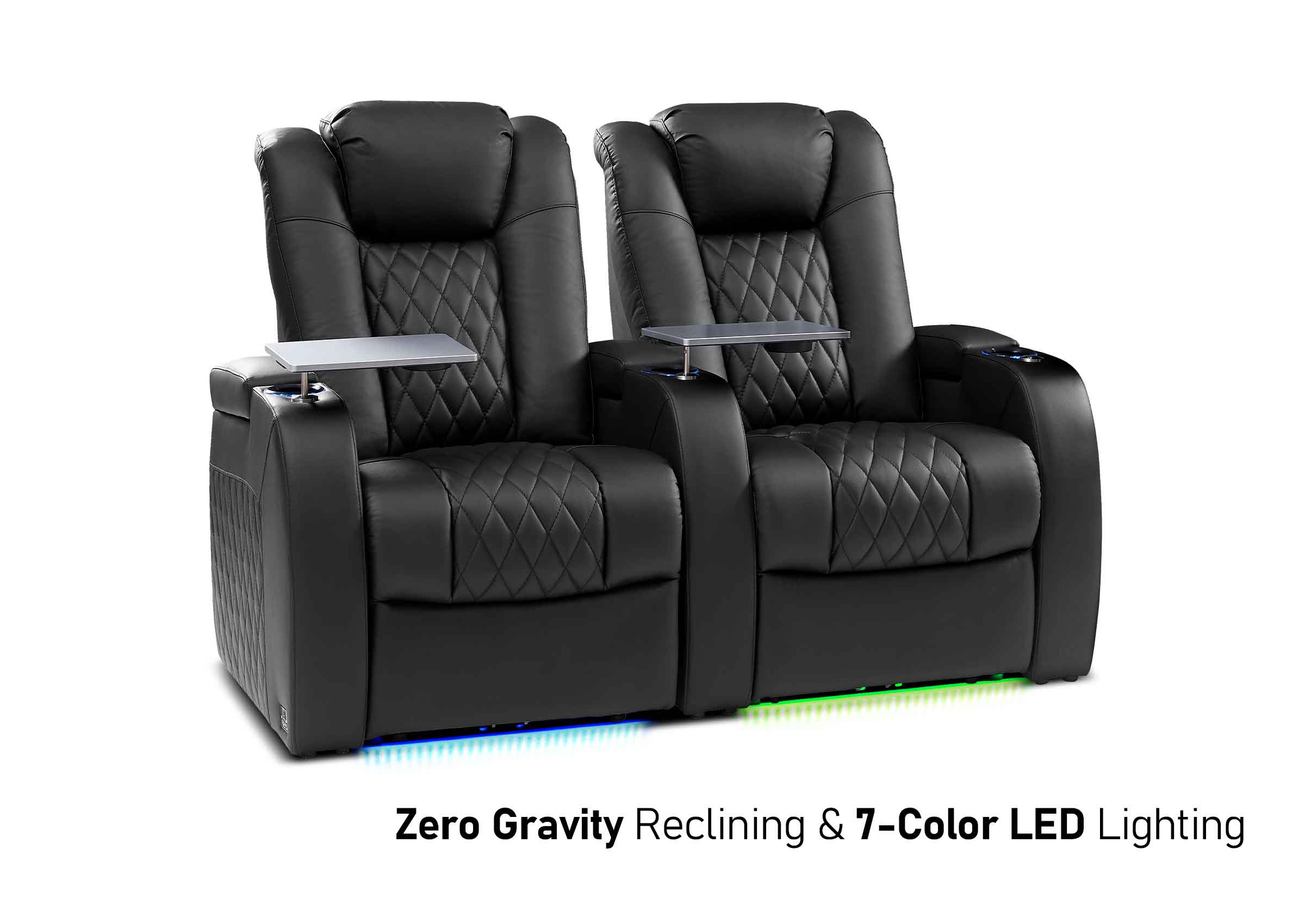
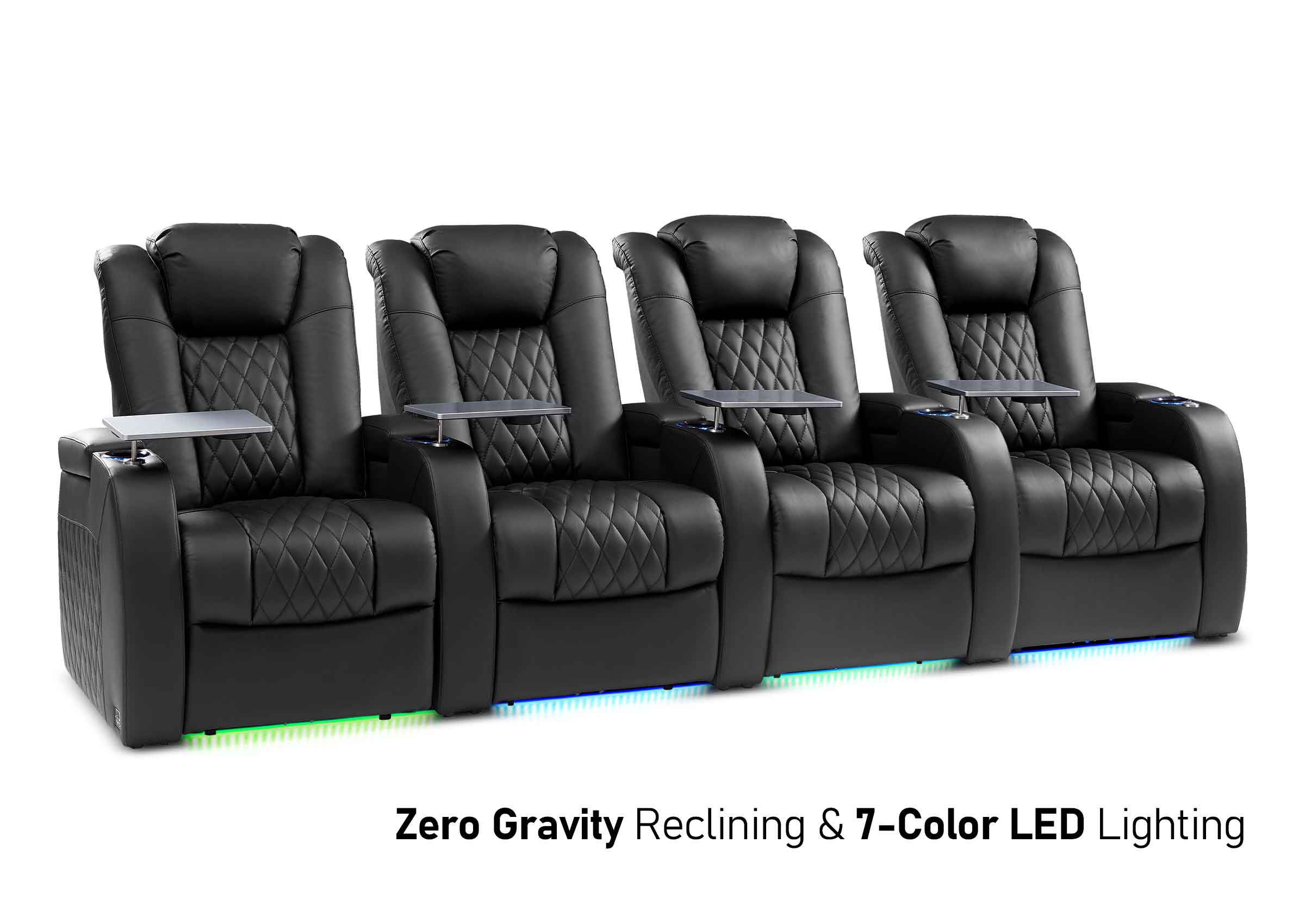
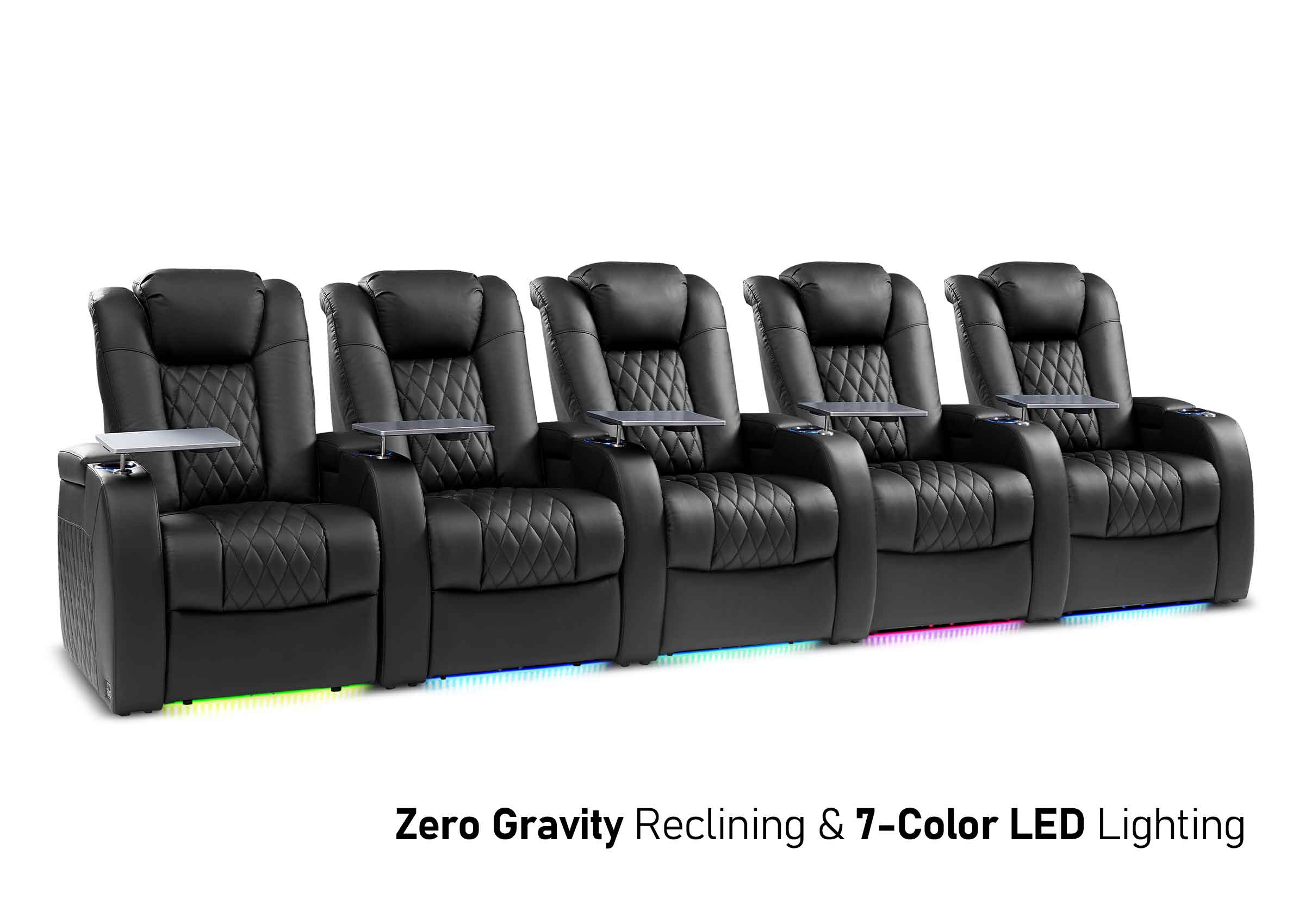
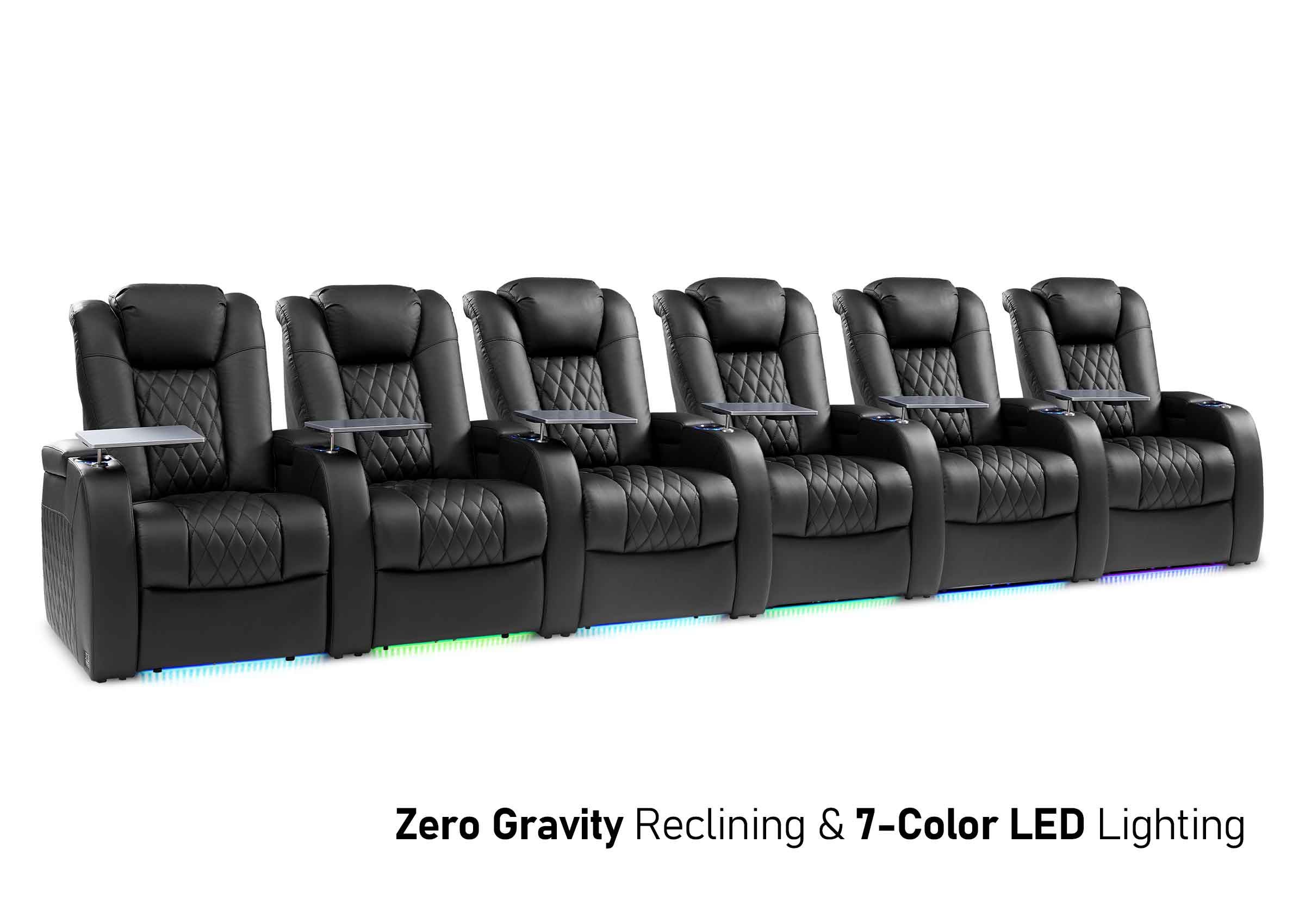
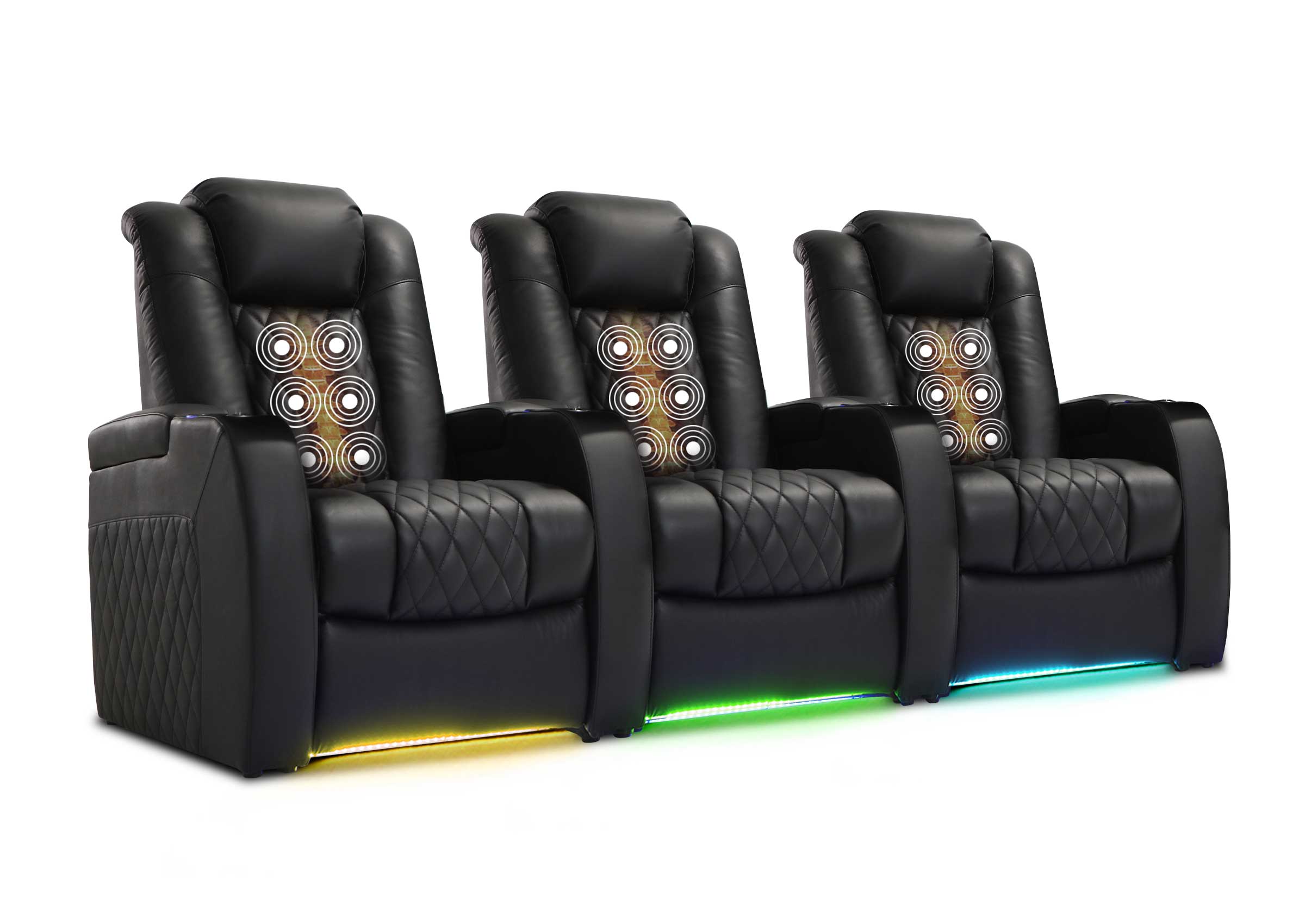
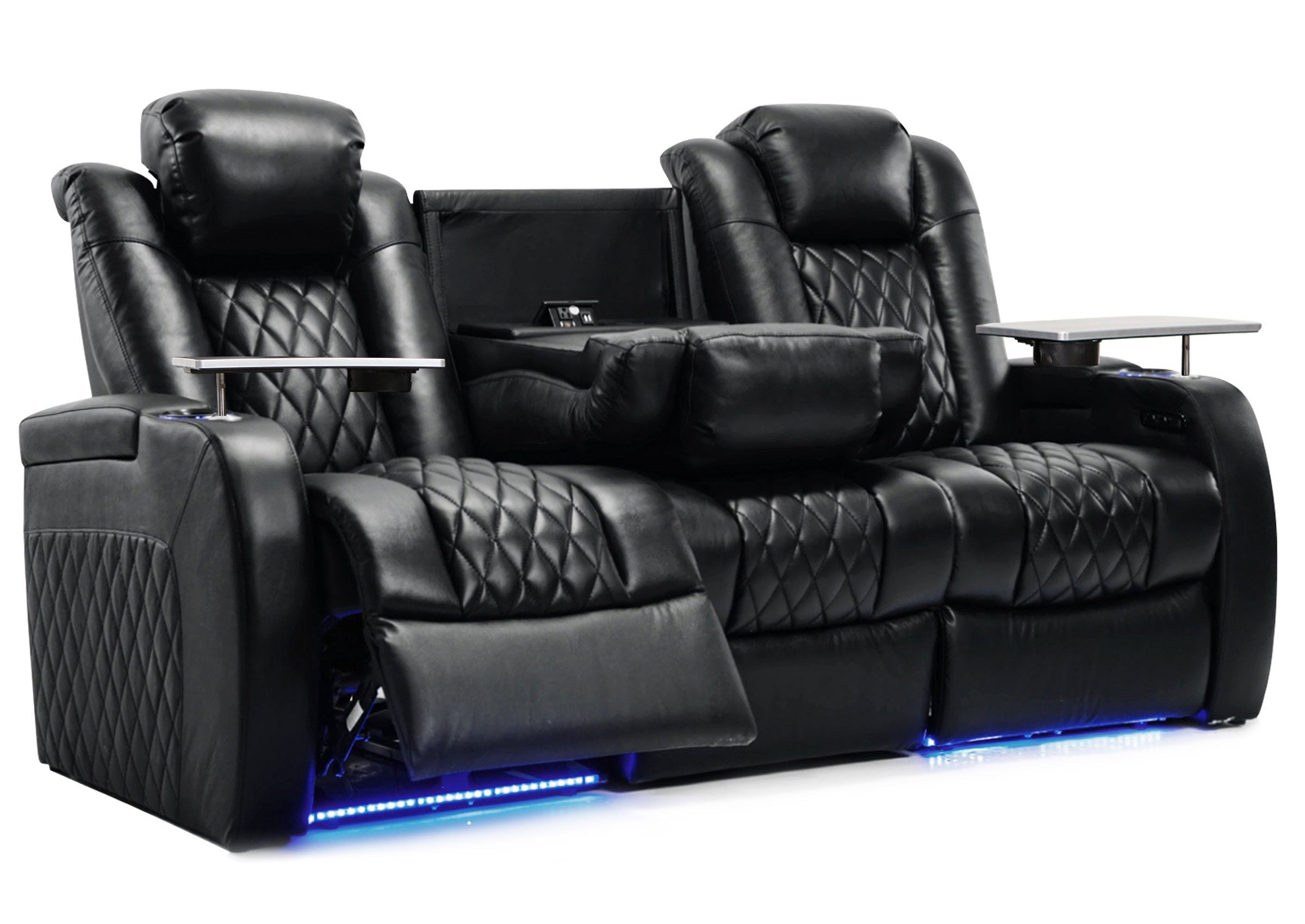
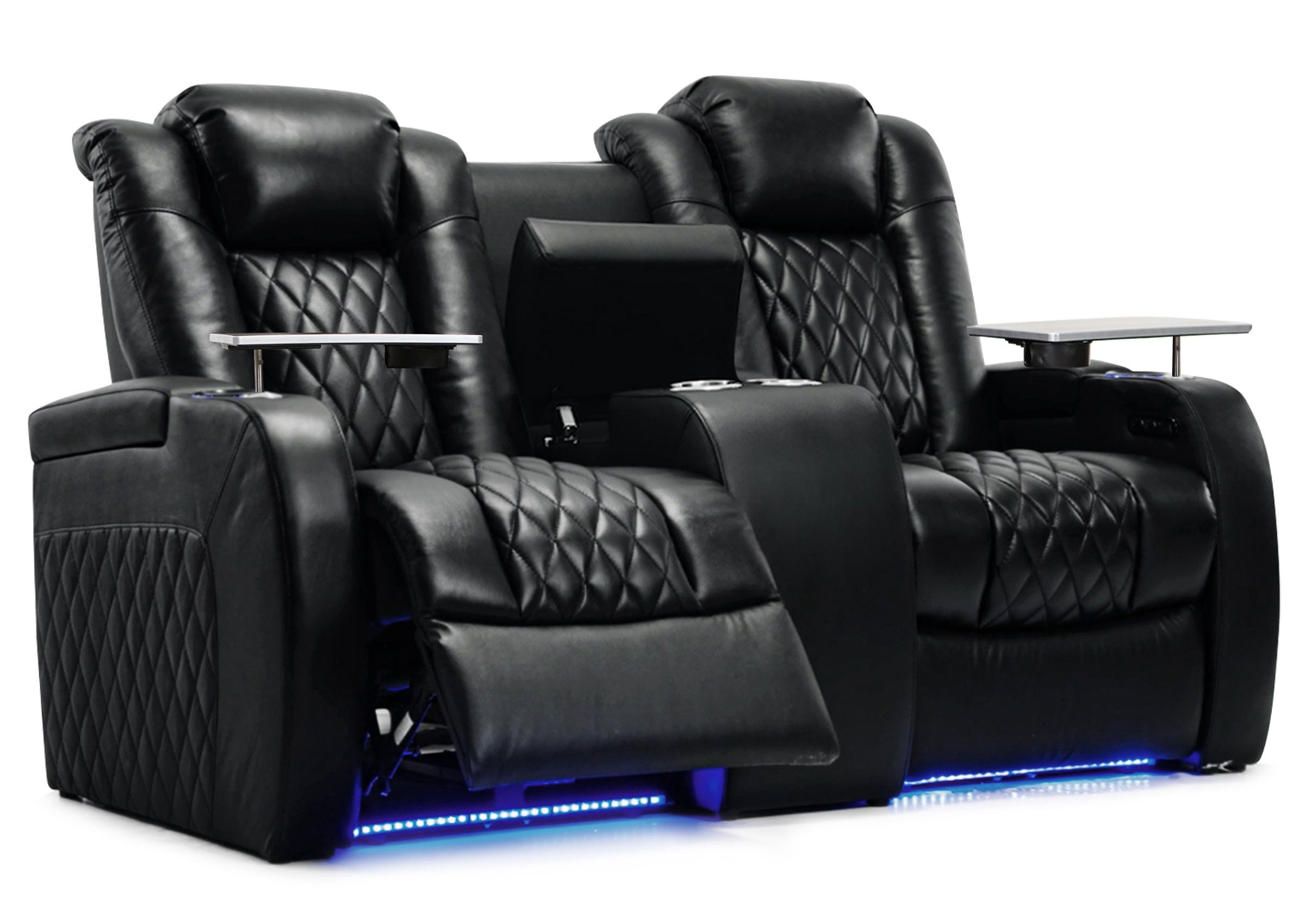


A deep-seat sofa gives you more room to curl up, but a standard-depth sofa may make everyday upright sitting easier. The better choice lets you use your usual position with support where you need it, without creating a new problem for another regular user or the room.
Start with the usable seat, then test the complete sofa. A generous-looking couch can feel surprisingly shallow behind thick cushions, while a smaller-looking one can leave you reaching for the backrest. The labels alone will not settle the comparison.
Compare the Depth Measurements Before Comparing Sofas
Keep three different things in your notes: the sofa's overall depth, its listed seat depth, and how much usable room you experience when seated.
Overall depth describes the furniture's front-to-back footprint. Listed seat depth describes the sitting area, but you need to check the manufacturer's measuring points and whether the back cushions are in place. Your seated fit adds another variable: where your body settles once the cushions take your weight.
For a concrete example, Room & Board's comfort guide measures depth from the inside of the back cushion to the seat's front edge. It lists the Metro at 22 inches and Metro Deep at 27 inches. That is a five-inch difference in their listed seat depths, not a universal boundary between standard and deep, and not evidence of a five-inch difference in overall footprint.
A retailer's full sofa depth cannot substitute for that seat measurement. If one listing gives only overall dimensions, put it in the “needs clarification” column rather than comparing it with another sofa's seat depth.
Also keep cushion arrangements consistent. Measuring with the back pillows removed may describe a useful lounging position, but it does not tell you how the sofa will fit when those pillows are being used normally.

Match the Depth to Your Everyday Position
Think about an ordinary evening, not just the position that looks inviting in a product photo. Do you sit upright to talk, lean back to watch TV, tuck your feet beside you, or lie across the sofa? Different positions ask different things of the seat.
| How you use the sofa | A standard-depth option may help when… | A deeper option may help when… | What could change the choice |
|---|---|---|---|
| Upright reading or conversation | You reach the back cushion without sliding forward to place your feet | You have longer thighs and still feel supported in your normal position | Seat height, back angle, and cushion compression |
| Curled-up TV watching | There is already enough room for your preferred tucked-leg position | You want more room to turn or tuck your legs beside you | Seat width, arm shape, and another person sharing the cushion |
| Legs stretched forward | A compatible ottoman supplies the extra leg support you want | You also want room to sit farther back or sideways | Ottoman position and the route around it |
| Several people sharing | More users can sit normally without rearranging supports | Regular users actually prefer the extra usable depth | Whether each person has a workable occupied position |
| Lying across the sofa | The usable length between the arms suits you | You also want more room to roll or change position | Arm height and the uninterrupted sleeping or lounging surface |
Height is a clue, not a sizing formula. Two people of similar height can have different leg proportions, and they may use the sofa differently. A tall person who sits upright and a shorter person who curls up should not automatically receive opposite recommendations based on height alone.
Depth also does not tell you how firm the cushion feels or where the back supports your shoulders. A deep seat with a low, angled back creates a different experience from a deep seat with a more upright back and firmer cushions. Compare the whole position before deciding that depth is the problem.
Test the Seat With Your Back, Legs, and Feet Together
Try the sofa in both your upright and relaxed positions. A brief sit on the front edge can hide an overly long seat, while lying down immediately can hide whether conversation or reading will be awkward.
Basic upright checks have a useful reference in OSHA's workstation-chair guidance: the seat should support the thighs without the front edge pressing into the backs of the knees, while the back and feet remain supported. This guidance concerns work chairs; it provides observation points for an upright sofa trial, not a medical sofa prescription or a rule that every lounging position must look like office seating.
Use the same sequence on both candidates:
- Sit back with the sofa's normal cushions in place. Check the back support, the front edge near your knees, and where your feet rest. If your knees clear the edge but your feet hang, try a stable footrest to see whether height is the main difficulty. If the edge reaches into the backs of your knees before you can use the back cushion, compare a shorter usable seat. Both issues can occur together.
- Settle into your usual relaxed position. Bring a book or look toward a screen at a realistic height. Check whether your arms, shoulders, and head feel supported without constantly rebuilding the cushion arrangement.
- Change position and get up normally. Try this after the cushion has settled under you, not only immediately after sitting down. Record whether softness, depth, or a low seat makes the transition awkward for you.
- Repeat with another regular user. Keep the cushion setup the same first, then try one planned adjustment. Write down what improved and what it made less convenient.
Useful notes sound like “I reach the back cushion when upright, but need a footrest” or “I can curl up, but cannot read comfortably against this back.” “Comfortable” alone gives you little to compare later.
Spend enough time to try your real activities and notice the cushion settling; no fixed trial duration guarantees comfort. A seat you already like supplies a starting measurement, but not a replica of a different sofa's cushions or back angle.
Give Each Regular User a Workable Seat
For a shared sofa, test the seats as people will occupy them together. One person's successful trial in the corner does not prove that the middle seat works for someone else.
Suppose one adult likes sitting upright with a book and another wants to curl up for movies. A deeper sofa with a supportive, removable back cushion might serve both if the reader can use that cushion comfortably and the other person has a place to put it. If the cushion needs constant repositioning, or the reader still cannot reach the floor, the compromise has not solved the problem.
The reverse arrangement can work too: choose a standard-depth sofa for regular upright sitting, then add a chaise position, ottoman, or separate lounge chair for the person who stretches out. Check that the alternative is available when everyone sits down, rather than assuming people will take turns using the only comfortable spot.
Give particular attention to someone who has fewer workable alternatives. That does not mean automatically choosing the shallowest model. It means verifying an actual supported position for that person before accepting an arrangement that only works for the most adaptable user.
Make a simple seat plan: who usually sits where, their normal activity, and any support they need. Include storage for removable cushions or the ottoman's parked position. A solution that depends on an accessory should include the accessory in both the comfort trial and the room plan.
BEFORE YOU ORDER
Check the Seat You Are Comparing
Have your household's sitting positions and a shortlisted Weilianda configuration ready? Confirm how its seat depth is measured, which cushions are included, and its overall dimensions before turning the comparison into an order.
Check What the Whole Sofa Does to the Room
Compare the actual overall depths of the shortlisted configurations, even when the seat-depth difference looks small. Thick backs, angled frames, and projecting arms can change the outside measurement independently of the sitting area.
For example, imagine two candidates with overall depths of 39 and 43 inches. With their rear boundaries on the same line, the second places its front boundary four inches farther into the room. This is a hypothetical planning example, not a standard size difference. If its back must sit farther from the wall, account for that separately.
Mark those outside boundaries on the floor, then include the coffee table, occupied feet, and any ottoman. Walk the route people actually use. Check a person reaching for a drink as well as a person passing the sofa; a table that looks close enough from above may still be awkward from a reclined position.
For a reclining model, check its full movement and occupied clearance from the manufacturer's configuration information. Extra fixed seat depth does not replace that check. Neither a deeper seat nor a compact-looking back tells you how far a footrest or backrest moves.
Once the candidate passes your sitting trial, use the sofa-size and room-measuring guide to complete the broader room and access review. Keep the actual model dimensions and occupied routes in your plan rather than relying on a generic clearance number.
Compare a Deeper Seat With the Alternatives
A deeper sofa is one way to create a lounging position. It is worth comparing with a shallower seat plus an ottoman, a chaise, or a reclining configuration, especially when upright sitting remains important.
A back cushion can move your sitting position forward on a deep sofa. Test its shape and firmness under your weight: an uncompressed pillow thickness is not the exact amount of depth it will remove. Also check whether it raises your shoulders away from the main backrest or leaves you perched against a small pad instead of comfortably supported.
A footrest addresses unsupported feet; it does not shorten the seat or move the backrest forward. An ottoman may provide the leg support you want on a standard-depth sofa, but it adds another object to reach around, park, or move. Include its actual height and position in your trial.
A chaise creates a dedicated legs-up position without making every seat equally deep. That can suit a mixed-use household, although the chaise location and usable length still need to work for the person who will use it.
Reclining adds movement rather than simply adding a longer fixed cushion. Test the upright position as well as the positions you expect to use, and check headrest, footrest, table reach, and operating space. It should earn its place through a useful position, not through a promise that it corrects any unsuitable seat.
If every option needs several adjustments before an ordinary activity feels natural, try a different seat-and-back combination. Buying a sofa and planning to rebuild its support afterward is a weaker starting point than finding one that already handles the use you care about most.
Make a Shortlist You Can Actually Verify
Keep a record for each exact size and configuration you are considering. Include overall depth, seat depth with the normal back cushions, seat height, and your notes from upright and relaxed use. Add any required accessory and the room space it consumes.
When shopping online, request missing measuring points and a dimension drawing rather than asking only, “Is it good for tall people?” Ask whether the displayed seat depth includes the back cushions and whether a different cushion or configuration changes that figure. For reclining models, the recliner size guide explains the broader measurement check; request upright and fully extended dimensions separately for your selected unit.
Photos and dimensions can narrow the list, but they cannot establish how the cushion will support you. Where an in-person trial is unavailable, keep that uncertainty visible in the decision and read the actual return or exchange conditions before ordering. Do not assume that a delivery policy includes a comfort trial.
Eliminate a candidate when an important use remains unworkable or its essential measurements cannot be clarified. There is little benefit in choosing the most generous label if you cannot verify what the delivered sofa will let your household do.
Frequently Asked Questions
What is the standard seat depth for a sofa?
There is no single number you should treat as a universal fit standard. Manufacturers use different categories and constructions, so compare the listed seat depth and its measuring points. The 22-inch Metro example above is a product-specific reference, not a prescription. Start with a seat that works for you, then confirm the candidate's cushions, height, and back angle through an actual trial where possible.
Can a shorter person use a deep-seat sofa comfortably?
Yes, particularly for curled-up lounging, but check the upright position separately. If reaching the back cushion leaves the feet unsupported, try the support you would realistically keep there. A cushion may reduce the usable depth; a footrest supports the feet. If either arrangement makes getting settled or standing up awkward, another seat depth or a separate lounge position may be more practical.
Why do two sofas with the same seat depth feel different?
They may be measured differently, and their seat heights, back angles, cushion shapes, and compression can differ. First confirm that both numbers include the normal back cushions. Then compare the actual seats with the same posture and accessories. A firm seat and a sink-in seat can position your body differently even when their unoccupied measurements match.
Can extra pillows fix a sofa that is too deep?
Sometimes a suitable back cushion makes a deep seat useful for upright sitting. Judge it while occupied, including where it contacts your back and whether it stays in place. It will not correct every combination of excessive height, soft cushions, or an unsuitable back. Needing several loose pillows for each routine sit is a reason to reconsider the sofa rather than assume the adjustment is finished.
Is a deeper sofa better for lying down?
More depth can give you room to turn or lie alongside someone, but lying across the sofa also depends on clear length between the arms. High or bulky arms can reduce that usable length. Test your intended position on the actual cushion layout; extra front-to-back room does not automatically make a short sofa a comfortable place to stretch out.
Can a deep-seat sofa work in a small room?
It can if the complete configuration and its occupied positions fit. Compare overall depths rather than the names “standard” and “deep,” then include the table, feet, and any extra support. A compact frame with a deeper usable seat may fit better than a bulky sofa marketed as standard depth. Test the route with everything in use, not just an empty outline.
Can I switch a modular sofa from standard to deep seating later?
Only if that particular system supports the change. Some designs need specific back pieces, cushion sizes, or a different frame orientation, and the new arrangement may change width or layout. Confirm the exact components and approved instructions before buying. Modular construction by itself does not establish adjustable seat depth, including for a Weilianda configuration.
Compare Your Fit Notes Before You Order
Choose the depth that handles your household's regular activities with the least awkward compensation. Keep the extra lounging room when it creates a position you will use; choose the more manageable depth when it makes upright sitting work better. Let the occupied trial and the complete room plan resolve the comparison.
For Weilianda seating, have the exact configuration, your preferred sitting positions, and the measurements you still need ready for confirmation. That turns a broad question about a “deep sofa” into a useful conversation about the seat you would actually order.
For Weilianda seating, send the selected configuration and your upright and lounging fit notes to Weilianda Support or leon@weiliandahome.com. Confirm the seat-depth measuring points, seat height, overall dimensions, and any required reclining space before ordering.