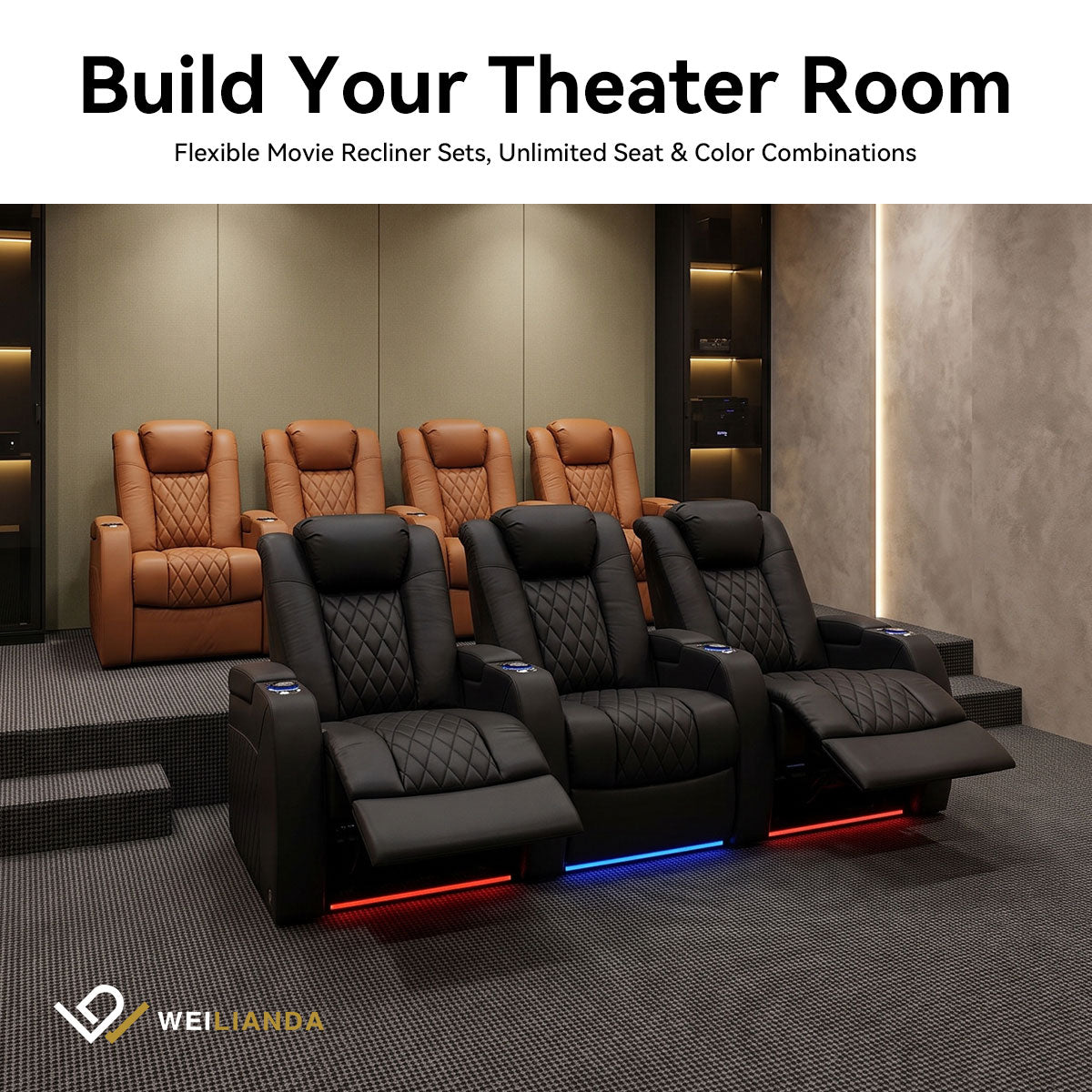


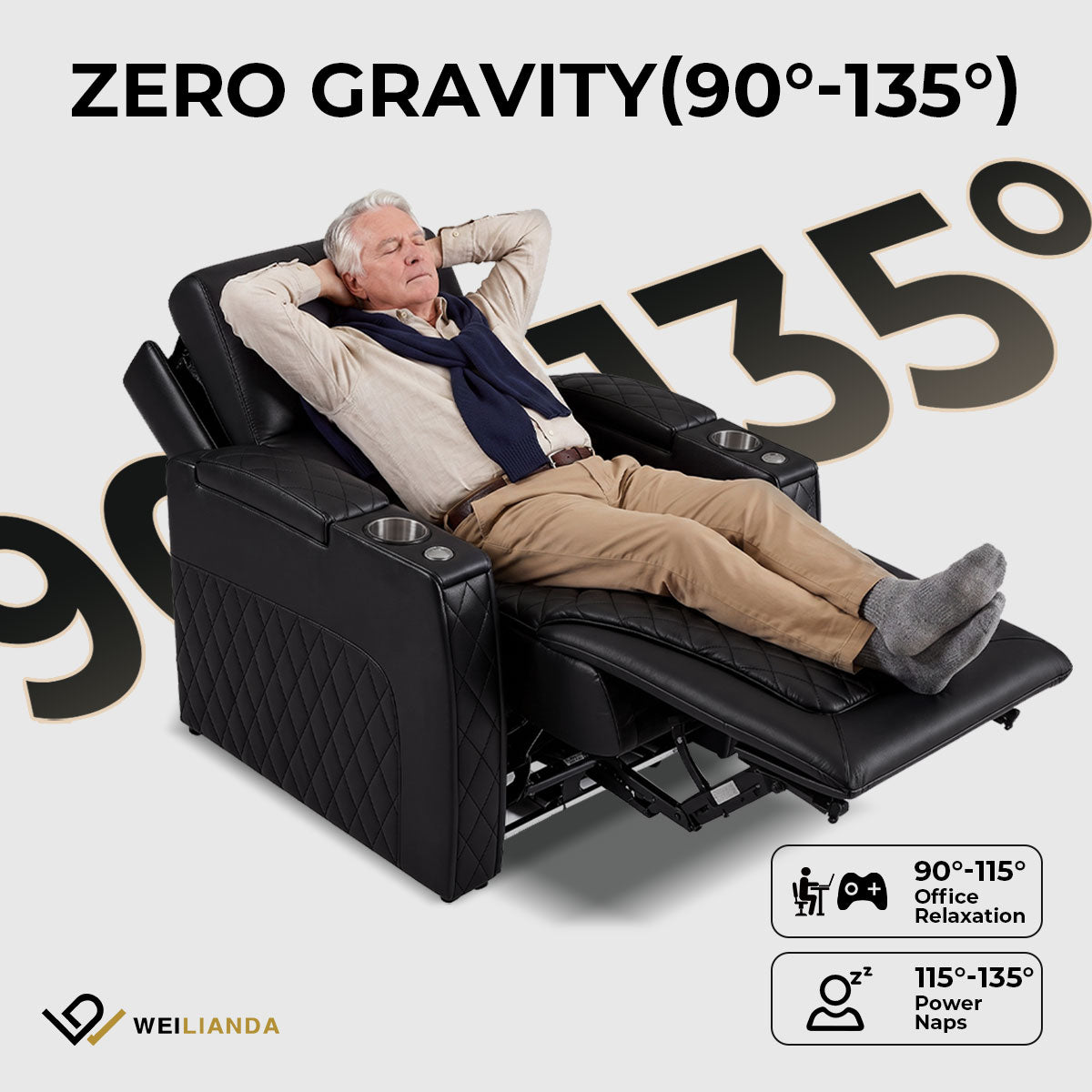
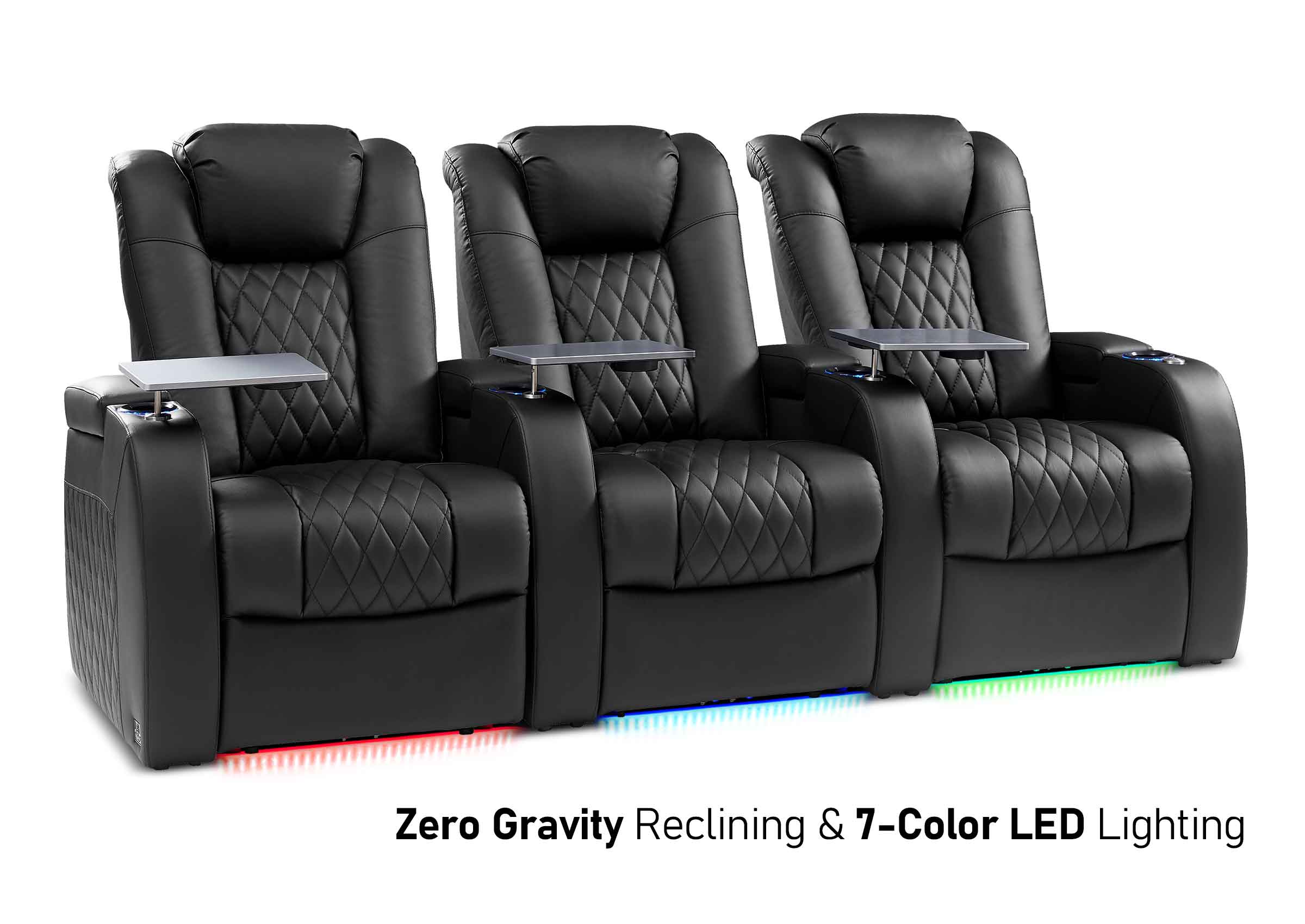
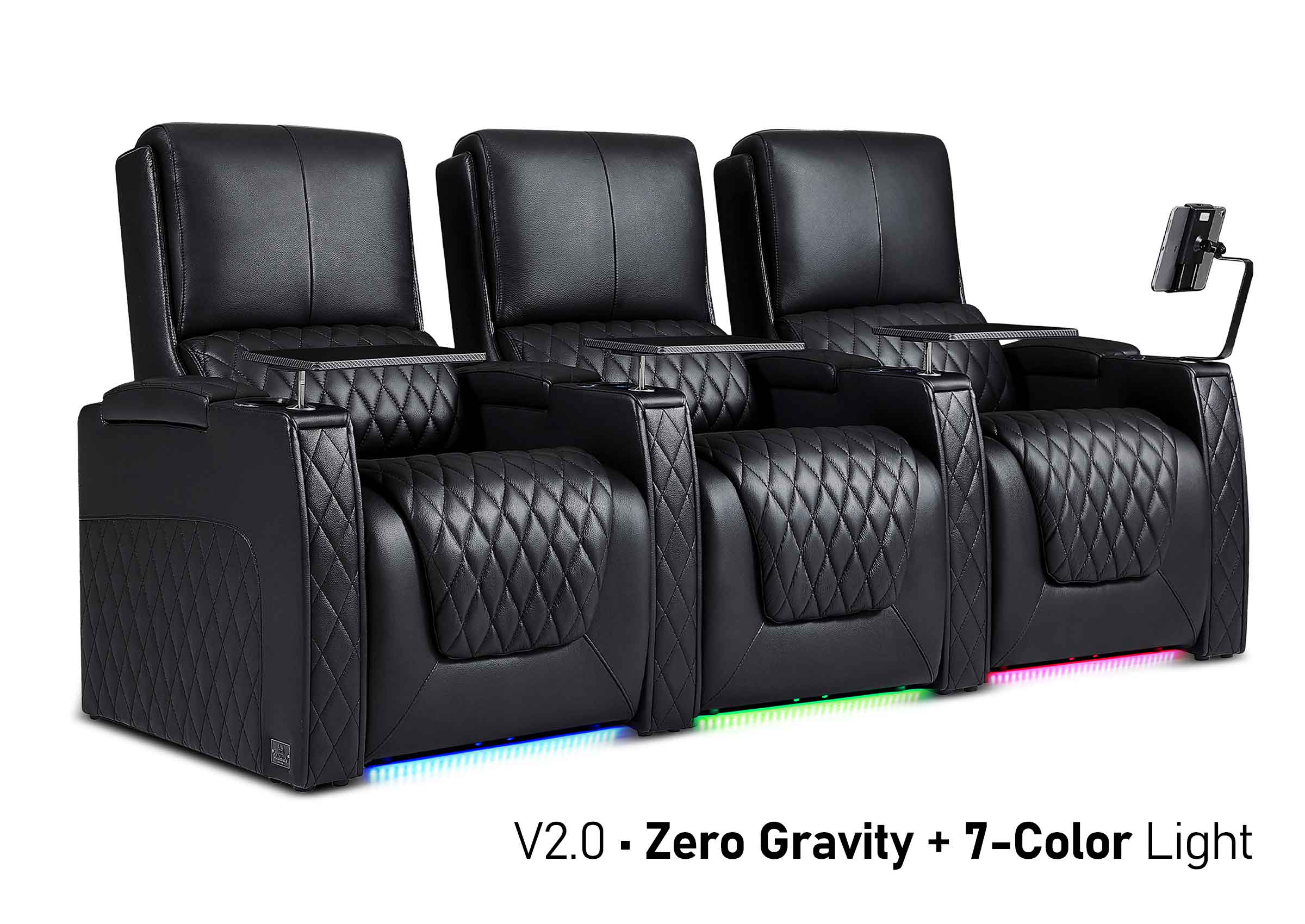
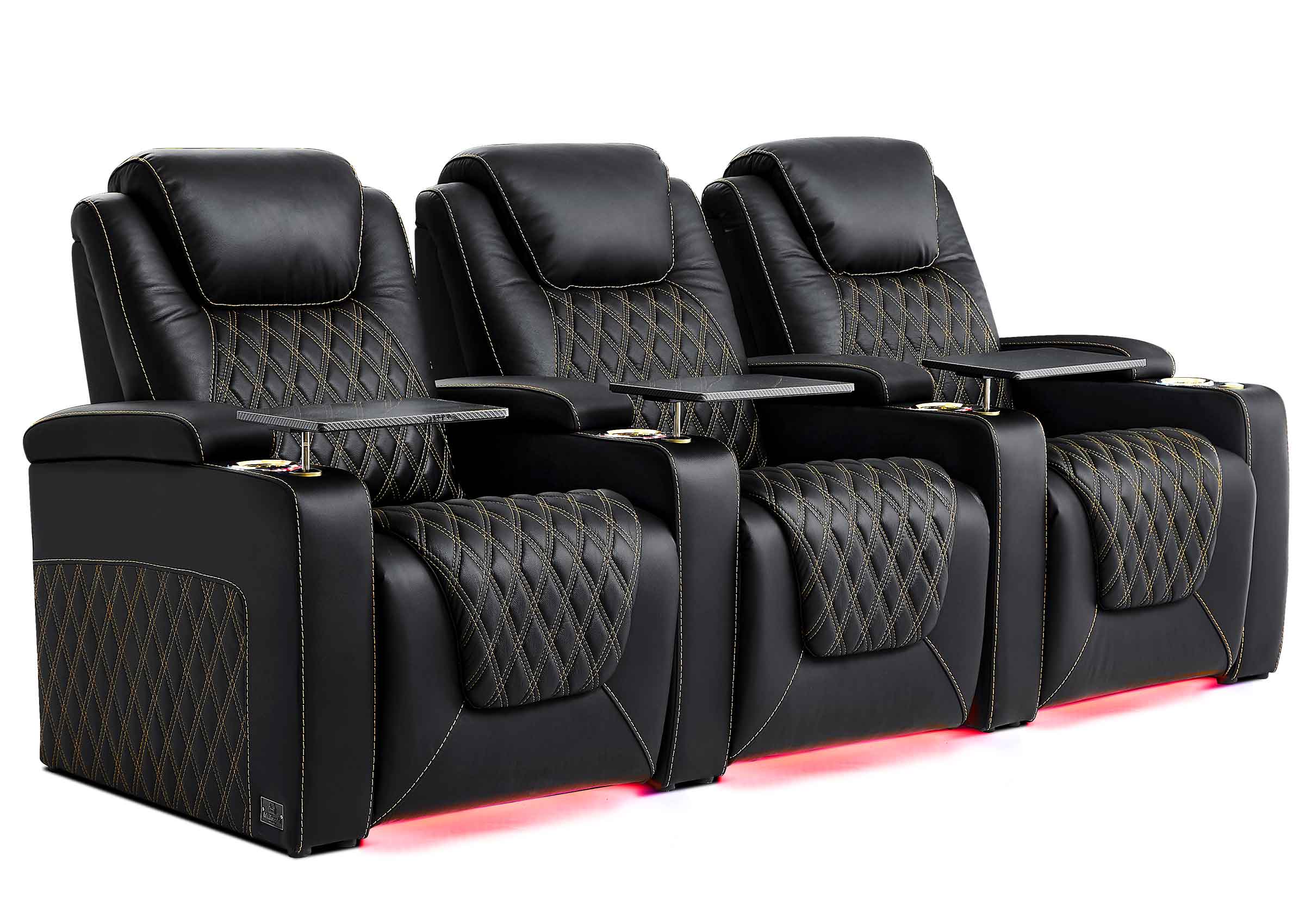
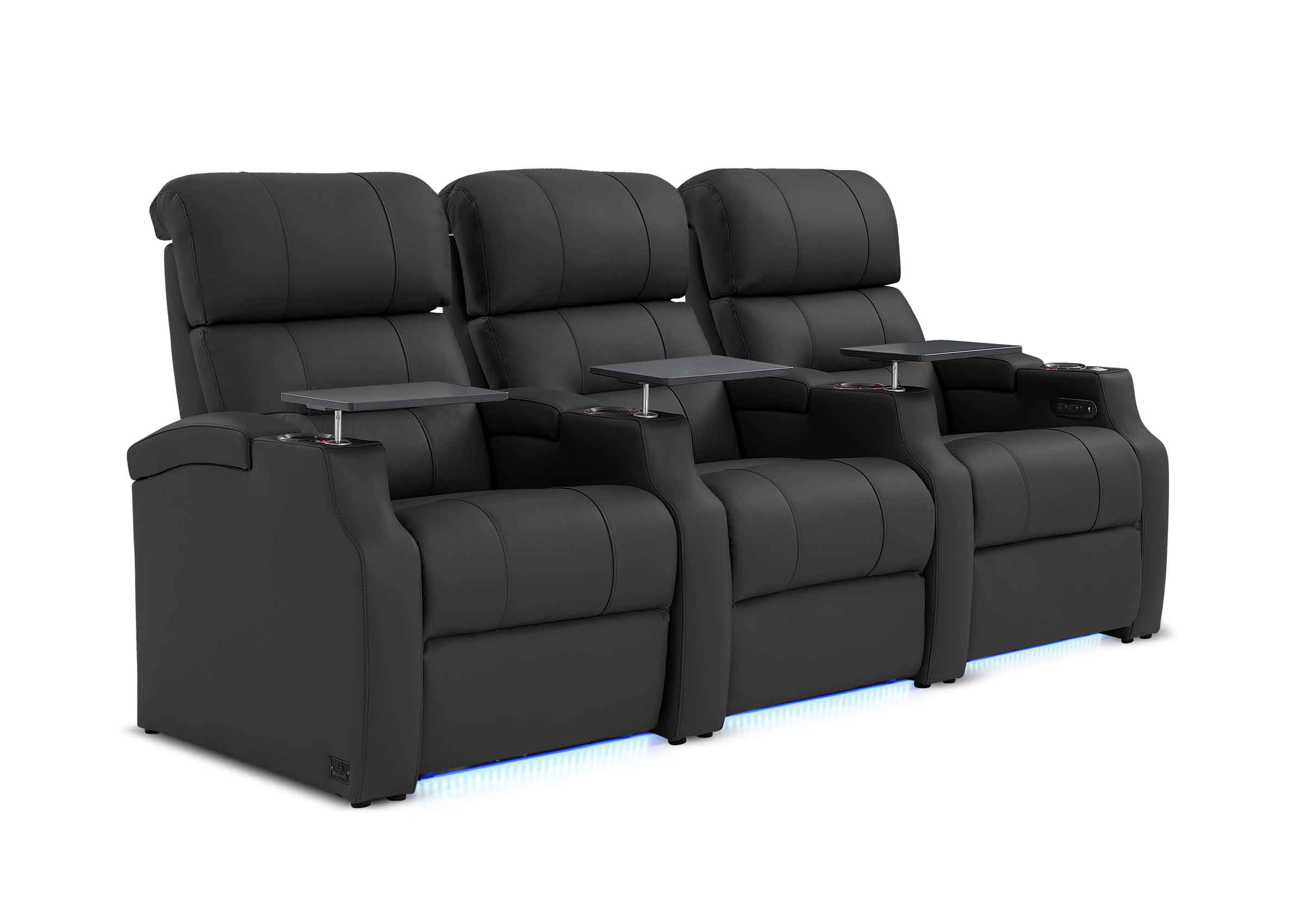
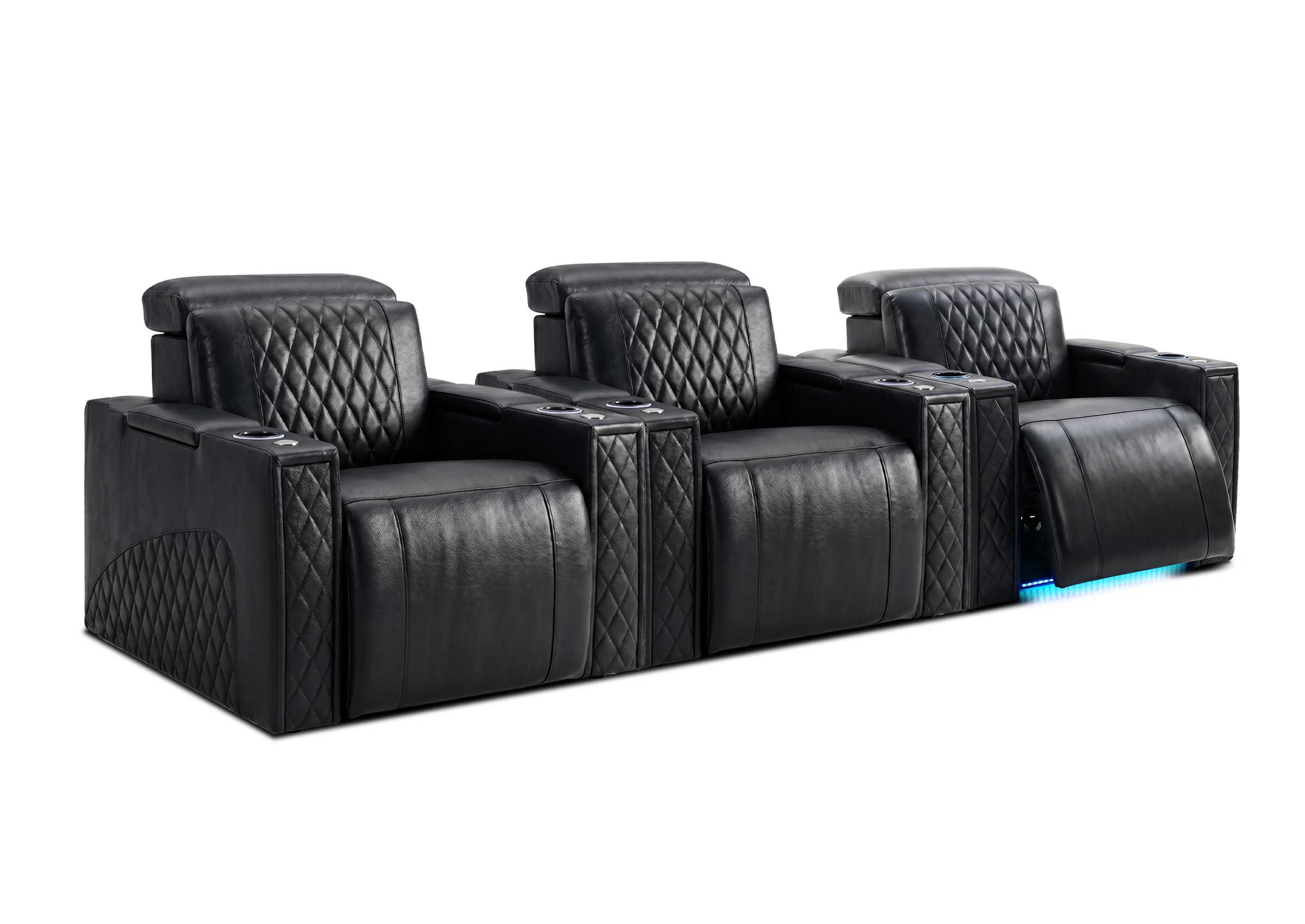

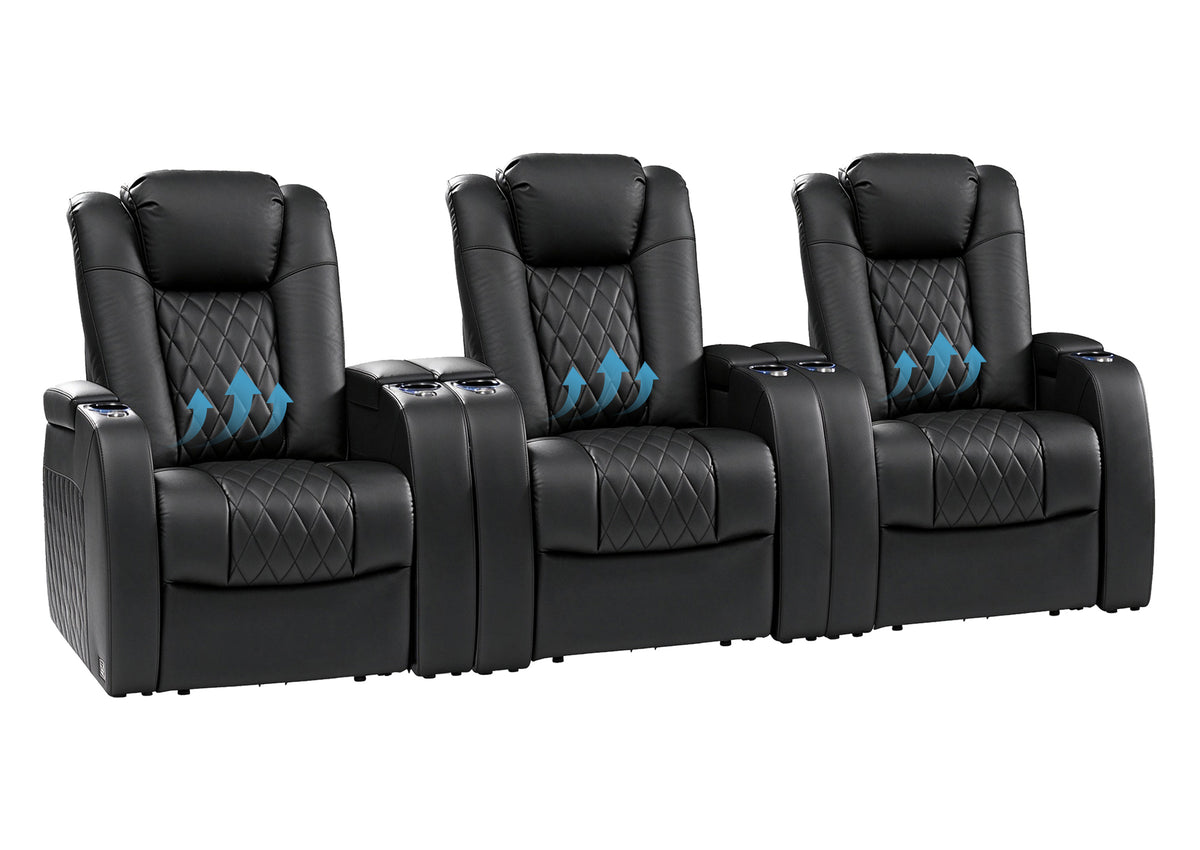
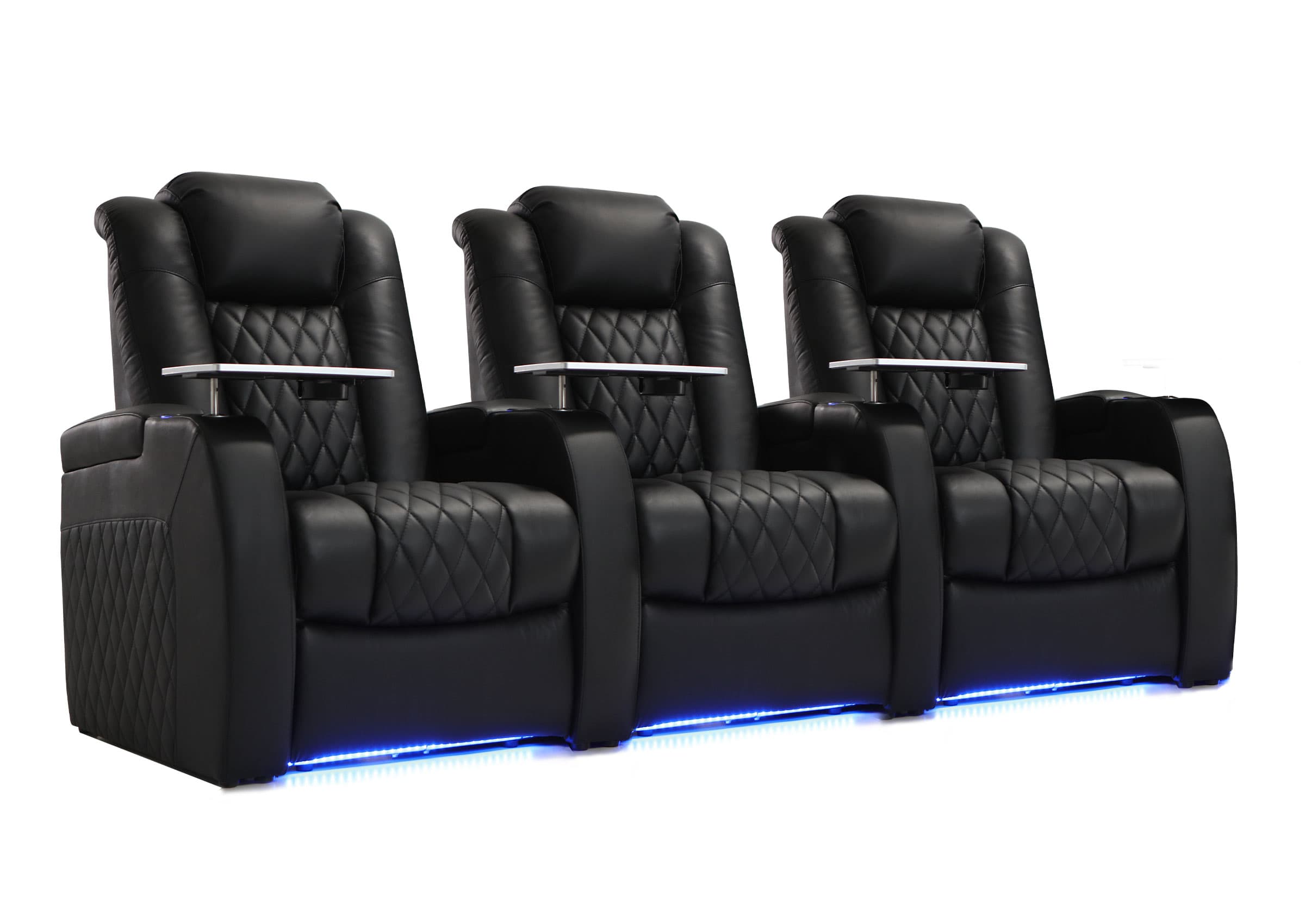
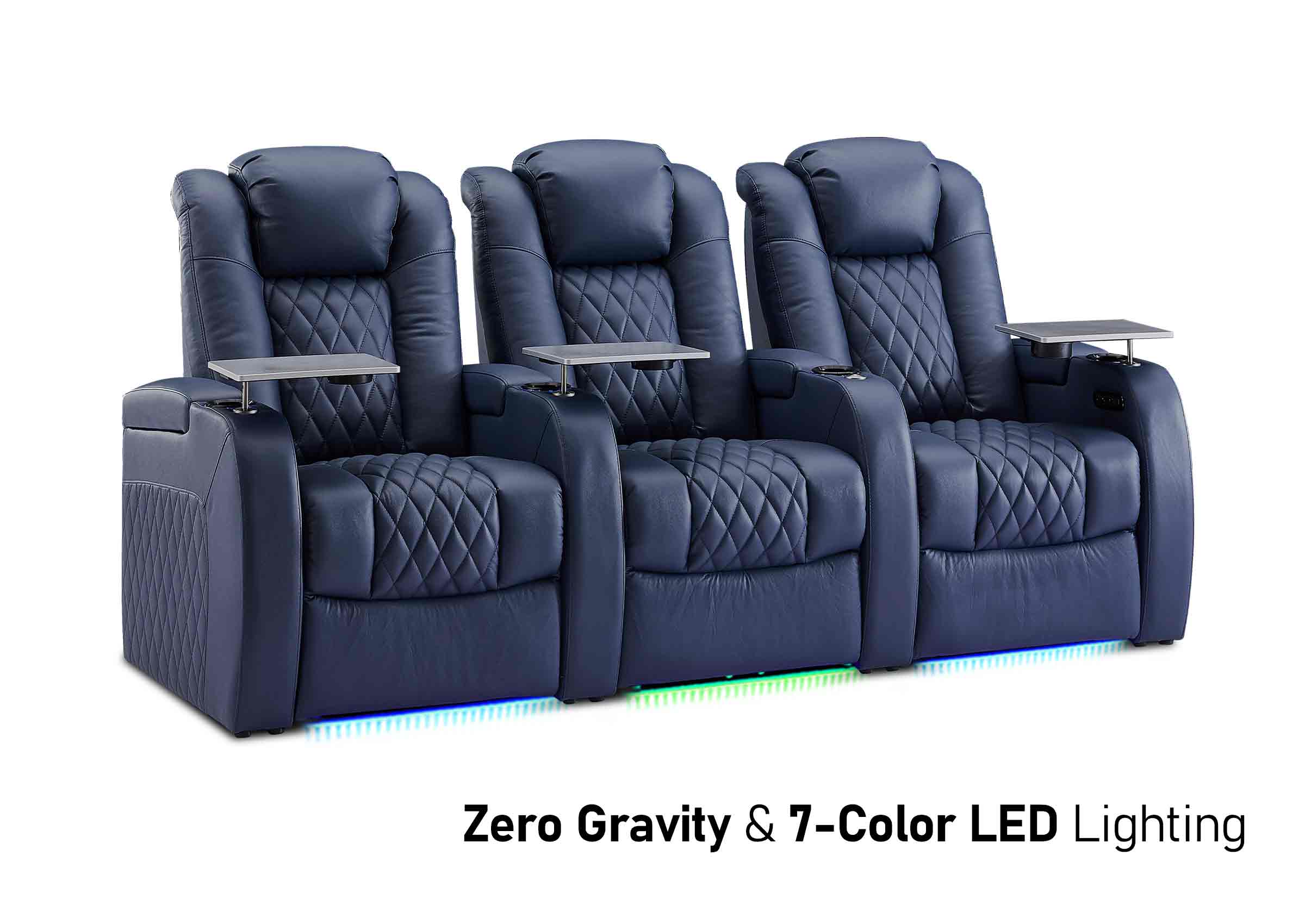
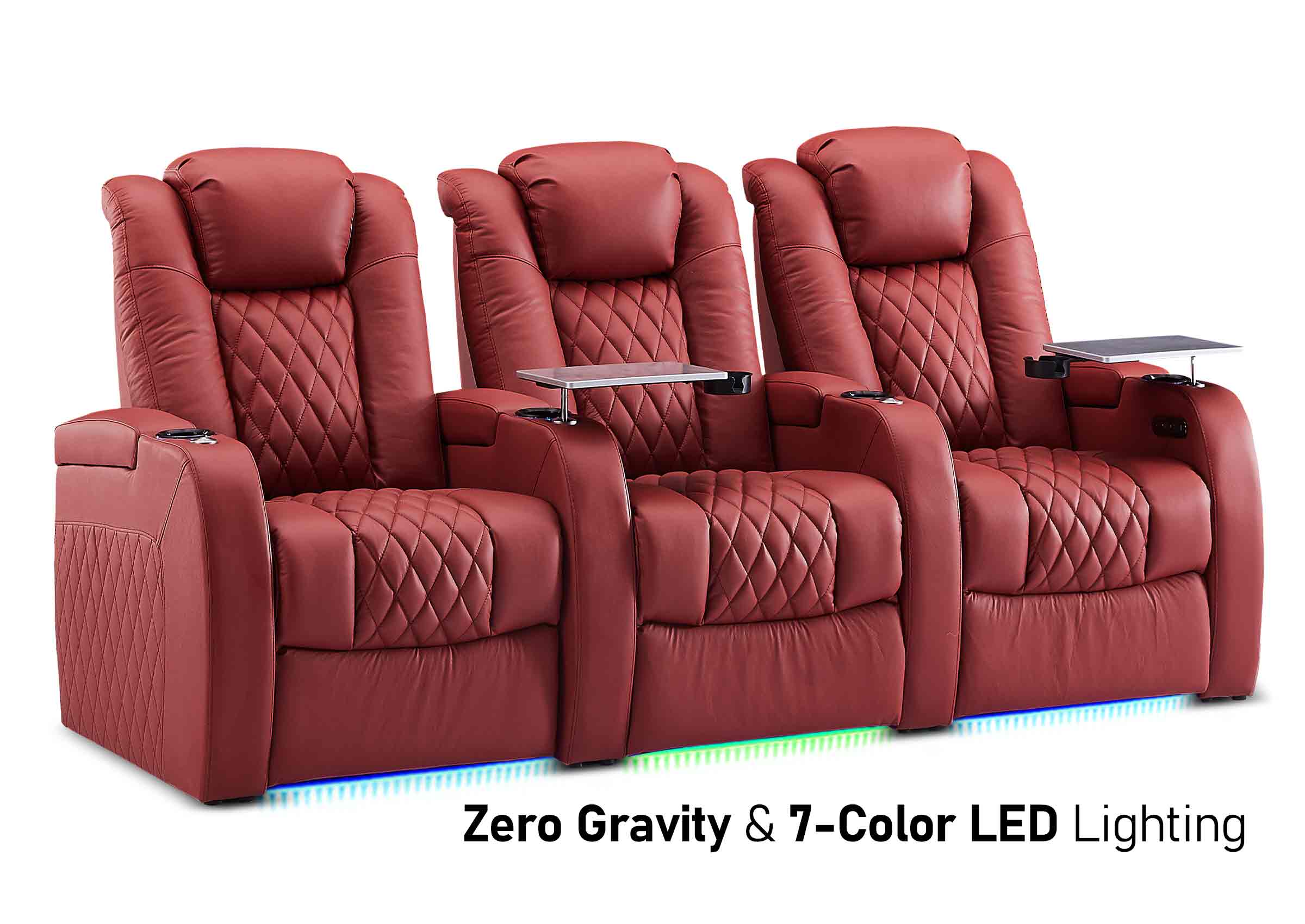
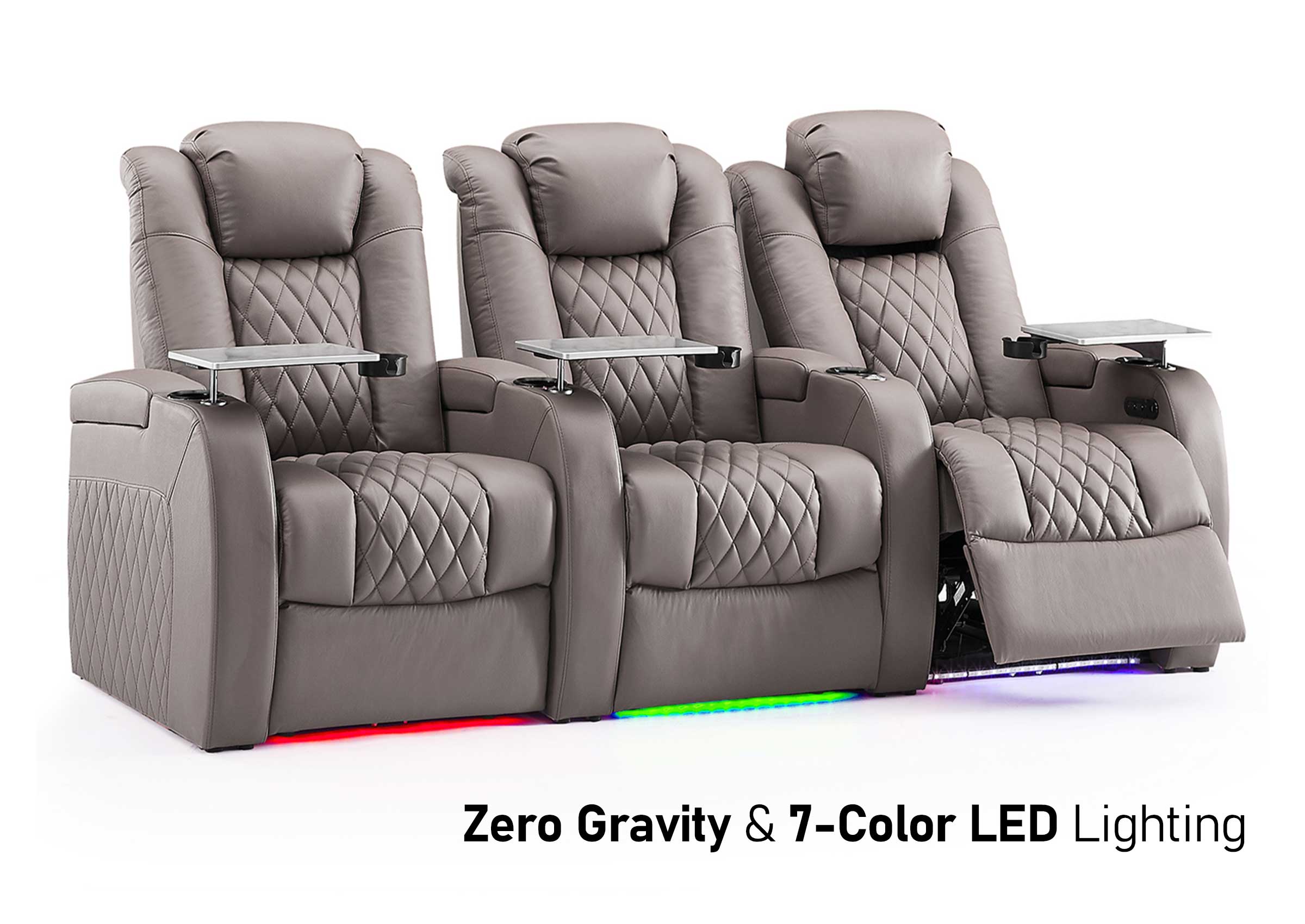
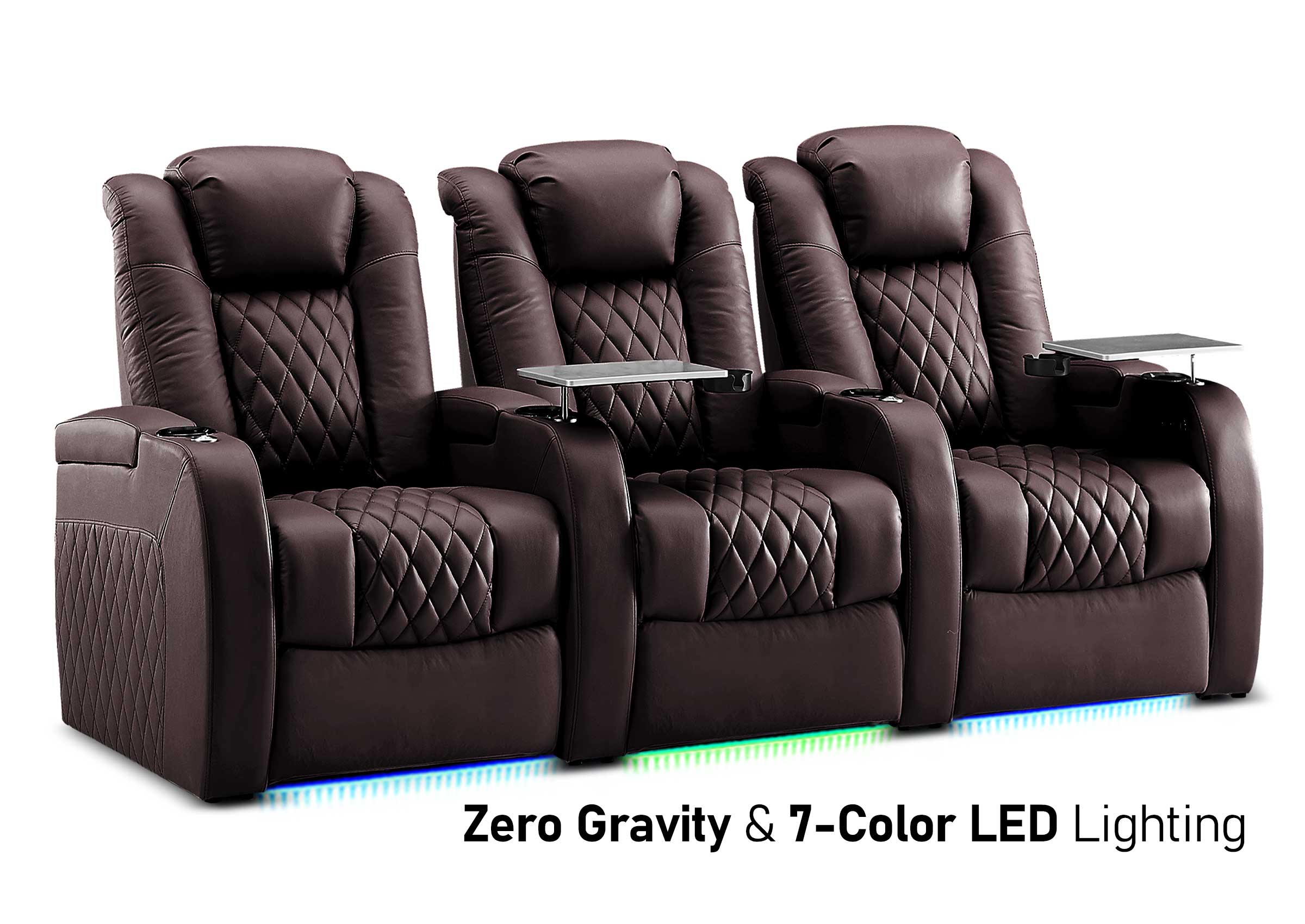

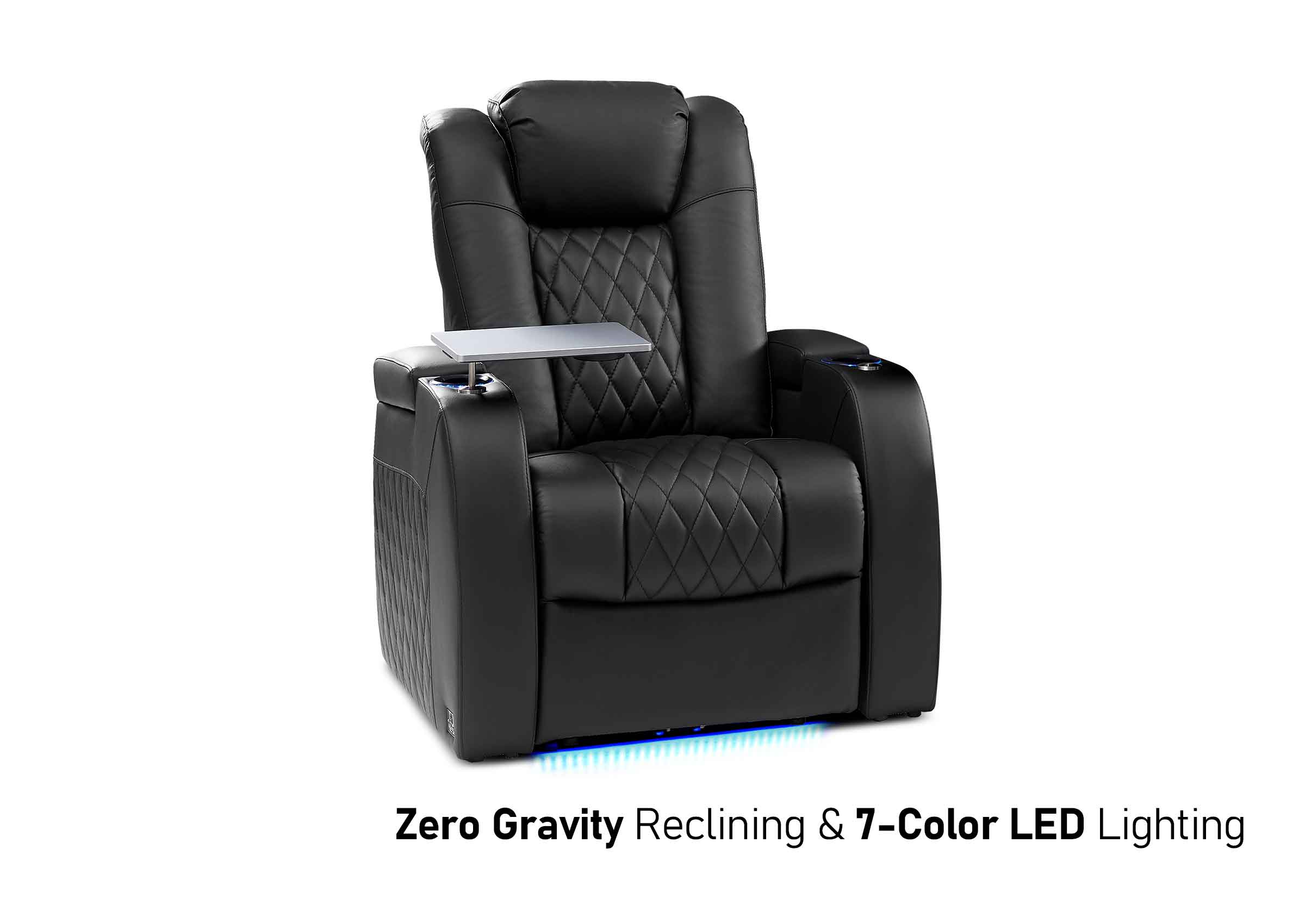
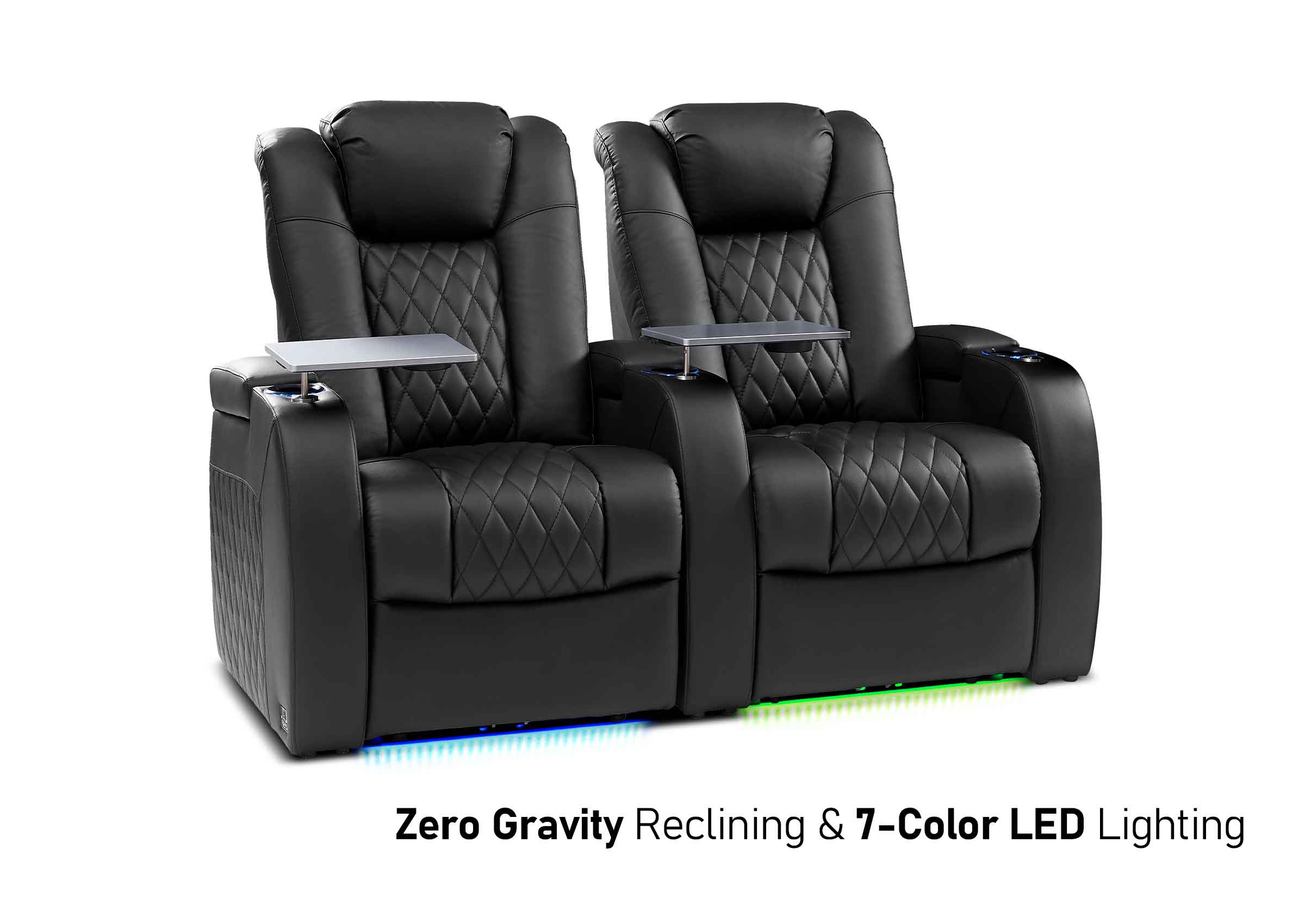
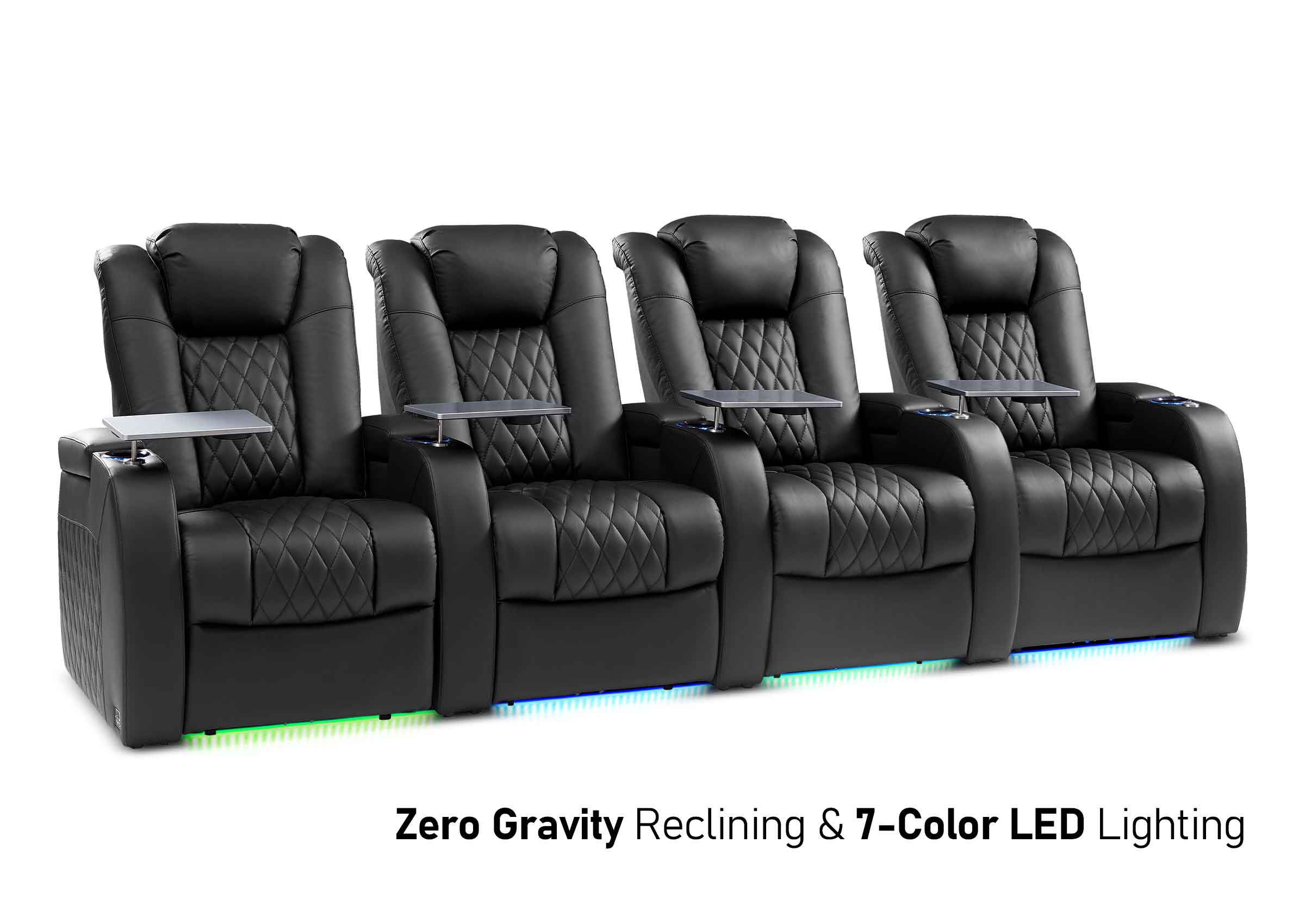
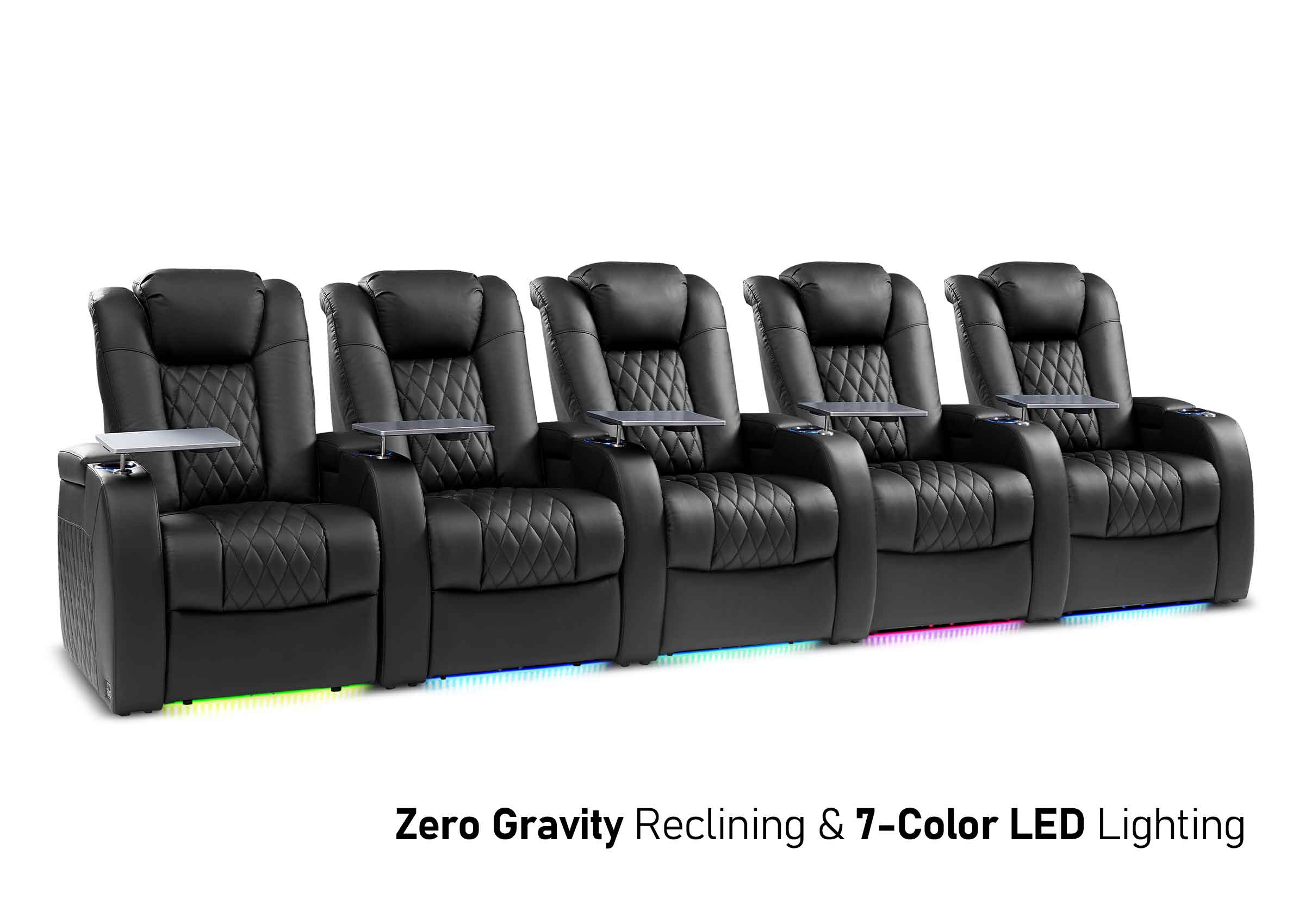
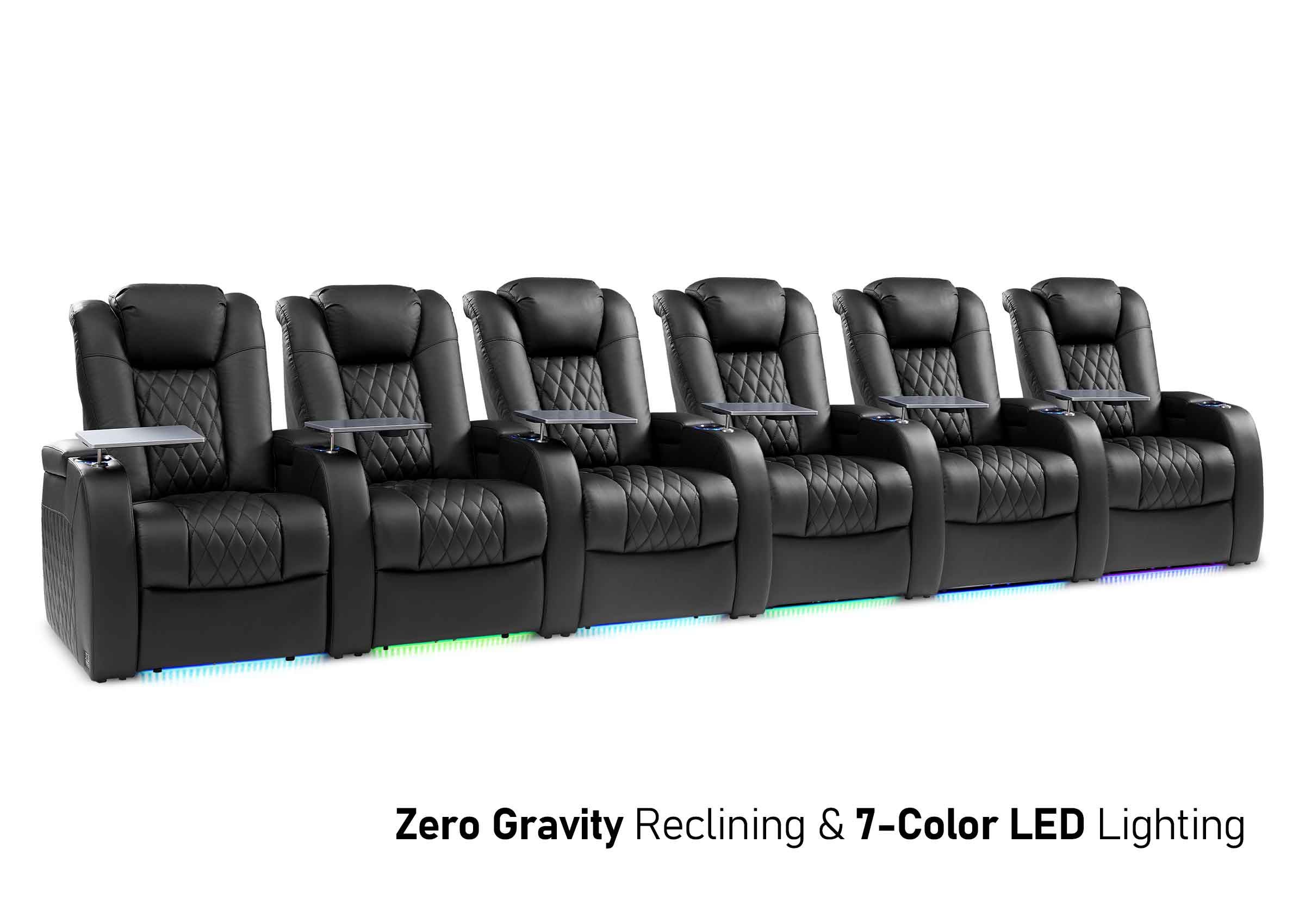
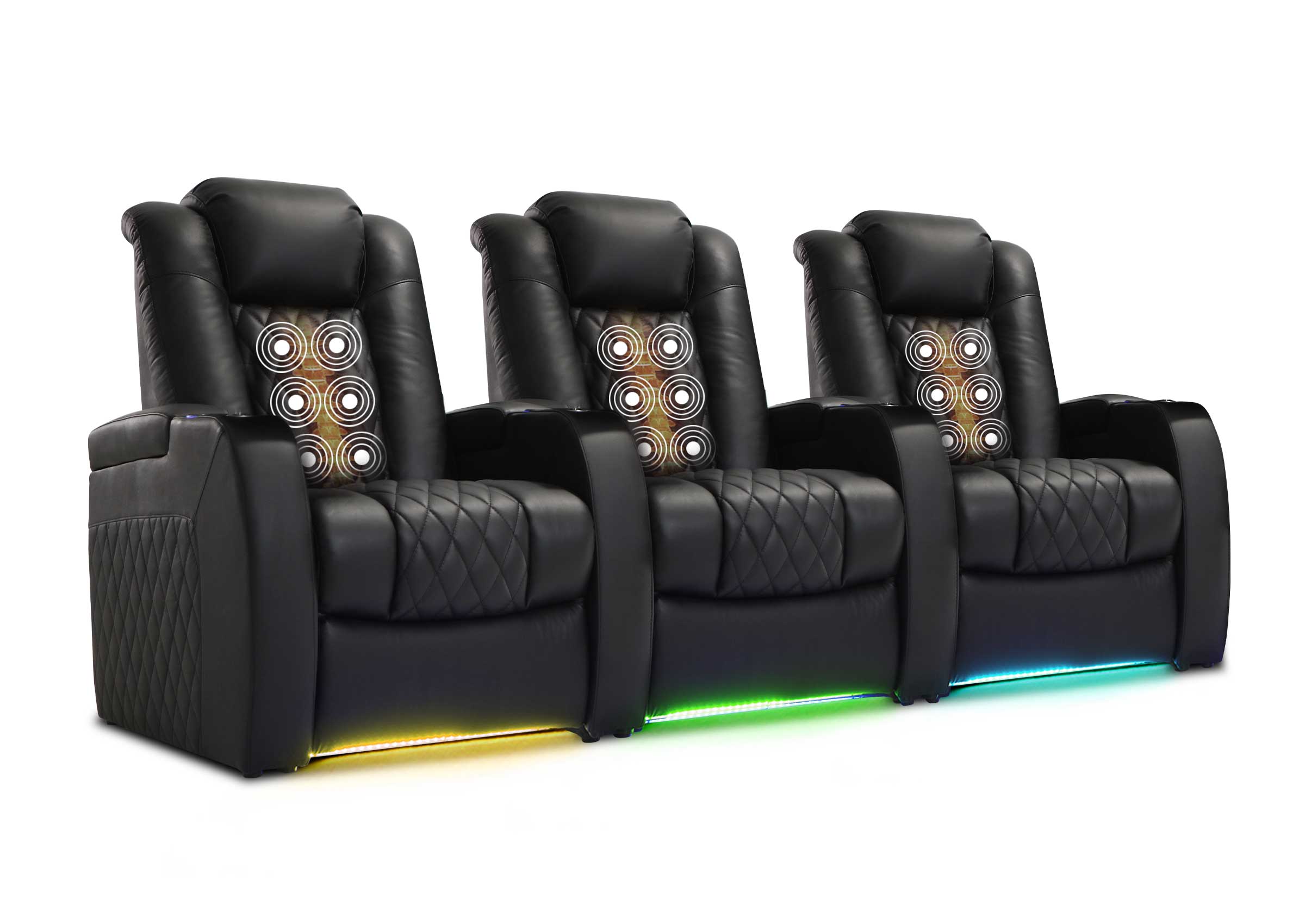

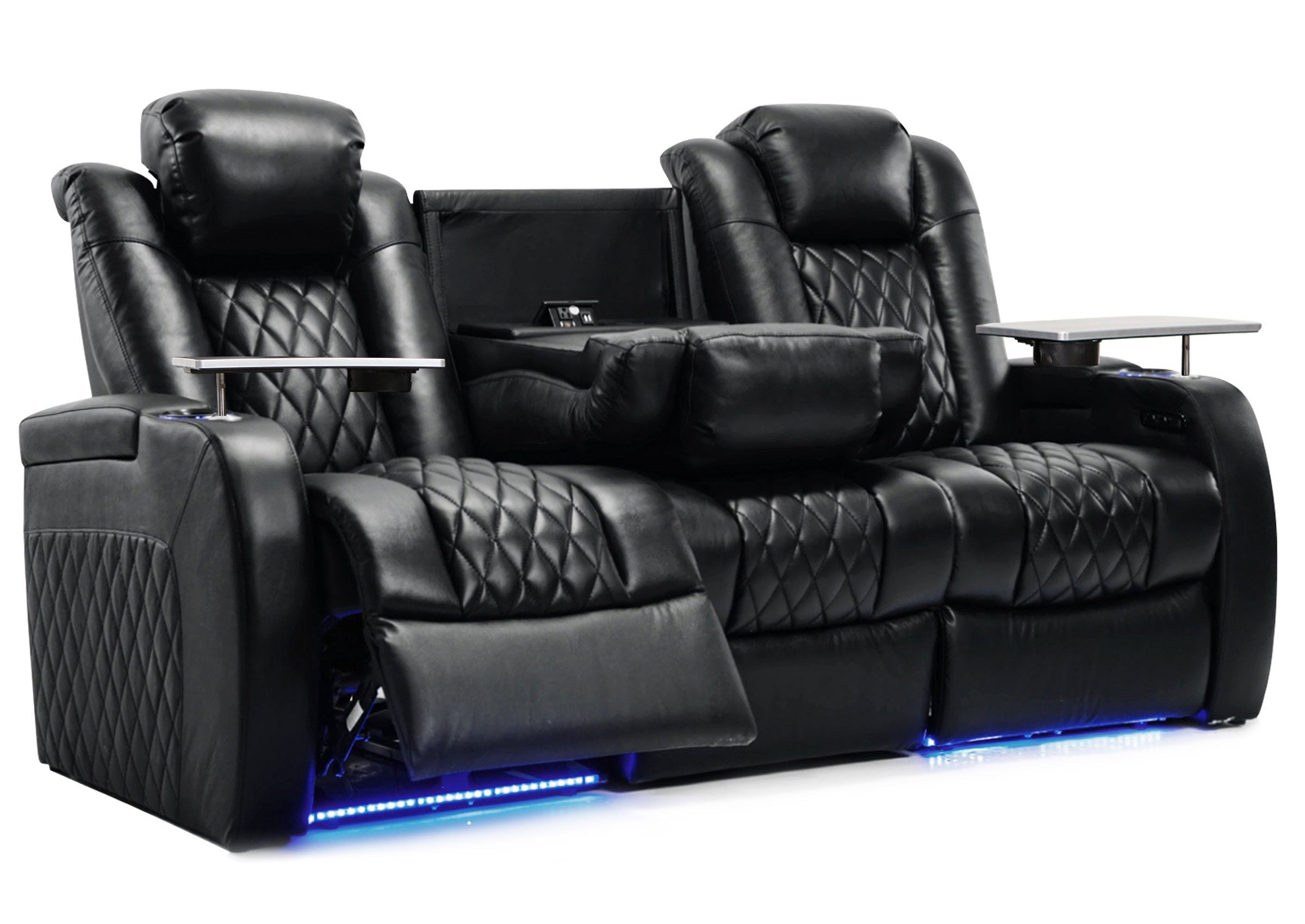
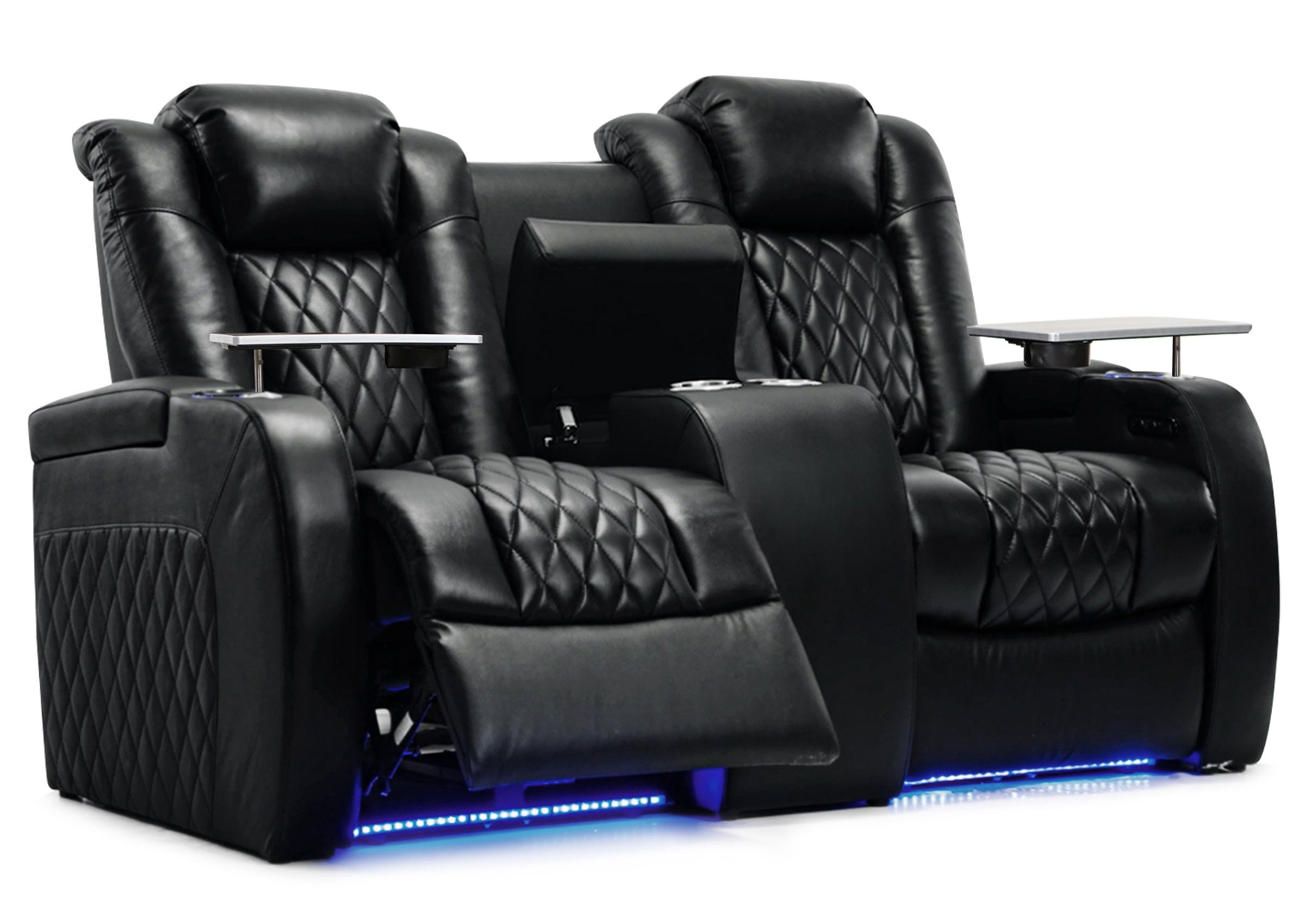

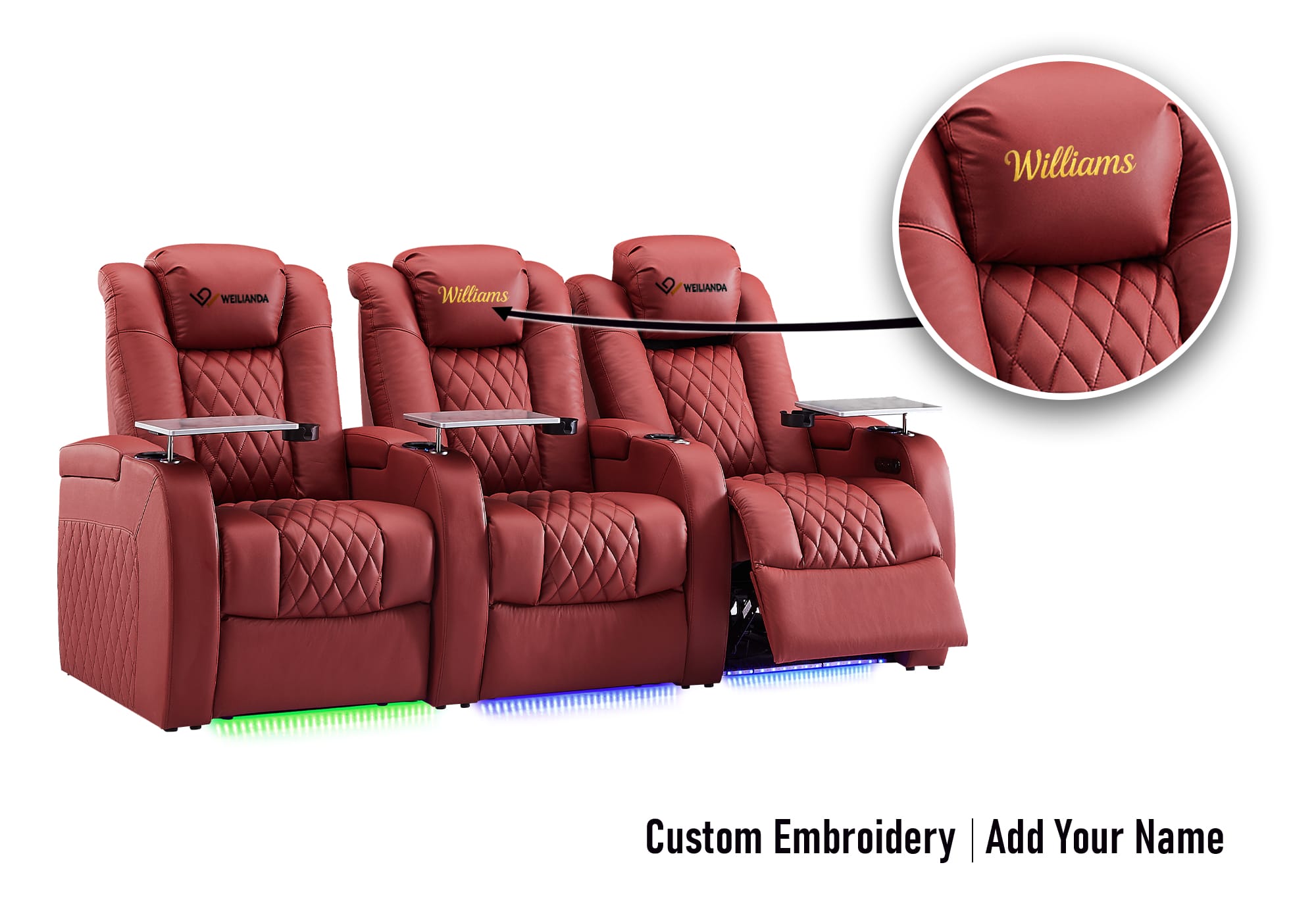

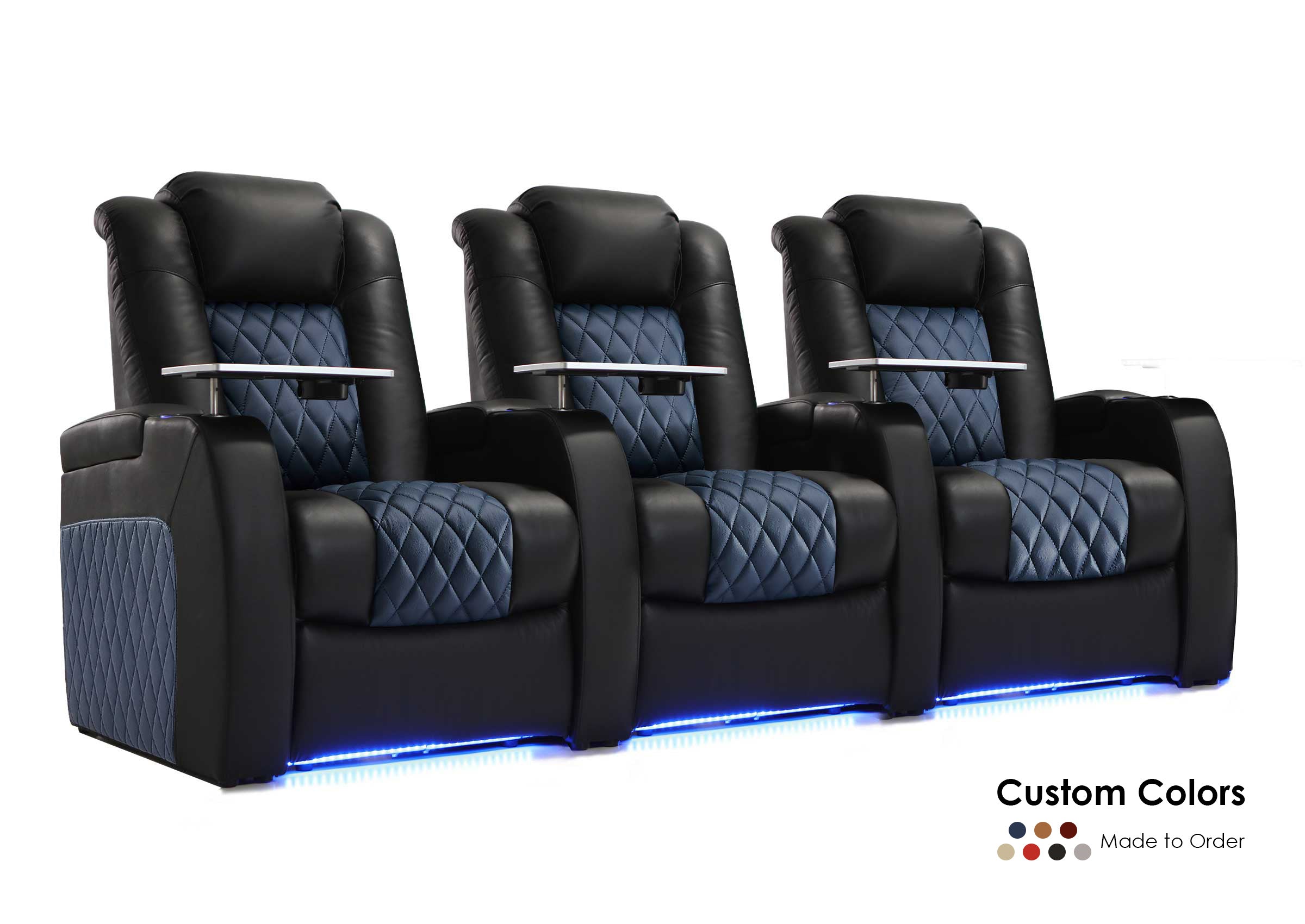

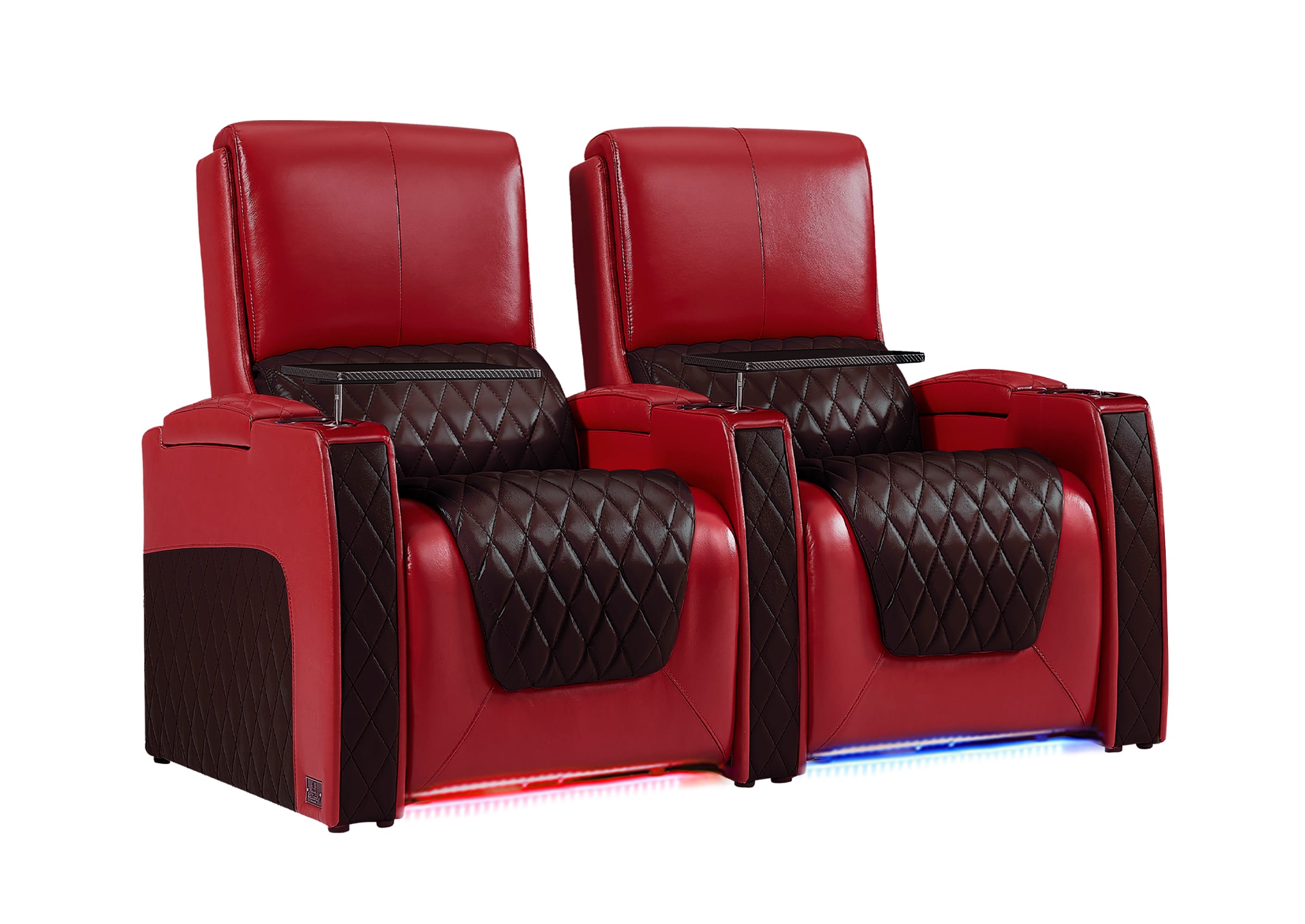
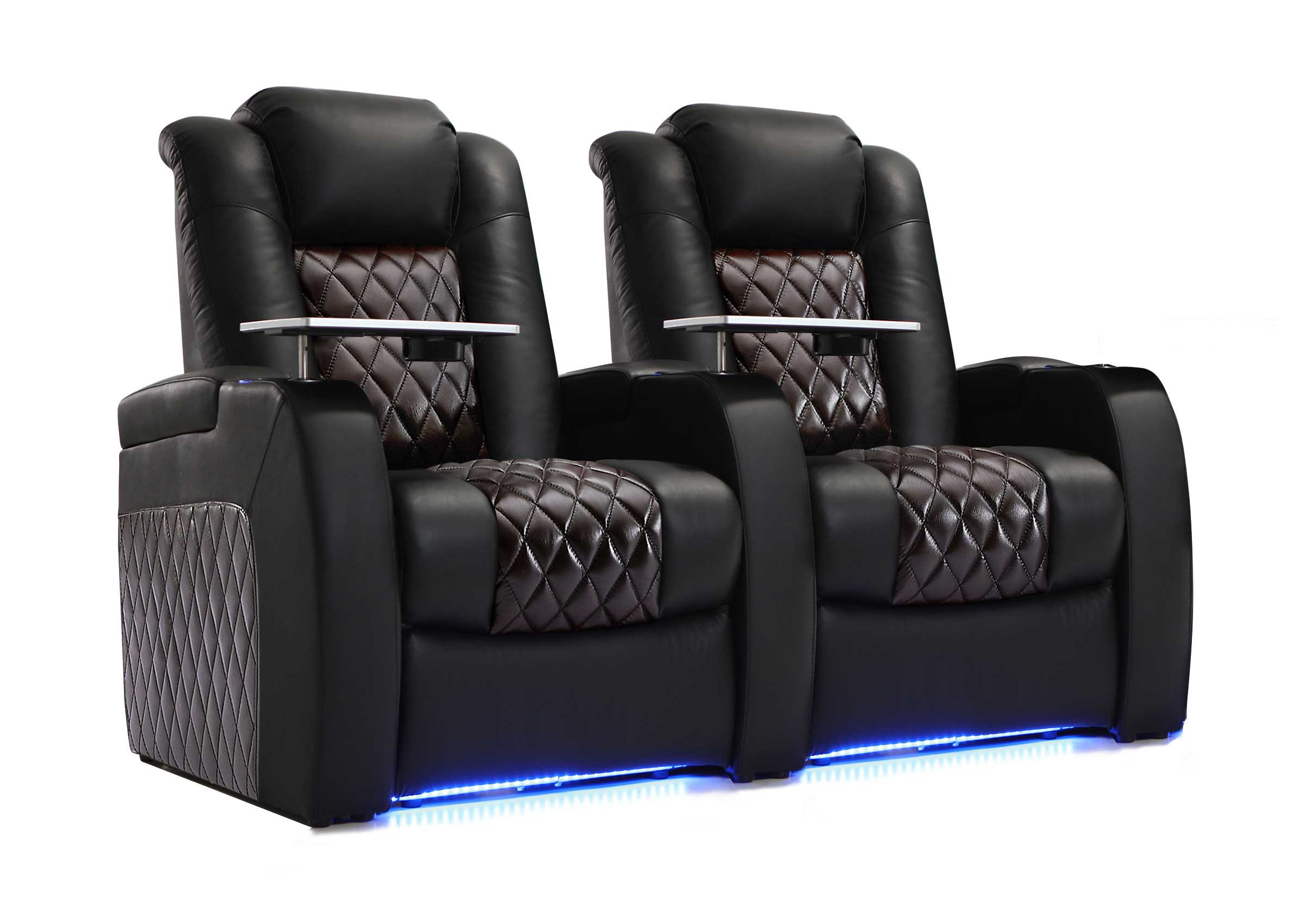
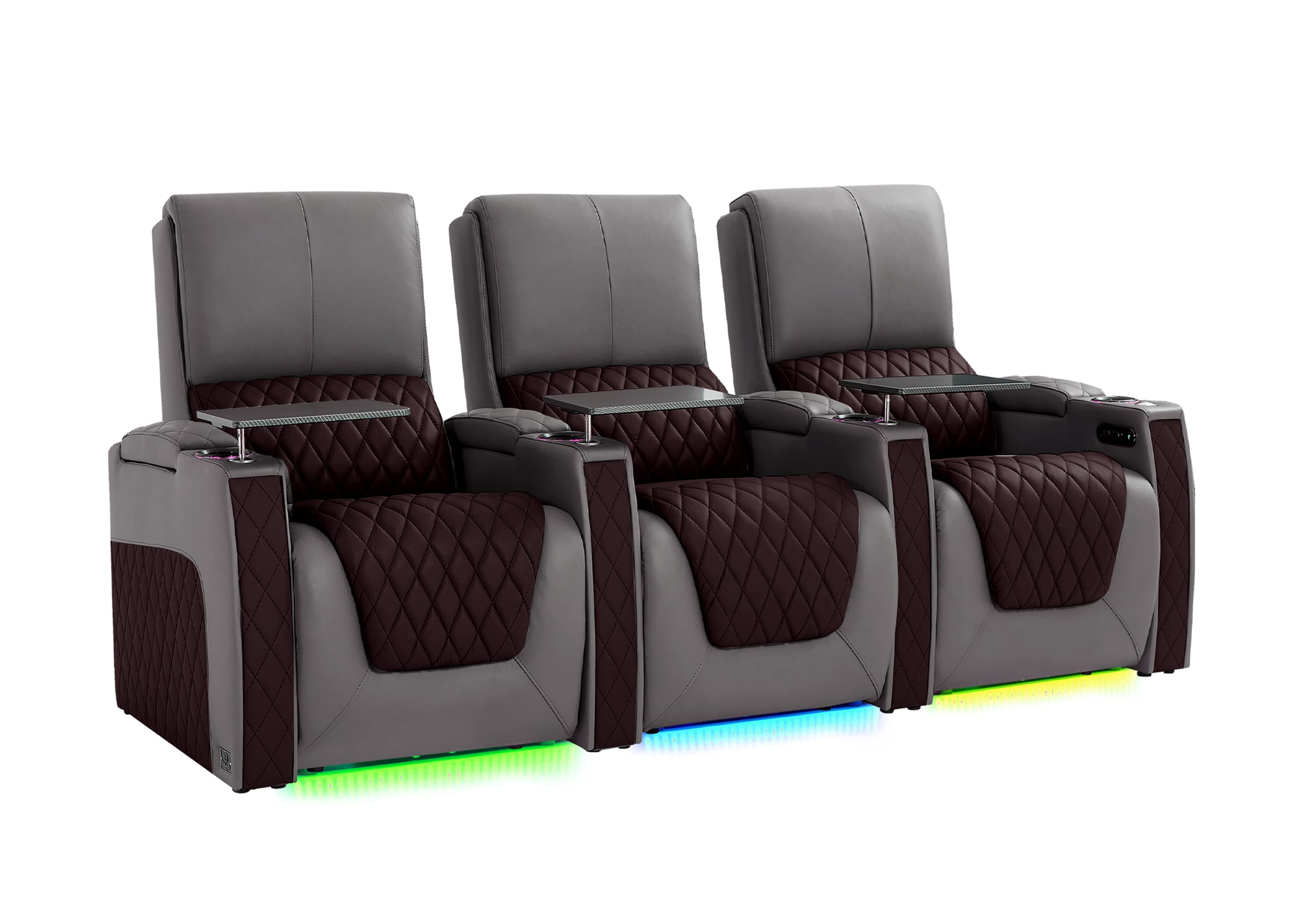
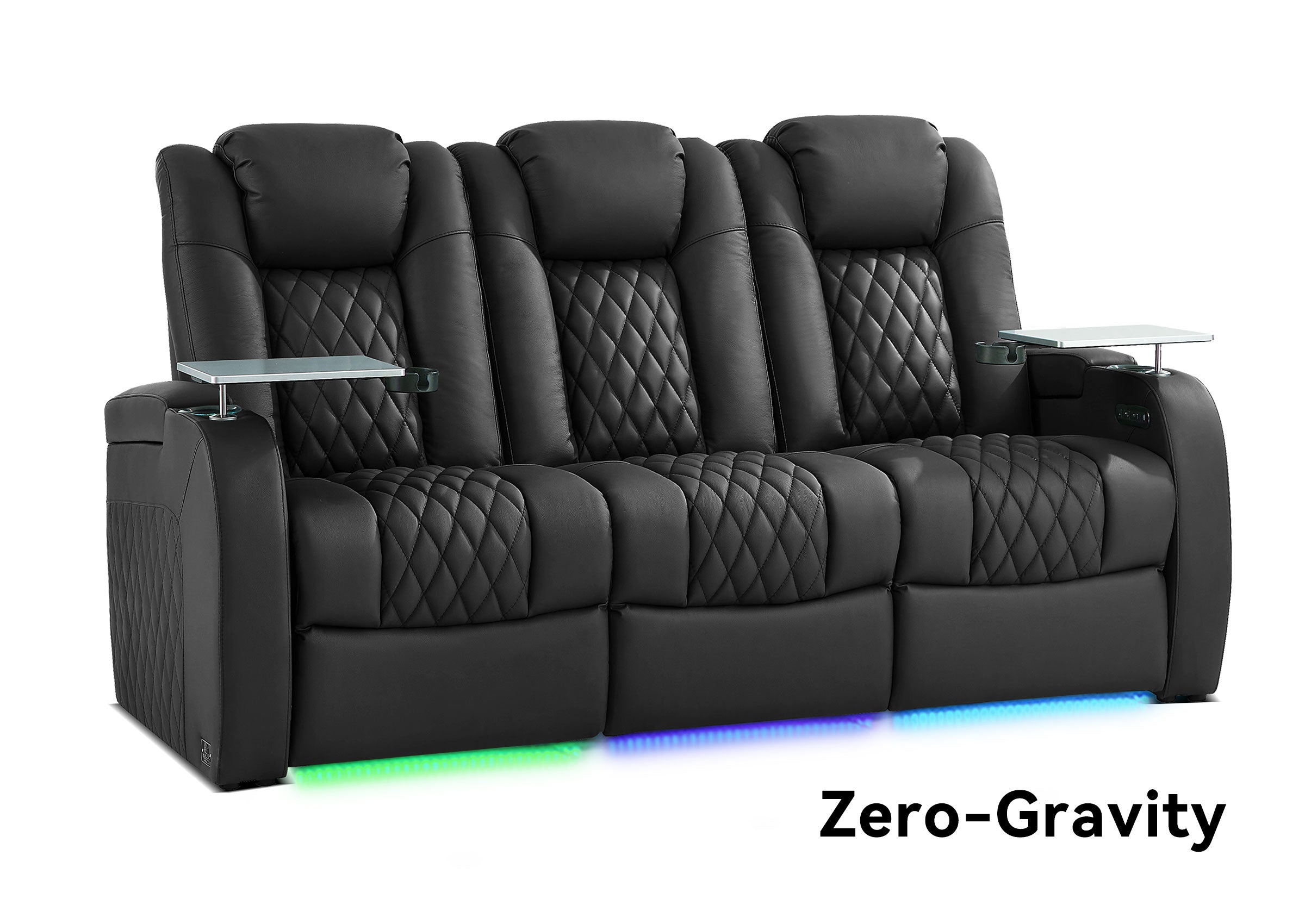


A straight sofa is often the easier starting point when you need seating along a wall or want a continuous place to stretch out. A curved sofa is worth testing when its inward-facing positions or sculptural outline improve the way you use the room. Choose between the actual sofas, including their footprint, support, nearby tables, and occupied walking routes—not the silhouette alone.
Neither shape guarantees comfort or a spacious room. A shallow curve can behave quite differently from a deep crescent, while rounded arms can make a straight seating run look curvier than it really is. Start with a top-down drawing so you know what you are comparing.
Compare the Footprint, Not Just the Width
Overall width does not tell you how far a sofa projects into the room. Ask for the maximum outside width and depth, measured in straight lines, plus a top-down outline. A measurement following an upholstered curve is not interchangeable with the distance between the sofa's outermost ends.
For a specific illustration, Room & Board's Astaire specification sheet dated May 23, 2023 lists a 106-inch-wide three-piece sofa at 37 inches deep and a 106-inch-wide three-piece curved sofa at 53 inches deep. That is a 16-inch difference in overall depth at the same listed width. These are particular configurations in a dated sheet, not a universal difference between sofa shapes or a current availability claim.
With the rearmost boundaries placed on the same planning line, the deeper option's furthest front boundary would project 16 inches farther into the room. That comparison helps you screen for a conflict with opposite furniture; it does not tell you the table gap at every curved seat. The listed dimensions also do not establish equal usable seating or comfort.

Check the actual outline as well as that outside rectangle. A curve may leave open areas at its ends while projecting farther forward elsewhere. Those spaces can matter near a doorway, but they do not necessarily form a usable route. Mark the sofa's back, front edge, and both ends rather than treating the entire bounding rectangle as upholstered furniture.
Wall placement also changes the comparison. A straight back may suit a straight wall efficiently, subject to the furniture's required clearance. A curved back can leave an irregular gap. You do not have to fill that gap with a console: adding another piece can use the space you were trying to preserve.
Use these priorities to decide which arrangement to test first:
| Your main need | Start by testing | What could change the answer |
|---|---|---|
| Keep a route open beside a wall | A straight sofa with the route marked | A smaller or shallower curved model may also fit |
| Build a conversation group | A curved sofa, or a straight sofa with facing chairs | Backrest direction and the space occupied by the whole group |
| Watch TV from regularly used seats | Both sofas facing the screen | The position and orientation of each person's actual seat |
| Lie along the sofa | A continuous straight seating area | Usable cushion length, arms, support, and the particular curve |
| Create a sculptural focal point | A curved sofa with its outline visible | Whether the preferred placement compromises everyday use |
Choose for the Way You Sit, Talk, and Watch
For conversation, an inward curve can turn the end positions toward the group. That can be useful when people would otherwise sit in a line. However, a gently rounded front with forward-facing back cushions may change the appearance more than the direction people face. Check the backrests, not just the front edge.
A straight sofa can support conversation too. A chair opposite or at an angle can complete the group. Compare the sofa and chair together, including where the chair stands when nobody is visiting. The straight sofa's smaller footprint is less helpful if the extra chair occupies the only clear entrance.
Do not count curved upholstery as extra guest capacity. Mark separate positions with usable back support and room for each person's legs. A curved end without much backrest may be a lounging extension rather than the upright guest seat you need. Compare both arrangements with the same people and postures.
For TV, mark the seats your household actually uses. Sit against the back support and look toward the screen from each position. Notice whether you can stay in your normal posture or keep turning your head and shoulders. A curved end that helps people face one another may point away from the screen; another configuration may work well. The curve's direction relative to the TV matters.
Also separate seat orientation from seat location. Turning your body does not move your eyes into a more central viewing position. Check the picture from the planned locations rather than assuming an inward-facing seat fixes every off-center view. If your main decision concerns connected recliners in dedicated rows, the curved versus straight home theater seating guide covers that different configuration task.
For ordinary sitting, test the cushion depth, back height, and support at more than one position. A photograph of a sculptural sofa cannot tell you whether its center and ends suit the people using them. A curve is a layout feature, not a firmness or support rating.
Fit the Table to the Occupied Seats
A round or oval table can sit neatly inside a curved arrangement, but matching shapes is not enough. Check whether the person at each regular seat can reach a useful part of the tabletop without leaving their normal position. A table close to the middle seat can still be inconvenient at the ends.
Try the table you already own before replacing it. A narrow rectangular table might work with a shallow curve. A large round table might make entry into a deeper curve awkward. Mark the actual tabletop and base, then check sitting down, reaching, and leaving while the other positions are occupied.
If no single central table serves everyone well, consider smaller side surfaces near the seats that need them. Give each table a real standing position outside the route. A pair of nesting tables only solves a space problem if the nested arrangement also has somewhere useful to go.
For a reclining sofa, include the selected model's complete movement and required operating clearance. Neither a rounded edge nor a low table establishes compatibility with an extending footrest. Keep the table clear of the moving furniture according to its instructions.
Make Either Shape Look Deliberate
Choose whether you want the sofa to repeat the room's architecture or provide contrast. A curve can interrupt a room full of rectangular windows and cabinets. A straight sofa can align with those elements while softer accessories supply the contrast. Neither approach requires replacing every other piece.
For example, a warm beige curved sofa could sit on a rectangular, lightly textured rug, with a slim oak table and olive cushions connecting it to the rest of the room. Keeping the nearby storage low and simple lets the sofa's outline remain visible. Test the table's reach before choosing it for its appearance.
With a straight sofa, a rounded coffee table, a textured throw, and artwork with softer forms can introduce a similar visual change while preserving the wall arrangement. Repeating one color from the artwork in a cushion can connect the group without buying a matching set. These are styling options, not rules about which colors or materials belong to each shape.
View either arrangement from the doorway and the room beside it. If the sofa floats, its back becomes part of the composition. Check the selected model's rear finish and the furniture visible beyond it. Leave a finished back exposed when that works better than squeezing in a console and decorative objects.
Test Two Complete Arrangements
Use the same room, household needs, and surrounding furniture for both plans. Compare the number of positions you will actually use, not just advertised seat counts or the length of the sofa's outer curve.
- Mark the room's fixed features: doors and their swings, cabinets, heating equipment, the screen, and the routes between adjoining spaces.
- Trace each sofa's actual outline and mark its regular sitting positions. Include operating space for any moving furniture.
- Add the coffee table, extra chair, lamps, and side tables needed to make each option work. Try normal evening use and a conversation with guests.
- Record what fails and what must move. Retest a smaller sofa, another orientation, or a different table before assuming the room needs a different shape.
For each plan, note the narrowest needed route, which people have a suitable position, which seats have a reachable surface, and which furniture must move. This gives you a comparison you can discuss with the household rather than choosing between two photographs.
Treat a blocked essential route or an unsuitable everyday seat as a reason to revise the plan, not a drawback that a better-looking outline cancels out. If both plans meet those needs, appearance and the effort of moving smaller furniture can decide between them. Floor markings are a screening tool; try the actual cushions and back support before treating a passing plan as a comfortable sofa.
Suppose the curved sofa looks better from the entrance, but its preferred table blocks the route to the kitchen. First test a smaller table or a side surface. If the route still fails, a shallower curve or straight sofa may be the better choice. You can keep the softer visual effect through a rounded table and textiles without keeping a sofa that makes everyday movement difficult.
If flexibility matters, check which configurations the actual system permits. Separating pieces for delivery does not establish that they can form a different finished arrangement later. The modular sofa guide introduces the component approach; confirm arms, finished sides, connections, and supported combinations for your selected furniture.
BEFORE YOU ORDER
Check the Configuration Behind Your Layout
Have two room plans ready? Share the sofa outlines, the positions your household uses, and the route you need to keep open. For Weilianda seating, confirm the selected configuration, assembled dimensions, and any operating space before ordering.
FAQ: Choosing a Curved or Straight Sofa
Can a curved sofa work in a small living room?
Yes, if the particular sofa and its surrounding furniture leave the routes and positions you need. Room area alone cannot establish that. Compare the full outside depth, the actual curve, and your table rather than ruling out every curved design. If the shape only fits after removing a chair your household regularly uses, compare a smaller model or a straight sofa that serves the same people.
Can I put a curved sofa against a straight wall?
You can place one near a straight wall if its instructions and the room allow it. Expect the gap to vary with the back's outline; it is not always a single space in the middle. Check the ends, baseboard, curtains, and access for cleaning. Leave the gap open if filling it with a console would crowd the room. A curved appearance does not require floating the sofa in the center.
Are curved sofas comfortable for lying down?
Some are, but overall width and curved-edge length do not establish a usable lying surface. Try the posture you normally use, checking support beneath your shoulders, hips, and legs, along with any cushion joins or raised ends. A straight sofa with a long uninterrupted seat is a useful starting comparison. If two people lounge together, test their positions at the same time rather than judging one person's comfort alone.
Can I use a rectangular rug with a curved sofa?
Yes. A rectangular rug can connect a curved sofa with chairs and tables without copying the sofa's outline. Check the supports against the rug edge and follow any base or flooring requirements for the furniture. Judge the group in its actual positions rather than requiring every sofa to sit completely on the rug. A border or centered pattern may make an off-center arrangement more noticeable; that is a visual choice to test.
Does a curved sofa always cost more than a straight sofa?
There is no universal price premium you can apply to a shape. Compare current, itemized quotes with comparable construction, upholstery, functions, and household capacity. Include any chair, replacement table, delivery, or assembly the complete arrangement needs. A lower sofa price does not settle the comparison if making it work requires additional furniture. Keep future reconfiguration costs separate from parts you can actually order now.
Will a curved sofa be harder to get into the house?
The answer depends on its largest delivery piece and your route. Ask for the dimensions in the packaging or permitted disassembled state the delivery team will use. Check door openings, turns, stair landings and overhead space, and elevators where relevant. Modular construction can change the size of those pieces, but it does not guarantee access. Have the seller or delivery team review a tight route before ordering either shape.
Choose With Two Complete Room Plans
Keep the plan that supports your normal sitting or lounging, gives people practical access, and leaves useful places for everyday items. If both arrangements pass those checks, choose the appearance you prefer. Bring the room sketch, candidate sofa outlines, and a short list of the positions that matter most when confirming the final configuration.
For Weilianda seating, send your room sketch, candidate outlines, and regular sitting or lounging positions to Weilianda Support or leon@weiliandahome.com. Confirm the actual configuration, assembled dimensions, supported combinations, and any reclining clearance before ordering.