



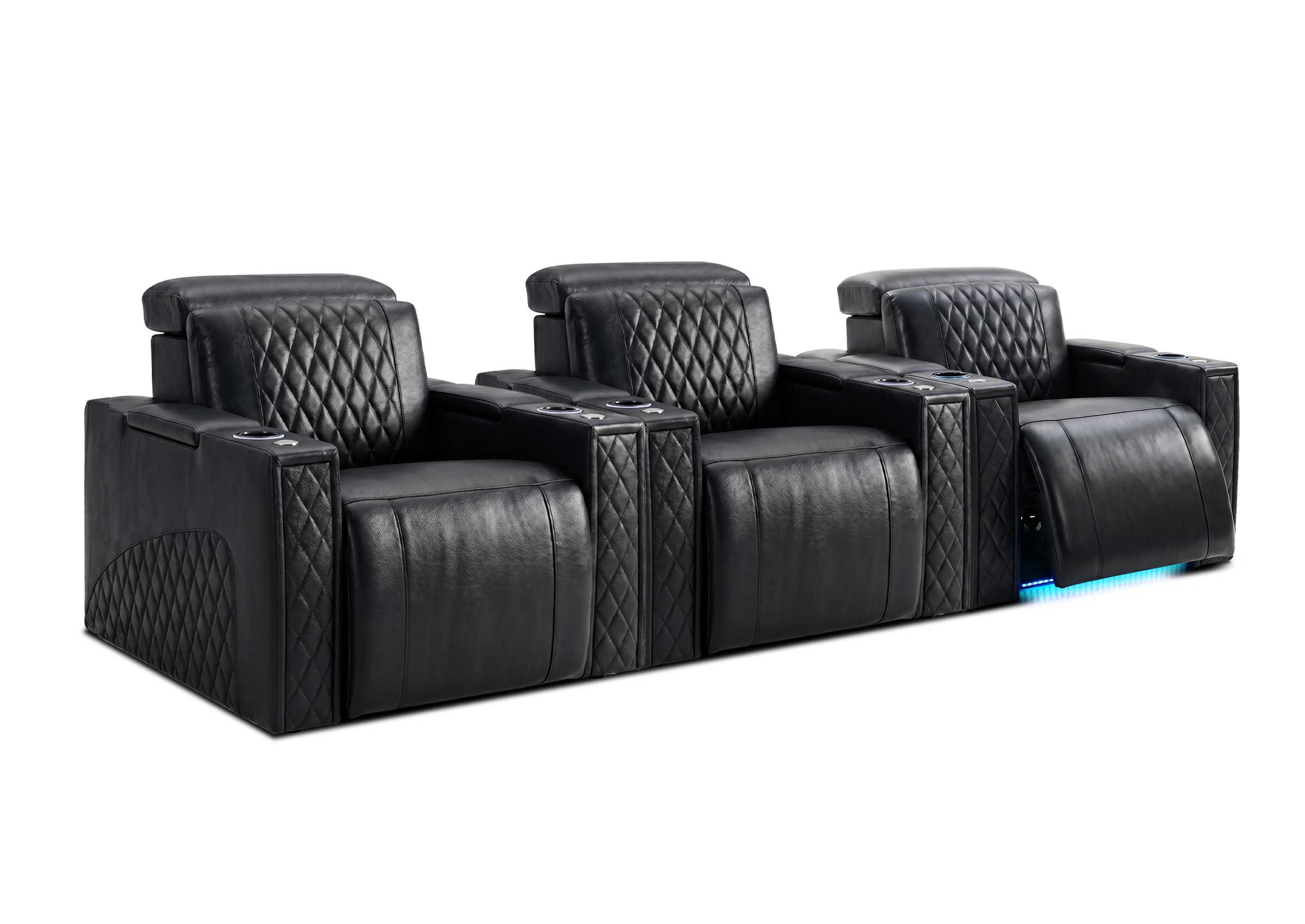

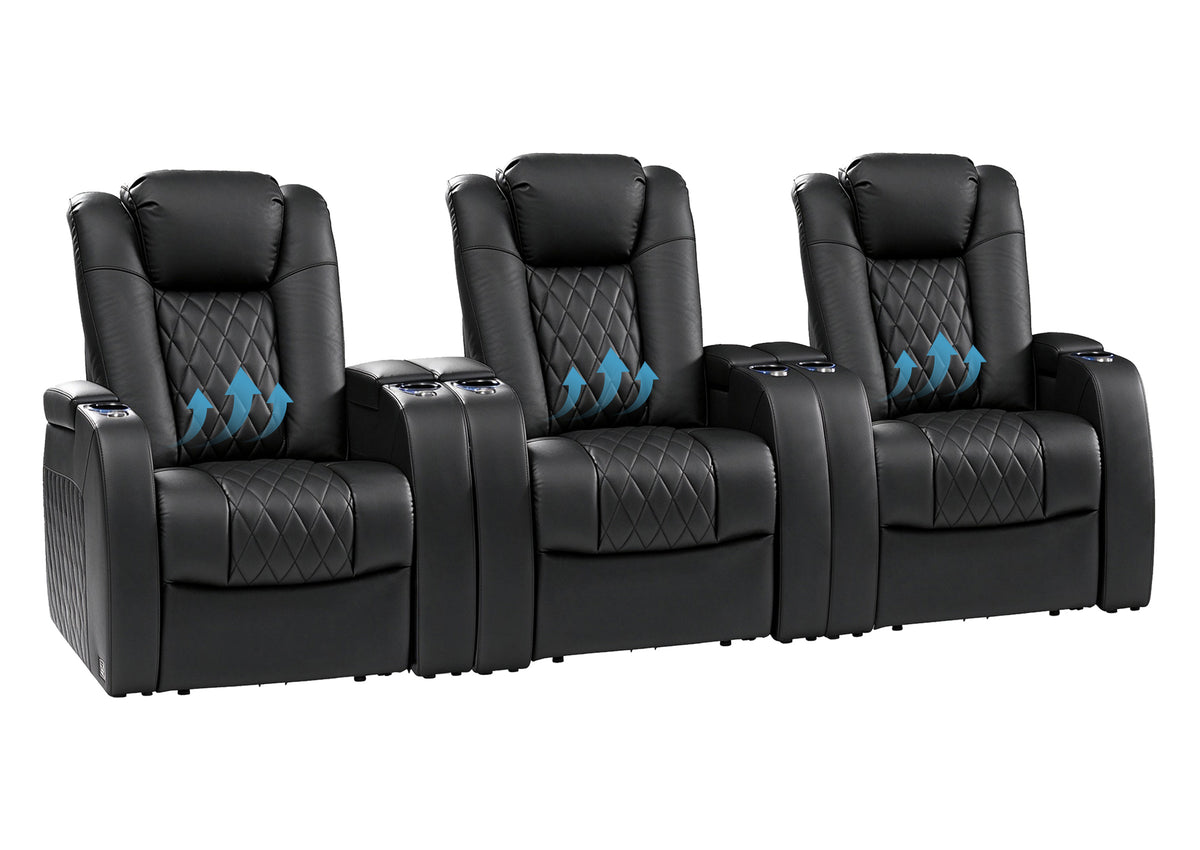
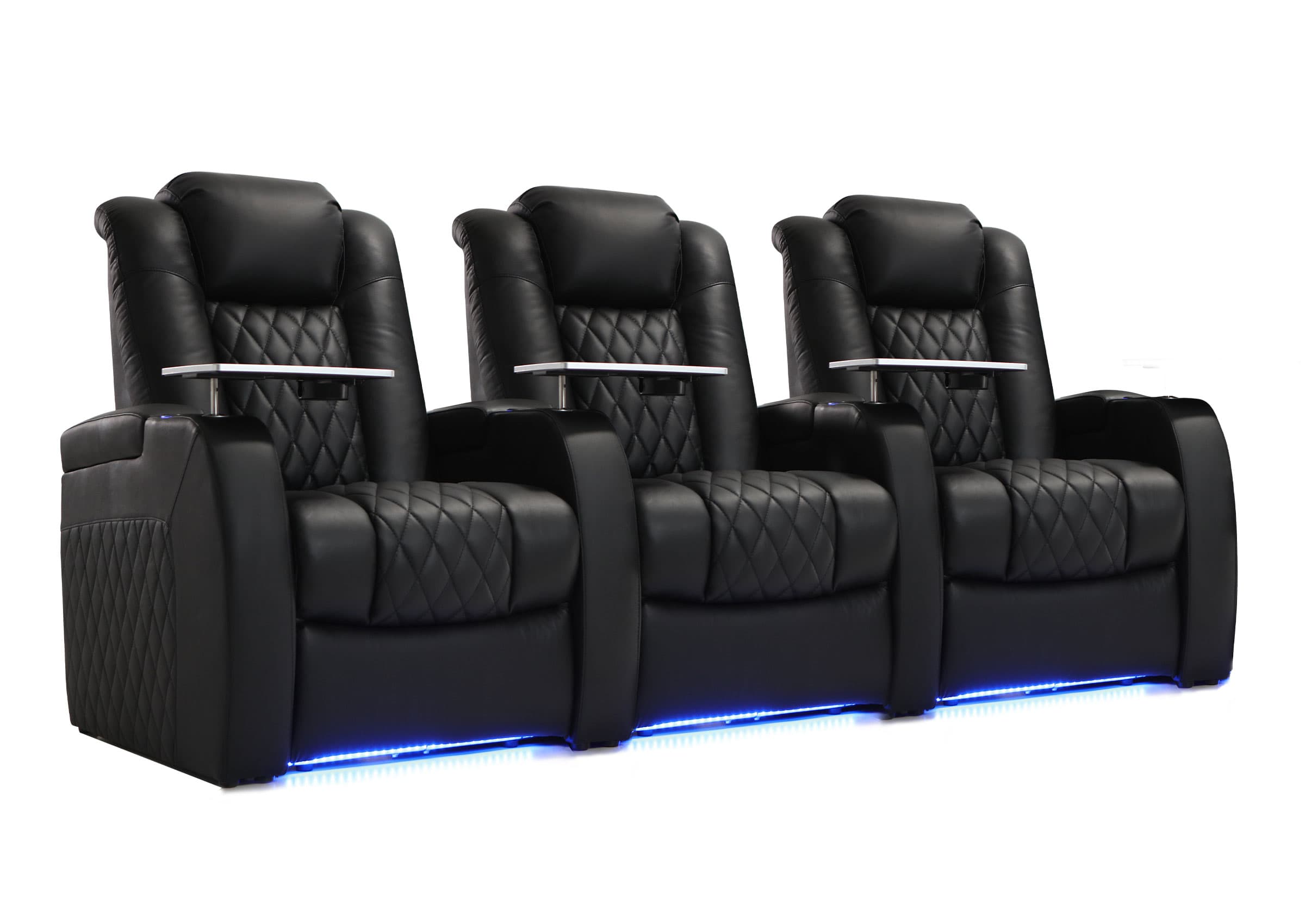
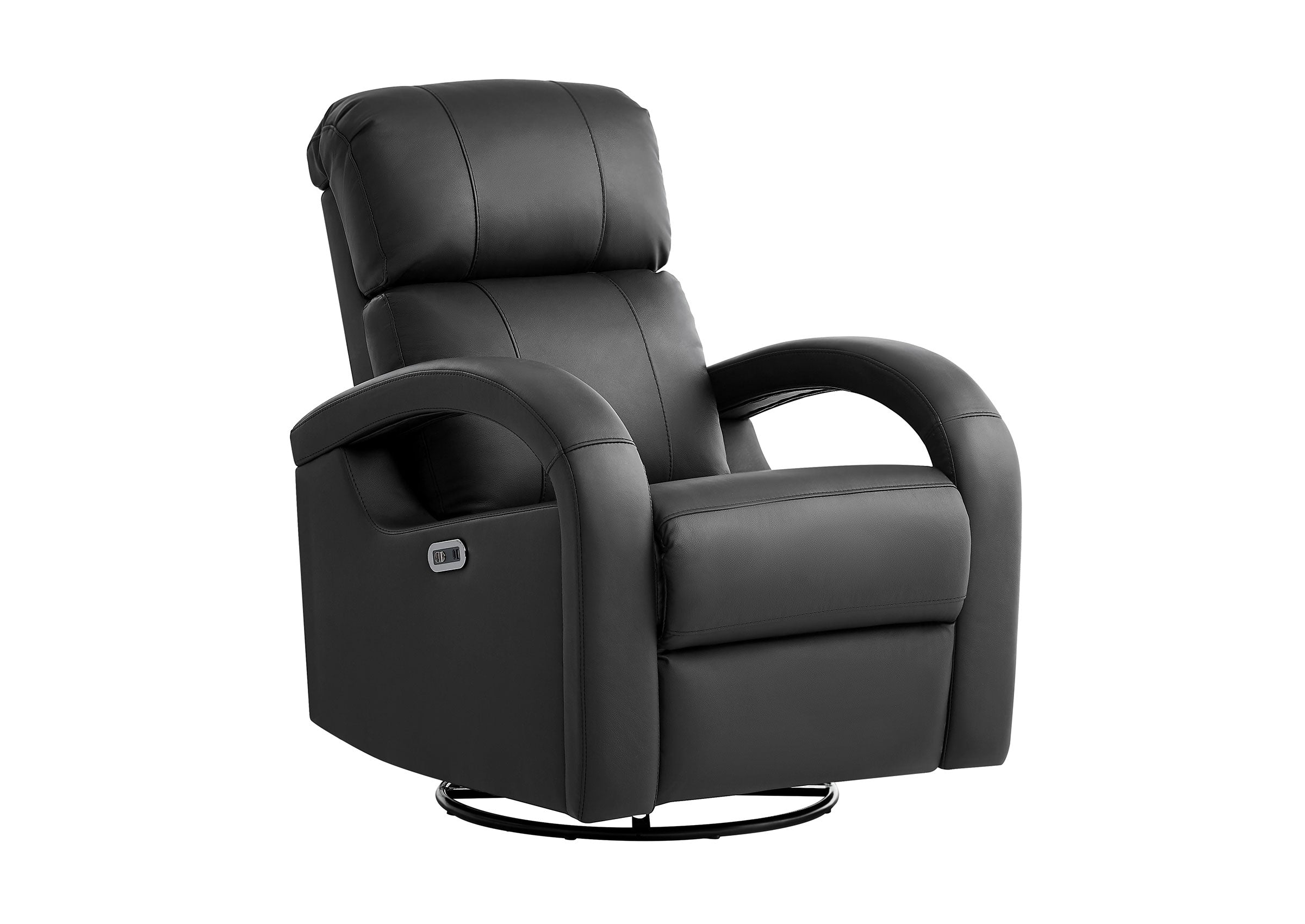

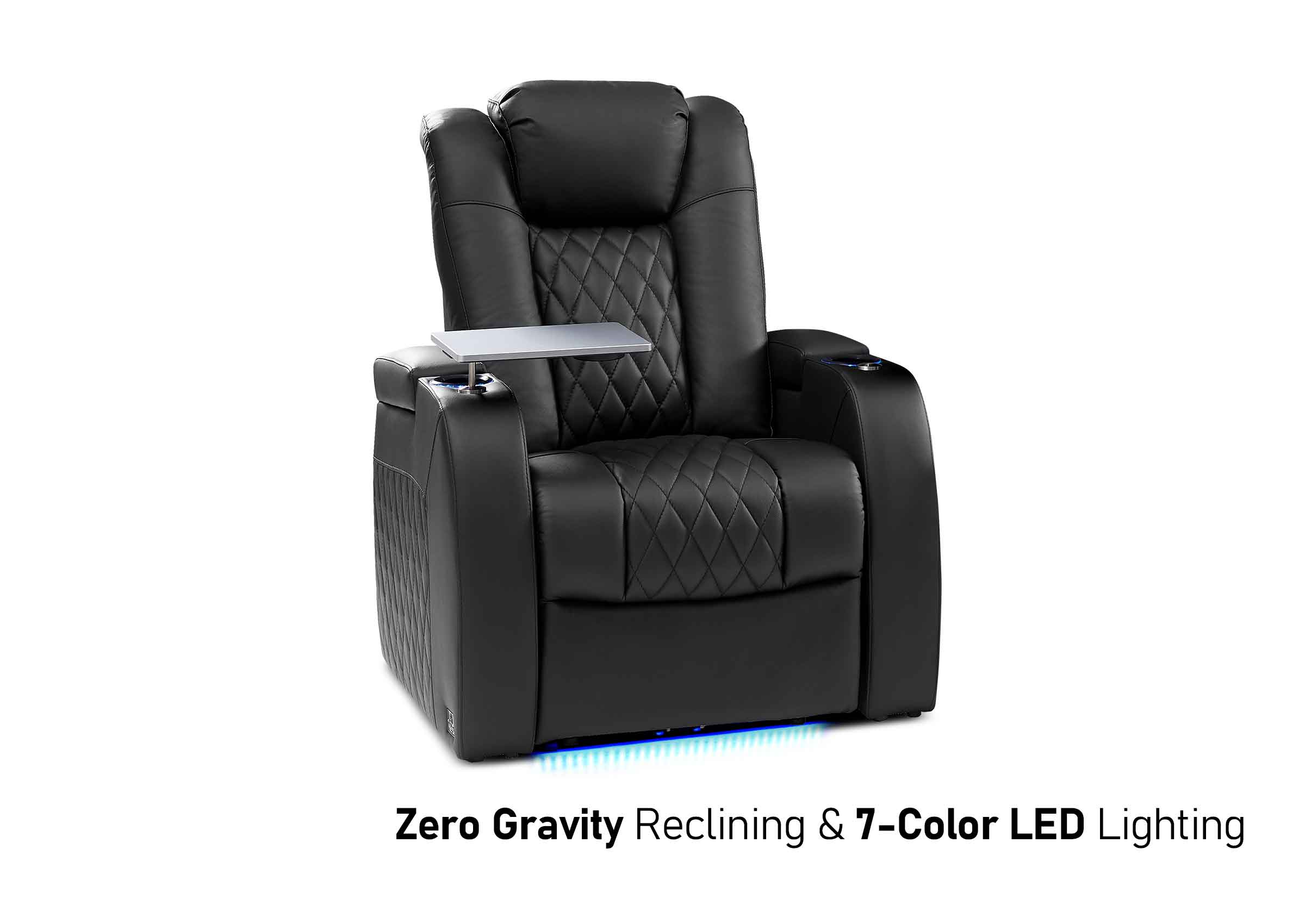
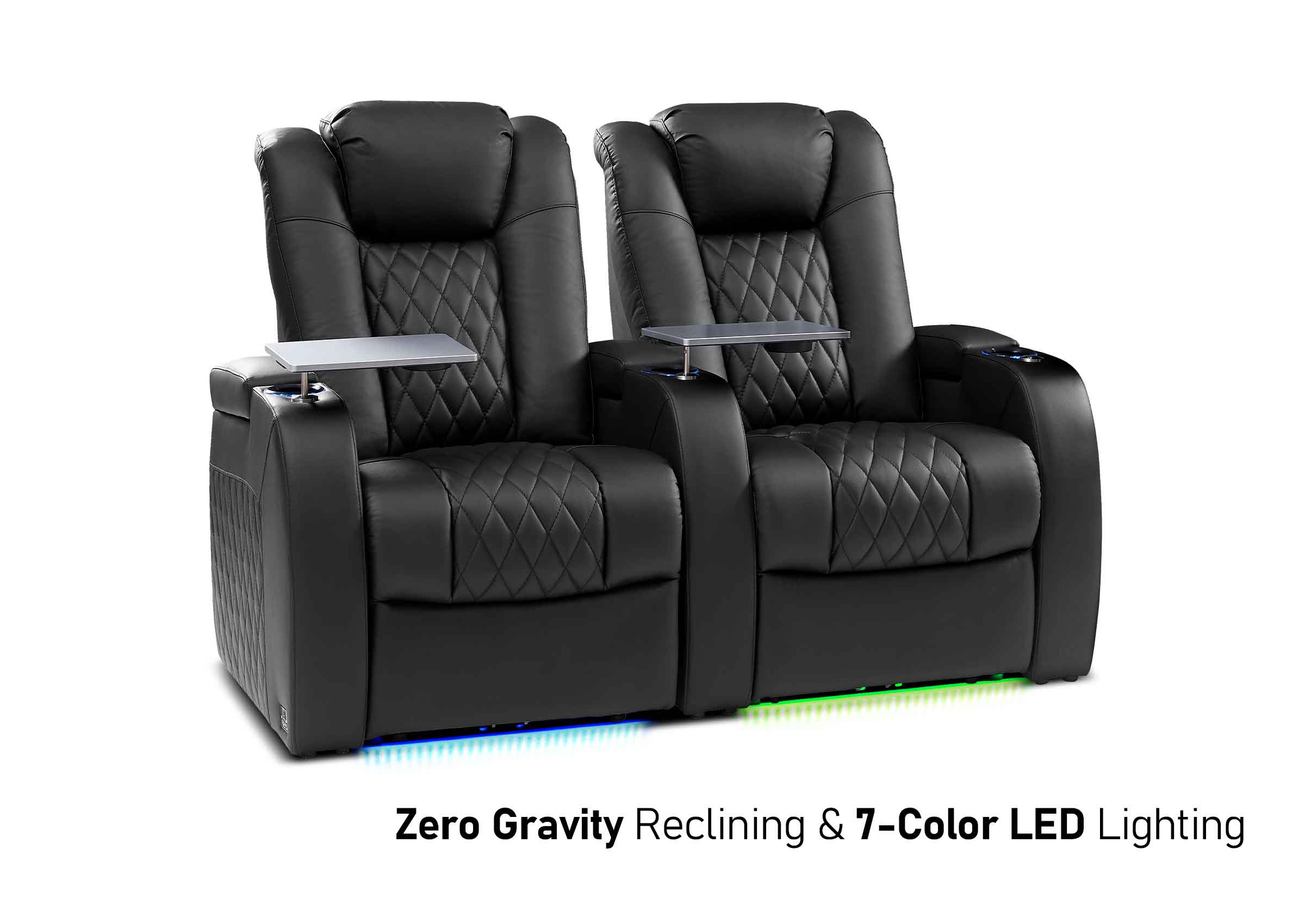
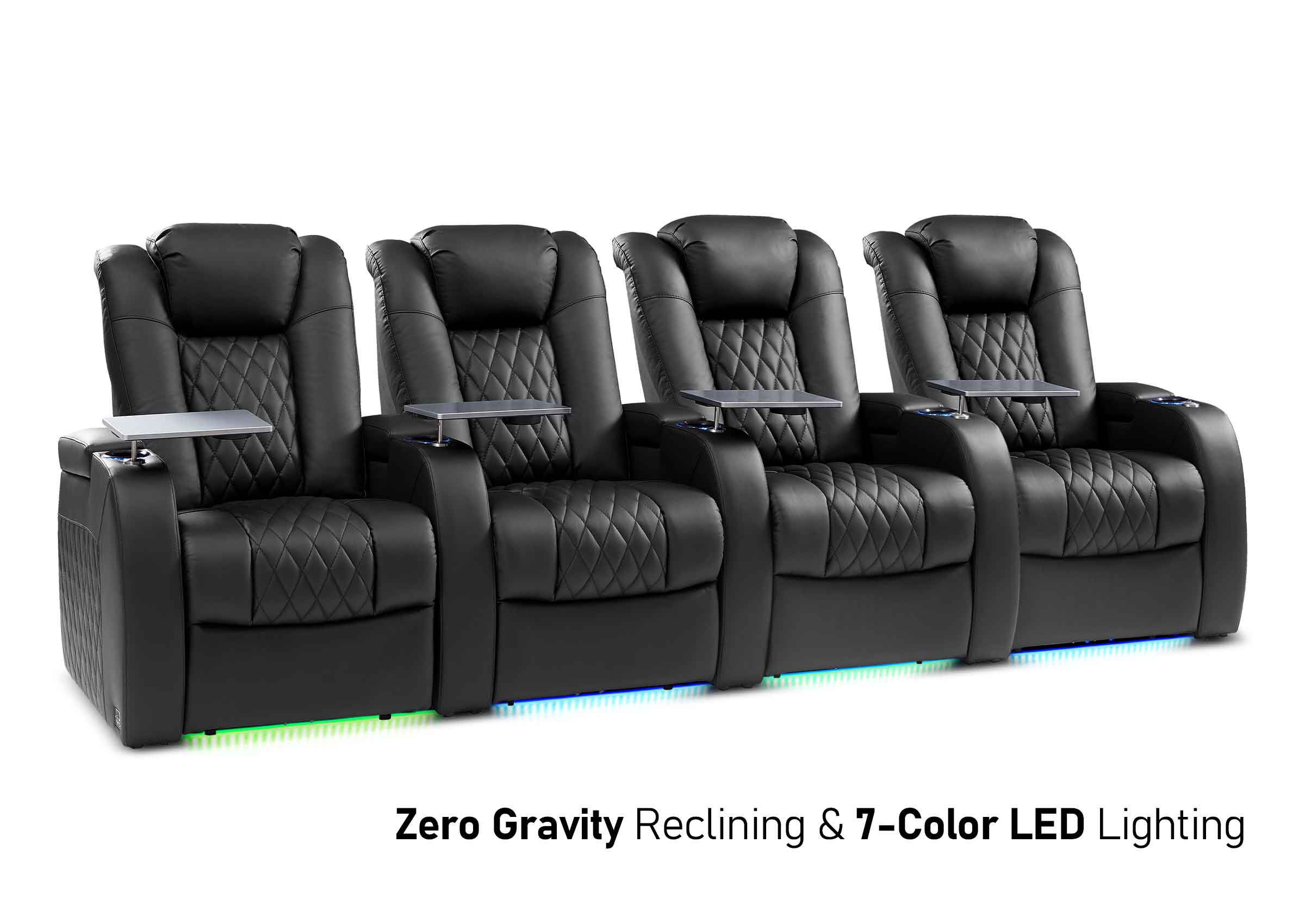
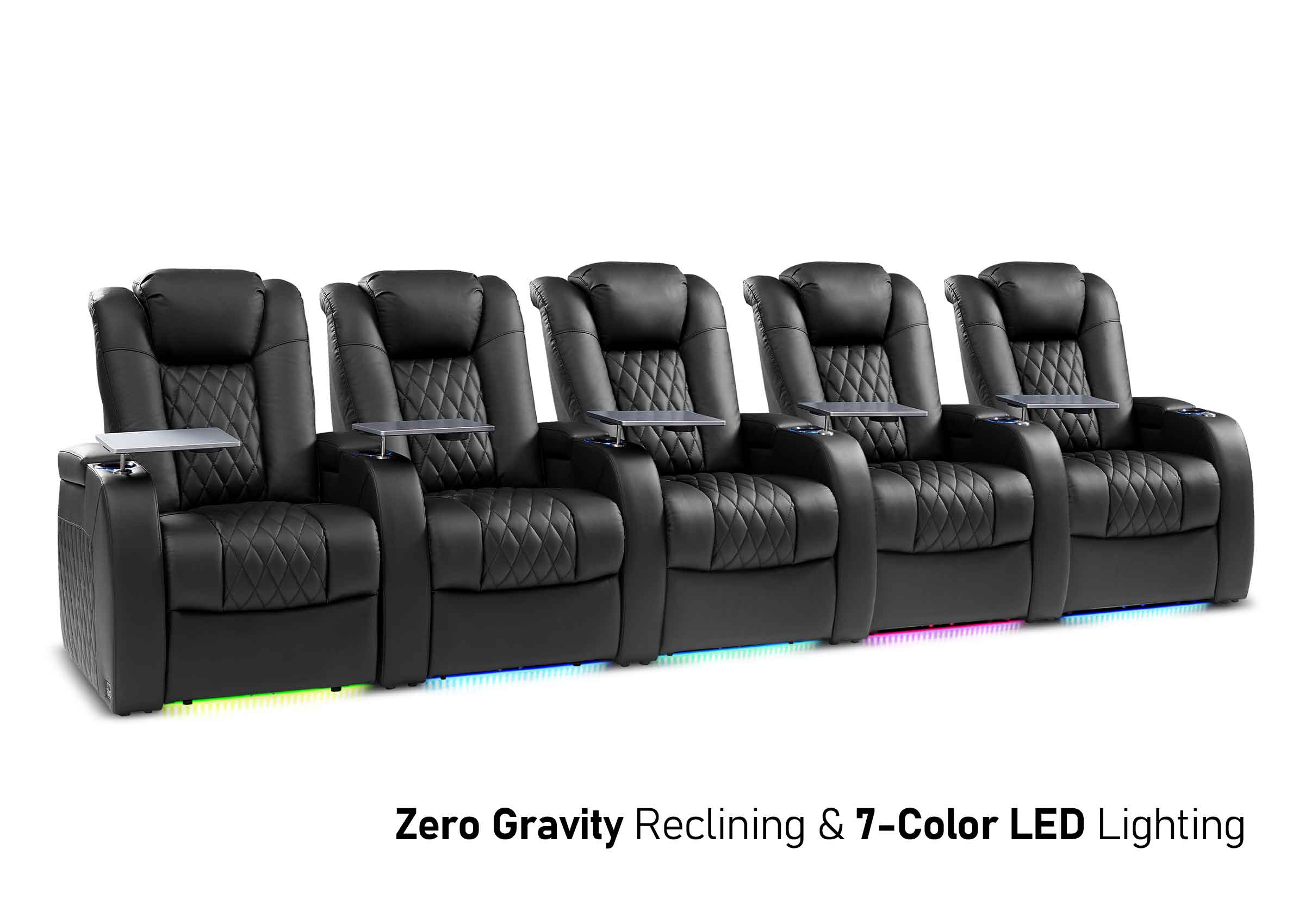
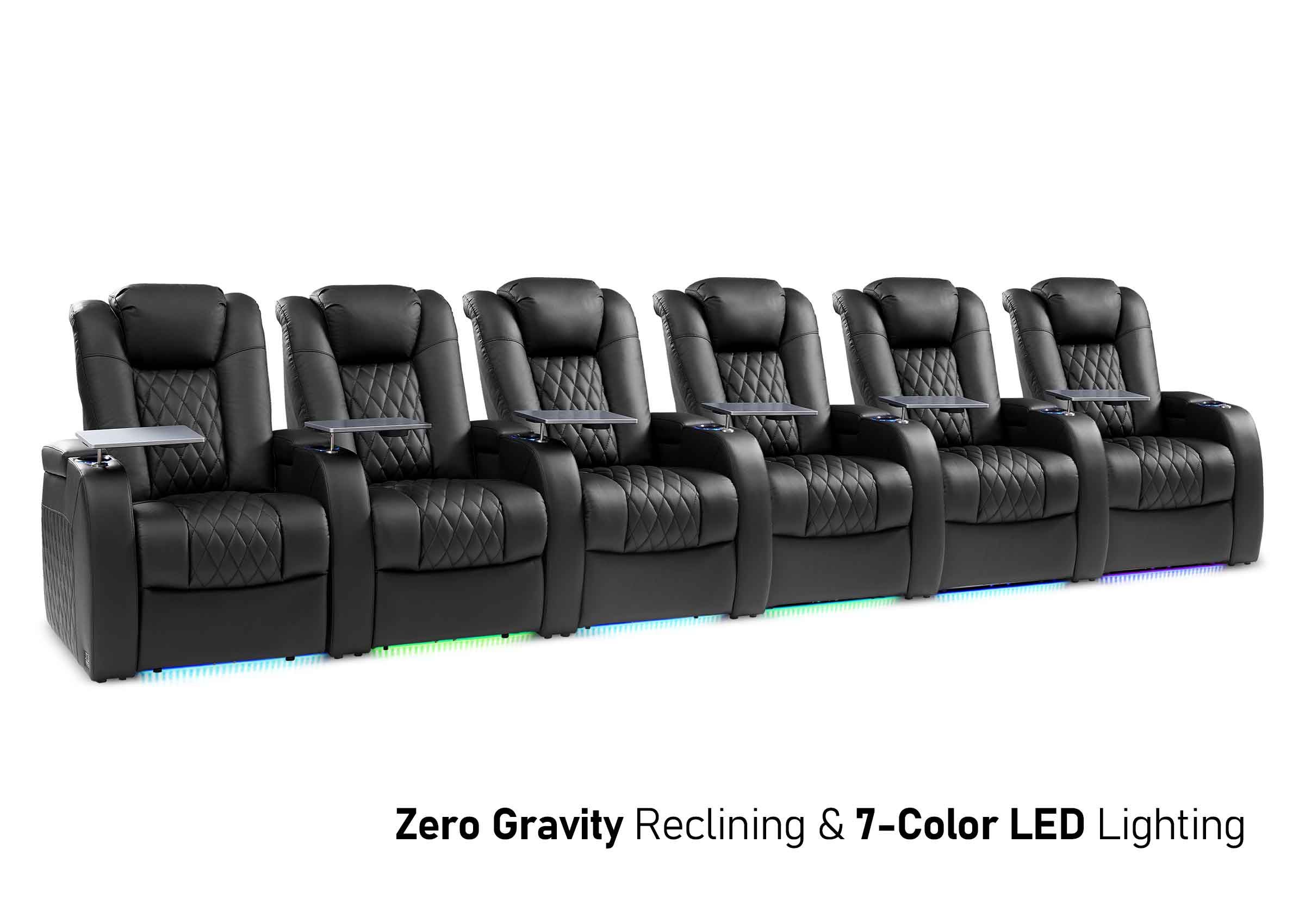
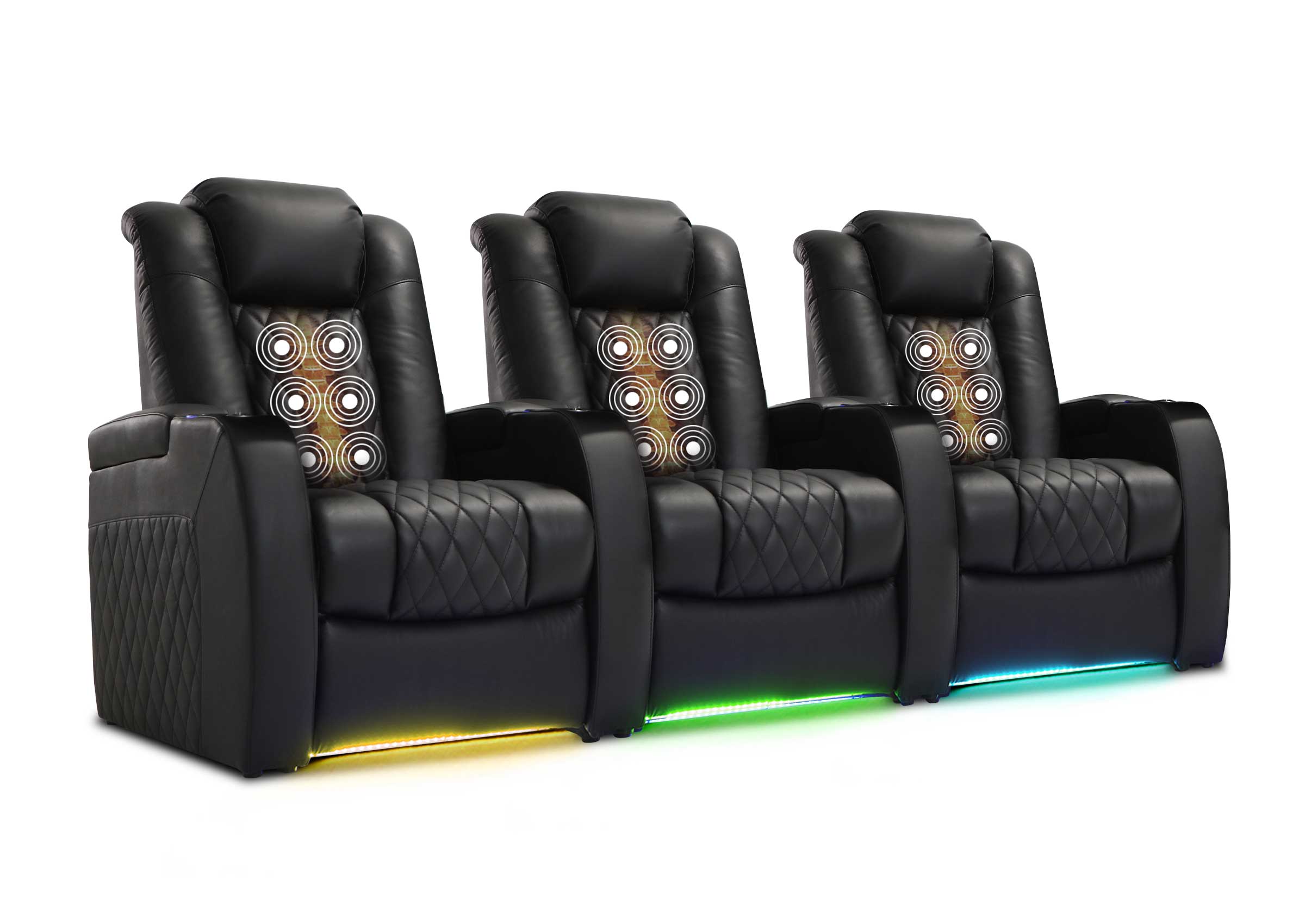

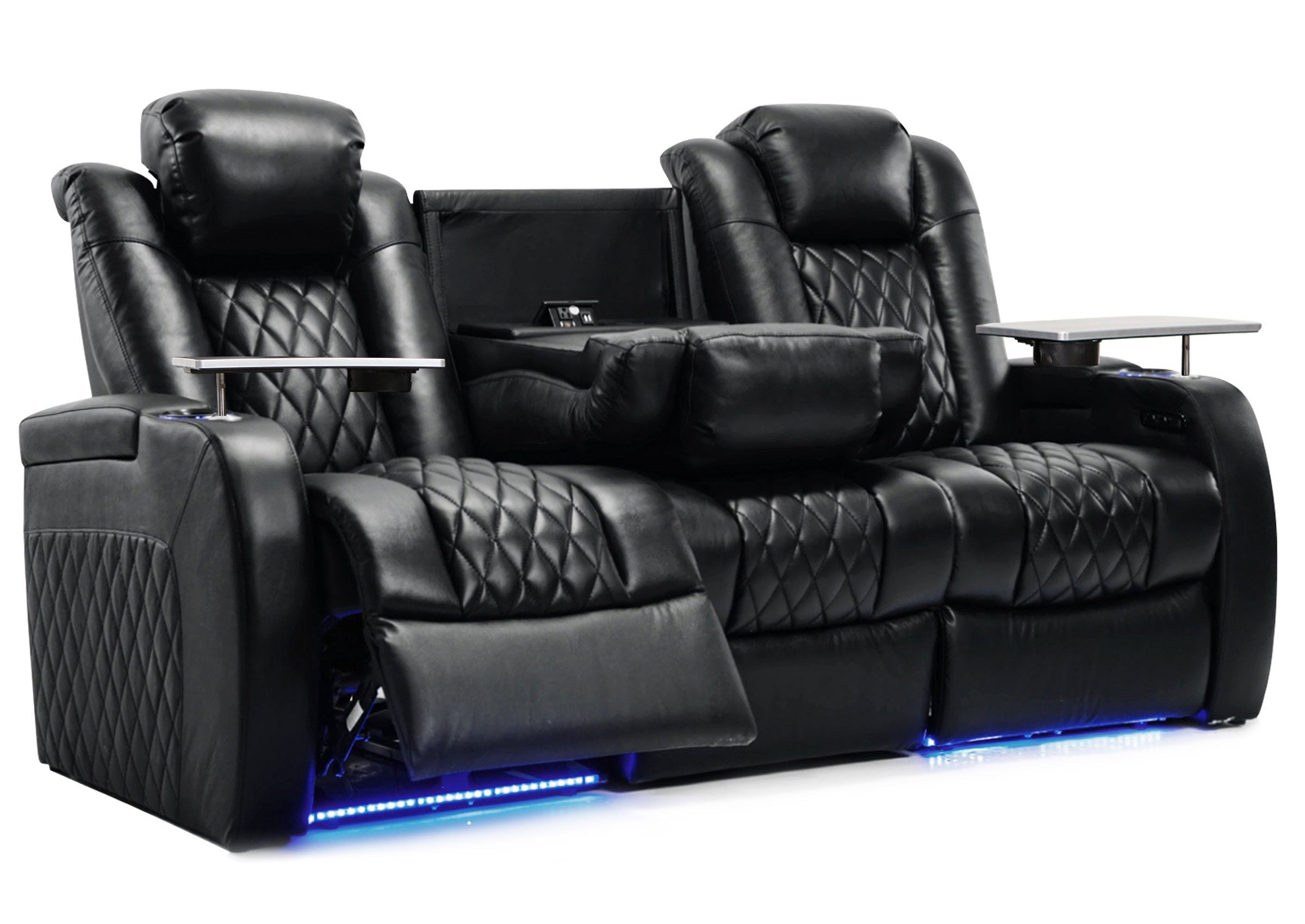
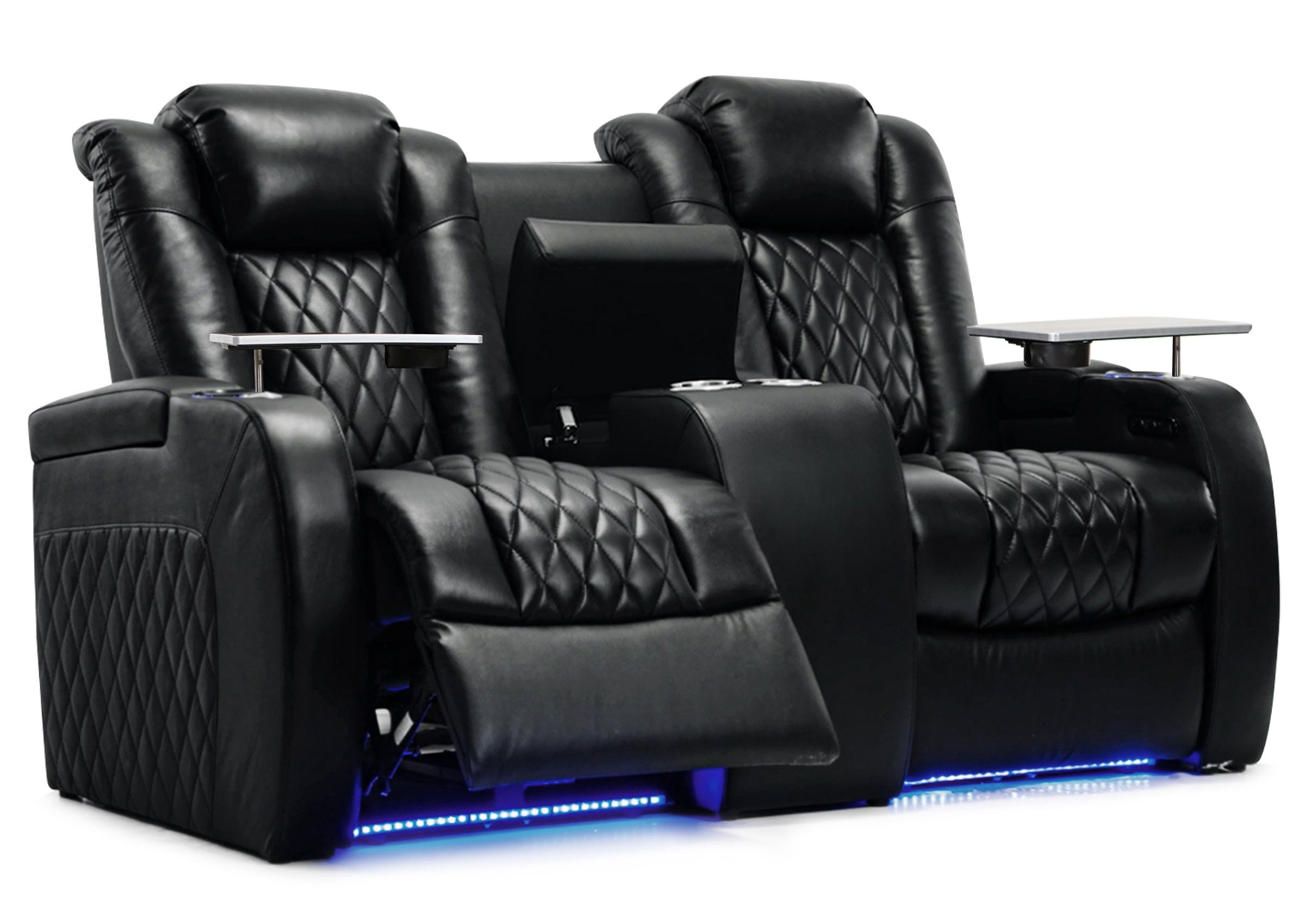



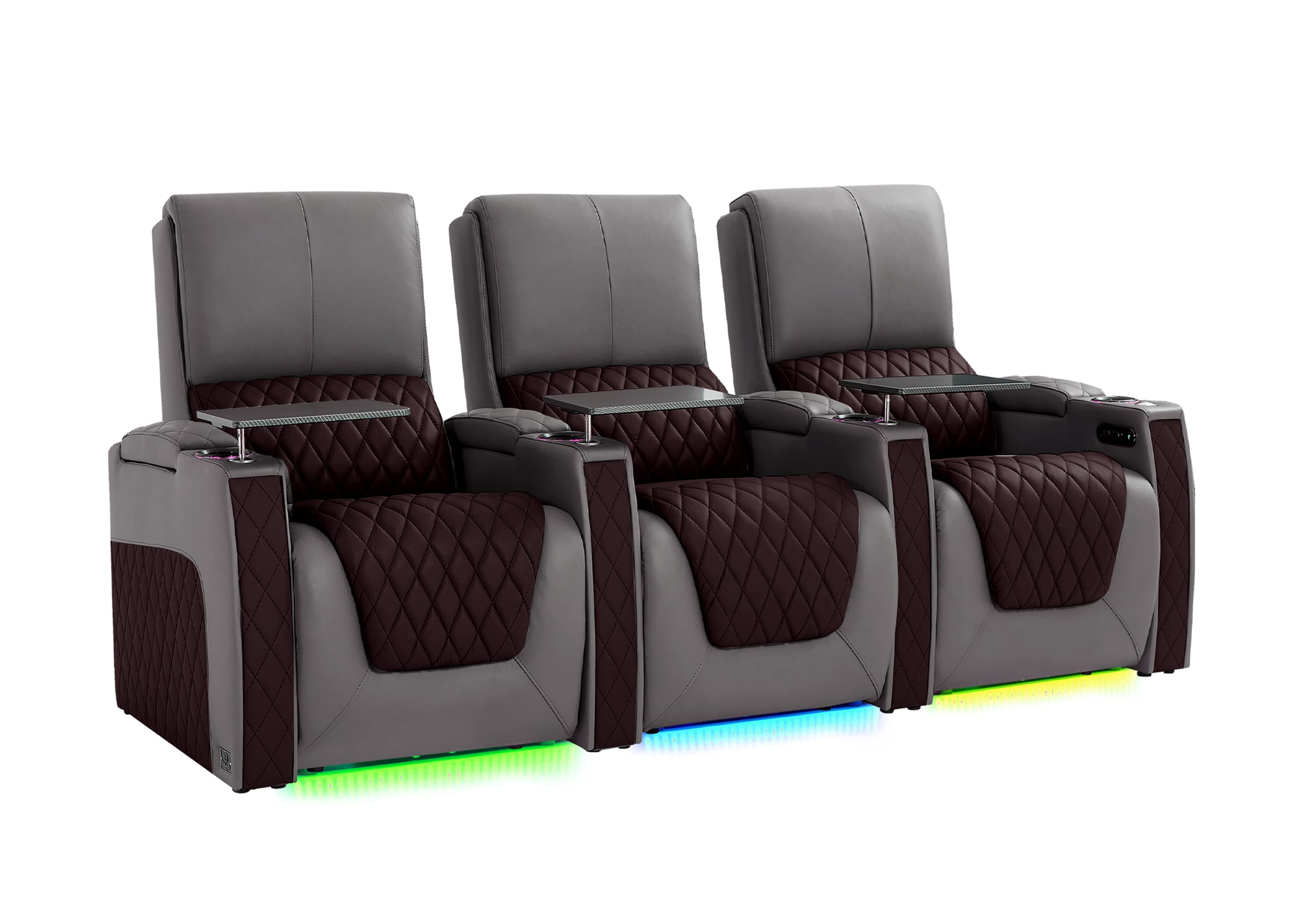
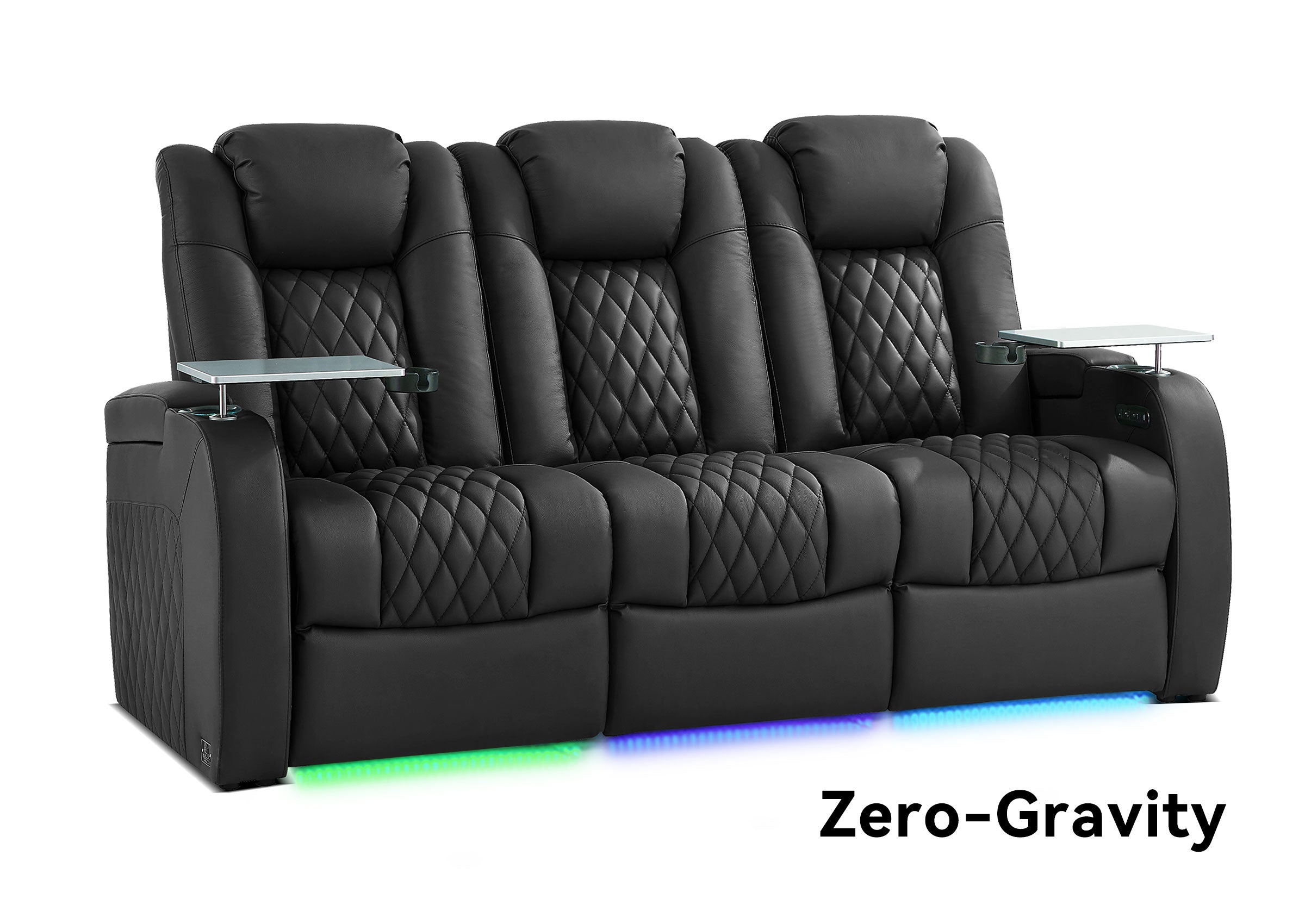


Yes, you can use a coffee table with a reclining sofa if the table clears the sofa throughout its movement, remains practical to reach, and leaves room for people to get around it. The challenge is finding a position that works with the footrests both down and extended. Before replacing either piece, test those conditions in your actual layout.
A table may fit beautifully when everyone is sitting upright, then block a footrest during movie night. Moving it farther away can solve that collision while leaving your drink out of reach. You may need a different table, or simply a separate place for the things you use while reclining.
How far should the coffee table be from a reclining sofa?
Use the operating space required by your specific sofa rather than a standard sofa-to-table gap. The nearest part of the table must stay outside the moving footrest and mechanism, with the clearance required by the sofa's instructions. Allow room for the seated person's feet as well.
This matters during opening and closing, not only at full recline. Follow your sofa's operating instructions and confirm how its footrest opens and closes before positioning a table.
Table height does not settle the question. A low tabletop can appear to clear the raised footrest while sitting in its path as it lowers. Legs, a shelf, or a solid base can also occupy space that looks open from above.
Measure the sofa before choosing the table
Start with the sofa where you intend to keep it, with its required rear clearance already allowed. If you are still shopping, ask for a dimensioned drawing that identifies the forward reach of the moving sections and the clearances they require. Upright depth alone is insufficient.
Do not calculate forward reach simply by subtracting upright depth from fully reclined depth. The back may move too, and the two dimensions may use different reference points. Ask where each measurement starts, or measure the front movement from one fixed floor mark.

For a sofa you can try, use this sequence:
- Mark a fixed reference. Put removable tape on the floor beside the sofa's front edge when upright. Keep the sofa in the same position throughout the check.
- Observe each reclining seat. Following the operating instructions, check the motion from upright through the positions you use and back again. Keep hands, measuring tools, children, and pets away from moving parts. Observe from beside the furniture; do not reach underneath it.
- Mark the space that must stay open. After motion has stopped, note the farthest forward position relative to your original floor mark. Include the manufacturer's required clearance. Check the proposed table's top, sides, legs, and base against the moving parts, rather than relying on its floor outline alone.
- Try the proposed arrangement. First use a taped table outline with the area empty. Only place a real table outside the confirmed operating space. Then check seated reach and the route around the furniture. Try one seat reclined beside another upright, as well as the reclining seats you expect to use together.
The person who normally uses the seat should try the arrangement. Rehearse the reach with an empty hand before adding drinks. Check whether they can use the intended surface without stretching over the footrest or twisting awkwardly. Return the sofa to its exit position as its instructions require before standing.
If you are also comparing seating sizes, the recliner size and fit guide explains overall dimensions, seat depth, and the fully reclined footprint. Use those measurements to narrow your options, then confirm the selected sofa's own drawing and operating clearances.
PLAN THE SEATING AND TABLE TOGETHER
Replacing the Sofa as Well as the Table?
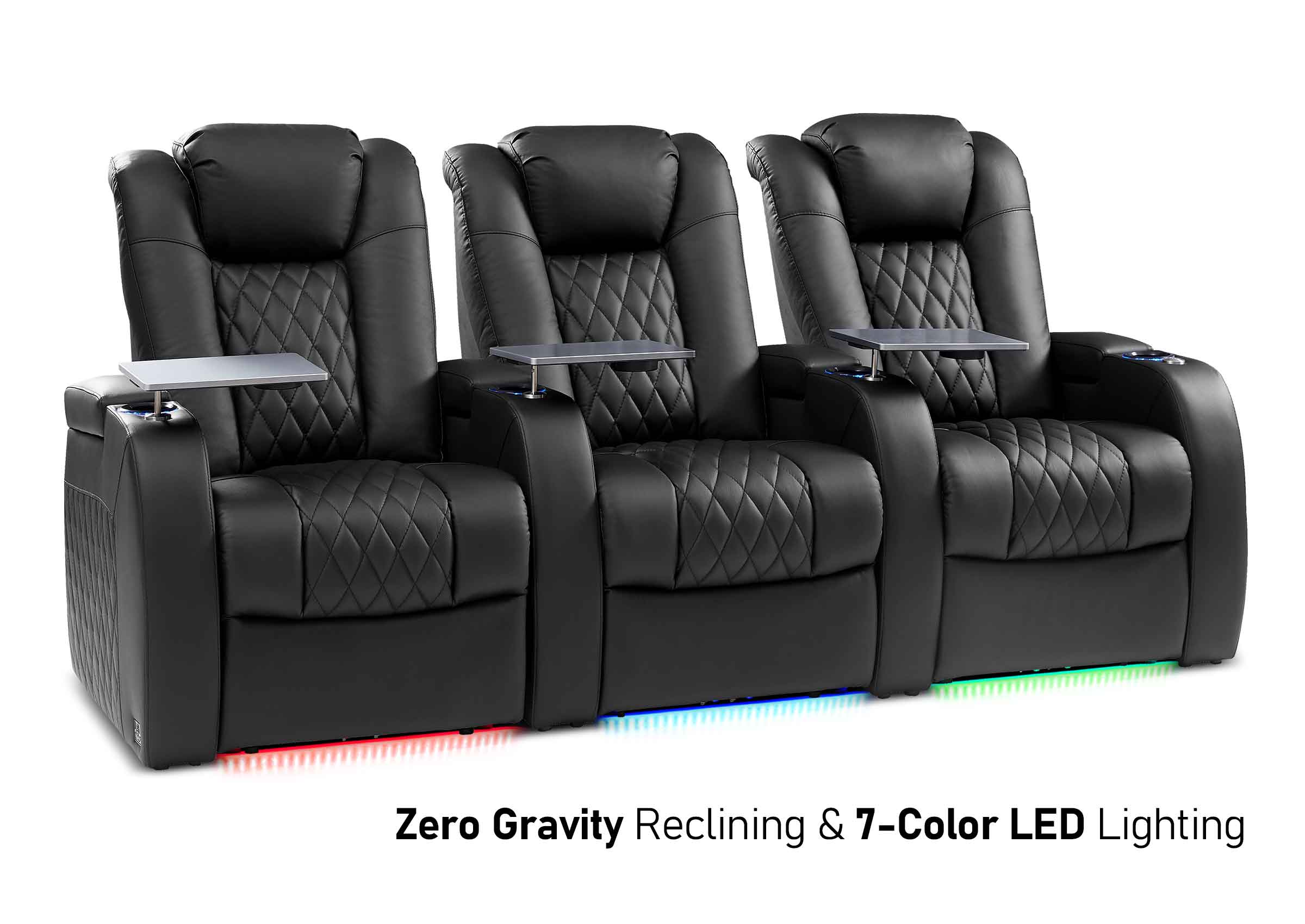
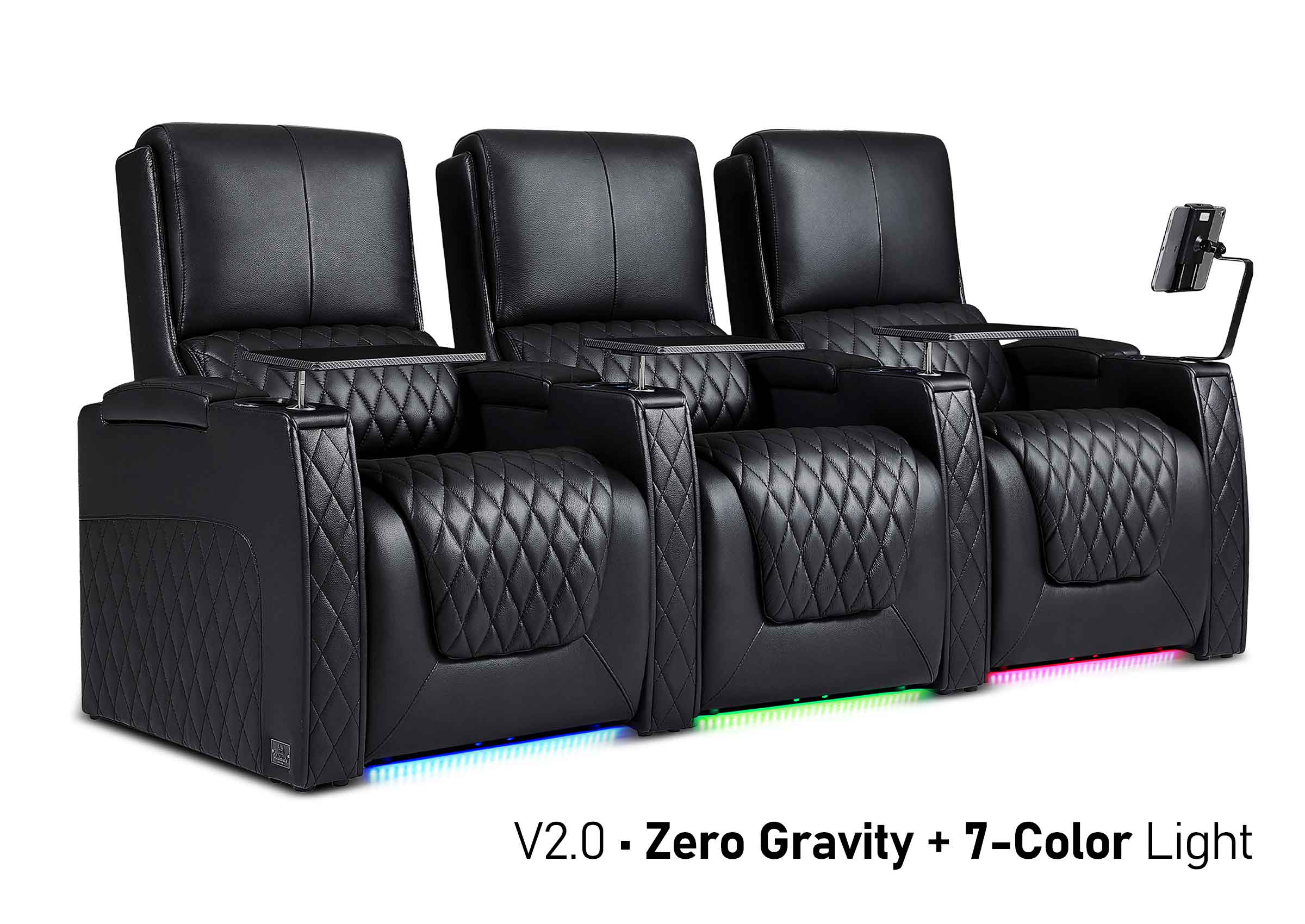
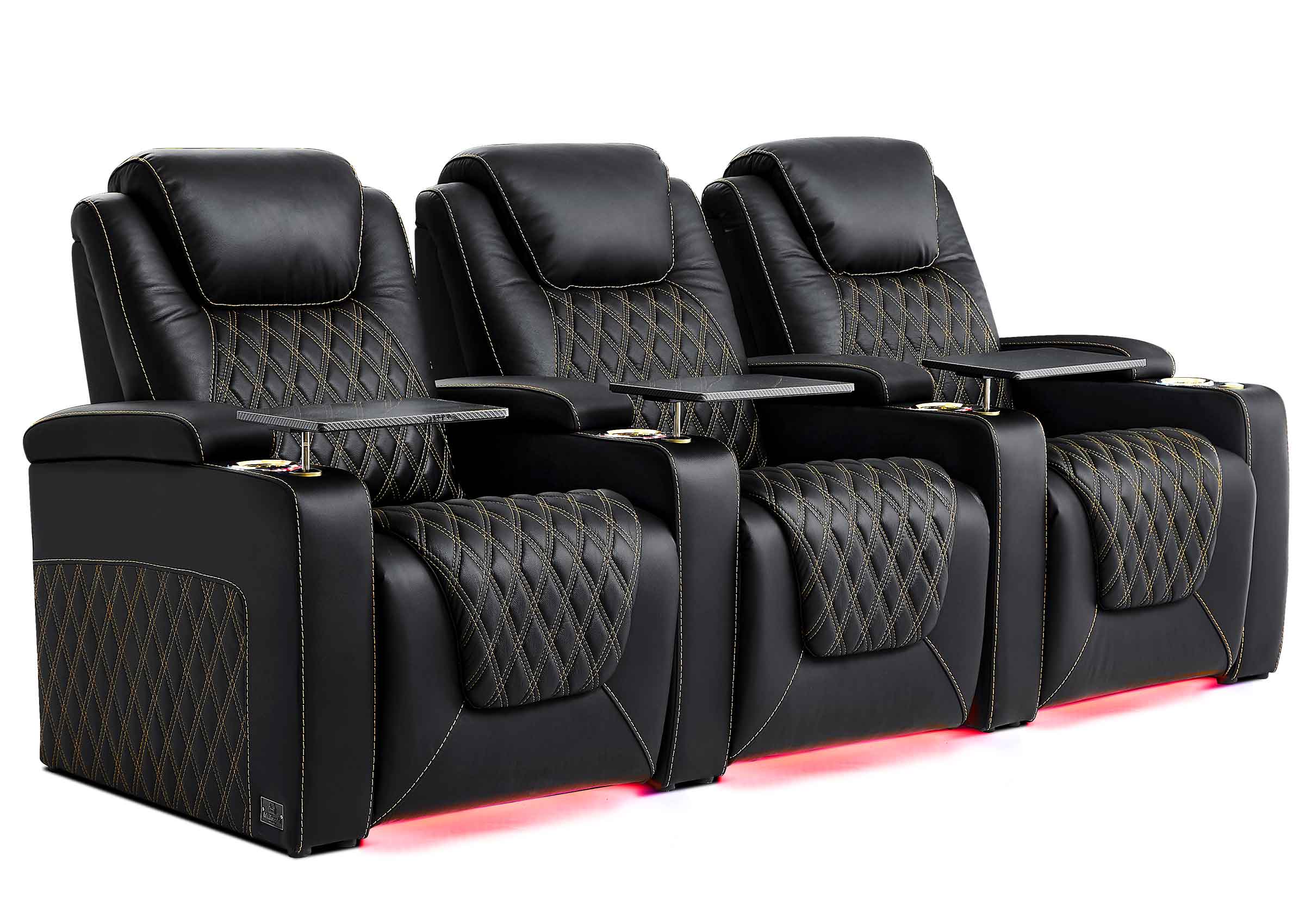
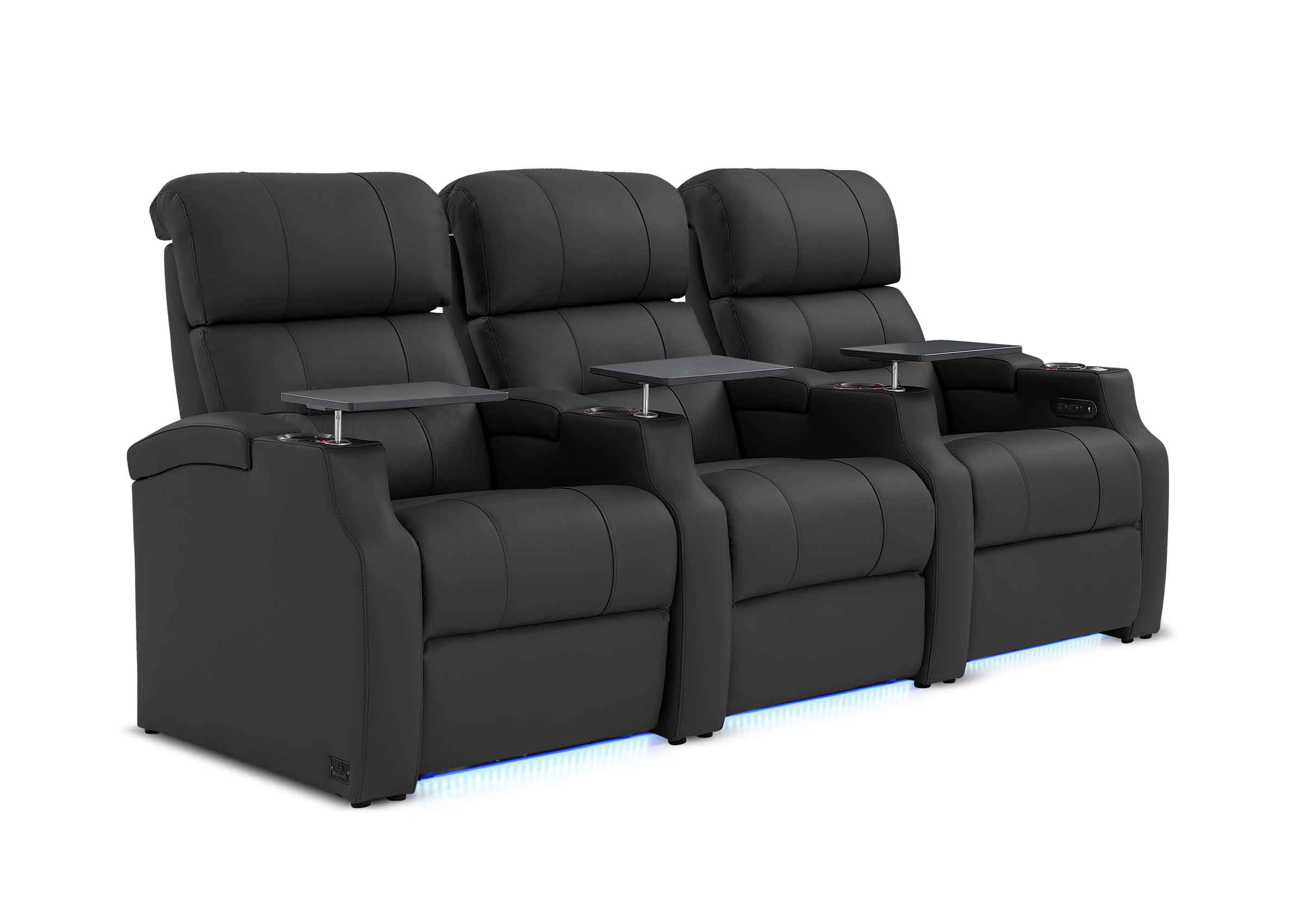
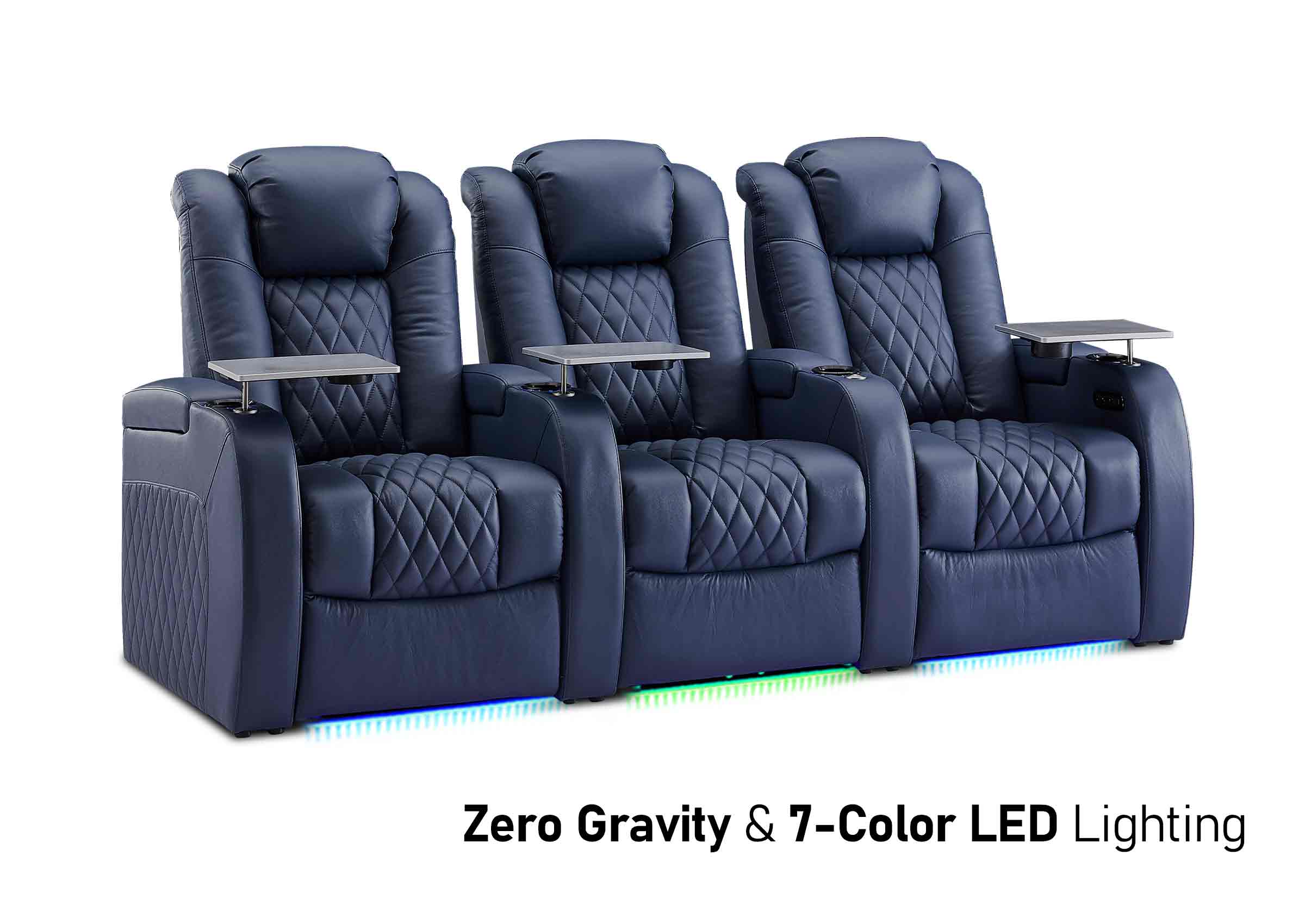
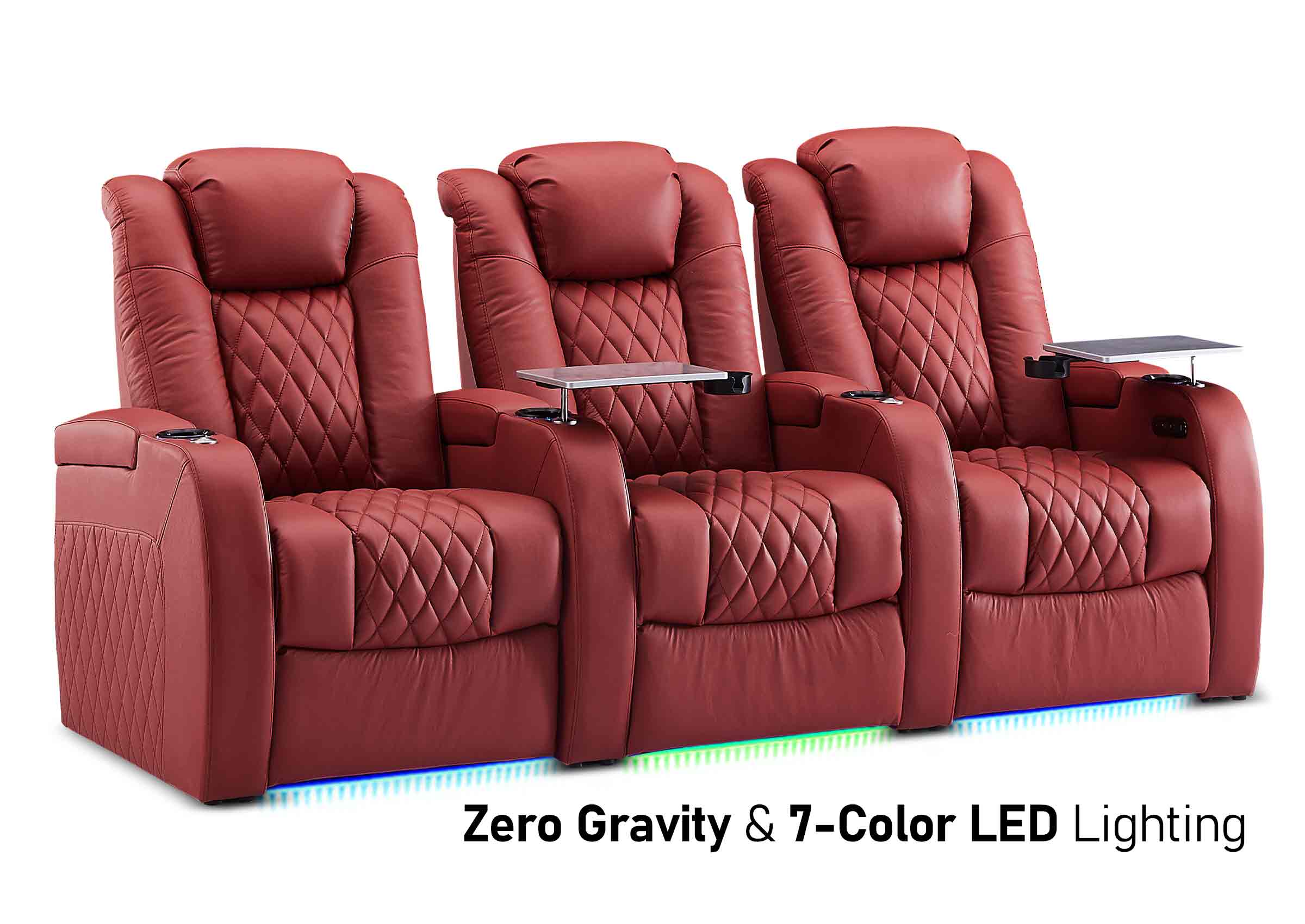
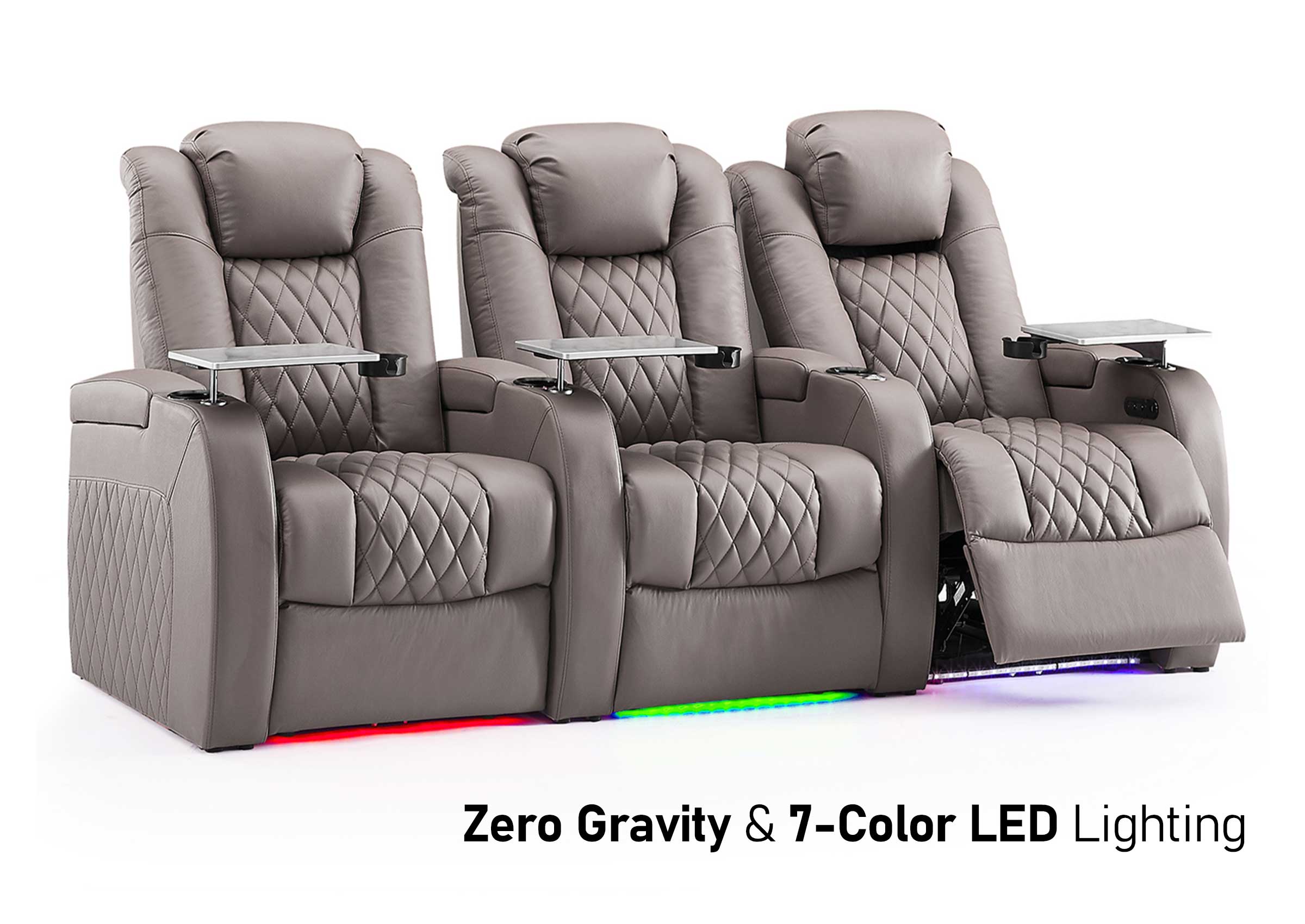
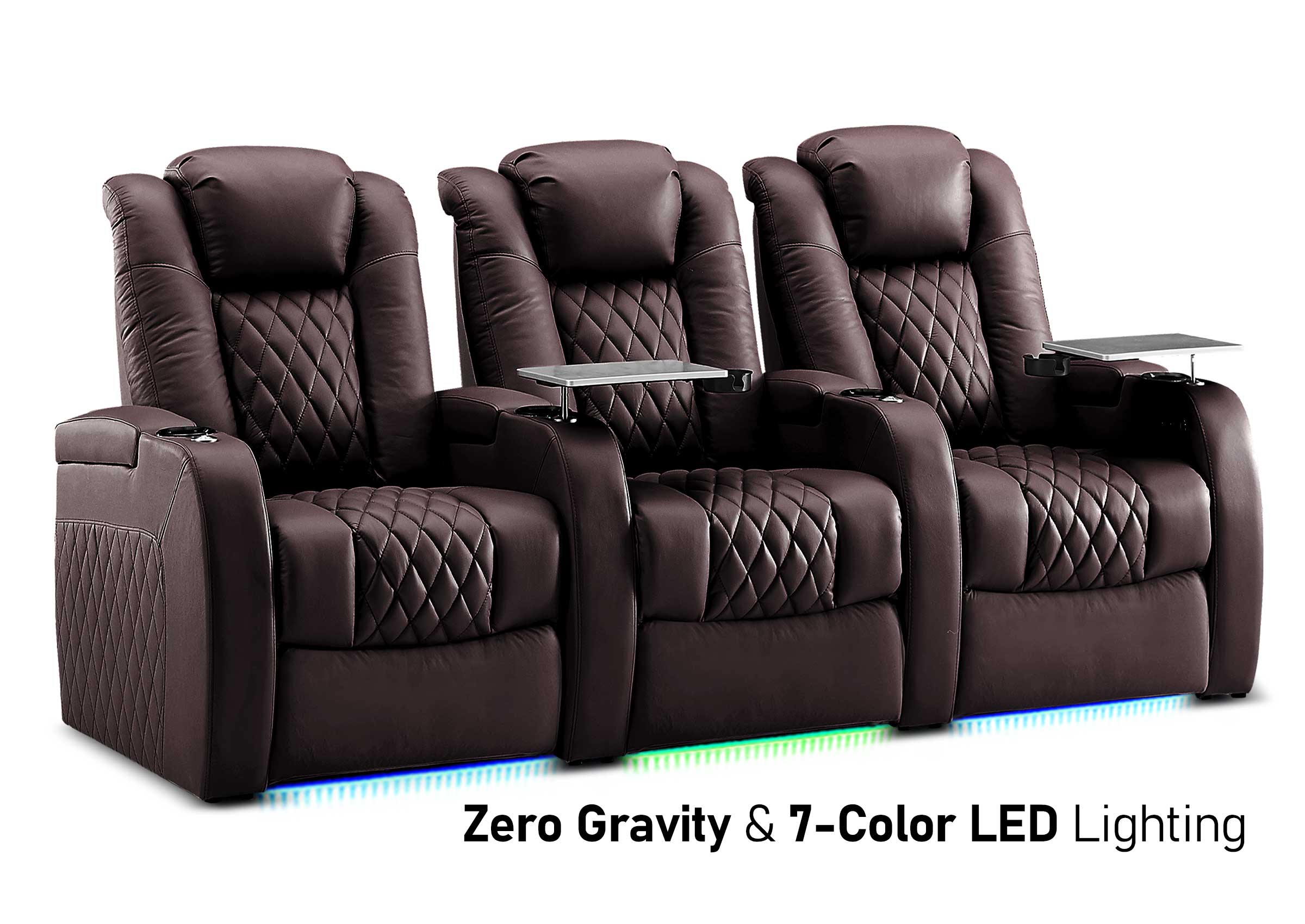
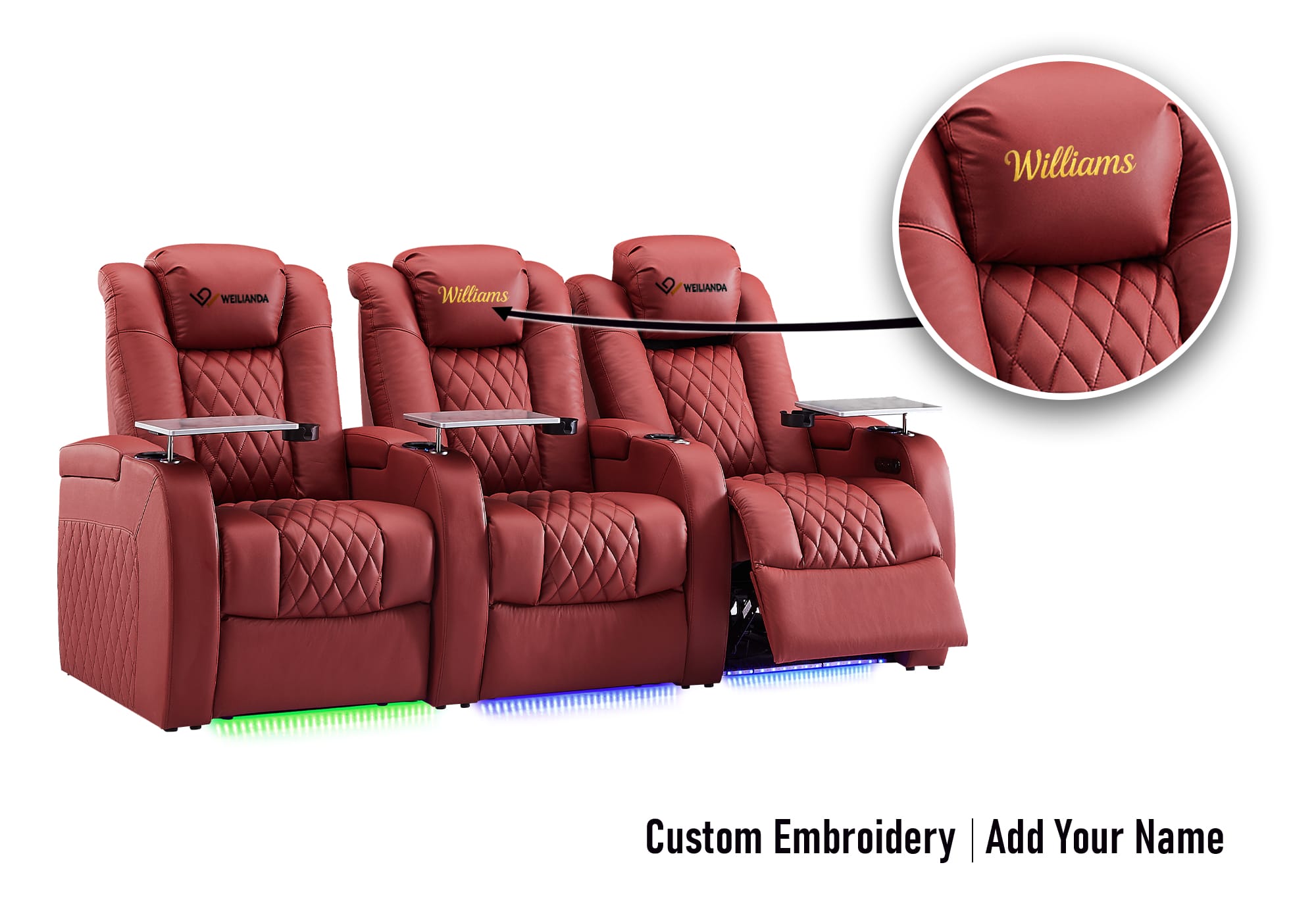
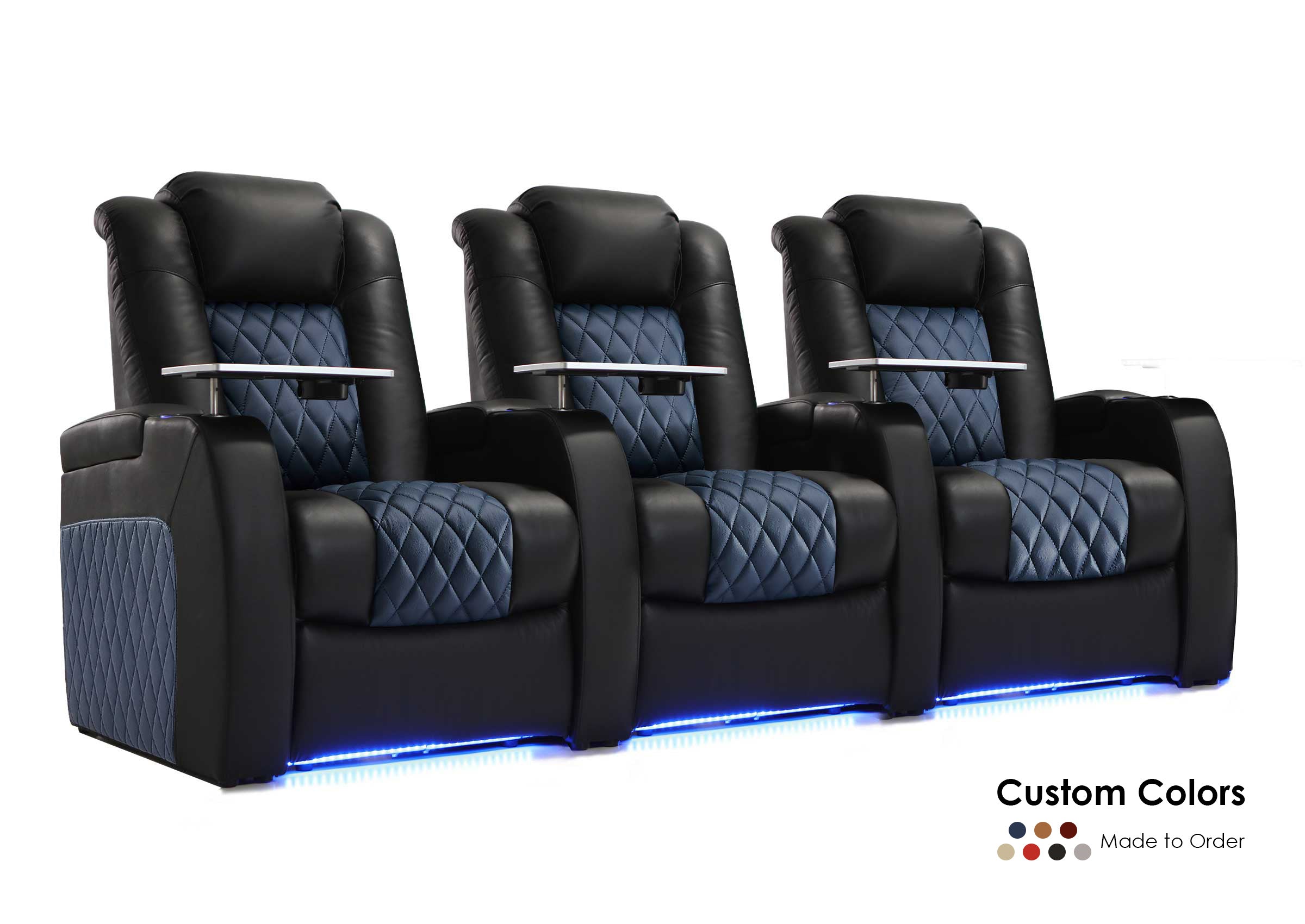
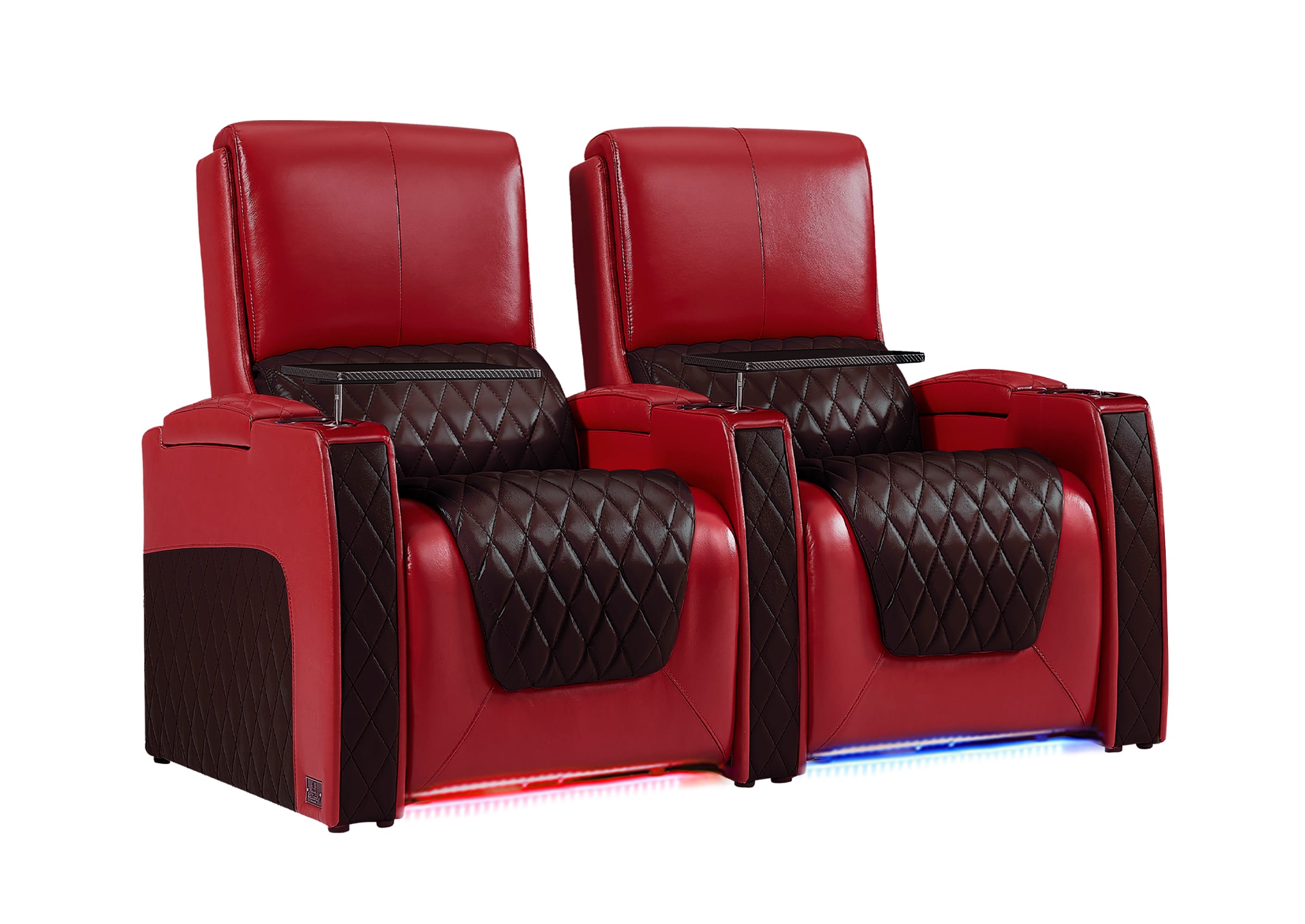
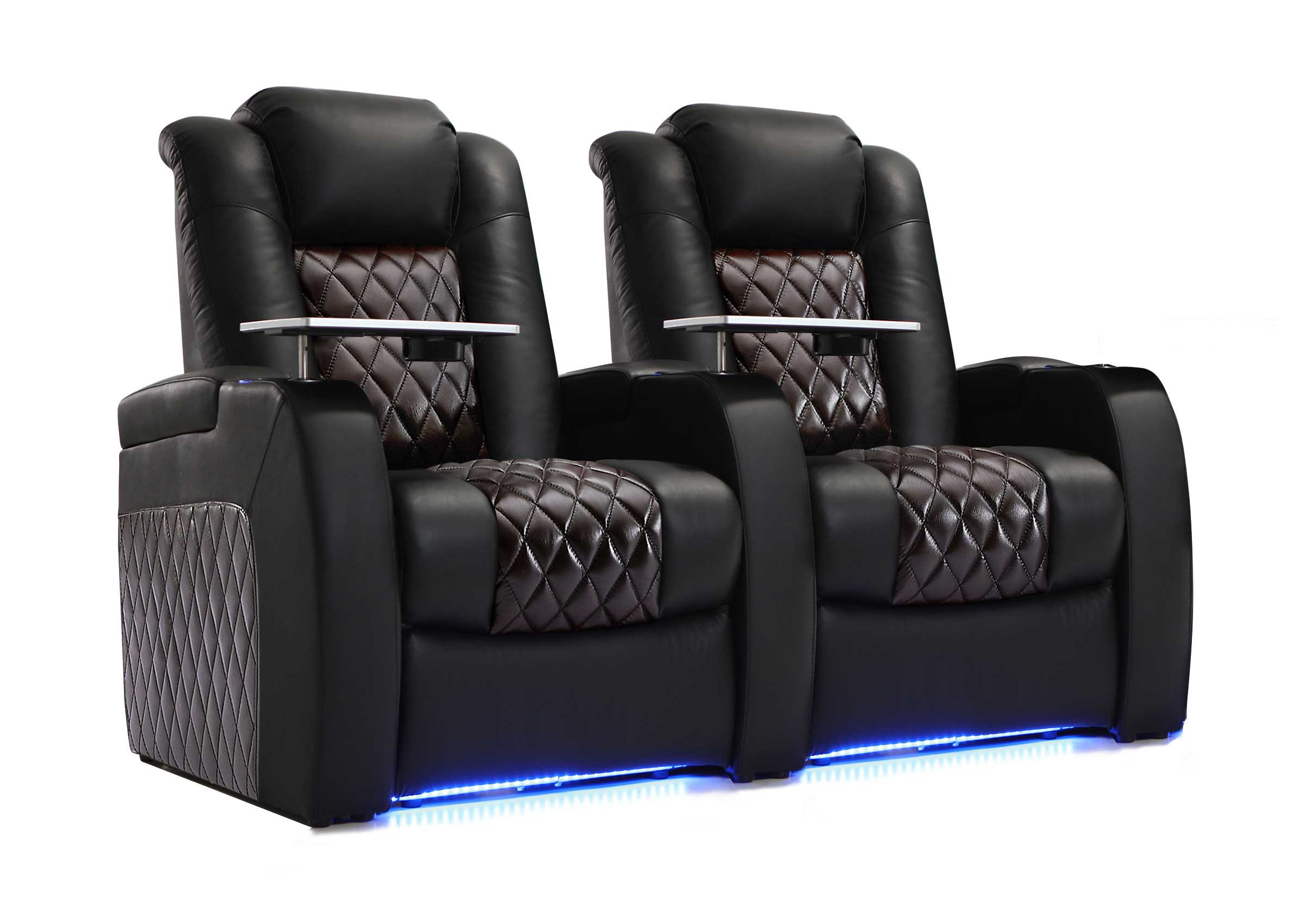
Start with room fit, power access, and everyday use when comparing replacement seating. If you want another surface close to the seat, explore models with tray tables and confirm the selected tray’s position, permitted use, and clearance throughout movement.
Which table arrangement suits the way you use the sofa?
Keep a central table for shared use
A fixed coffee table can work when it stays clear of every reclining seat and leaves useful access around the group. It can hold a shared snack tray, books, or items used mainly while sitting upright.
If that position is too far away for a reclined person to set down a cup comfortably, give that seat a reachable side surface. The central table can still be useful without serving every posture. Test the side table too: it must not obstruct a handle, moving arm, or the way out.
Choose movable tables only if they have somewhere to go
Nesting tables or smaller individual tables can free the center before the footrests open. Their usefulness depends on an actual parking spot outside both the operating space and the walking route.
Try moving the table as you would before settling in for a movie. If the rug makes it difficult to move, it is awkward to handle, or it ends up beside a doorway, the arrangement creates a recurring chore. Clear drinks and loose items before repositioning it.
Check a lift-top table in both positions
A lift-top table may bring a surface closer for eating or working, but its base still needs to fit beyond the sofa's moving parts. The raised top and its supports must also clear your legs and leave you room to exit.
Compare the table's closed and open dimensions. Check how the top travels between them, and follow its operating and loading instructions. A useful raised position does not compensate for a collision while either piece is moving.
Treat C-tables as a separate compatibility check
A C-table has a base that extends beneath furniture and a top that reaches over the seat edge. Under a recliner, that base may conflict with moving hardware even if it slides into place when the sofa is closed.
Confirm compatibility with the selected sofa and table before putting a base underneath. If you cannot verify the available space throughout movement, use a freestanding side table outside the mechanism area instead. Never force a base under the frame or change the recliner to make it fit.
Can you keep the coffee table you already own?
Keep it if it clears the sofa's movement, leaves the routes you need, and still has a useful role from its permitted position. You do not need to replace a table merely because its proportions differ from a decorating rule.
Consider a narrower table when its depth consumes the space left between the footrests and the opposite furniture. Consider separate tables when different seats need surfaces in different places. If you would have to move a heavy table every evening, side tables may be the more workable choice.
Shape comes after fit. An oval table removes projecting corners, but its widest section and base still need checking. A large round table can occupy more front-to-back space than a narrow rectangle. Trace the actual outline before deciding which shape gives people more room.
FAQ: Coffee tables and reclining sofas
Does a wall-hugger sofa need less space in front of the coffee table?
Reduced rear clearance does not establish the space needed in front. Check the selected model's forward movement and footrest reach separately. A wall-hugger label is not a coffee-table clearance specification.
Do I have to move the coffee table every time I recline?
Only if its everyday position overlaps the sofa's required operating space. A table that stays outside that space can remain in place, provided the arrangement also works for access and use. If moving it is necessary, establish a convenient parking position before choosing that solution.
Can a low or rounded coffee table go under the footrest?
Do not assume it can. Low furniture may obstruct the footrest as it opens or closes, and rounded edges do not establish mechanical compatibility. Keep the table outside the required operating space unless the relevant product instructions explicitly allow the proposed arrangement.
Before buying a replacement, check what actually fails: movement, reach, or access. That tells you whether to reposition the table, choose a smaller one, or keep the center open and put everyday essentials beside the seat.
Check Your Seating Dimensions Before Choosing a Table
Comparing Weilianda seating for a room with an existing coffee table? Have the sofa model or configuration, the table's dimensions, and a simple room sketch ready. Visit Weilianda Support or email leon@weiliandahome.com to ask which seating dimensions and operating clearances to confirm. Check the table's own instructions as well before deciding that the two pieces will work together.