























A den can be the room where you finally finish a book, put on an album, or watch a movie with your feet up. It can also be the place you go when you have nothing planned. The furniture, colors, and little things within reach should make those ordinary moments appealing.
These seven cozy den ideas offer different ways to bring that feeling home, from a blue reading room to a warm wood lounge and a relaxed movie retreat. Each is a design concept you can borrow from, including with furniture you already own. Start with the scene you would most like to spend an evening in.
An Ink-Blue Reading Den With a Sofa and a Favorite Chair

Blue walls, a tan sofa, and a dusty rose armchair make a reading room with a little more character than an all-neutral scheme. A single wall of oak bookshelves supplies warmth, while a faded rug brings the blue and rose closer together. The books themselves add plenty of color; the rest of the room can stay fairly quiet.
Give the chair a slightly different role from the sofa. Set it at a gentle angle, with its own reading light and a small table for a book and a drink. The sofa becomes the place to curl up sideways or read alongside someone. Two people can share the room without needing to sit in the same way.
The detail to borrow is that balance between a shared seat and a personal one. An inherited chair can belong here even if it does not match the sofa. Repeat a little of its color in the rug or a framed print, then let the shape remain different. Test the blue paint beside the actual upholstery in daylight and under your evening lamps; the combination matters more than a paint color's name.
For evening reading, keep the room softly lit while giving the page enough light. A shaded lamp across the room can provide atmosphere; an adjustable reading lamp beside the chair has a more specific job. Sit down with a book before settling its position, checking that the shade hides the bright bulb from your eyes and that your body does not cast a shadow across the page.
A Walnut-and-Leather Lounge for Music and Slow Evenings

A caramel leather chair, a low walnut record cabinet, and a cream rug give this den a warm, slightly vintage mood. Add a simple upholstered bench or a small second chair, and there is somewhere for a friend to sit while you play an album. One wall of wood paneling can make the cabinet feel part of the room without requiring every surface to match.
Let the wood tones have a little variation. A lighter side table beside a darker cabinet looks collected rather than purchased as a set. A woven cushion or woolly throw breaks up the smooth leather and timber, while a green ceramic lamp adds color without competing with the record sleeves.
Think about the small ritual of choosing music. Keep favorite records where you can browse them, leave the turntable lid room to open, and give the record sleeve a clear resting place. A crowded cabinet top may look interesting in a photograph but become irritating every time you want to change an album.
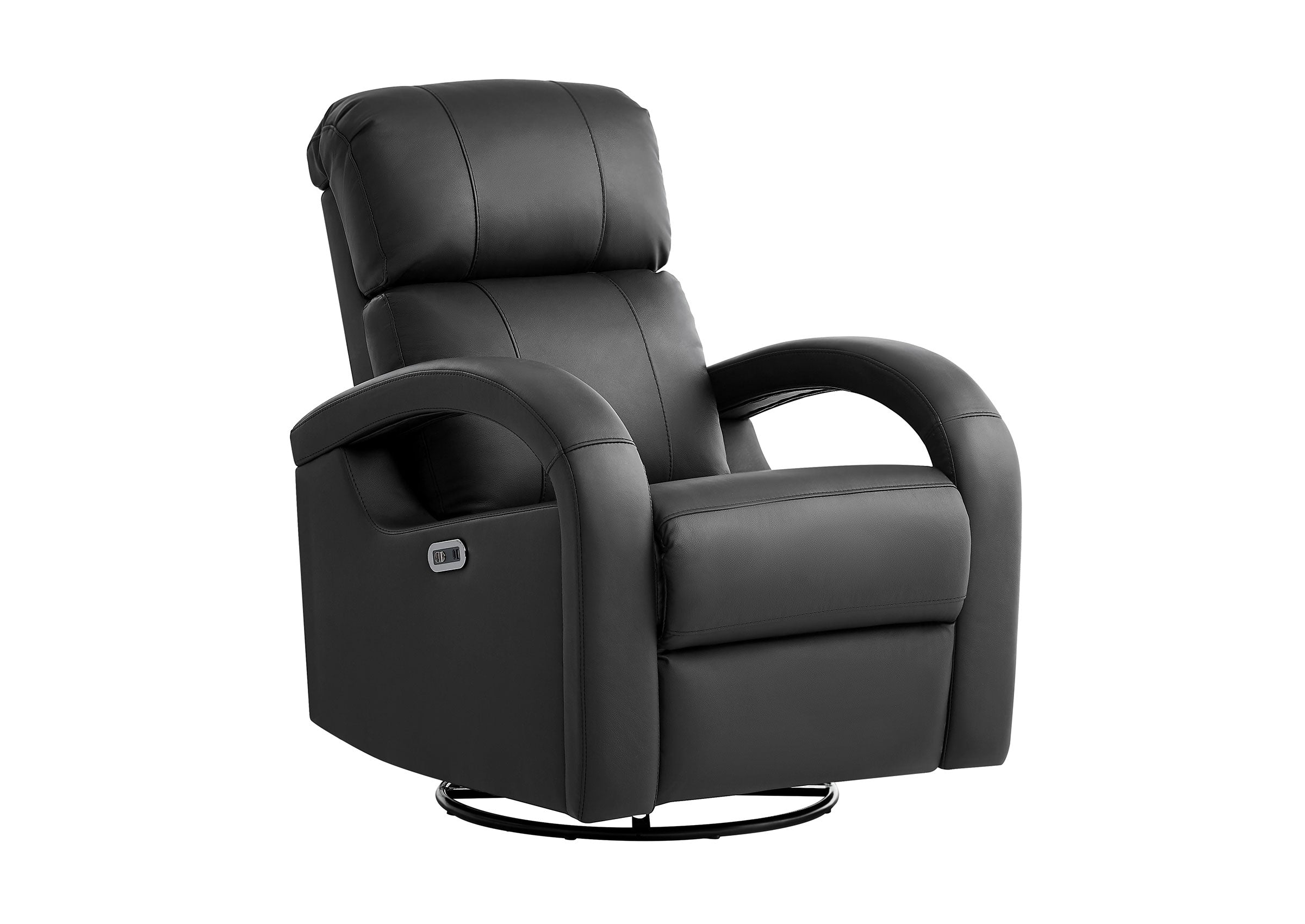
This look also works with a recliner. Choose its upholstery color and visible shape alongside the other furniture, then keep the surrounding pieces simple. Leave the route to the record cabinet open even when the chair is in use, so changing an album does not require everyone to get up. Arrange speakers around their actual requirements rather than squeezing them into the last decorative gaps.
A Pale, Sunlit Den With a Place to Stretch Out

Cozy does not have to mean dark. Picture pale sage walls, an oatmeal chaise, a small chalk-colored chair, and curtains that soften the window without hiding it. A light oak table and a textured rug keep the room gentle, while a darker frame or lamp base gives the pale colors some definition.
The chaise is the invitation here: a place to read with your legs supported or look out at the garden. Position it for the view you enjoy, while keeping the curtain easy to reach. The second chair can face partly toward it, so the room still feels comfortable for a conversation.
If you already have a straight sofa, a separate ottoman can suggest the same relaxed mood. It also lets you clear the middle of the room when you want to sit upright or have company. Before adding one, decide where it will go when it is not being used for your feet.
Carry the room into the evening with a shaded lamp beside the main seat and another gentle light farther away. Window light does much of the work during the day, but a single bright ceiling fixture can give the same furnishings a very different feel at night. Try the lamps with the curtains closed before changing the wall color.
Make room for your favorite sitting position
Find Your Favorite Way to Put Your Feet Up
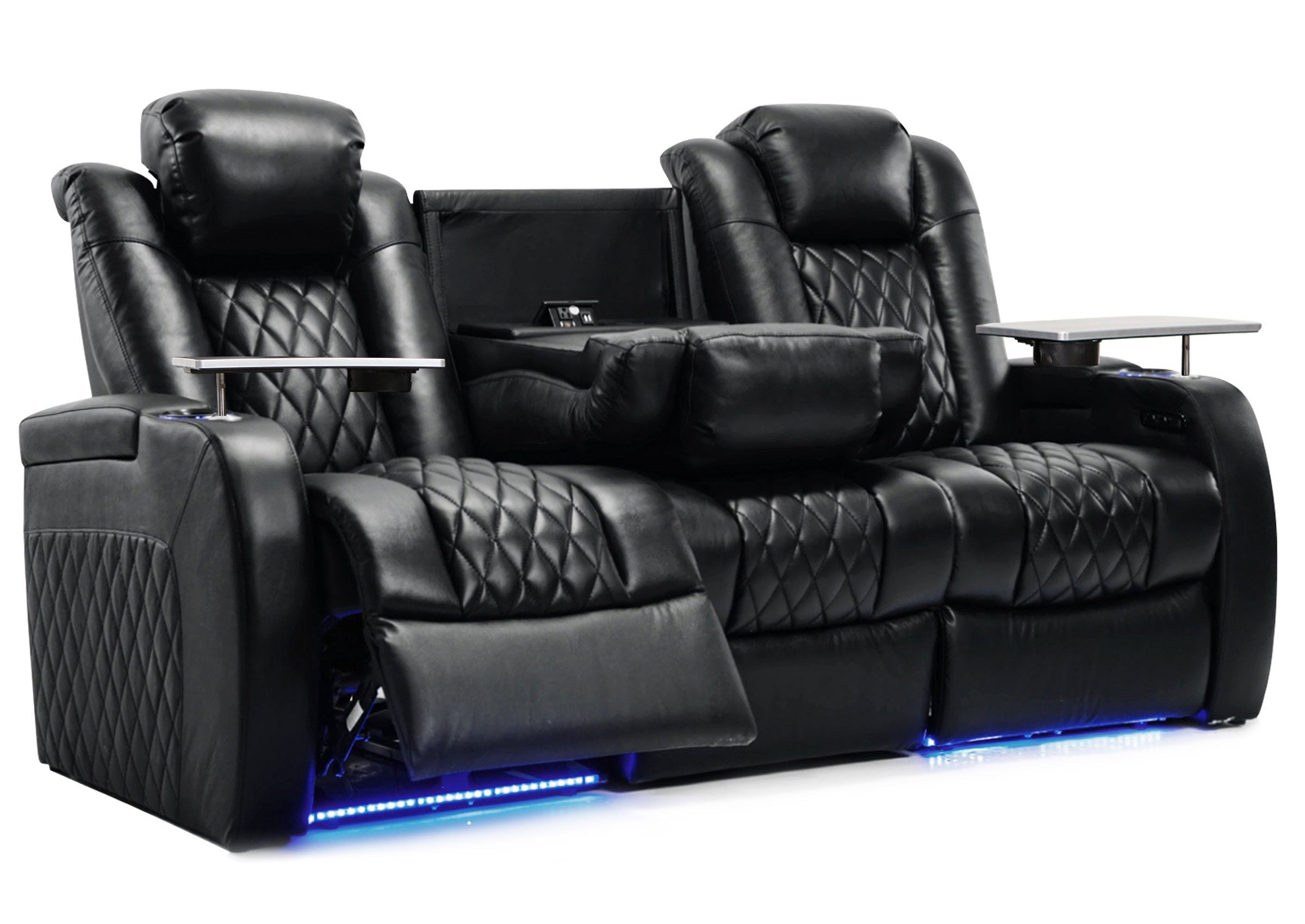
A chaise keeps a place ready for stretching out, while a recliner lets you change your position. Compare how each supports reading and relaxing before choosing the piece that will anchor your den.
A Clay-Colored Den Gathered Around the Fireplace

Muted clay walls, a cream sofa, and an oak-framed chair make a warm setting for a stone or brick fireplace. A plain rug gives the materials room to stand out. The result can feel inviting even when the fire is not lit, because the warmth also comes from the colors and surfaces around it.
Angle the chair toward the sofa enough that two people can talk easily. The fireplace can anchor the arrangement without requiring every seat to face it directly. A small table beside each regular seat makes this a room for tea, conversation, and reading, rather than a space that only looks finished from the doorway.
Keep the mantel simple: perhaps one substantial artwork, a pottery piece, and room around both. If the fireplace surround already has strong texture or veining, quieter textiles can balance it. If the surround is plain, a patterned chair or rug can bring more personality.
Leave the hearth area clear. The U.S. Fire Administration advises keeping things that can burn at least 3 feet from heat sources, including fireplaces. Follow the fireplace's own instructions as well, including any greater clearances. A cozy-looking photograph cannot establish that a furniture arrangement is safe to copy.
A Graphite-and-Plum Movie Den That Still Feels Like a Sitting Room

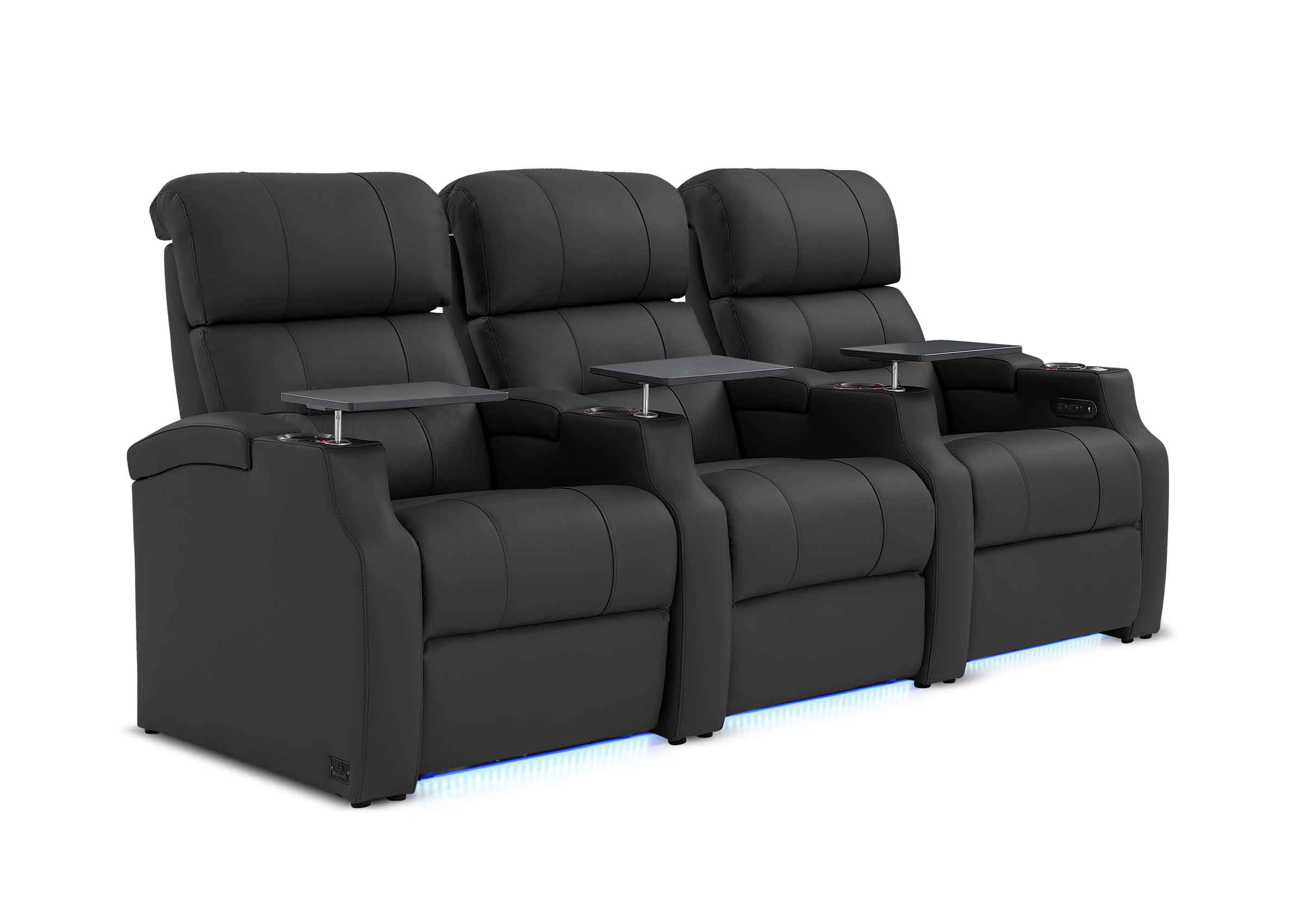
A soft plum sofa, a charcoal recliner, and a low walnut media cabinet give this room its identity. Graphite paint behind the television helps that wall sit quietly with the darker furniture. A lighter rug and a fabric lampshade keep the overall effect from becoming too heavy.
Mixing a sofa with one recliner gives people different ways to settle in. The sofa suits shared lounging; the separate chair gives someone their own place to lean back. Use one connecting detail, such as similar leg finishes or a cushion that brings the plum color onto the chair, without trying to make the pieces look identical.
Check the recliner with its footrest open before deciding where the tables belong. Leave its movement area clear and keep a usable route out of the seating group. A table that fits neatly beside a closed chair can become awkward when the chair opens. Our recliner clearance guide can help you work through that next step.
Give the room something to enjoy when the television is off: a favorite print, a few books, or a lamp that makes the sofa inviting for reading. Check the lamp from the actual seats during a dark scene, too. Moving it or changing the direction of its light may reduce a distracting reflection without leaving the whole room unlit.
A Narrow Olive Den With a Small Sofa at the End

In a long, narrow room, try a compact sofa against the far wall, olive paint, a slim reading lamp, and shallow shelves along part of one side. A small rust-colored cushion and an antique brass finish give the greens some warmth. The view from the doorway ends at a welcoming seat, rather than a collection of furniture squeezed along both walls.
A full coffee table may be the piece to leave out. A small side table can hold a drink while keeping more of the center open. Keep shelves shallow enough for the things they actually need to hold, and avoid placing protruding objects where shoulders or hands pass them.
This idea depends on the room's doors and the sofa's real footprint. Tape out the proposed furniture and walk the route, including any door swing or cupboard you need to reach. If the sofa blocks everyday access, a chair and a separate footstool may give you more useful relaxation space. Our sofa size guide can help you compare the next options.
You can still use a generous color in a small den. Let the wall color provide much of the character, then keep the furniture mix restrained. A compact room does not need lots of small decorations to look complete.
A Collected Den With Pattern, Art, and Furniture You Already Love

Start with a blue-gray sofa you want to keep, then bring in a red-and-cream checked chair, buttery off-white walls, and a dark wood side table. A rug containing a little blue and red connects the seating without turning everything into a matching set. The room can feel personal from the beginning.
Books, family artwork, and objects from different periods suit this approach. Give the collection one or two visual connections: related frame finishes, a repeated color, or a loose group around a larger picture. You do not need to replace meaningful pieces just because they were not bought together.
Let one pattern be the obvious feature. With a checked chair, a quieter sofa and curtains give the eye somewhere to rest. If your existing sofa already has a busy pattern, reverse the arrangement and choose a simpler chair. It is easier to judge the combination with fabric samples and actual objects together than from separate product photographs.
The useful restraint is on the surfaces you use every day. Leave a real place for a cup, the book you are reading, and a remote if there is a television. A den can look layered without making you clear a display before you sit down.
This is also a forgiving place to combine favorite details from the other ideas. A walnut cabinet might sit happily with the checked chair; an ink-blue wall could bring the whole group together. Keep a few relationships clear and allow the individual pieces to have their own history.
Frequently Asked Questions
What is the difference between a den and a living room?
In everyday decorating, a den usually means an informal retreat used for reading, watching television, listening to music, or relaxing. A living room may handle more of the household's entertaining or shared daily activity. Homes use these labels differently. If you already have a shared gathering room, the den can give you somewhere smaller or more personal to spend time, with furniture arranged for those habits.
Does a den need a television?
No. Bookshelves, a window view, art, a fireplace, or a record collection can give the room a focus. Choose furniture around what you actually enjoy doing there. If reading and conversation are the main attractions, two good chairs or a sofa-and-chair combination may make more sense than arranging every seat toward an unused screen.
Can one person read while another watches a movie in the same den?
Sometimes, but the two activities ask different things of the room. Try a reading lamp that lights the page without reflecting in the screen, and place the reader where the television is less visually distracting. Sound may still be the bigger conflict. Lower-volume viewing or suitable headphones can help; if the reader wants real quiet, using the room at different times may be more satisfying than adding more furniture or decor.
Is the deepest sofa always the coziest choice?
No. A deep sofa can suit someone who likes to curl up or stretch out, but it may leave another person struggling to sit back with their feet supported. Try the seat in the position you will actually use, including reading with a book. Choose support for your usual sitting position, not depth alone. An upright chair with a footstool can be a better personal fit than a deeper sofa, even in a very relaxed room.
What should I change first if my decorating budget is limited?
Start with what makes you avoid the room. If the chair is uncomfortable, another cushion or picture may not solve the problem. If the seating is fine but the room feels harsh in the evening, try moving an existing lamp before shopping for more furniture. When the main pieces work, one textile that connects their colors can be a useful finishing purchase. Make one change, spend time in the room, and let that experience guide the next.
Can I combine two or three of these den ideas?
Yes. Choose one main furniture arrangement, then borrow colors or smaller details from the others. A reading den could use the walnut cabinet from the music lounge and the checked chair from the collected room. Keep the everyday seating and walking route clear before adding the extra pieces. Combining selected details is easier to live with than trying to fit every scene's main furniture into one room.
Choose Seating for the Den You Want to Come Home To
Pick the scene you keep returning to, then identify what attracts you: a particular sitting position, the mix of wood and fabric, or a room that feels good with the television off. Keep the pieces that already support that feeling and check the size and use of anything you plan to add.
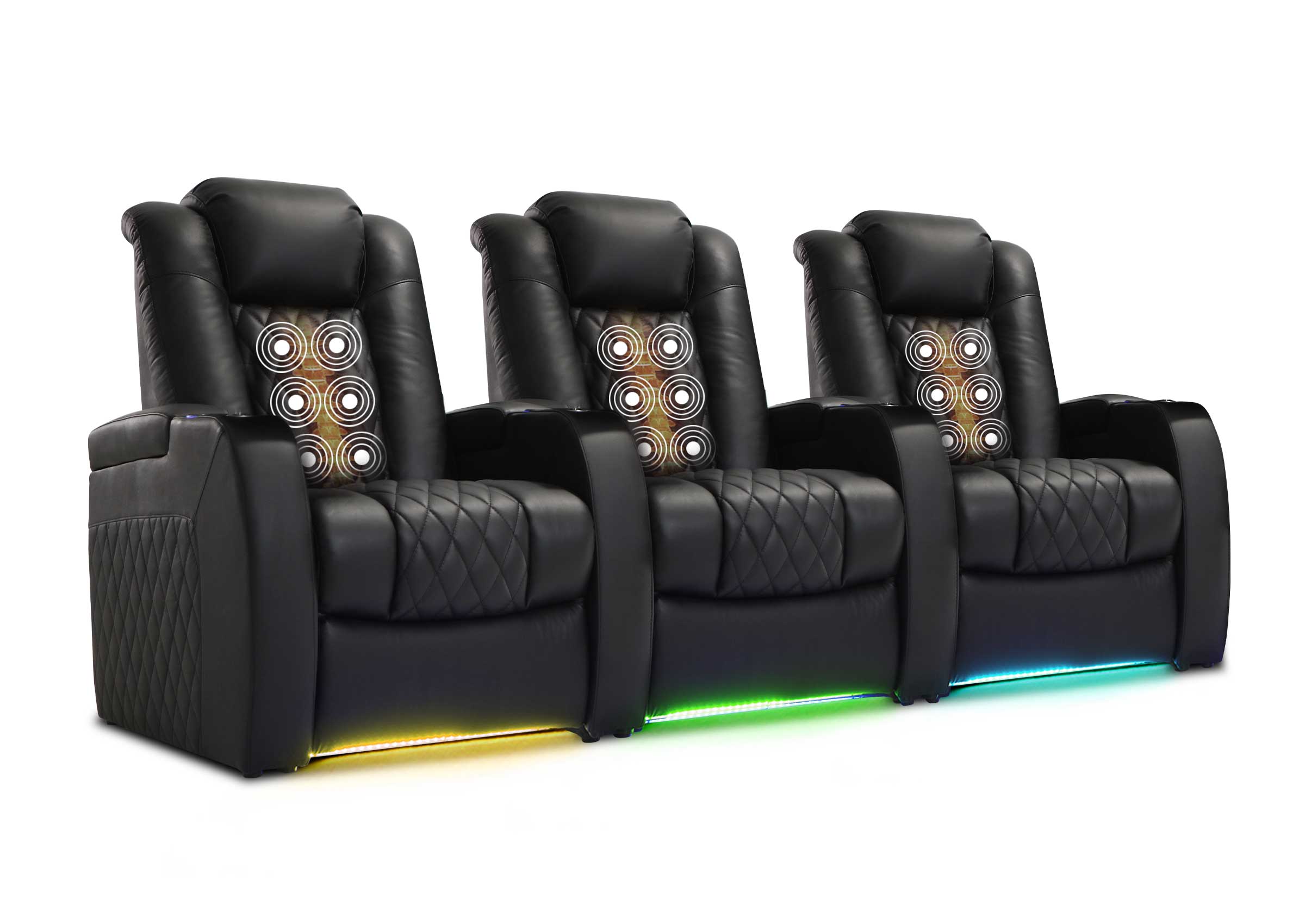
If you are considering Weilianda seating, send your room dimensions, photos of the furniture you plan to keep, and your preferred sitting or reclining arrangement to Weilianda Support or leon@weiliandahome.com. Ask about the exact configuration's dimensions, open footprint, and available upholstery so you can judge how it belongs in your room.