



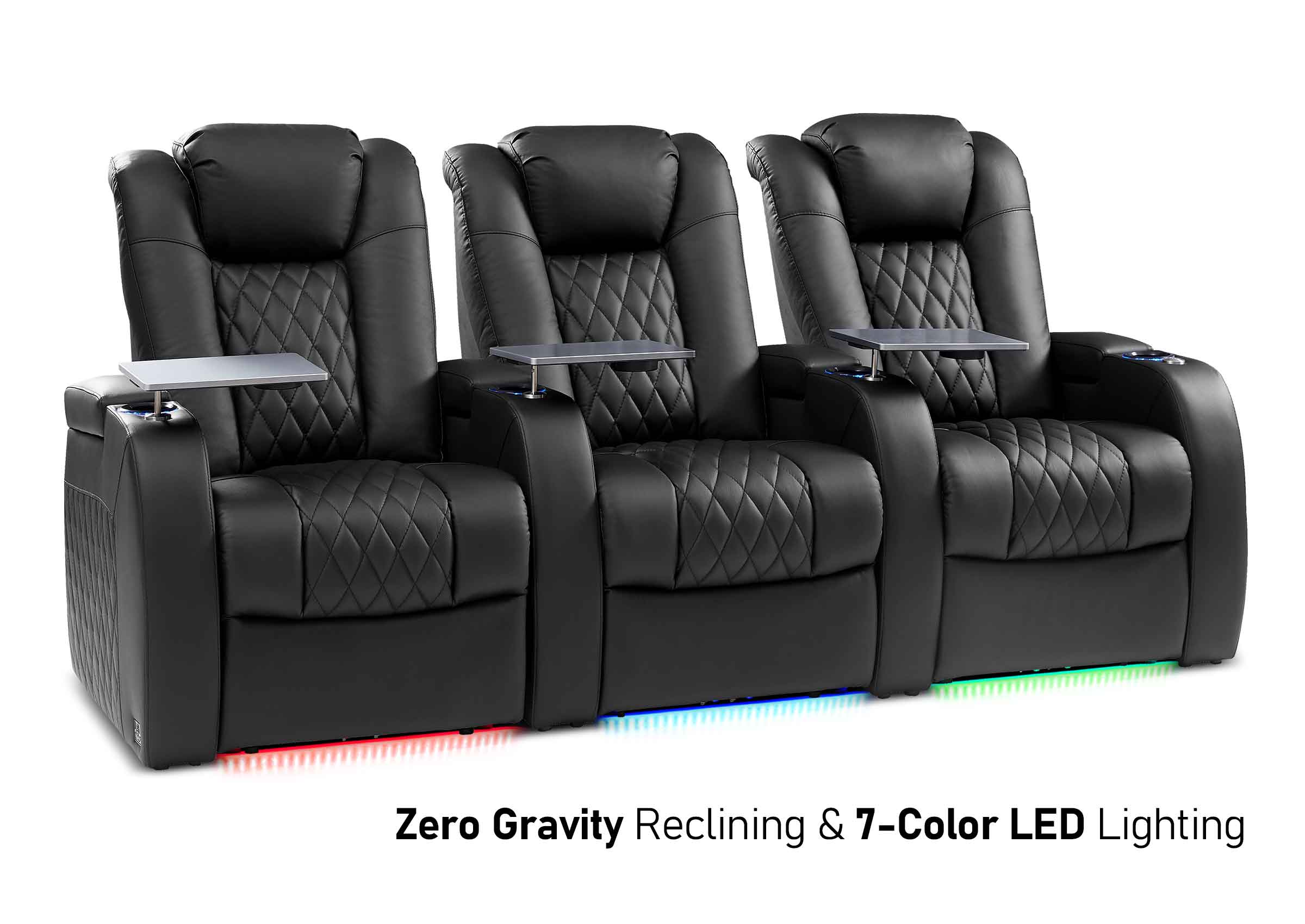
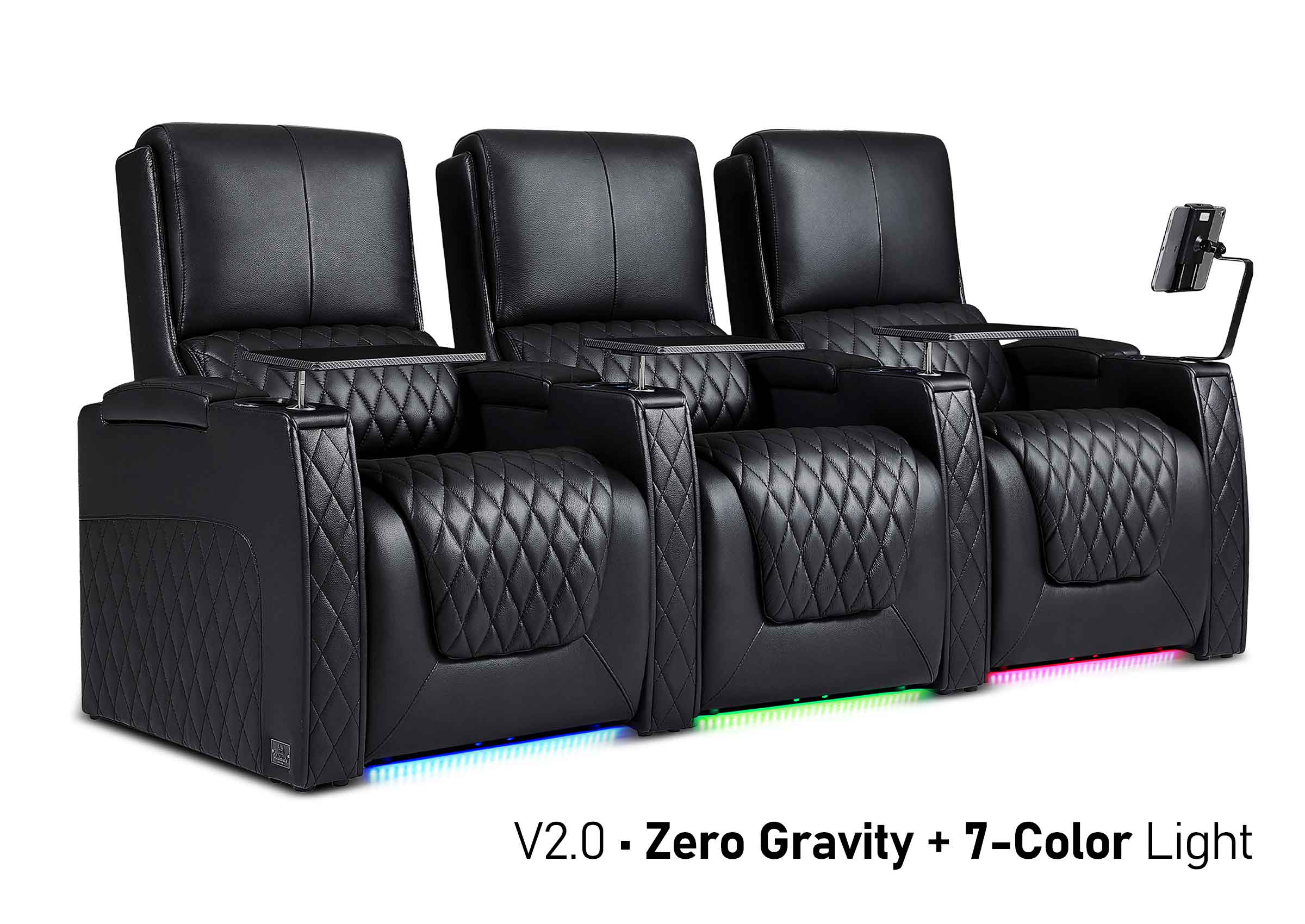
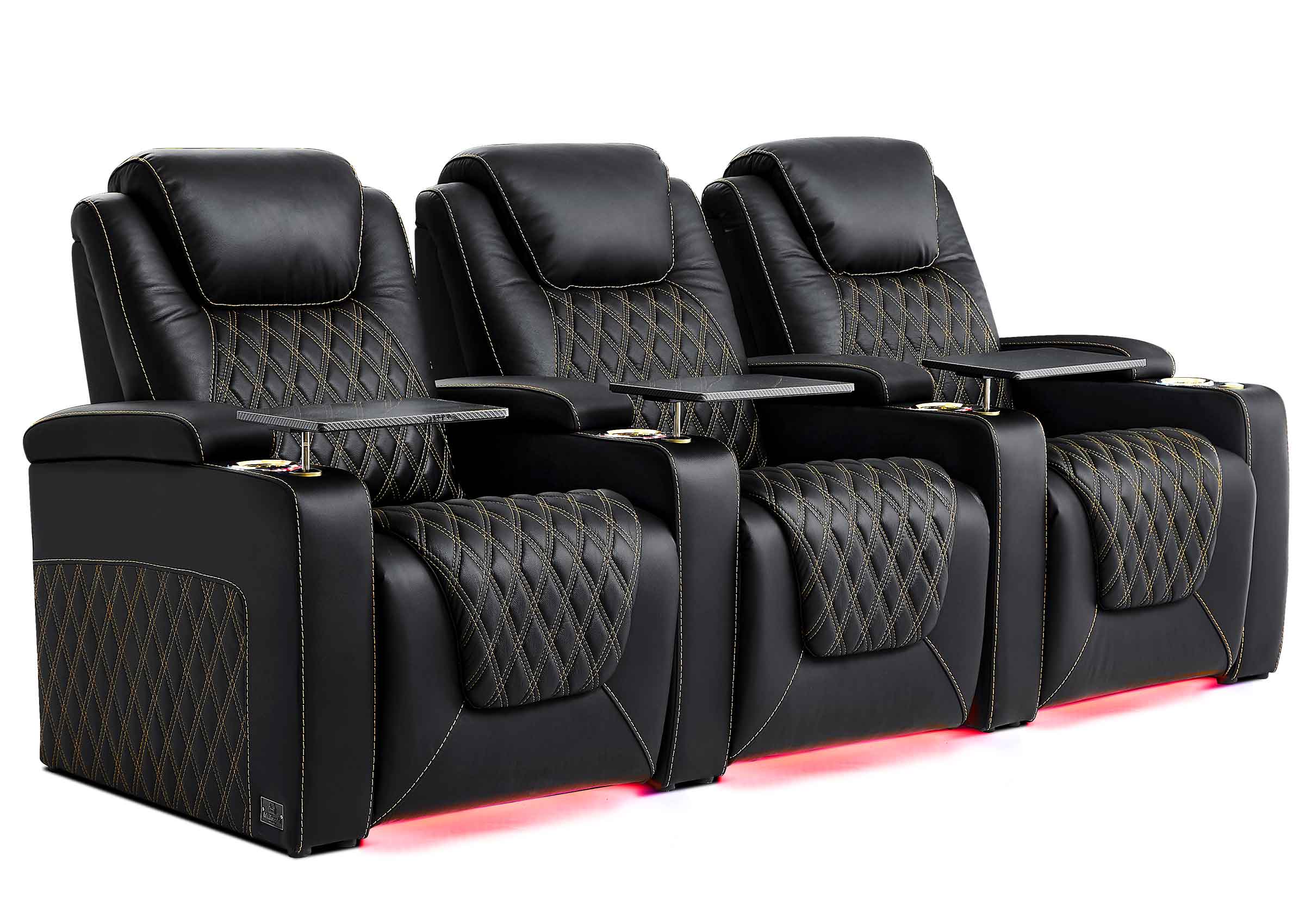
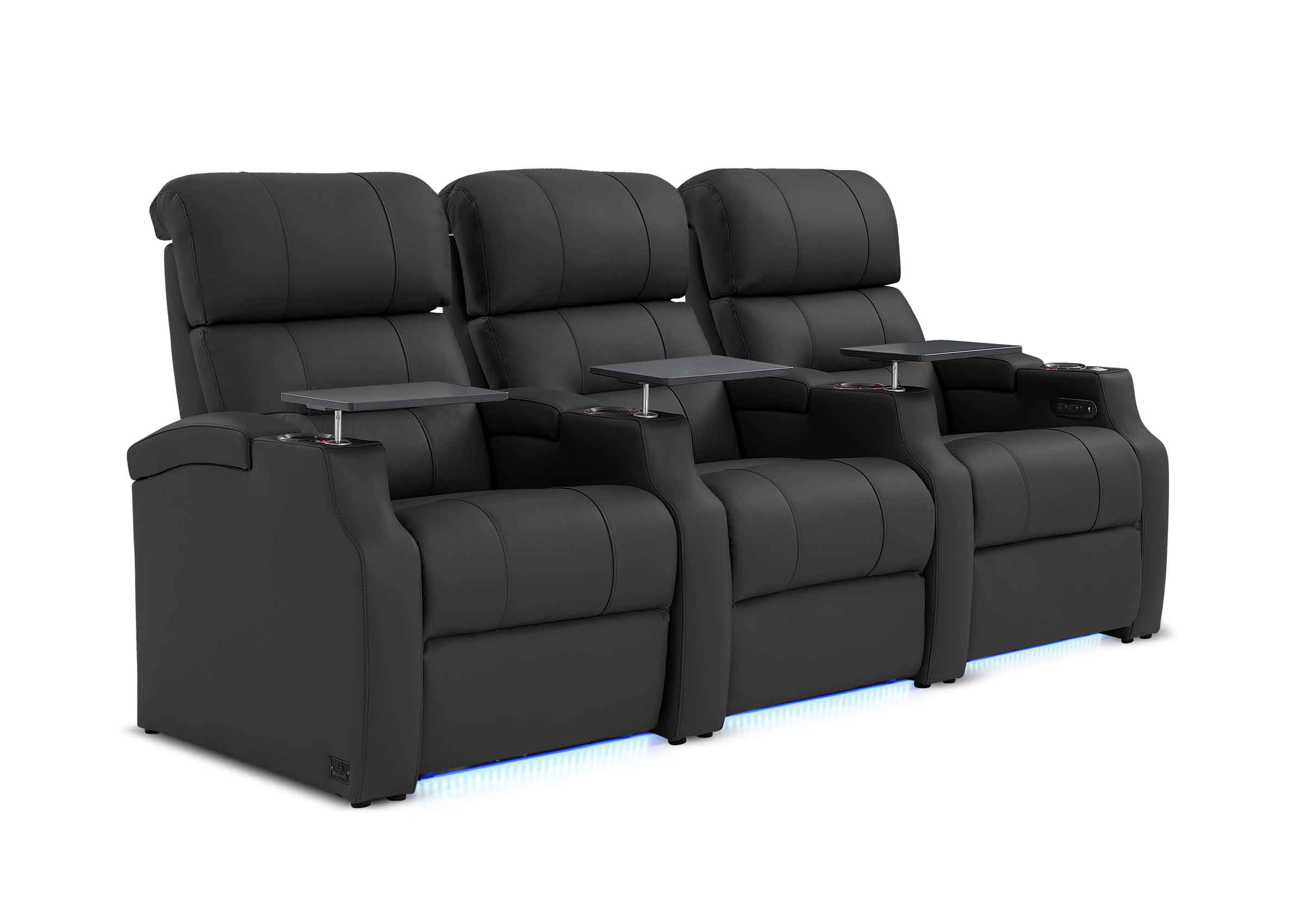
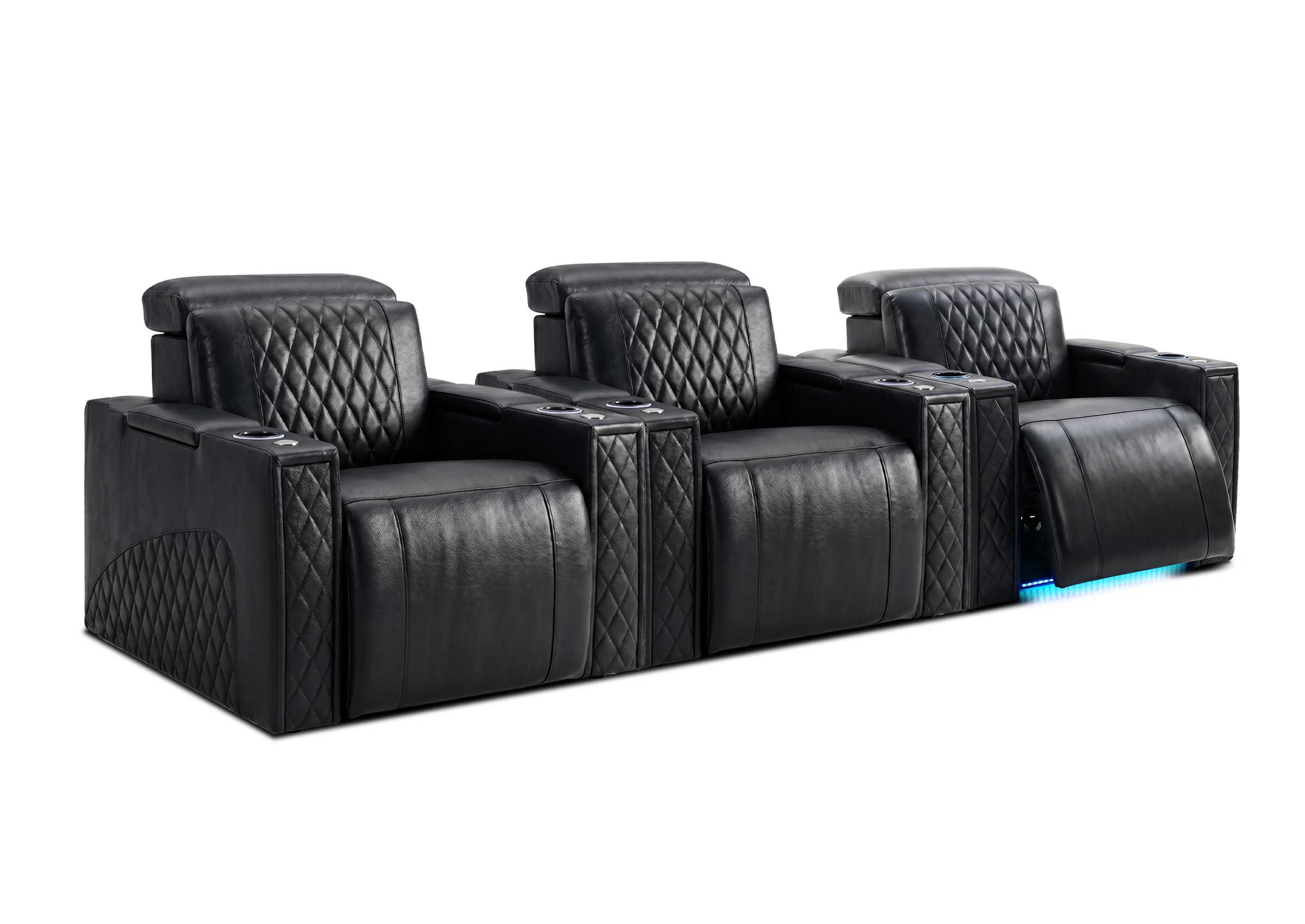

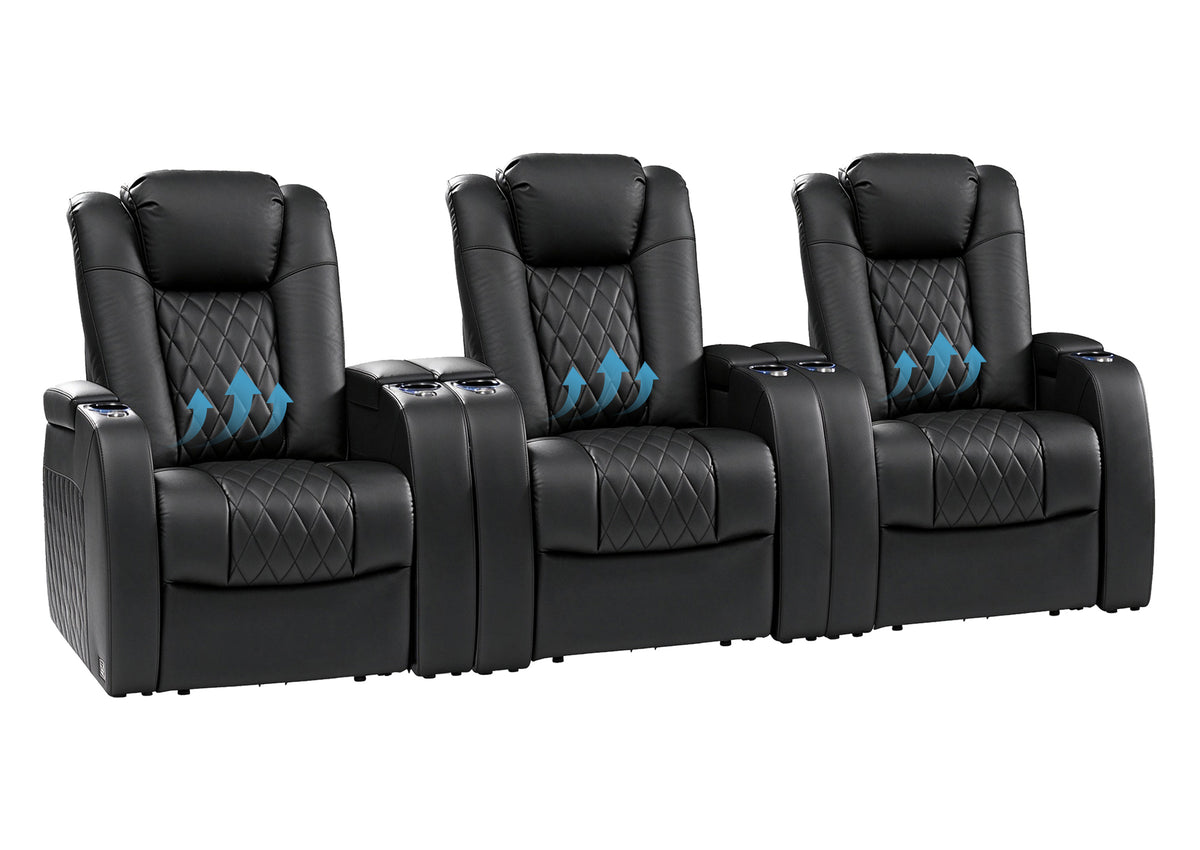
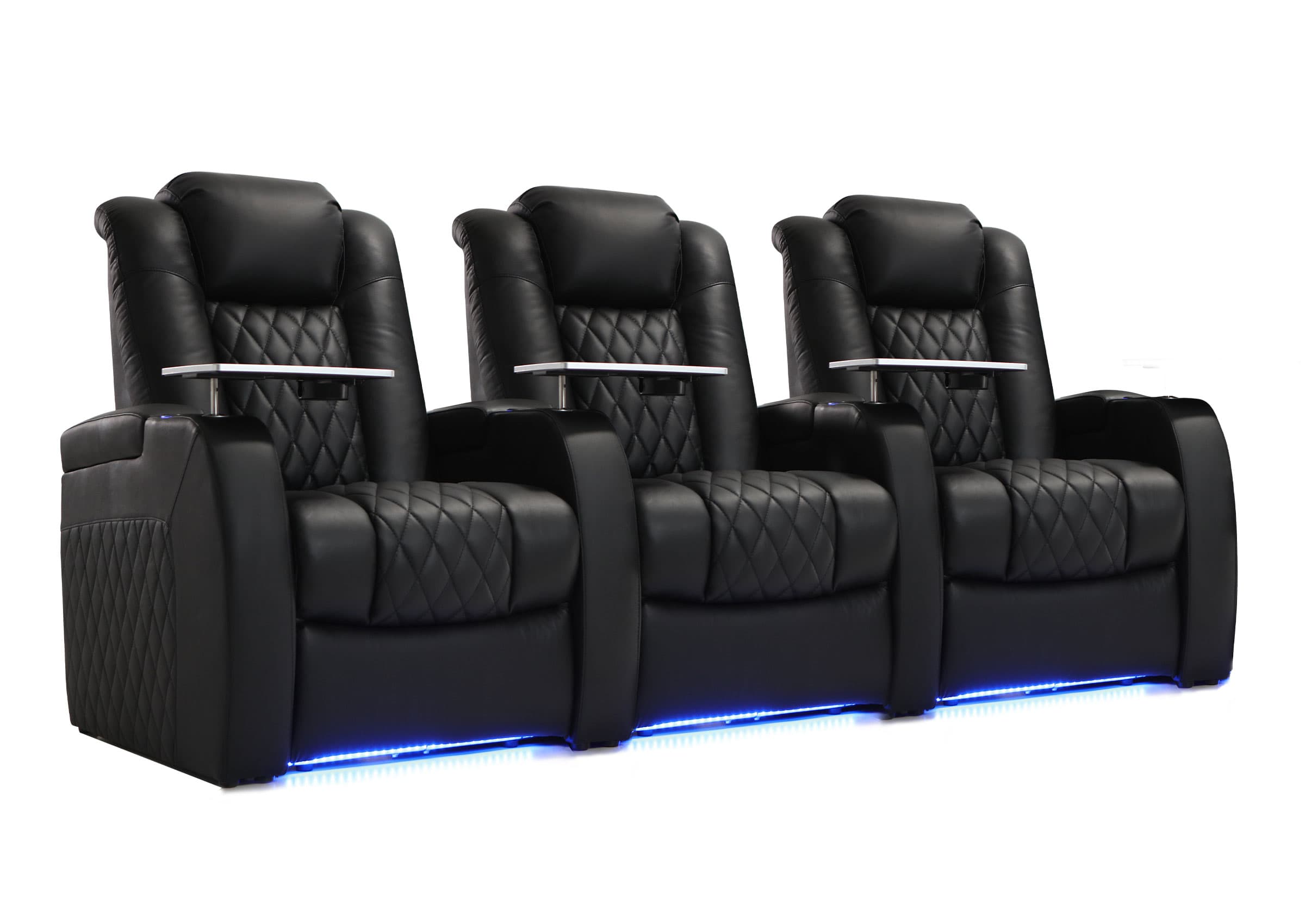
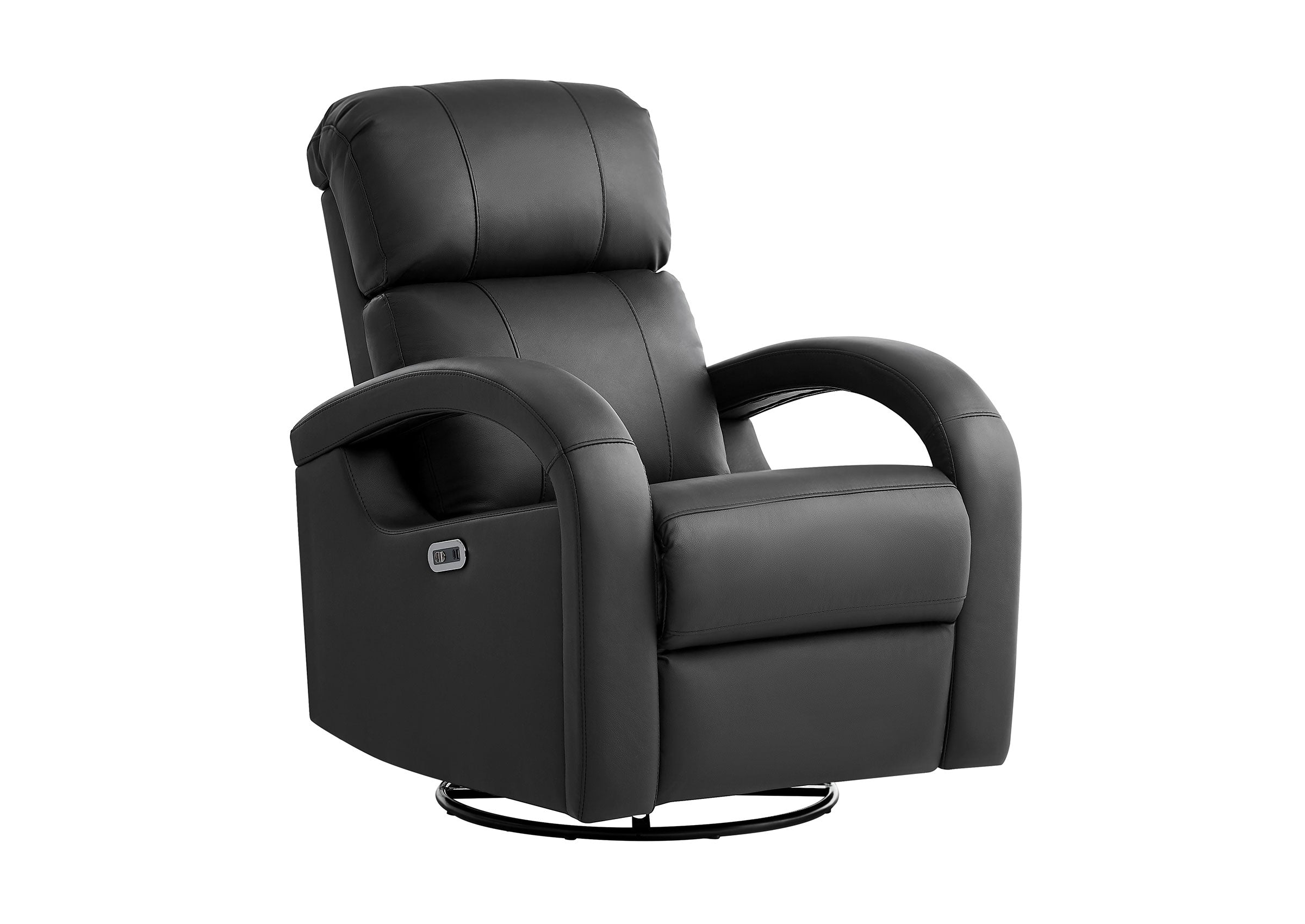

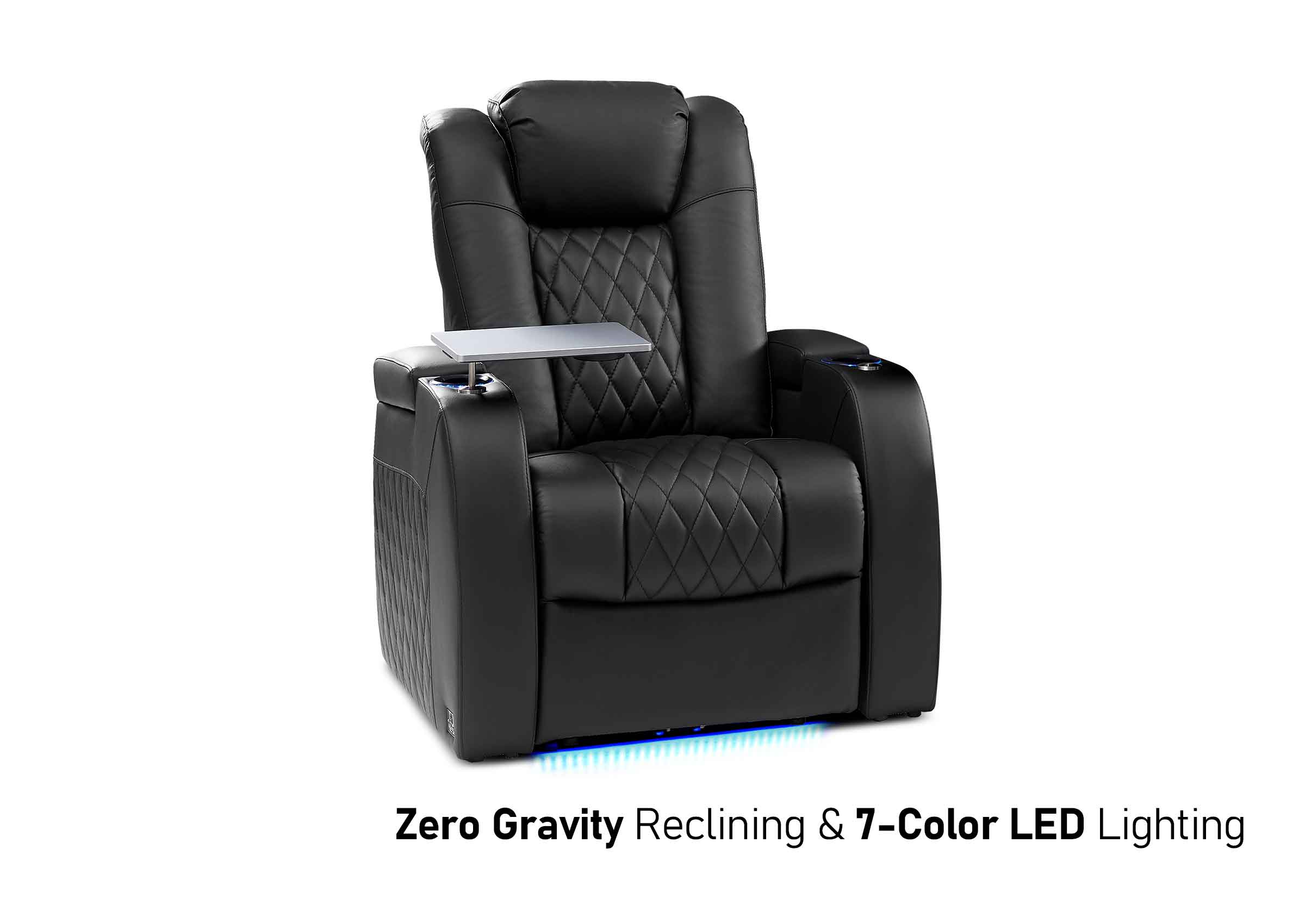
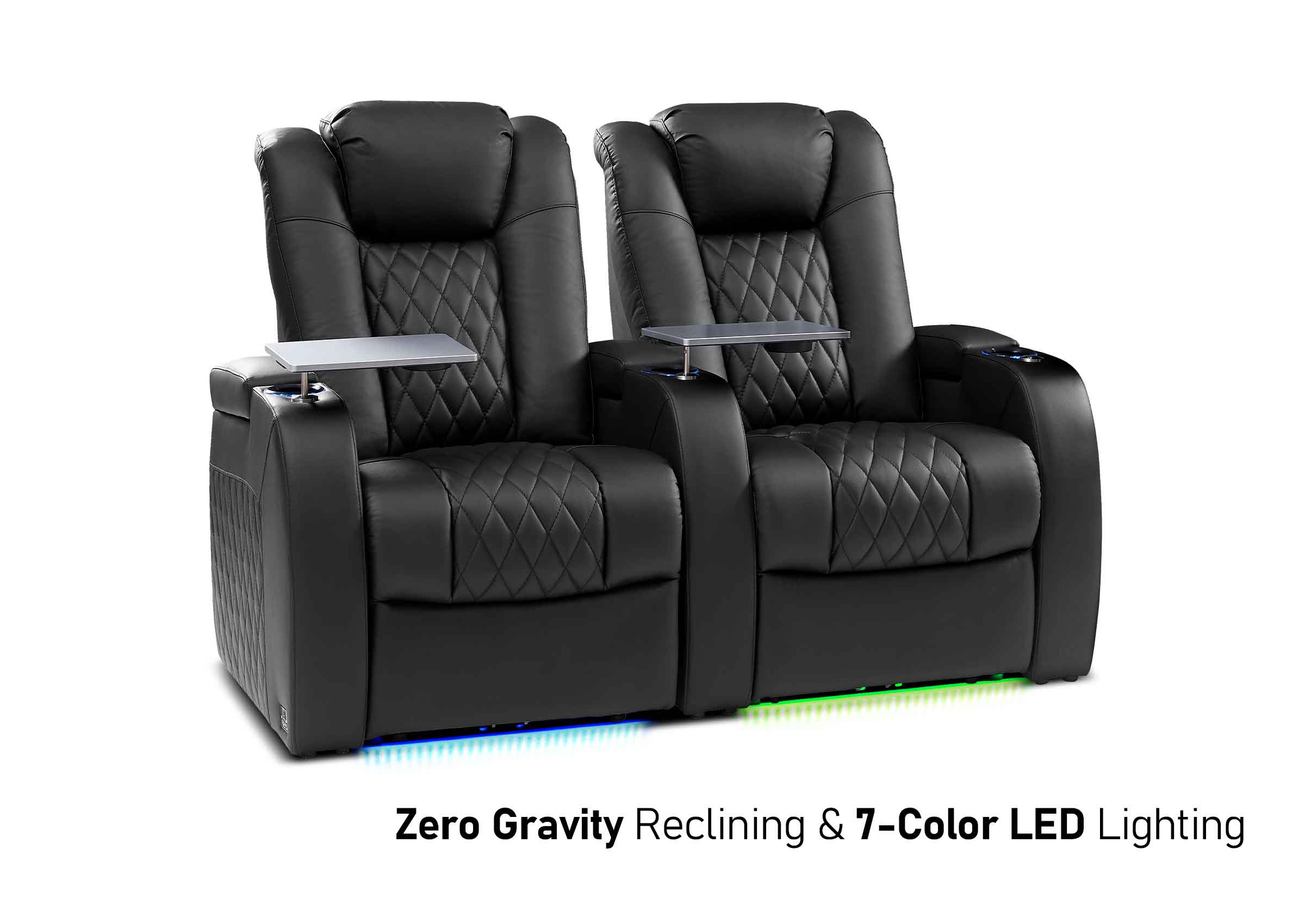
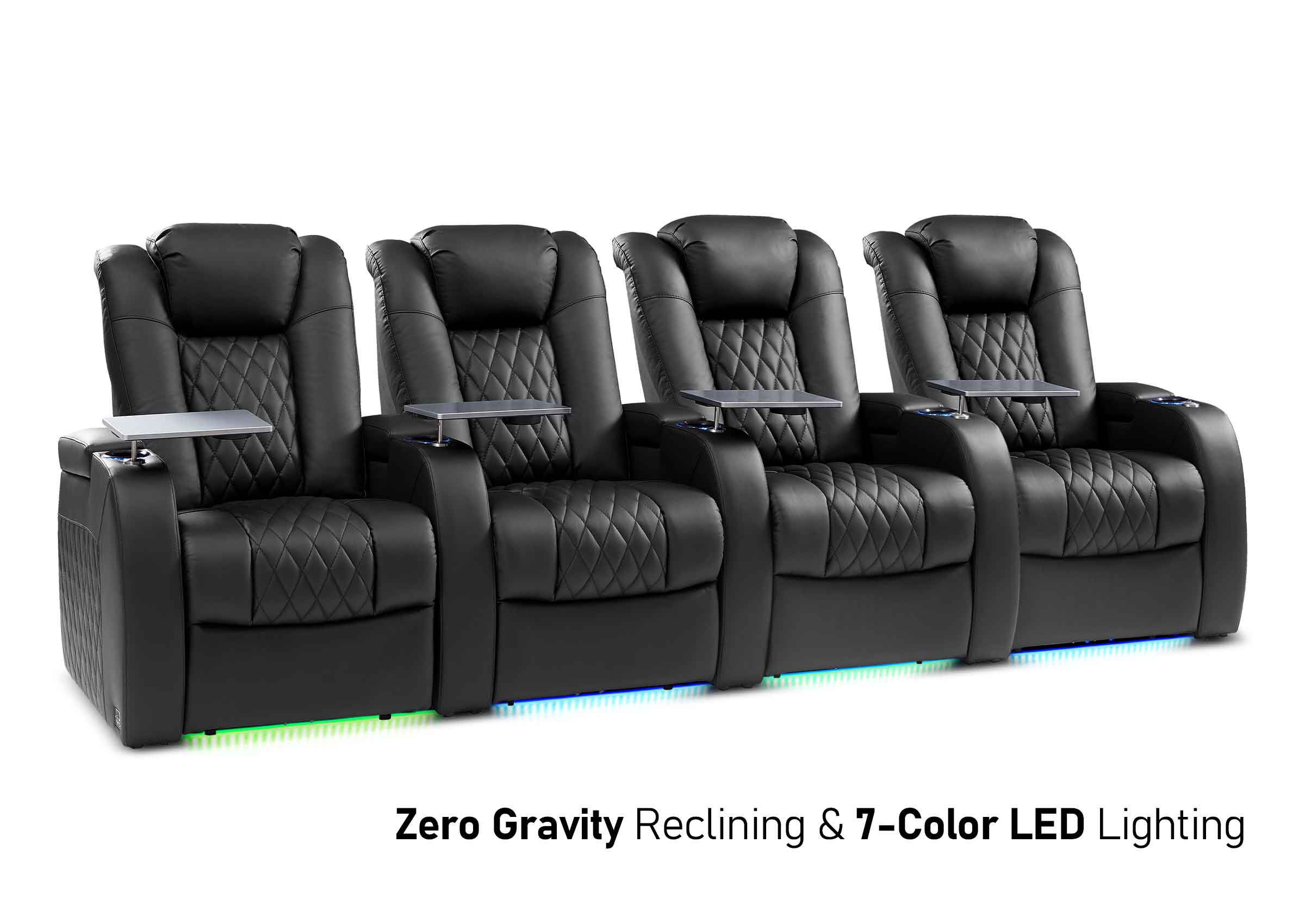
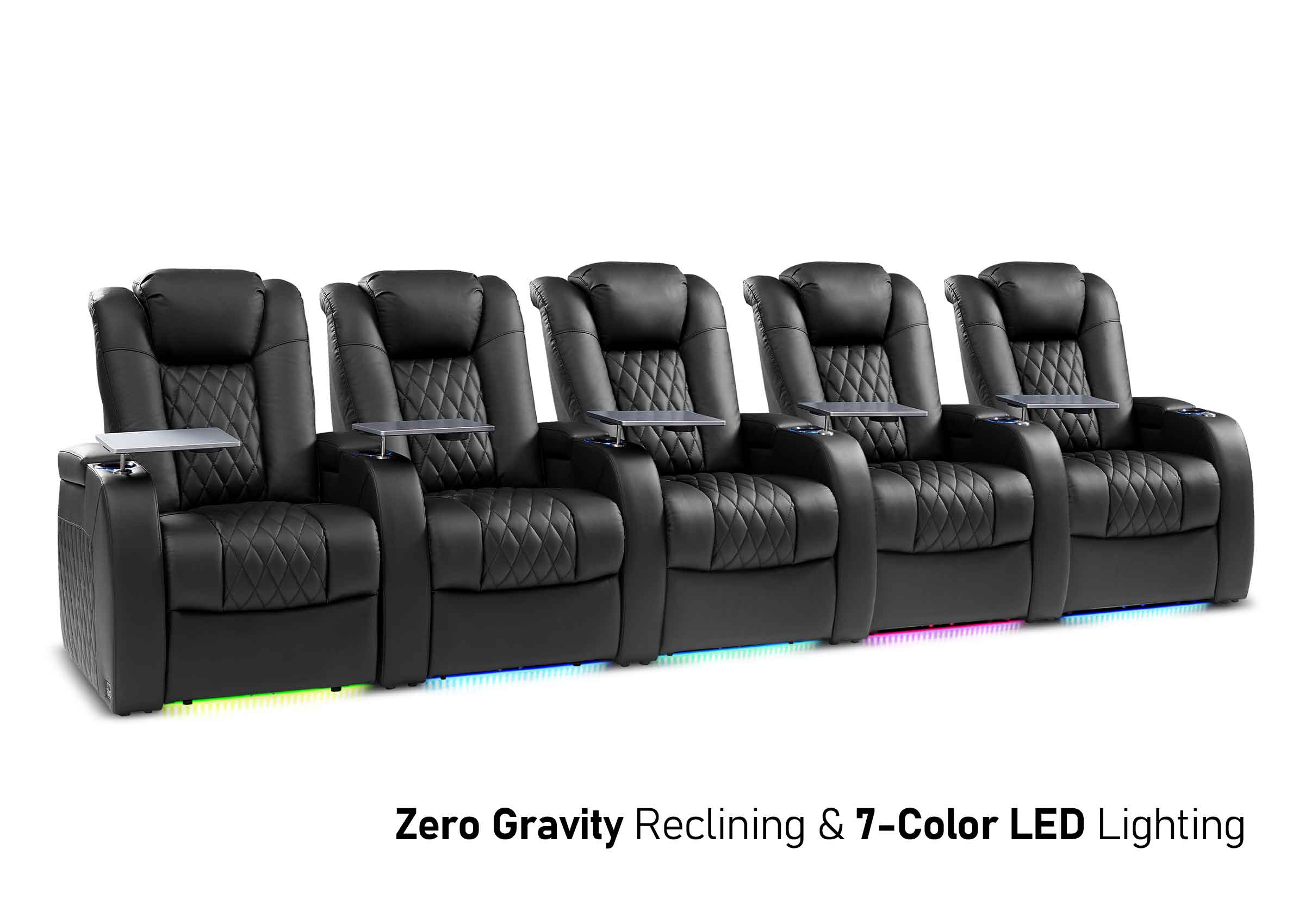
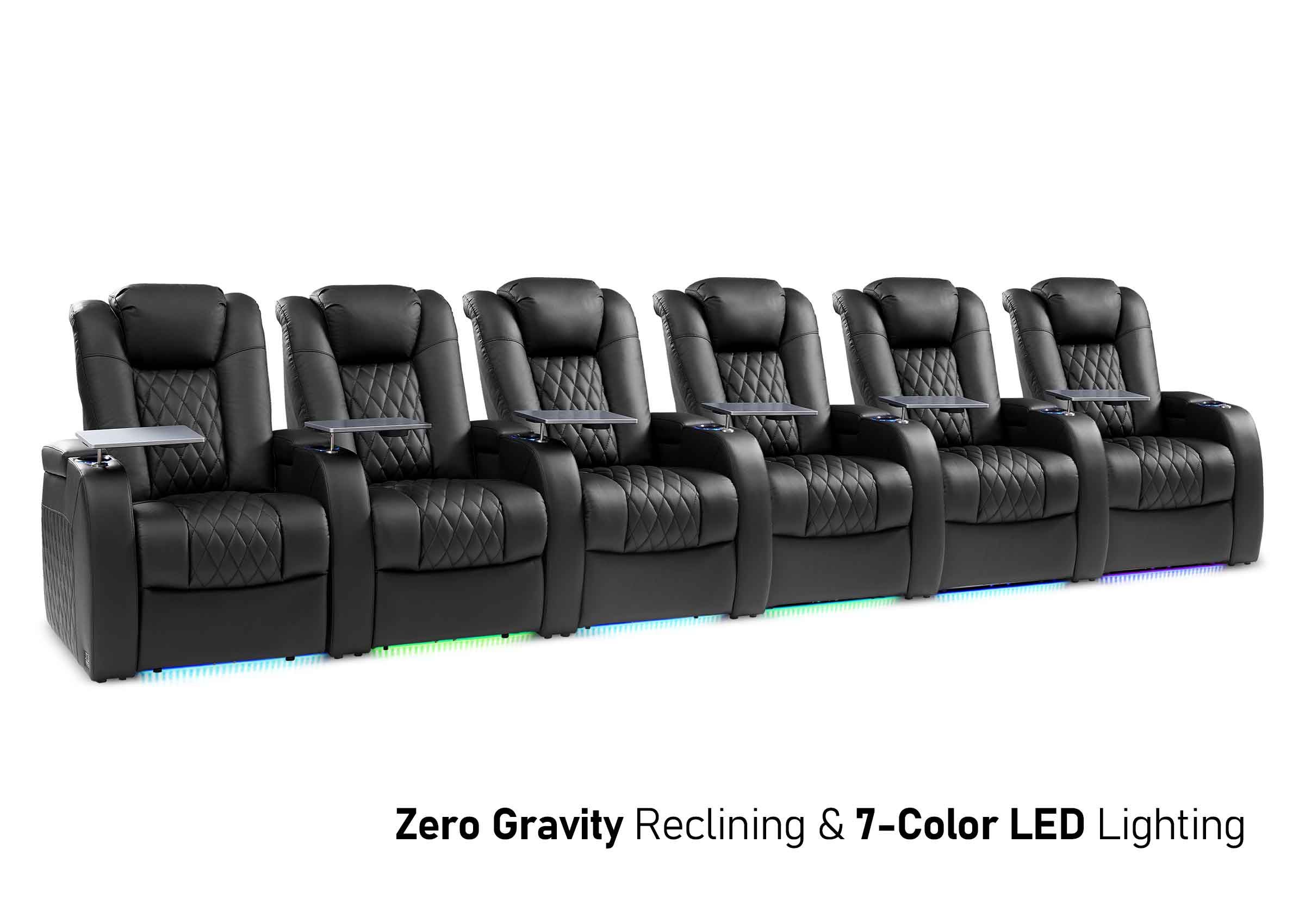
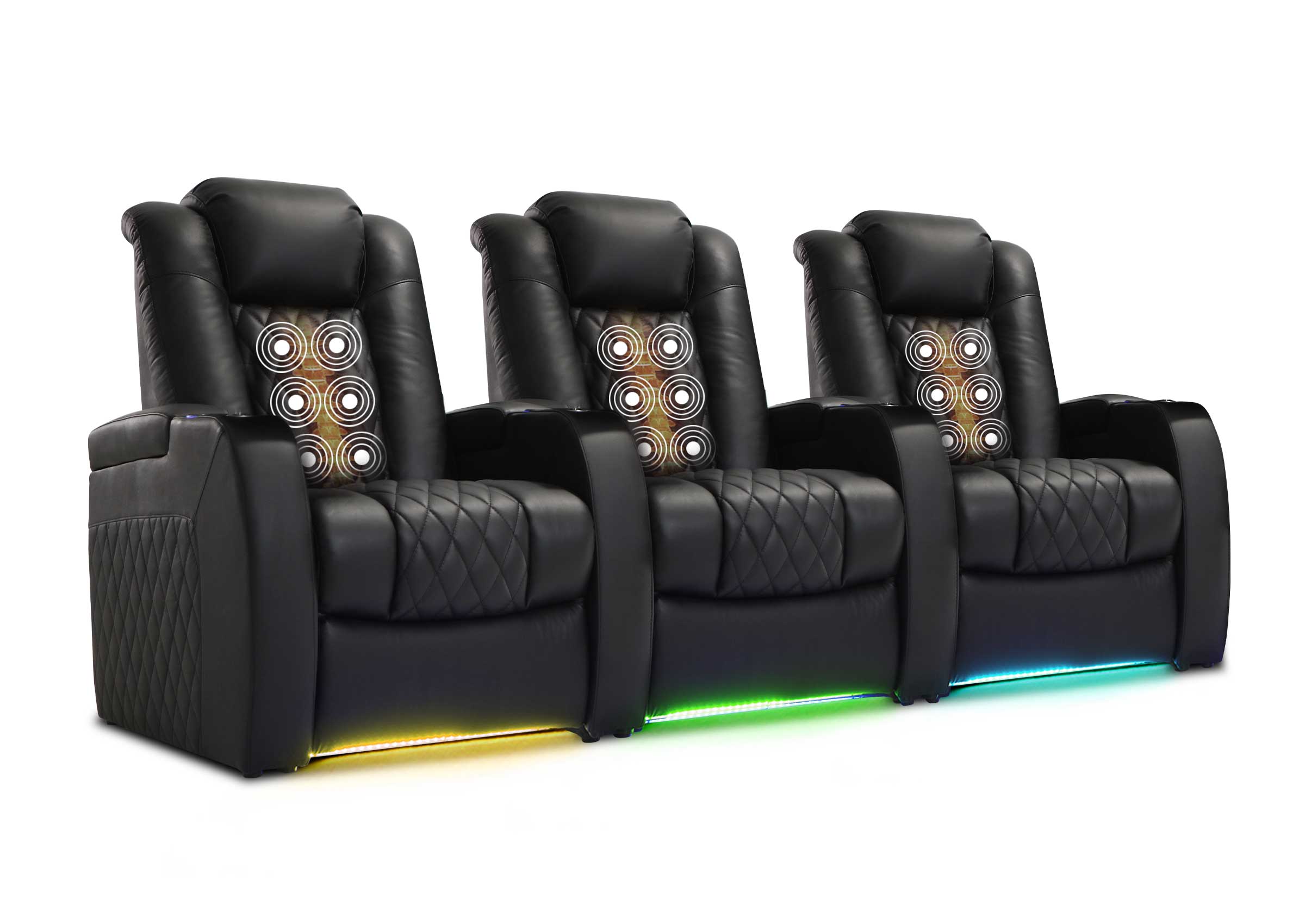
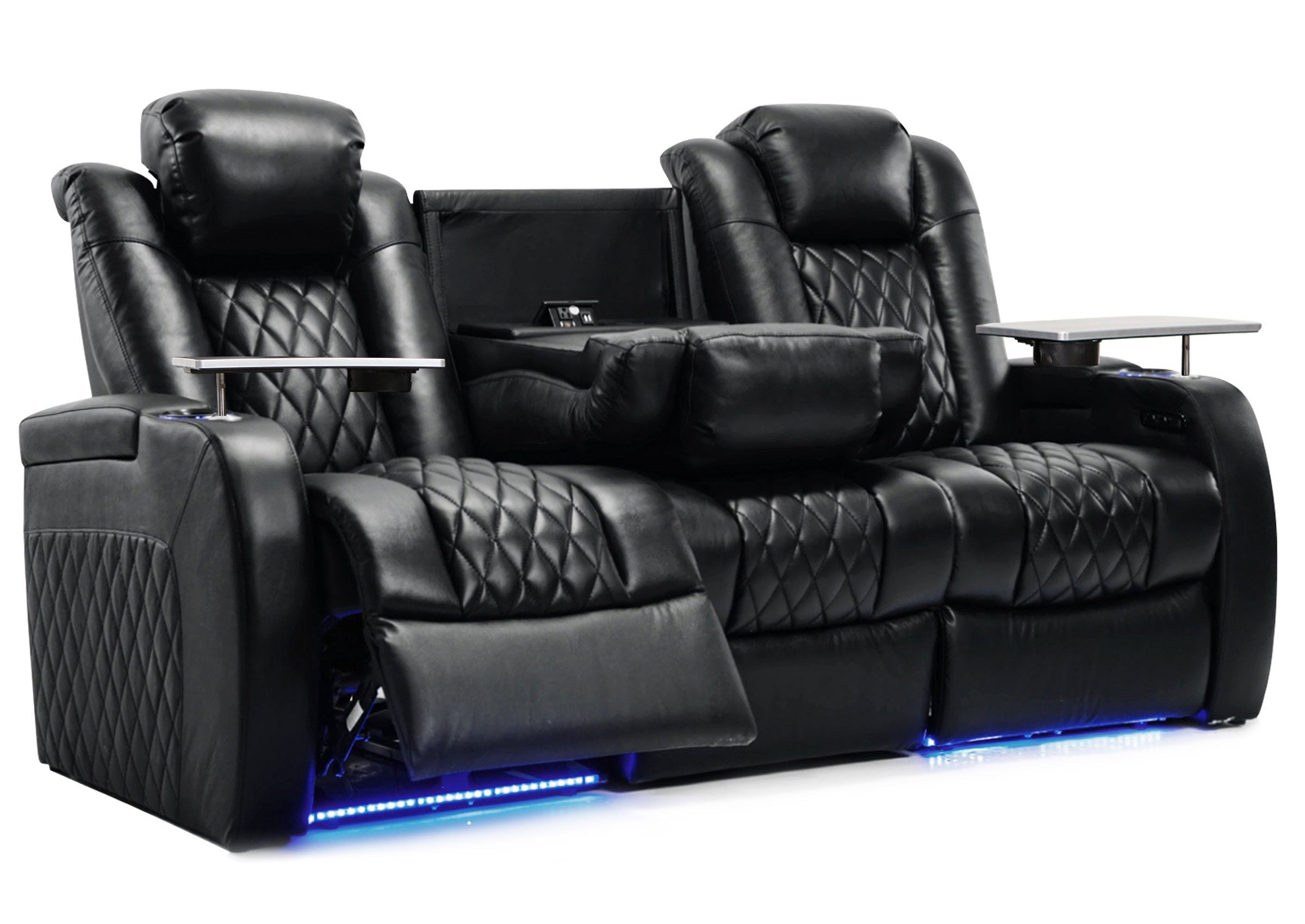
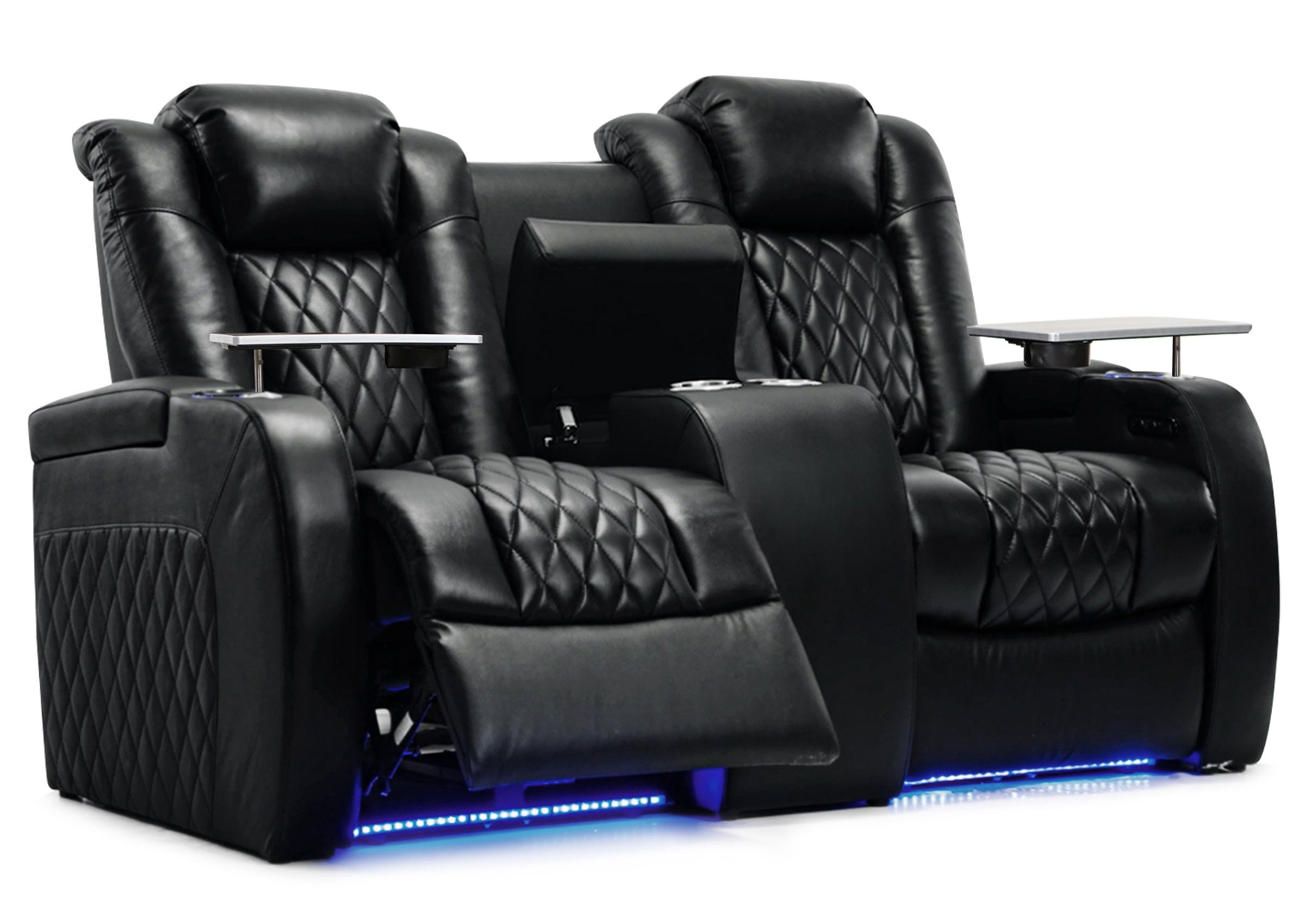


Choose a chaise lounge if you prefer a continuous place to stretch out and change lounging positions without operating a chair. Choose a recliner if changing the back angle or leg support is important to how you read, watch TV, and relax. Neither is automatically more comfortable: the better choice must fit your body, face the right direction, and work in your room while you are using it.
The most useful comparison is between the actual seats you are considering. A chaise that suits a showroom photo may not suit your reading position, and a recliner with several adjustments may still miss the position you want. This comparison uses public product information and a practical trial method; it is not a hands-on ranking of particular models.
Understand What You Are Comparing
A chaise lounge has an extended lounging surface that supports your legs. It may be a standalone piece or the extended part of a sofa or sectional. A recliner changes the sitting position through moving parts, although the available movements vary.
Those descriptions can overlap. Some chaises are adjustable, and some sectionals combine a chaise with reclining seats. Also, comparing one standalone chaise with an entire reclining sofa tells you little about which individual position suits you.
For this decision, compare one usable lounging position on each candidate. Then check what the rest of the furniture contributes if you are buying a whole sofa.
| Your priority | What to look for in a chaise lounge | What to look for in a recliner |
|---|---|---|
| Reading | A comfortable back position, a place to support your arms, and room for your usual posture | A usable reading position that supports you without moving the book awkwardly |
| Watching TV | A position that faces the screen without turning your body away from its support | A back and head position that keeps the screen comfortable to see at your preferred recline |
| Stretching out or curling up | Enough usable surface and the right arm or side arrangement | A seat and footrest shape that suits how you rest your legs and shift position |
| A compact room | The permanent extension, plus space to approach and leave the seat | The upright footprint, full operating area, and remaining walking space |
| Everyday operation | Whether the design is fixed, adjustable, or part of a larger configuration | Controls, required effort, power if applicable, and returning the chair to an exit position |
| Long-term ownership | Cushion care, frame construction, and any adjustable components | The same upholstery considerations, plus access to serviceable moving or electrical parts |
The table is a set of checks, not a ranking. The category name alone cannot answer them.
For Reading, Test the Book and Your Arms Together
A chaise can work well if you like reading with your legs extended, sitting partly sideways, or changing between a curled-up and stretched-out position. But its length does not tell you whether the back or arms support the way you hold a book.
Bring your usual book or tablet when trying a seat. Settle into the position you would actually use, then turn a few pages. Notice whether your shoulders can settle, whether your elbows have somewhere useful to rest, and whether the book stays where you can read it comfortably.
A broad arm may support one reader's elbow but sit too far away for another. A low, open-sided chaise might give you freedom to turn while leaving you without the arm support you wanted. A cushion may help, but include that cushion in the test rather than assuming it will solve every mismatch.
With a recliner, try the particular combination you want. Some readers prefer their legs raised while their upper body stays relatively upright. Others want a deeper recline. Do not judge a chair only in its fully upright and fully reclined positions; the useful reading position may be between them, if that mechanism allows it.
Also check the lamp and side table. A seat can feel comfortable while placing your book in shadow or leaving nowhere convenient to put it down. Make sure you can reach the table without having to undo your entire position every time.
Choose the seat that supports the reading task, not just the pose you like in the photograph.
For TV, Check the View From Your Actual Lounging Position
A recliner can offer a useful advantage when you want to change your back position during a movie. The advantage only helps if you can still see the screen comfortably in the positions you use.
Try looking at a fixed point in front of you while adjusting the chair. Does your head rest naturally, or do you keep lifting it away from the back? Does an adjustable headrest, if present, help at the position you want? Confirm which parts actually move; power reclining does not automatically include a separately adjustable headrest. Bring your room's screen height and viewing distance into the discussion. A convenient point on a showroom wall is not a reliable substitute for a television in a different location.
A chaise can be just as appealing for casual TV if its back support and orientation suit your room. The problem arises when the direction you stretch out is different from the direction you need to look. A long lounging surface is not much help if you end up twisting away from its back support to see the screen.
Separate two decisions: how far back you lean and which direction you face. A headrest adjustment changes support; it does not necessarily turn the whole seat toward a television on another wall. Likewise, a swivel only helps if the particular seat can turn as intended without hitting nearby furniture or pulling a cord.
At home, mark the proposed seat location and look toward your actual screen from the approximate seated and lounging eye positions. This will not reproduce the upholstery, but it can reveal an unsuitable direction before you buy.
If the view works only when you sit forward or abandon your preferred posture, try a different placement or a different seat. Do not assume the most reclined position has to be the best TV position.
For Relaxing, Consider How You Change Position
A continuous chaise surface may suit someone who likes bending a knee, sitting diagonally, or turning partly onto one side. Check that the usable width, length, back, and arms allow those movements. A high side or sculpted frame can make one chaise feel much more restrictive than another.
A recliner may suit someone who prefers a supported position and wants to change the back or leg angle without rearranging loose cushions. The relevant question is whether its range includes the positions you enjoy, not how many features appear on the specification sheet.
Try shifting position rather than remaining still through the whole demonstration. Check where the seat ends, how the footrest supports your legs, and whether you can reposition without sliding into a gap or catching clothing on a moving part.
Getting in and out belongs in the comparison too. Sit down, reach the controls if there are any, and return to the position needed to leave the seat. Follow the manufacturer's operating instructions. A manual movement that another person demonstrates easily may require a reach or effort you do not want to repeat.
The same applies to a deep or low chaise. A pleasant lounging position is only part of the experience if getting back up is awkward for you.
If several people will share the seat, have each person try it. The person who stretches out sideways may value a different shape from the person who reads upright. A household does not need to agree that one category is universally better.
Compare the Room With the Furniture in Use
A fixed chaise keeps its extension into the room whether someone is sitting on it or not. A recliner may become shorter when upright, but the floor area needed while it is open still has to be available.
That makes “Which takes up less space?” a product-and-layout question. A narrow chaise may fit a particular corner better than a wide recliner. Elsewhere, a recliner that closes down may leave more useful floor space between viewing sessions.
Start with the actual dimensions and movement information for both candidates. Mark the chaise's footprint and the recliner's upright and fully reclined outlines. Include the required rear clearance, side access to controls, and any swivel or rocking movement specified for the model.
Check what a manufacturer's fully reclined depth includes before adding separate dimensions. You do not want to overlook rear movement, but you also do not want to count an already-included footrest extension twice.
Now add the coffee table, lamp, door swings, and the route people use through the room. Test whether someone can approach the seat and leave it while another person is already relaxing. A layout that requires keeping a recliner closed during every movie does not fit your intended use.
If you are choosing a chaise at the end of a sectional, verify its actual side and orientation from the seller's diagram. A visually balanced arrangement is not enough if the extension blocks the entrance.

COMPARE YOUR LAYOUT
Need Both Ways to Relax?
Some households genuinely need both a chaise position and independently reclining seats. Once you have identified those different needs, our guide to a reclining sectional with a chaise explains how to check the combination's moving space, power placement, and simultaneous use.
Compare the Controls, Care, and Total Cost
A fixed chaise offers a straightforward routine when you like its existing shape: sit down and settle in. An adjustable chaise adds its own operating requirements, so inspect those rather than treating every chaise as mechanism-free.
For a recliner, distinguish manual from powered operation. Try reaching the handle or buttons from your normal position, changing the setting you use most, and returning the chair as instructed. A control hidden between furniture pieces may be inconvenient even when the movement itself feels good.
Powered furniture also needs the correct power arrangement for that model. Plan the connection before placing it in the middle of the room. If a battery option matters to you, confirm compatibility and the manufacturer's requirements rather than assuming a cordless setup is available.
For ownership costs, compare real quotes for similarly suitable pieces. Compare a standalone chaise with a single chair when that is the decision, or compare complete arrangements with enough usable seats for your household. A sofa's higher total price does not establish that one reclining position costs more than a chaise. Include delivery and any necessary assembly, the upholstery care you are willing to do, and what service or replacement parts are available. Neither a higher price nor fewer moving parts proves a particular lifespan.
A fixed frame avoids a reclining mechanism, but cushions and upholstery still need care. A powered recliner adds components you may want to ask about before purchasing: which adjustments are included, whether the controls and power parts can be serviced, and how the seller handles a specific fault.
Spend for a movement you will use. An extra adjustment has little value if it does not improve your preferred reading or TV position, or if you rarely operate it.
Choose Around Your Main Activity, Then Test the Compromises
Give priority to the activity you do most often and the condition you are least willing to compromise. Then see whether the same seat handles the rest well enough.
For a frequent reader who likes curling up, a chaise with the right back and arm arrangement may be a strong starting point. Reject it if holding the book comfortably requires constant effort or a posture you do not enjoy.
For someone who watches TV with their legs raised and changes back angle during the evening, a recliner may be a better starting point. Reject it if the controls cannot produce the desired position or if the screen is uncomfortable to see from there.
For a shared living room, different seats may solve different needs better than one oversized piece. That could mean combining a chaise and a recliner, or considering a chair with a separate ottoman. Compare the whole arrangement before deciding that more functions in one item must be better.
Use this same sequence on each shortlisted seat:
- Read in your usual position. Bring the same book or tablet and check your arms, back, lighting, and place to set it down.
- Look toward the screen. Test your intended TV position and any adjustments you expect to use.
- Change how you relax. Stretch out, shift your legs, or curl up in the ways the product is intended to accommodate.
- Operate and leave the seat. Check the controls, return movement, and getting up without another person doing the work for you.
- Recheck the room. Use the actual footprints and operating clearances to confirm that your preferred position leaves the room usable.
If a candidate fails one important step, identify what would change the result. A different placement may solve the view; a different model may solve the control limitation. If the seat's basic shape is wrong for you, extra features are unlikely to fix that mismatch. When two important activities require incompatible positions, make the conflict explicit: would you really reposition the seat or rearrange cushions each time? If not, choose for the more important task or keep the functions in separate seats rather than relying on a compromise you will not use.
Chaise Lounge vs. Recliner FAQs
Is a chaise lounge the same thing as a sofa with a chaise?
No. A standalone chaise is one piece organized around an extended lounging position. A sofa with a chaise includes that extended position alongside other seats.
When comparing it with a recliner, decide whether you need one personal seat or an entire seating arrangement. The sofa's total seat count and the comfort of its chaise position are separate questions.
Are all chaise lounges fixed in one position?
No. Some are fixed, while others adjust. Cassina's 4 Chaise longue product information, for example, describes a chaise designed to rest at different inclinations.
That is an example of a specific design, not a feature shared by every chaise. Check which part moves, how you adjust it, and the space needed for that movement.
Can I raise a recliner's footrest while keeping the back upright?
Some mechanisms allow a separate back and footrest adjustment; others link movements or work through set stages. La-Z-Boy UK's sofa buying guide describes independent operation for its handle-recline mechanism.
Do not infer the same behavior from the word “recliner” or “power.” Ask for a demonstration of the exact combination you want, including whether the back stays where you put it when you stop pressing a control or leaning against it.
How should a taller or shorter person compare the two?
Try the actual seat, because overall furniture length does not tell you where the back, seat edge, and leg support will meet your body. A tall back may meet the wrong part of your head; a long chaise may still have an unsuitable upright sitting depth.
Check supported feet when sitting upright, leg support when lounging, and whether you can reach the controls and get up comfortably. Have each regular user repeat the test rather than choosing solely from a height label.
Do both types need an electrical outlet?
No. A fixed chaise does not need power for a reclining mechanism it does not have, and a manual recliner is operated without an electric recline motor. Powered or otherwise electrically equipped furniture has model-specific connection requirements.
For a powered candidate, confirm where the supply and controls need to sit in your actual layout. An optional battery should only enter the plan if it is approved and available for that exact system.
Can a chaise lounge and a recliner work in the same room?
Yes, when they serve different habits and the layout supports both. For example, one person may want a continuous surface for curling up while another wants to adjust their back position.
Assign the seats according to who will use them, then check the view, side tables, walking routes, and the recliner's operating area with both positions occupied. Combining them is less useful if one has to stay unused or closed for the other to work.
What if I cannot try either seat before ordering?
Ask for the actual sitting dimensions, back and leg-support measurements, and a video showing the adjustments from a normal starting position. Explain your intended activity: “legs raised, back fairly upright, reading a tablet” is more useful than “comfortable for relaxing.”
Use those dimensions to compare with a seat you know and map the furniture in your room. Review the seller's actual trial, return, delivery, and assembly terms before committing. Those checks reduce unanswered questions, but they cannot confirm cushion feel or personal fit as reliably as trying the seat.
Choose the Seat That Fits Your Everyday Routine
The right choice is the one you can read in, see the screen from, relax on, and leave comfortably within the room you have. A chaise's extended shape and a recliner's movement are useful only when they support that routine.
Write down your main activity, the positions you need, who will use the seat, and the space available while it is in use. If Weilianda seating is on your shortlist, use our Support page or email leon@weiliandahome.com to confirm the available functions and dimensions for the particular configuration you are considering.