



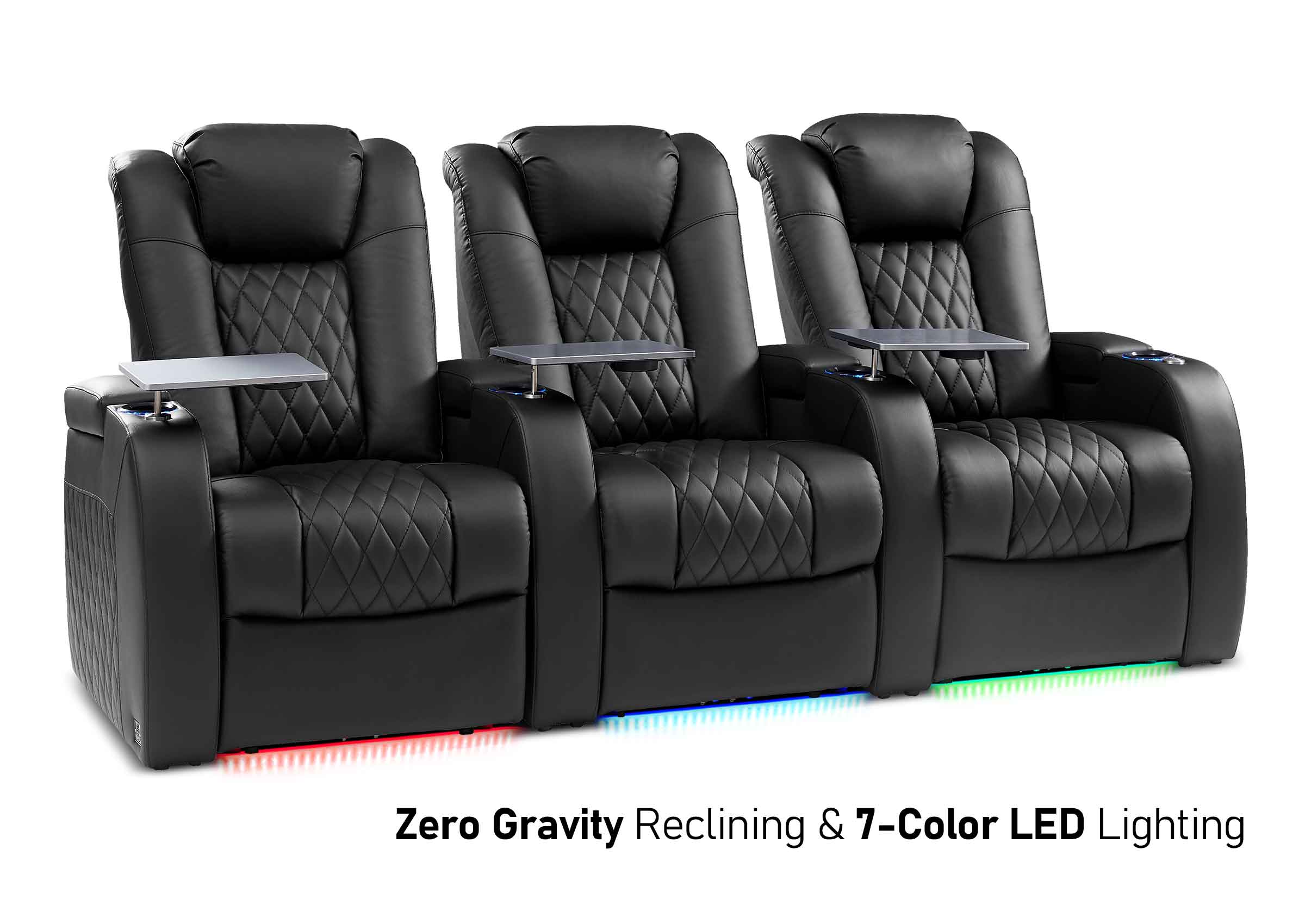
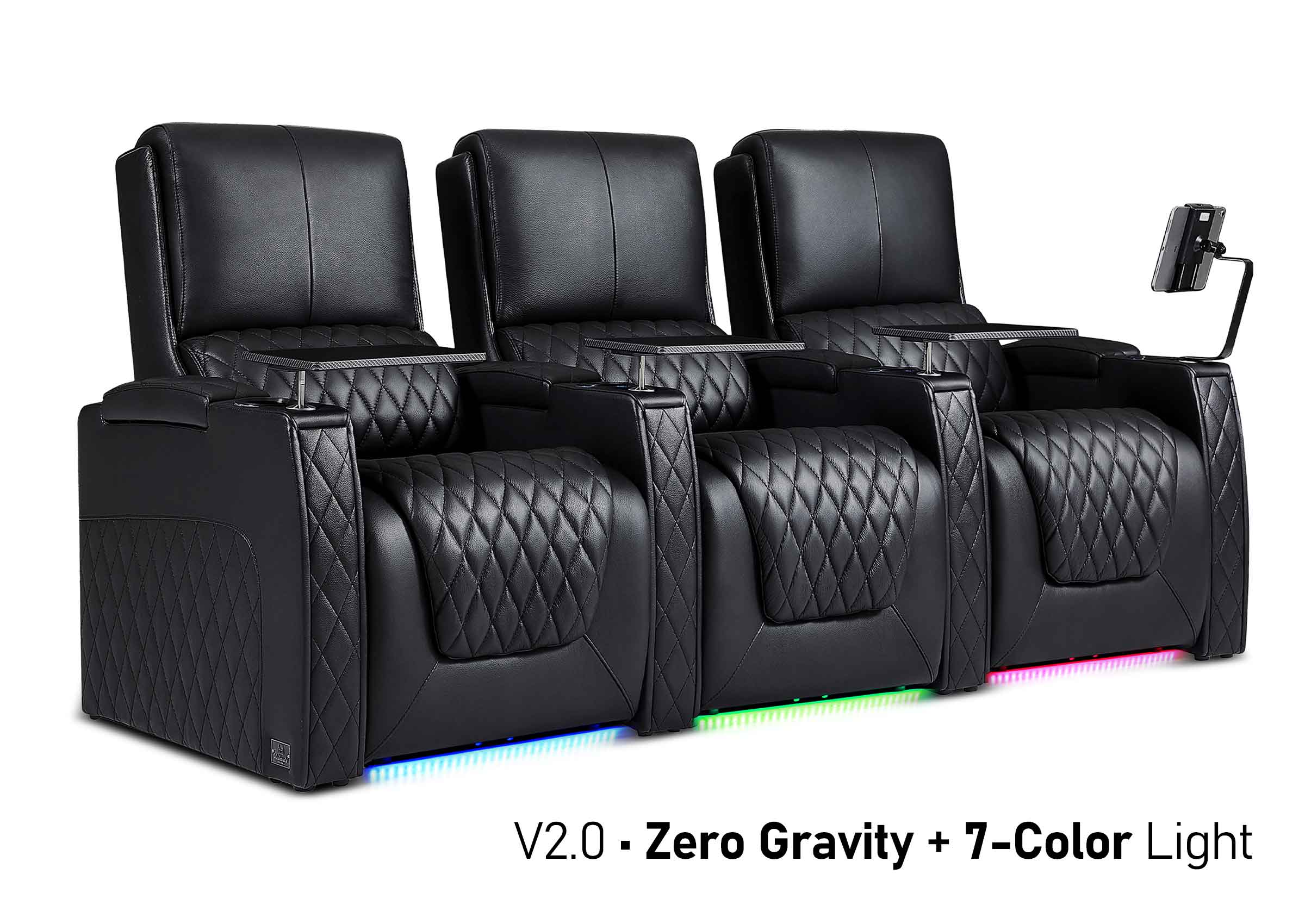
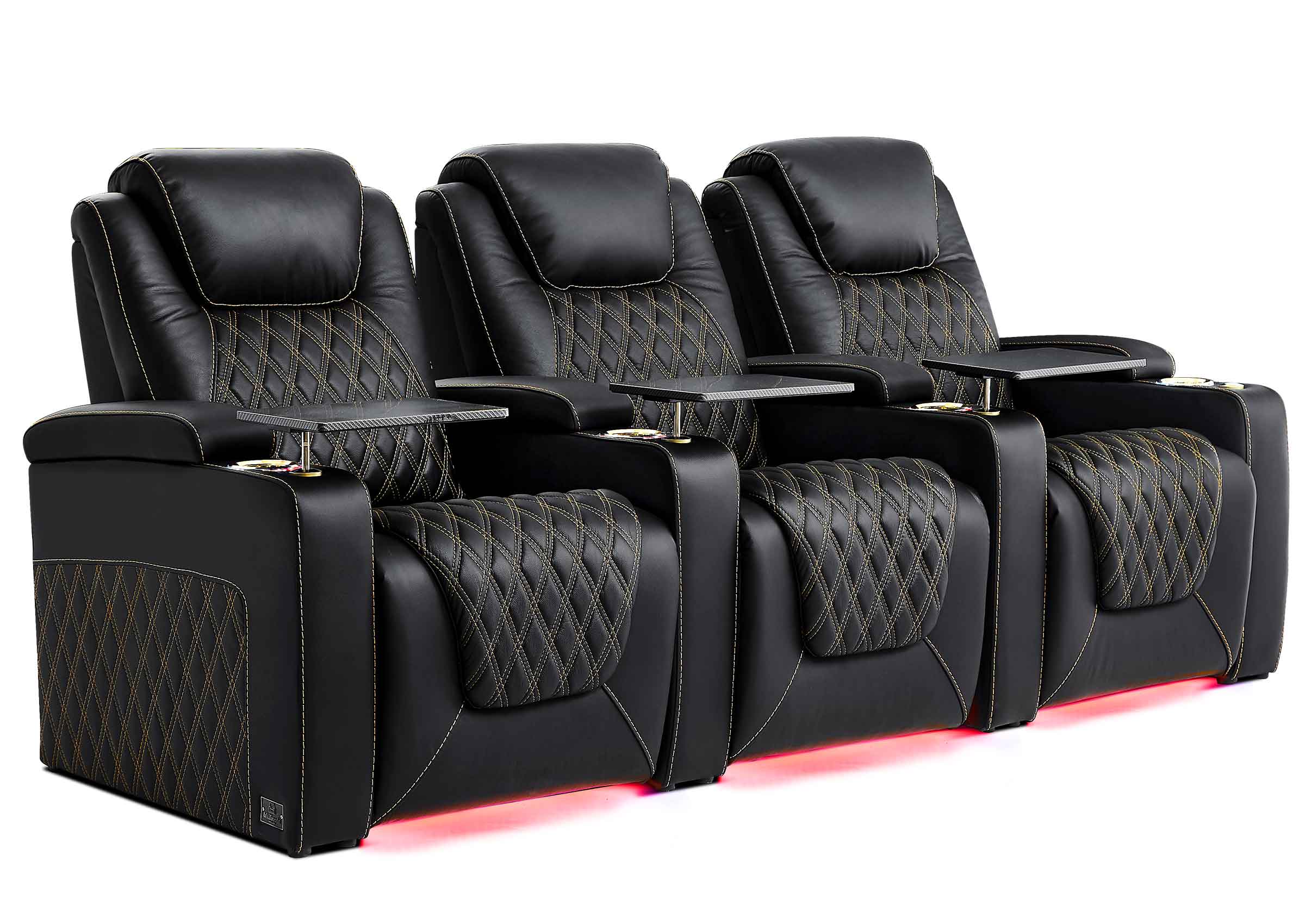
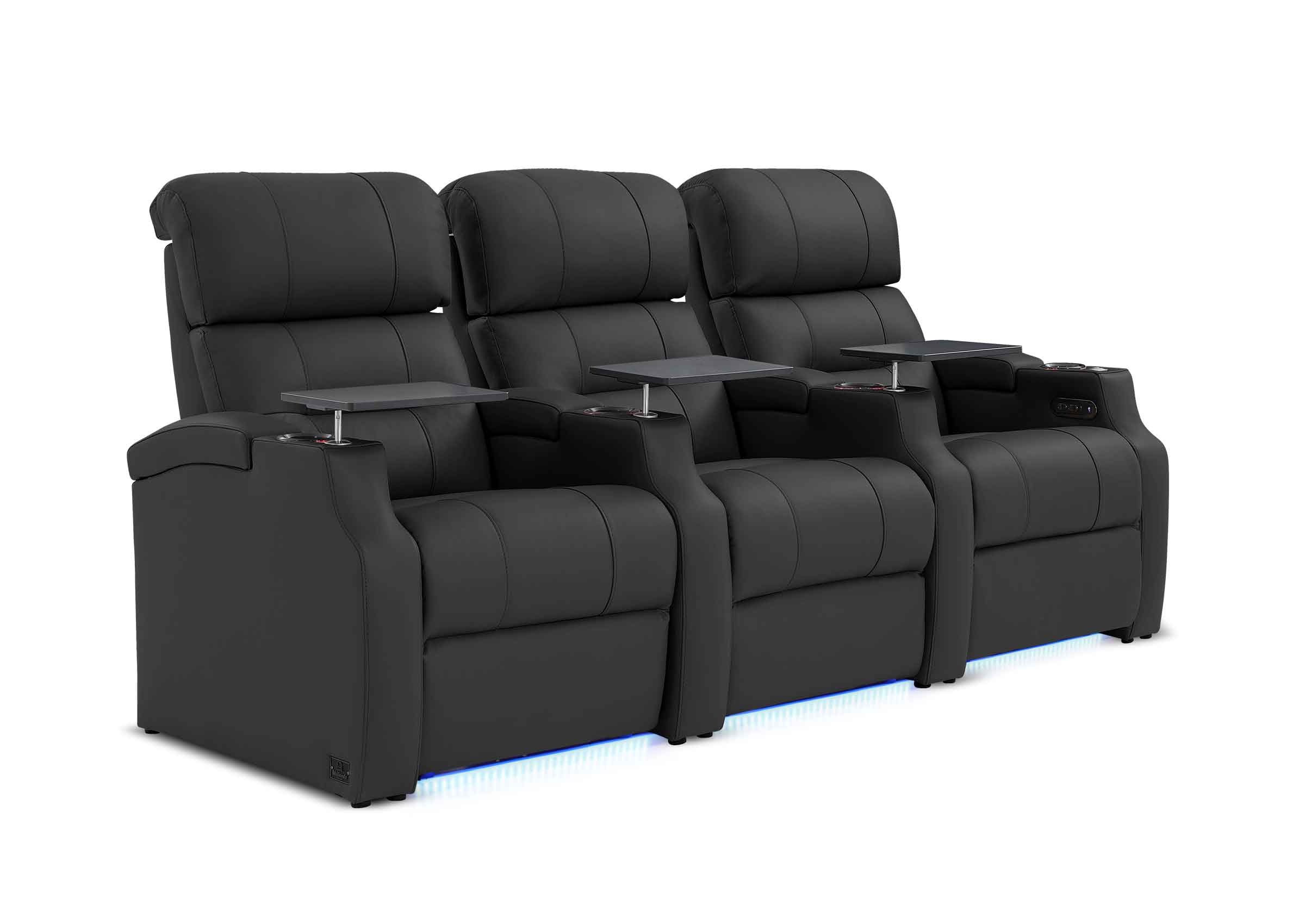
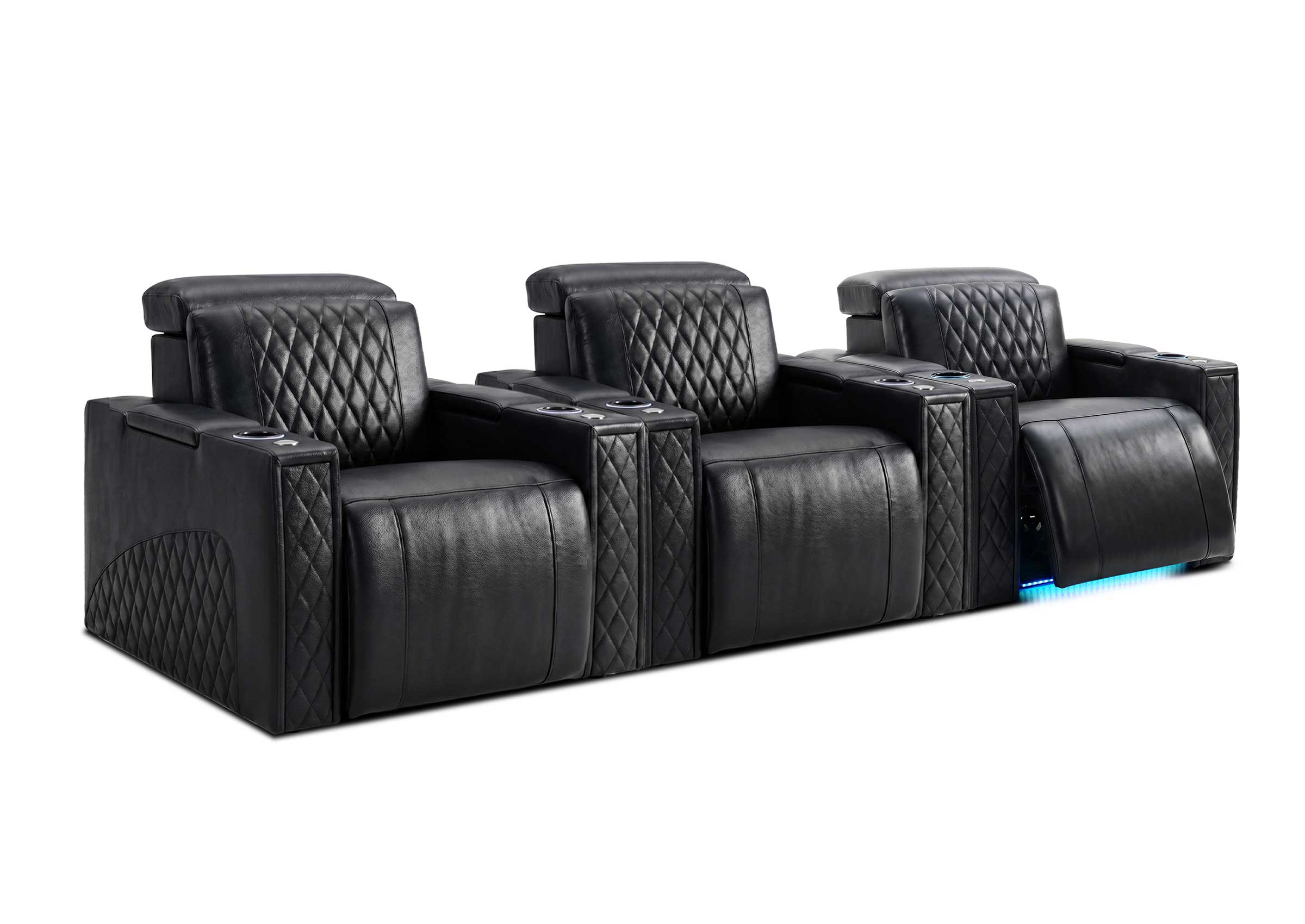

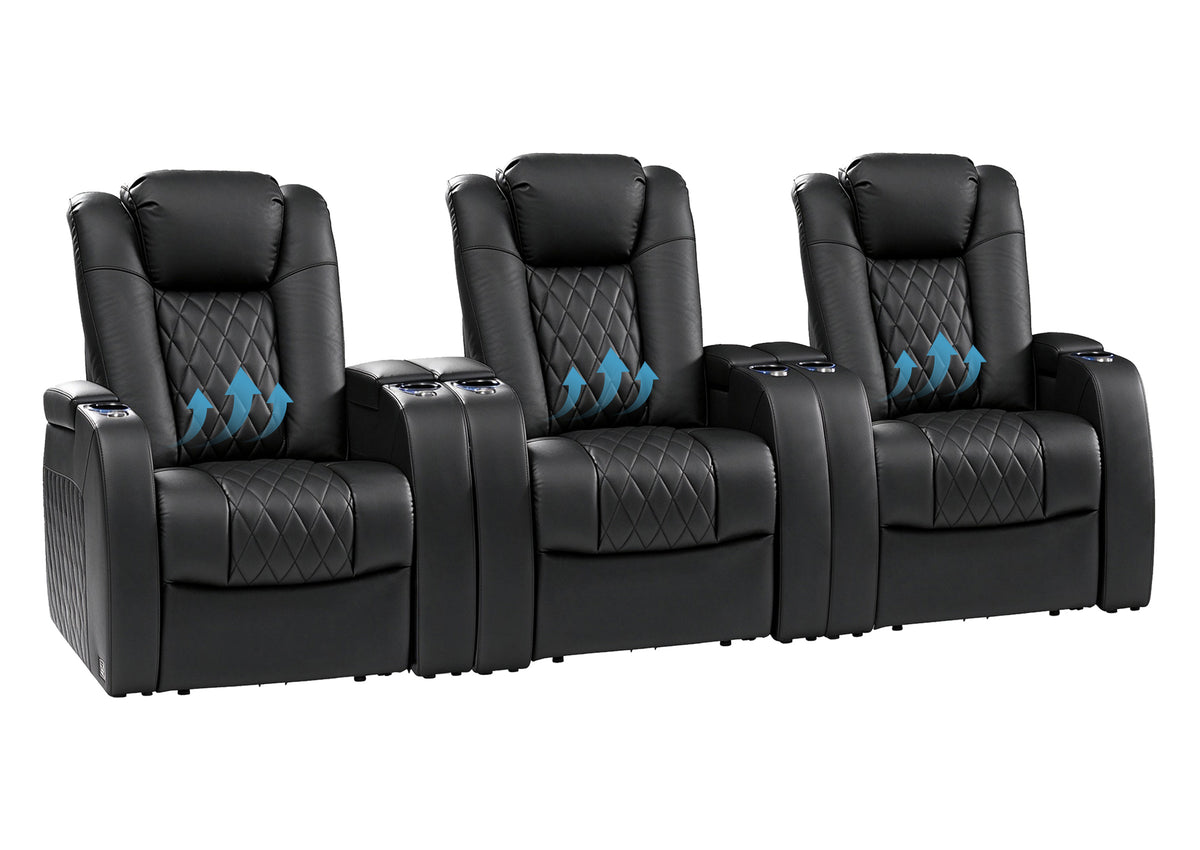
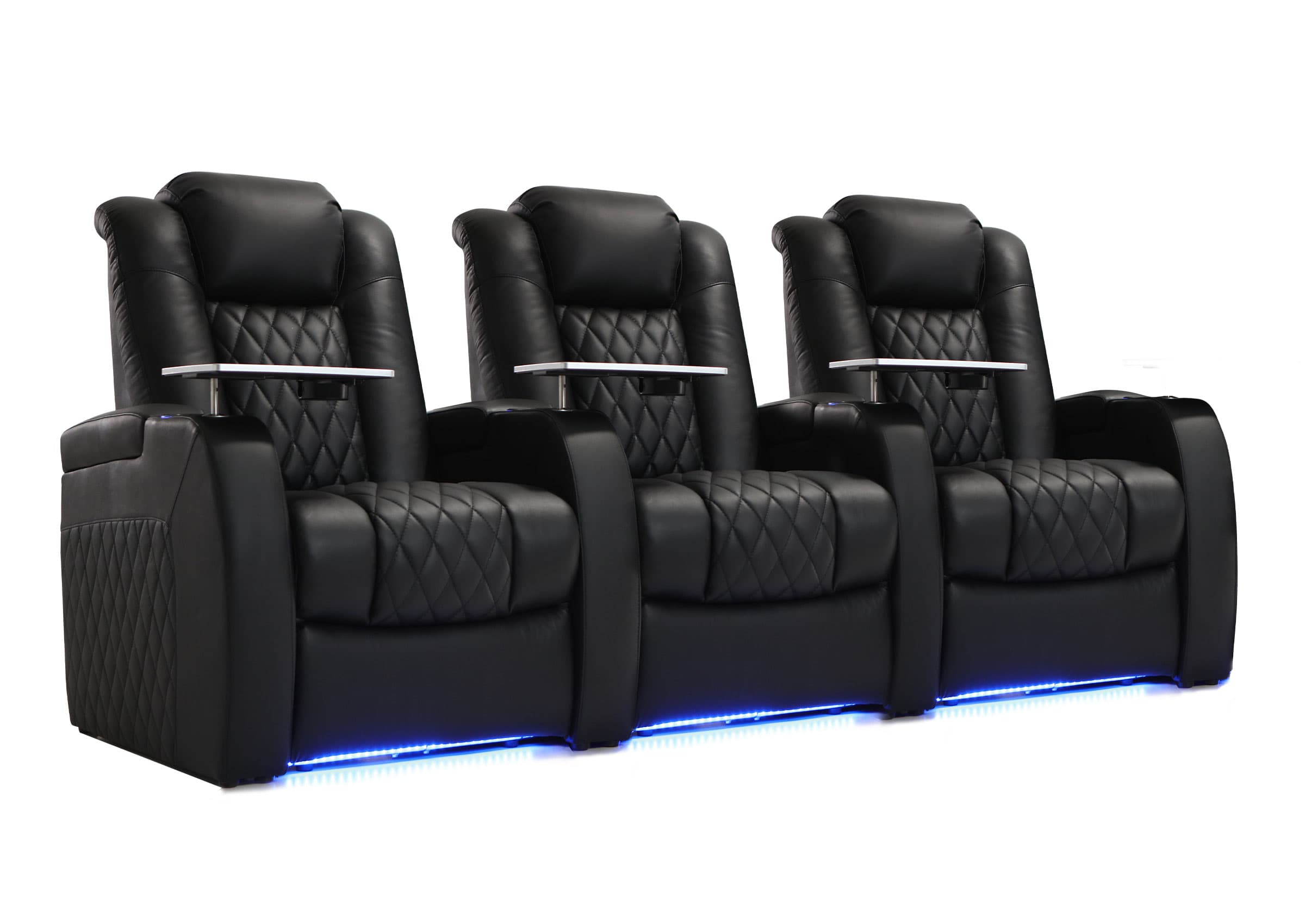
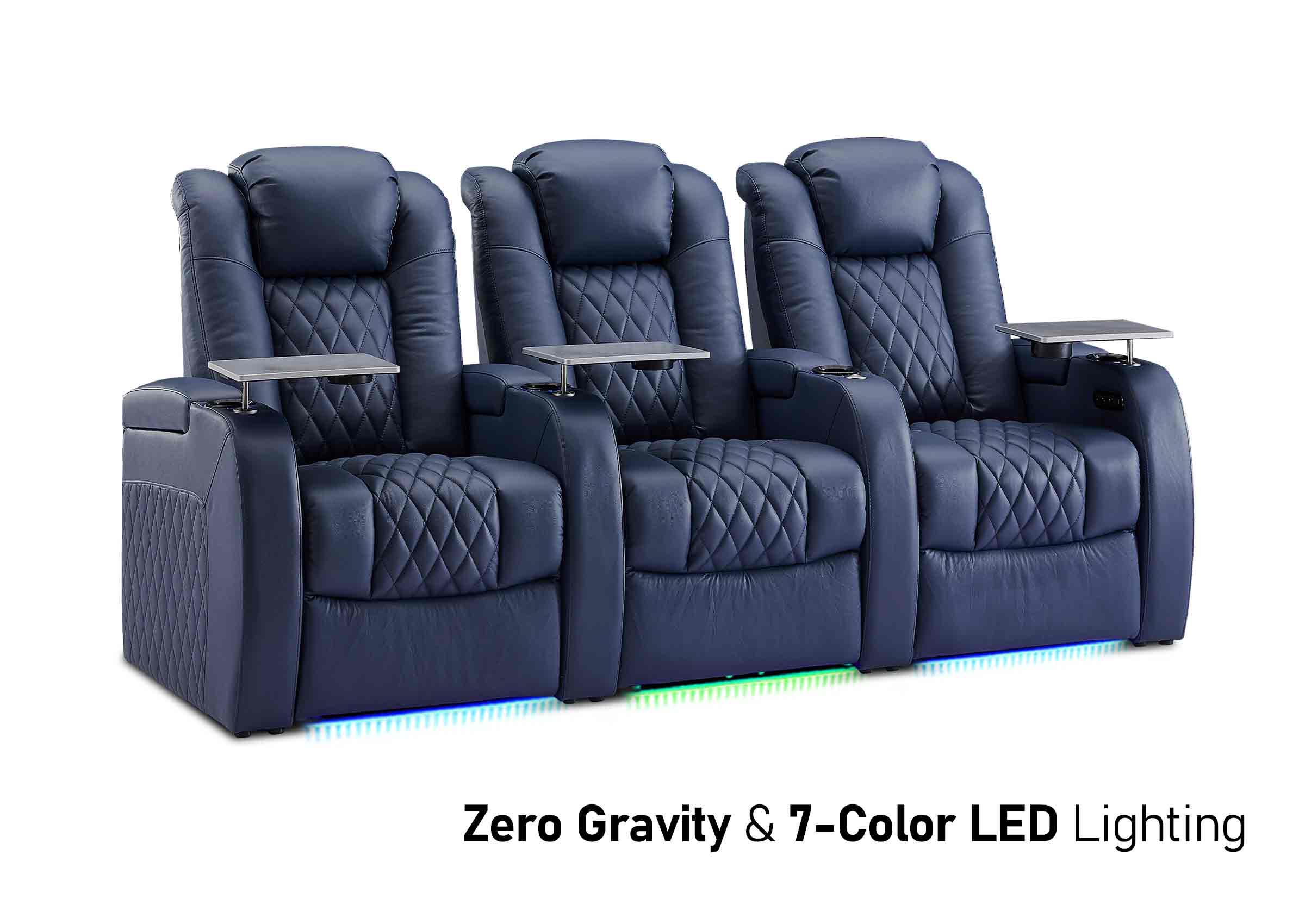
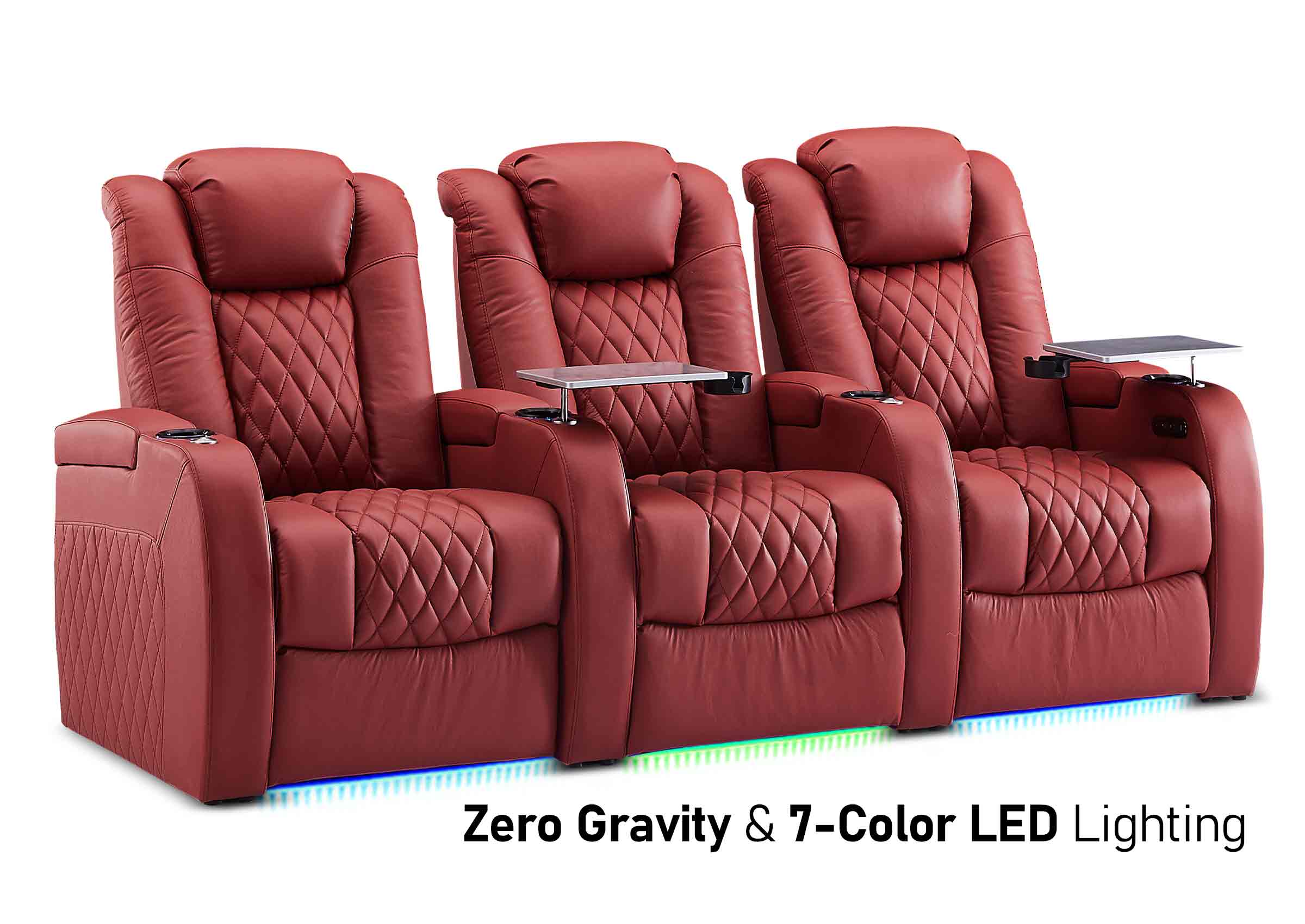
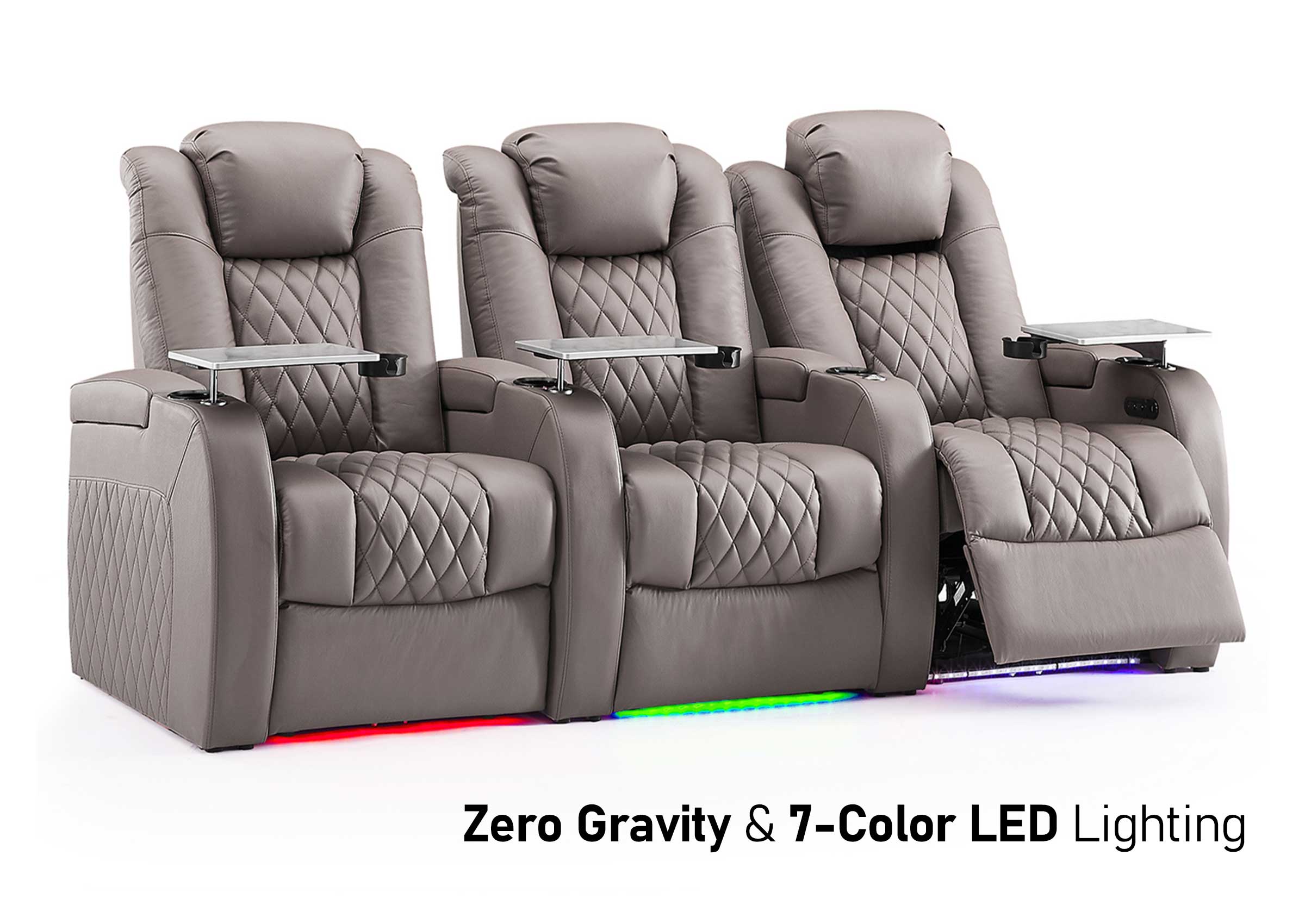
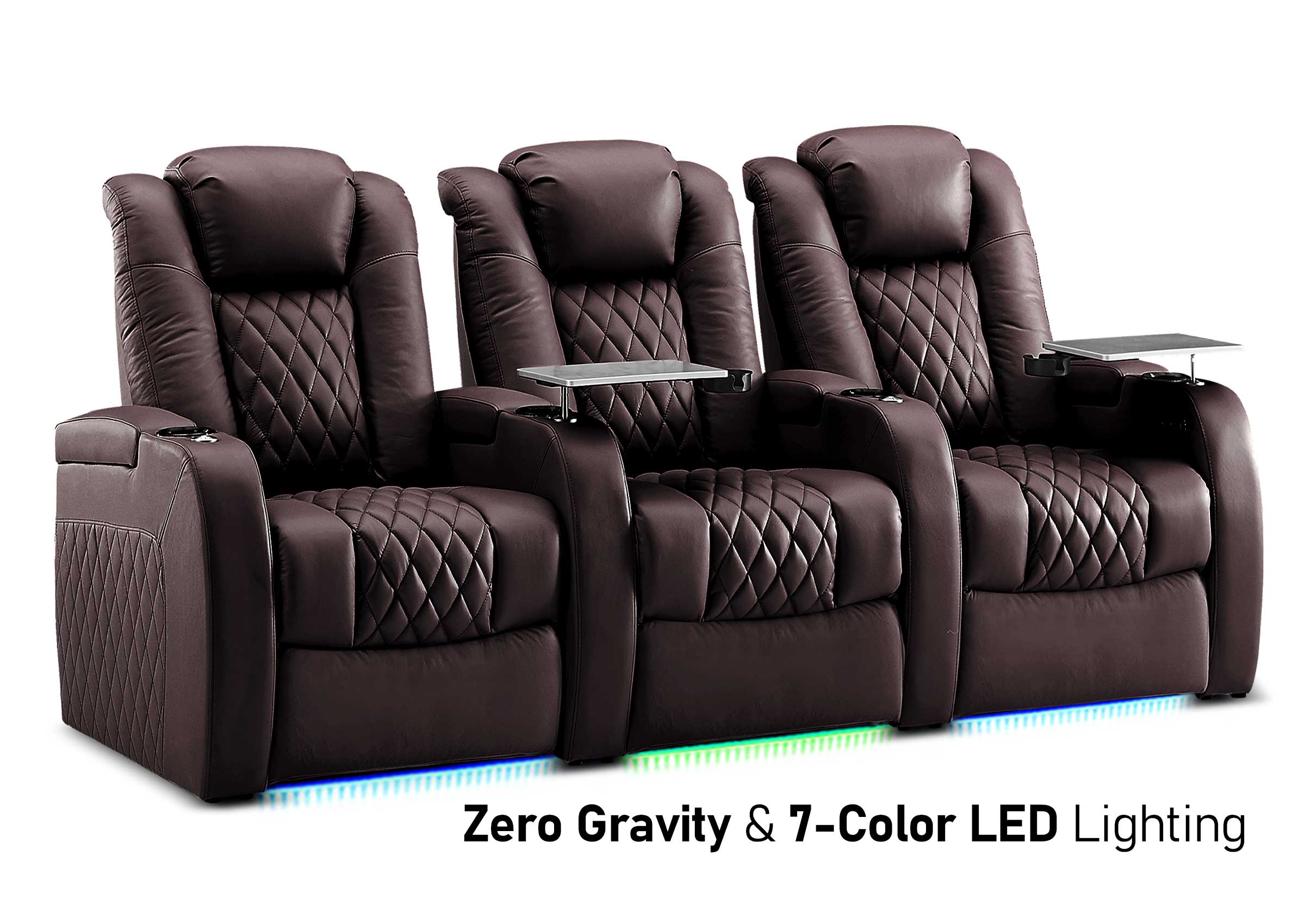

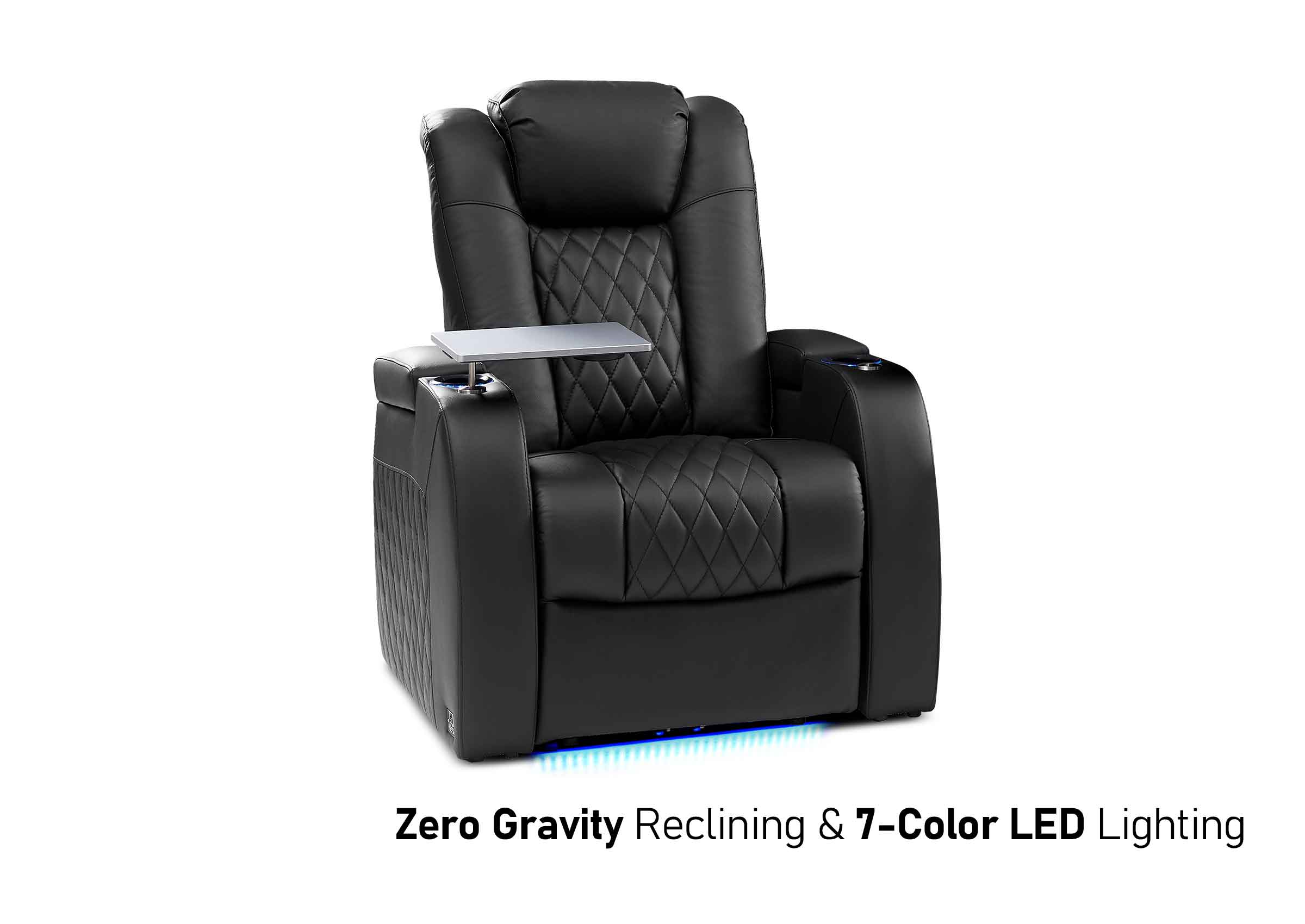
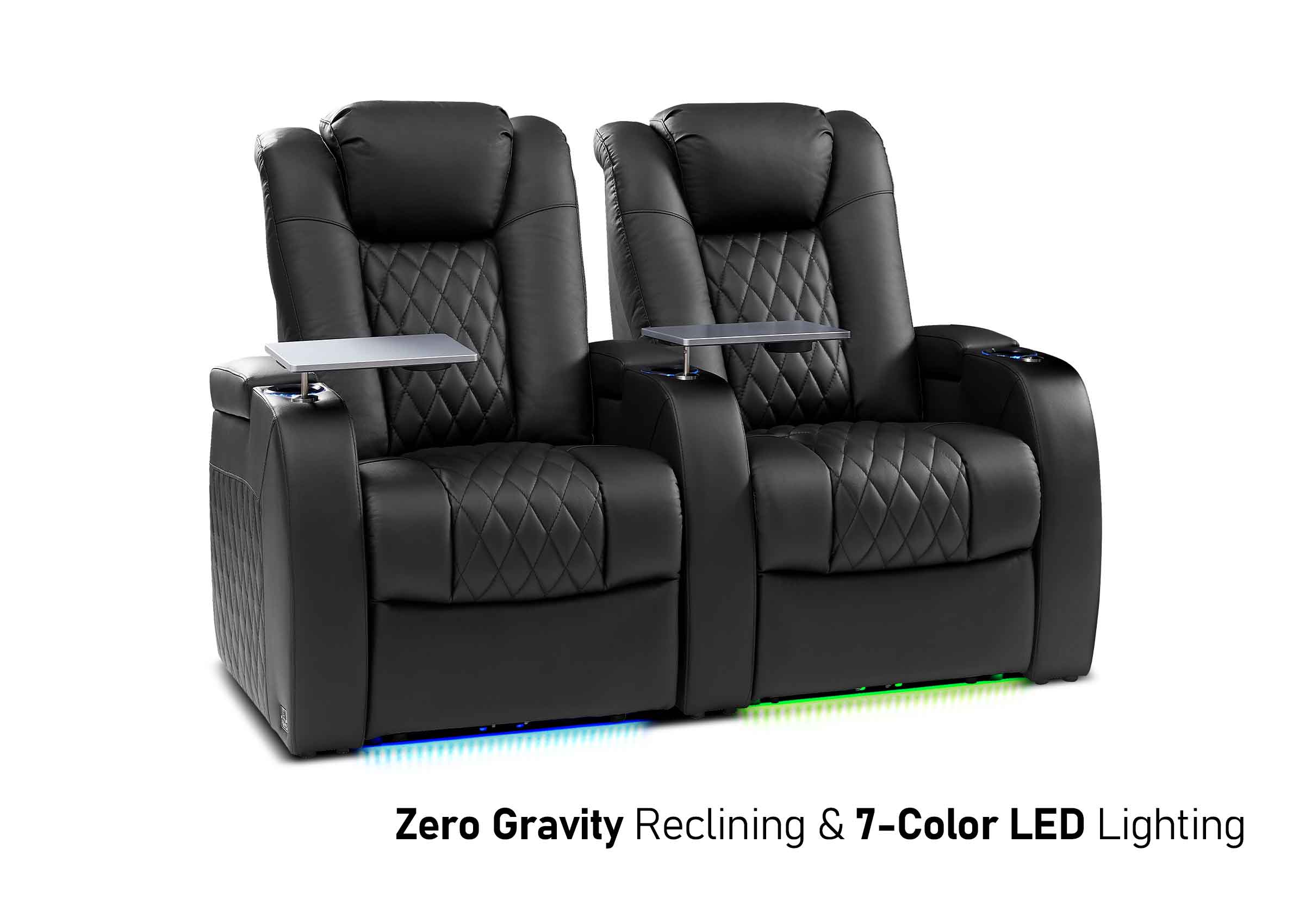
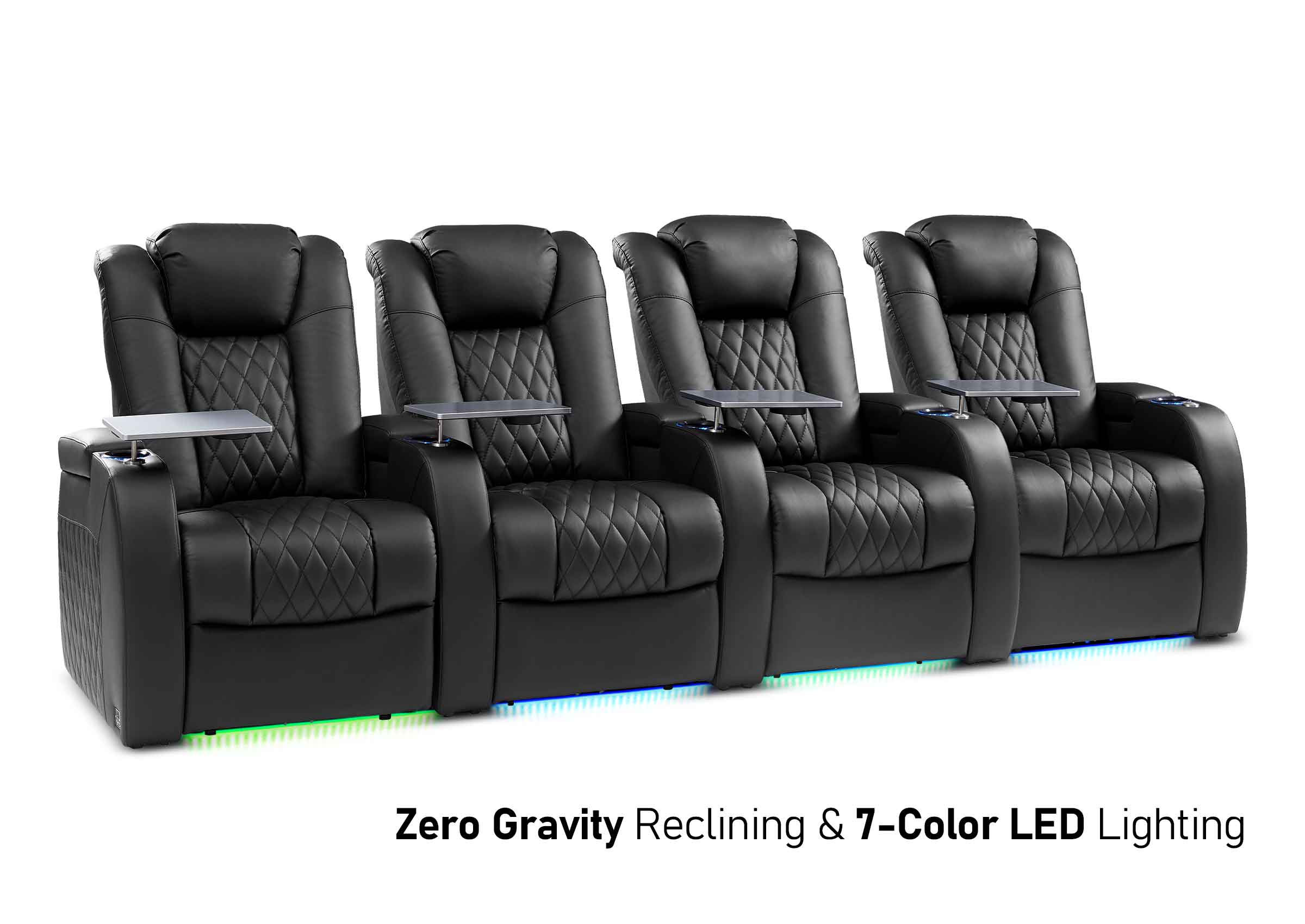
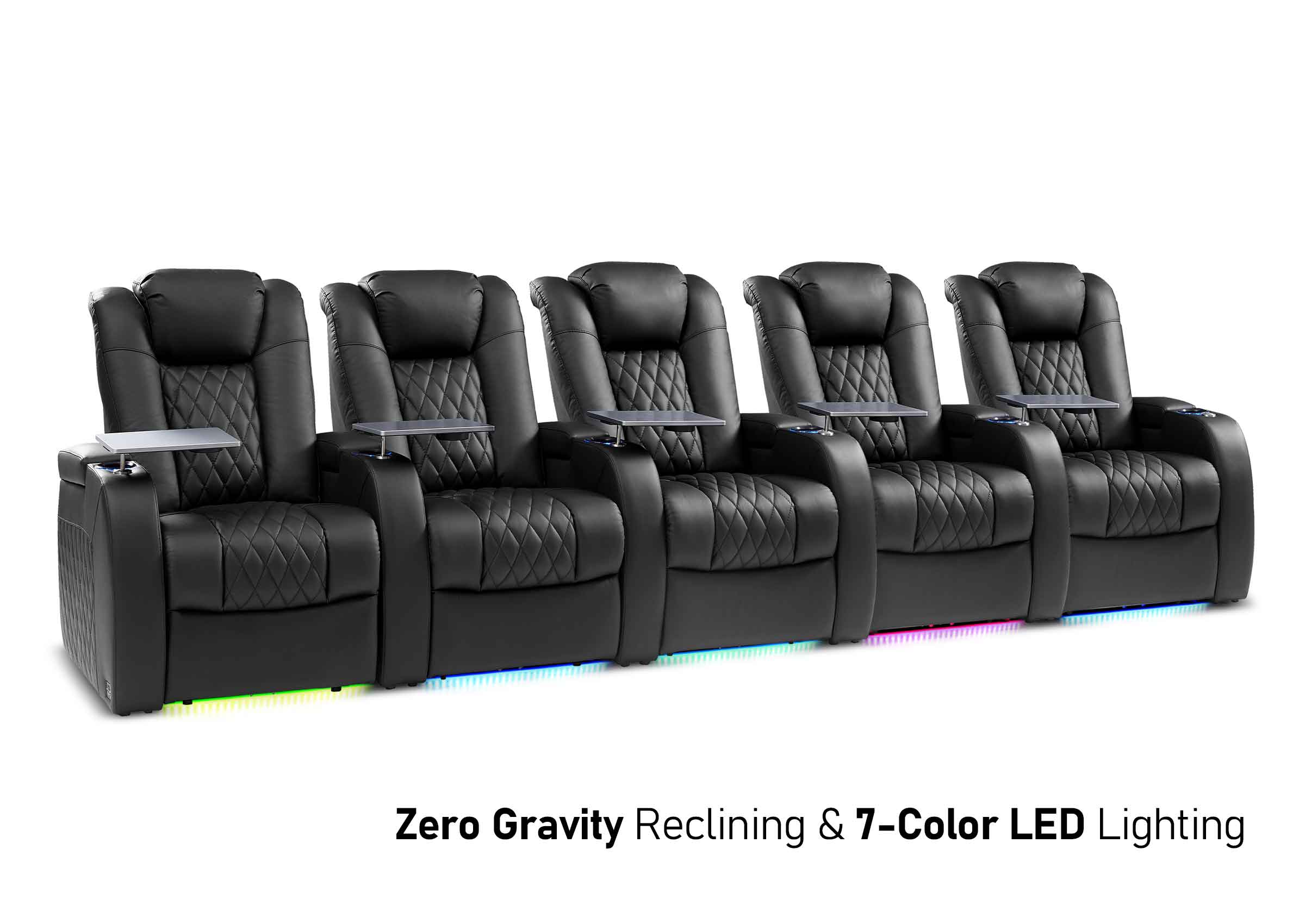
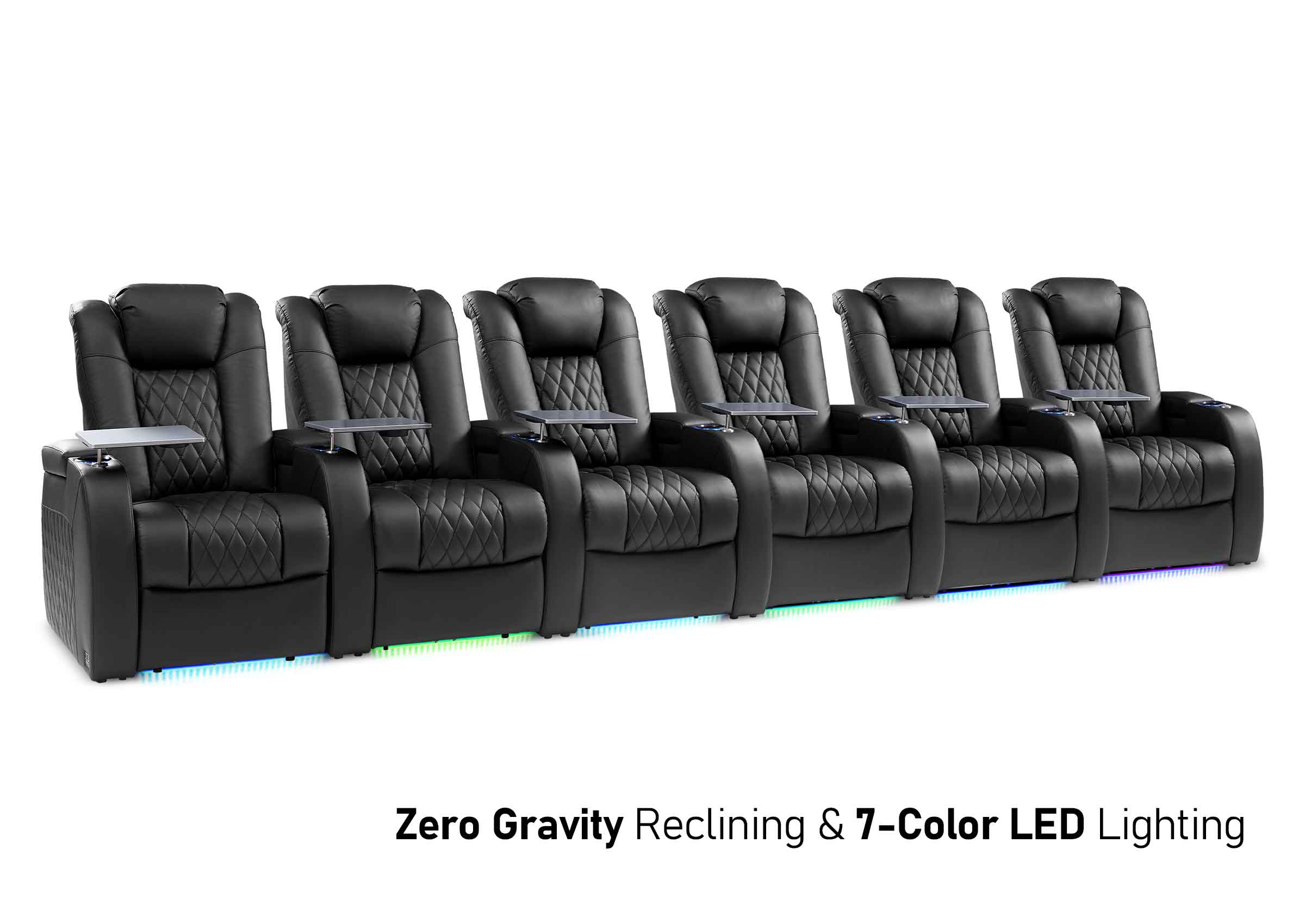
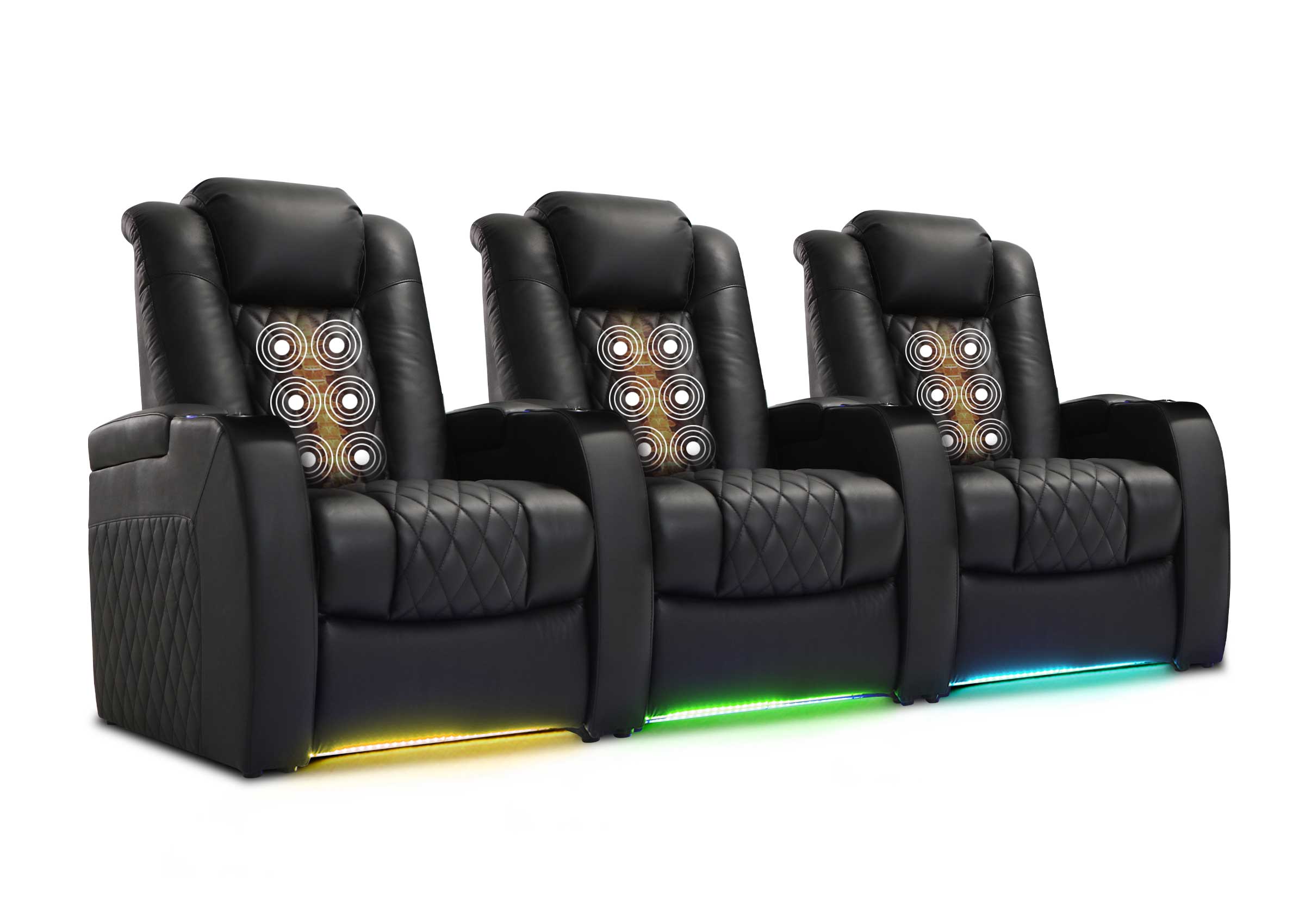
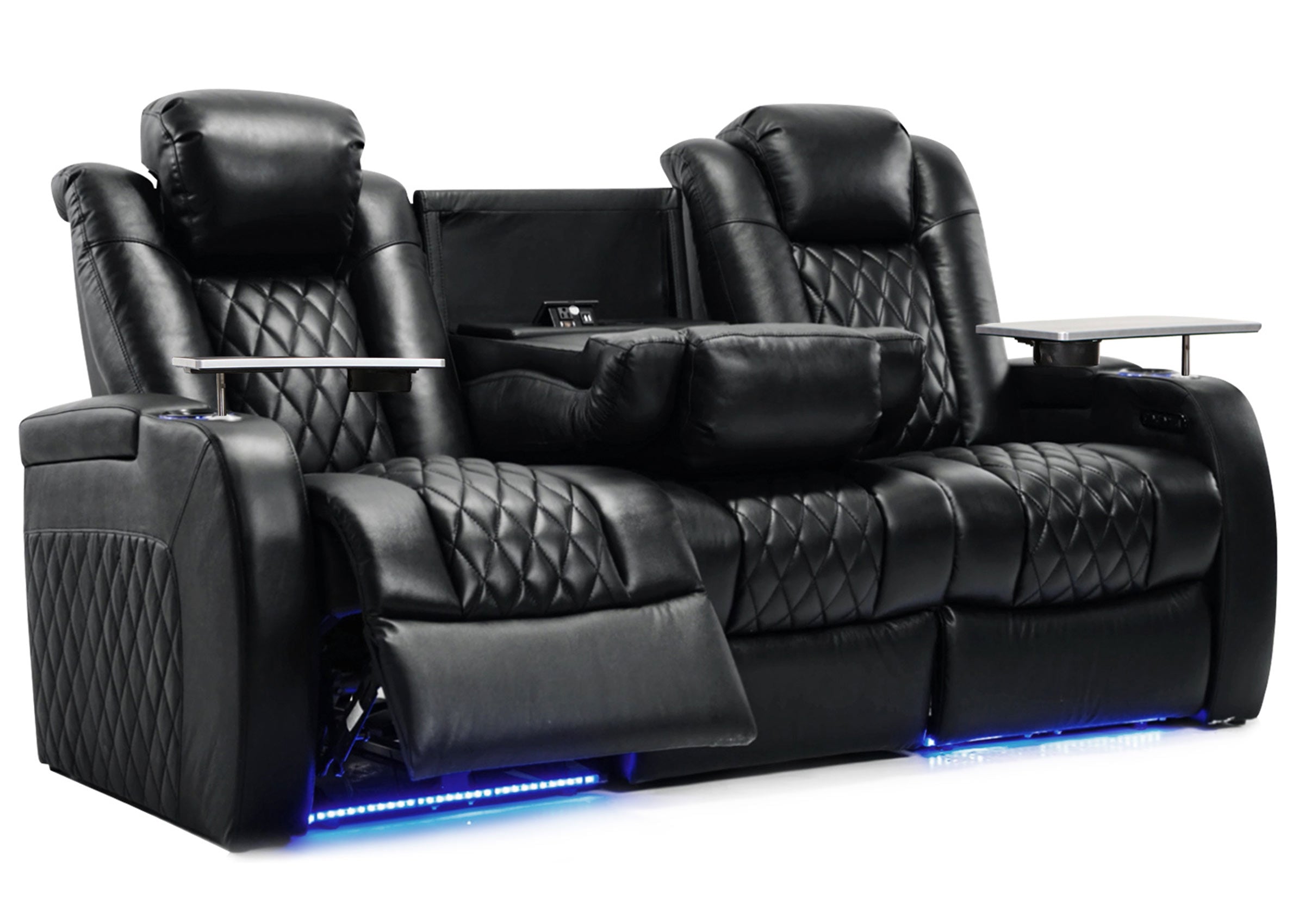
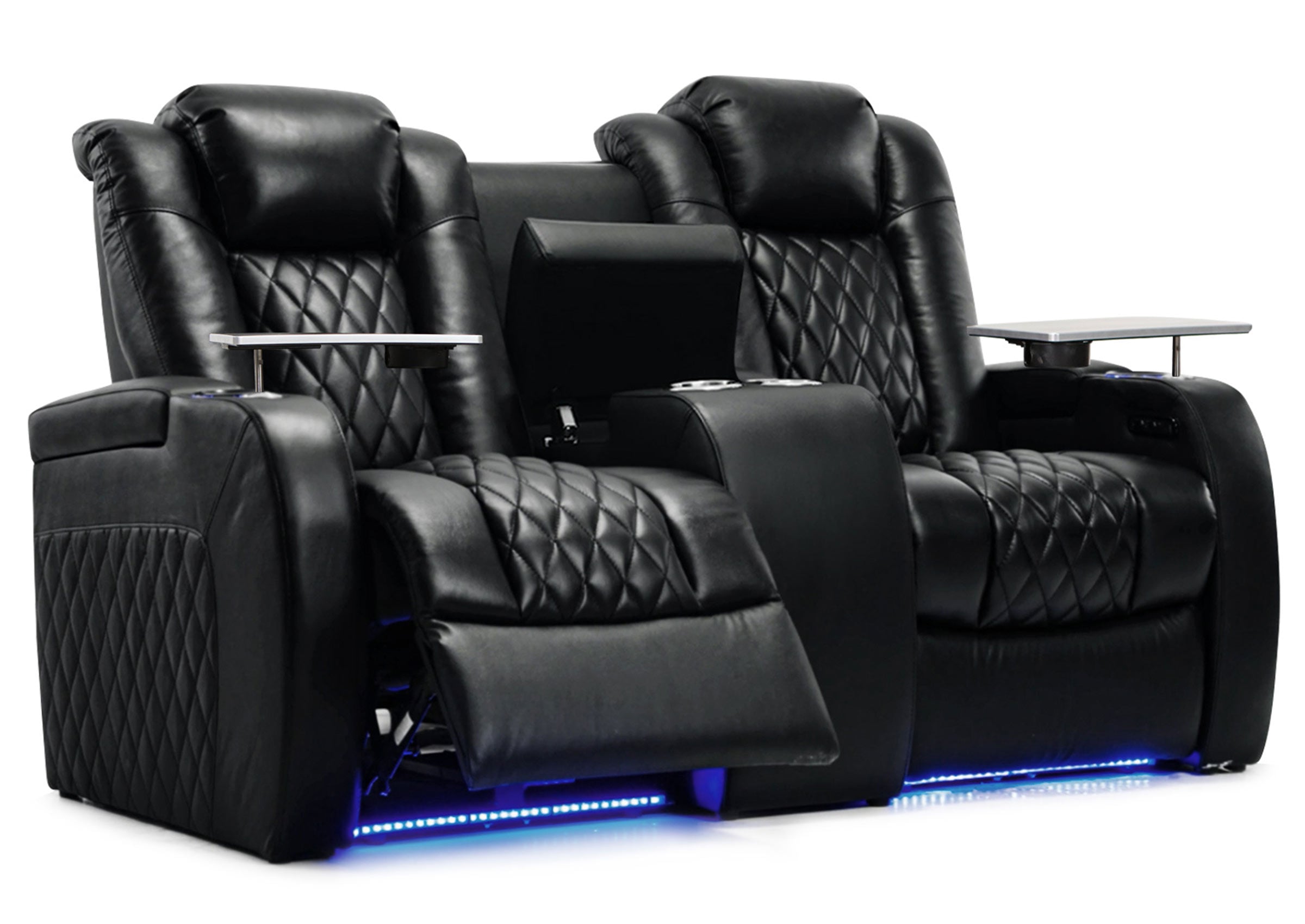


A sectional sofa is a sofa made from multiple upholstered sections that connect to create one larger seating arrangement. Those sections may form an L-shape, a U-shape, a sofa with a chaise, or another configuration designed around the room.
The important detail is that “sectional” describes how multiple seating sections form a larger sofa. It does not automatically mean that every piece can be freely rearranged.
That distinction explains why shoppers see terms such as L-shaped sectional, modular sectional, reclining sectional, and sectional with chaise used together. They are often describing different characteristics of the same piece of furniture.
This guide explains what a sectional sofa is, how sectional types are actually classified, how sectionals differ from regular and modular sofas, and what the shape changes about seating, traffic flow, and everyday room use.
What Makes a Sofa a Sectional?
A sectional is built from two or more seating sections that work together as one larger arrangement.
Depending on the design, those sections may include:
- standard seated sections;
- corner pieces;
- armless seats;
- one-arm end sections;
- chaise sections;
- reclining modules;
- ottoman or lounge components designed for the same system.
What separates a sectional from a typical straight sofa is not simply size.
A conventional sofa usually establishes one main line of seating. A sectional can extend seating around a corner, along a second wall, or into the room itself.
That changes more than seating capacity. It can also change:
- which direction people face;
- where conversations naturally happen;
- how people move through the room;
- where a coffee table can sit;
- which wall becomes the main TV or fireplace wall;
- how strongly the furniture defines one area of an open floor plan.
A sectional is therefore better understood as a seating configuration, not simply a bigger sofa.

Sectional Sofa, Sectional Couch, and Modular Sofa: Are They the Same?
Sectional sofa and sectional couch are generally used to describe the same furniture category in everyday shopping language.
The more important distinction is between sectional and modular.
A sectional describes how multiple seating sections form one larger arrangement.
Modular describes how independently those pieces can be configured, connected, removed, added, or rearranged.
That means a sofa can be both sectional and modular at the same time.
For example, a sofa might be:
L-shaped + modular + reclining
Those three words are not competing labels:
- L-shaped describes its shape;
- modular describes its configuration flexibility;
- reclining describes what some of its seats can do.
Not Every Sectional Is Fully Reconfigurable
This is one of the most useful distinctions to understand before shopping.
A fixed sectional may arrive in several pieces because that makes manufacturing, shipping, or installation easier, but those pieces may still be intended to return to one specific layout.
A genuinely reconfigurable modular system may allow some pieces to move, seats to be added or removed, or the arrangement to change later.
The exact possibilities depend on the furniture system.
Do not assume “multiple pieces” means “multiple possible layouts.”
If future rearrangement matters to you, ask what the pieces can actually do after purchase rather than relying on the category name alone.
For a deeper comparison of fixed and reconfigurable furniture, see our modular sofa vs. sectional guide. You can also explore configurable seating modules if modularity itself is the feature you are researching.
What Are the Main Types of Sectional Sofas?
Sectional types can become confusing because furniture retailers often place shape, construction, and features in the same list.
A clearer way to understand them is to separate three questions:
| Question | What It Describes | Examples |
|---|---|---|
| What shape does it make? | Room layout | L-shaped, U-shaped, chaise, curved |
| How flexible is the configuration? | Construction and rearrangement | Fixed, reversible, modular |
| What can the seats do? | Function | Stationary, reclining |
This matters because one sectional may belong to several categories at once.
L-Shaped Sectional
An L-shaped sectional uses two seating runs that meet at a corner or create an L-like footprint.
It can work against two walls, sit in a corner, or float farther into an open room to define a living area.
L-shaped layouts often balance seating capacity with a footprint that is less enclosed than a large U-shaped sectional.
The main planning question is not simply whether the L fits on the floor. It is whether the return side points in the correct direction.
A poorly oriented return can interfere with a doorway, patio access, dining area, or the room's most natural walking route.
For a deeper look at layout problems, see our L-shaped sectional mistakes guide.
U-Shaped Sectional
A U-shaped sectional extends seating along three sides of a shared area.
Its strength is not simply that it is large. The shape naturally turns more people toward one another, which can make it useful in rooms built around conversation, family time, or casual gatherings.
The tradeoff is commitment.
Three seating sides occupy more floor area and can make circulation more dependent on one or two specific entry points.
Before choosing a U-shape, think about where people enter the seating area and whether the returns interfere with other furniture or movement.
Chaise Sectional
A chaise sectional replaces part of a normal seating run with an extended lounge surface.
It can provide a comfortable place to stretch out without requiring a moving footrest, but the chaise direction can have a large effect on the room.
A chaise that works visually may still be inconvenient if it extends across the natural path between the living room, kitchen, patio, hallway, or television.
If you are already deciding between specific chaise layouts, our sectional with chaise guide covers the decision in more detail. If the main question is which side should extend, see left-facing vs. right-facing chaise.
Curved Sectional
A curved sectional creates a softer seating arc instead of relying on a sharp corner.
That shape can make conversation feel more natural because people on the outer seats are turned slightly toward one another.
The tradeoff is that a curved footprint may be less efficient against straight walls and can require more careful planning around rugs, tables, and unused floor space behind the curve.
Fixed Sectional
A fixed sectional is intended to maintain a defined layout.
Its sections may still separate for transportation or installation, but the arm positions, corner pieces, connectors, or upholstery orientation may limit how those pieces can be rearranged.
A fixed sectional can make sense when the room layout is already settled and future reconfiguration is not an important requirement.
Modular Sectional
A modular sectional is built from individual modules that provide some level of configuration flexibility.
Depending on the system, that may allow you to:
- move certain sections;
- change the seating count;
- separate a larger arrangement;
- move a compatible chaise;
- adapt the furniture to another room later.
But the word modular is not enough by itself. Confirm what the actual product supports.
A useful question is:
“What can I realistically change after this sectional is already in my home?”
Reclining Sectional
A reclining sectional adds reclining movement to one or more seating positions.
This creates another layer of planning because the furniture has both a static footprint and an active footprint.
The sectional may fit while upright but need additional front, rear, or side clearance when one or more seats are reclined.
Reclining is therefore a function, not a sectional shape. An L-shaped, modular, or chaise sectional may also include reclining seats.

Sectional Sofa vs. Regular Sofa: What Actually Changes?
A regular sofa generally creates one straightforward seating line. A sectional extends seating into a larger configuration.
That sounds simple, but the practical differences go beyond seat count.
| Factor | Sectional Sofa | Regular Sofa |
|---|---|---|
| Structure | Multiple connected sections | Usually one main furniture piece |
| Room orientation | May extend in two or three directions | Usually follows one wall or axis |
| Shared lounging | Often creates a larger connected lounge area | More defined straight seating |
| Space planning | Return, chaise, corner, and circulation all matter | Usually simpler to place and reposition |
| Future layout flexibility | Varies greatly by configuration | Often easier to relocate as one unit |
| Delivery | Multiple sections may simplify handling, but total layout is larger | One large frame may be more difficult through tight access |
Neither is automatically better.
A sectional often makes sense when the household wants one connected seating area. A regular sofa may work better when easy furniture movement, multiple separate chairs, or a simpler traffic pattern matters more.
How Does a Sectional Change the Way a Room Works?
One of the most common planning mistakes is evaluating only the footprint underneath the sectional.
The more useful question is:
What happens to the room around the sectional?
1. It Creates a Stronger Boundary
In an open-concept home, the back or return of a sectional can visually separate the living area from a dining room, kitchen, or circulation zone.
That can be useful when the room needs definition.
It can also become a problem if the sectional creates a barrier where people naturally want to walk.
2. It Changes the Main Walking Routes
A chaise or return section can turn a previously open path into a dead end.
Before buying, imagine an ordinary evening rather than an empty room:
- someone is sitting on the chaise;
- another person is using the coffee table;
- someone walks toward the kitchen;
- a cabinet or door needs to open;
- children or pets move around the seating area.
A sectional should be judged by the useful room left around it, not only by the floor area directly underneath it.
3. It Changes the Viewing and Conversation Angles
Not every sectional seat faces the same direction.
The center seats of one run may face the television directly while a corner or return seat creates a noticeably different viewing angle.
That is not necessarily a problem.
If the room is mainly for conversation and casual family use, angled seating can be an advantage. If everyone regularly watches the same screen, it becomes more important to think about which seats will be used most often.
4. It Changes the Furniture Around It
A sectional rarely works alone.
The coffee table, rug, side tables, lamps, accent chairs, storage, doors, and television wall all have to work with the new footprint.
This is why simply comparing the sectional dimensions with wall dimensions is not enough.
Can a Sectional Work in a Small Room?
Yes. A small room does not automatically require a small straight sofa.
A compact sectional can sometimes use a corner efficiently and consolidate seating that would otherwise require a sofa plus multiple chairs.
But the sectional only works if the configuration protects the parts of the room that cannot move:
- entry doors;
- hallways;
- patio access;
- built-in cabinets;
- heating vents;
- the primary walking route.
Instead of asking whether a sectional is “too big” in general, ask whether its specific shape leaves the room functional.
Does a Sectional Always Give You More Usable Seating?
Not necessarily.
This is where advertised seating capacity and real household use can differ.
A sectional may technically contain five sitting positions, but those five positions may not be equally useful for the way your household uses the room.
Consider:
- whether the corner seat is comfortable for normal sitting;
- whether one person frequently stretches across several cushions;
- whether the chaise is usually occupied by one person;
- whether all regular seats have a practical view of the television;
- whether people naturally avoid one position because it feels crowded;
- whether wide arms, consoles, or oversized corners reduce usable seating space.
For a household that regularly watches movies together, four seats with useful viewing positions may work better than a nominal five-seat layout where two people constantly turn toward the screen.
For a social living room, the opposite can be true: angled and corner seating may be valuable because people can face each other more naturally.
Useful seating capacity is partly about how people occupy the sectional, not only how many seat divisions appear on a product page.
When Does a Sectional Make Sense—and When Might It Not?
A sectional tends to make sense when its connected shape supports something your household actually does.
A Sectional May Make Sense If You:
- want several people to share one connected seating area;
- often lounge, watch movies, or spend family time together;
- want furniture to define an open living area;
- have a corner or room shape that suits an L- or U-shaped layout;
- want a chaise or larger lounging surface;
- have already confirmed that the return does not block important circulation.
Another Layout May Make More Sense If You:
- rearrange your furniture frequently but are considering a fixed sectional;
- need multiple independent seating positions around the room;
- have several doorways or circulation paths crossing the seating zone;
- expect to move the furniture into a very different room later;
- need every regular viewer to face the television directly;
- are choosing a larger sectional mainly because it technically fits.
The last point matters.
The largest sectional that fits is rarely the most useful definition of the right sectional.
Extra seating only creates value when people can use it without making the rest of the room harder to live with.
Can a Sectional Sofa Work in a Media Room or Home Theater?
Yes. A sectional can work very well in a casual media room, especially when shared lounging, family movie nights, gaming, and everyday relaxation are all important.
The key distinction is between a room built around shared lounging and one built around individual viewing positions.
A sectional lets people curl up, sit close together, stretch out, and use the room more casually. A dedicated theater may place more importance on consistent screen orientation, individual recline positions, row planning, sightlines, and personal adjustment.
If you are still separating those room types, our home theater guide explains the broader setup.
If the main decision is specifically between connected lounge seating and individually adjustable seating, see our recliner sofa vs. sectional sofa comparison.
The purpose of this distinction is not to make one format universally better. It is to match the seating structure to what the room is actually expected to do.

A Simple Sectional Check Before You Shop
You do not need to solve every furniture decision before browsing, but six questions can eliminate many poor configurations early.
1. What Shape Does the Room Support?
Decide whether the room naturally supports a straight run, L-shape, chaise extension, U-shape, or another configuration.
2. Is the Layout Fixed or Does It Need to Change Later?
If future rearrangement matters, confirm whether the sectional is actually reconfigurable rather than assuming separate pieces are interchangeable.
3. Which Side Should Extend?
For an L-shaped or chaise configuration, check entrances, hallways, windows, cabinets, dining areas, and the main focal point before choosing a side.
4. How Many Seats Are Actually Useful?
Think about who sits where during a normal movie night, conversation, or family evening instead of relying only on the advertised seat count.
5. What Happens Around the Full Footprint?
Include the coffee table, rug, side tables, doors, and walking paths in your layout test.
6. Can the Sectional Reach the Room?
Measure the delivery route as well as the final location.
Check:
- door openings;
- hallway width;
- tight turns;
- stairs and landings;
- elevators;
- basement or upper-floor access.
A sectional that fits beautifully on the floor plan is not a practical choice if one of its largest sections cannot reach the room.

Frequently Asked Questions
What is a sectional couch?
A sectional couch is a sofa made from multiple upholstered sections that connect to form one larger seating arrangement. In everyday furniture shopping, “sectional couch” and “sectional sofa” generally refer to the same category.
What does sectional mean in furniture?
Sectional means the furniture is built from multiple seating sections rather than one continuous sofa frame. Those sections combine to create a larger layout such as an L-shape, U-shape, chaise configuration, or another sectional arrangement.
What is the difference between a sectional sofa and a regular sofa?
A regular sofa usually creates one straight seating line, while a sectional uses multiple sections to extend seating in more than one direction. That changes the furniture footprint, seating relationships, circulation, and room layout.
Are all sectional sofas modular?
No. Some sectionals are designed for one predetermined configuration even though their pieces separate. Modular sectionals provide a greater degree of configuration flexibility, but the exact rearrangement options vary by system.
Can sectional sofas be rearranged?
Some can and some cannot. A modular sectional may allow sections to be moved, added, or removed, while a fixed sectional may be designed to return to one particular layout. Check the actual connection system and supported configurations before assuming the pieces are interchangeable.
What are the main types of sectional sofas?
Common shapes include L-shaped, U-shaped, chaise, and curved sectionals. Sectionals can also be described by construction, such as fixed or modular, and by function, such as stationary or reclining. One sectional can belong to several of these categories at the same time.
Is an L-shaped sofa always a sectional?
Most furniture sold as an L-shaped sofa uses multiple connected sections and is therefore a sectional, but the exact construction depends on the product. The L-shape describes the footprint, while sectional describes how multiple seating sections form the larger arrangement.
Are sectional sofas good for small living rooms?
They can be. A compact sectional may use a corner efficiently and consolidate several seating positions into one furniture group. The more important question is whether the return or chaise preserves doors, walking routes, nearby furniture, and the room's main activities.
Can a sectional sofa recline?
Yes. Some sectionals include one or more reclining seats. Reclining is a function rather than a sectional shape, so a reclining sectional may also be L-shaped, modular, or paired with a chaise.
Is a sectional good for a media room?
A sectional can work well in a media room when shared lounging, family use, and casual entertainment are important. If the room is designed primarily around individual viewing positions, it is worth comparing a sectional with more dedicated reclining seating before deciding.
Choosing the Right Seating for Your Home
A sectional sofa is most useful when its shape solves a real room or seating problem.
Instead of starting with the largest configuration or the longest feature list, identify what the furniture needs to do:
- how many people actually use the room;
- whether they sit together or prefer individual positions;
- which direction the sectional should extend;
- whether the layout needs to change later;
- how much circulation must remain around it;
- whether the final configuration supports the room's main activity.
If those conditions point toward a flexible seating system, you can explore configurable seating options.
For entertainment-focused spaces where adjustable sitting positions matter more, it may also be useful to compare sectional layouts with reclining seating options.
Weilianda focuses on seating for real living and entertainment spaces, including configurations designed around movies, gaming, everyday relaxation, and shared home use.
If you already have a room layout or sectional configuration in mind and need help confirming the next step, contact our team at Leon@weiliandahome.com.