















A concert film is a film built around a recorded musical performance. In a movie theater, you see the show through the filmmakers’ camera angles and editing, hear a mix prepared for playback, and share the screening with the people around you. At a live concert, you’re at the venue with the performers. Pick the movie theater if you want to see details you’d miss from one seat. Pick the live show if being there as it happens is the part you care about most.
What Counts as a Concert Film?
A concert film puts the performance at the center. Some films follow a set closely. Others use footage from several shows, cut songs, or include rehearsals and backstage moments. A24’s Stop Making Sense, directed by Jonathan Demme, is built around a Talking Heads performance. AMC’s original release announcement for Taylor Swift: The Eras Tour is another example of a tour reaching audiences as a finished film.
The movie theater can also be a venue for a live broadcast. Fathom Entertainment describes both live and prerecorded cinema events. A concert film plays a finished recording. A live simulcast carries a performance from another venue as it happens, while a delayed or encore presentation may replay a broadcast. Check the description for your showtime. “Live” in a title sometimes describes the performance that was filmed, and a concert broadcast can have a separate replay listed under the same event name.
The Camera Decides What You See
Imagine the singer taking a breath before the last chorus while the dancers move into a new formation. From your seat at the venue, you might watch the dancers form their lines, notice what a musician does off to one side, or look up at a venue screen for the singer’s face. In a concert film, an editor might show the singer’s face at that instant, then cut wide when the chorus starts. You gain the close-up and see the full formation when the film gives you a wide shot.
That choice can change what a song feels like. A tight shot makes a small gesture easy to catch. A wide shot gives you time to follow a stage design or notice how performers move together. The production notes summarized in the AFI catalog for Stop Making Sense describe fixed cameras and equipment for close-ups onstage. If you’re choosing between a movie ticket and a distant seat, ask what you most want to follow. Faces may be the draw for one song. For another, it may be the lighting across the whole stage.

What You Hear Depends on the Mix and the Room
In the cinema, the playback mix shapes how clearly you hear the lead vocal, instruments, and recorded crowd. Even the same film can have several mixes. For example, A24’s collector’s edition of Stop Making Sense lists the original stereo mix and a later remix. The screening room, playback level, and your seat still affect how you hear the version that’s playing. A group singing in the next row can make a quiet line harder to catch.
At the venue, the sound can change across the room. Where you sit or stand affects the balance of speakers, reflections in the room, and the crowd around you. You can also hear things the film mix may place farther back, such as the audience reacting in the gap after a song. If singing along with the people beside you is half the fun, that surrounding sound may be part of what you want. If you mainly want to hear a quiet passage or follow the arrangement, consider how the screening is advertised and where you’ll sit.
How Much Does the Audience Join In?
An in-person audience can change the pace of the evening. A performer might hold a pause for cheers or invite the crowd to carry a chorus. In a theater showing a completed film, the audience can still create plenty of energy together. The film keeps playing as that room reacts, and the people beside you may be there to sing, cheer, or listen closely.
Use the exact showtime’s participation rules when deciding what kind of screening to book. Alamo Drafthouse’s published FAQ for its Eras Tour screenings welcomed reasonable participation for that engagement. For another film or cinema, open the listing for the specific performance. Look for a sing-along label or a description of expected audience behavior. Ask the theater if standing, singing, or using light-up accessories would affect your choice. Follow the venue’s guidance on aisles and other guests’ sightlines.

When Home Is the Better Fit
Watching at home makes it easier to pause, choose a comfortable volume, and pick a time that works for everyone. It can also be a better fit if one person wants to sing along and another needs breaks, or if you want to replay the passage that got you interested in the film. Check which cut your service offers when a particular song matters.
For a group watch, play one song at your usual volume before everyone settles in. Listen from the sofa and from the seat farthest to one side. If the vocal is clear from your spot and hard to follow from the other seat, try changing the seating positions or checking the sound settings before turning the whole thing up. That quick pass helps you pick seats people will enjoy for the whole show.
Choose the Experience You Want to Keep
Think about which part of the performance you’d want to describe on the way home. The shot that showed what the guitarist was doing, the moment the crowd took over the chorus, and hearing the track clearly with a friend at home point to different choices.
| What you want most | Start with | What to check |
|---|---|---|
| Faces, costumes, or small moments across the stage | Concert film in a movie theater | Look at the trailer for its approach to wide shots and close-ups. |
| Your own choice of where to look and the energy of the actual room | Live concert | Check your view from the proposed section, travel, and total ticket cost. |
| A crowd to sing or react with while watching the film | Participatory cinema screening | Read the listing for the exact showtime and check the venue’s rules. |
| Control over the volume, breaks, or who joins you | Concert film at home | Check the available cut and try one song from more than one seat. |
Before booking a cinema ticket, confirm the presentation type, the expected crowd behavior, and anything that would change whether you can enjoy the screening. That could be the runtime, a flashing-light notice, step-free access, or caption availability. If a listing leaves out something you need, contact the venue with the title and showtime.
If you decide to watch at home
Get the Room Ready for the Show
Set up a comfortable spot to watch. If people will sit in different places, check how the same song sounds from each seat.
Frequently Asked Questions
Is a concert film the same as a music documentary?
The categories can overlap. A concert film centers on a performance. A music documentary might use songs from the stage alongside interviews and archives to tell the story of a band, tour, or scene. If you mainly want to hear songs in full, look at how the description presents the performance.
Is a concert film the whole show?
It depends on the finished cut. An editor may shorten the set, change the running order, or bring together footage from several nights. Look for a song list or information about the edition if you’re going for one track or want to see the show as you remember it.
Can a concert in a movie theater be live?
Yes. In a simulcast, the cinema receives the show while performers are onstage at another venue. If the listing also offers an encore or delayed screening, check the description and local time for the exact session you want.
Can I sit quietly at a sing-along screening?
You can watch from your seat. Expect some people around you to join in, and check the venue’s description if you prefer a quieter room. The same film may have a different presentation at another time or theater.
Will a concert film be as loud as the live show?
It depends on the film’s mix, the cinema’s playback level, and the venue and seat you’re comparing it with. If volume matters to you, ask the theater about that screening or choose home playback to control it yourself.
Is the film worth seeing if I already attended the concert?
It can be, especially if you want to see a detail you missed from your section or watch the stage from several angles. Check the trailer or edition notes if you’re hoping to revisit a particular song, outfit, or part of your night.
Pick the Way You Want to Hear the Next Show
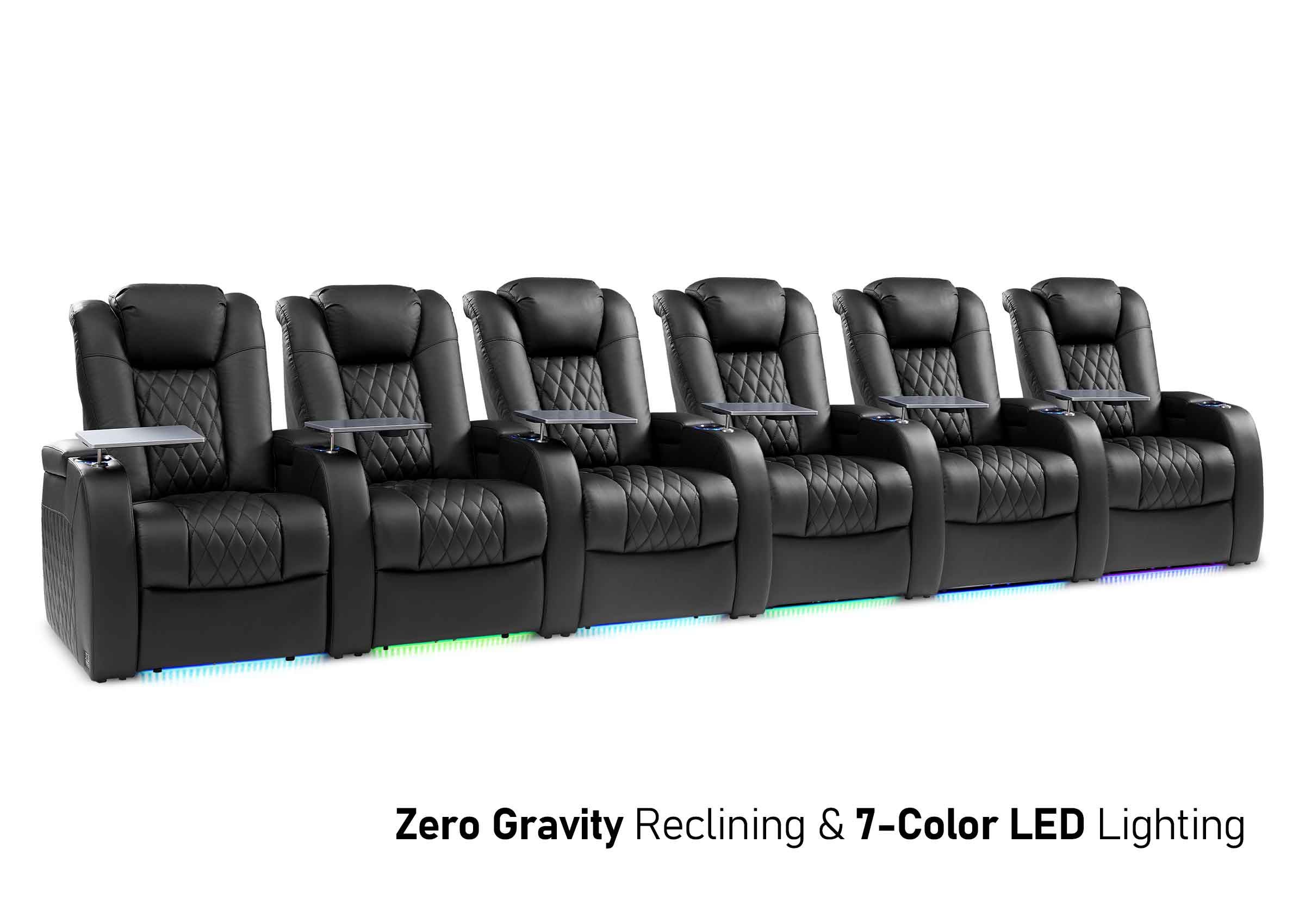
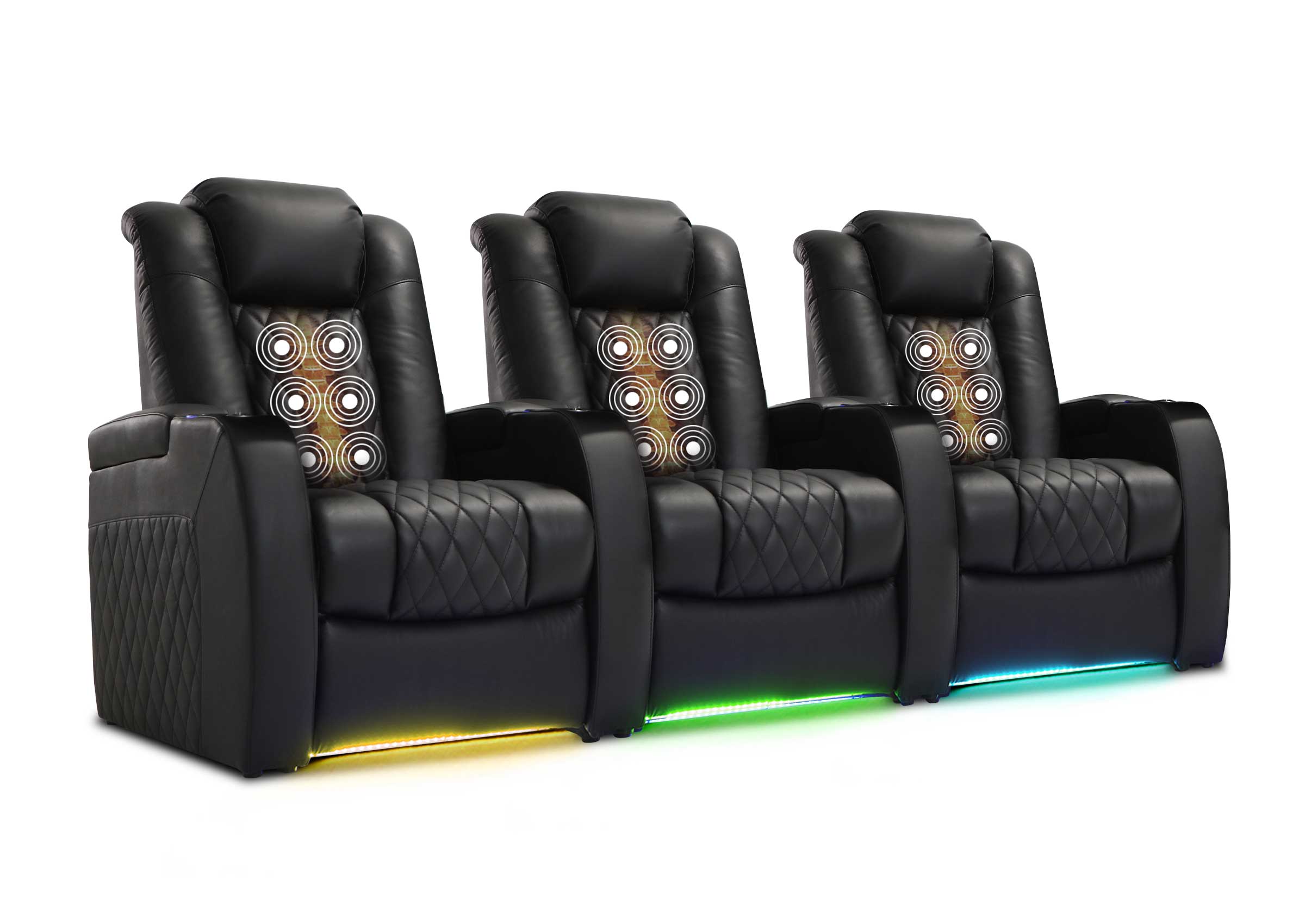
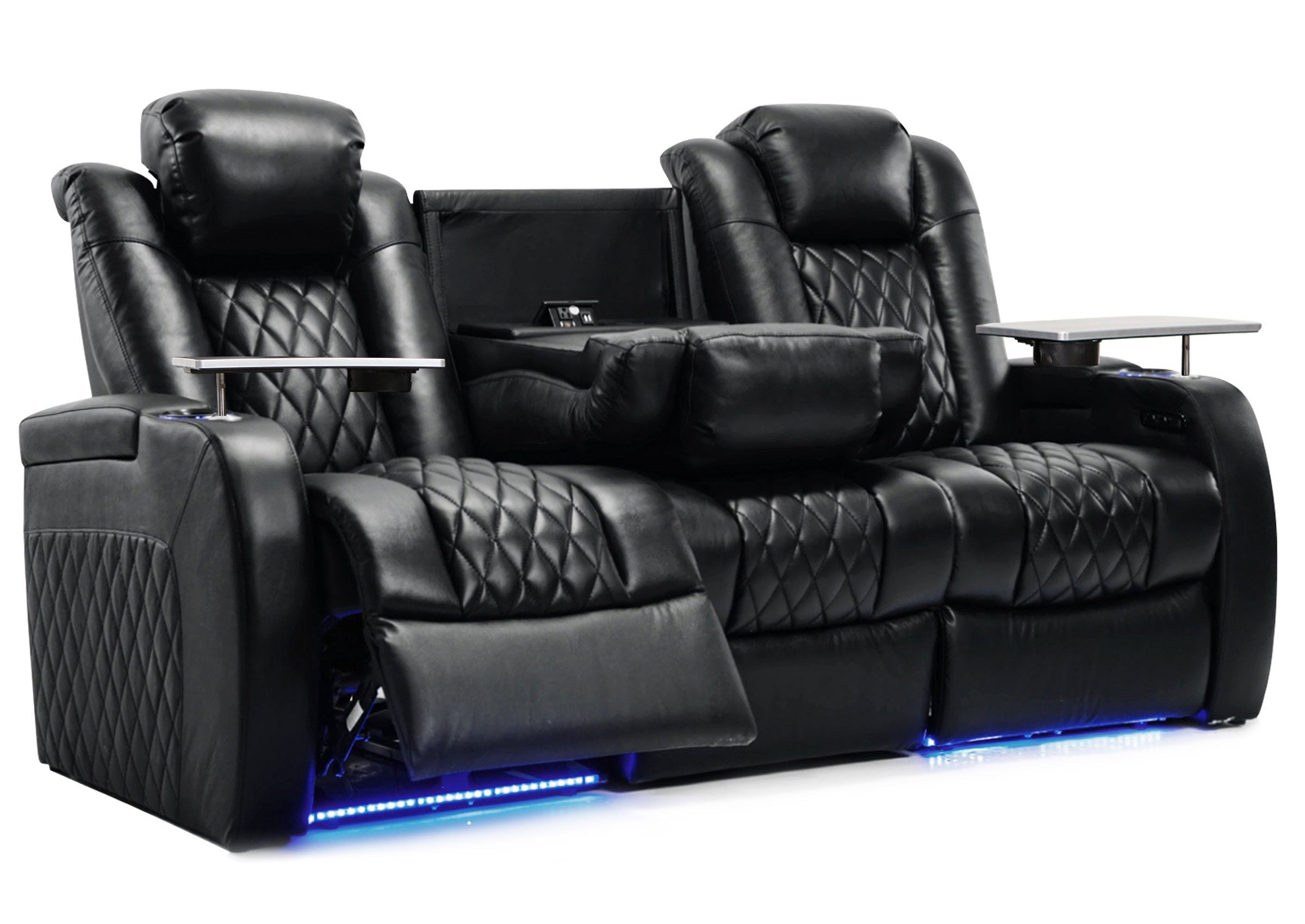
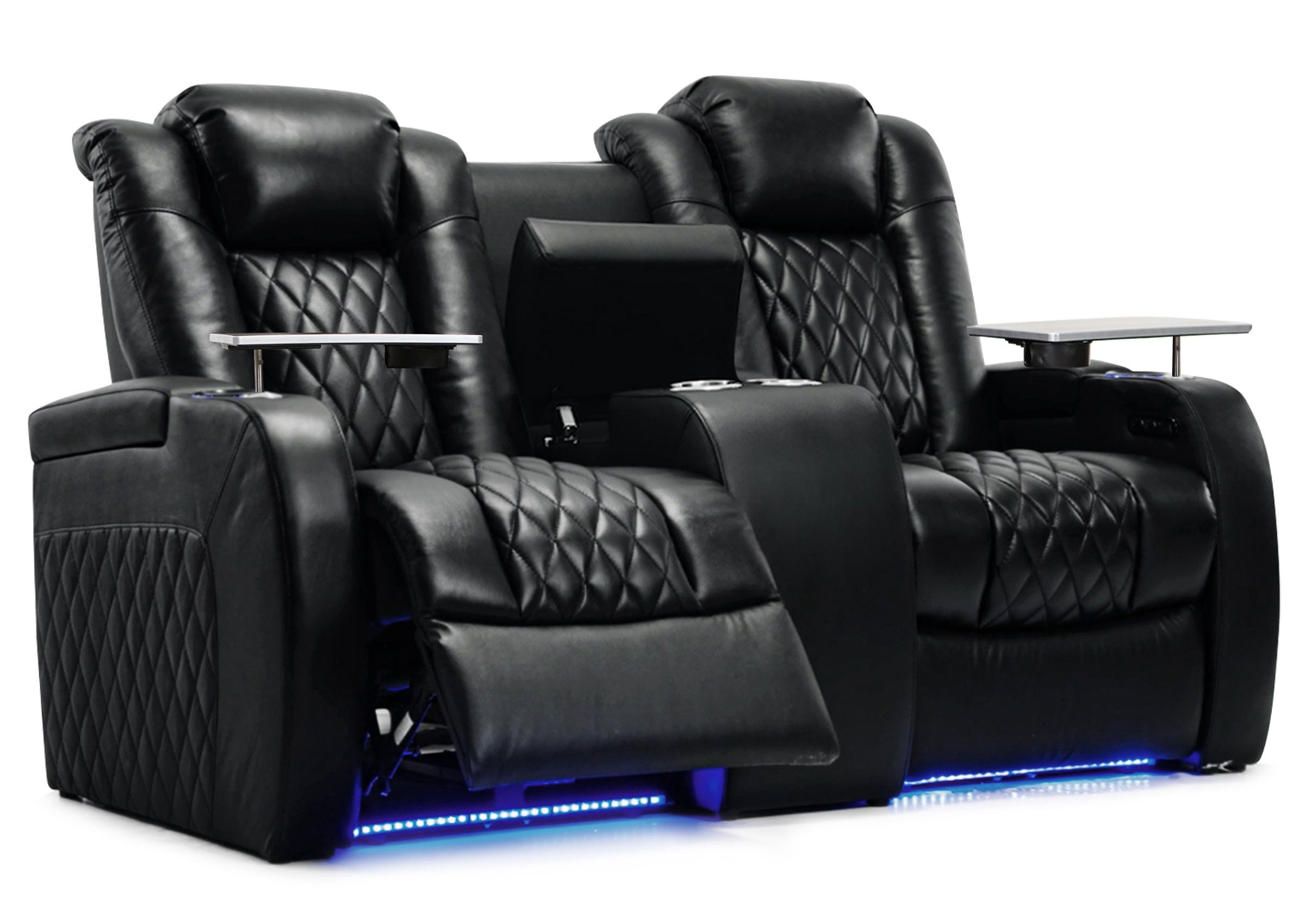
Decide what would make the evening for you, then take that preference into the booking or the home setup. For a theater booking, check how that showtime is presented. For a home watch, try one song from the seats people actually use. If you’re also planning new seating for the room, send your screen location, room dimensions, and usual group size to Weilianda Support or email leon@weiliandahome.com.