


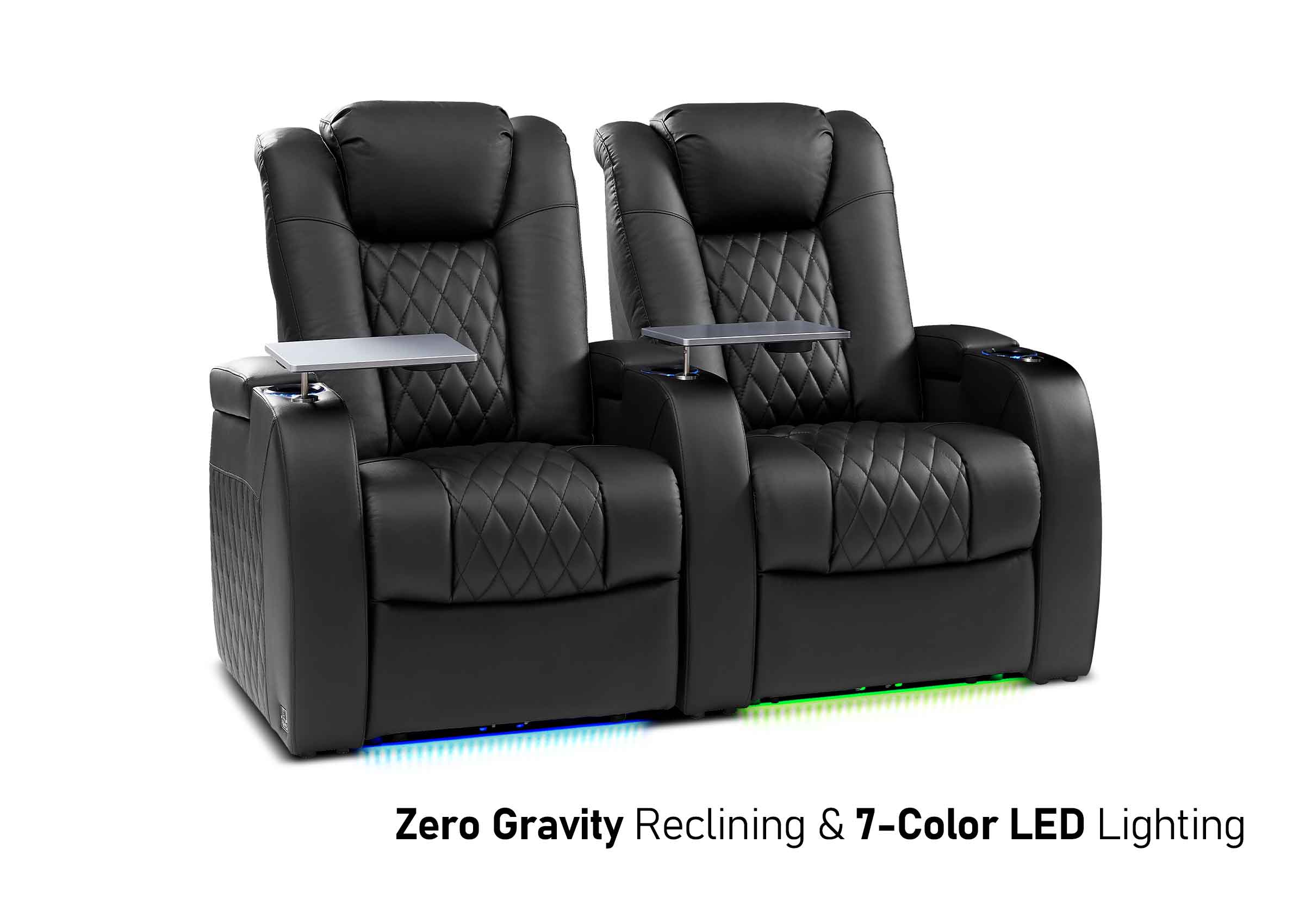
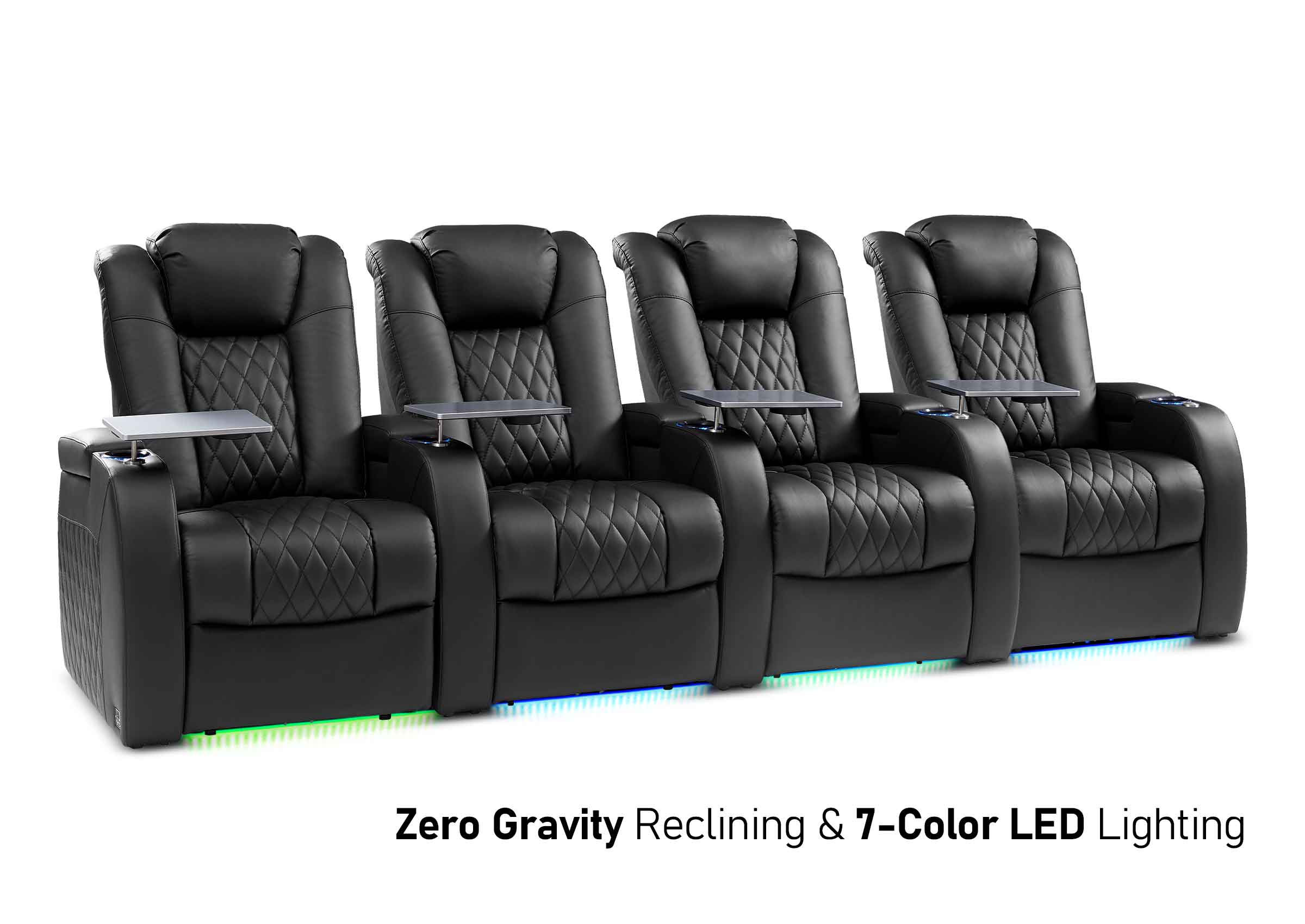
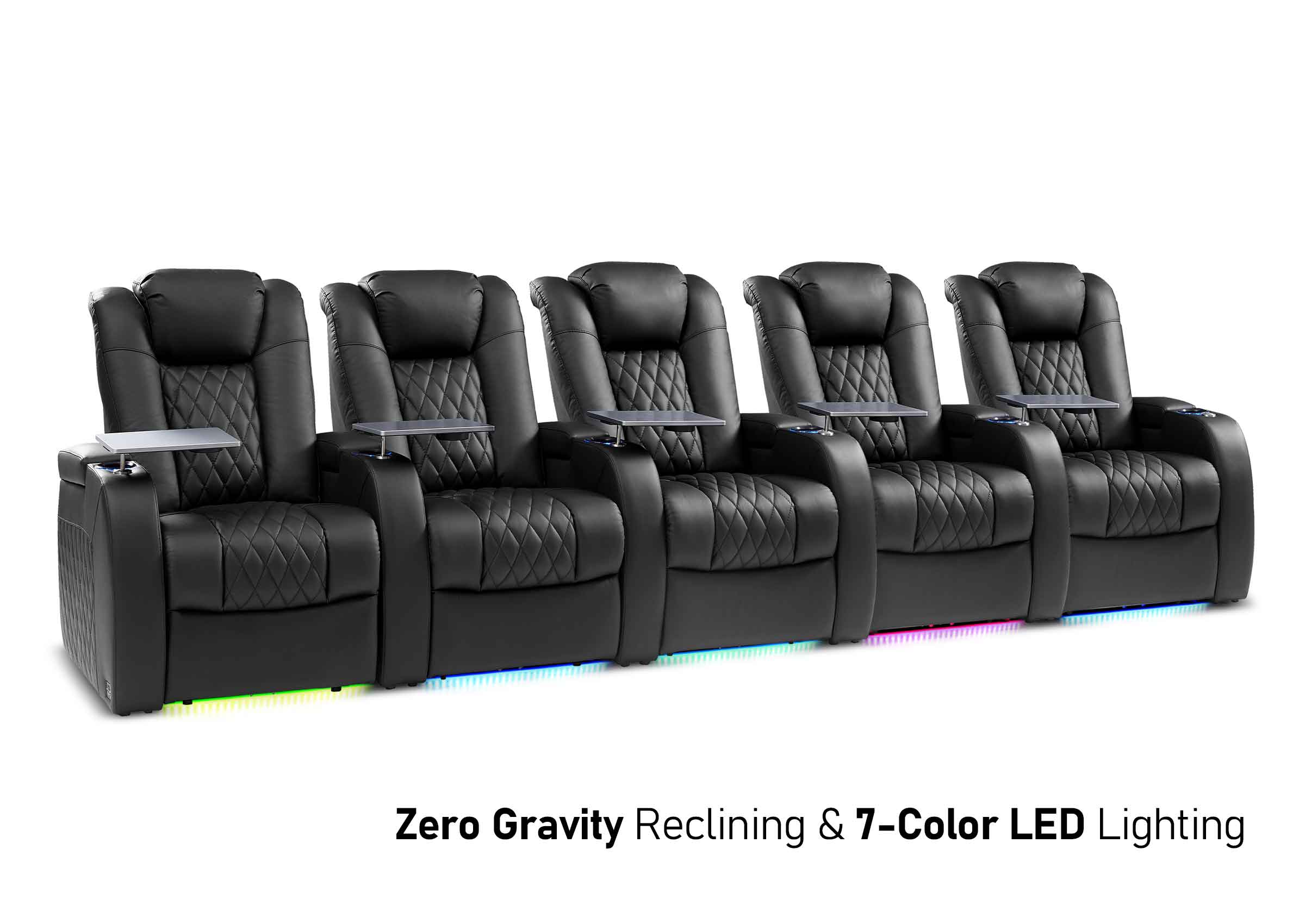
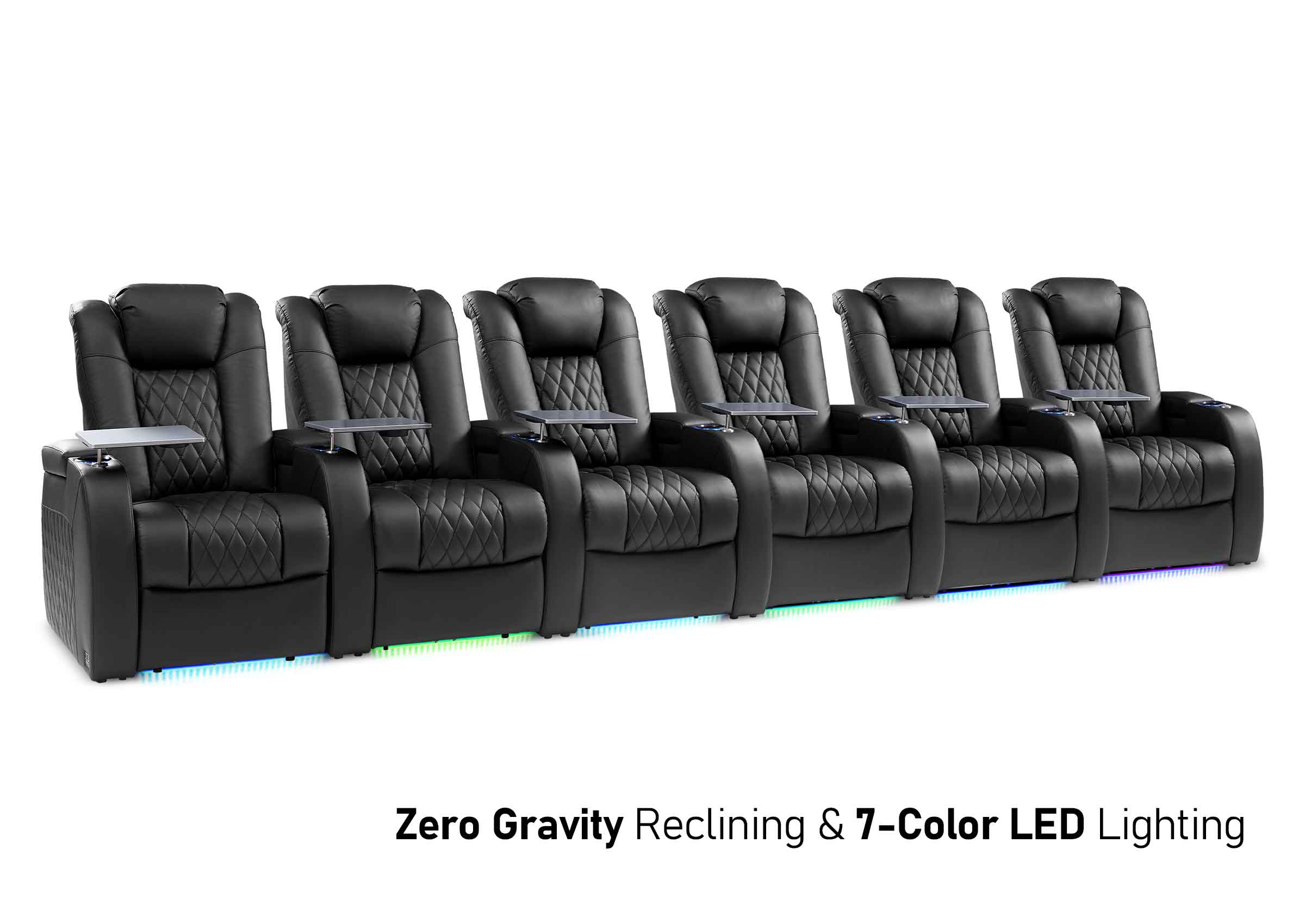




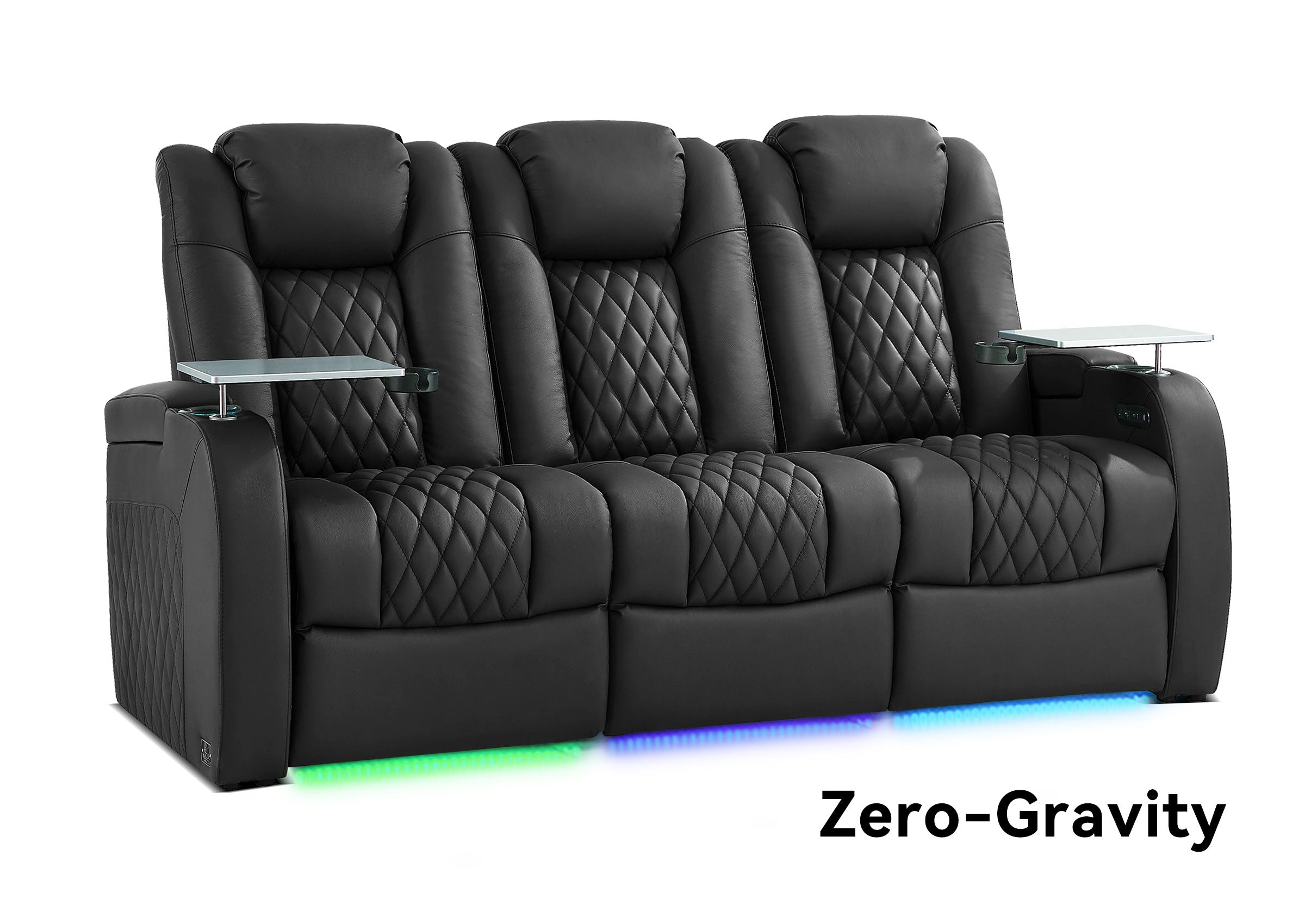


Selecting the right couch for a professional project involves more than choosing a style that looks attractive. For designers, furniture dealers, architects, and project buyers, seating decisions affect space planning, user experience, maintenance requirements, and long-term project value.
Different couch types are designed for different environments. A modular sectional may be ideal for a luxury residential lounge, while a reclining couch may better support entertainment-focused spaces where users spend hours watching movies, gaming, or relaxing. Hospitality projects may require seating that balances appearance, durability, and easy maintenance.
This guide explains common couch types, where they work best, and what professional buyers should consider before selecting a seating solution for a residential or commercial project.
Understanding Couch Types from a Project Perspective
In consumer furniture shopping, couch selection often starts with appearance. In professional projects, the decision process is different.
Designers and buyers usually evaluate:
● Space requirements and room layout
● Expected user behavior
● Seating capacity
● Material durability
● Maintenance needs
● Customization requirements
● Long-term supplier support
A couch that works well in a private living room may not be the right solution for a hotel lounge, entertainment venue, or luxury media room.
The best couch choice is the one that supports the purpose of the space, not simply the one that looks impressive in a showroom.
Before selecting a couch style, project teams should define:
● Who will use the space?
● How long will users typically sit?
● Is the priority conversation, relaxation, entertainment, or flexibility?
● Does the design require standard products or customized solutions?
Sectional Couches: Flexible Seating for Large Residential and Hospitality Spaces
Sectional couches are widely used in projects that require flexible seating arrangements. Their modular structure allows designers to create different configurations based on room size and user flow.
Common applications include:
● Luxury homes
● Large living spaces
● Hotel lounges
● Resort common areas
● Premium waiting areas
Why sectional couches are selected for projects
The main advantage of sectional seating is layout flexibility. Different modules can be combined to create L-shaped, U-shaped, or customized arrangements.
For project buyers, important considerations include:
● Available floor area
● Traffic flow around the seating
● Access points for delivery and installation
● Future layout adjustments
● Consistency between multiple units
Sectionals are often a strong choice when the goal is to create a social environment where multiple users can gather comfortably.
However, large modular seating also requires careful planning. A design that maximizes seating quantity may reduce movement space and make the room feel crowded.
Reclining Couches: Comfort-Focused Seating for Entertainment Projects
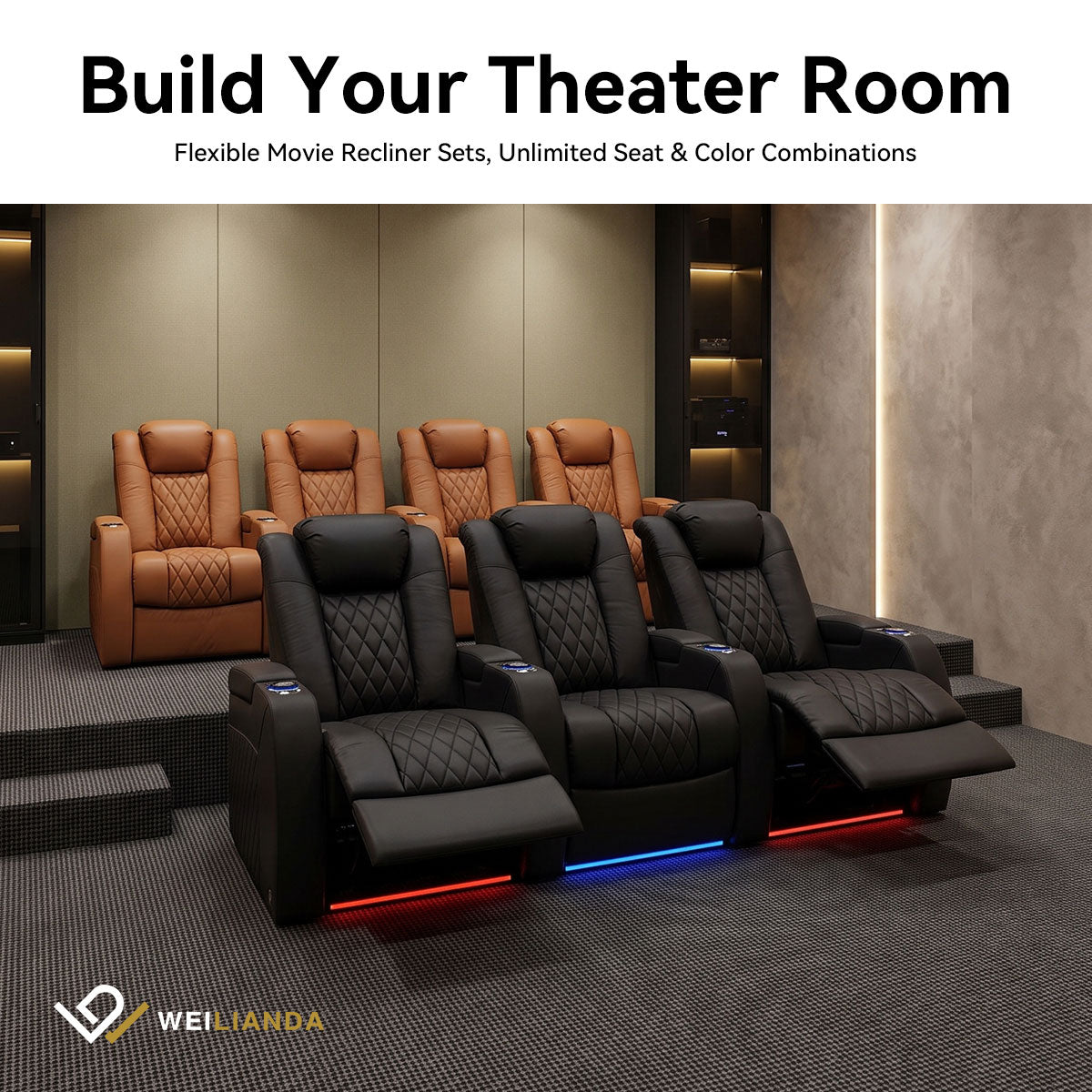
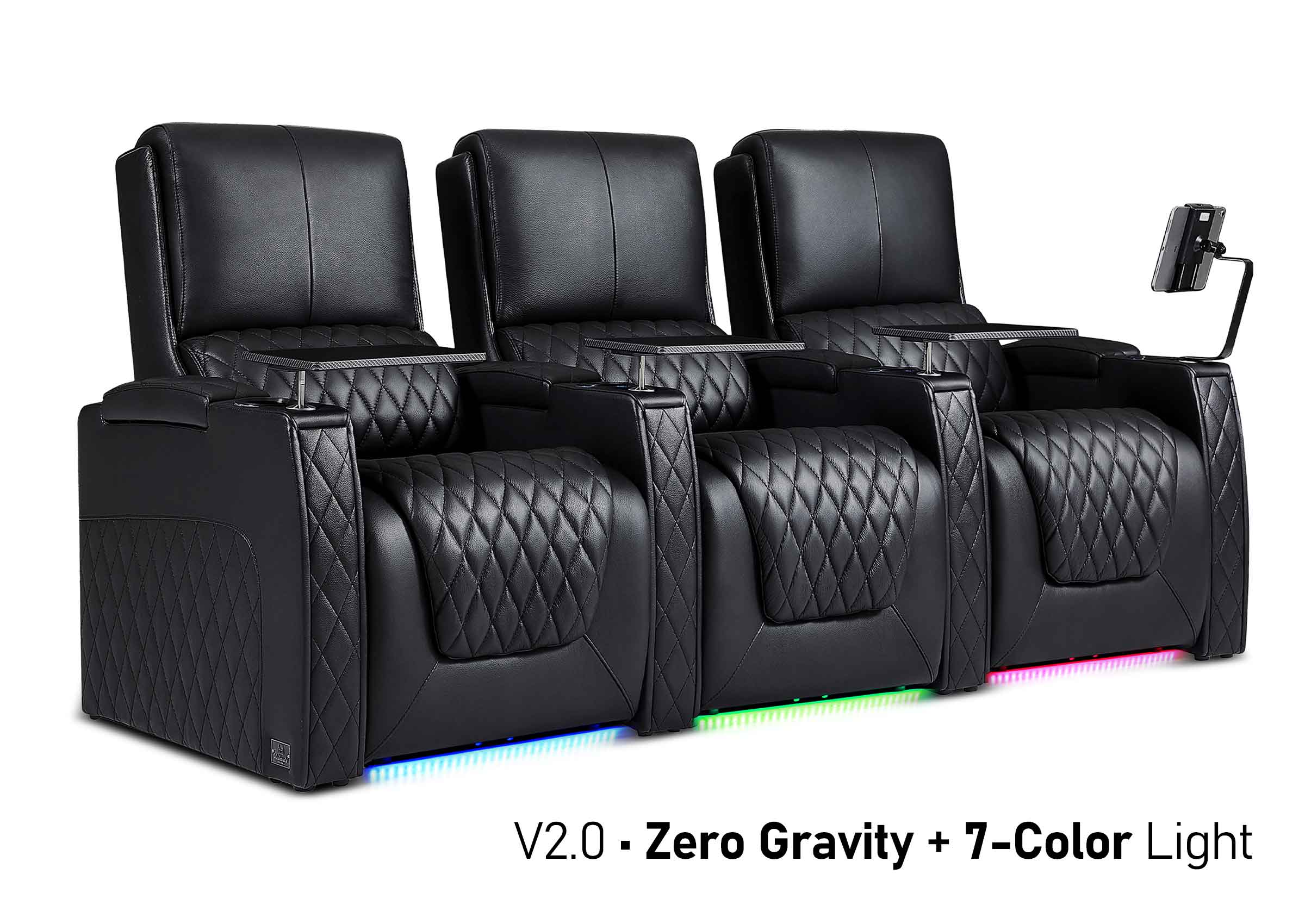
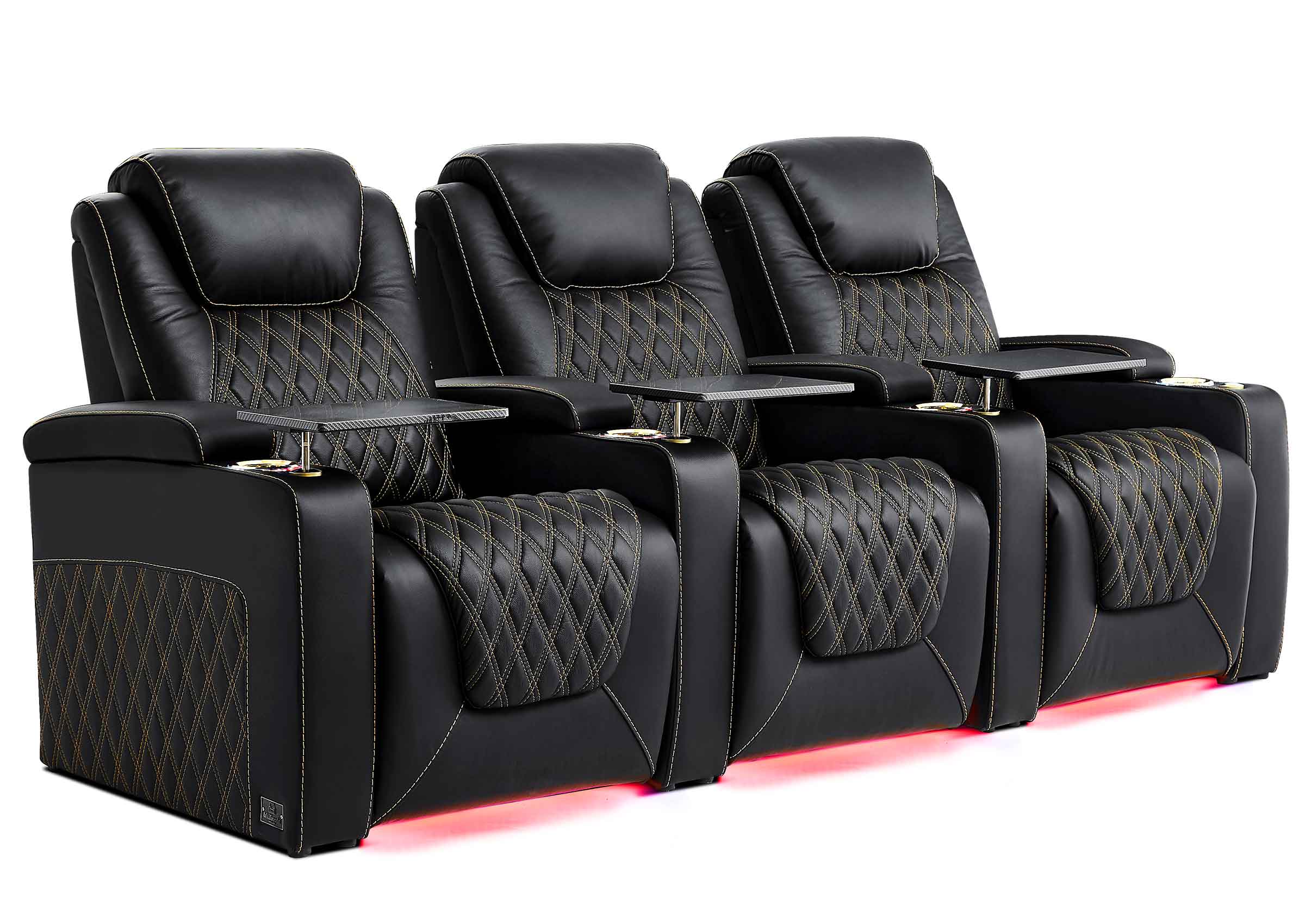
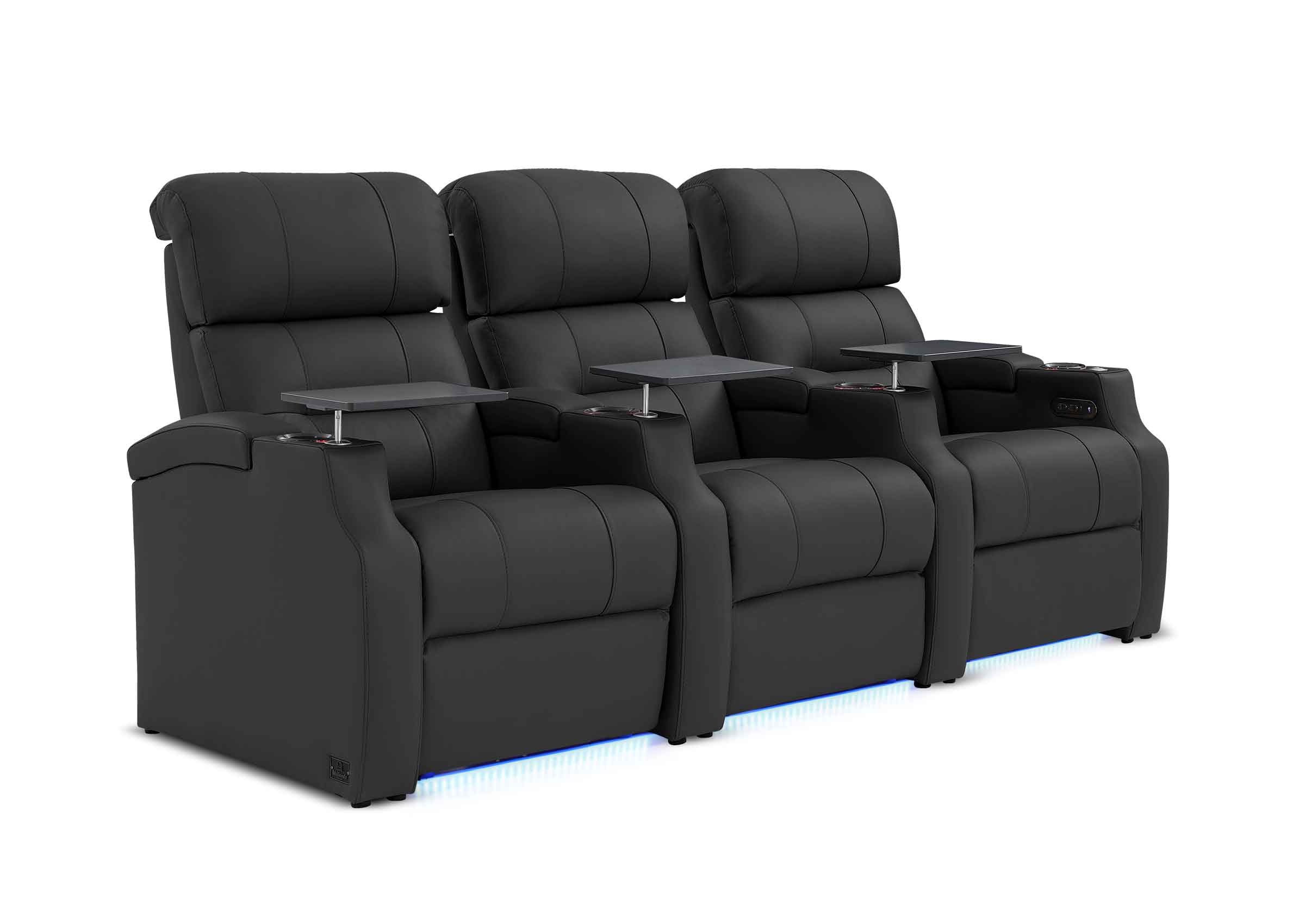
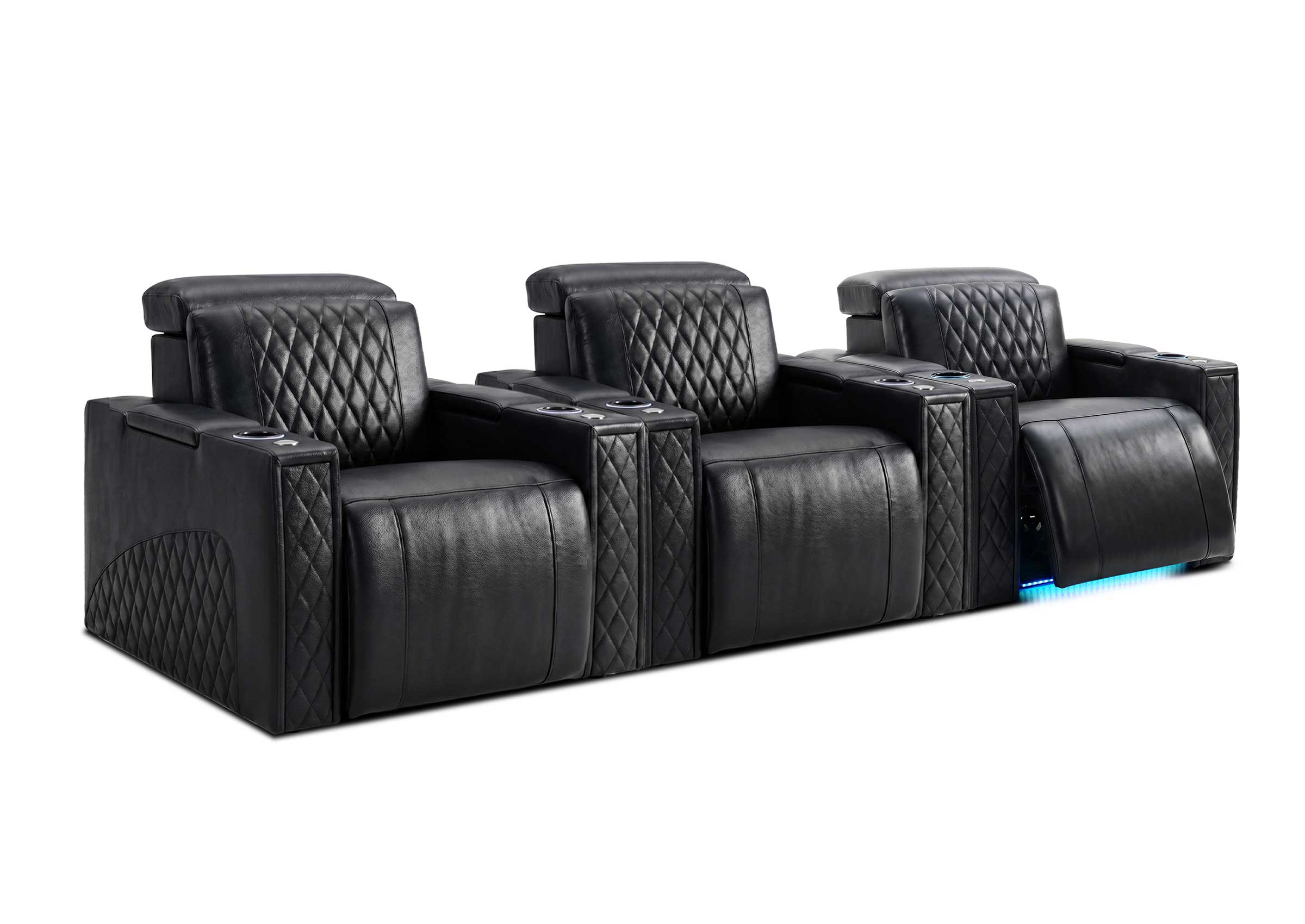
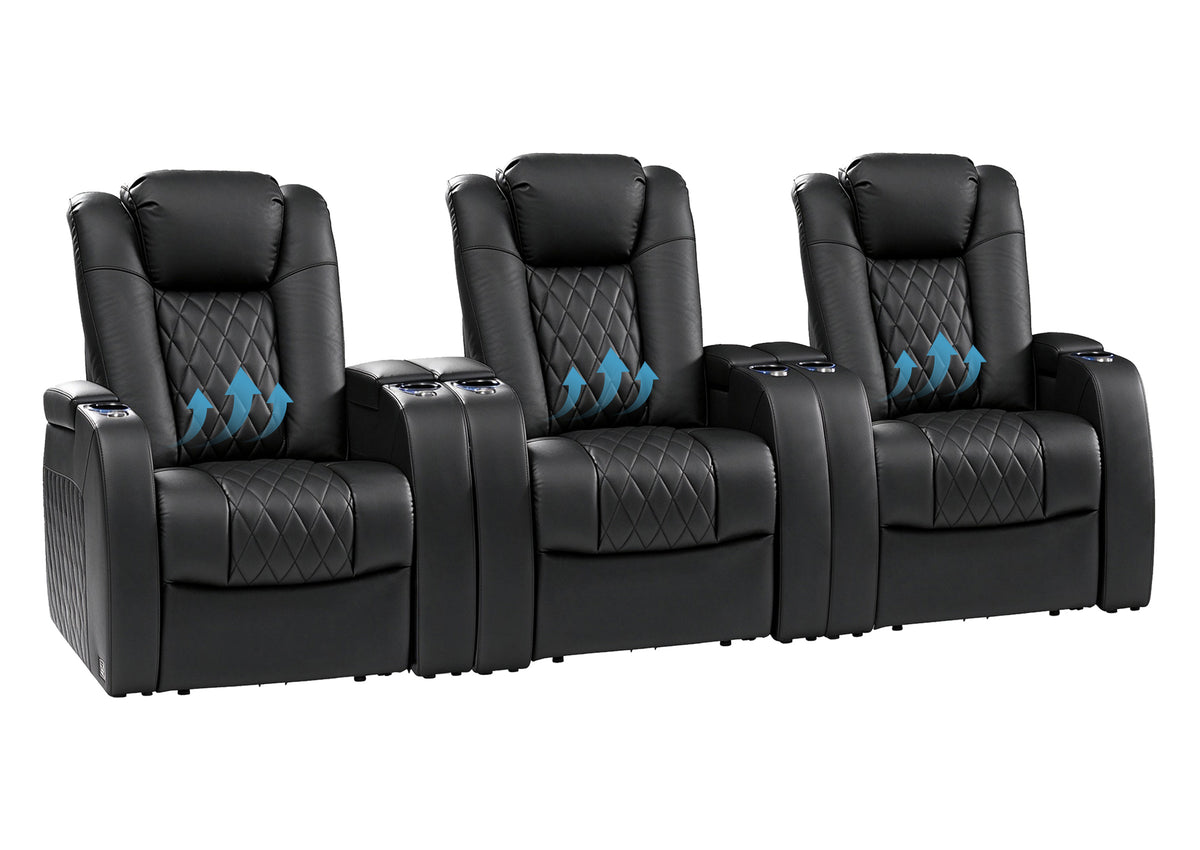
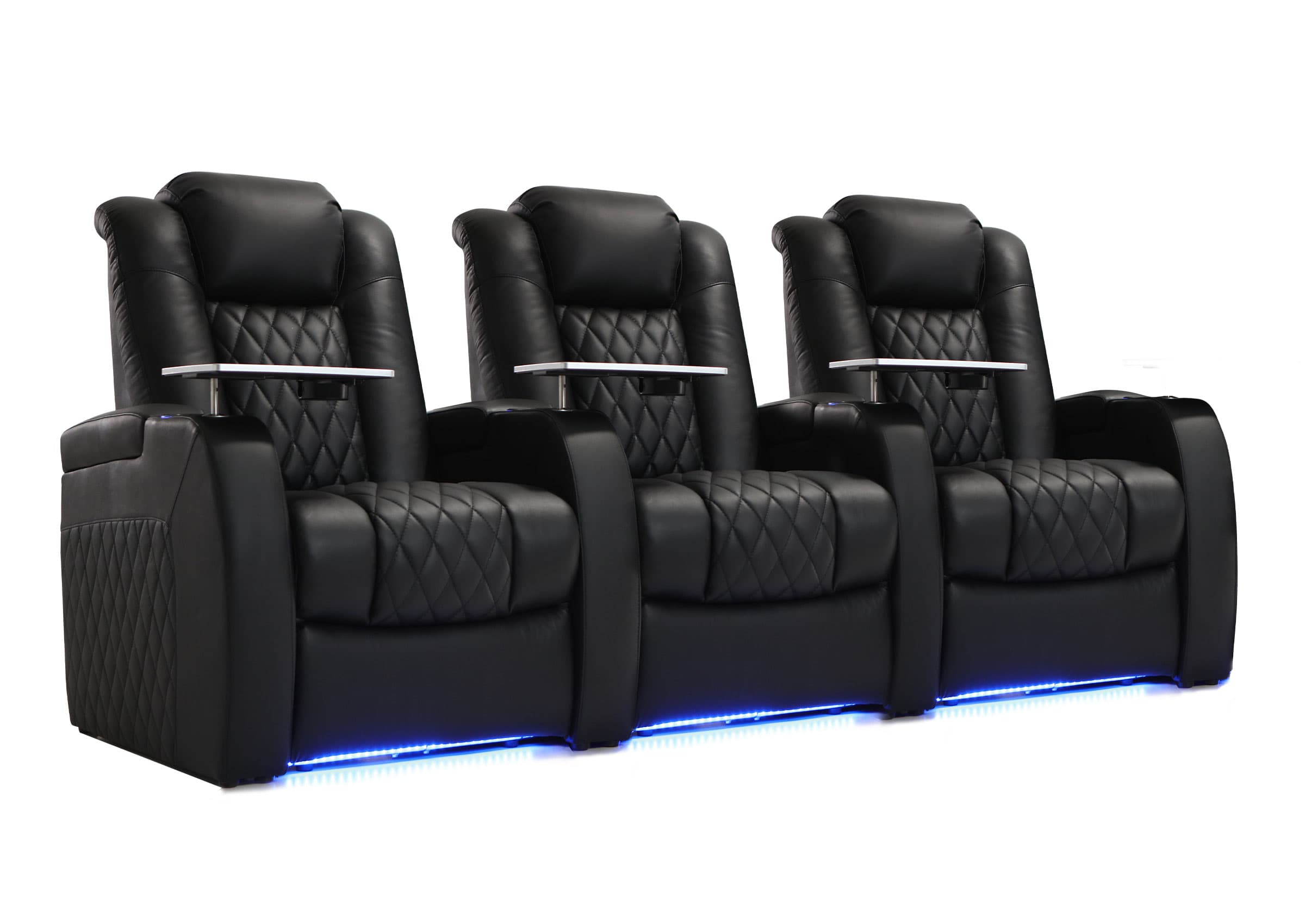
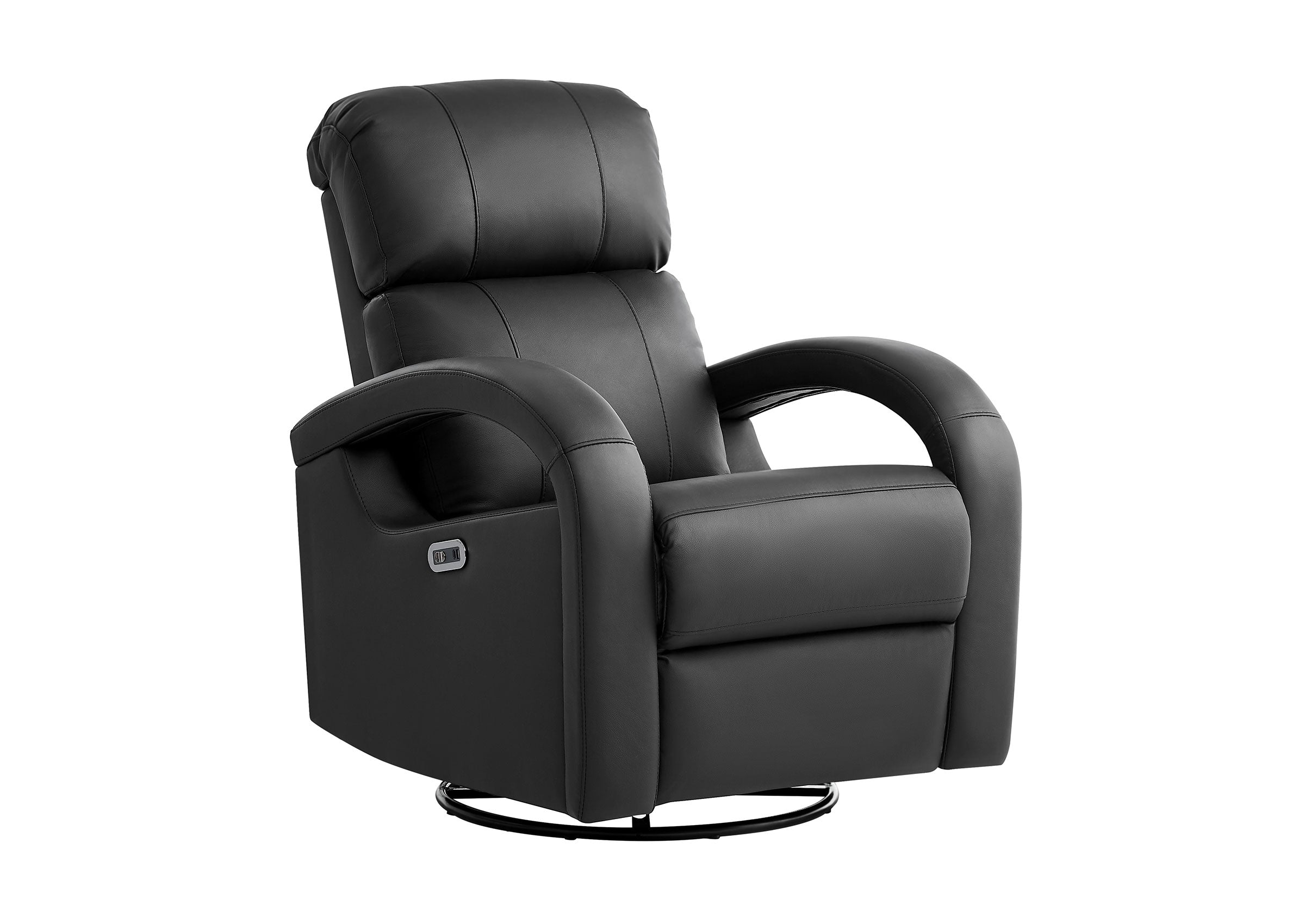
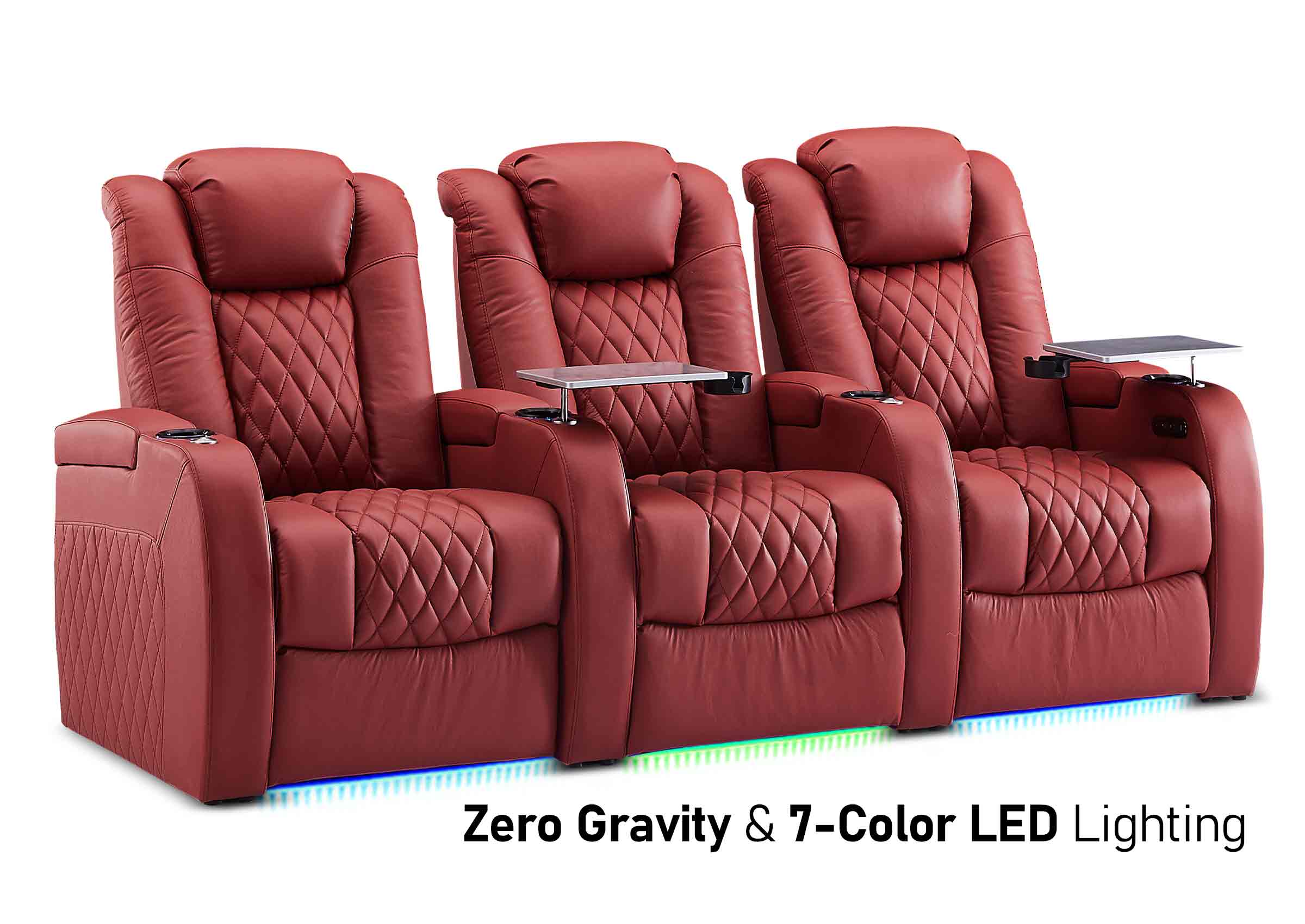
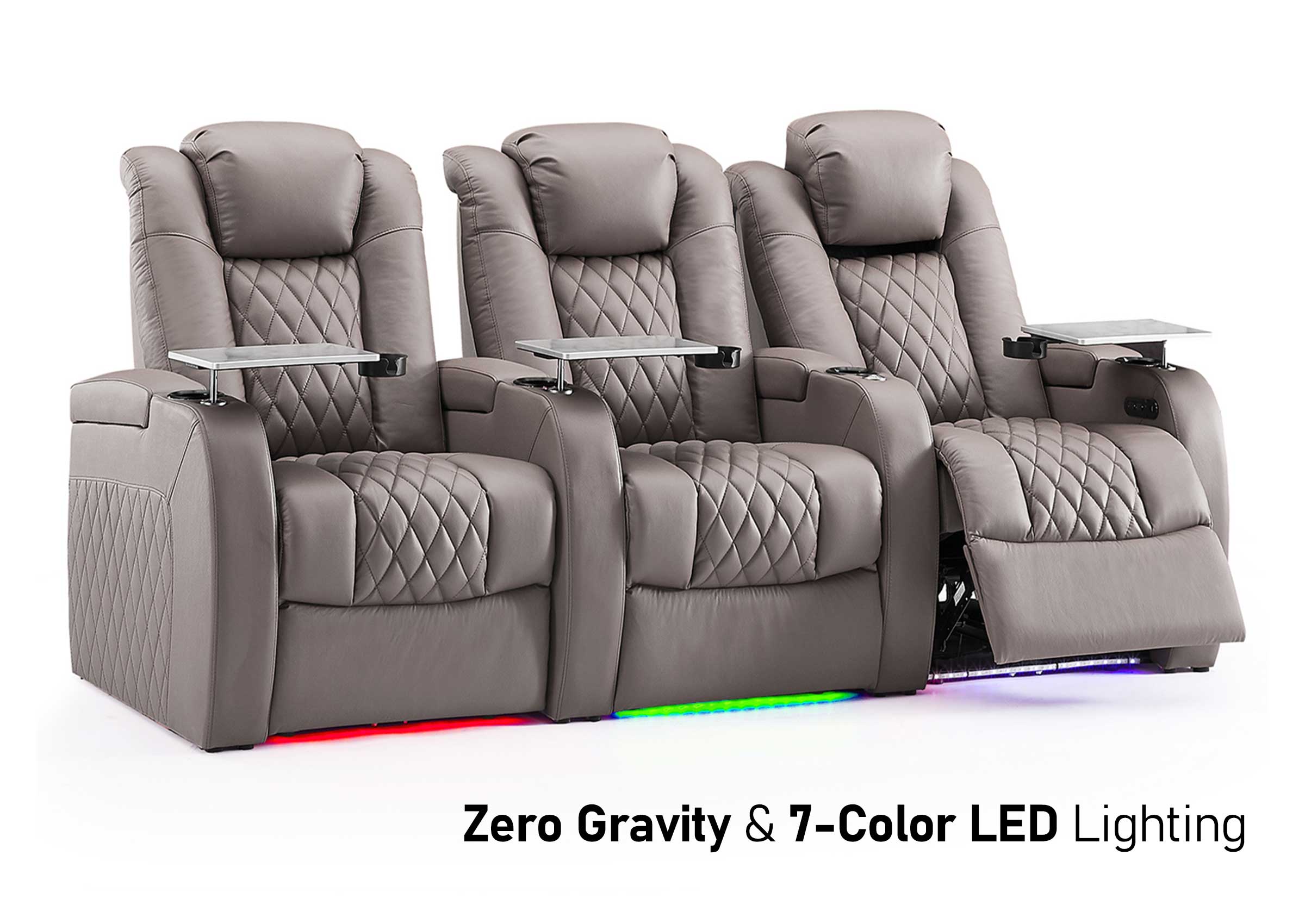
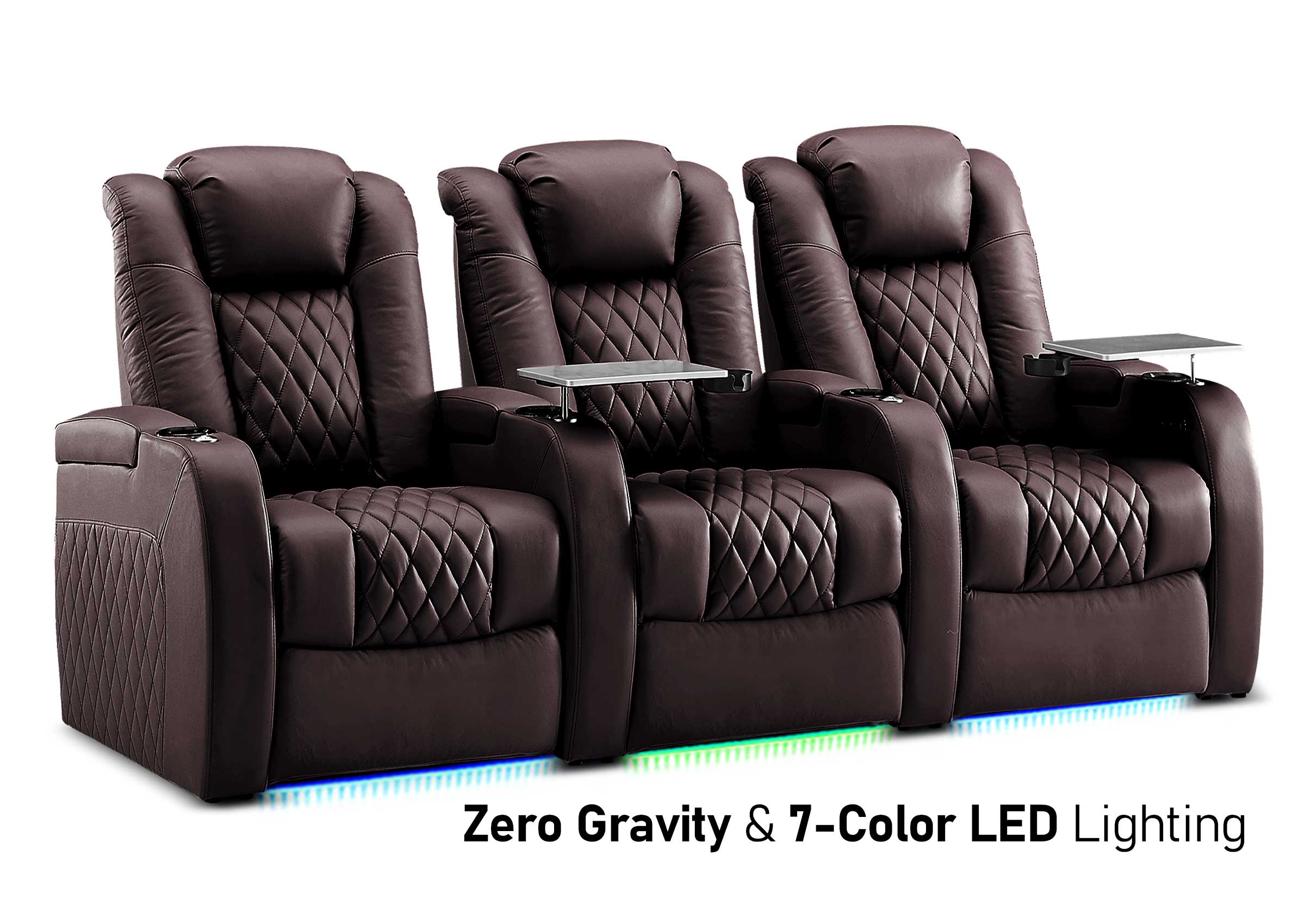
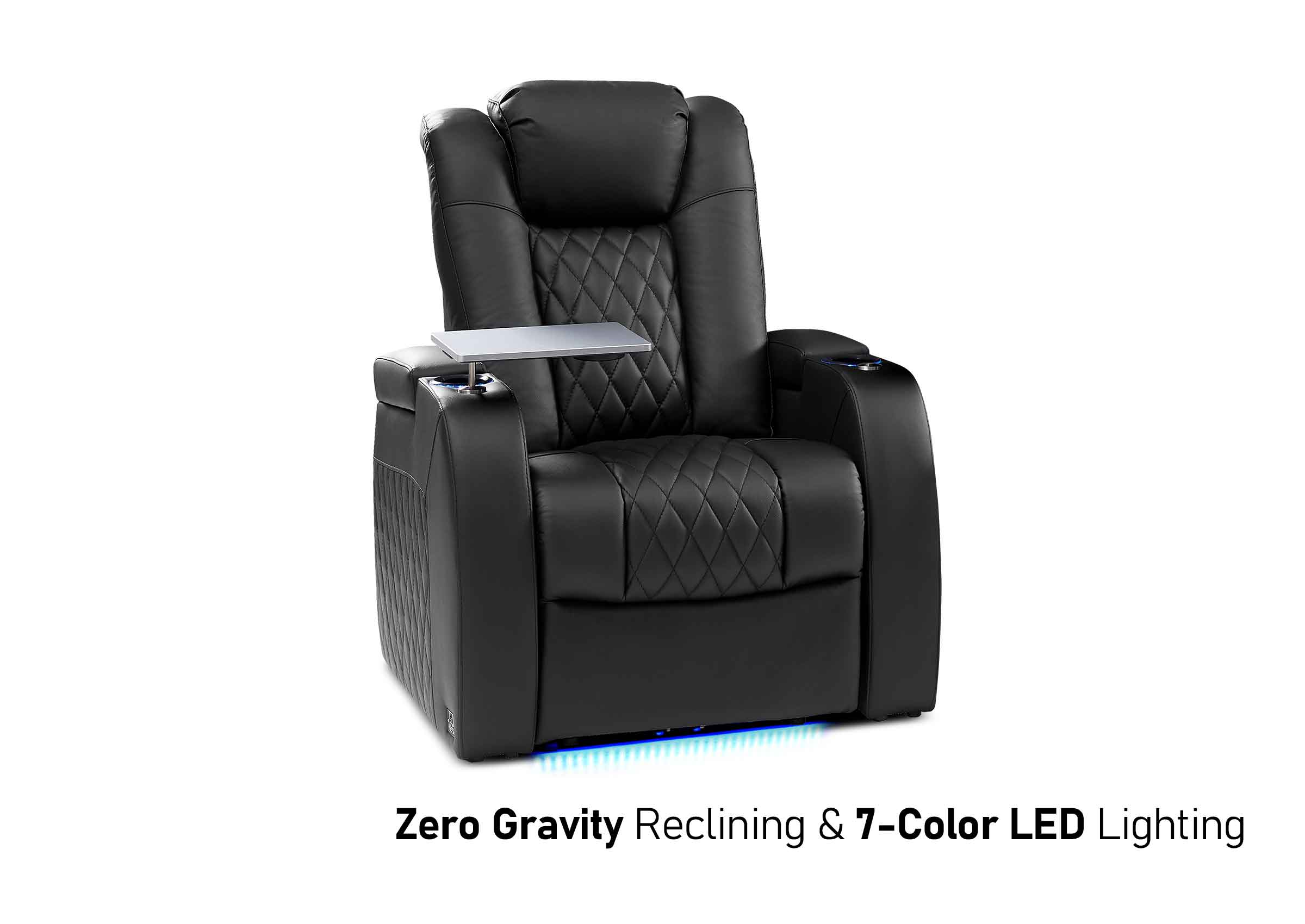
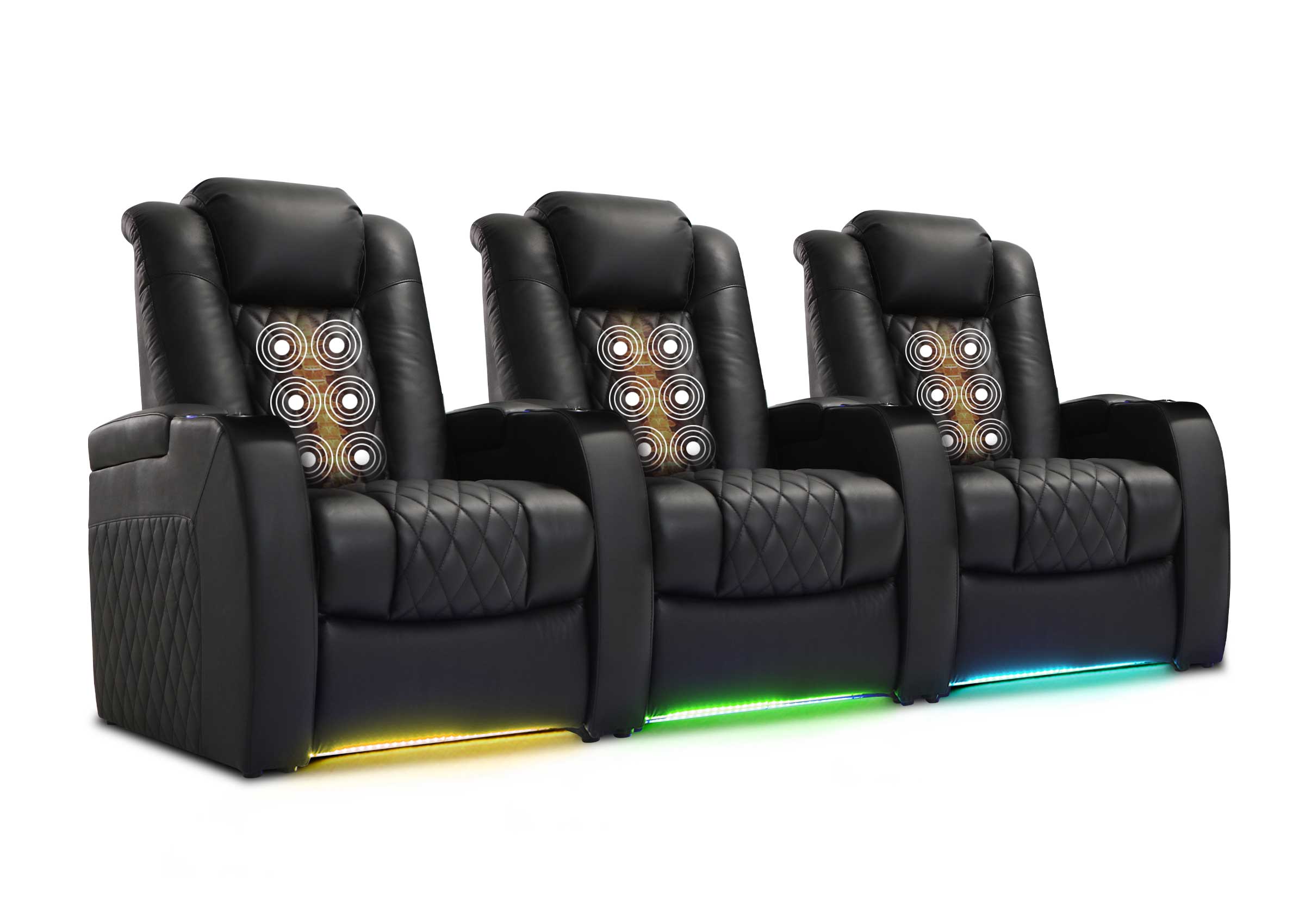
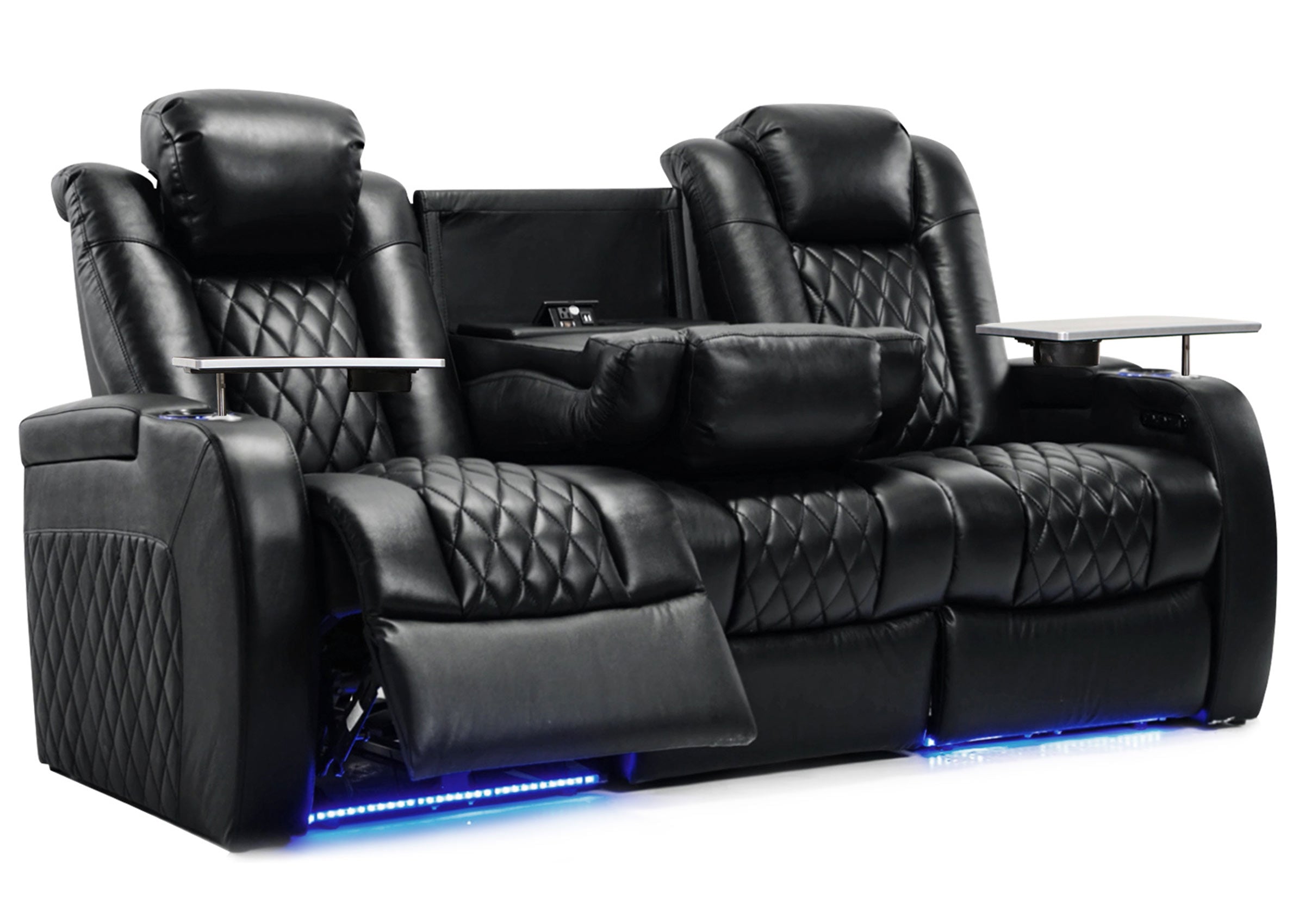
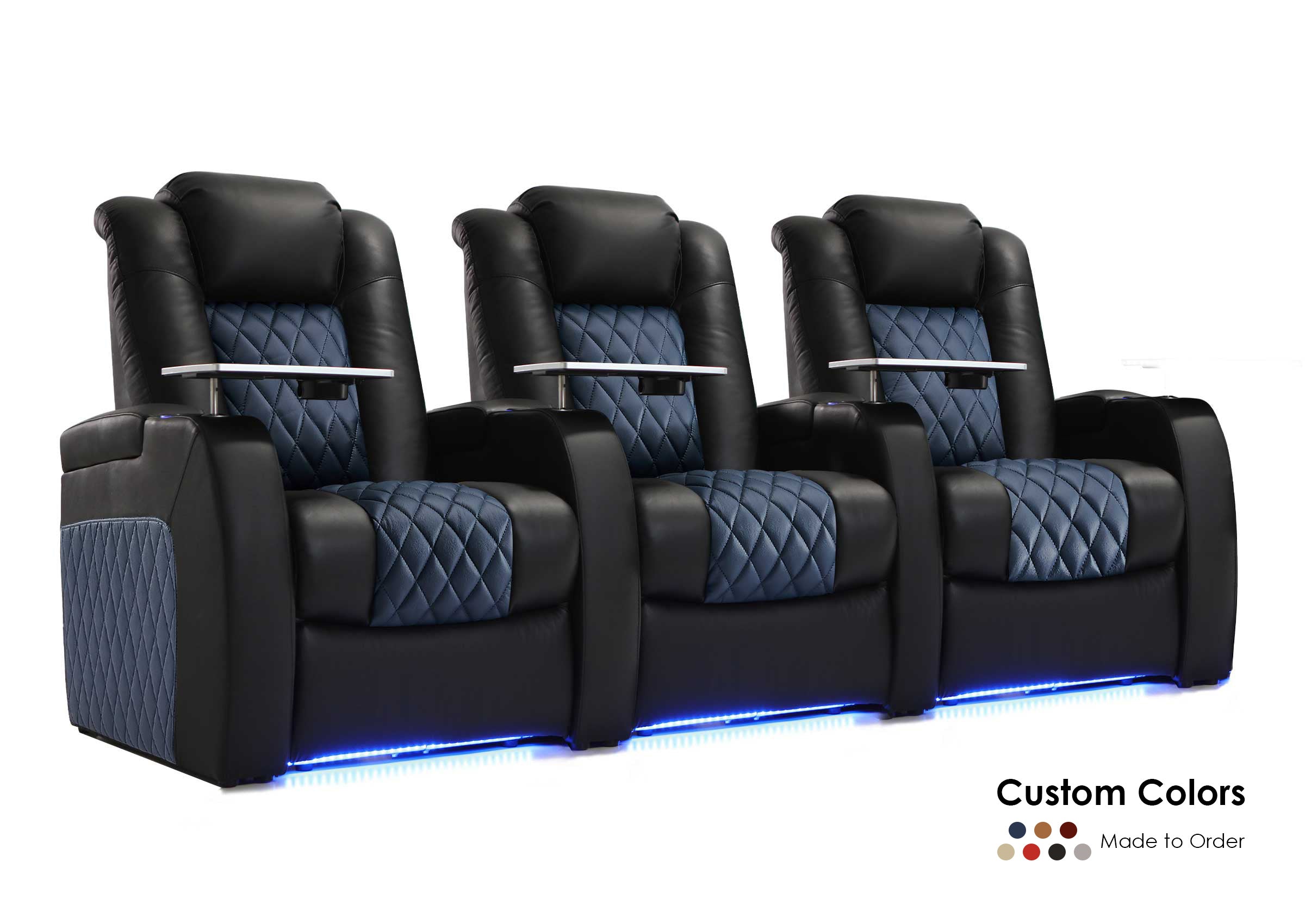
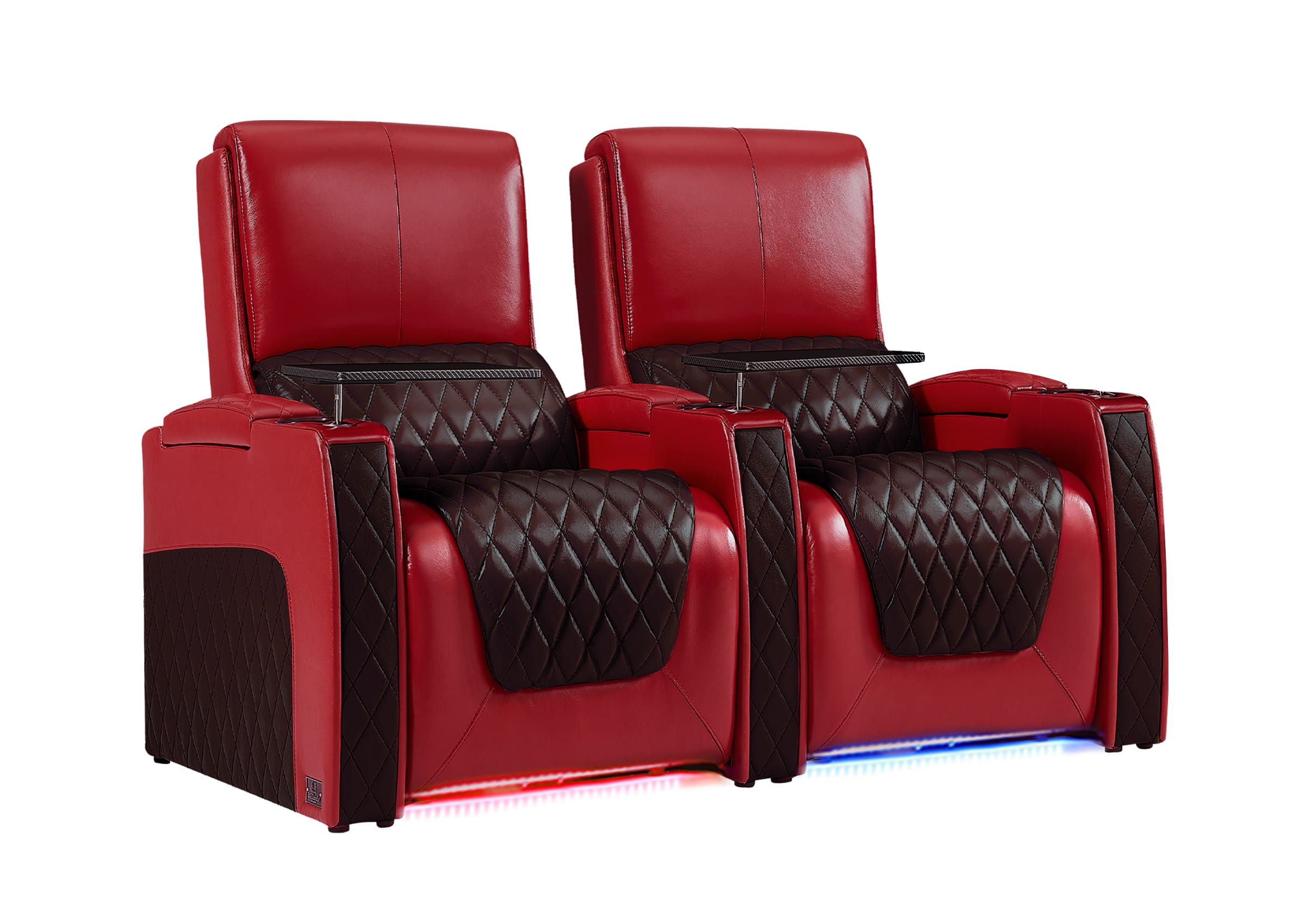
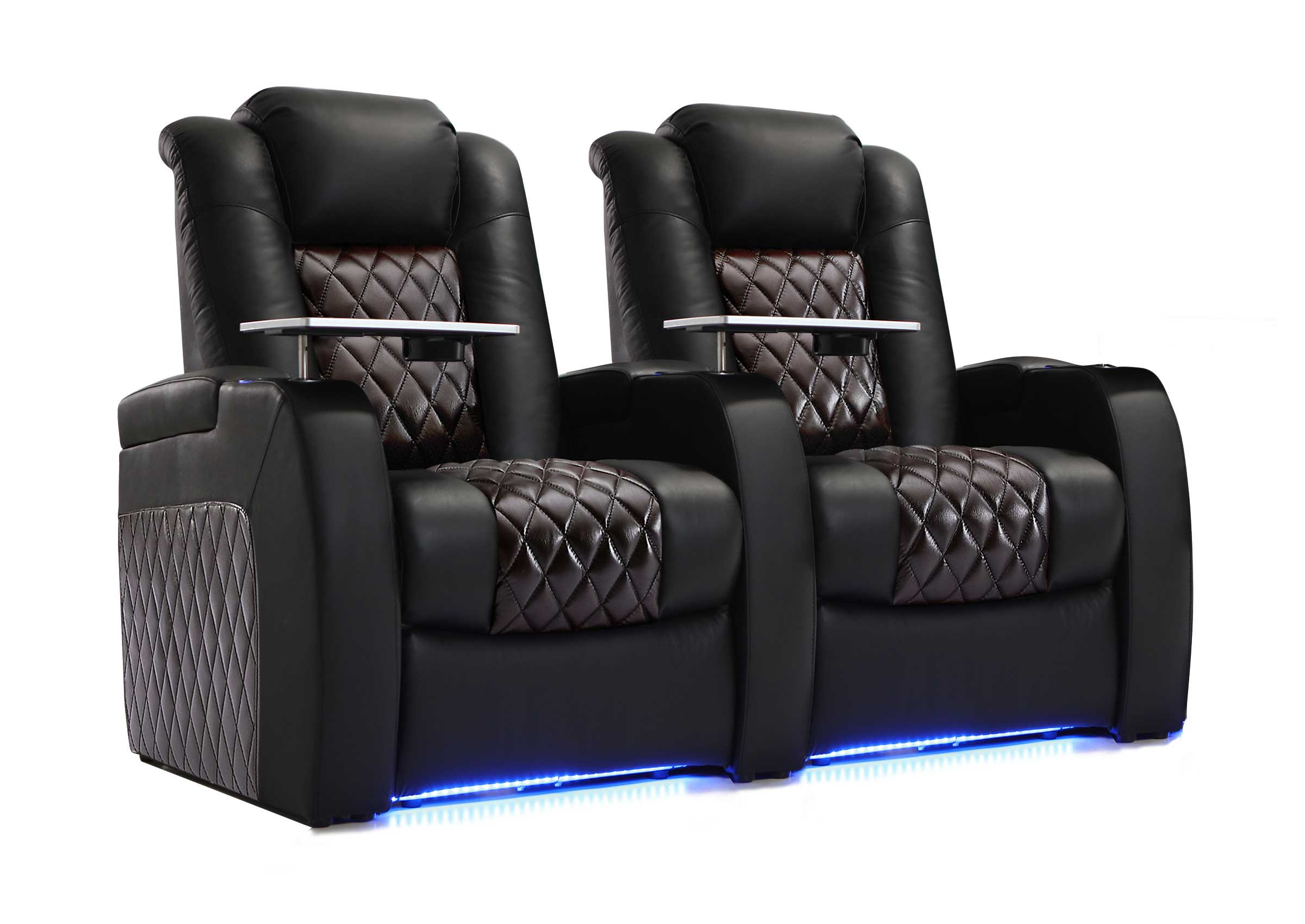
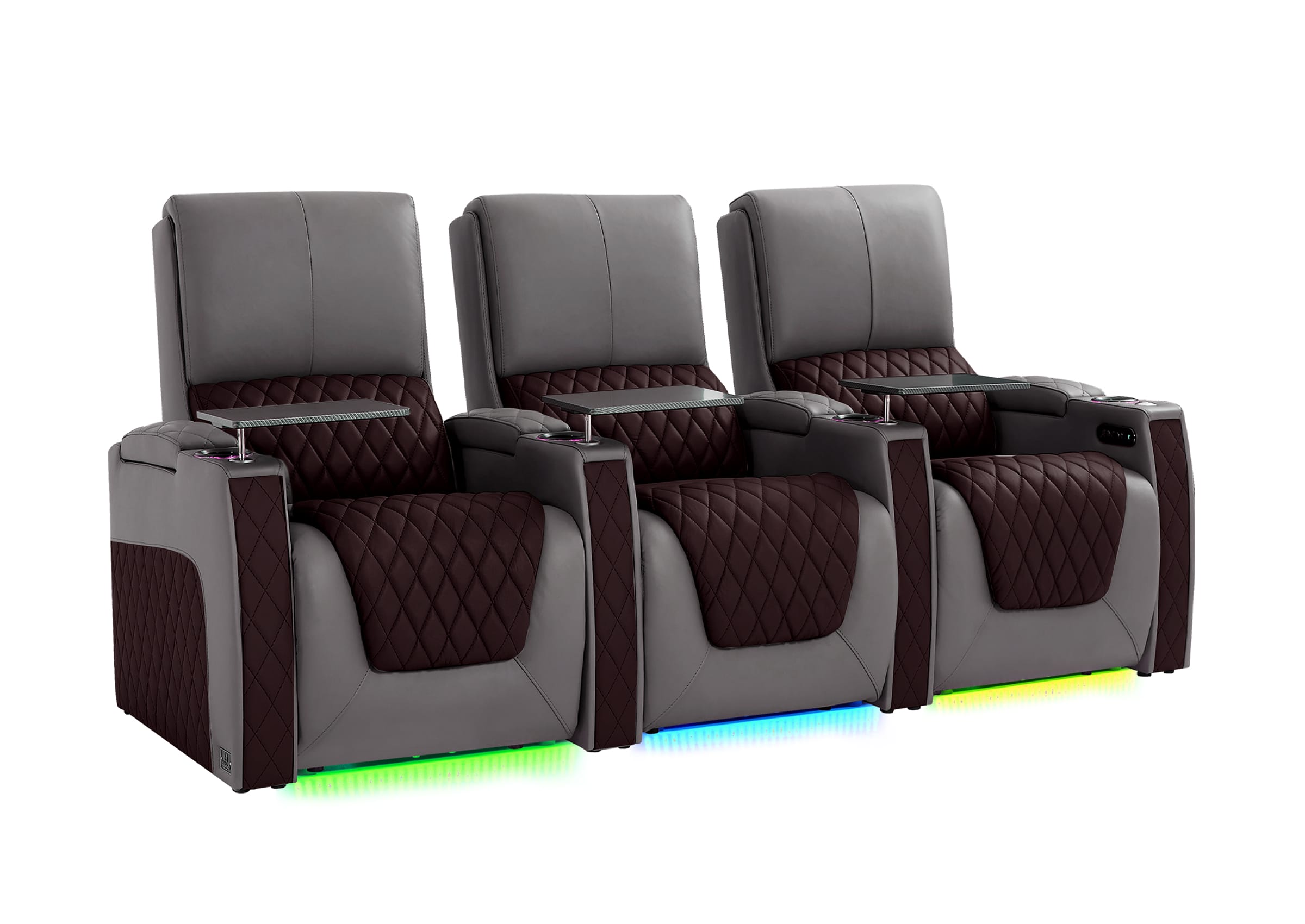
Reclining couches are designed for spaces where users spend extended periods sitting. They are commonly selected for projects focused on entertainment, relaxation, and premium comfort.
Typical applications include:
● Home theaters
● Media rooms
● Gaming lounges
● Private cinemas
● Luxury entertainment spaces
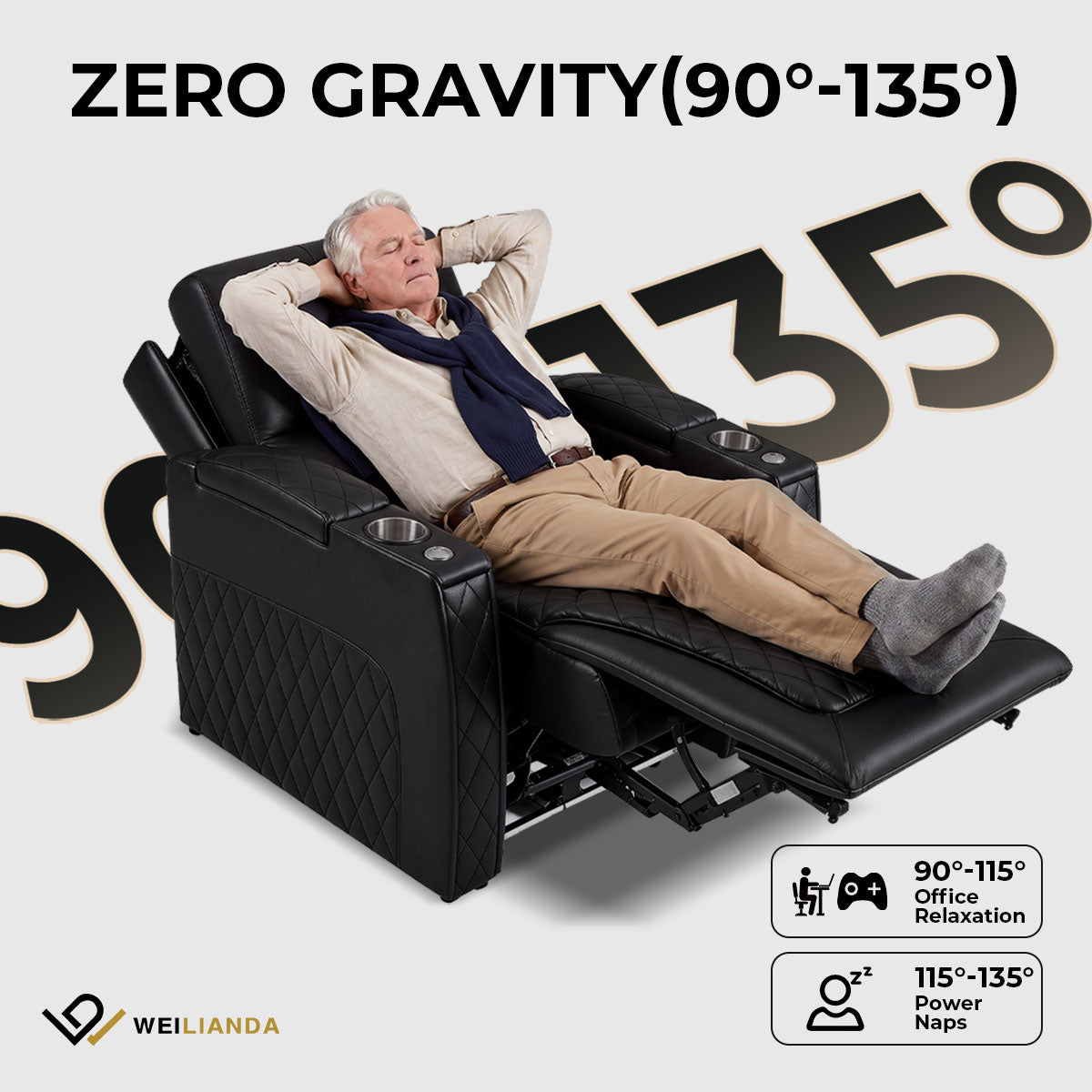
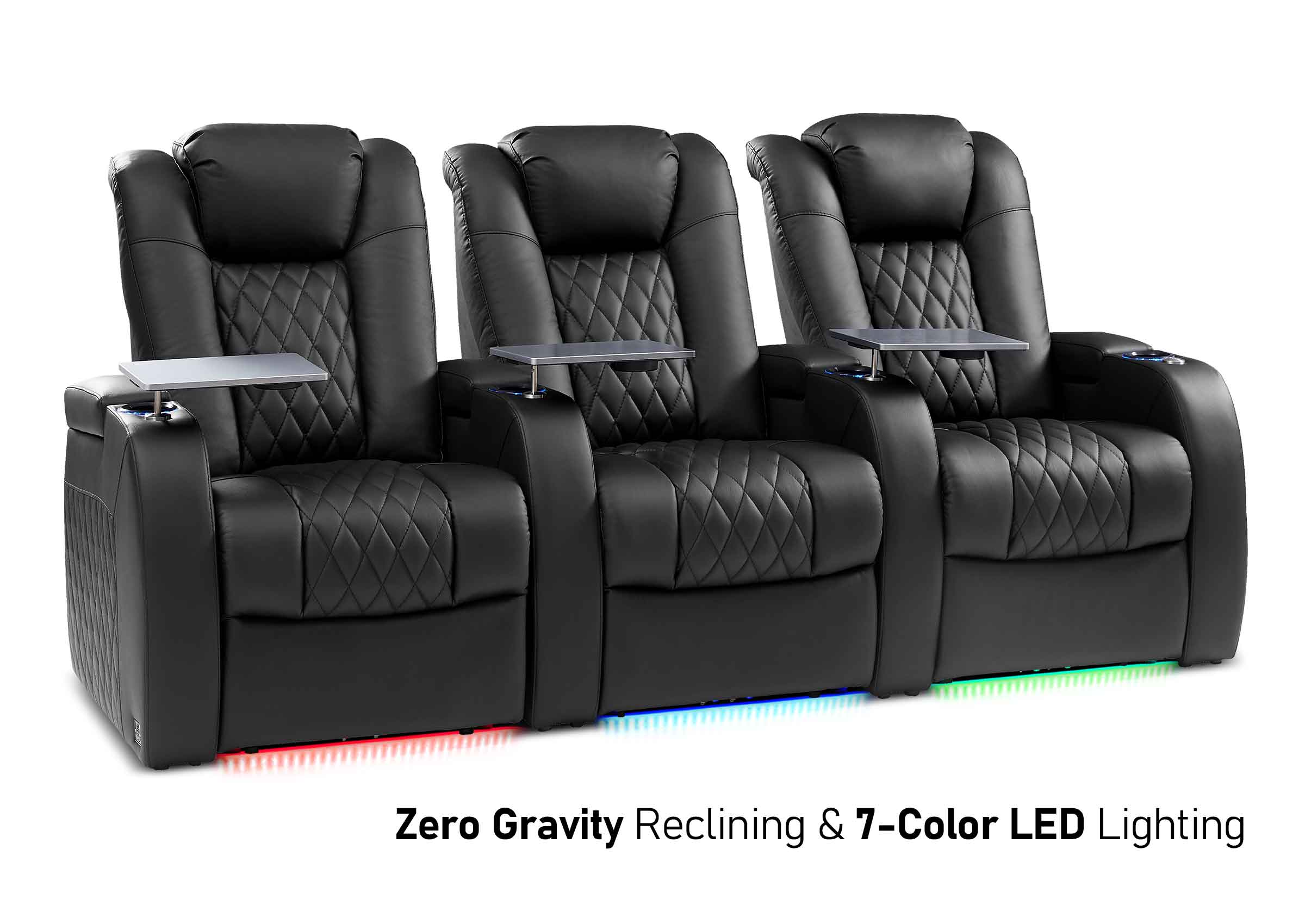
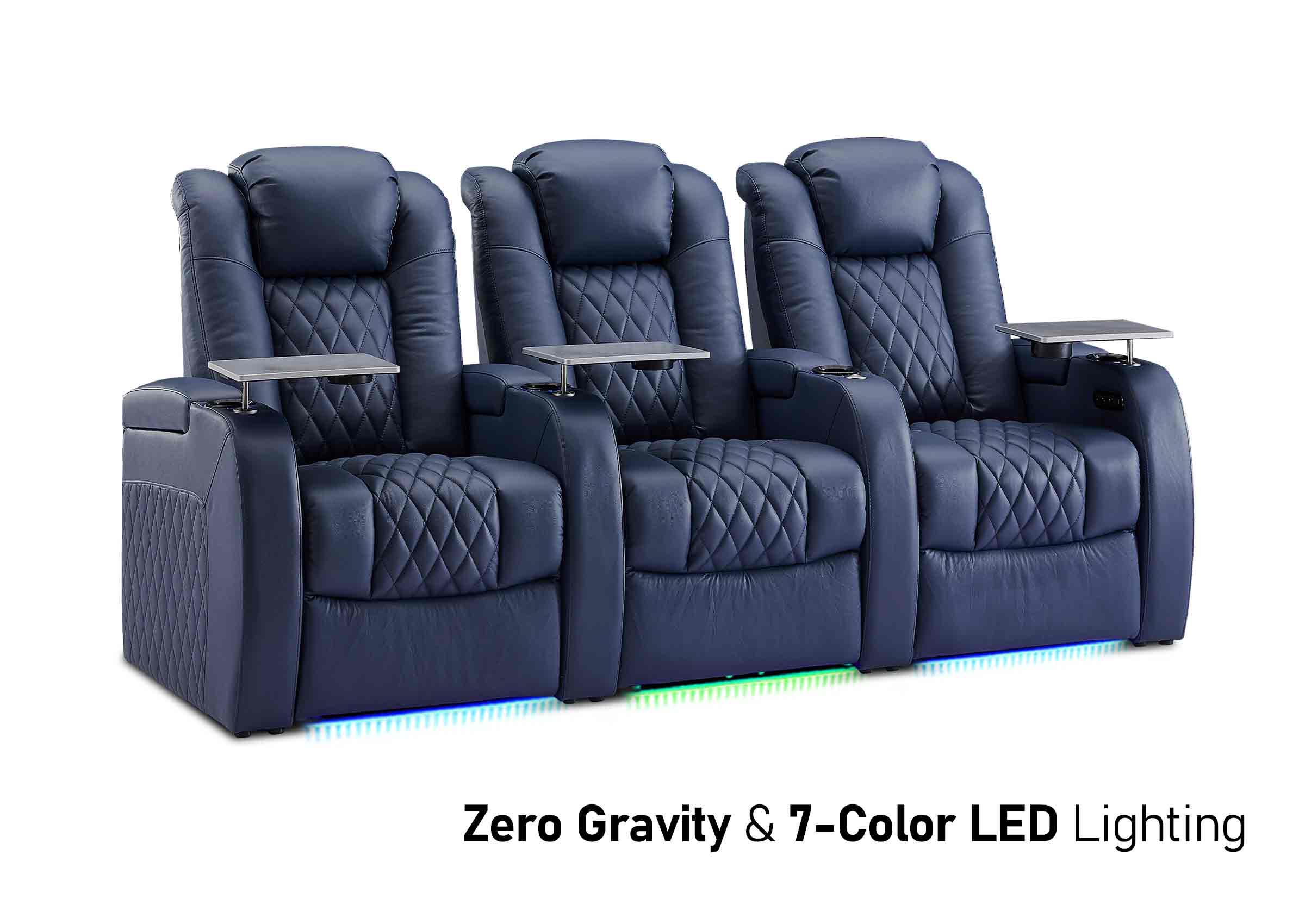
Unlike traditional sofas, reclining couches allow users to adjust their sitting position. Depending on the configuration, features may include:
● Power reclining
● Adjustable headrests
● Lumbar support
● Storage consoles
● USB charging
● Cup holders
● Tray tables
● Ambient lighting
For entertainment-focused projects, seating comfort directly influences how users experience the entire space.
When selecting reclining couches, professional buyers should evaluate more than the appearance of the chair.
Key questions include:
● Does the fully reclined position fit the room?
● Will the seating arrangement maintain comfortable walking space?
● Are power requirements planned?
● Which functions will users actually use?
● Does the design match the overall interior concept?
For home theater and entertainment projects, seating should be planned together with screen position, room layout, and user experience.
Loveseat Couches: Compact Seating for Space-Conscious Projects
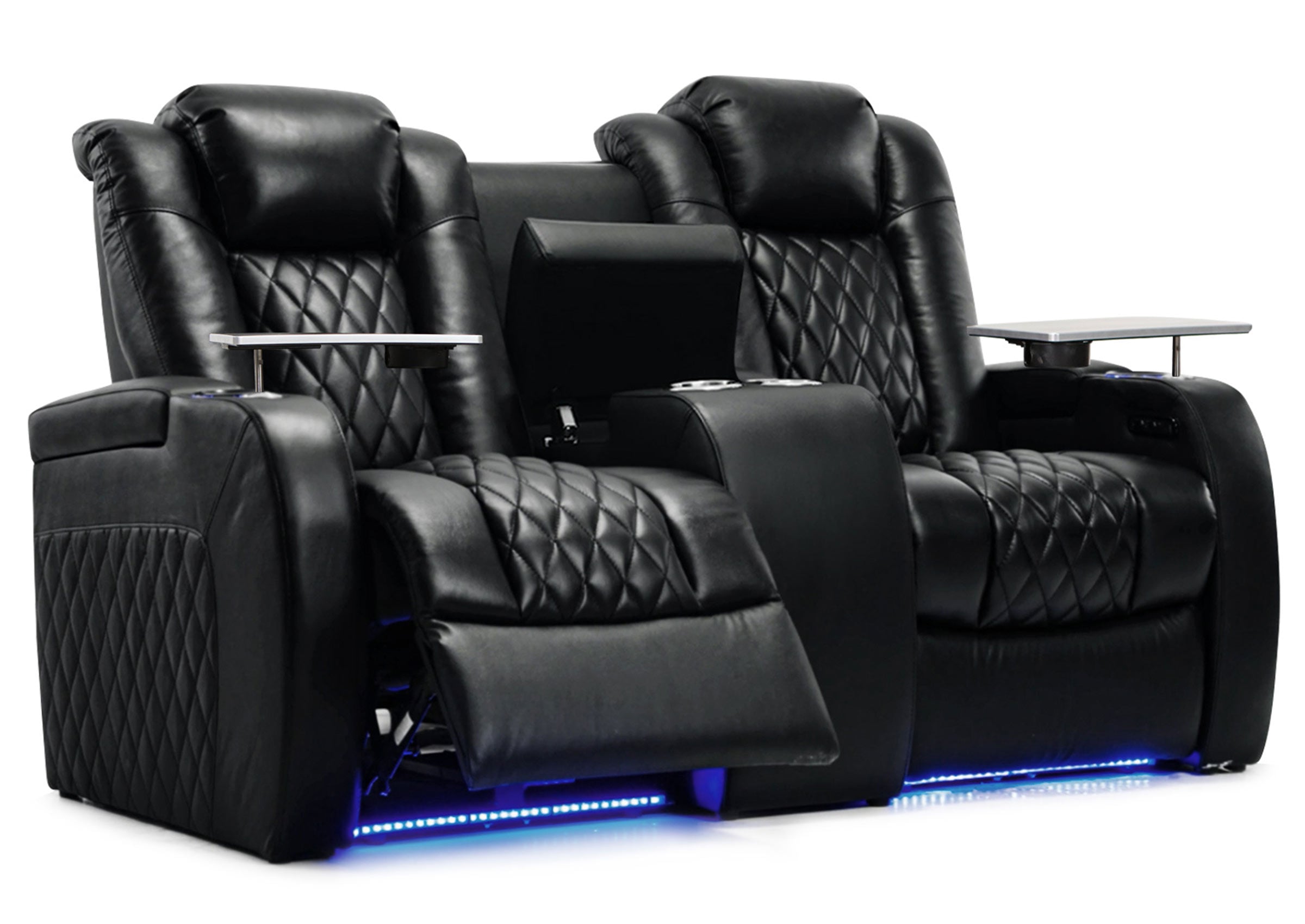
Loveseat couches provide a practical solution when a project requires comfortable seating without using a large footprint.
They are commonly used in:
● Apartments
● Boutique hotels
● Small media rooms
● Guest spaces
● Private lounges
For designers working with limited space, loveseat configurations can create comfortable seating areas while preserving room flexibility.
However, compact seating should not only be evaluated by size. Professional buyers should also consider:
● Seat depth
● Cushion support
● Material durability
● Expected usage frequency
A smaller couch still needs to deliver a comfortable experience, especially in spaces where guests or residents may use it regularly.
Sleeper Couches: Multi-Function Solutions for Hospitality and Flexible Spaces
Sleeper couches combine seating and sleeping functions, making them useful for projects where space efficiency is important.
Common applications include:
● Hotels
● Guest rooms
● Vacation rentals
● Apartments
● Multi-purpose rooms
Their value comes from flexibility. A single furniture piece can support daytime seating and occasional overnight use.
For hospitality buyers, key evaluation points include:
● Conversion convenience
● Sleeping comfort
● Frame durability
● Cleaning requirements
● Frequency of use
Multi-function furniture can provide strong value when designers need to maximize the usefulness of limited space.
Leather vs Fabric Couches: Choosing Materials Based on Project Needs
Material selection affects the visual style, maintenance requirements, and long-term performance of a couch.
|
Material |
Suitable Applications |
Important Considerations |
|
Leather |
Luxury residences, premium lounges, entertainment spaces |
Premium appearance, easier surface cleaning, refined look |
|
Fabric |
Casual residential spaces, flexible interiors |
More texture options, softer visual atmosphere |
|
Performance fabrics |
Hospitality and high-use environments |
Practical maintenance and frequent-use considerations |
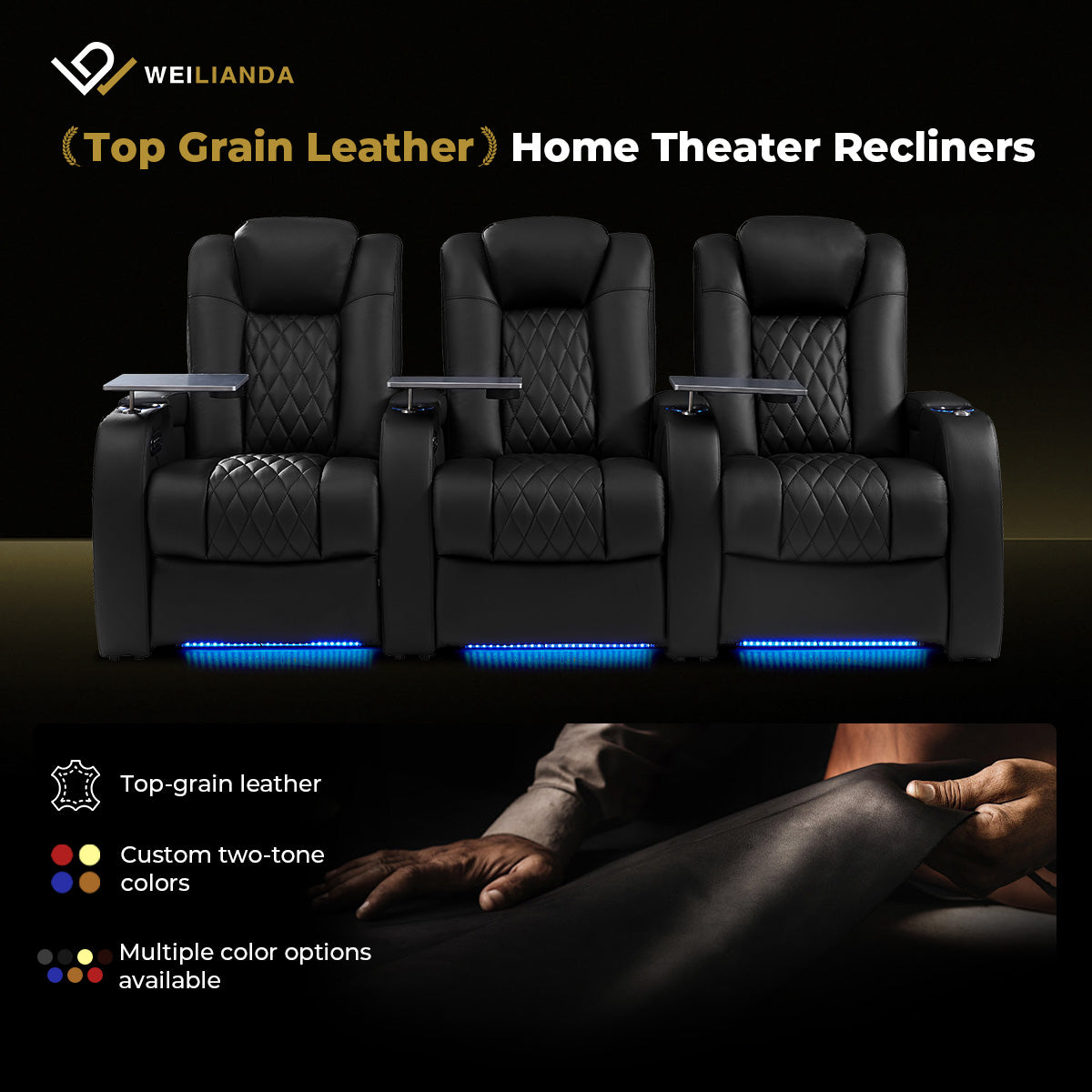
Leather is often selected for upscale projects because it creates a premium appearance while being practical for environments where spills, drinks, and regular cleaning are common.
For professional projects, buyers should confirm material specifications, supplier documentation, and consistency between production batches.
For sofas marked as top-grain leather, Weilianda can provide leather material samples and testing reports to support material verification.
Custom Couches: When Standard Furniture Does Not Fit the Project
Many professional projects have requirements that cannot be solved by standard couch designs.
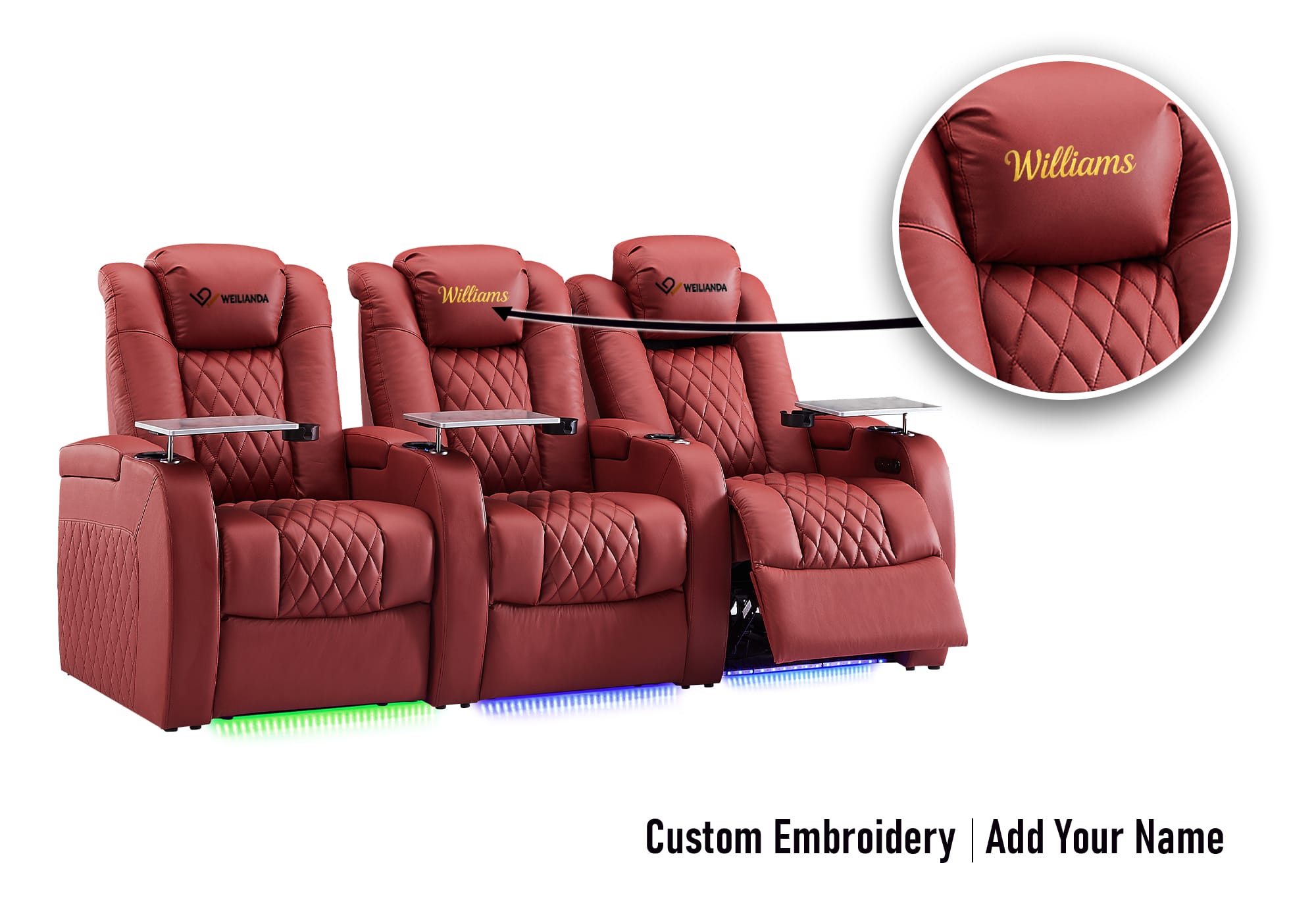
Customization may be needed for:
● Unique room dimensions
● Specific interior styles
● Brand identity requirements
● Different user expectations
● Commercial space layouts
Common customization options include:
● Seating configuration
● Dimensions
● Materials
● Colors
● Functions
● Layout design
● Embroidery details
● Lighting options
● Accessories
Customization allows project teams to develop seating that fits the space and user requirements instead of changing the project around a standard product.
For designers and dealers, this flexibility can create more opportunities when working on unique residential or commercial projects.
Weilianda supports project-based customization, including seating configurations, material selection, color options, function choices, and layout adjustments for different project requirements.
How Different Projects Should Evaluate Couch Types
Different environments have different priorities. The ideal couch type depends on how the space will be used.
|
Project Type |
Suitable Couch Options |
Main Selection Priorities |
|
Luxury residence |
Sectional, leather sofa, reclining couch |
Design consistency, comfort, customization |
|
Home theater |
Reclining couch, theater seating |
Long-session comfort, viewing position, functions |
|
Hotel lounge |
Sectional, modular seating |
Durability, appearance, guest experience |
|
Apartment project |
Loveseat, compact sofa |
Space efficiency, practicality |
|
Entertainment venue |
Reclining seating, modular solutions |
User comfort, maintenance, reliability |
A common purchasing mistake is selecting seating based only on capacity. A project with fewer but better-designed seats may create a stronger user experience than overcrowding the room.
What Professional Buyers Should Prepare Before Selecting a Couch Supplier
Before requesting quotes or comparing suppliers, project teams should prepare clear requirements.
A useful project checklist includes:
Space Information
● Room dimensions
● Layout drawings
● Seating quantity
● Access limitations
● Placement requirements
Product Requirements
● Couch style
● Materials
● Colors
● Functions
● Accessories
● Custom design needs
Project Requirements
● Residential or commercial application
● Expected usage frequency
● Installation requirements
● Delivery location
● Timeline expectations
Having clear requirements helps suppliers recommend more suitable solutions and reduces communication problems during production.
How to Evaluate a Couch Supplier for Long-Term Cooperation
For professional buyers, selecting the supplier is as important as selecting the couch style.
A reliable supplier should be evaluated through several areas:
Customization Capability
A project-based supplier should be able to discuss different requirements instead of only offering fixed products.
This includes:
● Configuration changes
● Material selection
● Color matching
● Functional adjustments
● Layout solutions
Production and Quality Control Process
Consistent production quality is essential for dealers and larger projects.
Important quality checks may include:
● Material inspection
● Color confirmation
● Frame and structure checking
● Reclining mechanism testing
● Stitching inspection
● Assembly verification
● Final appearance and packaging checks
Communication During Development
Professional projects often require multiple decisions before production begins.
A reliable manufacturing partner should support:
● Requirement discussions
● Configuration confirmation
● Material approval
● Pre-production communication
● Final shipment confirmation
Weilianda has focused on home theater seating manufacturing since 2008 and supports project partners through factory-direct cooperation, customization discussions, installation support, and pre-shipment confirmation.
Common Questions About Couch Types for Projects
What couch type is best for a commercial project?
The best option depends on the project purpose. Hotels and lounges often prioritize flexible layouts and durability, while entertainment spaces may require reclining solutions focused on comfort and longer usage periods.
Can couch designs be customized for different projects?
Yes. Many manufacturers support customization including dimensions, colors, materials, seating configurations, and functional options. This is especially valuable for luxury residential and commercial projects.
What should furniture buyers check before choosing a couch supplier?
Buyers should review customization capability, production consistency, material information, quality control processes, communication support, and after-sales service before starting cooperation.
Are reclining couches suitable for business projects?
Reclining couches can work well in entertainment-focused environments such as private cinemas, gaming spaces, VIP lounges, and premium residential developments where user comfort is a major consideration.
How do designers choose between sectional and reclining couches?
Designers usually compare room purpose, available space, expected usage time, and user experience goals. Sectionals emphasize flexible group seating, while reclining couches focus more on individual comfort.
Why do project buyers need customized couch solutions?
Customized solutions help seating match specific room designs, customer expectations, and project requirements. They are especially useful when standard furniture cannot achieve the desired layout or appearance.
Building Better Seating Solutions for Different Projects
The right couch selection requires balancing design, function, space, and long-term usability.
For designers, dealers, and project buyers, the most valuable seating solution is not simply the most attractive option. It is the one that fits the environment, supports users, and can be reliably delivered according to project requirements.
Weilianda provides factory-direct seating solutions for residential and commercial applications, with customization support for different configurations, materials, and project needs.
For custom couch solutions, wholesale cooperation, or project-based seating requirements, contact Weilianda to discuss your project.