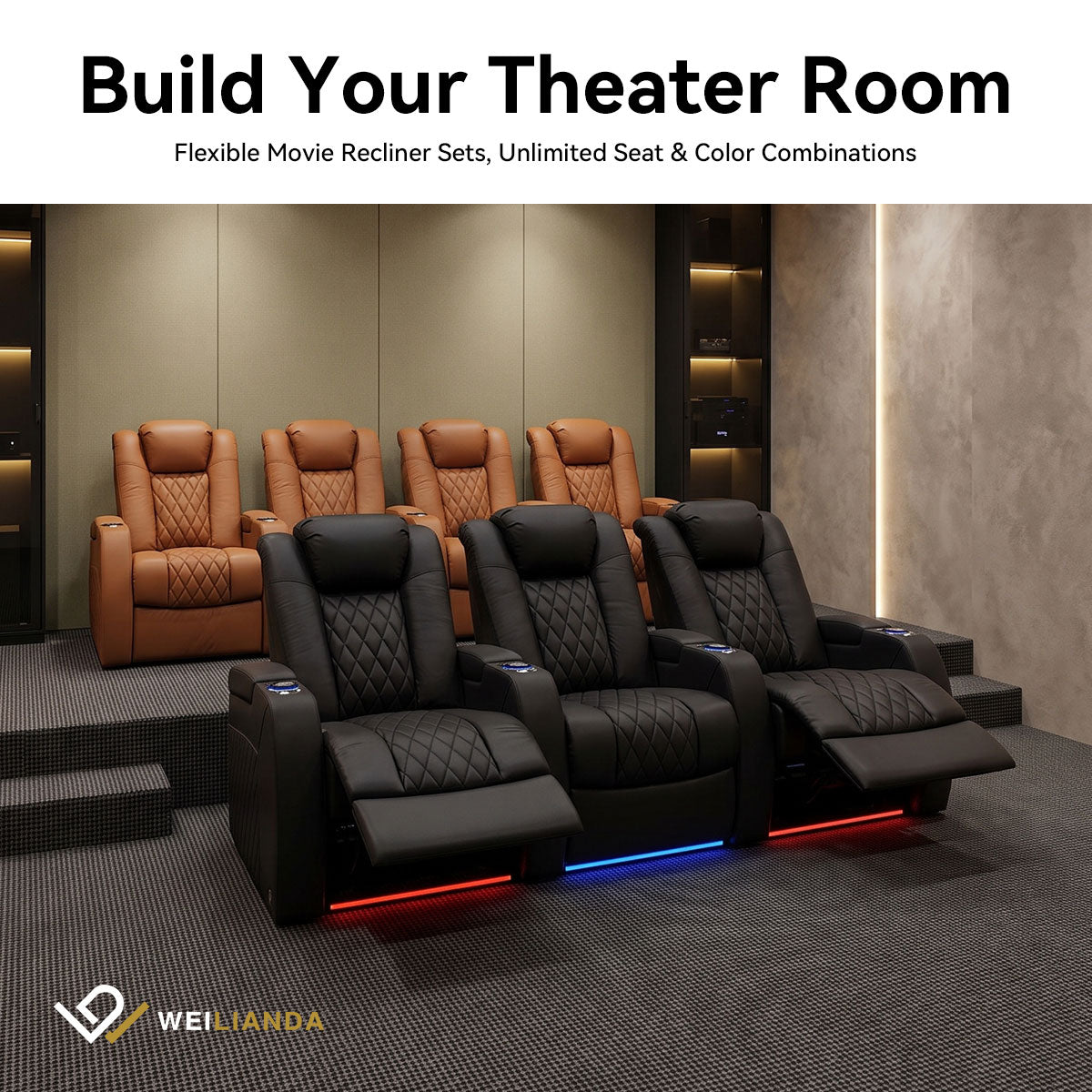
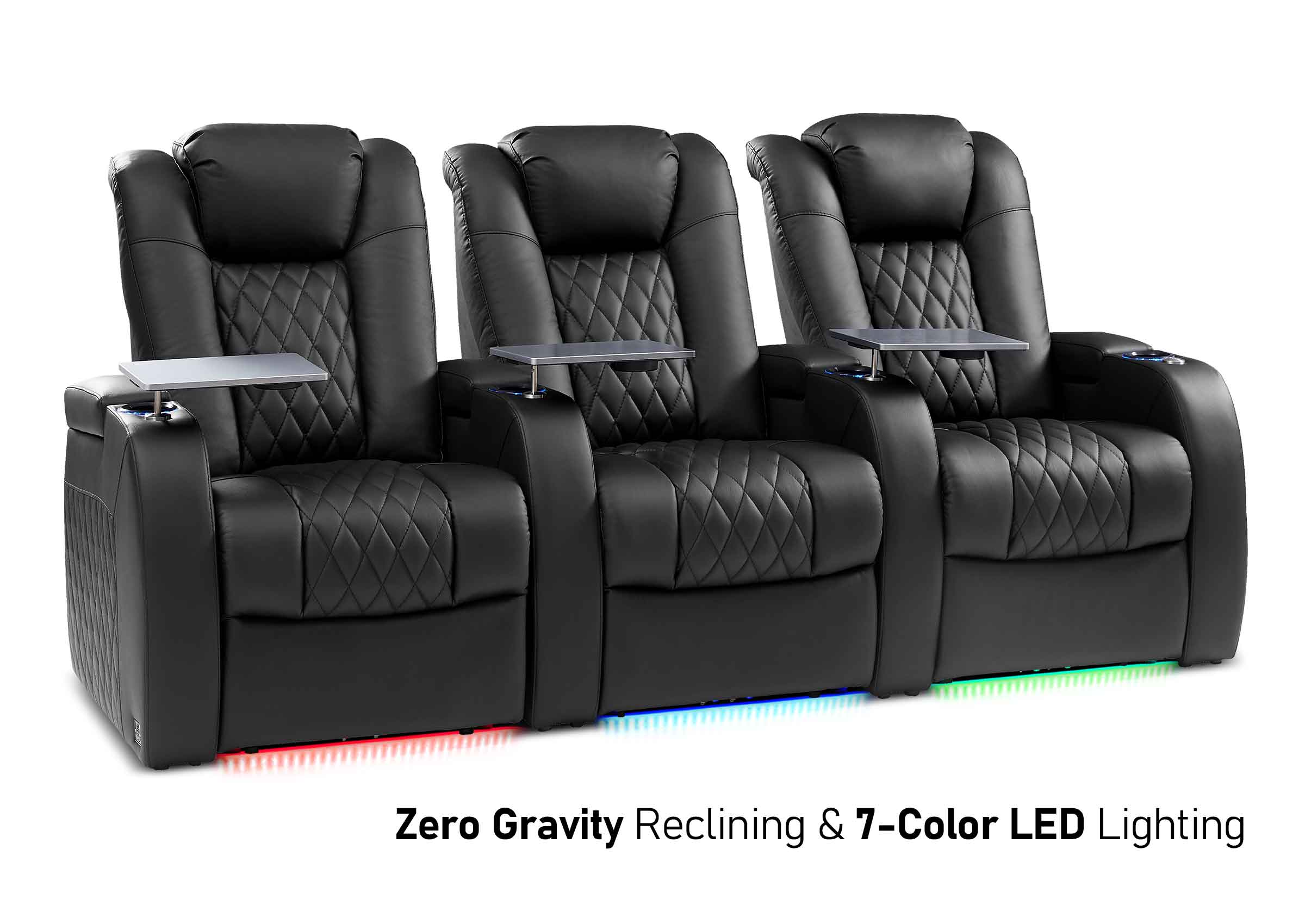
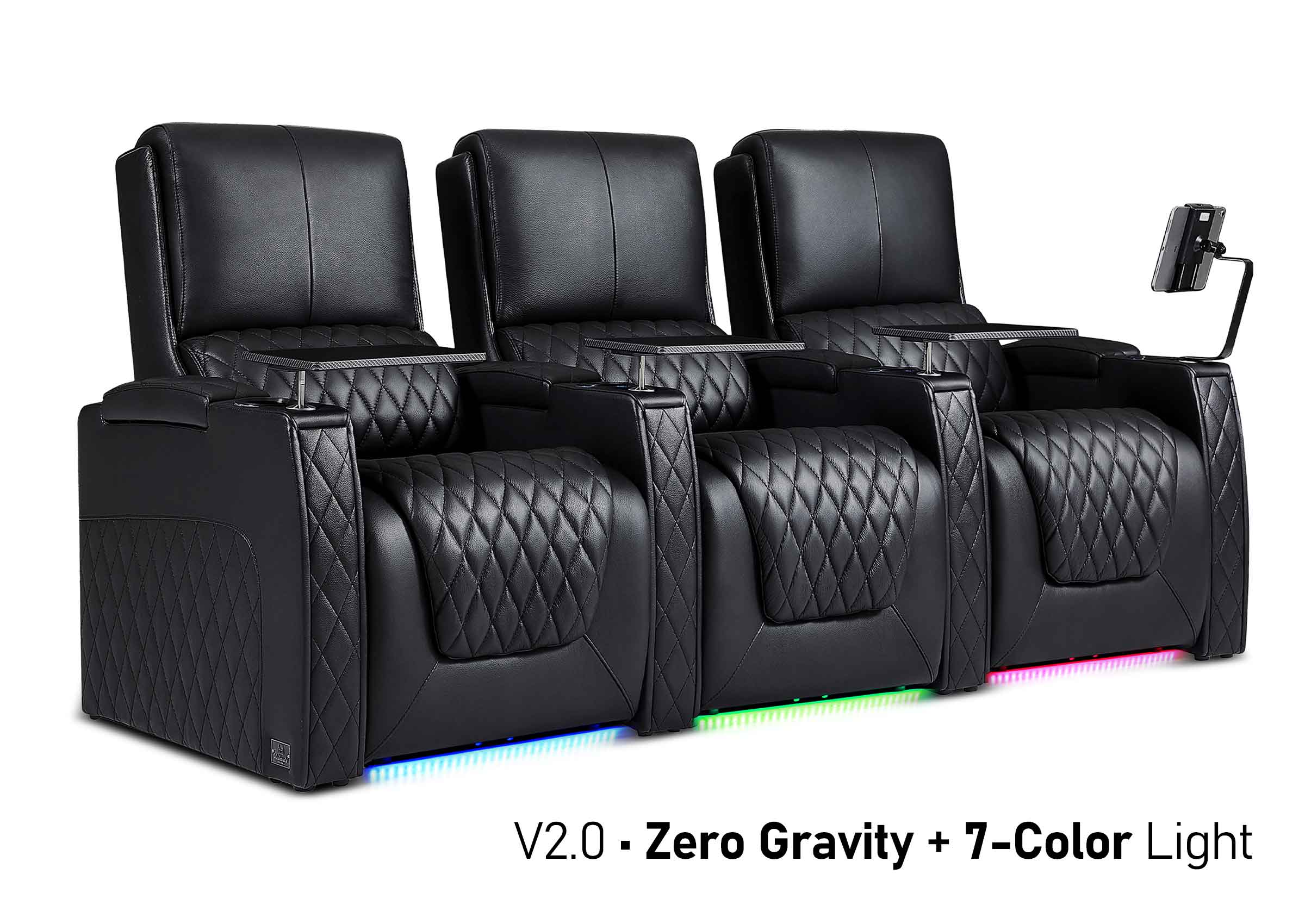
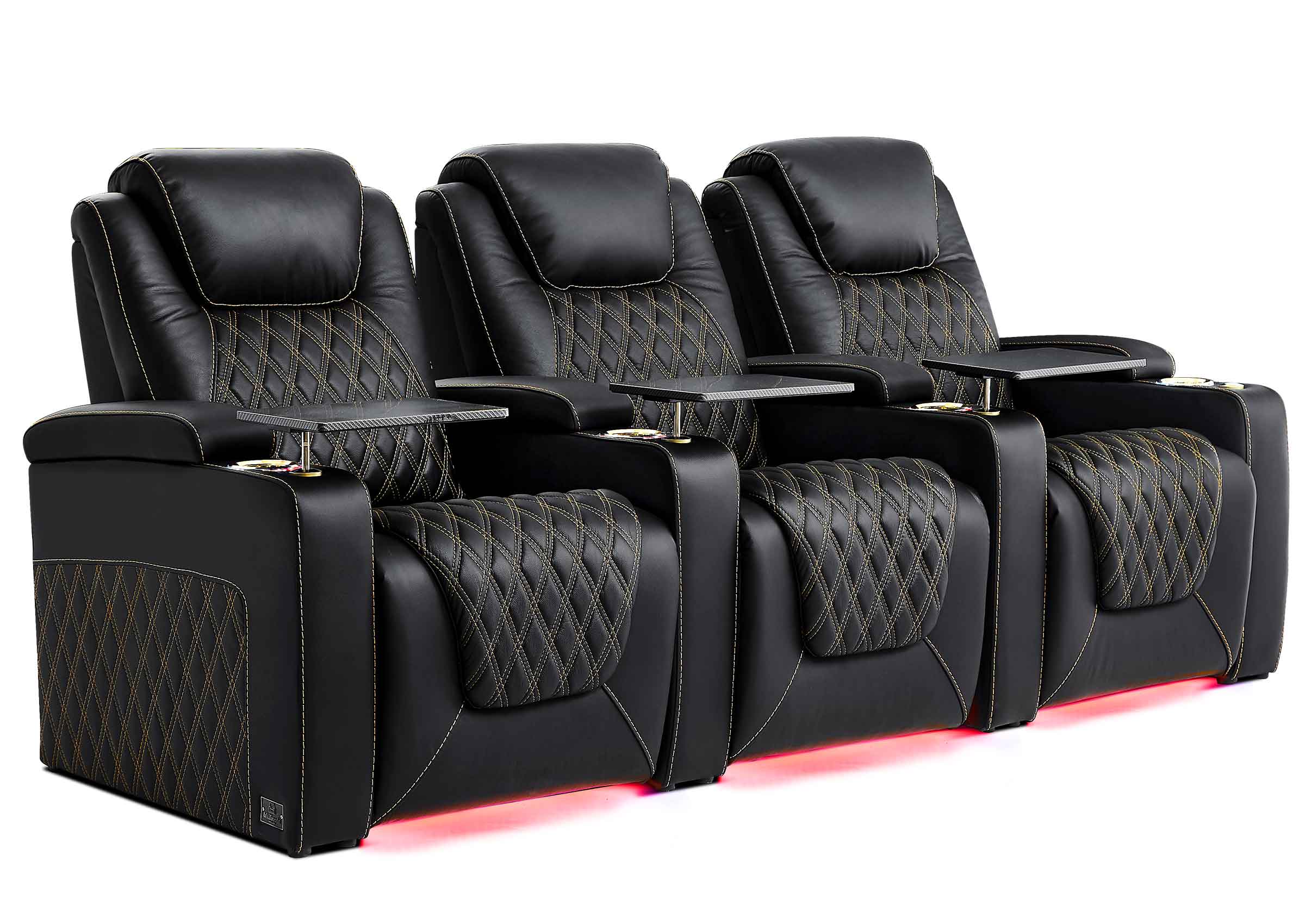
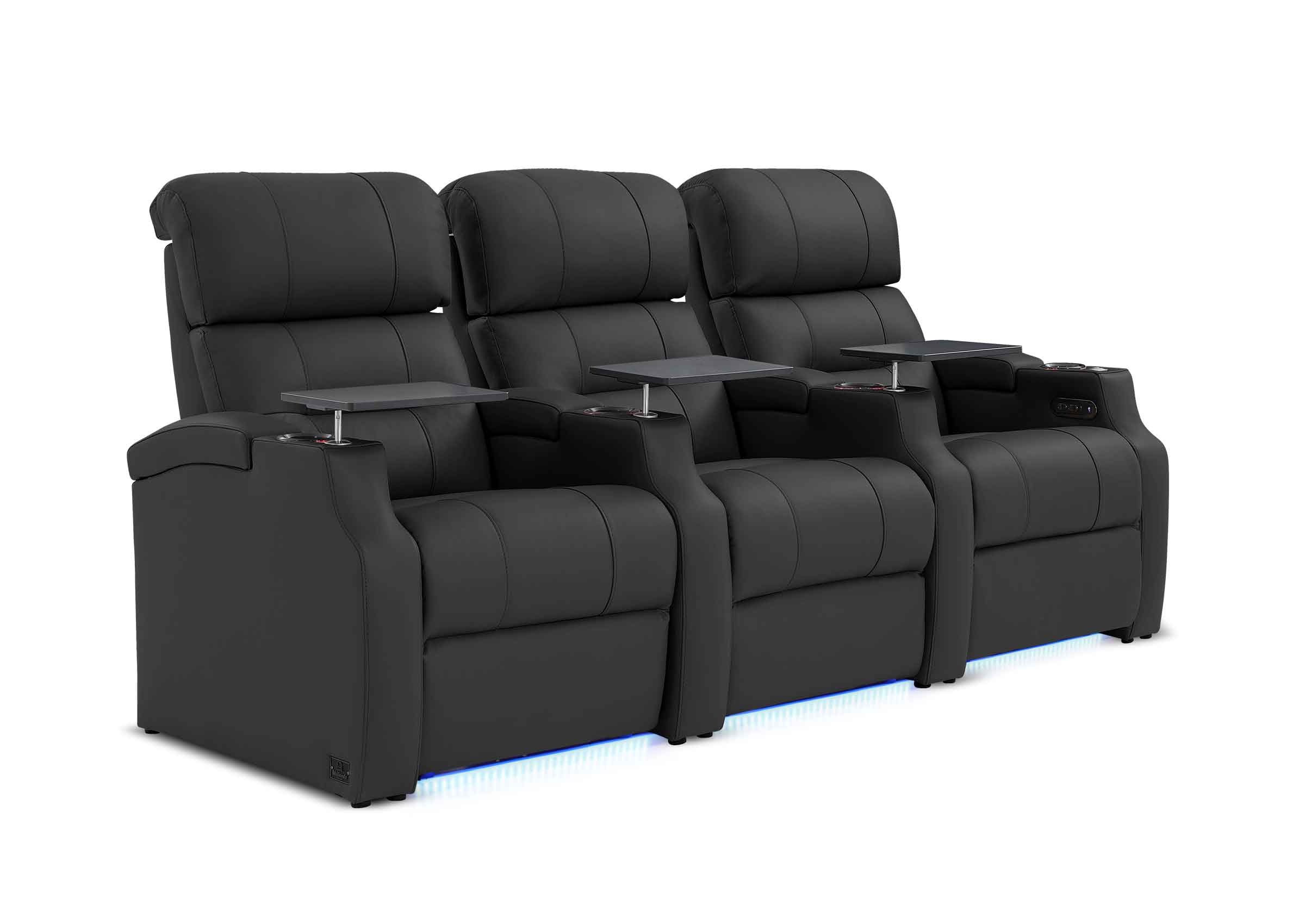
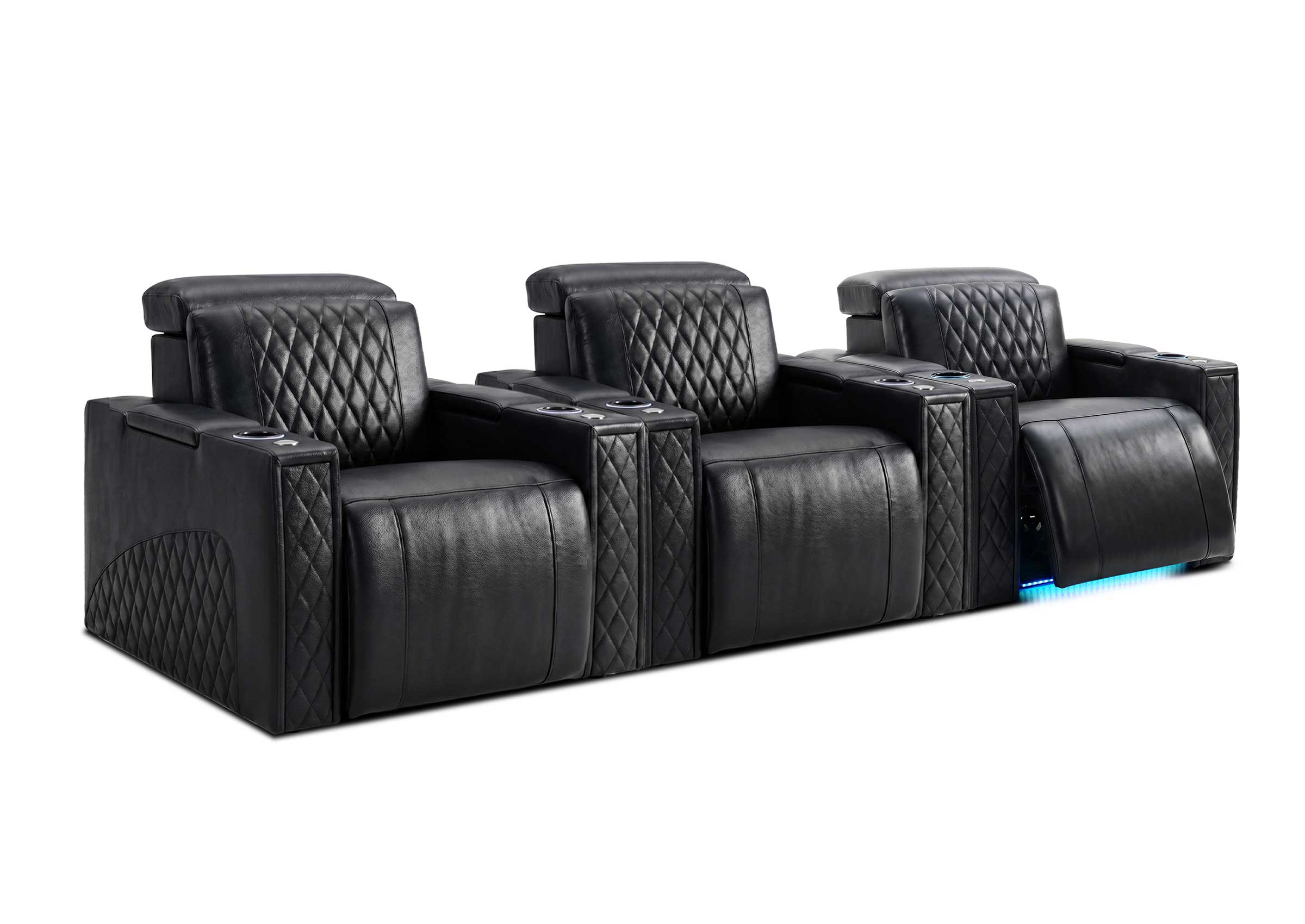

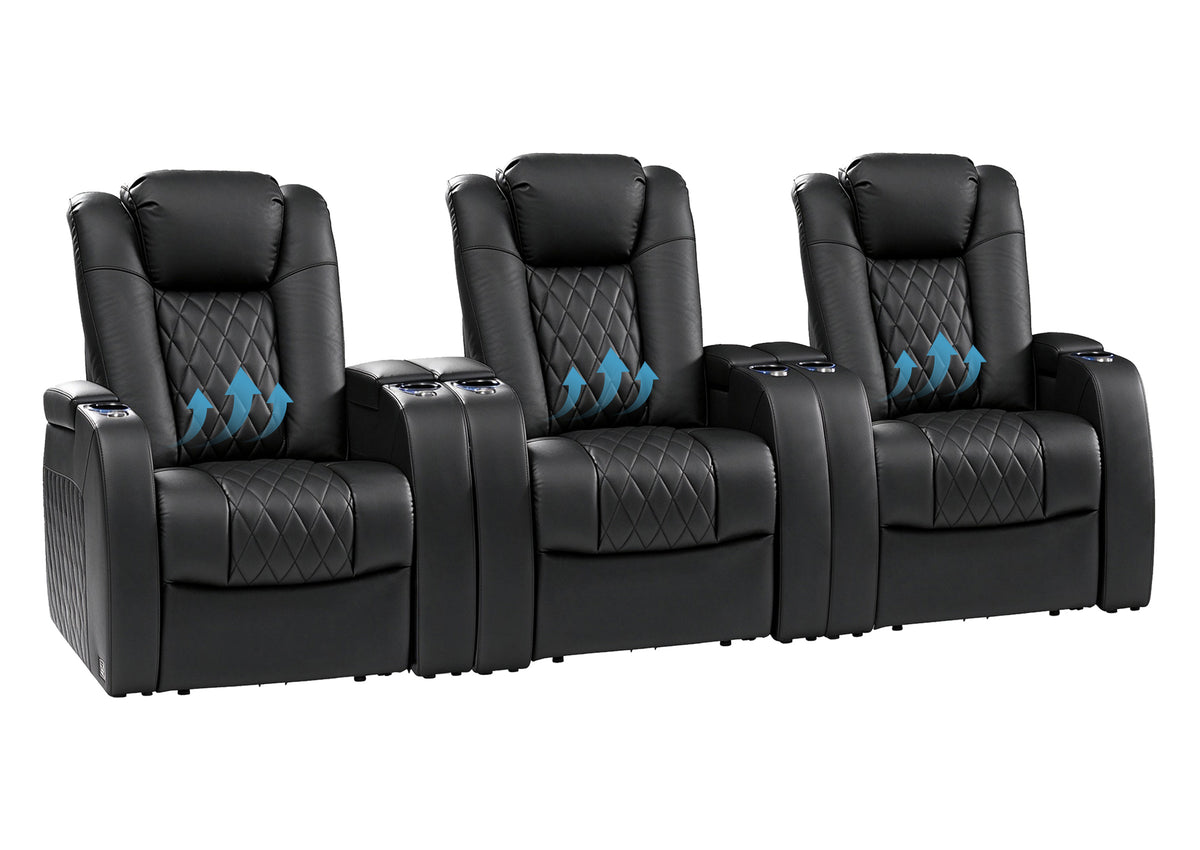
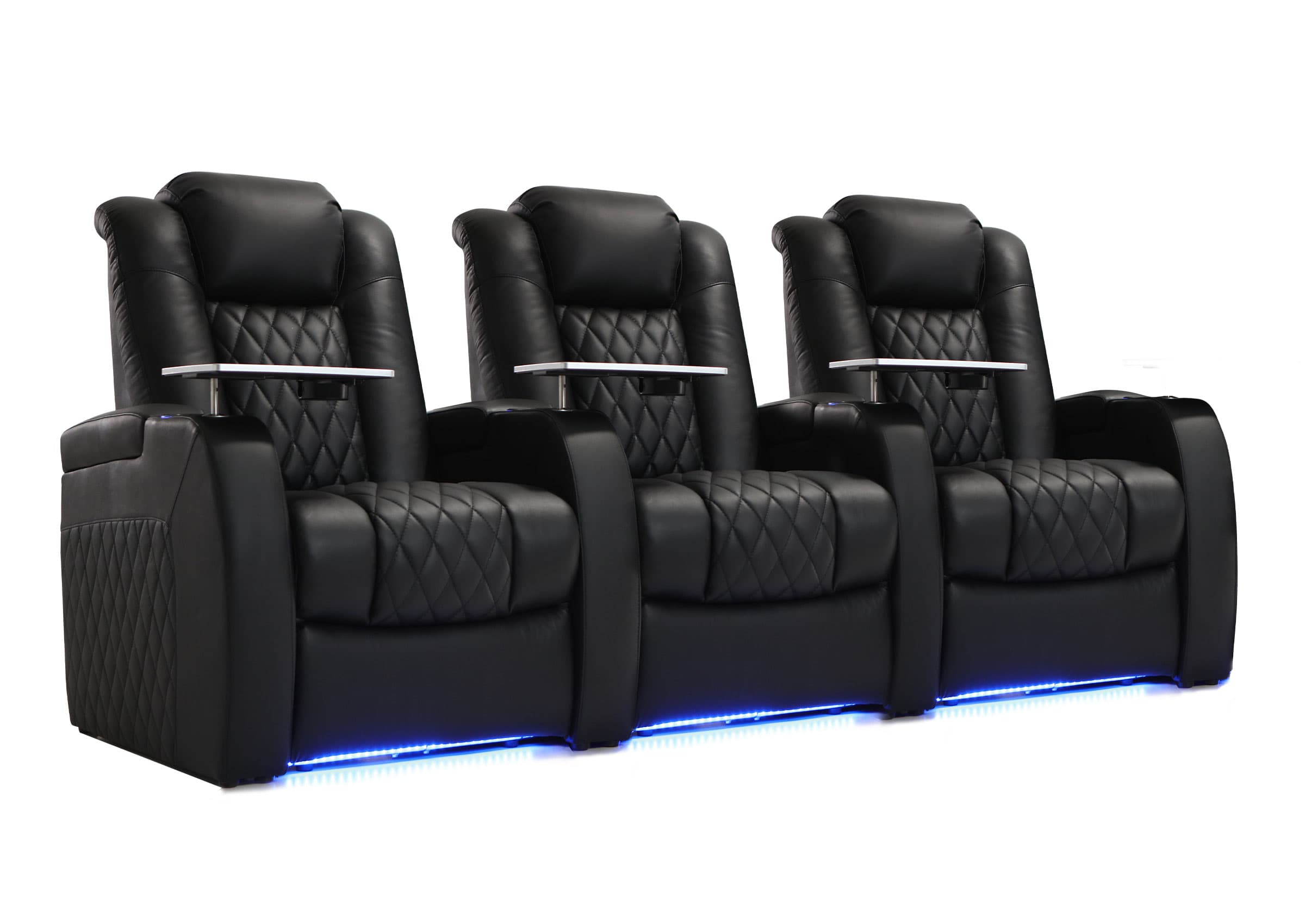
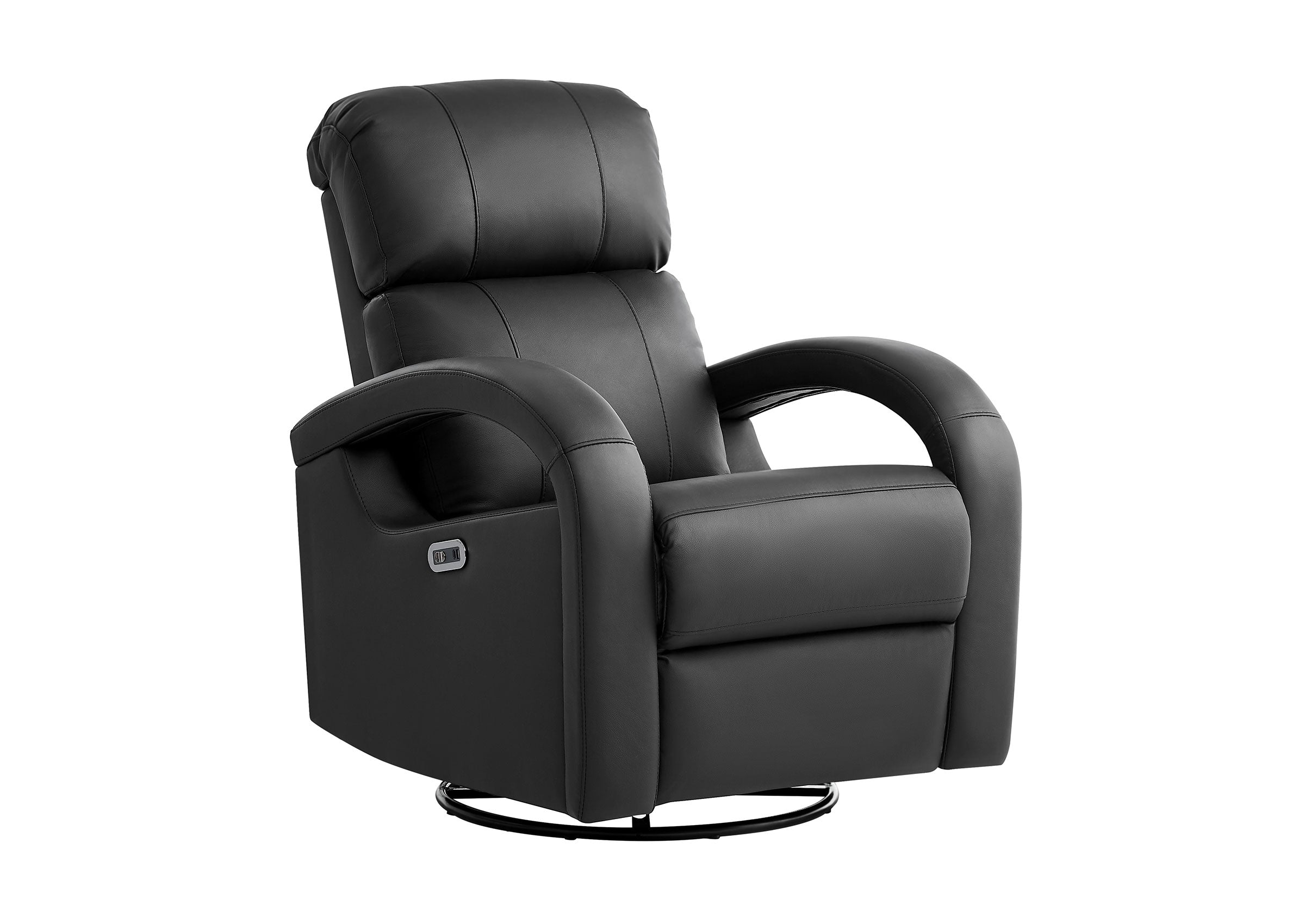
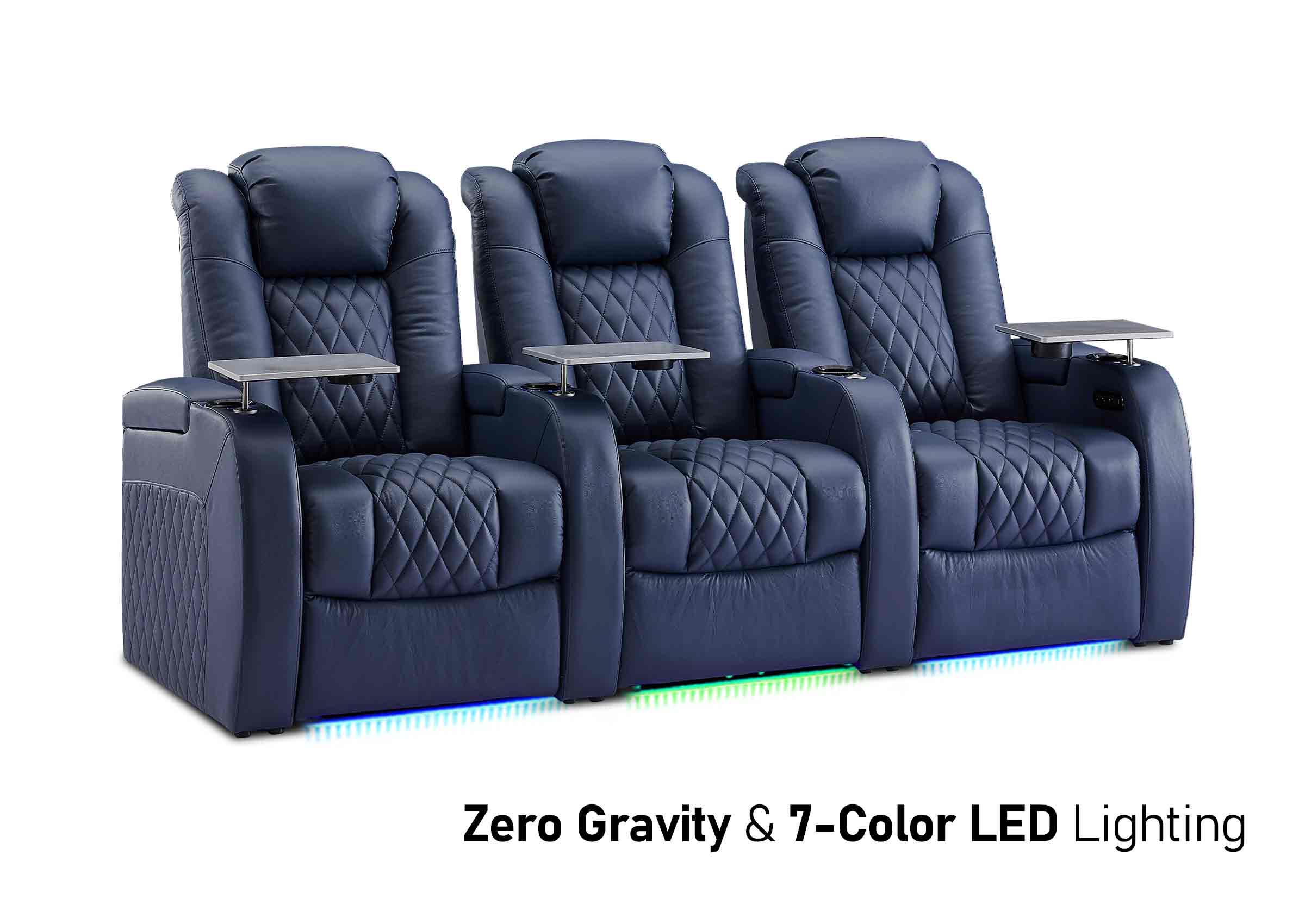
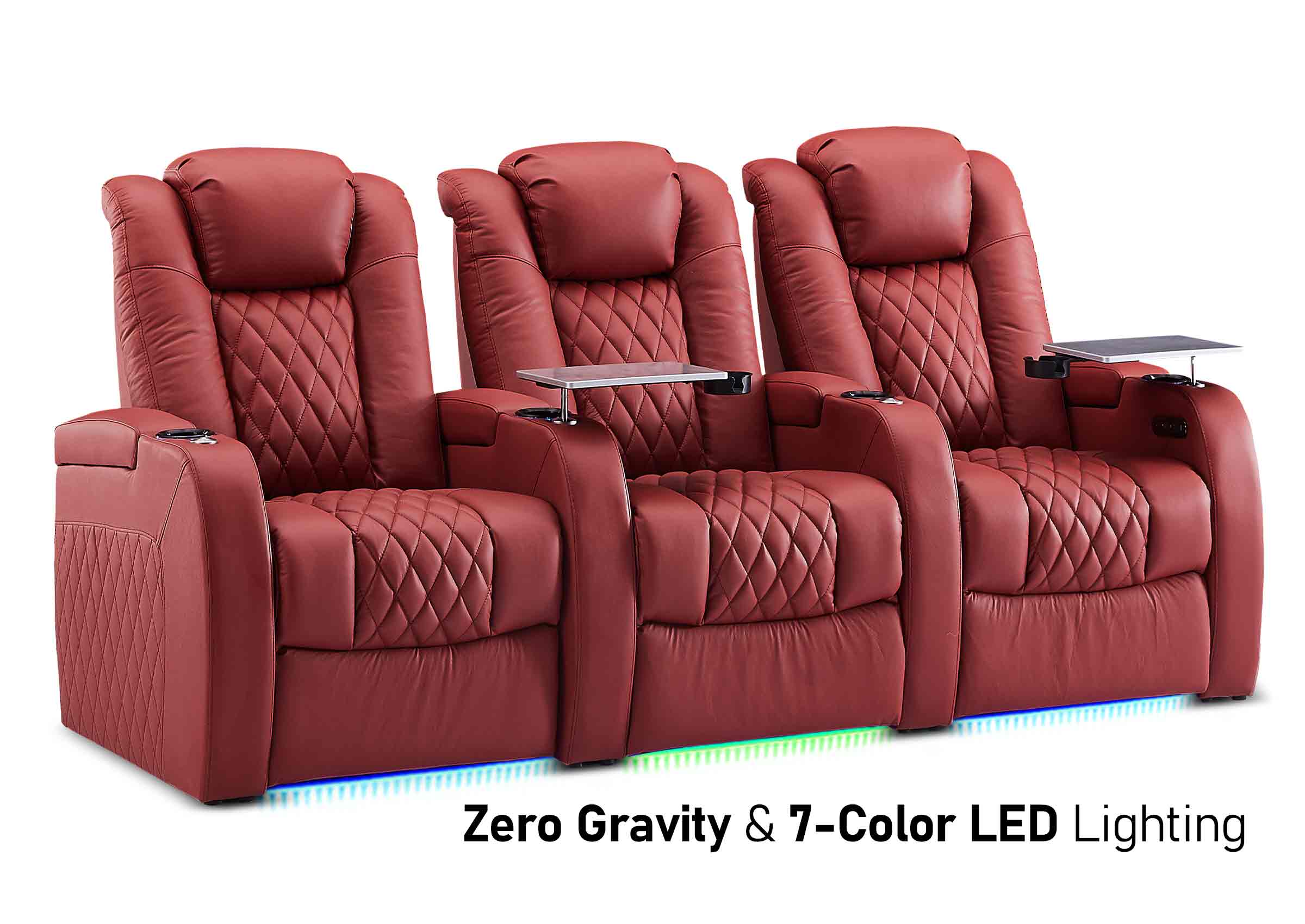
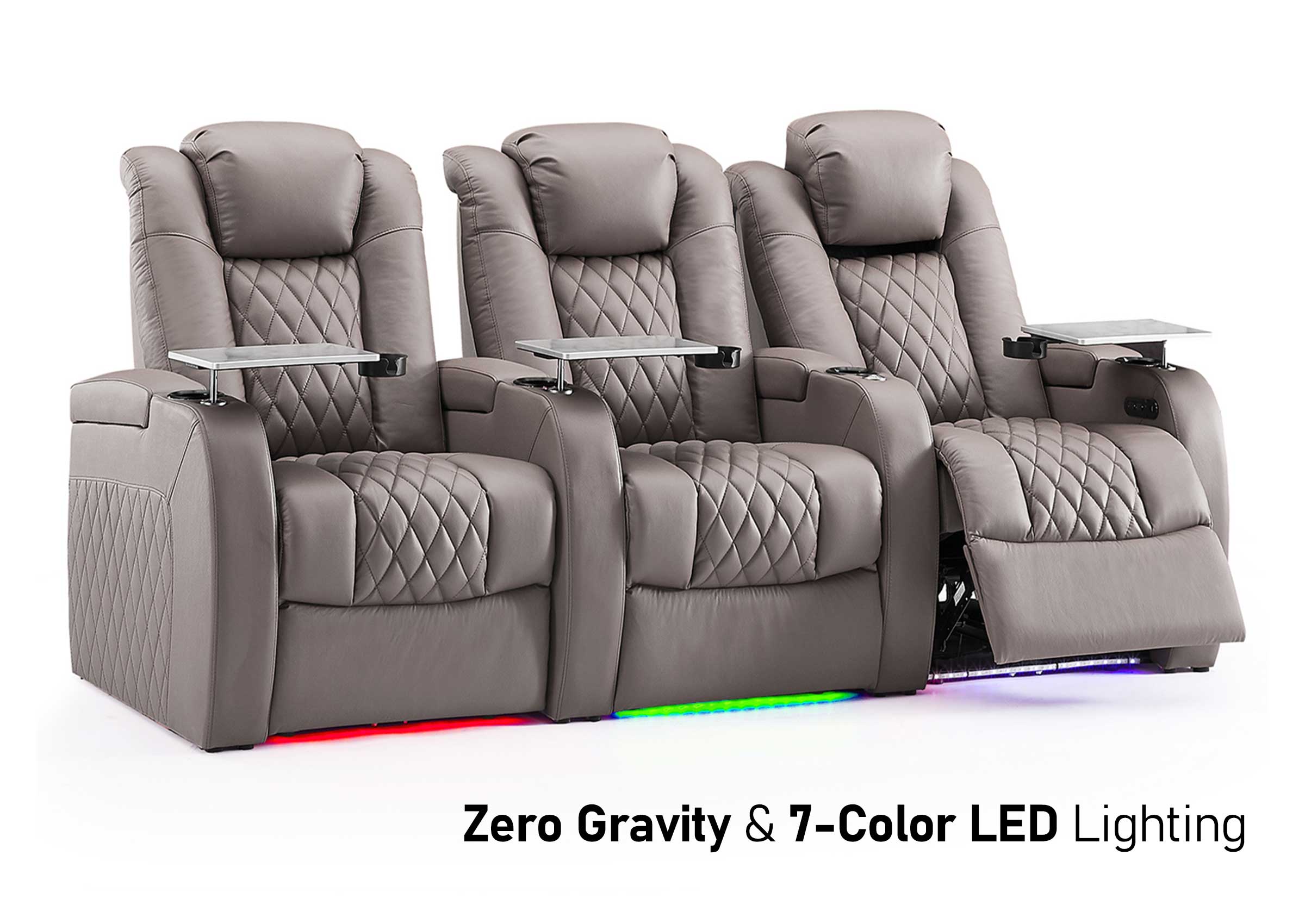
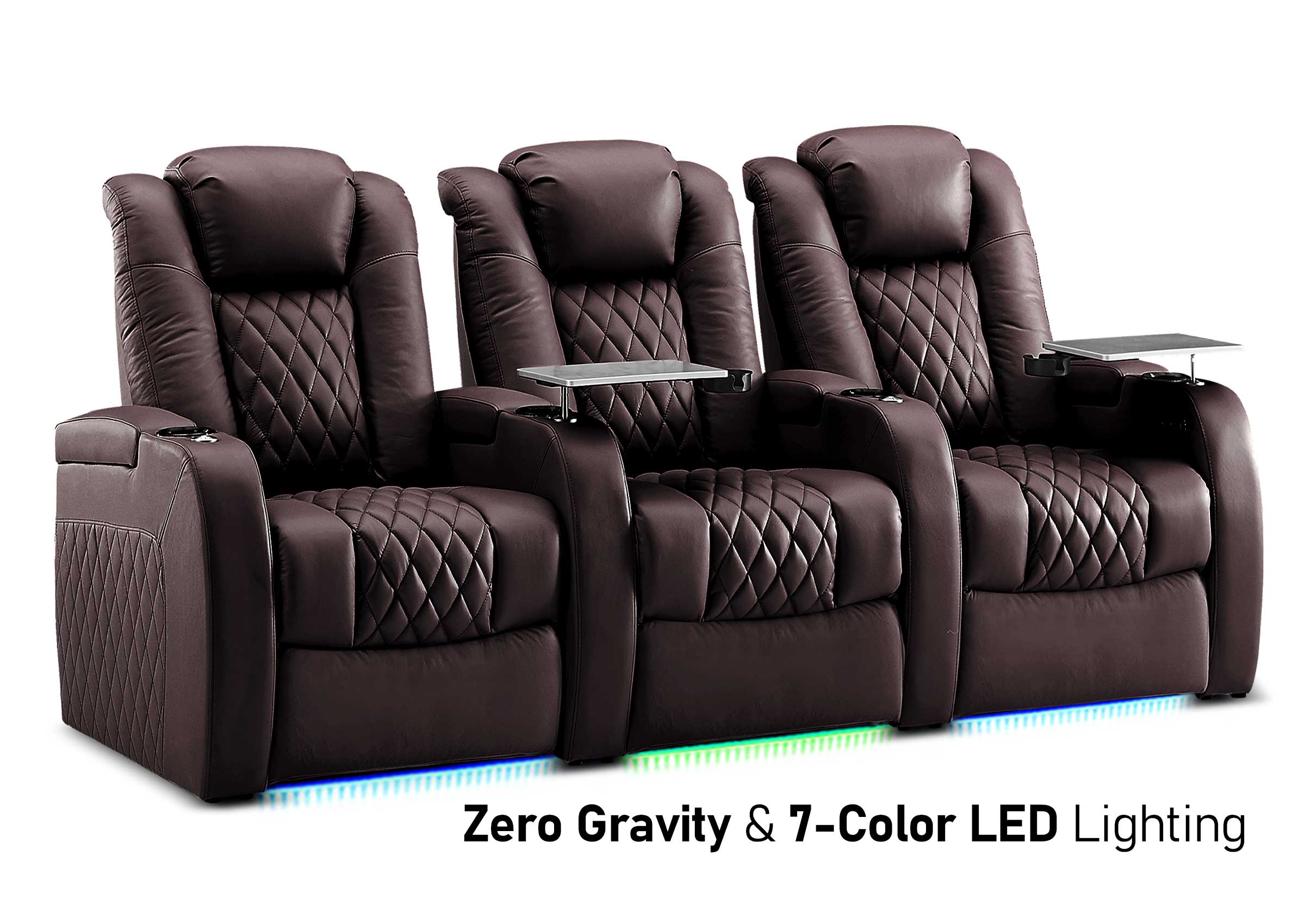

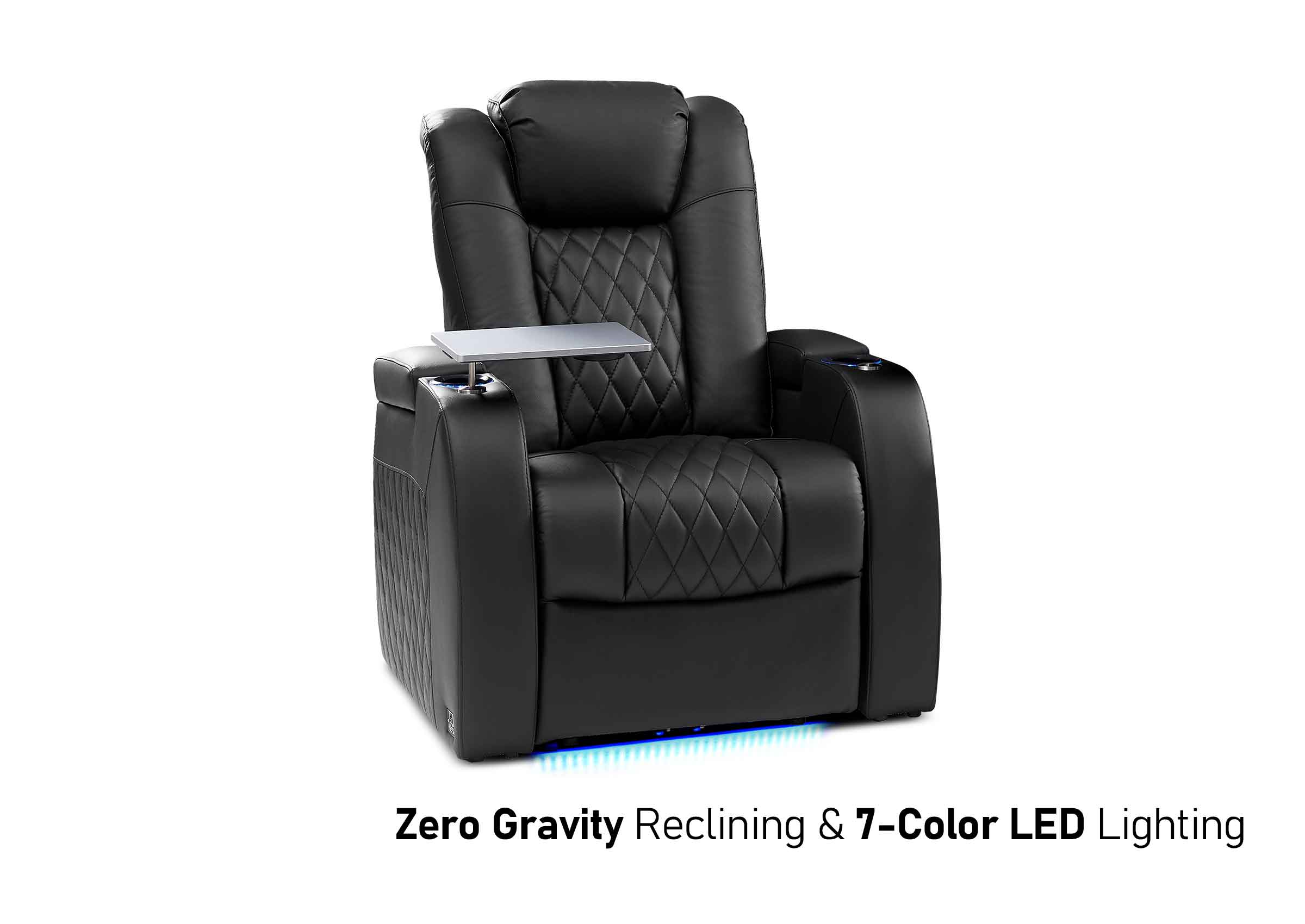
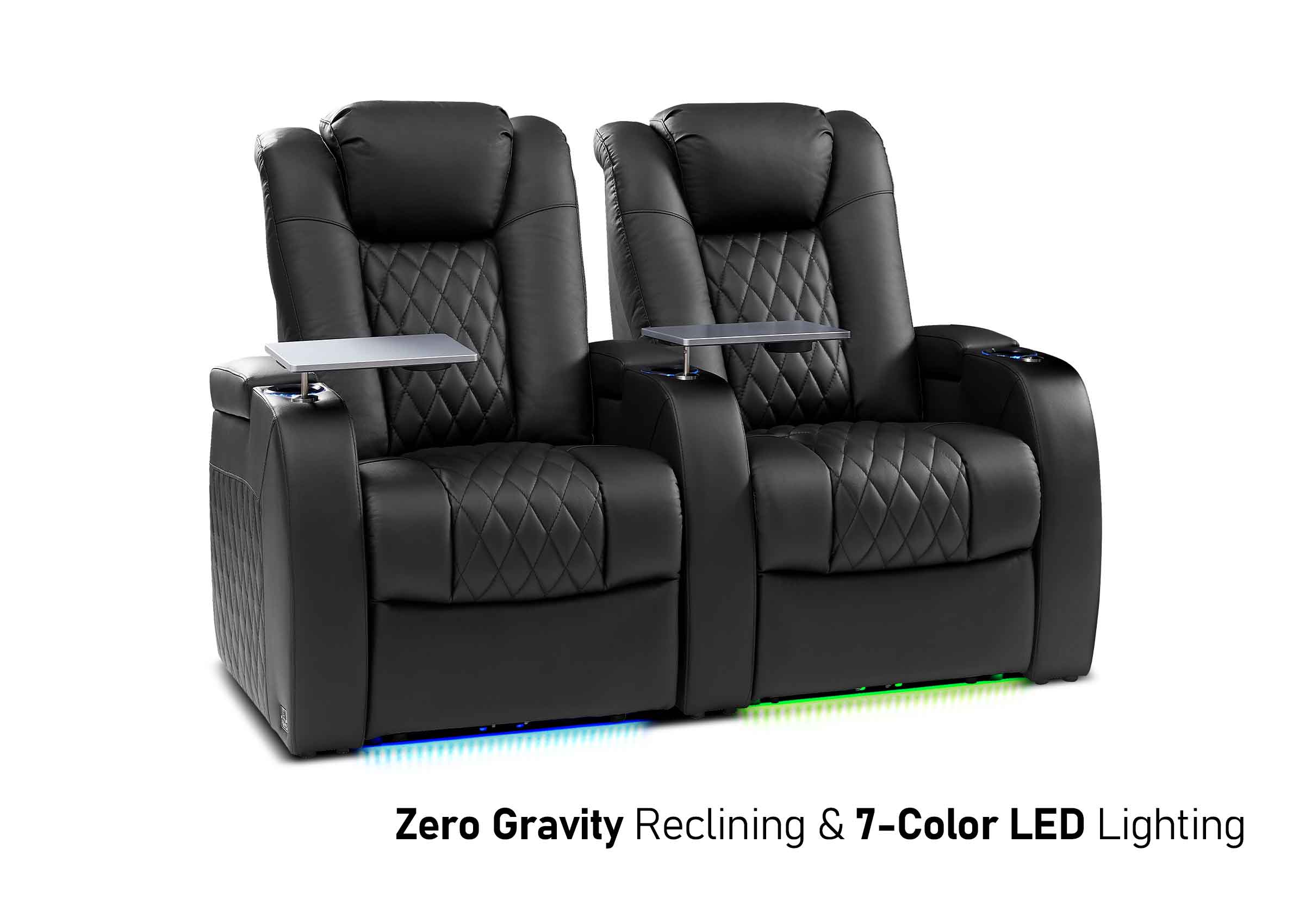
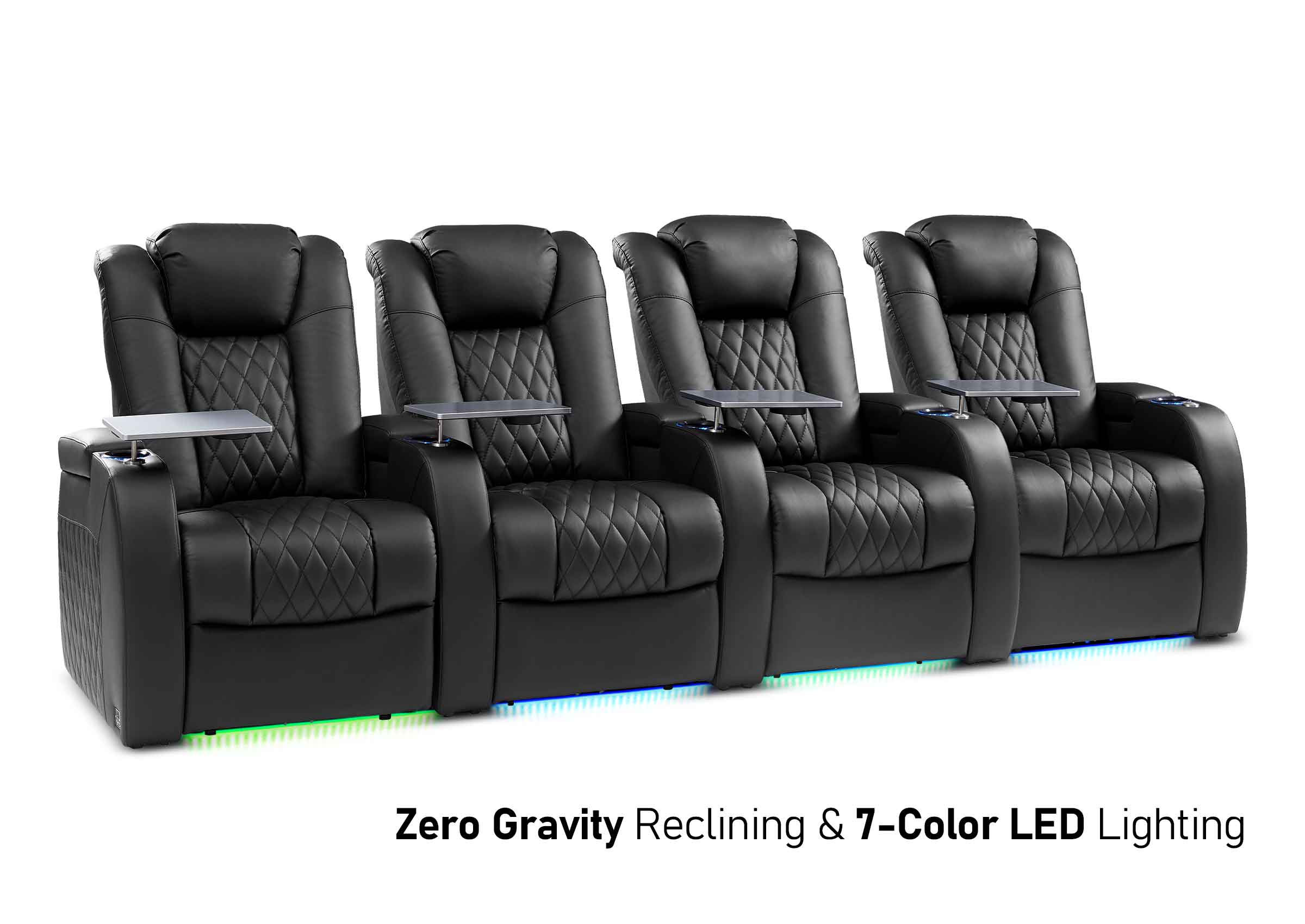
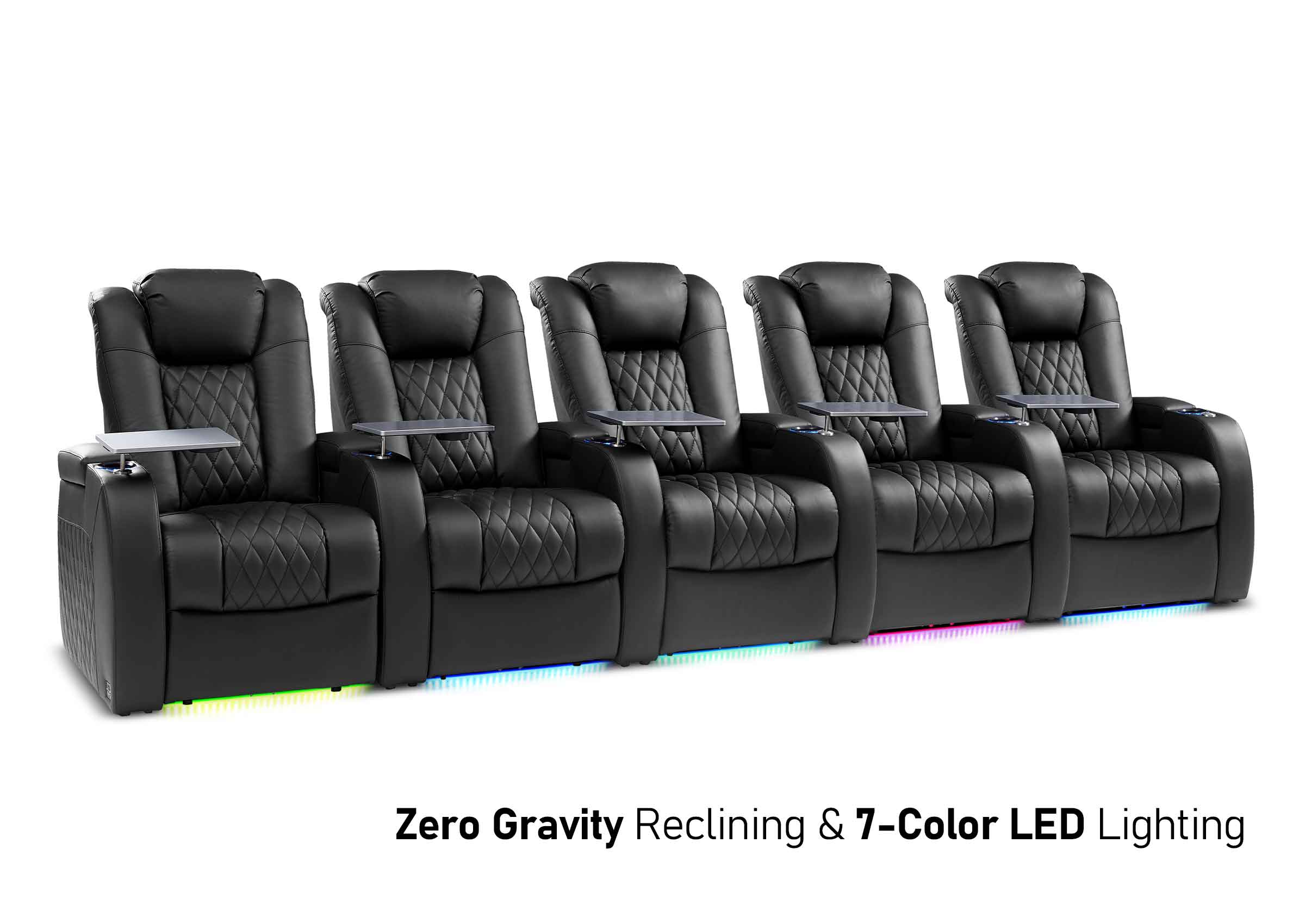
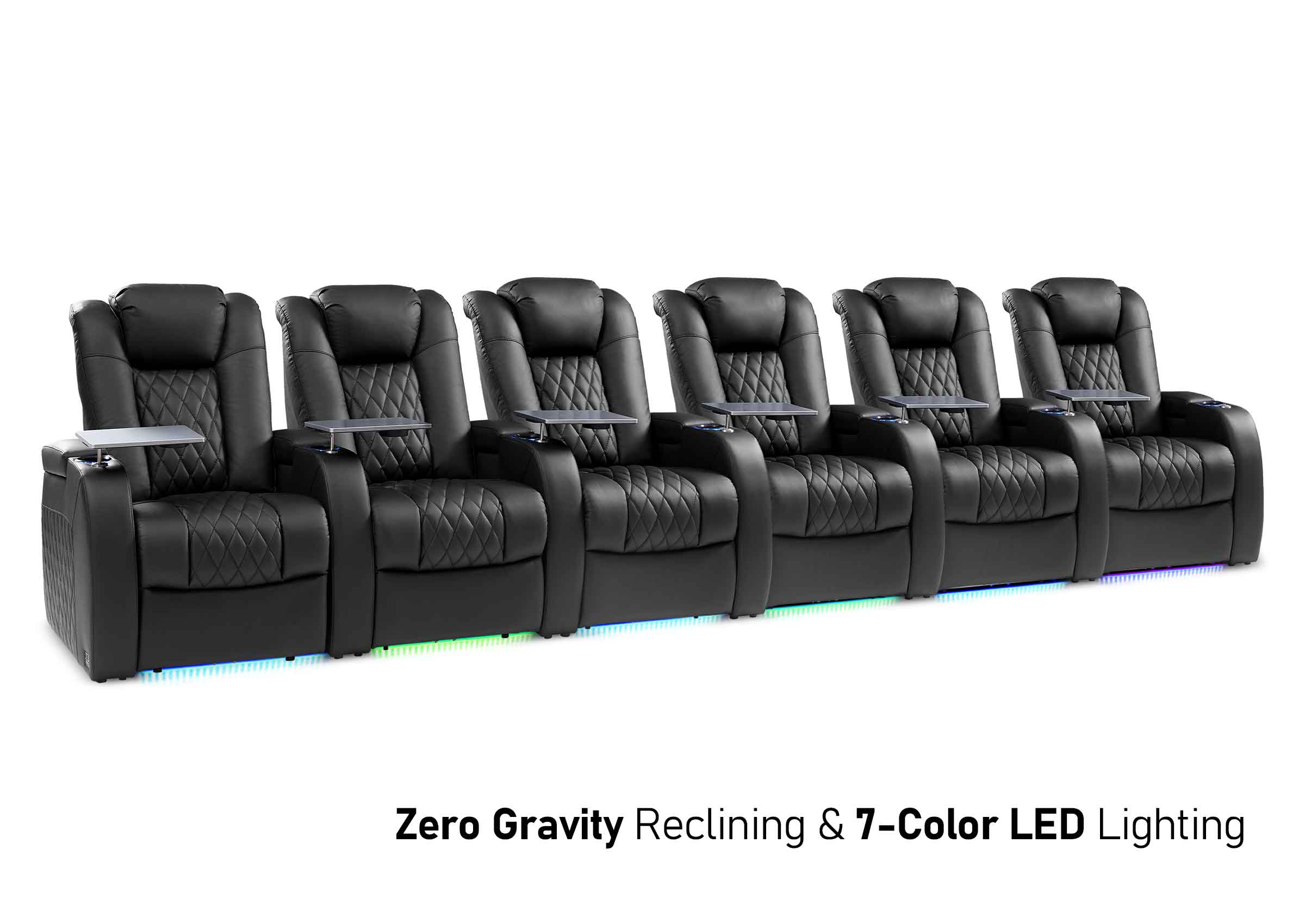
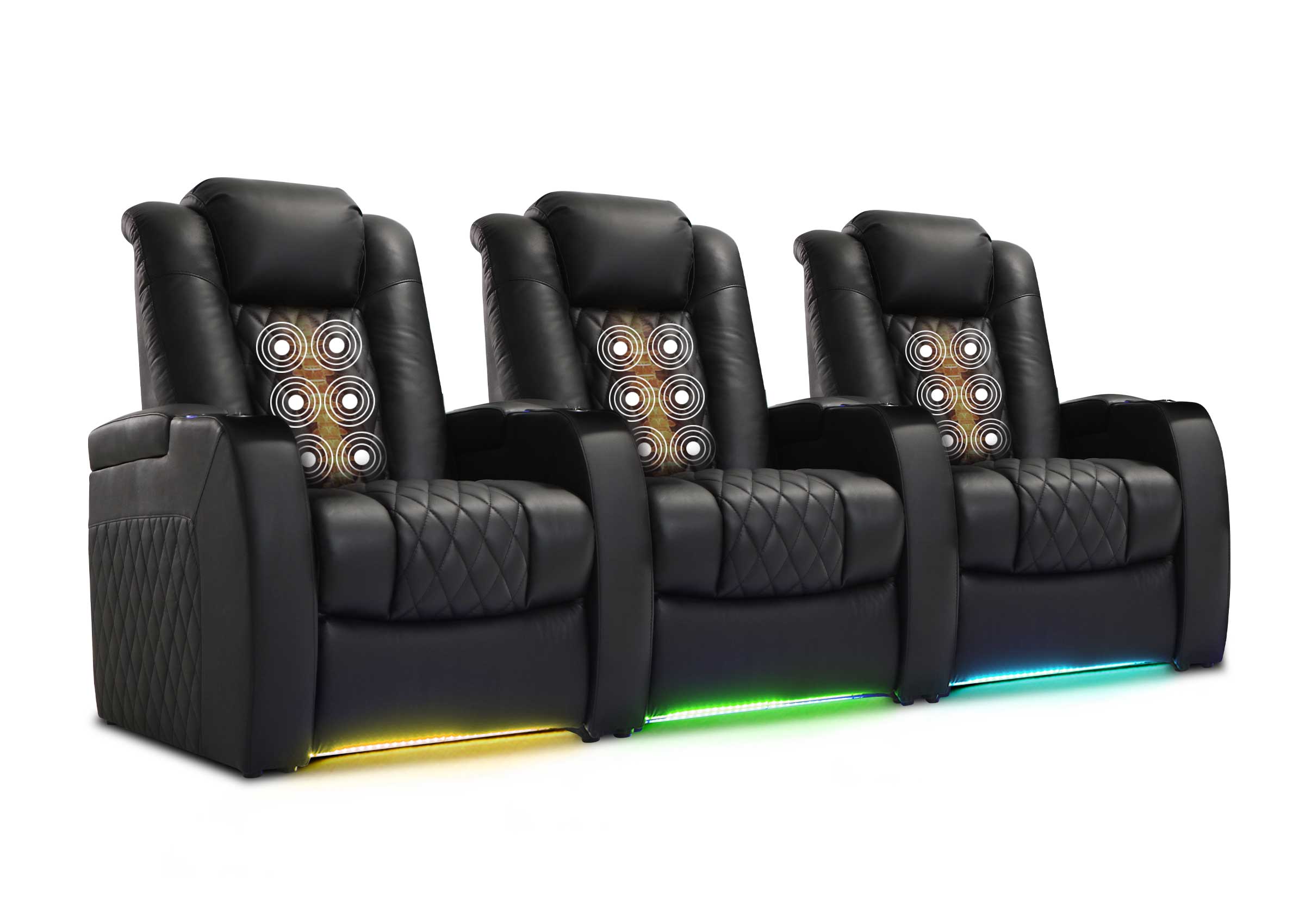

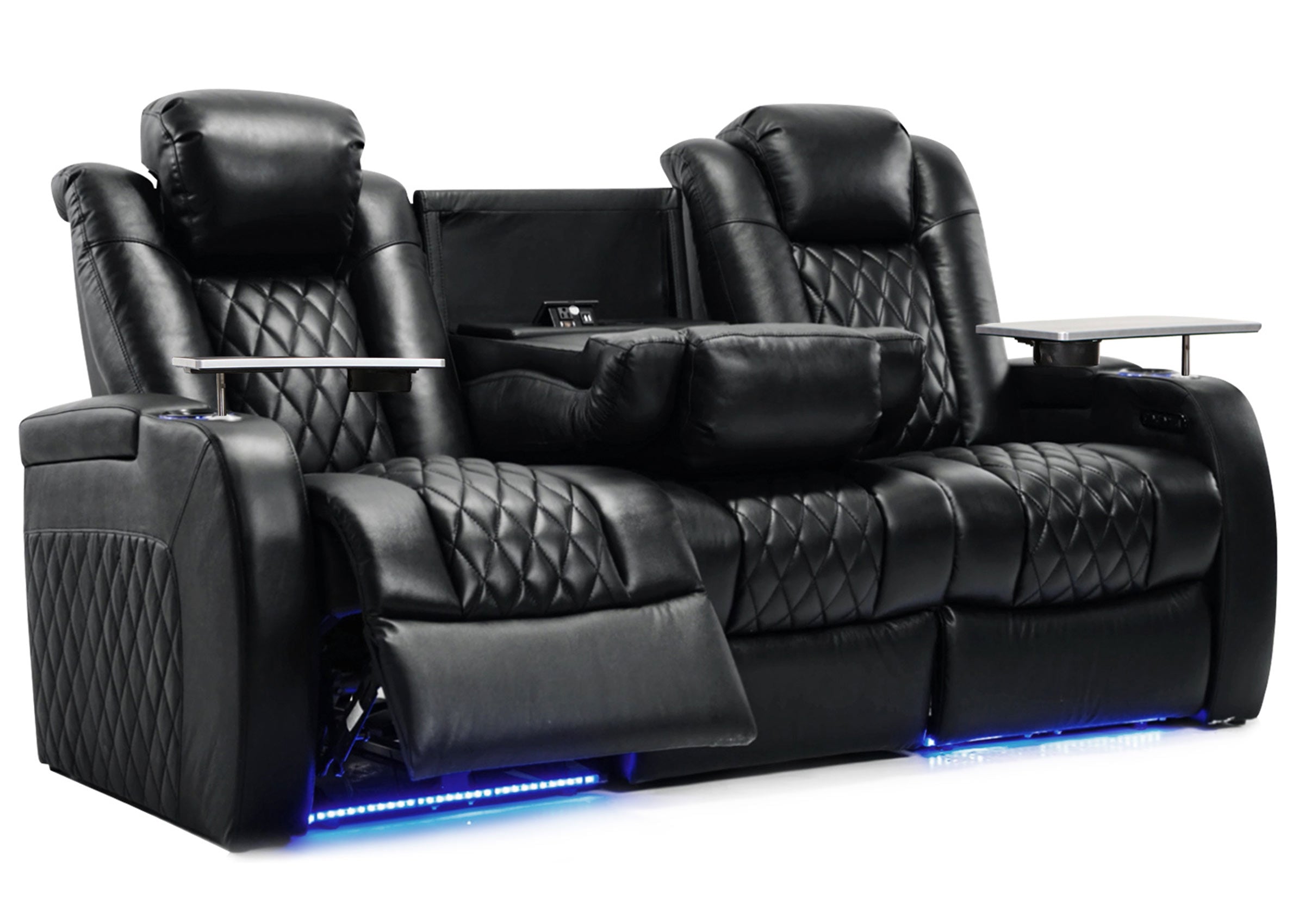
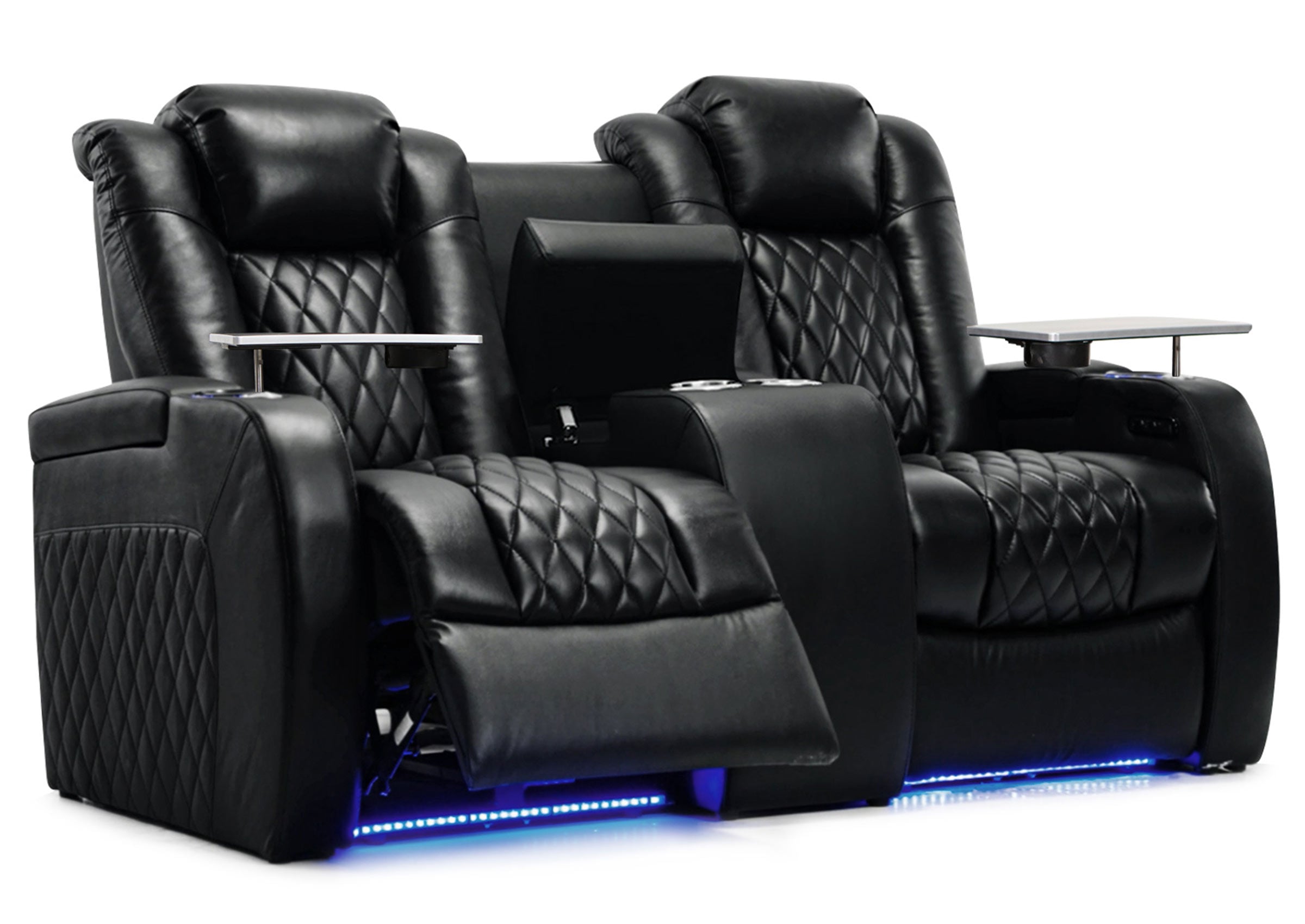

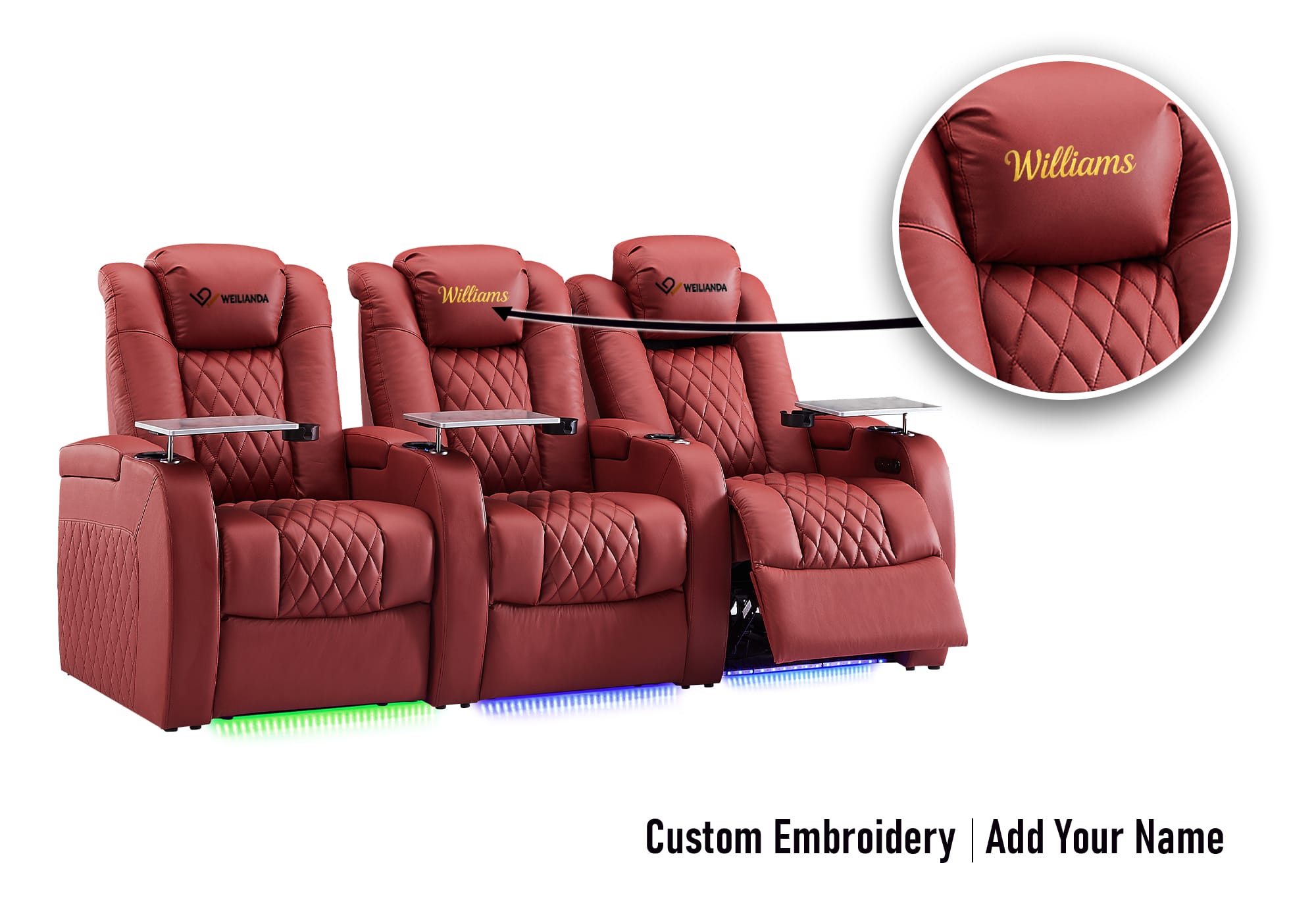

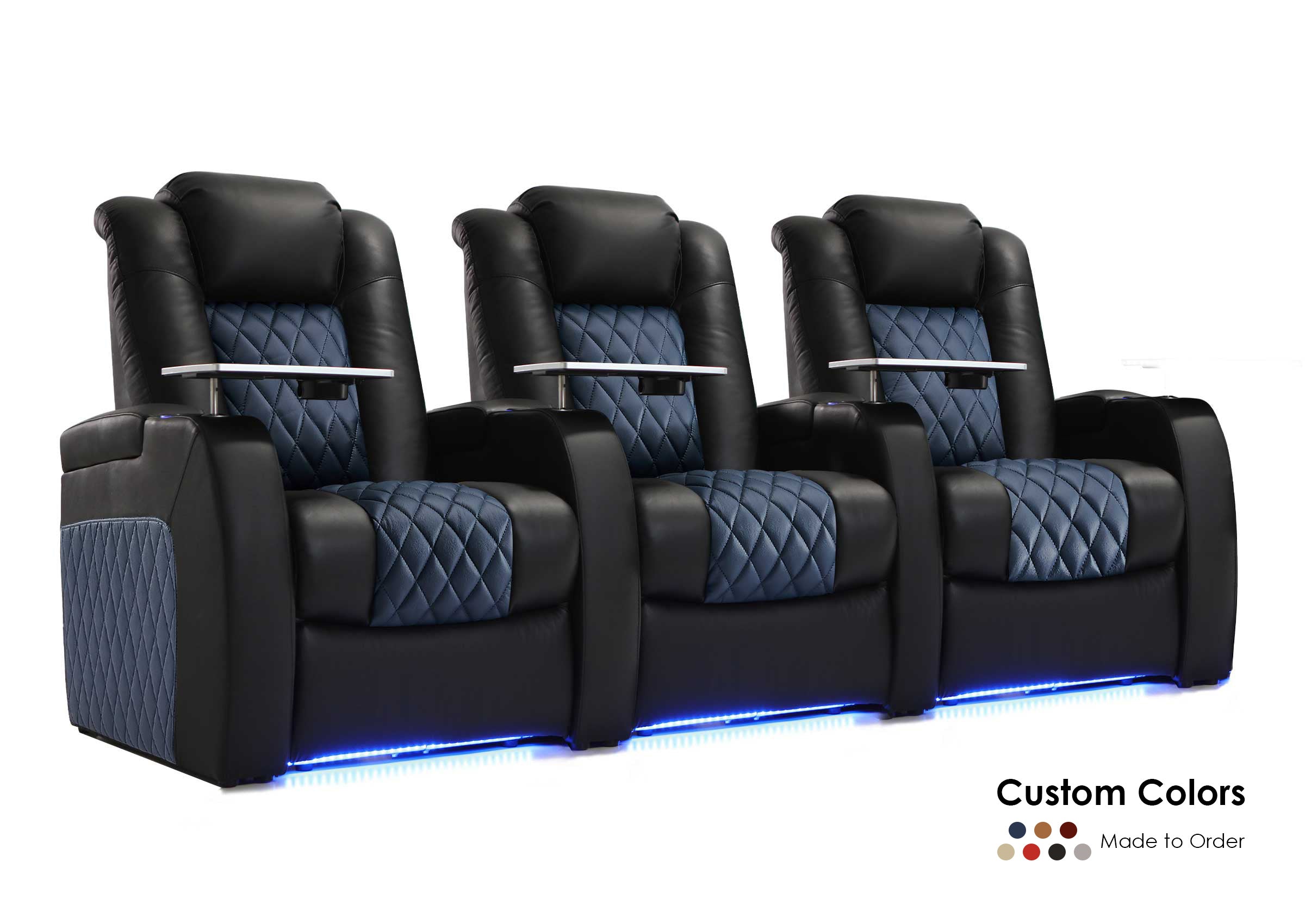

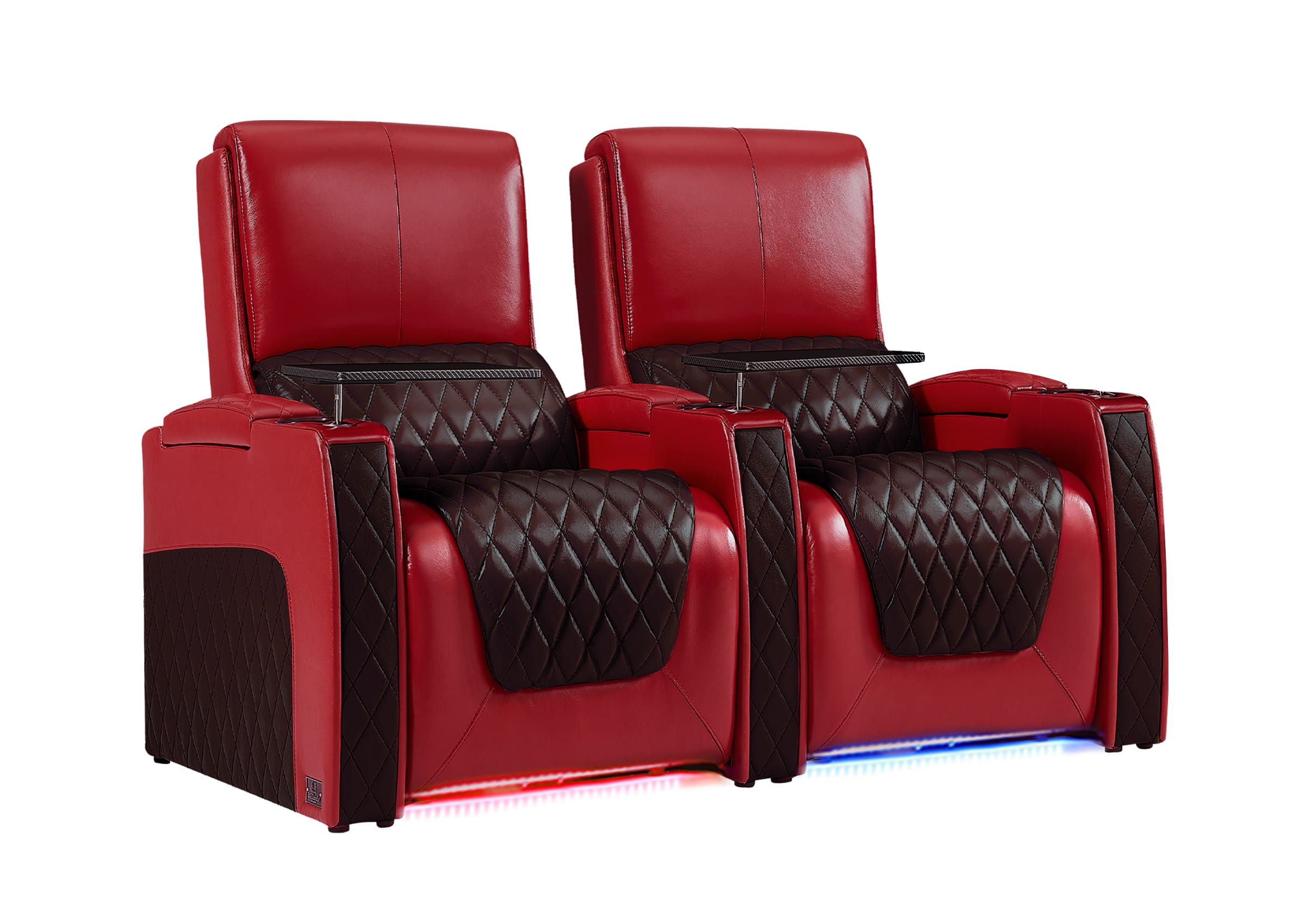
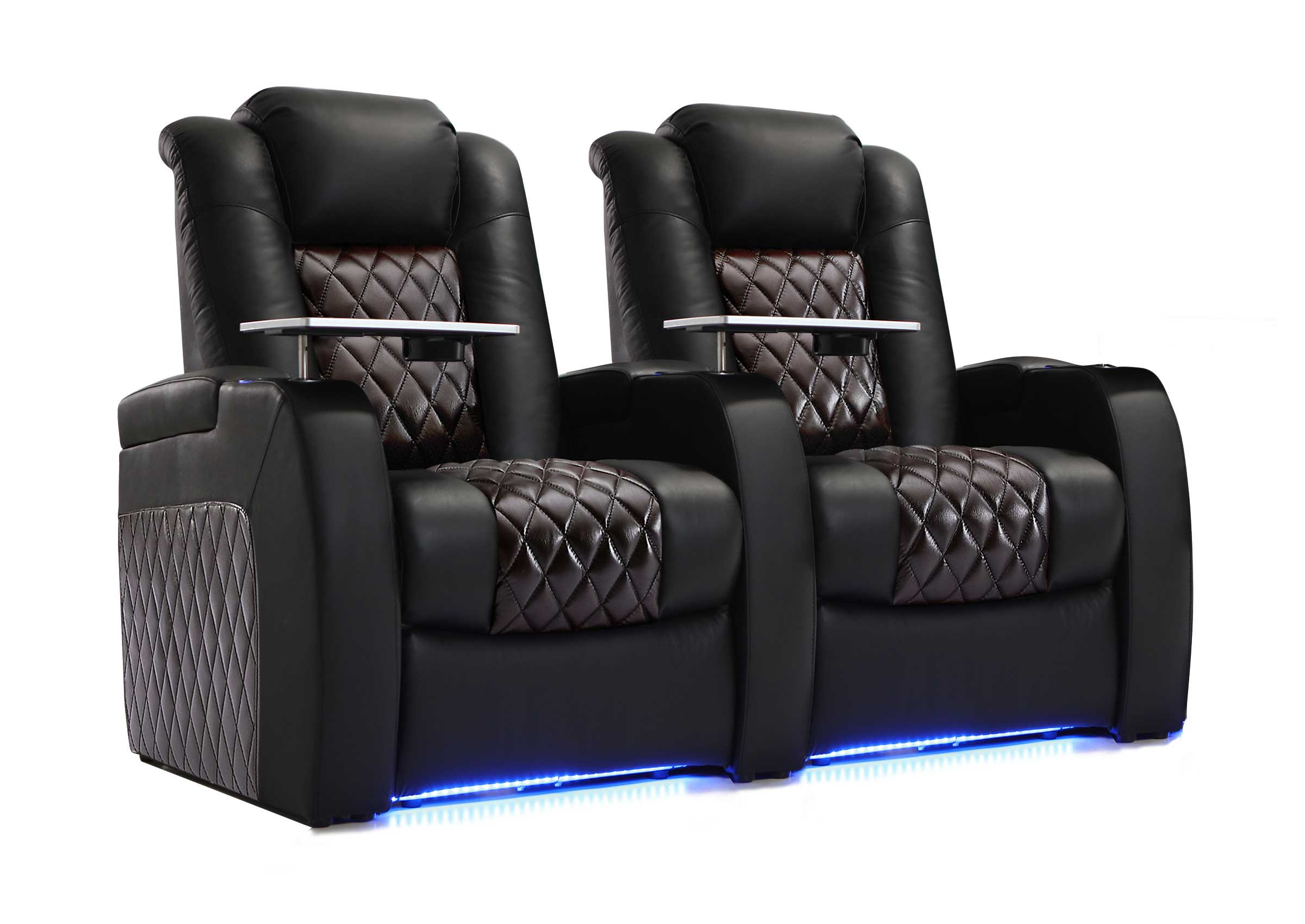
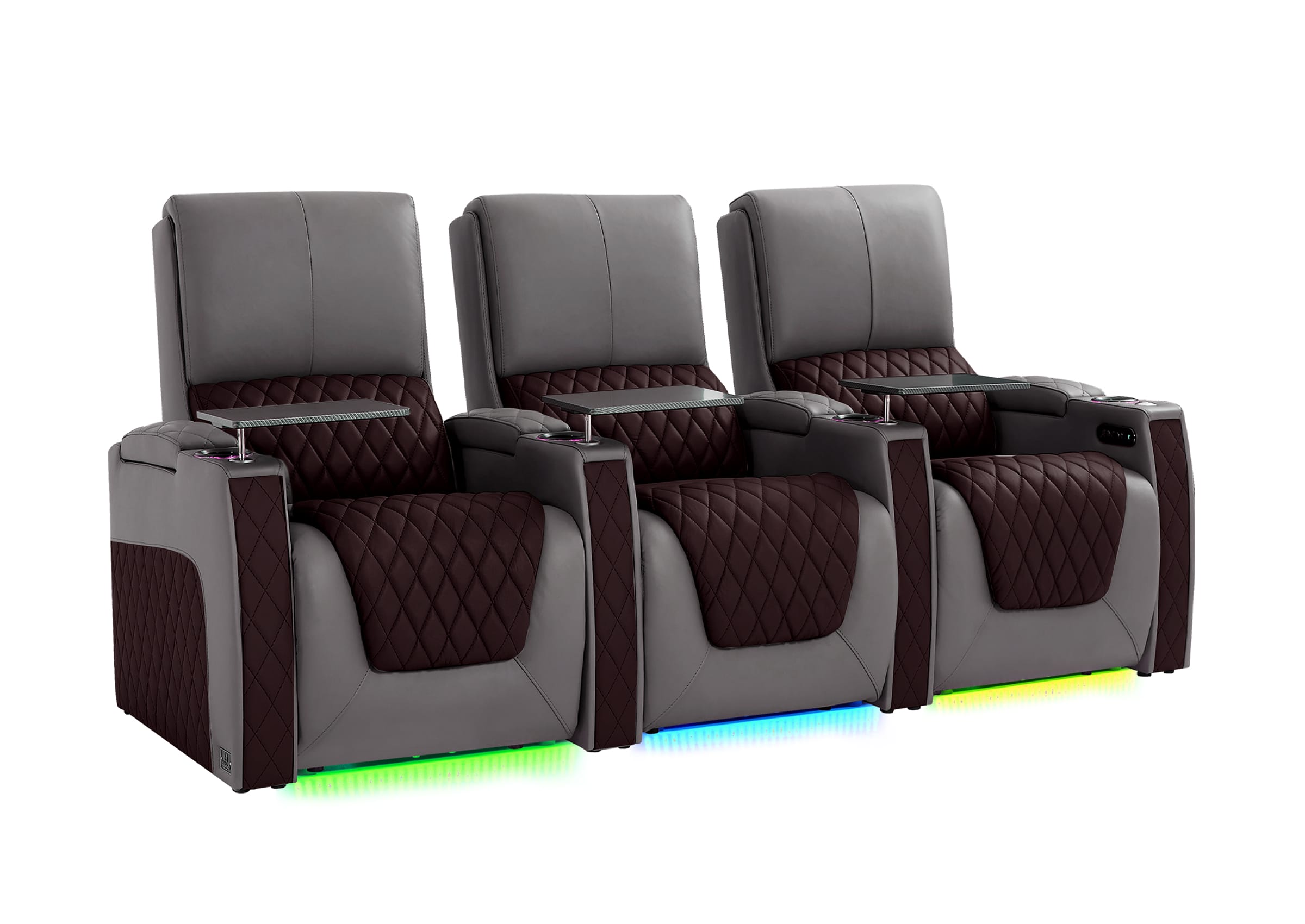
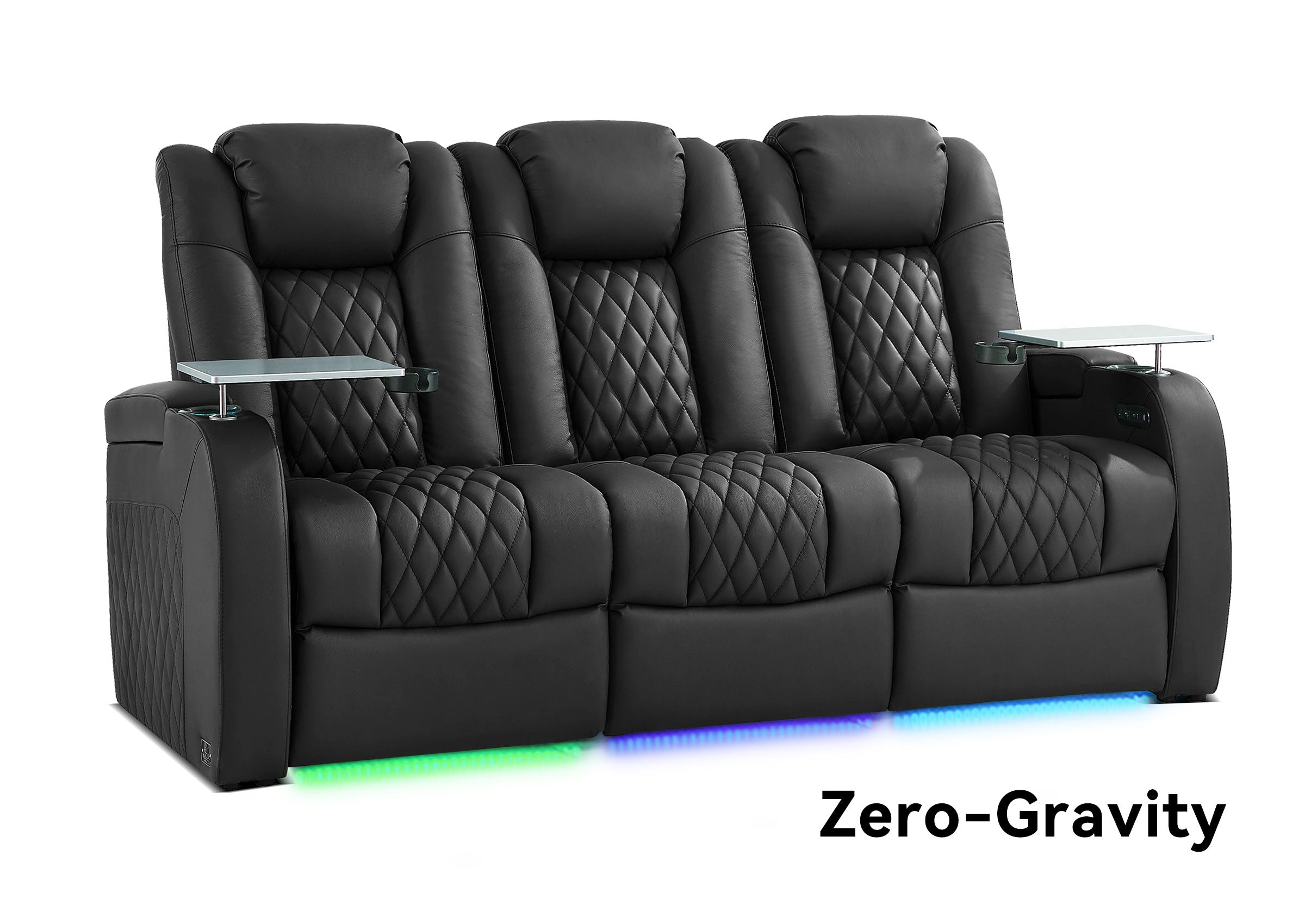


Theater recliners are not just oversized chairs for watching TV. The right recliners can turn a movie room, basement theater, VIP lounge, gaming room, or private entertainment space into a place where people actually want to stay, lean back, and relax for hours. The best theater recliners should fit your room, support your body, and make long movie nights feel easier—not just look impressive in photos.
This guide explains how to choose the right seating based on comfort, recline space, viewing position, materials, useful features, and real home scenarios. It also covers what to check before buying so you do not end up with seats that look premium but feel awkward in daily use.
What Makes Theater Recliners Different?
Theater recliners are designed for long entertainment sessions. Compared with a regular sofa or basic recliner, they usually focus more on viewing posture, leg support, armrest comfort, built-in storage, cup holders, charging access, and a more immersive room experience.
A regular sofa may work for casual sitting. A basic recliner may be fine for reading or short TV watching. But this type of seating is built around a different idea: people sitting back for a full movie, a sports game, a gaming session, or a quiet evening in a dedicated relaxation space.
They can be used in:
-
Dedicated home theaters
-
Basement cinema rooms
-
Media rooms
-
VIP-style entertainment lounges
-
Gaming rooms
-
Private relaxation corners
-
Luxury dens
-
Family movie rooms
-
Guest entertainment spaces
-
High-end living room theater setups
The goal is not only to add more seats. The goal is to create seats that make the room feel more comfortable, organized, and intentional.
Theater Recliners vs Regular Recliners
A regular recliner is usually made for general lounging. A theater recliner is made for watching, reclining, storing small items, and staying comfortable during longer entertainment sessions.
| Feature | Regular Recliner | Theater Recliner |
|---|---|---|
| Main use | Reading, lounging, casual TV | Movies, gaming, sports, long viewing |
| Layout | Usually single chair | Single, loveseat, row, modular, sofa-style |
| Comfort focus | General relaxation | Long-session viewing comfort |
| Storage | Limited | Often includes cup holders, storage, tray tables |
| Viewing posture | Depends on the chair | Often supports better screen-facing posture |
| Room style | Living room furniture | Cinema, media room, VIP lounge, basement theater |
If the room is meant for movies, sports, gaming, or private relaxation, theater recliners usually offer a more complete experience than a basic recliner. They are especially useful when comfort, support, and convenience matter for more than a few minutes at a time.
Start With the Experience You Want to Create
Before comparing materials or features, think about the feeling you want the room to have.
A family movie room needs comfort, storage, and easy cleaning. A basement theater may need deeper recline, dark leather, cup holders, and subtle LED lighting. A VIP-style lounge may need wider seats, premium upholstery, quiet power controls, and a layout that feels spacious instead of crowded.
A private relaxation corner may only need one excellent recliner placed near a screen, side table, or soft wall lighting. A gaming room may need charging access, arm support, tray tables, and a recline angle that does not move the viewer too far from the screen.
Reclining theater seating works best when it matches the room’s purpose:
| Room goal | Recliner priority |
|---|---|
| Private home cinema | Screen-facing comfort, recline depth, headrest support |
| VIP lounge feel | Wider seats, leather, polished design, spacious layout |
| Basement theater | Darker upholstery, cup holders, LED lighting, row seating |
| Gaming room | USB charging, tray table, supportive arms, stable posture |
| Family movie room | Storage, easy-clean material, cup holders, durable comfort |
| Personal rest space | Zero gravity-style recline, lumbar support, quiet power controls |
| Luxury den | Premium material, clean silhouette, comfort-first layout |
A theater room should not feel like a furniture showroom. It should feel like a space where someone can dim the lights, lean back, put down a drink, charge a phone, and stay comfortable without constantly adjusting position.
Measure the Fully Reclined Footprint First
The most common recliner mistake is measuring the seat only when it is upright. That is not enough.
A recliner changes shape when it opens. The backrest may move, the footrest extends, and the person sitting in it may shift farther back from the screen. This affects comfort, walkway space, screen distance, and how close the seat can sit to a wall.
For general planning:
-
Individual seat width often starts around 24–26 inches for comfortable planning.
-
Standard recliners may need about 8–12 inches behind the backrest.
-
Wall-hugger recliners may need about 2–6 inches behind the backrest.
-
Reclining rows often need about 60–70 inches between rows.
-
Premium entertainment rooms often feel better with 30–36 inches of aisle space where possible.
The most important measurement is the fully reclined depth, not the upright depth. If the recliner blocks the walkway, hits a wall, or leaves no room for people to pass, the room will feel smaller no matter how comfortable the seat looks.
For a VIP-style room, this matters even more. A premium room should feel relaxed and open. If every seat is squeezed into the space, the room loses the calm, high-end feeling that reclining seating is supposed to create.

Think About Screen Position From the Reclined Seat
Reclining seats change how people watch the screen. When you recline, your eyes, head, and body move into a different position than when you sit upright.
That means you should check viewing distance from the reclined head position, not just from the front edge of the seat. This is especially important in rooms with large TVs or projection screens.
Useful viewing distance ranges:
| Screen size | Practical viewing distance |
|---|---|
| 55-inch TV | About 6.5–9 feet |
| 65-inch TV | About 8–10.5 feet |
| 75-inch TV | About 9.5–12.5 feet |
| 85-inch TV | About 10.5–14 feet |
| 100-inch projection screen | About 10–15 feet |
| 120-inch projection screen | About 12–18 feet |
These are practical planning ranges, not strict rules. Some homeowners prefer a more immersive closer view, while others prefer a calmer lounge-style distance.
For reclining theater seating, screen comfort should be judged while the seat is reclined. A screen that feels fine from an upright sofa may feel too high, too close, or too far once the footrest is open and the headrest is tilted back.
This is one reason adjustable headrests matter. They help keep your eyes aligned with the screen while your body is relaxed.
Choose the Right Theater Recliner Format
These seats come in different formats. The best choice depends on room size, how many people use the room, and whether the space is casual, private, or more entertainment-focused.
Single Theater Recliner
A single recliner is ideal for a personal comfort zone. It can work in a bedroom corner, den, gaming room, office lounge, private screening corner, or small apartment media space.
This setup is especially useful when one person wants a serious comfort seat without building a full theater room. Add soft lighting, a side table, a TV, or a projector setup, and the space can feel like a small private lounge.
Best for:
-
Personal movie watching
-
Gaming
-
Reading and streaming
-
Private relaxation corners
-
Small rooms
-
Luxury home office lounges
A single premium recliner can sometimes create more comfort than a full row of average seats.
Loveseat Recliner
A loveseat recliner is a good choice for couples, small media rooms, and cozy entertainment spaces. It gives two people a shared setup while still offering individual reclining comfort.
Best for:
-
Couples
-
Apartment media rooms
-
Small basement theaters
-
Compact luxury lounges
-
Weekend movie nights
A loveseat can feel more intimate than row seating and less bulky than a sectional.
Three-Seat Recliner Row
A 3-seat row is one of the most common choices for dedicated home theaters. It gives the room a clear cinema identity and works well for family movie nights, sports watching, and guest entertainment.
Best for:
-
Dedicated theater rooms
-
Basement cinemas
-
Family movie rooms
-
Sports lounges
-
Small private screening spaces
Before choosing a row, measure both total width and walking space. A row that fits from wall to wall may still feel too tight if people cannot enter, exit, or recline comfortably.
Modular Theater Seating
Modular theater seating gives you more flexibility. You can build straight rows, loveseat sections, mixed layouts, or sofa-style arrangements depending on the room.
Best for:
-
Larger media rooms
-
Multi-use entertainment spaces
-
Families with changing needs
-
Custom home theater layouts
-
High-end lounge-style rooms
Modular seating is useful when the room needs to support movies, gaming, conversation, and lounging instead of only one fixed viewing style.
Power Recline, Manual Recline, and Power Headrests
Manual recliners are simple and may be enough for occasional use. Power recliners are usually better for frequent use because they allow smoother, more precise adjustment.
| Feature | Best for | Why it matters |
|---|---|---|
| Manual recline | Occasional use | Simple operation and fewer electronics |
| Power recline | Daily comfort and long sessions | Easier position control |
| Power headrest | Deep reclining and screen viewing | Keeps the head and eyes better aligned |
| Power footrest | Long movies and relaxation | Supports the legs more comfortably |
| Lumbar support | Long sitting sessions | Helps the lower back feel supported |
A power recliner becomes more valuable when the room is used often. Small position adjustments matter during long movies, sports events, gaming sessions, or evenings when the seat doubles as a rest chair.

Power headrests are especially useful because they help keep the screen at a comfortable viewing angle while your body is reclined. Without this adjustment, some people end up bending their neck forward during long viewing sessions.
For a high-end or VIP-style setup, power controls also improve the feeling of ease. The seat should adjust quietly and smoothly, without making the user fight the mechanism.
Comfort Features That Matter Most
Theater seating should be judged by how it feels after one or two hours, not just when someone first sits down.
Important comfort details include:
-
Seat width
-
Seat depth
-
Back height
-
Cushion firmness
-
Headrest angle
-
Lumbar support
-
Armrest height
-
Footrest support
-
Recline angle
-
Stability when fully reclined
A recliner that is too soft may feel comfortable at first but lack support during a long movie. A recliner that is too firm may look premium but feel tiring after extended use. The best option usually balances softness, support, and adjustability.
Different users may need different support. Taller users often need a higher back and longer footrest. Shorter users may prefer a seat depth that does not push their legs forward. Families should choose seating that works for more than one body type.
Long-session comfort depends on support and posture, not just cushion softness.
Zero Gravity-Style Reclining for Deeper Relaxation
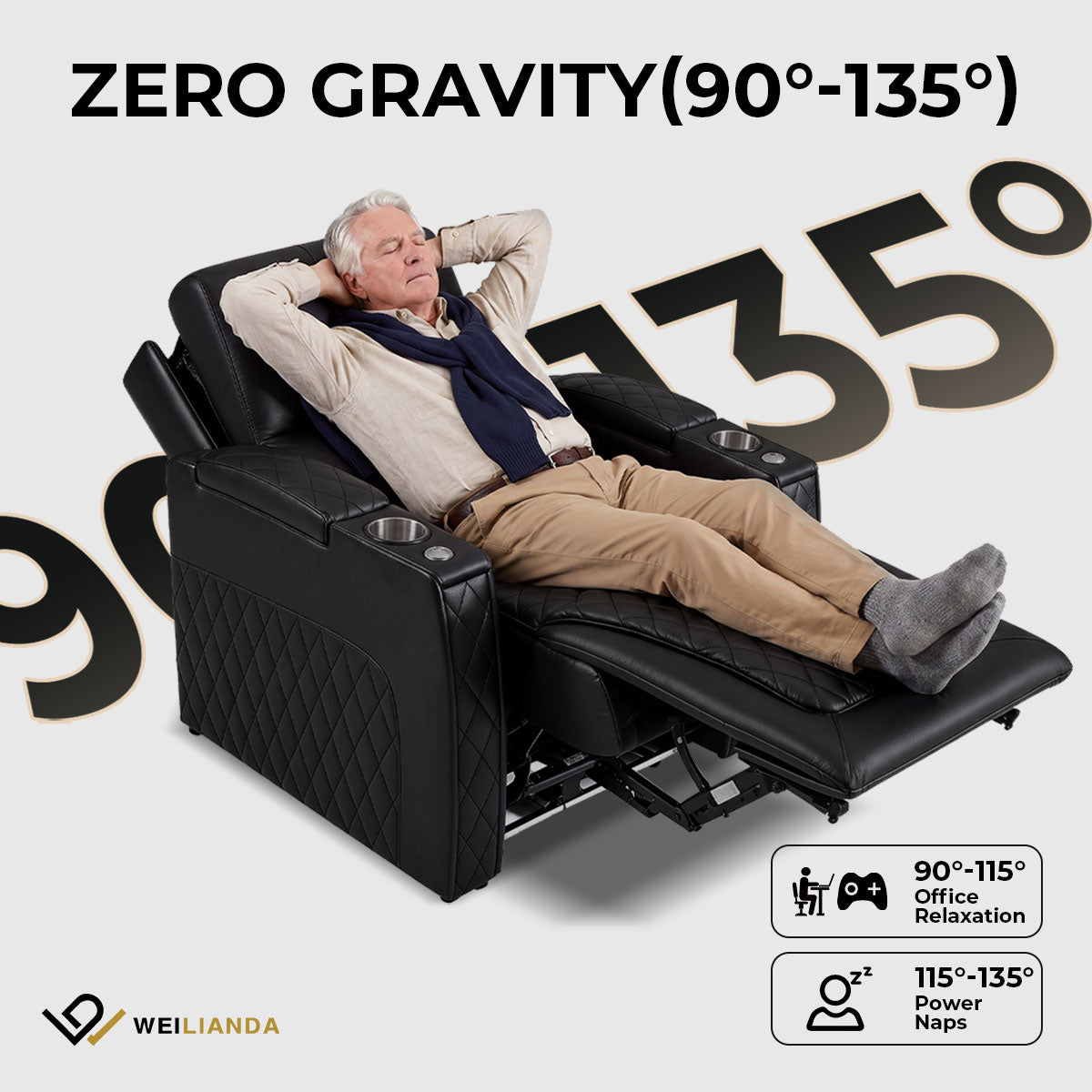
Zero gravity-style reclining is designed to create a more relaxed reclined posture by distributing body pressure more evenly. It is not a medical feature, and it should not be treated as a medical solution. Its value is comfort, posture support, and a deeper sense of relaxation.
This type of comfort upgrade works especially well in spaces designed for rest:
-
Private cinema rooms
-
Luxury dens
-
Personal relaxation corners
-
Sports viewing lounges
-
Gaming rooms
-
Weekend streaming spaces
-
Quiet evening retreat areas
A zero gravity-style recline can make the room feel less like a place to sit and more like a place to recover. After work, during a long game, or on a weekend movie night, this deeper posture can make the seat feel more like a personal lounge chair than ordinary furniture.
It is worth considering if you want your theater room to feel more comfortable, private, and restful.
Leather, Faux Leather, or Fabric?
Material affects the look, cleaning, temperature, durability, and long-term feel of cinema-style seating.
Top-grain leather
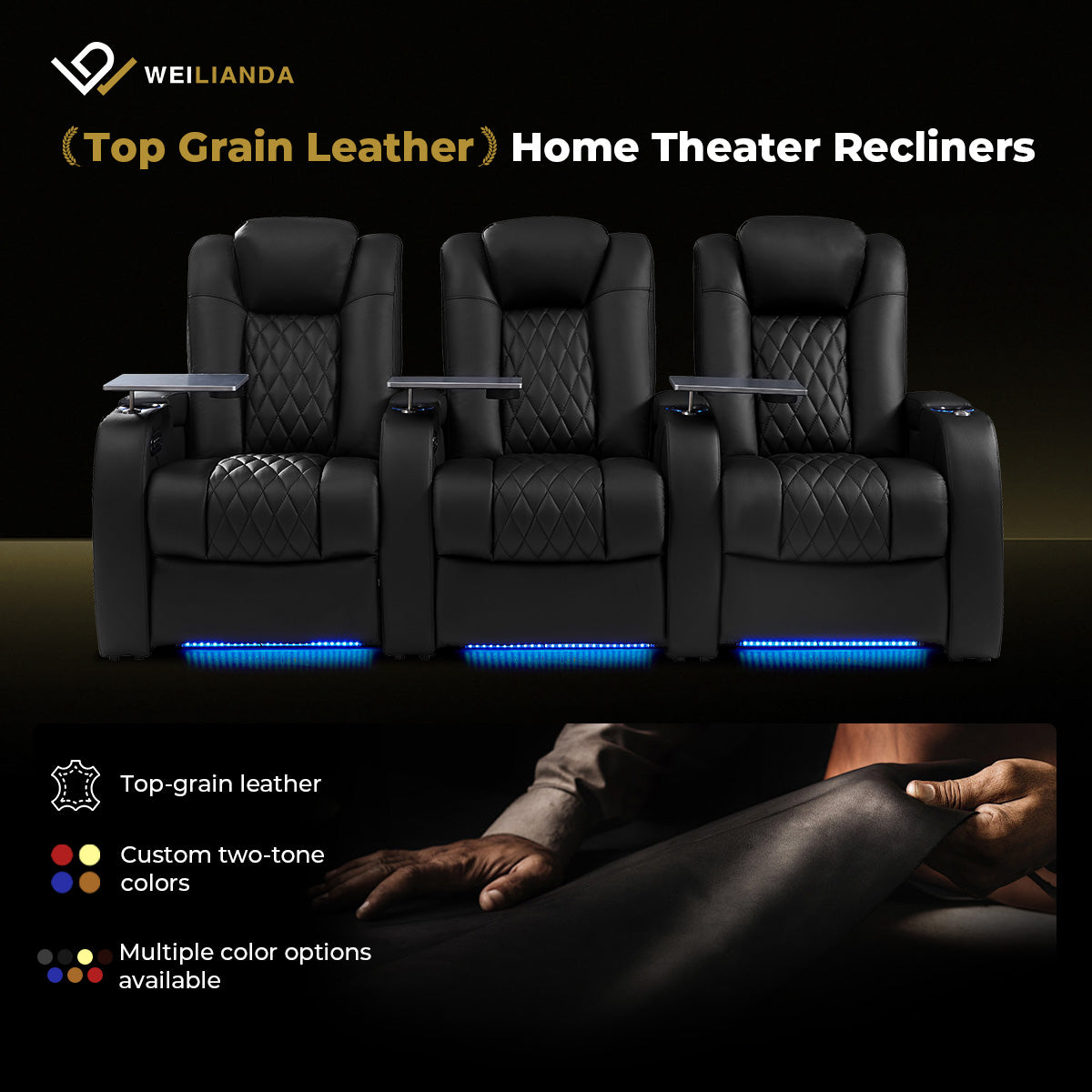
Top-grain leather is a strong choice for premium rooms, private cinemas, VIP lounges, and frequent use. It offers a durable feel, an upscale look, and easier cleaning than many fabric options. The main consideration is usually higher cost.

Faux leather / PU
Faux leather or PU can work well for budget-friendly theater rooms. It is easy to wipe and can create a clean cinema-style appearance, but quality can vary widely, so material feel and long-term durability should be checked carefully.
Fabric
Fabric is a good fit for cozy family rooms or casual media spaces where softness and warmth matter. It may feel more relaxed than leather, but it can absorb spills, odors, and daily wear more easily depending on the fabric type.
Performance upholstery
Performance upholstery can be useful in rooms with kids, pets, snacks, or frequent guests. It may offer better stain resistance than standard fabric, but the actual benefit depends on the specific upholstery quality.
Leather theater seating is a strong option for private cinemas, VIP lounges, luxury dens, and rooms where snacks and drinks are common. Darker leather can create a more cinematic look and may hide daily wear better. Brown, black, gray, blue, or two-tone options can also help the seating match the room’s personality.
For a premium theater room, material should support both the visual mood and the way the room is actually used.
If you choose leather seating, balance the room with rugs, curtains, acoustic panels, or other soft finishes. Too many hard surfaces can make the room feel less warm and may affect the acoustic feel of the space.
Cup Holders, Storage, USB, and Tray Tables
Convenience features are most valuable when they support real use.
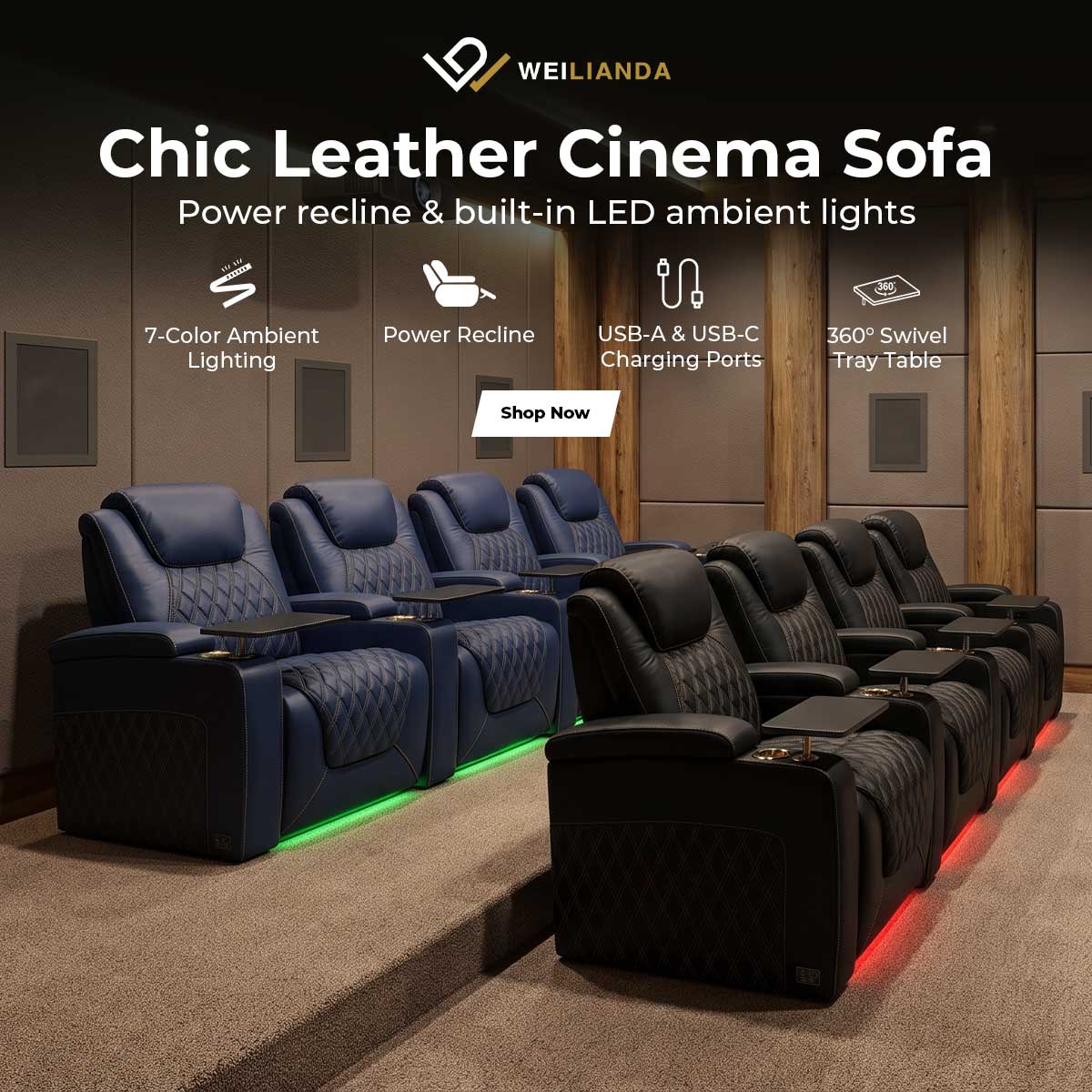
Cup holders help during movies and sports nights. Storage consoles keep remotes, controllers, glasses, cables, and snacks close by. USB-A or USB-C charging is useful for phones, tablets, and gaming accessories. Tray tables can help with snacks, laptops, or casual meals during long entertainment sessions.
These details are especially helpful in:
-
Family movie rooms
-
Gaming spaces
-
Sports lounges
-
Basement theaters
-
Private streaming rooms
-
VIP guest entertainment spaces
The best features are the ones people can use without leaving the seat. A comfortable recliner becomes more practical when drinks, remotes, chargers, and small items all have a place.
For a cleaner high-end room, built-in features can also reduce the need for extra side tables and clutter.

LED Ambient Lighting and the VIP Lounge Effect
LED ambient lighting can help a theater room feel more cinematic, especially at night. Low-level lighting around the seating can make the room easier to use without turning on bright overhead lights.
Good LED lighting should feel subtle. It should support the mood without distracting from the screen.
LED lighting works well in:
-
Dark basement theaters
-
Private cinema rooms
-
Game-day lounges
-
Luxury media rooms
-
VIP-style entertainment spaces
-
Rooms with black, gray, brown, or two-tone seating
If the room is used for guests, LED lighting can create a more polished first impression. If the room is used privately, it can make the space feel calmer and more immersive.
Avoid lighting that is too bright, too colorful, or too reflective. The goal is atmosphere, not distraction.
Wall-Hugger Recliners for Smaller Luxury Spaces
A small room can still feel premium if the seating is planned correctly. Wall-hugger recliners are useful when the seat needs to sit closer to the wall while still reclining comfortably.
A standard recliner may need about 8–12 inches behind the backrest. A wall-hugger recliner may need about 2–6 inches, depending on the design.
This matters in:
-
Small basement theaters
-
Apartment media rooms
-
Private TV corners
-
Narrow entertainment rooms
-
Compact VIP lounges
-
Bedroom theater setups
Wall-hugger seating is not only about saving space. It also helps keep the room visually cleaner because the seats do not need to float too far forward.
Still, wall-hugger does not mean zero clearance. Always check the actual reclined footprint before buying.
How Many Reclining Seats Do You Really Need?
More seats do not always create a better room. A crowded theater room can feel less comfortable, less premium, and harder to use.
Before choosing seat count, think about how the room is used most often:
-
One person relaxing after work
-
A couple watching movies on weekends
-
A family of three or four watching together
-
Guests coming over for sports
-
Kids gaming after school
-
A private lounge used for reading, streaming, and resting
If two people use the room most of the time, two excellent recliners or a loveseat may feel better than a crowded row of four. If the room is meant for family movie nights, a 3-seat row or modular layout may make more sense.
A premium room often feels better with fewer, more comfortable seats than with too many recliners squeezed into the space.
This is especially true for VIP-style rooms. Open space around the seating makes the room feel calmer and more intentional.
Theater Seating by Room Scenario
Dedicated Home Theater
A dedicated home theater should prioritize screen-facing comfort, controlled lighting, row spacing, recline depth, power headrests, and seating that keeps everyone focused on the screen.
This is where row seating, leather upholstery, cup holders, LED lighting, and tray tables can make the room feel complete.
Basement Cinema
Basements are often ideal for reclining theater seating because they are darker, quieter, and separated from the main living area. Dark leather, ambient lighting, and deep recline can help the space feel like a private cinema.
Check ceiling height, support columns, stair access, and delivery path before choosing large seating.
VIP Entertainment Lounge
A VIP-style lounge should not feel packed. It should feel spacious, relaxed, and easy to use. Wider seats, leather finishes, smooth power recline, storage consoles, and soft lighting can make the room feel more elevated.
This type of room may be used for movies, drinks, sports, conversation, and guest hosting.

Personal Relaxation Room
A personal relaxation room may only need one or two recliners. The focus is not seat count. It is comfort, quiet, and the ability to fully lean back.
A zero gravity-style recline, lumbar support, adjustable headrest, and a small screen can turn a corner of the home into a private retreat.
Gaming Room
Gaming rooms need comfort, but they also need access. USB charging, tray tables, cup holders, phone or tablet holders, and supportive armrests can make long sessions easier.
Choose a recline angle that supports relaxation without placing the player too far from the screen.
Family Movie Room
A family movie room needs durable comfort. Cup holders, storage, easy-clean material, USB charging, and enough walking space matter more than purely decorative features.
The room should work when people are eating snacks, using remotes, charging devices, reclining, and moving around.
Common Theater Recliner Mistakes to Avoid
Many theater recliner regrets happen because buyers focus on appearance before real use.
Avoid these mistakes:
-
Measuring only the upright size
-
Forgetting the fully reclined depth
-
Buying too many seats for the room
-
Choosing a recliner that sits too close to the screen
-
Mounting the screen too high
-
Ignoring power outlet locations
-
Forgetting doorway, hallway, stair, or basement access
-
Choosing material only by appearance
-
Buying features that will rarely be used
-
Blocking walkways with footrests
-
Forgetting that recline changes the viewer’s head position
Many buyer regrets come from layout and comfort mistakes, not from the recliner category itself.
Before ordering, mark the recliner footprint on the floor with painter’s tape. Then test whether people can walk, recline, reach storage, and view the screen comfortably.
Buying Checklist Before You Order
Use this checklist before choosing theater recliners.
| Checkpoint | Why it matters |
|---|---|
| Full recline footprint | Shows the real space needed when the chair opens |
| Wall clearance | Prevents the backrest from hitting the wall |
| Seat width | Affects long-session comfort |
| Seat depth | Helps match different body sizes |
| Screen distance | Protects viewing comfort |
| Screen height | Reduces neck strain |
| Power outlet access | Needed for power recline and charging |
| Material choice | Affects cleaning, look, and long-term use |
| Storage needs | Helps reduce clutter around the seat |
| Delivery path | Prevents installation problems |
| Main room purpose | Helps choose the right recliner type |
| Seat count | Keeps the room comfortable instead of crowded |
If you are buying online, these checks are even more important. Product photos can make recliners look smaller, wider, or more spacious than they feel in a real room.
Why Weilianda Theater Recliners Are Worth Considering
For shoppers who want seating that combines power reclining comfort, useful storage, leather options, and real-room usability, Weilianda is a practical choice to consider.
The brand has focused on home theater seating manufacturing since 2008, with seating options designed for private theaters, basement cinemas, media rooms, VIP-style lounges, and everyday family entertainment spaces. Depending on the model, features may include power recline, power headrests, zero gravity-style comfort, cup holders, storage, USB charging, tray tables, and LED ambient lighting.
For eligible in-stock U.S. orders, Weilianda’s U.S. warehouse support can help deliver products to the customer’s door in about 5–7 days. Installation videos, pre-shipment confirmation, 24-hour online customer service, and after-sales support also help make the buying process easier.
For sofas marked as top-grain leather, leather material samples and testing reports can also be provided. This is helpful for shoppers who want a more confident buying process before choosing seating for a private theater, media room, basement cinema, or premium lounge space.
Create a Room Where You Actually Want to Stay
Theater recliners are worth considering when you want more than a place to sit. They can help create a room where people can lean back, watch comfortably, keep small items close, and enjoy longer entertainment sessions without feeling cramped or unsupported.
The right choice depends on your space, body support needs, screen position, material preference, and how the room will be used. A basement cinema may need row seating and ambient lighting. A VIP lounge may need leather, wider seats, and a more open layout. A personal relaxation space may only need one excellent recliner that lets you fully unwind.
Choose seating that fits your room in real use, supports your body while reclined, and makes the space feel more comfortable every time you sit down. If you need a seating plan for a specific room, Weilianda can help with customized options based on different user needs, room layouts, and comfort preferences. For product questions or support, contact Weilianda at leon@weiliandahome.com.
FAQ
Are theater recliners worth it?
Yes, they are worth it if you regularly watch movies, sports, gaming, or streaming content at home. These seats provide better leg support, adjustable comfort, and useful features such as cup holders, storage, charging access, and tray tables. They are especially valuable in rooms designed for long sessions, private relaxation, or a more cinematic experience.
How much space do theater recliners need?
The space depends on the recliner design. Standard recliners may need about 8–12 inches behind the backrest, while wall-hugger recliners may need about 2–6 inches. You should also measure the fully reclined depth, front footrest space, side clearance, and walking paths. Do not judge fit only by upright dimensions.
Are power theater recliners better than manual recliners?
Power recliners are usually better for frequent use because they allow smoother and more precise adjustment. Manual recliners can still work for occasional use or simpler rooms. If the room is used for long movies, sports, gaming, or daily relaxation, power recline and power headrests are worth considering.
What is the best material for theater recliners?
Top-grain leather is a strong choice for premium media rooms, private cinemas, and VIP-style entertainment spaces because it offers a polished look and is easier to wipe down than many fabric options. Faux leather can be more budget-friendly, while fabric may feel softer and warmer. The best material depends on your room style, cleaning habits, and daily use.
Do theater recliners work in small rooms?
Yes, reclining theater seating can work in small rooms if you choose the right format. Wall-hugger recliners, single seats, loveseats, and compact sofa-style layouts often work better than large rows. The key is to measure the fully reclined footprint and avoid filling the room with more seats than it can comfortably handle.
Are zero gravity-style features useful in movie rooms?
Zero gravity-style features can be useful because they create a more relaxed reclined posture and can improve long-session comfort. They are especially helpful for private cinemas, sports lounges, gaming rooms, and personal relaxation spaces. They should be viewed as a comfort feature, not a medical treatment.
How many seats should I buy for a home theater room?
Buy the number of seats that fits your real room and real usage, not the maximum number that can technically fit. If one or two people use the room most often, fewer premium seats may feel better than a crowded row. For family movie rooms, a 3-seat row or modular setup may be more practical.
What features matter most in theater recliners?
The most important features are supportive cushioning, proper seat width, recline comfort, headrest support, footrest support, and room fit. After that, useful upgrades include cup holders, storage consoles, USB charging, tray tables, LED ambient lighting, lumbar support, and zero gravity-style reclining.
Can theater recliners make a room feel more high-end?
Yes, if they are planned well. Leather upholstery, smooth power recline, subtle LED lighting, clean row spacing, and enough open space around the seats can make a theater room feel more polished. However, too many oversized recliners can make even an expensive room feel crowded.
What should I check before buying theater recliners online?
Check the fully reclined dimensions, wall clearance, seat width, material, power requirements, delivery path, and whether the features match your real use. Also measure doorways, hallways, stairs, and basement entries. If you are buying leather seating, check whether material samples or testing reports are available for the specific product.