
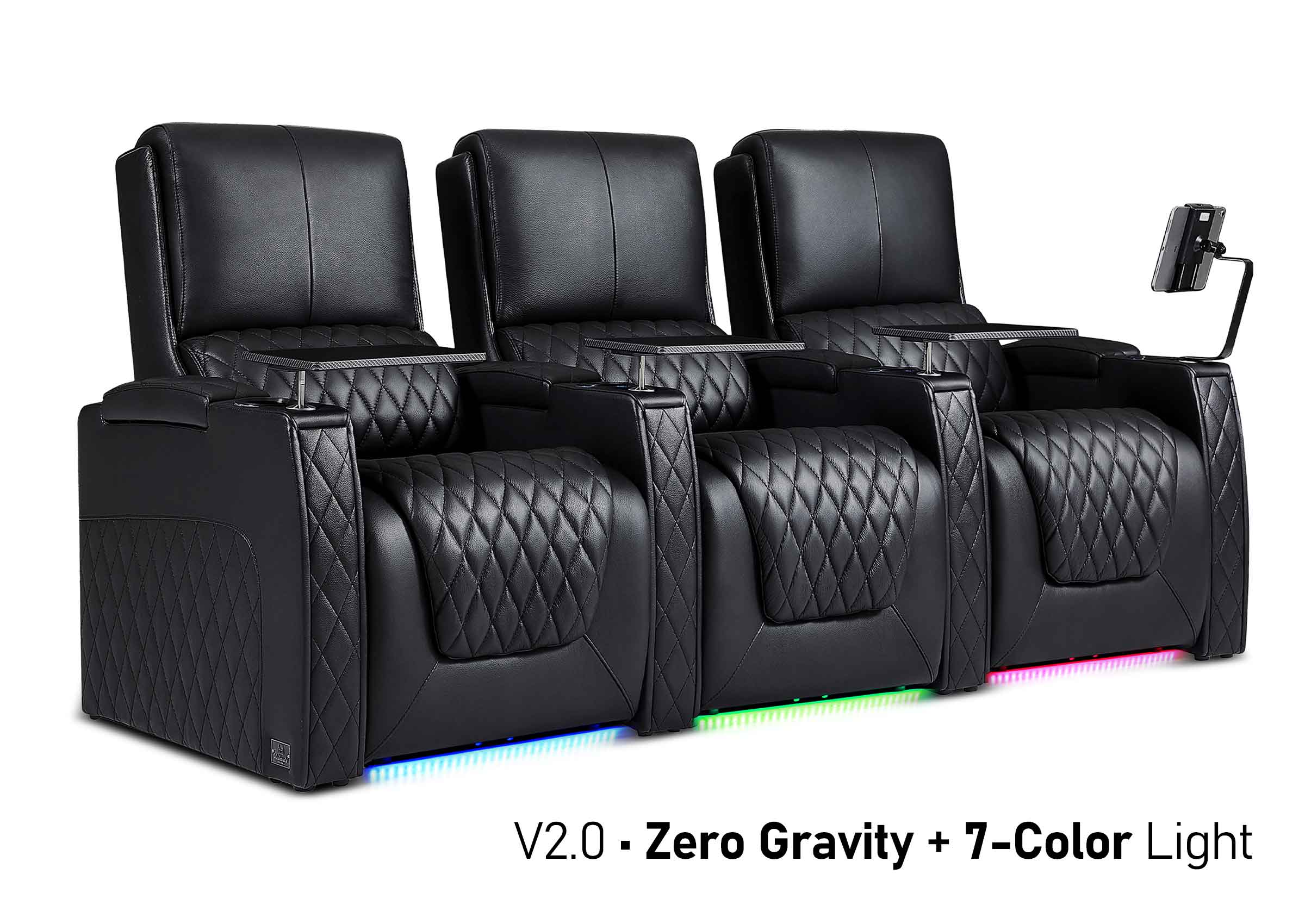
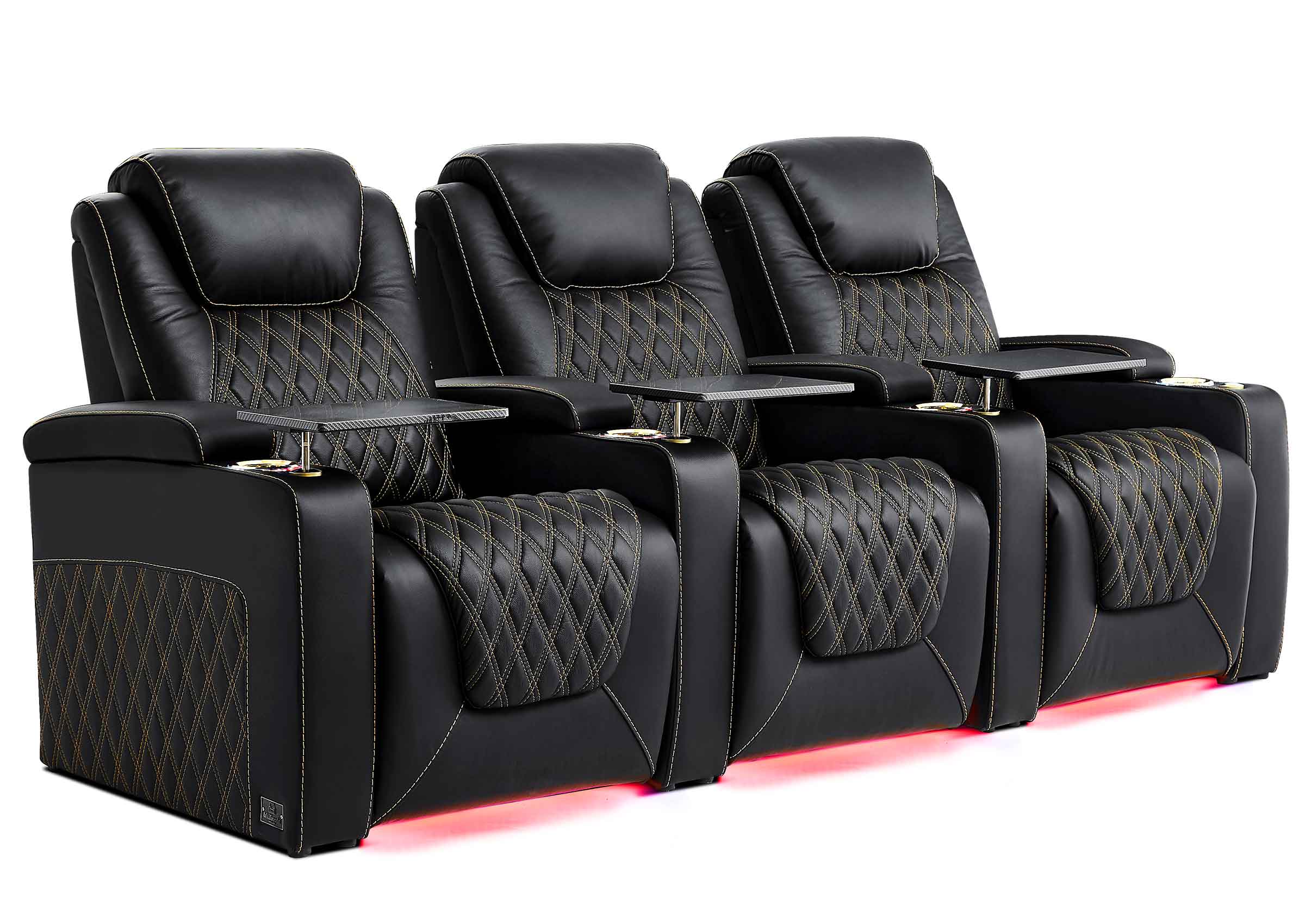
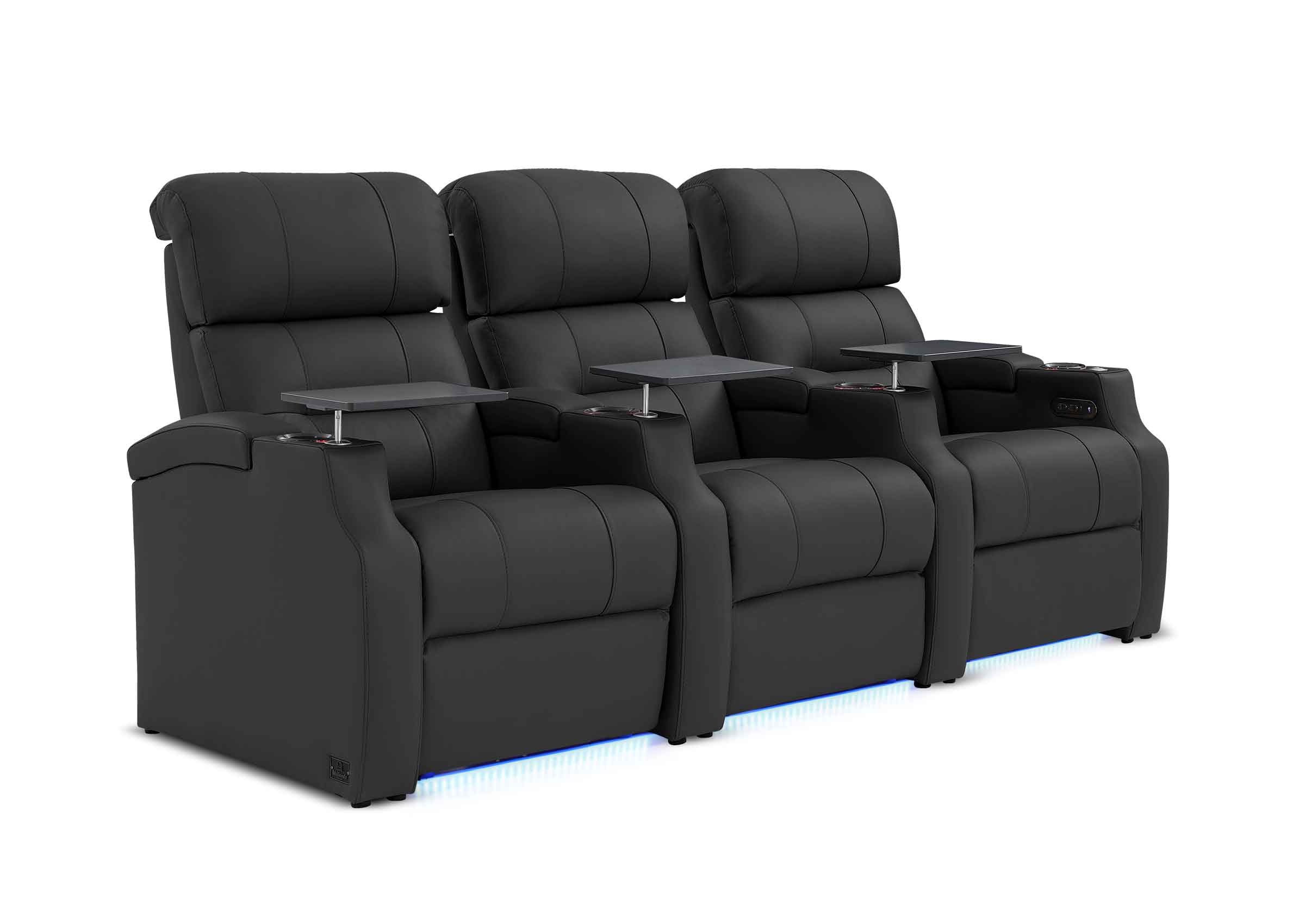
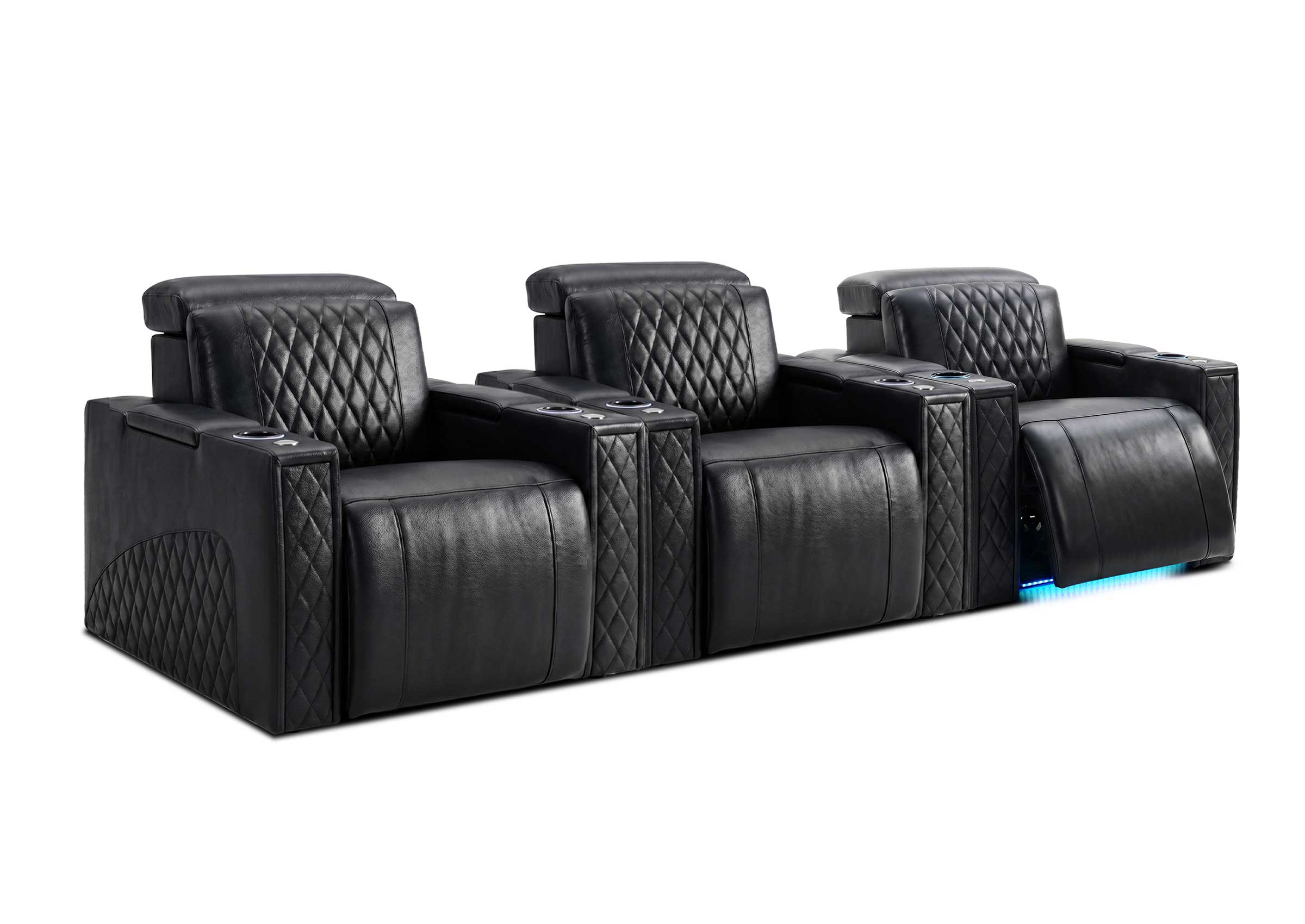

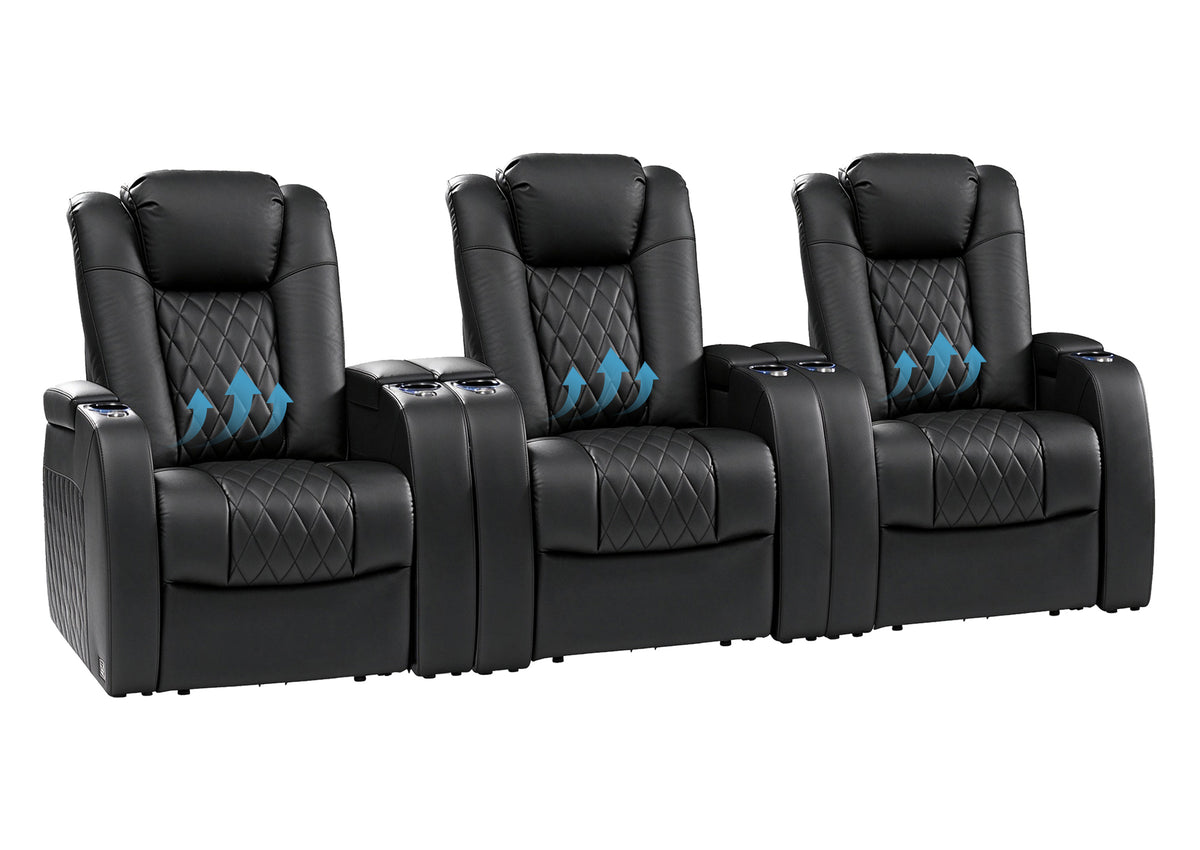
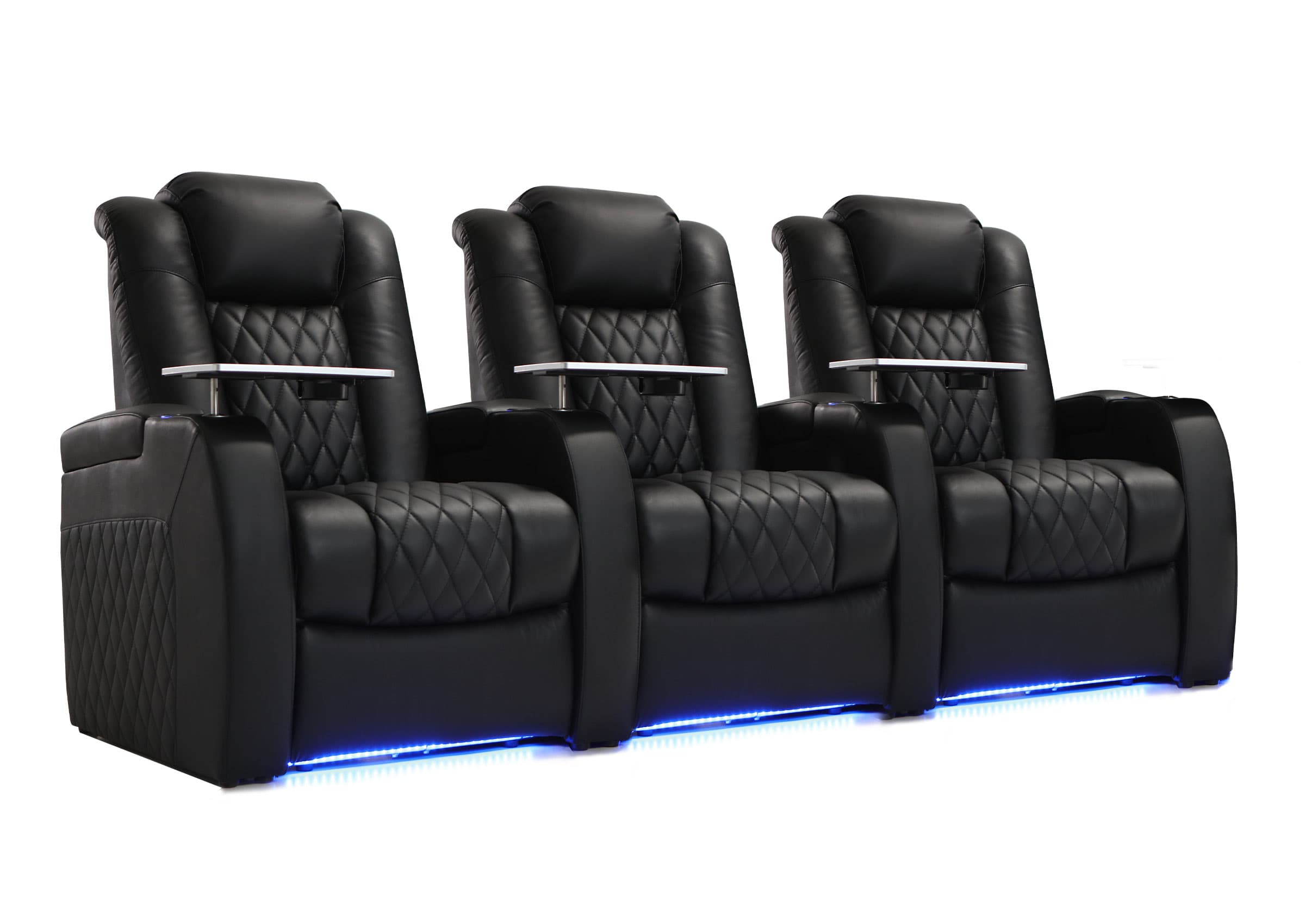
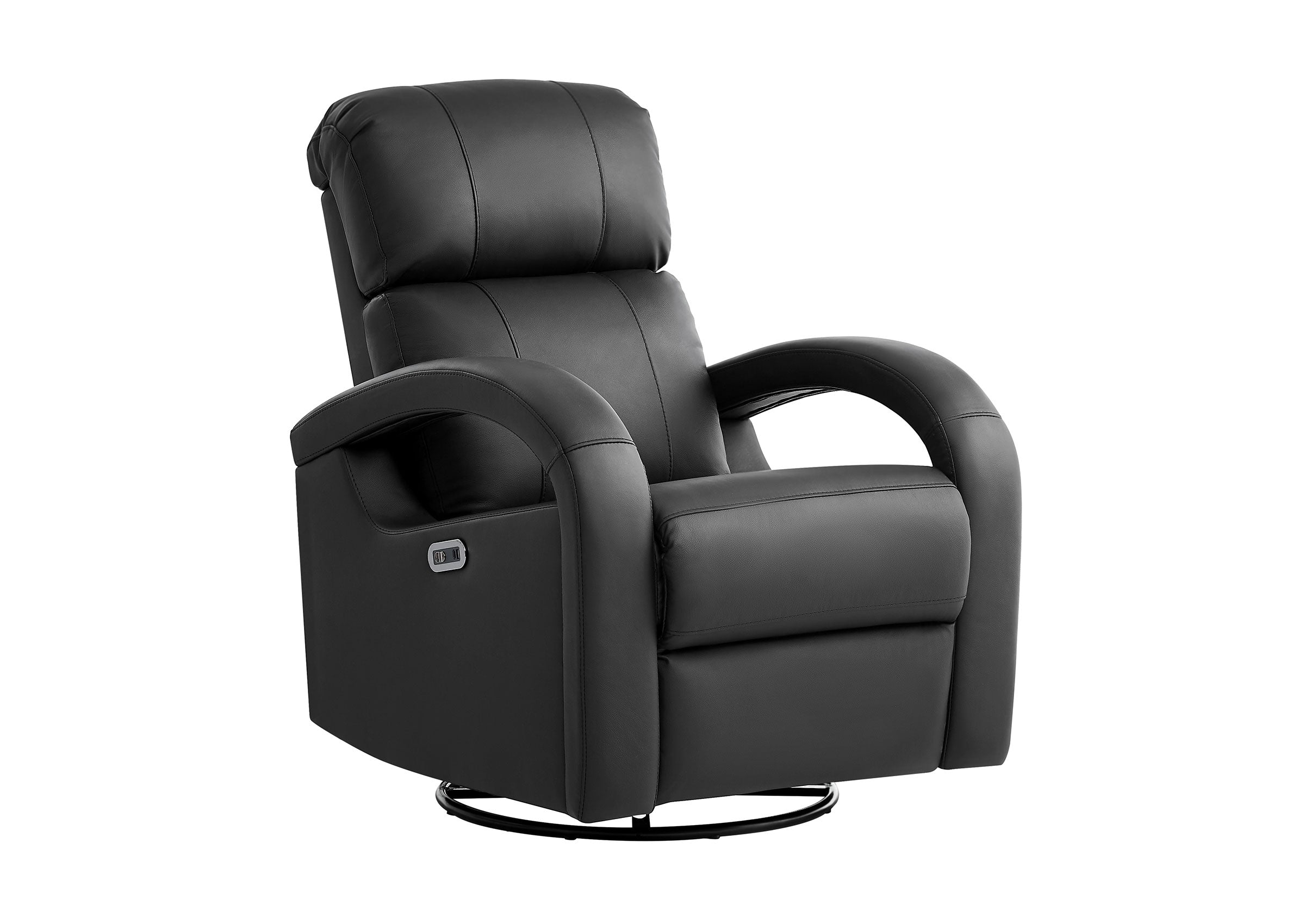
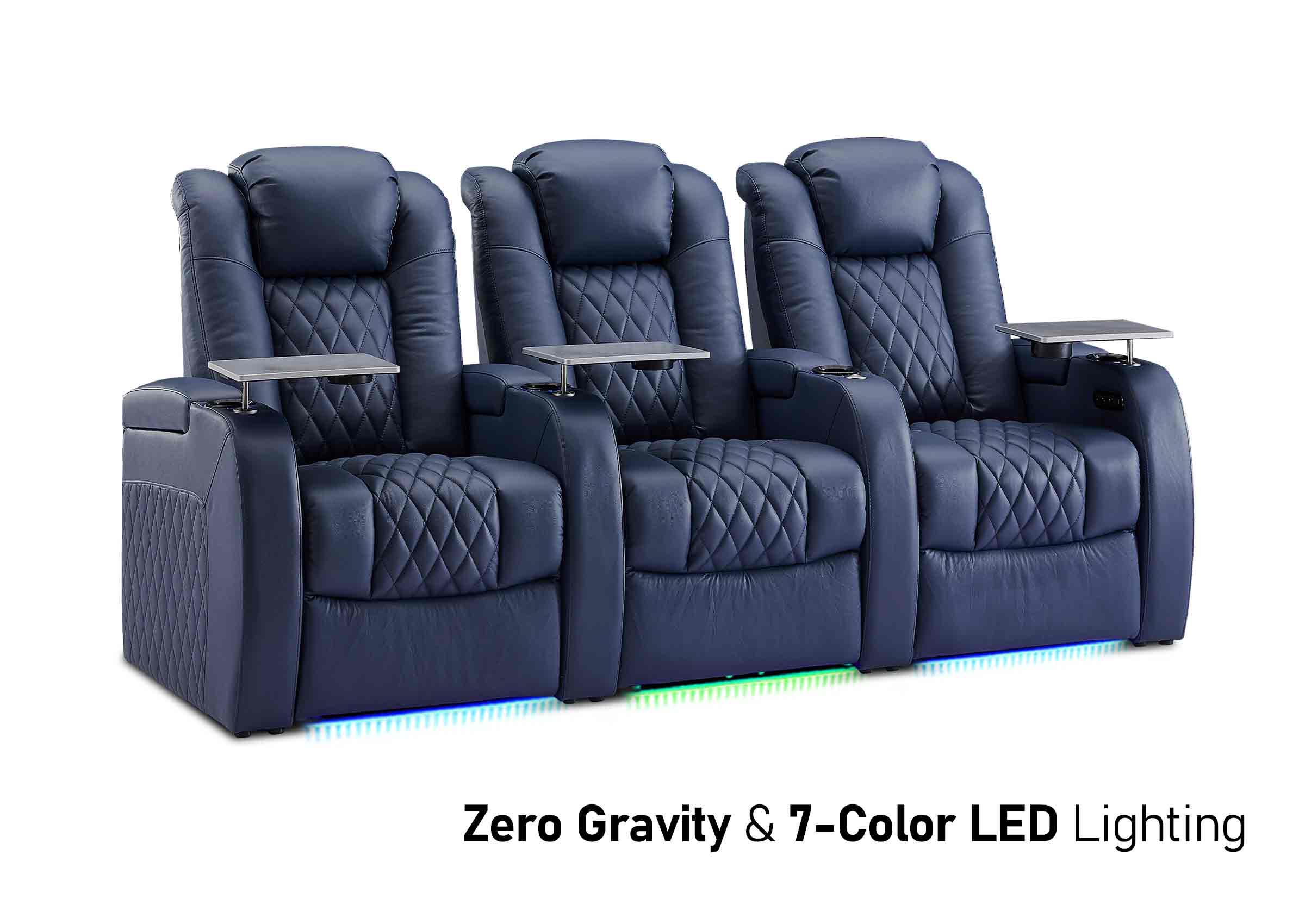
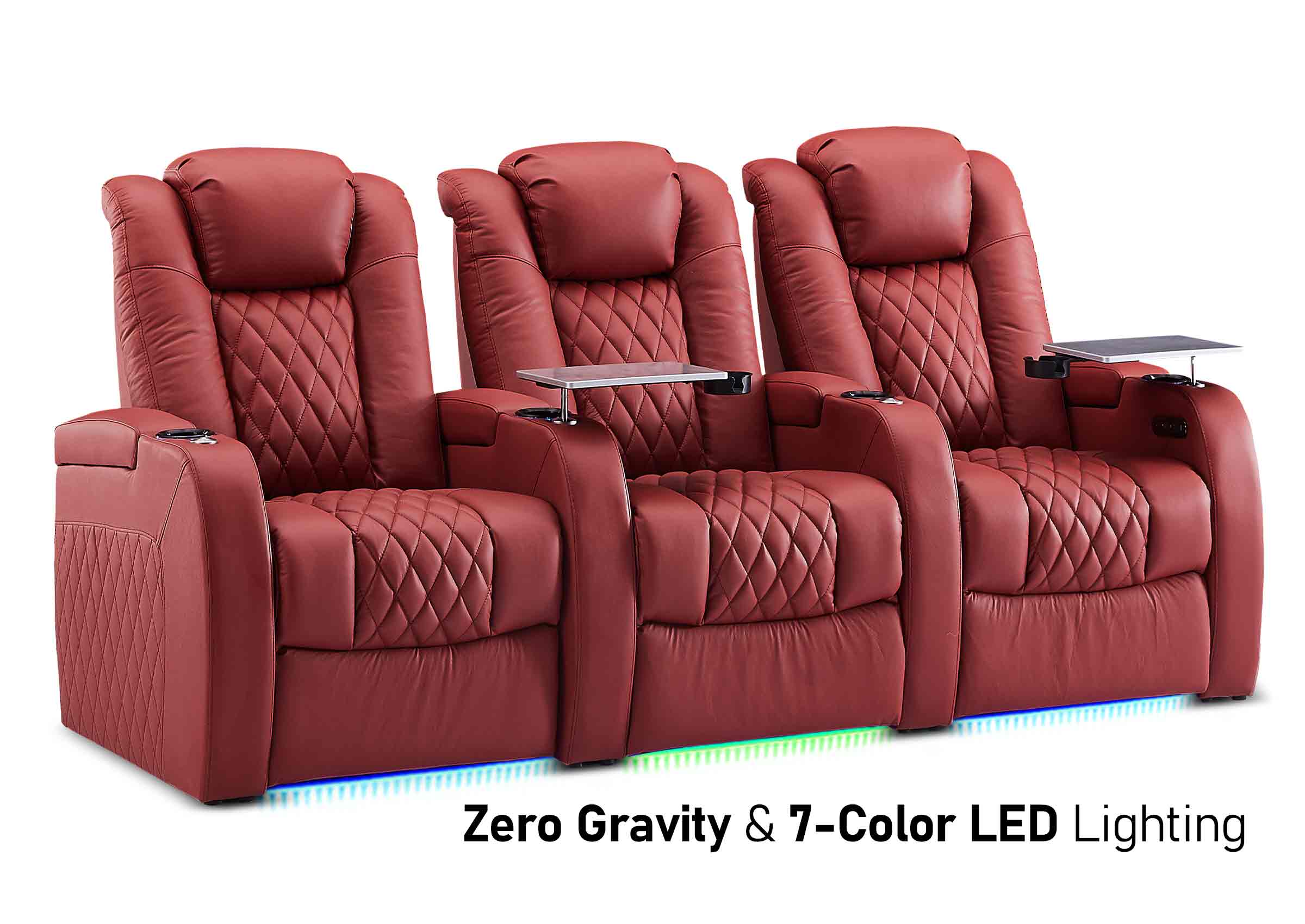
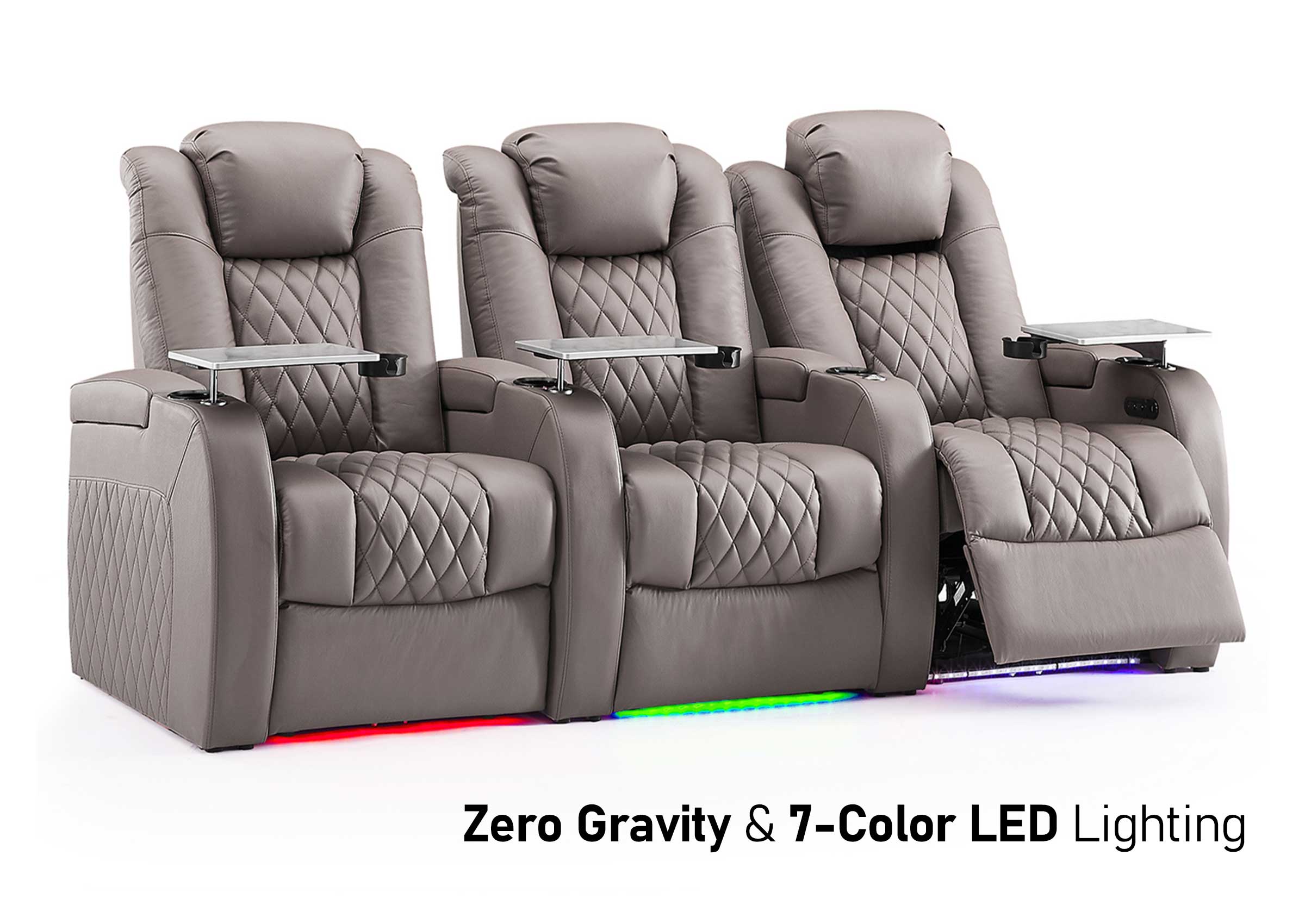
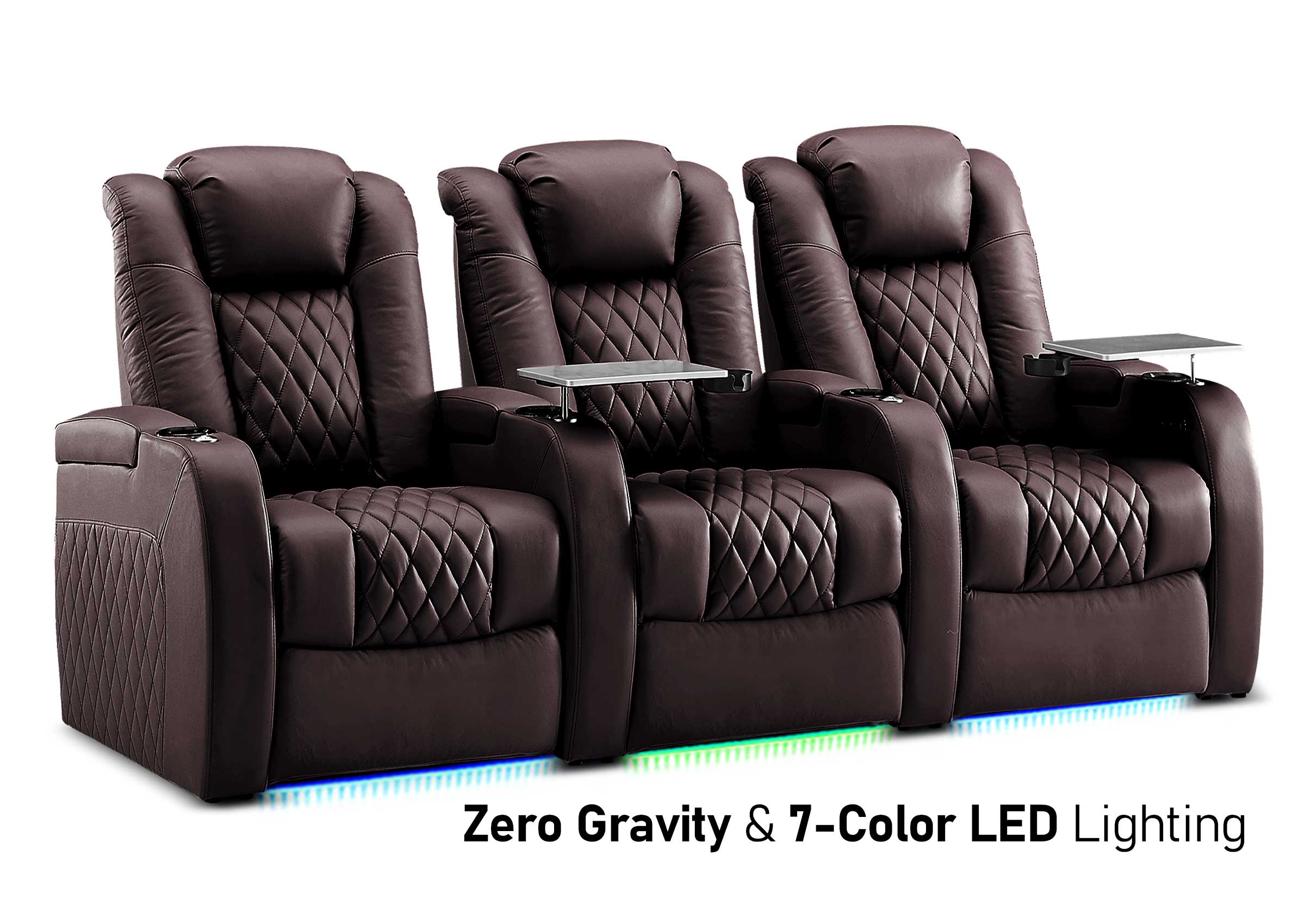

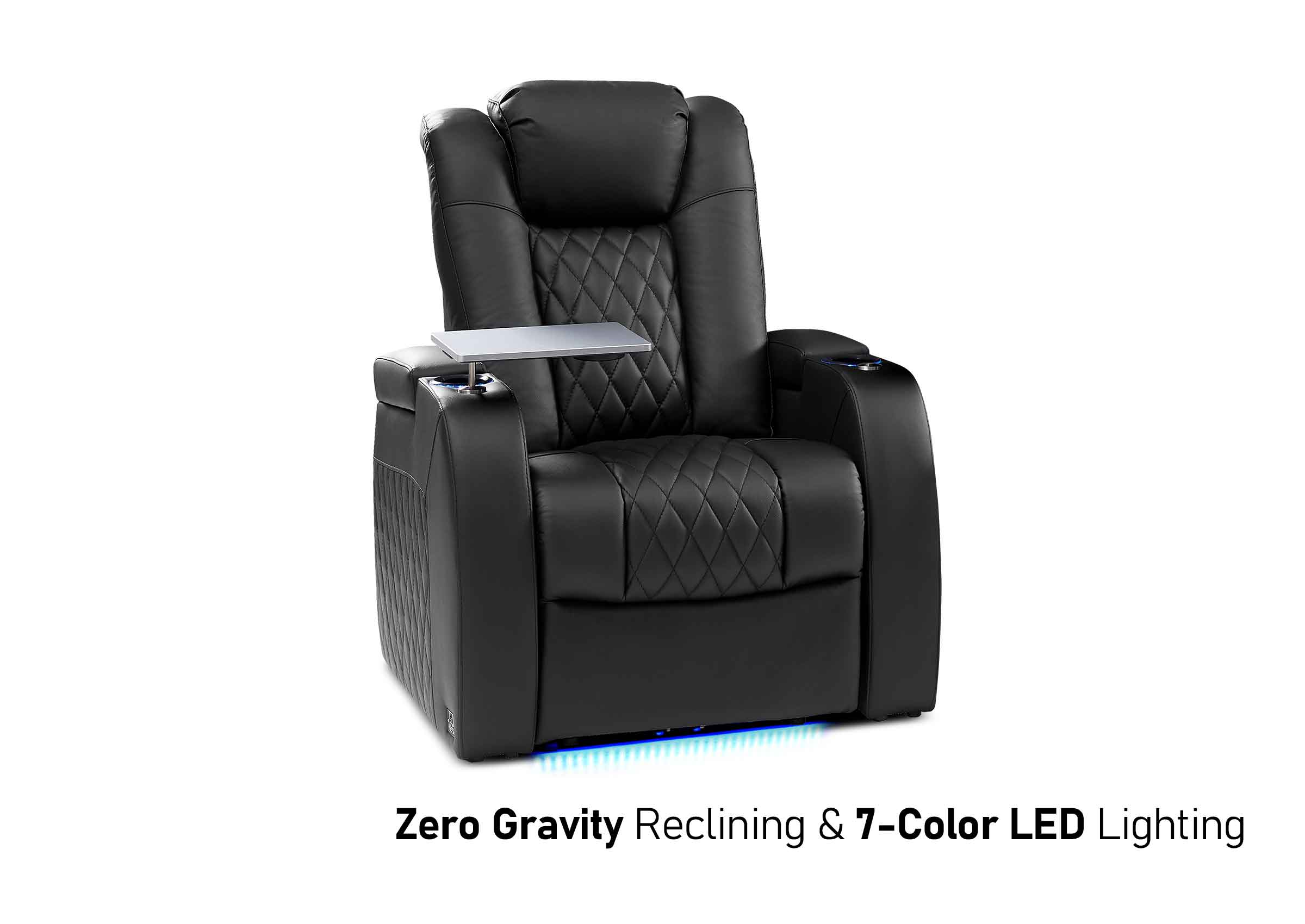
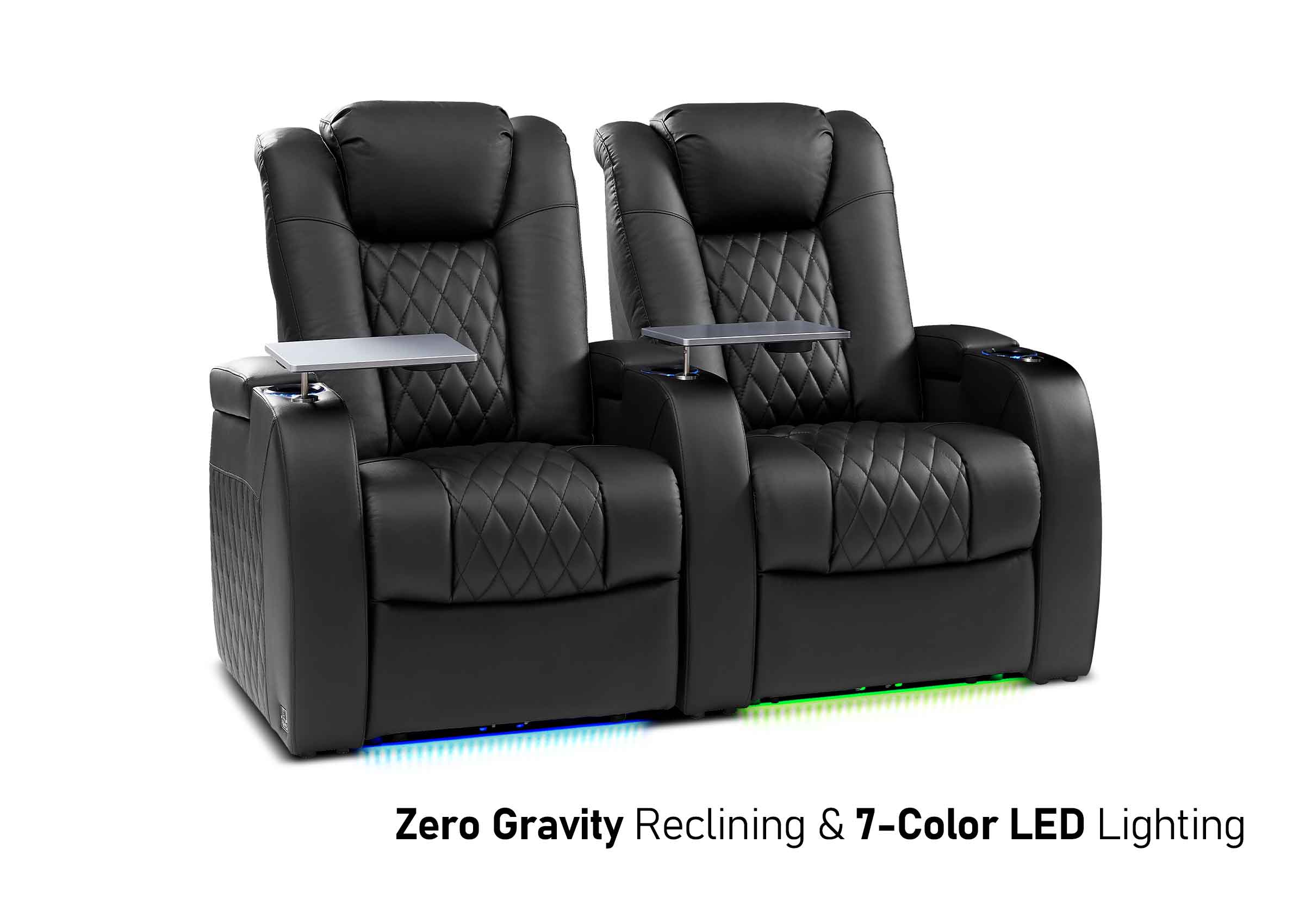
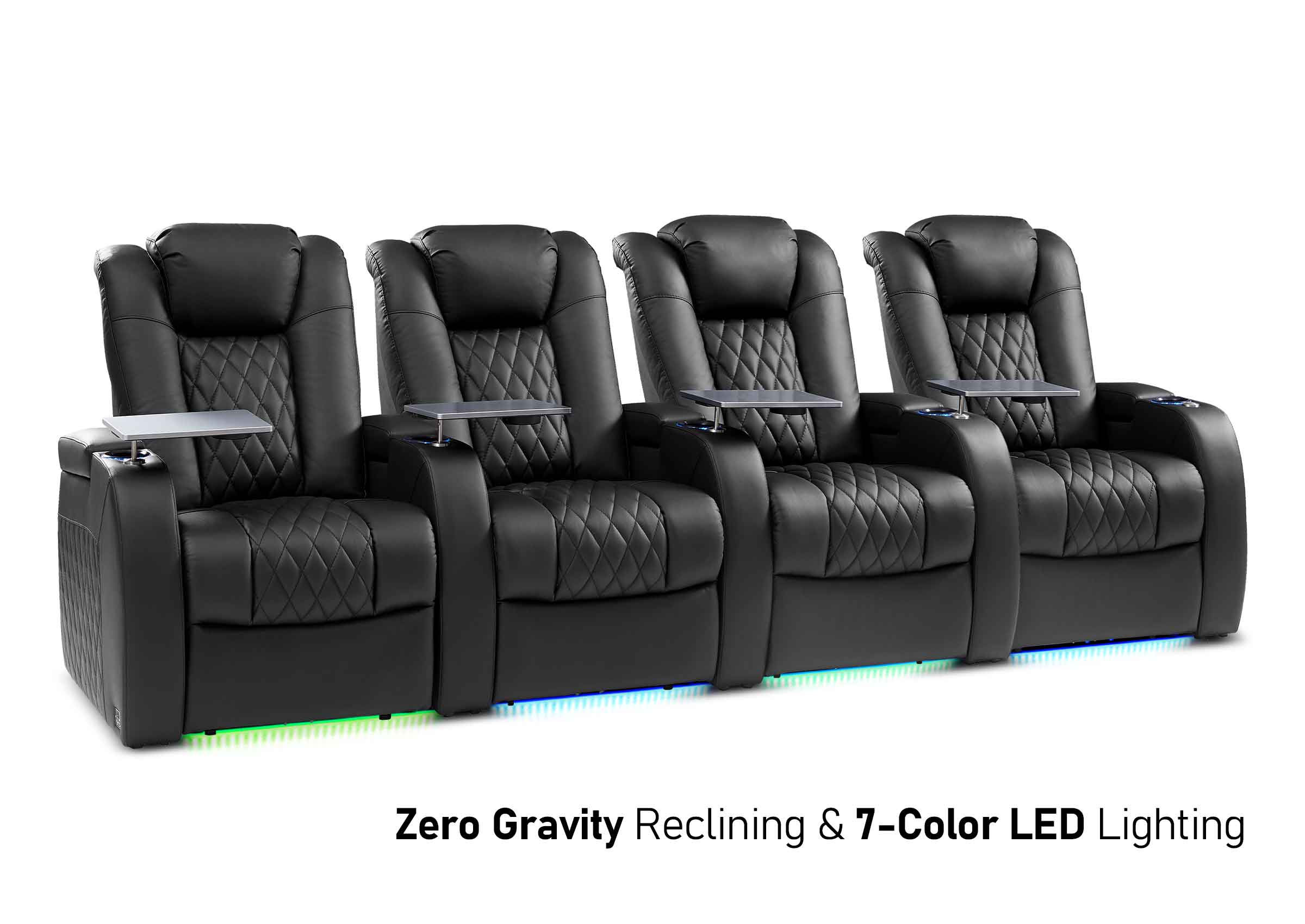
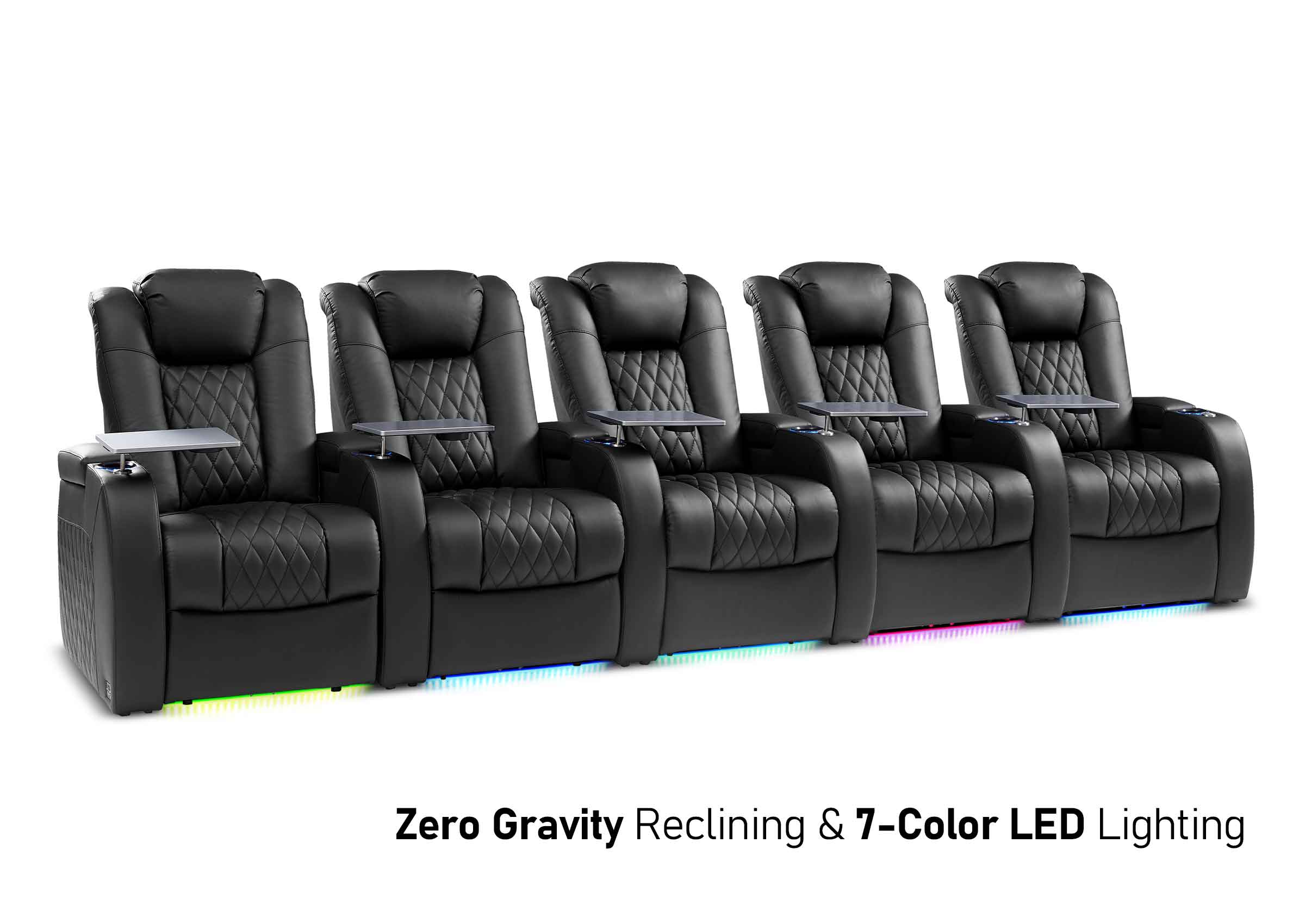
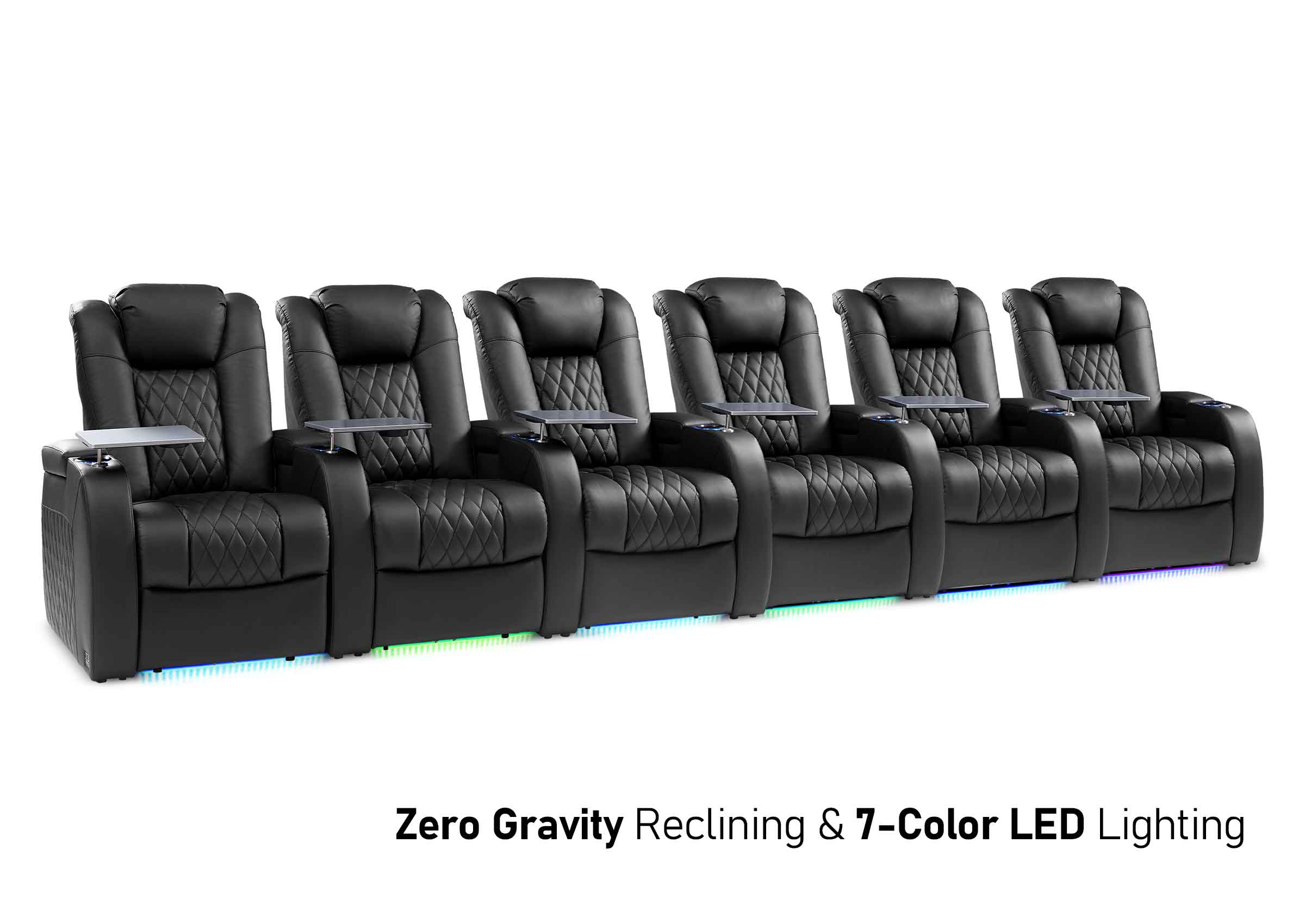
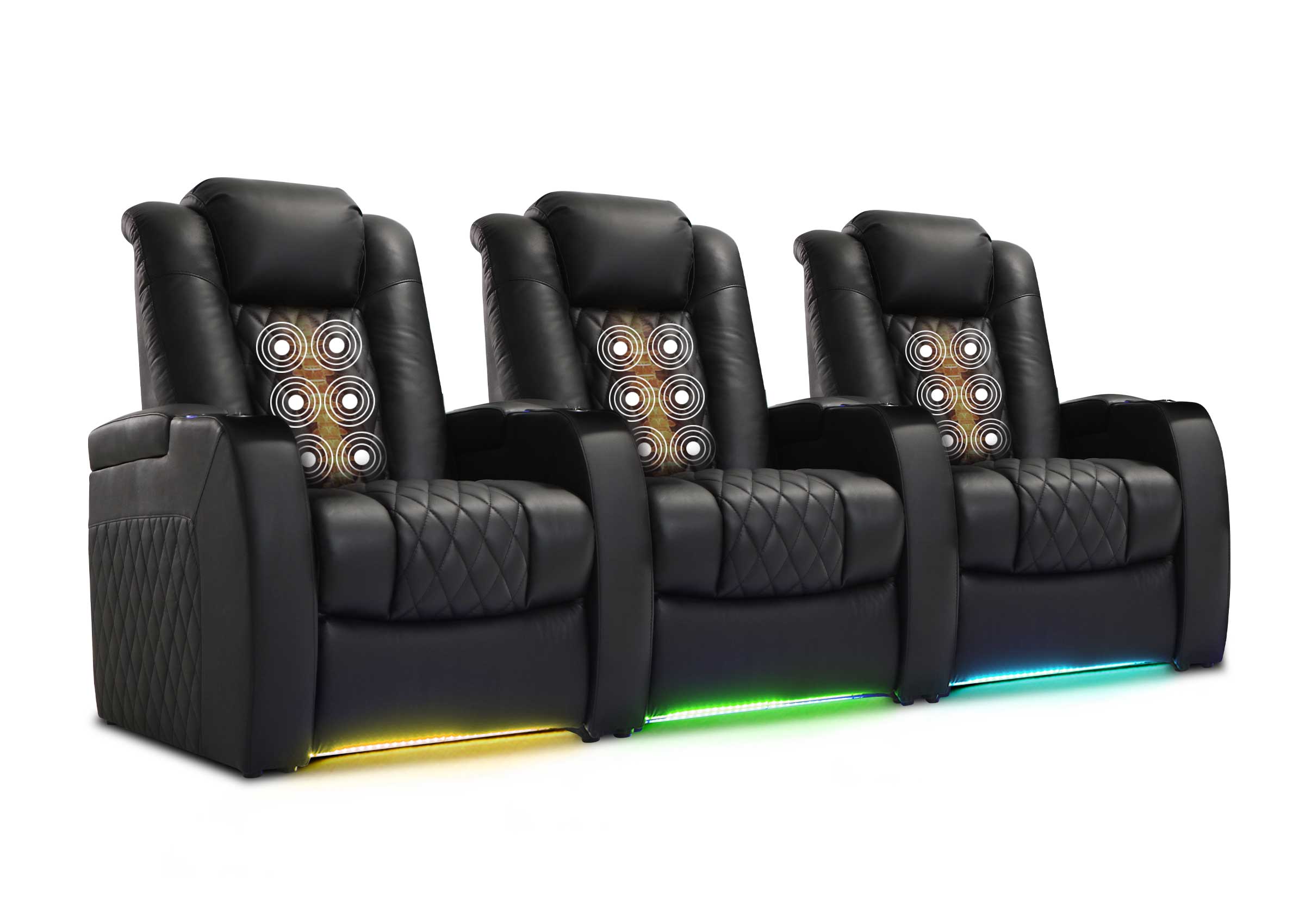

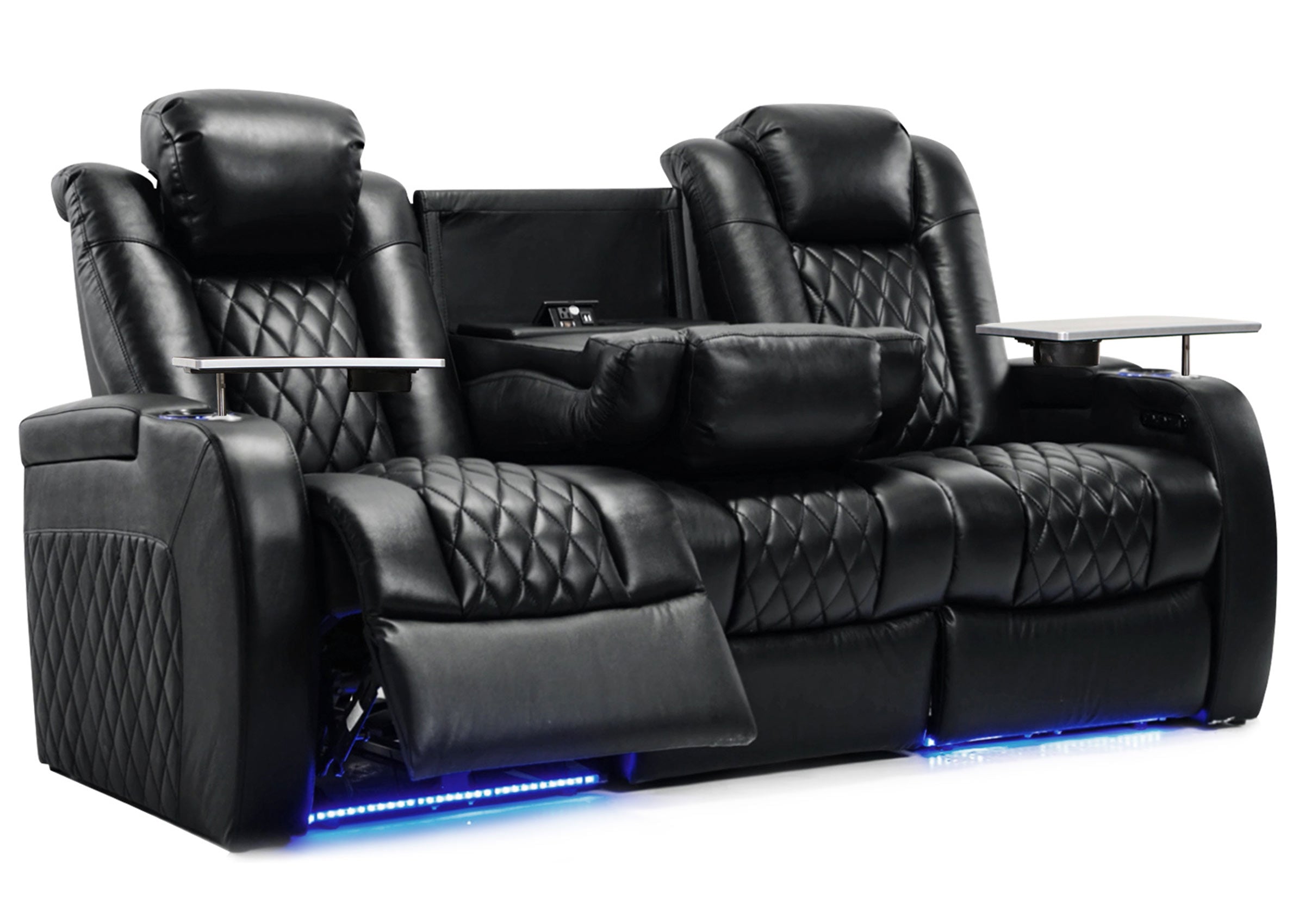
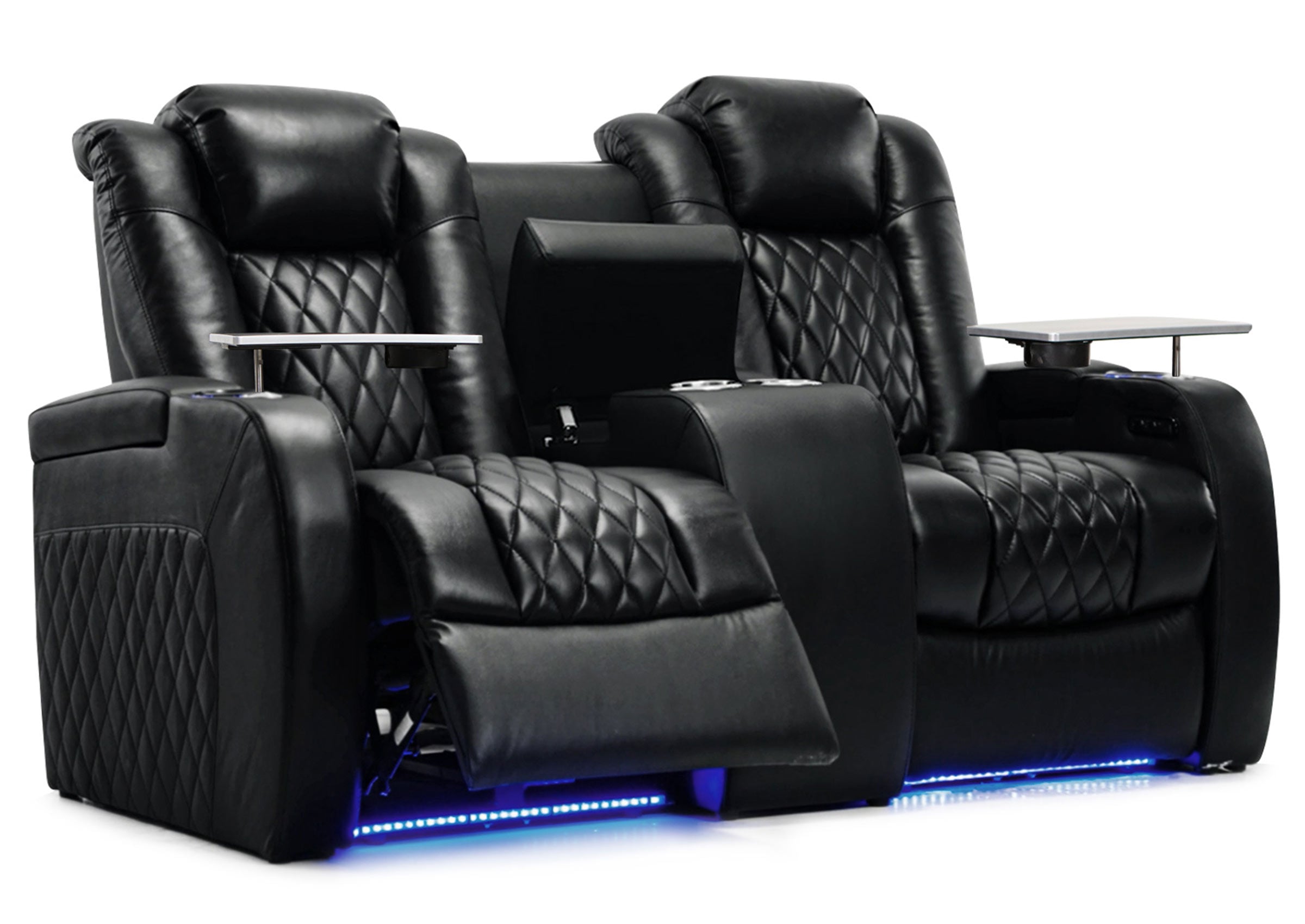



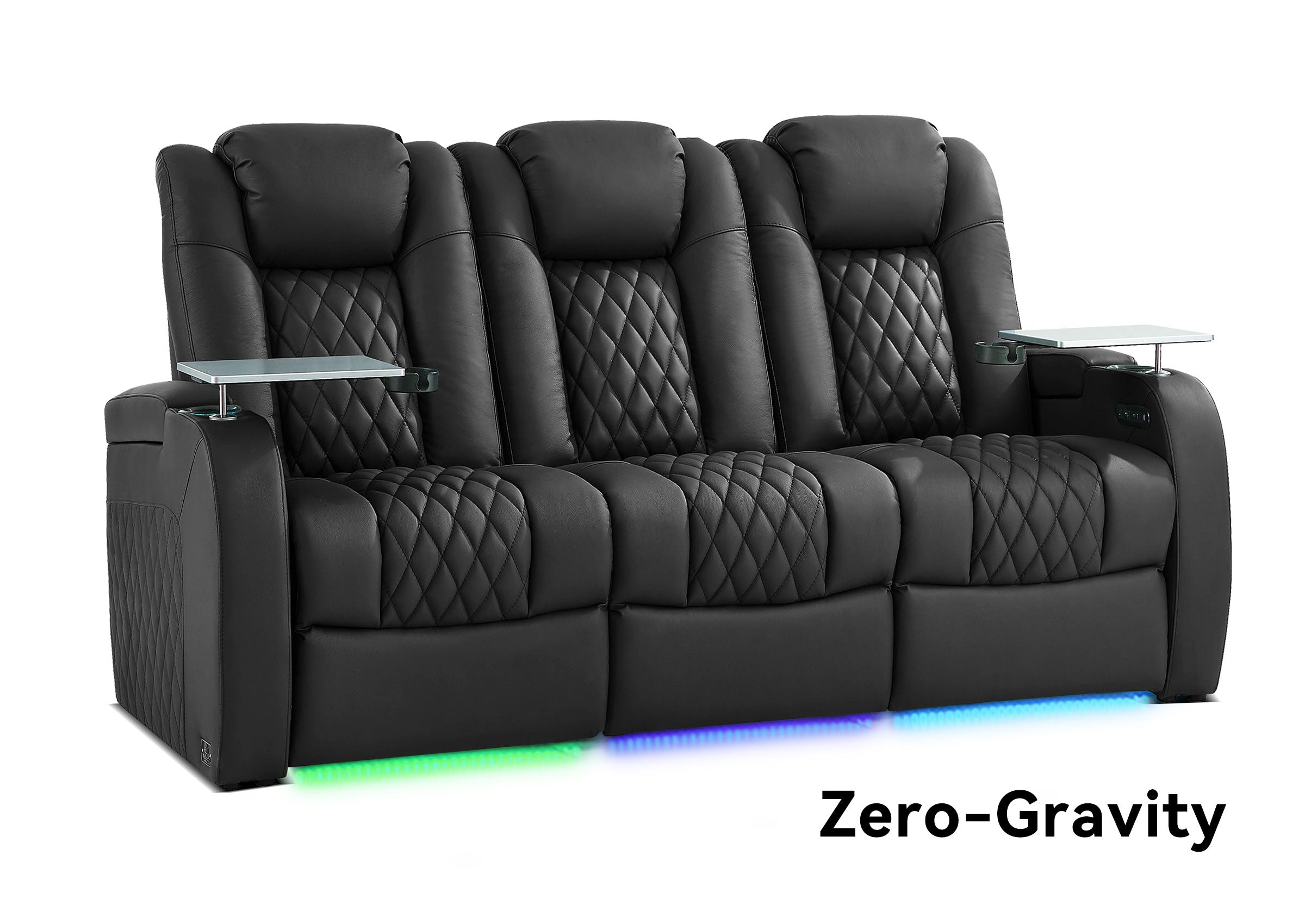


A swivel chair is usually the better choice when you want to turn easily between different parts of a room, while a recliner is better when leg support and extended relaxation matter more. If you regularly want both movements, a swivel recliner may be the more useful choice—but only if the room provides enough operating space.
The decision should not come down to which chair has the longest feature list. It should come down to how you sit, where you need to face, and how the chair will move around nearby walls, tables, walkways, and other furniture.
What Is the Real Difference Between a Swivel Chair and a Recliner?
A swivel chair changes the direction you face. A recliner changes your sitting position.
An upholstered swivel chair rotates on its base, allowing you to turn toward a television, conversation area, window, desk, or another part of the room without moving the entire chair. It is often used as an accent chair in living rooms, bedrooms, reading areas, and open-plan spaces.
A recliner allows you to lean back and raise your legs. Depending on its design, it may use a manual lever, push-back movement, or powered controls. Its primary purpose is to provide more support for relaxed sitting, television viewing, reading, or resting.
This comparison focuses on upholstered chairs for living spaces rather than swivel office chairs. Office chairs may rotate, but their posture, proportions, casters, and intended use create a different buying decision.
- Choose a swivel chair when changing direction matters most.
- Choose a recliner when changing posture matters most.
- Consider a swivel recliner when you regularly need both.
Which Chair Works Better When the Room Has More Than One Focal Point?
A swivel chair is particularly useful when a room does not have one fixed viewing direction.
In an open-plan living room, for example, you may want to face the television at night, turn toward the kitchen during a conversation, and rotate toward the sofa when guests arrive. A stationary recliner can perform well when it faces a single screen, but it may feel less adaptable in a room organized around several activities.
A swivel chair can also work well in:
- A reading corner positioned near a window
- A bedroom with both a television and conversation area
- A living room connected to a kitchen or dining space
- A flexible entertainment room used for movies, gaming, and socializing
- A seating arrangement where moving the entire chair would be inconvenient
Rotation is most valuable when it removes a real everyday inconvenience. If the chair will always face one television or fireplace, swivel movement may add little practical value.
Before choosing, stand where the chair will be placed and identify the directions you would realistically want to face. If there is only one, prioritize sitting comfort. If there are two or more, swivel movement becomes more meaningful.
Which Is More Comfortable for Long Sitting?
A recliner usually provides more useful support for extended lounging because it can change the angle of the backrest and elevate the legs. However, comfort still depends on the individual chair, the user’s body, and the preferred sitting position.
A swivel accent chair may feel comfortable for conversation, reading, or shorter periods of relaxed sitting. Its more upright posture can also make it easier to get up, reach a nearby table, or stay engaged with other people in the room.
A recliner is generally more suitable when you want to:
- Raise your feet while watching television
- Lean back during a long movie
- Change position without leaving the chair
- Relax for longer periods
- Support more than one preferred sitting angle
Do not assume that reclining automatically guarantees better comfort. Seat depth, cushion support, backrest shape, head position, arm height, and footrest length still matter. A recliner that does not fit your proportions may be less comfortable than a well-fitted swivel chair.
Think about the position you use most often. If you normally sit upright with your feet on the floor, a swivel chair may be enough. If you frequently look for an ottoman or another place to raise your legs, a recliner may address that need more directly. You can also review our recliner comfort and fit guide before comparing individual models.
Which Chair Takes Up Less Usable Space?
A swivel chair often has a smaller visual presence, but that does not always mean it requires less usable space. The correct comparison is the chair’s operating footprint—not just its listed width and depth.
A swivel chair needs enough clearance to rotate without its back, arms, or the user’s legs hitting:
- A wall
- A sofa
- A side table
- A floor lamp
- A doorway
- Nearby storage furniture
A recliner needs room for the footrest to extend and, depending on the mechanism, space behind the backrest. Some designs require less rear clearance than others, so the actual product dimensions and movement path should always be confirmed.
A swivel recliner creates a more complex footprint because it needs room for both rotation and reclining. A location may accommodate the chair while it is upright but become inconvenient once the chair turns or the footrest opens.
In a small room, map the full movement zone rather than measuring only the chair’s stationary footprint. Mark the proposed area on the floor and check whether the chair can operate without narrowing a walkway or interfering with nearby furniture.

When Does a Swivel Recliner Make More Sense?
A swivel recliner makes sense when both changing direction and changing posture are part of the chair’s regular job.
It can be especially useful in a multipurpose living room where someone wants to turn toward other people during conversation and recline toward the television later. It may also suit a bedroom or reading area where one chair supports several activities throughout the day.
A swivel recliner can be a practical fit when:
- The room has multiple focal points.
- You frequently move between conversation and screen viewing.
- You want built-in leg support without adding an ottoman.
- One chair must support reading, relaxing, and entertainment.
- The room has enough clearance for both movements.
- The preferred model fits comfortably in upright and reclined positions.
It should not automatically be treated as the best of both worlds. Combining movements can increase the amount of clearance the chair needs, and the added function has little value if one of those movements is rarely used.
There is also an important distinction between a swivel recliner and a swivel rocker recliner. A swivel recliner rotates and reclines, while a swivel rocker recliner also adds a rocking motion. If rocking is part of your comfort preference, see our detailed swivel recliner vs. swivel rocker recliner comparison.
When both rotation and reclining solve real daily needs, you can explore swivel recliner chairs and compare each model’s motion, dimensions, upholstery, power requirements, and available features.

Which Chair Fits Different Everyday Situations?
The best chair becomes clearer when the decision is connected to a specific room and activity.
| Everyday Situation | More Suitable Starting Point | Why |
|---|---|---|
| Open-plan conversation area | Swivel chair | Makes it easier to face different people or zones |
| Long television and movie sessions | Recliner | Provides reclining positions and leg support |
| Reading nook near a window | Swivel chair or swivel recliner | Allows the user to change direction as light and activities change |
| Multipurpose living room | Swivel recliner | Supports both social interaction and relaxed viewing |
| Dedicated screen-facing space | Recliner | Rotation may provide little additional value |
| Small bedroom corner | Measure before deciding | Chair size alone does not reveal its operating footprint |
| Visually light accent seating | Swivel accent chair | Often creates a less substantial appearance than a full recliner |
| One-chair relaxation area | Recliner or swivel recliner | Built-in leg support may eliminate the need for an ottoman |
These are starting points rather than universal rules. The selected model’s proportions, mechanism, upholstery, and support can change the result.
FIND THE RIGHT MOVEMENT
Would a Swivel Recliner Fit the Way You Use Your Room?
Compare how you want to turn, recline, and relax, then check the available space around the chair before choosing your configuration.
What Should You Measure Before Choosing?
Begin with the chair’s actual product dimensions, but do not stop there. You also need to understand what happens when the chair moves.
Confirm:
- Overall width, depth, and height
- Fully reclined depth
- Required rear clearance
- Footrest extension area
- Approximate swivel movement area
- Clearance from side tables and lamps
- Remaining walkway width
- Doorway, hallway, and stair access
- Outlet location if selecting a power model
Consider the user as part of the moving footprint. A chair may rotate freely when empty but contact a table once someone’s knees or feet extend beyond the seat.
Power cords also affect placement. If the chair will sit away from a wall, plan how the cord will reach an outlet without crossing an open walkway or creating a trip hazard.
Finally, measure the delivery route—not just the final location. Door openings, hallway turns, stairs, elevators, and removable chair components can determine whether the selected chair can reach the room.
What Features Matter After You Choose the Right Movement?
First decide whether you need swivel movement, reclining movement, or both. Then compare the features that improve that specific experience.
Depending on the model, useful features may include:
- Power recline for controlled position adjustments
- An adjustable headrest or lumbar support
- USB charging
- A supportive footrest
- Easy-to-maintain upholstery
- Rocking or gliding movement
- Accessible controls
Features should solve a real problem. USB charging may be useful if the chair is a regular place for reading or streaming, while additional motion may be unnecessary in a chair used mainly for occasional guests.
If you are deciding how the reclining mechanism should operate, compare the everyday tradeoffs between power and manual recliners before choosing additional convenience features.
Materials should be judged the same way. A leather swivel chair or leather recliner may provide a different appearance and maintenance experience from fabric upholstery, but material alone does not determine comfort. Cushion construction, seat geometry, room temperature, cleaning habits, and frequency of use also matter.
Feature availability varies by model. Confirm the exact configuration instead of assuming every swivel recliner includes the same movement, controls, materials, or comfort functions.
What Are the Most Common Buying Mistakes?
One common mistake is choosing by appearance before checking how the chair will move. A swivel chair displayed at an angle may look compact, but it still needs clearance to rotate. A recliner may fit neatly when upright and then obstruct a walkway when opened.
Another mistake is paying for both movements without identifying when they will be used. If the chair always faces one screen, swivel capability may be unnecessary. If you never elevate your legs, a recliner may add bulk without improving your routine.
Other avoidable mistakes include:
- Measuring only the chair’s upright dimensions
- Placing a side table inside the rotation path
- Ignoring the user’s knees and feet when calculating clearance
- Assuming every recliner requires the same wall distance
- Choosing deep seating without considering the user’s height
- Forgetting the route from the exterior door to the final room
- Placing a powered chair without planning outlet access
- Treating more functions as proof of better comfort
A better approach is to identify the chair’s primary job first. Then use room measurements and a real sitting test, when possible, to verify the decision.
Should You Choose a Swivel Chair, Recliner, or Swivel Recliner?
Choose a swivel chair if flexible orientation is the main need. It is particularly useful in social, open-plan, or visually lighter seating arrangements where the user regularly turns between different areas.
Choose a recliner if the chair will primarily face one direction and long-session relaxation matters more. Its ability to change posture and support the legs is usually more valuable than rotation in a dedicated television or reading position.
Choose a swivel recliner if both movements solve recurring needs. It can serve as a flexible, all-purpose chair in a living room, bedroom, or entertainment space, provided the room can support its complete movement area.
The most reliable question is not, “Which chair has more features?” It is, “Which movement will improve the way I use this room every day?”
When that answer is clear, the choice between a swivel chair and a recliner becomes much easier.
Frequently Asked Questions
Can a Swivel Chair Replace a Recliner?
A swivel chair can replace a recliner when the user prefers upright seating and does not need built-in leg support. It is not a direct substitute when reclining and raising the feet are central to the desired experience.
Is a Swivel Recliner Good for a Small Room?
It can work in a small room, but its complete movement area must be checked. The chair needs enough space to recline, rotate, and maintain a usable walkway. A compact exterior size does not guarantee a compact operating footprint.
Are Swivel Chairs Good for Living Rooms?
Yes, especially when the living room contains multiple conversation or viewing directions. They can help one seating position interact with several zones without repeatedly moving the chair.
Is a Recliner Better for Watching TV?
A recliner is often better for long television sessions because it can support a more relaxed posture and elevate the legs. A swivel recliner may be more useful if the same chair also needs to turn toward other parts of the room.
What Is the Difference Between a Swivel Recliner and a Swivel Rocker Recliner?
Both can rotate and recline, but a swivel rocker recliner also provides a rocking motion. Choose the added motion only if rocking is part of your actual comfort preference and the chair has sufficient clearance to move safely.
Do Swivel Recliners Need to Be Plugged In?
Power swivel recliners need an electrical connection for their powered functions. Manual models may not. Always check the selected model’s mechanism and power requirements before planning its placement.
Need Help Choosing the Right Recliner for Your Room?
If you are unsure whether a swivel recliner fits your room, compare the chair’s complete movement area with your preferred sitting position, nearby furniture, walkways, and outlet location.
For product guidance or help confirming which seating option fits your space and daily routine, contact Weilianda Support or email leon@weiliandahome.com.