



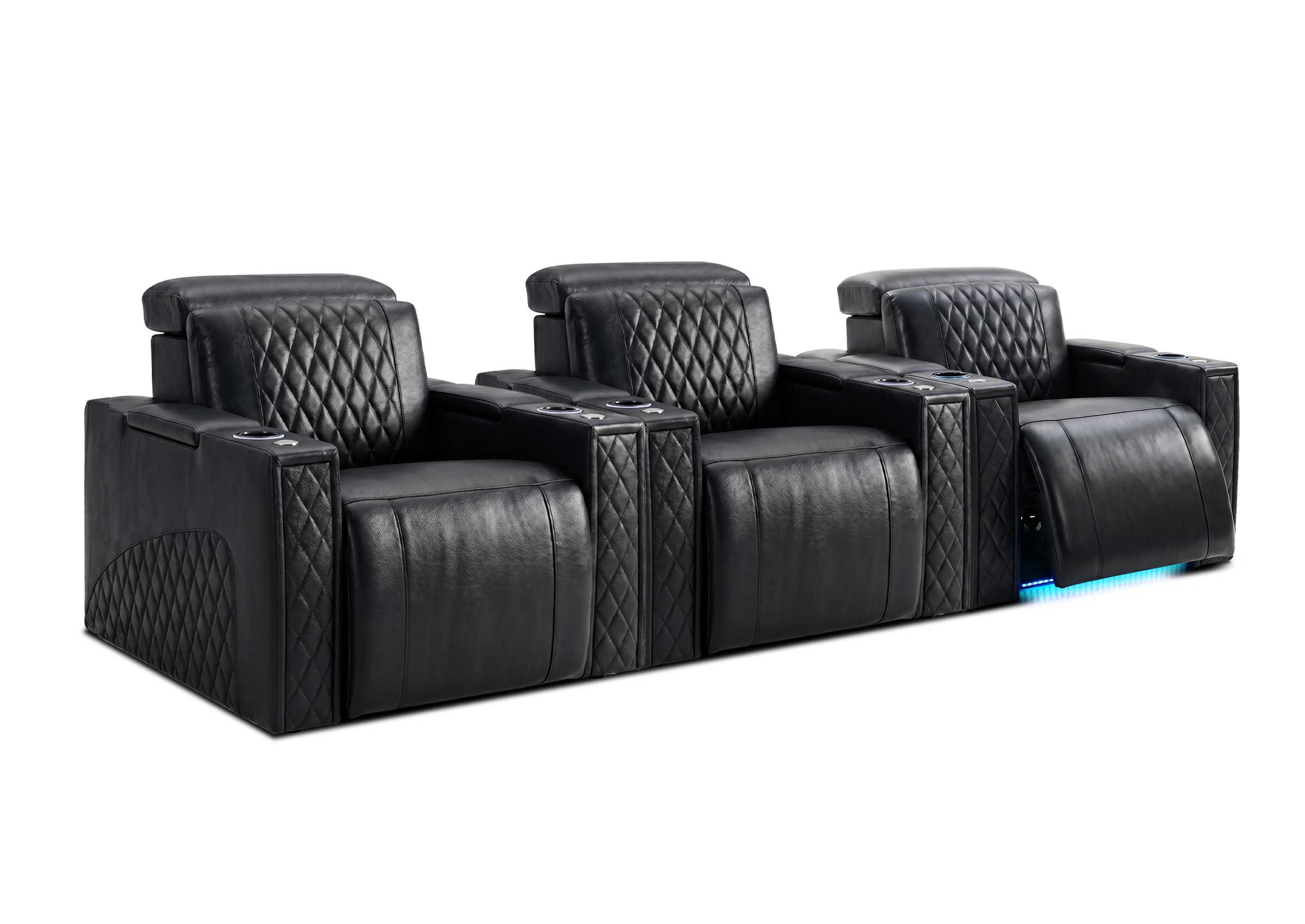

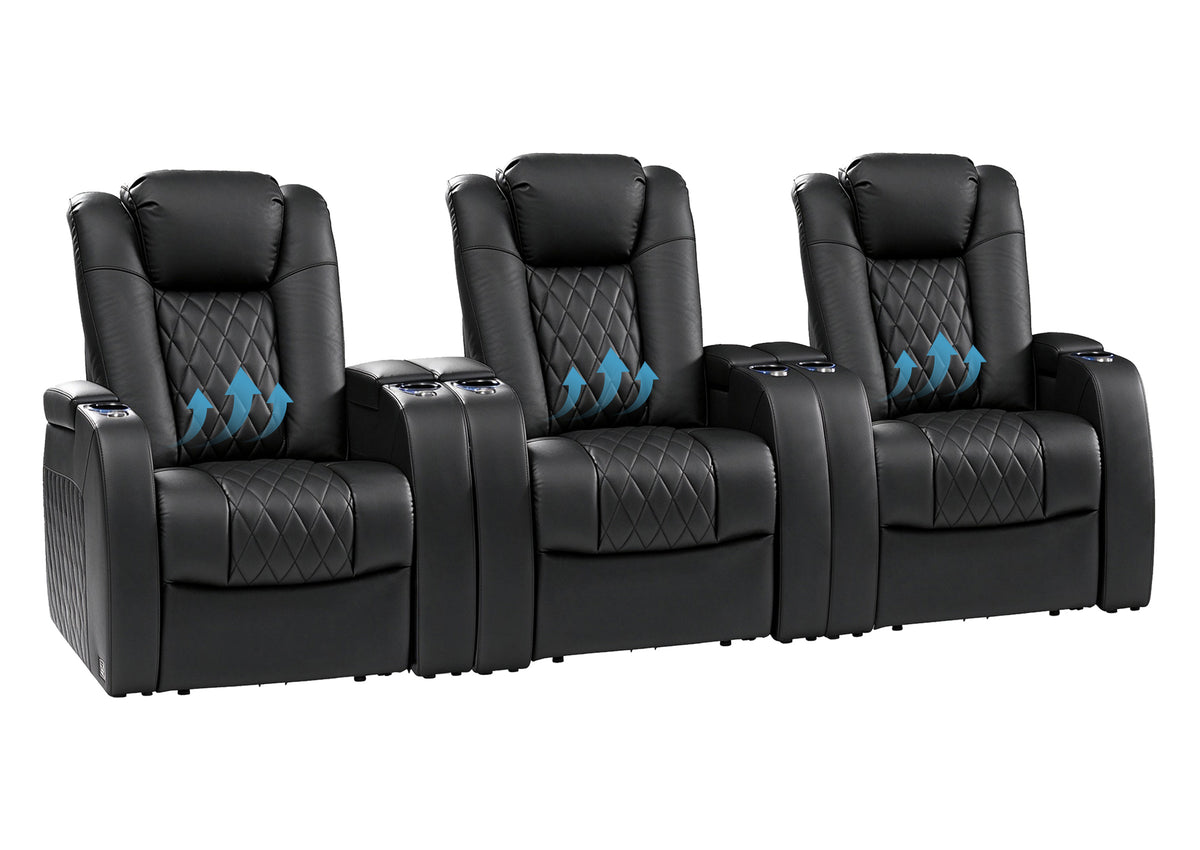
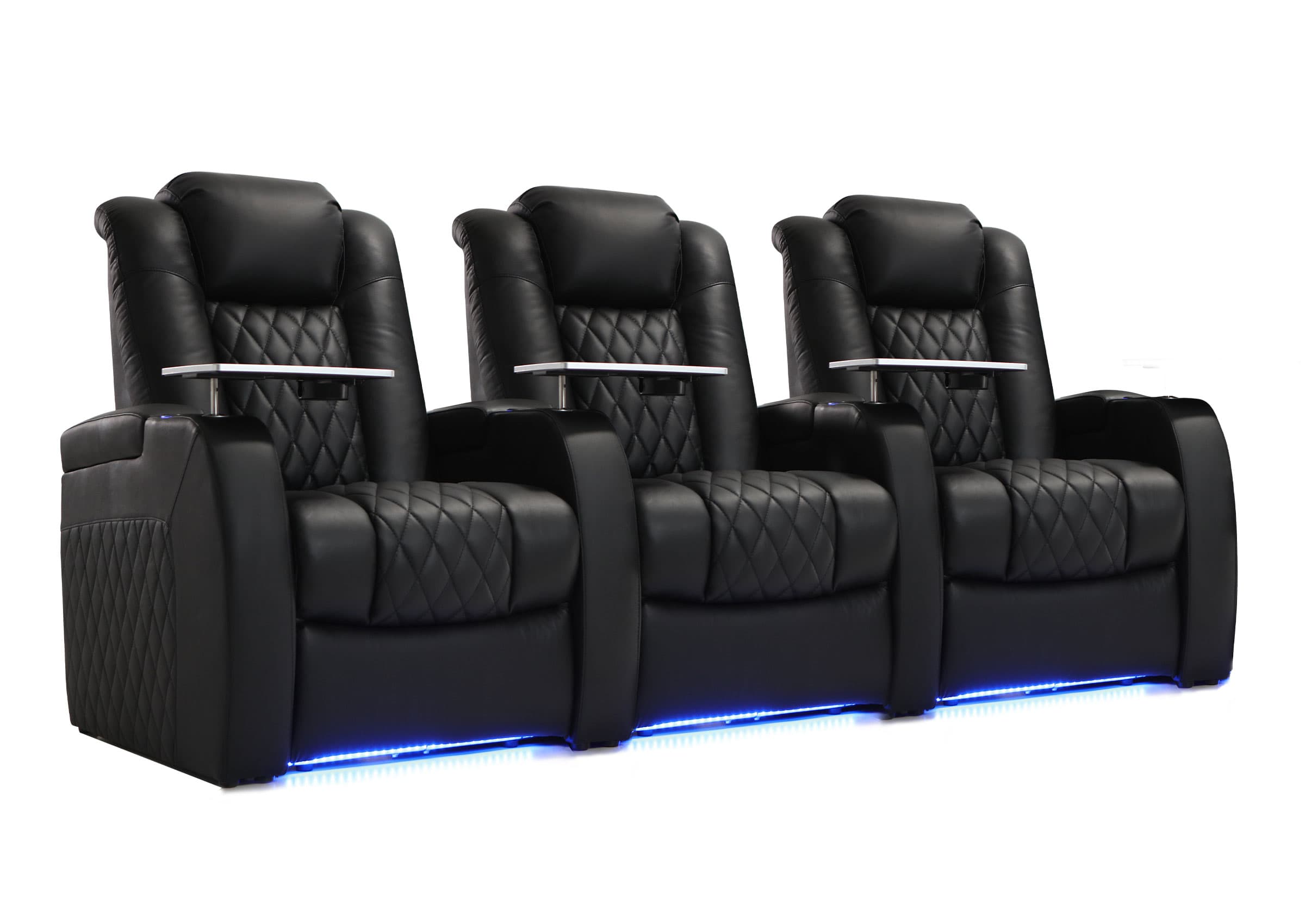
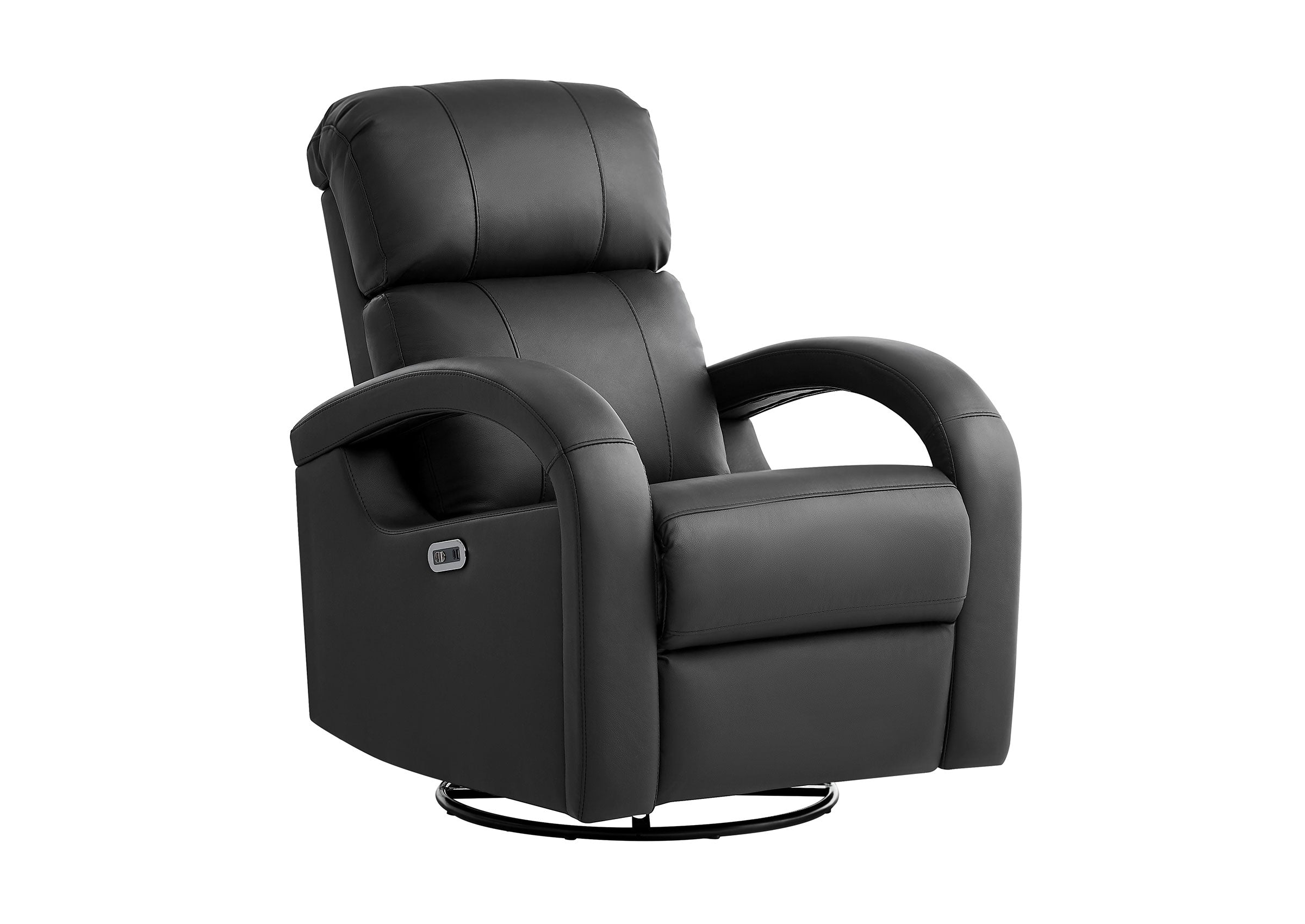
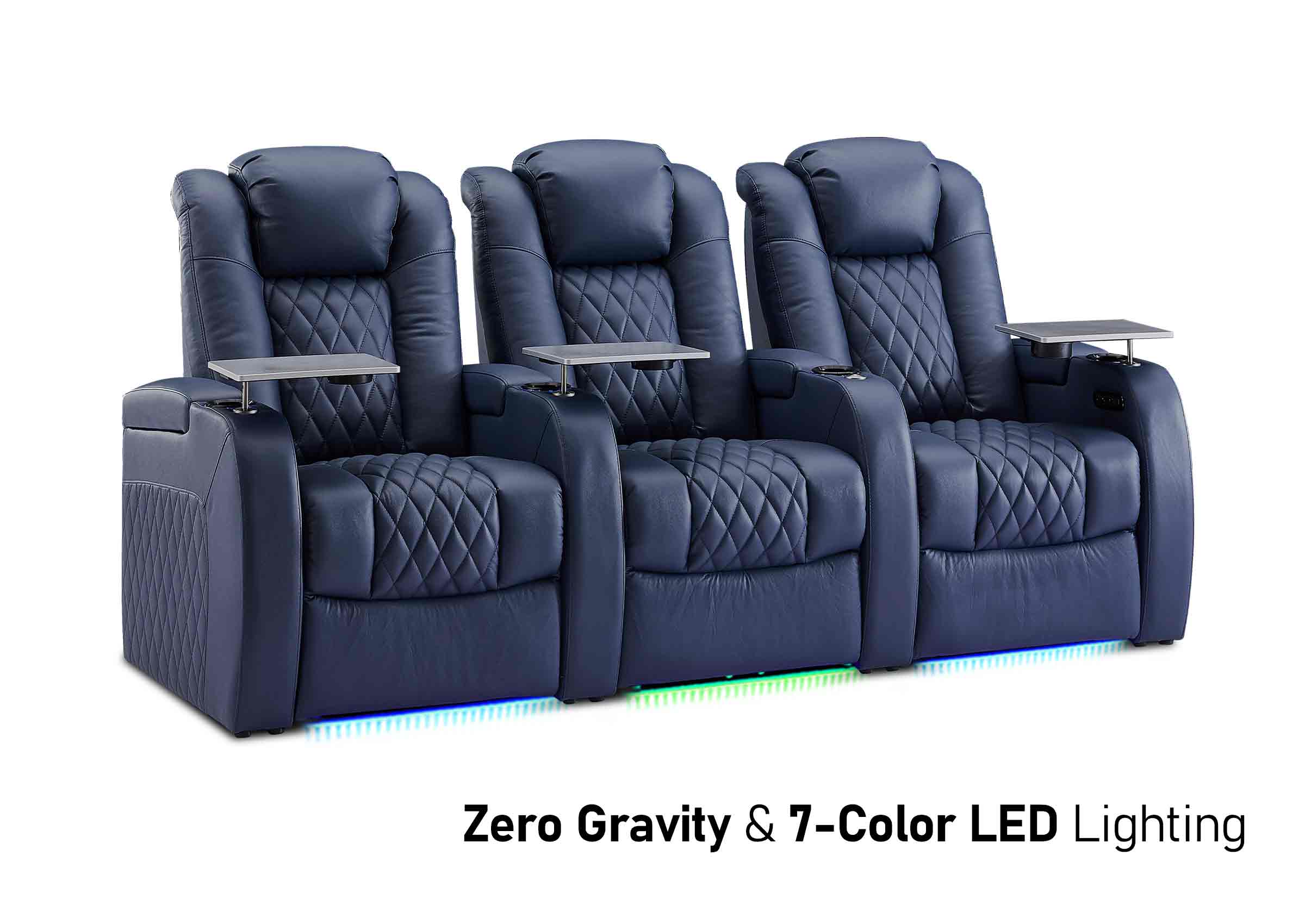
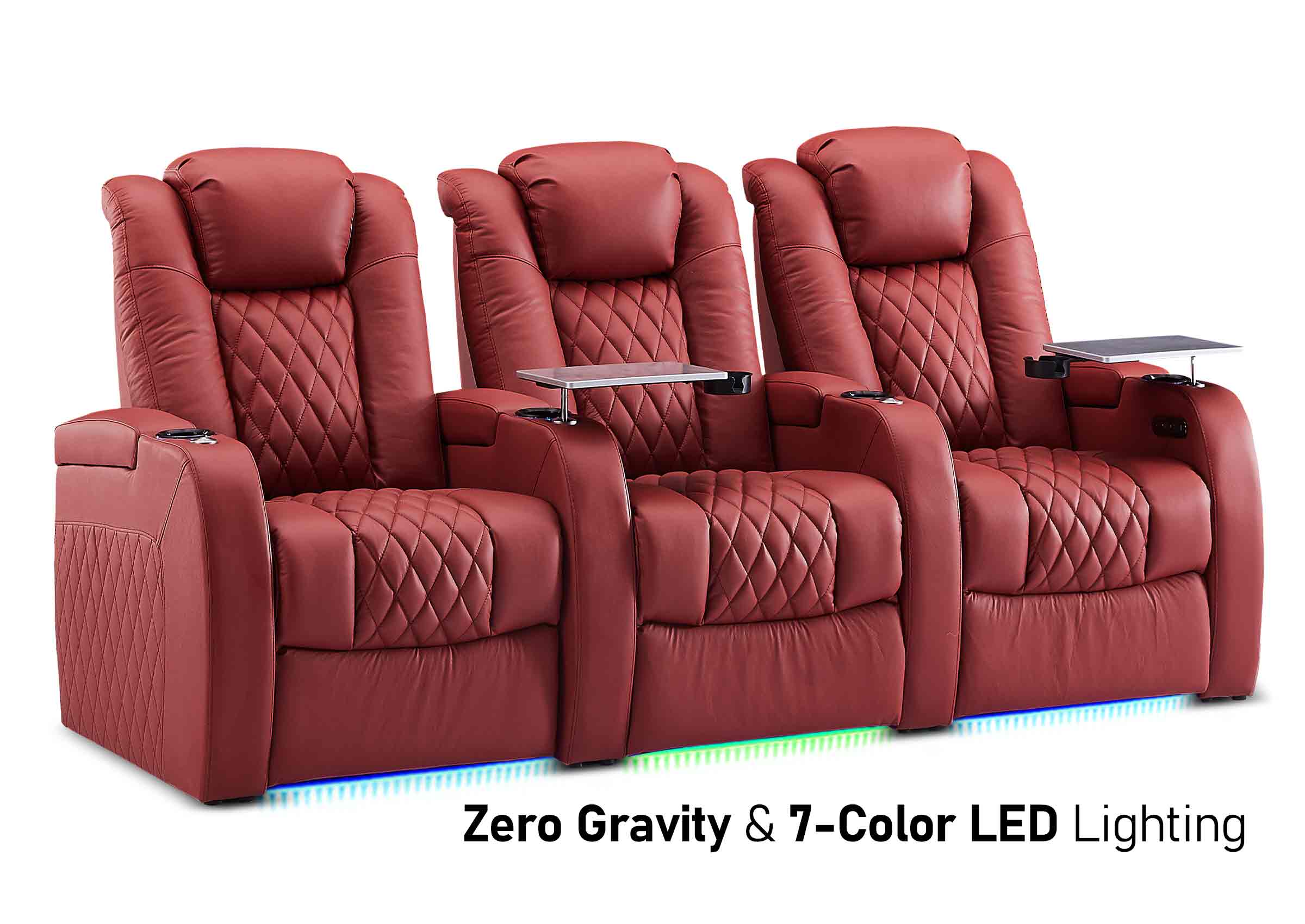
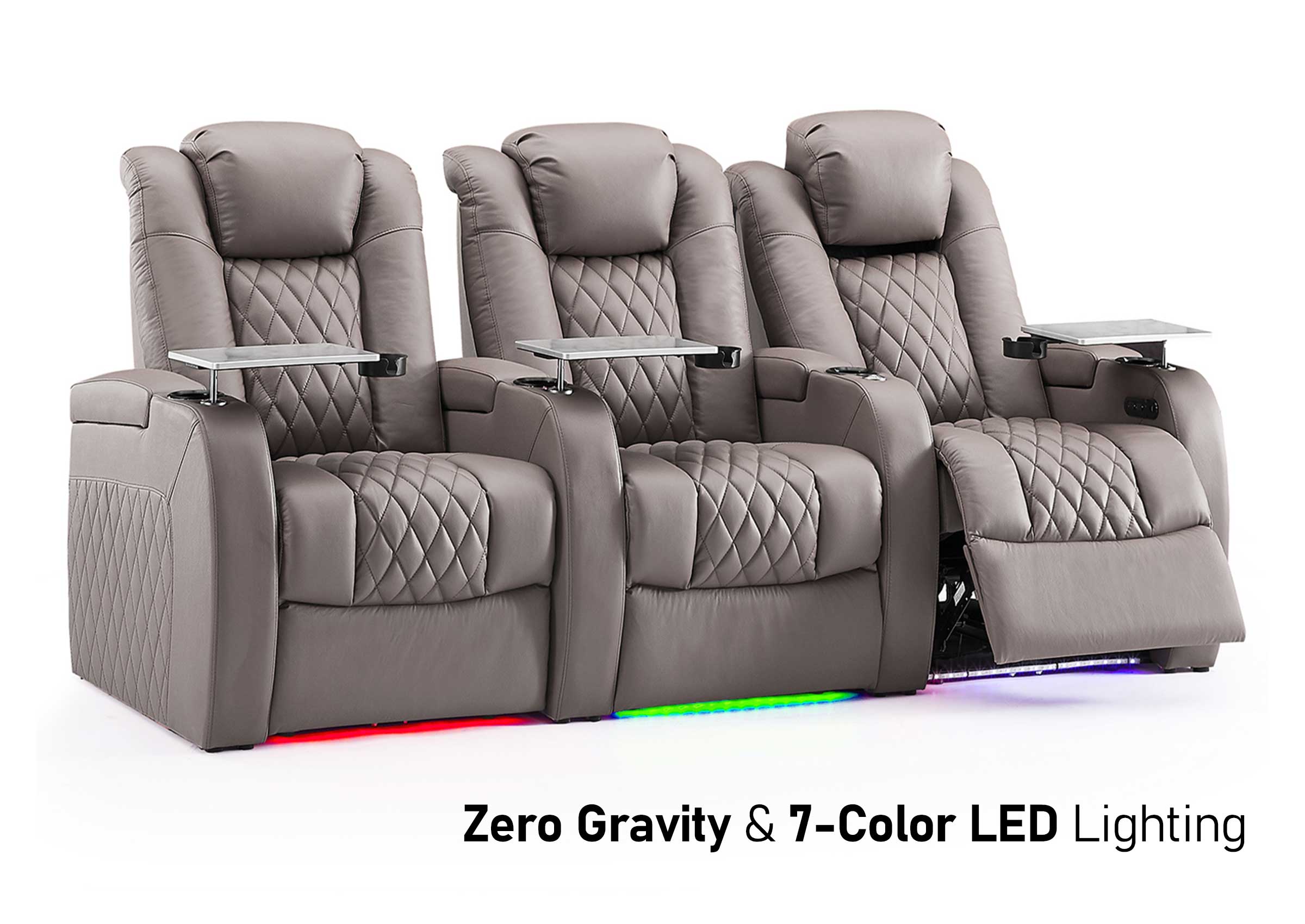
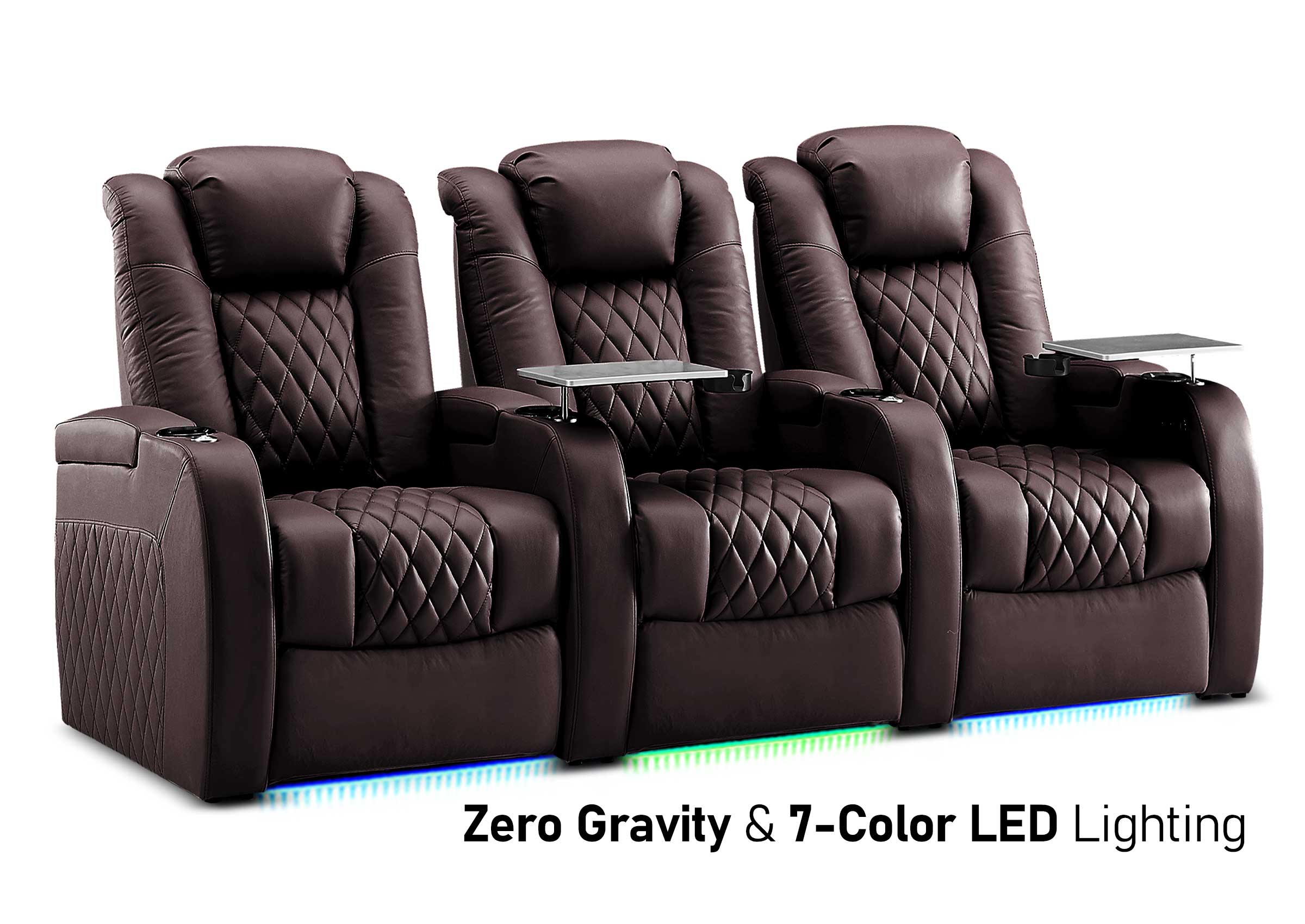



Choose a sofa with a chaise when someone regularly wants an integrated place to stretch out and that position works in your room. Choose a sofa with an ottoman when leg support needs to move between seats or make way for other activities. The ottoman only delivers that flexibility if it is comfortable in use, practical to move, and has somewhere suitable to go.
A chaise is not necessarily locked to one side forever, and a separate ottoman is not automatically the smaller arrangement. Compare the actual furniture in the ways you will use it, including what happens when you put your feet down and the room changes jobs.
Start With the Lounging Position You Want
A chaise extends one of the sofa's seating positions. An ottoman provides a separate surface in front of the sofa, which may be placed against one seat, centered for shared use, or moved elsewhere.
Start by picturing an ordinary evening. Does the same person stretch out at the same end, while everyone else sits upright? A chaise may make that routine straightforward. Do several people take turns putting their feet up, or does the center of the room need to clear for other activities? An ottoman deserves a closer look.
| Buying question | Sofa with a chaise | Sofa with an ottoman |
|---|---|---|
| How is the lounging surface formed? | An extended sofa position; inspect its cushion and joint arrangement | A separate piece; inspect the join, height, and stability beside the sofa |
| Can the footrest change position? | Depends on the actual fixed, reversible, or modular configuration | Usually, if its size, weight, and intended use make moving it practical |
| What remains on the floor? | The chaise extension remains in its current position | The ottoman occupies space in either its lounging or parked position |
| Who can put their feet up? | Depends on the usable chaise width and the way people occupy the sofa | Depends on the ottoman width, placement, and whether users can share it comfortably |
| Can it do another job? | The chaise remains part of the seating arrangement | Some models support seating, storage, or a tray, but those uses must be verified |
| What should the price comparison include? | The complete sofa configuration and its usable seats | The sofa, ottoman, delivery, and any other furniture still needed |
Treat “chaise” and “ottoman” as starting descriptions. They do not settle comfort, capacity, reversibility, or which arrangement is better value.
Compare the Join, Height, and Everyday Comfort
A chaise can offer a settled lounging surface without a separate footrest to pull into position. Even then, check the actual cushions and frame. A chaise made from several components may have seams or transitions you notice while lying down.
With an ottoman, test where the sofa ends and the footrest begins. Sit as you normally would, put your legs up, then shift position. Does the ottoman stay where you placed it? Does a gap open, or do you keep reaching forward with your feet to bring it back?
Compare heights while someone is sitting on the sofa. A soft seat can compress more than a firm ottoman top, so two similar unloaded measurements may feel different in use. Conversely, a slight difference on paper may be comfortable for the person using the furniture.
There is no need to force every combination to one prescribed height difference. Check where your legs are supported, whether the surfaces feel compatible, and whether you can change position without constantly adjusting the pieces.
A deeper ottoman may support more of your legs, but it also occupies more floor space. A narrow footstool may be easier to store while offering less room to share or curl up. Choose the support you actually want rather than buying the smallest piece and hoping it behaves like a long chaise.
If you are shopping online, ask for the seat height, ottoman height and depth, and a clear view of the two pieces together. Those details help screen a combination; they cannot confirm cushion feel as well as trying it.
Measure Both Lounging Space and Parking Space
A movable piece still needs floor space when it is being used. Compare the complete lounging arrangement before deciding that an ottoman will make the room feel smaller or larger.
For a simple rectangular layout, start with the sofa's overall depth and add the part of the ottoman projecting beyond its front. Include any gap you intend to leave. Use the ottoman's depth in the orientation you actually plan to use; turning a rectangular piece can change both its projection and the seats it serves. Then mark the width, nearby furniture, and walking routes; depth alone is not a floor plan.
A real product example shows why this matters. At the time of research, IKEA lists its KIVIK sofa in Gunnared beige at 37 3/8 inches deep and the corresponding KIVIK ottoman with storage at 27 1/2 inches deep. In a simplified front-to-back arrangement with no gap or overlap, those depths total 64 7/8 inches.
That is an outline calculation from published dimensions, not a physical test or a universal sofa size. It excludes walking space. Compare your actual chaise candidate with the ottoman arrangement in use, rather than comparing an extended chaise with a bare sofa.
Next, mark a second position for the ottoman. Can it sit beside a chair, near the end of the sofa, or elsewhere without blocking a door, drawer, walkway, or another person's seat? Measure that position too. Have the person who will normally move the ottoman try the handling routine, following the product's instructions. If a storage piece must be emptied before moving, include unloading and refilling in the reset rather than treating storage and easy movement as two benefits you always get at once.
If moving the ottoman only transfers the obstruction from the living room entrance to the patio door, you have moved the problem rather than cleared it. An unused corner is only a useful parking place if you can get the ottoman there and still use the room.
A fixed chaise can be the simpler arrangement when its projection already sits outside the main route. An ottoman can be the more adaptable choice when both its working and parked positions are genuinely useful. Neither conclusion follows from the category name alone.

Plan for Everyone Who Uses the Sofa
Count usable positions with people in them. A long chaise does not automatically add an extra adult seat, and a wide ottoman does not guarantee that everyone on the sofa can put their feet up comfortably.
Try your usual combination of occupants. Can a person sit upright beside someone stretched out? Can the person using the middle seat reach the ottoman without turning awkwardly? Can another person leave the sofa without the footrest moving first?
A shared ottoman may work well when two people want their feet up at the same time. It may be less successful if each person wants it at a different distance. Two smaller pieces could offer more independent positioning, but they also create two objects to move and park.
Be realistic about additional jobs. An ottoman used as a footrest is not simultaneously an unobstructed coffee table. A tray may provide a place for a few items, but check whether someone can still rest their legs, reach a drink, and move the tray when the furniture changes position.
Likewise, only count an ottoman as an occasional seat if the product is intended for sitting. Its construction, permitted load, and stability matter; the presence of a cushion is not enough.
For a household that consistently uses one dedicated lounging spot, a chaise can reduce the daily rearranging. If the users or activities change, the extra handling involved in an ottoman may be worthwhile. Make that decision from how your room is actually shared.
Make a Separate Ottoman Work With the Room
A separate ottoman does not have to match the sofa exactly to feel intentional. Start with the physical relationship: its width and depth should suit the seat or seats it serves, and the height should work when you are sitting.
Then choose a visual connection. That might be a related upholstery color, a wood tone repeated elsewhere, or a similar shape in the legs or frame. You do not need every detail to match.
For example, a simple charcoal sofa could work with a textured neutral ottoman and a rug that brings the two together. A contrasting round ottoman might suit a room that needs a softer shape, provided its usable surface still supports the people sitting on the sofa. These are styling possibilities, not verified product pairings.
Look at the whole room before deciding that the ottoman is the problem. A new color can relate to a cushion or artwork yet clash with a busy collection of other colors and textures. Compare actual samples in your lighting and consider both the lounging and parked positions.
If you want the arrangement to read more like an integrated chaise, pay attention to alignment, cushion height, and the visible join. Matching fabric alone will not hide a large height mismatch or a footrest that keeps drifting away.
Check What Can Actually Move or Switch Sides
There are more possibilities than a permanently fixed chaise and a completely free-standing ottoman.
Some chaises can be repositioned. IKEA's KIVIK sofa-with-chaise description, for example, says its chaise section can be placed on either side. That describes a particular system; it does not establish that another sofa can change sides.
Ask what changing the arrangement involves. Does the product have interchangeable cushions, a separate chaise module, or connectors that must be released and reassembled? Are both orientations possible with the pieces included in your order?
An ottoman may also belong to a configurable system. If it attaches to the sofa, confirm how the manufacturer intends it to connect and detach. A piece designed to be secured in one arrangement may be less convenient to reposition every day than it looks in a staged photograph.
For a chaise, distinguish being reversible after a move from being easy to rearrange between activities. For an ottoman, distinguish being technically separate from being something you are willing and able to move routinely.
CHECK THE CHAISE SIDE
Which Side Should the Chaise Go On?
Once a chaise arrangement is your preferred option, choose the projecting side around doors, walking routes, and the main viewing direction. Our left-facing versus right-facing chaise guide explains how to check the seller's viewpoint and compare both orientations in the room.
Compare Complete Costs and Try a Full Reset
Compare arrangements that do the same job. Include the sofa's usable seating capacity, the chaise or ottoman actually supplied, upholstery, delivery, and assembly where needed. A larger chaise sofa and a smaller sofa with an ottoman may have different prices because they are different amounts of furniture. Ask which frames, cushions, covers, and connecting parts are included, particularly when a listing shows several possible arrangements. Compare the delivered, usable setup rather than adding a pictured accessory that is sold separately.
If you already own a comfortable sofa, adding a compatible ottoman may avoid replacing it. Check the height, dimensions, material samples, and real support before treating a matching-looking footstool as a ready-made solution.
Also include furniture that remains necessary. If the ottoman becomes the footrest, will you still need a side table? If it provides storage, can you open it where you plan to park it? A multipurpose description only has value when the different uses work in your routine.
Before ordering, run this sequence with the actual furniture where possible, or use measurements and a demonstration to identify unanswered questions:
- Set up for lounging. Put the ottoman where your legs need it, or use the chaise position you would choose every evening.
- Share the sofa. Include the people who normally sit together and test their access, leg support, and view.
- Use the rest of the room. Keep the tables in place, open nearby doors, and walk the routes you use most.
- Change activities. Move the ottoman to its planned parking position, or check whether the chaise leaves enough usable floor for the next task.
- Restore the arrangement. Put everything back and decide whether the work is small enough to repeat as often as your routine requires.
If the parked position fails, try a smaller or differently shaped ottoman, another furniture arrangement, or a chaise location outside the main path. If the lounging position fails, do not let easy storage or attractive upholstery distract from the uncomfortable support.
The better choice is the one that works through the whole cycle, not just when the room is freshly arranged.
Sofa With Chaise vs. Ottoman FAQs
Can I add an ottoman to a sofa I already own?
Yes, if the ottoman suits the existing sofa and the way you sit. Check the usable height, depth, and width, then try the join between the two pieces with the sofa cushions compressed under your weight.
If the pieces are from different ranges, compare samples and dimensions rather than relying on a similar fabric name. You can coordinate different materials, but a visual match does not establish physical fit or permission to connect the frames.
Should the ottoman be exactly the same height as the sofa seat?
Not necessarily. The useful comparison is the height relationship while the furniture is in use, along with your preferred leg position. Cushion compression and the firmness of the ottoman top can change the result.
Try your normal posture and shift your legs. If you feel a pronounced step, keep sliding, or need to brace the ottoman into position, reconsider the combination rather than treating equal listed heights as proof of comfort.
Can an ottoman be an extra seat for guests?
Only if that specific product is designed and rated for sitting. Verify the intended use and permitted load, then consider stability and whether the guest can sit and get up comfortably without back support.
An ottoman stored under a table, used for feet, or described as a storage box should not automatically be counted as another regular sofa seat. Plan your everyday seating needs separately from occasional uses.
Can the ottoman replace a coffee table?
It may handle some of that job if its surface and construction are suitable. Check the stability of any tray, how items will be reached, and where the tray goes when someone wants to put their feet up.
A tray does not turn a soft or unstable surface into a dependable table. If you need a reliable place for drinks while the ottoman is in use, a separate side table may work better.
What should I check if the ottoman keeps sliding away?
First establish what is moving: the entire ottoman on the floor, a loose top, or a component intended to connect to the sofa. Those are different problems.
For a separate piece, check the condition and intended fit of its feet, the floor surface, and any manufacturer-approved anti-slip option. Confirm that a pad or cup is suitable for both the furniture and the flooring. If the piece is unstable, damaged, or connected incorrectly, address that problem with the supplier; do not improvise brackets or alter the frame to force a match.
Is a reversible chaise as flexible as an ottoman?
It can offer useful layout flexibility, but changing sides is different from moving a footrest out of the way. A reversible chaise may need cushions and connectors rearranged, and its extension still occupies floor space in the new position.
An ottoman can be more convenient for frequent changes if it moves easily and has a practical second location. Compare the actual steps for both options instead of relying on the word “reversible.”
Can I use a chaise and an ottoman together?
Yes, if they serve different people or purposes and the complete arrangement leaves the room usable. One person might use the chaise while someone in another seat uses the ottoman.
Check the simultaneous setup, including the table, walking routes, and the ottoman's parked position. Adding another piece is less useful if it simply fills the access space the chaise has already left limited.
Choose the Layout You Will Use Every Day
Choose a chaise for an integrated lounging position that fits a settled routine. Choose an ottoman for a genuinely useful alternative position and a room that benefits from changing arrangements. In either case, make comfort, shared use, and the full daily reset part of the decision.
Note your room dimensions, who uses the sofa, the way they lounge, and where a movable piece would go between activities. If you are considering Weilianda seating, use our Support page or email leon@weiliandahome.com to check the dimensions and available components for the specific configuration on your shortlist.