



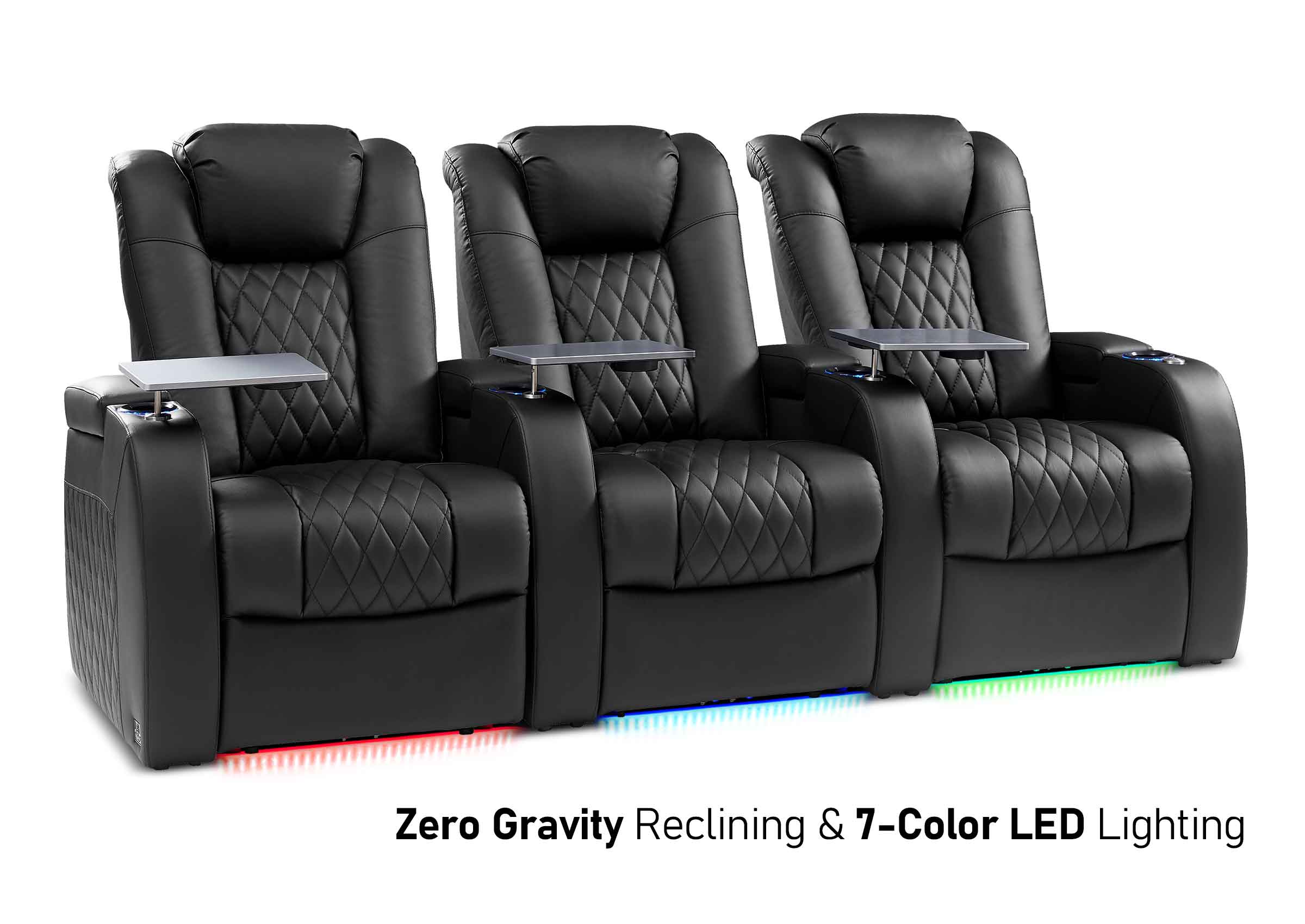
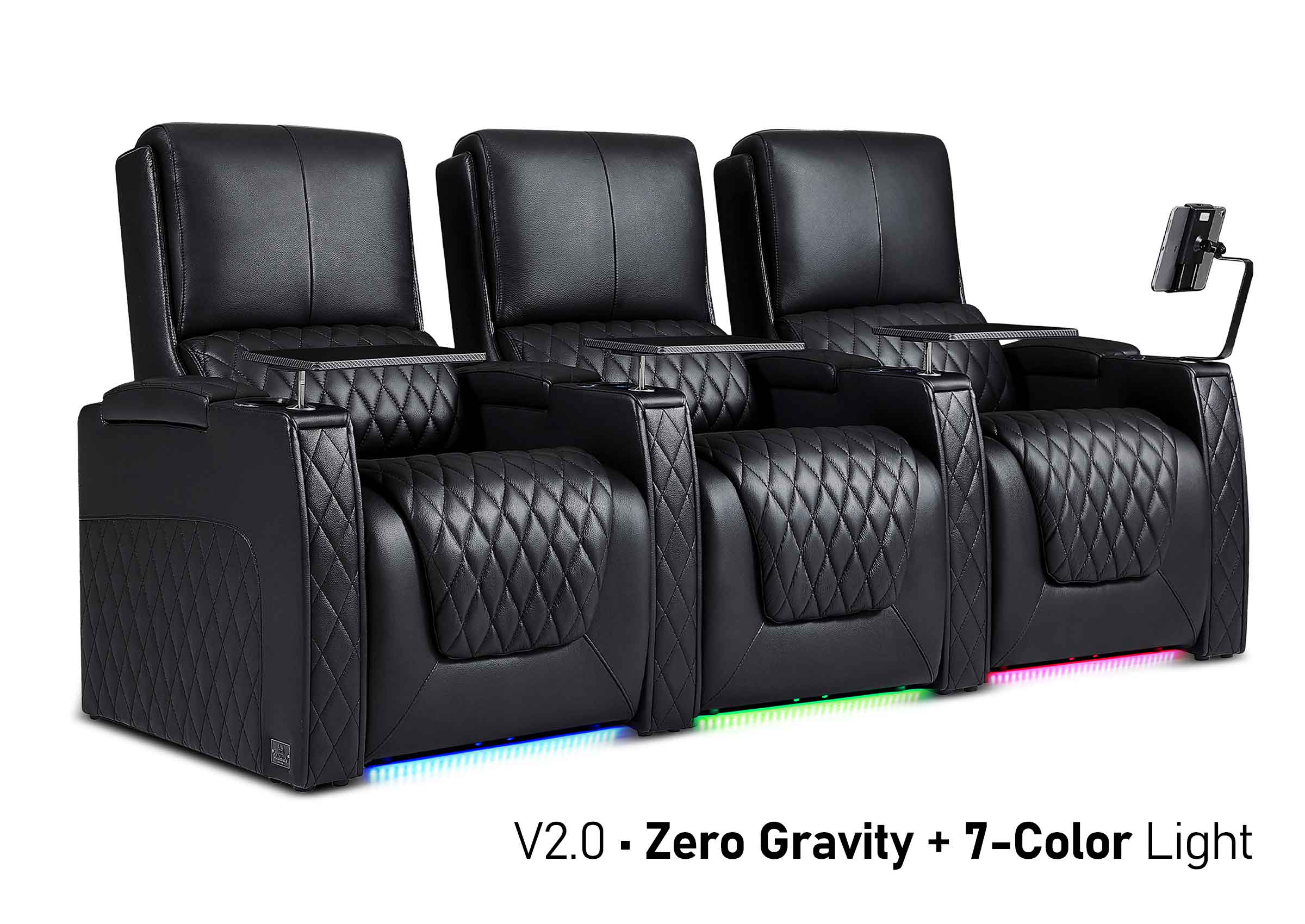
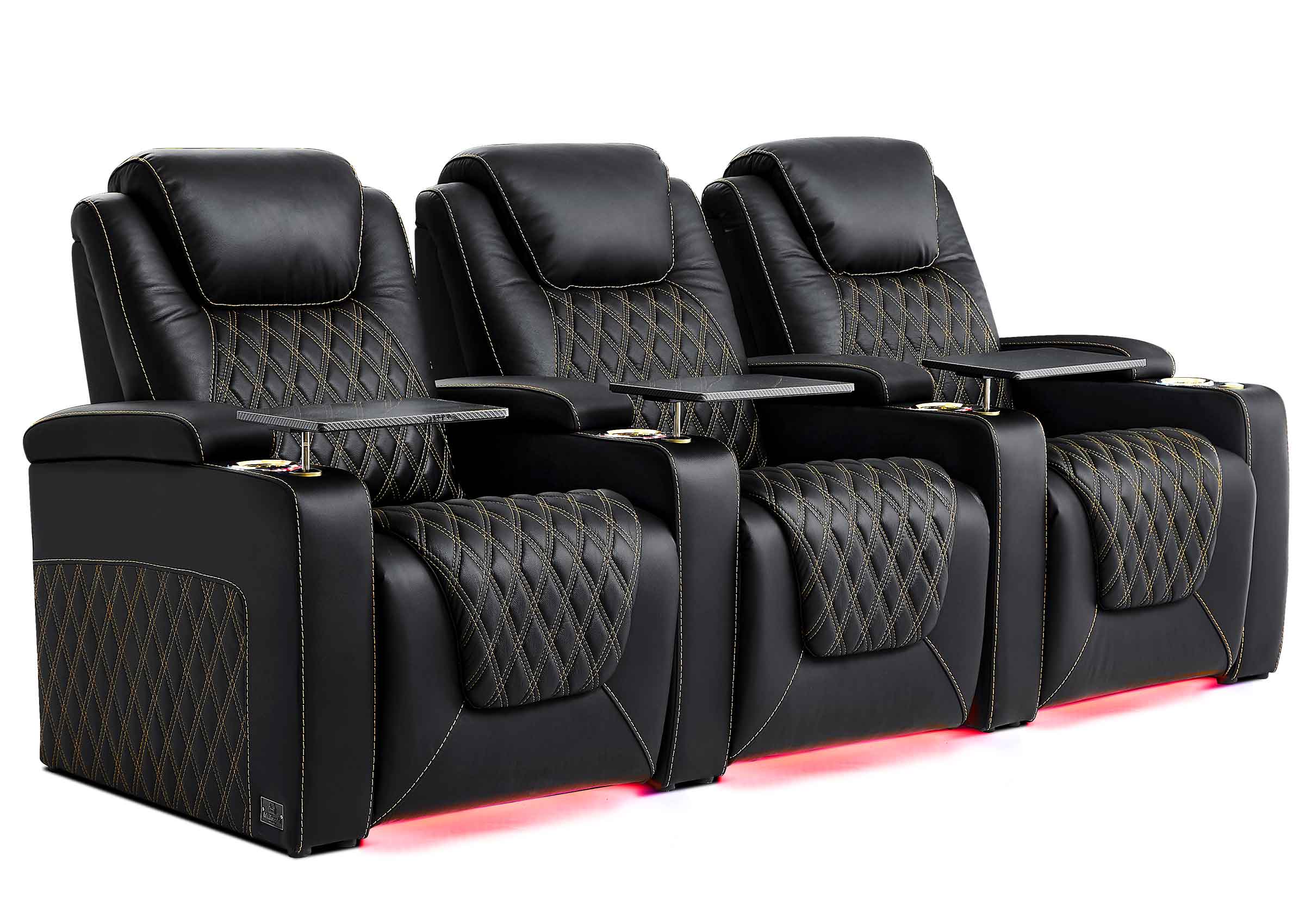
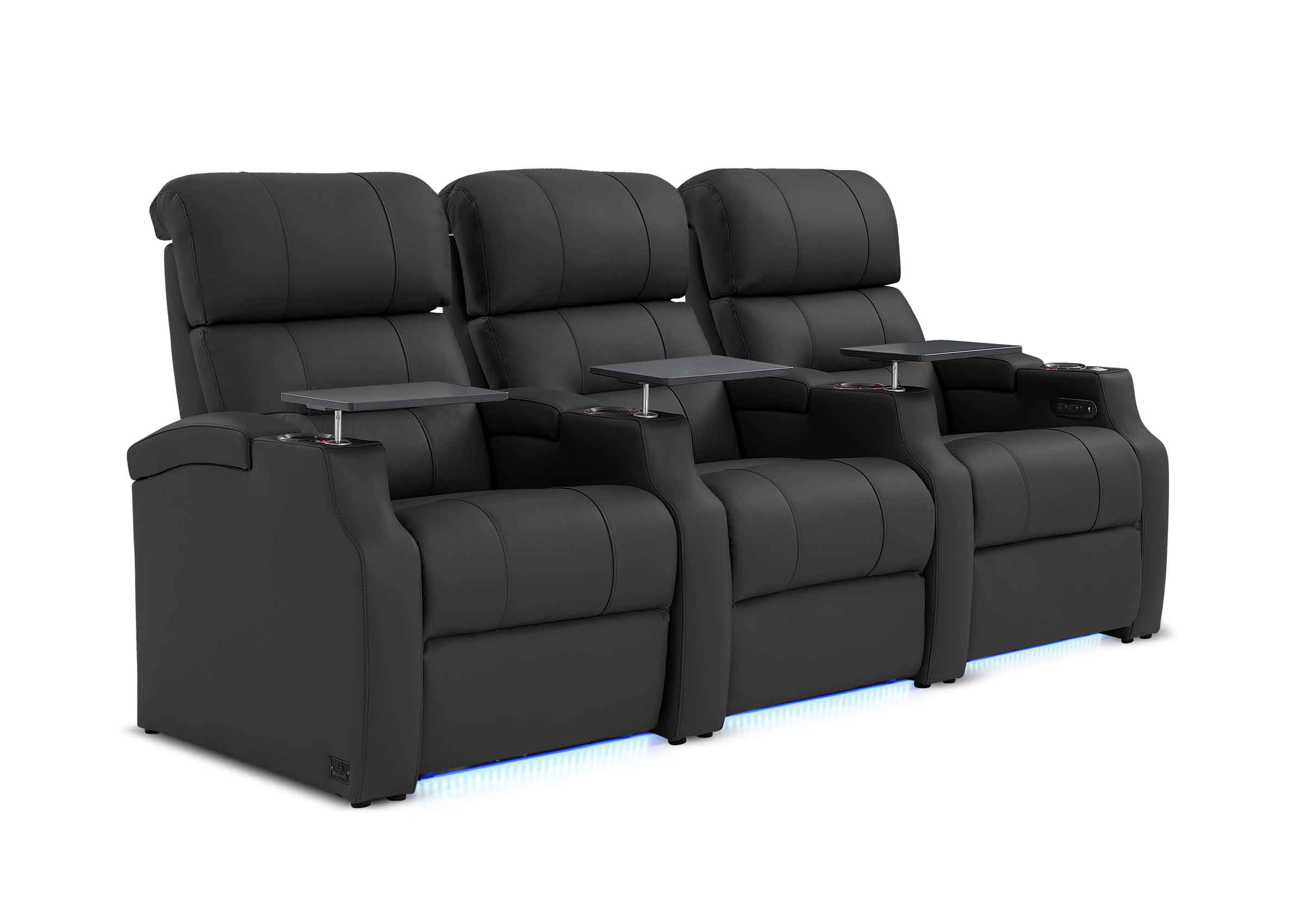
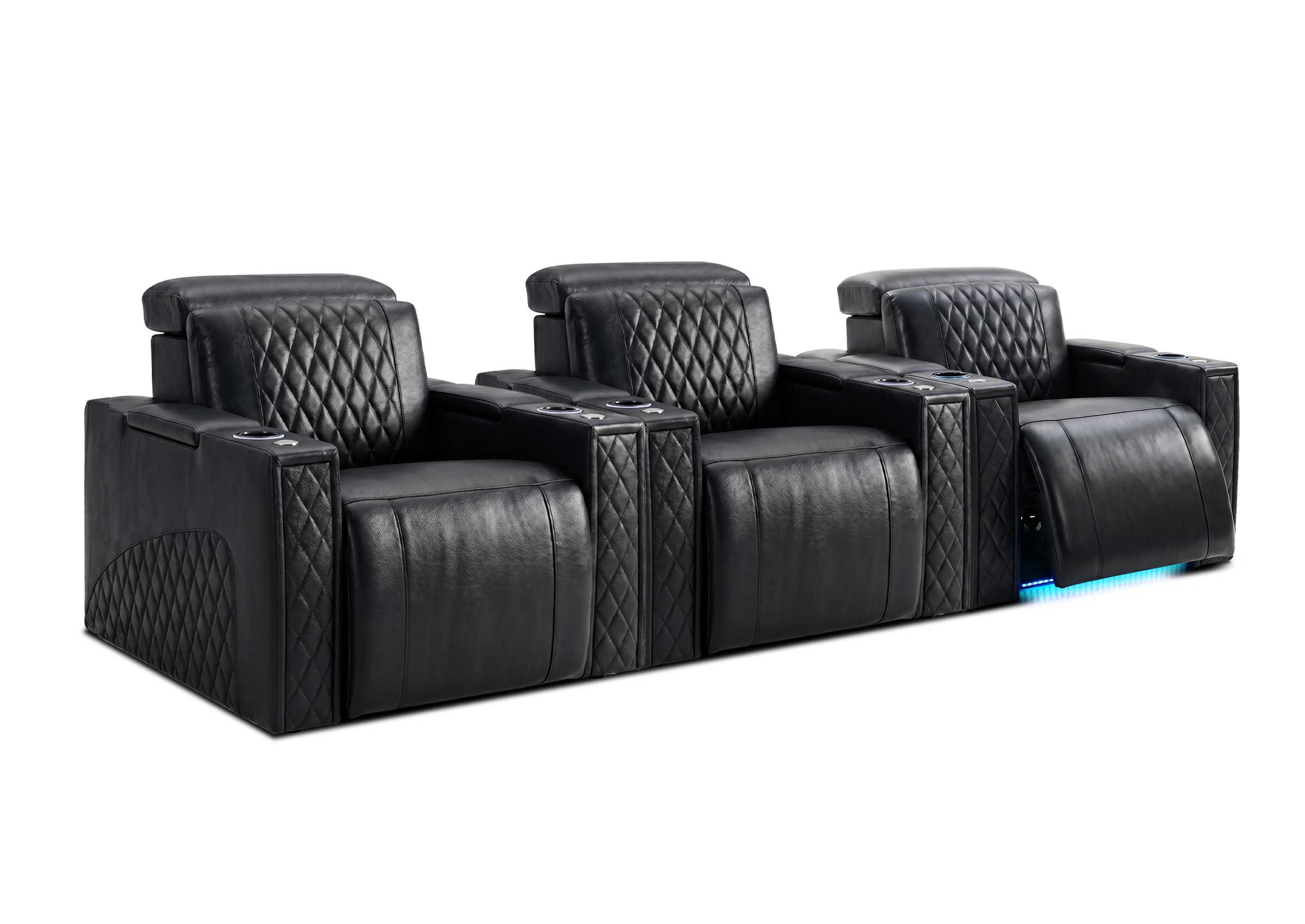

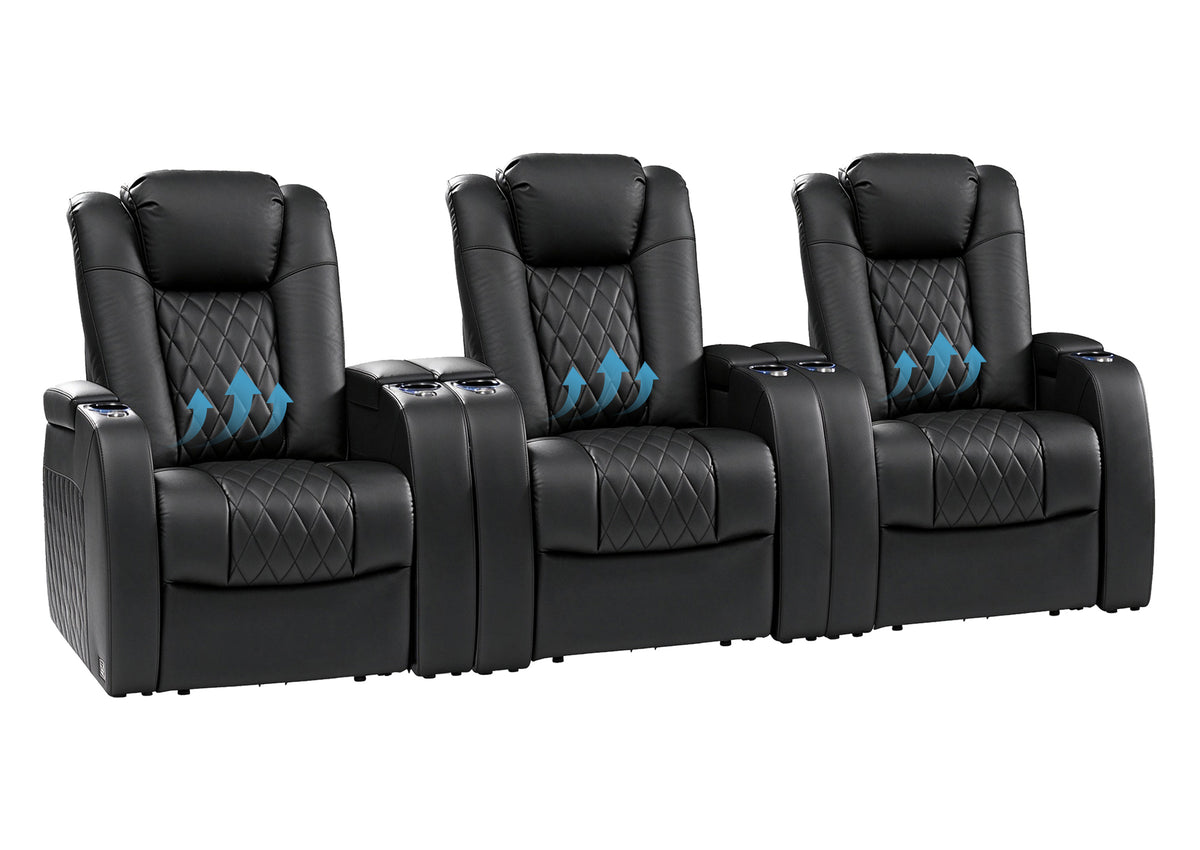
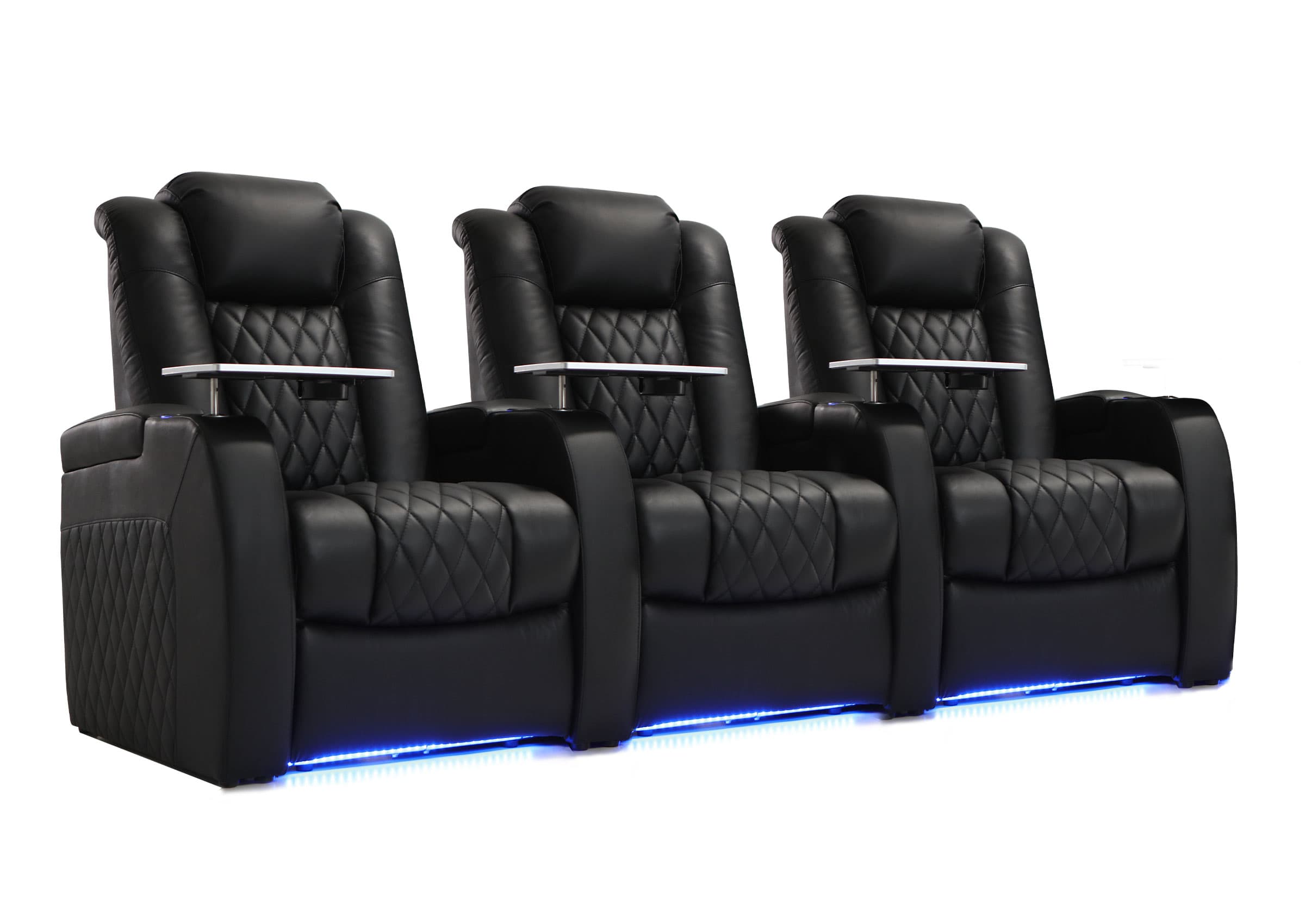
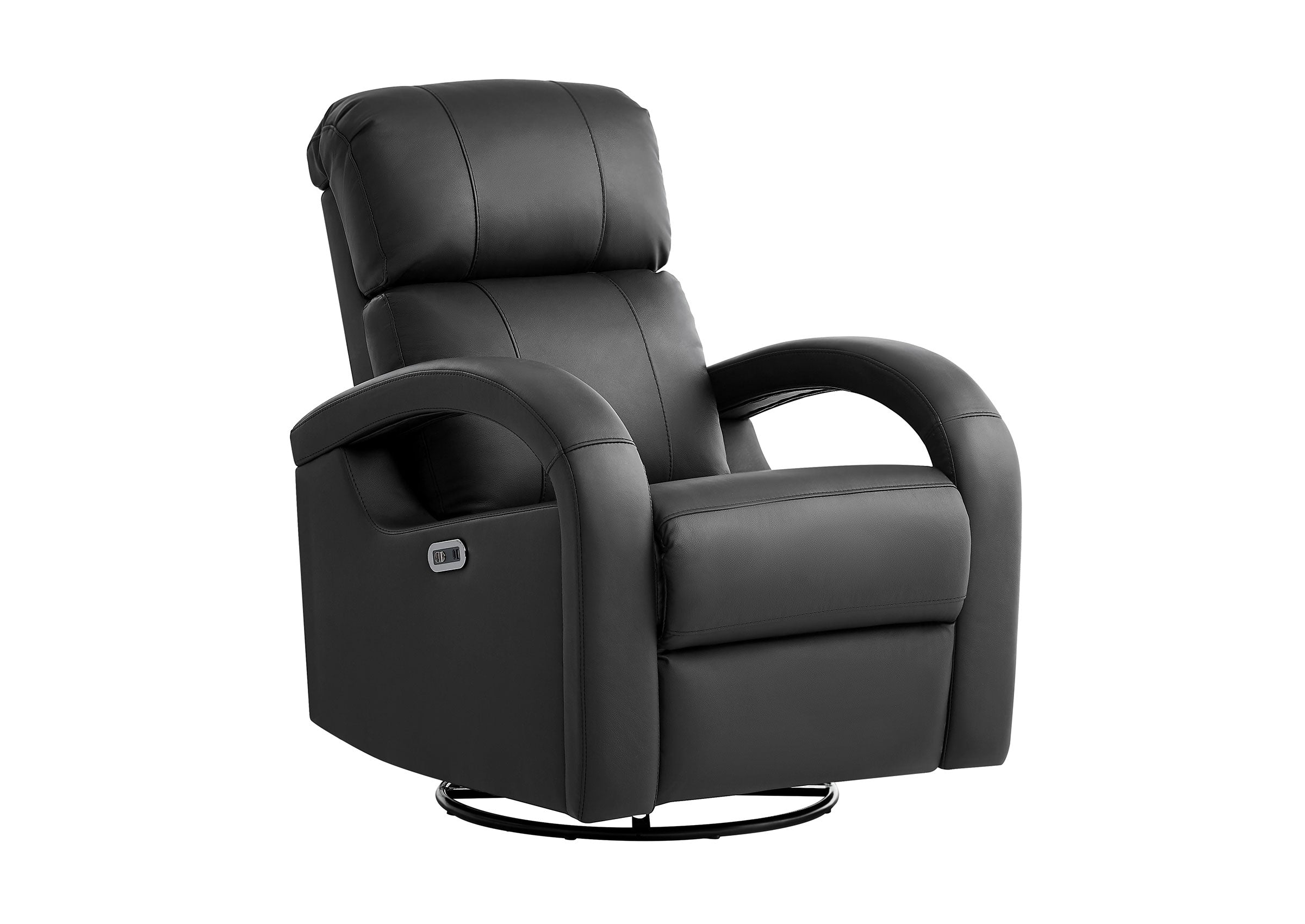
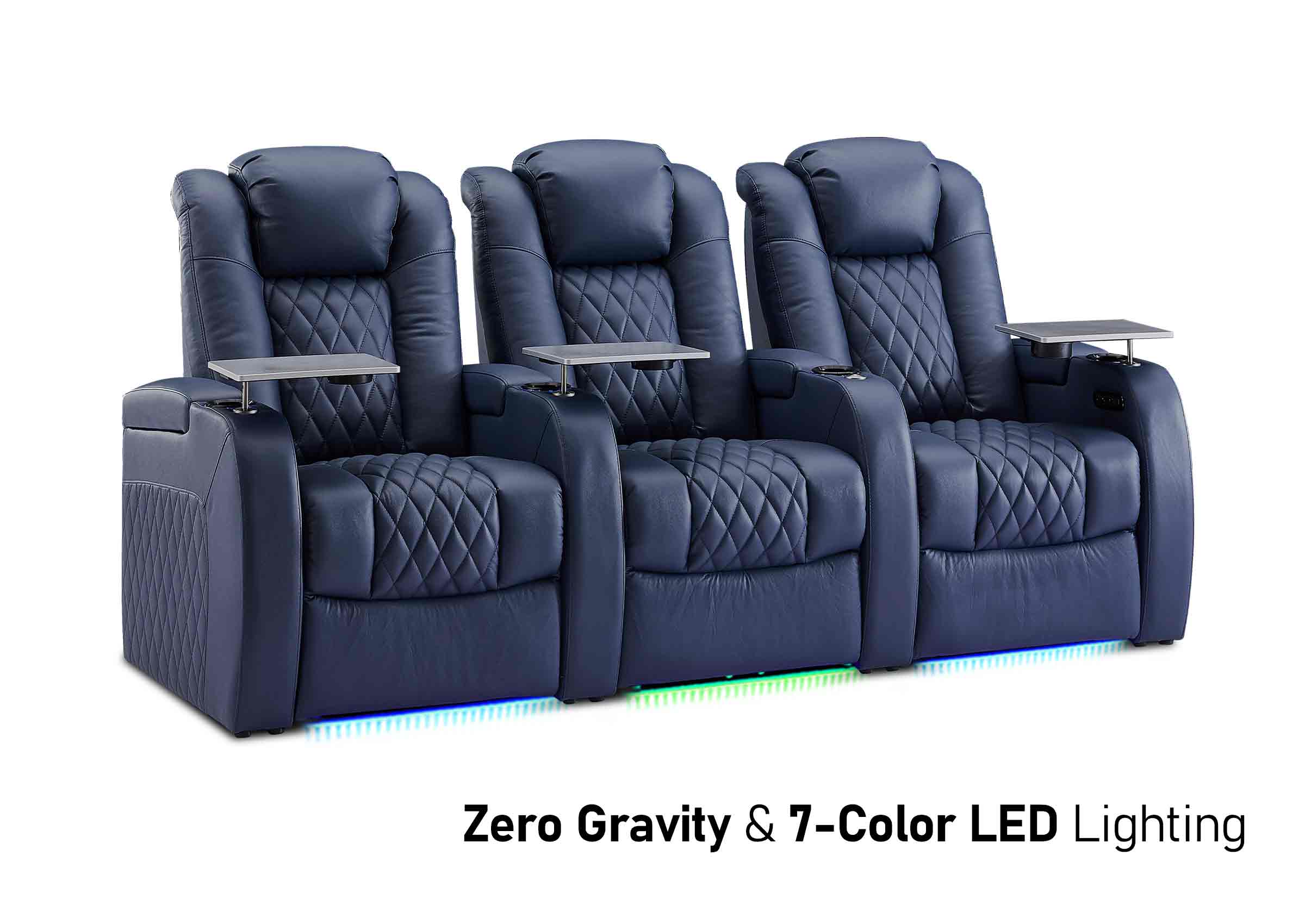
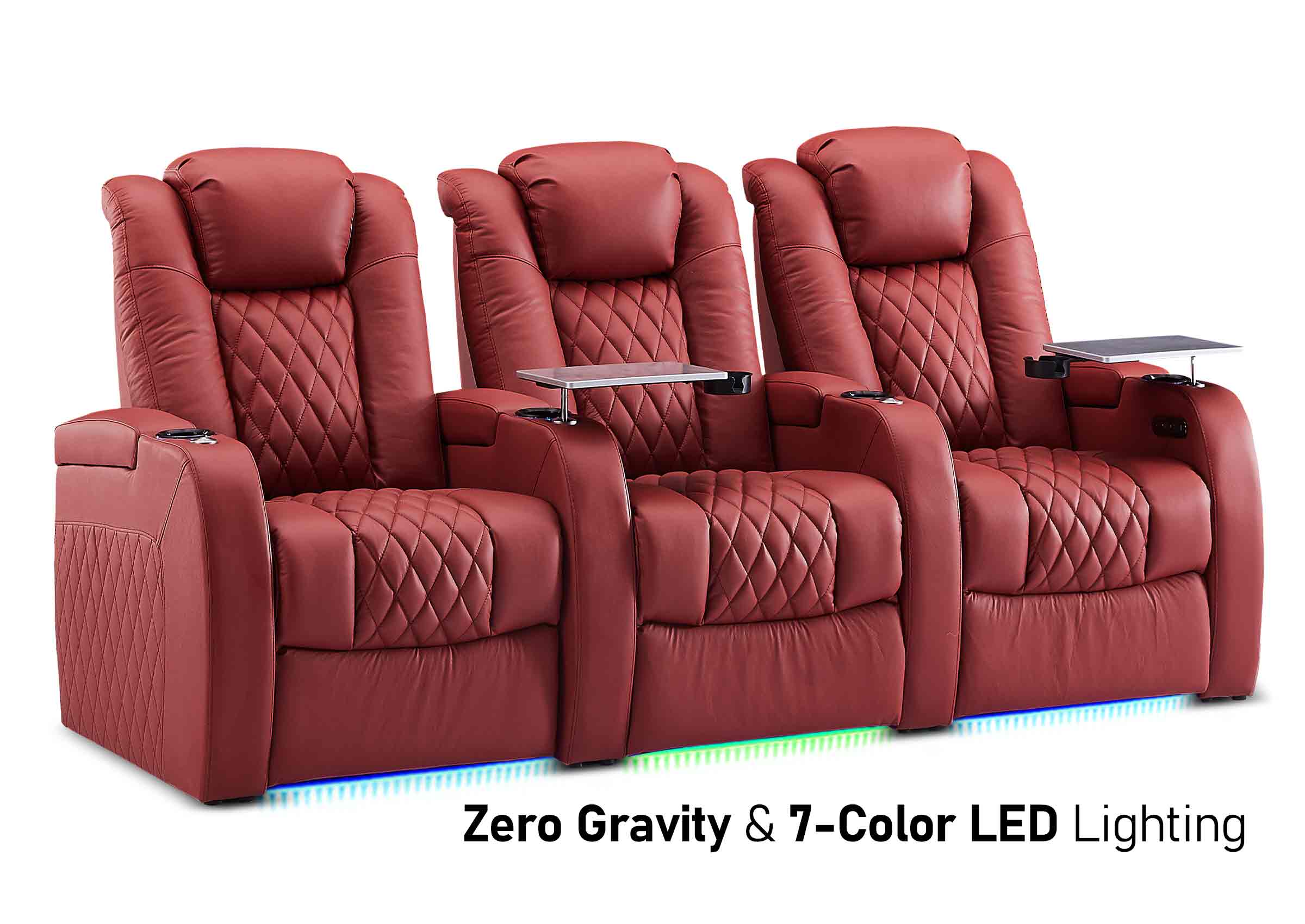
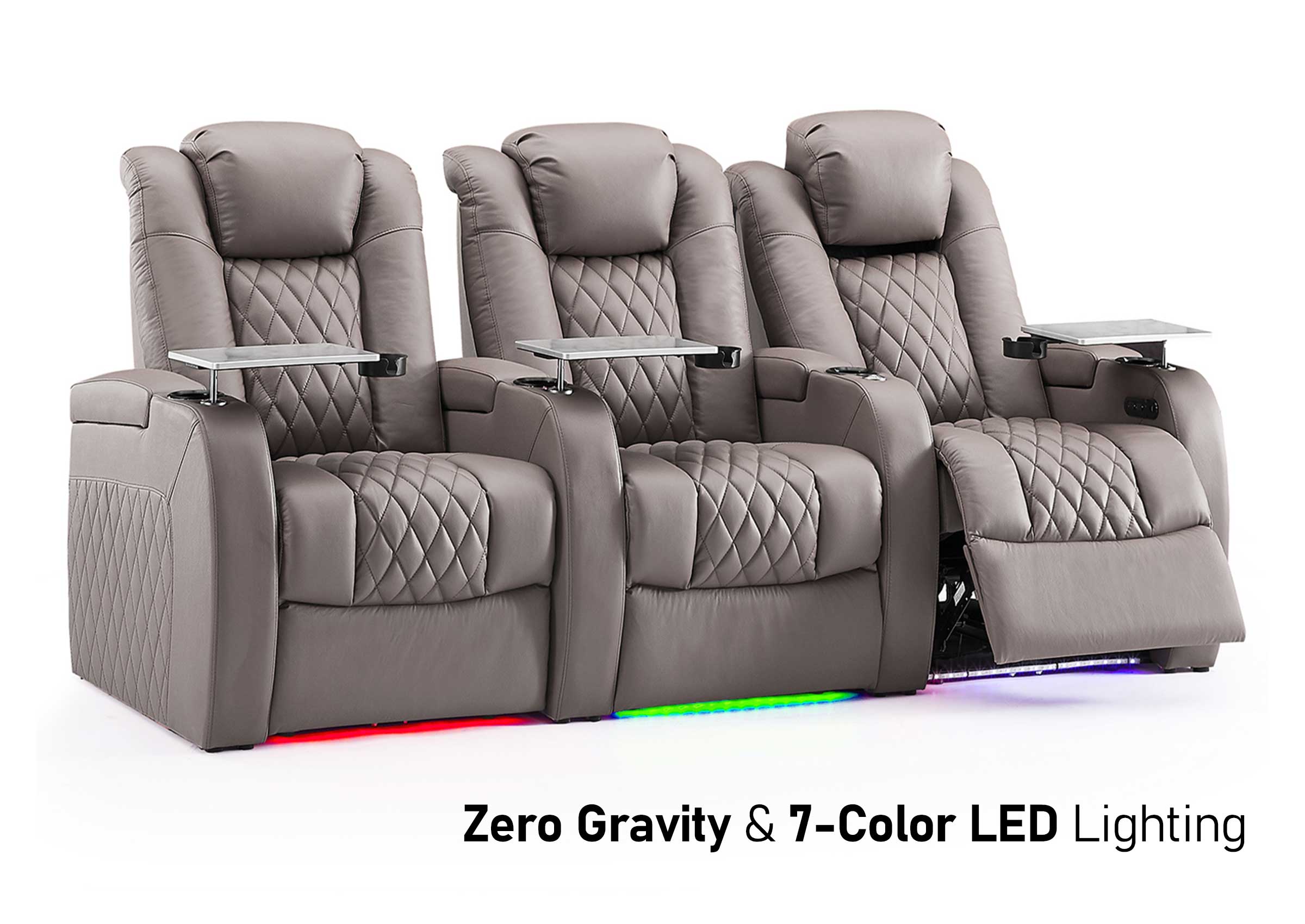
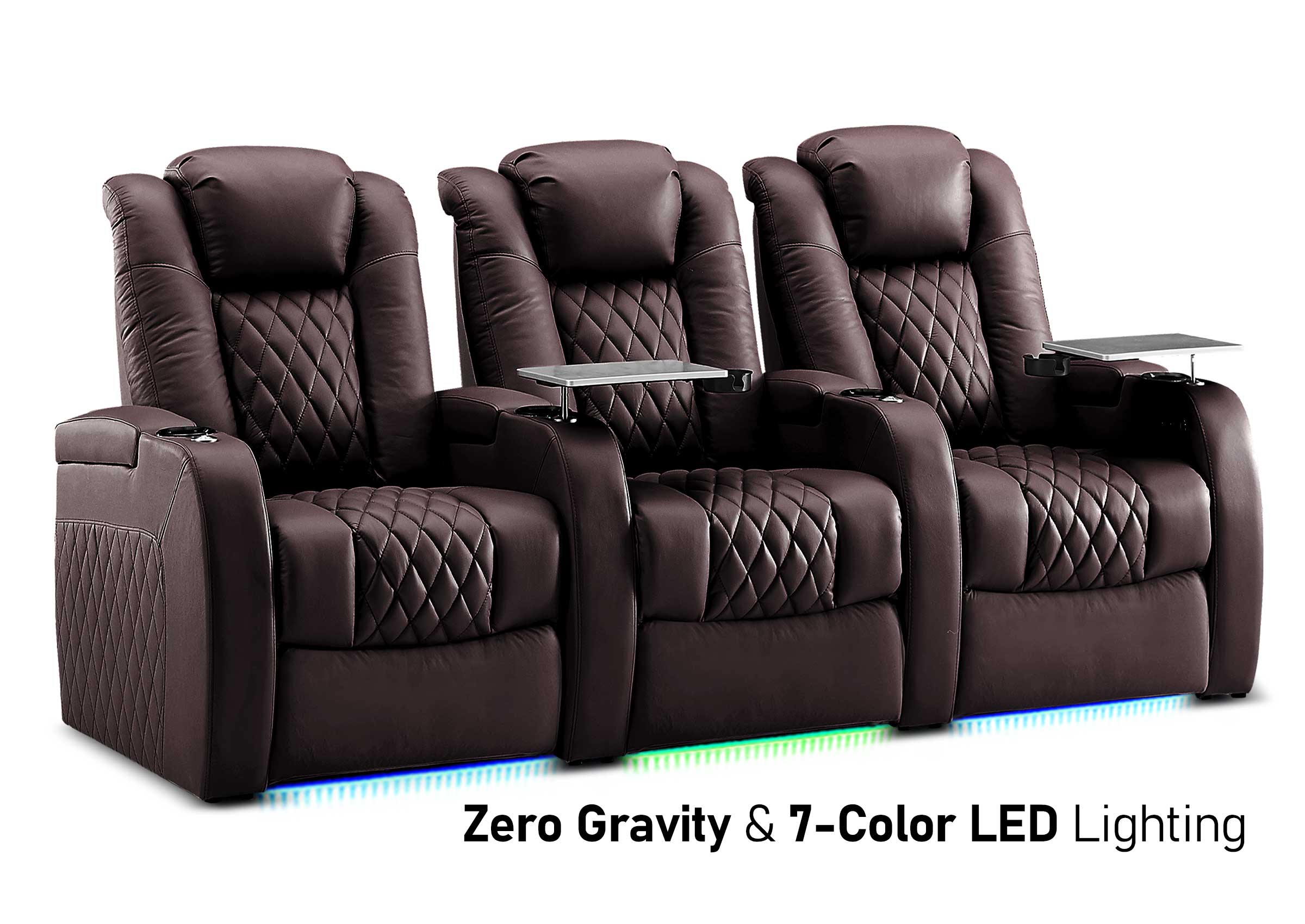

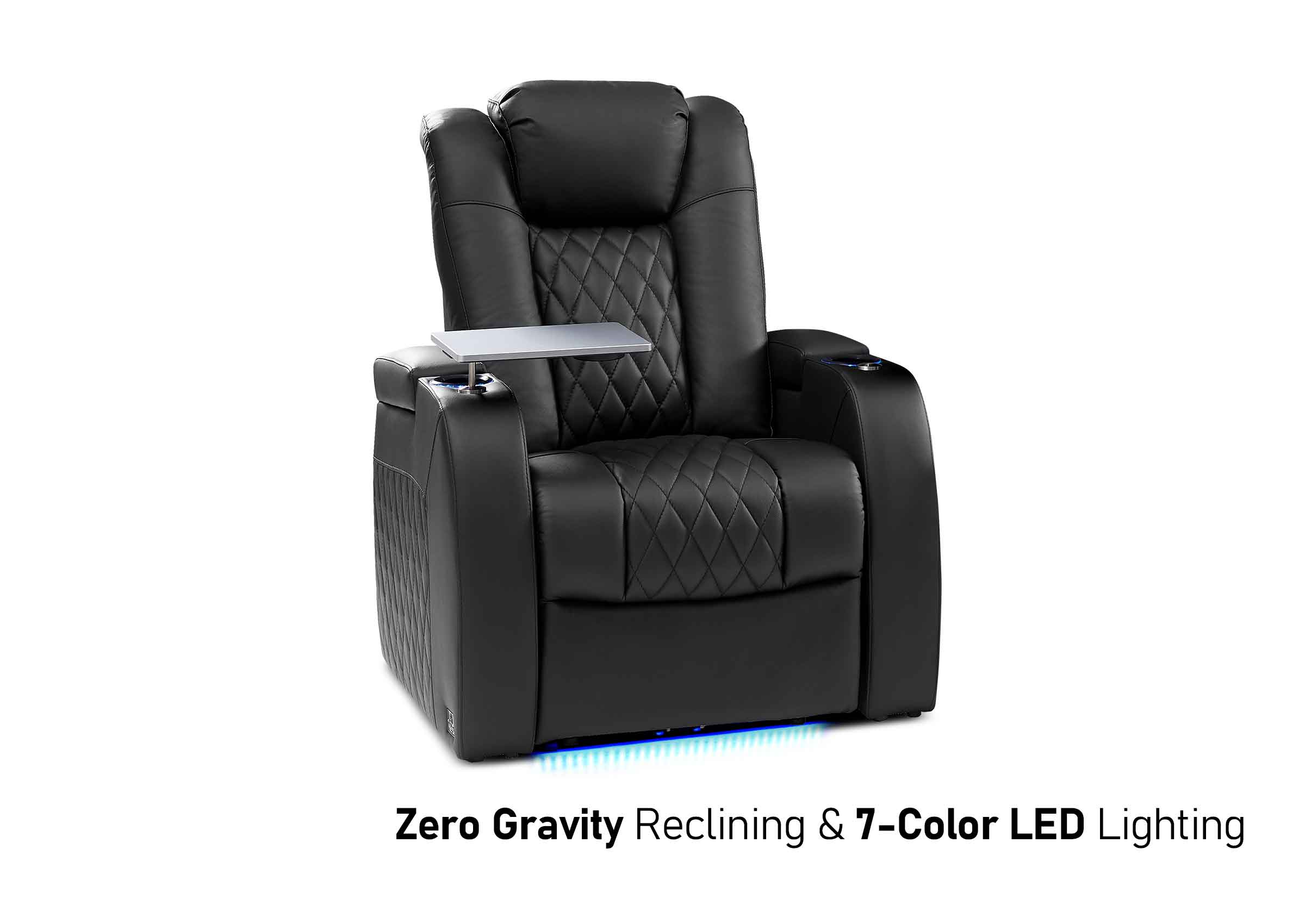
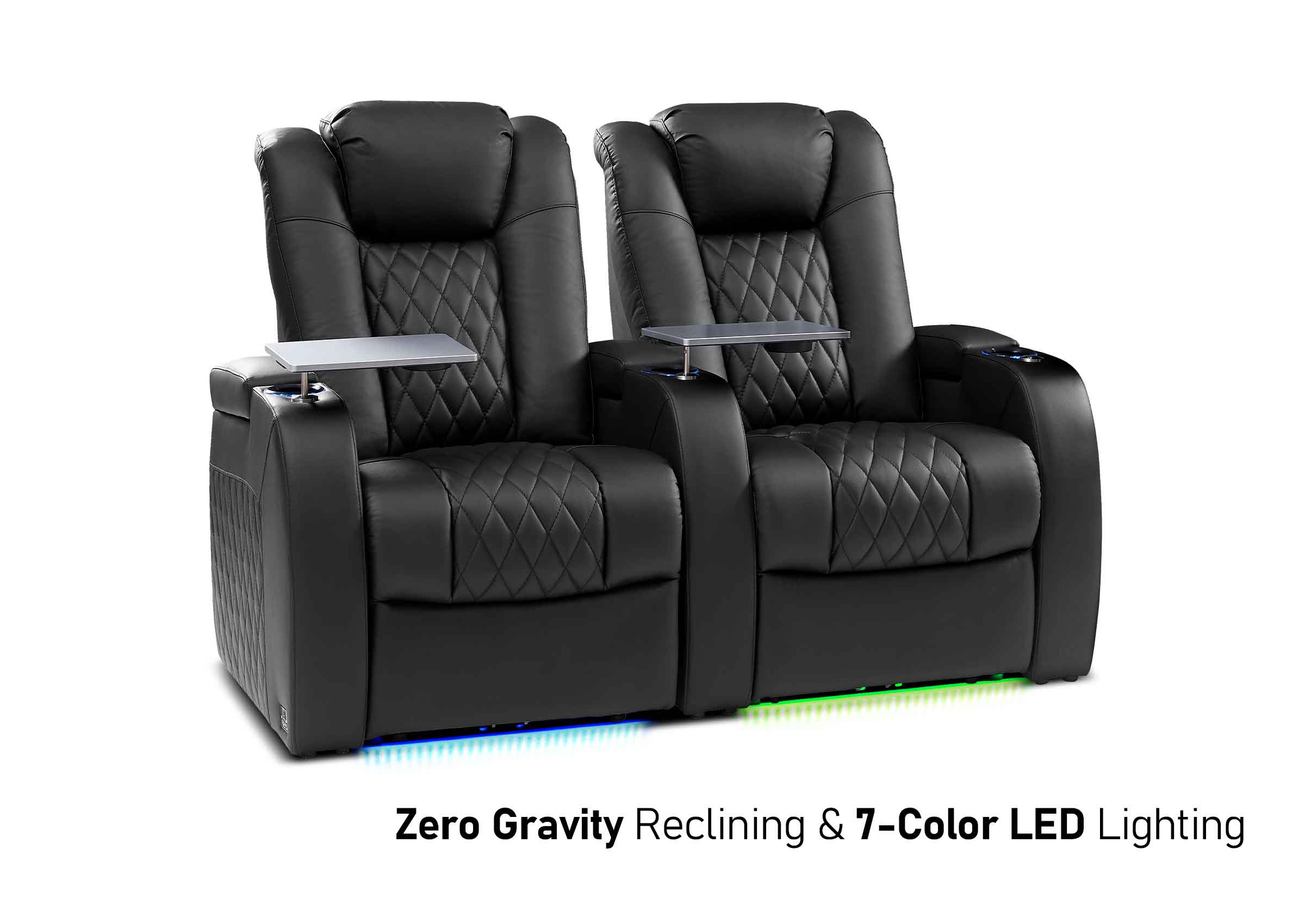
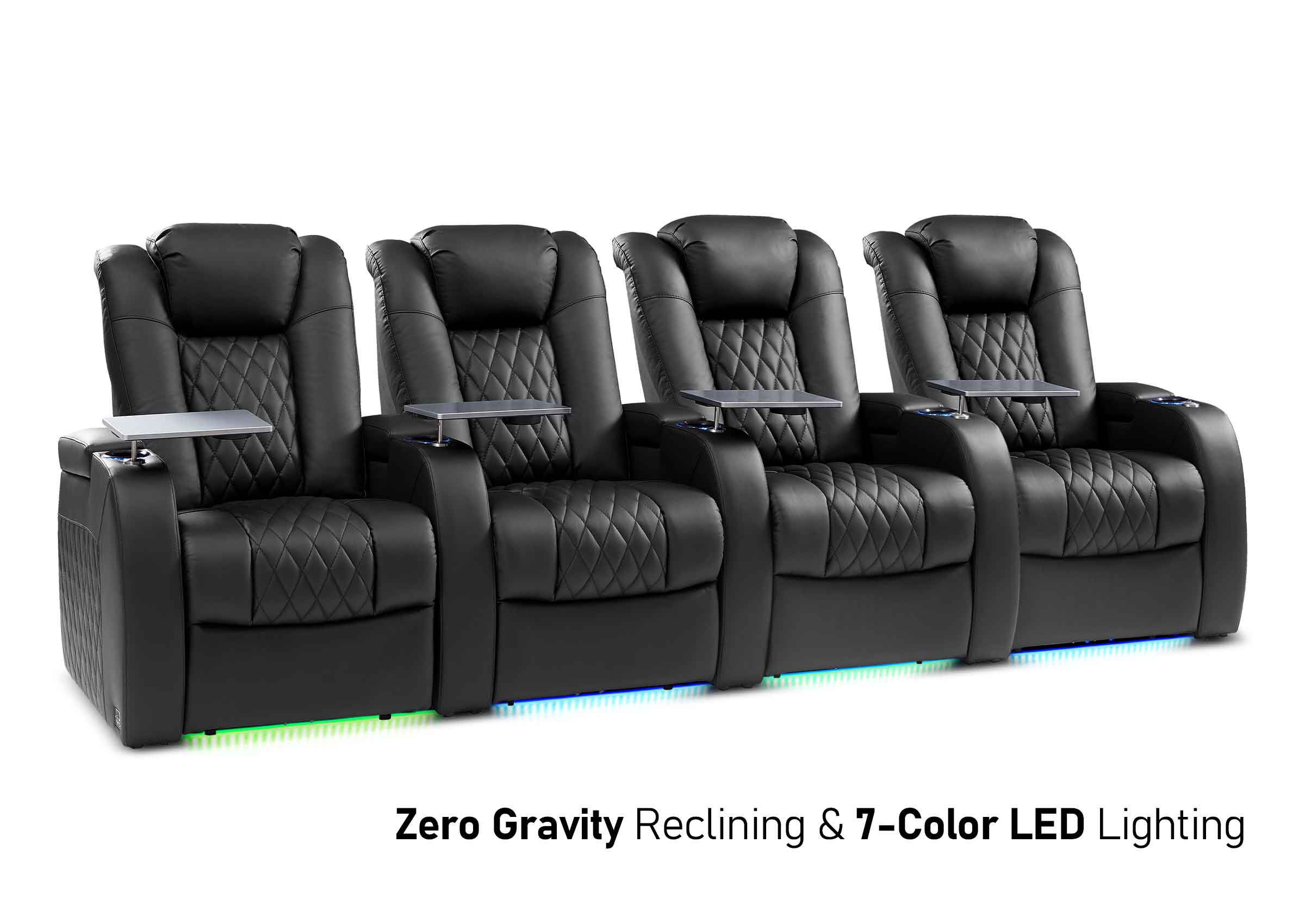
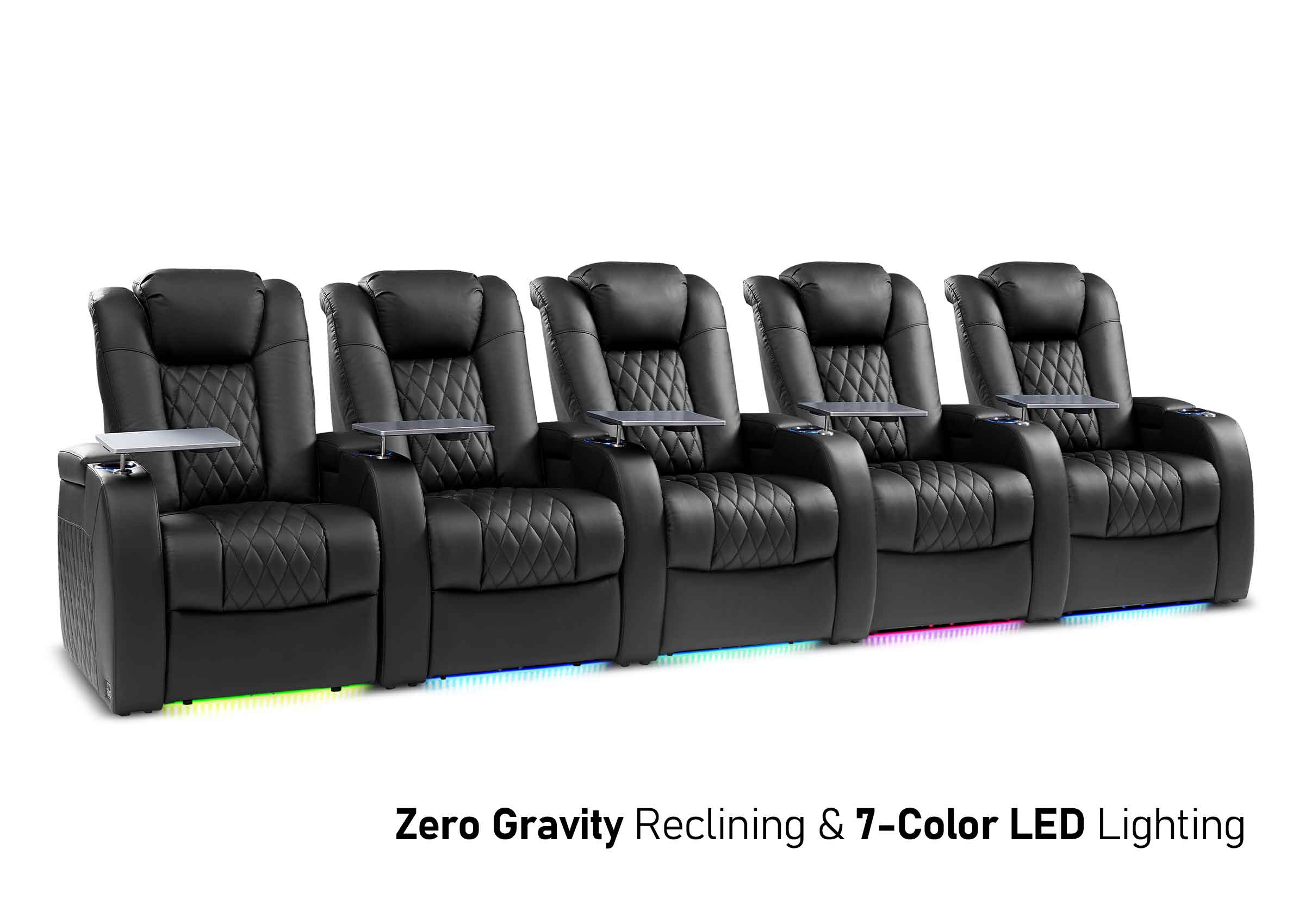
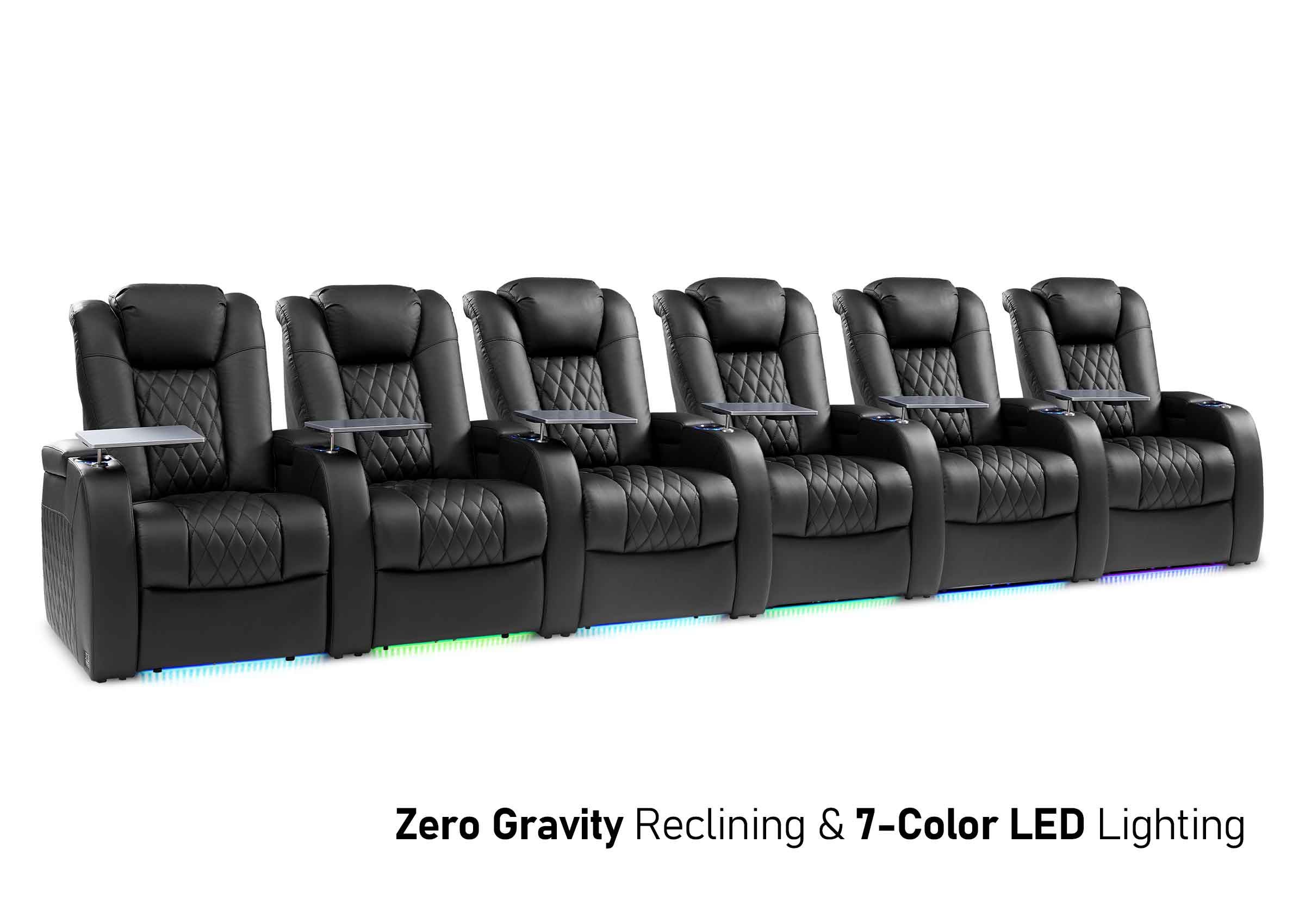
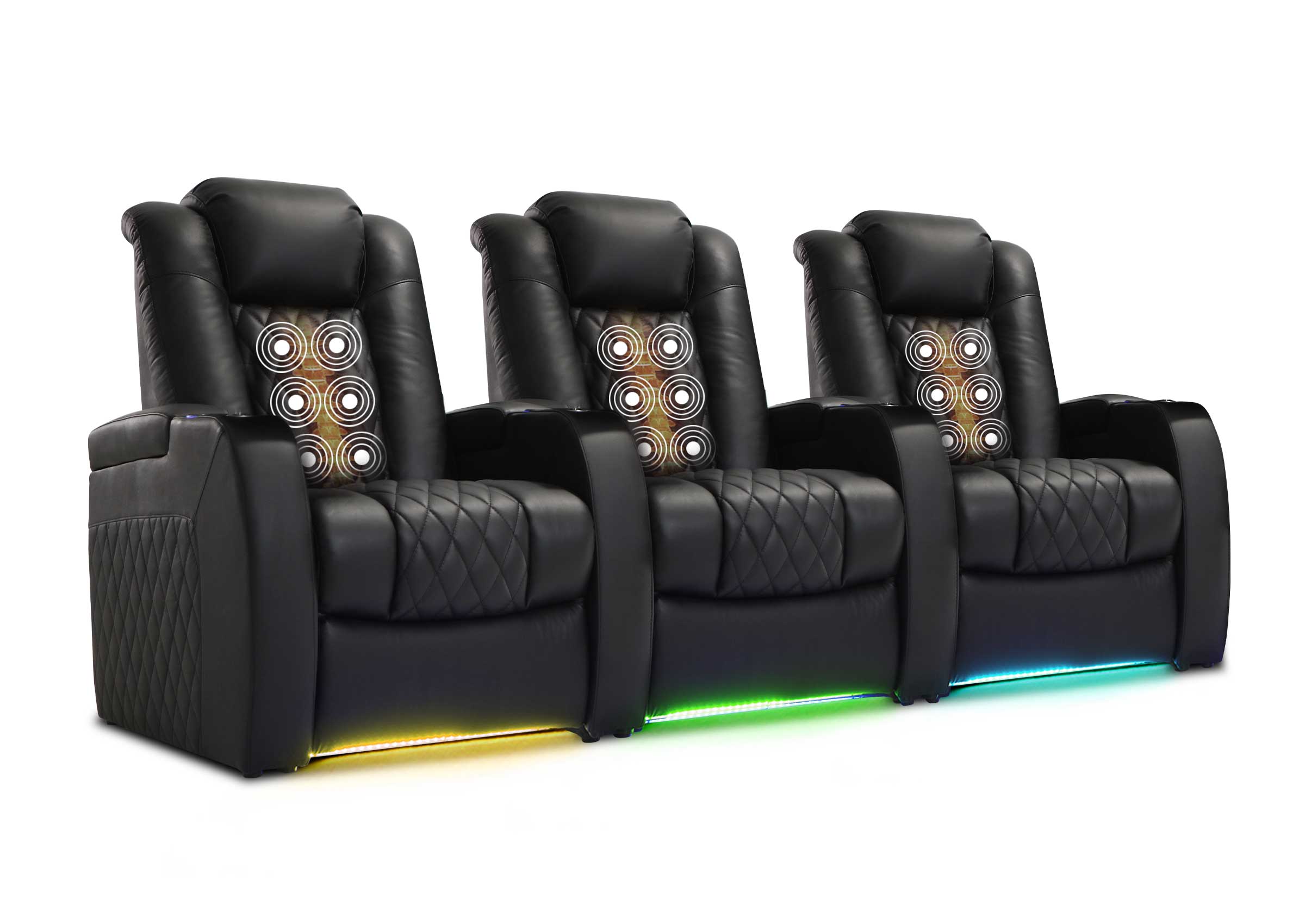
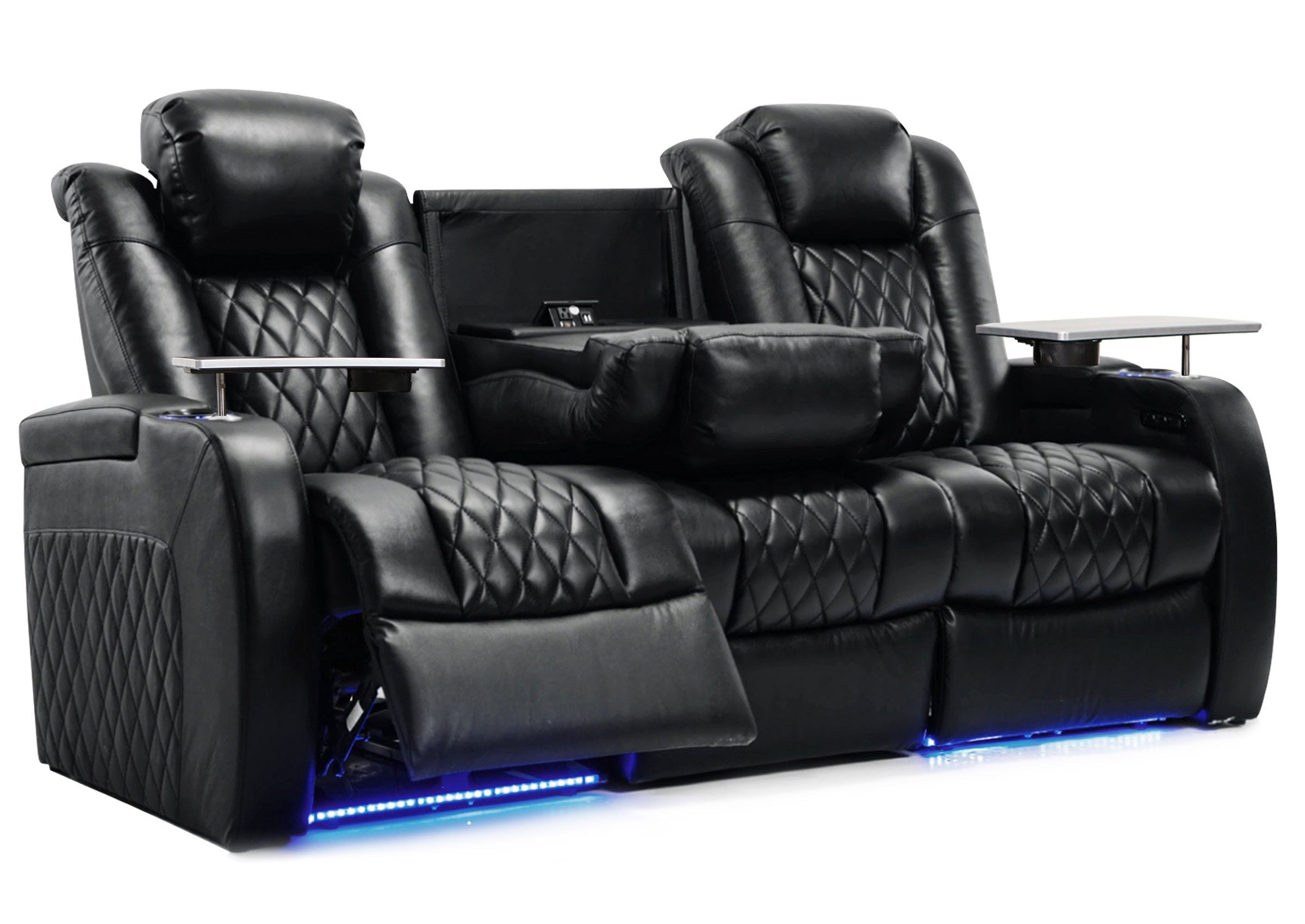
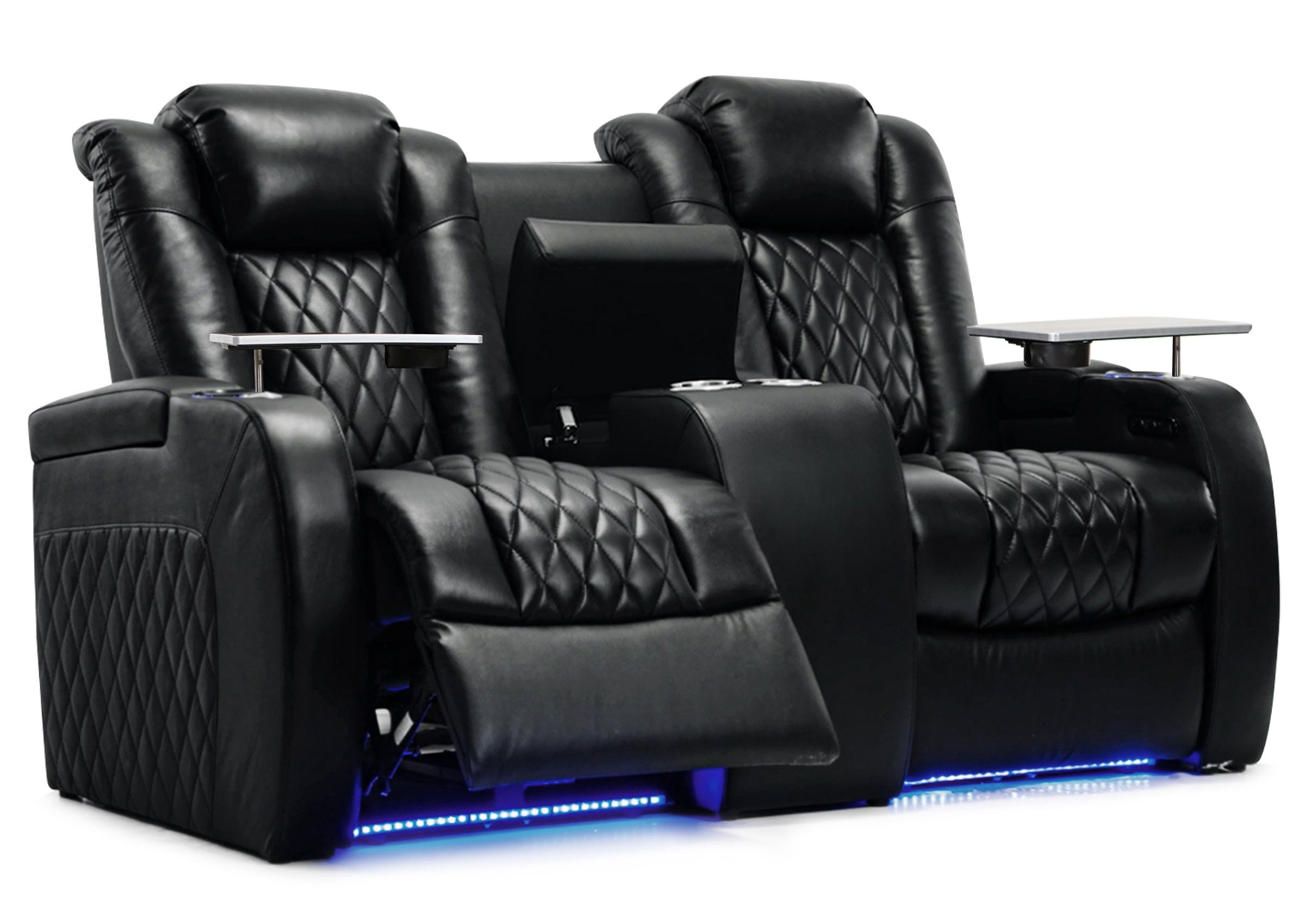


A sofa and loveseat set gives you two independent pieces to position around a room. A sectional connects seating into a larger arrangement. Neither is automatically the space-saving choice: the better setup gives your household enough useful seats while keeping the room easy to enter, cross, and live in.
Start with the layout you need, rather than the number of pieces in the photograph. Separate seating can help when you need a gap or want people facing each other. A sectional can work well when its return or chaise fits outside the room's main walking route. Both can be good choices for watching TV, hosting friends, or relaxing together.
What Are You Actually Comparing?
A sofa and loveseat pairing usually means a larger sofa plus a shorter two-person sofa. A matching set coordinates their appearance, but matching upholstery does not determine whether the arrangement works.
A sectional combines sections into a connected layout, which may include a corner, chaise, or reclining seats. Some sectionals support later rearrangement; others have one intended configuration. Likewise, a separate sofa and loveseat can both recline. Treat layout, reclining function, and reconfigurability as separate decisions.
Here is where each arrangement can earn its place:
| Your priority | Sofa and loveseat pairing | Sectional |
|---|---|---|
| Keeping an opening between seats | Independent pieces let you position a gap where the room needs it | Check whether the return leaves another workable route |
| A shared lounging area | May need an ottoman or a sofa long enough for stretching out | A chaise or corner may support the way you lounge |
| Conversation across a table | Pieces can face each other or meet at an angle | Check whether the selected shape places people at useful angles |
| Changing the arrangement later | Each complete piece can move independently | Depends on the modules, connectors, and supported layouts |
| Seating the same household | Check both pieces' usable sitting space | Check each position, including the corner or chaise |
The comparison is between two complete arrangements, not one loveseat and one sectional. Include the sofa, loveseat, tables, and any footrest needed to make the separate pieces serve the same activities.
Which Layout Uses Your Room Better?
Draw the room before drawing either sofa arrangement. Mark doors and their swings, built-ins, the TV or fireplace, and the routes people actually take. A room's total area does not tell you whether a sectional return blocks the doorway.
Then trace both furniture layouts to scale using the dimensions of real candidates. For the pair, include the space between the pieces. For the sectional, include the full return or chaise depth. Add the coffee table, side tables, and other furniture you intend to keep.
Two separate pieces can form an L just as a sectional can. The difference is what happens at the corner: you may gain a useful opening, or you may create a pocket occupied by two arms and an end table. That pocket belongs in the comparison.
A sectional may use a corner efficiently if its shape follows the room and its seats remain easy to reach. It may also project into the only practical route between the entry and kitchen. A sofa and loveseat can preserve that route by separating, but an oversized loveseat can block it just as effectively.
Tape the two options on the floor, one at a time. Walk between the entry, seating, storage, and adjoining rooms while carrying something you normally bring through, such as a laundry basket. Test the arrangement with the table included, not just the sofa outline. A gap that looks generous on paper may feel awkward once someone is sitting beside it.
Test the occupied layout as well as the empty one. For reclining furniture, add the manufacturer's fully extended dimensions and required clearances, then check the route with the seats in use. Open nearby doors and drawers. An ottoman that has to move every time someone crosses the room is a different compromise from one that stays out of the way. There is no single clearance number that resolves every room, user, or mechanism.
Do not count space twice. If the same strip of floor is supposed to be both the main walkway and the place where an ottoman sits, the layout needs another pass.

How Many Seats Will You Really Use?
Compare places your regular household would willingly occupy, rather than cushion counts or the seating number in a product title.
On a sofa and loveseat, measure clear sitting width between the arms and note whether a console divides the seats. Two broad arms can take up substantial outer width without adding room for another person. A deep loveseat may suit one person's curling-up routine better than two adults sitting upright.
On a sectional, look closely at the corner and chaise. Adjacent occupants may compete for legroom at the inside corner. A chaise used by one person with legs extended does not necessarily leave another comfortable upright seat at its far end. Neither feature is wasted space if lounging is the purpose; it simply serves a different activity.
Imagine a household with four regular TV viewers and occasional guests. This is a planning example, not a tested floor plan. Assign those four viewers actual positions in each arrangement. In the two-piece layout, that might mean two people on the sofa and two on the loveseat, leaving some sofa space for a visitor. In the sectional layout, check that four people still have useful places when one stretches out on the chaise. Then ask where guests would sit without making the regular seats uncomfortable or blocking the route out.
Treat those as simultaneous uses. If a position works only when the person beside it moves their legs, record it as an occasional compromise rather than an equally useful everyday seat.
The result might favor a sectional with a useful return, or a pair that gives each viewer a clearer position. Do not assume the larger-looking option wins.
If possible, sit in the candidate furniture together. Check how people share the cushions, where their feet land, and how someone reaches a table. Your useful seating capacity is the capacity that works for the people and activities you expect.
Will People Watch TV, Talk, or Stretch Out?
A sectional is not automatically a TV solution, and a sofa and loveseat is not automatically a conversation solution. Orientation decides more than the label.
For daily TV use, start with the places your household will occupy most often. Can those people face the screen without turning their heads for the whole movie? A loveseat positioned at a right angle may leave its users looking sideways. A long sectional return can create the same problem.
For conversation, check whether people can see and hear one another comfortably. Facing separate pieces may help, but placing them too far apart can weaken the arrangement. A corner sectional can also support conversation when the useful seats face inward and the table does not isolate one end.
When the room has a fireplace and a TV on different walls, choose which activity matters most in the everyday layout. Then test whether the secondary activity remains acceptable. Trying to give every seat a perfect view of every focal point can leave neither arrangement convincing.
For lounging, identify who actually needs a place to put their feet up. A shared chaise, separate ottoman, and reclining seat solve different needs. Check whether using that feature leaves other people enough room.
How Much Can You Change After Buying?
Separate pieces offer one clear kind of flexibility: the sofa and loveseat are each complete furniture items. You can move one without having to reconnect it to the other, provided both fit their new positions.
That does not mean each piece will suit every future room. A long sofa still has to fit through the delivery route and along a usable wall. Two bulky pieces can be harder to accommodate than a sectional made from small modules.
Some sectionals are built for changes. For example, IKEA's VIMLE series description explicitly describes combining sections. That is an example of a particular system's design, not evidence that every sectional is reversible or expandable.
Before paying extra for flexibility, ask what the exact configuration supports. Can the chaise switch sides? Can a middle section be removed? Are disconnected sides finished for independent use? Are compatible additions actually available, and are you relying on their remaining available later?
For either option, draw a second arrangement you would actually use: perhaps moving the loveseat to a window wall or reversing the main seating direction. If the pieces cannot support that change, do not pay for hypothetical flexibility simply because the furniture comes apart.
Also separate furniture fit from delivery fit. Obtain the dimensions of the largest delivered component or package and check the doorways, stairs, elevators, and turns on its route. Assembly in several pieces does not prove the furniture can become several independent sofas.
PLAN FOR REAL FLEXIBILITY
Buying flexibility? Check what can actually change.
If future rearrangement is deciding the purchase, use our modular sofa versus sectional guide to check what the advertised flexibility actually includes.
What Does Each Complete Setup Cost?
Compare complete quotes that serve the same household needs. A sectional's ticket price and the price of a sofa alone are not equivalent options.
For separate seating, include both pieces and anything added to make the arrangement usable, such as an ottoman or an extra table. For a sectional, check that the quote includes the pictured return, corner, chaise, and required connecting components. Confirm delivery and assembly charges for both.
Then compare what is inside the price: upholstery, construction, reclining functions, configuration, and the terms applying to the actual purchase. A cheaper layout with different materials or fewer functions does not establish that its furniture category is better value.
Think about partial replacement, too. Keeping a usable sofa and buying a loveseat can avoid replacing both pieces now. With a sectional, replacing one section depends on whether that section is sold separately and remains compatible. Neither matching upholstery nor future module availability should be assumed.
Settle the layout before letting a package discount make the decision. A set is poor value if one piece has no useful place in the room.
Use the Same-Room Test to Make the Decision
Use both arrangements to solve the same problem, then compare the compromises.
- Map the complete footprints, retained furniture, and everyday routes. Reject an option that cannot fit or reach the room.
- Put the same regular occupants in specific seats. Check their main activity and where occasional guests could go.
- Compare the remaining trade-offs: lounging, conversation, realistic rearrangement, and the complete quote.
Before calling either option a pass, check the least convenient everyday seat. A layout that works beautifully for the person choosing it may leave a partner with the awkward screen angle or the route everyone steps through.
When both layouts pass, give more weight to the activity that happens most often. If two people relax together every evening and host a crowd twice a year, do not make every evening less comfortable solely to maximize occasional capacity.
If neither option works, revise the arrangement before buying. A smaller sectional, a sofa with a chair instead of a loveseat, or a different focal wall may solve the problem better than forcing a choice between two unsuitable layouts.
The useful winner is the arrangement whose compromises you can accept in everyday use, with enough room left to use the rest of the living room.
Frequently Asked Questions
Can a sofa and loveseat form an L-shaped layout?
Yes. Place the pieces at a right angle, then check what happens between their arms and at the inside corner. That gap may hold a table, provide access, or become unusable space. Include it in the full footprint. If you want people to walk through it, test the actual opening and furniture placement rather than assuming two separate pieces create a passage.
Which is better for a long, narrow living room?
Neither arrangement wins from room shape alone. Compare the depth of the furniture with the route that must remain open. Facing a sofa and loveseat across a table can consume too much width; a sectional's return can also project into the passage. Try the actual candidates on a scale plan. If both crowd the room, a sofa with a smaller chair may be a better starting point.
Do the sofa and loveseat have to match?
No. A coordinated pair can work without identical upholstery or a matching collection name. Compare overall scale, seat height, arm profiles, and color undertones so the difference looks deliberate. For example, a patterned loveseat can relate to a plain sofa through a shared color. Check samples together in the room instead of relying on two photographs taken under different lighting.
Can I keep my existing sofa and add a loveseat?
Yes, if the combined layout passes the room and seating checks. Measure the sofa you own first, including its depth and clear sitting width. Then compare the proposed loveseat's proportions and any reclining space. Use a sample or a returnable swatch where available to assess the pairing. Buying the same color name does not guarantee a match to older upholstery.
Can I have a sectional and a loveseat in the same room?
Yes, but evaluate them as a larger combined arrangement. The loveseat may serve a separate conversation area or add useful seats near the main group. Check that occupants can still enter both areas and that the added piece does not take away the sectional's access. If it merely fills open floor without adding a usable activity or seat, leave the space open.
Does a sectional have to go against a wall?
No. A sectional can define a seating area away from the wall when its back is suitable to be visible and the room supports circulation around it. Draw the route behind the furniture, not just the open space in front. For powered seating, plan connections without routing a cord across the walking path, following the product's installation instructions.
Can I switch a sectional's chaise to the other side later?
Only if that model supports it. A reversible chaise, a configurable modular system, and a left-facing or right-facing sectional are different arrangements. Ask for the supported configurations and the method for changing sides. A photograph showing similar versions, or sections that detach for delivery, does not establish that the version you buy can switch sides after assembly.
Compare Two Complete Layouts Before You Order
Keep a sketch of both arrangements, the dimensions of the pieces, and a note of who will sit where. Choose the layout that preserves the routes you use and supports the way your household spends time together.
If you are considering Weilianda seating, use Support or email leon@weiliandahome.com with your room sketch and the specific configuration you are considering. Ask about the dimensions, delivery components, and supported arrangement before placing an order.