


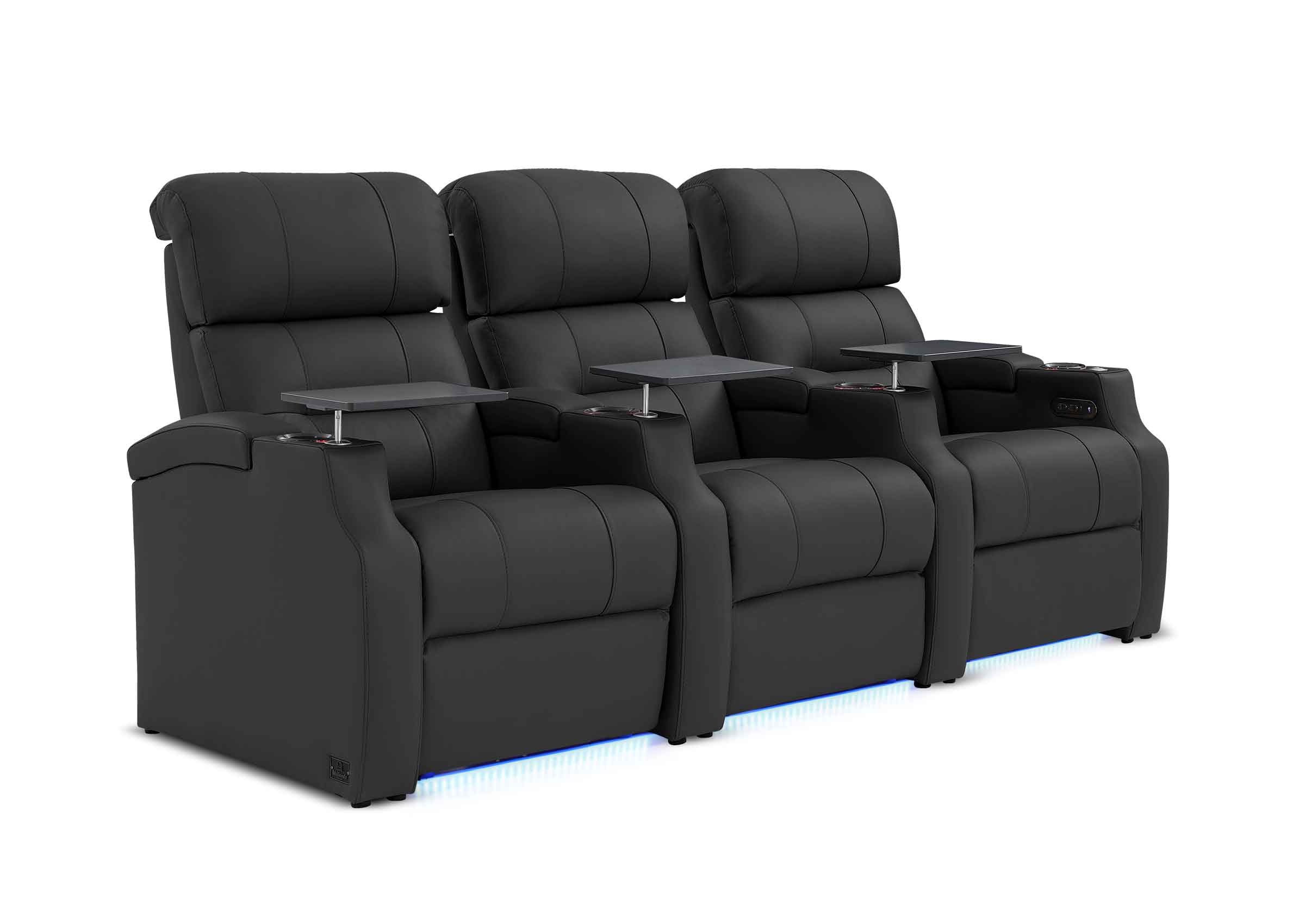
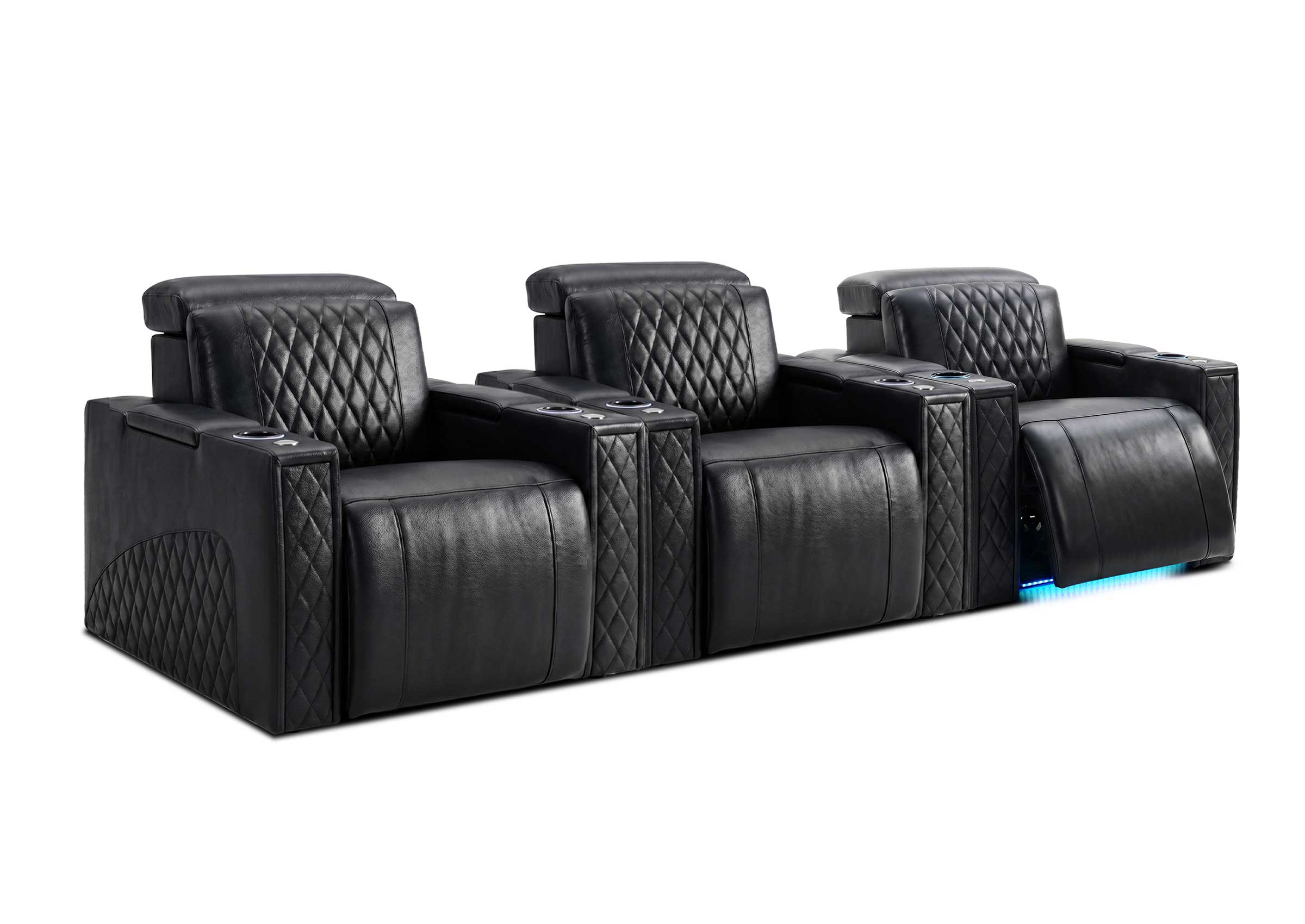

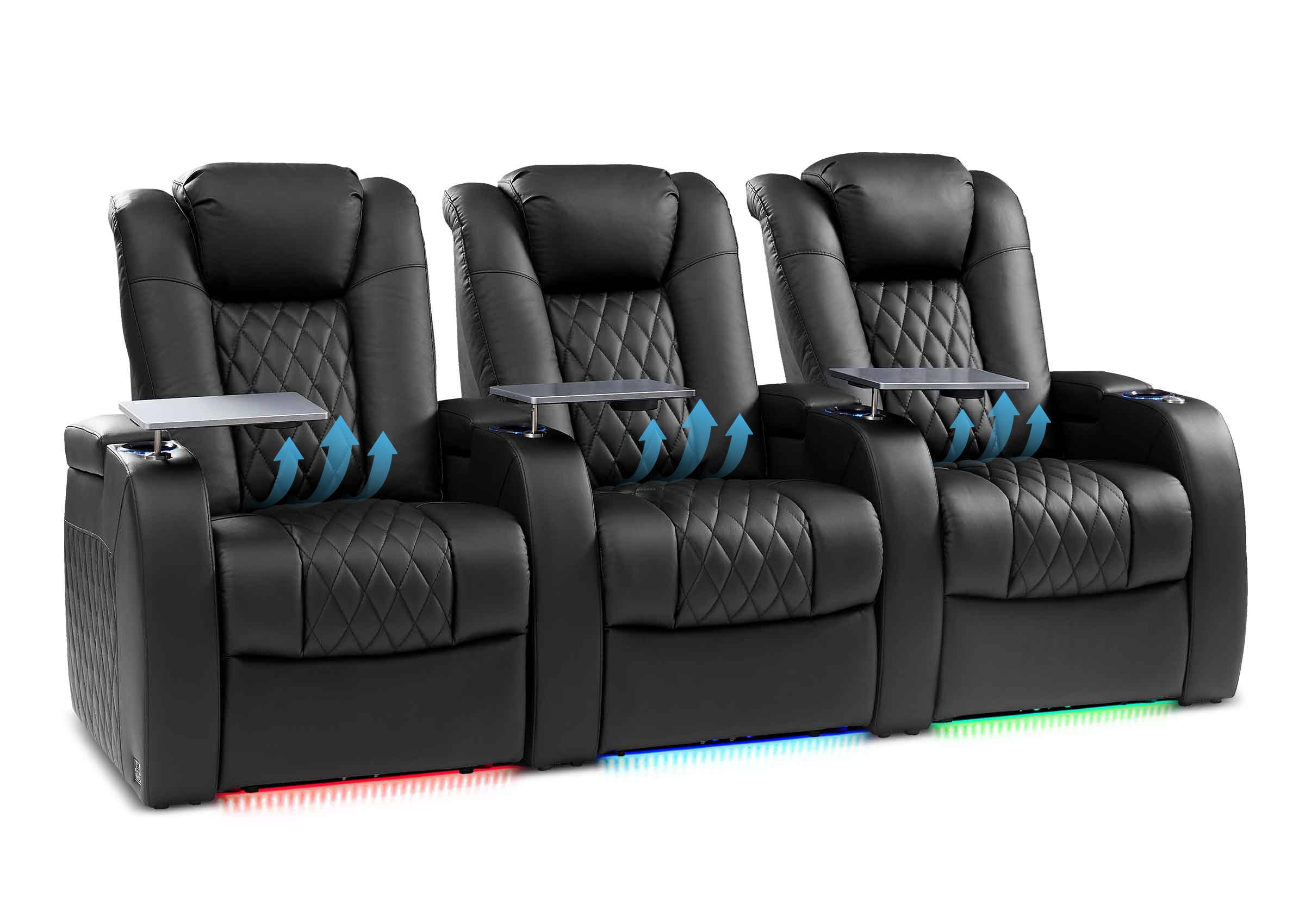
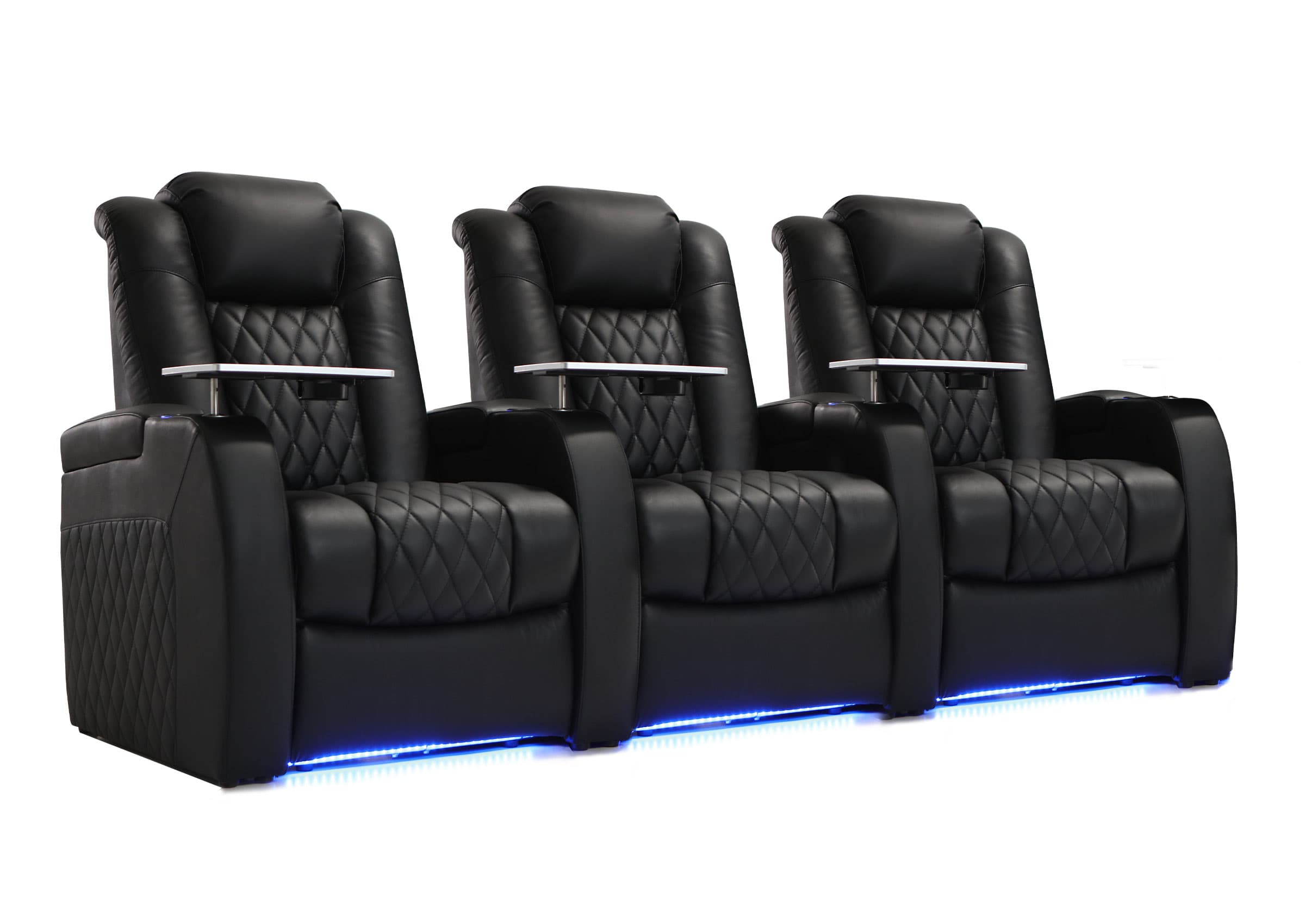


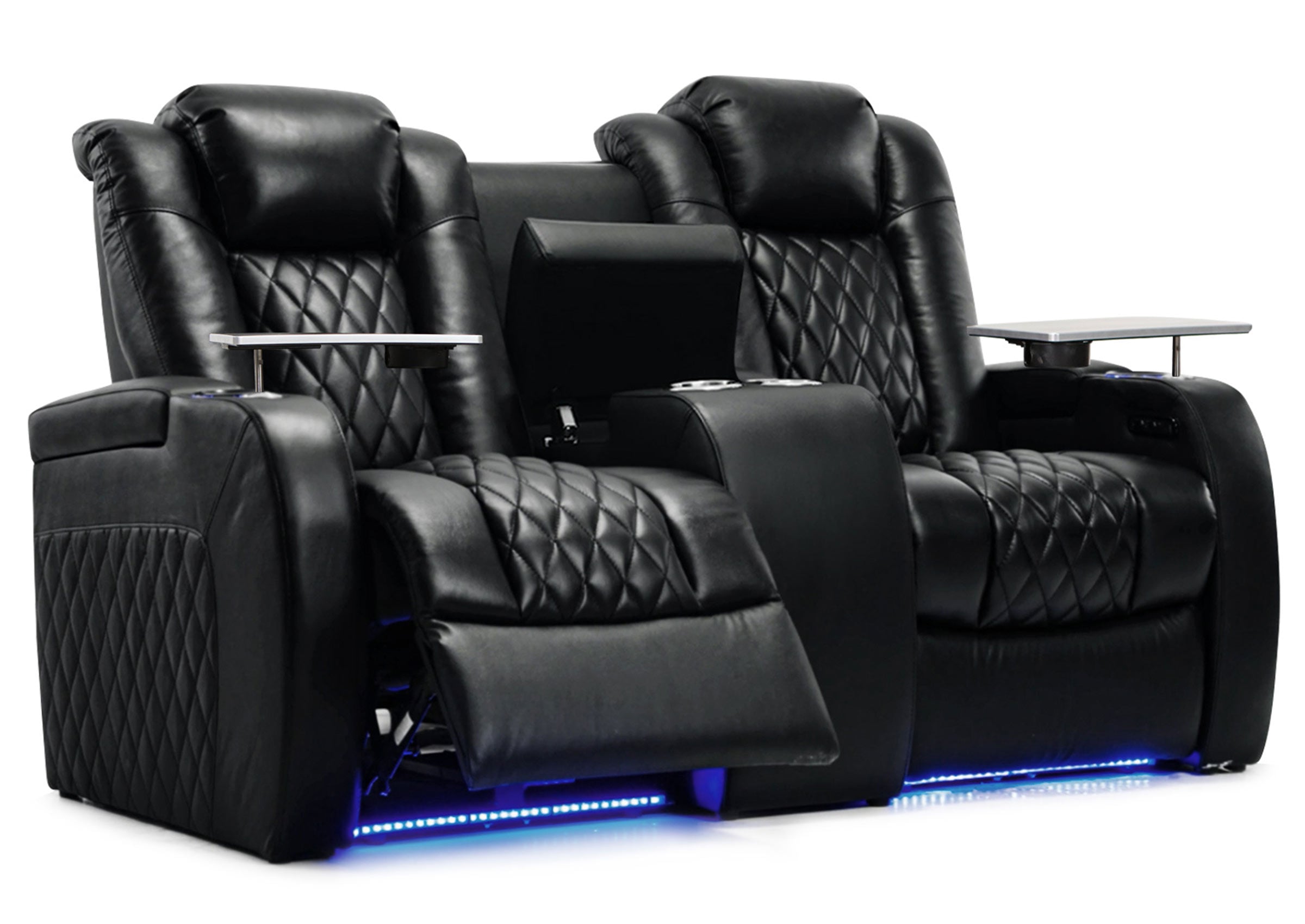

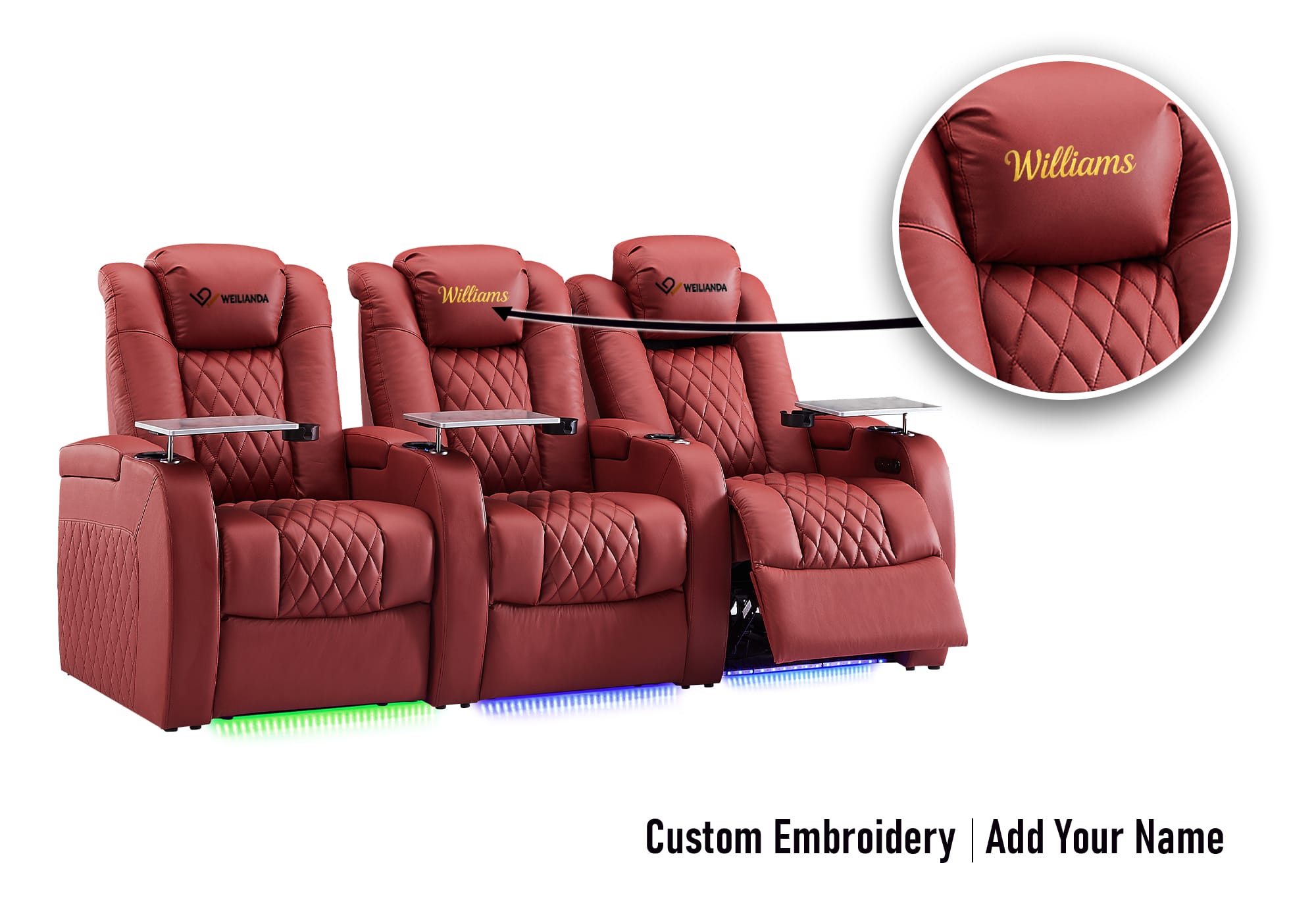

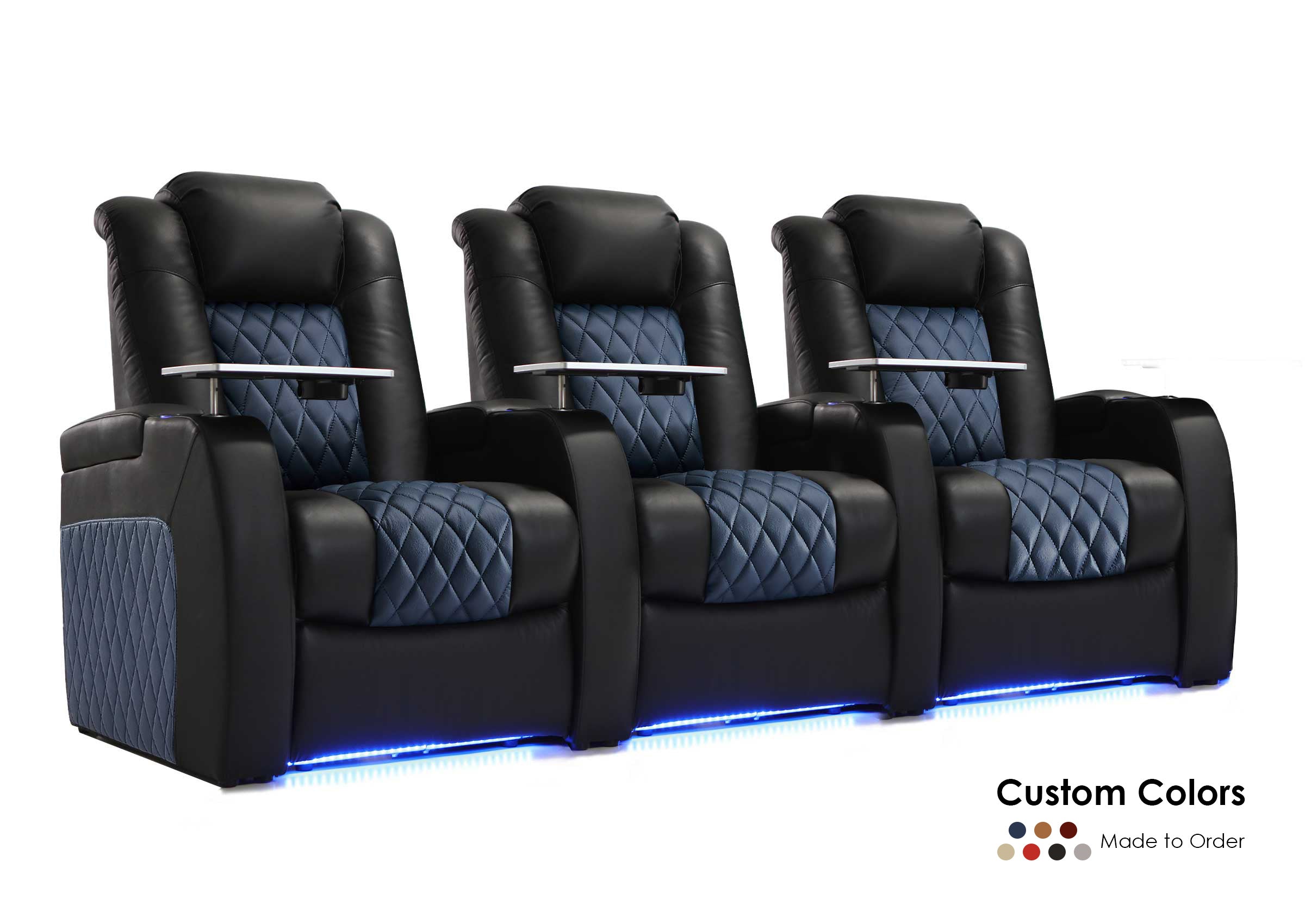

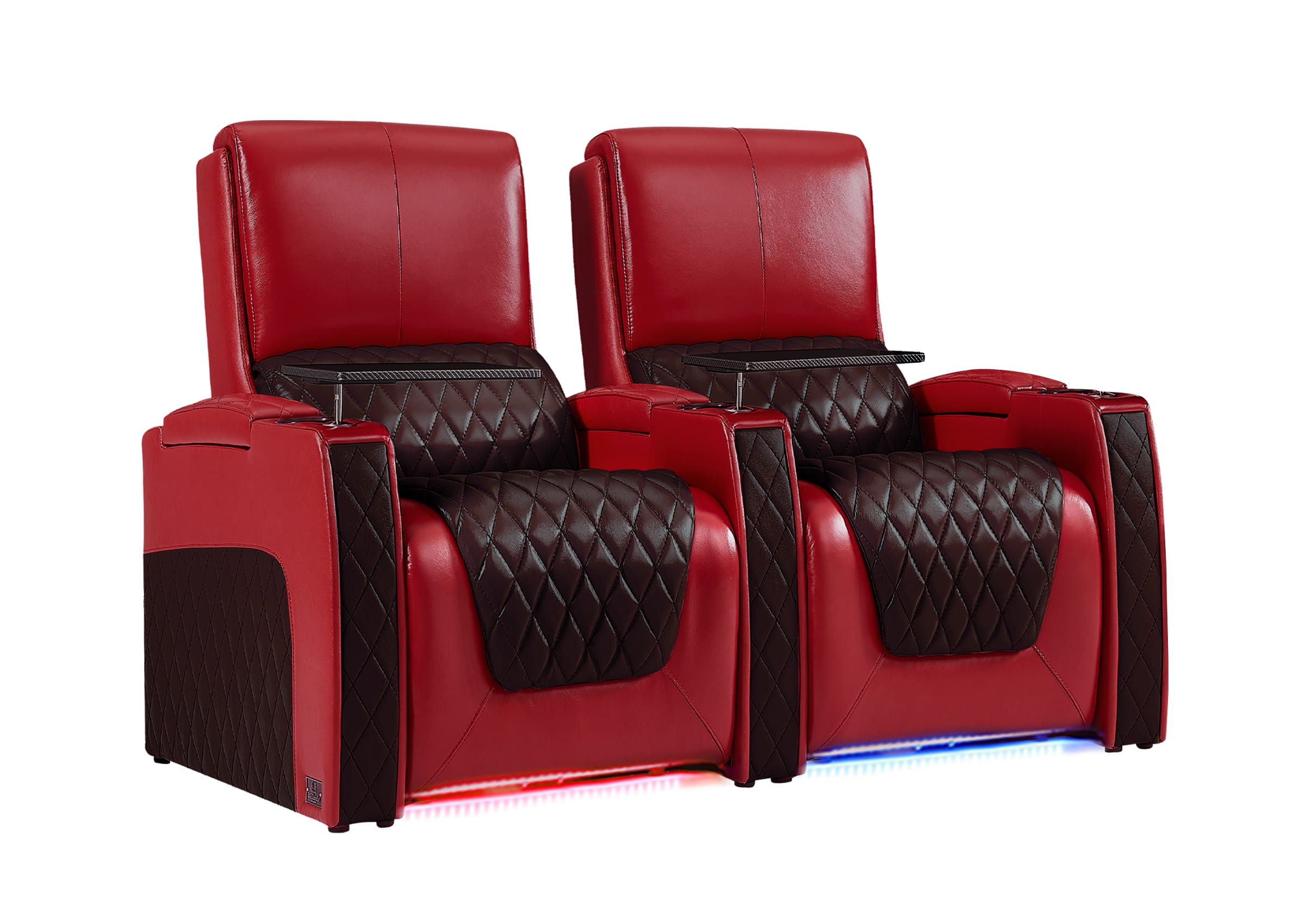
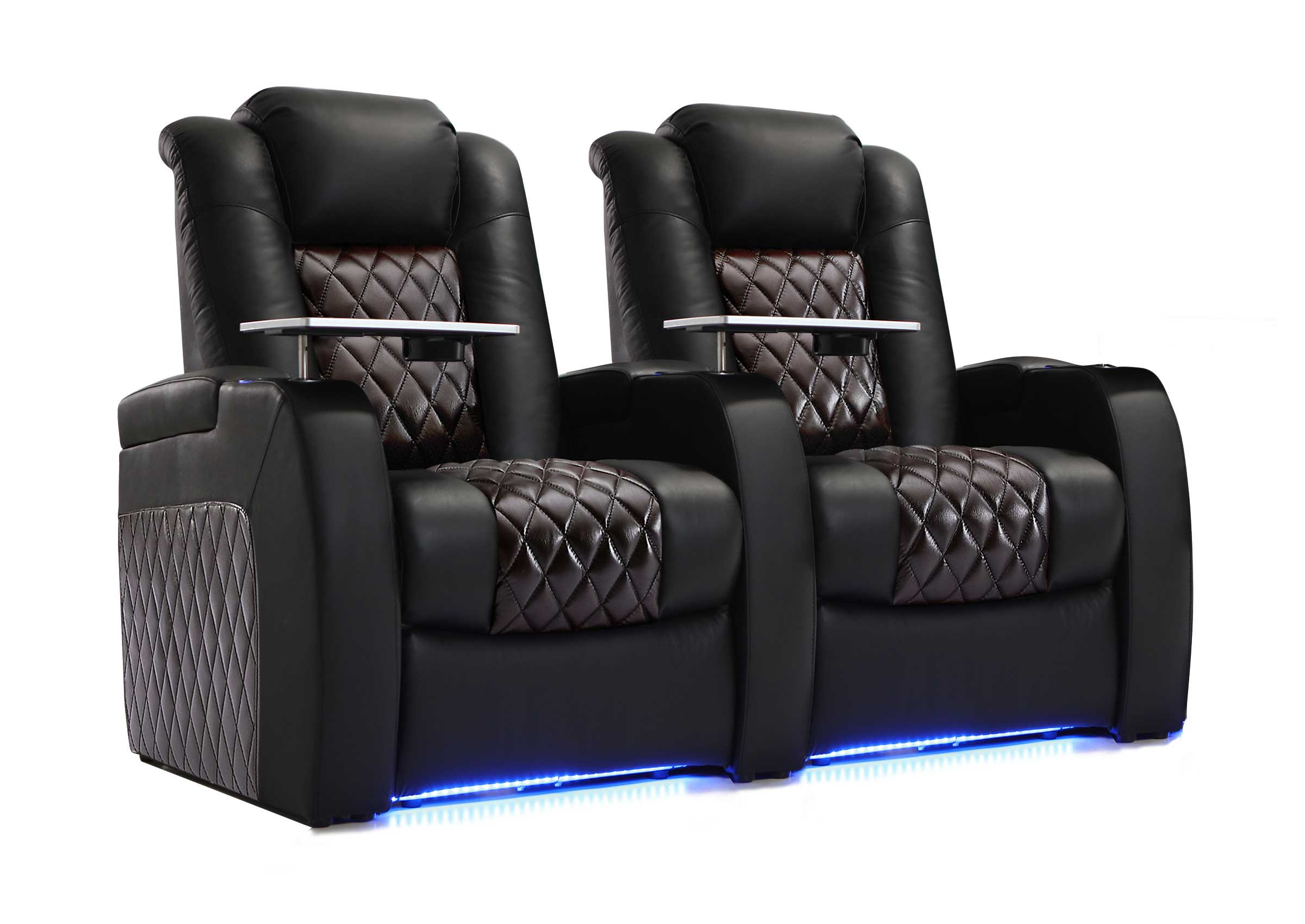
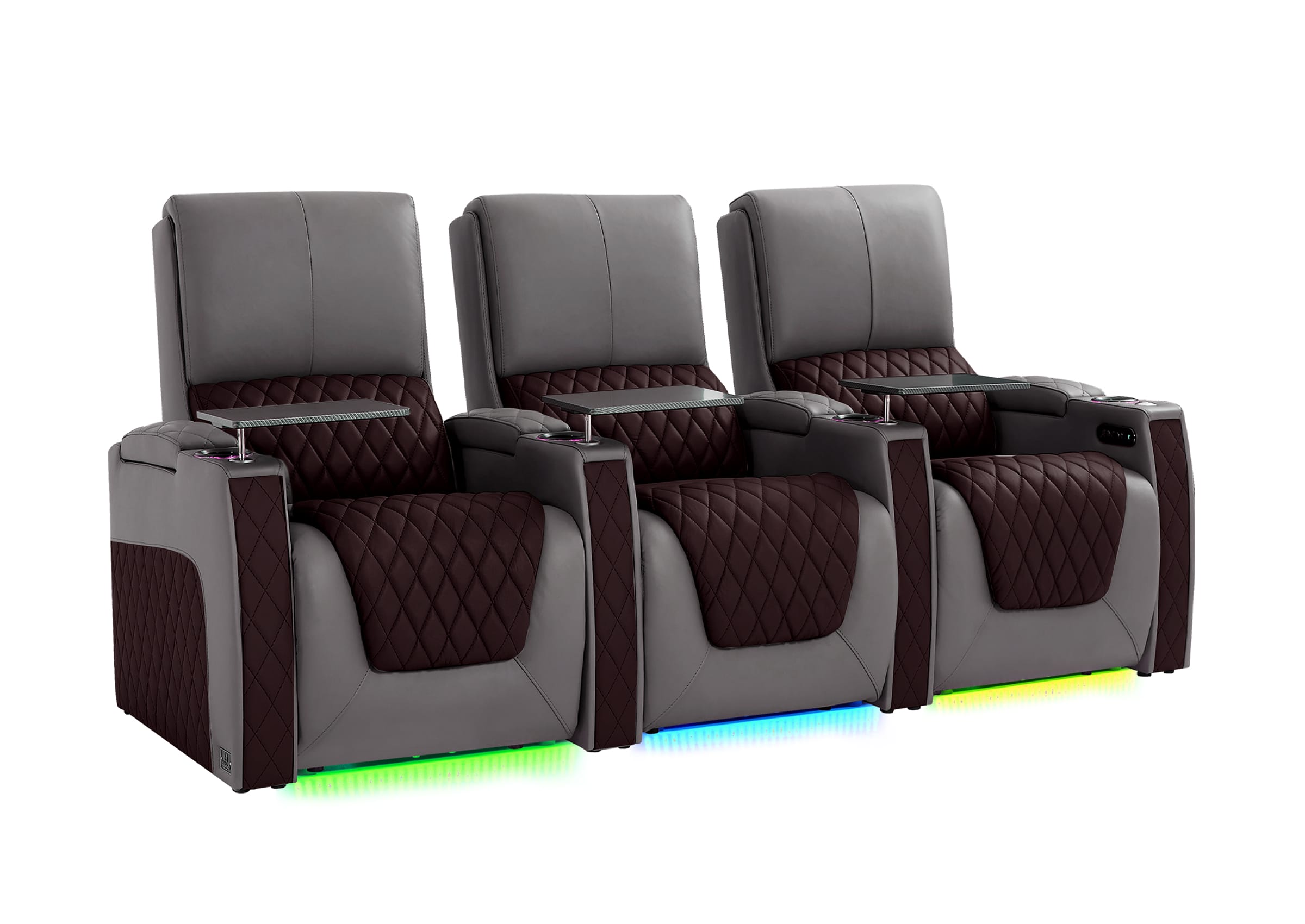
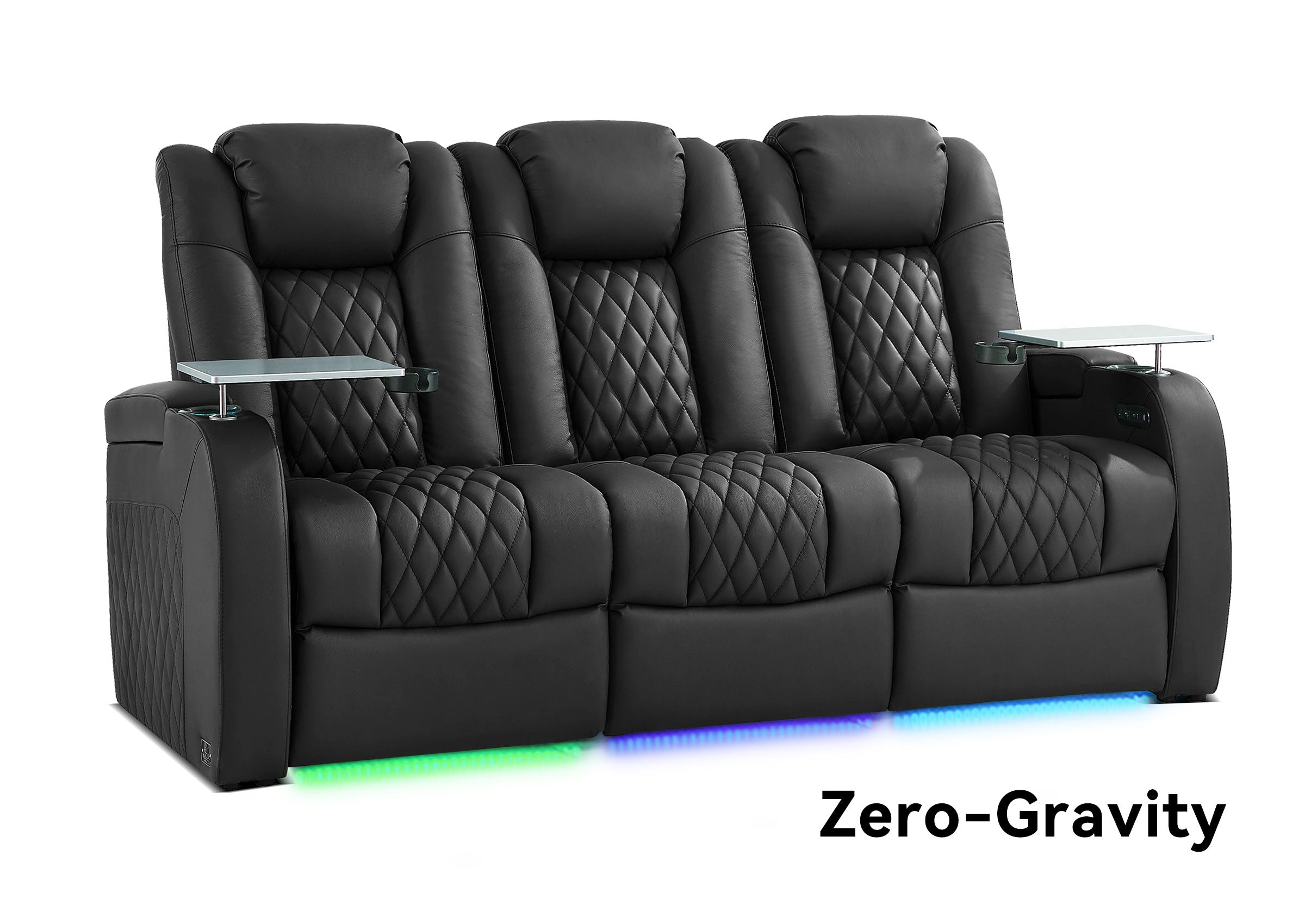


The acoustic quality of your home theater installation involves much more than just the speakers and soundproofing features you have incorporated. It has a lot to do with the type of material you are seated on or, rather, the type of material you are sitting on, as far as the interaction between the sound waves is concerned.
The Science Behind Seating Materials and Sound
Knowing how various materials react with sound will help you make better decisions regarding your seating choice.
What happens when the sound reaches your seating: Sound waves propagate through the air by the variation of pressure waves until they encounter an obstruction. When they come into contact with your home theater seating, a number of things happen simultaneously, including the reflection of the waves, absorption, as well as transmission.
Frequency matters: Every frequency behaves in a distinct manner as it interacts with surfaces. Low frequencies, found in the ‘bass' part of an auditory wave, require heavy material surfaces, whereas high frequency trebles require light surfaces. A good home theater seating should, therefore, address all frequencies evenly, rather than focusing exclusively on trebles.
How Fabric Absorbs Sound
Fabric produces minute air pockets, which hold sonic energy.
When the sound waves encounter the small cavities, friction causes the conversions of the acoustic waves to heat, resulting in reduced reflections. Fabrics that are thicker, with a high pile, are better at absorbing high to mid-frequency waves. The quality and type of fabric, as well as its backing, all determine how well a fabric reduces reflections.
Natural vs synthetic fibers: Natural fibers such as cotton, wool, and linen are better at absorbing sound compared to synthetic ones, as they have an irregular structure. Nevertheless, synthetic blends are often more durable and stain-resistant, making them a viable option that doesn’t neglect acoustic absorption either.

Leather vs Fabric for Acoustics
It should be noted that leather poses a number of acoustic difficulties, which should be taken into.
Leather characteristics:
- Smooth, dense surface reflects sound rather than absorbing it
- Creates potential echoes and brightness in upper frequencies
- Provides some low-frequency absorption due to thickness
- May require additional wall and ceiling treatments to compensate

Fabric advantages:
- Superior sound absorption across most frequencies
- Multiple layers (textile, foam, batting, frame) work together
- Traps and dissipates sound energy before reflection
- Better overall acoustic performance for home theater seating

Best Materials for Theater Seating Acoustics
Material selection should consider both acoustic and other requirements that are applicable to your theater scenario.
Top Fabric Choices
Microfiber benefits:
- Dense pile structure absorbs mid and high frequencies effectively
- Easy to clean and maintain
- Resists staining and wear
- Maintains consistent acoustic properties regardless of humidity
- Ideal for families with children or frequent entertaining

Velvet advantages:
- Superior acoustic properties with dense, plush pile
- Creates numerous tiny air pockets that trap sound waves
- Excels at absorbing 500Hz to 4kHz frequencies
- Critical for dialogue clarity and musical detail
- Natural fibers may respond to environmental changes

When to Choose Leather
Despite acoustic limitations, leather remains a viable option in specific situations.
Standard leather considerations:
- Ages beautifully and feels luxurious
- Cleans easily for long-term maintenance
- Requires compensating acoustic treatments elsewhere
- Performs consistently across all quality levels
Perforated leather compromise:
- Small holes allow some sound penetration
- Maintains leather appearance and feel
- Improves acoustic performance over solid leather
- Won't match fabric absorption but significantly better than standard leather
Common Mistakes When Choosing Theater Seating for Home
Avoiding these frequent errors saves you from costly acoustic corrections down the road.
Mistake 1: Appearance Over Performance
Choosing material just for aesthetic reasons will result in disappointing results. A lovely leather sofa may photograph well, but it will pose acoustic difficulties that will require costly correcting. It is a good idea to consider how well a material will fit with your acoustic requirements before weighing aesthetic values.
Mistake 2: Wrong Seating Quantity
Too much seating: Over-dampens sound in small spaces, creating a dead, lifeless presentation where dialogue sounds muffled and music lacks energy.
Too little seating: Leaves too many reflective surfaces unchecked in large rooms, causing excessive echo and harsh sound quality.
Mistake 3: Matching All Surfaces
Matching all seating to wall treatments creates imbalanced acoustics. If your walls already absorb heavily, adding highly absorptive seating may deaden the room excessively. Conversely, reflective walls combined with reflective seating amplifies acoustic problems. Seek complementary rather than identical treatments throughout your theater.
Home Theater Seating Ideas for Better Sound
Strategic planning transforms good seating into an acoustic advantage for your entire theater space.
Placement Strategies
Wall distance: Position seating away from walls to prevent boundary reinforcement that causes boomy bass. This single adjustment dramatically improves low-frequency clarity and tightness.
Row spacing: Leave adequate space between rows for sound to circulate. This prevents acoustic shadowing where one seat blocks sound from reaching others, ensuring everyone enjoys consistent audio quality.
Material Distribution
It is worth noting that you should consider mixing and matching materials effectively in.
The front seats may employ greater absorption material to allow fewer early reflections that will cloud speech. The backend seats can opt to employ a slight reflective material to ensure energy is retained in the room. Such a system will ensure balanced sound distribution between the front and backend seats.
Weight and Construction
The total weight of the seats influences low-frequency response.
Heavier, more robust pieces of furniture are better at suppressing low frequencies compared to other alternatives that are light. The thicker the cushioning, the better a speaker will perform, and this is better than designs that are thin and simple.
Even if costly, the extra space they consume makes room acoustic solutions worth investing in due to their advantage when it comes to acoustics.
Room size considerations:
- Small theaters: More absorptive materials prevent sound buildup
- Large theaters: Some reflective surfaces maintain energy and prevent dead spots
- Medium theaters: Balance absorption and reflection based on measurements
Balancing Comfort and Sound Performance
Designing a pleasant theater-going experience involves making sure that your seating is acoustic-friendly as well as comfortable.
Comfort Supports Acoustics
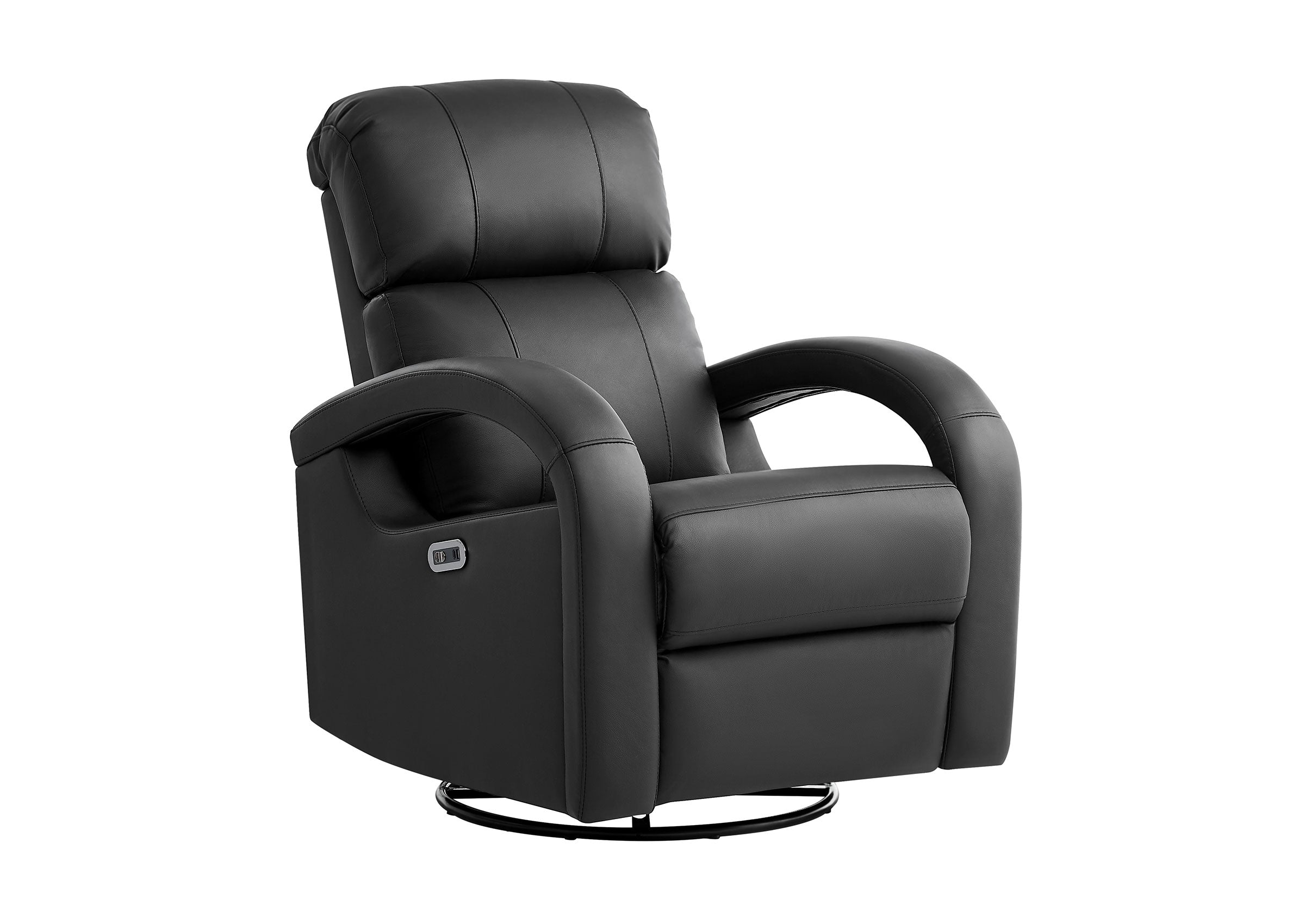
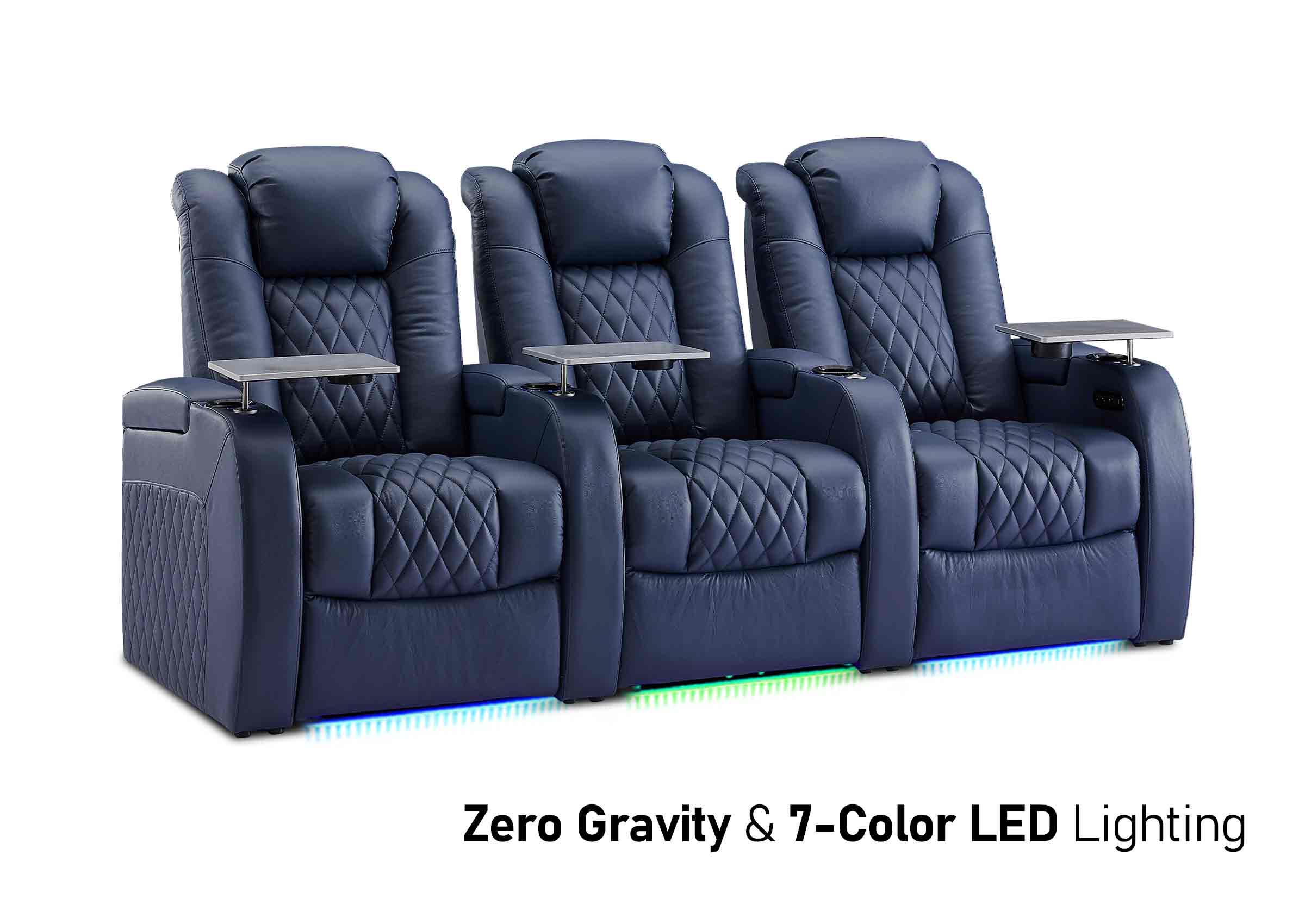
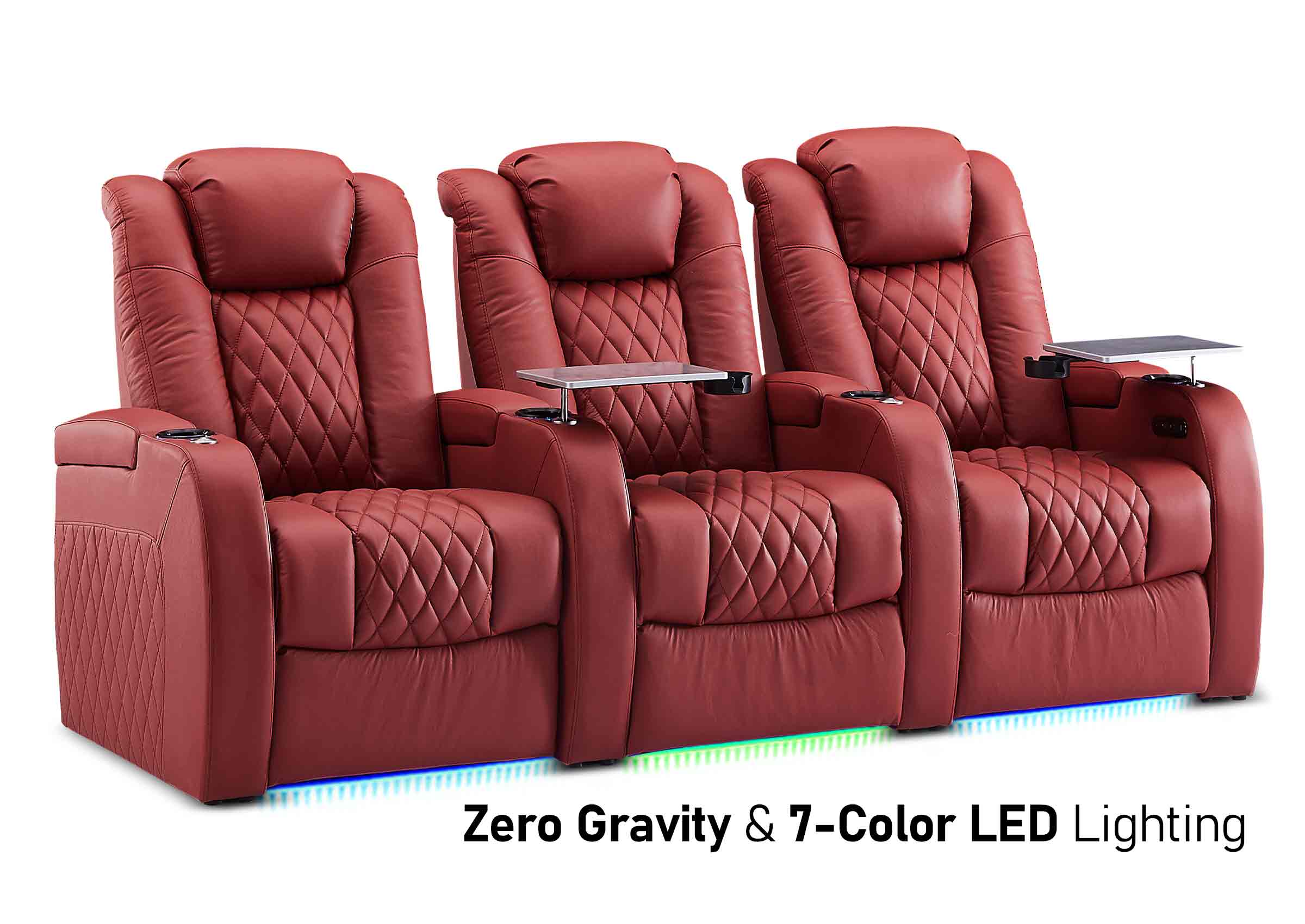
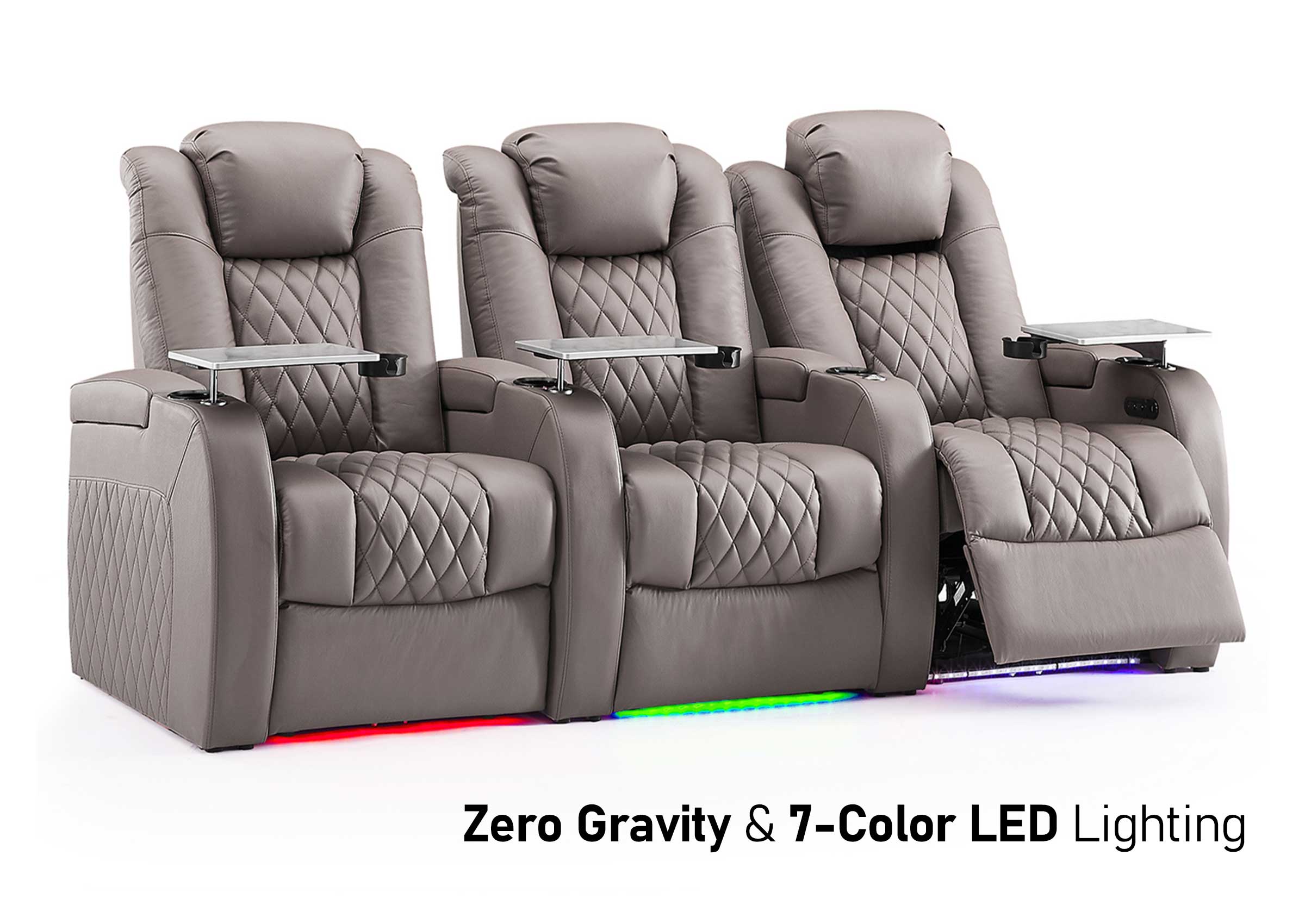
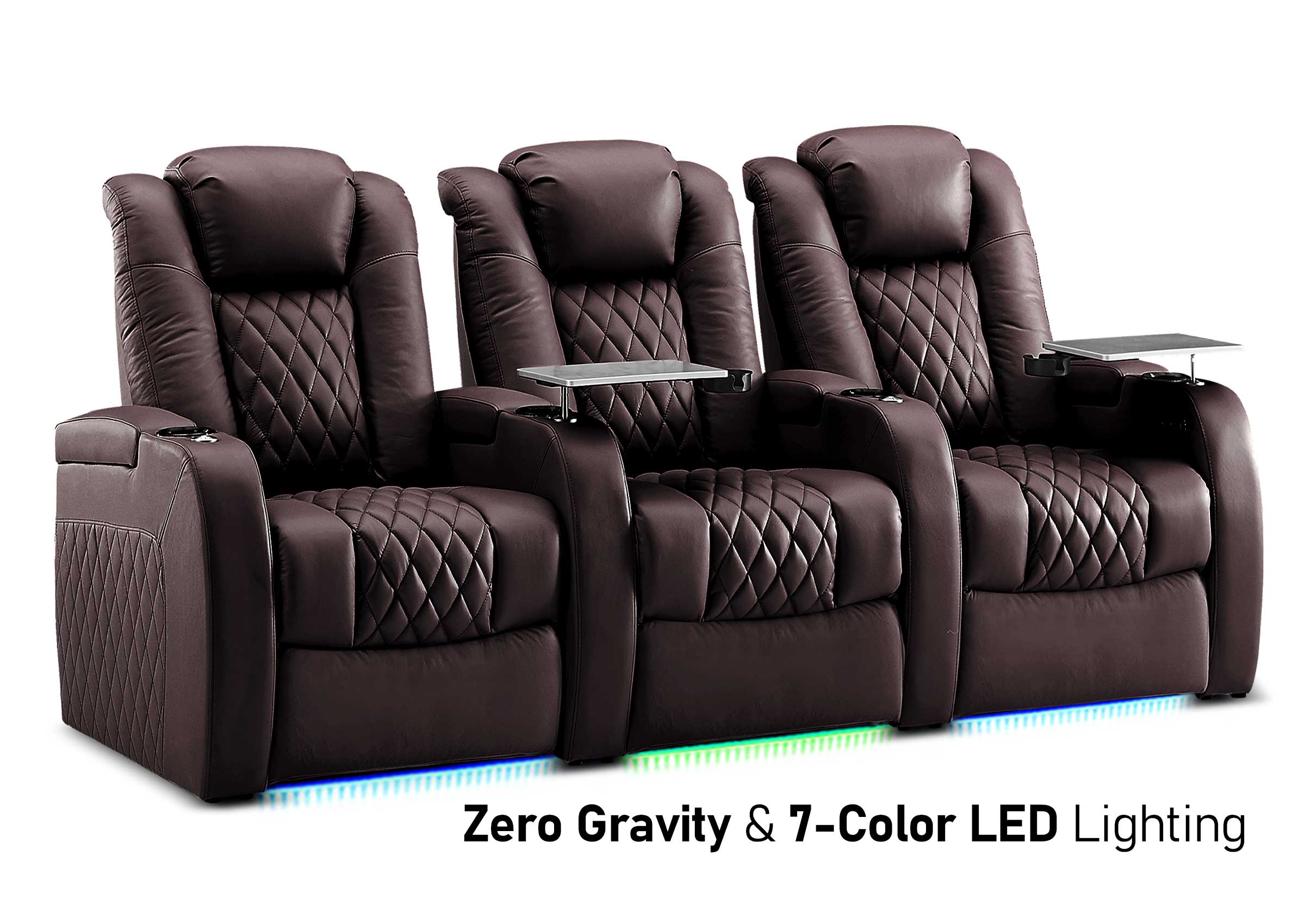
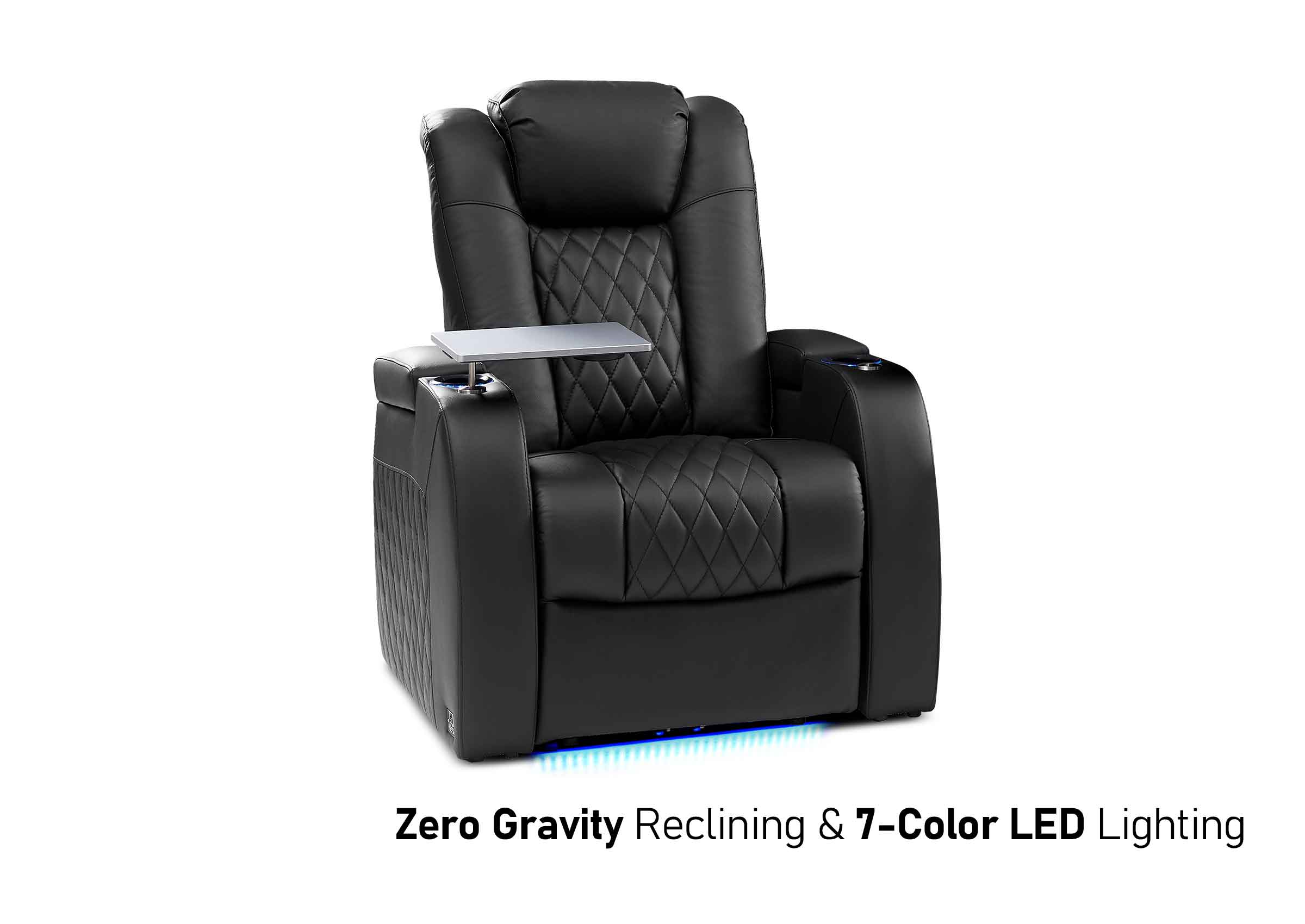
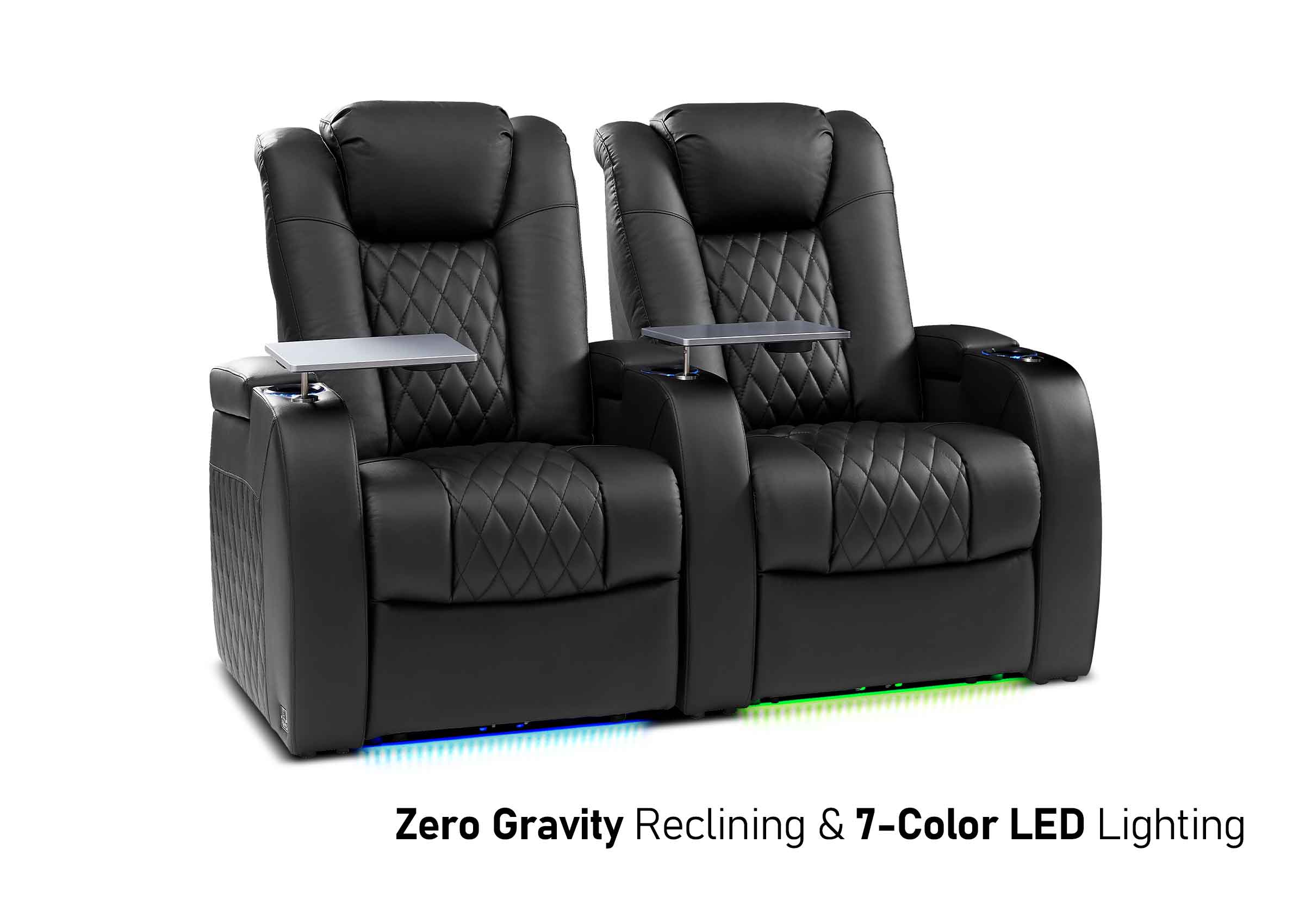
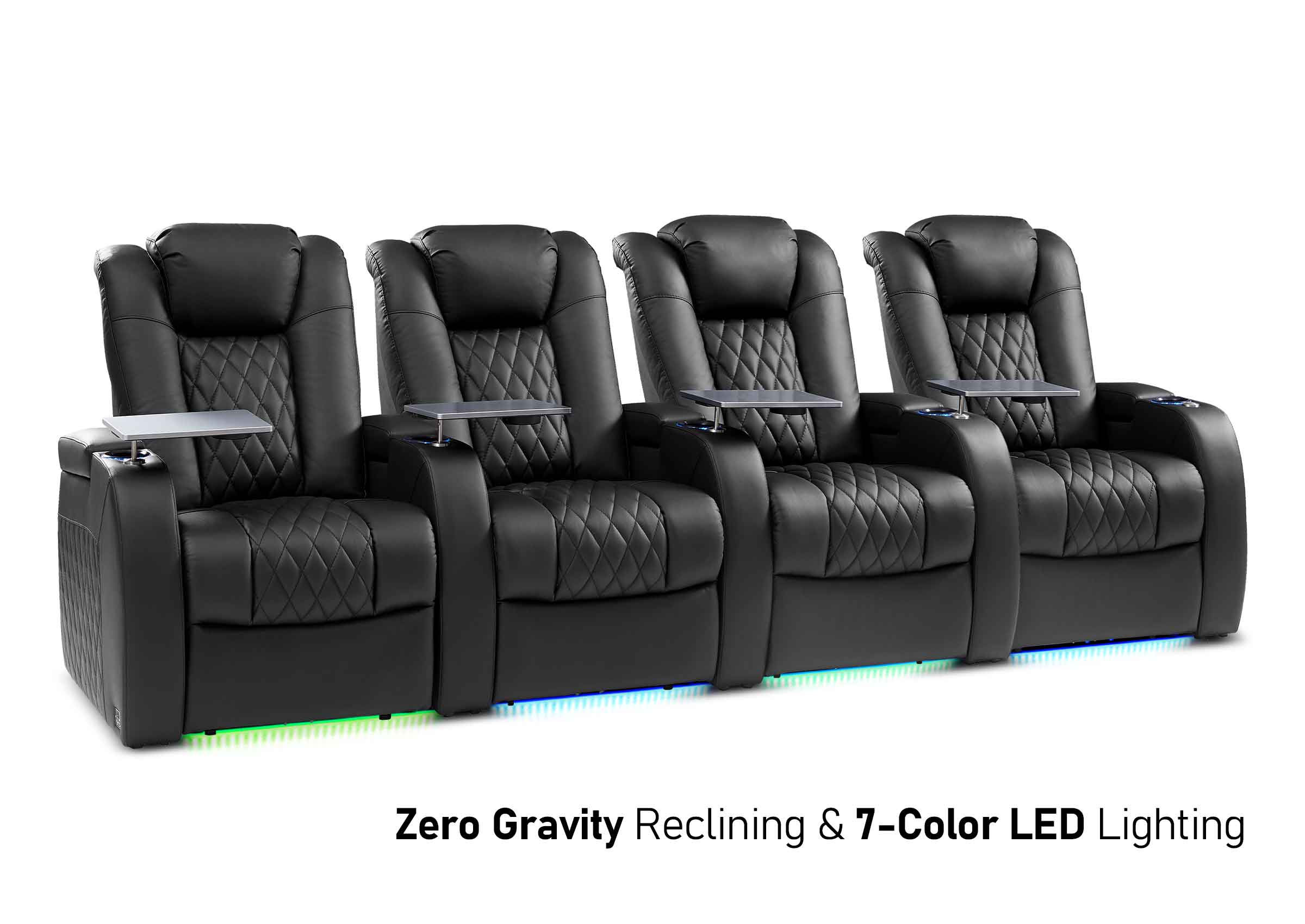
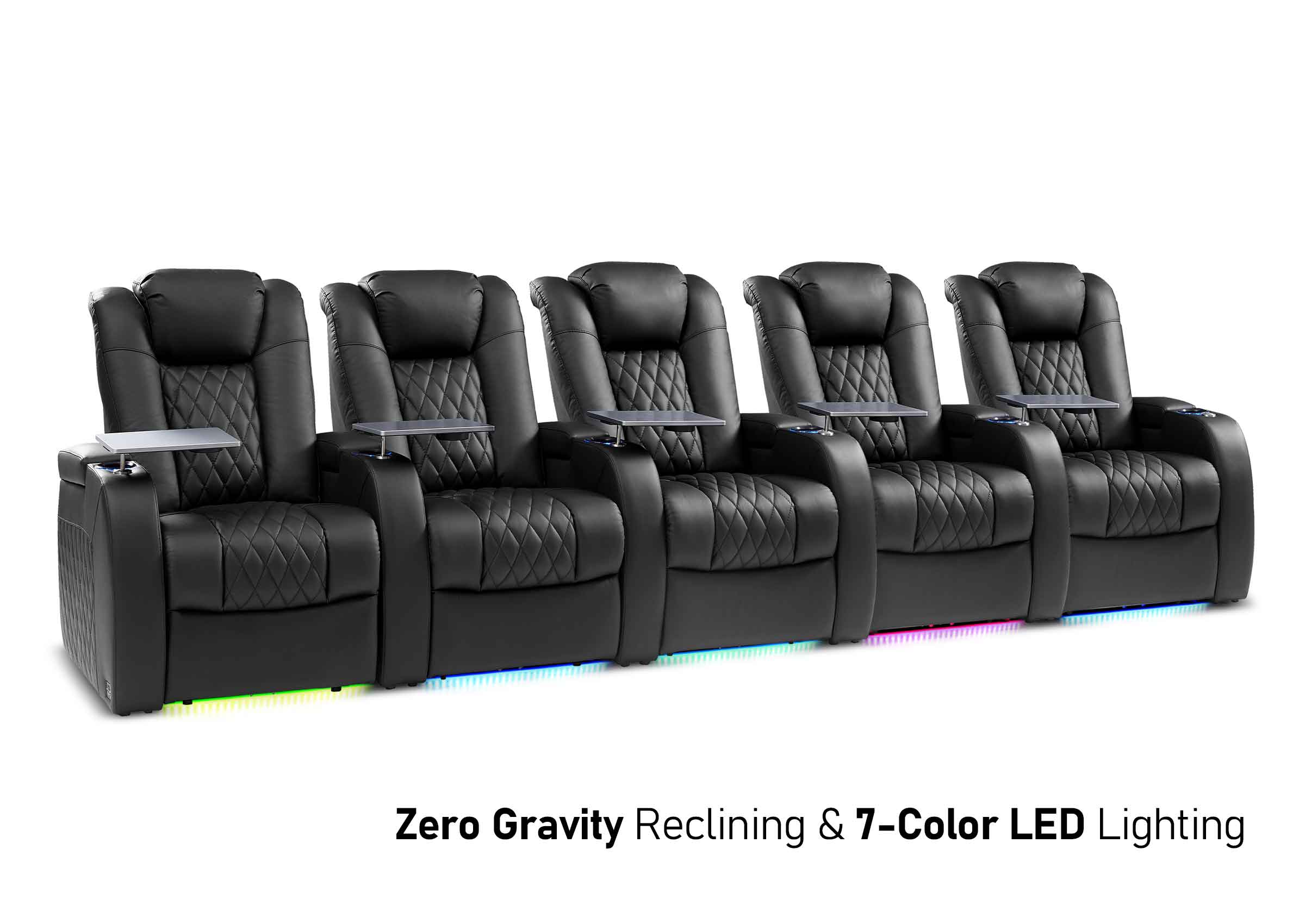
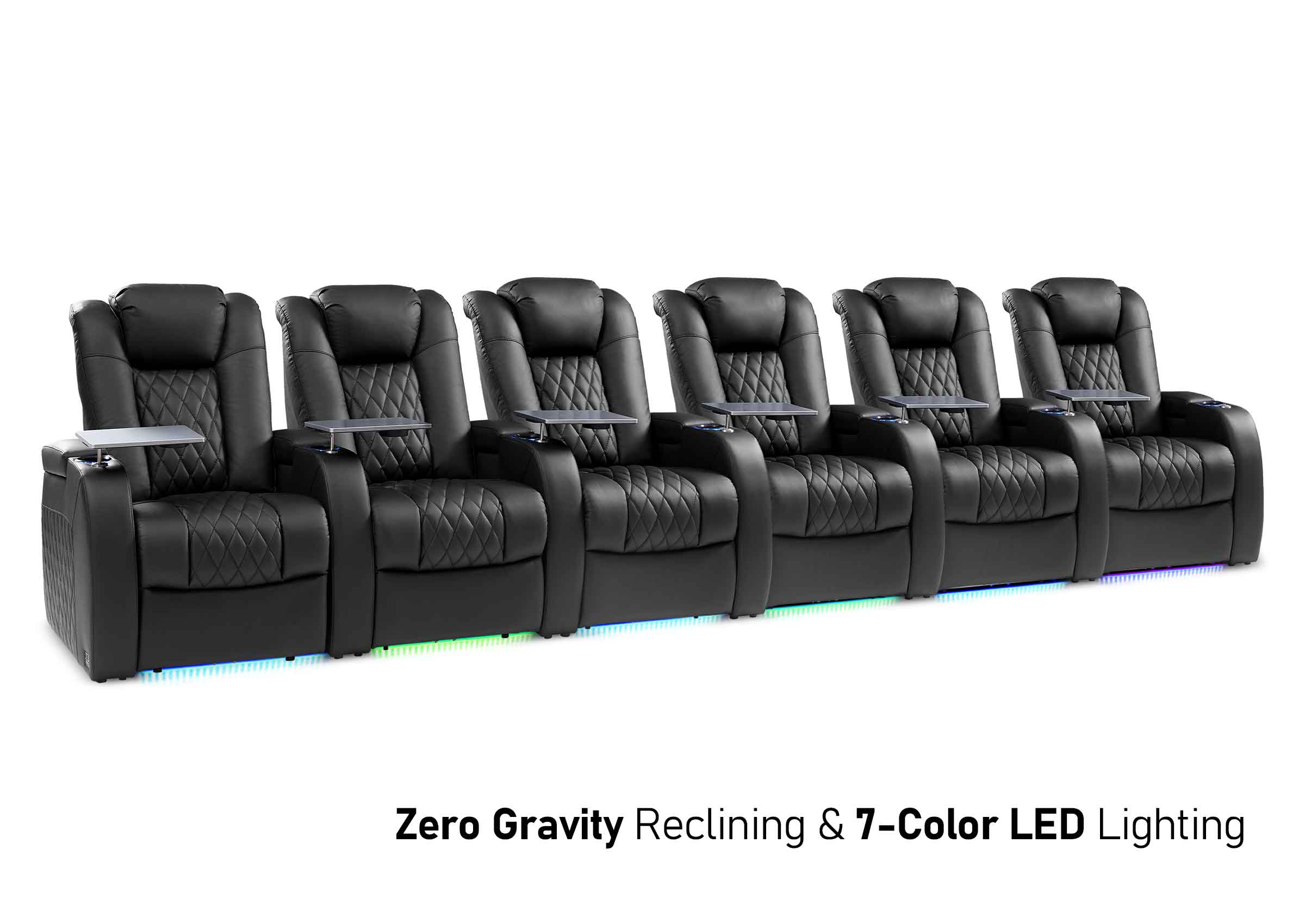
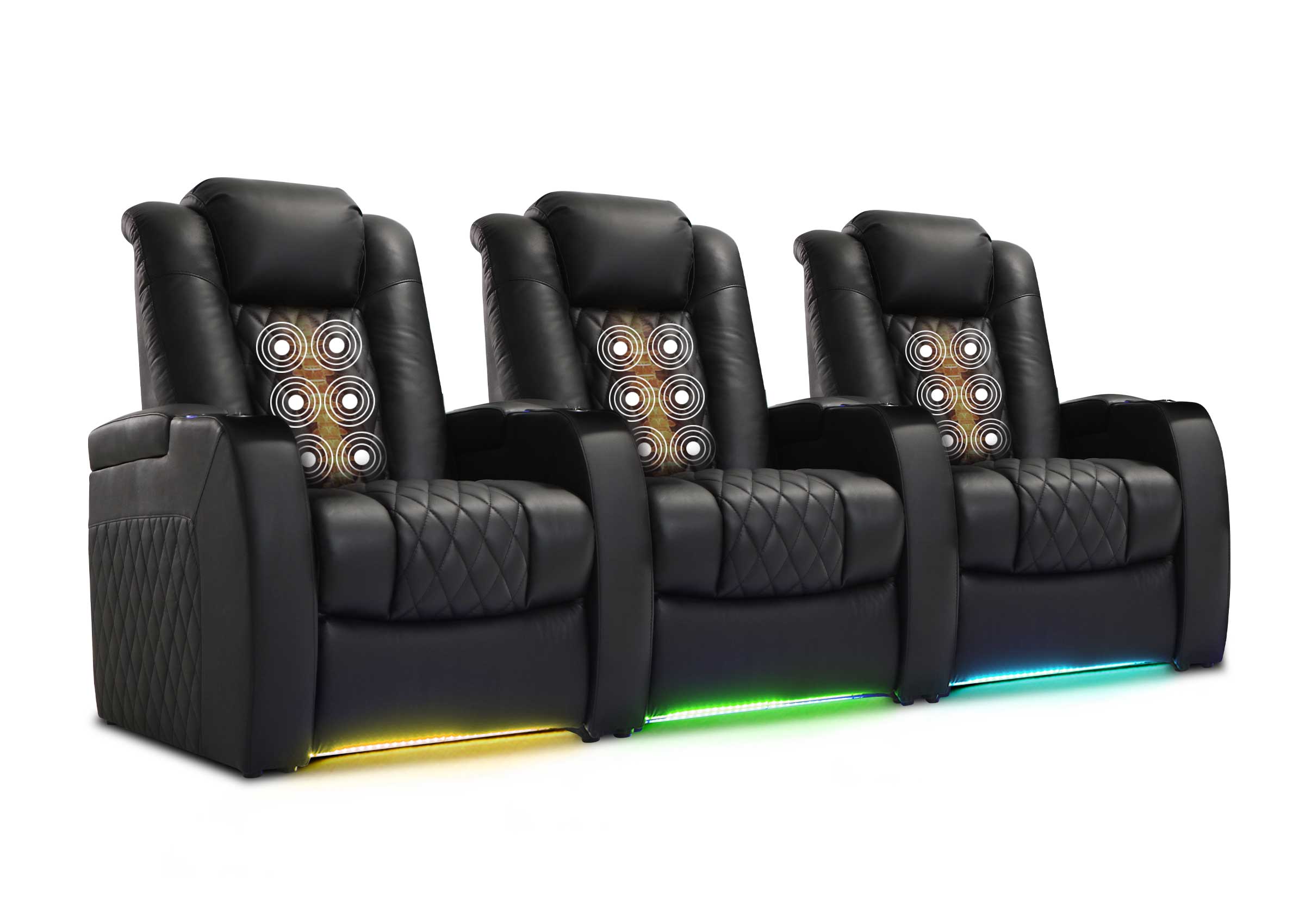
You’ll spend countless hours in your theater, making ergonomic support crucial. The good news is that comfortable seating will often come with enough padding to create ideal acoustic properties. The densities and thicknesses that create ergonomic support will create strong natural absorption in the foam. For ultimate relaxation, many modern chairs also incorporate features like a zero-gravity recliner to enhance the viewing experience.
Mechanical Features
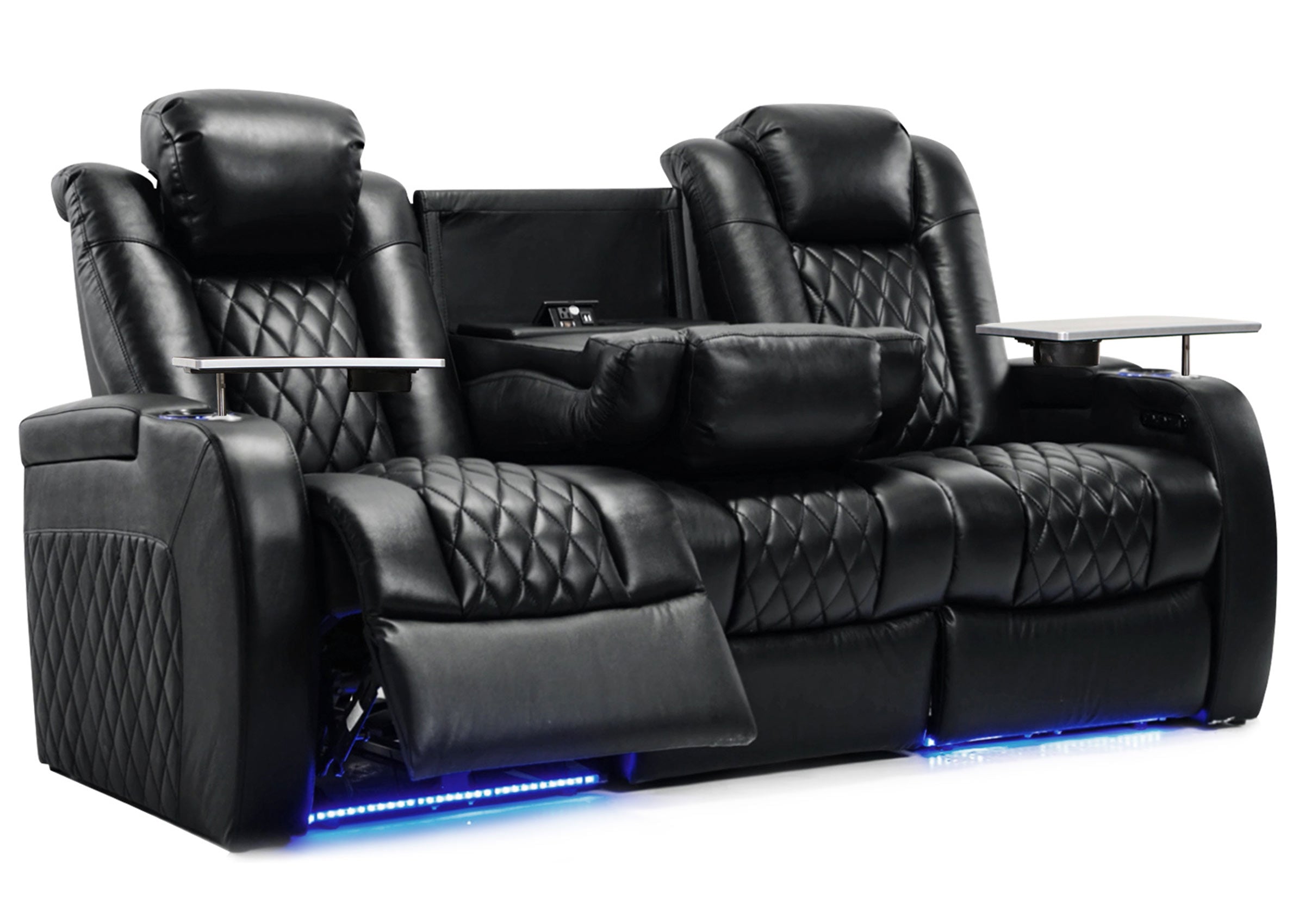
Reclining mechanisms have little effect on acoustics as compared to other surfaces. Motorized or manual recliners offer similar acoustics, so you can opt according to your convenience and reliability concerns. Concentrate your acoustics budgeting on upholstery as far as their actual effect is concerned.
Create Your Perfect Acoustic Theater Environment
Selecting appropriate seating materials dramatically improves your home theater's acoustic performance. Fabric options generally provide superior sound absorption, while leather offers durability and aesthetics at the cost of added reflections. Understanding these tradeoffs empowers you to make choices aligned with your priorities, creating a space where both sound quality and comfort meet your expectations perfectly.