



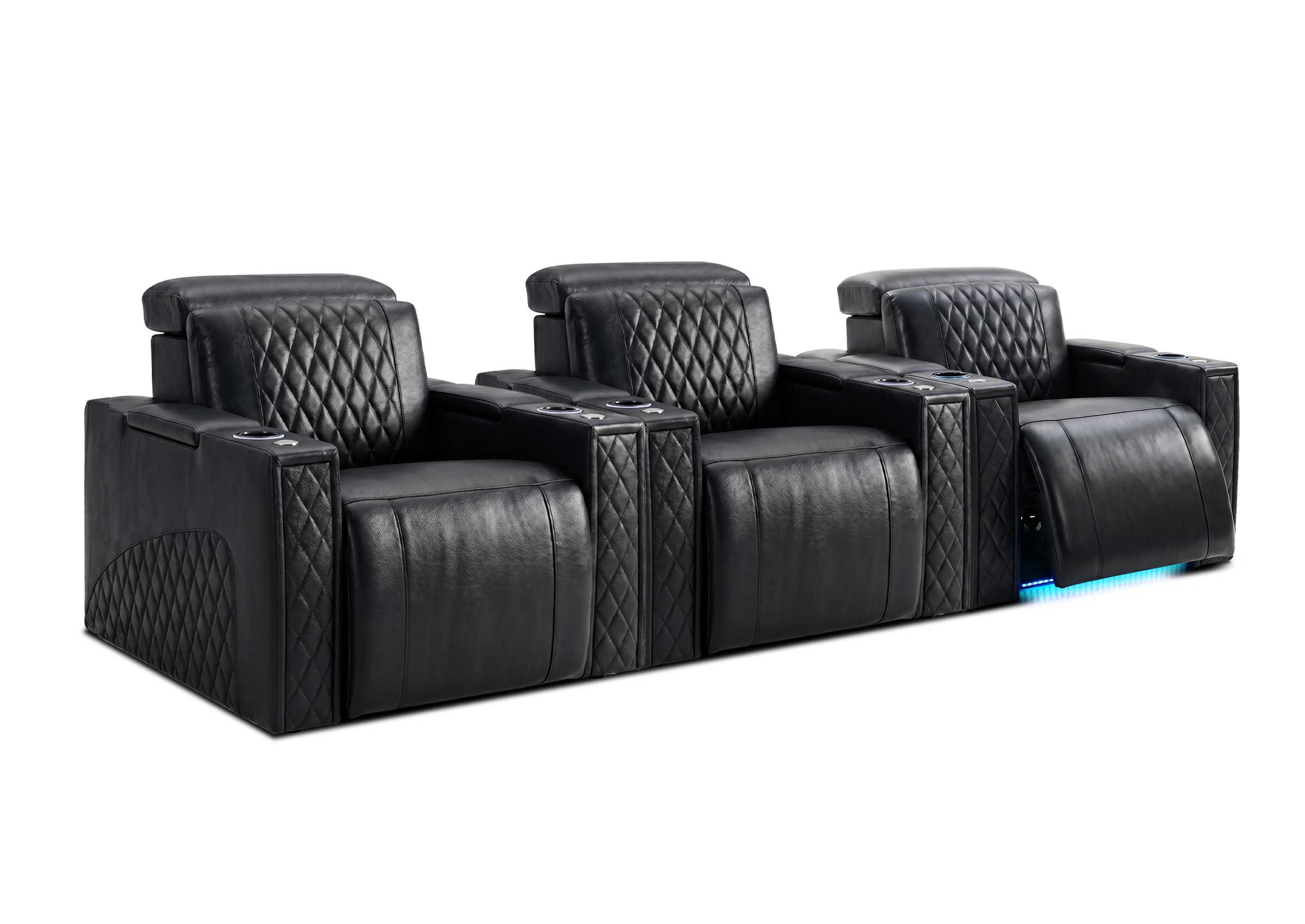

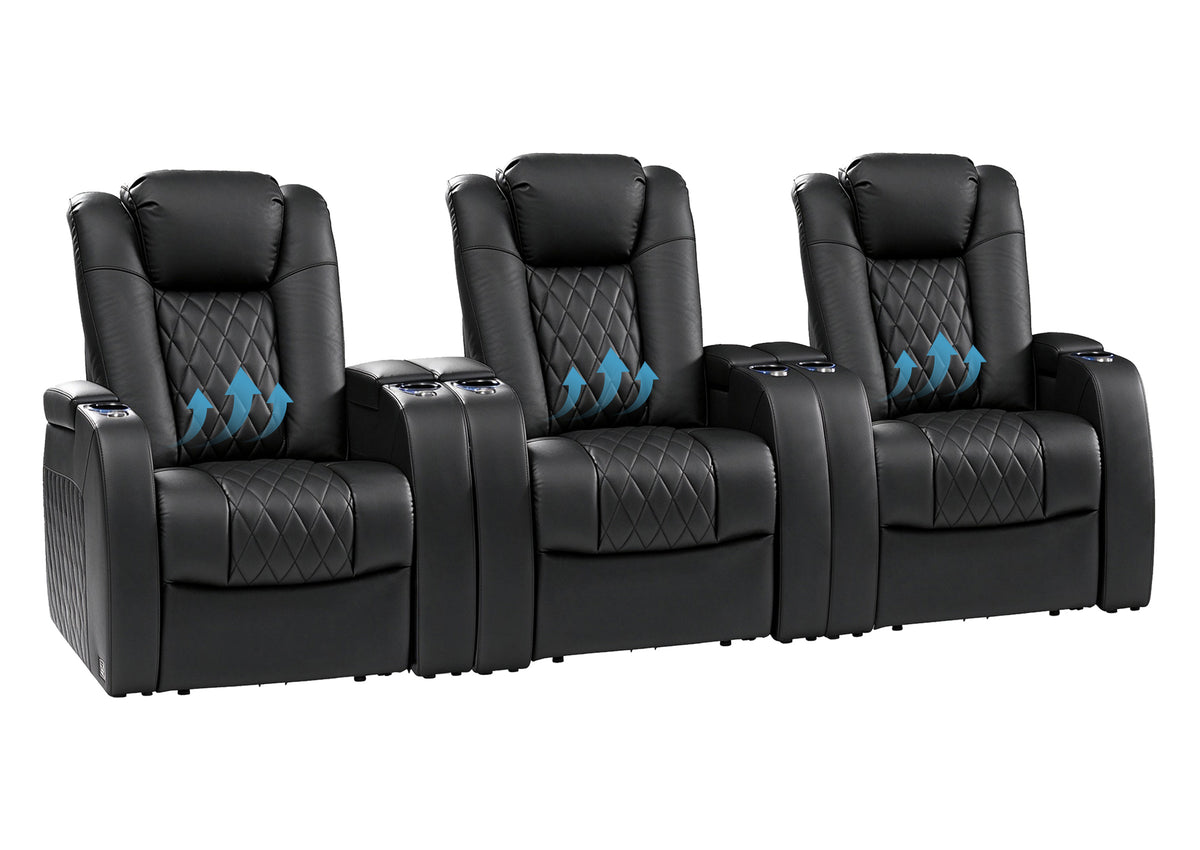
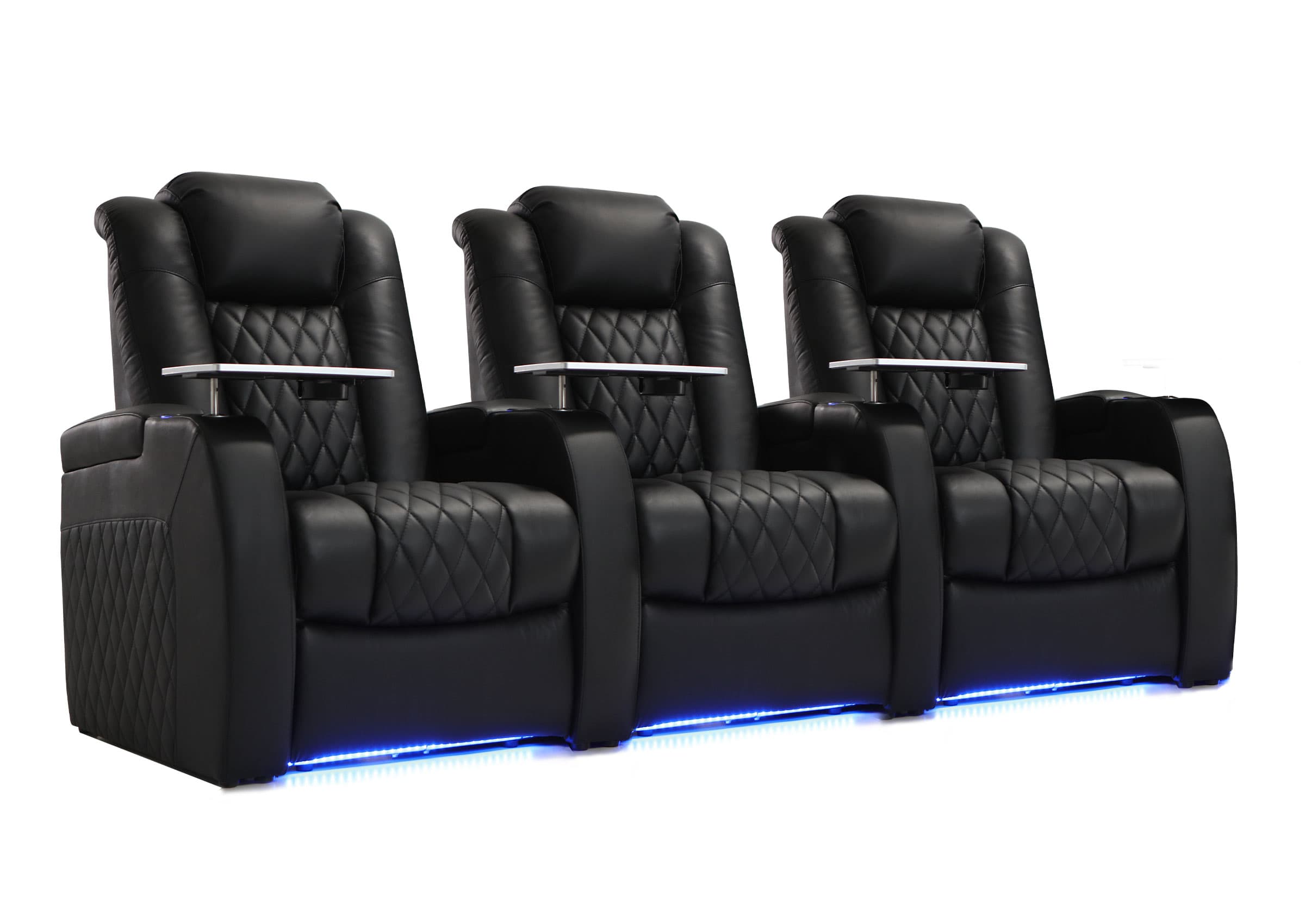
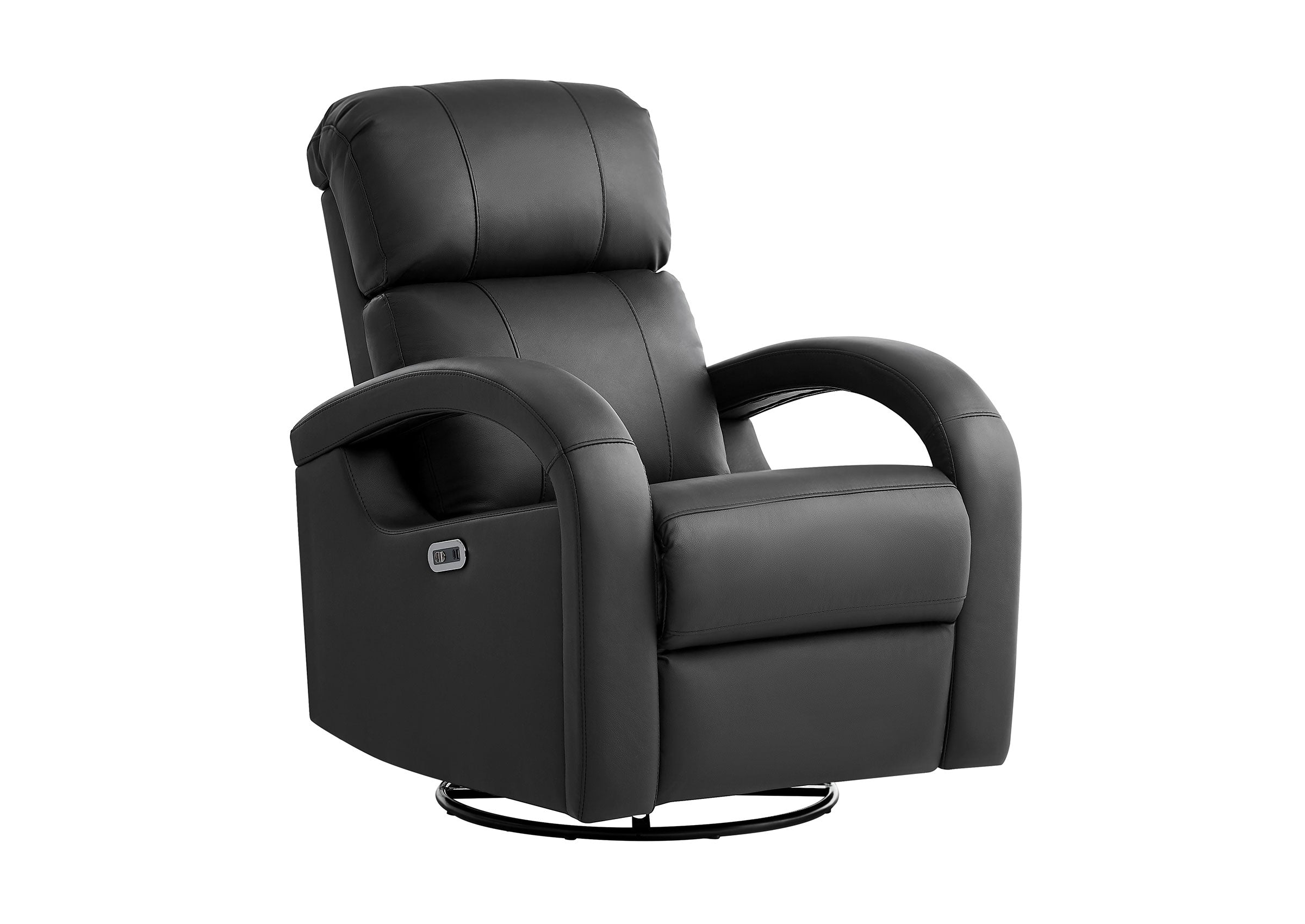
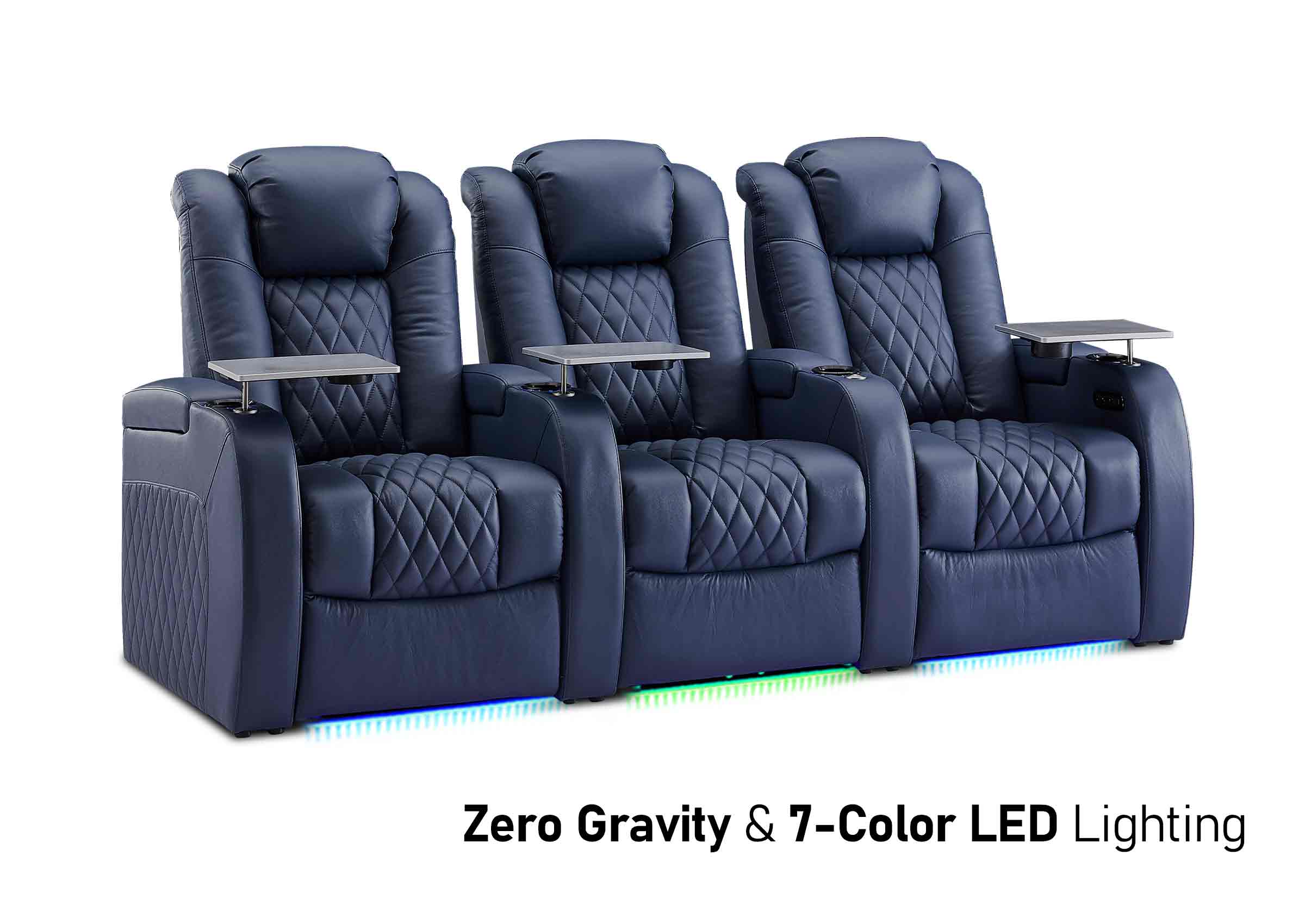
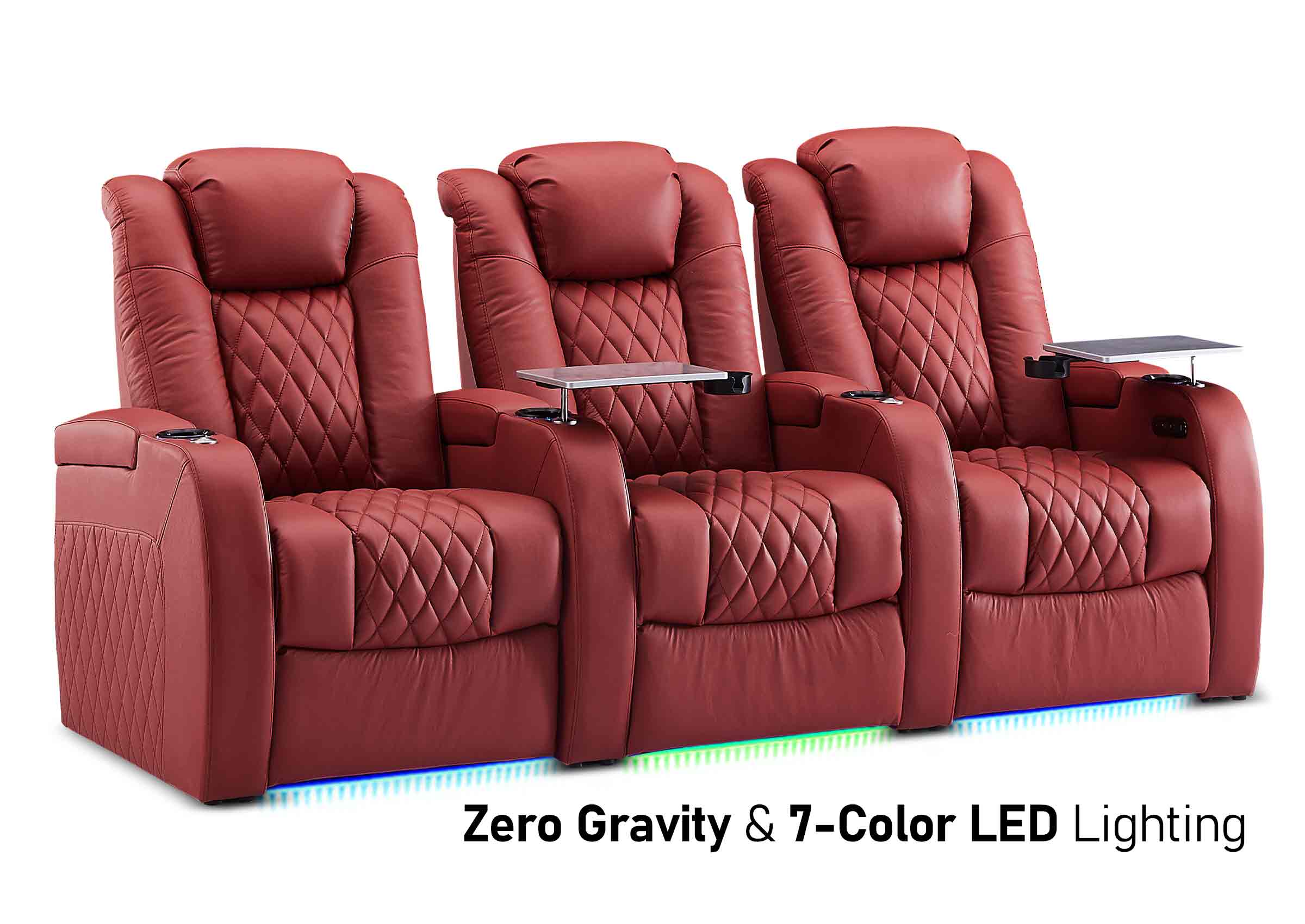
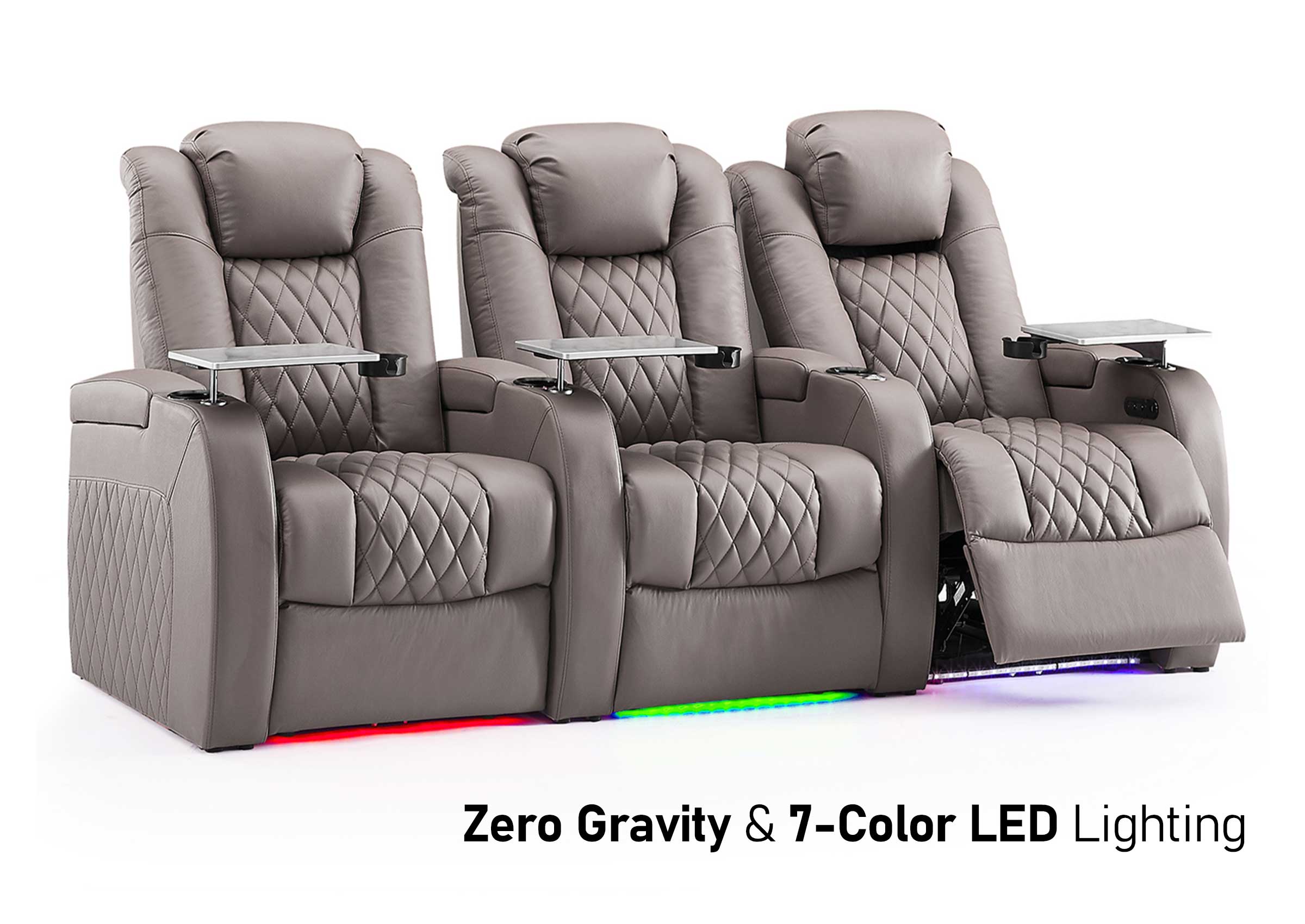
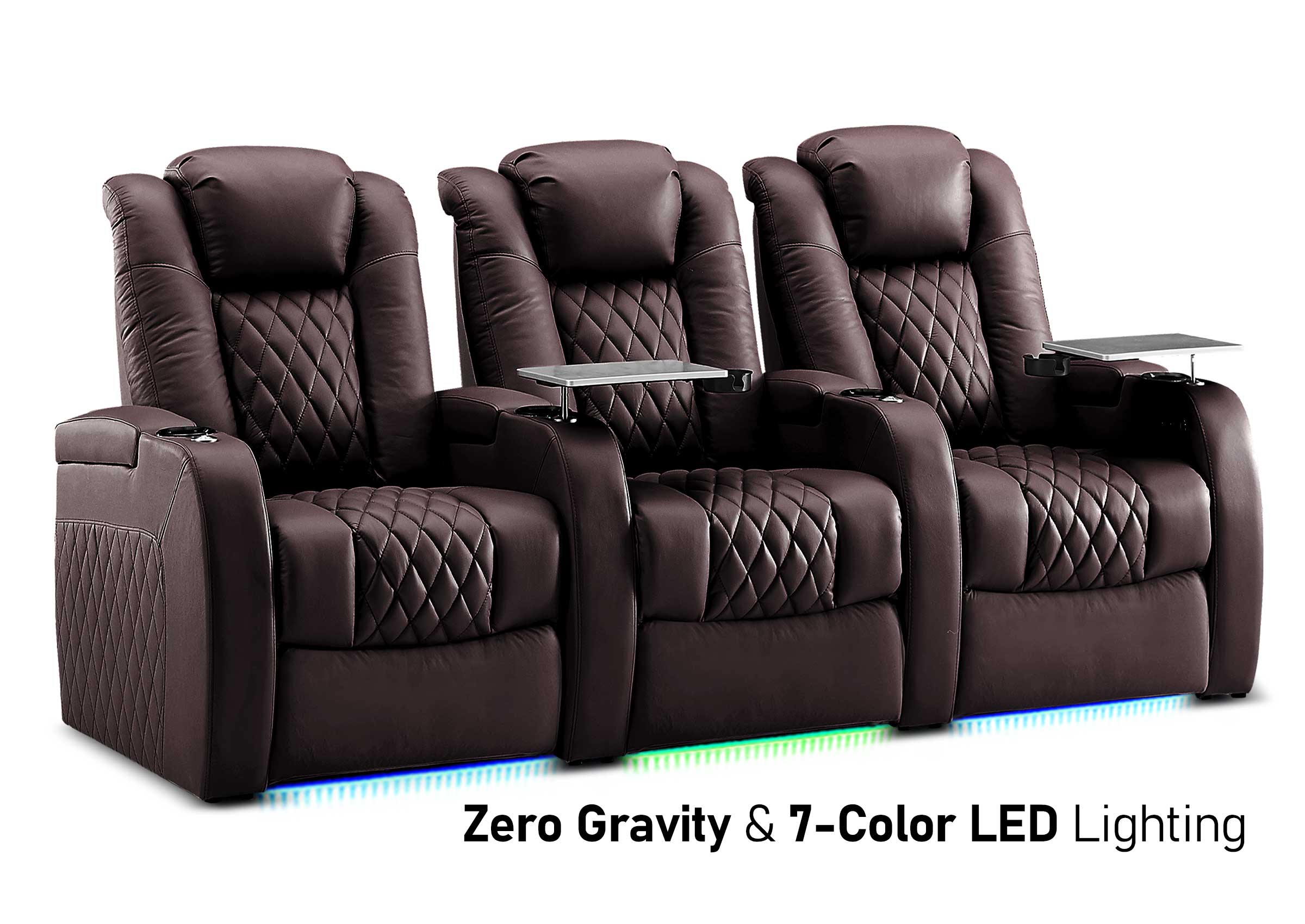

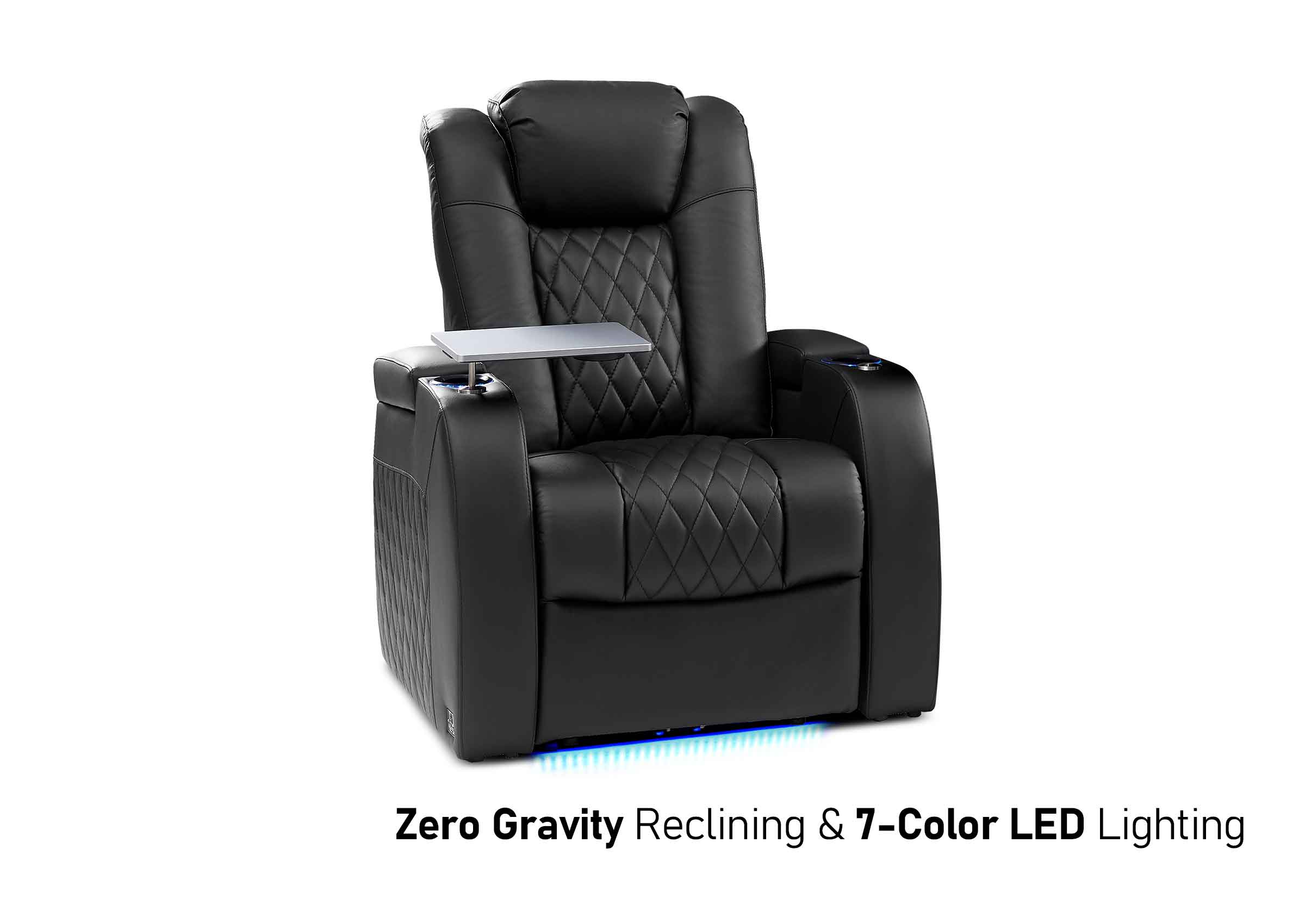
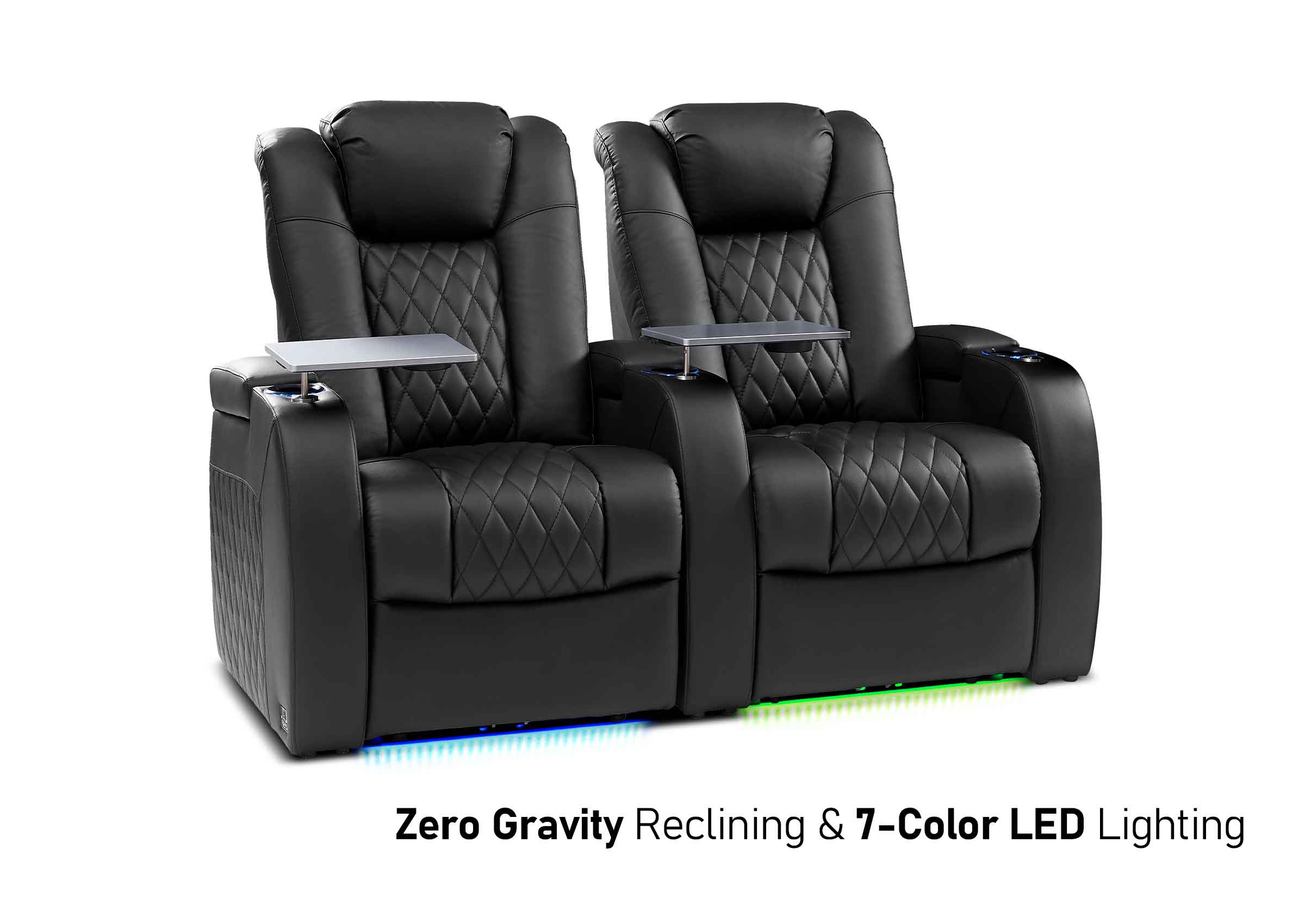
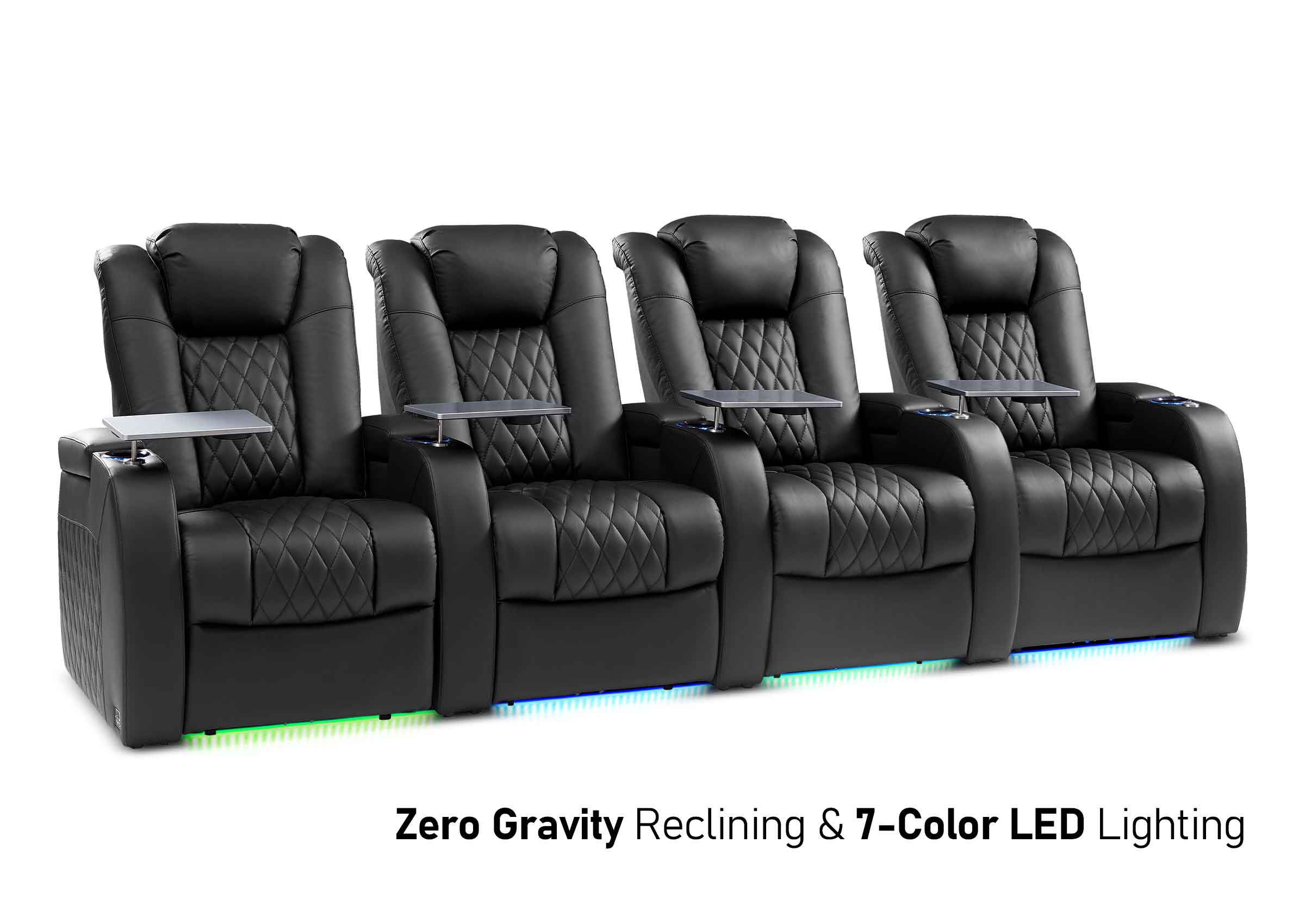
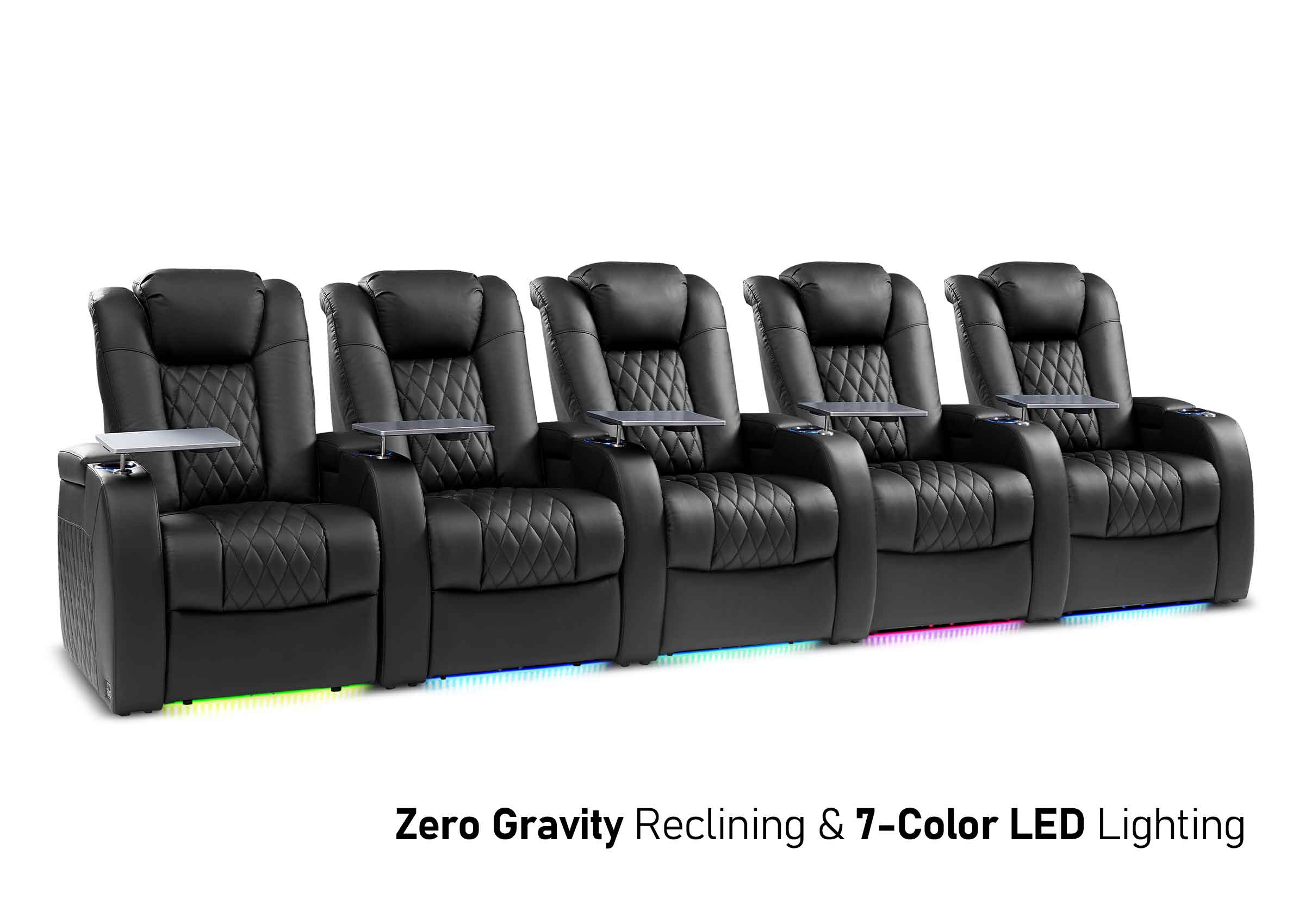
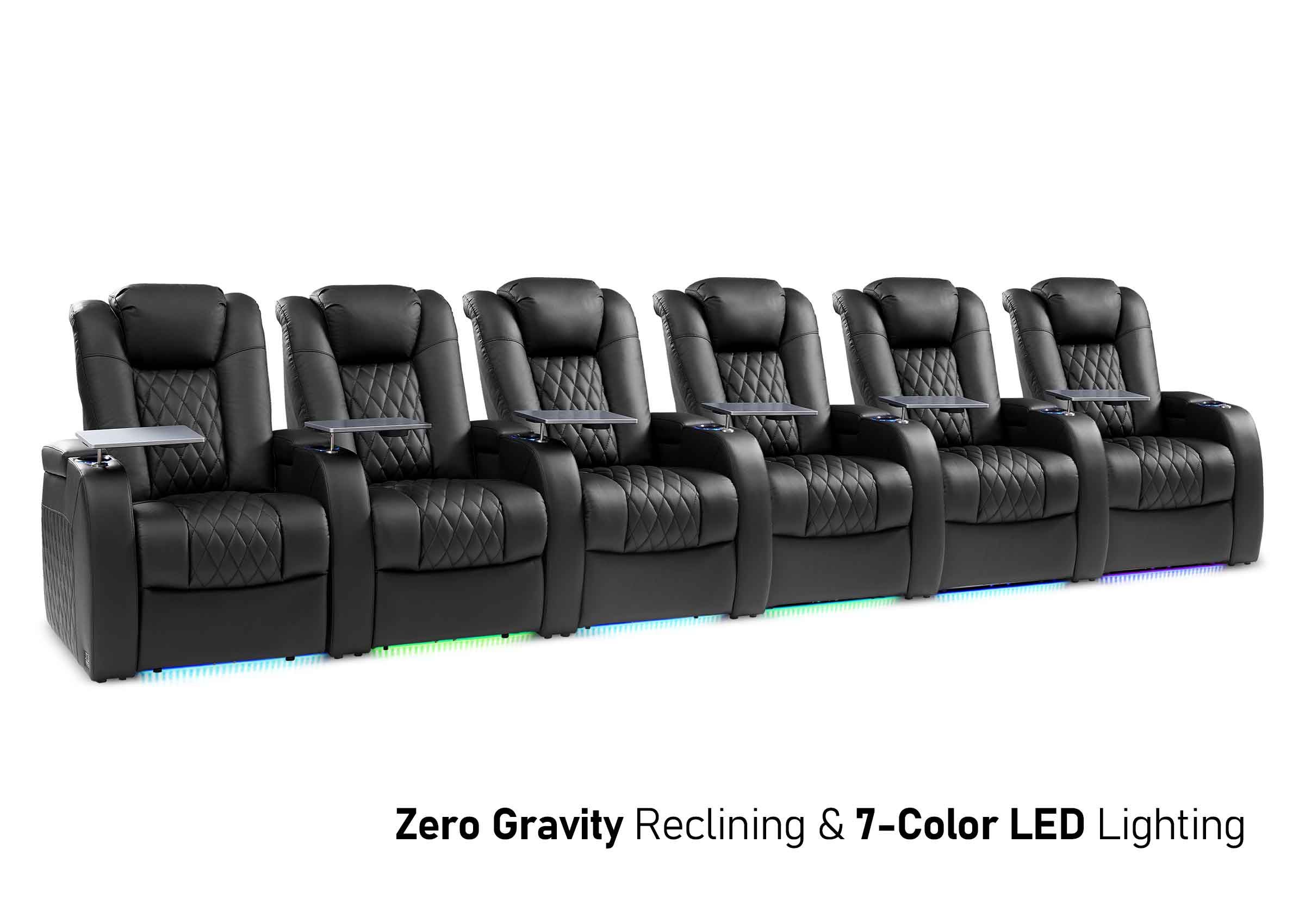
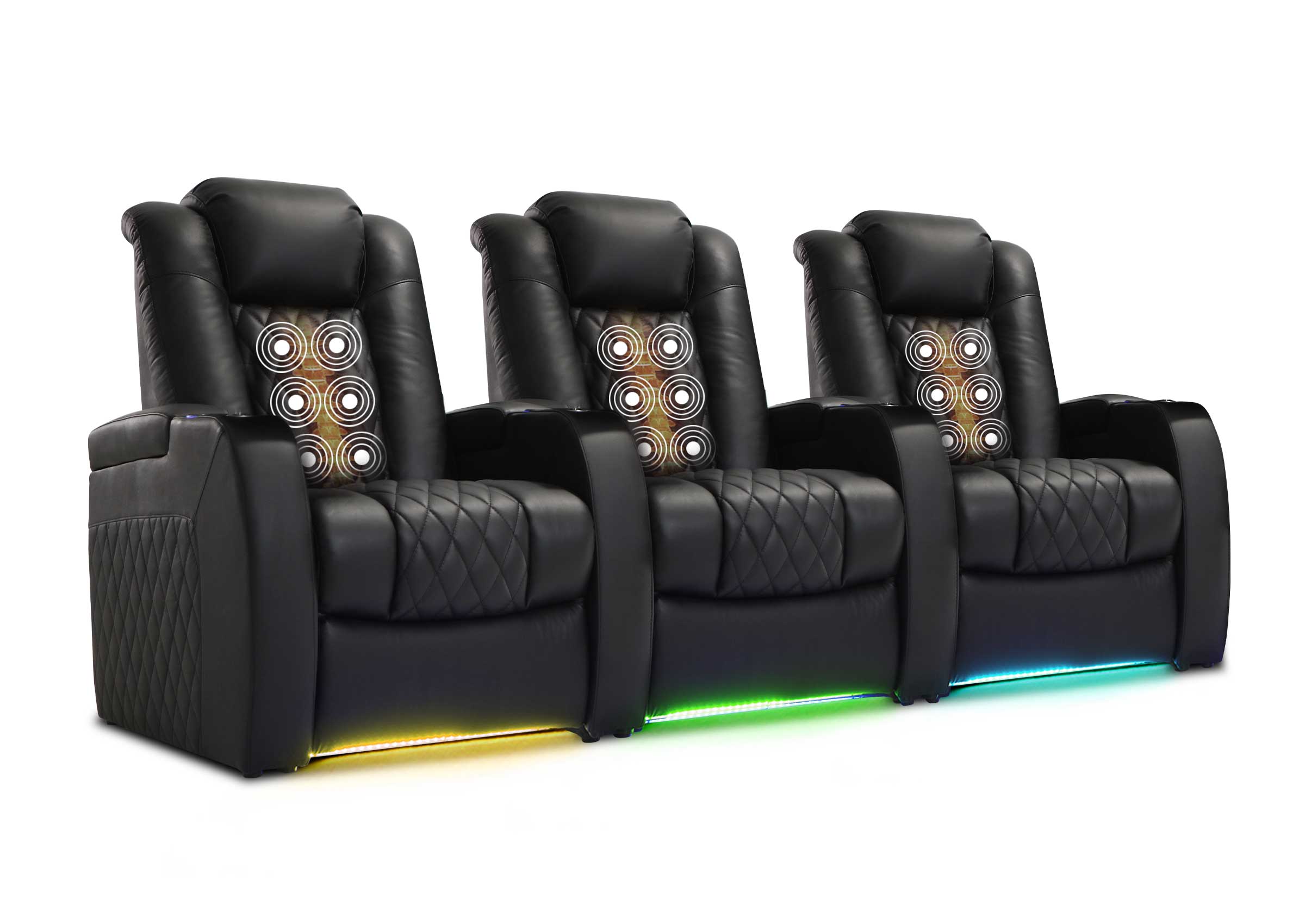
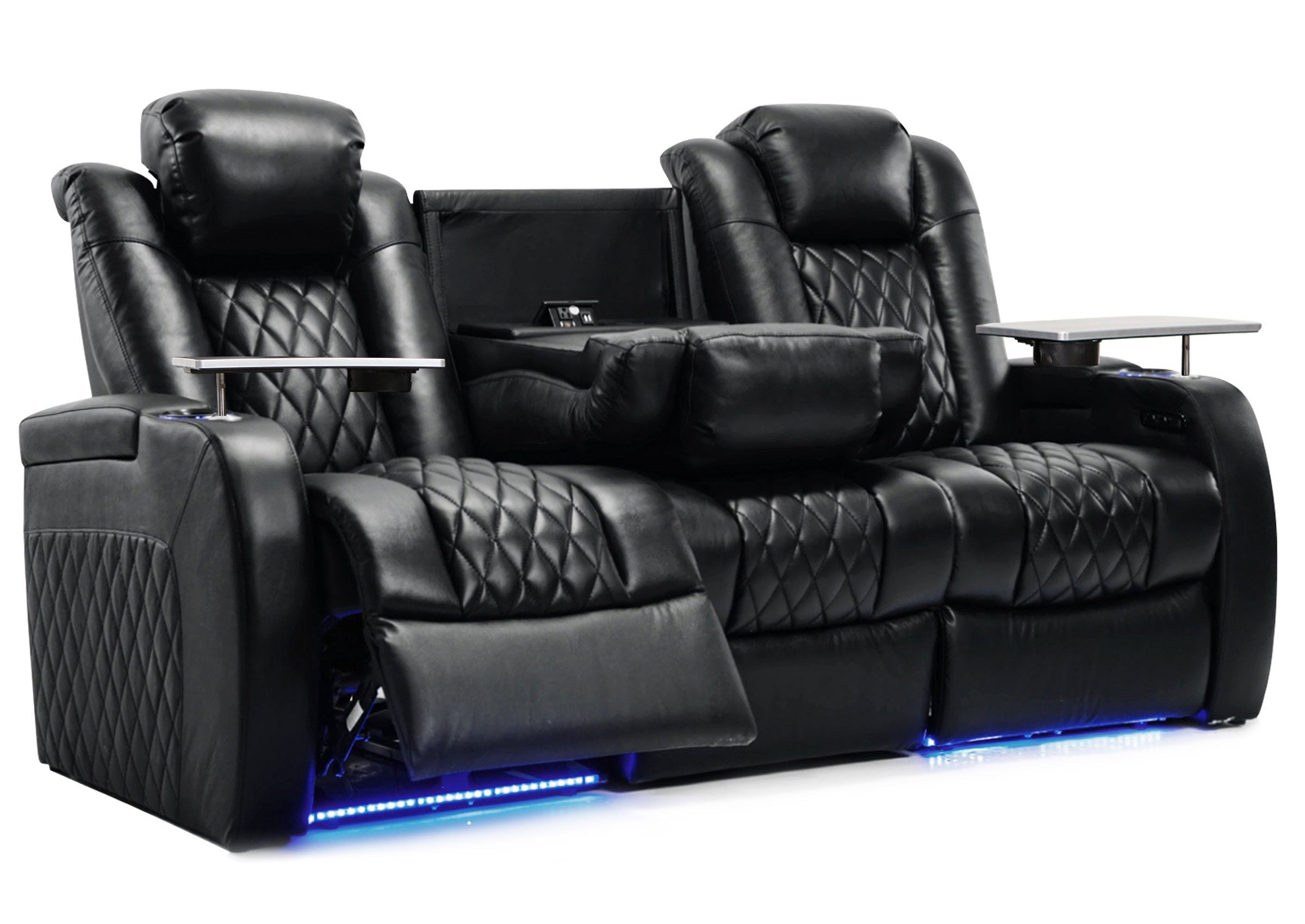
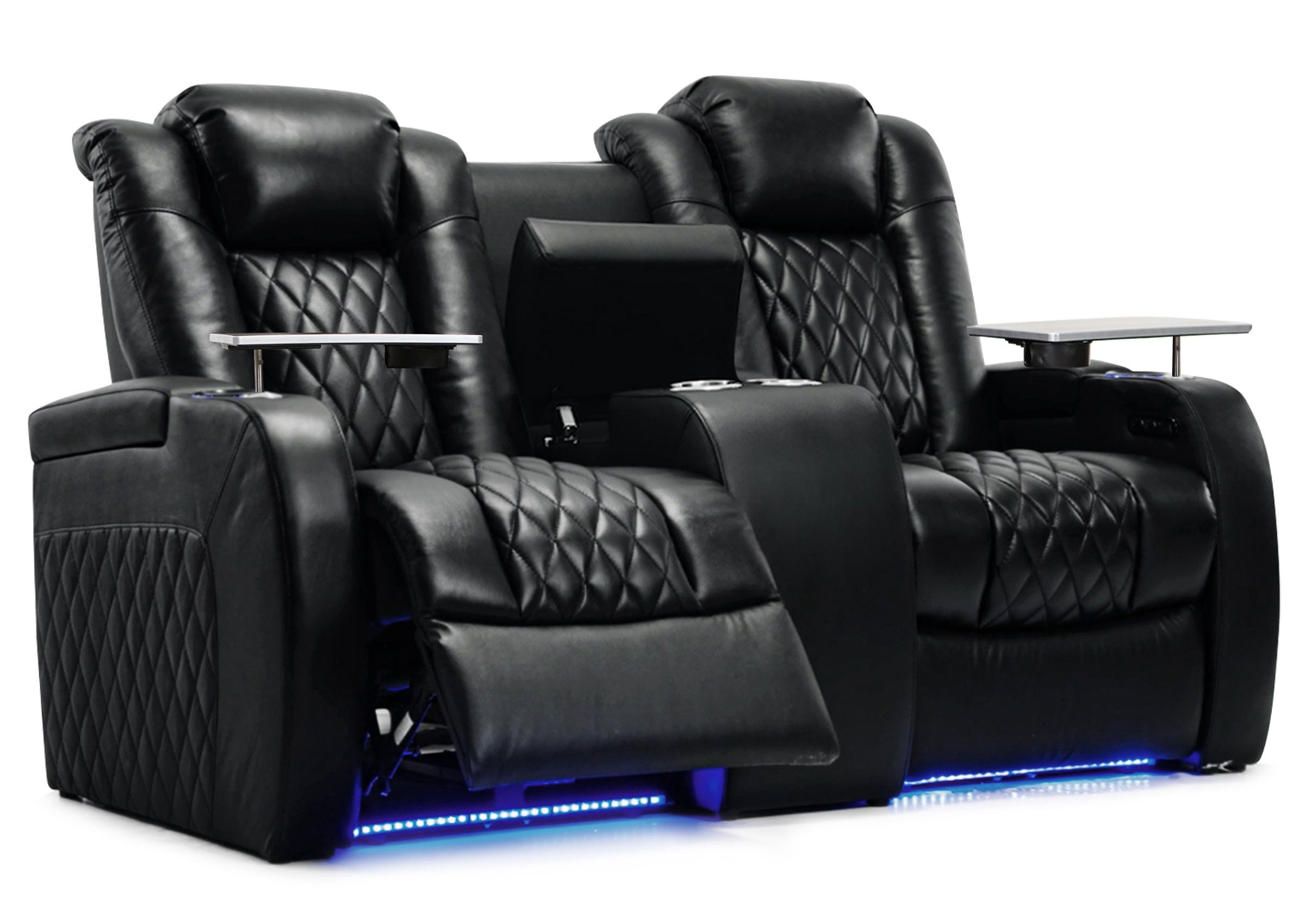


A comfortable RV living room starts with a combination that suits the way you spend time—not the largest sofa that fits through the door. Give your regular seats a good view of the TV, keep everyday belongings within reach, and leave a usable route through the room. Then choose colors and textures that make the space feel like somewhere you want to stay on a rainy afternoon.
The combinations below are design ideas for parked living, not approved installation plans. Keep your RV's designated travel seating, attachment requirements, weight limits, and slide clearances separate from the decorating decisions.
Start With the Evening You Want to Have
Picture the room with everyone actually using it. One person may want to stretch out while another reads; a family may need a place for games and dinner as well as a movie. Those differences matter more than choosing a fashionable furniture style.
Keep the features you use often. If the dinette is your daily dining table, workstation, and guest bed, removing it for two recliners solves one problem while creating three others. If you rarely use the extra bed, however, a more comfortable everyday seating arrangement may be the better trade.
Choose one main arrangement first, then give each activity a home: a seat, a surface for a drink, a place for the remote, and a route to the bathroom or kitchen. The following combinations show how those pieces can work together.
Build a Two-Person Movie Lounge
Two recliners, a shared table, and low storage
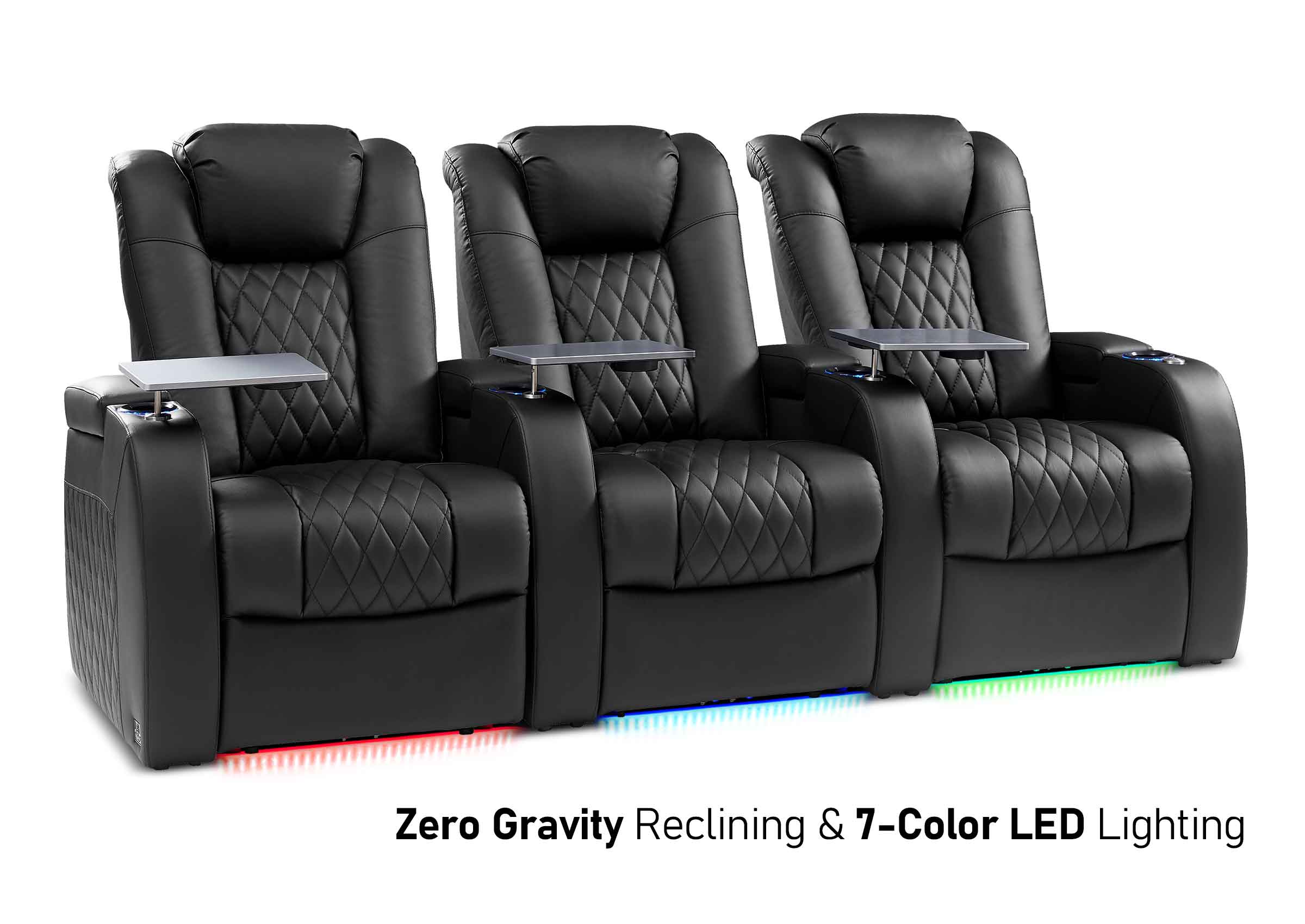
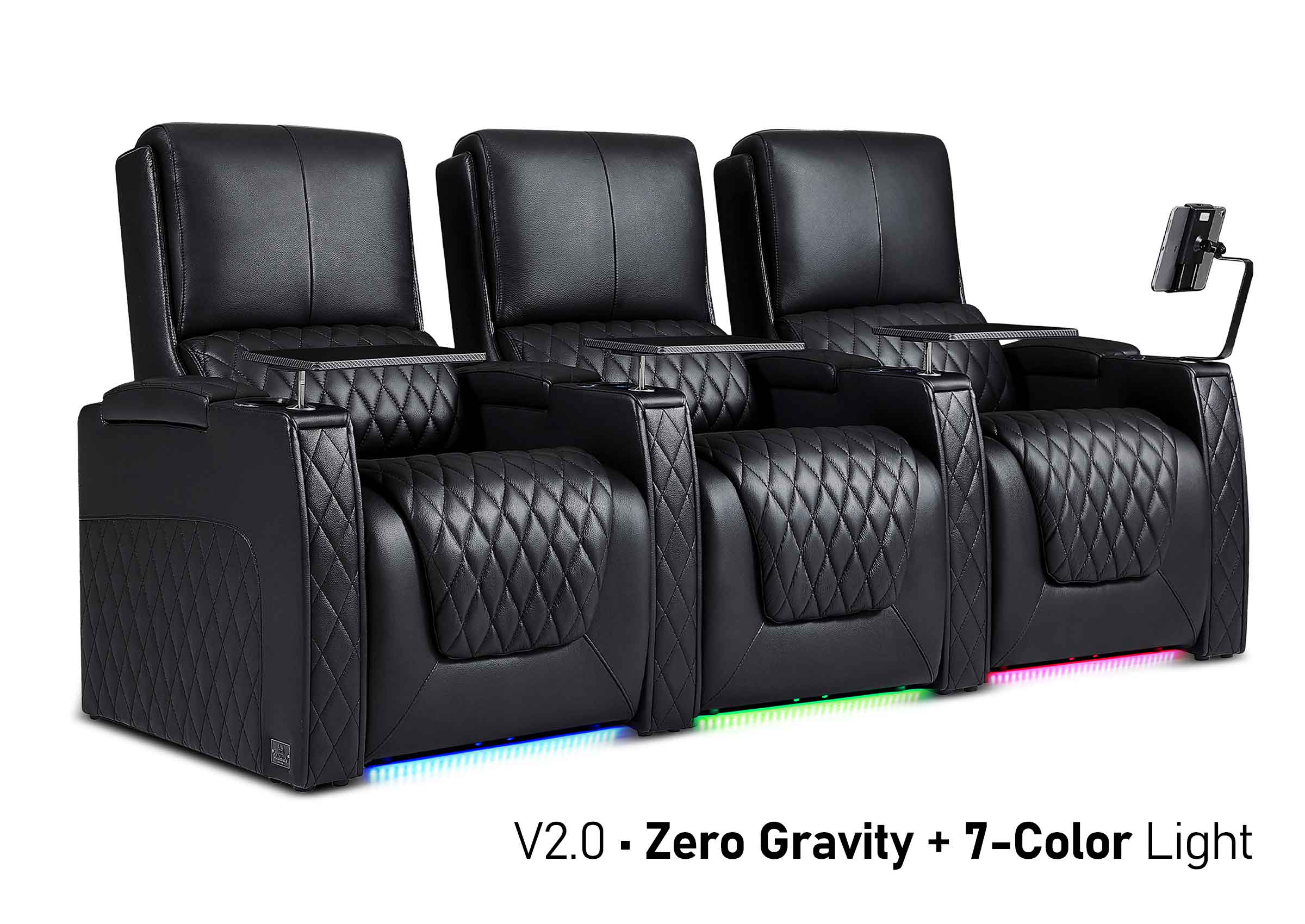
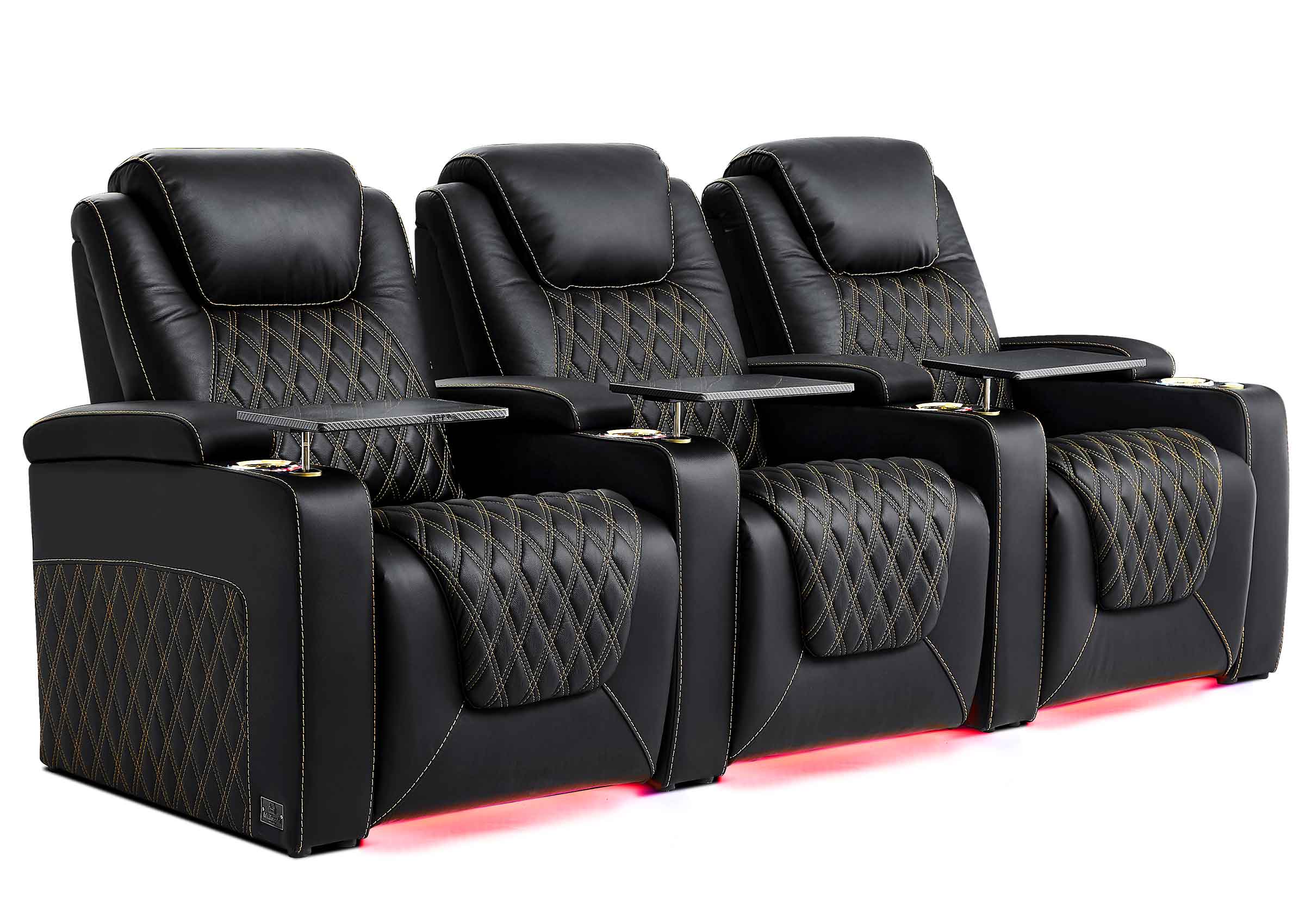
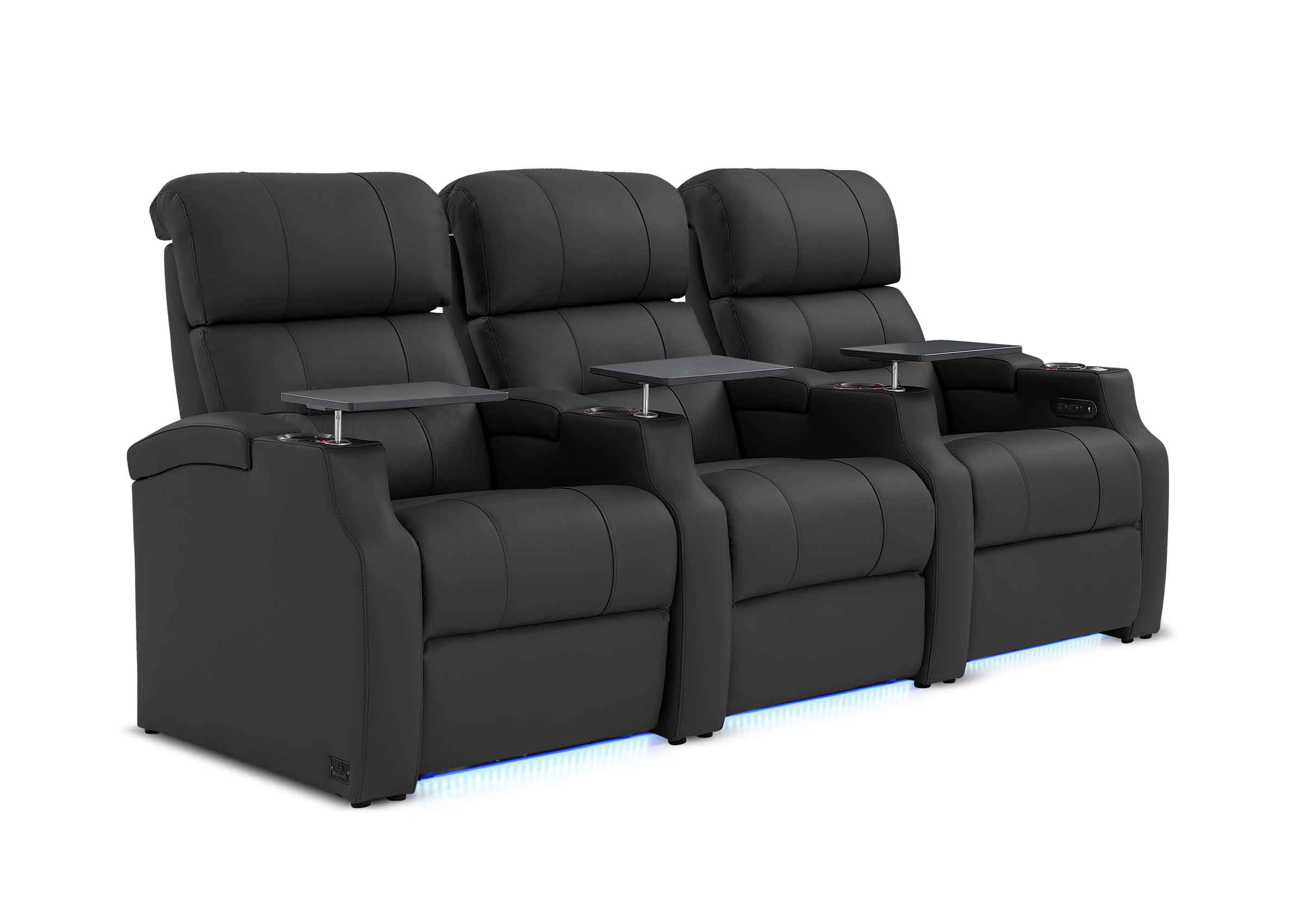
Two appropriately sized recliners facing the screen make a relaxed movie-night arrangement for a couple. A small shared surface between them keeps drinks accessible, while existing low cabinetry holds headphones, charging cables, and blankets.
Try warm gray seating with light wood cabinet fronts and a muted blue throw. Keeping the furniture palette quiet helps the windows and scenery remain part of the room. If the chairs already have usable cup holders or a center console, skip the extra table rather than filling every gap.
This combination favors individual comfort over extra sleeping capacity. Check the chairs in their fully extended positions: the footrests should not turn the only walking route into an obstacle course. A chair's closed width tells you very little about how the room works during a movie.
A compact sofa with separate foot support
A small sofa and a movable footrest create a more shared, curl-up-together feeling. Pair oatmeal upholstery with olive cushions and warm wood, then use a narrow side surface instead of a large coffee table in front.
The footrest can move while parked so the center opens for conversation or games. Its travel location needs to be planned, too; a loose ottoman is not secured merely because it fits tightly between other furniture. Choose this arrangement when flexible floor space matters more than independent reclining positions.

Keep Guest Sleeping and Family Meals in the Picture
A sleeper sofa with a table that has a home
If guests stay occasionally, retain a usable sofa bed and put your effort into the surrounding pieces. A slim side table, washable cushion covers, and a dedicated bedding compartment can make the daytime lounge feel finished without sacrificing a bed.
Plan the nighttime transformation before buying anything. Where does the table go? Can the bed open without trapping a cabinet door? Can someone reach the bathroom while another person sleeps? A foldaway table helps only if its stored position is genuinely available. Try the changeover with the bedding in place; a plan that requires moving heavy furniture every night is unlikely to remain convenient.
Use matching tones for the sofa and bedding storage so the room reads as one arrangement. A rust-colored throw and cream cushions can soften existing brown upholstery without requiring a furniture replacement.
A lounge beside a retained dinette
For families, a sofa facing the TV and a nearby dinette often provide more useful flexibility than filling both areas with lounge seating. One person can watch a film while someone else draws, eats, or uses a laptop at a stable table.
Repeat one accent color across both areas—for example, navy cushions on the sofa and navy seat pads at the dinette. Store games near the table and blankets near the sofa. This makes the two zones feel related without forcing every activity onto the same surface.
The trade-off is less space for large reclining seats. In return, you keep a ready-to-use eating surface and avoid rebuilding the room several times each day.

Make Narrow and Multipurpose Areas Feel Intentional
Keep the main seating on one side
In a narrow living area, a sofa along one side and shallow existing storage opposite can feel calmer than furniture projecting from both walls. Use a light neutral base, one darker seat fabric, and small repeated wood details rather than several competing finishes.
Give the main seats priority when checking the TV angle. A screen placed on the opposite side may work well; a screen at the far end of the RV may leave everyone looking sideways. Test the actual seated view before deciding where to spend money.
Bring existing front seats into the parked lounge
Where the motorhome's original seats are designed to swivel for parked use, they can extend the conversation area without another large chair. A coordinated throw or cushion can connect the cab visually with the living space behind it.
Follow the seat manufacturer's operating and travel-position instructions. This idea uses an existing approved function; it is not a suggestion to modify a seat base or belt anchorage. Keep the step, cab access, and route through the living area clear.
Give a toy-hauler lounge a reversible setup
If the garage still carries equipment, think in terms of a lounge that can be packed away: suitable existing seating, a removable rug used while parked, and storage that separates clean indoor items from outdoor gear. Repeating the same textiles as the main living area helps it feel connected to the rest of the RV.
Decide where every movable piece goes before loading equipment. Keep access to ramps, exits, tie-downs, and service points available. A permanent furniture arrangement makes more sense only when you have deliberately given up the space's original carrying function and had the changes assessed.
BEFORE YOU CHANGE THE FURNITURE
Try the Layout Before You Buy
Compare your parked layout with the space and stowage you need for travel.
Improve the TV View Before Choosing a Bigger Screen
The best viewing seat should not require a constant head turn. Sit in each regular position and check the picture with your usual posture, including any recline. Then notice reflections from the windows at the time you normally watch.
Sometimes the useful change is a shade, a different seating angle, or a suitable adjustable TV mount—not a larger television. Any new mount needs verified support, appropriate fasteners, and a secure travel position for that RV. A residential wall-mount installation method is not automatically suitable for a thin RV wall. If the existing screen is already usable, try controlling glare and changing your parked seating position before altering the mount.
Keep the entertainment area visually quiet. Closed storage below the screen can conceal cables and accessories, while one small display area gives the room personality. Preserve ventilation and access to equipment rather than hiding everything behind a solid panel.
An old TV recess can become useful storage, but first establish what is behind it and whether it contains wiring or equipment. RV Inspiration's entertainment-center makeovers show how changing this area can also alter adjacent storage and room divisions. Borrow the design idea, then assess the construction details for your own RV.
Add Storage Where You Actually Use Things
Make a short list of what lands on the sofa at the end of the day: remotes, chargers, books, pet supplies, shoes, or blankets. Give those items accessible homes before adding decorative baskets.
Use an existing drawer near the main seat for small electronics, a reachable cabinet for blankets, and an entry-side location for shoes. A storage ottoman may combine two jobs, but check whether opening it requires clearing the whole room and how it will be secured during travel.
Closed storage creates a calmer backdrop than many exposed containers. Leave a little open display space for objects you enjoy while parked, with a separate place to stow them before moving. Do not block vents, emergency exits, or access panels to gain another compartment.
For warmth, layer a few practical materials: a soft washable throw, textured cushions, and existing warm-toned wood. A modest rug can define the lounge while parked, provided it does not interfere with doors, steps, or the slide's movement. Check the manufacturer's instructions before leaving any rug in a slide's path.
Lighting works best when it follows the activities. Use the RV's suitable reading lights for a book and softer ambient lighting for conversation. Keep bright sources and reflections out of the main TV sightline. You can often make the room more welcoming by changing the balance of light rather than adding more furniture.

Test the Room in Living Mode and Travel Mode
Before replacing furniture, map the proposed footprint with removable tape and compare it with the real furniture's open dimensions. Do a normal evening's movements: sit down, reach a drink, open storage, extend a footrest, and walk past another person.
Then check the travel configuration against the RV's instructions. Account for slide movement, furniture stowage, access to essential areas, and secure storage. Keep objects clear during actual slide operation; a layout test should not involve experimenting with obstructions.
Check furniture weight as part of the vehicle's loaded condition, not just the difference between two sofas. Passengers, water, supplies, and other equipment also matter. Ask the RV manufacturer or a qualified RV professional about attachment points, floor or slide limitations, and the effect of a proposed replacement.
Motorhome travel seats and parked lounge seats are different categories. Winnebago's operator-manual library is one example of where owners can find model-specific instructions; use the equivalent documentation for your own vehicle. Do not treat added furniture as an approved passenger position or improvise seat-belt attachments.
Keep the arrangement that works with the fewest daily compromises. A smaller comfortable seat, a clear walking route, and storage you can reach may create a better living room than a larger furniture set that constantly needs moving.
RV Living Room Ideas FAQ
Can I use residential furniture in an RV living room?
It may be a candidate for parked use, but fitting through the door is only the first check. Confirm weight, attachment, floor or slide capacity, clearance, and electrical compatibility where relevant with the appropriate RV professional. Residential furniture does not automatically qualify as travel seating. Ask the furniture seller for dimensions and specifications without assuming the seller can approve the vehicle installation.
Should I replace the dinette with recliners?
Consider what the dinette currently does. If it provides everyday dining, work space, storage, or a guest bed, plan replacements for those functions before removing it. If you rarely use those features and prioritize daily lounging, recliners may suit your routine better. Check for equipment and structural or attachment requirements beneath the existing dinette before planning removal.
What if my TV is beside the sofa rather than opposite it?
Test whether a smaller change can improve the angle: a different usable seat position, a suitable adjustable mount, or rearranging the parked lounge. Check the screen from every regular seat, not just from the middle of the room. Any mount change needs vehicle-appropriate support and travel restraint; avoid solving the viewing angle by creating an installation problem.
How can I keep an RV living room cozy without replacing the sofa?
Start with coordinated cushion covers, a washable throw, useful reading light, and less visible clutter. Repeat a color already present in the cabinetry or upholstery. Improving the TV sightline and providing a reachable drink surface can make the existing seat more enjoyable without a full furniture change.
How do I preserve an occasional guest bed?
Keep the convertible seating if you still need its sleeping function, and plan where tables and loose items go when it opens. Store bedding close by and test the overnight walking route. A room that converts easily is more useful than a guest arrangement that requires unloading several cupboards every night.
Do I need to check the layout with the slides closed?
Yes. A comfortable parked arrangement still needs to stow correctly and avoid interfering with the slide system. Follow your RV's instructions for clearances and operation, and verify the access you need in travel configuration. Do not assume a chair that fits on an extended slide will also fit when it retracts.
Plan the Combination Before Ordering the Seats
Choose the arrangement that supports your everyday routine, then confirm the vehicle-specific requirements before buying furniture. If you are considering a Weilianda seating option, ask Weilianda Support or leon@weiliandahome.com for the relevant product dimensions and specifications. Have your RV manufacturer or qualified installer assess vehicle suitability; product information alone is not approval for installation or passenger use while traveling.