



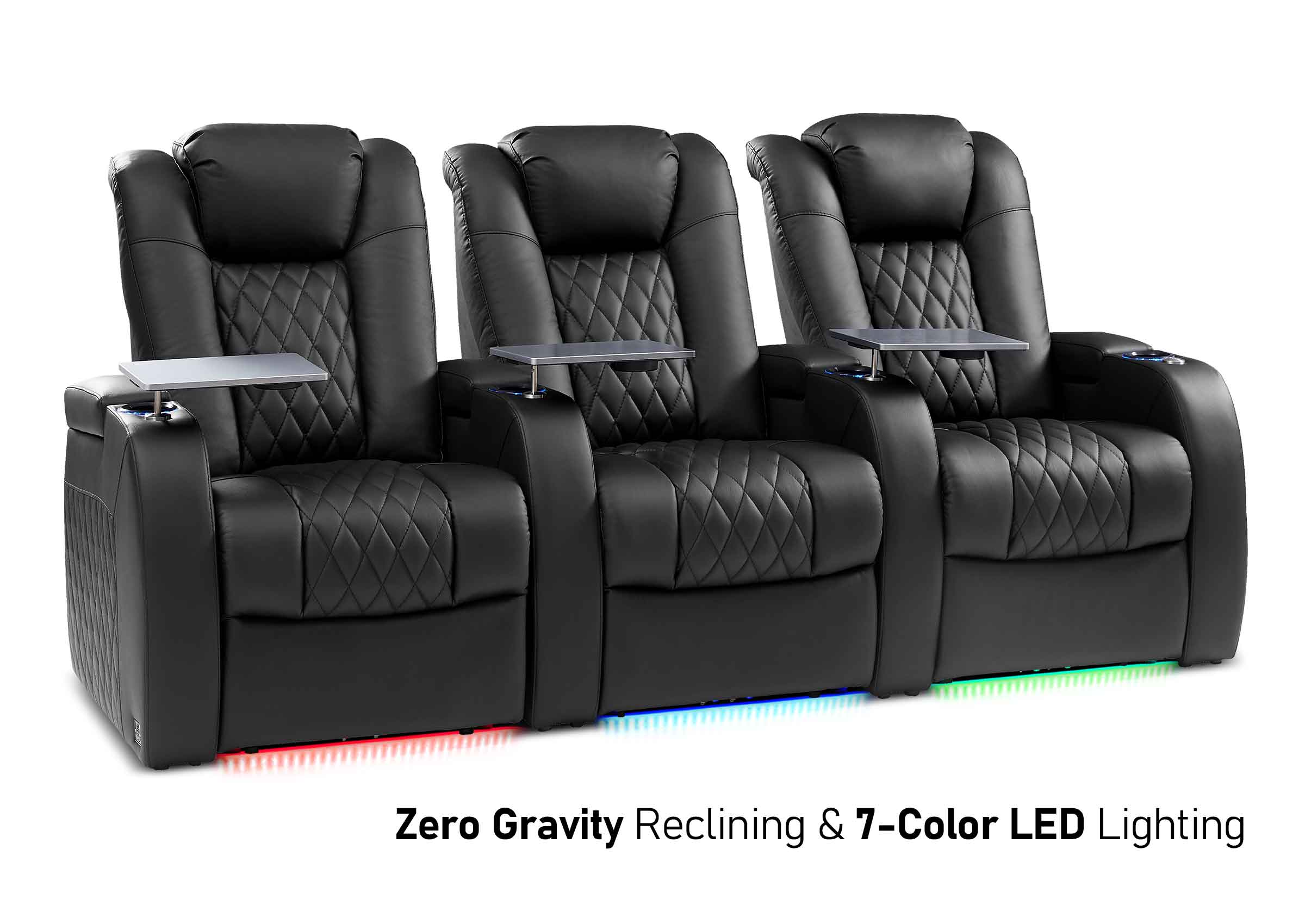

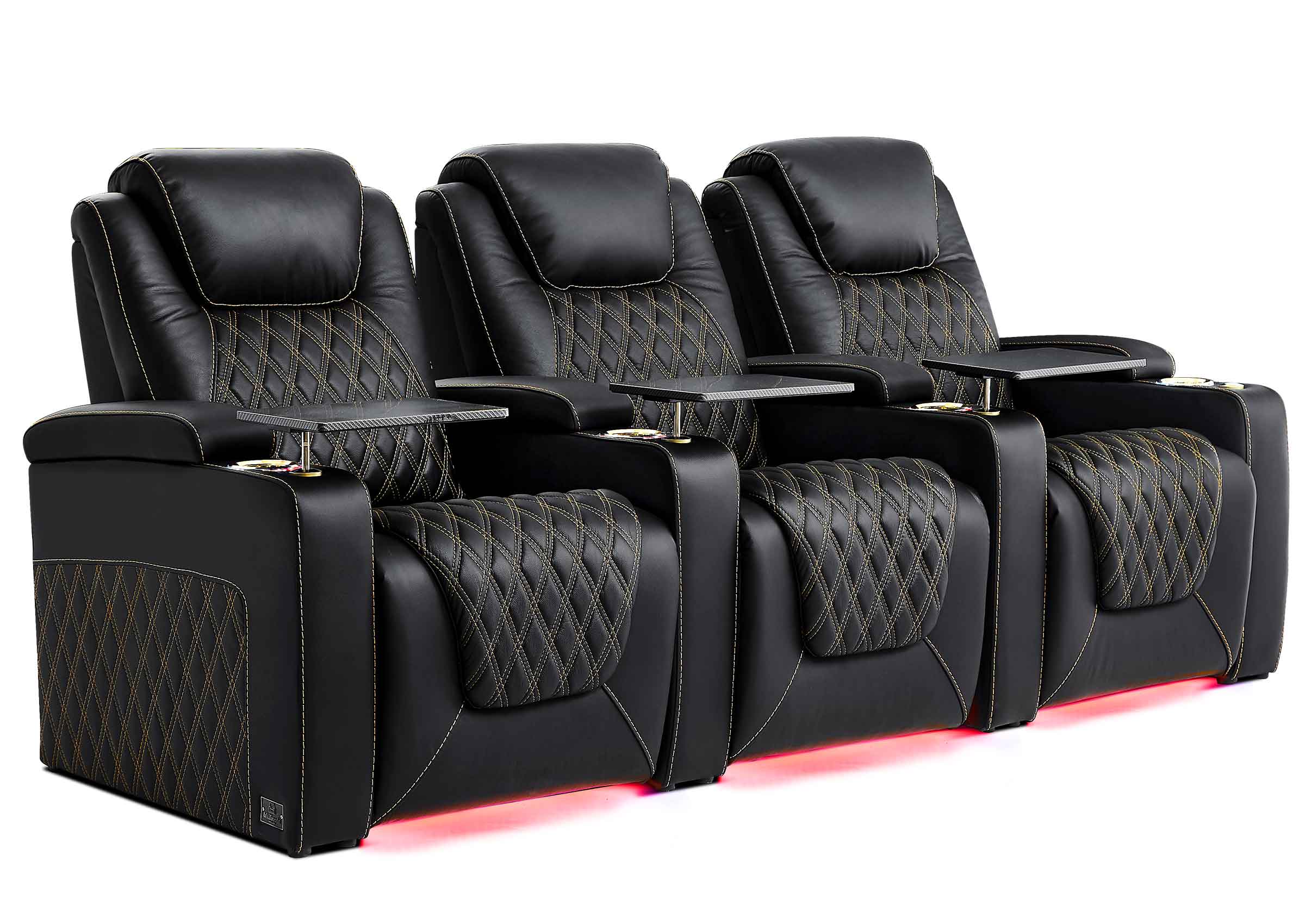
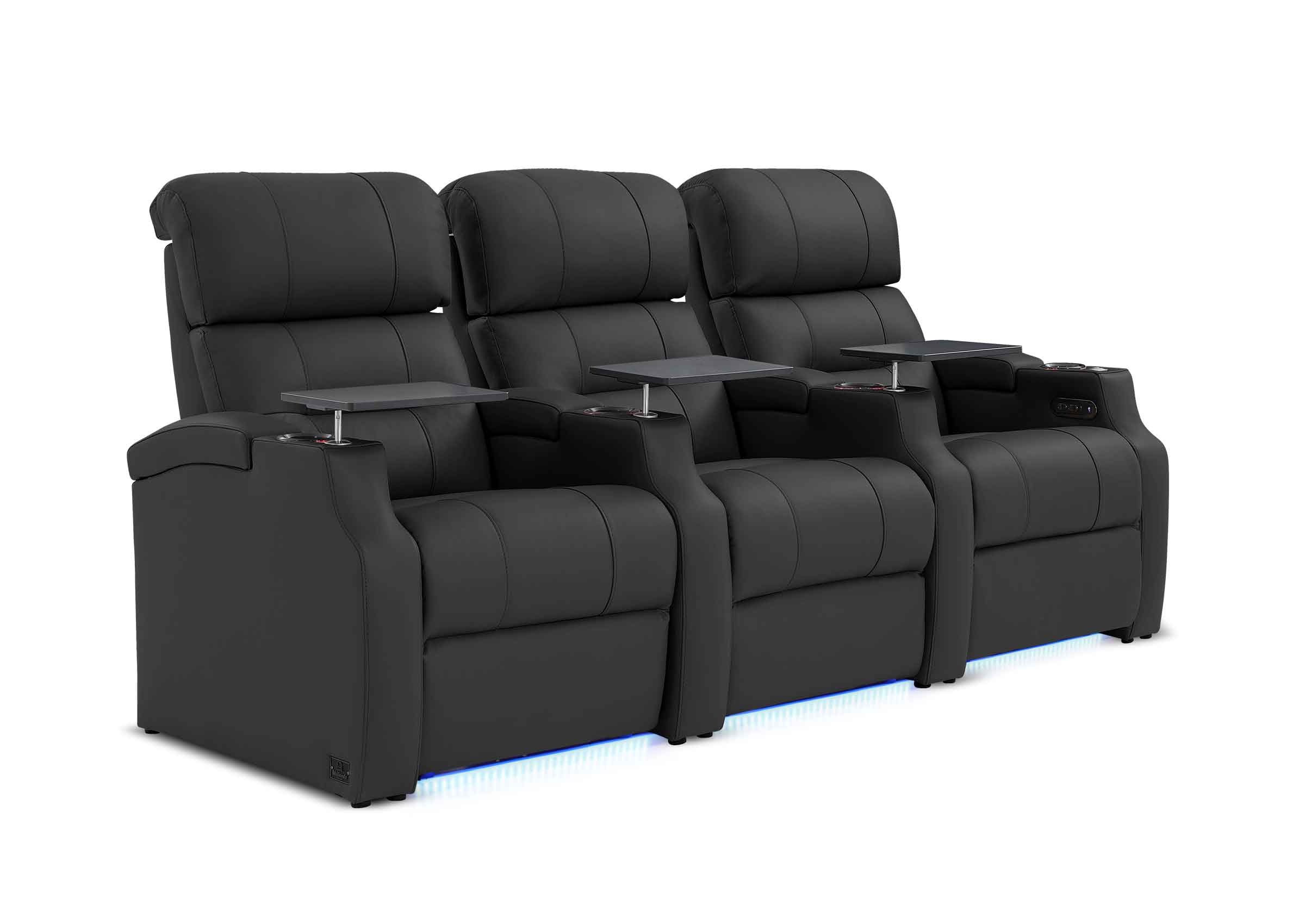
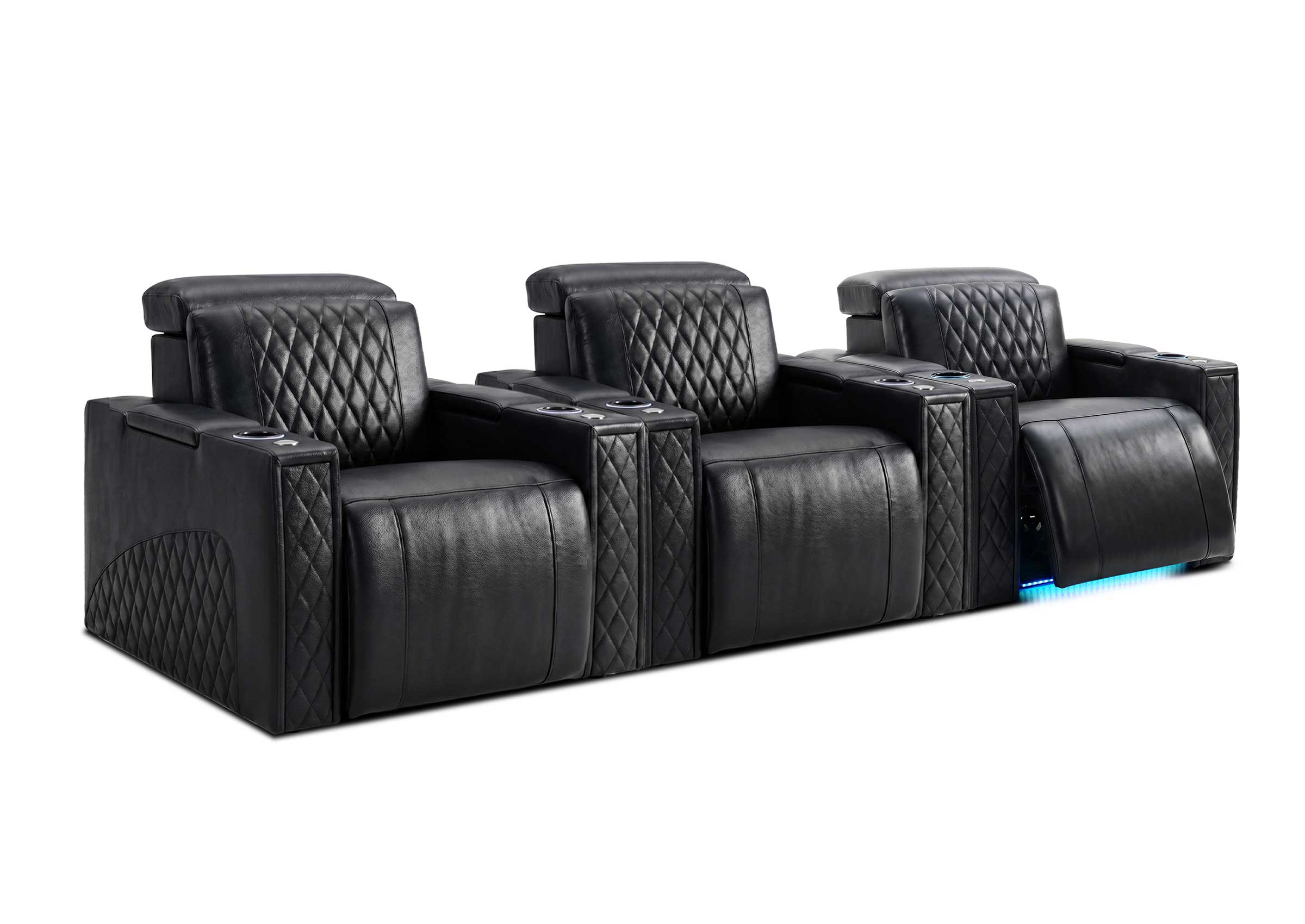

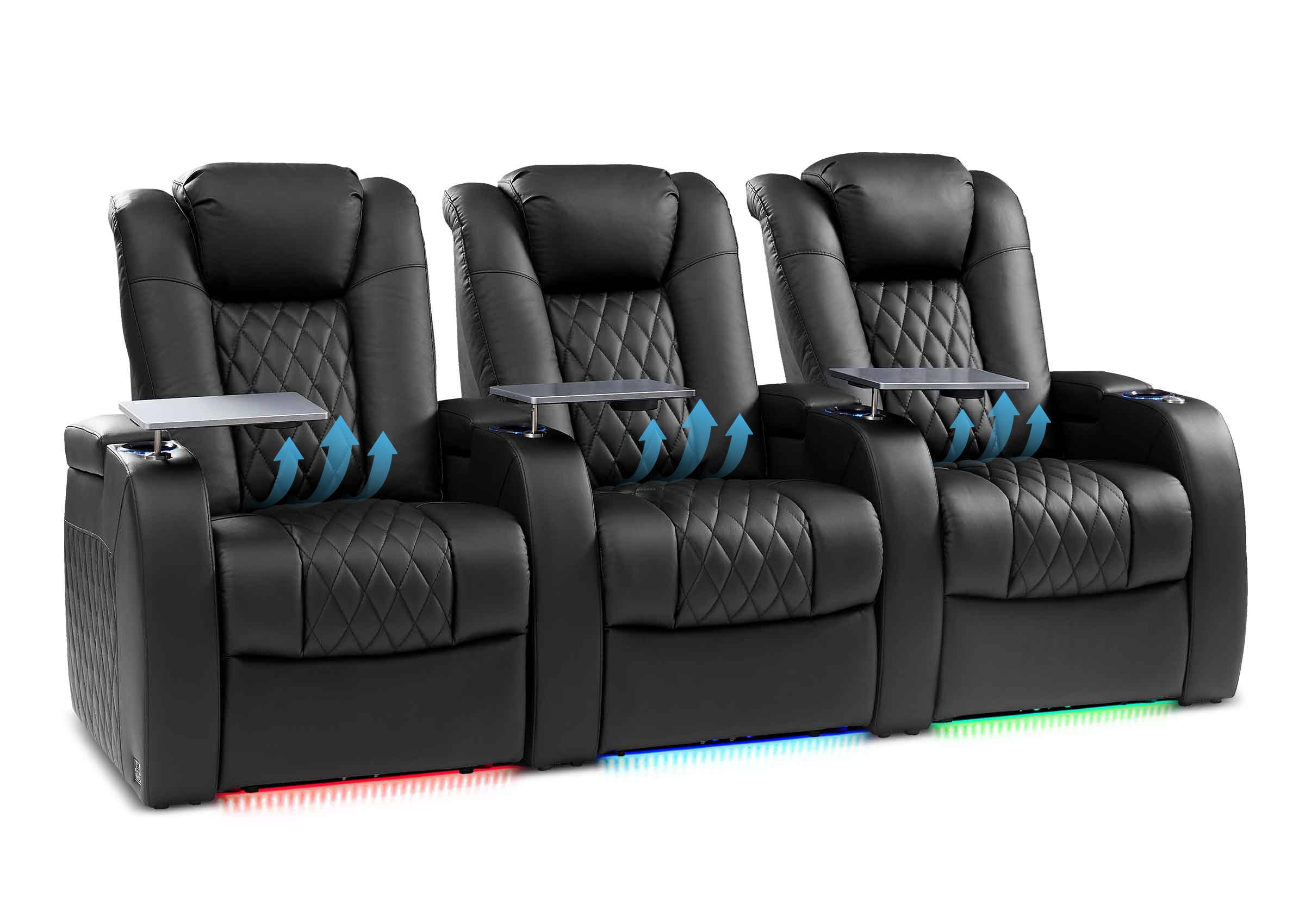
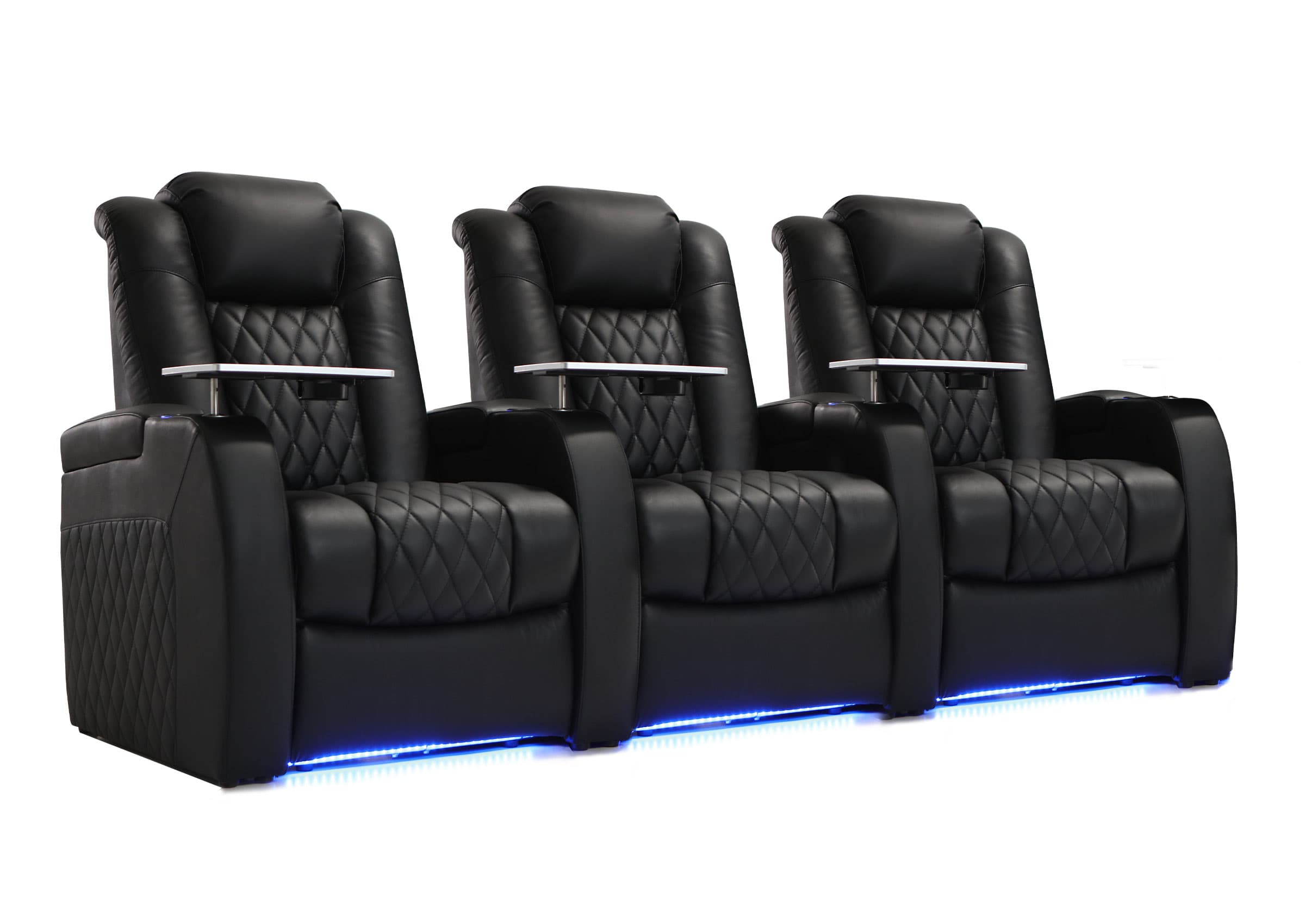
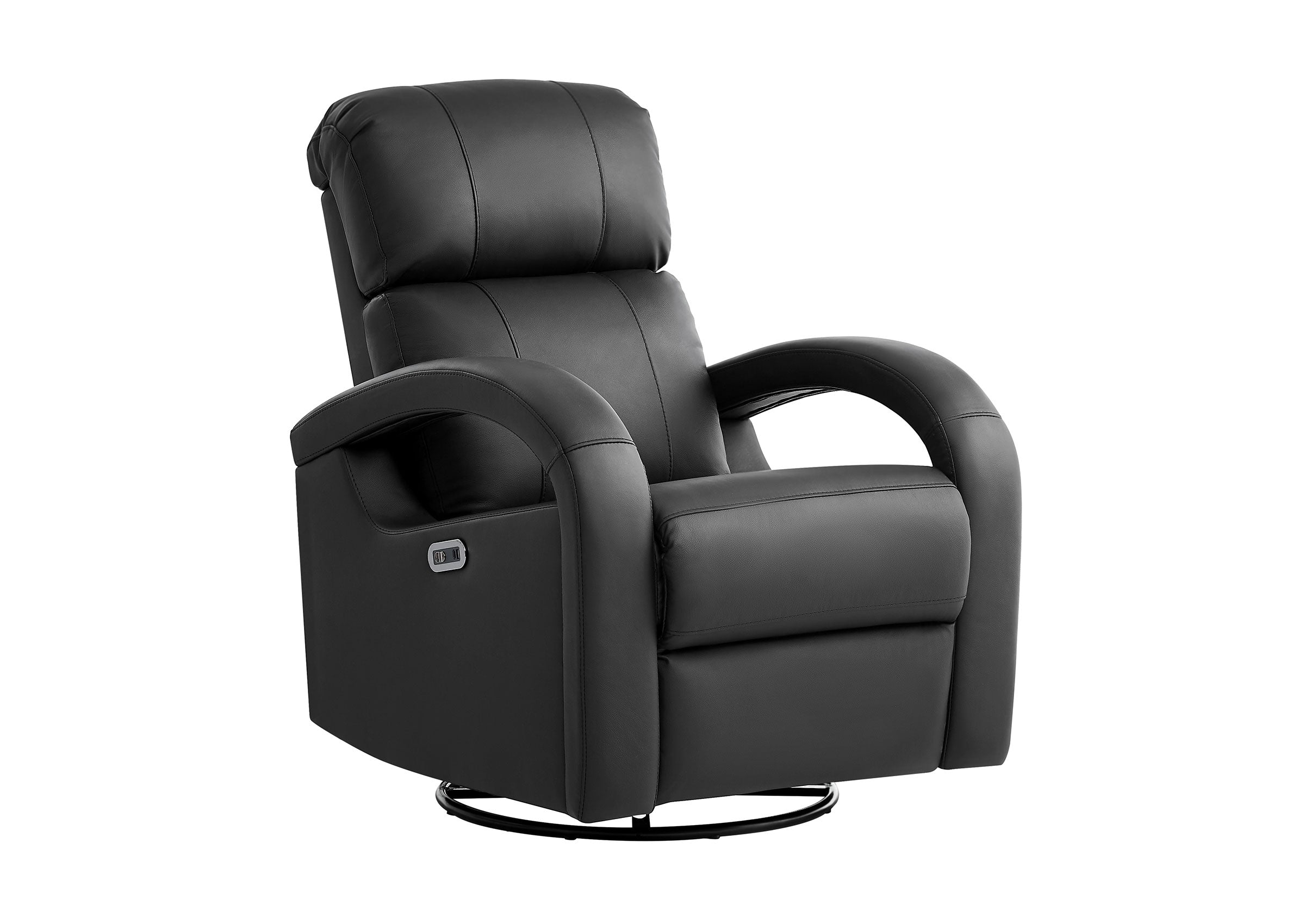





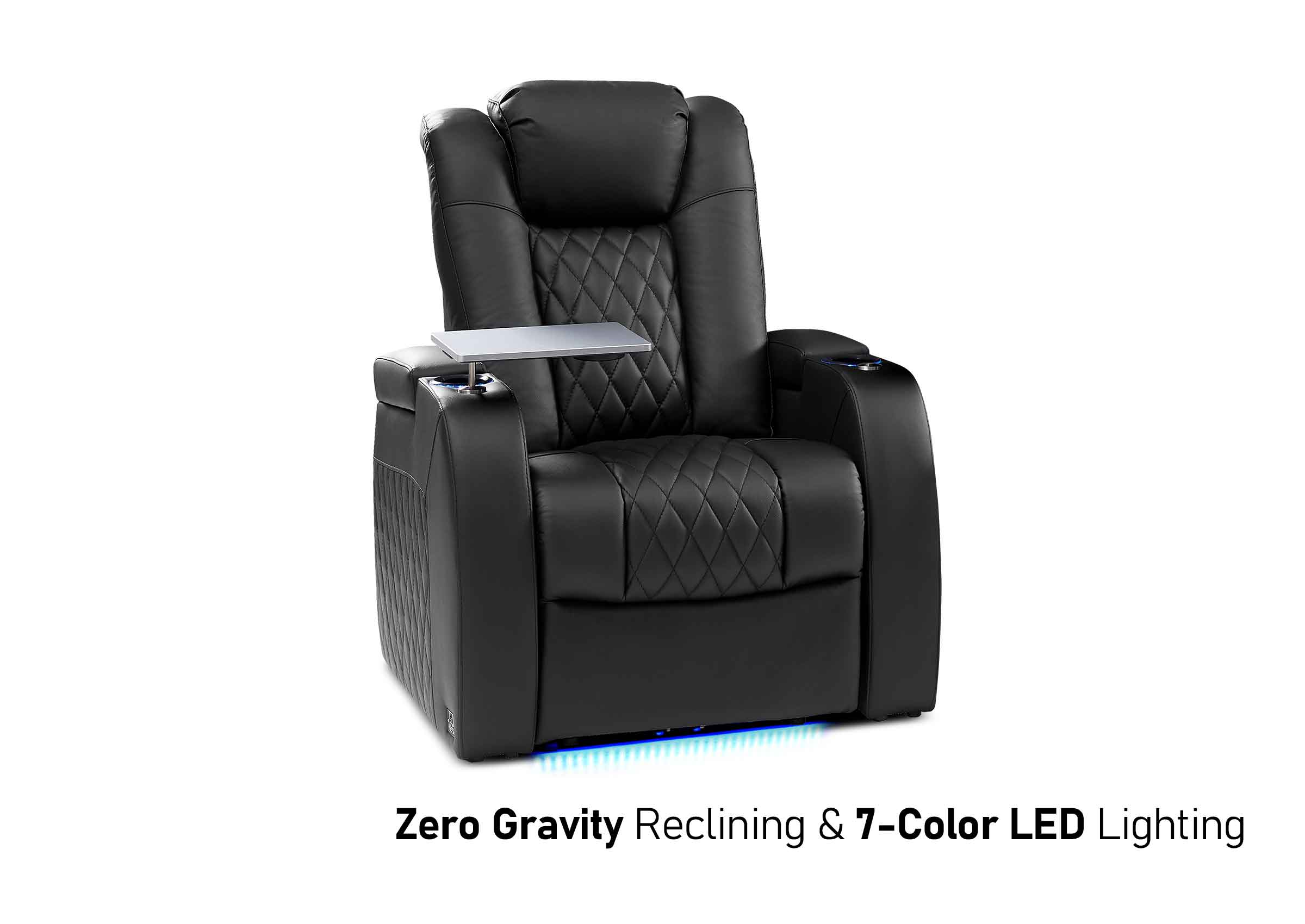
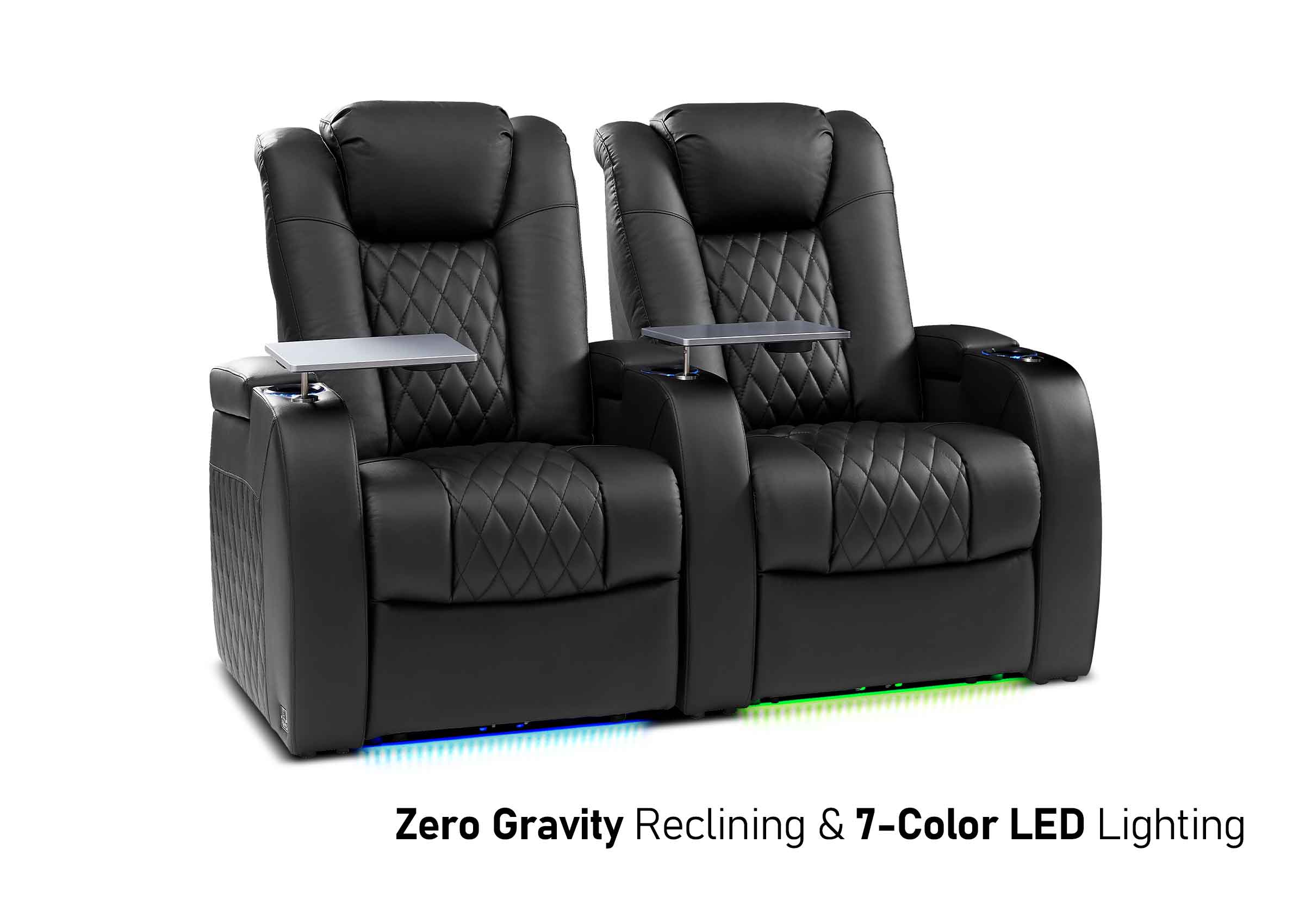
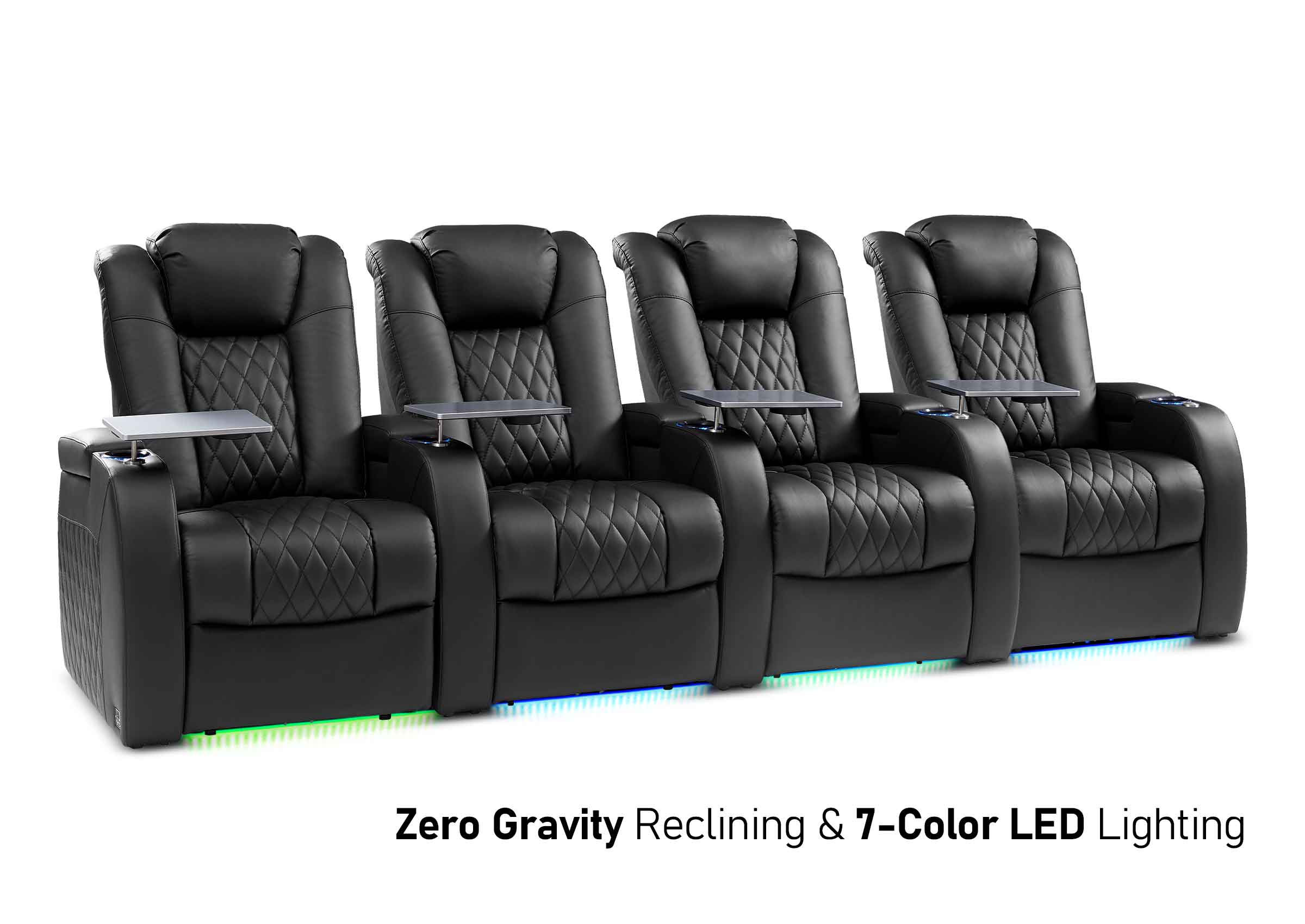
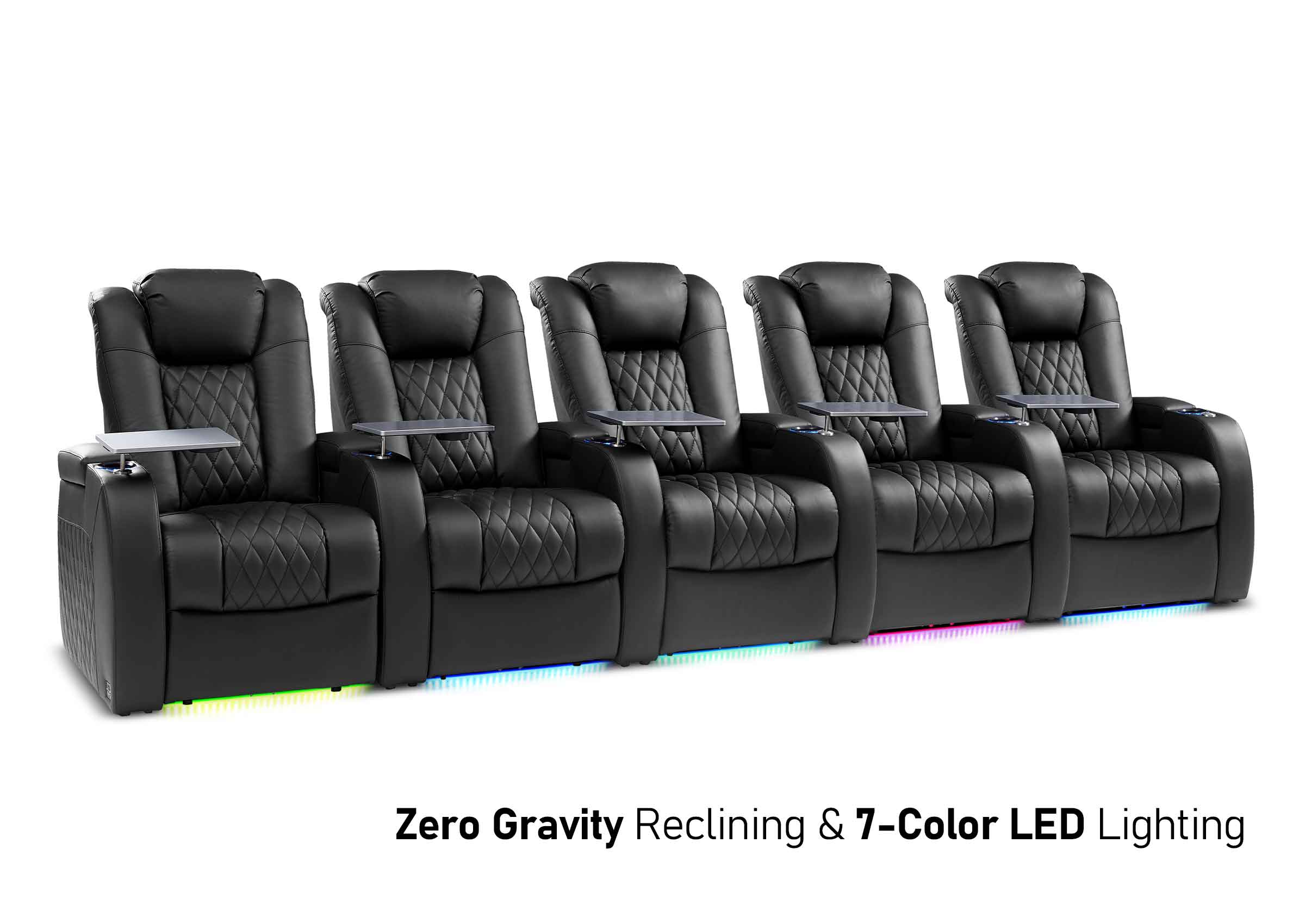
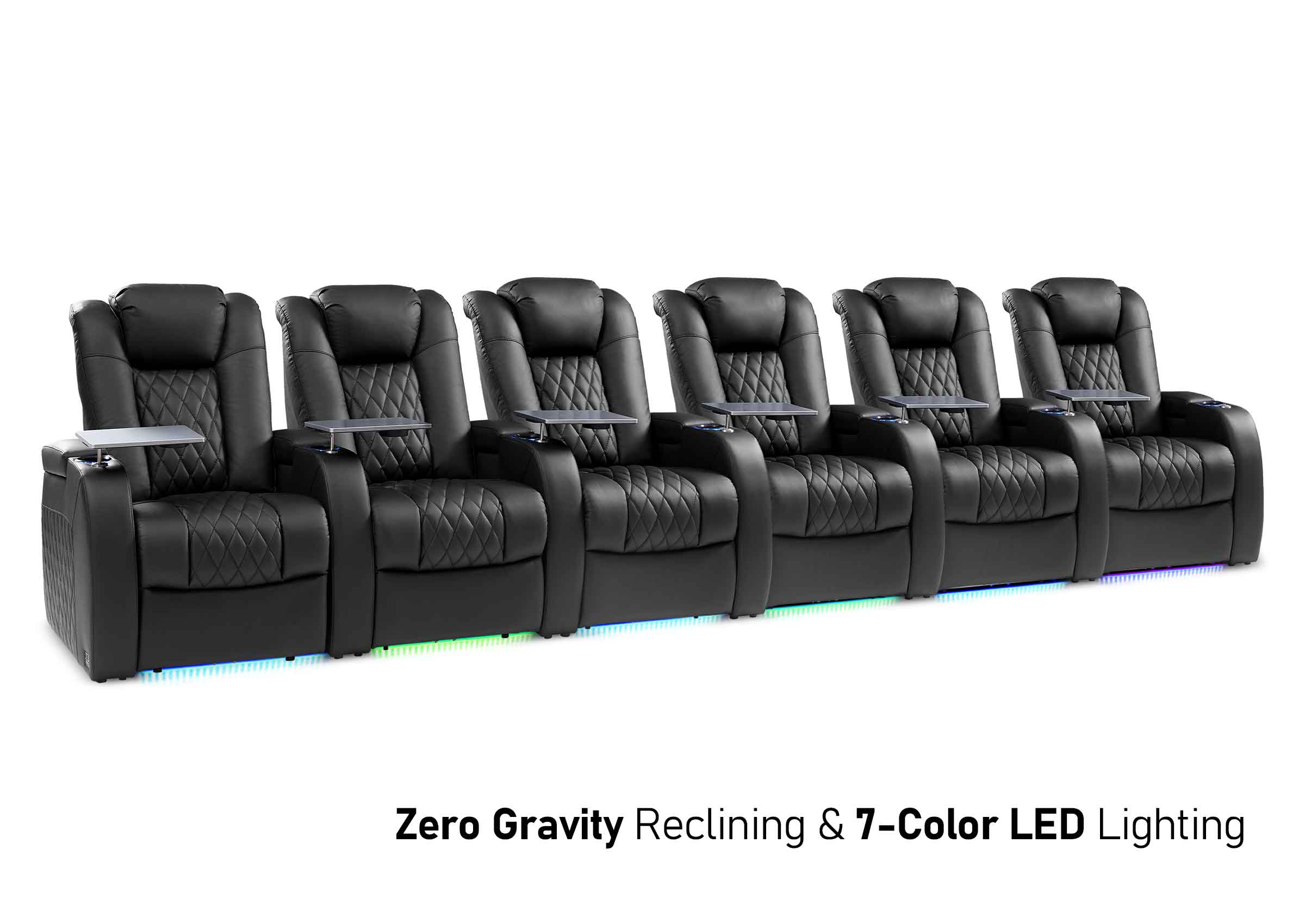
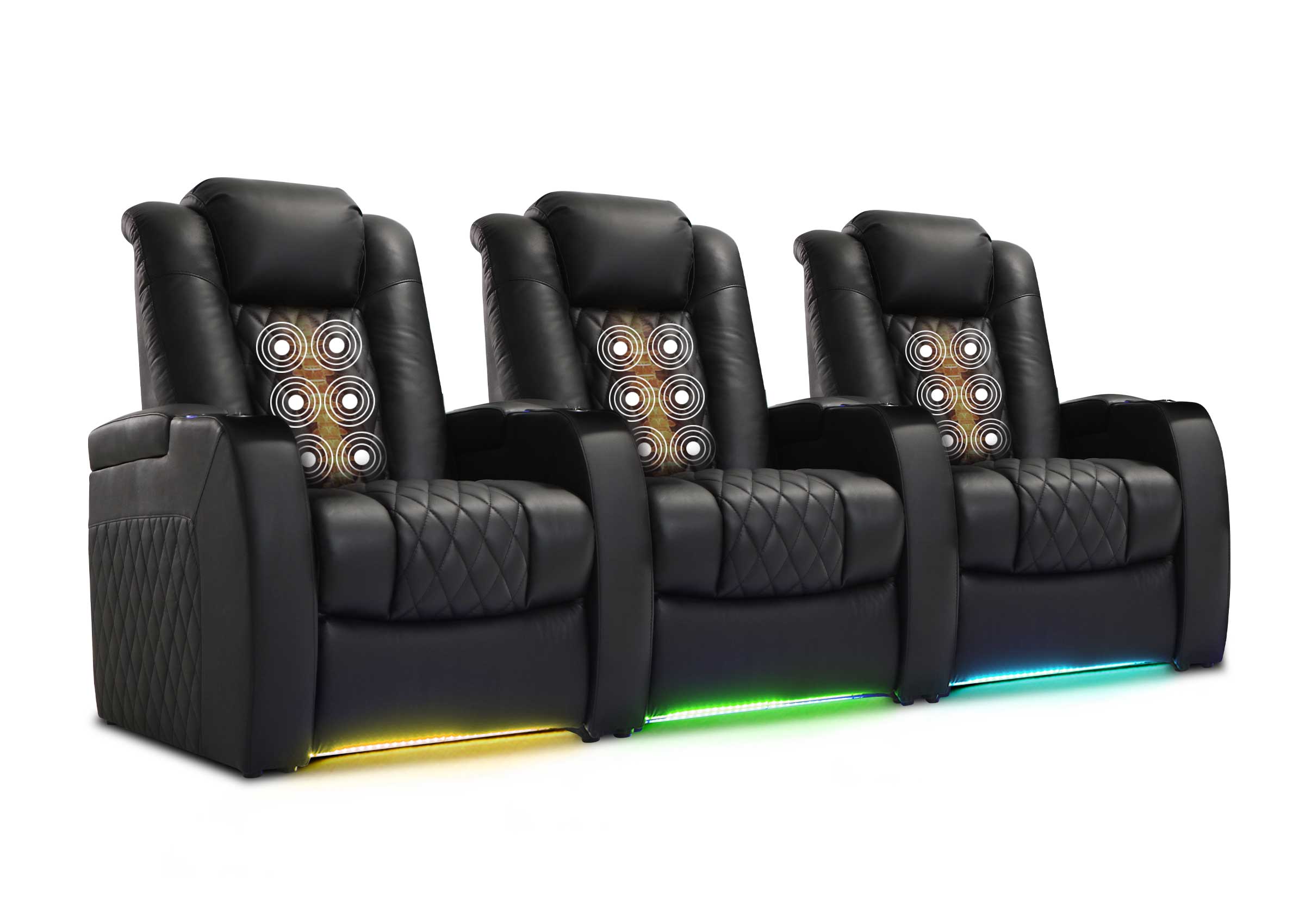

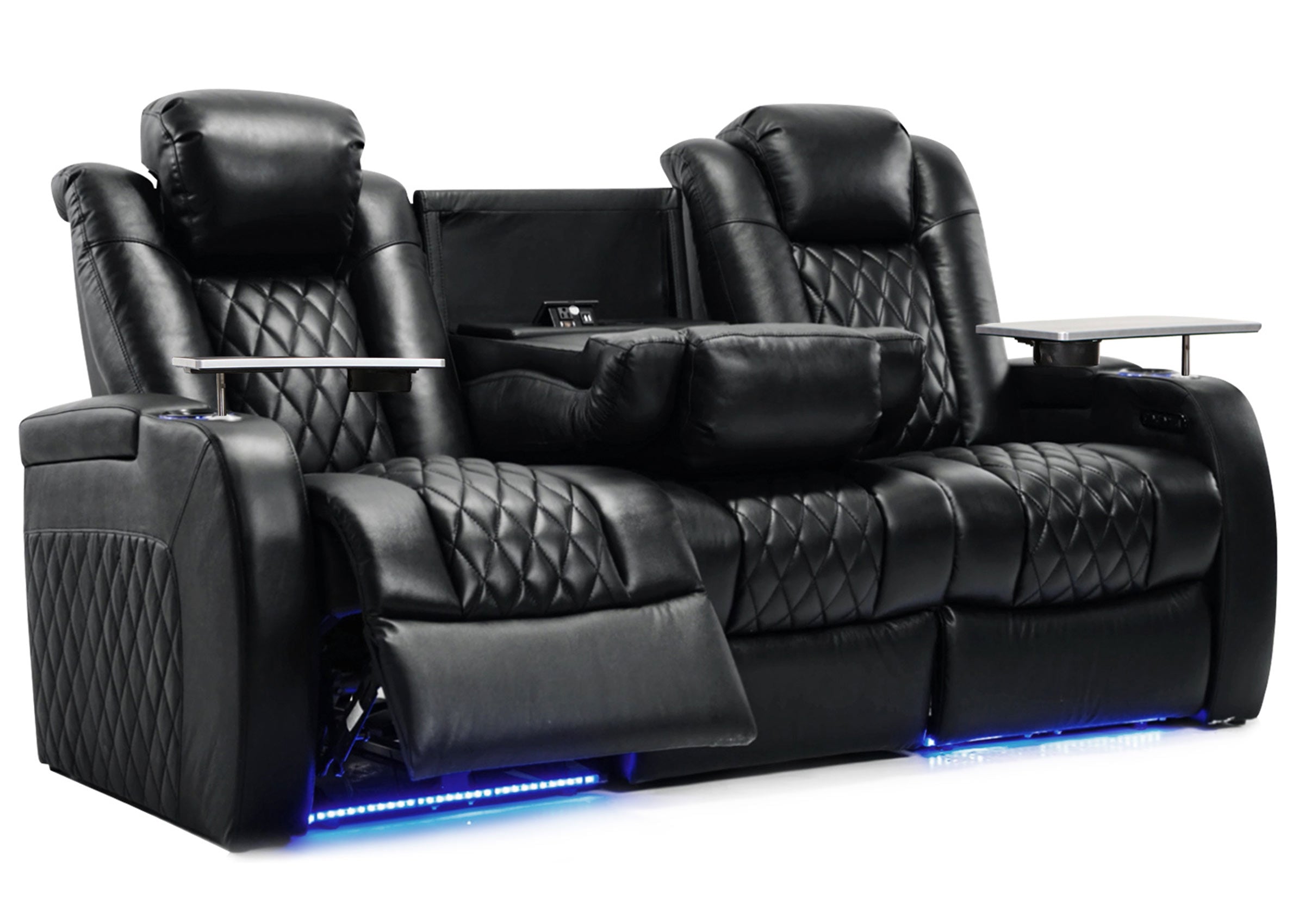
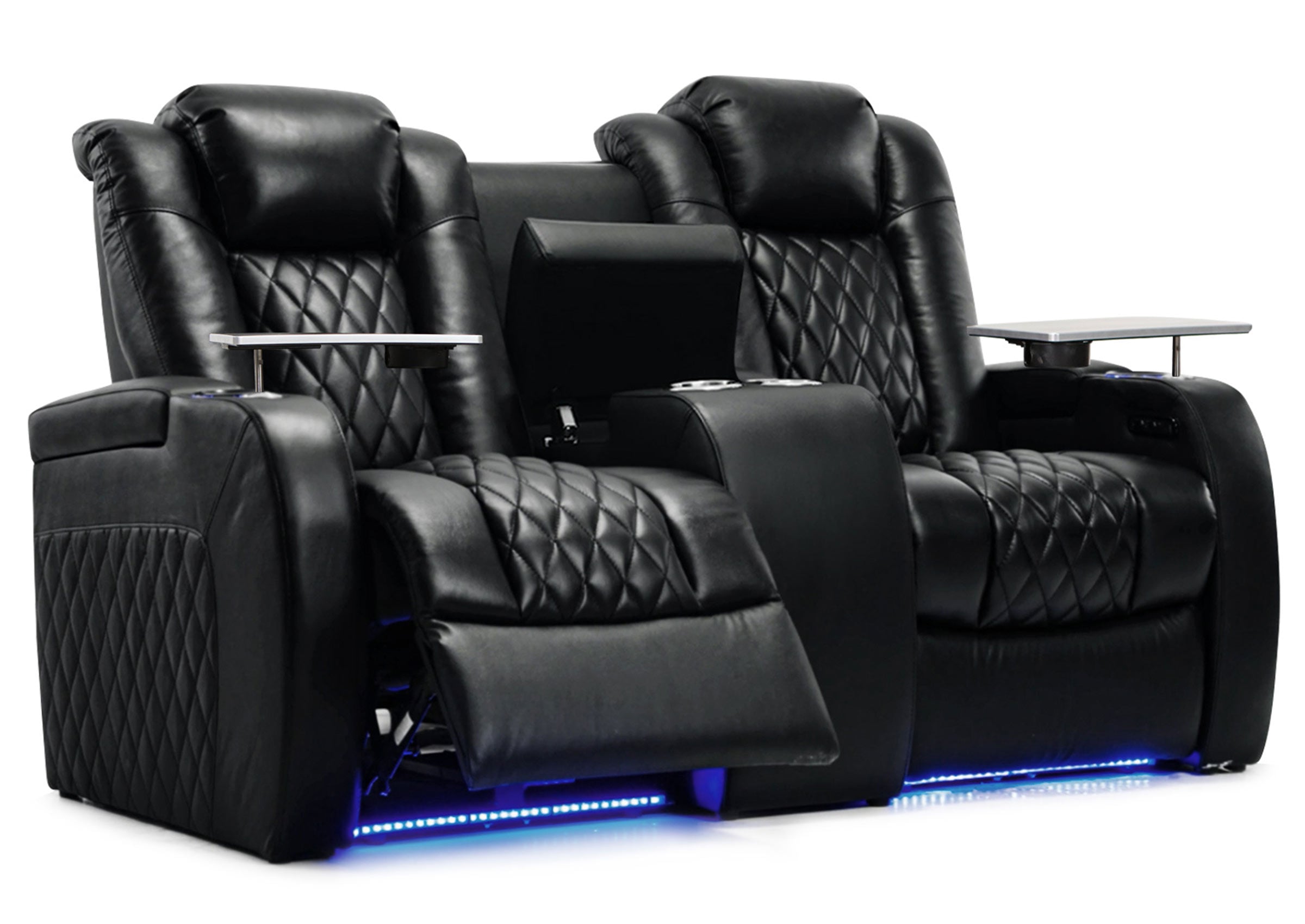

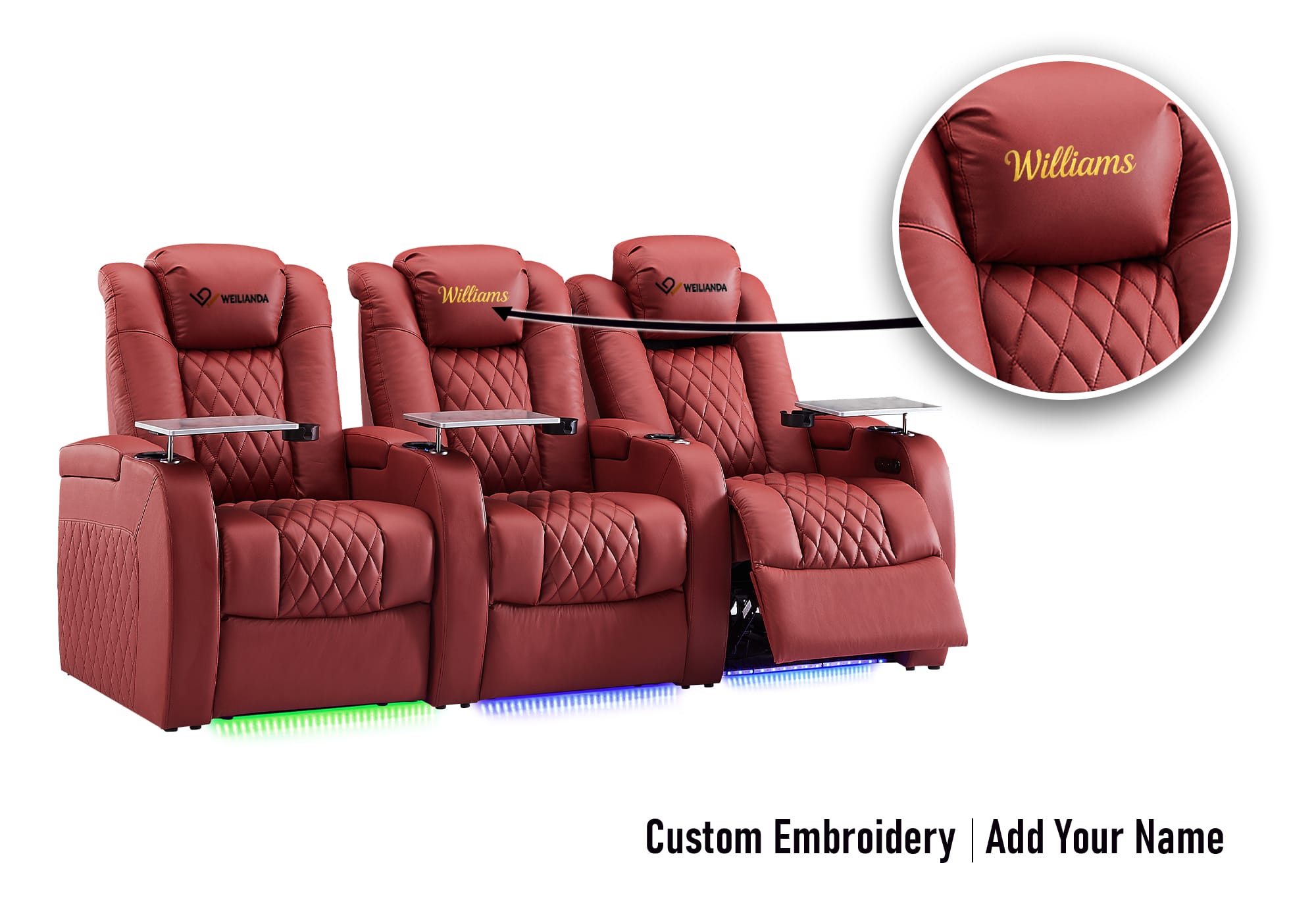

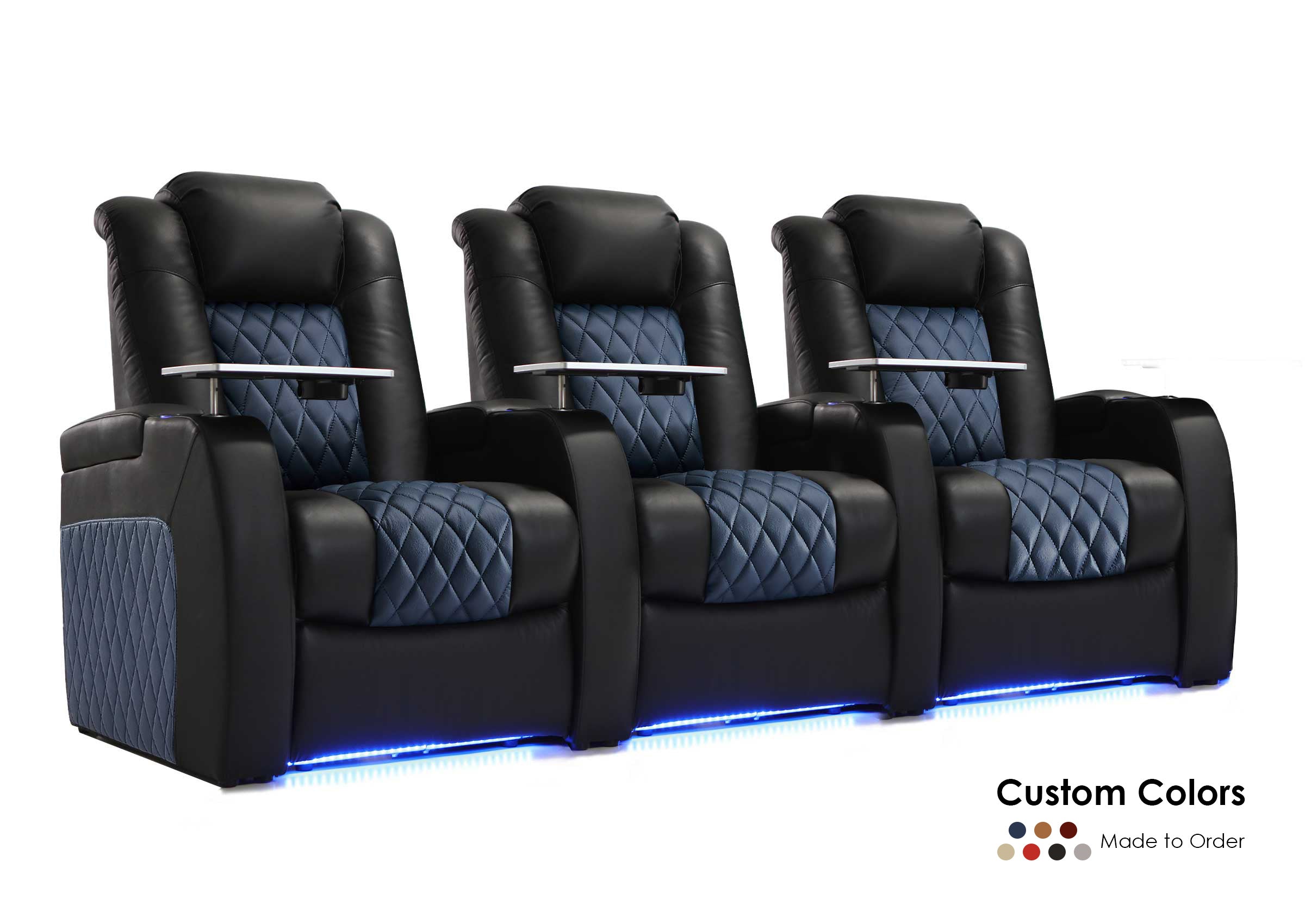

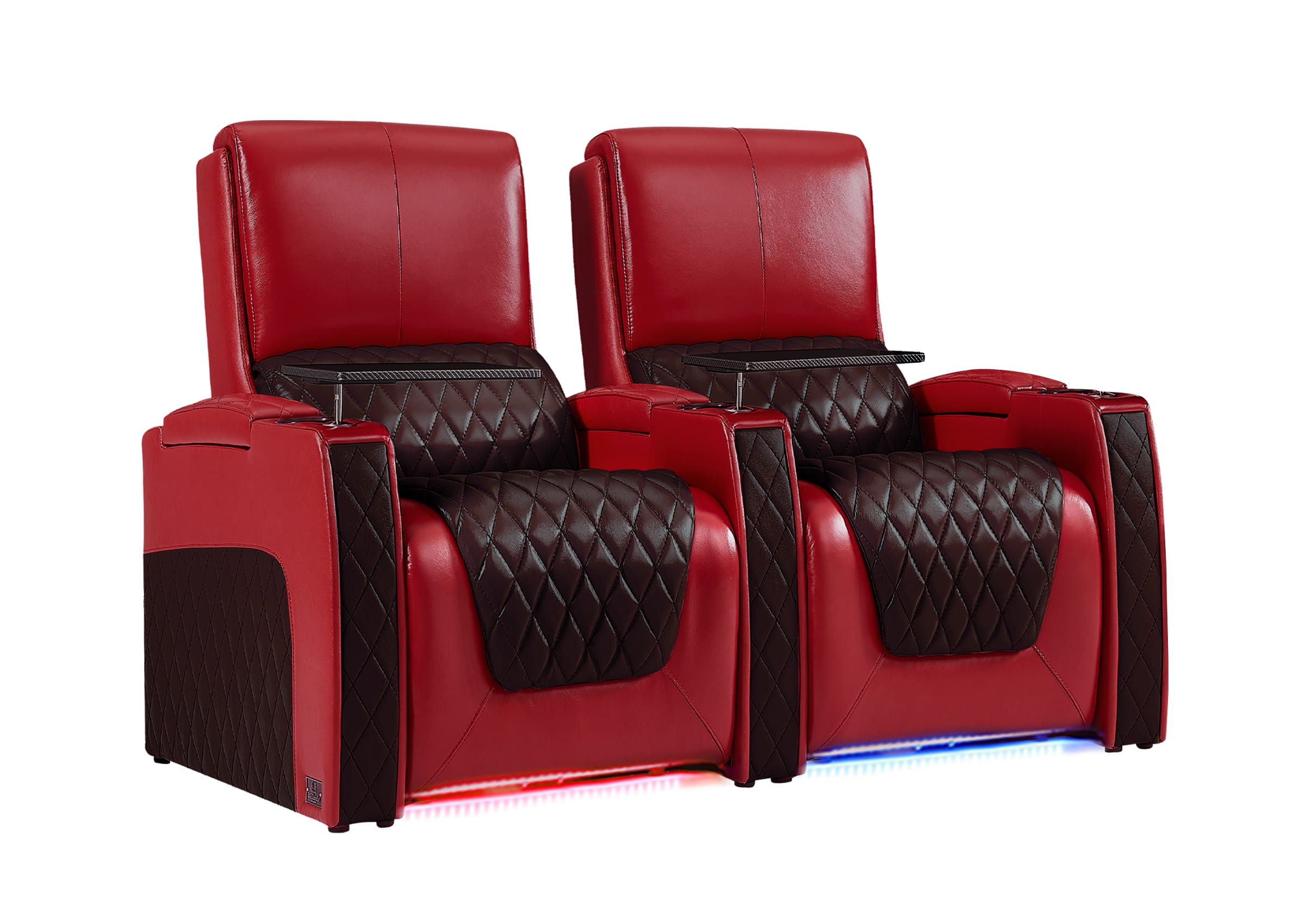
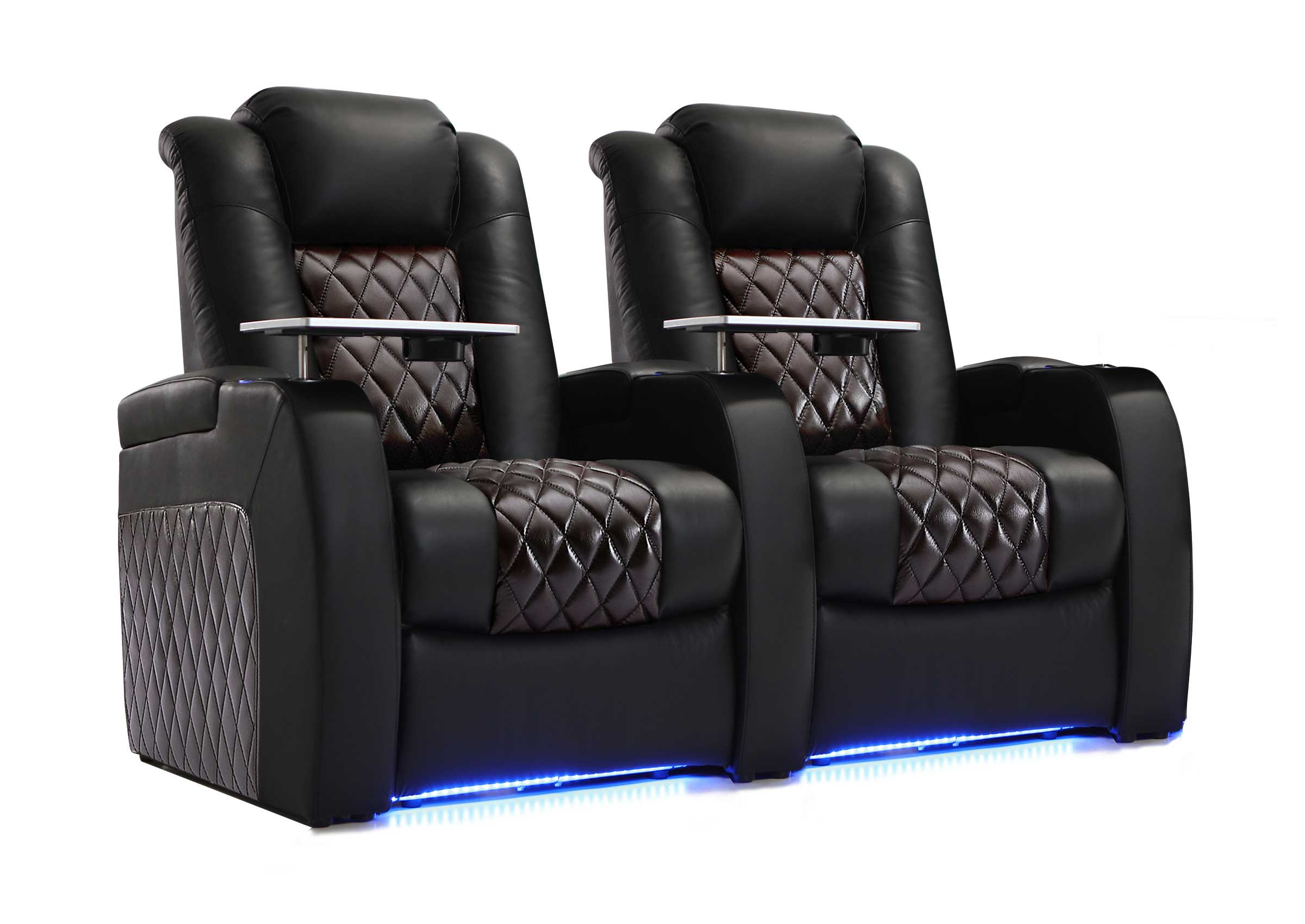
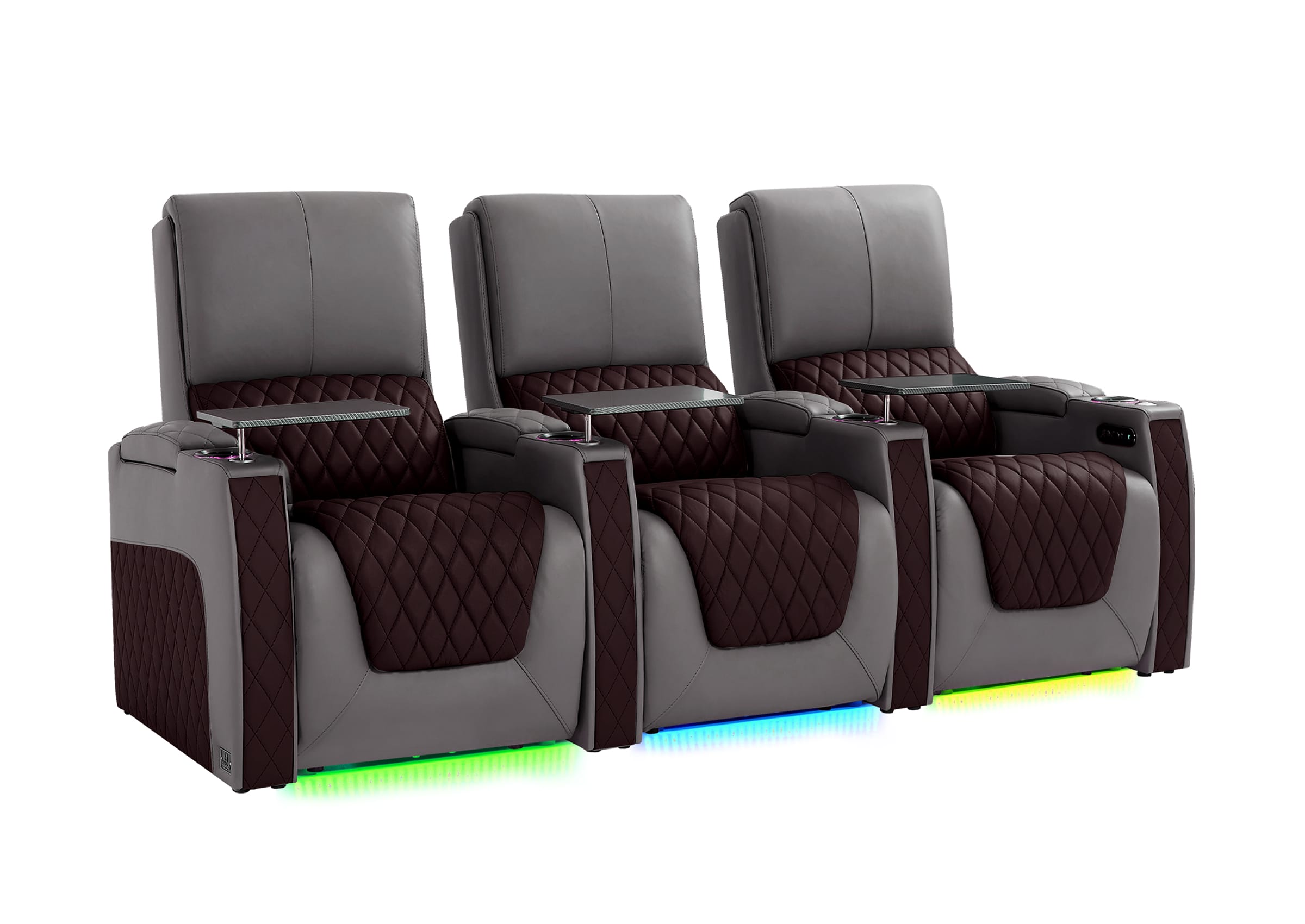
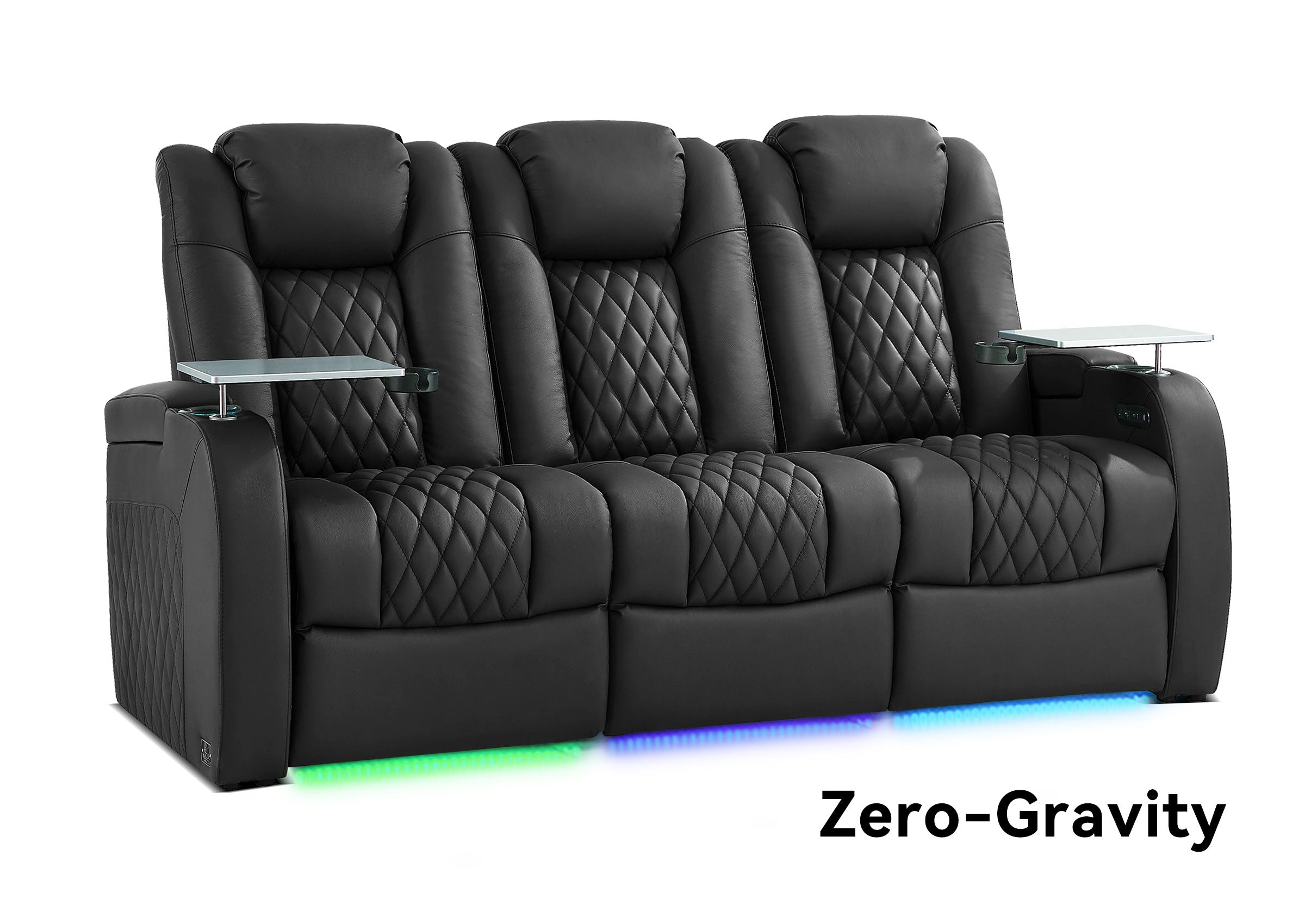


Your home theater sofa has seen better days. The fabric is worn, stained, or maybe just outdated. You're facing a tough decision: repair or replace? Reupholstering might save you money while keeping that perfectly broken-in comfort. This cost analysis breaks down whether giving your seating a new life makes financial sense compared to buying new furniture.
What Is Reupholstering and How Does It Work?
Before diving into costs, you need to know what reupholstering actually involves.
Reupholstering means removing old fabric from furniture and replacing it with new material. The process preserves the frame, springs, and padding while giving the exterior a full makeover.
A professional upholsterer strips away the existing fabric layer by layer. They inspect the internal structure for damage. If the frame is solid and the cushions are still supportive, they rebuild the piece with fresh materials. The entire process typically takes two to six weeks. The upholsterer takes precise measurements and helps you select fabric that matches your vision.
Cost Breakdown of Reupholstering a Home Theater Sofa
Professional reupholstering for a home theater sofa typically ranges from $600 to $2,400. The wide price range depends on several variables that affect labor and materials.
Labor Costs
Labor makes up the bulk of reupholstering expenses. Most upholsterers charge between $50 and $100 per hour. A standard three-seat theater sofa requires approximately 15 to 25 hours of work. This translates to $750 to $2,500 in labor alone.
Complex designs with tufting, multiple recliners, or intricate details push costs higher. Simpler designs with basic fabric application cost less

Fabric Expenses
Fabric choice dramatically impacts your final bill. Budget-friendly options like polyester blends start around $15 per yard. Mid-range fabrics including microfiber and performance textiles run $30 to $60 per yard. Premium leather or high-end upholstery fabric can exceed $100 per yard.
A typical home theater sofa needs 15 to 25 yards of fabric depending on size and design. That puts fabric costs anywhere from $225 to $2,500.
Additional Materials
Don't forget the extras. New foam cushions add $100 to $400. Replacing batting and padding costs another $50 to $150. Thread, zippers, and other notions add $30 to $80. If your sofa needs structural repairs, expect to pay $100 to $300 more for wood reinforcement or spring replacement.
Comparing Reupholstering to Buying a New Sofa
Let us now compare reupholstering with buying a new piece of furniture.
Prices for new home theater sofas vary between $800 for basic designs and $5,000 for more upscale designs. The cost for quality recliners with theater designs starts from $1,500.
Here's a side-by-side comparison to help guide your decision:
| Factor | Reupholstering | Buying New |
| Cost Range | $600 - $2,500 | $800 - $5,000+ |
| Timeline | 2-6 weeks | 1 day - 12 weeks (delivery) |
| Customization | Unlimited fabric and feature options | Limited to available models |
| Frame Quality | Keeps existing (if good) | Varies by price point |
| Environmental Impact | Low (reuses materials) | Higher (new manufacturing) |
| Warranty | Typically 1-2 years on workmanship | 1-10 years depending on manufacturer |
| Sentimental Value | Preserved | Lost |
| Immediate Availability | No (requires time) | Sometimes (in-stock items) |
Reupholstering makes financial sense when your existing furniture has these qualities:
- Solid hardwood frame in good condition
- High-quality construction that would cost significantly more today
- Perfect size and configuration for your space
- Sentimental value or unique design
Buying new makes more sense when your current sofa has structural damage, broken mechanisms, or was inexpensive to begin with. If the frame is particleboard or the springs are shot, replacement becomes the better investment.
Consider the math carefully. If reupholstering costs $1,800 and a comparable new sofa costs $2,000, the savings might not justify the effort. However, if reupholstering runs $1,200 and a similar quality new piece costs $3,500, you're looking at real value.
Factors Affecting the Cost of Reupholstering
Several variables can push your reupholstering costs up or down.
Size and Complexity
Larger sofas require more fabric and labor. A two-seater loveseat costs less than a four-seater sectional. Power recliners add complexity because upholsterers must work around electrical components. Cup holders, storage consoles, and adjustable headrests increase labor time.

Condition of the Frame
A sofa needing extensive structural repair drives up costs. Broken frames require carpentry work. Sagging springs need retying or replacement. Damaged webbing underneath cushions must be rewoven. Get a thorough inspection before committing to reupholstery. Sometimes hidden damage makes the project uneconomical.

Geographic Location
Where you live affects pricing significantly. Urban areas with higher costs of living charge more for upholstery services. Rural areas might offer lower rates but fewer upholsterer options. Expect to pay premium prices in major metropolitan areas where shop overhead runs higher.

Fabric Selection
Your material choice changes everything budget-wise. Synthetic fabrics resist stains and cost less upfront. Natural fabrics like cotton or linen offer breathability but may require more maintenance. Leather delivers luxury and durability at the highest price point.
Performance fabrics designed for heavy use cost more initially but last longer in high-traffic areas. Theater rooms see lots of action, so durability matters as much as appearance.
Benefits of Reupholstering Your Home Theater Sofa
Beyond cost savings, reupholstering offers advantages that buying new furniture can't match.
Environmental Impact
Keeping furniture out of landfills reduces waste. Manufacturing new furniture consumes raw materials and energy. Reupholstering extends the life of existing pieces. This sustainable choice lessens your environmental footprint while maintaining your comfort.
Customization Options
Reupholstering offers unlimited design possibilities. You select exact colors and patterns that match your theater room aesthetic. Want to switch from leather to fabric? No problem. Prefer a bold pattern over solid colors? You're in control.
Many upholsterers can modify features during the rebuild. Add USB charging ports. Upgrade to memory foam. Switch manual recliners to power mechanisms. These customizations would cost far more with new furniture.

Quality Preservation
Traditional sofas are likely made with superior quality compared to contemporary factory-made sofas. Wooden frames are more durable than particle board. Hand-tied springs are more supportive than sinuous springs. If your existing sofa has quality construction, a reupholster can be considered.
Perfect Fit
Your current home theater sofa would perfectly fit your space. This is because the room measurements along with doorway space and points where appliances such as electrical outlets are placed are fully considered. This may not be possible with new pieces.
Sentimental Value
Some pieces of furniture come with memories that cannot be assigned a price tag. This might be among your first big purchases. It might have belonged to a member of your family. Upgrading with new upholstery retains those memories as well.
Is Reupholstering Worth Your Investment?
Upgrading a home theater sofa may be a good investment when the quality of the sofa warrants this expense. You can compare potential total costs with similar models available for purchase. You may want to consider customization and environmental factors. You should secure estimates for several upholsterers before making a decision. This decision may rely on your particular needs.
Frequently Asked Questions
Q1: How Long Does Reupholstered Furniture Last?
Professionally reupholstered pieces of furniture can be made to last 10 to 20 years. This depends entirely on how well one takes care of the pieces. Traffic areas deteriorate faster than those used occasionally.
Q2: Can I Reupholster a Reclining Sofa Myself?
Doing a DIY reupholster for a recliner chair can be a challenge because of the mechanisms involved. This makes removal and installation of a new material a complicated process. A homeowner does not have access to such equipment.
Q3: What Fabrics Work Best for Home Theater Sofas?
Theater seating can be done using performance fabrics, microfiber, and leather. They are stain-resistant and can be cleaned easily. You can opt for dark colors and designs that help conceal minor scratches until major cleaning sessions.
Q4: Does Reupholstering Include New Cushions?
Simple reupholstering would involve only external material. Additional cushions and foam would be a separate charge, but may be recommended. The cushions may be old, even with new material. You should consider this during your first consultation.
Q5: How Do I Find a Qualified Upholsterer?
Read reviews and seek referrals from previous customers. Look at photos of completed projects included in a portfolio. Seek estimates in writing before settling. Local furniture stores may be a source for referrals for respectable contractors in your region.