



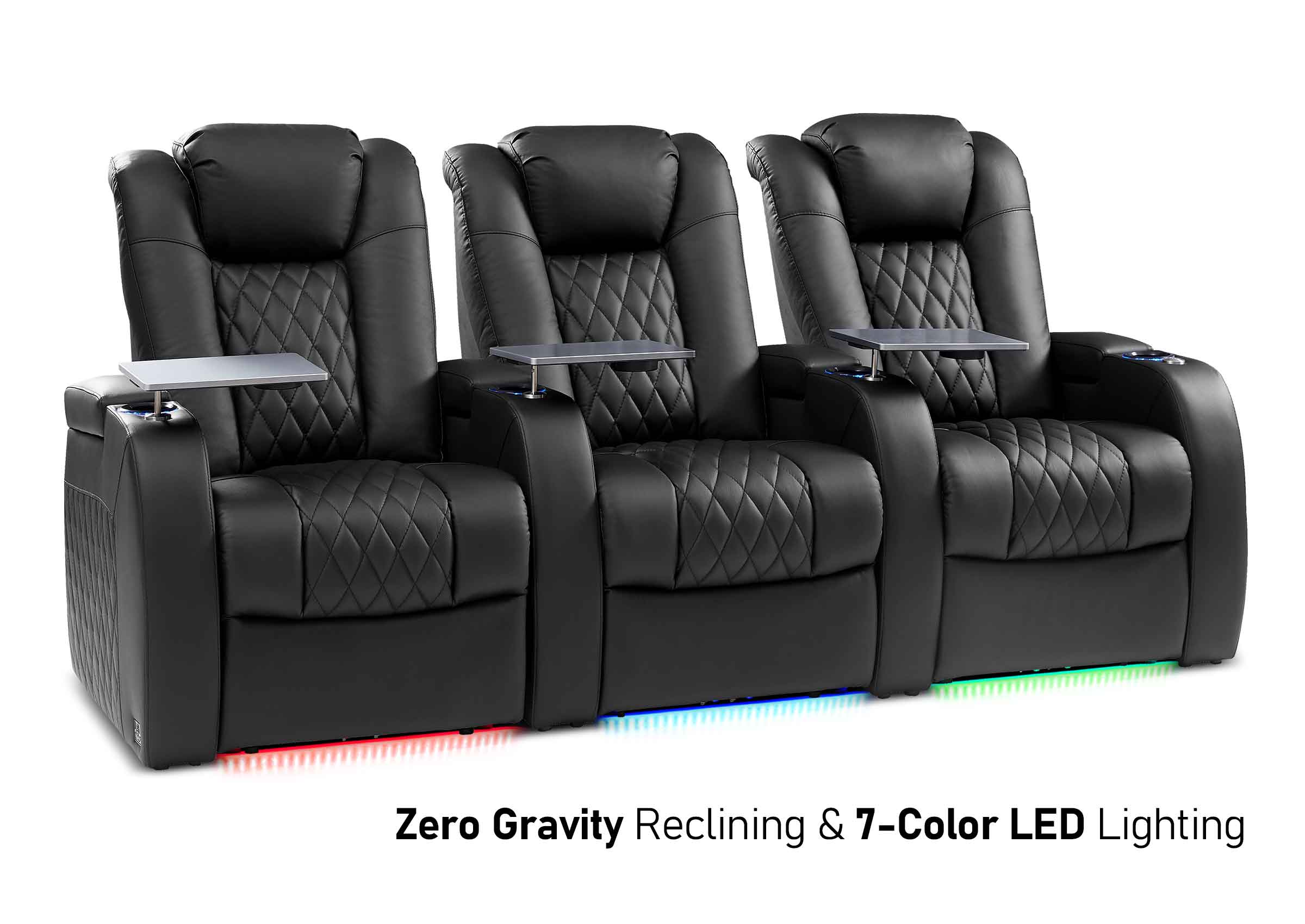
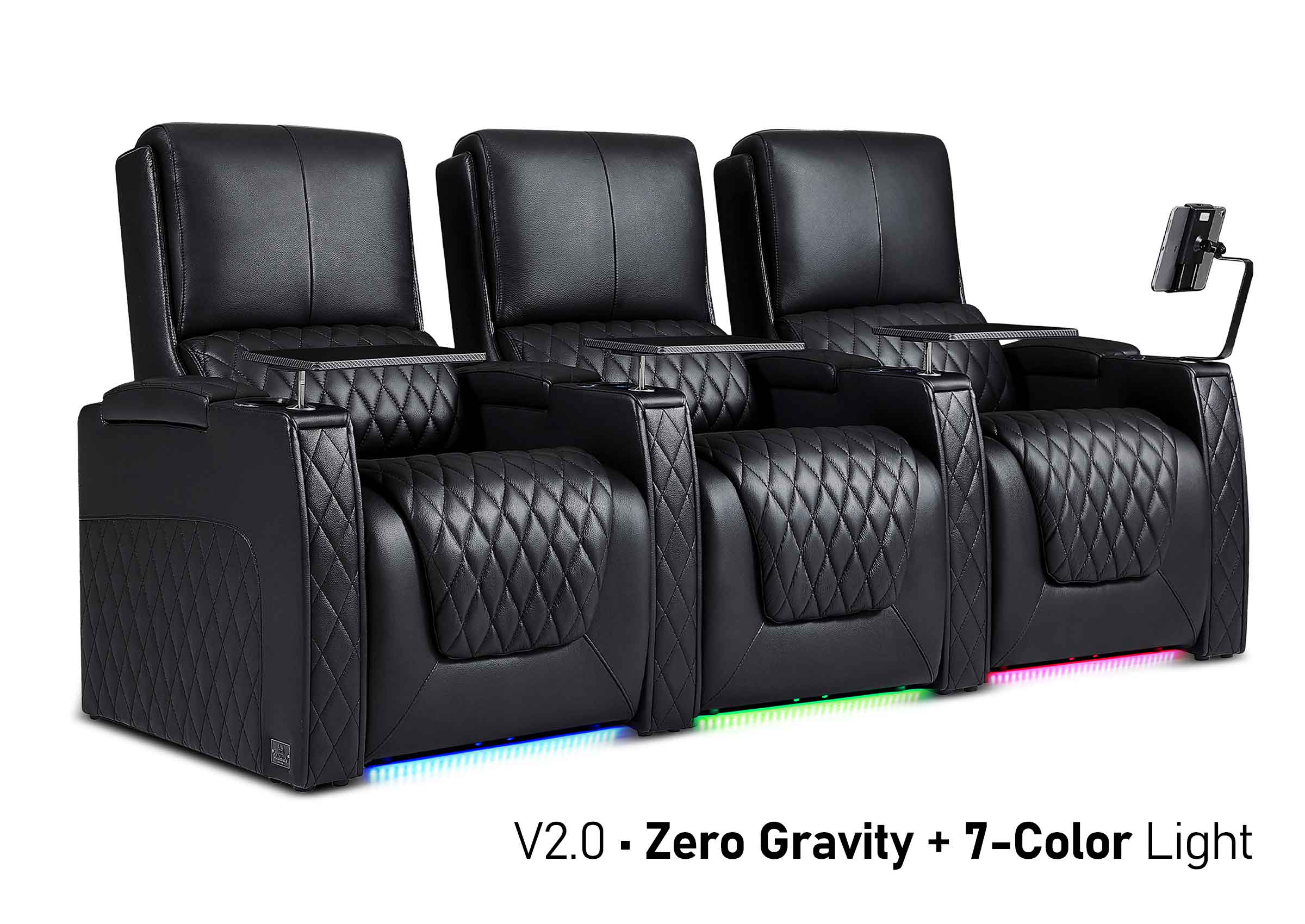
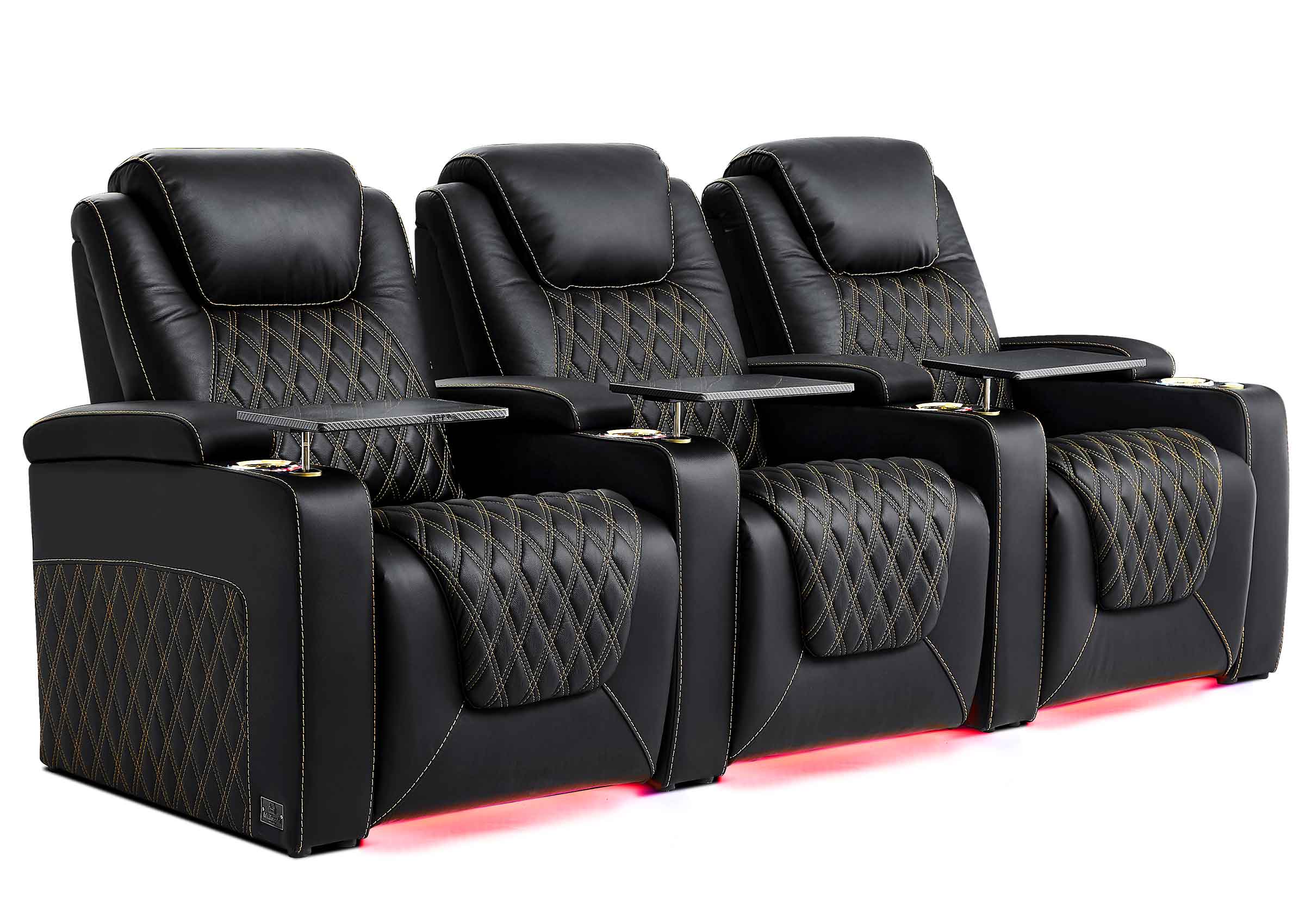
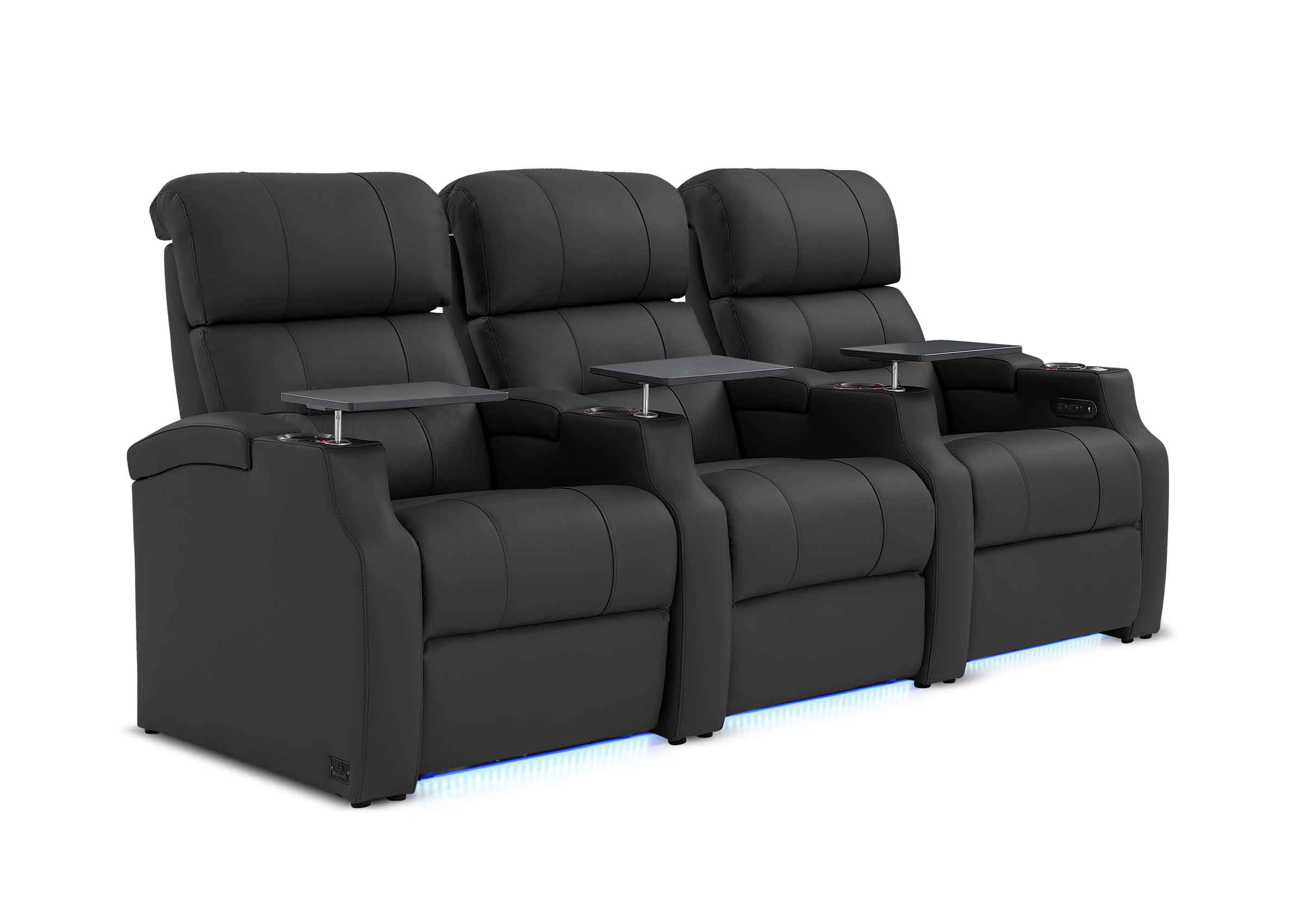
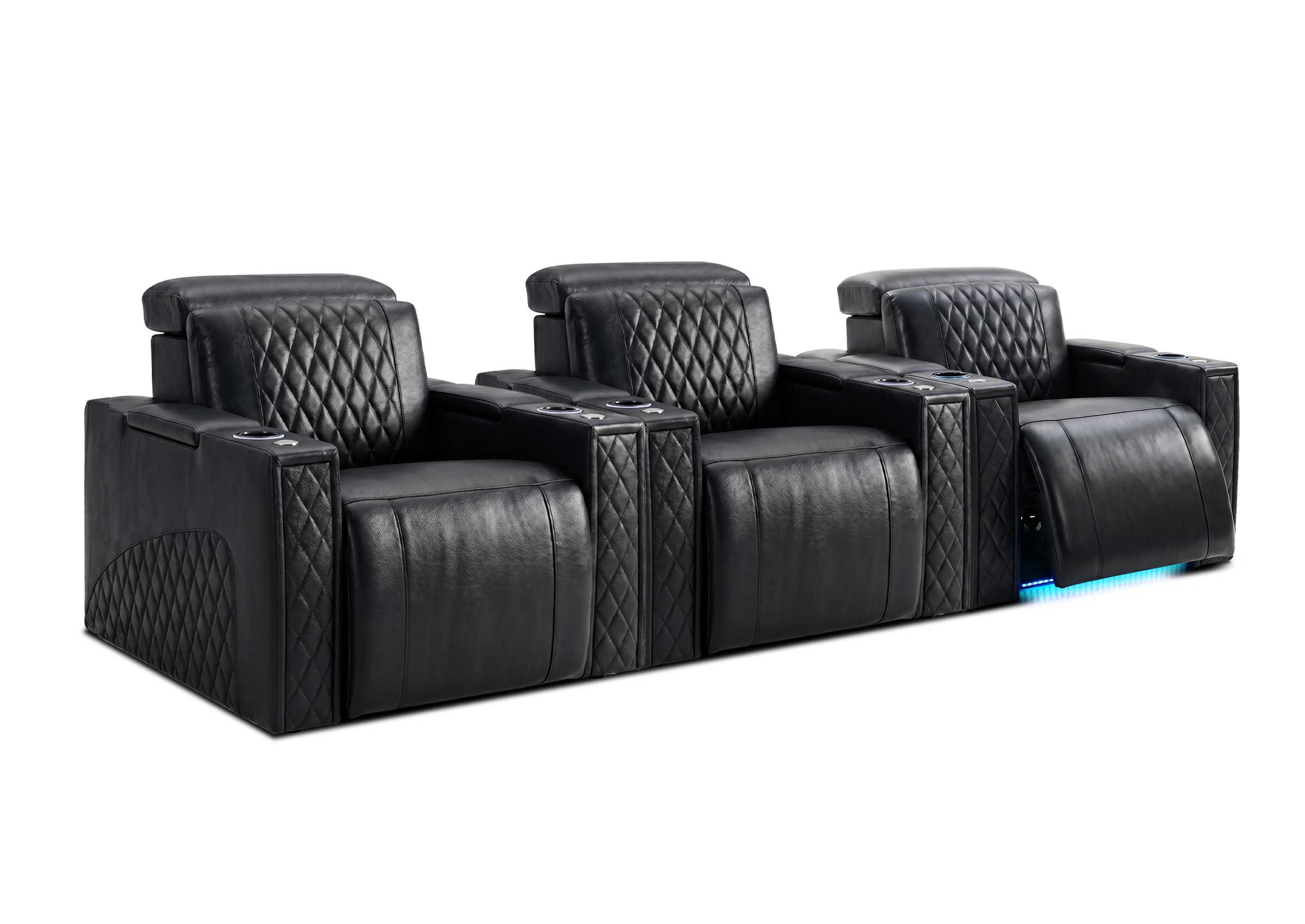

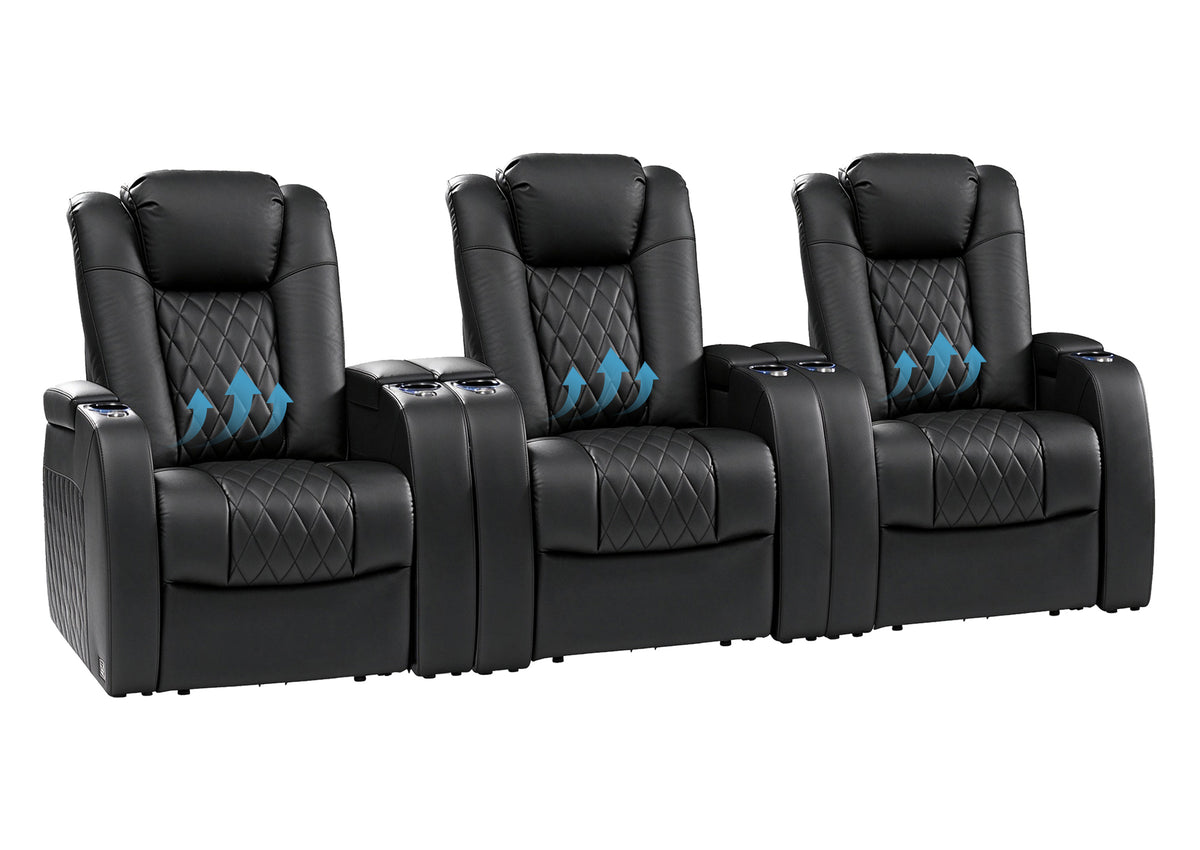
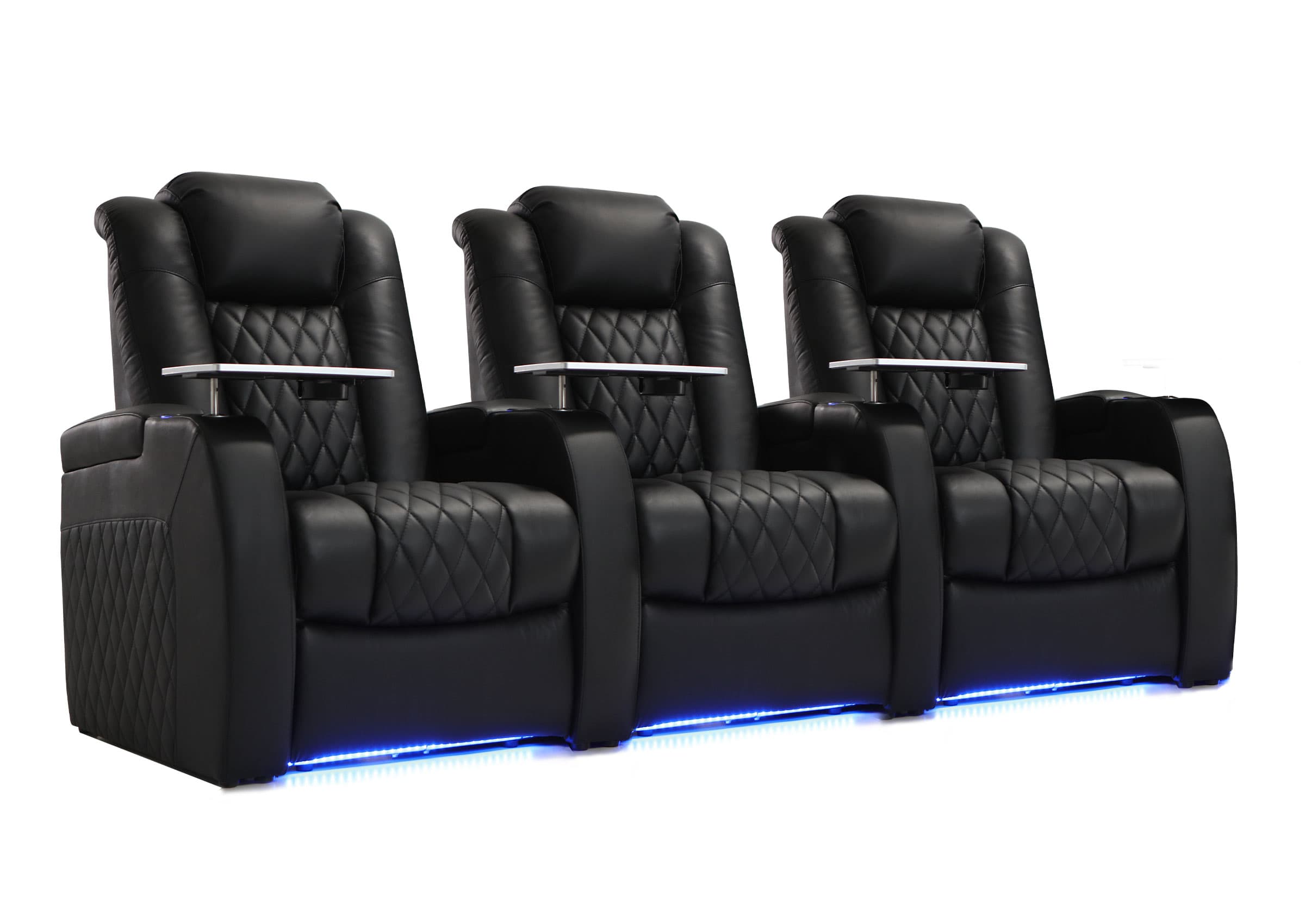
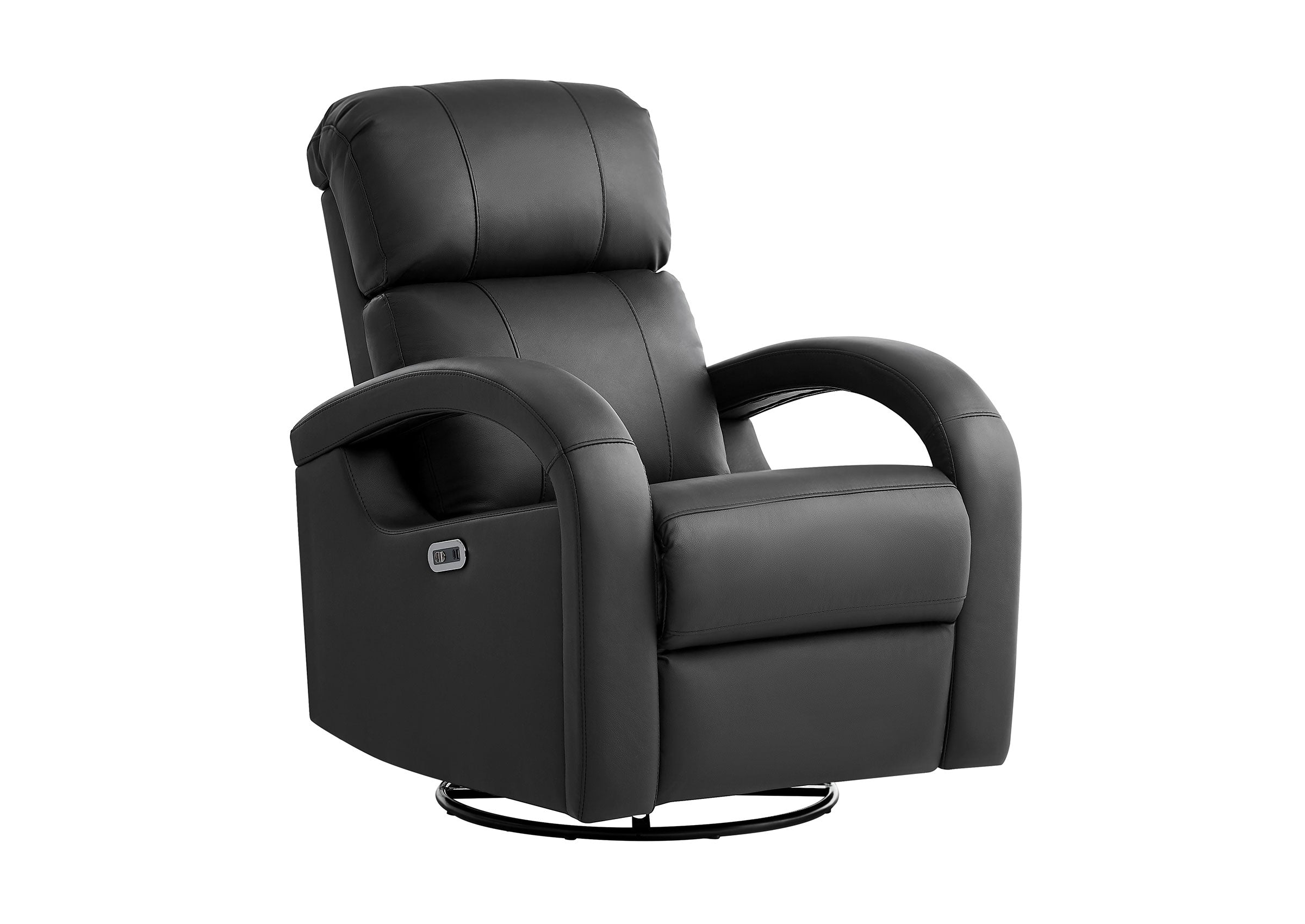
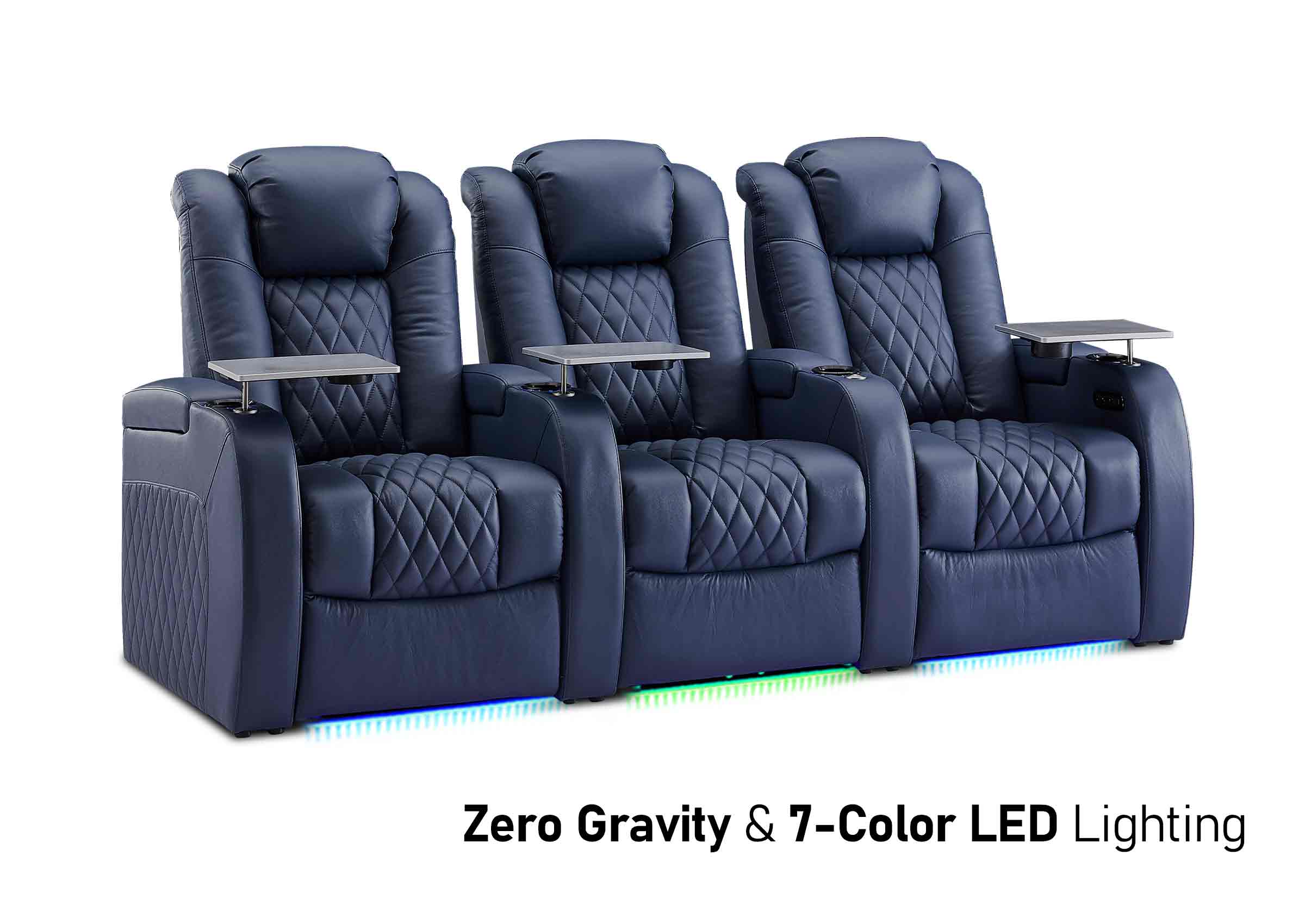
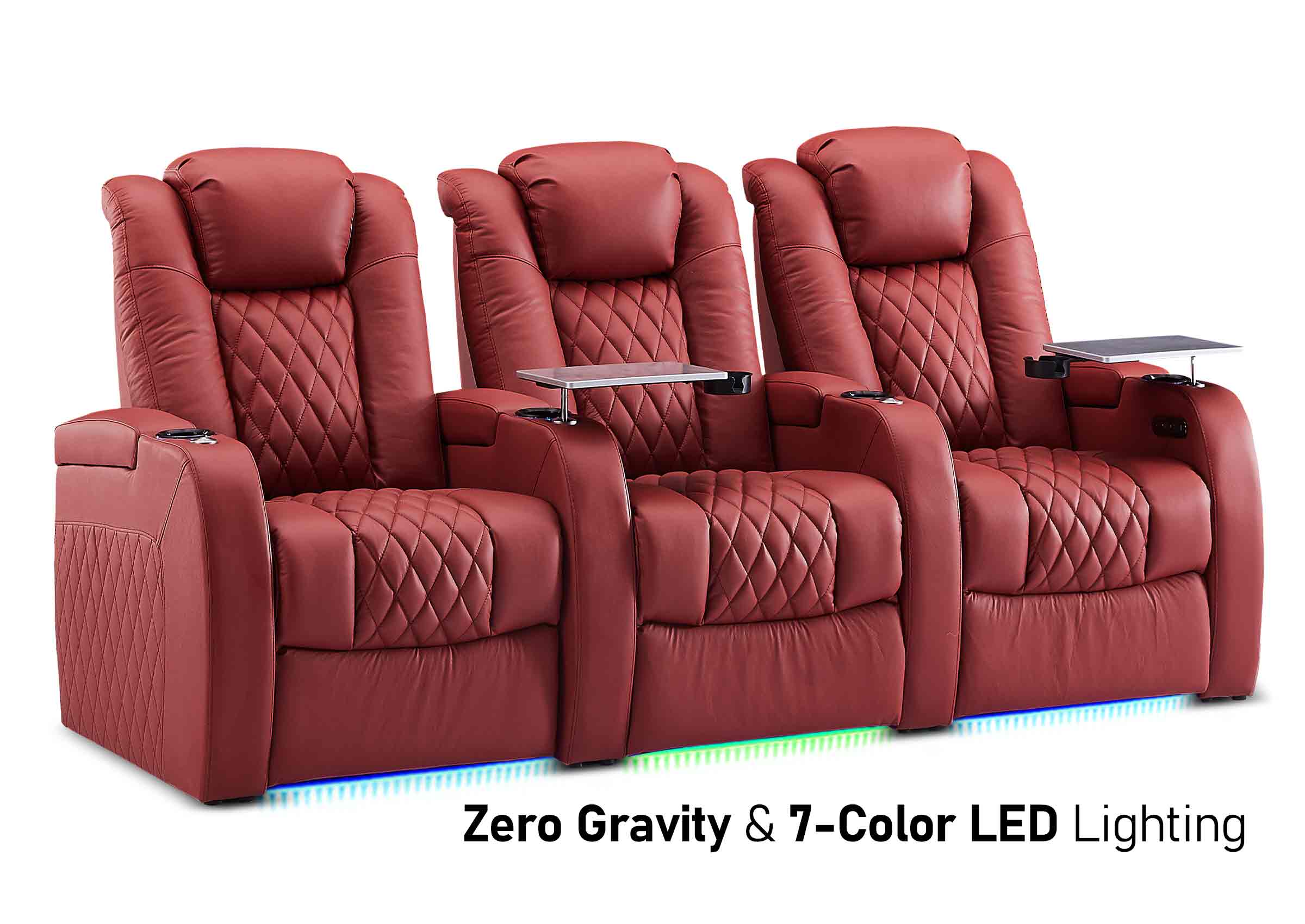
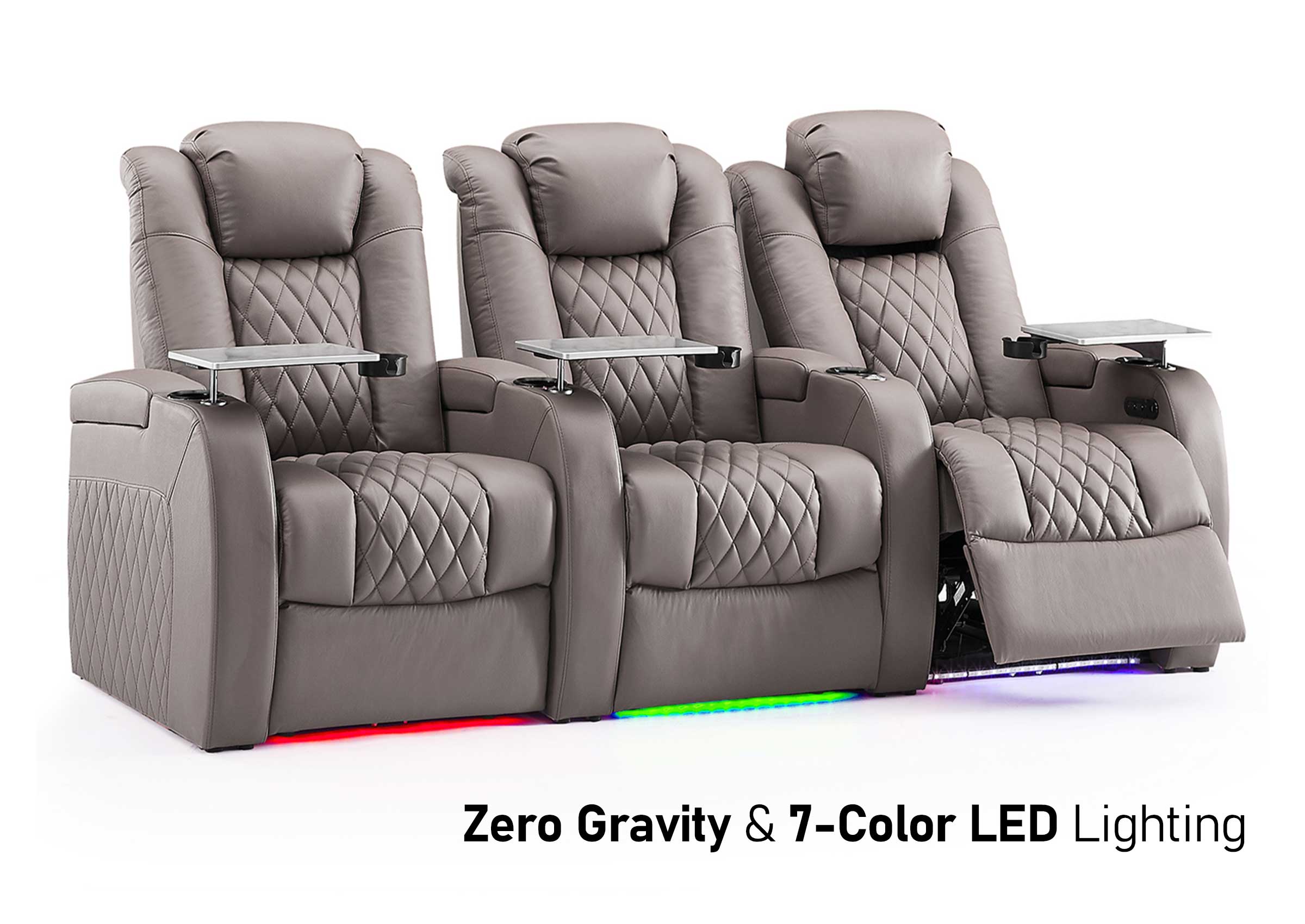
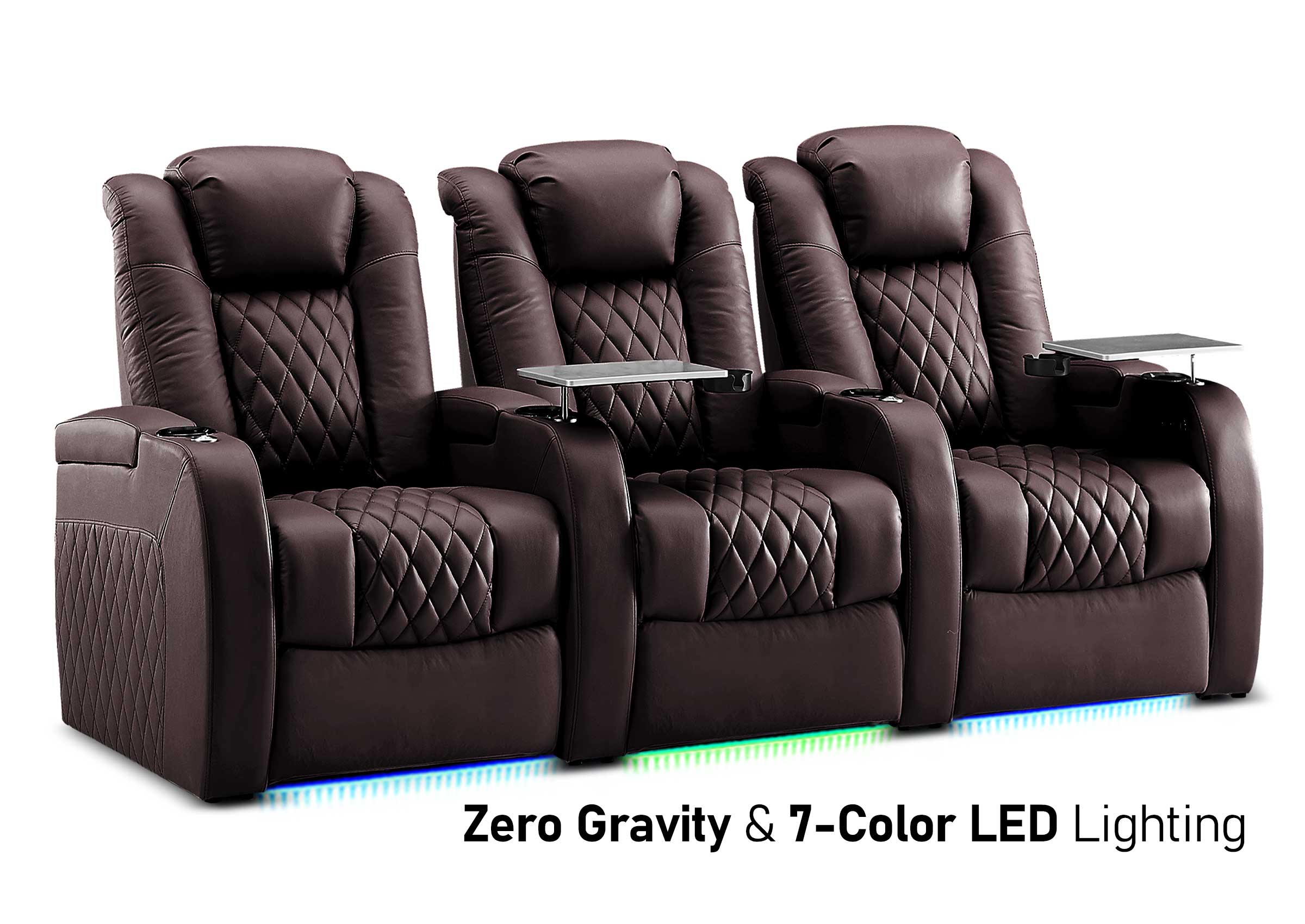

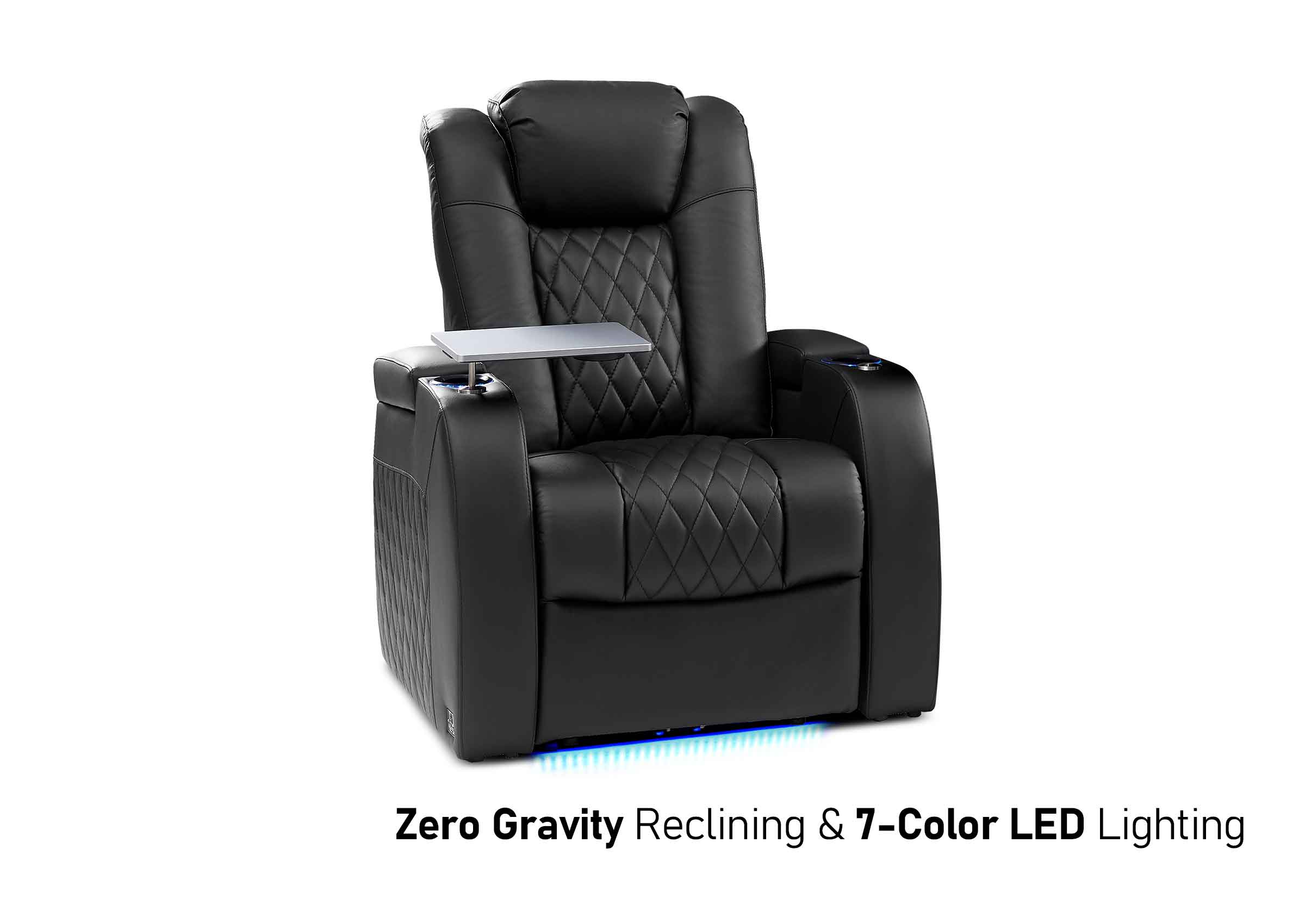
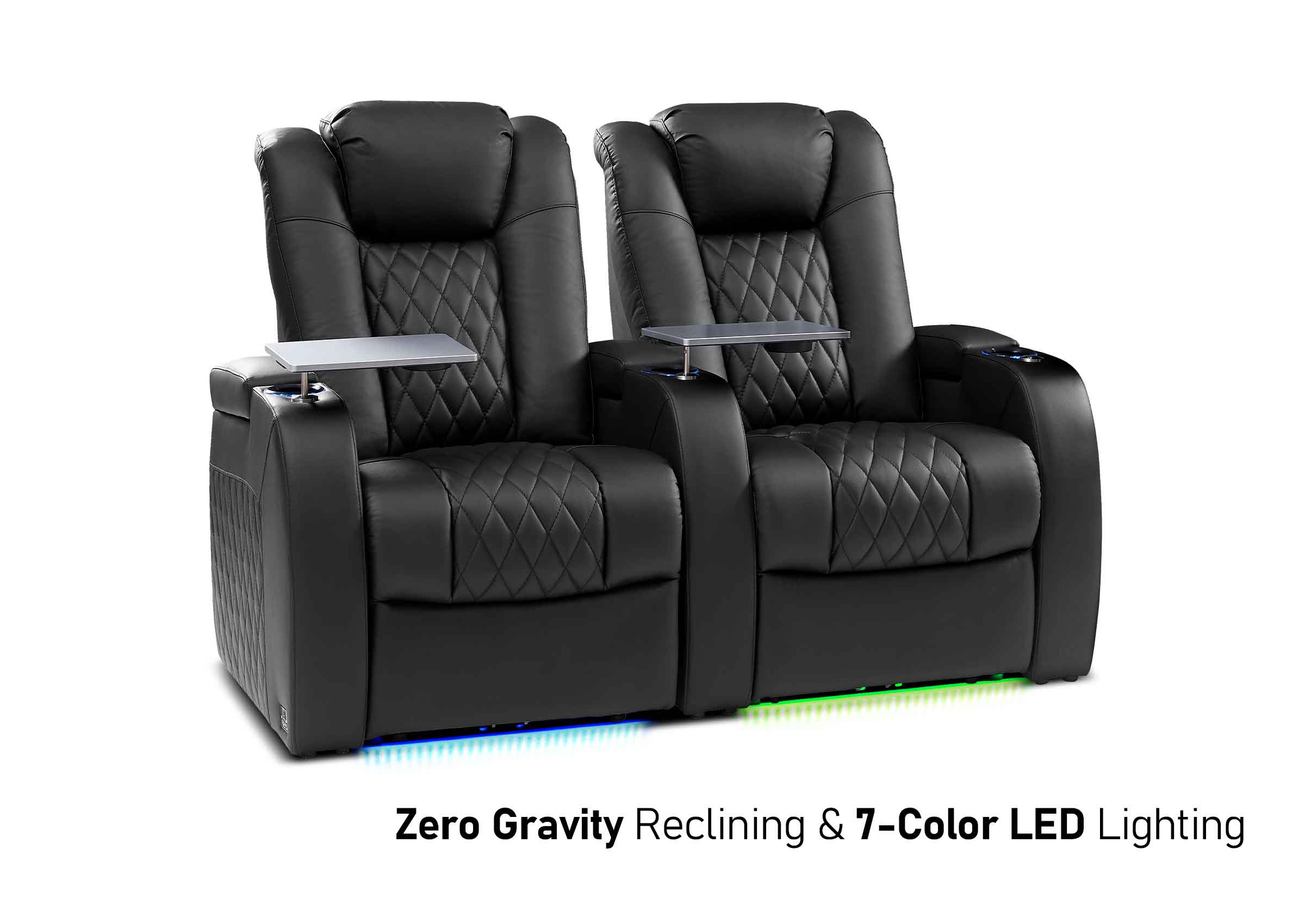
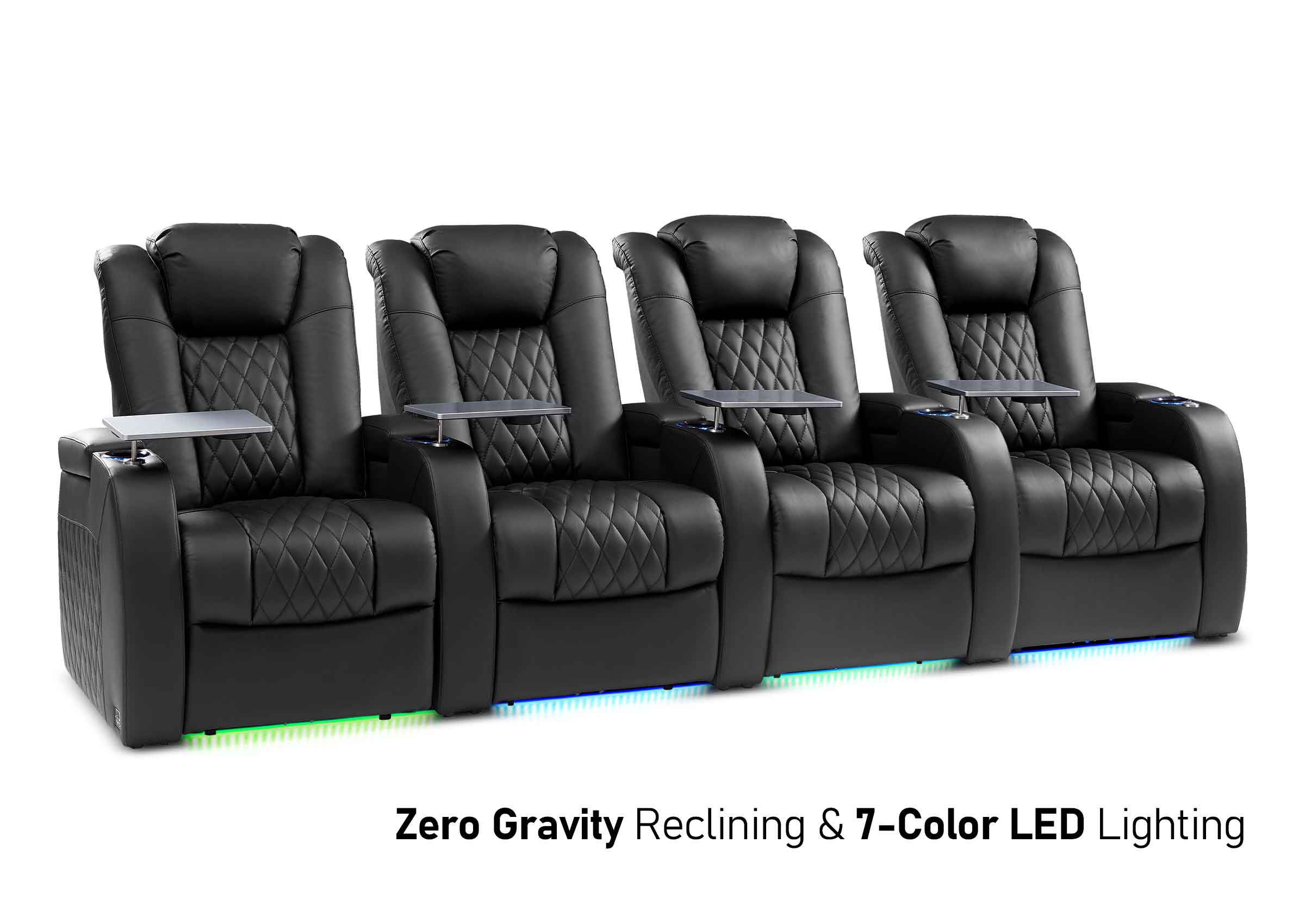
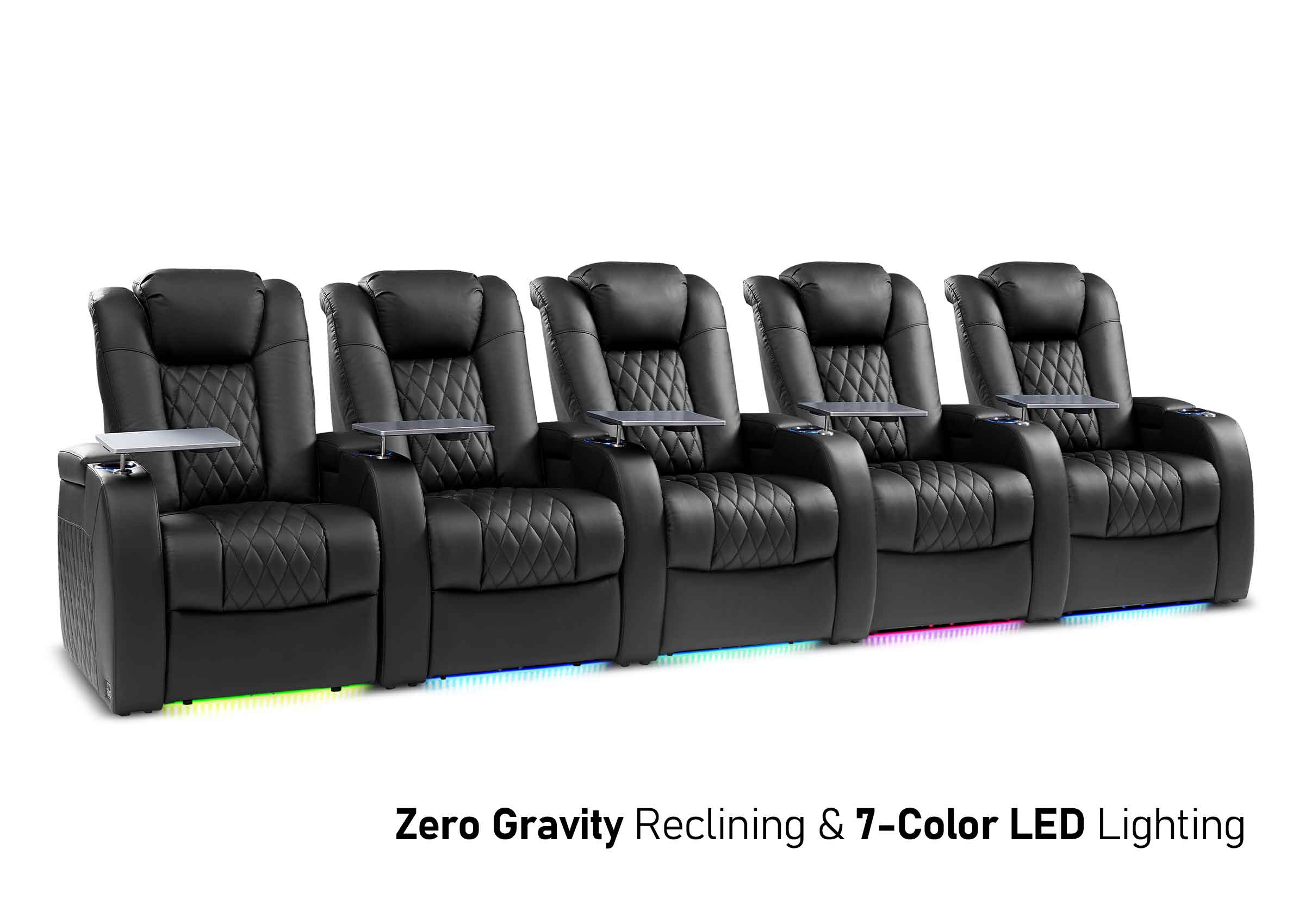
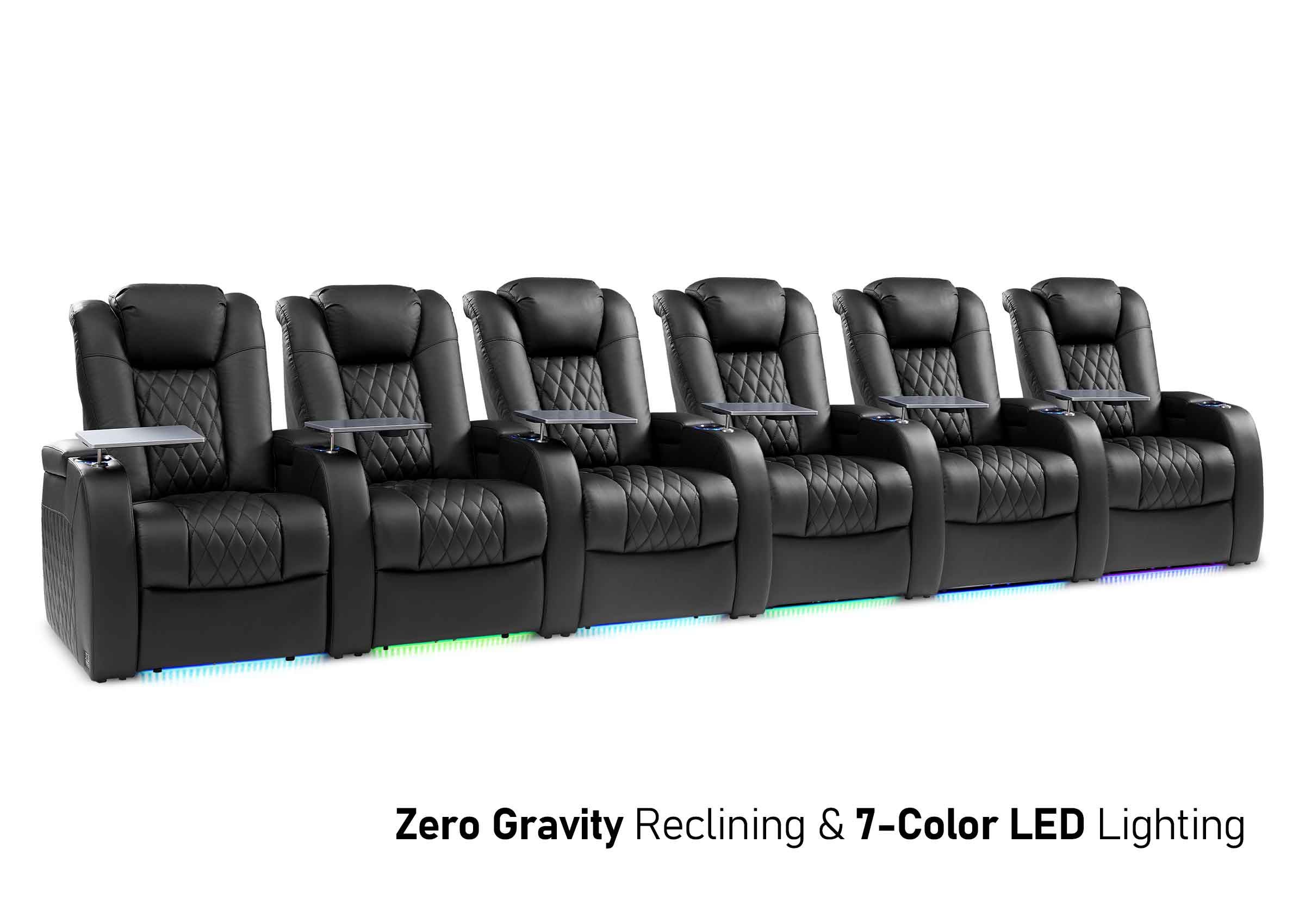
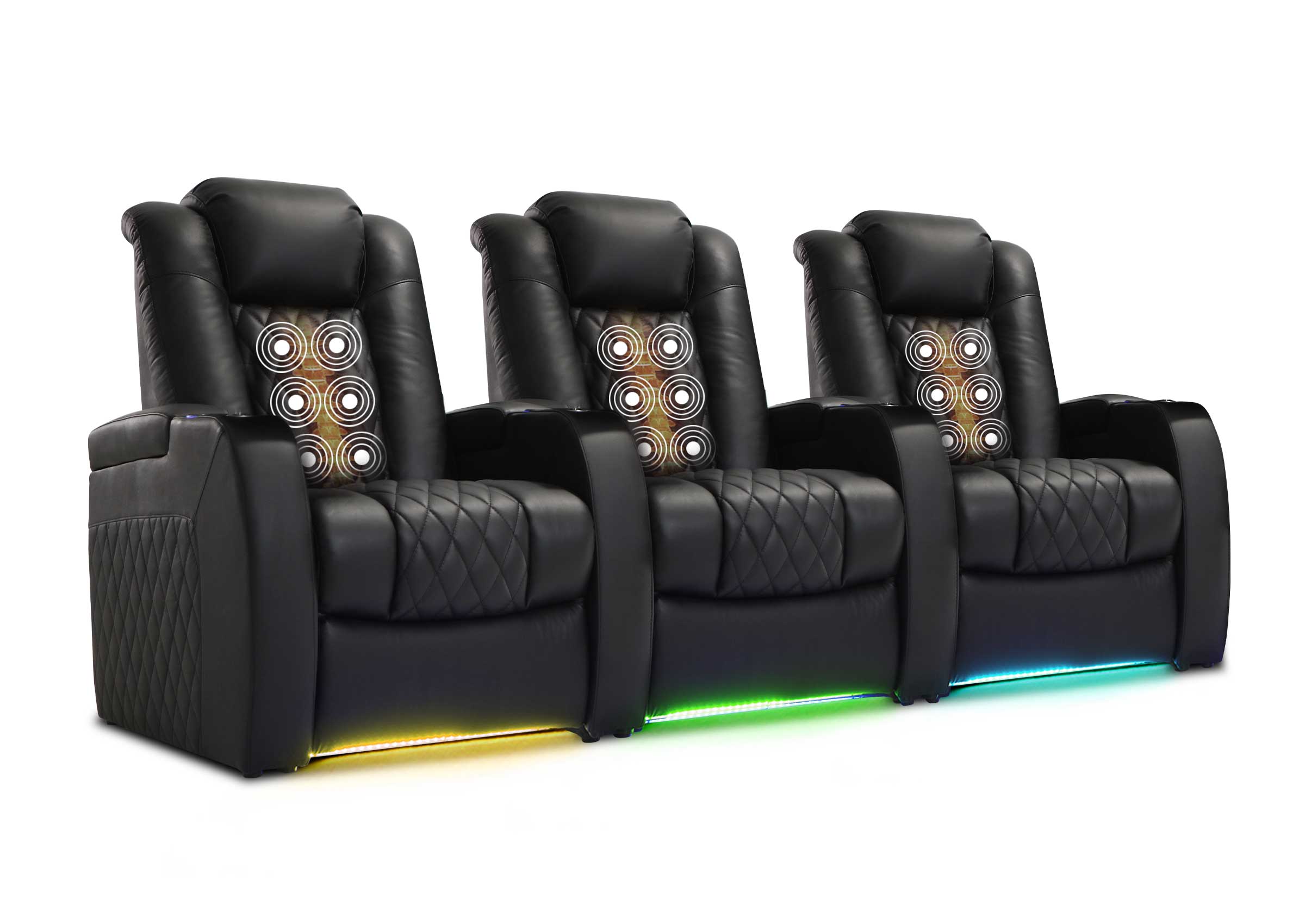
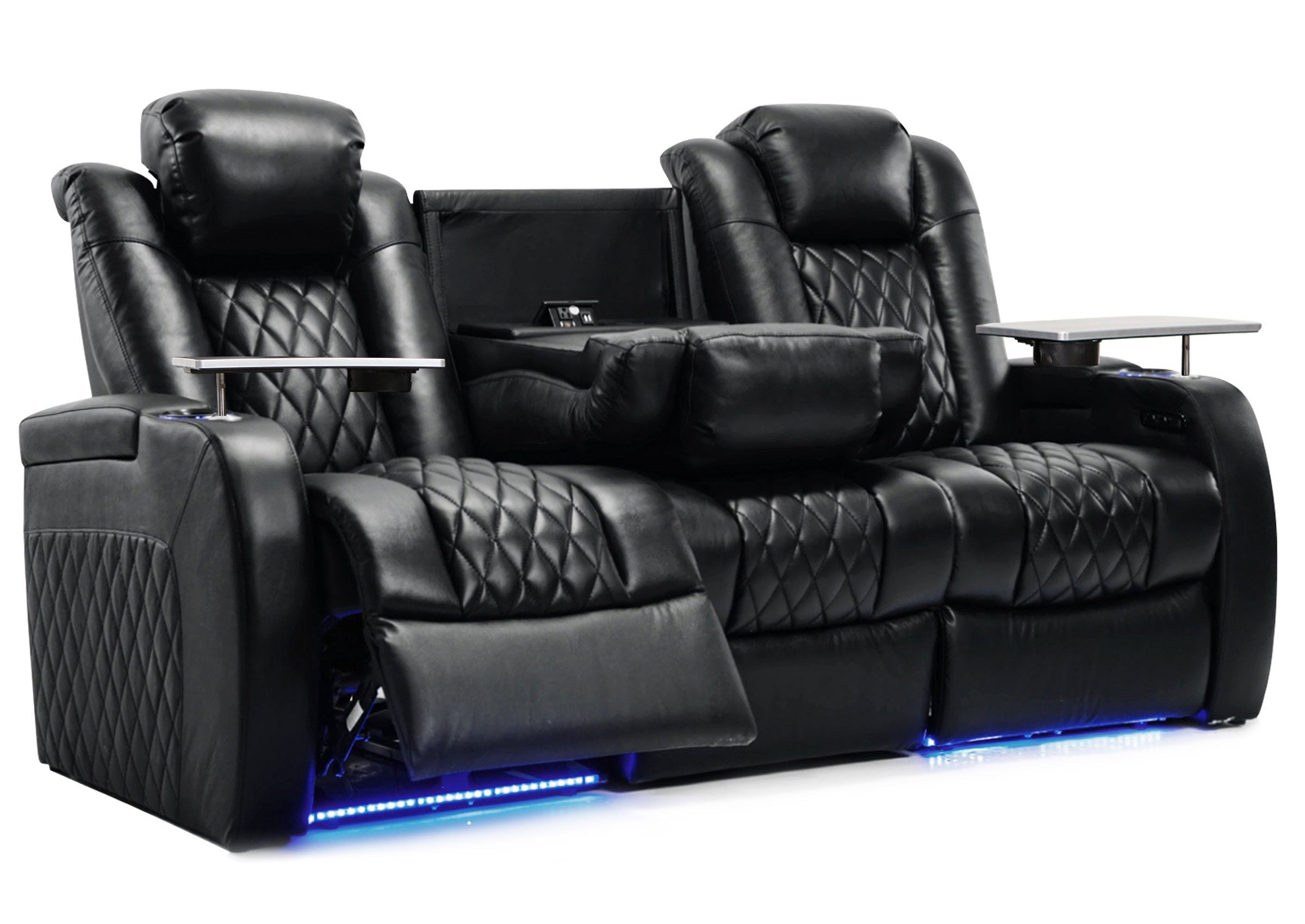
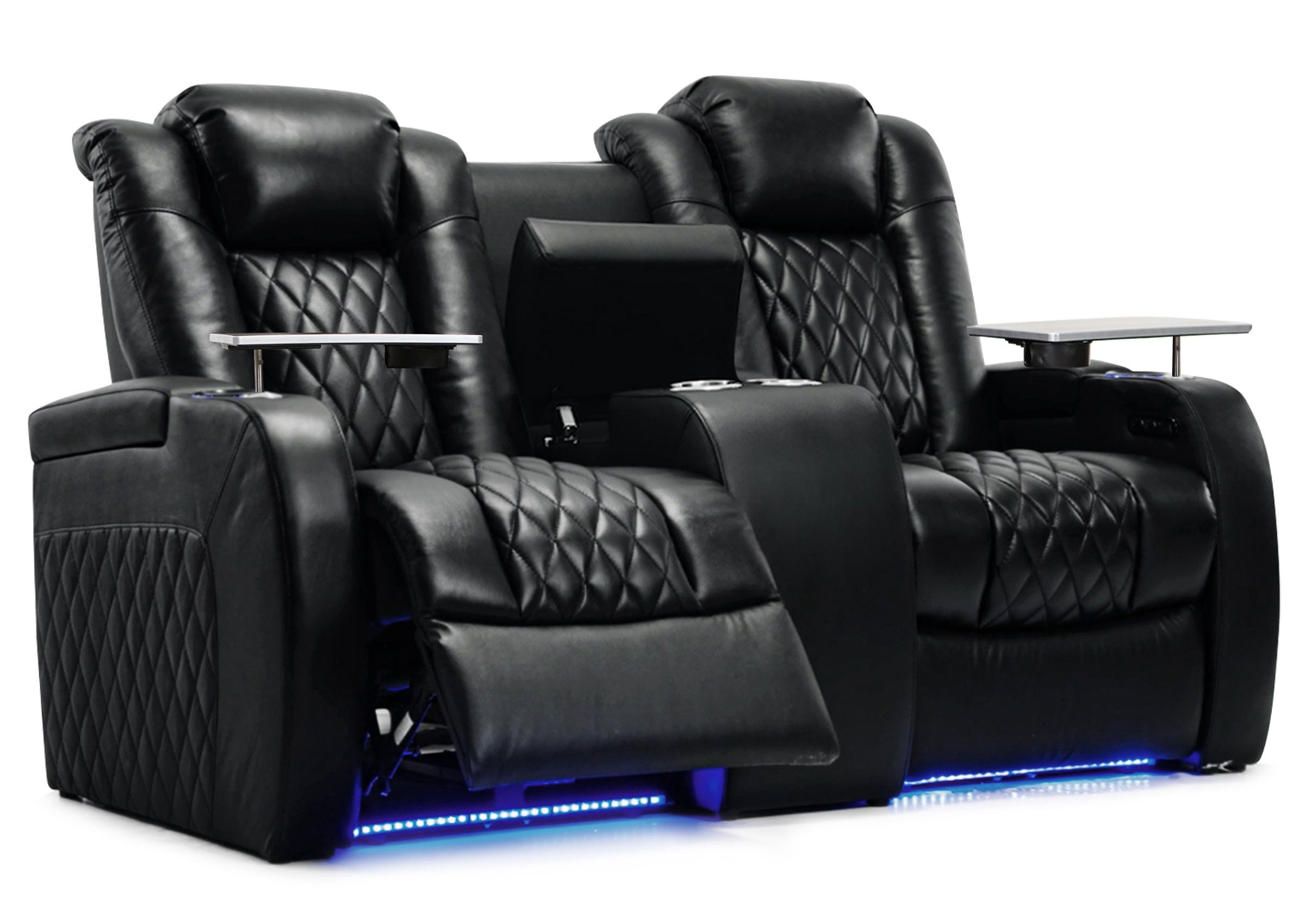


A reclining sofa makes sense when raising your feet and changing your sitting angle are part of your normal evening. A stationary sofa can be the better choice when you mostly sit upright, stretch across the cushions, or want a layout that stays the same throughout the day.
Neither category guarantees better comfort. The useful comparison is between two specific sofas, used by the people who will sit on them, with the rest of the room in place. Start with your everyday activities, then check whether the added movement helps enough to justify its space and operating requirements.
What Changes When a Sofa Reclines?
A reclining sofa has one or more seats that change position through a mechanism, often extending a footrest and moving the back. A stationary sofa has no built-in reclining mechanism. Loose cushions, a chaise, or an ottoman can still offer different ways to lounge on a stationary sofa.
These labels describe function, not shape. A sectional can be stationary or reclining, and a straight sofa can be either. Manual and power describe how a reclining seat operates; they are a second decision after deciding whether you want recline at all.
| Everyday question | Reclining sofa | Stationary sofa |
|---|---|---|
| How do you put your feet up? | Use the footrest on an equipped seat. | Use a chaise, ottoman, or room to stretch across. |
| What changes during use? | The seat, back, or footrest may move into additional space. | The sofa stays in its fixed shape; an added ottoman still occupies space. |
| Can everyone choose a position? | Only if the configuration gives those users the movement they need. | Cushion layout and accessories determine the available lounging positions. |
| What must you operate? | A release, controls, and a return mechanism; power models also need suitable power. | No recline controls, although cushions or accessories may need rearranging. |
| What ownership details need checking? | Upholstery and structure, plus the mechanism and any electrical components. | Upholstery, structure, cushions, and any separate accessories. |
Check the actual seating diagram. “Reclining sofa” does not mean every seat reclines, every headrest adjusts, or each movement has a separate control. A fixed center seat can be perfectly useful, but it should not come as a surprise to the person assigned to it.
Compare Comfort in the Positions You Actually Use
Start both candidates upright. Can you sit back without sliding forward? Does the seat feel too deep unless you add a pillow? Are the arms where you naturally want them? A reclining function will not necessarily solve an upright position you already dislike.
Next, repeat a familiar activity: read a book, talk to someone beside you, or look toward the television. On the reclining candidate, try the position you would actually use rather than going straight to its maximum extension. Check whether you can see the screen comfortably and whether the footrest supports your preferred leg position.
A stationary sofa deserves an equally realistic test. If you usually curl up in a corner, test that corner. If you put your feet on an ottoman, include an ottoman at the intended height and distance. Comparing a fully adjusted recliner with a stationary sofa stripped of the accessory you plan to buy gives you an uneven comparison.
Have the regular users sit together. One person's ideal depth may leave another person perched forward; a wide arm or console may take up space someone expected to use. Ask each person to identify one activity the sofa must handle well. Watching a movie, reading upright, and lying across the cushions are different requirements.
Use those activities to judge the result. “Comfortable for the tallest person when fully reclined” is useful information, but it does not establish that the sofa works for everyone else on a normal afternoon.
Plan the Room With Every Seat in Use
Measure the closed sofa, its fully extended position, and any required space behind it. Ask for the dimensions of the exact configuration rather than relying on a category label such as “wall hugger.” A small rear clearance does not tell you how far the footrest extends into the room.
Mark the sofa and its moving area on the floor. Then add the coffee table, side tables, door swings, and the route people actually use. Sit in the intended position while another person walks through the room. A layout can fit on paper yet require someone to close the footrest whenever another person passes.
For a simple example, place the sofa-back line only after allowing for the manufacturer's required space behind it. Imagine 100 inches remain from that line to the opposite cabinet. If the fully open sofa reaches 65 inches from the same line, 35 inches remain before adding the table and people passing through. These are hypothetical measurements, not product dimensions or a safe walkway standard. Check where the seated person's feet extend too; the outer edge of the mechanism may not describe the full occupied area.
Repeat the exercise for a stationary sofa with its planned ottoman. Include the ottoman where you use it, not where you store it for a photo. If putting your feet up pushes it into the same route, the fixed sofa has not solved the circulation problem.

Also check small interruptions: can you reach a drink from the reclined position, open the side-table drawer, and return upright without moving the coffee table? A side table may work better than a table directly in front, depending on the room.
Finally, verify delivery access separately. A workable living-room layout does not establish that the packaged pieces will clear a stair turn or doorway. Our sofa sizing guide covers the broader room and entry measurements to gather.
BEFORE YOU ORDER
Compare Sofas for Your Daily Routine
Use your household's sitting habits and room measurements to compare the current living-room sofa options. Check the exact configuration's seating surface and operating dimensions before choosing.
Check the Controls, Power, and Daily Reset
Try the complete sequence: sit down, adjust, reach for something, return upright, and stand. On a manual model, check how you release the footrest and whether you can close it yourself from your normal seated position. On a power model, check control access and how long the return movement feels during ordinary use. A demonstration by someone taller or stronger does not establish that the operation will work for you.
If two people will recline together, test both seats at once. Can each person find the controls with an arm resting naturally? Does one person's preferred position interfere with the other person's side table or exit? Confirm which movements are linked and which adjust independently on that model.
Power also affects placement. Locate the outlet before choosing the sofa position, and follow the supplied instructions for its power supply and cord routing. Ask what happens during an outage. Some systems offer a compatible battery or backup arrangement, but a device intended only to return a seat upright is different from a battery intended for ongoing operation. Do not assume either is included.
Moving furniture needs a clear operating area. For example, La-Z-Boy's La-Z-Motion operating instructions warn about children and pets near moving openings and against using an extended legrest as a seat. Follow the instructions for the sofa you actually buy, including its cleaning and moving procedure. A footrest should not become a step or an extra guest seat.
Once you know you want a reclining sofa, our power vs. manual guide can help you explore that next decision. First establish that the specific return mechanism works for its regular users.
Look Beyond the Mechanism When Comparing Care and Cost
A stationary sofa removes the recline mechanism from the list of components that may need attention. That is a practical difference, but it does not prove that every stationary sofa lasts longer than every reclining one. Frame construction, cushions, upholstery, use, and the availability of service still matter.
Compare cleaning instructions for the actual covering. Reclining versus stationary does not tell you which cleaner is suitable. Look at the care label and the manufacturer's directions, including how to access the area underneath without putting yourself near a moving mechanism.
Make the price comparison between complete setups. Include the ottoman or separate reclining chair if that is how the stationary option will meet your needs. Compare usable seating positions, covering, delivery charges, and any assembly rather than treating two different configurations as equivalent because both are called three-seat sofas.
Before paying, ask what the written terms cover for the frame, upholstery, mechanism, and electrical parts, where applicable. Also ask how a service request is handled and whether the relevant parts can be obtained. Coverage and parts availability are separate questions; a long headline warranty does not answer both.
Avoid paying for a feature simply because it appears on a long specification list. An adjustable footrest used most evenings may be worth more to your household than several accessories you rarely touch. If you are ready to compare powered candidates, the electric recliner sofa buying guide provides a more detailed shortlist process.
Choose a Shape and Surface You Will Enjoy Living With
Appearance is a reasonable deciding factor in a room you use every day. Compare the arms, base, back, cushion proportions, controls, and visible seams on the actual candidates. Judge a reclining sofa both closed and open, especially if its back faces a doorway or an adjoining room.
Look at the sitting surface as well as the silhouette. If you often lie across the sofa, check whether seat divisions, raised edges, or a console interrupt the space you want to use. A wide overall measurement does not guarantee a continuous lounging surface. Stationary sofas vary here too: a sculpted seat or firm arm can be just as relevant as a recline seam.
Use photos from the angles you will see at home. A front-facing product image may not show the back panels or the relationship between an open footrest and a nearby chair. Marking the candidate's width and depth in your room helps you judge proportion before making a style commitment.
You may prefer a fixed sofa's shape strongly enough to give up integrated recline. You may also find a reclining design whose appearance suits the room. Treat that as a comparison of specific designs, rather than assuming one category has to look bulky or formal.
Test a Mixed Setup Before Choosing the Whole Sofa
When only one person regularly wants to recline, a stationary sofa plus one reclining chair is worth comparing with an all-in-one motion sofa. It gives that person a dedicated position while keeping the sofa available for other uses. The tradeoff is a second piece of furniture, which needs its own operating area and place in the conversation group.
A stationary sofa with a chaise or ottoman offers another option for someone who mainly wants raised feet. It will not reproduce every change in back angle a recliner provides. Try it as a different solution to the same activity, rather than expecting identical movement.
Bring the comparison back to four steps:
- Write down the two or three activities that happen most often, and who needs each one.
- Test both complete setups with those people in their usual positions.
- Mark the occupied layout at home, including extended footrests, accessories, and the route through the room.
- Compare total cost and written ownership terms only after each setup passes the everyday-use test.
Keep a short note for each candidate: “reading upright works for both of us,” “the center seat stays fixed,” or “the footrest blocks the door route.” Separate a failed requirement from a preference you could live without. If one person watches television nightly while another uses the sofa mainly for conversation, test the recliner with its neighbor sitting upright. If that shared arrangement fails, compare the separate-chair option rather than letting one person's successful solo test decide for everyone.
Reject a candidate if it fails a requirement you cannot reasonably change, such as the delivery route or an essential user's ability to operate it. Among the remaining options, favor the one that handles your frequent activities with fewer daily workarounds.
Frequently Asked Questions
Does every seat on a reclining sofa recline?
Not necessarily. Some configurations have reclining end seats with a stationary center; others offer different combinations. Check the seat-by-seat diagram for the exact size and configuration you are ordering. Also confirm whether headrest movement is included, independent, or unavailable rather than inferring it from a photo of another version.
Can you use a reclining sofa without reclining it?
Yes, an equipped seat can generally be used in its normal upright position, subject to its operating instructions. The important question is whether you like sitting there that way. Test the seat depth, back angle, and cushion divisions upright. An occasional recline feature is poor compensation for an everyday sitting position that does not suit you.
What happens to a power reclining sofa during an outage?
That depends on its electrical system and any approved backup equipment. Ask whether the seat can return upright without household power, what equipment enables that, and whether it is included. Do not assume a USB port, rechargeable accessory, or advertised battery backup means continued reclining operation. Get the model's documented outage procedure before ordering.
Is a reclining sofa easier to get out of?
It can be easier or harder for a particular person, depending on the seat and return mechanism. Reclining and lift assistance are different functions. Check whether you can return upright, close the footrest, place your feet securely, and stand without pulling on a nearby table. If assisted standing is a requirement, verify that exact function separately.
Is a reclining sofa a good choice with children or pets?
It requires consistent attention to the moving area. Children or animals can approach underneath or beside a seat even when the person operating it cannot easily see them. Follow the model's precautions and check the area before movement. If your household cannot reliably keep it clear, consider whether stationary seating better suits the way the room is used.
Are all reclining sofas bulky?
No single silhouette defines the category. Compare the actual closed dimensions, arms, base, and back rather than judging by the word “reclining.” Even a visually slim design still needs enough room to operate. Ask for views of the back and open position so you can evaluate both appearance and placement.
Is a reclining sofa better for lying across the cushions?
Not automatically. Reclining supports lounging within an equipped seat; lying sideways across several seats is a different use. Consoles, cushion divisions, arms, and changes in seat height may interrupt that surface. If sideways lounging matters, test the usable span on both candidates instead of relying on overall width.
Choose the Sofa That Works Through a Normal Day
Choose a reclining sofa when its movement improves activities you do often and the complete occupied layout works for your household. Choose a stationary sofa when its fixed seating surface and arrangement meet those activities more naturally. Consider a mixed setup when only part of the household needs recline.
Narrow your options using your activity notes and room measurements. Then confirm the exact configuration's open dimensions, controls, and operating instructions before ordering. For questions about a Weilianda candidate, use Support or email leon@weiliandahome.com with the product name and the measurements you need clarified.