





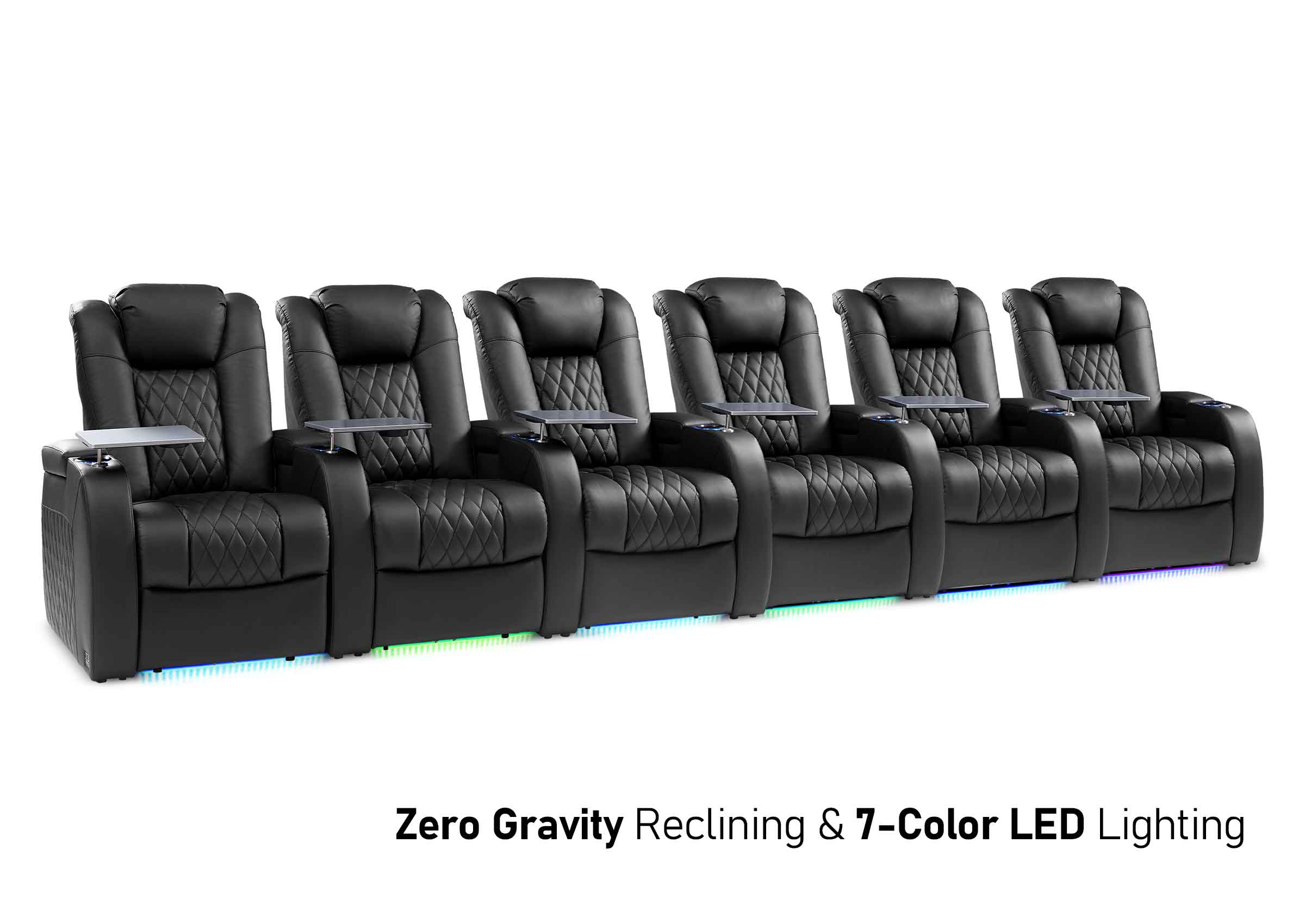
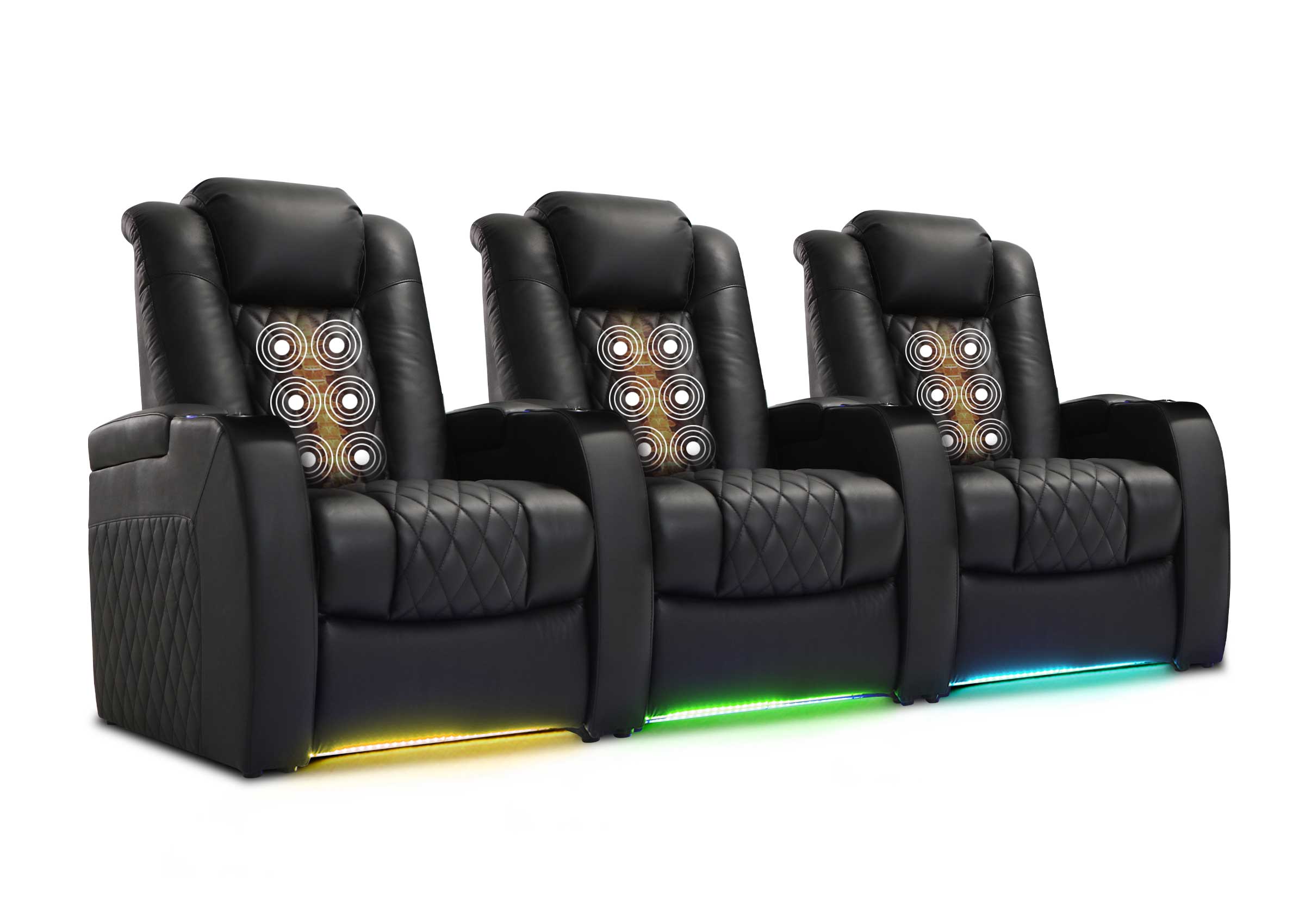
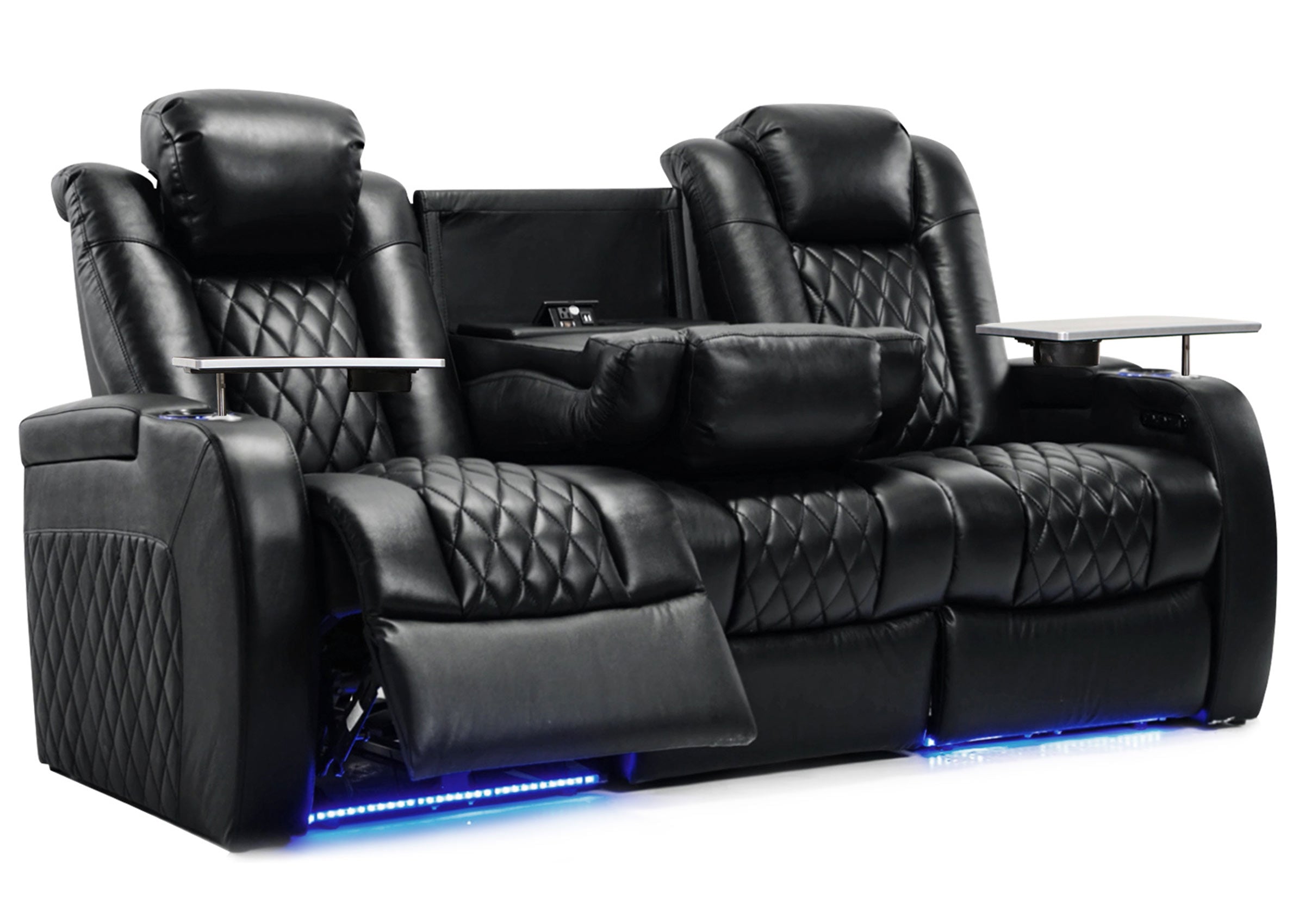
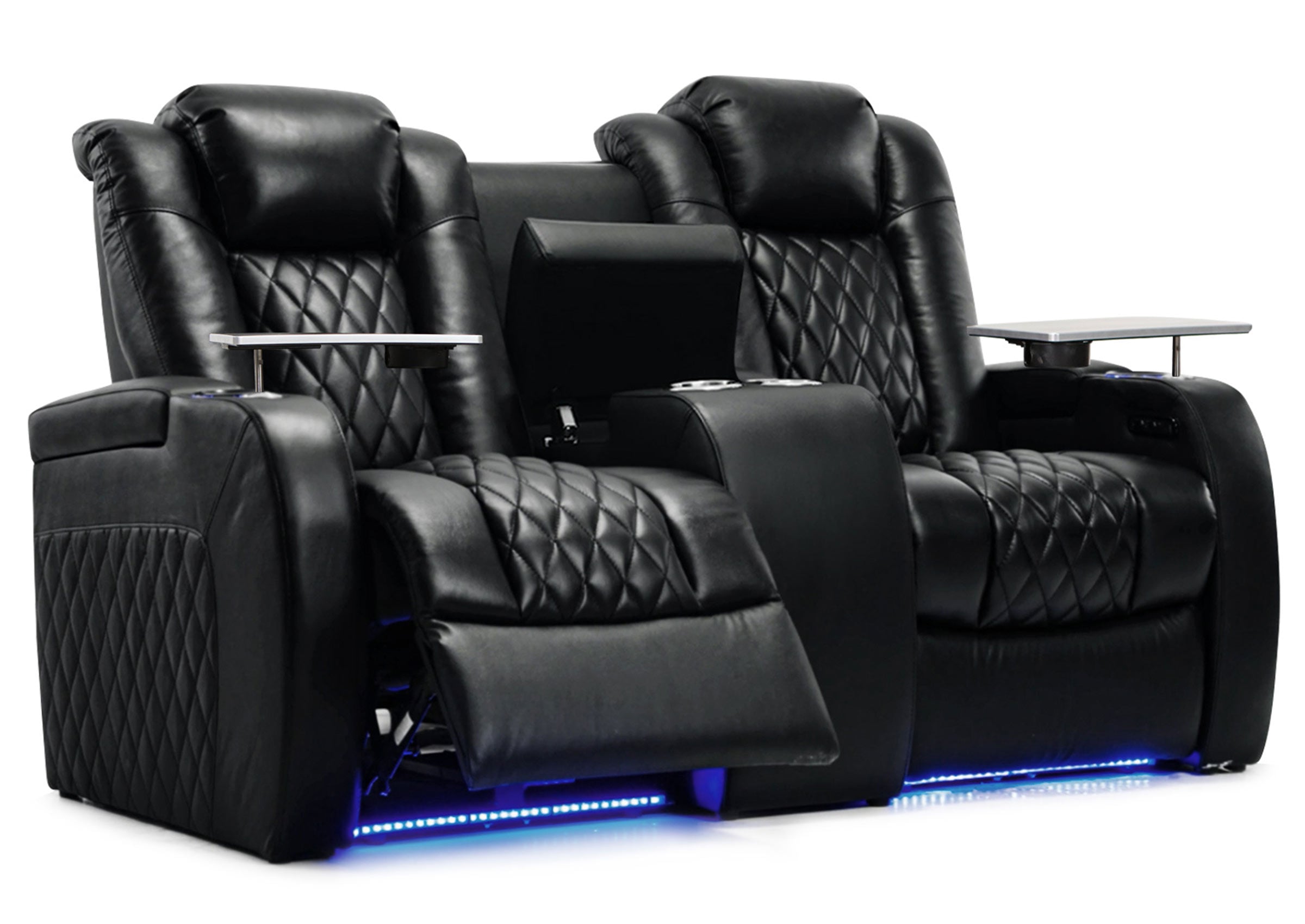


A media room and a dedicated home theater can both deliver excellent movies, sports, gaming, and streaming. The real difference is not whether one has a projector, surround sound, or reclining seats.
It is how much of the room you are willing to organize around the viewing experience.
A media room keeps entertainment important while preserving flexibility for lounging, gaming, conversation, family time, and other everyday activities. A dedicated home theater gives the screen, sound, lighting, and viewing positions much more control over how the room works.
So the better question is not:
Which one is more impressive?
It is:
Which type of room matches the way your household will actually use the space?
Media Room vs. Home Theater: What Is the Main Difference?
In this guide, “home theater” refers primarily to a dedicated home theater—a room designed around focused screen viewing rather than general everyday use.
If you are still defining the first option, start with what a media room is. If you already understand both room types, the more important question is which one better fits your household.
The basic difference is straightforward:
| Decision Point | Media Room | Dedicated Home Theater |
|---|---|---|
| Primary purpose | Multiple entertainment activities | Focused viewing |
| Everyday flexibility | High | Lower |
| Screen | Important focal point | Dominant focal point |
| Seating | Viewing, lounging, and social use | Primarily screen-facing |
| Lighting | Adjustable for several activities | Strongly controlled for viewing |
| Audio | Works with the room’s other uses | Room can be designed around audio |
| Furniture arrangement | Often flexible | More likely to remain fixed |
| Social interaction | Often important | Secondary to focused viewing |
| Future room changes | Easier to accommodate | May require more compromise |
| Renovation commitment | Usually more flexible | Often more specialized |
Neither approach is automatically better.
A well-designed media room may be the better choice for a family that watches movies regularly but also uses the space for gaming, sports, conversation, and everyday relaxation.
A dedicated theater may make more sense when the household wants the room to perform one activity exceptionally well and is comfortable allowing that purpose to shape most of the design.
Start With Your Normal Week, Not Your Ideal Movie Night
One of the easiest ways to make the wrong choice is to imagine the room only during its most exciting use.
Instead, think about a normal week.
How many evenings involve:
- A full movie from beginning to end?
- Casual streaming?
- Sports?
- Gaming?
- Children using the room?
- Friends visiting?
- People talking while the screen is on?
- Someone lying across a sofa?
- People entering and leaving during viewing?
- One person watching while someone else does something different?
This gives you a much better picture of what the room needs to support.
A Media Room Makes More Sense When Use Changes From Night to Night
Monday may be casual television.
Tuesday may be gaming.
Friday may be a family movie.
Sunday may be football with several people talking, eating, and moving around the room.
A media room handles these changing behaviors more naturally because flexibility is part of its purpose.
A Dedicated Theater Makes More Sense When the Ritual Stays Consistent
If most sessions follow roughly the same pattern—enter the room, sit facing the screen, dim the lights, watch, and leave—then a more specialized room becomes easier to justify.
Frequency alone does not decide the question.
A dedicated theater can be used every day. A media room can be used mainly for movies. What matters is whether the way people use the room keeps changing.
Does the Room Need People to Face the Screen—or Each Other?
Seating behavior is one of the clearest ways to separate a media room from a dedicated home theater.

In a Media Room, People May Need to Do Both
People might:
- Face the screen during a movie
- Turn toward one another during conversation
- Lie down on a sectional
- Share a loveseat
- Move closer during gaming
- Spread out while watching sports
- Let children use the floor
- Add an occasional chair when guests arrive
That makes seating flexibility valuable.
Sofas, sectionals, reclining sectionals, loveseats, individual recliners, and modular seating can all make sense depending on the household.
In a Dedicated Theater, Screen-Facing Positions Matter More
The seating can be planned around:
- Consistent viewing angles
- Individual positions
- Reclining comfort
- Defined rows
- Aisles
- Consoles
- Possible risers
- More predictable relationships between the viewer, screen, and speakers
The distinction is not:
Media room = sofa
Home theater = recliner
A media room can use theater seating, and a dedicated theater can use a sofa or sectional.
The more useful question is:
Does the furniture need to support several social behaviors, or can it primarily optimize one viewing behavior?
If seating is becoming the deciding factor, see our guide to choosing seating for a media room.
How Much Control Do You Want Over Light?
Lighting reveals another important difference.
A media room usually has to tolerate normal life.
That may include:
- Daylight
- Windows
- Lamps
- People entering and leaving
- Gaming with some light on
- Reading or conversation
- Cleaning and other daytime activities
You can still use blackout shades, dimmers, and layered lighting. But the room does not need to behave like a dark cinema every time it is used.
A dedicated home theater can take a more focused approach.
Windows may be limited or fully covered. Lighting positions can be planned around the screen. Reflections can be reduced, and low-level pathway lighting can help people move around without competing with the image.
Ask yourself:
Do you want a room that can become dark when necessary, or a room specifically designed to stay controlled during viewing?
That answer can affect the display, wall finishes, furniture placement, and how comfortable the room feels during the day.
How Much Should Audio Shape the Room?
The same principle applies to sound.
A media room may need the audio system to work around:
- Open doorways
- Windows
- An irregular floor plan
- Shared walls
- Everyday furniture
- Multiple seating directions
- Other household activities
That does not prevent good audio. It simply means compromise may be part of the design.
A dedicated theater gives you more freedom to let audio performance influence the room itself.
Speaker locations, listening positions, acoustic treatment, furniture placement, and room surfaces can all be coordinated around a more predictable viewing arrangement.
The decision is therefore not simply:
Do I want surround sound?
Both spaces can have surround sound.
The more useful question is:
How much am I willing to let audio performance determine what the rest of the room can do?
Which One Is Better for Families?
For many households, this is where the choice becomes clearer.
A Media Room Often Fits Family Life Better When:
- Different family members use the room for different things
- Children game or play there
- The household watches sports together
- Someone may watch while another person uses a laptop or phone
- The room is used throughout the day
- Pets regularly share the furniture
- Guests are common
- Conversation is part of the experience
- The room should remain useful when the screen is off
That flexibility can make the space more useful during an ordinary week.
A Dedicated Theater May Fit Better When:
- Movies are a serious household activity
- Everyone values focused viewing
- A separate room is available
- Other spaces already handle everyday lounging and conversation
- The household is comfortable giving the room one main purpose
- Consistent seats and viewing positions are desirable
- The room is unlikely to need another use later
There is no rule that families should choose media rooms and enthusiasts should choose dedicated theaters.
The deciding factor is how many competing jobs the room needs to perform.
What About Gaming and Sports?
Gaming and sports often push a room toward media-room territory because they change how people behave.
Gaming may benefit from:
- More upright seating
- Quick device access
- Controllers and charging
- Space closer to the screen
- Room for multiple players
- More frequent movement
Sports viewing can involve:
- Larger groups
- Conversation
- Food and drinks
- People entering and leaving
- Less interest in complete darkness
- A wider range of seating positions
If those activities are important, a highly fixed theater layout may feel unnecessarily restrictive.
If gaming and sports are occasional and movies remain the clear priority, however, they do not prevent a dedicated theater from working well.
Again, the question is not whether an activity exists. It is how much influence that activity should have over the room.
A Dedicated Home Theater Requires More Commitment, Not Necessarily More Luxury
It is easy to think of the choice as:
Media room = affordable
Dedicated theater = expensive
That is too simplistic.
A sophisticated media room can include premium furniture, advanced audio, a large display, automated lighting, and high-end finishes.
A dedicated theater can also be relatively restrained.
The more meaningful difference is commitment.

A media room usually accepts compromises so the room can continue doing several jobs.
A dedicated theater is more willing to remove those compromises.
That may mean committing to:
- A fixed screen location
- Defined viewing positions
- Stronger light control
- More permanent speaker placement
- Dedicated wiring
- Acoustic decisions
- A riser for multiple rows
- Power planned around reclining seating
- Furniture that is unlikely to move frequently
Instead of asking:
Which room deserves the larger budget?
Ask:
Which room am I more willing to specialize?
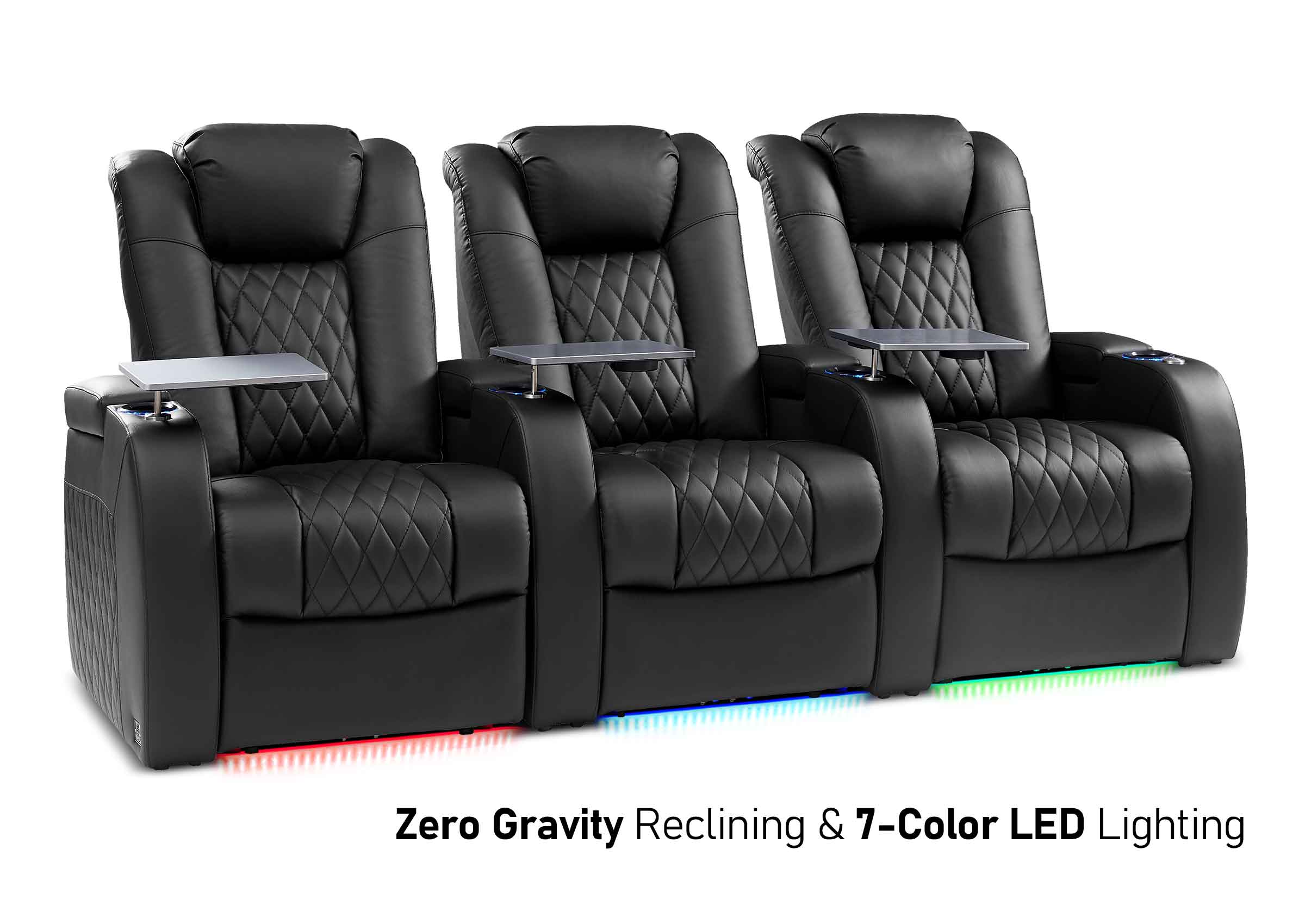
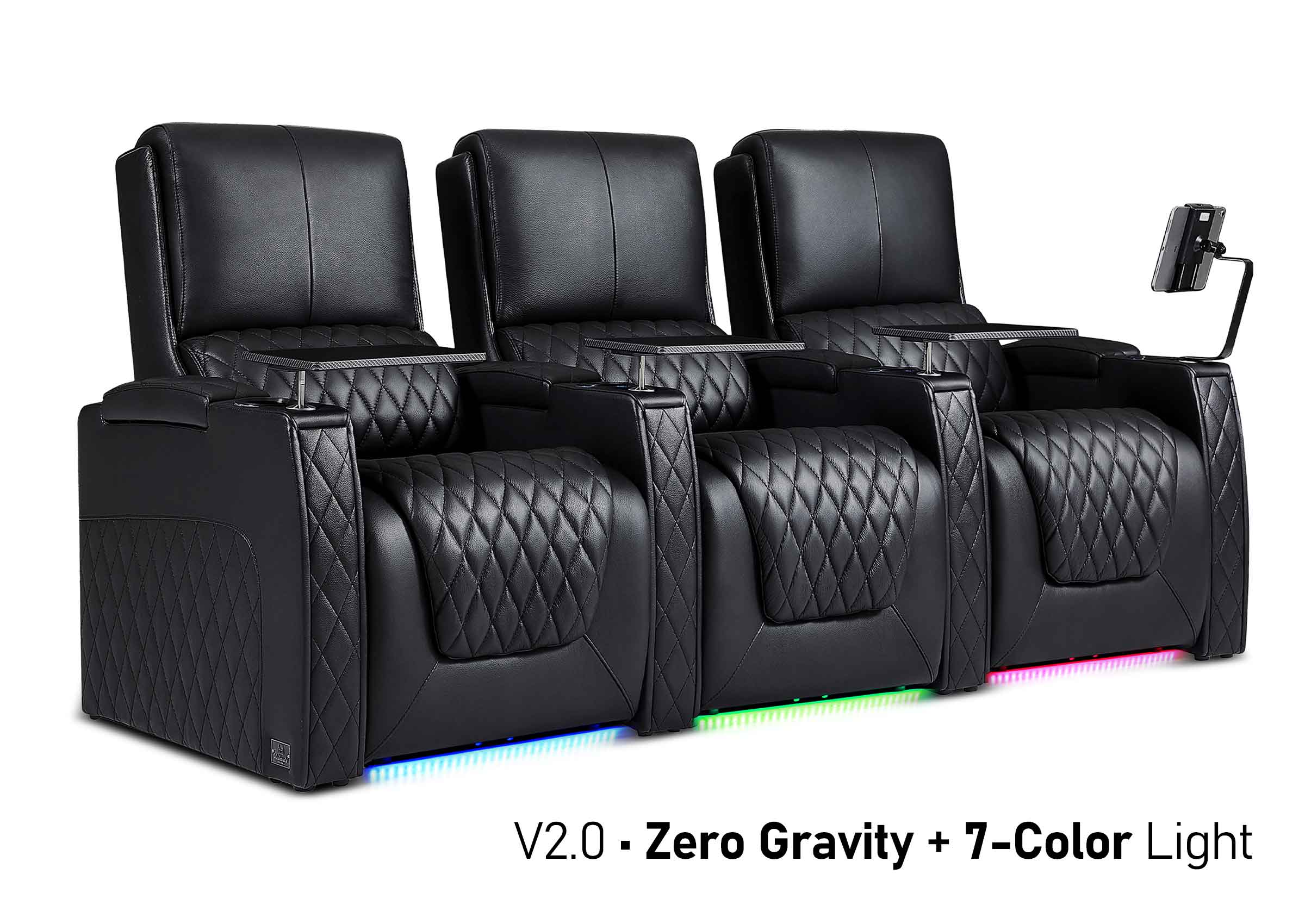
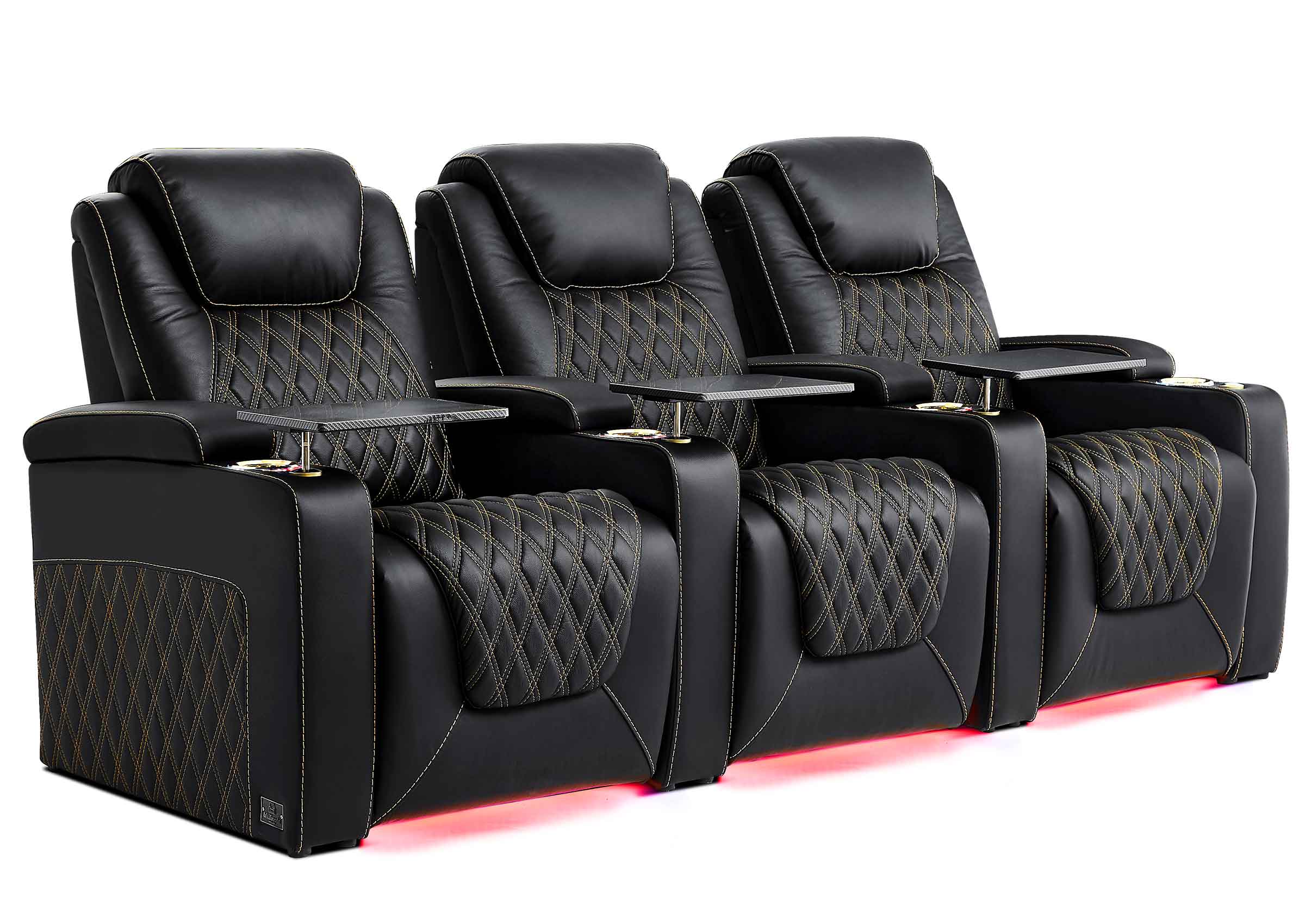
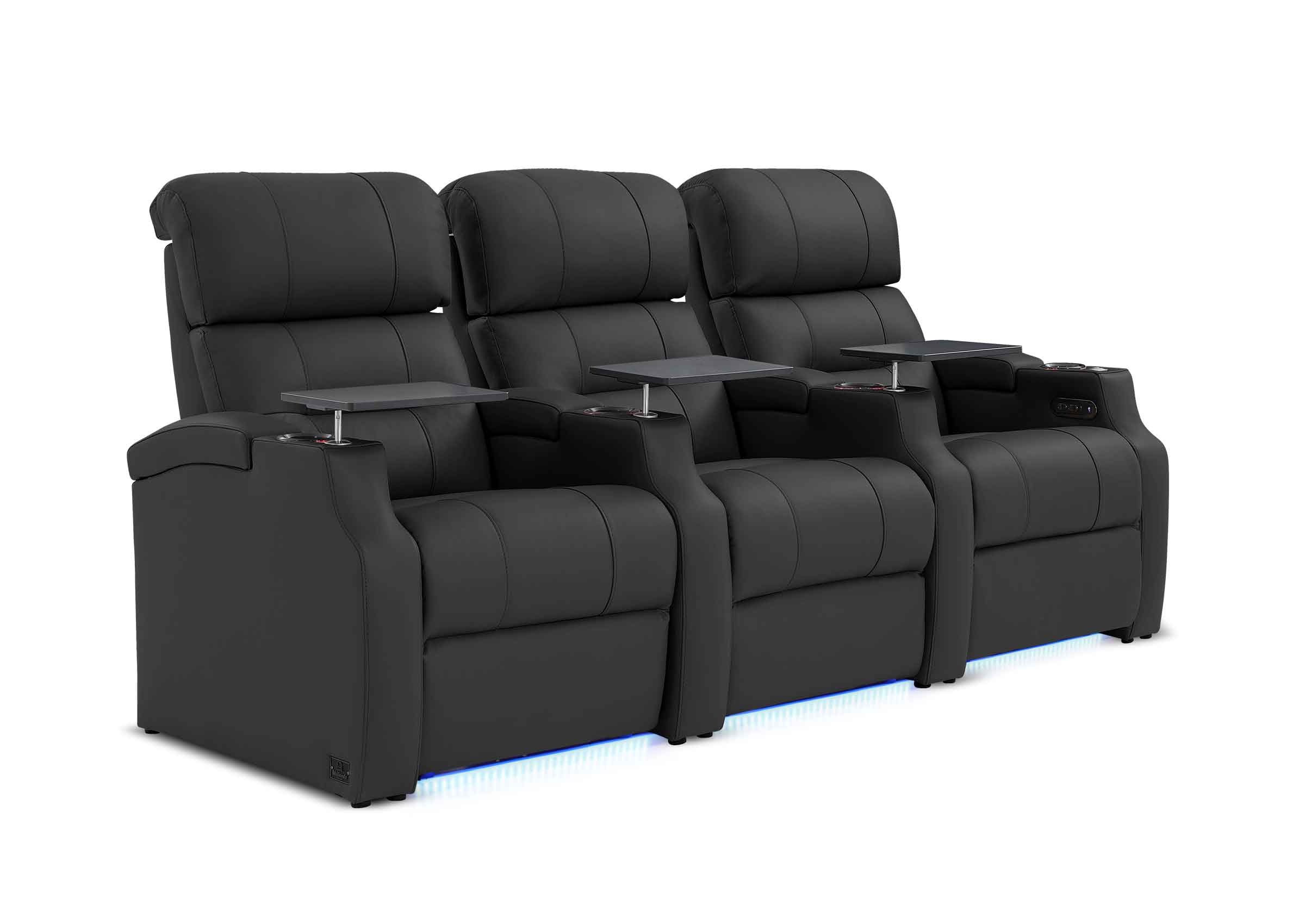
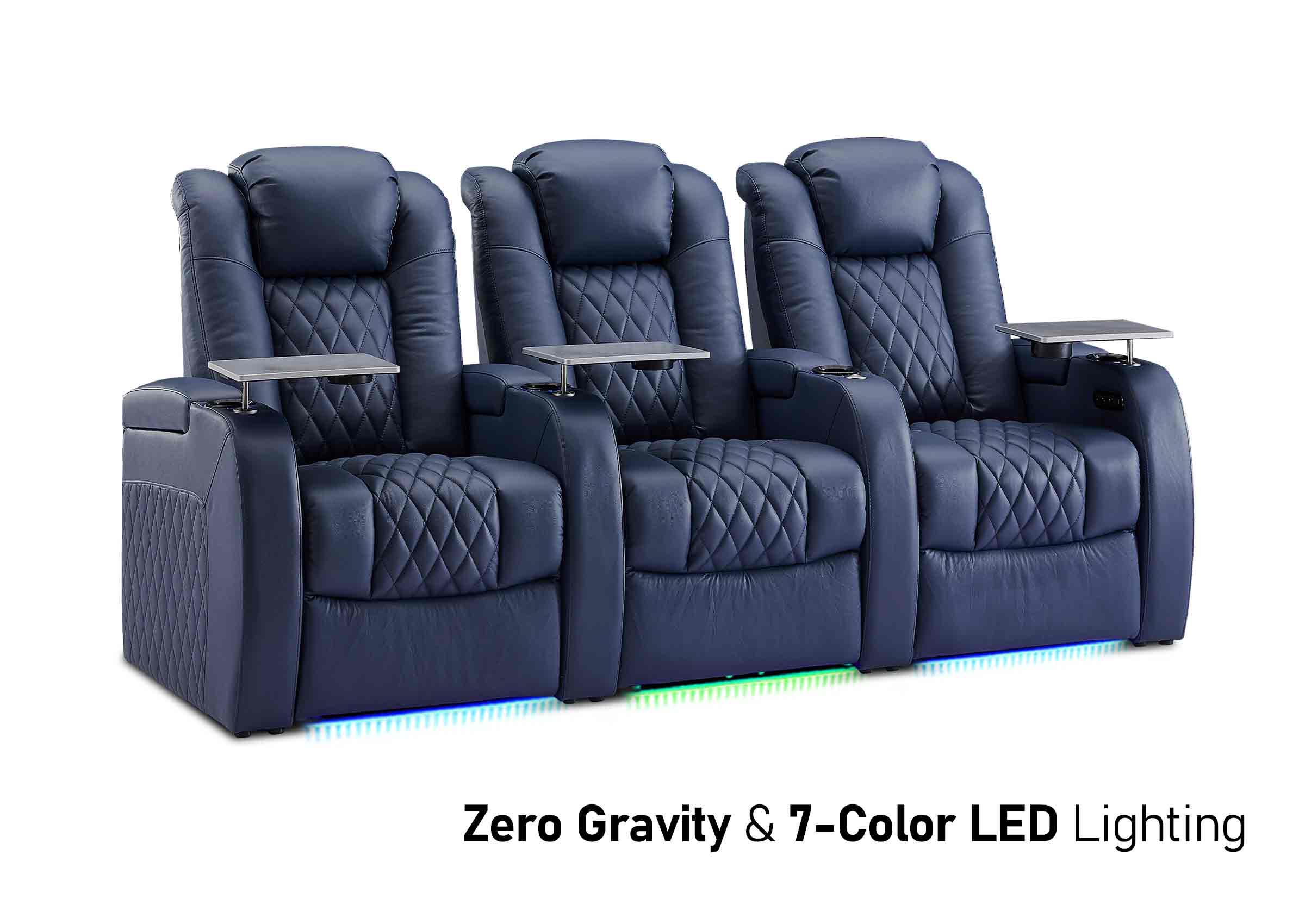
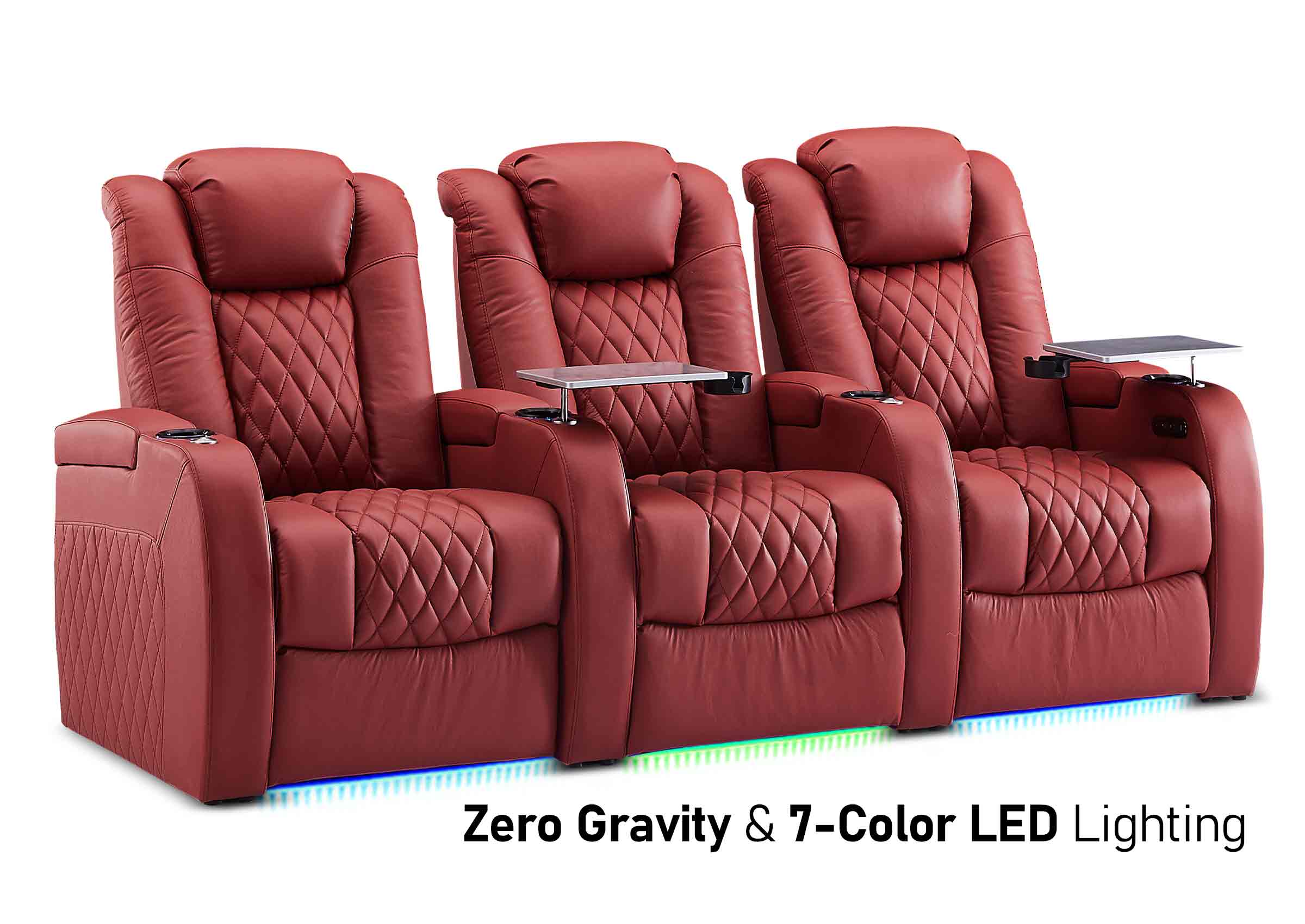
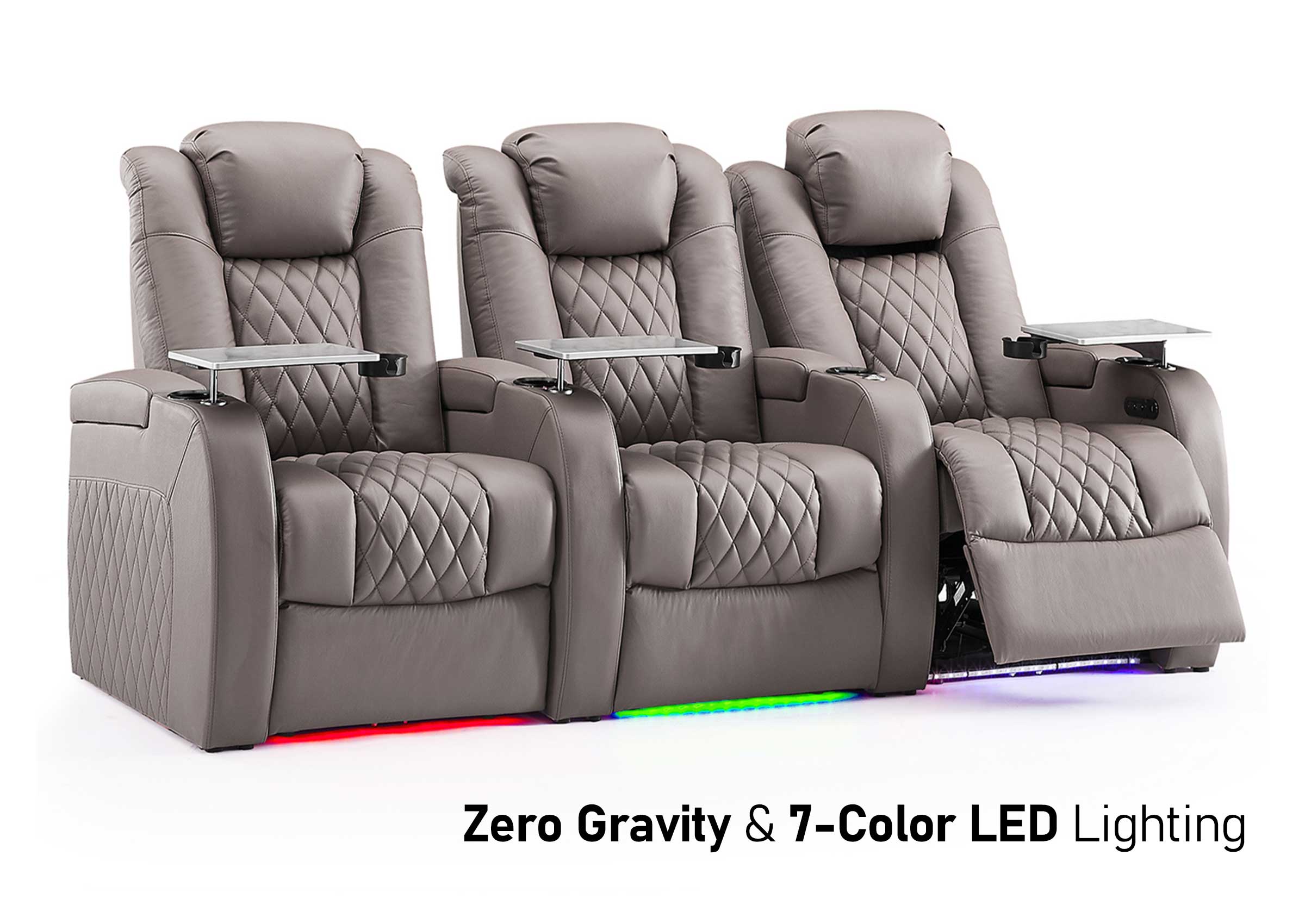
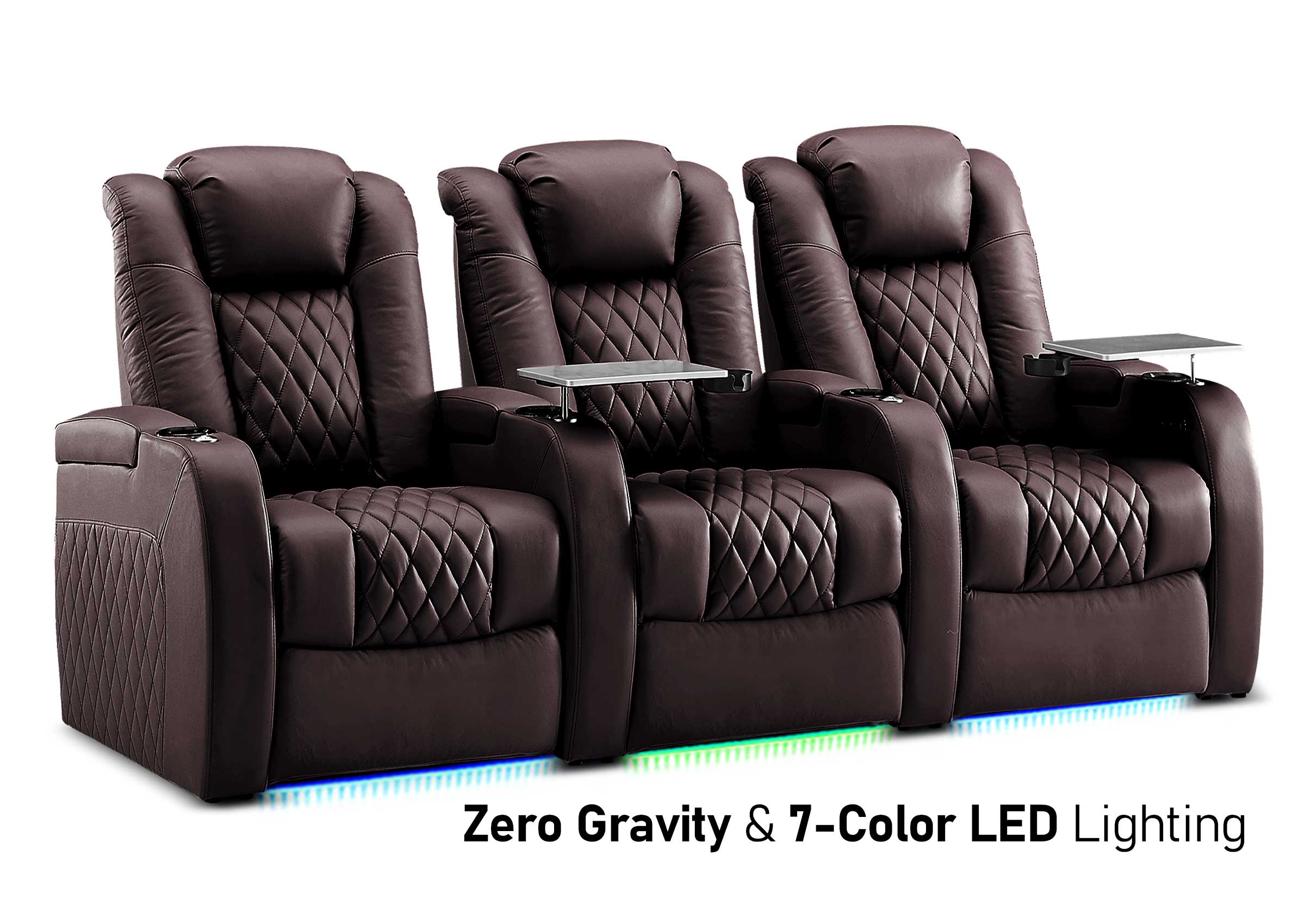
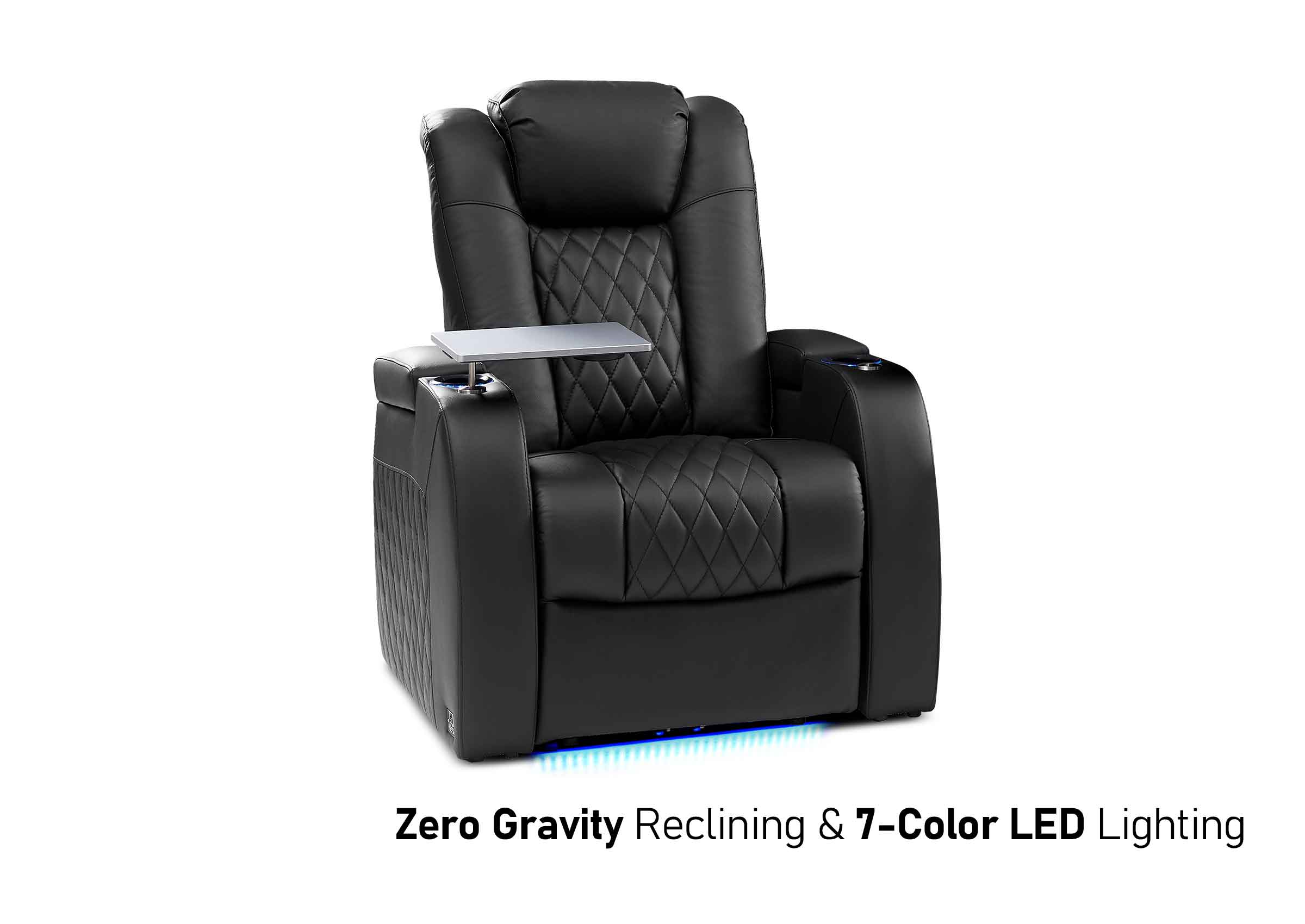
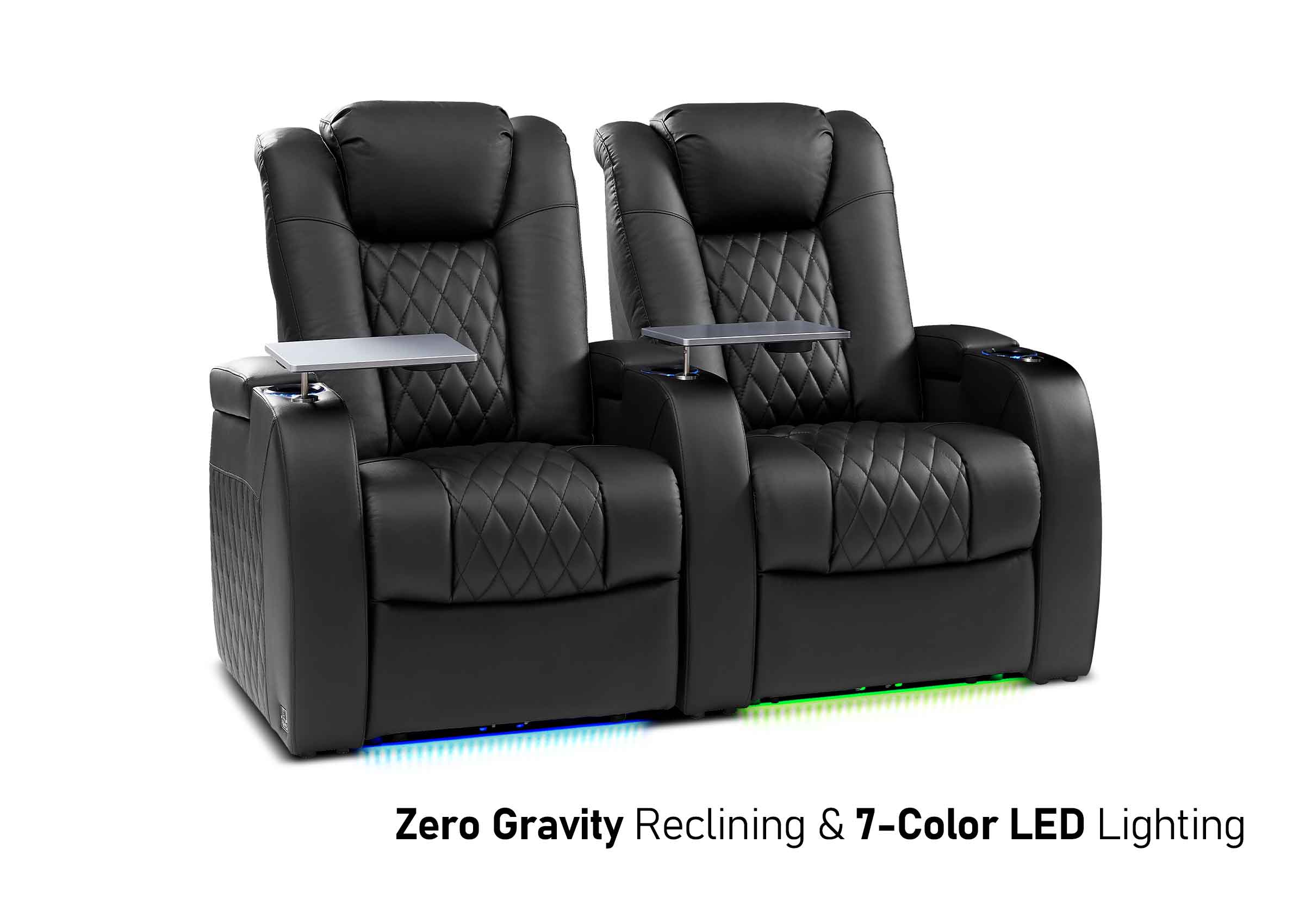
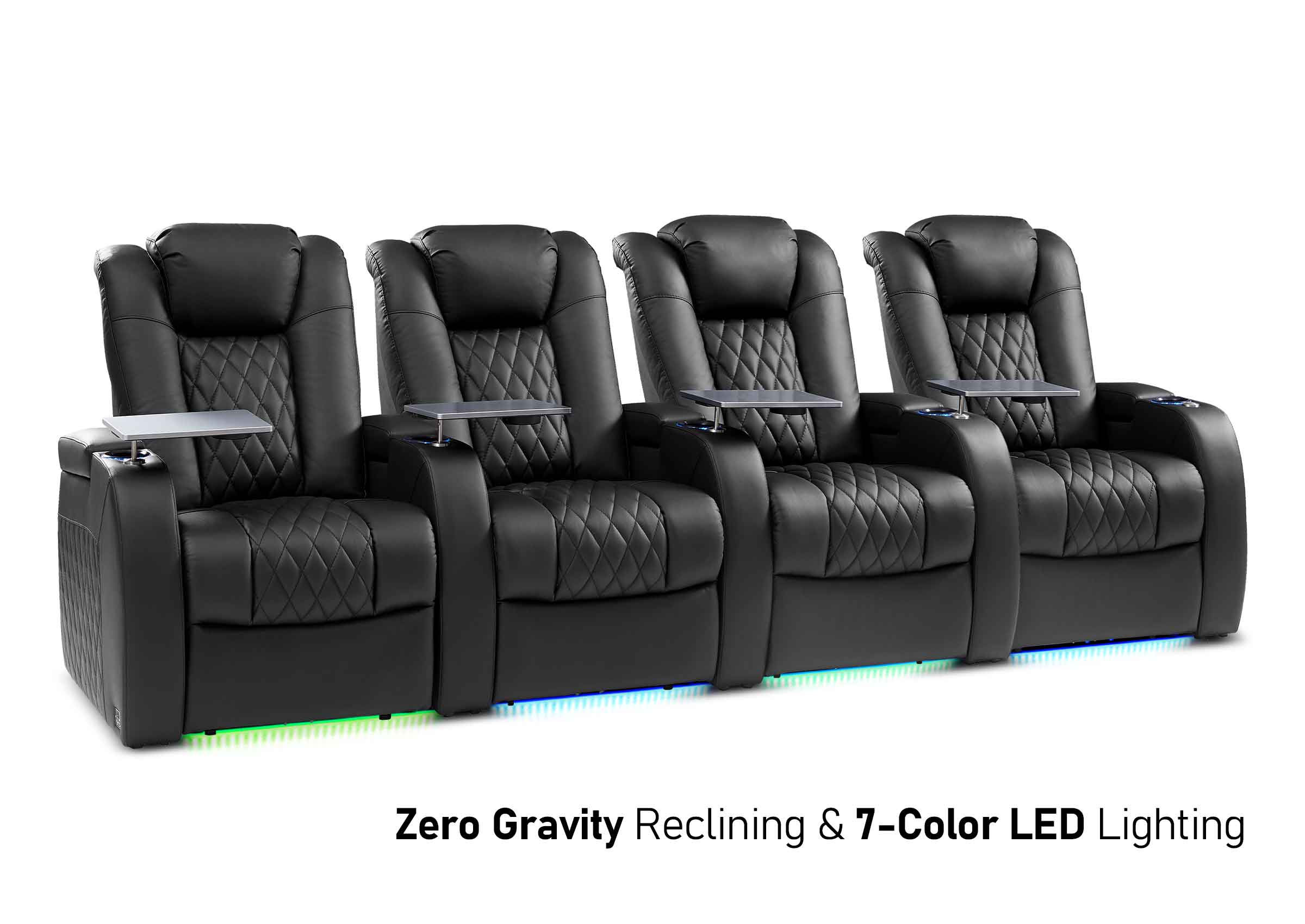
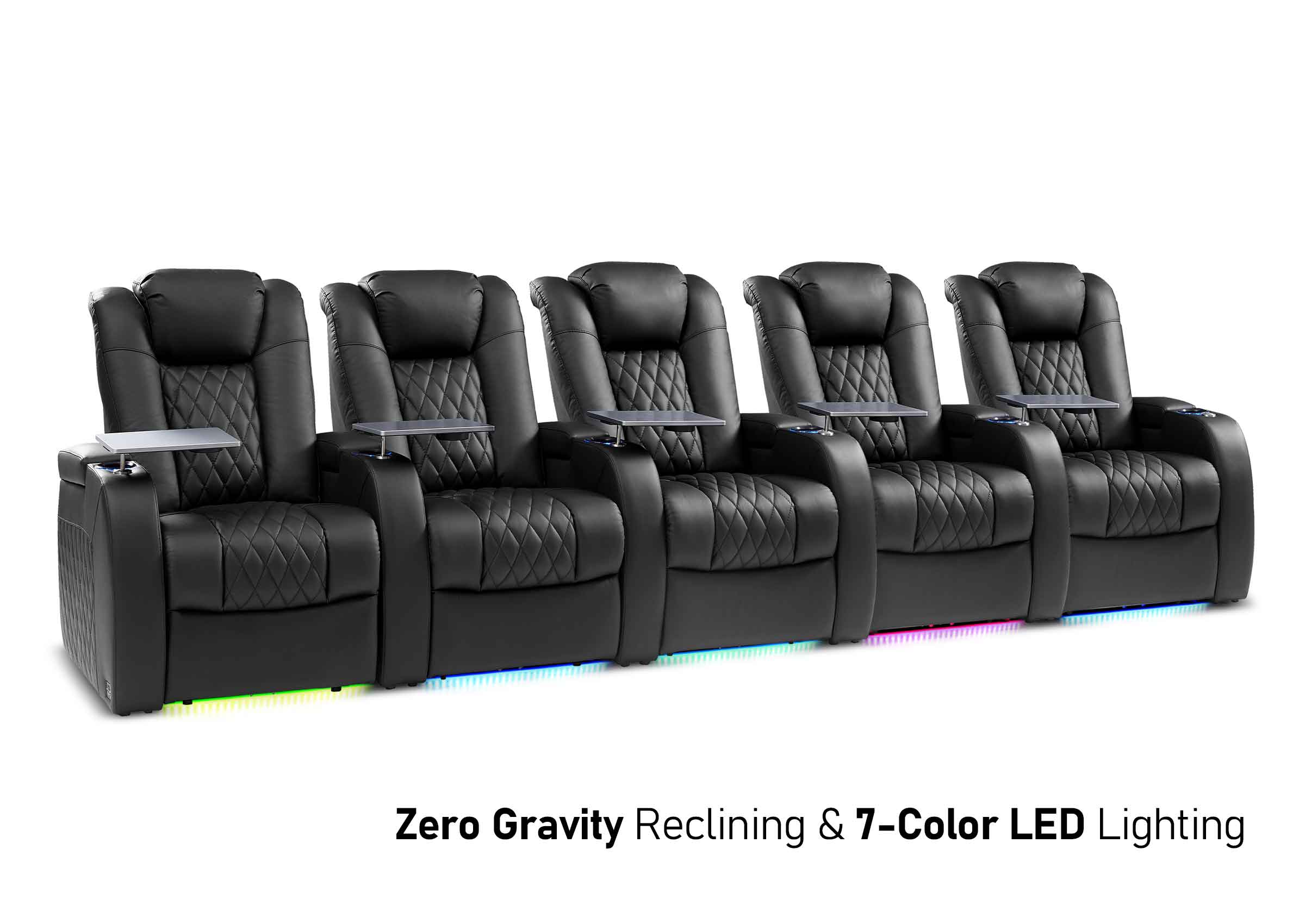
MATCH THE SEATING TO THE ROOM
Which Seating Direction Fits the Way Your Room Will Be Used?
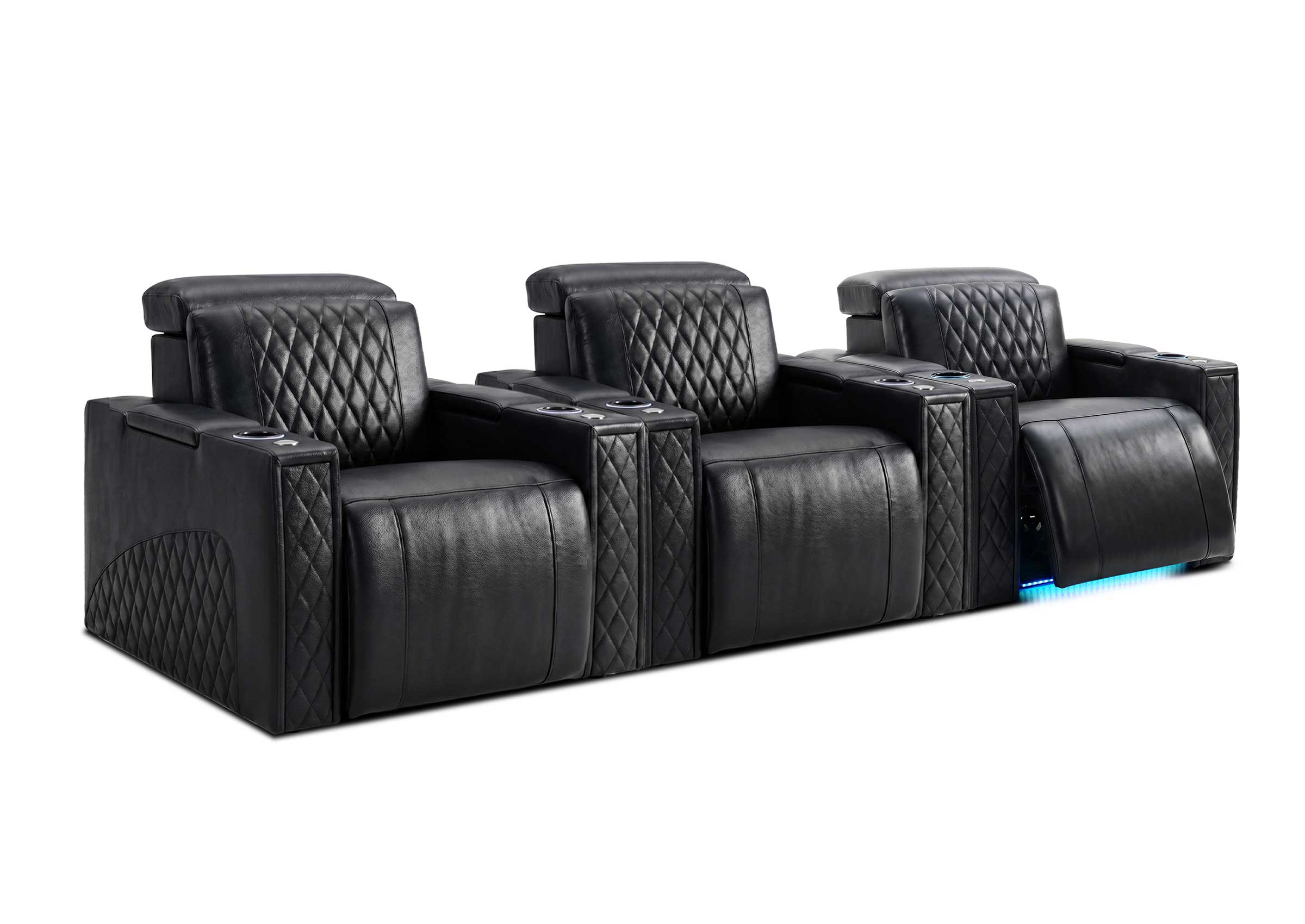
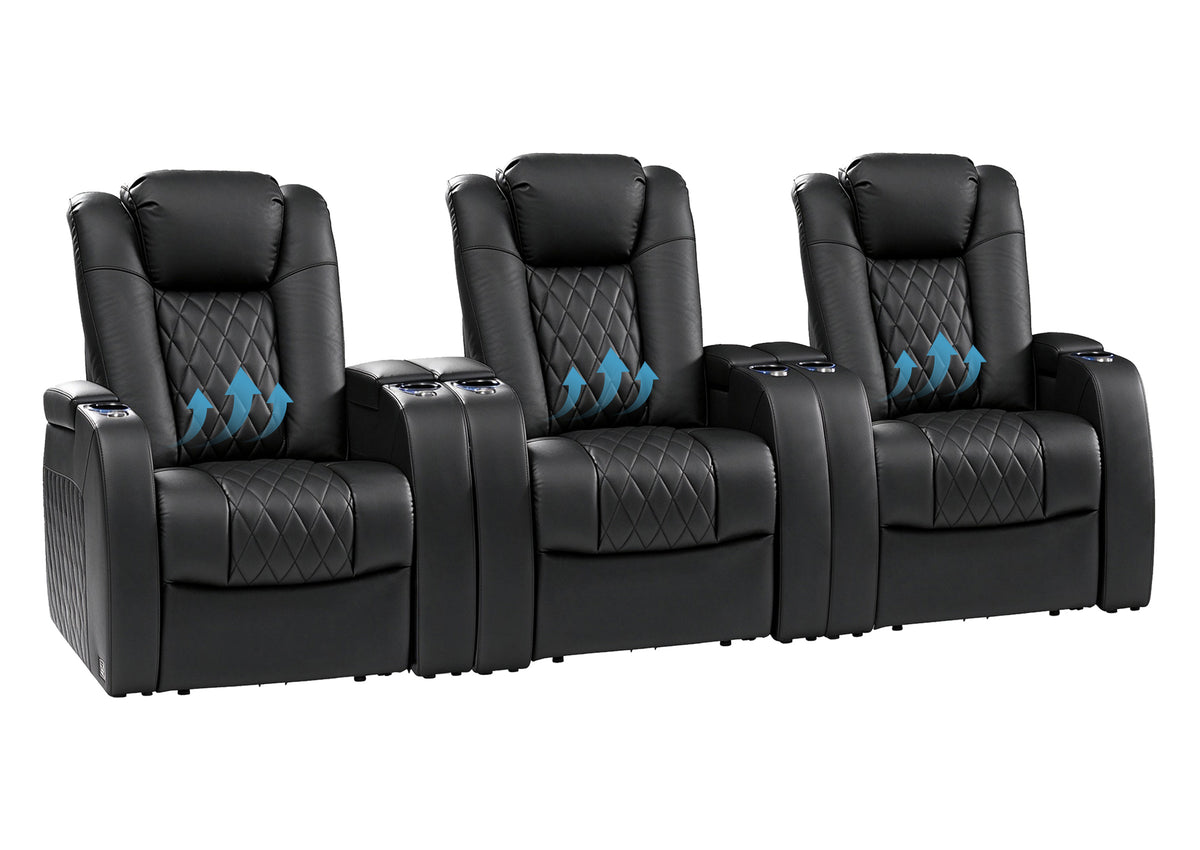
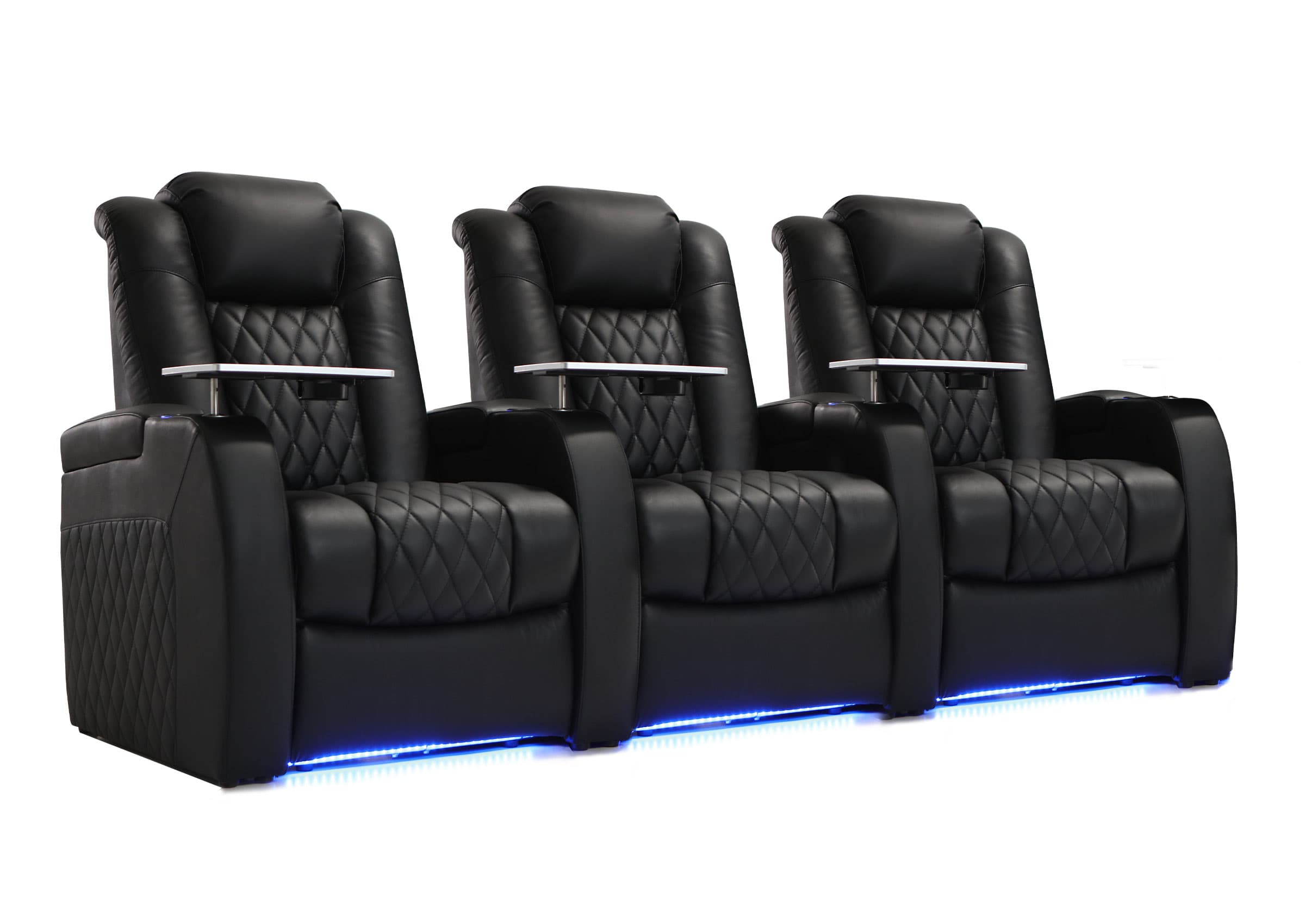
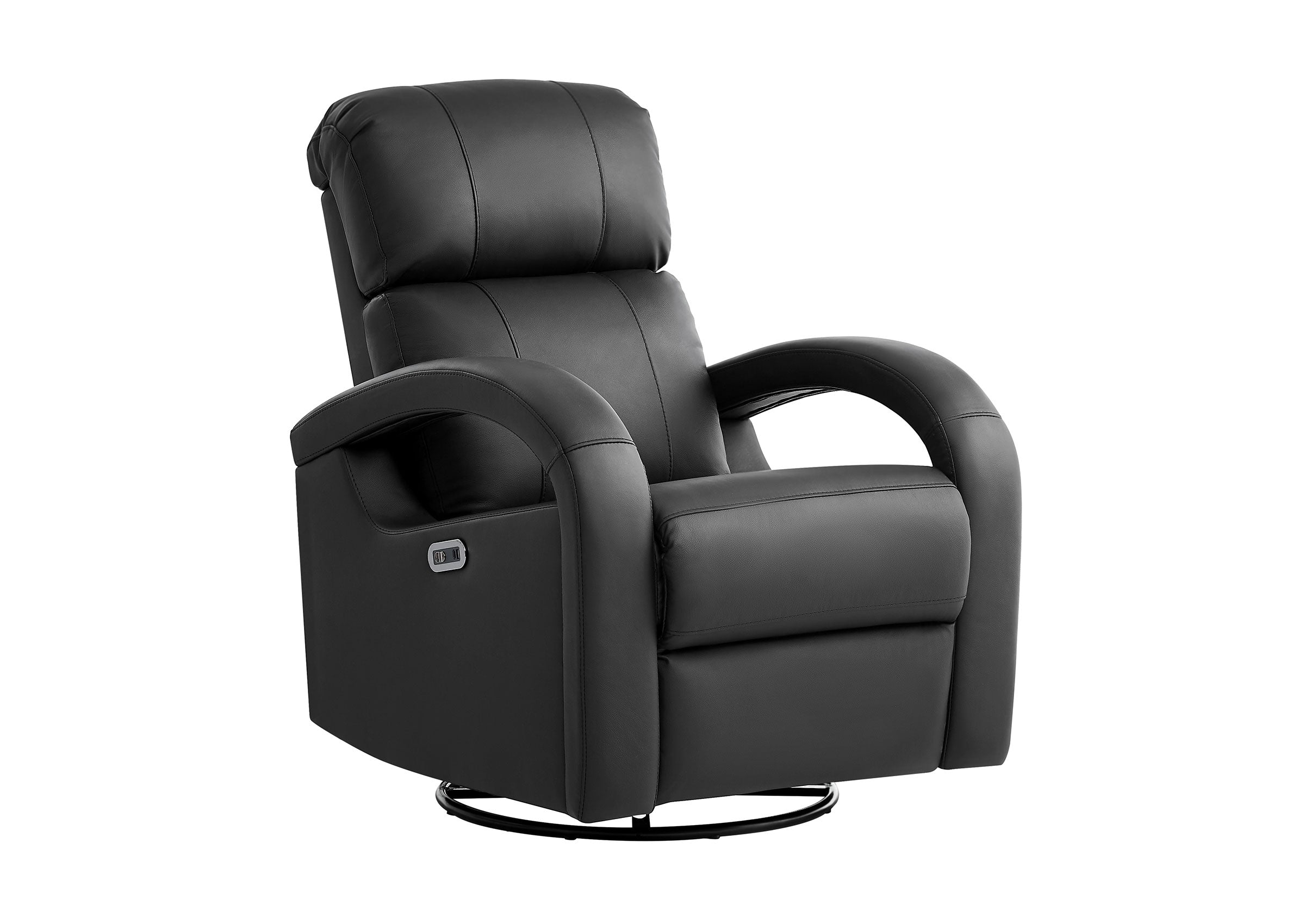
A flexible media room may need seating that supports lounging, conversation, and changing activities. A dedicated theater can prioritize predictable screen-facing comfort. Explore the configurations that fit the room you are actually planning.
What Do You Give Up With a Media Room?
Flexibility comes with tradeoffs.
Depending on the space, a media room may give up some degree of:
- Ideal light control
- Predictable acoustics
- Perfect speaker placement
- Equal viewing angles for every seat
- Fixed screen-facing furniture
- Complete separation from household noise and activity
A large sectional may be excellent for lounging but create a weaker viewing position at one end.
Windows may make the room more pleasant during the day but require better glare control during movies.
An open layout may make the room social while allowing sound to travel into adjoining spaces.
None of these conditions make a media room unsuccessful.
They simply reflect its priorities.
What Do You Give Up With a Dedicated Home Theater?
Specialization also comes with tradeoffs.
A dedicated theater may give up:
- Furniture flexibility
- Conversation-oriented layouts
- Daytime openness
- Alternative room uses
- Easy rearrangement
- Some spontaneous family activity
- The ability to repurpose the room without additional work
Not every family member may want to enter a dark, specialized room every time they watch something.
A technically superior viewing environment is not automatically the room a household will use more often.
That is why real usage matters as much as performance.
How Much Renovation Are You Willing to Commit To?
A media room can often work with more of what already exists.
You may keep:
- Windows
- Existing flooring
- General-purpose lighting
- Flexible furniture
- Existing circulation patterns
- Some current electrical locations
A dedicated home theater gives you more reason to reconsider those elements.
Depending on the project, that can involve:
- Lighting control
- Wiring
- Speaker locations
- Acoustic treatment
- Sound isolation
- Additional power
- Riser construction
- Equipment locations
- Screen-wall planning
- Fixed seating relationships
This does not mean every dedicated theater requires major construction.
It means specialized construction becomes easier to justify when the room itself has a specialized purpose.
If renovation cost becomes the deciding factor, treat that as a separate budgeting question rather than reducing the entire media-room-versus-theater decision to price.
What If You Want Something Between the Two?
Many homes do not fit neatly into either category.
A hybrid room might include:
- Strong blackout capability
- A high-quality TV or projection system
- Surround sound
- Reclining or modular seating
- Movie-focused lighting
- Flexible furniture
- Gaming equipment
- Space for conversation
- Normal daytime use
That can work extremely well.
But “hybrid” should not mean avoiding priorities.
You still need to decide where compromise is acceptable.
For example, you may accept some daylight but refuse to compromise on seating comfort. Or you may prioritize excellent sound but keep a sectional because family lounging matters more than fixed rows.
A successful hybrid room is not one that tries to maximize everything.
It is one where the compromises are intentional.
If future flexibility is especially important, our guide to modular home theater seating explains what can actually change in a configurable seating system.
Media Room or Dedicated Home Theater? A Simple Decision Test
If you are still unsure, answer these questions without thinking about equipment brands or features.
Choose a Media Room if Most of These Sound Like You:
- The room will support movies, gaming, sports, and social use.
- People need to lounge as well as watch.
- Conversation matters.
- The room is used during the day.
- Furniture may need to move or change later.
- You want the space to remain valuable when the screen is off.
- Different family members use the room differently.
- You prefer flexibility over maximizing one viewing experience.
Choose a Dedicated Home Theater if Most of These Sound Like You:
- Focused movie viewing is the clear priority.
- You have another space for everyday family activities.
- Most viewers will face the same screen most of the time.
- Strong light control is desirable.
- Furniture can remain in predictable positions.
- You are comfortable designing the room around audio and video performance.
- Multiple rows or a riser may eventually be needed.
- You are unlikely to repurpose the room regularly.
If your answers are evenly divided, a flexible media room or hybrid setup may be the better starting point while you learn how the household actually uses the space.
Before You Decide, Ask One Final Question
Imagine the room five years from now.
Has your family changed?
Are children older?
Do you host more often?
Has gaming become more important?
Do you still want every seat aimed at the same screen?
Would you like to rearrange the furniture?
Or have movies become important enough that you wish the room had been designed around them from the beginning?
This future-use question matters because the biggest difference between a media room and a dedicated home theater is not the equipment you install today.
It is how much freedom you want the room to retain tomorrow.
Frequently Asked Questions
Is a media room the same as a home theater?
No. A media room is generally designed for several entertainment and everyday activities, while a dedicated home theater gives focused screen viewing more control over the lighting, sound, seating, and room layout.
Is a dedicated home theater better than a media room?
Not universally. A dedicated theater may provide a more controlled viewing environment, while a media room usually provides greater flexibility for family use, gaming, sports, conversation, and everyday lounging.
Can a media room have theater seating?
Yes. Theater-style recliners can work in a media room when screen-focused viewing is important. Sofas, sectionals, reclining sofas, and modular seating may be more suitable when the room also needs to support lounging and social use.
Can a dedicated home theater use a sectional?
Yes. A dedicated theater does not have to use individual theater chairs. The important question is whether the sectional provides usable screen-facing positions, suitable room clearance, and the viewing behavior the household wants.
Do you need a projector for a dedicated home theater?
No. A dedicated theater is defined more by how the room is organized around focused viewing than by a particular display technology. A large television can also serve as the primary display.
Which is better for gaming: a media room or a home theater?
A media room is often more flexible for gaming because seating, lighting, device access, and open floor space can support different ways of playing. A dedicated theater can still work well for gaming when its fixed viewing layout suits the household.
Can a media room become a dedicated home theater later?
Yes, depending on the room. Stronger light control, more fixed screen-facing seating, upgraded audio, acoustic treatment, dedicated wiring, and other changes can gradually make a media room function more like a dedicated theater.
Choose the Room You Will Actually Use
The best choice is not the room that sounds more impressive.
It is the room whose compromises match your household.
Choose a media room when entertainment needs to coexist with family life, gaming, sports, conversation, and changing furniture needs.
Choose a dedicated home theater when focused viewing matters enough that you are willing to let the screen, sound, lighting, and seating define the room.
If you fall somewhere between those two, do not force the space into a label. Decide which experiences matter most, protect those priorities, and stay flexible everywhere else.
Ready to Match Your Seating to the Room You’re Planning?
Once you know whether your space should function more like a flexible media room or a dedicated home theater, the next step is choosing seating that supports the way people will actually use it.
Share your room dimensions, screen location, regular number of viewers, and the seating style or configuration you are considering.
With home theater seating manufacturing experience since 2008 and factory-direct communication, Weilianda can help you review product-specific dimensions, seating configurations, available reclining options, and other details worth confirming for the model you are considering before making a final choice.
Visit Weilianda Support or email leon@weiliandahome.com to discuss the seating direction that fits your room and viewing habits.