

















A media room makeover on a budget works best when you finish one useful change with the furniture and equipment you already have. Test the room before buying, choose a project you can complete, and include the parts, tools, and delivery costs. A lower product price is only a saving when it helps you finish the room you actually want.
This guide focuses on the process: what to try without spending, how to refresh familiar pieces, and when DIY or secondhand shopping stops being economical. For a wider collection of finished looks and larger transformations, explore our media room renovation ideas.
Define One Finished Change Before Setting the Budget
Start with a complaint you can test. “Make the room nicer” can generate an endless shopping list. “Give both sofa seats a place for a drink,” “make the controls easy to find,” or “make this cabinet belong with the furniture we are keeping” gives the work a finish line.
Photograph the current room and make a short inventory. Note the seating you enjoy using, working equipment, usable tables, spare lamps, frames, cushion inserts, and containers elsewhere in the home. Keep dimensions beside any item you might move. Something you own is useful only if it fits the new job without making another room inconvenient.
Write three decisions: the result you want, what must stay, and the most you will spend on this phase. Include a stopping condition. For a cabinet refresh, that might be doors that operate properly and hardware that relates to the room—not a rebuilt television wall.
Separate a decorating problem from a failed piece of furniture. New handles cannot make an undersized cabinet hold your equipment. A throw cannot correct a seat you dislike using. If the retained piece cannot perform its basic job, compare replacement or a different arrangement before buying materials to disguise it.
Run a No-Purchase Trial With What You Own
Use an ordinary viewing evening to establish what buying would change. Take a few photographs before starting so you can compare the result without relying on memory.
- Remove objects that are not used in the room. Put them aside rather than immediately replacing them with matching storage.
- Move an existing small table within reach of the seat that lacks a surface. Check that people can still get up and pass it.
- Borrow a suitable lamp and test its position with the television on. Look from the seats for reflections; use the lamp according to its instructions and keep its cord out of the walking route.
- Group existing frames or decorative objects in one area instead of spreading them across every surface. Arrange frames on the floor before changing wall fixings.
- Put remotes and controllers into an existing tray, drawer, or container. Use the room, then see whether everyone can return them without an explanation.
Keep changes that improve the evening, and buy only for a gap the trial exposes. A borrowed table may prove that you need a reachable surface, but not a whole set of tables. Moving a lamp may reveal that its position was the problem, leaving no lighting purchase to make.
The trial can take place over one or several normal evenings; it is a check, not a promised project duration. If it makes no useful difference, reconsider the problem before spending. Perhaps the seat needs to move, the window needs different light control, or the room contains more furniture than it can use comfortably.

Refresh a Sound Cabinet Without Rebuilding It
For a cabinet that works but looks disconnected, start with a reversible change. Test one handle before ordering hardware for the whole piece.
Photograph the existing hardware and count the doors and drawers. For a two-hole pull, record the distance between the screw centers rather than just its overall length. Note the door or drawer-front thickness and the supplied screw requirements. For a single-hole knob, check its size and projection against neighboring doors and the way your hand will reach it.
Choose a finish already present in the room: perhaps a lamp's dark metal or a warm metallic tone in your frames. A paper outline can help you judge size, but cannot establish whether mounting hardware is compatible.
Try the sample using appropriate hardware and the manufacturer's fitting guidance. Check that it sits firmly, operates comfortably, and does not interfere with another door. Retain the original parts until the replacement is confirmed. If fitting requires new holes, filling, or refinishing, include that work before deciding the change is inexpensive. A different handle may be simpler than turning a hardware swap into furniture restoration.

A more involved example appears in Amy Fedele's media-stand makeover. Her tutorial, updated in 2020, replaced doors while retaining the stand and reusing some hardware and finish. Borrow the selective alteration, not the headline's historical $12 budget. Your tools, materials, fittings, and existing supplies may be different.
For your cabinet, record the work in order: inspect and measure, test the chosen change, obtain remaining parts, complete the work, then check every opening. Keep device ventilation and connection access working in the finished arrangement. Decorative mesh or a replacement door does not automatically satisfy a device's installation requirements.
Reuse Art and Textiles Before Buying a New Palette
Choose an object you still enjoy—a rug, print, or cushion—and identify a color in it. Bring that color into the proposed grouping with things you own before buying new versions. The goal is a relationship between pieces, not a matching shopping basket.
For example, a gray sofa, an existing landscape print, and a wood cabinet might already contain a green-and-neutral scheme. Move the print into the seating group, try a spare green cover on an existing insert, and remove accessories that introduce unrelated colors. This is an illustrative process, not a documented customer makeover.
For frames, measure the artwork, visible opening, and existing mat before ordering replacements. Outside dimensions do not establish that a picture will fit. Lay out the group first; list missing mats, backing, or suitable hanging hardware only after you know which pieces will be used. Keep fixings appropriate to the frame and wall.
For cushions, measure the covers and check existing inserts. Compare the cost of the complete usable item, not the cover alone. A sale cover needing a new insert and separate delivery may exceed your original plan. Follow care labels rather than assuming all existing textiles can be washed together.
Deeply Southern Home's budget media-room reveal illustrates choosing what earns its place: a sturdy table stayed because it fit, while collected pieces and meaningful objects gave the room character. Its old bargain prices are not the point. Reuse works when the object supports the finished room, not simply because it was inexpensive.
TRY BEFORE YOU BUY
Test the Room With the Furniture You Have
Before adding another piece, use our media-room organization guide to check how retained furniture, storage, and walking routes work together. Complete the arrangement before spending to fill the remaining spaces.
Compare DIY, Secondhand, and New on the Same Basis
A secondhand listing, DIY materials, and a new cabinet are not yet comparable prices. They become comparable when you include what is required to get each option into the room and working.
| Option | Costs to include | Reasons to choose another route |
|---|---|---|
| Refresh what you own | Parts, consumables, tools you lack, transport, and paid help | The piece still will not fit or function after the work |
| Buy secondhand | Purchase, collection, delivery, missing fittings, repair, and cleaning | Condition or completeness cannot be checked, or collection makes the total unattractive |
| Buy new | Selected configuration, applicable tax, delivery, assembly, and removal where needed | The item solves no real problem or forces unnecessary replacements |
Consider a hypothetical comparison. A used cabinet listed at $40 needs $20 collection, $15 hardware, and $30 supplies: the planned outlay is $105, not $40, before other applicable costs. If a new alternative has a confirmed all-in price of $120, the immediate difference is $15. Decide whether the used piece's condition, fit, work, and character make it worthwhile; the listing price alone does not answer that. These figures demonstrate the calculation, not current market prices.
Do the same check for DIY. Suitable tools and leftover materials can change the answer. Buying tools for one project, paying for transport, or correcting an unsuitable finish can change it again. Record your time separately from cash spending; you do not need an invented hourly rate to recognize that several sessions of work matter.
For secondhand furniture, ask for dimensions, condition photographs, included fittings, and access details before arranging collection. Check the actual piece and whether it can be transported into your home. Its appearance in someone else's room does not prove suitability.
For work outside your competence, obtain appropriate help or choose a simpler change. These small decorating tasks do not establish that electrical work, structural alterations, or equipment installation are suitable DIY projects.
Schedule the Work Around Dependencies and Real Costs
Put steps in an order that prevents paying twice. Confirm which furniture stays before choosing coordinating materials. Fit-test hardware before purchasing all the pieces. Decide the frame arrangement before buying mats or changing fixings. Complete selected messy work before returning vulnerable furnishings to the area.
Distinguish hands-on work from waiting time. Checking stock, collecting a used piece, obtaining compatible screws, and waiting for a finish to dry can extend a small project. Follow the product's preparation, drying, and curing instructions if a finish is involved; do not promise a one-day transformation based only on application time.
Keep a simple job record:
- Result: the single change this phase will finish.
- Retained items: pieces and supplies already suitable for use.
- Required purchases: quantities, compatible parts, and actual total prices.
- Dependencies: what must be checked before the next purchase.
- Completion check: what you will open, reach, operate, or use afterward.
A cabinet-hardware refresh is not finished when the parcel arrives. It is finished when the parts fit, doors operate normally, and the cabinet remains useful in position. A reorganized art grouping is not finished if half the pictures await unbudgeted mats.
If the total exceeds the available money, keep one complete result and defer another project. Fewer new frames may leave a coherent smaller display; buying all the frames but no necessary backing may leave an unfinished one. Avoid a temporary purchase you already know a later phase will replace.
Buy the Missing Piece During Black Friday—Then Stop
Make a short purchase specification before checking offers. “Two compatible pulls in this finish, with the required screws” is more useful than “something to update the cabinet.” It also helps reveal when a discounted substitute creates extra work.
Include delivery, required accessories, and purchase conditions in the comparison. Do not count money from a listed old item until it sells. Keep an allowance for unresolved costs separate from money genuinely available for another purchase.
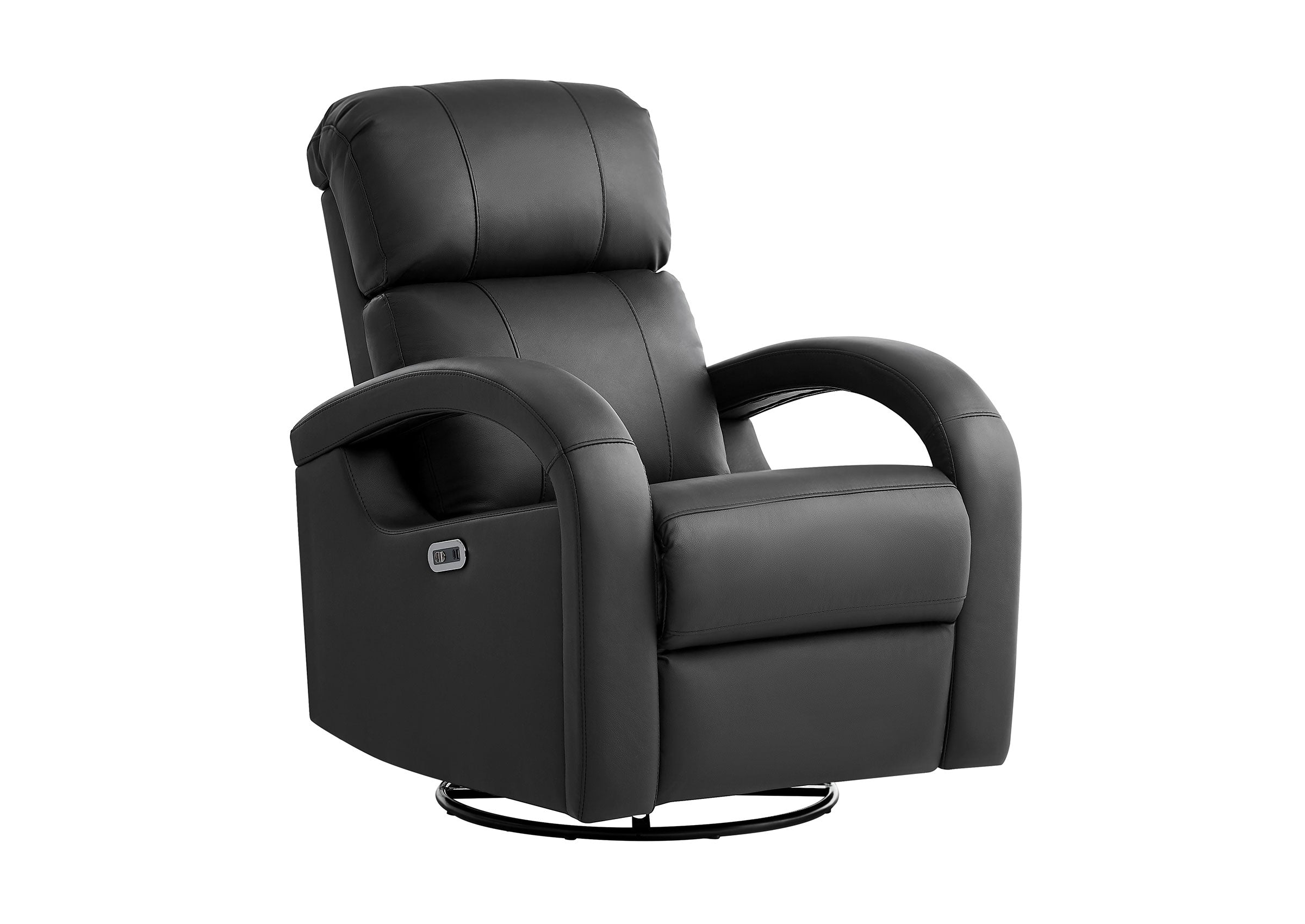
When seating is the problem, pause cosmetic purchases. Our media-room seating guide explains fit and sitting-experience decisions before replacing a sofa or adding a recliner. Saving toward an appropriate seat can be more useful than repeatedly decorating around one you avoid.
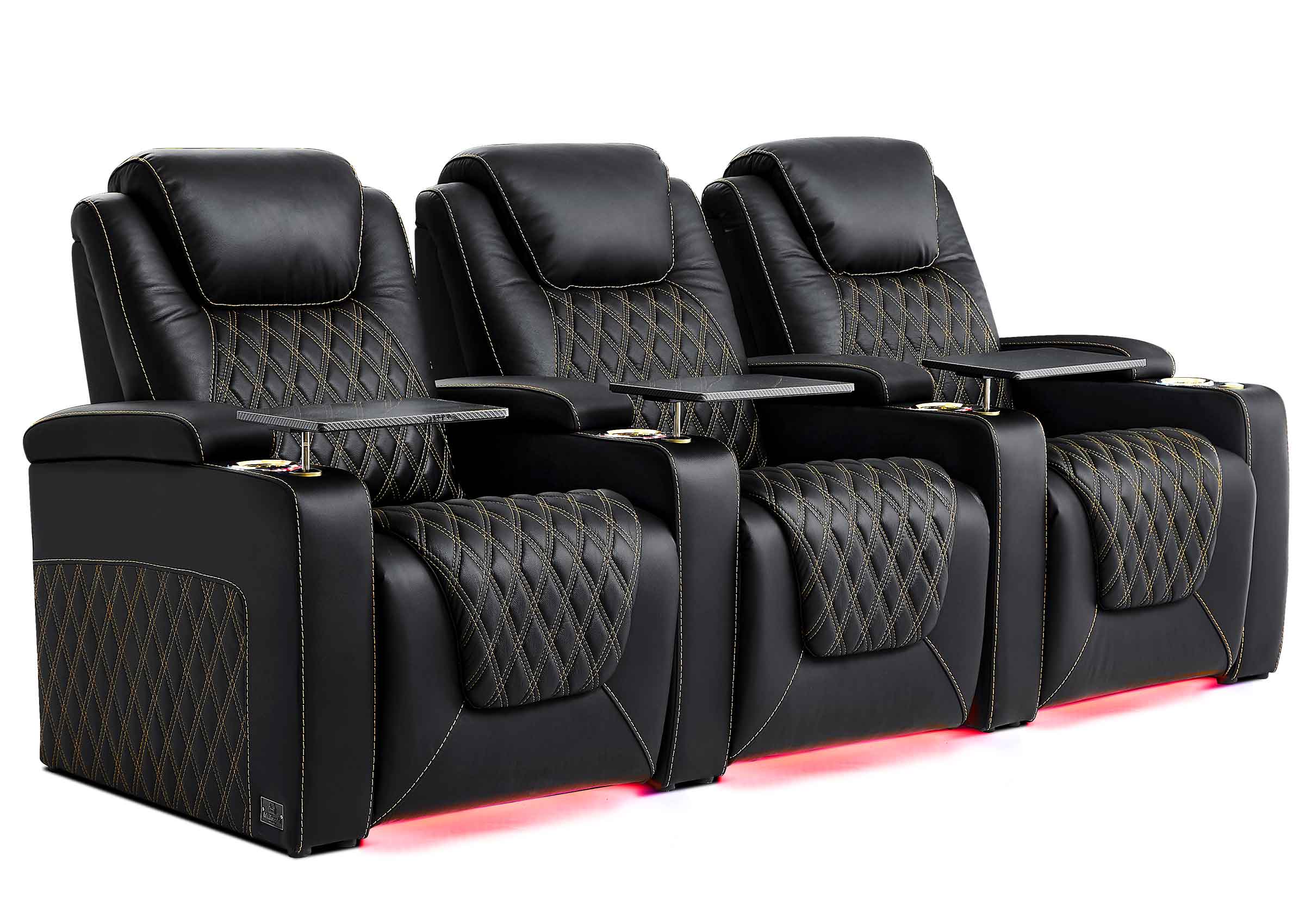
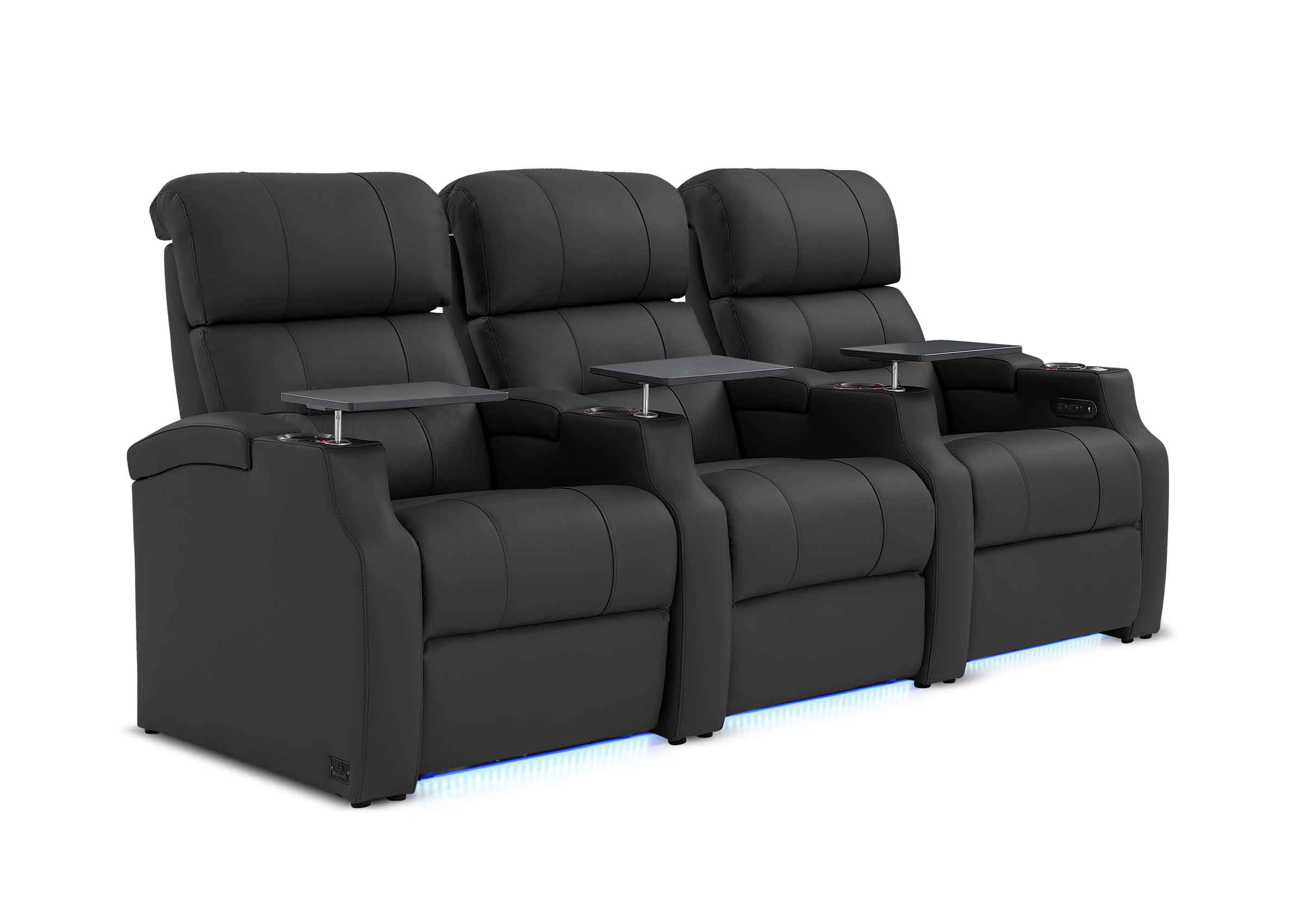
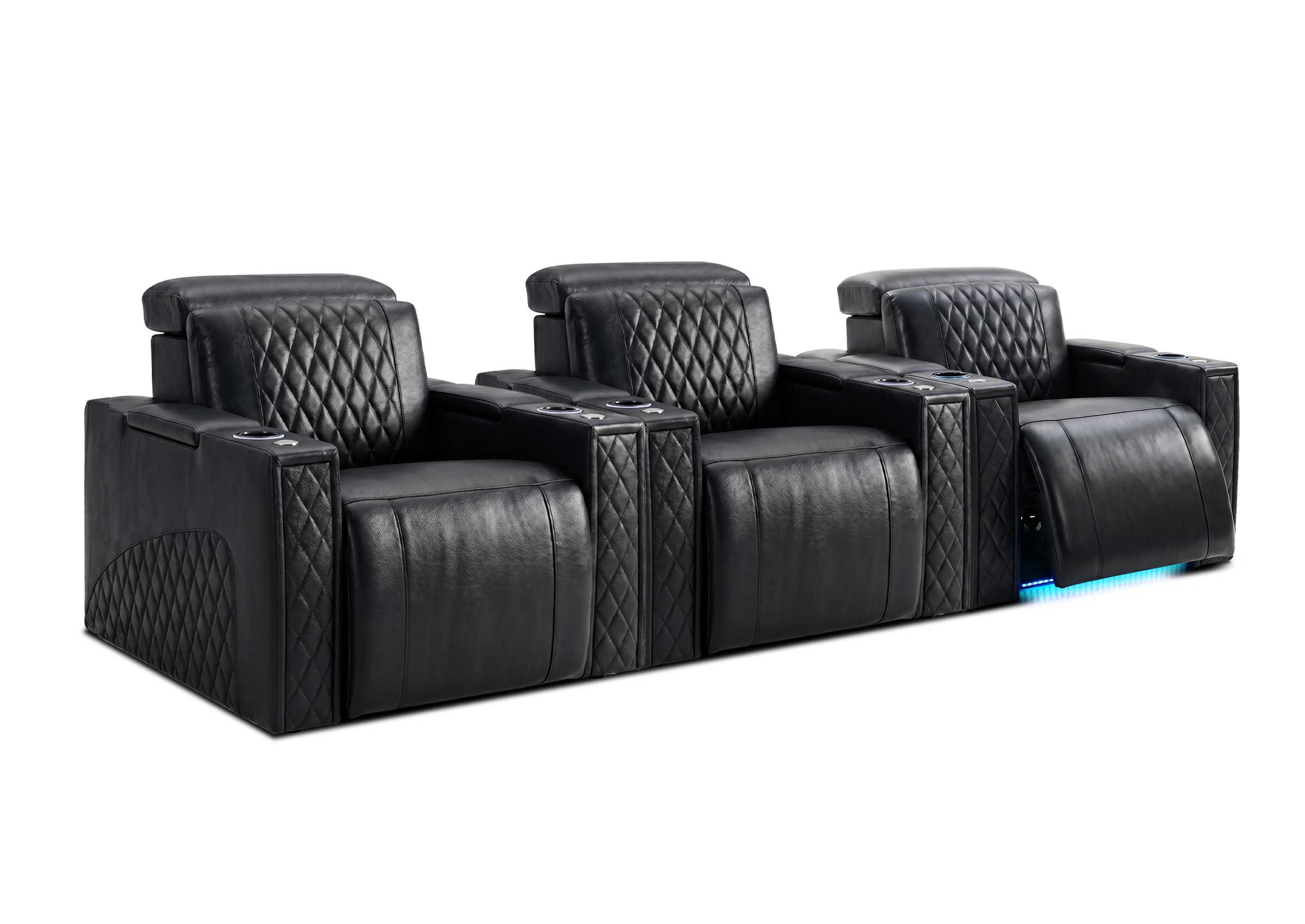
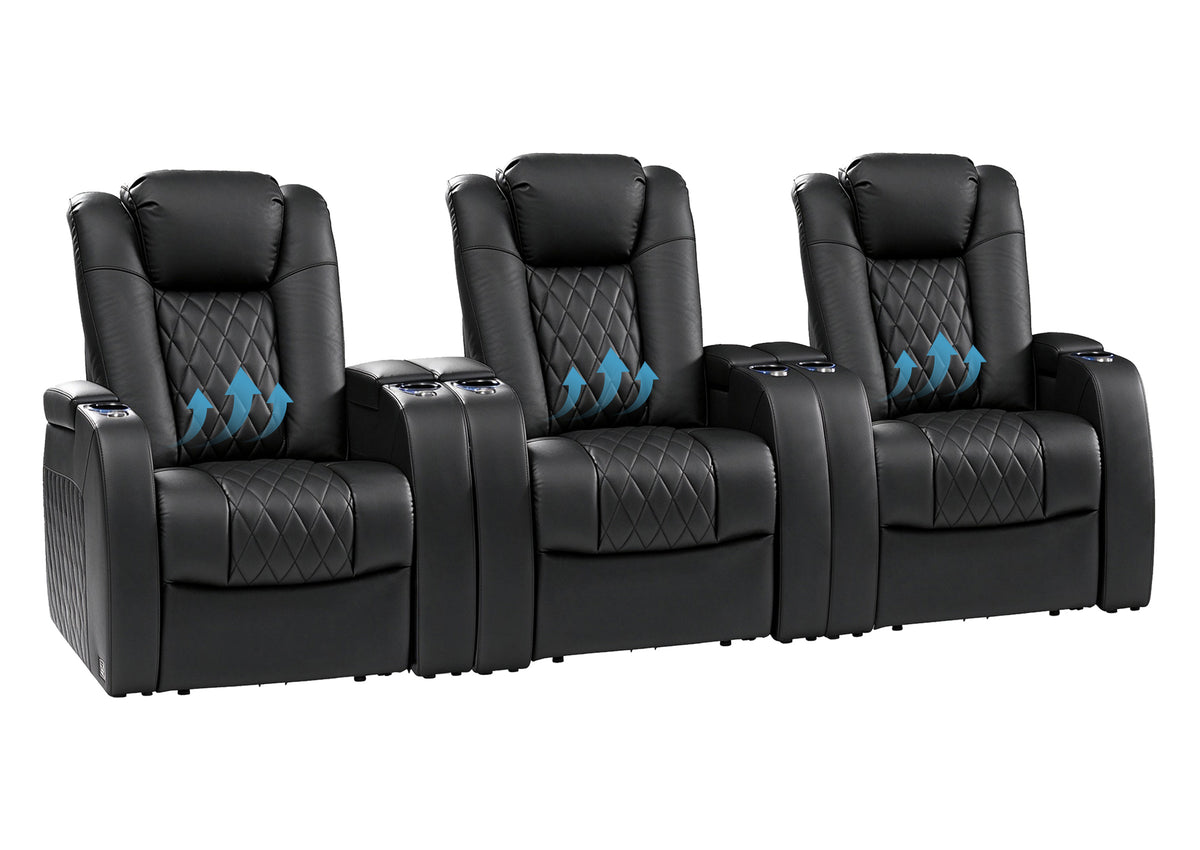
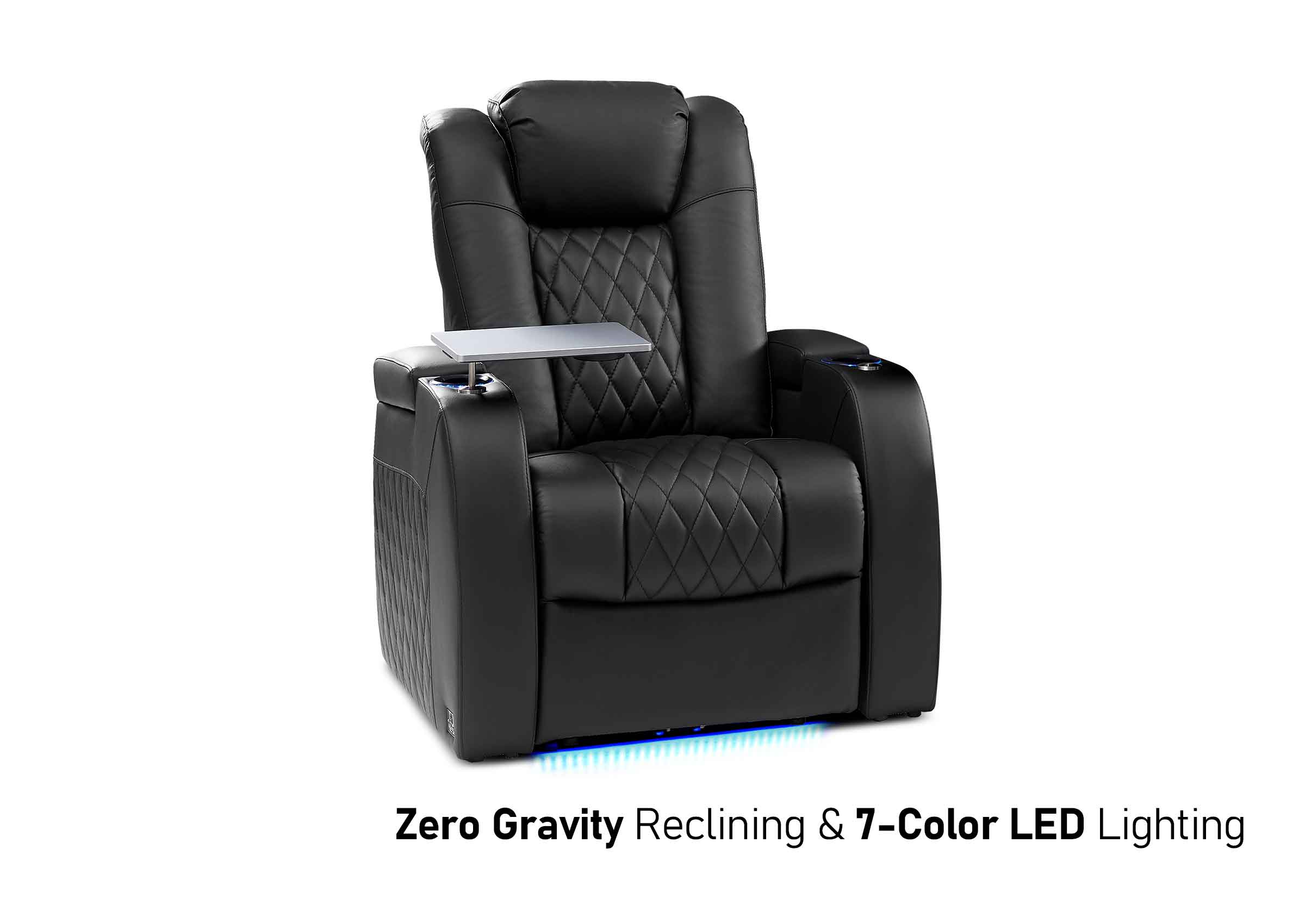
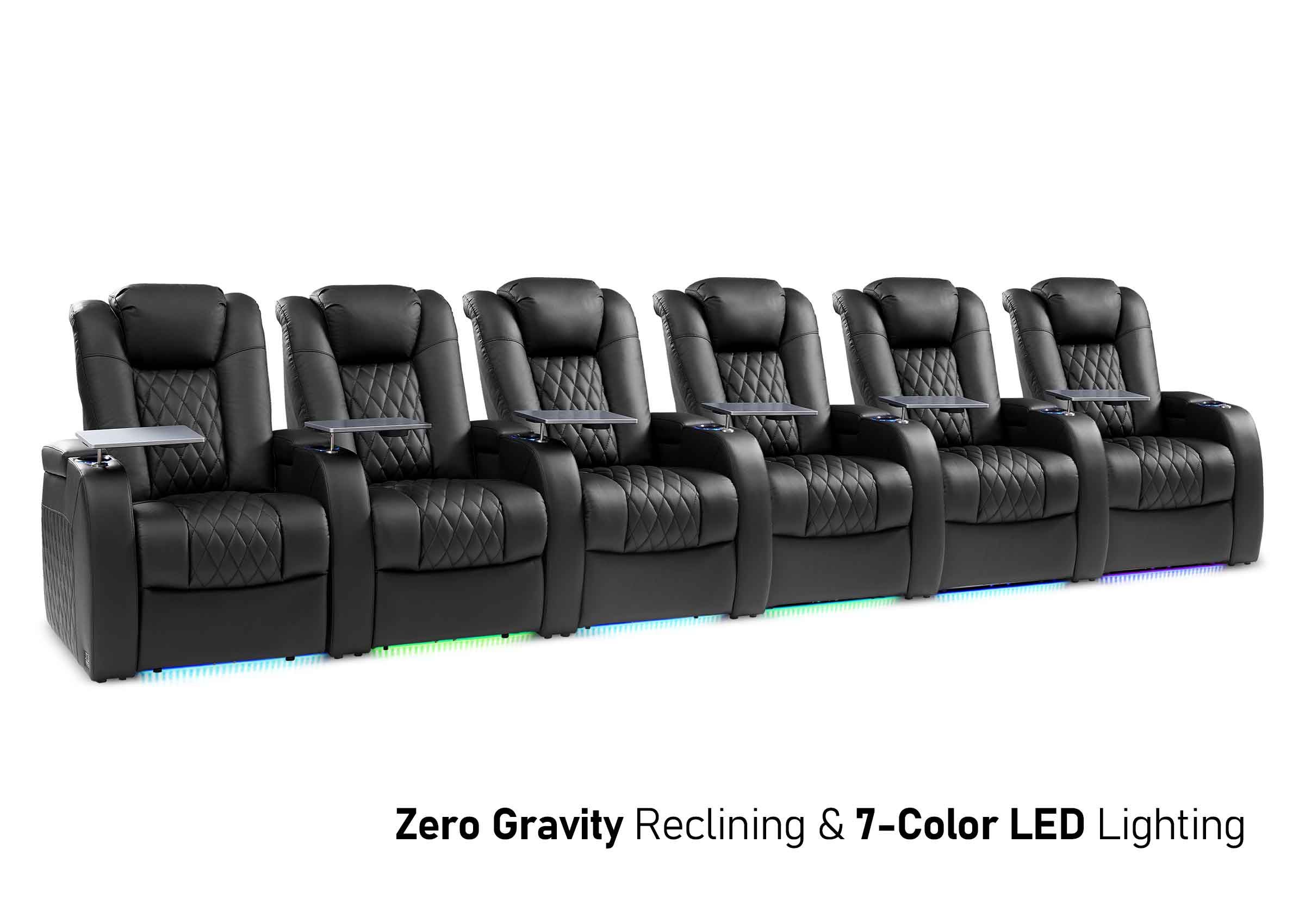
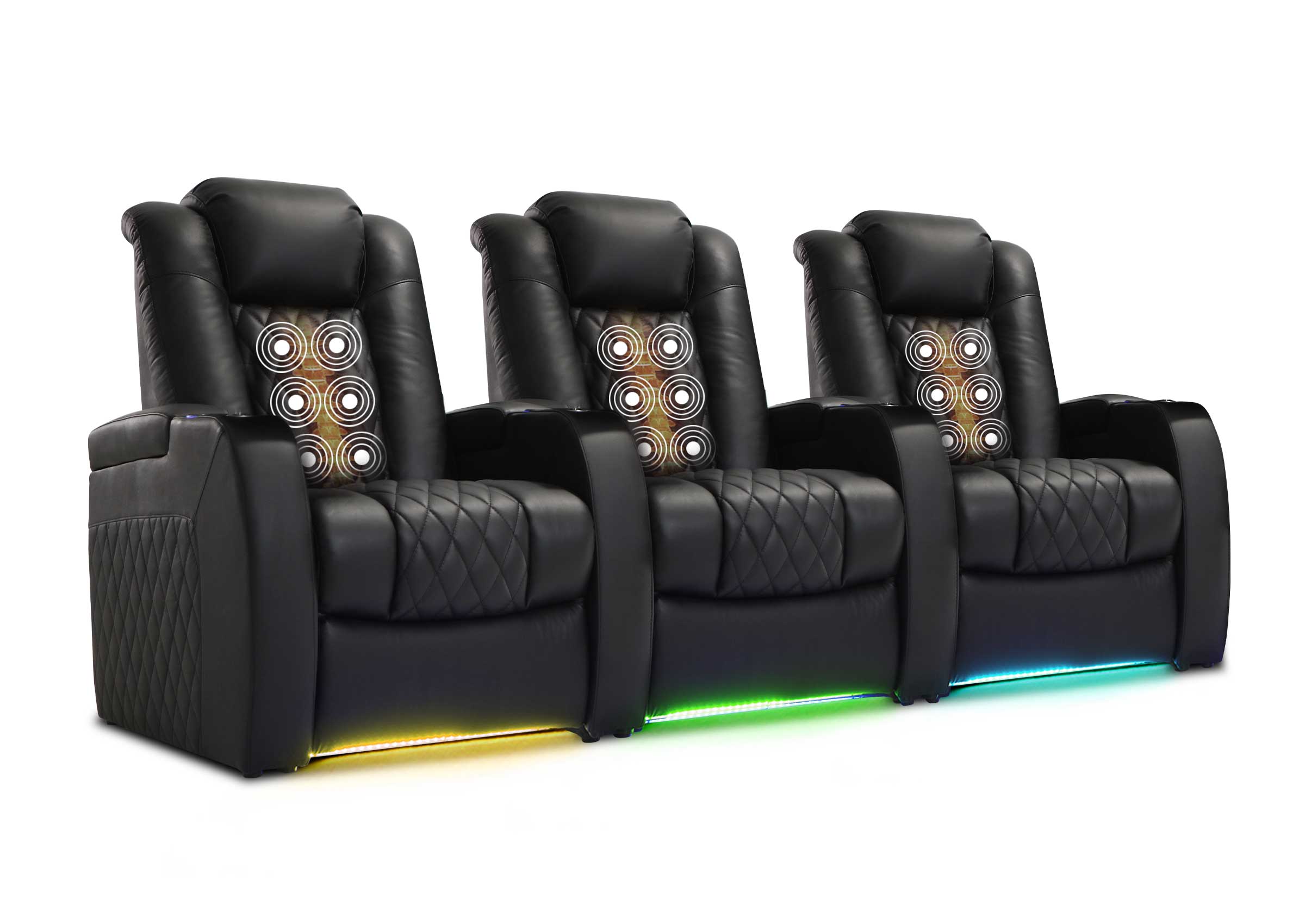
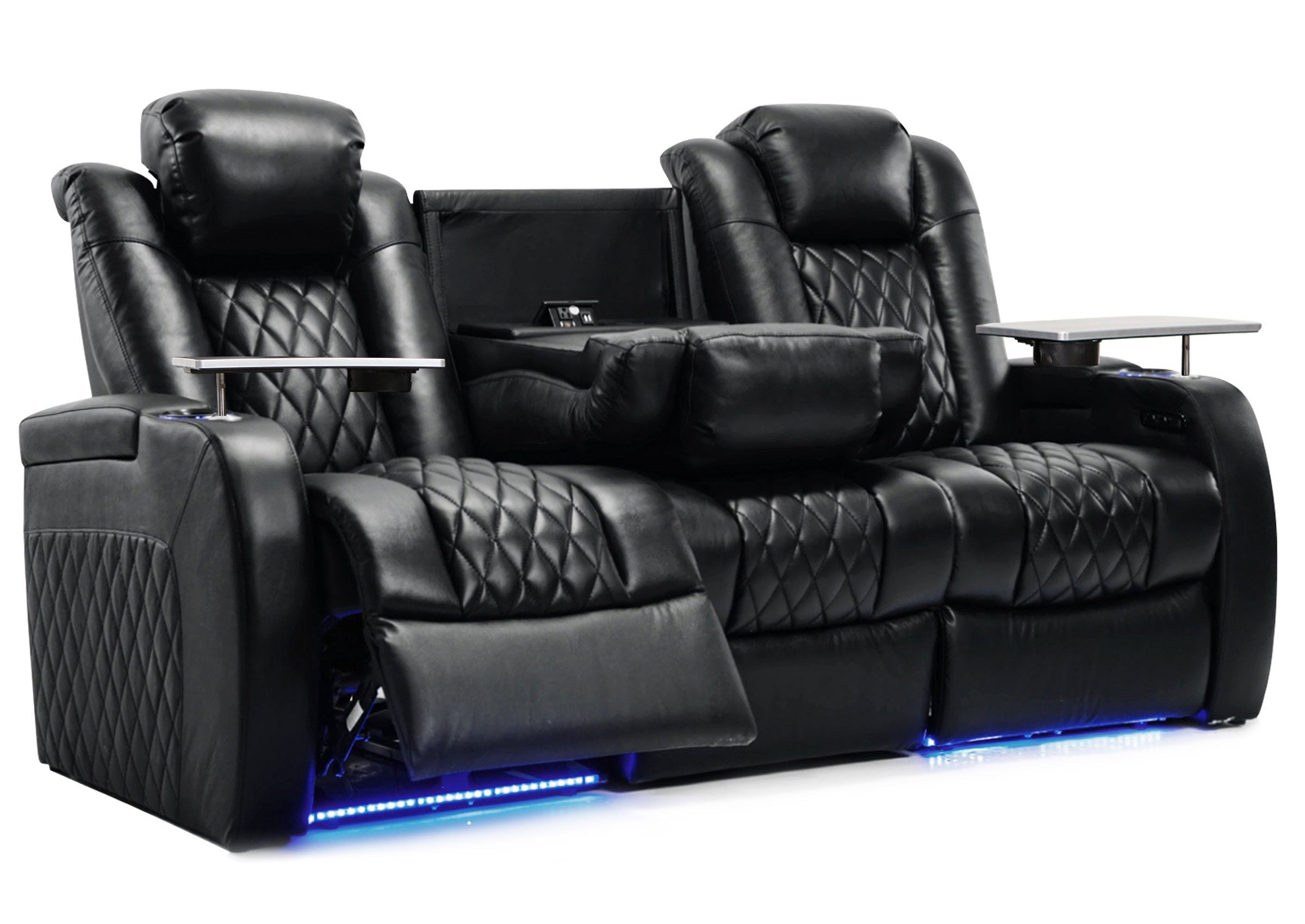
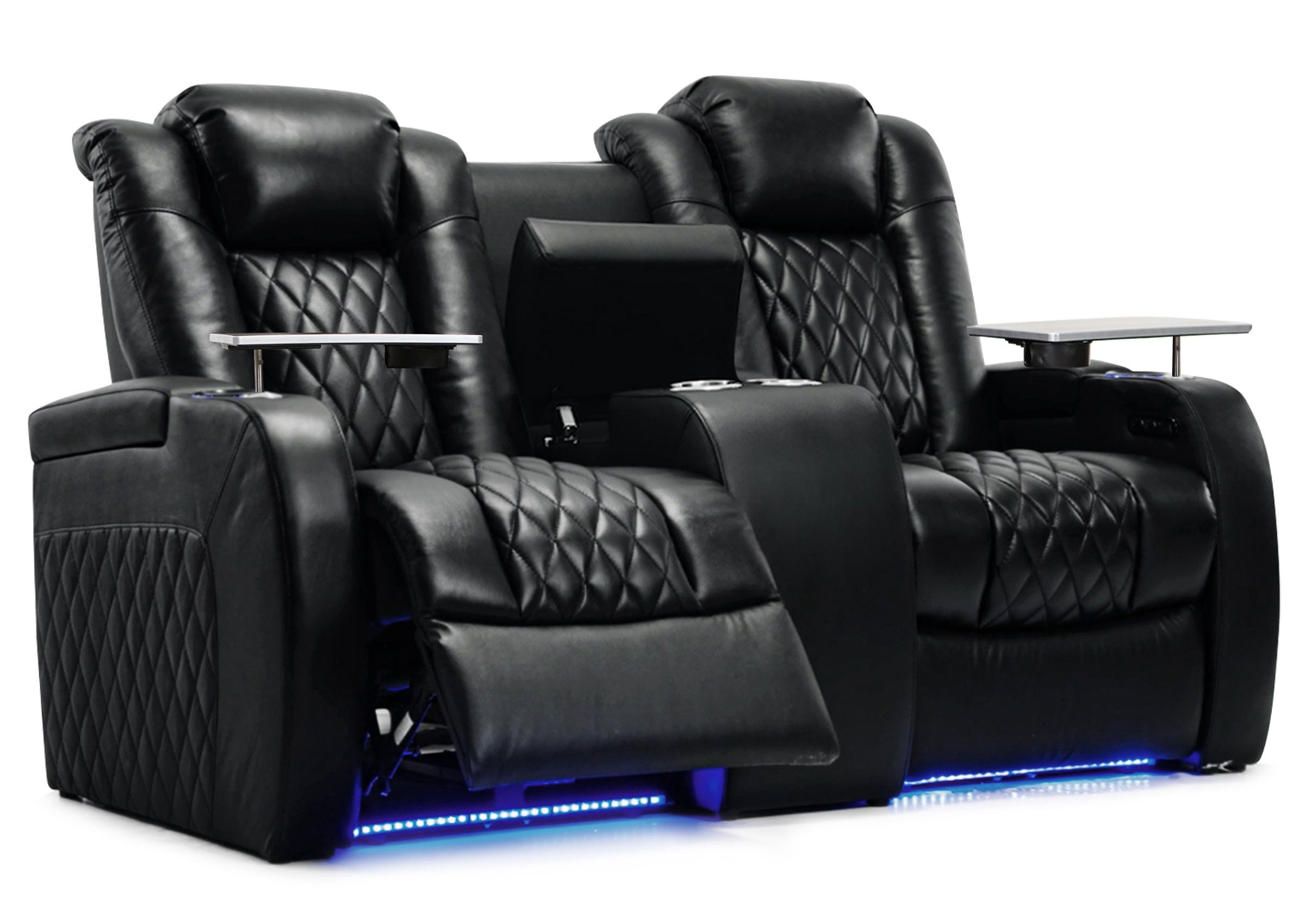
For a Weilianda configuration already shortlisted, review the current Black Friday offer and conditions. Compare the complete selected arrangement and checkout total. A larger discount or gift threshold does not make an extra item part of your makeover plan.
Stop when the original problem is solved. Identify what changed in daily use, what stayed, and what you spent. Photograph the result from the same position and with comparable exposure as the before. Success means a room that works better—not a darker before photograph or more deliveries.
Budget Media Room Makeover FAQ
What can I change without buying anything?
Test an existing lamp or table in another position, regroup art, remove unused objects, and give accessories a home in storage you own. Use the room afterward to see whether the complaint has improved. No purchase does not mean no effort or unlimited space: borrowing a piece should not create a problem elsewhere.
Should I choose DIY because the materials cost less?
Not on that basis alone. Include tools, preparation, fittings, transport, and the work needed for a usable result. Check whether the retained piece is suitable before altering it. A compatible hardware swap and a cabinet rebuild have different demands even when both are called makeovers.
How can I tell whether a secondhand cabinet is a bargain?
Compare its complete cost and condition with an alternative meeting the same need. Confirm dimensions, included parts, collection access, and required work before paying. A low asking price offers little value if the cabinet cannot hold your equipment or needs another purchase to function.
Can I update a cabinet without painting it?
Yes. Try a clearer arrangement, compatible hardware, or organizers fitted to the contents before changing its finish. Test one replacement fitting first. Keep access and ventilation suitable for the devices. Cosmetic changes cannot resolve unsuitable dimensions, damaged construction, or the wrong openings.
How much time should I allow for a small makeover?
Build the schedule from the actual tasks, not a generic weekend promise. A furniture trial can happen during normal use; parts, collection, preparation, and drying add waiting time. Finish one usable phase at a time and follow relevant product instructions. This guide does not provide tested labor times for your room.
What should I postpone if I run out of budget?
Keep the purchases necessary to finish the chosen result and defer independent finishing touches or another project. Recheck parts, tax, transport, and supplies before reallocating money. Do not leave several started projects competing for the money needed to complete one. If a sale ends before you can confirm a suitable purchase, retaining the money is a valid outcome.
Finish One Useful Change Before Planning the Next
Keep the room photographs, retained-item list, actual costs, and completion check together. Live with the result before expanding the project. A good first phase makes the room easier to enjoy while leaving you free to decide what comes next.
If that decision is a Weilianda seating purchase, share retained furniture, available space, intended sitting positions, and your proposed configuration with Weilianda Support or leon@weiliandahome.com. Confirm the seat's dimensions, finish, and included functions alongside the room arrangement you have tested.